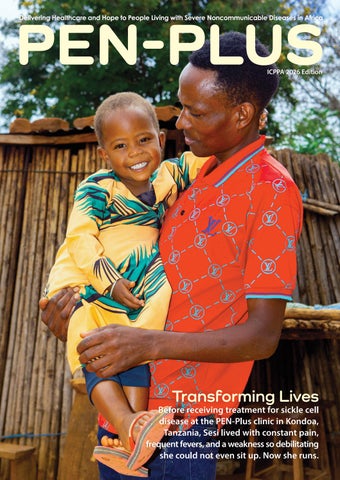
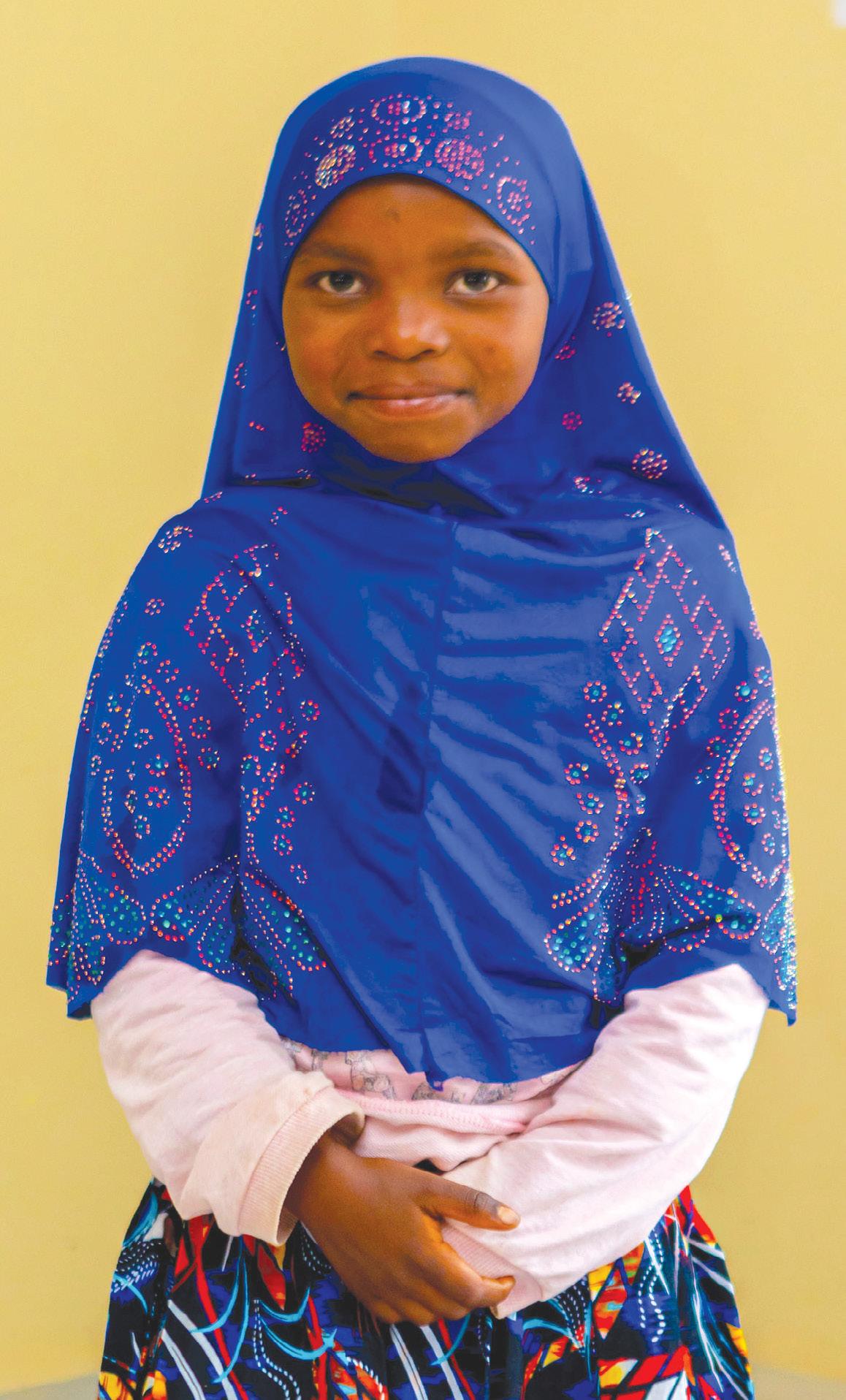
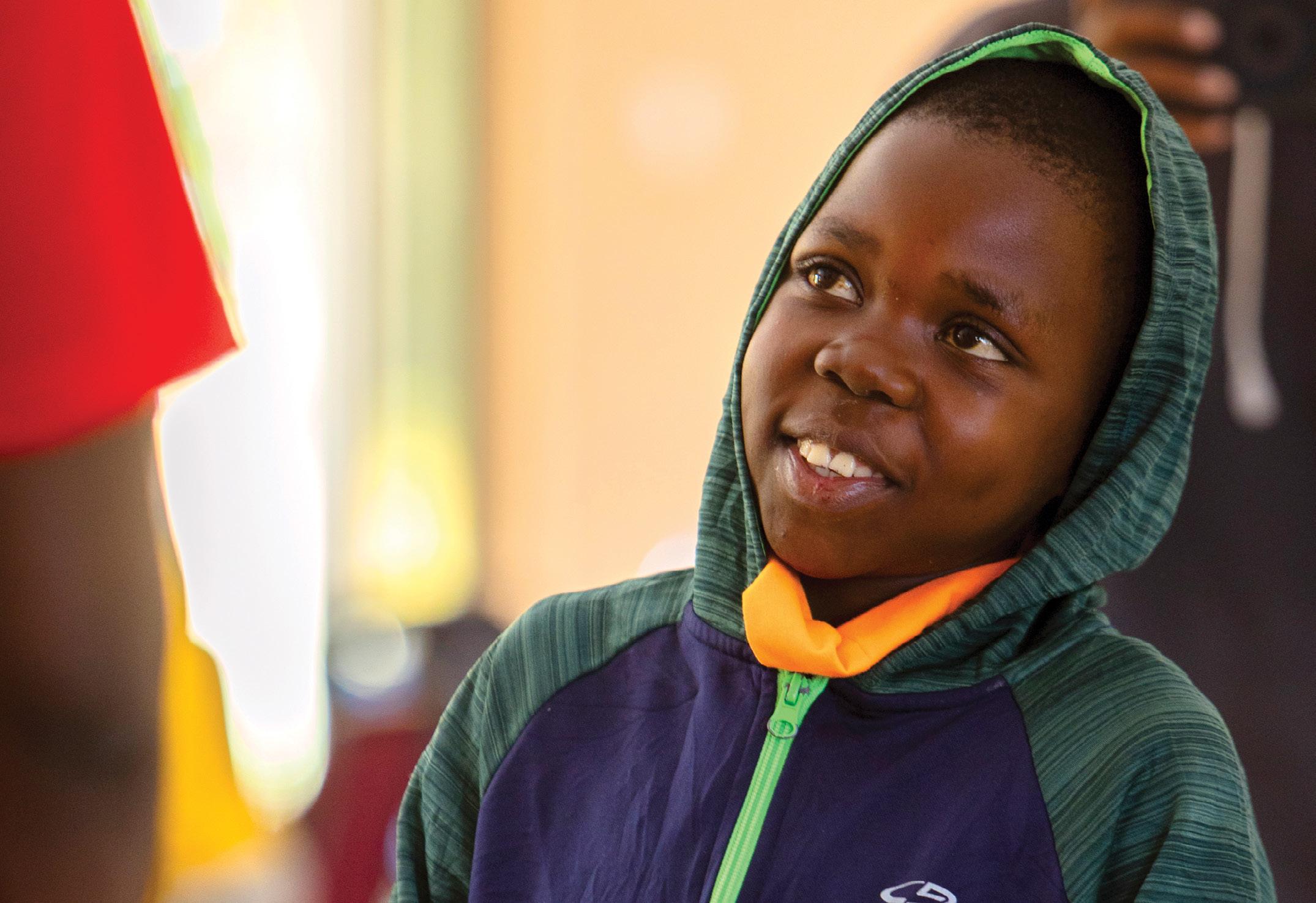
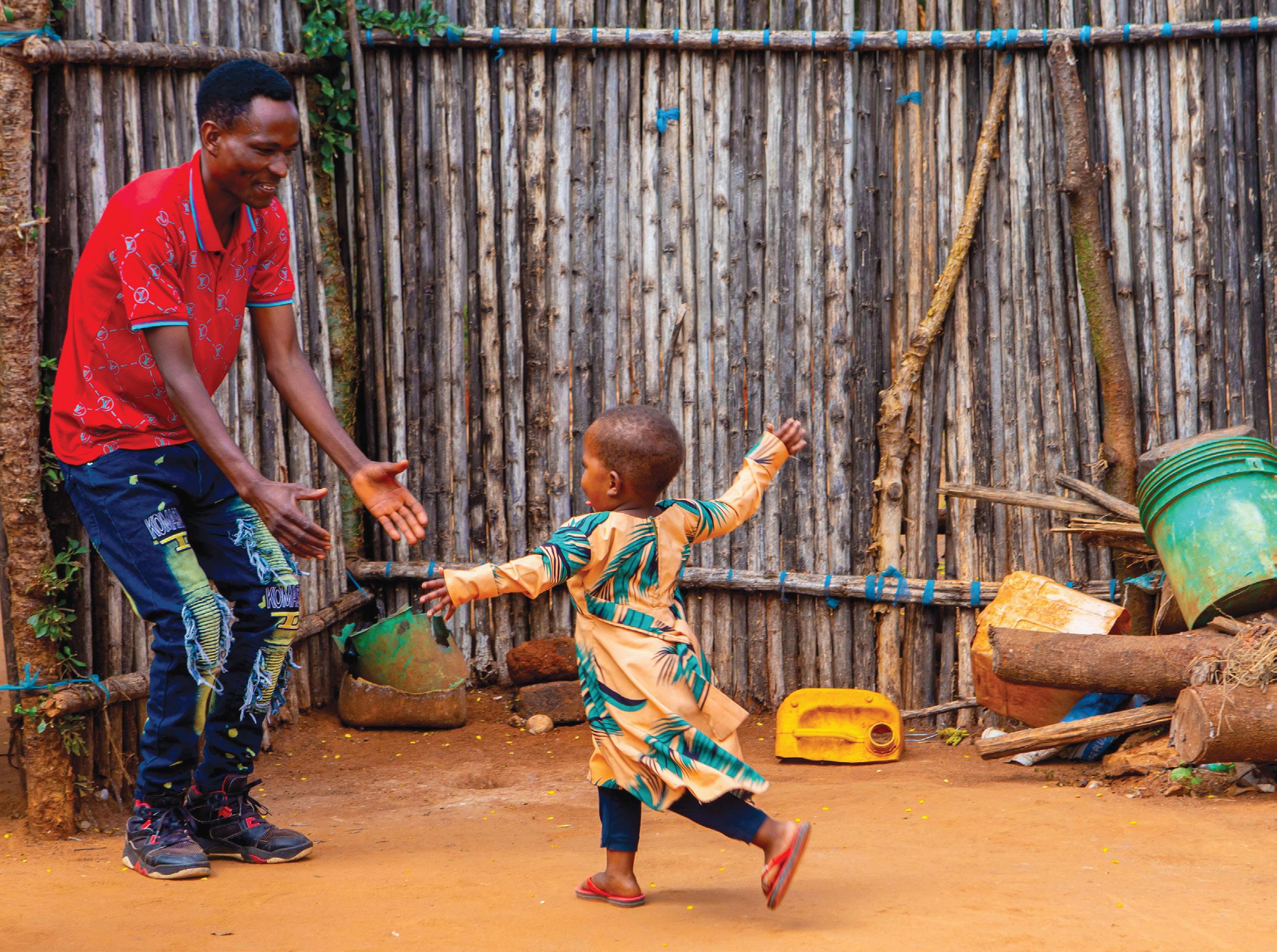
Before receiving treatment for sickle cell disease at the PEN-Plus clinic in Kondoa, Tanzania, Sesi lived with constant pain, frequent fevers, and a weakness so debilitating she could not even sit up. Now she runs.
Features
04 Reclaimed Hope
Type 1 diabetes. Sickle cell disease. Rheumatic heart disease. In much of rural sub-Saharan Africa, these conditions were once nearly impossible to treat. PEN-Plus is now rewriting the story.
10 Roadmaps to Care
National operational plans are emerging as key milestones for countries as they move toward sustainable scale-ups of PEN-Plus.
16 The Healers
PEN-Plus does not just transform patients’ lives. It transforms the clinicians themselves, giving them tools, training, and front-row seats to their patients’ remarkable success.
20 Beyond the Clinic
PEN-Plus is much more than medicine. Lived-experience advocacy, peer support, and community connections all play important roles in ensuring successful outcomes for people living with severe noncommunicable diseases.
Departments
02 From the Regional Director
A welcome from Professor Mohamed Yakub Janabi
03 Transforming Lives
For millions living far from specialized care, the diagnosis of a severe, chronic noncommunicable disease can feel like a death sentence. PEN-Plus is changing that, one clinic, one patient at a time.
26 All Together Now
The PEN-Plus movement continues to spread across subSaharan Africa, with more and more countries embracing the model as an effective approach to ensuring access to treatment for people living with severe noncommunicable diseases in rural, resource-constrained settings.
28 Our Gathering Momentum
Each PEN-Plus milestone in the WHO African Region represents lives extended, communities empowered, and health systems strengthened.
GROWING EXPERTISE
Dr. John Reuben credits the PEN-Plus program in Tanzania with the training and mentorship he needed to be able to provide specialized care to patients with such severe conditions as type 1 diabetes, sickle cell disease, and childhood heart disease.
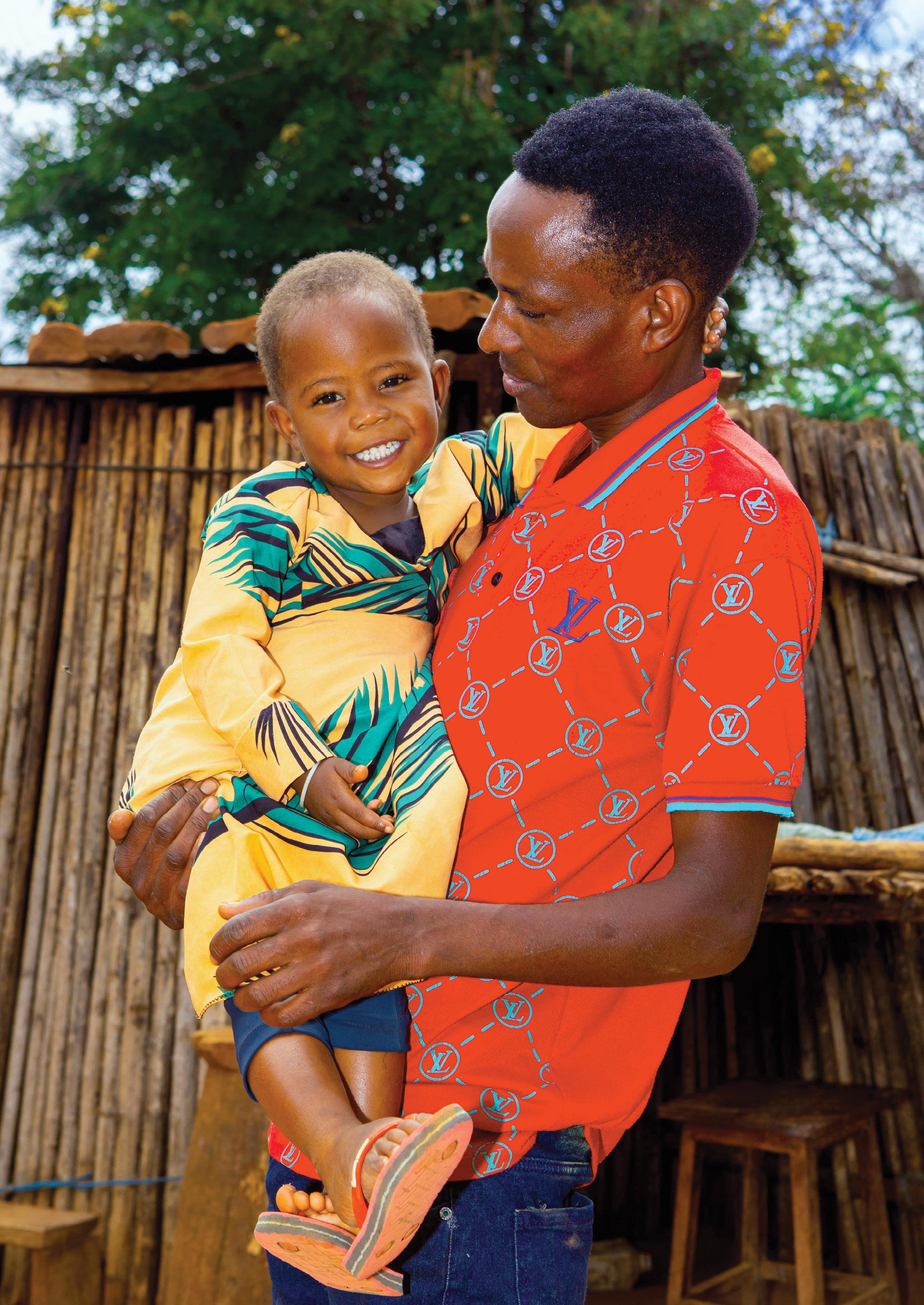
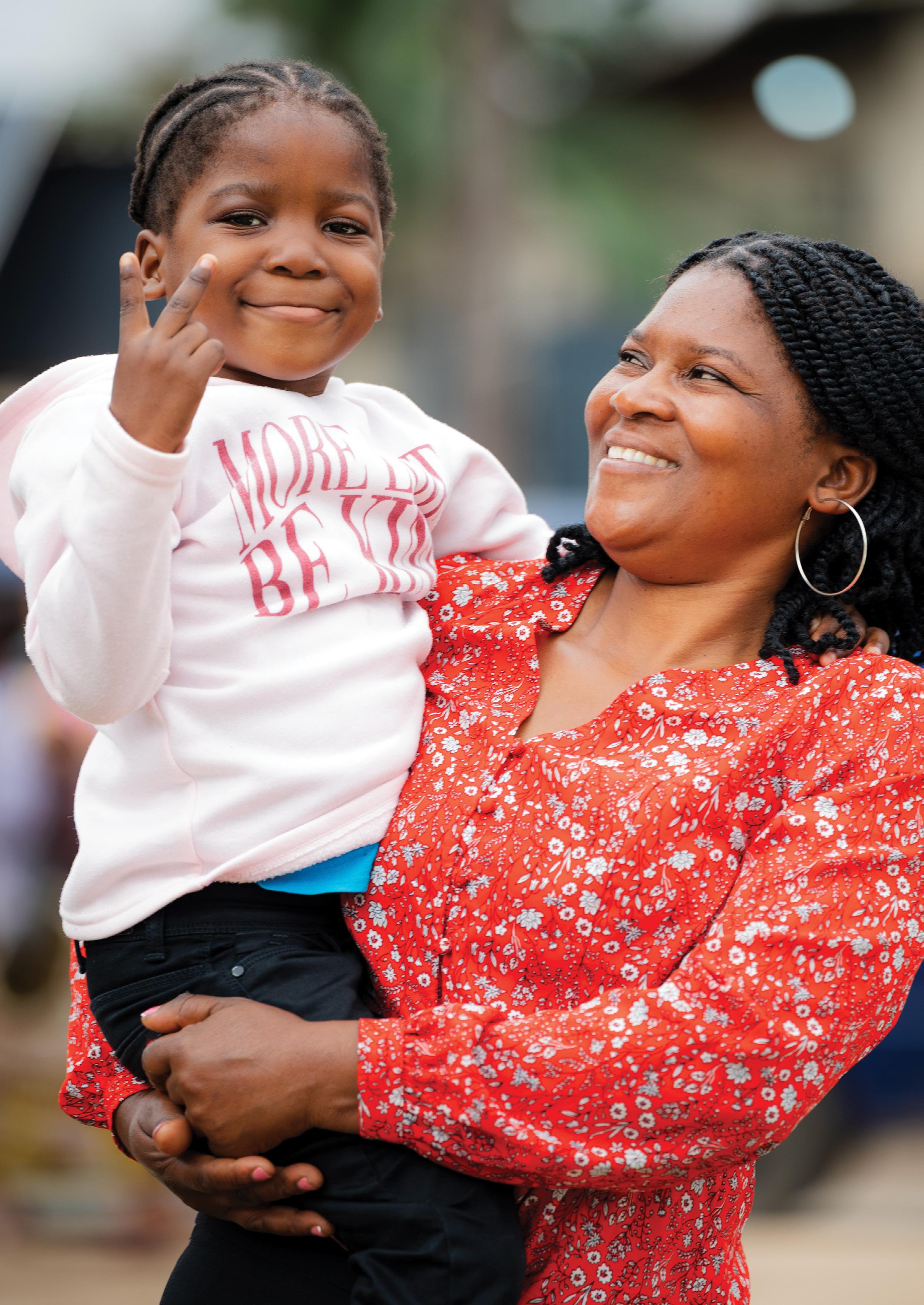
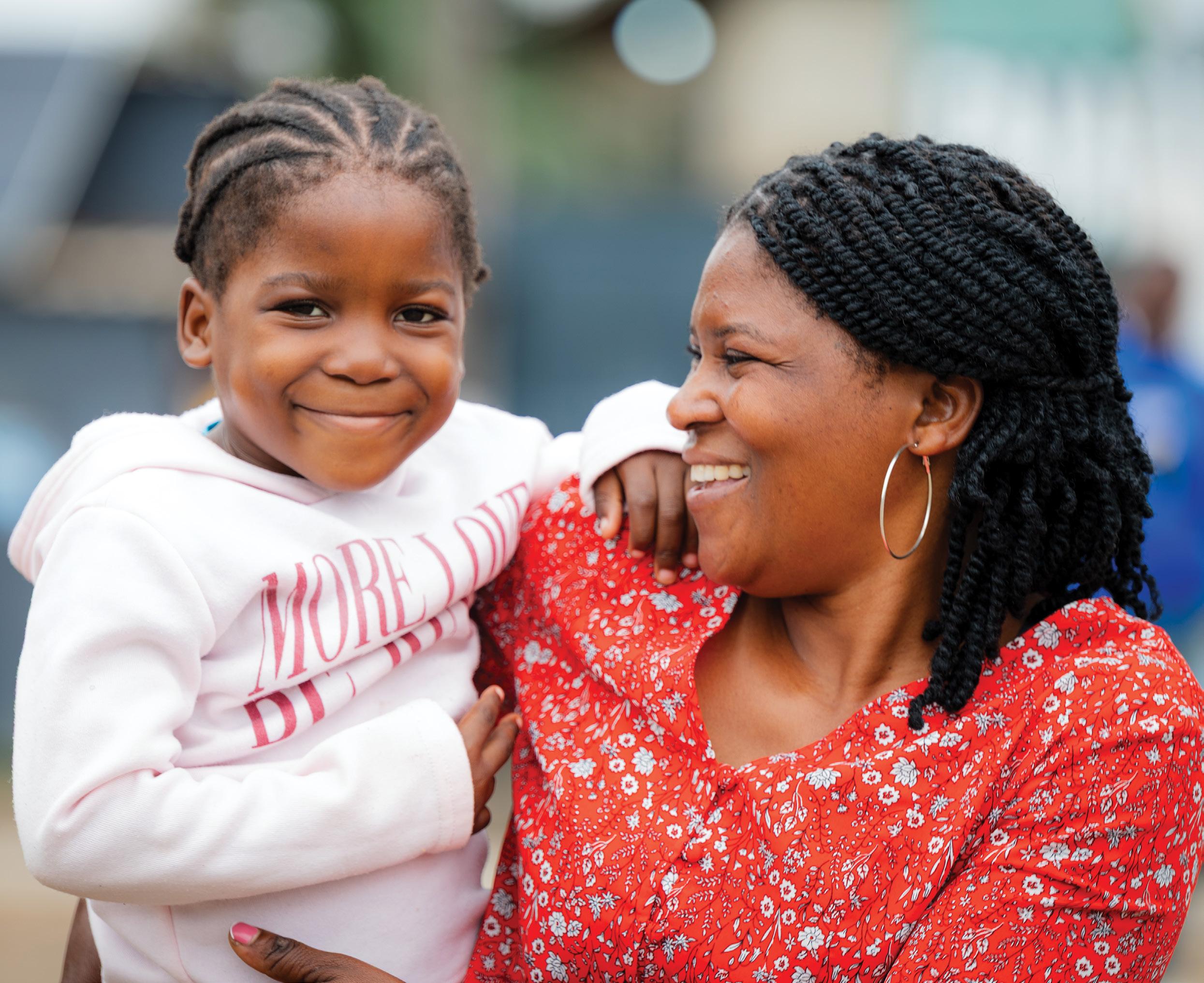
Cover photo: Emmanuel Michael cradles his four-year-old daughter, Sesi, who receives treatment for her sickle cell disease at the PEN-Plus clinic at Kondoa District Hospital in central Tanzania.
YOUNG WARRIOR
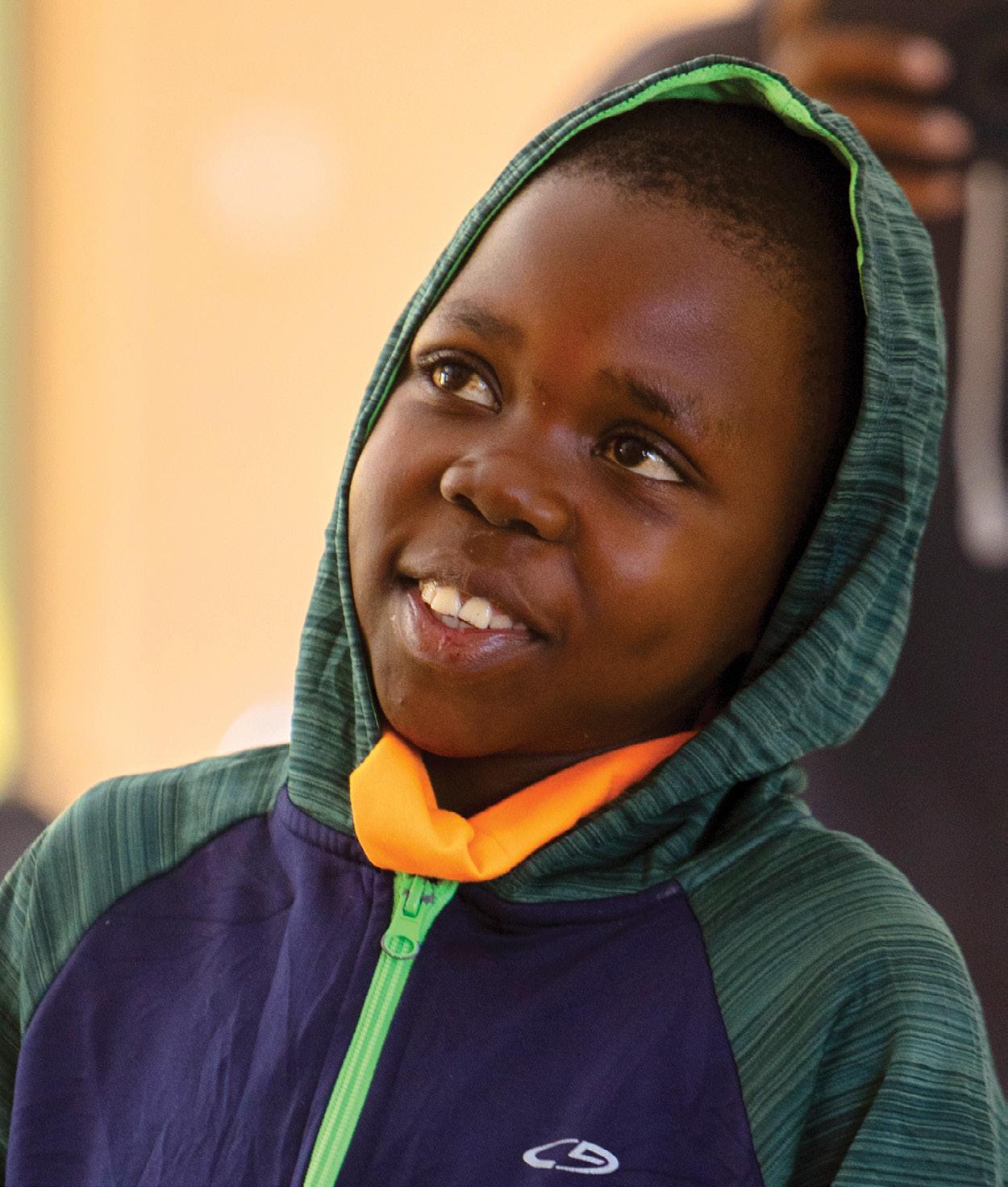
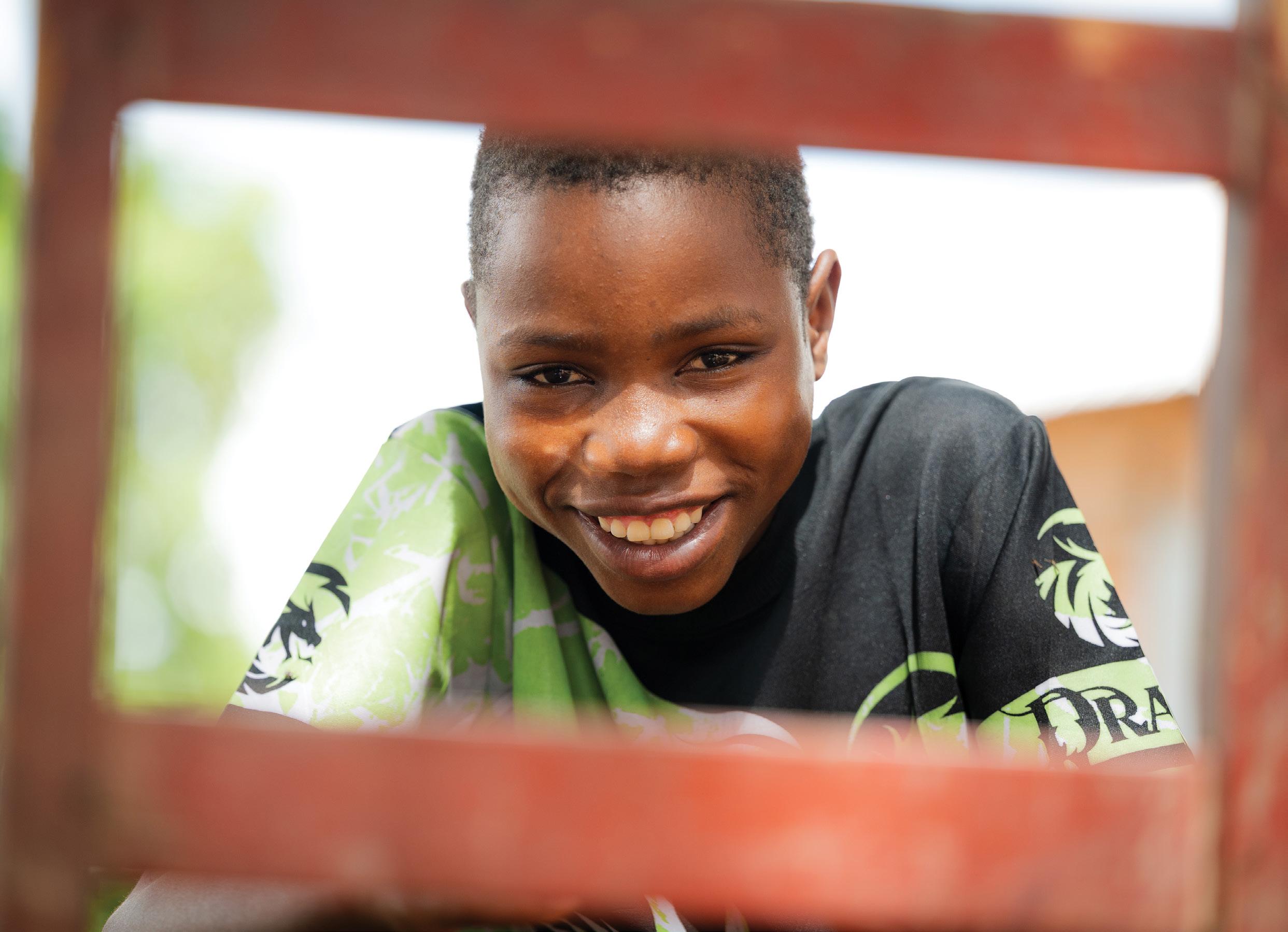
While participating in an integrated PEN-Plus camp in Zambia, 11-year-old Daniel Mulowa gained not only confidence in managing his sickle cell disease, but also a strong community of fellow warriors.
04
REWRITTEN STORY
“She is not just surviving,” Margaret Nyirenda said of her five-year-old daughter, Isabella, who receives treatment for sickle cell disease at a PEN-Plus clinic in Lusaka, Zambia.
“She is thriving.”
From the Regional Director
It is with great pleasure that I welcome you to the Third International Conference on PEN-Plus in Africa (ICPPA 2026). This third convening returns us to the birthplace of this conference series—Dar es Salaam, United Republic of Tanzania, where the highly successful inaugural conference was held in April 2024. This year’s conference also follows the well-attended, insightful, and technically focused ICPPA 2025, held in Abuja, Nigeria, last July.
Severe noncommunicable diseases— including type 1 diabetes, sickle cell disease, and rheumatic and congenital heart disease—continue to impose a profound and often lifelong burden on children, adolescents, and young adults in some of Africa’s most vulnerable communities. These four conditions remain at the heart of the PEN-Plus initiative.
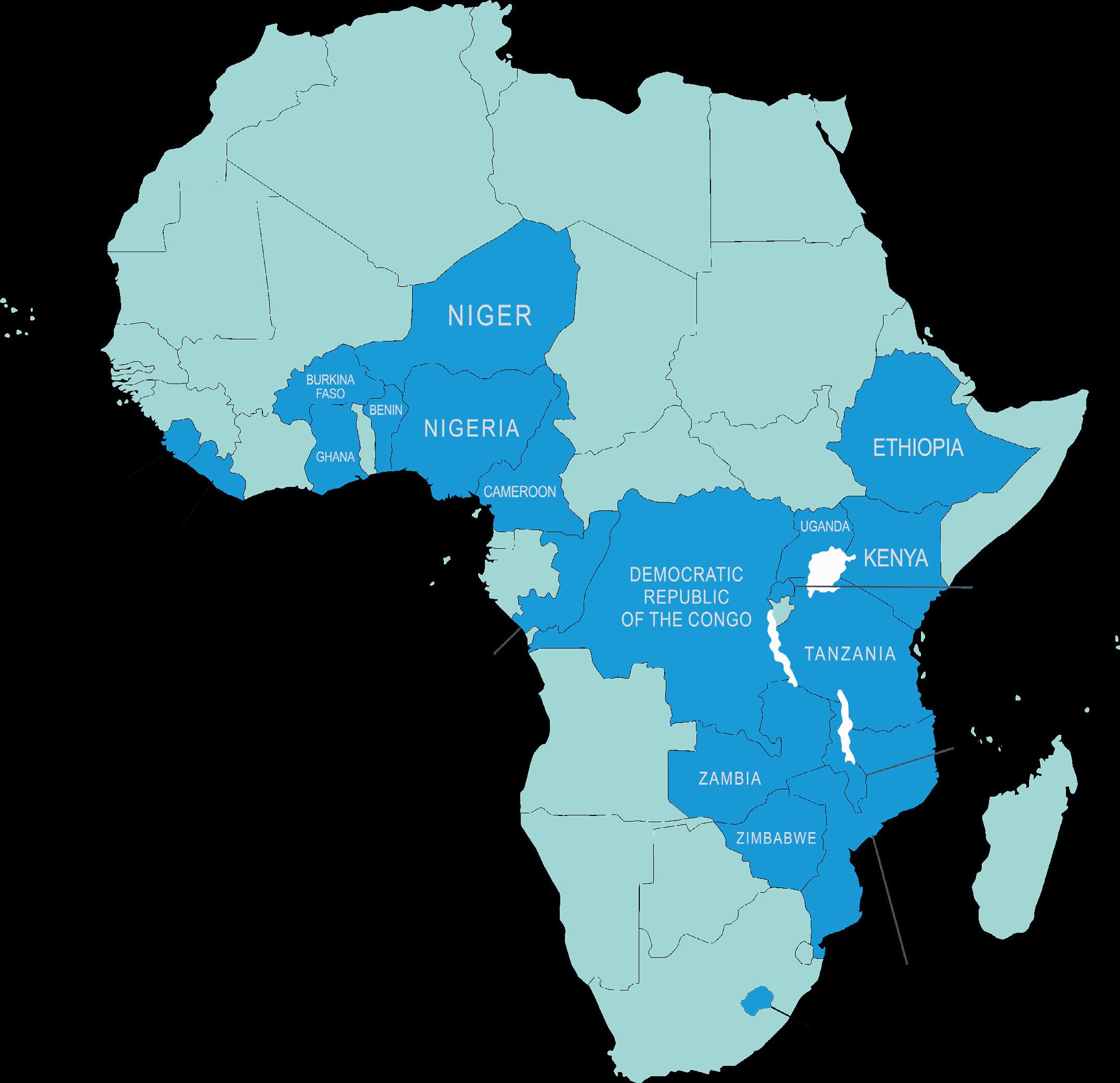
Today, this integrated, decentralized model of care has been successfully rolled out in 20 countries across the WHO African Region, aligned with and reinforcing national health policies. This bold and transformative initiative—already changing lives where access was once unimaginable—is being led by the WHO Regional Office for Africa in close partnership with the NCDI Poverty Network and other committed partners, and with generous financial support from The Leona M. and Harry B. Helmsley Charitable Trust.
ICPPA 2026 will bring together heads of state, senior policymakers, regional and global experts, partners, donors, and civil society representatives, alongside those living with severe noncommunicable diseases, to accelerate collective action toward equitable access to quality care, especially in rural and underserved communities.
At the center of this dialogue must remain those who live with these diseases every day: the patients, their families, and the dedicated healthcare workers serving in remote and often resource-constrained settings. Their lived experiences are not only powerful; they are also indispensable. Without their voices, we cannot fully understand what has been achieved, what challenges persist, and how we must move forward together to ensure that no person living with a severe noncommunicable disease is left behind.
Equity is not achieved by intentions alone; it is achieved when lifesaving care reaches those who have waited the longest. This conference is therefore not only a moment of reflection, but also a call to renewed commitment—to equity, to innovation, and to action that reaches the last mile.
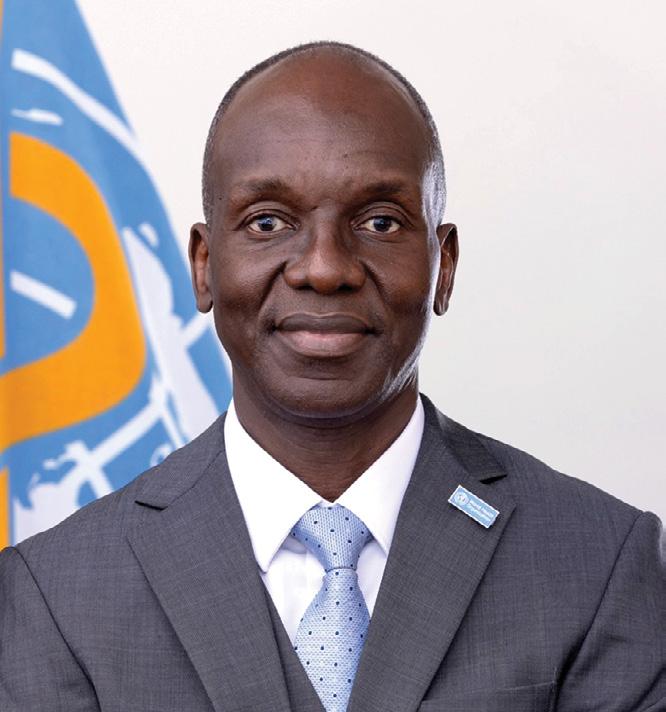
Professor Mohamed Yakub Janabi Regional Director WHO Regional Office for Africa
This issue of PEN-Plus, a magazine of the World Health Organization Regional Office for Africa, is published on the occasion of the Third International Conference on PEN-Plus in Africa, held in Dar es Salaam, in June 2026. This issue of the magazine, like the conference itself, represents a collaboration of the WHO Regional Office for Africa, The Leona M. and Harry B. Helmsley Charitable Trust, the NCDI Poverty Network, and the United Republic of Tanzania. The Helmsley Charitable Trust provided the funding.
Disclaimers. The authors alone are responsible for the views expressed in this publication, and such views do not necessarily represent the views, decisions, or policies of the World Health Organization.
The designations employed and the presentation of the material in this publication do not imply the expression of any opinion whatsoever on the part of WHO concerning the legal status of any country, territory, city, or area or of its authorities, or concerning the delimitation of its frontiers or boundaries. Dotted and dashed lines on maps represent approximate border lines for which there may not yet be full agreement.
The mention of specific companies or of certain manufacturers’ products does not imply that they are endorsed or recommended by WHO in preference to others of a similar nature that are not mentioned. Errors and omissions excepted, the names of proprietary products are distinguished by initial capital letters.
All reasonable precautions have been taken by WHO to verify the information contained in this publication. However, the published material is being distributed without warranty of any kind, either expressed or implied. The responsibility for the interpretation and use of the material lies with the reader. In no event shall WHO be liable for damages arising from its use.
Transforming Lives
For millions living far from specialized care, the diagnosis of a severe, chronic noncommunicable disease can feel like a death sentence. PEN-Plus is changing that, one clinic, one patient at a time.
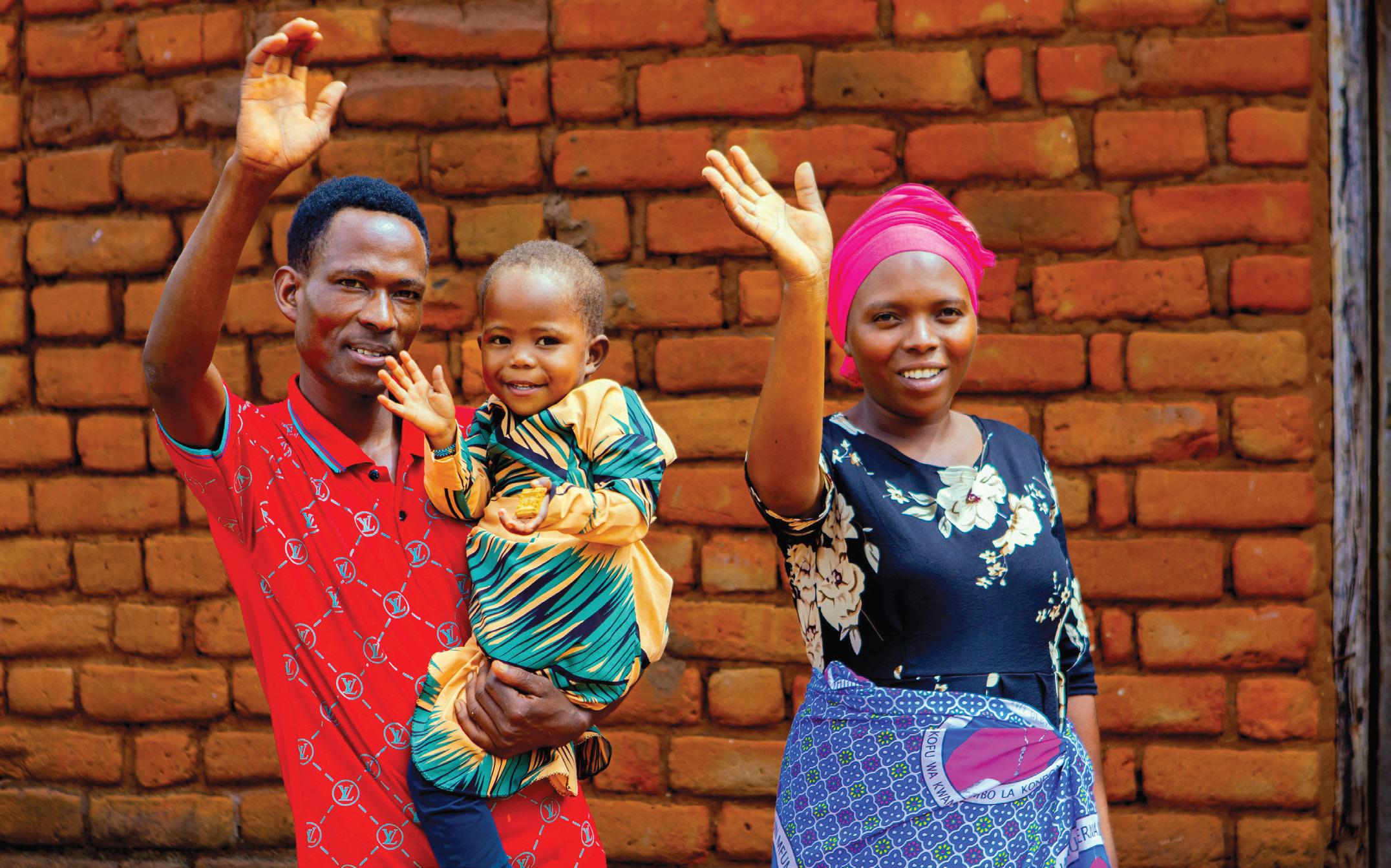
RETURN TO HEALTH: Two years ago, Emmanuel Michael and Martha Simon Martin feared they might lose their daughter, Sesi, to a mysterious malady. Fortunately, a PEN-Plus clinic was just opening in nearby Kondoa, Tanzania. Now, with ongoing treatment for her sickle cell disease, four-year-old Sesi has regained her strength and exuberance.
In the spring of 2024, Martha Simon Martin watched her two-year-old daughter fade. Sesilia—or Sesi, as her family calls her—was losing strength. She refused to eat and could no longer sit up.
Sesi’s first full-blown crisis began with vomiting and diarrhea. A local dispensary provided medicine, to no avail. At the nearby district hospital, Sesi received a blood transfusion and was admitted for a full week. Only then did tests reveal that she had a condition Martin had never even heard of: sickle cell disease.
Martin returned home with a leaflet and, crucially, a referral to a newly opened PEN-Plus clinic—Tanzania’s first—in the nearby town of Kondoa, in the central part of the country.
PEN-Plus is more than an integrated health delivery model; it is a proven strategy for bringing lifesaving care closer to home for people living with severe noncommunicable diseases in rural, resource-limited communities.
Sesi started visiting the Kondoa clinic monthly for medications and checkups. What followed has been, by any measure, extraordinary. Her weight climbed, and her energy returned. For a long time, she could not walk; now she runs.
And Sesi, now four, has the vocabulary to articulate where it hurts.
“She will say, ‘Mama, my head hurts’ or ‘My legs are in pain,’” Martin said. “But these episodes are rare now. Sometimes months will pass without her feeling any pain at all.” ■
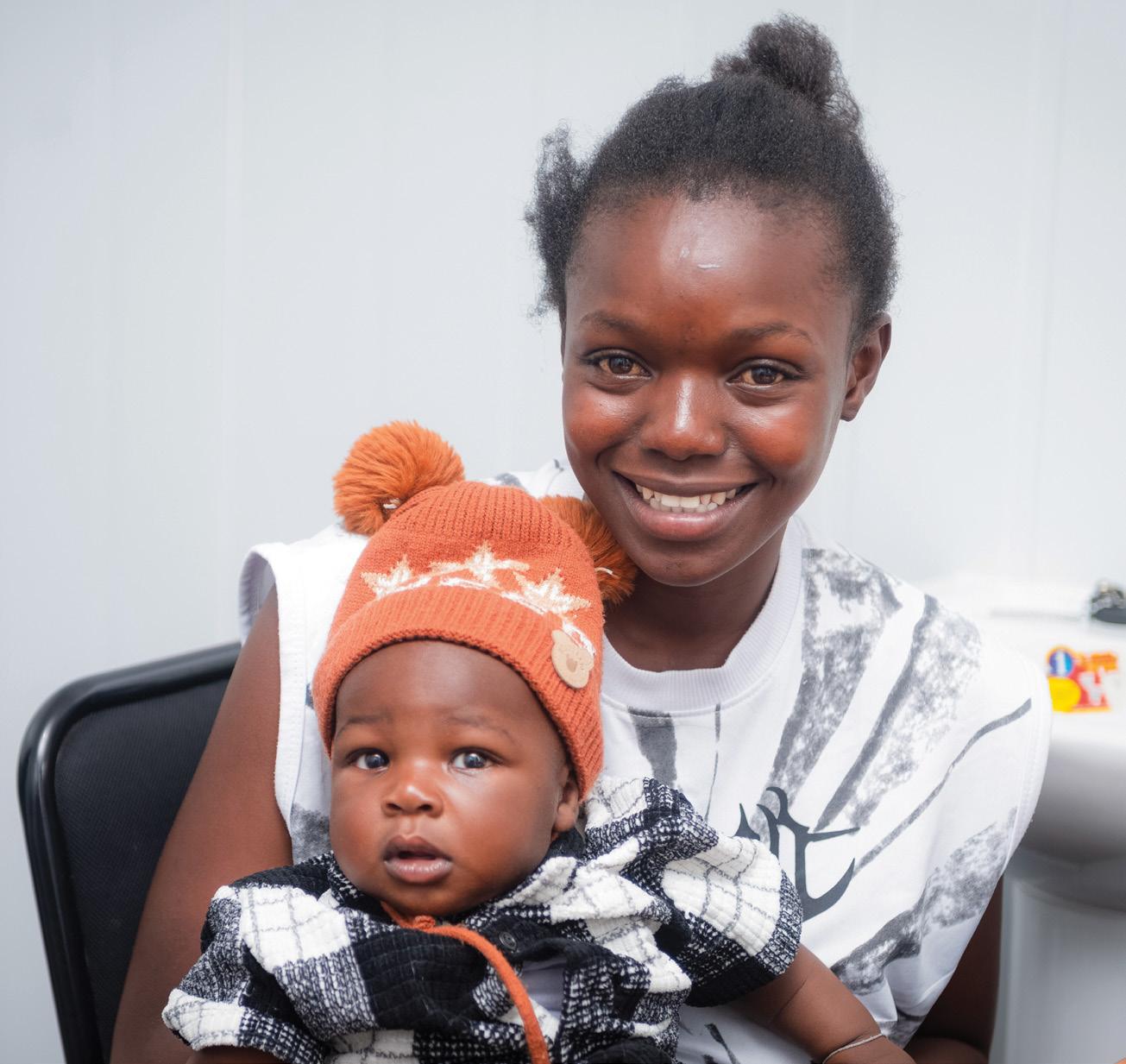
GREAT EXPECTATIONS: Margaret Nyirenda holds her five-year-old daughter, Isabella, outside the PEN-Plus clinic at Matero Level One Hospital in Lusaka, Zambia, in March 2026. Isabella receives ongoing care for sickle cell disease at the clinic.
HOPE reclaimed
Type 1 diabetes. Sickle cell disease. Rheumatic heart disease. In much of rural sub-Saharan Africa, these conditions were once nearly impossible to treat. PEN-Plus is now rewriting the story.
When her twin daughters were just five months old, Margaret Nyirenda noticed that one of them had a swollen finger. The following day, the other twin’s fingers began swelling, and soon both babies were screaming in pain. A nursing student, Nyirenda knew this was an emergency. She strapped one baby to her chest and the other to her back as she rushed the twins to the nearest clinic.
There a clinician diagnosed the twins with sickle cell disease and sent them to University Teaching Hospital in Lusaka, Zambia, where they were admitted in critical condition. With her husband out of the country, Nyirenda spent that first week camped out in a hospital corridor tending to two infants who needed transfusions, oxygen, and round-the-clock care.
The twins’ early years were marked by frequent hospital admissions and their parents’ constant fear.Advanced care for sickle cell was limited to the university hospital, and every crisis meant scrounging money for the trip.
Then, one evening in 2025, one of the twins, then four, fell suddenly and gravely ill. With no money, Nyirenda’s husband desperately sought transportation to urgent medical care. The little
girl soon became unresponsive, though, and by the time the family reached the hospital, she was gone.
For Nyirenda, it was not only the death of a beloved child, but also the loss of a life that had been inseparable from her twin’s, even before birth.
Amid that grief, Isabella, the surviving twin, remained a source of hope for Nyirenda.
Later that year, Nyirenda and her husband were able to enroll Isabella in the PEN-Plus clinic at Matero Level One Hospital. With consistent care and proper medication, Isabella’s health began to stabilize.
Today, the child who needed intensive care early in life is an active and bright five-year-old. Curious about the world, Isabella has declared her intention to become a pilot. She also wants to be a doctor.
Nyirenda, meanwhile, carries both the weight of what she has lost and the hope of what remains. She has watched one daughter slip away without warning, and her training tells her exactly how little warning there was. She is grateful, she said, that the PEN-Plus clinic has given her a structure of care she can count on and a place where Isabella is known and monitored.
“She is not just surviving,” Nyirenda said of her daughter. “She is thriving.” ■
WHAT LOVE FEELS LIKE
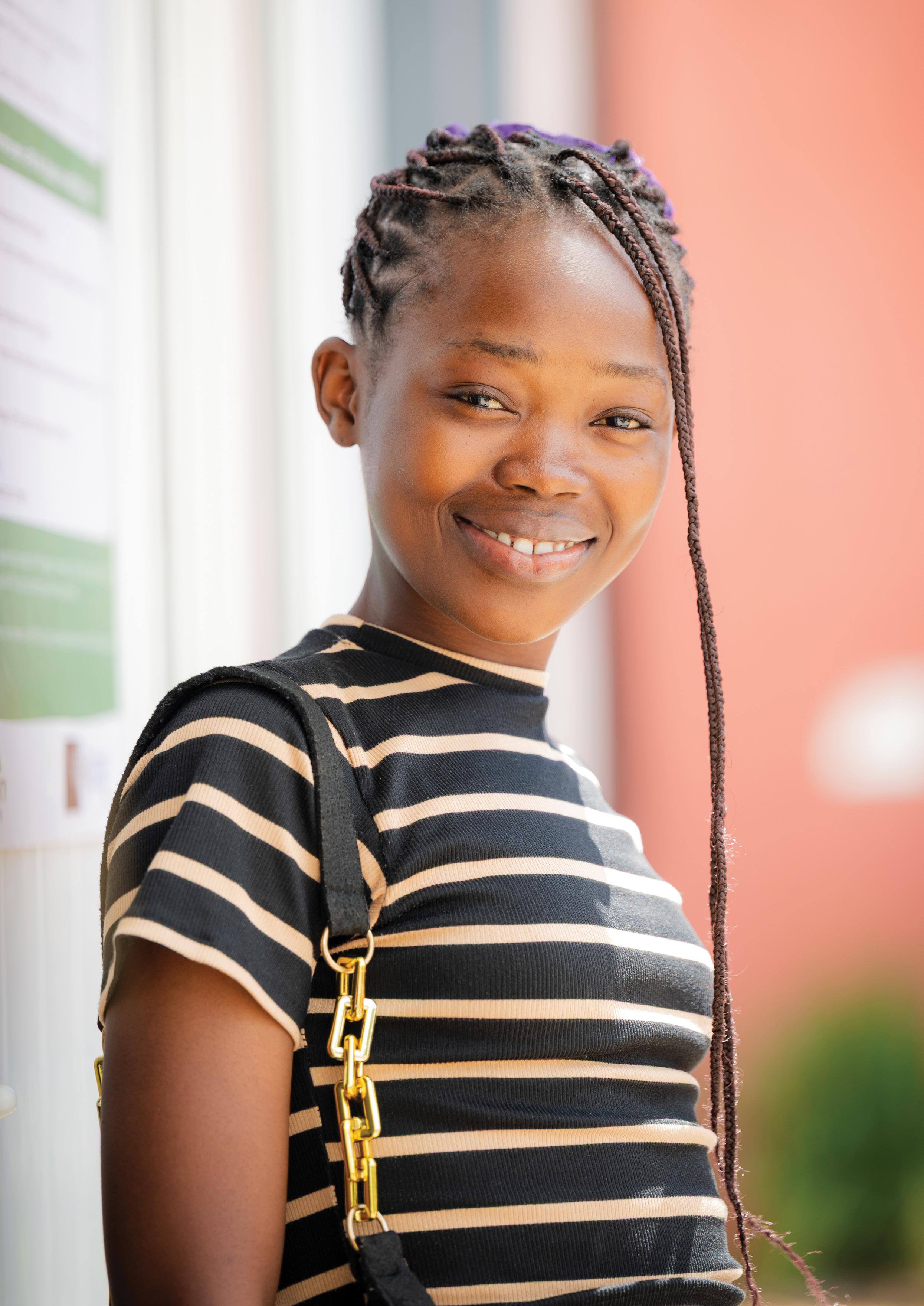
Esnart Banda—who was diagnosed with sickle cell disease when she was five months old—grew up in Lusaka, Zambia, grappling with a condition few around her understood. Bullied at school and often isolated, she nonetheless persevered, sustained by her grandmother’s devotion and her own quiet determination. A turning point came several years ago, when she enrolled in the PEN-Plus clinic at nearby Matero Level One Hospital.
“I didn’t know what love felt like until I came here,” the 22-year-old said recently, while visiting the clinic.
“I found a loving family, and they helped me understand my condition.”
BACK ON THE ROAD
Within ten days of falling ill during Ramadan in 2024, Issa Swalehe Athumani watched his body disappear. The weight dropped fast. “Seeing how thin I had become made me feel like my life was nearing its end,” he said.
The 26-year-old from Kondoa, Tanzania, knew something was seriously wrong. Some neighbors urged traditional herbs; others insisted he’d been bewitched. “I tried traditional medicines, but they did nothing,” he said. “I knew I had to go to the hospital.”
There, the diagnosis was swift: type 1 diabetes.
Athumani had heard that diabetes was a “rich man’s disease,” with insulin, syringes, and testing strips all beyond reach. His family feared the costs; even transportation expenses, when you’re too ill to work, accumulate quickly.
When he enrolled in the PEN-Plus clinic in Kondoa, though, medication and testing supplies were provided to him. And seeing other patients who had faced the same fear and were clearly recovering gave Athumani something he had not felt in months: hope. “It made me realize I wasn’t alone,” he said, “and that I could get better too.”
He did get better. Before treatment, he could barely leave his bed. Once he committed to the clinic’s treatment plan, though, his weight—and his strength—returned. Today, Athumani works as a boda boda driver, earning a living and moving freely through his days. His recovery has also freed his family, who had put aside their own work and responsibilities to care for him.
His advice is simple: “Go to the hospital. Do not listen to advice from the street; only follow the doctors. I am now back on my motorcycle every day, feeling great.”
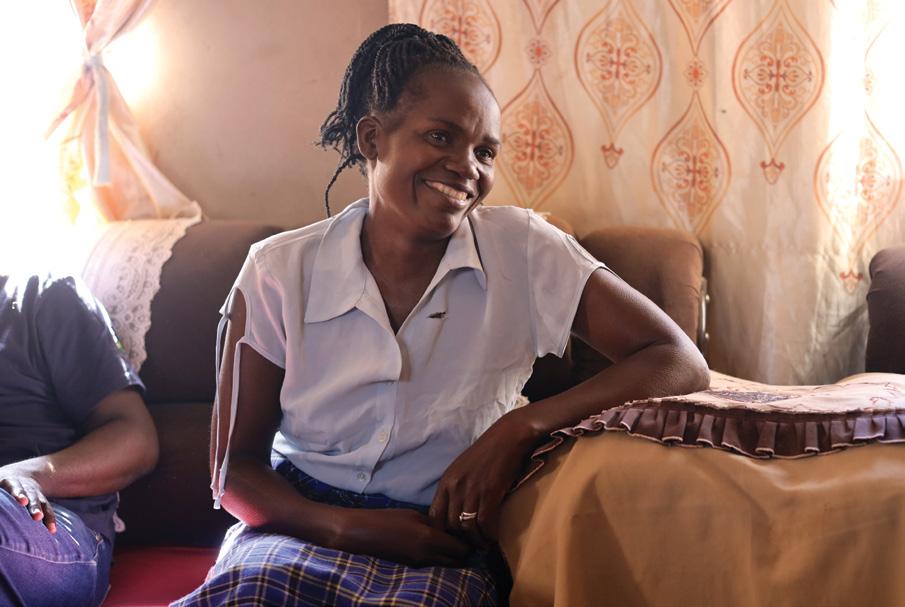
Rhoda Kazembe has lived with epilepsy since childhood, a journey marked by stigma, costly medication, and years of searching for answers that neither clinics nor traditional healers could fully provide. Without reliable access to treatment, her seizures were frequent and severe. That changed in 2025, when she enrolled in the PEN-Plus clinic at Matero Level One Hospital in Lusaka, Zambia. With consistent and free medication and ongoing support, her seizures have become fewer and milder. Today, the 42-year-old lives with greater stability—and, she said, genuine hope.
photos : world health organization
GENUINE HOPE
IT’S LIKE I DON’T EVEN HAVE DIABETES
In her early teens, Joyce Muimui felt baffled when her health began deteriorating, with dizziness, weakness, and excessive sweating. A few years later, after Matero Level One Hospital in central Zambia diagnosed her with type 1 diabetes, she felt overwhelmed, fell behind in school, and had to repeat a year.
In 2023, though, a PEN-Plus clinic—one of the first two in the country—opened at the hospital. Enrolling in the clinic marked a turning point for Muimui. For the first time, she said, she truly understood her condition. Her sugar spikes and body pains subsided.
“I feel better,” said Muimui, now 20 years old. “It’s like I don’t even have diabetes.” Today, she manages her condition with confidence, attends school, and is raising a young son, all toward building a future she once feared was out of reach.
A SECOND CHANCE
Mapesa Ramadhani Kuchanda had been there before. He had watched an older son suffering through the same terrifying symptoms: low-grade fevers, a heartbeat so fast it pulsed visibly in the chest and neck, and an exhaustion so total the boy could no longer walk to school. A doctor diagnosed him with an enlarged heart and referred the family to the national hospital in Dodoma, Tanzania. Tragically, while Mapesa was still making travel preparations, his son died.
So when his seven-year-old daughter, Shazma, began struggling to walk to school and showing the same heavy, visible heartbeat, Mapesa felt what he called “a deep, paralyzing fear” that he was going to lose another child.
The family lives in a small village in rural Tanzania, a two-hour motorcycle ride from the nearest hospital. Desperate not to lose another child, the family sent Shazma with an older brother to Arusha, where a specialist diagnosed her and referred the family to the PEN-Plus clinic at Kondoa District Hospital. There, after running diagnostics that confirmed rheumatic heart disease, the staff started Shazma on medication and developed a treatment plan.
Just two months into treatment, the change in Shazma was already remarkable. Her heartbeat had calmed, and she could once again walk to school. “Seeing her walk and play like a normal child makes me smile again,” Mapesa said.
The relief has been financial too. Before enrolling Shazma in the PEN-Plus clinic, the family had to spend heavily on out-of-pocket medicines and transportation to distant cities. Those savings now go back into the farm. Mapesa has even bought a cow to ensure Shazma gets enough milk to stay strong.
“I lost one child because we couldn’t get to the right care in time,” Mapesa said. “But Shazma is proof that these conditions can be treated.”
Diagnosed with type 1 diabetes when he was just eight, Paul Mutoya spent years navigating a condition he barely understood. During the critical early months following his diagnosis, he received up to six insulin injections daily, yet his diagnosis wasn’t disclosed to him until his health had stabilized. The emotional weight, he said, felt crushing as he tried to adjust his diet, manage his stress, and reconcile himself to a lifelong condition.
Yet Mutoya pressed on, supported by an encouraging mother and classmates who ensured he never felt excluded. A turning point came in 2023, when a PEN-Plus clinic opened at nearby Mwachisompola First Level Hospital in central
Zambia. There, in addition to ongoing treatment, he received training in diabetes self-management.
Now, with checkups at the clinic every other month, the 18-year-old is thriving. Over time, he said, he has learned to manage his emotions more carefully. “I have accepted my condition, and now I just take it easy,” he said. And he has advice for other type 1 diabetes warriors: “Just stay calm— because stress can make you sick.”
Mutoya’s notion of taking it easy does not seem to extend to his education, however. Once he completes his secondary education, he hopes to pursue a medical degree, to help others navigate the same labyrinth he once walked alone.
THE LABYRINTH
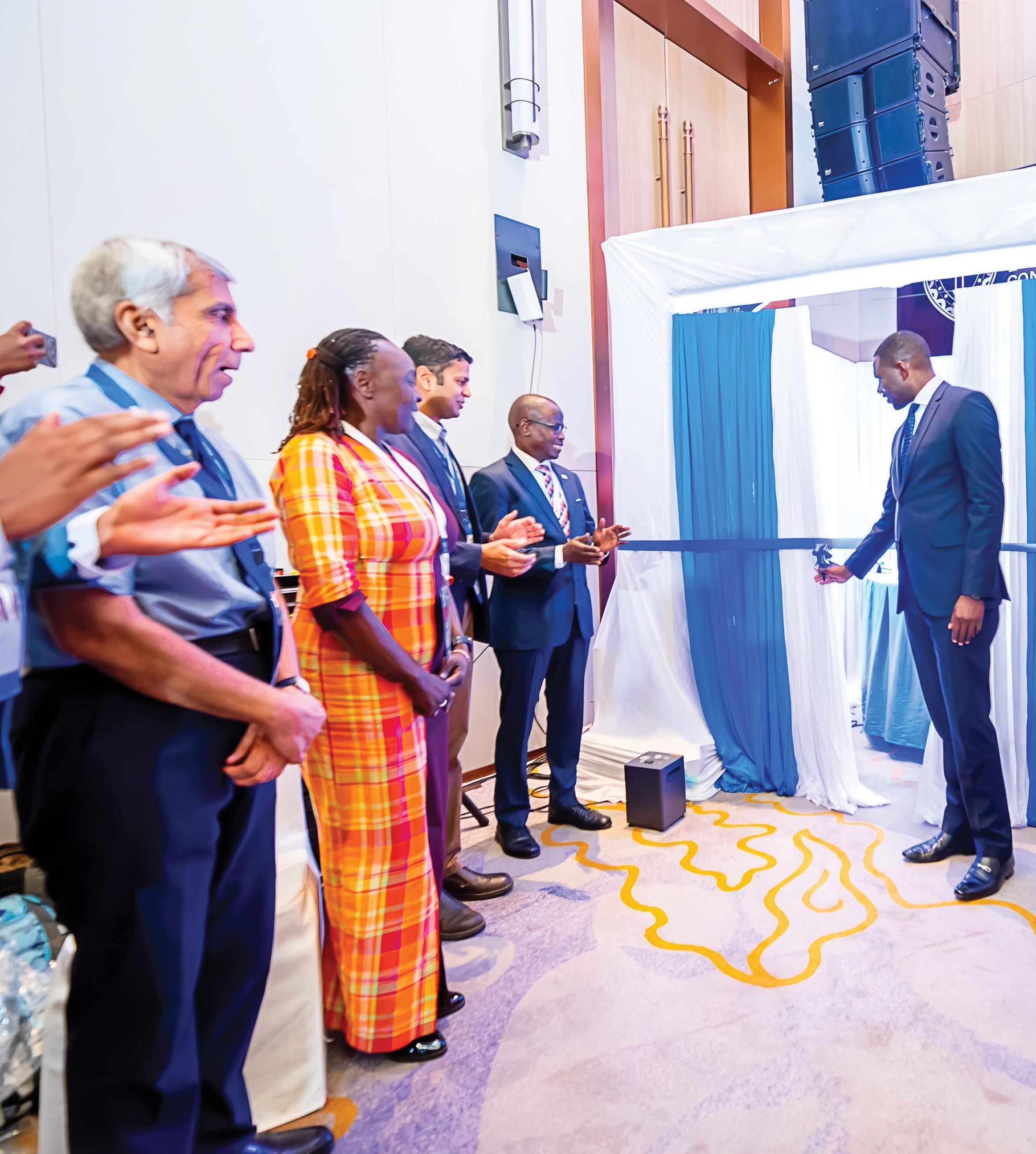
MOMENT OF CELEBRATION: Kenya Ministry of Health, NCD Alliance Kenya, and NCDI Poverty Network representatives watch Dr. Ouma Oluga, principal secretary for medical services at the Ministry of Health, cut the ribbon at the launch of Kenya’s national operational plan. That moment, which capped years of collaboration among the partners, took place during the country’s inaugural National NCD Conference in November 2025.
ROADMAPS
National operational plans are emerging as key milestones for countries as they move toward sustainable scale-ups of PEN-Plus.
Over the years, Dr. Justice Mudavanhu has seen his share of fancy plans that ultimately proved ineffective. So when Zimbabwe embarked on developing a national operational plan for PEN-Plus, he knew the plan could be neither fancy nor ineffective. It had to be real.
“It’s one thing to have a high-level strategy that looks good in a boardroom in Harare,” said Dr. Mudavanhu, director of noncommunicable diseases for the Zimbabwe Ministry of Health and Child Care. “It’s another thing entirely to create a granular, costed, implementable document that makes sense to a nurse working alone in a rural hospital. We couldn’t afford for this to be a theoretical document that sits on a shelf. It had to be a practical tool.”
That mindset became the driving force behind Zimbabwe’s national operational plan for PEN-Plus, which the country launched in April 2025.
A Growing Network of Expertise
For more than a year now, adopting a national operational plan has emerged as a pivotal moment for countries that have implemented PEN-Plus—a model for integrated care and a package of clinical services for people living with severe, chronic noncommunicable diseases—and are on the cusp of scaling it up nationwide.
Government officials, health leaders, and care providers from several countries say their operational plans have cemented government
TO CARE
“The adoption of our national operational plan changed everything. PEN-Plus is no longer a partner-driven activity in one corner of the country; it’s now a national program, owned by the Ministry of Health.”
commitment, solidified funding and resources, and enabled the transition of PEN-Plus from an initial, localized project to a national program firmly embedded in health systems and strategic planning.
“National operational plans provide detailed roadmaps for how national PEN-Plus programs can grow, from single clinics to much more integrated referral networks within the health system,” said Dr. Neil Gupta, senior director of policy for the NCDI Poverty Network.
These plans detail how countries will implement and scale up PEN-Plus to expand and decentralize training, treatment, and support for people living with conditions such as type 1 diabetes, sickle cell disease, and childhood heart disease.
Already, five African countries have launched PEN-Plus national operational plans: Malawi in 2021; Zimbabwe, Zambia, and Kenya in 2025; and Ethiopia in 2026. (Rwanda, where PENPlus originated two decades ago, has already adopted the model in all of its 42 district hospitals.) Other countries—
including Liberia, Mozambique, Sierra Leone, Tanzania, and Uganda—have plans in development, with several almost ready to launch.
“Nearly all those countries have shared experiences and are learning from each other,” Dr. Gupta said. “Together, they’re building a growing network of PEN-Plus knowledge.”
The Plan “Changed Everything” When Zimbabwe launched its PEN-Plus national operational plan last March, it became the first to do so among the dozen nations that began implementing PEN-Plus between 2022 and 2024. Prior to the plan, Dr. Mudavanhu said, Zimbabwe provided PEN-Plus care in just one province, based at Masvingo Provincial Hospital and administered by SolidarMed, a Swiss nongovernmental organization. (The Clinton Health Access Initiative also supports the country’s PEN-Plus program.)
Dr. Mudavanhu added that while early PEN-Plus work was a success, it was viewed as an isolated project.
“The adoption of our national operational plan changed everything,”
Five Keys to Driving PEN-Plus Success Nationally
As senior director of policy for the NCDI Poverty Network, Dr. Neil Gupta has witnessed—or even helped shepherd—PEN-Plus initiation in more than two dozen countries in sub-Saharan Africa, South Asia, and the Caribbean. Fifteen of those countries have already implemented PEN-Plus, six have officially launched national operational plans, and at least another five are close to finalizing theirs. Dr. Gupta’s broad experience with so many ministries of health has led him to identify five key advantages he believes national operational plans provide as countries scale up their PEN-Plus programs.
Dr. Mudavanhu said. “PEN-Plus is no longer a partner-driven activity in one corner of the country; it’s now a national program, owned by the Ministry of Health. That is a fundamental shift. It means we have one standardized framework for how these services will run, from clinical governance right down to how medicines are supplied.”
Dr. Mudavanhu said the plan is also enabling expansion of PEN-Plus from one province to seven.
“The ink is barely dry on the plan, and we have already been able to initiate the decentralization of care for severe noncommunicable diseases to six new district hospitals,” he said. “This plan gives us the mandate and the standardized model to integrate care for conditions like type 1 diabetes, sickle cell disease, and rheumatic heart disease directly into district-level platforms. It’s about ending situations in which children in rural districts must travel impossible distances for a lifesaving insulin refill. We are bringing critical services to the people who need them, systematically.”
Ensure Everyone Is Onboard
“National operational plans are really expressions of commitments that governments make to PEN-Plus,” said Dr. Gupta. “These plans signal that the governments view the model not only as valuable, essential, and compatible with their overall health system, but also as a powerful tool for achieving their health-system goals for noncommunicable diseases.”
Dr. Mudavanhu said the plan is also grounded in local evidence, to “bridge the gap” from a Harare boardroom to a rural hospital, or from fancy to real.
“With crucial and timely support from UNICEF Zimbabwe, we didn’t guess,” he said. “We went out and conducted a comprehensive baseline assessment in all six of those scaleup districts before we wrote the final plan. We quantified the actual patient burden, mapped the human resources
Learn Hazard Navigation
Governments create national operational plans after they have already implemented PEN-Plus. This sequence confers a great advantage, Dr. Gupta said, in that governments can use the lessons they learn from their early experiences with integrated care to identify challenges, find solutions, and create evidence-based models for scaling up their programs.
on the ground, and detailed the gaps in medicines and diagnostics. That was vital; it grounded everything in our reality.”
High Stakes, Key Stakeholders
For countries implementing PEN-Plus across sub-Saharan Africa, national operational plans help address a glaring gap in health care: the heavy burden of severe noncommunicable diseases among children, adolescents, and young adults.
Achieve Proper Alignment
Dr. Gupta offers the analogy of a wheel alignment on a car for allowing long-distance progress. National operational plans serve as an alignment mechanism, getting everyone reading from the same manual and pointed in the same direction. And for new partners and supporters, the plans serve as a manual to buy into and invest in, with governments leading the way.
For Kenya, creating a national PEN-Plus plan was a multifaceted process that included engaging key partners, managing expectations, balancing competing priorities, and demonstrating financial stability, according to Dr. Yvette Kisaka, technical lead for PEN-Plus, sickle cell disease, and cardiovascular diseases at the Kenya Ministry of Health. When it ultimately came to selling the pitch, though, the strategy was simple: focus
Fuel Up for the Long Haul
National operational plans require health officials to identify needed resources and begin the process of mobilizing those resources, to support a country’s existing PEN-Plus program as well as its national scale-up plan. “If the goal is widespread coverage and longterm stability,” Dr. Gupta said, “then facilitating resource mobilization is a foundational step.”
Build Clear Roadmaps
“Successful plans provide detailed roadmaps for how health systems can grow their PEN-Plus programs nationally,” Dr. Gupta said. “That allows for expanded training, better access to medicines and supplies, and decentralized care, all with the goal of providing people with severe conditions access to lifesaving care closer to home.”
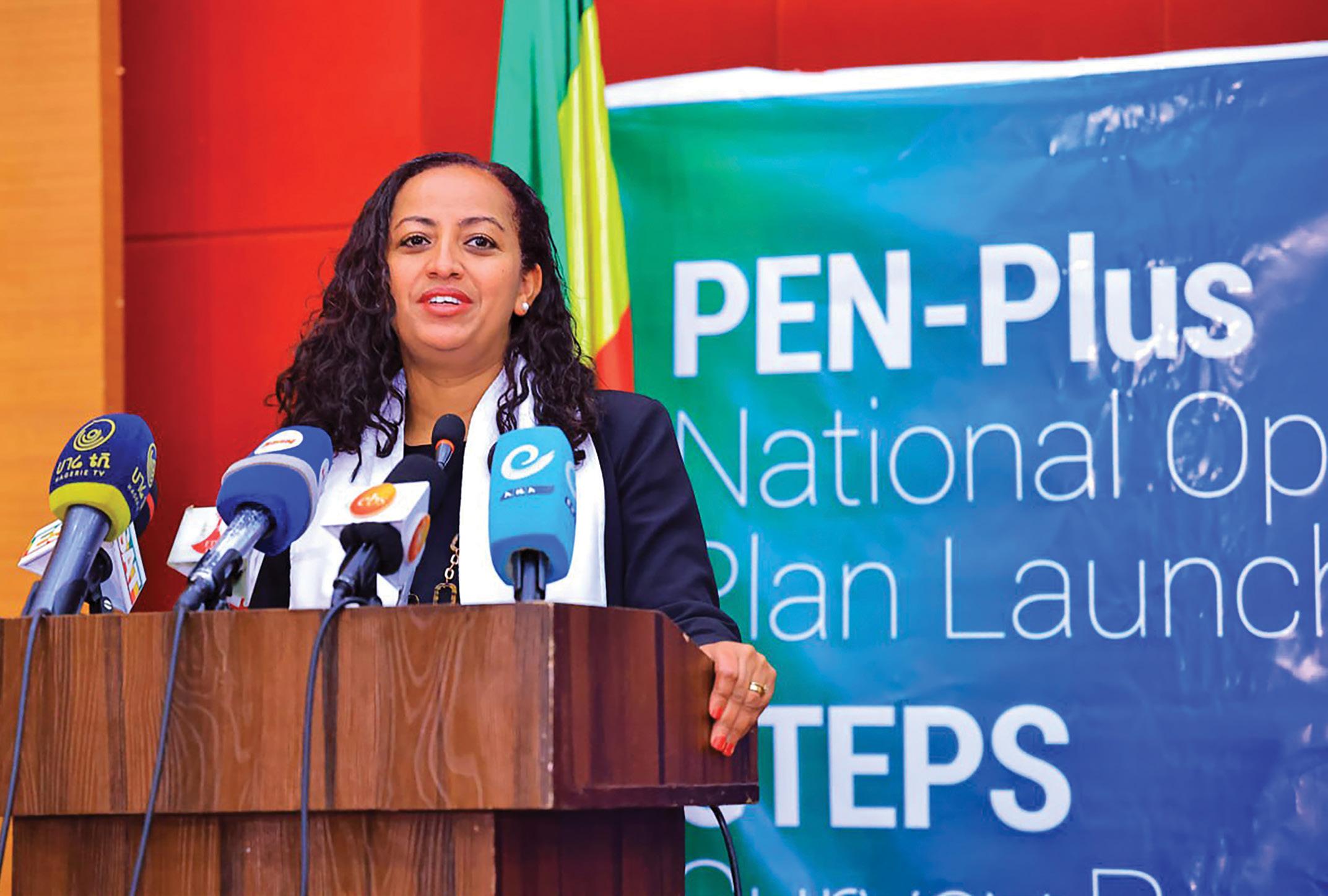
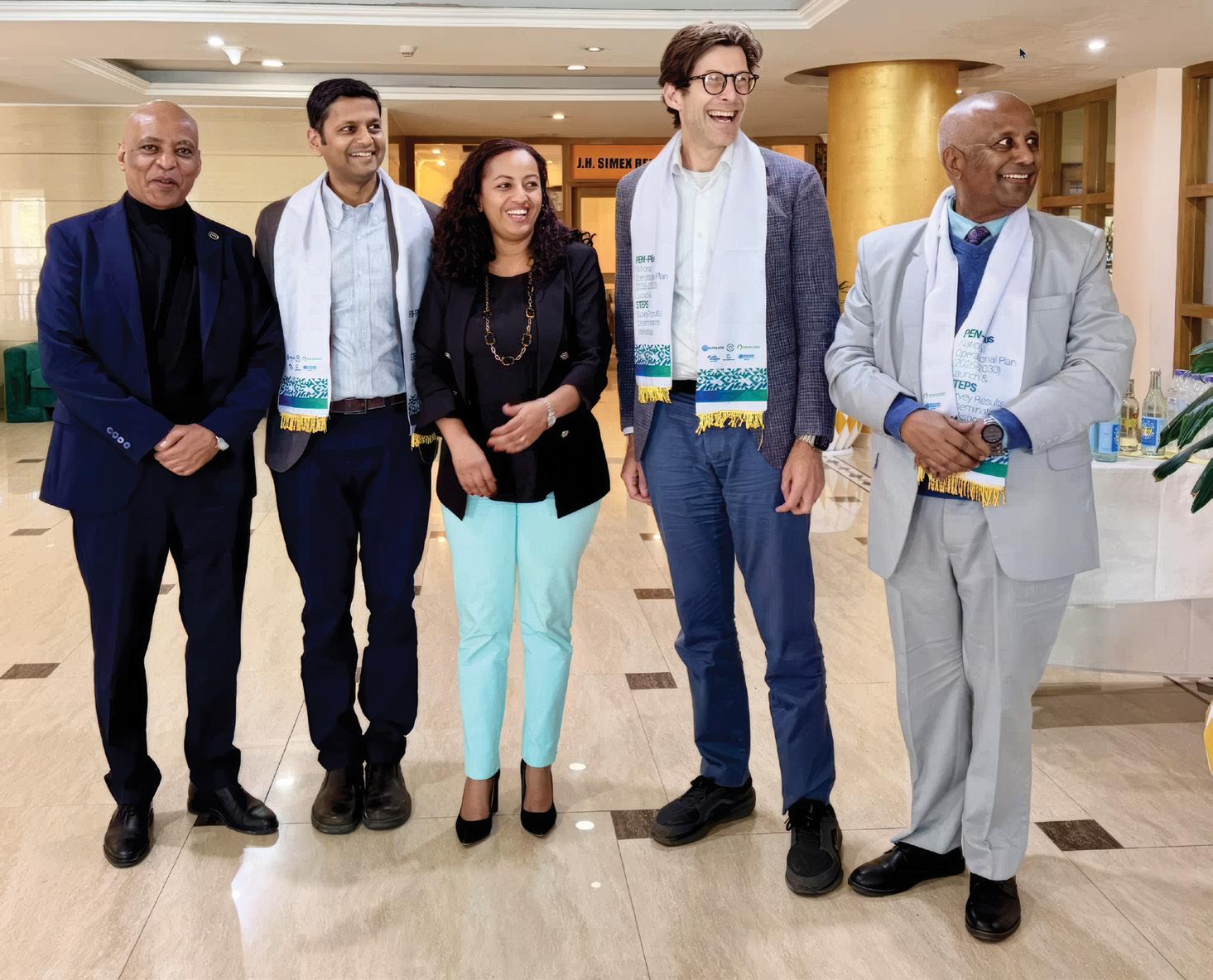
NATIONAL TREASURES: Ethiopia’s minister of health, Dr. Mekdes Daba, provides remarks at the launch ceremony of the country’s national operational plan for PEN-Plus in January 2026.
photo
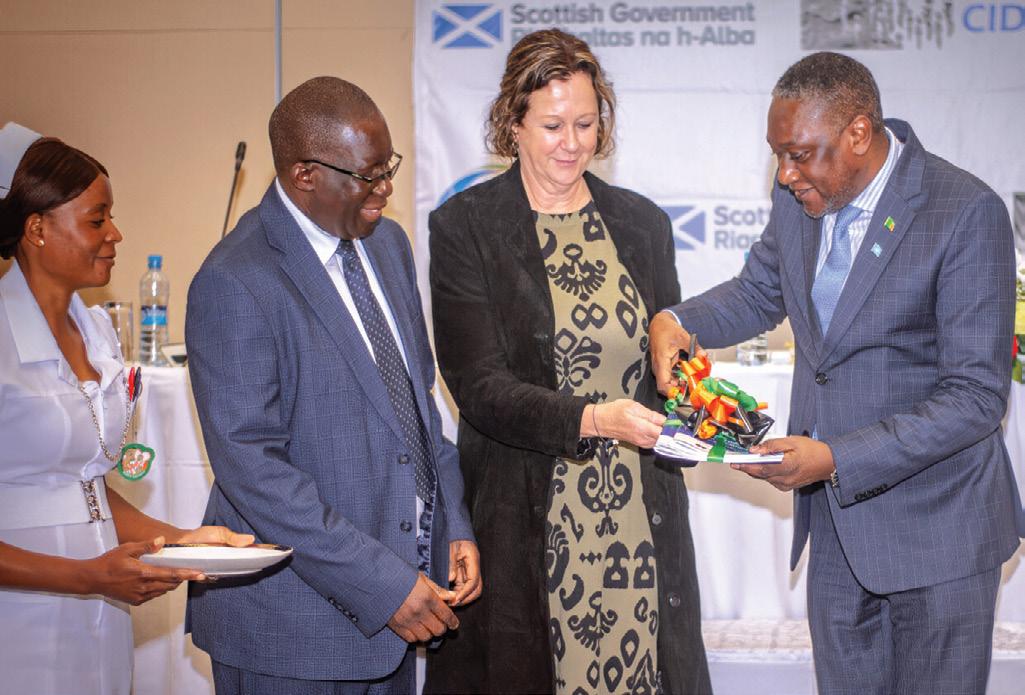
: Dr. Carolyn Bolton, then interim chief executive officer for CIDRZ, holds a copy of Zambia’s newly minted national operational plan for PEN-Plus as Dr. Elijah Muchima, the country’s minister of health, cuts the ceremonial ribbon.
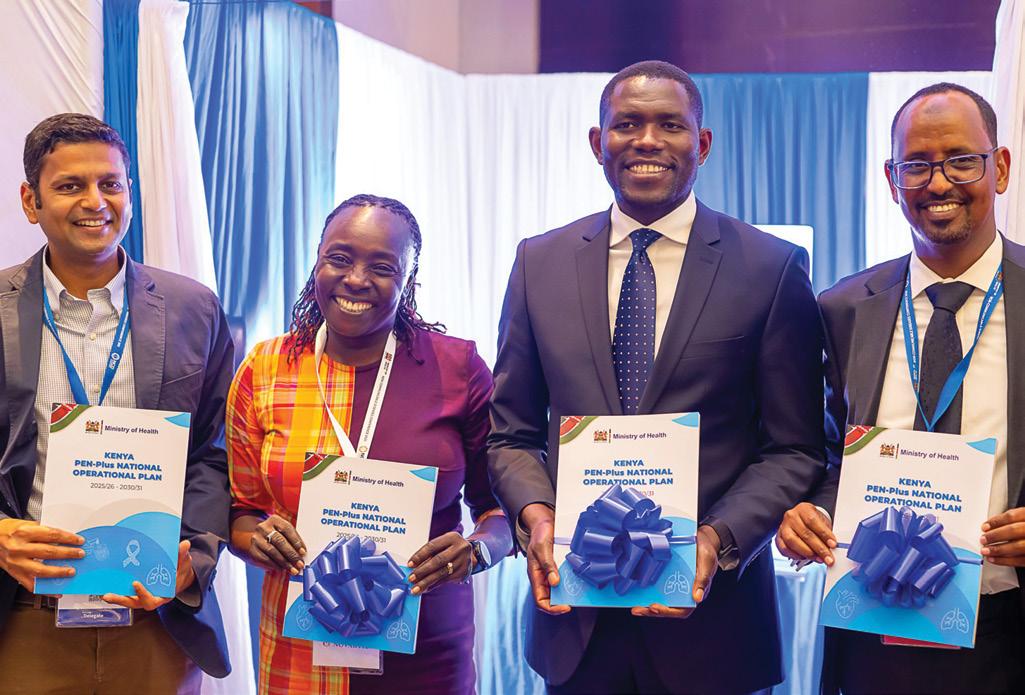
KENYA: Displaying Kenya’s national operational plan for PEN-Plus are, from left, Dr. Neil Gupta, senior director of policy for the NCDI Poverty Network; Dr. Mary Amuyunzu-Nyamongo, board chairperson of NCD Alliance Kenya; Dr. Ouma Oluga, principal secretary for medical services at the Kenya Ministry of Health; and Aden Duale, cabinet secretary of the Kenya Ministry of Health.
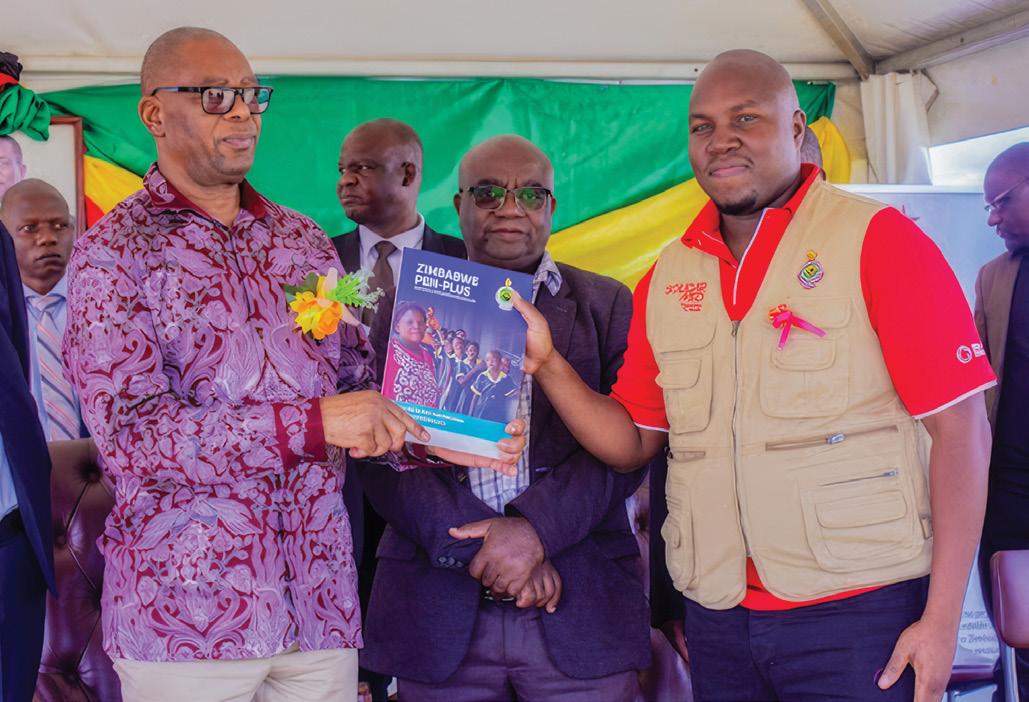
ZIMBABWE: The minister of health for Zimbabwe, Dr. Douglas Mombeshora (left), holds the country’s national operational plan for PEN-Plus—with an assist from Dr. Alvern Mutengerere, then NCD program manager at SolidarMed—during the launch celebration in March 2025.
on how PEN-Plus solves problems, especially in Kenya’s counties, where local health decisions are made.
“PEN-Plus was, and still is, positioned as a solution to existing system gaps,” Dr. Kisaka said. “When you tell local health officials that PEN-Plus provides a solution for challenges with capacity-building of the health workforce, then it makes sense to them. Everyone wants to be part of a good story—a story that provides solutions.”
With the shared goals and direction defined, the planners’ next step was identifying key stakeholders, both national and local. “In Kenya, the Ministry of Health is in charge of developing policies, regulations, and technical support,” Dr. Kisaka said. “Service delivery in the health space, though, is done at the county level.”
Each county has a noncommunicable disease coordinator, and they gather collectively as an NCD Caucus—a natural group to approach for support of the PEN-Plus national plan.
“You have to be explicit about why you bring each stakeholder on board, not just so they can feel valued, but also so you’re able to manage expectations when they come to the table,” Dr. Kisaka said. “There often can be competing mandates and priorities among the stakeholders.”
Given those potential conflicts, she said, it was important to frame Kenya’s national plan as a shared obligation, rather than simply a Ministry of Health initiative. That approach helped education and finance officials, for example, view the extra work not as additional burdens, but as part of a larger, collective priority.
“I recommend anchoring support in government leadership—having the Ministry of Health at the table, leading the collaboration—so engagement can be prioritized throughout the government,” Dr. Kisaka said. “That gives you some legitimate power.”
Tackling Cost Challenges
For Zambia, the biggest challenges in creating a national operational plan involved the budget and developing the costing framework, according to Dr. Bavin Mulenga, a noncommunicable disease specialist for the Zambia Ministry of Health.
“This was and remains key in this document, as it guides resource mobilizing and planning,” Dr. Mulenga said. “It informs how many resources are needed to open a PEN-Plus site. Identifying all the resources that had gone into opening the initial PEN-Plus sites was challenging.”
Fortunately, he added, Zambia did not have to reinvent the wheel; Malawi’s national operational plan provided invaluable lessons.
ZAMBIA
“The Malawian team had done very good, detailed monitoring and costing frameworks for PEN-Plus, clearly stipulating how the country was going to scale up PEN-Plus and monitor the implementation,” he said. “We also received support from the NCDI Poverty Network’s policy team, especially involving costing and accounting for the necessary medicines and medical supplies.”
Two Crucial Sentences Mozambique, which is nearing finalization of its national plan, has been showing for the past three years that the PEN-Plus model can work, said Dr. Ana Mocumbi, co-chair of the NCDI Poverty Network.
“We’ve achieved great success at our clinic in rural Nhamatanda,” said Dr. Mocumbi, who also serves as head of the NCD Division at the National Public Health Institute in Mozambique’s Ministry of Health. As she and her colleagues work toward the country’s adoption of a national operational plan, she added, a critical first step has already been taken.
“We now have two sentences about PEN-Plus embedded in our national health plan,” she said, referring to the country’s overriding document for health strategy. “It may look like nothing, but it’s a big achievement for us, because this is the document that will guide health decisions over the next five years.”
Dr. Mocumbi pointed out that those two sentences position care for people living with noncommunicable diseases prominently in the country’s national strategy. “Now that we have that,” she said, “we can review and discuss our results with Ministry of Health leaders, so we can get their buy-in.”
Dr. Mocumbi added that Mozambique’s Ministry of Health has already identified health facilities that would be a good fit for PEN-Plus. The next steps will involve ongoing discussions with a technical working group for noncommunicable diseases, potential involvement of additional partners to support expansion, and presentation of a draft plan to the Ministry of Health later this year.
The planners have also reached out to other PEN-Plus countries for
ETHIOPIA: Gathered for the launch of Ethiopia’s national operational plan for PEN-Plus are, from left, Dr. Aschalew Worku, senior advisor to Ethiopia’s minister of health; Dr. Neil Gupta, senior director of policy for the NCDI Poverty Network; Dr. Mekdes Daba, Ethiopia’s minister of health; Dr. Gene Bukhman, co-chair of the NCDI Poverty Network; and Wondu Bekele, chief executive officer of the Mathiwos Wondu Foundation, the implementing partner for PEN-Plus in Ethiopia.
guidance and shared experiences. “We are eager to learn from the approaches other countries took to develop their plans,” Dr. Mocumbi said. “We’re making comparisons across health systems, so we can better understand what might work in Mozambique.”
An Inflection Point
The progress toward national operational plans in multiple countries represents “a huge inflection point,” Dr. Gupta said, for PEN-Plus and the NCDI Poverty Network. “We’re excited about helping our partners bring their plans to fruition,” he added. “As more countries adopt plans, the next steps will involve working with their governments to engage new partners to support national scale-ups of PEN-Plus.”
That roadmap might not yet be as clear, however, as the one for creating the plans themselves.
“That’s what we’re learning right now,” Dr. Gupta said. “We’ve been so focused on getting the plans through, on building the roads, that we’re just now building the cars to enable us to drive toward what comes next.” ■
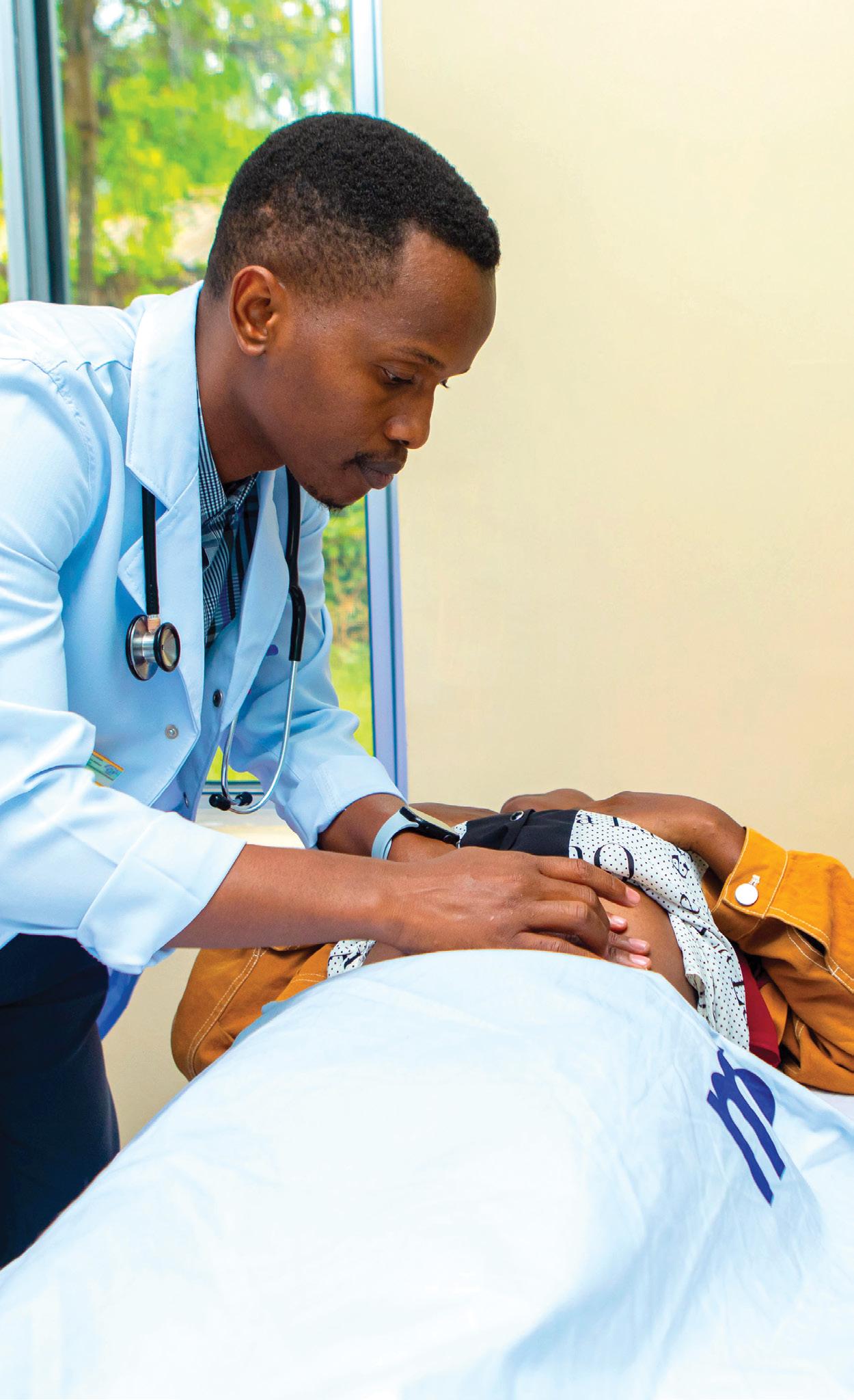
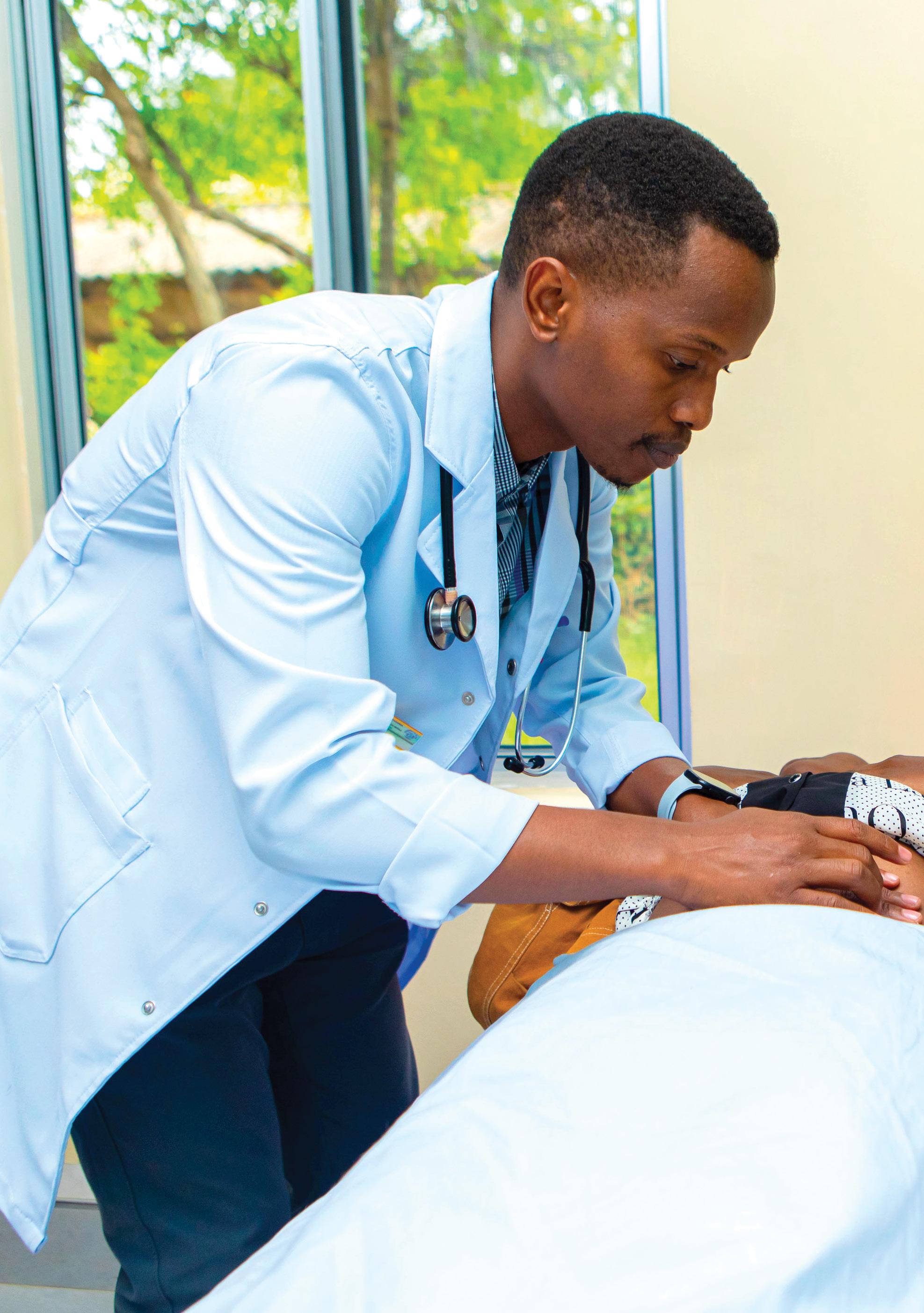
A HEALING TOUCH: Dr. John Reuben examines Elifrida John Makala, a 19-year-old living with sickle cell disease. Since Tanzania opened its first PEN-Plus at the district hospital where he works, Dr. Reuben said, he has gained skill and confidence in treating people with a range of severe noncommunicable diseases.
PEN-Plus does not just transform patients’ lives. It transforms the clinicians themselves, giving them tools, training, and front-row seats to their patients’ remarkable success.
HEALERS the
dr. john reuben often thinks about the patient who arrived at his clinic unable to see. The young man, Yasini Issa Sefu, had type 1 diabetes, yet it had gone untreated for so long it had taken his sight. He had become entirely dependent on his family, confined to his home, and unable to work.
For Dr. Reuben, district coordinator for noncommunicable diseases at Kondoa District Hospital in central Tanzania, this was not an isolated case. It was the consequence of a system that, before PEN-Plus, had no real structure for managing patients like Sefu.
“Before PEN-Plus, our patients with severe noncommunicable diseases were treated in general outpatient clinics just like any other patient,” Dr. Reuben said. “There was no specialized program, no unique approach.” Most of the hospital’s patients had low incomes and needed to travel long distances for care. They struggled to afford treatment, laboratory tests, and medication. Monthly follow-up visits posed logistical and financial hurdles. And specialist doctors were unavailable.
PEN-Plus has since restructured how care for those patients is delivered. Monthly specialist clinics now operate at the district level, with visiting experts traveling to Kondoa to see patients alongside the hospital’s doctors. Essential laboratory equipment is in place, and medications for type 1 diabetes, sickle cell disease, and rheumatic heart disease—previously inaccessible at the district level—are now available locally.
Dr. Reuben’s own practice has grown through the program. With regular mentorship from visiting specialists, he has learned to use new equipment and manage complex medical cases with greater confidence. “There were certain tests I couldn’t perform at my level,” he said. “The specialists have since taught me how to treat these patients more effectively.”
As for Sefu, the man who lost his sight: After enrolling in the PEN-Plus clinic and receiving proper treatment, he underwent surgery on one eye. With his sight now partially restored, the 26-year-old can travel to the clinic without assistance as he awaits surgery on his other eye.
Across the ward, Dr. Reuben said, the pattern repeats. Patients once confined to their homes now live like anyone else in the community, collecting their medicine and supporting themselves.
“Seeing a patient move from being totally dependent to someone who can care for themselves gives us great strength,” Dr. Reuben said. “Hearing a patient tell me, ‘Doctor, I can finally sleep well and do my work again,’ is what keeps me going.” ■
photo : world health organization
A COMMUNITY STRENGTHENED
For several years now, Omar Mangesho has watched PEN-Plus transform clinical care—and patients’ lives.
A nurse in the noncommunicable diseases department of Kondoa District Hospital in Tanzania, Mangesho has been able to witness those changes firsthand. Before PEN-Plus, he said, the hospital had no dedicated clinic for people with noncommunicable diseases. Patients came in, received treatment, and went home, with no time for education or counseling. Advanced diagnostic equipment and specialized care were available only at regional referral hospitals, and patients suspected of having sickle cell disease had to travel to distant hospitals for confirmation before any treatment could begin.
With the PEN-Plus model came equipment—such as echocardiography and hemoglobin electrophoresis machines—that enabled diagnoses to be made locally. Previously unavailable medications for type 1 diabetes, sickle cell disease, and heart disease were also now accessible, reducing patients’ travel time and treatment costs.
The approach to care has changed as well. The department now runs a dedicated five-day clinic at the end of every month,
FAMILY MATTERS
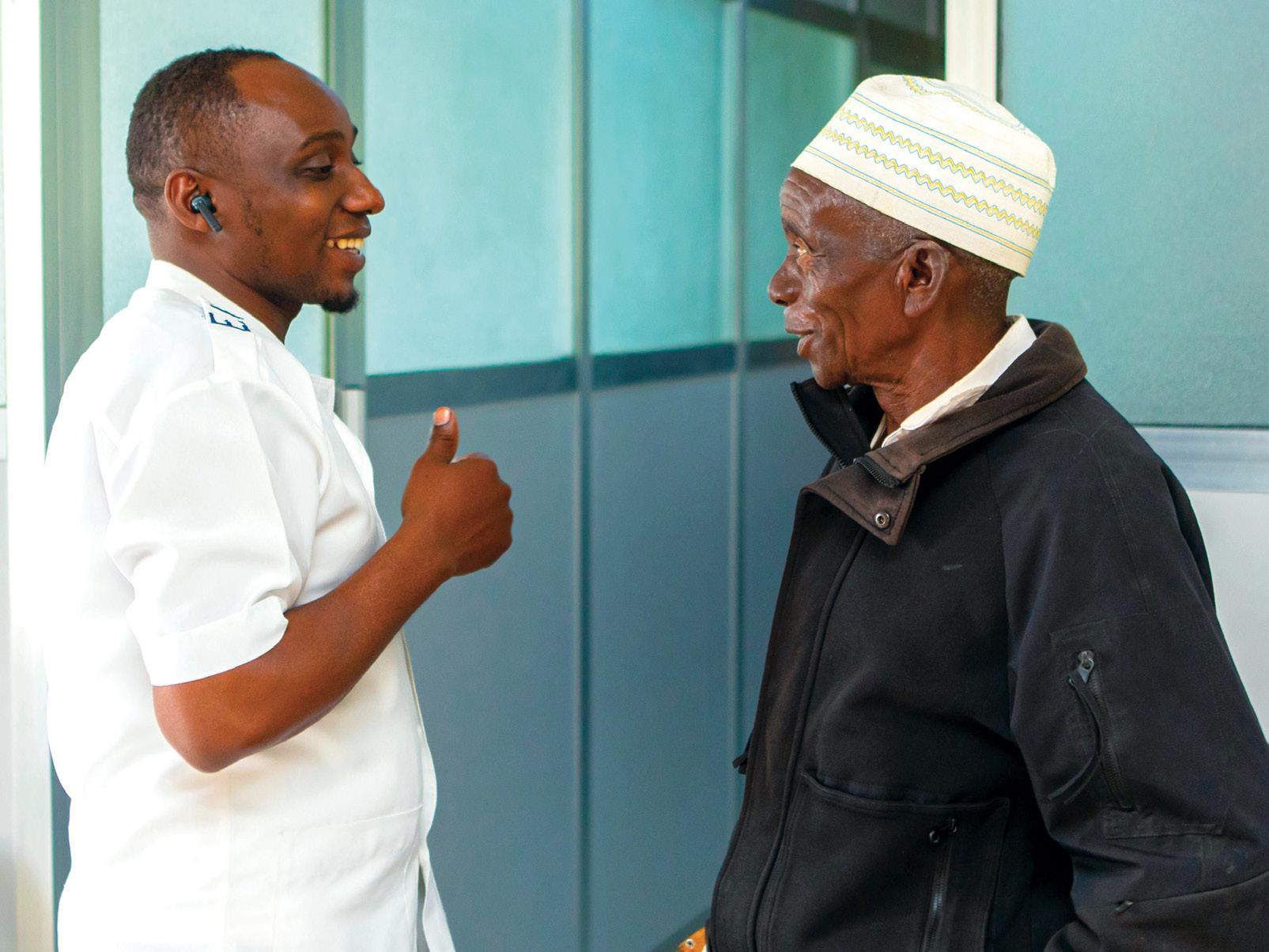
Omar Mangesho (left), a nurse at the PEN-Plus clinic at Kondoa Hospital in Tanzania, spends time with Mapesa Ramadhani Kuchanda, whose youngest child, Shazma, receives ongoing treatment at the clinic for her rheumatic heart disease.
giving nurses the time and space they need to educate their patients. “We teach those with type 1 diabetes how to inject insulin, how to manage their diet, and generally how to live with their condition,” Mangesho said.
Something else has emerged from the clinic that Mangesho had not anticipated: a sense of community. “When patients come here, they see they aren’t alone,” he said. “They meet others facing the same challenges, which gives them hope. They share experiences and encourage one another, realizing that with proper medication, they can lead productive lives.”
The results are evident in clinic records and in the town itself. Sickle cell patients who were once admitted repeatedly for transfusions have not needed one in over a year.
Children who constantly missed school have returned to the classroom, and parents who once spent days by a hospital bed are back at work.
“Seeing a patient who used to be a frequent visitor to the emergency room coming in now only for routine checkups gives me great strength,” Mangesho said. “The PEN-Plus clinic is truly changing lives in our community.”
WATCH AND LEARN
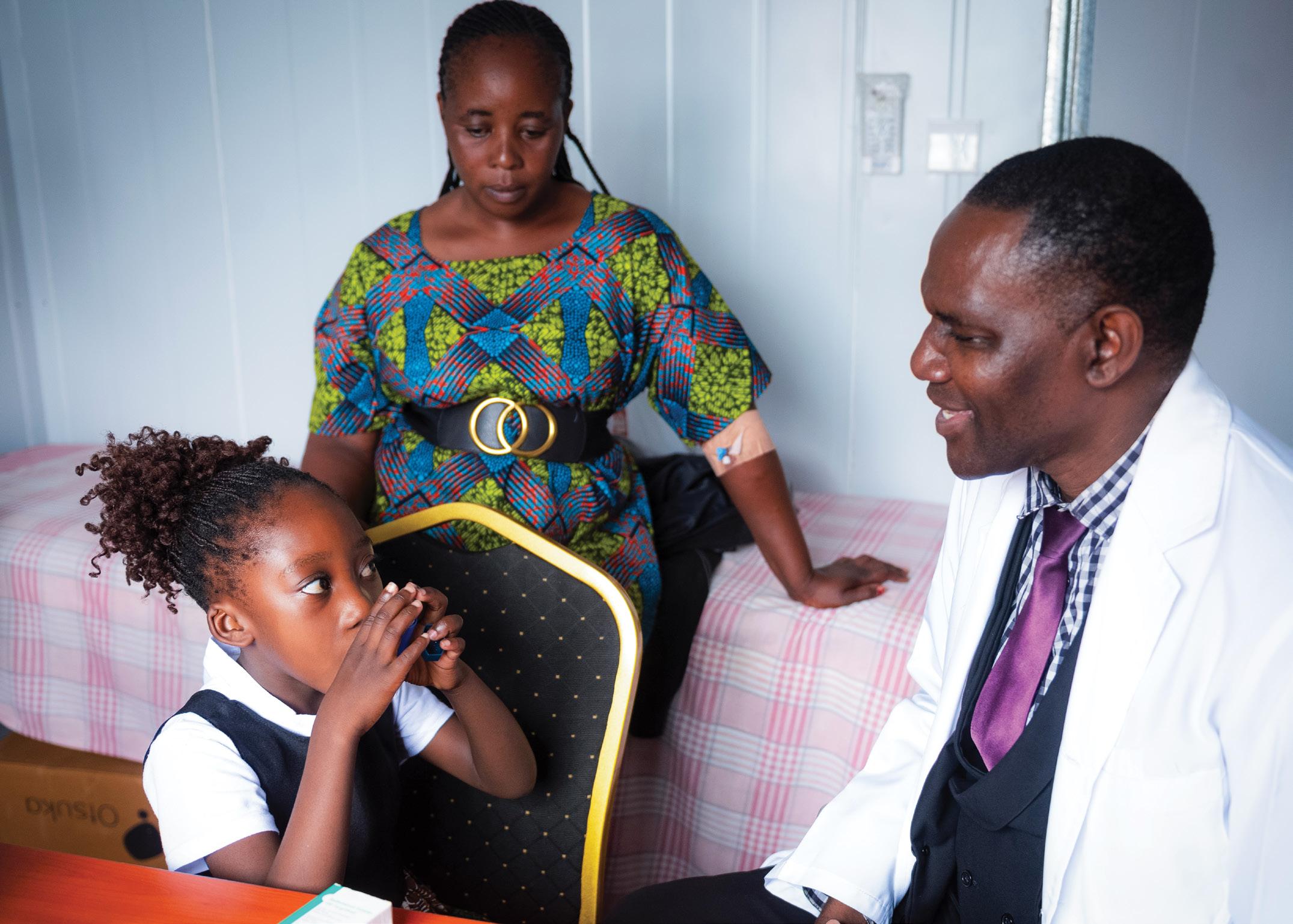
Lemba Michael, a clinical officer at a PEN-Plus clinic in Zambia, teaches nine-year-old Christabel Mulonga to use an inhaler while her mother, Universe Hachamba, watches closely. Christabel has lived with severe asthma since birth.
WISE INVESTMENTS
“PEN-Plus invests in the people who deliver care,” said Elizabeth Mallya (left), who—as senior data manager at Tanzania’s National Institute for Medical Research—coordinates the PEN-Plus program at Kondoa District Hospital. “Clinicians can now identify conditions early, before patients reach a critical stage or develop severe complications.”
The clinic goes beyond medical services, Mallya added. Staff members educate patients and dispel the myths and beliefs that often delay people from seeking help. “The PEN-Plus system is vital for rural areas,” she said, “because it brings services directly to the community.”
MONDAYS ARE FOR SICKLE CELL
Lemba Michael (below), a clinical officer at the PEN-Plus clinic at Matero Level One Hospital in Lusaka, Zambia, values the structure of scheduled clinics for specific conditions: Mondays for sickle cell disease, Tuesdays for diabetes, Wednesdays for cardiac conditions, and Fridays for asthma and epilepsy.
Since the establishment of the PEN-Plus clinic, he said, access to essential equipment and lifesaving medicines has transformed care. “Patients are screened and receive treatment immediately, with drugs stocked directly at the clinic rather than relying on pharmacies,” he said. “Seeing patients who were once confined to wheelchairs now walking and smiling is a powerful reminder that compassionate, consistent care makes a real difference.”
BEYOND
CLINIC the
PEN-Plus is much more than medicine. Lived-experience advocacy, peer support, and community connections all play important roles in ensuring successful outcomes for people living with severe noncommunicable diseases.
Emmanuel Kisembo has vivid childhood memories of trying to keep his type 1 diabetes a secret from his classmates. To avoid facing stigmatization and potential bullying, for example, he would hide in his primary school bathroom to check his blood sugar and inject himself with insulin.
It was only when he began receiving regular care and health education at a clinic near his home in Kampala, Uganda, that Kisembo was able to come to terms with his diagnosis, meet people who were facing similar challenges, and learn to self-manage his diabetes. He now passes that empowerment on to young people in Uganda and beyond. As program manager of special initiatives for the Sonia Nabeta Foundation, he mentors young people living with type 1 diabetes and provides education and support as a youth counselor and leader.
Kisembo also serves as a member of the NCDI Poverty Network’s Voices for PEN-Plus program, which provides a global platform for more than a dozen advocacy leaders living with a severe, chronic noncommunicable disease in a PEN-Plus country. At the closing ceremony of the inaugural International
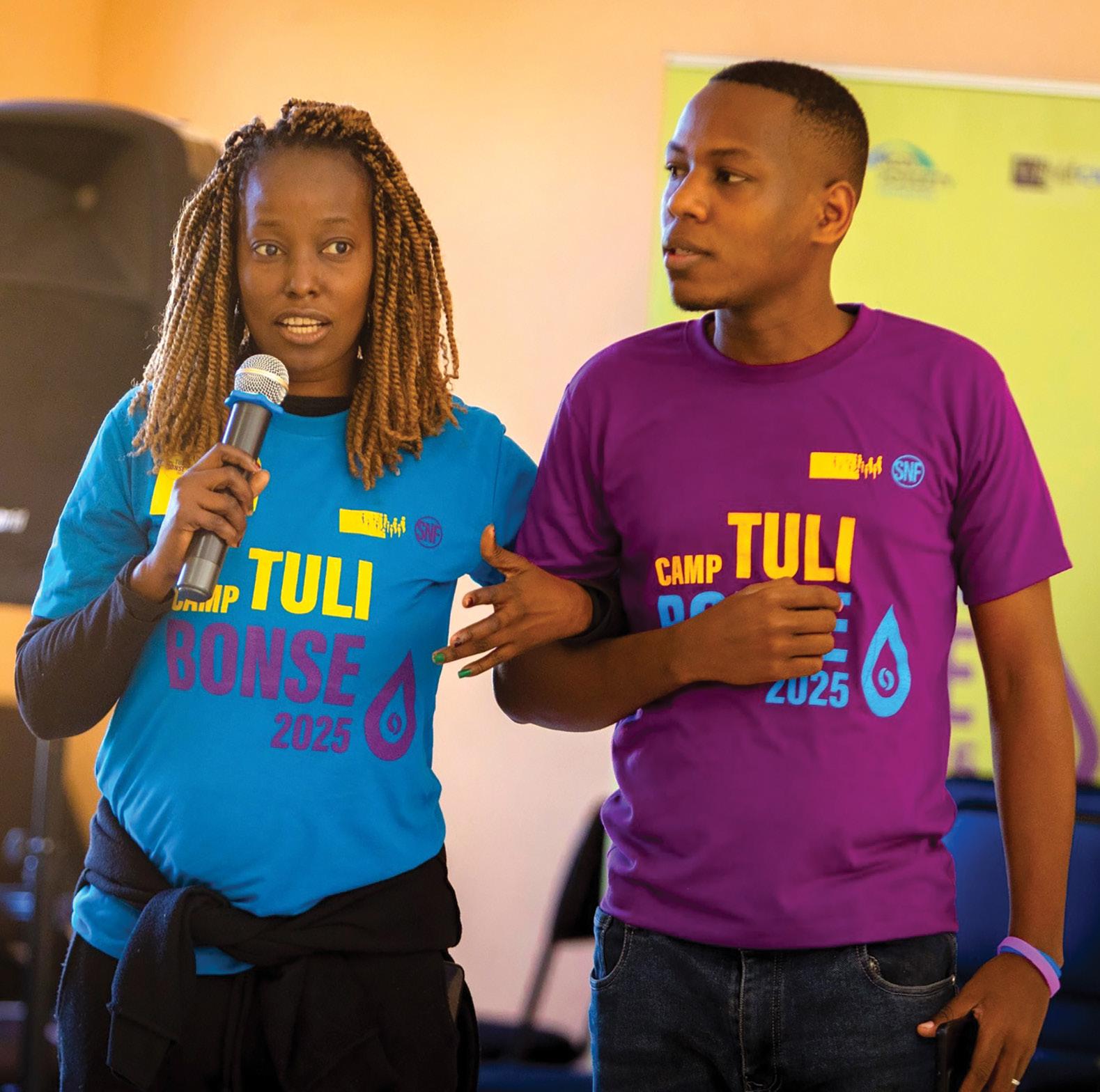
INSPIRING THE NEXT GENERATION: In August 2025, Lwimba Kasongo (left) and Emmanuel Kisembo—who live with sickle cell disease and type 1 diabetes, respectively—served as co-captains at Camp Tuli Bonse, an integrated PEN-Plus camp in Zambia. “I encouraged the warriors to use their voices to change the world,” Kasongo said. ”I believe we left them with so much hope. Their faces lit up every time we told them they could be the next advocates and leaders.”
Conference on PEN-Plus in Africa, for example, Kisembo delivered an impassioned statement about the power of including people with lived experience in such a forum.
“We bring a very important perspective, a very important voice to such conversations,” he told conference participants. “We need to get more opportunities like this for us to share, for us to shine a spotlight on these diseases.”
The PEN-Plus Camp Model
The potential for peer support across conditions has given rise to an integrated-disease camp model, born from the idea that integrated care and support can extend beyond clinical settings, with benefits that transcend those of physical health.
“Integrated care is more than a medical movement; it’s also a social movement,” said Dr. Gene Bukhman, co-chair of the NCDI Poverty Network. “In so many of the countries
where we work, young people living with severe noncommunicable diseases face enormous stigma and lack of awareness about their condition. That can translate into challenges with accessing accurate diagnoses and proper treatment, along with isolation in school and their communities. Building their confidence and empowering them can be nearly as important for young people as education about their condition.”
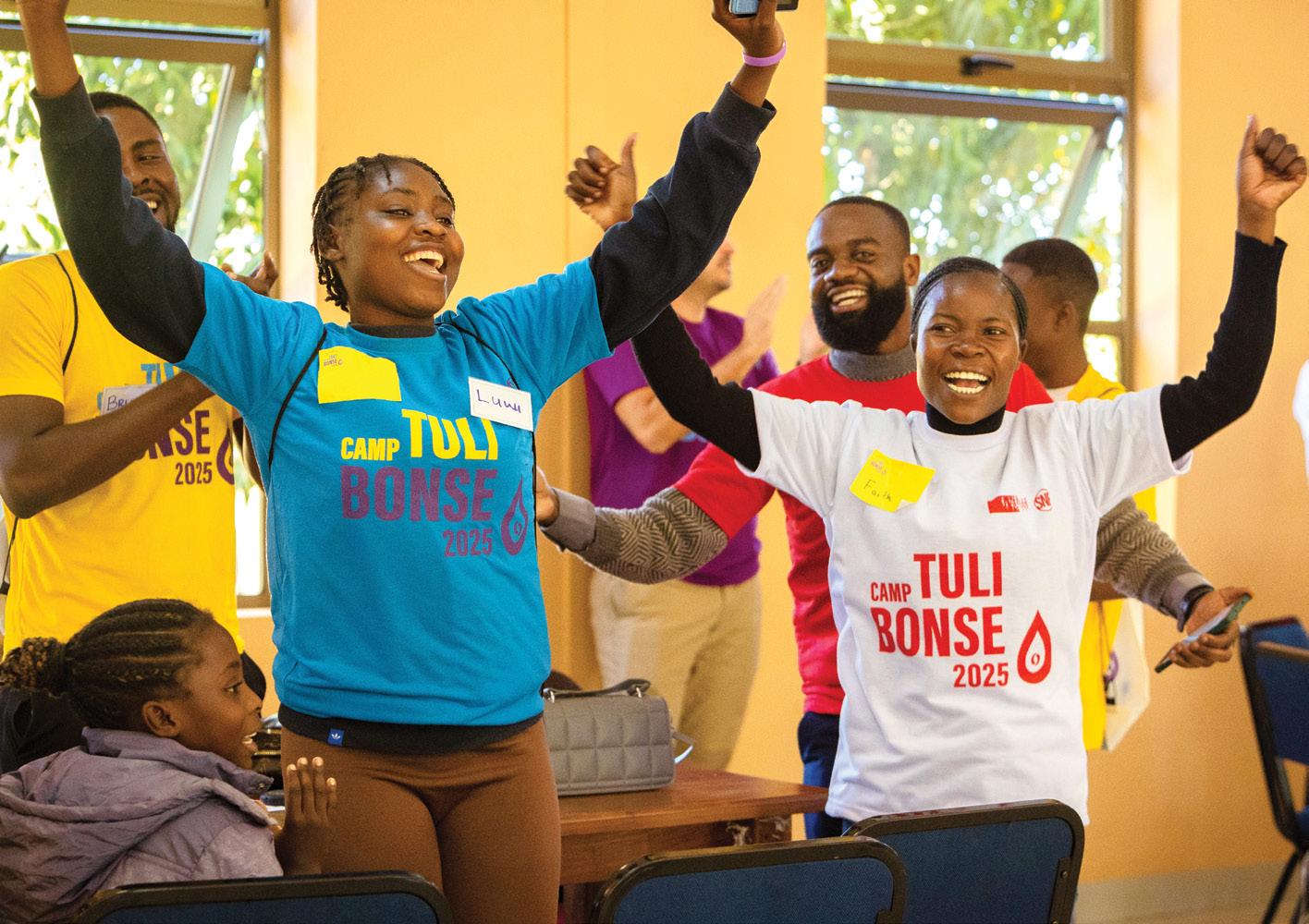
Held near Lusaka, Camp Tuli Bonse—which translates in Nyanja to “we are together”—brought together nearly 60 young people living with either type 1 diabetes or sickle cell disease for five days of health education, empowerment, and peer support.
Kisembo and Lwimba Kasongo, a sickle cell warrior and a fellow Voices for PEN-Plus advocate, served as camp co-captains, leading activities, mentoring youth, and teaching camp participants about their conditions.
“It was an amazing time of learning,” Kisembo said. “It not only created a sense of family and belonging among the campers, but it also highlighted the shared struggles across people living with different noncommunicable diseases.”
The Power of Peer Support
In Zambia and many other PEN-Plus countries, peer support is continuing to gain momentum.
“We’re in advanced stages of planning for more peer educators,” said Dr. Colin Pfaff, associate director of programs for the NCDI Poverty Network. “In each of the countries where we work, we’re preparing an integrated training for peer educators in both type 1 diabetes and sickle cell disease, to develop a cohort of peer educators with both conditions who would then have a formal role within PEN-Plus clinics, to mentor, teach, and support other warriors.”
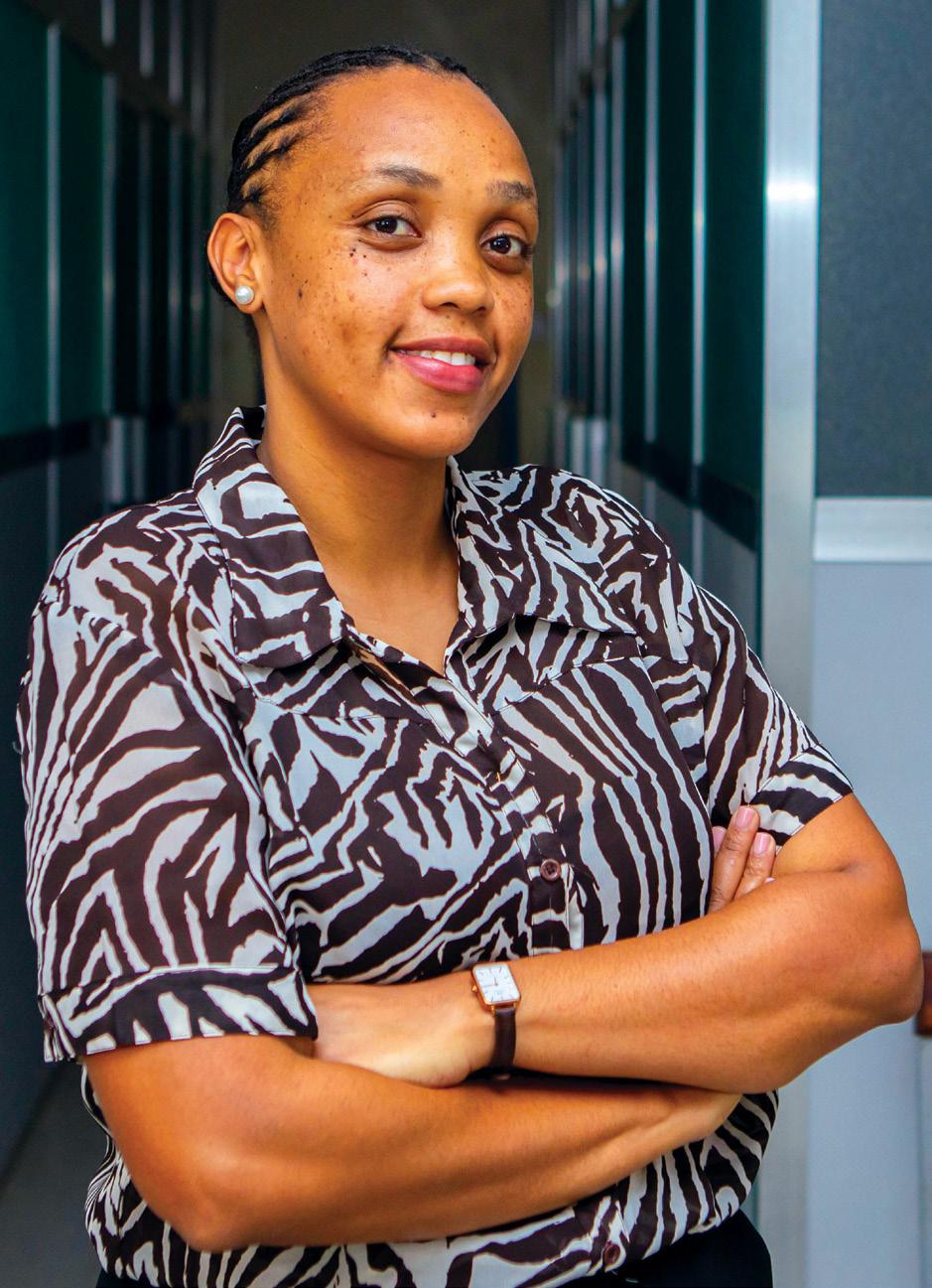
FROM PATIENTS TO WARRIORS: Bridget Mutoya, 26, works as a peer educator at Mwachisompola First Level Hospital in Lusaka, where she guides PEN-Plus patients through treatment and into the community as “warriors”— peers who support others living with the same conditions.
THE POWER OF COMMUNITY
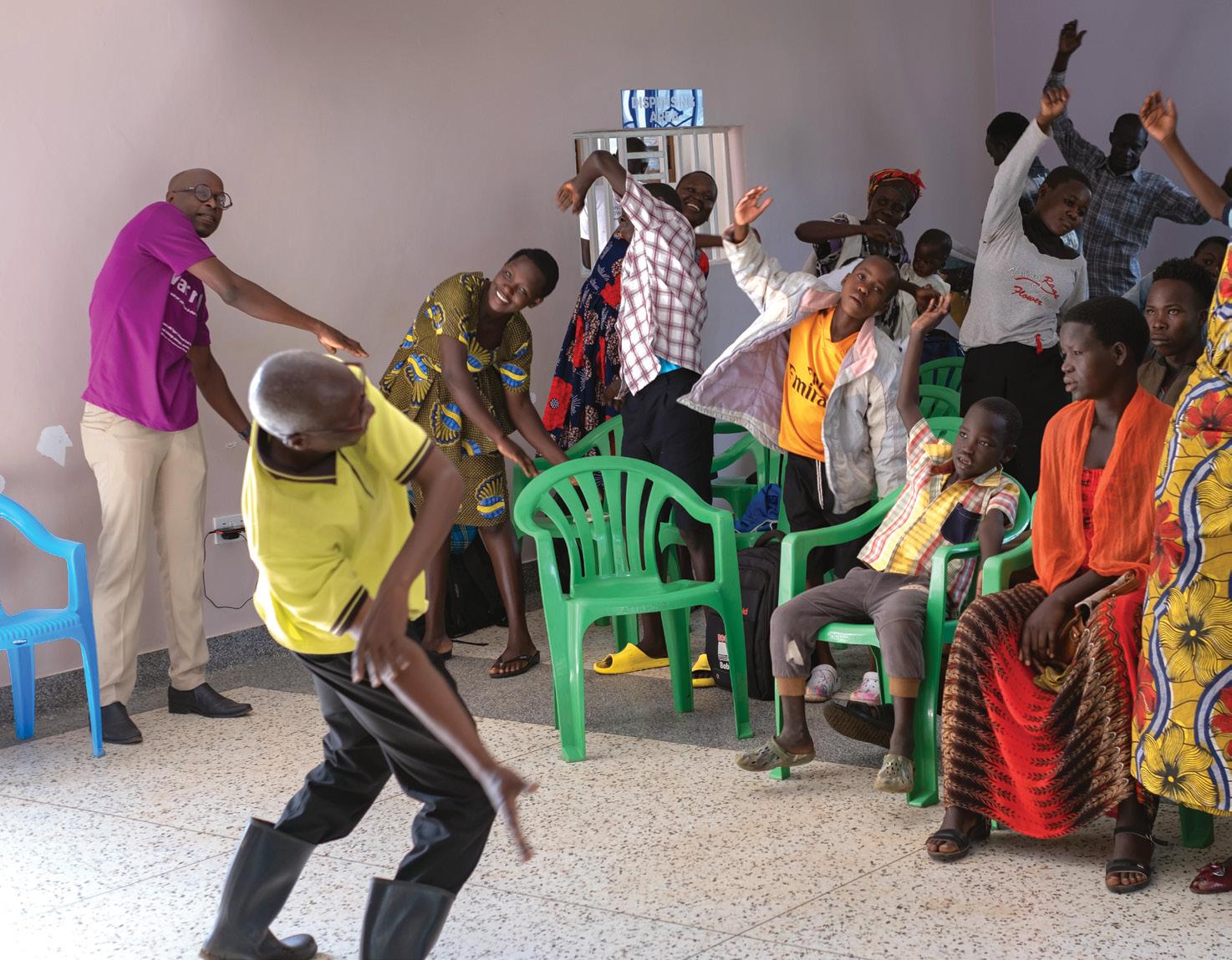
Above right: Alex Maraka (in purple) takes patients, caregivers, and parents through a morning stretch inside the reception area at the PEN-Plus clinic at Atutur General Hospital in Uganda. Maraka, who was diagnosed with type 1 diabetes as an infant, volunteers at the PEN-Plus clinic as a lead warrior, a role focused on offering moral and medical support to patients.
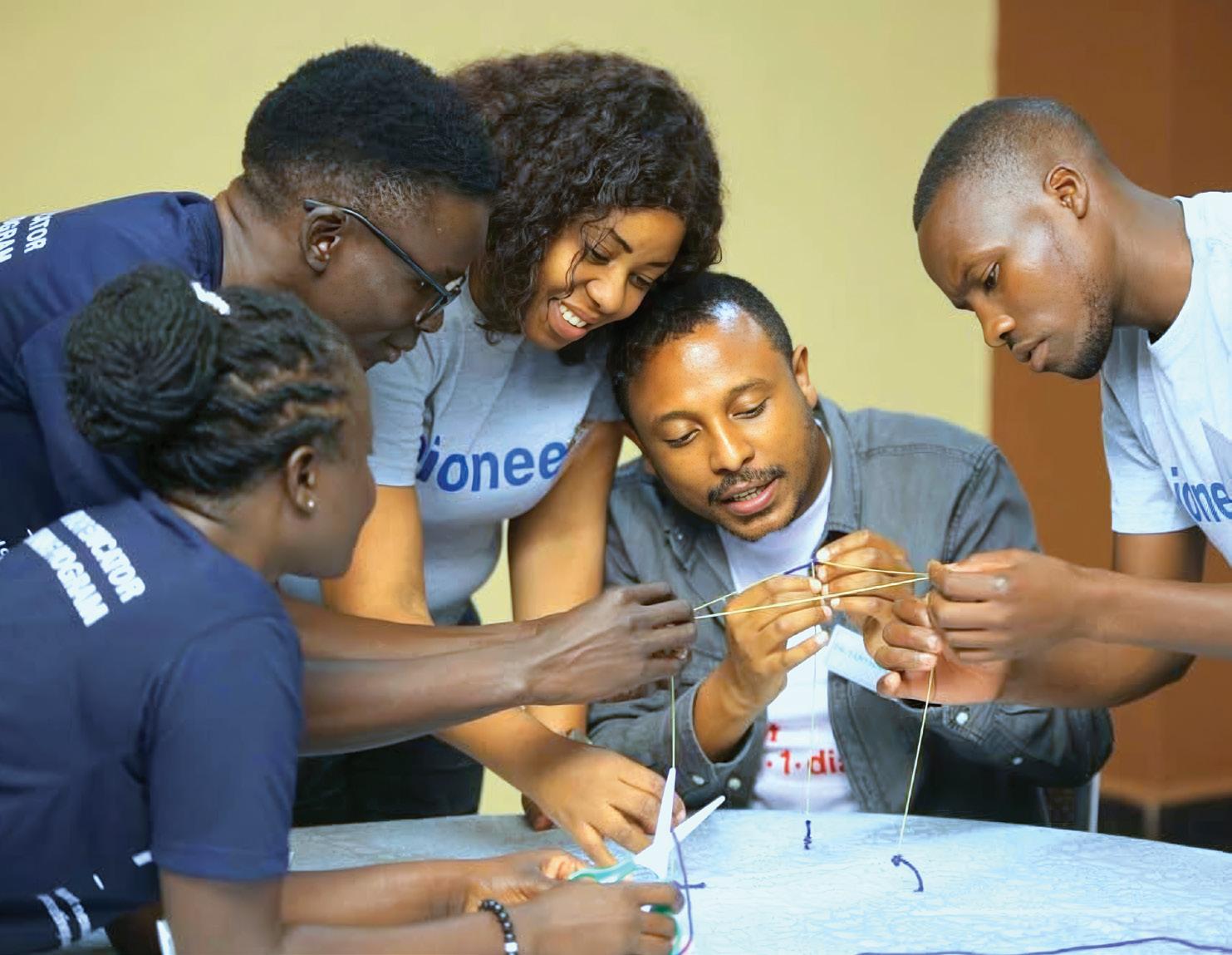
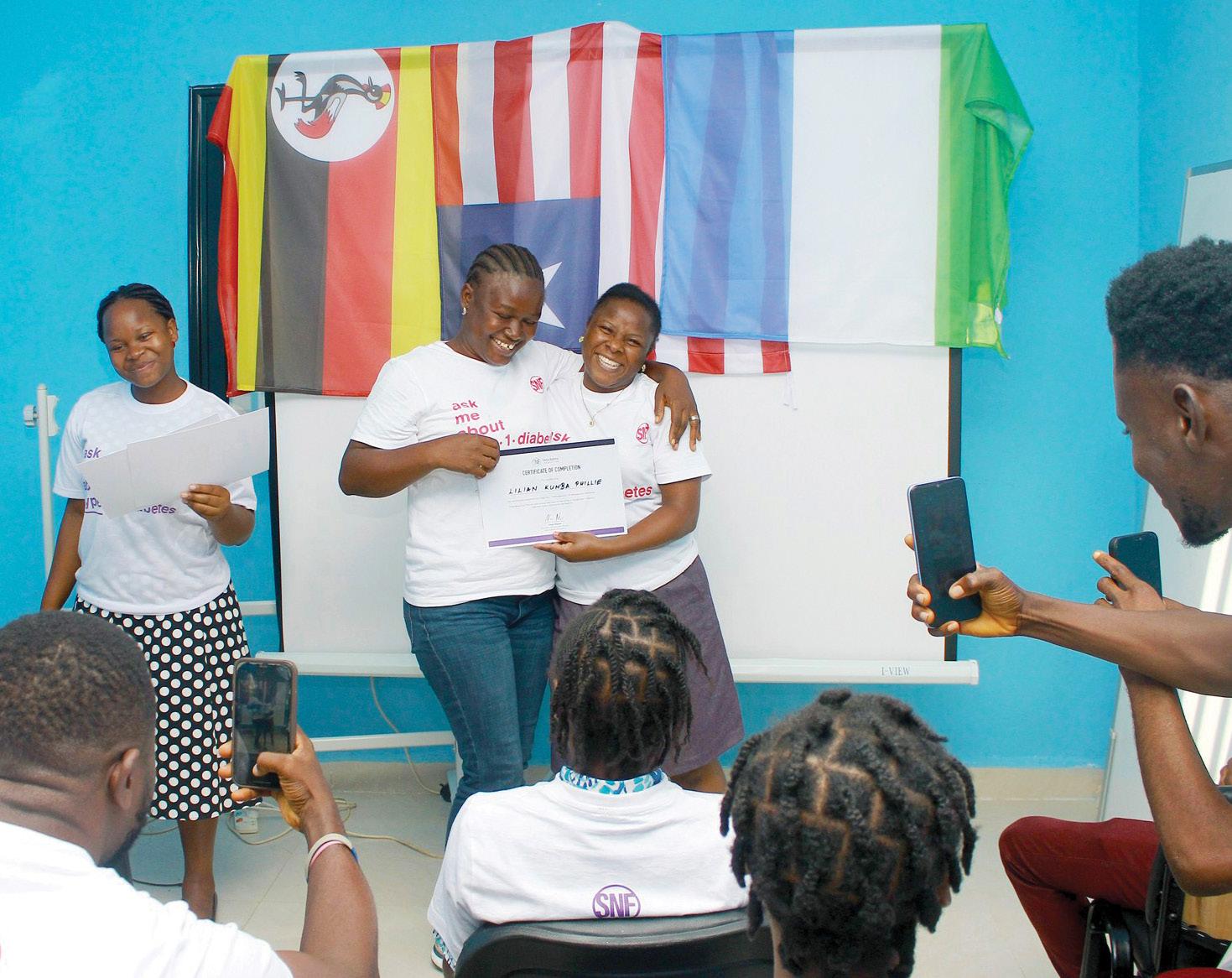
“Most of my fellow warriors come here to access insulin or manage their blood sugar levels,” Maraka said. “I come to offer assistance.” Middle right: At a Warrior Educator Training Workshop in Uganda, Dr. Natnael Abebe (center), the NCDI Poverty Network’s regional advisor for East Africa, participates in a team-building exercise using uncooked spaghetti. Below right: Allen Nabisere, a clinical officer for the Sonia Nabeta Foundation, presents a certificate of completion for peer support training to Lilian Kumba Phillie, a nurse at the PEN-Plus clinic at Koidu Government Hospital in Sierra Leone.
Dr. Betty Bankah, a family physician and founder of the Adolescent Care Clinic at Greater Accra Regional Hospital in Ghana, said for similar reasons, her clinic includes a casual lounge where young people living with noncommunicable diseases can spend time together.
“It’s tough for them,” Dr. Bankah said. “My phone lines are open 24/7. We talk about how diabetes is not going to stop you.”
Diabetes has not stopped Emmanuella Selasi Hormenoo, secretary-general of Diabetes Youth Care in Ghana and another Voices for PEN-Plus advocate. At the World Health Summit in Berlin in October 2025, for example, she spoke on two panels, sharing stages with global health dignitaries. She talked about growing up in Ghana, where her type 1 diabetes was not diagnosed until after she had fallen into a two-month coma. After four doctors failed to treat her diabetes, she said,
“We’ve seen beautiful examples of young people who are unafraid to speak boldly about their condition, to be advocates, to be champions.”
she finally met Dr. Bankah, whom she credits with saving her life. Dr. Bankah also shared resources about diabetes and taught her to redirect her anger into advocacy, to help other people facing similar challenges.
“We Are in This Together”
Peer support was crucial at Camp Tuli Bonse, where young people participated in advocacy sessions, focus groups, friendly competitions, and that camp classic—skits on the final evening. Campers, who used the term “warriors” to refer to themselves and their peers, acted out scenes to show how they faced discrimination and ignorance at school, in places of work, and in their communities.
Esnart Banda, a 21-year-old sickle cell warrior who served as a camp counselor, illustrated the strength of
peer support when she encouraged the campers during a motivational session.
“Sickle cell is not a death sentence,” she told the room full of campers, raising her voice so all could hear.
“We are in this together. You can still achieve your goals.”
Peers Training Peers
Peer support and education can have powerful impacts inside clinics, as well as outside. The NCDI Poverty Network facilitates peer training sessions in many of the countries where it supports PEN-Plus, to build connections and confidence among young mentors and leaders. The sessions often focus on far more than health education.
In May 2025, for example, the network hosted a peer education training session that brought a dozen clinicians and community advocates
from Liberia, Sierra Leone, and Uganda together for training on type 1 diabetes management and symptoms, leadership, and…building towers out of spaghetti.
The four-day training session, which was held at Kono District Hospital in Sierra Leone, focused primarily on diabetes-related topics, such as managing hyperglycemia and handling insulin.
But the training also included a focus on leadership styles and collaboration skills, said Dr. Remy Bitwayiki, the NCDI Poverty Network’s regional advisor for West Africa. That meant team-building games, such as a challenge to work with partners to build the tallest tower possible out of uncooked spaghetti.
“It required a lot of communication and discussion,” Dr. Bitwayiki said of the challenge. He and his colleagues plan to host similar peer-to-peer trainings in other PEN-Plus countries.
Solidarity Through Sharing
Dr. Pfaff said expanding peer support programs will continue to benefit PEN-Plus programs. Reflecting on Camp Tuli Bonse, he said he was struck by how open the young people became in sharing their personal stories, an engagement that built a strong sense of solidarity among them.
“I’m a real champion of the power of peers learning from one another,” Dr. Pfaff added. “We’ve seen beautiful examples of young people who are unafraid to speak boldly about their condition, to be advocates, to be champions. They are living successful lives and are inspiring examples for others.” ■
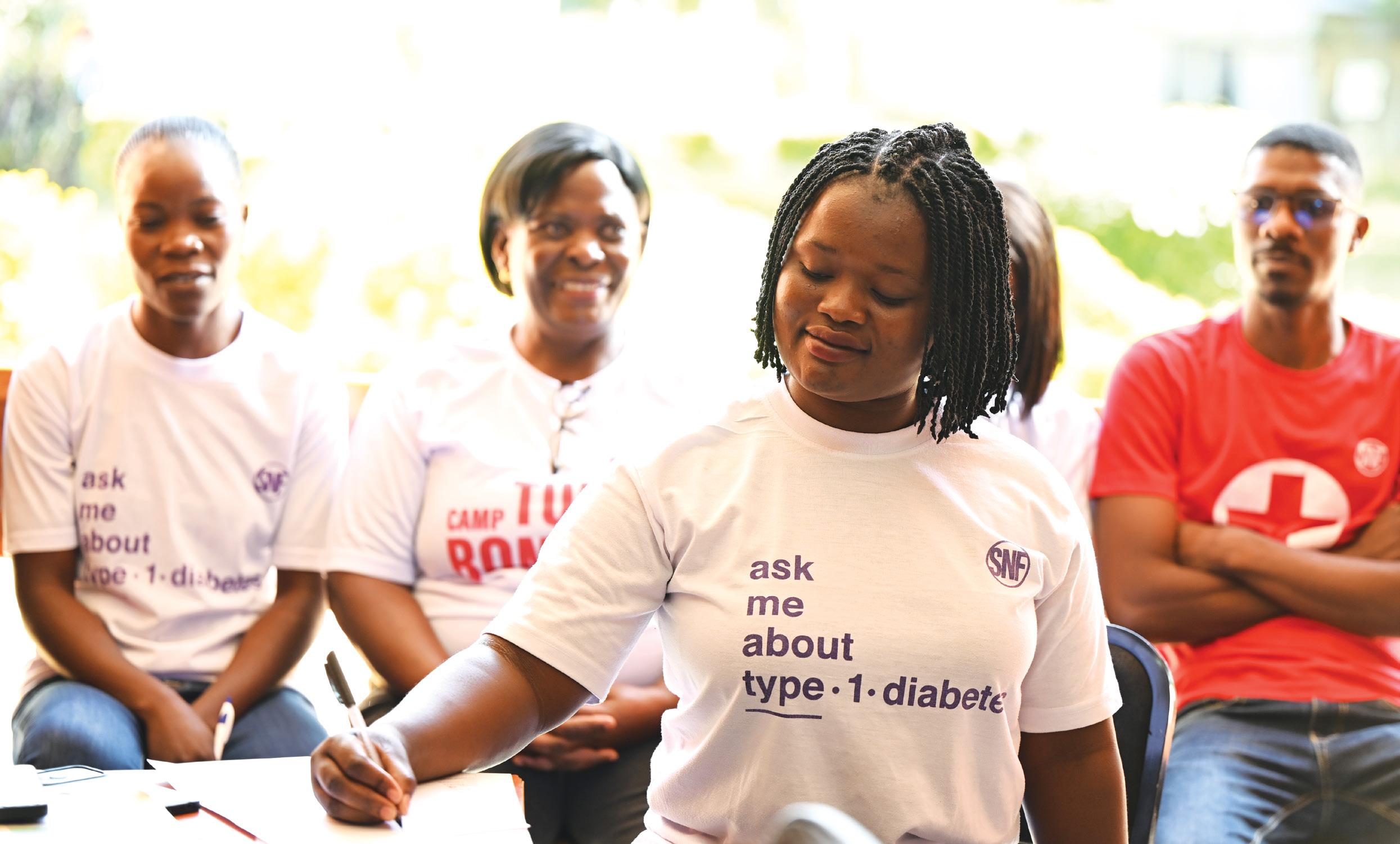
GATHERING STRENGTH: Camp Tuli Bonse was born from the idea that integrated care and support can extend beyond clinical settings, with benefits that transcend those of physical health.
A LIFE-CHANGING WEEK
While participating in Camp Tuli Bonse, Daniel Mulowa gained confidence, education about sickle cell disease, and an entire community of disease warriors.
HAPPY CAMPER
One boy’s experience at a PEN-Plus integrated camp shows the power of peer support in breaking down barriers of stigma and isolation.
On his very first night at Camp Tuli Bonse, while his fellow campers slept, 11-year-old Daniel Mulowa experienced a sickle cell crisis.
His body ached and his nose wouldn’t stop bleeding. The temporary, yet painful crisis would have been familiar to anyone suffering from sickle cell disease, a genetic blood disorder that can cause sudden pain, severe anemia, and other debilitating symptoms.
Camp counselors quickly ushered Daniel into the camp’s round-the-clock medical station. With care from clinical staff, he soon felt better. When the worst was over, camp leaders asked him a natural question: Would he like to return home, given what he had just gone through? No one would have blamed him if he had said yes. But Daniel declined. He wanted to stay.
That decision may have changed his life.
Camp Tuli Bonse brought young people living with either type 1 diabetes or sickle cell disease together for five days of health education, empowerment, and peer support near Lusaka, Zambia, in August 2025. Daniel’s attendance at the camp had been facilitated by care providers at the PEN-Plus clinic at Mwachisompola First-Level Hospital, more than two hours north of Lusaka, where Daniel has his monthly checkups.
Over the week, Daniel transformed from a quiet, shy bystander to an active, outgoing participant in health education sessions, advocacy exercises, and even the camp talent show, in which he and his teammates acted out a sickle cell crisis, much like the one Daniel had experienced just a few nights before.
During the award ceremony that followed the talent show, every camper received a certificate of participation. Many also won prizes for various activities and performances; Daniel’s team took second in the talent show, snagging colorful water bottles.
Then the final award was announced: Daniel was named Camper of the Year. As he high-fived counselors and staff standing in front of the stage, Pauline Nalungwe, a nurse at his clinic, scooped him into her arms for a hug.
Daniel later said he was stunned to receive the award. “My heart was beating so fast,” he said. “But I wasn’t scared. I was happy.” He also said he was excited to return home and teach his younger sister, Ketiwa, to stay hydrated—he had a new water bottle for her—and to take hydroxyurea for her sickle cell, as he had learned to do.
And Daniel added that one day, he hoped to pursue a particular profession: He had been inspired to become a doctor. ■
All Together Now
The PEN-Plus movement continues to spread across sub-Saharan Africa, with more and more countries embracing the model as an effective approach to ensuring access to treatment for people living with severe noncommunicable diseases in rural, resource-constrained settings.
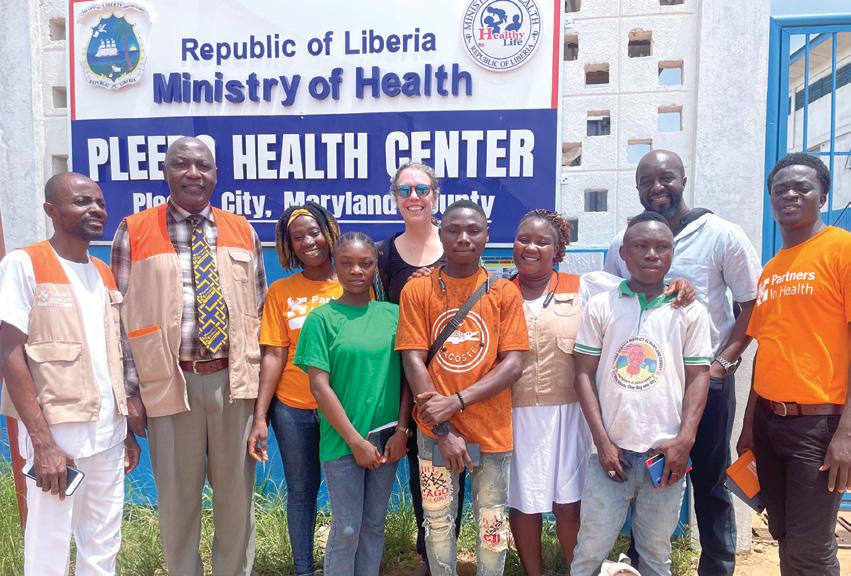
LIBERIA: In April 2026, PEN-Plus care providers from Pleebo Health Center and J.J. Dossen Hospital in southeastern Liberia met with Ministry of Health officials and Partners In Health and NCDI Poverty Network representatives to discuss Liberia’s progress in implementing PEN-Plus. At the clinics, they also met with several PEN-Plus peer educators for type 1 diabetes and sickle cell disease.
photos
MOZAMBIQUE: In September 2025, the NCDI Poverty Network hosted a PEN-Plus study tour that brought colleagues from Zimbabwe together with ministry of health representatives from Angola, Eswatini, and Lesotho to watch Mozambique’s first PEN-Plus clinic in action.
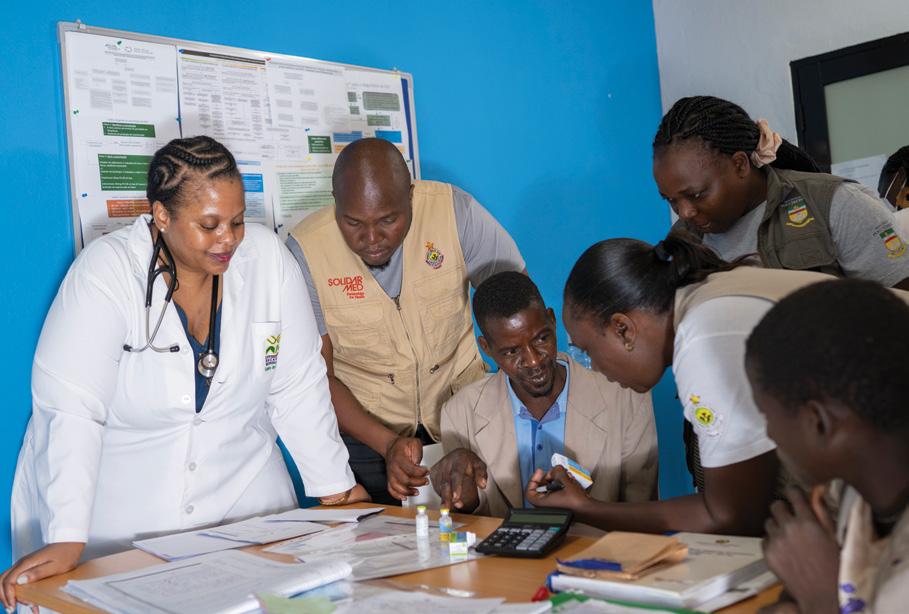
ZIMBABWE: When Shumirai Magidi’s rheumatic heart disease caused a sudden deterioration in her health, one of the SolidarMed-managed PEN-Plus clinics in Zimbabwe sprang into action. After the repair of two of her heart valves, she said, “This surgery brought back my strength and my dignity.”
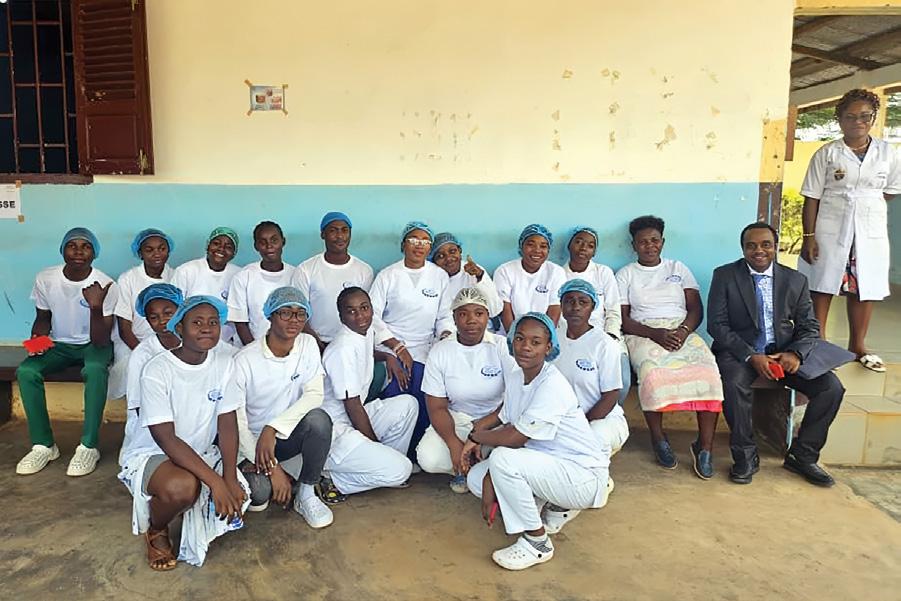
CAMEROON: Clinicians at Mfou District Hospital in Cameroon gathered in December 2025 to celebrate the opening of a new PEN-Plus clinic. At the same time, a second clinic launched at Djoum District Hospital in the South Region. Together, Cameroon’s two pilot sites serve a population of an estimated 155,000 people.
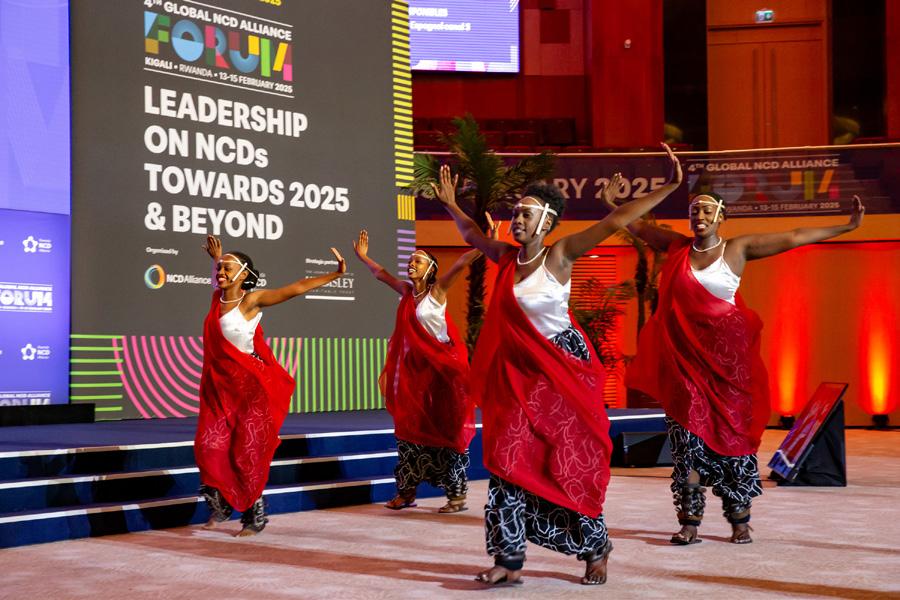
RWANDA: In 2025, for the first time, an African nation hosted the Global NCD Alliance Forum. And it was only fitting that Rwanda— the birthplace of PEN-Plus two decades ago—was chosen as that first host. The country continues its leadership today, having implemented PEN-Plus in all 42 of its district hospitals.
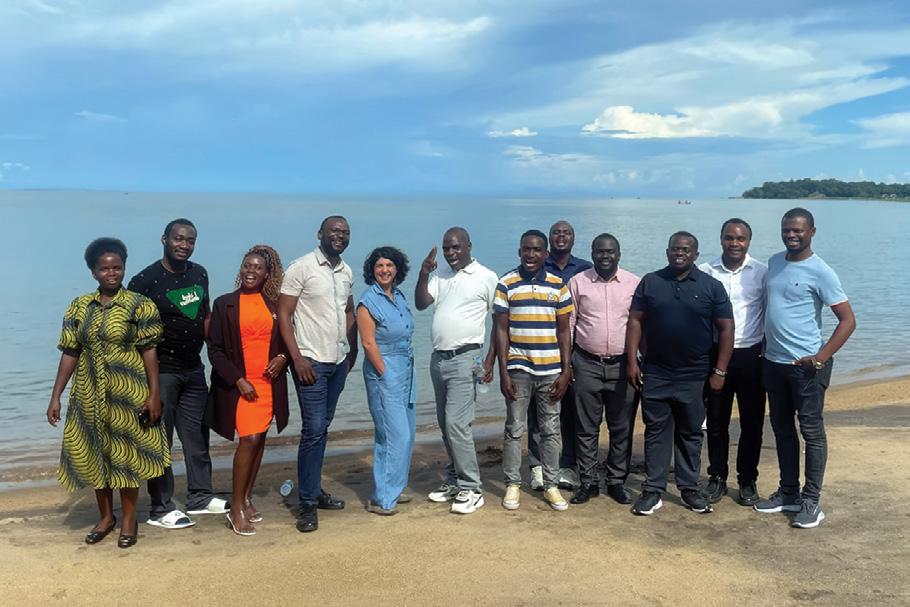
MALAWI: In February 2026, a PEN-Plus training session in Malawi— whose participants took one notable break from the classroom— showed that skills such as mentoring, proficiency in giving effective feedback, and the ability to assess patient experiences accurately can be as vital to quality care as medical equipment and resources.
SIERRA LEONE: Nurse Lilian Kumba Phillie works with a patient in the PEN-Plus clinic at Koidu Government Hospital in eastern Sierra Leone. ”For many of these patients, it’s the first time they’re learning about these conditions,” Phillie said. “So we stress that while these conditions aren’t curable, management is possible.”
Our Gathering Momentum
Each PEN-Plus milestone in the WHO African Region represents lives extended, communities empowered, and health systems strengthened.
By Benido Impouma, MD, MPH, MBA, PhD
WE ARE NOW WELL INTO PEN-PLUS IMPLEMENTATION in the WHO African Region and moving steadily toward the long-term goal of a well-integrated, person-centered, and affordable approach to treating people living with severe, chronic noncommunicable diseases. Keeping this momentum requires bold leadership—and sustained investment.
The past few years have shown that, despite constrained resources, countries are advancing in integrating PEN-Plus into national health systems, expanding services at the district level, and strengthening the foundations needed for sustainable implementation. PEN-Plus has moved from a pilot stage to a recognized regional model, with 20 countries in the region completing readiness and costed operational plans.
What are the foundations required for sustainable implementation? These are centered on health systems and services: training and task shifting, ensuring that supply chains and infrastructures are fit for purpose, making sure that integrated financing mechanisms are in place, all while building governance, policy, and data systems.
workers, upgraded 16 facilities, and achieved 55 percent coverage. Ethiopia launched its national plan this year, targeting 150 hospitals and aiming to enroll 82,000 patients.
Each milestone represents lives extended, communities empowered, and health systems strengthened. To sustain momentum and ensure long-term impact, further investment is required to enhance partner coordination, expand sustainable financing mechanisms, integrate PENPlus into national health strategies, and accelerate the scale-up of district-level services.
The next phase for many countries will be to expand technical support, build national capacities, and deepen the integration of services for severe noncommunicable diseases at the district level, translating early successes into long-term, systemwide impact. The goal is for all countries to be fully equipped to put PEN-Plus into operation and sustain these services within their national health systems.
As countries move forward, meaningful data become ever more important. Without this, countries cannot plan for further interventions or monitor what is already in place. Accountability and transparency require understanding the data. At the same time, programs such as PEN-Plus provide unparalleled opportunities to collect data on previously neglected disease areas, such as the number of young people living with type 1 diabetes in the region.
This far down the line there are also milestones to celebrate. Rwanda has achieved nationwide coverage with services integrated in all districts. Malawi has trained more than 440 health
As countries increasingly move into full implementation of PEN-Plus, the strategy continues to save lives, advance equity, bridge rural-urban divides in health care, and prevent catastrophic household costs from untreated conditions. By contributing to overall health system strengthening, PEN-Plus reinforces public health facilities, training, and supply chains, offering long-term benefits for all health programs and the people they serve ■
Benido Impouma, MD, MPH, MBA, PhD, is director of the Health Promotion, Disease Prevention and Control Cluster at the WHO Regional Office for Africa.
TAKING FLIGHT
Nine-year-old Christabel Mulonga has lived with severe asthma since birth. Her mother, Universe Hachamba, said she takes great comfort in the consistent, compassionate care her daughter receives at the PEN-Plus clinic at Matero Level One Hospital in Lusaka, Zambia. As for Christabel, she loves dancing and dreams of becoming a pilot.
BORN TO RUN: Ongoing treatment for sickle cell disease at a PEN-Plus clinic in Tanzania has allowed fouryear-old Sesi to regain her energy.
Third International Conference on PEN-Plus in Africa
World Health Organization—Regional Office for Africa Cité du Djoué, P.O. Box 06 Brazzaville, Republic of Congo