For advertising information, visit ncrealtors.org/advertise or contact Keri Epps-Rashad at (336) 217-1049.
INSIGHT (ISSN 24714127) (USPS 17170) is published four times a year in February, May, August and November by NC REALTORS®, 4511 Weybridge Lane, Greensboro, NC 27407. Periodicals Postage Prices paid at Greensboro, N.C. and additional mailing offices.
This publication is designed to provide accurate and authoritative information regarding the subject matter covered. Articles which appear in Insight are an informational service to members and consumers. Their contents are the opinions of the authors alone and do not necessarily represent those of NC REALTORS®.
Advertising of a product or service does not imply endorsement, unless specifically stated.
To opt-out of paper copy mailings, email hello@ncrealtors.org with a subject line of “Insight opt-out.”
4511 Weybridge Lane, Greensboro, NC 27407
Phone: (336) 294-1415
ncrealtors.org
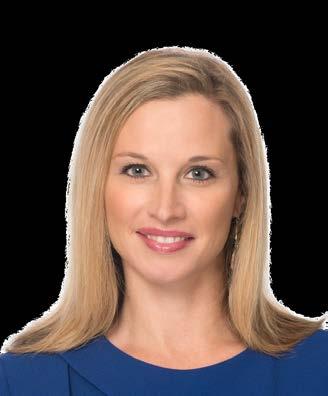
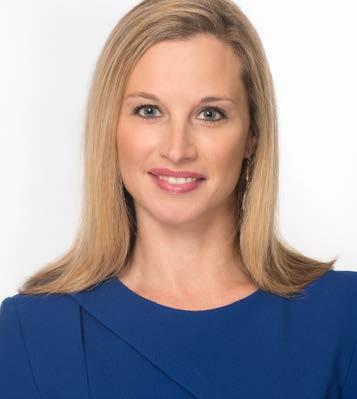
Dear NC REALTORS®,
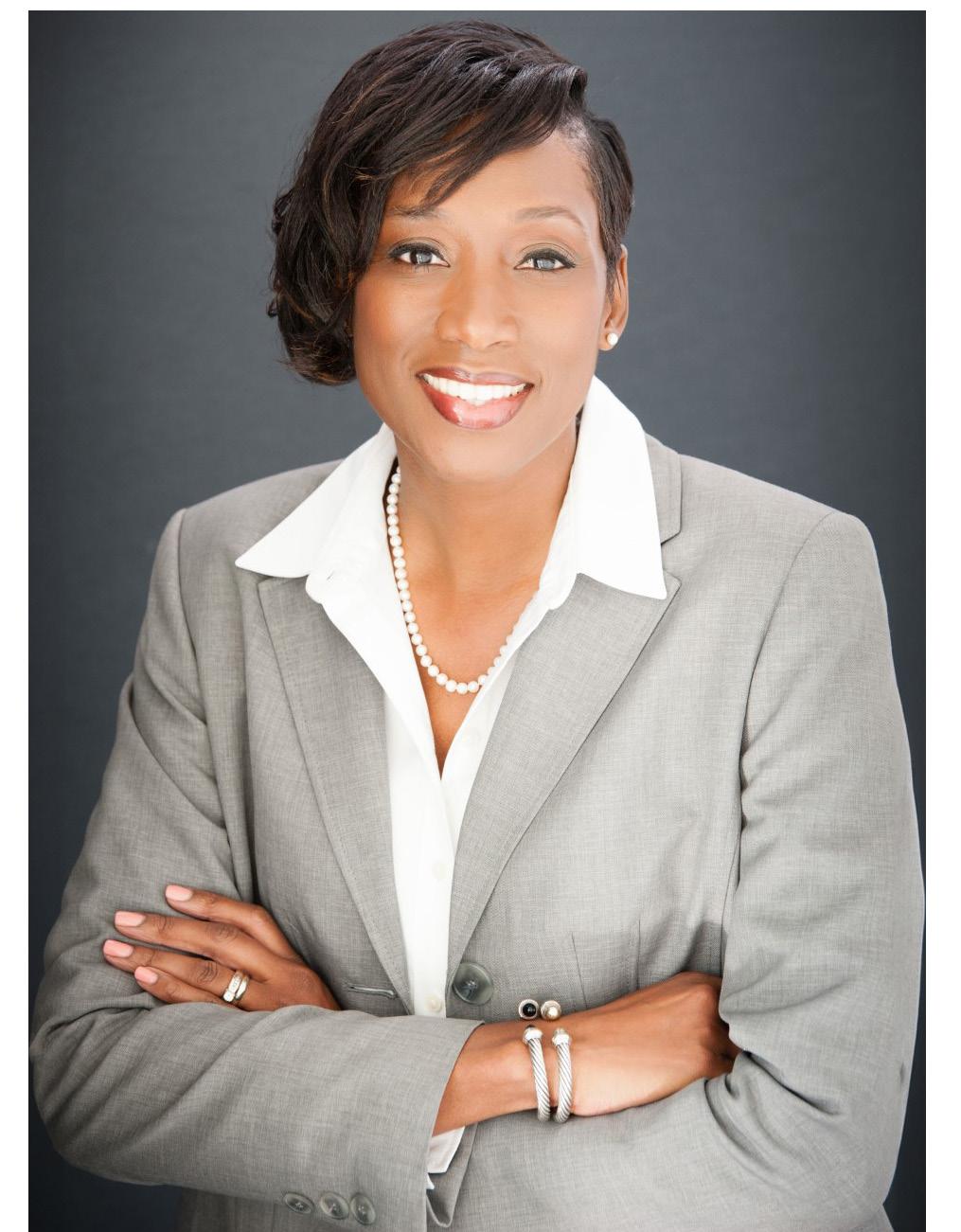
As we reflect on 2025 through this Annual Report, I am reminded of the incredible dedication, talent, and heart that each of you brings to our profession. The accomplishments highlighted in these pages are a testament to the strength of our association and the impact we make in the communities we serve across North Carolina.
Stepping into 2026 as your NC REALTORS® President is an honor, and it feels especially meaningful as we enter the final year of our current strategic plan. Our theme for the year, “Where Strength Meets Vision,” speaks to both the foundation we’ve built together and the clear direction we are moving toward. It’s a celebration of our past achievements and a call to continue shaping a bright, purposeful future for our profession.
Strength in Our Foundation
2025 has shown us what is possible when we come together. Through advocacy, professional development, and community engagement, NC REALTORS® has demonstrated the power of a strong, united membership. Our strength comes from you—your passion, your expertise, and your commitment to serving your clients and communities with integrity.
Vision for Our Future
As we look ahead, our vision is clear: to embrace innovation, cultivate leadership, and ensure that REALTORS® remain trusted, essential, and impactful in every North Carolina community. This year, every initiative, every conversation, and every decision will connect back to the pillars of our strategic plan, guiding us toward lasting success.
Guided by Our Five Pillars
• Collaborative: Building strong relationships with local associations, stakeholders, and partners to ensure all voices are heard and valued.
• Prepared: Equipping members with the tools, guidance, and professional development needed to confidently navigate a changing industry.
• Influential: Amplifying the voice of REALTORS® through advocacy, political action, and engagement to advance real estate interests.
• Focused: Aligning committees, programs, and services with strategic priorities to ensure relevance, impact, and efficiency.
• Integral: Highlighting the value of REALTORS® in their communities, supporting professionalism, skill development, and trust.
As we close this chapter and step into a new year, I am deeply grateful for the passion, vision, and commitment of our members. Together, we will honor what has been accomplished, continue to build on our foundation, and embrace a future where strength truly meets vision.
Yours in service, Brenda
Hayden 2026 NC REALTORS® President
2025
Year in Review
As we reflect on 2025, we are proud of the meaningful progress our association achieved together. This year demonstrated the strength, resilience, and unity of NC REALTORS® across the state. We continued to elevate the value of the REALTOR® brand, strengthen our advocacy efforts, and support members in a rapidly evolving real estate environment.
We saw significant accomplishments across every area of our work. Our response to Hurricane Helene reinforced our commitment to serving North Carolina’s communities, and the impact of the Housing Foundation demonstrated what REALTORS® can do when we come together with purpose. The success of the Our REALTORS® Know campaign, recognized nationally for its excellence, helped us further communicate the essential role REALTORS® play in guiding consumers through one of the most important decisions of their lives.
We also experienced a renewed spirit of collaboration. Local associations, committees, emerging leaders, and volunteers contributed to initiatives that strengthened our organization and expanded our reach. From YPN engagement and global partnerships to increased RPAC participation and member-focused programming, we advanced work that will position the association strongly as we enter a critical year ahead.
As we look to 2026, the final year of our strategic plan, our focus remains clear. We will continue to support members with the tools, resources, and leadership needed to navigate industry changes, and we will further our mission to strengthen communities and champion homeownership across North Carolina. Our commitment to collaboration, communication, and service will guide us as we build on the foundation set this year.
On behalf of the 2025 NC REALTORS® Leadership Team, we extend our sincere gratitude for your dedication to the profession and to the people of North Carolina. We look forward to the opportunities that lie ahead and to continuing this vital work together.
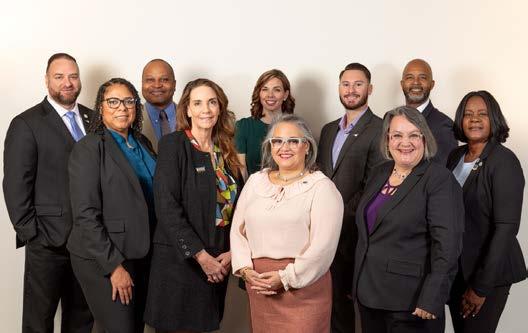
The 2025 NC REALTORS® Leadership Team
2025 Executive Committee
John McPherson President
Tony Harrington Immediate Past President
Grace Jones RVP – Region 4
Josh Tucker RVP – Region 8
Lawrence Terry RVP – Region 10
Brenda Hayden President-Elect
Amanda Parmer RVP – Region 1
Pam Webb RVP – Region 5
Beverly Newell RVP – Region 8
Asa Fleming At-Large Representative
Brooke Rudd First Vice President
Amanda Parmer RVP – Region 2
Phillip Johnson RVP – Region 6
Caleb Phillips RVP – Region 9
Renee Cooney Treasurer
Melissa McKinney RVP – Region 3
Dennis Bailey RVP – Region 7
Tim McBrayer RVP – Region 10
2025 Committee Chairs
Appraisal Committee
Chair: Vic Knight
Orange Chatham Association of REALTORS®
Vice Chair: Peter Gallo
Canopy REALTOR® Association
RVP Liaison: Pam Webb
High Point Regional Association of REALTORS®
Staff Liaison: Denise Daly
Association Executives Committee
Chair: Sandra Barnhardt
Mid Carolina Regional Association of REALTORS®
Vice Chair: Bonnie White
Johnston County Association of REALTORS®
RVP Liaison: Grace Jones
Durham Regional Association of REALTORS®
Staff Liaisons: Denise Daly
Bylaws Committee
Chair: Cynthia Walsh
Brunswick County Association of REALTORS®
Vice Chair: Sofia Crisp
Greensboro Regional REALTORS® Association
RVP Liaison: Melissa McKinney
Longleaf Pine REALTORS®
Staff Liaisons: Caitlin Thompson and Donna Peterson
Commercial Committee
Chair: Lou Baldwin
Winston-Salem Association of REALTORS®
Vice Chair: Lynn Harris
Cape Fear REALTORS®
RVP Liaison: Phillip Johnson
Winston-Salem Association of REALTORS®
Staff Liaisons: Denise Daly
Commercial Forms Committee
(July 1, 2025-June 30, 2026)
Chair: Byron Aynes
Cape Fear REALTORS®
Vice Chair: Spencer Bennett
Winston-Salem Association of REALTORS®
Staff Liaisons: Caitlin Thompson and Leigh Morgan
Communications Committee
Chair: Karleta Sharisse Smith
Catawba Valley Association of REALTORS®
Vice Chair: Shannon Brien
Raleigh Regional Association of REALTORS®
RVP Liaison: Tim McBrayer
Raleigh Regional Association of REALTORS®
Staff Liaisons: Mckenzie Allen and and Aliyah Ross
Convention Committee
Co-Chairs: Adam Upchurch
Topsail Island Association of REALTORS®
Heather Dodson
Greensboro Regional REALTORS® Association
Co-Vice Chairs: Tikola McCree
Union County Association of REALTORS®
Chester Bartlett
Carolina Smokies Association of REALTORS®
Staff Liaisons: Mandy Lowe and Sarah Nardi
Diversity, Equity & Inclusion Committee (DEI)
Chair: Jason Scott
Burlington Alamance County Association of Realtors®
Vice Chair: Dr. Talvia Peterson
Raleigh Regional Association of REALTORS®
RVP Liaison: Kim Perkins
Jacksonville Board of REALTORS®
Staff Liaisons: Keri Epps-Rashad
2025 Committee Chairs
Economic Development Committee
Chair: Guy McCook
Cape Fear REALTORS®
Vice Chair: Kelly Marks
Greensboro Regional REALTORS® Association
RVP Liaison: Lawrence Tery
Raleigh Regional Association of REALTORS®
Staff Liaisons: Angela Burgess
Global Network Subcommittee
Chair: Jason Gentry
Canopy REALTOR® Association
Vice Chair: Fara Pourshariati
Raleigh Regional Association of REALTORS®
RVP Liaison: Josh Tucker
Canopy REALTOR® Association
Staff Liaisons: Angela Burgess
Innovation Forum
Chair: Jason Morton
Canopy REALTOR® Association
Vice Chair: Cristi Hill
Jacksonville Board of REALTORS®
Staff Liaisons: Andrea Bushnell and Mandy Lowe
Legislative Committee
Chair: Brooke Cashion
Winston-Salem Regional Association
Vice Chair: Wendy Harris
Longleaf Pine REALTORS®
RVP Liaison: Dennis Bailey
Cleveland County Association
Staff Liaisons: Pam Melton
Professional Standards
Chair: Kristie Ferguson
Gaston Association of REALTORS®
Vice Chair: Jamie Lynn Crist
Cape Fear REALTORS®
RVP Liaison: Beverly Newell
Canopy REALTOR® Association
Staff Liaisons: Heather Sisk
Residential Forms Committee (July 1, 2024-June 30, 2025)
Chair: Steve Barnes
Land of the Sky Association of REALTORS®
Vice Chair: Jon Fletcher
Durham Regional Association of REALTORS®
Staff Liaisons: Leigh Morgan
Caitlin Thompson, Legal Counsel
John Wait, Legal Counsel
Risk Management Committee
Chair: Laurie Linder
Longleaf Pine REALTORS®
Vice Chair: Jonathan Moore Albemarle Area Association of REALTORS®
RVP Liaison: Amanda Parmer
Cape Fear REALTORS®
Staff Liaisons: Caitlin Thompson
YPN Committee
Chair: Bryan Selser
Raleigh Regional Association of REALTORS®
Vice Chair: Joshua Hearst
Jacksonville Board of REALTORS®
RVP Liaison: Caleb Phillips
Hendersonville Board of REALTORS®
Staff Liaisons: Mckenzie Allen and Savanna Reagin
Membership
55,000+ Strong ASSOCIATION NEWS
Top 10 Largest State Associations*
1. Florida 2. California
Texas
New York
5. North Carolina
New Jersey
Arizona
Illinois
Georgia 10. Pennsylvania
43 local boards
1. Albemarle Area Association of REALTORS®
2. Brunswick County Association of REALTORS®
3. Burke County Board of REALTORS®
4. Burlington Alamance County Association of REALTORS®
5. Canopy REALTOR® Association
6. Cape Fear REALTORS®
7. Carolina Smokies Association of REALTORS®
8. Carteret County Association of REALTORS®
9. Catawba Valley Association of REALTORS®
10. Central Carolina Association of REALTORS®
11. Charlotte Region Commercial Board of REALTORS®
12. Cleveland County Association of REALTORS®
13. Coastal Plains Association of REALTORS®
14. Durham Regional Association of REALTORS®
15. Foothills REALTOR® Association of North Carolina
16. Gaston Association of REALTORS®
17. Goldsboro Wayne County Association of REALTORS®
18. Greensboro Regional REALTORS® Association
19. Hendersonville Board of REALTORS®
20. High Country Association of REALTORS®
21. High Point Regional Association of REALTORS®
22. Highlands Cashiers Board of REALTORS®
5th largest State association
*by total member count
23. Jacksonville Board of REALTORS®
24. Johnston County Association of REALTORS®
25. Land of the Sky Association of REALTORS®
26. Lincoln County Board of REALTORS®
27. Longleaf Pine REALTORS®
28. McDowell Board of REALTORS®
29. Mid Carolina Regional Association of REALTORS®
30. Mountain Lakes Board of REALTORS®
31. Neuse River Region Association of REALTORS®
32. Orange Chatham Association of REALTORS®
33. Outer Banks Association of REALTORS®
34. Raleigh Regional Association of REALTORS®
35. Roanoke Valley Lake Gaston Board of REALTORS®
36. Rocky Mount Area Association of REALTORS®
37. Salisbury/Rowan Association of REALTORS®
38. Topsail Island Association of REALTORS®
39. Triangle Commercial Association of REALTORS®
40. Union County Association of REALTORS®
41. Washington Beaufort County Board of REALTORS®
42. Wilson Board of REALTORS®
43. Winston-Salem Regional Association of REALTORS®
In Memory Of
Imagean Adams
Pearlie Alston
Anna Arlington
Keith Arvey
Rhonda Arvey
Cynthia Barnes
Wana Batson
Karen Beam Browne
Mark Bodford
Jean Brewer
Meldonna Britt
James Brooks
Catherine Casteen
Tucker Chambers
Kathleen Chieco
Bradley Cohen
David Collins
Michael Corbett
Matthew Cox
PH Craig
Michael Cromer
Mary Cude
Robert Cutting
John Daniel
Thomas Dixson
Patrick Donahue
Robert Dooley
Rodly Downer
William Eargle
Bruce Elliott
Stan Elliott
Thomas Ensley
Yvonne Everson
Sherrill Faw
Alfred Fields
Kathy Franklin
Glenn Frazier
Charles Freeman
Arthur Furtney
Fred Gainey
John Gaither
Danny Goodwin
Roland Groder
Janet Hall
John Hamad
Kimberlee Hanan
Peter Hanley
Verma Hardee
Warren Harper
Scott Harrington
Cecil Heavner
Patricia Helms-McClain
Nancy Henline
Herman Holley
Patricia Hughes
Lee Humphries
William Ingham
Mary Johnson
Dana Jones
Joy Jones
Graeme Keith
Laura Key
Hilbert Kiesel
Clarence King
James Kluth
Patricia Knowles
Pamela Langford
Laura Lassiter
Edward Lawler
Pamela Liddell
Virginia Ligon
Karen Loetzer
Keith Longworth
John Lynn
Daniel Macsay
William Maler
Emily Markham
Amy Marszalek
Margie Massey
James Matson
Lyn McFarland
Candy McLain
Douglas McSpadden
Harold Messick
Kristin Mueller
Cecil Myers
Eileen Nelis
Nancy Ogle
John Olson
Russell Pellecchia
Dianne Perry
Lucretia Pinnock
Joanny Pizzuti
Jeffrey Porter
Arthur Reenstra
W. Calvin Reynolds
Rita Rodgers
LaTonya Rose
William Rose
Jane Ross
Alfred Rushatz
Lee Sarbo
Ted Schmidt
Connie Scozzari
Alexandar Sheppard
Lori Silvestri
Charles Smith
Jean Smith
Rose Sparks Crafton
Cynthia Spyker
Phyllis Stanley
Brian Stewart
Pamela Talbot
Kathryn Thompson
Dollie Uzzell
Jonathan Warren
Virginia Warren-Hall
Sherrill Washington
Steven Weese
Mary Edna Williams
Jennifer Wooten
Donald Wright
Amatullah Yamini
Myra Zollinger 1938 — February 19, 2025
Ted Kelly 1952 — August 6, 2025
Cristina Grossu Biffle 1990 — December 18, 2025
As of December 18, 2025
Annual Sponsors
5 Annual Sponsors brought in $33,500.00 in annual revenue
AE Scholarships
These association executives (AEs) were honored with scholarships to attend events for professional development in 2025.
NAR AE Institute ($1,000)
• Coleen Curtis Albemarle Area Association of REALTORS®
• Jo Anna Edwards
Goldsboro Wayne County Association of REALTORS®
• Ashley Johnson
Orange Chatham Association of REALTORS®
2025 William D. North AE Institute Scholarship
• Kate Simmons Mountain Lakes Board of REALTORS®
Regional AE Conference ($1,000)
• Jenny Hackett Gaston Association of REALTORS®
• Beth Hensley Catawba Valley Association of REALTORS®
• Bryan Morales Union County Association of REALTORS®
• Kate Simmons Mountain Lakes Board of REALTORS®
Insight NC REALTORS® Statement of Ownership, Management, and Circulation
Publication Title: Insight. Publication Number: 1717-0. Filing Date: October 1, 2025. Issue Frequency: Four times a year. Number of Issues Published Annually: Four. Annual Subscription Price: $1.60. Complete Mailing Address of Known Office of Publication: NC REALTORS®, 4511 Weybridge Lane, Greensboro, NC 27407. Publisher Name and Complete Mailing Address: Andrea Bushnell, 4511 Weybridge Lane, Greensboro, NC 27407. Editor Name and Complete Mailing Address: Mckenzie Allen, 4511 Weybridge Lane, Greensboro, NC 27407. Managing Editor Name and Complete Mailing Address: N/A. Owner: NC REALTORS®, 4511 Weybridge Lane, Greensboro, NC 27407. Tax Status: Has not changed during preceding 12 months. Publication Title: Insight. Issue Date for Circulation Data Below: August 2025. Extent and Nature of Circulation: Mailer to all members of NC REALTORS®. Average No. Copies Each Issue During Preceding 12 Months. Total Number of Copies: 50,324. Outside County Paid/Requested Mail Subscriptions stated on PS Form 3541: 49,825. In-County Paid/Requested Mail Subscriptions stated on PS Form 3541: 0. Sales Through Dealers and Carriers, Street Vendors, Counter Sales, and Other Paid or Requested Distribution Outside USPS®: 0. Requested Copies Distributed by Other Mail Classes Through the USPS: 0. Total Paid and/or Requested Circulation: 49,825. Outside County Nonrequested Copies Stated on PS Form 3541: 0. In-County Nonrequested Copies Stated on PS Form 3541: 0. Nonrequested Copies Distributed Through the USPS by Other Classes of Mail: 0. Nonrequested Copies Distributed Outside the Mail: 0. Total Nonrequested Distribution: 0. Total Distribution: 49,825. Copies not Distributed: 499. Total: 50,324. Percent Paid and/or Requested Circulation: 100%. Requested and Paid Electronic Copies: 0. Requested and Paid Print Copies: 49,825. Total Requested Copy Distribution: 49,825. Percent Paid and/or Requested Circulation (Both Print & Electronic Copies): 100%. No. Copies of Single Issue Published Nearest to Filing Date. Total Number of Copies: 49,691. Outside County Paid/ Requested Mail Subscriptions stated on PS Form 3541: 49,199. In-County Paid/Requested Mail Subscriptions stated on PS Form 3541: 0. Sales Through Dealers and Carriers, Street Vendors, Counter Sales, and Other Paid or Requested Distribution Outside USPS®: 0. Requested Copies Distributed by Other Mail Classes Through the USPS: 0. Total Paid and/or Requested Circulation: 49,199. Outside County Nonrequested Copies Stated on PS Form 3541: 0. InCounty Nonrequested Copies Stated on PS Form 3541: 0. Nonrequested Copies Distributed Through the USPS by Other Classes of Mail: 0. Nonrequested Copies Distributed Outside the Mail: 0. Total Nonrequested Distribution: 0. Total Distribution: 49,199. Copies not Distributed: 492. Total: 49,691. Percent Paid and/or Requested Circulation: 100%. Requested and Paid Electronic Copies: 0. Requested and Paid Print Copies: 49,199. Total Requested Copy Distribution: 49,199. Percent Paid and/or Requested Circulation (Both Print & Electronic Copies): 100%.
Innovation Grant Recipients
These programs demonstrate how local REALTOR® boards are driving innovation, supporting their members, and making a real difference in communities across North Carolina.
Deal Flow Accelerator: Building AI Systems for Real Estate Pros
Raleigh Regional Association of REALTORS®
This hands-on, three-hour course teaches REALTORS® to build AI-powered automation workflows using no-code tools, improving lead response, client communication, and transaction management while freeing agents to focus on advocacy and community engagement.
Real Estate Tech & Innovation Expo
Goldsboro-Wayne County Association of REALTORS®
GWCAR will host a one-day expo showcasing AI tools, software, and smart home innovations. Free for local REALTORS® and industry members, the event aims to educate professionals and homeowners on emerging technology and energy-efficient solutions.
Outer Banks Community Septic Health Collaboration
Outer Banks Association of REALTORS®
OBAR will expand a proven septic health program to additional Dare County towns, providing inspections, repair incentives, and low-interest loans. The initiative protects property values, safeguards water quality, and supports community resilience.
AC A DEMY LEA DERSHIP
2025 Graduates NC REALTORS ® William C.
Bass Leadership Academy
Andrew Alcaraz Neuse River Region Association of REALTORS®
Maxine Nelson Greensboro Regional REALTORS® Association
Meg Sparks Carteret County Association of REALTORS®
Eddie Alie Raleigh Regional Association of REALTORS®
Nakia Nelson Longleaf Pine REALTORS®
Jamie Young Canopy REALTOR® Association
Class of 2025
Hamilton Cape Fear REALTORS®
Susan Pifer Winston-Salem Regional Association of REALTORS®
Marbelia Murillo Canopy REALTOR® Association
Michelle Ranieri Hendersonville Board of REALTORS®
MeMe
Each year, NC REALTORS® local associations select a member who has been a REALTOR® for five years or less, has provided exemplary service to their local board and exhibits strong leadership potential. We look forward to seeing where our 2025 rising stars take us next.
Lauren Brooke Fulford
Durham Regional Association of REALTORS®
Sarah Buck Coastal Plains Association of REALTORS®
Travis Old Albemarle Area Association of REALTORS®
Julia Beth Forsmark Raleigh Regional Association of REALTORS®
Meg Sparks
Carteret County Association of REALTORS®
Karah Jean-Gilles Winston-Salem Regional Association of REALTORS®
John Gavin Cape Fear REALTORS®
Donna Schulz
Brunswick County Association of REALTORS®
Catherine Downey Longleaf Pine REALTORS®
Ellen Chao Greensboro Regional REALTORS® Association
NC REALTORS ® Awards
The 2025 NC REALTORS® Award recipients represent the highest standards of excellence across North Carolina. Recognized for their dedication, leadership, and service to the profession, these REALTORS® embody integrity, innovation, and a deep commitment to their communities.
From the prestigious REALTOR® of the Year honor to awards celebrating innovation and community impact, this year’s recipients exemplify what it means to serve with integrity and purpose.
REALTOR® of the Year
Maren Brisson-Kuester of Canopy REALTOR® Association has significantly contributed to North Carolina real estate as a leader and advocate, embodying the qualities of a true role model for fellow REALTORS®.
Kathryn Carpenter Hall of Fame Award
Brooke Cashion Hall of Fame Award
Rebecca Hedgecock PMD Hall of Fame Award
Alison Sink Champion Award
Peter Gallo Appraiser of the Year
Tim Mock Ben Ball Community Service Award
Michelle Roberts Committee Member of the Year Award
Guy McCook Innovation & Entrepreneurial Excellence Award
Sheila Knight Regional Service Award Region 1
Bob Bates Regional Service Award Region 2
Laurie Linder Regional Service Award Region 3
Marvette Artis Regional Service Award Region 5
National Association of REALTORS ® Recognition
NAR Global Achievement Program
NC REALTORS® once again earned Diamond Status, the highest level of recognition in the National Association of REALTORS® Global Achievement Program. This honor reflects our ongoing leadership in global real estate and our commitment to connecting North Carolina REALTORS® with international opportunities and markets.
RRF Pillar Club
NC REALTORS® was recognized by the REALTORS® Relief Foundation as a member of the prestigious Pillar Club for contributing more than $100,000 in support of disaster relief efforts. This recognition highlights the generosity and compassion of our members and our dedication to strengthening communities in times of need.
RCE Professional Designation
Tameca Jenrette, RCE, senior director of member services and MLS operations at Cape Fear REALTORS®, earned the REALTOR® Association Certified Executive (RCE) designation in 2025. The RCE is the only professional designation designed exclusively for REALTOR® association executives and recognizes exceptional leadership, commitment to professional growth, and outstanding service to the REALTOR® organization.
RPAC Hall of Fame
$100,000 Level: Leigh Brown, Central Carolina Association of REALTORS® $75,000 Level: Asa Fleming, Raleigh Regional Association of REALTORS® • Douglas Brindley, Outer Banks Association of REALTORS® • Maren Brisson Keuster, Canopy REALTOR® Association Robert Carter, Durham Regional Association of REALTORS® $50,000 Level: Janet Kane, Cape Fear REALTORS® • Tony Harrington, Cape Fear REALTORS® $25,000 Level: Crystal Graham Copas, Raleigh Regional Association of REALTORS® • David Zeitz, Longleaf Pine REALTORS® • Eddie Allie, Raleigh Regional Association of REALTORS® Jason Gentry, Canopy REALTOR® Association • Jim Allen, Raleigh Regional Association of REALTORS® • John Dowdy, Longleaf Pine REALTORS® • Kelly Marks, Greensboro Regional REALTORS® Association • Laurie Linder, Longleaf Pine REALTORS® Phillip Johnson, Winston Salem Regional Association of REALTORS®
Welcome
Amanda Stinton
NC REALTORS® is proud to welcome Amanda Stinton as its new Chief Operating Officer.
Amanda joins NC REALTORS® with more than 17 years of experience in real estate, association leadership, and strategic development. Most recently, she served as CEO of the Women’s Council of REALTORS®, where she strengthened operational stability, diversified revenue, and guided long-term strategic planning for the 14,000-member national organization.
Prior to that, Amanda dedicated over 15 years to the National Association of REALTORS®, where she directed national programs in sustainability and leadership development. Her work there advanced initiatives that continue to empower REALTORS® and support local associations nationwide.
As COO, Amanda will work closely with NC REALTORS® CEO Andrea Bushnell to oversee day-to-day operations, strengthen leadership development, and advance NC REALTORS®’ strategic goals for long-term organizational growth and member success.
“Amanda’s deep experience in strategic planning and leadership development will be a tremendous asset to NC REALTORS®,” said Andrea Bushnell, CEO. “Her leadership will help us continue to evolve and deliver exceptional value to our 55,000 members.”
Amanda’s deep experience in strategic planning and leadership development will be a tremendous asset to NC REALTORS®
Andrea
Bushnell, CEO
Welcome to the Team!
Meet the New Faces at NC REALTORS®
In the past year, NC REALTORS® added several phenomenal staff members. We hope you enjoy getting to know some fun facts about these individuals. For a complete list of NC REALTORS® staff and leadership, please visit ncrealtors.org/staff.
LINDEN BEASLEY | REGIONAL POLITICAL FUNDRAISING MANAGER
When did you join the staff?
June, 2025
Educational background: Graduated from Winthrop University. Played D1 basketball at Winthrop University.
Experience related to your current position: In my previous role as Athletic Director, I led the department’s fundraising efforts, coordinated major events, and managed all internal and external communications.
What do you love to do when you’re not working? I’m passionate about fitness and love staying active. When I’m not working out, you’ll find me soaking up the sun at the beach or relaxing by the pool with family and friends.
Favorite food?
I am usually a picky eater! I love any Italian or American cuisine.
CYNTHIA INGRAM | ACCOUNTING MANAGER
When did you join the staff?
June, 2025
Educational background: Graduated from UNC-G.
Experience related to your current position: I have worked for over 20 years in accounting. My experience has included accounts receivable, accounts payable, general ledger, and payroll. I also have some HR experience.
Dream vacation destination with unlimited time and budget?
I think I would most like to go to Switzerland.
What was your very first job?
My first job was working as a cashier at a drug store for about a year and a half. After that I worked for a bank. Both jobs paid for my college education.
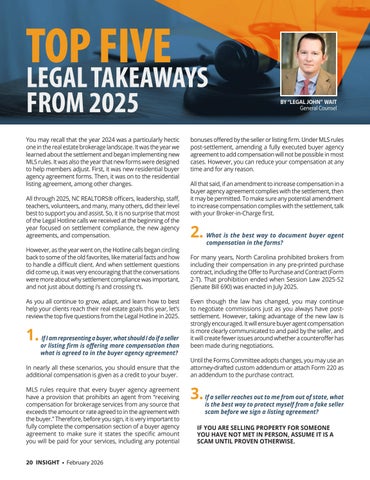
TOP FIVE LEGAL TAKEAWAYS FROM 2025
BY “LEGAL JOHN” WAIT General Counsel
You may recall that the year 2024 was a particularly hectic one in the real estate brokerage landscape. It was the year we learned about the settlement and began implementing new MLS rules. It was also the year that new forms were designed to help members adjust. First, it was new residential buyer agency agreement forms. Then, it was on to the residential listing agreement, among other changes.
All through 2025, NC REALTORS® officers, leadership, staff, teachers, volunteers, and many, many others, did their level best to support you and assist. So, it is no surprise that most of the Legal Hotline calls we received at the beginning of the year focused on settlement compliance, the new agency agreements, and compensation.
However, as the year went on, the Hotline calls began circling back to some of the old favorites, like material facts and how to handle a difficult client. And when settlement questions did come up, it was very encouraging that the conversations were more about why settlement compliance was important, and not just about dotting i’s and crossing t’s.
As you all continue to grow, adapt, and learn how to best help your clients reach their real estate goals this year, let’s review the top five questions from the Legal Hotline in 2025.
1.
If I am representing a buyer, what should I do if a seller or listing firm is offering more compensation than what is agreed to in the buyer agency agreement?
In nearly all these scenarios, you should ensure that the additional compensation is given as a credit to your buyer.
MLS rules require that every buyer agency agreement have a provision that prohibits an agent from “receiving compensation for brokerage services from any source that exceeds the amount or rate agreed to in the agreement with the buyer.” Therefore, before you sign, it is very important to fully complete the compensation section of a buyer agency agreement to make sure it states the specific amount you will be paid for your services, including any potential
bonuses offered by the seller or listing firm. Under MLS rules post-settlement, amending a fully executed buyer agency agreement to add compensation will not be possible in most cases. However, you can reduce your compensation at any time and for any reason.
All that said, if an amendment to increase compensation in a buyer agency agreement complies with the settlement, then it may be permitted. To make sure any potential amendment to increase compensation complies with the settlement, talk with your Broker-in-Charge first.
2. What is the best way to document buyer agent compensation in the forms?
For many years, North Carolina prohibited brokers from including their compensation in any pre-printed purchase contract, including the Offer to Purchase and Contract (Form 2-T). That prohibition ended when Session Law 2025-52 (Senate Bill 690) was enacted in July 2025.
Even though the law has changed, you may continue to negotiate commissions just as you always have postsettlement. However, taking advantage of the new law is strongly encouraged. It will ensure buyer agent compensation is more clearly communicated to and paid by the seller, and it will create fewer issues around whether a counteroffer has been made during negotiations.
Until the Forms Committee adopts changes, you may use an attorney-drafted custom addendum or attach Form 220 as an addendum to the purchase contract.
3. If a seller reaches out to me from out of state, what is the best way to protect myself from a fake seller scam before we sign a listing agreement?
IF YOU ARE SELLING PROPERTY FOR SOMEONE YOU HAVE NOT MET IN PERSON, ASSUME IT IS A SCAM UNTIL PROVEN OTHERWISE.
Scams continue to be a growing issue. When it comes to listings, agents must be vigilant. There are several steps you can take to try to avoid a scam, including, but not limited to, the following:
• Require a government-issued photo ID.
• Require a live, face-to-face, video chat with the seller. A seller’s refusal to speak live on video is a major red flag.
• Visit the property in person and confirm the seller knows details.
• Cross-check the seller’s identity on tools like Forewarn.
• Talk to neighbors.
• Ask for ownership documents or utility bills only the owner would have.
• Be wary of pushy sellers, especially when it comes to money.
• Research recent listings and withdrawals. If the parcel was recently listed, withdrawn, or sold, speak to the prior listing broker to see if a fraud attempt was previously made.
4.
Do I need to disclose damage to a property, even after the damage has been fully repaired and remediated?
In most cases, repaired damage to a home is going to be a material fact that must be disclosed under the License Law. In other cases where it may not be clear if repaired damage is a material fact, agents should err on the side of disclosure.
The North Carolina Real Estate Commission has said that a “material fact is any fact that could affect a reasonable person’s decision to buy, sell, or lease real property.” All brokers have a duty to discover and disclose material facts. Since repaired damage to a property is a fact that would likely affect a reasonable buyer’s decision in the buying process, it falls within the definition of material fact in most cases.
However, even if you discover repaired damage on a listing that is not significant or recent, disclosure should be strongly considered for several reasons. First, property damage often leads to insurance claims. Second, it is increasingly common for buyers who learn of repaired damage after going under contract — even small or not very recent repairs — to pursue claims for the return of their Due Diligence Fee, Earnest Money Deposit, inspection fees, and more.
In either case, discovering, investigating, and disclosing as much repaired damage as possible on a listing prevents these sorts of claims by a buyer, whether well-founded or not. Even if a buyer’s claim about alleged non-disclosure of repaired damage is not well-founded, a buyer’s demand to be reimbursed is stressful for listing agents and sellers.
5.
What should I consider when “co-listing” or doing “co-brokerage” with an agent from another firm?
First, both agents should check with their respective MLSs to confirm whether co-listing is allowed and whether there are any special requirements. Second, both firms need to ensure compliance with the License Law.
Each firm will owe full agency duties to the seller, including the duty to discover and disclose material facts. This means both firms could face liability for the acts or omissions of the other. It also means all agents involved should have a clear understanding of who will handle advertising, showings, and negotiations.
It is very important that each firm’s name appear in all advertising in a way that does not cause confusion.
If after considering the foregoing each firm still wishes to proceed, then each firm may execute its own Exclusive Right to Sell Listing Agreement (Form 101) with the seller. The listing agreements will each need custom addenda to address total compensation, each firm’s split, cooperative compensation (if any) in each MLS market, and any other issues that may arise. Strong consideration should be given to having an attorney help draft the custom addenda.
Co-listing firms may also want to have a custom, separate written agreement between themselves to address how marketing expenses will be shared, liability for damages to the property or to a person touring the property, and detail about how listing responsibilities may be divided.
LEGAL HOTLINE
NC REALTORS® have free, unlimited access to the NC REALTORS® Legal Hotline. Did you know one call to a real estate lawyer costs an average of $300 per hour? With just one call to the Legal Hotline, you’ve paid for one year of NC REALTORS® dues in full. Don’t waste your time stressing over forms, disclosure or landlord/tenant law. Call the NC REALTORS® Legal Hotline to get quick resolution, so you can return to your clients and your business.
PHONE: 336.294.1415
EMAIL: legalhotline@ncrealtors.org
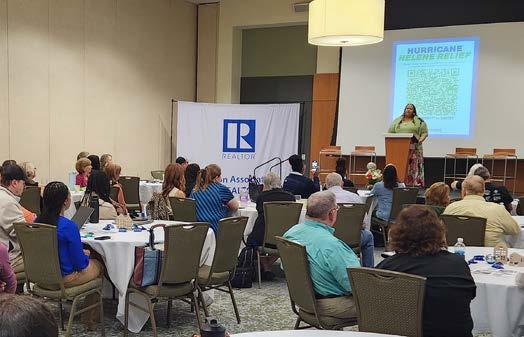
Hurricane Helene Relief Efforts
• Secured $1,000,000 grant from the National Association of REALTORS® / REALTOR® Relief Foundation
• Raised an additional $250,000 from state associations, local associations, community partners, and individual donors
• Assisted 1,257 applicants with $1,000 mortgage and rental relief grants
• Distributed a total of $1,257,908.66 in direct housing assistance
• Donated $25,000 to the Housing Assistance Corporation for long-term recovery and critical home repairs in WNC
• Contributed $1,000 to Durham Regional Association of REALTORS® and $2,000 to Burlington-Alamance County Board of REALTORS® for flood relief
Local Association Support
Significant Contributions Included:
• $30,000 – Raleigh Regional Association of REALTORS® Foundation (REALTOR® Giving Network)
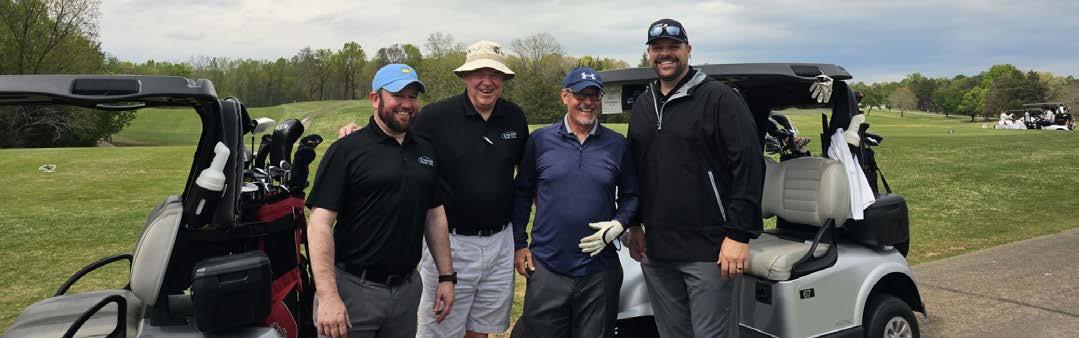
• $8,000 – Hendersonville Board of REALTORS® charity golf tournament
• $11,000+ – Topsail Island Board of REALTORS® charity golf tournament
Additional Support
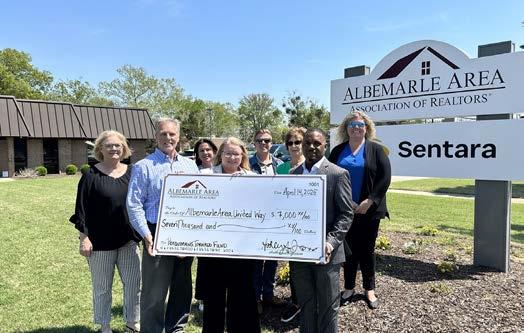
• $10,000 – Albemarle Area Association
• $2,500 – Mid-Carolina Regional MLS
• $2,100 – Orange Chatham Association
• $1,500 – Neuse River Region Board of REALTORS®
• $1,000 – Washington-Beaufort County Board of REALTORS®
• $1,060 – Longleaf Pine REALTORS®
Grant Programs
Matching Grants
• Awarded 16 Matching Grants to 10 local associations totaling $58,000
Give Back Grants
• Awarded 7 Give Back Grants totaling $14,000
Down Payment Assistance
• Approved 30 grants of $1,000 each
• Totaling $30,000 in down payment support for North Carolina homebuyers
• Total Aid Distributed in 2025: $1,363,908.66
We R 100 Signature Luncheon (Inaugural Event)
• Hosted at the 2025 NC REALTORS® Convention & Expo in Cherokee
• Raised $60,000 with 200+ attendees
Table Sponsors
• Platinum: Mid-Carolina Association of REALTORS®, North State Bank
• Gold: Team Harris Real Estate, Michelle Roberts & Special Guest, Raleigh Regional Association of REALTORS®, REALTOR® Giving Network, Home Shepherd Coldwell Banker Sea Coast Advantage
• Silver: Patriot Relief, Catawba Valley Association of REALTORS®, Longleaf Pine REALTORS®, Fowler & Fowler REALTORS®, Mountain Lakes Board of REALTORS®
• Silent Auction winners included: Pamela Webb, Ty Boyd, Renee Cooney, Tim Mock, Janice Scarborough, Carol Bradley, and Tammy Mozingo
Looking Forward
The NC REALTORS® Housing Foundation extends its gratitude to all local associations, members, and partners for their unwavering support. The Foundation remains committed to:
Expanding homeownership opportunities across North Carolina
Maintaining disaster readiness statewide
Building stronger, more resilient communities through continued collaboration and service
Golf tournaments across the state helped NCRHF and its partners raise critical funds for community programs.
Thanks to the generosity of attendees, the We R 100 luncheon raised nearly $60,000 for NC REALTORS® Housing Foundation initiatives statewide.
The NC REALTORS® Housing Foundation kicked off 2025 by advancing disaster recovery, fair housing outreach, education, and community partnerships across North Carolina.
NCRHF partnered with the Albemarle Area Association of REALTORS® through a $3,500 matching grant to help seven families facing crisis.
Annual Report & Strategic Plan Update 2025
COLLABORATIVE
Core Goal
Collaborate with local associations and other stakeholders to identify short and long-term strategies to ensure a functional, cohesive, and sustainable framework to meet the needs of members.
COLLABORATIVE
Custom communication toolkits shared statewide
Strengthened leadership alignment between Presidents, Presidents-Elect, and AEs
Elevated diverse member voices through DEI programs
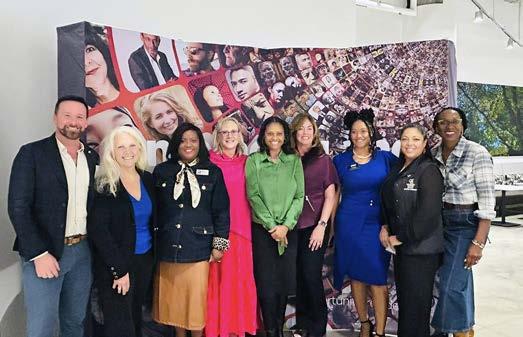
(Adrian Williams at Convention)
Launched the Local Advocacy Program, providing training and resources to strengthen grassroots advocacy across the state
Ensured REALTOR® voices were represented in key discussions shaping policy and technology in real estate transactions
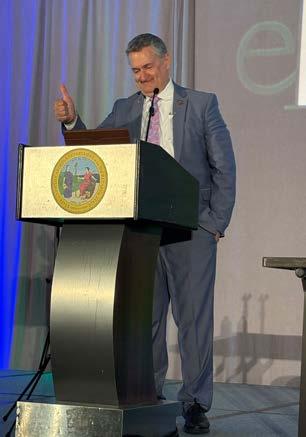
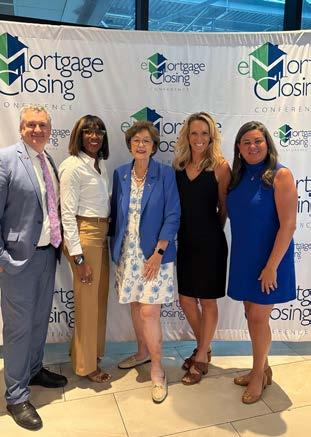
President John McPherson delivered the keynote address, emphasizing REALTORS®’ role in advancing consumer-friendly closing practices
3 members served on a panel, sharing practitioner insights and expertise
Expanded partnerships with local associations, state agencies, and NCREC
• Delivered CE & Ethics classes
• Earned CE credit for National Ethics Day
• Promoted careers at HBCUs
• Shared information on radon awareness & financing programs
• Hosted a global CIPS course reaching REALTORS® in 5 states & 3 countries
Processed 6 Ethics Complaints, supporting participating local associations in ensuring professionalism
Delivered off-cycle forms changes through presentations, summaries, videos, and Mobile Mondays
Published weekly Legal Q&As to keep members informed on key legal topics
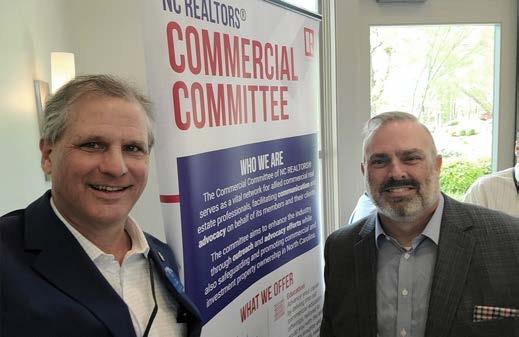
2025 Commercial Committee Chair Lou Baldwin and Immediate Past Chair Tommy Dalton represented NC REALTORS® and our growing commercial network at this year’s NC CCIM Triad CRE Summit in High Point.
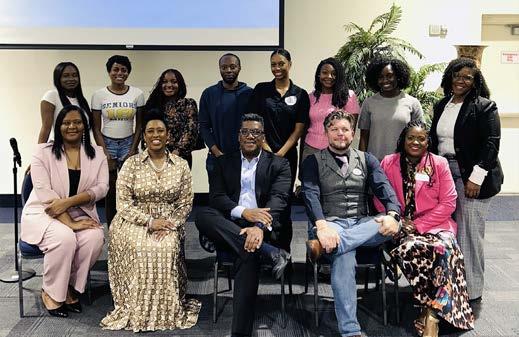
Canopy REALTOR® Association’s 2025 E3 Summit brought REALTORS® together for powerful conversations, meaningful connections, and continued progress toward a more inclusive industry.
A collaborative event with the NC Real Estate Commission introduced North Carolina A&T students to career pathways in real estate.
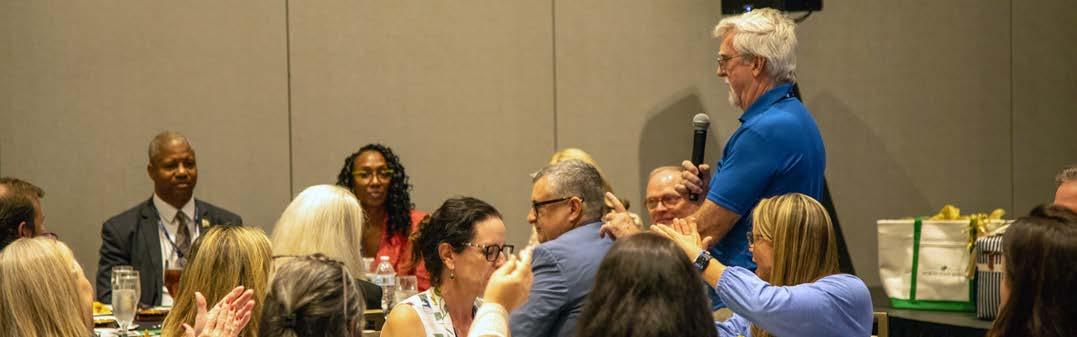
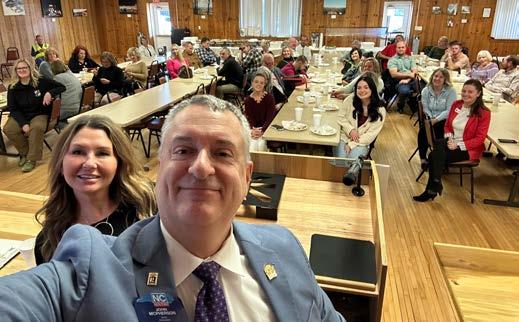
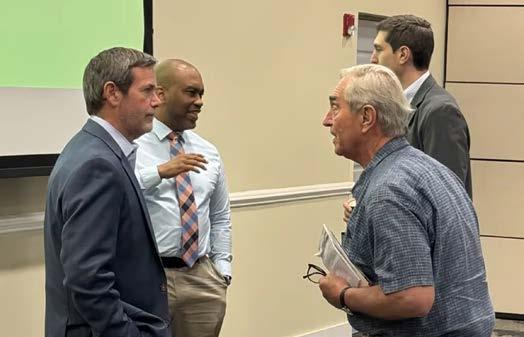
2025 President John McPherson connects with local REALTORS® to hear community priorities.
McPherson traveled across North Carolina with a goal of visiting every local board and association, connecting with members along the way and making a Buc-ee’s stop or two.
Spending time with local REALTORS® and partners to hear what matters most and shape strategies that strengthen the REALTOR® community statewide.
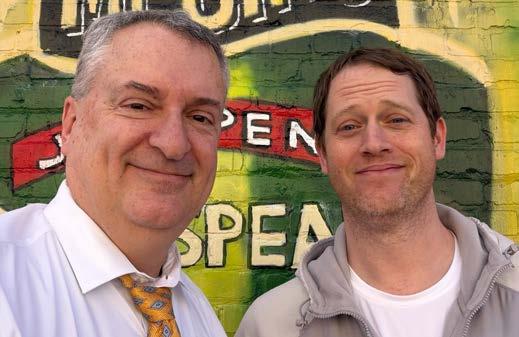
Listening and learning with local REALTORS®—John McPherson and Adam Upchurch on the road across North Carolina.
PREPARED
Core Goal
Position the association to respond to industry changes.
PREPARED
Promoting REALTOR® value statewide through leadership and staff presentations
20 Scholarship Recipients attended Convention doubling participation in the Convention Scholarship & Mentor Program
Provided real-time updates on laws, forms, and industry trends through webinars and CE classes
1,600+ registrations for June 2025 Forms Webinar – highest ever!
Developed and shared membership value tools
The Scholarship and Mentor Program doubled participation this year, bringing 20 scholarship recipients and their mentors to Convention in Cherokee.
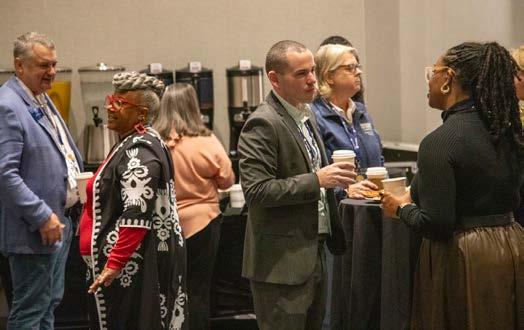
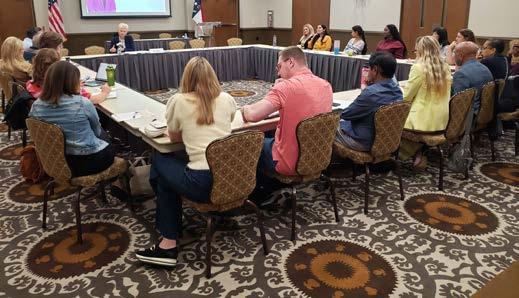
Networking in action as members engage with leadership and staff on advancing REALTOR® value across North Carolina.
President McPherson provides guidance and insights to local REALTORS® and community partners, helping advance the industry across North Carolina
INFLUENTIAL
Core Goal
Increase our political influence to aggressively advance real estate interests through advocacy, political action, and consumer and member engagement.
INFLUENTIAL
NC Chamber Economic Forecast Forum (January 2025):
• 900 attendees, including 90 NC REALTORS®
• Delivered two presentations and a branded video spotlighting REALTOR® impact
Launched Statewide Housing Study in partnership with NC Chamber & NC Home Builders Association
Produced NC REALTOR®-branded housing one-pagers widely used by lobbyists, coalition partners, and policymakers
Fair Housing Campaign (April 2025) including targeted radio, media, and digital outreach
Advocacy Tech Investments
• General Assembly App for SPCs and members
• GAD Dashboard to monitor local ordinances and support real-time legislative response
Secured $222,478 in NAR advocacy grant funding for local associations and $296,850 from NAR for statewide projects
Strengthened global partnerships through MIPIM connections; created a referral pipeline through the Global Landing Page
Positioned President John McPherson as the statewide voice of REALTORS® through media interviews and economic discussions
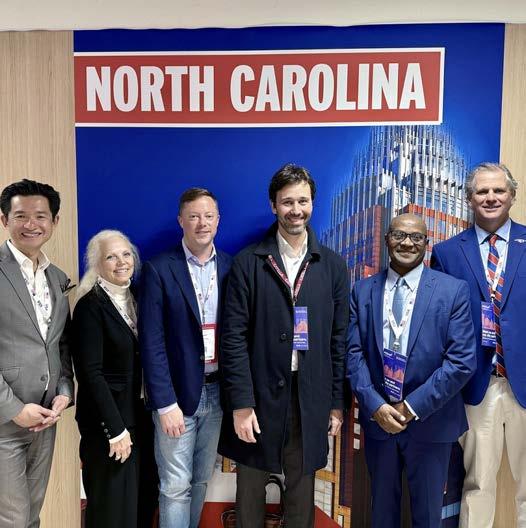
NC REALTORS® represented North Carolina at MIPIM 2025, the world’s leading real estate conference, connecting with global industry leaders and exploring the future of real estate and investment trends.
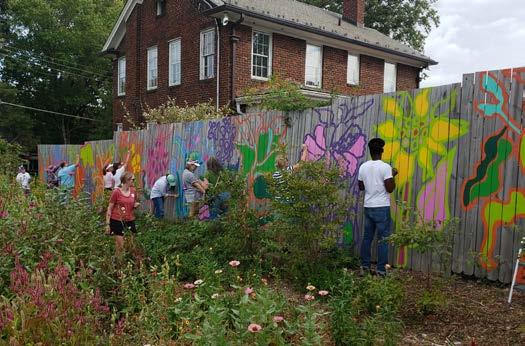
NAR advocacy grant support helps NC REALTORS® and RRAR expand community partnerships like Raleigh City Farm.
NC REALTORS® leadership and staff attended a briefing on North Carolina’s housing crisis, highlighting a study showing the state will need over 764,000 homes in the next five years.
Local Advocacy Program Expanded
Launched a statewide program providing tools for effective engagement with local government
Introduced a weekly Local Advocacy Newsletter, now the primary information hub for local GA activity
At Legislative Day in April 2025,
engaged lawmakers to advance real estate priorities and strengthen
Launched Local Political Coordinator (LPC) Training
Local advocacy in action as REALTORS® engage in conversations on national, state, and local issues affecting the real estate industry.
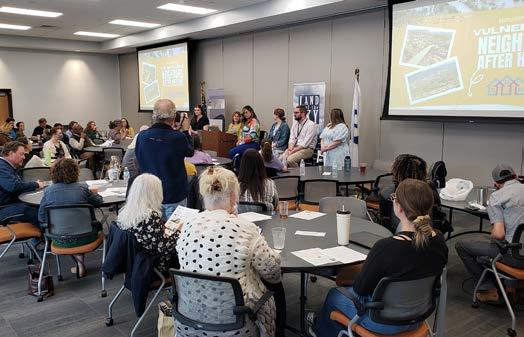
LOTSAR partners with members of the Buncombe Rental Assistance Collaborative for a panel discussion focused on housing solutions for underrepresented communities.
REALTORS®
political influence.
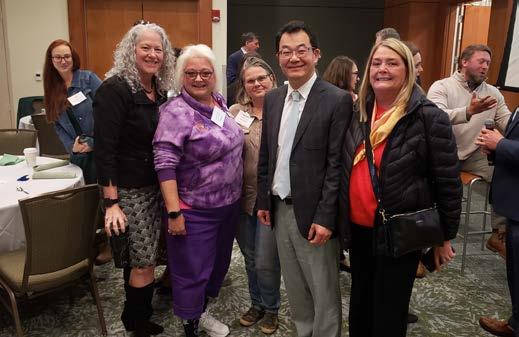
Dr. Lawrence Yun, NAR Chief Economist, joins local leaders in Gaston County for an advocacy-focused discussion on growth, planning, and community development.
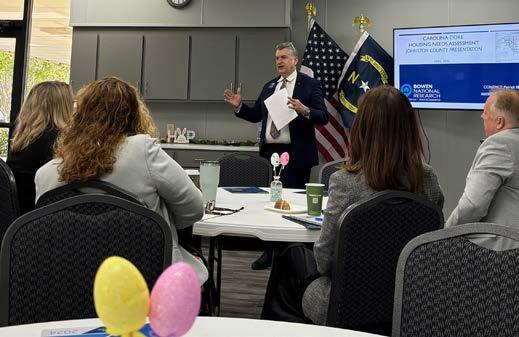
In November NC REALTORS® met with the Mid-Carolina Association of REALTORS® to explore a pilot Local Political Coordinator Program as part of efforts to expand local REALTOR® advocacy.
An interactive RRAR event gives members direct access to Wake County Commissioners to discuss housing, zoning, and economic growth.
UPdate
$1,218,566 Raised 103% of Goal 13,363 Investors
NAR Triple Crown Goals:
• Dollar Goal: $1,188,000 (Currently at 103% — Goal Exceeded)
• Major Investors: 468 goal / 445 current *this is including 26 CAP major investors
• PC Members: 46 goal / 54 current Goal Exceeded
• Participation: 30% goal / 24% current
RPAC Savings calculator
2025 CAP MAJOR INVESTORS
The Corporate Ally Program (CAP) is a partnership between the National Association of REALTORS® (NAR) and industry allies to support real estate advocacy and policy It unites contributions from REALTOR® associations, affiliates, and partners to promote and strengthen the industry.
Platinum Diamond
Canopy MLS
Canopy REALTOR® Association
Platinum
NC REALTORS®
Triangle MLS
Golden
Cape Fear REALTORS®
High Country Association of REALTORS®
Longleaf Pine REALTORS®
Mid Carolina Regional MLS
North Carolina Regional MLS
Crystal
Brunswick County Association of REALTORS®
Jacksonville Board of REALTORS®
Land of the Sky Association of REALTORS®
Midgett Realty - Hatteras
Preston Realty
Sterling
Advanced Quality Inspections
AR Homes
Bold Real Estate
Carteret County Association of REALTORS®
Cunningham Law
Johnston County Association of REALTORS®
Lee-Moore
Capital Company
New Leaf Home Inspections
Orange Chatham Association of REALTORS®
Roanoke Valley Lake Gaston Board of REALTORS®
Scott Lee Homes
Sterling Law
Hall of Fame
$100,000 Level
Leigh Brown
$75,000 Level
Asa Fleming
Bradley Cohen
Douglas Brindley
Linda Trevor
Maren Brisson-Kuester
Robert Carter
Tony Smith
$50,000 Level
Andrea Bushnell Cady Thomas
Cindy Chandler
Lou Baldwin
Myra Zollinger
Patrice Willetts
Peter Gallo
Sandra O’Connor
Stephanie Walker
Tommy Lawing
Tony Harrington
Valerie Mitchener
Wendy Harris
$25,000 Level
Allen Tate
Amy Hedgecock
Anne Gardner
Anne Marie DeCatsye Bill Aceto
Bill Gallagher
2025 MAJOR INVESTORS
As of January 7, 2026| *Indicates President’s Circle
Brenda Carroll
Brett
Brooke
Brooke
Bruce
Buddy Rudd
Cirila Cothran Clif Cheek
Marvette Artis
Mary
Michael Davenport
Randall Blankenship
Ray
Jamie Moss-Godfrey Jason Gentry
Jimmy Townsend
John Dowdy
John McPherson
Jon McBride
Kathy Carpenter
Kelly Marks
Kim Dawson
Laurie Linder
Lee Allen
Leslie Williams
Linda Craft
Margaret “Micki” Fisher
Margaret Bishop
Tomp Litchfield
Platinum R’s
Eddie Alie*
Carol Bradley*
Doug Brindley*
Maren Brisson-Kuester
Joseph Burleson*
Robert Carter*
Renee Cooney*
Asa Fleming*
Peter Gallo*
Tony Harrington*
Tim McBrayer*
Cady Thomas*
Golden R’s
Bill Aceto*
Marvette Artis*
Hadi Atri
Dennis Bailey*
Lou Baldwin*
Chester Bartlett
Bob Bates*
Brett Bushnell*
Andrea Bushnell*
Brooke Cashion* Hoi Chan
Cindy Chandler*
Clif Cheek*
Jamie Cooper*
Linda Craft
Patrick Crawford
Kim Dawson*
David Deal
Crystal Franklin-Copas*
Pam Furtney*
Bruce Gates*
Joan Goode
Kathy Haines
Wendy Harris
Christi Hill
Deno Hondros
Tiffany Johannes*
Phillip Johnson*
Grace Jones*
Janet Kane*
Tommy Lawing*
Laurie Linder*
Jon McBride*
John McPherson*
Timothy Mock
John Muir*
Sandra OConnor*
Mark Parker
Amanda Parmer*
Bob Percesepe
Kim
FOCUSED
Core Goal
Consolidate and streamline committees, programs, and services to remain relevant and responsive to member needs.
FOCUSED
Streamlined Education programs based on participation data and outcomes
Want to see what’s coming up? Head over to ncrealtors.org/events to check out upcoming classes and learning opportunities.
New sessions are added often, so stay tuned!
FEBRUARY
• Start Strong in 2026 with the RPR Toolkit Webinar – Virtual
• Professional Standards/COE Training CE Class – Virtual
MARCH
• Radon and Real Estate in North Carolina
CE Class – Virtual
• Land 101: Fundamentals of Land Brokerage
CE Class – Cary
• Professional Standards/COE Training
CE Class – Virtual
Shared & Regional GAD Program
Restructured Providing proactive, customizable services aligned with local association needs
INTEGRAL
Core Goal
Become the leader in member messaging on the value of the REALTOR® to our members’ clients and customers.
19M+ digital & streaming ad views across CTV, social media, and online platforms
high 98% video completion rate (viewers watched nearly every video to the end)
2.2M+ Spotify audio plays reaching commuters and younger audiences statewide
As of December 3, 2025
ncrealtors.org/nc-realtors-know
55+ print ads across 7 statewide magazines, including Our State , Business North Carolina , and multiple regional publications
1.7M+ impressions through Axios media partnerships
534K newsletter opens and strong readership of custom content.
TV exposure to ncrealtorsknow.com driven by paid ads, organic video, and social engagement.
Nearly 40M
billboard & transit impressions from extended placements at no additional cost, generating $179K+ in added value
4 brand ambassadors & influencers delivering localized, high-engagement REALTOR® storytelling across North Carolina
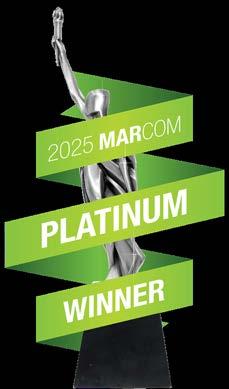
This year’s Our REALTORS® Know campaign earned national recognition with a Platinum MarCom Award for Integrated Marketing Campaign — a distinction that reflects the campaign’s quality, statewide impact, and exceptional return on investment.
Partnered with NAR to launch the first-ever virtual REALTOR® BIC Summit, expanding training for Brokers-in-Charge
Expanded BIC outreach with a new BIC Resource Guide, one-on-one visits, and participation in local and statewide real estate conferences
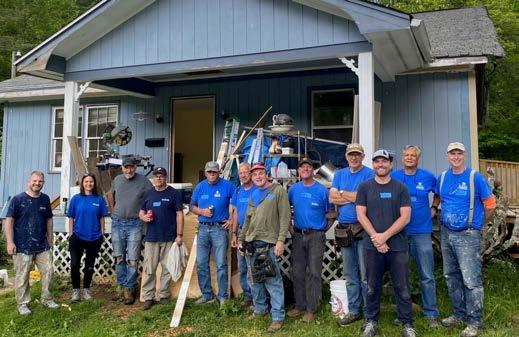
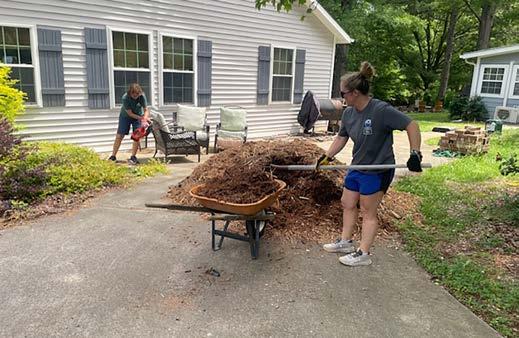
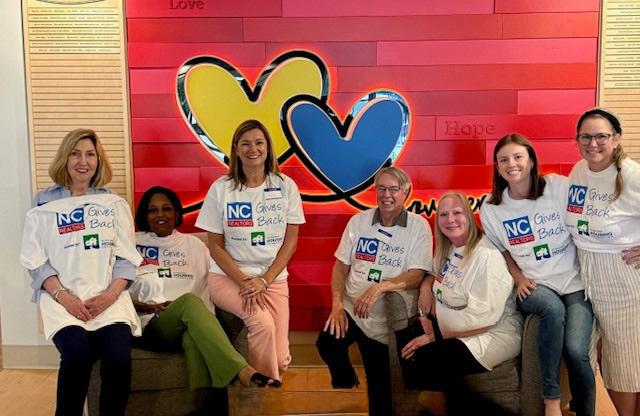
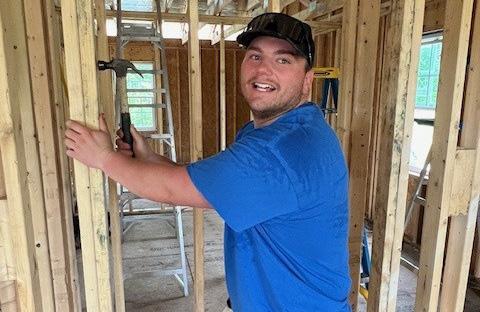
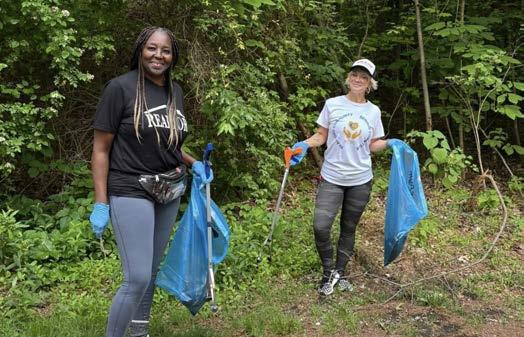
Highlighted REALTORS®’ community impact through NC REALTORS® Gives Back Week and ongoing storytelling campaigns
Featured community-focused Instagram takeovers by Communications Committee members
Spotlighted REALTOR® impact through President John McPherson’s Chamber Forum video
Leveraged member survey data to better reach underrepresented groups
Continued to spotlight professionalism and community impact through Insight Magazine, podcasts, and social campaigns
Supported commercial members by attending NAR’s C5 Conference
300 Hours of Training Provided
1,478
Members Reached
8.8K
Members active in the Mobile Monday Facebook Group
Member Skill-Building Resources
• Graduate REALTOR® Institute Courses
• NAR Certifications & Designations
• Diversity & Fair Housing Training
• Legal & Forms Training
• Consumer Education Tools & Handouts Provided Professional Development
2025 NC REALTORS® President John McPherson and 2023 NC REALTORS® President Leigh Brown visiting the Mountain Lakes Board of REALTORS ®.
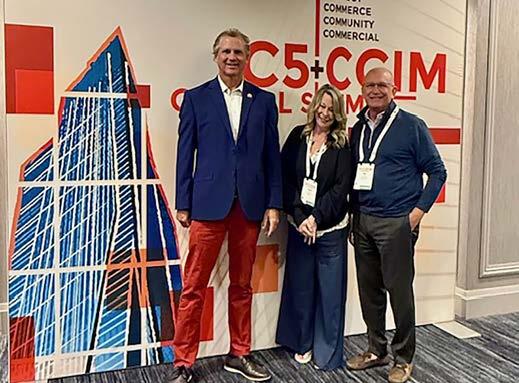
Representing NC REALTORS® at the 2025 C5 + CCIM Global Summit were Commercial Committee Chair Lou Baldwin, Economic Development Committee Chair Guy McCook, and staff liaison Angela Burgess.
Gives Back Week 2025 | Catawba Valley Association of REALTORS®
Gives Back Week 2025 | Durham Regional Association of REALTORS®
Gives Back Week 2025 | Goldsboro-Wayne County Association of REALTORS®
Gives Back Week 2025 | Goldsboro-Wayne County Association of REALTORS®
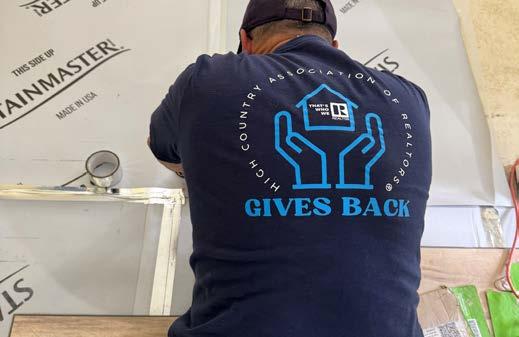
Gives Back Week 2025 | High Country Association of REALTORS®
Gives Back Week 2025 | Greensboro Regional REALTORS®
Gives Back Week 2025 | Union County Association of REALTORS®
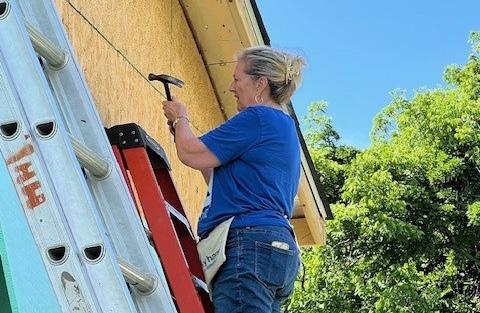
Gives Back Week 2025 | High Country Association of REALTORS®