

De Dec. 9,

De Dec. 9,
PRESIDENT'S MESSAGE
4 Family Physicians Can Be a Bridge for the Unhoused
8 Securing the Future of Family Medicine: Why Your North Carolina FAMPAC Contribution Matters
CHAPTER AFFAIRS
10 New Study Once Again Shows the Value of Primary Care
12 One Weekend with 39.25 Credits and Endless Takeaways — in June!
MEMBERSHIP
18 Member Profile: Michele Birch, MD
RESIDENTS & STUDENTS
22 Medical Students Learned the Breadth and Depth of Your Specialty During Family Medicine Day!
t 919.833.2110 • fax 919.833.1801 • ncafp.com
Editor Kevin LaTorre, NCAFP Communications
Managing Editor, Design & Production
Peter T. Graber, NCAFP Communications
DEPARTMENTS
President's Message 4
Advocacy 8
Chapter Affairs 10
CME Opportunities 12
Membership Services 18
Residents & Students 22
Patients & Practice 28
Have a news item we missed? NCAFP members may send news items to the NCAFP Communications Department for publishing consideration. Please email items to kevin@ncafp.com.
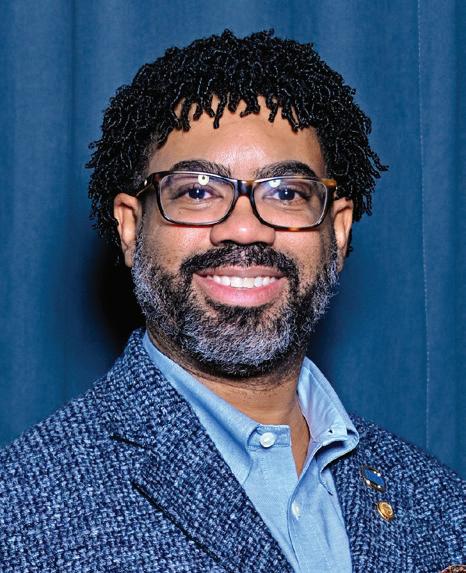
By Benjamin F. Simmons, MD 2025-2026 NCAFP President
One of the most rewarding aspects of being a family physician is the long-term relationships we build with our patients. These relationships allow us to care not only for medical conditions but also the social drivers of health that profoundly shape our patients’ outcomes.
Earlier this year, I had two patient encounters that reinforced the value of this work.
The first involved a young woman I had been seeing for about six months. As I typically do during initial visits, I took time to learn about her life beyond her medical diagnoses. At that time, she shared that she was in a relationship and not currently working, but she did not express any concerns about social needs.
living in their car. Prior to this, the husband’s diabetes and hypertension had been well controlled. However, their new living situation made it difficult to access appropriate nutrition. They often relied on sandwiches and fast food, but while they attempted to incorporate vegetables when possible, consistency was a challenge.
“Family physicians are uniquely positioned to serve as a bridge between clinical care and the social realities that our patients face.”
At a more recent visit, she began by apologizing for missing her previous appointment and expressed relief that she was able to reschedule. I reassured her that it was good to see her and asked how she had been doing. She then shared that she was now homeless and living in a local shelter. I was both surprised and concerned that I might have missed something earlier, but she explained that this was a recent development following a breakup that required her to leave her home immediately.
The second encounter involved a married couple for whom I had been providing primary care for over a year. Recently, they disclosed that financial hardship had forced them to leave their apartment, and they were now
These experiences highlight a critical reality: homelessness, like other social drivers, can affect a wide range of patients, often suddenly and due to circumstances beyond their control.
There are many misconceptions about homelessness. In most cases, it is not a choice but the result of underlying factors such as trauma (including intimate partner violence), job loss, substance use disorders, chronic illness, or family crises. As family physicians, we are often among the first professionals to learn about a patient’s housing instability.
Transient homelessness is defined as homelessness lasting less than one year and is the most common form of homelessness compared to chronic homelessness. It is often tied to an acute life event that creates financial strain or necessitates leaving a current living situation.
Accurately measuring homelessness is challenging. Each

year, housing and social service organizations conduct a “Point-in-Time” (PIT) count on a single night in January to estimate the number of individuals experiencing homelessness across the country.
The PIT count collects demographic information such as age, family composition, gender, race, and ethnicity, helping to identify important trends. As of 2024, 11,626 individuals in North Carolina were identified as experiencing homelessness. Of these, 22% were aged 55 years or older, and 28% were part of families with children. Black/African American individuals are disproportionately affected, composing approximately half of the unhoused population in the state (Crossfield, 2025).
Patients experiencing homelessness are at increased risk for both acute and chronic health conditions, as well as worsening of their existing diseases.
Fortunately, my young female patient did not have chronic medical conditions, but her abrupt transition out of an unhealthy relationship left her without stable housing, transportation, or employment. In contrast, the couple I cared for experienced direct health consequences from their living situation. The wife developed lower extremity swelling from sleeping in a seated position, while her husband experienced worsening glycemic
Continues on next page.
2025-2026
NCAFP Board of Directors
Executive Officers
President Benjamin F. Simmons, MD, FAAFP
President-Elect Deanna M. Didiano, DO, FAAFP
Secretary/Treasurer Amanda R. Steventon, MD, FAAFP
Immediate Past President S. Mark McNeill, MD, FAAFP
Executive Vice President Gregory K. Griggs, MPA, CAE
At-Large Directors
D. Landon Allen, MD, MPH, MBA, FAAFP
Stacey A. Blyth, MD
Lisa A. Cassidy-Vu, MD, FAAFP
Eric H. Chen, MD, FAAFP
Katherine E. Haga, DO, FAAFP
Jay I. Patel, MD, MPH
Kelley V. Lawrence, MD, IBCLC, FABM, FAAFP
Patrick S. Williams, MD, FAAFP
Academic Director
Robert N. Agnello, DO, MHPE, FACOFP, FAAFP
Resident Director
Irina Balan, MD
Resident Director-Elect
Claire Namboodri, MD
Student Director
Ryan Taylor
Student Director-Elect
Taylor Ellis
AAFP Delegates & Alternates
AAFP Delegate Tamieka Howell, MD, FAAFP
AAFP Delegate Thomas R. White, MD, FAAFP
AAFP Alternate Rhett L. Brown, MD, FAAFP
AAFP Alternate Jessica Triche, MD
NCAFP Committee Chairs
Workforce Committee Jay Patel, MD, MPH
Advocacy Committee Deanna Didiano, DO, FAAFP
Practice Environment Nichole L. Johnson MD, MPH & Professional Development Committee
NCAFP Foundation President
Maureen Murphy, MD, FAAFP 2501

27607
www.ncafp.com
control due to inconsistent nutrition. Their situation also complicated medication storage, particularly for injectable therapies.
Homelessness is closely associated with both physical and mental health challenges. Serious mental illness, such as schizophrenia, may precede homelessness, but housing instability can also exacerbate existing conditions. Additional risks include malnutrition, dental disease, infectious illnesses, degenerative joint disease, and liver disease related to substance use. Compared to the general population, individuals experiencing homelessness have poorer overall health outcomes and increased morbidity from chronic conditions such as hypertension, diabetes, and HIV/AIDS (American Psychological Association, 2011).
Recognizing this complexity, the Centers for Medicare & Medicaid Services (CMS) reclassified homelessness as a comorbid condition in October 2023. This change acknowledges the increased complexity and cost associated with caring for patients experiencing homelessness.
Housing status can be documented using ICD-10 Z-codes, including Z59.00 (homelessness, unspecified), Z59.01 (sheltered homelessness), Z59.02 (unsheltered homelessness), and Z59.811 (housing instability, at risk of homelessness) (Nepal et al., 2024). Proper documentation should clearly describe how housing instability impacts health and access to care. In my own practice, I documented that my young patient’s housing and transportation insecurity contributed to missed appointments, and that my patient with diabetes had worsening disease control due to homelessness. This level of detail can appropriately influence evaluation and management (E&M) coding.
While accurate documentation is important, our greatest impact lies in how we support our patients.
First, the physician-patient relationship is foundational. Creating a safe, trusting environment allows patients to feel comfortable sharing sensitive information about their living conditions.
Second, screening for social determinants of health, including housing instability, should be a routine part of care. This can be performed by any member of the care team, including nurses, medical assistants, and physicians.
Finally, connection to resources is critical. Understanding a patient’s housing status allows us to tailor treatment plans and link patients to community services such as case management, social work services, food assistance, and housing programs.
There are encouraging outcomes even in difficult circumstances. My young patient, while still living in a shelter, is now connected with a case manager, has secured employment, and is working toward stable housing. The couple continues to live in their car, but both are now employed and connected with a social worker to support their transition.
Family physicians are uniquely positioned to serve as a bridge between clinical care and the social realities our patients face. By recognizing housing instability, documenting its impact, and connecting patients to resources, we can help improve both health outcomes and quality of life for some of our most vulnerable patients.
References
American Psychological Association. “How Homelessness Impacts Health.” apa.org, 2011, www.apa.org/topics/socioeconomic-status/ health-homelessness.
Crossfield, Erin. “Newly Released Data Shows Homelessness in North Carolina and Nation Is Trending Upward | NCHFA.” nchfa.com, 21 Jan. 2025, www.nchfa.com/news/policy-matters-blog/newly-released-data-shows-homelessness-north-carolina-and-nation-trending-upward.
Sansrita Nepal, et al. “Decoding Homelessness: Z-Codes and the Recognition of Homelessness as a Comorbid Condition.” Journal of General Internal Medicine, no. 2, 7 Nov. 2024, www.researchgate.net/publication/385644122_Decoding_Homelessness_Z-Codes_and_the_Recognition_of_Homelessness_as_a_Comorbid_Condition, https://doi. org/10.1007/s11606-024-09136-4.
We’re more than an insurance policy.

With an unwavering commitment to serving you, our real-world perspectives and solutions help you manage risk because we care about your long-term success—in medicine, business, and life.
Curi offers comprehensive, traditional medical professional liability (MPL) insurance as well as an option to create your own tailor-made MPL coverage through our alternative risk solutions.
Scan the code or call us at 800-328-5532 to find out how our innovative offerings and benefits can deliver peace of mind.
CORPORATE SPONSOR OF THE NC ACADEMY OF FAMILY PHYSICIANS

In the ever-evolving landscape of modern health care, the voice of the family physician is more critical than ever. Decisions made at the NC General Assembly directly impact how you practice, how you are reimbursed, and the quality of care your patients receive.
Contributing to the NCAFP’s Political Action Committee, FAMPAC, is one of the most effective ways to ensure that Family Medicine remains a top priority for state policymakers.
The AAFP’s Political Action Committee, named FamMedPac, is a financially separate entity advocating for family physician interest at the federal level. Your NCAFP’s FAMPAC, on the other hand, focuses exclusively on state policy, ensuring a strong voice for Family Medicine here in North Carolina. Dollars contributed to NCAFP’s FAMPAC are spent on local candidates and are used to attend campaign events in your communities.
The state chapter’s PAC is a powerful and effective advocacy tool, providing benefits that individual voices cannot achieve alone. Three ways your contribution helps:
The legislative landscape, particularly in health care, is crowded with special interest groups. Without a consistent, concerted voice, the needs of family doctors might be drowned out or left behind. FAMPAC acts as our collective megaphone, ensuring that policymakers understand the implications of their decisions on primary care, from administrative burdens to funding for medical training. FAMPAC contributions help build vital relationships with legislators.
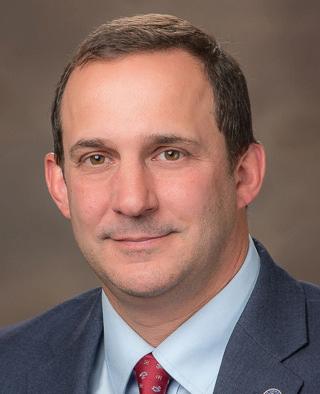
By Shawn P. Parker, JD, MPA NCAFP Senior Vice President & General Counsel
This ensures that family physicians have the opportunity to educate lawmakers on complex issues like physician payment reform, medical training, and health care access.
FAMPAC funds are used to support political candidates who understand and champion the issues affecting Family Medicine, regardless of their party affiliation. Because of your support, FAMPAC can make significant contributions to candidates who are receptive to our interests, giving us a seat at the table when crucial health care laws are crafted. Your support opens doors to our meaningful conversations with policymakers.
FAMPAC dollars are actively at work protecting your practice and your patients — fighting against cuts to Medicaid reimbursement, targeting regulations that cause administrative overload and increased health care costs, limiting barriers to patient access to care, and strengthening the influence of Family Medicine in state-level elections.
Family Medicine deserves a strong, proactive voice. By contributing to NCAFP’s FAMPAC, you are investing in the sustainability of your practice and the health of your patients. A strong FAMPAC is a vital tool for advocacy that allows family physicians to shape the future of health care. Contribute here: https://www.ncafp.com/advocacy-2/fampac-contribution



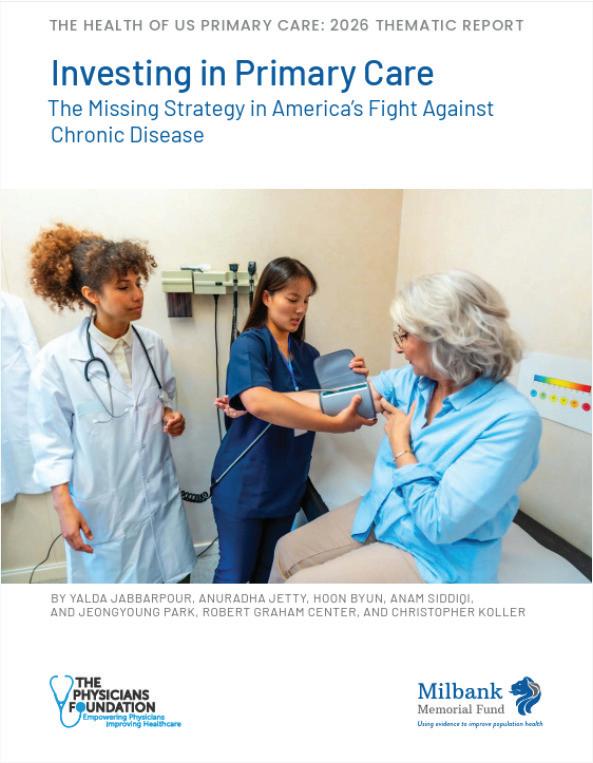
If there wasn’t already enough evidence to support the value of primary care, a new report issued in mid-February by the Milbank Memorial Fund and the Physicians Foundation certainly demonstrates it.
Building on decades of evidence about the value of primary care, this latest report specifically looks at the overall cost of patients with a chronic disease when they do and do not have a regular source of primary care. And yes, you guessed it — when in primary care, patients with chronic diseases cost much less and have better outcomes.
This latest report is titled “Investing in Primary Care: The Missing Strategy in America’s Fight Against Chronic Disease.” Its findings are based on analyses of the “Medical Expenditure Panel Survey” (MEPS) data from 2016-2022, the most recent data available, for adults and children, as well as Medicare fee-for-service claims data from 2018-2019, also the most recent years available to the research team. The evidence is stark.
By Gregory K. Griggs, MPA, CAE NCAFP Executive Vice President & CEO
Here are just a few of the other findings from the study:
• Having a primary care clinician was associated with nearly 54% lower health care expenditures for adults with a chronic disease, and nearly 40% lower health care expenditures for children.
• Nearly all adults (95.5%) with a usual source of primary care received key preventive services for chronic disease such as heart disease and common cancers, compared to 67.6% of adults without one.
“...when in primary care, patients with chronic diseases cost much less and have better outcomes”
For adults with a chronic disease, having a usual source of primary care lowered the odds of having any hospitalization by 20% and any emergency department visits by 11%. For children with a chronic disease, the benefits were even greater. Emergency department (ED) visits and hospitalizations for conditions that can be treated in an outpatient setting were lowered by 50%.
Beyond simply having a usual source of care, the study also looked at how increased continuity of care lowers cost even more. As continuity increases, costs go down even more.
The research study found that for patients with any chronic disease, costs decreased by nearly 15% for every 10% increase in their continuity of care score. As an example, for Medicare patients with a chronic disease, a higher rate of contact over time (or increased continuity) with a primary care clinician was associated with lower rates of hospitalization, lower rates of ED use, and lower overall costs.
A press release about the report said the following: “To ensure more people can access the primary care they need to stay healthy and avoid costly hospitalizations and ED visits, the report authors underscore the role of federal, state, and private-sector health care leaders in increasing investment in primary care and strengthening primary care coverage for families. The authors also highlight the
need for U.S. medical education and workforce policies to prioritize the training of primary care clinicians, especially for communities with limited access to care.”
Despite its importance, the United States continues to systematically underinvest in primary care. The study found that in 2022, less than 5% of total health care spending was devoted to primary care services. This lack of financial support has contributed to a shrinking workforce: fewer clinicians are choosing to enter primary care specialties. Currently, fewer than 19% of physician trainees pursue careers in primary care, and only about 20% of physician assistants and 35% of nurse practitioners ultimately work in primary care settings.
This study appears at the same time that the U.S. Department of Health and Human Services is calling for a shift toward preventing chronic disease and slowing the progression of chronic disease once it starts. Family Medicine is the perfect answer for that shift.
The authors ultimately made seven recommendations:
1. Medicare should pay more for primary care and pay for it differently.
2. Large employers should purchase health plans with benefit designs that promote access to a usual source of primary care.
3. Medicare should eliminate beneficiary barriers to having a usual source of primary care by defining primary care services as preventive.
4. Federal and state policy should reform Medicaid funding to increase investment in primary care through enhanced reimbursement, flexible payment models, and support for practice transformation.
5. States should commit to measuring and increasing primary care spending and ensuring that those dollars benefit primary care practices.
6. Federal and state policies should prioritize expanding primary care capacity in underserved areas, with a goal of ensuring every patient has a usual source of primary care.
7. Federal and state graduate medical education (GME) policies should transform how we pay for graduate medical education.
So how do these recommendations connect to our own policy efforts in North Carolina? They do so in several ways that align extraordinarily well with three key initiatives within our strategic plan.
First, one of our key advocacy priorities is increasing investment in primary care. This study and its recommendations align completely with that goal. We are hopeful that North Carolina’s Primary Care Payment Reform Task Force will soon be reauthorized and require reporting on primary care investment by various payers in the state, including Medicaid plans, Medicare Advantage plans, and commercial plans. Legislation to re-establish the Task Force was introduced in both chambers and was included in both House and Senate budget language last year but has been held up, since the General Assembly has not agreed on other provisions within the budget.
Second, another policy goal is to encourage state incentives (such as the recent Forgivable Education Loans for
We have 39.25 great reasons for you to join us in June!
This year’s Summer Symposium, set for Saturday, June 6 at the Charlotte Marriott SouthPark Hotel, will bring together timely clinical updates, practical takeaways, and meaningful connection with colleagues — along with the opportunity to earn a whopping 39.25 Live AAFP Prescribed Credits! Offered in a convenient hybrid format, the 2026 Summer Symposium allows you to participate either in person in Charlotte or virtually from your office or home: making it easy for you to stay current on timely topics while earning plenty of meaningful CME.
Program Chair (and past NCAFP president) Dr. Garett Franklin has designed a fantastic high-quality CME opportunity with busy family physicians like you in mind. His select slate of sessions will explore the latest ACC/AHA hypertension updates, evolving approaches to obesity treatment that address both emerging evidence and weight bias, and practical strategies for chronic pain management and opioid risk reduction. Additional sessions highlight menopause care and midlife health, provide guidance on prostate MRI in an evolving diagnostic landscape, and address common clinical concerns such as chronic gout, summer dermatologic presentations, the growing role of “Food as Medicine” in primary care, and more! Those who need to fulfill their ABFM requirements can also participate in the pre-conference KSA Care of Older Adults on Friday, June 5, from 2 p.m. to 6 p.m. (which is also available in a hybrid format).
How does a one-and-a-half-day program offer so many CME credits?
I’m so glad you asked! By participating in both the pre-conference KSA and the Summer Symposium,

By Kathryn Atkinson, CMP NCAFP Director of CME & Events
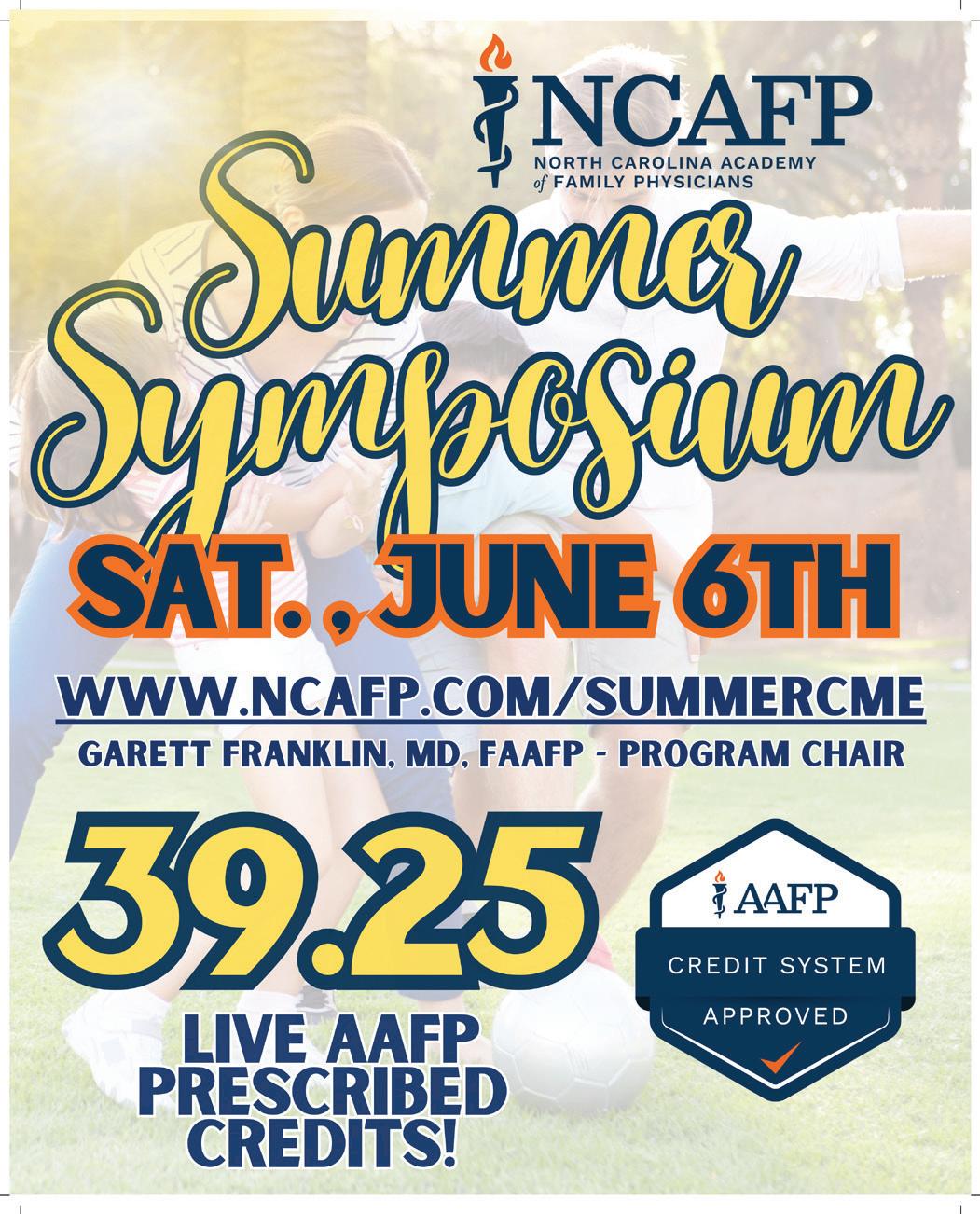
AAFP/NCAFP member physicians can earn up to 39.25 Live AAFP Prescribed Credits. Here’s how the credit math works:
1. Family physicians who participate in the pre-conference KSA and complete the corresponding Translation to Practice ® (T2P ®) activity can earn up to 10 CME credits.
2. Those who attend the full Summer Symposium program and complete each associated T2P opportunity can earn an additional 29.25 CME credits.
3. Altogether, that means you can earn up to 39.25 CME credits through the combined KSA and Summer Symposium experience.
Member physicians may register for $200, with discounted rates available for Life and Inactive members, residents, and students. That’s about $5.10 per credit! Registration rates are the same for in-person and virtual participants.
As always, connection and conversation are also an important part of the Summer Symposium experience.
Plan to join us Friday evening at 6 p.m. (immediately following the KSA workshop) for our casual Welcome Reception and Networking Social. After an afternoon of focused learning, take time to relax, recharge, and connect with colleagues from across the state. Those not attending the KSA are still encouraged to join us for this informal gathering with light hors d’oeuvres, refreshments, and plenty of opportunity for conversation. There will also be a drawing for a free registration to this year’s Winter Family Physicians Weekend (a $625 value!) – you must be present at the Welcome Reception to win!
Locals: Even if you don't attend the conference, you can join us. Just register to attend the Welcome Social — simply select the “Reception Only” option when registering (no fee for those attending just the social).
The connections continues Saturday during the complimentary lunchtime session, which is a non-CME, peer-topeer discussion built around small groups and real clinical scenarios. Instead of slide decks and lectures, the conversation will focus on practical topics such as anticoagulation and cardiovascular risk management, offering physicians the chance to share perspectives, ask questions, and learn from one another’s real-world experiences in practice. This session is free but pre-registration is required.
For family physicians navigating an increasingly complex health care environment, the 2026 Summer Symposium offers a convenient and engaging opportunity to earn meaningful CME, and reconnect with colleagues. With timely topics, flexible hybrid participation, and the potential to earn up to 39.25 credits, this is a summer CME opportunity you won’t want to miss.
Visit www.ncafp.com/summercme to register! If you have any questions, please contact me at katkinson@ncafp.com
Event Recap
By Kevin LaTorre, MA Communications and Membership Manager
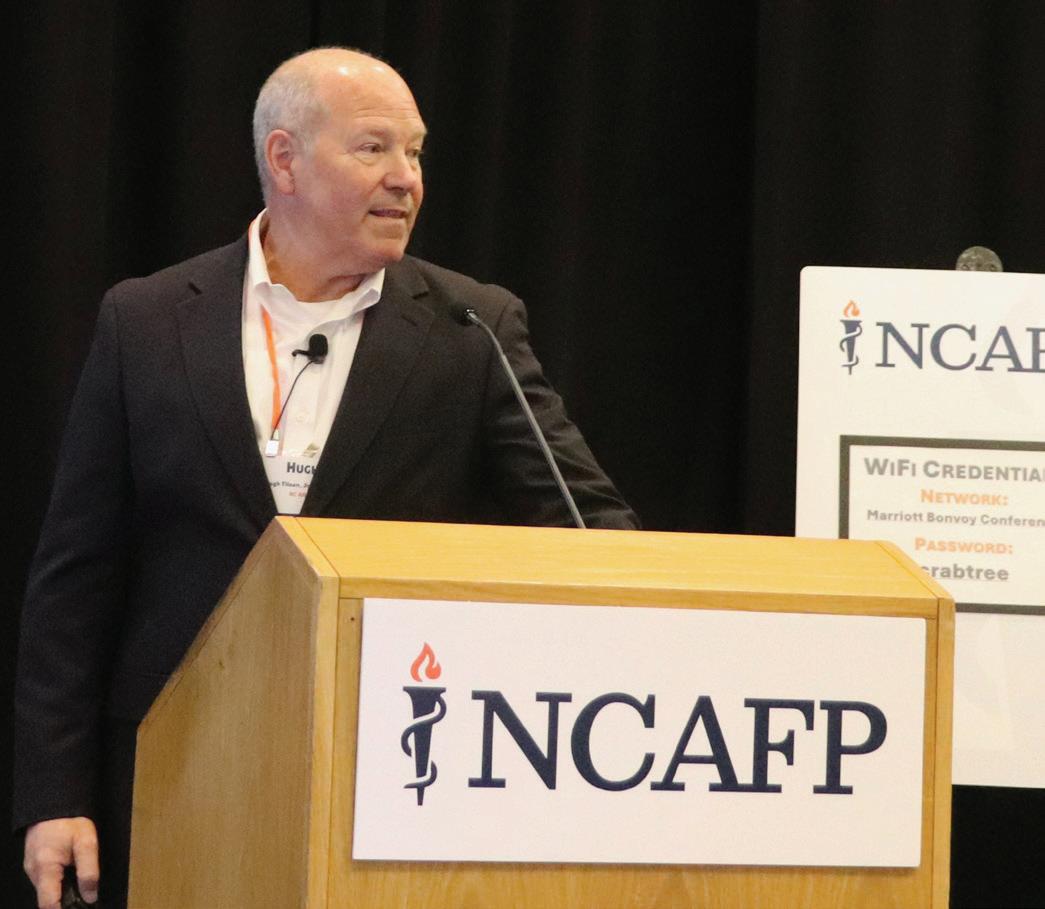
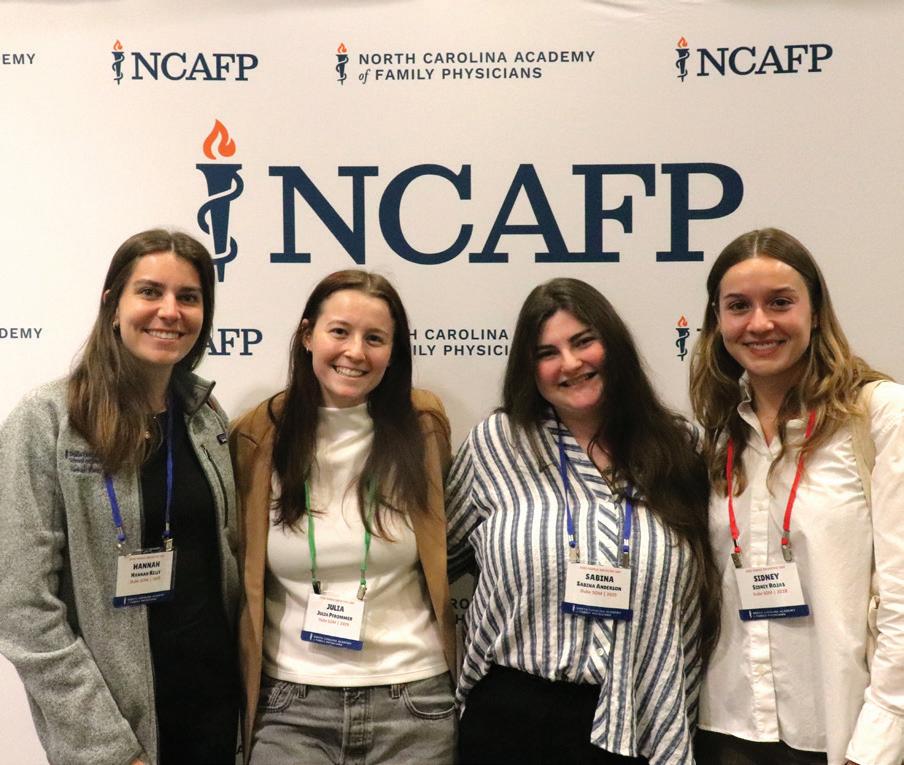
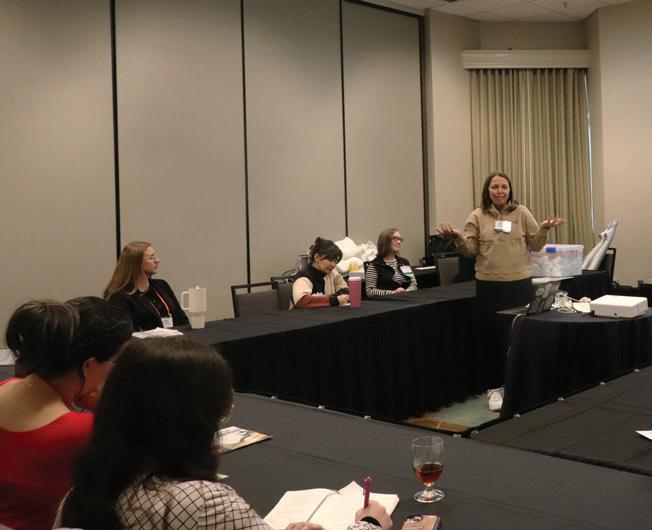
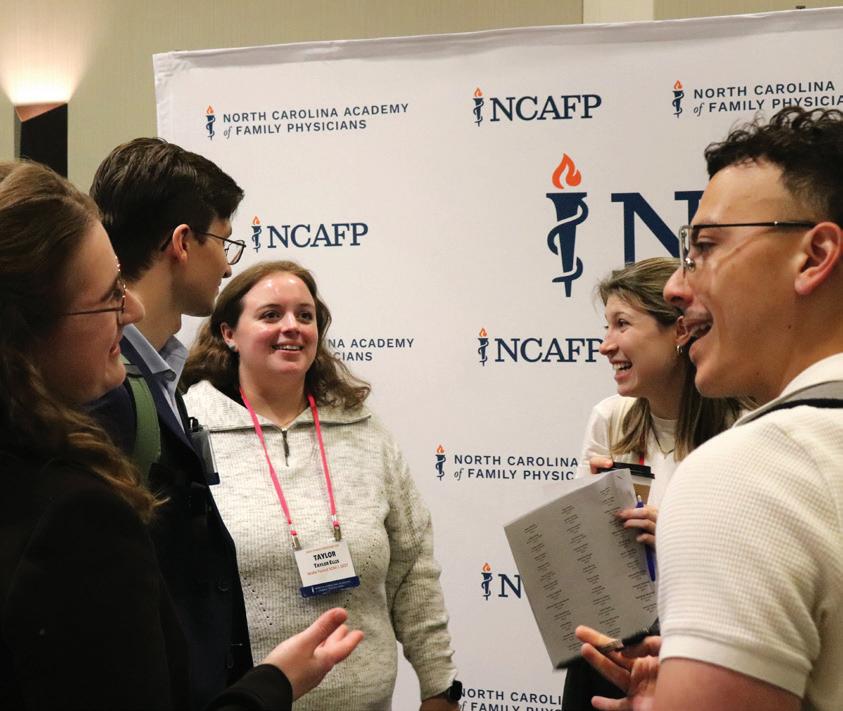
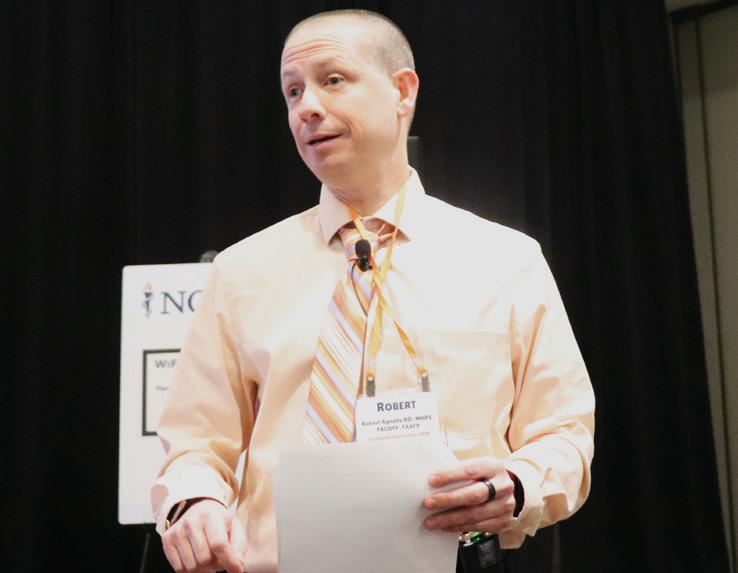
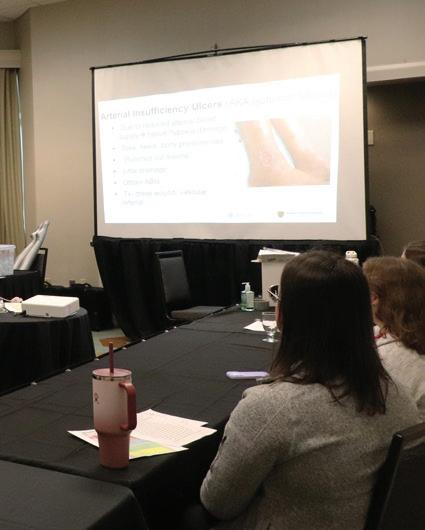
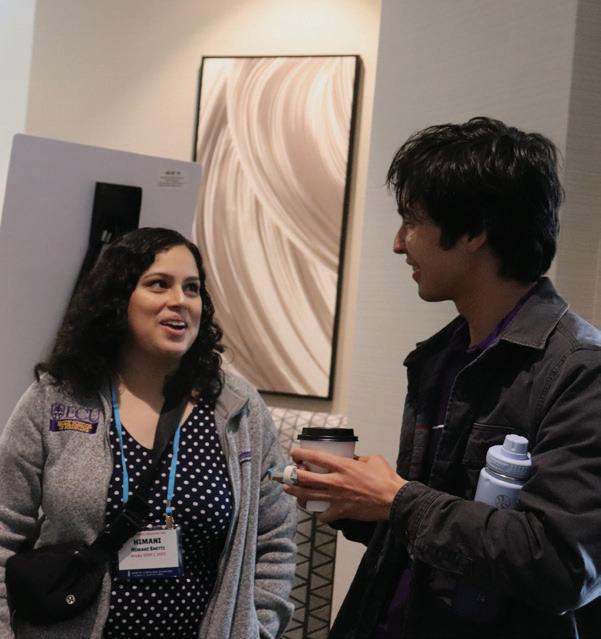
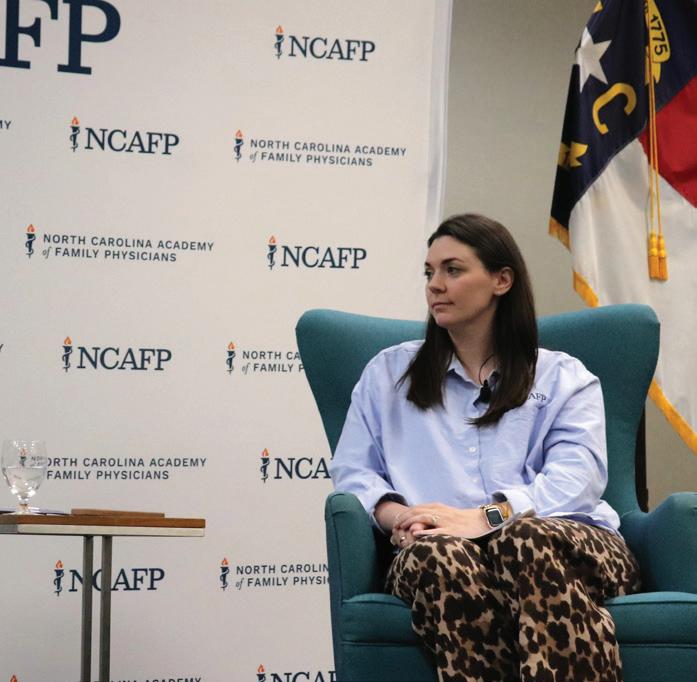
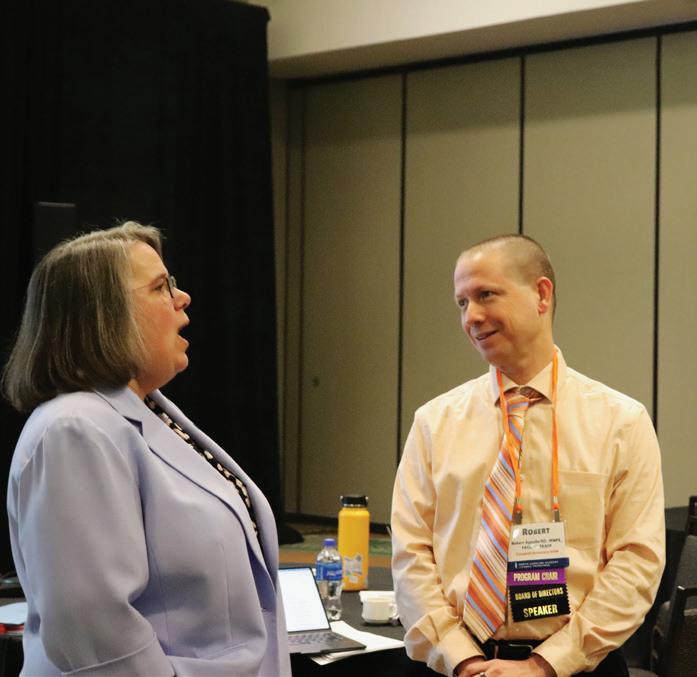
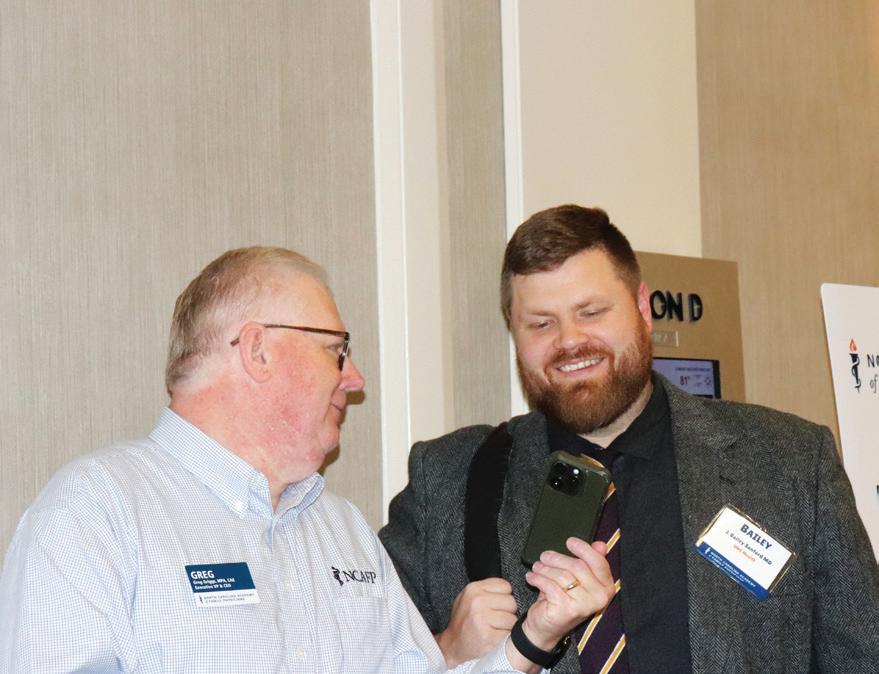
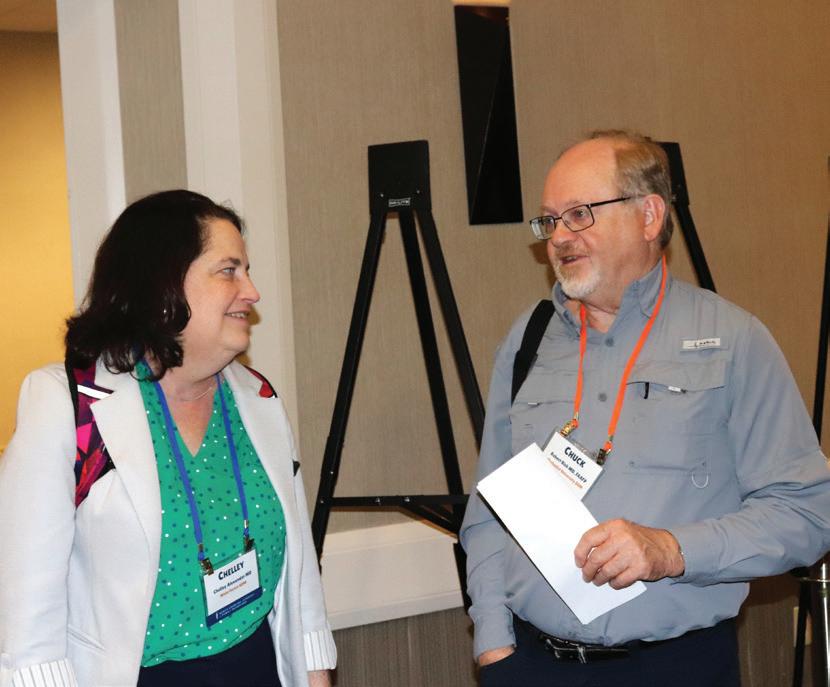
On March 27, NCAFP members gathered to prepare the future skills and pathways of Family Medicine during the 2026 Family Academic Summit in the Marriott Raleigh Crabtree Valley. Leaders and faculty from NC medical schools and Family Medicine residencies enjoyed both the sessions and the company of their fellow family physicians. “We are grateful for everyone who attended, the generative discussions they led, and their shared commitment to preparing the next generation of family physicians,” said Kathryn Atkinson, CMP, NCAFP Director of CME & Events.
The Summit emphasized the emerging educational topics and methods for training medical students and residents, from political policy to increase the Family Medicine workforce to collaborative curriculum development.
Continues on next page.
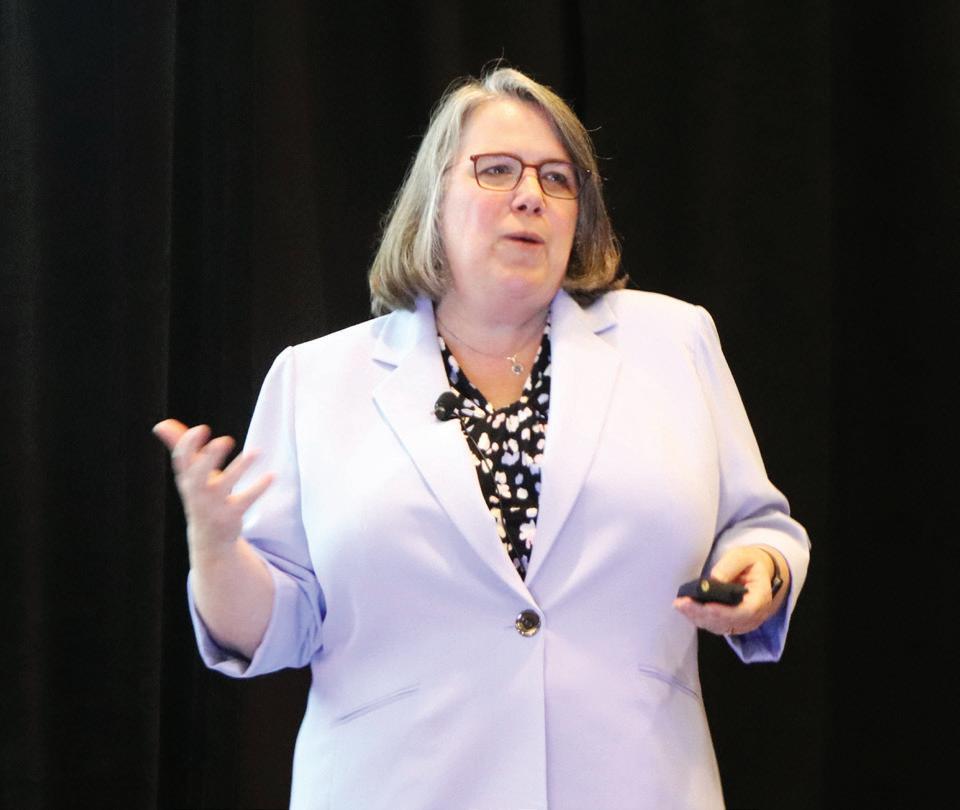
“We’re so delighted that you all have joined us today!” Program Co-Chair Dr. Regina Bray Brown told attendees during her welcome remarks. “We have nothing but great sessions for you all today.”
Many ideas discussed shared proven strategies that are ready to be implemented across the state.
During his session on physician retention strategies, East Carolina University (ECU) Rural Residency Program Director Dr. Audy Whitman taught alongside third-year resident Dr. Margaret Pearce, who will remain at ECU after finishing residency. “I really love this community and my patients here,” Dr. Pearce said. “The choice to stay and practice here just made sense.”
“The strategies for primary care retention in rural areas were my favorite part of the Summit,” said one attendee in a post-event survey. Hearing Dr. Whitman and Dr. Pearce present on the subject while they are actively living their strategies made for valuable real-time takeaways and actionable blueprints.
The value of the Summit’s later sessions came from their new approaches that medical schools and Family Medicine residencies can implement to both accelerate and support future family physicians through their training and outcomes. “We need to be in a constant state of program improvement due to rapid changes like regulatory shifts, the impact of COVID-19, and advances in AI,” said Yale University Family Medicine Residency Founding Program Director Dr. Wendy Barr during her keynote address.
Many of the Summit attendees are actively working on those improvements. During their lecture on potential pathways for medical training, Dr. Caroline Roberts and
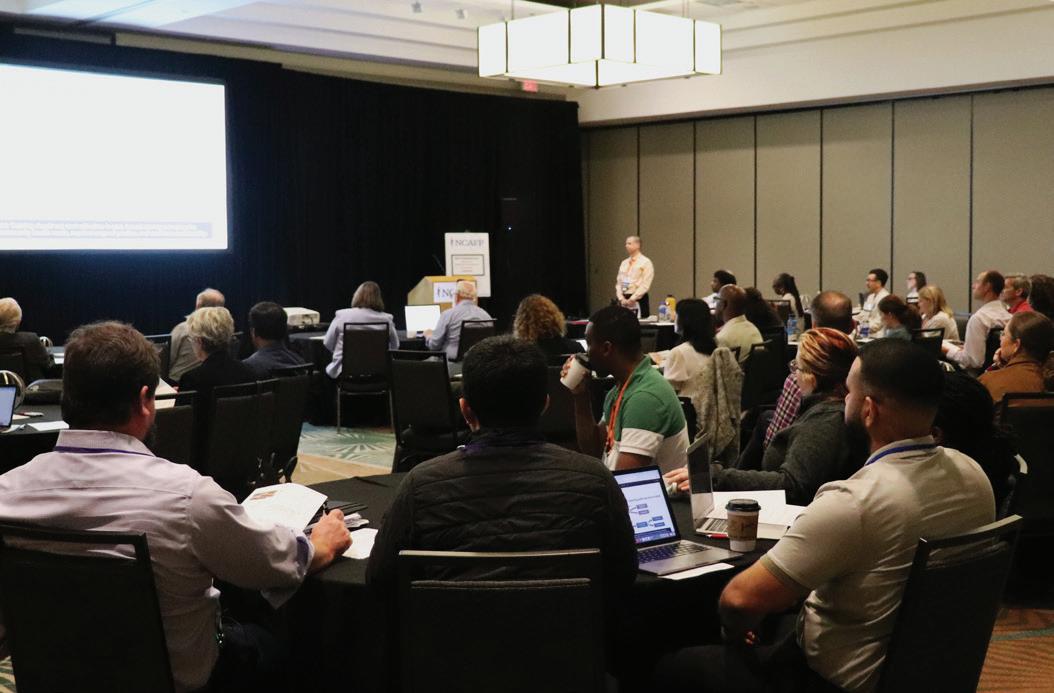
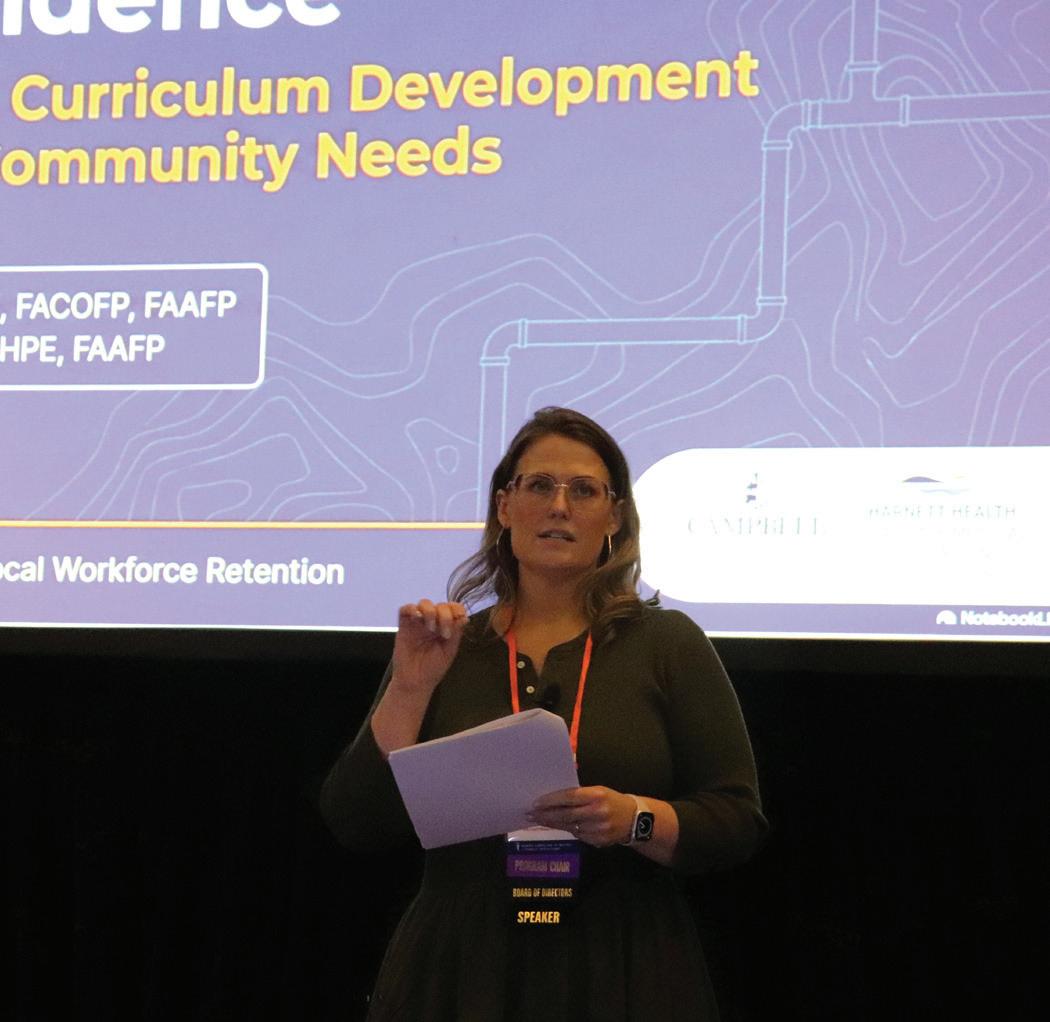
Lisa Long referenced an accelerated three-year medical school track that UNC currently offers and which other NC medical schools are exploring. From the podium, they noted that many attendees seated before them are already helping lead these programs to help address the state’s primary care workforce shortage.
As ever, the connection between fellow members was a highlight of the event.
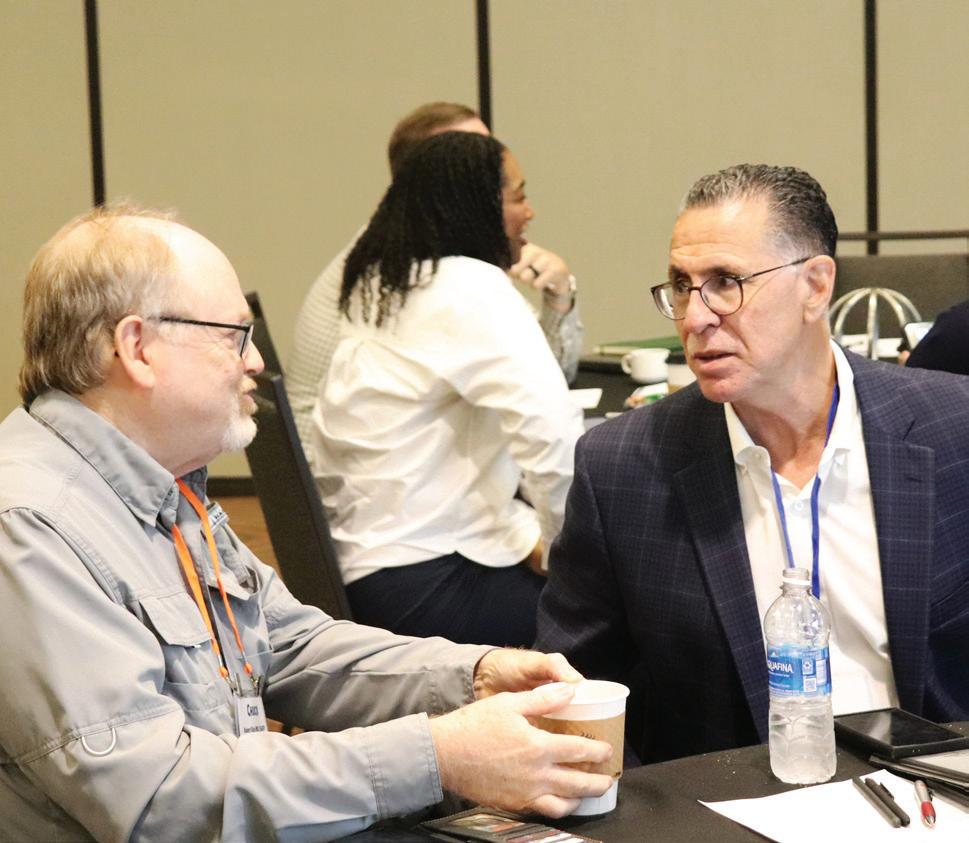
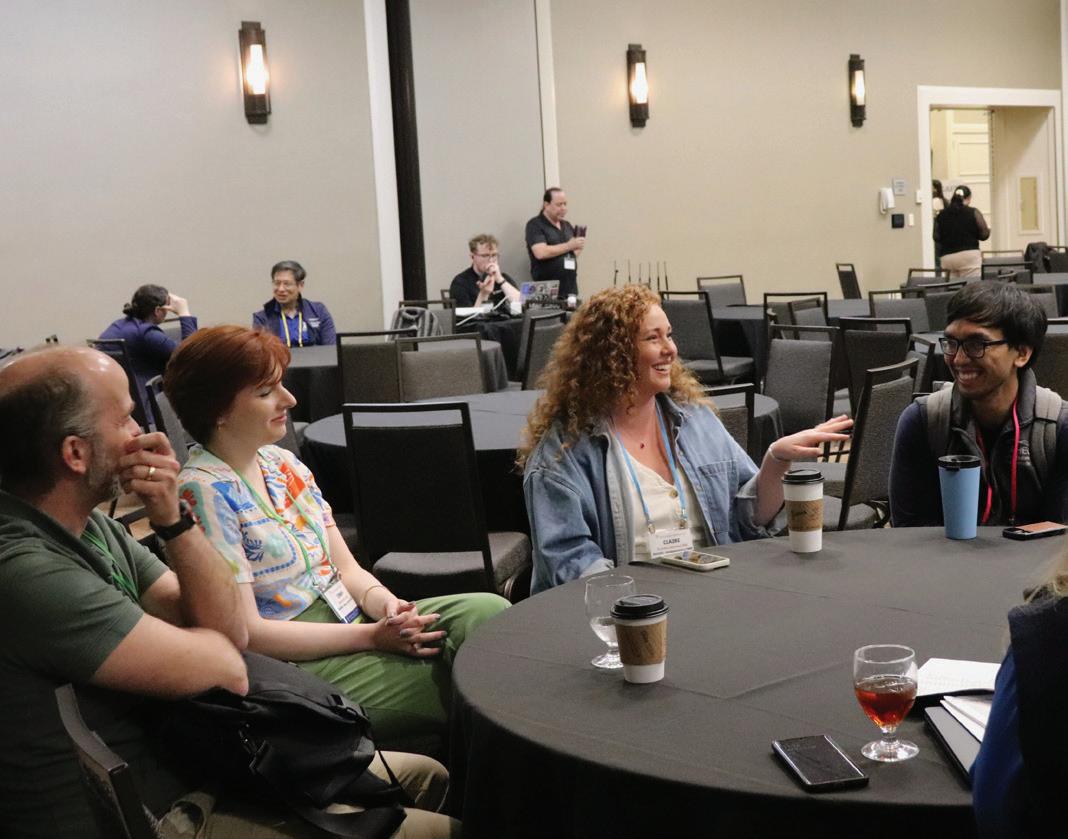
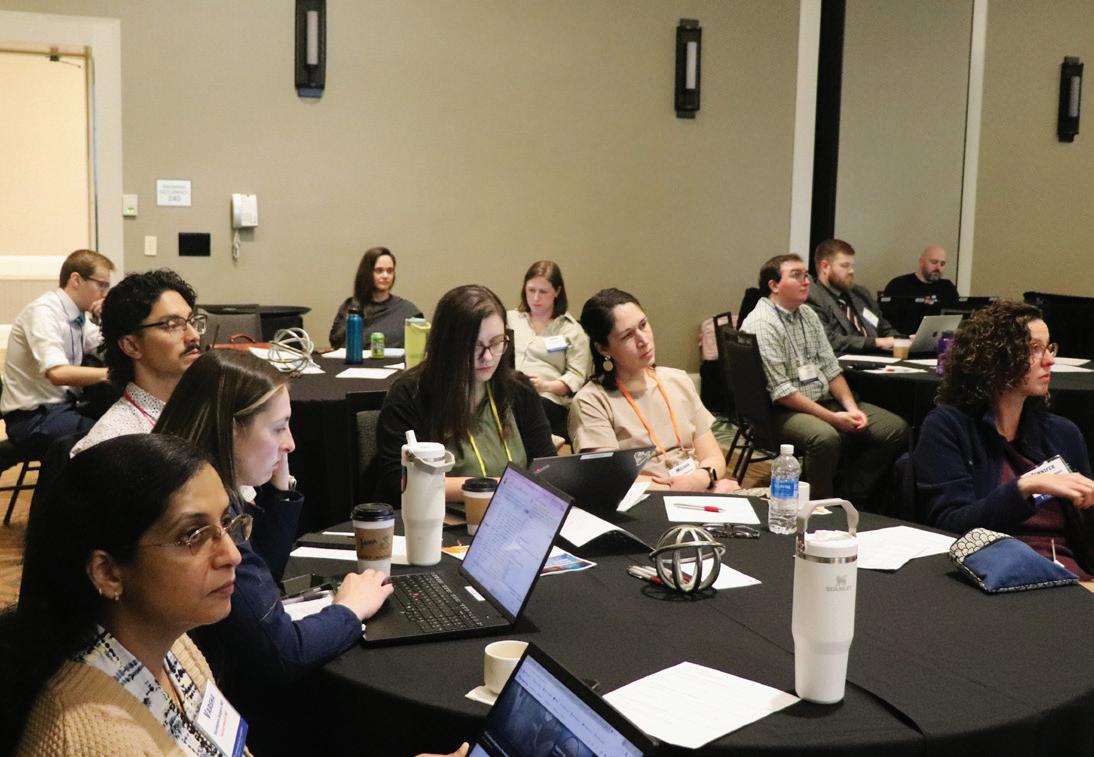
According to their post-event feedback surveys, attendees valued the meaningful networking and collaboration opportunities as much as the featured sessions and speakers. “This is a fantastic networking opportunity to meet faculty from the other residency programs,” said one attendee. “I felt like I learned a lot about what is being discussed behind the curtain.”
“Through ongoing conversations with our academic physician members, we regularly assess emerging needs and identify opportunities for the NCAFP to deliver meaningful resources,” says NCAFP Workforce Initiatives Manager Perry Price. “The Academic Summit was born from one of those conversations several years ago and has since grown into a valued resource for the academic medical community. It represents a unique opportunity to convene thought leaders, elevate existing resources, and collaboratively develop the tools and support our members need most.”
(You can see photos from the Academic Summit on pg. 15-17.)






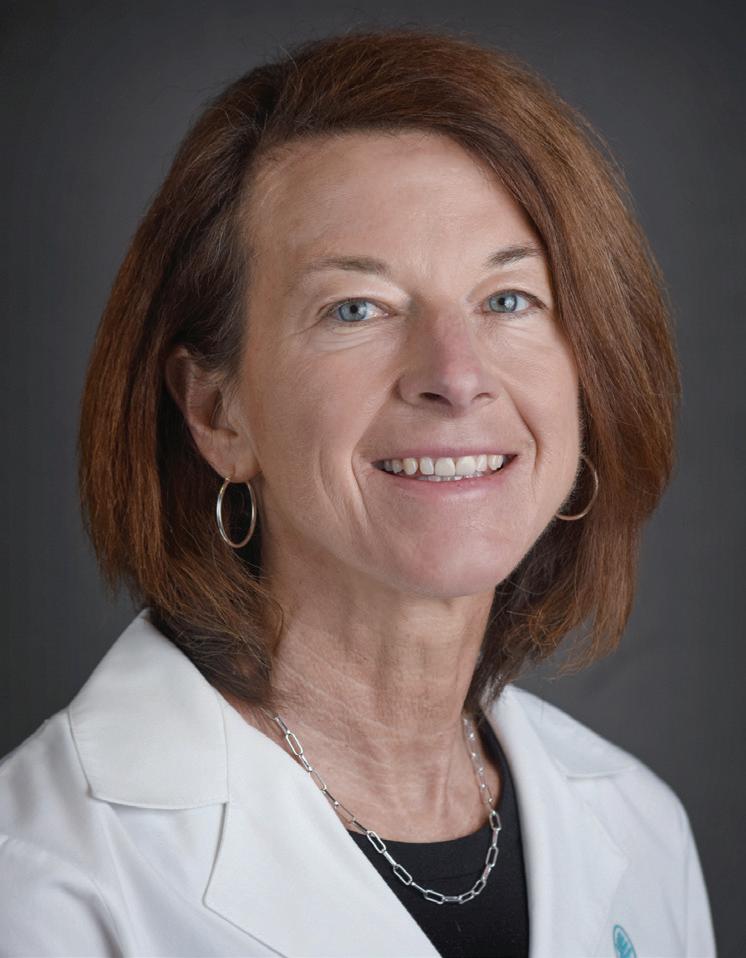
Dr. Michele Birch works as the Associate Dean for Pre-Clerkship Education at the Wake Forest University School of Medicine in Charlotte. She first came to North Carolina Family Medicine through family physician mentors and through her passion for education.
Her parents were both educators: her mother taught elementary school, and her father led universities. Dr. Birch’s father served as the Vice President at Ohio Wesleyan University and then as the Vice Chancellor at the University of California at Santa Barbara. While he worked at Ohio Wesleyan, he had a friend called Dr. David Nardin, the family physician in Delaware, OH. “He was our family doctor,” Dr. Birch says. “If one of us cut ourselves while we were playing by the pool, he’d take care of us. I also saw him on the sidelines of the local college to take care of the student athletes, and I knew he saw patients on a nearby Indian reservation. I thought that if I could be like him, that’d be great.”
By Kevin LaTorre, MA NCAFP Communications & Membership Manager
brought her into direct contact with family physicians and later led her to become a family physician: the grant program from the Robert Wood Johnson Foundation. Recipients were awarded full tuition to become “generalist scholars” and study medicine in close mentorships with rural physicians. “As part of the program, you went and lived in the physicians’ homes,” Dr. Birch says. “I was very fortunate to be selected for it.”
Dr. Birch had the chance to follow Dr. Nardin’s example after she had completed her undergraduate degree at Stanford University and one year of Teach for America in Henderson, NC. Her time teaching high school science and economics classes there clarified for certain that she wanted to pursue medicine. “Teaching that year was the hardest job of my life,” Dr. Birch says. “After I taught in that environment, medical school would be easy.”
Through the program, Dr. Birch enjoyed several pivotal mentors in the family physicians who trained her (she remains in touch with many of them). She lived in close proximity to several rural doctors. “One of them was Dr. Sam Showalter near Harrisonburg,” she says. “He was a wonderful mentor while I lived with him and his family.” She found another mentor when she studied in South Carolina: “I worked with Dr. Oscar Lovelace in a town called Prosperity, where he was the only doctor in town for primary care. I really looked up to him as someone who took care of that entire town, including me. I lived in this little house behind his home, and he and his family brought me their tomatoes.”
Her first North Carolina mentor was (and remains) Dr. Mary Hall, who was then the residency director at the Carolinas Medical Center in Charlotte. “The chair at UVA told me that Dr. Hall was the best residency director in the country,” Dr. Birch says. “She was my first reason for coming to North Carolina for residency. Then she became my
When Dr. Birch enrolled at the University of Virginia School of Medicine, she encountered a program that Continues as "MEMBER PROFILE" on back cover.
By Kevin LaTorre, MA Communications and Membership Manager
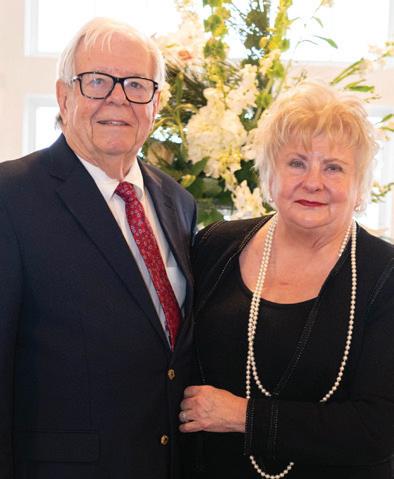
On Feb. 22, longtime NCAFP member Dr. Robert Earl Lane (pictured) received the Order of the Longleaf Pine, the state’s highest honor! Dr. Lane received the award from former NC senator Bob Steinberg, and NCAFP Exec. VP and CEO Greg Griggs made brief remarks about Dr. Lane’s decades of committed medical care for Perquimans County. “No matter how his work as a physician has changed, Dr. Lane has always put his patients and his community first,” Greg said.
Dr. Lane has practiced medicine since 1973 and opened his own practice, Coastal Carolina Family Practice, in the mid-1980s. In 2013, the NCAFP awarded him the Family Physician of the Year Award for his service. At the time, Dr. Lane stated,
“During these years, I have experienced the full scope of medicine (delivering babies, caring for them, doing emergency, general and critical care medicine, along with some surgery). In retrospect, I can say without reservation that I wouldn’t change a thing. All these years caring for families and taking care of our community have made my life and my practice of medicine complete.”
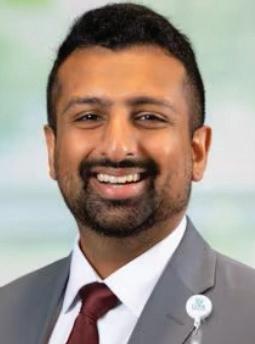
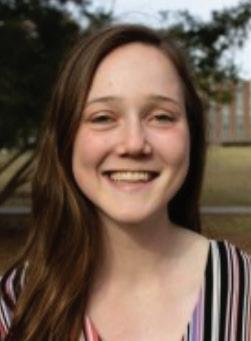
Dr. Atif Mahmood and medical student
Collette Cambey (both pictured) have received scholarships to attend the 2026 AAFP Family Medicine Advocacy Summit in June!
“It was an extremely competitive application process, but we were impressed with your advocacy efforts,” the AAFP told both recipients.
Dr. Mahmood is currently a resident at Cone Health in Greensboro, and Ms. Cambey is currently a rising fourthyear medical student at the Univ. of North Carolina School of Medicine (who is also pursuing a master’s degree in public health). Both members have demonstrated skill in policy and advocacy through past NCAFP White Coat Wednesday events, and we’re thrilled they will attend the Advocacy Summit.
In the February issue of Business NC, NCAFP member Dr. Cristy Page (pictured) received the front-page feature! In “Steady at the Helm,” writer Kevin Ellis profiles Dr. Page in her new position as CEO at UNC Health, where she leads a $7.4 billion operation, UNC Health’s effort to build a hospital in Buncombe County, and the system’s response to rising costs for labor and medical care. “It is a unique time to have all of that at the same time,” says Page. “On the other hand, creative problem-solving, with other really bright people, and when it really matters, is kind of fun.”
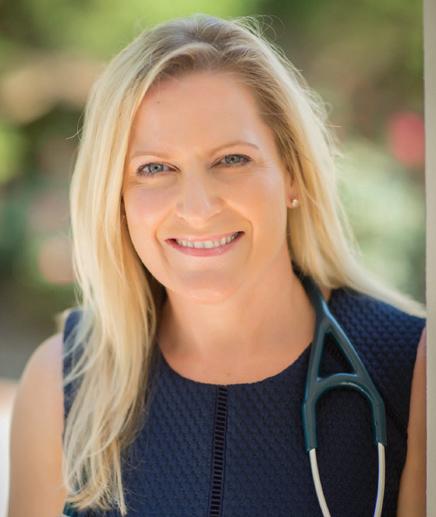
The profile includes how Dr. Page came to medicine while caring for patients on medical mission in Zimbabwe and how she came to serve as UNC Health’s first female and first family physician president. We recommend reading the entire article at https://businessnc.com/n-c-powerfulwomen-cristy-page/.
By Shannon Dowler, MD, CPE, FAAFP
When I joined the NC Dept. of Health and Human Services (NCDHHS) as the Chief Medical Officer of Medicaid in 2019, it was with the intention that if we had to move to Managed Medicaid, then at least I would help guide the direction. I looked for silver linings in the early days, and one thing I was able to latch onto was the ability of Managed Care plans to provide specific benefits to members that a traditional Medicaid program could not. These are known as “value added benefits” (VABs). These VABs are offerings that serve to improve the health of members and range from covering the cost of a GED, paying to expunge a legal record, covering an electric bill, providing a breast pump, or supplying a visa card to help patients achieve their preventive health goals, like a mammogram.
Compared to other states, North Carolina’s design for Managed Care gives plans a very narrow lane to compete for members. Medicaid members have the ability and right to choose their health plan. In a competitive market, finding creative ways to serve members is paramount, and VABs are one way members can differentiate between plans
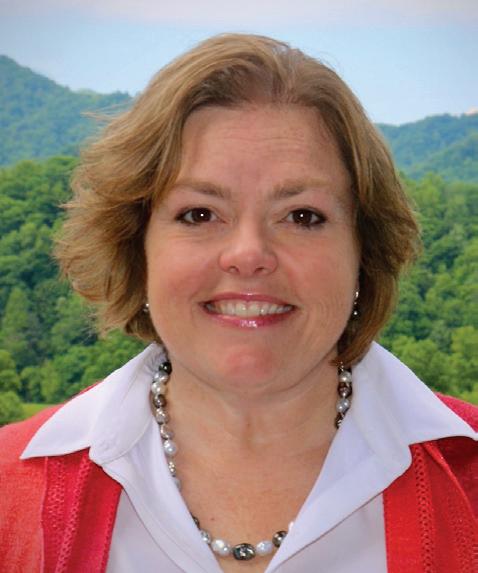
Dr. Shannon Dowler is a past NCAFP president and current member of the American Academy of Family Physicians Board of Directors. From 2019-24, she served as the Chief Medical Officer of North Carolina Medicaid. Her long-time experience as a family physician and policy leader includes advancing rural primary care, access to care, and sexual health.
Some skeptics might say, “The plans don’t want to provide them because of the cost,” and I disagree. In our unique market, any money spent on VABs is a great investment for the plans in three distinct ways:
1. It offsets their Medical Loss Ratio.
2. Offering the “best” benefits makes the plans competitive.
3. These offerings build trust and confidence in their
brand, so that members are more likely to engage in care management and other supports that improve their health.
These findings are consistent with other states: despite plans having positive and beneficial benefits, most members never access VABs. Unlike medications or durable medical equipment, receiving VABs is not in the hands of a prescriber; rather, members must call or click on a link to get most benefits.
Through my work with Nurture NC, a statewide maternal and infant health collaborative, we are driving awareness of VABs in partnership with the standard plans through awareness efforts that include social media campaigns, one-pagers, wall charts for offices, and patient brochures to let health care teams and lay audiences understand these benefits and to increase their utilization. At a time when heating, food, and housing costs are stretching household budgets, providing these supports and resources has never been more important.
Please go to www.nurturencnow.org, where we maintain up-to-date perinatal VABs under the Resources tab. And watch out for more comprehensive materials for your office! While you don’t “prescribe” these benefits, your care teams can help families access these much-needed supports. Importantly, if you have recent experiences where members cannot access the benefits or VABs fail to serve their intended purpose, we hope you and your patients will be “secret shoppers.” Contact us through the website and share your experience, so that we can help the plans optimize this important — but often missed — benefit!
By Kevin LaTorre, MA Communications and Membership Manager
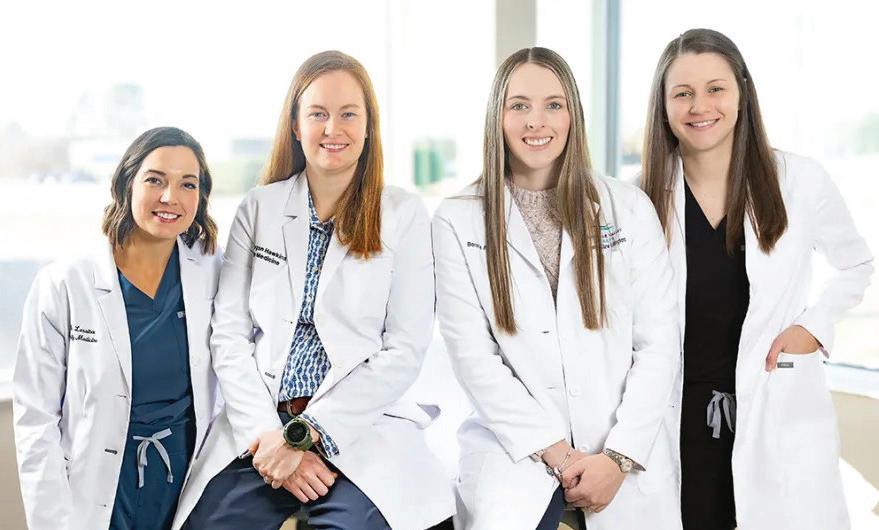
In February, four NCAFP members appeared in a spotlight article from Cape Fear Valley (CFV) Health: Drs. Sarah Lassiter, Morgan Hawkins, Bonnie Page, and Shelby Rhyne. These new physician members are remaining in the communities where they completed their training at the Harnett Health Family Medicine Residency!
“They trained locally, built relationships with our communities, and ultimately chose to stay and practice where they’re needed most,” according to the article. All four physicians had completed medical school at the Campbell University School of Osteopathic Medicine and early on demonstrated their commitment to NC Family Medicine. It is the first time that all the Family Medicine residents in one residency cohort have remained at Harnett Health.
Because their decision marks a milestone for the Harnett Health Family Medicine Residency and simultaneously demonstrates the commitment of North Carolina family physicians caring for patients in our state, I contacted these new physicians to learn more about their decision. Here’s what they told me:
Dr. Sarah Lassiter
“I stayed with CFV Harnett Healthcare because I am local to the area and went to medical school with the intention
to practice Family Medicine in, or close to, my hometown, Dunn. While the area certainly fits my desires, the patients I built relationships with during residency solidified my commitment to our health system. I love the patient population that I get to work with, since they’re really relatable to me. I grew up in this area, so when talking to my patients I often feel like I am talking to a family member or friend. These are hard-working people who want to get to know you as a physician and to trust that you’ll treat them like you’d want your family to be treated. It’s a privilege to have deep conversations with these patients and to be entrusted to provide them and their loved ones with care.
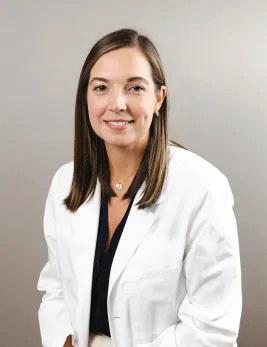
“I also enjoy the relationships that I was able to build with other providers and specialists in the system. The ones who helped shape and transform the way I practice medicine are Dr. Marta Bringhurst (who taught me everything I know about osteopathic manipulative technique), Dr. Regina Bray Brown, Dr. Varsha Songara, Dr. Christopher Stewart, Dr. Christine Khandelwhal, and Dr. Amandeep Gujral. I still communicate with them when I encounter issues, concerns, and questions in my clinic.
“CFV is large, and while Harnett Healthcare is part of that larger entity, it still feels like hometown medicine to me, which was always the dream. I look forward to building trusted and lifelong relationships with patients and families in a community that was an essential part of my upbringing.”
“This area is very meaningful to me. Not only is this the area where I went to medical school and completed my residency training, but this area is also home to my family. Seeing health disparities and the need not only for primary care, but high-quality evidenced-based primary care, began at a young age for me.
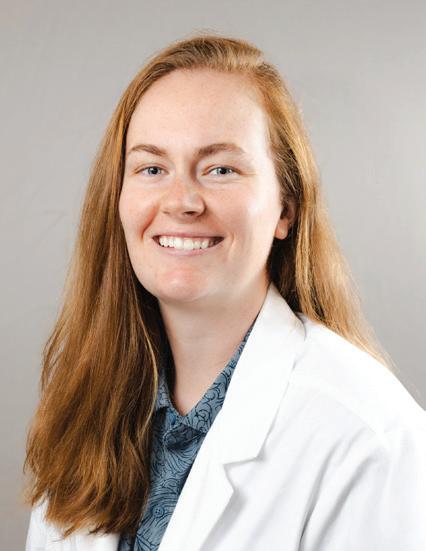
Continues as "HARNETT HEALTH CLASS" on page 31.
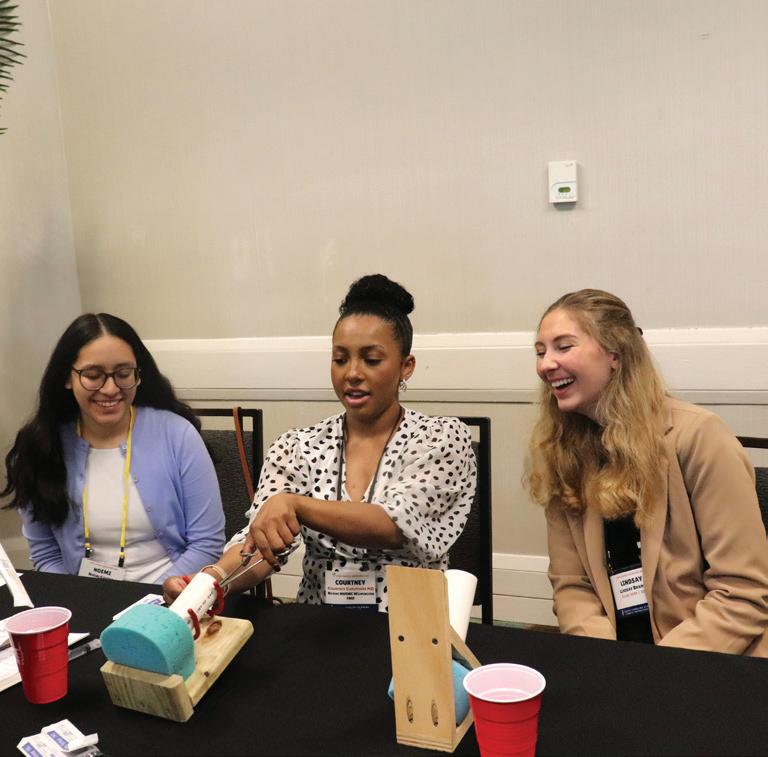
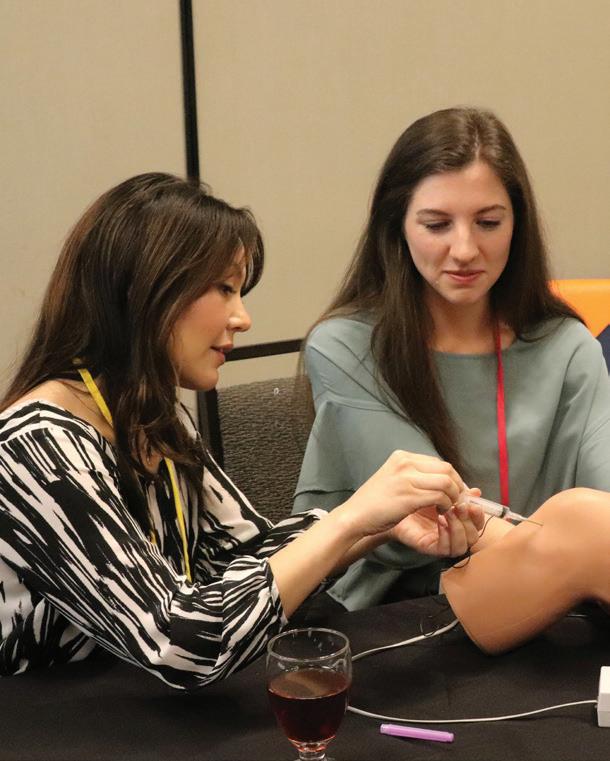
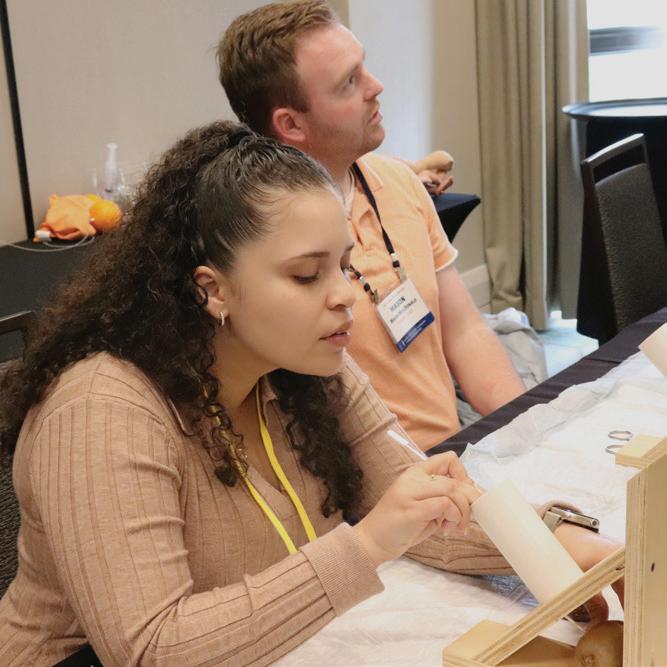
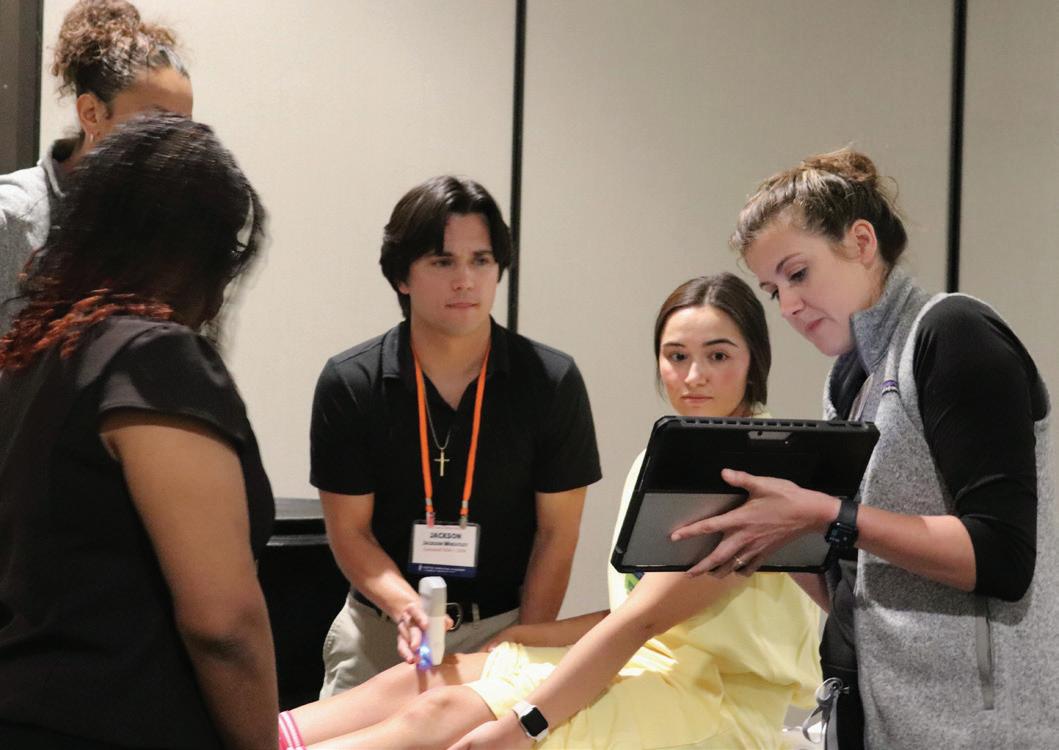
On March 28, medical students and representatives from almost all of the NC Family Medicine Residency programs attended the 2026 Family Medicine Day to explore the pathways of Family Medicine and prepare the next generation of family physicians. During the event, over 80 medical students attended workshops hosted by NC Family Medicine residency faculty and residents. Thanks to those workshops, the students experienced the vast scope of medical care that family physicians provide.
“There are so many ways to pick your own adventure in Family Medicine!” said one attendee in a post-event survey.
These applied sessions taught students to perform suturing, endometrial biopsies, joint injections, point-of-care ultrasound, and many other skills to help medical students understand what they might do for their patients as family physicians. “I genuinely loved all my workshops and can’t pick a favorite,” said Duke University MS-1 Chloe Miwa. “This was such a fun day.”
This exposure helped medical students commit to Family Medicine, according to their own survey reports. 56.1% of the students reported they were more likely to consider Family Medicine as their future specialty, thanks to attending Family Medicine Day. “I am more excited about Family Medicine than before, and this experience has only solidified my decision to pursue it!” said one attendee.
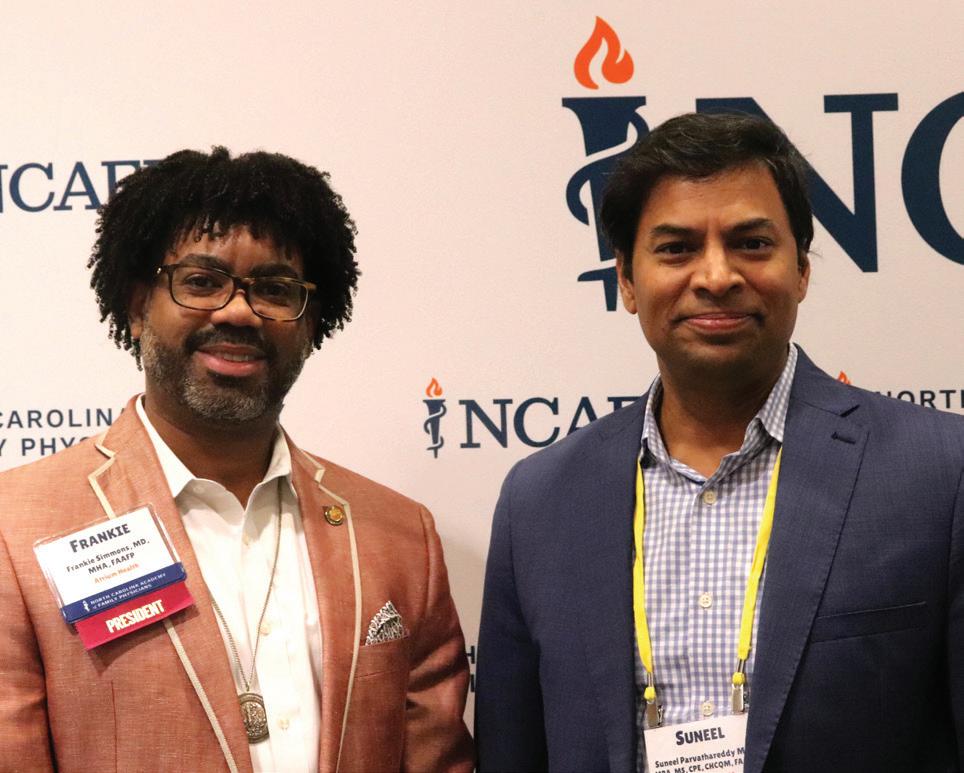
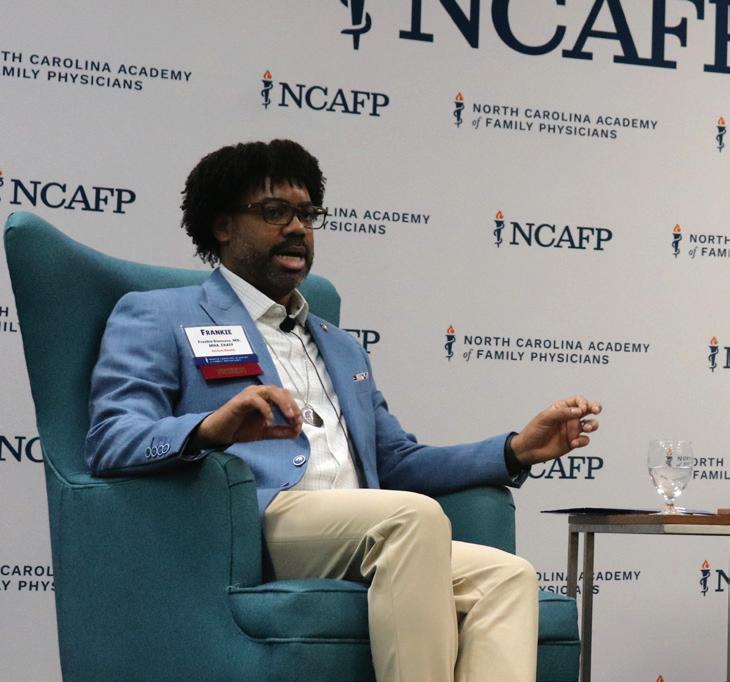
During our “Fireside Chat,” NCAFP President Dr. Benjamin “Frankie” Simmons encouraged every medical student there to consider how Family Medicine can benefit them. “If you’re enjoying every single one of your rotations, you
By Perry Price NCAFP Workforce Initiatives Manager
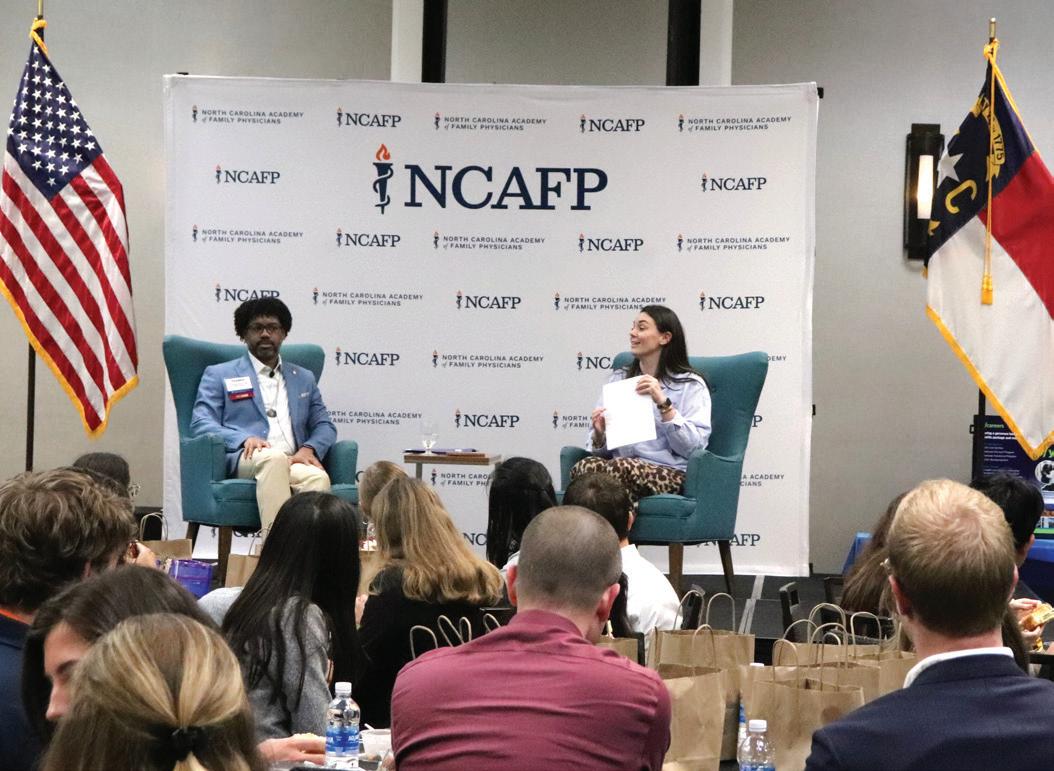
might be a future Family Medicine doc,” Dr. Simmons said. “When I was a first-year med student, I was caught up in the sub-specialty mindset that my peers and program expected of me. But I realized that no sub-specialty was going to be a good fit for me. I couldn’t get past my love for everything that Family Medicine represents.”
Dr. Simmons also mentioned how the NCAFP (and the American Academy of Family Physicians) helped him become a family physician and leader in his community. “The Academy helped me realize that we have a voice,” he said, “a strong voice that many leaders in health care respect.”
(You can see photos of Dr. Simmons’s keynote chat, the day’s workshops, and much more on pp. 16-17.)
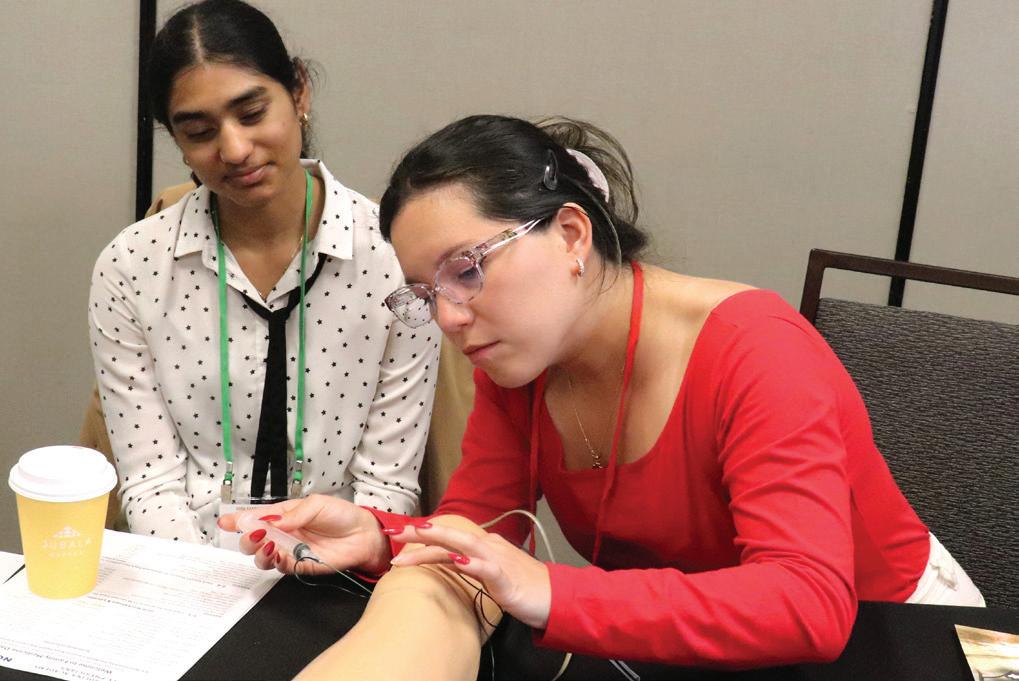
Like it has for the last 18 years, Family Medicine Day fostered connections among medical students and residencies around the state.
Students gathered in the lobby more than 30 minutes before the day’s first workshop started. During the Residency Fair at the end of the event, their conversations moved into a hall full of Family Medicine residency directors, faculty, and residents. Connecting with these physicians who might one day become their teachers and colleagues was an invaluable part of attending Family Medicine Day.
“I am leaving feeling so inspired by the breadth and depth of support within the NCAFP network,” said one attendee in a post-event survey. “All the programs so clearly care about the success of their students.”
Family Medicine Day connections often last years.
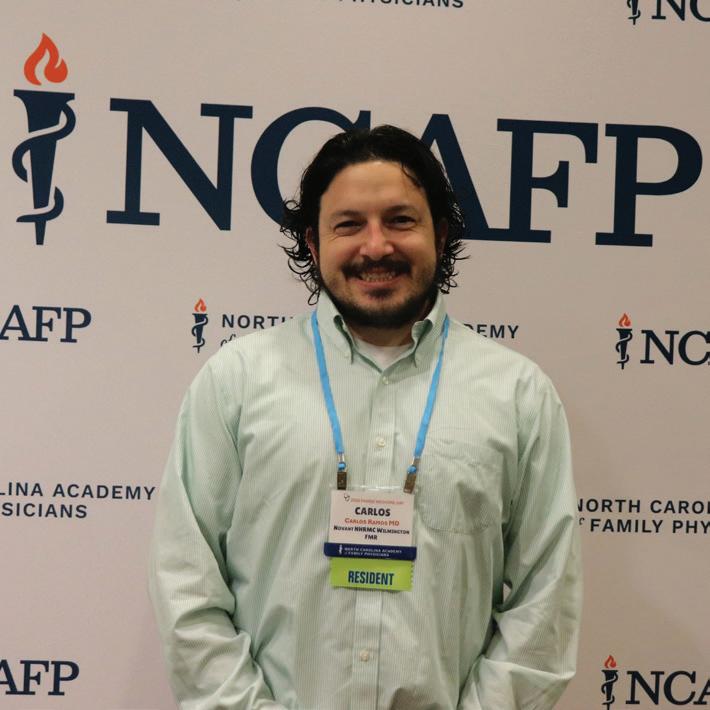
Dr. Carlos Ramos and Dr. Luis Acevedo first attended Family Medicine Day as medical students in 2023. This year, they both returned as residents. Dr. Ramos is a firstyear resident at the Novant Health Wilmington Family Mediicne Residency, and Dr. Acevedo is a second-year resident at the Harnett Health Family Medicine Residency.
“Coming here as a medical student and now as a resident is great,” Dr. Acevedo said. “It has all moved and changed so fast.” He added that he plans to remain in North Carolina after finishing residency.
Thank you to all the medical students, program directors, faculty, and residents who made Family Medicine Day a success!
We’d also like to thank the residency programs who hosted workshops or exhibited this year:
Atrium Health Carolinas Medical Center Family Medicine Residency
Atrium Health Cabarrus Family Medicine Residency
Cone Health Family Medicine Residency Program
Duke Family Medicine Residency Program
Duke Rural Family Medicine Residency Program
ECU Health Family Medicine Residency Program
ECU Health Rural Family Medicine Residency Program
Harnett Health Family Medicine Residency Program
Hugh Chatham Health Family Medicine Residency Program
MAHEC-Asheville Family Medicine Residency Program
MAHEC-Boone Family Medicine Residency Program
MAHEC-Hendersonville Rural Family Medicine Residency Program
Novant Health Charlotte Family Medicine Residency Program
Novant Health Wilmington Family Medicine Residency Program
Sampson Regional Medical Center Family Medicine Residency Program
Southern Regional AHEC Family Medicine Residency Program
UNC Family Medicine Residency Program
Wake Forest University Family Medicine Residency Program
By Kevin LaTorre, MA Communications and Membership Manager
After the National Resident Matching Program (NRMP) and Supplemental Offer and Acceptance Program (SOAP) concluded on March 20, North Carolina Family Medicine residency programs filled 100% of their intern positions while also increasing the size of the newest Family Medicine residency class.
Compared to the 2025 NRMP, the number of medical graduates who entered Family Medicine from NC medical schools increased, and so did the number of graduates who remained in state for residency. Here are the two key statistics:
• NC medical schools increased the number of graduates entering Family Medicine by 8.96% from 2025 (increasing from 67 to 72 graduates this year)
• Those graduates entering Family Medicine residency programs in NC increased by 10% from 2025 (increasing to 33 graduates from 30)
"We are excited at the increase in student interest in Family Medicine," said NCAFP Exec. VP and CEO Greg Griggs, MPA, CAE. "So much of our work centers on increasing the number of future family physicians in North Carolina."
In addition, NC Family Medicine residencies outpaced the national fill rate before the SOAP process began.
Compared to the 83.7% pre-SOAP fill rate of national Family Medicine residencies, NC Family Medicine residencies filled 88% of their open slots. This milestone also eclipsed the NC residencies’ own 2025 pre-SOAP fill rate of 80% and demonstrated the strongest fill rate in at least five years, even with a 10% increase in intern spots over that same five-year period (from 136 intern positions to 150).
This achievement is doubly notable because that national NMRP performance also set new records, according to the
American Academy of Family Physicians (AAFP). “We are celebrating our biggest Family Medicine class based on the number of positions offered and the highest number of positions filled in the Main Match,” AAFP Vice President for National Residency and Academic Partnerships Dr. Karen Mitchell said.
In addition, “the 2026 NRMP Match had the most Family Medicine positions available in history,” the AAFP stated. “The results marked more than 17 years of growth in the number of positions offered in Family Medicine in the NRMP Match, with the last 16 years breaking all-time records.”
In 2026, openings at Family Medicine residencies composed 13.4% of positions offered in all specialties. However, the AAFP is still pursuing significant improvements for the Family Medicine workforce, as the percent of U.S. allopathic and osteopathic students entering Family Medicine both decreased.

“This year’s NRMP Match marked the largest number of applicants matching into Family Medicine to date, underscoring the specialty’s enduring appeal and its central role in meeting the nation’s health care needs,” the AAFP stated. “Yet the U.S. medical education system remains insufficiently aligned to translate this momentum into a workforce capable of meeting growing demand.”
As the NCAFP Foundation completes its student programs this summer and continues to grow its endowment to bring medical students into NC Family Medicine, we will continue to update you on all our efforts to grow the Family Medicine workforce that our state and nation need.
Join a team that cares for patients — and for each
Discover a rewarding physician career and supportive community at Novant Health.
Bring your passion for family medicine to Novant Health. We provide the support you need to focus on what matters most: knowing your patients, their families and their goals. Here, physician well-being and exceptional care go hand in hand.
Remarkable reasons to practice with us:
• Physician-led teams: Leadership that reflects your purpose while respecting your clinical expertise and work-life balance
• More time for care: Resources designed to lighten your administrative load, including DAX Copilot, clinical pharmacist practitioners, embedded care managers and prior authorization managers
• Care models that fit your goals: Opportunities across integrated networks, hospitals, clinics, home health and virtual care in locations (including city, suburban and rural) that work for you
• Sustainable culture: An environment that prioritizes your well-being
• New Tenure Program: Long-term financial incentives that grow with your years of service, including an additional payout at retirement
Ready for a career that supports you?
Schedule a quick chat with a recruiter or apply today at NovantHealth.org/PhysicianCareers
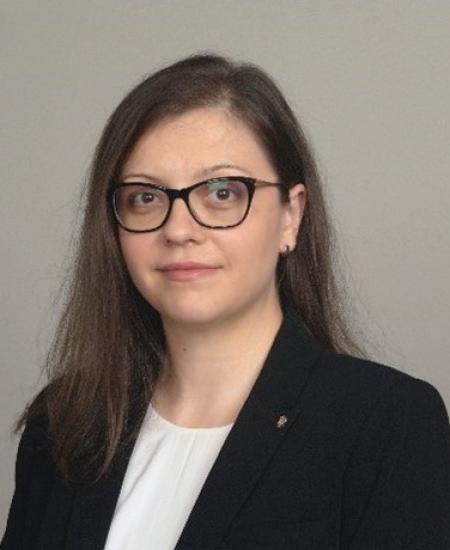
By Dr. Irina Balan Resident Director on the NCAFP Board of Directors
Becoming a physician in the United States was a dream I never thought I could achieve when I first arrived in this country. Born and raised in Moldova, I never imagined that, years later, I would be nearing the completion of my Family Medicine residency in North Carolina. My journey has been challenging, due to cultural adjustments and navigating a new health care system. But it has also been an incredible opportunity for growth, learning, and discovering my passion for Family Medicine. Each step forward fueled my determination to succeed.
I’ve had the privilege of working with incredible mentors who shaped my journey. Dr. Regina Bray Brown, my program director at the Harnett Family Medicine Residency Program, inspired me to pursue academic medicine, and exemplified effective leadership. Dr. Rahul Kakkar taught me the business side of medicine, while Dr. T.S. Dharmarajan ignited my passion for geriatrics and compassionate care for aging patients. Their guidance has been invaluable in combining my love for patient care with my commitment to the health care community.
My medical journey spans several specialties. I completed my internal medicine training in Moldova, worked in geriatrics in New York, and now, as a Family Medicine resident, I am preparing to finish my training in June 2026. Each experience has given me a unique perspective on health care and patient care, helping me approach medicine holistically.
Section Meeting, where residents share their experiences and discuss the challenges encountered in their respective programs. The recent initiative of organizing the chief residents meeting at other NCAFP events represents an additional opportunity to voice concerns, share ideas, and foster great connections with my peers. This role has allowed me to meet other residents and experienced physicians, creating a network of mentors and colleagues. Through these interactions, I’ve gained insights into the broader landscape of Family Medicine — not just clinically but also from a legislative perspective. These opportunities have been key in shaping my understanding of how policy and clinical practice intersect.
“My experiences in North Carolina, my involvement with the NCAFP, and the mentorship I have received have shaped the physician I am becoming.”
One of the highlights of my NCAFP involvement is the events they organize. These gatherings provide a unique opportunity to reconnect with old friends, meet new colleagues, and reflect on the purpose that first drew me to medicine. It’s easy to get caught up in the day-to-day routine of residency, but these events offer a refreshing break. They allow us to learn, recharge, and be inspired by the collective energy of family physicians from across the state.
A significant part of my experience in North Carolina has been my involvement with the North Carolina Academy of Family Physicians (NCAFP). The Academy offers residents like me a platform not only to receive support but also to have our voices heard. It’s one thing to be trained in medicine but another to actively shape the future of this specialty. As the Resident Director on the NCAFP Board of Directors, I’ve had the chance to lead the Resident
Being the voice of residents is a responsibility I take seriously. Family medicine residents often find themselves at the bottom of the medical hierarchy, making it difficult to be heard. The NCAFP, however, has given me a platform to advocate not only for my peers but for the future of Family Medicine as a whole. By speaking up and participating in advocacy, we can ensure that the profession evolves in ways that benefit both physicians and the patients we serve.
The NCAFP has influenced my decision to stay in North Carolina after residency. The state’s strong commitment to Family Medicine, both in culture and legislation, supports
physicians in practice and allows them to shape health care policies. This dedication has convinced me that North Carolina is the ideal place to begin my career as an attending physician, as I look forward to holding a faculty position that also includes primary care of a patient panel.
I’m excited about my future in Family Medicine, a field I feel privileged to be part of. My experiences in North Carolina, my involvement with the NCAFP, and the mentorship I have received have shaped the physician I am becoming. Despite the challenges I’ve faced, I believe they have made me a stronger advocate for Family Medicine.
Ultimately, my journey highlights the power of advocacy, mentorship, and the importance of being part of a supportive community. I’m grateful for the opportunities I’ve had and look forward to the next chapter of my career, knowing that Family Medicine is a lifelong commitment.
Dr. Irina Balan completed her medical school and initial residency training in internal medicine at the State University of Medicine and Pharmacy “N.Testemitanu” in Moldova. She also obtained a master’s degree in work and organizational psychology at the State University of Moldova. After relocating to the United States, she pursued a fellowship in geriatric medicine at Montefiore Medical Center in New York City, where she had the opportunity to advocate for the needs of residents and fellows at the Wakefield Division Council. Currently, Dr. Balan is a Family Medicine Resident at Harnett Health System, providing essential care to the rural community of Harnett County.
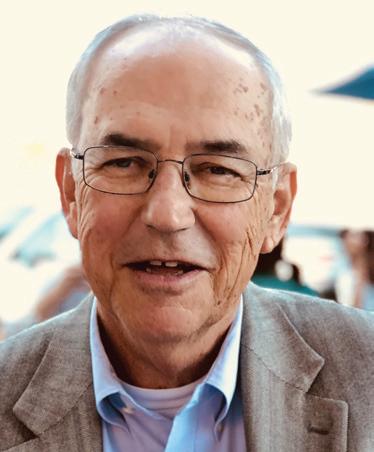
By Tork Wade Rural Health Specialist
For family physicians and residents who are interested in running their own practice or partnering with physician colleagues to run a group practice, there is a new loan repayment program that provides great incentives for making those plans a reality: the Primary Care Physicians Initiative (PCPI)! The program, which is run by the NC Office of Rural Health, will provide a primary care physician up to $100,000 to help pay off qualified loans in exchange for a four-year commitment to join or start a physician-owned practice.
Eligible practice sites must also be in one of the 80 Tier 1 and Tier 2 counties in North Carolina. (Note: the 2026 list of counties with their tier level is available here: https://www.commerce.nc.gov/report-countytiers-ranking-memo-current-year/open). In addition, the practice or at least one physician within the practice must be enrolled in Medicaid and accept patients who are Medicaid recipients.

For more information on this program and assistance in exploring these options, please contact me at twade@nc.rr.com or by phone at (919) 608-2309. I look forward to speaking with you!
Tork Wade has served as Director at the NC Office of Rural Health, Community Care of NC (CCNC) Executive Director, CCNC Exec. VP for Business and Provider Partnerships, and other positions throughout his career.

By Eric M. Fish Partner at Hooper, Lundy & Bookman
Ambient scribing tools are rapidly becoming part of everyday clinical practice. The broad integration of tools such as Abridge, Ambience, and DAX Copilot throughout large health systems and independent practices is making documentation powered by artificial intelligence (AI) the first touch point with AI for many family physicians throughout North Carolina. Analysis of the tools’ impact on early adopters and studies of pilot projects supports the conclusion that AI-enabled tools are a key component to improving the quality of care. Ambient scribes specifically address the burden of documentation that has become an enormous challenge by contributing to clinician burnout, job

dissatisfaction, and limited physician-patient interaction.
But alongside these benefits, ambient scribes introduce new legal and regulatory obligations of which physicians must be aware. Use of these tools, as well as all other similar AI-enabled tools, requires diligent review of vendor agreements and heightened awareness to navigate issues of ethical and professional responsibility. Although such concerns arise any time a profession adopts novel and transformative technologies, a rigorous and disciplined approach to selecting the appropriate tool, thoughtful review of vendor agreements for nuances created by AI tools, and steps to-
wards responsible use can mitigate risk and facilitate adoption in a manner that captures the benefits promised.
Ambient scribe technologies are just one part of the suite of AI-enabled tools that vendors are offering to physicians. Nearly every existing service that touches upon administration or delivery of health care has been updated with AI enhancements. Substantial financial investments and innovation-focused state and federal policies have accelerated these updates, bringing a wave of products designed for clinical deployment to market at remarkable speed. Each of these tools is dependent on data, and protected health information will be shared with vendors and subcontractors of those vendors. For physicians and health systems, this fact demands a more deliberate and legally informed approach to tool selection and vendor contracting.
At the outset of any relationship with a vendor of AI-enabled tools, physicians and compliance officers should require vendors to disclose the specific clinical use cases for which the underlying AI model was trained and validated, ensuring that those uses align precisely with the intended deployment. Improper training and validation are consequential and often overlooked risks in contracting. Using a tool trained and refined on one patient population may increase the impact of bias in training data, lead to negative patient outcomes, and expose the user to greater risk of lawsuits or regulatory discipline.
(DIHI)2, establish common understanding between the user and vendor of the intended use, performance, bias mitigations, deployment plans, and regulatory status of the AI tool.
Because tools such as ambient scribes are actively recording, analyzing, and transmitting clinical conversations to third-party servers, physicians should actively review existing agreements with vendors of these tools to ensure that access and use of protected health information is sufficiently covered in HIPAA-required business associate agreements. Moreover, standard terms may confuse the understanding of how data obtained from a practice or from patients as part of a clinical encounter may be used. Definitions of de-identified data, training, or product improvements may carry a common meaning but have real consequences in a health care setting.
“Nationally, data show that failures in medical record keeping remain one of the most common reasons physicians face disciplinary action.”
Vendor contracts are written to protect the vendor, leaving the user responsible for bearing the liability of failures created by the models that support the AI tools. Placing the compliance burdens of opaque black-box models on customers creates great risk for those customers unless they carefully negotiate the limitations of liability, indemnification, and disclaimer provisions of the contract. Efforts to further address this asymmetry is to require vendors to agree to certain performance standards, monitor tools for any degradation in model performance, and establish procedures for regular performance and accuracy reporting. Ensuring that such terms are part of contracts reinforces accountability, helps ensure compliance standards and clinical expectations are met, and ultimately helps limit risk.
Proper diligence involves requesting information that will limit exposure to legal risks, and physician involvement in the selection process is a key feature of a responsible compliance strategy. Prior to contracting for any tool, physicians and affiliated staff should demand transparency regarding the underlying algorithm, training data, and whether the model has undergone both internal and external testing. Answers to these questions should be provided in plain-language model cards that are included in contract deliverables. Template model cards, such as the Applied Model Card developed by the Coalition for Health AI (CHAI)1 and the Model Facts label released by the Health AI Partnership and Duke Institute for Health Innovation
In 2024, the North Carolina Medical Board issued guidance that made it clear that using AI to support clinical documentation is not a passive act.3 Physicians are expected to understand the tools they use, verify the accuracy of AI-generated patient notes, and be transparent with patients on how AI is involved in their practice. Nationally, data show that failures in medical record-keeping remain one of the most common reasons physicians face disciplinary action. Introducing AI into the documentaContinues on next page.
tion process raises the standard of attention required.
Although ambient technology can produce more thorough records by capturing all relevant clinical details, it also introduces unique challenges, just as human notetaking does. Because ambient scribes are built on probabilistic large language models (LLMs), these tools may be prone to hallucinations, causing findings or statements that never occurred to be entered into the clinical record. Furthermore, the ability to accurately capture a patient’s conversation may be impeded by the audio environment, potentially introducing bias or critical omissions into the permanent medical record.
As with other technologies, familiarity may breed complacency, and physicians may approve AI-generated notes with minimal review. It is essential that users of such tools take the time to review the output and ensure that the clinical note reflects their own clinical memories, is in a narrative format that they can reliably use in future encounters, and contains enough information to maintain a sense of connection to the patient as a person, rather than just a creator of AI input.
Recent lawsuits brought against a health system in California and a dental provider in Illinois have put issues with ambient scribing squarely before the courts. Both cases center on whether proper consent of all parties (including family members and others in the exam room) was obtained prior to recording the encounter using ambient scribe tools. Although North Carolina is a one-party consent state for recordings and has yet to pass legislation enacted in Texas and California to disclose when AI is used to generate clinical records, physicians should continue to monitor changes in general or health care-specific consent laws that could pose additional liability risk. It is a best practice to disclose the use of such technology to the patient at the initial visit, both in writing and verbally, document that this education and consent occurred, and document reaffirmation of consent at each subsequent visit or when the patient is joined by additional caregivers.
Although the integration of AI tools raises concerns for physicians, these concerns are not cause for alarm that should limit adoption or use. Understanding the limitations of these tools and the risks they may create, as well as diligently adhering to existing regulatory frameworks and professional codes of ethics, is a hallmark of responsible use of any innovative tool.
Whether you are part of a large health system or an independent practice, the following actionable steps can help address the legal and regulatory obligations created by AI-enhanced technology and support adoption practices that are as trustworthy as they are transformative.
1. Develop a risk-based compliance framework to review AI tools that are involved in patient care and administrative services that also documents the evaluation process, review of safety and validation data, and rationale for adoption.
2. Review existing Business Associate Agreements and other vendor contracts to assess data use permissions, identify liability exposure, and address gaps created by AI-integrated services. Ensure compliance with HIPAA by understanding the scope of permitted uses, including applicable exceptions for care coordination and product improvement, to avoid unauthorized disclosures or misuse of protected health information.
3. Create standard contract language and procurement policies to address issues such as data use and security, liability allocation, performance guarantees, and post-deployment monitoring to ensure that the products are used appropriately.
4. Thoroughly review the output of ambient scribing tools for accuracy before approving the record and ensure that the note contains documentation confirming that informed consent to use the technology was provided by all parties present in the clinical setting.
5. Develop patient educational resources that inform patients and caregivers of how AI is used in care and of the steps your practice has taken to responsibly integrate tools into practice.
Eric Fish is a partner at Hooper, Lundy & Bookman where he advises health care clients on regulatory compliance, digital health, and the integration of AI and emerging technologies into care delivery. He previously served as Chief Legal Officer of the Federation of State Medical Boards (FSMB) where he led initiatives including the drafting of the Interstate Medical Licensing Compact and FSMB’s 2024 guidance on use of AI in clinical settings.
References
1. https://mc.chai.org/v0.1/documentation.pdf
2. https://healthaipartnership.org/model-facts-v2-label-for-hti-1compliance
3. https://www.ncmedboard.org/resources-information/professional-resources/laws-rules-position-statements/position-statements/licensee-useof-innovative-or-new-treatment
“HARNETT
I feel truly fortunate not only to carry out the mission of my medical school, Campbell University, my residency training program, Harnett Health Family Medicine, but also my long-term goal of providing care to the community that helped raise me. I am looking forward to providing the quality medical care that our area needs, as well as becoming part of a trusted team that will improve the health of our community."
Dr. Bonnie Page
“I attended medical school at Campbell University and completed my third- and fourth-year clinical rotations at Harnett Health. After spending a total of five years training within the Harnett Health system, choosing to remain with Harnett Health/ Cape Fear Valley as an attending physician was an easy decision.
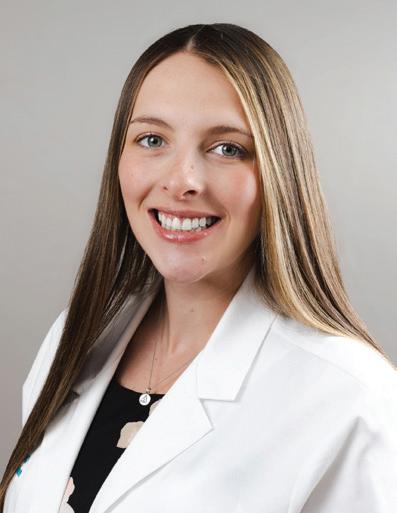
“During my training, I developed an appreciation for the strong need for physicians within this community. Even though this is a rural area, we see a wide variety of pathologies and sick patients, and the area has grown significantly while I have lived here and continues to grow, which means it has a greater need for increased access to primary care. This need gave me a passion to care for patients across all stages of life — from newborns to geriatrics. What stood out most to me during my training was the supportive environment among students, residents, attending physicians, and specialists. It is a setting that truly values learning, evidence-based medicine, and patient-centered care.
“Since July 2025, I have been practicing at Cape Fear Valley Primary Care in Lillington and have greatly enjoyed building my patient panel and seeing patients make meaningful progress in their health over time. One of the most rewarding aspects of primary care to me is the opportunity to provide comprehensive care for entire families. I have special interests in pediatrics, weight loss management, and osteopathic manipulative treatment. I am especially looking forward to continuing to work with residents and medical students and helping to train the next generation of physicians.”

Dr. Shelby Rhyne was unable to comment in time for publication.
Congratulations to these NCAFP members who have chosen to keep serving their communities!
“PRIMARY
Service (FELS)) that encourage medical students to enter primary care. The FELS Program was one of our advocacy victories just a few years ago, when the state allocated funding to provide $25,000 per year forgivable loans/ scholarships to medical students who ultimately practice primary care in one of our state’s 80 Tier 1 and Tier 2 counties (all but the state’s 20 most-prosperous counties). There is at least some discussion about increasing this amount to make it even more advantageous for medical students to consider careers in primary care.
Finally, as we work to reduce administrative burden for family physicians, we have continued to recommend better alignment of quality metrics that payers require. Over the last year, we have asked Medicaid to concentrate on access measures versus numerous different disease-specific mea-
sures. The outcomes of this study reiterate that if access is increased, then preventive services take place, and chronic diseases are better managed. Measuring access versus multiple other measures would reduce some of the administrative burden you face on a day-to-day basis.
The bottom line: the NCAFP is prepared to utilize this study to further advocate for you, our members. We are working to make your life easier and more rewarding. Stay tuned!
NOTE: You can find this entire report at https://www.milbank.org/publications/investing-in-primary-care-the-missingstrategy-in-americas-fight-against-chronic-disease/
“MEMBER SPOTLIGHT”
mentor in a number of ways, which was deeply fortunate. She and I still meet every month.”
Now, Dr. Birch is the experienced mentor who is helping train future family physicians in Charlotte.
While Dr. Birch helped develop the curriculum of the University of North Carolina School of Medicine regional Charlotte campus back in 2011, she enjoyed thinking through what medical students need from their pre-clerkship training. “We were asking ourselves, how can we educate our future physicians better?” she says.
The problem-based method became more and more important to Dr. Birch’s educational principles. “What I found is that schools which moved to problem-based learning saw improvements,” she says. Together with the other members of the task force, Dr. Birch recommended moving to problem-based training.
When the time came to develop curriculum for the Wake Forest University School of Medicine (WFUSM) in Charlotte, Dr. Birch jumped at the chance. “I really wanted to build something here,” she says. “The physicians in Charlotte are just amazing, and so we really knew that we could build something special here.”
The medical school opened in the summer of 2025. Now the Associate Dean for Pre-Clerkship Education there, Dr. Birch continues to praise Charlotte’s physicians, the new medical students, and her fellow academic leaders. The
new Charlotte medical school will enjoy a certain flexibility, Dr. Birch says: The new campus will use problem-based curriculum, whereas the WFUSM in Winston-Salem uses a more traditional modality. “What’s great about that is that the two models offer students the opportunity to choose a campus based on how they like to learn.” Dr. Birch and her Charlotte colleagues remain in close working contact with the Winston-Salem campus to reflect the best course objectives across both campuses. “It’s been a great collaboration!” Dr. Birch says.
We'd like to thank Dr. Birch for her leadership and commitment to future family physicians!