How Climate Affects Truck Bearing Durability



Market Yo
Introduction
Truck bearings are a critical component in the operation of heavy-duty vehicles, directly impacting their efficiency, safety, and lifespan.
These bearings support the truck’s wheels, axles, and other rotating parts, enabling smooth movement and reducing friction.
However, truck bearings operate in an array of challenging environments, and one of the most influential external factors affecting their durability is climate.
Extreme temperatures, humidity, precipitation, dust, and other environmental variables can all play a significant role in bearing wear, requiring manufacturers and operators to consider climate conditions when selecting, maintaining, and replacing truck bearings.
In this comprehensive article, we explore the various ways climate affects truck bearing durability, examining how different weather patterns, temperature extremes, and environmental conditions can accelerate bearing wear and lead to mechanical failure.
By understanding these factors, fleet managers and truck operators can take proactive steps to select the right bearings, adjust maintenance practices, and improve the longevity and performance of their vehicles.
Temperature Extremes and Bearing Durability
Temperature fluctuations, whether due to seasonal changes or extreme weather, significantly impact the durability of truck bearings.
High temperatures can lead to thermal expansion of bearing materials, which increases the risk of overheating and deformation.
In hot climates or during intense summer heat, bearings may experience increased friction, as lubricants tend to thin out and lose effectiveness at high temperatures.
This results in additional wear, leading to potential premature failure if not managed properly.
On the other hand, low temperatures can also challenge bearing durability.
In cold climates, the viscosity of lubricants may increase, causing them to stiffen and reduce the ease of motion.
This increase in friction and stiffness may lead to reduced operational efficiency, especially in sub-zero temperatures.
Bearings in colder regions may face brittleness in certain materials, leading to cracks and breaks.
The alternating thermal stresses in climates with drastic temperature swings such as deserts with hot days and cold nights can accelerate wear and tear on truck bearings.
Humidity and Corrosion

Humidity levels also play a crucial role in determining bearing lifespan. High humidity increases the likelihood of corrosion, especially if bearings are made from steel or other materials prone to rust.
Rust and corrosion weaken the structural integrity of bearings, making them more susceptible to damage and reducing their effectiveness.
Trucks operating in coastal regions with high humidity and salt-laden air may experience even greater rates of corrosion, as salt accelerates the rusting process.
Additionally, tropical regions with high rainfall levels can lead to constant moisture exposure, further increasing corrosion risks.
Conversely, low-humidity environments, such as deserts, are not completely free of challenges.
The dry air can lead to dust and sand ingress, as particles are more easily dispersed in arid climates.
Without adequate sealing and protective measures, these fine particles can infiltrate bearing assemblies, causing abrasion and accelerated wear over time.
Seasonal Changes and Bearing Maintenance

Seasonal changes can introduce cyclical stress factors that impact truck bearing durability.
For example, in regions with distinct summer and winter seasons, the transition from warm to cold weather can affect the consistency of lubricants.
During the summer, heat can thin the lubricants, while in winter, lubricants thicken and may not flow as freely.
This back-and-forth fluctuation in lubrication performance can accelerate wear.
Moreover, regions with harsh winters may require trucks to be equipped with special lubricants and bearings designed to withstand colder temperatures.
Freezing temperatures can lead to the formation of condensation within bearing systems, which can then freeze and expand, leading to cracking and bearing failure.
Regular seasonal maintenance becomes essential in these regions, as replacing lubricants and inspecting for signs of frost-related damage can help extend bearing life.
Altitude and Bearing Pressure
Altitude has a less obvious but still significant impact on truck bearing performance.
In high-altitude regions, the reduced atmospheric pressure means there is less air to dissipate heat generated by friction in bearings.
This lack of efficient heat dissipation can lead to overheating and increased wear on bearings.
Moreover, trucks operating in mountainous areas are often subject to frequent uphill and downhill travel, which places additional pressure on the bearings.
The constant shift in load as trucks ascend and descend can lead to uneven wear patterns, further decreasing the lifespan of bearings.
Trucks in high-altitude regions also have to contend with colder temperatures and lower oxygen levels, which can affect combustion engines and indirectly increase the load on bearings due to potentially reduced engine efficiency.
This makes it essential for truck operators in mountainous regions to take extra precautions, such as choosing bearings with high load ratings and using heat-resistant lubricants.
Dust, Sand, and Abrasive Particles
Arid and semi-arid regions pose unique challenges for truck bearings due to the prevalence of dust, sand, and other fine particles.
In deserts and dry plains, airborne sand particles are a constant threat to bearings.
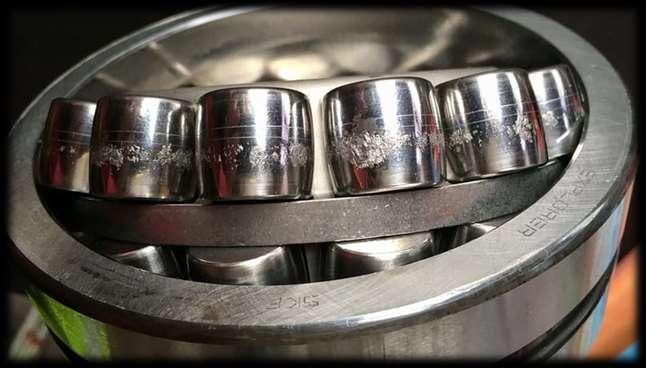
If these particles make their way into the bearing housing, they act as abrasives, wearing down bearing surfaces and seals.
Over time, this abrasive action can lead to pitting and scoring on the bearing surfaces, ultimately compromising their effectiveness and durability.
To combat this, bearings for trucks operating in dusty environments must use bearings with high-quality seals and dust-resistant lubricants.
Regular cleaning and maintenance are also essential to prevent the accumulation of dust within the bearing assemblies.
Failure to address dust ingress can lead to rapid wear and potentially dangerous bearing failures, especially when transporting heavy loads.