
As parents and caregivers, we all want our children to grow up respectful, responsible, and safe. That’s something we can agree on.
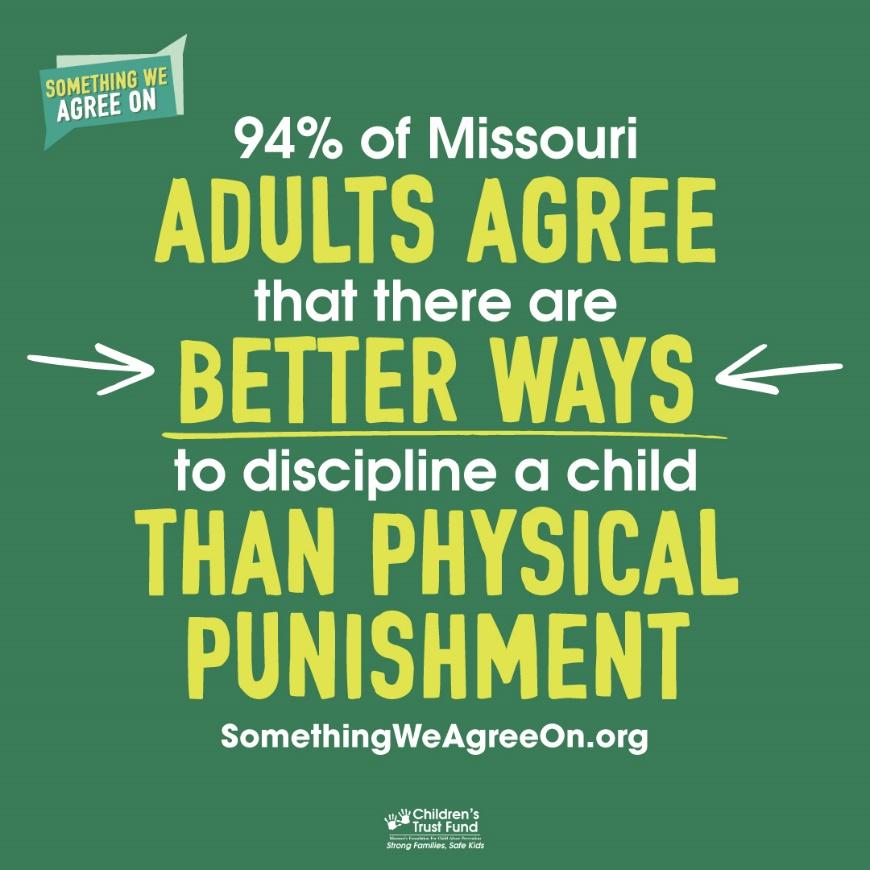
Corporal punishment, such as spanking or hitting, might stop behavior in the moment, but research shows it often leads to more harm than good in the long run. Children who are physically punished are more likely to act out, struggle in school, and face mental health challenges later in life. They may also learn to fear their caregivers, rather than trust them. It’s also important to note that spanking does not teach a child anything new, or why a behavior is undesirable, and that should be a focus when offering discipline.
Fortunately, there are better ways to teach children how to behave. These positive discipline strategies are safe, respectful, and proven to work.
What Is Corporal Punishment?
Corporal punishment is any form of physical force used to cause pain or discomfort as a way to discipline a child. It is often intended to stop unwanted behavior but does not teach the child what to do instead. ¹
Common Examples:
• Spanking
• Slapping a child’s hand, arm, or face
• Hitting with an object (such as a belt, spoon, or paddle)
• Pinching, shaking, or grabbing roughly
• Forcing a child to stay in an uncomfortable position
Even when done calmly or with good intentions, corporal punishment can increase aggressive behavior, harm emotional development, and damage the relationship between parent and child.
Why Avoid Corporal Punishment?
Corporal punishment may seem like a quick fix, but it does not help children build self-control or learn how to make better choices. Instead, it can increase:
• Aggressive behavior
• Anxiety and fear
• Trouble with relationships
• Difficulty handling emotions
Children behave better when they feel safe, seen, and supported. They learn best through connection, not fear, and there are much better alternatives for discipline
What Can I Do Instead of Physical Discipline?
When your child breaks a rule, you can still respond with consequences that are firm, clear, and effective, without causing pain or fear. The goal is to help children learn from their challenging behaviors, not suffer for them.
Here are discipline alternatives that still "feel like punishment" to a child, but are safe, respectful, and proven to be more effective long-term. ³
1. Loss of Privileges
• Take away something meaningful for a short time. This only works if the child understands why and the privilege is age-appropriate.
• “Because you didn’t turn off the game when asked, you’ll lose tablet time for the rest of the day.”
• Make sure the consequence is related and not too long—this keeps it from turning into revenge and keeps the focus on learning.
2. Calm-Down Time or Brain Break
• A short, age-appropriate break gives children a chance to reset and the parent a chance to calm down. This is not about isolation or shame, it’s about pausing the behavior and helping them reflect on it.
• “You need to sit here for 2 minutes. When the timer is up and you’re calm, we’ll talk.”
• Use a timer. One minute per year of age is a good general rule.
3. Restitution or Making Amends
• Have the child fix the problem their behavior caused. This helps develop empathy and accountability.
• “You broke your sister’s toy. What can you do to help fix the situation?”
• “You yelled at me. You need to make an apology or help me with something kind.”
4. Temporary Removal from the Situation
• If your child is being unsafe, aggressive, or disruptive, remove them from the environment until they can calm down and rejoin safely.
• “You cannot stay in the playroom if you are throwing toys. We’ll go sit in the kitchen until you’re calm.”
• This teaches boundaries without fear or harm.
5. Earning Back Privileges
• If a child has lost a privilege or made a poor choice, you can give them a path to earn back trust or privileges.
• “You lost your screen time today. If you follow directions for the rest of the afternoon, you can try again tomorrow.”
• This keeps the focus on learning and gives children a reason to improve behavior.
6. Extra Responsibilities
• Assigning an extra chore (appropriate for the child’s age) can serve as a consequence that also helps engage them and makes them feel helpful.
• “Since you didn’t clean up your mess, you’ll also need to help with the dishes tonight.”
• This builds responsibility without embarrassment or shame. These strategies hold children accountable while preserving their sense of safety and self-worth. They also teach self-regulation, problem-solving, and empathy skills that last much longer than fear-based obedience.
Set Kids Up for Success: Everyday Discipline Strategies
Obviously the most ideal situation is not to have to punish a child often. These tips come from everyday parenting situations and are meant to prevent problems before they start and help your child understand their actions and consequences. ²
1. Connect Before You Correct
• Children often misbehave when they feel disconnected, tired, or overwhelmed. Before jumping into discipline, take a moment to connect. For example:
o “I see you're upset because you can't have the toy right now. That’s really frustrating.”
• This simple step helps your child feel understood and more open to listening.
2. Set Clear Expectations and Follow Through
• Let your child know what you expect and what will happen if the rules are broken. Then follow through calmly.
• “We use gentle hands. If you hit, we’ll stop playing so everyone stays safe.”
• Consistency builds trust and helps children understand boundaries.
3. Use Logical Consequences
• When a consequence makes sense for the behavior, children are more likely to learn from it. For example:
o If a child throws a toy, the toy is put away for a short time.
o If a child refuses to wear shoes, they may not be able to go outside.
• Avoid vague or unrelated punishments. Stick to consequences that teach cause and effect.
4. Offer Limited Choices
• Letting your child make small decisions gives them a sense of control and encourages cooperation. For example:
o “Would you like to clean up your blocks now or after your snack?”
o “Do you want to wear the red shirt or the blue one?”
• Children are more likely to follow directions when they feel involved.
5. Teach Calm-Down Strategies
• Help your child learn what to do when they are overwhelmed. You might try:
o Taking deep breaths together
o Going to a quiet space
o Hugging a stuffed animal
o Reading a book to reset
• Big feelings are normal. Helping children manage them builds lifelong emotional skills.
6. Praise the Good Stuff
• Children often repeat behaviors that get attention. Catch them doing something right and say so. For example:
o “Thank you for sharing your toys with your brother. That was kind.”
o “I saw how you took a deep breath when you got upset. That was a smart choice.”
• This builds your child’s confidence and encourages more positive behavior.
7. Make Discipline About the Behavior, Not the Child
• Avoid calling your child “bad” or “naughty.” Instead, name the behavior and what needs to change.
• “It’s not okay to grab toys. Let’s practice asking first.”
• Children are still learning. Help them understand that mistakes are part of growing, not a reason to feel ashamed.
When You Need Support
No parent has all the answers. If you feel overwhelmed or unsure, you're not alone. Asking for help shows strength, not weakness.
United 4 Children and Children’s Trust Fund are here to support families with tools that work, without fear, shame, or harm.
Helpful Resources
• Something We Agree On - somethingweagreeon.org
• Children’s Trust Fund Missouri – ctf4kids.org
• United 4 Children – united4children.org
References
1. Gershoff, E. T., & Grogan-Kaylor, A. (2016). Spankingandchildoutcomes: Oldcontroversiesandnewmeta-analyses.Journal of Family Psychology, 30(4), 453–469. https://pmc.ncbi.nlm.nih.gov/articles/PMC7992110/
2. American Academy of Pediatrics. (2018). PolicyStatement:Effective DisciplinetoRaiseHealthyChildren.Pediatrics, 142(6), e20183112. https://pubmed.ncbi.nlm.nih.gov/30397164/
3. MacLaughlin, Sarah S. (2021). Limits for Little Ones: Setting Boundaries with Toddlers. Zero to Three. https://www.zerotothree.org/resource/limits-for-little-ones/