
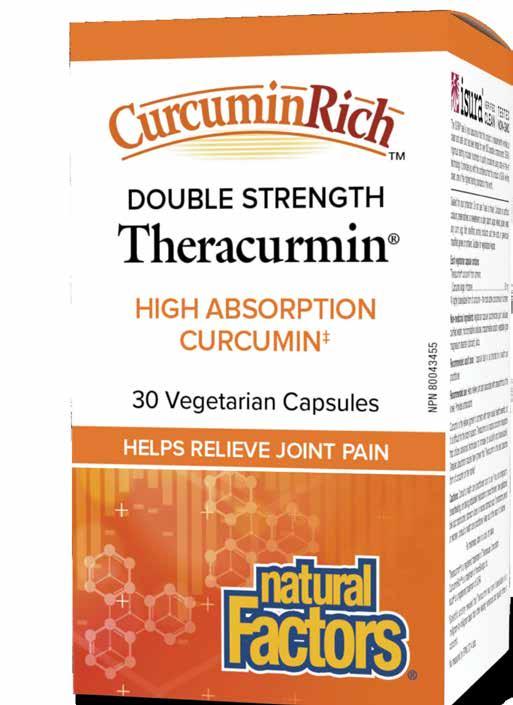
#1 ABSORBED FORM OF CURCUMIN‡
Only Theracurmin has 19 double-blind clinical studies
“Theracurmin has shown better results in more double-blind, placebo-controlled studies than any other form of curcumin on the market. PERIOD.” – Kate Rhéaume, ND
All Natural
Making Theracurmin even more special is its all-natural composition. The process is entirely natural and no synthetic chemicals are used. Be
Working memory
Cognitive performance
Heart health and overall circulation
Liver health



Our calendar MAY & JUNE 2026
SALE
Personal Care Sale
Enjoy all that you love to do under the sun with savings on go-to essentials. From super-light SPF lotions and heavy-lifting deodorants to come-asyou-are makeup, get ready with 15% off* all personal care (hair, body, skin, cosmetics, oral care) and aromatherapy. Find special savings in-store, plus samples, giveaways and more! *See details in-store.
WHEN & WHERE: May 22–24 | All Stores
LET’S TALK: GUT HEALTH
The Enzyme Effect
Feeling heavy, bloated, crampy or gassy after meals? It could be a sign that your digestive enzyme levels are low. Join Julia Craven from Enzymedica to learn how supporting enzyme production can help your body break down food and absorb nutrients. Plus, learn how digestive enzymes can be especially beneficial for those with food intolerances.
WHEN & WHERE :
May 26 | Vernon May 28 | Penticton May 27 | Kelowna
MORE EVENT DETAILS: naturesfare.com/upcoming-events
The health and well-being of our customers is central to our mission. We believe that learning how to live your healthiest life should be accessible to everyone. That’s why most of our Wellness Talks are made available for free to everyone. Dates subject to change.
Missed an event?
Check out our YouTube channel to catch up. @naturesfaremarkets
Take Charge of Your Wellness
Book your free 30-minute appointment with one of our nutritionists today.
SCHEDULE

Marketing Director Stephanie Thatcher
Content Manager Chantelle
Creative Director Janna Payne
Copy Editor
GOOD STUFF GET THE

Made in BC


PERSONAL CARE
Naturally Fresh
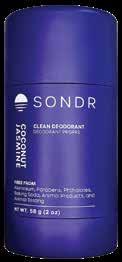
This natural deodorant delivers reliable odour protection with a gentle, skin-friendly formula. Locally made in BC, it is 100% vegan, cruelty-free and free from aluminum, parabens and baking soda. Designed for all-day freshness without irritation, it keeps you feeling dry and confident. Available in scents like coconut jasmine and pineapple bergamot.
SONDR Natural Deodorant




PERSONAL CARE
Radical Radiance
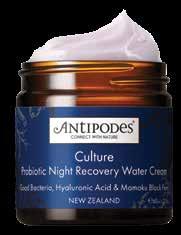
Soothe redness and support clearer-looking skin with this gentle, skin-loving skincare range. Designed to calm irritation and help balance your complexion, these formulas work to improve tone and texture over time. With a focus on hydration and overall skin comfort, they help restore a more even, radiant look. Thoughtfully made in New Zealand, this collection delivers nurturing care your skin can feel good about every day.
Antipodes Anti-redness & Anti-blemish Skincare Line
SUPPLEMENT
Optimize Hydration
Designed for real, lasting hydration, this electrolyte blend helps your body absorb fluids more efficiently so you can feel energized and recovered—whether you’re working out or getting through a busy day. With essential minerals and vitamins to support muscle function, immune health and oxygen uptake, it’s a clean, low-calorie option made with real ingredients. Easy to customize and gentle on the body, it’s hydration that works with you, not against you.
Ener-Life Ener-IV+ Electrolyte Drink Mix
The New Longevity From Anti-aging to Pro-health Living
For years, aging has been framed as something to resist. The language alone tells the story: anti-wrinkle, anti-aging, age-defying. The underlying message suggests that time is something to battle.

But a quieter, more empowering conversation is emerging. Longevity is not about fighting age. It is about supporting the body through it.
To understand this shift, it helps to clarify two terms that are often used interchangeably: lifespan and health span.
Lifespan is the number of years we live. Health span is the number of years we live well.
Health span is waking up with steady energy. It’s maintaining muscle strength, mental clarity and metabolic stability. It is feeling capable in your body and confident in your mind. It is independence, mobility and resilience. In other words, it is quality of life.
The new longevity conversation moves away from surface-level “anti-aging” goals and toward
something deeper: protecting the systems that allow us to thrive over decades.
And those systems are influenced daily by how we eat, move, rest and recover.
Building Health Span from the Inside Out
Aging is a biological process, not a flaw. Over time, however, certain patterns tend to emerge: gradual muscle loss, shifts in metabolism, increased inflammatory burden and declining mitochondrial efficiency—the very processes that power our cells.
The encouraging news is that many of these changes are modifiable. They respond to nourishment and consistent care.
Food is one of the most powerful tools available.
An anti-inflammatory, wholefood approach provides the raw materials the body needs to maintain cellular function. Colourful vegetables and fruits deliver phytonutrients that act as antioxidants, protecting cells from oxidative stress. Dark leafy greens assist detoxification pathways. Berries provide flavonoids associated with cognitive protection. Cruciferous vegetables help support hormone metabolism.
Fibre deserves particular attention. Beyond digestion, fibre feeds beneficial gut bacteria, supports balanced blood sugar and assists in removing excess waste from the body. A fibre-rich diet—including legumes, oats, seeds and vegetables—is consistently associated with improved metabolic health and reduced chronic disease risk.
Protein becomes increasingly important as we age. Beginning in our 30s, muscle mass gradually declines in a process known as sarcopenia. This loss is not simply cosmetic. Muscle plays a central role in glucose regulation, bone strength and overall survival outcomes. Prioritizing adequate protein—from wild fish, pasture-raised eggs, legumes, organic tofu or clean protein blends—supports muscle preservation and recovery.
Healthy fats, especially omega-3 fatty acids, further reinforce brain integrity and cardiovascular resilience. These fats support balanced inflammatory pathways and maintain flexible cell
THE HEALTH SPAN CHECKLIST
Support your health span
Prioritize protein at most meals
Include fibre-rich plants daily
Strength train at least twice per week
Walk regularly
Protect your sleep routine
Support stress resilience intentionally
Choose targeted supplements over trends
membranes, which are critical for cellular communication.
When we view meals through the lens of nourishment rather than restriction, food becomes daily infrastructure for health span.
Muscle, Movement and Metabolic Resilience
One of the strongest predictors of aging well is muscle mass. Muscle tissue acts as a metabolic reservoir. It improves insulin sensitivity, supports balance and protects against frailty.
Strength training does not require extreme regimens. Consistent resistance work—even two or three sessions per week—significantly improves muscle retention and functional strength. Bodyweight exercises, resistance bands and moderate weights all contribute.
Walking remains an underestimated longevity practice. It enhances circulation, supports cardiovascular health and improves lymphatic flow. Gentle mobility and balance exercises further reduce fall risk and maintain joint integrity.
The emphasis is not intensity but consistency. Small, repeatable habits create structural resilience over time.
Supporting muscle health nutritionally is equally important. Creatine monohydrate, often associated exclusively with athletes,

plays a vital role in cellular energy production. By replenishing ATP the body’s energy currency—creatine supports strength and muscle preservation, and there is even emerging research related to cognitive health. Its benefits extend beyond performance into healthy aging support.
The Microbiome: A Central Player in Longevity
No longevity conversation is complete without addressing the gut microbiome.
Trillions of microbes inhabit the digestive tract, influencing immune function, nutrient absorption, inflammation and even mood through the gut-brain axis. As we age, microbial diversity tends to decline, which may affect systemic resilience.
Supporting the microbiome begins with diet. Fermented foods such as sauerkraut, kimchi and kefir introduce beneficial bacteria. Prebiotic fibres from onions, garlic, asparagus and resistant starches nourish existing microbes and encourage diversity.
When supplementation is appropriate, understanding strain specificity matters. A generic probiotic may offer broad support, but targeted probiotics are formulated with strains researched for particular outcomes, whether immune modulation, digestive support or cognitive balance. Choosing products with clinically
studied strains ensures a more strategic approach.
A balanced microbiome enhances nutrient absorption and supports the immune system—two cornerstones of long-term vitality.
Inflammation, Recovery and Cellular Energy
Chronic, low-grade inflammation is one of the hallmarks of aging. While inflammation is a necessary biological response to injury or infection, persistent activation can contribute to tissue wear over time.
Curcumin, derived from turmeric, has been widely studied for its ability to support healthy inflammatory pathways and provide antioxidant protection. When combined with nutrient-dense foods rich in polyphenols and healthy fats, it becomes part of a broader anti-inflammatory lifestyle.
At the cellular level, mitochondrial function determines how efficiently we produce energy. NAD + is a molecule essential to this process, and its levels naturally decline with age. NMN (nicotinamide mononucleotide) serves as a precursor to NAD +, supporting mitochondrial efficiency and healthy metabolic aging pathways currently under scientific investigation.
Rather than promising reversal, these nutrients support the body’s existing repair mechanisms.
Continued on page 7
You don’t need to reverse time. You need to support the body that carries you through it.
Stress, Sleep and Nervous System Balance
Longevity is not built on nutrients alone. The nervous system plays a defining role.
Chronic stress elevates cortisol, disrupts blood sugar balance and increases inflammatory burden. Over time, this “wear and tear” accelerates biological aging.
Adaptogenic herbs such as ashwagandha and rhodiola help modulate the stress response, supporting more stable energy patterns. Medicinal mushrooms like reishi have been traditionally used to promote immune balance and calm resilience. These botanicals do not override stress; they help the body respond more appropriately to it.
Sleep remains one of the most potent recovery tools. During deep sleep, growth hormone is released, cellular repair accelerates and the brain clears metabolic waste. Protecting sleep quality through consistent routines, natural light exposure and nervous system regulation has profound cumulative benefits.
Omega-3 fatty acids also contribute here, supporting brain function
and cardiovascular health while helping regulate inflammatory pathways. Longevity thrives in a state of balanced recovery.
When health span is prioritized, outward appearance often follows.
Collagen synthesis depends on adequate protein and vitamin C. Hydration supports skin elasticity. Antioxidant-rich foods help protect against environmental stressors. Healthy fats maintain supple cell membranes.
Rather than focusing on erasing visible signs of aging, a prohealth approach nurtures the internal systems that influence radiance naturally.
Longevity is not a dramatic overhaul. It is fibre at breakfast. A walk after dinner. Strength training twice a week. Deep sleep. Strategic supplementation. Stress resilience practices. Clean, nutrient-dense food.
Small habits compound.
The future of aging is not antiaging. It is pro-health. It is recognizing that biological age is influenced daily—not by miracle solutions, but by consistent, informed choices.

Supplement Support
Support the systems that help you age well—not just age longer.
1. Omega-3 Fatty Acids (Fish Oil or Algal Oil)
Balance inflammation, brain clarity and cardiovascular health
2. Creatine Monohydrate
Replenishes cellular energy (ATP), supporting muscle preservation, strength and cognitive health
3. Curcumin
Encourages healthy inflammatory pathways and antioxidant protection to buffer everyday cellular wear and tear
4. Probiotics
Support microbial diversity, immune balance and nutrient absorption
5. CoQ10
Supports heart health and cellular energy production as natural levels decline with age
6. Resveratrol
A polyphenol antioxidant that protects cells from oxidative stress and supports cardiovascular and metabolic health
7. NAD+ (nicotinamide mononucleotide)
Replenishes NAD+, a molecule central to mitochondrial energy production and healthy aging
8. Magnesium
Supports nervous system regulation, muscle recovery, restorative sleep and over 300 enzymatic processes
9. Adaptogens (Ashwagandha, Rhodiola, Holy Basil)
Help the body adapt to stress more efficiently, promoting steady energy and improved resilience
10. Collagen Peptides
Help proteins that support skin elasticity, joint integrity and connective tissue strength
11. Vitamin D3 and K2
Work synergistically to support bone density, immune function and proper calcium utilization

Rethink Creatine
For years, creatine has been boxed into one category: bodybuilders and high-performance athletes. But that narrow reputation doesn’t reflect the full picture. Creatine is one of the most well-researched natural compounds in nutrition science, and its benefits extend far beyond the weight room.
Creatine is a naturally occurring compound found in small amounts in foods like red meat and fish. Our bodies also produce it in the liver, kidneys and pancreas. It’s stored primarily in muscle tissue, where it helps produce ATP (adenosine triphosphate)—the body’s main source of quick energy. That’s why athletes often use it for strength and power. But ATP isn’t just important for lifting weights: every cell in your body relies on it.
One of the most exciting areas of research around creatine is brain health. The brain is an energydemanding organ, and creatine helps support cellular energy production there as well. Emerging research suggests creatine may help support memory, mental clarity and cognitive resilience, particularly during periods of stress or sleep deprivation. For students, busy professionals or older adults, that’s a meaningful benefit.
Interest is also growing around its role in healthy aging. As we get older, we naturally lose muscle mass in a process known as sarcopenia. Maintaining muscle isn’t just about strength; it’s closely linked to metabolic health, blood sugar regulation, balance and overall longevity. When paired with resistance training, this supplement can help support lean muscle retention and functional strength over time.
There is also evidence that it supports recovery and may help reduce post-exercise muscle soreness. For active individuals— whether that means structured workouts, hiking, skiing or simply staying active with family— creatine can translate into better consistency and resilience.
Another myth worth clearing up: it is not a stimulant and does not function like caffeine. It doesn’t “hype” the nervous system or create jittery energy. Instead, it works at a cellular level, supporting the body’s natural energy systems. It is also one of the most extensively studied supplements available and has a strong safety profile when used appropriately.
So how much should you take? The most common and well-supported dose is 3 to 5 grams per day of creatine monohydrate. There’s no need for complicated loading phases for most people. Consistency matters more than timing, although many choose to take it with food or post-workout.
It may be time to move beyond outdated stereotypes. This isn’t just a performance supplement for athletes. It’s a tool for supporting strength, cognitive health, recovery and healthy aging—in other words, a simple strategy for building resilience from the inside out.
Spring Flavours
Created by Robin Browne
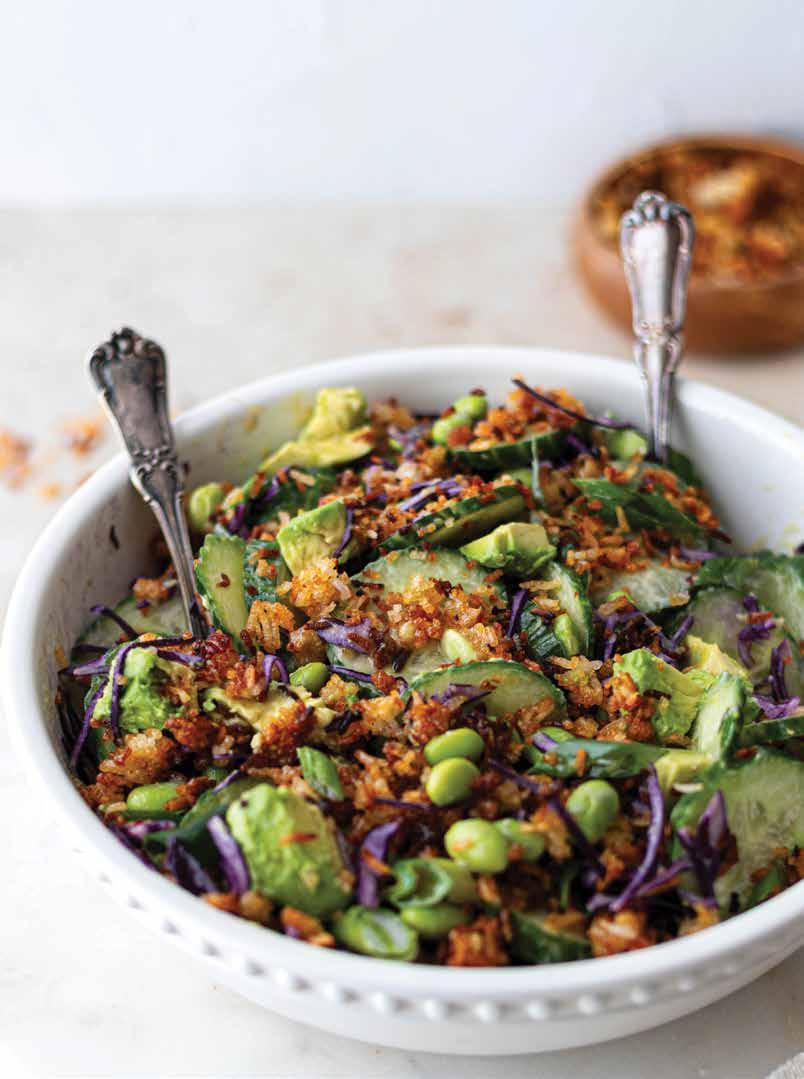
Crispy Rice Salad With Maple Ginger Tahini Dressing
Serves: 2–4 | 1 hour
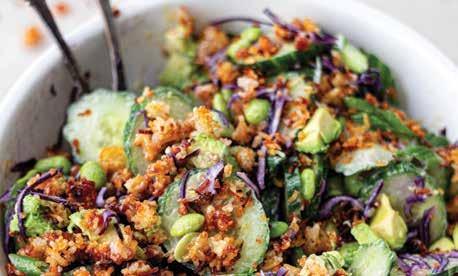
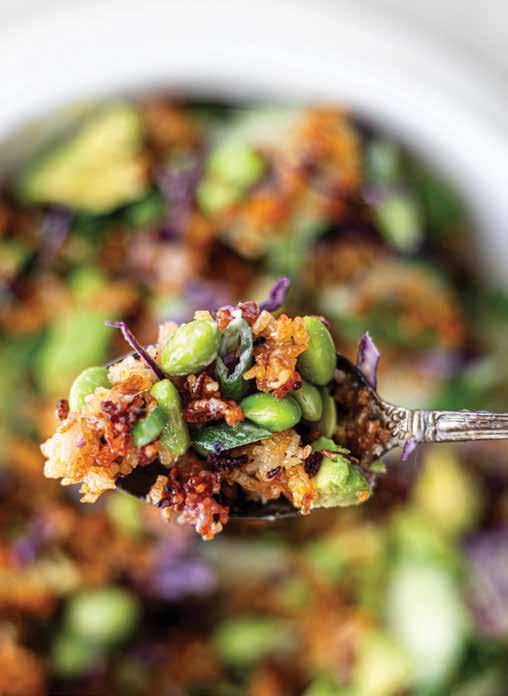
Adding crispy rice to a salad truly elevates the deliciousness of the salad instantly. The texture and hint of spice from the crispy rice is what makes this salad addictive. With the fresh vegetables and the ginger tahini maple dressing, this salad has a slight kick, a big crunch and a whole lot of flavour.
CRISPY RICE
2 cups uncooked rice
4 tsp soy sauce
2 tbsp chili paste
2 tbsp sesame oil
DRESSING
2 tbsp maple syrup
2 garlic cloves
3 tbsp tahini
⅓ cup olive oil
1 tbsp ginger
½ lemon, juiced splash of water to thin if desired
SALAD
1 cup edamame
1 large cucumber
3 sprigs green onion
¼ cup cabbage
1 avocado
1. Make the rice beforehand. Measure out 2 cups of dried rice and cook according to the package instructions. Set aside to cool.
2. Preheat the oven to 400°F. Line a baking sheet with parchment paper. Add the cooled rice to the baking sheet and add the soy sauce, chili paste and sesame oil and mix together until all the rice is lightly covered with the sauces.
3. Place in the oven for 45–55 minutes, tossing halfway, or until the rice is crispy.
4. Cook the edamame according to the package instructions, then set aside to cool.
5. Prepare the dressing. Mince the garlic and ginger. Add all the ingredients together into a bowl and whisk until smooth.
6. Add a splash of water to thin the dressing, if desired. Set aside.
7. Cut the cucumber, green onion, cabbage and avocado into a large salad bowl.
8. Once the rice is done, let it cool. Then add it to the salad along with the edamame.
9. Toss the salad in the dressing, and enjoy!
Continued on page 13

Pesto Cannellini Beans
Serves: 2 | 30 minutes
These creamy cannellini beans are fresh, loaded with herbs and protein-packed. The fresh spring flavours of basil, chives and parsley in the pesto beautifully accompany the creamy, garlicky beans. This dish can be made in 30 minutes on the stovetop—talk about an easy springtime dish!

1 white onion
2 cloves garlic
1 cup vegetable stock
1 15 oz can cannellini beans
¼ tsp red chili flakes
PESTO
juice of 1 lemon
1 cup fresh basil large handful of chives
1 cup parsley
1 large glug olive oil (¼ cup)
1. Heat a large pan over medium heat on the stovetop. Add a dash of oil.
2. Finely chop the onion. Add to the heated pan. After a few minutes, finely chop the garlic and add it in.
3. After the onion starts to brown, drain and rinse the cannellini beans and add them to the pan.
4. Next, add the chili flakes and the vegetable stock. Bring to a slight boil and then reduce, stirring occasionally for the next 5–8 minutes.
5. As an option, mash most of the beans with the back of a fork, leaving some beans intact for texture.
6. While the beans are simmering, make the pesto. Add all the ingredients to a high-speed blender or food processor, and blend until smooth. If you are having issues making it smooth, add a bit more olive oil.
7. Add the pesto to the beans and stir.
8. Serve with crispy bread or simply by themselves. Store any leftovers in an airtight container in the fridge and reheat before eating.
Robin Browne is a freelance food photographer, recipe creator, and former food blogger passionate about telling delicious stories through vibrant visuals. She helps brands and makers bring their culinary creations to life—one photo (and bite) at a time.

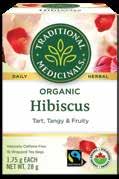
Hibiscus Iced Tea Spritzer
Contributed by Traditional Medicinals
This is the kind of drink that belongs in a backyard chair, as the sun starts to dip and the evening cools off just enough. Bright hibiscus, fresh lime and a touch of sparkle come together for an easy, refreshing sip that feels like summer at its best.
MATERIALS pitcher glassware citrus squeezer measuring cups measuring spoons
INGREDIENTS
7 tea bags Traditional Medicinals Organic Hibiscus honey, or other sweetener of choice
¼ tsp cinnamon powder
6 limes
4 ¼ cups sparkling water
2 cups water ice lime slices, candied hibiscus fruit or berries (optional garnish)
1. Boil 2 cups of water and pour over tea bags in a heat-safe container or pot.
2. Cover and steep for 10 minutes. Squeeze excess tea from tea bags and discard.
3. Stir in honey and cinnamon powder until well mixed; this becomes somewhat of an herbal syrup.
4. Let cool completely—about 20 minutes.
5. Transfer to a serving pitcher and squeeze in lime juice.
6. Add ice and fill pitcher to the top with sparkling water.
7. Garnish with fresh lime slices, candied hibiscus fruit or berries.
8. Serve and enjoy!

Hormone Shift Support Through Change
Written by Aeryon Ashlie
Are you in perimenopause? The more you know about perimenopause, the better equipped you are to make informed decisions about your health and well-being. Yet for many women, this phase arrives quietly and often confusingly.
You’re doing all the same things, but your body feels different. Your energy shifts, your mood feels unfamiliar and your sleep becomes disrupted. It can feel subtle at first, but noticeable enough that you begin to question it.
And you start to wonder: Is this perimenopause? If you’re asking that question, it may already be time to explore support.
Understanding the Shift Perimenopause typically begins in a woman’s 40s, although it can
start as early as the mid-30s. This transitional phase can last several months to up to a decade, with an average of about four years. During this time, estrogen and progesterone fluctuate, not just decline, which can lead to a wide range of symptoms.
These may include irregular periods, anxiety and mood swings, hot flashes and night sweats, sleep disturbances, brain fog, joint pain and changes in libido. For some women, these shifts are quite noticeable; for others, they may be more subtle.
Even if symptoms are minimal, you can still be in perimenopause. What’s important to understand is that this is a natural transition, one that deserves attention, education and support.
How Do You Know it’s Time to Seek Support?
You do not have to wait until things feel unmanageable to act. If something feels off, that is enough. If what used to work no longer works, that is enough. If you feel disconnected from your body, your energy or your mood, that is enough.
Perimenopause is not something to push through. It is something to navigate intentionally, with awareness, support and a plan.
Build Your Menopause Plan
Just as we prepare for pregnancy with intention, we need to approach perimenopause with the same level of planning. This phase often coincides with one of the most demanding seasons of life: building a career, raising children, supporting teenagers preparing to leave home or caring for aging parents.
At the exact moment your hormones begin to shift, life often asks the most of you. That’s why having a plan matters.
A menopause plan allows you to better understand what’s happening in your body, identify the right support systems and take proactive steps before symptoms escalate. It shifts you from reacting to your body, to supporting it with intention.
STEP ONE: Book the Appointment
Start by booking an appointment with a practitioner who understands women’s hormones. This could be a medical doctor, naturopathic doctor or nurse practitioner with experience in perimenopause and menopause care.
Just as importantly, advocate for yourself. If you feel dismissed, unheard or that your symptoms are being minimized, trust that instinct. You deserve to be supported, listened to and taken seriously.
Not every practitioner will be the right fit and that’s okay. Finding someone who is aligned with you, who understands your goals and who is willing to explore all appropriate options is a critical part of your menopause plan.
At Aeryon Wellness, we offer access to a network of over 400 healthcare practitioners across Canada who specialize in women’s health.
STEP TWO:
Know What to Ask
Walking into your appointment prepared allows you to take ownership of your health. Consider asking whether your symptoms may be related to perimenopause, what hormonal changes may be contributing to how you feel and what your options are for symptom management.
It’s also important to discuss whether you are a candidate for Menopause Hormone Therapy (MHT ), what lifestyle changes you should prioritize and what supplements may best support your body during this time.
By preparing for these conversations, you ensure a proactive and informed approach to your mid-life hormonal care.
STEP THREE:
Understand Testing
Hormone testing during perimenopause can be complex due to constant fluctuations, but there are key tests that can provide valuable insight into your overall health.
A bone density test (DEXA scan) can assess bone health as estrogen levels shift. A lipid profile helps monitor cholesterol and cardiovascular risk. Thyroid function testing evaluates key hormones that can impact energy, mood and metabolism, while blood sugar testing can identify early metabolic changes and insulin resistance.
In addition, your practitioner may assess estrogen, progesterone, testosterone, iron levels and other important markers. It’s important to remember that your symptoms are just as meaningful as your lab results; both should be considered together.
STEP FOUR:
Explore Your Options, Including MHT Menopause Hormone Therapy (MHT ) can significantly improve quality of life for many women by stabilizing hormone fluctuations and reducing symptoms. For others, lifestyle, nutrition and supplementation may feel like the right starting point, or an integrative approach may be ideal.
The key is understanding your options and making informed decisions that align with your body, your needs and your values.
Educate Yourself and Build Your Support System
Knowledge is power, especially during this transition. Take the time to educate yourself on the physical, emotional and psychological changes that occur during perimenopause.
Talk to your doctor, read reliable sources and connect with other women going through similar experiences. Start a menopause book club, join a Facebook group, listen to podcasts and create a community that supports you.
If you are looking for a practitioner in your area or online, Aeryon Wellness offers access to a network of over 400 healthcare practitioners across Canada at www.aeryonwellness.com.
Additional trusted resources include the Menopause Foundation of Canada, the Canadian Menopause Society, MQ6 Menopause Management Tools and the Mayo Clinic.
The Bottom Line
Perimenopause is not the beginning of decline; it is a transition.
With the right knowledge, support and mindset, it can be a time of growth, awareness and empowerment. You are not losing yourself; you are evolving.
And when you choose to support your body proactively, you don’t just get through perimenopause—you can thrive through it.
*Content in this article is drawn from “Navigating Perimenopause Workbook” by Aeryon Ashlie. Complimentary copies are available at Nature’s Fare Markets with the purchase of any Aeryon Wellness product.
Helpers
B STR Ö NG CREATINE Muscle & Cognitive Health

MEN Ö MAZING Sleep, Mood, Cognition & Hot Flashes

G’D ÄY SUNSHINE VITAMIN D (2500 IU) Bone & Immune Health

L Ö SE IT Energy & Metabolic Support
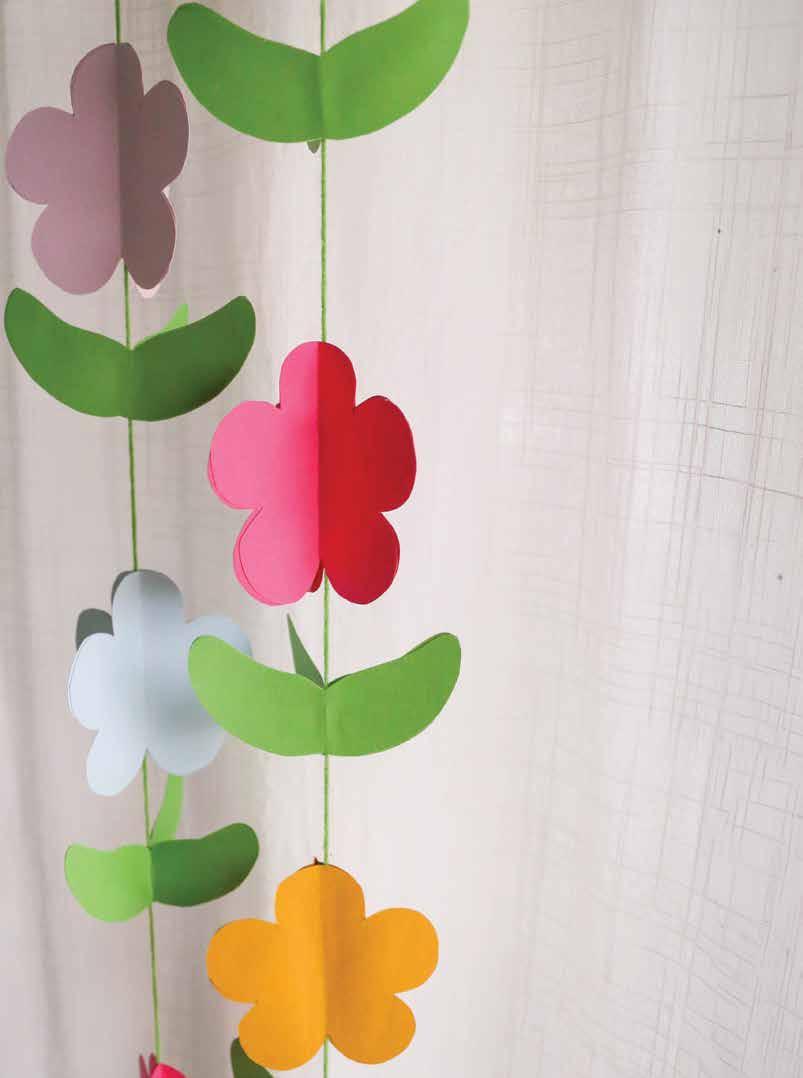
Petal Parade
PAPER FLOWER GARLAND CRAFT
Created by Jen Kossowan
Whether you’re looking to add a little whimsy to your space or you have a celebration to decorate for, these threedimensional paper flower garlands are perfection. They’re easy and fun to make, they require supplies you probably already have at home and when you’re done with them they can be recycled or composted (which is always a win!)

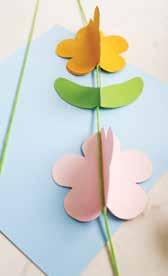

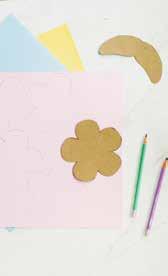
Learn more: mamapapabubba.com | IG: @mamapapabubba 1 3 5 2 4 6


Supplies
thick paper or card stock natural fibre yarn, twine, or string piece of thin cardboard from your recycling bin scissors glue stick pencil
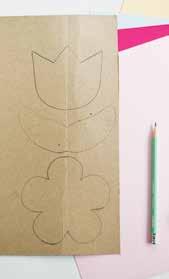
1. CREATE YOUR TEMPLATES
Fold your cardboard vertically to create a line of symmetry and draw a flower of your choosing so that it is symmetrical. The easiest way to do this is to draw only half of the flower along the folded line—when you cut it out, it’ll be perfect! Tulips, daisies, roses, sunflowers, lupines, azaleas, poppies or any other flower that can be symmetrical will work! Repeat this process with leaves that join in the centre.
Cutting both layers of cardboard at once, cut out the templates for your flower and leaves.
2. TRACE
Using your cardboard templates, trace your flower and leaves onto the cardstock colours of your choosing. Something to keep in mind here is that each threedimensional flower on your garland will require three flat cardstock flowers and three cardstock leaves, so trace, trace, trace!
3. CUT
Next up, cut out all of your flowers and leaves. A helpful trick is to add a second sheet of cardstock underneath the one you’ve traced your shapes onto and cut them both at once—this speeds things along nicely.
4. FOLD
Fold each cut-out along the line of symmetry.
5. ASSEMBLE
Start by laying one flower flat on your work surface, covering it with glue and adhering your string down the fold line. Working quickly and adding glue as necessary, add the other two flowers so the edges of the petals match and the finished flower is threedimensional with the string running down the centre. Leave 3 to 5 cm of space on the string and use the same process to turn three flat leaf cutouts into a threedimensional set of leaves.
Leave 9 or 10 cm of space on the string and repeat the process, adding as many flowers as you wish!
Pro tip: The key to the assembly process is making sure to use a generous amount of glue along the fold line so that your paper cutouts stay exactly where you want them.
6. HANG
These look beautiful hung anywhere really, but look particularly great hung vertically or from the centre point of a ceiling out to each corner of the room.
Jen Kossowan is a kindergarten and grade one teacher and a mom to two gorgeous kids. She’s passionate about education, loves a good DIY project, and can often be found in the kitchen whipping up something delicious. She started Mama.Papa.Bubba. on a whim while living in the Middle East and has been sharing recipes, activities and travels online ever since.
When “Healthy” Doesn’t Feel Good How to Tell What Your Body Actually Needs
Written by Lisa Kilgour, rhn
There has never been more wellness advice at our fingertips. Open your phone and you’ll find an abundance of morning routines, supplement stacks, cold plunges, fasting windows, protein targets, sleep trackers and step counts.
It can all sound helpful…and it can also start to feel like another job.
What we don’t talk about enough is that sometimes the habits that are supposed to make you feel better, just don’t.
Maybe you tried intermittent fasting because everyone said it improves energy, but you felt irritable and preoccupied with food. Maybe your friend swears by cold plunges, but every part of you dreads stepping into icy water. Maybe the smoothie that looks perfect on paper leaves you hungry an hour later.
If that’s happened to you, it doesn’t mean you’re “failing” at wellness—it simply means that your body is giving you some very useful feedback.
When Wellness Becomes Overwhelming
Modern wellness culture often rewards compliance over connection. We’re taught to follow the plan, push through discomfort and stick with habits because they’re supposed to be good for us.
But health isn’t a performance. A habit is only helpful if it actually helps you.
Research increasingly shows that our bodies are wildly unique and respond differently to the same foods and routines. Studies in personalized nutrition have found that blood sugar responses, hunger and energy levels can vary dramatically from person to person, even when people eat identical meals.

In a nutshell: what works beautifully for one person may feel completely wrong for another.
Stress also plays a role. When the nervous system is under pressure, digestion, sleep, appetite and energy regulation all change. This means a habit that feels supportive during a calm period of life may feel overwhelming during a stressful one.
It’s okay that your body doesn’t respond the way someone else’s does. It’s simply responding to its own unique context.
Your Body is Always Giving Feedback
One of the most useful shifts we can make is moving from “Is this supposed to be healthy?” to “How does this actually feel in my body?”
A habit that your body likes always leaves clues.
You might feel steadier, more energized or more satisfied after meals. Your digestion may feel more comfortable and your mood may feel more balanced. A supportive habit doesn’t have to feel perfect, but it shouldn’t regularly leave you feeling depleted, anxious or constantly overriding your own signals.
When Popular Trends Don’t Fit
Consider the recent surge in cold exposure and ice baths. Some people genuinely enjoy them and report feeling alert and energized afterward.
But they’re not universally supportive.
Traditional Chinese Medicine (TCM ), with 5000+ years of gathered knowledge, often emphasizes warmth as supportive for the body, particularly for people who tend to feel depleted, fatigued or chronically cold. Practitioners frequently caution against excessive cold exposure for women, and especially during menstruation, postpartum recovery or other times when the body may be more vulnerable.
This doesn’t mean cold plunges are inherently harmful. But it does highlight an important point: not every wellness trend is right for every body.
The same principle applies to food. A large raw salad may look like the “perfect” lunch, but if you’re cold, hungry and searching for snacks an hour later, it may not be the most supportive choice for you that day. A smoothie packed with superfoods may still leave your body wanting something more grounding.
Nutrition isn’t just about what looks good on paper. It’s about how well your body can use and feel satisfied by what you eat.
Simple Questions to Guide You
Instead of relying only on external rules, use your body’s feedback as part of your decision-making process.
Q. Do I actually like this? It may sound simple, but it’s one of the most important questions to ask when trying a new health habit. When you enjoy something, you’re far more likely to stick with it over time. Enjoyment also tends to signal that the body feels safe and supported rather than stressed or forced. If you dread a habit every day, it’s worth asking whether it’s actually the right fit for you.


If you like this habit, then ask:
Q. How is my energy after I eat this?
Do I feel steady and nourished, or tired and unsatisfied?
Q. Does this habit add support to my day, or add pressure?
Does it make my life feel simpler or more rigid?
Q. Can I sustain this without constantly thinking about it?
Supportive habits usually feel manageable rather than consuming.
Q. Do I feel more connected to my body, or more critical of it? Healthy routines tend to build trust, not tension.
These questions can cut through a surprising amount of wellness noise.
A Simpler Way to Think About Health
In a world overflowing with health advice, it’s easy to believe we just need to try harder, track more or follow the latest trend more closely. But chronic wellness overwhelm is
its own form of stress. When every choice feels loaded, even self-care can start to feel like pressure.
A stressed body rarely needs more discipline. Often it needs more steadiness, nourishment and flexibility.
That might mean eating breakfast even though fasting is trending. Choosing warm, satisfying meals instead of lighter foods that leave you hungry. Skipping the ice bath and going for a walk in the sunshine instead.
This is what it means to pay attention.
Your body is constantly offering information about what helps it feel energized, nourished and calm. The more you listen to those signals, the easier it becomes to build habits that actually support your well-being.
Maybe, instead of looking for the perfect wellness routine, you find what that actually works for you.
Lisa Kilgour, rhn After years of being frustrated with her own health issues, she began looking at her health like a puzzle, searching for the missing pieces that would help her heal. Today, as a Registered Holistic Nutritionist (RHN), Lisa helps others piece together all the ways they care for themselves—emotions, gut flora, sleep, stress and food—to inspire health and healing.
Learn more: lisakilgour.com
Medicinal Plants for Your Garden
You may have already started planting your garden, and while vegetables and flowers often take centre stage, there’s another rewarding option to consider this year: medicinal plants.
For centuries, herbs and healing plants have been grown in home gardens to support everyday wellness. From calming teas to soothing skin remedies, many common herbs offer gentle therapeutic benefits while also adding beauty, fragrance and pollinator-friendly blooms to your landscape.
The good news is that you don’t need a large garden or years of herbal knowledge to get started. Many medicinal plants are surprisingly hardy and thrive in the climate of Western Canada. Some grow easily in garden beds, while others do well in containers on a sunny patio or windowsill.
Adding even a few healing herbs to your garden can create a living apothecary right outside your door. Here are some of the top medicinal plants that thrive in Western Canada, along with their therapeutic uses:
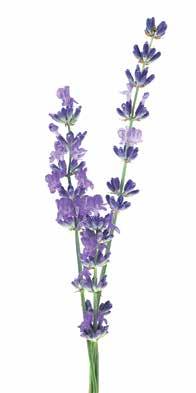
LAVENDER
Lavender is remarkably adaptable and grows best in welldrained soil and sunny spots.
BENEFITS: Its calming properties make it an excellent remedy for anxiety, stress, and insomnia, while also providing a delightful fragrance to your garden.
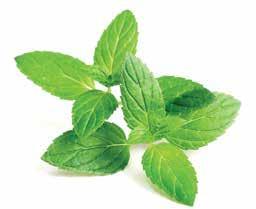
PEPPERMINT
Peppermint is a hardy perennial that thrives in cooler climates and moist soil.
BENEFITS: Its cooling effect is ideal for soothing digestive issues, such as indigestion and bloating, as well as for relieving tension headaches.
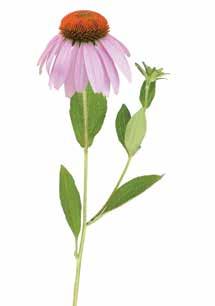
ECHINACEA
Echinacea is native to North America and is well-suited to the colder winters of Western Canada.
BENEFITS: It’s prized for its immune-boosting properties, making it a valuable ally during cold and flu season.
ALOE VERA
While aloe vera is typically grown indoors due to its sensitivity to frost, it thrives in sunny windowsills during the summer months.
BENEFITS: Its gel-like substance provides soothing relief for minor burns, sunburns, and skin irritations, making it a staple in natural first aid kits.

Peppermint
Lavender
Echinacea
Aloe Vera

CALENDULA
Calendula is a resilient annual that can tolerate cooler temperatures and partial shade.
BENEFITS: Its anti-inflammatory and antiseptic properties make it a valuable addition to skincare products for treating wounds and skin irritations.
CHAMOMILE
Chamomile is a low-maintenance herb that thrives in cooler temperatures and well-drained soil.
BENEFITS: It’s prized for its gentle sedative effects, making it a soothing remedy for promoting relaxation and improving sleep quality.
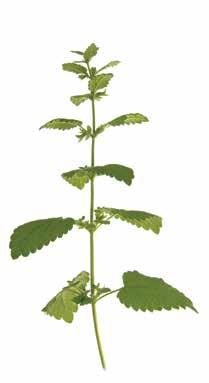
LEMON BALM
Lemon balm is a hardy perennial that thrives in both full sun and partial shade.
Scan for harvesting and preparation tips.

BENEFITS: Its lemony fragrance and calming properties make it an ideal remedy for reducing anxiety and promoting relaxation.
GINGER
While ginger is typically grown as an annual in Western Canada due to its tropical origins, it can be cultivated successfully in containers or protected areas during the warmer months.
BENEFITS: Its potent anti-nausea and anti-inflammatory properties make it a valuable addition to herbal remedies for various ailments.


By cultivating these resilient medicinal plants in your garden, you not only harness the healing power of nature but also create a sustainable and abundant source of natural remedies tailored to your region’s climate.
A medicinal garden connects you more deeply with the rhythms of the season. Watching plants grow, harvesting them at the right time and preparing them for use throughout the year can be both empowering and rewarding.
And planting is only the first step. Next, learn how to harvest, dry and prepare these herbs so you can enjoy their benefits all year long. Scan the QR code to discover simple harvesting techniques and herbal preparation tips.
Lemon Balm
Chamomile
Calendula
Ginger

Are You Missing Anything in Your Gluten-free Diet?
Going gluten-free is essential for anyone living with celiac disease, but it’s not always as simple as swapping one product for another. While removing gluten supports gut healing and long-term health, it can also quietly create nutritional gaps if you’re not paying attention to what’s being added back in.
Here’s a closer look at the key nutrients to watch and how to support your body with a more balanced, whole-food approach.
The Fibre Gap (and Why it Matters) Let’s start with the big one: fibre.
Most people already fall short, but going gluten-free can widen that gap even more. When wheatbased whole grains are removed, they’re often replaced with refined gluten-free products made from white rice or starches that don’t offer much fibre.
Fibre isn’t just about digestion. It supports gut health, helps regulate blood sugar and keeps you feeling satisfied longer. And your gut needs both types:
• Soluble fibre (from beans, oats, fruit) feeds beneficial bacteria.
• Insoluble fibre (from veggies and whole grains) keeps things moving.
Think lentils, chickpeas, chia seeds, flax, quinoa and plenty of vegetables. These are the foods that help rebuild that foundation.
PROTEIN:
The Missing Piece in Many Gluten-free Foods
A lot of packaged gluten-free options lean heavily on carbs and fall short on protein. That can leave you feeling hungry sooner and missing out on an important building block for muscle repair, energy and overall resilience.
This becomes even more important if you’re plant-based or navigating multiple food sensitivities.
Good gluten-free protein sources include:
• Legumes like lentils and black beans;
• Quinoa and buckwheat;
• Seeds like hemp and pumpkin; and
• Eggs, dairy or tofu if included.
It doesn’t need to be complicated. Even small additions can make meals more balanced and satisfying.
BONE HEALTH:
Calcium and Vitamin D
Calcium isn’t just about dairy, and it’s especially important for those with celiac disease. Many people are diagnosed after years of impaired nutrient absorption, which can impact bone density.
Calcium-rich, gluten-free foods include:
• Leafy greens like kale and broccoli;
• Beans and lentils;
• Seeds like sesame and chia; and
• Fortified plant milks.
Vitamin D plays a key role here too, helping your body actually absorb calcium. In Canada, especially through the winter months, supplementation or fortified foods can make a meaningful difference.
IRON:
Energy and Endurance
Iron deficiency is common with celiac disease, particularly for women. Since iron helps carry oxygen through the body, low levels can show up as fatigue, brain fog or decreased stamina.
Plant-based sources like lentils, spinach and pumpkin seeds are great options, but here’s the key: pair them with vitamin C. Add citrus, tomatoes or bell peppers to meals to boost absorption.
MAGNESIUM AND ZINC:
Small Nutrients, Big Impact Magnesium supports everything from muscle function to stress response, while zinc plays a role in immunity and healing.
Both can be harder to absorb with gut damage, and both are often under-consumed.
Look to:
• Dark leafy greens;
• Nuts and seeds;
• Legumes; and
• Gluten-free whole grains.
A simple tip: soaking or sprouting grains and beans can improve how well your body absorbs these minerals.
VITAMINS D AND E:
Quiet Essentials
Vitamin D often gets attention, but it’s still worth repeating. Between sunscreen, indoor lifestyles and
long winters, many Canadians don’t get enough.
Vitamin E, on the other hand, tends to fly under the radar. It acts as an antioxidant, supporting immune health and protecting cells from damage. Seeds, especially sunflower seeds, are one of the easiest ways to boost intake.
B VITAMINS:
The Overlooked Group
When gluten-containing grains are removed, so are many fortified sources of B vitamins like thiamine, riboflavin, B6 and folate.
These vitamins support energy production, brain function and red blood cell formation.
To fill the gap, focus on:
• Legumes;
• Leafy greens;
• Gluten-free whole grains like quinoa and brown rice; and
• Fortified products when needed. A gluten-free diet can absolutely be nourishing and balanced, but it works best when it’s rooted in whole foods rather than relying on packaged swaps.
Think less about what’s being taken out and more about what’s being added in. Fibre-rich plants, quality protein and a variety of colourful, nutrient-dense foods go a long way in supporting your body, your energy and your longterm health.
Because going gluten-free isn’t just about avoiding something—it’s about building something better.

Build back your CALM
Magnesium Bisglycinate is Nature’s Serenity Mineral essential for all cells in the body
Just as the magnesium in a soothing Epsom salt bath calms from the outside in, our Magnesium Bisglycinate works to calm from the inside out.



Scalp Care is the New Skincare
Why caring for your scalp is the foundation for stronger, healthier hair.
When we think about healthy hair, we often focus on strands— shine, volume, smoothness, growth.
But what if the real secret isn’t in the hair itself? It’s in the scalp.
The scalp is living skin. It contains hair follicles, sebaceous (oil) glands, immune cells and its own delicate microbiome. Just like the skin on your face, it has a barrier that protects against irritation, moisture loss and environmental stress. When that barrier is compromised, the effects show up quickly: dryness, itchiness, excess oil, flakes or thinning hair.
In other words, scalp health is the foundation. And like any foundation, when it’s strong, everything built on top performs better.

The Scalp Microbiome
Your scalp is home to trillions of microorganisms, including bacteria and fungi, that exist in a delicate, balanced ecosystem. This community, known as the microbiome, plays an important role in regulating inflammation, oil production and the overall health of your scalp barrier.
When that balance is in check, your scalp feels calm and comfortable, and hair has the ideal environment to grow. But when it’s disrupted, from harsh shampoos, over-washing, product build-up, stress or environmental exposure, things can quickly feel off.
You might notice:
• Persistent itchiness;
• Flaking that isn’t just dryness;
• Oily roots with dry ends; or
• Increased sensitivity to products.
This is where a more supportive, microbiome-first approach to haircare comes in.
Probiotic scalp care doesn’t necessarily mean applying live bacteria. More often, it includes prebiotics (which feed beneficial microbes), postbiotics (beneficial compounds created by microbes) or fermented ingredients that help support a healthy microbial balance.
These types of treatments work by calming inflammation, supporting a more balanced oil environment and reinforcing the scalp’s natural defense systems. Think of it as creating the right conditions so the “good” microbes can thrive, making it harder for irritation-causing ones to take over.
If your scalp has been feeling reactive, simplifying your routine can make a big difference. Start by gently removing build-up with a product like Curelle Build-Up Remover, which helps reset the scalp without stripping it.
From there, targeted treatments like LaVigne Scalp Therapy can help soothe and rebalance, especially if you’re dealing with ongoing sensitivity or flaking.
And when it comes to daily care, ingredients matter. Formulas like Phillip Adam Apple Cider Shampoo and Conditioner use apple cider vinegar, known for its natural acidity and antimicrobial properties, to clarify and support scalp health in a gentle, non-stripping way.
Exfoliation
Just like facial skin, the scalp benefits from mild exfoliation. Dead skin cells, excess sebum and styling product residue can accumulate around follicles, potentially impacting comfort and hair growth.
Scalp exfoliation can be:
• Physical (fine sugar or saltbased scrubs);
• Chemical (alpha or beta hydroxy acids in low concentrations); or
• Enzymatic (fruit enzymes that dissolve build-up).
The key is moderation. Once every one to two weeks is sufficient for most people. Over-exfoliating can damage the barrier you’re trying to protect.
Stress & Circulation
Scalp health isn’t only about what you apply topically. Circulation and nervous system balance play an important role, too.
Hair follicles rely on a steady delivery of nutrients through the bloodstream. Gentle scalp massage can help increase microcirculation and support overall follicle health. Even five minutes a day, using your fingertips or a silicone
scalp massage brush, can stimulate blood flow while also encouraging a moment of relaxation.
Incorporating a natural or boar bristle brush into your routine can also support scalp health. These brushes help distribute natural oils from the scalp through the lengths of the hair, while lightly stimulating the scalp to support circulation.
Chronic stress, on the other hand, can impact inflammatory pathways and disrupt normal hair growth cycles. Supporting your body through quality sleep, regular movement and balanced nutrition can make a meaningful difference, not just for overall well-being, but for scalp vitality as well.
Signs Your Scalp Needs Attention You don’t need visible flakes to have an imbalanced scalp. Subtle signs include:
• Hair that feels limp despite clean roots;
• Sensitivity when switching products;
• Persistent oiliness within hours of washing; and
• Itching without obvious dandruff.
Addressing scalp health early can prevent more noticeable issues later.
Consistency matters more than complexity.
We’ve spent years focusing on repairing split ends and adding shine. But the future of hair care is shifting toward prevention and foundational support.
Support Your Scalp Health
1
Choose a gentle shampoo. Look for sulfate-free, pHbalanced formulas that cleanse without stripping.
2
Incorporate a serum. Apply directly to the scalp two to three times per week.
3

Exfoliate and/or stimulate the scalp strategically. Try once every 7–14 days to remove build-up using a natural boar brush, silicone scalp massager or a gentle physical exfoliant.
4

Support the barrier. Use leave-in treatments with soothing, hydrating ingredients.
5
A balanced microbiome. A resilient barrier. Healthy circulation. Calmed inflammation.
When the scalp is nourished and protected, hair has the environment it needs to grow stronger and look its best.
Continued on page 27

Massage regularly. Boost circulation and reduce tension.
6
Limit heat and harsh chemicals. Excessive styling stress affects the scalp too.
DIY Gentle Scalp Exfoliating Scrub
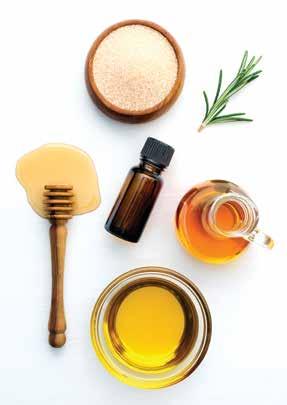
Removes excess oil and product build-up while soothing and supporting the scalp barrier—without stripping natural oils.
2 tbsp fine cane sugar gentle physical exfoliant
1 tbsp jojoba oil
balances sebum and mimics natural scalp oils
1 tsp raw honey
natural humectant + mild antimicrobial support
2–3 drops rosemary essential oil stimulates growth, boosts circulation
OPTIONAL FOR OILY SCALPS
½ tsp apple cider vinegar clarify and balance pH
1. Before shampooing, section damp, but not soaking wet, hair.
2. Apply to the roots and gently massage into the scalp 2–3 minutes. Leave for 3–5 minutes.
3. Rinse thoroughly, then follow with shampoo and conditioner.
Use every 1–2 weeks. Over-exfoliating can disrupt the scalp barrier, so moderation is key.
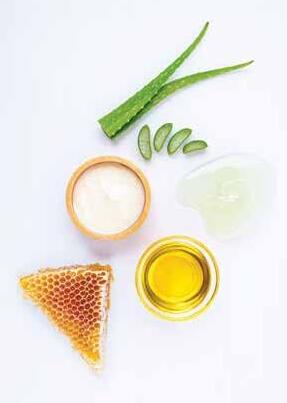
DIY Probiotic Scalp Mask
Calms irritation, supports the microbiome and restores balance. This soothing mask helps replenish beneficial bacteria, reduce inflammation and strengthen the scalp barrier—especially helpful after sun exposure, product build-up or seasonal changes.
2 tbsp plain full-fat yogurt or coconut yogurt with live active cultures microbiome support, gentle exfoliation
1 tbsp raw honey antibacterial, deep hydration
1 tsp pure aloe vera gel (no added alcohol) soothing, cooling hydration
OPTIONAL FOR DRY SCALPS
½ tsp jojoba oil balances oils, lightweight nourishment
1. Section dry or slightly damp hair.
2. Apply to the roots and massage into the scalp 2–3 minutes to stimulate circulation. Leave for 15–20 minutes.
3. Rinse thoroughly, then follow with a gentle shampoo if needed. Use weekly or as a reset treatment during times of irritation or imbalance.

Nature’s Simplest Biohack
Kick off your shoes. Yes, really. Here’s why going barefoot might be the wellness reset you didn’t know you needed.
What is Grounding?
Grounding is exactly what it sounds like—the practice of making direct contact with the Earth’s surface. Think grass, sand, soil, even unsealed stone. When you walk barefoot outdoors, your body connects with the natural electrical charge of the Earth.
The idea is that this contact allows your body to absorb free electrons from the ground, which may help neutralize free radicals in the body. While research is still evolving, early studies and anecdotal reports suggest grounding may support reduced inflammation, improved sleep and a greater sense of calm.
Even if the science is still catching up, one thing is clear. Spending time outside, unplugged and connected to nature, has real benefits for both physical and mental well-being.
Why People Are Turning to Grounding
In a world where we’re constantly plugged in, grounded living feels like a bit of a reset.
Many people notice that when they walk barefoot outside, even for a few minutes, they feel more relaxed and present. It encourages you to slow down, tune in to your surroundings and quite literally feel the ground beneath you.
There’s also a sensory element. The cool grass, the warmth of sun-soaked sand, the texture of soil—these small experiences can help bring your nervous system out of “go mode” and into a more balanced state.
Get Started
The beauty of grounding is how simple it is.
Start with just a few minutes a day. Step outside into your backyard, a local park or the beach if you’re nearby. Stand, walk or even sit with your bare feet touching the ground. Early morning or late afternoon can feel especially calm, but any time works.
Consistency matters more than duration. Even five to ten minutes daily can become a grounding ritual you look forward to.
Three More Ways to Biohack Your Outdoor Time
If you’re already stepping outside, there are a few easy ways to get even more out of that time without overcomplicating things.
1. Get morning light in your eyes. Natural light exposure, especially in the first hour of your day, helps regulate your circadian rhythm. This supports better sleep, balanced energy and hormone regulation. You don’t need to stare at the sun—just being outside in natural light without sunglasses for a few minutes can make a difference.
2. Pair movement with nature. A walk, gentle stretch or even a few minutes of deep breathing outside can amplify the benefits. Movement supports circulation and mood, while nature helps lower stress levels. Together, they create a simple but powerful daily reset.
3. Breathe a little deeper. Outdoor air, especially around trees or water, can feel noticeably different. Take a few slow, intentional deep belly breaths while you’re outside. This can help shift your body into a more relaxed state and support better oxygen flow throughout the body.
Wellness doesn’t always have to be complicated. Sometimes it looks like stepping outside, kicking off your shoes and reconnecting with something simple and natural.
Grounding is a reminder that small, consistent habits can have a meaningful impact. It invites you to slow down, be present and support your body in a way that feels easy and accessible.
So the next time you head outside, consider leaving your shoes at the door. Your body might thank you for it.
Greens & Protein Tropical Smoothie Bowl
Contributed by Botanica
Start your day with a burst of tropical goodness with this smoothie bowl, made with Botanica’s Perfect Protein Vanilla and Perfect Greens Superfruit. Creamy coconut yogurt blends with a mix of frozen pineapple, mango, peaches, kiwi and banana for a refreshing, nutrient-packed base, while the protein and greens boost keeps you energized and satisfied. Sweeten naturally with honey or maple syrup if you like, and top with crunchy granola, toasted coconut and fresh fruit for the perfect combination of texture and flavour. This vibrant smoothie bowl is a delicious, wholesome way to nourish your body and brighten your morning!
Makes two small bowls or one large smoothie bowl
INGREDIENTS
1 cup unsweetened coconut yogurt
1 cup frozen pineapple or mango chunks
1 cup frozen sliced peaches
1 cup frozen sliced kiwi
1 small frozen banana
1 scoop Botanica Perfect Protein Vanilla
1 tbsp Botanica Perfect Greens Superfruit
2 tsp honey or maple syrup (optional)
2 tbsp oat milk (optional if needed to blend smoothie)
TOPPINGS
¼ cup granola
1 tbsp toasted coconut
1 sliced fresh kiwi or other fresh fruit
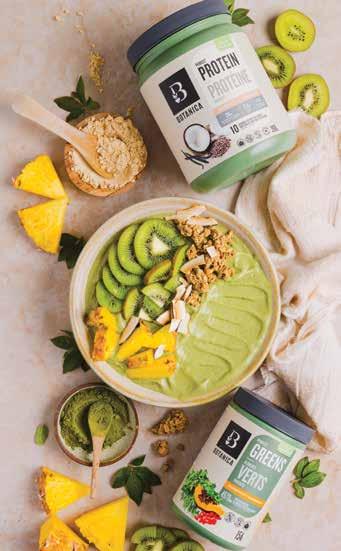
1. Pour the yogurt, pineapple, peaches, kiwi, banana, Botanica Perfect Greens and Botanica Perfect Protein powder into a high-power blender.
2. Blend until smooth. Because the smoothie is super thick, use the blender’s tamper to push down the mixture. Add 1 tbsp of oat milk at a time if the smoothie is too thick to blend.
3. Spoon out the smoothie into your favourite bowl and top with granola, toasted coconut flakes and sliced kiwi or fresh fruit of choice.
GOOD STUFF IN-STORE
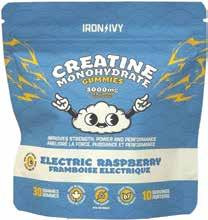
Iron and Ivy Creatine Monohydrate Gummies
A simple, tasty way to support your routine, these creatine gummies help fuel strength, power and recovery. Easy to take on-the-go, they fit seamlessly into your day. No mixing needed, just a convenient boost when you want it.


Sweet Nutrition Protein Munchables
Soft, chewy and satisfying, these better-for-you treats make snacking feel more balanced. With 10 grams of protein and 7 grams of fibre, they help keep you full longer while supporting muscle recovery. A convenient option for busy days or post-workout fuel.
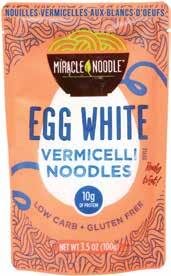
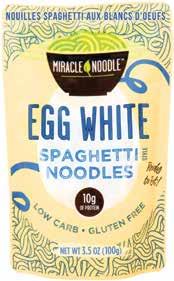
Miracle Noodle Egg White Noodles
Light and easy to enjoy, these egg white noodles are a simple way to switch up your meals. Naturally low in carbs and rich in protein, they support fullness while fitting into a balanced routine. Great for stir-fries, soups or pasta nights.
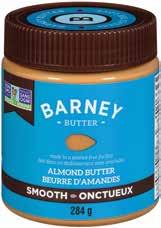
Barney Butter Almond Butter
Smooth, creamy and easy to love, this almond butter is a simple upgrade for everyday snacks. Made with quality ingredients, it offers plant-based protein and healthy fats to help keep you satisfied. Perfect on toast, in smoothies or by the spoonful.