











Our calendar JULY & AUGUST 2026

July 9
Celebration
How do we celebrate opening a new store in an amazing community? With a three-day celebration packed with incredible giveaways, special savings, samples from our favourite brands, live music,

How do we celebrate opening a new store in an amazing community? With a three-day celebration packed with incredible giveaways, special savings, samples from our favourite brands, live music,
Book your free 30-minute appointment with one of our nutritionists today.

The health and well-being of our customers is central to our mission. We believe that learning how to live your healthiest life should be accessible to everyone. That’s why most of our Wellness Talks are made available for free to everyone.

Chilliwack
July 29 August 19
August 9
Kamloops
July 7 August 5
Kelowna
July 7 August 25
Langley
July 23 August 20
Penticton
July 6 August 19
Vernon
July 20 August 24
West Kelowna
July 21 August 26
White Rock
July 9 August 6
Online
July 6 August 18
July 10

Scan to book or visit naturesfare.com
We’re so excited to share that our eighth store is opening July 9 in Chilliwack. For over 30 years, you’ve been part of building something rooted in wellness, quality and community, and this new space brings it all together. We’re especially proud to be partnering with Pure Integrative Pharmacy at this location, expanding how we support your health. From organic produce and a vibrant Bistro to a full wellness department, it’s everything you love—now welcoming even more of our community. We can’t wait to meet you, Chilliwack!
Marketing Director Stephanie Thatcher
Content Manager Chantelle Nuttley
Creative Director Janna Payne
Copy Editor Marilyn Fransen
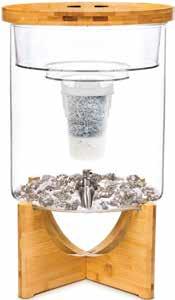
Great water starts with great filtration. The Santevia Water System removes fluoride, chlorine and 90+ other contaminants while adding beneficial minerals like calcium, magnesium and potassium. Inspired by natural mountain spring filtration, it delivers clean, refreshing water that supports hydration, bone health and overall wellness with every sip.
Santevia Water System

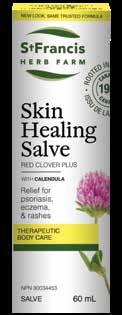
When irritated, itchy skin needs extra care, this soothing salve helps provide relief. Featuring red clover, calendula, echinacea and goldenseal, it helps calm redness, discomfort and inflammation while supporting the skin’s natural healing process. A nourishing beeswax and olive oil base creates a protective barrier to help restore healthy-looking skin.
St. Francis Herb Farm Skin Healing Salve
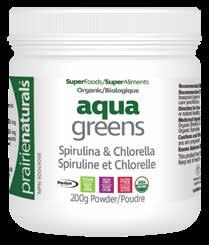
Looking for an easy way to add more greens to your day? This simple blend of organic spirulina and chlorella delivers chlorophyll, plant protein, antioxidants and naturally occurring vitamin B12. It’s a convenient daily addition to smoothies, juices or water, supporting overall wellness with no fillers, binders or unnecessary extras.
Prairie Naturals Organic Aqua Greens
Written by Lisa Kilgour, rhn


Have you noticed that your appetite sort of reinvents itself every summer?
Heavy meals lose their appeal and cold, fresh, crunchy things start calling your name. You’d rather graze than sit down to a full plate.
Your body is absolutely brilliant, and this is worth paying attention to.
Your body is constantly adapting to its environment, and summer is one of the most dramatic shifts it makes all year. The heat changes a lot of things, like how you digest, what you lose through sweat, what your cells actually need.
When you understand what’s happening under the hood, feeding
yourself well in summer becomes a whole lot easier—and so much more enjoyable.
(By Design)
When it’s hot, your body redirects blood flow toward the skin to help cool you down. Less blood goes to your digestive system, which means digestion gets slower and less efficient. Heavy meals that felt totally fine in February can leave you feeling bloated and sluggish in July.
This is why lighter, easier-to-digest foods feel so good in summer: raw fruits and vegetables, smoothies, cold soups, smaller and more frequent meals. And, in a happy coincidence, these foods are in season.
Eating cooling foods in summer actually makes hot days more tolerable. A hot meal raises your core body temperature and kicks your metabolism into gear, which generates even more heat. If you’ve ever eaten a heavy lunch on a 35° C day and immediately wanted to crank the air conditioning, that’s why.
Lighter, water-rich foods, like cucumber, watermelon, cold salads or chilled soups, help your body stay cool from the inside out. I spent ten hot summers in the Okanagan without air conditioning (including the 2021 heat dome), and I can tell you firsthand: eating seasonally wasn’t just a wellness choice, it was a survival strategy.
You don’t need a summer meal plan. You need a few principles and some trust in your body.
Eat lighter and more often. Your digestion is running at reduced capacity. Small, frequent meals with lots of fresh produce will serve you better than three heavy ones.

Add a pinch of mineral-rich sea salt to your water, especially on hot days or after exercise. This is not a trendy wellness hack, it’s a basic electrolyte replacement.
1 4 2 5 3 6

Notice your cravings without judging them. Are you craving cold food?
Sweet fruit? Salty snacks? Get curious. What might your body be asking for?
You’re Losing More Than Water
Sweat is not just water. Every time you sweat, whether you’re hiking a trail, sitting on a sunny patio or just going about your summer day, you’re losing electrolytes: sodium, potassium, magnesium, chloride. These minerals run the show when it comes to hydration, nerve function, muscle contraction and energy production.
Drinking more water alone won’t replace them. In fact, drinking a lot of water without replenishing electrolytes can actually dilute the minerals you have left, making you feel worse, not better. Headaches, muscle cramps, brain fog and that bone-deep fatigue that hits on hot days are often a mineral story, not just a hydration one.
The good news is that food is your best source of electrolyte replenishment. Summer is generous that way.

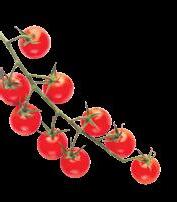
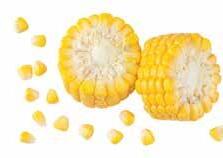
Eat the season. Berries, tomatoes, cucumbers, peaches, corn, zucchini—all of the local in-season produce is exactly what your body needs right now.
Prioritize magnesium. Leafy greens, pumpkin seeds, dark chocolate and legumes are easy summer additions that pay dividends in energy, sleep and mood.
Electrolyte-rich summer foods to lean into:
• Watermelon and cucumber: high in water, potassium and natural sodium
• Bananas, avocados, and leafy greens: for potassium and magnesium
• Good-quality sea salt: add a pinch to water or on your food
• Coconut water: a good occasional natural electrolyte drink
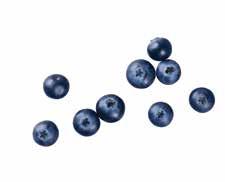
• Berries, tomatoes and stone fruits: conveniently at their peak right now
Your Nutritional Needs Actually Shift
Summer asks more of certain systems in your body and less of others. Your liver and skin are working overtime to deal with increased sun exposure, heat or a few more “adult” drinks than usual. Your antioxidant needs also
Stay hydrated with variety. Water, herbal iced teas, water-rich fruits, smoothies, cold soups. Hydration doesn’t have to be boring or plain.
go up and along with that is your need for cooling, anti-inflammatory foods. That means your need for heavy, warming foods goes waaaaay down.
Magnesium deserves a special mention here. It’s one of the most commonly depleted minerals in summer because you lose it through sweat, and because stress and alcohol—both of which tend to be elevated during peak social season—burn through it quickly.
Low magnesium shows up as poor sleep, muscle tension, anxiety and cravings for chocolate (your body is not subtle). Leafy greens, pumpkin seeds, dark chocolate and legumes are your friends.
Your body has been navigating summers for your entire life—it knows things. This season, try giving it a little more credit and a lot more watermelon.
Lisa Kilgour, rhn After years of being frustrated with her own health issues, she began looking at her health like a puzzle, searching for the missing pieces that would help her heal. Today, as a Registered Holistic Nutritionist (RHN), Lisa helps others piece together all the ways they care for themselves—emotions, gut flora, sleep, stress and food—to inspire health and healing.
Learn more: lisakilgour.com


These frozen yogurt bites are a refreshing way to support your gut while satisfying a sweet craving. Made with creamy Greek yogurt and Organika Belli-Bliss™ Complete Fibre in Lemon Lime flavour, they deliver an impressive 14 grams of fibre per serving to help support digestion, gut health and overall balance. Bright citrus flavour, a boost of protein and healthy fats with a freezer-friendly format make them a simple breakfast or snack addition that helps keep you feeling satisfied and energized throughout the day.
1 cup vanilla or plain Greek yogurt
1 scoop Organika Belli-Bliss Complete Fibre – Lemon Lime
1–2 tbsp honey or maple syrup
1 tsp fresh lemon juice berries of choice, finely chopped (optional) lemon zest (optional garnish)
1. Mix together first four ingredients.
2. Fill mini silicone muffin trays or ice pop moulds with mixture.
3. Garnish with berries and lemon zest.
4. Freeze until hardened.
LOW SUGAR OPTION
To keep the sugar content down, substitute the honey or maple syrup for Organika Electrolytes in Classic Lemonade flavour and use plain Greek yogurt!
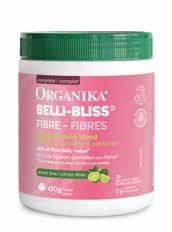
Made with Organika Belli-Bliss Complete Fibre in Lemon Lime
Summer and sipping season just belong together. Patio hangs, beach days and backyard dinners always seem a little better with a fun drink in hand. But summer beverages don’t have to be loaded with sugary mixers or alcohol to feel special.
That’s where cold-pressed juices from Nature’s Fare Markets come in. Made using 100% organic fruits and vegetables, every bottle packs in 2 to 2.5 pounds of produce. Cold pressing skips heat and limits
oxidation, helping preserve the fresh flavour and naturally occurring nutrients found in every ingredient.
The best part? Your mocktail base is already doing the heavy lifting. Bright citrus, warming ginger, fresh herbs and vibrant fruits and vegetables create layered flavour without much effort. Add a little sparkle and a few fresh garnishes and you’ve got a feel-good summer sip. Plus, choosing more alcohol-free moments can mean better hydration, more energy and easier mornings. Cheers to that!
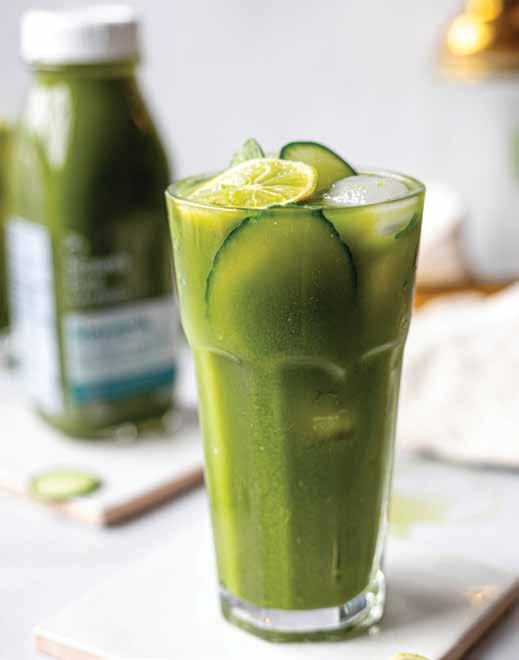
Nature’s Fare Markets Strength Cold-Pressed Juice
cucumber, romaine, zucchini, celery, spinach and kale
Made with our Strength blend of cold-pressed juice, this crisp and refreshing spritz is inspired by spa flavours with a naturally clean and hydrating feel. Cucumber, leafy greens and celery are brightened with fresh lime and sparkling water for a light, cooling drink that’s perfect for warm summer days.
Tasting note: Light, hydrating and super refreshing
4 oz Nature’s Fare Markets Cold Pressed Juice –Strength
2 oz sparkling mineral water
½ oz fresh lime juice ice
cucumber, thinly sliced fresh mint
Fill a tall glass with ice. Add Strength juice and fresh lime juice, top with sparkling mineral water, stir and garnish with cucumber and mint.
Nature’s Fare Markets
Radiance
Cold-Pressed Juice
apple, golden beet, carrot, orange, lemon, ginger and turmeric
Tasting notes: Softer and super approachable
3 oz Nature’s Fare Markets
Cold Pressed Juice –Radiance
2 oz sparkling lemonade (or lemon soda)
½ oz ginger simple syrup* ice
orange, thinly sliced
*GINGER SIMPLE SYRUP
½ cup honey or maple syrup
½ cup water
1-inch ginger, thinly sliced
Make ginger syrup: Simmer ginger, honey (or maple syrup) and water for 10 minutes. Strain and cool.
Add Radiance juice over ice, top with sparkling lemonade, ginger simple syrup and garnish with orange.
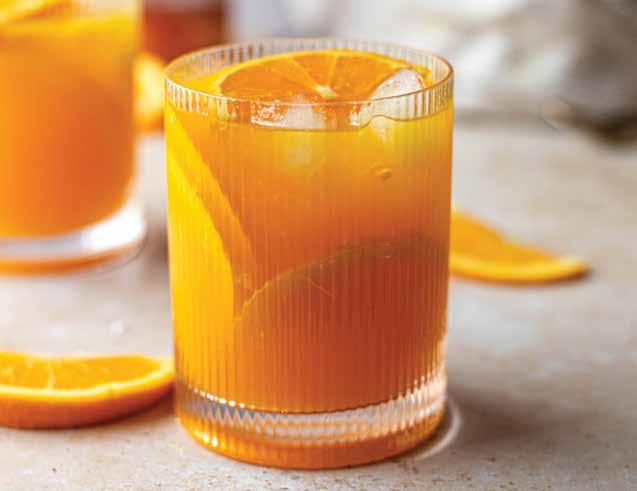

Made with our Radiance blend of cold-pressed juice, this bright and refreshing cooler blends naturally sweet fruits and vegetables with zesty ginger and sparkling citrus for an easy summer sip. With notes of apple, orange, carrot and golden beet, it’s soft, approachable and made for sunny afternoons.
Nature’s Fare Markets
Rise
Cold-Pressed Juice
apple, celery, orange, lemon and turmeric
Made with our Rise blend of cold-pressed juice, this refreshing sip brings together bright citrus, crisp celery and warming turmeric with fragrant thyme for a fresh twist. Lightly savoury with a touch of natural sweetness, it’s an easy, feel-good drink that tastes like summer in a glass.
Tasting notes: Fresh, herbaceous and lightly savoury
3 oz Nature’s Fare Markets
Cold Pressed Juice – Rise
½ oz fresh lemon juice
½ oz thyme simple syrup*
2–3 fresh thyme sprigs
ice
*THYME SIMPLE SYRUP
½ cup honey or maple syrup
½ cup water
6 fresh thyme sprigs
Make thyme simple syrup: Simmer honey (or maple syrup), water and thyme sprigs for 10 minutes. Strain and cool.
Shake Rise juice, lemon juice and thyme simple syrup with ice, then strain over ice and garnish with a thyme sprig.
Continued on page 11
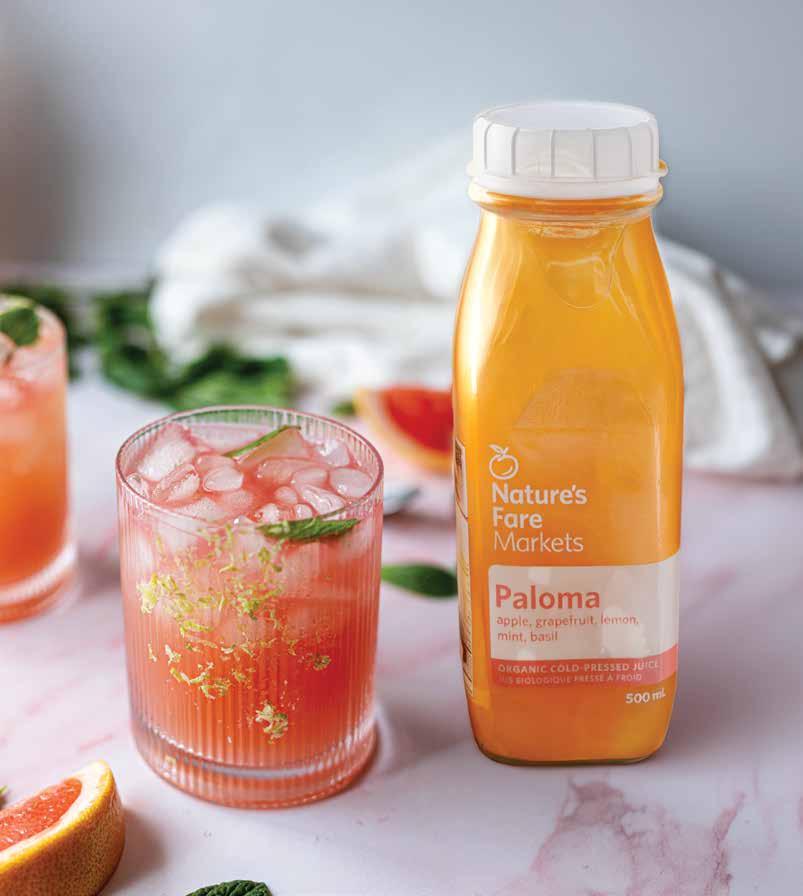
apple, grapefruit, lemon, mint and basil
Made with our Paloma blend of cold-pressed juice, this light and refreshing spritz is made for slow summer afternoons and sunny patio moments. Bright grapefruit and apple flavours are paired with floral notes and fresh herbs for a drink that feels a little elevated while staying effortlessly simple. Nature’s Fare Markets Paloma Cold-Pressed Juice
Tasting notes: Light, floral and patio-ready
3 oz Nature’s Fare Markets Cold Pressed Juice –Paloma
1 oz chilled hibiscus tea or 1 drop rose water
2 oz sparkling water ice fresh mint
Fill an ice-filled glass with Paloma juice and chilled hibiscus tea (or rose water). Top with sparkling water, stir gently and garnish with fresh mint.

Contributed by Tree Island
Nothing says summer like BC cherries. Sweet, juicy and tangy—you can savour the flavour a little bit longer with these creamy Tree Island yogurt pops.
Makes 8 ice pops
2½ cups BC cherries, pitted and halved
4 tbsp sugar zest and juice of 1 lemon
2 tbsp water
1 cup Tree Island Greek yogurtvanilla
2–3 tbsp milk (optional, for a thinner yogurt layer)
1. Add the cherries, sugar, lemon zest, lemon juice and water to a saucepan.
2. Cook over medium heat for 8–10 minutes, stirring occasionally, until the cherries are soft and juicy and the mixture has reduced slightly.
3. Remove from the heat and allow the mixture to cool for 10–15 minutes.
4. Transfer the cherry mixture to a blender and blend until smooth. Allow the purée to cool completely.
5. In a jug, stir Tree Island Greek vanilla yogurt until smooth. If desired, add 2–3 tablespoons of milk to create a thinner consistency.
6. Divide the cherry purée evenly among 8 ice pop moulds, filling each about halfway.

7. Top with the yogurt mixture, leaving about ½ cm (¼ inch) of space at the top to allow for freezing expansion.
8. Use a spoon or skewer to gently swirl the layers together.
9. Insert the ice pop sticks or lids and freeze for at least 4 hours or until completely frozen.
10. Before serving, run the moulds briefly under warm water to release. Enjoy!

Created by Robin Browne
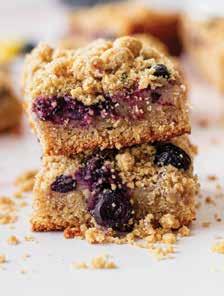
This blueberry coffee cake is a tender, moist cake with a soft, buttery crumb layer on top and the burst of juicy blueberries in each bite. The berries bring a fresh, slightly tart brightness that balances the cake throughout. Lightly sweet and comforting, this is the kind of bake that works just as well for a relaxed breakfast as it does for an afternoon coffee break.
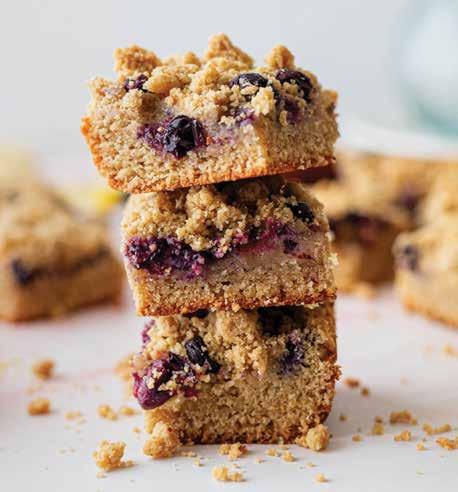
16 squares | 1 hour
CRUMBLE TOPPING
4 tbsp vegan butter
6 tbsp tapioca flour
3 tbsp sorghum flour
3 tbsp millet flour
¼ cup brown sugar
4 tbsp almond flour
DRY INGREDIENTS
¾ cup (90 g) tapioca flour
⅓ cup + 1 tbsp (45 g) sorghum flour
⅓ cup + 1 tbsp (45 g) millet flour
1 cup + 1 tbsp (102 g) almond flour
½ cup (100 g) brown sugar
¼ cup (50 g) white sugar
1 tbsp lemon zest
½ tsp xanthan gum
2 tsp baking powder
¼ tsp salt

WET INGREDIENTS
¾ cup (170 g) vegan butter
⅓ cup + 1 tbsp (100 g) plain coconut yogurt
5 tbsp oat milk
1 tsp apple cider vinegar
1 tsp vanilla extract
1 cup fresh blueberries
½ tsp corn starch or gluten-free flour
1. Preheat the oven to 350°F. Line a 9 x 9-inch square baking pan with parchment paper.
2. Make the crumble topping. Melt the butter in a small bowl. Add the flours and brown sugar to the melted butter and mix thoroughly. Set aside in the fridge.
3. Prepare the dry ingredients. Add the white sugar and lemon zest to a large mixing bowl. Massage the lemon zest into the sugar using your fingertips to release essential oils and intensify the flavour. Mix the rest of the dry ingredients into the sugar and lemon zest mixture.
4. Prepare the wet ingredients. Add the oat milk and apple cider vinegar to a small bowl and set aside for a few minutes. Melt the butter in another small bowl and set aside to cool slightly.
5. Pour the cooled, melted butter into the milk and apple cider vinegar mixture. Add the yogurt and vanilla, whisking until fully combined.
6. Mix the wet ingredients into the dry ingredients until just incorporated.
7. Toss the blueberries in a small bowl with the corn starch or gluten-free flour.
8. Transfer the batter to your prepared baking pan, smoothing the surface with a spatula. Evenly scatter the blueberries over the top and press lightly halfway into the batter.
9. Take the chilled crumble topping out of the fridge and sprinkle it evenly over the blueberries.
10. Bake for 35–40 minutes. Allow to cool in the pan for at least 30 minutes before cutting into squares.
11. Transfer any leftovers to an airtight container and store at room temperature.
Robin Browne is a freelance food photographer, recipe creator, and former food blogger passionate about telling delicious stories through vibrant visuals. She helps brands and makers bring their culinary creations to life—one photo (and bite) at a time.
What’s real, what’s marketing and what you actually need to know
Peptides are everywhere right now. Scroll social media, browse wellness sites or tune into the latest health podcast, and you’ll hear them described as everything from muscle-building miracles to antiaging breakthroughs. But as with many fast-moving wellness trends, the conversation is happening faster than the understanding.
Here’s the reality: peptides aren’t new. They’re naturally occurring compounds your body relies on every day.
So instead of getting caught up in the hype, let’s take a closer look at what peptides actually are, where the science stands today and how to approach them in a way that’s grounded, safe and genuinely beneficial.
Peptides, explained—without the jargon
At their simplest, peptides are short chains of amino acids—the same building blocks that make up protein.

Every time you eat protein-rich foods, your body breaks those proteins down into peptides and amino acids. These compounds help regulate essential functions like muscle repair, hormone signalling, immune response and metabolism.
In other words, peptides aren’t something your body needs to “get used to”. They’re something it already depends on.
Peptides are short chains of amino acids—which are the fundamental building blocks of proteins. They function as critical biological messengers in your body, directing cells to perform specific actions.
Collagen peptides are used for post-workout recovery as they provide the essential building blocks needed to repair joints, tendons and connective tissues after intense physical exertion.
When “advanced” really just means familiar
One of the biggest sources of confusion in the peptide space is marketing language.
Terms like “bioactive peptide complex” and “advanced peptide matrix” often sound highly technical, but many simply refer to familiar ingredients such as hydrolyzed whey or collagen. These proteins have been broken down into smaller peptide chains, making them easier to digest and absorb.
Research shows that hydrolyzed proteins contain smaller peptides that are absorbed more quickly than intact proteins, helping the body utilize them efficiently. While the terminology may be new, the nutrition science often isn’t.
That’s not a drawback—it’s actually one of the reasons these
ingredients have remained popular for decades.
Where peptides do offer something more
Not all peptides are created equal—and this is where things get interesting.
Bioactive peptides are specific fragments of protein that can influence the body in targeted ways. Emerging research suggests they may play roles in supporting cardiovascular health, metabolic function, immune activity and more.
Some studies even show that certain peptides may help regulate processes like blood pressure, inflammation and oxidative stress.
That said, while the potential is promising, researchers also emphasize that translating these findings into consistent, real-world health outcomes is still evolving— especially when it comes to longterm human data.
In short: there’s meaningful science here, but it’s not magic.
The peptides you already know (and likely trust)
Many of the most researched peptides have been quietly supporting health and wellness since long before the current trend emerged.
Collagen peptides are among the best studied. Large-scale reviews suggest they may support skin elasticity, joint health and bone density, with positive outcomes observed across multiple clinical trials. Some research also points to benefits for muscle recovery and bone health, particularly when collagen is combined with nutrients such as calcium and vitamin D.
Whey protein peptides have also been used for decades to support recovery. When broken down into smaller peptide chains, whey is absorbed more rapidly, making it a practical option for post-exercise nutrition.

Collagen peptides have become a popular skincare supplement as they can modestly improve skin elasticity and hydration over time.
Plant-based proteins, including pea and rice protein, are also gaining attention for their peptide-derived benefits as more consumers seek diverse protein sources.
These are the types of peptides that fit naturally into a balanced wellness routine: food-based, well-studied and widely accessible.
Injections vs. ingestibles: where caution matters
This is where the conversation shifts from wellness trend to health risk.
Injectable peptides—often promoted online for fat loss, anti-aging or performance enhancement—are becoming increasingly visible, but they come with important considerations in Canada.
Health Canada has issued formal warnings about unauthorized peptide injections sold online, noting that many have not been assessed for safety, quality or effectiveness.
These products can carry serious risks, including:
• Hormonal disruption;
• Infection or contamination;
• Liver or kidney damage;
• and blood clots and other complications.
In Canada, most peptide-based drugs are regulated as prescription medications and should only be used under medical supervision.
This creates a clear divide: while some peptides are medically validated and clinically useful, many marketed online fall outside regulated, evidence-based care.
The bioavailability conversation
You’ll often hear that injectable peptides are “better absorbed”— and technically, bypassing digestion does change how compounds enter the body.
But absorption isn’t the only measure of effectiveness.
Many oral peptides, including hydrolyzed collagen and whey, are specifically processed to support efficient digestion and absorption. For most people, these food-based options offer a practical balance of safety, convenience and evidence-based benefits.
Scientists also note that peptide absorption in the body is complex, with ongoing research continuing to explore how different peptides survive digestion and reach target tissues.
Continued on page 17


COLLAGEN PEPTIDES
Found in collagen powders
Support skin elasticity, joint health and connective tissue

WHEY PEPTIDES
Found in hydrolyzed whey protein
Popular for post-workout recovery and muscle repair

PEA PROTEIN PEPTIDES
Found in many plant-based protein powders
Support muscle maintenance and satiety
BONE BROTH PEPTIDES
Naturally rich in collagen-derived peptides
Support connective tissues and overall protein intake
As with any fast-growing wellness category, the challenge isn’t access—it’s clarity.
When evaluating peptide products, a few simple filters can go a long way:
Does the product have a Natural Product Number (NPN)?
Are the ingredients clearly listed and recognizable?
Are the claims realistic—and supported by evidence?
Is the brand transparent about sourcing and quality?
If something sounds overly complex or promises rapid transformation, it’s worth taking a second look.

MILK-DERIVED BIOACTIVE PEPTIDES
Found naturally in dairy foods
Studied for potential cardiovascular and immune-support benefits
more grounded approach to peptides
For most Canadians, a sustainable approach to peptides looks a lot like good nutrition:
• Prioritizing whole, protein-rich foods
• Using well-formulated supplements when appropriate
• Focusing on consistency over quick fixes
Because while wellness trends evolve, physiology doesn’t.
Peptides may be trending, but they’re not a shortcut to better health. Some represent exciting advances in nutrition science, while others are simply familiar ingredients packaged in new language.
Understanding the difference allows consumers to make informed choices—and that’s ultimately what wellness is about.
Contributed by Prairie Naturals
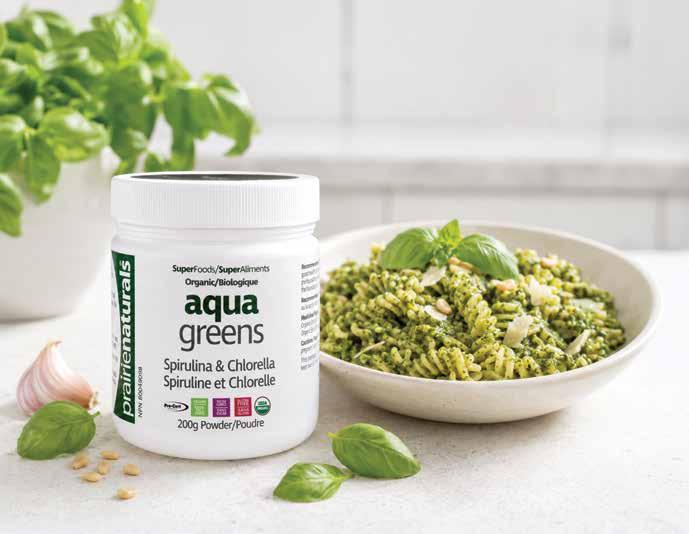
Fresh, vibrant and packed with nourishing ingredients, this superfood pesto is a simple way to add more greens to your day. Creamy cashews, fragrant basil and Prairie Naturals Organic Aqua Greens come together for a flavourful twist on a classic favourite. Toss with pasta, spread on sandwiches, drizzle over roasted vegetables or use it as a dip for an easy boost of plant-based nutrition.
1 cup raw cashews
1 cup basil leaves
1 clove garlic
2 tbsp nutritional yeast
2 tsp Prairie Naturals Organic Aqua Greens Powder juice of half lemon pinch of salt and pepper
¾ cup olive oil or avocado oil
1. Soak cashews in warm water for 1 ½ hours.
2. Drain cashews. Add to food processor with basil and garlic.
3. Pulse until cashews are finely chopped.
4. Add yeast, Prairie Naturals Organic Aqua Greens Powder, lemon juice, salt and pepper.
5. Gradually add oil with the food processor running on low.
6. Serve as a dip with crackers or add to pasta, flatbreads or spiralized zucchini for a nutrient-rich green noodle option.
Salt may be one of the simplest ingredients in your home, but it plays a bigger role in flavour and wellness than most people realize. From delicate finishing salts to mineral-rich crystals and therapeutic bath salts, each type offers something unique. Understanding their differences can help you choose the right salt for cooking, self-care and everyday hydration.

Everyday cooking and baking
Sea salt is harvested from evaporated seawater and contains trace minerals that give it a clean, bright flavour. Use fine sea salt in soups, dressings and baking, and coarse sea salt for roasted vegetables and proteins. It’s the all-purpose choice that fits almost any recipe.
Cooking, brining and seasoning large cuts of meat
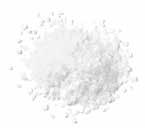
Chefs love kosher salt for its coarse, easy-to-control crystals. It’s ideal for seasoning as you cook and dissolves evenly. Its texture helps it cling to foods, making it perfect for brines, roasted chicken or seasoning pasta water.
Seasoning, finishing and mineral support
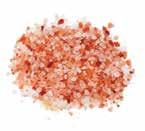
This rosy-coloured salt comes from ancient sea beds and contains natural minerals like iron and calcium. It has a mellow, rounded flavour that works beautifully on grilled fish, avocado toast or warm grain bowls. Many people like it for its gentle mineral profile, which can complement a whole-foods diet.
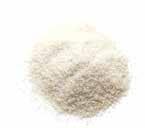
Finishing seafood, rustic dishes and mineral richness
This grey, slightly moist salt from coastal France offers a lovely, ocean-forward flavour. Its natural trace minerals make it a favourite for those who prefer minimally processed salts.
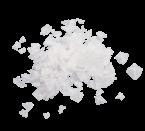
Finishing dishes, added texture and gourmet presentation
Maldon salt is known for its delicate, pyramid-shaped flakes that add crunch without overwhelming the dish. It dissolves quickly on the tongue, giving a clean, soft burst of salinity.
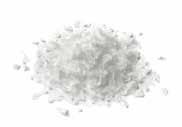
Finishing desserts and delicate dishes
Light, flaky and slightly sweet, this “caviar of salt” is ideal for adding a final touch to caramels, dark chocolate, salads and fresh summer produce. A pinch goes a long way.
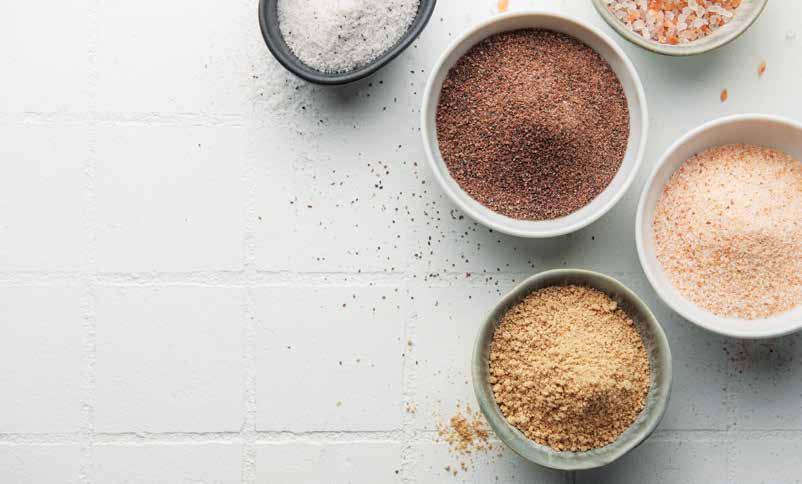
Epsom Salt (Magnesium Sulfate)
Baths and muscle relaxation
Epsom salt is rich in magnesium, a mineral that helps ease muscle tension, support relaxation and promote restful sleep. Adding it to a warm bath can help soothe soreness after exercise or a long day.
Electrolyte Salts
Hydration, energy and recovery
Electrolytes like sodium, potassium and magnesium help regulate hydration, nerve function and muscle performance. If you’re active and sweating more, drinking electrolyte blends can help maintain balance. Look for clean formulas without artificial colours or sweeteners.
Whether you’re seasoning dinner or supporting your body through movement, magnesium or minerals, choosing the right salt makes a meaningful difference. Taste, experiment and discover the salts that help your cooking—and wellness—shine.
A simple way to support hydration. Sole water is made by dissolving unrefined mineral-rich sea salt in water to create a concentrated solution that can be added to your daily water. While it’s not a replacement for a balanced diet or electrolyte supplement, many people enjoy sole water as a simple way to add trace minerals and sodium, especially during hot weather, exercise or periods of increased sweating.
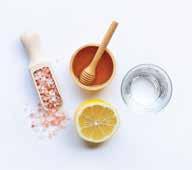
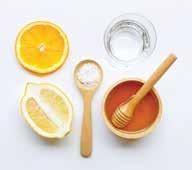
500 mL (2 cups) filtered water
⅛ tsp unrefined sea salt or pink Himalayan salt
juice of half lemon (optional)
1 tsp honey or maple syrup (optional, especially after exercise)
1. Add the salt to the water and stir until dissolved.
2. Add lemon juice and honey or maple syrup if using.
3. Drink chilled or over ice.
This version better mimics commercial electrolyte products by including sodium, potassium, and a small amount of carbohydrate to aid absorption.
1 litre water
¼ tsp sea salt juice of 1 lemon or lime
1. Mix well and refrigerate.
1–2 tbsp maple syrup or honey
¼ cup orange juice or coconut water (for potassium)

Written by Tracey Kennedy, rsw
Something inside us shifts during the summers in BC. The days stretch long and golden. The pace slows. And somewhere between a warm evening walk and a tomato pulled warm from the vine, the body remembers something it has always known: that the simplest things are often the most healing. That rest is not laziness. That a meal eaten slowly outside, with people you love, is its own kind of medicine. That we knew how to feel well long before wellness was an industry.
This summer is an invitation to return to that knowing.
Back To Basics: The Four Anchors
What if the return you’ve been needing wasn’t forward into something new, but back into something simple and already yours? What if, just for this season, you allowed yourself to do less and feel more?
It begins with four things.
1. NATURE. Human beings are not meant to spend their lives indoors under fluorescent light, staring at screens. We are built for sky and soil, for the sound of wind in trees and the sensation of sun on skin. Even ten minutes outside—not to exercise, not to photograph, just to be—does something measurable to our nervous systems. Cortisol drops. Rumination quiets. Time slows down in the best possible way. Summer in BC hands us this gift every single day, whether you’re out on the trails, down at the water’s edge or simply sitting on your own back deck with nowhere else to be.
2. REST. Summer naturally hands us a slower pace, and we can choose to fully embrace it. Real rest is about giving ourselves permission to downshift. To intentionally schedule less so we can create space to be mindful and present. It is whatever genuinely fills you up, replenishes your energy, and lets your body exhale.
Restoration looks different for everyone. It might be the luxury of an unscheduled afternoon, spending a quiet hour in the garden or losing track of time while creating art, reading a book or cooking a fresh summer recipe. The measure of real rest is simple: you feel more yourself afterward.
3. REAL FOOD. This is about honouring food in its simplest form. Food that came from the garden, the local orchard or the sea. It is about celebrating things that have texture, vibrant colour and real flavour, prepared and shared with care. This summer, give yourself permission to fully taste your food. Eat slowly. Sit outside without any screens, and maybe even bring out the good dishes just to make an ordinary meal feel special. Notice the pure pleasure of a perfectly ripe peach, or a dinner enjoyed with the sunset.
4. CONNECTION. Belonging is fundamental to our well-being, yet it’s
often the first thing to slide when life gets full. This summer, let’s be proactive about making our people a priority. Cherish these moments and ensure they actually happen by scheduling them right into the calendar. It can be so beautifully simple when we are intentional about it. Take the kids to the beach with friends and set up a picnic. Cook a fresh meal together, or sit on the porch with a neighbour. Schedule an ongoing weekly evening walk, or spend an hour catching up at a local vineyard while the sun goes down. Let yourself be fully present, put the phone away and simply enjoy the warmth of being known.
What would happen if you started each day with a single question: What would “enough” look like today?
Not perfect. Not optimal. Enough.
Enough is the feeling of waking up refreshed after a long night’s sleep. It is a walk that moves at the pace

of your own thoughts, or sitting on the grass long enough to watch the shadows stretch across the lawn. When we orient toward enough, something softens.
This is what simplifying wellness really means: not doing less for the sake of it, but removing the noise so you can hear what your body and heart actually need.
The Permission You’ve Been Waiting For
You don’t need a new protocol. You don’t need another app, another plan, another list of things to optimize.
You need the summer air and a good night’s sleep. You need a peach at its peak and a conversation that goes a little long because neither of you wants it to end. You need to put your bare feet on the grass and remember, even for a moment, that you are a living creature on a living planet, and that is a remarkable thing.
That is the quiet return this season is offering you.
Tracy Kennedy, rsw is a psychotherapist and wellness writer based in Kelowna, BC. With nearly two decades of experience working at the intersection of mental health, science, and real life, she writes the way she thinks—like a trusted friend who also knows the research.
Learn more: tracykennedytherapy.com | Instagram: @tracy.kennedy.therapy
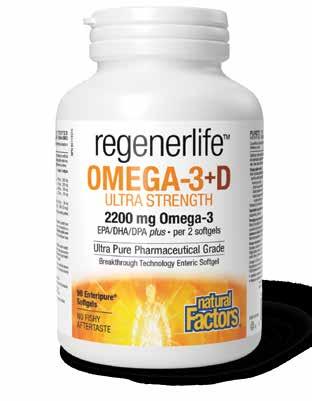
If you would like to maximize your omega-3, you’ll love our new 2200 mg ultra-strength omega-3, offered in combination with vitamin D3. These superior softgels deliver concentrated omega-3s to your intestines for advanced absorption.


Created by Jen Kossowan
You know that collection of empty tins you’ve stowed away because they’re simply too good for the recycling bin? Well... here’s your chance to put them to good use!
Whether they’re from mints, pastilles, salves, or something else, small tins make the most adorable tiny painting kits that can easily join you on all your summer adventures. Bring them camping, to the beach, to a restaurant patio, or on your next hike for a little creativity on-the-go.

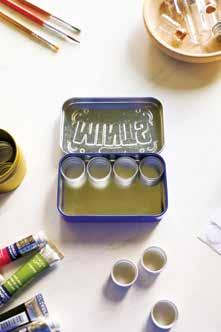
Wash and dry your tin thoroughly.
Decide how many lids or bottle caps you’d like in your painting kit (the lids will hold your paints). Then determine the layout of the lids within the base of the tin. Keep in mind that you may want to include an extra lid to serve as a water cup. You’ll also need space in your tin for your brush and vial of water. Once you’re satisfied with the layout, adhere the lids to the tin using hookand-loop dots or glue.

shallow tin with a lid
handful of small lids or bottle caps
hook-and-loop tape dots or strong glue
watercolour paint in a tube tiny vial with a watertight lid small paintbrush
watercolour paper scissors

Add a small squeeze of paint to each lid in your palette. Gently tap the base of the tin on your work surface to spread and level the paint.
Use scissors to trim the handle of your paintbrush so it fits inside the tin. If you’d like a more finished look, sand and paint the cut end or cover it with decorative tape. Fill your vial with water and place both inside the tin.

Using the tin as a guide, cut your watercolour paper to size and tuck it into the lid of the tin.
Most importantly, allow your paints to dry overnight—or even for a couple of days—before closing the lid. Once dry, the paints will work just like wateractivated paint pans.
With everything fully dry, close up your DIY watercolour painting kit and pop it into your bag for your next summer adventure!
Jen Kossowan is a kindergarten and grade one teacher and a mom to two gorgeous kids. She’s passionate about education, loves a good DIY project, and can often be found in the kitchen whipping up something delicious. She started Mama.Papa.Bubba. on a whim while living in the Middle East and has been sharing recipes, activities and travels online ever since.
Learn more: mamapapabubba.com | IG: @mamapapabubba
There’s something about a BC summer that invites you outside. Early morning trailheads, long lake days, spontaneous road trips and evenings around the BBQ. Time outdoors isn’t just good for the soul, it’s deeply supportive for overall health. Fresh air, movement, sunlight and a slower pace all work together to help you feel more balanced and energized.
But the best outdoor days are the ones where you feel prepared. Not overpacked or overthinking it, just equipped with a few simple wellness essentials that support your body while you explore. Think of it as a “feel good” approach to adventure. Small, thoughtful choices that help you stay energized, hydrated and resilient from trail to tent to road trip.

Hydration and Electrolytes
When you’re hiking or spending long days outside, hydration is about more than just water. As you sweat, your body loses key minerals like sodium, potassium and magnesium. Without replacing them, you might notice fatigue, headaches or muscle cramps creeping in.
Adding an electrolyte powder or tablet to your water can help maintain that mineral balance, especially on hot days or longer hikes. Coconut water, mineral-rich sea salt and magnesium blends are simple ways to support hydration without overcomplicating it.

The key to steady energy outdoors is balance. Snacks that combine protein, healthy fats and fibre help keep blood sugar stable and prevent those mid-hike crashes.
Think trail mix with nuts and seeds, nut butter packets, roasted chickpeas, jerky alternatives or a clean protein bar. These options are easy to pack, hold up well in a backpack and actually keep you satisfied. It’s less about quick sugar hits and more about sustained fuel that carries you through the day.
A long hike or active day can feel amazing in the moment, but your body often reminds you the next day. Supporting recovery helps you bounce back faster and stay comfortable on multi-day trips.
Magnesium is a go-to for muscle relaxation, whether taken as a supplement or used topically in sprays and lotions. After a day outdoors, an Epsom salt soak can help ease tension, while a natural muscle rub can bring relief to sore spots. And don’t forget protein. It plays a key role in muscle repair and recovery, especially after more intense activity.

Sun exposure is part of the experience, but a little preparation goes a long way. A clean, mineral-based sunscreen helps protect your skin without unnecessary additives, while a lip balm with SPF is an often-overlooked essential.
From the inside out, antioxidant support can also help. Nutrients like vitamin C and astaxanthin are known for supporting skin health and helping the body respond to sun exposure. After a day in the sun, aloe vera or a hydrating lotion can help soothe and replenish the skin.
Sleeping outdoors can be one of the most restorative parts of a trip, but it doesn’t always come easily at first. Changes in environment, temperature and routine can all play a role.
Magnesium glycinate is often used to support relaxation and sleep quality, while a low-dose melatonin can help reset your rhythm if needed. Herbal teas like chamomile or lemon balm are a simple, comforting addition to your evening routine. Even small habits, like limiting screen time and taking a few slow breaths before bed, can help your nervous system settle so you can actually rest.


Whether you’re heading out on a road trip, catching a ferry or hopping on a flight, travel can throw off your usual rhythm. A little preparation can make all the difference.
Travel often means new environments, different routines and more exposure to germs. Supporting your immune system doesn’t have to be complicated.
Vitamin D, zinc and probiotics are common go-tos for maintaining immune health, especially when paired with simple habits like staying hydrated and getting enough sleep. Even just being mindful of hand hygiene and regular meals can help keep your system steady while you’re on the move.
New foods, irregular meal times and travel stress can all impact digestion. Supporting your gut helps you feel more comfortable and energized throughout your trip.
Digestive enzymes can be helpful when eating heavier or unfamiliar meals, while ginger and peppermint are wellknown for soothing the digestive system. Probiotics can also support overall gut balance, especially during longer trips.
Continued on page 27
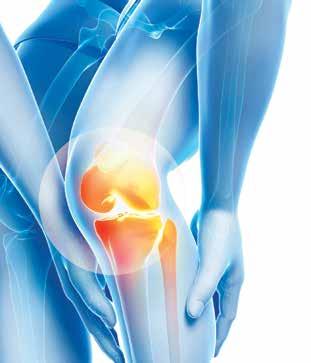
Helps protect against the deterioration of joint cartilage
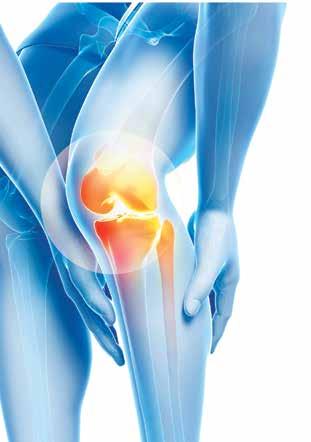
Helps relieve joint pain associated with osteoarthritis, such as osteoarthritis of the knee
Maintains joint health


Even the most exciting trips can come with a bit of stress. Delays, packing, navigating new places—it all adds up.
Simple tools can help keep your nervous system in check. Magnesium is a great support for relaxation, while adaptogens can help the body respond to stress
When you’re outdoors or on the road, having a few natural first-aid essentials on hand can make small mishaps feel much more manageable. Think of this as your easy, go-to kit.
Feeling off in the car or on winding roads happens more often than you’d think. A few simple supports can help:
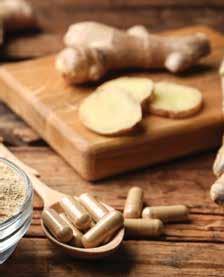
• Ginger capsules or chews
• Peppermint oil for inhalation
• Acupressure wrist bands
• Light, protein-forward snacks
more effectively. Breathwork is another powerful and accessible tool. Even a few slow, intentional breaths can shift how you feel in the moment.
Keeping some familiar routines, like morning coffee, a walk or a consistent bedtime, can also help create a sense of calm while you’re away.
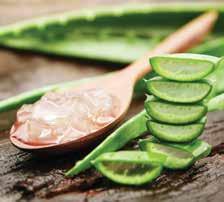
From lakeside evenings to forest trails, bug bites are part of the BC experience.
• Calendula cream to soothe skin
• Aloe vera for cooling relief
• Tea tree for its natural properties
• Baking soda paste for itch support
• Natural bug spray to help prevent bites in the first place
Whether it’s a small fall on the trail or a kitchen mishap at the campsite, these basics go a long way:
• Manuka honey to support healing
• Herbal salves to protect and soothe
• Basic bandages to keep things clean
A few thoughtful essentials can help keep you hydrated, fuelled and ready for adventure, so you can spend less time worrying and more time enjoying everything BC has to offer in the summer.
As we welcome Pure Integrative Pharmacy into our new Chilliwack location, we’re excited about what this partnership represents. Alongside trusted pharmaceutical care and clinical expertise, we’re also able to offer access to a wider range of professional-grade natural supplements—all under one roof.
For many people, prescription medications are necessary and often life-saving. Modern medicine has transformed healthcare in extraordinary ways. At the same time, natural wellness strategies can play a meaningful supportive role. This conversation isn’t about choosing one approach over another, it’s about bringing them together in a thoughtful, responsible way to enhance overall health.
When used appropriately, pharmaceuticals excel at acute care, diagnostics and managing serious or chronic conditions. They stabilize blood pressure, regulate blood sugar, reduce cardiovascular risk and support mental health. They save lives.
At the same time, traditional and natural approaches have always focused on something equally important: strengthening the foundations underneath those interventions. Nutrition, herbal traditions and lifestyle medicine emphasize prevention, nourishment and longterm resilience.
These approaches do not have to compete. In fact, they work best together.
Many medications do their primary job exceptionally well, but over time some may influence nutrient levels, digestion or metabolic processes. This is not a flaw—it is simply part of how complex human physiology works. Understanding these potential gaps allows for

supportive strategies that enhance overall well-being.
For example, statins, widely prescribed to manage cholesterol and reduce cardiovascular risk, are known to lower levels of CoQ10. CoQ10 plays an important role in cellular energy production and heart function. Some individuals choose to explore CoQ10 or ubiquinol supplementation alongside statin therapy. Omega-3 fatty acids, fibre-rich foods and an anti-inflammatory diet may also support cardiovascular health as part of a broader plan.
Proton pump inhibitors (PPI s), used for reflux and GERD , reduce stomach acid to ease discomfort. Over long periods, however, reduced stomach acid may influence absorption of nutrients such as vitamin B12, magnesium, iron and calcium. Supportive strategies might include monitoring nutrient status, incorporating magnesium-rich foods and considering targeted probiotics to help maintain digestive balance. In some cases, digestive enzymes, digestive bitters or whole-food digestive support may be appropriate to further help treat reflux.
“These approaches do not have to compete. In fact, they work best together.”
Continued on page 29
“The most effective healthcare model is collaborative.”
Oral contraceptives are another common example. Research suggests they may influence levels of certain nutrients, including B vitamins, magnesium, zinc and vitamin C. For some individuals, a high-quality B-complex, adequate magnesium intake and a nutrientdense diet rich in leafy greens and cruciferous vegetables can help maintain balance.
Metformin, one of the most prescribed medications for type 2 diabetes, is highly effective for blood sugar regulation. Longterm use has been associated with reduced vitamin B12 levels, making periodic monitoring important. Blood sugar-supportive nutrition strategies, adequate fibre intake and movement habits can enhance metabolic outcomes alongside medication. In some cases, natural compounds such as berberine, chromium, cinnamon and alphalipoic acid (ALA ) are explored under supervision, but always as a complement—never a substitute.
Antidepressants, including SSRI s and SNRI s, support millions of people managing anxiety and depression. While they are not strongly linked to nutrient depletion, growing research highlights the connection between gut health, inflammation and mental health. Probiotics, omega-3 fatty acids, vitamin D and magnesium may offer supportive roles.
GLP-1 (glucagon-like peptide-1) medications are widely used for weight management and metabolic

Our knowledgeable wellness team members are here to help you find high-quality supplements to support your overall well-being. For any questions related to prescriptions or potential interactions, they will gladly connect you with our onsite pharmacist for expert guidance.
health, helping regulate blood sugar, slow digestion and reduce appetite. Because these medications alter digestion and appetite, they may also affect nutrient intake, gut health and muscle maintenance. Eating less overall can increase the risk of micronutrient gaps or muscle loss if protein intake drops. A balanced approach to nutrition and targeted supplements—including adequate protein, creatine, a quality multivitamin, magnesium, fibre, omega-3s and probiotics can help offset these effects.
When medications are used long term, digestive and detoxification pathways deserve attention. The gut is responsible not only for nutrient absorption but also for immune regulation and how the body manages energy.
A diet rich in fibre, colourful produce and fermented foods helps maintain microbial diversity and digestive resilience.
Liver function also plays a central role in processing both medications and metabolic byproducts. Supporting liver pathways does not require extreme “cleanses”. Instead,
it involves steady habits: cruciferous vegetables, leafy greens, milk thistle, adequate protein, hydration and antioxidant-rich foods such as berries and green tea.
These foundational practices create an environment where both medications and nutrients can be utilized more effectively.
The most effective healthcare model is collaborative. Pharmacists, physicians, naturopathic doctors and nutrition professionals each bring valuable expertise. Open conversations about medications, nutrient status and lifestyle habits allow for informed decisions that respect both safety and long-term wellness.
This integrative perspective is not about choosing sides. It is about recognizing that health is multi-dimensional.
Modern medicine provides precision and protection in times of need. Traditional and natural practices build resilience over time. Together, they create a more complete picture of care.
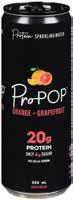
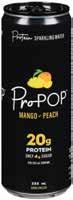
Protein drinks don’t have to be thick and chalky. ProPOP has 20 grams of protein in a light, sparkling beverage made with just five ingredients. Crisp, fruity and refreshing, it’s an enjoyable way to boost your protein intake without reaching for a traditional shake.



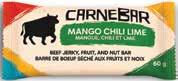
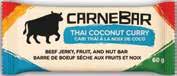
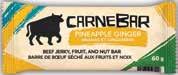
Looking for a protein snack that isn’t sweet? CarneBar™ takes a different approach, combining meat, seeds, nuts and fruit into a savoury bar with real-food ingredients. It’s a convenient option for busy days, outdoor adventures or whenever you need lasting fuel between meals.
Keeping kids hydrated just got a little easier. This kidfriendly drink mix combines coconut water powder, electrolytes and vitamins in a convenient daily formula. Made with all-natural ingredients and no added sugar, it’s a refreshing choice for active, growing bodies.



These plant-based meals are handcrafted in Ontario and have lots of flavour and protein in every bite. From chicken-, beef- and pork-style shreds to BBQ ribs, these ready-to-cook favourites help bring quick, plant-powered meals to the table.
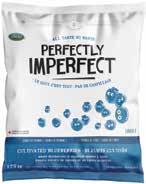
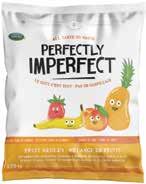
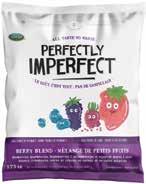
Good food doesn’t have to look perfect. Perfectly Imperfect frozen fruit helps reduce food waste by rescuing perfectly edible fruit that might otherwise be discarded. Affordable and full of flavour, it’s a versatile addition to smoothies, baking, breakfast bowls and everyday recipes.