THE ULTIMATE GUIDE TO EXPLORING ICELAND
ICELAND GEOGRAPHY, HISTORY & CULTURE
WILDLIFE OF ICELAND
NAT HAB’S ICELAND ADVENTURES
SUGGESTED READING
FREQUENTLY ASKED QUESTIONS
How to Use This e-book:
• The Contents listed above are live links. Click to jump to the desired page.
• Click “CONTENTS” in the lower right corner to return to this Contents page.
• Other links throughout the e-book are shown in blue, bolded text.
Iceland: The Edge of the Wild
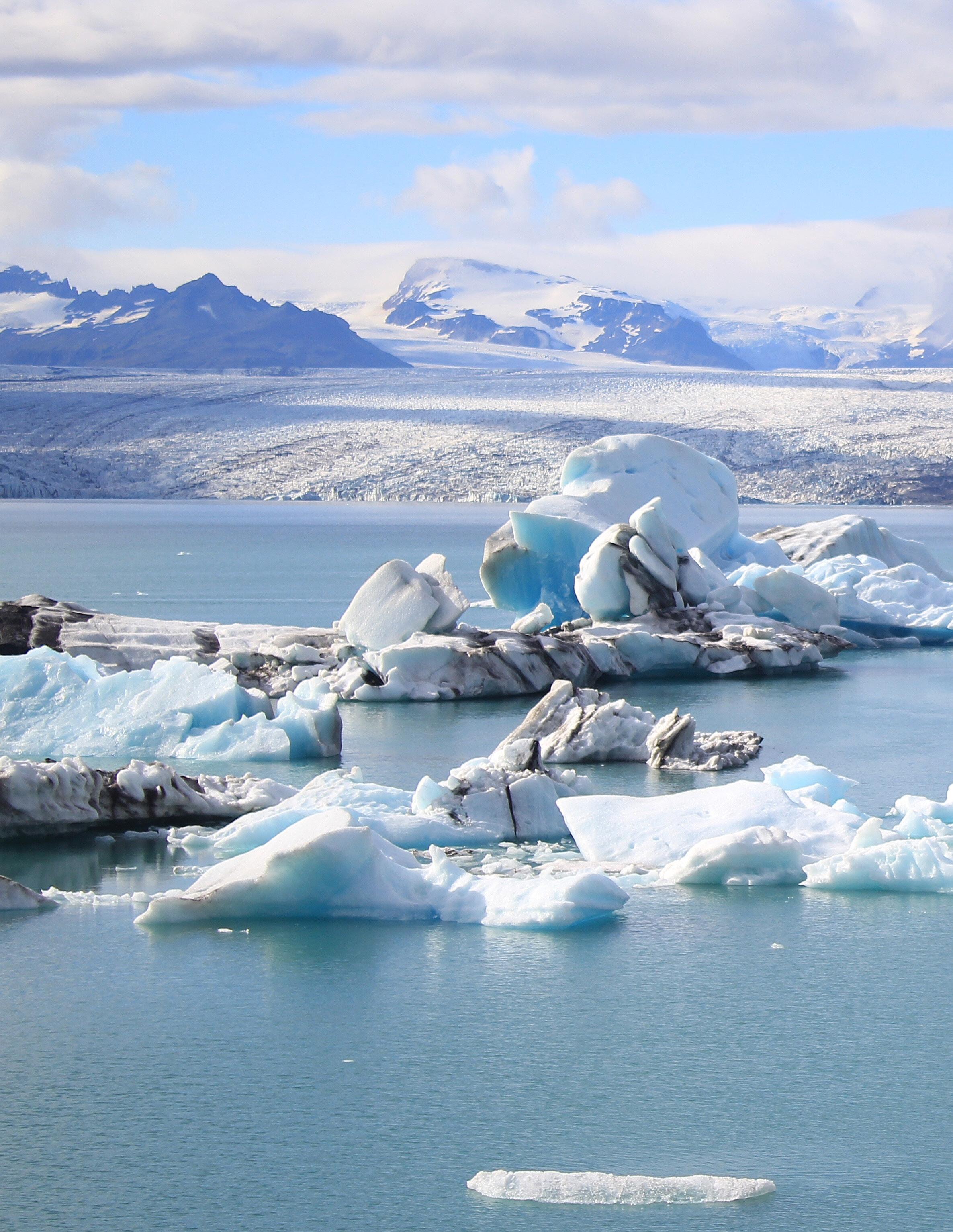
Though easy to reach and well-equipped for travelers, Iceland remains one of Europe’s most untamed destinations. Carved by glaciers and fire, shaped by seismic shifts and isolation, this volcanic island on the edge of the Arctic is a land where nature reigns—raw, radiant and always in flux.
With a population smaller than many global cities and vast tracts of wilderness, Iceland is an ideal destination for intimate encounters with the natural world. In the Westfjords, humpback whales lunge-feed beneath towering cliffs. Along black-sand beaches, Arctic foxes scurry in search of seabird nests. On sea stacks and dozens of rocky isles, millions of puffins, guillemots and Arctic terns breed in seasonal spectacle. And above it all, the midnight sun and northern lights mark the seasons with awe-inspiring drama.
Yet Iceland is more than wild beauty—it’s a country whose culture is deeply entwined with the landscape. From geothermal greenhouses to age-old sagas and Norse traditions, daily life here reflects a profound respect for nature’s power and bounty.
Ecotourism plays a vital role in protecting Iceland’s iconic wildlife and fragile ecosystems. Thoughtful conservation travel supports sustainable fisheries, seabird research, reforestation efforts and local communities whose future depends on preserving this pristine environment. For nature travelers and photographers alike, Iceland offers a rare convergence of ecological richness, cultural depth and ethereal light found nowhere else on Earth.
All of Nat Hab’s small-group Iceland adventures and our Iceland Photo Expedition offer exciting wildlife viewing and cultural immersion. Call 800543-8917 or visit our website to discover wild Iceland like few others will.
“I really appreciated the small-group format and the fantastic guides. I also love how you seek out ‘less traveled’ places to visit. It’s great to get away from the crowded tourist spots!”
-Nat Hab Traveler Carol B., Iceland: Circling the Land of Fire & Ice
WHY CHOOSE NAT HAB FOR YOUR ICELAND ADVENTURE?
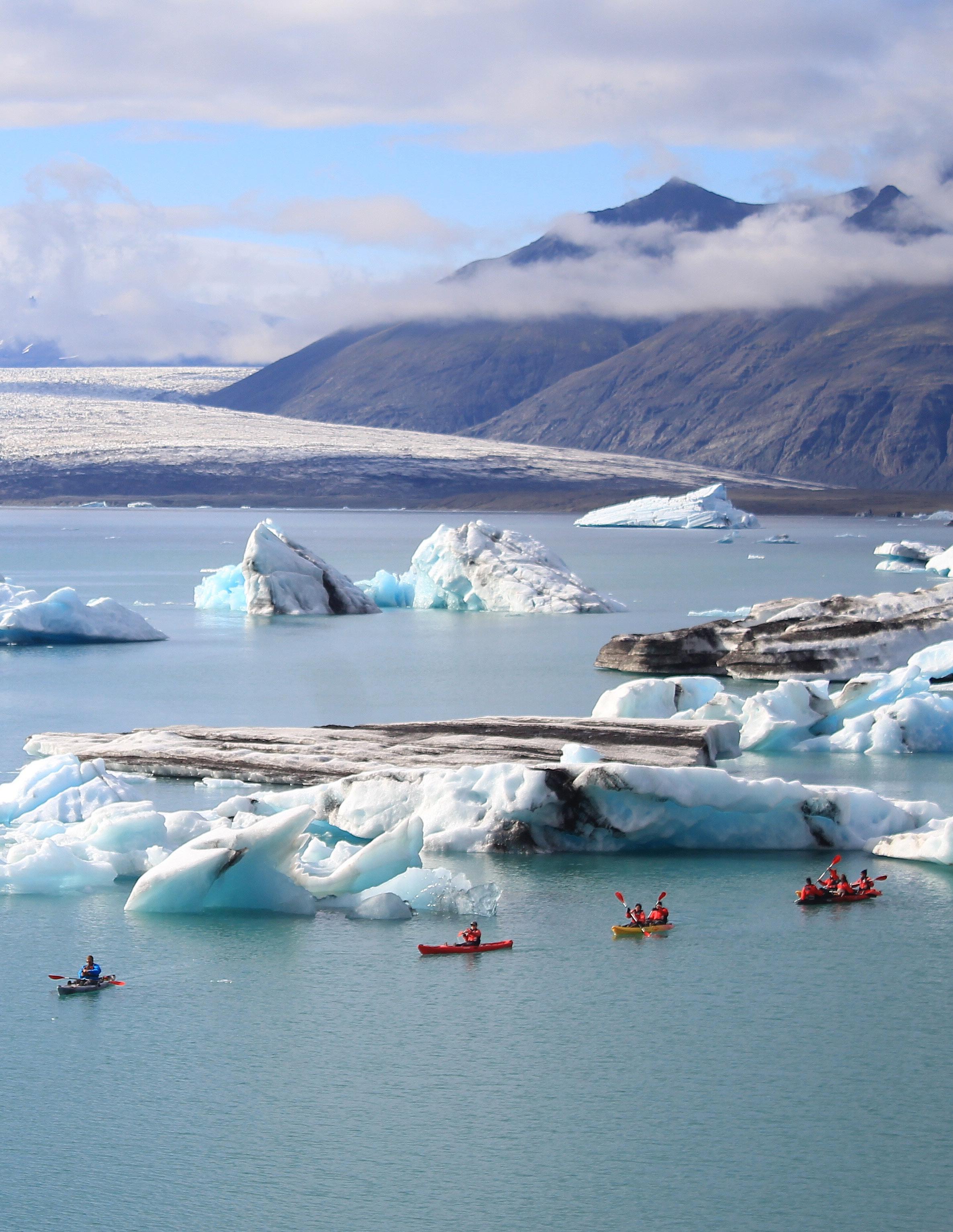
With small groups, seasoned naturalist Expedition Leaders and exclusive access to remote wilderness, Nat Hab offers an immersive and expertly guided experience in Iceland’s wildest realms. From puffin-covered cliffs to iceberg-strewn lagoons, we explore far beyond the tourist trail, traveling thoughtfully and respectfully to ensure rare wildlife sightings, cultural depth and a deep connection to this extraordinary land shaped by fire and ice.
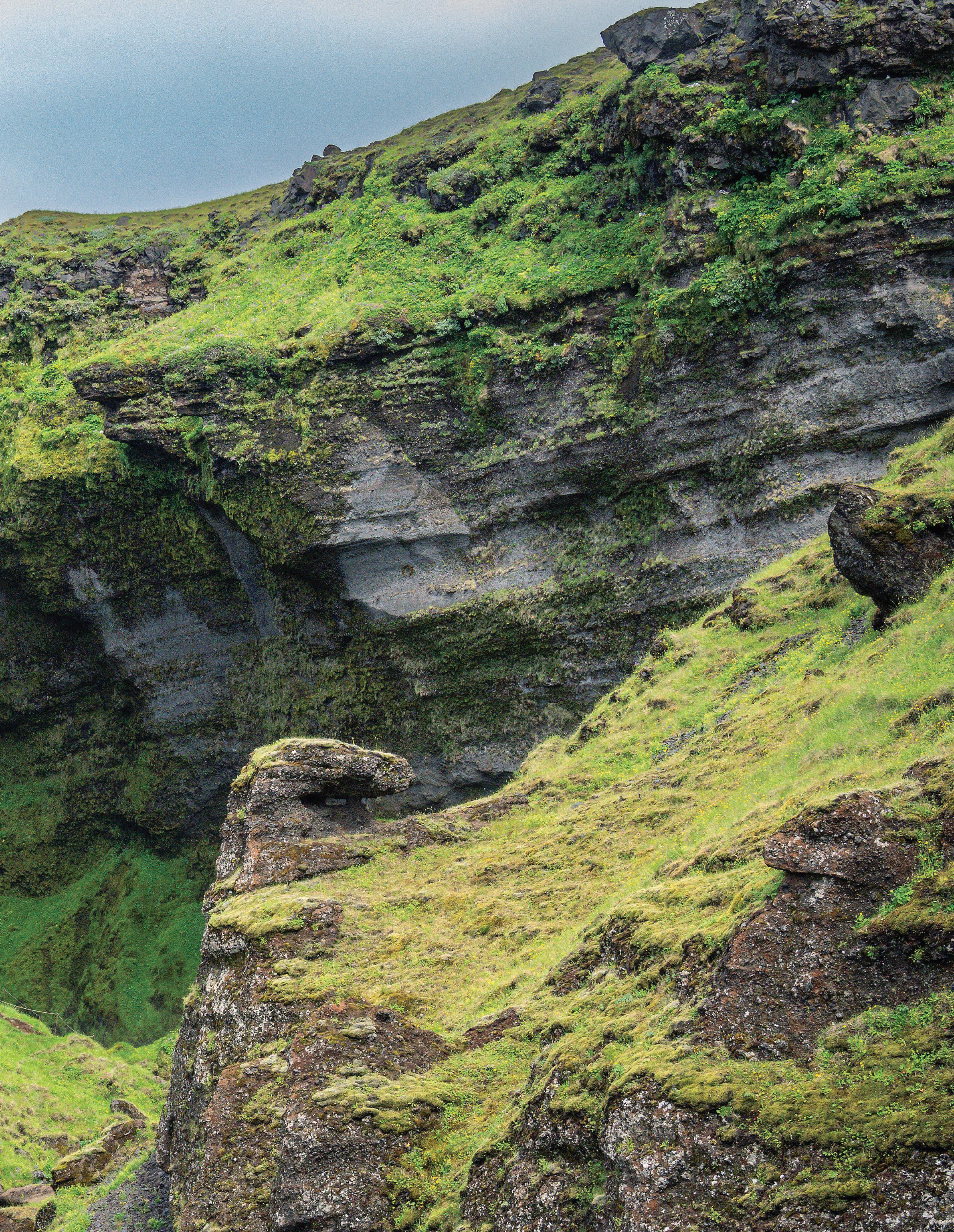
A journey through Iceland offers a front-row seat to the power of nature—where glaciers grind across volcanic plains, waterfalls thunder into mist-filled canyons and geothermal forces shape a constantly evolving terrain.
At Natural Habitat Adventures, we go beyond the typical tour. Our small groups, expert naturalist guides and unique itineraries are designed to maximize your encounters with Iceland’s iconic wildlife—puffins, Arctic foxes, whales and seals—while exploring some of the country’s most spectacular and remote landscapes. We travel by private mini bus, chartered plane, boat and 4x4, exploring the country’s geothermal wonders, rugged coastlines and cultural landmarks with rare intimacy.
Best of all, our commitment to conservation travel and our partnership with World Wildlife Fund ensures your Iceland adventure contributes to the protection of the island’s wild nature and sustainable future.
8 Reasons to See Iceland with Nat Hab:
We Take the Hassle Out of Trip Planning
When you travel on your own, you spend a lot of time competing for reservations and trying to figure out where to go and what to do. As a result, you lose precious time and miss the secret spots known only to locals. We’ve taken out the legwork and guesswork, allowing you to experience much more of Iceland than most people can accomplish on their own.
D Blankenheim
Small Groups Make a BIG Difference
The best wildlife experiences usually occur in the presence of fewer people, but conventional Iceland tours utilize large motorcoaches for groups of 30–50. To foster the most meaningful nature encounters, we limit the group size on our Iceland adventures to no more than 13 travelers (and just 9 on our Photo Expedition). A small group also ensures that your needs and expectations are met with personalized care from our Expedition Leader.
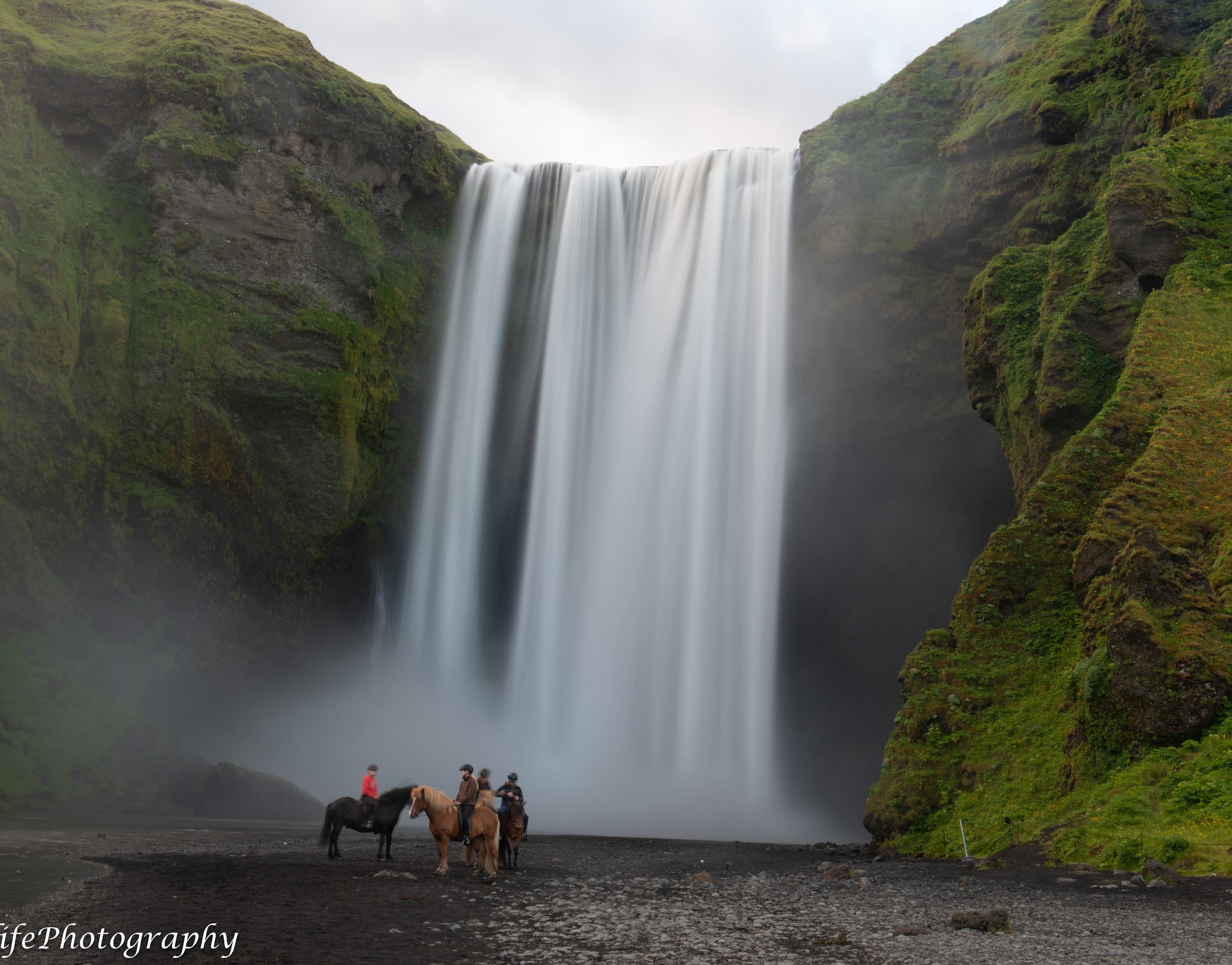
“Every activity was fantastic, especially the horseback riding, whale watching and hiking. Our excursions took us off the beaten path and made for an extraordinary, memorable trip.”
-Nat Hab Traveler Nancy B., Iceland: Circling the Land of Fire & Ice
© G Schmid
See More of Iceland—Without the Crowds
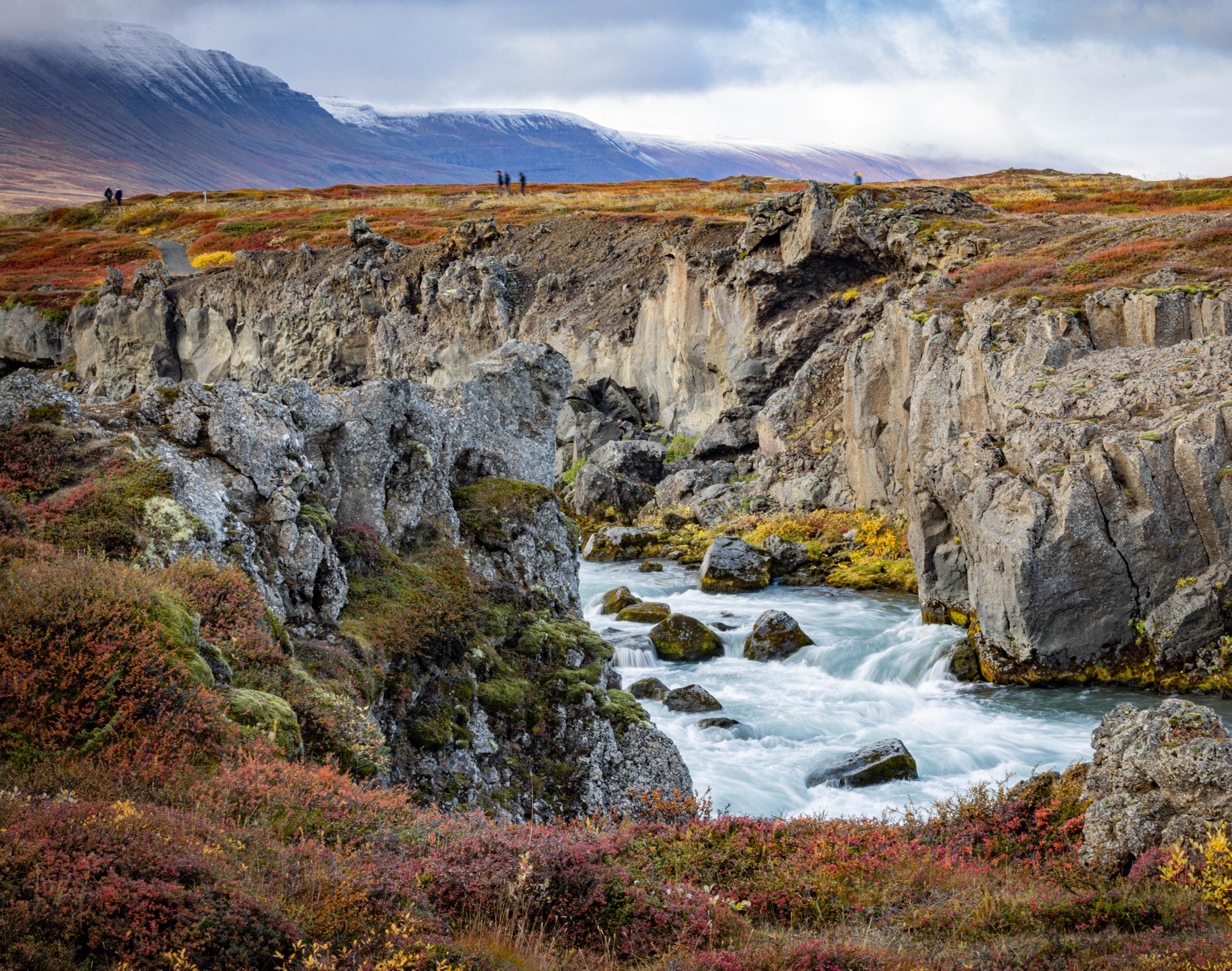
Most tours stick to Reykjavik and the busy south coast, but Nat Hab takes you farther afield for a more immersive experience, from the remote Westfjords to the tranquil east coast. Along the way, enjoy private boat excursions in search of puffins and whales, a 4x4 adventure into the unspoiled Highlands and intimate encounters with glaciers, geysers and traditional culture—often with private access or early starts to avoid the crowds.
Our Lodgings Immerse You in Nature
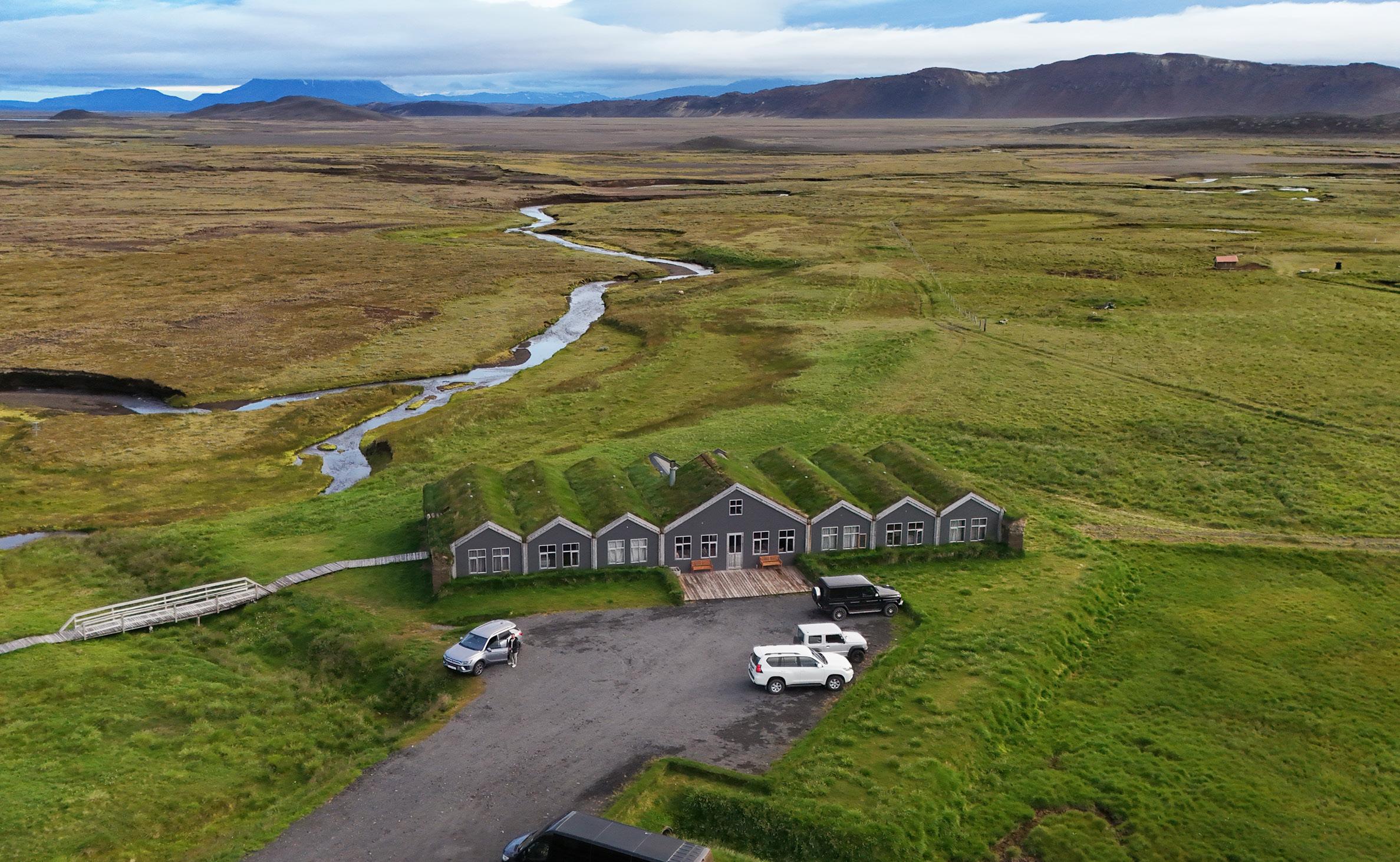
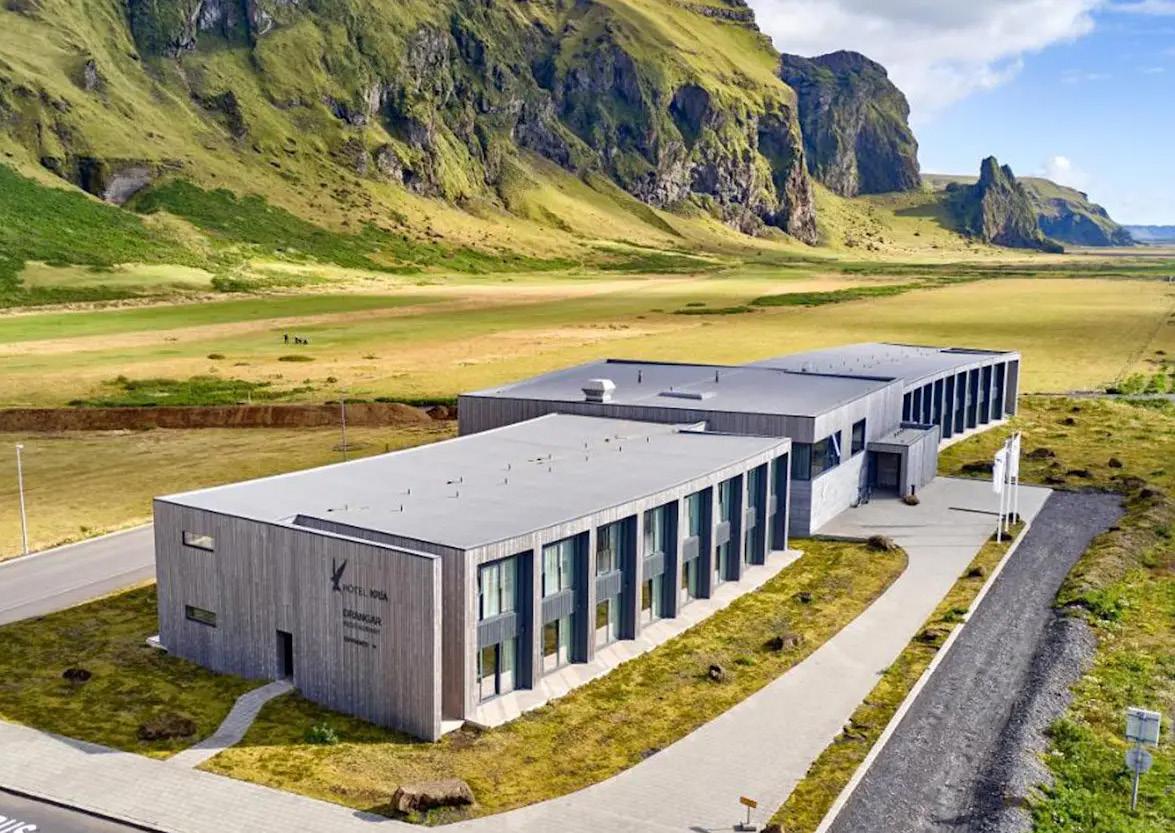
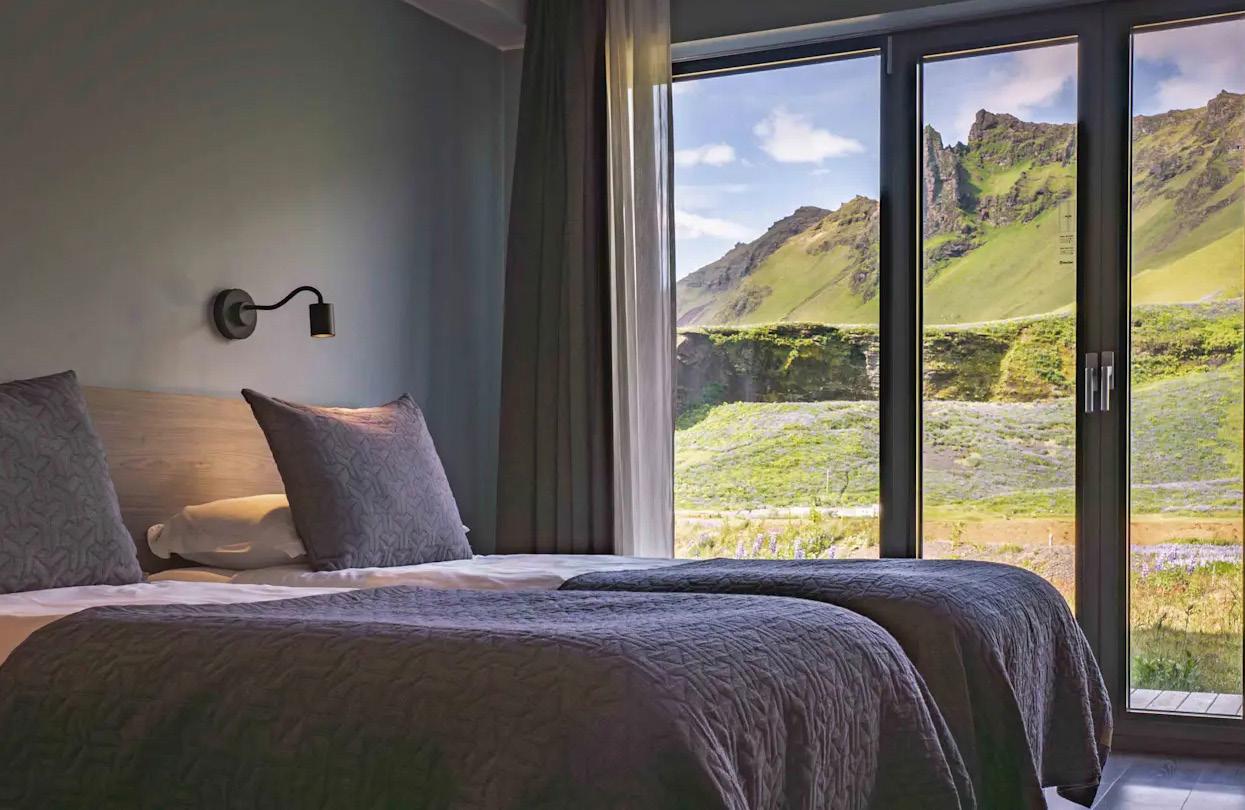
In Iceland, we prioritize small, locally owned lodgings that reflect the country’s natural beauty and commitment to sustainability. From remote countryside inns to ecoconscious coastal retreats and family farms, each accommodation offers comfort, character and proximity to Iceland’s wild landscapes. These handpicked stays enhance our connection to nature, allowing guests to unwind in scenic solitude after each day of exploration.
© D Blankenheim
Your Expedition Leader Is a Top Professional Naturalist Nat Hab has a reputation for the highest-quality guides. You’ll travel with a top naturalist Expedition Leader plus a seasoned Icelandic guide who knows the country like none other. We’re also joined by local guides in several places who add even more depth and expertise. Our Expedition Leaders also get exclusive training and resources from WWF scientists.
© G Wilcox
Chartered Flights Allow More Time for Exploring
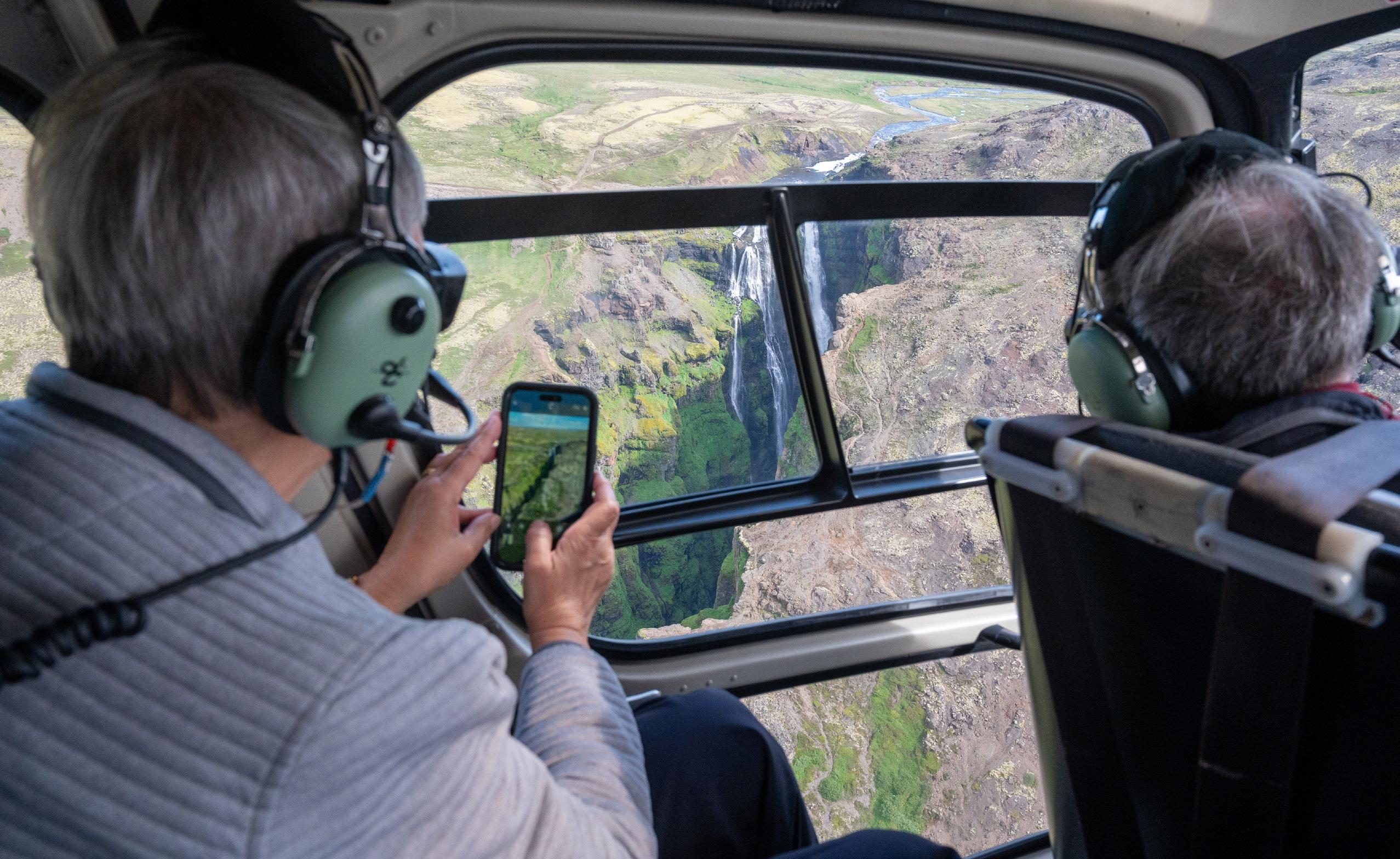
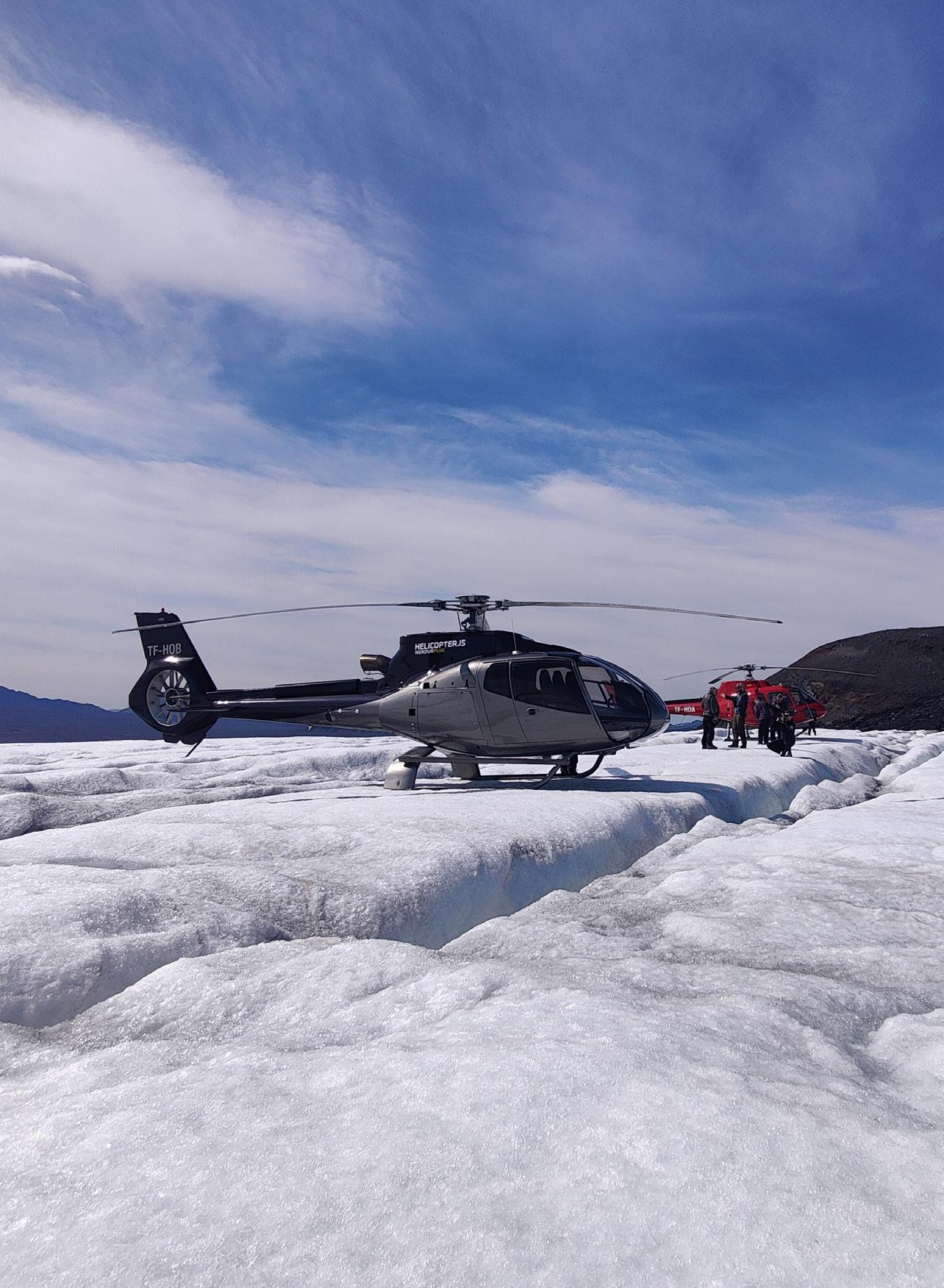
Although Iceland’s roads offer some of the most scenic vistas in the world, distances between regions can be long, and routes are often rough and winding. That’s why, where it makes sense, we include air transfers to get you more comfortably from place to place and to increase the time we have to explore on the ground.
© R Johannsdottir
© E Savage
Private Vehicles Offer a Window Seat for All
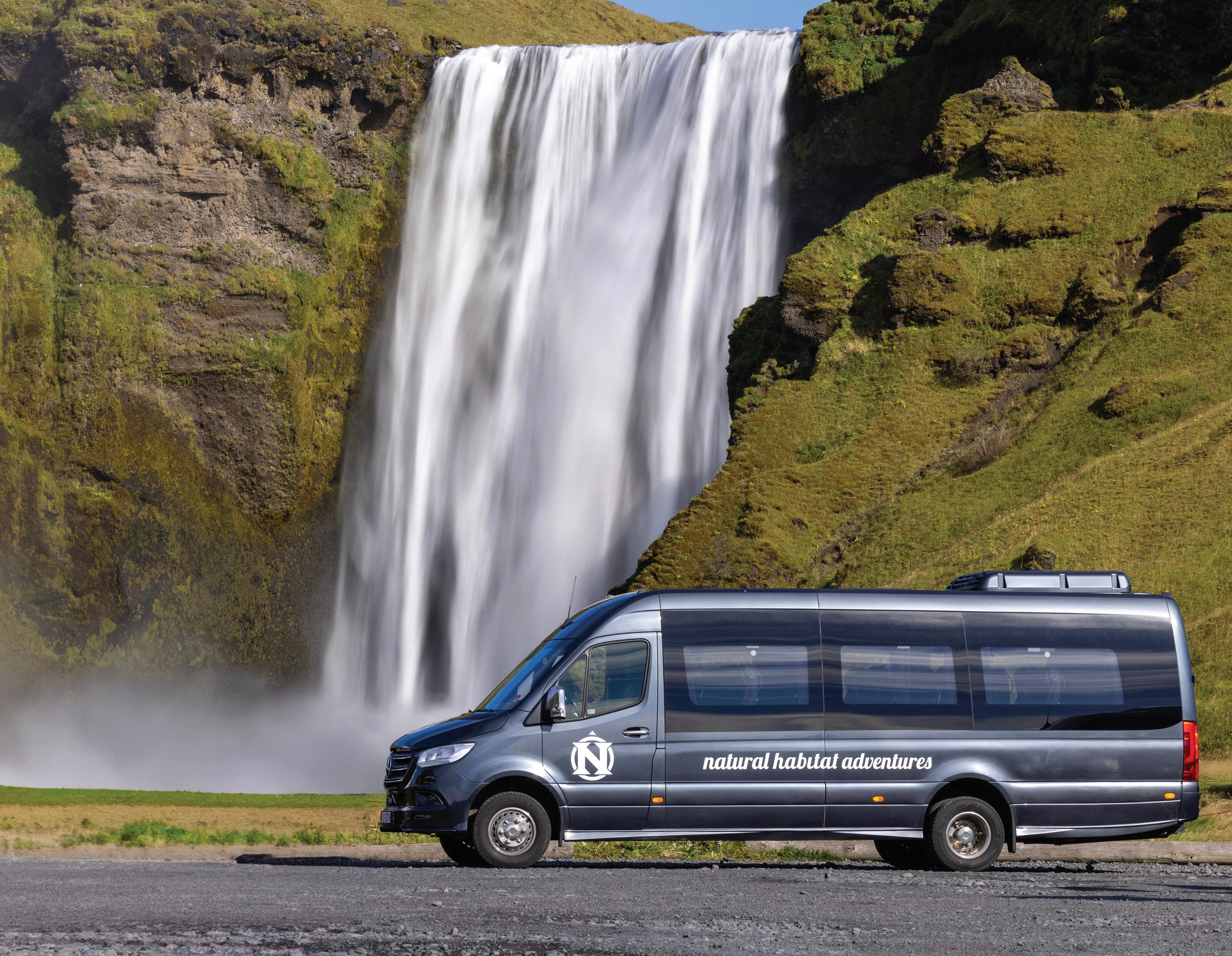
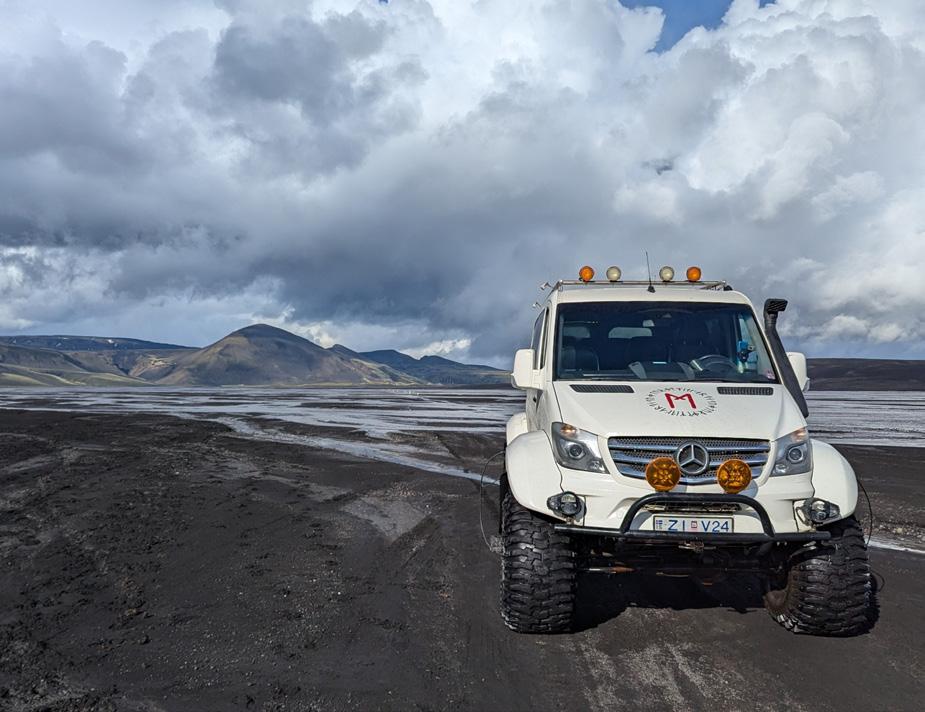
We charter comfortable 4x4 vans and mini buses to accommodate our small group, ensuring room to spread out and enjoy the view from your window seat. It’s a big contrast from motorcoach tours where you’re jostling to see or searching for a space to stash your stuff. Plus, you’ll have plenty of room for photography gear to capture Iceland’s stunning landscapes and wildlife.
© C Whelan
A Commitment to Sustainability
We care deeply about our planet, as we know you do. Since 2003, we have been the exclusive travel partner of World Wildlife Fund, the world’s leading environmental conservation organization. And as the world’s first carbonneutral travel company, Nat Hab offsets 100% of the emissions from your trip. This includes your round-trip flights, making your adventure as eco-conscious as it is extraordinary.

Find out more about WWF’s conservation work in Iceland
© A Amsel
© A Amsel
© S Attal
© J Sullivan
ICELAND GEOGRAPHY, HISTORY & CULTURE
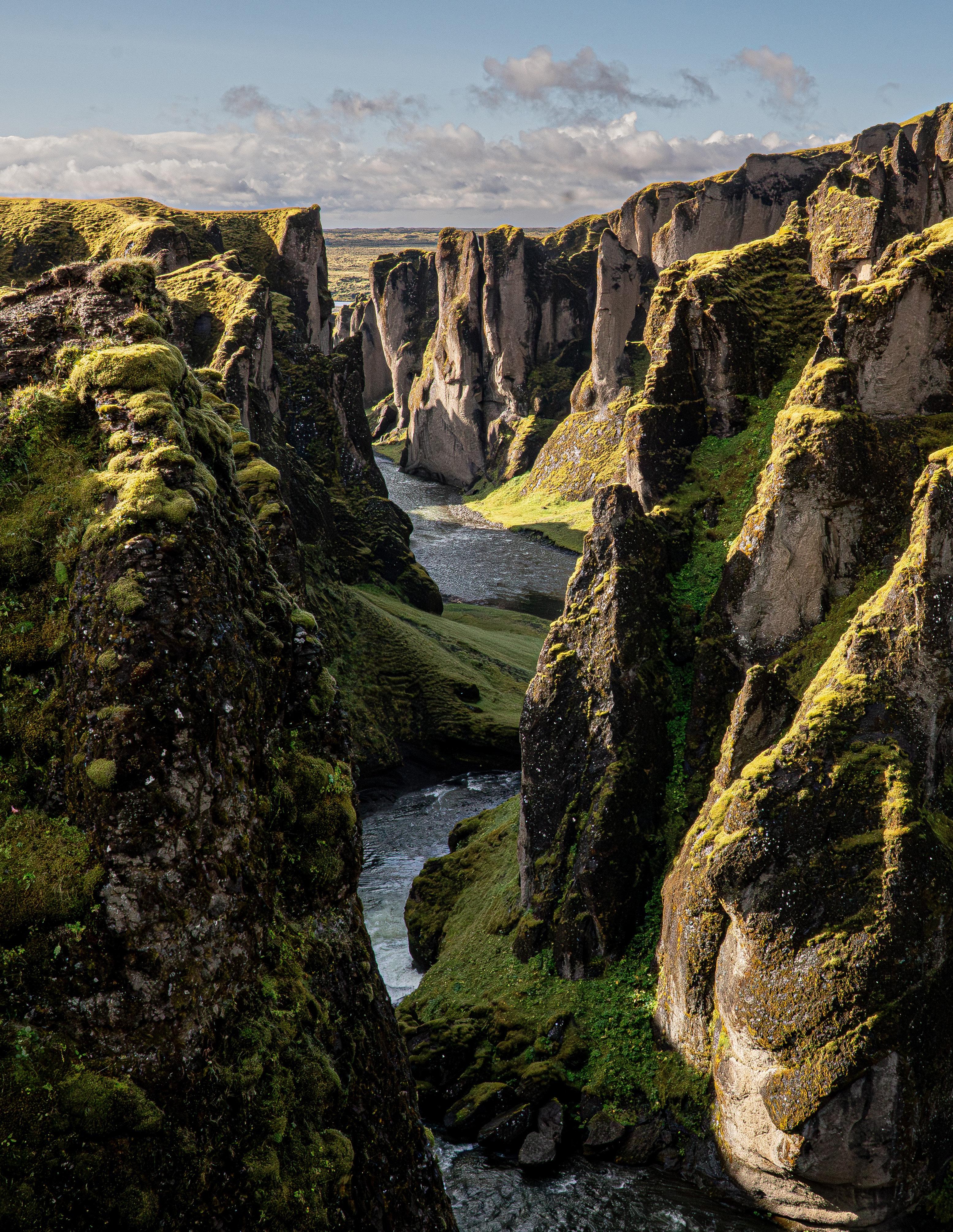
Perched just below the Arctic Circle at the juncture of the Arctic and North Atlantic oceans, Iceland is a Nordic island nation that bridges Europe and the far North. Though part of Europe geographically and culturally, Iceland stands apart. It is remote, sparsely populated and shaped by elemental forces. Spanning more than 39,000 square miles, it’s a land of fire and ice, where ancient Norse traditions meet modern progressivism. From thundering waterfalls to volcanic plains and resilient communities, Iceland is a place of stark contrasts where a vibrant culture thrives amid raw, dramatic nature.
© A Amsel
Geology: A Young Land in Flux
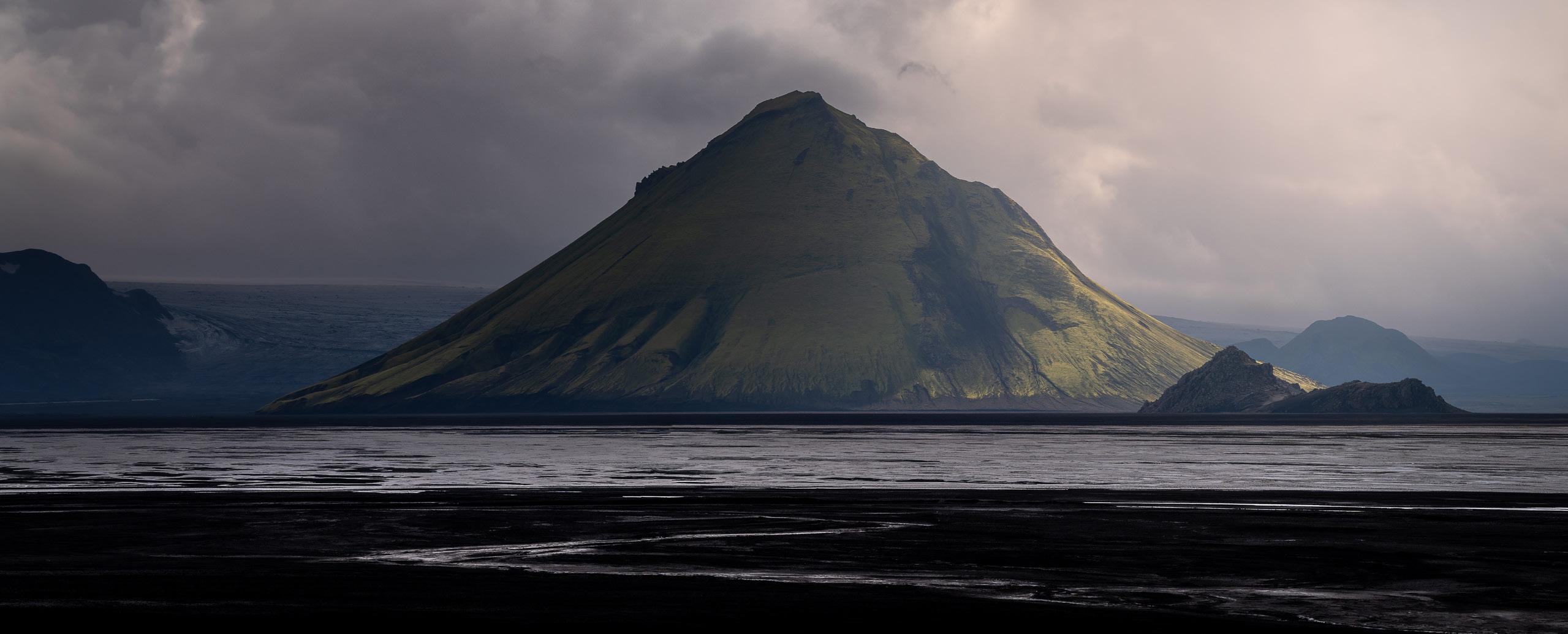
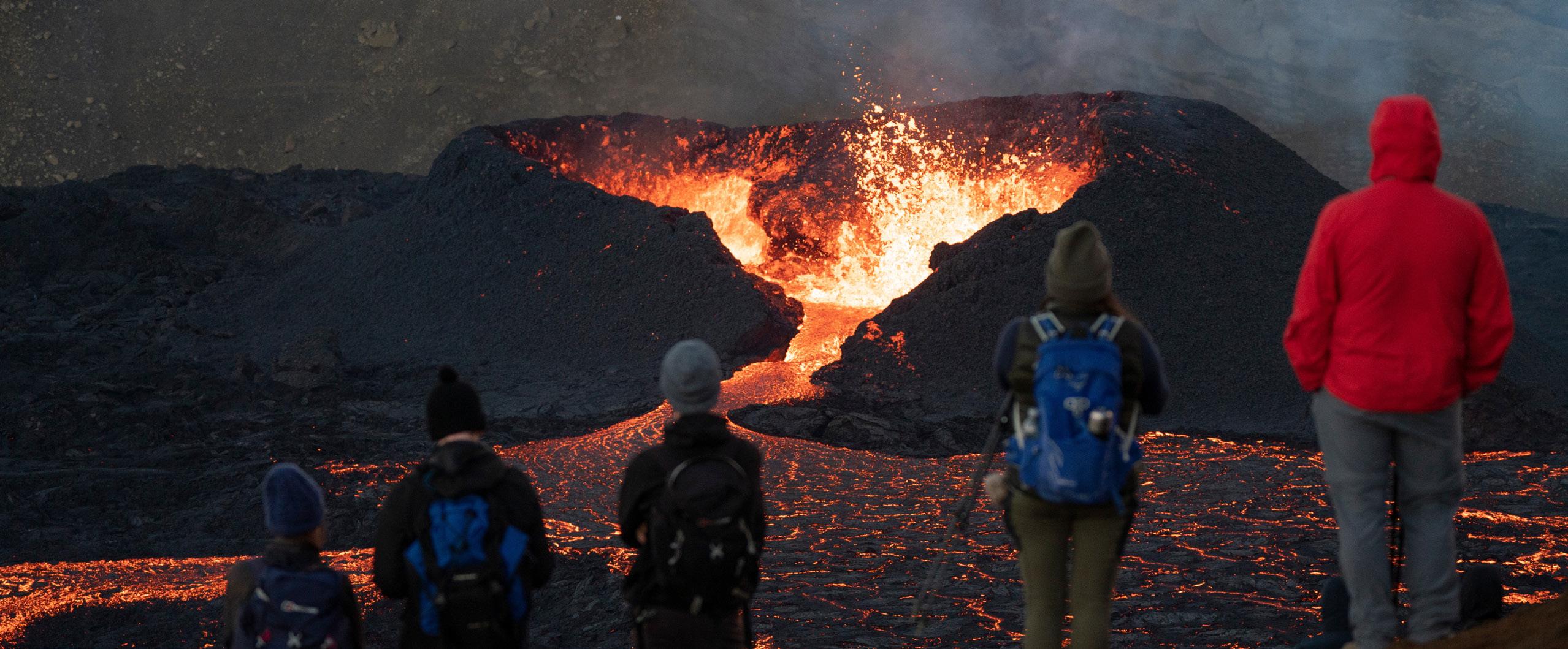
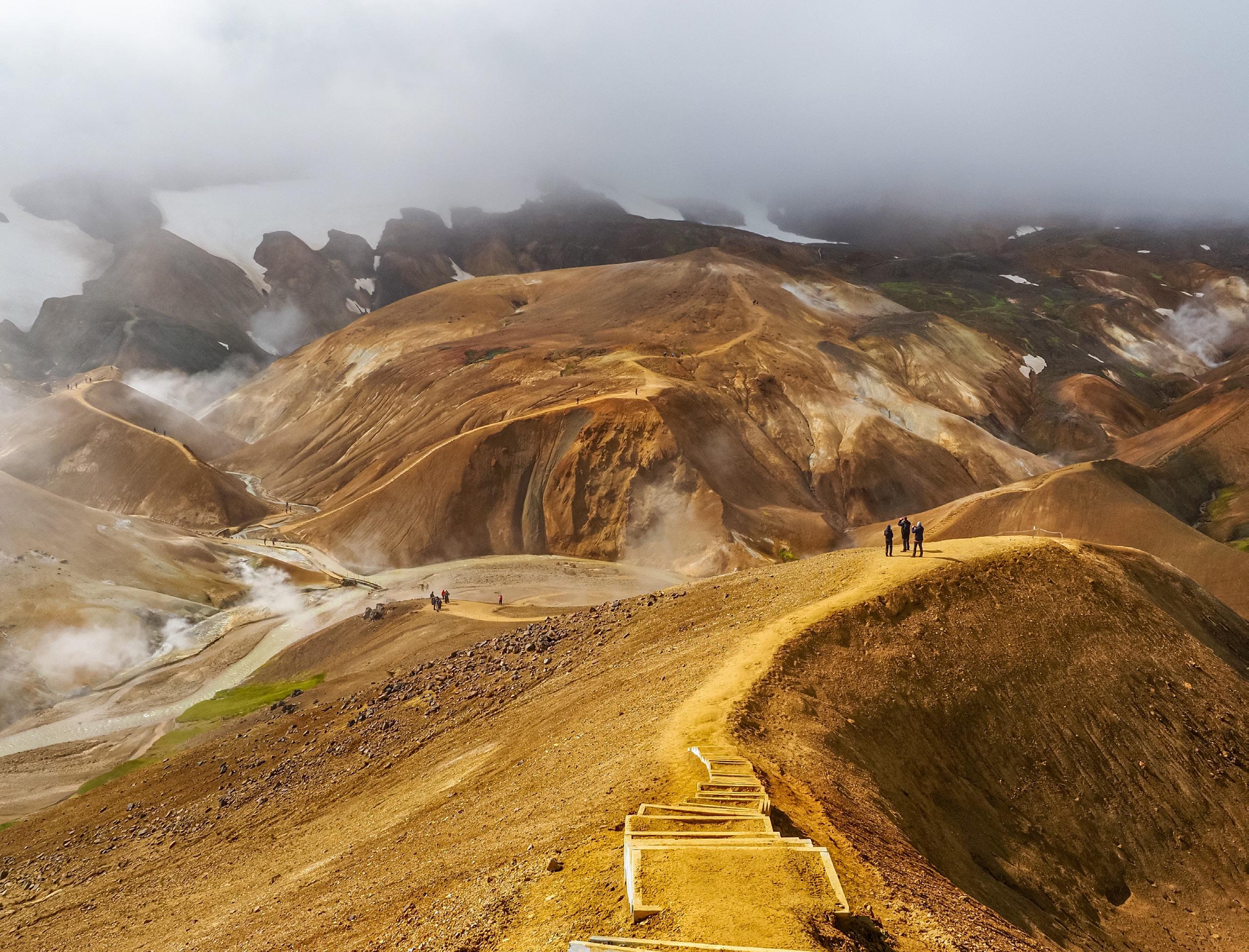
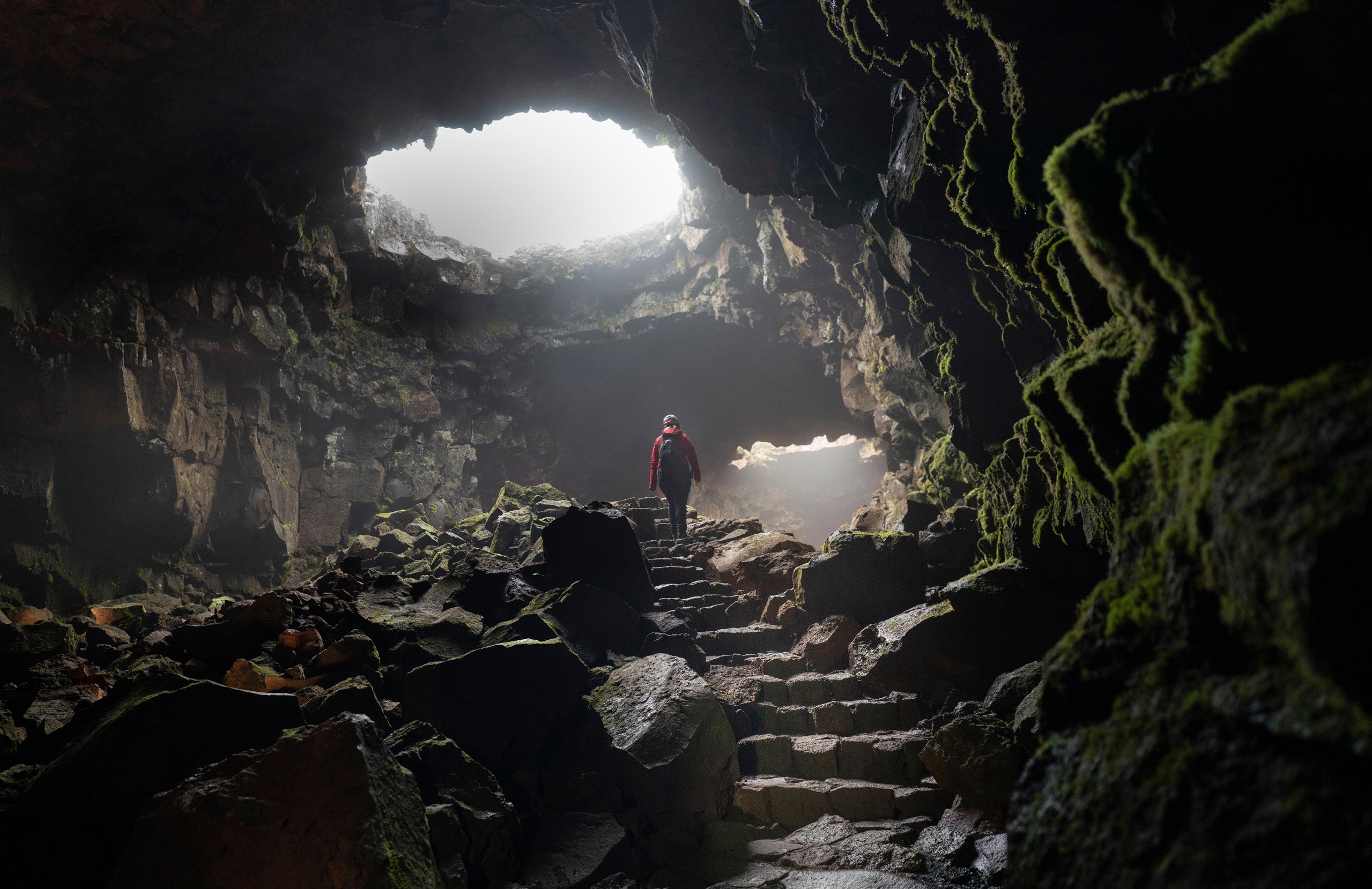
Geologically speaking, Iceland is one of the youngest landmasses on Earth. Its oldest rocks are only about 16 million years old. Compare that to nearby Greenland, which contains some of the Earth’s oldest rocks, dating back nearly 4 billion years. The second-largest island in Europe, Iceland spans approximately 40,000 square miles—and it’s still growing. The island straddles the Mid-Atlantic Ridge, where the North American and Eurasian tectonic plates pull apart at a rate of almost an inch per year. This rift zone generates intense volcanic and geothermal activity. Iceland has more than 200 volcanoes,
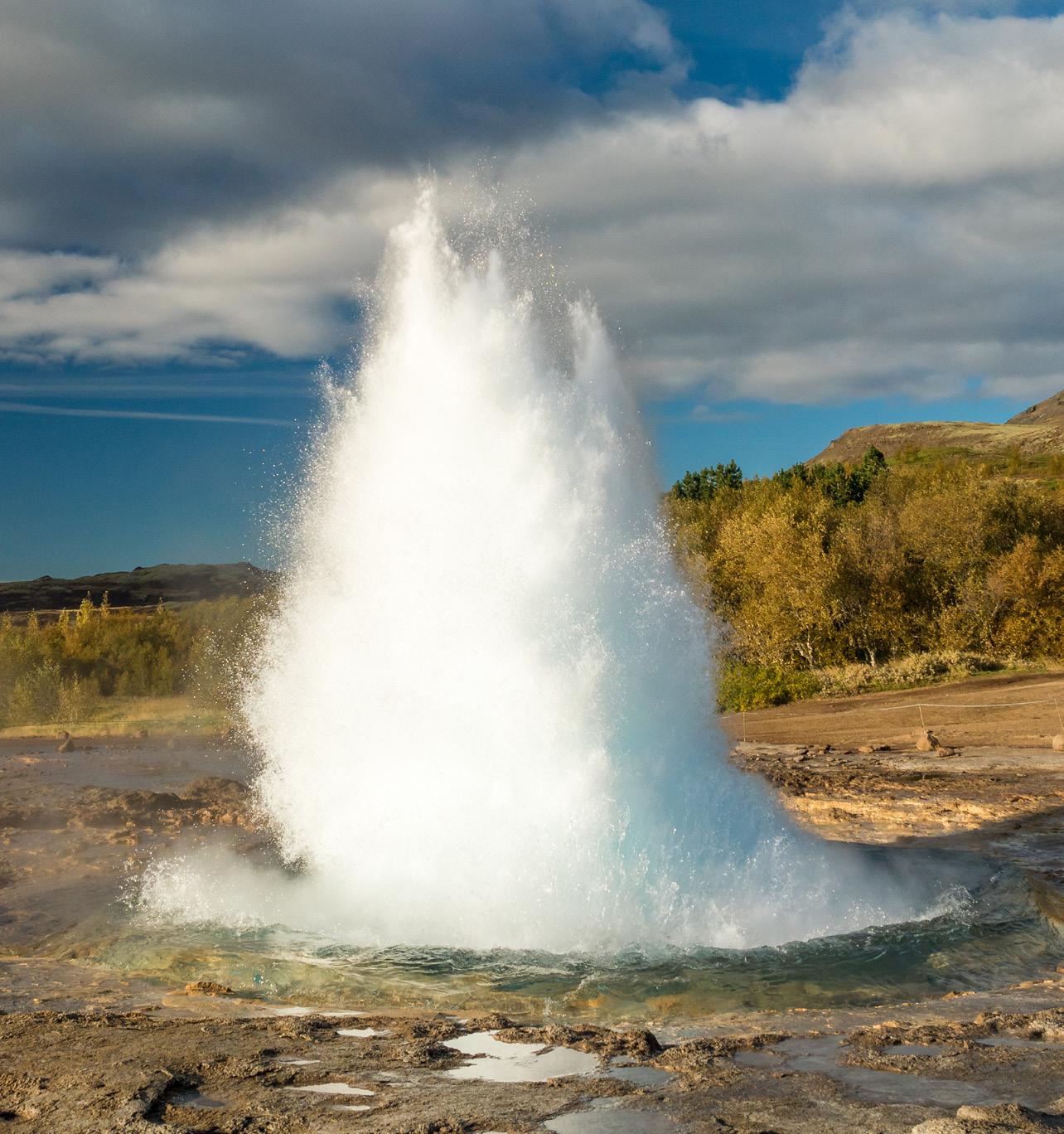
30 of which have erupted since humans first settled the island in the 9th century. Its lava fields, active glaciers, crater lakes and spouting geysers offer a vivid display of Earth’s raw power.
One of the most famous eruptions occurred in 2010. The volcano Eyjafjallajokull erupted, sending ash clouds across Europe, halting air travel for days and reminding the world of Iceland’s volatile nature. Beneath the surface, geothermal heat powers homes, greenhouses and even snow-free sidewalks, making Iceland a global leader in renewable energy.
Glaciers, Waterfalls & Wild Rivers
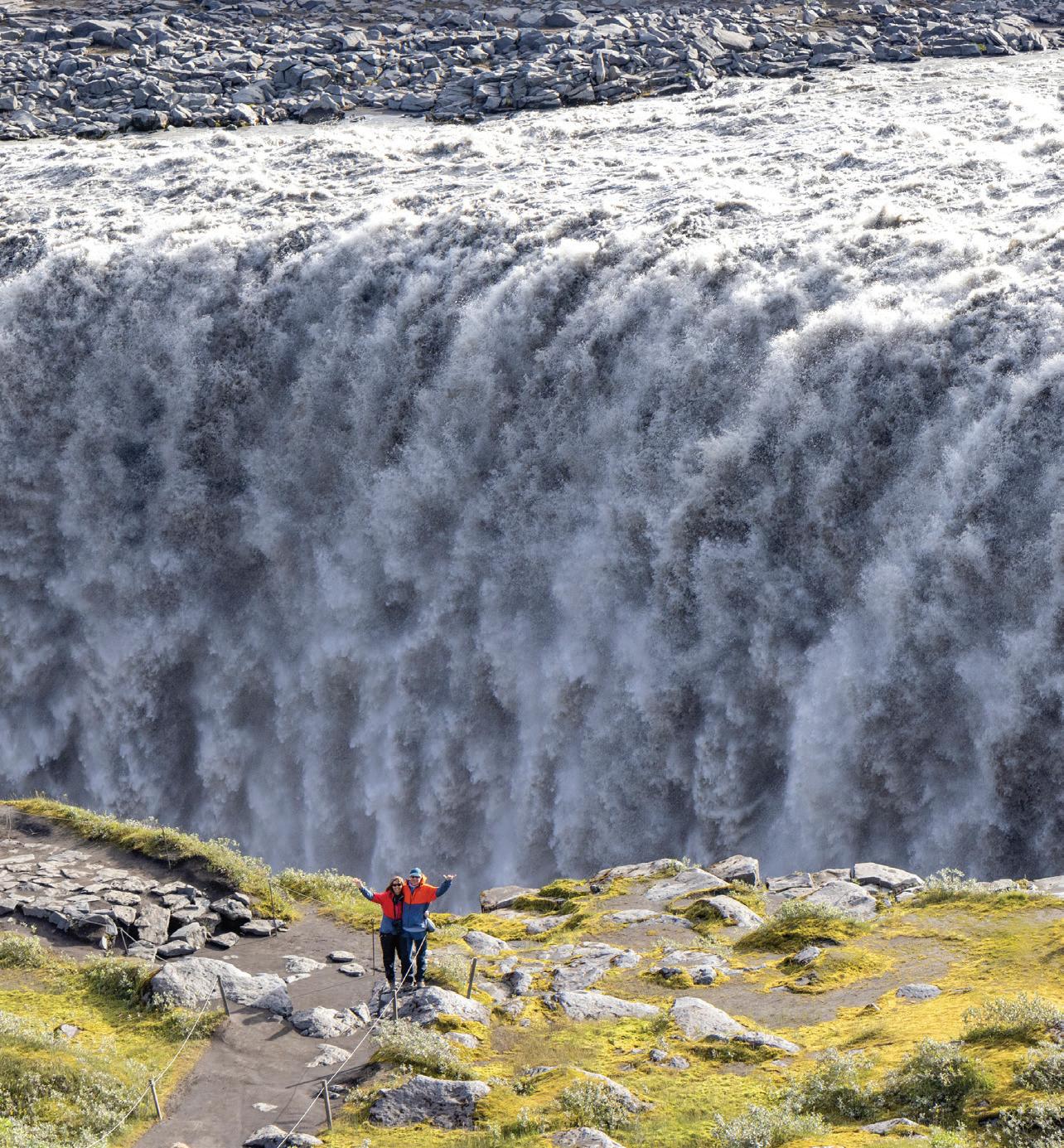
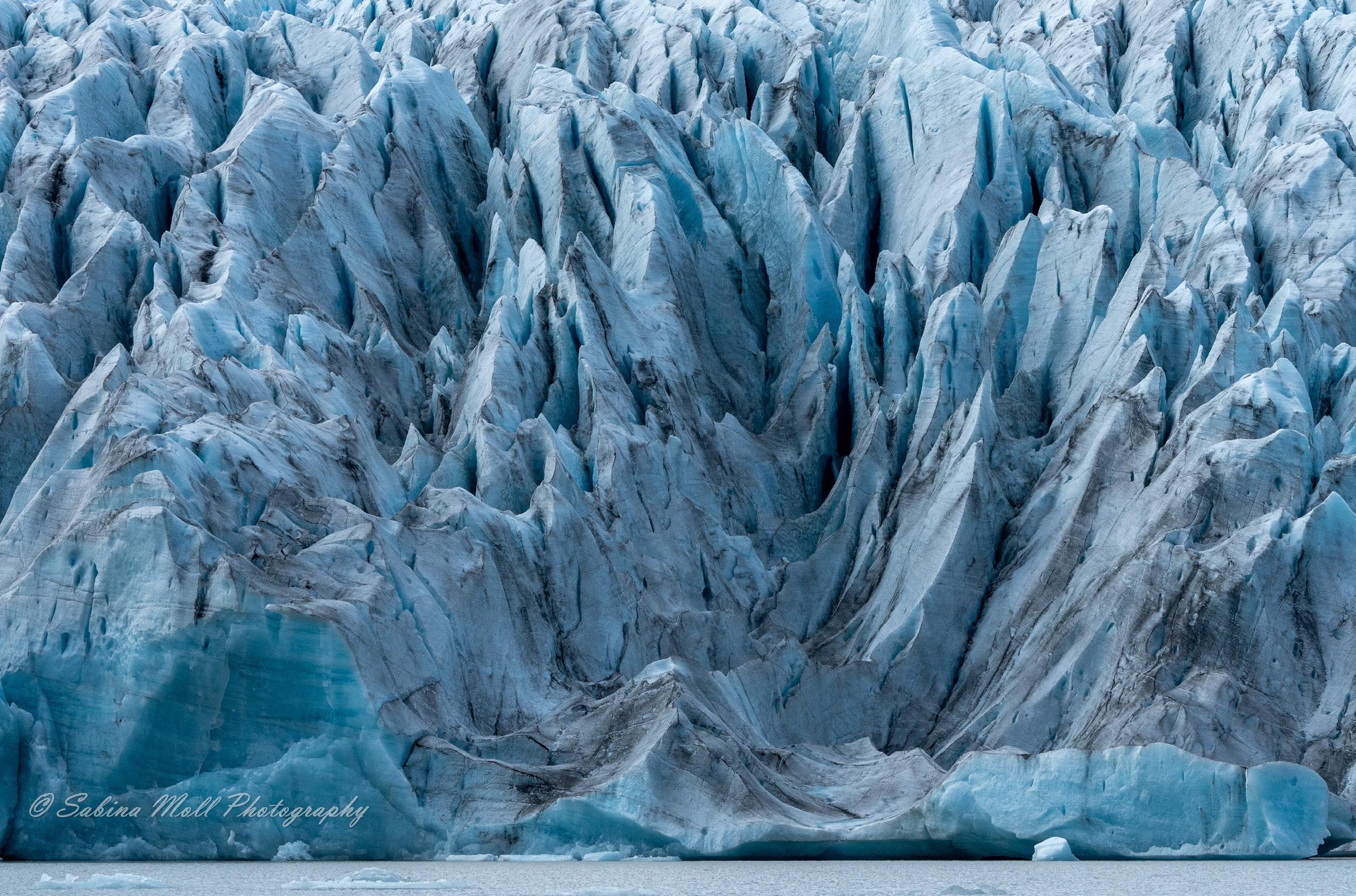
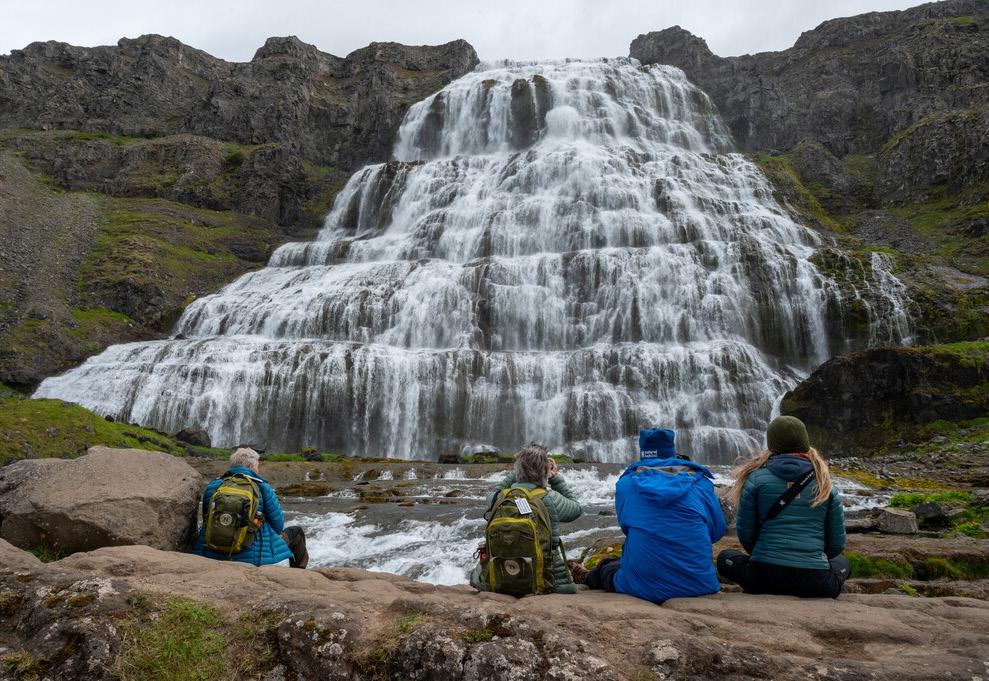
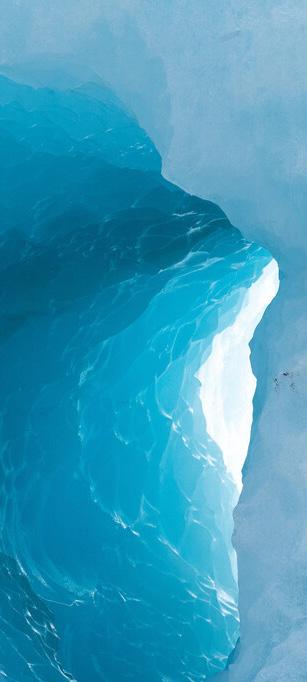
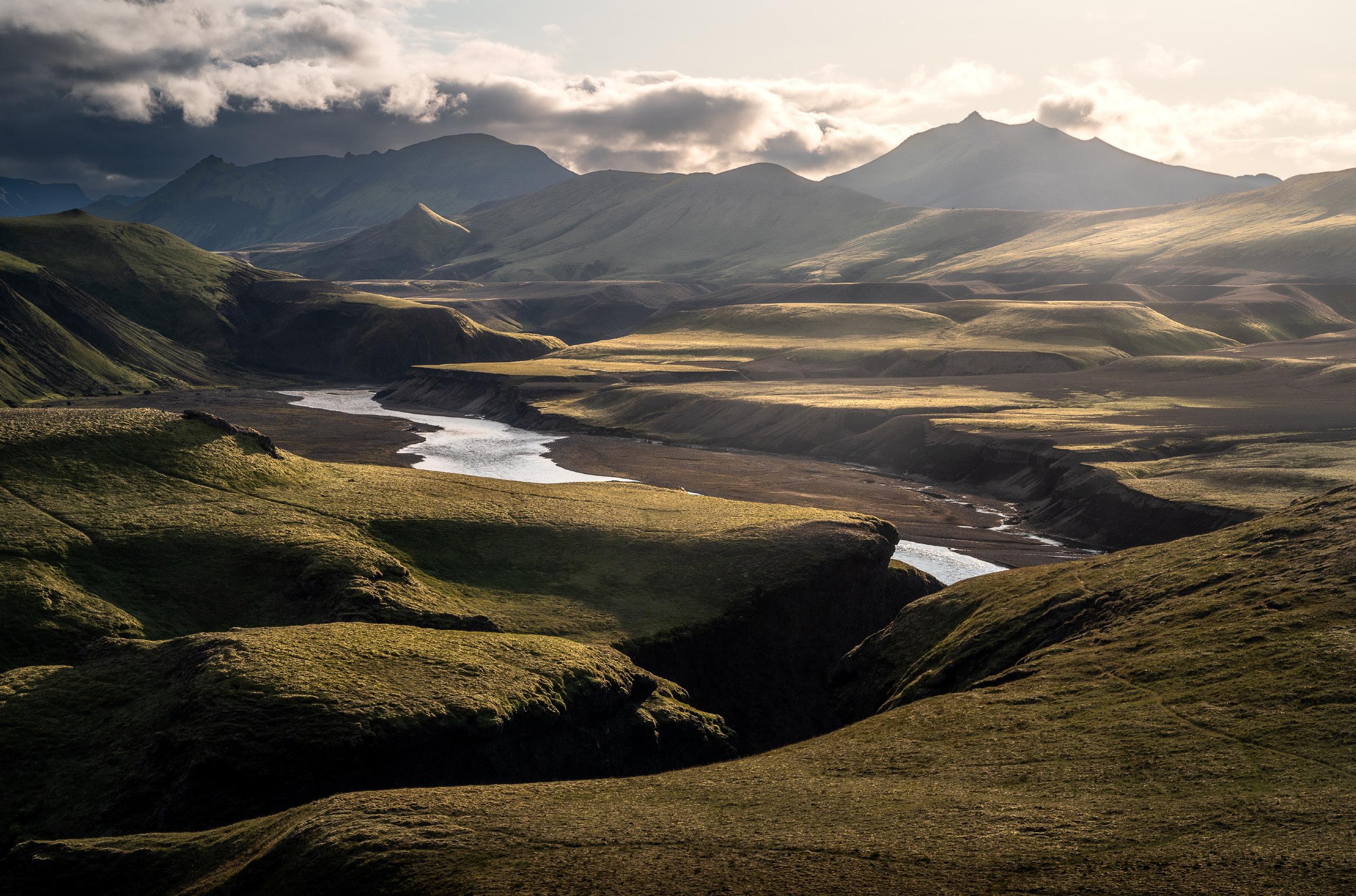
While fire shapes the land, ice sculpts it. Glaciers cover about 11% of Iceland, including Vatnajokull—Europe’s largest ice cap at more than 3,000 square miles—whose meltwater supplies many of the country’s thunderous waterfalls and glacial rivers. These include Gullfoss and Dettifoss, some of the most powerful waterfalls in Europe. Rivers coursing through deep canyons and over volcanic plateaus bring constant change to the landscape, especially in the summer when glacial melt accelerates.
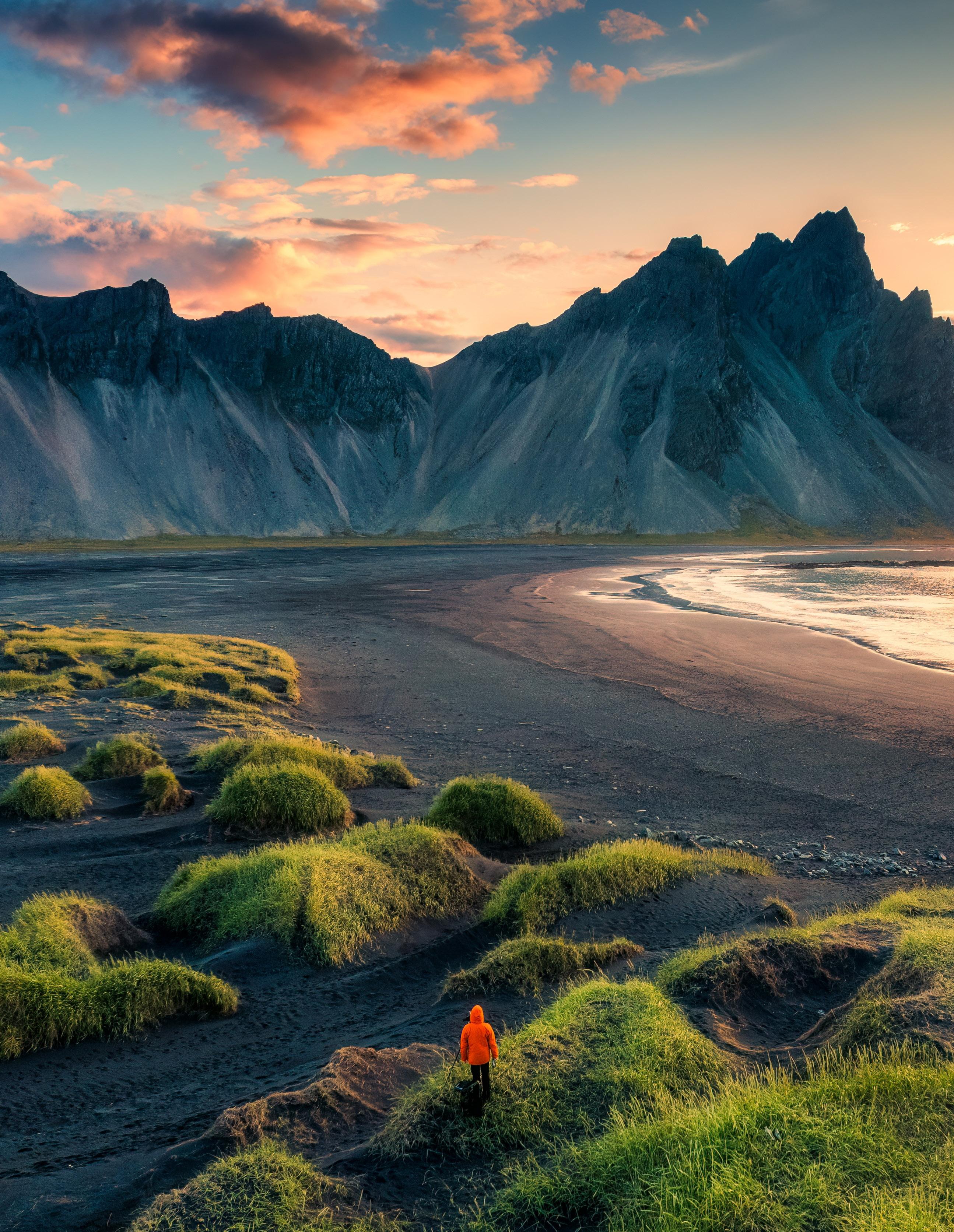
Iceland is also dotted with crater lakes, volcanic calderas and geothermal features—remnants of its fiery birth and icy evolution. Geothermal sources account for approximately 66% of Iceland’s primary energy use, including about 90% of its heating and 30% of its electricity. The country’s coastline stretches over 3,700 miles and is lined with fjords, sea cliffs and black-sand beaches formed from pulverized volcanic rock.
© E Savage
© E Savage
© S Moll
History & Culture: Rooted in Nature
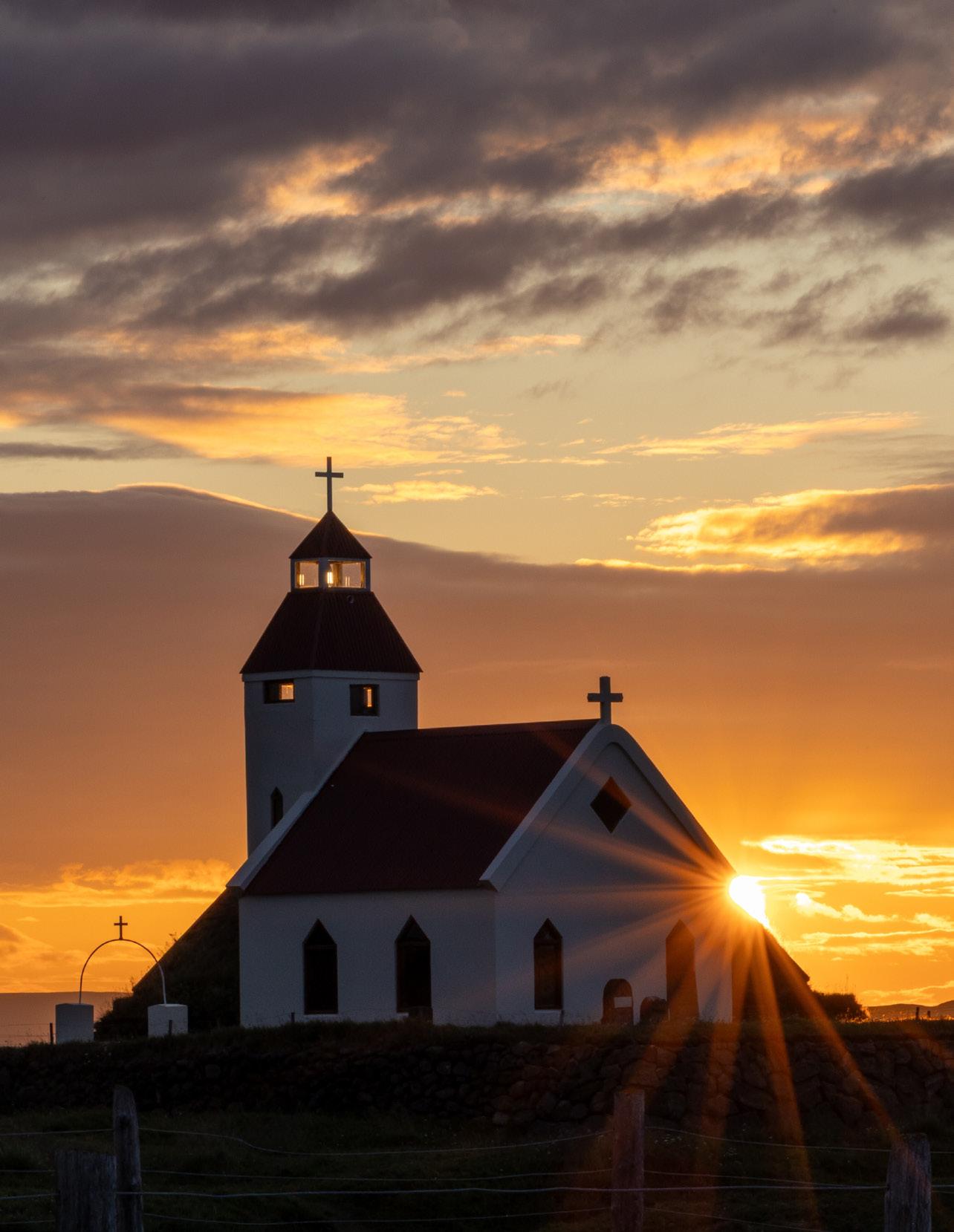
Iceland’s human story began in the 9th century when Norse explorers and settlers arrived, establishing the world’s first parliamentary democracy—the Althing—in 930 A.D. Isolated from mainland Europe, Iceland developed a distinct identity shaped by its environment. The sagas written by medieval Icelanders remain some of the most celebrated literature in the world.
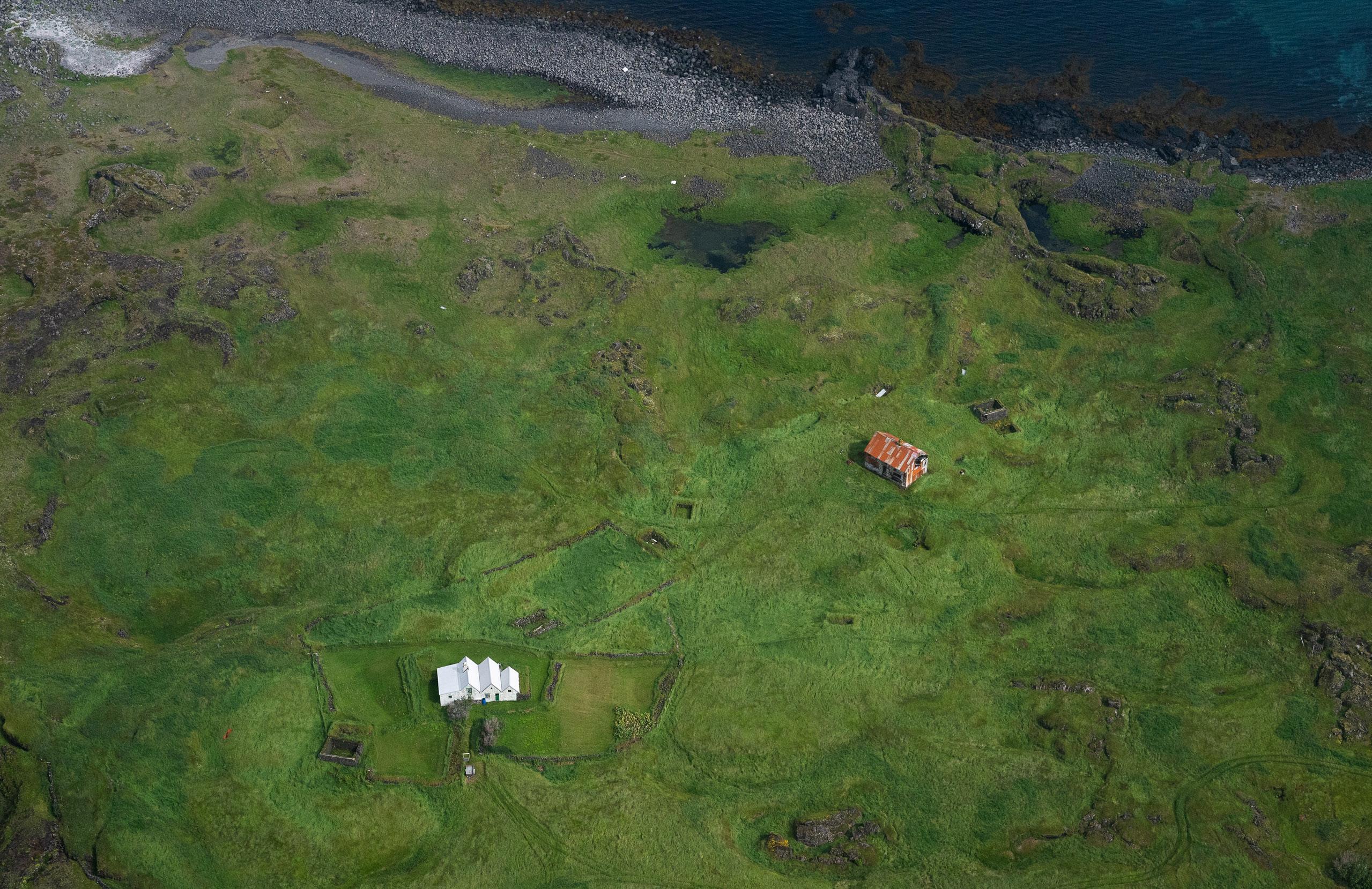
Despite the harsh climate and frequent volcanic eruptions, Icelanders have long lived in harmony with their surroundings. Today, Iceland is one
of the most sustainable and gender-equal nations on Earth, combining cutting-edge technology with deep cultural traditions. Its small population of just over 380,000 is concentrated in the capital city of Reykjavik and coastal towns, while the island’s mountainous interior remains largely uninhabited.
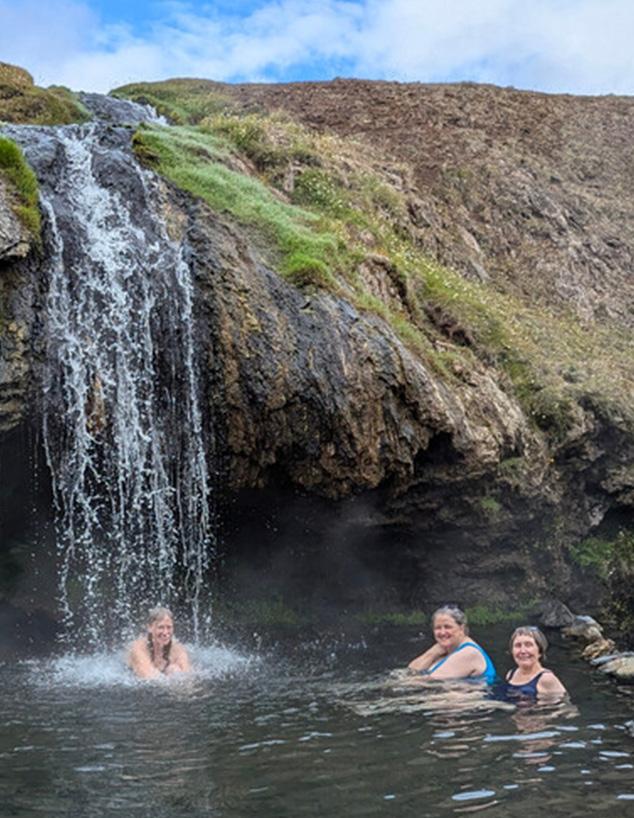
Whether soaking in geothermal lagoons, riding Icelandic horses across mossy plains or exploring Viking-age ruins, travelers experience a living landscape where culture and nature remain powerfully entwined.
© E Savage
© D Blankenheim
© S Moll
WILDLIFE OF ICELAND
Iceland may be best known for its volcanoes and glaciers, but its wildlife is equally compelling. Though the island’s land mammals are few, its surrounding seas and skies brim with creatures. More than 300 bird species have been recorded, including puffins and Arctic terns, while Iceland’s coastal waters host humpback whales, orcas and seals. Its isolation, combined with rich marine ecosystems and migratory flyways, make Iceland a fascinating destination for animal lovers and wildlife photographers.
“I was in awe of the wildlife we saw, from seals and whales to Arctic foxes and Icelandic horses. And seeing puffins up close was such a thrill! We are already eagerly looking forward to our next adventure with Nat Hab.”
-Nat Hab Traveler Marian J., Iceland: Circling the Land of Fire & Ice
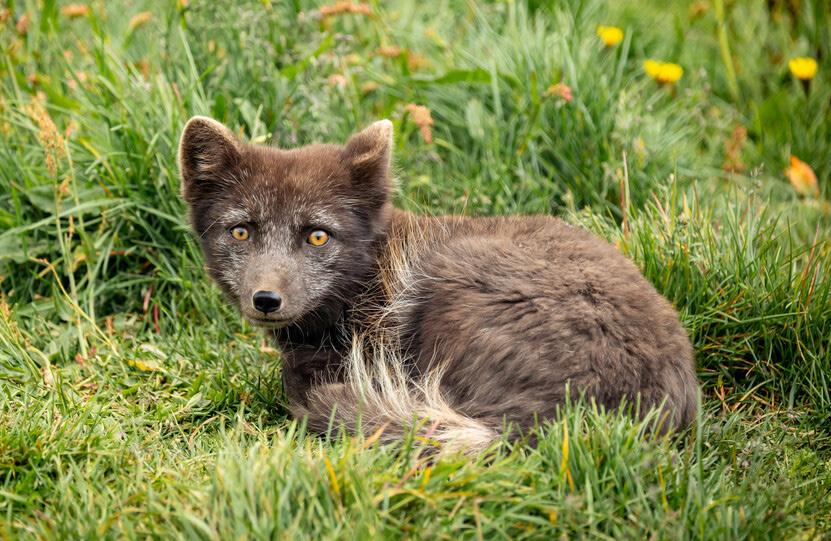
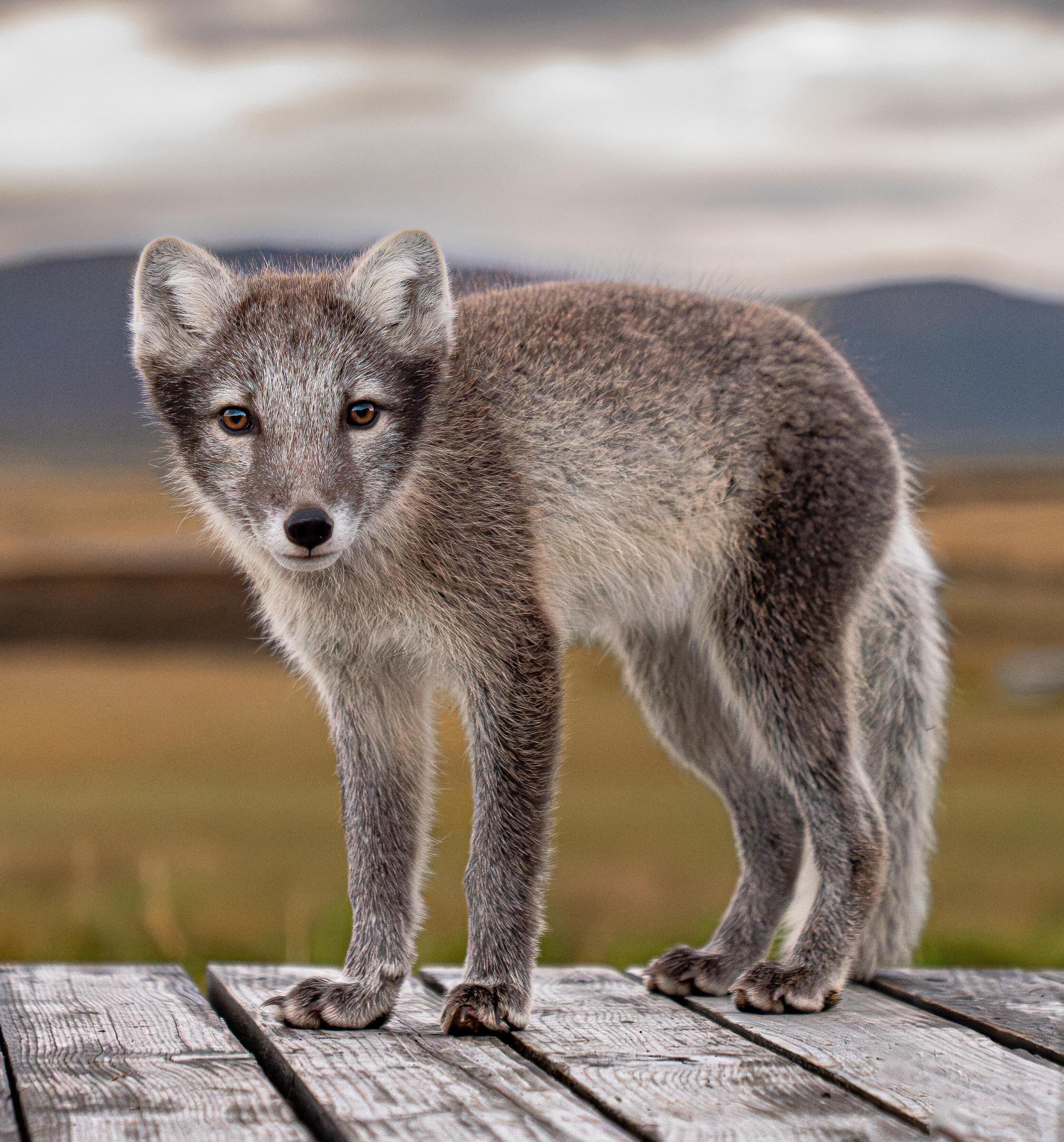
Arctic Fox
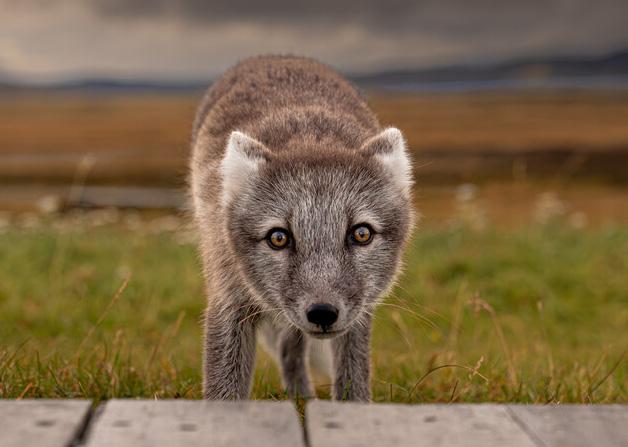
The Arctic fox is Iceland’s only native land mammal and a true symbol of the island’s wild Arctic environment. Adapted to extreme cold with a thick, insulating coat that shifts color with the seasons, this small canid has lived here since the last Ice Age, long before humans arrived.
Unlike mammals introduced by settlers, the Arctic fox thrives across Iceland’s remote Highlands, coasts and bird-rich Westfjords, where it opportunistically hunts birds, eggs, carrion and small rodents. Once heavily hunted, it is now protected and the subject of ongoing research and ecotourism efforts—especially through institutions like the Arctic Fox Center in the Westfjords.
© C Conrad
Icelandic Horse
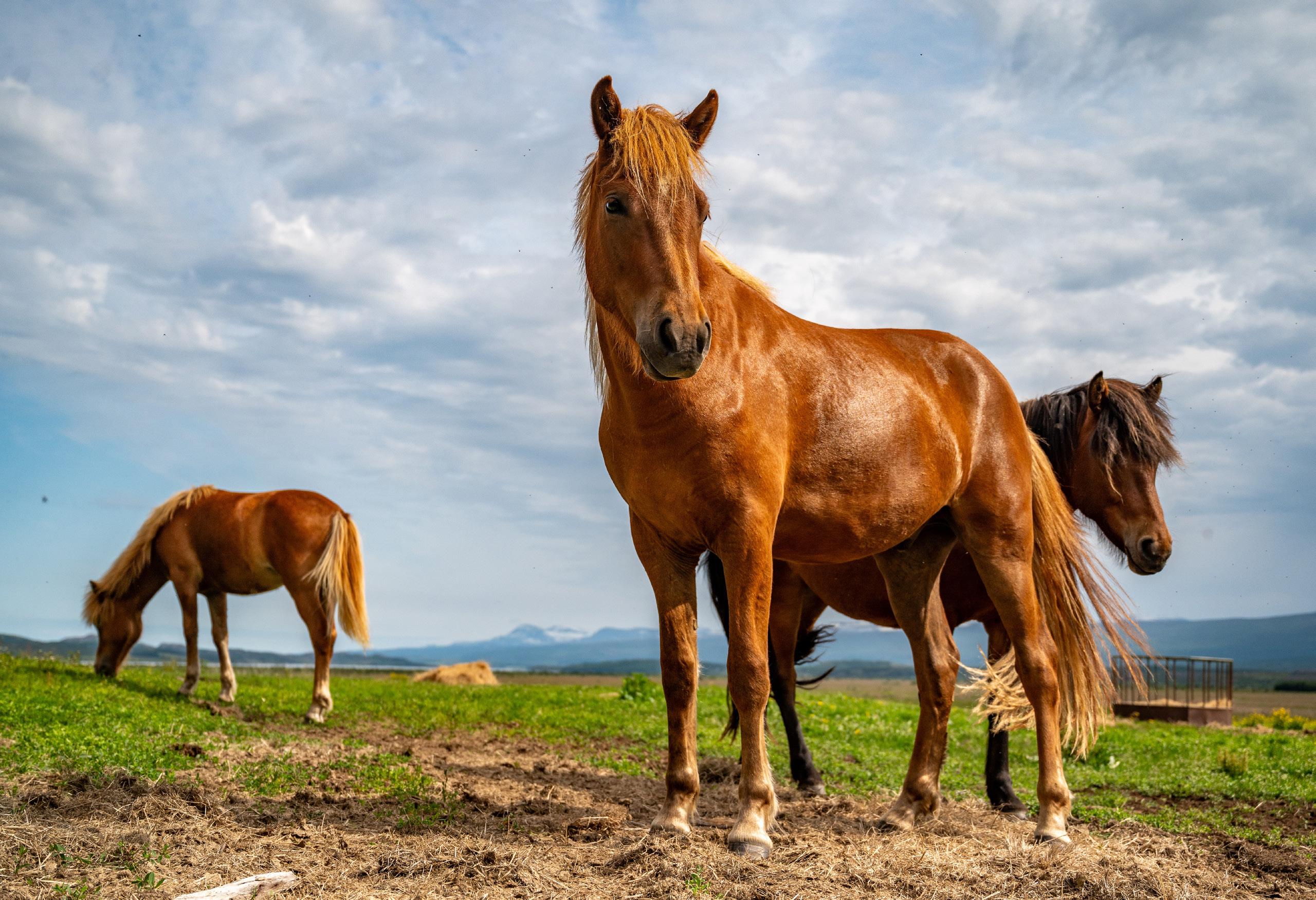
Though domesticated rather than truly “wild,” the Icelandic horse lives a semi-feral life. Each summer, large herds roam freely across Highland pastures and river valleys. They are rounded up each autumn—an annual tradition called rettir—and brought home to their respective farms for the winter. These sturdy, spirited ponies are ancient descendants of ponies brought to Iceland over a thousand years ago by Norse settlers. They’ve since evolved in isolation, free of outside bloodlines.
Compact yet strong, they are known for their friendly dispositions and thick winter coats that protect them in harsh weather, along with their sure-footedness. Icelandic horses are famed for their ability to perform two additional gaits in addition to the walk, trot and canter/gallop typical of other horse breeds: the ambling tolt and the flying gait. A horseback ride atop one of these diminutive horses against the backdrop of volcanic plains and mossy lava fields is a can’t-miss Iceland experience.
Humpback Whale
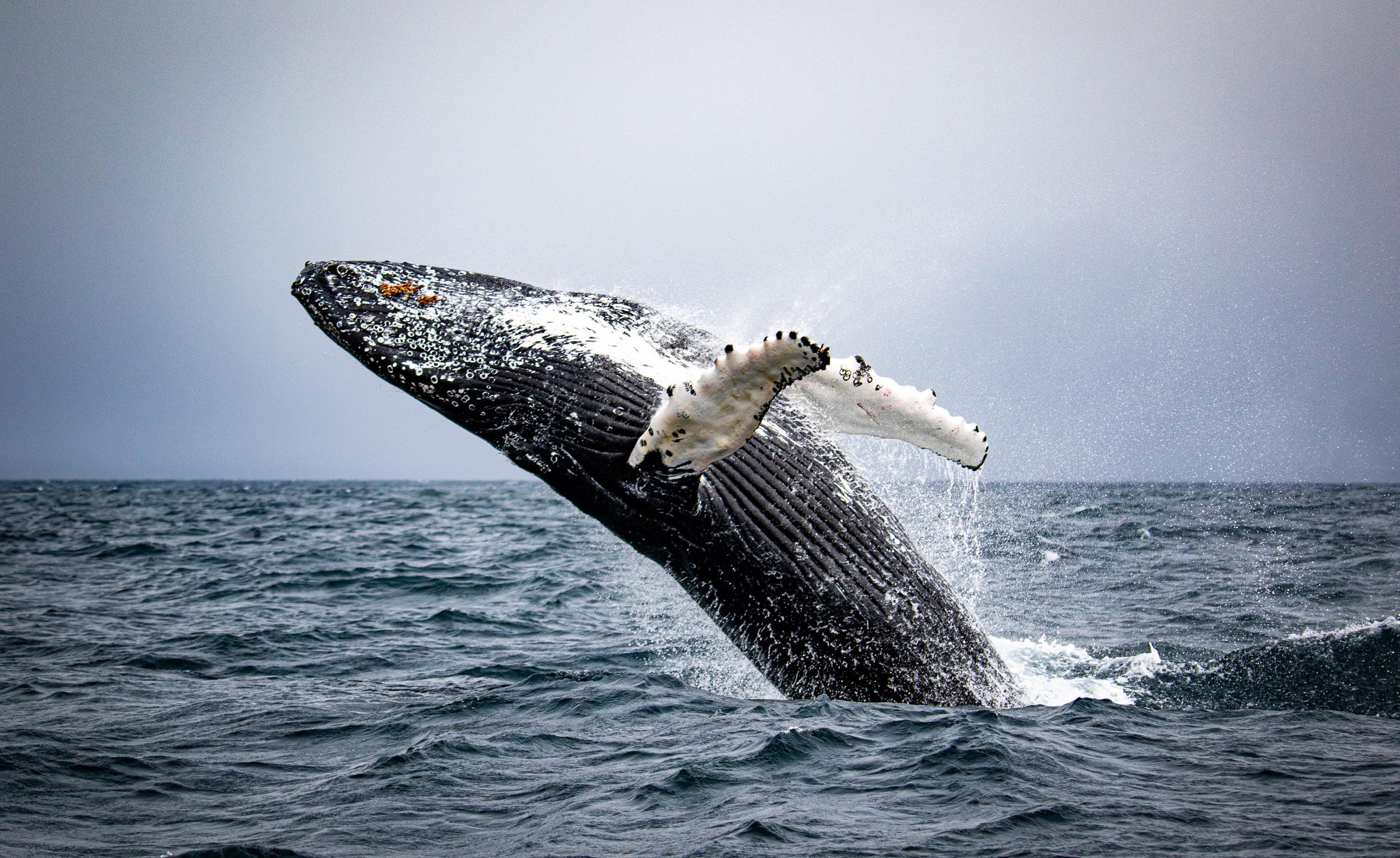
The humpback whale is one of Iceland’s most magnificent marine residents and a highlight of whale-watching experiences. These baleen giants—reaching up to 50 feet in length and weighing up to 40 tons—migrate into Iceland’s nutrient-rich North Atlantic waters each summer to feed on krill and small fish, often breaching and slapping their massive tails in playful displays.
Sightings are especially reliable from May through September around areas such as Skjalfandi Bay near Husavik and Faxafloi Bay near Reykjavik, where guides and researchers catalogue individual whales by their unique fluke patterns.
© L Thompson
Fin Whale
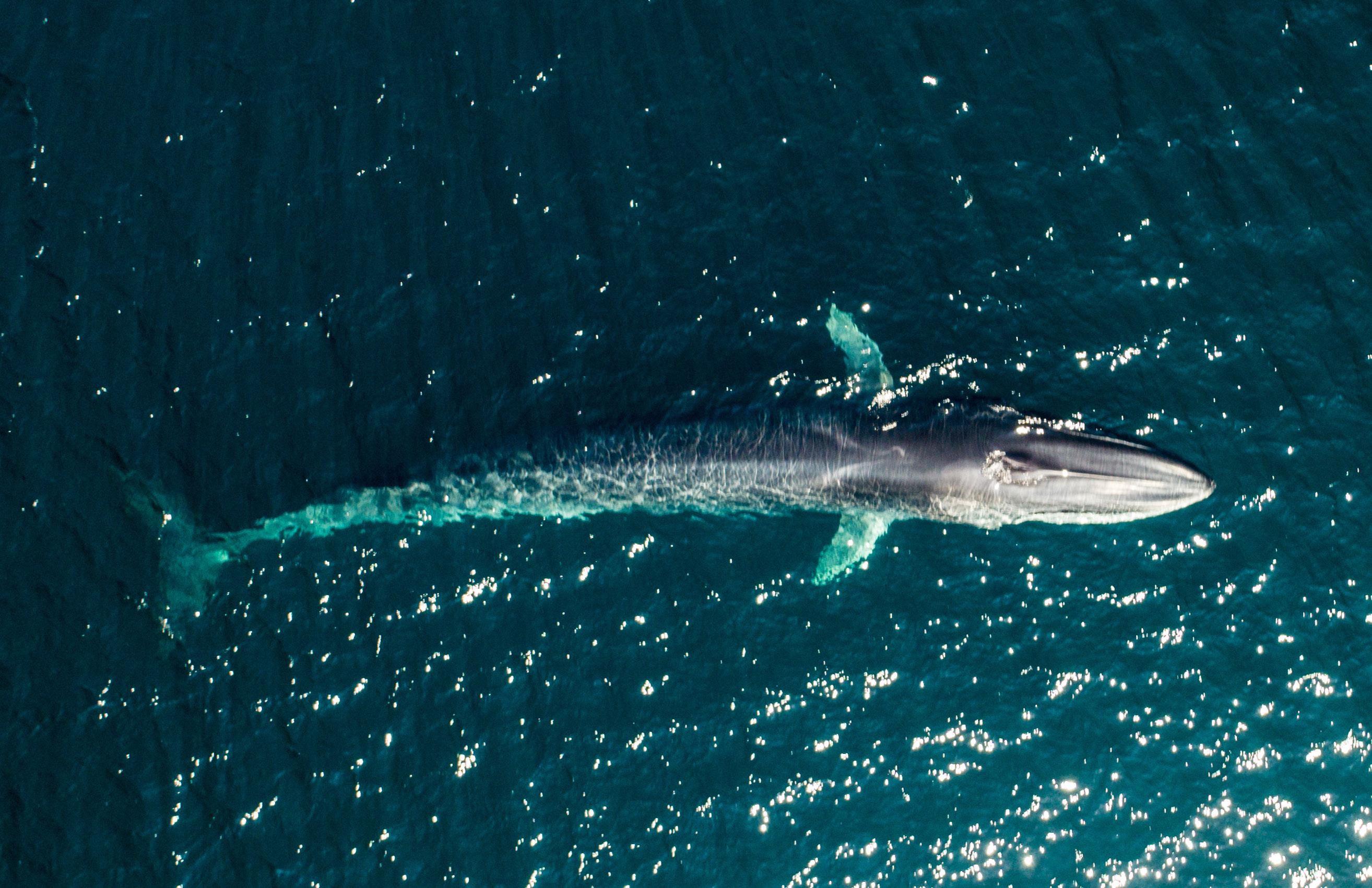
The fin whale is the second-largest animal on Earth, surpassed only by the blue whale. These sleek, streamlined baleen whales—sometimes called the “greyhounds of the sea”—can reach 80 feet in length and live 90–100-plus years. They migrate into Iceland’s nutrient-rich North Atlantic waters each summer to feed on krill and small fish, often seen in places like Skjalfandi and Faxafloi bays.
Fin whales were heavily hunted in the 20th century, and though populations have rebounded under protection, they remain vulnerable to threats like climate change, ship strikes and commercial whaling, which still occurs under limited quotas in Iceland.
“I was mesmerized by the waterfalls, lava fields and whale watching. The entire experience was wellorganized, and I truly felt like I got an authentic taste of Iceland.”
-Nat Hab Traveler Jim M., Iceland: Circling the Land of Fire & Ice
Minke Whale
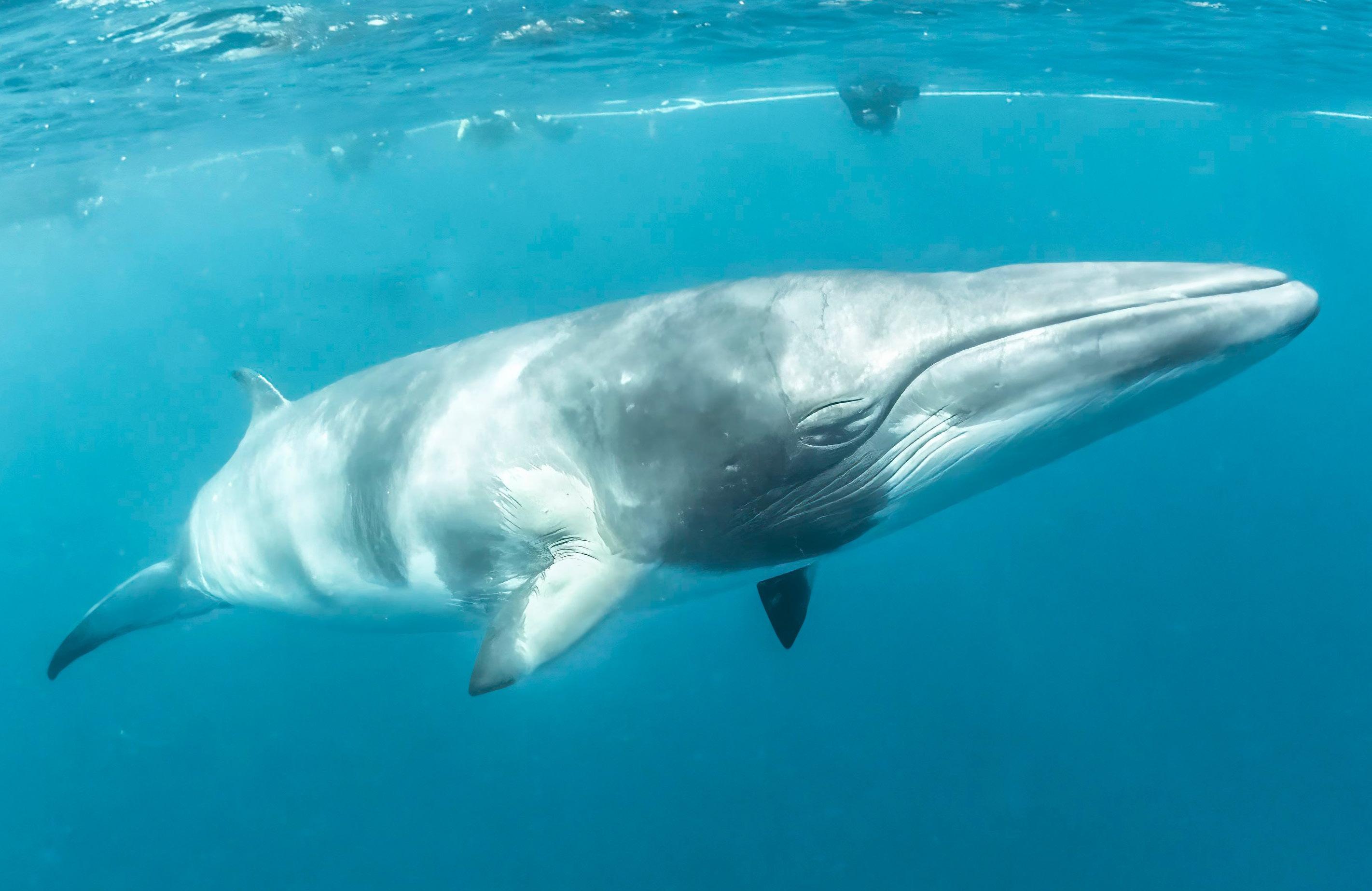
The minke whale is one of the most seen baleen whales in Iceland’s coastal waters and a favorite sighting for whale watchers. Smaller and more streamlined than their larger relatives, minkes typically measure 25–30 feet long and feed on krill, small fish and zooplankton. These curious whales often approach boats and can be spotted from spring through early autumn in rich feeding areas such as Skjalfandi Bay near Husavik and Faxafloi Bay near Reykjavik.
While they are widespread throughout the North Atlantic, their presence in Iceland’s productive seas highlights the region’s vital marine ecosystems and offers memorable close encounters for visitors.
Seals
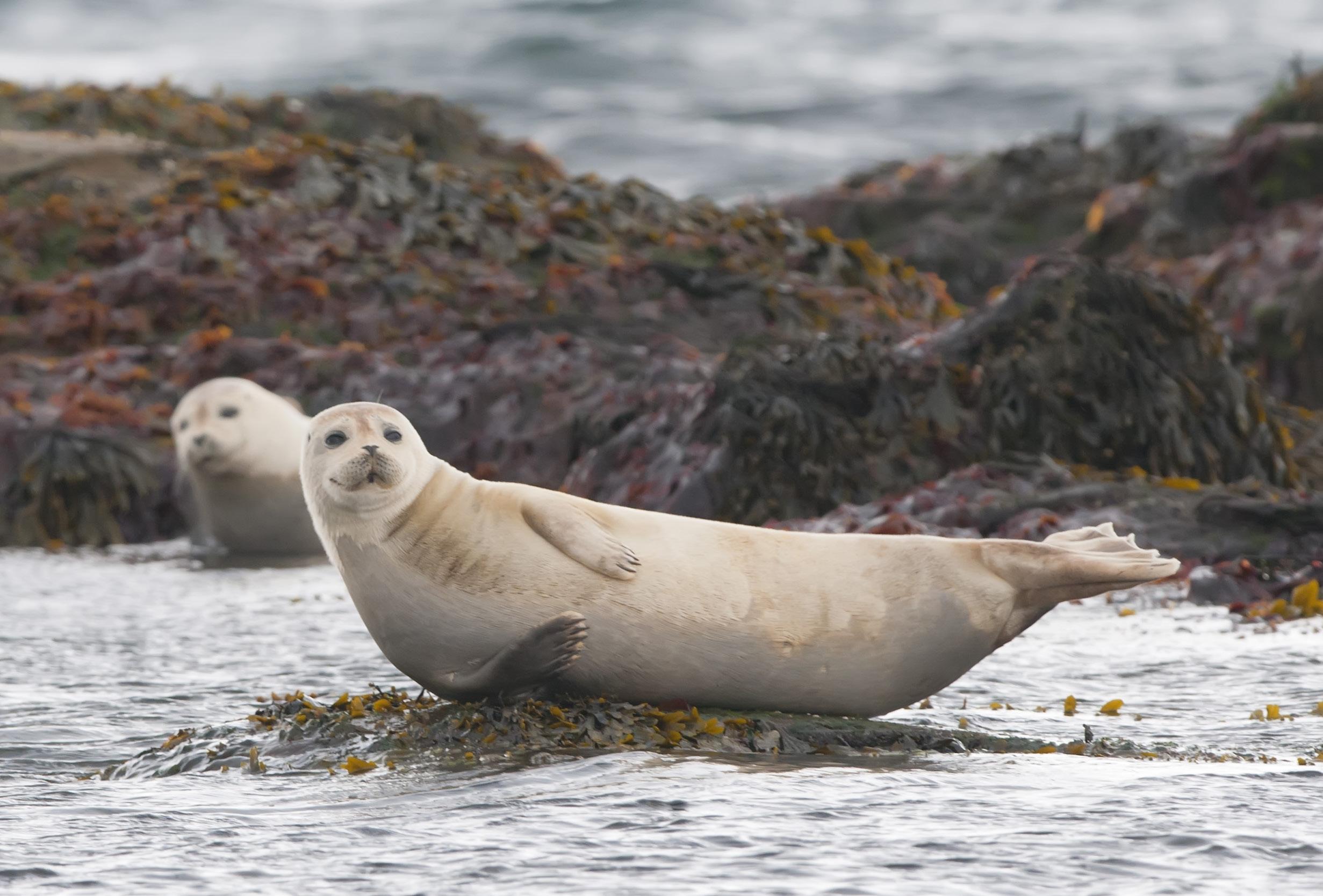
Iceland’s rugged coastline is home to several seal species, but the harbor seal (also called the common seal) is the one most often spotted by wildlife enthusiasts. With a rounded head and spotted gray-to-brown coat, harbor seals frequent sandy beaches, tidal flats and sheltered bays around the island. They are often seen hauled out on rocks or swimming near the shore, where they dive for fish, squid and crustaceans.
Less common but still present are gray seals, larger and more robust, especially in the Westfjords and on offshore islands. Both species add a charming and approachable element to Iceland’s rich marine wildlife scene, delighting photographers and nature lovers alike.
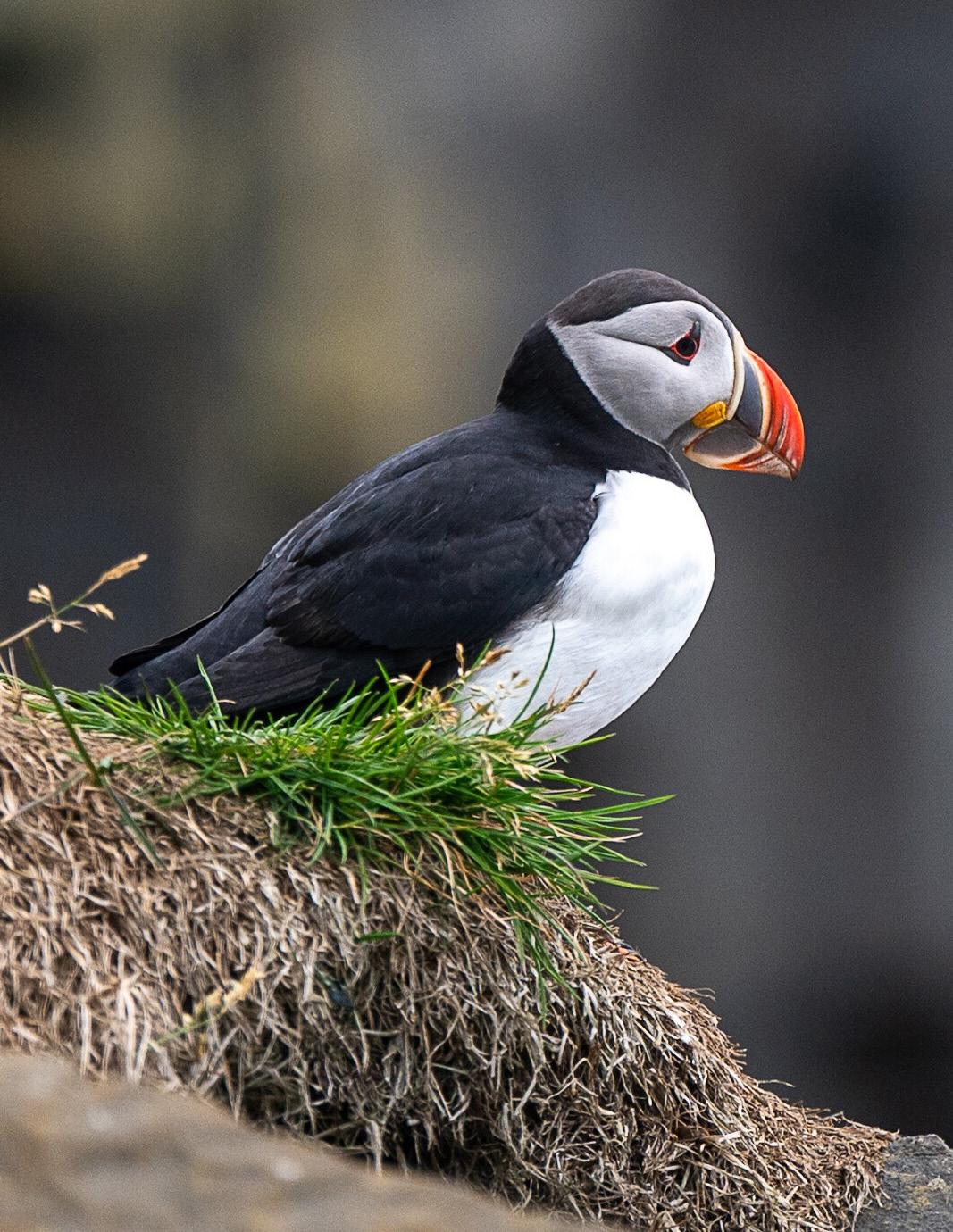
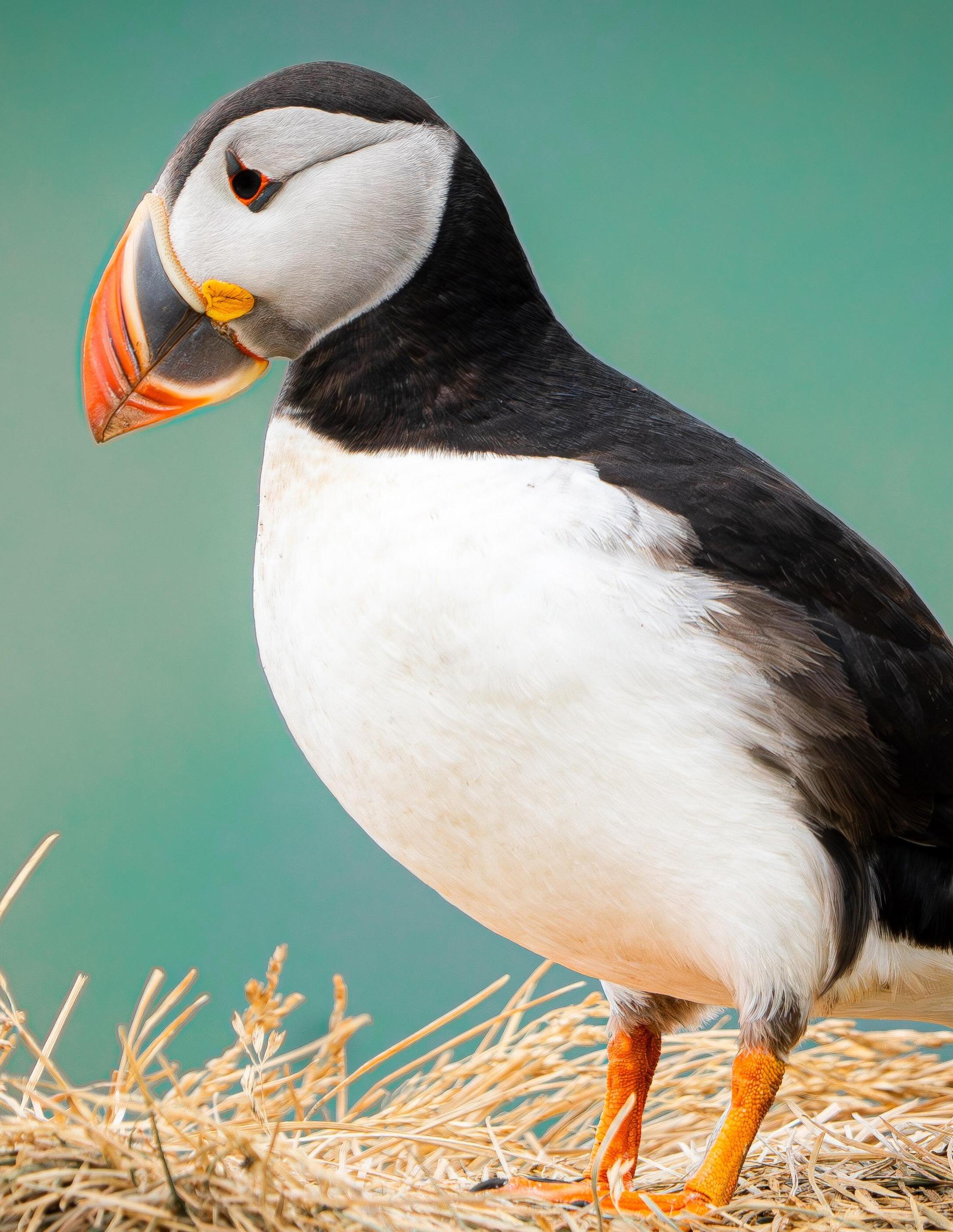
Atlantic Puffin
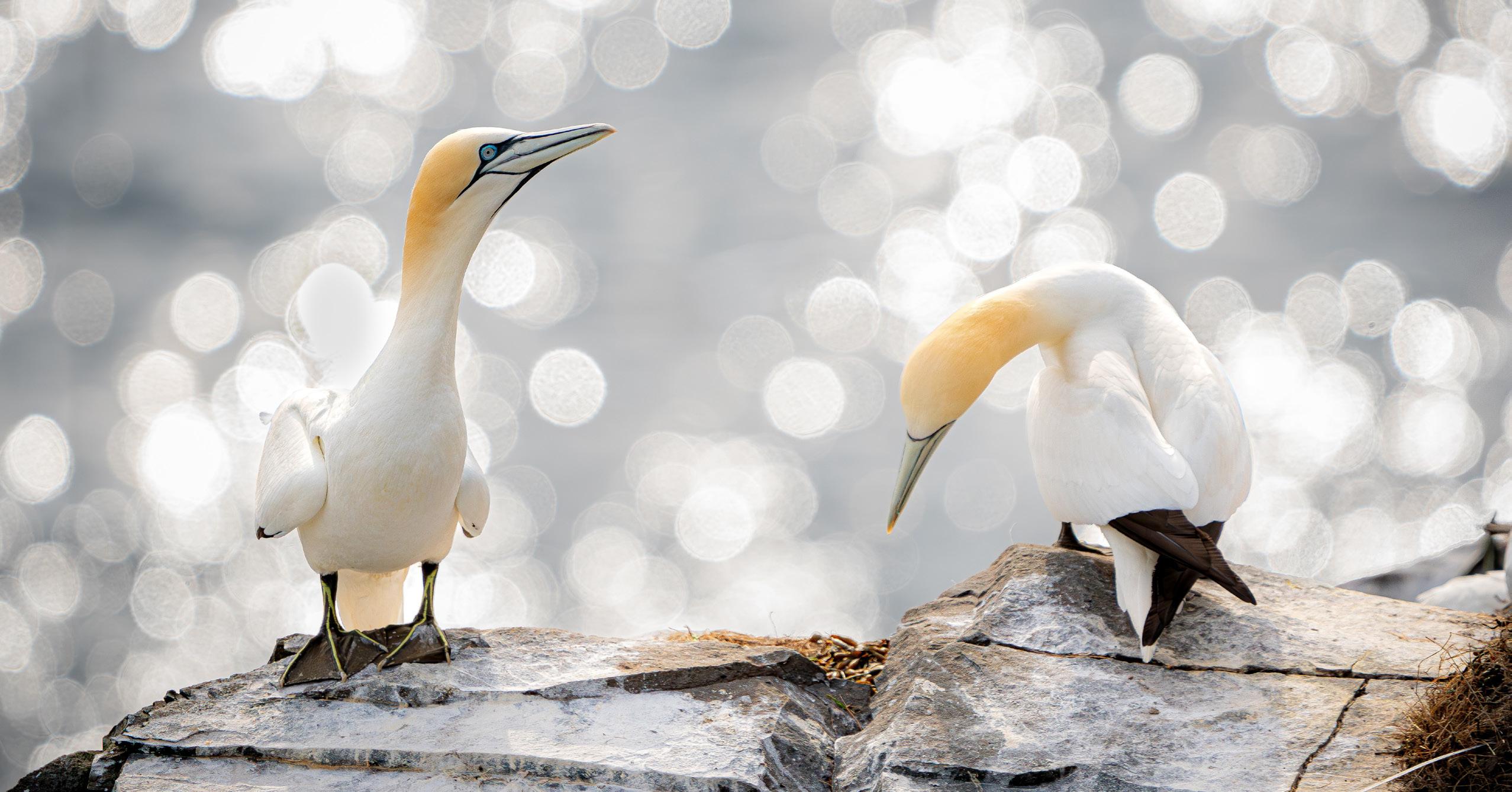
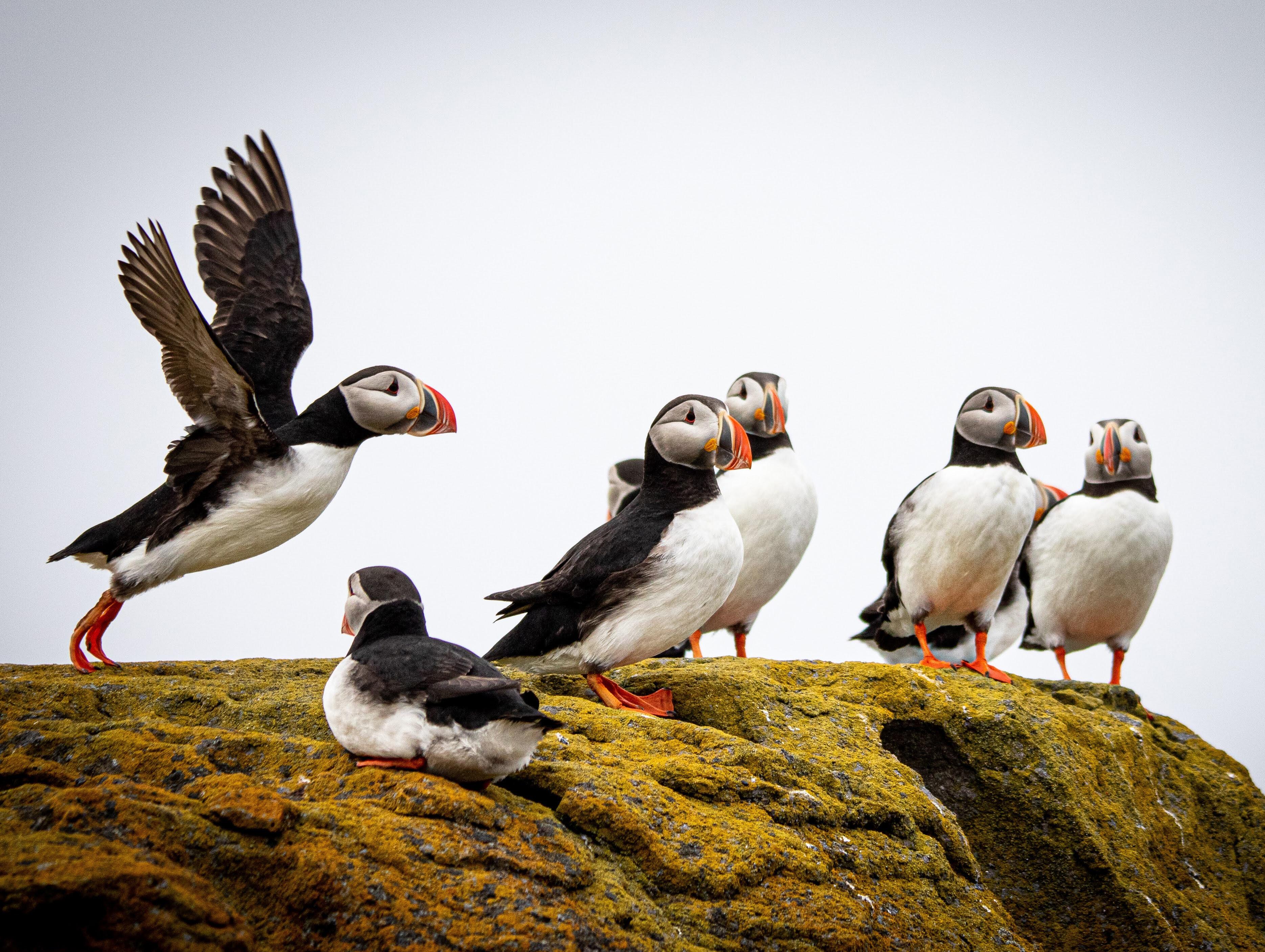
The Atlantic puffin is one of Iceland’s most beloved wildlife icons, often referred to as the “clown of the sea” for its colorful beak and endearing presence. These charismatic seabirds nest in burrows along grassy cliff edges and rocky islands.
Puffins spend much of the year at sea, returning each spring and summer to breed and raise their young. They feed by “flying” underwater to catch small fish such as sand eels, often carrying multiple in their beaks at once. Iceland supports one of the largest puffin populations in the world, estimated at 8 to 10 million birds during breeding and nesting season from late April to early September, making it an exceptional destination for bird lovers and photographers alike.
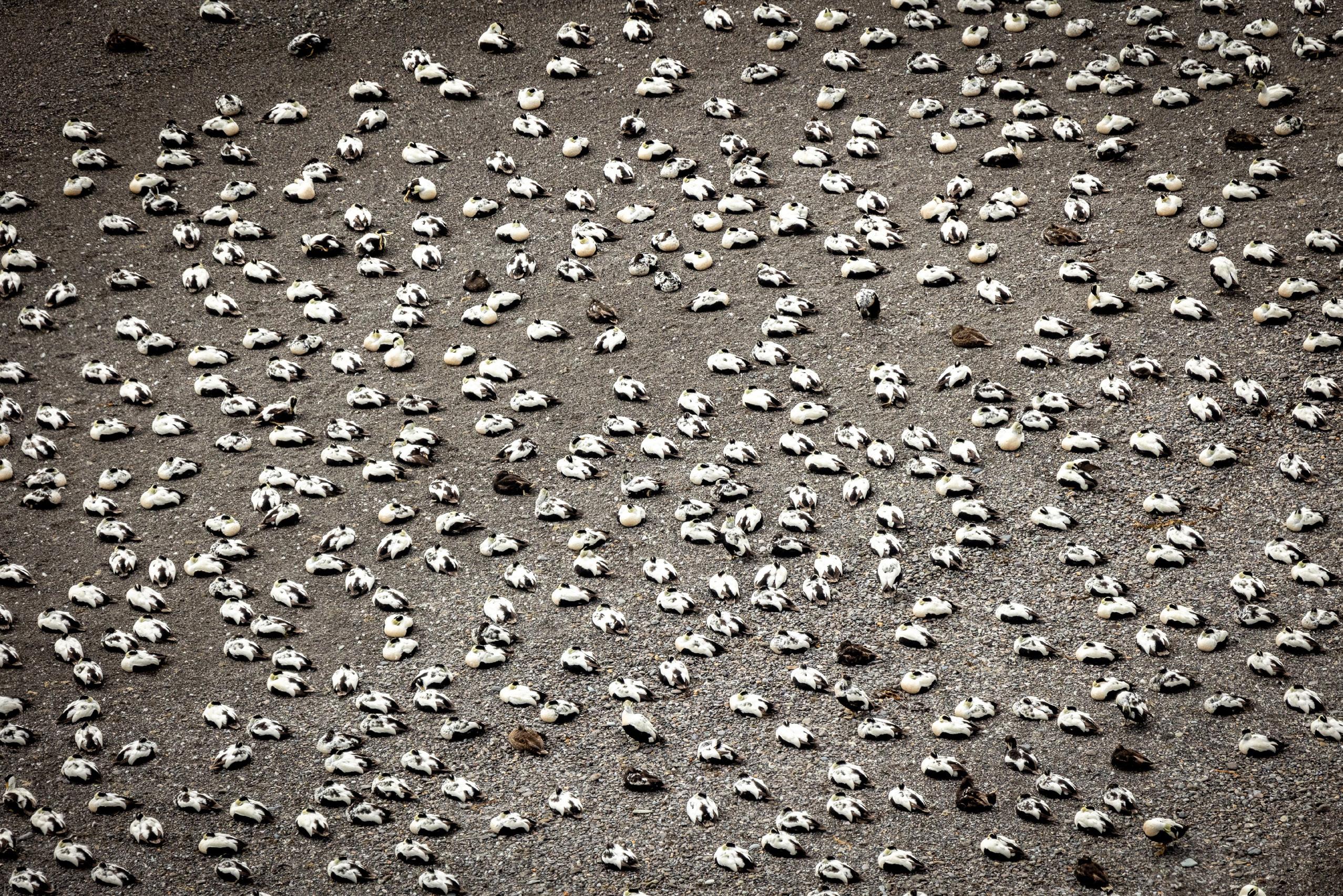
Eider Duck
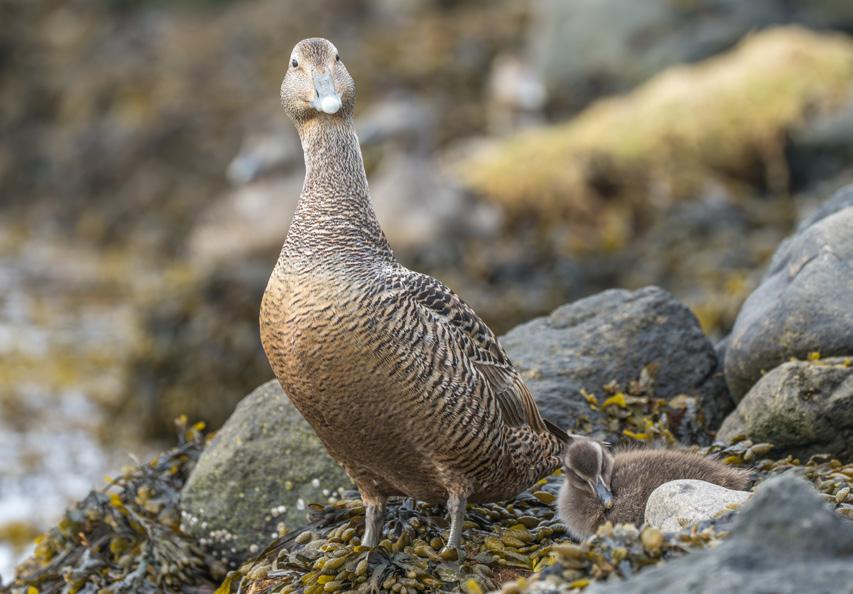
The eider duck is a quintessential Icelandic bird, best known for its soft, insulating down, which has been harvested sustainably for centuries and is treasured worldwide. Common along rocky coasts, fjords and protected bays, eiders are large sea ducks with striking plumage. Males display black-and-white feathers with a green nape, while females are mottled brown.
These social ducks nest in dense colonies, often near human settlements where traditional communities have long safeguarded their nests in exchange for down. Eiders feed on crustaceans, mollusks and small marine life, diving adeptly in cold North Atlantic waters. Their presence adds a touch of rich tradition and natural beauty to Iceland’s coastal wildlife tapestry.
© C Conrad
Arctic Tern
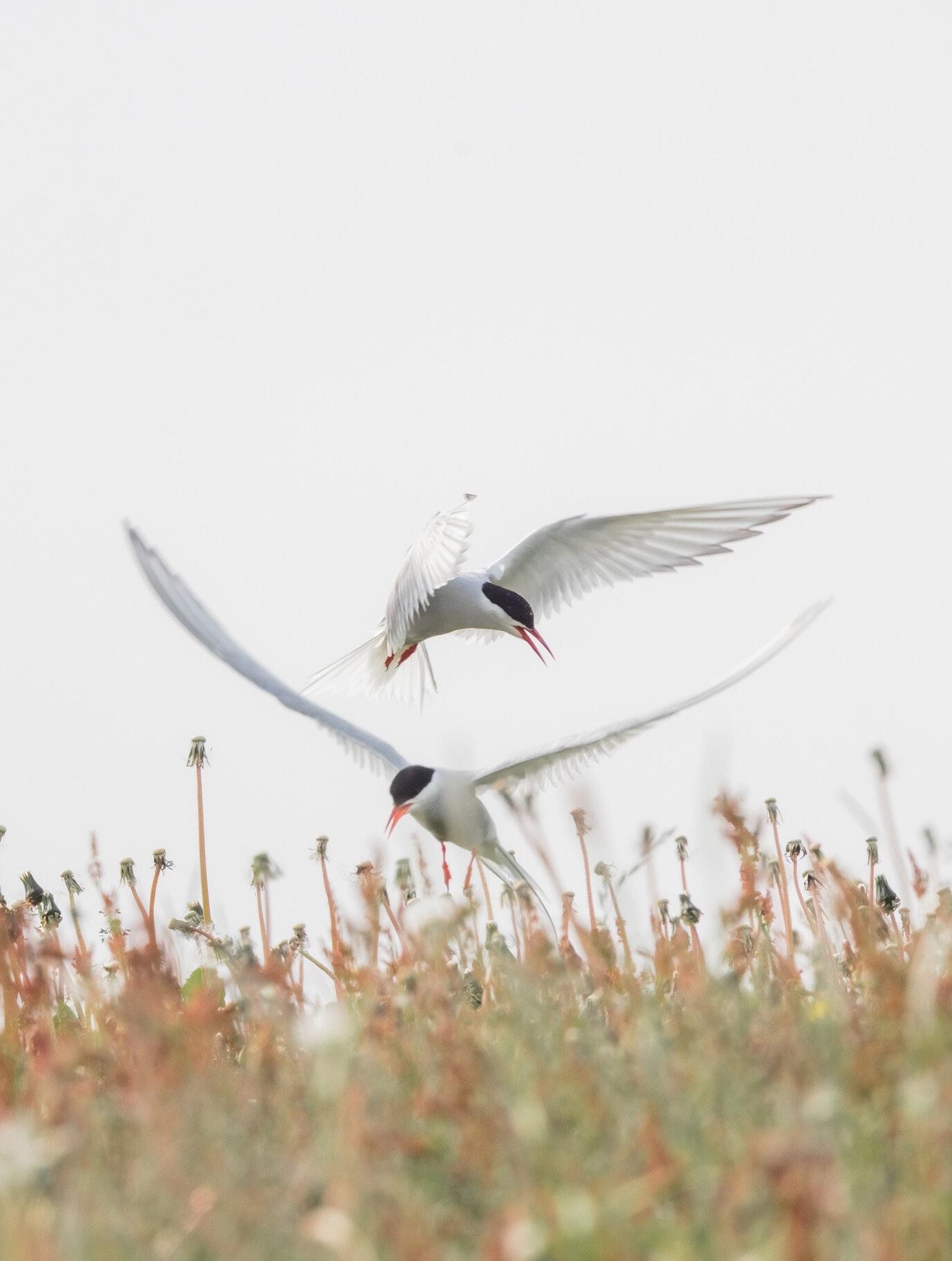
The Arctic tern is one of Iceland’s most remarkable avian voyagers, famed for its extraordinary migration. The determined terns travel from the Arctic to the Antarctic and back each year, a round-trip journey of up to 50,000 miles. Slight and elegant, with a sleek silver-gray body, black cap and bright red bill and feet, this seabird breeds along Iceland’s coasts and offshore islands during the summer months.
Arctic terns raise their young amid booming seabird colonies, where they hunt small fish and invertebrates over ocean waters. Their tireless migrations and fearless aerial agility make them a powerful symbol of endurance and a thrilling sight for birdwatchers exploring Iceland’s wild shores.
Black Guillemot
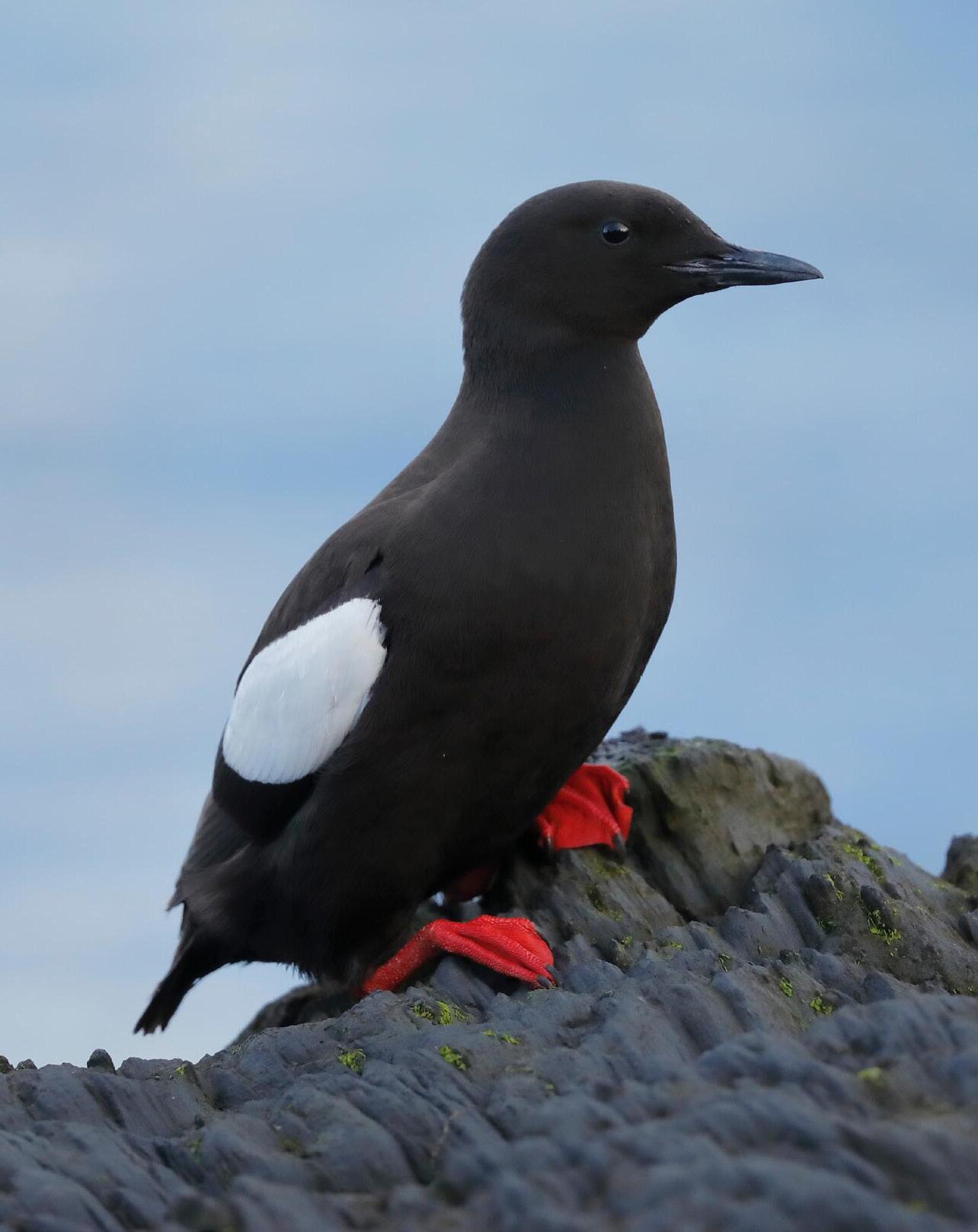
The black guillemot is a striking seabird commonly seen along Iceland’s rocky coasts and sheltered bays, especially in winter when many other seabirds have migrated. Easily recognized by its jet-black plumage, bright white wing patches and vivid red feet, this hardy diver feeds primarily on small fish and crustaceans just below the water’s surface.
Black guillemots nest in crevices, cliffs and abandoned burrows, often close to shore, making them one of the most accessible birdwatching species for travelers. Their bold presence against Iceland’s dramatic seascapes—and their vocal social interactions— add lively color to the island’s rich marine life.
© G Ciampini
NAT HAB’S ICELAND ADVENTURES
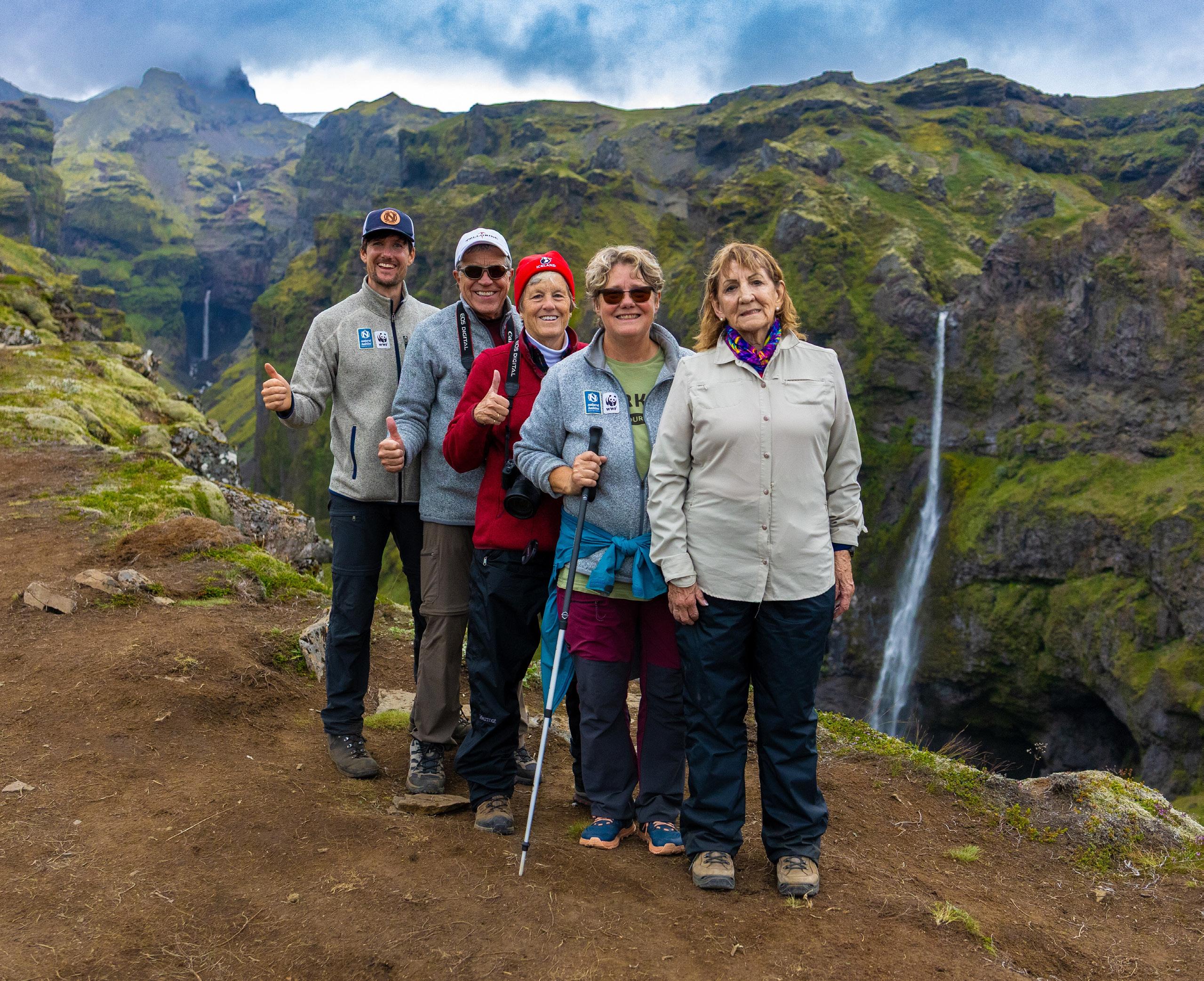
Nat Hab’s exceptional Expedition Leaders and years of experience in Iceland guarantee an immersive nature adventure you won’t find with any other tour operator or on a self-planned itinerary. From remote coastal villages and seabird-covered cliffs to glacier-capped volcanoes, thundering waterfalls and steaming geothermal fields, we take you far beyond the usual routes. Trust us to get you there—and Iceland’s dramatic landscapes and abundant wildlife will do the rest!
Our small-group Iceland adventures venture far beyond the heavily touristed Golden Circle. We connect remote regions by a mix of chartered flights and scenic drives, exploring on foot, by 4x4 vehicle and on private boat excursions. Our stays in nature-based accommodations, from coastal inns to mountain retreats, offer close access to Iceland’s glaciers, fjords, geothermal marvels and traditional fishing communities.
© D Blankenheim
HERE ARE JUST A FEW OF THE HIGHLIGHTS OF OUR ICELAND TRIPS :
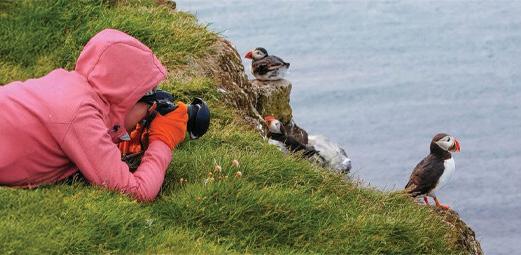
Visit bustling puffin colonies to see and photograph these charming, clownish seabirds. During the summer, Iceland is home to more than 60% of the world’s Atlantic puffin population!
Discover wildlife spots most visitors miss, plus other surprises revealed only by our naturalist Expedition Leaders and local guides, who know Iceland intimately.
Explore the fascinating lava formations around Lake Myvatn on an optional horseback ride, or embark on a birdwatching walk—the area is home to more than 115 species, including 13 types of nesting ducks.
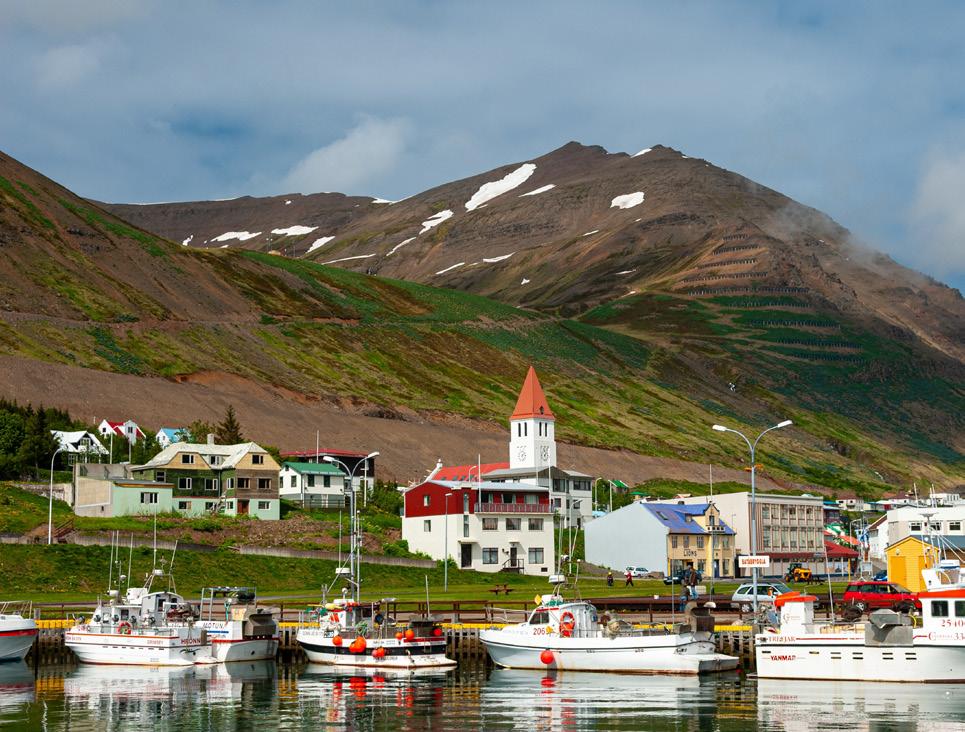
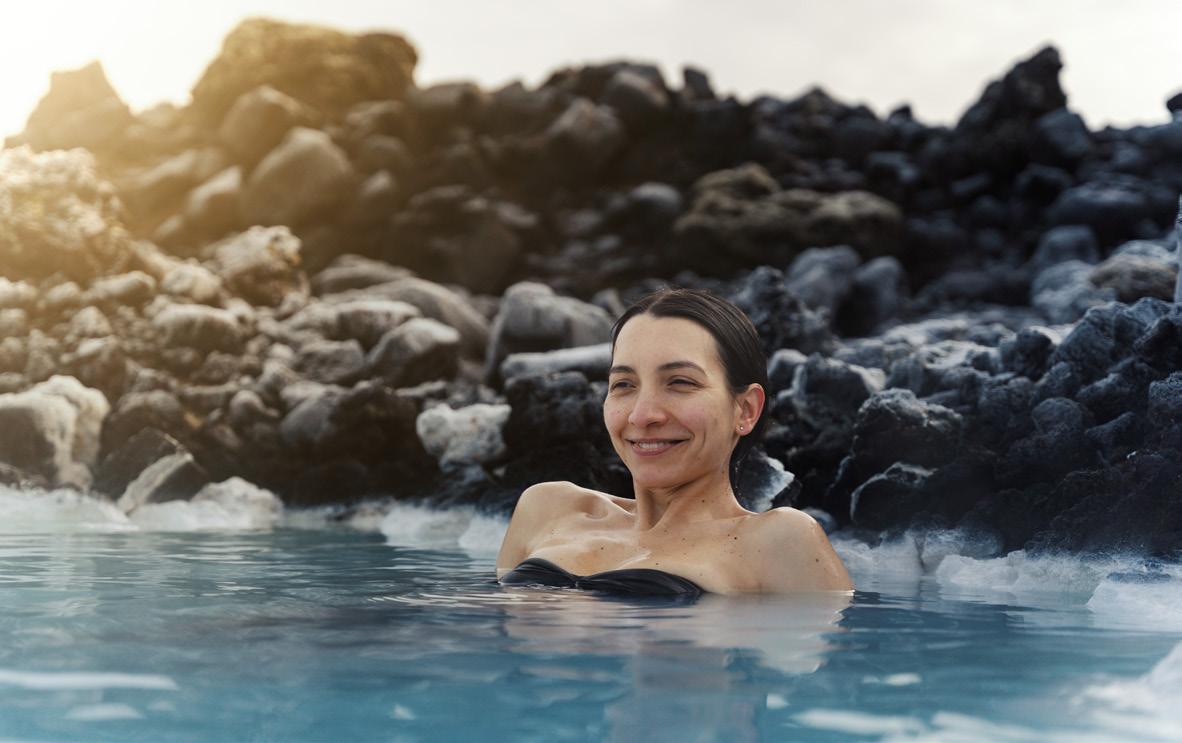
Enjoy a quintessentially Icelandic experience with a soothing soak in geothermal hot springs amid clouds of steam rising from a fissure deep in the Earth.
Immerse yourself in Icelandic culture as you join a local resident for a stroll through a historic fishing town, visit hospitable family farms and learn the myths and legends of this enchanting— and possibly enchanted?—country.
© E Savage
Explore all of our Iceland adventures
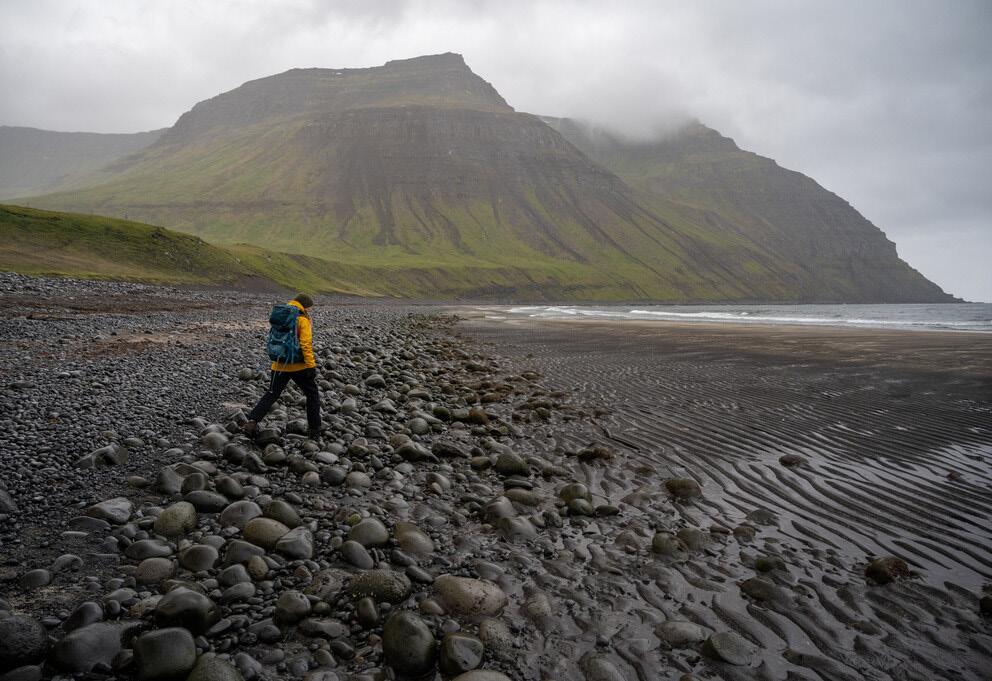
Stroll along one of Iceland’s famous black-sand beaches and admire the columnar basalt formations at Reynisdrangar Rocks.
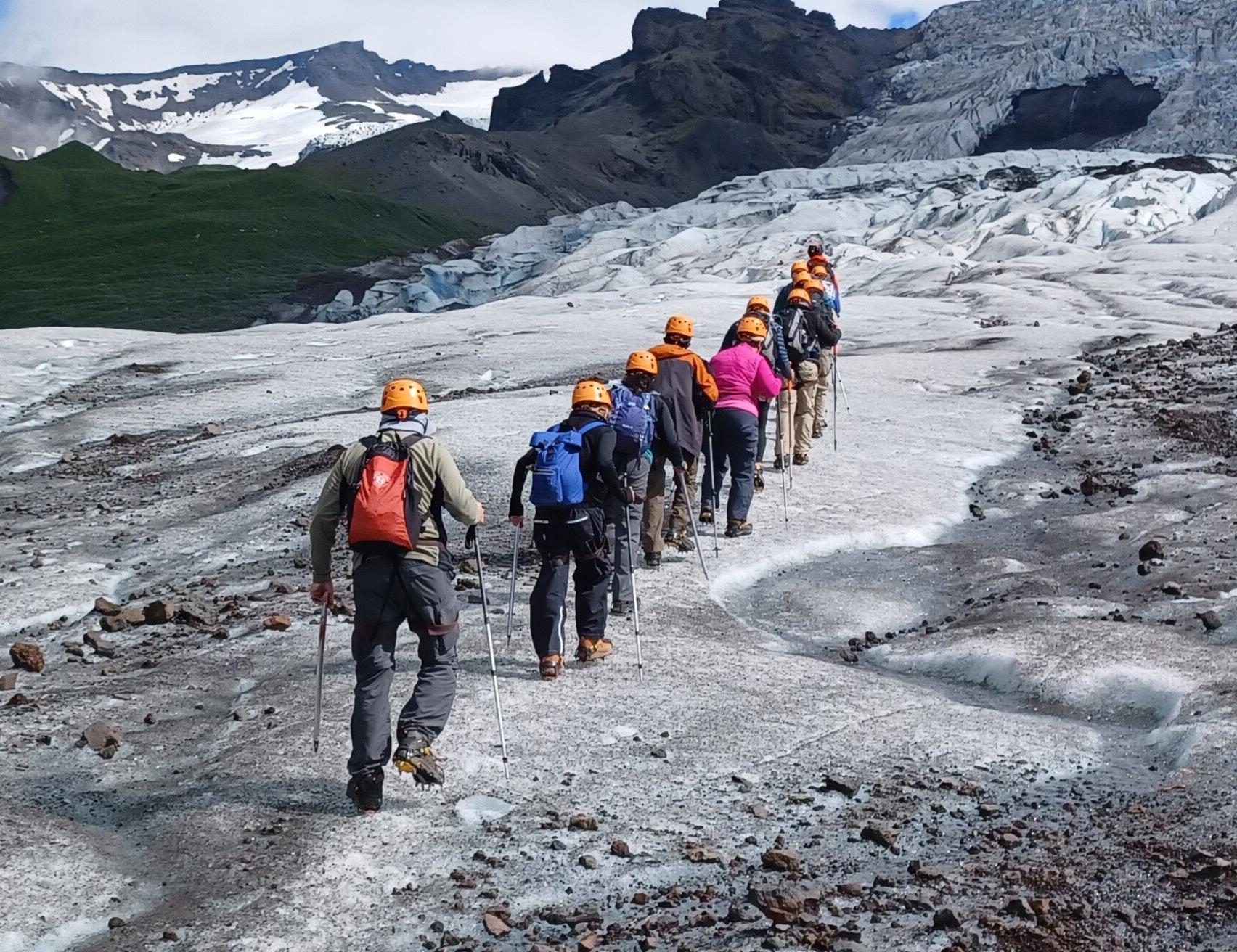
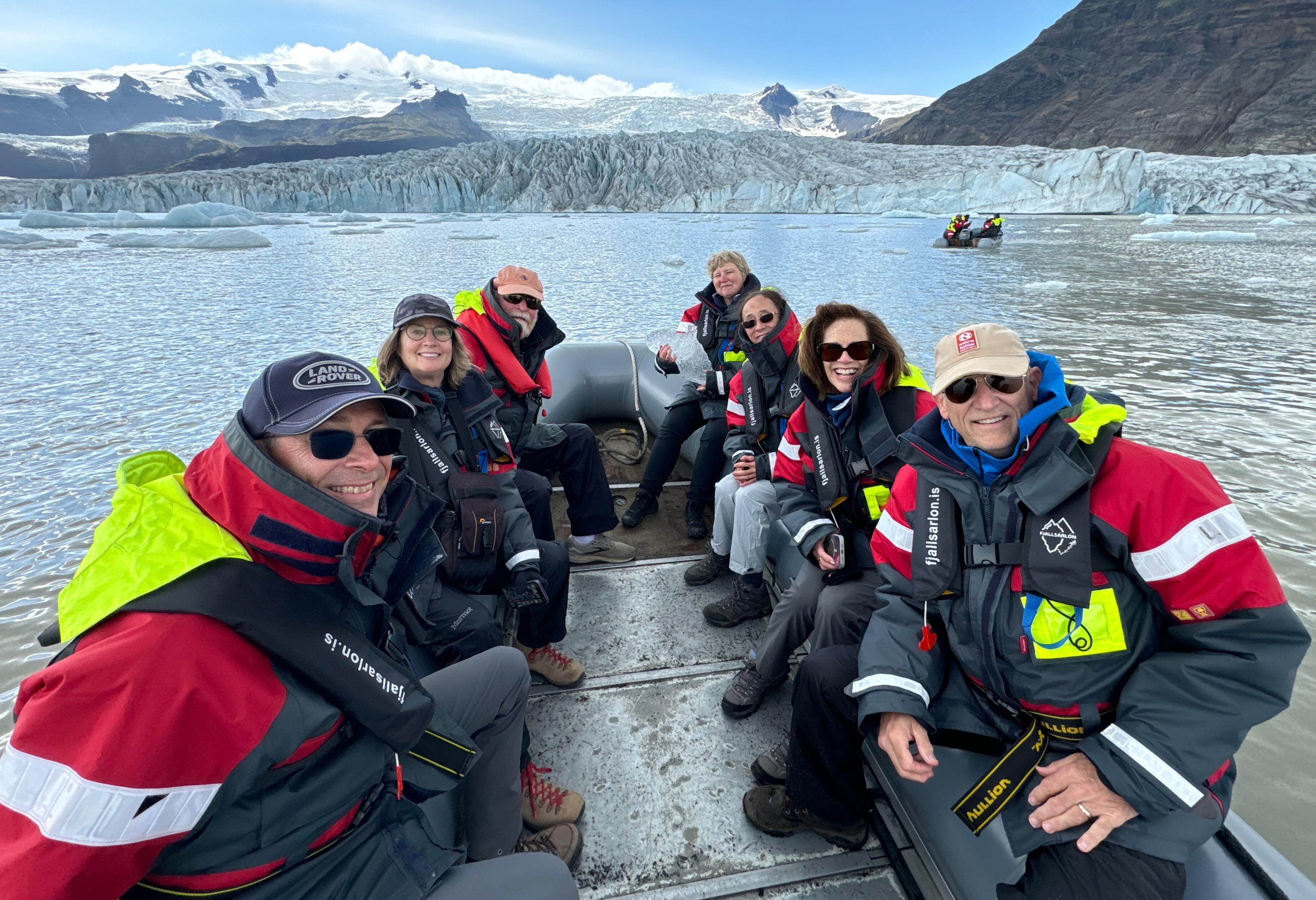
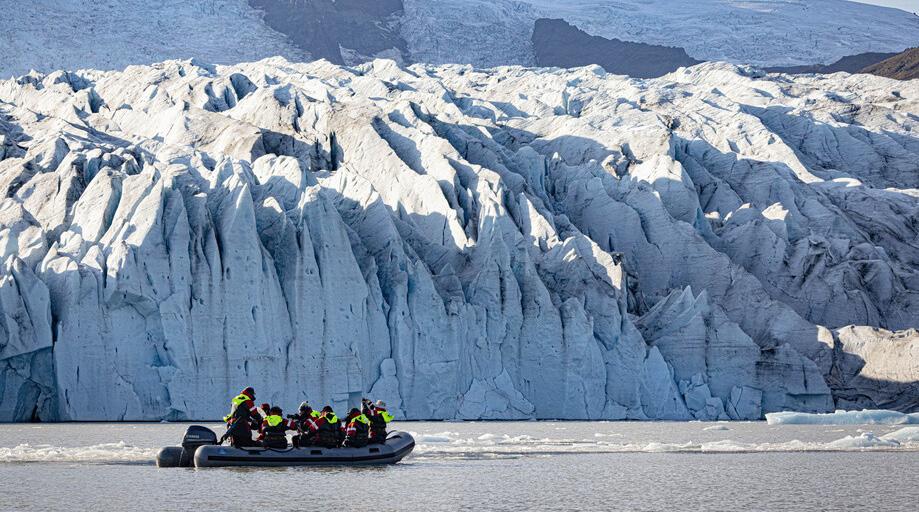
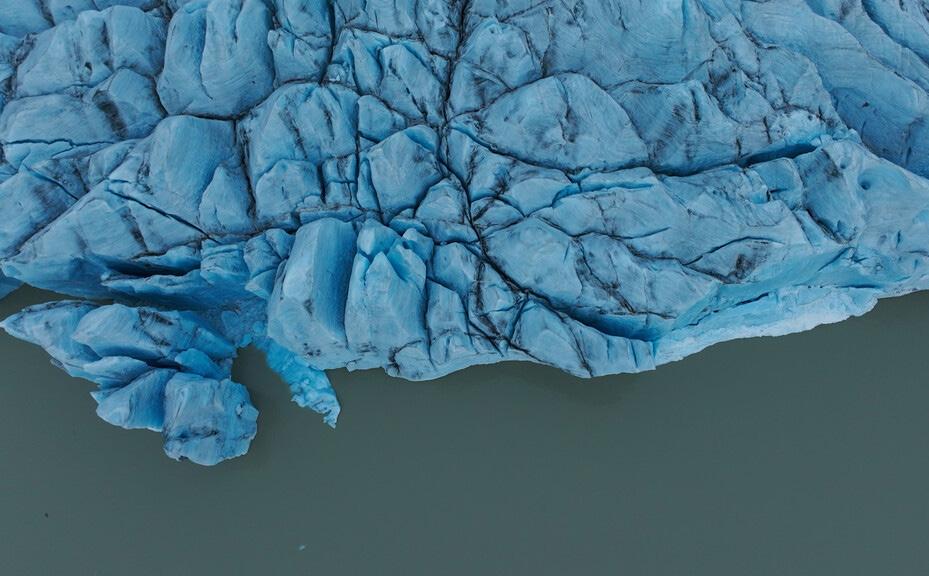
Walk atop a glacier (or opt for an easy hike with glacial views) in Skaftafell National Park, then board a private Zodiac to explore Fjallsarlon Glacier Lagoon, where we can get close to brilliant blue icebergs.
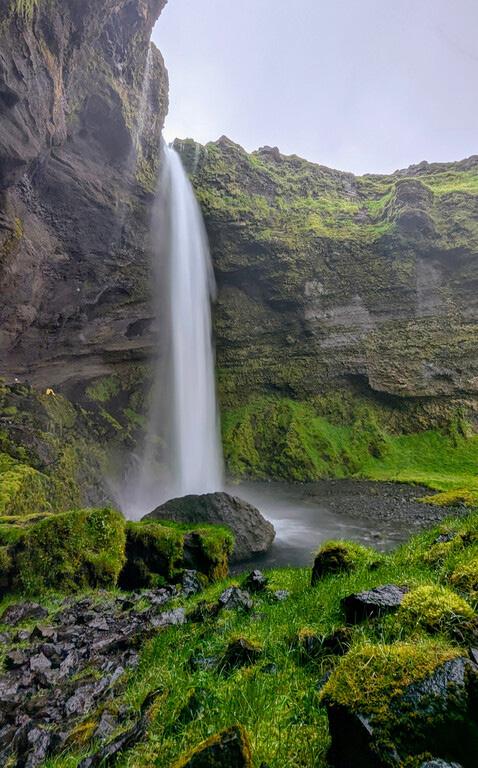
Love waterfalls?
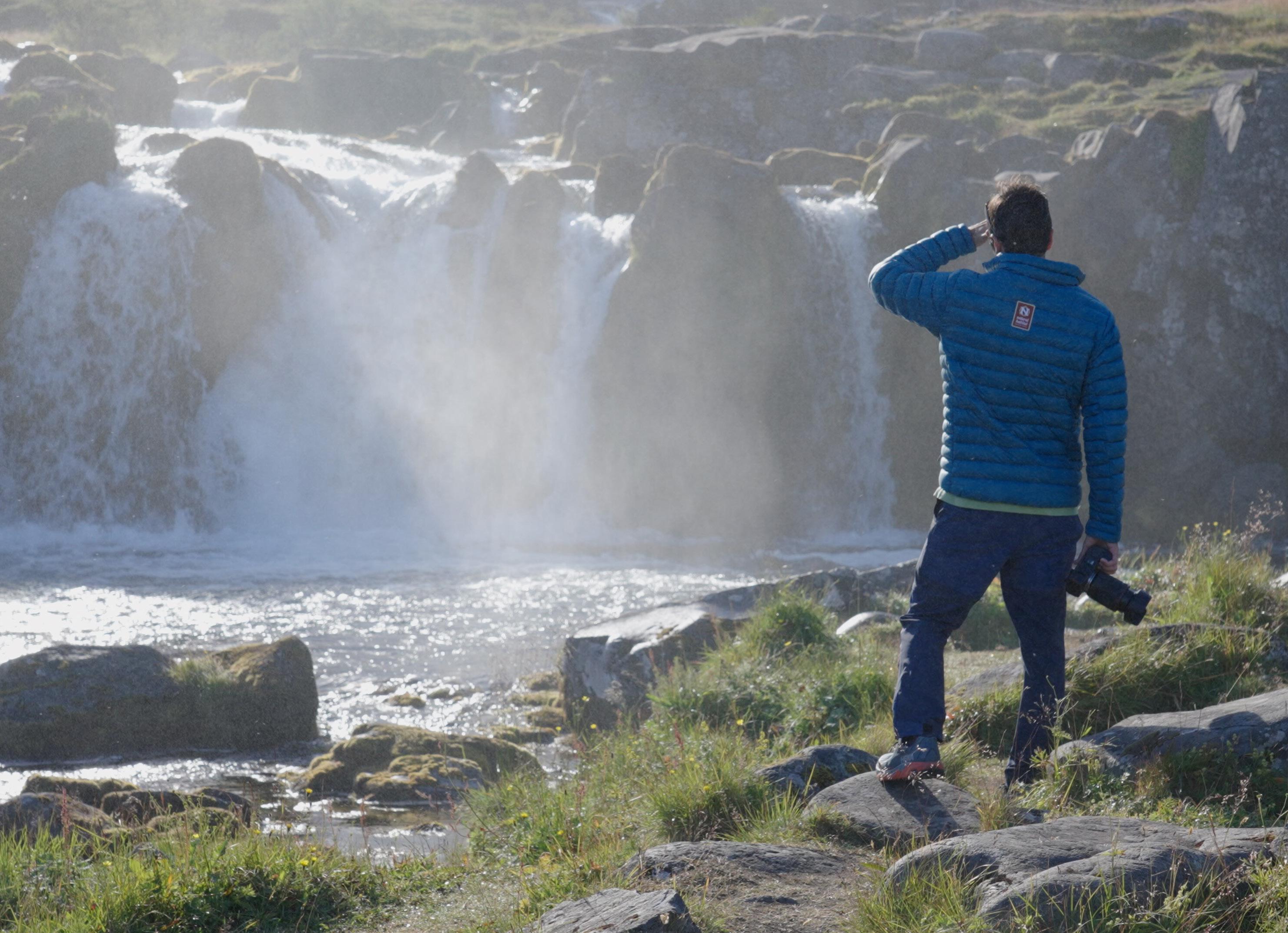
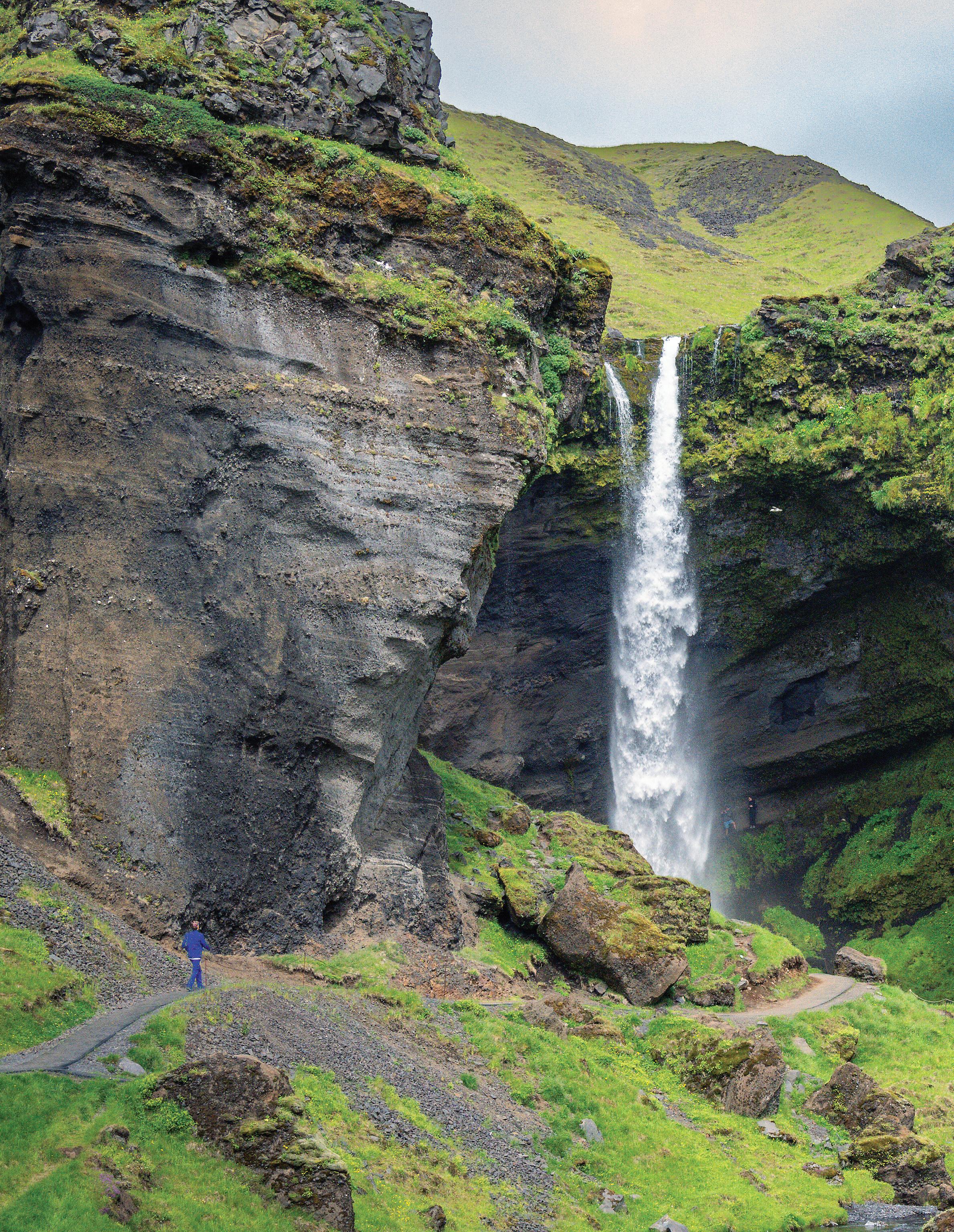
Witness the power of Dettifoss, Europe’s largest waterfall, along with dozens of other cataracts, including Godafoss, Skogafoss and Kvernufoss.
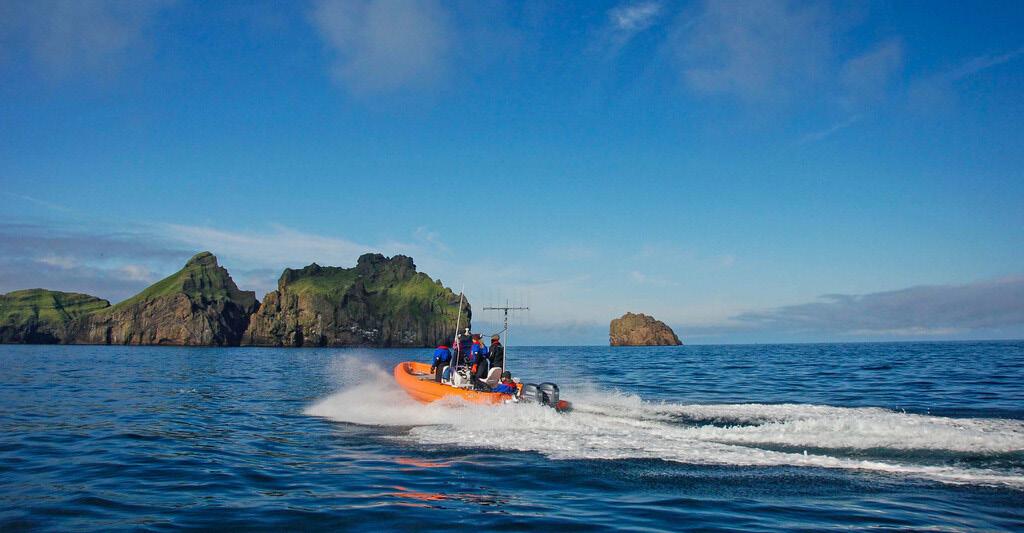
Take multiple private boat cruises to locales like Aedey Island (home to a sustainable eiderdown farm) and Hornstrandir Nature Reserve, a protected realm of sea cliffs, tundra and glacier-carved fjords in the most remote corner of Iceland.
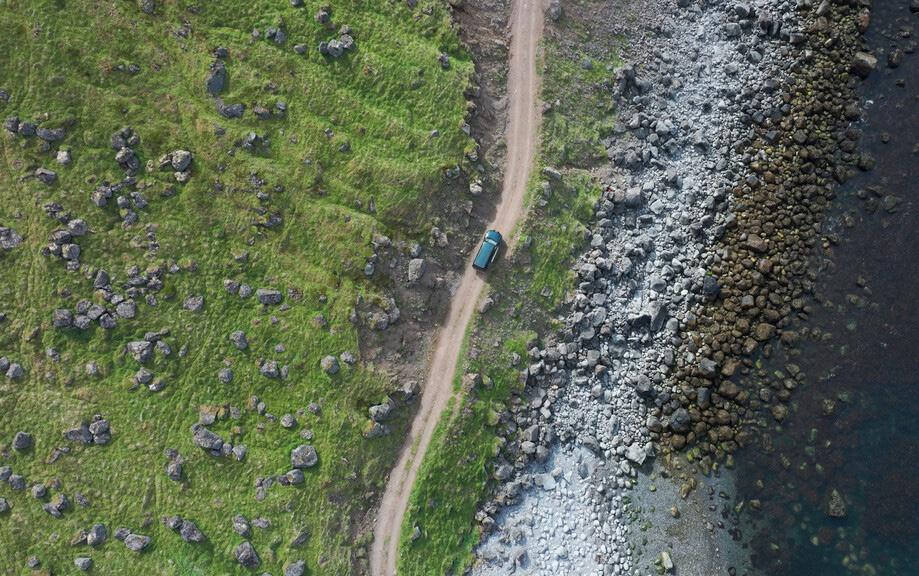
Explore a raw, otherworldly landscape of volcanic deserts and mountains in the little-visited Highlands by foot and 4x4.
© S Mall
© E Savage © D Gaspard
© R Johannsdottir
© L Thompason
ICELAND PHOTO EXPEDITIONS:
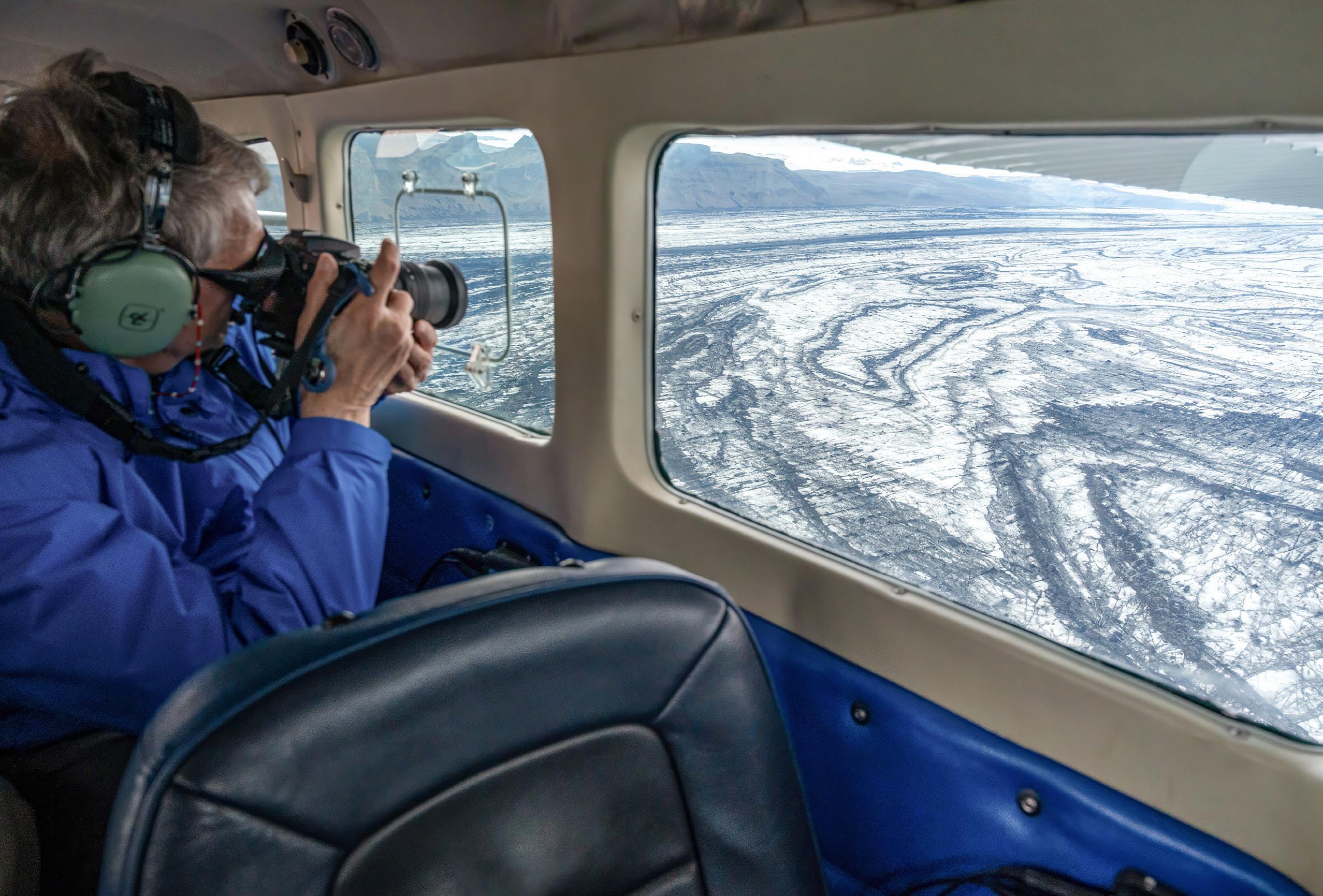
On our Ultimate Iceland Photo Expedition, spend a half-day photographing one of the world’s largest Atlantic puffin colonies and partake in aerial photography on a private flightseeing tour over Skaftafell.
Explore all of our Iceland adventures
© E Savage
BEYOND ICELAND: EXTEND YOUR NORDIC ADVENTURE
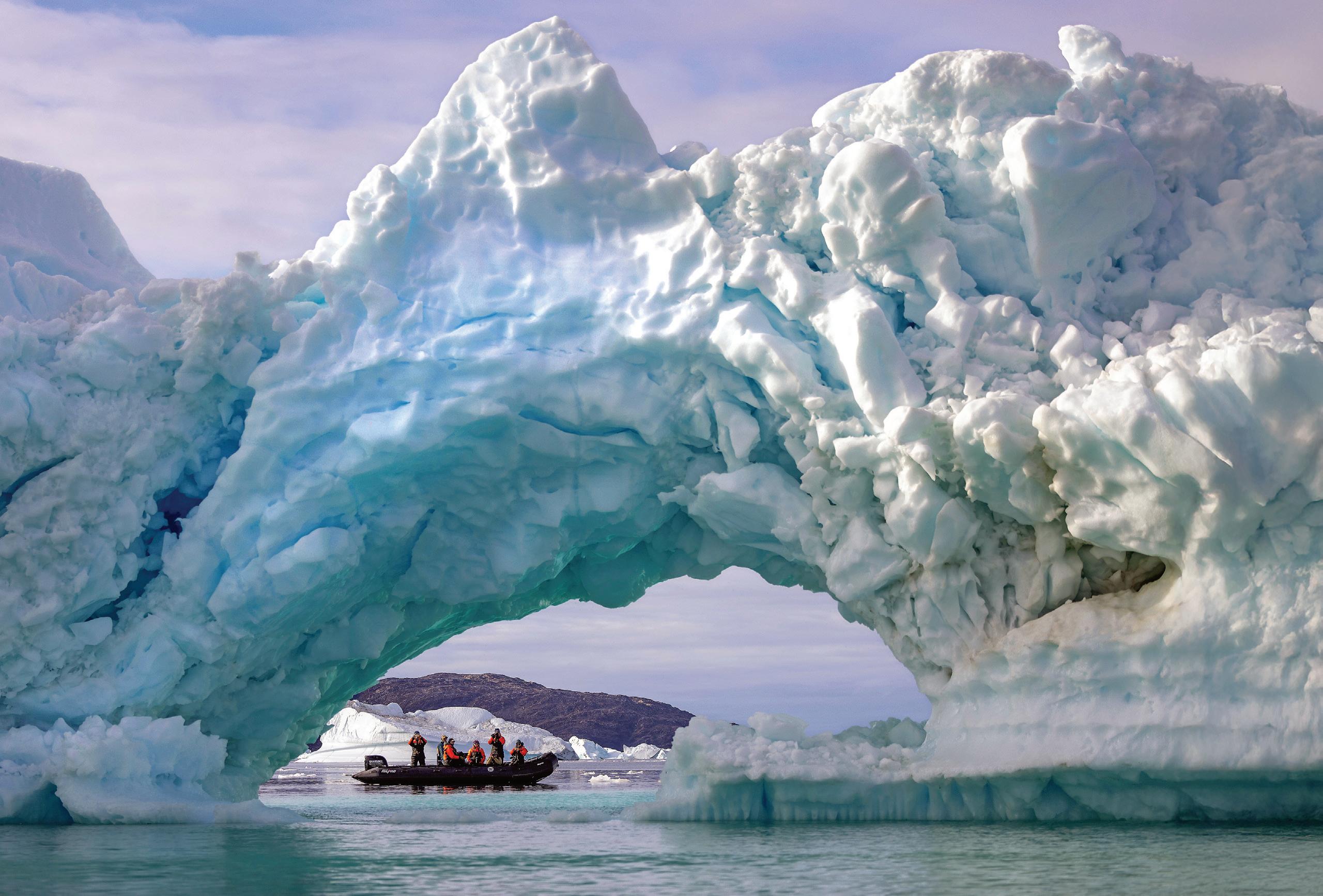
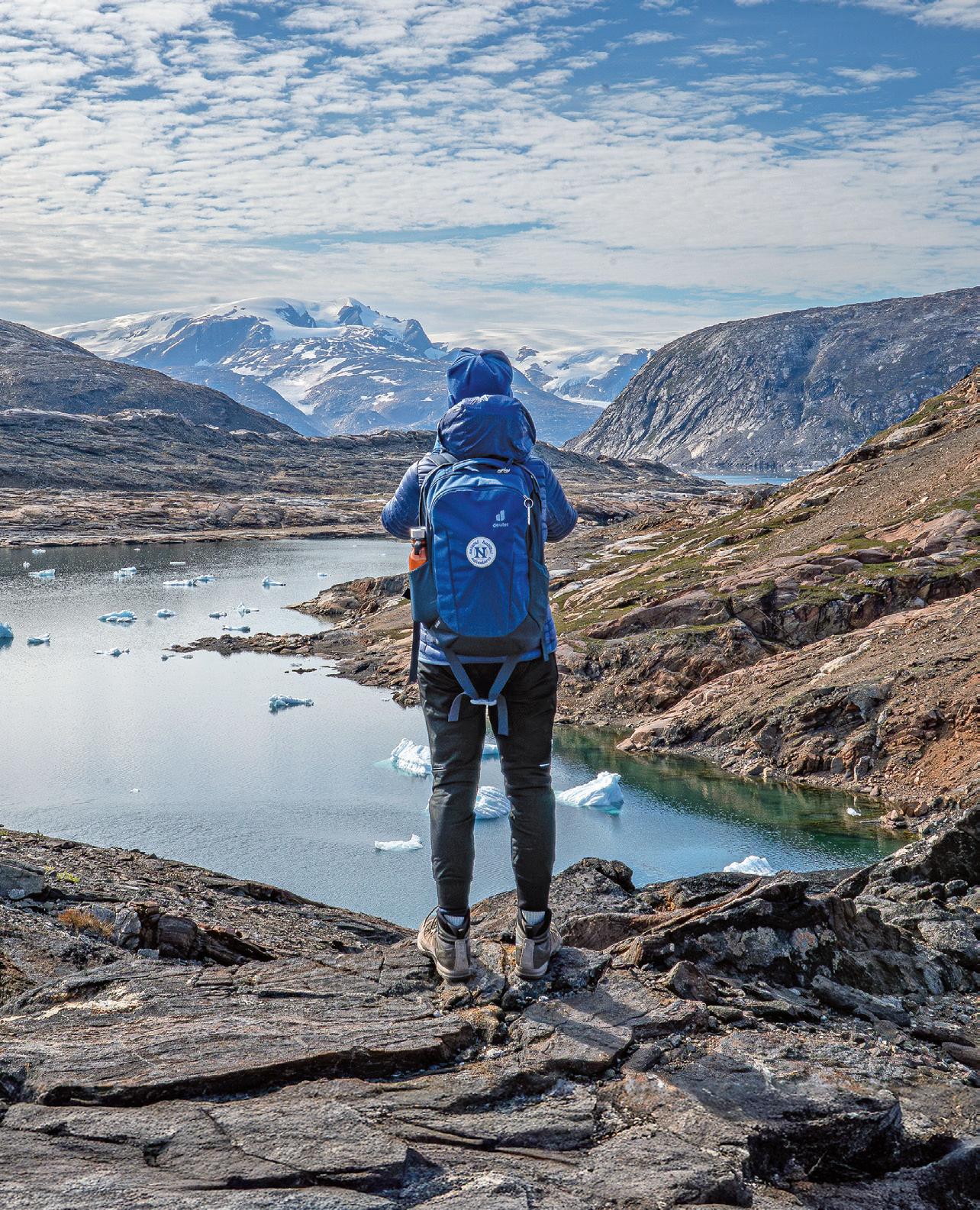
Already at the edge of the Arctic, Iceland is the perfect jumping-off point for a journey even farther into the North. Continue your adventure with a Nat Hab expedition to remote East Greenland, where massive glaciers calve into iceberg-choked fjords and Inuit culture thrives amid a stark, spectacular landscape. Or opt for our Iceland & Greenland adventure that combines the best of both Nordic countries.
© C Whelan © A Amsel
SUGGESTED READING
Deepen your understanding of Iceland’s vibrant ecosystems and rich cultural heritage with these recommended reads. From compelling wildlife chronicles and ecological explorations to cultural insight and Nordic history, each title offers a deeper connection to the landscapes, animals and people that make Iceland so extraordinary.

The Arctic: A Guide to Coastal Wildlife | Tony Soper
This compact guide to the plants, marine mammals and birds of the Circumpolar North showcases stunning watercolor illustrations alongside engaging and informative text.
Island on Fire: The Extraordinary Story of a Forgotten Volcano That Changed the World | Jeff Kanipe & Alexandra Witze
Two science writers explore the political and environmental impact of the 1783 eruption of Laki, Iceland’s largest volcano, which triggered global death, famine and even revolution.
Secrets of the Sprakkar: Iceland’s Extraordinary Women and How They are Changing the World | Eliza Reid
Iceland’s former First Lady illuminates the country’s history and culture and its unique approach to gender equity.
Ring of Seasons: Iceland, Its Culture and History | Terry G. Lacy
A longtime Reykjavik resident, Lacy blends family stories, anecdotes, folklore and history into a rich and insightful personal portrait of Iceland.
The Control of Nature | John McPhee
In classic McPhee style, these captivating essays examine humanity’s often futile attempts to resist the forces of nature, including Icelanders’ bold efforts to halt a volcanic flow threatening the harbor at Heimaey in the Westman Islands.
The Vikings | Magnus Magnusson
Magnusson’s well-rounded picture of the Vikings focuses on the striking contradictions that lie at the center of their civilization, balancing the Viking legacy of bloodshed with their contributions to technology, exploration, trade and art.
Independent People: An Epic | Halldor Laxness
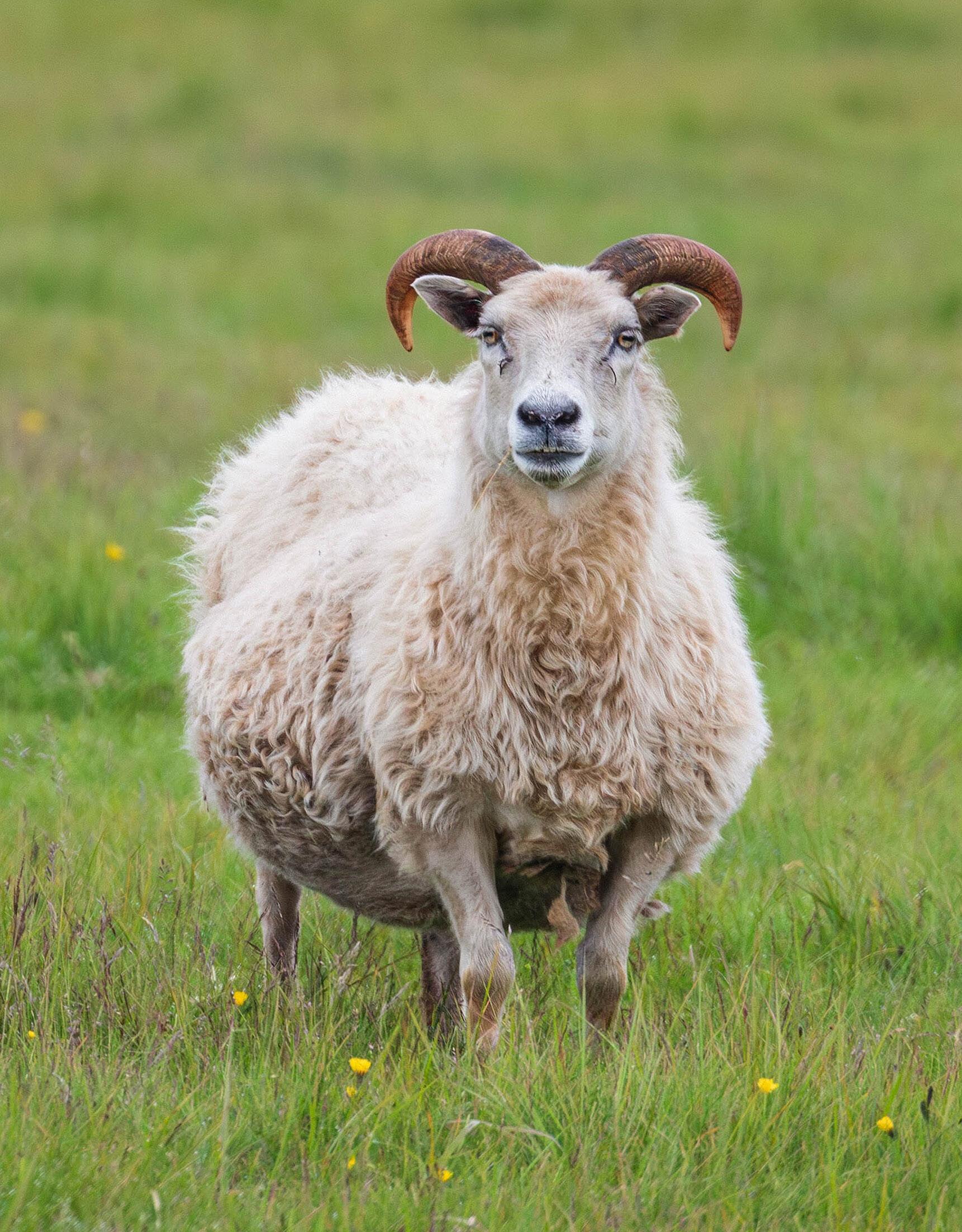
Full of local color, this remarkable mock epic by an Icelandic Nobel Prize winner vividly portrays Bjartur of Summerhouses, a fiercely independent and stubborn sheep farmer.
The Sagas of Icelanders | Jane Smiley (Editor)
This collection features nine sagas and six tales composed between the 13th and 14th centuries, including a newly translated account of Leif Eriksson’s voyage to North America.
FREQUENTLY ASKED QUESTIONS NAT HAB’S ICELAND ADVENTURES
From the best time of year to spot Atlantic puffins to currency questions, what gear to pack and how our trips are designed, find answers to the most common questions travelers have when planning a nature-focused adventure to Iceland.
When is the best time of year to visit Iceland?
We operate our Iceland adventures in summer, when long daylight hours give us more time to explore the wilderness. July and early August are prime months for visiting puffin colonies, while September brings striking fall colors across the landscape. Summer travel also allows access to the remote Highlands, which are snowbound and closed in winter.
What is the weather like in Iceland?
In a word: unpredictable. Thanks to its North Atlantic location, Iceland’s weather can change quickly. Summer days are often mild and bright, but wind and rain can roll in without much warning—so coming prepared for all conditions is part of the adventure.
What wildlife will I see in Iceland?
Iceland is a haven for seabirds, with thousands of Atlantic puffins, Arctic terns, black guillemots and eider ducks nesting along the coast each summer. July and early August offer the best bird viewing; by late August and September, many migratory seabirds have headed out to sea. The surrounding waters are equally rich, with opportunities to spot humpback and minke whales and harbor seals on boat excursions. In the Highlands, keep an eye out for the Arctic fox—Iceland’s only native land mammal.
Check out our Iceland Wildlife Guide for more information.
What natural landmarks and geologic features will we visit on this trip?
Iceland feels like a journey back to the age of fire and ice. Over the course of the trip, you’ll explore glaciers, geysers, hot springs, waterfalls, basalt columns, black-sand beaches, fjords and vast lava fields—some of the most dramatic geology on Earth.
How does Nat Hab travel around Iceland?
We travel by private mini buses, planes, 4x4 “super Jeeps” and boats. Our thoughtfully crafted itineraries minimize time on the road and maximize time immersed in Iceland’s wild landscapes.
What clothing should I pack for Iceland?
Layers are key. Cold temperatures and rain are possible at any time, so pack a lightweight base layer, warm fleece, waterproof rain gear, plus a warm hat and gloves. For a complete checklist, review our packing list and browse Nat Hab’s online Gear Store
What language is spoken in Iceland?
Icelandic is the official language, but English is widely spoken throughout the country, making travel easy for English-speaking visitors.
What type of cuisine is Iceland known for?
Icelandic cuisine highlights fresh seafood, free-range lamb, dairy products like skyr, and hearty root vegetables. Traditional preservation methods such as drying and fermenting meet modern Nordic flavors in dishes like lamb soup and dried fish. On our adventures, you’ll sample local specialties alongside familiar Western fare, with options to accommodate dietary needs.
What currency is used in Iceland?
Iceland’s currency is the krona (ISK). U.S. dollars are not accepted, so we recommend exchanging money in advance or upon arrival at Keflavík International Airport. Click here to check the current exchange rate for USD to ISK.
Is there cell phone service or Internet connection on Nat Hab’s Iceland trips?
Most accommodations offer Internet access. Cell service is available across much of Iceland, though connections can be slow or spotty in more remote regions—an excellent excuse to unplug and enjoy the scenery.
How is the Photo Expedition different from Nat Hab’s other Iceland trips?
Our Ultimate Iceland Photo Expedition is designed for travelers who want to focus on wildlife and landscape photography. Your guide is not only a naturalist but also an experienced photo instructor, helping you find the best light, angles and compositions. We spend extra time at key locations and limit groups to just nine guests, creating a collaborative, unhurried experience for photographers of all levels.
Visit The Natural Photographer for articles and tips on wildlife and nature photography, including shooting in Iceland and general tips on all types of cameras.
Can I go on a Photo Expedition even if I’m not an advanced photographer?
Absolutely. Photo Expeditions are a fantastic way to learn. You’ll travel with fellow beginners and receive hands-on guidance from seasoned photographers and your professional Photo Expedition Leader. Whether you shoot with a point-and-shoot or a DSLR or mirrorless camera, you’ll come home with great images and new skills.
Are Nat Hab’s Iceland trips appropriate for children?
The minimum age is 12, as full, activity-filled days can be demanding for younger travelers. Call 800-543-8917 to speak with an Adventure Specialist about trip requirements or to learn more about our Family Adventures, designed specifically for families with younger children.
Can Nat Hab take our family or a group on a private Iceland adventure?
Yes. Families and groups of friends can reserve private departures. Call 800-543-8917 for details on group size and pricing.
Can you guess the only land mammal native to Iceland? Do you know what percentage of Iceland is actually covered by ice? Take our Iceland Nature Quiz to put your knowledge to the test!
“Our Expedition Leader was superb! Not only did he possess extensive knowledge of Iceland and its wildlife, but he really helped me enhance my photography skills. I love that we took time to explore and photograph diverse locations, and the flightseeing for aerial photography added a unique dimension to the trip.”
-Nat Hab Traveler Darlene L., Ultimate Iceland Photo Expedition
EXPERIENCE ICELAND
With thundering waterfalls, volcanic landscapes, abundant marine life and a rich Norse heritage, Iceland offers an Arctic adventure like no other. Whether you’re seeking dramatic natural beauty, epic wildlife encounter, or a deep dive into Nordic culture, Nat Hab’s Iceland journeys deliver an immersive, small-group experience led by expert naturalist guides.
Call 800-543-8917 or visit our website to learn more about our Iceland adventures, as well as private and family options.
© B Hallier