Advocacy | Knowledge | Connection and Collaboration | Influence
INTRODUCTION
The National Retrofit Hub (NRH) is a Community Interest Company focused on improving how retrofit is delivered, equitably and at scale. It looks across the system, bringing together the people and organisations needed to make retrofit work in practice. This includes communities and residents, local authorities, housing providers, industry, retrofit professionals, policymakers, researchers, and delivery partners.
In reality, retrofit is shaped in two places at once:
• At a national level through policy, funding, and standards
• On the ground through delivery experience, community action, and how people actually live in their homes
These do not always line up. What is learned through delivery does not consistently feed into decision-making, and decisions made at scale do not always reflect what works in practice.
The NRH was set up to close that gap. It connects policy with evidence, and ambition with delivery. It brings people together to surface barriers, share learning, and support more joined up, outcomes-led approaches.
As a Community Interest Company, it is important to understand and be transparent about the difference this work is making. This report sets out the impact of the NRH’s work, aligned to its monitoring and evaluation framework and theory of change.
CREATING THE CONDITIONS FOR CHANGE
OUR APPROACH
The NRH’s approach is grounded in how retrofit works in practice. Outcomes improve when evidence, collaboration, and decision-making are better connected.
Many of the challenges facing retrofit are not due to a lack of intent. They come from misalignment across policy, funding, delivery, data, and lived experience. They also arise when learning from delivery does not reach the people shaping decisions.
The NRH focuses on these points of disconnection. It does this through four interconnected pillars:
Together, these pillars describe how the NRH creates the conditions for better retrofit outcomes and form part of the NRH Theory of Change.
THEORY OF CHANGE
Retrofit policy and the sectors that engage in retrofit activity are not currently geared to deliver the scale, pace, quality and co-benefits needed to improve lives and meet Net Zero targets.
The current definition of retrofit is narrow. Energy and carbon tunnel vision excludes benefits to health, climate resilience, energy security, jobs, and more.
Retrofit activity is scattered across multiple sectors, fragmented and siloed.
Barriers are understood, however a lack of cross-sectoral collaboration and coordination means that interlinked solutions are not generated.
The complexity of retrofit, and a lack of access to balanced information, makes it challenging for decision makers to craft robust interventions.
All benefits of retrofit are understood, measured and targeted, to unlock increased citizen demand, and new finance streams.
All stakeholders who can positively influence retrofit activity are enabled with the right resources, tools, and support.
Cross-sectoral collaboration and coordination is developed, to create effective inter-linked solutions to known barriers.
Policy is designed to deliver complete solutions, build supply chains and support high quality retrofit delivery.
Shaping conversations so outcomes for people and place remain central, and reframing how success in retrofit is defined and discussed.
Building, curating, and sharing evidence from research, delivery, and lived experience to support better informed decisions.
Bringing together organisations, practitioners, and communities to build relationships, surface barriers, and unlock progress that cannot happen in isolation.
Ensuring evidence and learning inform policy development, funding decisions, and delivery frameworks at local and national levels.
IMPACT AT A GLANCE
NRH’s activity during 2025 focused on strengthening the retrofit system and supporting better decisions across policy, delivery, research, and practice.
3,200+
PROFESSIONALS ENGAGED THROUGH EVENTS, WORKSHOPS, AND FACILITATED SESSIONS
NEWSLETTER AUDIENCE GROWN FROM 1,900 TO OVER 2,800
270,000 VIEWS
ACROSS NRH REPORTS, RESOURCES, AND WEB CONTENT
2,000+
ATTENDEES AT IN-PERSON EVENTS
190 ORGANISATIONS
INVOLVED ACROSS PROGRAMMES, CONSULTATIONS AND PARTNERSHIPS
LINKEDIN AUDIENCE GROWN FROM 5,300 TO OVER 7,900
18,000+
DOWNLOADS OF FLAGSHIP EVIDENCE PUBLICATIONS
14,000 VISITORS TO THE RETROFIT 25 EXHIBITION
28
NRH CURATED WEBINARS, BRIEFINGS, AND LEARNING SESSIONS DELIVERED
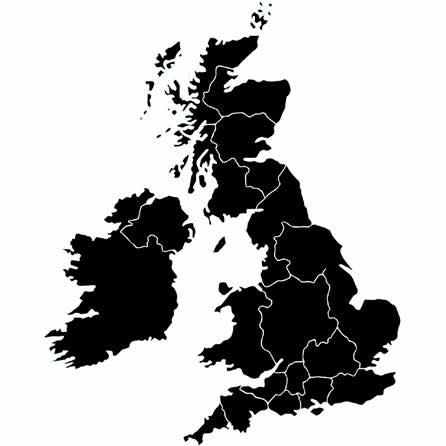
ENGAGEMENT SPANNING ALL UK NATIONS AND IRELAND
ADVOCACY
THE OUTCOME WE ARE WORKING TOWARDS
Retrofit is understood, measured and delivered in a way that reflects what it actually achieves in people’s homes. This means improving health, comfort and resilience alongside reducing carbon. A stronger shared understanding supports demand, helps align policy with delivery, and strengthens the case for investment.
HOW WE WILL DO THIS
• Gather and share clear evidence of the benefits retrofit delivers in practice
• Promote a more holistic approach to building performance
• Present retrofit as a connected system, linking policy, delivery and lived experience
EVIDENCE AND DELIVERY IN 2025
55+
NRH partnerships, sponsorships, and formal collaborations
LinkedIn followers increased from 5,300 in 2024 to 7,900 in 2025 (+27%)
58
NRH generated content and feature articles secured in target publications in 2025
12
citations of NRH as a credible source by third parties, including MPs, trade bodies and academics
Newsletter subscribers increased from 1,900 in 2024 to 2,800 in 2025 (+52%)
Knowledge Hub views increased by +44% year on year
ADVOCACY: CASE STUDIES
CASE STUDY: Vision for Resilient Homes
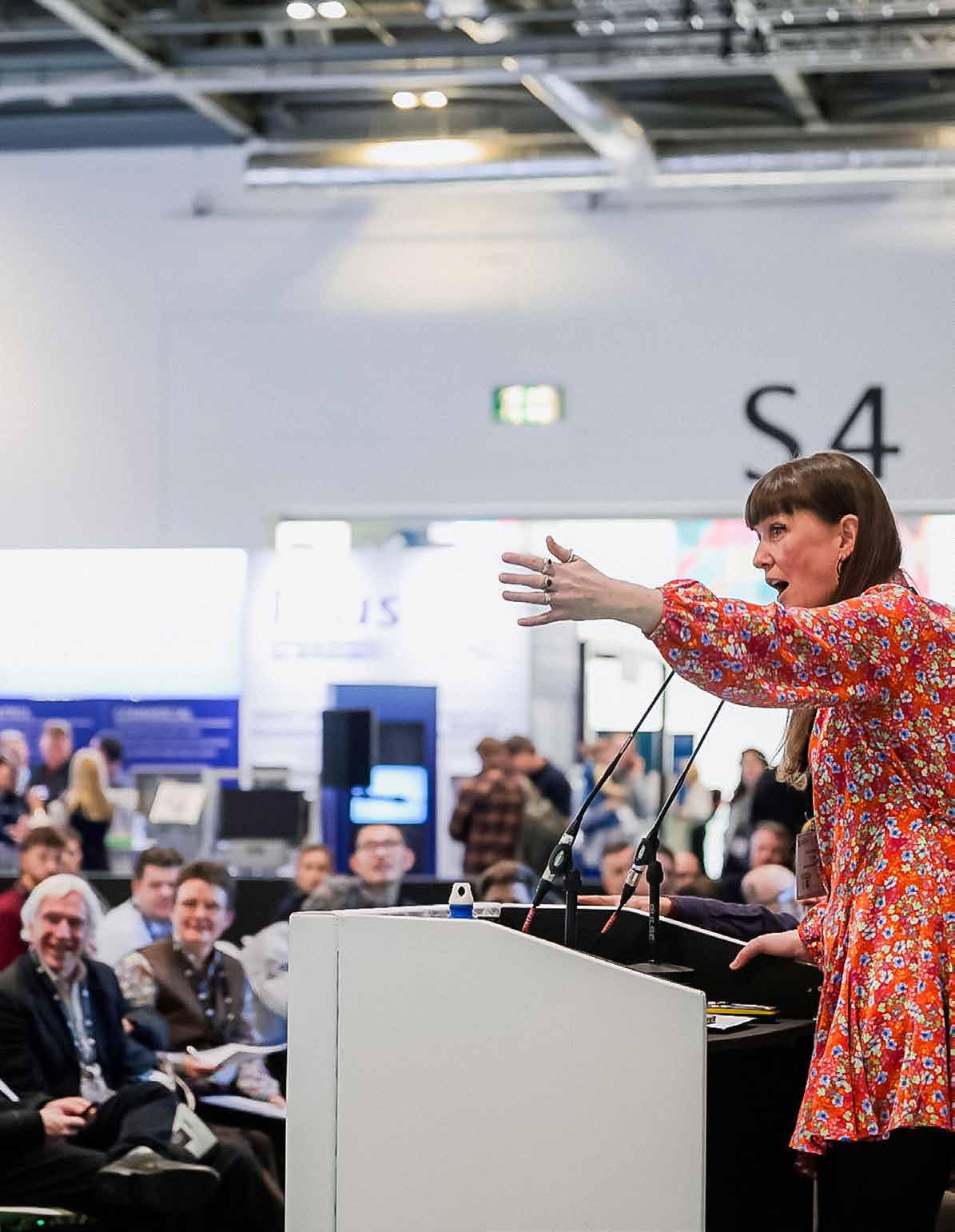
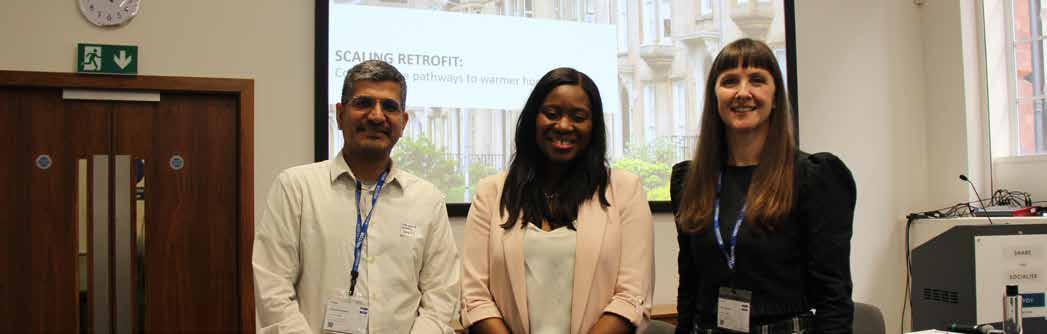
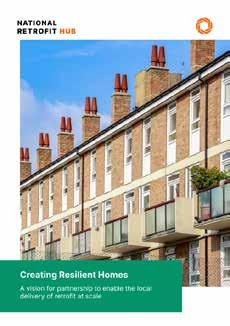
In January 2025, NRH launched Creating Resilient Homes: A vision for partnership to enable the local delivery of retrofit at scale, reframing retrofit around people, performance and long-term resilience. The Vision set out a practical outcomes focused direction, linking national ambition with delivery realities and positioning retrofit as central to health, comfort and resilience as well as carbon reduction.
The launch was co-hosted with the New Economics Foundation and featured a keynote address from Miatta Fahnbulleh, the Parliamentary Under Secretary of State. It brought together senior representatives from government, industry, academia and civil society, reflecting growing recognition that retrofit must deliver wider social and economic outcomes.
IMPACT IN 2025 IMPACT IN 2025
85 senior leaders in attendance at launch
Enabled stronger industry engagement with DESNZ
Representatives from key organisations, including:
• The Department of Energy Security and Net Zero
• Greater London Authority (GLA)
• The Green Finance Institute
• Historic England
• London Councils
ADVOCACY: CASE STUDIES
CASE STUDY:
Measuring Outcomes and Impact Evaluation (MO+IE)
The Measuring Outcomes and Impact Evaluation programme, developed with Impact on Urban Health, Arup and TrustMark, responded to gaps highlighted in the NRH State of the Nation report around how retrofit is defined, measured and understood.
The programme delivered a series of outputs, including the Measuring for Success report and Innovator Profiles, alongside articles, webinars and stakeholder engagement. It explored how outcomes such as comfort and health can be better reflected in decision-making, drawing on both sector insight and input from residents to ensure lived experience informed the evidence.
IMPACT IN 2025
2,000 combined views and downloads across resources
300+ attendees at MO+IE webinars
5 outputs curated
Set out practical recommendations for outcome led evaluation
Showcasing real world approaches to measuring retrofit impact View MO+IE resources here
IMPACT IN 2025
KNOWLEDGE
KNOWLEDGE
THE OUTCOME WE ARE WORKING TOWARDS
People working in retrofit have access to practical, trusted guidance that supports better decisions and more consistent delivery.
HOW WE WILL DO THIS
• Develop and share resources that bring together research, delivery experience and lived insight
• Make guidance accessible and usable through the Knowledge Hub, webinars and communications
EVIDENCE AND DELIVERY IN 2025
16 webinars or podcasts delivered in 2025
11 NRH resources published in 2025
Weekly newsletter published, with an average open rate of 59%
30,000 Knowledge Hub views in 2025
175,000+ impressions on LinkedIn across the year
2,500 new followers on LinkedIn across the year
KNOWLEDGE
POSITIVE FEEDBACK FROM WEBINARS
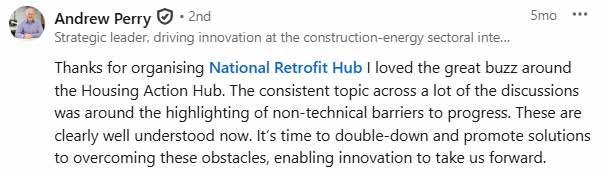
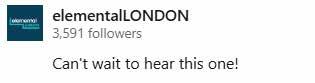
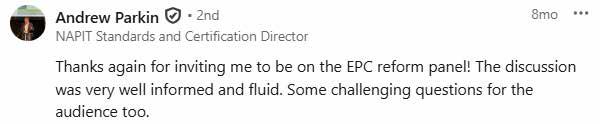
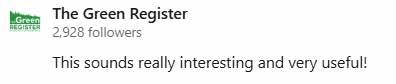
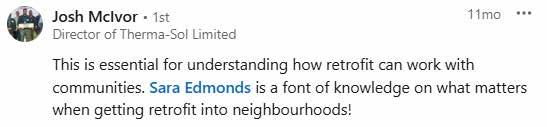
TESTIMONIALS EVIDENCING USE OF NRH RESOURCES
KNOWLEDGE: CASE STUDIES
CASE STUDY:
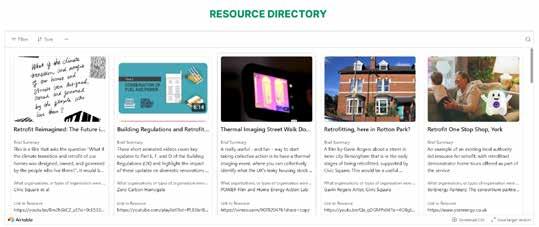
Community and Neighbourhood Engagement Resource Directory
The Community and Neighbourhood Engagement Resource Directory was developed through a call for examples across the NRH network, drawing on grassroots practice and existing tools used in delivery.
Submissions are reviewed and curated to create a live, evolving resource that brings together practical tools, frameworks and case studies in one place. This supports local authorities, delivery teams and community organisations to access and apply approaches more easily, reducing duplication and strengthening engagement in practice.
25 curated resources published, covering engagement strategy, participatory approaches and local partnership models
Integrated into NRH discussions on place-based retrofit and outcomes
IMPACT IN 2025 IMPACT IN 2025
KNOWLEDGE: CASE STUDIES
CASE STUDY: Understanding Demand for Retrofit
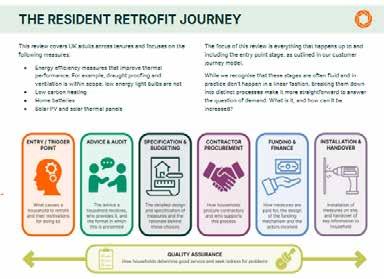
As part of the Understanding Demand for Retrofit work, two complementary outputs were developed to support the design of retrofit offers and engagement, supported by The MCS Foundation.
The Understanding Demand report sets out a framework identifying the conditions that shape whether people engage, focusing on Awareness, Attitude, Ability and Trigger Points. It draws on a structured literature review to bring together insight into the emotional, financial and practical barriers that influence decision-making, and highlights that demand builds over time rather than at a single moment. Alongside this, the Retrofit Communications Directory brings together a curated set of resources to support engagement across the retrofit journey. It is a live resource that will continue to be updated over time, providing practical tools, examples and ideas to support more effective communication.
IMPACT IN 2025 IMPACT IN 2025
1,000+ views and downloads
Findings translated into webinar sessions, supporting practical application
37 key documents added to the directory
Insights informing NRH working group discussions
KNOWLEDGE: CASE STUDIES
CASE STUDY:
Get Retrofit webinar series
The Get Retrofit webinar series was developed in partnership with Lyrical Communications to support practical, applied learning across the sector.
Each session was designed and curated by NRH, with topics selected to reflect key challenges emerging from the network. Speakers were chosen based on direct experience, and sessions were facilitated to combine shared insight with interactive discussion and Q&A.
The series created a regular space for practitioners, policymakers and industry to engage with real delivery experience and apply learning in their own work.
13 webinars delivered across the year
Speakers included representatives from Leeds Beckett University, Centre for Ageing Better and Historic England
1,700 registrations with 1,000 joining live
Showcasing real world approaches to measuring retrofit impact
Strong repeat participation and positive feedback, including:
CONNECTION AND COLLABORATION
THE OUTCOME WE ARE WORKING TOWARDS
People across the retrofit system work together more effectively, enabling shared solutions to challenges that cannot be solved in isolation.
HOW WE WILL DO THIS
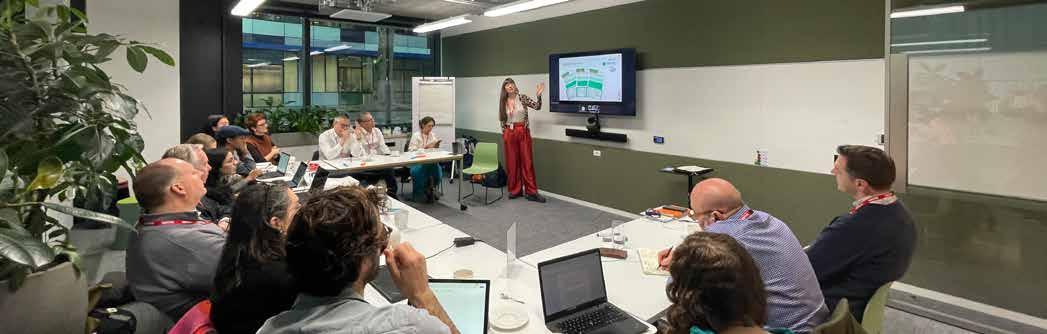
• Convene working groups, workshops and open sessions across a diverse network
• Create space for different perspectives to come together and shape solutions
• Support collaboration between policy, delivery, research and communities
EVIDENCE AND EXAMPLES IN 2025
700+
working group participants across the year
14
working group, cross-cutting theme group, and task and finish group sessions
360+ attendees across two open meetings
20
workshops tackling the practical and policy barriers holding retrofit back
CROSS SECTOR REPRESENTATION spanning government, local authorities, housing providers, industry, academia and community organisations
CONNECTION AND COLLABORATION: CASE STUDIES
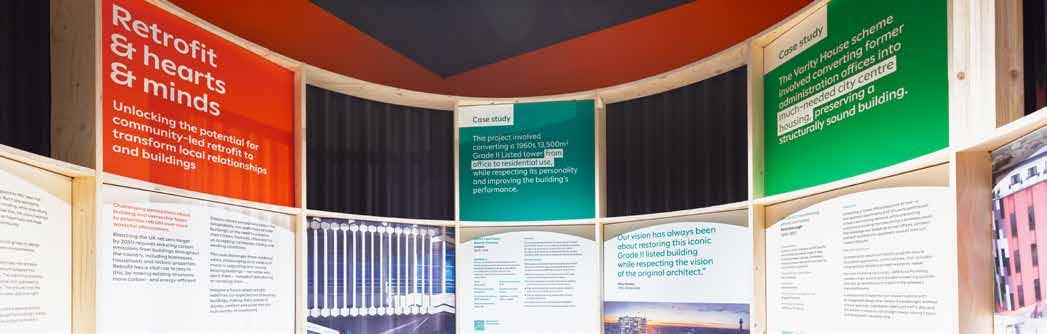
CASE STUDY: Retrofit25 – What’s Stopping Us?
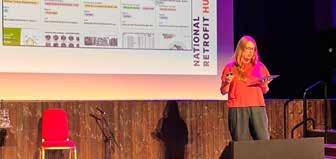
NRH co-curated Retrofit25 with the Building Centre in London, a six-month exhibition and events programme running from March to September 2025.
The exhibition was open to both the public and the sector, supported by a programme of inperson and online events exploring the question “What’s stopping us?” across eight core themes, with speakers spanning policy, industry and community delivery.
Following the initial programme, the exhibition was extended by Lyrical Communications and presented at ElementalLONDON in November, enabling the work to reach a wider audience.
IMPACT IN 2025
IMPACT IN 2025
19 events delivered with 60 speakers engaged and over 2,000 attendees
244,000 website visits
14,000 exhibition visitors
100,000 social media views
CONNECTION AND COLLABORATION: CASE STUDIES
CASE STUDY: Retrofit Connect
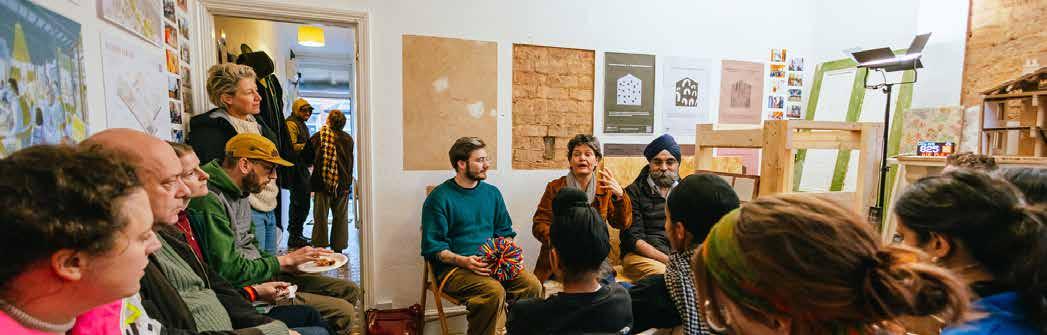
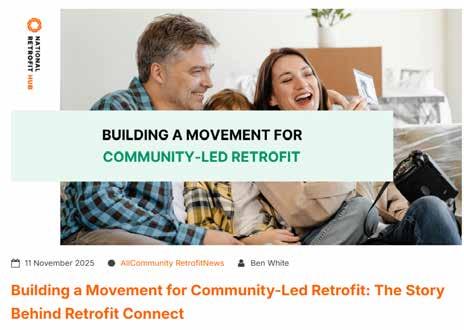
NRH launched Retrofit Connect, with cohort one forming part of an 18 month programme focused on collective learning for community-led organisations and innovators working on retrofit within their neighbourhoods. The programme builds on the question developed through the Retrofit Reimagined movement led by Civic Square: what if the climate transition of our homes and streets was designed, owned and governed by the people who live there?
It responds to a long-standing challenge in retrofit delivery, where communities are often brought in too late in the process. Retrofit Connect creates space for earlier involvement, supporting approaches that reflect local priorities and lived experience. Cohort one brings together 9 community demonstrators and incubators, alongside support from the NRH Retrofit Community of Industry, connecting practitioners, industry and delivery expertise with live community projects.
Nine demonstrators and incubators onboarded
Second cohort planned for 2026, reflecting programme value
14 workshops and in-person events
Cross sector participation from delivery, policy and community organisations
Learning shared across the wider NRH network
IMPACT IN 2025 IMPACT IN 2025
CONNECTION AND COLLABORATION: CASE STUDIES
CASE STUDY: EPC Reform
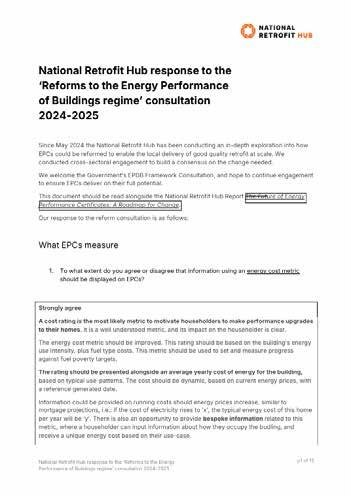
NRH developed a roadmap setting out how Energy Performance Certificates can better reflect real world performance and lived outcomes. The work was shaped through engagement with hundreds of participants across the sector over an eight month period ahead of the consultation. This included workshops, a sector-wide survey and structured sessions with local authorities, delivery partners and industry representatives.
Draft responses and the roadmap were shared ahead of submission, alongside a webinar to walk through the proposed changes, enabling others to draw on a shared evidence base in their own responses.
We collected views from 300 participants, building consensus to inform reports and consultation responses
250+ professionals participated in the EPC reform consultation webinar hosted by NRH
Built on the momentum from our 2024 EPC Report Formal consultation response submitted
IMPACT
IMPACT
INFLUENCE
INFLUENCE
THE OUTCOME WE ARE WORKING TOWARDS
Policy and funding decisions reflect real delivery experience and support better retrofit outcomes in practice.
HOW WE WILL DO THIS
• Bring insight from across the NRH network into consultations and advisory roles
• Facilitate dialogue between delivery and policy at a senior level
EVIDENCE AND EXAMPLES IN 2025
REGULAR ENGAGEMENT WITH GOVERNMENT AT SENIOR LEVEL
Invited to join the Warm Homes and Retrofit System Reform Advisory Panels, maintaining direct lines into national policy at senior level.
ACTIVE COMMUNICATION TO NATIONAL CONSULTATIONS
3 consultation responses submitted on EPC reform and Minimum Energy Efficiency Standards, shaped by over 300 participants across workshops and working groups.
POLICY ROUNDTABLES AND ADVISORY INPUT
Hosted and curated two key roundtables with network members for ministers on quality assurance and place-based retrofit, and made representation at APPGs on health and skills
NATIONAL PLATFORM PRESENCE AND SECTOR LEADERSHIP
20 panels curated at Futurebuild, UK Construction Week, InstallerSHOW, and ElementalLONDON, bringing together 40+ speakers across policy, industry, academia, and community delivery.
KEYNOTE CONTRIBUTORS
Keynote contributions across national platforms including BE-ST FEST, National Energy Association Conference, and LHCPG Conference.
INFLUENCE: CASE STUDIES
CASE STUDY:
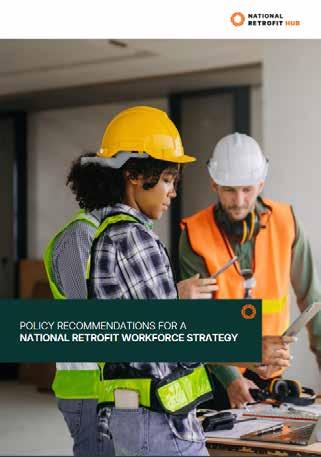
National Retrofit Workforce Strategy
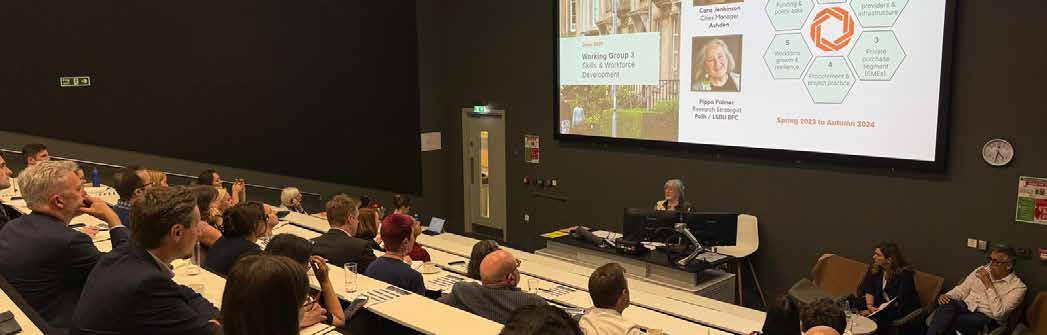
NRH worked with Polln and Ashden to develop policy recommendations for a ten year National Retrofit Workforce Strategy. The work set out practical actions to support workforce development, including skills provision, career pathways and coordination across the sector, informed by delivery experience and industry input.
The strategy was published and launched in June at London South Bank University, bringing together policymakers, educators, industry leaders, local authorities, SMEs and community organisations.
IMPACT IN 2025
IMPACT IN 2025
Policy recommendations report published
Launch event attended by 80 industry experts
Contributed to workforce debate within national policy and industry forums 1,400+ downloads and sustained engagement across sector networks
INFLUENCE: CASE STUDIES
CASE STUDY:
Private Rented Sector and MEES
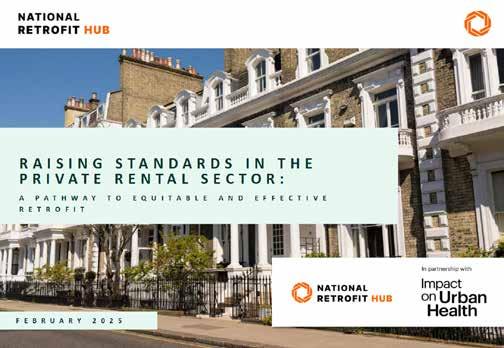
Supported by Impact on Urban Health, NRH developed a programme of work focused on improving outcomes in the Private Rented Sector (PRS). This included a series of outputs, including Raising standards in the PRS, Delivering for Tenants and Improving Health and Housing Outcomes in the Private Rental Sector, alongside consultation responses for England, Wales and Scotland
The work drew on NRH working groups and collaborators across housing, retrofit, enforcement, finance and tenant advocacy, ensuring the evidence reflected a broad range of sector experience.
IMPACT IN 2025
IMPACT IN 2025
Three Private Rented Sector reports published
300 professionals participated in the MEES consultation and report webinars hosted by NRH
Strengthened engagement with policymakers on tenant wellbeing and outcomes-led regulation
Evidence informed formal MEES consultation responses
INFLUENCE: CASE STUDIES
CASE STUDY: RetroNetZero
NRH was invited to join the RetroNetZero Network as a Network Partner, part of a cross-sector programme bringing together industry, research and policy to explore how regulation can keep pace with innovation in retrofit.
The work focuses on regulatory science and the change needed to support the safe adoption of new technologies and approaches, particularly those delivering wider outcomes such as health and comfort alongside carbon reductions. Outputs include ‘Enabling the Co-benefits of Retrofit Innovation through Regulatory Science’ - a feasibility study which considers the potential for regulation to support innovative products and solutions that deliver different benefits when applied within a retrofit project.
As a Network Partner, NRH brings insight from across its working groups and wider community into the programme, reflecting real delivery experience and helping to connect research and policy with what is happening in practice.
IMPACT IN 2025
Regulatory science report published, examining how regulation can support innovation and outcomes
Ongoing participation in advisory forums and reform discussions
Collaborative working with:
Direct engagement linked to performance measurement and funding reform conversations
THANK YOU
NRH’s progress in 2025 reflects the commitment of its board, advisory panel, working group members, partners and wider network.
Strengthening the retrofit system requires continued collaboration and shared learning. NRH looks forward to building on this momentum in the year ahead.