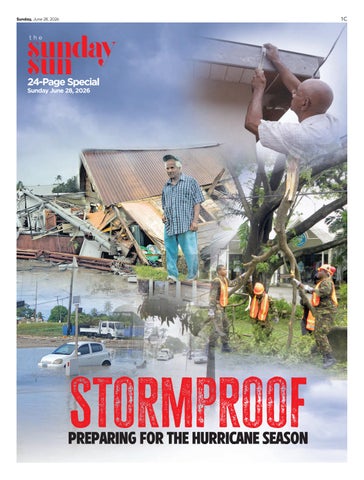
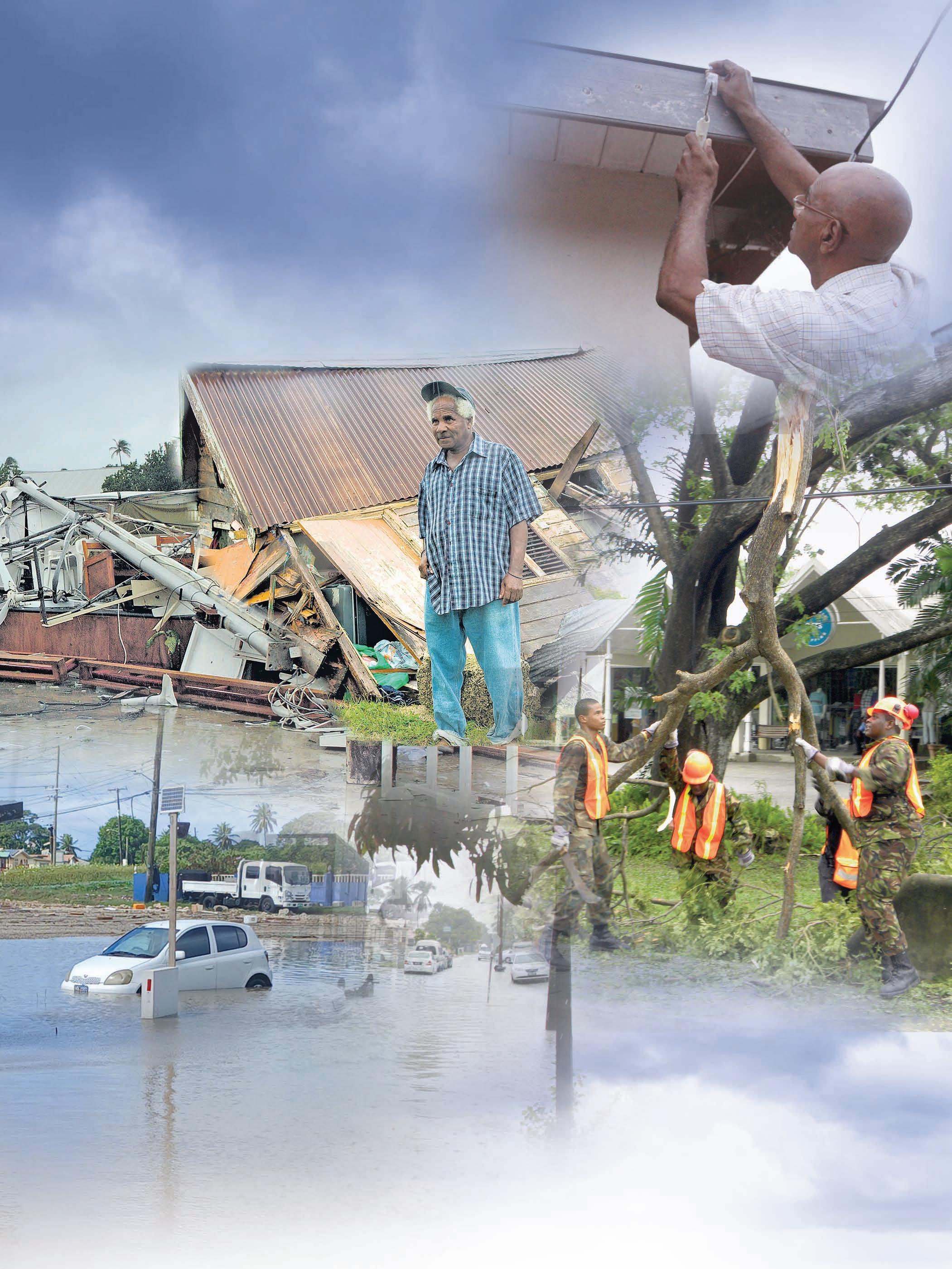
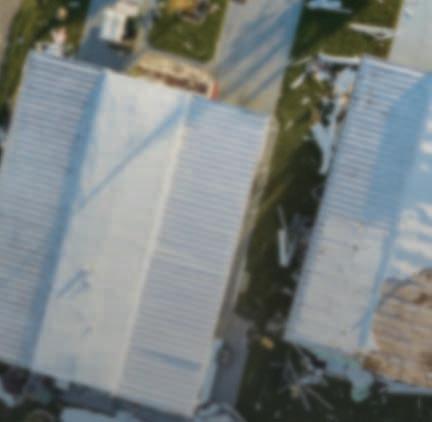
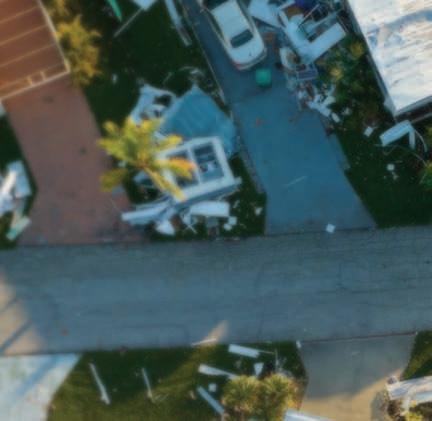
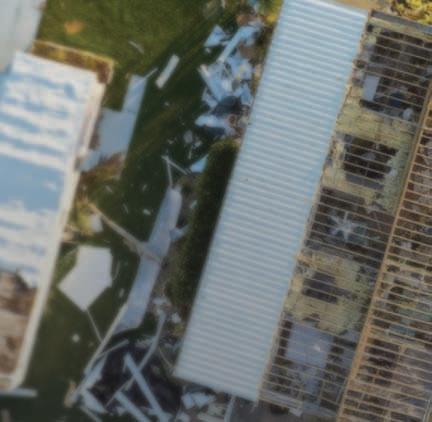
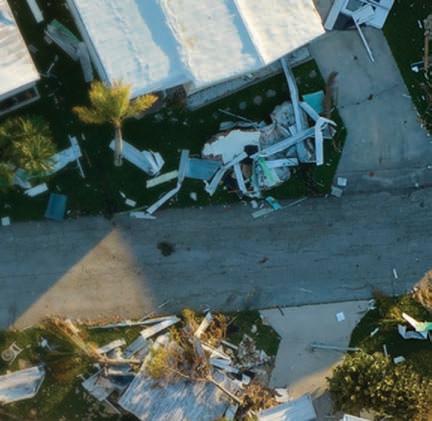
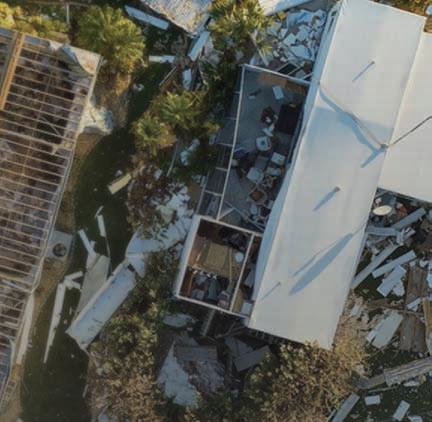
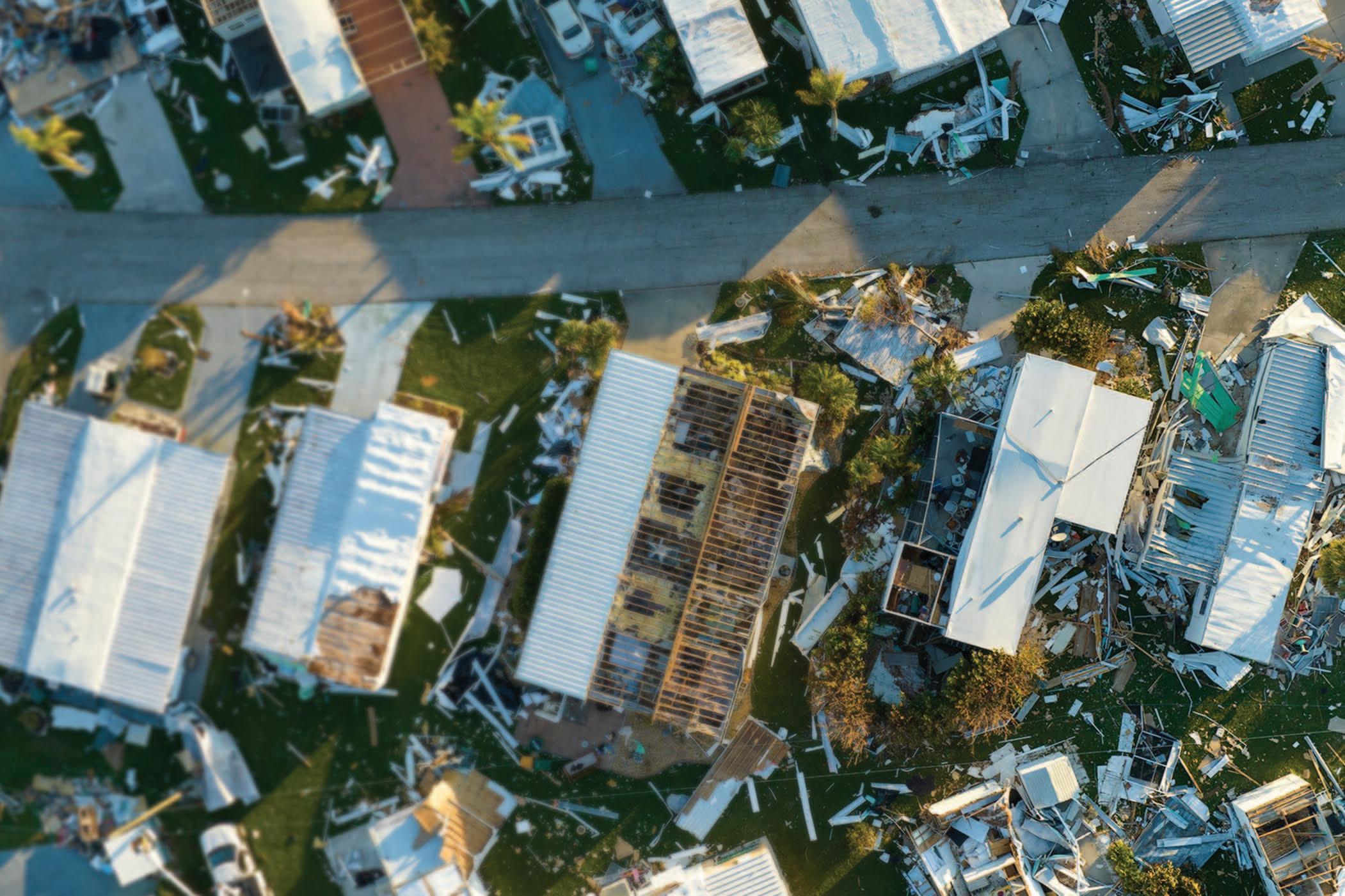
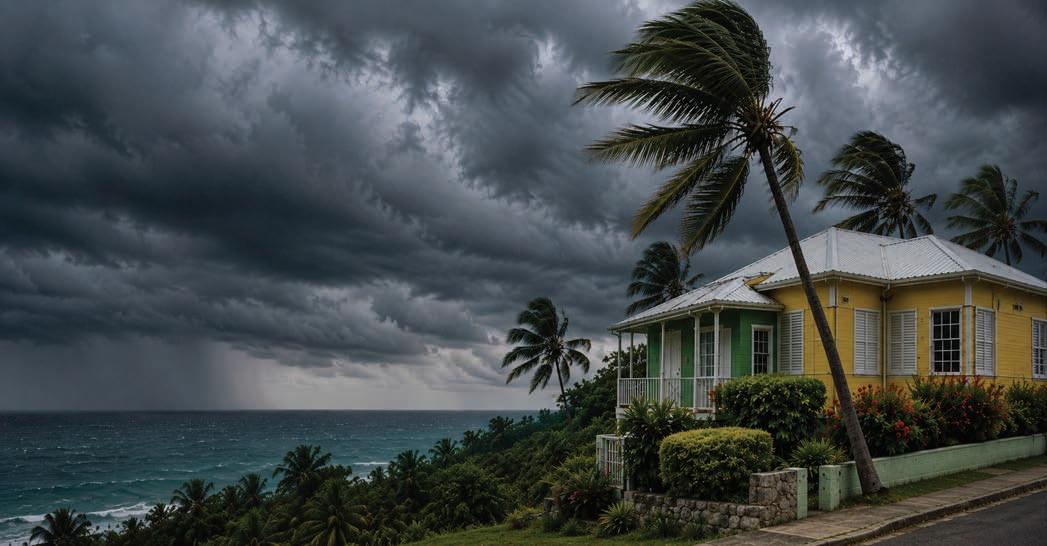
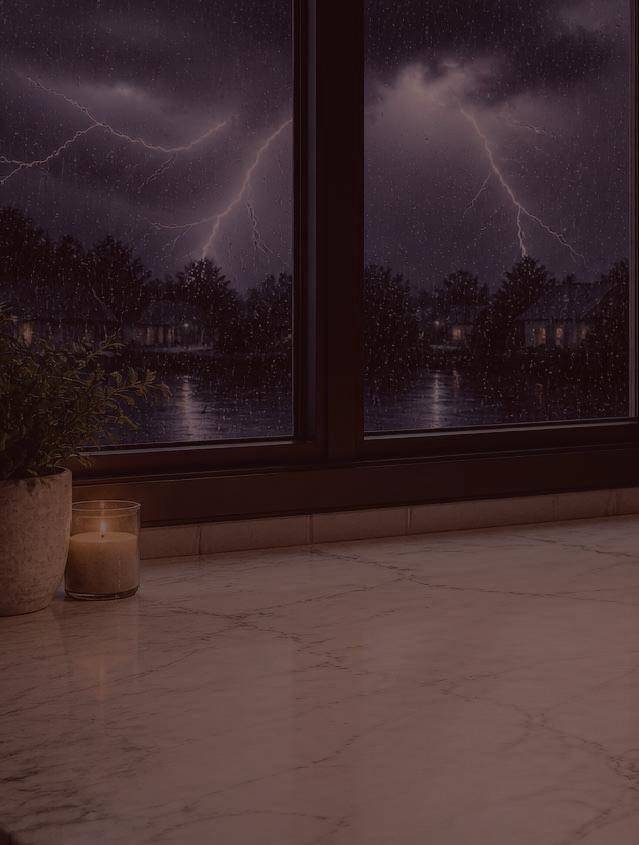
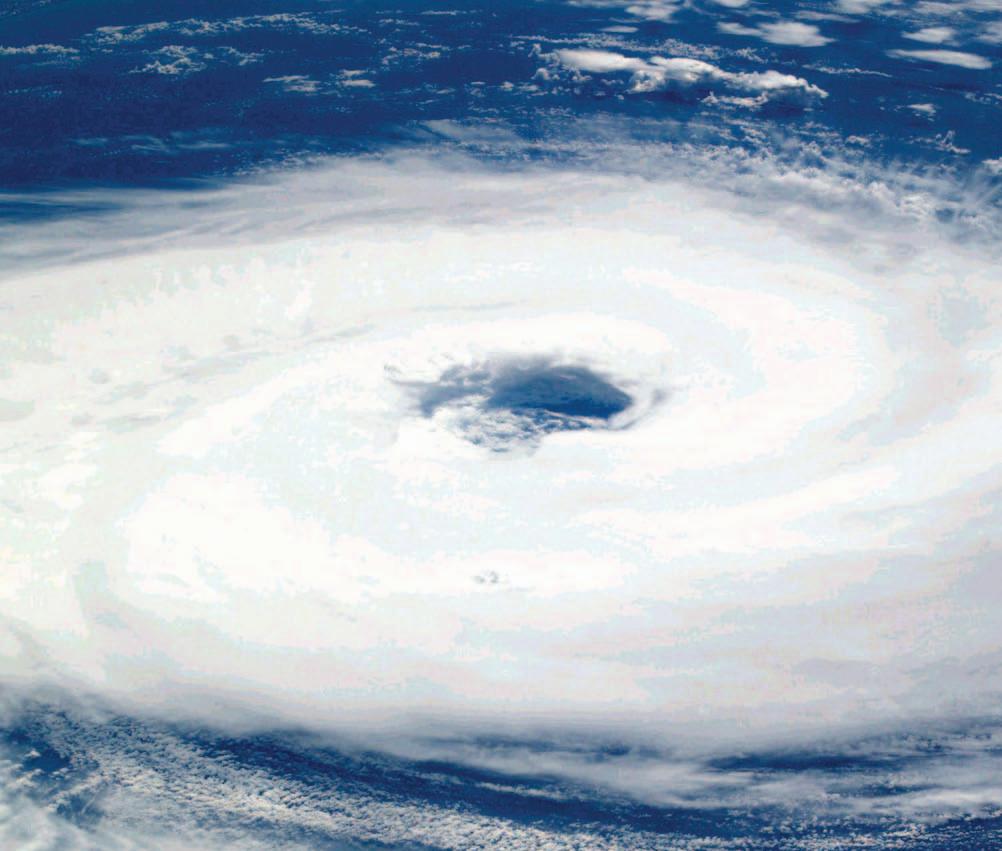
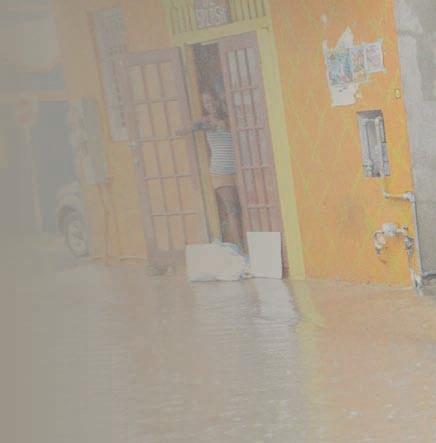
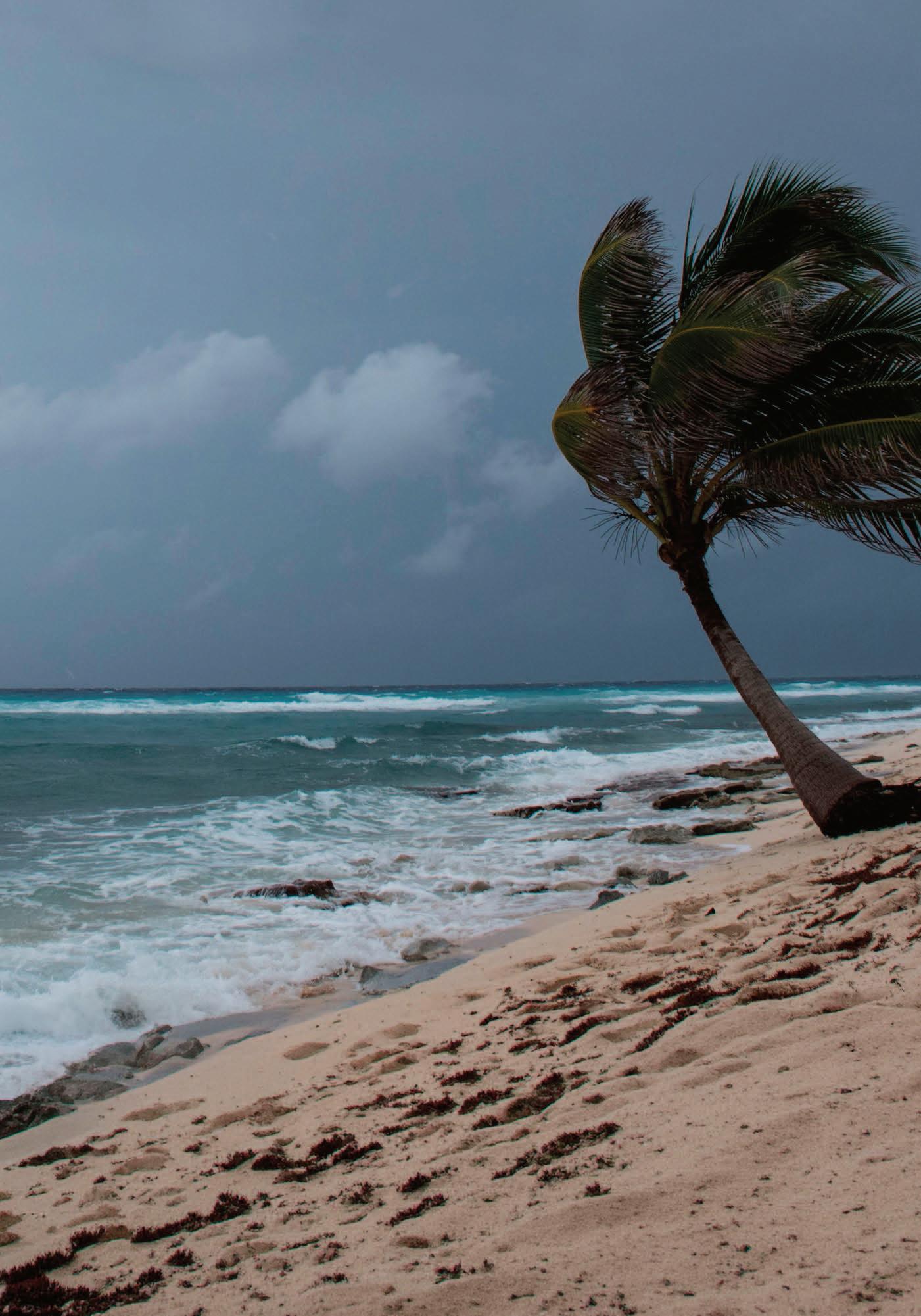
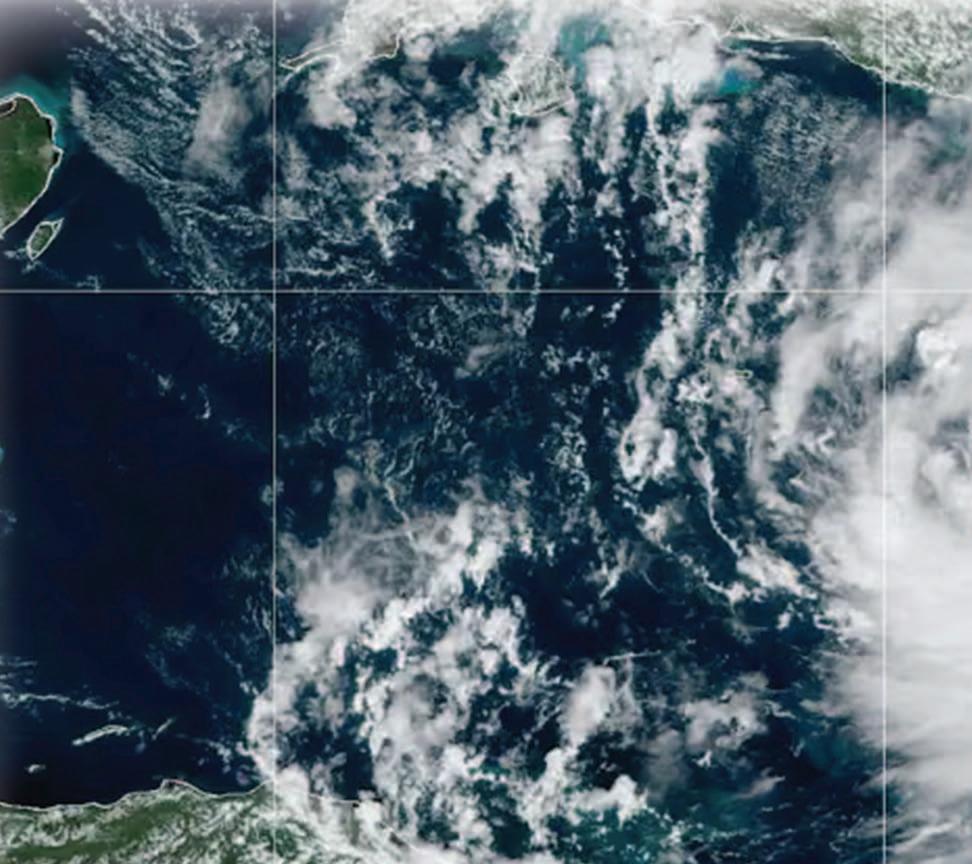
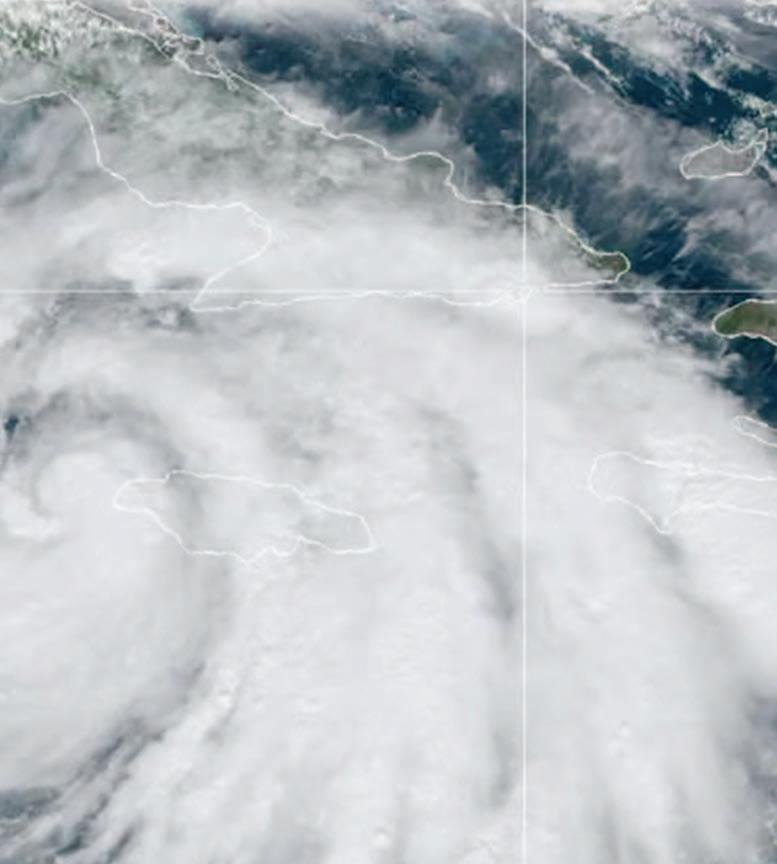
On September 22, 1955, Hurricane Janet passed just south of Barbados as a Category 1 system, causing 35 to 38 recorded fatalities across the island. The single worst tragedy occurred in Christ Church, where ten people rushed into a Gospel Hall church seeking emergency shelter, only for the high winds to collapse the structure on top of them. The compact but ferocious storm flattened the island’s traditional wooden chattel houses, destroying over 8 100 homes and leaving an astonishing 20 000 Barbadians completely homeless overnight.
WEATHERING WHATEVER COMES
Stories by Sandy Deane
Every year, Barbadians hear the same message as the Atlantic Hurricane season begins: be prepared.
For some, that means buying bottled water, checking flashlights and replacing batteries. Others wait until forecasters at the Barbados Meteorological Services (BMS) issue a storm bulletin before rushing to supermarkets and hardware stores.
But as you will read in this special 24page feature, hurricane preparedness is about much more than stocking supplies. It is about understanding the risk, strengthening our homes, protecting our families and knowing who will be there when disaster strikes. It is also about recognising that recovery does not end when the winds die down. Families rebuild homes, businesses restore operations and communities slowly return to normalcy,
sometimes over months and years.
This year’s hurricane season is forecast to be less active than some of the record breaking years that we have recently experienced. Yet, BMS Chief Meteorologist Sabu Best has consistently reminded us that “it only takes one”. One storm is all it takes to change our lives.
Although Barbados has escaped the catastrophic devastation experienced by some of our Caribbean neighbours, recent storms such as Hurricane Elsa and Hurricane Beryl serve as a reminder that our island is not beyond the reach of nature. Across the region, hurricanes have destroyed homes, cut off communications, flooded communities and left emotional scars long after the debris has been cleared.
Those experiences offer valuable lessons for all of us.
Throughout these pages, you will meet the people who help to prepare Barbados
every hurricane season before the first warning is issued.
The Barbados Meteorological Services that track storms as they develop; volunteers of District Emergency Organisations who help to prepare and coordinate the response in their communities. A leading architect who explains how small maintenance jobs today can strengthen your homes; and a health professional who reminds us that disasters affect our emotional well-being as much as our physical safety.
Together they share one message: Preparedness is not something that begins when the hurricane watch is issued.
We know that hurricanes cannot be prevented, but we can better prepare to minimise their impact.
As you read this feature, we invite you to explore the forecasts and advice that follow and use them not to panic but to prepare. After all, it only takes one.
INSIDE THIS SPECIAL FEATURE
THE SEASON AHEAD – WHAT FORECASTERS ARE ExPECTINg
BEHIND THE FORECAST – HOW STORmS ARE TRACKED
PREPARINg YOUR HOmE – PRACTICAL ADvICE FROm AN ARCHITECT
BUILD YOUR HURRICANE KIT – WHAT EvERY HOUSEHOLD NEEDS
mENTAL RECOvERY – WHY HURRICANES LEAvE mORE THAN PHYSICAL DAmAgE
COmmUNITY RESPONDERS – mEET THE vOLUNTEERS READY TO HELP AFTER A STORm
TAKEAWAYS FROM SABU BEST
1. Prepare early: Don’t wait until a storm is approaching.
2. Stay informed: Follow official weather updates throughout the season.
DON’T BE FOOLED BY THE FORECAST
Below average doesn’t mean low risk
Forecasters are predicting a less active Atlantic hurricane season this year, but Barbados Meteorological Services Director Sabu Best says that should not lull anyone into a false sense of security. He makes it clear that seasonal forecasts offer guidance, not guarantees, and history has shown that it only takes one storm to change lives.
WHAT’S THE FORECAST?
Atlantic Basin
• 13-19 named storms
• 6-10 hurricanes
• 3-5 major hurricanes Barbados & Eastern Caribbean
Although international forecasting agencies expect overall activity to be slightly below average, Best says Barbadians should not confuse a quieter season with a safer one.
“Seasonal forecasts tell us what may happen across the Atlantic, but they cannot predict where one storm will go,” he warned.
One hurricane passing close to Barbados is enough to cause widespread disruption, regardless of how many storms form elsewhere.
WHAT TO LOOK FOR THIS SEASON
Meteorologists are increasingly concerned about storms strengthening very quickly over warm ocean waters. A tropical storm can become a dangerous hurricane in less than a day, reducing the time communities have to prepare.
Sea surface temperatures remain warmer than average across parts of the Atlantic. Warmer water acts as fuel for tropical systems and can contribute to stronger hurricanes.
Even storms that pass well north or south of Barbados can bring heavy rainfall, flash flooding, dangerous seas and damaging winds.
TRENDS TO NOTE
According to the Barbados Meteorological Services:
More tropical cyclones have passed within 50 kilometres of Barbados over the past three decades than in previous decades.
August and September remain the months of greatest concern.
One landfall or close pass can have greater consequences than an entire quiet season elsewhere. (SD)
Hurricane Beryl shocked the scientific community in July 2024 by becoming the earliest Category 5 storm ever recorded in the Atlantic. Fuelled by historically warm waters, it tore through the southern Grenadines, damaging or destroying an astonishing 95 per cent to 98 per cent of all structures on the islands of Carriacou and Petite Martinique.
PREPARE BEYOND THE PREDICTION
How Barbados’ meteorologists spot danger before the first warning is issued
By the time most Barbadians hear that a tropical system is forming in the Atlantic, personnel at the Barbados Meteorological Services (BMS) have often been watching it for days.
Long before weather bulletins are issued or hurricane updates begin dominating social media, meteorologists are studying satellite imagery, comparing computer models and monitoring changing atmospheric conditions, looking for the subtle signs that could determine whether a harmless tropical wave quietly fades away or rapidly develops into a dangerous hurricane.
It is painstaking work that combines science, experience and technology. And according to meteorologist François Carvalho, the process has become increasingly important as storms have shown a greater tendency to strengthen quickly.
“Our job is to look at multiple models and parse through all available observed data to determine the favourability of rapid intensification,” he explained.
When a storm changes overnight
Rapid intensification is one of the biggest challenges facing meteorologists today. Tropical systems are becoming much stronger in a very short space of time.
Carvalho explained that no single factor determines whether that happens. He said they are constantly watching for a combination of conditions, including warm sea surface temperatures, favourable upper-level winds and the organisation of the storm itself.
“Rapid intensification... depends on multiple factors. These factors include warm sea surface temperatures, good upper-level outflow, and well-organised internal structure, just to name a few.”
Smaller tropical systems, he noted, can be particularly susceptible to this kind of explosive strengthening.
Rather than focusing on one weather map or one forecast model, meteorologists compare information from several sources before determining whether conditions are becoming more favourable for development.
A balancing act over the Atlantic
This year’s hurricane season presents meteorologists with an interesting challenge.
On one hand, El Niño conditions generally suppress hurricane development across parts of the Atlantic. On the other, unusually warm ocean temperatures continue to provide the energy storms need to develop.
Carvalho describes it as a genuine
balancing act.
“Calling it a ‘tug of war’ between El Niño and the warm ocean temperatures is quite an apt description,” he said.
While the forecasts indicate a belowaverage Atlantic hurricane season, he stressed that seasonal outlooks should never create complacency.
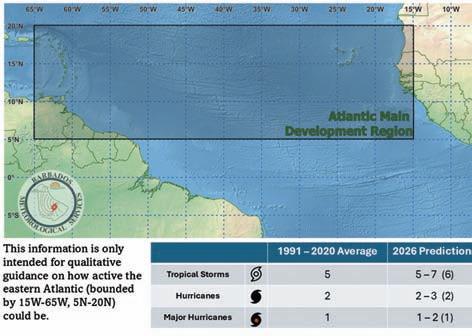
“We are forecasting that around six storms will develop within the Atlantic main development region... with two expected to become hurricanes and one of those two to become a major hurricane.”
But the numbers are only part of the story.
“The bottom line is it only takes one. Therefore, we cannot afford to let our guard down because it is expected to be an average or below-average year.”
The impact of climate change
Meteorologists are also paying close attention to another growing concern –rising temperatures.
Warm ocean waters are expected to contribute not only to hotter days but also warmer, more humid nights across Barbados during August and September.
“One of the major factors driving us to anticipate that August and September will have intense heat is the warm ocean temperatures within our region,” Carvalho explained.
Those warmer seas increase humidity, making it harder for the human body to cool itself naturally.
“We are also anticipating warmer nights, which can prevent persons from having respite from the hot daytime temperatures.”
The result, he said, could be an increased risk of heat stress and other heat-related illnesses.
Climate change is also influencing when storms are likely to develop. Because favourable conditions are extending further into the beginning and end of the hurricane season, tropical systems are increasingly forming farther south.
“Some examples in recent memory are Beryl, Elsa, and Tomas. In terms of preparation, as was indicated by the Department of Emergency Management, preparation for the upcoming season should be months in advance of June 1st ,” he said.
BMS focuses on impact-based forecasting
Forecasting has evolved beyond simply predicting rainfall totals and wind speeds.
Today, the BMS is placing greater emphasis on impact-based forecasting, telling people what weather is likely to do rather than simply describing it.
“We believe that the potential gap
between the forecast and how prepared households are comes from a possible lack of understanding of the forecast,” Carvalho said.
Instead of reporting rainfall amounts alone, forecasts increasingly focus on the likely consequences.
“Someone is much more likely to understand ‘possible pooling and flooding in low-lying areas’ than they would ‘accumulations suggest up to three inches of rainfall.’”
To strengthen that connection with the public, the BMS has also expanded its use of educational videos, social media platforms and launched its own mobile application, BMS Insight, allowing official weather information to reach Barbadians more quickly and directly.
Personal Preparedness is key Forecasting technology has advanced significantly over the past decade, giving meteorologists more tools than ever before to monitor developing weather systems.
From sophisticated computer models to expanded observing networks and new monitoring technologies, each improvement helps build a clearer picture of what may lie ahead.
Yet despite all those advances, Carvalho stressed there remains one element that technology cannot replace: personal preparedness.
He noted that while meteorologists can identify the threat, explain the potential impacts and issue earlier and more accurate warnings, ultimately, the value of every forecast depends on what people do with the information. (SD)
Meteorologist, Barbados Meteorological Services, François Carvalho (GP)
DID YOU KNOW?
A hurricane forecast is never based on one computer model. Meteorologists compare information from several international weather centres, satellite observations, radar, ocean temperatures and real-time weather data before issuing official forecasts.
THE SCIENCE BEHIND THE STORM
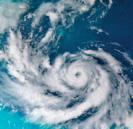
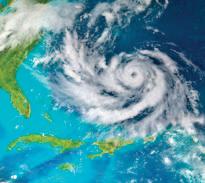
The first sign of a developing tropical system often comes from satellites orbiting thousands of kilometres above the Earth.
They provide continuous images of cloud development, thunderstorm activity and the organisation of tropical waves as they move off the coast of Africa towards the Caribbean.
Satellite imagery allows meteorologists to monitor storms day and night—even over the open ocean where there are no weather stations.
Forecasting doesn’t stop once a system approaches.
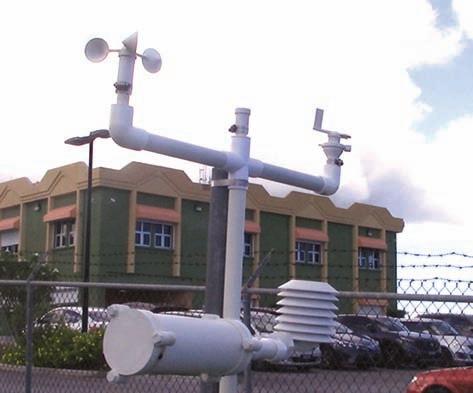
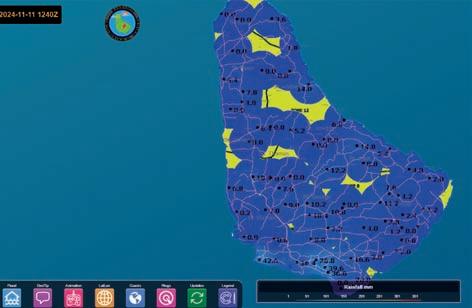
Weather stations across Barbados continuously monitor rainfall, wind speed, temperature, humidity and atmospheric pressure.
These real-time observations help forecasters understand exactly what is happening across the island and improve the accuracy of warnings issued to the public.
Hurricanes feed on warm water. Forecasters closely monitor sea surface temperatures because unusually warm oceans can fuel rapid intensification.
This season, above-average ocean temperatures remain one of the biggest factors influencing hurricane development across the Atlantic.
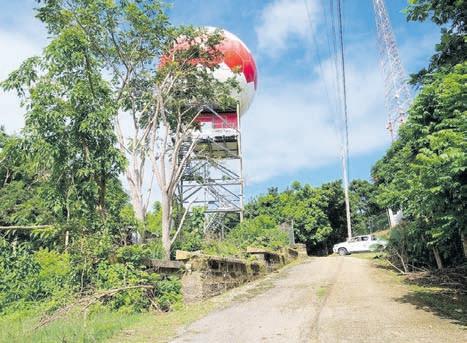
Weather radar allows meteorologists to see bands of heavy rain moving towards Barbados in real time.
Radar shows:
• Areas of intense rainfall
• Wind movement within storms
• Squalls approaching the island
• Storm structure as systems pass nearby
It provides minute-by-minute information that complements satellite imagery.
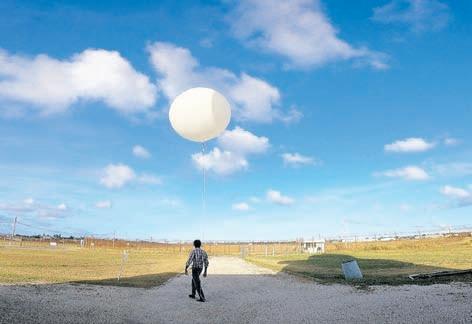
A radiosonde device attached to a hydrogen balloon to measure atmospheric data.
Here are some of the tools forecasters at the Barbados Meteorological Services use to help them stay one step ahead as they monitor the weather.
weather models run
Meteorologists constantly analyse upper-level winds, moisture levels and atmospheric pressure.
Strong wind shear can weaken developing storms, while favourable atmospheric conditions allow them to strengthen rapidly.
& EQUIPMENT SHOP
producing multiple possible tracks and intensity forecasts.
Rather than relying on one model, meteorologists compare guidance from several international forecasting centres before issuing forecasts.
Powerful
around the clock,
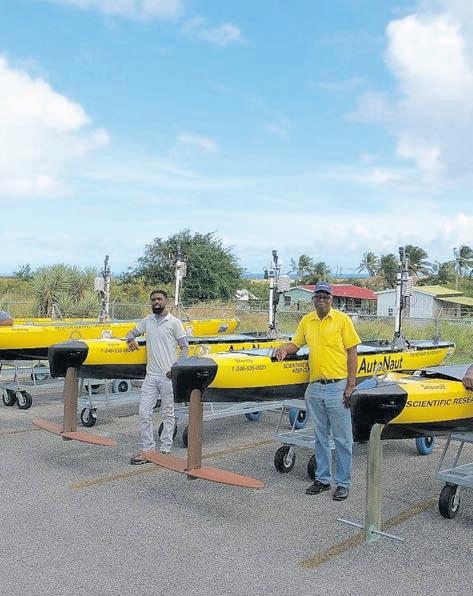
Marine Drones
Network of Automatic Weather Stations
Weather Station
DID YOU KNOW?
A battery-powered or AM radio can become a lifeline if electricity, mobile service and Internet access are lost during a major hurricane. Government is encouraging Barbadians to keep alternative ways of receiving emergency information.
OPERATION: ACT BEFORE IMPACT
Barbados’ national hurricane preparedness campaign for the 2026 Atlantic Hurricane Season is called Operation: Act Before Impact. From upgraded emergency shelters to stronger communications systems and community volunteers, Barbados is strengthening its hurricane preparedness ahead of the 2026 Atlantic season. At a national press conference on June 1, Minister of Home Affairs Gregory Nicholls said the message is simple: preparation must begin long before a storm is on the horizon.
How Barbados is preparing before the next hurricane strikes
THE PLAN AT A GLANCE:
• National hurricane readiness meetings have already been completed.
• Emergency response agencies have updated and tested their plans.
• Joint training exercises are continuing throughout the season.
• Early warning systems are being strengthened.
• Emergency communication networks are being upgraded.
• Barbadians are encouraged to download the BMS Insight app for official weather updates.
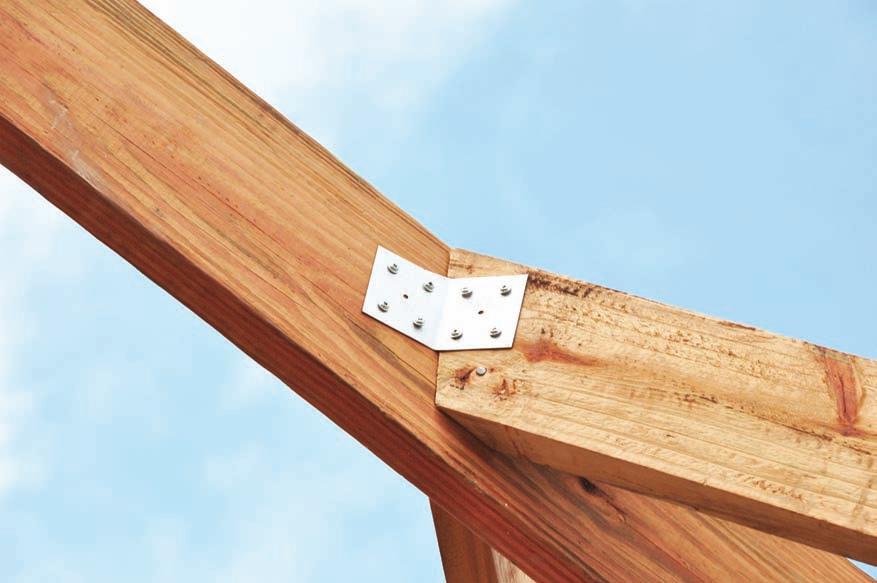
• Government has invested more than $300 000 in hurricane roof straps since 2022.
• More than 2 000 households have already benefited.
• The programme continues for eligible homeowners.
Emergency shelters are being upgraded with:
• Improved sanitation
• Better accessibility
• Emergency power systems
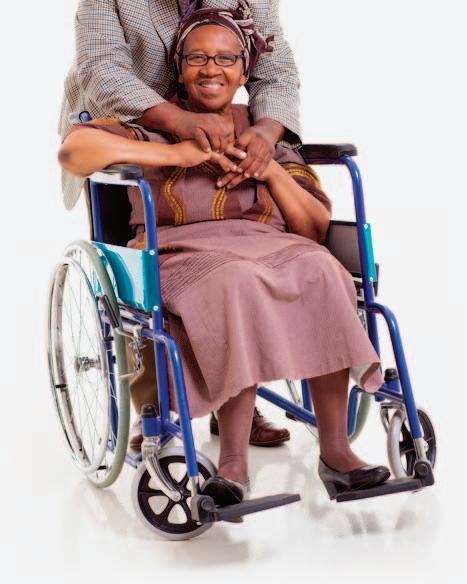
• Enhanced facilities for the elderly and persons with disabilities
Government says work is continuing on:
• Drainage improvements
• Coastal protection
• Infrastructure upgrades
• Community resilience programmes
WHAT BARBADIANS SHOULD DO NOW
• Review your family emergency plan.
• Prepare an emergency supplies kit.
• Secure your home and business.
• Monitor official weather updates.
• Check on elderly relatives and vulnerable neighbours.
• Join your District Emergency Organisation if you can volunteer. (SD)
Preparedness is no longer an option. It is essential to our national survival.
Gregory Nicholls, Minister of Home Affairs. (FP)
Preparing for Hurricane season starts with protecting the people you love.
From canned vegetables and beans, to everyday pantry essentials, Western products help keep your family stocked, prepared, and cared for when it matters most
SAY THE PEOPLE’S
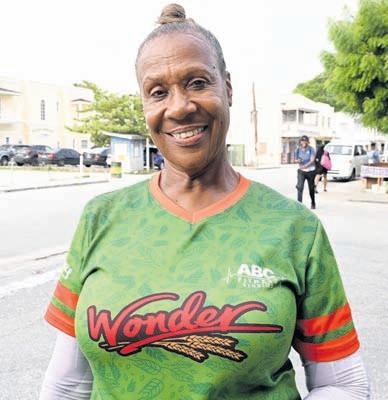
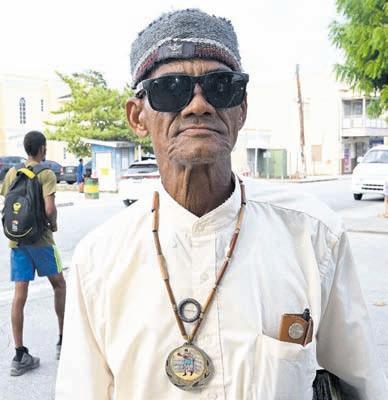
Sandra Reid
I’ve fixed the paling and the roof at the house. All the wiring at the house sorted out because it doesn’t make any sense that you are waiting until the last minute and then asking somebody for help when you can do it up front and get everything out the way. I also have lots of food; lots of canned things, everything is home. I don’t take no chances, girl.
What preparations have you made for this hurricane season?
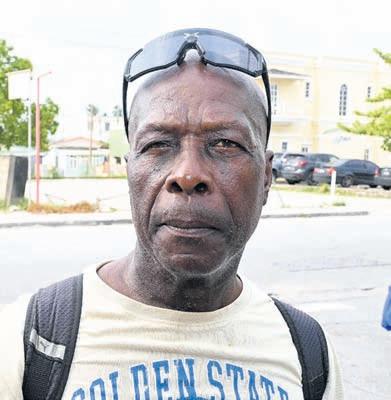
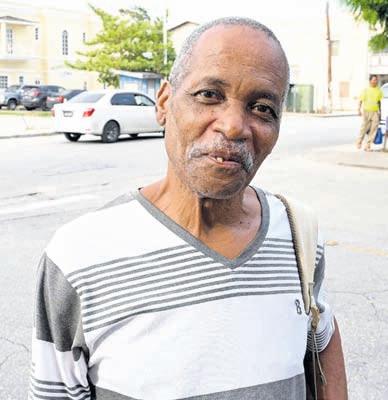
Winslow Bailey
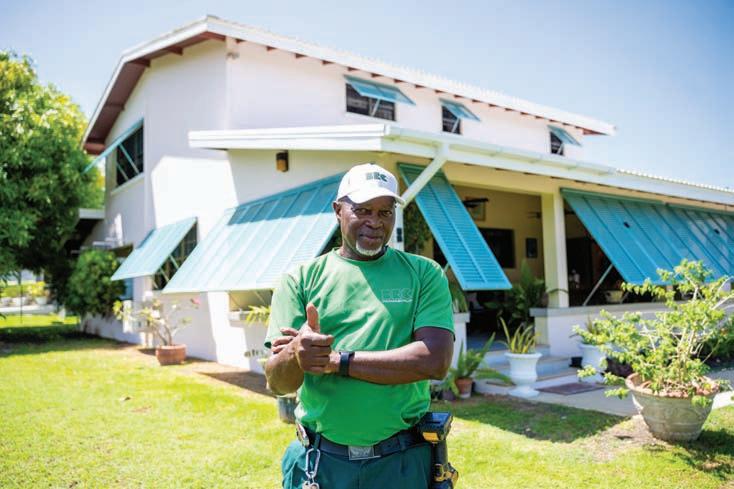
Well, to be honest with you, I am prepared. First things first, all my rafters in the roof have hurricane straps. I’ve got shutters for my windows so that if you get strong wind, my glass windows won’t get broken because you never know when a hurricane is going to come. During the hurricane season, you should make sure that you have everything in place. Where food stuff is concerned, I always got food stuff in my house.
David Moore
I wouldn’t say I have finished the whole gamut of preparation. But it is wise to prepare for the season, because storms can do a lot of damage to homes and the economy and everything. So in terms of the structure of my home, I will be putting up protective boards and so on. I will also make sure I have food, emergency lighting and all that stuff.
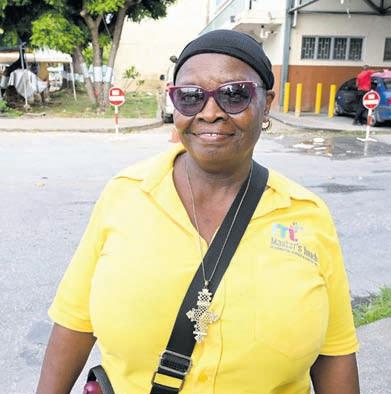
Holly Millington
Derek Jones
Well, I’m not quite ready, but I am going to get ready. So I plan to make sure I can board up the windows, make sure everything is tight, bring in some extra water, stack up some food; a couple of breadfruits, be able to make some wood fire in case the gas goes, and all of that. We should take the hurricane season seriously because you never know when there may be a serious disaster. So you should always prepare for anything that’s coming. So, it may sound slight, but it may come worse than you think. So prepare the best you can.
I have prepared for the hurricane season. I have bought my food stuff and I tried my best to secure the yard in the best way possible that it won’t get hit too badly just in case because you don’t know how it’s gonna be, but you still have to prepare. I try to prepare because they keep reminding us on the radio and social media, so you gotta take heed. Try to be safe and to get ready is to prepare. So if you don’t prepare, you will fail.
HURRICANE SEASON: SEASON: SEASON: Review
before the storm
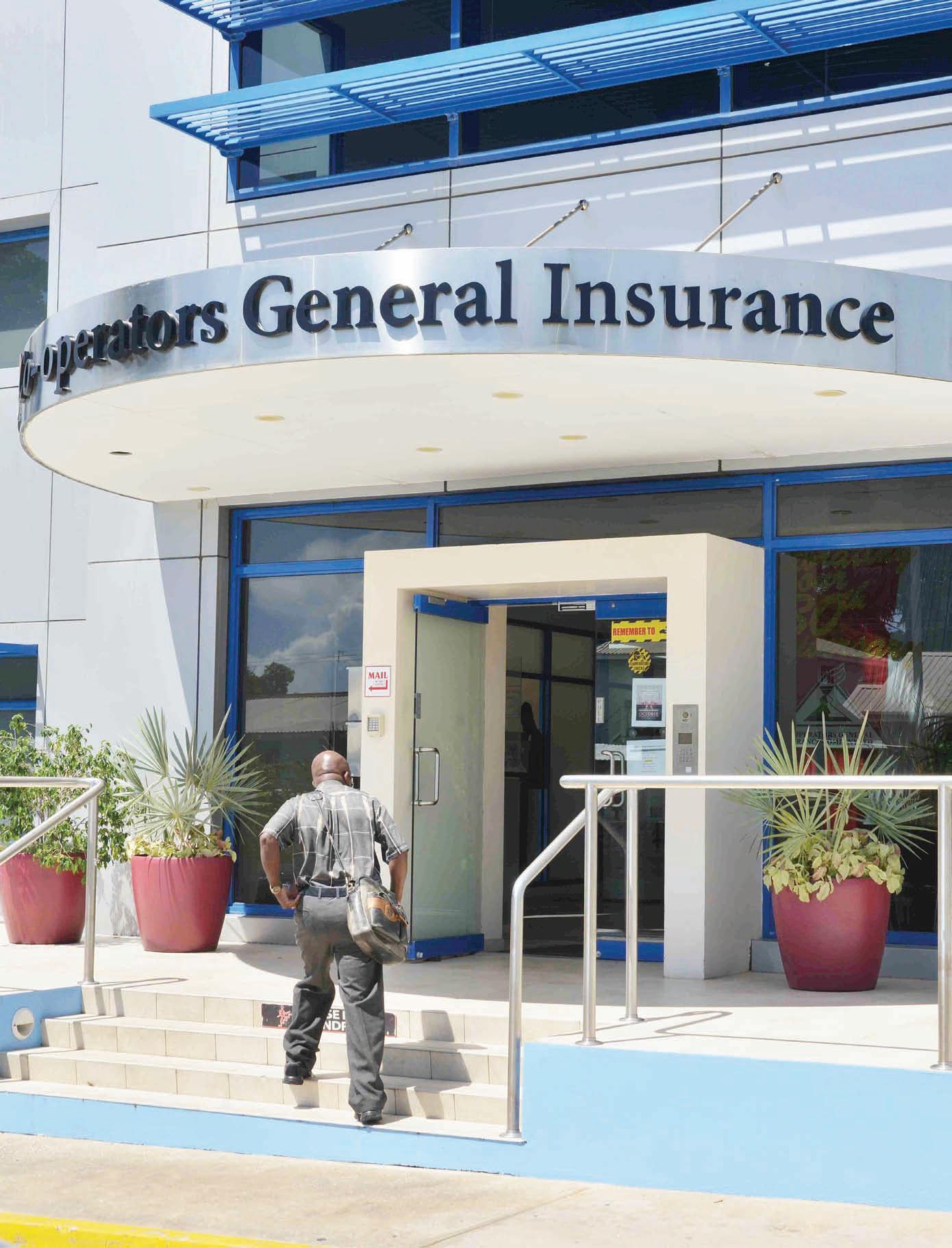
hurricane season the General Insurance
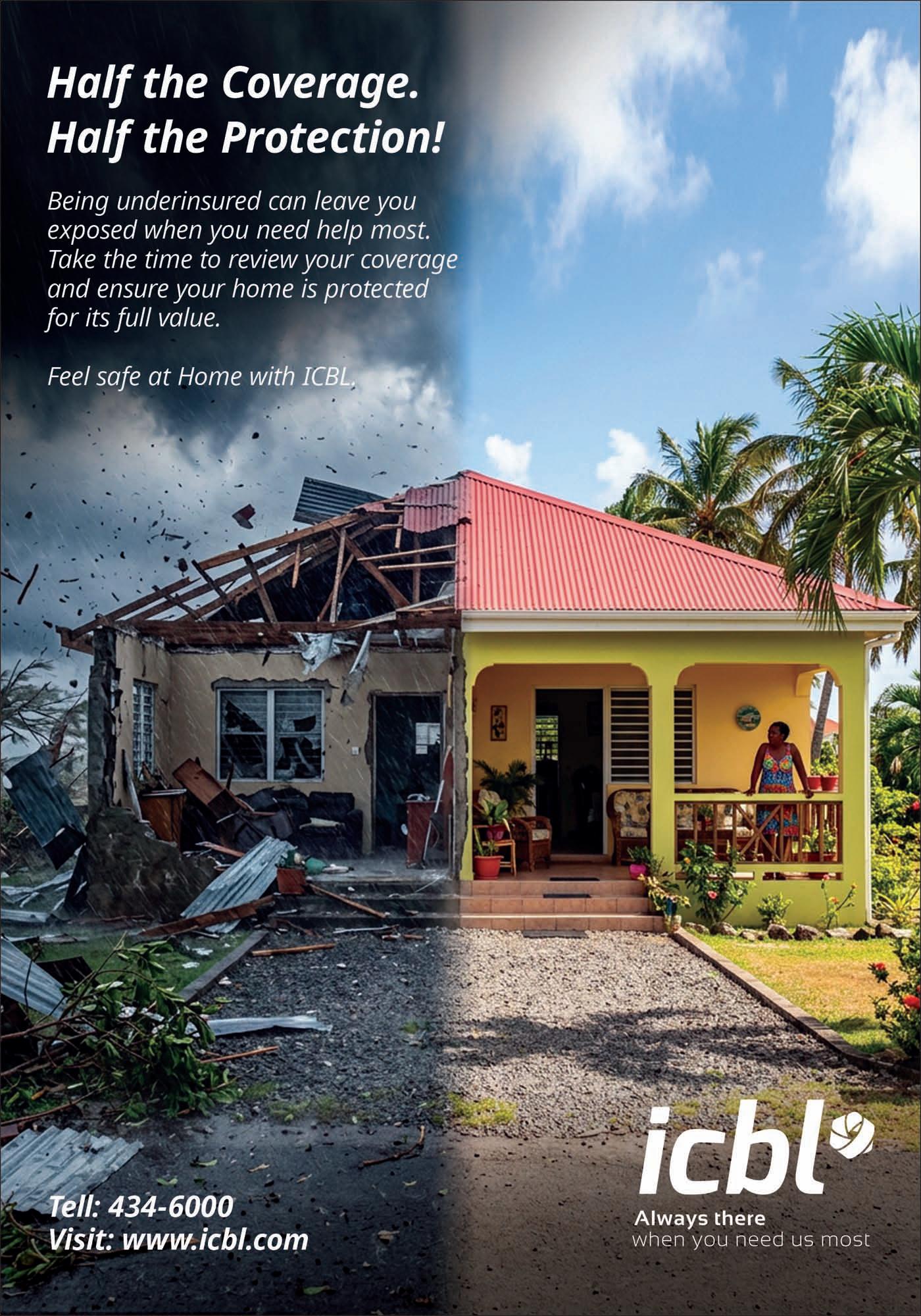
As hurricane season begins, the General Insurance Association of Barbados (GIAB) is encouraging homeowners and business owners to review their insurance coverage to ensure they are adequately protected.
Insurance provides important financial protection for homes, contents, businesses, boats, fishing equipment and other valuable assets. However, rising construction costs, inflation and higher replacement values mean that many properties may now be underinsured.
Policyholders are reminded that renewal notices typically encourage customers to review their sums insured annually to ensure they accurately reflect current replacement costs. Failure to do so could result in a shortfall when making a claim.
Where a property is underinsured, the Average Clause may apply. This means that if the sum insured is less than the property's full replacement value, the insurance company may only pay a proportion of a partial loss, leaving the policyholder responsible for the balance.
It is also important to remember that most property insurance policies in Barbados carry a Deductible of 2% of the sum insured for catastrophe losses. The deductible is the amount of money the policyholder is responsible for paying out-of-pocket before the claim is paid or is the amount deducted from the settlement.
Before the peak of the season,
Before the peak of the season, policyholders should:
Review building and contents sums insured. Ensure business assets, stock and equipment are properly valued.
Confirm boats and fishing gear are adequately insured. Keep an inventory and photographs of valuable items. Contact their insurance representative if there have been changes to their property or operations.
Taking the time to review your insurance today can help avoid costly surprises and support a faster recovery after a hurricane.
and a faster recovery after a hurricane
As
DID YOU KNOW?
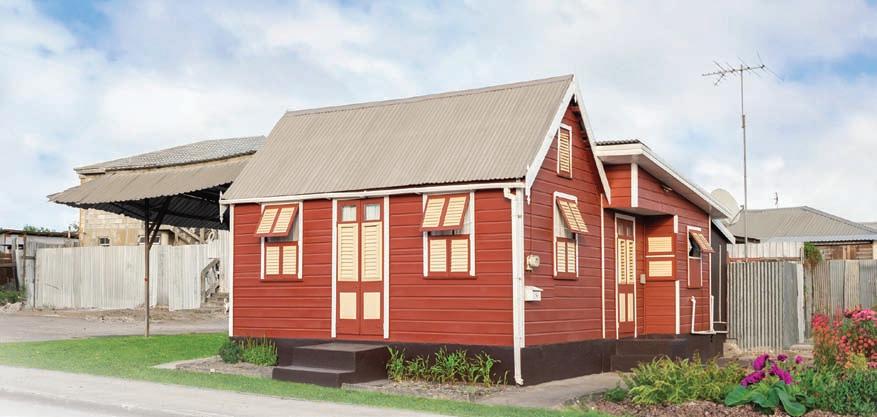
Chattel houses stand strong in storms.
The steep pitched gable roof was designed to deflect high winds during hurricanes and allow heavy rains to run off quickly.
BUILT TO WEATHER THE STORM
ong before hurricane-resistant construction became part of the conversation, Barbadians were already building homes designed to live with the Caribbean climate.
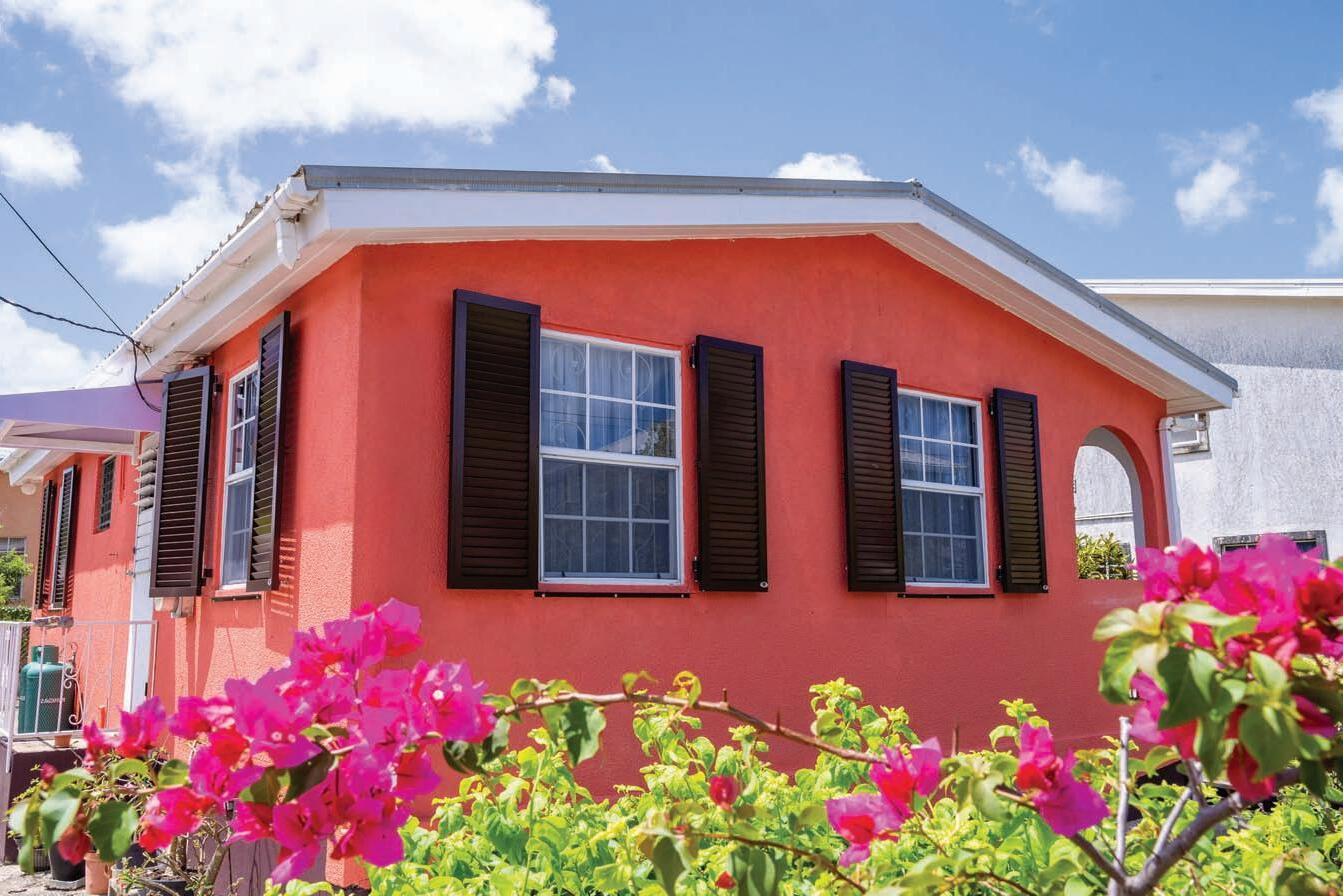
The chattel house, with its steep roof, protective shutters and airy verandah, was more than a symbol of the island’s heritage. According to the Barbados Institute of Architects (BIA) President Kerry Dragon, it was the product of generations of learning what worked and what did not, in a region where heat, heavy rain and hurricanes have always been part of life.
“I think it’s such a shame that some people look down on chattel houses and our traditional vernacular architecture,” Dragon said.
“It’s traditional for a reason. It’s vernacular for a reason. It’s evolved. It’s architecture that’s evolved to suit our climate.”
As Barbados prepares for another hurricane season and the effects of climate change become increasingly evident, Dragon believes those lessons from the past remain just as relevant today.
He pointed to the steep roof pitches that help shed rain and reduce wind pressure, the shutters that protect windows during storms, the orientation of homes to capture cooling breezes and the verandahs that reduce heat gain.
“All of those things combined created, in a way, our perfect traditional architecture that is suitable to our climate that does allow natural ventilation, does allow cooling and does provide a first line of defence against hurricanes.”
Dragon recalled that after Hurricane Janet devastated Grenada in 1955, many of the island’s traditional timber homes remained standing, earning the nickname “Janet houses” because of their ability to withstand the storm.
That history, he said, is a reminder that resilience is not always about reinventing the wheel. He, however, suggested that THIS does not mean modern homes should all look like chattel houses.
He pointed out that flat roofs, for example, can perform well when they are properly designed and enable drainage. Dragon said modern construction offers many effective solutions, but the key is ensuring that good design is matched
by quality construction and ongoing maintenance.
“When I look at homes in Barbados, professionally designed buildings generally perform quite well,” he said. “Where we tend to see problems is at the connections.
“Those connections, such as where roofs meet walls and where windows and doors connect to the structure, are often the first places hurricanes exploit. Nature always finds the weakest point. From there, that’s where damage tends to spread.”
That is why he wants homeowners to move away from the belief that hurricane resilience always comes with a hefty price tag.
“I would really like the general public to remove the notion that resilience means expense,” he said. “It really doesn’t have to be.”
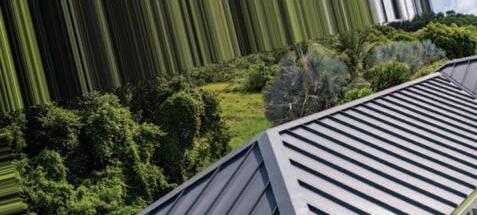
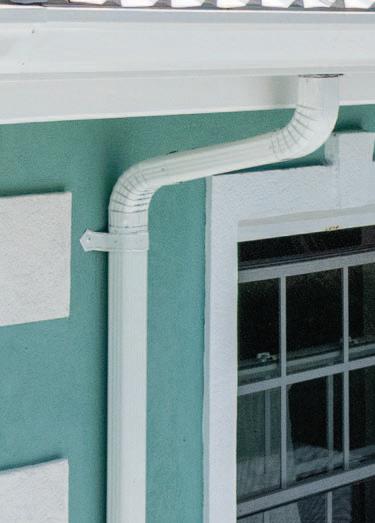
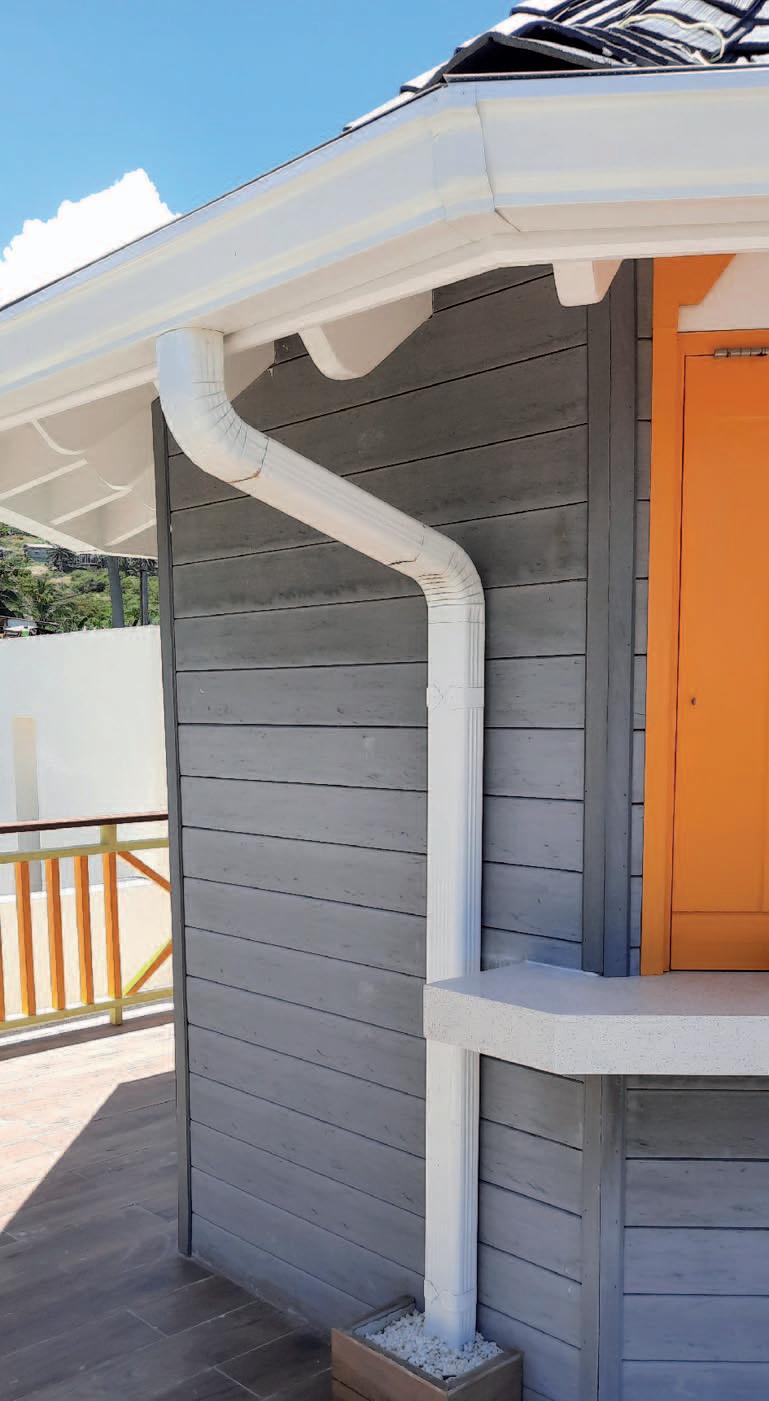
Instead, he encouraged families to make maintenance part of their annual hurricane preparations. “Replacing rusted roof fasteners, repairing damaged galvanise, clearing gutters and downpipes, trimming overhanging trees and ensuring solar panels, water tanks and other rooftop equipment are securely fastened can all make a meaningful difference.”
Dragon also cautioned against focusing only on wind, stressing that households must make adequate preparation for flooding. “Everybody focuses on winds and less so on water.”
With heavier downpours becoming more common, he believes homeowners should understand whether their properties are vulnerable to flooding before building or renovating. He pointed to good drainage, permeable surfaces, soak-away systems and, where necessary, elevating homes above expected flood levels as part of resilient design.
He also explained why protecting windows and doors is so critical during a hurricane. If a window shatters or a door is forced open, powerful winds rush into the house, increasing air pressure inside while the storm continues pulling at the roof from above. Together, those forces can dramatically increase the risk of roof failure.
As president of the Barbados Institute of Architects, Dragon said the organisation continues to work with engineers, planners, contractors and government agencies to promote climate-responsive architecture
and stronger building standards. Through public seminars, professional training and partnerships with organisations involved in disaster resilience, the Institute hopes to encourage a culture of building that looks beyond today’s weather to tomorrow’s challenges.
For Dragon, preparing Barbados for stronger storms is not simply about
constructing tougher houses. It is about rediscovering the wisdom already embedded in the island’s architecture, maintaining the homes we have, and designing communities that are ready for whatever the climate brings.
“The cheapest way to upgrade is often maintenance and it’s something we should be doing.” (SD)
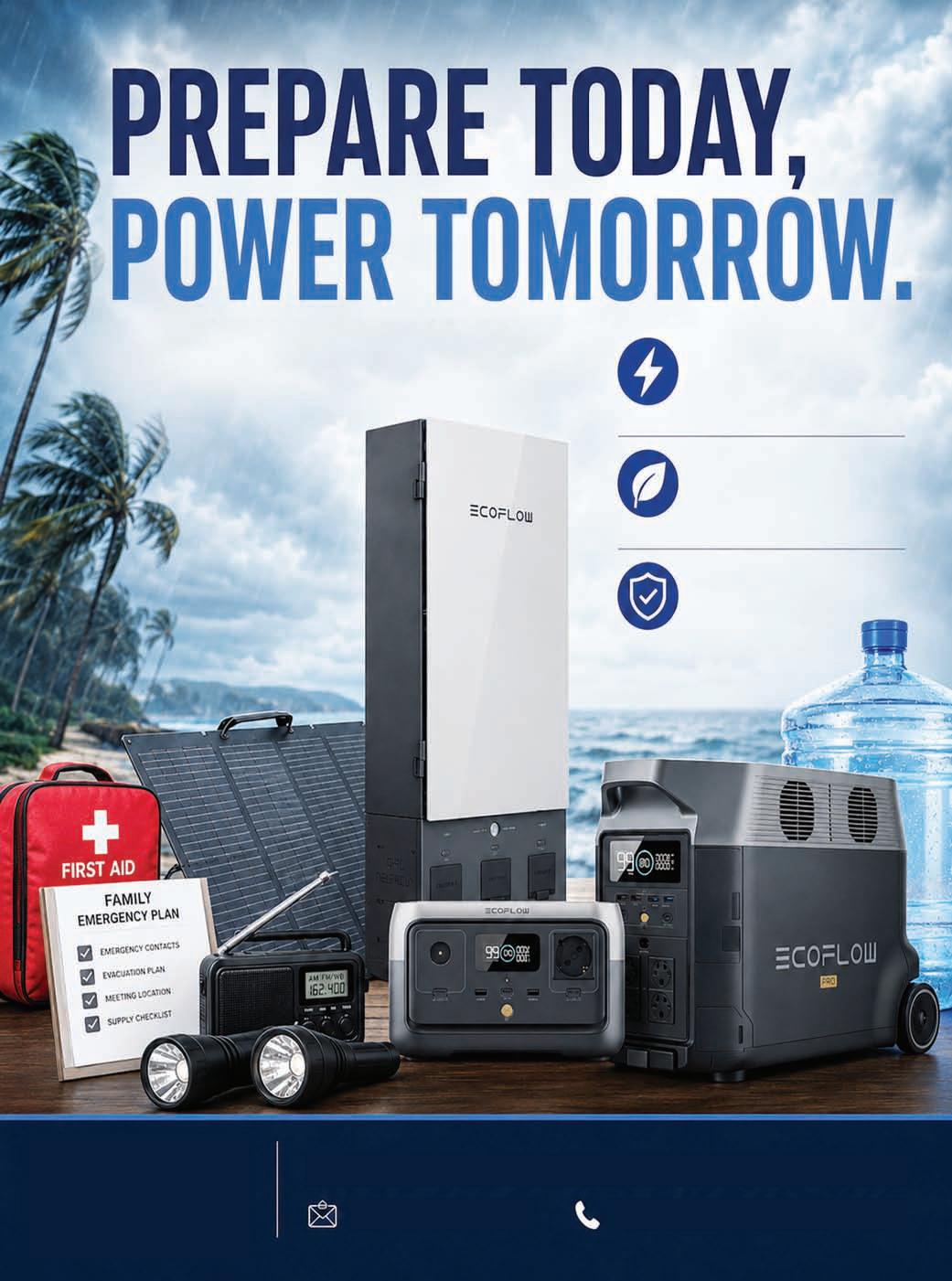
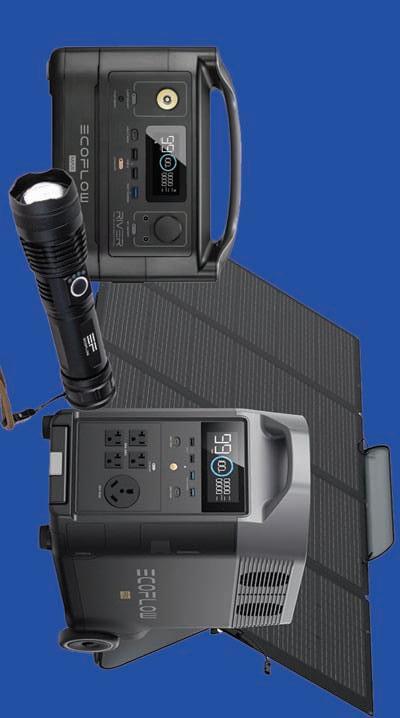
Be hurricane ready with EcoFlow. Smart. Reliable. Sustainable.
Reliable Power Keep essentials running when you need it most.
Sustainable Energy Clean, efficient and environmentally friendly. Peace of Mind Be ready for anything the storm brings.
President, Barbados Institute of Architects, Kerry Dragon. (GP)
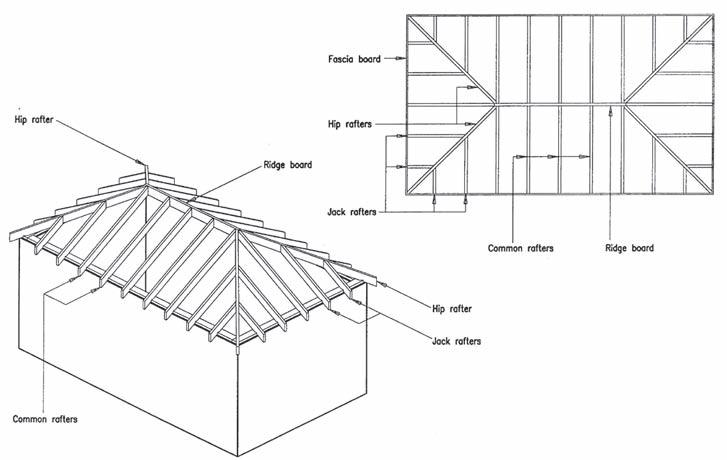
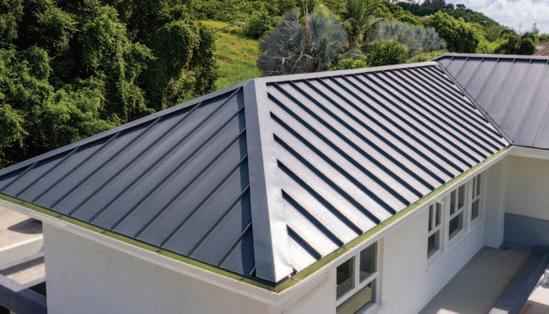
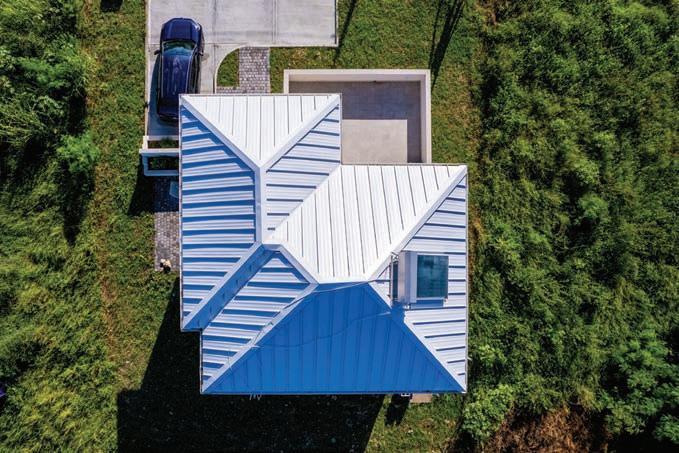
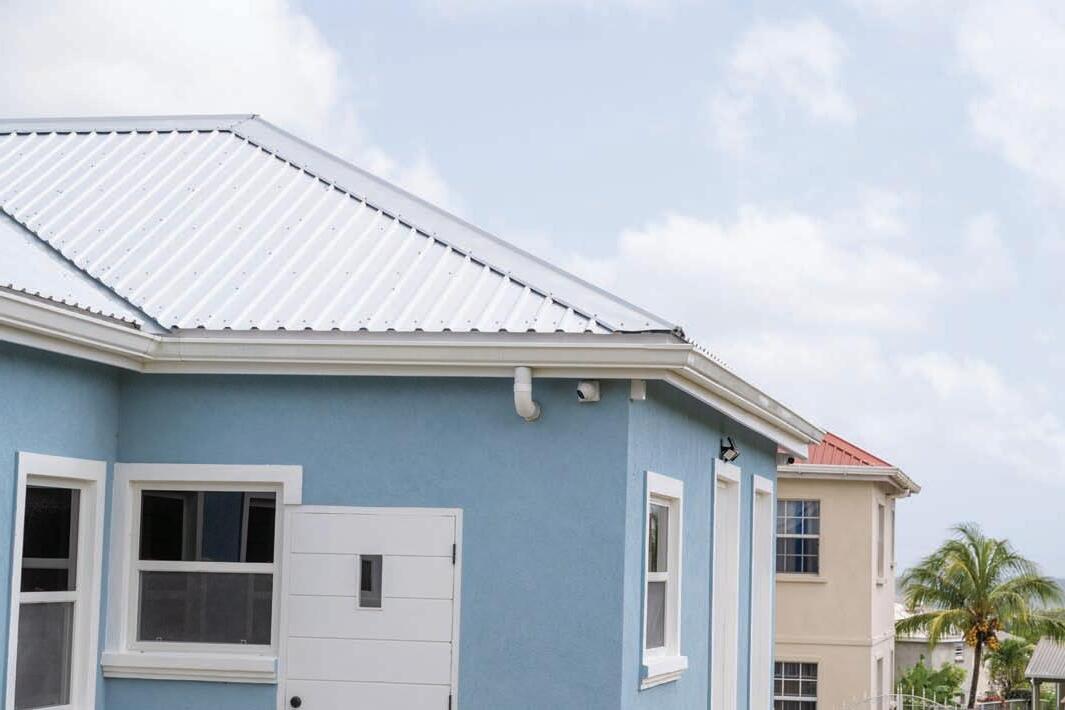
Hip Roof:
(Caribbean Mitigation Disaster Project - OAS)
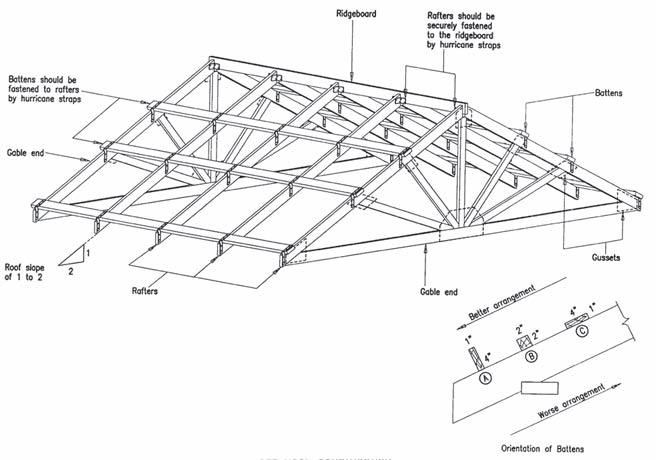
Gable Roof: Building guidelines for a gable roof.
(Caribbean Mitigation Disaster Project - OAS)
DID YOU KNOW?
Hurricane Maria caught Dominica completely off guard in September 2017 when it underwent a terrifying process known as “extreme rapid intensification”. The storm exploded from a modest Category 1 into a ferocious Category 5 monster in just 15 hours, eventually making landfall and decimating 90% of the island’s roofs and critical infrastructure.
INSURANCE IS YOUR SECURITY
In the swirling uncertainty of hurricane season, one steadfast pillar offers a glimmer of security: insurance. Beyond mere financial planning and protection, insurance provides the foundation of hope for those facing nature’s wrath. It is not simply a promise of protection but has a pivotal role in ensuring the rebuilding of lives and properties after a disaster.
To shed light on this critical link between hurricane preparedness and insurance, we sat down with Sagicor’s Manager - Direct Sales and Support Services Donelle Belgrave-Young, who expertly explained the importance of insurance and the pivotal role it plays in weathering the storm.
At the core of her duties, Belgrave-Young is responsible for training team members on policy wording. “This first step is especially important for when we are interacting with clients or anyone interested in insurance. Through this understanding, we are able to navigate the language of the policy, what is needed, and what happens when a hurricane or any other disaster hits and the policyholder submits a claim. Through this training and in-depth understanding, we are not only able to explain what policy is effective but the claims processes during the aftermath. So, insurance basically provides that safety net against the wrath of the hurricane season.”
What Belgrave-Young truly emphasised was the importance of clients understanding their insurance policies well in advance of any hurricane alert. “Having that knowledge of what is and what is not covered under your policy, any deductible requirements and true value of the insured property can make a world of difference during these traumatic times. I would also advise clients to review and update their policy yearly to ensure that any modifications done to the home and any additional contents added are reflected in the insured amount and policy agreement.”
Imagine the peace of mind that comes from knowing your home, possessions and loved ones are shielded against unforeseen and unpredictable threats of hurricanes. However, it is critical that persons are aware of the options offered. “I think an important distinction to make when it comes to homeowners’ insurance and contents insurance. While these are often connected, they are somewhat different, and both play a critical role in protecting the homeowner from financial losses. Homeowners’ insurance typically covers the physical structure of your home and attached structures, whereas contents insurance focuses on protecting the belongings inside your home or apartment / house if you are renting. Many homeowners typically opt for a comprehensive package where both the property and contents are bundled together under a single policy. Alternatively, persons can also choose to purchase these as separate policies. Ultimately, it is critical to invest in some form of insurance, especially in preparation for hurricane season.”
Investing in insurance fosters a culture of preparedness that extends beyond individual policyholders. “My role is a collective effort that not only focuses on selling policies but educating clients on the nuances of coverage. Being able to clarify these details and allowing clients to make informed decisions makes a world of difference about their level of protection, so the aim is to continue encouraging individuals to fortify their properties. Simply, be prepared!”
In the face of a potentially active hurricane season this year, preparedness remains our most potent weapon. But what happens in the aftermath when damage is rampant? According to Belgrave-Young, “Prior preparation and policy review and understanding is critical when filing a claim. In the unfortunate event that a hurricane occurs and clients are impacted, they should aim to make contact with their provider and get assessments on the damage with the guidance of the insurance specialist. Once the assessment is complete and approved, the amount covered under the policy is paid out. Additionally, based on your policy coverage you may also be reimbursed for items such as damaged frozen foods, etc. caused by the hurricane and alternative housing while your home is rebuilt or repaired. What is truly important, though, is being proactive as this helps to navigate the claims process more effectively.”
As climate patterns evolve and weather extremes become more frequent, the landscape of hurricane risk continues to
evolve. Insurance providers must remain agile, continuously adopting strategies to meet the evolving needs and emerging risks. However, by staying ahead of these changes and advocating for proactive mitigation measures, we ensure that our clients are further protected ensuring resilience in the aftermath of a disaster or hurricane.
For insurance providers, hurricane preparedness is not merely a professional responsibility but a corporate commitment to safeguarding what matters most for our communities. Therefore, it is critical to continue to advocate for more robust insurance coverage, to raise awareness of its importance as a key component to weathering the storm and emerging stronger on the other side.
Sagicor’s Manager - Direct Sales and Support Services Donelle BelgraveYoung. (GP)
People prepare for hurricanes by looking up. They worry about roofs, windows and falling trees.
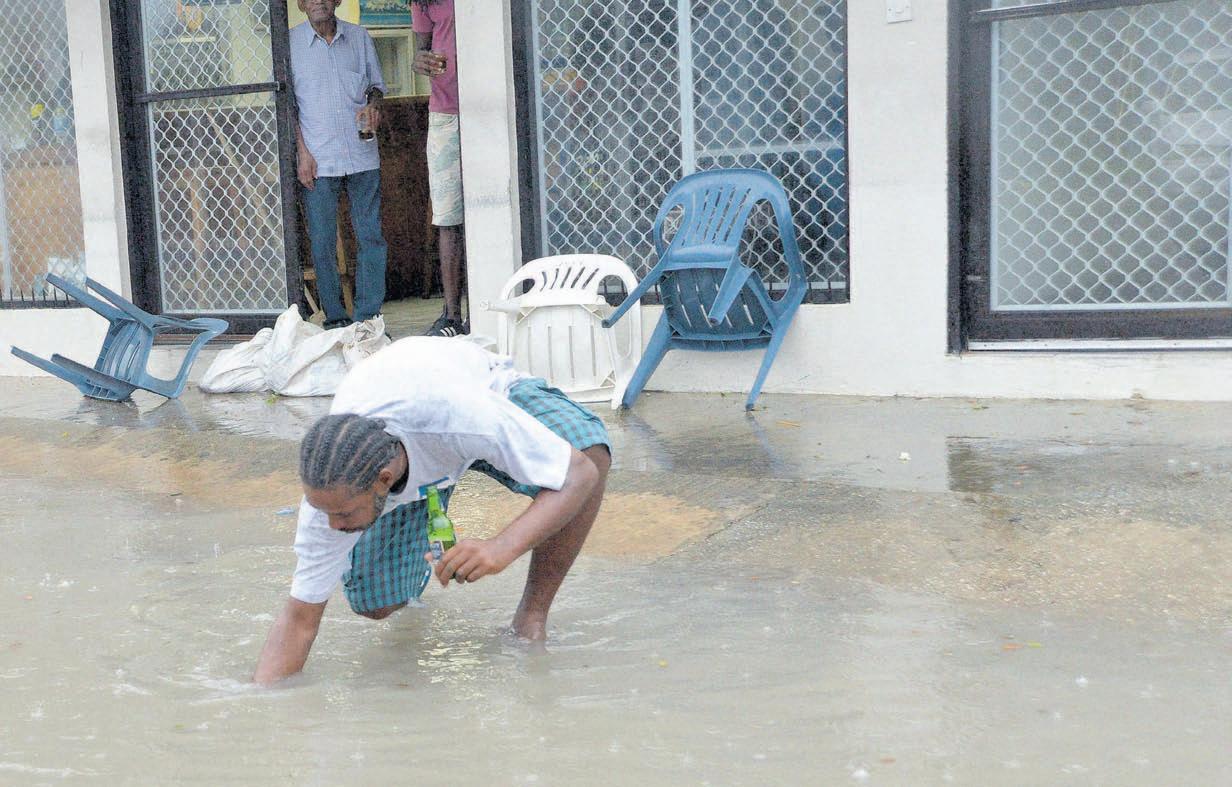
However, as Barbados has experienced in recent years, some of the greatest danger comes from what happens on the ground.
Flash flooding can develop in a matter of minutes after intense rainfall, turning familiar roads into fast-moving waterways and catching motorists and pedestrians off guard.
Architect Kerry Dragon believes flooding deserves just as much attention as high winds.
“Everybody focuses on winds and less so on water,” he says.
“We’ve been having more and more issues with flooding. Climate change is a real thing, and rainfall is becoming more intensified. The bigger issue is not just that we’re having more rainfall, it’s how quickly it is happening.”
That rapid change is why experts say preparation shouldn’t stop at securing roofs and trimming trees.
Families also need to think about how water could affect their homes, their travel plans and their personal safety.
NEVER UNDERESTIMATE FLOODWATER
Floodwater may appear shallow, but it can hide open drains, damaged roads, debris and fast-moving currents.
Never attempt to walk, cycle or drive through floodwater unless authorities have confirmed it is safe to do so.
Just a small amount of moving water can cause a vehicle to lose traction, while floodwater can conceal hazards that are impossible to see from the surface.
PROTECT YOUR HOME BEFORE
HEAVY RAIN ARRIVES
Simple preparations can reduce damage if intense rainfall develops.
• Clear gutters and downpipes.
• Remove leaves and debris from drains around your property.
• Move important documents and valuables to higher shelves.
• Secure outdoor furniture and loose items.
• Keep sandbags ready if your property is prone to flooding.
Dragon says maintenance is one of the most effective—and affordable—ways to improve a home’s resilience.
WATER CAN BE THE THREAT BIGGEST
PROTECTING THOSE WHO NEED IT MOST
As Barbados faces increasing climate variability and disaster risk, events such as hurricanes, flooding, and the COVID-19 pandemic have underscored the disproportionate impact of disasters on vulnerable populations. In fulfilment of its mandate for Disaster Social Relief within Barbados’ National Emergency Management System, the Ministry of People Empowerment and Elder Affairs (MPEA), through the Inter-Ministerial Disaster Social Relief Committee, coordinates social assistance interventions, including shelter, food, psychosocial, and recovery support for affected persons.
Safety StartS before the Storm
Preparedness is not simply about responding to disasters. It is about ensuring that our most vulnerable citizens remain safe, supported and connected when challenges arise.
The Ministry of People Empowerment and Elder Affairs (MPEA) holds a central mandate for the delivery of Disaster Social Relief within Barbados’ National Emergency Management System. Through its inter-ministerial Disaster Social Relief Committee (DSRC), chaired by the Permanent Secretary, the ministry coordinates social assistance interventions during the emergency and recovery phases of a disaster. These include the provision of shelter support, food assistance, psychosocial services, recovery support, and the coordination of relief supplies and services for affected individuals and communities.
As part of its ongoing preparations for the 2026 Atlantic Hurricane Season, the ministry is currently at an advanced stage of readiness. The DSRC has convened to review its operational arrangements
and assess its areas of responsibility to ensure that all systems and procedures are in place should a disaster impact Barbados. The committee’s work is guided by the Disaster Social Relief Plan (DSRP), which is reviewed and updated annually ahead of the hurricane season to ensure a coordinated and effective response to emergencies of varying scale.
The DSRP provides a framework for the delivery of essential relief services, including food, clothing, temporary accommodation, counselling, and other basic necessities for persons affected by emergencies and disasters. These ongoing preparedness efforts reflect the ministry’s commitment to safeguarding vulnerable populations and ensuring the timely delivery of social relief services, while working closely with partner agencies to strengthen national disaster preparedness, response, and recovery.
The ministry encourages all persons to be prepared, be vigilant and, most importantly, to look out for each other as we once again make preparations for the 2026 Atlantic Hurricane season. Stay Safe everyone!
Practical tips for VULNERABLE PERSONS
Simple steps can make a big difference. Use these tips to prepare before hurricane conditions affect our communities.
pea eXpands disaster response CapaCity throUGh establishMent oF thesea
Ministry of People Empowerment and Elder Affairs (MPEA) recently undertook the amalgamation of the Child Board, the National Assistance Board, the Welfare Department, the National Disabilities Unit, and the Resilience Reintegration Unit into a single statutory organisation called Social Empowerment Agency (SEA), which was established January 2, 2026.
Social Empowerment Agency was created to provide a continuum of social care services to vulnerable groups, including persons, low-income families, children, and persons with disabilities. These populations are often disproportionately affected by disasters, as they may lack the resources and support systems necessary to adequately prepare for, respond to, and recover from emergencies. Natural disasters can disrupt access essential services and significantly impact the well-being and livelihoods of vulnerable individuals and families. the primary agency responsible for delivering integrated services, SEA recognises the critical role its social workers in supporting affected populations before, during, and after disasters. The Agency is therefore strengthening its disaster preparedness and response capacity to ensure that social workers are equipped to conduct social assessments, identify urgent needs, and support relief and recovery operations following hurricanes and other major weather events. Recognising that disaster preparedness and response is a shared responsibility, SEA will continue to collaborate with key stakeholders and partner agencies to enhance resilience and safeguard the well-being of those most at risk during times of
In the event that you have to relocate to a shelter, ensure that you have adequate batteries and chargers, medicines and medical supplies in your emergency supply kit.
Check the expiration dates of your medicines and medical supplies.
Prepare a checklist of what your home will require if you (i) decide to stay at home during the disaster event or (ii) decide to locate to a shelter.
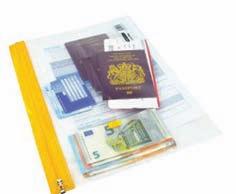
Ensure that important documents such as identification, financial and legal papers are placed in a durable waterproof container.
Keep near to hand vital documentation on medications, allergies and medical conditions.
Ensure that life, medical and property insurance policies are up to date.
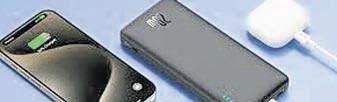
Plan to stay connected by obtaining a batterypowered radio and backup power in the event of a power outage.
For persons with disabilities
Identify which shelters near to your home are disabled-friendly.
Make a plan as to how you will be transported there.
Ensure that you have pen and paper, in case you have to communicate with a person who does not know sign language.
Ensure that you have extra hearing aid batteries.
Ensure that you have a Braille or similar communications device in your emergency kit.
Make a list of items that you must carry to ensure that you don’t leave important items behind.
If you use an electronic wheelchair, consider having a manual wheelchair for backup.
Teach those who may be called upon to assist you how to use your equipment.
•
READY TO LEAVE?
1.
2.
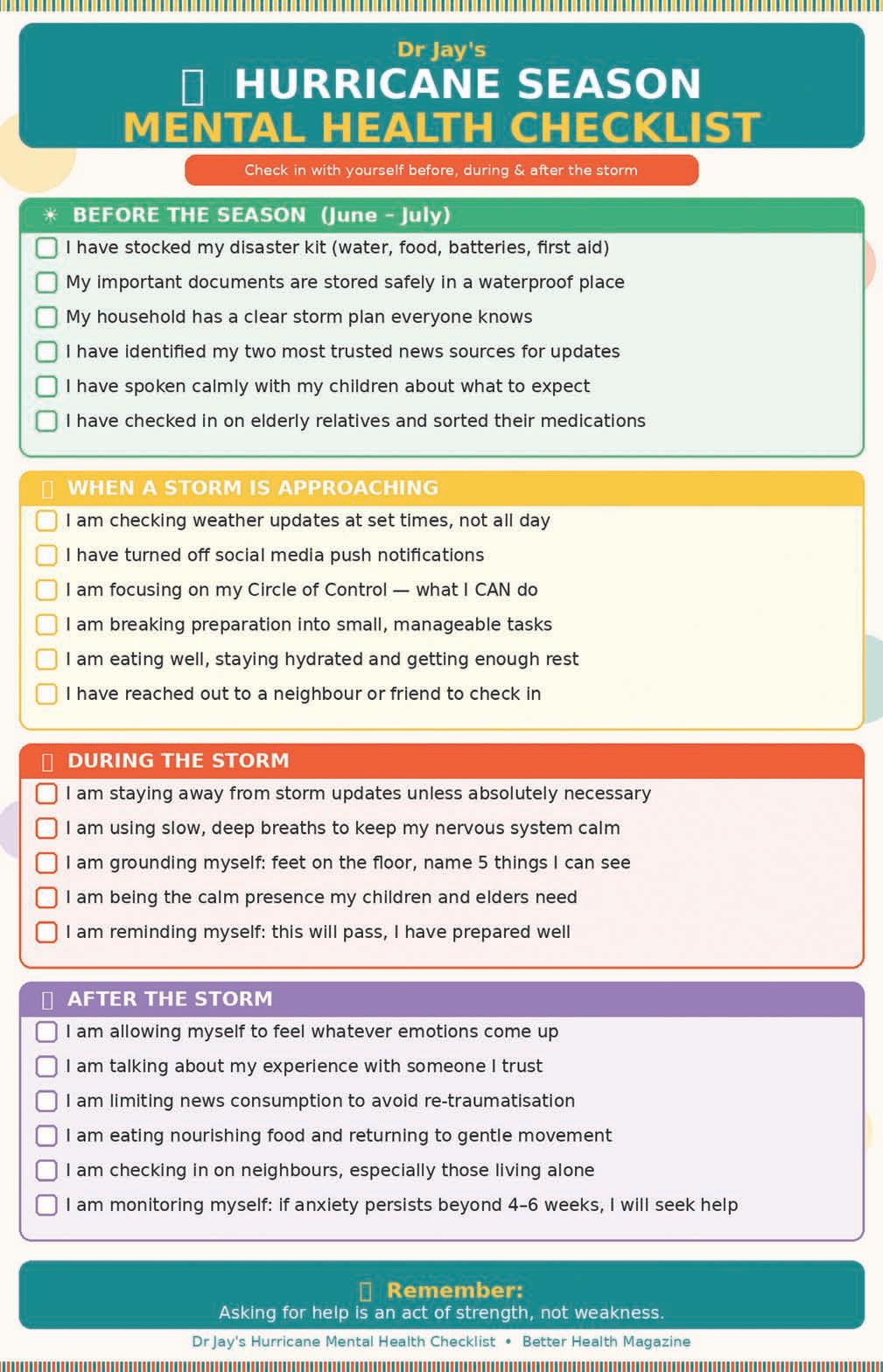
After working with hurricane survivors in Dominica and Jamaica, Mental Health Consultant, Dr Janelle Chase-Mayers has learned that while roofs can often be repaired within months, emotional recovery is far less straightforward.
“The fear of a hurricane is a real thing,” she said. That reality became clear while supporting people in Dominica after Hurricane Maria devastated the island in 2017. Long after homes had been repaired and communities had begun rebuilding, many survivors continued to relive the trauma whenever dark clouds gathered or heavy rain began to fall.
“They still freeze when the rain falls,” Dr Chase-Mayers said. “It is very real for them.”
She recalled meeting families who appeared to have resumed normal life, yet emotionally were still living through the disaster because they had never received the support needed to process what they had experienced.
“We assume that people are okay. But we don’t recognise that this person is still living in somebody else’s house, there’s still a tarp on the roof, and they still need psychological support.”
Her work in Jamaica after Hurricane Melissa revealed many of the same emotional patterns. Although every
hurricane leaves a different trail of destruction, survivors often face similar feelings uncertainty, and loss long after emergency crews have gone home.
“We say people are resilient immediately after, but people are in the trauma of it. That’s not resilience.”
Instead, she believes resilience develops gradually as people receive support, reconnect with their communities and begin rebuilding both their homes and their sense of security.
She said these are lessons Barbados should not ignore.
Although the island has escaped the catastrophic devastation experienced elsewhere in the Caribbean, storms such as Hurricane Elsa and Hurricane Beryl have shown that no country is immune.
Dr Chase-Mayers believes hurricane preparation should therefore include
Recovery is about far more than rebuilding a house. It is about helping people feel safe enough to call it home again.
Families, she said, should talk with children about what to expect, check on elderly relatives and neighbours, and recognise that fear and anxiety after a storm are normal reactions rather than signs of weakness.
She recommends preparing little by little before hurricane season to help reduce anxiety.
“Doing a little at a time whether buying supplies gradually, strengthening a home or discussing a family emergency plan helps people feel more in control before a storm arrives. Because when a hurricane passes, the work of recovery is about far more than rebuilding a house. It is about helping people feel safe enough to call it home again.” (SD)
DID YOU KNOW?
Hurricane Melissa slammed into western Jamaica in late October 2025 as a catastrophic Category 5 powerhouse, packing maximum sustained winds of 190 mph—tying it as the strongest Atlantic storm in history. It caused a staggering $8.8 billion USD in damage locally, making it the single costliest natural disaster in Jamaican history.
YOUR FIRST RESPONDERS
LIVE NEXT DOOR
When most Barbadians think about emergency response, they picture police officers, fire fighters or soldiers rushing into action after a disaster.
But long before national agencies arrive, help often begins much closer to home. It sometimes starts with your neighbours.
Across the island, there are 30 District Emergency Organisations (DEOs) one in every constituency, prepared for the hurricane season. Made up of volunteers who live in communities they serve, these teams know the people, the roads, the flood-prone areas, and the residents who will need help first if disaster strikes.
“Members are drawn from the constituency in which they live,” explained consultant to the Department of Emergency Management Selwyn Brooks. “This will enable members to have an indepth knowledge of what hazards lie within each constituency.”
That local knowledge is one of the DEOs’ greatest strengths.
Throughout the year, volunteers work to educate residents about disaster preparedness while building detailed community profiles that could prove lifesaving when severe weather threatens.
One of their most important responsibilities is identifying vulnerable residents and their needs. Each District Emergency Organisation maintains a database of people who may need extra assistance during an emergency.
“Those persons who live alone and are identified to have respiratory, mobility, heart conditions, dialysis, hypertension, dementia, visual or hearing challenges are given priority, so that in the event that a response is required the relevant agencies can go equipped,” Brooks disclosed.
Volunteers also identify homes that may be vulnerable to flooding or unlikely to withstand hurricane-force winds, helping residents plan where they should evacuate if necessary.
That information is shared with the relevant Government agencies, ensuring emergency responders know where help may be needed first.
Despite the DEO’s active work in communities, Brooks is concerned that too many Barbadians are still not fully prepared to handle disasters.
“Often, they are not aware or prepared for the impending weather. In spite of the information shared, people don’t take it as seriously as they ought to until the system is upon us.”
As a result, families often find themselves scrambling to secure their homes, gather supplies and develop emergency plans only after a hurricane watch or • Continued on
Selwyn Brooks. (FP)
HURRICANE MYTH: “Tape an X on the windows” trick
The Myth: Putting masking tape or duct tape in a giant “X” over your glass windows will prevent them from shattering from high winds or flying debris.
The Reality: Tape does absolutely nothing to reinforce glass strength. In fact, the NOAA warns that it actually makes windows more dangerous. Instead of shattering into tiny shards, the tape holds large, jagged chunks of glass together, turning them into flying projectiles if the window blows inward.
The Fix: Only impact-resistant storm shutters or properly anchored plywood will protect glass.
DEOs: The quiet force in communities before, during, and after a hurricane
From Page 17 warning has been issued.
Once the storm is overhead, DEO volunteers do exactly what’s recommended for everyone: they shelter in place.
“No DEO members are expected to go out before the official all-clear is given,” Brooks stressed.
Instead, volunteers remain in contact using communication devices, sharing reports from within their communities as information becomes available. Those early reports help emergency managers begin assessing damage and planning their response before teams are deployed.
Once the all-clear is given, the work begins.
Volunteers check on one another, identify damage within their districts and help direct assistance to the people and communities that need it most.
Brooks believes every household can make that job easier by taking simple steps before the hurricane season reaches its peak.
He encouraged families to inspect the structural condition of their homes, know whether they live in a flood-prone area, identify safe evacuation routes, review their insurance coverage, stock emergency food and water supplies, and make plans for children, older relatives and anyone with medical needs.
But his message extends beyond individual households. He appealed to Barbadians to join their DEOs, stressing
that these organisations can only be as effective as the communities behind them.
“A DEO with a dozen members cannot adequately respond to the needs of a constituency of approximately 10 000 [people] and over. It is therefore very important that more members of the public join their respective DEOs so that they can be trained in a number of disciplines so thay can offer greater level of capacity should their communities be impacted.
He also believes that such a move could help people to be more aware of what they need to do and to prepare for
the impact.
“We cannot stop the varied impacts,” Brooks said, “but we can prepare much better for them, therefore reducing the level of impact and subsequently reducing the recovery process.”
While hurricane activity this year has been forecasted to be slightly below average, Brooks warned against complacency.
“Disaster preparedness is a shared responsibility of us all. Let’s all play our part. Join the District Emergency Organisation.” (SD)
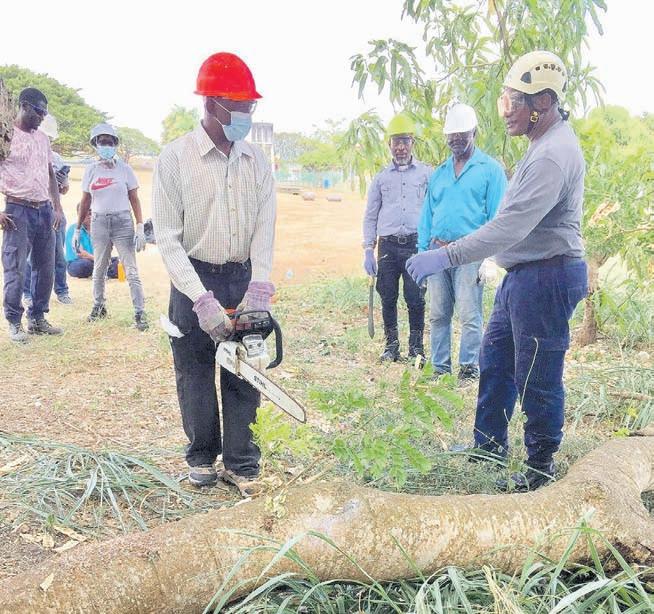
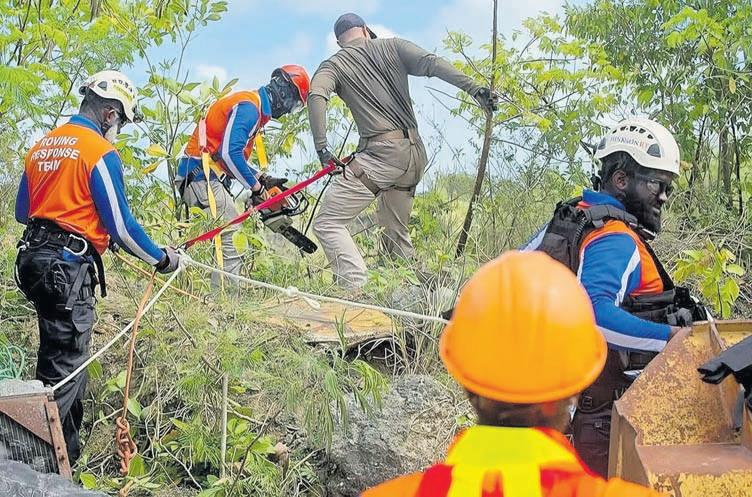
DEOs learn how to use a chainsaw. (GP)
As hurricane season approaches annually, CariGuard receives many inquiries from building owners in search of a storm protection solution they can depend on.
With over 20 years experience as Storm, Sun and Security Solution specialists, CariGuard has the knowledge to provide expert advice on how to protect windows and doors from Mother Nature’s harshest elements.
What is the best solution available to protect your property from damage during a storm?
ASK THE EXPERTS
With several storm protection solutions to meet budgets of all kinds, all CariGuard products are custom made with superior materials to provide a longlasting solution no matter which solution suits you best.
Formerly known as Talius Caribbean, CariGuard’s state-of-the-art hurricane solutions are manufactured in Barbados and are distributed throughout Antigua,
When you choose CariGuard as your solution provider, you can have confidence in their expertise to help you find the right solution to meet your needs and budget.
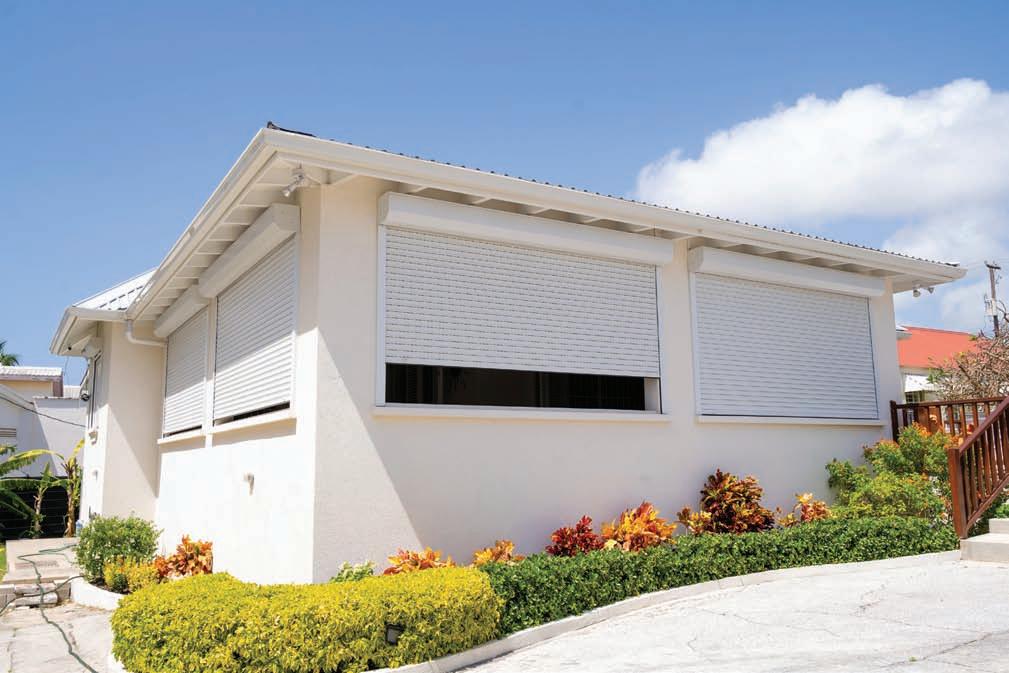
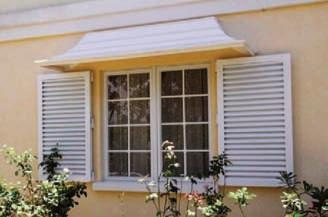
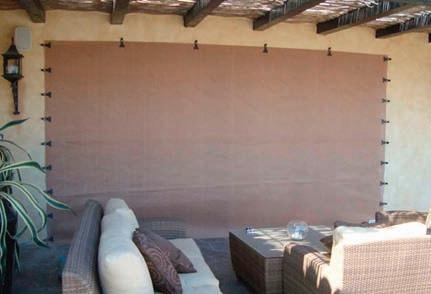
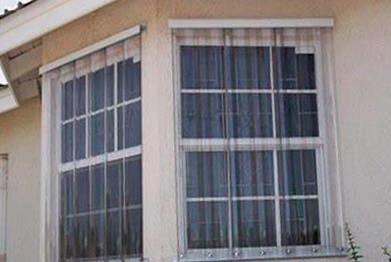
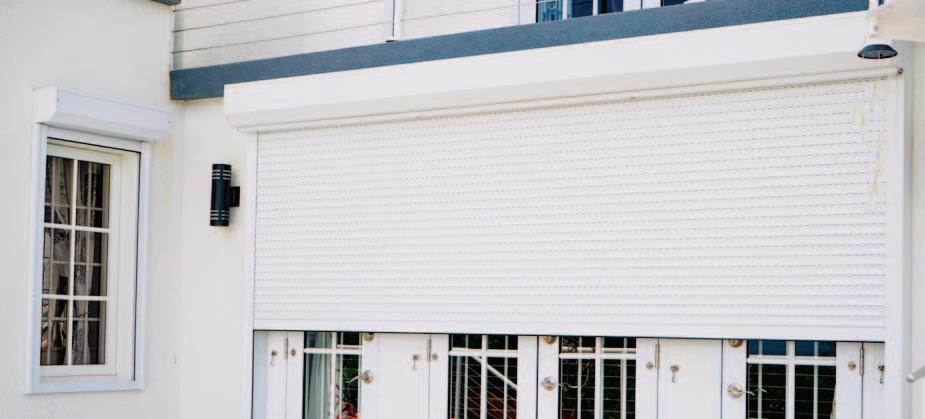
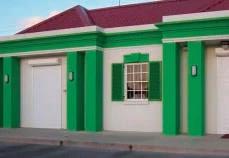
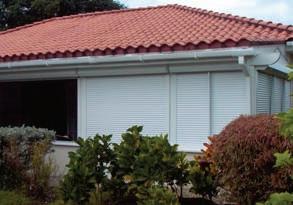
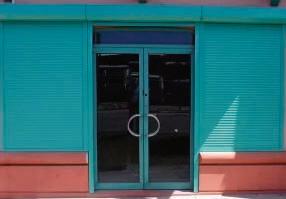
CariGuard’s storm protection products range from removable panels or fabric to permanently mounted solutions such as, motorized aluminum Rollshutters or Bahama, Colonial, and Accordion Shutters.
Permanent solutions offer the strongest protection and allow you to be storm-ready within minutes.
Removable solutions, require effort and time to secure your property as a storm quickly approaches.
Take a moment to look over the quick summary of all the proven storm solutions CariGuard offers below.
Rollshutters
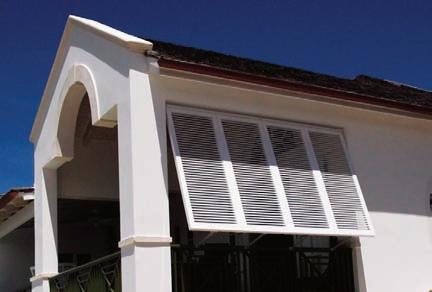
Permanently mounted to your building, these shutters are designed to pivot outward from the bottom of the window opening and can be easily secured during a storm without lifting or tools. Bahama Shutters double as a year-round shade solution by minimizing direct sunlight while allowing airflow to help keep occupants cool and comfortable.
Clearly Safe Panels
This hurricane protection solution preserves your view, making them a popular choice. Clear solid polycarbonate panels secured within an aluminum frame offer superior protection. They are lightweight, easy to install or uninstall, and will not shatter under the stress of hurricane forces.
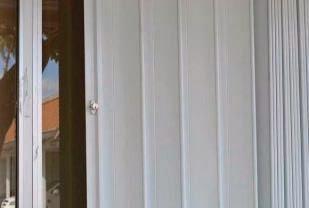
Accordion Shutters are an economical choice for the budget-conscious property owner. They offer sturdy protection, fold up neatly to either side of an opening, and can be closed and locked from the inside.
Permanently mounted either on the interior or exterior of your building, Colonial shutters open and close from the side of the window opening and are easily secured with a durable hinge mechanism.They provide a solid barrier against strong winds and flying debris during a storm and the same year-round shading benefits as CariGuard’s Bahama Shutters.
Fabric
Hurricane fabric allows light to filter through and provides an affordable solution that can be removed easily and rolled or folded for compact storage. The fabric is a woven material coated with a PVC material to make them strong and durable enough to protect against wind, rain, and flying debris.
Storm Panels
This removable hurricane protection product is another cost-effective solution. These panels can be installed horizontally or vertically before a storm and conveniently stored away when not required.
Rollshutters offer unbeatable protection with an attractive design that blends seamlessly with any building exterior.
CariGuard exterior-mounted aluminum Rollshutters provide the strongest barrier against mother nature and have the added benefit of protecting your property yearround against vandalism and break-ins.
In addition, rollshutters are a popular choice for those looking for an energy-efficiency solution as well. When deployed during the day, insulated profiles block the sun, minimize heat gain, and trap cool air inside to reduce cooling energy consumption and maximize occupant thermal comfort.
Rollshutters are permanently mounted to the exterior of the building and tuck away neatly into an overhead panel box when not in use. With manual or motorized control, you can be storm-ready quickly and effortlessly.
Rollshutters offer too many benefits to list here, but we suggest checking out CariGuard’s website to learn why rollshutters are their most recommended solution.
Awnings,
Your Storm, Shade and Security experts for over 20 years.
Colonial Shutters
Bahama Shutters
Accordion Shutters
Hurricane
Barbados, Dominica, Grenada, St. Lucia, St. Vincent, the British Virgin Islands, the US Virgin Islands, Belize, and St. Maarten.
HURRICANE MYTH: Forecast Cone
Shows Exactly Where the Danger Is
• The Myth: If your specific town or neighbourhood sits outside the “cone of uncertainty” on the meteorological map, you are safe from the storm’s impacts.
• The Reality: The forecast cone only represents the probable path of the centre of the storm, not its overall width. A massive hurricane can throw destructive winds, torrential rainfall, and severe flooding hundreds of miles outside the boundaries of that little white cone.
• The Fix: Treat the cone as a track guide, but look at the wider “wind field” and “storm surge” graphics to see the true footprint of danger.
RADIO SPEAKS WHEN THE PHONES GO SILENT,
The moment a hurricane threatens Barbados, most of us instinctively reach for our cell phones. We check weather updates, message family members and scroll through social media looking for the latest information.
But what happens if the power goes out, the cell towers fail and the Internet disappears?
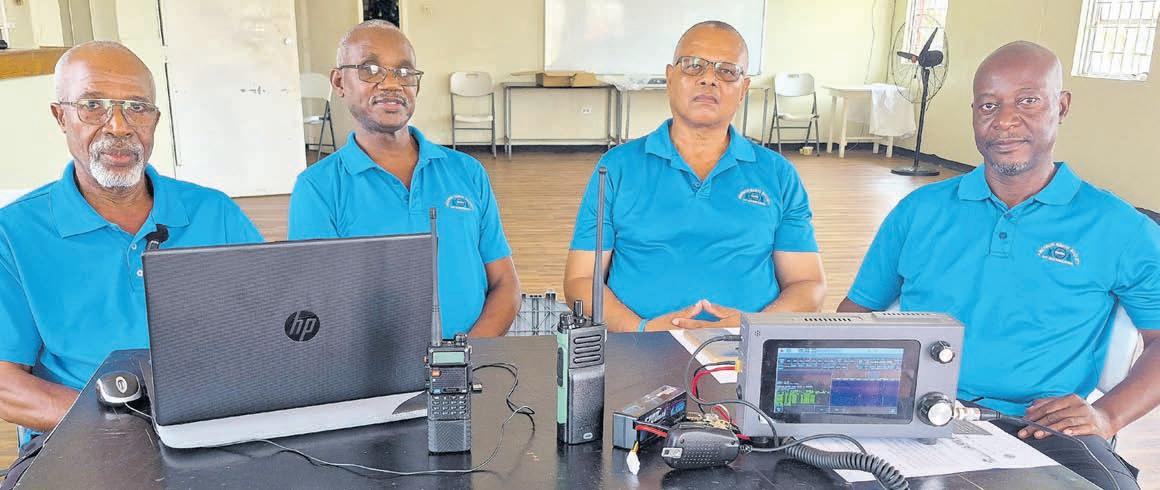
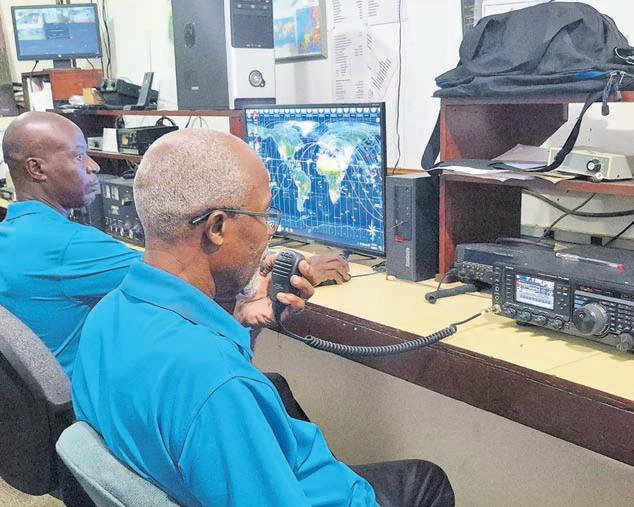
For the members of the Amateur Radio Society of Barbados (ARSB), that is precisely the moment their work begins.
While most people shelter indoors waiting for the storm to pass, amateur radio operators across the island are quietly monitoring emergency frequencies, ready to relay critical information to the Department of Emergency Management’s National Emergency Operations Centre. Their role is simple but vital: ensuring that emergency information continues to flow when conventional communication systems cannot.
“We work through the Department of Emergency Management,” explained ARSB Secretary-Treasurer Michael Williams. “Our amateur radio operators will be there at the DEM’s centre, and traffic can be passed from our operators to the operators at the DEM. That information is then compiled and verified before it is released.”
Across Barbados, the society divides its volunteers into operational zones, allowing radio operators in communities across the island to report on conditions as they unfold. Information about flooding, blocked roads, damaged buildings or other hazards is relayed through the emergency communications network, giving responders a clearer picture of what is happening on the ground.
Unlike most communication systems, amateur radio does not depend entirely on the electricity grid.
Each operator maintains backup communications using batteries or generators, ensuring they can continue operating even if commercial power is lost.
Preparation, Williams stressed, begins months before the first storm threatens Barbados. Equipment is tested regularly, antennas are inspected and emergency exercises are carried out throughout the year because, as he noted, the hurricane season is not the time to discover that something is not working.
That culture of preparation extends well beyond checking radios
Operators prepare portable “go kits” containing radios, batteries, antennas and essential equipment that can be deployed anywhere on the island at short notice. Before a storm arrives, many also replace permanent aluminium antennas with simple wire antennas that are less likely to be damaged by hurricane-force winds. Spare antennas are prepared in advance so communications can quickly be restored if one is destroyed during the storm.
ARSB Assistant Secretary James Clarke says during a storm, operators will hunker down, but are ready to respond once the all clear is given.
“Most operators will be monitoring the frequencies. There are emergency services that will be out during a hurricane to deal with different events. Sometimes they need assistance in one way or the other, so most operators will be home monitoring to pass messages if there is an eventuality.”
Veteran operator, Basil Yearwood, knows firsthand those preparations has paid off across the Caribbean.
He recalled the devastation caused by Hurricane David
• Continued on Page 22
ARSB members from left: Michael Williams, Ishmael Cadogan, Basil Yearwood and James Clarke. (GP)
• From Page 21 in Dominica in 1979 and Hurricane Gilbert in Jamaica a decade later, when communities were cut and off and there was little to no communication.
“When the hurricane touched down in Dominica, the only means of communication out of Dominica was by amateur radio.
“The next one that comes to mind is Gilbert in Jamaica a few years back, where again, amateur radio was the only means of communication in and out of Jamaica for a considerable period of time. This is where we come to the forefront, When all else fails, radio works.”
The same lesson was reinforced after Hurricane Maria devastated Dominica in 2017.
ARSB member Ishmael Cadogan travelled to the island as part of the emergency communications response and witnessed firsthand how quickly modern technology became useless.
“The beautiful thing about the cell phone, which everybody clicks and love, it was a camera and only a camera.
“The main telecommunication method was amateur radio, VHF and AHF. The VHF communications was basically to talk from community to community. But to get from the north of the country to the south of the country, they had to use AHF to pass welfare messages, helping families across the Caribbean learn whether loved ones had survived.”
For the members of the Amateur Radio Society of Barbados, those experiences are not simply stories from neighbouring islands, they are reminders that Barbados must be prepared before disaster strikes.
Clarke believes that ordinary Barbadians also have a role to play through their District Emergency Organisations, which operate in every parish under the Department of Emergency Management.
He noted that residents can receive basic emergency communication training and become part of the community response.
“Most people have a radio at home that they can monitor what’s going on during the system. Those district emergency organisations, through the DEM, learn you basic radio operations. So you, being an ordinary person, can become part of the district emergency organisation. Get basic radio training that will assist you during a hurricane. If at some later date you want to advance your radio training, this is where we come in. We can take you from basic operations to professional operations.”
While most Barbadians hope they will never need the Amateur Radio Society, its volunteers will continue quietly training, maintaining equipment and preparing for the day they are called into service.
Because when the power drops and phones go silent, the ARSB will be around to keep Barbados talking.
FIRST HOURS AFTER THE STORM
Before Barbadians receive the all-clear after a storm, a team of trained volunteers is already preparing to assess damage and help communities begin the road to recovery.
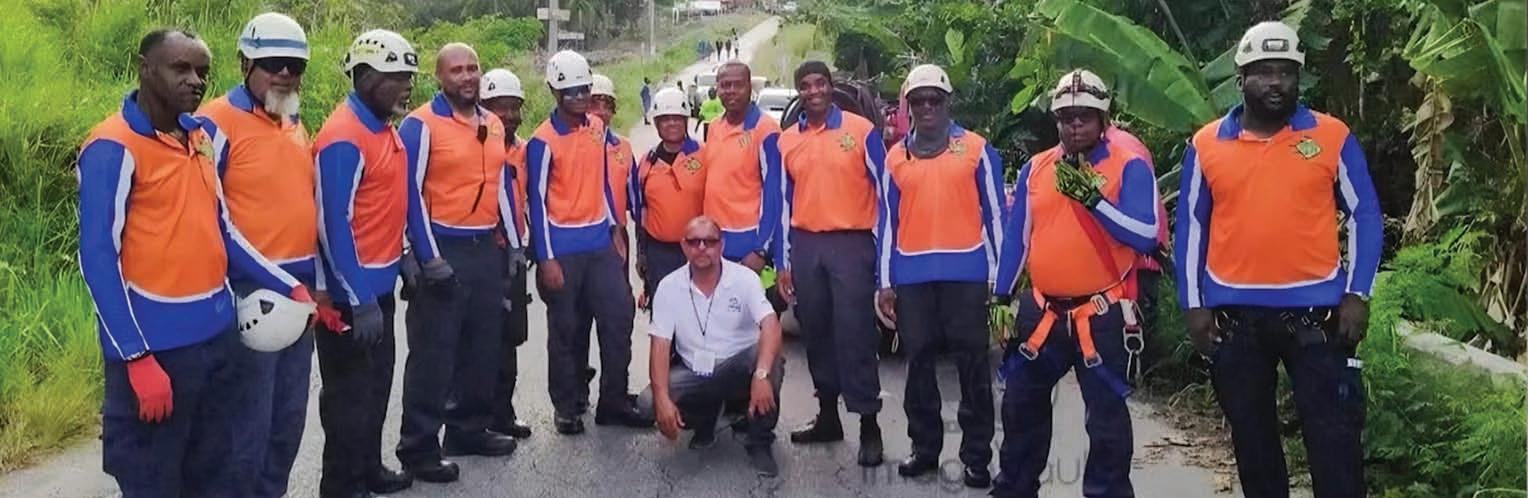
In those critical first hours, the Roving Response Team (RRT) works alongside the Department of Emergency Management (DEM), the Barbados Defence Force, the Royal Barbados Police Force and the Barbados Fire Service to identify hazards, assess damage and report conditions before the public is allowed
back onto the roads.
That is why President Jeffrey Bovell is urging Barbadians to resist the temptation to venture outside too soon.
“The public at large should understand that they shouldn’t do that,” he said. “There should be an all-clear from the Department of Emergency Management before venturing out.”
Bovell is speaking from experience. For nearly three decades, the volunteer organisation has supported emergency response efforts across
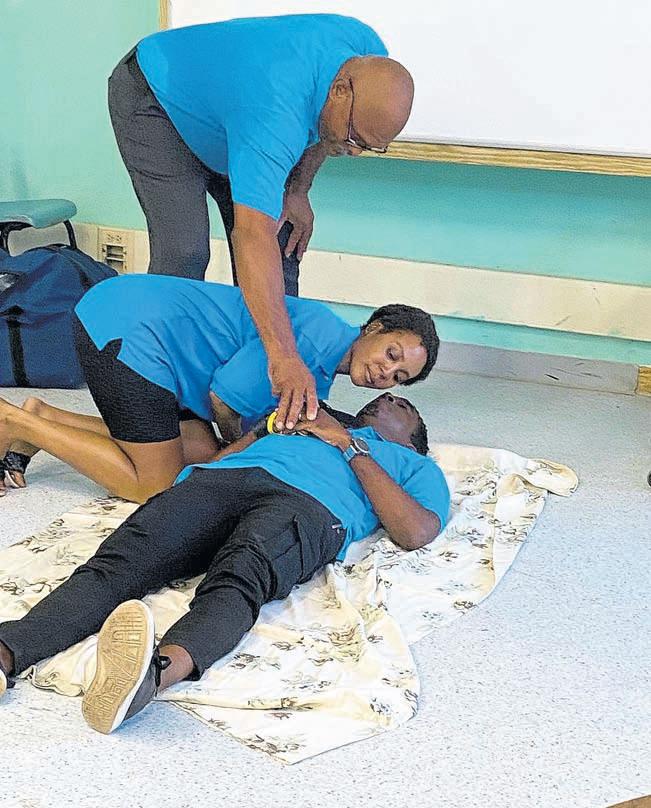
Barbados, responding to natural and man-made disasters whenever called upon. Members themselves remain sheltered while a storm is raging. Only after emergency officials determine that conditions are safe do they begin the work of assessing damage and helping communities start the recovery process.
One of the first hazards they encounter is not always obvious. Trees brought down by hurricane-force winds may be resting on live electrical lines, creating a potentially deadly • Continued on Page 24
James Clarke and Michael Williams in the control room at the ARSB headquarters in St James. (GP)
DID YOU KNOW?
Hurricane Irma decimated the island of Barbuda in September 2017 with sustained Category 5 winds of 185 mph, destroying more than 90% of the island’s structures. The destruction was so severe that the government was forced to entirely evacuate the island’s population to Antigua, leaving Barbuda completely uninhabited for the first time in over 300 years.
Roving Response Team always on the scene
• From Page 22 situation for well-meaning residents eager to inspect damage or clear blocked roads themselves.
“Before the all-clear is given, don’t try clearing trees,” Bovell warned. “You don’t know if a tree has come down on a live power line.”
The team’s work, however, begins long before a storm ever threatens Barbados. As the hurricane season approaches, members assess and service their equipment, refresh their first aid and chainsaw training, test emergency communications systems and help trim trees overhanging homes as part of preparedness efforts.
“Currently, we are ready and mobilised in the event anything happens, but we are also continuing ongoing training.”
The RRT also works closely with the DEM to identify residents in low-lying or vulnerable communities who may need assistance reaching emergency shelters before severe weather strikes, ensuring those most at risk are not overlooked.
When the call finally comes, volunteers head out well equipped. Their vehicles
carry first aid supplies, chainsaws, shovels, search lights, protective clothing, communication equipment, drinking water and enough
food to sustain them while working in affected communities.
For Bovell, some of the most memorable operations came after Tropical Storm Bret and Hurricane Beryl, when damaged homes left families exposed to the elements.
“We had to go up on the roofs and put on tarps. And in that situation, you can find yourself on a roof that is not safe, that can be quite dangerous, but you focus on trying to help the community and get people back on their feet.”
As another hurricane season unfolds, Bovell is urging Barbadians not to leave preparations until the last minute. Families should ensure they have emergency food and water, prescription medication, cash and important documents readily available before a storm threatens.
“Do what you need to do and prepare yourselves, because what I find is that we wait to the last minute to want to go and get things.”
Above all, he reminded citizens, that those first hours after a hurricane are not the time for curiosity. It’s the time to let trained responders do the work that helps make communities safe again.