
All You Need to Know About Peripheral Vascular Disease
Peripheral Vascular Disease (PVD) is a circulatory system disorder that occurs when blood vessels outside of the heart and brain become narrow or blocked. This condition can lead to serious health issues and requires proper understanding and management. If you need vascular doctor in Suffolk then contact with National Vascular Associates
 by National Vascular Associates
Causes and Risk Factors
Smoking
Cigarette smoking is a major risk factor for PVD. The chemicals in tobacco can damage the lining of blood vessels and affect circulation.
Diabetes
People with diabetes are at a higher risk for PVD. High blood sugar levels can contribute to the hardening of arteries and blood vessel damage.
High Blood Pressure
Hypertension can accelerate the progression of PVD by causing damage to the arteries and promoting atherosclerosis.
High Cholesterol
Elevated levels of LDL cholesterol can lead to the buildup of plaque in the arteries, increasing the risk of PVD.
Symptoms and Diagnosis
1
Leg Pain
Individuals with PVD may experience
cramping or pain in the legs, particularly during physical activity.
3 Non-Healing Sores
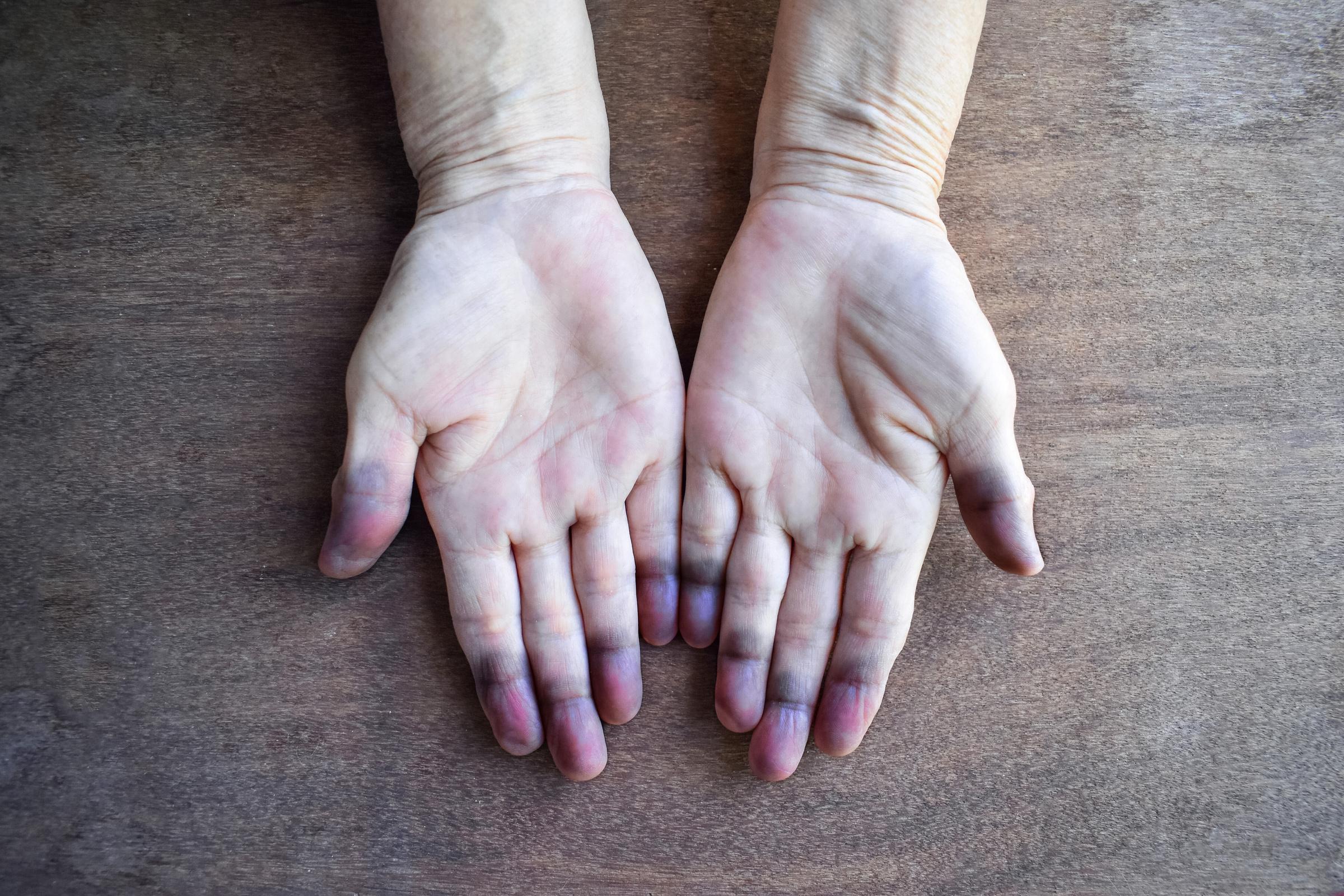
Wounds or ulcers on the feet or toes that do not heal properly may indicate PVD.
2 Numbness or Weakness
Numbness or weakness in the affected area, often in the legs, can be a sign of reduced blood flow.
4 Diagnostic Tests
Tests such as Doppler ultrasound, magnetic resonance angiography (MRA), and angiography can help diagnose and assess the severity of PVD.

Complications and Consequences
Chronic Pain
Pain and discomfort are common symptoms affecting the quality of life for individuals with advanced PVD.
Wound Infection
Reduced blood flow can lead to slower wound healing and an increased risk of infection in the affected area.
Amputation
In severe cases, PVD can lead to tissue damage and the need for amputation to prevent severe complications.
Treatment Options
Lifestyle Modifications
Quitting smoking, regular exercise, and a healthy diet are fundamental in managing PVD and preventing its progression.
2 Medications
Prescribed medications such as antiplatelet agents and cholesterol-lowering drugs can help manage symptoms and reduce the risk of complications.
3 Surgical Interventions
Procedures like angioplasty, stent placement, or bypass surgery may be necessary in advanced cases to restore proper blood flow.
1

Lifestyle Changes and Prevention
1
Physical Activity
Regular exercise, especially walking, can improve circulation and overall cardiovascular health, reducing the risk of PVD.
2 Healthy Diet
A well-balanced diet consisting of fruits, vegetables, whole grains, and lean proteins supports heart and vascular health.
3 Smoking Cessation
Quitting smoking is crucial in preventing and managing PVD, as it significantly reduces the risk of further vascular damage.
Support and Resources



Support Networks
Connecting with others experiencing PVD can provide valuable encouragement, advice, and emotional support.
Professional Guidance
Consulting healthcare professionals and patient advocacy organizations can offer essential resources and guidance.
Education and Information
Understanding PVD and its management through reliable sources helps individuals navigate their journey effectively.
Conclusion
Conclusion
Peripheral Vascular Disease is a serious condition that requires comprehensive care, lifestyle adjustments, and ongoing management. Through awareness, proactive lifestyle changes, and proper medical interventions, individuals can effectively manage PVD and improve their quality of life.
www.nationalvasc.com