
Product Name: Spirit NPS
Page: 1 of 6
This revision issued: September, 2021
Section 1 - Identification of The Material and Supplier
Spirit Marble & Tile Care Pty Ltd
Phone: 02 9734 6937 (businesshours only) 1/36 Seton Rd Fax: 02 9601 7292
Moorebank, NSW 2170
Chemicalnature: Resin in a suitable solvent system.
TradeName: Spirit NPS (Natural-look Penetrating Sealer)
ProductUse: Porous stone & masonry sealant.
CreationDate: October,2011
Thisversionissued: August,2021 and is valid for 5 years from this date. PoisonsInformationCentre:Phone131126fromanywhereinAustralia
Section 2 - Hazards Identification
Statement of Hazardous Nature
Thisproductisclassifiedas: Hazardous according to the criteriaof SWA.
Dangerous according to Australian Dangerous Goods (ADG) Code, IATA and IMDG/IMSBC criteria.
SUSMPClassification: None allocated.
ADGClassification: Class 3: Flammable liquids.
UNNumber: 1993, FLAMMABLE LIQUID, N.O.S.
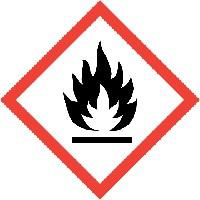
GHS Signal word: WARNING
Flammable liquids Category 3
Aspiration Hazard Category 1
Eye irritation Category 2B
HAZARD STATEMENT:
H226: Flammable liquid and vapour.
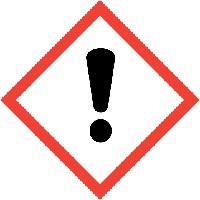
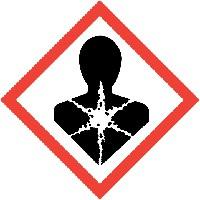
H304: May be fatalif swallowed and enters airways.
H320: Causes eye irritation.
PREVENTION
P210: Keep away from heat, sparks, open flames and hot surfaces. - No smoking.
P233: Keep container tightly closed.
P243: Take precautionary measures against static discharge.
P260: Do not breathe dust/fume/gas/mist/vapours/spray.
P270: Do not eat, drink or smoke when using this product.
P273: Avoid releaseto the environment.
P281: Use personal protective equipment as required.
P285: In case of inadequate ventilation wear respiratory protection.
RESPONSE
P337: If eyeirritation persists: seek medical attention.
P353: Rinse skin or shower with water.
P301+P310: IF SWALLOWED: Immediately call a POISON CENTER or doctor.
P301+P330+P331: IF SWALLOWED: Rinse mouth. Do NOT induce vomiting.
P303+P361+P353: IF ON SKIN (or hair): Remove immediately allcontaminated clothing. Rinse skinwith water.
P305+P351+P338: IF IN EYES: Rinsecautiously with water for several minutes. Remove contact lenses, if present and easy to do. Continuerinsing.
P337+P313: If eye irritation persists: Get medical advice.
P370+P378: In case of fire, use carbon dioxide, dry chemical, foam, water fog.
STORAGE
P405: Store locked up.
P403+ P235: Store in a well-ventilated place. Keep cool.
DISPOSAL
P501: If product cannot be recycled, consider controlled incineration, or contact a specialist waste disposal company (see Section 13 of this SDS).
2 of 6
Emergency Overview
PhysicalDescription&Colour: Clear, slightly yellow liquid.
Odour: Characteristic odour.
MajorHealthHazards: eye irritant, if aspirated, may cause lung damage.
Section 3 - Composition/Information on Ingredients
White spirit >60 not set not set
Isopropanol
67-63-0 5-15 983 1230
Other non hazardous ingredients secret to 100 not set not set
This is a commercial product whose exact ratio of components may vary slightly. Minor quantities of other non hazardous ingredients are also possible.
The SWA TWA exposure value is the average airborneconcentration of a particular substance when calculatedover anormal 8 hour working day for a5 day working week. The STEL (Short Term ExposureLimit) is an exposurevalue that may be equalled (but should not be exceeded) for no longerthan 15 minutes and shouldnot be repeated more than 4times per day. Thereshould be at least 60 minutes between successive exposures at theSTEL. Theterm "peak "is used when the TWAlimit, because of the rapid action ofthe substance,shouldnever be exceeded, evenbriefly.
Section 4 - First Aid Measures
General Information:
Youshould call The Poisons Information Centre ifyou feel that you may have been poisoned, burned or irritated by this product. The number is 13 1126 from anywhere in Australia (0800764 766 in New Zealand) and is available at all times. Have this SDS with you when you call.
Inhalation: First aid is not generally required. If in doubt, contact a Poisons Information Centre or a doctor.
SkinContact: Quickly and gently blot away excess liquid. Wash gently and thoroughly with water (use non-abrasive soapif necessary) for 10minutes or until chemicalis removed. If irritation persists, repeat flushing and obtain medical advice.
EyeContact: Immediately flush the contaminated eye(s) with lukewarm, gently flowing water for 20 minutes or until the product is removed, while holding theeyelid(s) open. Take care not to rinse contaminated water into the unaffected eyeor onto the face. Obtain medical attention immediately. Take special care if exposed person is wearing contact lenses.
Ingestion: If swallowed, do NOT induce vomiting. Wash mouth with water and contact a Poisons Information Centre, or calla doctor.
Section 5 - Fire Fighting Measures
FireandExplosionHazards: The major hazard in fires is usually inhalation of heated and toxic or oxygen deficient (or both), fire gases. This product is classified as flammable. There is a moderate risk of an explosion from this product if commercial quantities are involved in a fire. Firefighters should take care and appropriate precautions. Any explosion will likely spread the fire tosurrounding materials. Water spray may be used to cool drums involved in a fire, reducing the chances of an explosion. Violent steam generation or eruption may occur upon application of direct water stream on hot liquids. Vapours from this product are heavier than air and may accumulate in sumps, pits and other low-lying spaces, forming potentially explosive mixtures. They may also flash back considerable distances. Fire decomposition products from this product are likely to be toxic and corrosive if inhaled. Take appropriate protective measures.
ExtinguishingMedia: Try to containspills, minimise spillage entering drains or water courses.
FireFighting: If a significant quantity of this product is involved in afire, call the fire brigade. There is a danger of a violent reaction or explosion if significant quantities of this product are involved in a fire. Recommended personal protective equipment is full fire kit and breathing apparatus.
Flashpoint: Approx 35°C
Upper Flammability Limit: No data.
Lower Flammability Limit: No data.
Autoignition temperature: No data.
Flammability Class: Flammable Category 3 (GHS); Flammable (AS1940)
Section 6 - Accidental Release Measures
Accidentalrelease: In theevent of a major spill, prevent spillage from entering drains or water courses. Evacuate the spill area and deny entry to unnecessary and unprotected personnel. Immediately call the Fire Brigade. Wear full protective clothing including eye/face protection. All skin areas should be covered. See below under Personal
Page: 3 of 6 This revision issued: September, 2021
Protection regarding Australian Standards relating to personal protectiveequipment. Suitable materials for protective clothing include Viton, Nitrile, butylrubber, PE/EVAL, Responder. Eye/face protective equipment should comprise as aminimum, protective glasses and, preferably, goggles. If there is a significant chance that vapours or mists are likely to build up in the cleanup area, we recommend that you use a respirator. It should befitted with a type Acartridge, suitable for organic vapours. Stop leak if safe to do so, and contain spill. Absorb onto sand, vermiculite or other suitable absorbent material. If spill is too large or if absorbent material is not available, try to create adike to stop material spreading or going into drains or waterways. Avoid using sawdust or other combustible material. Any electrical equipment should be non-sparking. Any equipment capable of building an electrostatic charge should be electrically grounded. Sweep up and shovel or collect recoverable product into labelledcontainers for recycling or salvage, and dispose of promptly. Recycle containers wherever possible after careful cleaning. After spills, wash area preventing runoff from entering drains. If a significant quantity of material enters drains, advise emergency services. This material may be suitable for approved landfill. Ensurelegality of disposalby consulting regulations prior to disposal. Thoroughly launder protective clothing before storage or re-use. Advise laundry of nature of contamination whensending contaminated clothing to laundry.
Section 7 - Handling and Storage
Handling: Keep exposure to this product to a minimum, and minimise the quantities kept in work areas. Check Section 8 of this SDS for details of personal protective measures, and make sure that those measures are followed. The measures detailed below under "Storage" should be followedduring handling in order to minimise risks to persons using the product inthe workplace. Also, avoid contact or contamination of product with incompatible materials listed in Section 10.
Storage: Store in a cool, well ventilated area, and makesurethat surrounding electrical devices and switches are suitable. Check containers periodically for leaks. Containers should be kept closed in order to minimise contamination and possible evaporation. Make sure that the product does not come into contact with substances listed under "Incompatibilities" in Section 10. If you keep more than 10000kg or L of Dangerous Goods of Packaging Group III, you may be required to license the premises or notify your Dangerous Goods authority. If you have any doubts, we suggest you contact your Dangerous Goods authority in order to clarify your obligations. Check packaging - theremay be further storage instructions on the label.
Section 8 - Exposure Controls and Personal Protection
The following Australian Standards will provide general advice regardingsafety clothing and equipment:
Respiratory equipment: AS/NZS 1715, Protective Gloves: AS 2161, Occupational Protective Clothing: AS/NZS 4501 set 2008, Industrial Eye Protection: AS1336 and AS/NZS 1337, Occupational Protective Footwear: AS/NZS2210.
ASCCExposureLimits
TWA(mg/m3)
STEL(mg/m3)
Isopropanol 983 1230
No special equipment is usually needed when occasionally handling small quantities. The following instructions are for bulk handling or where regular exposure in an occupationalsetting occurs without proper containment systems.
Ventilation: This product should only be used in a well ventilated area. If natural ventilation is inadequate, use of a fan is suggested.
EyeProtection: Protective glasses or goggles should be worn when this product is being used. Failure to protect your eyes may cause them harm. Emergency eye wash facilities are also recommendedin an area close to where this product is being used.
SkinProtection: You should avoid contact evenwith mild skin irritants. Therefore you should wear suitable impervious elbow-length gloves and facial protection when handling this product. See below for suitable material types.
ProtectiveMaterialTypes: We suggest that protectiveclothing be made from the following materials: Viton, nitrile, butyl rubber, PE/EVAL, Responder.
Respirator: Usually, no respirator is necessary when using this product. However, if you have any doubts consult the Australian Standard mentioned above.
Eyebaths or eyewashstations should be provided near to where this product is beinghandled commercially.
Section 9 - Physical and Chemical Properties:
PhysicalDescription&colour: Clear, slightly yellow liquid.
Odour: Characteristic odour.
BoilingPoint: Not available.
Freezing/MeltingPoint: No specific data. Liquid at normal temperatures.
Volatiles: No data.
VapourPressure: No data.
VapourDensity: No data.
SpecificGravity: No data.
WaterSolubility:
Some, but not all ingredients are soluble.
pH: No data.
Volatility: No data.
OdourThreshold: No data.
EvaporationRate: No data.
CoeffOil/waterDistribution: No data
Autoignitiontemp: No data.
Section 10 - Stability and Reactivity
Reactivity: This product is unlikely to react or decompose under normal storage conditions. However, if you have any doubts, contact the supplier for advice on shelf life properties.
ConditionstoAvoid: This product should be kept in a coolplace, preferably below 30°C. Keepcontainers tightly closed. Containers should be kept dry. Keep containers and surrounding areas well ventilated. Keep away from sources of sparks or ignition. Handleand open containers carefully. Any electrical equipment in the area of this product should beflame proofed.
Incompatibilities: oxidising agents.
FireDecomposition: Combustion forms carbondioxide, and if incomplete, carbon monoxideand smoke. Water is also formed. May form hydrogen fluoride gas and other compounds of fluorine. Carbon monoxide poisoning produces headache, weakness, nausea, dizziness, confusion, dimness of vision, disturbance of judgment, and unconsciousness followed by coma and death.
Polymerisation: This product will not undergo polymerisation reactions.
Section 11 -Toxicological Information
LocalEffects:
TargetOrgans:
There is no data to hand indicating any particular target organs.
Classification of Hazardous Ingredients
Ingredient RiskPhrases
White Spirit
Isopropanol
Flammable liquid– category 2
Eye irritation – category 2A
Conc>=20%: Xi; R36
Specific target organ toxicity (single exposure) – category 3
Potential Health Effects
Inhalation:
ShortTermExposure: Available data indicates that this product is not harmful. In addition product is unlikely to cause any discomfort or irritation.
LongTermExposure: Nodatafor health effects associated with long term inhalation.
Skin Contact:
ShortTermExposure: Available data indicates that this product is not harmful. It should present no hazards in normal use. However product is believed tobemildly irritating, but is unlikely to cause anything more than mild transient discomfort.
LongTermExposure: Nodatafor health effects associated with long term skin exposure.
Eye Contact:
ShortTermExposure: This product is an eye irritant. Symptoms may include stinging and reddening of eyes and watering which may become copious. Other symptoms may also become evident. If exposure is brief, symptoms should disappear once exposure has ceased. However, lengthy exposure or delayed treatment may cause permanent damage.
LongTermExposure: No data for health effects associated with long term eye exposure.
Ingestion:
ShortTermExposure: Significant oral exposure is considered to be unlikely. Because of the low viscosity of this product, it may directly enter the lungs if swallowed, or if subsequently vomited. Once in the lungs, it is very difficult to remove and can cause severe injury or death. However, this product is an oral irritant. Symptoms may include burning
Product Name: Spirit NPS Page: 5 of 6
This revision issued: September, 2021
sensation and reddeningof skin in mouth and throat. Other symptoms may also become evident, but all should disappear once exposure has ceased.
LongTermExposure: No data for health effects associated with long term ingestion.
Carcinogen Status:
SWA: No significant ingredient is classified as carcinogenic by SWA.
NTP: Nosignificant ingredient is classified as carcinogenic by NTP.
IARC: Isopropanol is Class 3 - unclassifiable as to carcinogenicity to humans.
See the IARC website for further details. A web address has not been provided as addresses frequently change.
Section 12 - Ecological Information
Insufficient data to be sure of status.
Section 13 - Disposal Considerations
Disposal: This product may be recycled if unused, or if it has not been contaminated so as to make it unsuitable for its intended use. If it has been contaminated, it may be possible to reclaim the product by filtration, distillation or some other means. If neither of these options is suitable, consider controlled incineration, or landfill.
Section 14 -Transport Information
UNNumber: 1993, FLAMMABLE LIQUID, N.O.S.
HazchemCode: •3Y
SpecialProvisions: 223, 274
Limitedquantities: ADG 7 specifies a Limited Quantity value of 5 L for this class of product.
DangerousGoodsClass: Class 3: Flammable liquids.
PackingGroup: III
PackingInstruction: P001, IBC03, LP01
Class 3 Flammable Liquids shall not be loaded in the same vehicle or packed in the same freight container with Classes 1 (Explosives), 2.1 (Flammable Gases where flammable liquids and flammable gases are both in bulk), 2.3 (Toxic Gases), 4.2 (Spontaneously Combustible Substances), 5.1 (Oxidising Agents), 5.2 (Organic Peroxides), 6 (Toxic Substances, except Flammable Liquid is nitromethane), and 7 (Radioactive Substances). They may however be loaded in the same vehicle or packed inthe same freight container with Classes 2.1 (Flammable Gases except where the Flammable Liquids and Flammable Gases are in bulk), 2.2 (Non-Flammable Non-Toxic Gases), 4.1 (Flammable Solids), 4.3 (Dangerous When Wet Substances), 6 (Toxic Substances, where Flammable Liquid is nitromethane), 8 (Corrosive Substances), 9 (Miscellaneous Dangerous Goods), Foodstuffs or foodstuff empties.
Section 15 - Regulatory Information
AICS: Allof the significant ingredients in this formulation are compliant with NICNAS regulations. The following ingredient: White spirit (a liquid hydrocarbon), is mentioned in theSUSMP.
Section 16 - Other Information
This SDS contains only safety-related information. For other data see product literature.
Acronyms:
ADG Code
AICS
Australian Code for the Transport of Dangerous Goods by Road and Rail (7th edition)
Australian Inventory of Chemical Substances
SWA Safe Work Australia, formerly ASCC andNOHSC
CAS number
Hazchem Code
Chemical Abstracts Service Registry Number
Emergency action code of numbers and letters that provide informationto emergency services especially firefighters
IARC International Agency for Research on Cancer
NOS Not otherwise specified
NTP NationalToxicology Program (USA)
R-Phrase Risk Phrase
SUSMP Standard for the Uniform Scheduling of Medicines & Poisons
UN Number
United Nations Number
THIS SDS SUMMARISES OURBEST KNOWLEDGE OF THE HEALTH ANDSAFETY HAZARD INFORMATION OF THE PRODUCTAND HOW TO SAFELY HANDLE ANDUSETHEPRODUCT IN THEWORKPLACE. EACHUSER MUST REVIEW THIS SDS IN THE CONTEXT OF HOW THE PRODUCT WILL BE HANDLED AND USED IN THE WORKPLACE.
IF CLARIFICATION OR FURTHER INFORMATIONIS NEEDEDTO ENSURE THATANAPPROPRIATE RISK ASSESSMENTCAN BE MADE, THE USERSHOULD CONTACTTHIS COMPANY SO WE CAN ATTEMPT TO OBTAIN ADDITIONAL INFORMATION FROM OUR SUPPLIERS
Name: Spirit NPS Page: 6 of 6
This revision issued: September, 2021
OUR RESPONSIBILITY FOR PRODUCTS SOLD IS SUBJECT TO OUR STANDARD TERMS AND CONDITIONS,A COPY OF WHICHISSENT TO OUR CUSTOMERSANDISALSO AVAILABLE ON REQUEST.
Please read all labels carefully before using product.
ThisSDSispreparedinaccordwiththeSWAdocument“PreparationofSafetyDataSheetsforHazardous Chemicals-CodeofPractice”(February2016) Copyright©Kilford&KilfordPtyLtd,August,2021. http://www.kilford.com.au/ Phone(02)83218866