



Cows are allocated risk categories after each test, based on their antibody profile. The risk levels can either be simplified into high/low risk cows or divided into three cow types; green, amber and red.
In addition to the cow types, there are a number of infection groups into which the cows are placed. This covers transmission as well as predictions related to milk production loss. This information can then form an integral part of a risk-based Johne’s management plan on-farm.
Risk Classification Table
Repeat ELISA negative –
minimum two tests.
J1 ELISA negative - one test only
ELISA negative but positive within previous three tests.
ELISA negative but positive on previous test.
Low risk - no evidence of infection.
Repeat ELISA positive - minimum two tests. Two or more positive results in any four consecutive tests at any time in individual cow test history
Moderate risk - evidence of infection and may be shedding MAP. Should be managed as a risk for calving and milk/colostrum.
High risk - evidence of infection and highly likely to be shedding MAP (i.e. high level of infectivity).
This report provides a summary of the last six results for each cow in the herd. It allows the whole herd to be viewed together and results are displayed in order of risk.



Individual numerical results are also supplied which can be discussed and interpreted with your vet. These results can be used to help in making breeding and culling decisions
Indicates that a sample was not available for testing from this cow (cow dry or not recorded)
This shows the risk status of the cow at her last test date and is calculated using her last four test results. This provides a clear visual guide to identify high risk cows.
To view Dam Status select 'Field Chooser' in the Herd Summary screen and drag 'Dam Johne's Code' into the Herd Details table.
Cows which are designated Amber J3 are those cows which are currently ELISA negative but were positive on the previous test These cows are in the sub-clinical phase of the disease and often have production problems and are a risk of spreading the disease.
A cow becomes J2 when she has had a positive reading in the last four tests but her latest two tests are negative.
Cows with consistently negative results will be classified as green and are considered J0 ‘low risk’.
If the animal is classed as a Priority Cull this information will be displayed here.
NMR's version of the Johne's Progress Tracker is live and available exclusively for our HerdWise customers to view on Herd Companion. The Johne’s Progress Tracker is designed to be used in conjunction with your vet to assess the strengths and weaknesses of your current Johne’s management and highlight areas to work on.
The tool can be found in the Disease Monitor menu on Herd Companion. The Johne’s Progress Tracker marks a significant step forward in the tools available to help you manage Johne’s in your herd and make the most of your HerdWise and milk recording results.
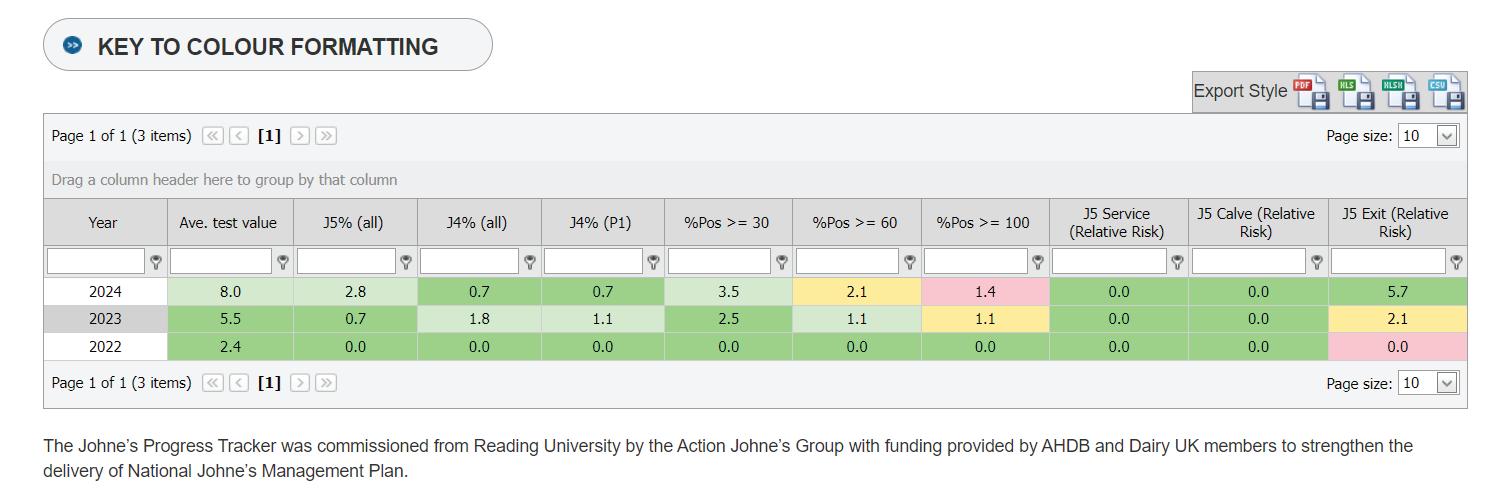
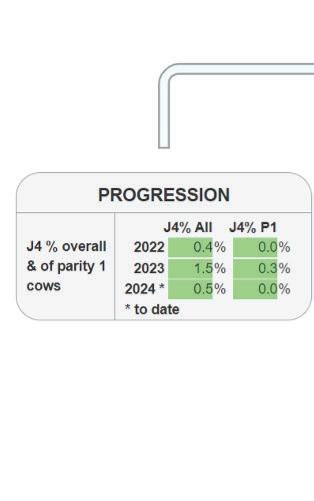
J4% (overall) The % cows recording a first/new positive on that test date (New Detection).
J4% (parity1) The % cows in their first parity (lactation 1) that recorded a first positive on that test date (New Detection).
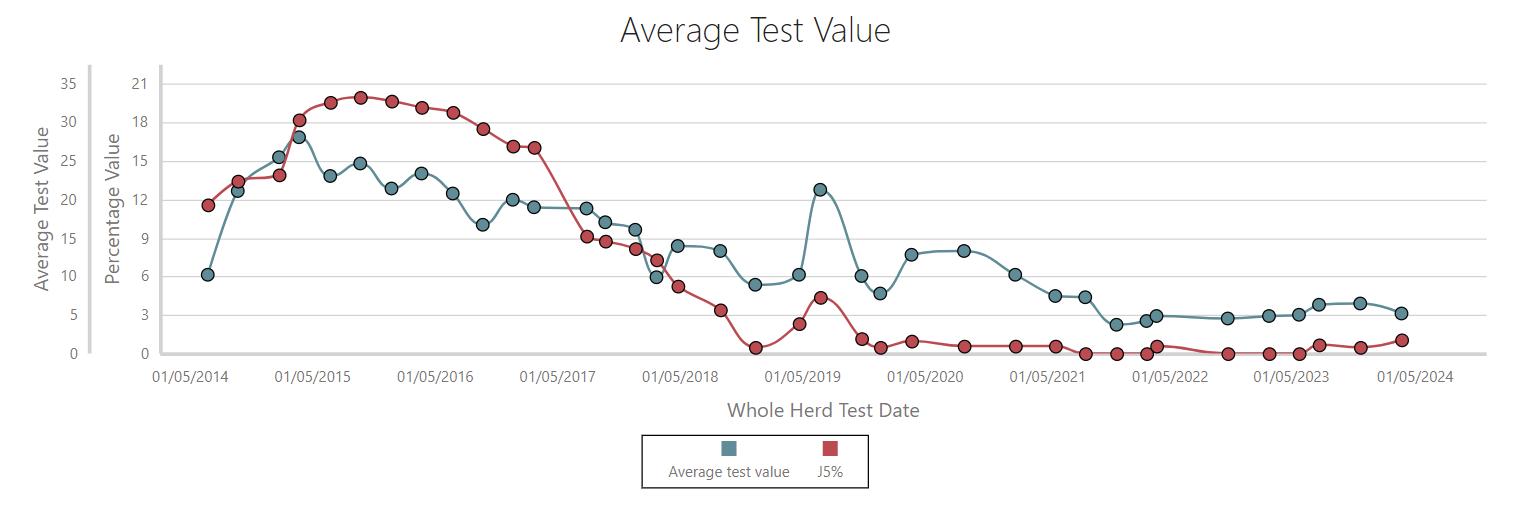
The Average test value (ATV) illustrates the average of all test values on that test date. This shows the level of disease present in the herd.
The % cows in the herd classified as J5 (High Risk cows).
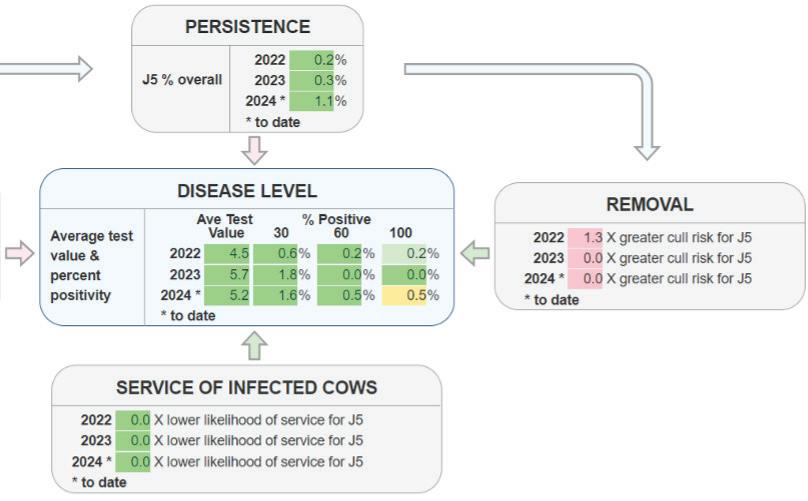
J5 service (Relative Risk): What is the relative difference (ratio) in the likelihood of serving a J5 cow (High Risk) compared to other cows (excluding the J4 cows).

J5 exit (Relative Risk): What is the relative difference (ratio) in the likelihood of a J5 cow (High Risk) leaving the herd within 150 days following the test date when compared to other cows (excluding the J4 cows)
IF YOU HAVE ANY QUESTIONS ABOUT THE JOHNE’S PROGRESS TRACKER PLEASE SPEAK TO YOUR VET.
Alternatively you can visit the Action Johne’s website at www.actionjohnesuk.org or email herdwise@nmrp.com
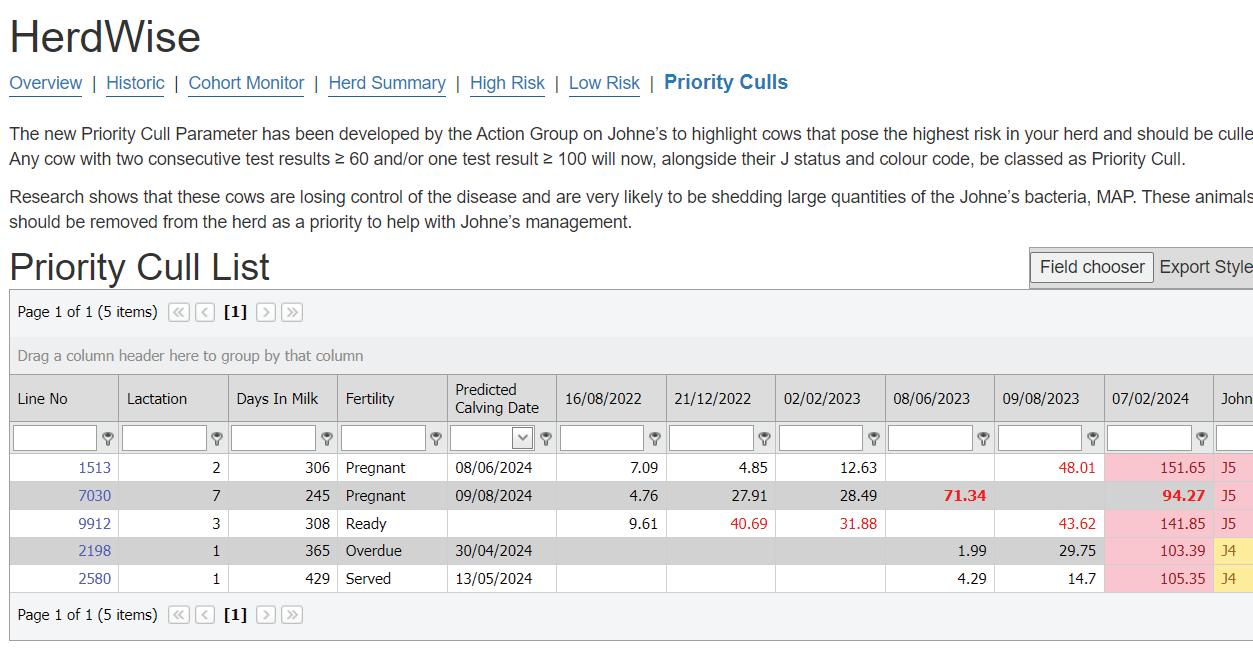
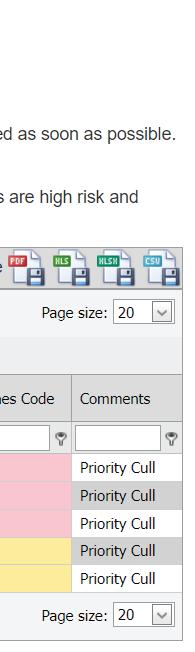
The Priority Cull Parameter has been developed by the Action Group on Johne’s to highlight cows that pose the highest risk in your herd and should be culled as soon as possible. Any cow with two consecutive test results ≥ 60 and/or one test result ≥ 100 willl now, alongside their J status and colour code, be classed as Priority Cull. This information is displayed as a standalone report as seen below and also in the 'Comments' column on the main HerdWise results table
Research shows that these cows are losing control of the disease and are very likely to be shedding large quantities of the Johne’s bacteria, MAP. These animals are high risk and should be removed from the herd as a priority to help with Johne’s management.
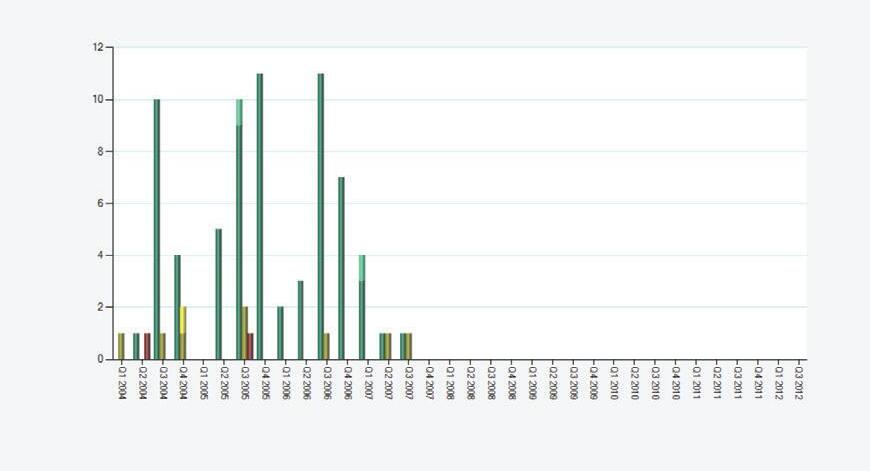
Farmers often observe that groups of animals with consecutive ear tag numbers can become infected with Johne’s. This would indicate that the cohort of calves are likely to have been infected at the same time, e.g. were all born in the same maternity area when an infectious cow was present or were all fed a batch of contaminated milk or colostrum.
The Cohort Monitor Report aims to establish whether transmission may have occurred to a batch of calves and whether trends can be seen. It shows the current or latest Johne’s disease status (before the animal left the herd) according to the date on which the animal was born.
Animals that leave the herd will drop into the darker shaded area in each bar and the report splits homebred and non-homebred animals so that bio-security risks can be illustrated and calving can be managed effectively.
- 056762702
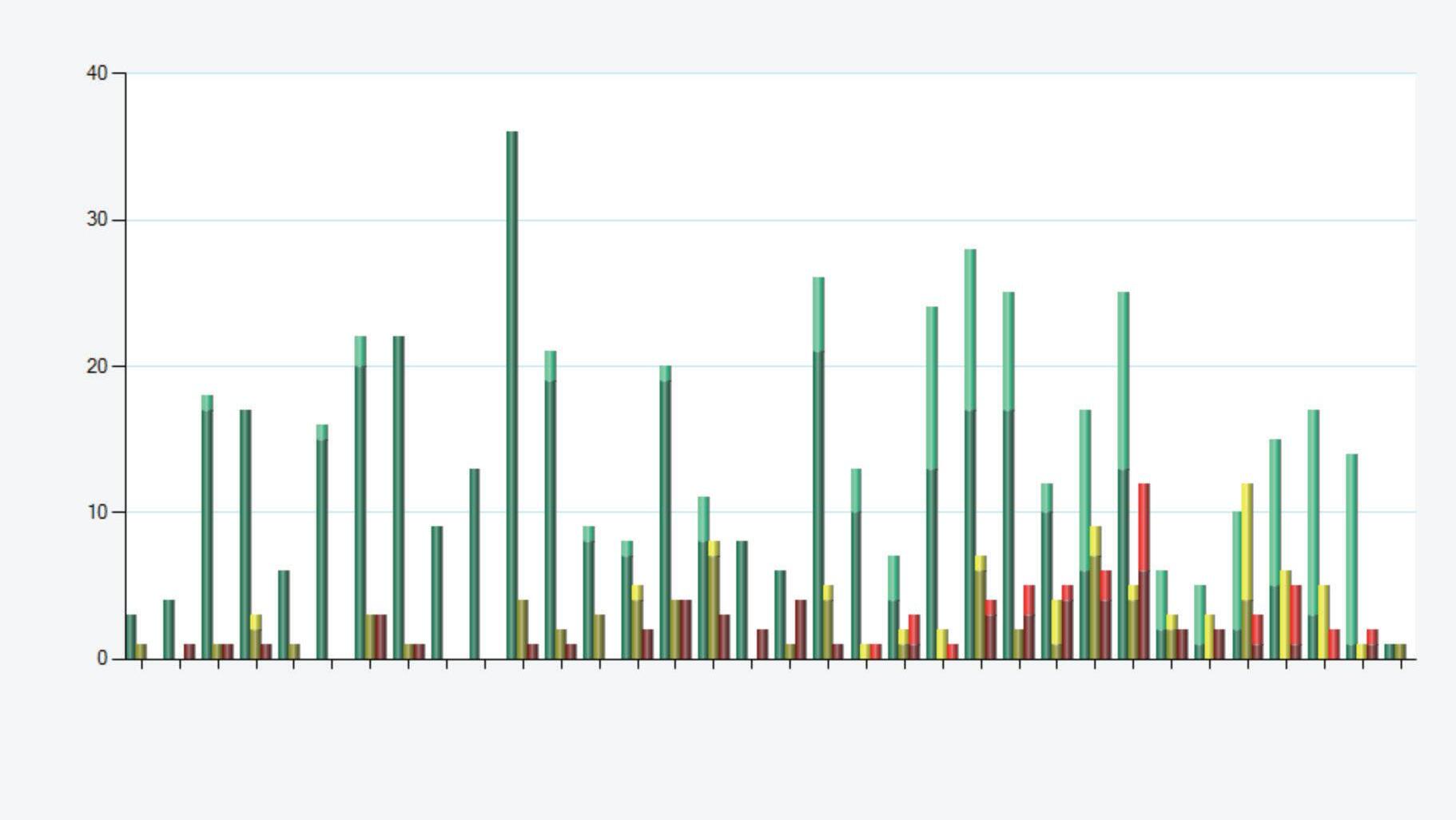
Please note that it is unlikely that current calves will show positive results so the view is retrospective.
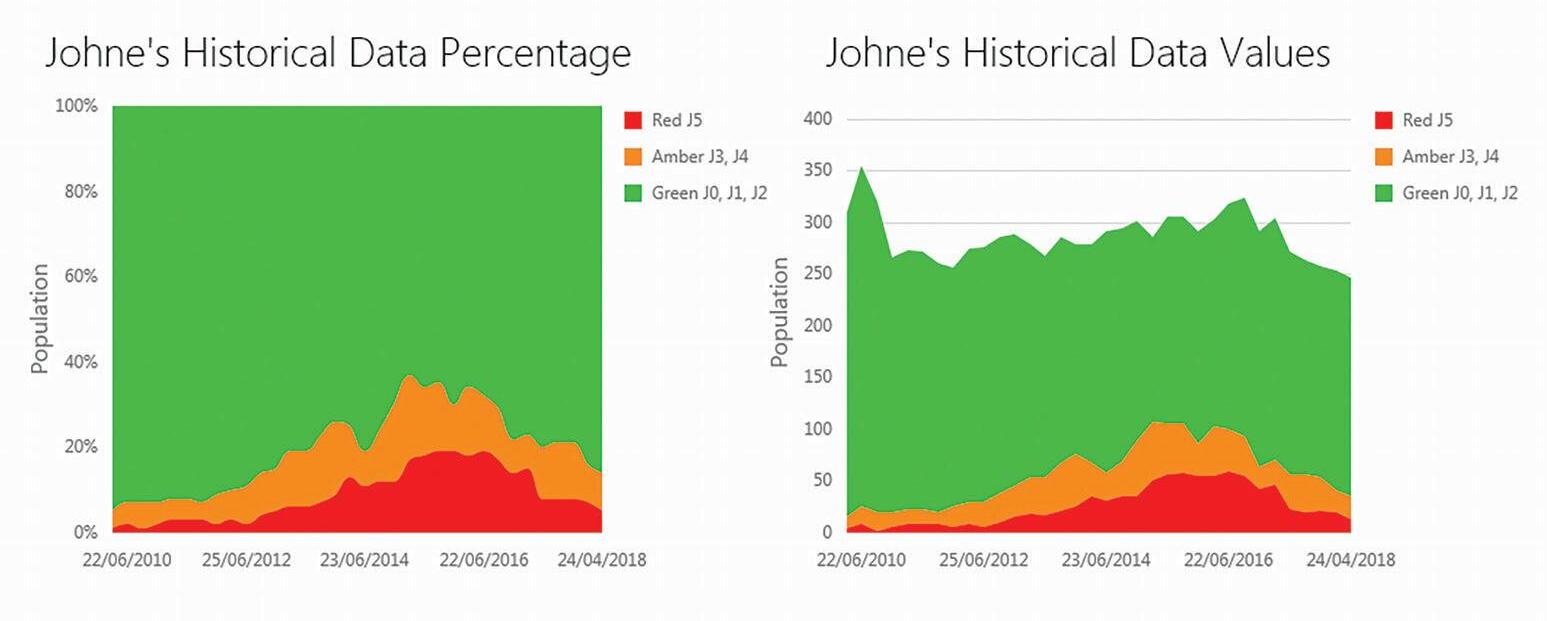
A graphical representation of red, amber and green cows is displayed numerically and as percentages in the herd. These graphs illustrate trends in prevalence over time and are a useful tool to monitor herd infection levels and improvements.
An aggregate data table summarising the colour classifications and J statuses for each test date is also displayed along with an historic data table showing the full test profile for every cow in the herd both past and present.
Following testing, all results are available for you and your vet to view and download from Herd Companion www.herdcompanion.co.uk
You will need a username and password to access your results. Your vet will require their own log-in as well.
To request a free Herd Companion username and password, please contact NMR Customer Services on 03330 043 043.
We will notify you via email once your results are available to access.
There is a large body of research to show that cows which have been classified as ‘red’ should be treated as a risk for their lifetime, even if they have subsequent negative tests.
These high risk cows can be easily identified using a red management ear tag, ensuring your farm team can manage these animals according to your management plan during busy periods such as breeding, dry off and calving.
Why not give them a call 0800 731 9465 or scan the QR code to visit the website: