OUR IMPACT 2023-2024
National Energy Action’s vision is to end fuel poverty and make sure that everyone can afford to live in a warm, safe and healthy home. Across England, Wales and Northern Ireland, we work in partnership with many stakeholders; we provide advice and support; we campaign and advocate; we undertake research and share insights; and we train and educate.
IN 2023-24, WE CONTINUED WORK UNDER OUR CURRENT STRATEGIC PRIORITIES:
1
Tackling the worst first: securing support for those whose conditions are the worst and need the greatest, and who have the least ability to act for themselves
2 Support guaranteed: enabling and making available support which is consistent and relevant to need
3
A decade of delivery: working to ensure plans, guidance and targets are put into action
APRIL 2023 - MARCH 2024
APRIL 2023
The Energy Bills Support Scheme ends, leaving average annual energy bills at £2,500 and 7.5 million UK households in fuel poverty.
JULY 2023
The price cap falls to £2,074, leaving 6.6 million UK households in fuel poverty. Standing charge increases worsen the situation.
‘MORE SUPPORT DELIVERED TO INDIVIDUAL CLIENTS THAN EVER BEFORE’
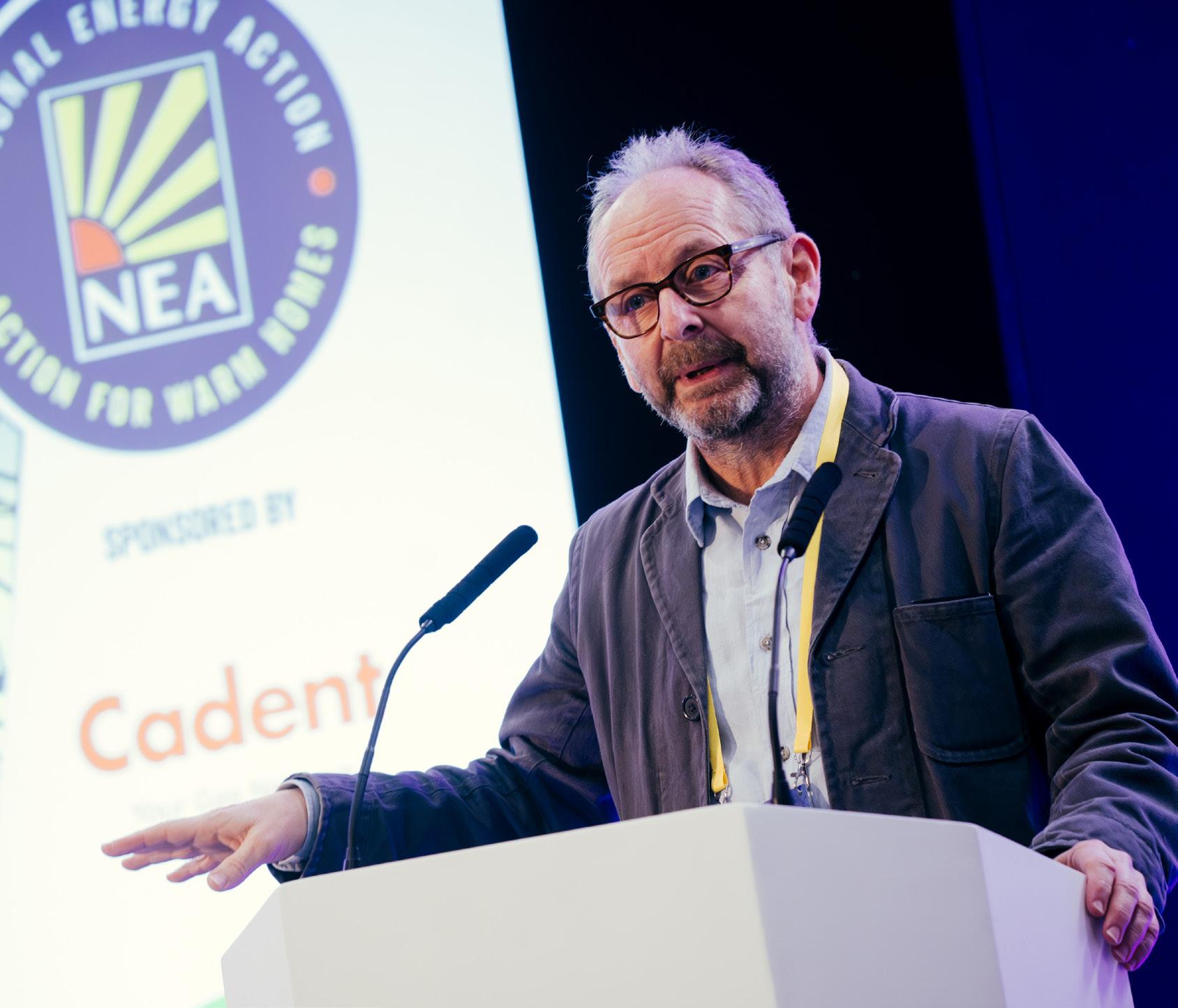
National Energy Action Chief Executive Adam Scorer on the impact we’ve had in 2023-24.
n our five-year strategy, written in 2021, we said that when it came to fuel poverty and cold homes, we could not afford to just mop up the flood, we had to turn off the tap.
We had no idea at that stage just how deep and overwhelming the flood would become for millions of households.
This impact report shows just how much we have achieved over the past year. Through crisis interventions for people desperate for support with their
SEPTEMBER 2023
National Energy Action leads (alongside Money Saving Expert, Citizens Advice, Fair by Design, Age UK, Scope and Energy Action Scotland) a coalition of 140 organisations calling for a consultation on introducing a social tariff in the energy market.

energy bills. For those who had cut off, not cut back, their use of energy. Also, with partners and policymakers seriously looking for more fundamental, long-term solutions to fuel poverty.
We have all experienced the same flood. But we are not all in the same boat. This report shows how National Energy Action is concerned with the worst cases, the most stubborn problems, and the most challenging solutions.
The charity has grown to the task. We ended the year with more people working for National Energy Action than at
OCTOBER 2023
The price cap falls to £1,923, leaving 6.3 million households in fuel poverty.
DECEMBER 2023 Energy debt reaches £2.9 billion.
any point in our history. More support delivered to individual clients than ever before. More partnerships, within and beyond the energy sector.
A membership that has more than doubled since the start of the energy crisis.
This report shows how National Energy Action rose to the urgent task of the crisis. I am immensely proud of everything that we have done, as always in partnership with others.
However, the single biggest lesson has been that the flood was so overwhelming that not
just households but support agencies, market protections and government assistance struggled. Collectively, there was no opportunity to act at speed and scale and with the strategic clarity necessary.
We worked together to soften the blow for those most exposed to unaffordable energy costs and dangerously cold homes. But we go into the next year, more determined than ever, to start to turn off the tap so we do not have to report, again and again, another year spent mopping up the flood.
JANUARY 2024
The price cap rises to £1,928, leaving 6.5 million households in fuel poverty. New polling, commissioned by National Energy Action and carried out by YouGov reveals 2 million households have been ‘self-disconnecting’ and going without any energy in their home.
APRIL 2024
The price cap falls to £1,690. This is welcome, but the cap remains 49% higher than pre-crisis levels and still leaves 6 million households in fuel poverty.
The flood was so overwhelming that not just households but support agencies, market protections and government assistance struggled.
2023-24: A YEAR
OF
INCREASING HARDSHIP AND STRUGGLE
Last winter, National Energy Action estimated that there were 6.5 million households living in fuel poverty across the UK. That’s two million more households who were unable to keep their homes affordably warm, healthy and safe than at the start of the energy crisis in 2021.
More households were falling into debt, and affordability pressures were much greater. The year ended with typical domestic energy prices of £1,928 between January and -March 2024. Domestic energy debt levels soared, with the average debt level increasing by around 50%, with the total now sitting at its highest ever level of £3.1bn. The number of households in debt increased by around 20%.
In April 2023, the Energy Bills Support Scheme ended. In July 2023, so did the Energy Price Guarantee (EPG), increasing annual energy payments for the typical household. Standing charge increases worsened the situation. We ended the financial year in April 2024 with average energy costs of £1,690, compared to £1,277 in October 2021.
TACKLING THE WORST FIRST
In 2023-24, National Energy Action directly and indirectly supported those whose conditions are the worst and need the greatest, and who have the least ability to act for themselves. We supported over 13,000 households living in or at risk of fuel poverty.
HELPING THOSE IN GREATEST NEED
Of the households we helped, 69.2% represented complex cases. These were clients who needed additional care, support and engagement. Or, their support requirements spanned multiple areas, with complicated and time-consuming difficulties or barriers encountered. Often, the two overlapped. We enabled those who may have struggled to find help elsewhere to access much-needed support.
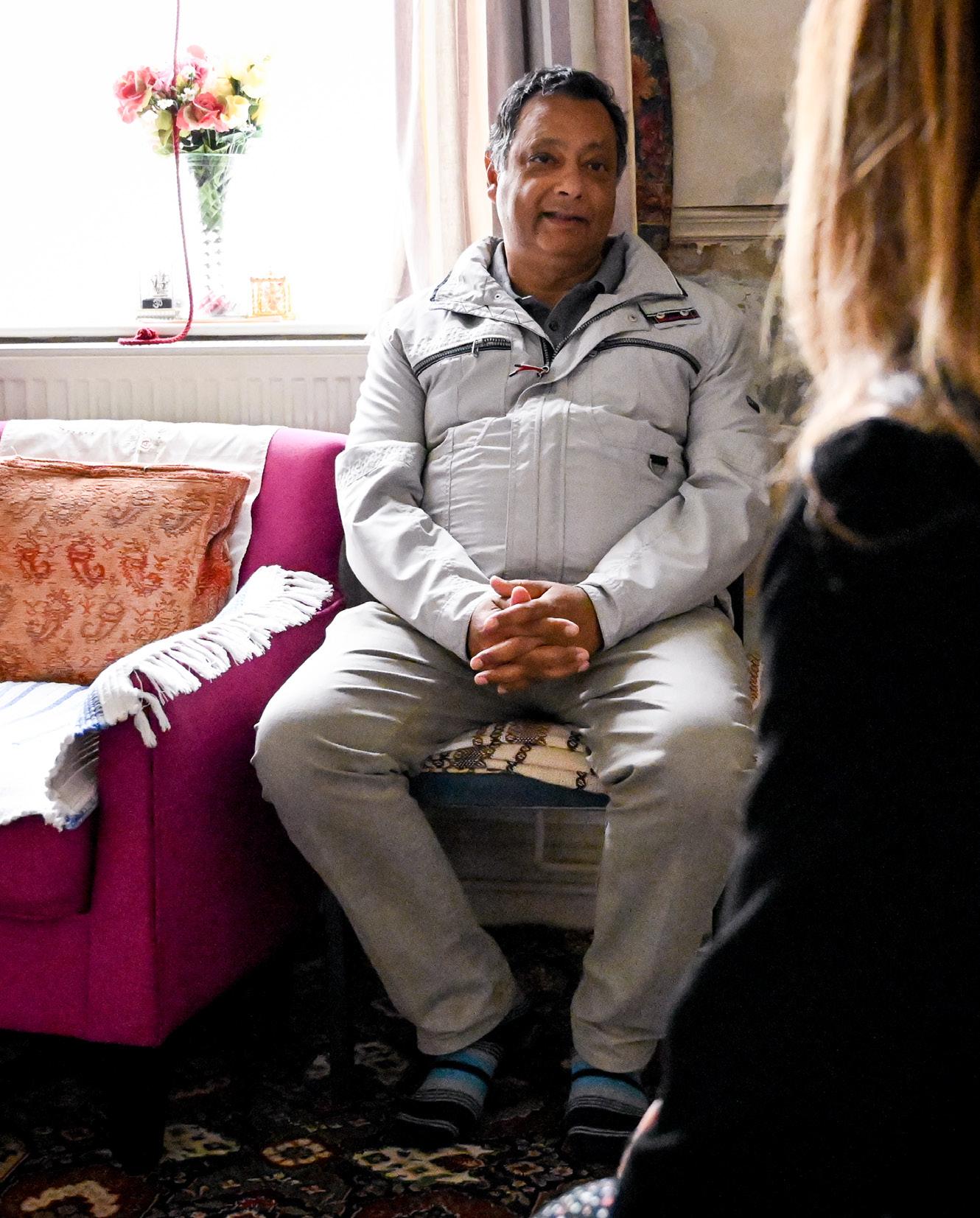
'I would never have been able to speak to my energy supplier…they couldn’t fob my adviser off like they probably would me… she would call them and then she would add me in to the conversation. Then she would be there to help me and guide me step by step sort of thing.'
CLIENT
'I’m
not very good with ringing my energy company…trying to explain what somebody’s just told me; I end up forgetting and things. So, my adviser did all that and just took things from there. So, that was a big help.'
CLIENTS ACCESSING OUR SERVICE last year faced a higher risk of experiencing fuel poverty, as well as being more vulnerable to the worst of its effects. Often, these vulnerabilities overlapped.
■ 67% had an income of less than £12,000 a year, and 89% had an income of less than £16,000 a year.
■ 27% were single parents with dependent children.
■ 24.2% had at least one child under the age of 5 living with them.
■ 78% lived in rented accommodation – 17.4% in the private rented sector and 61.3% in the social rented sector.
■ 75% had at least one health condition, additional need and/or a disability – often, they had more than one.
■ 97% of clients using our Warm and Safe Homes (WASH) service were unable to keep their home warm, or could only do so with difficulty, at point of first contact with National Energy Action.
■ 89% of WASH clients were cutting back on food and other essentials when they came into the service.

VOICES FROM THE FRONTLINE
National Energy Action Energy Adviser.
'Being an energy adviser for National Energy Action is challenging but satisfying. I love being able to reduce stress and worry for clients who are struggling to resolve issues with managing their energy accounts. Being able to give them multiple types of support at once means I can often help them live more independently, and also replace items that they need without them feeling shame or embarrassment. That said, my case load is becoming increasingly complex - more debt, less ability to afford bills or replace essential items, more health issues and more cases with housing issues like damp, mould and disrepair. It is also taking longer to resolve issues.'
VOICES FROM THE FRONTLINE
CLIENT
'I’d lost my job, and my husband was unable to work due to his medical condition. I wasn’t turning the heating on. I said, ‘we can’t afford it.’ So, we got into a big debt - £1,800 debt that we could not pay - but we had to put the heating on to keep him warm.'
OF OUR CLIENTS WITH A HEALTH CONDITION OR DISABILITY...



15% had a cardiovascular condition. Over half (51%) had a mental health condition. 16% had a musculoskeletal condition.
Danielle Butler, Project Development Manager
'My role at National Energy Action is fulfilling. Our research projects on fuel poverty and end-of-life care have had significant impact and follow-on activity. Being able to apply our unique insight to help develop projects that support those with a terminal illness, for example, has been incredible. Knowing that people are getting some breathing space from expensive energy costs while dealing with the trauma of a diagnosis is so comforting and powerful. It is the exact thing I’d always hoped to be a part of in my working life and why I trained to be a researcher. It’s such a brilliant outcome!'
■
CLIENT
'I
bought absolutely loads of throws to put on, and his fluffy socks, rather than turn the heating on, because I knew that we were using a lot of electricity for his power chair, his wheelchair, and other things.'

18% had a respiratory condition.
CLIENTS COMING INTO OUR SERVICE generally had multiple support needs, and were experiencing challenges relating to more than one issue:
■ 100% of clients needed some form of energy efficiency advice and support.
■ 99.9% needed financial support in the form of energy vouchers, or from a hardship, crisis or trust fund.
■ 66.2% needed advice and support relating to the energy crisis specifically.
■ Over a third (37.2%) needed help with managing their fuel (including billing, metering and payments).
■ A third (33%) needed advice and support around accessing and using vulnerability services, such as the Priority Services Register.
■ Almost a third needed income maximisation support (29.8%).
■ Over a quarter needed fuel/utility debt advice, support and relief (28.6%) or smart metering advice (26.9%)
VOICES FROM THE FRONTLINE
Laura North, Project Development Co-ordinator
'My role is very varied. No two calls or events are the same, which is always exciting. I feel that each person I have been able to support has an immediate sense of relief and that the help is always an instant win in some way - whether that be through not having to worry about choosing between having heat or feeding their families that night, or through gaining a sense of relief that someone is helping them to move forward. This means a huge amount to me, and I feel valued and proud to be able to support in this way. Sometimes, communicating with customer service teams and energy providers can be really difficult, and I find I have to repeat myself a lot and be very persistent to get little wins.'
CLIENT
'When the voucher came in, it allowed me that week to actually eat with the children, rather than them eating their dinner and me having a sandwich in the evening.'
Providing households with a range of support, tailored to their needs and capabilities, enabled us to find the most appropriate and timely solutions available to them.
£4,378,441.46 annual financial benefit to clients secured through income maximisation and welfare support.
£1,488,961.07 immediate direct financial benefit to clients secured through energy advice, crisis fund and fuel debt support.
Provision of energy efficiency measures to clients worth £3,127,120.67
■ We almost halved the proportion of our WASH clients who reported being unable to keep their home warm while those who said they could easily keep their home warm increased more than four-fold. We lifted 12% out of subjective fuel poverty entirely.
■ We reduced the proportion who
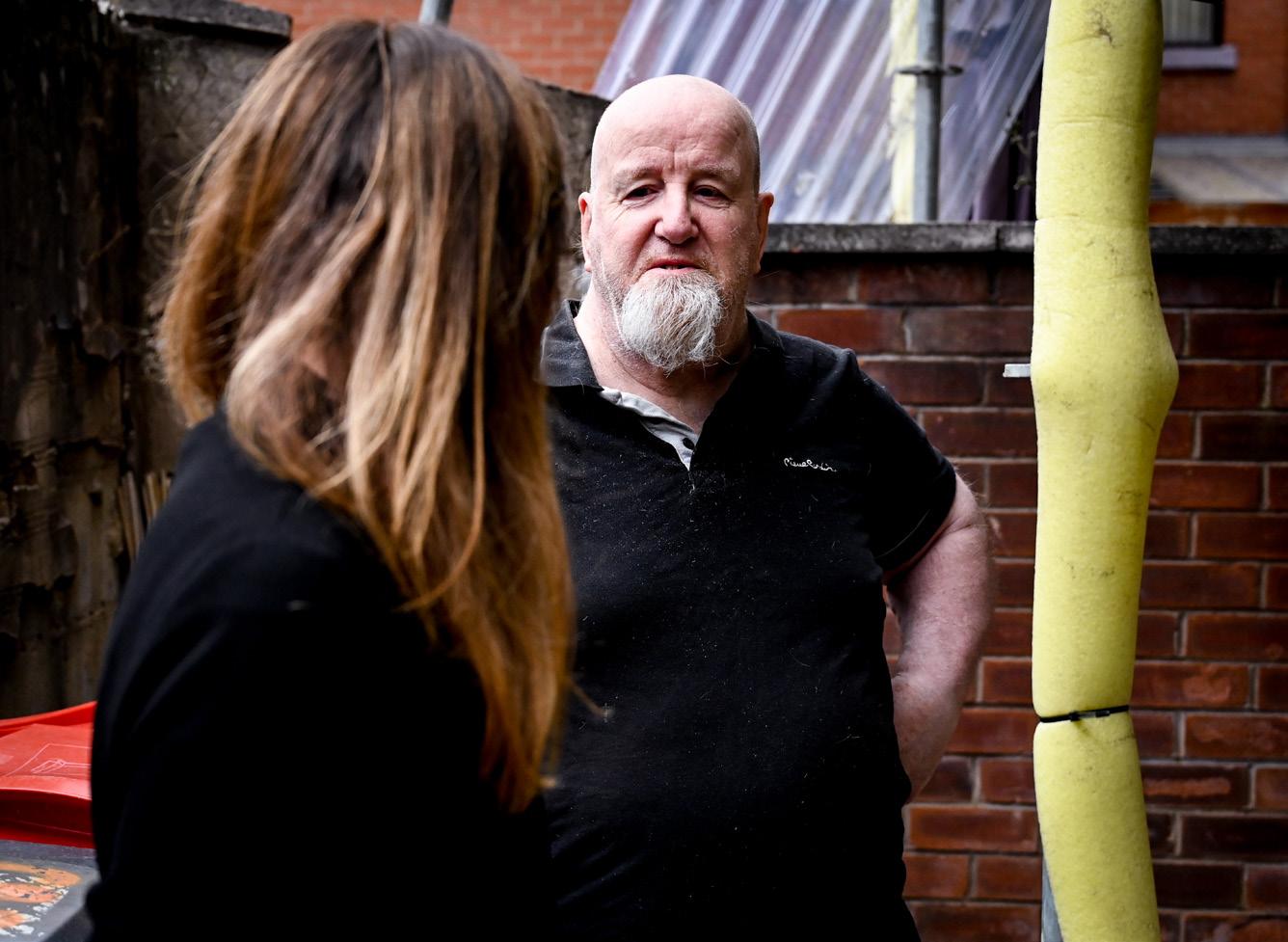
had their heating on lower or less often than they would like by a third.
■ One in three worried less about paying their energy bills after receiving support.
■ A fifth said their financial situation had improved and over a quarter (26%) felt as though their household budget overall was more manageable.
■ 60% (three in five) reported knowing more about saving money at home while also keeping warm.
■ We reduced the proportion of WASH clients who were rationing food all or most of the time by a fifth, and doubled the proportion who never or rarely did this.
■ One in three said their physical health was either a little or much better after support, with 72% of those linking it to some extent to the support they received.
■ More than one in three found their mental health to be much or a little better after support, with just under 80% of those linking it to some extent to the support they received.
CLIENT
'Even just having that contact from somebody who knew his subject, asking me things that I hadn’t expected to be asked that were so relevant, that hadn’t even crossed my mind. He was just… he was brilliant. Just knowing that help was there did alleviate some of my anxiety.'
PROJECT SPOTLIGHT
WARM AND WELL
The Belfast Warm and Well project offers advice, as well as practical and financial support to local people struggling to keep their homes warm. It is targeted towards those who would be considered vulnerable using indicators such as old age, disability or physical/mental ill health, pregnancy, households with children, and those on low incomes. Each client is assessed to establish their needs and provide appropriate help.
The package of support that they can access includes:
■ Energy efficiency advice, information and tips
■ Home heating/insulation schemes
■ Draughtproofing measures
■ Provision of emergency radiators
■ Winter Warmth Packs
■ Heating system repairs/replacements
■ Oil fills, and electric and gas top-up vouchers
The project also provides awareness-raising sessions including interactive energy efficiency seminars for local voluntary and community groups.
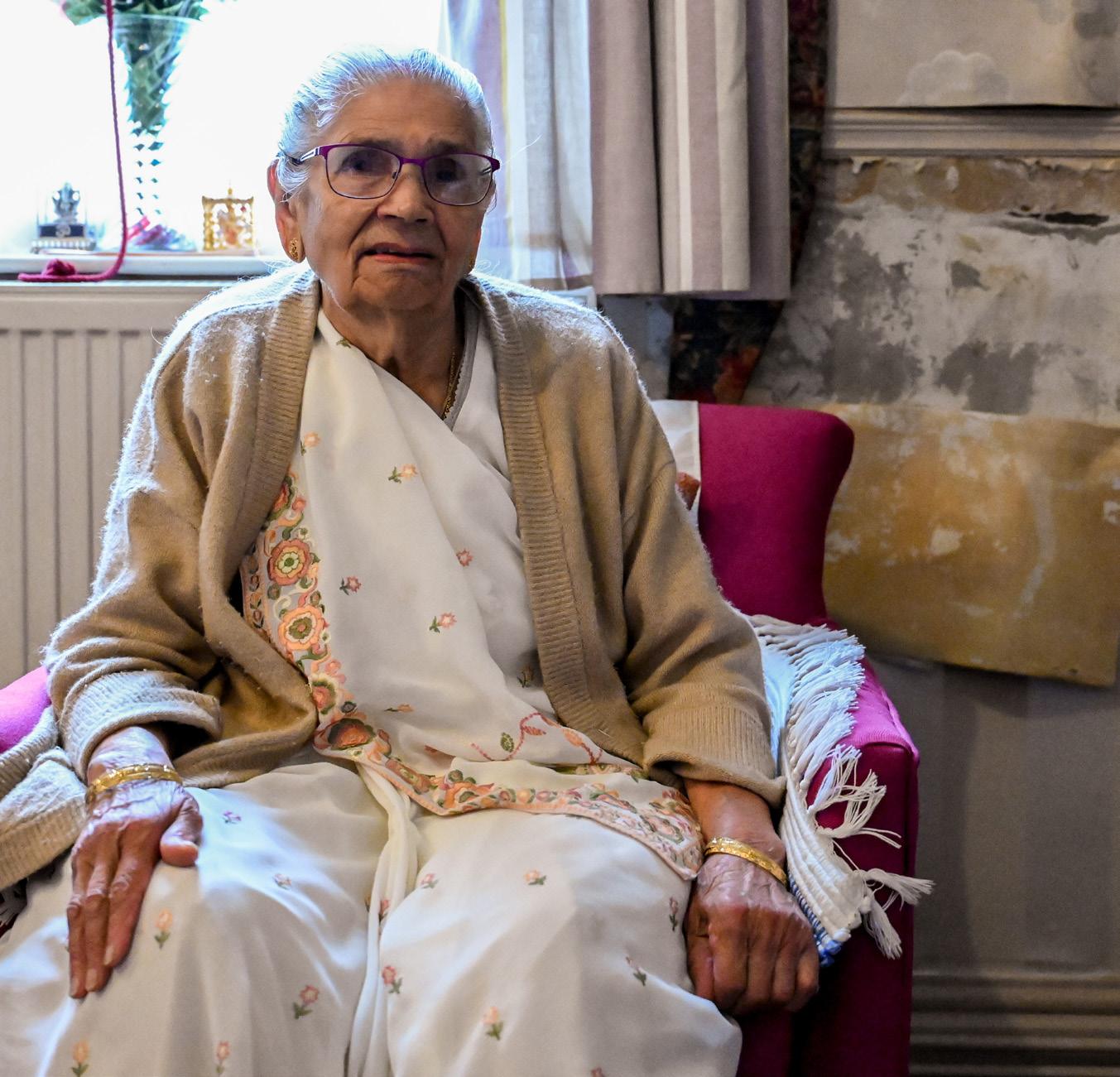
Project Co-ordinator, NEA NI 'Thankfully, the Warm and Well project allows us to provide meaningful support in times of crisis. It comes as no surprise that most of the households we support fall within the lowest income bracket and present with one or more health conditions, that are often made worse by their circumstances and lack of choices. We have seen an increase in those presenting with a mental health condition at a time when access to statutory services, not just mental health services, is severely limited. It is essential our voluntary and community partners help provide wraparound support when and where we can. Last winter saw us reach many more households through our enhanced hardship fund, our partner network, and our community programme. This provided warm spaces, learning and social activities over the winter months in seven council wards identified as having the highest excess mortality rates in Belfast.'
Between January and March 2024, the service was accessed by 625 households – the most cited reasons for this being the ongoing costof-living crisis. A fifth of incoming clients had an income of less than £8,000, and 88% had an income of less than £16,000. Clients were experiencing respiratory ill health (36%), cardiovascular conditions (23%) and mental ill health (65%) or disability (47%).
ANITA Multiple health conditions, vouchers and successful referrals:
Anita contacted the project after being unable to top up and accruing a debt on her electricity meter. She had multiple physical, respiratory and mental health issues. She was convinced that her health issues were being compounded by the poor condition of her social housing property. Despite it being adapted, she could not use stairs or the newly built extension/wet room due to mould and damp. Warm and Well issued her with two vouchers to meet her immediate needs, liaised with her primary support and environmental health inspector and walked her through switching suppliers. She was also referred to a community organisation that was able to assess her benefits, reduce her social loan repayments and advocate on her behalf with the relevant housing association regarding the condition of her property.
VOICES FROM THE FRONTLINE
PROJECT SPOTLIGHT WARM HOME PRESCRIPTION
In 2023-24 National Energy Action worked with Energy Systems Catapult to deliver the Warm Home Prescription scheme in Middlesbrough. The scheme is targeted towards those who are suffering from physical ill health. It provides bespoke energy advice, financial support, and referral to other forms of assistance such as income maximisation or schemes which could improve their homes’ energy efficiency. Last winter, we supported 82 households with a respiratory or cardiovascular condition that could be made worse by living in a cold home.
'It was an absolute lifesaver - I couldn’t have been more grateful for it; it made such a difference.'
The scheme means that clients can access both in-depth energy advice and have funds credited to their energy account. It has meant that people could turn up their thermostat knowing they had the means to do so.
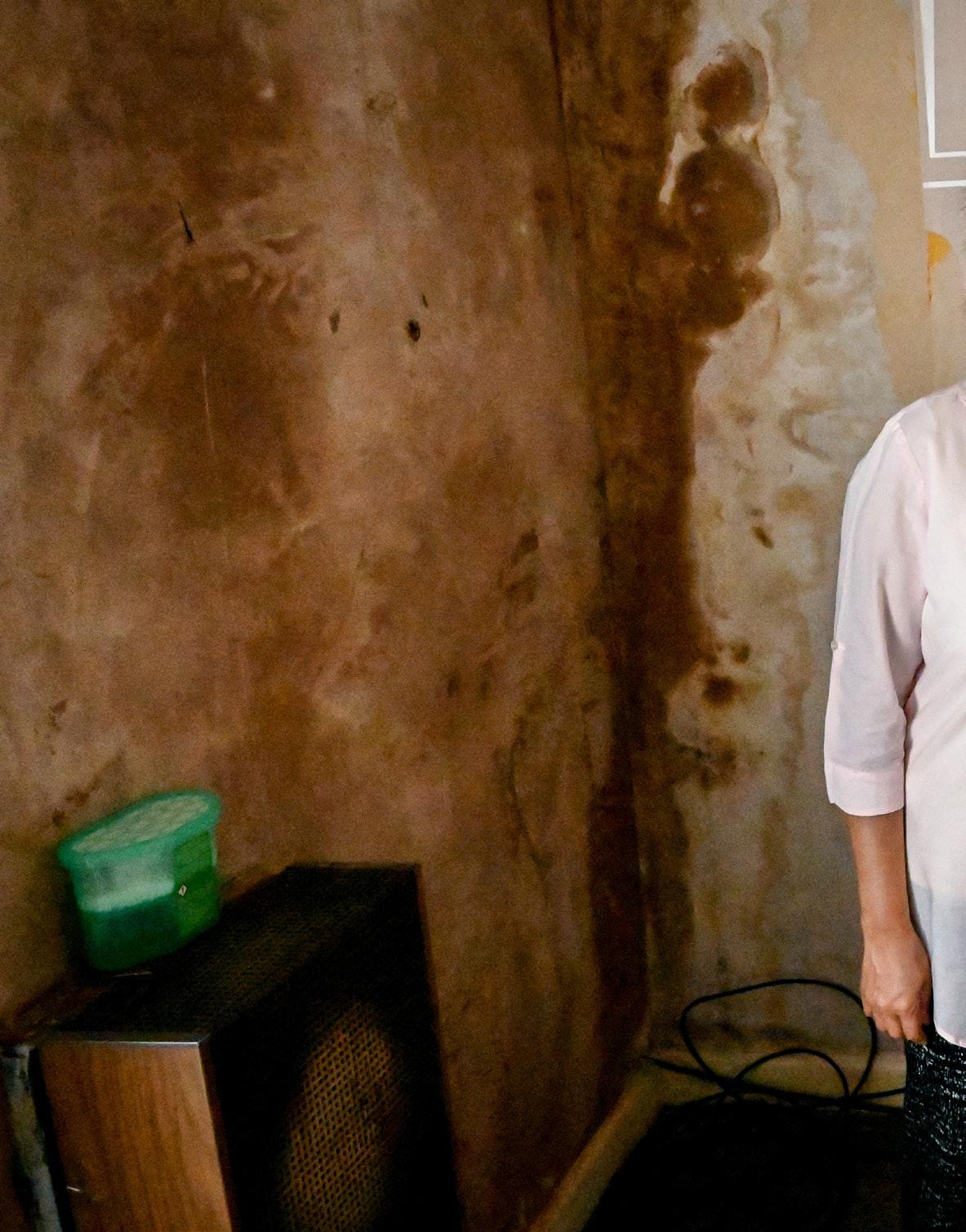
CLIENT
'Just knowing that if I want the heating on because it’s cold, I can put it on and I don’t have to sit in bed all day…the best word to describe the help you’ve given me is invaluable. I’m so grateful, really, really grateful'
CLIENT
'I kept checking the meter to see if it was real…I just pressed the button again and again, for 10-15 minutes to make sure I hadn’t misread the amount. This must be what it feels like to win the lottery. I was absolutely overjoyed; I can’t thank you enough.'
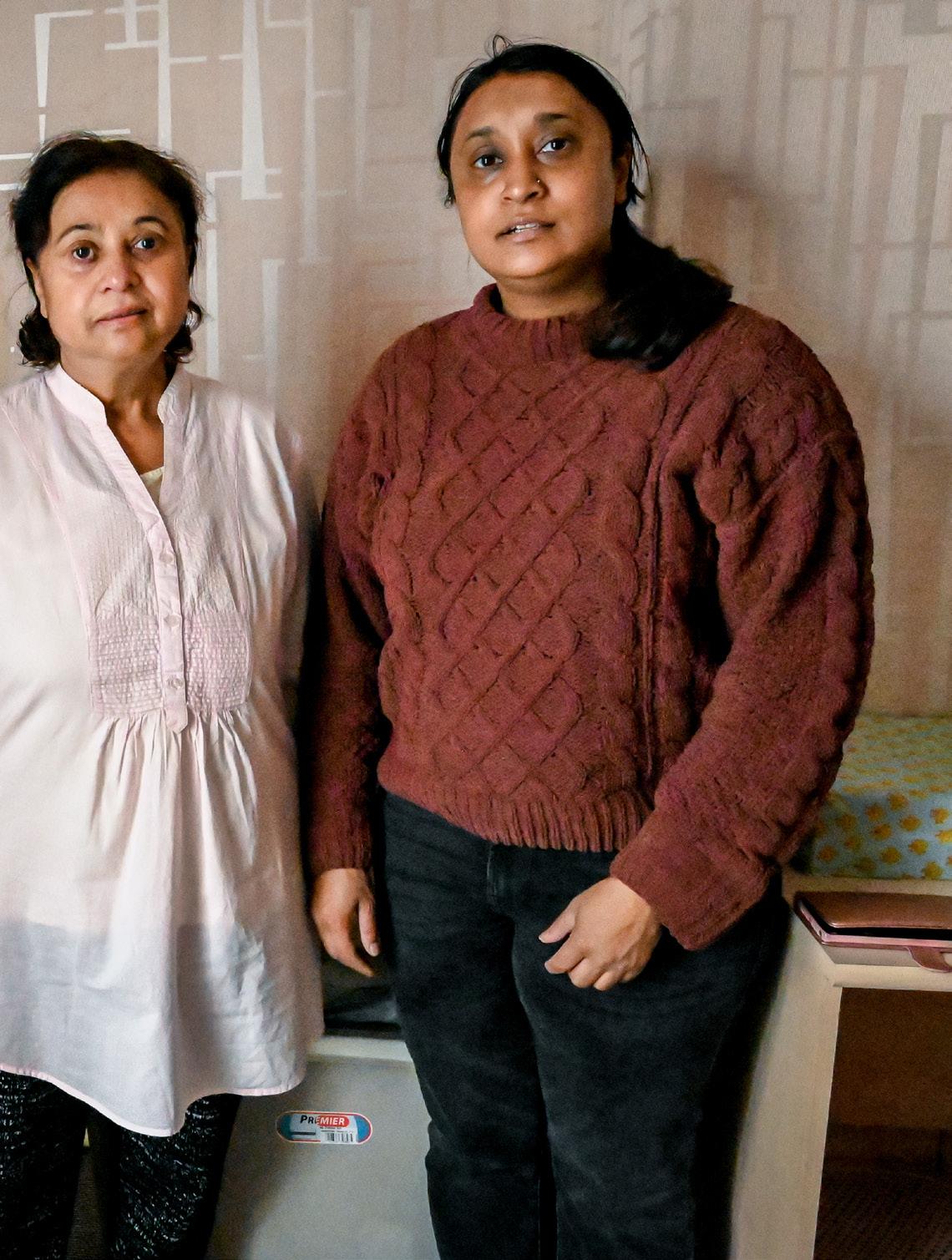
MARIA Private rented sector, multiple disabilities and £700 put on the meter
Maria is 57. She lives with her partner and adult child and is in receipt of Universal Credit and PIP. She has multiple disabilities and needs accessibility adaptations to some of the rooms in her house. Her landlord, however, is reluctant to do that and she is having difficulties speaking to him. She and her family have struggled greatly with the cost of living. Maria was deemed unfit to work some years ago and lost her job as a result of severe respiratory illness. Due to the nature of her condition, medical staff at her healthcare centre have advised her to keep her home heated to 21 degrees. It has been next to impossible for Maria to be able to afford to do this.
The Warm Home Prescription team was able to get £700 put onto Maria’s meter, in addition to tailored energy advice and signposting to local organisations able to offer her further advice and support in securing the renovations needed at her rented property as well as her rights as a tenant.
This has meant that Maria has been able to keep her heat on at the temperature that she needs to keep herself physically healthy, without having to worry about the cost or falling into debt. She is also better able to understand how to use energy efficiently, and where else she can go for wraparound support when she needs it.
JASMINE Electrical medical equipment, but a lifeline from Warm Home Prescription
Jasmine is a homeowner living in Darlington who had reached out to National Energy Action when her bills became unmanageable. While working for the NHS, Jasmine suffered a spinal injury which meant she was unable to work and became medically dependent on electricity – both an electric mobility aid and a sleep apnoea machine. The use of these two machines had caused her bill to soar, particularly when energy prices increased. This was despite Jasmine making behavioural and structural changes around the home, including renewable technology installations, LED lightbulbs and loft insulation.
Jasmine’s vulnerability and medical dependency on energy meant that she was referred into the Warm Home Prescription scheme. Her account was credited with £1,000, and she said it has 'given me a lifeline'.
CLIENT
'I was using the rings on the cooker to try and keep warm. I was too afraid to put the heating on. After receiving the Warm Home Prescription, I could finally put the radiators on.'
National Energy Action knows that people dependent on assistive technology or medical equipment have faced the most profound impacts of spiralling energy costs.
Our advice service is increasingly hearing from clients who are considering switching off essential equipment for periods of the day to try to reduce costs. Based on our Warm Home Prescription work in Middlesbrough, we have begun to expand the offer to clients across England and Wales via a small-scale project. This will be targeted at those struggling to afford their energy bills and who are reliant upon the use of medical equipment in their home such as breathing apparatus, hoists, electric stairlifts and more. The initiative makes a direct contribution to clients’ energy bills to cover the costs of medical equipment over the winter period. This serves to support the clients’ health and well-being over the coldest months, with the potential indirect consequences being to reduce the need for medical involvement. This project continues into 2024-25.
CLIENT
'The scheme absolutely saved my life. I was too scared to turn the heating on as the prices were so high… the project was totally amazing.'
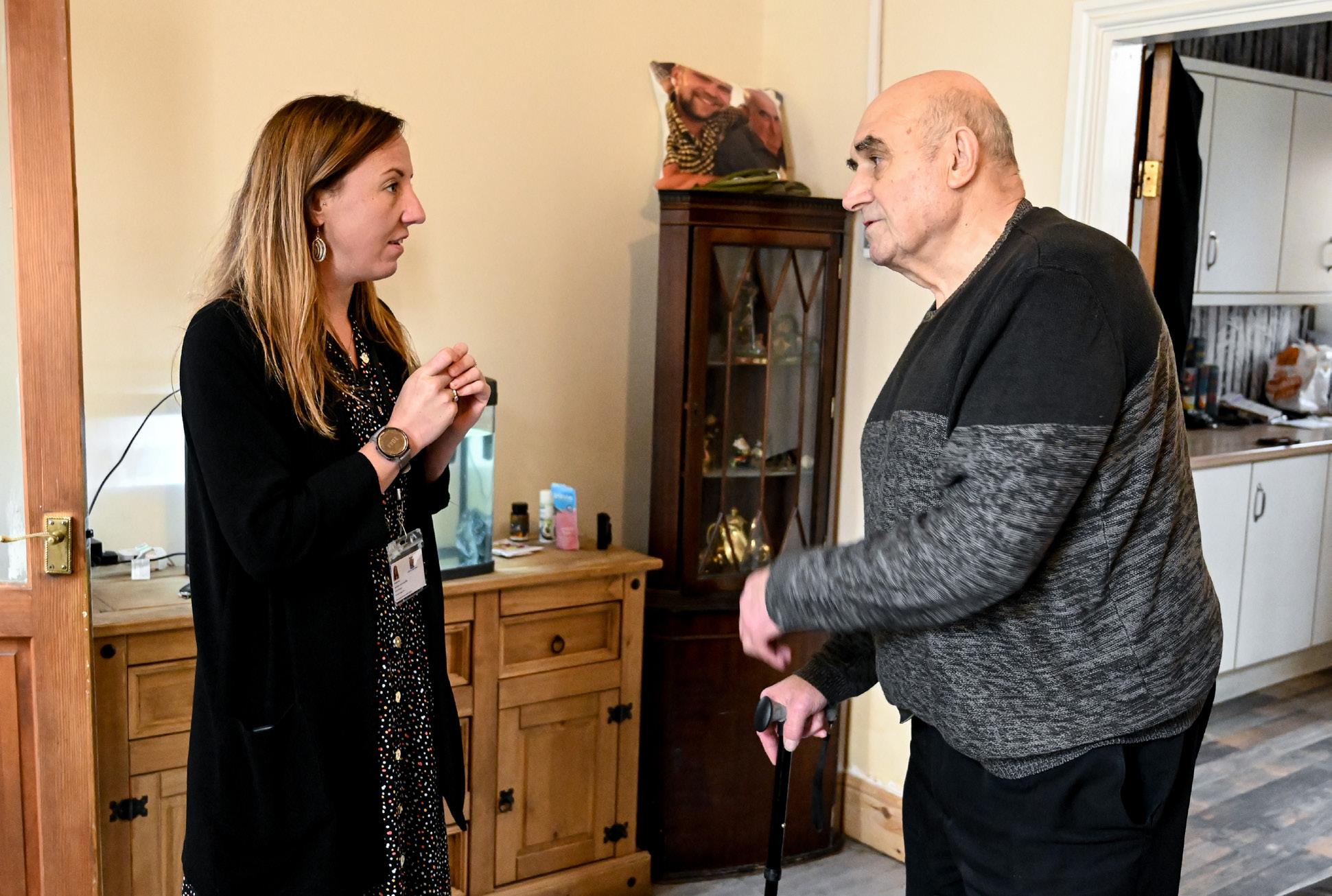
PROJECT SPOTLIGHT WARMING COMMUNITIES
Our Warming Communities programme provides bespoke support and energy solutions to some of the most underserved and marginalised communities in England and Wales. Last year it ensured that 1,775 vulnerable clients could access communitybased, targeted support and overcome barriers in accessing mainstream schemes. It also delivered over 3,000 Winter Warmth Packs to clients in desperate need. The delivery model is based on responding to local need through collaboration with over 80 trusted local partners who understand their
service users. Examples of support include:
■ Cooking classes with refugee families in London, to share tips about cheap, cupboard-friendly recipes that can be made in a slow cooker.
■ Aiding in the setup of a community champions programme in Coventry, to train and support volunteers to share messages about saving energy and staying healthy.
■ Delivering training to support workers in Newcastle to run their own tailored sessions with women leaving domestic violence.
VOICES FROM THE FRONTLINE
Molly Chambers, Project Development Manager:
'Our Warming Communities project challenges National Energy Action to think about the diverse needs of those in fuel poverty and to find solutions that are impactful and targeted. It has been an opportunity and a real privilege to be able to work so closely with new partners in a community-based way.'

PARTNER SPOTLIGHT CROYDON BME FORUM
Croydon BME Forum is an umbrella organisation working in the south London borough of Croydon, that works to increase engagement of BME communities and build capacity. They were an ideal partner for National Energy Action to collaborate with as part of the Warming Communities pilot due to their role as a trusted organisation with the ability to help tailor and amplify energy messaging.
We were able to support Croydon BME Forum’s existing energy advice offer through practical giveaways to help those who were struggling, and with support from our own community-based energy advice team. We worked in partnership to develop a session based on digital exclusion and the best methods to be connected with your energy supplier.
Croydon BME Forum was also an essential part of our NEA Conference, discussing how its clients could be better supported in the energy sector.
BILLY A £6,000 increase in household income
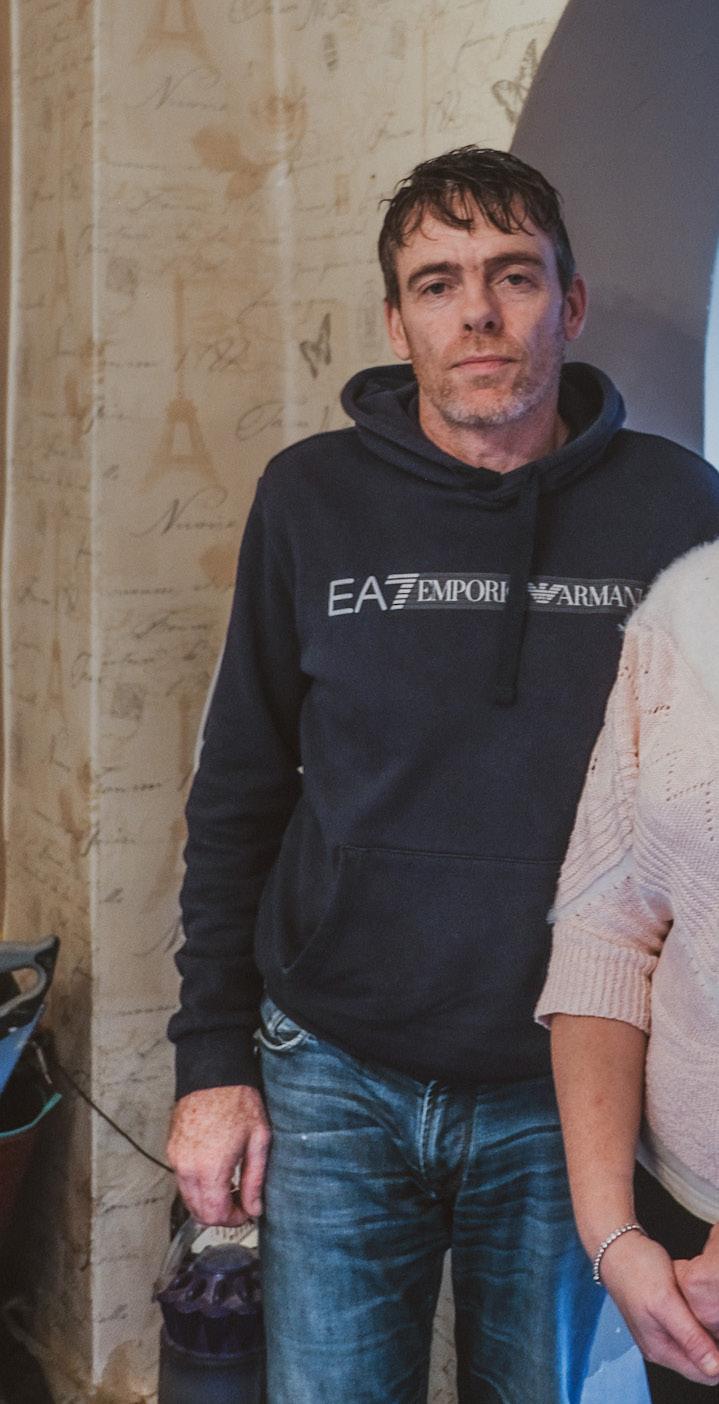
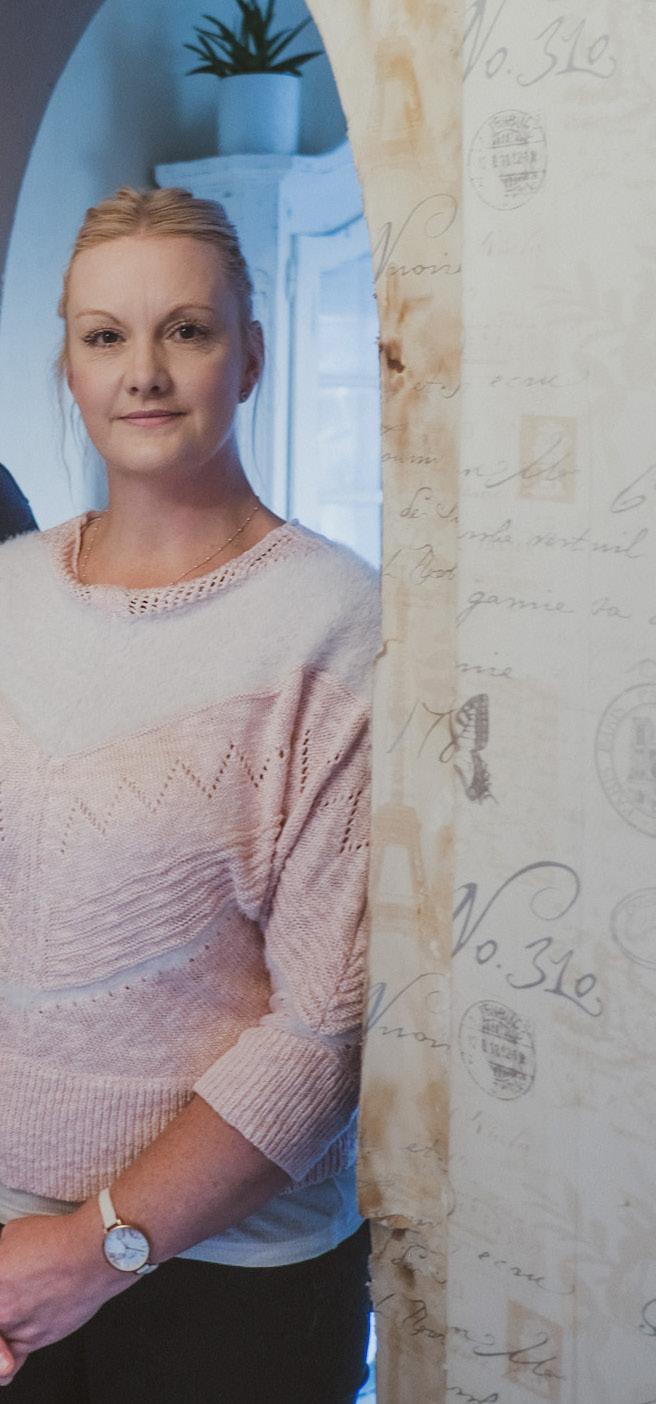
Billy had been housebound for four years due to worsening mobility issues. His health had recently deteriorated further, and his wife and primary carer –Melissa – was struggling and in remission from breast cancer. The couple had received no benefits checks since Billy’s health issues first began four years ago. They were referred to National Energy Action’s benefits team by their local council. Following an assessment of changing health needs and independent living requirements, the team supported them to successfully apply for Attendance Allowance for Billy, increasing their annual income by £6,000. This opened further doors to additional support, including council tax reduction for the pair as well as Attendance Allowance and Pension Credit for Melissa. This holistic support saved the couple a lot of worry and distress, allowing them to keep warm in their home over winter.
Malorie is a disabled, single pensioner living in Kent who underwent a medical operation over the winter period. She became scared and suicidal after falling into arrears with her energy company. She was cautious about asking for advice and had kept quiet about her situation for fear of worrying those around her. But now her health was being impacted and she feared disconnection. She reached out to our WASH helpline.
Her National Energy Action adviser acted swiftly to understand the nature of the bill. They quickly realised that a meter reading error meant the outstanding amount could be reduced drastically. They also checked Malorie’s housing situation and found that she was
living in a leaky property, with limited insulation.
Malorie was enabled to access financial advice to help her understand monthly budgeting. She was empowered to speak to her energy supplier, to talk through the remaining amount on her account. With National Energy Action advocating on her behalf, her supplier wrote off her entire debt and an affordability plan was put in place to ensure Malorie does not fall into debt again.
A trusted third party was contacted on Malorie’s behalf to see what home improvement schemes could be utilised, and some easy, quick self-install measures were provided to keep her warm over the winter.
MALORIE Meter reading error rectified, and debt written off
SHINING A LIGHT ON VULNERABILITY THROUGH RESEARCH
We know that the impacts of the crisis are not felt evenly even within low-income or vulnerable groups – each individual experience is very different.
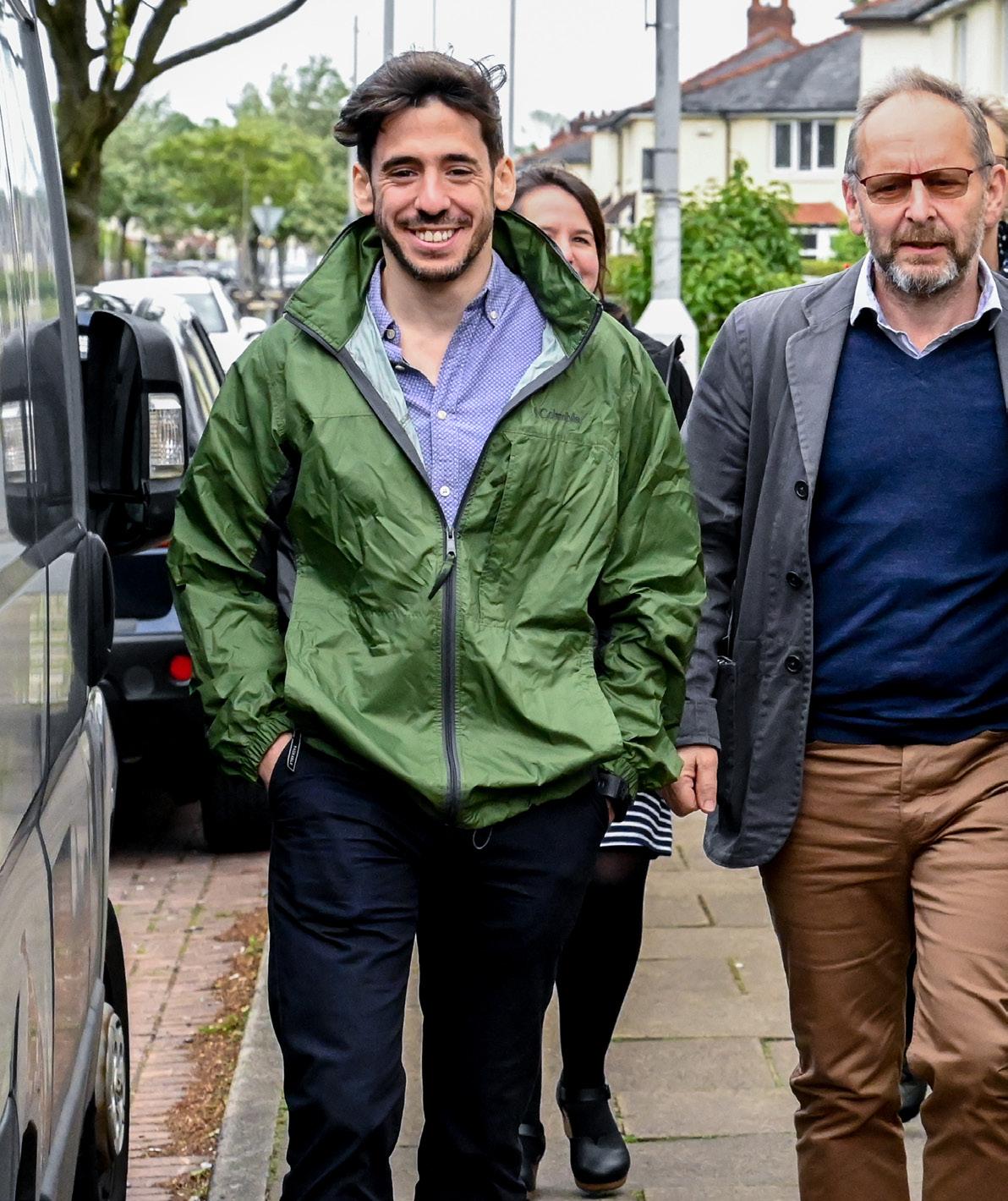
Our research in 2023-24 represented the lived experience of fuel poverty for clients, frontline professionals and stakeholders by

Surveying over 1,800 households

Interviewing approx 70 households

Engaging with over 300 stakeholders

Publishing eight high quality reports
PROJECT SPOTLIGHT PLUGGED IN
Our 18-month Plugged In research project, working with Friends, Families and Travellers and supported by the Which? Fund, explored the lived experience of Gypsy, Traveller, Roma and Nomadic Communities (GTRNCs) living in or at risk of fuel poverty through the height of the energy crisis in 2022-23.
Our research found that:
■ Almost half (43%) of surveyed GTRNCs did not receive any
government support through the energy crisis.
■ Four out of five (80%) households were turning the heating off to save money, with more than half (51%) doing this ‘all of the time’ or ‘some of the time’.
■ Energy/fuel is unaffordable for more than 70% of GTRNC households.
■ More than half (61%) reported borrowing money to pay for

Speaking at or participating in 17 conferences and events
energy/fuel in the last 12 months.
To strengthen energy advice and support for GTRNCs, improvements are needed in:
■ Cultural sensitivity and awareness
■ Communication
■ The delivery of support and the mechanisms by which people can access it
■ Partnership working
■ Policies which are co-designed
PROJECT SPOTLIGHT FUEL POVERTY IN THE NORTH EAST
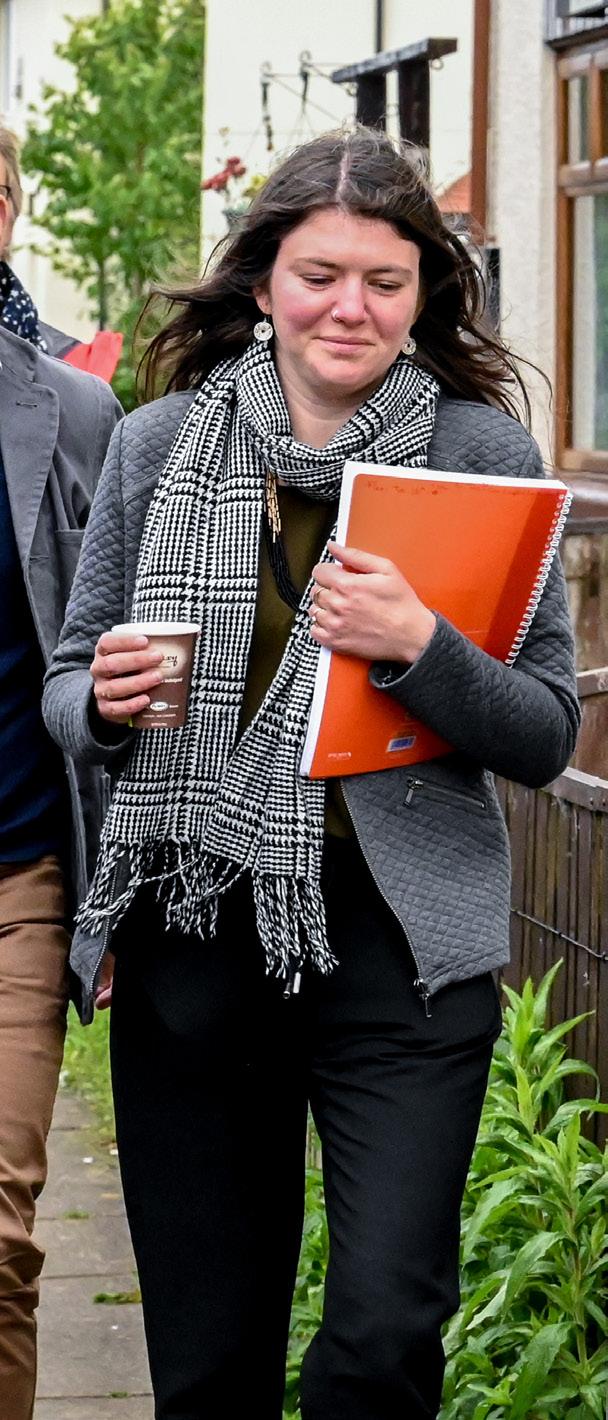
National Energy Action worked with Citizens Advice Newcastle to highlight the impact of the energy crisis on households across the North East of England and provide a snapshot of fuel poverty in the region.
Key challenges identified included energy stress, rising levels of energy debt, prepayment barriers, and problems with mouldy and damp homes.
Launched at the inaugural meeting of the new North East Fuel Poverty Alliance, the report was published as part of a broader work programme supported by the Millfield House Foundation. This Alliance brings together grassroots organisations that work to support vulnerable and/or marginalised communities in the region.
CAMPAIGNING FOR TARGETED SUPPORT
Fairer outcomes for prepay and vulnerable customers
or years National Energy Action has led a campaign to stop prepayment being the most expensive way to pay for energy. As a result of our advocacy, supported by our countless partners across Great Britain, Ofgem has now made changes to the price cap by reducing standing charges for prepayment. This means that prepayment households have seen their overall costs reduced and that these are now in line with those applied to direct debit households. Prepayment is now the cheapest payment method under the price cap. Ofgem estimates that the redistribution of costs that made this possible will:
l Provide £112 million of net benefit for low-income consumers
l Prevent around £12 million of debt in the energy market
l Instantly reduce the fuel poverty gap by around £100 million
National Energy Action also successfully campaigned for the implementation of substantive new rules that prohibit the forced installation of prepayment meters in vulnerable households. This also led to redress given to households who had undergone a forced installation in the period 1 Jan 2022 to 1 Jan 2023, expected to total £500,000 in compensation
SECURING ‘WORST-FIRST’ POLICY APPROACHES
Last year saw record numbers of households in Wales unable to afford to keep warm at home, with 98% of all lower-income households estimated to be living in fuel poverty. Our polling with YouGov found that Welsh households were more likely to tell us they were in energy debt, and at higher levels, than other households across GB.
We successfully influenced the Welsh government to focus its new Nest scheme on providing deeper retrofit for those least able to pay, taking a ‘fabric, worst and low carbon first approach’, and significantly increasing the spend per property. Eligibility has been extended to include those in receipt of means-tested benefits or a relative low income, and those living in the least efficient private homes (EPC E or below, or EPC D if they have a recognised health condition). This will help make the homes of those experiencing fuel poverty warmer, greener and healthier places to live.
We also helped ensure that the Welsh government continued to provide emergency financial assistance to those in crisis and who need to pay for their fuel in advance - both via its own Discretionary Assistance Fund and in partnership with the Fuel Bank Foundation. Both offer payments to cover the cost of prepayment top-ups and fuels like oil and LPG.
Showcasing construction and retrofit standards that help those in the worst circumstances
National Energy Action formed a new Homes Directorate in 2023 to improve retrofit outcomes for fuel poor households. By delivering installation, demonstration and research projects we will highlight solutions within the retrofit pathway to more efficient, healthier, and decarbonised homes, and influence changes in policy and practice that can deliver those better outcomes.
PROJECT SPOTLIGHT FISHWICK
Hundreds of households in the Fishwick area of Preston suffered damaged homes and poor health after external wall insulation (EWI) was badly installed under a 2013 government-funded scheme.
The poor work, lack of quality control and the rushed delivery by a firm that had subsequently gone into liquidation left the properties with damaged interiors, black mould, and fungal growths. We also found occupants with worsening respiratory disorders caused by living in these homes, which in some cases led to hospitalisation.
Residents affected by the failed scheme were not protected by guarantees or warranties and were not covered by subsequent enforcement action. While lessons were taken into the government’s ‘Each Home Counts’ review, which set out to improve retrofit standards and enhance consumer protection, these improvements were aimed at future developments and offered little solace for the residents of Fishwick.
National Energy Action first got involved in the estate in
2019, with the aim of securing funding and undertaking remedial work on the affected properties. Affordable Warmth Solutions and Centrica provided additional support to the project, despite neither of them having had any involvement in the original failed works.
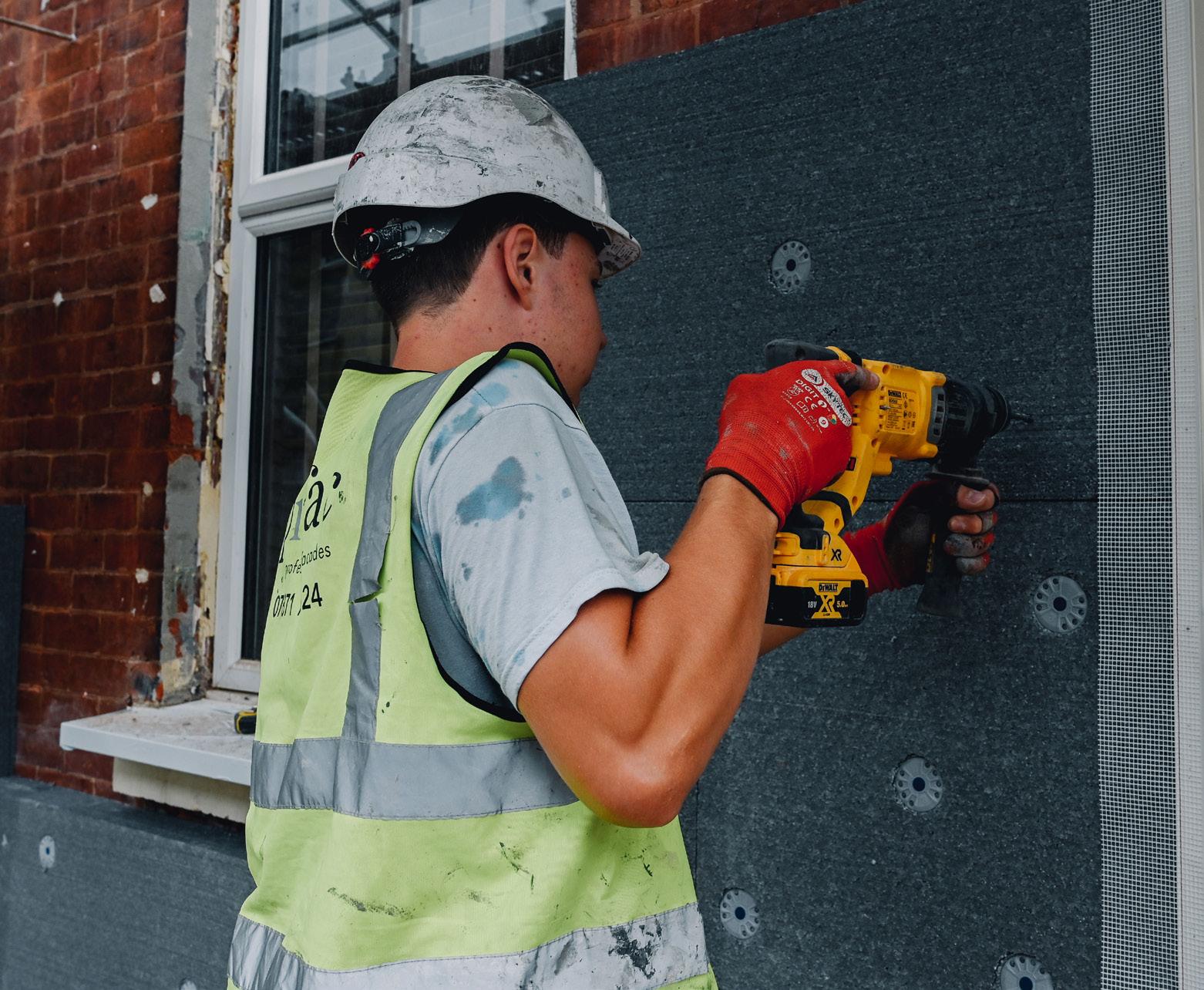
Two phases of work are now complete, replacing the failed external wall insulation on 45 properties to a high standard.
The objective is to make sure householders end up with safe and warm homes, and peace of mind. We have also worked extensively with local people to regain their trust in retrofit. A full technical and social evaluation of the project is underway and will allow us to communicate lessons learned.
VOICES FROM THE FRONTLINE

Taz Ali, NEA Resident and Community Liaison Officer
'Our vision is to ensure that the householders we are working with in Fishwick remain fully informed and consulted on the retrofit works being undertaken in their hometheir safe place. Due to the ‘sensitive’ nature of their experiences with retrofit work in the past, National Energy Action has had to engage with the community to build relationships and understand their concerns. The key learnings to share from this process are:
■ It is crucial to know your community – build trust, listen, and reassure.
■ Be local, remain local – have a local presence, employ members of the community, and work with community-based partnerships
'We saw my mum’s health improve. After having this work done in the house, you know, she walks inches taller now, if you get what I’m saying, you know, she’s really proud of her house now.'
Daughter of a Fishwick resident whose home was rectified by National Energy Action.
■ Remember that each household has different challenges – keep regular contact, pay visits, be flexible, consult and inform.
■ Manage expectations – hold community events, build long-term relationships, act on feedback and have an ‘open door policy’.'
CLIENT
BRINGING PEOPLE TOGETHER THROUGH FUNDRAISING AND VOLUNTEERING
In 2023-24, over 521 volunteering hours were spent supporting the packing and distribution of our Winter Warmth Support Packs to vulnerable clients from corporate supporters new and old. The packs are a great tool for our advisers as they can offer them to clients that need immediate help or for those that have no other options.
Over 4,000 households received a winter warmth support pack last year.
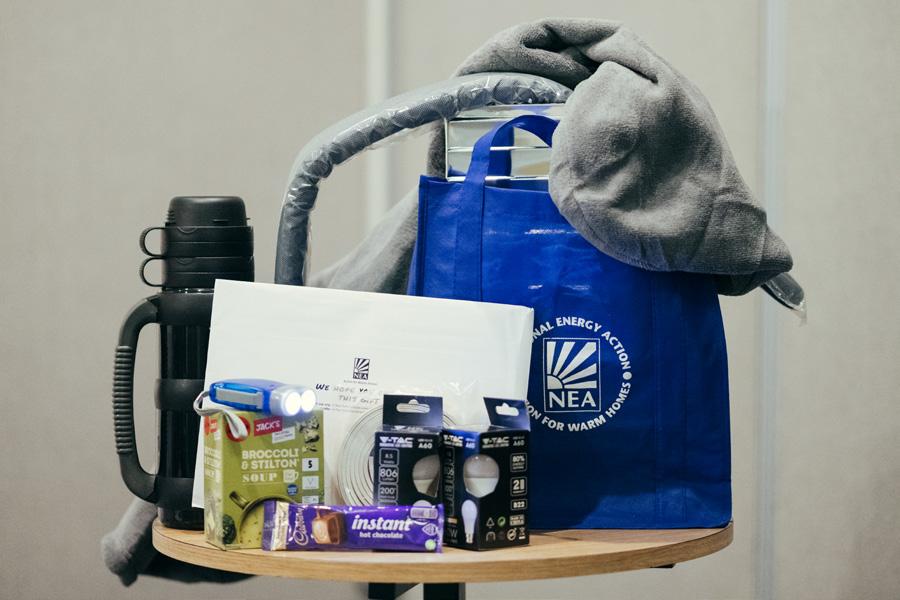
The packs are worth approximately £52.50 and come in a large tote bag. They contain a mixture of comfort, energy efficiency and information items:
■ Two low-energy bulbs
■ Radiator foil roll and adhesive stickers to install
■ E-tape draught excluder
■ Door draught excluder
■ Instant soup
■ Hot chocolate sachets
■ 1 litre flask
■ Wind-up torch
■ A wearable blanket
■ National Energy Action Home Energy Checklist and Electricity Consumption in the Home leaflet
■ Two thermocards
'No one has ever helped me before. I live on my own, and so I, like thousands of others, who are still working to make ends meet. This box was really a huge help. Thank you.'
As well as our core fundraising campaigns and events, this year we launched our first Operation Warmth campaign, a month-long campaign in December to encourage donors to give the gift of warmth at Christmas.
We also held our first dedicated fundraising event, Walk for Warmth, a 5k walk through Newcastle (and other areas across the UK) to engage supporters in both fundraising and public awareness.
'I was pleasantly surprised to receive the box of goodies, couldn’t believe my eyes when I saw what was inside it. Totally overwhelmed, even a tad emotional. My daughter took everything out of the box and laid them all out on my sideboard. You had thought of everything; torch, hoodie, draught excluders, light bulbs, cuppa soups, hot chocolate, flask etc.. It is such a wonderful thing you are all doing, and I would seriously like to thank you, and carry on your good work. The kindest of regards.'
IN TOTAL, THIS YEAR
216 fundraisers took part in events for National Energy Action
58,950 steps achieved
2,626 miles covered
CLIENT
'I wanted to personally send an email to thank you and NEA for sending me the warmth pack. It has helped me incredibly. The warm hoodie blanket especially has helped me keep warm at night, for someone who can’t move as much due to health this has honestly been a life saver.'
SUPPORT GUARANTEED
SETTING AND RAISING INDUSTRY STANDARDS ON ENERGY ADVICE PROVISION
We trained over 7,800 professionals and advisers.
We educated 1,300 school children 98% of learners were satisfied with their course Learners with a good or excellent level of knowledge increased from 24% before their course to 96% afterwards
Last year National Energy Action provided a range of capacity-building training courses and formats, continuing to set and raise industry standards on the provision of energy-related advice and support. This enhanced households’ ability to access consistent, standardised support that meets recognised quality standards.
On average, our learners provided advice to 16 households per week, extending the reach of our standardised energy advice to over 6 million households over the year. Subjects covered included:
■ Using Energy in the Home (Level 1, NCFE)
■ Fuel Debt Advice in the Community (6281-16, City & Guilds, Level 2)
■ Introduction to Domestic Renewable Low Carbon Technologies (Level 2, NCFE)
■ Energy Awareness (628101, City & Guilds, level 3)
■ Decarbonising Homes: Technologies, Impacts and Solutions (NCFE, Level 4)
■ 12 introductory courses, including on: fuel poverty, energy efficiency, behaviour change, health, vulnerability,
paying for fuel, energy crisis, smart meters
■ New bitesize learning options
This included the launch of a new NCFE Level 1 course and qualification ‘Using Energy in the Home’ qualification, a bitesize mobile phone-friendly Vulnerability e-learning module, an extended range of digital learning products as well as water and energy efficiencyrelated learning products and partnerships.
Learners were able to access content via:
■ Webinar
■ E-learning
■ Face-to-face
National Energy Action’s Training and Assessment team also focused on the development of new relationships with partners
that are not predominantly in the energy sector, including colleges, HMP prisons and supporting organisations, universities and other education settings.
The training that we provided improved knowledge and skills, and informed strategic planning and practical delivery of services:
■ 98% of learners were satisfied with their course.
■ Learners with a good or excellent level of knowledge increased from 24% before their course to 96% afterwards.
'A lady asked about grants out at the moment and I looked at my notes and mentioned what I had learned in the webinar.'
We continue to hold the BSI ISO:9001 standard in training excellence.
TRAINING SPOTLIGHT CECIL ROAD PRIMARY SCHOOL, GRAVESEND
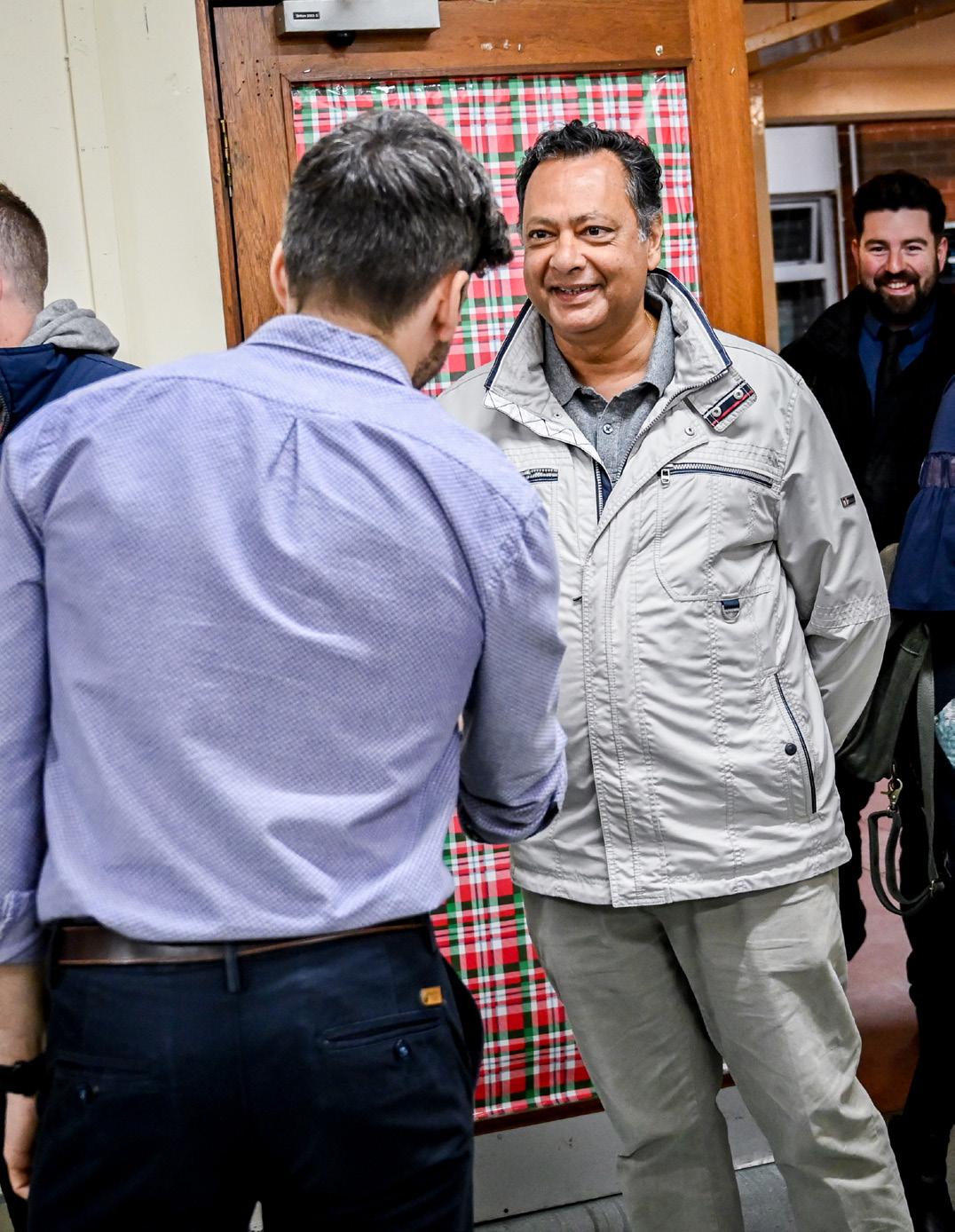
Our training team worked with pupils spanning years 3, 4, 5 and 6 by creating age-appropriate workshops and assemblies that introduced the work of National Energy Action, how to keep warm at home and how to avoid electricity waste. Through these sessions and assemblies, 200 children were supported to better understand fuel poverty and how it may relate to them.
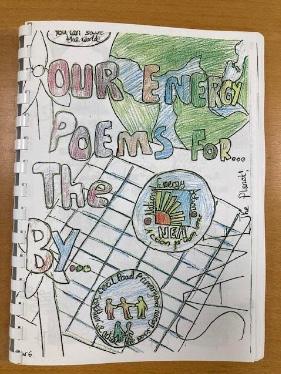
In line with curriculum coverage, year 6 classes wrote poems about renewable energy and cold homes. They planned to sell the poetry volumes to raise funds for National Energy Action.
We also ran an optional drop-in for parents who may want confidential energy advice on how to manage their bills.
WEBINAR SPOTLIGHT ENERGY ADVISER BOOTCAMPS
Our webinar-based ‘Energy Adviser Bootcamp’ series began in October 2023 to provide the sector with up-to-date knowledge and information, as well as highlight our available training and education offer. The first session encouraged preparedness for winter, with information on the energy crisis; how to reduce bills; available schemes and measures programmes; and a deeper dive into tackling fuel debt with clients. We also had external support to deliver a mindfulness and well-being session to promote resilience during the difficult winter delivery months.
Nearly 1,500
professionals across the sector attended.
'I will create an energy advice guide for myself and colleagues to consult when discussing energy with tenants.'
Our second bootcamp, held in March 2024 focused on renewable technologies, changing energy-related behaviours and best practice for delivering advice in the community. The session was also attended by two BSL interpreters to make sure the content was accessible.
Over 650 professionals attended.
'I’ll have more confidence now when reaching out.'
DELEGATE
'Definitely found this the most interesting webinar I have ever attended - both for content and delivery. I have pointed colleagues into the direction of the recording on YouTube as I feel it’s worth them listening to the session.'
DELEGATE
'It gave me lots to think about how to present our advice in a more positive way.'
ENABLING LOCAL SUPPORT THROUGH OUR GRANTS PROGRAMMES
Reaching into the heart of communities over winter
uring the winter of 202324 National Energy Action ran a successful community events grant scheme. Through this, organisations could apply for funding to deliver an event in their local area in support of one of our winter campaigns (Fuel Poverty Awareness Day or The Nation’s Biggest Housewarming).
Through this programme, we provided small grants of up to £250 to 57 charities and community groups across England and Wales. Each used their funding to deliver householder-focused community events, providing information and advice directly to 1,477 vulnerable householders, preparing them for winter and helping people to keep warm and well. These events were able to reach people with a cross-section of vulnerabilities.
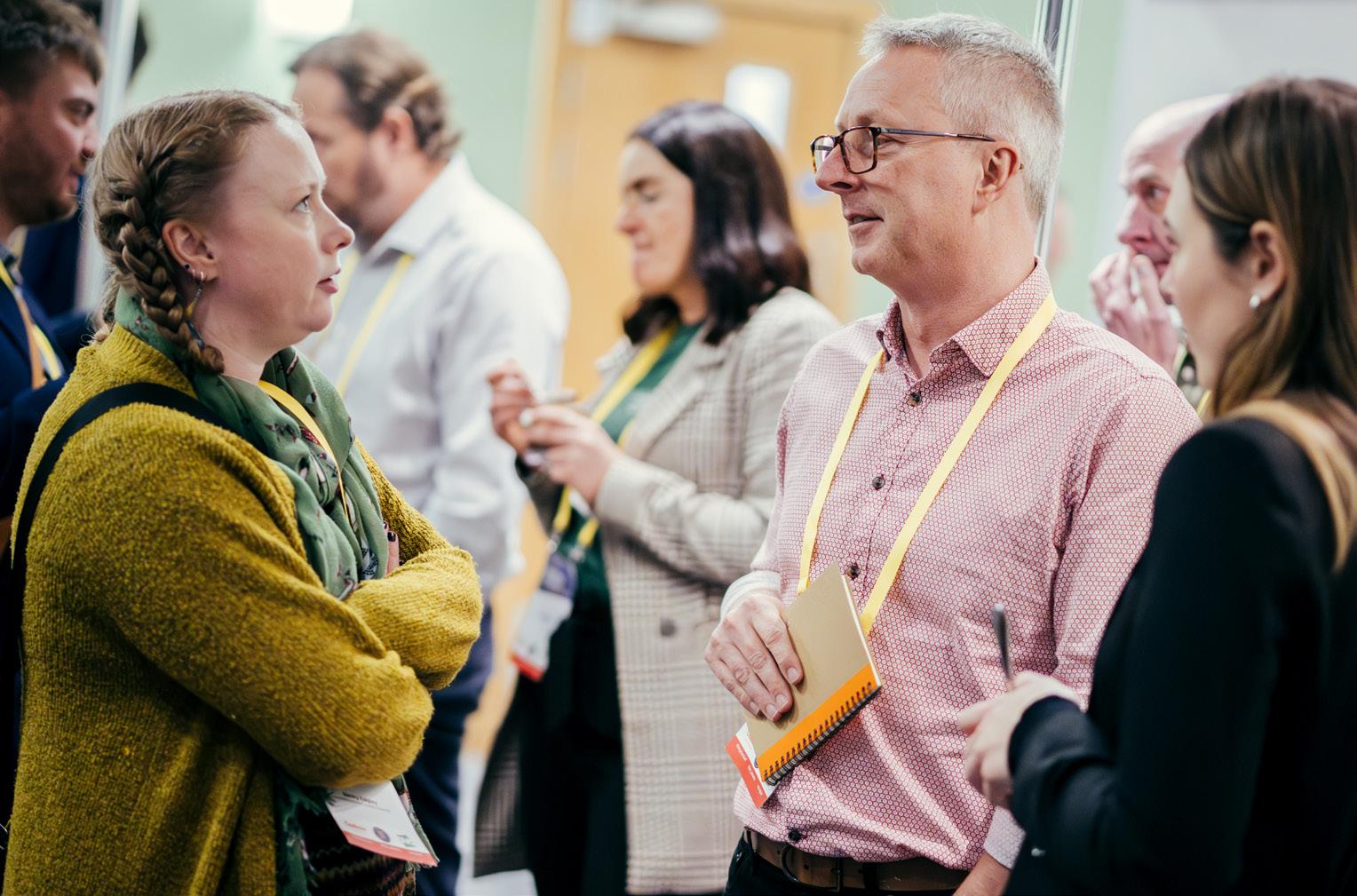
'The main outcome was that attendees were more aware of the help and support that can be provided to people facing fuel poverty or having issues with their heating; and more confident to share this information with others.'
In addition to the funding, National Energy Action provided support and collateral to these organisations. This included a digital poster to help promote their activities and PowerPoint slides featuring energy efficiency advice and available support for householders who were concerned about their fuel bills.
'The energy open day was very successful. This is the first open event that we have held since before the pandemic.'
DELEGATE
'Great outcomes. I was able to inform many people about resources they could use to drive their bills down and keep their houses warm.'
GRANTEE SPOTLIGHT: HEALTH AND WELLBEING FORUM, WARMINSTER:
With National Energy Action funding, this event was able to:
■ Showcase a range of services available to help people stay warm
■ Focus on better energy and money management
■ Address the barrier of digital exclusion in preventing people from acting on advice given digitally
■ Provide a warm space
with free refreshments and the opportunity to chat informally about other barriers to better energy management
■ Allow service providers to make useful contacts and encourage greater collaboration
■ Engage the local council and provide more information on recently agreed council support for those in need
Ensuring everyone has access to the smart meter advice and support they need ENABLING BEST PRACTICE THROUGH BLUEPRINTS AND GUIDELINES
Since 2016, National Energy Action has been working with Smart Energy GB to lead and deliver the Smart Energy GB in Communities programme. This work involves administering grant funding to organisations from the voluntary and public sector to deliver their own smart meter projects and support to people in vulnerable circumstances. This means we’re able to work with trusted, expert organisations across the country to ensure people understand the benefits of smart meters and how they work. The programme continues to demonstrate the positive and meaningful impact of direct, face-toface engagement with vulnerable consumers.
In 2023-24, the Smart Energy GB in Communities programme funded 38 organisations across England, Wales and Scotland to deliver smart meter advice to people on a low income, carers and people lacking basic digital skills.
Our team provided smart meter e-learning and regular support to each project, helping staff to feel confident and equipped to answer their clients’ queries about the rollout and dispel any myths or misconceptions.
Retrofit and technological approaches that put vulnerability first:
ncreasing engagement with retrofit is one area where we can help fuel poor households get the support they need.
I
Our work in Fishwick, Preston, has taught us that:
■ Improving the energy efficiency of an existing home can be complex, disruptive, and expensive.
■ The benefits are not always clearly understood by the occupants.
■ Effective community engagement is needed, alongside retrofit work.
■ Householders need support through the process of deciding what work will be most beneficial, as well as through the process of work being carried out.
■ Support needs to come from someone they feel they can trust.
In 2023-24, National Energy Action began developing a pilot programme to provide trusted support within local communities, and to better understand from fuel poor householders what they need to give them the confidence to fully engage with retrofit programmes. It is also essential that technologies installed through retrofit programmes are usable and deliver the benefits promised.
Our technical research work last year focused on evaluating the suitability of products and systems for fuel poor or vulnerable households. We published:
■ A heat pump provision and installation guide for local authorities, housing associations, manufacturers, installers, and others who are working in fuel poor homes. It identifies
the main challenges that fuel poor households might experience during their heat pump installation journey and shares existing best practice solutions.
■ A report looking at the long-term performance of solar PV systems installed on socially rented properties. The report identified issues which may result in lower performance. It considered factors which affect the electricity generated from solar panels and the most common faults that can develop.
■ A smart solar project looking at the addition of battery storage to socially rented bungalows with solar PV. The evaluation assessed resident satisfaction with the installation and whether it led to a change in how they used electricity. The report showed the importance of having sufficient resident engagement and that this should include:
● A good explanation on the day of installation and advice on how to maximise the benefit from the battery
● An information leaflet to be stored with the battery
● Some form of monitoring, either with a display on the battery or an app
● Follow-up with the households after a maximum of one year to check their understanding and to provide information on their savings
● A solar help sheet
ENHANCING THE REPLICATION OF BEST PRACTICE THROUGH RESEARCH
PROJECT SPOTLIGHT: CUSTOMERS IN VULNERABLE SITUATIONS AND COMMUNITY RESILIENCE
Last year National Energy Action worked with Northern Gas Networks (NGN) to:
■ Identify how we currently understand vulnerability
■ Forecast short-term and long-term risks to community and customer resilience
■ Identify current network
activity to support customers and communities
■ Recommend how networks can provide the most appropriate support for vulnerable members of society during the energy systems transition
The research led to a
greater understanding and awareness of how some utility stakeholders have begun to take a ‘vulnerability-first’ approach to strategic planning and operational delivery and provides insight as to the kind of services that utilities and their partners should consider.
PROJECT SPOTLIGHT: WARM HOMES FUND EVALUATION
AND THE DEEP BLUEPRINT
Together with Newcastle University and Energy Audit Company, National Energy Action published a threeyear evaluation of the Warm Homes Fund, one of the largest fuel poverty programmes to be delivered in Great Britain. The research found that the project had delivered energy bill savings of over £10 million – or £922 per household and generated £1.34 spending in the wider economy for every £1 invested in the fund. Targeting low-income households was
found to produce a larger economic impact than if the funding had been targeted at middle-income households.
The research:
■ Underlined the vital role of investment in energy efficiency and advice support to households struggling to keep warm, safe and well at home
■ Produced a detailed blueprint for the future design and delivery of fuel poverty and energy efficiency programmes
ADVOCATING TO ENABLE WIDER ACCESS TO THE RIGHT SUPPORT
Over the last year, we have more intensely briefed parliamentarians across Westminster and the devolved nations to ensure that their case workers are appropriately informed to provide a good level of support to their constituents who come to them for help with energy matters.
We have advocated to ensure the needs of fuel poor households across the UK and within each of the devolved nations are at the heart of policy decisions and the public policy debate. We are frequently engaging with national and local government, ministers, the Senedd, the Northern Ireland Assembly, elected representatives, regulators, industry, media, and campaign partners.
We successfully advocated for changes in the regulatory environment for energy suppliers to improve customer service. This has led to a new consumer standard for energy suppliers which:
■ Increases the ease of contacting suppliers
■ Requires suppliers to be more proactive in helping customers struggling with their bills
■ Compels suppliers to publish information on their Citizens Advice star rating performance
A decade on from Northern Ireland’s previous Fuel Poverty Strategy, our campaigning helped secure a commitment from the Department for Communities to introduce a new strategy in Northern Ireland. As part of this process, National Energy Action is a member of The Fuel Poverty and Just Transition Strategy Reference Group, which is working collaboratively with officials throughout the development of the strategy.
In June 2023 National Energy Action, along with the Fuel Poverty Coalition members, outlined a set of principles that the future strategy should take into account. These were:
1. Help the worst first
2. Prevent postcode lotteries
3. Embed an emergency response
4. Be collaborative and transparent
5. Embrace a just transition
6. Develop long-term and future-proof policies
7. Support a fabric-first approach
We also recommended that the strategy adopt three statutory targets, culminating in there being no households in Northern Ireland living in fuel poverty and no low-income or vulnerable households living in a home with an energy performance rating lower than Band C, by 2035.
Securing funding to directly deliver support
National Energy Action has had another successful year in securing key funding to allow us to continue our valuable work to support those most in need. We have both grown our existing partnerships and developed new ones to allow us to deliver large-scale advice and training programmes targeted at vulnerable households across the country. We have had a specific focus this year on marginalised communities and ensuring our delivery style and services are fit for their varying needs. We remain overwhelmed by the generosity of the general public, who continue to donate their own money to support those less fortunate. Donors have given greater amounts, given more frequently and embarked on challenges all in aid of supporting people in fuel poverty. This income continues to allow National Energy Action to go above and beyond for our clients and to deliver programmes of work that are outside the realms of our usual output-driven activities.
A DECADE OF DELIVERY
CAMPAIGNING TO PUT PLANS, GUIDANCE AND TARGETS INTO ACTION O
ur Fuel Poverty Monitor 2023-24 focused on the costs and benefits of meeting energy efficiency-based fuel poverty targets. It found that while it would cost around £18 billion to meet the statutory fuel poverty target for England, the value of doing so would be twice the cost. We released the report in January with a webinar that over 900 individuals have viewed, alongside a press release that was covered exclusively in print in The Guardian and on broadcast in Radio 4’s You and Yours.
We continued to campaign for a fair and affordable transition to net zero. This has resulted in commitments from all the main Westminster political parties to fund billions of pounds of energy efficiency schemes aimed at fuel poor households in the next parliament.
Additionally, our campaign to introduce a social tariff has received a recommendation from the Energy select committee in Westminster and has been repeatedly raised in parliament and the media.
CHANNELING INSIGHTS TO SECURE ACTION AND ENGAGEMENT
Last year National Energy Action participated in multiple boards, advisory panels, stakeholder working groups and coalitions that allowed us to channel essential insights to the most appropriate decision-makers. These included:
■ All Party Parliamentary Group on fuel poverty and energy efficiency
■ The Green buildings NGO forum, organised by E3G
■ The Energy Efficiency Infrastructure Group (EEIG)
■ The Association of Local Energy Officers (ALEO)
■ The London Fuel Poverty Partnership
■ The Cardiff Affordable Warmth Partnership
■ The End Fuel Poverty Coalition (EFPC)
■ IEA Users TCP Task 24 Hard to Reach Energy Users
■ Durham Energy Institute Board
■ Wales Anti-Poverty Coalition
■ End Child Poverty Coalition
■ Wales Fuel Poverty Advisory Panel
■ Wales First Minister’s Expert Group on the Cost-of-Living Crisis
■ Senedd’s Petitions Committee inquiry into the impact of the PPM scandal in Wales
■ Senedd CPG on Fuel Poverty and Energy Efficiency
■ Fuel Poverty Coalition Cymru
■ Gas Distribution Network Customer Engagement Groups (CEGs/ISGs)
■ Smart Meter Customer Reference Group
■ Northern Ireland Fuel Poverty Coalition
■ Northern Ireland Anti-Poverty Network
■ Cliff Edge Coalition NI
■ Fuel Poverty and Just Transition Strategy Group (DfC)
Through our insights, National Energy Action helped key stakeholders in 2023-24 to understand and respond to customer needs.
We conducted call listening with corporate partners and presented frontline delivery findings to Ofgem and DESNZ. National Energy Action also continued to actively work alongside industry, government and the regulator to ensure the smart meter rollout is delivered with the interests of all consumers at its heart, in particular low-income households or those in vulnerable situations. National Energy Action participated in the Consumer Reference Group, sharing insights from our advice team and consumer case studies. The group is a forum set up under the Smart Metering Implementation Programme to provide advice, share good practice and, where appropriate, solutions to mitigate consumer journey challenges arising from consumer experiences in the smart meter rollout.
CLIENT
'We were seeing significantly less of one another as we opted to spend more time in our own rooms under the duvet to keep a bit warmer, instead of spending time together in the cold living room.'
Over September and October 2023, National Energy Action commissioned Lucid Talk to carry-out a Northern Ireland-wide attitudinal poll. The results showed that at least 41% of the respondents were in fuel poverty.
'Living in a freezing cold house, counting the hours until you can switch the gas on for an hour, means that you forgo activities such as reading and exercising.'
'I spent part of last winter going to bed at 6 or 7pm, and not getting up until about 11am.'
National Energy Action was able to channel polling insights directly to policymakers in Northern Ireland.
In 2023, National Energy Action came together with partners (including Advice NI, Atlantic Technological University Sligo, NI Community Energy (NICE), Co-operative Alternatives and Drumlin Wind Energy Co-operative) to develop a community-led climate action project. This would seek to promote the ‘Sustainable Energy Community’ (SEC) model throughout Northern Ireland as a dual solution to the extreme levels of fuel poverty facing the region, and the clear need for individuals and communities to reduce their carbon emissions in line with net zero targets. In January 2024 we were awarded a National Lottery grant to help roll out the SEC model - this is broadly defined as a community where everyone works together to develop a sustainable energy system for the benefit of the community, achieved through energy efficiency, using renewable energy where feasible; and adopting smart energy solutions.
CLIENT
'We have stopped having guests and visitors due to embarrassment of the cold home.'
EVIDENCING THE CASE FOR
ENGAGING IN PARLIAMENT
ational Energy Action provides the secretariat for the All Party Parliamentary Group on fuel poverty and energy efficiency. Over the last year we have organised five events for the group, including:
■ The AGM, where Ben Lake MP was elected as chair, and the officers of the group confirmed.
■ A dinner with the Sustainable Homes and Buildings Coalition, providing an opportunity for parliamentarians to engage directly with some of the organisations driving change in the energy efficiency space.
■ A dinner with the Cadent Foundation, exploring how charities, businesses and parliamentarians can work together to support those struggling with their energy bills.
■ A meeting with academics from the University of Bristol, considering new research into the lived experiences and behaviour changes made in homes as people sought to reduce their energy bills in the winter of 2022-23.
■ A drop-in with Ofgem to help parliamentarians better understand their work and remit.
Additionally, we have held several events in parliament separate to the APPG:
■ A parliamentary drop-in ahead of Fuel Poverty Awareness Day, which resulted in five oral questions in parliament.
■ Our House of Lords reception on Tuesday 19 March brought together over 100 supporters and was an opportunity for us to share our work. Baroness McIntosh and Amanda Solloway, MP, Minister for Energy Consumers and
Bringing key actors together through National Energy Action conferences and Fuel Poverty Forums
National Energy Action national and Wales conferences:
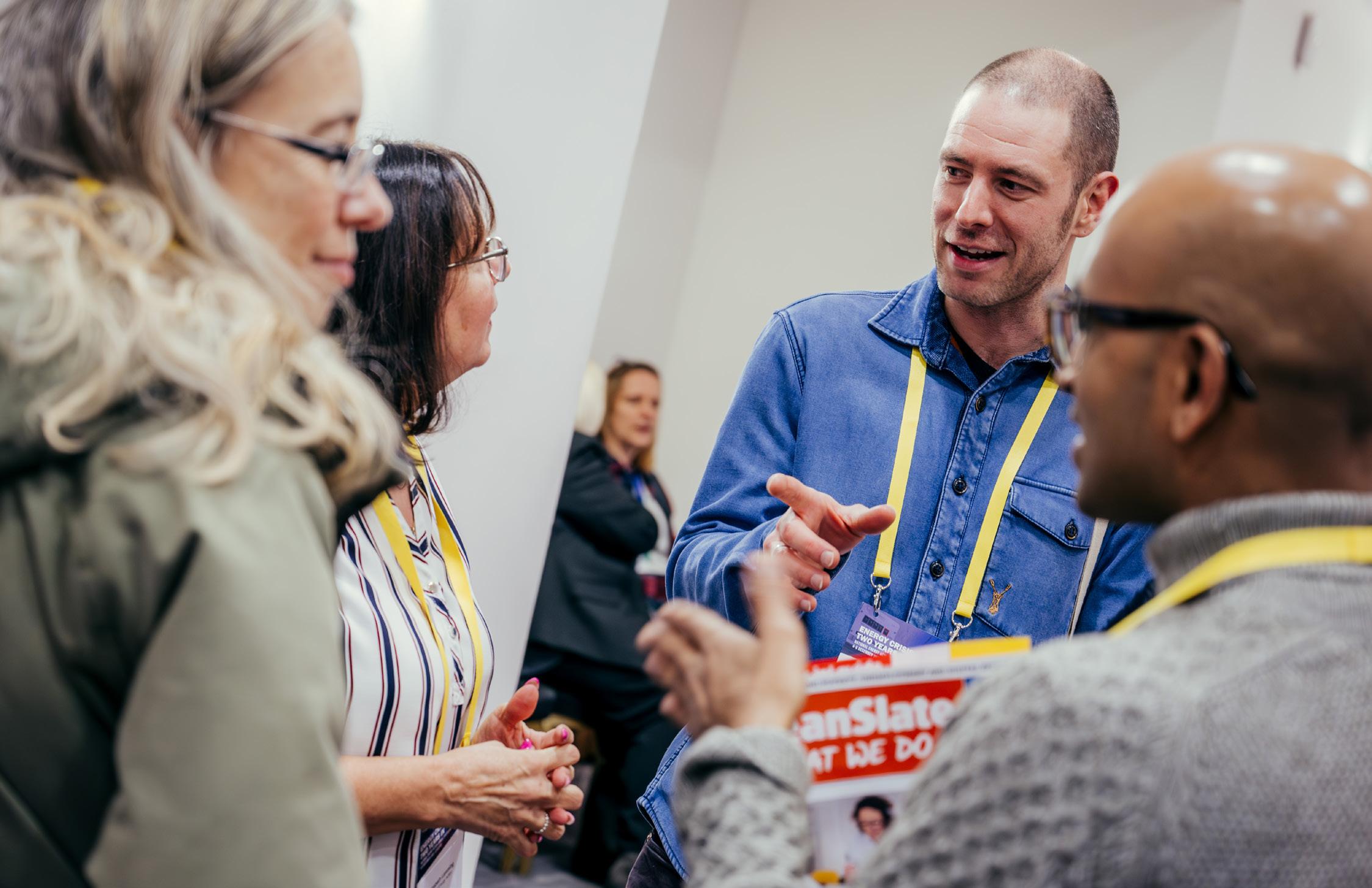
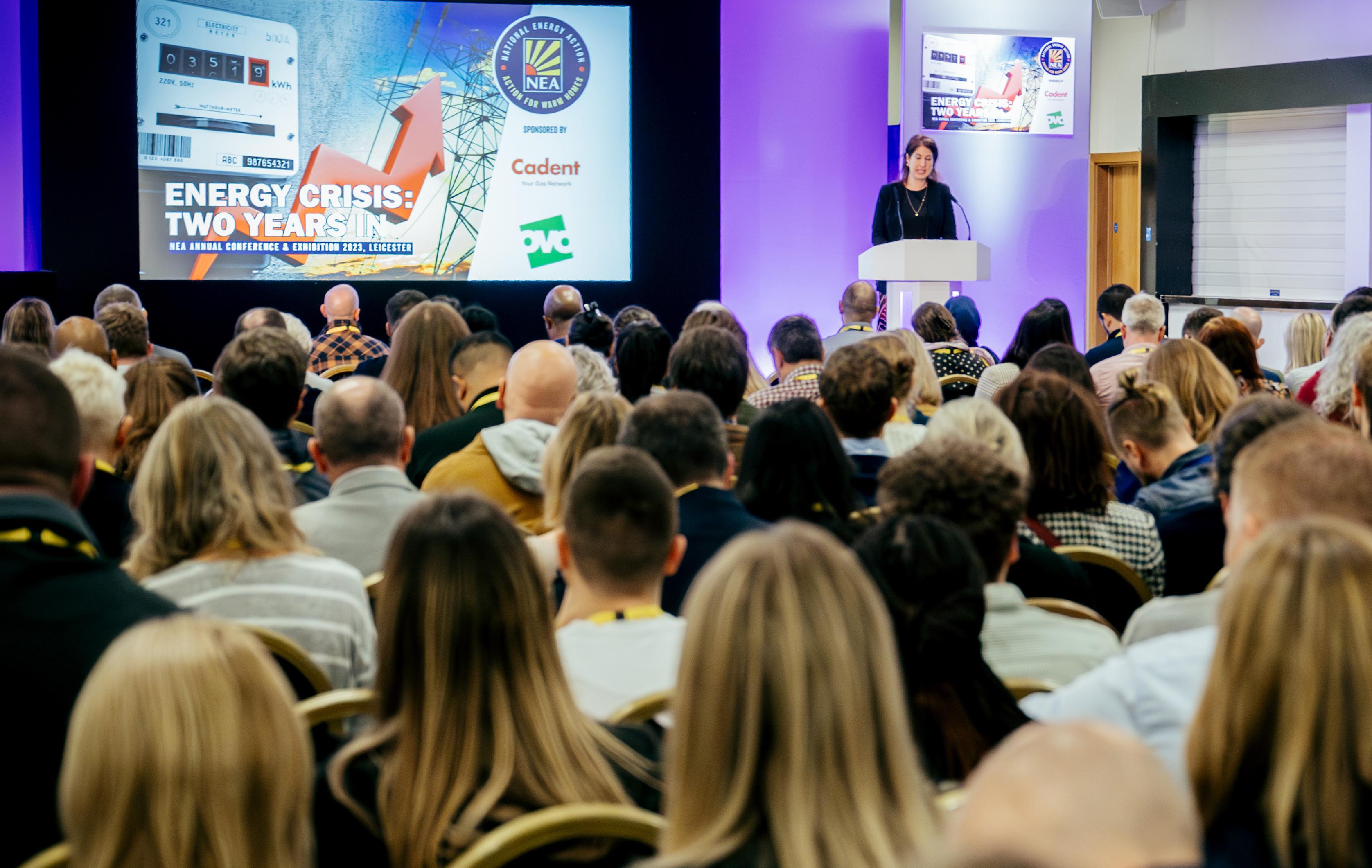
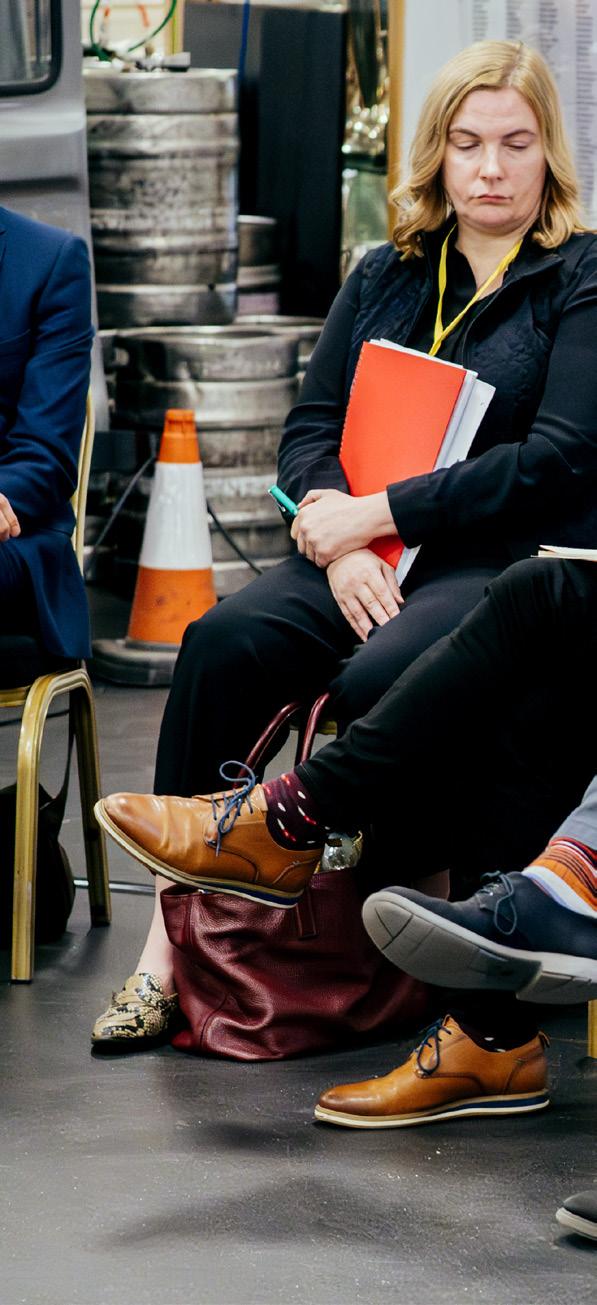
In December 2023 we held our national conference in Leicester, with over 350 registered delegates and 28 organisations exhibiting.
'I was left feeling that I was not alone and confirmed the way that we are doing things correctly here.'
We brought together stakeholders from all sectors with an interest in fuel poverty
Affordability both spoke about the importance of tackling fuel poverty.
■ A Fishwick parliamentary event at the House of Commons, hosted by Sir Mark Hendrick, the MP for Preston.
In our role as Secretariat for the Northern Ireland Fuel Poverty Coalition we led on the development of a new Coalition report, in collaboration with the Coalition’s membership, aimed at influencing the next iteration of the Northern Ireland Fuel Poverty Strategy. The report was formally launched at an event in October 2023, attended by over 70 key stakeholders from across government and private, public and voluntary sectors.
and energy efficiency to discuss and debate the best ways to address the current energy crisis, two years in. We heard from the people still being affected, and welcomed Minister Amanda Solloway MP, in person, to address our audience in a keynote speech.
'I was able to go away with a better understanding of on-theground realities when it comes to retrofitting and fuel poverty experiences.'
We sent 98 tweets over the three-day period, with the hashtag #EnergyCrisisConf, which received 41,200 impressions and our posts on LinkedIn reached 2,900 accounts.
'Through a question asked at a panel with Ofgem, I have been able to start a project with two other charities, who I would
not have known to reach out to if it was not for the conference.'
'I met like-minded people and was able to use lived experience to give advice on connecting with communities'.
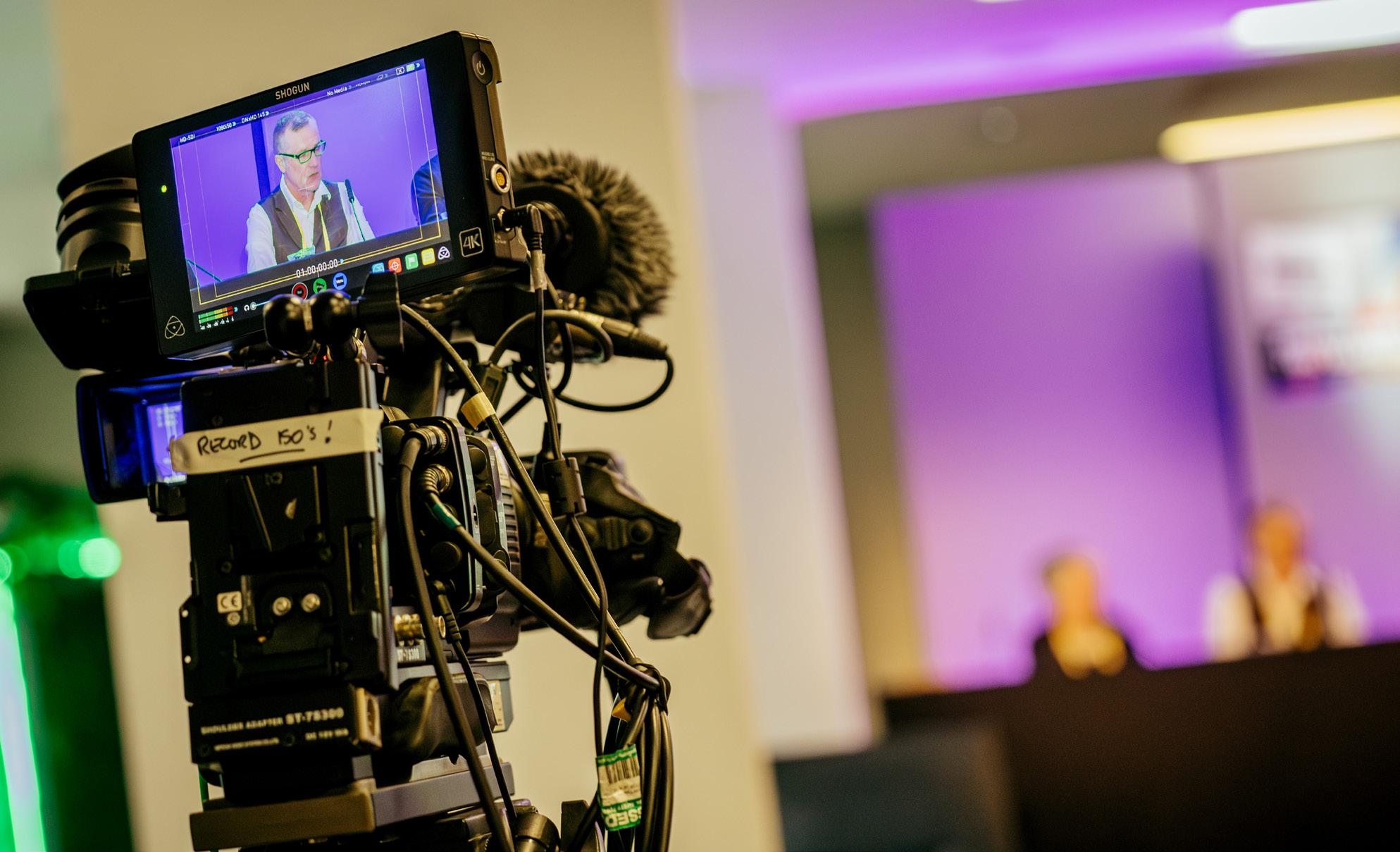
The National Energy Action Cymru Annual Conference‘Energy Crisis in Wales: Two Years In’ took place in March 2024 in Cardiff with over 150 delegates attending.
'Inspiring talks, networking opportunities and developed understanding of fuel poverty. We also do not feel alone in tackling this issue.'
The day-long conference included a variety of high level speakers and representatives, it provided a forum to discuss the ongoing fuel poverty crisis, and it offered the chance for attendees to inform future policy and practice.
ACTION THROUGH EVENTS
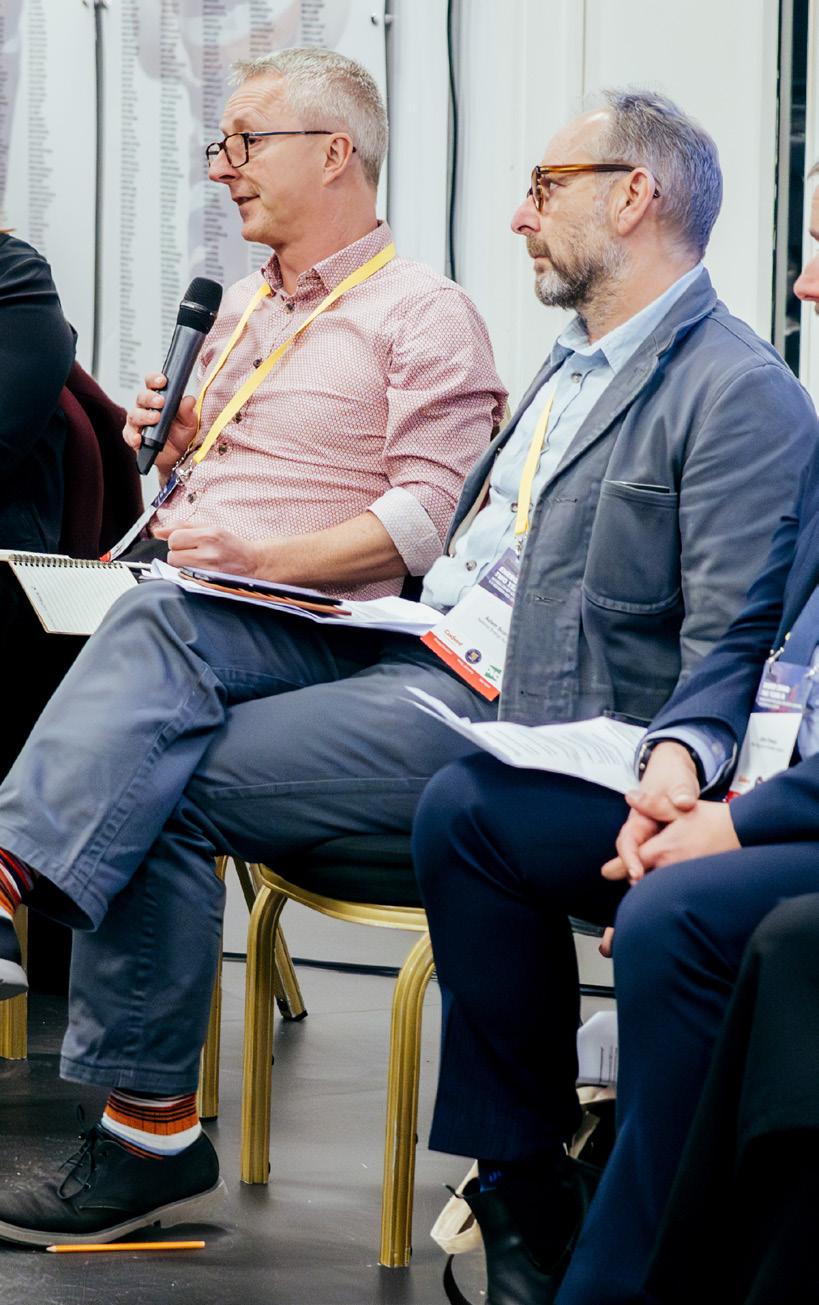
'Linking with services who are delivering similar schemes across Wales is invaluable. Their wealth of knowledge and reach makes future partnerships exciting.'
The conference explored views from the frontline; the health impacts of living in a cold home; the needs of renters in Wales; ensuring a fair and affordable energy market for fuel poor households; and making fuel poor homes fit for the future as part of a fair transition.
'A diverse range of speakers attended the event, giving a well-rounded view of the situation from different perspectives.'
100% of evaluation respondents were either ‘satisfied’ or ‘very satisfied’ with the National Energy Action national and Wales conferences overall.
FUEL POVERTY FORUMS
For decades National Energy Action has delivered our Fuel Poverty Forums in each region across England and in Wales. These free events are aimed at frontline service providers, to examine practical and policy initiatives related to fuel poverty and delivering energy efficiency solutions at a local, regional and national level. The regional forums are also an opportunity to showcase innovation, good practice and promote dialogue and discussion on a wide range of sectoral issues to help National Energy Action shape policy developments and campaigns.
'Forums like this allow us all to keep updated on policy and the work of other partners. It is invaluable for sure!'
together and join services to provide the best support for households in need.'
During 2023-24, over 500 stakeholders attended our forums. Attendees heard about the latest policy developments and had the chance to discuss pertinent topics such as:
■ Ofgem’s Code of Practice for the installation of involuntary prepayment meters
76% of attendees rated the forum they attended as excellent
Before the forums, knowledge was low/below average for 35% of attendees Afterwards, 96% of attendees had high/above average knowledge
We were thrilled to be able to hold our forums in person once again during 202324, following the shift to online events during the Coronavirus pandemic. Being able to meet with our stakeholders, members and partners again was fantastic, and brought home the importance of working collaboratively and in partnership.
'The networking at in-person events is invaluable to both small and large organisations. It also allows for agencies who may see each other as competition to come
■ Digital exclusion and accessibility
■ Energy efficiency retrofit challenges and solutions
■ Practical challenges/ barriers when delivering energy advice
■ DESNZ local energy advice demonstrator programme
■ Energy Ombudsman services to support consumers
■ Updates on fuel poverty in Wales
■ The Warm Homes Programme
■ Funding opportunities via the EST Redress Scheme
■ Supporting vulnerable communities
'I find it much better learning from people directly. It is much more impactful and also provides opportunity for questions and networking.'
'It is incredibly beneficial to have representatives there from National Energy Action so we can feed local challenges into their national campaigns and research.'
COMMUNICATING TO BUILD CAMPAIGN SUPPORT
In 2023-24, National Energy Action enhanced our communications outcomes across events, traditional and social media as part of our bigger voice workstream.
WE HAD: 62% increase in print and online mentions with 7,854 articles, quotes and op-eds
1,677 broadcast appearances and mentions
A total of 9,531 media mentions and appearances
Added a total of 4,090 social media followers
N
ational Energy Action’s Fuel Poverty Awareness Day on 30 November 2023 had 183 media mentions and was trending fifth on Twitter/X. Thousands of organisations and individuals supported us on the day, which meant that the hashtag had a potential reach of just under 11 million. We shared all content on our Cyrmu Twitter/X account, meaning it was the day with the most social media engagement in Wales too. We engaged elected officials, securing support from nearly 50 MPs, our awareness day was mentioned
in parliament and the CrossParty Group in Wales held in the Senedd that day.
In Northern Ireland, our day with the biggest media reach was the Opposition Day on 16 April 2024, when the opposition proposed a motion on fuel poverty - following extensive lobbying from NEA NI - which passed unanimously. Our Twitter/X post impressions increased 653.5% and we reached 1,322 followers.
Also, for the first time, we featured on Channel 4’s Dispatches, BBC’s Watchdog and and an hour-long Radio 4 Moneybox special.
Driving action on fuel poverty with our membership
National Energy Action’s standard and business supporters’ membership continued to grow in 2023-24 and be a huge support for the charity.
We ended the year with 605 standard members and 46 business supporters. They represent organisations across the energy sector, the health sector, local authorities, housing providers and the charitable sector.
Throughout the year our members were engaged through a variety of means including online spotlight sessions; in-person events like the fuel poverty forums; consultation responses; sharing best practice through our charity magazine Fuel Poverty Focus; and through National Energy Action training courses.
Our business supporters also attended two in-person mini conferences which offered them the opportunity to not only hear from key speakers from the energy sector but to network and develop new partnerships.
We are incredibly grateful for the support our members give us, both financially and strategically but also how they provide us with the opportunity to partner and drive forward our mission to help people in fuel poverty.
ENABLING NATIONAL ENERGY
ACTION’S OWN DECADE OF DELIVERY
In 2023-24, National Energy Action began implementing changes to help enable our own decade of delivery and enhance our ability to consistently support our clients and stakeholders.
We understand that inclusivity and accessibility is not a one-sizefits-all concept. Diversity is our strength and we do as much as possible to ensure that our events and services are as accessible as they can possibly be. Last year:
■ National Energy Action embedded a tool within our website to improve its digital accessibility, called Recite Me, which allows users to change the way that information is presented to best suit their own needs. For example, text size and background colours can be changed, information can be translated into more than 100 different languages or read aloud.
■ We invested in a portable hearing loop which can be used in any venue by hearing aid users, making our events more accessible to participants with hearing loss.
■ Those who use British Sign Language (BSL) as their first or preferred language can now contact
our advice services via SignVideo, a video relay interpretation service which allows BSL users to be supported by our advice team in an accessible way.
■ We also offered an interpretation service via Language Line for clients who wish to access advice in spoken languages other than English.
■ Our staff participated regularly in training on issues such as neurodiversity and mental health awareness.
■ We ensured that our venues were accessible for wheelchair users and people with sight and hearing impairments.
■ We worked with diverse and inclusive event partners and vendors, including those whose corporate social responsibility policies align with our own.
■ We worked to enable event attendees to fully participate in our events.
■ We tried to ensure that our speaker lineups included individuals from diverse genders, races, religions, abilities, cultural backgrounds, and more.
■ Continuously strove to improve our diversity and inclusion offering.
NATIONAL ENERGY ACTION ALSO BEGAN WORK TO:
■ Develop an enhanced Equality, Diversity and Inclusivity strategy
■ Deliver staff training in cyber awareness and anti-fraud
■ Review our business processes and procedures to ensure a more dynamic,
economic and efficient process across all our functions
■ Consistently monitor GDPR compliance via dynamic training for staff
■ Expand key services to efficiently and effectively respond to demand
NATIONAL ENERGY ACTION
National Energy Action, the fuel poverty charity, campaigns so everyone can afford to live in a warm, safe and healthy home. This is something denied to millions because of poor housing, low incomes, and high bills.
Working across England, Wales and Northern Ireland, everything we do aims to improve the lives of people in fuel poverty. We directly support people with energy and income maximisation advice and we advocate on issues including improving the energy efficiency of our homes.
We do not work alone. Partnerships and collaboration have been at our heart for over 40 years, helping us drive better health and wellbeing outcomes for people struggling to heat their homes.
Email:press@nea.org.uk
Web: www.nea.org.uk
NEA is an independent charity, Registration No. 290511. Company limited by guarantee. Registered in England, No. 1853927 Registered office: Level 6, West One, Forth Banks, Newcastle upon Tyne, NE1 3PA Tel: 0191 261 5677
JOIN

Twitter @NEA_UKCharity

Instagram www.instagram.com/nea_ukcharity/

Threads @NEA_UKCharity

Linked In www.linkedin.com/company/national-energy-action

Facebook www.facebook.com/nationalenergyaction