FOCUS FUEL POVERTY
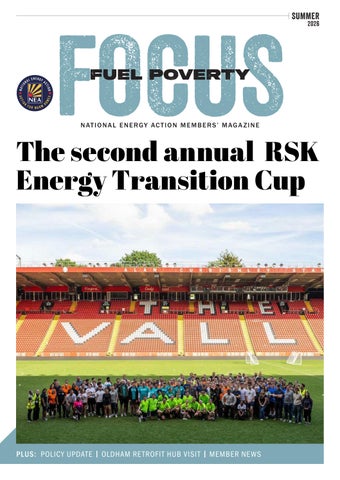
The second annual RSK Energy Transition Cup

WHAT’S IN THIS ISSUE

Following a few months of lower bills from April, July will see bills rise again as the impacts of the US-Israel conflict with Iran are felt in the energy price cap. Too often we see clients still struggling to pay for energy and mired in debt, often forced to ration their energy use. Those households reliant on heating oil have been impacted right from the very start of the war.
Against that backdrop, this edition focuses on where action is most urgently needed ahead of winter. With prices forecast to remain high for the rest of the year, National Energy Action’s Policy team sets out the support needed for fuel poor households, including stronger bill support, action on rising debt and better routes to reach those most at risk. With political change on the horizon, there is an opportunity to secure commitments. We will push for additional support over the coming months, so that households are not left facing the same impossible choices again this winter.
We introduce Warm Start, Healthy Futures, our new programme for families that aims to tackle fuel poverty affecting expectant parents, households with children under five, and schoolaged children up to 16 years old. Complementing this, new research shines a light on the impact of fuel poverty on children.
We reflect on the first phase of Warm Homes, Healthy Futures, drawing out what works when health and energy support are properly connected, and another hugely valuable round of Fuel Poverty Forums, covering Awaab’s Law, the benefits of retrofit and the power of community-led initiatives.
Across the UK, that case is playing out in different ways. National Energy Action NI continues its vital work in advocating for households in Northern Ireland struggling with the cost of heating oil and pushing for long-term solutions to fuel poverty. Following the historic Senedd Election, National Energy Action Cymru reflects on the new government and the challenges ahead.
Read about how households who have been affected by defective retrofit work under the ECO 4 scheme could be eligible for free remediation under Trustmark’s Find & Fix scheme.
Finally, we recognise the continued commitment of our supporters and members. From an exceptional summer of fundraising to the day-to-day work happening across the network, it is this collective effort that strengthens our ability to respond.
We are proud to share the impact that your fellow members are having on communities across the country.
Matt Copeland
Matt Copeand Head of Policy and Public Affairs
National Energy Action

CONTENTS
03: Policy in Focus
The case for stronger support
04: Programmes in Focus Oldham Retrofit Hub and Warm Start, Healthy Futures
07: Research in Focus A Warm Home, A Fair Chance
08: Forums in Focus Our spring Fuel Poverty Forums
09: Lived experience in Focus
When the system fails
10: Nations in Focus Policy in Northern Ireland and Wales' Senedd Election
12: Fundraising in Focus
The RSK Energy Transition Cup and other summer events
15: Remediation in Focus Help TrustMark to find and fix
16: Members in Focus
Heating flexibility and equity and Cadent's The Cold Truth
27: Training in Focus Summer courses and mascot
About Fuel Poverty Focus
Fuel Poverty Focus is the quarterly magazine, produced by National Energy Action, for its members. If you have content ideas for next issue and beyond please email focus@nea.org.uk
Newcastle Head Office
Wellbar Level 8
36 Gallowgate
Newcastle upon Tyne NE1 4TD
Crisis unresolved: price volatility and the case for stronger support
With the price cap rising from July, National Energy Action Policy Analayst James Mabey considers what policy interventions are needed for fuel poor households
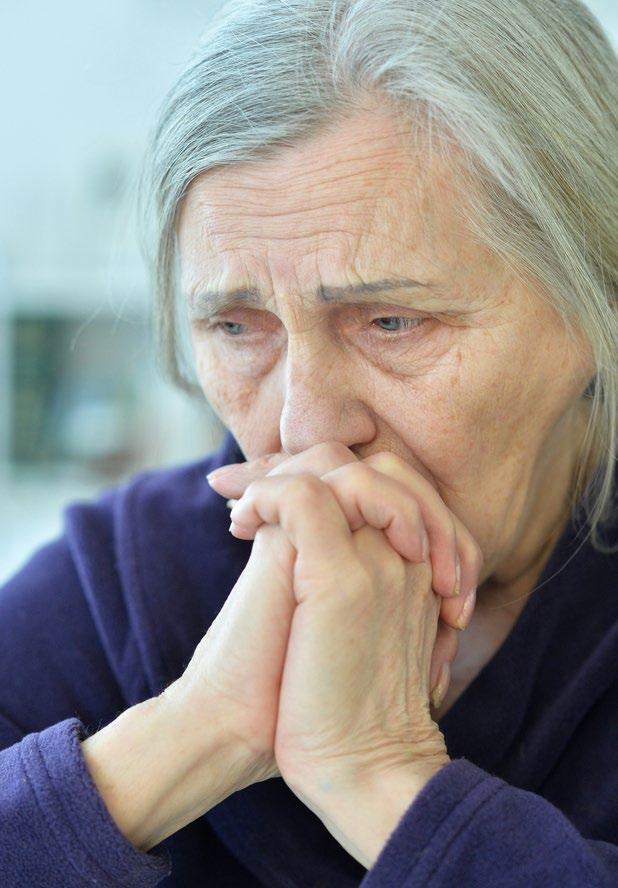
The rise in the energy price cap from 1 July is a reminder that the affordability crisis is not resolved. While prices have fallen from the peaks seen during the 2022-24 energy crisis, they remain far above pre-crisis levels. The latest increase, therefore, comes on top of already elevated bills, not from a position of recovery, and forecasts suggest costs will remain high into the October to December period. For lowincome households already carrying debt, living in poorly insulated homes, or rationing energy use, another rise is a renewed strain on already fragile budgets.
The last crisis has fed into this one
That strain is not felt evenly. Households reliant on heating oil, those supplied through heat networks, and others without a traditional supplier relationship can face sharper cost shocks, often without the protections or support routes available in the traditionally regulated retail market. The support announced for heating oil consumers in the spring is welcome, but it is unlikely to be sufficient if volatility persists. More will likely be needed, alongside support for other households without a traditional supplier relationship and clearer routes through which they can be identified and reached.
Recent months have underlined an uncomfortable truth. The last crisis did not end when prices fell from their peak. Many households have not recovered, and the effects are now visible not just in individual hardship but across the market. Debt has continued to build, under-use of energy has become entrenched, and the costs associated with arrears are feeding back into bills for all consumers. At the same time, support mechanisms have struggled to keep pace with the scale and complexity of need, with flat or narrowly targeted schemes missing many households whose circumstances, health needs, or energy use fall outside standard eligibility routes. As a result, many households are entering each new period of volatility already in debt and with no room to absorb further shocks. Without stronger intervention, these pressures risk becoming embedded, locking in both sustained harm for households and higher costs within the system. Route to resilience and the end of crisis
What is needed now is a more durable approach. Households on the lowest incomes need stronger and more consistent bill support, through an enhanced Warm Home Discount rebate or progress towards a well-targeted social tariff. Government should also go further on debt. Clearing a greater share of historic arrears would relieve immediate hardship for those trapped by crisis-era debt, and it would reduce the debt-related costs currently feeding into bills more widely, delivering ongoing benefits across the system. Alongside this, there is a clear need to strengthen how support reaches those most at risk. Streamlining referral routes for households with young children and those with serious health conditions would help ensure that support is delivered earlier and
more consistently. More broadly, support needs to be easier to access, better aligned with households most likely to face lasting harm from cold homes, and less dependent on narrow eligibility gateways that do not reflect real need.
At the same time, recent volatility is a reminder that households remain exposed to gas-driven price shocks. The local elections showed that cost-of-living pressures remain politically and socially live, even in a fragmented electoral landscape. This should reinforce the case for action that is both immediate and structural: targeted affordability support, debt clearance, and better routes into support for high-risk households, alongside longer-term efforts to reduce household exposure to volatile energy markets.
Summer should therefore be understood as a warning notice ahead of winter, when demand and risk will increase. If the response to renewed volatility remains insufficient, too many households will enter winter already exposed, already carrying debt, and still facing costs that remain overwhelming.
Photo: Shutterstock/ Ruslan Huzau
Oldham Council visits National Energy Action’s Retrofit Hub
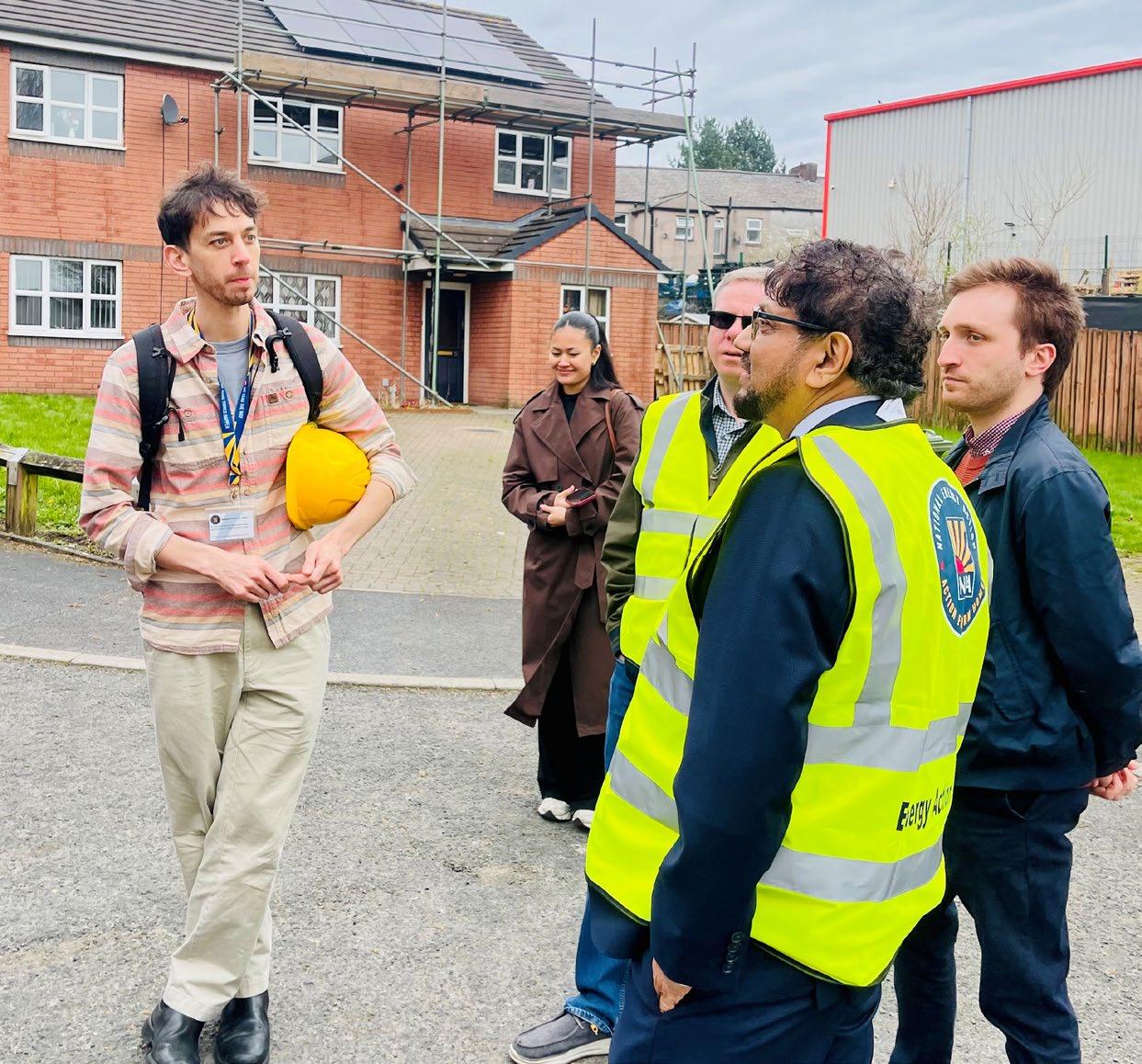
Oldham Council visits National Energy Action’s Oldham Retrofit Hub, showcasing recent achievthe potential for future collaboration
Representatives from Oldham Council recently visited National Energy Action’s Community Retrofit Hub in Oldham to celebrate recent achievements and explore opportunities for future collaboration.
Through the Household Support Fund, Oldham Council has provided funding to the Community Retrofit Hub, enabling the installation of solar PV and battery systems in five local homes. These improvements are helping residents reduce energy costs and increase their resilience in the face of rising energy prices.
A live training session
The visit was attended by Fran Lautman and Councillor Abdul Jabbar MBE. It provided an opportunity to demonstrate the impact of the project to date and discuss how this work could be expanded in the future. Positive discussions took place around the potential for continued support through similar funding arrangements in the next financial year, as well as the possible role of National Energy Action in supporting the delivery of the government’s Warm Homes Plan across Oldham.
During the visit, attendees observed a live training session for frontline staff from the voluntary, community, faith and social enterprise sectors. They also toured local solar installations, met residents, and gained first-hand insight into the benefits these upgrades are delivering.
One notable example came from a recently retrofitted household, where the resident reported that more than 50% of the home's electricity demand was being met by their solar PV system, according to data from their energy monitoring app. Although installation of the property's battery system has been delayed, the resident has already received support to understand how a time-of-use tariff could enable a future 10kWh battery to be charged at lower-cost off-peak rates and used to power the home during peak periods, helping to further reduce energy bills.
The visit highlighted the positive outcomes already being achieved through the partnership and reinforced a shared commitment to delivering further benefits for local residents in the months ahead.
Successes in Burnley and Sheffield
National Energy Action also has Community Retrofit Hubs in Burnley and Sheffield, which have both had similar success in working with their respective local authorities to support fuel poor residents in their areas.

Introducing Warm Start, Healthy Futures
An exciting new pilot project aimed at expectant parents funded through the Energy Industry Voluntary Redress Scheme

Warm Start, Healthy Futures is a new project for families that aims to tackle fuel poverty affecting expectant parents through to those with children under 16. No child should grow up in a home that is too cold to sleep in, too dark to study in, or too damp to stay healthy. Yet this is the reality for thousands of families.
This project aims to change that by embedding energy advice and support within trusted health, education, and community settings.
With our organisation's combined expertise we used these lived experiences to target support further towards families with children experiencing fuel poverty, while also educating children in school settings. The project will also train professionals, including teachers, safeguarding officers, and family support workers, so they can offer trusted advice, information, and referrals to wider support.
Building on National Energy Action’s proven approaches, the project combines tailored energy advice, preventative health interventions, and education-based engagement to improve home warmth, reduce energy costs, and enhance wellbeing of both children and their parents.
Two delivery strands
The programme pilot has two delivery strands: The first focuses on children and families in the community, with outreach delivered by our Project Development Coordinators through maternity services, health visitors,
paediatric units, GPs, respiratory health teams, neonatal care, children’s centres, family hubs, and social care.
The second strand focuses on education, with workshops in primary and secondary schools and, where possible, in-home education groups and services supporting persistently absent pupils through pupil referral units.
Education sessions will engage children on energy efficiency and healthy homes, alongside parent workshops and teacher training to embed support within schools. Our Education and Training colleagues will be working with children in primary schools and training the frontline workforce.
Direct interventions will include tailored energy advice, Winter Warmth Support Packs, crisis funding, and referrals for benefits and housing support. Pilot delivery will focus on high-need areas in the East Midlands and North West, aiming to reach 720 households, deliver 60 energy education workshops in schools, and train 300 frontline professionals, creating a scalable model for national replication.
Work is currently underway to identify delivery areas and engage schools, communities, and local authorities’ family services/hubs interested in participating in the project. Leicester, Derby, Nottinghamshire, Southport, Blackpool, and Greater Manchester have been some of our first considerations for the first phase of this pilot.
For more information, please email: Shelly McDonald, Project Development Manager, Shelly.Mcdonald@nea.org.uk
Building the foundations for healthconnected fuel poverty support
National Energy Action considers the impacts of and learnings from the first phase of our Warm Homes, Healthy Futures programme
Reflecting on the first 18 months of Warm Homes, Healthy Futures delivery, it is already clear that the programme has helped lay strong foundations for health-connected fuel poverty support across Great Britain. Delivered from September 2024 to March 2026, this first wave of activity has generated significant impact, learnings and partnership working. With the programme continuing for another two years, that work is set to grow further.
Funded through the Gas Distribution Networks' Vulnerability and Carbon Monoxide Allowance (VCMA) now known as the Vulnerability and Carbon Monoxide Initiative (VCMI), Warm Homes, Healthy Futures was established to strengthen connections between fuel poverty, health and wider support services.
Since September 2024, the programme has worked with 26 delivery partners and thousands of health, housing, social care and community professionals to identify and support people whose health and wellbeing are affected by living in cold, unsafe or unaffordable homes.
A clear need
The need for this work is clear. Before receiving support, more than 82% of households reported struggling to keep their homes warm, often due to unaffordable energy costs. Many rationed heating, hot water and even food, with some prepayment meter users going without heating for days. For those already managing health conditions, these pressures made it harder to stay well, contributing to worsening physical health, anxiety and stress. Over two-thirds also reported difficulty accessing help elsewhere, highlighting a clear gap in provision.
The impact on households
Over the first 18 months, the programme has reached more than 48,000 people, providing in-depth support to over 23,600 households. This has included energy advice, income maximisation, referrals into wider support services, carbon monoxide safety interventions and support accessing the Priority Services Register. The approach is holistic, recognising that fuel poverty is rarely an isolated issue and requires coordinated, person-centred support.
The impact has been substantial and measurable. Fuel poverty among supported households fell by over 29%, alongside reductions in harmful coping behaviours such as rationing heating and cutting back on essentials. As homes became warmer and more affordable to run, people reported clear improvements in wellbeing. Over a quarter saw improvements in their physical health, around a third experienced better mental health, and life satisfaction increased by nearly 40%. Those receiving income maximisation support reported even greater improvements in their mental health.
These changes translate into real differences in daily life. Two-thirds of those previously falling behind on energy bills were no longer doing so after support. Families felt more in control of their finances, more confident managing their energy use, and better able to heat their homes safely. Reduced stress and increased stability enabled people to better manage health conditions and everyday living.
For one family referred through a health pathway, support helped secure essential household items, improve energy affordability and address wider financial pressures after a child’s health condition created significant strain. The result was a warmer home, reduced stress and improved wellbeing at a time of vulnerability, reflecting a wider pattern seen across the programme.
Learning and capacity improvements
Alongside direct delivery, the programme has invested in learning and capacity building. More than 3,800 professionals have received training and awareness raising to strengthen their understanding of the links between fuel poverty and health and enable earlier identification and referral.
Independent evaluation found that the programme generates £16.55 of social value for every £1 invested, demonstrating the benefits of preventative, partnership-based approaches, including reduced pressure on health and public services.
As national policy sharpens its focus on prevention, health inequalities and the role of housing in supporting better health, Warm Homes, Healthy Futures shows what is possible when organisations come together around people’s everyday needs and their health. It demonstrates that fuel poverty is not just a financial or energy issue, but fundamentally a health issue, and that co-ordinated, early support can improve outcomes across both.
A Warm Home, A Fair Chance: why fuel poverty is a childhood issue

Fuel poverty is often discussed in terms of bills, buildings and statistics. But new research from National Energy Action shows that its most profound impacts are felt in the everyday lives of children. It shapes their health, education and sense of belonging.
Drawing on a UK-wide survey of over 100 educators, in-depth interviews, and Youth Insights for Change workshops with secondary school pupils, our report, A Warm Home, A Fair Chance, brings together two powerful perspectives: what professionals are seeing in schools, and what young people are experiencing themselves. Together, they tell a consistent and urgent story. Young lives disrupted
Across classrooms, educators report the same warning signs: children arriving at school cold, hungry and tired; wearing damp or unwashed clothes; struggling to concentrate; and, in some cases, falling asleep during lessons. Nearly three-quarters of educators linked fuel poverty to difficulty concentrating, and over two-thirds to poorer academic performance.
Young people echo these experiences in stark terms. They describe homes that are 'freezing’ and ‘dark’, with mould, broken heating and limited access to hot water. Many spoke about staying in bed to keep warm, eating only microwave or no-cook food, and avoiding inviting friends home due to embarrassment.
What emerges clearly is that fuel poverty is not just about cold homes; it is about disrupted childhoods. It affects children’s physical health, with increased illness and respiratory problems;
their mental health, including anxiety, shame and isolation; and their ability to participate fully in school and social life. Cold homes change what children eat, how they sleep, how they feel about themselves, and ultimately how ready they are to learn.
Schools as the fourth emergency service
The research also highlights the growing pressure on schools, which are increasingly acting as a ‘fourth emergency service’. Staff are providing food, warm spaces, clothing and crisis support, often using their own time and money. While this support is vital, it is not sustainable. Educators describe a rising need alongside shrinking resources and a system that relies too heavily on goodwill.
Crucially, both educators and young people reject the idea that responsibility lies with families alone. Instead, they point to wider structural causes, including high energy costs, poor housing, and gaps in support, and call for action from government, energy companies and regulators.
This matters because fuel poverty is not a peripheral issue in children’s lives. It is a barrier to learning, a driver of inequality, and a threat to health and wellbeing. If we are serious about improving educational outcomes and tackling child poverty, we must start with a simple principle: every child deserves a warm, safe home.
National Energy Action’s research makes clear that addressing fuel poverty is not just an energy policy priority, it is fundamental to giving every child a fair chance in life. If you wish to read our full report, find it here: www.nea.org.uk/publications/warm-home-fairchance/
National Energy Action publishes new research on the effects of fuel poverty on children's home lives and on their educational attainment
Awaab’s Law, community champions and retrofit: our spring Fuel Poverty Forums
National Energy Action's spring Fuel Poverty Forums focused on child poverty and retrofit, as well as the innovative projects being carried out across England and Wales
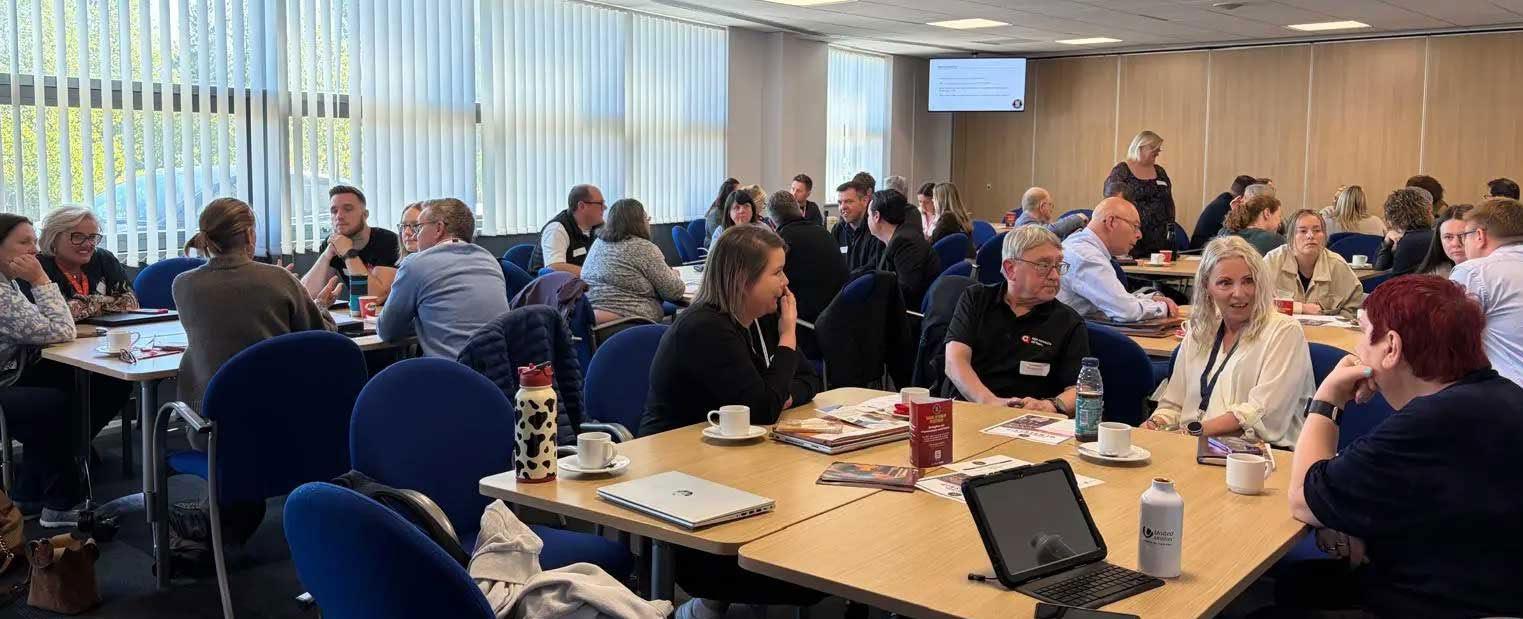
Across April and May, our spring programme of Fuel Poverty Forums brought together members and partner organisations from across the regions, providing valuable opportunities to share insight, highlight innovation and strengthen collaboration in tackling fuel poverty.
In the East Midlands, we heard from Age UK Leicestershire and Leicester and the Centre for Energy Equality, who showcased innovative projects supporting vulnerable households. Similarly, in Yorkshire and the Humber, the forum featured contributions from Deaf Advice Service at Citizens Advice and Michael Parrett’s Associates, who explored the implications of Awaab’s Law for both householders and landlords. The event, hosted in Sheffield, also included input from National Energy Action’s Sheffield Retrofit Hub, highlighting both local activity and the broader role of retrofit hubs.
Community champions
In the West Midlands, attendees heard from Marches Energy Agency on their Customer Services Charter. Energy Saving Trust explained more about the Energy Redress Fund, and Andy Littlewood, alongside one of our partners Aleksandra Stolarska, explained more about how the Community Energy Champions project runs.
Discussions in North Wales focused on the latest developments in support, the future of retrofit in Wales and the importance of environmental health and community-led action. We held our South Wales Fuel Poverty Forum in Merthyr Tydfil and the West Wales one in Narberth, kindly supported by Warmworks. We discussed recent developments and support, the future of retrofit in Wales, and heard from local partners about their community-led initiatives.
The power of retrofit
Meanwhile, in the North West, Connected Response explored the optimisation of electric storage heating, and our Burnley Energy Action team demonstrated the positive impact of their retrofit work
on local communities.
Further perspectives were shared at our forums in the Eastern region, South East and London. In the Eastern region forum, Cambridge City Council introduced their net zero retrofit pilot, while Smart DCC discussed how smart meter data can be better used to support households facing high energy costs. In the South East, Citizens Advice shared updates on their Law Centre and energy and debt support services, alongside reflections from their mental health project. Secure Meters also introduced the AI Radbot initiative, prompting discussion of practical ways for households to reduce energy use and costs.
In London, sessions included SEGB’s Smart Meter London project, Wimbledon Green’s work on sub meter vulnerabilities and further insights from Smart DCC. The forum also highlighted the impact of the Mobile Advice Centre in reaching communities that are often harder to engage.
Our final forum of the round, held in Newcastle, brought the series to a close. Discussions focused on the success of the Open Doors Network in supporting Warm Spaces over the winter, alongside insights from the National Innovation Centre for Rural Enterprise on supporting households in remote, off-grid properties. Connected Response also shared their work retrofitting homes to improve heating efficiency across the region.
Across all forums, colleagues shared the latest research on children in fuel poverty, emerging policy priorities and updates on our Training and Education programmes, ensuring attendees left with both practical knowledge and a broader understanding of the challenges ahead.
Join us in autumn
If you’d like to attend our Fuel Poverty Forums, registration for our autumn round starting in September opens soon. Click here for more information www.nea.org.uk/what-we-do/events/
When the system fails: why benefits checks are a lifeline, not a luxury
National Energy Action’s Advice team on a powerful and heartbreaking case of a vulnerable client falling through the cracks
Arecent case involving a 72-year-old woman from our community lays bare a painful truth, without proactive benefits checks, some of the most vulnerable people in society are left to struggle alone, unseen and unsupported. Her story is heartbreaking, not only because of her circumstances, but because almost every part of the system that should have protected her simply didn’t.
A perfect storm of loss and bureaucratic failure
The client had already endured so much. She suffered a stroke last year, was diagnosed with terminal gallbladder cancer in January, and then lost her husband in February. In the midst of profound grief and declining health, she was left with no income at all, not even her state pension.
With only £5,000 in savings, she used what little she had to pay full rent and council tax, believing she had no other choice. By the time she was referred for help, she had nothing left. What emerged during the benefits check was staggering:
• A glitch in her address records meant she had never received the letter inviting her to claim her State Pension.
• She had gone months with no income, despite being fully entitled to support.
• She had not been advised to claim Housing Benefit, Council Tax Reduction, Pension Credit, or Attendance Allowance, all of which she qualified for.
• She was terminally ill, widowed, and financially destitute, yet no agency had identified her as someone in urgent need.
This wasn’t a small oversight. It was a systemic failure. What the benefits check uncovered
During a two-hour intervention, we secured for the client:
• £16,000 lump sum State Pension arrears plus interest
• £319 per week State Pension going forward
• Full Housing Benefit (£465.79 per month)
What should have happened
Several simple steps could have prevented this crisis:
1. Automatic State Pension triggers. When someone reaches pension age, the system should not rely on a single letter. A failed address match should trigger follow -up contact, not silence.
2. Proactive checks after bereavement. When a spouse dies, agencies should automatically review the surviving partner’s income and benefit entitlement.
3. Joined‑up communication between services. Health services, social care, and benefits agencies should share information — especially when someone has a stroke, a terminal diagnosis, or significant life changes.
4. Routine benefits checks for anyone with a serious illness. A benefits check should be as standard as a medication review.
5. Early referral to welfare rights support. If she had been referred months earlier, she would have had financial security during the time she needed it most. Why benefits checks matter more than ever
This case demonstrates that benefits checks are not just helpful; they are essential. They play a vital role in preventing vulnerable people from slipping into poverty by identifying financial support that may otherwise be missed. They ensure that individuals receive the support they are legally entitled to.
Benefits checks can also reduce stress during periods of illness, bereavement and crisis, providing much-needed support during the most difficult times.
In total, the intervention unlocked £39,346 in financial support
• Full Council Tax Reduction (£97.43 per month)
• Pension Credit application submitted
• Attendance Allowance fast tracked via SR1 form (worth £5,959.20 annually)
In total, the intervention unlocked £39,346.64 in financial support, money she desperately needed and should have been receiving long before.
The human cost of falling through the cracks
The client was overwhelmed with gratitude, moved to tears by the time and persistence it took to untangle her situation. But the real emotion left behind was anger at the system. She should never have reached this point. No one should face terminal illness, bereavement, and financial hardship simultaneously due to administrative errors and missed interventions. This case is not an anomaly. It is a warning.
In addition, they save public money by helping to prevent homelessness, debt and the need for more costly crisis interventions. Most importantly, they restore dignity and stability to people when they are at their most vulnerable.
For this client, the benefits check did eventually come, but far too late. The client's daughter let us know that her mother passed away last week. One of her last wishes was to ensure that the National Energy Action adviser who helped her was thanked.
A call for change
We cannot accept a system where a terminally ill, elderly widow was left with nothing because of administrative errors and missed opportunities, all preventable failures.
Benefits checks should be embedded into every point of contact with vulnerable adults: hospitals, GP surgeries, social care, bereavement services, housing teams, and community organisations.
This case should never be repeated. The support existed. The entitlement existed. The need was obvious. But without someone to advocate for her, she was invisible. Benefits checks save lives, restore dignity, and protect people when they are at their most fragile. They are not optional; they are a moral necessity.
Policy progress and practical action in Northern Ireland
NEA NI continues to engage with the NI Executive and Westminster to push for more support for struggling households, amid the fluctuations in the cost of heating oil, alongside long-term action to end fuel poverty
Fuel poverty continues to be a significant challenge across Northern Ireland. Polling commissioned by National Energy Action (NEA) NI in September 2025 found that 39% of households are living in fuel poverty, highlighting the ongoing pressures and the need for more co-ordinated action.
Oil heating remains unaffordable
A defining feature of recent months has been the volatility of home heating oil prices. NI remains uniquely exposed to fluctuations in global energy markets, with 61% of households dependent on heating oil, rising to 68% in rural areas. In April 2026, the average cost of 500 litres of heating oil rose to a staggering £627 (CCNI). Although prices have since dropped marginally, they remain significantly above previous levels. Moreover, the impacts are now being seen across the wider energy market, as gas and electricity suppliers begin to announce tariff increases.
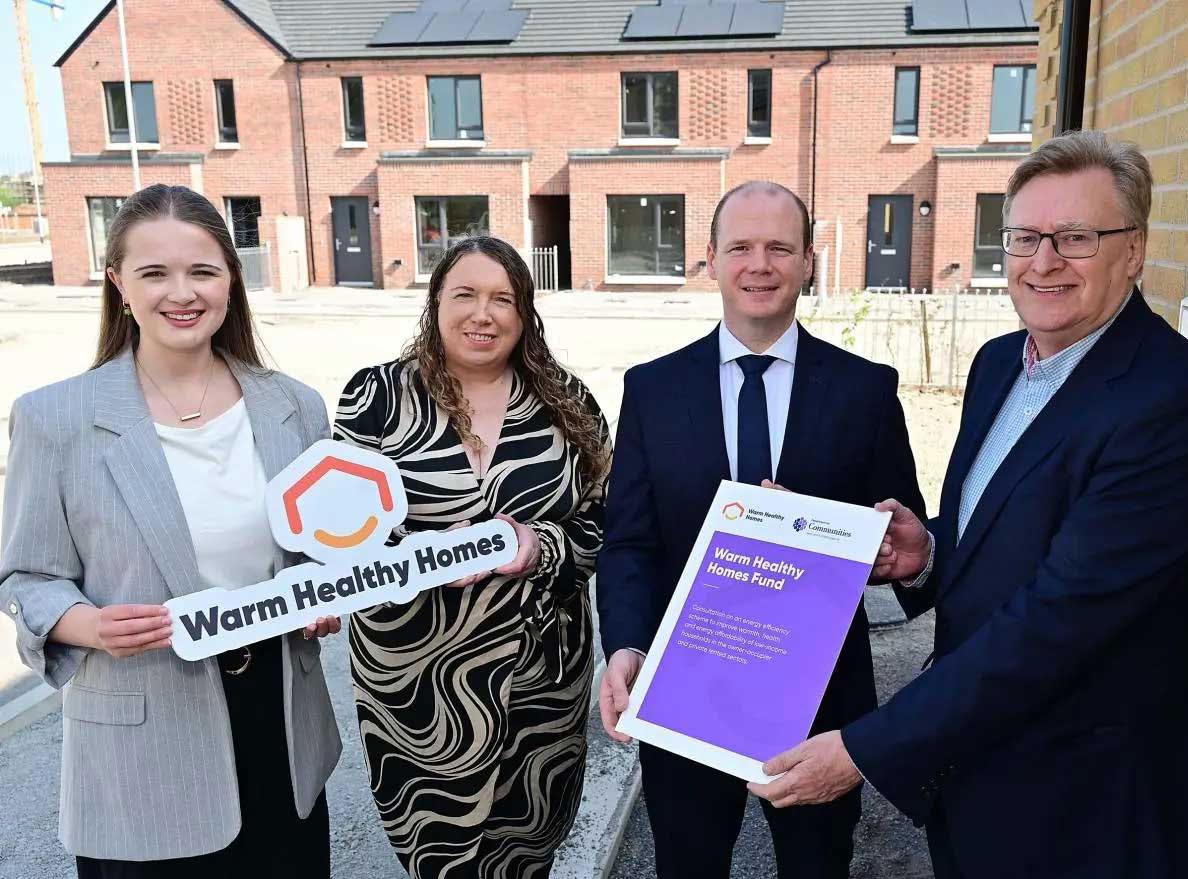
In response, NEA NI has been engaging with the NI Executive and Westminster to highlight the impact of rising energy costs and advocate for support for vulnerable households, including providing evidence to the NI Affairs Select Committee. The Executive has announced a £36.4 million Home Heating Oil Support Scheme. Expected to launch later this year, it would provide eligible low-income households with a £100 prepaid card towards the cost of heating oil, reaching up to 340,000 households.
Longer term solutions are needed
While heating oil support is welcome, NEA NI also continues to call for longer-term solutions, including greater investment in domestic energy efficiency, regulatory oversight of the home heating oil market, and expanded support for households experiencing fuel poverty.
Through its role as Secretariat to the All-Party Group on Fuel Poverty in the NI Assembly, NEA NI has continued to raise these issues with policymakers. Recent meetings have brought together representatives from the Utility Regulator and energy suppliers to discuss energy costs and consumer support ahead of what is expected to be a challenging winter.
Alongside the immediate response to rising energy costs, 2026 has marked a significant milestone in fuel poverty policy. In February, the Executive published its Warm Healthy Homes Strategy 2026-2036, the first new fuel poverty strategy in over a decade. The strategy sets out a long-term framework to improve energy efficiency, housing standards, consumer protections and actions to
reduce the health impacts of cold homes.
NEA NI has played an active role in shaping the strategy through membership of the Department for Communities’ (DfC) Fuel Poverty and Just Transition Reference Panel. While welcoming its publication as an important step forward, NEA NI continues to highlight the need for sustained political commitment and investment to deliver meaningful reductions in fuel poverty over the coming decade.
Attention is now turning to implementation. In May, DfC launched a consultation on the proposed Warm Healthy Homes Fund, a new energy efficiency scheme intended to replace the current Affordable Warmth Scheme. The Fund represents a major opportunity to increase investment in warmer, healthier and more energy-efficient homes for low-income households and seeks to deliver £150 million of investment over its first five years.
Beyond policy development, NEA NI continues to expand its practical work across NI. A notable recent development is a new Community Energy Saver project in partnership with Fermanagh and Omagh District Council and supported by Ulster Garden Villages. The project reflects a growing focus on expanding NEA NI’s reach into the west of NI, and aims to reduce fuel poverty, improve health outcomes, and build community resilience in rural areas that are disproportionately affected by high energy costs.
As NI faces another challenging winter, NEA NI remains at the forefront of efforts to tackle fuel poverty, through continued political engagement, training and practical support.
Senedd Election: what does it mean for fuel poverty?
Following the historic Senedd Election that saw Welsh Labour out of power for the first time in the devolution period, the National Energy Action Cymru team analyses what it means for fuel poverty
The 2026 Senedd Election, held on 7 May, has resulted in seismic change in Wales’ political landscape. With a new minority Welsh Government and a large cohort of new Members of the Senedd (MSs) to engage and influence, this moment presents a renewed opportunity for us to shape action to tackle fuel poverty across the country. Energy was a key election focus
The cost of living was a defining issue throughout the election campaign. Parties across the political spectrum pledged to lower energy bills, improve housing quality, and expand support available for vulnerable households. As energy prices rise and volatility escalates, hundreds of thousands of Welsh households continue to face unaffordable bills, high levels of energy debt, and severe hardship. Eyes are now on the new Plaid Cymru government to deliver transformative change.
Under the leadership of First Minister Rhun ap Iorwerth, the government has already committed to help households with the cost-of-living crisis – closely linked to persistently high energy prices, which continue to be disproportionately high in Wales. In its manifesto, Plaid also promised to make the renewal of Welsh housing stock a national mission, to go further and faster, to improve living standards, tackle fuel poverty and reduce household emissions, while also maximising crisis support for those experiencing acute hardship.
The cabinet
Sioned Williams MS has been appointed Deputy First Minister and Cabinet Minister for Social Justice and Equality, with responsibility for fuel poverty and other cross-cutting measures to tackle poverty, such as the Discretionary Assistance Fund (DAF). The DAF provides emergency financial support to those in extreme financial hardship and will be reviewed within the government’s first 100 days to maximise impact and value for money. In National Energy Action Cymru’s Manifesto for Warmth, we emphasised the importance of maintaining and maximising this scheme, and we will continue to call for its continuation and expansion to better support low-income and vulnerable households.
Responsibility for the Warm Homes Scheme sits with Siân Gwenllian MS, Cabinet Minister for Local Government, Housing and Planning. This is the Welsh Government’s flagship programme to tackle fuel poverty. A key question for the new government will be to establish how exactly it will scale up investment to improve the homes of those most in need and reduce energy bills permanently. If it can find the money, there is opportunity for bold action to overhaul Wales’ poor housing stock, accelerate progress and lift households out of fuel poverty for good.
Encouragingly, prevention has also become a cabinet-level priority with the creation of a Deputy Minister for Public and Preventative Health, filled by Nerys Evans MS. This creates an important
cross-government opportunity to tackle fuel poverty and health inequalities through a joined-up approach, an ambition also reflected in the party’s manifesto. After all, health does not start in hospitals. It starts in our homes, schools, and communities.
The challenge
Our challenge now is to ensure these commitments translate into action. This means working to secure support schemes and advice systems that are properly focused, funded and delivered across Wales. A more comprehensive and direct set of actions to tackle fuel poverty over the short and longer term, maximising opportunities available to the Welsh Government and securing cross-party support for broader calls on the UK Government and regulator.
As households continue to struggle with high energy prices and cold, damp homes, we must seize this moment and drive meaningful change. Change that empowers people, provides them with a fair opportunity, and improves their quality of life.
Join us in October for our Wales Conference
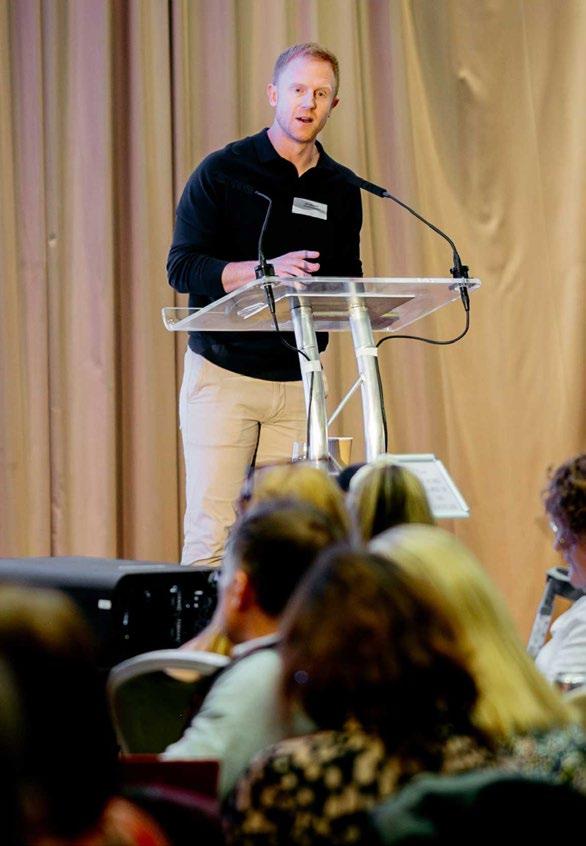
We've opened bookings for our Wales Fuel Poverty Conference 2026 Taking place on 8 October, the event will provide a vital opportunity to come together to drive action on tackling fuel poverty across Wales.
Taking place after the 2026 Senedd Election, this event comes at a pivotal time in the Welsh political cycle, amid a wider backdrop of renewed volatility and rising energy costs.
Bringing together policymakers, national and local government, housing providers, health professionals, advice agencies and industry partners, attendees will benefit from valuable networking opportunities, breakout sessions and informed discussion. Join us to help drive meaningful, collective action.
Click here to register either as an attendee or an exhibitor: www.nea.org.uk/what-we-do/events/wales-conference/
RSK Energy Transition
We headed down to Charlton Athletic FC’s The Valley Stadium for the second RSK Energy Transition Cup.
The event, held on 21 May, brought together 16 teams from across the energy sector for a day of friendly six-a-side football, all in aid of National Energy Action.
The tournament delivered plenty of excitement, with competitive matches and great team support creating an electric atmosphere. Between matches, teams also took on this year’s Crossbar Challenge – putting their skills to the test and seeing if they could take home the glory (and a signed Charlton shirt) for hitting the crossbar with a shot.
After the teams battled it out on the pitch, Macbrook Gas and RSK
Biocensus Southern Ecological Solutions (SES) headed to the final to compete for the trophy. After a high-intensity game, RSK Biocensus SES were crowned the winners after a 1-0 victory.
Following the matches, teams and supporters gathered for refreshments and a raffle with prizes including restaurant vouchers, experience days, luxury skincare and even live event tickets to see Westlife and Jools Holland.
We want to say a massive thank you to everyone who took part from Cadent, Copper Consultancy, DWD, EDF Energy, Energy UK, Headland Archaeology, MacBrook Gas, Octopus Energy, Renewables UK, RSK Biocensus, RSK Environment, RSK Geosciences, Smart DCC and Stephenson Halliday.




Cup 2026
Thanks to you, we raised over £14,000 to help tackle fuel poverty and helping vulnerable communities across the UK, including locally in Charlton.
We must also say a huge thank you to RSK for hosting and helping to organise such a fantastic event as well as all the organisations who donated toward our raffle. Last but not least, we cannot forget our own National Energy Action team who took part in the day – you did us proud!
We’re already looking forward to the next edition and seeing everyone again next year.
A big thank you to all who took part and for your amazing efforts – we hope to see you back again next year!


London Landmarks Half Marathon
In April, nine runners from FairHeat took on the London Landmarks Half Marathon to help raise funds to fight fuel poverty.
The team ran the 13.1 miles past some of London’s bestknown landmarks, before being awarded their medals at the finish line.
A special mention goes to the team’s quickest runner, William (pictured), who powered home in under 1 hour and 30 minutes! Well done, William!
A big thank you to all who took part and for your amazing efforts. You've helped National Energy Action in the fight against fuel poverty. We hope to see you back again next year!

Photo:
RenewableUK events and Walk for Warmth
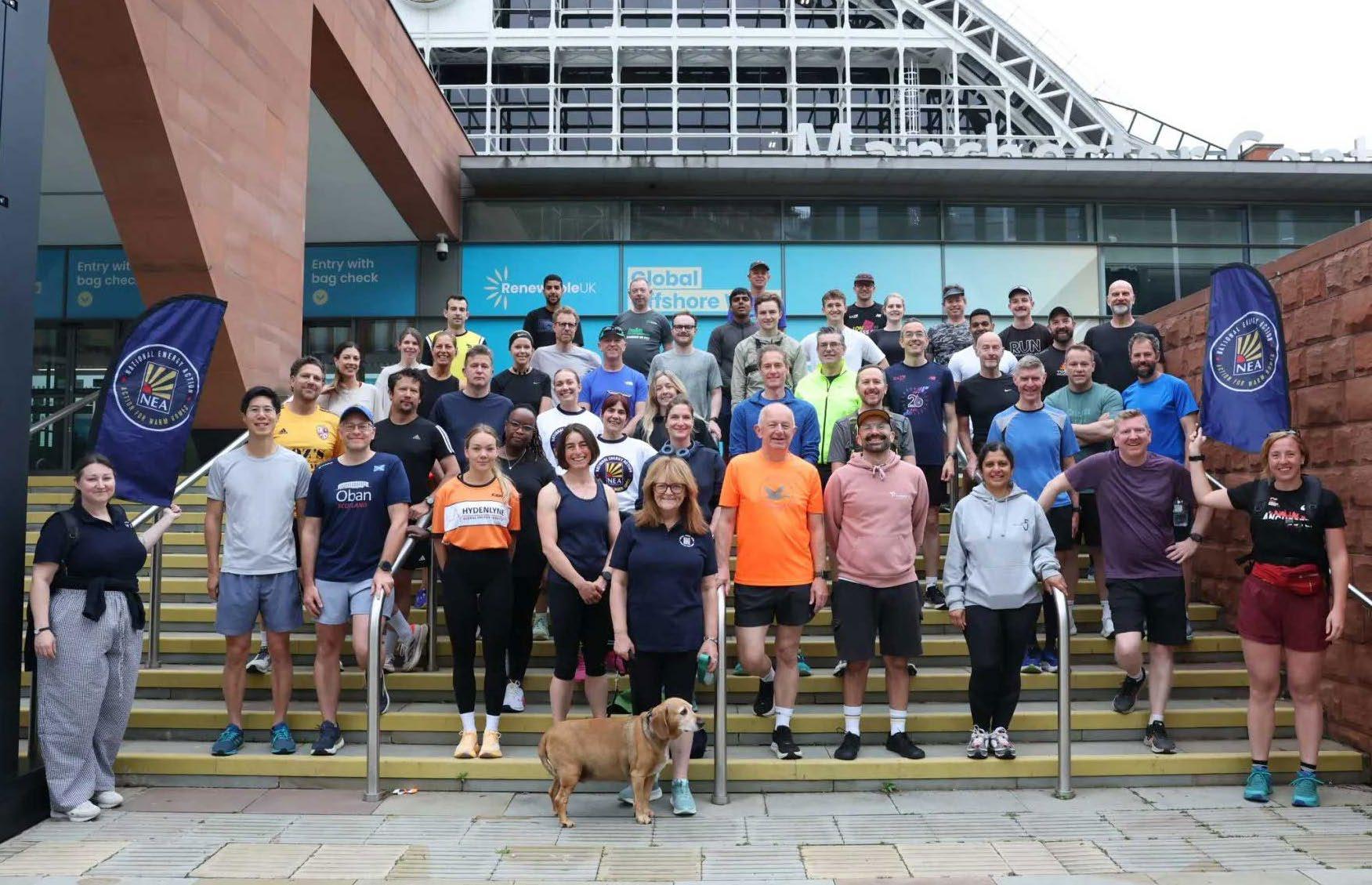
This summer, we were proud to bring our Walk for Warmth to RenewableUK’s Global Offshore Wind conference in Manchester as the official charity partner.
Taking place early on 16 June, we held a 5km walk and run with delegates from across the industry along Manchester canal ahead of the day’s conference programme.
With more than 30 people taking part, the event raised well over £1,000 to combat fuel poverty!
It was an exciting couple of days meeting people across the renewables sector, and we look forward to September, when we will be joining RenewableUK again as their charity partner for their annual regatta at Port Solent.
Support our summer fundraising campaign
Did you know that there are 6 million children living in fuel poverty across the UK?
This summer, we’re raising funds to support families who can’t keep up with the rising cost of energy bills. This is so important, especially since energy prices are forecast to remain high going into winter.
For the children living in fuel poverty, this summer won’t be filled with trips and carefree memories. Without breakfast clubs and free school meals, many families struggle to provide the basics such as a hot meal each day.
This summer, we’re raising awareness of the fact that this is not a seasonal issue; fuel poverty doesn’t take a holiday.
Please help amplify our message by supporting the campaign or spreading the word on social media. Visit www.nea.org.uk/ donate/ to donate or contact donations@nea.org.uk to discuss how your organisation can support the campaign.

Poor quality external wall insulation: help TrustMark to find and fix
Households that have been affected by defective retrofit work under the ECO4 scheme could be eligible for free remediation under TrustMark’s Find & Fix scheme
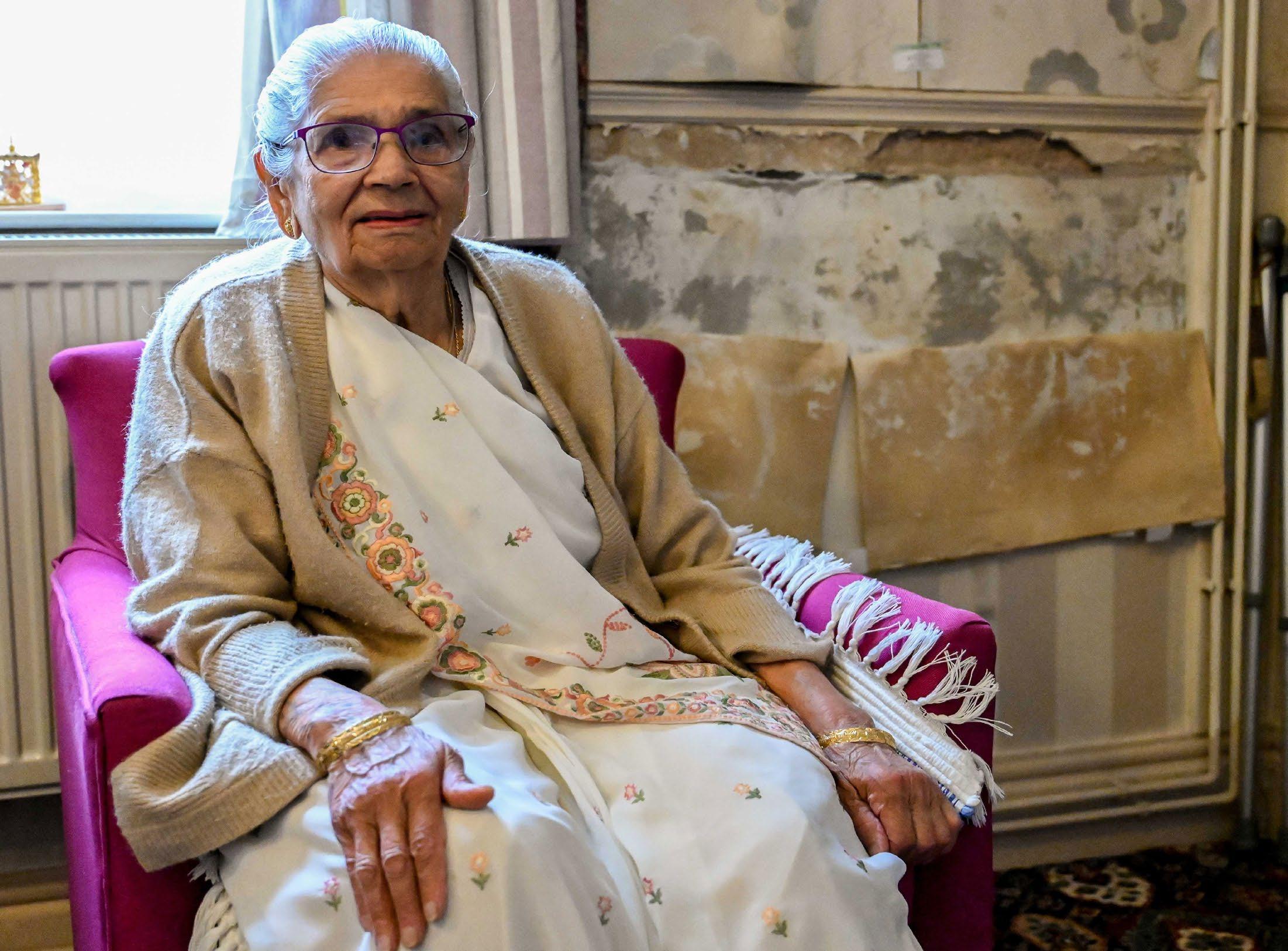
National Energy Action believes retrofit is key to fighting fuel poverty in the long term but only if it’s done right. When it goes wrong, the results can be devastating for households and can discourage others from upgrading their homes.
Our project helping households in Fishwick, Preston, whose homes had undergone botched retrofit work, showed us how home upgrades gone wrong can ruin lives. It also showed how work to rectify it is invaluable to those households.
TrustMark, working with the Department for Energy Security and Net Zero (DESNZ) and Ofgem, has identified widespread issues with External Wall Insulation (EWI) installed under the ECO4 and Great British Insulation Scheme (GBIS), with 98% of homes found to have defects requiring remediation.
In response, the government is offering all affected households a free on-site audit and any necessary remedial work at no cost to residents.
TrustMark, the government-endorsed quality scheme for home improvements, has been appointed by DESNZ to oversee and deliver this national Find & Fix programme.
The aim is to ensure homes are safe, warm, comfortable and that installations meet the required standards.
TrustMark is asking organisations across the fuel poverty, housing and energy advice sectors to help raise awareness and encourage households to take up this offer. Many people may be unaware they are eligible or may need reassurance that the process is genuine, government-backed and completely free.
Residents who had EWI installed under ECO4 or GBIS can arrange a free audit by calling 0333 555 1234 (Option 1) or emailing onsitebookings@trustmark.org.uk
Find out more here: www.trustmark.org.uk/homeowner/support/ free-find-fix-audit-offer
MEMBERS IN FOCUS
Heating flexibility and equity: who adjusts when the system needs flexibility?
Qikun Chen, Sarah Higginson, David Drabble and Lirong Liu from the Energy Demand Research Centre (EDRC) consider how demand response systems affect different regions and the households living there
As the UK accelerates towards electrified, low-carbon heating, residential heat pumps are expected to provide flexibility to support a renewable-based electricity system (NESO. Future Energy Scenarios-Pathways at a Glance. www.neso.energy/document/321046/ download (2024)). Shifting or adjusting heating demand can help balance the energy supply, reduce system costs, and help keep bills down.
What is less known is that these adjustments influence indoor temperatures, particularly in less energy efficient homes, so they can be detrimental to people’s comfort. As well as considering how much flexibility heat pumps can provide, we also need to consider who experiences the positive and negative consequences of being flexible.
EDRC's recent modelling research explores how heating flexibility may affect different regions across Great Britain in a future decarbonised power system (Chen, Q. & Liu, L. Revealing trade-offs between flexibility and equity in an integrated electricity-heating system. Appl. Energy 400, 126624 (2025)) . Rather than only focusing on system efficiency, we examined how temperature adjustments linked to flexible heat pump operation might be distributed geographically. In practice, some regions have more flexibility options — for example, using battery storage units to charge or discharge flexibly, while others have fewer alternatives and may depend more on adjusting heat pump operation through changing indoor temperatures to help balance the system. Flexibility can support net zero but it may not be equally
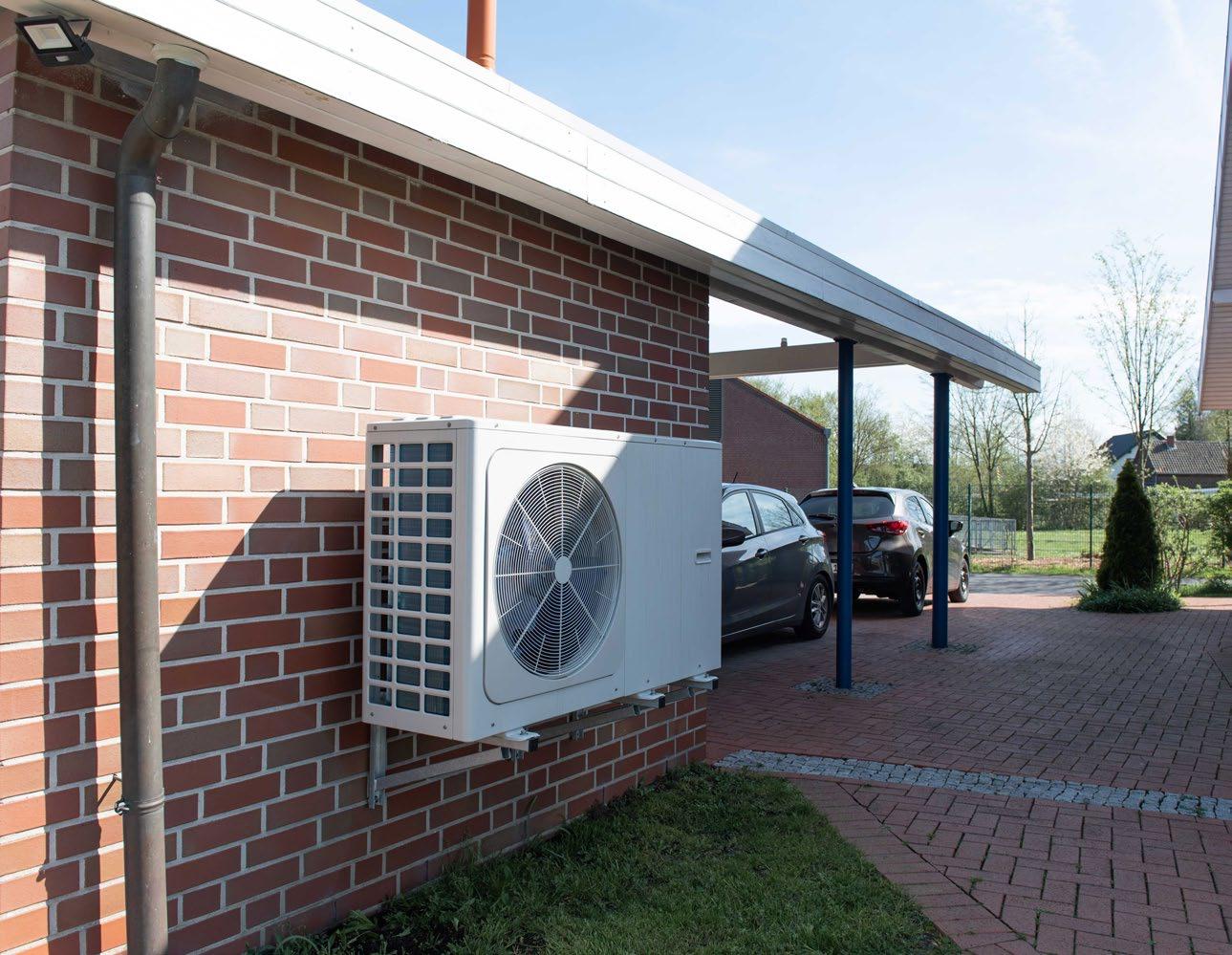
Rather than eliminating flexibility, this approach aimed to distribute comfort adjustments more evenly across the country. Their modelling shows that regional disparities in comfort can be significantly reduced with only limited increases in overall system cost. This means that fairer flexibility outcomes can be compatible with efficient system operation.
What this means for future heating decarbonisation policy
The results show that allowing wider indoor temperature ranges (18°C - 24°C rather than 21°C all the time) by allowing heat pumps to switch on and off when the system needs them to, can significantly improve system balancing and reduce reliance on conventional flexibility resources. This means that, from a system perspective, flexibility from heat pumps can play an important role in enabling higher shares of renewable energy.
However, EDRC's model shows that if flexibility is scheduled purely to minimise overall system costs, the need for households to accept indoor temperature changes tends to fall more heavily on certain regions with fewer local flexibility alternatives. In practice, this means that households in some parts of the country may need to tolerate more frequent changes to indoor temperatures in order to support overall system balancing. Without explicit safeguards, flexibility strategies risk shifting comfort burdens unevenly across the country.
Embedding equity considerations into flexibility decisions
To see if they could mitigate the regional impact, EDRC introduced an equity perspective into the analysis to assess how evenly temperature adjustments were shared between regions.
As smart tariffs, demand response programmes, and flexible heating strategies expand, questions of fairness will become increasingly important, not only for individuals and groups but also between places and regions. Designing flexibility schemes purely around cost optimisation may unintentionally amplify regional disparities, particularly where households already face structural constraints such as limited infrastructure or fewer local resources, such as hydrogen infrastructures or energy storage technologies.
The findings suggest that equity should be considered early in the design of flexibility policies rather than being treated as an afterthought. By explicitly accounting for how flexibility is distributed, policymakers and system planners can support decarbonisation while avoiding unintended regional impacts that affect the quality of life of the people living there.
Ultimately, demand-side flexibility is not just a technical resource — it is something delivered by people and experienced in homes. Ensuring that the benefits and burdens of flexible heating are shared fairly will be key to building a just and resilient low-carbon energy system.
You can find out more about the EDRC and their research at the below, or contact the authors. Email: Lirong.liu@surrey.ac.uk, hello@edrc.ac.uk
How Cadent’s The Cold Truth campaign is supporting families facing damp and fuel poverty
Cadent on its new campaign featuring Warm Wash Centres that provide free access to washing and drying facilities for households, as well as advice and support
Cadent's ‘The Cold Truth’ campaign was launched in response to a growing housing crisis affecting households across the UK. Research commissioned by Cadent found that people experiencing damp and mould are living with these conditions for an average of five years, often facing worsening health, financial hardship and anxiety about keeping their homes warm.
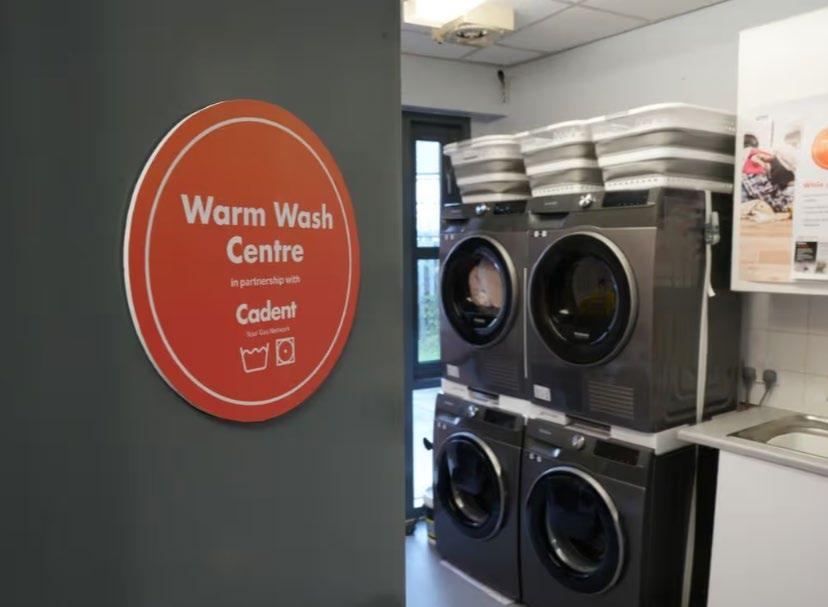
To help address these challenges, the campaign is working to support more than 50,000 households through a combination of engineer training, practical energy-saving advice and the introduction of Warm Wash Centres within existing Centres for Warmth. Following its launch, community partners are already seeing encouraging results, with more impact expected as awareness grows and more households engage with the services available.
Reality behind the statistics
The research behind The Cold Truth is brought to life through the experiences of families living with the daily consequences of cold, damp housing.
One mother of five, featured as part of the campaign, spent years battling damp and mould in her home while trying to provide a safe environment for her children. What began as concerns about condensation developed into a long-term struggle that affected the family's health, wellbeing and finances.
Like many households experiencing fuel poverty, she faced impossible choices between heating her home, managing rising living costs and dealing with the ongoing impact of mould. Her story reflects the reality faced by thousands of households across the UK and highlights why practical support is urgently needed.
Schools are also witnessing these challenges first-hand. Jo Campbell, Headteacher at Kirkdale, St Lawrence CE Primary School in Liverpool, said:
‘Fuel poverty is having a devastating impact on some of our families. We see children coming into school in damp or incomplete uniforms because parents can't afford to heat their homes or dry clothes overnight. In some cases, families are living in overcrowded, cold houses where mould is growing, and children are suffering with asthma and respiratory issues.’
Warm Wash Centres
Cadent launched 10 Warm Wash Centres in some of the UK's most deprived communities, beginning in Liverpool, Birmingham, Leicester and London.
The spaces provide free access to washing and drying facilities, helping households avoid practices and behaviours that can contribute to damp and mould. Importantly, they also provide a warm, safe and welcoming space where individuals can receive
advice on damp and condensation, energy efficiency, carbon monoxide awareness and, where relevant, income maximisation. By combining practical assistance with trusted advice, the centres are helping households address both immediate pressures and longer-term challenges associated with fuel poverty.
Positive outcomes are emerging. For example, Kirkdale, St Lawrence CE Primary School, working in partnership with Social Brokers Centres for Warmth and supported through the initiative, has reported a noticeable reduction in children arriving at school in incomplete uniforms because clothing had not dried overnight. Families have also highlighted the financial savings associated with using the facilities, while some have reported improvements in damp and mould issues at home as they rely less on drying clothes indoors.
Partnership working to reach those most in need
As the campaign develops, early activity is already showing the impact of strong partnership working and locally delivered solutions. By combining practical support with tailored advice and trusted community connections, The Cold Truth campaign is helping households move toward healthier homes and greater long- term security.
These early insights also highlight the importance of trusted local organisations. By embedding support directly within communities and building on existing relationships, partners are reaching households who may not otherwise engage with energy advice, housing support, or wider services. This approach is proving essential in ensuring help reaches those most at risk and in laying the groundwork for lasting change.
Read more about the campaign and the top tips here: cadentgas.com/help-and-advice/damp
Photo:
Beyond bills and top ‑ ups: the nuances of energy advice in Tower Hamlets
Dulce Silva, Energy Vulnerability Researcher, Disability Advocate and Energy Adviser at the Limehouse Project, explains how localised energy advice can help with myriad, intersecting issues
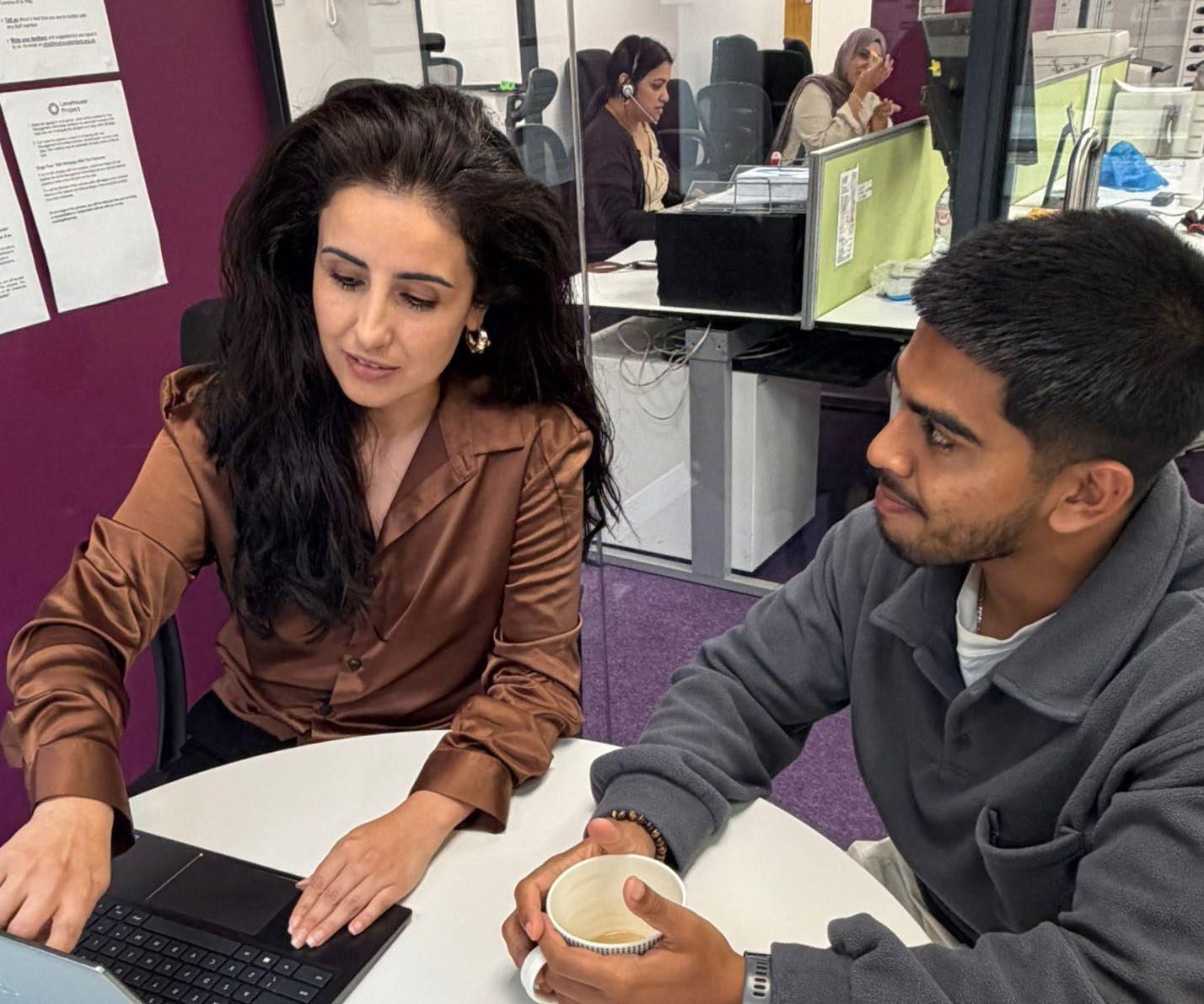
Providing energy advice in Tower Hamlets means supporting one of the most diverse communities in the UK, where multiple vulnerabilities often converge within the same household. At the Limehouse Project, energy advice is rarely “standard” advice. Every resident brings their own language, cultural background, lived experiences, fears, and understanding of energy and the services surrounding it. Many residents accessing the service are navigating fuel poverty alongside migration challenges, disability, caring responsibilities, insecure housing, language barriers and digital exclusion. Listening and building a full picture
In this context, the role of the adviser is not simply to explain bills or complete applications, but to create an inclusive and safe space. Communication goes far beyond spoken or written language. There is also the language of warmth, patience, dignity, and making people feel seen. Many residents arrive overwhelmed by debt, confused by the British energy system, or distrustful of institutions after years of unresolved issues and difficult experiences.
Appointments often begin with listening. Building a full picture of the household situation requires time, trust and careful communication. Residents are reassured that they remain in control of their energy account and decision-making process. Together, adviser and resident co-design an action plan that includes not only immediate crisis support, but also long-term sustainability, prevention and adaptation.
An important part of the work involves demystifying tariffs, billing systems, and smart meters. In some communities, misinformation and fear surrounding smart meters have spread widely. These concerns are understandable, particularly when households already feel financially pressured or distrustful of energy companies. Through patient and non-judgemental conversations, residents are supported to better understand how energy systems work in practice, how estimated billing can contribute to debt, and how accurate meter readings can help households regain control over their accounts.
People often approach the Limehouse Project seeking emergency assistance such as a Fuel Bank Foundation voucher, but appointments frequently uncover much deeper and more complex issues that have remained unresolved for years.
A case study in support
One resident supported by the project was a single mother with limited English, caring for an autistic child while living in temporary accommodation. Like others navigating temporary housing and unfamiliar systems, she faced additional challenges understanding billing processes, supplier communication, and how to manage energy costs within a property with a different energy set-up.
After moving into the property, the resident accumulated significant energy debt while struggling to navigate unfamiliar billing systems and communications with her supplier. The family had also been living for more than six months without essential appliances
such as a cooker and washing machine.
Through ongoing support and advocacy, the energy advice team assisted the resident in applying for an energy debt grant, registering for the Priority Services Register, negotiating a payment arrangement with the supplier, setting up an online energy account, and learning how to monitor energy usage and make payments through the supplier app. Support was also provided to access essential household appliances through her energy company and local social grants.
The resident was eventually awarded the energy debt grant, and the debt was cleared. Through the process, she also became aware that she could request interpreter support in her own language when communicating with her energy supplier. Over time, she became increasingly confident managing her account independently, while also developing her digital skills and English language confidence.
Localised advice is key
That is precisely why this localised energy advice matters. Because for many residents, resolving an energy issue is not only about energy saving tips or topping up a meter. It is about finally feeling heard, understood, and empowered within a system that previously felt impossible to navigate alone.
In a borough where poverty, migration, disability and exclusion intersect so closely, frontline energy advice requires flexibility, advocacy, persistence and creativity. Trusted community organisations such as the Limehouse Project play a vital role in ensuring residents are not only connected to the grid but also connected to accessible, understandable, and compassionate support systems.
Contact details: d.maria@limehouseproject.org.uk
Main office telephone: 020 7538 0075 and email: contact@ limehouseproject.org.uk
Free courses for retrofit professionals affected by ECO funding changes
With thousands of redundancies across the retrofit sector amid changes to ECO funding, The IAAF is offering fully funded training courses for workers affected
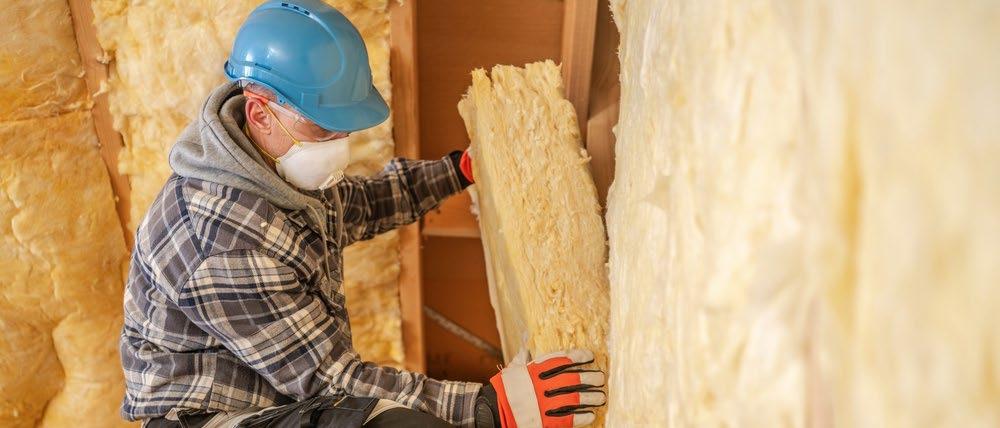
The Installation Assurance Authority Federation (The IAAF) has announced a funded training opportunity, offering retrofit and energy efficiency professionals the chance to join fully funded training courses where employment has been affected by changes to Energy Company Obligation (ECO) funding or wider sector uncertainty. Redundancies potentially hitting 80,000
According to a survey undertaken by The IAAF, a leading representative body in the energy efficiency industry, over 14,800 skilled professionals have been made redundant since the closure of ECO was announced by the government.
Furthermore, job losses are expected to rise to 40,000 in the next six months and potentially reach as high as 80,000 over 12 months. Across the industry, skilled individuals have experienced reduced working hours, contract losses, delayed projects and employment disruption. Despite these challenges, the government’s Warm Homes Plan, a £15 billion initiative to upgrade up to five million homes by 2030, offers the retrofit supply chain a degree of long-term hope.
Caroline Kuchta, Chief Operating Officer at The IAA, commented, ‘The long-term demand for qualified retrofit professionals remains strong despite current market pressures. Retaining skills within the industry is essential to meeting future delivery requirements.’
Caroline added, ‘The IAAF remains committed to supporting competence, quality and workforce resilience across the retrofit sector. Typically, with such significant job losses, the government would step in and set up initiatives to ensure those facing redundancy had effective support to help get them back into employment. It is disappointing that this has not yet materialised, and The IAAF has had to deploy its own funds to support those affected.’
A variety of courses and qualifications available
These fully funded training courses are designed to support professionals seeking to strengthen their employability by gaining recognised qualifications and to remain active in retrofit amid industry uncertainty.
Retrofit professionals affected by current sector conditions are encouraged to apply as soon as possible, before 15 July 2026 deadline, as funded places are limited.
The funded places are available for the following qualifications and delivered online, so that all retrofit professionals throughout England can access the training:
• Level 5 Diploma in Retrofit Coordination and Risk Management
• Level 4 Award in Assessing Domestic Dwellings for Retrofit
• Level 4 Award in Retrofit Assessment and Older and Traditional Buildings (combined course)
• Level 3 Award in Energy Efficiency Measures in Older and Traditional Buildings
Applicants must meet the relevant course pre-requisites and suitability criteria. Priority consideration will be given to those who can demonstrate employment disruption linked to current conditions in the energy efficiency and retrofit sector. This includes redundancy, reduced workloads, loss of ECO-related contracts, employer restructuring, or difficulty securing work within the sector. Evidence requirements will be handled sensitively and confidentially.
Professionals seeking to explore the programme before 15 July deadline are encouraged to speak to the team confidentially about supported training opportunities, discuss suitable qualification pathways, or explore ways to strengthen their role within the energy efficiency sector.
Visit The IAA website nea.us11.list-manage.com/track/
Community Energy GO offers free help, backed by experts
CSE, Community Energy England and Ashden’s new partnership to enable community groups to embark on projects to develop clean community energy
Building community energy projects can be difficult, especially in the early stages, when the path forward is unclear and specialist advice is hard to find.
Community Energy GO (CEGO) provides free, expert support at exactly that moment to groups get their projects properly established and moving.
Guidance from experienced professionals
Community Energy GO is an innovative programme covering the whole of England. It’s an exciting partnership between CSE, Community Energy England, Ashden, and a wider network of
industry experts. Together, these organisations will identify and support the needs of each group and connect them with trusted industry professionals and sector experts.
Groups will receive tailored, hands-on support, have access to a range of resources and webinars, and gain deep knowledge, setting their projects up for success. They will also be prepped for future growth through building organisational capacity as well as practical support to deliver individual projects.
Increasing resources and overcoming common barriers
The government’s Local Power Plan has set an ambitious target of 8GW of local and community energy by 2030, reflecting the need for more clean energy and the wider benefits it brings to communities – including jobs, income and savings.
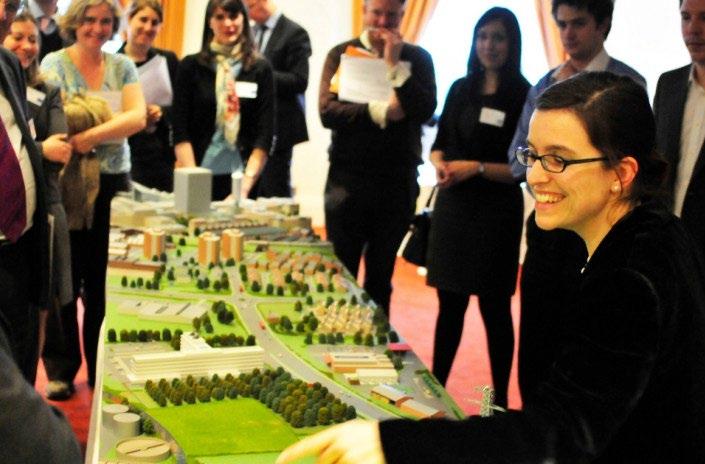

Reaching this target will require many more community organisations and skilled practitioners, as well as significant investment in developing high-quality projects.
CEGO has been created to meet that challenge while also addressing long-standing barriers in the sector: limited access to tailored early-stage support, a shortage of specialist expertise, the complexity of developing projects, and the need for stronger collaboration.
With initial support, CEGO aims to provide the right guidance at the right time to address and anticipate difficulties that might otherwise hinder progression. This might include planning to ensure time and money is efficiently spent, sharing expertise to solve problems and assistance with funding applications.
A wide range of community groups are encouraged to apply, including some that might not typically identify themselves as community energy groups, such as faith groups, sports clubs and social groups. By broadening who can deliver community energy, CEGO hopes to harness more local ambition.
Know a local project that needs a boost?
If you know of a group that has big community energy ideas, has reached a hurdle in planning, or needs some extra hands to keep momentum going, please reach out to CEGO. Full information and eligibility can be found on the CEGO website. communityenergygo.org. uk/?utm_source=Newsletter&utm_ medium=Referral&utm_campaign=Launch
Bridging the smart meter gap
Alt HAN Co on how their technology can help smart meters connect in homes where the standard network signal does not reach far enough to work
Across Great Britain, smart meters are transforming the way people understand and manage their energy use. They provide near real-time information about how much energy your home is using and how much it is costing. However, not every home can easily access these benefits and that’s where Alt HAN technology comes in.
What is Alt HAN?
Alt HAN stands for Alternative Home Area Network. It is a solution designed to help smart meters work in homes where the standard connection does not reach far enough.
In a typical smart meter setup, your electricity meter, gas meter, and in-home display (the screen that shows your energy use) all communicate with each other through a wireless network called the Home Area Network (HAN).
In some properties, however, this connection does not work properly. This can happen because:
• The meters are too far apart
• Thick walls block the signal
• The meter is in a basement, garage, or outbuilding
• The property is part of a block of flats with shared meter rooms
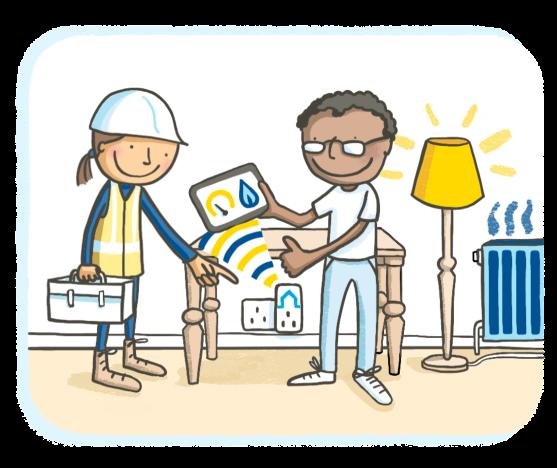
Alt HAN technology solves this by extending the signal so that all devices can stay connected.
Where is Alt HAN used?
Alt HAN is being deployed across Great Britain, particularly in homes that are harder to connect.
These include:
• High-rise flats and apartment blocks, where meters are often located in communal areas away from the home
• Properties with meters in basements or garages
• Buildings with thick walls or unusual layouts
• Rural or complex sites where distance affects connectivity
It is estimated that hundreds of thousands of households across Great Britain require this type of solution to access smart metering benefits.
Alt HAN is delivered in partnership with energy suppliers as part of the national smart meter rollout, helping to ensure that no household is left behind. How does Alt HAN work?
Alt HAN devices function in a similar way to a Wi-Fi booster in your home. This enables your electricity meter, gas meter and in-home display to communicate properly; automatic meter readings to be sent securely to your supplier; and your in-home display to show accurate, near real-time energy information.
intended, meaning you could miss out on useful data or need to submit meter readings manually.
How does it help consumers?
The main benefit of Alt HAN is that it allows more people to enjoy the advantages of smart meters. Once connected, you can:
• See your energy use in near real time
• Understand what you are spending day to day
• Avoid estimated bills through automatic readings
• Access modern tariffs, such as off-peak pricing
• Better control your usage, helping to reduce energy
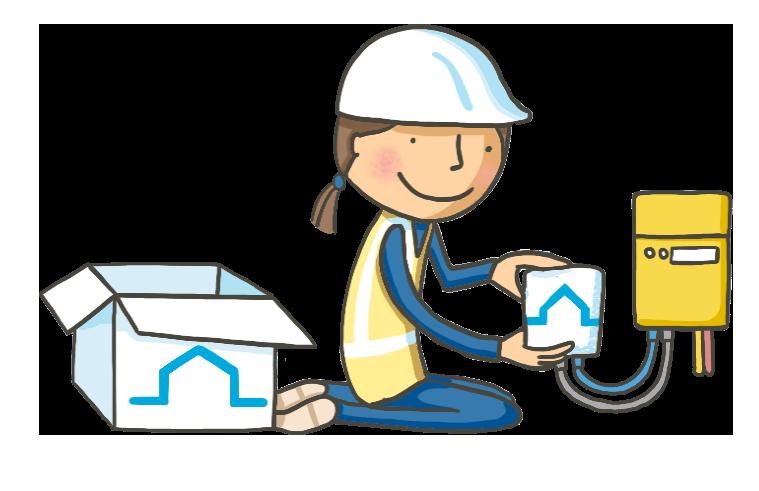
Having clear visibility of your energy consumption makes it easier to spot patterns, for example, when you use the most energy, and make small changes that can lead to savings.
Smart meter data is also key to enabling smarter energy systems and supporting the UK’s transition to a more efficient, low-carbon future.
Why it matters
Alt HAN technology plays an important role in making the smart meter rollout fair and inclusive. Without it, many households, especially those in flats or complex buildings, would miss out on the benefits of smart energy. By extending connectivity, Alt HAN ensures that more people can access accurate information, manage their energy more effectively, and take greater control of their bills.
Without this connection, your smart meter may not work as
To find out more please visit althanco.com/
How the Welcome Centre Huddersfield is adapting to rising demand for support
A food bank in Huddersfield on how they are adapting to rising and changing demand on their services and how National Energy Action’s training has helped
The Welcome Centre is an independent food bank providing crisis food and essential items to individuals and families experiencing hardship across Huddersfield and the surrounding areas of West Yorkshire. Their work goes beyond simply meeting immediate needs, they are committed to supporting people in a way that helps them move forward with dignity and independence.
Alongside the Welcome Centre’s food provision, they offer a dedicated in-house advice, guidance and support service. This service is designed to address the underlying reasons why people turn to them, whether that be financial hardship, changes in employment, health challenges, or rising living costs.
By taking a person-centred and traumainformed approach, they work closely with each individual to understand their circumstances and provide tailored support. Their aim is not only to respond to crisis, but to help people access sustainable, long-term solutions that reduce reliance on food bank support.
Rising demand for help

Between March 2025 and March 2026, they issued 572 fuel vouchers and delivered 565 fuel poverty support sessions.
Over the past 12 months, the team has worked tirelessly to respond to a noticeable increase in demand. One of the most significant drivers of this has been the rising cost of energy. More people are coming to them not only struggling to afford food, but also unable to afford to heat their homes or cook meals. In response, they have expanded their fuel support offer, recognising that providing food alone is not enough if people cannot prepare or safely store it.
The Welcome Centre operates a fuel bank to support individuals and families who are unable to afford essential energy costs. This ensures that the people they support are able to heat the food they provide and maintain a safe living environment.
Between March 2025 and March 2026, they issued 572 fuel vouchers and delivered 565 fuel poverty support sessions. These sessions provide practical advice and guidance to help people better manage their energy use, understand their bills, and access available support schemes. Adapting to new challenges
In addition, they developed strong working relationships with energy providers such as Yes Energy and Utilita, enabling them to offer more in-depth and specialist support to those facing complex fuel-related challenges. Their advisers are also able make referrals to Green Doctor, ensuring that people can access further expert
advice on improving energy efficiency within their homes.
Despite these efforts, they are increasingly encountering individuals and families who are unable to afford to cook at all. This is a deeply concerning reality. While they strive to provide as much fuel support as possible, funding limitations mean that the Welcome Centre is unable to sustain this assistance on a long-term basis for everyone who needs it. As a result, they have introduced non-cook food packs for those who may have accommodation but lack access to gas or electricity. These packs ensure that people can still access safe, nutritious food without the need for cooking facilities.
National Energy Action training
The Welcome Centre is proud of the expertise and dedication of the team. All their caseworkers have completed training in the National Energy Action Fuel Debt in the Community qualification, equipping them with the knowledge and skills to effectively support individuals facing fuel poverty. They also benefit from ongoing support from the National Energy Action, allowing them to stay up to date with best practice and respond proactively to the evolving needs of their community.
Through a combination of practical support, specialist advice, and strong partnerships, The Welcome Centre continues to stand alongside those in crisis, working not only to meet immediate needs but to create pathways out of hardship for the people they support.
Further information on the service can be found on their website, www.thewelcomecentre.org
'They rely too much on communicating by phones or emails': Deaf access is an energy
justice issue
Rotherham Federation on how Deaf households need tailored support when dealing with their energy suppliers to make sure they don’t fall through the gap
For many Deaf people, customer support from energy companies and providers is still built around systems they cannot easily use: phone lines, written letters and online forms. Even missed appointments are not minor inconveniences when British Sign Language is your first language. They can leave vulnerable residents unable to challenge bills, understand safety risks or resolve urgent problems in their own home.
‘The simplest of things that you take for granted as a hearing person, it’s extremely difficult for us as Deaf individuals.’
G’s experience in Rotherham shows why accessible energy support matters. Retired, profoundly Deaf and a BSL user, he lives with his two adult children, both of whom are vulnerable. His boiler was installed through a government scheme, so he assumed it had been fitted safely.

Even for an experienced professional like Sharon, this case took at least a week (spread over three months), and hundreds of emails, calls and texts to resolve. Without Sharon, G says he would have been forced to continue with a faulty boiler and take his chances.
‘You’d have thought that they would have sent out a manager to check the work. But they were just not interested. They’d got the money, and that was it.’
After two successful inspections, at the third attempt the energy supplier condemned the boiler after finding serious problems, including incorrect ventilation and an exposed wire next to a gas pipe.
The installer and the supplier disputed responsibility, while G was caught in the middle.
‘I was stuck in between them both. I just didn’t know what to do. I can’t pick up a phone. I can’t battle it out with [the energy supplier].’
Rotherham Futures Deaf group and RotherFed’s More Energy Know How project changed that. The group acts as a trusted place for the Deaf community to bring their issues. Energy Adviser Sharon Smith worked alongside an interpreter who understood the issues, and they both went above and beyond to gather the evidence, challenge both companies, and eventually secure an apology and redress.
‘With the cost of living going through the roof, and then on top of that we’ve got all these communication barriers. Sharon has been brilliant, the energy project has been a lifesaver for us as a community – they always fight our corner.’
For Deaf households, accessible communication is part of keeping people safe, warm and heard.
‘It just felt unnerving that my home wasn’t even safe for my two kids that are disabled as well. This goes back to us as a community, the effect on our mental health, isolation. These are situations that can cause serious mental health issues.’
Sharon has been brilliant, the energy project has been a lifesaver for us as a community – they always fight our corner.
The lesson for the energy sector is simple. Energy companies, installers and advice services need to build in Deaf awareness, provide qualified BSL access, and meet people in person when serious issues arise.
‘You need to make sure that the system says that you’re Deaf and a BSL user. There should be face-to-face communication, and an in-person review. They rely too much on communicating by phones or emails.’
Photo: Shutterstock/Monika Wisniewska
Supporting households with faster, flexible energy assistance through prepaid cards
How Evouchers helps advise organisations to offer quick, flexible support to households struggling with the cost of energy, including those on oil heating

Evouchers is supporting organisations to deliver energy assistance quickly, securely, and with greater control through its digital prepaid solutions.
As fuel poverty continues to impact households across the UK, particularly those reliant on oil heating, organisations need flexible tools that remove administrative barriers while ensuring support reaches those who need it most.
One of Evouchers’ latest offerings is the Oil Prepaid Card, designed specifically for households that rely on oil for heating and hot water. Key benefits include:
• Instant distribution of funds for faster access to emergency energy support
• Funds restricted exclusively for oil heating use
• Accepted by a wide range of local and national fuel suppliers
• No need for quotes, invoices, or reimbursement claims
• Reduced administrative burden for support teams
• Faster delivery of assistance for critical support
Improved control and visibility
Evouchers provides organisations with greater oversight and accountability through:
Comprehensive reporting and spend tracking
• Instant fund issuance
• Improved compliance and transparency
• Secure digital delivery of support, 3D Secure and PSD2 compliant
Inclusive and accessible support
The prepaid card is designed to ensure support is accessible with minimal barriers:
• Simple and secure for recipients to use
• Supports payments for heating and hot water quickly
• Accessible regardless of banking status or credit history
• Helps prevent financial exclusion from essential energy support
By combining speed, control, and simplicity, Evouchers’ prepaid card model provides a practical way to modernise the delivery of energy assistance. It helps organisations manage funding efficiently and transparently while ensuring households receive support quickly when they need it most.
Evouchers continues to work with National Energy Action and organisations across the UK to improve the delivery of essential energy support, helping ensure all households are supported with access to the energy they need to stay safe and warm.
Click for more information: www.evouchers.com/oil-heatingprepaid-cards/
Bringing warmth, trust and practical support into the home
Lancashire Women on how their unique approach to energy advice and support enables vulnerable clients to trust them to provide practical advice
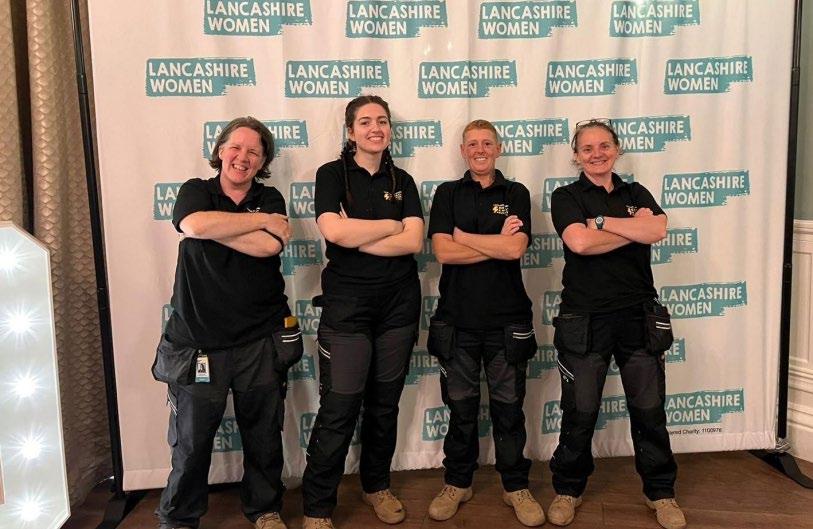
Lancashire Women’s Energy Advice service is designed around a simple but powerful idea: support works best when it meets people where they are, both practically and emotionally.
Through its unique home-visiting model, Lancashire Women delivers tailored energy advice directly to households, helping people reduce costs, improve comfort and feel more in control of their homes. But what sets the service apart is not just what is delivered; it is how it is delivered.
At the heart of the model is a team of female handywomen and energy advisers who provide practical, hands-on support in the home. This includes fitting small energy-saving measures such as LED bulbs, draught excluders and radiator reflectors, alongside carrying out minor repairs that can make a significant difference.
For many of the women Lancashire Women supports, inviting someone into their home can feel overwhelming. Experiences of trauma, domestic abuse, poor mental health or social isolation can create real barriers to accessing help. The female-led approach helps to remove these barriers. Clients often feel more at ease, able
to engage openly, and more willing to accept support. This trust is where the real impact begins.
Home visits are not just about energy efficiency; they are an opportunity to build relationships. Advisers take time to listen, understand individual circumstances, and offer support that goes beyond the immediate issue. Many clients are then connected into wider services, including money advice, mental health support, employment guidance and social inclusion opportunities, ensuring that no one falls through the gaps.
The practical nature of the service also means that change is immediate and visible. A warmer room, reduced draughts, and safer fittings are all small improvements that quickly make a home feel more manageable. This tangible impact builds confidence and helps people feel more in control of their situation.
Demand for the service continues to grow, reflecting both the scale of need and the value of this approach. The combination of trusted relationships, practical interventions and holistic support has proven especially effective in reaching those who might otherwise struggle to engage with traditional services.
Photo: Lancashire Women
The cost of caring in an energy crisis
New research from Family Fund shows how carers and their families are uniquely affected by high energy bills and how the organisation is working to support them
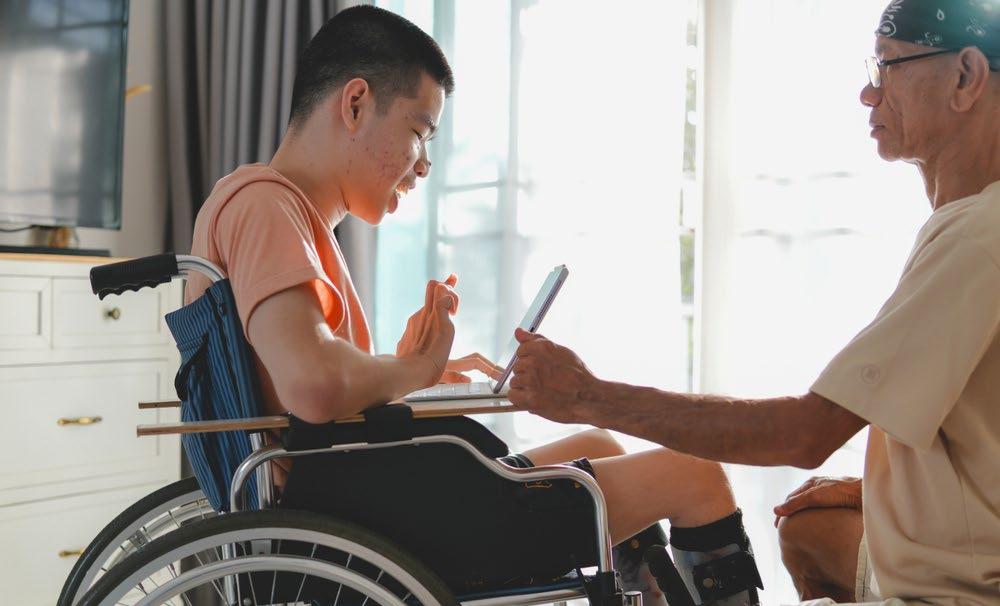
Family Fund works directly with thousands of families on a low income who are raising disabled or seriously ill children. These are families who demonstrate extraordinary resilience while under enormous financial and emotional strain.
Family Fund’s latest research, The Cost of Caring 2025, draws on responses from more than 2,300 families across the UK and demonstrates that many families struggle day-to-day. This is not due to poor budgeting or lack of effort, but because of the unavoidable pressures of caring and the additional costs associated with disability. Recent coverage by BBC News demonstrates the reality of this: www.bbc.co.uk/news/articles/c0j2ep13le2o.
Family Fund seeks to give families at risk of fuel poverty the right knowledge and tools to make informed decisions and feel more confident managing their household energy.
Families who access the charity for help often face multiple challenges, so they listen carefully and try to support them in finding practical solutions. Households are facing increasing pressure from rising energy costs, compounded by the cost of caring. Higher energy usage due to medical equipment, heating requirements, or simply spending more time at home can make fuel bills difficult to manage. For many, cutting back isn’t always possible. This is why their work to reduce fuel poverty among families with additional needs is so important.
Family Fund has developed a free, interactive guide (www. familyfund.org.uk/support/financial/finance-online-guides/) that provides clear steps designed to help with management of energy use and bills.
They connect families with trusted organisations and support schemes that can help reduce energy costs or provide financial assistance.
In addition, they support families to ensure they are claiming all the benefits they’re entitled to, helping increase their overall household income. For those who are unable to access information online, a dedicated contact team is available to provide help over the phone and talk through the support options available.
An upcoming initiative will focus on raising awareness about the range of social tariffs available to eligible households. A dedicated webpage (www.familyfund.org.uk/support/financial/social-tariffs/) has been created to explain what these tariffs are, who can benefit from them, and includes a helpful search tool to find available options. These lower cost tariffs are designed to help to reduce some of the biggest household expenses.
For more information, visit the Family Fund website www. familyfund.org.uk/ and follow them on Facebook www.facebook. com/familyfund?locale=en_GB and LinkedIn www.linkedin.com/ company/the-family-fund/posts/?feedView=all You can contact them directly at info@familyfund.org.uk and on 01904550055.
TRAINING IN FOCUS
Training opportunities – summer 2026
National Energy Action’s training and education offerings this summer include courses on topics such as energy awareness, vulnerable households and energy efficiency
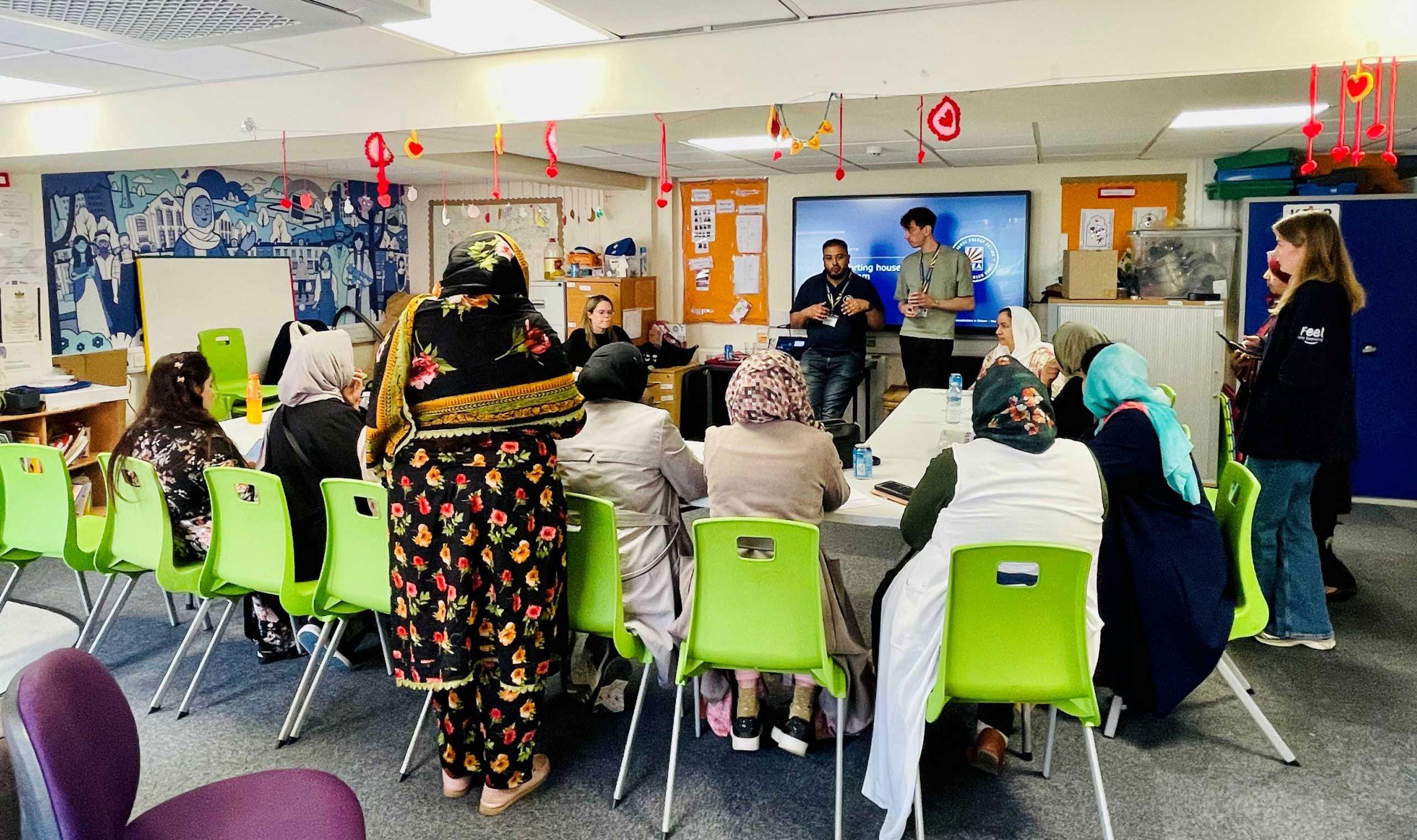
As we move into summer, it’s an ideal time to build capability and strengthen the skills that make a real impact. National Energy Action offers a comprehensive programme of training designed for frontline workers and professionals across the energy sector.
These sessions cover key areas such as delivering practical energy advice and recognising indicators of vulnerability linked to fuel poverty.
Our training is delivered in flexible formats to suit different learning needs, including interactive webinars, open book and formal assessments, and shorter, bite-sized sessions.
For those looking to develop more advanced knowledge, our longer courses provide accredited qualifications up to Level 4. This includes the widely recognised City & Guilds Energy Awareness 6281-01 (Level 3 Award), supporting ongoing professional development. Shorter courses offer a valuable way to refresh existing knowledge or build confidence in core topics, helping teams stay informed and effective.
You can explore the full calendar of confirmed summer 2026 training sessions here: www.nea.org.uk/training/training-diary/ Meet our new education mascot
National Energy Action's education department has launched a mascot for young children to engage with our work with Key Stage 1

and 2 children. This cheeky little squirrel will feature in our education work to help engage young people in our workshops and spread our messages. We look forward to announcing the name decided by children in our education programmes.
Photo and illustration: National Energy Action

Twitter/X: @NEA_UKCharity

Bluesky: @nea.org.uk

Instagram: www.instagram.com/nea_ukcharity

LinkedIn: www.linkedin.com/company/national-energy-action

Facebook: www.facebook.com/nationalenergyaction
NATIONAL ENERGY ACTION
National Energy Action, the fuel poverty charity, campaigns so everyone can afford to live in a warm and safe home. This is something denied to millions because of poor housing, low incomes, and high bills. Working across England, Wales and Northern Ireland, everything we do aims to improve the lives of people in fuel poverty. We directly support people with energy and income maximisation advice and we advocate on issues including improving the energy efficiency of our homes. We do not work alone. Partnerships and collaboration have been at the heart of National Energy Action for more than 40 years, helping us drive better health and wellbeing outcomes for people struggling to heat their homes.
WHERE TO FIND US
Email: focus@nea.org.uk Web: www.nea.org.uk
NEA is an independent charity, Registration No. 290511. Company limited by guarantee. Registered in England, No. 1853927 Registered office: Wellbar, Level 8, 36 Gallowgate, Newcastle upon Tyne, NE1 4TD
Illustration: Indigo Design/ Shutterstock