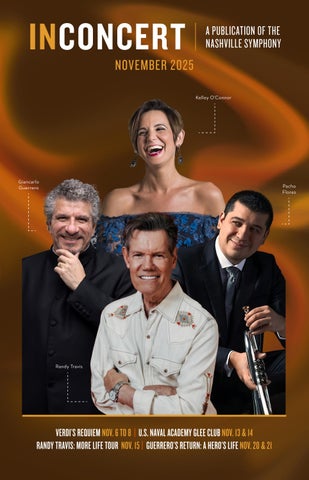
NOVEMBER 2025 A PUBLICATION OF THE NASHVILLE SYMPHONY
VERDI’S REQUIEM NOV. 6 TO 8 | U.S. NAVAL ACADEMY GLEE CLUB NOV. 13 & 14
RANDY TRAVIS: MORE LIFE TOUR NOV. 15 | GUERRERO’S RETURN: A HERO’S LIFE NOV. 20 & 21
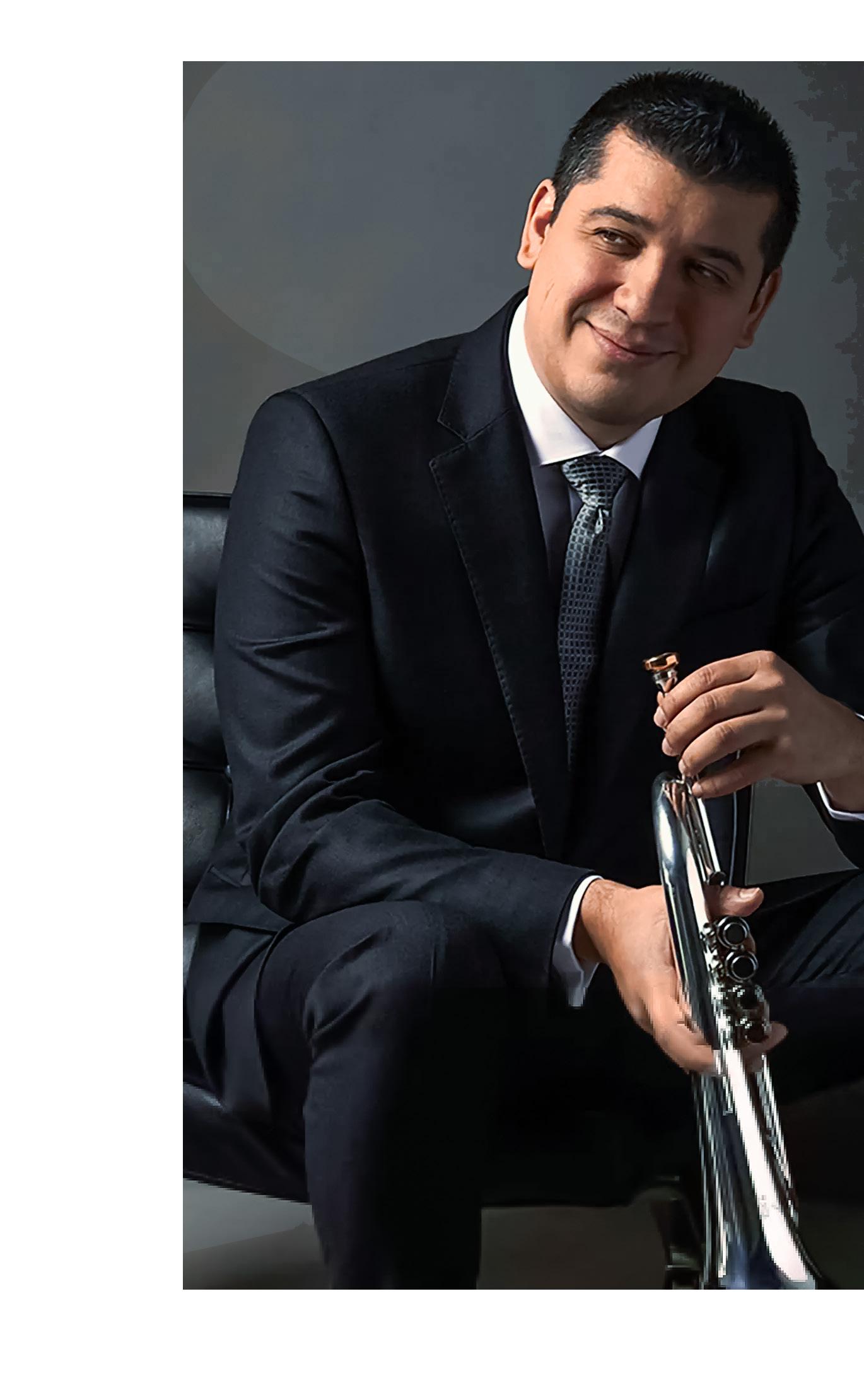
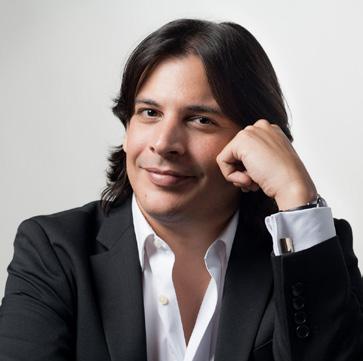
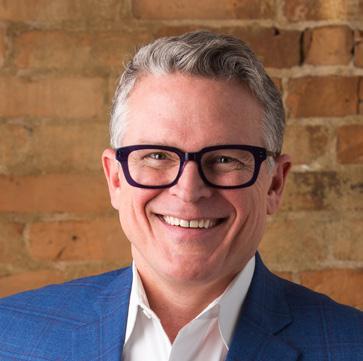
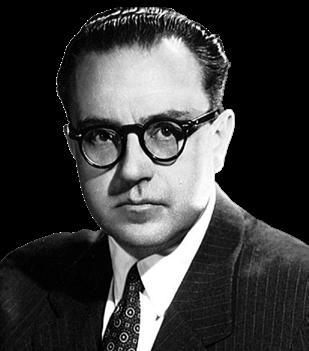
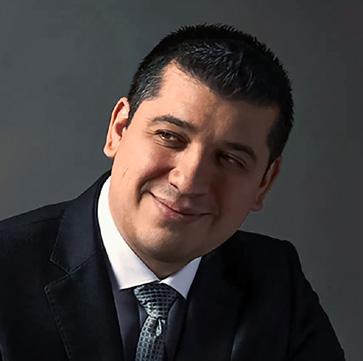
Pacho Flores
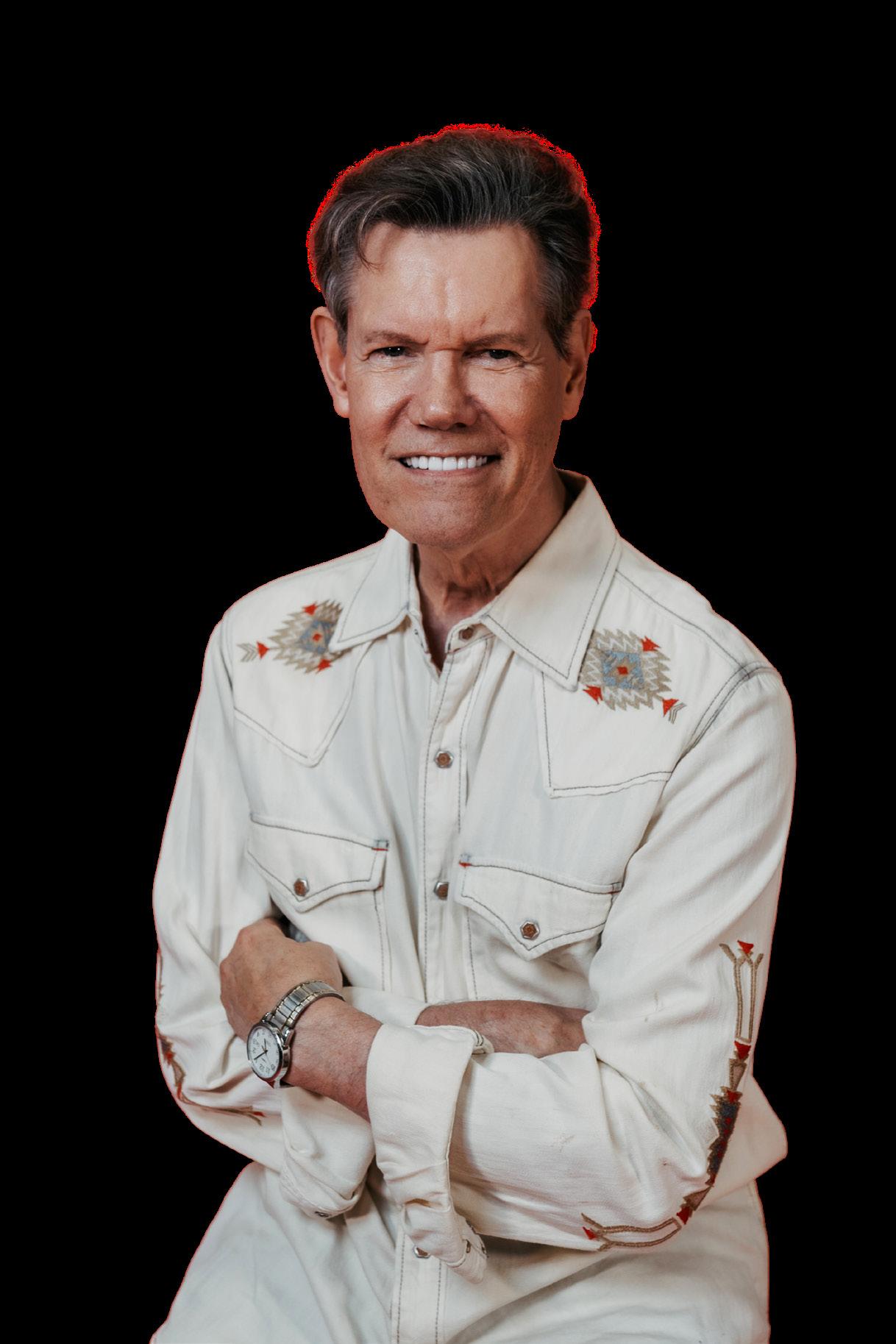
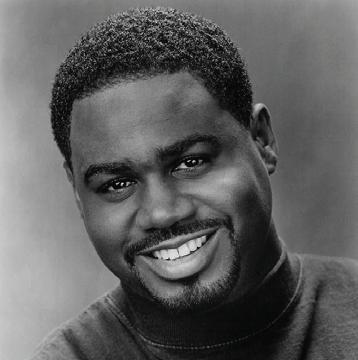
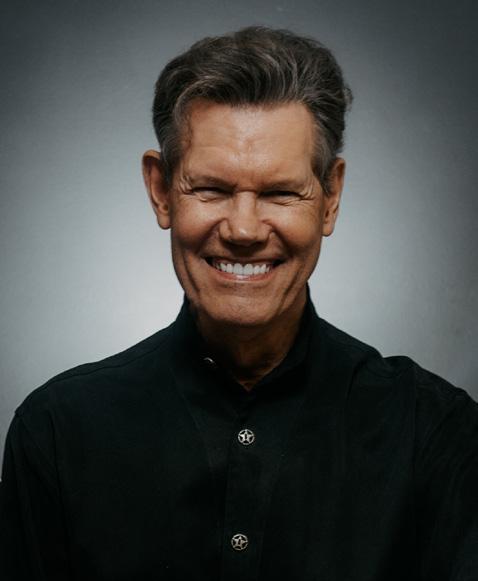
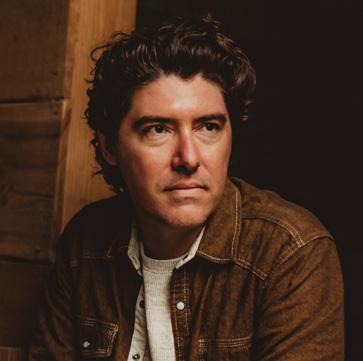
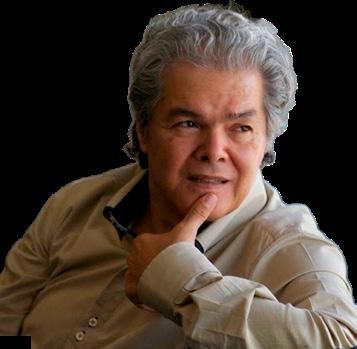
Randy Travis
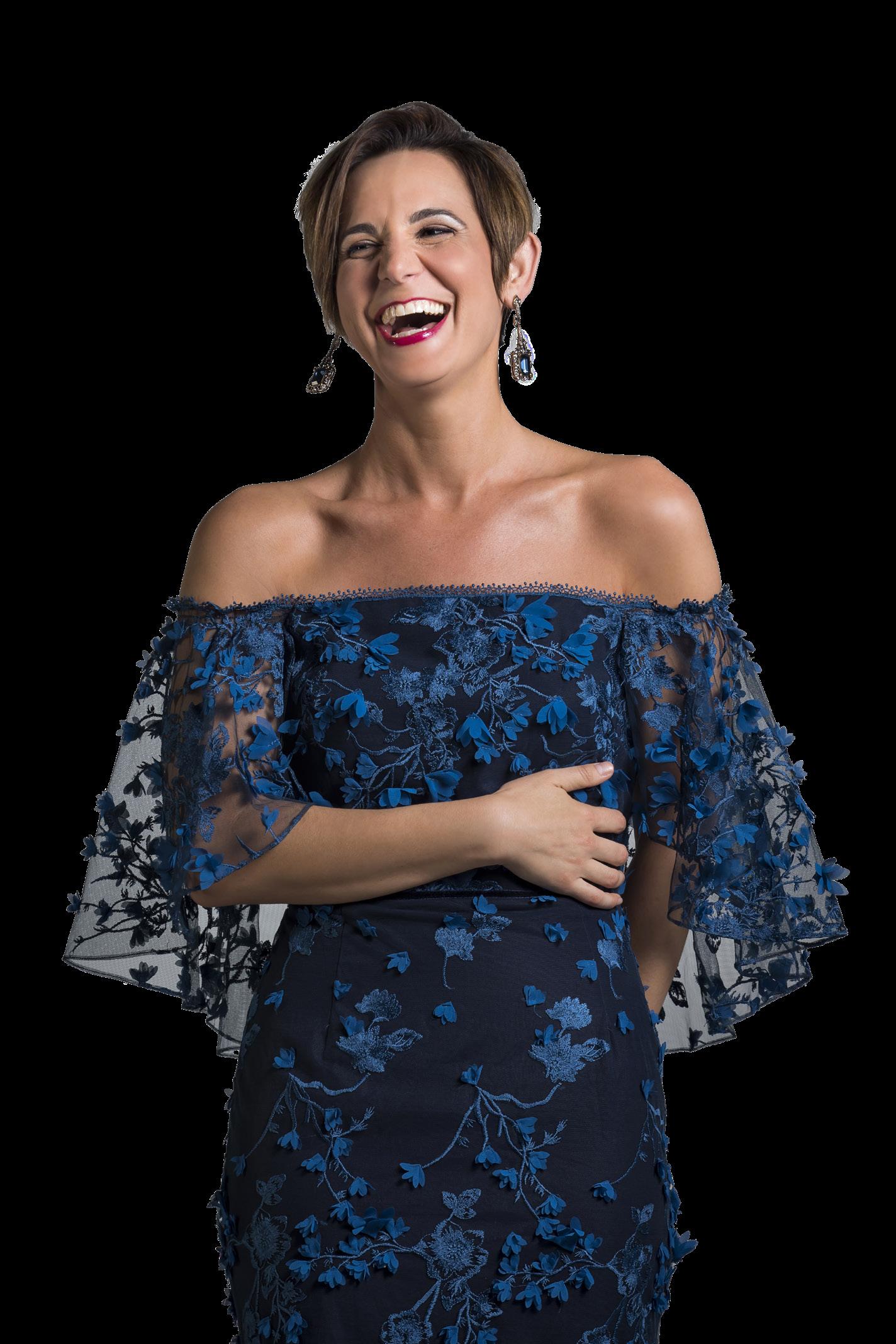
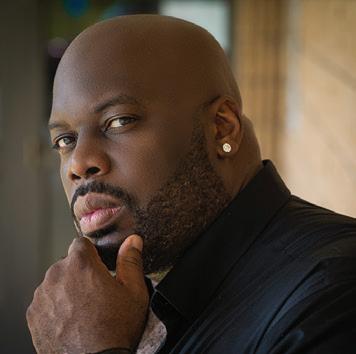
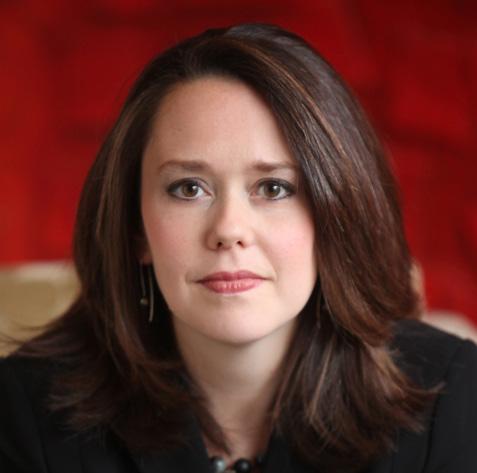
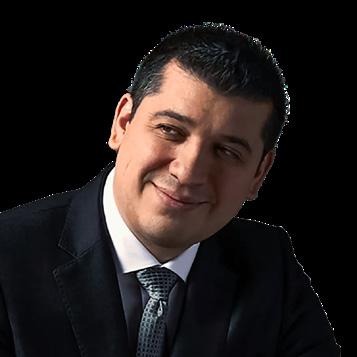
Kelley O’Connor
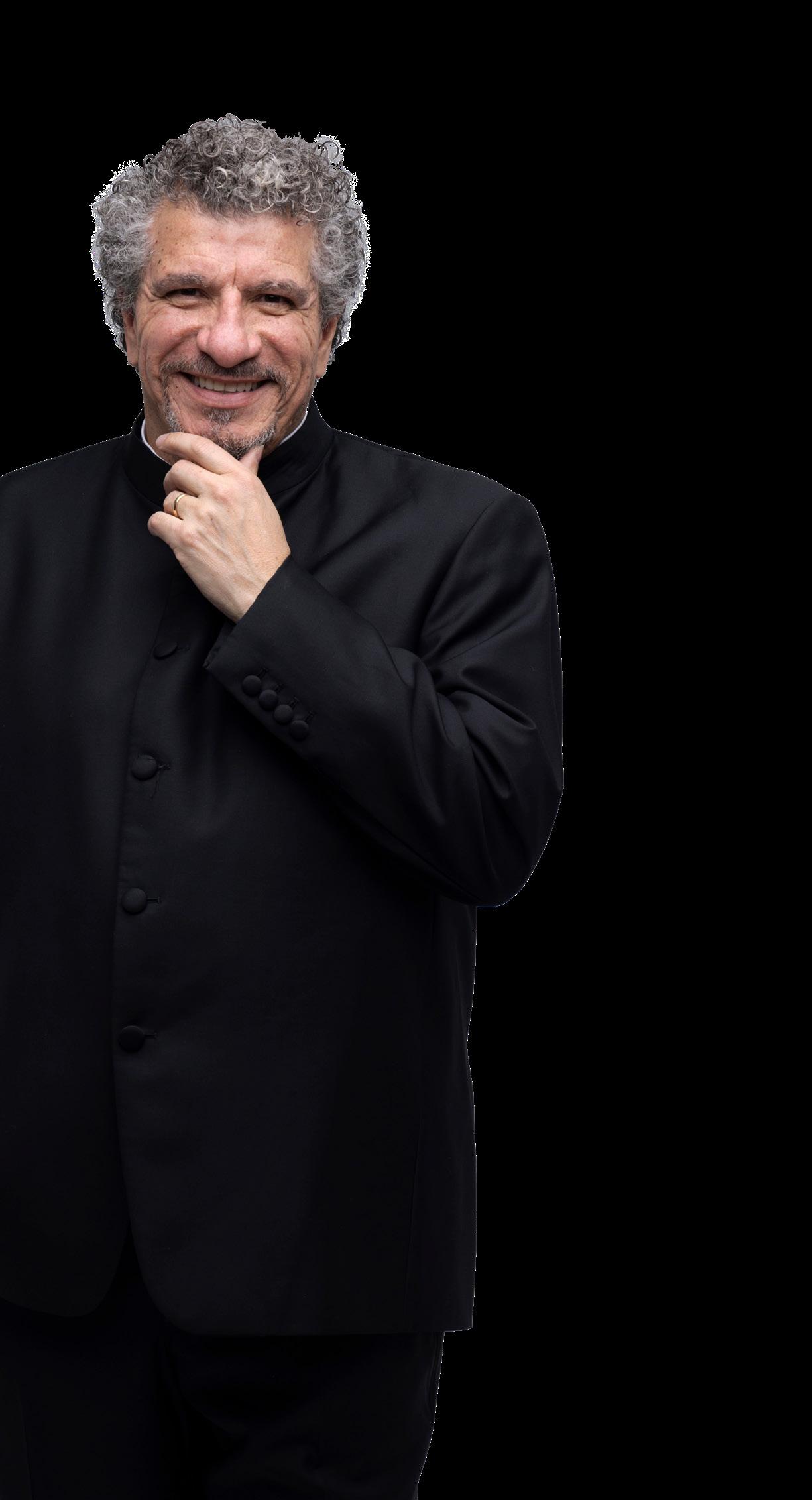
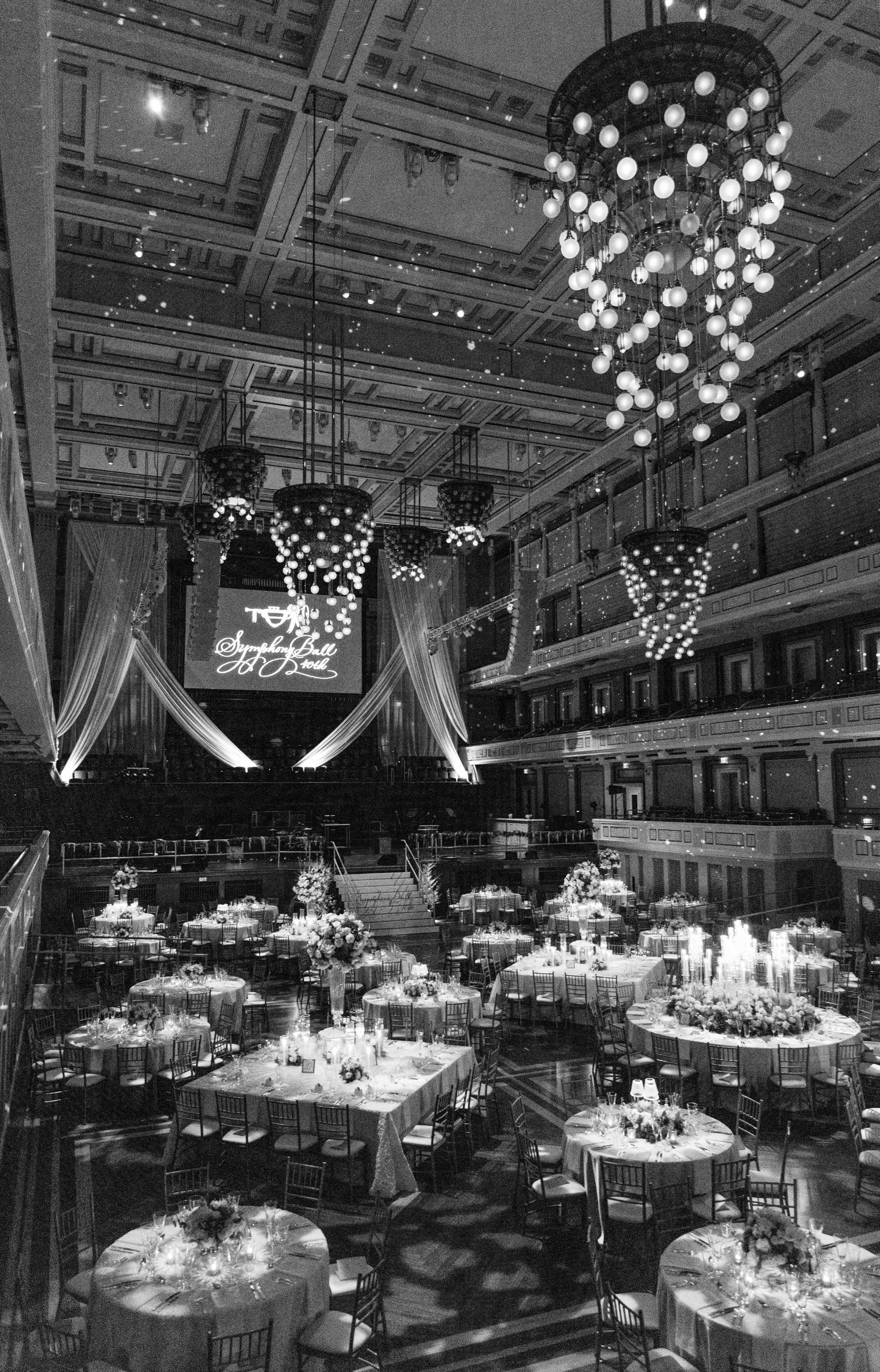
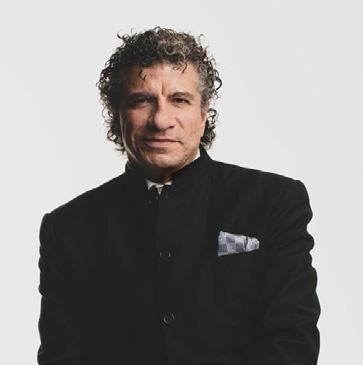
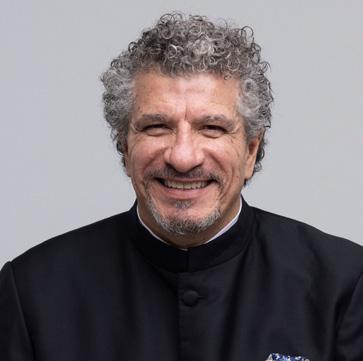
Giancarlo Guerrero
LETTER FROM THE PRESIDENT & CEO
As we enter this season of gratitude, I want to take a moment to thank all of you—our generous, loyal, and committed patrons.
Throughout my nearly three decades at the Nashville Symphony, I’ve had the privilege of witnessing the incredible generosity and unwavering support of this community. Time and again—through triumphs, natural disasters, challenges, and everything in between—you have shown up for your orchestra. And along the way, it is your incredible support which has fueled all that we have been able to accomplish, and for that expression of your faith in us, we are deeply grateful.
Last month, we premiered and recorded Everything Hurts , a powerful new work that sets Amanda Gorman’s poetry to music. It was a moving reminder of the power of music to reflect our shared experiences, offer healing, and spark hope. Moments like these don’t happen without the support of our community.
In the same spirit of innovation, we are launching Higher Vibrations, our new music and wellness series, this month. Curated by our own violist Anthony Parce, the first installment of four, Pulse, invites audiences to explore the connection between live music and mindful movement through a yoga-inspired experience here at Schermerhorn. This is just one of the many ways your support helps us reimagine what a symphony, and more specifically, your Nashville Symphony, can be; expanding the boundaries of how and where we engage people through music.
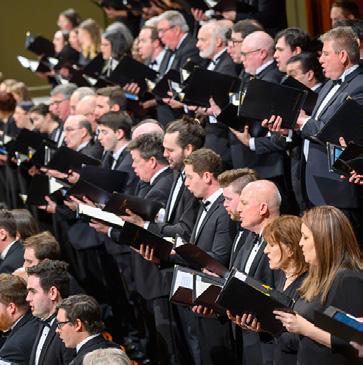
We’re also thrilled to welcome back our Music Director Laureate, Giancarlo Guerrero , to lead his first concert of the season. He returns for performances of Strauss’s Ein Heldenleben (“A Hero’s Life”), which serve as both a musical homecoming of sorts and a reminder of the lasting artistic legacy Giancarlo built with the orchestra. Earlier in the month, we also feature performances of Verdi’s Requiem, a timeless masterpiece showcasing the full power of our orchestra and chorus under the baton of guest conductor, José Luis Gomez
We’ve certainly had our share of challenges over the years, but this organization has always proven to be resilient thanks to supporters like you who believe in our mission and invest in our future. Ticket sales alone don’t cover the full cost of bringing live orchestral music to our stage, schools, and neighborhoods. We rely on the generous and sustained support of individual donors like you.
As you think about your year-end giving plans, I hope you’ll consider the Nashville Symphony. Your support allows us to keep growing, innovating, and reaching more people in meaningful ways.
From all of us at the Nashville Symphony, thank you for being part of our journey.
Warmest regards,
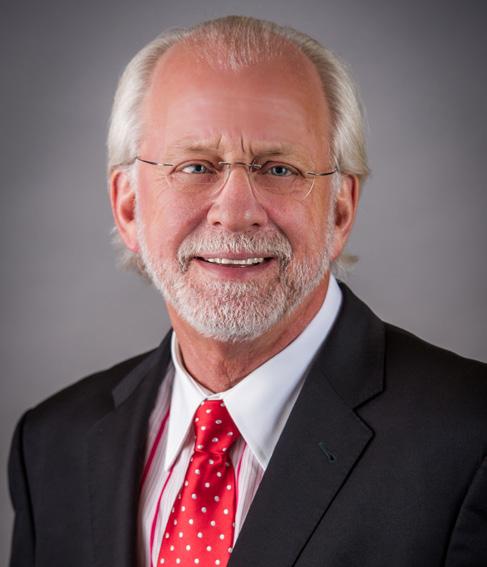
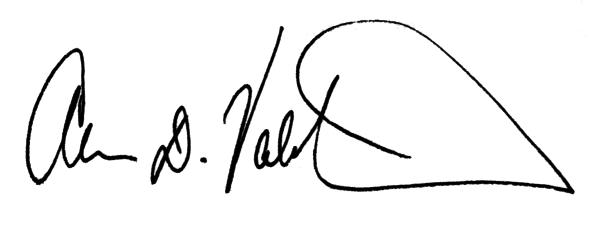
Alan D. Valentine | President & CEO
The Nashville Symphony inspires and engages a diverse and growing community with extraordinary live orchestral music experiences.
615.687.6400
info@NashvilleSymphony.org NashvilleSymphony.org
Video cameras, recording devices, and flash photography are strictly prohibited in the concert hall or in any other space where a performance or rehearsal is taking place. Cameras with a detachable lens may only be used pending approval from the artist and the venue and will be subject to rules and restrictions. For more information, please contact the Nashville Symphony's Communications office PHOTOGRAPHY & VIDEO POLICY
2025/26 NASHVILLE SYMPHONY
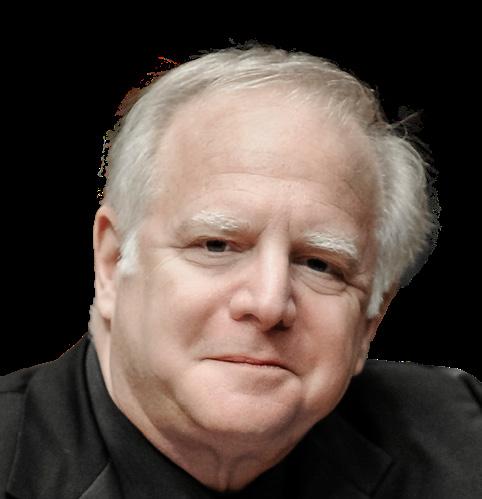
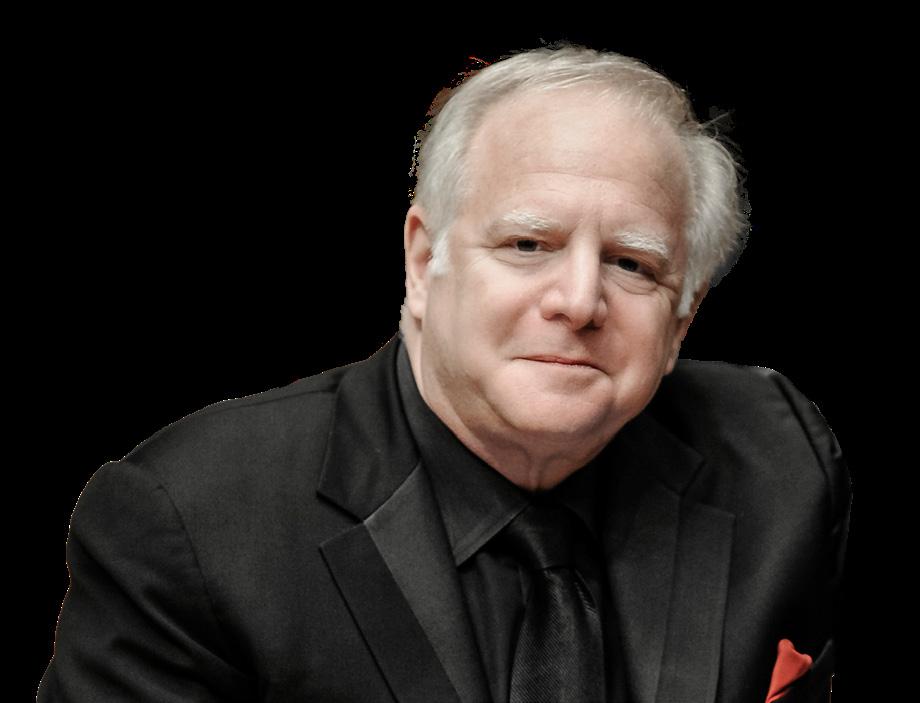
LEONARD SLATKIN
Music Advisor
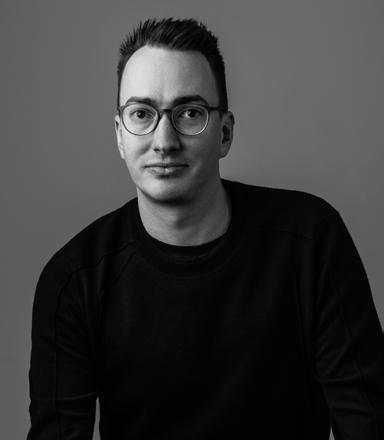
NATHAN ASPINALL Resident Conductor
FIRST VIOLIN*
Peter Otto, Concertmaster
Walter Buchanan Sharp Chair
Erin Hall, Acting Associate Concertmaster
Gerald C. Greer, Acting Assistant Concertmaster
Tianpei Ai
Isabel Bartles
Francesca Bass
Beverly Drukker
Dawn Gingrich
Anna Lisa Hoepfinger
John Maple
Kirsten Mitchell
Ashley Odom
SECOND VIOLIN*
Jung-Min Shin, Principal
Lucia Nowik, Acting Assistant Principal
Likai He
Daniel Kim
Charissa Leung
Louise Morrison
Laura Ross
Johna Smith
Jeremy Williams
VIOLA*
Daniel Reinker, Principal
Shu-Zheng Yang, Assistant Principal
Michelle Lackey Collins
The Drs. Mark & Nancy Peacock Chair
Christopher Farrell
Anthony Parce
Melinda Whitley
Clare Yang
GIANCARLO GUERRERO
Music Director Laureate
TUCKER BIDDLECOMBE
Chorus Director
CELLO*
Kevin Bate, Principal James Victor Miller Chair
Una Gong, Assistant Principal
Anthony LaMarchina, Principal Cello Emeritus
Stephen Drake
Bradley Mansell
Keith Nicholas
Lynn Marie Peithman
Xiao-Fan Zhang
BASS*
Joel Reist, Principal
Glen Wanner, Assistant Principal
Matthew Abramo
Evan Bish
Kevin Jablonski
Katherine Munagian
FLUTE
Érik Gratton, Principal Anne Potter Wilson Chair
Leslie Fagan, Assistant Principal
Gloria Yun, Norma Grobman Rogers Chair
PICCOLO
Gloria Yun, Norma Grobman Rogers Chair
OBOE
Titus Underwood, Principal ◊
Christopher Gaudi, Acting Principal +
Ellen Menking, Assistant Principal
Kate Bruns +
ENGLISH HORN
Kate Bruns+
CLARINET
Danny Goldman, Acting Principal +
Katherine Kohler, Assistant Principal
Daniel Lochrie
E-FLAT CLARINET
Katherine Kohler
BASS CLARINET
Daniel Lochrie
BASSOON
Julia Harguindey, Principal ◊
Asha Kline, Acting Principal +
Gil Perel, Acting Assistant Principal
Nicole Haywood
Vera Tenorio +
CONTRABASSOON
Nicole Haywood
Vera Tenorio +
HORN
Leslie Norton, Principal The Dr. Anne T. & Peter L. Neff Chair
Beth Beeson
Patrick Walle, Associate Principal/3rd Horn ◊
Radu V. Rusu, Acting Associate Principal/ 3rd Horn
Hunter Sholar
Anna Spina, Acting Assistant Principal/ Utility Horn +
TRUMPET
William Leathers, Principal
Patrick Kunkee, Co-Principal Alexander Blazek
TROMBONE
Paul Jenkins, Principal
Anthony Cosio-Marron, Assistant Principal
BASS TROMBONE
Chance Gompert
TUBA
Chandler Currier, Principal
TIMPANI
Joshua Hickman, Principal
PERCUSSION
Sam Bacco, Principal
Richard Graber, Assistant Principal
HARP
Licia Jaskunas, Principal
KEYBOARD
Robert Marler, Principal
LIBRARY
Renee Ann Pflughaupt, Principal Librarian
Amelia Van Howe, Librarian
ORCHESTRA PERSONNEL
Carrie Marcantonio, Interim Director of Orchestra Personnel
Sarah Figueroa, Assistant Orchestra Personnel Manager
Internationally acclaimed conductor Leonard Slatkin is Music Director Laureate of the Detroit Symphony Orchestra (DSO), Directeur Musical Honoraire of the Orchestre National de Lyon (ONL), Conductor Laureate of the St. Louis Symphony Orchestra (SLSO), Principal Guest Conductor of the Orquesta Filarmónica de Gran Canaria (OFGC), and Artistic Consultant to the Las Vegas Philharmonic (LVP). He maintains a rigorous schedule of guest conducting and is active as a composer, author, and educator.
The 2025/26 season includes engagements with the National Symphony Orchestra (Ireland), Manhattan School of Music Symphony Orchestra, SLSO, USC Thornton Symphony, LVP, Taiwan Philharmonic, KBS Symphony Orchestra (Seoul), Gunma Symphony Orchestra, NHK Symphony Orchestra (Tokyo), Nashville Symphony, Atlanta Symphony Orchestra, Orchestre Symphonique de Montréal, Warsaw Philharmonic, Franz Schubert Filharmonia (Barcelona), ONL, Prague Symphony Orchestra, Filarmonica George Enescu (Bucharest), OFGC, and Rundfunk-Sinfonieorchester Berlin.
Slatkin has received six GRAMMY® Awards and 35 nominations. Naxos recently reissued Vox audiophile editions of his SLSO recordings featuring the works of Gershwin, Rachmaninov, and Prokofiev. Other Naxos recordings include Slatkin Conducts Slatkin a compilation of pieces written by generations of his family—as well as works by Saint-Saëns, Ravel, Berlioz, Copland, Borzova, McTee, and Williams. A recipient of the National Medal of Arts, Slatkin also holds the rank of Chevalier in the French Legion of Honor. He has been awarded the Prix Charbonnier from the Federation of Alliances Françaises, Austria’s Decoration of Honor in Silver, and the League of American Orchestras’ Gold Baton. His debut book, Conducting Business (2012), for which he received the ASCAP Deems Taylor Special Recognition Award, was followed by Leading Tones (2017) and
MUSIC ADVISOR
LEONARD SLATKIN
Classical Crossroads: The Path Forward for Music in the 21st Century (2021). His latest books are Eight Symphonic Masterworks of the Twentieth Century (spring 2024) and Eight Symphonic Masterworks of the Nineteenth Century (fall 2024) , part of an ongoing series of essays that supplement the scorestudy process, published by Bloomsbury.
Slatkin has held posts as Music Director of the New Orleans Philharmonic-Symphony Orchestra, SLSO, National Symphony Orchestra, DSO, and ONL, and he was Chief Conductor of the BBC Symphony Orchestra. He has served as Principal Guest Conductor of London’s Philharmonia and Royal Philharmonic, the Pittsburgh Symphony Orchestra, the Los Angeles Philharmonic at the Hollywood Bowl, and the Minnesota Orchestra.
He has conducted virtually all the leading orchestras in the world, including the New York Philharmonic, Chicago Symphony Orchestra, Philadelphia Orchestra, Boston Symphony Orchestra, San Francisco Symphony, Los Angeles Philharmonic, Berlin Philharmonic, Bayerischer Rundfunk (Munich), Royal Stockholm Philharmonic Orchestra, Royal Concertgebouw Orchestra (Amsterdam), Orchestre de Paris, Oslo Philharmonic Orchestra, and Israel Philharmonic Orchestra, as well as all five London orchestras.
Slatkin’s opera conducting has taken him to the Metropolitan Opera, Lyric Opera of Chicago, Washington National Opera, Opera Theatre of St. Louis, Santa Fe Opera, Vienna State Opera, Stuttgart Opera, and Opéra Bastille in Paris.
Born in Los Angeles to a distinguished musical family, he began his musical training on the violin and first studied conducting with his father, followed by Walter Susskind at Aspen and Jean Morel at Juilliard. He makes his home in St. Louis with his wife, composer Cindy McTee. For more information, visit leonardslatkin.com.
NATHAN ASPINALL, Resident Conductor
Australian Conductor
Nathan Aspinall has led orchestras across the globe and is widely admired for his thoughtful, nuanced interpretations and powerful performances. His collaborative approach to performing with fellow musicians has resulted in ongoing partnerships and deep relationships with the orchestras with whom he performs.
Nathan currently serves as Resident Conductor with the Nashville Symphony and this season will lead the orchestra in multiple programs including his fourth appearance on the classical subscription series with a program of Berlioz, Ligeti and the Britten Violin Concerto with Benjamin Beilman. In previous seasons Nathan has conducted acclaimed performances with the Nashville Symphony in dynamic repertoire including symphonies of Prokofiev, Tchaikovsky, Dvorak and Sibelius and last season led a special all Ravel program to mark the 150th anniversary of the composers birth.
Aspinall has performed around the world, leading the orchestras of Minnesota, Detroit, St Louis, Atlanta, Sydney and the MendelssohnOrchesterakademie of the Gewandhausorchester in Leipzig. He has assisted many of today’s leading
conductors including Stéphane Denève, Jakub Hrůša, Nathalie Stutzmann, Thomas Søndergård, and Simone Young.
Nathan was a conducting fellow at the Tanglewood Music Center with the Boston Symphony Orchestra where he was mentored by Andris Nelsons, Thomas Adès and Giancarlo Guerrero. He is also a recipient of the Robert J. Harth Conducting Prize at the Aspen Music Festival.
A strong believer that music is for everyone, Nathan is passionate about orchestras reaching an ever-widening audience. At the Nashville Symphony, he spearheads education and community initiatives, the commissioning of new projects and curates community programing. Supporting future generations of musicians, Nathan is an advocate for music education and outreach and has led performances and masterclasses for conservatories, universities and youth orchestras around the country. Festival appearances include the Cabrillo Festival of Contemporary Music, Oregon Bach Festival and the Tanglewood Music Center Conducting Seminar. He studied orchestral conducting with Hugh Wolff at New England Conservatory in Boston and music performance at the University of Queensland.
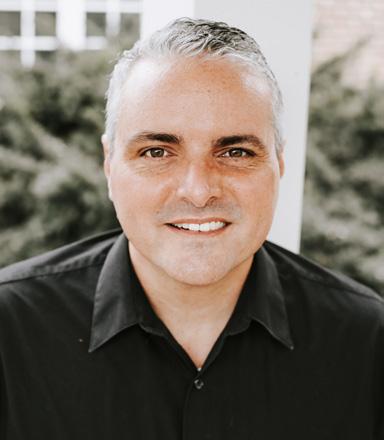
TUCKER BIDDLECOMBE
Appointed as Chorus Director of the Nashville Symphony in 2016 , Dr. Biddlecombe has raised the bar of excellence for Nashville’s premier choral ensemble through intense musical preparation, diverse programming, and communitybuilding. He also serves as Professor of Choral Studies and Associate Dean for Undergraduate Education at Vanderbilt University’s Blair School of Music, where he directs the Vanderbilt Sixteen and teaches courses in choral conducting and music education.
His work with the Nashville Symphony has included chorus preparation for many of the repertoire’s most revered masterworks. Notable performances have included two Mahler symphonies, Bernstein’s Symphony No. 3 “Kaddish”, and Requiems by Mozart and Verdi. He has prepared the chorus for two major
, Chorus Director
world-premiere recordings, John Harbison’s Requiem (rel. 2018, Naxos) as well as the upcoming release of Gabriela Lena-Frank’s Conquest Requiem and Antonio Estevez’s Cantata Criolla. He has conducted the chorus and orchestra in performances of Haydn’s Creation, Handel’s Messiah , Vivaldi’s Gloria , and the annual Voices of Spring concert.
Tucker is a veteran teacher and advocate for music education. He frequently conducts scholastic honor choirs throughout the United States, with international engagements in England, Scotland, China, and the Czech Republic. Dr. Biddlecombe is a graduate of SUNY Potsdam and Florida State University, where he completed studies in choral conducting and music education with Daniel Gordon and André Thomas, respectively. He resides in Nashville with his wife Mary Biddlecombe, director of the Blair Academy at Vanderbilt, and Artistic Director of Vanderbilt Youth Choirs.
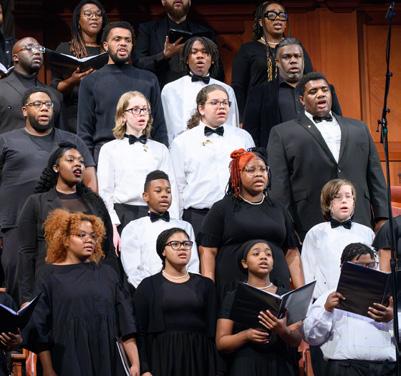
VERDI'S REQUIEM with the Nashville Symphony & Chorus
THURSDAY, FRIDAY & SATURDAY, NOVEMBER 6, 7 & 8 AT 7:30 PM
NASHVILLE SYMPHONY & CHORUS
JOSÉ LUIS GOMEZ, conductor
TUCKER BIDDLECOMBE, chorus director
KATIE VAN KOOTEN, soprano
KELLEY O’CONNOR, mezzo-soprano
RODRICK DIXON, tenor
MORRIS ROBINSON, bass
GIUSEPPE VERDI
Messa da requiem Requiem and Kyrie Sequence (Dies irae)
Offertorio (Domine Jesu) Sanctus
Agnus Dei Lux aeterna Libera me
CLASSICAL SERIES PRESENTED BY
CHORAL PERFORMANCES ARE GENEROUSLY SUPPORTED BY C.B. RAGLAND COMPANY.
This concert will last approximately one hour, 23 minutes, with no intermission.
BGiuseppe Verdi
Messa da requiem
Composed: 1873-74; “Libera Me” was composed in 1869
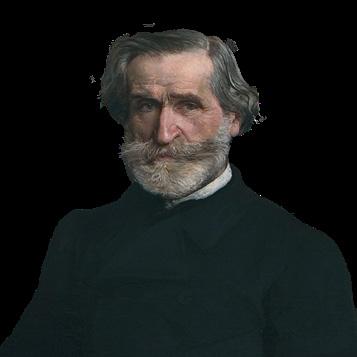
y the end of 1871, in the wake of the spectacular success of his opera Aida, set in ancient Egypt, Giuseppe Verdi felt ready to step back from the stage. Nearing 60, he had achieved wealth, fame, and the status of Italy’s most celebrated composer. He spoke openly of retirement, longing for the peace and seclusion of his country estate. But two years later, the death of novelist, poet, and patriot Alessandro Manzoni stirred something deep within him—a need to respond through music, and perhaps to confront his own sense of mortality.
Manzoni had been a hero to Verdi ever since his youth, when he devoured the writer’s groundbreaking historical novel I promessi sposi (The Betrothed). First published in 1827, it became a touchstone of modern Italian literature. As Italy fought to become a unified nation, Manzoni was revered as a symbol of national identity—of Italian culture and ideals —much as Verdi’s own music had been. For the composer, Manzoni was nothing less than a secular saint.
To honor Manzoni’s memory, Verdi turned to the Roman Catholic Mass for the dead—the Requiem—and worked quickly so it could be performed on the first anniversary of the writer’s passing. The premiere took place in May 1874 at Milan’s Church of San Marco, where Manzoni’s funeral had been held, with Verdi himself conducting.
Verdi first conceived the idea of a commemorative Requiem in 1868, after the death of his older contemporary Gioachino Rossini. At that time, he proposed a collaborative memorial Mass with separate movements by leading Italian composers. That project fell apart, but Verdi salvaged his own contribution—the final “Libera me”—and reshaped it to close the new Requiem.
Although Verdi rejected many of the church’s
traditions, he felt moved to respond to the ritual of the Mass with music of soul-stirring depth. The result is unlike anything else in his career. With his distinctive dramatic voice, Verdi breathed new life into the traditional forms of sacred music.
Some early listeners were unsettled by this intensity. Without even attending the premiere, conductor Hans von Bülow dismissed the piece as “an opera in church guise”—a comment he later retracted as he came to realize the value of this music.
While Verdi’s operatic instincts are unmistakable, the Requiem ventures far beyond the theater. Here, the soloists are not characters in a plot but archetypes of human experience. The chorus becomes the collective voice of a community, while the orchestra creates a vivid soundscape, setting the stage for moments of terror and wonder, but also transcendence. Throughout the score, Verdi weaves in echoes of his earlier operas, giving the Requiem the sense of a summation—a final testament that gathers the threads of his dramatic life into a single, profound statement.
The choral opening of the “Introit” (the Latin for “entrance”) signals this different world at once with a plea for eternal rest and perpetual light for the departed. Its hushed, almost imperceptible sound grows out of silence, with melodies slowly emerging and taking shape. In the “Kyrie,” the four soloists enter, adding warmth and individuality to the texture as they join the chorus to invoke mercy.
At the heart of the Requiem is the monumental “Dies irae” (Latin for “Day of Wrath”), which sets a long, rhyming medieval Latin poem depicting the Last Judgment, when souls are called to account before God. Dating back to at least the 13th century, it became one of the most readily recognizable texts in the Catholic liturgy.
Traditionally, the “Dies irae” is known as a “sequence”—a special type of chant inserted between the readings of the Mass. It has long been a central part of the Mass for the Dead, beginning as plainchant and inspiring countless later settings by composers across the centuries, though not every Requiem includes it—as some composers chose different texts or structures for their settings.
In Verdi’s treatment, the “Dies irae” sequence lasts
nearly 40 minutes—almost half the length of the Requiem itself. The terrifying opening, punctuated by thunderous strokes of the bass drum, has become the work’s sonic signature. But this storm is only one part of a wide emotional spectrum. Throughout the sequence, the musical mood shifts constantly: moments of fear give way to passages of tender hope, then back to overwhelming despair. Perspectives also change, as the singers alternate between witnesses, mourners, and voices of judgment.
Verdi’s gift for contrast drives the piece forward. After the first explosion of the “Dies irae,” a battery of trumpets positioned offstage announces the “Tuba mirum.” Their fanfares generate a sense of awe and spatial drama. The solo bass follows with a stark meditation on mortality, his line faltering on the word mors (“death”).
Verdi moves through a remarkable variety of textures and colors: solo arias, duets, trios, quartets, and passages of unaccompanied singing such as the ethereal “Pie Jesu.” The orchestra paints these moments with striking detail: the mournful bassoon in “Quid sum miser,” the cello’s lullaby in “Recordare.” The storm of the opening returns at several key points—like a Fate motif—shadowing the end of the sequence and hinting at the ambiguity of the Requiem’s final pages.
The “Offertorio”—the section where the bread and wine are presented before the Eucharistic prayer— unfolds with radiant lyricism, culminating in the “Hostias,” a prayer of offering on behalf of the departed. Here, Verdi blends elements of church tradition, such as simple, chant-like melodies and intricate counterpoint, with the emotional richness of his operatic voice.
The “Sanctus” bursts in with exuberance as a double chorus drives forward with a joyful fugue, each line cascading into the next in a dazzling display of energy. The haunting “Agnus Dei” poses a stark contrast and is built from the simplest material: a melody sung by soprano and mezzo in octaves, answered by the chorus in changing textures. The second-to-last movement, “Lux aeterna,” evokes the pace of a funeral march as well as a vision of transcendence, pointing toward the Requiem’s climactic finale.
The dramatic return of the solo soprano at the start of the “Libera me”—after her absence from the “Lux aeterna”—signals the final stage of this journey. Verdi divides the finale into contrasting sections. The soprano’s opening phrases tremble with fear before a brief eruption recalls the “Dies irae,” and then the
music subsides into a quiet prayer. The opening music of the Requiem returns, now reimagined for soprano and unaccompanied chorus.
In the final moments, Verdi gathers all the musical threads one last time, building to a powerful climax. But instead of delivering a clear, triumphant ending, the music slowly fades, the voices narrowing to a single repeated note. The closing chord feels both final and uncertain, leaving listeners suspended between terror and hope.
WHAT TO LISTEN FOR
The Requiem’s journey begins in a hushed whisper, its opening measures unfolding like a distant breath before erupting into the terrifying “Dies irae.” Along with his irresistible lyricism, Verdi’s ear for color and telling detail is striking: listen for the plaintive bassoon in “Quid sum miser,” the tender cello in “Recordare,” the unaccompanied voices of the “Pie Jesu.”
Contrast shapes the arc of the later movements as well: the exuberant double chorus of the “Sanctus,” the stark simplicity of the chant-like “Agnus Dei,” and, in the final “Libera me,” the soprano’s desperate cries followed by a hushed, questioning close. As the music dissolves back into silence, we are left to sit with the powerful emotions and unanswered questions Verdi has stirred.
In addition to solo soprano, mezzo-soprano, tenor, and bass and double chorus, scored for 3 flutes (3rd doubling piccolo), 2 oboes, 2 clarinets, 4 bassoons, 4 horns, 8 trumpets (including offstage), 3 trombones, tuba, timpani, bass drum, and strings.
− Thomas May is the Nashville Symphony's program annotator.
VERDI'S REQUIEM LIBRETTO & TRANSLATION
REQUIEM
Requiem aeternam dona eis, Domine, Et lux perpetua luceat eis. Te decet hymnus, Deus in Sion, Et tibi reddetur votum in Jerusalem; Exaudi orationem meam, Ad te omnis caro veniet.
Requiem aeternam dona eis, Domine, Et lux perpetua luceat eis.
Kyrie, eleison, Christe, eleison, Kyrie, eleison.
DIES IRAE
Dies irae, dies illa, Solvet seclumin favilla, Teste David cum Sibylla.
Quantus tremor est futurus, Quando judex est venturus, Cuncta stricte discussurus!
Tuba mirum spargens sonum, Per sepulcra regionum, Coget omnes ante thronum.
Mors stupebit et natura, Cum resurget creatura, Judicanti responsura.
Liber scriptus proferetur, In quo totum continetur, Unde mundus judicetur.
Judex ergo cum sedebit, Quidquid latet apparebit, Nil inultum remanebit.
Quid sum miser tunc dicturus, Quem patronem rogaturus, Cum vix Justus sit securus?
Rex tremendae majestatis, Qui salvandos salvas gratis, Salva me, fons pietatis.
Recordare Jesu pie, Quod sum causa tuae viae, Ne me perdas illa die.
Quaerens me sedisti lassus: Redemisti crucem passus; Tantus labor non sit cassus.
Juste judex ultionis, Donum fac remissionis ante diem rationis.
Ingemisco tamquam reus, Culpa rubet vultus meus; Supplicanti parce, Deus.
Qui Mariam absolvisti, Et latronem exaudisti, Mihi quoque spem dedisti.
Preces meae non sunt dignae: Sed tu, bonus, fac benigne, Ne perenni cremer igne.
Grant them eternal rest, Lord, And let perpetual light shine on them. You are praised, God in Zion, And homage will be paid to you in Jerusalem. Hear my prayer, To you all flesh will come. Grant them eternal rest, Lord, And let perpetual light shine on them.
Lord, have mercy, Christ, have mercy, Lord, have mercy.
Day of wrath, that day Will dissolve the world in ashes: As foretold by David and the Sibyl.
What trembling there will be, When the judge comes To examine all things strictly!
The trumpet will send a wondrous sound Through the graves of all the land, And gather all before the throne.
Death and nature will marvel, When all creation will rise again To answer to the Judge.
A book will be brought forth, In which all has been recorded, From which the world will be judged.
When the judge takes his place All will be revealed: Nothing will remain hidden.
What shall a wretch like me say? Who will intercede for me When even the just need mercy?
King of tremendous majesty, Who freely saves the worthy Save me, font of mercy.
Remember merciful Jesus, That I am the cause of your suffering: Do not forsake me on that day.
Faint and weary you have sought me: Redeemed me, suffering on the cross: May such effort not be in vain.
Righteous judge of vengeance, Grant me the gift of absolution before the day of reckoning.
Sighing like one who is guilty, My face reddens in shame: Spare the supplicating one, God.
You who absolved Mary, And heard the robber Give me hope also.
My prayers are not worthy But, Good Lord, show mercy, And rescue me from eternal fire.
Inter oves locum praesta, Et ab hoedis me sequestra, Statuens in parte dextra.
Confutatis maledictis, Flammis acribus addictis, Voca me cum benedictis.
Oro supplex et acclinis, Con contritum quasi cinis, Gere curam mei finis.
Lacrymosa dies illa, Qua resurget ex favilla Judicandus homo reus.
Huic ergo parce, Deus, Pie Jesu Domine, Dona eis requiem! Amen!
OFFERTORIO
Domine Jesu Christi, Rex gloriae, libera animas omnium fidelium defunctorum de poenis inferni et de profundo lacu. Libera eas de ore leonis, Ne absorbeat eas tartarus, Ne cadant in obscurum: Sed signifer sanctus Michael repraesentet eas in lucem sanctam, Quam olim Abrahae promisisti et semini ejus.
Hostias et preces tibi, Domine, laudis offerimus. Tu suscipe pro animabus illis, quarum hodie memoriam facimus, Fac eas, Domine, de morte transire ad vitam. Quam olim Abrahae promisisti et semini ejus.
SANCTUS
Sanctus, sanctus, sanctus Dominus Deus Sabaoth, Pleni sunt coeli et terra gloria tua.
Hosanna in excelsis!
Benedictus, qui venit in nomine Domini.
Hosanna in excelsis!
AGNUS DEI
Agnus Dei, qui tollis pecatta mundi, dona eis requiem.
Agnus Dei, qui tollis peccata mundi, dona eis requiem sempiternam.
LUX AETERNA
Lux aeterna luceat eis, Domine, cum sanctis tuis in aeternum, quia pius es.
Requiem aeternam dona eis Domine. Et lux perpetua luceat eis Domine.
Provide me a place among the sheep, And separate me from the goats, Guide me with your right hand.
When the wicked are confounded, Doomed to searing flames, Count me among the blessed.
Kneeling and bowed I pray My heart crushed as ashes Help me at my end.
The day of tears and mourning, Will rise from the ashes The guilty will be judged.
Spare him, God, Merciful Lord Jesus, Grant them rest! Amen!
Lord Jesus Christ, King of Glory, Liberate the souls of the faithful departed from infernal punishment and the deep pit. Free them from the mouth of the lion
Do not let Tartarus swallow them Lest they fall into darkness; May the standard-bearer Saint Michael Lead them into the holy light
Which was promised to Abraham and his descendants.
Sacrifices and prayers of praise we offer you, God Accept them on behalf of those souls Whom we commemorate today.
Let them, O Lord, pass from death to life. Which was promised to Abraham and his descendants.
Holy, holy, holy Lord God of Hosts Heaven and Earth are full of your glory
Hosanna in the highest!
Blessed is he who comes in the name of the Lord
Hosanna in the highest!
Lamb of God, who takes away the sins of the world, Grant them rest.
Lamb of God, who takes away the sins of the world, Grant them eternal rest.
Let eternal light shine on them, Lord With your saints forever, For you are merciful.
Grant them eternal rest. And may eternal light shine on them, Lord.
Libretto completed on next page.
LIBERA ME
Libera me, Domine, de morte aeterna in die illa tremenda quando coeli movendi sunt et terra. Dum veneris judicare saeculum per ignem.
Tremens factus sum ego et timeo, dum discussio venerit atque venture ira.
Dies irae, dies illa, Calamitatis et miseriae, Dies magna et amara valde.
Requiem aeternam dona eis, Domine, Et lux perpetua luceat eis.
Deliver me, O Lord, from eternal death on that fearful day When the heavens and earth shall be moved, And you shall come to judge the earth by fire.
I tremble with fear Until judgement is delivered. That day will be a day of wrath, Of calamity and misery, And a day of great bitterness.
Grant them eternal rest. And may eternal light shine on them, Lord.
NASHVILLE SYMPHONY CHORUS
TUCKER BIDDLECOMBE,
chorus director
David B. Thomas , chorus p resident | Ally Hard, p resident elect
Lucy Alegria
Dana Amindaneshpour
Mary Biddlecombe
Maddie Brasher
Stephanie Breiwa
Julia Brown
Miranda Burnett
Megan Calgaro
Bethany Cárdenas
Angela Carr Forsythe
Alexis Alduenda
Tessa Berger
Taylor Bradley
Sydney Braunstein
Joyce Brittain
Sarah Bronchetti
Vinéecia Buchanan
Cathi Carmack
Sara Chang
Thomas Andrew Butler
Stephen Calgaro
Daniel Capparella
Taylor Chadwick
Vincent Davis
Vic Esparza Morales
Joe A. Fitzpatrick
Andrew Galea
Dan Arterburn
Michael Beckhart
Christian Bumpous
Carson Burch
Mitch Crain
Dustin Derryberry
Kyle Duckworth
Mark Filosa
Stuart Garber
Sara Jean Curtiss
Katie Doyle
Amy Frogge
Gillian Garnowski
Kelli Gauthier
Grace J. Guill
Ally Hard
Emily Harrison
Heaven Howard
Vanessa Jackson
Kelsey Christian
Lisa Cooper
Brianna Corbett
Carla Davis
Kat Dennis
Bethany DiSantis
Peggy Lin Duthie
Michele East
Becky Evans-Young
Peter Groenwald
Alan Henderson
Kory Henkel
James E. Howell
Gunnar Hudson
Ron Jensen
Ben Kahan
David Lowe
Timothy Goodenough
Duane Hamilton
Andrew Hard
Jonah Hathaway
Jason Jedlička
Jacob Laan
John Legan
Ryan Li
Bill Loyd
Amy Jarman
Jiana Kevilus
Megann Knapp
Leda Knowles
Ashleyn Lagerberg
Jean Miller
Abigail Orr
Emily Packard
Lucia Palladino
Angela Pasquini
Sierra Frazier
Peyton Garrison
Elizabeth Gilliam
Bevin Gregory
Alyson Haley
Leah Handelsman
Emily Sharnick
Amanda Hopkins
Mallory Howard
Damon Maida
Joshua Mellor
Devin Mueller
Dale Nickell
Ryan Norris
Chris Riggins
Derrick Rohl
Kevin Salter
Zayne Lumpkin
Rob Mahurin
Andy Miller
Chris Mixon
Steve Myers
Alec Oziminski
Steve Prichard
Nate Pylant
Michael Rahimzadeh
Nicole Rivera
Veronica Selby
Sana Selemon
Kristine Smith
Renita J. Smith-Crittendon
Megan Starkey
Marie Stennett
Angela Stenzel
Clair Susong
Sidney Hyde
Jung Ae Kim
Stephanie Kraft
Brittany McDonald
Kirsten McGlone
Alisha Menard
Eva María Monroy
Madalynne Putz
Stacy L. Reed
AJ Sermarini
Zach Shrout
Daniel Sissom
Eddie Smith
Larry Smith
Carlos Solano
Nathan Stroud
Mark Sullivan
Austin Reid
Raphael Reyes
Zachary Sheinfeld
Dan Silva
Merv Snider
Larry Strachan
Josh Sulkin
David B. Thomas
Nic Townsend
Jeff Burnham , accompanist
Leigh Sutherland
Marva Swann
Cassidy Van Amburg
Katherine Wehrenberg
Sylvia R. Wynn
McClain Kitchens Ziegler
Naudimar Ricardo Arnosa
Bonnie Ritchie
Gray Shiverick
Deanna Talbert
Clara Warford
Alex Tinianow
Nathan Wildes
Jonathan Yeaworth
Phil Zuehlke
Miles Troxler
Addison Waege
C. Brian Warford
Quinn Welder
Eric Wiuff
David Wyckoff
ABOUT THE SOLOISTS
KATIE VAN KOOTEN, soprano
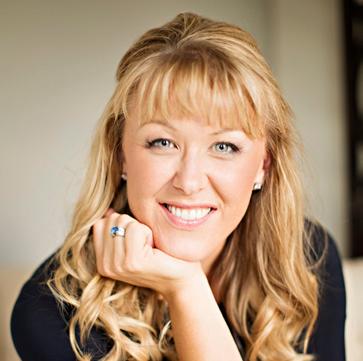
American soprano Katie Van Kooten’s operatic and concert appearances continue to thrill audiences and garner praise for her “powerful, gleaming soprano.” Van Kooten recently made her house and role debut at Seattle Opera as Freia in Das Rheingold. In concert engagement, Van Kooten sang Verdi’s Requiem with Tucson Symphony Orchestra conducted by José Luis Gomez.
Career highlights include her house debut at the Metropolitan Opera as Magda in La Rondine; Tatyana in Eugene Onegin, Elisabetta in Maria Stuarda, and Mimì in La Bohème at Houston Grand Opera; Donna
KELLEY O'CONNOR, mezzo-soprano
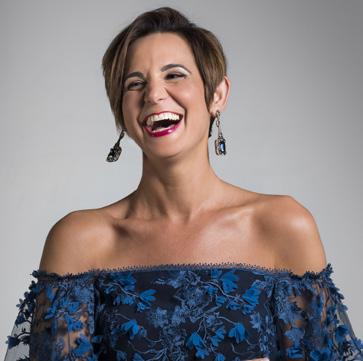
The GRAMMY ® Awardwinning mezzo-soprano Kelley O’Connor is one of the most compelling vocal artists of her generation. She is known for a commanding intensity on stage, a velvet vocal tone, and the ability to create sheer magic in her interpretations. O’Connor performs and inhabits a broad selection of repertoire. From Beethoven, Mahler, and Brahms to Dessner, Corigliano, and Adams; she is sought after by many of today’s most accomplished composers. She performs with leading orchestras and conductors around the world, with preeminent artists in recitals and chamber music, and with highly acclaimed opera companies in the U.S. and abroad.
In the 2025/26 season, Kelley O’Connor returns to the Aspen Music festival for the world premiere of Christopher Theofanidis’s Siddhartha, She, under the baton of Robert Spano. She opens the Grand Rapids Symphony season with Beethoven's Symphony No. 9 and performs the work again with the San Francisco Symphony; joins the New World and Fort Worth Symphonies for Peter Lieberson’s Neruda Songs ; appears with the Colorado and Winston-Salem Symphonies for Handel’s Messiah; sings Mahler 2 with the Indianapolis Symphony; returns to the Atlanta Symphony for Bernstein’s “Jeremiah” Symphony; and appears with the Nashville Symphony in two programs: Verdi’s Requiem and Bernstein’s “Jeremiah.”
Elvira in Don Giovanni at Dallas Opera; the Countess in Le nozze di Figaro in her house debut at Arizona Opera, Liù in Turandot at Opera New Orleans, Elettra in Idomeneo and Vitellia in La Clemenza di Tito at Oper Frankfurt; Mimì in La Bohème and the Countess at Lyric Opera of Kansas City, Beethoven’s Symphony No. 9 with the Seattle Symphony and with San Francisco Symphony led by Michael Tilson Thomas; and Verdi’s Messa da Requiem with the Phoenix Symphony led by Tito Muñoz.
A graduate of the Guildhall School of Music and Drama in London, Ms. Van Kooten received her bachelor’s degree in vocal performance from Biola University where she is also Artist in Residence and a perpetual member of the Torrey Honors Institute.
Recently, O’Connor has premiered an extended version of Thomas Adès’s America (A Prophecy) in her debut with the Gewandhausorchester under Andris Nelsons; performed Mahler’s Second Symphony with the Kansas City Symphony Orchestra and his Third Symphony with the San Francisco Symphony; John Adams’s El Niño with the Houston Symphony; and a gala performance of Beethoven’s Symphony No. 9 with the New York Philharmonic to celebrate the opening of the newly renovated David Geffen Hall at Lincoln Center.
Sought after by many of the most heralded composers of the modern day, Kelley O’Connor has recently premiered works by John Corigliano, Kareem Roustom, Joby Talbot, and Bryce Dessner. John Adams wrote the title role of The Gospel According to the Other Mary for O’Connor, and she has performed the work, both in concert and in the Peter Sellars fully staged production, under the batons of John Adams, Gustavo Dudamel, Grant Gershon, Gianandrea Noseda, Sir Simon Rattle, and David Robertson. She continues to be the eminent living interpreter of Peter Lieberson’s Neruda Songs, having performed this moving set of songs with orchestras around the world. She also created the role of Federico García Lorca in Osvaldo Golijov’s Ainadamar, for which she has received unanimous critical acclaim.
Operatic highlights include her Seattle Opera debut as Anna in a concert version of Berlioz’s Les Troyens, the title role of Britten’s The Rape of Lucretia presented by Boston Lyric Opera in a new production by Broadway theater director Sarna Lapine, Carmen
with Los Angeles Opera, Donizetti’s Anna Bolena at the Lyric Opera of Chicago, Madama Butter y in a new production by Lillian Groag at the Boston Lyric Opera and at the Cincinnati Opera, Berlioz’s Béatrice et Bénédict at Opera Boston, Falsta with the Santa Fe Opera, and A Midsummer Night’s Dream at the Lyric Opera of Chicago and the Canadian Opera Company.
For her debut with the Atlanta Symphony in Ainadamar, Kelley O’Connor joined Robert Spano for performances and a GRAMMY® Award-winning Deutsche Grammophon recording. Her recording catalogue also includes Mahler’s ird Symphony
Rodrick Dixon possesses a tenor voice of extraordinary range and versatility that has earned him the respect and attention of leading conductors, orchestras, and opera companies. He has appeared on the stages of Los Angeles Opera, Michigan Opera eater, Todi Music Festival, Portland Opera, Opera Columbus, Virginia, Cincinnati Opera, and Opera Southwest. In Europe, he has appeared on stage with the Royal Opera House Covent Garden in Das Rheingold, the Netherlands Radio Orchestra in e Death of Klingho er, and the Enescu Festival in Der Zwerg. In Australia, he appeared with the Sydney Arts Festival in Oedipus Rex
Morris Robinson is a renowned American operatic bass and a former collegiate football player. He was raised in Atlanta, Georgia as the son of a Baptist minister. Showing musical talent from an early age, he sang with the Atlanta Boy Choir and participated in band and chorus throughout his school years.
Robinson attended e Citadel in Charleston, South Carolina, on a full athletic scholarship, where he played as an o ensive lineman and earned recognition as a three-time 1-AA All-American. He graduated in 1991 with a bachelor’s degree in English and gained campus fame as “The Singing Knob” due to his spontaneous vocal performances, including renditions of “O Holy Night.”
with Jaap van Zweden and the Dallas Symphony Orchestra, Lieberson’s Neruda Songs and Michael Kurth’s Everything Lasts Forever with Robert Spano and the Atlanta Symphony, Adams’s The Gospel According to the Other Mary with Gustavo Dudamel and the Los Angeles Philharmonic, and Beethoven’s Symphony No. 9 with Franz Welser-Möst and the Cleveland Orchestra. O'Connor's newest recording, a collaboration with pianist and composer Robert Spano, is Songs of Orpheus, a series of song cycles by Edvard Grieg, Claude Debussy, George Crumb, and Spano himself, on Sono Luminus.
In concert, he has appeared as a soloist with the Cincinnati Symphony, Cleveland Orchestra, Los Angeles Philharmonic, New York Philharmonic, Philadelphia Orchestra, Aspen Festival, Ravinia Festival, American Symphony Orchestra, Atlanta Symphony, Colorado Symphony, Florida Orchestra, Nashville Symphony, Richmond Symphony, Vail Music Festival, and e Longfellow Chorus.
He has appeared on television in a number of PBS specials. He was part of the original cast of Ragtime on Broadway and in Show Boat at the Auditorium eatre. He has also appeared on recordings (Sony/ BMG), PBS Great Performances’ Cook, Dixon & Young Volume One, Follow That Star Christmas album, Liam Lawton’s Sacred Land, Rodrick Dixon Live in Concert , and a Christmas album with the Cincinnati Pops.
Later, Robinson entered the Boston University Opera Institute and made his operatic debut in 1999 with a role in Aida. In 2001, he was accepted into the Metropolitan Opera’s Lindemann Young Artist Development Program, making his debut at the Met in 2002 in Fidelio
Since then, he has established an international career in opera, performing at prestigious venues such as the Metropolitan Opera, La Scala, the Sydney Opera House, and Carnegie Hall. His repertoire includes both classical and contemporary works, featuring roles in Don Giovanni, Nabucco, Porgy and Bess, Les Troyens, and Show Boat, among others.
O stage, Robinson serves as the artistic advisor to Cincinnati Opera, is an artist-in-residence with the Atlanta Symphony Orchestra, and was named Resident Artist at Harvard in 2019.
MORRIS ROBINSON, bass
RODRICK DIXON, tenor
ABOUT THE CONDUCTOR
JOSÉ LUIS GOMEZ
The Venezuelan-born, Spanish conductor José Luis Gomez began his musical career as a violinist and was catapulted to international attention when he won First Prize at the International Sir Georg Solti Conductor’s Competition in Frankfurt in September 2010, securing a sensational and rare unanimous decision from the jury.
Gomez’s electrifying energy, talent, and creativity earned him immediate acclaim from the Frankfurt Radio Symphony Orchestra where he was appointed to the position of Assistant Conductor, a post created especially for him by Paavo Järvi and the orchestra directly upon the conclusion of the competition.
In 2016, Gomez was named Music Director of the Tucson Symphony Orchestra. Since taking the helm, the orchestra has seen a marked increase in subscribers and donors to the orchestra, and Gomez has worked tirelessly to introduce innovative and exciting new outreach activities whilst continuing to nurture and support existing education projects. Maestro Gomez is also a champion of many composers from his native South America, programming their works sensitively with more recognized classical names, creating hugely interesting and unique concerts. He has also been responsible for commissioning new works from composers such as Arturo Márquez, Michael Torke, Jonathan Leschnoff, Gabriela Smith, Peter Boyer, Jennifer Higdon, and Pulitzer Prize winner and 2023 MacArthur fellow Raven Chacón , as part of important co-comissions premiered in Tucson.
His tenure in Tucson as the Music Director of the Tucson Symphony Orchestra has seen Gomez not only conduct pieces of the core repertoire such as the complete Beethoven’s Symphonies, Schumann,
Schubert, Bruckner, and Mahler symphonies, but also he has had the chance to explore exciting works new to the orchestra´s repertoire such as William Grant Still, Florence Price, Fela Sowande, the Tucson-born Ulises Kay, and Robert Muczinsky. Gomez has also invited and enjoyed working in Tucson and elsewhere with such important guest artists as Yo-Yo Ma, Midori, Renée Fleming, Gil Shaham, Hillary Hahn, Gabriela Montero, Johannes Moser, Simon Trpčeski, and the legendary violinist Itzakh Perlman.
Equally at home in operatic repertoire, Gómez conducted a new production of Bizet’s Carmen at Wolf Trap Opera in Washington D.C. and a new production of Gounod´s Romeo et Juliette at Opera Tenerife. Recently, he has led a new production of Puccini´s La Bohème at the Opera Theater St. Louis to great acclaim from the press and audience. Gomez also has led performances of Mozart’s Le Nozze di Figaro , Don Giovanni, and Cavalleria Rusticana with Opera Lombardia; La Bohème at the Frankfurt Oper and Teatro Coccia di Novara, Italy; Rossini’s La Cenerentola at Stuttgart Opera; Verdi’s Don Carlo and Bellini’s Norma at the Tbilisi State Theater in Georgia; and Verdi´s La Forza del Destino in Tokyo at the New National Theatre Tokio.
Maestro Gomez was the Principal Conductor of the Orchestra 1813 of the Teatro Sociale di Como between 2012 and 2015, where he curated a new symphonic season which resulted in a new and enthusiastic audience—conducting concerts to full houses which leaded him to receive the “Premio Citta di Como” for his services to nurture and expand the quality and impact of the theater in the community. He is currently the Musical Director of the Tucson Symphony Orchestra where his contract has been extended to the end of the 2026/27 season.
YOU'RE CORDIALLY INVITED TO THE 4 1 ST ANNUAL
SATURDAY, DECEMBER 13 , 2025
6 PM | Schermerhorn Symphony Center
Honoring Harmony Award recipients
T Bone Burnett and the Grand Ole Opry Co-chaired by Grace Awh and Sarah Ingram
Tickets on sale now at NashvilleSymphony.org/SymphonyBall
Funds raised at the Symphony Ball support Nashville Symphony’s education and community engagement initiatives.
U.S. NAVAL ACADEMY GLEE CLUB with the Nashville
Symphony
FRIDAY & SATURDAY, NOVEMBER 13 & 14 AT 7:30 PM
U.S NAVAL ACADEMY
GLEE CLUB & NASHVILLE SYMPHONY
JOHN MORRIS RUSSELL , conductor
ABOUT THE U.S. NAVAL ACADEMY GLEE CLUB
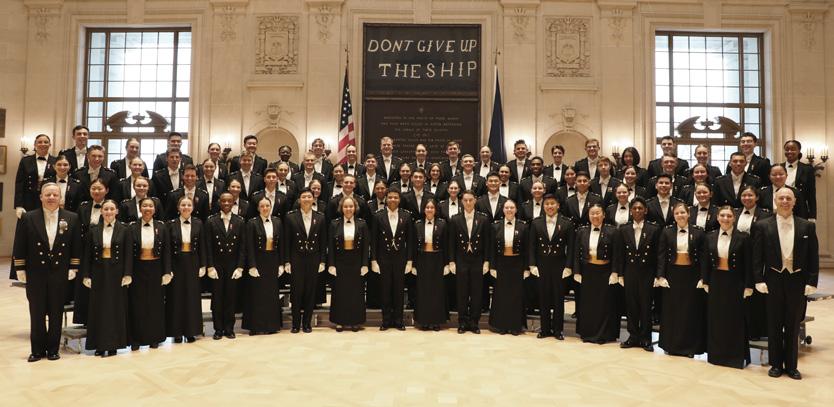
The United States Naval Academy Glee Club is comprised of The United States Naval Academy Men’s Glee Club, which has achieved prominence as one of the world’s premier men’s choruses, and The United States Naval Academy Women’s Glee Club, which is the only all-female military choral ensemble in the world. Appearances on network television include The Kennedy Center Honors (CBS), The Today Show (NBC), The Early Show (CBS), Christmas in Washington (NBC and TNT), Good Morning America (ABC), and countless regional and local television stations.
The Glee Clubs often perform masterpieces of choral-orchestral literature, combining with the nation’s leading orchestras. In addition to the Academy’s annual presentation of Handel’s Messiah, the Glee Clubs are featured each year on the Naval Academy’s Distinguished Artist Series. Recent performances have included “A Night at the Opera”; Orff’s Carmina Burana; Requiems by Brahms, Dvorak, Faure, Mozart, and Verdi; Haydn’s Creation; Beethoven’s Symphony No. 9; Vaughan-Williams’s A Sea Symphony; Stravinsky’s
Symphony of Psalms; Mahler’s Symphony No. 2; and most recently a performance of Benjamin Britten’s War Requiem, one of the most significant musical compositions of the 20th Century. Recent orchestral collaborations away from USNA include performances with the Minnesota Orchestra, Boston Pops, Dallas Symphony Orchestra, Charlotte Symphony, Phoenix Symphony, Columbus Symphony, Nashville Symphony, Portland Symphony, Winston-Salem Symphony, Jacksonville Symphony, Memphis Symphony, Rochester Philharmonic, Indianapolis Symphony, and the Richmond Symphony.
In the past decade alone, the Glee Clubs have performed extensively throughout the U.S. and abroad including Chile, Argentina, Brazil, Japan, and several European Tours with performances at St. Peter’s in the Vatican and cathedrals in Brussels, Wells, Winchester, Salisbury, and St. Paul’s in London. Recent domestic tours have taken them to Arizona, California, D.C., Florida, Georgia, Hawaii, Illinois, Michigan, Minnesota, Nevada, New Mexico, New York, North Carolina, Pennsylvania, Puerto Rico, South Carolina, Tennessee, Texas, Virginia, and Washington. Ensembles have been seen performing in San Diego’s Copley Symphony Hall, New York’s Carnegie Hall and Avery Fisher Hall, Washington’s Kennedy Center, and Dallas’s Morton Meyerson Symphony Center and many of the nation’s great concert halls.
Additional notable appearances include the groundbreaking ceremonies for the Medal of Honor Museum in Arlington, TX, the dedication ceremony of the Pentagon Memorial (9/11), the Ronald Reagan Freedom Award, the commissioning ceremony and gala for the George H. W. Bush Aircraft Carrier (CVN-77), and the Presidential Inaugural Concert
“We Are One” performed on the steps of the Lincoln Memorial for a live audience of more than half a million and an internationally televised audience, the nationally televised JFK 50th Commemorations in Dallas and Boston, a performance at the White House, numerous concerts at the Academy, and participation in a nationally televised Kennedy Center Honors.
ABOUT THE CONDUCTOR
JOHN MORRIS RUSSELL
John Morris Russell’s embrace of America’s unique voice and musical stories has transformed how orchestral performances connect and engage with audiences. As conductor of the world-renowned Cincinnati Pops Orchestra since 2011, the wide range and diversity of his work as a musical leader, collaborator, and educator continues to reinvigorate the musical scene throughout Cincinnati and beyond. As Music Director of the Hilton Head Symphony Orchestra in South Carolina, Russell conducts the classical series as well as the prestigious Hilton Head International Piano Competition.
A GRAMMY®-nominated artist, Russell has worked with leading performers from across a variety of musical genres, including Aretha Franklin, Emanuel Ax, Amy Grant and Vince Gill, Garrick Ohlsson, Rhiannon Giddens, Hilary Hahn, Brian Stokes Mitchell, Cynthia Erivo, Sutton Foster, George Takei, Steve Martin, Brian Wilson, Leslie Odom Jr., Lea Salonga, Mandy Gonzalez, Rick Steves, and Bob Weir.
A popular guest conductor, Mr. Russell has worked with the Chicago Symphony Orchestra, Los Angeles Philharmonic, Cleveland Orchestra, New York Philharmonic, the Boston Pops, and the National Symphony of Washington, D.C. He frequently conducts Canadian orchestras including Toronto, Calgary, and Vancouver, and has led the orchestras of St. Louis,
The ability to perform in such a variety of public venues undoubtedly assists in the recruitment of potential candidates who otherwise would not be exposed to the incredible opportunities offered by attending the Naval Academy and presents their midshipmen to the public at the highest level of professionalism to audiences around the globe as ambassadors for the United States and its Armed Forces.
It is with honor, pride, and distinction that the Glee Clubs represent the United States, the Navy and Marine Corps, and the United States Naval Academy.
Milwaukee, Pittsburgh, Detroit, Houston, Indianapolis, Dallas, and Minnesota; Utah Symphony; Oregon Symphony; Colorado Symphony; and New Jersey Symphony. His work in opera and musical theater includes Cincinnati Opera, where he conducted its first production of Hans Krasá's Brundibár, and the world premiere of Blind Injustice
For more than two decades, Russell has led the Cincinnati Symphony Orchestra’s successful Classical Roots program, honoring and celebrating Black musical excellence, which has garnered recordbreaking in-person and online audiences. Featured artists have included Marvin Winans, Alton White, George Shirley, Common, Donald Lawrence, and Hi Tek, as well the 150-voice Classical Roots Community Chorus, Nouveau Chamber Players, and hundreds of regional actors, dancers, artists, singers, and musicians.
Russell served as Music Director of the Windsor Symphony Orchestra between 2001–2012 where he conducted more than forty world premieres and recorded the Juno Award-nominated album of Prokofiev’s Peter and the Wolf. During his time with the WSO, he was a two-time recipient of Ontario’s Lieutenant Governor’s Award for the Arts. In 2011, the University of Windsor awarded him an Honorary Doctorate and the following year he was named the WSO’s first Conductor Laureate. Russell recently concluded his nine-year tenure as Principal Pops Conductor of the Buffalo Philharmonic Orchestra, following in the footsteps of Doc Severinsen and Marvin Hamlisch.
RANDY TRAVIS: MORE LIFE TOUR with
the Nashville Symphony
SATURDAY, NOVEMBER 15 AT 7:30 PM
NASHVILLE SYMPHONY
KELLY CORCORAN, conductor
JAMES DUPRÉ , vocals
ABOUT THE RANDY TRAVIS: MORE LIFE TOUR
The Randy Travis: More Life Tour features the legendary country singer and his co-star in The Price, James Dupré. The Country Music Hall of Fame member’s long-time touring band, consisting of Steve Hinson, David Johnson, Lance Dary, Bill Cook, Joe Van Dyke, and Herb Shucher along with longtime tour manager Jeff Davis will rejoin “Hoss,” as they affectionately call Travis, on the road for the first time since right before his stroke in 2013. The show will consist of Dupré and the band performing all 16 of his iconic number ones including “On The Other Hand,” “Forever and Ever, Amen,” and “Three Wooden Crosses.”
“We are incredibly excited to be back on the road and give Randy’s fans a chance to hear his music live again, and who better to sing his many hits than James Dupré?” said Mary and Randy Travis. Travis recently released Forever and Ever, Amen: A Memoir of Music, Faith and Braving the Storms of Life which has outpaced projections and has been featured on TODAY, the 700 Club, People Magazine, Billboard and more. The book is available at most online retailers as well as Barnes and Noble, Cracker Barrel, Booksa-Million, and more. Always wanting to please his fans, the long-time Grand Ole Opry star also dropped two never-before heard singles this summer, “One in a Row” and “Lead Me Home.”
For more information about the More Life Tour, the Forever and Ever, Amen memoir, and everything Randy Travis, please visit RandyTravis.com.
ABOUT THE CONDUCTOR
KELLY CORCORAN
Named “Best Classical Conductor” by the Nashville Scene, Kelly Corcoran is a passionate advocate for the robust place of classical music in our lives and the lives of future generations. In addition to being a frequent guest conductor with orchestras around the country, Corcoran is Artistic Director of Intersection, a contemporary music ensemble dedicated to partnership, new works, and exploration with concerts for all ages.
Corcoran has appeared as a guest conductor with many major orchestras including The Cleveland Orchestra as well as the Atlanta, Colorado, Charleston, Charlotte, Dallas, Detroit, Houston, Knoxville, Memphis, Milwaukee, National, and Utah Symphonies, the Naples Philharmonic, and Louisville Orchestra often with return engagements. Abroad, Corcoran has conducted the Orquesta Sinfónica UNCuyo in Mendoza, Argentina; the Bournemouth (UK) Symphony; orchestras in Chile, Germany, Mexico, and the Czech Republic, and competed in the VIII Cadaqués Orchestra International Conducting Competition in Spain. Interested in many musical styles, Corcoran has worked with a range of artists such as Béla Fleck, Leslie Odom Jr., Brad Paisley,
ABOUT JAMES DUPR É
James Dupré, a native of Bayou Chicot, Louisiana, was named one of Rolling Stone Magazine’s “Country Artists You Need to Know.”
His captivating baritone voice has garnered him a substantial following through social media platforms and performances at venues and festivals across the United States, Canada, and Europe.
Initially pursuing a career in meteorology and later becoming a paramedic, Dupré achieved YouTube fame in 2007, which paved the way for an invitation to perform on the popular television show Ellen. In 2011, he signed a record deal with Warner Music Nashville, embarking on a full-time music career.
In 2015, Dupré showcased his talent on NBC’s The Voice, captivating audiences with his impressive four-chair turn and securing a spot on Adam Levine’s team. Following his departure from The Voice, Dupré released the album Stoned to Death, featuring two charting singles on the Billboard Indicator chart:
Amy Grant, and Chris Botti, and has conducted the film scores to many movies in concert. She also serves as a regular conductor with The Legend of Zelda: Symphony of the Goddesses tour and National Geographic: Symphony for our World.
Corcoran was Interim Artistic Advisor of the Lexington Philharmonic (KY) during the pandemic. She was on the conducting staff of the Nashville Symphony for nine seasons as Director of the Symphony Chorus and Associate Conductor of the orchestra, where she conducted the orchestra in hundreds of performances ranging from pops to classical, community, family, and educational programming. While Director of the Nashville Symphony Chorus, she led the chorus during its 50th anniversary season and prepared and conducted many choral orchestral masterpieces including an appearance at the Cincinnati May Festival performing Mahler’s Symphony No. 8 with the Cincinnati Symphony Orchestra. Corcoran founded the Nashville Philharmonic Orchestra and continues to serve on the board.
Originally from Massachusetts and a member of the Tanglewood Festival Chorus for more than 10 years, Corcoran received her Bachelor of Music in vocal performance from The Boston Conservatory and her Master of Music in instrumental conducting from Indiana University.
“Hurt Good” and “Stoned to Death.”
A father of five, Dupré ventured into acting with his debut role in the film The Price, portraying the son of a country singer played by Randy Travis. In 2019, Randy and Mary Travis personally selected Dupré as the vocalist for “The Music of Randy Travis” tour, now known as the “More Life” tour. Alongside Randy’s original band, Dupré performs Randy’s most popular hits.
In 2020, Dupré released the album Home and Away, accompanied by three charting singles: “Home and Away,” “Another Love Song,” and “Painfully Pretty.” In September 2023, Dupré made his highly anticipated debut at the Grand Ole Opry in Nashville. In May 2024, James was featured on CBS Sunday Morning as the first “vocal bed” on a commercially released song. The single, “Where That Came From,” marked Randy Travis’s first new music release in over a decade and was produced utilizing artificial intelligence. This was followed in 2025 by James’s first EP, Perfect Time, and full-length album, It’s All Happening
GUERRERO'S RETURN: A HERO'S LIFE
THURSDAY & FRIDAY, NOVEMBER 20 & 21 AT 7:30 PM
NASHVILLE SYMPHONY
GIANCARLO GUERRERO, conductor
PACHO FLORES, trumpet
ALBERTO GINASTERA
Four Dances from Estancia
Los trabajadores agrícolas (The Land Workers)
Danza del trigo (Wheat Dance)
Los peones de hacienda (The Cattlemen)
Danza final (Malambo—Final Dance)
ARTURO MÁRQUEZ
Concierto de Otoño for trumpet & orchestra
Son de luz
Balada de floripondios
Conga de flores
Pacho Flores , trumpet
FRANCISCO "PACHO" FLORES
Morocota
Pacho Flores , trumpet
INTERMISSION
RICHARD STRAUSS
Ein Heldenleben (“A Hero's Life”)
Der Held ( The Hero)
Des Helden Widersacher ( The Hero's Adversaries)
Des Helden Gefährtin ( The Hero's Companion)
Des Helden Walstatt ( The Hero at Battle)
Des Helden Friedenswerke ( The Hero's Works of Peace)
CLASSICAL SERIES PRESENTED BY
This concert will last approximately one hour, 43 minutes, including a 2 0-minute intermission.
BAlberto Ginastera
Four Dances from Estancia
Composed: The ballet was completed in 1941, assembling the concert suite in 1943
orn in Buenos Aires in 1916, Alberto Ginastera became renowned for blending South American folk traditions with European modernism. Estancia (“Ranch”) comes from the first phase of his career, when he focused on the musical heritage of his native Argentina. Even as a conservatory student, Ginastera gained attention with his ballet Panambí, which drew on Amerindian sources.
During a 1941 tour of South America, Lincoln Kirstein—co-founder of the “American Ballet Caravan,” a forerunner of New York City Ballet— was so impressed by Panambí that he commissioned Ginastera to create a new ballet evoking “Argentine country life.” The company had recently staged Aaron Copland’s Billy the Kid and wanted a counterpart celebrating South American culture. (Ginastera later studied with Copland, and the two developed a lifelong friendship.)
Composed at age 25, Ginastera found inspiration for Estancia in José Hernández’s 19th-century epic poem Martín Fierro. The one-act ballet unfolds over a single day, celebrating the vitality of gaucho life on the pampas. Its simple plot follows a young man from the city who falls in love with a rancher’s daughter. Initially rejected, he proves himself by outdancing the local gauchos in a climactic display of strength and skill.
The American Ballet Caravan dissolved before Estancia could be staged, so Ginastera salvaged four dances as a suite. The Buenos Aires premiere in 1943 was a triumph, and the complete ballet was finally performed in 1952. These four dances have since become Ginastera’s most frequently performed orchestral music.
WHAT TO LISTEN FOR
The opening dance, Los trabajadores agrícolas (“The Land Workers”), uses driving rhythms and vivid orchestration to evoke physical strength and endurance. By contrast, Danza del trigo (“Wheat Dance”) offers a tender, sun-drenched homage to the vast, shimmering pampas. In Los peones de hacienda (“The Cattlemen”), pounding percussion and brass generate raw, elemental power, even more intense than the opening dance.
The suite ends with the exuberant Danza final, drawn from the ballet’s climactic scene. This malambo—a traditional, fiercely competitive male dance—builds to a whirlwind of sound, with trumpets and percussion driving the energy ever higher. Ginastera’s finale brims with rhythmic vitality, virtually daring listeners to keep their toes still.
orn in 1950 in the desert town of Álamos, Sonora, in northwestern Mexico, Arturo Márquez grew up surrounded by music. His father, a violinist, played in local mariachi bands, and Márquez himself began on the violin before turning to composition. Studies in Paris and later at the California Institute of the Arts exposed him to experimental approaches, but over time his curiosity drew him back to Mexico’s diverse musical traditions.
By blending classical techniques with the rhythms and melodies of everyday life, Márquez forged a distinctive voice that brought him international fame. His series of Danzón pieces, especially the beloved Danzón No. 2, transformed a popular dance into vibrant symphonic works—much like Astor Piazzolla did with the tango.
Márquez brings this same spirit to Concierto de Otoño (“Autumn Concerto”), written in 2018 for Venezuelan trumpet virtuoso Pacho Flores, a graduate of El Sistema—the groundbreaking Venezuelan music program that also produced conductor Gustavo Dudamel, one of Márquez’s leading champions. Márquez calls the trumpet “the queen in the heart of Mexico … the Mexican cry of joy and of sorrow,” and describes this concerto as “a compilation of all those feelings, colors, and consolations.”
Like his acclaimed Fandango concerto for violin, which fuses traditional dance rhythms with the classical concerto structure, Márquez’s Concierto de Otoño blends Latin and Western symphonic idioms. It also adds a unique challenge: rather than performing on a single trumpet, Flores must switch between four different instruments, all crafted by the renowned
CLASSICAL
Spanish maker Stomvi. These include a C trumpet in the first movement, a D trumpet in the finale, and in the central movement, the warm flugelhorn and bright soprano cornet in F. Each instrument brings its own color and character, expanding the expressive range of the piece while showcasing the soloist’s extraordinary versatility.
WHAT TO LISTEN FOR
Márquez describes the opening movement, Son de luz (“Sound of Light”), as an exploration of “the encounter with new horizons of peace and reconciliation.” It unfolds as a dramatic conversation between trumpet and orchestra, built on mestizo rhythms—the rhythmic blend of Indigenous, European, and African traditions. The movement is modeled on classical sonata form, a structure that introduces musical ideas, contrasts them, and then brings them back together in a satisfying resolution.
The central movement, Balada de floripondios, is, in the composer’s words, a “song without words, in tribute to a love spell.” The title word, floripondio, refers to a flower shaped like a trumpet’s bell—sometimes called an angel’s trumpet—but it can also suggest extravagance or flourish. Márquez structures this movement as a series of continuous variations evoking a chaconne, a Baroque form built on a repeating musical pattern that creates a hypnotic sense of unfolding mystery.
In the finale, Conga de flores (“Conga of Flowers”), Márquez turns to another Cuban source—the vibrant dance known as the conga—as the foundation for a lively classical rondo, a form where a main theme keeps returning like a familiar refrain between contrasting episodes. He evokes inspirations from Haydn, Chopin, and the legendary 20th-century Mexican trumpet virtuoso Rafael Méndez. The result is a joyous tribute to the artistry of Pacho Flores himself. Within this whirlwind, the soloist even has a moment to improvise a cadenza, adding a spontaneous flourish before the music races to its jubilant conclusion.
In addition to four types of solo trumpet, scored for 2 flutes (2nd doubling piccolo), 2 oboes, 2 clarinets, bassoon, 4 horns, 2 trumpets, 3 trombones, tuba, timpani, 3 percussionists, and strings.
BPacho Flores
Concierto de Otoño for trumpet & orchestra
Composed: 2018
est known as one of today’s most dynamic brass soloists, Venezuelan trumpeter Pacho Flores is a champion of new music who regularly commissions composers to expand the trumpet repertoire. He is a Deutsche Grammophon recording artist and plays custom-made instruments by the Spanish firm Stomvi, with whom he collaborates on innovative designs.
An active composer himself, Flores draws on his Venezuelan heritage while embracing a wide spectrum of musical influences. By blending classical forms with the dance rhythms and melodies of Latin America, Flores creates music that showcases the trumpet’s brilliance while speaking with an unmistakable voice of his own.
Morocota , which Flores both composed and performs, takes its name from a Venezuelan gold coin of the 19th century. He explains that while it is difficult to determine the exact monetary or historical worth of such a coin today, “in short, it is a treasure that has become a fantasy.”
Flores originally wrote Morocota for trumpet and guitar, and it first appeared on his 2017 album Entropía (Deutsche Grammophon). The arrangement for solo trumpet and orchestra appears on his 2022 album Estirpe.
WHAT TO LISTEN FOR
Flores describes Morocota as “a simple and pleasant ‘delicate waltz’ in which sentimental inspiration gradually emerges.” He dedicates the piece to his mother, Mireyita, calling her “the muse of this music … a delirium of love.” At the same time, he acknowledges the deep influence of Venezuelan guitarist and composer Antonio Lauro, whose waltzes “resonate in my subconscious” and who represents the lyrical beauty of his country’s musical heritage.
Scored for solo trumpet and string orchestra .
TRichard Strauss
Ein Heldenleben (“A Hero's Life”) Composed:
1898
ogether with the music of Ginastera, Márquez, and Pacho Flores, Richard Strauss’s sweeping portrait of the artist as hero brings the program full circle—a journey from folk traditions and popular dances to the grand, self-reflective world of the lateRomantic symphony. When Strauss set out to write his orchestral essay on the idea of heroism, he chose the same “heroic” key of E-flat major that Beethoven used for his Eroica (“Heroic”) Symphony. Strauss was just 34 when he completed Ein Heldenleben (“A Hero’s Life”) in 1898—almost exactly the age Beethoven was when he finished the Eroica nearly a century earlier. By the late 19th century, Strauss had revolutionized the tone poem, a form that tells a story through purely orchestral music. With earlier works such as Don Juan and Till Eulenspiegel’s Merry Pranks , he explored characters and narratives with unprecedented color and daring. Ein Heldenleben, however, went a step further. Instead of portraying mythic figures or literary heroes, Strauss turned the spotlight on the artist himself, creating an epic, tongue-in-cheek selfportrait. His original title was Held und Welt—“Hero and World.”
It’s tempting to hear Ein Heldenleben as simple autobiography—tempting as that might seem in our era of out-of-control narcissists—but Strauss’s ironic humor never lies around below the surface. By casting himself as the protagonist battling the world, he both celebrates and satirizes the late-Romantic ideal of the artist-hero. Biographer Michael Kennedy described Ein Heldenleben as “allegorical in nature, where the battlefield is one of the spirit, of inner conflicts.” At the same time his contemporary Gustav Mahler was reinventing the symphony as a vehicle for spiritual autobiography.
Strauss also nods to his musical lineage. Snippets of Wagner’s Tristan und Isolde appear in its pages, along with a striking quotation from Beethoven’s Eroica Structurally, the piece is a single vast movement made up of six connected sections, unified by Strauss’s gift for thematic transformation.
WHAT TO LISTEN FOR
The hero strides forward immediately in the opening section, announced by a soaring, unaccompanied
theme that spans several octaves. Its restless, upwardreaching character suggests ambition and striving. A sudden pause sets up the entrance of “The Hero’s Adversaries.” Strauss caricatures his real-life critics with squawking, chromatic woodwinds—more irritating than threatening at first. His mockery was so pointed that contemporary reviewers recognized themselves and took offense.
The longest section, “The Hero’s Companion,” introduces a solo violin representing Strauss’s wife, Pauline de Ahna. The concertmaster plays a dazzling part that functions as a miniature violin concerto. The music veers playfully through teasing fragments and shifting keys before swelling into an ardent love scene.
Offstage trumpets herald “The Hero at Battle.” Here Strauss unleashes the full power of the orchestra: clashing dissonances, pounding percussion, and surging brass convey a sense of chaos and conflict. This section shocked early listeners with its modernity, as the critics seem to transform into formidable enemies. Out of the tumult, the hero’s opening theme blazes forth in triumph.
Strauss then steps back in “The Hero’s Works of Peace.” Here he looks over his artistic achievements, weaving nearly three dozen quotations from his earlier works into a dazzling musical scrapbook—a reminder of the journey behind him.
The final section, “The Hero’s Flight from the World and the Fulfillment of his Life,” opens with a serene English horn solo, like a breath of pastoral calm. The adversaries briefly return, but their clamor is brushed aside by the return of the solo violin, now tender and consoling. In these final pages, the music turns inward. The hero retreats from public battles to a private world of love and reflection, ending not in hollow triumph but in something closer to elegy. Even so, Strauss adds a final flourish of proud, swelling chords—a last heroic gesture to close this extraordinary life in music.
Scored for piccolo, 3 flutes, 4 oboes (4th doubling English horn), 2 clarinets, E-flat clarinet, bass clarinet, 3 bassoons, contrabassoon, 8 horns, 2 piccolo trumpets, 3 trumpets, 3 trombones, 2 tubas, timpani, percussion, 2 harps, and strings.
− Thomas May is the Nashville Symphony's program annotator.
ABOUT THE SOLOIST
PACHO FLORES trumpet
Pacho Flores was awarded first prize in the Maurice André International Trumpet Competition, the most renowned trumpet contest in the world. He also recieved first prize in the Philip Jones International Brass Ensemble Competition and the “Cittá di Porcia” international contest. Trained in the marvelous Orchestra System for Youth and Children in Venezuela, he received top recognition for his performances, recitals, and recordings. Flores has performed with the Philharmonic Orchestra of Kiev, Camerata from St. Petesbourg, Orchestral Ensemble from Paris, Orchestre de la Garde Républicaine, NHK Orchestra from Japan, Symphony Orchestra of Tokyo, Philharmonic Orchestra of Osaka, Simón Bolívar Symphony Orchestra from Venezuela, Symphony Orchestra of Dusseldorf, and the Arctic Philharmonic Orchestra. He has also given recitals in concert halls such as the Carnegie Hall in New York, Pleyel Hall in Paris, and the Opera City in Tokyo.
Serving as one of the founding members of the Simón Bolívar Brass Quintet, he has taken part
ABOUT THE CONDUCTOR
GIANCARLO GUERRERO
Giancarlo Guerrero is a six-time GRAMMY® Awardwinning conductor whose imaginative programming and “curatorial and interpretive creativity” (Chicago Tribune) draw out of his orchestras “exceptionally powerful and enchanting performances” (BBC Music Magazine) 2025 marks Guerrero’s first season as Artistic Director and Principal Conductor of the Grant Park Music Festival in Chicago. Guerrero also takes on the role of Music Director of Sarasota Orchestra in the 2025/26 season.
Guerrero is currently Music Director Laureate with the Nashville Symphony, following sixteen years as Music Director. During his tenure in Nashville, he championed the works of prominent American composers through commissions, recordings, and world premieres. Under Guerrero’s direction, the Nashville Symphony released twenty-one commercial recordings, which have garnered thirteen GRAMMY® nominations and six GRAMMY® Awards.
innumerous tours around Europe, South America, United States, and Japan. Flores has held the Leading Trumpet position in the Simón Bolívar Symphony Orchestra of Venezuela, Saito Kinen Orchestra from Japan, and the Symphony Orchestra of Miami, under the musical direction of Maestros like Claudio Abbado, Sir Simon Rattle, Seiji Ozawa, Giuseppe Sinopoli, Rafael Frübeck of Burgos, Eduardo Marturet, and Gustavo Dudamel. Founding Director of the LatinAmerican Trumpet Academy in Venezuela, he fosters a promising generation of young talents. Flores is extremely keen on promoting contemporary music and does so providing important contributions by means of the performance and interpretation of his instrument. His repertoire includes commissions and premieres of works by composers such as Roger Boutry, Efraín Oscher, Giancarlo Castro, Santiago Báez, Juan Carlos Nuñez, and Sergio Bernal.
Recently he has carried out a tour across Norway and Austria with the Arctic Philharmonic Orchestra under the direction of Maestro and Composer Christian Lindberg, interpreting his concert Akbank Bunk, a piece for trumpet and orchestra, making his debut at the Fiestpielhaus of Salzburg and at the Musikverein of Viena.
In recent seasons, Guerrero has led prominent North American orchestras including the New York Philharmonic, Los Angeles Philharmonic, Philadelphia Orchestra, Cleveland Orchestra, and the San Francisco, Boston, Baltimore, Chicago, Cleveland, Dallas, and Detroit Symphonies. Internationally, he has worked with orchestras in Bilbao, Frankfurt, London, Paris, São Paulo, and Sydney.
Guerrero previously held posts as Music Director of the NFM Wrocław Philharmonic, Principal Guest Conductor of both The Cleveland Orchestra, Miami Residency, and the Gulbenkian Symphony in Lisbon, Music Director of the Eugene Symphony, and Associate Conductor of the Minnesota Orchestra.
Born in Nicaragua, Guerrero immigrated during his childhood to Costa Rica, where he joined the local youth symphony. He studied percussion and conducting at Baylor University and earned his master’s degree in conducting at Northwestern. Guerrero is particularly engaged with conducting training orchestras and has worked with the Curtis School of Music, Colburn School in Los Angeles, The Juilliard School, National Youth Orchestra (NYO2), and Yale Philharmonia.
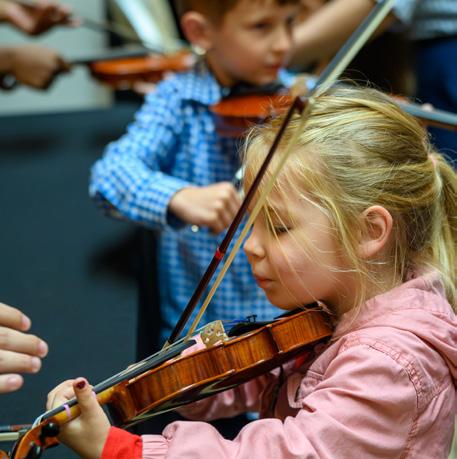
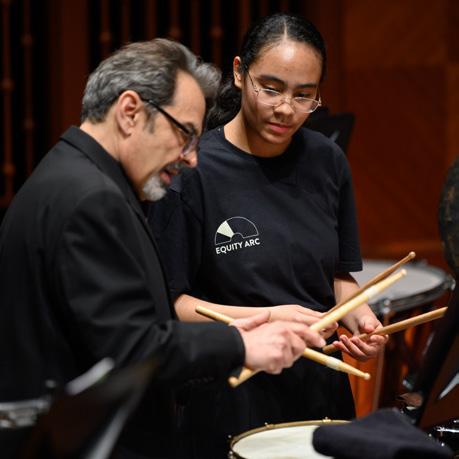
BRING MUSIC TO LIFE FOR THE NEXT GENERATION
Introduces
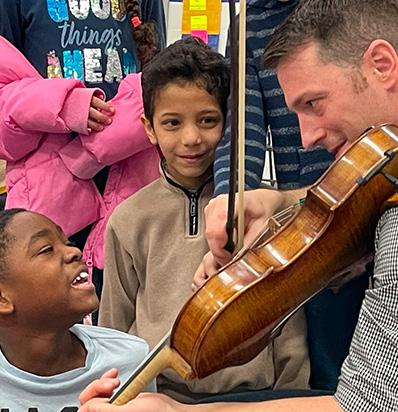
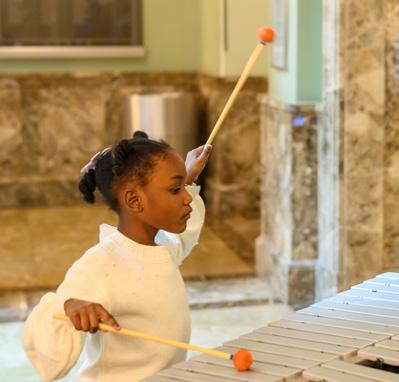
Brings the Storytime Ensemble to a classroom or community center, blending music and imagination. Presents a Chamber Music performance, giving audiences an unforgettable experience of live artistry.
DONATE TODAY
INDIVIDUALS
MARTHA RIVERS INGRAM SOCIETY
Gifts of $50,000+
Mr. Russell W. Bates & Mr. Benjamin Scott
Mr. & Mrs. Jack O. Bovender Jr.
Mr. Michael Carter, Sr. & Mrs. Pamela Carter
Mr. & Mrs. Kevin W. Crumbo
Mrs. Martha Rivers Ingram
Donna & Ralph Korpman
Mr. & Mrs. Jonathan A. McNabb
Drs. Mark & Nancy Peacock
Mrs. Ben R. Rechter
Mr. & Mrs. James C. Seabury III
WALTER SHARP SOCIETY
Gifts of $25,000 - $49,999
Anonymous
Mr. & Mrs. Dennis Bottorff
Mrs. J. C. Bradford Jr.
Ann & Frank* Bumstead
Ms. Lucie W. Cammack
Mary & Joseph Cavarra
Mr. & Mrs. Robert W. Chasanoff
Mr. Jason P. Somerville & Mr. Eric Cook
Connie & Nick Deidiker
Andrew Horowitz
Mr. and Mrs. R. Milton Johnson
Dr. & Mrs. Howard S. Kirshner
Mr. Mark E. Lopez & Mr. Patrick J. Boggs
Mr. & Mrs. David K. Morgan
James L. & Victoria L. Rooney
Mr. & Mrs. Rick Scarola
Mr. and Mrs. Christopher J. Simovich
Mr. Ronald P. Soltman, in memory of Judith Cram
Mr. and Mrs. James H. Todd
Mr. & Mrs. William H. Wade
VIRTUOSO SOCIETY
Gifts of $15,000 - $24,999
Anonymous
Dr. & Mrs. Frank H. Boehm
Dr. & Mrs. André L. Churchwell
David & Starling Clark
Estate of Elizabeth F. Cormier
Hilton & Sallie Dean
Robert J. Dennis
The Ann M. Duffer Family Foundation
Ms. Gail Danner Greil
Brenda & David Griffin
Vicki & Rick Horne
Mx. Morgan Karr & Gabriel Starner
Larry & Leiyan Keele
Mr. Neil Krugman & Ms. Leona Pratt
Mr. & Mrs. Lawrence Lipman
Ellen Harrison Martin & Gerald Martin Nadeau
Richard & Sharalena Miller
Anne & Peter Neff
Victoria & William Pao
Mr. & Mrs. Philip M. Pfeffer
Drs. Warren & Elisabeth Sandberg
Michael & Grace Sposato
The Harris Widener Family Fund
MUSICIANS CIRCLE
Gifts of $10,000 - $14,999
Anonymous
Mr. & Mrs. Stephen M. Abelman
Reed & Dianne Arvin
Grace & Carl Awh
Sallie & John Bailey
Blevins, Inc.
Mr. & Mrs. Pat Campbell
Anita & Larry Cash
Jay & Ellen Clayton
Mrs. William Sherrard Cochran Sr.
Dorit & Donald* Cochron
Greg & Collie Daily
Dr. Daniel Diermeier
Mr. & Mrs. Gerald M. Farina
Tom & Judy Foster
Tommy & Julie Frist
Cathey & Wilford Fuqua
Allis Dale & John Gillmor
Mr. & Mrs. Frederick Sutton Grace
Mr. Eric Greer
The Nashville Symphony is deeply grateful to the following individuals who contributed to the 2024/25 concert season and services to the community through their generous gifts to the Annual Fund and support for Special Events. Donors through July 31, 2025.
Mr. & Mrs. F. David Haas
Emily Humphreys
Lou & Elizabeth Jennings
Mr. Robert J. Turner & Mr. Jay Jones
Robin & Bill King
Sarah & Walter Knestrick
Dr. & Mrs. George R. Lee
Mr. & Mrs. Denis Lovell
Mr. and Mrs. Robert A. McCabe Jr.
Jamison & Heather Monroe
Anne Mosley
Mr. & Mrs. Lee F. Noel
Peggy & Hal Pennington
Keith & Deborah Pitts
Jeanie Rittenberry
Anne & Joe* Russell
Mrs. J. Ronald Scott
Teresa Sebastian & Steven Tunis
Leon & Leslie Shivamber
Dr. Neil & Ruth Smith
Mr. & Mrs. Mark Tillinger
Christi & Jay Turner
Alan D. & Jan L. Valentine
Ms. Amanda Warner
Betty R. Waters
Jerry & Ernie Williams
STRADIVARIUS SOCIETY
Gifts of $5,000 - $9,999
Anonymous
Oran & Sara Aaronson
Keith Arendsee
Steven Attorri
Brian & Beth Bachmann
Ms. Jane B. Bachmann
David A. & Stephanie Bailey
Mrs. Melinda S. & Dr. Jeffrey R. Balser
Thomas Barrett & Belinda A. Berry
Frank & Dina Basile
Craig & Angela Becker
Dr. and Mrs. Randy Bellows
Mr. & Mrs. Douglas Bennett Jr.
Ms. Pamela Bollinger
Mr. & Mrs. Richard M. Bracken
Mr. & Mrs. Martin S. Brown Jr.
Branden Leslie Burkey
Ms. Heather C. Burroughs
Richard Burroughs
Mr. Benjamin Byrd IV
Mike & Jane Ann Cain
Chuck & Sandra Cagle
Mr. and Mrs. Anthony Calderon
Mr. & Mrs. Fred J. Cassetty
William and Sharon Cheek
Mr. & Mrs. Cooper Chilton
Mr. & Mrs. Charles W. Cook Jr.
Brian & Haden Cook
Kathy & Scott Corlew
David Coulam & Lucy A. Visceglia
Mr. & Mrs. Roy J. Covert
Mr. & Mrs. Justin Dell Crosslin
Drs. Michael S. and Rowena D. Cuffe
Mr. & Mrs. J. Bradford Currie
Mr. & Mrs. Robert S. Doochin
Travis & Robin Dunn
Mr. and Mrs. Burton Dye
Mr. Stephen R. Eaves
Mr. & Mrs. Jere Mann Ervin
Dr. & Mrs. Jeffrey B. Eskind
Laurie & Steven Eskind
Ms. Marilyn Falcone
Alice Fitzgibbon
Bill & Tracy Frist
Ms. Marilyn L. Garcia
Dot & Luther Gause
Frank & Louise Grant
Jim & Paula Grout
Stephen & Marilynn Halas
Carolyn N. and Terry W. Hamby
Dr. & Mrs. Daniel Hatef
Mr. & Mrs. J. Michael Hayes
Gregory T. Hersh
Mr. & Mrs. John Huie
Mr. & Mrs. David B. Ingram
Yi and Henry Ingram
Kate and Hank Ingram
Ms. Virginia Ingram and Mr. Chris Garchitorena
Dr. & Mrs. Abdallah M. Isa
Donald L. Jackson
G. Brian Jackson & Roger E. Moore
Trent Janos & Carine D'Angelo
Keith Johnson
Angela Bostelman-Kaczmarek & Tom Kaczmarek
Mr. & Mrs. T. K. Kimbrell
Ms. Diane Klaiber
Kevin & May Lavender
Bradley & Megan Lawrence
Dr. Michelle Law
Mr. Joseph Y. Lee & Ms. Erica Fetterman
Mr. and Mrs. Terry Logan
Jim & Debbie Lundy
Erin L. Luper
Red & Shari Martin
Mr. and Mrs. Dewitt Kerry McCluggage
Priscilla McKeehan
Garry & Sheila McNabb
John & Crispin Menefee
Edward D. & Linda F. Miles
Mr. David K. Mitchell
Joseph & Julia Moore
Bill & Cindy Morelli
Mr. Devin R. Mueller
Matt & Rhonda Mulroy
James & Patricia Munro
Dr. & Mrs. Turner Nashe Jr.
Mr. & Mrs. Larry D. Odom
Courtney N. Orr
Doria Panvini
Mr. & Mrs. Laurence M. Papel
Ms. Donna Pavlick
Alexandria Payton
Mr. Timothy Pearcy and Ms. Glory Crampton
Paul & Gerda Resch
Ms. Kathy R. Robbins
Ms. Melanie Robinson
Carol & John T. Rochford
Mr. & Mrs. David L. Rollins
Rebecca Rouland
Ms. Mary Frances Rudy
Kenneth & Joan Sands
Dr. Norm Scarborough & Ms. Kimberly Hewell
Dr. & Mrs. Stephen Seale
The Shields Family Foundation
Mrs. Jay E. Shuman
Mr. & Mrs. Irvin Small
Mr. & Mrs. Brian S. Smallwood
Esther Smith
Ms. Maggie Smith
K.C. & Mary Smythe
Stephen Franklin Sparks
Clark Spoden & Norah Buikstra
W. Lee & Jane St. Clair
Dr. Steve A. Hyman & Mr. Mark Lee Taylor
Ms. Meril Temlock
Mr. & Mrs. David B. Thomas Sr.
Ms. Janice E. Ticich
Rick & Barbara. Turner
Tyler Walker
Mrs. Lisa W. Wheeler
Mrs. Barbara Bransford White
Ms. Memorie K. White
Mr. Milton White
Dean & Donna Whittle
Mrs. Gail Williams
Ira and Elaine Work
Shirley Zeitlin
Mr. Craig Zimberg & Ms. Tara Sawdon
GOLDEN BATON SOCIETY
Gifts of $3,000 - $4,999
Anonymous
Bill & Shelley Alexander
Dr. & Mrs. Gregg P. Allen
Jeremy & Rebecca Atack
Mrs. Sallie Ballantine Bailey
David Baldwin & Melissa K. Moss
J.E. & Doris Barlow
Ned Bates & Brigette Anschuetz
David & Holly Baulch
Mr. Lee A. Beaman
Lewis & Denise Bellardo
Mike & Kathy Benson
While we strive to recognize all our donors at the appropriate levels, mistakes can happen. If you believe an error has been made, please contact giving@nashvillesymphony.org.
Dr. Eric & Elaine Berg
Mrs. Jean Bills
Celia Applegate & David Blackbourn
Randolph & Elaine Blake
Dennis & Tammy Boehms
Mr.* & Mrs. Roger Borchers
Jamey Bowen & Norman Wells
Robert & Barbara Braswell
Dr. Robert J. Brewer
Jacqueline Brody
Mr. & Mrs. Scott Bryant
Branden Leslie Burkey
Sykes & Ann Cargile
David L. Carlton
Tom & Kathi Carr
Robin & Robert Carroll
Zane Cavender
David & Pam Chamberlin
Mr. Alex Chan & Ms. Jennie E. Stumpf
Erica & Doug Chappell
Ms. Carol J. Childress
Catherine Chitwood
Cynthia R. Cohen
Ed & Pat Cole
Teresa Corlew & Wes Allen
Roger & Barbara Cottrell
Paula Anne Covington
Kelly Crockett
Mr. M. Bradshaw Darnall III
Anne Bradbury Davis
Beatrice deVegvar
Myrtianne P. Downs
Herbert & Kathleen Duer
Mr. and Mrs. Steve Dugas
Mr. & Mrs. Thomas Eck
Megan & Steven Epstein
Sherie Edwards
Mrs. Ethel T. Fennell
Mr. Brian T. Fitzpatrick
Mr. & Mrs. Steven B. Franklin
Mrs. Karyn M. Frist
Dr. Ronald E. Galbraith & Mrs. Faith H. Galbraith
Carlene Hunt & Marshall Gaskins
Bruce Gill & James Turner
Mr. Norman B. Gillis
Mr. Amos R. Glass
Mr. Leonard C. Glass Sr.
Andrew & Alene Gnyp
Lisa & Douglas Gregg
Karen & Daniel Grossman
Cuong Ly & Gina Guo
Mrs. Robbie J. Hampton
Mr. & Mrs. John Burton Hayes
Judith & Richard Hays
Steve Hesson
Ms. Sylvia Hix
Ms. Elizabeth Hogan
Aurelia L. Holden
Mr. & Mrs. Donald J. Israel
Mr. & Mrs. Clay T. Jackson
Mr. & Mrs. John F. Jacques
Christopher Kamer
Patrick B. Kennedy & Jamie S. Amos
The Kirkland Foundation/Chris & Beth Kirkland
Ms. Diane Klaiber
Mr. & Mrs. David J. Klintworth
Mr. & Mrs. Michael A. Koban Jr.
Kimberly S. Kraft-McLemore
Dr. & Mrs. Mike LaDouceur
Bobbie Jean Lamar
Mr. Edward Lanquist
Martha & Larry Larkin
Mr. and Mrs. Shawn Lehman-Grimes
John & Mary Leinard
Mr. & Mrs. Jeremy R. Lemmon
Ted & Anne Lenz
Douglas & Mizuho Leonard
Alice & John Lindahl
Mr. George Luscombe II
David & Sarah Mansouri
Joelle Maynard
Mrs. Sharon L. McMahan
Dr. Mark & Mrs. Theresa Messenger
Ingrid Meszoely MD
Mr. & Mrs. S. Moharreri
Bill & Cindy Morelli
Mr. Wayne E. Morris
Dr. & Mrs. Kelvin A. Moses
Johnny Mutina & Earl Lamons
Michael & Patricia Nelson
Mr. & Mrs. Carl A. Neuhoff Jr.
Mrs. Gwen Noe
Dr. Agatha L. Nolen
Mr. & Mrs. Robert J. Notestine
Ashley & Aaron Odom
Mr. & Mrs. Bond E. Oman
David & Pamela Palmer
Susan Holt & Mark Patterson
Lisa Peebles
Mr. and Mrs. Joseph Ross Pepper
Dr. and Mrs. Philip Perdue
Melinda C. Phillips
Robert & Laura Pittman
Carol Armes & Bob Pitz
Mr. Jason E. Poole
Mr. & Mrs. W. Edward Ramage
Neil & Ella Redkevitch
Mr. Allen Reynolds
Dr. William D. Richie
Mr. & Mrs. Don Ricketts
Jan Riven
Amy Robertson & Carl Marshall
Ms. Judith A. Robison
Anne Roos
Ms. Sara L. Rosson & Ms. Nancy Menke
Brady Rowe
Mr. and Mrs. Alexander Ruth Sr.
Daniel Schafer & Melissa Rose
Mr. & Mrs. Todd Seifferth
Jennifer Shinall
Mrs. Martin E. Simmons
K.C. & Mary Smythe
Nan E. Speller & Dan Eisenstein
Mr. & Mrs. Thomas H. Stearns
Dr. Maura A. Stevenson
Barbara Newton & Kent Stewart
Robert & Virginia Stewart
Suzanne and Andrew Storar
Dr. Eric & Mrs. Julie Sumner
Owen Thorne
Mr. & Mrs. Jerry Thursby
Martha J. Trammell
Mila & Bill Truan
Mr. Steve Turner*
Patricia Parker and John Vayda
Larry & Brenda Vickers
Veronica Votypka Mclean
Mr. & Mrs. John E. Waggener Jr.
Kris & G. G. Waggoner
Mike & Elaine Walker
Dr. & Mrs. Mark Wathen
Sam R. McColl & Christy A. Watkins
Talmage M. Watts & Debra Greenspan Watts
Dr. Carroll Van West & Dr. Mary
Hoffschwelle
Mr. James L. White
Mr. Lanny Willis
Wiens & McFadden Household
Dr. Artmas L. Worthy
Mr. & Mrs. D. Randall Wright
Mr. & Mrs. Randy Wright
Ms. Pamela J. Wright
Dr. & Mrs. Victor L. Zirilli
And deepest thanks to all our donors who made gifts of any size. We’re so appreciative of you and your support!
Support for the 2025/26 Season will be reflected in future editions of InConcert. It’s never too early to add your name to the list with a generous contribution to the Nashville Symphony Annual Fund. Your support makes this performance and many more possible. Visit nashvillesymphony.org/donate to give and see your name in lights soon.
BEYOND THE STAGE
The Nashville Symphony is dedicated to sharing live orchestral music experiences with communities across Middle Tennessee — at Schermerhorn Symphony Center and beyond. Your support helps send our musicians into schools, community centers, and parks throughout the region.
EASY WAYS TO GIVE SCAN THE QR CODE TO DONATE NOW!
via phone: 615.687.6494
via mail: One Symphony Place Nashville, TN 37201
Online: NashvilleSymphony.org/Donate
* denotes donors who are deceased
HONORARY
In honor of Emzara & Emeil Al-Hashimi
In honor of Carole Batson
In honor of Phillip Cathey
In honor of Maestro Giancarlo Guerrero
In honor of Tod C. Koehler
In honor of Dr. Elizabeth Krogman
In honor of John Maple
MEMORIAL
In memory of Nathan & Marilyn Braustein
In memory of Marion Pickering Couch
In memory of Jeremy Dawkins
In memory of Betty Smith Dobson
In memory of Harold Donaldson
In memory of Henry Rodes Hart Sr.
In honor of Musicians
In honor of the Nashville Symphony Chorus
In honor of Victoria Pao
In honor of Suzanne Potter
In honor of Joel Reist
In honor of Scott Romine
In memory of James V. (Jim) Hunt, Sr.
In memory of Rodney Irvin
In memory off Michael Kilbane
In memory of Leah Koesten
In memory of Lt. Cmdr Alan A. Patterson
In memory of Steve Turner
2025/26 BOARD OF DIRECTORS
OFFICERS
Mary Cavarra Board Chair
Pamela Carter Immediate Past Board Chair
Teresa Sebastian Board Chair-Elec
Hank Ingram Vice Chair
Dr. Mark Peacock Vice Chair
Jonathan McNabb
Treasurer
Emily Humphreys
Secretary
DIRECTORS
Steve Abelman Grace Awh
Alec Blazek*
Teresa Broyles-Aplin
Alexis Caddell*
Dr. Andre Churchwell
Starling Davis Clark
Eric Cook
John Crosslin
Yuri Cunza
Nick Deidiker
Robert Dennis
Travis Dunn
Alan D. Valentine President & CEO + Indicates Young Leaders Intern * Denotes Non-Voting Member
Lindsay Stevenson Performance & Special Events Chair
Jasmine Greer Spirits of Summer Co-Chair
Alexandria Payton Spirits of Summer Co-Chair
In honor of Judi Sachs
In honor of Elizabeth Sandberg
In honor of Wilson & Delores Sharpe
In honor of Joseph Strausbaugh
In honor of Everly & Greg Suhayda
In honor of Sheri Switzer
In honor of Thomas L. Turk
In memory of Mary Gatwood Wallace
In memory of Shirley Marie Watts
In memory H. Martin Weingartner
In memory of Jennie Brown Wyatt
Phylanice Nashe Courtney Orr Victoria Chu Pao
Anthony Parce* Brett Ponton
Marielena Ramos
Jeanie Rittenberry
Will Robinson Jim Rooney
Benjamin Scott
Michael Sposato
David Thomas Sr.
Jim Todd
Laura Ross Dr. Kenneth Sands
Bryce VanDiver
Bill Wade
Gail Williams
Peter Witte*
DIRECTORS
Clay Brewer
Alexander Chan
Jason Eskind
Valentina Guidi
Gina Guo
Amy Harper Deems
Lizzie Hogan
Andrew Horowitz
Moragn Karr
Devin Mueller
Owen Thorne
Trey Watson
CORPORATIONS & FOUNDATIONS
INSTITUTIONAL PARTNERS
SPONSORS
Accurate Healthcare
Actual Food
COUNIHAN FAMILY FOUNDATION
Ann Hardeman and Combs L. Fort Foundation
Beam Smile Design
Brown Brothers Harriman
Bruce Pittman, Inc.
Burroughs Family Foundation
Carolyn Smith Foundation
Christenberry Anderson Loomis
Family Foundation
Coca-Cola Bottling Company Consolidated
The Cockayne Fund Inc.
Corrections Corporation of America
Daniel A. Hatef M.D.
The Danner Foundation
DeLozier Plastic Surgery
Dillard's Corporation
Earl Swensson Associates, Inc. (ESa)
Ernest & Selma Rosenblum Fund
Ernst & Young
GOVERNMENT SPONSORS
Thank you to our corporate and foundation partners for their generous support of the 2024/25 season and our education and community engagement activities. Partners through July 31, 2025 .
PATRICIA AND LOUIS TODD FAMILY FOUNDATION
Fifth Third Bank
Gilpin Facial Plastics
Goodin Lawncare
The Hermitage Hotel
The Hendrix Foundation
The Heritage at Brentwood
Hewlett Packard
Hilton Nashville Downton
Jewish Federation of Nashville and Middle Tennessee
KraftCPAs PLLC
Laroche Family Foundation
Lightning 100
AMERICAN ENDOWMENT FOUNDATION
WASHINGTON FOUNDATION, INC.
THE WILLIAM STAMPS FARISH FUND
Morgan Stanley Gift Fund
Modern Woodmen
Nashville Plastic Surgery Institute
Northern Trust
Oakwood Cleaners
Private Edition
Publix Super Markets Charities
R. H. Boyd Publishing Corporation
Ryman Hospitality Properties Foundation
Samuel M. Fleming Foundation
Sebastian-Tunis Foundation
Soundtrack My Drink
StillWater
Los Angeles Philharmonic Association
M. Stratton Foster Charitable Foundation
The Mall at Green Hills
Melkus Family Foundation
The Memorial Foundation
Metropolitan Government of Nashville & Davidson County