

















By Professor Adam Boddison, Chief Executive, nasen
Iamdelighted to share the news that the Department for Education has extended its workforce development contract with nasen, which means that the Whole School SEND consortium can continue its excellent work.
Recent outputs from this publicly-funded work include the Autism Resource Suite,aswell as resources to supportDevelopmental Language Disorder
Please visit www.sendgateway.org.uk to see the full plethora of available resources.
Since we launched our new free membership in January, several thousand new members have joined nasen, and there is asignificant and growing demand for our subscription SEND services. To find out more about these services, please visit www.nasen.org.uk
In addition to our work in the UK, nasen is increasingly broadening its scope to supportSEND and inclusion overseas. Indeed, the Department for International Trade recently named nasen as the SEND strategic partner within its international education strategy.Aswe grow and develop, we will be looking for SEND experts to support our work, so please do get in touch if you are interested in becoming more involved with nasen.
FollowAdamonTwitter: @AdamBoddison
Tel: 01827 311500
Fax: 01827313005
Email: nasenconnect@nasen.org.uk
Designed by:
Headlines Partnership Publishing, 51/52 Triangle Building,Wolverton Park Road, Milton Keynes, MK12 5FJ
Email: info@headlinespp.uk.com www.headlines.uk.com


Advertisingenquiries: nasen House Tel: 01827311500
Email: sales@nasen.org.uk
Editorial enquiries: nasen House Tel: 01827311500
Email: nasenconnect@nasen.org.uk
©nasen. Allrights reserved.
No part of this publication may be copied or reproduced, stored in aretrievalsystem or transmitted

As we grow and develop,wewill be lookingfor SEND experts to support our work,soplease doget in touch if you are interested in becomingmore involved withnasen.
in anyformorbyany meanselectronic, mechanical, photocopy, recordingor otherwisewithout the prior permission of nasen.
While everycarehas been taken in the compilation of this publication, nasen cannot accept responsibility forany inaccuracies or changes since compilation, or forconsequential loss arising from such changes or inaccuracies, or forany otherloss, direct or consequential, arising in connection with information in this publication. The views herein arenot
necessarily those of the editor or nasen. Acceptance of advertisements does not imply recommendation by nasen. Not all photographs in nasen depict children with special educational needs. Many of the photographs aretaken in integrated classes. nasen would liketothank all those who have contributed photographs.
RegisteredCharity No. 1007023
RegisteredCompany,limited by guarantee, No. 2674379 (Englandand Wales)
MAY2 02 1 / ISSUE 27
7/ Membership Focus
8/ Have your say
9/ nasenAwards
16 / Poetry andSEND
Early years creativity expert, Trisha Lee, outlines the benefitsofpoetryinthe earlyyears.
18 / Pathwayto independence
How West LeaSchoolisofferingSEND studentsapathwaytoindependenceand providing ‘learningfor life’.
22 / Boostingchildren’s reading
AndreaWelter discussesthe needtoclose the learning gapbetween disadvantaged children and thosefrommore affluent backgrounds.
25 / Sensorywellbeing strategies
Joanna Grace offersaninsight into howsensorywellbeing strategies can help people with disabilities andsupport mentalhealth.
29 / TheDiary of aSENCO
Pippa McLean talks about confronting and accepting ourinadequacies andcoming through stronger
31 / Abridge betweenhealth andeducation
Steve Lowe examinesthe steps schools shouldtaketosupport pupilswithmedical conditions.
35 / Framework to supportmainstream schools
An overviewofFir Vale Family of Primary Schools andits bespokeframework that is supportingstaff andlearners.
39 / Linkingoccupational therapyand education
Alook at thebenefitsofaholistic, connected approachtooccupational therapyfor children.
43 / Planting theseeds of nature
AngelaFreeman examinesthe benefits of involvingchildrenincreating anatural haven to help with learningoutsideof the classroom.
The Department forEducation has extended its workforce development contract with nasen, which means that the Whole School SEND consortium can continue its excellent work.
PROFESSOR ADAM BODDISON, CHIEFEXECUTIVE, NASEN













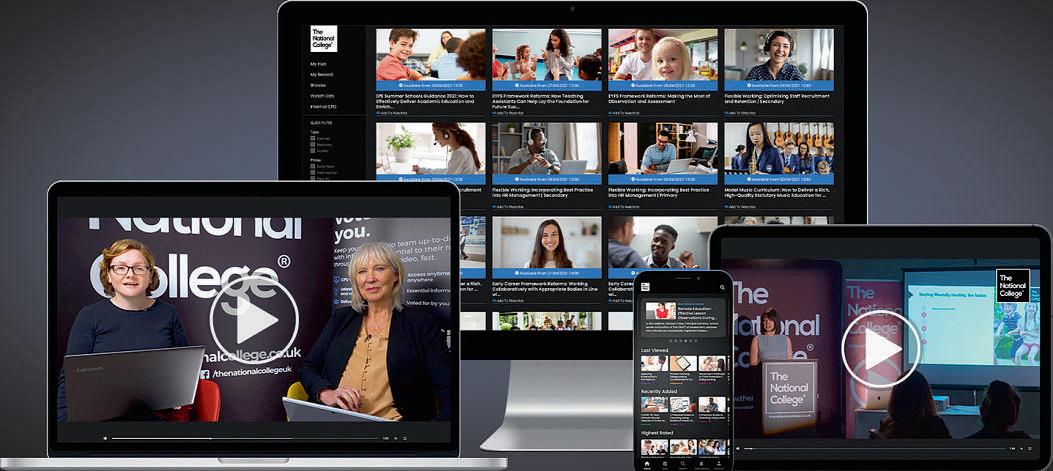



As always, we are keen to bring an energising new range ofupdates to our ever-growing nasen community andMay, in particular, brings some exciting new announcements andopportunities.
Firstly,wewould like to kick-startthis month’sMembership Focus with the news that nasen Live will returnthisyear on 24 September at the VoxConference Centre, NEC, Birmingham. Early release tickets are now available for this unmissable SEND CPD conference for all education professionals. Make sure you join us, as we proudly celebrate the returnofSEND events this year and bring the SEND communityback together again. For further information, please visit: www.nasen.org.uk/nasenlive
We are also delighted to be able to offer all members a20per cent reduction on our latest publication from the nasen spotlight series, ‘Leading on Inclusion: The Role of the SENCO’. This comprehensive resource
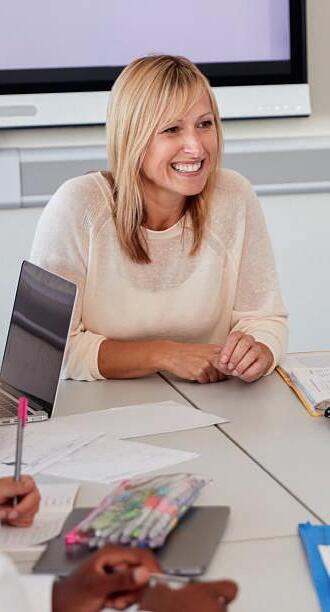
provides arange of perspectives on inclusion, giving Special Educational Needs Co-ordinators (SENCOs) the opportunitytoconsider the principles and practice that underpin their leadership role.
If you would like to find out more prior to purchasing, we are also offering an entire chapter, free of charge, which looks at the future of SEND legislation in England. To access this complimentary chapter,simply visit the Routledge website and register to download the e-version: http://ow.ly/Jocv50EuW6n
Please do remember that we are keen to engage and connect with you across our social media channels too. Follow us on Twitter (@nasen_org), Facebook (@nasen.org)and LinkedIn (nasen) and enjoy the latest updates and news from across the sector
If youwish to discuss your membership or have any membership related queries, we can be contacted directly at membership@nasen.org.uk
This work-based, flexible andpractical programmeisdesigned to show youhow to integratetheoryand practicetoimprove positiveoutcomesfor children with SEND.Itisinclusion-focused, developingboth operational understandingand leadership
Taught by high qualityspecialists
Our interactiveprogrammeisdelivered by SEND specialists. You will learnfromleading expertsinthe field through acombination of onlineseminarsand tutorials, as well as receivingongoing supportfromyour personal tutor Furtherinformation andapplications: buckingham.ac.uk/school-of-education education@buckingham.ac.uk
Access to onlinelearningmaterials andsupport
Youwill have access to our Virtual Learning Environment,which contains awide varietyofresourcestosupport your learning.
nasenconnect@nasen.org.uk
We would love to hear from you, so please send any comments or letters to nasenconnect@nasen.org.uk In case your letter is chosen forpublication, please do include your name and setting. Don’tforget, youcan ‘HaveYour Say’ via Facebook and Twitter too.
01827 311500
@nasen_org
HaveYourSay gives you, the reader,aforum to share your thoughts and opinions about current issues in the world of education and SEND. It is also the place to shareyour reactions to, and thoughts about,what youhaveread in previous editions of nasen Connect.
Icame across your website through attending aWhole School SEND webinarand Iwanted to thank you for making your membership free. The qualityofthe resources and their applicabilitytomyrole as ateacher within amainstream primarywith ahigh number of pupils with SEND is commendable. Iparticularly enjoyed the online format of the nasen Connect magazine, it made it so easy to navigate back to articles Iwanted to read again and the abilityto click directly on the weblinks.
Year 4teacher,Cheshire
search: @nasen.org








Editor: Thank you for the feedback. We hope that the ease of the online magazine supports moreprofessionals toget to the services and
further information that they want. If you did want ahard copy to shareinthe staffroom, that is available through our publication subscription. Do keep spreading the word! o get se vices , ugh


Irecently attendedone ofyour‘Understanding’ series of webinars and was inspired by hearingyour associatetrainer speak about their experience of schoolasa young person with neurodiversity.Itmade me reflectonhow much


we assume about our young people in school andhow some of ourpupilvoice systems are not inclusive. Iamnow planning aseriesof informalpupil voicegroups to make sure all voicesget afair hearing,and their feedbackis given aplace to be heard.
Secondary school SENCO, Leeds
Editor: I’m glad youhave usedthe course to make apositive change within your setting. Young people with lived experience can tell us so much. Do look outfor the summer webinars forLIVEsessions to come along anddiscussyour practice andlearnfromother professionals.
Iwas amazedwith my lackof awarenessaround the sensory processing needsofstudentswithautism withinthe classroomand wasquite taken aback at how dismissive Ihad beenofstudents’ issues in thepast Iregret to say thatI have often told students that theyhavetolearn to tolerate more and realise that actually whatI should havebeendoing is making thosepersonalreasonable adjustments to my classroom to accommodate them.I look forward to parttwo of the series and thankyou for helpingmechangemypractice.
Editor: Ihope that youwillnot be too hardonyourself about your previous understanding and responses. Research on SensoryProcessing Disorderisstillrelativelynew,and we aregladtobeable to continue to inform the profession through articles suchas this.Ihope thatyou engaged withsome of theresearchmentioned in the article and Iamsureyou will takemore frompart two
THE NAS EN AWARDS 2021 ARE NOW OPEN FOR NOMINATIONS; YOU ON LY HAVE UN TIL 16 JU LY 20 21 TO SUBMI TY OU RE NTRY!

Do youknowsomeone who always goes aboveand beyond when it comes to ensuring the needs of children and young people with special educational needsand/or disabilities (SEND) aremet?Thennominatethemfor
THEREARE 13 AWARDS AVAILABLE, IN THE FOLLOWINGCATEGORIES:
THE INNOVAT ION AWA RD FOR TECHNOLOGY
The Innovation Award forTechnology recognises an organisation or education setting that effectivelydemonstrates how technologyhas been used to promote inclusionfor childrenand young people with SEND
THE DAVID RYAN PUBLICATION AWA RD 2021
The DavidRyan Publication Award recognises an innovativepublication (including e-publications) that have had apositive impact on childrenand young people with SEND.
THE NASEN AWA RD FOR EARLY YEARS PROVISION (can include all throughschools)
THE NASEN AWA RD FOR PRIMARYP ROVISION (can include all throughschools)
THE NASEN AWA RD FOR SECONDARYP ROVISION (can include all throughschools)
THE NASEN AWA RD FOR 16-25 PROVISION
The awards above recognise asetting that has effectivelypromoted inclusion by providingexceptional provision and practice that goes above and beyond.
PROVISION OF THE YEAR AWARD
The Provision of the Year Award recognises asetting that haseffectively promoted inclusion throughoutthe setting by providing outstanding provision/practice that is above what is expected
The award goes to...
THE NASEN AWA RD FOR CO-PRODUCTION WITH CHILDREN AND YOUNG PEOPLE AND THEIR FA MILIES
Thenasen Award forCo-production with Childrenand YoungPeople and theirFamilies recognises asetting which demonstrateseffective useofperson-centred workingwith children, young people and theirfamilies.
YOUNG PERSON/YOUTH (UP TO 25 YEARS)
ACHIEVEMENT AWA RD
TheYoungperson/YouthAchievement Awardrecognisesanindividual that has achieved against the odds and/or made apositive difference to the livesofchildren andyoungpeoplewithSEND.
NA SE NT EACHER OF THE YEAR AWA RD
TheTeacher of the Year Award recognises an inspiring teacher who, through their practice, has had an exceptional impact on children and young people with SEND
SEND LEADER OF THE YEAR AWARD (INCLUDING SENIOR LEADERS AND GOVERNORS FROM ANY SCHOOL OR SETTING)
The SEND Leaderofthe yearaward recognises aleaderorleadership team whichhas demonstrated exceptional strategic development of inclusionand provisionresulting in improved outcomesfor children andyoung peoplewithSEND
LEARNING SUPPORTS TA FF MEMBER OF THE YEAR AWA RD SPONSORED BY AXCIS
The LearningSupport StaffMemberofthe Year Award recognises excellent practice leading to the improvementofoutcomes for children andyoung peoplewithSEND
THE INTERNATIONAL PROVISION OF THE YEAR
TheInternational Provision of the Year Award recognises an international education setting that has effectively promoted inclusion and provided exceptional provision for children and young people with SEND.
Shortlisted entries will be invited to our awards ceremony,which will take place on 15 October,atThe WaldorfHilton Hotel, London. Good luck!
EA CH CATEG ORYI SO PEN TO ALL SET TI NGS, INC LU DI NG MA INSTREA M, SP EC IAL AND ALT ERN AT IVE PRO VI SION SELF- NOM IN AT IONS AR E ALSO IN VI TED AS WELL AS NOMI NATIO NS MADE O N BE HA LF OF IN DIVI DUA LS/ ORG ANIS AT IONS
Proudly sponsored by
























thecommunity back together
Our one-day SENDCPD conference, nasen Live, is returning on 24 September 2021 to the VoxConference Centre in Birmingham. Sponsored by Axcis Education andGLAssessment, the conference will offer delegates one of thefirstnational opportunities to share best practice forSENDand thechance to network face-to-facewithcolleagues, following the devastating impactofthe COVID-19pandemic.
And to celebrate its return, we have introducedaspecialearly release offer. The first 100 tickets are being releasedat £79 per person,whichisa 20 per cent discount on the usual £99 ticket price.
The eventwillsee delegates learning aboutbestpracticeand accessing focused CPD sessions to help themsupportchildren and youngpeople with SEND and learning differences acrossearlyyears, primary, secondaryand post-16


It will feature awide rangeofhighprofile speakers and an outstanding range of seminars and workshops from leading figures withineducation. Acomplimentary lunchwill be available,which can be enjoyed whilst networking with other,likeminded professionals and browsinga range of exhibitorstalls from leading organisations and services.






For further information on nasen Live and to secure an early release ticket, visit www.nasen.org.uk/nasenlive today



Follow nasen on Twitter @nasen_org #nasenlive2021 for all the latest conference updates. For multiple bookings of this event, where invoice payment would be preferable, please contact: membership@nasen.org.uk









Ofsted has examined how remote educationisworking for children and youngpeople with SEND.
The main points from Ofsted are: Careful selection and sequencing of curriculum contentisthe essentialstarting point forprovidingremoteeducation.This means focusing on the mostimportant things forchildren and young people with SEND to learn.
Structure, routine andconsistent support continue to be important formany children and young people withSEND. However, the flexibility of asynchronous approachesto remote education is reallyhelping some children and young peoplewithSENDtolearn and make progress
Effectivecommunication with families and carers is crucial. Strengthening relationships withparentsand carers, andgiving them the
knowledge and practical help theyneed to supporttheir child’slearning has had apositive impactand mayhavelonger-term benefits Disruption to essentialeducation, health andcareservices has had ahugeimpact on children and youngpeople with SEND, and notall returned to theireducationsetting on 8March.Some areclinicallyvulnerable. Some may need to wait longer toreturn to training sites, andothers maybesenthometo self-isolate.For thefurther education sector learners, returningtotraining sites may take slightlylonger
This video (https://bit.ly/3dQ661W) W and SlideSharepack (https://bit.ly/2PUYUtq)can help practitioners reflect on the challenges they face in delivering remote education during the pandemic to inform futureplanning for children and young people withSEND.
There is agrowingdesire to havea unique identifiertoensureefficiency and accuracy of data sharing across social careand education. The useofthe NHS numberasa unique identifieriswell establishedbetween adult health andsocial care settings but is more complicated for those under 18 because the Act does not cover children’ssocial care andeducation services data.
However,itispossible to share data across theseservices, butitisimportant to be clearabout the legal basis on which youare doing so. The Information Governance Alliancehas produced a briefingwhichaddresses the contexts in which the NHS number should be used in healthand socialcareorganisations and environmentsasaunique identifier
The briefing gives examples of appropriatecarecontextsoutside of theNHS where the use of the NHS Numberissupported by government policy.To access more information, go to: https://bit.ly/2Px5kPf

Don’twanttowaitfor thenextedition?Check out https://nasen.org.uk/news

The UniversityofBirmingham is inviting autistic youngpeople andtheir parents to takepartinanew autismresearch project focusing on the wellbeing of autistic young people between theagesof14-25.
In particular,they are seeking autistic youngpeople whodonot have acooccurringdiagnosis of intellectual/learningdisability(in addition to their autism) to takepart. Participation will involve completing an onlinesurveyand participants willbereimbursed £5 for takingpart.
TheUniversityalso invites parents/caregivers of autistic young people to participate. For autistic young people under 16 years of age, parents must complete the parent survey before their child participates, however it is not compulsoryifthe young person is over 16. Parents will also be reimbursed £5 for completing the survey
If youwouldlike moreinformation, please contact Lucy Licence (LAL277@student.bham.ac.uk)orfollowthe linkstothe surveys:
Youngperson’ssurvey: https://bit.ly/3uiAada Parent’s survey: https://bit.ly/2PVIxMG
Anew study from the Education Policy Institute (EPI), fundedbythe Nuffield Foundation, highlightssignificant inconsistenciesinhow children with SEND in England are identifiedand supported.
The research, which is thefirst study to fullyquantifyhow supportvariesnationally, showsthataccess to supportisdecided by a“postcode lottery” –withthe chances of receiving SENDsupport from theschool or from the local authoritylargely dictated by the school thata childattends, ratherthan their individual circumstances
Overamillion children arecurrently registeredashavingSEND in England –with as many as four in 10 recordedas having SEND at somepoint during their time at school.
The longitudinalresearch reveals that the huge variation in SENDsupport for
childrencan be explained by inconsistent approaches to identifyingchildren.
Thefindings show that pupils attending academy schools are less likely to be identified with SEND compared to other similar pupils, indicating that pupils’ needs may have been overlooked in these settings.
Download the full reporthere: https://bit.ly/3rVckTm

Ofsted and the CQC have announced aphasedreturnto area SEND inspections. Moving forward, re-visits to local areas that required aWritten Statement of Action (WSOA) commenced in April 2021. From June 2021, full inspections of local areas that have not been inspected under the current area SEND inspection framework will begin. This startdate will be kept under review,inline with government advice and COVID-19 restrictions in place at the time.
This guidance outlines how they will carryout re-visits to local areas from April 2021 onwards to determine whether the local area has made sufficient progress in addressing the areas of significant weakness detailed by the WSOA. This guidance sets out how they will adapt their methodology to take account of COVID-19, including how they will carryout theirinspection activities remotely where necessary.
Duringthese re-visits, inspectors willexplore: area leaders’ understanding of theimpact of the pandemic on childrenand young people withSENDin their area andon thelocalSENDsystemmorewidely howleaders haveusedtheirunderstanding to adapt theirplanstoaddressthe areas of significant weakness detailed in theWSOA.
To read the full reportgoto: https://bit.ly/2R5xwJv

Contact has worked in partnership with parent carers and the charities, SeeAbility and the National Deaf Children’sSociety,toproduce three new guides for parents on hearing, eye and dental checks for children’shealth.
They explain how hearing, eye and dental checks are carried out, how families can access them and how to prepare and support their child.
Youcan accessthe information here:
Hearing care: https://bit.ly/3ujY6Nh
Eye care:https://bit.ly/2PxnNLy
Dentalcare: https://bit.ly/3umtTxe

The ‘Happier in his own clothes: Post-pandemic possibilities for SEND education, perspectives from parent carers’studyexplores the educational experiences of childrenand youngpeoplewithSEND during the COVID-19 crisis.
Published by Dr Jacqui Shepherd,Claire Durrant and Dr Christina Hancock from the University of Sussex, the focus of the study was to: Examine theexperiences of children withSENDontheirreturn to school during the autumn term2020
Understand experiences of the secondlockdown in January and February 2021
Explore theimplications forteaching and learning forchildren with SEND post-pandemic and as they return to school
This briefreportsummarises what workedfor children with SEND when they returned to schoollastSeptember,whatworkedwellduring the limitedschool provision period of Januaryand February2021, and what the challengeswere forchildren and familiesduring this time.
Therecommendations focus on thelearning fromlockdown toinform futurepractice, including andbeyond theinitial returnto school. Read the reporthere: https://bit.ly/3rNfTe3
It is estimated that one in every100 people has autism, and it is verylikely that every school will have children and staffwho are on the autism spectrum. These resources are developed by the Autism Education Trust, along with the Autism Centre for Education and Research (UniversityofBirmingham), the National Autistic Societyand Ambitious about Autism, through the Whole School SEND DfEfunded schools’ workforce contract.
Guidancefor school leaderson supporting autistic membersofstaff: This resourceismainly aimed at senior leadership teamsand people withHRresponsibilities andprovides ideasfor developing an autism-friendly working environment.
ASENCO’sguide to supporting learners on theautism spectrum: This is for SENCOs in Early Years, Primaryschools and Secondary schools and builds onexisting informationfor SENCOsindeveloping good autism practice within their settings
Supporting learners with autismduring transition: This resourcefocuses on two main
stages of transition;fromanearlyyearssetting to primary school,and primaryschool to secondaryschool. The resource will be helpful to SENCOs,teachers,teaching assistants,key workersand others involvedinthe process
Promotingautism-inclusiveattitudes: In this resourcethere are variousideas forraising peer awarenessinprimaryand secondary school settings, which canbeused by SENCOs,teachers andteaching assistants. Theseresourceswereco-developed with autisticyoung people
Reasonable adjustmentstoschool behaviourpolicies: Thisresource considers the implications of theEqualityAct with regards to behaviour and looks at how reasonable adjustments canbeimplemented withina schoolsetting.Thiswill be particularly useful forsenior leadership teams and SENCOs. This resourceiscurrentlyunder reviewand will be addedtothe suite soon
To accessthe resources, go to: https://bit.ly/3tafNPi
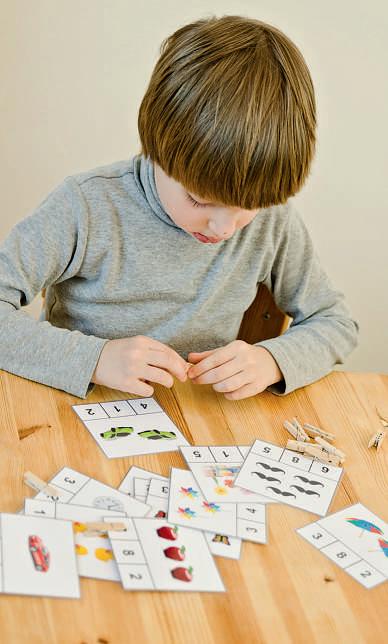


Trisha Lee, author of ‘Princesses, Dragons and Helicopter Stories’ and early years creativity expert, looks at some of the benefits of poetry in the early years.
Beprepared to be surprised’ is themottothat should be hung on every wall of every classroom, early years setting and home.Itisthe phrasethat should be on the tip of every tongue of anyone who works withchildren,has children, or takestime to be with children.
It is asentiment that is truefor allchildren, but particularly forthose with childrenwith Special Educational Needs I’ve lost count of the numberoftimes I’veheard adults express surprise at the engagement of acertain child or children in their care (for example, “I wouldn’thave expected himtojoinin.” or “She never normally getsinvolved.”)






TRISHA LEE
Trisha is an author and early years consultant specialising in storytelling and creativity and founder of the early years charity, MakeBelieve Arts. For more information, visit https://bit.ly/3t0dSf2
As avisitor, Ienterevery classroom with nopreconceivedideas of what to expect from each child Imeet. As Iworkwith a group,I continuallydemonstratemybelief that whatever theydoitisokaybyme. In the last year and ahalf, however, since Istarted addingpoetry andrhyme to the repertoire that Itakeinto settings, Ihavesuddenly found myself surprised.



In 2018, Iattended astorytelling workshop and became inspiredbya couple of poemsthat Ilearned there.I started searching forshortpoems, often fromanonymousauthors, that Icould learn, create actionsfor,and sharewiththe childrenatthe startofa session.
Ihave alwaysknownthat spoken languageisabuilding block to comprehension, readingand literacy in general. ButI hadnoidea, whenI started thisjourney,ofthe powerful connection and engagement that the rhythm andrhyme of poetrywouldinspire in theyoungest of children.
In one of the first classes where Istarted to share the poems, afive-year-old with selective mutism began speaking the words of the poem Iwas teaching her class. Her voice was fairly loud, as if she had lost herself in the rhymes of the poem and was enjoying the taste of them in her mouth. It was all her teacher could do to hide her surprise. Within acouple of weeks, the child was happy to stand at the front of the class leading the poem so the others could follow And then it happenedagain, in another class. Afour-year-oldwith learning difficulties, who rarely joined in, gotso excited by the falling leaves poemthat, at varioustimesthatautumn,hecouldbe heard reciting the poem outsideonhis own whilst picking up leaves andthrowing theminto theair.And then, in apre-school classroom,athree-year-old with complex needs wasseentomove theirhand up and down in time to thechop, chop chopping of the Chop,Choppoem.
By listening to poems spoken out loud, with actions, and having the opportunityto
Spoken language is abuildingblock to comprehension, reading, andliteracy in general

learn, recite and move with them, children experience words in adifferent way to how they normally hear them in everyday speech.
The rhythmicpatterns of apoemsupport childrentouse theirvoices differently. Whenreciting apoem, and using actions to go alongside it,children makeconnections between words and movement,between meaning and gesture. In poetryweplaywith inflection and as childrenjointhe group in reciting out loud, theyget to practise sounds andwords and sentences and rhymes without the pressure of worrying that theywill make amistake. Whenyou arepartofachorus, reciting a shared rhyme, there is no danger thatyou willbemisunderstood, or that people won’t know what youare saying. This can be freeing for children with speech difficulties.
Butthe biggest surprise,and themost wonderful storyofall, camefroma teacher calledNadineJones fromthe Lime Academy Ravensbourne.Nadine works withchildrenwith profound, complex andmultiple needs.Nadine began by reciting the Chop,Choppoem to the childrenwhilst ‘chopping’ gentlyon their legs.She then showedthe children thatthe poemwas recorded on theSwitch. Finally,the childrenwereinvited to access theSwitchindependently.
Then
came the moment that blew my mind. A child who often opts
out, activated the Switch at least 10 times in arow.I was bursting with pride,” said Nadine.
Oneboy in Nadine’ssetting,Logan, has severe mobilityissues. Hitting the Switch for him involvesseveral complexprocesses. He needs to locate the Switch,movehis arms in acontrolledmanner,remember where the Switch is and push hisarmsdown to ensure that he hits it correctly.Logan loves the Chop,Choppoem,and is keen to listen to it as often as he can. As Nadine says, “Logan’s determination and the joy he experiences when he hears the poem, overcomes any difficulties He presses the Switch again and again ”
Andall of this sometimes feelslike a piece of magic,and yet it’s not.It’sa piece of history. Somethingthat used to happen maybe alot more than it does today. The language of poetryfits with the rhythm of the heart andthe soundofthe breath.It connects us to each other throughits gentle beat, or theway our hands move together to complete the actions, or how the words vibrate against our skin. And there’s somethinginitfor all childrenifyou are preparedtobesurprised.
Chop,chop, chippity chop!
Cut offthe bottom andcut off the top. Whatwehave left, we put in the pot!
Chop, chop, chippity chop!
➜
SECONDARY& POST-16
West Lea School aims to provide personalised learning, practical experience and hands-on opportunities to offerSEND students apathway to independence and provide them with ‘learning forlife’. Renee Flourentzou, Head of School at West Lea’sLearning forLifecampus, discusses the keysteps theytake.

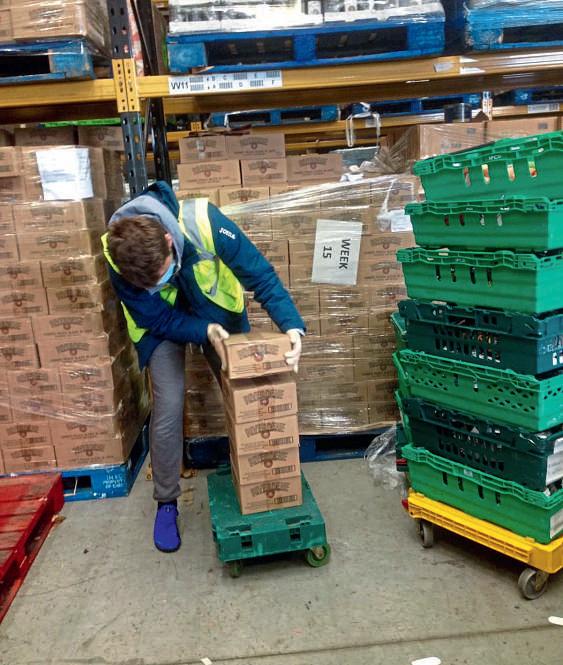










We challenge ourstudents and teach themto understand thevalue that they,like anyone else, can bring to society andthat nothing is outofreach with the right support.













www.westleaschool.co.uk


Our approach is focused on ensuringthat everyone in ourschool community feels valuedand included
As part of this, we equip eachyoung person with a ‘suitcase’ of skills to help thembuild the confidence andknowledge to progressnot only in school, but in further educationand employment. We challenge our students and teach themtounderstand the value thatthey,likeanyone else, can bring to societyand that nothingisout of reach withthe rightsupport


To have thegreatest impact, this way of learningmust be engrainedinto every aspect of theschool and thewider community. Real impactand successful outcomes areonlypossible when there is true synergy between ourethos, parents’ aspirations for their child andopportunities within the local community.Weaim to not onlyensurethattheseyoung peopleare equipped with the rightskills to flourish –in bothanacademic and socialsense –but to also addresssocietal issues aroundlow employment ratesfor people with SEND, to help students, parents and thelocal communityreally understand the potential theyhave to offer
What guides our ‘learning for life’ approach is apassportsystem.
All students receive apassport covering five key areas
that young people need to build skills and become self-sufficient adults (based on research and evidence-based practice). These cover communityengagement, selfcare and daily living, managing medication, travel and work skills, as well as social and communication skills. We use these passports throughout students’ school life, both inside and outside of the classroom, and as our students build skills within each area, they receive astamp and certificates. Finding and securing ajob can be incredibly difficultfor ayoung person,not least due to the pandemicand current economic climate.Thischallenge is exacerbated forthose individuals with SEND. We work to ensurethatwearen’t simplyhandholding and promoting learned helplessnessbut, instead, drivinga cultureof independence so that when the transition to college or work arrives,our students know what to expect and arefully prepared.
Our campuses support students with experiences ranging from basic travel training, cookery skills andvisiting shops, through to budgeting and handlingmoney, travelling to school independentlyand taking part in after-school clubs.
Our ‘Learningfor Life’Campus (14–25-year-olds)then solidifies theskills theyhaveacquiredand puts everything they’ve learnt into practice. AllKS4 students takepartinworkexperience and visit collegefor the day to helpthem prepare for their nextsteps. Giving them this experience helps them to gain agreater understanding



Ourcampuses support students with experiences rangingfrombasic travel training, cookery skills andvisiting shops,throughtobudgeting and handling money,travellingto school independentlyand taking part in after-school clubs
of what to expect in the comingyears, which reducesanxiety around transitioning. DespiteCOVID-19, we’ve been able to accommodateworkexperience for students,including volunteering at theFelix Project, sorting anddelivering food to people within the community most in need We also created acarousel of work-related activities including furnitureupcycling at Building Bloqs to restore unwanted items andsellthem at affordable ratesthrough ourcharity shops.Wealsotaught retail skills (gaining AQAawards) using our empty shops to sortstock,till trainand practisecustomerservice skills.
We provide Supported Internships for young people aged 16-25across Enfield, which someofour KS5 studentsaccess. Working with local employers, we offer studentsfourdaysaweekinthe workplace alongsidea West Lea JobCoachfor additional support.This hasbeenhugely successfulinhelpingstudents to realisetheir potential, reinforce the beliefthatthere are plenty of opportunitiesout there for
them,and thattheycan make avaluable contributiontosociety throughtheir skills, attitudesand expertise
When we first piloted the programme, 90 per cent of our students ended up with jobs, and they are still currently in employment. In the last academic year,wedoubled the cohortthat went on to secure internships and 75 per cent are in employment, and our numbers have gone up even more for this year.Inacontext of low employment rates for those with SEND, it’spleasing to see we are actively contributing towards changing perceptions, and helping societyuncover the talent these young people have to offer
COVID-19 has of coursepresented challenges. Notonlyfromaneducational setting perspective,but also in terms of working alongside local businesses to provideopportunitiesfor ourstudents
Despite this, manyofour students have been able to continue, especially in sectors that have requiredadditional capacity andresource. Forexample, we have had students working in Sainsbury’s,atNando’s fortakeaway services, Yodelfor support with deliveries and thefuneralcaresector
It is so important to build local partnerships,not onlytohelp provide students with opportunities, buttochallenge thestatus quoand encourage amore
diverse andinclusiveworkforce. In turn, these organisations have gainedfrom the insights that our students have to offer and are fully supportiveofthe programme.
While it’simportant to instil confidenceand beliefwithin our students, it’s justasvital toengage and challengeparents.We hostcoffee mornings and briefings, setting expectations from thestart.Understandably, alot of parents find it hard to letgobut we know how vital it is to givestudents the space andtimetomakemistakes Impartingthat trust, andencouraging
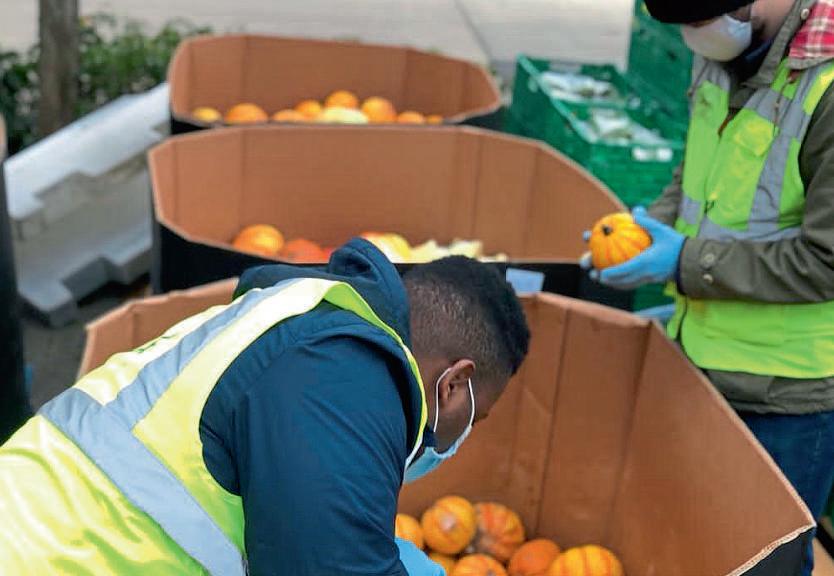


When we first piloted the programme, 90 per cent of ourstudents ended up with jobs, they and arestill currently in employment.
independence, is embeddedacross everythingwedo, and we help parents carrythatovertohome life through various strategiesand resources as well
Our Ofsted reportincluded feedback fromparents who said that although theywere challenged initially,itwas undoubtedlyfor the best and theyhave since seenthe benefits it hasbroughttheir children. Sometimes it just takesa bitof encouragement and persistence to seethe results and reap therewards



Buildingskills for youngpeoplewith SENDismorethan just classroomlearning. It’sabout encouraging themtotakealeap and putwhatthey learn into practice.Whether that’s visiting thesupermarket, local library,the gym,orlearning how to bookadoctor’s appointment, we needtoencompass‘learningfor life’ throughout the whole curriculum.Onlythen doesitbecome aholistic way of learning, providingstudents with amoreseamless transition as they move through school and into employment.
Five Minute Literacy Boxisamulti-sensory intervention providing early support or bridge gaps in English, while highlighting potential signs of Dyslexia and neurodiversity.For over 15 years Five Minute Boxeshavebeen raising attainment in schools. Related resources include The Number Boxfor Mathematics.
The Five Minute Literacy Boxisamulti-sensory phonics programme which not only provides resources to develop keyskills for reading, spelling and writing but also to enable the early identification of potential specific learning needs. The high-quality resources are particularly useful forteaching early phonics skills and the activities aredesigned to stretch children to encourage them to learn moresounds, blends and keywords through regular sessions. Suitable from school entry onwards, Five Minute Literacy Box equally gives targeted support forchildren with EAL or those at risk of educational disadvantage.
1 2
Morechildren than ever have gaps in their learning. Children using the Five Minute Literacy Boxmakereal progress with their grapheme/ phoneme correspondence, keywordreading and spelling. For example, monitoring the lowest performing 20% of learners in one school, 100% made progress in reading,
while 95% improved spelling accuracy by ayear or more. All learners improved selfesteem and confidence in learning (Neilston &Madras Campus Pupil Equity Fund Report, 2018-19).
3
Self-help strategies are built into every session so children develop the tools forconfident, independent learning which they can takeinto any situation. The child controls the pace of the session so has asense of taking charge of their own learning and has achance to overlearn elements they find morechallenging.
This way,skills arecemented and gaps in learning are avoided. Crucially,children build self-esteem by growing their skills and feeling empowered by their progress.
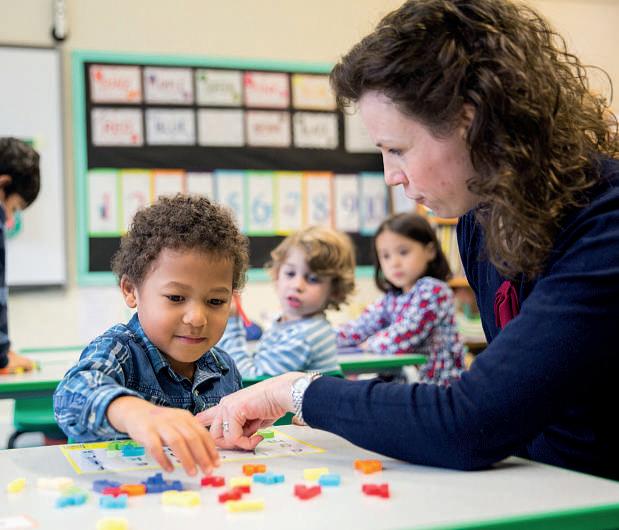
High-quality resources particularly useful for support in phonics skills, and activities to encourage children to learn more sounds, blends and key words through regular sessions.
4
Five Minute Literacy Box can be used inclusively at reception and KS1 and sits well alongside other reading or spelling programmes thatmay be used in school. Targeting support in
5-minute sessions means reluctant learners arenot overwhelmedand find the sessions manageable. The resources arecreated to maximise teaching time with minimal preparation required. The boxcontains everything thatisneeded for each session including sound boards, keywordboards, plastic letters and keyword cards, even adry marker and eraser.Progress trackers and assessment sheets help you to measurelearning. With teaching professionals in mind, the resources are portable, reusable and easy to manage in aschool environment.
5
helps teaching professionals getstarted with using the intervention. Each Boxalso contains aResource Book to give background detail and teaching scripts to facilitate confident use of the intervention. For those who requiremorein-depth training thereare new virtual training packages, in partnership with Understanding &Supporting Learning, to suit every training need.
The new version of the Five Minute Literacy Boxvideo
Individualised sessions that motivate even reluctant learners. Children love managing the resources themselves and working at their own pace of learning.
Self-esteem develops through strategies that are builtinto the activities and transfer across the curriculum, thereby avoiding learned helplessness.
Contact details
info@fiveminutebox.co.uk
Tel: +44 (01442) 878 629
Facebook: @fiveminutebox
Twitter: @fiveminutebox
www.fiveminutebox.co.uk
Progress is accelerated particularly amongst children with EAL, those with gaps in education, communication needs and the 20% lowest performing learners.
Andrea Welter,Assistant Head Teacher from PheaseyPark Farm Primary School and Early Years Centre, talks about the need to close the learning gap between disadvantaged children and those from moreaffluent backgrounds.

According to asurveyfrom the National Foundation forEducational Research (NFER), thelearning gap between disadvantaged children andthose from more affluent backgrounds hasincreasedby46per cent.With many childrenhavingtoshift back to home learningatthe startofthis year,the challenge thisposes is greater than ever
Q WHAT IMPACT IS THE PANDEMIC HAVING ON FAMILIES,AND HOWDOESTHIS AFFECTCHILDREN’SEDUCATION?
Schools havebeenworking hard to improve outcomesfor childrenfromall
backgrounds, but COVID-19 camealong and turned everythingupside down, causing furtherwealth, education and digitalinequalities
Many families’ circumstances deteriorated duetothe health and economiceffects of thepandemic, leaving parents unable to support their child’s educationathome. Digital povertyisalso agrowing issue; you’ve gotsome children trying to access home learningontheir parent’sphone, whileothershave no device to workwith at all
Childrenwithspecial educationalneeds are likelytohavebeenparticularly affected by the disruptiontoformallearningasthey may havemissedout on the additional support they usually receive

Q
HOWCAN SCHOOLSTAKE STEPSTOADDRESS THE LEARNING GAP?
The keyistoidentifychildren who need support anddeliver it as earlyaspossible so theyare not held back in their future learning.
Reading, forinstance, is alifeskill. If a child can’tread, they arelimited in what theycan achieve in their education,and in life as awhole.However, reading difficulties can be trickytospotasthere are often hidden issues.Some children struggle withsilent reading, othersget distracted and some more able childrenare prone to go too fast andmake careless errors
Oneofthe toolsweuse to help us see ‘beneaththe surface’ofreading ability


accesslearninginall their other subjects in theirprimaryand secondaryeducation. For children witha specific learningdifficulty, thechallenge canbeeven greater



ANDREA WELTER
Andrea is an Assistant Head Teacher from Pheasey Park Farm PrimarySchool and Early Years Centre. Pheasey Park is athreeform entry, DfE-funded demonstrator primary school in Walsall, West Midlands and is part of the Elston Hall Multi Academy Trust.
Listening to achildreadaloudcan help to developfluency,but that only gives youpartofthe picture. It’simportant for children to be able to read in their head, build astrong vocabulary,and decode the meaning of what they seeonthe page
If schools canidentify andtacklereading issues as early as possible, theynot only clear theway fora child’swider learning, butthey also open thedoorstothe discovery of stories and thejoy of reading.
QCANSCHOOLSBALANCE THE NEED TO MANAGE PUPILS’ WELLBEING WHILEASSESSING THEIRLITERACYSKILLS?
Mental healthisa priority forschools as children have been through so much over thepastyear. Manychildren have seen their families go throughtough times, they have missed seeing friends, playing sportand taking partinactivities. Children mayhave fallen behind socially as well as educationally
However,schools need to seta baseline so theycan see where their pupils arein their reading andmeasure their progress.
In my view,the bestway to do thisis to takea low-stress approach to testing. Forsome children, adigital quiz or an on-screen activity can be
moreenjoyable than apen andpaper task which feelsmorelikeatraditional test. Forchildren withadditional needs, making testsa fun and positive experience is particularly importantasthis builds confidence as well asaptitude. Someof the screening technologyweuse is so popular,our pupils askusifthey can take the testagain.
Asignificant advantageoftechnologybasedtesting is thatitcan be muchquicker for teachers to access and analysedigital results than it is to read througha pileof paper-basedtests.Saving thoseprecious evenings and weekends is good for teachers’ wellbeing too.


Build any new tools which support pupils’ reading progress into your CPD programme so all teachers are fully on board
Never underestimate the fun element when it comes to reading, both in the content the children read and the tools they use to access it
Invite pupils to share their opinions on the material they are reading.If they don’t enjoy a poem or story, ask why and use this as a basis for discussion
is software which followsa child’seye movements as they read. LexploreAnalytics,an eyetracking tool which assesses reading attainment, records how long thechild’seyes rest on oneword, and howquickly theeyes move forwards and backwards across aseries of words. This helpsusidentifypupils at riskofspecific reading difficulties, suchasdyslexia,so we can putinterventions in placewithout delay,and monitortheir impact.
Q WHY AREREADING SKILLS SO IMPORTANT, ANDHOW CANTHESE BE DEVELOPED?
If achild doesn’thave the buildingblocks of literacy,they will find it much harderto
Forchildrenwith additional needs, making testsafun andpositiveexperienceis particularly importantas this builds confidenceas well as aptitude.



Ensure that any technology you use to improve literacy skills or assess reading is quick and easy for teachers to use so it doesn’t add to their workload


























































































Joanna Grace Grace offers insight into how the exclusion of people with disabilities exacerbates the difficulties we face, and shares some practical strategies that can help you include people with disabilities as well as support your own mental health and that of your students.


My work focuses on people with profound disabilities who are particularly vulnerable to mental ill health due to the increased pressures on their lives
Speaking in broad terms, in ‘normal’ times you would expect around 10 per cent of the general population to be experiencing mental ill health That statistic rises to a horrific 40 per cent for the learning-disabled population
When lockdown hit, I was hyperaware of the vulnerability of the
people I work on behalf of As the rest of us turned to Zoom to keep in touch with family and friends, what could they do? Many of the people I work on behalf of do not have access to spoken language As lockdown proceeded, I witnessed a breakdown in mental health for many of my online contacts People turned to couples therapy, to counselling, to online therapy to help to get them through All of these language-based interventions are inaccessible to people with profound disabilities
To address this, I developed an online course called ‘Sensory-being: Mental wellbeing for people with Profound Disabilities’ I realised that the sensory strategies within it don’t just apply to people with profound disabilities, they apply to us all Especially when we feel in danger, to find ways to feel safe at a sensory level can have a profound effect on our wellbeing
Here are some tips that will both help you to include people with profound disabilities and help you to support mental wellbeing for everyone







JOANNA GRACE
Joanna is aSensory Engagement Specialist, trainer,author and founder of ‘The SensoryProjects’. More information and details of upcoming events can be found at: http://bitly.ws/cxH2


CONNECTWITHTHE SENSORYPRESENT



Our worries and anxieties exist in our minds If we can shift from mind to body, we canmoveaway from an agitated state and feel more grounded in the present
Touch something and notice how it feels
Smell something and notice how it smells
Taste something and notice how it tastes
Moveand noticeyour movement
Look at the world around you and really notice it

Doing asensory check-in like this can help to calm you Setting students tasks that get them to do thesecheck-ins can help tosupport their wellbeing Considering thesensations in theenvironment can help you get a better perspective on how someone with profound disabilities might be experiencing theworld
An awareness of our sensoryworld connects us to the here and now and gives us an awareness of the experience of people with profound disabilities.


An awareness of our sensory world connects us to the here and now and gives

us an awarenessof the experience of peoplewith profound disabilities



Wetakecues from our senses to let us knowwhether we are safe or in danger If we consider the extremes, this becomes clearer For example, were you to hear a gunshot yoursenseswould tell you that you were in danger You would not need it to filter through your brain, and to hear your internal monologue explaining weaponry It would be instant On the opposite end of thescaleperhaps you would imagine yourself in the warm embrace of a loved one, feeling their nearness and smelling







Itypically run seven sensorysystems in my work at The SensoryProjects. The famous five, and the two less well known: vestibular,which is your sense of movement and balance, and proprioceptive, which is your awareness of your body in space. Here are some quick ways to enhance feelings of sensorysecurity across the seven senses.
Play music that has aheartbeat rhythm to it. Reggae music is agoodexample, and many children’s songs follow aheartbeat rhythm. Trywhite noise –apps are available to generate this –orexplore ambient drone music.
Take in natural scents like the smell of the rain or the earth. Consider your use of synthetic scents; it may ordinarily be your favourite perfume but is it too much for right now?















their scent; these sensations would engender feelingsof safety inyou
Wecan imagine ascaleof different sensory environmentsranging from a place that feels totally secure to one that feels totally threatening Hopefully, we all mainly occupyplaces in themid-rangeof this scale.
But now think about how you would feel about your environment if you were


operating at less than 100 per cent, perhaps when you ’ re ill These experiences of physical weaknessmakeuscrave gentler sensoryenvironments. Asweall move through these difficult times, we recognise that there is more pressure on our mental health than usual Rather than chideourselves for finding our everyday lives harder than we feel we ought, perhaps we canrecognise that we need toadjust our environments to be gentler Recognising the impact that the environment can have on us, helps us understand what lifemust be like for someone who finds being in the mid-range of the scale very difficult

It is natural for abody that is stressed to crave sweet foods. Answer these cravings within abalanced diet. Be aware that someone craving sweet foods all the time can be asignthat they are under constant stress.

Connect with more than just the sheen of your phone screen or the keys on your keyboard. We see alot of the world but how much of it do we touch? Take little detours in your daily life to feel the texture of the wall, to run your hands over the grass in your garden.
Movement connects us with our embodied self. If you are able to, squat down on your haunches, jump up and down afew times, rock from side to side or dance. Pay attention to the movement. Rocking is something we all (regardless of disability,ability or neurodivergence) find comforting. Be aware that someone who rocks all the time may be communicating to you that they are feeling stressed by their environment.
We tend to move about using our vision for navigation but not for seeing. We useittomake sure we do not bump into the table as we walk past it to the kitchen; we do not attend to it, however.Move things around in your house so that you notice them again. My husband andIplayed agame at the end of last year trying to switch things around in the house without the other one noticing. It was fun and it had the knock-on effect of making us truly look at the world around us. It got quite competitive; Iwas shocked he noticed the extra ‘o’ I had carefully added to the title of acookerybook on the shelf and was convinced he would not notice that Ihad pierced the ear of our little elephant footstool.
Tryaweighted blanket (https://bit.ly/39uxekZ).
Although not as good as being allowed to hug our friends, it can be agood sensorysupportwhilst we wait for those days to return.



National Award for SEN Coordination
PG Cert Education (Inclusion &SEN)
PG Cert SpLD (Dyslexia) with ATS/AMBDA
PG Cert /PGDip Education (Dyscalculia)
Nationwide venues: London, Gateshead, North Yorkshire, Solihull, West Lancashire
Intakes: September,January, February and April
Formoreinformation contact: ProfessionalLearning@edgehill.ac.uk
or visit our website:
ehu.ac.uk/professionallearning












Pippa McLean talks about confronting and accepting our inadequacies and coming through stronger.
ometimes you just feel a bit stuck
Sis actually just a bit too big for one
equipped for the task, or magicking money out of nowhere for resources





Pippa McLean is a teacher and has been aSENCO for over 12 years. She has taught in the London Borough of Newham, Thurrock and Essex and is currently aSENCO in a mainstream infant and nurseryschool.
With a child, with a situation No matter how hard you try, things seem to keep getting in the way of any real steps forward It can leave you feeling like you ’ re failing, like you ’ re not doing enough The weight of responsibility for some of the most vulnerable children in our schools; those who are looked after or recently adopted; those at risk of exclusion; those who are very real safeguarding concerns; those with mental health difficulties; young carers; those with life threatening medical conditions; those who have seen more life already in their young years than we would ever want to see I could go on If you ’ re lucky, maybe the ‘not enough’ feelings just lurk in the background, but sometimes they sit right there on your shoulder, or whisper in your ear, or sometimes come out of the shadows and slap you full in the face
If we ’ re honest, lots of us feel inadequate lots of the time, because the job
With the not enoughs, people sometimes come to you and just want you to wave a magic wand; to make things disappear with a puff of smoke I’ve come to realise that’s a trap There is no magic wand We are not a one man/ woman superhero If we try to be, we will wear ourselves into the ground within a few weeks Journeying with people, whether colleagues, parents or children, is often more about hard graft; the daily effort of turning up, of being present, of problemsolving, of planning and reviewing how things are going, of tweaking things here or there, or in some cases radically overhauling practice
It’s about passion and commitment from us all and, at the heart of it, an intention to work together to provide the best we possibly can for each child Our best endeavours At times they may just feel like ‘endeavours’, like we ’ re trying really hard But as long as they’re our best ones, that is enough
With the not enoughs, the flip side of disappearing something away is people wanting you to make something appear out of nothing Maybe conjuring up a new member of staff to provide support for a child or fast-tracking years of experience into a day so that someone feels
But it doesn’t work like that either
Sometimes we just need to admit we ’ re stuck Even with years of experience doing this job, today I feel stuck It’s a ‘hands up, I surrender, I’m guilty’ moment It can feel vulnerable to even say it out loud Maybe instead it should be a ‘hands up, I need help’ moment, like we encourage our children to do Lots of the children we work with have long-term needs, and if there were easy answers, someone would have come up with them by now
So, let’s not try to play the role of a fairy godmother, but instead, in the hard graft, let’s be people who choose to put one foot in front of the other and say keep going Let’s gather scattered hope as we work together





















As restrictions begin to ease, you may be
options thatallow you to support your student’s unique need. To help you to make
Digital assessment solutions
Telepractice assessment support
•Specificallydesigned for pupils working consistently and over timebelow age related expectations
•Non keystagespecific, so that pupils work at levels appropriate to their developmental stage
•Each licence covers an entire school/centre thus affording all teachers easy access to these curriculum schemesof work

Steve Lowe, Headteacher at the Oxfordshire Hospital School (OHS), examines the steps schools should consider to support pupils with medical conditions.

oung people with medical conditions are already at a disadvantage to their healthy peers so we must not allow well-meaning efforts to support their education to fall short because we don’t have the resources to help or because we don’t know what to do
long-term illness, disability or medical condition diagnosed by a doctor




YFrom our experience, Oxfordshire emulates the national picture
Government statistics show that 14 per cent of children aged 15 had either a




According to DfEdata, of the 783,400 children recorded as persistently absent in 2017/18 (absence rate of 10 per cent+), 41 6 per cent missed school due to illness and 4 7 per cent due to medical appointments Of pupils completing GCSEs in 2017 who met the persistent absence threshold for illness or medical appointment absences in secondary, 15 5 per cent experienced at least one ‘unexplained exit’









The Centrefor Mental Health‘Making the Grade’ publication found that in an average class of 30, 15-year-olds, three could have a diagnosis of a mental health condition and six could be self-harming When the Health Conditions in Schools Alliance asked in early 2017:







• Only 11 5 per cent of schools in England could provide an adequate medical conditions policy that meets statutory guidance
• 72 per cent of schools report that Ofsted did not ask about their medical conditions policy during their latest inspection This has led to many children with medical conditions being excluded from school activities and having their health and safety put at risk







• Only 17 per cent of local authorities confirmed that they had a medical conditions policy




The DfE statutoryguidance ‘Supporting pupils at school with medical conditions’ states: “Pupils at school with medical conditions should be properly supported so that they have full access to education, including school trips and physical education.”
As this guidance is statutory,you would expectthere to be aconsistentapproach, withhigh standards andexpectations. Manyschools areaware of their responsibilities and,ofthose who are,most are keen to makethe best provision they can forstudents withmedical needs, butit’s not always easy
One of the significantchallenges here is that no-onechecksthatschools or local authorities arecomplyingwith thestatutory requirements.Asa consequence, there are many exampleswhere education of young people with medical conditions has been impacted significantly as adirect result of schools not dischargingtheir responsibilities fully
Morerecently,somelocal authorities, includingOxfordshire,havebegun to request thenameofthe schoolleadfor pupils withmedical conditions, andask if a medical conditions policy is in place as part of their annual safeguarding return.Bothare statutoryrequirements. This goes someway to checking that schools areatleast aware of their duties, but it doesn’toffer any insight into theculture of the school.

Increasing complexitiesand numbers of pupils presenting in schools with medical and/or mentalhealth needs pose real challengesfor schools.The lastyearhas highlightedthe challenges thatyoung people face whenthey missschool forprolonged periods of time. This provides aclearnarrative for the challengesexperienced by young people with chronic,recurrent medical conditions on adaily basis
This is allset against abackdrop of diminishing school budgets and cuts to local authorityservices, but also a greater awareness of the benefits of keeping young people connected to their school communities. Schools need to be equipped with the knowledge and tools necessarytosecure high qualityeducation for all, not just those who are healthy
Theinterplay between physicalhealth andeducational, socialand emotional development is well researchedand documented. Children with chronic health needs areatincreased risk of reducededucational attainment, increased emotionaland social issues, andhigher ratesofdiagnosable mental health conditions. There is significant evidencetosuggestthat children whodonot adjust and adapt well to their health needscan go on to have long termpsychological difficulty and









STEVE LOWE
Steve has been headteacher at the OHS since September 2018. Before taking up this headship, Steve worked as adeputy headteacher in a mainstream secondary school and served as an associate headteacher at an Education Other Than At School (EOTAS) provision. Steve is passionate about improving opportunities for children with medical conditions and is amember of the National Association of Hospital Education and the Health Conditions in Schools Alliance. Steve has 30 years of experience in the profession with 24 of these in senior leadership positions.





reduced physicalhealthinadulthood. Childrenwho exhibit higher levelsof anxiety and depressionare shown to have reduced positivehealth behaviours, such as adherence to treatment regimens andpoorer self-care, meaninga greater likelihood of healthcomplications Naturally,this then reduces school attendance through increased hospitalvisits andmore complex treatment regimens.
Access to education is akey part of a child’songoing development. Being part of an education setting notonlysupportsthe child’scognitivedevelopment andprovides the frameworkfor later life with regardsto acquiredknowledge,but it also provides
Beingpartofaneducation setting notonly supports the child’scognitive development andprovidesthe frameworkfor laterlife with regards to acquired knowledge,but it also provides the infrastructure in whichmanyother critical needsare met.

theinfrastructure in whichmanyother critical needs aremet.Socialisation and social support areknown protective factors against mentalillness andschool provides acrucialenvironment inwhich achild’s mental wellbeing canbesupported.
School also provides structure, routine, boundaries and normalityata time when often achild might feel out of control of their own life, and different from their peers. Also present is ascaffold for emotional development. The need to adjust to the demands of aschoolenvironment –coping with difficulties, managing time, behavioural boundaries –are all aspects of schooling which supportnormative development, in addition to providing acontrast to the hospital environment dominated by adults to which achild can become accustomed.
There are many strong examples across the countywhere hospital schools, APs and other providers are offering abridge between health services and pupils’


TO IMPROVE EDUCATIONAL OUTCOMES FOR CHILDREN AND YOUNG PEOPLE WITH MEDICAL CONDITIONS, WE MUST:
1
Raise awareness in schools and with governing bodies, locally and nationally, around the statutory guidance and legal obligations that schools have to support their pupils
2
Provide high quality training and resources for schoolleaders to assist them in ensuring the needs of all their pupils with medical conditions are met
3
Lobby for a national regulatory process that requires schools to meet their statutory obligations


enrolled schools, providing professional advice and guidance, training and bespoke education plans. This work is founded on the EqualityAct 2010 but without regulation, provision has become apostcode lottery. In Oxfordshire, the Oxfordshire Hospital School (OHS) has developed astrongpartnership with the local NHS trusts, creating local and


regional communities of reflective practitioners delivering high impact, personalised education at the point of need (see ‘box-out, left).
The MedicalNeeds in Schoolproject (MNiS), apartnership between the OHSand colleagues at the Oxford University HealthNHS Trust, provides a bridge between health and education professionals in Oxfordshire to assist with effective andefficient solutions forthe educationofchildrenand young people with medicalconditions.

Participation in local training and improvedunderstanding hasgrownacross the countythrough the useofsocialmedia, headteacher and chairs of governors’ briefings,county-wide schools newsand direct mailing. The next phaseofthe MNiS project sees the development and release early next academic year of afree-ofcharge, e-learning portal developedby both educationand health professionals.












The Fir Vale Family of Schoolsissituated in thenorth of Sheffield, a diverse, economically deprivedarea witha higher-than-average incidence of children with SEND. Around aquarter of the children andyoungpeople with SENDhave social communication difficulties often grouped with –oraspartof– thosewithautistic spectrumdisorders (ASD).
It is also an area served by school leaders who are determined, solution-focused and collaborative. Agroup of talented SENCOs who forge relationships with other agencies, using approaches that will ensure they continue to improve provision for all of the children they serve. It is from this collaborative and outward looking starting






point that the group embarked on the Social Communication, Emotional Regulation and Transactional Support(SCERTS)journey
The research examined the useand efficacy of SCERTS, aresearch-based educational approach andmultidisciplinaryframework addressing the needs of those with ASD and related social and communication difficulties, andoftheir families. SCERTS provides guidelines forhelping achild becomea competentand confident social communicator and formitigating behaviour that interferes with learning and relationships. The frameworkaddresses the priority areasfor childrenwith autism but alsoallows practitioners to use individual blended approaches by employingexisting tools and beneficial methods.











The research aimedtoanswer theextent to which SCERTSenables learnerstodevelop their communication and emotional regulation skills,helps practitionerstoidentify needs and provide meaningful support, and leads to improved multidisciplinary working. Thework also wantedtoidentify the positiveand challenging aspects of using SCERTSwhen working withchildrenwith autism.
Earlier and better intervention is required to improve outcomes for the rising numbers identified with ASD, who represent nearly 30 per cent of all children with Education, Health and Care Plans in England (EHCP). Children with SEND generally have poorer life chances. They are, for example, three times as likely to be unemployed and

Earlier and better intervention is required to improve outcomes for the rising numbers identified with ASD, who represent nearly 30 per cent of all children with Education, Health and Care Plans in England.



49 per cent of those who do work don’t retain that job for long (Department for Work and Pensions). A quarter of the prison population has special needs and more than 50 per cent have literacy and/or speech, language and communication difficulties.
SCERTS is a new way of planning effective provision for learners with social communication difficulties. There would be expert training for both teaching and speech and language staff and increased speech and language therapy expertise and resource in all schools. This would develop staff expertise, better meet needs and engage parents in dialogue with professionals about their children’s needs. The work would promote and improve multidisciplinary working and the research would reinforce the inclusive vision and practice within the family of schools and across the city. This growing expertise would enable better school-to-school support use of resources.
Schools worked with families, the city support service, the lead speech and language therapist and an educational psychologist. Additional time was
allocated to enable the research. Qualitative and quantitative data were drawn from learner progress, staff questionnaires, case studies, and an evaluative report by an Educational Psychologist. Each school identified three learners with a social communication difficulty. Staff attended training events, worked with learners in individual, group and class-based contexts, and completed questionnaires. Additional professional learning and support provided planning, training and evaluation. Central to this was shared understanding, coaching and agreement of targets with the modelling of transactional supports.
Pupils made progress in all areas of their social communication and emotional regulation. They became more active and engaged, developing resilience, independence and social relationships. They also increased their levels of happiness.
Pupils were taught to better understand social cues and expectations. Various approaches allowed them to communicate their needs, views, preferences and emotions. They were helped to predict what would happen, important in anxiety reduction, to stay engaged with tasks and to work as independently as possible. Staff encouraged pupil initiation of interaction. Staff knowledge, confidence and practice improved so that transactional supports underpinned the improvement in emotional regulation. Staff reported more confidence in identifying needs and in planning and presenting the curriculum in different ways to allow access to learning, with a query about consistency across schools.
SCERTS’ practical and broad assessment of needs was valued. There was increased understanding and use of transactional supports through multi-disciplinary working. Joint planning by teachers and therapists helped realise targets. Staff saw multidisciplinary working as more important by the end of the project, but some felt it needed to be more frequent and consistent. Training and coaching were valued and necessary. The most significant gain was the excellent relationships that were formed
across health,schools and SENDservices within theFamily of Schools andacrossthe city (see box-out, right).
Limitations to this research include the small number of pupils, lack of control groups, difficultyinattributionofprogress to aparticular intervention or training and possible observer and subjective bias. There were fewer staffquestionnaires post-project than before, and families were not involved in the way that would be desirable.
Notwithstanding these limitations, SCERTS has been adopted by allofthese schools. It hasensured keystaff,speech andlanguage therapists andeducational psychologists have attended SCERTS expert training andthattheyhave, alongwith staff in otherschools,benefited fromongoing, practical,further training. Someparents have attendedworkshops.Staffcan better identify and meet needs usingtransactional supportinamulti-disciplinaryapproach. They understandautism better and can plan to develop learners’ social communication andemotionalregulationskills.The research hasextendedbeyond FirVale and acitywideSCERTSimplementationgroup hasbeenset up.
The Fir Vale Family of Schoolscontinues to use theSCERTS Framework to understand, assess andplanfor learners and to create acommon language to supportparents, children andstaff. It could andshould be acentralresource for thecity andwork hasbegun at aStrategicand Citywide level to ensure this. Anew roundof SCERTS Training hasbeenplanned and delivered,and theleadspeech and language therapistisworkingwith a lead physiotherapist to dovetailwork on sensory needs.
Thework of this group of SEND leaders is beginning to have an impact on systems and approaches across the city.There is heightened interest in multi-disciplinary working anda greater level of commitment to citywide approachestoenable consistency in approach. The overwhelming positive outcomeofthe projecthas been the high-qualitychallenge and supportbeing offered betweenschools andacross agencies.Thathas the powertotransform.

Two schools had staffing change unable to participate



esand were
The organisation and timing of tr schools always proves challengin Challenges of perception; those s could see the benefits of SCERTS a approach and those who only saw an additional workload
We recognise that there is a need improvements in multidisciplinary To establish better systematic app across areas of the city and the ci To establish a consistent approach number of areas of working in education, health and social care
Further training not only to extend practice across the city but also to embed knowledge and skills further and to develop experts for the city
New practice to be embedded in ethos in all participating schools rather than seen as an individual activity or intervention.
raining across ng schoolswho and a holistic awan d for further y working proaches ty as awhole h across a



















Staff reported more confidence in identifying needs and in planning and presenting the curriculum in different ways to allow access to learning, with a queryabout consistency across schools.




























































Drs Sue Soan and EveHutton examine the benefits of aholistic, connected approach to occupational therapyfor children.
here is growing consensus amongst educators and health professionals that thedevelopment of young children’smovement andcoordination skills –through engagement in daily activities and routines –can promote children’slearning, healthand wellbeing. Manychildren in England startschool at adis
Tpoverty andotherfactors, such as lack of movement opportunitiesatayoung age, are believed to havecontributed to an exponential rise in thenumberofyoung children deemed‘notready’for school. It is estimated there arebetween two and six per cent of childreninEnglish schools (prior to theglobalpandemic) whosemovement and coordinationdifficultiesnegatively affect theireducationand life chances nksbetween difficulties g.,dyslexia)and uageneeds

isadvantage. Social deprivation, Research has also found link early motor problems and d otor roblems a including reading(e.g speechand langua


With both healthand education resources presently stretched to their limits, teachersand early years professionalsmay findithard to access professionalsupport –specialistteaching and occupational therapy– to help theyoung childrenin their care whostruggle with movement and coordinationskills, affecting their academic progress, forexample, thechildwho cannotsit still and payattention in class, holda pencil or kicka ball.Although some childrenwill requirespecialist interventions, manychildren can be helpedtodevelop confidence in their movementand








coordination skills. Incorporating simple, universal strategies into daily routines could help buildgreaterunderstanding amongst teachersand early years professionalsof howchildren typicallydevelop these skills We thereforedecided to seeifwecould merge the knowledge of occupational therapists andSENCOs in away thatwas practical andusefulfor educators to use as universal strategy resourcesinearly years settingsand schools.
In the following paragraphs,weuse two examples ofpersonal independence skills –learningtouse thetoiletand dressing –to demonstratetheir importancefor children’s learningand socialparticipation.
Learningtogotothe toilet forayoung child is noteasyand involves many skills. Most children aredevelopmentally readytouse the toiletbetween theage of 18 months andthreeyears.However, there is an increasing numberofchildren who do not have allthe skills needed to master control of their bladder and bowel (ERIC, 2017) before they startschool (see box-out)
Ensuring that children are comfortable andhavetheir basicneedsmet is essential if we expect them to pay attention, listen andlearn.You onlyneedtothink about being in ameetingyou cannotleave but desperatelyneeda ‘comfort’ break. Very
Recognising when the bladder andbowel are full.
Being able to sit independently with feet on the floor
Being able to balance when sitting andtoreach for thetoilet paper and balance while pullinguptrousers/ pants and adjusting clothing.
Having good body awareness –knowing whereto wipe without looking.
Being able to manipulate fastenings on clothing,zips, buttons etc
Having goodhand coordination when opening and closing the toilet door,flushing toilet and washing and drying hands.
Memorising and sequencing actions. E.g. pull pants down, sit on the toilet, wipe, flush, pull pants up etc.
(AdaptedfromSoanand Hutton,2020:31)
quickly you stop listening and cease to focus. It is no differentfor children. It is alsoimportant to supportachild if theyreact to unfamiliar noises or smellsin the toilet,orhavedifficulties managingto sit on thetoiletseatorcleaningthemselves. How, forexample, canyou helpchildren learn the skills needed to enablethem to clean their bottoms well?First,itis important thatthey aretaught to wipe from front to back.This skill requires achild to














be able to balance, reach backwards and coordinate theirhands and body without looking.Inother words, theyneedtoknow where their body parts arewithoutlooking (body awareness)
The following suggestions can help childrendevelop these skillswhilst providingadditional practice opportunities for the rest of the class:
1
2
Pass asmall ball or bean bag around thelegs in afigureofeight
Pass aballorbean bagaround the body passing from onehand to the other.Thiscan be expanded into afull team game.
If not managed appropriately,suchissues can mean thata child will refuse to use the toiletsand ‘hang on’ or refuse drinks so that theycan avoidneeding to usethe toilet at all. Theseactions arebad forhealthy bladderfunction andlearning. Maintaining hydrationthroughout the day is vitalfor learning (ERIC, 2019) and so encouraging regular bladder and bowelbehaviouris important if we want children to be able to focus on learningall day.
Childrenlearnthe skills to undress and dress themselves betweenthe age of two and six. Learning to dress andundress is a complicated business andrequiresmotor planning –organising thebodytobeable to balance on one legbefore putting on trousers; sequencing movements– putting pants on before trousers; andsensory skills –beingable to feel abutton-hole to push a buttonthrough.




























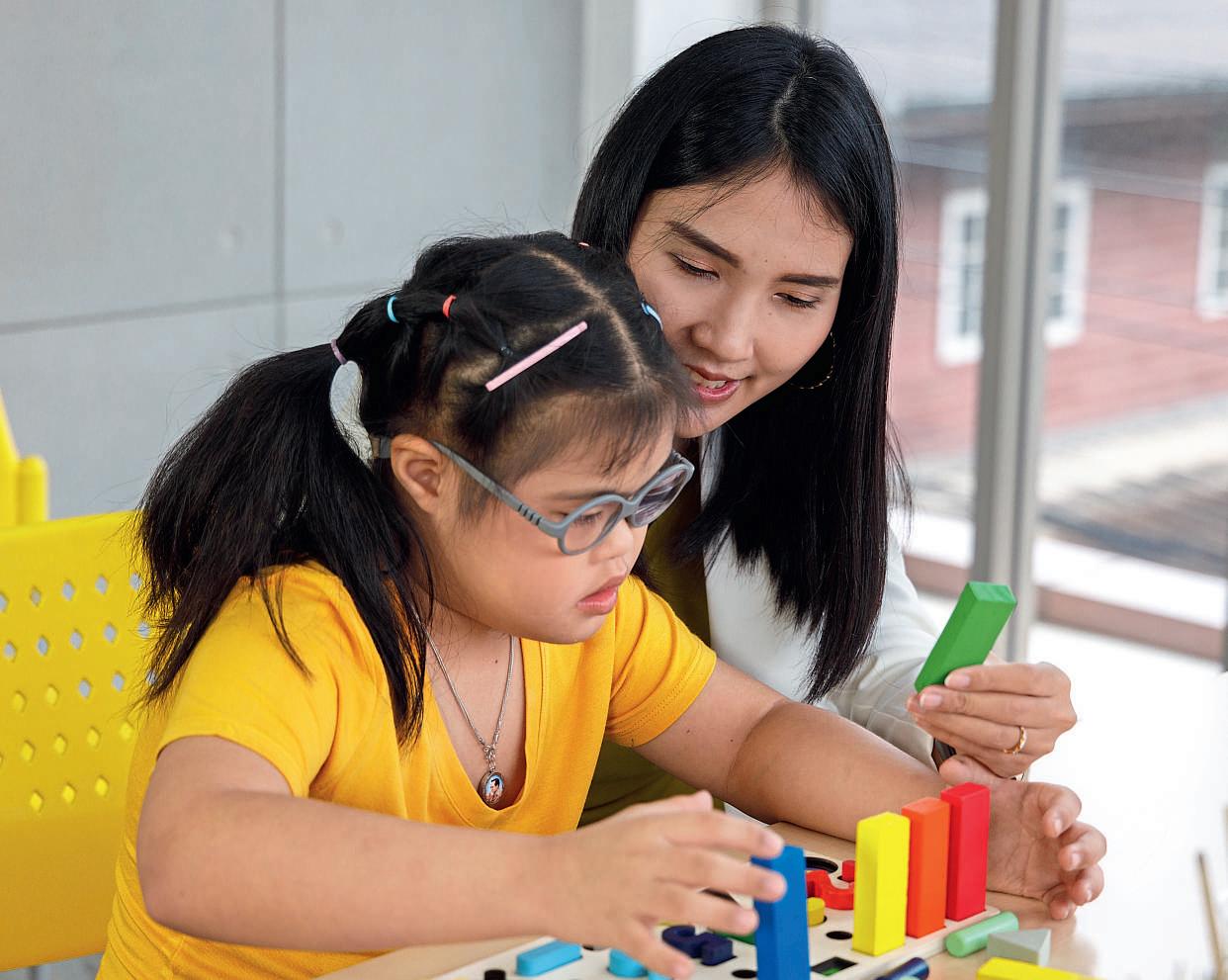
Being able to dressand undress independentlyunderpins achild’sability to carryout daily schoolroutines (e.g., hanging up their coat), to besocially accepted (e.g.,readjusting clothingafter going to thetoilet)and to fullyparticipatein school life.
Changing for PE involves achild being able to balance, have body awareness, andperceptual and coordinationskills. All these skillsare important forachild’s development and by associationtherefore also their academicprogress. Five prompts will help you ensure changing time is positiveand confidencebuilding:
Allowenough time(don’t rush)
Encourage children to sit on the flooror achairwhen changing.
Use visuals to show children,stepby step, whattodo.
Provideverbal prompts foreach step –encouraging and praising all attempts. Provideabag or boxfor the childrento put their clothes in
Trytomakechanging fun andprovide lotsofopportunity forpractice. Remember whilstitisquickertoprovide help,itisnot so helpfulfor achildlongterm.
In focusing on two personal independence skills, we hope to have raised your awareness of how movement and coordination skills enable achild to access the curriculum and participate in all aspects of early years and school life –including important times in the school day ‘outside’ the classroom, for example breaks and lunch time, when being able to go to the toilet and put on acoat and get dressed independently count.
Patience and careare needed when supporting young children in their development of personal independence –everytimeyou want to say‘oh hurryup’ or complete amotor/coordinationtask yourselffor achild, think abouthow you would feel if youwerewearing apairof thick glovesand had to do up your shirt collar buttons. Isuspectyou wouldget very frustrated and annoyed!Why would a child feel anydifferently?





SUE SOAN
Sue is an author, consultant and PhD /Ed.D supervisor in SEN and Inclusion at CanterburyChrist Church University.Formerly a teacher and SENCO, Sue’sresearch and writing focus on inclusive and multiprofessional working. She has recently co-authored the book Universal Approaches to Supporting Children’s Physical andCognitive Development in theEarly Years
omakechangingfun and providelotsofopportunity forpractice. Remember whilst it is quicker to provide help, it is notsohelpfulfor a childlongterm.

Eve is passionate about the role occupational therapists play in promoting the health and wellbeing of children –her research interests focus on promoting collaboration between therapists, teachers, and families. She has recently co-authored the book Universal Approaches to Supporting Children’s Physical andCognitive Development in the Early Years BIO y to




EVE HUTTON
Lyfta is an award-winning immersive learning platform that helps educators to engage and inspire young people, foster critical skills and values, and broaden horizons by giving students opportunities to see beyond their everyday realities.

Lyfta is used by teachers in hundreds of schools in the UK, including leading SEND practitioners who are working hard to ensure that children with special educational needs are reaching their full potential as learners and are active members of society.
SEND practitioners tell us Lyfta is powerful tool for their students because:
The platform allows children with SEND to experience arange of perspectives and have encounters that might not otherwise be available
The child is the driver -becoming independent learners, making choices and building on their understanding and interests at apace that works for the individual
The structure of the platform is easy for children of all ages and abilities to grasp


“Lyfta is apowerful platform that reduces the marginalisation that children and young people with additional needs too often experience. The platform removes boundaries and has the unique quality of removing those labels of SEN or disability. Suddenly the world is there to access, explore, and engage with as aglobal citizen.”
Vijita Patel, Swiss Cottage School
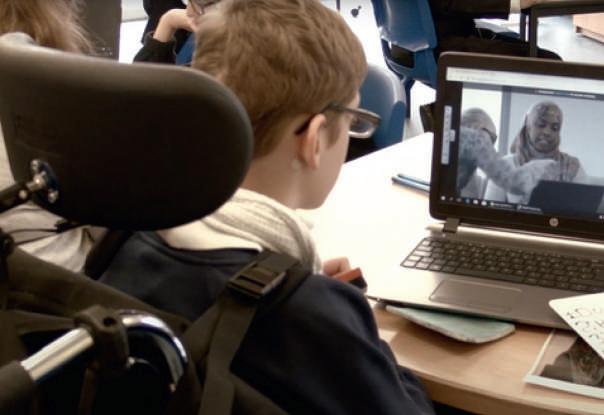


Angela Freeman examines therole of theoutdoors in everyday school life, andthe benefits of involving children in creating anaturalhaven to help withlearning outside of the classroom.
Our school, Westbourne Primaryschool, is in an inner-cityarea ofBradford andispartofthe Priestley AcademyTrust of five schools.The SirGeorge Martin Trust gave usa grantin2019 to support the purchase of gardeningequipment, andweare currently working closelywith Nature Friendly Schools to make improvements to the large school garden to make it more accessible forour special needsand disadvantaged children, with aparticular focus on easy wheelchairaccess.
Our garden is on an incline, often adifficult terrain foryoung children, andrequires creative thinkingfor best useofour outdoor space.Withthisinmind,weare building an amphitheatre witha campfireand storychair for yearroundlearning. Our picnicbenches, all self-builtmostlyfrom recycled materials,willhave aPerspex covered shelter hand painted by our children. We will be building verticaltrellis panels attachedtothe post supporting flowering climbersand ediblefruitssuchasthornless blackberries. Ourchildren, particularly thosewho canstrugglewith an oftenhigharousal indoor environment, really enjoy the ‘garden learning’ andgiveussomuch positivefeedback!


In winter there is maintenance, clearing and preparing the ground, which our children love to do. But spring is even busier for us, sowing seeds such as tomatoes, peas, beans, courgettes, beetroot and other vegetables. We receive free potato tuber kits from Grow Your Own Potatoes (http://bitly.ws/cxJf)and we enter theirannual competition for the most potatoes grown.





ANGELA FREEMAN
Angela Freeman is a Higher-Level Teaching Assistant at Westbourne PrimarySchool in Bradford. She previously had along and successful career in ladies’ fashion and the mail order industryand decided to change the direction of her career in 2009.

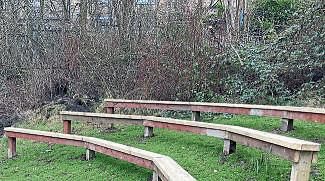
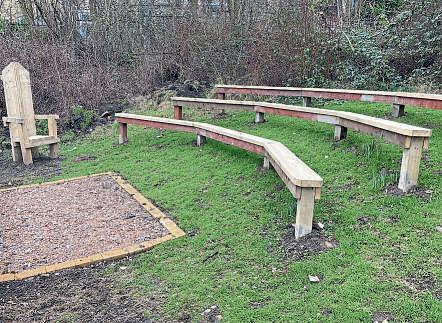

To managethe growing number of ‘gardeners’, our school hasinvestedin heatedand unheatedpropagators as wellasa new greenhouse to store our seedlings. Most of these will be sold in Maytoraise funds forthe garden, leaving some forchildrentoexperiment with. Companion plantsare grown from seedeithertoencourage pollinating insectsortodeterpests;wedonot use pesticides in ourgarden. We buyplug plants which thechildren potup, with

some soldatthe summer fair andthe rest planted within ourgrounds. During thesummer term,children can enjoythe fruitsoftheir labour; harvesting fruitand vegetables to make fruit salad, soups andvegetable pizza. Autumn sees us harvesting morefruit andvegetables for our children’skitchen. Flowerheadsand seeds are collected from bedding plants, driedready for sowing and germinating in thespring. We havedried lavender to make lavenderpouches andchildren have been taught how to harvest fruitand vegetable seedsfrom fruits and vegetables at home.Weprepare cuttingsand divide perennial plants forpotting on ready for the summer fair thefollowing year.Spring bulbs are planted in the garden alongwithwinter floweringperennialsfor year-round colour to brightenupadrearywinter
Autumn to winter is agreat time to repairand renewgardenfurniture, make seed feeders from recycled plant pots, userecycledfencing andpallets to build minibeast habitats and plan ourhedgehog houses.Weuse carpentryequipment, such as abattery-operated screwdriver anddrill, hand saw, setsquare, hammer andnails,screws,sandpaper, plus a rangeofbuilding tools with older children


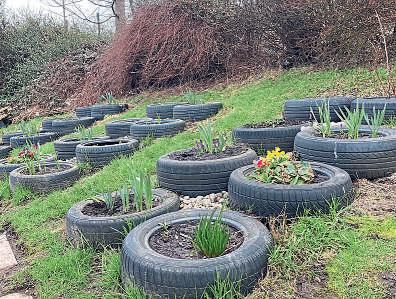


During thesummer term, children canenjoy thefruits of theirlabour; harvesting fruit andvegetables to make fruitsalad, soupsand vegetablepizza
in upperKS2. Forus, havinga special educationalneedorbeing disadvantaged is no barrier in garden learning; we have adapted our environment to welcome all children on an equal basis.
This is ourfourth year of gardening and last year we extended it from Year 1toYear 6. Despite the pandemic, gardening and outdoor space is so important to our children; they are excited to resume normal garden lessons as soon as possible, with plans to build apond and asmaller,netted tadpole pool. They can see the improvements and we always share our future plans to maximise our outdoor environment. When completed, we can accommodate four to six classes in our outdoor space at any one time. We have received two grants and the remainder is from fundraising, including my sponsored sky dive in 2019. Our garden at Westbourne is self-funding and will continue to grow and develop with the help of the children and supportfrom their wonderful families.
Our Memorial Garden was created initially for celebrating the centenaryof WW1, building on our local communitylinks
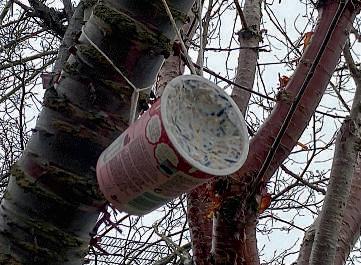




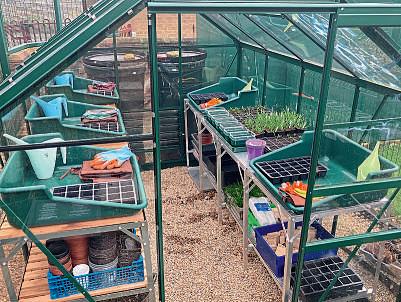




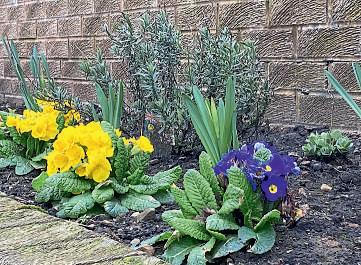

with Bradford’sethnicheritage, researching names of soldiers and Gurkhas who died in the Great War. It is our peaceful area where bereaved children can visit, light a candle and plant aflower in memoryof their loved one. Children can have private time there for prayers and thoughts; in these times of worldwide pandemic, such aplace of quiet reflection has proven invaluable for communitywellbeing.




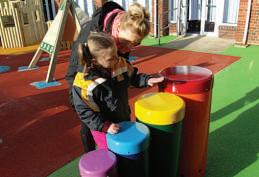



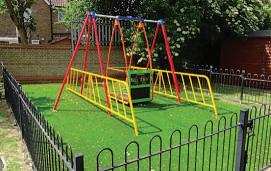
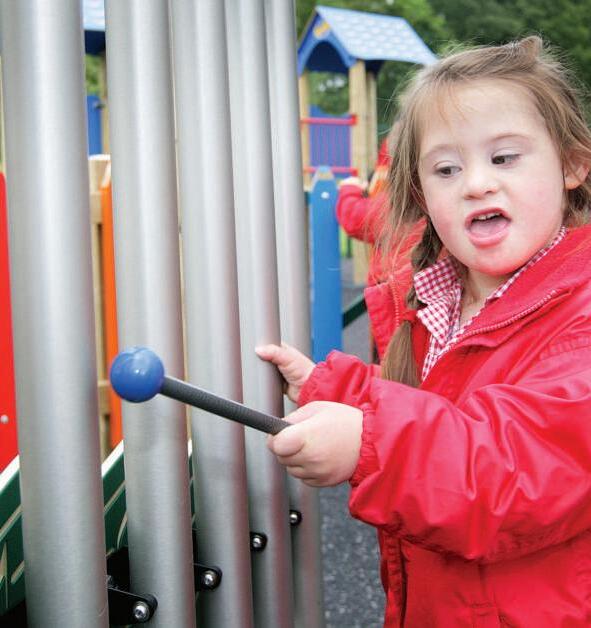































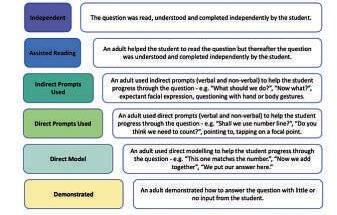


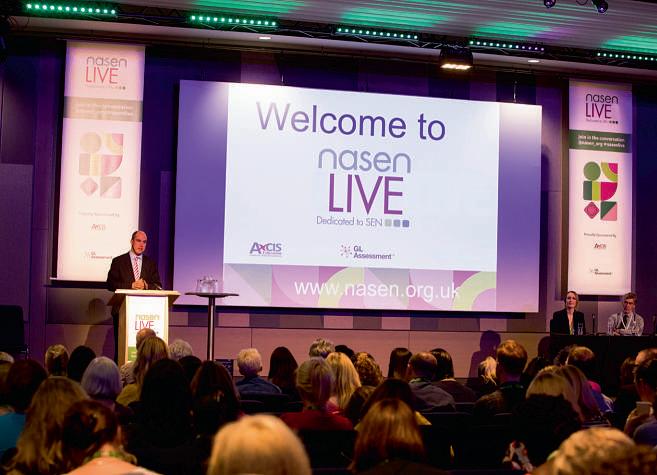

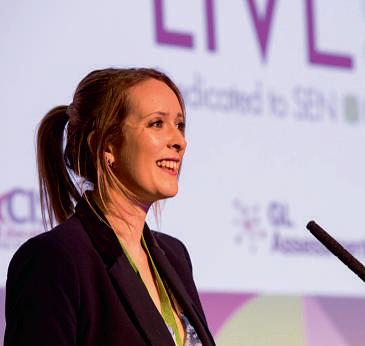
Thereisalways asteadystream of questions arriving at nasen Houseand, of course, the Education Team answers them as soon as possible.But, while many of them arespecific to aparticular context, theanswers to anumber of them could be helpfultothe wider nasen membership. ‘Ask theteam’, formerly‘Connect with Us’, provides the space toshare these questions andanswers.
If youhavea question, the answer to which youthink would be useful foreveryone, please submit it to nasenconnect@nasen.org.uk Of course, youcan always givenasen House acall too.
Ihavebeen so impressed with the levelofSEN knowledge of one of the PE staffatmysecondary school and their interactions and impact with SEN students. Howdo Icelebrate this?
SENCO, Co. Durham
Howfantastic!SENDiseverybody’s responsibilityand it enhances this view when you have suchstrong advocacy in another member of staff.Inasking this questionitseems that youwishtohave someformofformal recognition of this staffmember’scommitment to children with SEND. At nasen we have the Recognised Teacher/Practitioner of SEND Award. This canbeappliedfor by the memberofstaff andendorsedbyyou as SENCO. It is a greatway of showing nationalrecognition
Iwork in aspecial school with alarge cohort of Profound and Multiple Learning Disability (PMLD) students. We knowthat the Engagement Model becomes statutory in September; do youhaveany training to support this?
Assessment Lead, Ipswich
The new Engagement Model has been written on thebackofProfessor Barry Carpenter’sresearch into whatmakes forgoodteaching for pupils with more
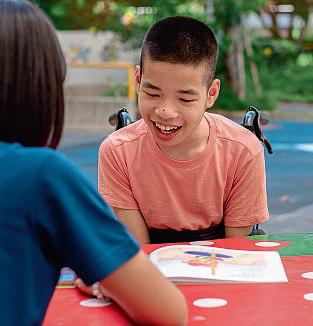
They will need to be amember to apply, though this is nowfree, and thereisa small charge, however the benefitofraising that SEND profile and celebratingthe good work is priceless.
profoundand complex needs. To support the rollout of themodel there have been a number of hubs set up around thecountry with Lead Trainers. If you follow thislinkto an article hostedonour SEND gateway you will findthe detailsfor your area and you cancontactthem to see what they offer: https://bit.ly/2Q5Mj6D

We havea number of pupils coming up to our school in September that havea diagnosis of autism. For the second year in arow,wearen’t able tooffer the same transition support that we would because of the COVID-19 pandemic. Arethereany ways we can support them without them accessing the site?
SENCO, Lancaster
The challengesofthispandemic just keepon coming,don’t they!Producing aguidefor each pupil withphotographs of the staff theywill meet on the firstday,yourself as SENCO, theirclassroom, the main entrance, school uniform, the lunch hall, breakout space,the libraryand anyotherareas theymay accessthatfirstday wouldbeuseful, providing avisual timetablefor the first day and a guide to whattheycan do if theyfeelanxious.Send an ‘About Me’document that theycan complete to share withstaff.Alive video tour of how it looks when they enter the school for the first time and how theywill get to theirclassroom andnavigatearound may also be useful alongwitha live Q&A with parents to settle anyindividualnerves






Thisbookprovides strategies in ordertomakesenseofthe uncertain worldinwhich we arecurrently living with a focus on wellbeing; it could not havebeen publishedat abetter time.
The book offers analysisofbehaviour foruse with staff and students alikein order to amend current practice to suit the needs of individual pupils.Itbreaks down the coreissue of uncertaintyand addresses it by focusing on the3Smodel: structure,sensory andsocial.
The book gives in-depth information within each of these areas, provides photocopiable analysis documents, lesson resource material and avery handy ‘if you only havefiveminutes’ summary section, to work out what could be causing feelings of anxiety and howthese canbeaddressed. It couldbeusedwithin PSHElessons, as targeted interventioninthe classroom or home to work outwhatcould be causingfeelings of anxiety andtoprovide techniques to address theanxiety.
In my opinion, thebookcouldbe suitable across all settings as an analysis

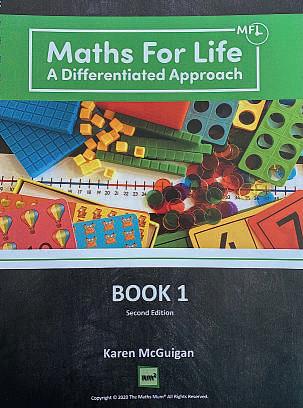
Author: Karen McGuigan
Publisher: The Maths Mum®2021
ISBN: 978-1-838-29011-5
Reviewed by: Zoe Mather, Education Officer,nasen
The Maths for Life programme has been developed with pupilswith additional needs as the focus, more specifically for those with Down’s Syndrome, and with schools and home educators in mind.
The aim is to provide acurriculum that delivers the essential maths needed for life. The programme is designed to sit alongside thenational curriculum and supportthe differentiation required for pupils who may need to learnat that slower pace than their peers. If your school is committed to inclusion, you will be adeptatplanning for the neuro-diversity within your classroom and this programme will supportyou to do just that for the maths curriculum.
The guide supportsthe educator to understand the objective, identifies prior knowledge required andgives ideas foractivities to engage the
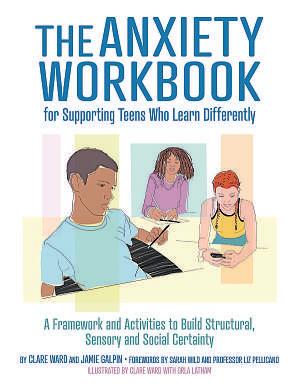
Publisher: Jessica Kingsley Publishers
ISBN: 978-1-797-75148-4
Reviewed by: Judith Donachey,Class Teacher and Head of KS3, Beverley School, Middlesbrough
tool. It could be usefulinmainstream SEN departmentstohelpstaff understand behaviours and provide tools to work with the pupiltoaddress these. It would also be an interesting point of reference forparents.
learner to achieve those outcomes. The most valuable section is the ‘challenges for children with additional learning needs’, as this will assist non-specialist maths practitioners to understand the potential areas for confusion or misunderstanding It frames the misconceptions in the context of the pupils themselves and the subject. These act as cues to work with the pupils to unpick their mathematical understanding and will apply equally to pupils without learning differences. It is further supported with resources on the Maths for Life website and book two is due out this year.Asaresource for generating more ideas fordelivering the subject to thosepupilsthat require overlearning and support to develop solid foundations of mathematical understanding, it is accessible for educators and parents alike.





nasen: Targeted SupportinColleges
Online: 20 May 2021 (12.30pm –2pm)
This topic, suitable for all staff working within college (post-16) settings, will look at supporting pupils whose needs are not yet sufficiently met through the high-quality teaching in place as part of auniversal offer.The session will look at how to implement specific interventions across the broad areas of social communication, sensory and is free with Annual Webinar Pass. https://bit.ly/2PxNk7o

TesSEN Show 2021
8-9 October (9am –5pm &10am –4pm)
TheBusiness Design Centre, 52 Upper Street, London, N1 0QH
The TesSEN event offers over 40 CPD-certified seminars, free hands-on workshops from SEN advocates, free keynote panel debates on Government SEND review and SEN exhibitors with exclusive offers. Registration opened at the end of April.
https://bit.ly/3s31qeb


nasen Live 2021 24 September (9.30am –4pm)
The Voxconference centre, NEC, Birmingham September will see the SEND community gather together once more at nasen Live. Early release tickets are now available Fee: £99 www.nasen.org.uk/nasenlive
nasen webinars Forthe fullprogramme andfor details of theWebinar Pass, please visit https://bit.ly/2N6cHMf

Improving the Provision of SEND Services 2021 10 June, 9.30am –3.30pm (online)
This event brings together senior leaders from across the education sector, government, academia and the wider public sector to hear the latest policy updates and address the challenges facing the sector in these unprecedented times. Use code NASEN2021 for an exclusive 20% member discount.
For more information and to book visit: https://bit.ly/3tkvXEO
RNIB: Newly qualified QTVIs/New caseload; Practical preparations Online: 8July (4pm –6pm)
This event will provide training and networking for practitioners who are newly qualified QTVIs or experienced practitioners who are taking on anew caseload or different agerange for support. The session will share practical steps that can equip you with ideas, skills, resources and techniques to approach the new school year
https://bit.ly/39GCJhr
National Deaf Children’sSociety: Healthy Minds Online Workshops Online: 1, 8, 15 and 22 July (6.30pm –8pm)
The Healthy Minds online workshops will help you learn how to run activities to help supportthe emotional health and wellbeing of deaf children and young people. Fee: £70.00 –£95.99
https://bit.ly/39Ezkzm
ISEC 2021 –‘Closingthe Research to Practice Gap’ Online: 3-5 August 2021
During the conference we will explore new perspectives on how to translate academic enquiryintopractical, workable strategies with which educators can supportthe lives of children and young people living with special educational needs and disabilities (SEND). Booking fee: £299, day rate: £149
Contact: isec2021@ucl.ac.uk
British Dyslexia Association: Practical Solutions for Dyslexia Online: 2August 2021 (10am –4pm)
This course is suitable for those working in education, or parents of children of school age. This session can be used towards the completion of our accredited courses, so is agreat starting point for anyone wishing to go on to one of our accredited courses at level two and three. Fee: £120
https://bit.ly/3dzeYbX