
MEMBERSHIP HAS ITS PERKS


AUGUST 2026
VOLUME 102 ★ NUMBER 6
EDITORIAL DIRECTOR
Jenn Rafael
CREATIVE SERVICES MANAGER
Beth Bedard
SENIOR CONTENT MANAGER
Matt Sanderson
ADDITIONAL GRAPHIC DESIGN TGD
EDITORIAL BOARD
William Shackelford, Cindy Reneé Blythe
CONTACT US
NARFE Magazine
606 North Washington St.
Alexandria, VA 22314-1914
Phone: 703-838-7760 Fax: 703-838-7781 Editorial: communications@narfe.org
Advertising Sales: mprimuth@narfe.org
NARFE FOR THE VISUALLY IMPAIRED
ON THE TELEPHONE: This publication can be heard on the telephone by persons who have trouble seeing or reading the print edition. For more information, contact the National Federation of the Blind NFB-NEWSLINE® service at 866-504-7300 or go to www.nfbnewsline.org.
ON DIGITAL AUDIO: Issues of NARFE Magazine are also available in audio format through the National Library Service for the Blind and Physically Handicapped (NLS). For availability, call 202-727-2142 or your local NLS service provider.
The Association, since July 1970, has been classified by the IRS as a tax-exempt labor organization [not a union]; however, dues and gifts or contributions to the Association are not deductible as charitable contributions for income tax purposes.


NATIONAL OFFICERS
WILLIAM SHACKELFORD President; natpres@narfe.org
CINDY RENEÉ BLYTHE Secretary/Treasurer; natsectreas@narfe.org
TO JOIN NARFE, RENEW YOUR MEMBERSHIP OR FIND A LOCAL CHAPTER: CALL (TOLL-FREE) 800-456-8410 OR GO TO www.narfe.org
TO CHANGE YOUR ADDRESS, PHONE NUMBER OR EMAIL LISTING:
CALL (TOLL-FREE) 800-456-8410
EMAIL memberrecords@narfe.org OR GO TO narfe.org, log in and click on “My Account”
TO REACH A FEDERAL BENEFITS SPECIALIST: EMAIL fedbenefits@narfe.org
NARFE HEADQUARTERS
606 N. Washington St. Alexandria, VA 22314
703-838-7760
Hours of operation: Monday-Friday, 8 a.m.-5 p.m. ET
REGIONAL VICE PRESIDENTS
REGION I Jeff Anliker (Connecticut, Maine, Massachusetts, New Hampshire, New York, Rhode Island and Vermont) Tel: 413-813-8136
Email: jeff.anliker@outlook.com
REGION II Paul Schwartz (Delaware, District of Columbia, Maryland, New Jersey and Pennsylvania) Tel: 240-838-2200
Email: schwartzpaul02@gmail.com
REGION III Lynn Harper (Alabama, Florida, Georgia, Mississippi, South Carolina and Puerto Rico) Tel: 478-951-3260
Email: lynnlarry79@outlook.com
REGION IV Ed Konys (Illinois, Indiana, Michigan, Ohio and Wisconsin) Tel: 937-207-6087
Email: rvpkonys@outlook.com
REGION V Linda Sawvell (Iowa, Kansas, Minnesota, Missouri, Nebraska, North Dakota and South Dakota) Tel: 563-340-4823
Email: Lsawvell262@gmail.com
REGION VI Patsy Ashton (Arkansas, Louisiana, Oklahoma, Republic of Panama and Texas) Tel: 504-452-3870
Email: rvp6@narfe.org
REGION VII Sharon Reese (Colorado, Southwest, Utah and Wyoming) Tel: 575-649-6035
Email: sreese346@gmail.com
REGION VIII John Almquist (California, Hawaii, Nevada and Republic of Philippines) Tel: 949-246-4378
Email: almquistjw@yahoo.com
REGION IX Steven Roy (Alaska, Idaho, Montana, Oregon and Washington) Tel: 425-344-3926
Email: stevenroy1@yahoo.com
REGION X Robert Allen (Kentucky, North Carolina, Tennessee, Virginia and West Virginia) Tel: 757-404-3880
Email: rvp10@narfe.org
NARFE’S MISSION STATEMENT
To support legislation and regulations beneficial to federal civilian employees and annuitants and potential annuitants under any federal civilian retirement system and to oppose those detrimental to their interests.
To promote the general welfare of federal civilian employees and annuitants and potential annuitants, to advise and assist them with respect to their rights under retirement, health and other employee and retiree benefits laws and regulations, and to represent their interests before appropriate authorities.
To cooperate with other organizations and associations in furtherance of these general objectives.
NARFE Magazine (ISSN 1948-4453) is published monthly except in February and July by the National Active and Retired Federal Employees Association (NARFE), 606 N. Washington St., Alexandria, VA 22314. Periodicals postage paid at Alexandria, VA, and additional mailing offices. Members: Annual dues includes subscription. Nonmember subscription rate $48. Postmaster: Send address change to: NARFE Attn: Member Records, 606 N. Washington St., Alexandria, VA 22314. To ensure prompt delivery, members should also forward changes of address without delay. Because of the volume involved, NARFE cannot acknowledge nor be responsible for unsolicited pictures and manuscripts, although every reasonable precaution is taken. All submissions become the property of NARFE. Copyright © 2026, NARFE. Advertisements in the magazine are not endorsements of products and/or services by NARFE, unless officially stated in the ad. We shall accept advertising on the same basis as other reputable publications: that is, we shall not knowingly permit a dishonest advertisement to appear in NARFE Magazine, but at the same time we will not undertake to guarantee the reliability of our advertisers.
2 NARFE MAGAZINE AUGUST 2026
Every Day is Independence Day!
Mobility issues affect over 1 in 5 Americans. These individuals, and their loved ones, know how decreased mobility can result in loss of independence, pain, and risk of falling. They are often stuck at home, missing out on a variety of activities, in a vicious cycle that diminishes their quality of life. In the past, mobility devices like scooters and power chairs were too heavy and bulky to transport easily. Now, carbon fiber material invented for the aerospace program has been used to create the ultimate mobility device. It’s called the Journey Air Elite Max.
At only 24.25 pounds*, the Journey Air Elite Max combines lightweight portability with world class performance. It’s simple to use joystick and powerful dual-motor drive system enables you to zip around quickly and safely. It’s easy to maneuver, has anti-tipper technology, fits easily through doorways, and can go right up to a table or desk. Once you’re ready to store or transport, just one pull on the seat handle folds it up.

Just imagine how this chair can improve your life and make it easier for loved ones and caregivers to accompany you to activities and events you would have missed in the past. Call today, and our knowledgeable expert will help you get a Journey Air Elite Max of your very own. Don’t wait –call now!



not attempt • Lightweight: Weighs only 24.25 lbs., making it easy to lift, fold, and take anywhere.
• Built for Strength: 330 lb. capacity supports you with stability and confidence at every turn.
• Room to Breathe: A wider 18” seat and taller 18” backrest ensure lasting comfort and proper posture even on longer outings.
• Freedom Without Limits: With up to a 19-mile range, dual lithium batteries keep you going further.
• Quiet, Smooth Comfort: Premium carbon fiber frame, memory foam cushioning, and whisper-quiet performance make every ride peaceful.
AFEDcon26 and Grassroots Advocacy Month Are Here!
s you read my column, FEDcon26 is in full swing at the Hyatt Regency in Indianapolis, Indiana. Our planning efforts, which have been underway since the closure of FEDcon24, have resulted in a conference program designed to resonate with both returning attendees and those joining us for the first time.
FEDCON26
The conference kicks off with Brett Culp, an acclaimed documentary filmmaker and keynote speaker who inspires leaders and organizations to see their own stories with renewed clarity, awakening purpose, courage, and connection in times of change. Known for his heart-centered approach, he combines cinematic storytelling, humor, and emotional insight to create transformative experiences that leave audiences equipped to lead with humanity and hope. He illuminates the mindsets that keep us grounded and thriving as everything around us shifts.
Our closing keynote speaker, Lieutenant General Russel L. Honoré, is a retired three-star general who spent more than 35 years in the United States Army. He is best known for leading Joint Task ForceKatrina, which was established by the Department of Defense and the Federal Emergency Management Agency (FEMA) to coordinate and manage relief efforts after Hurricane Katrina struck New Orleans in 2005. An American hero and sought-after media commentator, General Honoré shares his experience and candid, sometimes colorful, views with the public, from Congress to cable news to the private sector.
ALZHEIMER’S RESEARCH
Our outstanding efforts to raise funds for Alzheimer’s Research continue. Chapters and federations developed strong ideas that proved successful, as we surpassed our goal of $17 million in contributions by the end of March 2026. Our new goal for contributions to the NARFE Alzheimer’s Research Fund is set at $18 million by the end of calendar year 2028. Dr. Joanne Pike, president and CEO of the Alzheimer’s Association, will be our luncheon speaker on Monday, August 24, at FEDcon26, and will provide attendees with information on the impact of your donations on efforts to find a cure for Alzheimer’s disease.
GRASSROOTS ADVOCACY MONTH
To many, the month of August is the most important time on the NARFE calendar. Grassroots Advocacy Month was originally designated as “NARFE Lobby Month” and during election years as “Meet Your Candidates Month.” As we approach the midterm elections, August provides NARFE members with the opportunity to see their members of Congress and senators during recess, without traveling to their Capitol Hill offices in Washington. Many lawmakers hold town hall-style meetings in their districts or states to hear from their constituents; NARFE members can use this opportunity to let their elected representatives know what is essential to them. I urge each of you to reach out to both the incumbents and any challengers. It is a perfect time to inform them about the issues important to NARFE members. They must hear your voice, and NARFE’s voice. Silence is not golden but consent! REMEMBER – If your chapter or several nearby chapters host an open event with congressional incumbents/candidates, invite the general public and don’t forget to notify local media about the upcoming meeting. Not only would members get to hear the views of those who represent them, but NARFE could also garner positive publicity for hosting the program.
I encourage you to continue contacting your representatives through NARFE’s Legislative Action Center. As leaders, I also hope you will engage in regular grasstops advocacy throughout the year by responding to calls to action in NARFE Voices.
As always, I appreciate your support so we can move NARFE forward together. The future of NARFE is in our hands. I hope we can accomplish what we can to ensure its viability. Stay healthy and stay safe!

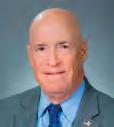
WILLIAM SHACKELFORD NARFE NATIONAL PRESIDENT natpres@narfe.org
The more you save, the more you earn Setup automatic transfers and watch your savings grow.
Open a Freedom Direct Savings Account and earn 4.00% APY* when you add Direct Deposit to a new or existing Justice Federal Checking Account.



No withdrawal fees, no monthly service fees, no minimum balance requirement.
OPM’s Plan to Collect Medical Data Sparks Outcry
The Office of Personnel Management (OPM) is under scrutiny for requesting detailed medical claims data from Federal Employees Health Benefits (FEHB) and Postal Service Health Benefits (PSHB) insurance carriers. The proposal would require insurers to submit monthly reports with medical and pharmacy claims, encounter data, and provider information for more than eight million federal employees, retirees, postal workers, and their families.
OPM states that collecting this data will improve oversight of federal health plans, control costs, and keep FEHB and PSHB programs competitive and affordable. The agency maintains that Health Insurance Portability and Accountability Act (HIPAA) regulations permit health oversight agencies to access this information for administrative purposes. However, lawmakers, advocacy groups such as NARFE, and federal employees have raised concerns because the proposal does not specify whether data will be de-identified before submission. Privacy advocates warn that OPM could access personally identifiable health
information, including diagnoses, prescription histories, treatment records, and provider details. Critics also note the proposal lacks clear safeguards for
AUGUST
securing, storing, or sharing this information with other agencies. Concerns are heightened by the 2015 OPM cybersecurity breach, which compromised sensitive records of over 21 million individuals. Opponents argue that expanding OPM’s access to medical data increases risk if cybersecurity measures are inadequate. Many federal employees have voiced concerns about privacy, trust, and potential misuse of their health information.
ACTION ALERT: PROTECT
MERIT-BASED
CIVIL SERVICE SYSTEM Visit NARFE’s Legislative Action Center at www.narfe.org to send a message to your lawmakers urging them to cosponsor the Saving Civil Service Act, H.R. 492/ S. 134. This act would prohibit the return of Schedule F (now Schedule P/C), ensuring the public’s expectations of a system that is efficient, fair, free from political interference, and staffed by honest, competent, and dedicated employees. Merit-based civil service rules are integral to preserving institutional knowledge and expertise within the federal government.
“OPM’s notice to collect health care data of FEHB and PSHB participants fails to explain adequately why OPM needs the data, how it will use it, how it will secure it, and what safeguards will be in place to protect the privacy of federal employees and retirees,” said NARFE National President William Shackelford in a statement published on April
MYTH VS. REALITY
MYTH: With the passage of H.R. 1, my Social Security benefits will no longer be taxed.
REALITY: While an email from the Social Security Administration sent last summer incorrectly gave that impression, the truth is that H.R. 1 did not eliminate taxes on Social Security benefits. H.R. 1 provided significant tax relief for seniors through a new $ 6,000-per-person standard deduction for individuals aged 65 and older (by the end of the tax year) who meet certain income requirements. The deduction applies to tax years 2025 through 2028.
14. “OPM may have legitimate reasons to obtain and analyze the data to reduce costs and help improve health outcomes, but they have not articulated them.”
Shackelford added that OPM should also commit to seeking only personally de-identified data, to reduce the risk that the data could be used inappropriately against employees and to mitigate
DHS Shutdown Ends After 76 Days
The shutdown of the Department of Homeland Security (DHS) ended on April 30, 2026, its 76th day, the new record for the length of a government shutdown.
President Trump signed into law a bipartisan compromise on DHS funding that excluded funding for Immigration and Customs Enforcement (ICE) and Customs and Border Protection (CBP), a deal that the Senate had agreed to more than a month earlier. With funds available to pay DHS employees running low, House Speaker Mike Johnson, R-LA, finally relented and allowed the Senate deal to reach the House floor.
Unlike in other shutdowns, federal employees had been paid either during the shutdown or via back pay partway through it. Notably, on March 27, President Donald Trump ordered DHS to redirect funding
to pay Transportation Security Administration employees who worked during the standoff. On April 3, he directed payment to the remaining DHS employees who were continuing to work without pay.
But the shutdown still resulted in significant dysfunction, from delayed training and maintenance, delayed start of new projects, furloughed employees, and even reports of dwindling or nonexistent office supplies –from paper clips to printer cartridges.
At press time, Congressional Republicans were planning to use the budget reconciliation process, which bypassed the filibuster (and 60-vote requirement) in the Senate to advance ICE and CBP funding on its own track.
NARFE supported passage of DHS funding. National
the security risks of unintended disclosure and theft.
“OPM sought medical claims data in the past, notably during the Obama administration, but it has not yet made a convincing case for moving forward,” he said.
—BY ELLIE DORSEY, FEDERAL BENEFITS INSTITUTE MANAGER
President William “Bill” Shackelford continued his call to Congress to end the shutdown, specifically urging Congress to: (i) continue to engage in good faith bipartisan negotiations over Department of Homeland Security (DHS) appropriations bills to end the partial government shutdown, (ii) extend funding for noncontroversial functions while negotiations remain at an impasse, and (iii) authorize pay for federal employees impacted by the shutdown.
With fiscal year 2026 funding wrapped up, congressional appropriations committees began their work on fiscal year 2027 funding. Congress will either need to pass those bills or a continuing resolution to prevent a new government shutdown on October 1, 2026.
—BY JOHN HATTON, STAFF VICE PRESIDENT, POLICY AND PROGRAMS

NARFE GRASSROOTS ADVOCACY
LEARN MORE about how you can take action to protect your earned pay and benefits by reviewing NARFE Grassroots materials at www.narfe.org/advocacy
USPS Suspends FERS Contributions Until the End of the Fiscal Year
Back in April, the United States Postal Service (USPS) decided to suspend its employer contributions to the Civil Service Retirement and Disability Fund (CSRDF) for the defined benefit portion of the Federal Employees Retirement System (FERS). This action was taken as a precautionary measure to ensure it can continue funding for current USPS employees, since the department is projected to run out of funding by February 2027. While this action does not provide any near-term threat to the timely payment of FERS annuities to postal or other federal retirees, it sets a dangerous precedent for the secure funding of postal and federal retiree pensions. Continued failure to pay employer contributions would create an unfunded liability for the Civil Service Retirement and
Disability Fund (CSDRF) that would need to be addressed in the future.
In response to this choice by USPS, NARFE President William Shackelford stated the following:
“The U.S. Postal Service’s decision to suspend its contributions toward employee retirements is legally questionable—at best, detrimental to the future retirement security of its employees, premature given USPS does not face imminent insolvency, and only serves to delay when Congress must craft a solution to maintain USPS operations due to its financial situation.”
NARFE has been urging Congress to demand USPS pay its employer contributions to CSRDF for its FERS retirees. Congress must find a
financially viable path forward for USPS to maintain critical service to the American people while honoring commitments to postal retirees made in exchange for their service.
NARFE has suggested that Congress extend USPS’ borrowing limit, which remains capped at the level set in 1990, but is also open to a more balanced approach to the investment of health benefit funds and future contributions toward retirement – as long as pension payments remain guaranteed.
If you would like your voice to be heard on this issue, please visit our Legislative Action Center at narfe.org/advocacy/ legislative-action-center/.
—BY ABBY PASQUELLA, POLICY AND PROGRAMS ASSOCIATE
House Panel Rejects Pro-Fed Amendments to Funding Bill
The House Appropriations Committee advanced its fiscal year 2027
Financial Services and General Government Appropriations bill on April 24, which includes funding for the Office of Personnel Management (OPM) and may affect federal workforce policies. During consideration of the bill, the committee voted to reject amendments to (i)
prohibit the implementation of Schedule Policy/Career, which would eliminate meritbased civil service protections (preventing politically based terminations) for about 50,000 federal employees, (ii) provide a market-rate, 3.6 percent average pay increase for federal employees, and (iii) restore collective bargaining rights for many federal employees. Votes
ran mostly along party lines, with committee Democrats offering and supporting the amendments and committee Republicans rejecting the amendments. Only Rep. Nick Lalota, R-NY, broke ranks on one vote, supporting the amendment to restore collective bargaining rights.
—BY JOHN HATTON, STAFF VICE PRESIDENT, POLICY AND PROGRAMS
This month our Grassroots Advocacy article is the cover story on page 22.
Trump Administration Pushes for Non-Disclosure Agreements from all Federal Employees
The Office of Personnel Management issued a notice with a request for comment on May 27 on a draft non-disclosure agreement to be used by federal agencies for their employees, both current and future hires. In response, NARFE notes: “Current law already restricts federal employees from unauthorized disclosure of information to the public. A governmentwide nondisclosure agreement threatens to chill protected speech, such as reporting corrupt dealings, waste, fraud, and abuse …”
NARFE continued: “The federal government operates on
behalf of the American people, not private owners or shareholders. The public has a right to a degree of transparency into federal government operations, and federal employees should not be intimidated by the implicit threat of retaliation for legally and constitutionally protected disclosures.”
The notice states that the NDA is “intended to document federal employees’ acknowledgment of, and agreement to comply with, current legal obligations to safeguard non-public, confidential, or proprietary information, created or obtained through their official duties, while
CONTRIBUTE TO
OR Contribute monthly through your annuity or by credit card. Get started at www.narfe.org/pac-sustainer
Monthly contributors of $10 or more receive a sustainer lapel pin
Make a one-time contribution:
q $25 – Basic lapel pin
q $50 – Bronze lapel pin
q $100 – Silver lapel pin
q $250 – Gold lapel pin
q $500 – Platinum lapel pin
q Other: _________
Contribution totals are cumulative for the 2025-2026 election cycle
n No pin for me.
expressly preserving the right to make disclosures authorized by law,” and asks for feedback on what the NDA should cover, as well as what repercussions, if any, employees should face for refusal to sign.
As of press time, there have been no substantial updates. The comment period in the Federal Register closed on June 26, with many NARFE members voicing concerns on FEDHub. NARFE ran notices with links to submit comments during the comment period in every NewsLine in June.
—BY JOHN HATTON, STAFF VICE PRESIDENT, POLICY AND PROGRAMS
NARFE Member #:
Name:
Address: City:
State: ZIP:
Occupation:
Employer:
q Charge my credit card q MasterCard q VISA q

Name on Card:
Signature: Date:
To comply with federal law, we must use our best efforts to obtain, maintain and submit the name, mailing address, occupation and name of employer of individuals whose contributions exceed $200 each calendar year. NARFE-PAC is for the benefit of political candidates and activities on a national level. NARFE members have the right to refuse to contribute without reprisal, and NARFE will neither favor nor disadvantage anyone based on the amount of a contribution or failure to make a voluntary contribution. The suggested amounts are only suggestions and not enforceable. Only members of NARFE may contribute to the PAC. Contributions from non-members will be returned. NARFE-PAC contributions are not deductible for federal income tax purposes.

LEGISLATIVE RESOURCES
NARFE NewsLine – A weekly newsletter that goes out to NARFE members on Tuesdays and includes weekly recaps of legislative news, compiled by NARFE’s advocacy and communications teams.
LEGISLATIVE ACTION CENTER – A one-stop site to send a letter to Congress, and more, at www.narfe.org
A New Medicare Program Will Soon Cover GLP-1 Weight Loss Drugs
HERE’S WHAT FEDERAL ANNUITANTS NEED TO KNOW
This summer, the Centers for Medicare and Medicaid Services (CMS) is launching the Medicare GLP-1 Bridge program , extending coverage of GLP-1 weight loss medications to eligible Medicare Part D beneficiaries, regardless of whether they have an underlying medical condition. Previously, Medicare covered GLP-1s only for conditions such as diabetes or cardiovascular disease, not for weight loss. For federal annuitants enrolled in Part D, this program could expand your options. For more information, visit www.cms.gov/medicare/ coverage/prescription-drugcoverage/medicare-glp-1bridge#additional-info.
WHAT IS IT AND WHO QUALIFIES?
The program launches July 1 and operates outside of standard Part D benefits. Medicare beneficiaries enrolled in a standalone Part D plan (PDP) or a Medicare Advantage plan with Part D (MA-PD), including FEHB employer group waiver plans (EGWPs), are eligible. To qualify, your doctor must submit a prior authorization confirming the drug is prescribed for weight loss
alongside lifestyle modifications, and that the beneficiary is at least 18 with a body mass index (BMI) of 35 or higher (lower thresholds apply for those with qualifying medical conditions).
COSTS AND DRUG ACCESS
The program charges a flat $50 copay per covered drug, which may be more than what you currently pay through your FEHB Part D plan. Compare prices using your carrier’s prescription drug tool before using this new program. The main advantage of the program will be broader access to GLP-1s: it covers all formulations of Wegovy and Foundayo, as well as the KwikPen version of Zepbound. Many FEHB plans cover only some of these (for example, BCBS Basic & Standard covers only Wegovy, not Zepbound or Foundayo). One important caveat: the $50 copay does not count toward the catastrophic limit, either from Part D or the medical catastrophic out-of-pocket limit from the FEHB plan, which could increase your total out-ofpocket costs.
SHOULD ANNUITANTS SUBJECT TO IRMAA RECONSIDER PART D?
If you’ve opted out of Part D due to income-related monthly adjustment amount (IRMAA)
surcharges, the math may still favor enrolling. For example, Wegovy (0.25mg) costs $640/ month without Part D under BCBS Standard, compared to $35/ month with Part D coverage. Even at the highest IRMAA surcharge ($91/month), having Part D saves roughly $514/month. Note that Part D only requires Part A enrollment; opting out of Part B doesn’t disqualify you. And you don’t have to wait until Open Season to enroll in a prescription drug plan (PDP). FEHB carriers that offer PDPs allow enrollment year-round.
HOW TO USE THE PROGRAM
Talk to your doctor, not your FEHB plan. Your provider submits the prior authorization to the program’s central processor. You then pick up your medication at the pharmacy and pay the $50 copay. Additional operational details from CMS are expected before the July 1 launch. Note that this demonstration program is currently set to expire December 31, 2027.
—BY KEVIN MOSS, SENIOR EDITOR WITH THE GUIDE TO HEALTH PLANS FOR FEDERAL EMPLOYEES PROVIDED BY CONSUMERS’ CHECKBOOK HTTPS://WWW.CHECKBOOK.ORG/ NEWHIG2/HIG.CFM . NARFE MEMBERS RECEIVE A 20% DISCOUNT BY USING PROMO CODE NARFE20 AT CHECKOUT.
A New Voice on the Hill: Federal Workforce Caucus Champions Top Priorities
As a new bicameral coalition takes shape to defend the civil service, NARFE’s priorities are written into its foundation.
After more than a year of sweeping changes to the federal workforce, a new congressional coalition has emerged to push back. Sens. Chris Van Hollen, D-MD, and Tim Kaine, D-VA, along with Reps. James Walkinshaw, D-VA, Steny Hoyer, D-MD, and Suhas Subramanyam, D-VA, formally launched the Federal Workforce Caucus in early February, joining federal unions and good government organizations to announce the newly formed body aimed at more cohesive advocacy for federal employees. NARFE was represented at the launch event, alongside union leaders and federal workforce advocates from across the movement.
The launch came at a moment when career civil servants are facing unprecedented political pressure, widespread demoralization, and efforts to weaken long-standing protections designed to ensure the federal government serves the public rather than any particular administration. For NARFE members, the formation of this caucus is a meaningful development: a dedicated institutional home on Capitol Hill for the issues that have defined NARFE’s advocacy for decades. While we previously reported on the caucus launch, its bylaws and priorities have also emerged.
WHAT THE CAUCUS WILL DO
According to the caucus bylaws, the Federal Workforce Caucus is designed to serve as a forum for members of Congress to support the merit-based civil service system; protect the nonpartisan character of federal employment; advance policies improving recruitment,
retention, and morale across agencies; highlight how federal workers improve the lives of Americans; and develop datainformed policies around pay competitiveness, workforce performance, and professional development. The caucus is also explicitly structured to facilitate dialogue among lawmakers, current and former federal employees, unions, and outside experts, giving organizations like NARFE a clear avenue for engagement.
Membership Requirements and Qualifying Bills
The caucus has a meaningful bar for entry. Per its bylaws, House members must co-sponsor at least two bills from a caucusapproved list to join the caucus. The current qualifying bills are:
• H.R. 491 — Equal COLA Act, to provide a full cost-ofliving adjustment for Federal Employees Retirement System annuitants,
• H.R. 492 — Saving the Civil Service Act, to preserve the merit-based civil service by prohibiting the implementation of Schedule Policy/Career.
• H.R. 7480 — FAIR Act, to provide a market-rate federal pay increase.
• H.R. 2550 — Protect America’s Workforce Act, to protect collective bargaining rights for federal employees.
• H.R. 2324 — Unity Through Service Act, to promote public service.
NARFE members will recognize several of these immediately. The Equal COLA Act and the Saving the Civil Service Act are both active NARFE legislative priorities, and co-sponsorship of either counts
toward caucus membership. That alignment is not coincidental: it creates a direct connection between congressional support for NARFE’s agenda and participation in this new caucus.
A GROWING MEMBERSHIP
The caucus launched with Co-Chairs Hoyer and Walkinshaw and a strong group of founding House members, including Reps. Beyer, Subramanyam, Mfume, Raskin, Elfreth, McClellan, Scott, Norton, Olszewski, Vindman, Delaney, Ivey, Tlaib, Lynch, and Lawler. More than two dozen lawmakers have joined the effort, signaling growing momentum in Congress. Senate leaders including Van Hollen, Kaine, and Warner have been central advocates, though formal caucus membership under the bylaws is limited to House members.
WHAT NARFE MEMBERS CAN DO
The caucus membership structure creates a concrete ask for NARFE advocates: encourage your Representative to co-sponsor the Equal COLA Act, the Saving the Civil Service Act, or any of the other qualifying bills, and invite them to join the caucus. For members in districts where a Representative has not yet signed on, this is a clear, actionable message for your next congressional outreach. NARFE will continue to engage with caucus leadership and monitor legislative developments as this coalition grows. Watch NARFE’s advocacy channels for updates and opportunities to take action.
—BY RJ THACKER, POLITICAL & LEGISLATIVE AFFAIRS MANAGER
NARFE BILL TRACKER
THE NARFE BILL TRACKER IS YOUR MONTHLY GUIDE TO LEGISLATION NARFE IS FOLLOWING. CHECK BACK EACH ISSUE FOR UPDATES.
BILL NUMBER / NAME / SPONSOR WHAT BILL WOULD DO
H.R. 491 /S.624: Equal COLA Act/ Rep. James Walkinshaw, D-VA-11 / Sen. Alex Padilla, D-CA
Cosponsors:
H.R. 491: 76 (D) 2 (R) S. 624: 18 (D) 2 (I)
Provides full cost-of-living adjustments, based on the relevant change in consumer prices, to Federal Employees Retirement System annuities.
FEDERAL ANNUITIES
H.R. 1522: Federal Retirement Fairness Act / Rep. Emily Randall D-WA06
Cosponsors: 126 (D) 20 (R)
Provides that civilian service in a temporary position after December 31, 1988, may be creditable service under the Federal Employees Retirement System, and for other purposes.
Referred to the House Committee on Oversight and Government Reform. 1/16/2025
ASSUMING FIRST SPONSORSHIP - Mr. Walkinshaw asked unanimous consent that he may hereafter be considered as the first sponsor of H.R. 491, a bill originally introduced by Rep. Connolly, for the purpose of adding cosponsors and requesting reprintings pursuant to clause 7 of rule XII. Agreed to without objection. Action By: House of Representatives 09/16/2025
Read twice and referred to the Senate Committee on Homeland Security and Governmental Affairs. 02/18/2025
ASSUMING FIRST SPONSORSHIP - Ms. Randall asked unanimous consent that she may hereafter be considered as the first sponsor of H.R. 1522, a bill originally introduced by Representative Connolly, for the purpose of adding cosponsors and requesting reprintings pursuant to clause 7 of rule XII. Agreed to without objection. 07/22/2025
Referred to the House Committee on Oversight and Government Reform. 02/24/2025
FEDERAL COMPENSATION
H.R. 7480 / S. 3823: Federal Adjustment of Income Rates (FAIR) Act(Support) / Rep. James Walkinshaw D-VA-11 / Sen. Brian Schatz D-HI
Cosponsors:
H.R. 7480 – 27 (D) 1 (R) S. 3823 – 11 (D) 1 (I)
Increases the rates of pay under the statutory pay systems and for prevailing rate employees by 4.1 percent in 2027, and for other purposes.
H.R. 7480 – Referred to the House Committee on Oversight and Government Reform. 02/10/2026
S. 3823 – Read twice and referred to the Committee on Homeland Security and Governmental Affairs. 02/10/2026
NARFE’s Position: Support Oppose No position
ISSUE
FEDERAL BENEFITS
NARFE BILL TRACKER
BILL NUMBER / NAME / SPONSOR
H.R. 1: One Big Beautiful Bill Act / Rep. Jodey Arrington, R-TX-19
WHAT BILL WOULD DO
The Senate-amended, final version of the bill that passed both chambers and was signed into law by the president did not contain any of the objectionable federal workforce provisions NARFE opposed throughout the process.
The House-passed version of this budget reconciliation bill, passed pursuant to the instructions of H.Con.Res.14, would (i) eliminate the Federal Employees Retirement System (FERS) annuity supplement as of January 1, 2028, cutting back vested benefits earned based on past service for individuals at or approaching retirement eligibility age; (ii) require new federal employees to choose between retaining merit systems protections or accepting a 5% pay cut via increased contributions toward retirement without any additional benefit; and (iii) institute a fee to appeal adverse actions to the Merit Systems Protection Board (MSPB).
The original version of the bill would have also (i) increased employee contributions toward retirement by up to 3.6% without any added FERS benefit, and (ii) calculated federal annuities under FERS and the Civil Service Retirement System (CSRS) based on the highest five years of salary rather than the highest three years of salary. Those provisions were eliminated via amendment prior to House floor consideration.
LATEST ACTION(S)
Senate-amended version (without objectionable federal workforce provisions) passed the Senate on 7/1/25, passed the House on 7/3/25, and was signed into law by the president on 7/4/25.
H.Res. 70 / S.Res.147: Rep. Stephen Lynch, D-MA-8 / Sen. Gary Peters, D-MI
Cosponsors: H. Res. 70: 209 (D) 21 (R) S. Res. 147: 3 (D) 4 (R)
Expressing the sense that Congress should take all appropriate measures to ensure that the United States Postal Service remains an independent establishment of the federal government and is not subject to privatization.
Referred to the House Committee on Oversight and Government Reform. 01/28/2025
Referred to the Committee on Homeland Security and Governmental Affairs. 03/27/2025
NARFE’s Position: Support Oppose No position
NARFE BILL TRACKER
ISSUE BILL NUMBER / NAME / SPONSOR
H.R. 2550/S.2837: Protect America’s Workforce Act / Rep. Jared Golden, D-ME02 / Sen. Mark Warner, D-VA
Cosponsors:
H.R. 2550: 216 (D), 9 (R) S. 2837: 44 (D), 2 (R), 2 (I)
H.R.492/S.134: Saving the Civil Service Act of 2025 / Rep. James Walkinshaw, D-VA-11 / Sen. Tim Kaine, D-VA
Cosponsors:
H.R. 492: 99 (D) 4 (R) S. 134: 22 (D) 2 (I)
Overturns a recent executive order that targeted certain unions due to opposition to administrative actions via public statements and lawsuits, ending collective bargaining for covered federal employees.
Prohibits the establishment of Schedule F of the excepted service, to ensure merit-based hiring and firing of civil servants.
H.R. 2550 passed the House of Representatives by a vote of 231-195. 12/11/25. Received in Senate 12/15/25.
Read twice and referred to the Committee on Homeland Security and Governmental Affairs. 09/17/25
Referred to the House Committee on Oversight and Government Reform. 1/16/2025
ASSUMING FIRST SPONSORSHIP - Mr. Walkinshaw asked unanimous consent that he may hereafter be considered as the first sponsor of H.R. 492, a bill originally introduced by Representative Connolly, for the purpose of adding cosponsors and requesting reprintings pursuant to clause 7 of rule XII. Agreed to without objection.
Action By: House of Representatives 09/16/2025
FEDERAL PERSONNEL POLICY
H.R. 5249: Limit on Sweeping Executive Reorganization Act / Rep. James Walkinshaw D-VA-11
Cosponsors: H.R. 5249: 5 (D)
Requires the President and Executive Branch to provide Congress with a Reorganization Impact Report to which Congress must approve before the President may enact major federal employee terminations.
Read twice and referred to the Senate Committee on Homeland Security and Governmental Affairs. 1/16/2025
Referred to the House Committee on Oversight and Government Reform. 09/10/2025
H.R. 4440: Protecting Federal Employee Rights to Personnel Files Act / Rep. Julia Brownley D-CA- 26
Cosponsors: 17(D)
Requires agencies to provide official personnel record files to Federal employees and former Federal employees, and for other purposes.
Referred to the House Committee on Oversight and Government Reform. 07/16/2025
NARFE’s Position: Support Oppose No position






FEDERAL EMPLOYEES’ GROUP LIFE INSURANCE
QTHE FOLLOWING QUESTIONS & ANSWERS were compiled by NARFE’s Federal Benefits Institute experts. NARFE does not provide legal, financial planning or tax advice or assistance.
I am planning to retire at the end of December and will be 69 years old at that time. I currently have only the Basic coverage under the Federal Employees’ Group Life Insurance (FEGLI) program, code “C0.” Should I take any action now? What factors should I keep in mind when continuing life insurance into retirement?
AYou do not need to take any action right now, but at retirement, you will need to decide how to carry your Federal Employees Group Life Insurance (FEGLI) Basic coverage into retirement by completing SF 2818, Continuation of Life Insurance form here opm.gov/forms/pdf_fill/sf818. pdf. The requirements to continue FEGLI coverage into retirement include:
• Retire on an immediate annuity (including disability), and
• The coverage must be in effect for the five years of service immediately before retirement or for all your opportunities to enroll.
If you meet the requirements to carry this coverage into retirement, you must choose how much Basic FEGLI coverage you wish to keep when you turn 65 or retire, whichever is later. You must choose one of the following options:
75% Reduction: Coverage and premium continue to age 65 or retirement, when the amount of insurance decreases by 2% each month until it reaches 25% of the original amount and the premium ends when the reduction begins.
50% Reduction: Basic coverage is reduced by 1% each month, starting at age 65 or at retirement, until it reaches 50% of its pre-reduction amount. You will pay a premium of $.75/$1,000/month
in addition to the basic premium. The additional premium continues when the reduction begins, or you may switch to a 75% reduction.
No Reduction: Continue the amount of Basic coverage you had at the time of retirement. You will pay a premium of $2.25/$1,000/month, in addition to the basic premium, which continues for life, or you may switch to a 75% reduction.
By selecting 75% or 50%, the reduction begins in the second month after your 65th birthday or at retirement, whichever is later. You will not pay any additional premiums after age 65 (if retired) under the 75% reduction. There are not many places where you can keep some of your life insurance coverage without paying premiums. That is a good deal!
PRIOR MILITARY SERVICE
QI have prior active military service. What should I consider when I apply for my civilian retirement next year?
ABegin by reviewing your electronic Official Personnel Folder (eOPF) to ensure that all records of your military and civilian service are present. If any documentation is missing, contact your agency’s human resources (HR) representative for assistance in obtaining the
necessary records to complete your folder and accurately document your service.
Generally, it is worth making the military deposit to allow this service to be credited toward your eligibility and the computation of your civilian retirement benefit. Without “Buying back” this time, military service generally will not count. You must complete the payment before you separate from your federal career. If you have retired from a full career of active duty, you should discuss the impact of making a military deposit with your agency’s retirement specialist. With a few exceptions, you will be required to waive your military retirement pay when you retire under CSRS or FERS to credit this service.
If you have civilian service that wasn’t covered by FERS contributions or if you took a refund of FERS contributions after a break in service, you must pay a civilian service credit deposit to receive full credit. Only “non-covered” services performed before 1989 can be credited. Civilian service credit deposits must be completed before your retirement has been finalized by OPM. Your agency’s human resources department will be able to provide the information you need to see how much you owe and how much your retirement benefit will change if you pay these deposits. Your retirement specialist can also assist if any documentation is missing. Visit https://www.opm.gov/retirement-center/fersinformation/service-credit/ for more information on service credit.
ROTH THRIFT SAVINGS PLAN
QI’ve been told that my spouse and I make too much money to contribute to the Roth Thrift Savings Plan (TSP). Is that true?
AAlthough there are indeed income limits preventing higher-income individuals from making contributions to a Roth individual retirement account (IRA), those income limits do not apply to the Roth TSP. Anyone eligible to contribute to the TSP, regardless of how much they earn, can choose to make Roth contributions. You may consider splitting your contributions between traditional and Roth. Both your traditional and Roth TSP contributions go into your TSP account; the TSP will keep the balances separate for tax purposes. If you choose to designate contributions to your Roth TSP balance, those contributions are eligible for matching. All agency contributions will go into your traditional balance regardless of how you designate your own contributions. For 2026, the total TSP elective deferral limit is $24,500 for both Roth and traditional contributions. Participants
aged 50 and older can make additional “catch-up” contributions of up to $8,000, for a total of $32,500. A higher, special catch-up limit applies to those aged 60-63.
MEDICARE PART B AND PART C
QI have a question about Medicare Part B and Part C. I am an active employee under 65, and my husband, who is over 65, is enrolled in Medicare Parts A and B, and he is enrolled in an individual Part C (Medicare Advantage plan) through Medicare. gov. My husband is also on my Federal Employees’ Health Benefit (FEHB) program. After speaking with a coworker, I’m not sure whether he needs both Medicare Parts B and C, since my FEHB plan covers him while I’m still employed. Am I correct?
AIf your husband is over 65 and covered under your FEHB plan, he only needs Part A. Since your FEHB coverage is primary, there is little benefit to enrollment in Medicare Parts B or C (Medicare Advantage). Once you retire, he will have eight months to sign up for Part B during the Special Enrollment Period (SEP) without penalty, starting on the first day of the month after you leave
COUNTDOWN TO COLA
The Consumer Price Index for Urban Wage Earners and Clerical Workers (CPI-W) increased by 0.70% in May 2026. To calculate the 2026 cost-of-living adjustment (COLA), the 2026 thirdquarter indices will be averaged and compared with the 2025 third-quarter average of 317.265, which is 2.8% greater than the average CPI-W for the third quarter of 2024 of 308.729. As a reminder, the COLA will be 2.8% for Civil Service Retirement System (CSRS) annuities and Social Security benefits and 2% for Federal Employee Retirement System (FERS) annuities. The CPI represents purchases of food and beverages, housing, apparel, transportation, medical care, recreation, education and communication, and other goods and services.
Because there was no data collected for October 2025 due to a lapse in government funding, the monthly percentage change for November 2025 is calculated based on a two-month change from September 2025.
For FECA COLA updates, visit narfe.org and search for FECA.
your job. He can voluntarily terminate his Medicare Part B (medical insurance). However, he may need to have a personal interview with Social Security to ensure he understands any risks of dropping coverage and to provide assistance with his request. To learn more about terminating Medicare Part B or to schedule a personal interview, contact Social Security at 1-800-772-1213 (TTY: 1-800-325-0778) or find your nearest Social Security office at ssa.gov/ locator. NOTE: The answer for disenrollment from Medicare Part C (Medicare Advantage) depends on the reason for the change.
If your husband simply wants to drop his Medicare Advantage coverage, he can contact the plan provider directly to request a disenrollment notice. Different enrollment periods apply to canceling and switching plans. Once a person has chosen a new policy, disenrollment is usually automatic and will take place once the new plan begins.
RETIREMENT
SOCIAL SECURITY
QMy Spouse is retired under CSRS and does not have enough Social Security credits to qualify for his own Social Security benefits. I am retired under FERS and will reach my Full Retirement Age (FRA) for Social Security purposes this December. I am considering starting my Social Security benefit at the end of the year when I reach my FRA. How does Social Security provide benefits for my husband? If I am correctly understanding what I am reading, the Social Security Fairness Act, signed into law in January 2025, may benefit us. Is my spouse now entitled to receive any benefits based on my Social Security when I start receiving my Social Security benefit, since he will not receive any Social Security benefits of his own? If yes, which one of us applies for his benefit? When exactly can we/should we apply—at the same time as I do, or should we wait until I receive my first payment?
AYes! Your spouse can apply for a spousal Social Security benefit based on your record if you are receiving your Social Security retirement benefit. The Government Pension Offset was repealed to allow spouses who receive a pension from work not covered by Social Security (e.g., CSRS) to now claim a benefit on their spouse’s work record without being subject to a reduction. Therefore, if your spouse is at his full retirement age (FRA) when he applies for the spousal benefit based on your work history, he will receive 50% of your unreduced benefit. If he is over age 62 but younger than his FRA, the benefit will be
less than 50% (reduced). You can find his FRA here ssa.gov/benefits/retirement/planner/agereduction. html.
You can both apply for Social Security benefits online at ssa.gov, by calling 1-800-772-1213, or at a local Social Security office. Generally, it is best to apply for Social Security at the same time to ensure your spouse receives their benefits as soon as you start yours, especially since a spouse cannot receive benefits until you are collecting yours.
For more information: ssa.gov/pubs/EN-0510007.pdf
FEDERAL INCOME TAXES
QI am retired and just submitted my federal tax return to the Internal Revenue Service. Why is my federal pension considered taxable income? It does not seem fair.
AYou pay income tax on your CSRS or FERS retirement benefit because the IRS considers employer-funded pension payments, including the CSRS or FERS benefits, to be ordinary taxable income. While you made retirement contributions (FERS and CSRS) during your working years, most of your monthly benefit—typically 85% to 95%—is funded by your agency’s contributions, which were not taxed while you were actively employed. The portion attributable to previously taxed contributions will not be taxed; however, since these contributions are recovered over your anticipated lifetime, most of your annuity remains taxable. To learn more:
• IRS Publication 721, Tax Guide to U.S. Civil Service Retirement Benefits irs.gov/forms-pubs/ about-publication-721
• Learn more about taxes and federal retirement from the Office of Personnel Management, frequently asked questions and answers about taxes and federal retirement here opm.gov/support/retirement/faq/ taxes-for-retirement-benefits/.
SOCIAL SECURITY BENEFIT INCREASE
Q
I am retired and receiving my monthly Social Security check. I also work a job that I enjoy in the private sector. Will my monthly Social Security retirement benefit increase if I have additional earnings?
AIt depends. Your additional earnings could increase your Social Security benefit, depending on the numbers. The Social Security Administration will recalculate your benefit each year after reviewing income information from tax documents. Social
Security will take any work income from that tax year and figure it into your benefit calculation. This is an automatic process, and benefits are paid in December of the following year. For example, in December 2026, you should get an increase for your 2025 earnings if those earnings raised your benefit. The increase would be retroactive to January 2026.
You did not mention your age in your question. It is worth noting that if you’re under your Full Retirement Age (FRA), working, and receiving Social Security benefits, you should be cautious. It’s possible to collect retirement benefits and still work, but if you’re below FRA and earn more than the annual limit, your benefits will be reduced. Once you reach FRA, your benefits won’t decrease regardless of how much you earn. You can find your FRA by visiting ssa.gov/retirement/ full-retirement-age/.
If you receive benefits and are under full retirement age, and you think your earnings will be different than what you originally told Social Security, let them know right away. You cannot report a change of earnings online. Please call them at 1-800-772-1213 (TTY 1-800-325-0778), 8 a.m. to 7 p.m., Monday through Friday, or contact your local Social Security office ssa. gov/locator.
Please note that there is a different work test for beneficiaries working outside of the United States. If you are receiving Social Security benefits and are younger than full retirement age, the SSA will withhold your benefits for each month you work more than 45 hours outside the United States, and you are not subject to U.S. Social Security taxes. This applies even if you are exempt from U.S. Social Security taxes because of an international agreement.
Individuals who plan to receive Social Security Benefits while residing abroad are encouraged to review the following publication at ssa.gov/ pubs/EN-05-10137.pdf. This document offers comprehensive information regarding Social Security Benefits, including guidance on employment overseas and other relevant topics. For more information, read “How Work Effects Your Benefit” at ssa.gov/pubs/ EN-05-10069.pdf.
To obtain an answer to a federal benefits question, NARFE members should call 800-456-8410 and select option 2 for the Federal Benefits Institute; send the question by postal mail to NARFE Headquarters, ATTN: Federal Benefits; or submit it by email to fedbenefits@narfe.org
Blue Cross and Blue Shield Service Benefit Plan members may be eligible for two fully covered hearing aids with zero out-of-pocket cost*. Call 1-855-252-0025 to discover more or visit www.blue365deals.com/fep.
Members have access to the latest hearing aid models, styles and technology, including the New Signia Silk Charge&Go IX.



WTiming, Trade-offs and Common Pitfalls When Deciding to Claim Social Security Benefits
e all have the same eight-year window for claiming Social Security retirement benefits: as early as 62, at your full retirement age (FRA), or as late as 70. The “best” choice isn’t universal—it depends on your health, work plans, household finances, and whether a spouse or dependent child may qualify on your record. You’ll either receive a smaller benefit for more years or a larger benefit for fewer years. Now that the Windfall Elimination Provision and the Government Pension Offset laws have been repealed, everyone needs to understand how to determine when to claim Social Security retirement benefits. .
START DATES THAT MATTER: 62, FRA AND 70
Social Security is built around your Primary Insurance Amount (PIA), which is the benefit you’d receive if you start at your full retirement age. For people born in 1960 or later, FRA is 67 (earlier birth years have slightly earlier FRAs). If you claim before the FRA, your monthly benefit is permanently reduced. If you delay beyond FRA, your benefit increases through delayed retirement credits until age 70. After 70, there’s no additional increase for waiting. For those born in 1943 or later, delayed retirement credits accrue at 8% per year (credited monthly) beyond FRA.
Some people focus on a “break-even” point. Social Security reports that the life expectancy for someone who is age 65 now is 84.3 for men and 86.9 for women. Generally, many people receive a similar lifetime total whether they claim early or later if they live to average life expectancy. If longevity runs in
your family—or you want stronger protection against outliving savings—delaying often looks better. If you need income now, have a shorter life expectancy, or lack other resources, claiming earlier can be reasonable.
PLANNING TO WORK? KNOW THE RETIREMENT EARNINGS TEST
If you claim retirement benefits before FRA and keep working, Social Security may withhold some benefits under the retirement earnings test. In 2026, if you’re under FRA for the entire year, Social Security withholds $1 in benefits for every $2 you earn over $24,480. In the year you reach FRA, the rule is more lenient: Social Security withholds $1 for every $3 you earn over $65,160, and it counts only earnings before the month you reach FRA. Once you reach FRA, the earnings test goes away. Importantly, withheld benefits aren’t “lost” forever— your benefit is adjusted later
to account for months in which checks were withheld.
IF YOU’RE MARRIED (OR DIVORCED): COORDINATE
Benefits payable to family members can make your claiming decision a household decision. A spouse (even one who retired under the Civil Service Retirement System) can receive up to 50% of the worker’s FRA amount as a spousal benefit (reduced if claimed before the spouse’s FRA). Children may be eligible if they’re 17 and younger, ages 18–19 and in high school, or any age if they developed a disability at age 21 or younger. Divorced spouses may qualify in some cases if the marriage lasted at least 10 years.
In most cases, you can’t claim one type of benefit first and switch later to maximize the other. Under the Social Security Administration’s “deemed filing” rules expanded by the Bipartisan Budget Act of 2015, when you file for retirement or spousal benefits, you’re generally treated as filing for both, and you receive the higher amount available at that time. A key exception is survivor benefits: eligible widows and widowers may claim survivor benefits first and later switch to their own retirement benefit (or vice versa), depending on which is higher.
DON’T LET SOCIAL SECURITY TIMING DERAIL MEDICARE
Medicare has its own clock, so most people should enroll at 65 even if they are delaying
BENEFITS RESOURCES
NARFE OFFERS MEMBERS a wide range of information on federal benefits. Visit narfe.org/federal-benefits-institute.
Social Security. Medicare’s initial enrollment period runs from three months before the month you turn 65 through three months after. If you miss it and don’t have employer coverage from your current work, you can face a permanent 10% late enrollment penalty for each full 12-month period you could have enrolled in but didn’t. If you (or your spouse) are still working and have Federal Employee Health Benefits or Postal Service Health Benefits coverage from your current work, you may qualify for a special enrollment period lasting eight months after the month you (or your spouse) stop working.
TAXES AND CASH FLOW: WHAT YOU KEEP MATTERS MORE THAN WHAT YOU CLAIM
Depending on your total income, part of your Social Security benefit may be subject to federal income tax. The Internal Revenue Service looks at “combined” (provisional) income—generally adjusted gross income plus tax-exempt interest plus half your Social Security benefits. The thresholds are $25,000 and $34,000 for


single filers and $32,000 and $44,000 for married filing jointly; above the higher threshold, up to 85% of benefits can be included in taxable income (it’s not an 85% tax rate). Because the thresholds aren’t indexed to inflation, more retirees are taxed over time. Plan withdrawals and other income so you keep more of each check.
Ultimately, claiming Social Security is about balancing the insurance it provides against the loss of earned income when you stop working—and using the flexibility to choose your strategy. If you’re worried about the future of Social Security, claiming early won’t prevent future changes, but it could lock in a permanently smaller benefit. Congress will likely protect current beneficiaries while making necessary changes. Congress has acted before to protect benefits and improve trust fund solvency, and there is still time to do it again.
—TAMMY FLANAGAN IS A RETIREMENT AND BENEFITS SPECIALIST WITH RETIRE FEDERAL.
• Prepare for the future as a family decision-maker or future beneficiary.
• Get clear guidance on federal benefits, health insurance, and long-term care planning.
• Find community and connections through local events or online through FEDHub. First-year chapter dues are free for new members.
USING YOUR
ADVOCACY KNOWLEDGE TO EMPOWER
NARFE MEMBERS
BY NICOLE BLACKSTONE
While Congress is commonly referred to as “slow” in terms of productivity, such as reaching bipartisan negotiations and passing legislation, the other aspects of politics and governing move quickly.
In a digital age where policy debates occur over social media platforms and news headlines change within the hour, staying on top of issues facing the federal community can feel like running a marathon at a sprint.
NARFE is here to guide you through knowing the issues, your members of Congress, and our next steps so that you can be an informed grassroots advocate for yourself and your federal family.
Knowing NARFE’s Issues
NARFE’s advocacy priorities span from healthcare affordability to workforce protections and more, all aimed at addressing the concerns of federal employees and annuitants. On NARFE’s website, you can review our current priorities, access our resources, check the bill tracker, and more under the Advocacy tab. Recent issues include:
• Windfall Elimination Provision/ Government Pension Offset (WEP/GPO): One of NARFE’s biggest legislative priorities that was successfully repealed in January
NARFE’S ISSUES
2025, WEP/GPO unfairly penalized millions of annuitants simply because they earned a pension. NARFE’s Talking Points document “Social Security Fairness (Thank You — or Not)” covers this former priority in depth.
• “One Big Beautiful Bill”/H.R. 1: This budget reconciliation process posed a huge threat initially in 2025, as its original blueprint called for $50 billion in spending cuts from the committee that oversaw federal retirement and health benefits. The policy options laid out to achieve these cuts included eliminating the FERS annuity supplement and increasing retirement contributions for current employees. Still, thanks to NARFE’s efforts, none of these provisions were included in the final passage. NARFE’s Issue Brief “Threats
to Federal Retirement and Health Benefits” covers the full timeline of the reconciliation process and progress made in eliminating threats to the federal community.
• Saving the Civil Service Act: H.R. 492/ S. 134, the Saving the Civil Service Act, is currently one of NARFE’s most prioritized pieces of legislation, as it aims to prohibit the return of Schedule Policy/ Career



Are you looking for a way to get involved with local feds in your community?

Are you missing the friends you used to work with every day in the office?
Find a local chapter convenient to you! Visit www.narfe.org/chapters to find the chapter that’s right for you, and then call us between 8 a.m.-5 p.m. ET at 800-456-8410. Then dial 1 for membership and we’ll get you signed up right away.
(or “P/C,” formerly known as Schedule F). The implementation of Schedule P/C would politicize the federal workforce by moving 50,000 or more career public servants into a new classification that lacks merit- based protections. NARFE offers more information on the threat of workforce politicization in our Issue Brief “Preserving the Merit- Based Civil Service.”
• Equal COLA Act: H.R. 491/S. 624, the Equal COLA Act, aims to correct the disparity between
the Civil Service Retirement System (CSRS) and the Federal Employees Retirement System (FERS) cost-of-living adjustments (COLAs). Current law holds the FERS COLA at 2% if the full COLA falls between 2% and 3%, and it reduces FERS COLAs by one percentage point if the full COLA exceeds 3%. The Issue Brief “Accurate Cost-of-Living Adjustment” details the consequences of this disparity for FERS retirees and provides more information on the issue.
Knowing Your Members
Being an informed constituent and voter is one of the most empowering steps you can take to enhance your grassroots advocacy efforts. You have a few options to determine whether your member is truly defending public servants and how they are demonstrating their support. For the issues listed above and all other legislative priorities, you can search on Congress.gov for the bill numbers and look under the “Cosponsors” tab to see if your elected officials are listed. Additionally, under the “Actions” tab, you can find any vote that has been called and see how your representative or senator responded.
You can also do a simple online search for your members of Congress by name and “federal workforce,” or for any of the issues, to see whether and how they are speaking out publicly in support of federal employees and annuitants. Social media


“It is also important to offer to provide or obtain assistance from NARFE should they have questions about issues related to federal active and retired employees. CDLs and SLs should try to maintain these contacts quarterly.”
Gaston Gianni, federal national legislative chairperson for the NARFE Virginia Federation
posts, rallies, on-floor speeches, and television appearances with verbalized support are a few examples to look for when determining how outspoken your members are in support of you and your fellow members.
Lastly, you can call the Washington, D.C. office or your local district office for your Representative/ Senator and ask the staff about issues related to
NEW! Retractable banners available
- Quick and easy to set-up
- Packs down easily
- Attractive silver hardware
- Table-top version measures 11”w x 19”h
- Floor version measures 60”w x 83”h




ShopNARFE


NARFE Merch
- Table coverings for events and health fairs
- Polo shirts/t-shirts/jackets/ poplin shirts
- Bumber stickers/lapel pins/ auto magnets
- Mugs/tumblers/license plate frames/pens
- Chapter and Federation Officer Badges
- Cooler tote bags
NARFE.org/shopnarfe
NARFE. In some cases, the staff may have an answer immediately, and you will have a better idea of how their office stands. However, if the staffer is unaware, this can present you with an opportunity to raise awareness of federal workforce interests and initiate dialogue with the relevant staff member.
As a Congressional District Leader (CDL) or Senate Leader (SL), the most important aspect is to build relationships with the district office staff and work your way up to the Washington office staff, according to Gaston Gianni, federal national legislative chairperson for the NARFE Virginia Federation.
In building these relationships, Gianni says you should share information about:
• Government employees—both active and retired—living in their congressional districts
• NARFE state federation officers and chapters located in the districts, with names of chapter officers and
• NARFE’s priority issues.
“It is also important to offer to provide or obtain assistance from NARFE should they have questions about issues related to federal active and retired employees,” Gianni said. “CDLs and SLs should try to maintain these contacts quarterly.”
Gianni was a CDL for 10 years with the same congressman, Rob Whitman of Virginia’s 7th congressional district, until the 2022 redistricting.
“Rob is a Republican in a mostly Democratic state,” added Gianni. “During this time, I met with him and his staff, developed a personal relationship with him, and had him attend chapter meetings and speak at a federation conference. While he did not always support all of NARFE’s legislative issues, he always provided me with his rationale for his votes. Often, NARFE’s issues were a part of a larger piece of legislation that he could not support.”
Knowing Our Next Steps
Once you are equipped with the knowledge of NARFE’s issues and an awareness of how your
to NARFE programs Donate
Donate to NARFE
MAKE CHECK PAYABLE TO: NARFE
PLEASE MAIL COUPON AND CHECK TO:
NARFE / 606 N. Washington St. / Alexandria, VA 22314 or donate online at www.narfe.org/ donate
With NARFE’s thanks, you will receive a NARFE Photo Calendar
NARFE safeguards the earned pay and benefits of America’s five million federal workers, retirees, their spouses, and survivors. NARFE is YOUR legislative voice and tireless advocate.
NARFE contributions are NOT tax-deductible.
Enclosed is my NARFE Contribution: $ __________________ All donations go to the NARFE General Fund to support NARFE Programs and operations.
Name:
Address:
Credit Card Information: q M/C q VISA q Discover q AMEX
Card Number:
Expiration Date: (mm)/ (yy) Security Code:
Signature: Date: / /
Name: (please print)
Support Alzheimer’s Research
NARFE members contributed for Alzheimer’s research: $17 Million Fund $17,232,920.37
*Total as of May 31, 2026. All contributions go directly to Alzheimer’s research, with the exception of funds given to the Walk to End Alzheimer’s or The Longest Day.
If you have any questions, write to:
National Committee Chair
Olivia Williams PO Box 2175 Columbia, SC 29202
OR E MAIL: oeashf3@gmail.com
MAKE CHECK PAYABLE TO:
NARFE-Alzheimer’s Research (w rite your chapter number on memo line)
PLEASE MAIL COUPON AND CHECK TO:
Alzheimer’s A ssociation 225 N. Michigan Ave., 17th Floor Chicago, I L 60 601-7633
Your charitable contribution is tax-deductible to the fullest extent allowed by law.
Enclosed is my NARFE-Alzheimer’s contribution: $ Every cent that is contributed is used for research.
Name:
Address:
City:
State: ZIP:
Chapter number:
Credit Card Information: q M/C q VISA q Discover q AMEX
Card Number:
Expiration Date: (mm)/ (yy) Security Code:
Signature: Date: / /
Name: (please print)
The NARFE-FEEA Fund supports NARFE members during disasters; provides scholarships to their children, grandchildren and great-grandchildren; and funds other programs to support NARFE members at the direction of NARFE and FEEA.
MAKE CHECK PAYABLE TO: NARFE-FEEA Fund
PLEASE MAIL COUPON AND CHECK TO: FEEA
1641 Prince St. Alexandria, VA 22314
Your charitable contribution is tax-deductible to the fullest extent allowed by law.
Enclosed is my NARFE-FEEA Fund Contribution: $ ________
Name:
Address:
City:
State: ZIP:
Email:
members of Congress stand, you can confidently take the next steps to advance our advocacy efforts. NARFE offers a few easy ways to engage with your elected officials, including sending letters through the Legislative Action Center and providing phone scripts for calling their offices about various pieces of legislation. We also want to encourage you to specifically ask for cosponsorship when discussing these bills, as more cosponsors increase the likelihood the measure will see the floor. Most importantly, we urge you to call your members of Congress and thank them for any action they take to show our community’s support. Often, staff receive hundreds of phone calls and letters a day asking for assistance or fielding complaints, so a constituent engagement that is only positive can leave a lasting impression.
Once you are equipped with the knowledge of NARFE’s issues and an awareness of how your members of Congress stand, you can confidently take the next steps to advance our advocacy efforts.
Engaging in advocacy efforts can be daunting even for the most seasoned advocates, but ensuring you are informed before the interaction is the easiest way to set yourself up for success. NARFE is here to arm you with the knowledge needed to navigate self-advocacy and advocacy for your fellow public servants, and this Grassroots Advocacy Month, we encourage you to be empowered through learning.
—BY NICOLE BLACKSTONE, GRASSROOTS AND
POLICY MANAGER

If you’re a retired Federal or Postal Service employee who didn’t switch health plans when you became eligible for Medicare, contact us at AetnaFedsLive.com
Now could be your time to switch, even after Open Season.
These rates do not apply to all Enrollees. If you’re in a special enrollment category, please refer to the FEHB or PSHB Program website or contact the agency or Tribal Employer which maintains your health bene�ts enrollment.
You’ve worked hard, keep more money in your wallet
If Medicare is your primary coverage, give yourself a break. You may be able to choose a plan with low premiums, $0 copays and $0 deductibles for medical services. This plan may also help lower your Medicare Part B premium when your provider accepts Medicare and the plan.
Research on your own at AetnaFeds.com/RetireePlans or AetnaFedsPostal.com/Retiree Plans
Schedule an appointment and we’ll walk you through the details at
Aetna is the brand name used for products and services provided by one or more of the Aetna group of companies, including Aetna Life Insurance Company and its a�liates (Aetna). This is a brief description of the features of this Aetna plan. Before making a �nal decision, please read the Plan’s Federal brochure. All bene�ts are subject to the de�nitions, limitations and exclusions set forth in the Federal brochure. Refer to AetnaFeds.com or AetnaFedsPostal.com
County Aging Services Discover the Benefits of
BY HERB CASEY
Aging doesn’t happen all at once. It arrives quietly, often in the form of everyday tasks that become just a bit more demanding—cooking a full meal, keeping up with housework, managing medications, getting to appointments or shopping for groceries. Fortunately, every county in the United States provides aging services aimed at supporting older adults in maintaining their health, independence and community engagement. These programs are often free or low-cost and they’re usually easier to access than you may think.
This article explores the many forms of assistance available to older adults at the county level. Whether you’re exploring options for yourself or supporting a loved one, understanding what your county offers can have a significant impact on one’s quality of life.
What Are County Aging Services?
Every county participates in a nationwide framework designed to support older adults. Most services begin at age 60, though some local programs start as early as 50 or 55. Their primary function is to facilitate access to reliable county-specific resources. Two key partners form the backbone of this system.
AREA AGENCIES ON AGING (AAAS)
Area Agencies on Aging, or AAAs, as they are often called, are local organizations dedicated to helping older adults live with independence and dignity in their homes and communities. AAAs coordinate everything from home-delivered meals to caregiver support and transportation. Established under the Older Americans Act in 1973, AAAs coordinate a wide range of services that support aging well and help family caregivers manage the challenges of caregiving. There are more than 600 AAAs across the United States, each tailored to meet the needs of its community. In rural areas, one AAA may serve several counties; in urban regions, a single county may have its own dedicated agency. For more information, visit acl.gov/ programs/aging-anddisability-networks/ area-agencies-aging.
AGING AND DISABILITY RESOURCE CENTERS (ADRCS)
Aging and Disability Resource Centers (ADRCs) across the country seek to address the frustrations many older adults, people with disabilities, and family members experience when trying to learn about and access longterm services and supports. These centers act as a single point of entry, offering unbiased information, counseling and help understanding public and private benefits. Their mission is simple: make it easier for people to find the right help without navigating a maze of agencies. For more information, visit acl.gov/ programs/aging-and-disability-networks/ aging-and-disability-resource-centers.
What Help Is Available?
County aging services cover a wide range of needs—from nutrition to transportation to caregiver support. Here’s a closer look at what’s typically offered.
NUTRITION AND MEALS
Many counties provide a range of nutrition and meal-related services designed to support the health and well-being of older adults. These offerings not only address food insecurity but also promote socialization and regular contact for those who may be homebound or at risk of isolation.
Home-delivered meals, like Meals on Wheels, found at mealsonwheelsamerica.org, provide eligible seniors with nutritious meals delivered to their homes several times a week. Drivers also offer brief wellness checks, ensuring recipients’ safety—especially helpful for those living alone or recovering from illness.
Group meals at senior centers allow older adults to enjoy hot meals in a communal setting, often tailored to special dietary needs. These gatherings promote socialization and may include additional activities such as exercise, education or arts and crafts. Montgomery County in Maryland offers a

lunchtime hot meal at 10 senior program locations around the county.
Health and Insurance Counseling
Medicare can be confusing. That’s where State Health Insurance Assistance Program (SHIP) and Serving Health Insurance Needs of Elders/ Everyone (SHINE) come in.
These programs are designed to help Medicare beneficiaries, their families, and caregivers navigate the complexities of health insurance. Both programs are committed to empowering people to select the best insurance solutions for their needs. They offer free, oneon-one counseling, education, and guidance on Medicare options, coverage and benefits. The counselors provide unbiased support, helping individuals understand their plan choices, enrollment steps and billing issues so they can make informed decisions about their healthcare.
If you are a retired or current federal employee enrolled in the Federal Employees Health Benefits (FEHB) Program, SHINE and SHIP counselors can help you navigate how your FEHB coverage works alongside Medicare. They’ll explain whether you need to sign up for Medicare Parts A and B, how FEHB coordinates
Patricia’s Story
At 74, Patricia found grocery shopping exhausting and cooking overwhelming. Her neighbor told her about the Eldercare Locator. She contacted them and was connected to her county’s Area Agency on Aging. During the call, Patricia learned that she qualified for home - delivered meals. After a short assessment, Patricia began receiving meals several days a week from Meals on Wheels. The regular visits not only ensured she ate well—they gave her peace of mind.
Which FEHB plans offer Part D Prescription Drug Plans?
• Aetna Direct –Consumer Option
with Medicare, and what choices may impact your costs and coverage. For example, counselors can clarify that many federal retirees keep their FEHB after enrolling in Medicare, and help you compare the advantages of maintaining both plans or adjusting your coverage. They also offer guidance on prescription drug coverage, making sure you understand if enrolling in Medicare Part D would be beneficial.
• Aetna Open Access (DC, MD, VA) – Basic, High
• APWU – High
• BCBS – Basic, FEP Blue Focus, Standard
• Compass Rose –High
• HealthPartners –High, Standard
• NALC – CDHP, High
• MHBP –Consumer Option, Standard, Value
• SAMBA – High, Standard
By providing impartial advice and practical assistance, these counselors enable older adults, caregivers, and people with disabilities to make better decisions about their health insurance and access the benefits available to them.
• Foreign Service
Aging in Place
• GEHA – High, Standard
County services offer a variety of supports to help older adults and people with disabilities maintain their independence at home. Home aides may visit weekly to take care of housekeeping tasks such as cleaning, doing laundry, washing dishes, preparing meals and shopping for groceries. In addition, attendants provide personal care assistance, helping individuals with bathing, dressing, grooming and mobility needs— especially for those recovering from surgery or living with chronic conditions like arthritis. To
• Medicare-eligible annuitants in these plans will be auto-enrolled into the PDP unless they’ve previously opted out (see Part D enrollment below).
further enhance safety and accessibility, county programs can install grab bars, handrails, and ramps, reducing the risk of falls and making it easier for people with limited mobility to move around their homes.
These supports can make it easier to stay safely in your own home longer. For example, with regular housekeeping help and a few key safety modifications, you may not need to move to assisted living or rely heavily on family members for daily needs. Personal care services can also provide peace of mind for caregivers who worry about their loved ones’ well-being when they are alone.
Transportation Services
For older adults who no longer drive, transportation is essential. Many counties offer transportation services to support older adults and people with disabilities in their daily lives. Costs are often low or based on a sliding scale, and some programs may even offer free rides for those with limited income. These services often include rides to medical appointments—such as visits to doctors’ offices, clinics, hospitals, or therapy sessions—with wheelchair-accessible vehicles available to help ensure individuals don’t miss important checkups or treatments.
In addition, scheduled group trips to grocery stores enable those who no longer drive to shop for essentials, sometimes with the assistance of volunteers or aides who help carry bags or manage shopping lists. In St Petersburg, Fla., “NeighborCart” is a program that helps seniors with grocery shopping. It provides free transportation to and from the grocery store, and a helper to assist with their shopping. Transportation programs also provide access to senior centers and community programs, making it easier for participants to attend adult day programs, recreational classes and community lunches. Rides in Sight (RIS), found at ridesinsight.org, is a referral service dedicated to help individuals with mobility challenges find reliable local transportation options. You can search the Rides in Sight database by entering a zip code, state and/or county to find local transportation providers. These transportation services provide a lifeline to essential appointments, shopping and social connections.
Caregiver Support
Family caregivers can benefit from several resources, including respite care, training and education, and support groups or counseling. Respite care offers short-term relief by providing
Active and Retired Federal Employees–Join NARFE (or Renew) Today!
The only organization dedicated solely to protecting and preserving the benefits of all federal workers and retirees, NARFE informs you of any developments and proposals that affect your compensation, retirement and health benefits, AND provides clear answers to your questions.
Who Should Join NARFE?
If your future security is tied to federal retirement benefits—federal retirees, current employees, spouses and individual survivors—you should join NARFE. Membership expiring? Renew now!
NARFE MEMBER BENEFITS
• Understand benefit changes and key aspects to stay on top of with NARFE’s monthly webinars, held on a variety of topics such as Thrift Savings Plan, health insurance options and long term care insurance updates
• Direct access to Federal Benefits Institute experts who can answer your most pressing questions and help you get answers you need from OPM
• Topical and robust articles on new legislation, and topics like car buying tips and finding your path in retirement, and the ever popular Q&A section addressing your most burning benefit questions in NARFE Magazine
• Support from your peers with access to FEDHub, the only national online community for the federal community, and local chapters, where you can meet feds in a neighborhood near you
• Weekly news roundup email called Newsline, with helpful tips and updates from NARFE on the work we are doing to support you
• Discounts on popular national brands with NARFE Perks
• Powerful advocacy and alerts to take action on important legislation pending in Congress and our advocacy team that protects your benefits every day!
NARFE MEMBERSHIP APPLICATION
o I want to join NARFE for the low annual dues of $48
o Mr. o Mrs. o Miss o Ms.
Full Name
Address
Retirement date (or expected)
I am a (check all that apply)
o Active Federal Employee o Active Federal Employee Spouse
o Annuitant o Annuitant Spouse o Survivor Annuitant
o Please enroll my spouse
Spouse’s Full Name
Spouse’s Email
LOOKING
TO MEET OTHERS
in the federal community? Go to www.narfe.org/chapters to find a chapter near you.
Are you a new member who wants to receive a FREE one-year chapter membership? Choose one: o Chapter closest to home OR o Chapter #____________
1. Complete this application and mail with your payment to NARFE Member Services / 606 N Washington St / Alexandria, VA 22314-1914.
o Renew my membership
Membership ID (ID # can be found on cover of magazine)
Verify your chapter dues amount or join a NARFE chapter today by calling 800-456-8410 x1.
To view your current renewal invoice (with chapter dues if applicable), login to narfe.org, click “Member Portal,” then “My Account” and then “My Invoices.” Simply pay online or return this form with the invoice amount.
PAYMENT OPTIONS
o Check or Money Order (Payable to NARFE)
o Charge my: o MasterCard o VISA o Discover o AMEX
Card No.
Expiration Date _______/_______ (MM/YY)
Name on Card
Signature
Date TOTAL DUES
$48 annual dues x ________=_________ per person #enrolling total dues
Dues payments are not deductible as charitable contributions for federal income tax purposes.
THANK YOUR RECRUITER Did someone introduce you to NARFE? Please provide their name and member ID.
Recruiter’s Name
Recruiter’s Membership ID
temporary breaks for caregivers, either at home or in care facilities. Training and education programs present workshops and one-on-one sessions focused on essential caregiving skills such as safe transfers, medication management, and dementia care. Support groups and counseling connect caregivers with others in similar situations for shared experiences and advice, available both in-person and virtually; some areas also provide access to professional counseling. Overall, these programs help minimize caregiver stress and enhance quality of life for both caregivers and older adults, enabling loved ones to remain at home longer.
How to Find Your Local Aging Office
You do not need to know the name of your county agency to get help. Several nationwide tools can quickly connect you to the right office.
Eldercare Locator, found at eldercare. acl.gov/home, is a free public service from the U.S. Administration on Aging, designed to help older adults and their families find local aging services anywhere in the U.S. It connects users with resources such as in-home care, transportation, housing, legal aid, elder abuse prevention and caregiver support
Ricardo’s Story
Ricardo cares for his 85-year-old mother, Carmen, while working full-time. Feeling overwhelmed, he contacted his local county aging office. He was connected to respite services and caregiver training, giving him the breathing room and confidence he needed.
through a searchable database of state and community agencies.
State Aging Departments: Each state manages its county offices and provides a help line or directory. To find resources for older adults and caregivers in your state, visit the U.S. Department of Health and Human Services Aging State Resources at hhs.gov/aging/stateresources/index. html.
Accessing Aging Services: Your Step-by-Step Guide
STEP 1: CONTACT A SINGLE-ENTRY POINT
You can begin by contacting your local office. Call the Eldercare Locator at 1 - 800 - 677-1116 or search online at Elder Care Locator (eldercare.acl.gov/home) by ZIP code or city, or reach out to your state or county helpline for assistance.
STEP 2: SPEAK WITH A SPECIALIST
A specialist will ask about your age, location and needs, and whether you’re seeking information or assistance with enrollment. You don’t have to be in crisis or know all your options—these offices are there to help you navigate available services.
STEP 3: LEARN ABOUT PROGRAMS
The specialist will outline the programs you may qualify for and can connect you with resources such as nutrition, transportation, in-home support or caregiver services. Some options are available right away, while others might require you to complete an application or go through a screening process, depending on program availability.
STEP 4: COMPLETE APPLICATION(S)
You might be asked to show proof of your age, address or income. Staff members are available to assist with completing forms, so it’s helpful to keep your important documents organized and within reach.
STEP 5: ASSESSMENTS AND WAITLISTS
Some services may require an assessment, and if there is a waitlist, it’s important to ask about expected timelines, explore temporary or alternative options, and keep in regular contact since openings can change.
STEP 6: FOLLOW UP
If your needs change or if you need additional clarification, be sure to contact the office again and request a reassessment if needed. County offices are there to provide ongoing support, not just one-time assistance. As a helpful tip, keep a record of whom you spoke with and the date for future reference.
County-level aging services are more than programs—they’re lifelines. They help older adults stay rooted in the places they love, give caregivers the reassurance that they’re not carrying the load alone, and strengthen communities. Being informed and making use of
available support, you are better prepared to embrace resources that foster independence, enhance health and improve overall well-being for yourself or your loved ones at every stage of aging.
—HERB CASEY, A FEDERAL RETIREE, IS A RETIREMENT AND TRANSITION COACH BASED IN ST. PETERSBURG, FLA.

SDon’t Fear the Roth Conversion Five-Year Rule
ince the Thrift Savings Plan (TSP) introduced in-plan Roth conversions earlier this year, one topic has generated significant confusion among participants: the five-year rule for Roth conversions.
Many participants hear that in-plan Roth conversions are subject to a “five-year rule” and assume it creates a new penalty, a lock-up period, or a restriction on accessing their money. In reality, the rule preserves the same early-withdrawal penalty framework that applied before the conversion. Understanding what the early withdrawal penalty is—and when it applies—helps explain why, for most participants in most scenarios, the Roth conversion five-year rule is largely a non-issue.
The early withdrawal penalty is a 10% penalty that applies to taxable retirement plan distributions taken before age 59½. For example, if a TSP participant takes a pre-59½ withdrawal from the Traditional TSP, it will be subject to a 10% penalty unless an exception applies.
Converted amounts, which were taxed at the time of conversion, are not taxable when distributed. Given this, the Roth conversion five-year rule was created to prevent participants from avoiding the early withdrawal penalty by converting pre-tax dollars to Roth and immediately withdrawing them penalty-free.
In other words, the Roth conversion five-year rule applies only to pre-59½ Roth TSP withdrawals that consist of converted dollars. Once a participant reaches age 59½, the
10% early withdrawal penalty no longer applies, regardless of whether the conversion occurred less than five years earlier.
Complicating matters further, participants often confuse the Roth conversion five-year rule with the separate five-year rule that determines whether Roth earnings are tax-free.
For Roth TSP earnings to be distributed tax-free, the withdrawal must be qualified. Generally, that means at least five years have passed since January 1 of the year in which the participant’s first Roth TSP contribution or conversion occurred, and the participant is age 59½, disabled, or deceased.
If those requirements are not met, earnings are subject to income tax and may also be subject to the 10% early withdrawal penalty.
The Roth conversion fiveyear rule is different. It applies separately to each in-plan Roth conversion. If converted amounts are distributed within five years and the participant is under age 59½, the converted amount may be subject to the penalty.
Importantly, the conversion five-year rule applies only to the converted amounts themselves — not to the earnings associated with those converted amounts. Although Roth earnings may also be subject to the 10% early withdrawal penalty, that penalty is not based on the five-year rule
for conversions. Instead, if a Roth TSP distribution is not qualified, the earnings become taxable and therefore may also be subject to the 10% early withdrawal penalty before age 59½.
Another reason the conversion five-year rule is often a non-issue is that active federal employees younger than age 59½ have relatively limited access to their TSP accounts. Their options are limited to TSP loans and financial hardship withdrawals. TSP loans are not taxable distributions and therefore are not subject to the penalty. But if the penalty applies to a hardship withdrawal, it would apply whether the dollars came from a recent Roth conversion or the Traditional TSP balance.
Unlike active federal employees younger than age 59½, separated participants have full access to their TSP accounts. But again, any pre-59½ distribution taken from the Traditional TSP would be subject to ordinary income tax and the 10% early withdrawal penalty unless an exception applies. If those same dollars were previously converted to Roth, the conversion five-year rule isn’t introducing a penalty that wouldn’t have already applied.
Furthermore, many separated participants qualify for an exception to the 10% early withdrawal penalty. For example, participants who separate from service in or after the year they reach age 55 (or age 50, or after completing 25 years of service under the TSP, for qualifying public safety employees) qualify for the “age 55 exception” to the 10% early withdrawal penalty. In
BENEFITS RESOURCES
NARFE OFFERS MEMBERS a wide range of information on federal benefits. Visit www.narfe.org/federal-benefits-institute
those situations, the Roth conversion five-year rule often becomes irrelevant.
The same is true for participants who convert before age 59½ but do not take withdrawals until after reaching age 59½. Once a participant reaches age 59½, the 10% early withdrawal penalty no longer applies, making the conversion five-year rule irrelevant regardless of when the conversion occurred.
One important nuance: while certain exceptions eliminate the 10% early withdrawal penalty, they do not make Roth earnings tax-free before a qualified distribution occurs. A participant under age 59½ may avoid the penalty but still owe income tax on the earnings portion of a nonqualified Roth TSP withdrawal.
For most TSP participants, the Roth conversion five-year rule should not be viewed as a hidden trap
in conversion planning. It simply preserves the same early withdrawal penalty that already applied to the traditional account before conversion. The more important decision is whether paying taxes now on a Roth conversion will produce a better long-term outcome than paying those taxes later.
MARK A. KEEN, CFP®, PARTNER, KEEN & POCOCK. SECURITIES OFFERED THROUGH THE STRATEGIC FINANCIAL ALLIANCE, INC. (SFA), MEMBER FINRA/SIPC. ADVISORY SERVICES OFFERED THROUGH STRATEGIC BLUEPRINT, LLC AND THE STRATEGIC FINANCIAL ALLIANCE, INC. MARK KEEN IS A REGISTERED PRINCIPAL OF SFA AND AN INVESTMENT ADVISOR REPRESENTATIVE OF SFA AND STRATEGIC BLUEPRINT, LLC. SFA AND STRATEGIC BLUEPRINT ARE AFFILIATED THROUGH COMMON OWNERSHIP BUT OTHERWISE UNAFFILIATED WITH KEEN & POCOCK. NEITHER STRATEGIC BLUEPRINT NOR SFA PROVIDE TAX OR LEGAL ADVICE.



























































Recruit New Members, Win Cool NARFE Swag!
Did you know that NARFE rewards its members for recruiting new members? Think of it as a special “thank you” from our staff for building our membership and voices.
This year the dates have changed! The drive began on August 1, and the program runs through November 30, 2026. Current members can earn $10 for each new member they recruit and other prizes.
This is a critical time of year when we truly need all NARFE members to step up and help us grow by reaching out to potential new members. Please use email, your websites, and social media to encourage your fellow members to participate and promote the benefits of NARFE membership. And be sure to provide prospects with your NARFE member ID number so you get credit when the new members join.
To assist you in your recruiting efforts, we have a wide range of resources you can use to introduce active and retired federal employees to NARFE. To access them, log in at narfe.org and click on “For Members” on the menu bar and select “Officer Resources” on the dropdown menu. On the Officer Resources page, scroll down and click on “Membership Officer Resources” to access a page with many helpful tools, including:
• A recruitment email template that incorporates a testimonial
get more out of their federal benefits
THANK YOU FOR YOUR COMMITMENT AND SUPPORT. TOGETHER WE CAN HELP NARFE GROW!
• The NARFE membership brochure, with powerful talking points
• An “elevator speech” to help you quickly and effectively explain the benefits of NARFE membership
• The “About NARFE” video if you have an opportunity to make a short introduction to NARFE and want the impact of professional, polished media
• A membership presentation script that covers NARFE’s advocacy efforts and all our key member benefits
• PowerPoint slides provide visuals that sync up with the script and show all the ways NARFE helps members
Plus, check out NARFE’s membership marketing campaign ads and use these new ads and videos to recruit on your Facebook, Instagram or Nextdoor accounts or whatever new social platform you are using. To view these resources visit “Member Quick Links” – “Membership Marketing Materials” –“Member marketing asset” from Street Level Studio”. You can also find our new “Celebrate NARFE’s Top Recruiters” page and keep up with NARFE’s recruiters all across the country!
If you need printed supplies to support your efforts (membership brochures, applications, copies of NARFE Magazine, etc.), you’ll find a link to the F-18 Requisition for Printed Supplies interactive online order form on the “Officer Resources” page which you can use to place your order. If you have questions, please email our membership development team at membership@narfe.org or call us at 800-456-8410 ext 1. Thank you for your commitment and support. Together, we can help NARFE grow!
—BY NORA MACDONALD, SENIOR DIRECTOR, MEMBER ENGAGEMENT
NARFE Hires New Facilities Services Manager
Charles Johnson has joined NARFE as the facilities services manager. He started in April, and he’s hit the ground running with several cleaning and infrastructure improvements at the Alexandria headquarters.
“I want to be the most impactful in the role I’m in but also have a great degree of success working together with everyone,” he said. “We. Push. Together.”
Charles comes to NARFE with a myriad of experiences in training and operations across finance, healthcare, telecommunications and academia, typically working with large staff in each sector. At Kaiser Permanente and Cigna Healthcare, he worked with pharmacy technicians, running operations teams. Charles was also trained in customer relationship management systems, also worked at Bank of America, Morgan Stanley and Amtrak. As a contracting professional who has led teams for more than 20 years, he’s impacted students and professionals across

local municipalities, including the Maryland counties of Anne Arundel and Prince George’s, and the District of Columbia. He most recently completed a teaching contract with Washington D.C. public schools where he guided at-risk youth in areas from finance to goal attainment. Charles earned a bachelor’s degree in business management from North Carolina Agricultural and Technical State University, a master’s degree in international management and internal business from the University of Maryland and two certifications from Cornell University in leadership disciplines.
“I’m a big firebrand,” he said. “There are a lot of things happening to help us and, by extension, help the members and stay within budget doing this.”
Charles is focusing on ensuring NARFE’s property is being updated and managed
FEDERATION CONFERENCES AND MEETINGS
throughout. In early June, he cleared hundreds of boxes and decluttered and reorganized spaces. In mid-June, he hired a team to begin retrofitting all of headquarters’ lighting for efficiency and productivity. He’s also leading efforts to update NARFE’s full service operations; including hiring contractors to paint, pressure wash and clean out of fulfillment rooms, remove outdated machinery and more!
Charles is a native of Washington, D.C., and resides in Bowie, Md. He enjoys volunteering and giving back to the community. He’s also an avid reader who loves collecting timepieces and watching live comedy and the performing arts.
—BY MATT SANDERSON, SENIOR CONTENT MANAGER
OHIO FEDERATION ANNUAL MEETING: September 12, virtual. For information email Tim Gartner narfetim48@gmail.com or Mary Seal seal0210@yahoo.com or visit narfe.org/Oh.
CALIFORNIA GENERAL MEETING: September 15. More information to come.
IOWA FEDERATION CONFERENCE: September 22-23, Meskwaki Hotel and Convention Center, 1504 305th St, Tama IA 52339, Contact: Harry Healey Irish13155@yahoo.com
REGION IX SYMPOSIUM: ALASKA, IDAHO, MONTANA, OREGON, AND WASHINGTON: Oct. 1-3, Ellensburg, WA For more information go to narfe.org/region09/
WASHINGTON FEDERATION CONFERENCE: October 1. Ellensburg, WA. More information to come.
CONNECTICUT FEDERATION CONFERENCE: October 14, Wallingford, CT. More information to come.
HAWAII FEDERATION CONFERENCE: October 14, Honolulu, HI. More information to come.
71ST ILLINOIS FEDERATION ANNUAL MEETING AND CONFERENCE: October 21 from 9:00 to 11:00 a.m. and 1:00 to 3:00 p,m. Hear from National Secretary/Treasurer, national staff, regional vice president, a panel of FEHB providers and more. For more information to narfe.org/il/
INDIANA FEDERATION ANNUAL MEETING: October 29, 2026. NALC Branch#39 Union Hall 2211 E. 54th Street Indianapolis, IN 46220. Time 10am to 5pm. Contact John Triplett johntriplettnarfe@gmail.com for more information.
Rep. Vindman Holds Fed Roundtable With NARFE Woodbridge Chapter 1270
On May 8, Rep. Eugene Vindman, D-VA, held a federal workforce roundtable at the Potomac Library in Woodbridge with over a dozen current and former federal employees and contractors from the community. Members of NARFE Chapter 1270 Woodbridge co-hosted the talk.
“I got to listen to their stories of going through DOGE last year, their trials and tribulations,” said Vindman. “I really appreciated that. We’ve got a lot of work to do to restore the federal civil service.”
Vindman said that about 55,000 federal employees were working in his congressional district as of last year, and they now anticipate losing about 10% of that workforce. At the same time, it remains a top U.S. district in terms of the percentage of federal employees.

Attendees discussed the stress and harm caused by the “buzzsaw” Department of Government Efficiency cuts. Some said they felt forced to take the deferred resignation program last year and that they do not have any human resources support.
Vindman added that the incoming 120th Congress will need legislation to “undo” and
rebuild the federal workforce, and discussed a fresh public relations campaign to further educate the public about what federal employees do for citizens.
A representative of Rep. James Walkinshaw’s, D-VA, office also attended the roundtable. Walkinshaw is co-chair of the new Federal Workforce Caucus.
—BY MATT SANDERSON,
SENIOR CONTENT MANAGER
Executive Order Implements Schedule Policy/Career
On June 3, President
Donald Trump signed an Executive Order to reclassify approximately 8,000 federal positions originally in the competitive service to the newly implemented Schedule Policy/ Career (P/C) excepted service category. Under Schedule P/C, employees lose the civil service protections that ensure any disciplinary action is based on merit, and not political affiliation, nepotism or otherwise.
In response to this executive order, NARFE President William Shackelford stated the following: “This action will undermine the effectiveness
of the civil service in carrying out government operations on behalf of the American people. It paves the way for this and future administrations to remove more than 8,000 competent, nonpartisan, professional civil servants and replace them with political cronies who are more apt to be incompetent or corrupt… Not only do we believe this is a disastrous policy for our nation, but we also believe it is contrary to the Civil Service Reform Act and illegal. Our attorneys will continue to make that case in court. We also continue to urge Congress to pass the Saving the Civil Service
Act, H.R.492/S.134, to leave no doubt about its directive to maintain a nonpartisan civil service.” You can read NARFE’s full statement at narfe.org/blog/ category/media-statements/.
While this executive order affects only a fraction of the initially predicted 50,000 positions, its implementation establishes a dangerous precedent should this administration or future administrations decide to expand the scope of affected positions.
—BY JOHN HATTON, STAFF VICE PRESIDENT, POLICY AND PROGRAMS



NARFE’s 2026 Photo Contest brought in hundreds of wonderful photographs from NARFE members. Narrowing the selection from several hundred photos was a tremendous effort this year, but the result is a magnificent 16-month 2026-2027 NARFE Calendar, which is being distributed during NARFE’s fundraising efforts this year. Check next month’s issue for details on entering 2027 Photo Contest.
LIST OF 2026 PHOTO CONTEST WINNERS
Cover: “Our American Adventure Takes Us Sailing in San Francisco Bay Near the Golden Gate Bridge” by George Petrovich, Parrish, FL, National Member
September 2026: “An Adventurous Tour of Portland, Maine Light House” by James L. Jones, Philadelphia, PA, National Member
October 2026: “Pennypack Creek in the Fall” by Norajean Flanagan, Philadelphia, PA, National Member
November 2026: “Union River Bay Sunrise—Maine” by Steve Aprile, Hanover, PA, Chapter 2306

December 2026: “Morning Flight to Mt. Denali, Alaska” by Ronaldo Dizon, Las Vegas, NV, Chapter 423
January 2027: “Ice Cave, Mendenhall Glacier, Alaska” by Robert Delaney, Louisville, KY, Chapter 262
February 2027: “Mesa Arch—The Hike Can be Steep and Narrow, But the Sunrise Does Not Disappoint” by Patricia Corey, Alexandria, VA, Chapter 2052
March 2027: “The Washington Monument Framed by Cherry Blossoms in Spring” by Kenneth Sendlein, Valley Stream, NY, Chapter 0471
April 2027: “Sing for Spring—The Return of the Prothonotary Warblers to Beidler Forest Audubon Sanctuary” by Robert C. Peterson, Summerville, SC, Chapter 1082
May 2027: “The Façade of the Alamo Mission” by Phil Goldman, Delray Beach, FL, Chapter 1979
June 2027: “Route 66 Americana—Mr. D’z Route 66 Diner in Kingman Arizona” by Mary Ann Becker, Hanover, MD, National Member
July 2027: “Alaska’s Abundance—A grizzly Bear Harvests Spawning Salmon at Moraine Creek, Katmai National Park” by Ed Miron, Fort Collins, CO, Chapter 256
August 2027: “Steel Rules While Honoring a Conservationist—Rachel Carson Bridge fro the River Walk, Pittsburgh, PA” by David Harrah, Bel Air, MD, National Member
September 2027: “Heaven—Reflection of Mount Moran at Grand Teton National Park, WY” by Phyllis Maguire, Wesley Chapel, FL, Chapter 1154
October 2027: “Fishing Boats in Newport Bay, Oregon” by Dana Baugher, Salem, OR, National Member
November 2027: “Autumn in Vermont— Hogback Mountain Overlook” by Michael Kochmanski, Clarence Center, NY, Chapter 0153
December 2027: “A Swamp in Winter in Northern Michigan” by Willard Losinger, Harbor Springs, MI, National Member
RESERVE YOUR CALENDAR NOW
Like what you see above?
This 18-month NARFE Calendar will be sent to select NARFE members soon. You can get ahead of the crowd and reserve your copy with a small donation to NARFE. Visit narfe.org/ reserve-calendar to make your gift today! Allow 6 to 8 weeks for delivery.
What is dues withholding?
NARFE’s Dues Withholding Program
It is a dues-payment method available to retired NARFE members, their spouses and annuitant survivors giving them the option to have their annual NARFE membership dues deducted from their annuities each month.
Advantages
• Save more than 10% off your annual NARFE dues
• Sign up your spouse and double your savings
• You’ll never get another dues reminder from us
• Your monthly payment is affordable and convenient
• You may cancel your dues withholding at any time
NARFE
who are
Dues
How does it work?
One-twelfth of your total dues is automatically deducted from your monthly annuity. Your monthly deduction is determined by the following formula: ($42 NARFE dues ÷ 12) + (Chapter dues - if applicable ÷ 12) = total monthly deduction
How do I sign up?
Complete the Dues Withholding Application below. Send no payment. It may take 60 to 90 days before auto-deduction starts. Your membership starts as soon as your application is received. To learn more about dues withholding, call 800-456-8410
Withholding Application for NARFE Members
Retirees, Spouses of Retirees or Annuitant Survivors
STOP! Complete this section ONLY if you are signing up for Dues Withholding. If so, DO NOT send payment
o YES. I want to enroll in NARFE’s Dues Withholding Program. NARFE dues of $42* and chapter dues, if applicable, to be withheld annually. (*Dues-withholding members save more than 10% off the regular NARFE dues rate.)
Social Security Number (9-digit number)
–
o Mr. o Mrs. o Miss o Ms.
Full Name
Street Address
Apt./Unit
City
State ___________ ZIP
Phone (__________)
Date of Birth _________ /_________ / mm
– –Civil Service Annuity Number
S
(Include prefix, CSA or CSF) (Include any applicable suffix)
NARFE MEMBERSHIP INFORMATION
NARFE Membership ID
NARFE Chapter Number
o YES. I also authorize my (NARFE member) spouse’s dues to be withheld from my annuity. (Additional annual dues of $42 and chapter dues, if applicable, to be withheld annually. If YES, enter spouse’s information below.)
Spouse’s Name
Spouse’s Membership ID
Spouse’s Email
AUTHORIZATION (Withholding will begin in 60-90 days). Send NO PAYMENT with Dues Withholding Application!
I authorize the United States Office of Personnel Management to make appropriate deductions from my annuity payments, not to exceed the amount certified by the National Active and Retired Federal Employees Association as the amount of dues for which I am annually obligated, in accordance with elections I made above, and to pay the deducted sum to the National Active and Retired Federal Employees Association (NARFE). This authorization shall also apply to any and all dues changes certified by NARFE membership in accordance with elections I made. Please allow 60-90 days for processing.
I understand that this authorization shall be valid until NARFE receives and processes my written notice of cancellation in accordance with its agreement with the Office of Personnel Management and that any disputes regarding this authorization shall be a matter between NARFE and myself. I hold the Office of Personnel Management harmless for any erroneous allotment deduction made pursuant to this authorization.
Signature of Annuitant or Survivor-Annuitant
Date
Dues payments and gifts or contributions to NARFE are not deductible as charitable contributions for federal income tax purposes.
Bylaws and Standing Rule Amendments on the 2026 Ballot
The NARFE Bylaws Committee (BC) has the responsibility of assessing and making recommendations regarding proposed bylaws and standing rule amendments for placement on a ballot for a vote of membership. According to the NARFE National Bylaws, as amended March 1, 2026, Article XII – Amendments, Section 2. Review. reads “The Bylaws Committee shall review and offer recommendations on all proposals, and may edit, combine, substitute, or reject proposals, informing the proposers promptly of the committee determination. A proposer whose proposal has been rejected or declared out of order may appeal to the NEB, whose decision by a two-thirds vote shall be final”.
The committee met six times between October – December 2025 via Zoom for the task of reviewing the 2016 to 2024 National Bylaws. Committee members reviewed past bylaws to verify that amendments approved by members in the previous years were included in the updated bylaws. They concentrated on editing the material, not altering or rewriting what was published. The committee members recommended some minor editorial changes.
The committee met seven times between January – March 2026 via Zoom to review a total of nine submissions, including seven bylaw amendments and two standing rule amendments. One bylaw amendment was placed on the 2026 Referendum Ballot. That proposed bylaw amendment was adopted, and the bylaws were amended March 1, 2026. The committee submitted four bylaw amendments and one standing rule amendment. The committee approved six bylaw amendments for the ballot and rejected four. There will be six bylaw amendments and three standing rule amendments on the 2026 ballot.
The proposers of submissions rejected by the Bylaws Committee were given an opportunity to appeal the decision to the National Executive Board (NEB). Three appeals were received and forwarded to the NEB. One amendment was withdrawn. During the appeals process, the NEB upheld the committee’s decision to reject the three proposed bylaw amendments.
The full text of all the bylaws and standing rule amendments approved for the 2026 ballot, as well as the full Bylaws Committee Report are on the NARFE website and FEDHub. Electronic voting on these amendments will begin the last day of FEDCon26, which will be held in Indianapolis, IN on August 24-26, 2026. Voting will continue until September 30, 2026. The September issue of the NARFE Magazine will contain the sample election ballot and instructions for voting. The ballot will ask members to vote on each bylaw and standing rule amendment individually.
Please take the time to study each bylaw and standing rule amendment and discuss them with other members in your chapter and federation. Members are encouraged to participate in the discussions on FEDHub and at FEDCon26. Your Regional Vice President may hold virtual meeting sessions for the purpose of discussing the proposed amendments. Voting is one of the most important rights you have as a NARFE member.
Dorman Otte 2026 Bylaws Committee Chair
BYLAWS AND STANDING RULE AMENDMENTS
Bylaws and Standing Rule Amendments on the 2026 Ballot
NUMBER SUBJECT
B-26-03
Eliminate Prohibition on Region Vice Presidents Holding Chapter or Federation Offices
B-26-05 Annual Membership Meetings
EFFECT
B-26-06 Membership Dues
B-26-07 Chapter Bylaws
B-26-08 Federation Bylaws
B-26-09 NEB Final Authority
SR-26-01 Change Chapter Officer Requirements
SR-26-02 Annual Membership Meeting
SR-26-03 Ballot Voting
RECOMMENDATION
Allows RVP to hold a position in a chapter or federation to support leadership. APPROVE
Allows the NEB to determine the date for the NARFE Annual Meeting and brings the election process into alignment with the Annual Meeting. APPROVE
Gives the NEB the responsibility to set the membership dues amounts. APPROVE
Specifies the National Secretary/Treasurer as the party responsible for approving chapter bylaws. APPROVE
Specifies the National Secretary/Treasurer as the party responsible for approving federation bylaws. APPROVE
Removes the paragraph to comply with DC law. APPROVE
Removes the requirement for a chapter to have more officer positions than required by a federation. APPROVE
Allows the NEB to establish the date and place for the NARFE Annual Meeting. APPROVE
Removes the requirement for a paper ballot to be placed in the NARFE Magazine. APPROVE
The Bylaws Committee recommends adoption of the six proposed bylaw amendments and three proposed standing rule amendments that will be placed on the ballot.
For complete information about the election, including candidates for office and the complete text of each bylaws proposal and accompanying recommendation, as well as a link to discuss candidates and proposals on FEDHub, visit www.narfe.org/2026-narfe-national-election/
About the Election
NARFE is conducting the 2026 National Election using a secure, PIN-based voting system. Any member in good standing as of June 30, 2026, is eligible to vote in the election. You may cast your vote either online or by mail. Once your voting PIN is used, it cannot be used again. Thank you for participating in NARFE’s election process. You will vote for one candidate for national president, one candidate for national secretary/treasurer, and one candidate for Regional Vice President (RVP) in your region. For more information, visit: narfe.org/2026-narfe-nationalelection/.
Bylaws proposals: You may vote yes or no on each bylaws or standing rules amendment proposal individually. Please review the committee’s report on p. 48. For additional details, visit the NARFE Election website and select “Bylaws and Standing Rule Amendments for the 2026 Election” to review the full proposal text and committee’s rationale.
VOTING ONLINE
Election Services Co. will contact all eligible members who have an email address on file with NARFE with voting credentials. Please look for an email from “Election Services Co. for NARFE” (narfehelp@
mg.electionservicescorp.com) when voting opens. Be sure to check your Spam or Junk folder. Click the link in the email to vote on the ESC website. You will use your member ID number and PIN to log in.
• Once logged in, follow the online voting instructions. Members will see only those candidates for whom they are eligible to vote.
• Online voting begins August 26, 2026, and ends at 11:59 p.m. ET on September 30, 2026.
VOTING BY MAIL
Requests for paper ballots are due August 14, 2026. See the coupon below.
2026 NARFE Election: Request a Paper Ballot
If NARFE has an email address on file for you, you will receive an electronic ballot. ONLY MEMBERS WITHOUT AN EMAIL ADDRESS ON FILE MAY REQUEST A PAPER BALLOT.
THIS REQUEST MUST BE RECEIVED BY 5 P.M. ET, FRIDAY, AUGUST 14
CHECK BOTH BOXES TO REQUEST A PAPER BALLOT BY MAIL:
q I am requesting a paper ballot by mail for the 2026 NARFE Election.
q I do not have an email address on file with NARFE.
Member Name
NARFE Membership ID Number Address
Phone ( )
MAIL THIS BALLOT REQUEST TO: NARFE National Election / 606 N. Washington St. / Alexandria, VA 22314-1914



THURSDAY, AUG 13, 2 P.M. ET Social Security with Wes Battle
WEDNESDAY, SEPTEMBER 2, 2 P.M. ET Fall Membership Drive: Membership Recruitment, Engagement, and Retention for Chapter Leaders with NARFE Staff
THURSDAY, SEPTEMBER 3, 2 P.M. ET Active Feds: Should I Stay or Should I Go? with Tony Opat
THURSDAY, SEPTEMBER 10, 2 P.M. ET Preparing for Retirement with Tony Opat
THURSDAY, SEPTEMBER 17, 2 P.M. ET The Retirement Process with Tony Opat
THURSDAY, SEPTEMBER 24, 2 P.M. ET Protection (Insurance) Planning with Wes Battle
THURSDAY, OCTOBER 1, 2 P.M. ET Office Hours for Officers: Connecting Members with Federal Benefits/Open Season Resources with NARFE Staff
THURSDAY, OCTOBER 8, 2 P.M. ET Federal Benefits with Children (Covering Paid Parental Leave, Health and Death Benefits) with Michele Bollier







FEDCON26 BREAKOUT SESSION TRACKS
Attendees will choose from at least six options during each breakout session time slot, with session tracks for Advocacy, Active Federal Employee, Federal Benefits, NARFE Leadership, and Lifestyle. Illustrative examples of session topics within featured tracks are listed below:
ADVOCACY TRACK
NARFE’s Advocacy Priorities: Where We’ve Been, Where We Are, and Where We’re Going
Advocacy is Personal: How to Be A NARFE Advocate Using Your Own Story
Inside NARFE-PAC: How Advocacy Becomes Action
NARFE LEADERSHIP TRACK
Membership Recruitment
Lead, Learn, and Grow: Chapter Officers 101 – Part 1
Lead, Learn, and Grow: Chapter Officers 101 – Part 2
Real Challenges. Real Solutions. Real Conversations: Federation Officers 101 Best Practices for Chapter/Federation Communication
Navigate, Automate, Accelerate: Get the Most from AMS and Digital Tools
ACTIVE FEDERAL EMPLOYEE TRACK
From Service to CEO: Designing a Career That Grows with You Leading Through Change
Workplace Rights and Protections
FEDERAL BENEFITS TRACK
Be Prepared for Life’s Events (Death, Marriage, Divorce, and Dependent Children)
Getting Your Affairs in Order: Estate Planning for Feds Roth Conversions
Things You Can Change After Retirement
FERS Retirement Planning
Investing Strategies for Feds
How Federal Civilian Benefits Coordinate with Veterans Benefits
Medicare Coordination with FEHB/PSHB
LIFESTYLE TRACK
Decluttering at the Speed of Life
Nutrition, Health and Wellness for Seniors
Overcoming Loneliness in Retirement
Whether you’re active in the federal workforce, preparing to retire, newly retired, or a longtime retiree and NARFE member, this is your opportunity to come together as one community!



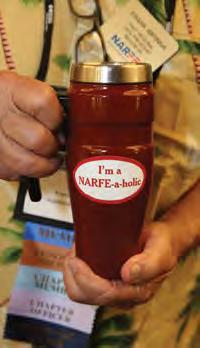
Use your NARFE Perks and your membership will more than pay for itself!
THE TOP-6 MOST POPULAR NARFE PERKS

As the largest operator of senior living communities in the US, Brookdale has over 600 locations all across the country. Members are eligible for 7.5% discount at Brookdale Independent Living, Assisted Living and Memory Care communities and 10% discounts on Brookdale Private Duty Home Care. Discounts are for new move-ins/customers only.
Brookdale Senior Living Communities 877-713-2762 | www.brookdale.com/narfe

With 6,400 hotels throughout the world, Choice Hotels offers something for everyone. As a member, receive 20% off your next stay at participating hotels when you use Special Rate ID 00801967. Choice Hotels International | 800-258-2847 www.choicehotels.com

With over 160 tours to all 7 continents and travel styles varying from small group to river cruising, Collette offers something for everyone. As a NARFE member, you receive an additional $50-$100 off all tours including sales and offers! Just use your member benefit code NARFESAVE or let our reservation agent know you are a NARFE Member when booking. Collette Travel | 844-311-6563 www.narfe.org/gocollette
Designed exclusively for NARFE members, (plans administered by AMBA Administrators, Inc.) Senior Age Whole Life Insurance, Senior Term Life Insurance, Hospital Indemnity and Short Term Recovery Insurance, Dental Insurance, Vision Insurance, AssistPlus, Discount Prescription Plan and Pet Insurance. NARFE Insurance Services | 800-233-5764 www.narfeinsurance.com

At Wheaton, we know interstate relocation is much more than trucks and boxes. With a network of top-quality agents throughout the United States, Wheaton provides peace of mind with every relocation.
Wheaton World Wide Moving | 800-248-7960 narfe@wvlcorp.com
R
Life Line Screening, America’s leading provider of community-based preventive health screenings, will conduct health screenings using state-of-the-art ultrasound technology in your neighborhood. Operator code BKHN075. Life Line Screening | 800-324-9906 www.lifelinescreening.com/NARFE
OTHER FAVORITE PERKS


IDShield monitors your identity from every angle, not just your Social Security number, credit cards and bank accounts. We make sure everything connected to you is safe, including your passport, email, phone numbers, driver’s license number, medical IDs and more. IDShield | 410-419-7130 | www.legalshield.com/info/narfe
Whether it’s big, small or somewhere in between, you have affordable legal help when you need it. Members receive the discounted rate of $18.95 for families of 10 (two adults and up to 8 children) when you sign up through the website above.
LegalShield | 410-419-7130 | www.legalshield.com/info/narfe

Renting with Alamo is easy and affordable. Book now! At Alamo Rent A Car, save more so you can see more and take advantage of a wide selection of vehicles for all your car rental needs. Reference Contract ID 262544 when you call or visit our website today.
Alamo Rent-A-Car | https://partners. rentalcar.com/narfe



















See how much you can save at www.NARFE.org/memberperks
(Previously Office Depot/Office Max) ADDITIONAL

Conducting Scientific Research
This 1972 photograph shows an Environmental Protection Agency (EPA) biologist dip netting for contaminated female shrimp at the Gulf Breeze Laboratory in Pensacola Beach, Florida. This was part of a study to determine if harmful polychlorinated biphenyls (PCB) were being passed on to the shrimps’ offspring. Today, the laboratory is part of EPA’s Office of Research and Development, and oversees scientific research on pollution, runoff, climate change, and other effects of human-made stressors on the ecosystems of the Gulf Coast.
PHOTO from the Records of the National Archives, courtesy of the National Archives History Office, in collaboration with the Society for History in the Federal Government (SHFG), bringing together government professionals, academics, consultants, students and citizens interested in understanding federal history work and the historical development of the federal government. To join, visit shfg.org.
DID YOU KNOW?
The EPA has achieved so much for the country since its formation in 1970. One of its most notable accomplishments was identifying the health risks of second-hand tobacco smoke. A 1993 landmark EPA health assessment concluded that tobacco smoke not only presents risks to the health of smokers but also to those around them. The science gave health officials and others the evidence needed to act in protecting people from exposure to secondhand smoke, with far-reaching impacts for millions of people.
For more information, visit epa.gov/newsreleases/epacelebrates-50-years-researchhealthier-environment.





Make Your Voice Heard on Capitol Hill
NARFE’s Legislative Action Center is NARFE’s easy way to send letters to your members of Congress, search for your legislators, report your congressional meetings, view voting records and much more.
Support the Equal COLA Act
Support the Saving the Civil Service Act
Protect the Freedoms of America’s Workforce
Save the Postal Service, Stop Privatization
narfe.org/advocacy/legislative-action-center/

NARFE INSURANCE SERVICES-SPONSORED PROGRAM
Whether providing life insurance, protecting your family’s health, securing your retirement, or purchasing coverage for your pet, the NARFE Insurance Services-sponsored program includes a full spectrum of products that can help you protect yourself and your loved ones at highly competitive rates available to NARFE members like you.