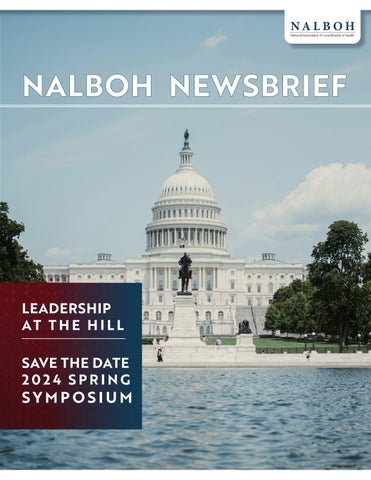
LEADERSHIP AT THE HILL SAVE THE DATE 2024 SPRING SYMPOSIUM
NALBOH NEWSBRIEF
MISSION
NALBOH supports and strengthens public health by building stronger and better board members.

VISION

The trusted advocacy and education resource for local boards of health
NALBOH STAFF
EXECUTIVE DIRECTOR
Eric Ostermann
ASSOCIATION DIRECTOR
Jamie Michael
EVENTS & MEMBERSHIP MANAGER
Kaytlyn Walker
OFFICE MANAGER
Sandy Shimon
GRAPHIC DESIGNER
Skyler Wolff
NALBOH HEADQUARTERS
563 Carter Court, Suite B, Kimberly, WI 54136 920-560-5644 | nalboh@badgerbay.co
THANK YOU

A special thank you to our sponsor to this quarter’s edition of the newsbrief: PHAB, Public Health Accreditation Board
Spring 2024 | Vol 1. Issue I
NATIONAL ASSOCIATION OF LOCAL BOARDS OF HEALTH

TRAINING
Annual Conference: Nashville, TN August 12-14, 2024
Spring Symposium: Virtual event focused on Governance & public health hot topics
Webinars & Town Hall
Sessions
Governance in Action series
ADVOCACY
Members participate in the annual policy event to build on skills as public health leaders; meet in DC with partners to advocate for public health and health departments
Participation in national workgroups & boards to define, increase significance and advance public health governance
RESOURCES
Self-assessment of board governance was developed to evaluate governance practices based on national standards
Board orientation & Board of Health 101 materials
National public health partners share legal, financial, policy and workforce resources for board members
LEARNING
Town Halls host members and partners sharing their experiences on current and emerging issues in board governance
Quarterly state leaders calls
Developing member communities that share similar interests to connect with one another online or in-person at events
www.nalboh.org @NALBOH 563 Carter Court, Suite B Kimberly WI, 54136
the date
2024 ANNUAL CONFERENCE save
August 12-14 The Hutton Hotel | Nashville, TN
The trusted advocacy and
resource
local
health.
education
for
boards of
SIX FUNCTIONS OF GOVERNANCE RESOURCE STEWARDSHIP POLICY DEVELOPMENT OVERSIGHT PARTNER ENGAGEMENT NALBOH supports and strengthens public health by building stronger and better board members.
2024 Annual Conference Nashville, TN LEGAL AUTHORITY CONTINUOUS ENGAGEMENT learn more at Membership Benefits Members Get More!
NALBOH Board of Directors 2023-2024
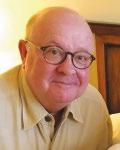
PRESIDENT
Benjamin Tillett PharmD Roxboro, NC
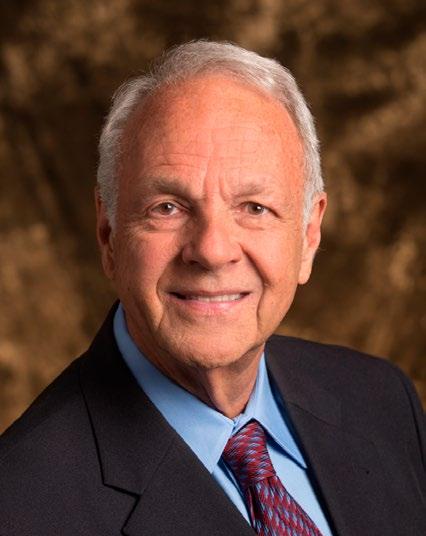
TREASURER
John Novak DMD Sparks, WI
PRESIDENT-ELECT
Nancy Terwoord Fairborn, OH
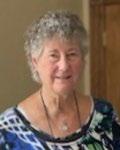
DIRECTOR AT LARGE
Arba Kenner MD Franklin, KY
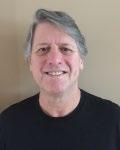
DIRECTOR AT LARGE
Jack Bernard Fayetteville, GA
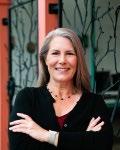
PAST PRESIDENT
Catherine Ushka Tacoma, WA
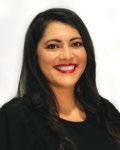
DIRECTOR AT LARGE
Marielena Moreno-Garcia Burlington, NC
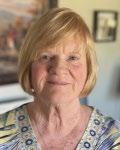
DIRECTOR AT LARGE
Melody Stafford Owenton, KY

SECRETARY
Mary Kitten DNP, RN, CRRN Greenfield, WI
DIRECTOR AT LARGE
Jacquelyn D. Miller DDS Lancaster, NE
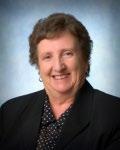
DIRECTOR AT LARGE
Linda Montgomery Jerome, ID
Spring 2024 | Vol 1. Issue I
President’s Message
PRESIDENT
Benjamin Tillett
PharmD
Roxboro, NC
Dear NALBOH Members,
One of the highlights of the NALBOH year is our Midwinter Leadership Conference which is scheduled in conjunction with NACCHO’s Capitol Hill Day event in Washington, DC.
Our Leadership Conference opened on Monday, February 26 with the NALBOH State Leaders Meeting where the state leaders had a roundtable discussion surrounding policy discussions and board of health related challenges and opportunities. Reports and updates from the various states gave an insight on the state of public health across the United States. For me it was extremely interesting hearing about what is happening and problems facing public health nationally. It was evident that we are all facing very similar issues.
We were very privileged to have Lori Freeman, Chief Executive Officer of the National Association of County and City Health Officials (NACCHO) as well as Dr. Pramod Dwivedi, President of NACCHO and Health Director of Linn County Public Health in Cedar Rapids, Iowa, provide us with updates on NACCHO and their views on national public health issues. NALBOH very much appreciates our close association with NACCHO and we look forward to working together, providing a board of health perspective on issues facing public health.
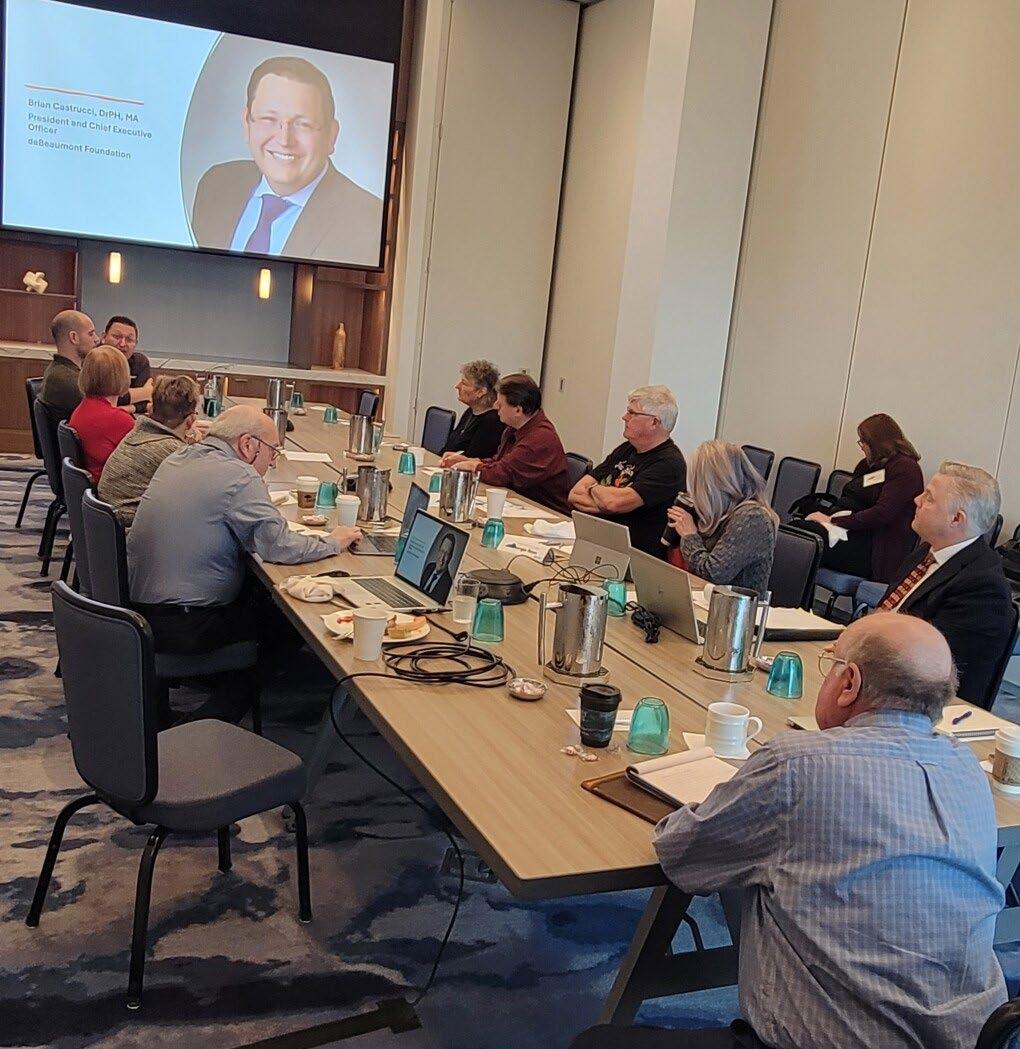
On Tuesday we welcomed Dr. Brian Castrucci, President and CEO of the de Beaumont Foundation. Dr Castrucci’s presentation focused on how public health should be interacting with non-public health sectors, as well as cross-sectoring within our local public health districts as we enter the post-COVID-19 period. Brian co-authored and edited a book Talking Health, A New Way to Communicate About Public Health. In reading Talking Health, I realized what a great resource on advocacy this is for members of local boards of health. I recommend this book for any board of health member interested in advocacy.
Local public health authority has become an issue across the country. The Network for Public Health Law’s Deputy Director, Darlene Huang Briggs, presented on legislative and judicial trends in shifting public health authority across the country.
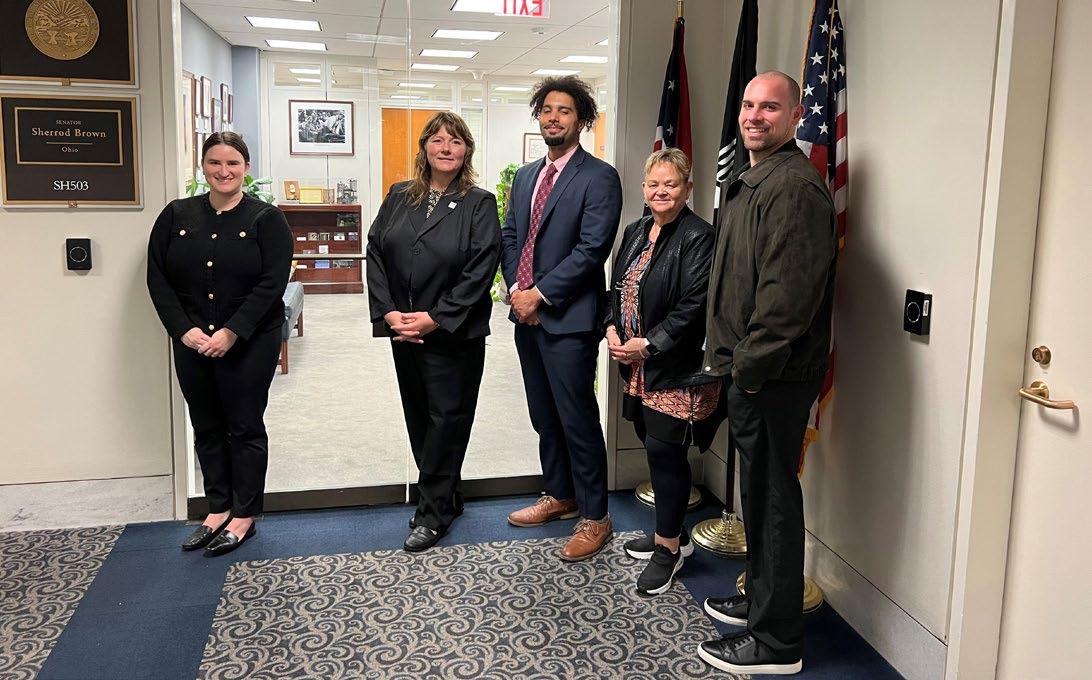
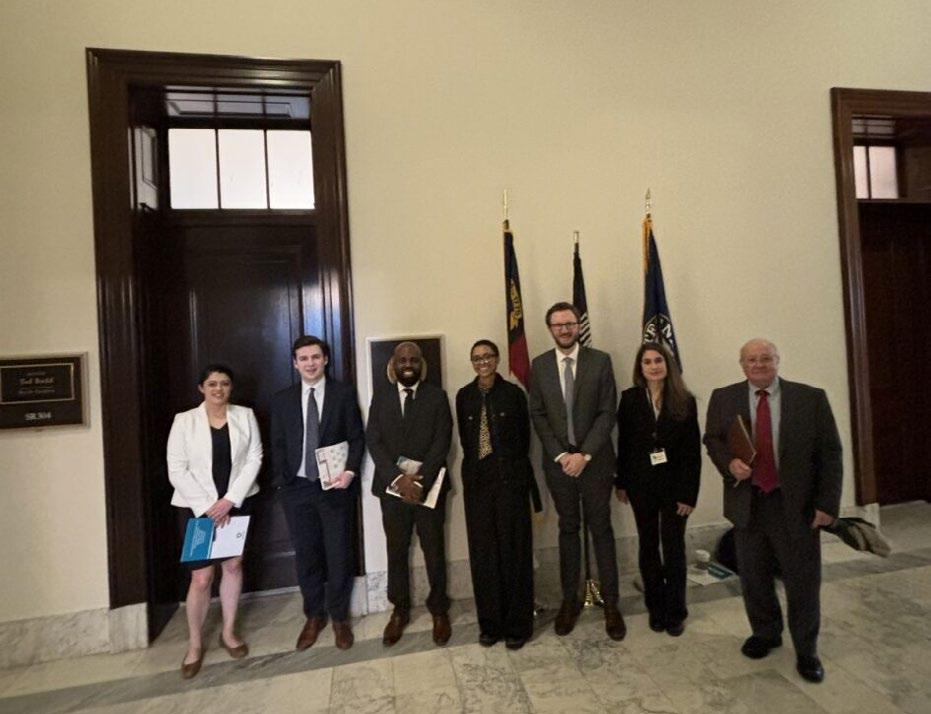
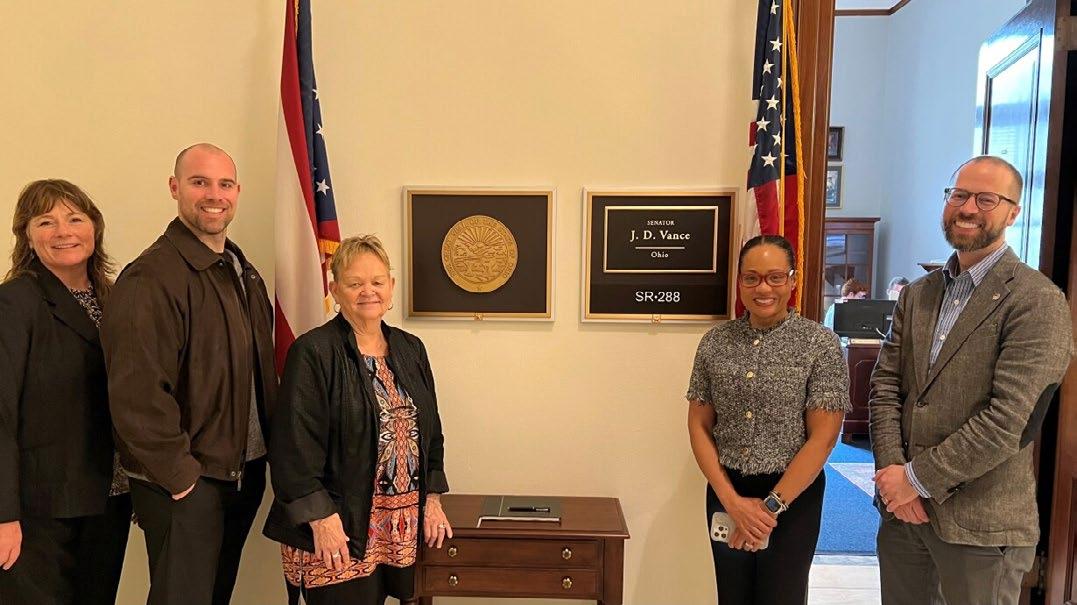
We met Wednesday morning to venture to Capitol Hill for meetings with our Senators and Representatives to educate about the importance of funding for public health and the CDC. Through the efforts of NACCHO, NALBOH and public health leaders, there were over 100 interactions with our elected officials and staff. NALBOH Board of Directors Member, Marielena Moreno-Garcia along with Patrick Brown, Executive Director of the North Carolina Public Health Association, Dr. Raynard Washington, Health Director from Mecklenburg County, NC, his assistant along with a NACCHO staff member met with North Carolina Senator Ted Budd’s staff to present and discuss our funding requests. I presented some about the workings of local boards of health and focused on my board of health and health department. We also left some materials at North Carolina Senator Thom Tillis’ office. Marielena and I walked over to North Carolina’s 4th Congressional Representative Valerie Foushee’s office and left materials there as well. It was great to be with our North Carolina contingency.
Topics discussed with our Senators and Representatives included programs aimed to:
• Rebuild and sustain the governmental public health system
• Provide sustainable disease-agnostic mandatory funding to support local public health infrastructure, including data modernization and workforce development
• Maintain the strength of the Centers for Disease Control and Prevention
• Ensure that funding reaches the local health departments
So much of what is presented at these visits are broad requests, I feel that information regarding what happens at a rural NC health department, which is typical of most local health departments across the country, has value to legislators. Serving on a local board of health and seeing reports on surveillance, numbers and types of patients served, health department financials, quality of service reports as well as state of the community health Reports give Board of Health members a unique and somewhat detailed perspective on public health affecting the citizens of our districts.
For those of you who were not able to join us in Washington, DC this year, I hope you will consider joining us next year. Thank you to our board members and staff that were able to join us for this year’s leadership week! We look forward to continuing this annual opportunity and opening up to more across the country to build our voices for public health! In closing I would like to thank Jamie Michael and Eric Ostermann, our NALBOH staff, for planning such a great leadership opportunity
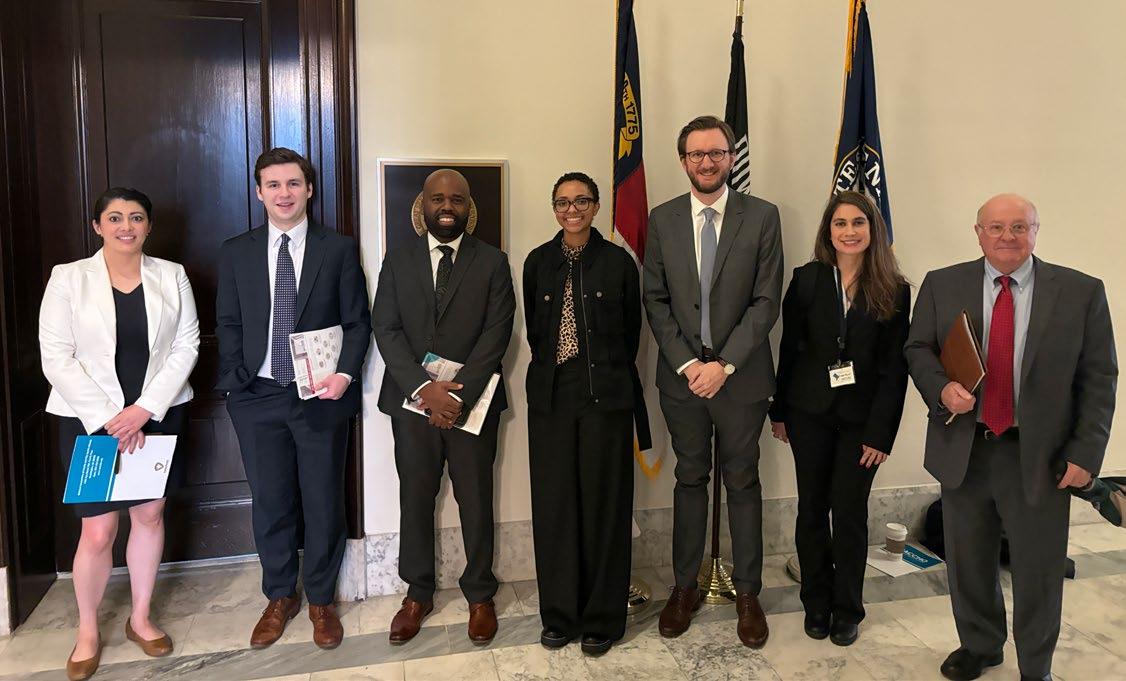
NALBOH Meets in Washington DC for Local Public Health on the Hill
At the end of February, NALBOH leaders were pleased to join National Association of County and City Health Officials (NACCHO) and Big Cities Health Coalition (BCHC) for the Annual Capitol Hill Day: Local Public Health on the Hill.
On February 28, local public health leaders from across the country joined in Washington, DC for the annual event. These public health professionals visited 101 Congressional offices to talk to senior staff and elected officials about the public health workforce, infrastructure, and the unique needs in their communities. Participants met with elected officials from across the United States.
In conjunction with Hill Day, NALBOH leaders joined together for 1.5 days of discussion and leadership activities, with presentations from Brian Castrucci, deBeaumont Foundation, Darlene Huang Briggs, Network for Public Health Law, and Adrianne Casalotti, NACCHO to learn about public health authority, the workforce and current local public health advocacy efforts.
Spring 2024 | Vol 1. Issue I
Board Member Features
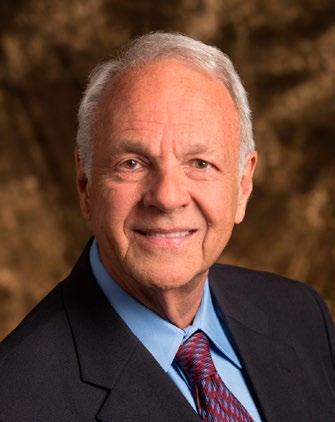
Q: What have I enjoyed the most...
Being a Board of Health member gives me a great deal of satisfaction. It allows me to really know what is happening in our community and be an advocate for public health. So many times, we realize many citizens don’t realize what the Health Department really does every day. Having that knowledge allows me to be a voice to my family, friends, neighbors and more. Being a member of NALBOH has afforded me the opportunity to share and network with BOH members all over the country, expanding that knowledge even further!
Nancy A. Terwoord,
Green County Combined Health District, Xenia, OH
Q: What have I enjoyed the most...
Enjoyed meeting numerous dedicated people who try hard to advance Public Health for all, especially by strengthening our organizations
Dr. John Novak,
Northern Nevada Public Health, Reno/Sparks NV
Q: What have I enjoyed the most...
The things I like best about being a Board member: I love being made aware of how public health is organized, utilized, and recognized in our rural area. I feel being a part of making decisions that will affect the health and safety of our citizens is a privilege and honor. I also enjoy networking with health departments within our state to learn of their successes and opportunities for improvement.
Melody Stafford,
Three Rivers District Health Department Board, Owenton, KY
Q: What have I enjoyed the most...
NALBOH is essential to get BOH priorities presented to Washington, DC decision makers. It also assists local BOHs in keeping up with best practices for their organizations.
Jack Bernard, Fayette County Board of Health, Fayetteville, GA
Q: What have I have enjoyed most as a board of health member?
Having served for over 30+ years as a board member, what I have enjoyed the most is our staff and board working to ensure the health of our community. We serve a very rural area in some of our counties. We have a staff who always put the well being of our community first. So, I would say working with and supporting our staff in their endeavors.
Linda Montgomery,
South Central Public Health District 5, ID

Join board of health members, directors and other public health professionals and partners by learning from others and interacting to develop partnerships and share solutions affecting our state and local communities across the country!
Lodging Information
Book early as the hotel is projecting to sell out! Rooms are available at the Hutton Hotel at the special group rate of $189/night + taxes and fees. To guarantee this rate, and to ensure a room will be available, reservations must be made by July 19, 2024. Click here to reserve your room now!
Conference Rates & Schedule
Keep an eye out on our website! Updates will continue to be shared and you will be able to access the most up to date information about rates and schedule.
Join the Hutton Hotel All Access Newsletter
Want a backstage pass to everything Hutton Hotel has to offer? Subscribe now to receive special deals and exclusive Music City experiences in our monthly newsletter. Click here to join!
Date: August 12–14, 2024
Location: Hutton Hotel
1808 West End Ave, Nashville TN, 37203

Spring 2024 | Vol 1. Issue I
Strengthening Infrastructure: The Vital Role of Public Health Accreditation
The public health system is essential for ensuring healthy and equitable communities.
From protecting against infectious diseases to providing essential public health services, public health departments play a vital role in keeping their communities safe. Yet, these departments must have a robust infrastructure to ensure the effectiveness of their programs and services. Public health accreditation, administered by the Public Health Accreditation Board (PHAB), is foundational to building and strengthening the infrastructure needed to respond to communities’ needs.
National public health accreditation through PHAB provides a framework for health departments to assess their performance against national, field-driven standards, identify areas for improvement, and implement evidencebased practices to mitigate public health challenges. Moreover, it fosters collaboration and coordination across healthcare providers, government agencies, community organizations, and the private sector to improve community health and address health disparities.
Through accreditation, health departments prioritize continuous learning, evidence-based practices, and data-driven decision-making. This improves day-to-day operations and prepares health departments to respond effectively to public health crises like the COVID-19 pandemic. More than 80% of accredited health departments that participated in an external evaluation indicated that overall, accreditation has helped their response to the COVID-19 pandemic. The Trust for America’s Health (TFAH) report, Ready or Not: 2024, underscores accreditation as a critical indicator of public health preparedness and highlights components of the accreditation process, such as quality improvement and community engagement, as vital for adapting to public health challenges and maintaining trust and collaboration with the public.
In addition to emergency preparedness, health departments that sustain accreditation over time report a wide range of benefits from accreditation, including:
• improved ability to identify and address gaps in workforce development;
• stronger relationships with key partners;
• and greater accountability and transparency within the department.
Local boards of health can help advance public health accreditation and transformation efforts within their jurisdictions. They can empower local health departments to build and strengthen their infrastructure by prioritizing and allocating resources to support accreditation and accreditation-related activities through PHAB’s Tools or Transformation.
It is more important now than ever to prioritize public health accreditation as integral to community health and well-being. By championing accreditation and supporting our local health departments, we can strengthen the foundation of public health infrastructure and create healthier, more resilient communities for future generations.
Strengthening Public Health Infrastructure through Foundational Public Health Services
Communities rely on their health department to access essential public health services that keep them healthy and safe. Whether facing a global pandemic or dealing with ongoing public health challenges, an effective response lies in the infrastructure and capabilities of public health systems. Recognizing the critical need for a robust infrastructure, the Foundational Public Health Services (FPHS), stewarded by the Public Health Accreditation Board (PHAB), is crucial to ensuring the readiness and resilience of health departments across the country.
The FPHS framework outlines the unique responsibilities of governmental public health and can be used to explain the vital role of governmental public health in a thriving community. The framework underscores the indispensable role of health departments and highlights eight Foundational Capabilities that detail the infrastructure needed to protect and promote community health.
PHAB is pivotal in strengthening health department capabilities through its national accreditation and Pathways Recognition programs. The Foundational Capabilities are embedded in the PHAB Standards & Measures and are used as the basis for the Pathways Recognition program. By adhering to these evidencebased, field-driven standards, health departments enhance their operational effectiveness and demonstrate their commitment to quality improvement, transparency, and accountability. Through accreditation, communities, and stakeholders can be assured that their department has the infrastructure and Foundational Capabilities in place to respond effectively to the next public health emergency and best serve the community.
The Readiness Assessment is step one in the accreditation process and can help health departments assess their capacity in key areas of public health practice, like the Foundational Capabilities.
In addition, PHAB’s FPHS Capacity & Cost assessment is available to help health departments identify resource gaps, determine investment needs, and allocate funds to bolster their Foundational Capabilities. The Assessment provides an understanding of the costs, expertise, and capacity needed to align with the national FPHS framework.
Now is the time to ensure that we have a robust public health infrastructure. Recent events like the COVID-19 pandemic, increased gun violence, and other public health emergencies underscore the need for a well-equipped and agile infrastructure to address health threats and disparities. In response, the CDC (Centers for Disease Control) allocated funds through the Public Health Infrastructure Grant (PHIG) to strengthen public health infrastructure across the country, empowering three national partners to lead the work: the Association of State and Territorial Health Officials (ASTHO), the National Network of Public Health Institutes (NNPHI), and the Public Health Accreditation Board (PHAB). PHIG aims to strengthen systems, processes, and policies by ensuring that health departments have foundational capabilities.
As a national partner, PHAB has provided technical assistance to grant recipients and is currently developing a data platform to aggregate, harmonize, and visualize public health infrastructure data. Local boards of health and health departments can seize this opportunity by using PHAB tools like the FPHS Capacity & Cost Assessment and the Readiness Assessment to assess and strengthen their Foundational Capabilities. By investing in Foundational Capabilities, stakeholders prepare for future emergencies and lay the groundwork for a more equitable and resilient health system.
Spring 2024 | Vol 1. Issue I




Elevating Public Health Through Accreditation
Quality Improvement | Innovation | Strong Infrastructure
For more information about public health accreditation, visit phaboard.org. @phaboard
Accredited health departments report many benefits:
95% 90% 80% stimulated quality improvement improved workforce training & development improved their COVID-19 response

2022 NACCHO
Profile
Study Report is Out!
The NACCHO’s profile summary provides an overview of the state of local health departments (LHDs) in the United States. Here are the key findings from the profile:
1. Cross-jurisdictional sharing of services: More than one-third of LHDs receive functions or services from another LHD or provide functions or services for another LHD. LHDs are more likely to share resources with another LHD than to receive them.
2. LHD partnerships and collaborations: LHDs work with a variety of partners in their communities, including healthcare partners, government agencies, and community-based partners. Collaborations often involve sharing information, regularly scheduling meetings, establishing written agreements, and sharing personnel/resources.
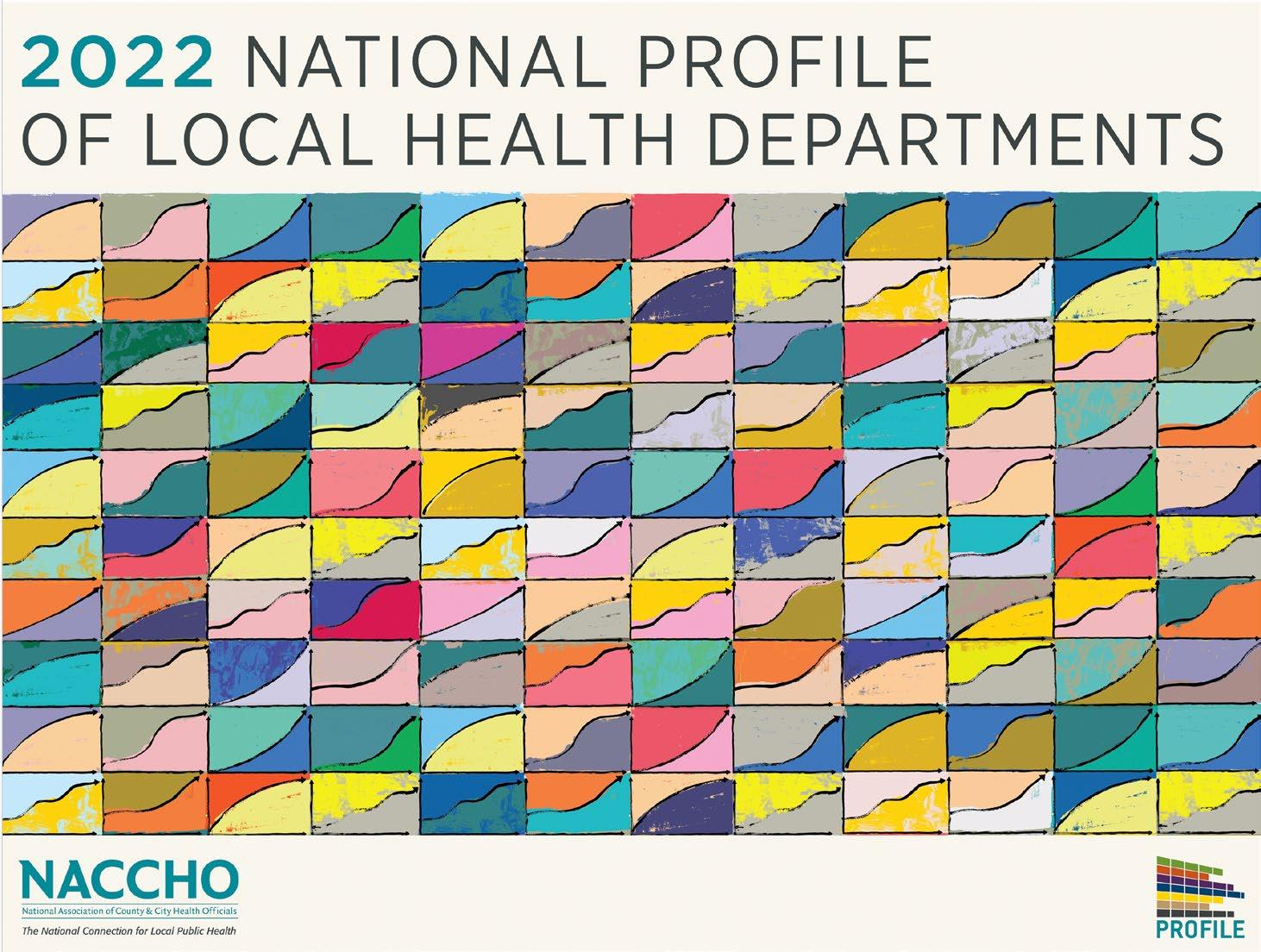
3. Characteristics of top executives: More than two-thirds of top executives in LHDs identify as female. The percentage of female top executives has been increasing steadily since 2008. Less than 10% of top executives identify as Hispanic/Latino or a race other than white. The percentage of part-time top executives has decreased significantly since 2008.
Overall, the profile provides insights into the partnerships, workforce, and leadership of LHDs in the United States. It highlights the challenges and changes faced by LHDs and the importance of collaboration and resource sharing in delivering public health services effectively.
The information in this document is sourced from the “2022 National Profile of Local Health Departments” report published by the National Association of County and City Health Officials (NACCHO). The report can be accessed at here
Why Amplify the Profile Study?
NACCHO’s National Profile of Local Health Departments (Profile) Study is a comprehensive survey of local health department infrastructure and practice administered every three years. This study presents a complete and accurate overview of current local health department funding, staffing, activities, and partnerships, as well as how these have changed over time. As the largest and most reliable data source on local health departments in the United States, the Profile Study is a vital resource for informing the future of local public health.
Looking for a way to participate?
Promote the Study on Social Media: You can now share social media posts about the 2022 Profile Study findings. Find the content in our Social Media Shareables tab.
Use #NACCHOProfileStudy: Incorporate #NACCHOProfileStudy into your organization’s social media to join the national effort.
Send a Newsletter: Add our language from our Communication Resources tab, below, to your next organization newsletter to help spread the word.
Share the Report: The Choose AmeriCorps video is available in vertical and horizontal formats in 15, 30, and 60 second lengths for your easy sharing. Download video content from our Social Media Sharables tab, here.
Spring 2024 | Vol 1. Issue I
Join us for the 2024 Spring Governance Symposium! Regisitration is now open and we are excited to annouce our featured speaker Dr. Katelyn Jetelina and Sarah de Guia, JD. who will be joining us.
MAY 30TH, 2024 | 2PM – 5PM ET | VIRTUAL
Schedule Subject to Change & Times are Approximate
2:00-2:15 p.m. – Welcome remarks
2:15-3:00 p.m.
Session #1: Your Local Epidemiologist, Dr. Katelyn Jetelina
3:00-3:15 p.m. – Breakouts
3:15-3:45 p.m. – Break
3:45-4:15 p.m.
Session #2: Boards Role in Quality Improvement: Self-Assessment
4:15-4:55 p.m.
Session #3: National Association of Counties - Health Equity in Governance
4:55-5:00 p.m. – Closing Remarks Conference Rates & Schedule
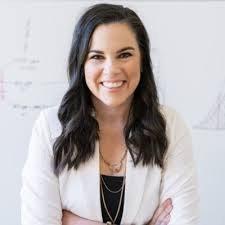
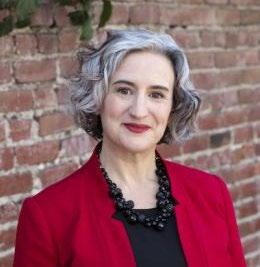

Featured Speaker: Dr. Katelyn Jetelina, Your Local Epidemiologist Dr. Katelyn Jetelina has a Masters in Public Health and PhD in Epidemiology and Biostatistics. She is an epidemiologist, data scientist, wife, and mom to two little girls.
Featured Speaker: Sarah de Guia, JD, ChangeLab Solutions
Sarah de Guia, JD, is chief executive officer of ChangeLab Solutions. She applies her legal expertise and leadership experience to advancing equitable laws and policies that ensure healthy lives for all.
Who is Blowing Smoke in Ohio?
Article Submitted by: Nancy Terwoord, President Elect, NALBOH & Greene County Board of Health, Ohio
In December, 2022, the City of Columbus voted to stop the sale of flavored tobacco products. Two days later, Ohio Republican “gerrymandered” legislators added a provision to a Bill preventing any city/ municipality from regulating smoking, vaping and other ecigarette usage and sales. This was a direct attempt to stop the City of Columbus from protecting their youth. Governor DeWine (also a Republican,) vetoed this Bill stating we should applaud local communities trying to protect our children.
A provision as then put back into the Fiscal Year 2024-25 Budget again outlawing cities from regulating tobacco. Governor DeWine vetoed it again but in December 2023, the GOP House voted to override the veto. However, the Ohio Senate was still out on break and could not vote to override the veto. The motion that the City of Columbus passed back in 2022 went into effect, stopping the sale of flavored tobacco products. The Senate came back and also voted to override DeWine’s veto.
This will go into effect next month, April 2023. The City of Columbus has drafted a lawsuit against the state claiming the legislators are infringing on Home Rule. According to Zack Klein, Columbus City Attorney, “We are going to file a lawsuit, among other things that we can do, to push back against this overreach”.
Municipal Home Rule allows cities/ villages in Ohio to have the constitutional right to certain powers- including establishing laws in accordance with self government clauses-if it doesn’t interfere with laws in the Ohio Revised Code. Cities have the right to make their own policies” *
Ohio ranks 44 out of 50 states and District of Columbia in Health Value ** and 37 out of 50 for overall Health Outcomes.*** This means that Ohioans are living less healthy lives and spending more on healthcare than most people in other states.
Almost 20% of Ohio adults smoke tobacco. This is one of the highest rates in the country according to the American Cancer Society. And according to HPIO, Ohio invests only about 11% of what the Centers for Disease Control recommends for state tobacco control and prevention.
This veto by the legislators can and will erode the many inroads Ohio has made in smoking cessation and education. While some legislators have said there needs to be a statewide ban on flavored e-cigarettes and nicotine products, it is not likely to happen as once again these lawmakers side with the tobacco companies and lobbyists rather than their own citizens.
Another potential fatality to this override is the issue of Tobacco Retail Licensing( TRL). This licensing is essential in curbing the purchase of these products in the many retail “vape shops” throughout the state. Since these vape shops don’t sell tobacco products, they are not licensed and therefore there is no way to regulate them despite Ohio being a Tobacco 21 state. We know many of these places will sell to underage youth despite the law. There is little or no enforcement.
TRL allows municipalities to regulate location, density and types of nicotine retailers. It establishes comprehensive lists and databases of all local retailers as well as authorizes local health departments to inspect tobacco and vape shops, conduct annual compliance checks and also gives them the ability to revoke or suspend the licenses of repeated violators. In addition, the fees charged for the licensing goes to the local health departments for education and to aid in the inspections. this stands to all be lost if nothing is done at the state level.
This is clearly a public health issue for all. Ohio isn’t the only state to limit local control. According to the American Lung Association, 39 other states have passed similar laws.
Do you know what’s happening in your state? As public health advocates, please get informed, get involved and speak up! Who is blowing the smoke in your state?
*”City of Columbus drafting lawsuit against Ohio tobacco regulation ban”
By Morgan Trau, Ohio Capital Journal January 29, 2024
**Health Policy Institute of Ohio (HPIO) Dashboard 2023
*** America’s Health Ranking 2022 Annual Report
Spring 2024 | Vol 1. Issue I
The National Association of Local Boards of Health (NALBOH) is currently recruiting candidates to serve on the board of directors. Board members serve 2-year terms, with terms beginning after the annual meeting. All members in good standing are eligible to serve on the board.
Our goal is to prepare a slate of candidates that are representative of our membership and diverse in experience and background. Board members will meet 5-6 times per year including 2 in-person meetings. Board members are expected to participate in all board meetings, attend the annual conference and participate in other activities to help advance the association’s strategic priorities.
Current strategic priorities include:
• Strengthening organizational capacity through leadership development and expansion of non-dues revenue;
• Increased marketing and outreach to boards of health and partners; and
• Development of programs and services to advance board of health functions through education, orientation and policy.
President-elect
The candidate must be a member of a board of health and NALBOH. They succeed the current President, fill a vacancy, or act on behalf of the President in their absence. The President presides over meetings, serves on all committees, and has general directing authority. They convene board meetings and may delegate meeting leadership. The President-elect transitions to President and then Past-President in subsequent years.
Treasurer
Candidates must be a board of health member with NALBOH affiliation. They manage Association funds, provide financial reports to the Board, and ensure accurate records of assets and liabilities annually.
Director-At-Large
Candidates must be a member of a board of health with membership in NALBOH. Directors are expected to participate in board meetings, serve on a committee that advances the strategic plan and attend the annual conference. Directors may serve up to 3 consecutive 2-year terms.
Application Process
Interested candidates are encouraged to apply by June 7, 2024. The application is available online and requires a statement of interest, letter of reference and candidate information. A final slate of candidates will be presented to the membership for vote by July 15. Click here to apply!
The Invisible Shield Airs on PBS
The Invisible Shield, a four-part documentary series from RadicalMedia made possible by Bloomberg Philanthropies, reveals how the field of public health has saved countless lives in the U.S., protecting people from the constant threat of disease and increasing lifespans. The series explores the hidden public health infrastructure that makes modern life possible. It highlights the thousands of unsung heroes — physicians, nurses, scientists, activists, reformers, engineers, and government officials — who work together to improve health outcomes, from the days of cholera and smallpox through the most recent battle with COVID-19.The Invisible Shield premiered Tuesday, March 26, 2024, 10-11 p.m. ET on PBS, with all four episodes now available for streaming on PBS.org and the PBS App.

Click the image above to go check out the trailer and to find out how you can stream this documentary series!
Spring 2024 | Vol 1. Issue I