



































































YEARS OF NAL HEARING AID PRESCRIPTIONS








































YEARS OF NAL HEARING AID PRESCRIPTIONS
National Acoustic Laboratories’ mission is to lead the world in hearing research and evidence-based innovation to improve hearing health and transform the lives of people with hearing difficulties.
As one of the longest-established hearing research organisations in the world, NAL’s work has delivered significant advancements in knowledge and practical tools for the hearing community since 1947.
Our team of world-class researchers and innovators focuses on projects that deliver impact and address unmet needs through truly translational research.
NAL’s contemporary methodologies overcome traditional barriers to deliver research that benefits researchers, clinicians, industry experts, product developers and, most importantly, people with lived experience of hearing difficulties.
Life changing innovations developed by NAL include a counselling tool that is used by clinicians worldwide; the most commonly used hearing aid prescription around the world; and a validated questionnaire to evaluate a child’s listening skills in the real-world.



NAL would like to acknowledge and pay our respects to the Traditional Owners of the land on which we live and work.
We pay our respect to Elders past, present and emerging and acknowledge the longest continuing culture on Earth.
We extend our acknowledgement and respect to all Aboriginal and Torres Strait Islander peoples with whom we work and who we serve, now and into the future.
2025 was by far the most impactful year since my time as Director of NAL. In addition to the 30+ outstanding research projects into hearing needs, treatment, and outcomes that NAL excels at, this year we took our mission to improve the lives of those with hearing difficulty to new heights across all of our core pillars: Research, Innovation, Partnerships, and Capabilities.
A defining achievement for our Innovation pillar was the on-schedule release of NAL–NL3, the next generation of the world’s most widely used hearing aid fitting prescription. Licensed to virtually every major hearing aid manufacturer and real-ear measurement diagnostic manufacturer globally, NAL–NL3 represents years of research translated into a tool that will impact millions of people with hearing loss around the world. We also licensed our Virtual Personas technology to The University of Queensland, where it was introduced into their Master of Audiology Studies program, providing future clinicians with AI-powered training on critical conversations with patients and clients.
Our Research pillar continued to deliver insights that shape hearing healthcare policy and practice. We provided advice to the Australian Government Department of Health on improvements to the $500M Hearing Services Program, work that will impact hundreds of thousands of Australians and potentially influence government hearing healthcare programs worldwide. We conducted large-scale studies of real-world benefit from innovative hearing health solutions, including devices from major consumer technology companies, providing the evidence base needed to guide adoption of new technologies entering the hearing healthcare space.
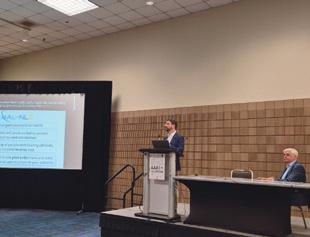
2025 saw significant expansion of our Partnerships with organisations around the world. We worked with GN Group to coordinate and host a global Auracast event at the Sydney Opera House to celebrate the Australian introduction of this assistive listening technology. NAL established a major presence at key international conferences, exhibiting at the American Academy of Audiology (AAA) annual conference and the European Union of Hearing Aid Acousticians (EUHA) conference for the first time with proper booths at both events, receiving a warm welcome from the global hearing healthcare community. Our team gave invited keynote presentations at major hearing loss conferences around the world, and we had the honour of presenting at Apple’s Health Research Summit on the same stage where Steve Jobs introduced the iPhone.
These accomplishments reflect the development of our Capabilities and our team’s dedication to excellence. We conducted many impactful research projects for several major hearing aid companies, including early development of novel device and rehabilitation solutions, prototype testing, post-market validation studies, and investigations into unique unmet needs of people with hearing difficulty. Our agile, user-centred approach to innovation ensures that the solutions we develop address real-world problems and can be adopted by hearing healthcare providers and people with hearing loss alike.
As we look back on 2025, I am grateful to all NALites for their incredible dedication and outstanding work. By aligning our efforts with those of partner organisations around the world, we continue to prove that together, we can change the world of hearing healthcare. The year ahead promises to be equally transformative as we build on the strong foundation we have created.
In a year shaped by accelerating innovation, the National Acoustic Laboratories has remained focused on its core strength: translating world-class research into practical solutions that improve hearing care. Throughout 2025, NAL strengthened its position as a world leader in hearing research by delivering solutions that are not only scientifically rigorous, but immediately relevant to clinicians and the people they support.
The global rollout of the NAL–NL3 Fitting System marked one of the most significant milestones in NAL’s history, reinforcing decades of leadership in prescription science. Innovations such as COSI 2.0 and NALVirtual Personas further reflect NAL’s commitment to patient-centred care, digital transformation, and measurable clinical impact. At the same time, the completion of NAL’s first publicly registered clinical trial demonstrated our capability to conduct independent, high-quality evaluations of emerging hearing technologies on the global stage.
Collaboration remains central to this progress. Through partnerships with government, industry, academia, and clinicians, NAL continues to ensure its research responds directly to real-world needs and evolving models of care.
I extend my sincere thanks to the NAL team and our collaborators for their expertise, dedication, and shared commitment to improving hearing health. Together, we are advancing innovation that delivers tangible outcomes for people in Australia and around the world.


30+
CLINICIANS FITTED 400+
PATIENTS WITH NAL–NL3 DURING DEVELOPMENT
10,000+
HOURS OF MACHINE LEARNING

6,300+
1.8M REMS ANALYSED DURING DESIGN REMS PERFORMED DURING DEVELOPMENT
11,800+
RATINGS IN REAL-WORLD LISTENING ENVIRONMENTS
10,000+
OPTIMAL TARGETS CALCULATED DURING DEVELOPMENT
30+
PRESENTATIONS ACROSS 10+
COUNTRIES TO SUPPORT CLINICAL ADOPTION
NAL RULE
Maximised access to speech information by rending different speech-frequency bands approximately equally to overall loudness.
NAL–R
Revised the gain shape across frequency to better achieve loudness equalisation based on “Most-ComfortableListening” levels.
NAL–RP
Addressed the needs of people with severe-profound hearing loss, and new fitting approach used both intelligibility and loudness modelling.
NAL–NL1
First “desensitised” model of speech intelligibility, accounted for wide dynamic range compression, to provide gain as a function of both frequency and input level.
NAL–NL2
Updated intelligibility and loudness models and incorporated user specific variables such as age, gender, hearing aid experience, language and compresser speech.
NAL–NL3
PRESCRIPTION
Kept the same philosophy, with refinements informed by large scale clinical data and achieved with modern machine learning.




NAL–NL3
COMFORT IN NOISE MODULE
Tailored solution for listening in noise by reducing overall loudness to improve comfort without sacrificing intelligibility in noise.
NAL–NL3
MINIMAL HEARING LOSS MODULE
Tailored solution for people with normal audiograms but difficulties in noise, by providing gain at a comfortable and safe level to access modern hearing aid signal processing features.
Xiaoyin Shang - Head of Strategic Innovation and Engagement & Dr Pádraig Kitterick - Head of Adult Hearing Research
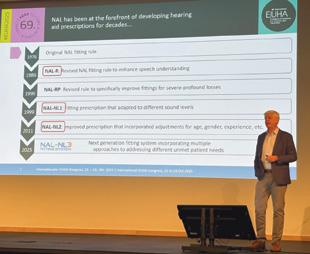
Fifty years ago, NAL released its first hearing aid fitting rule, marking the beginning of a global legacy in evidence-based prescription design. From the first pioneering prescription in 1976, through the rise of nonlinear amplification and the release of NAL-NL1 and NAL–NL2, NAL’s fitting systems have shaped hearing healthcare worldwide.
NAL–NL2, introduced almost 15 years ago, became the gold standard for adult hearing aid fittings, licensed and used by more than 70 manufacturers of hearing aids and real-ear measurement systems, and is considered the reference fitting target for hearing aid Clinical Trials seeking regulatory approval. Yet as hearing technology evolved and clinical expectations grew, it became increasingly clear that the next generation of fitting guidance was needed.
That next generation has arrived. Welcome to the NAL–NL3 Fitting System Era.
Why NAL–NL3, and Why Now?
The decision to develop the NAL–NL3 Fitting System was not driven by any shortcoming in NAL–NL2, but rather by its extraordinary success and by the recognition that hearing healthcare has moved forward. Since NAL–NL2’s release, our understanding of hearing loss, hearing needs, and clinical practice has expanded enormously. Technological advances, particularly in artificial intelligence, allow far more detailed optimisation than was possible 15 years ago. Additionally, modern healthcare has become more personalised to the patient, tailoring treatments to the unique needs of each individual and considering multiple factors in treatment strategies rather than a blanket solution based on a standard assessment.
People with hearing needs live in complex listening environments, have their own unique hearing needs, and their goals often extend beyond simple audibility that drove earlier fitting prescriptions. Drawing on 15 years of clinical experience with NAL–NL2, clinicians have provided valuable feedback on how targets could be refined to meet hearing needs. This changing reality demanded a new approach, and the extension of a single prescription into a modular fitting system.
A Once-in-a-Lifetime Effort
NAL–NL3 represents one of the most ambitious projects in NAL’s history.
NAL began with the classic Design Thinking approach to innovation by uncovering unmet clinical needs in hearing prescriptions. We engaged with clinicians and people with hearing needs directly, collaborated with global experts and analysed extensive datasets. That process shaped the roadmap for the NAL–NL3 Fitting System and, as Senior Research Scientist Sriram Boothalingam paraphrasing Director Brent Edwards,
put it, felt like a “once in a lifetime opportunity” to develop a formula that will be used by clinicians around the world.
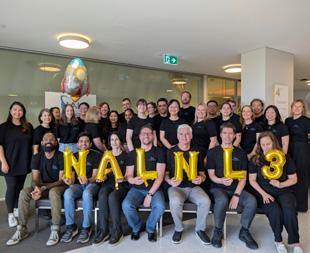
In early 2025, NAL Director Brent Edwards made a bold decision: expanding the NAL–NL3 team from nine people to the entire NAL organisation, with all 50 staff members working together toward the development of this revolutionary fitting system. More broadly, the making of NAL–NL3 combined evidence-based research discipline with start up like momentum, with NAL “transforming overnight” into agile multidisciplinary teams spanning engineering, behavioural science, psychoacoustics, machine learning, and audiology, as Project Manager Kate Rutledge observed.

“We took on new roles, adopted a more agile way of working and applied a range of new research methods in new ways, while still maintaining that rigour that NAL is really known for. The experience was awesome.” – Jermy Pang, Research Audiologist.
NAL ran rapid Minimal Viable Product (MVP) iterations in hearing clinics across the country, and NAL Ecological Momentary Assessment of patient experiences using the MVP in real world settings enabled near real-time data monitoring and faster decision cycles. Principal Research Engineer Justin Zakis noted noted that this approach provided direct feedback on how NAL–NL3 was being accepted by clinics and patients in the real world, while Senior Research Scientist Jessica Monaghan emphasised the importance of building new tools for rapid iterations across Australia which can be deployed globally.
Research Audiologists Matthew Croteau and Catherine Kwok said that the close collaboration across NAL enabled them to translate technical validation into clinical practice and gather outcome feedback quickly to continuously refine the solution.
By launch, the NAL–NL3 Fitting System had been validated by over 400 patients, fitted by 31 clinicians across 33 clinics in Australia.
“Allocating a whole organisation to one project over night is something that probably no other organisation in the world can do, and we did it. This way of working is going to carry over to other projects at NAL, and by doing so we will be able to deliver more solutions to hearing healthcare around the world.” - Brent Edwards - Director of NAL.
Historically, fitting formulas have been “one size fits most,” optimised primarily for speech in quiet. NAL–NL3 changes that by introducing modules designed for specific listening needs and patient populations. This modular vision reflects a broader truth: hearing healthcare is personalised, and audiologists need flexible evidence-based tools to match the diversity of real lives. NAL–NL3 launches with the first two of many-to-come transformative modules.
The number one complaint among hearing aid users remains difficulty hearing in noisy environments. The NAL–NL3 Comfort in Noise Module was developed to improve listening comfort without sacrificing intelligibility. This was achieved through complex auditory modelling, interactive laboratory-based design, and real-world validation using NAL’s ecological momentary assessment app, where participants provided over 10,000 ratings in everyday environments, reporting significant improvements in comfort, pleasantness, sound quality, and overall preference.
Perhaps the most groundbreaking module addresses an emerging and underserved group: people who struggle in noise despite having normal or nearnormal audiograms. NAL–NL3 introduces the first validated evidence-based approach for fitting this population, allowing for audibility of advanced speech-in-noise features while maintaining loudness comfort. Participants with minimal hearing loss, who would typically never be fitted with hearing aids, showed significant improvement in speech understanding in real-world noisy situations and satisfaction with the hearing aids with which they had been fit, validating that this underserved population can benefit from hearing aids if fit properly to their needs and not just to their audiogram.
NAL–NL3 is more than the next fitting formula. It is a new era of hearing healthcare:
• A stronger, smarter gold-standard prescription
• Modules that address real-world listening challenges
• Evidence-based care for underserved patient groups
• Tools that reinforce the clinical expertise of audiologists
• A platform for ongoing innovation in fitting science
NAL–NL3 reflects what NAL does best: combining rigorous research, bold innovation, and global collaboration to improve hearing outcomes worldwide.
FIND OUT MORE
Xiaoyin Shang - Head of Strategic Innovation and Engagement
The goal of the innovation agenda at NAL is translating evidence-based science into innovation in clinical practice. Successful evidence-based innovation can transform clinical pathways and public health outcomes, but the journey from evidence to adoption is notoriously known worldwide for being slow and inefficient. Many ideas stall after publication. Others reach the clinic in a form that does not fit the demands and constraints of day-to-day operations. The work that produces evidence is rarely the same work that delivers innovation. That is why NAL created NALTech, our innovation pipeline, that combines established innovation practice with the scientific rigour to close the evidence-practice gap. NALTech is built on three repeatable key practices: starting with the unmet need, learning through real-world iterations, and executing with a product-focused team structure. Each practice allows our innovations to become desirable, feasible and viable solutions that positively impact people with hearing difficulties with and through the hearing healthcare system.
Start with the unmet need
NAL begins with a “needs-based approach” to confirm the unmet need is real, important, and worth solving before investing in development and implementation. This is the foundation of the process developed at Stanford University’s Biodesign Program, which helps us focus on what really matters, shape solutions around real constraints, and de-risk the project by thinking early about the pathway to impact. Concepts only progress along the NALTech pipeline when they have a clear and compelling value proposition.
NALTech stands out because it applies a structured, needs-based approach that many research organisations aspire to, but fewer have the capability and partnerships to execute end to end. I’m looking forward to partnering with NAL through Biodesign to help more ideas move from evidence into solutions.”
– Kevin Pfleger - Chair of Biodesign Australia
Two case studies this year, COSI 2.0 and NAL-Virtual Personas (NAL-VP), show how we navigate the “fuzzy front-end” of innovation and create clear value propositions.
COSI 2.0 began by exploring current COSI practices, questioning data sets and conducting interviews and observations with clinic staff and industry experts. That work built a deep understanding of the unmet need and informed a minimum viable product (MVP) that was iterated with users and stakeholders to validate the value proposition.
Pure research seeks to understand a problem. Product development takes responsibility for solving it. By deeply understanding clinical workflows and testing assumptions early, COSI 2.0 translated into something usable, scalable and valuable in everyday clinical practice.”
– Bettina Turnbull - Senior Innovation Audiologist and Product Owner of COSI 2.0
NAL-VP began as a rapid prototyping effort using emerging technologies to to explore how new capabilities could help surface the thoughts, emotions, and behaviours of people with hearing loss that are often difficult to access in traditional research or training settings. As we demonstrated the prototypes to clinicians, educators, and industry stakeholders, the solution evolved, strengthening the original objective and other applications across broader challenges in hearing healthcare.
Learn through real-world iterations
A defining practice of NALTech is how quickly we get into the real-world. By “real-world” we mean looking beyond the literature and challenging assumptions by working with users and stakeholders. Based on the Lean Startup principles, project teams define the riskiest assumptions that would make or break the solution in practice and coordinate Build-Measure-Learn (BML) feedback loops to validated assumptions. COSI 2.0 and NAL-VP both put their MVPs to the test under real clinic conditions where time pressure, competing priorities, and operational realities quickly show where solutions add value or stall.
The development of COSI 2.0 could not have been done without the support of the research participants, clinical audiologists and reallife clients who helped us test and refine our product. In total, 595 client testers created 930 COSI 2.0 goals, with the support of 48 different clinicians from 21 face-to-face clinics in Australia and one over-the-counter hearing aid provider in the USA. Using real clients in real clinics helps us build a clinical tool that is fit for purpose and adds value to the hearing health journey.”
– Taegan Young - Research Audiologist and Audiology Lead of COSI 2.0
This approach allowed the teams to fail fast, pivot and make decisions around the solution faster than any typical focus group or workshop could. It also brought in early adopters who would later help drive adoption.
Moving from NALTech to broader impact
Both COSI 2.0 and NAL-VP completed the Technology Transfer process to a commercialisation partner, with more ideas entering NALTech this year. NALTech is supported by NAL’s global ecosystem of partners who keep us close to users and decision makers, and by licensees who can bring products to life at scale.
NAL welcomes collaboration through NALTech, from early discovery through pilots and translation into practice. Together, we can bridge the evidence practice gap by combining innovation best practice with scientific rigour, so more hearing research becomes deployable solutions that improve life for people with hearing difficulties.


A team structure built for evidence-based innovation
NAL assigns a dedicated team for each innovation project, with a unique structure, to accelerate progress through the NALTech pipeline. In many commercial organisations, innovation must coordinate between the essential disciplines, including research, engineering, marketing, technology transfer offices, effectively and quickly to be successful. Each NAL innovation project has three core roles: Product Owner, Concept Owner and Product Development Owner. Around the core roles is a team with the expertise required for product innovation: engineering, audiology, project management, business development, brand and representation, leadership sponsorship, and a governance that is tailored to enable innovation.
The structure lets each team move with startup agility and the support of an established organisation, while drawing on NAL’s unique insights and capability. As the innovation matures, the focus of the team and activity levels shifts to apply the right expertise at the right time. Early phases draw heavily on clinical validation and concept testing. Later phases require tight coordination between clinic partners, engineering, audiology and business development. Throughout the process, there’s alignment between the whole team to accelerate decision making and progress.
What really surprised us was how students, educators, researchers, and industry all genuinely loved using NAL-VP, and many even asked for more of the trickier, tougher personalities so they could practise hard conversations in a safe space.”
– Catherine Kwok - Research Audiologist and Audiology Lead of NAL-VP
The project’s success came from bringing together technical expertise, clinical insight, and product thinking within a genuinely cohesive team, where complementary strengths shaped a strong solutionand where the process itself was both collaborative and enjoyable.”
– Nicky Chong-White - Principal Engineer and Product Owner of NAL-VP
I felt incredibly resourced with the diverse expertise represented in the team. While natural tensions arose at times between different disciplines, this provided rich input for discussion and ultimately more elegant resolutions to design questions.”
– Bettina Turnbull - Senior Innovation Audiologist and Product Owner of COSI 2.0

Chantelle Khamchuang - Research Scientist, Isabel O’Keeffe - Senior Research Scientist & Viji Easwar - Head of Paediatric Hearing Research
Aboriginal and Torres Strait Islander children experience a disproportionately high burden of persistent middle ear infection (persistent Otitis media or pOM) and associated hearing loss—about 5 times higher than the general Australian population. It can often be asymptomatic and can start as early as the first weeks of life and last through childhood if it remains undetected and/or is not remediated. The high incidence of pOM among Aboriginal children can shape everyday life in lasting ways—affecting hearing, communication, learning, confidence, and social and emotional wellbeing. To provide appropriate and effective care, it is essential to understand the effects of pOM and hearing loss on development and well-being in this population. However, there is a lack of linguistically and culturally appropriate functional assessment tools to address this evidence gap and to recognise and support Aboriginal and Torres Strait Islander children with pOM and their families. Existing tools are largely built for monolingual English-speaking populations and often do not reflect local communication practices including Aboriginal and Torres Strait Islander varieties of English, Aboriginal and Torres Strait Islander languages and multilingual homes.
NAL has been working alongside Aboriginal and Torres Strait Islander communities since 2021to improve how children with pOM and related hearing loss are recognised and supported. Our focus is on practical change: bringing communities, families, health services, and early education together to strengthen and adapt the tools and resources used to understand children’s needs and to guide support. From the outset, we have taken a community-led, culturally grounded approach, guided by Aboriginal and Torres Strait Islander Research Leadership Group, local research officers, and partner community organisations. Through culturally safe conversations, surveys, yarning circles, and ongoing consultation, we have ensured community voices and priorities lead decision-making, so what we develop is not only respectful but also useful in real-world settings. Our work has progressed through three phases: 1. understand the unmet need, 2. discover a gap in current tools and 3. co-develop and iterate a solution.
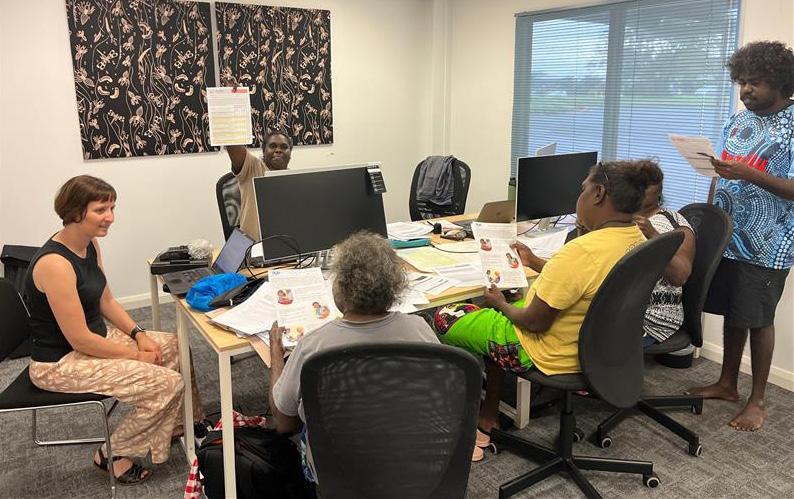

Phase one was to understand the developmental and well-being related outcomes of children with pOM that are of importance to to parents, caregivers, and key stakeholders. We focused on building strong foundations— establishing relationships and partnerships with communities and organisations and forming an Aboriginal and Torres Strait Islander Research Leadership Group to provide cultural governance and oversight. This leadership group provides cultural oversight to help ensure our work aligns with local community protocols and priorities and with ethical research principles. Next, we worked with families, health workers, and early educators to clarify which outcomes matter most for children experiencing ear and hearing problems and to understand which tools and resources already exist. Across the evidence and community input, we identified five priority outcome areas that reflect the whole child: ear health; hearing; listening, speech, and language development; and how care is delivered—including access, satisfaction, and families feeling informed and empowered.
Phase two was to understand the current available tools and the gaps required to address. We mapped existing measures and resources and found a key gap: while some tools were designed specifically with Aboriginal and Torres Strait Islander communities in mind, many commonly used measures of language, hearing and listening, and quality of life have not been adapted to be culturally and linguistically appropriate or easy to use in diverse community contexts.
Now, we are turning that insight into action. The final phase three of this project is focusing on co-developing and iterating culturally appropriate tools so that project will not only deliver new insights but also result in tools that are ready to be implemented and scaled to support more communities. We have been working with partner communities to co-develop, adapt and refine tools and resources so that they are linguistically and culturally appropriate and can be clearly understood and genuinely helpful for families and services. In NSW, community consultation has focused closely on the language used in tools and supporting materials, leading to wording changes that better reflect how families talk about children’s hearing, communication, and wellbeing. Measures covering language development, hearing and listening, and quality-of-life outcomes have been strengthened through community-informed revisions and trialled in practice. In NSW, 69 parents of Aboriginal and Torres Strait Islander children participated in trialling the tools to help us understand the feasibility and usefulness. Work continues in the NT through further community-led adaptation, translation into local languages, and audio versions of tools to reflect local priorities. Ultimately, we aim to deliver community-informed tools and resources that can be used confidently—and a scalable model for respectful adaptation that can support other Aboriginal and Torres Strait Islander communities across Australia.
Vicky Zhang - Senior Research Audiologist
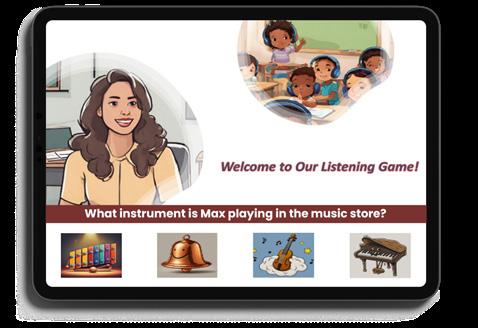
Many children with mild or one-sided hearing loss appear to hear well in quiet environments, yet they often struggle to follow conversations in noisy settings like classrooms and playgrounds. These difficulties may lead to delayed identification, inconsistent management, and reduced access to support during a critical period for language, learning and social development. Current available clinical tests are often not sensitive enough to detect children’s functional listening difficulties in real-world settings. This creates a gap where children may show similar speech performance to their normal-hearing peers on standard hearing and speech tests, making it particularly difficult for clinicians to identify those who experience significant listening difficulties in noise. To support clinical decision-making during school entry, this study aimed to develop a test to identify listening difficulties.
To address this gap, the project began with a needs assessment discovery phase involving paediatric audiologists, who identified listening comprehension in noise as the most primary unmet clinical need at school entry. Guided by this insight, the team developed a Minimal Viable Product (MVP) and iterated with speech therapists, audiologists, school teachers to refine based on user input. The process resulted in a scenario-based and web-delivered listening comprehension (LC) test to measure how children understand short spoken passages in realistic acoustic conditions, including both quiet (LC-Q) and noisy environments (LC-N) with reverberation. To evaluate the LC test, 95 children aged 4–6 years, including children with normal hearing, unilateral hearing loss, and mild bilateral hearing loss, participated in a validation study. Results were compared with current standardised tests, such as word perception in noise test and sentence comprehension in quiet test.
The LC test was found to be valid, effective, and suitable for young children. It successfully identified differences in listening comprehension performance between children with and without hearing loss, even in cases where standard tests failed to detect difficulties. Specifically, LC-Q showed a twofold improvement in sensitivity and specificity compared to the sentence comprehension in quiet test and achieved a near 30% improvement in specificity compared to standard word perception in noise test while maintaining high sensitivity. In addition, the assessment performed equally well when administered in clinics or remotely at home, offering flexibility for both clinicians and families. Feedback from parents and clinicians confirmed that the assessment was engaging, easy to use, and developmentally appropriate. These findings establish a strong foundation for future clinical trials to validate the test in children with different degrees and types of hearing loss. Future research will also focus on evaluating the test’s sensitivity in measuring the functional benefits of device fitting.
This new listening comprehension test has the potential to provide valuable insight into children’s real-world listening abilities, particularly when concerns raised by parents or teachers were not explained by traditional assessments. This will ultimately support earlier identification, more consistent clinical decision-making, and clearer communication with families and educators in clinical practice to help children receive timely, evidence-based support as they transition to primary school.
Identifying children who struggle to listen in noise environments has long been a challenge in paediatric hearing care, especially for those preparing for school entry. This newly developed listening comprehension test measures how children understand spoken information in both quiet and realistic noise environments. It may provide clinicians with additional insight into children’s functional listening abilities beyond traditional assessments.”
– Vicky Zhang - Senior Research Audiologist

Bettina Turnbull - Senior Innovation Audiologist
Hearing loss remains under-treated globally, particularly among adults with perceived mild-to-moderate difficulty who do not self-identify as hearing aid candidates. Stigma, cost, limited access to hearing healthcare professionals, and uncertainty about real-world benefit continue to delay help-seeking and limit uptake.
At the same time, the market is rapidly evolving. New categories of hearing support such as over-the-counter devices are entering the ecosystem, often positioned at the intersection of consumer electronics retail and audiology. These devices have the potential to engage previously unreached populations, but they also raise important clinical questions about performance in the real-world. For potential consumers and clinicians, independent, practice-relevant data are critical to determining where such technologies sit within the broader continuum of hearing care.
NAL partnered with EssilorLuxottica to design and conduct a controlled clinical trial of the Nuance Audio glasses, a novel hearing device integrating open-ear air-conduction amplification and directional microphones into a conventional eyewear form factor.
The study included 20 adults over the age of 18 years (13 male, 7 female) with perceived mild to moderate hearing loss. The study investigated speech in noise performance and preference for aided listening for five acoustic environments, including quiet room, office, outside park, near traffic and in a cafeteria. Participants were asked to rate their preferences during simulations of these environments in the lab, as well as during guided walks in the real world using the NAL Ecological Momentary Assessment (EMA) technology.
As the boundaries of hearing care expand beyond traditional devices, independent, clinically rigorous evaluation becomes essential, so that new categories of technology can be confidently integrated into clinical care.” – Bettina Turnbull - Senior Innovation Audiologist
The clinical trial confirmed that the Nuance device delivered a clinically meaningful SNR benefit of 3.5 dB under controlled laboratory conditions using an adaptive BKB sentence protocol delivered at 0 degree azimuth in diffuse multi-talker babble from four surrounding speakers. Additionally, participants consistently preferred aided listening in simulated and real-world settings, especially in noisy social situations.
Participants reported noticeable improvements for 90% of primary goals identified, most notably for speech understanding in noise. In addition, Client-Oriented Scale of Improvement scores suggests that Nuance Audio Glasses are addressing the everyday challenges of people with perceived mild to moderate hearing loss.
In summary, these results demonstrate that the Nuance Audio Glasses and the companion App are a practical, effective, and user-friendly OTC solution for individuals seeking to enhance everyday communication in acoustically challenging environments. NAL’s clinical trial capability enables us to partner with industry while remaining evidence-led.
Partnering with the NAL has been a truly outstanding experience for us at EssilorLuxottica. What makes these results especially meaningful is that they extend beyond strong lab performance into realworld benefit and user preference. We are grateful for NAL’s rigorous and forwardthinking approach to advancing hearing care for a broader population — including those who have traditionally remained outside the hearing aid category”–
Tami Harel - Chief of Audiology, Nuance Audio, EssilorLuxottica
David Meng - Senior Research Engineer
Hearing aids and related technologies are increasingly effective at restoring audibility, yet many users still describe listening as hard work. Long conversations, concentrating in background noise, and adapting to changing environments can leave people mentally drained, even when devices are performing well. Listening effort and the fatigue that builds across the day remain among the most common and frustrating concerns for people who use hearing aids.
These experiences matter because they capture a side of hearing that standard clinical tests often miss. They can affect participation at work, social engagement, and family life. They also shape whether people feel their hearing devices are genuinely helping in day-to-day situations.
Despite this, we still lack a reliable and practical way to measure listening effort and fatigue objectively in daily life. Most evidence comes from brief clinic sessions or retrospective self-reports, which can miss moment-tomoment changes. Another complication is that measuring the sound environment alone is not enough: the same place can feel manageable or exhausting depending on what someone is doing, how engaged they are, how stressed or tired they feel, and how well they slept. Any useful measure must capture both the environment and the “person side” of listening.
To better capture what happens in real life, we explored using an Apple Watch to collect information related to listening effort and fatigue. We recruited 46 adults with mild-to-moderate hearing loss: 23 people who used bilateral hearing aids and 23 who did not use any hearing devices. They took part in a field study for about 10 days while continuing their usual routines.
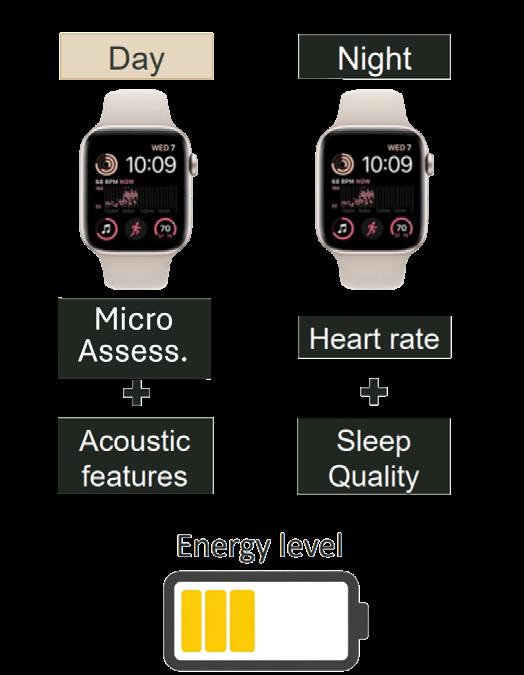
Participants used a low-burden micro-assessment on the watch to record quick check-ins whenever they found themselves in a challenging listening situation. Around each check-in, the watch also recorded basic features of the sound environment (for example, overall sound level) without storing raw audio. On average, participants completed about three check-ins per day.
Because participants wore the watch day and night, we could also collect information such as heart rate, heart rate variability, and sleep in the background. This allowed us to relate people’s self-reported listening effort and end-of-day fatigue to both the sound environment and physiological signals, without asking people to complete lengthy questionnaires.

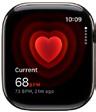
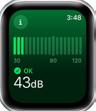
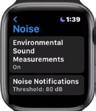
Even with the usual challenges of real-world data, our approach showed promising early performance. Using wearable data collected in daily life, we were able to identify times of high listening effort and high fatigue with accuracies of 68% and 76%, respectively. These findings suggest that useful indicators of effort and fatigue may be feasible using everyday wearable signals, but further validation is needed before they can be used routinely.
By uncovering insights that might otherwise stay hidden in everyday life, this approach has the potential to take hearing care beyond the clinic and deliver value for people with hearing loss and the industry that supports them. Researchers could compare hearing technologies based on real daily experience, not only laboratory tests. Clinicians could better understand when listening feels most demanding and how fatigue builds over time, supporting more personalised advice and adjustments. Over time, such measures could also inform hearing technologies that adapt more intelligently when listening becomes especially effortful or tiring.
We see clear potential to expand this work through larger, longer studies and to evaluate how wearable-based measures could be incorporated into hearing care and next-generation hearing technologies. NAL actively seeks academic, industry and clinical partners who want to translate evidence into practice, offering a clear pathway from study design to real world validation and implementation. Together, we can move this work from promising findings to practical impact for people with hearing difficulties.
Viji Easwar - Head of Paediatric Hearing Research
Neural measures expand our understanding of how sound is processed and can reveal influential covert factors that are not evident from behaviour alone. This is especially critical in paediatrics, where the period when intervention can make the greatest difference often coincides with limited or unreliable behavioural responses. This underscores the need for objective tools, often incorporating neural measures, to guide timely, informed decisions.
Over the past several decades, paediatric audiology has benefited immensely from electroencephalography (EEG) and auditory evoked potentials. These tools have lowered the age at which hearing loss can be diagnosed, enabled objective measurement of hearing-aid benefit, and supported tracking of auditory development and changes in developmental trajectories associated with hearing loss and hearing-device use. More recently, functional nearinfrared spectroscopy (fNIRS) has gained momentum as a complementary neuroimaging tool for use with infants and children. fNIRS uses near-infrared light to measure localised changes in oxygenated and deoxygenated haemoglobin, which provide an index of cortical activity. Because it is quiet, reasonably tolerant to movement, and largely free from the electrical artefacts that plague EEG measurements in cochlear implant users, fNIRS is well positioned to assess cortical processing of sound and speech in diverse cohorts. It also enables investigations of speech understanding and communication in more naturalistic and socially interactive contexts, improving ecological validity.
fNIRS is an exciting new tool in our toolbox that complements behavioural measures and may help us better understand the brain processes shaping listening and developmental outcomes in children with hearing loss.” – Viji Easwar - Head of Paediatric Hearing Research
In our recent work, fNIRS helped identify neural contributors to speech-understanding difficulties in noise in children with bilateral mild hearing loss. Specifically, we found that stronger neural sensitivity to spectro-temporal changes in temporal cortex was associated with better speech recognition in noise, with and without hearing aids. While sensitivity to spectro-temporal fluctuations is widely recognised as important for speech-in-noise understanding—primarily based on adult studies—our findings provide evidence in children that individual differences in speech-in-noise performance may reflect, at least in part, differences in neural encoding of these cues. In addition to demonstrating this association, our results also suggest that amplification with hearing aids can improve neural sensitivity to these speech-relevant cues.
Building on this foundation, we are investigating whether fNIRS can explain variability in language processing and provide markers of device benefit beyond audibility and speech clarity. It is well established, including in our own work, that children’s language development depends not only on hearing ability but also on the quality of the linguistic environment. In fact, among children with unilateral hearing loss, the linguistic environment explains more variability in outcomes than device use alone. Our investigation will include hyperscanning—an approach that evaluates synchrony between the brains of two interacting individuals—to better understand how hearing loss, the use of hearing technologies (hearing aids or cochlear implants), social engagement, and the acoustic environment shape developmental outcomes in children.
Together, this research aims to use neural measures to identify sources of variability in outcomes among children with hearing loss, and to use these results to guide efforts in improving device technology, fitting and use for the best possible outcomes.
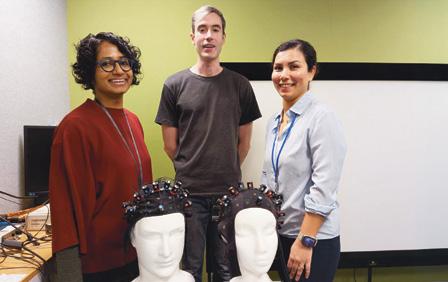
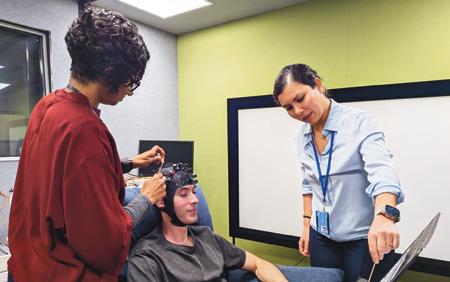
Megan Gilliver - Research Scientist
A persistent challenge in hearing healthcare is delayed help-seeking among individuals who may benefit from support. A research team working within the Sonova–NAL alliance conducted a series of studies to examine how messages informed by behavioural science might influence people’s intentions and actions related to hearing help-seeking. This year, we present a case study that explored responses to messages highlighting the relationship between hearing and cognitive health.
Two cognition-focused messages were developed using different framing strategies. One emphasised potential benefits (gain framing; e.g., “Support your cognitive health by getting a hearing check”), while the other emphasised potential risks associated with inaction (loss framing; e.g., “Don’t risk your cognitive health by delaying a hearing check”). The effectiveness of these gain- and loss-framed messages was assessed and compared with a third control message focused on hearing health without reference to cognition.
Two studies were conducted with older adults. The first study used a survey design to assess the impact of the messages on hearing help-seeking intentions. The second study used Facebook advertising to examine whether the messages influenced real-world behaviour.
In the first study, findings revealed an interesting contrast between participants’ actual behavioural intentions and their perceived responsiveness to the messages. Participants who were randomly assigned to receive the cognitive loss-framed message were most likely to prioritise hearing follow-up, compared with those who received either the gain-framed cognition message or the control message. However, when participants were subsequently shown all three messages and asked to evaluate them, ratings showed that the same lossframed message was perceived to be the least likely to encourage help-seeking. These results have important implications for behavioural research and communication design. It is well established that stated intentions do not always translate into real-world behaviour. These results also highlight the role of context in shaping decision-making. Responses formed through reflective, analytical judgment may not align with responses made “in the moment” in situations, where decisions are often made quickly and with limited deliberation. There is value in understanding and considering such impacts when developing hearing health messaging.
In the second study, neither cognition-based message significantly outperformed the control in encouraging Facebook users to engage with hearing help-seeking. However, differences emerged when the gain- and loss-framed cognition messages were compared directly. Female users were more responsive to gain-framed messages, whereas male users were more responsive to loss-framed messages.
Collaborating with Megan Gilliver and her colleagues at NAL on the important issue of hearing help-seeking has been a deeply rewarding research experience. There is immense value in the application of behavioural insights to consider how we can better encourage people to engage with hearing decisions. This type of work can help us shape the development of more effective messaging techniques - allowing us to connect earlier and more constructively with people in their hearing health journey.”
– Gurjit Singh - Program manager of Audiologic and Psychological Research, Sonova
Overall, these findings indicate that message framing can influence hearing help-seeking although effects varied across population groups. While the evidence does not support replacing standard hearing health messages with cognition-based messages in broad public campaigns, cognition-based framing may be useful when appropriately targeted. The variability of results across these and other studies also point to the value of conducting future research in this space – including the impact of messaging on other hearing health behaviours, such as engagement with rehabilitation.
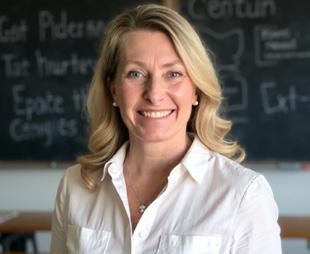
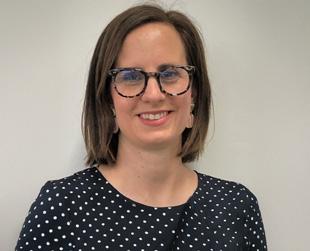
Bettina Turnbull, recipient of the Research Excellence Award, for her outstanding contributions to scientific advancement and innovation.
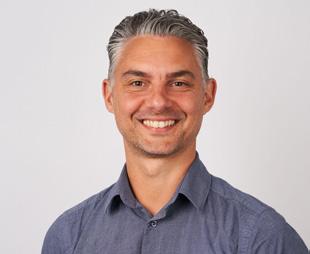
Jason Gavrilis, recipient of The Rising Star Award, for demonstrating exceptional promise and impact early in his career.
Kate
recipient of the Above and Beyond Award, for consistently delivering work that exceeds expectations and exemplifies dedication.
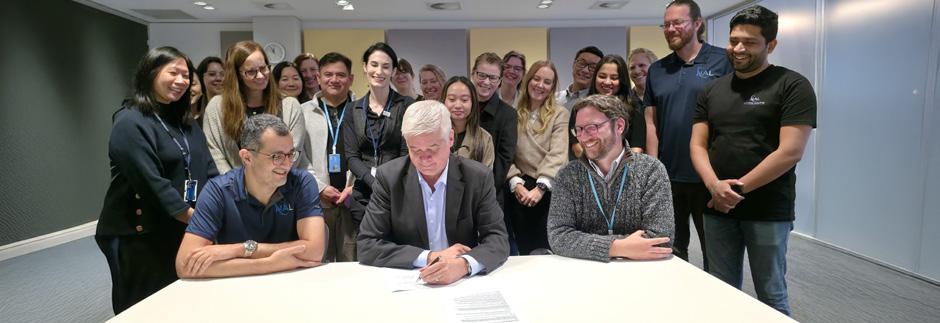
Catherine Kwok
Hearing and vision are essential for social connection and healthy ageing. Evidence increasingly links sensory loss with poorer social and cognitive outcomes, but the mechanisms connecting sensory change and brain health are still not well understood, limiting our ability to identify risk early and to target support effectively.
NAL has partnered with the UNSW School of Optometry and Vision Science (Faculty of Medicine and Health) in a “vision and hearing add-on study” in the Memory and Ageing Study 2 (MAS2) which is one of Australia’s largest longitudinal studies of ageing and cognitive health. Working with older Australians aged 70–90 years, we are examining hearing and vision alongside MAS2’s cognitive ageing measures. NAL leads the hearing component, combining clinical audiology testing with patient-reported measures that capture real-world listening challenges, fatigue, social participation, and empowerment in hearing healthcare.
Analyses are underway to clarify how hearing health relates to social wellbeing and cognitive outcomes. The project is also strengthening clinical measurement by evaluating the reliability of key questionnaires used in hearing healthcare, and it has supported scoping for future collaboration on dual sensory loss.
This dual sensory partnership study is a multidisciplinary push to help identify signs of cognitive decline earlier, improve our current understanding of how changes in hearing and vision may increase dementia risk, so eye and hearing care can be better targeted, and encourage geriatricians to consider hearing and vision testing as part of dementia diagnosis and care.
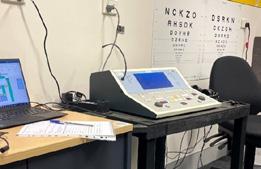
In high-risk professions such as emergency services, hearing is essential for clear communication, hazard awareness and rapid response to critical sound cues. The question is, can hearing aids remain safe and effective in demanding operational conditions where standard protective equipment and communication systems are used.
Through partnership with a major emergency service organisation, NAL conducted controlled laboratory evaluation of how sound access and spatial awareness may be affected when wearing required protective hear. NAL’s findings confirmed that, with appropriate selection of form factor (specifically in the canal models) and configuration (specifically using features and settings that maximise situational awareness and minimises the suppression of environmental sounds), hearing aids can remain practical and beneficial even in complex environments where helmets, protective clothing, and radio systems are required.
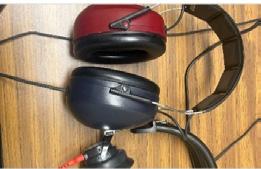
This evidence provided the partner organisation with practical guidance to inform workforce policy and ensure operational roles can remain accessible to personnel with hearing needs. This work demonstrated NAL’s broader capability to translate hearing research into insights that supports safer workplaces, inclusive practices, and the use of technology solutions for hearing health across diverse global settings.

With the launch of the NAL–NL3 Fitting System in 2025, one of our major areas of focus in 2026 will be to support the roll-out and adoption of this important exciting new suite of solutions for personalising the fitting of hearing aids.
We expect to see software releases from major hearing aid manufacturers and diagnostic equipment manufacturers during 2026 that will provide clinicians access to the new NAL–NL3 Prescription and NAL–NL3 Modules for Comfort in Noise and Minimal Hearing Loss. We also look forward to the publication of a special issue in the International Journal of Audiology dedicated to the research behind this innovative new fitting system. Finally, we will begin work to understand the next most important unmet need when it comes to hearing aid fitting and initiate research on developing the next NAL–NL3 Module as part of our commitment to improving and expanding the NAL–NL3 Fitting System over time.
This year, we will also publish results on two very important studies on the benefits of hearing devices. Our “sub-clinical hearing difficulties” study has seen adults with selfreported hearing difficulties fitted with hearing aids using the NAL–NL3 Minimal Hearing Loss Module here at NAL, at the Ear Sciences Institute Australia, and at the University of Queensland. A key question the results will address is whether there are any measures or tests that audiologists already have access to in their clinics that could help them identify which individuals are most likely to perceive benefit from hearing aids. The other key study has involved providing adults with self-reported hearing difficulties from around Australia access to Apple Airpods Pro 2 that can act as hearing aids. The results of this study will provide insights into when, where, and how people use this capability of these consumer devices and help us to understand how and why people benefit from their use.

In 2026, we will push hearing healthcare toward tools that are more inclusive, more data-driven, and more practical in the clinic and in the real world. We are moving from “better algorithms” to “better outcomes,” by linking evaluation, diagnosis, fitting support, and follow-up into one coherent pathway. We will deliver major validation milestones for our language-independent speech-in-noise assessments and expand real-world monitoring using everyday mobile and wearable data to understand effort, stress, and fatigue. We will strengthen our capability to independently evaluate emerging hearing technologies (including consumer earbuds with hearing features) and translate findings into clear guidance for clinicians, industry, and the public. We will also grow collaborations across academia, cloud and technology partners, and hearing device manufacturers to scale these tools responsibly. Our aim is simple: make better hearing care accessible to more people, and make clinical decisions more consistent, explainable, and patient-centred.

In 2026, our pediatrics program will take a major leap in objective hearing measurement by adding functional near-infrared spectroscopy (fNIRS) to our toolkit.
This is particularly exciting because fNIRS allows us to study overt and covert communication behaviour in real time—capturing how children listen, process, and respond “as it happens.” Building on our recent success using EEG responses to continuous speech to quantify hearingaid benefit in babies, we will define the pathway for clinical translation and the steps needed to move this technology into routine care.
We look forward to completing the translation and co-adaptation of language, everyday listening, and quality-of-life measures for two Aboriginal and Torres Strait Islander communities, alongside co-development of ear health resources to improve accessibility in culturally preferred formats. In parallel, we remain committed to better understand device benefits, including bone conduction options, and the long-term impact of early intervention for children with bilateral and unilateral hearing loss. Lastly, with industry partnership, we are excited to design and assess the viability of an app-based solution that supports families between appointments—reducing observation and recall burden while empowering parents to monitor progress with confidence

A major focus for 2026 will be to strengthen NAL’s innovation pipeline so more ideas move from insights to evidence-based innovations with and through our partners. We will expand our Innovation Centre model across multiple sites to test ideas in operating clinics earlier, learn faster, and develop solutions ready for real-world uptake. As new startups and hearing technologies emerge, we will work with innovators to generate evidence and practical insights that the broader hearing industry can trust and apply. Together, these efforts will help NAL bring forward more solutions and services that meet emerging needs in hearing healthcare.
In 2026, the clinical launch of NAL–NL3 coincides with 50 years since NAL released its first hearing aid fitting prescription in 1976, creating a rare moment to celebrate research translation and real-world impact as part of Australia’s research innovation legacy. NAL will publish and present evidence behind the evolution and revolution of NAL–NL3 Fitting System widely, and support hearing healthcare partners to bring NAL–NL3 into every audiology clinic around the world.

In 2026, we expect NAL’s commercialisation and translational impact to continue to grow.
Uptake of the NAL–NL3 Fitting System will be a key milestone, alongside several other innovations progressing from research into clinical use. We also anticipate a strong year for partnerships and collaboration, strengthening our relationships across the hearing healthcare industry and expanding into new collaborations with consumer technology companies.
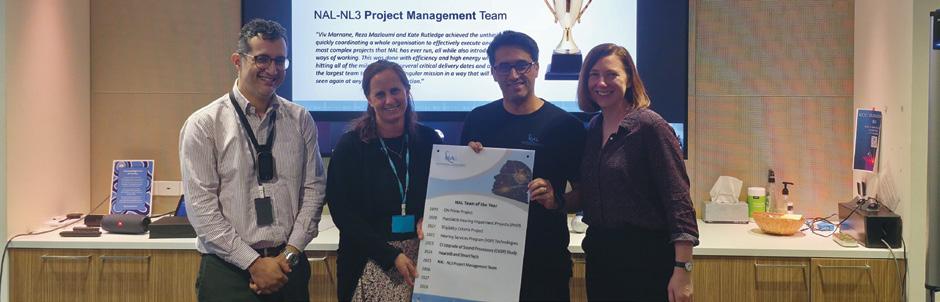
NAL’s PMO is playing a pivotal role in transforming NAL into a more agile organisation. Nowhere is this more evident than in the way the team successfully pivoted to rapidly deliver NAL–NL3 without compromising other critical initiatives. In 2026, we will continue embedding new ways of working that enable us to deliver our mission with even greater speed and efficiency. This is just one of the many ways our Operations team brings together the moving parts that ensure NAL continues to deliver world-leading solutions for clinicians, partners, and, most importantly, people with hearing loss.
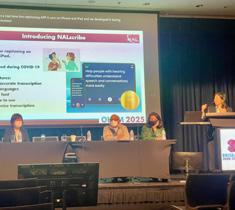
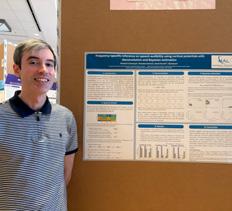
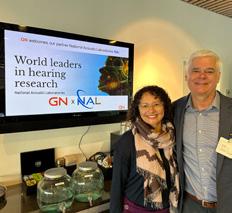
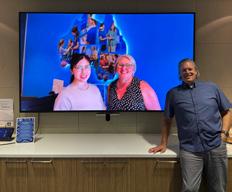
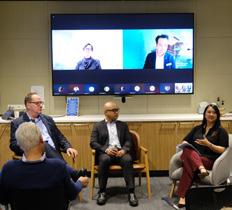
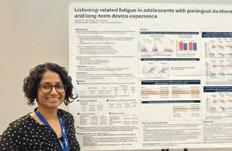
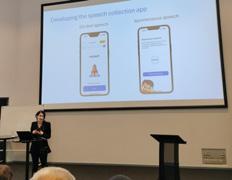
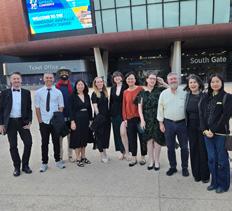
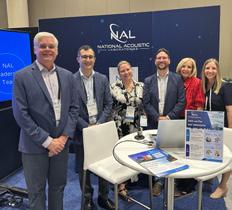
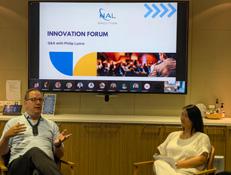

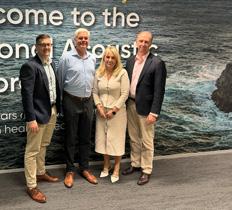
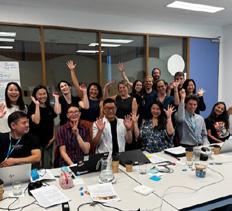
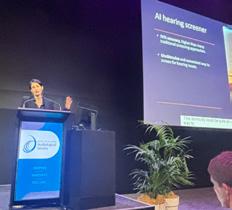
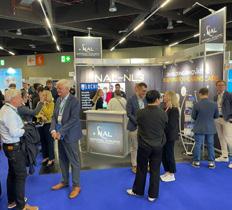
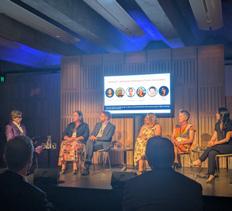
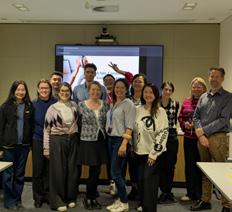
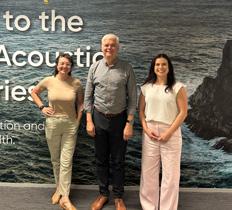
Our global network of collaborators enables translational outcomes and allows us to pursue our mission of improving hearing health and transforming the lives of people with hearing difficulties.
Colleagues











Expressions Audiology
Acute Hearing
Hills Audiology