KEYASSETS
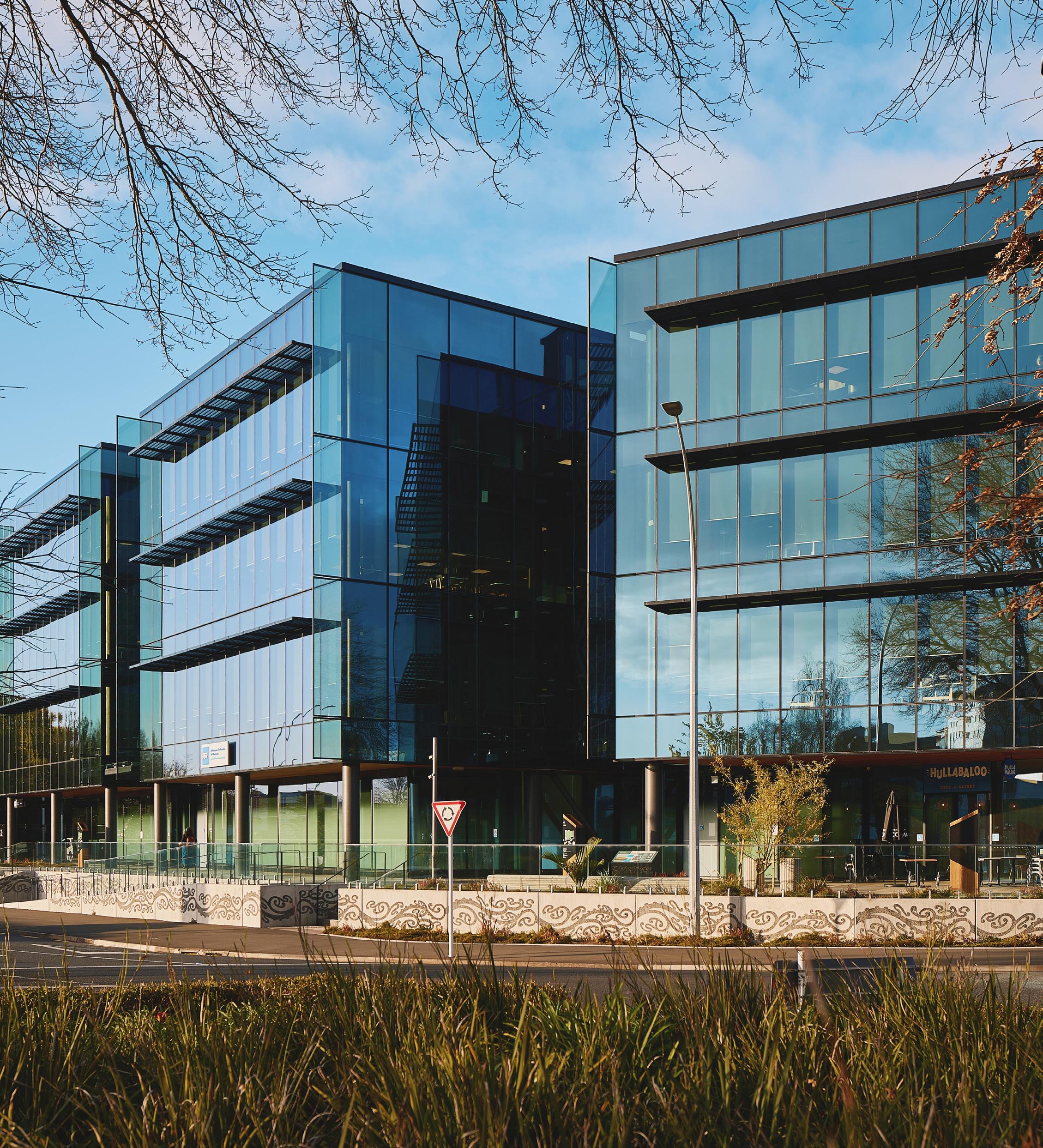


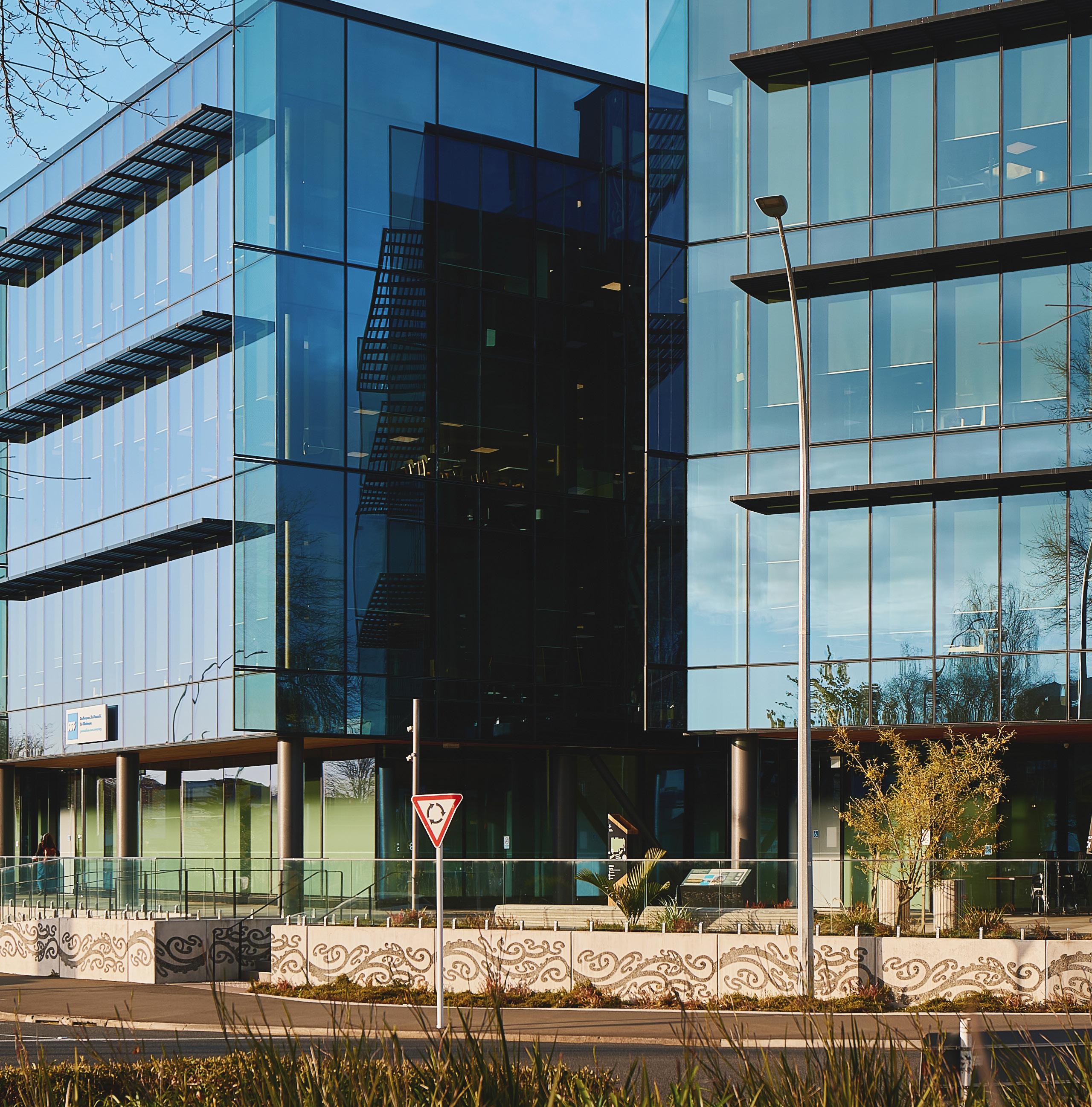
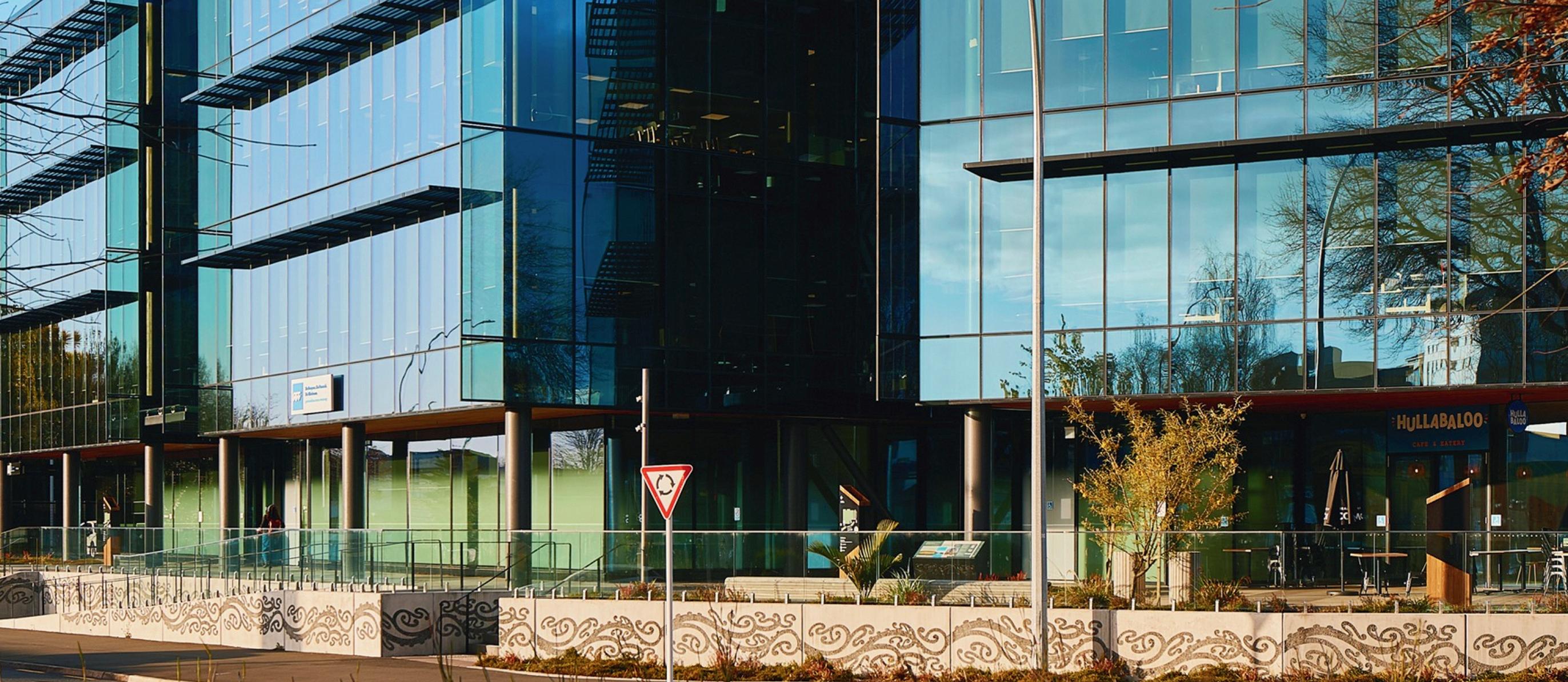
Hamilton CBD
Mark Hamilton Photography
Welcome to the Spring 2025 edition of the NAI Harcourts Key Assets eBook.
After several challenging years, the New Zealand commercial property market is finally turning a corner. The low point of 2023 is behind us, and momentum has been steadily building through 2024 and into 2025. Easing interest rates, stabilising inflation, and growing investor confidence are creating an environment that feels far more positive for both occupiers and investors.
Transaction volumes are rising, and industrial property continues to lead the way. In fact, industrial sales made up nearly 59 per cent of all commercial transactions in 2024, and that strength has carried through into this year. Investors are clearly drawn to sectors that offer resilience and strong returns, and industrial remains the standout performer.
Vacancy trends tell an interesting story. Auckland’s CBD office vacancy reached 18.8 per cent in mid2025, driven by tenant movements and new supply. Yet prime grade office space is still in demand, while older stock faces more pressure. Meanwhile, industrial vacancy rates are among the lowest globally, sitting at just 1.6 per cent in Auckland and 1.7 per cent in Christchurch. This highlights the strength of the industrial sector.
Across the board, performance varies by sector. Industrial continues to outperform, supported by logistics and e-commerce demand, with prime yields in Auckland averaging around 5.25 per cent.

Offices are seeing a flight to quality, as businesses prioritise modern, sustainable spaces. Even retail is showing signs of recovery as consumer confidence stabilises, with large format retail and supermarkets attracting investor interest.
What is driving this renewed confidence? Lower borrowing costs and supportive government policies are encouraging capital inflows, including foreign investment. Sustainability and ESG considerations are shaping development strategies, while high replacement costs for new builds are reinforcing the value of existing assets. Looking ahead, the fundamentals point to a positive trajectory with firming yields, improving liquidity, and expectations of double-digit total returns by 2026.
The market is moving and so should you. Strategic decisions made today can unlock significant longterm value. Do not wait for the next cycle. Make your investment now. Explore the properties featured in this e-book and secure your position in New Zealand’s commercial property resurgence.
Warm regards,
Bryan Thomson Managing Director, Harcourts New Zealand



Commercial property decisions don’t start and finish on listing portals. Many future purchasers first encounter an opportunity while reading business news on their phone, checking LinkedIn between meetings, or researching supply-chain questions on YouTube. That’s where modern, privacy safe AI can complement traditional marketing and widen the pool of qualified buyers.
From “on-market” to “addressable” audiences
Portals and print are excellent at reaching people who are already looking. AI adds a second layer: it identifies individuals and businesses whose recent behaviours suggest a relevant need even if they haven’t begun an active search. For Central North Island assets, that might include logistics managers comparing last-mile routes near SH1, franchise operators exploring new territories, or clinicians reading about regional health investment—signals that often generate enquiry.
How targeting actually works (in plain English)
AI systems analyse anonymised patterns such as content consumption, search intent, and nai.harcourts.net/nz/key-assets
engagement with sector topics. Those signals are matched to the specifics of a property use type, floor area, power supply, yard ratio, lease profile, price band, and geography. The result is a set of “addressable” audiences for platforms like LinkedIn, Meta, Google, and programmatic display. The aim isn’t to chase everyone; it’s to place the right message in front of the right people at a moment when it’s most useful.
AI is moving from an add-on to a leading source of buyer demand. By using privacy-safe signals across major platforms, it can identify and motivate qualified operators well before they begin an active search turning “out-of-market” prospects into first enquiries. Portals will continue to play an important role for discovery, validation, and comparison; however, over time, a larger share of high-quality enquiries is likely to originate off-portal via AI-led targeting.
To take your first steps on the AI marketing journey and to learn more about Social Plus, please reach out to: chantelle.sadowski@stuff.co.nz


Cofounder and CEO of Relab
In competitive markets, instinct gets you to the starting line. What wins the race is a system. I learned this before co-founding Relab, when I was invited to join one of New Zealand’s largest telecommunications companies to grow mobile market share in Auckland.
The mini case: mapping real behaviour, not just maps
From 2016–2018 I led a 20-person cross-functional team to tackle this challenge. We quickly learned that simply dividing “Auckland” into broad geographic regions wasn’t enough. We needed to go deeper, pinpoint submarkets with the greatest upside and focus effort and investment for a high ROI. After a six-month process analysing a vast amount of data, we identified 20+ submarkets across Auckland, each with distinct characteristics.
A few highlights: Albany was an emerging hub for new residents still commuting to the CBD; a sizeable East Auckland segment lived and worked locally; and the airport corridor was a hotspot for workers and travel flows. We redirected marketing spend and nai.harcourts.net/nz/key-assets
made bold store-location decisions. Our downtown flagship became one of the company’s largest channel capex investments. Within 18–24 months we saw a significant lift in mobile market share - an achievement I’m still proud of today.
At Relab our mission is to “democratise property intelligence, turning fragmented data into accessible, visual insights that level the playing field for every property professional”. Our journey began in 2020, offering a comprehensive property-data platform to investors and developers; in 2022 we pivoted to CMA and agency workflows. Fast-forward to today: one in three Kiwi agents are Relab customers.
In my view, data and insights will continue to play a huge role in New Zealand’s commercial real estate (CRE). Three trends to watch:
• Open data is expanding: As a signatory to the International Open Data Charter, the New Zealand Government maintains a progressive open-data policy that supports transparency, innovation, and economic growth. Expect more high-value datasets to become available to the public and private sectors.
• New signals are arriving: From mobile devices to LiDAR and image recognition, we’re enriching footfall, usage, and built-form context. At Blueprint (Las Vegas, Sep 2025) I watched Field AI run a Boston Dynamics unit to autonomously scan the show floor - robotic sensing moving from the lab to the job site, with clear applications for inspections and as-builts. (See photo below.)

• AI capability is compounding: Moore’s Law says compute doubles roughly every two years. METR’s 2025 study shows the length of tasks AI agents can reliably complete has been doubling about every seven months, nearly 3× faster. This gives rise to further automation of complex, repetitive workflows, increasing agencies’ productivity. (See chart below.)
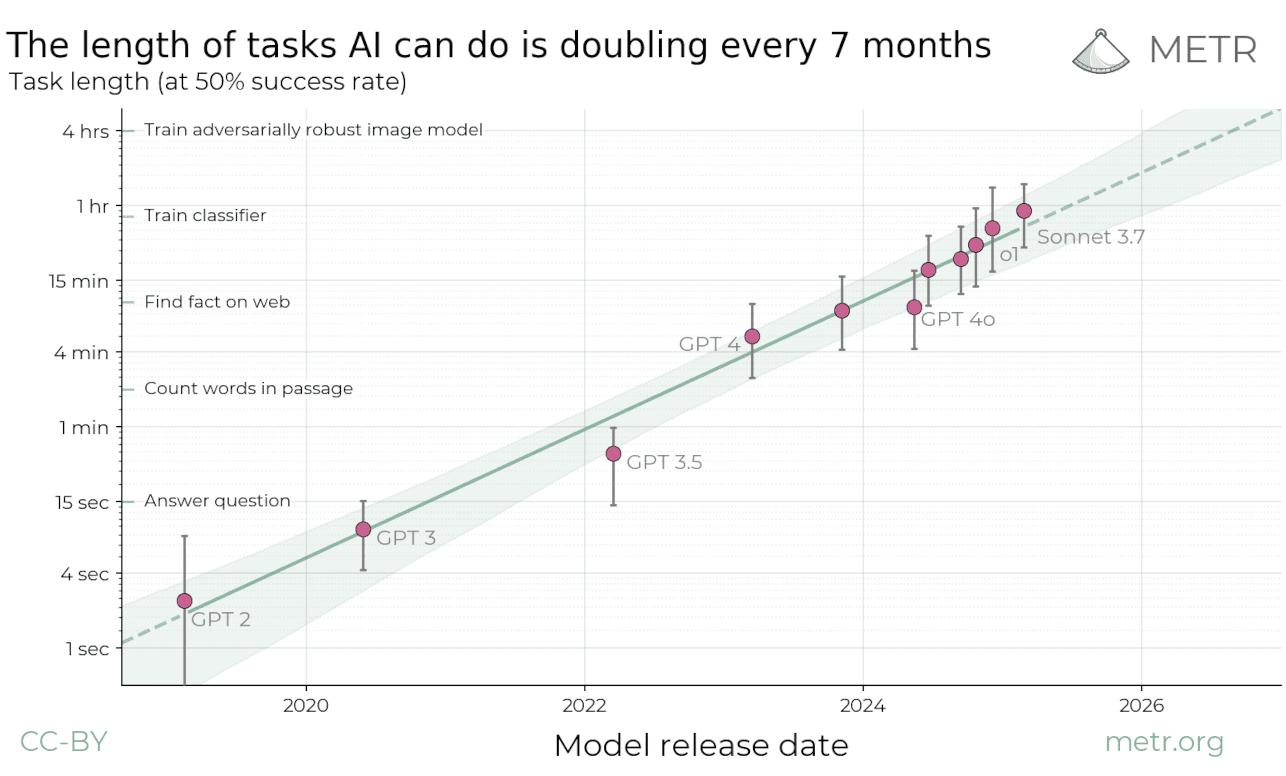
AI task-completion “time horizon” has doubled ~every seven months since 2019 (METR, Mar 2025).
“The true bottleneck lies in the bandwidth and latency of information flow… The core competitiveness of future companies will be an efficient, low-noise internal ‘information bus.’ The CEO becomes Chief Context Officer - building and maintaining that bus.” — Dify CEO, @goocarlos (recent X post)
R&D is at the heart of Relab. We’ve aligned our culture to our desire to innovate: a flat structure that empowers people without red tape; transparency and clarity on every project to minimise communication drag; and active cross-functional learning so no one is left behind in the age of AI. Our engineering cadence has shifted from fortnightly sprints two years ago to daily product releases today – enabling us to add value quickly and meet customer needs faster.
We’re a Kiwi start-up for Kiwi customers - small, nimble, and tuned to local reality. As a REINZ partner, we’ve built our track record with the residential sector, and we’re excited to collaborate with commercial real estate going forward. If you have property-data needs, or you’re exploring AI automation, let’s talk.
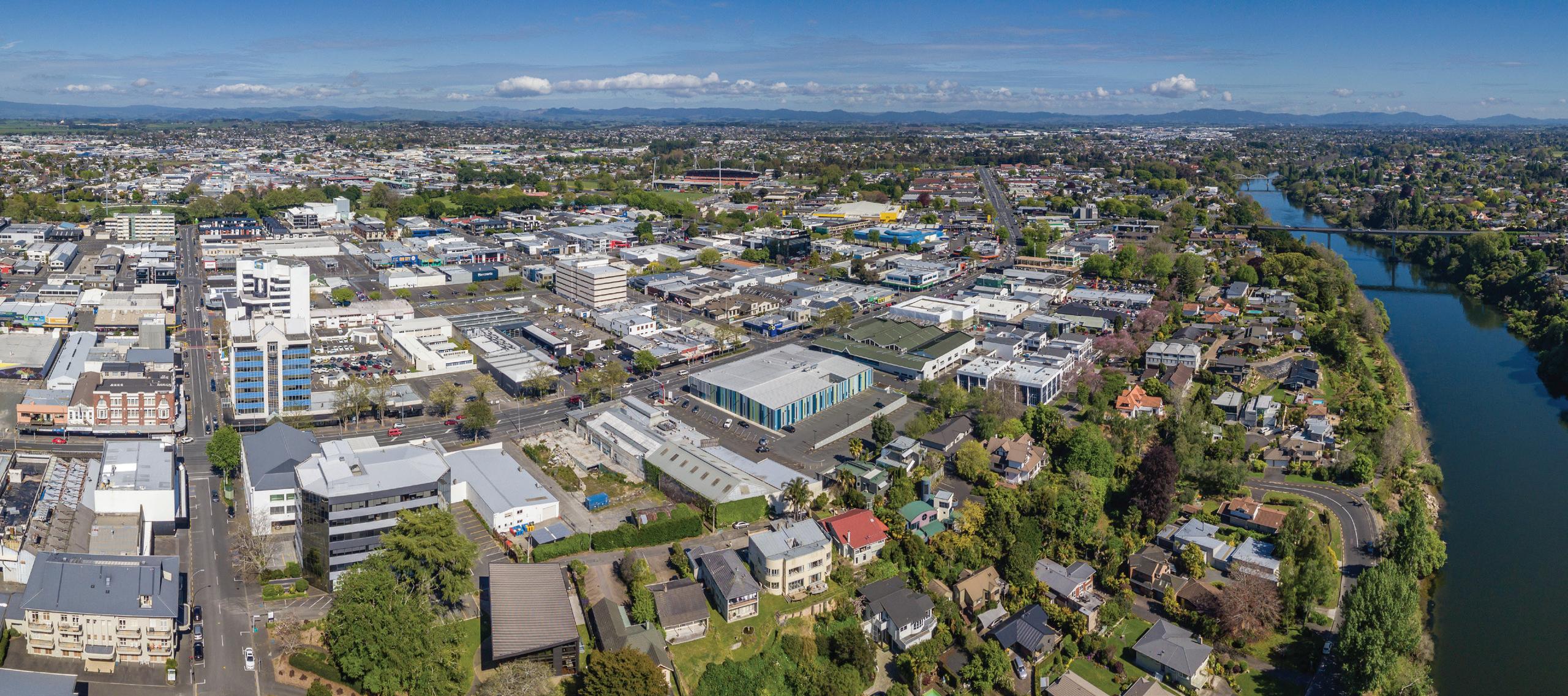
The Waikato region is quickly becoming one of New Zealand’s most exciting areas for commercial and industrial development. Anchored by Hamilton, this region sits at the heart of the country’s Golden Triangle, which includes Auckland and Tauranga. Together, these three cities generate about half of New Zealand’s GDP and handle more than half of the nation’s freight. With major transport upgrades like the Waikato Expressway and ongoing rail improvements, Waikato is now more connected than ever, making it a prime location for investment.
Hamilton is leading the charge. It is currently the fastest growing city in New Zealand, with a population increase of over 3% in the year to mid 2024. Most of this growth comes from migration, which is driving demand for housing, services and business opportunities. The city’s commercial centre is thriving, with major projects like the $100 million Pullman Hotel and the $70 million Waikato Regional Theatre set to open early 2026. These developments show strong confidence in Hamilton’s future.
Office space in the central business district is also in demand. Vacancy rates have dropped from 9% to just over 6% in the first half of 2025. Businesses are looking for modern, energy-efficient buildings in prime locations, and Hamilton is delivering. One standout project is Union Square, a $200 million mixed use precinct. The fourth of six buildings began construction in July 2025 and will be home to global companies like AECOM and Tetra Pak.
Hamilton’s growth is not limited to the city centre. Te Awa Lakes, a master planned community north of the city, is transforming a former quarry into a vibrant mix of homes, tourism attractions and commercial spaces. Once complete, it will offer over 1,800 homes and serve as a northern gateway to the city. To the south, the Peacocke subdivision is Hamilton’s largest urban expansion. It will eventually provide more than 8,100 homes, along with schools, parks and retail centres.
Healthcare is another area seeing major investment. The Knox Street Medical Development has grown from a small day surgery unit into a modern hospital complex. With four advanced operating theatres already in place, the next phase will add 6,000 square metres of medical space by 2028. This project
nai.harcourts.net/nz/key-assets
highlights Hamilton’s growing role as a centre for specialised healthcare.
One of the most ambitious developments is the Ruakura Superhub. Just four kilometres from the city centre, this 610 hectare precinct includes a 30 hectare inland port and over 260 hectares of industrial land. With direct access to both Auckland and Tauranga ports, Ruakura is set to become one of New Zealand’s largest logistics and commercial hubs.
Education is also getting a boost. In mid 2025, the government approved funding for the Waikato University Graduate Medical School. This $200 million initiative will train 120 new doctors each year starting in 2028. It will bring new investment, jobs and infrastructure to the region, while attracting further property development.
All of these projects are shaping Waikato’s commercial property market. Industrial land values are rising, and demand for office, retail and hospitality spaces is growing. Investors are taking note. With strong population growth, improved infrastructure and a diverse economy, Waikato offers stability and long term opportunity.
As Auckland faces rising costs and congestion, more businesses are looking to Hamilton for affordability, access to talent and better connectivity. With international flights returning to Hamilton Airport and major developments underway, Waikato is no longer just a regional player. It is becoming a national leader in urban, industrial and economic growth.
For commercial investors, Waikato is the place to watch. It offers a rare mix of momentum, opportunity and resilience.