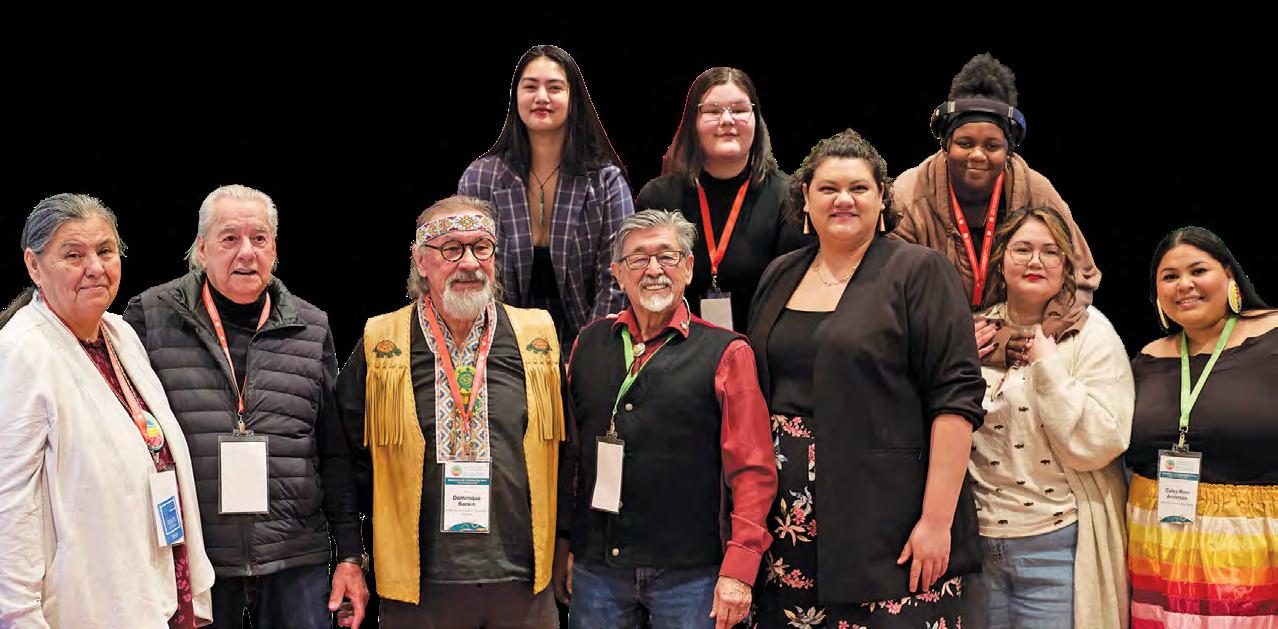
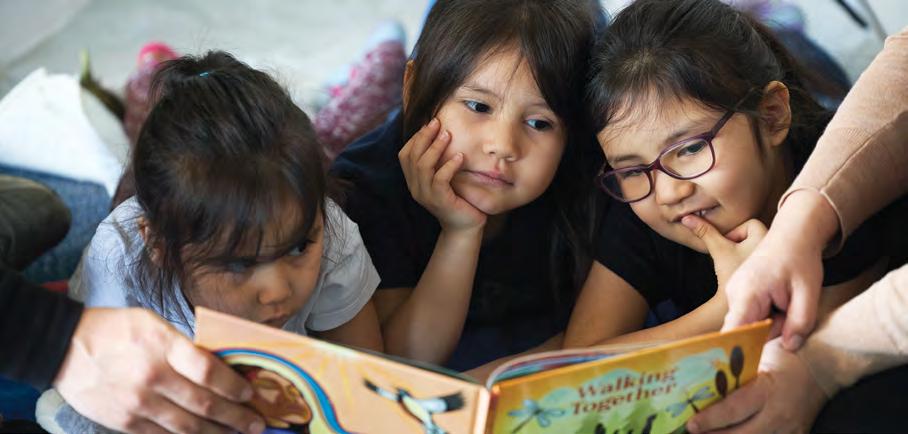
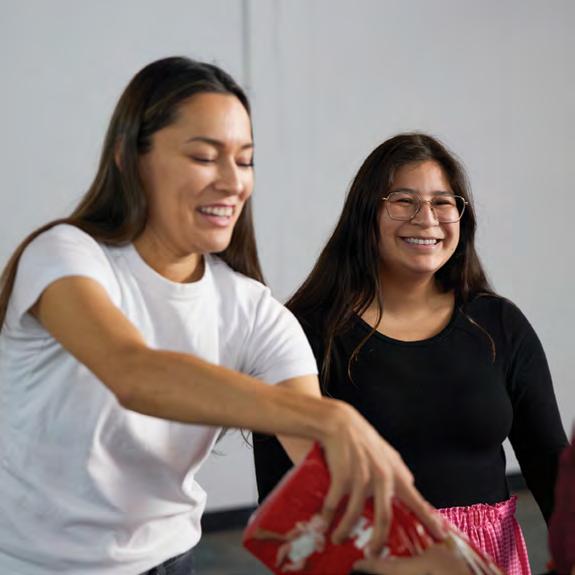
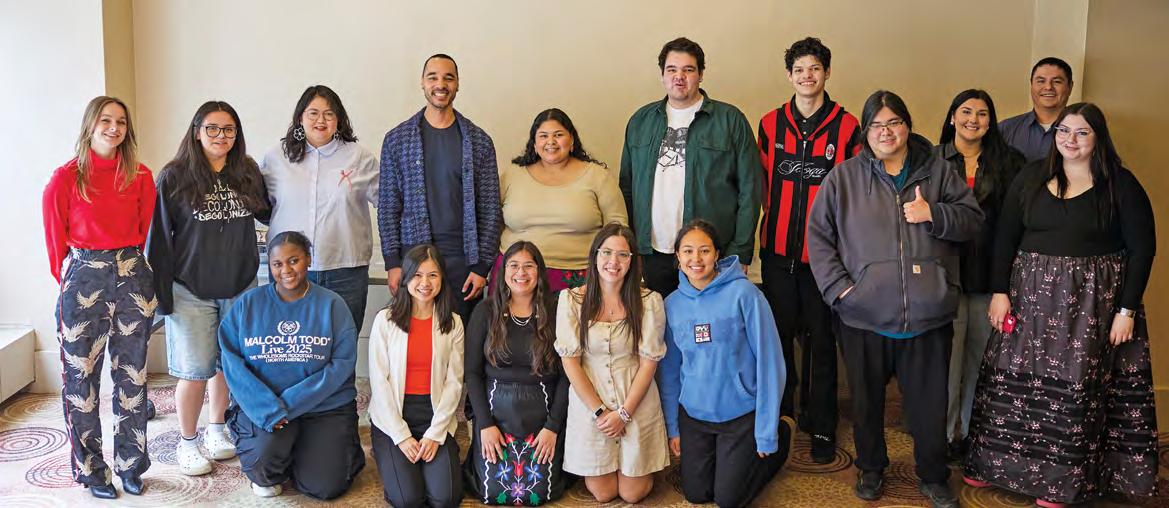
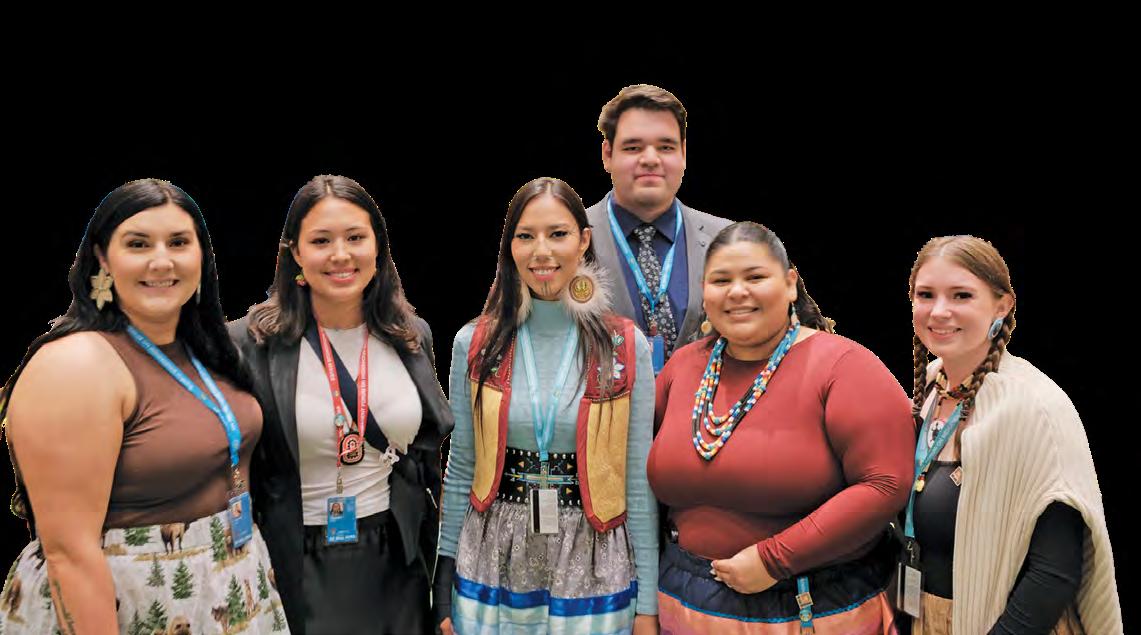
As the national body of the Friendship Centre Movement, the NAFC is democratically governed, status inclusive, and accountable to its membership.
The NAFC seeks:
• To be a central, unifying body for the Friendship Centre Movement.
• To promote and advocate the concerns of our member Friendship Centres and PTAs.
• To provide important urban Indigenous perspectives to municipal, provincial, and federal governments, and non-Indigenous civil society organizations.
For more than 50 years, the National Association of Friendship Centres (NAFC) has supported a network of over 100 Friendship Centres across Canada, delivering culturally relevant services to urban Indigenous communities. Friendship Centres support nearly one million Indigenous people each year through more than 2,600 programs, providing essential services including employment and training, childcare, health supports, housing, and cultural programming. With more than 3,100 staff and 10,300 volunteers, Friendship Centres are among the most significant Indigenous service delivery networks in the country.
Vision
Ascending to a future that remembers the past and is rooted in our cultures to improve the well-being of Indigenous people living in urban environments.
Mission
To support Friendship Centres and Provincial/ Territorial Associations in achieving their diverse missions and visions within their urban Indigenous communities.
The Urban Indigenous Population
The urban Indigenous population is young and rapidly growing. Today, urban Indigenous peoples make up approximately 70% of the Indigenous population in Canada. Indigenous peoples is one of the only growing populations, increasing by 9.4% in 2021, and is still the youngest population in Canada.
Urban Indigenous people are First Nations, Inuit and Métis people living in small, medium, and large communities, including rural, isolated, and remote communities, which are off-reserve; outside of their home community, community of origin or settlement; or outside of Inuit Nunangat (Inuit Homelands).
NAFC Strategic Plan
In 2019-2020, the NAFC Board of Directors led the development of a ten-year strategic plan as a major component of developing a new vision that advances the vital work of the FCM.
This plan affirms the NAFC’s goals for the next decade. The world can often be difficult and barrier-filled for Indigenous people living in urban and rural settings and the work of Friendship Centres has never been more necessary. With a renewed focus on our membership and the vitality and success of the FCM, the NAFC sees itself as the FCM’s fierce advocate, strong national partner, and a great amplifier of the work of the FCM.
Read the Strategic Plan: https://nafc.ca/about-the-nafc
Declaration of Strength and Unity
The Declaration of Strength and Unity conveys the uniting values of the Friendship Movement while affirming that these shared values unite Friendship Centres in the achievement of our shared visions and missions. The Membership of the National Association of Friendship Centres (NAFC) hereby makes the following declaration:
Unity
• We are strong and united as a Friendship Centre Movement (FCM) across Canada.
• While our visions and missions are unique and diverse, we share in our common vision and purpose of improving the quality of life for First Nations, Inuit and Métis people living in small, medium, large, rural, isolated, remote, and northern urban communities.
Strengths of the Movement
• We provide innovative solutions and responses to the unique needs of Indigenous peoples, from coast to coast to coast, who live in small, medium, large, rural, isolated, remote, and northern urban communities.
• We are community led and driven.
• We are a cooperative movement, driven by solidarity, communication, mutual respect, knowledge exchange and reciprocity.
Inclusion
• We are committed to ensuring full and meaningful participation of Indigenous people in all their diversity.
• We particularly seek to include and amplify the diverse perspectives and voices of Youth, Elders, Women, Men, 2SLGBTQQIA+, people with disabilities and neurodivergent people, in all planning and decision making processes within the Friendship Centre
Movement.
• We reaffirm and promote an equitable society to develop opportunity and respect for all people and living things, and the place of honour that they hold within our communities and the Friendship Centre Movement.
Governance
• We lead and govern our movement through democratic principles and seek to achieve consensus while respecting the diversity of Indigenous governance and decision-making systems.
• We support the leadership of the NAFC in advancing the interests of the Friendship Centre Movement across Canada.
• We foster an environment that allows for accountability and for all Friendship Centres to enjoy unrestricted participation in the development of the Movement’s priorities and initiatives.
Culture and Identity
• We promote the survival and growth of all Indigenous cultures, languages, and identities, both traditional and contemporary.
• We provide space for the expression and practice of Indigenous cultures, languages, and identities and encourage the transmission of knowledge and teachings between elders, adults, youth, and children.
Youth
• We create the conditions for Indigenous youth to achieve what they may envision for themselves.
• We support youth leadership and youth to have a voice in all aspects of the Friendship Centre Movement.
Message from the President
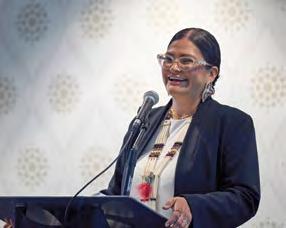
It is an honour to serve as President of the National Association of Friendship Centres during such a pivotal time for our Movement. Across the country, Friendship Centres continue to demonstrate extraordinary leadership, resilience, and innovation in responding to the evolving needs of urban Indigenous communities.
This year reaffirmed the strength and unity of the Friendship Centre Movement. From national gatherings focused on language revitalization and urban Indigenous health governance to international advocacy at the United Nations Permanent Forum on Indigenous Issues, our collective voice has been strong, coordinated, and grounded in community realities. Friendship Centres are trusted institutions, cultural anchors, and catalysts for change.
Throughout the year, NAFC worked to elevate urban Indigenous priorities at both national and international tables. Our advocacy efforts continue to emphasize the importance of culturally grounded services, equitable access to resources, and long-term investments that reflect the realities of Indigenous peoples living in urban spaces. As governments increasingly recognize the critical role of Friendship Centres, sustained and predictable funding remains essential to ensuring stability and growth across the Movement.
An important milestone was recently reached, with Indigenous Services Canada confirming a $168 million investment over five years to support Friendship Centres across the country. This commitment reflects sustained advocacy across the Friendship Centre Movement and recognizes the essential role Friendship Centres play in delivering culturally grounded programs and services in urban Indigenous communities, providing important stability for the work ahead.
Across the Friendship Centre Movement, our strength lies in both our stories and our data. Together, they form the foundation of effective advocacy, combining lived experience with credible evidence to demonstrate the full impact of Friendship Centres, inform policy and funding decisions, and advance sustainable investments in urban Indigenous communities.
Youth leadership remains central to our strength and future. The Indigenous Youth Council continues to demonstrate vision, courage, and commitment in representing urban Indigenous youth across the country and internationally. Their leadership reinforces the importance of intergenerational collaboration and ensures that youth perspectives inform the direction of our work.
This year also marked important moments of renewal and transition within NAFC’s governance. The Annual Meeting demonstrated collective leadership in action and reaffirmed the shared commitment of our members to transparency, accountability, and strategic growth. As new and returning leaders step into their roles, we do so with a clear mandate to strengthen the Friendship Centre Movement and advance Indigenous self-determination in urban contexts.
Friendship Centres remain steadfast. Every day, they provide essential programs, culturally safe spaces, and community-driven supports that strengthen families and improve outcomes for urban Indigenous peoples.
The dedication of Friendship Centre staff, volunteers, and leadership across the country continues to inspire confidence in the future of our Movement.
I extend my sincere gratitude to the Executive Committee, Board of Directors, Senate, Indigenous Youth Council, Provincial and Territorial Associations, and the leadership and staff of Friendship Centres nationwide. Your commitment, collaboration, and advocacy make this work possible.
Together, we will continue to build a strong, unified Movement that advances Indigenous rights, strengthens urban Indigenous communities, and creates lasting impact for generations to come.
Pamela Glode-Desrochers, President
Message from the Chief Executive Officer
Greetings, Aaniin, Boozhoo, Kwe, Tansi,
As I reflect on the past year, I recognize we have experienced significant change across the National Association of Friendship Centres (NAFC). With change comes an opportunity to pause, reflect, and strengthen the very foundations of how we work together. This is a time for NAFC to look closely at our structure and the ways we collectively organize ourselves in service to our membership across the Provincial and Territorial Organizations, Friendship Centres and community members from coast to coast to coast.
I am proud to step into the role of Chief Executive Officer during a time of continued growth and momentum for the Friendship Centre Movement. Across the country, Friendship Centres have demonstrated leadership, innovation, and an unwavering commitment to the urban Indigenous communities they serve. I also want to extend my heartfelt gratitude to our previous CEO, Jocelyn Formsma, whose leadership, dedication, and vision helped set a strong foundation for the work we are advancing today.
During my transition, I navigated our funding certainty as a key priority alongside the NAFC Board and Executive, The NAFC is pleased to share that Indigenous Services Canada and Minister Gull-Masty confirmed an investment of $168 million over five years to support Friendship Centres across Canada.
This multi-year commitment provides important stability for Friendship Centres and supports the continued delivery of essential, culturally grounded programs and services for Indigenous people living in urban communities.
The NAFC welcomes this announcement as a reflection of sustained advocacy efforts over the past three years. Provincial and Territorial Associations and Friendship Centres have played a key role by sharing the impacts of their work and community stories to help inform decision makers.
Friendship Centres represent one of the most significant Indigenous service delivery networks in the country. Your work strengthens communities, supports workforce participation, and contributes to safer and more inclusive outcomes for all. This fiveyear investment provides important stability and allows Friendship Centres to continue to deliver the lifesaving programs and services that Indigenous peoples rely on every day.
In 2025, NAFC focused on strengthening internal coordination, supporting national gatherings, and advancing key priorities identified by our membership. Our work centered on ensuring that advocacy efforts were informed by community realities, that youth leadership was meaningfully supported, and that governance processes remained strong and responsive. Behind every national engagement and forum was a coordinated effort to ensure that Friendship Centres were effectively represented and supported. This collective leadership continues to position Friendship Centres as trusted and essential community institutions.
The NAFC hosted a successful 3rd Urban Indigenous Summit, Paths Forward: Strengthening Urban Indigenous Futures. I would like to thank all our participants, partners, and sponsors who helped make this Summit such a tremendous success. Your insights, expertise, and stories continue to strengthen our shared path forward and support a brighter future for urban Indigenous people across the country. We look forward to hosting another Summit in 2027.
Throughout the year, we worked to ensure that national priorities translated into meaningful support for Friendship Centres on the ground. Through close collaboration with Provincial and Territorial Associations and Friendship Centre leadership, we strengthened alignment across the Friendship Centre Movement and reinforced a shared focus on impact, accountability, and service to community.
The NAFC was also proud to release is National Data Collection Strategy this year. As we strengthen our internal coordination and structure, we are also deepening our commitment to collecting data in ways that reflect our values. This includes data that is community-driven, meaningful, and used to inform better service delivery. By aligning strong evidence with powerful stories, we ensure that the national narrative about urban Indigenous realities is accurate, compelling, and rooted in community truth.
My vision for NAFC is a strong, unified, and sustainable Friendship Centre Movement, one that is recognized nationally as an essential social and economic infrastructure for Indigenous Peoples living in urban areas. Together, we will continue to strengthen our foundation and support the vital work taking place in urban Indigenous communities every day.
Chi-Miigwetch! Thank you!
Jennifer Rankin, Chief Executive Officer
Message from the President of the Indigenous Youth Council
As I reflect on the past year within the Friendship Centre Movement, I am filled with pride in the leadership and commitment demonstrated by urban Indigenous youth across the country. Serving as President of the Indigenous Youth Council is a meaningful opportunity to elevate youth voices and ensure that our perspectives are represented in national conversations that help shape our communities.
Throughout 2025, the Indigenous Youth Council (IYC) worked hard to advance youth priorities at both national and international levels. Members of the IYC participated in key gatherings, governance meetings, and advocacy discussions, ensuring that youth are actively involved in decisions affecting urban Indigenous communities. Our work focused on strengthening youth engagement, supporting leadership development, and reinforcing the importance of intergenerational collaboration within the Friendship Centre Movement. The exploratory phase of developing an Afro-Indigenous Toolkit is also underway, aimed at supporting culturally safe programming and addressing a gap in resources for Afro-Indigenous youth within the Friendship Centre Movement.
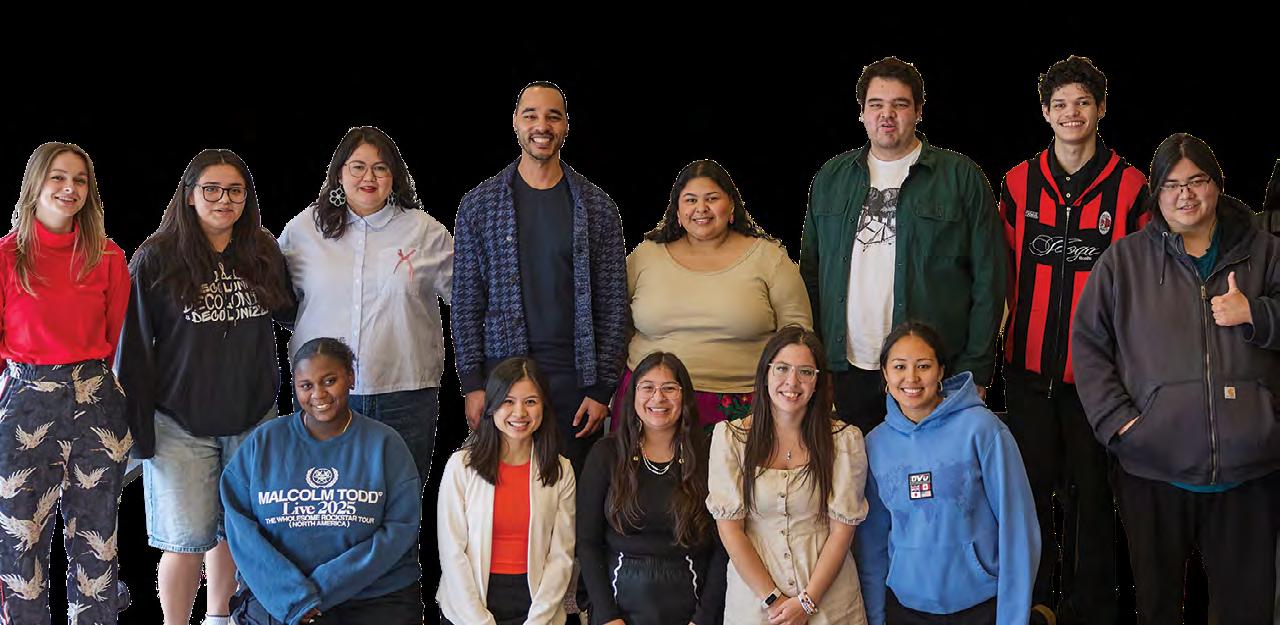
A significant highlight of the year was the 35th Youth Forum, which brought together young leaders from Friendship Centres across the country. The Youth Forum created space for meaningful dialogue, skill building, cultural connection, and collective visioning. It was inspiring to witness youth sharing their intersectional experiences, identifying priorities, and building relationships that will continue to strengthen our network. The energy and dedication reaffirmed that Indigenous youth are not only the future of the Friendship Centre Movement, but active leaders today.
As we look ahead, the IYC remains committed to ensuring that Indigenous youth voices help shape the direction of the Friendship Centre Movement. The work we are engaged in is strengthening pathways for leadership, representation, and community impact, while also influencing broader conversations beyond the Friendship Centre Movement. The Urban Indigenous Leadership Curriculum is also being updated to better reflect the realities and needs of youth today, supporting the next generation of leaders through culturally grounded training. IYC members contribute to national and external initiatives, including work that informs policy and decision-making that affects Indigenous youth and communities. The Indigenous Youth Council is grateful to the Board of Directors, the Senate, Friendship Centre staff and leadership who continue to support and uplift youth across the country. Together, we will continue to create spaces where Indigenous youth feel safe empowered and heard.
Caley-Rain Anderson, Indigenous Youth Council President
Message from the Senate
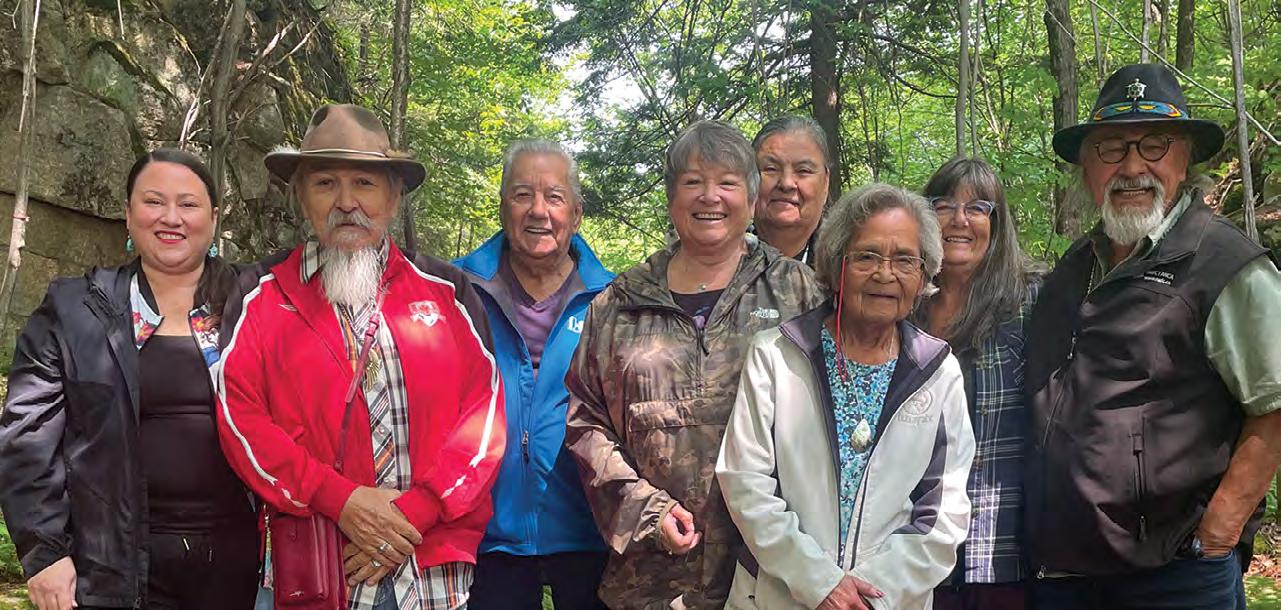
The 2025 year marked a period of steady progress, meaningful engagement, and continued commitment across the Friendship Centre Movement. As Senators, we are honoured to support the National Association of Friendship Centres (NAFC) and to contribute to the work that strengthens urban Indigenous communities nationwide.
Throughout the year, we participated in gatherings that brought forward important conversations, cultural knowledge, and community priorities. From the Urban Forum on Indigenous Languages in Gatineau to the Urban Indigenous Summit in Ottawa, these events underscored the importance of protecting language, advancing policy, and ensuring that urban Indigenous voices remain central in all areas of decision making. Our involvement in national celebrations, community galas, and regional gatherings—including the Indspire Awards, the Grande Prairie Friendship Centre Gala, and the National Gathering of Elders—allowed us to witness the resilience, leadership, and achievements of individuals and communities across the country. We were also honoured to stand in remembrance at the Celebration of Life for Christopher Sheppard, whose contributions continue to guide and inspire the Movement.
The 35th Annual Youth Forum and the 54th Annual Meeting in Ottawa reaffirmed the strength of our collective work. Youth, Elders, leaders, and Friendship Centre community members shared insights that will shape the direction of the NAFC in the years ahead. These moments of connection remind us that the Friendship Centre Movement is built on relationships— relationships that continue to grow through dialogue, collaboration, and shared purpose.
We also acknowledge the significant role played by Senator Marge in supporting the hiring process for the NAFC’s Chief Executive Officer. This work reflects our shared commitment to strong governance and leadership rooted in the values of the Movement.
As we reflect on the past year, we extend our appreciation to the NAFC Board of Directors, national office staff, Indigenous Youth Council, Provincial/ Territorial Associations (PTA’s) and Friendship Centre staff, volunteers, Elders, youth, and partners across Turtle Island who continue to advance the wellbeing of urban Indigenous peoples every day. Your dedication ensures that Friendship Centres remain places of culture, support, and belonging.
We would like to thank the outgoing CEO, Jocelyn Formsma, for her years of dedicated work and service to the NAFC and wish her every success as she begins her new role as President and CEO of Indspire.
We look forward to the year ahead with clarity and determination, guided by the voices of our Friendship Centre communities and the enduring strength of the Friendship Centre Movement.
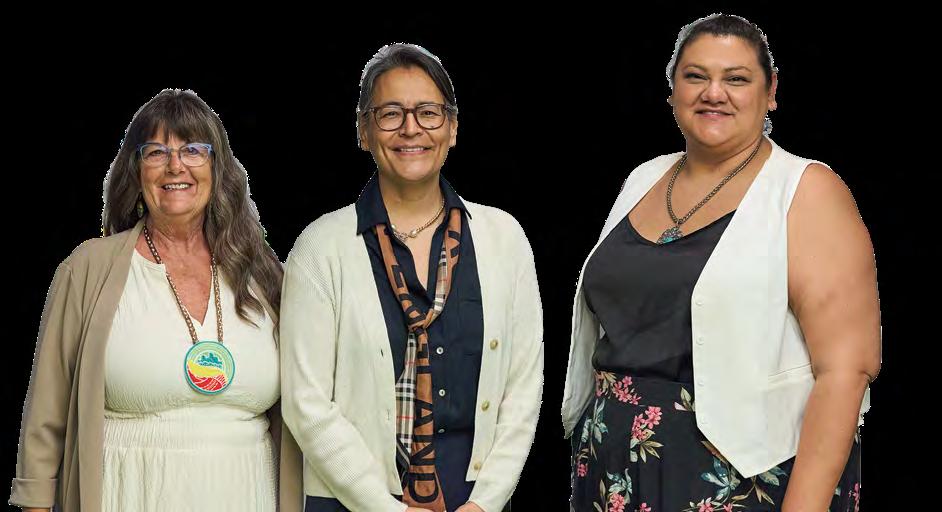
National Association of Friendship Centres Senators
Senator Marge White, British Columbia
Senator Linda Boudreau-Semaganis, Alberta
Senator Ray Fox, Saskatchewan
Senator Winston McLeod, Manitoba
Senator Vera Pawis Tabobondung, Ontario
Senator Dominique (T8aminik) Rankin, Quebec
Senator Myrtle Banfield, Newfoundland and Labrador
Senator Adeline Webber, Yukon (in-active)
Year in Review
Reclaiming Our Voices: Urban Forum on Indigenous Languages
On February 12–13, 2025, the National Association of Friendship Centres (NAFC) hosted Reclaiming Our Voices: Urban Forum on Indigenous Languages, a national gathering focused on Indigenous language revitalization in urban contexts. The Forum highlighted NAFC initiatives supporting language revitalization within urban Indigenous communities across Canada.
Indigenous language instructors and leaders from Friendship Centres and Provincial/Territorial Associations came together to share resources, exchange knowledge, and explore strategies for sustaining and strengthening Indigenous languages in urban environments. The Forum showcased the leadership, innovation, and lived experience of those working on the front lines of language revitalization.
By strengthening inter-regional relationships and encouraging collaboration and resource sharing, the Forum amplified the collective impact of Indigenous language work across the Friendship Centre Movement and reinforced the essential role Friendship Centres play in maintaining Indigenous languages nationwide.
United Nations Permanent Forum on Indigenous Issue
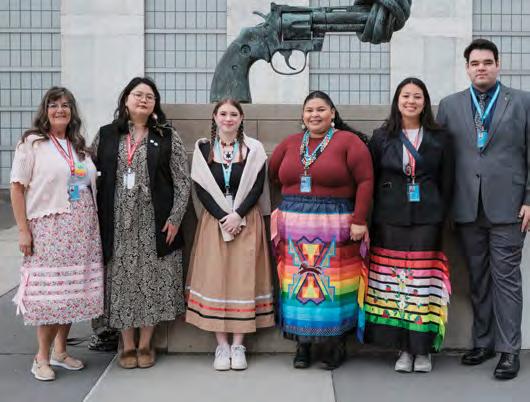
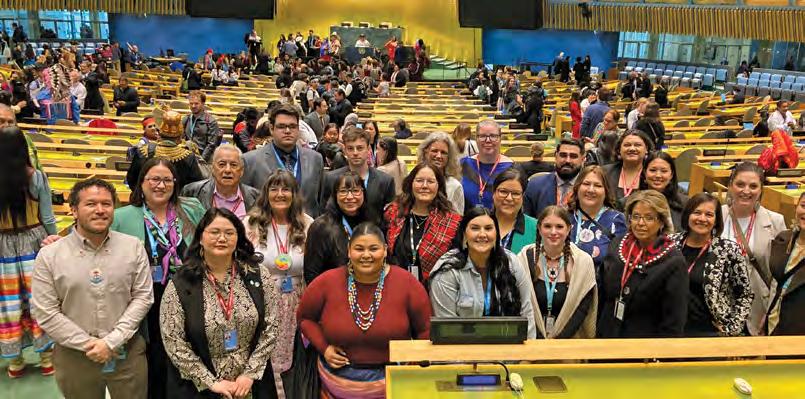
From April 21–25, 2025, the National Association of Friendship Centres (NAFC) attended the 24th Session of the United Nations Permanent Forum on Indigenous Issues (UNPFII) at United Nations Headquarters in New York City. This year marked a significant milestone, with NAFC bringing its largest-ever delegation, including members of the NAFC Executive, Indigenous Youth Council, Provincial/Territorial Associations, and Friendship Centres.
The UNPFII provided an important platform to elevate the voices and realities of urban Indigenous peoples in Canada. NAFC delivered two formal statements, and NAFC President Kelly Benning and BC Association of Aboriginal Friendship Centres President Annette Morgan spoke powerfully on Indigenous women’s rights and the need for sustainable funding for Indigenous-led social services.
The week began with a welcome gathering at the American Indian Community House (AICH), a vital urban Indigenous space in New York City. NAFC extends sincere gratitude to AICH for their hospitality and for sharing their longstanding work supporting the local American Indian community.
On April 22, NAFC hosted a side event titled Living UNDRIP: Indigenous Rights in Urban Spaces, which generated meaningful dialogue on the implementation of the United Nations Declaration on the Rights of Indigenous Peoples (UNDRIP) in urban settings and highlighted ongoing policy gaps.
Throughout the week, delegates engaged with Indigenous leaders, advocates, and experts from around the world, strengthening global relationships and sharing strategies for advancing Indigenous rights. Indigenous youth also played a key role, participating in the Global Indigenous Youth Caucus. Samantha Jack was elected as a North American Focal Point, ensuring that youth from Turtle Island continue to be represented in international advocacy spaces.
Spring Staff Retreat
In early May, the National Association of Friendship Centres (NAFC) staff gathered for a spring retreat hosted by the Maniwaki Native Friendship Centre: Gatineau Point of Service in Gatineau, Quebec. The retreat provided an opportunity for in-person connection, team building, and shared learning.
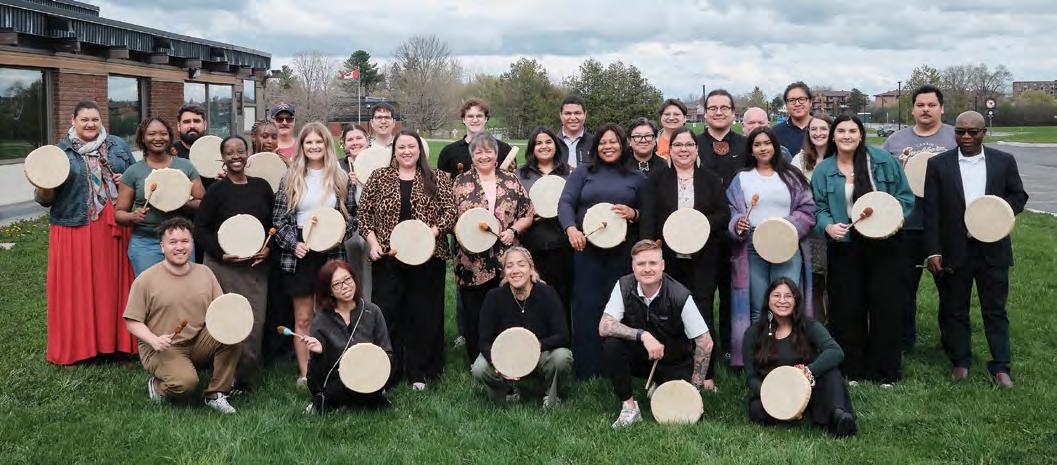
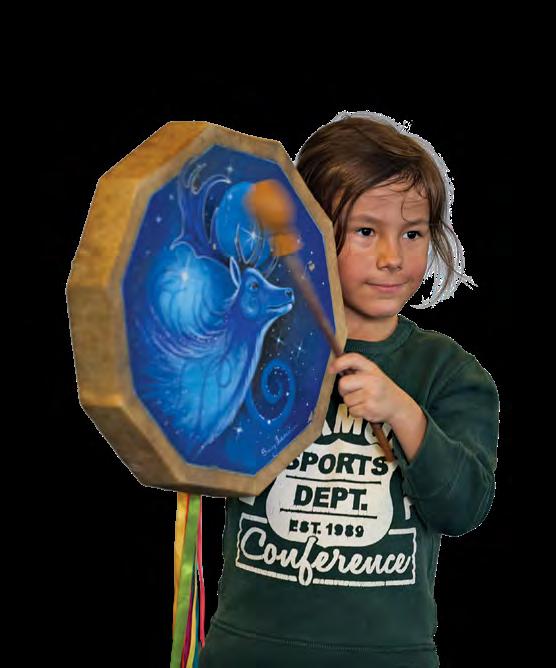
Activities throughout the week supported both personal and professional development. Staff learned about the history and teachings of the NAFC Eagle Staff, toured the host Friendship Centre, and participated in a drum-making workshop that emphasized cultural grounding. Additional sessions included Guarding Minds at Work, focused on workplace mental wellness, as well as departmental planning and goal setting.
Team-building activities, including an axethrowing outing, added moments of fun and connection. NAFC extends heartfelt thanks to the Maniwaki Native Friendship Centre: Gatineau Point of Service for their warm welcome and generosity.
Fall Staff Retreat
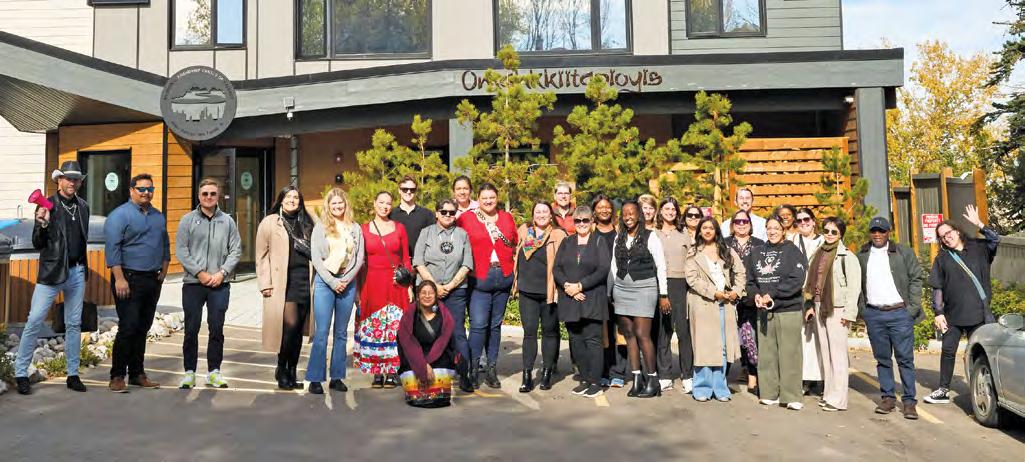
In October, NAFC staff traveled to Calgary, Alberta, for the fall staff retreat, graciously hosted by the Aboriginal Friendship Centre of Calgary (AFCC). Staff gained valuable insights into AFCC’s programs and services, deepening their understanding of regional approaches to supporting urban Indigenous communities.
Site visits included The Confluence Historic Site & Parkland, Omahkitapioyis – The Elders’ Lodge, and Kanakaa’tsinom – The Elders’ DropIn Centre. These visits highlighted community spaces rooted in culture, care, and connection.
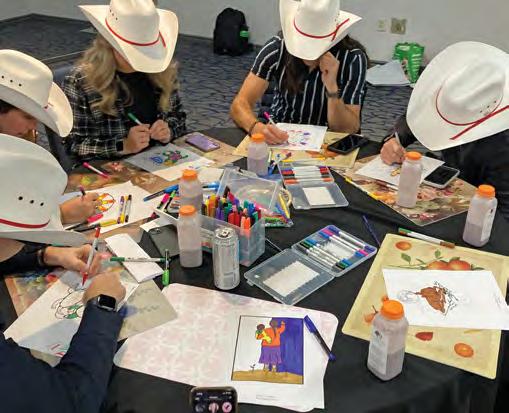
The retreat also included focused work on advancing NAFC’s departmental service delivery guidelines, as well as participation in a White Hat Ceremony, a Calgary tradition celebrating hospitality. Staff enjoyed opportunities to connect outside of meetings, including visits to the Calgary Zoo and a day trip to Banff.
National Forum on Urban Indigenous Health Governance in Care, Health Services and Healing
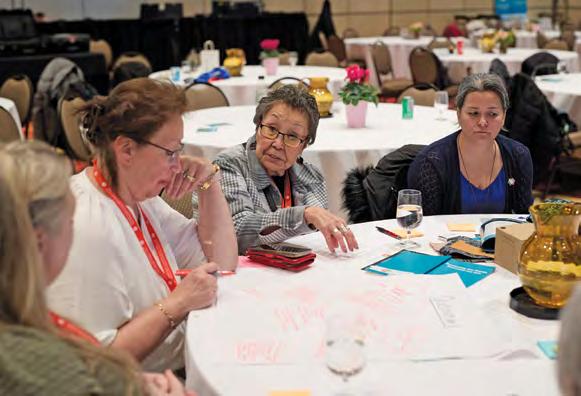
From May 28–29, 2025, the National Association of Friendship Centres (NAFC), in partnership with the Recgroupment des centres d’amitié autochtones du Québec (RCAAQ), hosted the National Forum on Urban Indigenous Health Governance in Care, Health Services and Healing in Montréal. The Forum brought together more than 60 health leaders from across the Friendship Centre Movement to advance a national framework responding to health resolutions passed at the 2024 Annual Meeting.
Delegates engaged in critical discussions on the ongoing inequities faced by urban Indigenous peoples in accessing health and social services.
Friendship Centres from nine provinces and three territories collectively issued a Statement for More Inclusive Indigenous Health, calling on the Government of Canada to recognize and address these disparities.
The Statement called for:
• Recognition of the distinct health needs of all Indigenous peoples, regardless of residency;
• Formal recognition of Friendship Centres as trusted, front-line providers of culturally grounded health services;
• Stable, flexible, and long-term federal investment to support health service delivery within Friendship Centre infrastructures.
The Forum reinforced that equitable access to culturally safe health care is essential.
35th National Youth Forum
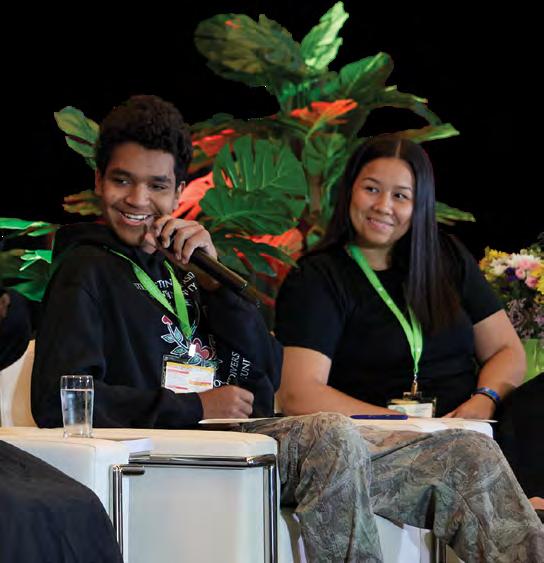
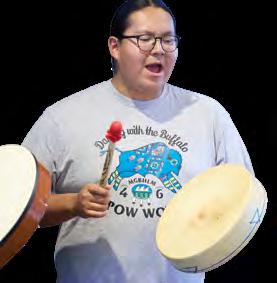
The 35th National Youth Forum welcomed more than 150 participants, including youth, community members, vendors, and partners. The Youth Forum opened with a Friendship Circle and Drum Social, setting the tone for connection and celebration.
The Youth Forum included two engaging panel discussions: Intersectional Identities: The Unique Experiences of Black-Indigenous Youth and Political Advocacy 101. Youth also heard from inspiring speakers Theland Kicknosway, Sadie Lavoie, and Joleen Mittion.
Participants took part in recreational activities, including a volleyball tournament, with Team Manitoba taking home the win. The Youth Forum concluded with a Youth Empowerment Gala featuring a fashion show celebrating Indigenous youth identities, followed by a dance party with DJ Bear Witness.
Indigenous Youth Council (IYC) elections were also held during the Youth Forum. Caley-Rain Anderson was elected President of the IYC, and Nadya Comeau was elected Secretary of the IYC.
54th Annual Meeting
The 54th Annual Meeting welcomed more than 380 participants, including delegates, youth, community members, and partners.
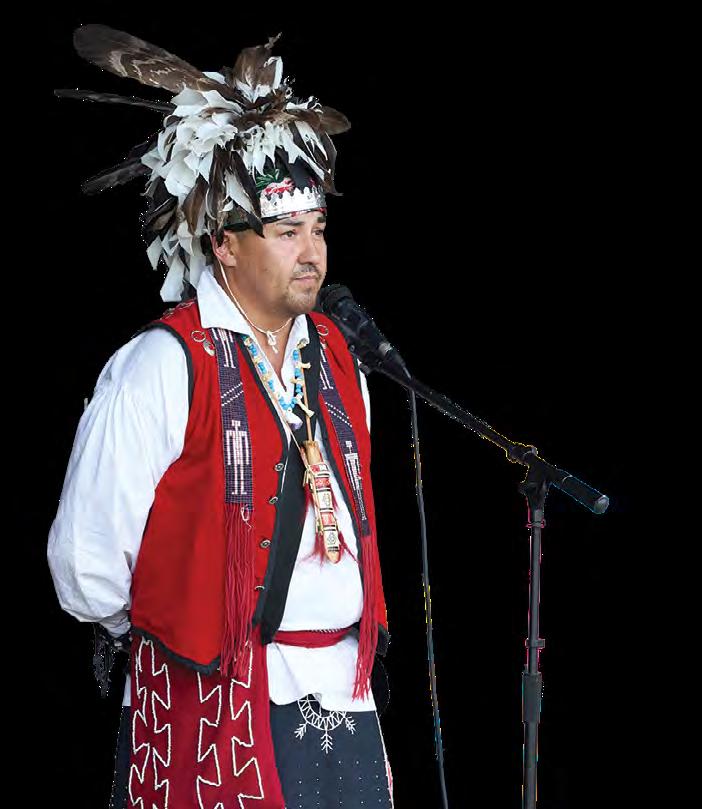
Attendees gathered for a cultural evening at Mādahòkì Farm, featuring performances such as Inuit throat singing, Métis jigging, and First Nations dances. The National Association of Friendship Centres (NAFC) also honoured Mel Maracle on the occasion of her 50th anniversary with the organization, recognizing her extraordinary dedication and leadership.
Elections were held for the NAFC Executive Committee. Pamela Glode-Desrochers, Lois Duke, Barb Ward-Burkitt, and Samantha Jack were elected as President, Vice-President, Secretary, and Youth Executive. NAFC also expressed deep gratitude to outgoing Executive members Kelly Benning and Édith Cloutier for their impactful service.
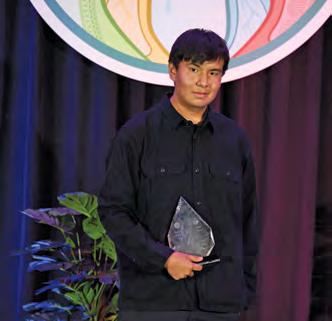
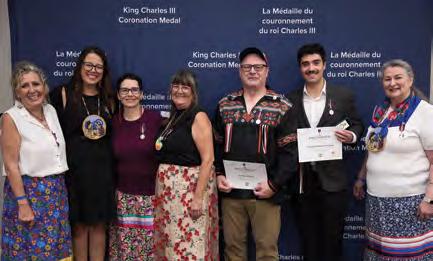
The NAFC proudly presented His Majesty King Charles III Coronation Medals to individuals recognized for outstanding service to urban Indigenous communities. Youth and Annual Meeting awards were also presented, including the Nelson Mayer Youth Recognition Award to Damon McAllister, the Most Active Youth Award to Chayce Taylor, and the Groovy Delegate Award to Ethan Welburn-Dreveski.
Sprouting Ceremony
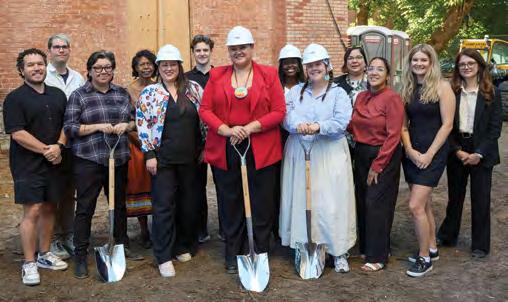
In September, the National Association of Friendship Centres (NAFC) hosted a Sprouting Ceremony at its national office in Ottawa to mark the beginning of major renovations. The ceremony symbolized growth, renewal, and strengthened capacity to serve Friendship Centres and urban Indigenous communities. Members of Parliament Leah Gazan, Lori Idlout, and Billy Morin attended, along with project partners Two Row Architect, Colliers Canada, and McDonald Brothers Construction. Renovations are anticipated to be completed in Spring 2026. During this period, NAFC is operating from a temporary office location at
Held from December 9–11, 2025, at the Westin Ottawa, the Urban Indigenous Summit welcomed more than 375 participants from across the Friendship Centre Movement. The Summit opened with a Fireside Chat with Jana Schmieding, followed by plenary and workshop sessions addressing housing, governance, food sovereignty, youth wellness, language revitalization, data, and climate resilience.
Highlights included the launch of the first edition of the National Association of Friendship Centres (NAFC) National Data Collection Strategy, dynamic cultural performances, and keynote addresses by Dr. Tasha Spillett and Jesse Wente. The Summit concluded with forward-looking discussions that reinforced shared commitments to strengthening urban Indigenous futures.
Departmental Overview and
Key Accomplishments
Communications
Supporting the Communications Needs of the National Association of Friendship Centres
The National Association of Friendship Centres (NAFC) remained connected with the Friendship Centre Movement, partners, and the broader public throughout the year through coordinated communications services. Core activities included French translation, media relations, public relations support, website management, social media coordination, photography, and the development of written and visual communications materials.
NAFC provided full communications planning and on-site support for major national gatherings, including the Youth Forum, Annual Meeting, and the Urban Indigenous Summit, as well as other NAFC-led events. This work included event branding, live social media coverage, photography, and post-event storytelling to ensure consistent and timely information sharing across platforms. These efforts supported organizational priorities by strengthening partnerships, amplifying advocacy efforts, and ensuring regular information flow to the Friendship Centre Movement. This work contributed to increased visibility for NAFC initiatives and reinforced connections between Friendship Centres, leadership, and community partners. Communications functions continued to support both operational needs and long-term strategic goals of NAFC.
Advocating for the Future: NAFC Program Renewal Campaign
The National Association of Friendship Centres (NAFC) launched the Program Renewal Campaign in fall 2024 to advocate for long-term, sustainable federal funding for Friendship Centres across Canada. The campaign focused on ensuring that Friendship Centres can continue delivering culturally relevant, community-driven programs and services to Urban Indigenous peoples.
During the second phase of the campaign, new communications materials were developed to broaden reach and strengthen public engagement. These included an infographic video, a national broadcast advertisement, and a strong call to action encouraging Canadians to contact their Members of Parliament in support of increased, long-term funding.
NAFC supported the campaign through content development, digital promotion, and coordination across NAFC platforms, helping to elevate awareness of the critical role Friendship Centres play in communities nationwide. The Program Renewal Campaign remains ongoing, with advocacy efforts continuing into the next fiscal year.
Celebrating Success: Bell Let’s Talk Day 2025
The National Association of Friendship Centres (NAFC) participated in Bell Let’s Talk Day, a national initiative that generated significant awareness and support for mental health. Through the text-to-donate program, the campaign raised $1,605,770, with each of the six participating organizations, including NAFC receiving over $267, 000 to support mental health initiatives.
NAFC coordinated the participation of the organization and supported national media engagement to amplify Indigenous perspectives on mental wellness and highlight the role of Friendship Centres in supporting community wellbeing. President Kelly Benning, Youth Executive Samantha Jack, and Indigenous Youth Council President Averi Doxtator represented NAFC on national platforms including The Social, This Morning, ETalk, and Ottawa at Work.
This partnership strengthened the national profile
The National Association of Friendship Centres (NAFC) partnership with Elections Canada focused on increasing awareness and participation in the 2025 federal election, particularly among Indigenous voters. Leading up to the election, NAFC launched Your Guide to Voting in the 2025 Federal Election, a dedicated webpage providing accessible voting information and Elections Canada resources.
The initiative also promoted Elections Canada’s Inspire Democracy resources, tailored specifically for Indigenous electors. Through targeted communications and digital outreach, the partnership supported informed participation and helped empower Indigenous voices in the democratic process.
2024 Annual Report
The National Association of Friendship Centres (NAFC) led the development, design, and release of the 2024 Annual Report, highlighting key advocacy efforts, national campaigns, and strategic partnerships from the previous year. The report captured significant milestones, including the conclusion of the COVID-19 Vaccine Campaign, continued collaboration with Bell Let’s Talk, and major initiatives such as Bridging Across Canada and the Youth Leadership Curriculum.
In addition to content development, NAFC supported layout coordination, editing, and digital publication, ensuring the report was accessible and visually aligned with organizational branding. The Annual Report served as an important accountability and communications tool, providing Friendship Centres, funders, partners, and the public with a clear overview of national impact and priorities.
NAFC also supported the promotion of the report across digital platforms to increase visibility and readership. The 2024 Annual Report remains publicly available and continues to be used as a reference document to support engagement with partners, stakeholders and the Friendship Centre Movement.
Quarterly Newsletter
The National Association of Friendship Centres (NAFC) continued to produce and distribute quarterly newsletters, providing regular updates on organizational activities, advocacy efforts, campaigns, and events. The newsletter serves as a key communications tool for keeping Friendship Centres, partners, and stakeholders informed and engaged.
Each edition highlights recent accomplishments, upcoming initiatives, and opportunities for involvement, supporting transparency and connection across the Friendship Centre Movement. Content development, editing, and distribution were managed to ensure consistent messaging and alignment with organizational priorities.
Past newsletters remain accessible online, and subscription opportunities continue to be promoted to expand reach. The quarterly newsletter remains an ongoing initiative and an important channel for sharing timely, relevant information with the Friendship Centre Movement network.
Social Media
The National Association of Friendship Centres (NAFC) primary social media platforms continued to experience steady growth in followers and engagement throughout the year. NAFC focused on enhancing the digital presence of the organization by developing creative, accessible content across Facebook, Instagram, and LinkedIn.
Efforts included promoting campaigns, sharing event highlights, amplifying advocacy messages, and increasing visibility for Friendship Centres and partners.
Social media remains an active and evolving communications priority, with ongoing efforts to expand reach, improve storytelling, and strengthen connections with diverse audiences.
Data
Advancing the National Association of Friendship Centres Data Strategy
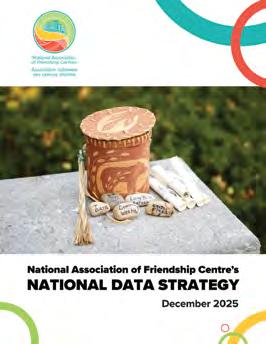
In 2025, the National Association of Friendship Centres (NAFC) launched its Data Strategy at the Urban Indigenous Summit in Ottawa. The Strategy articulates the organization’s vision to become a knowledge leader on urban Indigenous peoples by respectfully stewarding the stories shared by members while reducing reporting burdens across the Friendship Centre Movement.
A central focus of the Data Strategy is strengthening data capacity across the Movement. Data capacity assessments were facilitated at the Annual Meeting and the Urban Indigenous Summit, revealing a wide range of existing practices. From paper-based systems to advanced analytical tools, participants consistently emphasized the importance of access to relevant, accurate, and timely data. Key needs identified included funding for software and hardware, staffing resources, national data standards and policies, training and accreditation opportunities, and access to national dashboards.
Throughout the year, NAFC engaged with national
partners on data governance, policy development, and data literacy initiatives. Specifically, Indigenous Service Canada’s engagement on the development of external data sharing policy, Statistics Canada’s engagement on the Indigenous People’s Survey results, the First Nations Information Governance Centre, the data working group of the First Nations Mental Wellness Continuum Framework, the Advisory Committee of the First Nations Health Managers Data Literacy Tools for First Nations Health Leaders project, and the Data Analytics for the Public Sector Summit in Toronto. These engagements supported collaboration on external data-sharing frameworks, interpretation of national survey results, sector-wide data standards, and participation in public-sector data analytics forums.
Bridging Across Canada
Bridging Across Canada (BAC) continued to grow as the National Association of Friendship Centres (NAFC) national data platform, supporting evidence-based decision-making and reporting across the Movement. As of December, eighteen participating sites, including three Provincial/Territorial Associations, and the National Office were actively using the system.
To support sustainable growth, NAFC and its technical partner Membertou Geomatic Solutions (MGS) conducted the first Annual Management Review and developed the inaugural BAC Supportive Standards and accompanying annual workplan. Key activities included regular stakeholder meetings, updated onboarding materials, system enhancements, and a dedicated workshop at the Urban Indigenous Summit. MGS worked with Regroupement des centres d’amitié autochtones du Québec, and the Mi’kmaw Native Friendship Centre to develop new modules to support expanded case management and event registration functionality.
In 2025, NAFC piloted a lite version of the BAC application to support data collection for the Community Workforce Development Program. While the pilot identified areas for improvement, participants expressed strong interest in continued use of similar tools for future national programming.
Data in Action
Member-shared data continues to support the National Association of Friendship Centres (NAFC) accountability to funders, demonstrate organizational effectiveness, and strengthen advocacy efforts. Data was used extensively during the federal election period and in response to federal budget announcements, and continues to inform negotiations related to core funding.
During the year, NAFC collected feedback across all national gatherings to inform continuous improvement, supported the Research department’s Executive Director compensation survey to strengthen sector-wide understanding of leadership trends, and developed infographics and analytical reports to support advocacy and communications initiatives.
Policy and Research
Advancing Policy and Research Priorities
In 2025, the Policy and Research Department advanced a wide range of policy and research priorities affecting urban Indigenous communities. Through sustained engagement, evidence-informed analysis, and national advocacy, this work supported systemic change while reflecting the lived realities and service delivery experience of Friendship Centres across Canada.
Missing and Murdered Indigenous Women, Girls, and Two-Spirit People (MMIWG2S+)
The National Association of Friendship Centres (NAFC) made significant contributions to advancing MMIWG2S+ priorities throughout the year. Participation in national Indigenous–federal–provincial–territorial discussions supported progress on the National Action Plan, with a focus on addressing systemic violence, data collection gaps, alert mechanisms, and human trafficking. These discussions reinforced the importance of Indigenous leadership, national data standards, and sustained investment in community-based organizations. At the Urban Indigenous Summit, NAFC supported the launch of Building on Strength, Guided by Wisdom: Implementation and Action Plan. Co-developed through extensive engagement with Friendship Centre frontline workers, community members, and partners, the plan reflects input from more than 100 participants and highlights the strength and resilience of Friendship Centres. The plan outlines six strategic directions to enhance the safety and wellbeing of urban Indigenous women, girls, and Two-Spirit people, emphasizing culturally grounded programming, sustainable funding, and strong community partnerships.
Oversight and guidance for this work continued throughout the year through regular meetings of the MMIWG2S+ Steering Committee, which shared information on activities, programs, and regional initiatives across the Friendship Centre Movement.
Housing and Homelessness Initiatives
The National Association of Friendship Centres (NAFC) continued to advocate for urban Indigenous housing to be prioritized within Canada’s national housing framework. Policy engagement included formal submissions responding to new federal housing initiatives, emphasizing the importance of implementing the Urban, Rural, and Northern Indigenous Housing Strategy.
Key policy recommendations focused on partnering with the National Indigenous Collaborative Housing Inc. (NICHI), defining affordability in ways that address the most critical housing needs, accessing federal lands for development, and strengthening workforce development in the urban Indigenous housing sector. NAFC also engaged federal decisionmakers at the Senate Standing Committee on National Finance, and in a written submission to Build Canada Homes to highlight the urgency of housing challenges facing urban Indigenous communities and continues to advocate for equitable, distinctions-based funding solutions.
United Nations Declaration on the Rights of Indigenous Peoples (UNDRIP)
Engagement on the United Nations Declaration on the Rights of Indigenous Peoples (UNDRIP) remained a priority in 2025, supporting the development of the National Association of Friendship Centres (NAFC) UNDRIP Toolkit for Advocacy and the Urban Indigenous UNDRIP Framework. Engagement sessions with Friendship Centres and Provincial/Territorial Associations provided opportunities to discuss the practical application of UNDRIP principles in advocacy, policy development, and service delivery.
These engagements informed ongoing work to ensure that urban Indigenous perspectives are meaningfully reflected in distinctions-based UNDRIP implementation efforts at regional and national levels.
Food Security
The National Association of Friendship Centres (NAFC) advanced work on food security for urban Indigenous children and families through engagement on the federal National School Food Program. Food security discussions were formally introduced to the Friendship Centre Movement at the Urban Indigenous Summit, bringing together staff, youth, community members, and partners to share perspectives on Indigenous food systems and existing community-based programming.
Feedback emphasized the importance of flexible delivery models, recognition of programs already operating in communities, and the inclusion of urban Indigenous service providers in program design. NAFC has begun developing a multi-year engagement approach to guide continued dialogue and ensure federal initiatives respond effectively to community needs.
Children, Families, and Jordan’s Principle
In 2025, the National Association of Friendship Centres (NAFC) strengthened its policy focus on children and families through national policy analysis examining federal, provincial, and territorial developments. This work assessed how child welfare systems, family supports, and service access frameworks affect urban Indigenous children, families, and caregivers.
The analysis identified priority areas for future advocacy and highlighted persistent gaps where urban Indigenous realities are not adequately reflected in policy design. This foundational work will inform future engagement related to children’s services, family supports, and the application of Jordan’s Principle in urban contexts.
Health and Wellness
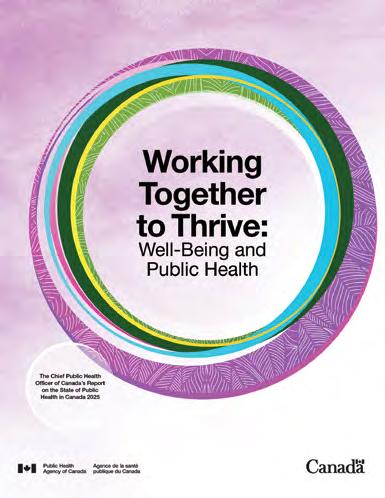
The National Association of Friendship Centres (NAFC) continued collaboration with national health organizations to advance urban Indigenous health and wellness priorities. Specifically, the NAFC worked with the Chief Public Health Officer’s (CPHO) team to review the CPHO 2025 Report, Working Together to Thrive: Well-Being and Public Health. Engagement included contributions to national public health initiatives and participation in discussions focused on improving health outcomes through culturally safe, communitybased approaches.
This work reinforced the critical role Friendship Centres play in supporting health and wellness in urban Indigenous communities and in addressing systemic barriers within the healthcare system.
Sport for Social Development in Indigenous Communities
The National Association of Friendship Centres (NAFC) supported urban Indigenous sport and recreation initiatives through participation in national funding review processes and sector engagement with the Sport for Social Development in Indigenous Communities, under the purview of Canada Heritage’s Indigenous Sport Unit. This work highlighted the unique barriers faced by urban Indigenous communities and emphasized the need for inclusive, accessible, and community-driven sport and recreation opportunities.
NAFC also convened national discussions with sport sector leaders at the 2025 Sport for Life Summit, and with the Future of Sport Commissioner to promote urban Indigenous inclusion, encourage partnership development with Friendship Centres, and ensure that urban Indigenous perspectives are reflected in broader sport and recreation policy conversations.
Health Systems
The National Association of Friendship Centres (NAFC) advanced work on urban Indigenous health systems through national dialogue and coordination. The National Forum on Urban Indigenous Health Governance in Care, Health Services, and Healing provided a platform for Friendship Centres to share experiences and align priorities related to health governance and service delivery.
Outcomes from the Forum were documented in a comprehensive report outlining key themes, recommendations, and next steps. A central outcome was the establishment of the Urban Indigenous Health Advisory Circle, which brings together Provincial/ Territorial Associations and Friendship Centres to support coordinated engagement on health governance, policy development, and advocacy.
National Indian Child Welfare Association’s 43rd
Annual Protecting Our Children Conference
The National Association of Friendship Centres (NAFC) participated in the National Indian Child Welfare Association’s 43rd Annual Protecting Our Children Conference, contributing a Canadian perspective on urban Indigenous health systems. The international conference brought together Indigenous leaders and practitioners from across the globe to share best practices related to child welfare, prevention services, mental health, and family empowerment using strengths-based approaches.
Indigenous Health Navigators Advisory Committee
The National Association of Friendship Centres (NAFC) continued to support the advancement of Indigenous Health Navigator roles as a key component of urban Indigenous health systems. Participation on the Indigenous Health Navigators Advisory Committee contributed to efforts to professionalize the role, strengthen frameworks, and address systemic barriers and antiIndigenous racism within healthcare systems.
Anti-Indigenous Racism Initiatives
With ongoing support from Indigenous Services Canada and the First Nations and Inuit Health Branch, the National Association of Friendship Centres (NAFC) continued its role on the Anti-Indigenous Advisory Circle focused on addressing anti-Indigenous racism in health systems. This work included contributing to mandate reviews and supporting the development and revision of national cultural safety and humility standards.
In collaboration with the Urban Indigenous Health Advisory Circle, NAFC continues to facilitate engagement with Friendship Centres to ensure urban Indigenous voices are represented in the Health Standards Organization’s public-facing review of the National Standard on Cultural Safety and Humility Standard with Accreditation Canada.
Climate Change and Emergency Response
The National Association of Friendship Centres (NAFC) continued to advance climate change and emergency response work across the Friendship Centre Movement. Engagement sessions explored the unique impacts of climate change on urban Indigenous communities and service delivery, highlighting community-driven responses and priority areas for future policy and funding.
A national survey informed the development of NAFC Interactive Climate Map, showcased at the Urban Indigenous Summit. The tool highlights Friendship Centre-led climate resilience initiatives and supports evidencebased advocacy. Insights from engagement activities, survey results, and mapping work will inform a forthcoming policy position paper amplifying urban Indigenous knowledge in national climate action efforts.
Research
The National Association of Friendship Centres (NAFC) continued development of an NAFC-specific Research Centre, alongside a Research Framework and Toolkit to guide ethical, Indigenous-led research. Work is underway to establish a Research Committee to support governance and guide future research priorities, informed by engagement with the Friendship Centre Movement.
NAFC also partnered internally on sector-wide research initiatives, including national compensation analysis, supporting evidence-informed advocacy and organizational planning.
Urban Aboriginal Knowledge Network
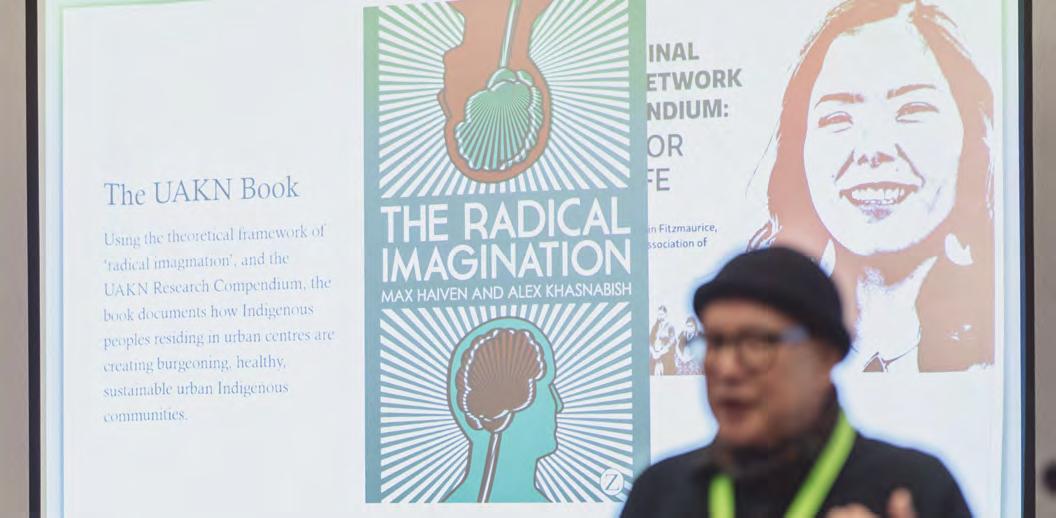
The Urban Aboriginal Knowledge Network (UAKN) supported Indigenous youth and Senators of the National Association of Friendship Centres (NAFC) in knowledge exchange through engagement activities at national gatherings. These engagements explored the theme “City as Home” and gathered stories and perspectives that will inform future knowledge products, including an upcoming book.
The UAKN with support from NAFC and leadership from the Indigenous Youth Council, also launched an Indigenous Youth Artist Initiative. This initiative included the development and dissemination of a national call-out through the NAFC website and social media outlets, in accordance with the selection criteria. Collectively, these initiatives highlighted the UAKN’s role in fostering collaboration, amplifying knowledge through the voices of Indigenous youth and Elders, and promoting healthy knowledge exchange across networks.
Advocacy and Partnerships
The National Association of Friendship Centres (NAFC) expanded engagement within the national children and youth policy sector through participation in the Research and Impact Advisory Table convened by the National Alliance for Children and Youth (NACY). This work strengthened collaboration with national organizations and academic partners and ensured urban Indigenous perspectives were included in evidence-informed policy discussions affecting children and youth.
Annual Policy Review
In 2025, the National Association of Friendship Centres (NAFC) completed a national policy review to strengthen advocacy capacity across the Friendship Centre Movement. The review examined federal policy developments across multiple domains, including climate, health, housing, justice, identity, children and families, research, data, and education.
The review translated complex policy developments into accessible information for the Movement, supporting informed engagement at local, regional, and national levels. This work continues to guide NAFC policy analysis and knowledge-sharing efforts.
The National Association of Friendship Centres Role as an Intervenor in R. v. Cope
The National Association of Friendship Centres (NAFC) participated as an intervenor in R. v. Cope, an important Supreme Court of Canada case examining the application of Gladue principles in sentencing. NAFC contributed expertise drawn from community-based justice programming delivered through Friendship Centres, emphasizing the complementary relationship between Gladue principles and victim protections.
NAFC highlighted the role of Friendship Centres in preparing Gladue reports, supporting sentencing alternatives, and providing wraparound services that promote rehabilitation, reintegration, and community safety for urban Indigenous people. NAFC continues to monitor the case due to its significance for Indigenous justice and community-based supports.
Programs
Indigenous Languages Program
The National Association of Friendship Centres (NAFC) advanced Indigenous language revitalization through the successful renewal of the Indigenous Languages Program. A five-year funding agreement was secured to support expanded programming across the Friendship Centre Movement, reinforcing the importance of Indigenous languages to cultural continuity and community wellbeing.
Program funding supported 32 projects across two program streams, with activities continuing into future fiscal years. In addition to program delivery, investments are supporting enhanced reporting tools designed to reduce administrative burden while strengthening data quality and outcome reporting.
NAFC also convened Reclaiming Our Voices: Urban Forum on Indigenous Languages, a national gathering that brought together Friendship Centres, Provincial/ Territorial Associations, and language champions from across Canada. The Forum highlighted innovative practices, celebrated successes, and strengthened collaboration in support of urban Indigenous language revitalization.
Family Violence Prevention Program
The Family Violence Prevention Program continued to address critical needs within urban Indigenous communities by supporting culturally grounded prevention initiatives delivered through Friendship Centres. Strong demand for funding underscored the ongoing need for these services.
To maximize reach and impact, funding allocations were adjusted to support the greatest number of applicants possible, a total of 24. This approach enabled broad program delivery while maintaining program integrity and responsiveness to community priorities.
Trauma Informed Mental Health Program
The National Association of Friendship Centres (NAFC) continued to leverage multiyear investments to support trauma informed mental health programming across the Friendship Centre Movement. Funding supported consistent program delivery while reinforcing the importance of stable, long-term investments in community-based mental wellness services.
Advocacy efforts with Indigenous Services Canada remain ongoing to secure continued funding beyond the current funding cycle and to advance multiyear program stability.
Health Navigation Program
The Health Navigation Program continued to support urban Indigenous community members in navigating complex healthcare systems. Program renewal allowed participating Friendship Centres to maintain service continuity through the current funding period.
The National Association of Friendship Centres (NAFC) continues to advocate for sustained and predictable funding to ensure the long-term viability of health navigation services and to respond to growing community demand.
Community Workforce Development Program
The Community Workforce Development Program concluded after supporting workforce planning and development initiatives in 21 Friendship Centres across multiple regions. The program strengthened economic participation through training opportunities, wraparound support, and community-driven workforce strategies.
Bridging Across Canada Lite application, a pilot web-based reporting system was successfully deployed, improving data collection and accessibility while protecting participant privacy. Lessons learned from this pilot will inform future program reporting approaches.
Infrastructure
Infrastructure funding distributed addressed critical facility needs across the Friendship Centre network. Investments supported repairs and upgrades essential to maintaining safe, accessible, and functional spaces for service delivery, ensuring continuity of programs and services for community members.
Urban Programming for Indigenous Peoples
Urban Programming for Indigenous Peoples (UPIP) remained foundational to the operational stability of Friendship Centres. Despite program uncertainty during the year, the National Association of Friendship Centres (NAFC) successfully negotiated a one-year extension that stabilized funding through 2025–2026.
Funding distributed under UPIP supported both Organizational Capacity and Programs and Services, enabling Friendship Centres to continue delivering essential supports to urban Indigenous communities. NAFC continues to advocate for long term, sustainable funding to support the stability and growth of the Friendship Centre Movement.
UPIP Wildfire Enhancement Fund
In response to climate-related emergencies, the National Association of Friendship Centres (NAFC) secured targeted funding to support Friendship Centres responding to wildfire evacuations and increased service demands. This investment strengthened local response capacity and ensured culturally grounded, wraparound supports remained available during times of crisis.
Indigenous Youth Council Youth Initiatives
The Indigenous Youth Council (IYC) advanced youth leadership, advocacy, and representation by actively participating in national and international events that elevated urban Indigenous youth voices and priorities.
The IYC contributed to national media discussions connected to the Bell Let’s Talk partnership with the National Association of Friendship Centres (NAFC), highlighting the importance of youth empowerment, mental wellness, and the role of Friendship Centres in strengthening community health and resilience.
The IYC participated in Reclaiming Our Voices: Urban Forum on Indigenous Languages, ensuring youth perspectives were integrated into national conversations on Indigenous language revitalization. Youth took on visible roles throughout the Forum, including event facilitation and panel participation, reinforcing the importance of intergenerational leadership in language work.
Throughout the year, the IYC also engaged in regional and northern gatherings focused on youth engagement and empowerment, contributing to dialogue on leadership development and community-driven approaches across diverse regions.
Members of the IYC attended the Indspire Awards in Vancouver, British Columbia, celebrating Indigenous excellence and leadership.
This was followed by participation in the United Nations Permanent Forum on Indigenous Issues in New York City. IYC members attended daily Global Indigenous Youth Caucus meetings, participated in youth-focused side events, and engaged in international media to advocate for urban Indigenous youth priorities. They also contributed to a NAFC-hosted United Nations side event, where the role of Friendship Centres in supporting youth leadership and wellbeing was highlighted. This engagement strengthened international connections and positioned urban Indigenous youth within global Indigenous advocacy spaces.
Youth engagement continued through participation in the National Forum on Urban Indigenous Health Governance in Care, Health Services, and Healing, where the IYC contributed to discussions emphasizing the need for culturally grounded health systems, recognition of urban Indigenous realities, and sustainable funding for Friendship Centres as community pillars.
In preparation for major governance gatherings, the IYC met in advance of the National Youth Forum to review roles, strengthen leadership capacity, and coordinate responsibilities related to youth programming and organizational governance.
The 35th National Youth Forum was held in Ottawa, Ontario, under the theme “Strength in Diversity, Power in Unity.” Planned and delivered by the IYC, the Forum brought together youth from across the country for keynote presentations, youth-led panels, cultural exchange, skills development, and community building. Governance activities, including Council elections, supported leadership continuity, while recreational and cultural activities strengthened relationships and regional collaboration.
Following the Youth Forum, new and returning IYC members participated in orientation sessions that established community guidelines and initiated planning for the 2026 Youth Forum and upcoming year.
The IYC participated in the NAFC’s 3rd Urban Indigenous Summit – Paths Forward: Strengthening Urban Indigenous Futures in Ottawa, Ontario. Youth hosted a panel titled “Walking in Two Worlds: Youth Visions for Stronger Urban Indigenous Futures”, which explored intersectional urban Indigenous identities and highlighted youth visions for more inclusive, supportive, and resilient urban communities, reinforcing the IYC’s role as a national platform for diverse youth leadership.
Leadership Curriculum
The Leadership Curriculum underwent a comprehensive review and revision to ensure alignment with the evolving needs of urban Indigenous youth. The process identified opportunities to enhance engagement through the development of new media assets and cohesive design elements.
An external Indigenous owned organization Imagination FX was engaged to support curriculum asset development and youth engagement. Content development continued throughout the year, with plans underway to deliver a Train the Trainer session in 2026.
Navigating Horizons continued to support Urban Indigenous youth aged 12–30 through volunteer placements, mentorship, and skills development opportunities. Delivered in partnership with Friendship Centres, Provincial/ Territorial Associations, and community-based organizations, the program promotes personal growth, leadership development, and community connection.
The program emphasizes intergenerational knowledge exchange, service to community, and the development of essential skills that support youth in their personal and professional journeys while strengthening ties to the Friendship Centre Movement.
Please note that this report outlines the activities of the National Association of Friendship Centres (NAFC) from January 1, 2025, to December 31, 2025. As NAFC programs and portfolios are ever-evolving, more up-to-date information may be available. If you would like to learn more about a specific project, please email nafcgen@nafc.ca to get in touch with the relevant department.
Appendix A
Governance and Organizational Structure of the National Association of Friendship Centres (NAFC)
NAFC Organizational Structure
Jennifer Rankin Chief Executive Officer
CEO’s Office Finance Operations
Veronica Wemigwans Executive Coordinator
Sandra Hines Director of Finance
Tristan Nugent Law Student Intern
Administration Communications Data
Mel Maracle Office Manager
Greg Murray Senior Finance Coordinator
Cailin Gerrard Administrative Coordinator
Hong He Senior Finance Coordinator
Teodoro Haile Selassie Senior Finance Coordinator
Manavi Weerarathne Finance Coordinator
Sandra Hines Director of Finance
Liberty Rivers Administrative Coordinator
Lolita Lam Event Coordinator
John Paillé Senior Communications Coordinator
Andrew Macumber Senior Information Analyst
Megan Pearson Communications Coordinator
Riley Gavan Communications Assistant
Eugehne Adangwa French Translator
Nathaniel Cummings Data Analyst
Kole Peplinskie Data Coordinator
Policy & Research Programs Youth
Kara Louttit Acting Policy & Research Manager Research Policy