2024 NAFC ANNUAL REPORT
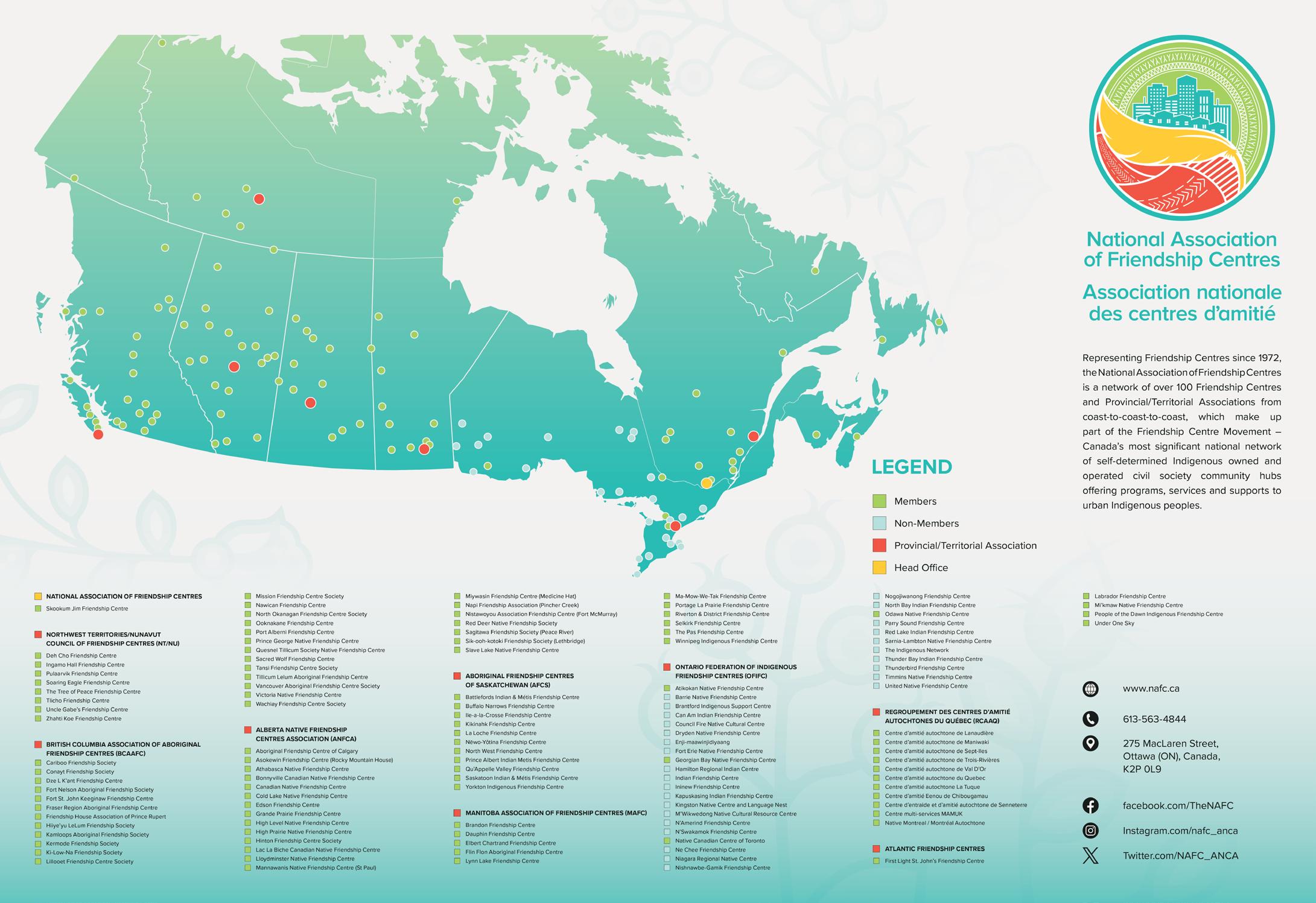
The National Association of Friendship Centres (NAFC) was established in 1972 to represent, nationally, the growing number of Friendship Centres emerging across Canada. The NAFC represents over 100 Friendship Centres and Provincial/Territorial Associations (PTAs) from coast-to-coast- to-coast which make up the Friendship Centre Movement (FCM).
As the national body of the Friendship Centre Movement, the NAFC is democratically governed, status inclusive, and accountable to its membership.
The NAFC seeks:
• To be a central, unifying body for the Friendship Centre Movement.
• To promote and advocate the concerns of our member Friendship Centres and PTAs.
• To provide important urban Indigenous perspectives to municipal, provincial, and federal governments, and non-Indigenous civil society organizations.
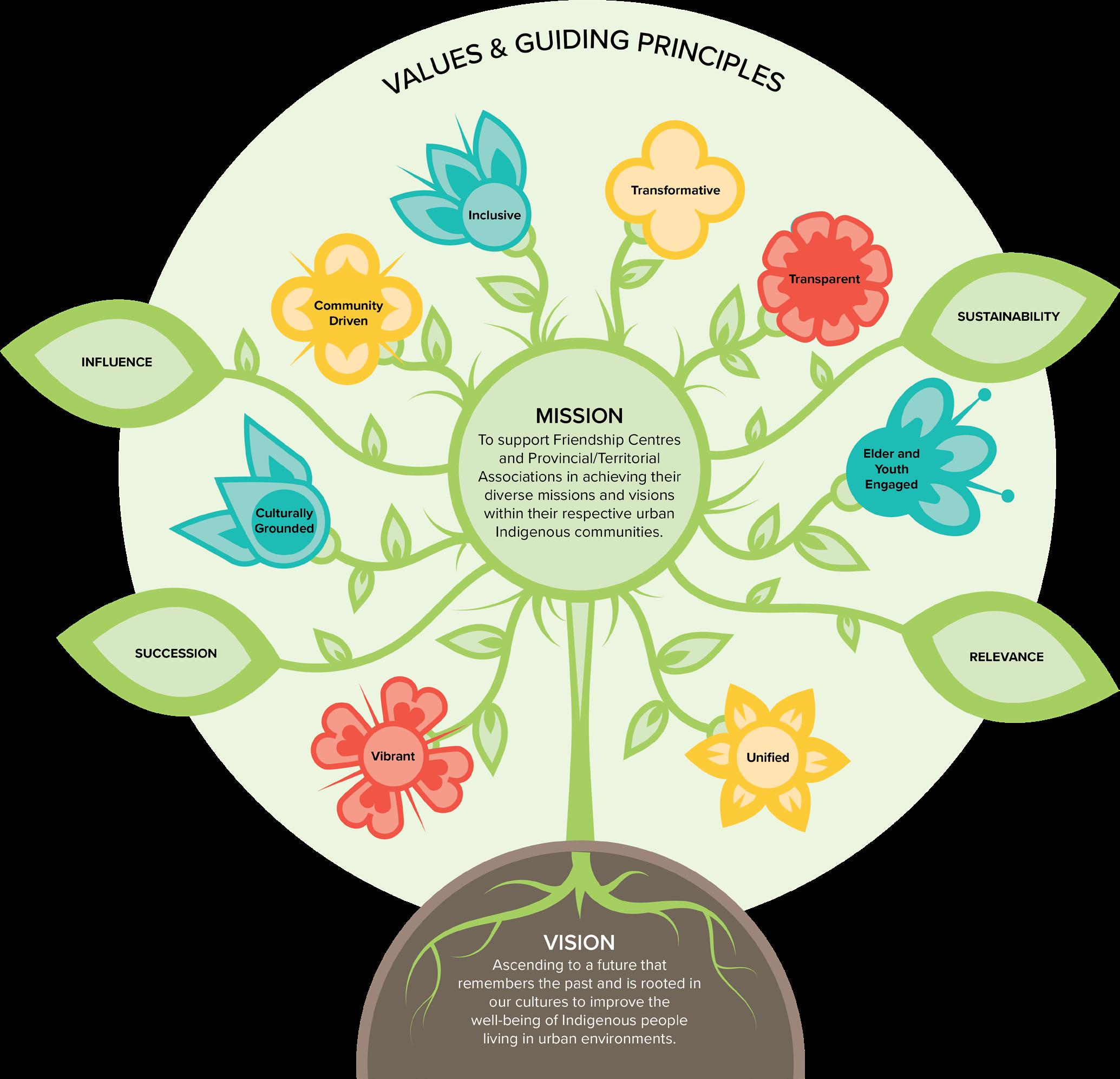
Our Mission
To support Friendship Centres and Provincial/Territorial Associations in achieving their diverse missions and visions within their urban Indigenous communities.
Our Vision
Ascending to a future that remembers the past and is rooted in our cultures to improve the well-being of Indigenous people living in urban environments.
The urban Indigenous population is young and rapidly growing. According to the Canadian Census of Population (2021), approximately 79.1% of the Indigenous population across Canada live in urban settings.
Urban Indigenous people are First Nations, Inuit and Métis living in small, medium, and large communities, including rural, isolated, and remote communities, which are off-reserve; outside of their home community, community of origin or settlement; or outside of Inuit Nunangat (Inuit Homelands).
In 2019-2020, the NAFC Board of Directors led the development of a ten-year strategic plan as a major component of developing a new vision that advances the vital work of the FCM.
This plan affirms the NAFC’s goals for the next decade. The world can often be difficult and barrierfilled for Indigenous people living in urban and rural settings and the work of Friendship Centres has never been more necessary. With a renewed focus on our membership and the vitality and success of the FCM, the NAFC sees itself as the FCM’s fierce advocate, strong national partner, and a great amplifier of the work of the FCM.
Read the Strategic Plan: https://nafc.ca/about-the-nafc
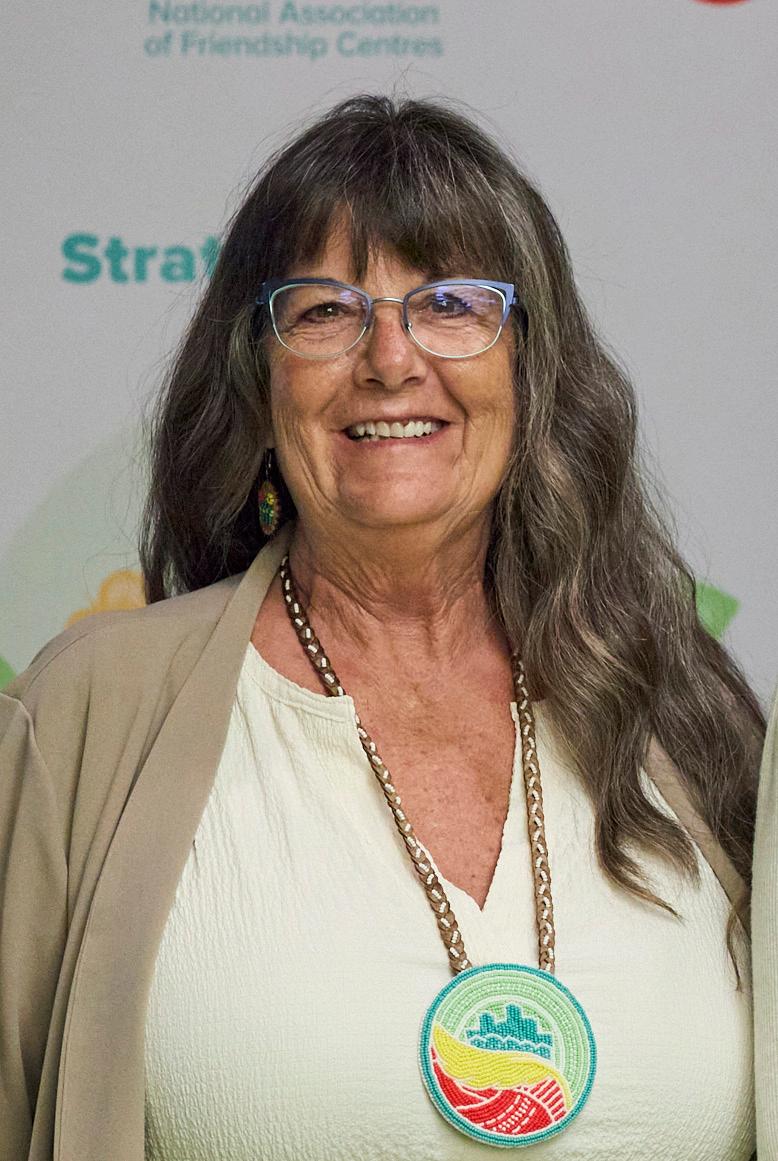
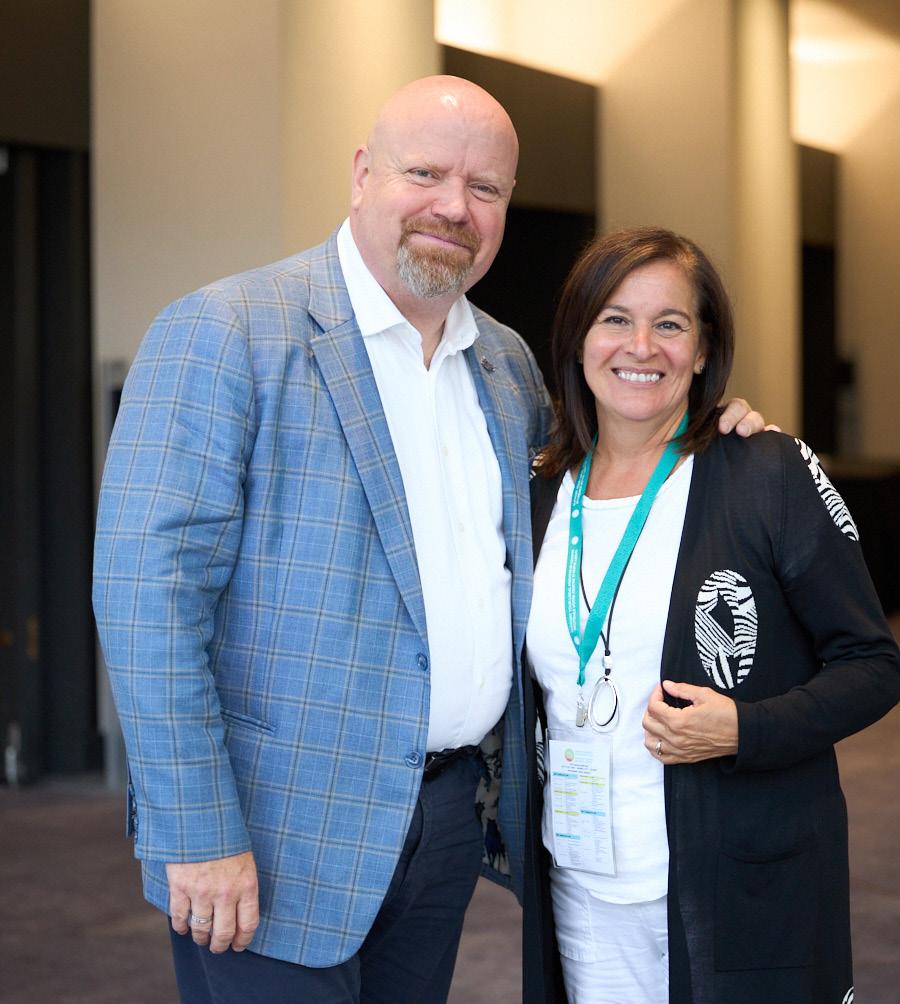
It is both an honor and a privilege to serve as President of the NAFC, representing the incredible work being done across the country to support urban Indigenous communities. The Friendship Centre Movement plays a vital role in communities from coast to coast to coast, delivering culturally relevant and regionally tailored programs that meet the diverse needs of our people.
Despite the challenges we face, Friendship Centres consistently rise to the occasion, ensuring that urban Indigenous communities have the resources and support they need to thrive. These Centres remain steadfast in their commitment to providing essential services and creating inclusive, welcoming spaces for all who seek them.
On the national stage, the NAFC continues to advocate vigorously on behalf of our member centres, working to ensure that all levels of government recognize and support the invaluable programming they provide. There is a vital need for long-term funding to sustain the programs our Friendship Centres provide. The NAFC’s Program Renewal campaign is crucial to ensure we continue making a meaningful impact. With the support of our partners, we can secure the future success of the Friendship Centre Movement.
I would also like to extend my sincere thanks to the Executive Committee, Board of Directors, Senate, and Indigenous Youth Council for their steadfast commitment to our mission. Their dedication and hard work motivate me and strengthen my hope for the future of our Movement. Through ongoing collaboration, the sharing of expertise, and our collective advocacy, I am confident that we will create meaningful change and pave the way for a brighter future for urban Indigenous communities for generations to come.
Kelly Benning
Wachay Misiway, Kwe, Tansi, Tungasugit,
As I reflect on the past year, I am proud to be part of the Friendship Centre Movement and grateful for the collective efforts of our team at the National Association of Friendship Centres (NAFC). Together, we’ve driven meaningful change in urban Indigenous communities through our commitment, resilience, and innovation.
This year, initiatives like the Bell Let’s Talk campaign highlighted barriers to mental health services for Indigenous peoples, while the Urban Indigenous Social Economy Forum reminded us of the importance of building inclusive, sustainable communities. I was also inspired by the energy at our Youth Forum, where young leaders showcased their vision for the future.

The Annual Meeting provided an opportunity to connect and collaborate, reinforcing how far we’ve come and how much further we can go together. As we look ahead, I’m aware of the ongoing need for long-term funding to support our programs. Our Program Renewal campaign is key to ensuring continued impact in our communities.
Thank you for your hard work and dedication. The success of the Friendship Centre Movement depends on the daily efforts of those in our Centres. With continued collaboration, I’m confident we will keep making a difference for urban Indigenous communities.
I look forward to the year ahead.
Jocelyn W. Formsma

As I reflect on the past year within the Friendship Centre Movement, I am filled with pride and gratitude for the incredible growth and progress we’ve made. My journey within this movement began as a Head Start child, and today, I am honoured to serve as the President of the Indigenous Youth Council (IYC). It is a privilege to bring the voice of Indigenous youth to the table and to continue the important work of uplifting our communities.
Indigenous youth have always been at the heart of the Friendship Centre Movement, and throughout the past year, I have had the opportunity to represent the NAFC at various events and forums. A key highlight for me was attending the United Nations Permanent Forum on Indigenous Issues (UNPFII). I actively participated in the Global Indigenous Youth Caucus (GIYC), attending their meetings and engaging in morning sessions that took place prior to the main UNPFII events. My involvement allowed me to strengthen connections with Indigenous youth from previous forums, deliver a statement alongside youth from the Assembly of Seven Generations, and even host a mini round dance for healing. It was an incredibly moving experience to engage with Indigenous youth from around the world, and I want to express my gratitude for the opportunity to share our collective experiences. Connecting on a global scale is vital—it reinforces the importance of youth voices and empowers our advocacy for the dreams and futures of Indigenous youth everywhere.
A significant highlight from this year’s resolutions at the NAFCs 53rd Annual Meeting was the passing of the NAFC By-Laws Youth Age. The new youth age range has been expanded to 14-29 years of age. This is an exciting advancement for Indigenous youth as it ensures we are represented in leadership and governing bodies. This change is crucial for our movement, as youth have long advocated for a stronger voice in decision-making, and this new age range reflects our role in shaping the future of our communities. It is a proud moment, and I look forward to seeing the positive impact this will have on our collective work.
As we look to the future, I remain dedicated to advocating for meaningful, lasting change for Indigenous youth. I am excited for the opportunities ahead and look forward to continuing our work to empower Indigenous youth, both locally and globally, as we grow and move forward together.
It is both an honour and a privilege to continue serving as Senators for the Friendship Centre Movement across Canada. Our strength lies in our unity—our ability to love, care, and stand together. The challenges and opportunities we face only deepen our understanding and compassion, strengthening our resolve to advance the important work of the NAFC.
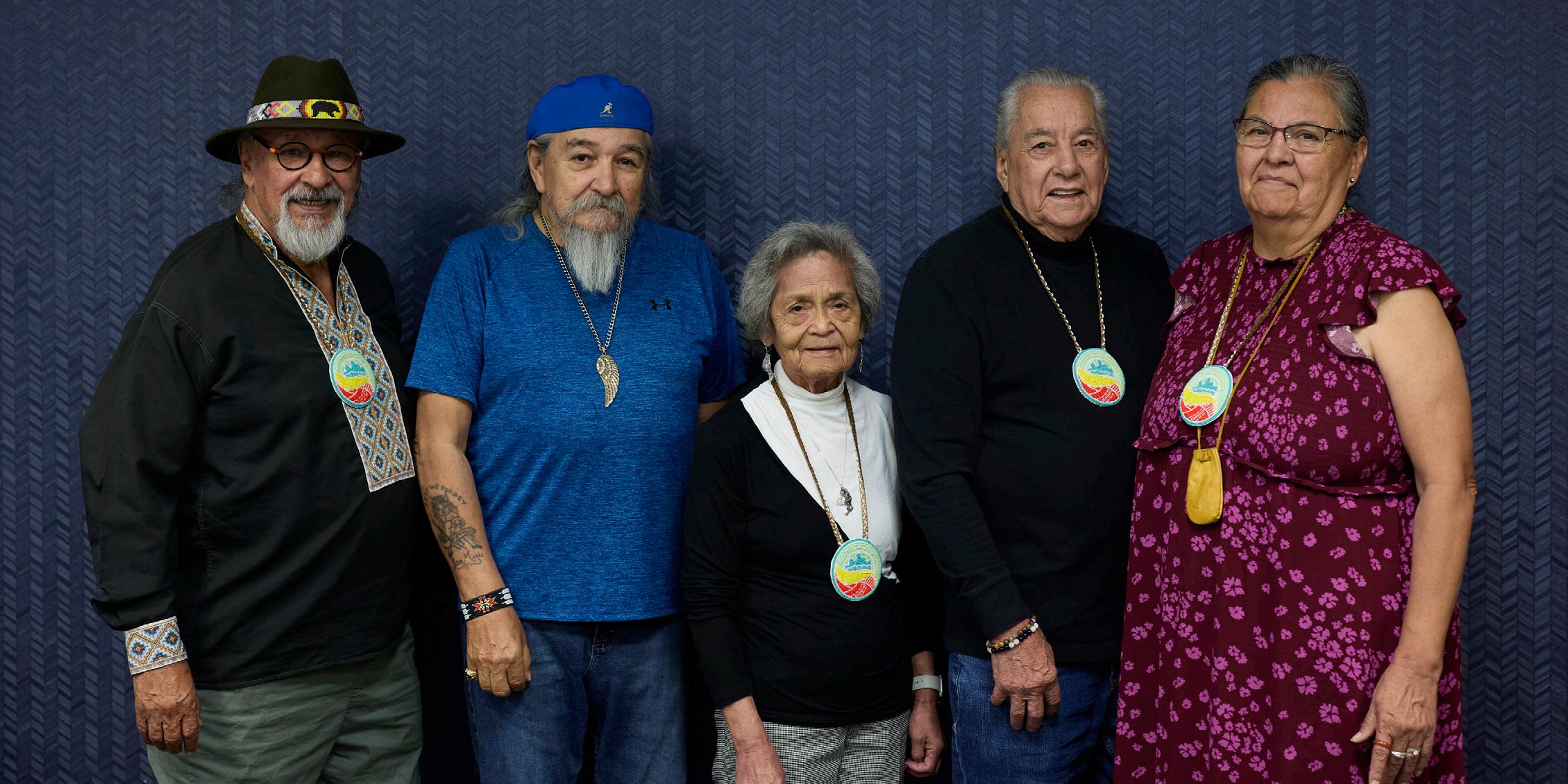
As Senators, we are actively engaged in discussions at the national, provincial/territorial, and local levels, participating in NAFC, PTA, and Friendship Centre meetings. These engagements provide us with the opportunity to contribute meaningfully to the Movement’s goals, empowering Friendship Centres to deliver essential support and services to Indigenous people in urban areas.
We are deeply grateful to everyone who has entrusted us with this responsibility. We extend our heartfelt Chi-Miigwech to all Senators, past and present, whose vision, guidance, and expertise continue to inspire and strengthen our collective efforts.
Our gratitude also goes to the dedicated staff, volunteers, and community members at Friendship Centres across the country—your unwavering commitment ensures that the doors of support and opportunity remain open for Indigenous people living in urban communities.
Throughout the year, the Senate met to discuss key issues impacting the Friendship Centre Movement.
2024 Senate Meetings:
• July 21, 2024 – Quebec City, QC
• September 23-24, 2024 – Ottawa, ON
The Senate also participated in:
• NAFC BOD Meeting (attended by Senator Ray Fox): March 5-6, 2024 - Whistler, BC
• NAFC BOD Meeting (attended by Senator Vera Pawis Tabobondung): May 15-16, 2024 - Ottawa, ON
• NAFC’s Urban Indigenous Youth Leadership Development Curriculum at Camp Des Voyageurs Tim Hortons (attended by Senator Vera Pawis Tabobondung): May 21-23, 2024 - Quyon, QC
• 34th Annual Youth Forum: July 19-20, 2024 – Quebec City, QC
• 53rd Annual Meeting: July 21-23, 2024 – Quebec City, QC
• Lobby Day: September 25, 2024 – Ottawa, ON
• Presidents and Executive Directors Meeting: September 26-27, 2024 – Ottawa, ON
• NAFC BoD Meeting (attended by Senator Winston McLeod): October 15-16, 2024 – Halifax, NS
• Data Governance Meeting (attended by Senator Ray Fox): November 4-6, 2024: Membertou, NS
The Senate continues to be the Friendship Centre Movement’s greatest resource and mentors. They are available to participate in local Friendship Centres and Provincial/Territorial Associations meetings and events when invited.
The NAFC continues to support the key goals and objectives brought forth in the Senate’s strategic planning session which focused on knowledge transmission, supporting youth leadership development, filling vacant Senate positions, and succession planning.
All Our Relations,
Senator Marge White, BC
Senator Linda Boudreau-Semaganis, AB
Senator Ray Fox, SK
Senator Winston McLeod, MB
Senator Vera Pawis Tabobondung, ON
Senator Dominique Rankin, QC
Senator Adeline Webber, YT (Inactive)
Senator Myrtle Banfield, NL (Inactive)
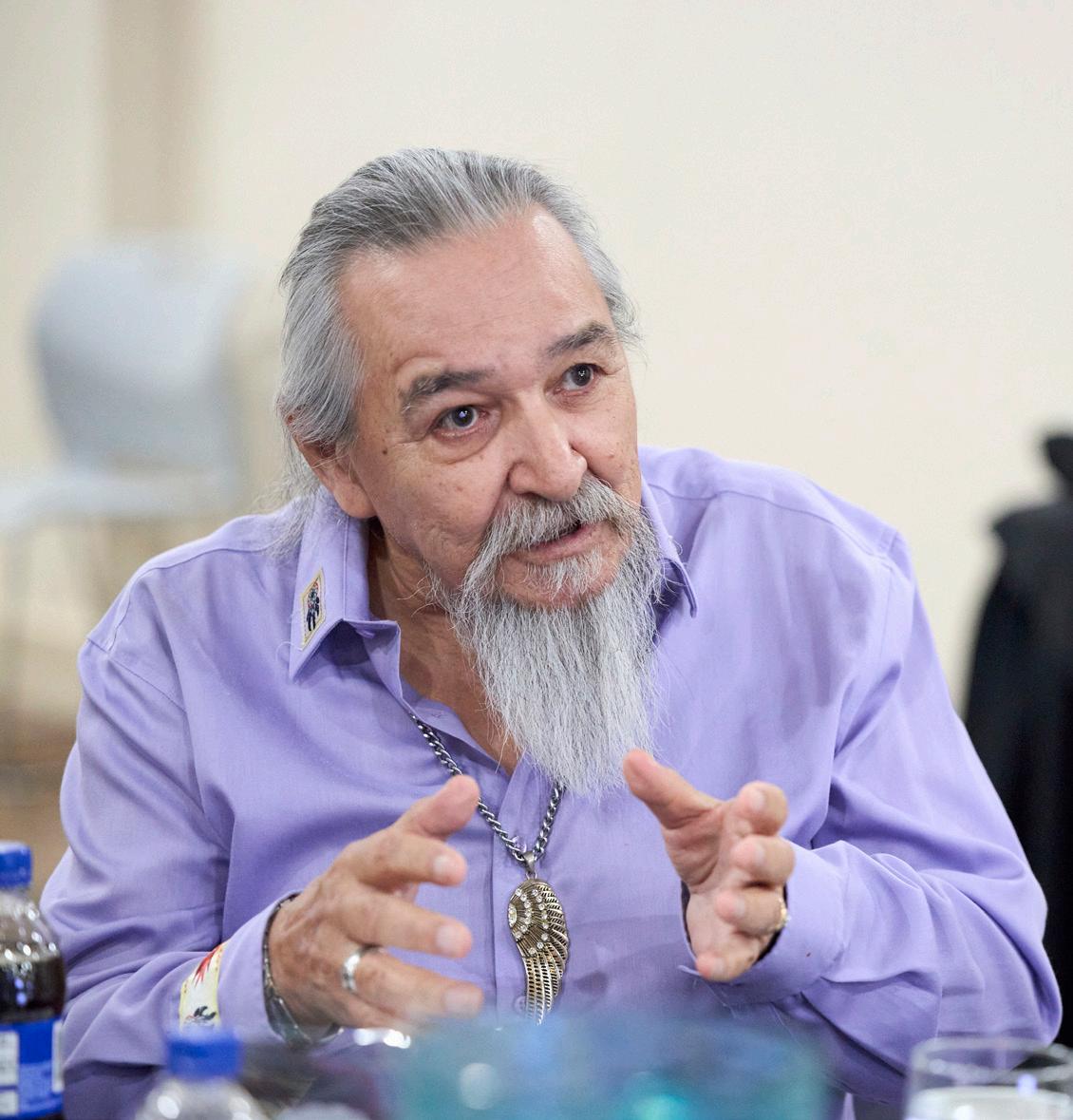
Throughout the year, the NAFC Executive Committee and Board of Directors come together to discuss key issues impacting the Friendship Centre Movement. An annual President and Executive Directors Meeting is also held and attended by the Board, Executive Committee, NAFC Senior Management, along with Presidents and Executive Directors from Provincial/Territorial Associations and Friendship Centres.
2024 Executive Meetings:
• February 29, 2024 – Virtual
• May 9, 2024 – Virtual
• July 20, 2024 – Quebec City, QC
• September 4-5, 2024 – Whitehorse, Yukon
• October 11, 2024 – Virtual
2024 Board Meetings:
• March 5-6, 2024 – Whistler, British Columbia
• May 15-16, 2024 – Ottawa, Ontario
• July 21, 2024 – Quebec City, Quebec
• October 16-17, 2024 – Halifax, Nova Scotia
President and Executive Directors Meeting:
• September 26-27, 2024 – Ottawa, Ontario
The Proposal
Issue: Federal Friendship Centre funding (via Urban Programming for Indigenous Peoples) sunsets in 2025.
Impact: Over 1 million people that rely on FC programming are at risk of disruption to crucial culturally relevant services. Thousands of Indigenous jobs are at risk of disappearing.
Challenge: Lack of stabilization of FC funding; lack of federal recognition of urban Indigenous responsibility resulting in jurisdictional wrangling between levels of government; and federal austerity measures.
Ask:
1. Stabilized Core Funding: Current NAFC funding expires in 2025, has not kept up with the rate of inflation or actual cost of services since 2005, does not account for the growing population served, and the ongoing needs of Friendship Centres.
2. Emergency Response Funding & Climate Change Mitigation: The NAFC urges the development of a permanent funding mechanism to all Friendship Centres to respond to the ever in increasing needs arising from climate related natural disasters.
3. Devolution and Transfer of Services to Indigenous Entities: The devolution/transfer of services to the NAFC will empower Indigenous communities to determine their own futures, supports and institutions, moving us away from a colonial relationship informed by oversight, overreach, and instability.
Cost: Starting at $62.2 million in year 1 with annual inflation escalator. Approximately $684,000,000 over the next 10 years.
Results:
In the Last Year: FCs reach millions of points of contact each year and support hundreds of thousands of urban Indigenous people every single day from coast to coast to coast.
• Friendship Centre services were accessed 2.3 million times
• Friendship Centres offered over 2600 programs
• Employed over 3100 staff
• Were supported by over 10,300 volunteers
Friendship Centres Across Canada Actively Support:
• 47 of the 94 TRC Calls to Action
• 76 of the 231 MMIWG2S+ Calls for Justice
• 21 of 46 articles in UNDRIP
• 9 Sustainable Development Goals (SDGs)
The National Office has moved temporarily!
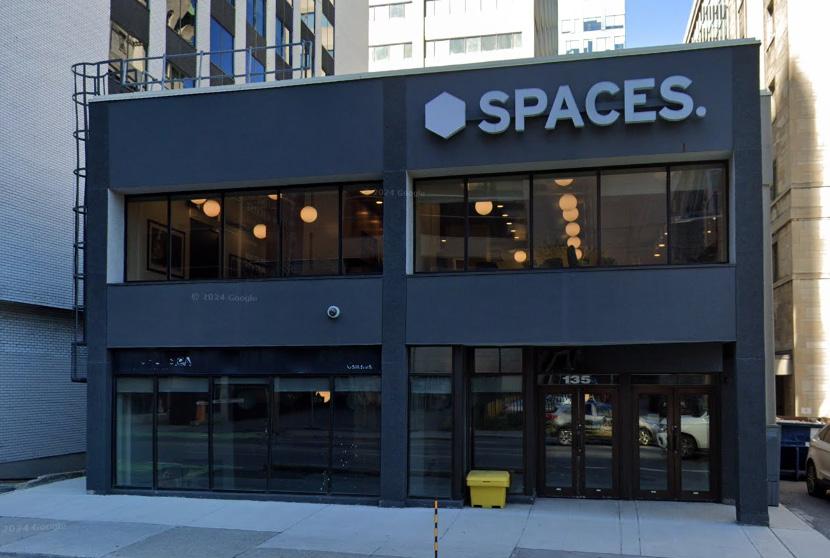
The NAFC has moved into our temporary space at 135 Laurier Avenue West (Spaces) while our office undergoes a muchneeded renovation that will help us better accommodate friends and members of the Friendship Centre Movement in the future. We look forward to welcoming everyone back to 275 MacLaren once all of our renovations are done but until then, come say hello at our temporary location.
The NAFC in collaboration with ChangeMakers Canada (formerly known as Argyle-Castlemain) have launched our Program Renewal campaign to advocate for the Friendship Centre Movement and stress the importance that funding Friendship Centres is crucial. Friendship Centres need long-term government funding so that they can continue to provide Urban Indigenous people across Canada with programs and services that are essential and culturally-relevant.Phase one of the campaign launched in late fall 2024 and includes testimonial videos from members of the FCM. The next phase of the campaign is in development, with the campaign continuing until winter 2026.
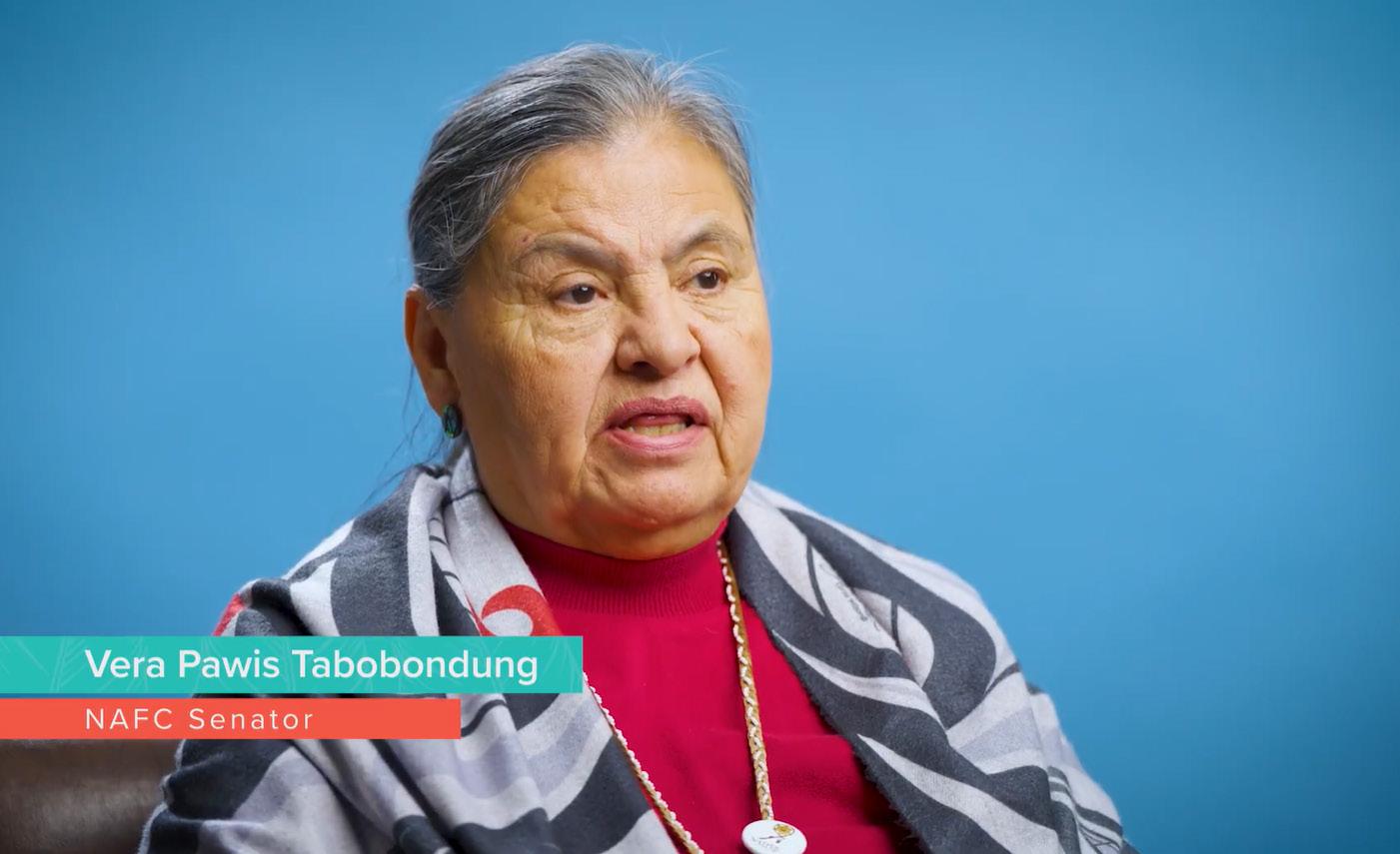
To learn more about the campaign, please visit: www.nafc.ca/support-the-fcm
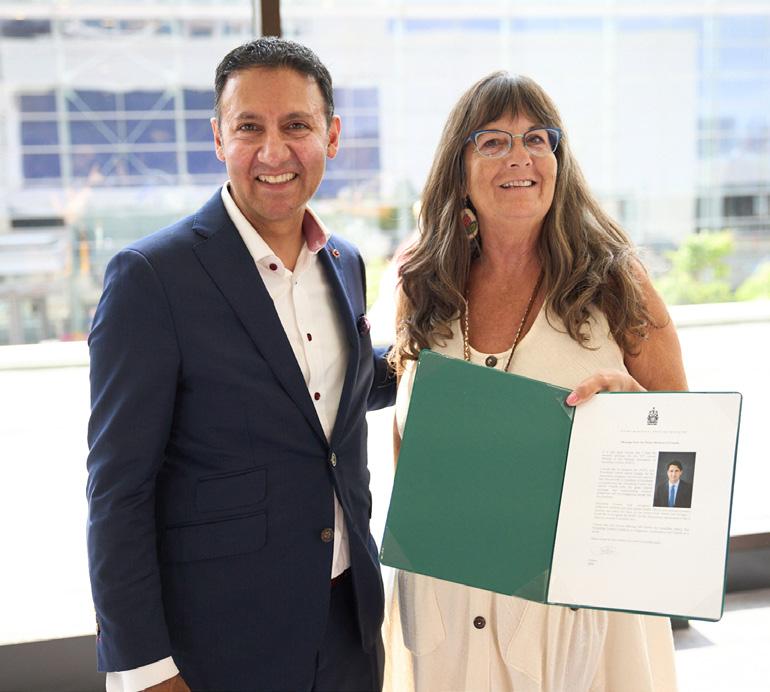
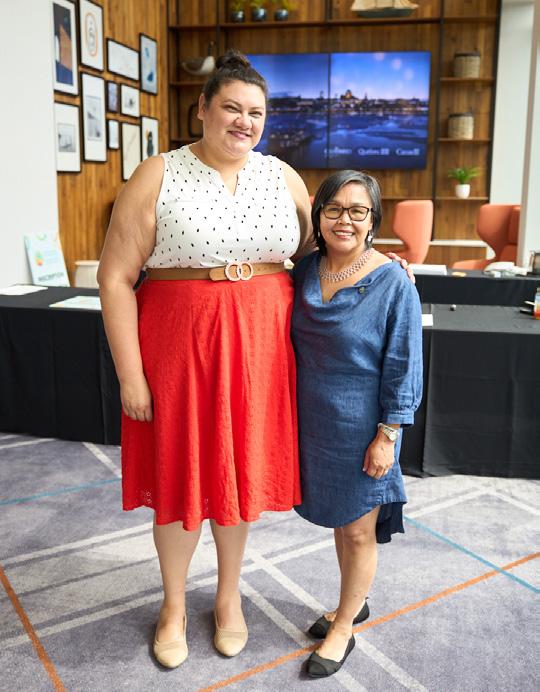
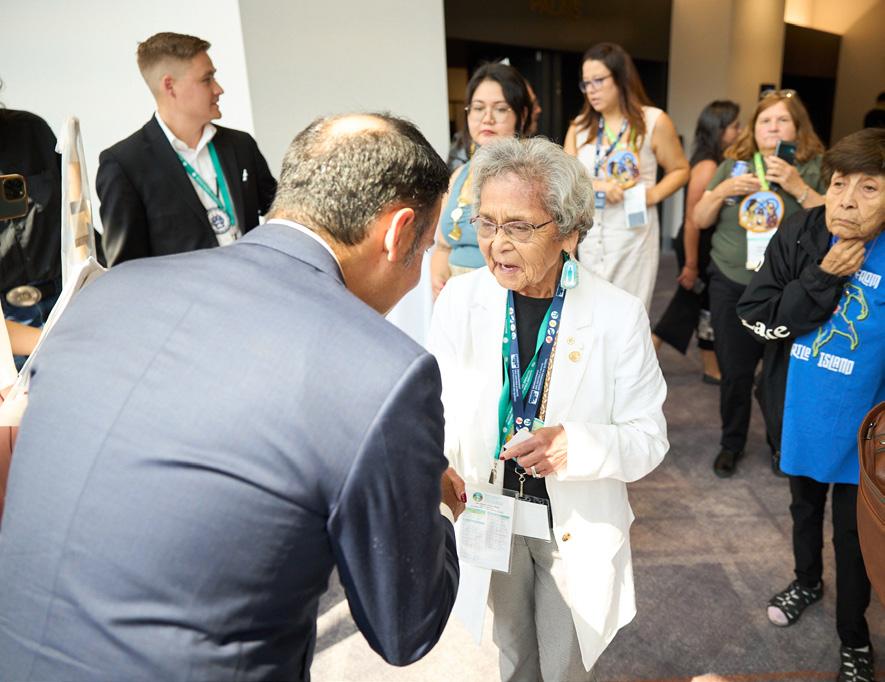
The 53rd Annual Meeting was held July 21-23, 2024, in Quebec City. The Annual Meeting had over 375 participants made up of delegates, youth, community members, and partners. Together we discussed issues relating to the Friendship Centre Movement including core funding. A total of three resolutions were passed at the Annual Meeting.
They included:
1. Resolution #2024-07-01 – NAFC BY-LAWS YOUTH AGE
2. Resolution #2024-07-02 – INDIGENOUS HEALTH ACT
3. Resolution #2024-07-03 – MOBILIZING LOCAL COALITIONS
A big highlight from this year’s Resolutions passed was the NAFC By-Laws Youth Age. The NAFC is pleased to announce that the new youth age range for is 14-29 years of age. This is an exciting advancement to ensure youth are represented in our leadership and governing bodies.
A special thank you to our host, the Regroupement des centres d’amitié autochtones du Québec for your support and all your hard work. Thank you especially for hosting the beautiful boutique, and reception at the Hôtel-Musée Premières Nations which featured a visit of the Ekionkiestha’ National Longhouse, an incredible performance by Indigenous artists at the Wendake outdoor amphitheatre, and the breathtaking Onhwa’ Lumina show.
Executive Committee of the Board of Directors elections:
Pam Glode-Desrochers and Laurie Bouvier were reelected to the Executive Committee as Vice President and Treasurer. The NAFC looks forward to another two years of leadership from them on our all-Indigenous women Executive Committee.
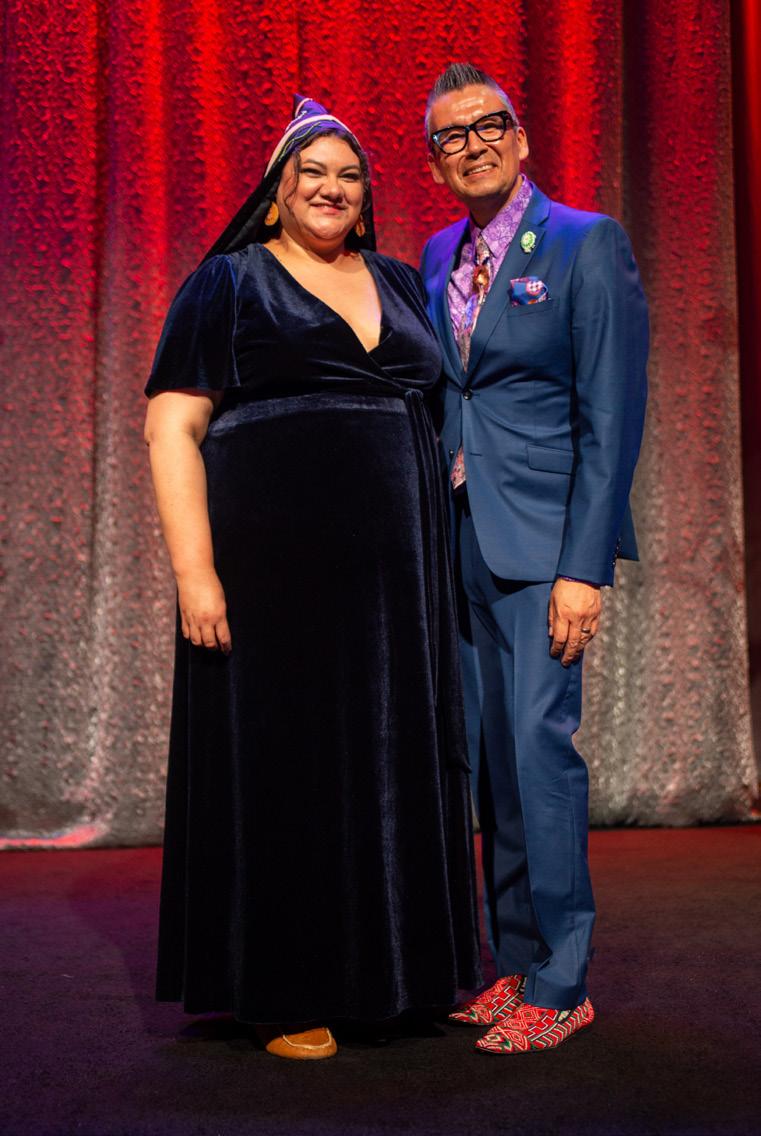
The 2024 Indspire Awards took place in April at the Shaw Centre in Ottawa. The Indspire Awards represents the highest honour the Indigenous community bestows upon its own people.
This year NAFC’s CEO Jocelyn W. Formsma was awarded the 2024 Indspire Public Service Award in recognition of her outstanding contributions to the Indigenous community. This well-deserved honour is a testament to Jocelyn’s more than 20 years of dedicated service within the Friendship Centre Movement and her unwavering commitment to the betterment of all aspects of life for Indigenous people.
Congratulations Jocelyn, we are so proud of you!
To learn more, please visit: https://indspire.ca/laureate/jocelynformsma/
The NAFC proudly stood in solidarity with the Odawa Native Friendship Centre, the Assembly of Seven Generations, and Indigenous community members from Ottawa and Kitigan Zibi to support our 2S and IndigiQueer community members by marching in the Capital Pride Parade on August 25th.
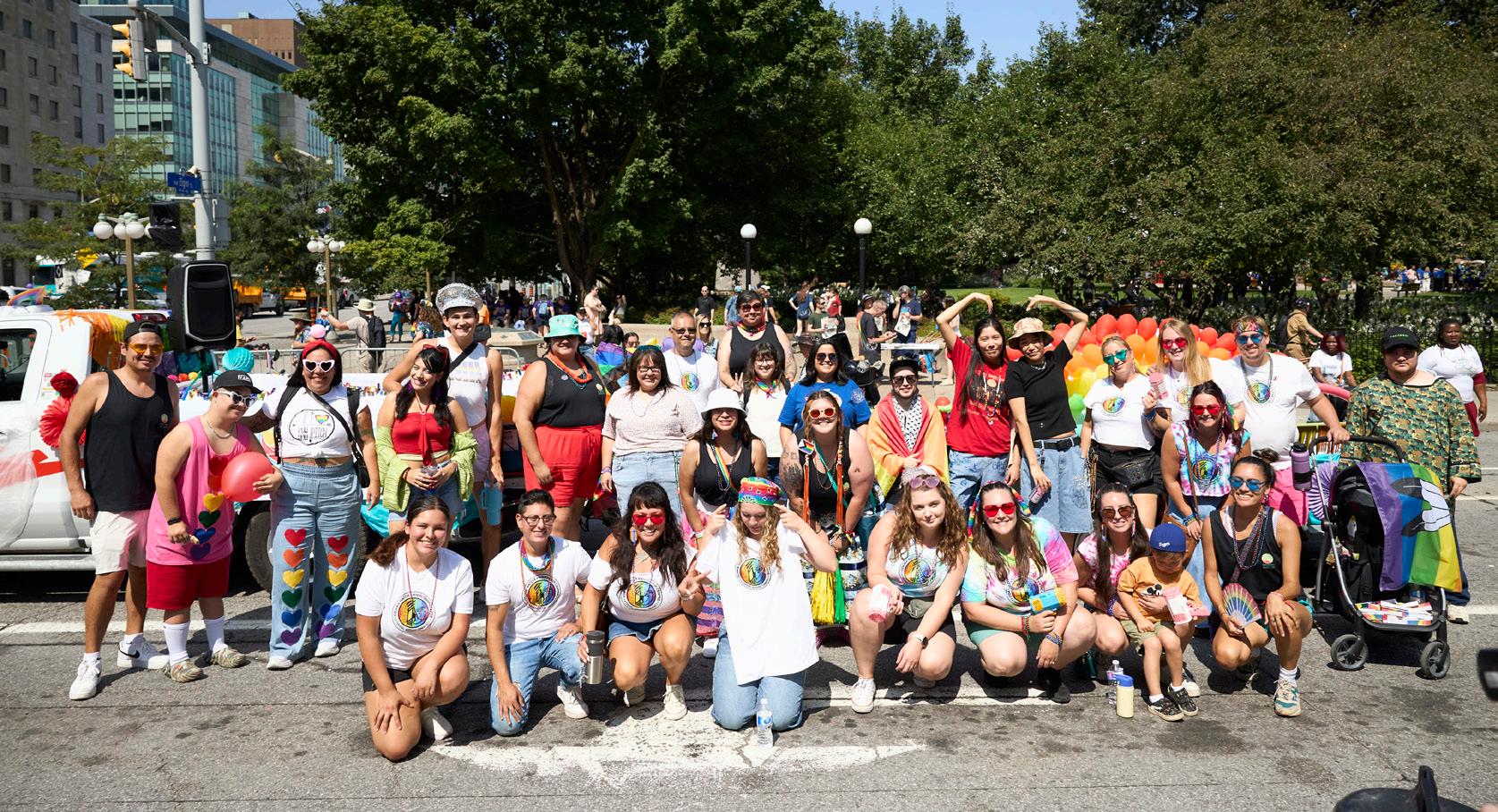
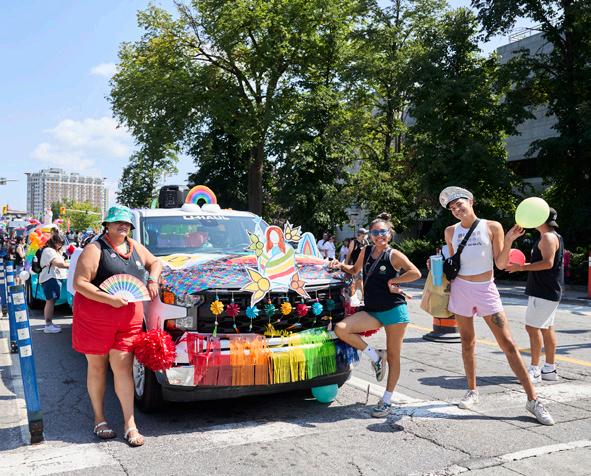
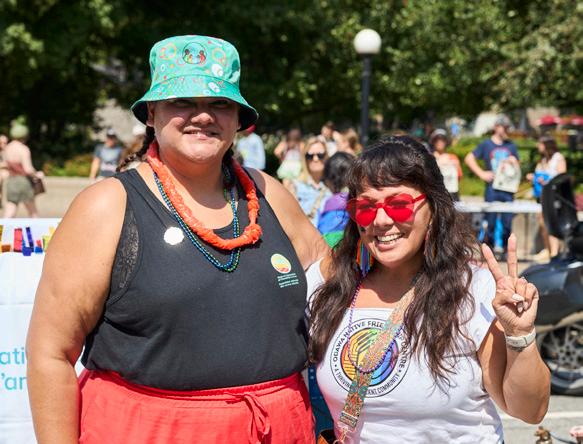
The NAFC remains committed to working with the Friendship Centre Movement to create safer spaces, educate our communities, and ensure culturally relevant, accessible, and appropriate services are available. We celebrate the diversity of IndigiQueer, 2Spirit, LGTBQQIA+ staff, volunteers, leaders, youth, and Elders, and appreciate their accomplishments and participation in our work.
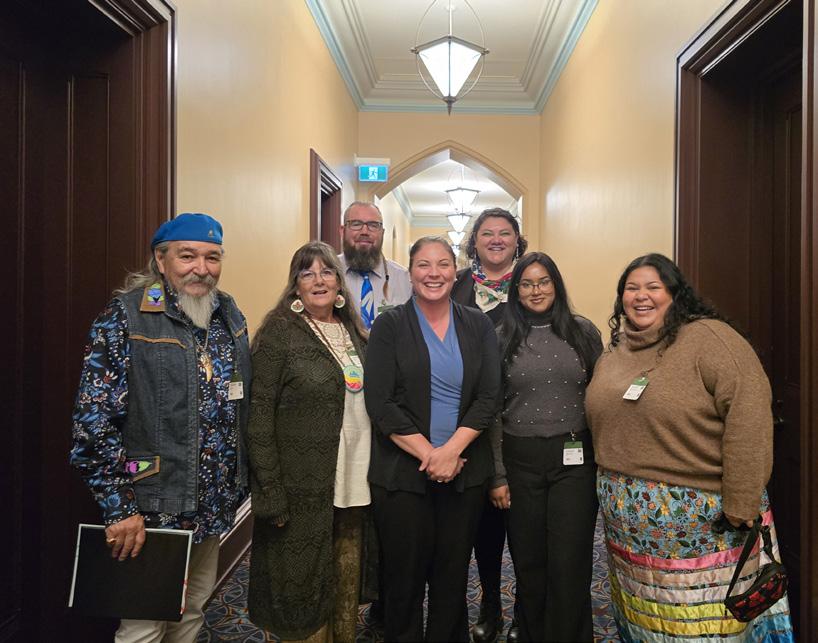
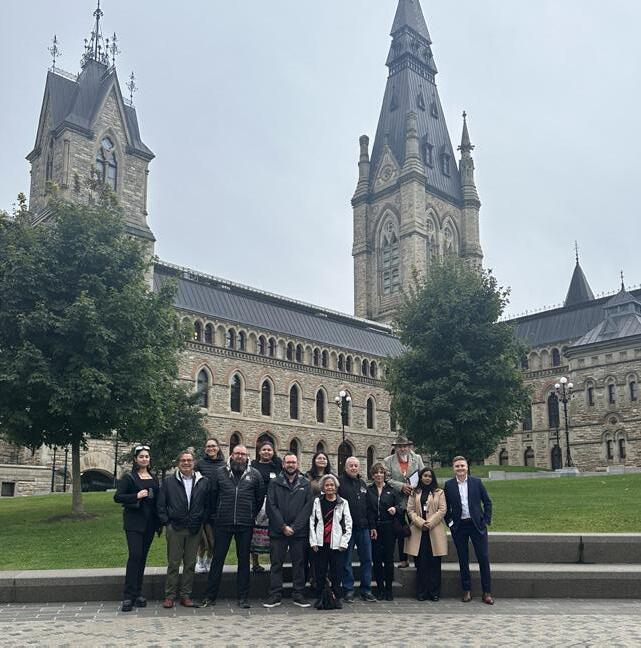
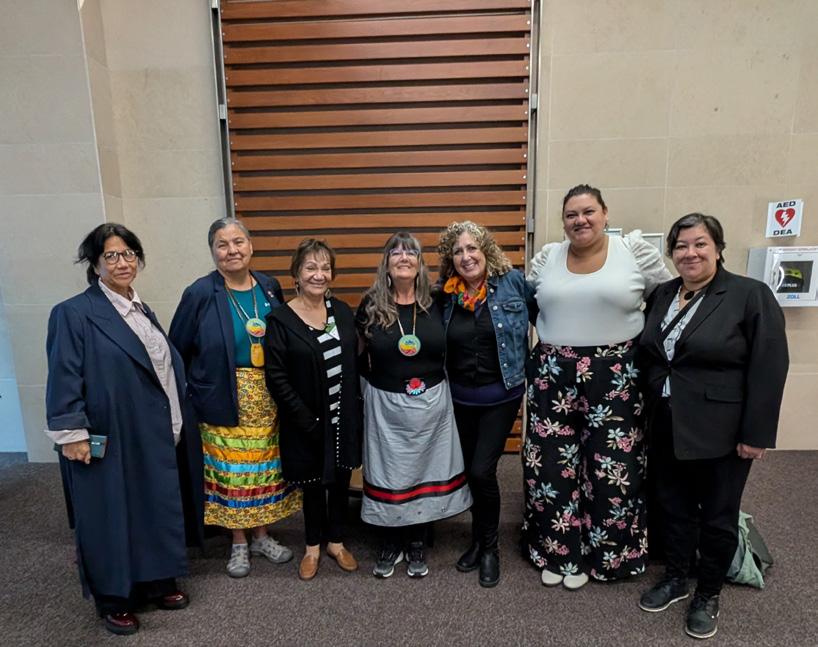
Friendship Centres Delegates and Youth Representatives from across Canada dedicated themselves to amplifying urban Indigenous voices in discussions with government officials and political leaders in September in Ottawa. They brought forward pressing issues and established key relationships that will enhance urban Indigenous representation in policymaking while driving forward the priorities outlined in the 2025 Pre-Budget Submission.
Advocacy Day was a resounding success, providing Friendship Centres, PTAs, and the NAFC the opportunity to advocate at the highest levels of government. Friendship Centre representatives engaged with key decision-makers, including the Office of the Deputy Prime Minister & Minister of Finance, Senators, the Office of the Leader of the Opposition, the Minister of Mental Health and Addictions, the Parliamentary Secretary to the Minister of Crown-Indigenous Relations, the Shadow Minister for Crown-Indigenous Relations, and the Parliamentary Secretary to the Minister of Indigenous Affairs.
Delegates had the opportunity to attend the House of Commons Question Period, while members of the Youth Council attended the Indigenous Peoples Standing Committee (APPA). Advocacy Day reinforced the power of collective advocacy and strengthened our ongoing efforts to advance the priorities of the FCM and for urban Indigenous peoples from coast-to-coast-to-coast.
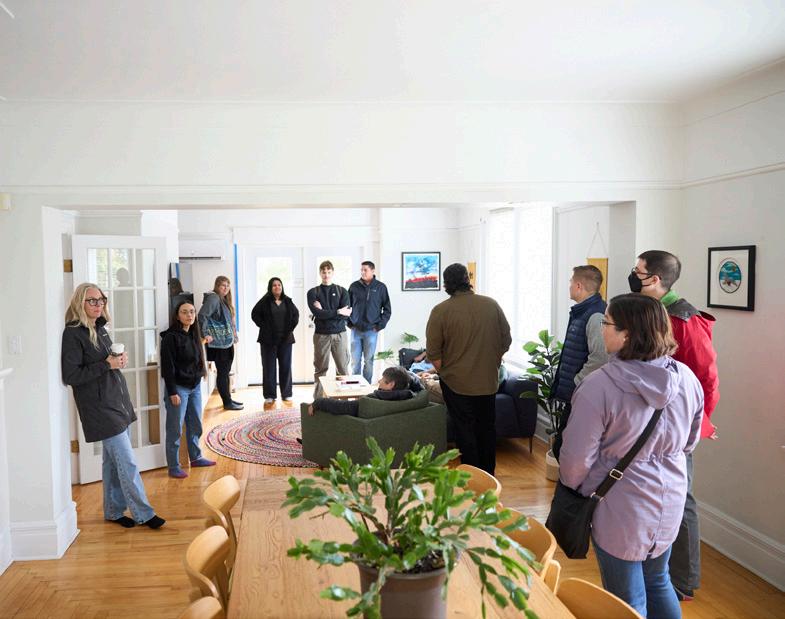
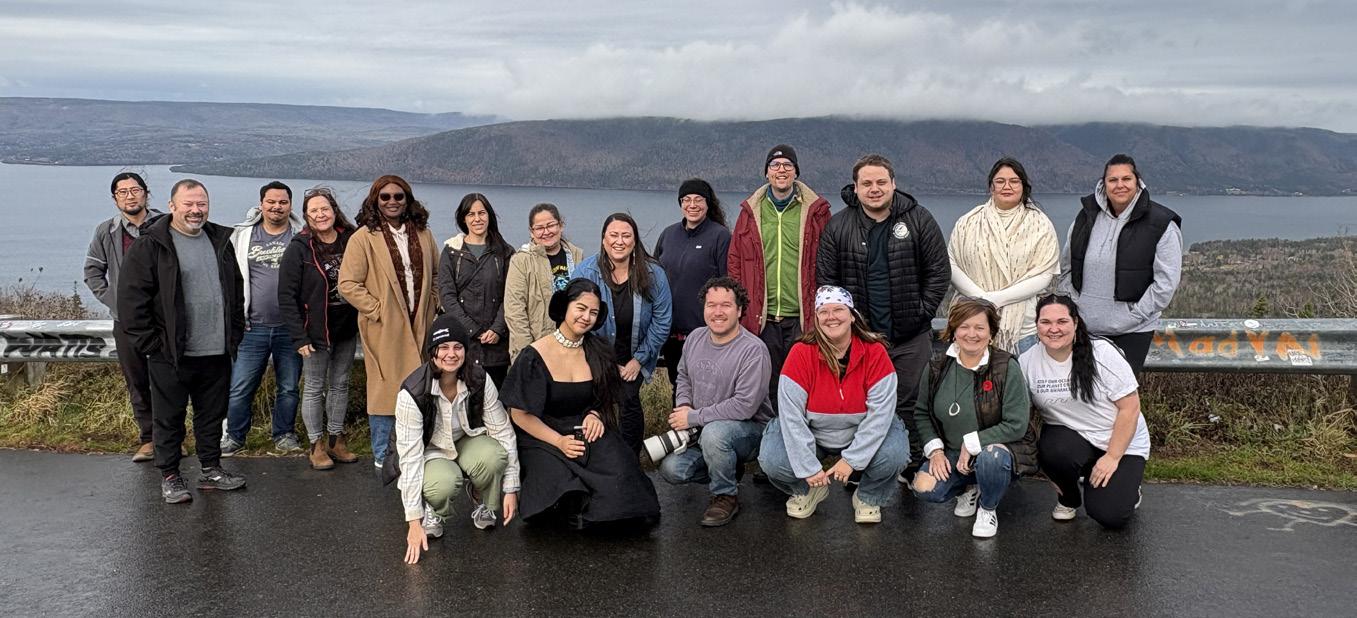
In May, the NAFC had our Spring Staff Retreat at the Odawa Native Friendship Centre in Ottawa. The retreat started with a tour of the Friendship Centre where we learned about the amazing programs and services they offer to the community. Over the two days, staff participated in several workshops focused on team building and planning for the future. Thank you to the Odawa Native Friendship Centre for welcoming us into your space.
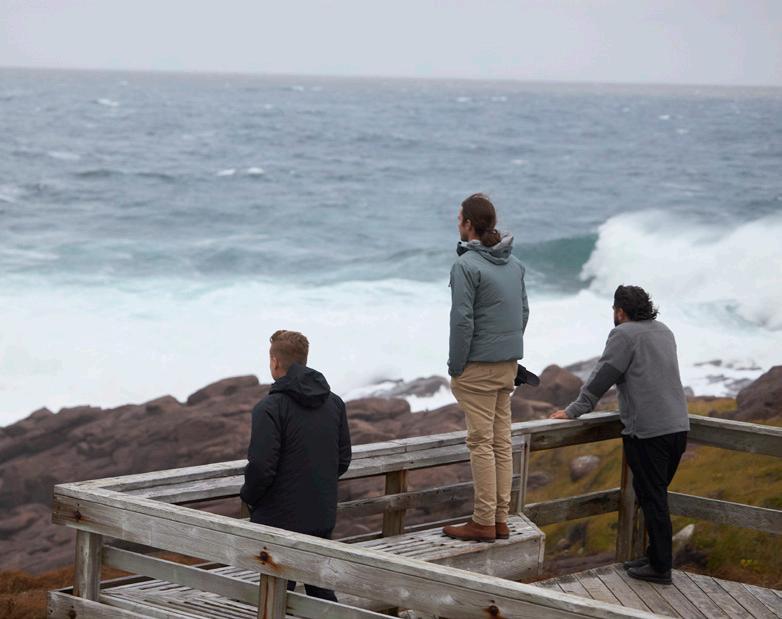
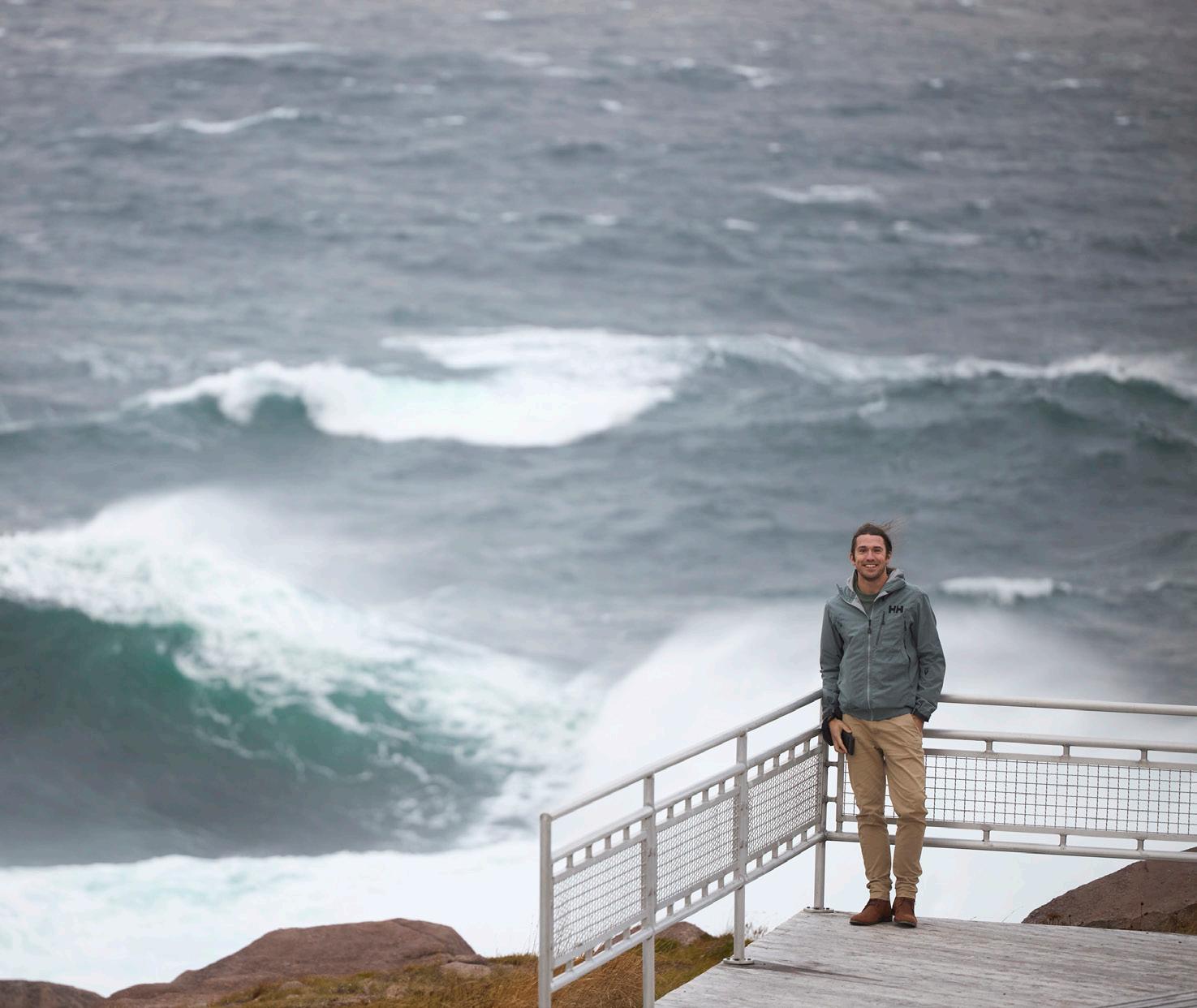
In October, the NAFC staff travelled to St. John’s, Newfoundland for our Fall Staff Retreat. We were graciously hosted by First Light St. John’s Friendship Centre which is one of three Friendship Centres in Newfoundland and Labrador.
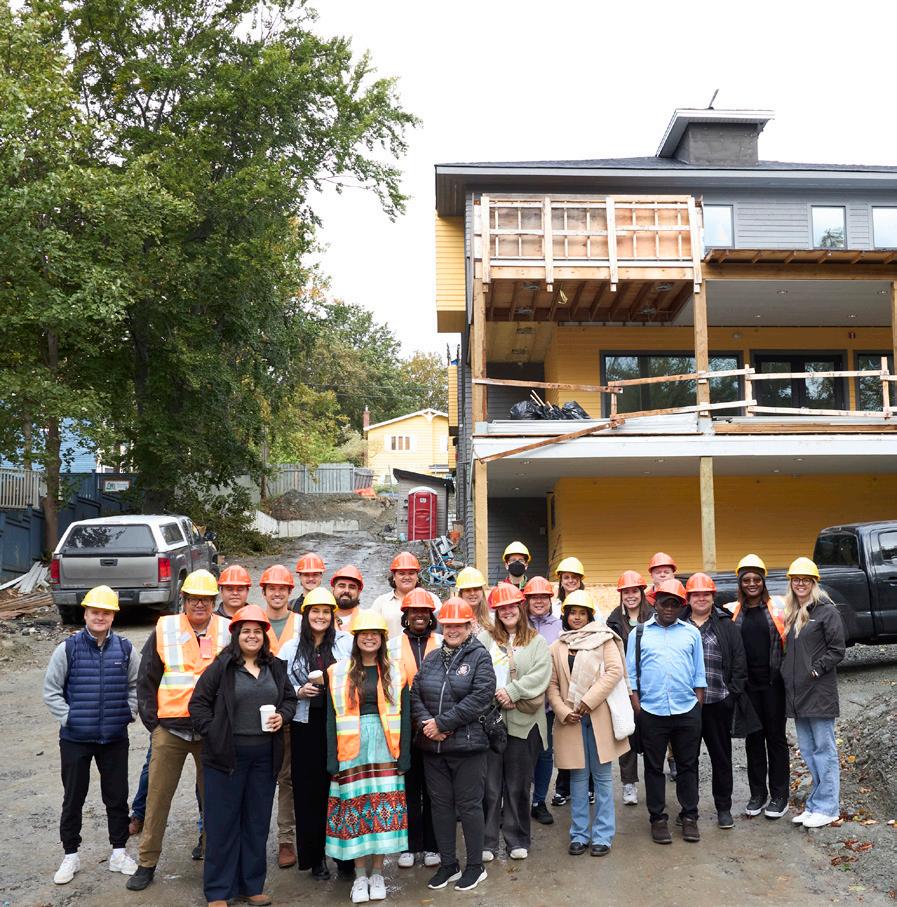
The NAFC was given a tour of First Light’s new housing project on Water Street, a multi-unit solo occupancy housing development in the final stages of construction. The team then toured their social enterprise, the Lunar Inn (a recipient of the Investment Readiness Program). The Lunar Inn fills a gap that existed for guests who require long-term accommodation when travelling for health needs with an understanding of the unique cultural needs and wants of their clientele.
Following the tour, NAFC staff spent time at First Light’s Centre for Performance and Creativity for cultural diversity training, as well as team building activities.
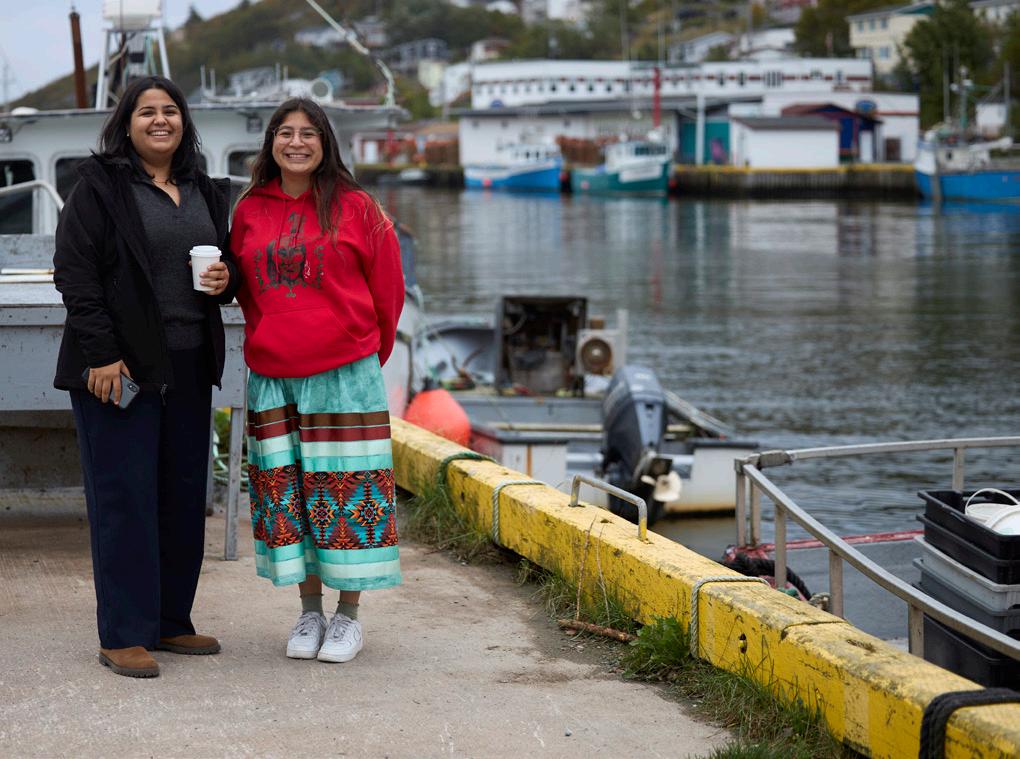
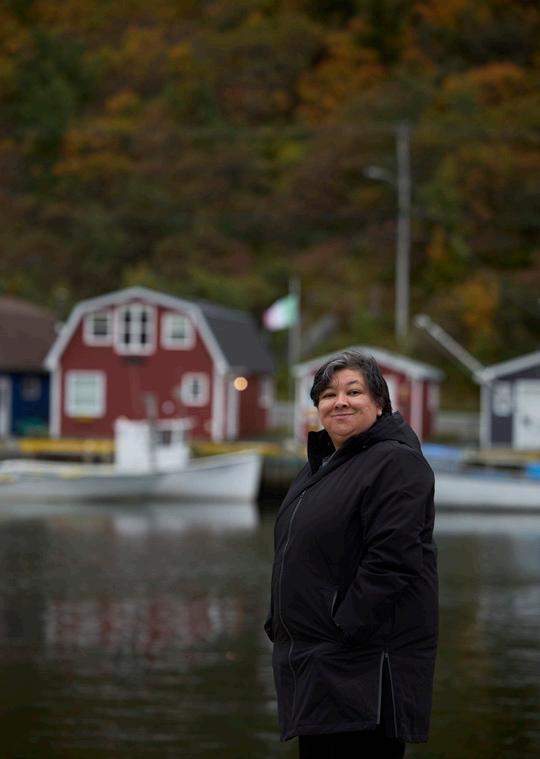
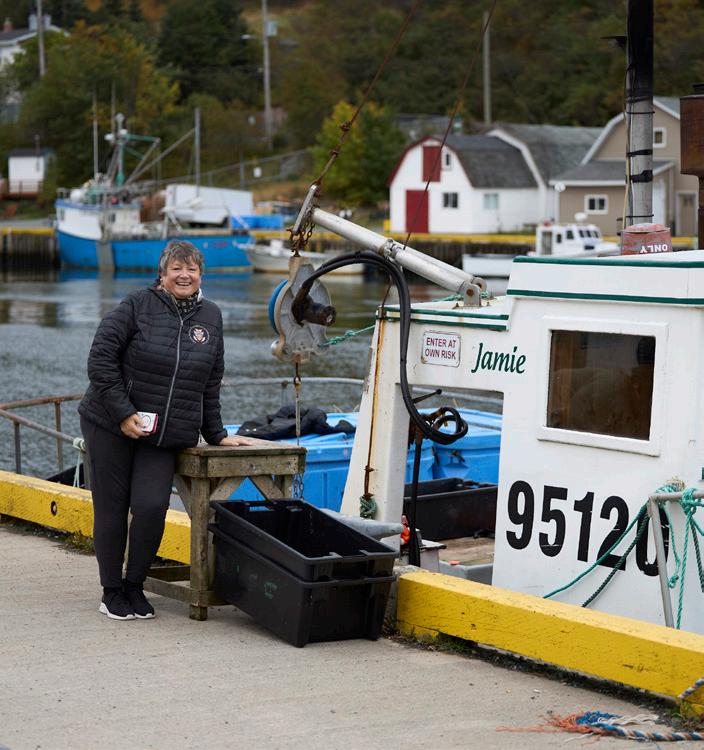
Thank First Light for welcoming us to Newfoundland, for hosting us at your Friendship Centre, and for providing us a tour of St John’s and some of the amazing sights it has to offer.
The Communications Team has been essential in keeping the NAFC connected with the Friendship Centre Movement, the public, and our partners. This support included French translation, press releases, media relations, website updates, social media, and photography. They also created content for key events like the Annual Meeting, Youth Forum, and other NAFC events like webinars and training sessions. Additionally, the team contributed to fostering partnerships and sharing updates with the Friendship Centre Movement.
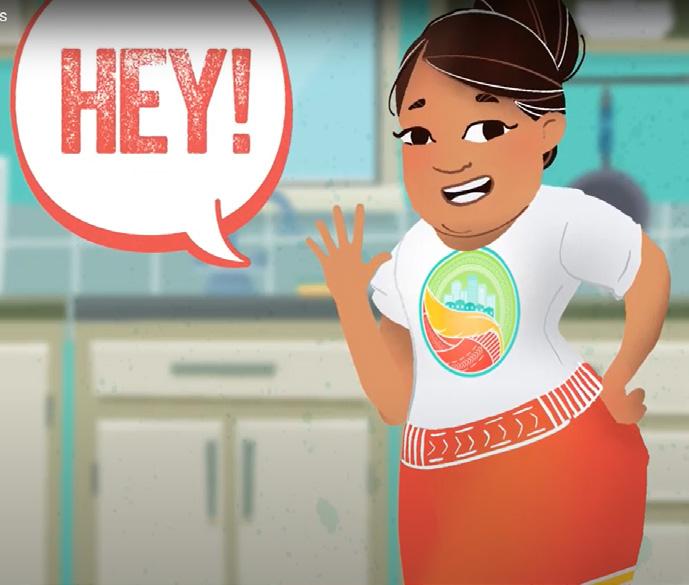
With funding from the Public Health Agency of Canada, the NAFC continued its Auntie Cares! campaign to provide COVID-19 and flu vaccination information to urban Indigenous communities. The animated Auntie character helped share accurate, up-to-date info.
In May, the NAFC delivered a keynote presentation on our Auntie Cares! campaign at the National Immunization Strategy Renewal Summit. The presentation emphasized the importance of including urban Indigenous peoples in the creation of messaging and initiatives related to vaccines and other health topics.
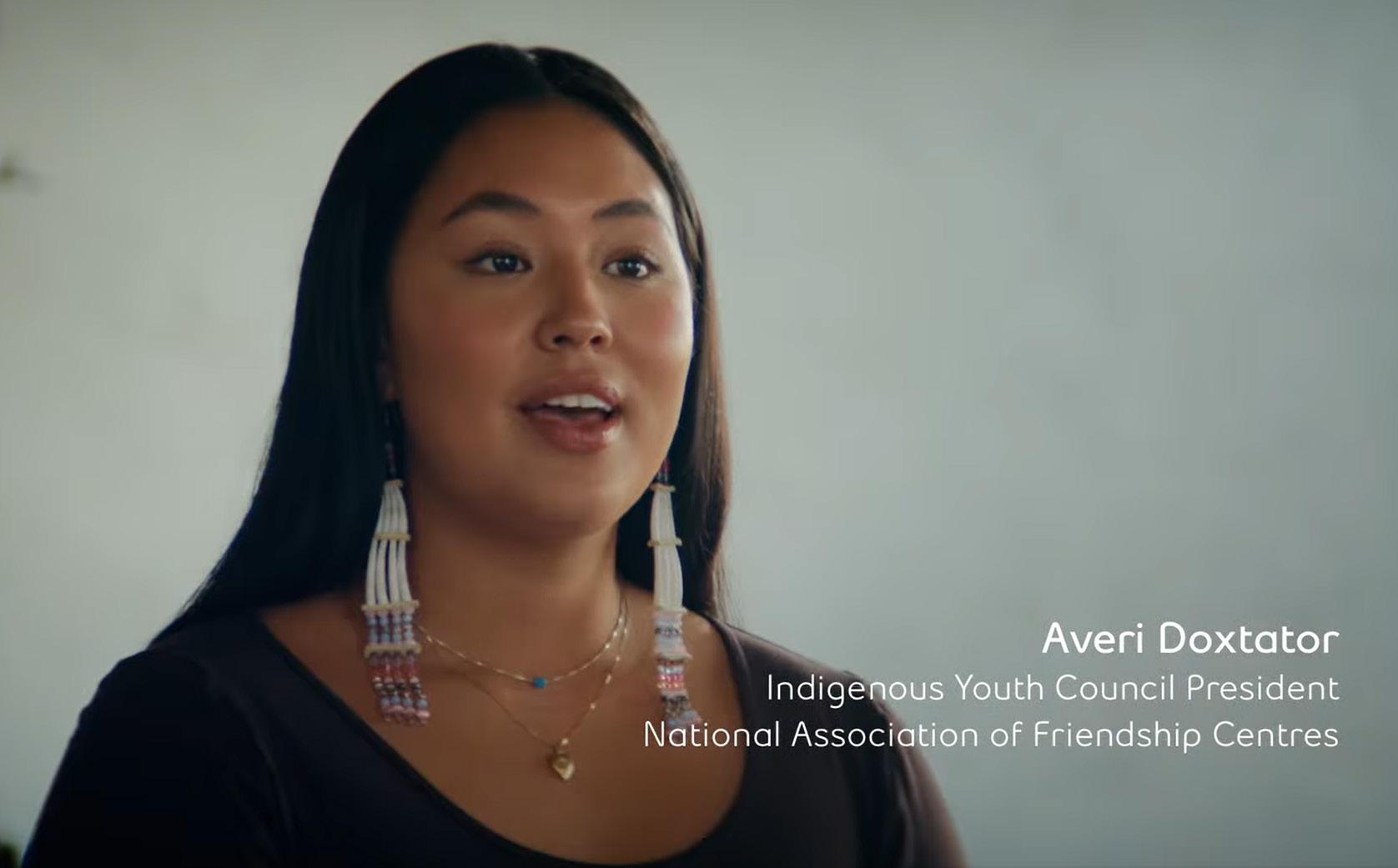
For the second year, Bell Let’s Talk invited the NAFC to participate in their campaign, focusing on Indigenous mental health and the crucial role Friendship Centres play in enhancing the well-being of Indigenous people in urban areas. Averi Doxtator, President of the NAFC’s Indigenous Youth Council, served as our spokesperson. Members of the Friendship Centre Movement were interviewed to discuss the barriers Indigenous people face in accessing mental health supports. A 30-second video was aired on television, while a shorter 15-second version was featured online and on social media. To view the videos, please visit www.nafc.ca/bell-lets-talk24
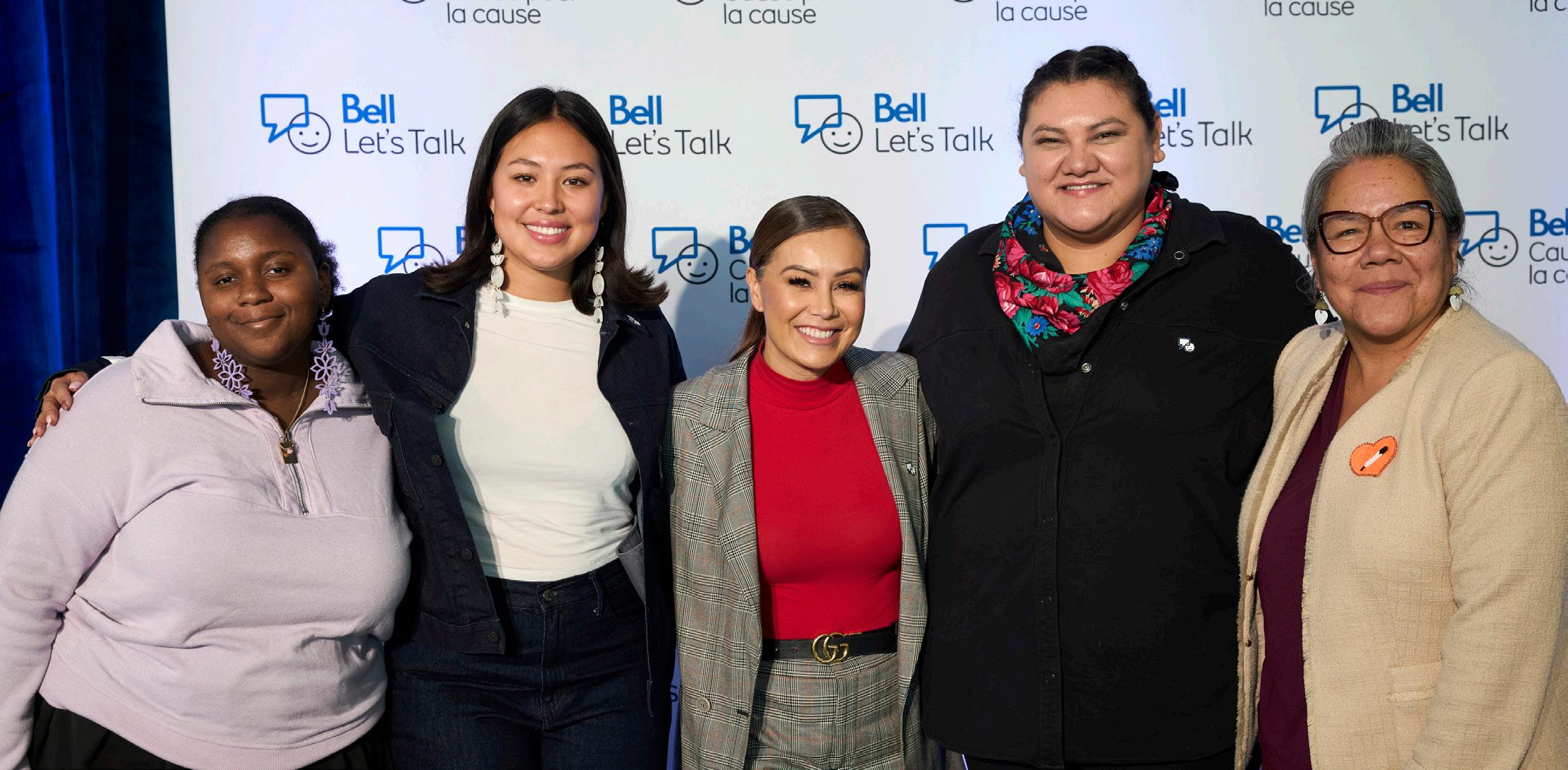
In October, Bell Let’s Talk announced their partnership with NAFC for 2025, with a focus on youth mental health. NAFC Communications collaborated with Averi Doxtator, to help unveil the new national report on youth mental health and discuss the realities Indigenous people face in accessing mental health services during a panel hosted by Melissa Grelo, Co-Host of CTV’s The Social. For more information, please visit: https://nafc.ca/blt25
The NAFC continued its partnership with Elections Canada to help reduce barriers to democratic participation for electors. This included providing information on accessible services and tools, voter registration, voting, working, and running in federal elections. Elections Canada had an information booth at NAFC’s Youth Forum this summer, and hosted an “Inspire Democracy” workshop in the fall.
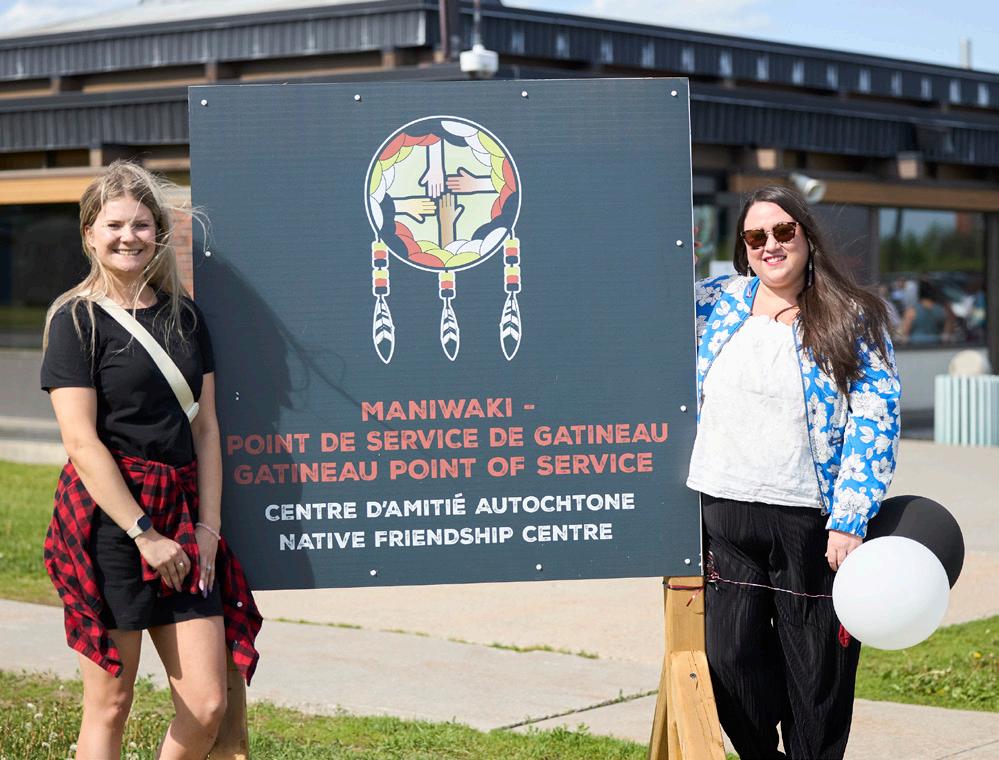
In May, the Communications Team gathered to develop our communications strategy, engage in team-building activities, and attend the grand opening of the Maniwaki Native Friendship Centre’s Gatineau Point of Service.
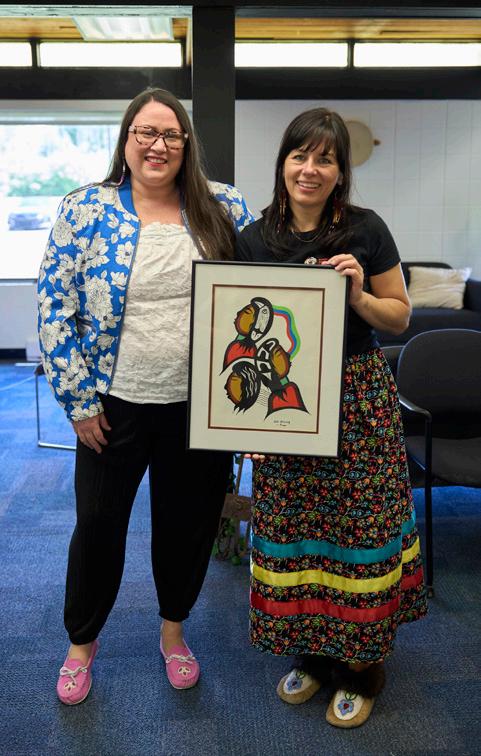
As guests of Bell, NAFC’s Indigenous Youth Council President Averi Doxtator, and Senior Communications Coordinator John Paillé attended Indspire’s ‘A Feast in the Forest,’ a fundraiser to support First Nations, Inuit, and Métis students.


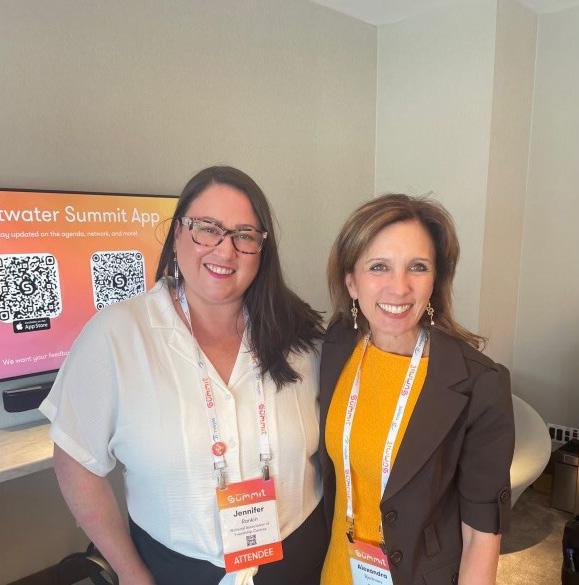
The NAFC Communications Team attended the Meltwater Summit in New York City, where they participated networking opportunities and thought-provoking sessions with industry leaders in Communications, Marketing, and PR. Highlights included a keynote presentation by Canada’s own Ryan Reynolds and panels on topics such as “Changing the Game in Women’s Sport,” “Culture & Relevancy in an EverChanging Media Landscape,” and “Remaining Human in the Digital Age.” They also enjoyed a VIP networking lunch with Meltwater, where they engaged in stimulating conversations with Meltwater Chief Strategy Officer Alexandra Saab Bjertnæs and Executive Director EVP David Houston.
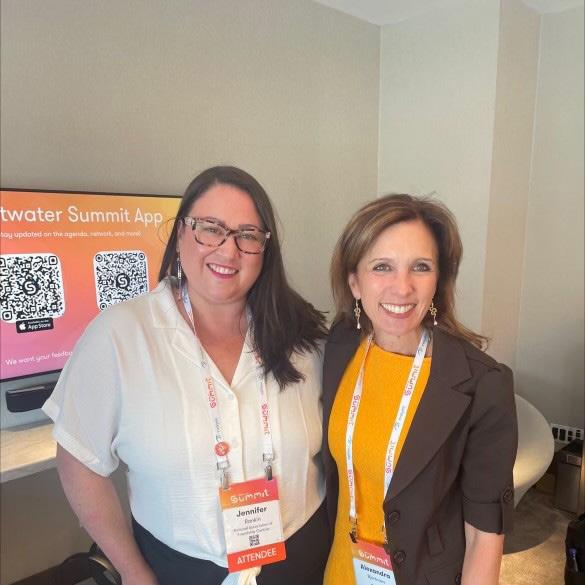
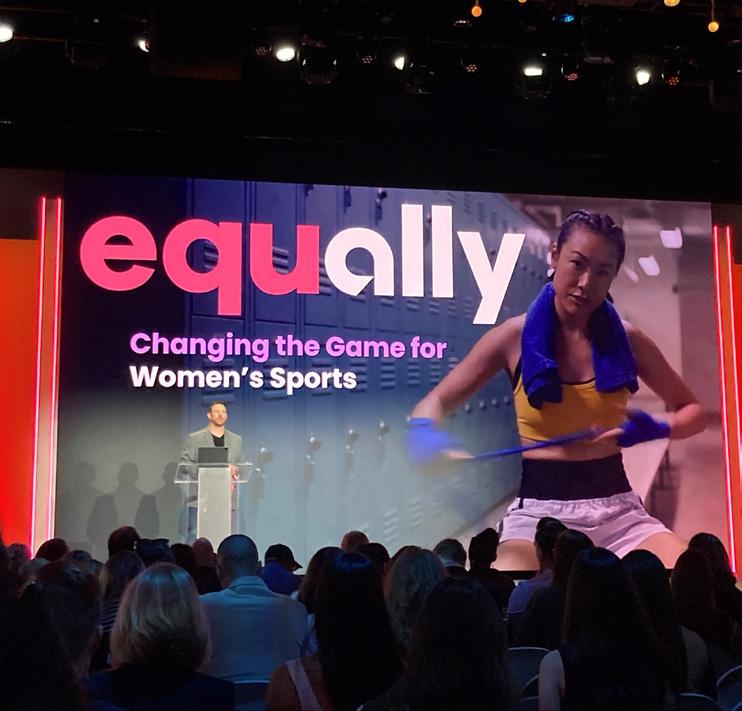
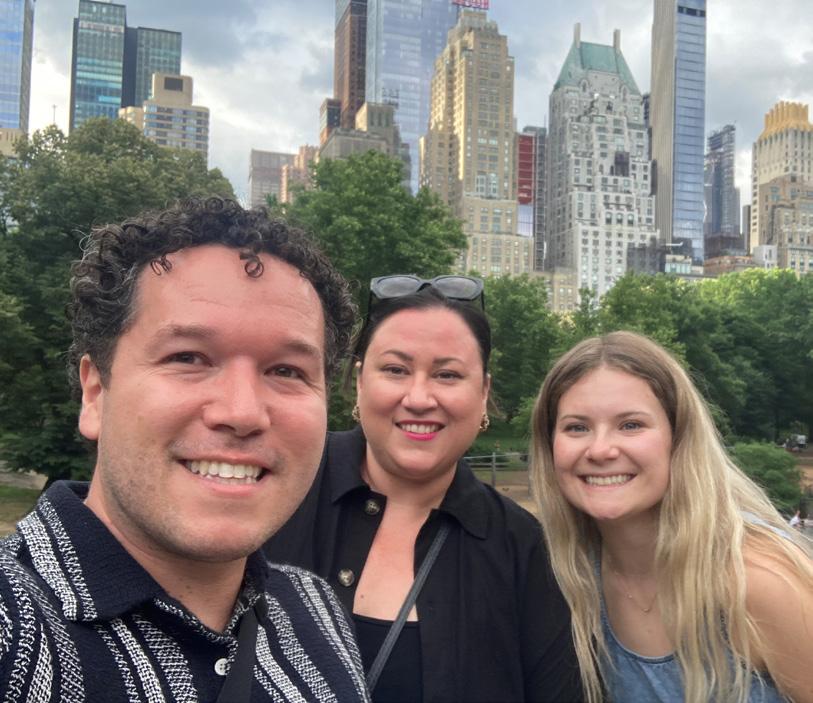
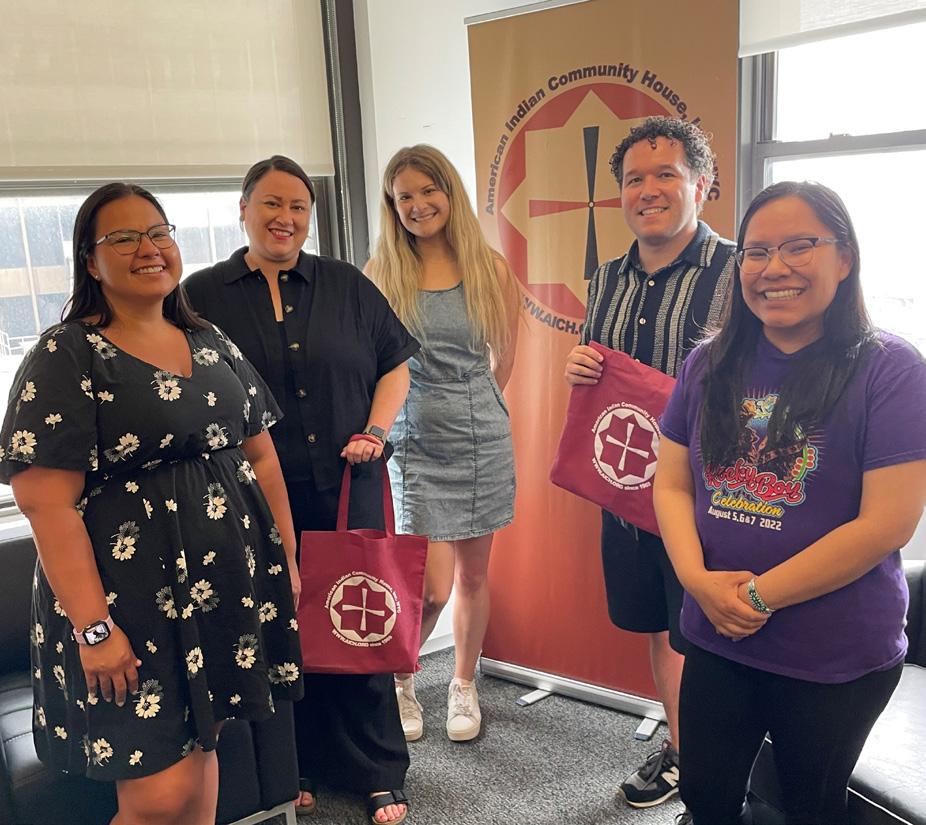
While at the Meltwater Conference, the team visited the American Indian Community House (AICH). It was a valuable experience to meet with an urban Indigenous organization that operates similarly to Friendship Centres and to learn about their work and operations.
The AICH, founded in 1969 by Native American volunteers, and is NYC’s oldest Indigenous organization. It is dedicated to improving the status of Native Americans and fostering inter-cultural understanding. We look forward to continuing to build this relationship and support each other’s missions to enhance the well-being of Indigenous peoples living in urban communities.
The Communications Team publishes quarterly newsletters that provide updates on the NAFC’s activities. These newsletters feature new sections for photo and video submissions, as well as a “Spirits of Friendship” section. You can view past newsletters and sign up to receive future ones at https://nafc. ca/newsletter
The NAFC’s primary social media channels continue to see a steady increase in followers. To enhance the visibility and profile of the NAFC, the Communications Team has been developing new and creative ways to share content on our social media platforms, particularly on Facebook, Instagram, and LinkedIn. Additionally, the NAFC Communications Team is collaborating with the Youth Department to boost the visibility and profile of the NAFC IYC social media channels.
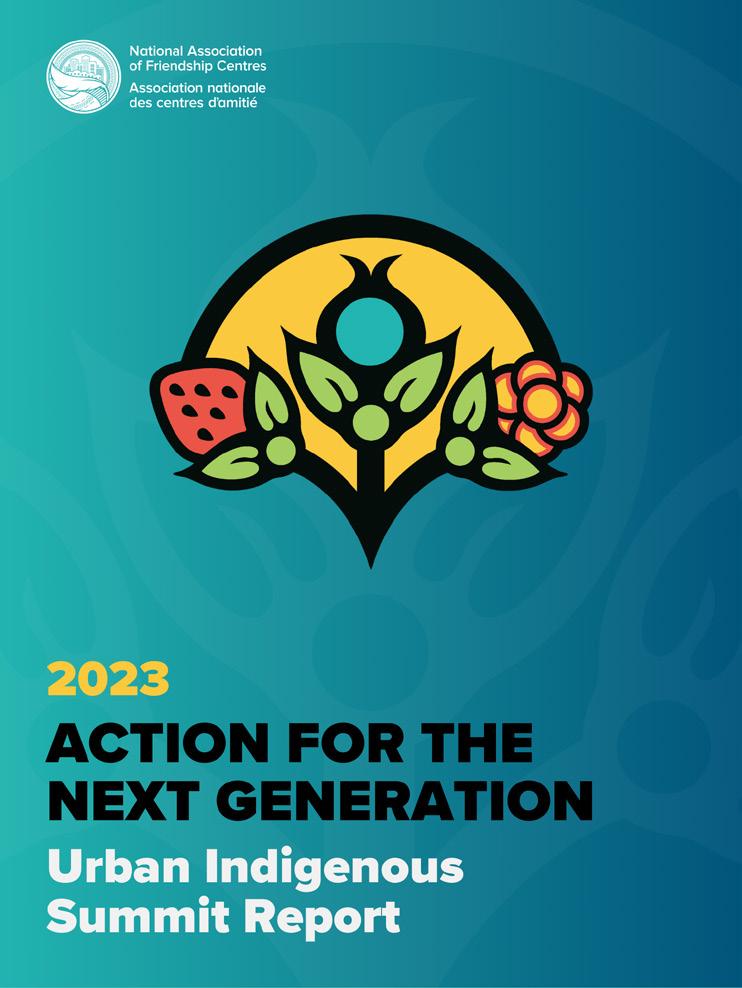
The Communications team released the Action for the Next Generation: Urban Indigenous Summit Report, from the event held in November 2023. The summit brought together Friendship Centres and urban Indigenous organizations for knowledge sharing, action planning, and capacity building. To read the report, please visit: www.nafc.ca/summit-2023
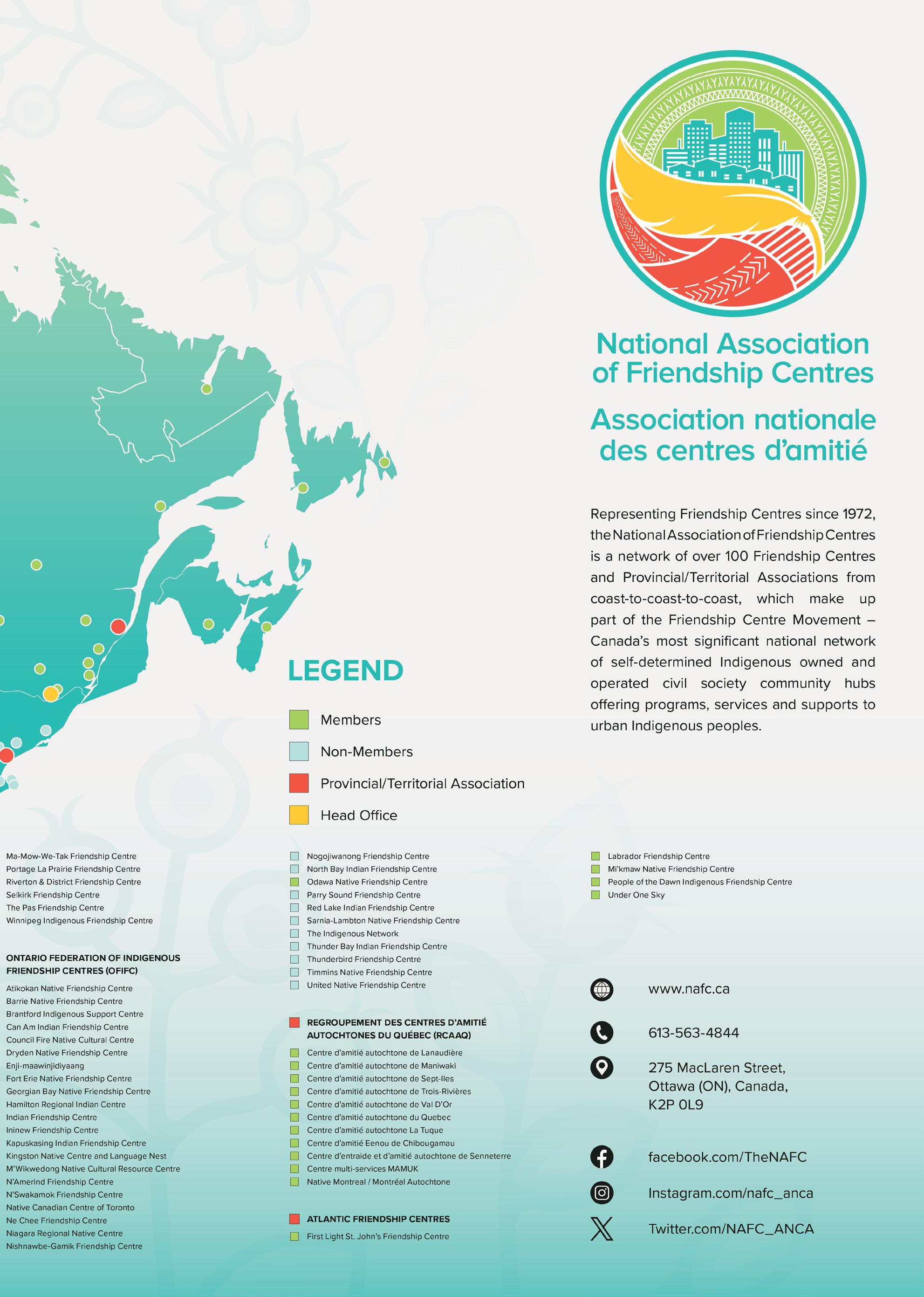
A new Friendship Centre Movement map was created to show the locations of NAFC, Friendship Centres, and Provincial/Territorial Associations. Take a look, please visit: https://nafc.ca/friendshipcentres.
The NAFC’s Data Strategy aims to assert the NAFC as the knowledge leader on urban Indigenous peoples, supporting the self-determined missions of our members through meaningful engagement and action.
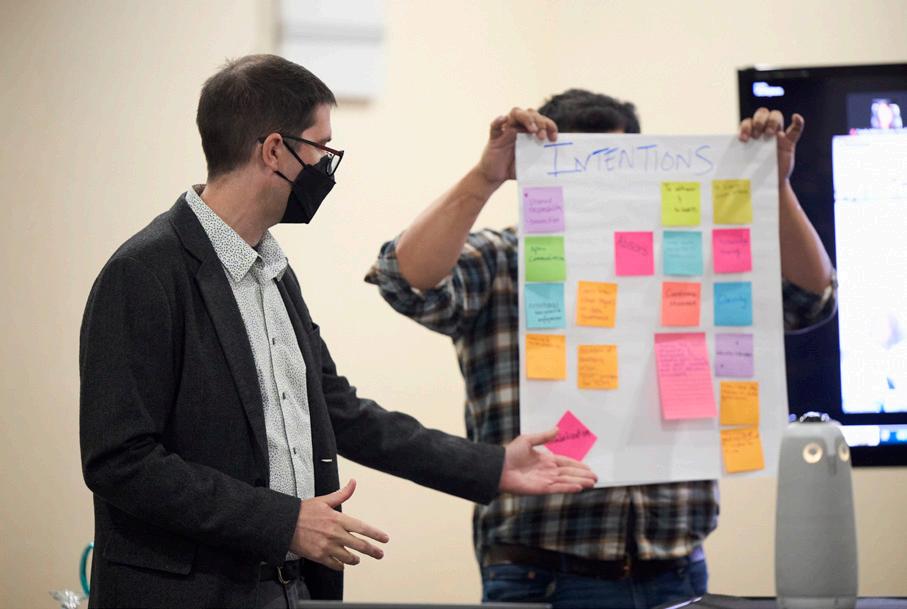
In 2024, the NAFC hosted engagement sessions at the NAFC’s 53rd Annual Meeting, and a two-day in-person gathering in Membertou Community in November. These sessions allowed members to codevelop the Data Strategy in key areas such as governance, ethics, reporting, storytelling, and access. Building on these discussions and previous engagements, the Data Team presented a draft strategy to
the NAFC CEO in December. With the strategy approved, the team is now developing its first iteration, to be presented to the Board of Directors and PTA Executive Directors in March 2025. A full summary report will be available in early 2025.
Bridging Across Canada (BAC) is a collaborative project designed to provide Friendship Centres, PTAs, and NAFC with database solutions that support data governance, reduce reporting burden, and empower us to tell our local, regional, and national stories. The initiative is delivered in partnership with the Mi’kmaw Native Friendship Centre and Membertou Geomatics Solutions (MGS).
In 2024, BAC successfully transitioned from a pilot project to a live platform, with seventeen participating centres. The BAC database was fully translated to support the participation of Regroupement des centres d’amitié autochtones du Québec (RCAAQ), and three Quebec Centres to the application. The Data Team welcomed Darlene McCulloch to co-develop an initial draft of supportive standards and a maintenance process for the platform. A new Data Coordinator position was also created to further support BAC
activities, with onboarding planned for January 2025.
The team facilitated multiple engagement sessions, including a visit from MGS to the National Office, monthly BAC user meetings, and demonstrations for prospective sites. In November, the NAFC hosted a two-day in-person gathering in the Membertou Community, bringing BAC users together. The NAFC also worked with PTAs on the development of a portal application to support regional and national data rollup. In addition, the Data and Programs Team co-developed a ‘BAC lite’ application to support non-BAC Centres with their program reporting. The Programs Team and the Alberta Native Friendship Centres Association (ANFCA) did a soft launch of the application in December.
Community Led Data Collection aligns with the calls to action from the United Nations Declaration on the Rights of Indigenous Peoples (UNDRIP), the Truth and Reconciliation Commission of Canada (TRC), and the National Action Plan for Missing and murdered Indigenous women, girls and 2SLGBTQI+ people (MMIWG2S+). The initiative supports the development of data capacity and expertise within Friendship Centres to close data gaps and build meaningful indicators.
In 2024, the Data Team continued the ‘Why We Collect Data’ campaign, hosting a webinar on the
Fundamentals of OCAP® (ownership, control, access, and possession), and connected members to the full course. To build local capacity, the team provided access to the BAC database and hired data entry workers for several Centres. At the NAFC’s 53rd Annual Meeting, the team hosted a booth to engage with attendees and share information. In November, the Data Team collaborated across departments to deliver a two-day Data Governance Gathering featuring sessions on indicator development and cocreation of supportive standards for data collection.
This year, the Data Team supported multiple departments across the NAFC by managing data, enhancing access to information, and developing knowledge products. These efforts contributed to the creation of A Case for Stabilized and Sustained Investment in Friendship Centres, and supported data collection and evaluation for the 34th Annual Youth Forum and 53rd Annual Meeting.
The Data Team also developed and implemented a cybersecurity response strategy and continued building infrastructure to centralize key organizational information, including contact details, program administration, and survey data. Together with the Admin Team, they advanced the record and information program by completing an inventory of all physical records and relocating them to an off-site location in preparation for renovations at the National Office.
Throughout the year, the Data Team participated in strategic planning with the First Nations Mental Wellness Continuum Framework Data Working Group, helped develop a new performance framework for Urban Programming for Indigenous Peoples (UPIP), initiated conversations with the First Nations Information Governance Centre (FNIGC) on potential partnerships, and contributed to the Senior Leads table at the NAFC. The team also joined several engagements hosted by Indigenous Services Canada (ISC) and Statistics Canada.
The NAFC’s Policy and Research Team is committed to driving change by ensuring urban Indigenous priorities are central to policy and advocacy efforts. This year, we made significant progress in key initiatives, partnerships, and systemic change.
MMIWG2S+
The Policy Team is an active participant in the MMIWG2S+ Urban Indigenous Action Group, contributing to the development of policies aligned with the National Inquiry’s Calls for Justice. Additionally, the team supports the MMIWG2S+ Steering Committee in crafting an Implementation Plan aimed at improving safety and well-being for Indigenous women, girls, and gender-diverse individuals across all communities.
This year, the Policy and Research team worked closely with Friendship Centres and stakeholders to address the housing and homelessness challenges faced by urban Indigenous peoples. In-person consultations with centres in Prince George, Labrador, and Manitoba, as well as an online consultation with the Smithers BC Friendship Centre, provided valuable insights from frontline staff. These findings
will be compiled into a comprehensive report for the Friendship Centre Movement next year. We also participated in national dialogues led by the National Indigenous Collaborative Housing Inc., ensuring that urban Indigenous perspectives are integral to housing policy discussions.
In February, the NAFC participated in a conference organized by the Assembly of First Nations in Calgary, Alberta, focusing on strategies for language revitalization in urban settings. Building on this, we launched an environmental scan to identify Indigenous language programs at Friendship Centres and map language revitalization efforts at universities across Canada. This work aims to strengthen connections between urban Indigenous communities and broader language preservation initiatives, helping to ensure Indigenous languages continue to thrive for generations.
In May, the NAFC participated in the 19th Annual National Indigenous Physical Activity and Cultural Centre’s conference in Winnipeg, Manitoba. The event provided an opportunity to engage with sport leaders and discuss strategies for developing safe and accessible infrastructure for urban Indigenous athletes. We also advanced discussions on an exciting pilot project in Ottawa, led by Victoria Marchand and Waneek Horn-Miller, focused on enhancing urban Indigenous sports programming and creating inclusive spaces where Indigenous youth can thrive.
The NAFC’s Policy Team is leading the development of the National Urban Indigenous UNDRIP Toolkit for Advocacy, a comprehensive resource designed to support urban Indigenous peoples in understanding, advocating for, and benefiting from Canada’s UN Declaration Act (UNDA) and the government’s 20232028 UNDRIP Action Plan. Funded by Justice Canada through the Indigenous Partnership Fund, this toolkit will equip Friendship Centres with the knowledge and tools needed to advance the implementation of UNDRIP at the local level. By strengthening advocacy efforts and ensuring urban Indigenous voices are heard, the toolkit will help shape policies and programs that directly impact urban Indigenous communities.
The NAFC successfully completed its Access to Justice Strategy, funded by Justice Canada, to ensure urban Indigenous perspectives are reflected in Canada’s broader Indigenous Justice Strategy. Community-led research identified barriers to justice and developed culturally relevant legal supports for urban Indigenous communities. The NAFC submitted a report with 25 key recommendations to the Minister of Justice, focusing on early intervention, reintegration, sustainable funding, education, and self-governance in justice. Additionally, the NAFC worked with the Indigenous Bar Association on a legal review advocating for a framework aligned with Jordan’s Principle and UNDRIP.
The NAFC continues to advocate for urban Indigenous children and families, ensuring their inclusion
under Jordan’s Principle and addressing service gaps in urban Indigenous communities. The NAFC developed briefing notes to support equitable access to services for all Indigenous children. It also contributed to the UN Committee on the Rights of the Child’s call for input on Draft General Comment No. 27, highlighting challenges urban Indigenous children face in family and criminal law systems and the importance of Jordan’s Principle in closing service gaps.
The NAFC played a key role in several national initiatives, including the Canadian Medical Association’s historic apology to Indigenous Peoples for past racism. The NAFC also worked with Health Canada’s End-of-Life Care Team on Medical Assistance in Dying (MAID) legislation, ensuring urban Indigenous perspectives were represented. Through strategic partnerships, the NAFC continues to advance health equity for urban Indigenous communities and combat systemic racism in healthcare.
The NAFC launched outreach to Provincial and Territorial Associations to gather insights on climate challenges and community-led initiatives. A nationwide survey assessed environmental program engagement by Friendship Centres and Indigenous organizations. The NAFC is compiling research on emerging environmental concerns impacting urban Indigenous communities, guiding future policy development. Looking ahead, the NAFC plans to release a policy report focusing on urban Indigenous knowledge in climate action and the role of Friendship Centres in emergency response.
This year, the NAFC advocated for sustainable funding for Friendship Centres through direct engagement with Members of Parliament and Federal Public Servants. The NAFC also participated in discussions with the Future of Sport in Canada Commissioner, Justice Lise Maisonneuve, on urban Indigenous sports infrastructure. Additionally, the NAFC met with Minister Ya’ara Saks to address the mental health crisis in urban Indigenous communities and took part in roundtables with national organizations to ensure urban Indigenous perspectives are integrated into public policy.
The NAFC collaborated with Indigenous Services Canada to guide the renewal of UPIP for the 20242025 fiscal year, developing a new logic model to enhance program delivery. The model, shaped by feedback from the Annual Meeting and PTA technical meetings, addresses the evolving needs of urban Indigenous communities, ensuring Friendship Centres receive the resources needed to continue providing vital services.
The Health Navigation Program has supported 23 projects this year, allocating over $2.5 million to enhance health support capacity in Friendship Centres. This initiative helps Indigenous individuals
navigate healthcare systems, ensuring access to culturally safe care. It also supports cultural safety training for healthcare professionals, promoting more inclusive healthcare environments for urban Indigenous communities.
The Trauma-Informed Mental Health Support Program funded 30 Friendship Centres to expand culturally grounded mental health services. This funding has helped provide trauma-informed support, Indigenous health providers, and holistic services tailored to urban Indigenous communities, addressing intergenerational trauma and ensuring access to culturally relevant care.
The Indigenous Languages Program supports urban Indigenous communities in reclaiming and revitalizing languages through Friendship Centre programs. In 2023, 33 Friendship Centres received funding for language initiatives. Looking ahead, the NAFC will host the “Reclaiming Our Voices” forum in February 2025, bringing together language leaders to share strategies for sustaining Indigenous languages. A report on the program’s achievements will be released in March 2026.
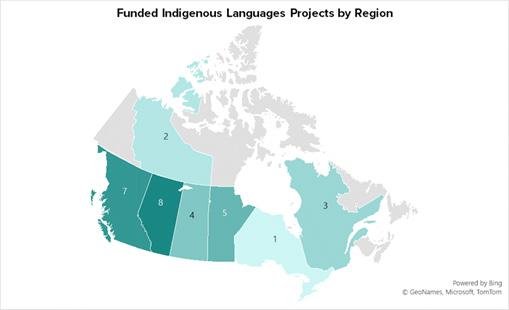
Regional breakdown of all funded projects under the Indigenous Languages Program:
Launched in May, the Residential Schools Commemoration Program supports urban Indigenous communities in acknowledging the impacts of residential schools. The program has provided over $5,000 to $25,000 in funding to Friendship Centres for healing circles, cultural ceremonies, and memorials. A public report will highlight the meaningful commemorations by Friendship Centres in Spring 2025.
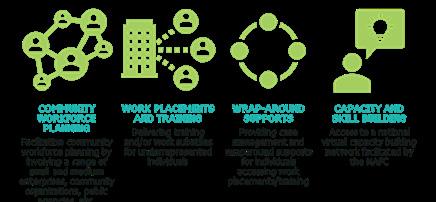
The NAFC’s Community Workforce Development Program continues to strengthen economic opportunities for urban Indigenous peoples. With $4.6 million in funding, the program supports up to 20 Friendship Centres in rural and remote communities to implement workforce strategies that promote economic diversification and transition to a green economy.
Program activities will include:
In February, the NAFC hosted the Urban Indigenous Social Economy Forum, providing a platform for
urban Indigenous social purpose organizations to advocate for systemic change within Canada’s social economy. The forum focused on dismantling barriers and promoting inclusive growth, ensuring urban Indigenous communities play a leadership role in shaping economic policies.
Through workshops, storytelling, and networking opportunities, participants explored innovative solutions to advance urban Indigenous social enterprise, ensuring sustainable and equitable futures for Indigenous communities.
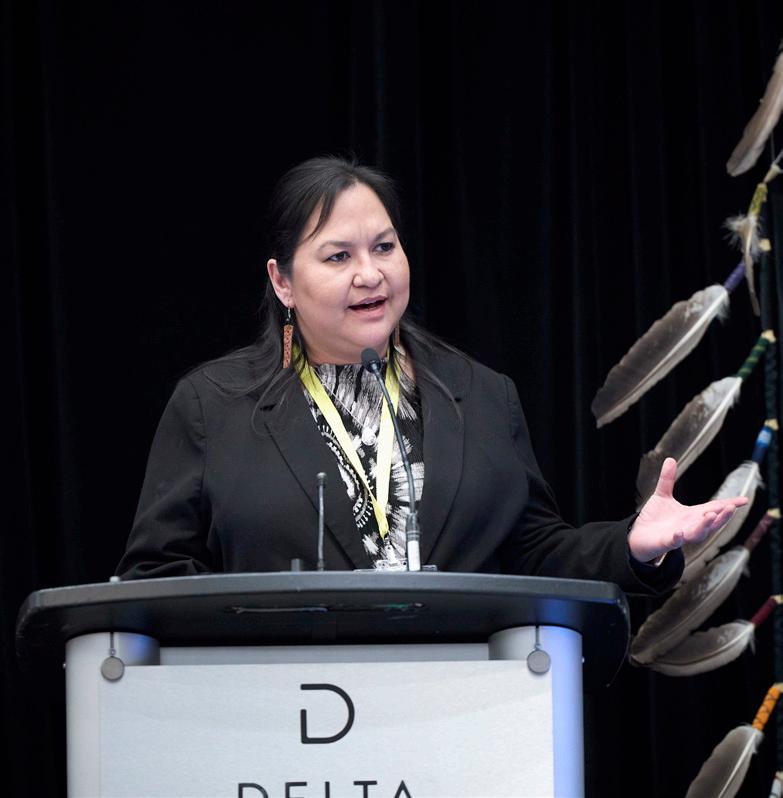
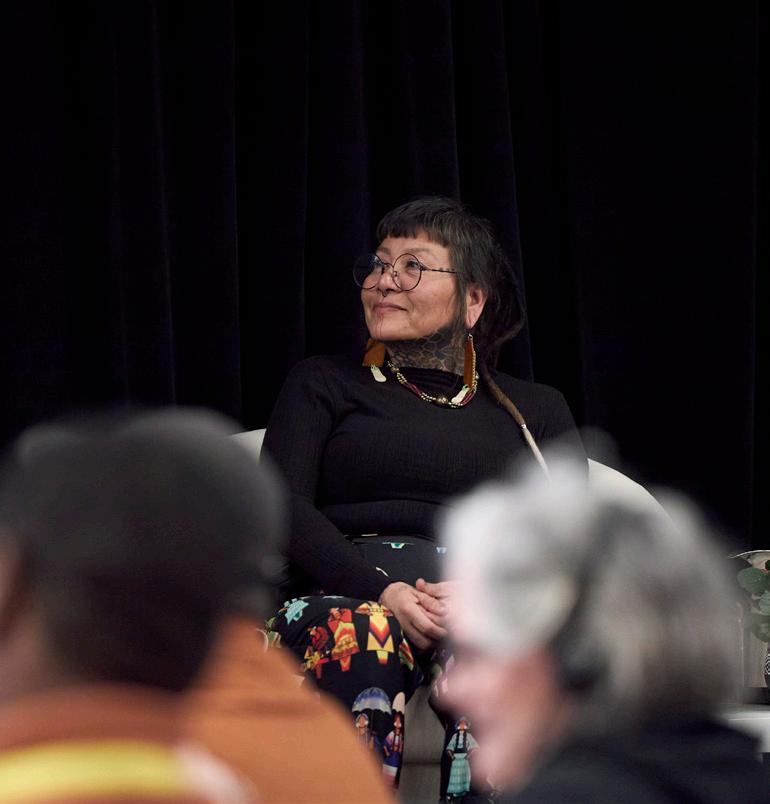
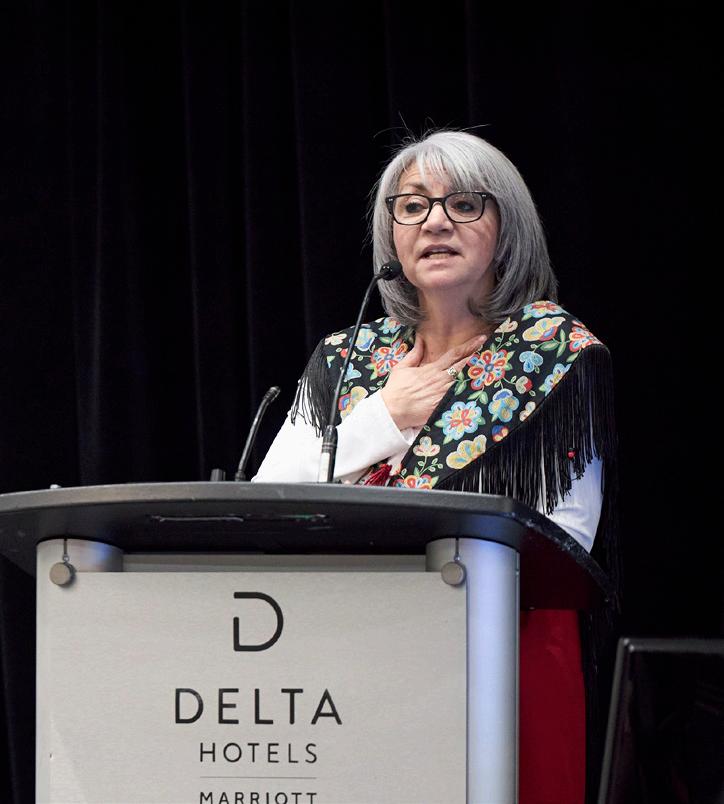
NAFC Youth Executive Samantha Jack represented the NAFC and the IYC at the 68th United Nations Commission on the Status of Women (CSW) in New York, alongside NAFC President Kelly Benning.
During the event, they met with Robert Rae, Canada’s Permanent Representative to the UN, and Lisa Hepfer, Parliamentary Secretary to the Minister of Women, Gender Equality, and Youth. They also attended a gathering of UN Canadian Delegates at the Canadian Consulate.
NAFC’s Project Coordinator led a session at the Alberta Native Friendship Centres Association (ANFCA) Youth Coordinator Workshop in March, focusing on the GBA+ Toolkit. The workshop provided Youth Coordinators with a space for sharing best practices and engaging in strategic planning.
NAFC Indigenous Youth Council President Averi Doxtator represented the NAFC and IYC at the United Nations Permanent Forum on Indigenous Issues (UNPFII), actively participating in the Global Indigenous Youth Caucus (GIYC). Averi also delivered a joint statement alongside youth from the Assembly of Seven Generations, and hosted a mini round dance for healing.
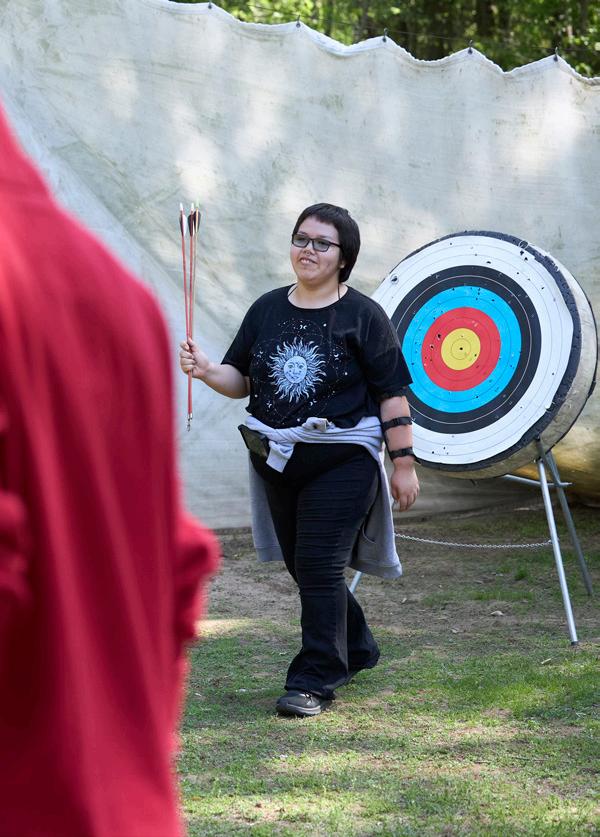
In May, the NAFC hosted the Youth Leadership Camp in Quebec, where facilitators refined the Indigenous Youth Leadership Curriculum. The feedback gathered will help ensure the curriculum is relevant, engaging, and accessible for future leaders.
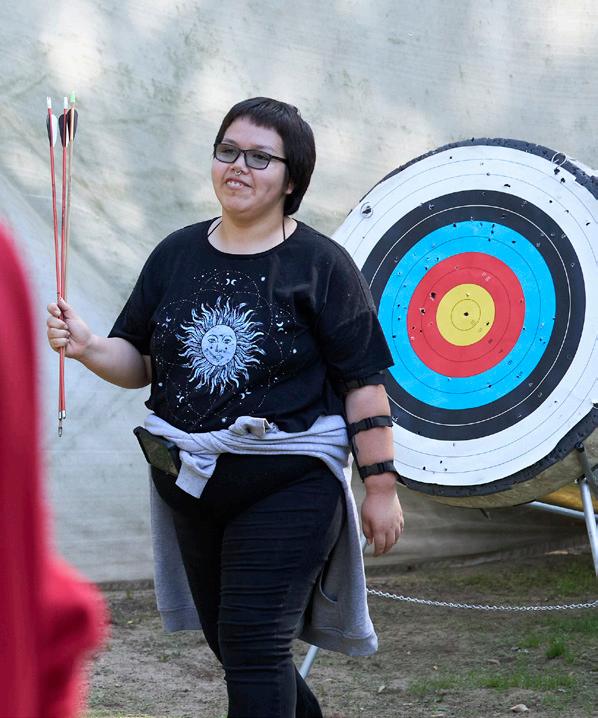
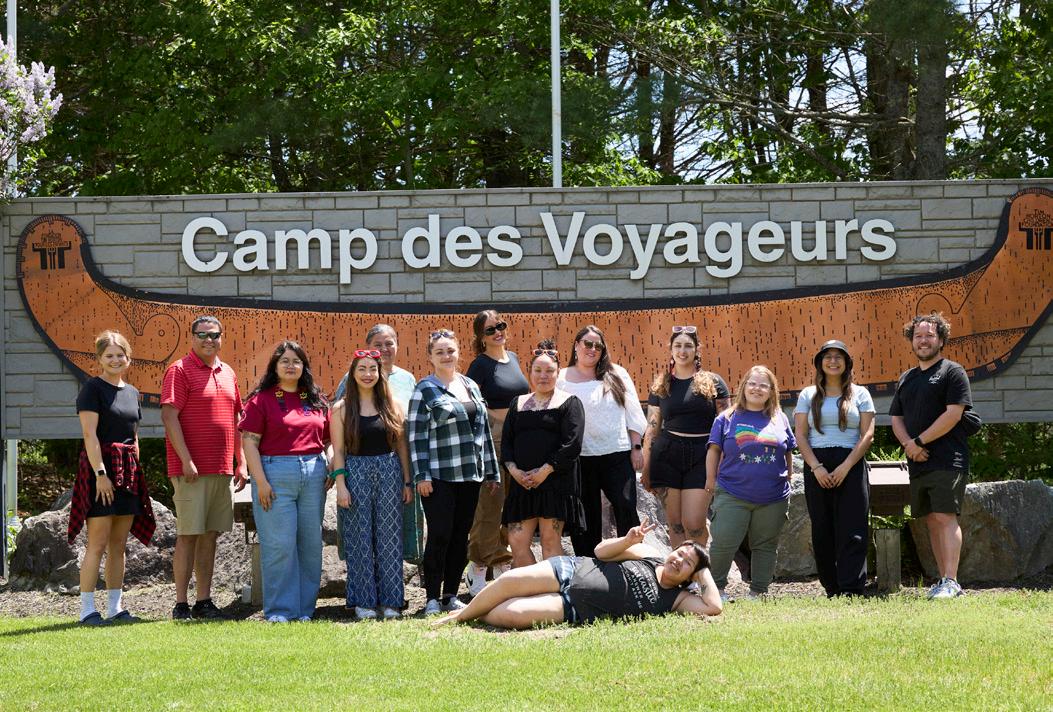
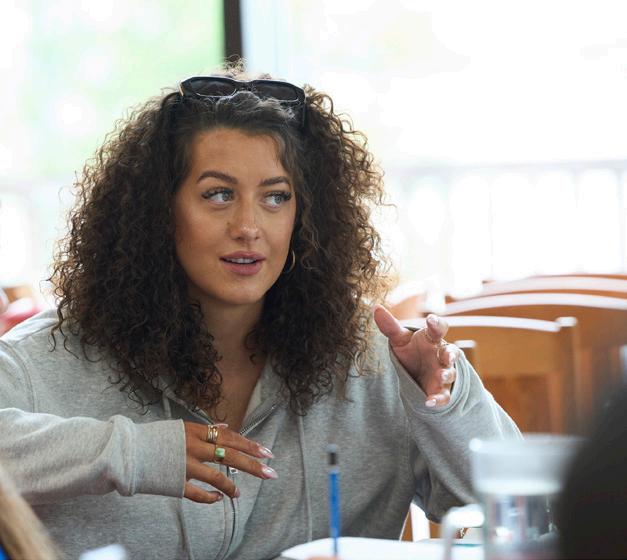
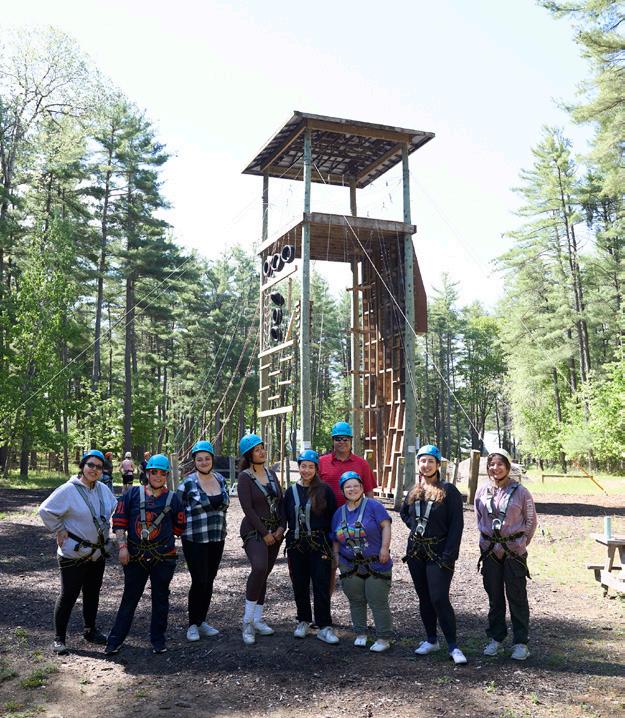
Following the Leadership Camp, the NAFC is updating the Leadership Curriculum with new activities and multimedia elements. A Facilitator’s Guide and Participant Workbook are being developed to support youth leaders and facilitators.
In June, the Indigenous Youth Council (IYC) met in Toronto to finalize plans for the 34th Annual Youth Forum and develop a five-year strategic plan. This plan will foster youth growth, recognition, and representation within the movement.
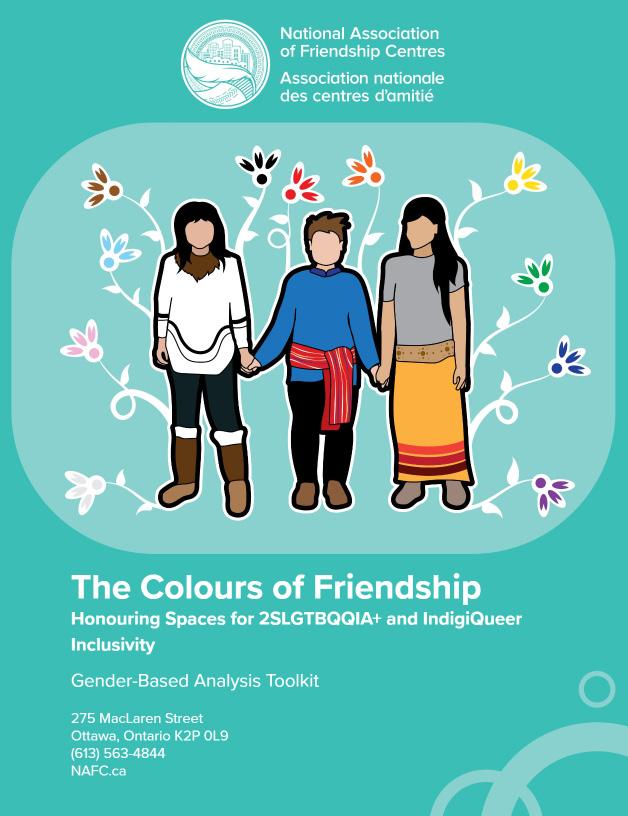
The Colours of Friendship: Honouring Spaces for 2SLGBTQQIA+ and IndigiQueer Inclusivity (Gender Based Analysis Toolkit)
In collaboration with the IYC and Friendship Centre Movement youth, the NAFC developed The Colours of Friendship: Honouring Spaces for 2S+ & IndigiQueer Inclusivity Toolkit. The Toolkit was designed to promote safe, inclusive spaces for 2SLGBTQIA+ and IndigiQueer Indigenous youth in Friendship Centres. This resource aims to advance gender equality and inclusivity.
To access the Toolkit visit: www.nafc.ca/gba-toolkit
In July, the 34th Annual National Youth Forum took place in Quebec City. This year’s theme, “All Our Relations,” focused on the importance of unity, learning, and cultural connection.
The event featured engaging workshops, inspiring keynote speakers, and interactive activities designed to empower youth. Participants enjoyed an evening of cultural crafting and mini-games during the Friendship Circle. Melanie Nasson, Atlantic Youth Representative, led a medicine pouch-making session, while William Komaksiutiksak introduced Inuit Games. Keynote speakers Notorious Cree and Madelaine McCallum shared powerful messages of resilience and identity.
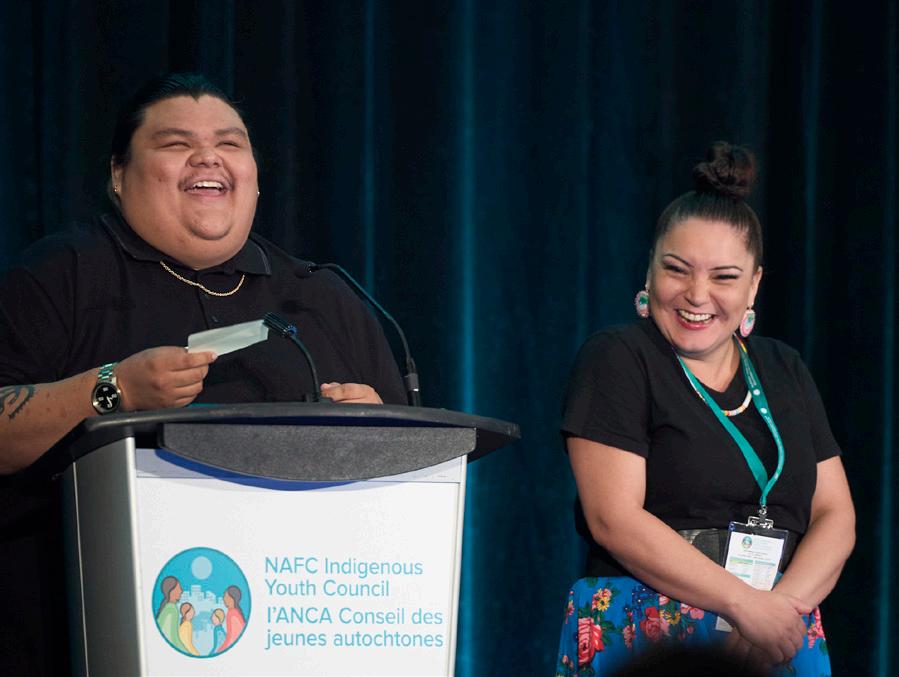
Throughout the forum, youth participated in meaningful discussions, including a panel highlighting issues impacting Indigenous youth. The Indigenous Youth Empowerment Gala featured performances by Rebecca Strong and Melody McArthur, bringing energy and celebration to the gathering. A World Café activity encouraged youth to share their ideas for the future, while the Indigenous Youth Council
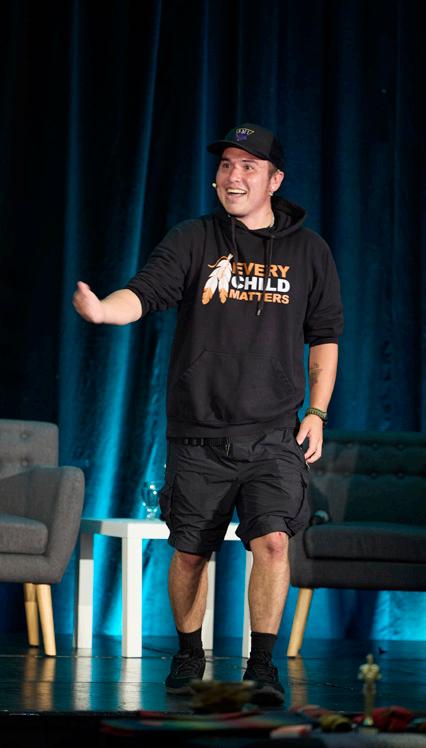
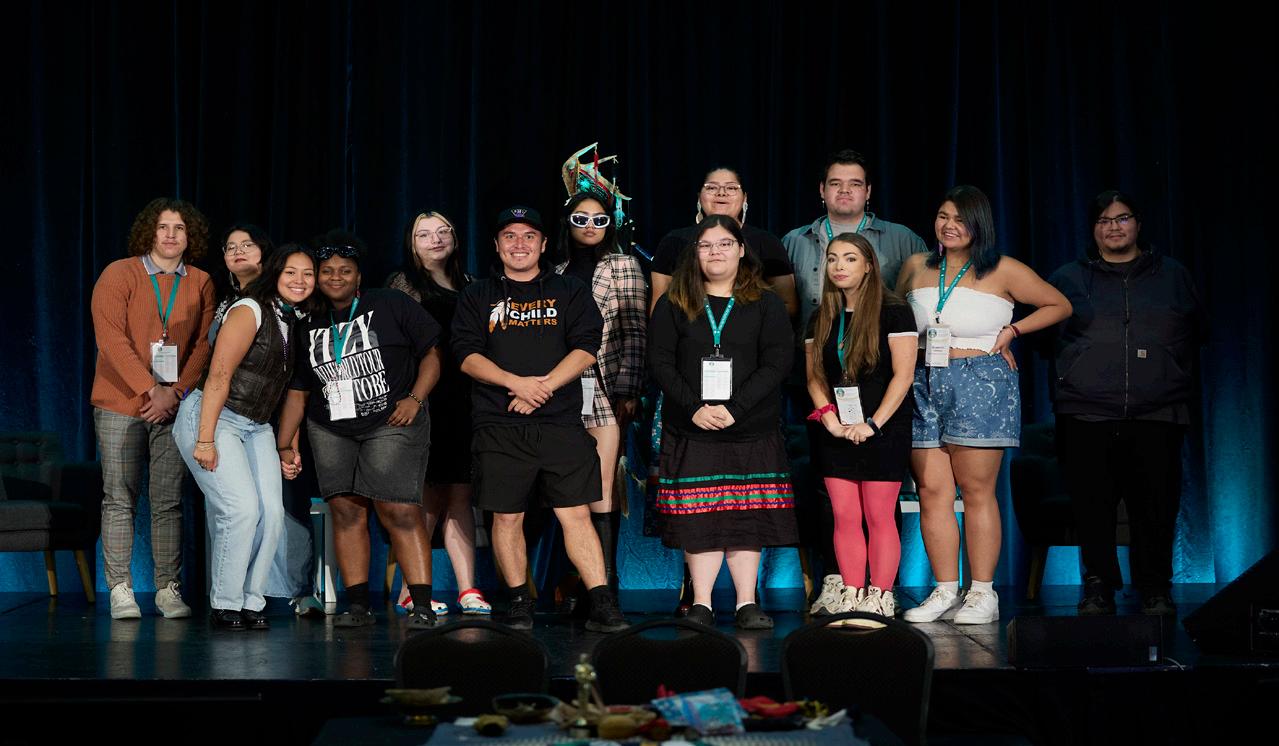
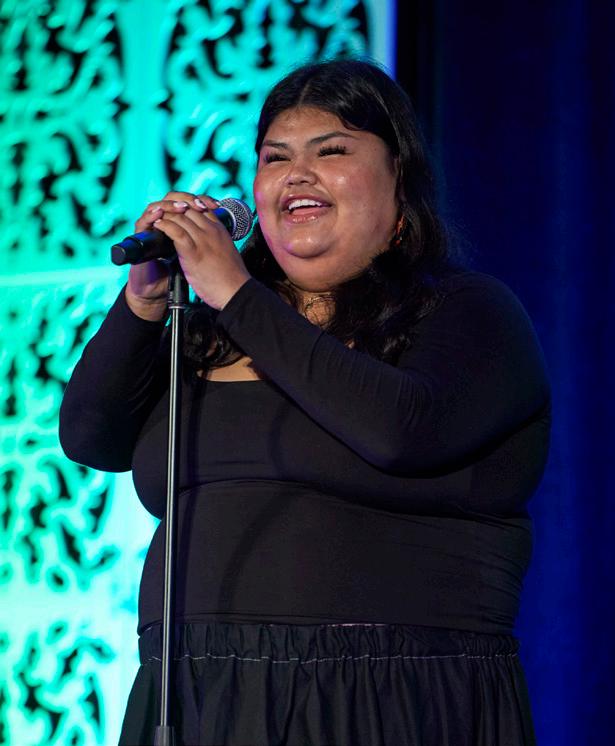
elections provided an opportunity for young leaders to step forward and shape the movement. This year’s forum was a powerful reminder of the strength and potential of Indigenous youth when they come together to learn, share, and lead.
The IYC welcomes a new team of elected members who will lead the movement in the upcoming term, including Vice President, Caley-Rain Anderson and Treasurer, Aby-Gaelle Jerome, and new Regional Representatives Ethan Cameron, Hinauri Nehua-Jackson, and Shawerim Coocoo. Their leadership will bring advocacy and positive change to Indigenous youth initiatives.
In September, the NAFC organized a series of meetings in Ottawa to advocate for key priorities, including pre-budget submissions, long-term core funding, resources for addressing the climate crisis, and the transition of services to Friendship Centres under a national framework. The IYC memebers also had the opportunity to attend the Standing Committee on Indigenous Peoples and observe a House of Commons session, gaining valuable insight into government processes and decision-making.
Samantha Jack (Youth Executive), Caley-Rain Anderson (IYC Vice President), and Hinauri Nehua-Jackson (Alberta Youth Representative) were at the forefront of these discussions, engaging with government officials and Members of Parliament to raise concerns and advocate for the needs of youth and Friendship Centre initiatives.
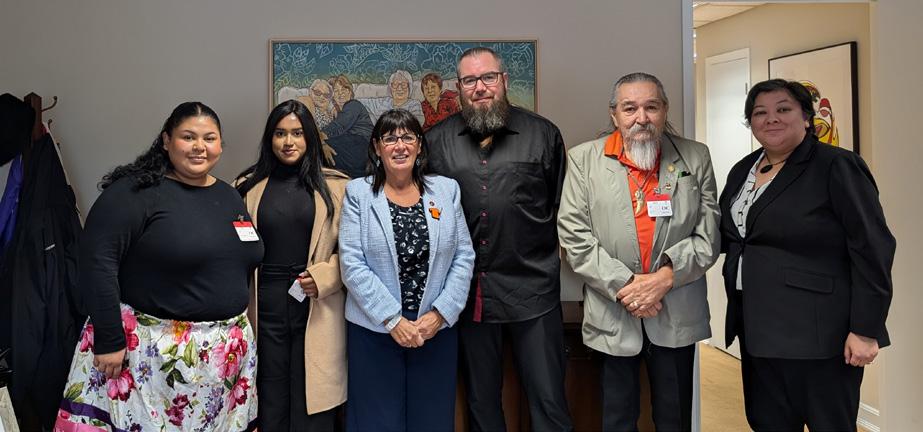
In October, the IYC gathered in Halifax, for their annual orientation. The IYC worked together to establish a community agreement to guide their work for the year ahead. They reviewed roles and responsibilities, discussed key priorities, and reflected on feedback from the 2024 Youth Forum.
The IYC also toured the Mi’kmaq Native Friendship Centre (MNFC), hosted by Atlantic Representative and Youth Coordinator Melanie Nasson, alongside Youth Programming Assistant Sophie Collins. This visit offered insight into the impactful work being done at the centre and the valuble work supporting Indigenous youth.
The NAFC has received funding from the Canada Service Corps and is working on finalizing details. Updates will be shared as more information becomes available.
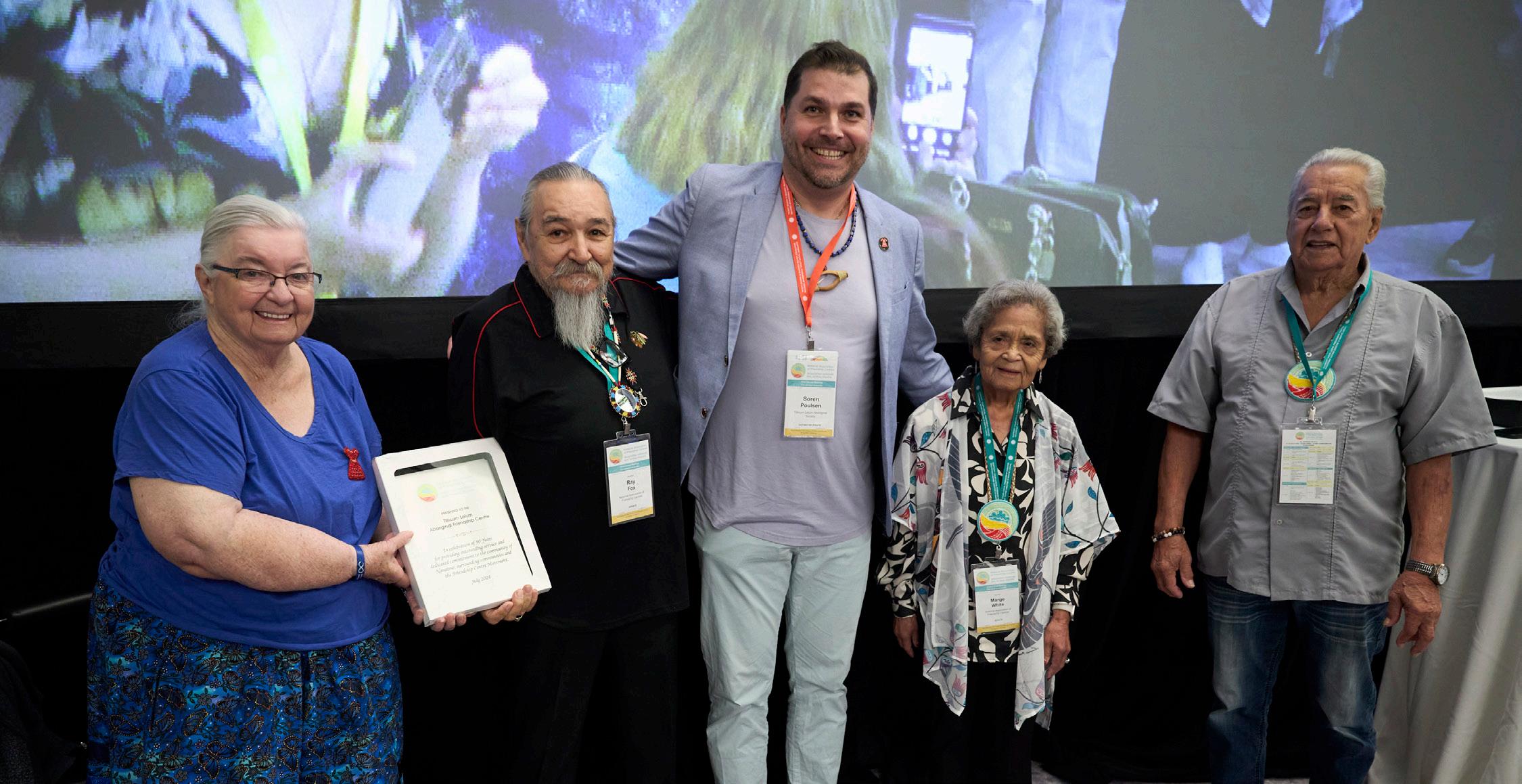
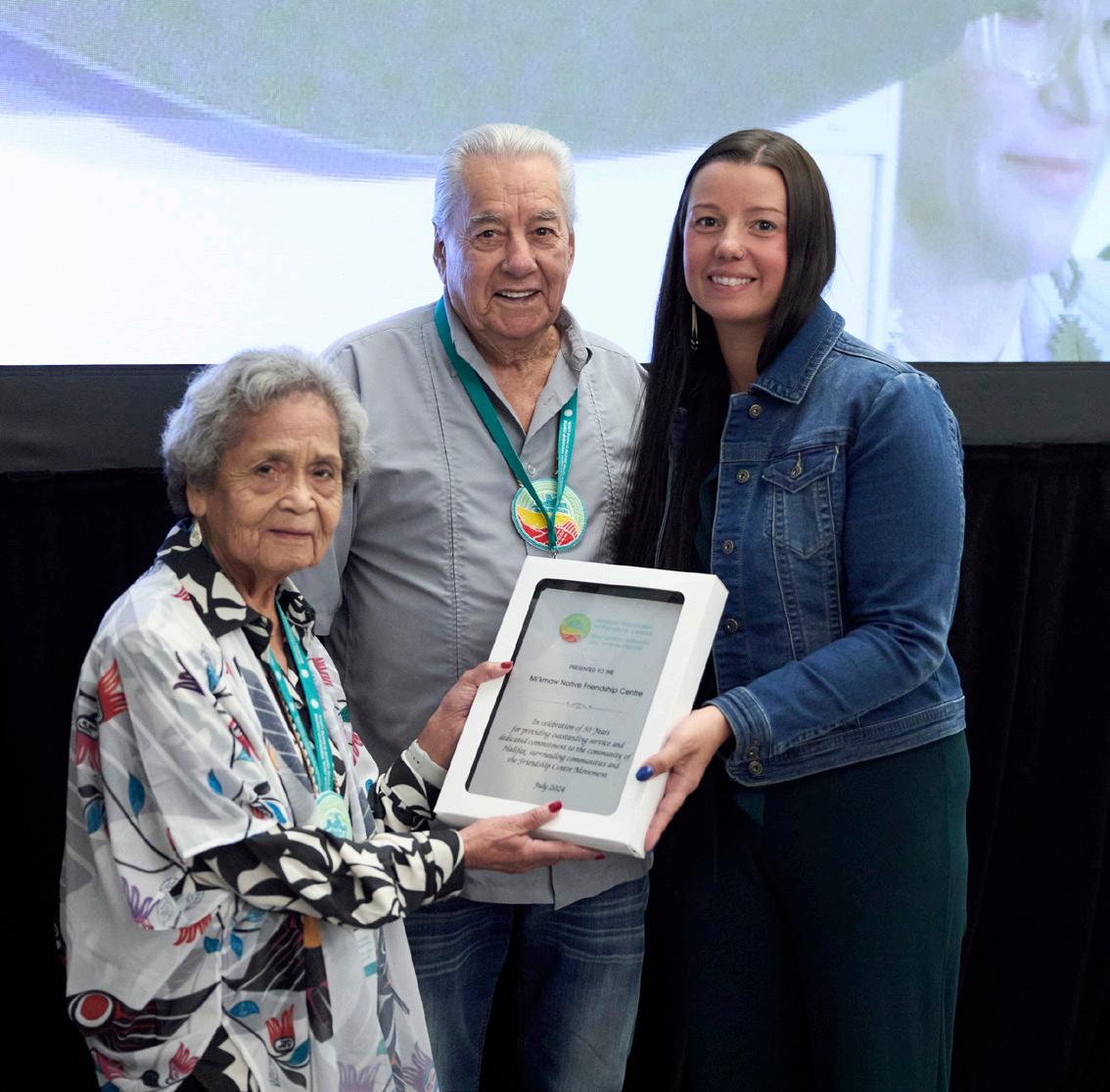
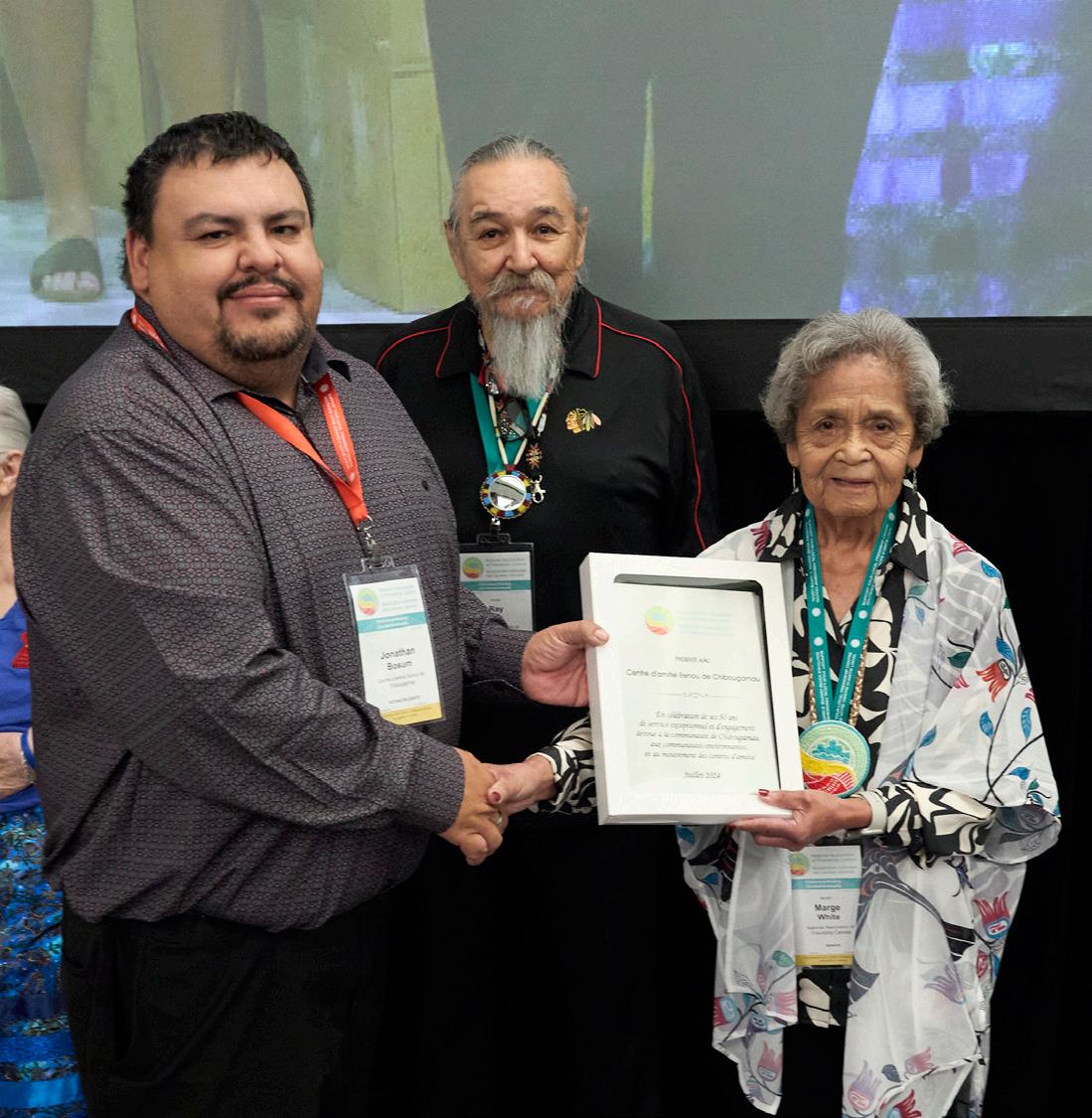
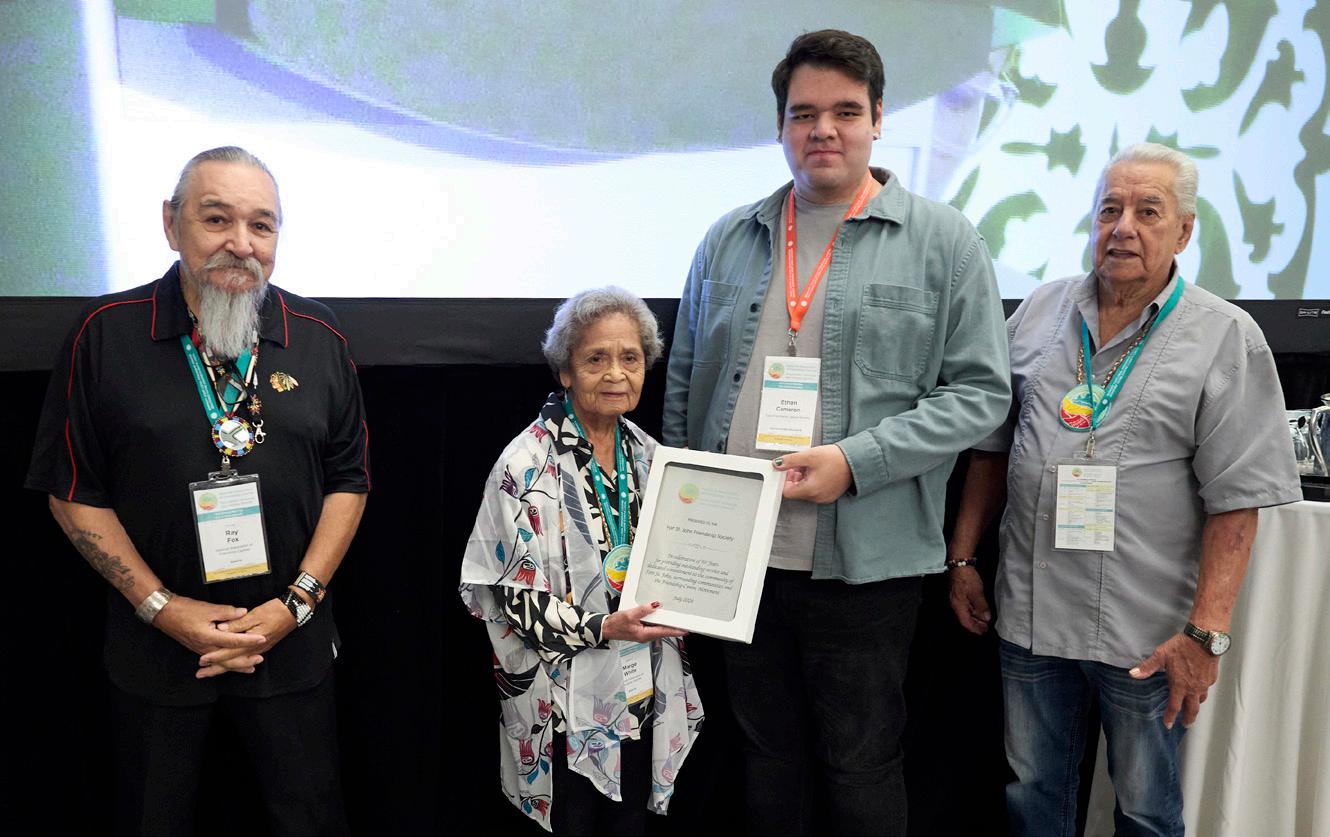
The NAFC is proud to have so many Friendship Centres across Canada celebrating some big milestones. At our 53rd Annual Meeting our beloved Senators awarded plaques to Friendship Centres who have achieved 50 and 60 years of operation.
1. Mi’kmaw Native Friendship Centre - 52 years
2. Labrador Friendship Centre - 50 years
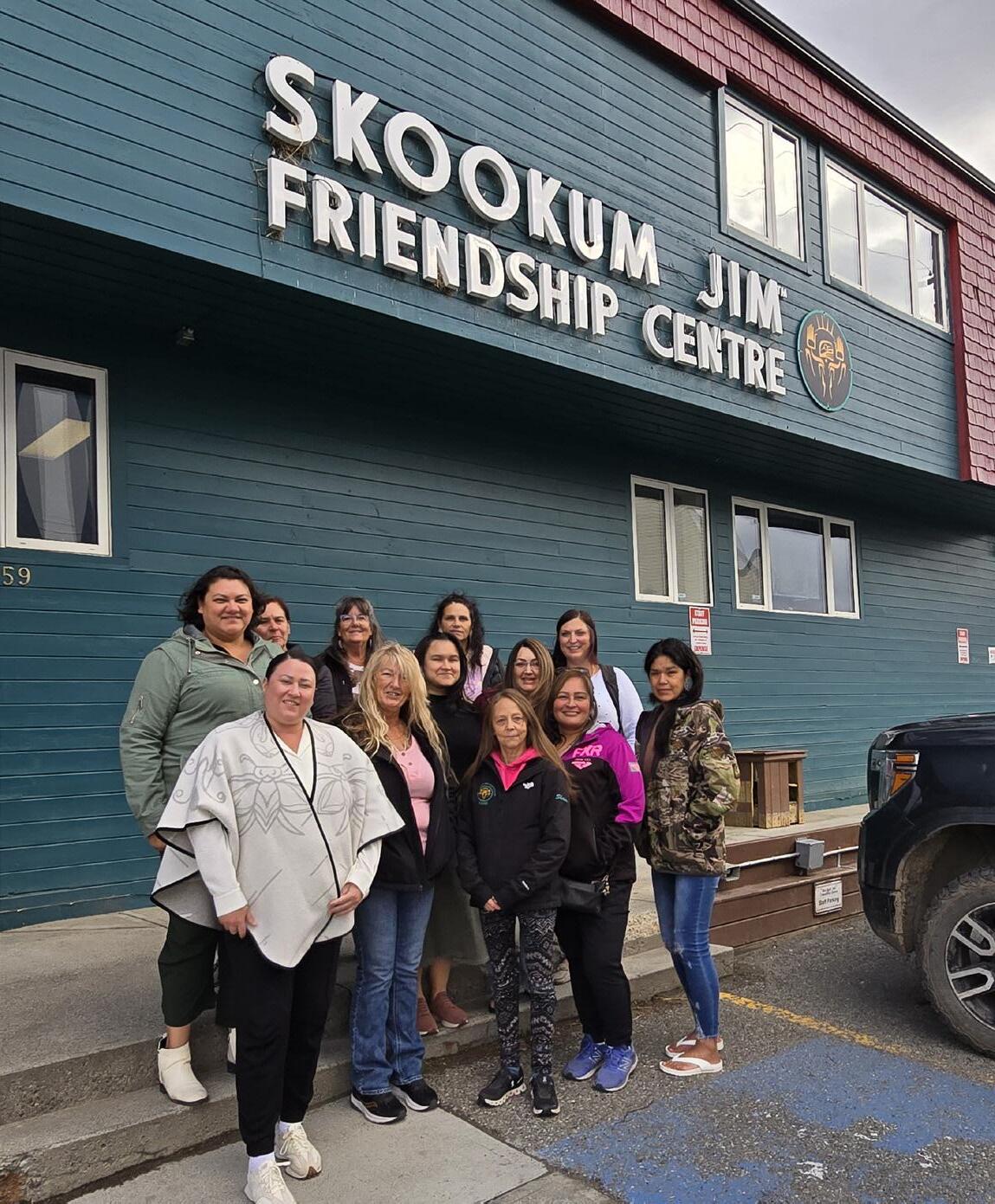
3. Skookum Jim Friendship Center - 62 years
4. Centre d’amitié autochtone de Val-d’Or - 50 years
5. Centre d’amitié Eenou de Chibougamau - 55 years
6. Tree of Peace Friendship Centre-54 years
7. Brandon Friendship Centre - 58 years
8. Dauphin Friendship Centre - 53 years
9. Elbert Chartrand Friendship Centre - 55 years
10. Flin Flon Aboriginal Friendship Centre - 57 years
11. Portage La Prairie Friendship Centre - 58 years
12. Selkirk Friendship Centre - 57 years
13. The Pas Friendship Centre - 58 years
14. Cariboo Friendship Society - 55 years
15. Fort St. John Friendship Society - 54 years
16. Kamloops Aboriginal Friendship Society - 52 years
17. Ki-Low-Na Friendship Society - 50 years
18. Port Alberni Friendship Center - 58 years
19. Prince George Native Friendship Centre Society - 54 years
20. Quesnel Tillicum Society - 54 years
21. Tillicum Lelum Aboriginal Friendship Centre - 56 years
22. Vancouver Aboriginal Friendship Centre Society - 61 years
23. Victoria Native Friendship Centre - 55 years
24. Canadian Native Friendship Centre - 62 years
25. Nistawoyou Association Friendship Centre - 60 years
26. Grande Prairie Friendship Centre - 59 years
27. Sik-Ooh-Kotok Friendship Society - 55 years
28. Sagitawa Friendship Centre - 60 years
29. Slave Lake Native Friendship Centre Society - 52 years
30. Battleford Indian and Metis Friendship Centre - 54 years
31. Prince Albert Indian and Metis Friendship Centre - 61 years
32. Saskatoon Indian and Metis Friendship Centre - 56 years
33. Native Canadian Centre of Toronto – 62 years
The National Association of Friendship Centres and Provincial/Territorial coast-to-coast that make up
As of 2021, there are 125 active Territorial Associations (PTAs). PTAs are NAFC Members.
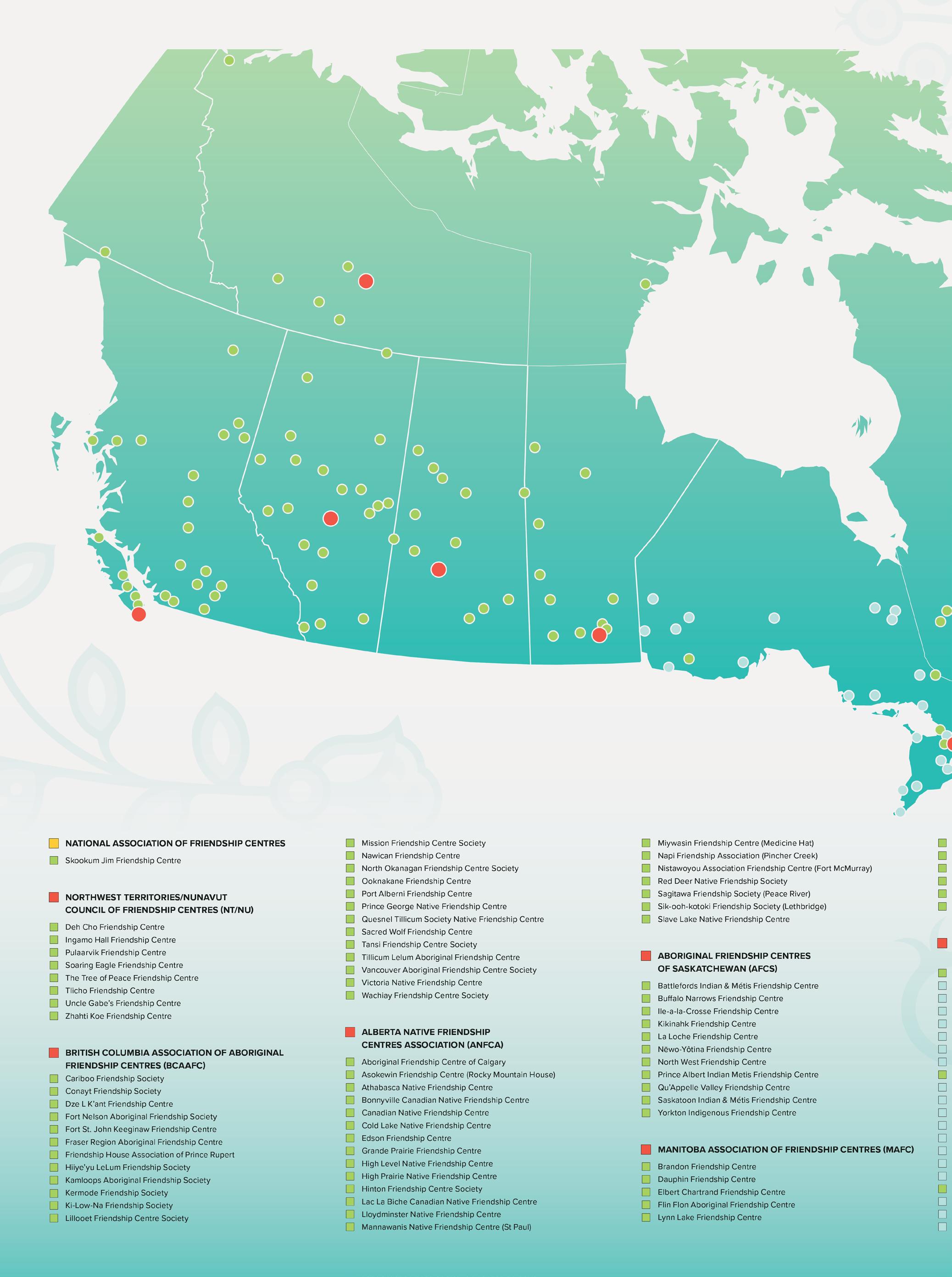
Centres and Provincial/Territorial Associations
Friendship Centres (NAFC) represents over 100 Provincial/Territorial Associations (PTA) from coast-tothe Friendship Centre Movement.
active Friendship Centres (FCs) and 7 Provincial/ (PTAs). Of this number, 95 Friendship Centres and 6
We’re excited to welcome the Yorkton Indigenous Friendship Centre as our newest NAFC member! After being accepted into the Aboriginal Friendship Centres of Saskatchewan’s membership at their AGM in June, the Yorkton Centre was officially approved by the NAFC board. Committed to improving the quality of life for Indigenous people in the Yorkton region, we look forward to building meaningful connections and working together. Welcome aboard!
Please note that this report outlines the activities of the National Association of Friendship Centres from January 1, 2024 to December 31, 2024. As our programs and portfolios are ever-evolving, more up-to-date information may be available. If you would like to learn more about a specific project, please email nafcgen@nafc.ca to get in touch with the relevant department.
135 Laurier Avenue West, Ottawa (ON), Canada
K1P 5J2