Record Attendance in Louisville this Spring
Importance of Air Filtration Systems in Gas Turbine Power Plants
Beyond the MERV Rating: A Framework for C alculating the Carbon Footprint of an Air Filter


Record Attendance in Louisville this Spring
Importance of Air Filtration Systems in Gas Turbine Power Plants
Beyond the MERV Rating: A Framework for C alculating the Carbon Footprint of an Air Filter
PUBLISHER
National Air Filtration Association
EDITOR
Emily Bardach, CAE, CNAP
NAFA Executive Director
CONTENT EDITOR
Terry Driscoll
NAFA Association Manager
Air Media magazine is published virtually two times per year by the National Air Filtration Association. To be added to the newsletter mailing list, send an email to nafa@nafahq.org.
Air Media provides a forum for the free exchange of opinions and information. The views expressed herein do not necessarily represent those of NAFA, its officers, directors, membership or staff. Your contributions help make this magazine an interesting and informative forum for exchanging ideas and recognizing the advancements in our industry.
Neither NAFA nor Air Media is responsible for claims made in advertisements.
Editorial and advertising closing dates are the first of the month prior to issue.
7780 Elmwood Ave, Ste 130 Middleton, WI 53562
Phone: 608-310-7542
Email: nafa@nafahq.org

Importance of Air Filtration Systems in Gas Turbine Power Plants
Beyond the MERV Rating: A Framework for Calculating the Carbon Footprint of an Air Filter
NAFA's 2026 Technical Seminar: Record Attendance
The Co-Pilot Mindset: Why AI Will Replace More Busywork Than People
What the Latest Economic Data Means for the Air Filtration Industry
National Air Filtration Association Honors 26 Facilities with Spring 2026 Clean Air Award
President’s Message
2026 Board of Directors
Welcome New Members
NAFA News
Executive Profile
From the Executive Director
Industry Calendar of Events
New Certified Personnel

NAFA President
Independent Filter Service P/L
It is a privilege to serve as your President of NAFA in 2026. I have been fortunate to serve on the NAFA board with several past presidents. I have learned from them, valued their counsel, and most importantly appreciated the lasting friendships that have grown from our shared service. While it may seem a little unusual to have an Australian in this role, I hope my term highlights just how far-reaching NAFA’s influence has become. We are truly the global source of expertise, education, and best practices in air filtration. No matter where you live, being an active NAFA member delivers meaningful commercial and professional benefits.
I would like to acknowledge previous international NAFA Presidents, Roberta MacGillivray, Tom Ryan and Marisa Jimenez de Segovia, who I know share my view of the value of NAFA membership beyond the USA. Roberta and Marisa recently represented NAFA at the AHR Expo with excellent presentations, and we are grateful for their continued leadership.
Our recent Technical Seminar in Louisville, Kentucky the historic home of commercial air filtration, was a tremendous success with a record attendance of well over 300 participants. Beyond the enjoyable networking events, the program featured a star-studded lineup of speakers covering new and emerging topics critical to our industry. Attendees also received live updates on the two NAFA Foundation research projects currently underway. Research into the real-world impacts of different filtration
technologies strengthens NAFA’s position as the premier air filtration association representing companies committed to delivering clean air solutions. Seeing the preliminary findings firsthand was a powerful reminder of the many benefits of NAFA membership.
We are also excited about two major developments that will benefit all members. First, our forthcoming Learning Management System (LMS) will become an invaluable online hub for NAFA’s educational resources. It will include an exclusive community platform to make communication between members easier and more dynamic. Second, the Seventh Edition of the NAFA Guide to Air Filtration is being developed with a fresh new look. I would like to thank Board Director Hunter Most for his many hours of work in coordination with our Technical & Certification Committee to strengthen and modernize the content.
NAFA’s Board and four Committees bring a wealth of experience and dedication that we should never take for granted. I want to thank all serving Directors, Committee Chairs, Vice Chairs, and volunteers for their tireless work and commitment. Or, as we say Down Under, their hard yakka.
NAFA has had a strong and productive start to 2026, and I am excited for what the rest of the year holds. I look forward to seeing you all in Palm Springs California for our Annual Conference in October.
Sincerely, Steve Griffiths,
CAFS



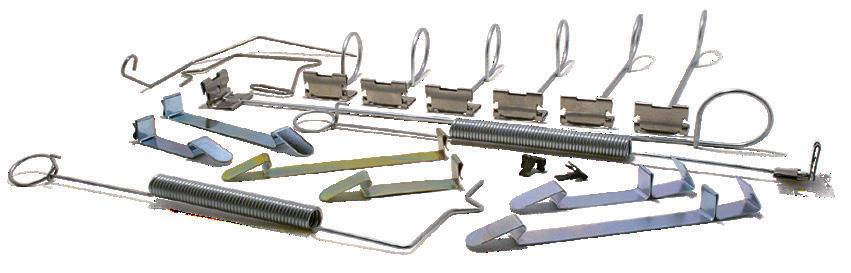




























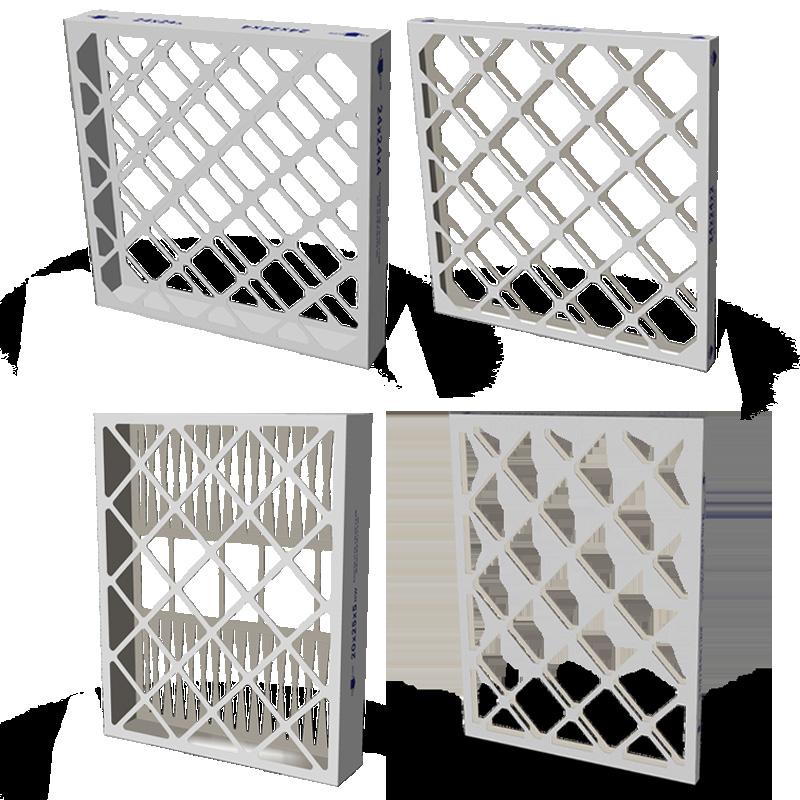
We manufacture high-quality paperboard frames that provide the structural integrity air filters need to perform at their best.
• Made from paperboard designed to withstand moisture, air pressure, and extended use.
• Precision-cutting techniques to ensure a perfect fit
• Residential, commercial, and industrial applications
With three designated filter frame facilities and decades of expertise, we are the right partner for your team.
Contact us today!
President
Steve Griffiths, CAFS
Independent Filter Service P/L
Heidelberg West, Victoria Australia www.independentfilter.com.au
President-Elect
Randy Brannen, CAFS, NCT II
Kleen-Air Filters Groesbeck, Texas www.kleenairfilters.com
Treasurer
Will Denton, CAFS, NCT II
Joe W. Fly Co., Inc. Dallas, Texas www.joeflyco.com
Secretary
Keith Jordan, CAFS, NCT
Colorado Air Filter LLC Denver, Colorado www.coloradoairfilter.com
Immediate Past President
Matt Solis, CAFS
Rensa Filtration Aurora, Illinois www.rensafiltration.com
Directors
Branden Deilgat, CAFS, NCT
American Metal Filter Company Nashville, Tennessee www.amfco.com
Phil Dugan, NCT II
Air Filter Superstore, LLC Meridian, Idaho www.airfiltersidaho.com
Hunter Most, CAFS AAF Flanders Bensalem, Pennsylvania www.aafintl.com
Sharon Needham, CAFS, NCT
BGE Indoor Air Quality Solutions Calgary, Alberta Canada www.bgecleanair.com
Bobby Singer, CAFS
Blue Heaven Technologies Louisville, Kentucky www.blueheaventech.com
Jeff Thibodeau
Mikropor
Michigan City, Indiana www.mikroporamerica.com
Edward Gainsborough, CAFS, NCT
Filter Services, Inc Des Plaines, Illinois www.filterservices.com
Distributor
ABM
Erik Richardson Phoenix, AZ
Anteambulo Operating Technology Con struction Services, INC
Brent Ladnier Mobile, AL
Collectors & Filters Inc.
Bryce Crites Whitestown, IN
Paradise Filter Supply, LLC
Leslie Smith Jacksonville, FL
Wilken Enterprises
Matt Smith Lafayette, IN
Manufacturer
Design Filters Group LLC
Justin Perez Miami, FL
Fitesa
Allan Alves Simpsonville, SC
Smith & Logsdon
David Virgin Louisville, KY
Service Provider
Arrow Exterior Design
Russ Dobitz Madison, WI
Badgerland Property Service
Troy Macmiller Windsor, WI
Orphic
Chris Jackson Brooklyn, NY
NAFA NEW MEMBER ORIENTATION – MAXIMIZE YOUR MEMBERSHIP!
New to NAFA or ready to re-engage? Join our quarterly orientation to:
✓ Meet NAFA leadership
✓ Explore key benefits and resources
✓ Learn how to get involved
✓ Get your questions answered
Open to: New members, Current members and Prospective members

Gas turbines are critical components in modern power generation, offering high efficiency and low carbon emissions. However, the longevity and sustainable performance of these turbines is directly related to the efficiency of gas turbine air filtration systems. High-performance industrial filter solutions can minimize maintenance costs by increasing the efficiency of gas turbines. So which solutions are we talking about here? What are high-performance industrial filters? Which products do these filters affect the quality of and which machines are they an indispensable part of?
Before diving into the details of this filter group, which has an important place in industrial applications, let's first talk about what gas turbines are and how they work.
A gas turbine is a continuously operating internal combustion engine. The main components common to all gas turbines are:
• A gas turbine compressor located at the inlet,
• A combustion chamber,
• A turbine on the same shaft as the compressor at the outlet.
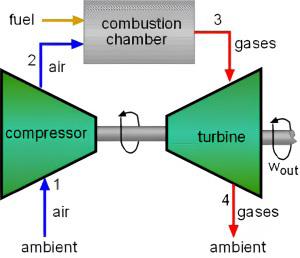
The gas turbine works with a Brayton cycle that uses air as the medium. Air at atmospheric conditions is pressurized by passing through bladed disks that act as compressors. The high-pressure air is mixed with fuel (natural gas, fuel oil, naphtha, etc.) and ignited, creating a high-temperature flow. This hightemperature compressed air enters the turbine, rotating the bladed disks and generating shaft work, which also rotates the gas turbine compressor.
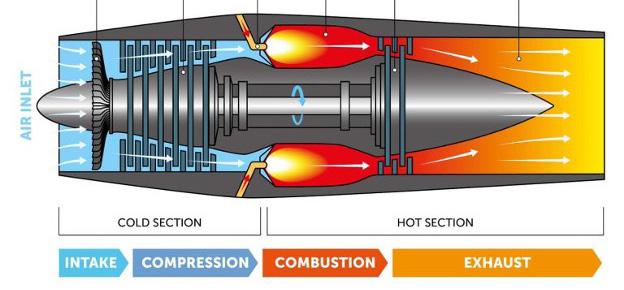
Gas turbines vary according to their design and usage areas and are preferred in many different industrial and commercial fields.
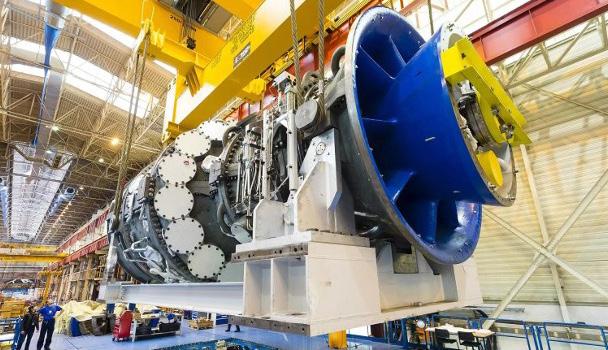
Heavy Duty Turbines (Heavy Duty): High power, efficient and long-life turbines used in power plants.
Aeroderivative Turbines: are lightweight and compact turbines derived from aerospace technology. Thanks to their fast start-up and high flexibility, they adapt to harsh conditions and meet peak load demands.
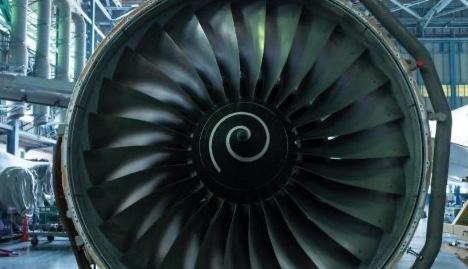
Turbojet engines: are used in airplanes to provide thrust. The gas flow from the air intake produces thrust.
Turbofan Engines: are an improved form of turbojets. More air flow is added to the process thanks to an additional fan, allowing these turbines to run more quietly and efficiently in terms of fuel consumption.
Turboprop Engines: Used for high efficiency at low speed. This variation converts the energy obtained from the gas turbine into propulsion power through the propeller.
Electricity Generation: Gas turbines are used to generate electricity, especially in combined cycle power plants. These plants combine gas and steam turbines to convert waste heat into electricity, and are also known as cogeneration power plants.
Aviation Industry: Gas turbines are the basis of modern jet engines, providing high speed and thrust in commercial and military aircraft.

Oil and Gas Industry: Here, gas turbines provide safe power to remote offshore platforms and refineries, withstanding severe weather and harsh environmental conditions in the process.
Naval: Gas turbines are commonly used in military ships. They are preferred due to their high power density and fast response times.
Processing Industries: Gas turbines are used to generate heat and electricity in the paper, food and chemical industries.
Distributed Energy Systems: Small-scale gas turbines generate energy close to consumption points, reducing transmission losses and increasing local energy security.
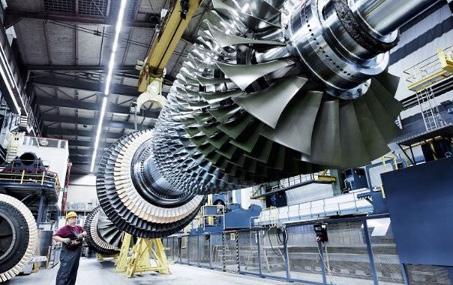
After talking about gas turbines and their areas of use, I would like to give a few details about their working principles. Gas turbines have an important place in the energy sector with their various uses and benefits. However, these machines are very complex structures. Gas turbines have moving and stationary disks consisting of blades on the compression (compression, suction) and turbine (exhaust) sides. The disks on the suction side compress and pressurize the air with the drive they receive from the shaft and direct it into the combustion chamber.
This zone is divided into two areas, low and high pressure. The average rotational speed of the disks in the LP, low pressure zone is 4000 RPM per minute. The average rotation speed of the disks in the HP, high pressure zone is up to 10,000 RPM.
To withstand this rotational speed and temperatures of up to 1300 degrees Co after combustion, these gas turbine blades are coated with zirconium and ceramic. In addition, an additional cooling air sucked from the external environment is blown through holes on the blades, creating an additional barrier on the blade.
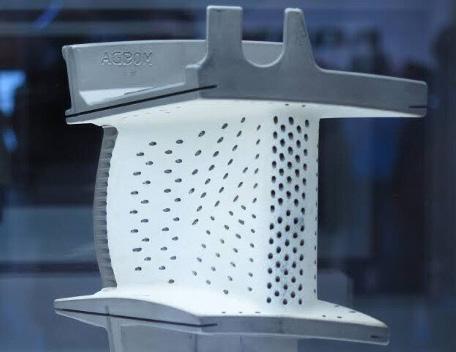
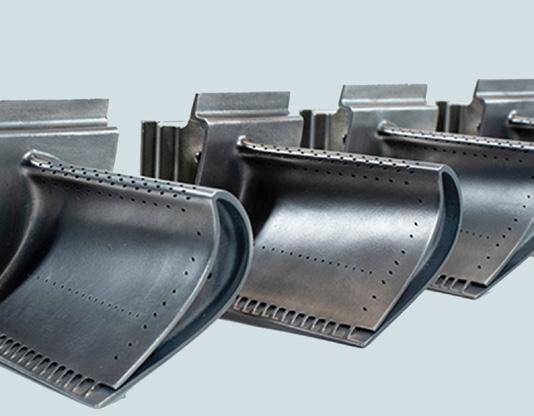
The most important and fragile point of gas turbines is this blade structure. Long-term trouble-free operation of these blades, and therefore gas turbine efficiency and gas turbine maintenance costs, depend on the cleanliness of the air sucked into the turbine. This is where the importance of air filters comes into play.
After this quick review of gas turbines and their areas of use, let's dive into the details of gas turbine-powered power plants and their air intake systems where these filters are used.
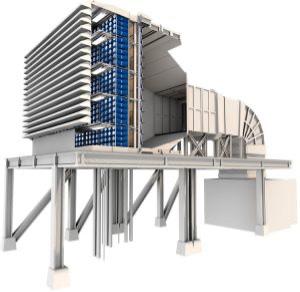
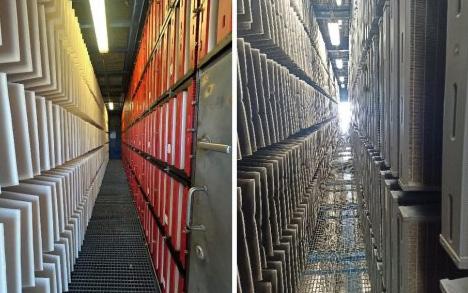
One of the most important structures that converts potential energy into kinetic energy in gas turbines is the air intake system. This system includes filter stages, self-cleaning cleaning system, evaporative cooling and anti-icing systems. According to the GT model, they filter air flow rates over 1 million m³/h at the lowest pressure loss and noise level and direct them to the turbine.
This system is generally offered in one of two configurations:
PULSE, SELF-CLEANING AIR EXTRACTION SYSTEMS:
• This type contains a filter cleaning system which removes coarse particles from the filter at certain time intervals.
• Cylindrical and conical filter models are used
• Operating with 2-3 bar air pressure, the system vibrates the filters from the inside out and removes coarse dust of 50 microns and above.
• Filters can be placed vertically or horizontally. While vertical placement is generally preferred, horizontal placement provides better performance in environments such as deserts.
• This type offers a wide range of uses, except in desert and polar regions.
• Multiple filter stages and different combinations can be used.
• Preferred in industrial, urban, coastal and tropical environments.
• Flexible systems that adapt to changing environmental conditions and work regimes.
• Multiple stages facilitate water use at low pressure drops and reduce the risk of bypass.
The air around us contains solid particles, salt, other aggressive pollutants and aerosols that can cause clogging, contamination, performance degradation, and high operating costs. This is especially true in industrial areas where gas turbines are located.
In airplanes, the effect of altitude and gravity on airborne particles is important. Particles also have a weight and are gravitationally concentrated in the lower layers of the atmosphere. Aircraft turbines spend most of their operating time in the stratosphere layer of the atmosphere, which is 30-40 thousand feet (10-12 km) above the ground surface. The particle level in this layer is very low compared to levels closer to the surface of the earth.
Clean air is vital for all combustion processes. But ambient air contains many particles from a wide variety of sources, from industrial processes to vegetation and transportation. The most efficient way to keep a land-based gas turbine clean is to prevent these particles from entering the turbine. Filter stages protect turbines from particles that could cause erosion, fouling or corrosion if they enter the compressor.

The table above shows the average amount of particles between 0.3 microns and 10 microns in size found in every 1 m³ of air in industrial zones. An average sized gas turbine draws in 1 million m³ of ambient air in 1 hour and forces it into the combustion chamber. This can be up to 2 million m³ in a high-end gas turbine. To give an example for better understanding, a flow rate of this magnitude is equivalent to the amount of air consumed by 10,000 internal combustion automobile engines at the same time.
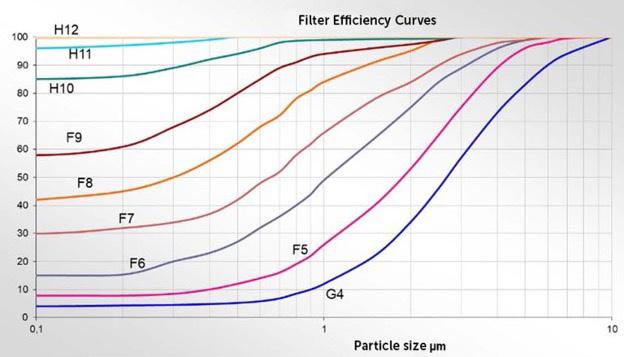
In the table below you can find efficiency curves showing how efficiently different filter stages can filter particles of different sizes.
As can be seen from the efficiency table, filters of different construction have different particle efficiencies. Filters are classified according to the relevant test standards EN779 / ISO 16890 and EN1822 / ISO 29463.
Due to factors such as high suction power, sensitive working structure and the need for high efficiency in gas turbines, filtration stages are determined according to the nature of the working environment and are categorized as suitable for desert, seaside, offshore, tropical and polar regions. Pulse-dynamic filter systems and appropriate filter types are preferred in environments with
low relative humidity such as deserts, while static, multi-stage filter systems and appropriate filters are preferred in environments with relative humidity around 90% such as tropical, sea/lake shores.
Coarse particles are retained by low efficiency panel and bag type filters, while smaller fine particles are retained by bag and V type filters. The main objective is to protect the sensitive turbine blades, prolong their life and increase the efficiency of the gas turbine. As turbine technology has advanced and new generation gas turbines (Siemens SGT5-8000 / 9000 Series, GE Frame 7HA / 9HA Series) with an overall efficiency of over 60% have been introduced, it has become necessary to use HEPA Series very high efficiency filters as the last stage.
HEPA class gas turbine air intake filters are in service on every continent in the world where such high efficiency gas turbines are found. These filters protect the turbine blades throughout the life of the filter, with the ability to retain 100% of particles
1 micron and below. Thus, turbine efficiency and the amount of energy produced remain high, while the amount of fuel consumed is optimized.
Visit our website for product details and contact information.
At MANN+HUMMEL, innovation drives everything we do. With over 75 years of expertise, we lead the air filtration industry by developing solutions that exceed the highest air quality standards. Our products, made in the Americas, are engineered to meet the evolving needs of commercial, industrial, and residential applications worldwide.
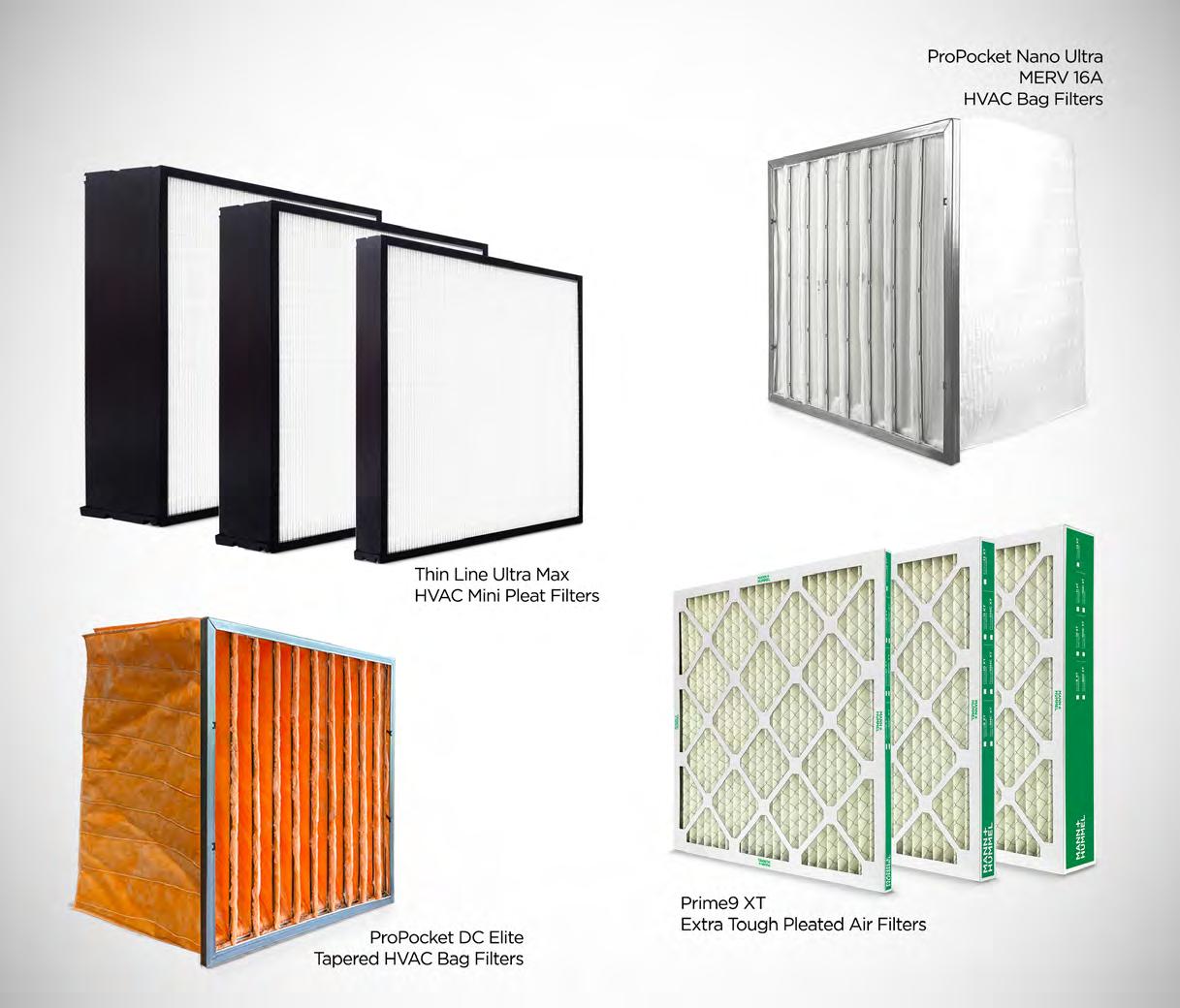
Our portfolio includes advanced solutions like the Prime9 XT (MERV 9), o ering exceptional particle capture, the ProPocket Nano Ultra (MERV 16A) for demanding environments, the
Leadership in Filtration
ProPocket DC Elite for high-air flow systems, and the Thin Line Ultra Max (MERV 13) to capture fine particulates like bacteria and smoke while maintaining air flow.
We don't just filter air—we set the standard for cleaner, healthier environments with innovations focused on advanced materials, superior manufacturing, and sustainability. Stay ahead with our industry-leading solutions.
By Luis Marquez, P.Eng. | VP of Engineering, Blade Air | CAFS
Macey Clandfield | Product Developer, Blade Air
The Minimum Efficiency Reporting Value (MERV) rating system is a well understood method of easily identifying the filtration efficiency of an air filter or filtration system. Based on ASHRAE Standard 52.2, the simplicity of the number allows facility managers and other stakeholders to quickly compare different filters and make choices depending on what kind of filtration efficiency they require. The National Air Filtration Association (NAFA) has published guidelines to help make decisions based on best practices to achieve certain indoor air quality depending on the type of space to be serviced.
The simplicity of the MERV rating and available guidelines make it easy for a user to identify what kind of cleanliness and the level of filtration required to achieve it. The difficulty then becomes selecting from the many options available at the appropriate MERV rating required. The NAFA Guide to Air Filtration appropriately suggests contacting your local certified air filtration specialist (CAFS) to help make the decision on which filters or filtration system is appropriate. Among the many things a CAFS will consider, the total cost of ownership (TCO) of the filter or filtration system is one of the aspects that will help drive the ultimate decision.
The TCO of a filter or filtration system will include factors such as initial cost, installation costs, operating costs, and costs of disposal. These factors are all different for individual systems and may give different results even for the same types of filters depending on use case, location and local conditions. Chapter 13 of the NAFA Guide to Air Filtration goes into detail into how all these factors affect the total cost of a given filter in a particular system.
As facility managers and owners face mounting pressure from rising costs of energy, ASHRAE 241's new infection risk management standards, and a growing desire to appropriately report scope 1, 2 & 3 emissions a different approach is required for evaluating not just the dollar value cost of a filter, but the carbon emission and carbon equivalent emissions of a specific filtration system.
While the TCO aims to evaluate the monetary total capital and operating costs of a specific filtration solution, a similar but different approach is needed to minimize carbon and carbon equivalent emissions. The following is a comprehensive framework for CO2e calculations of air filters developed through real-world analysis and established engineering principles.
Because there are many different types of emissions, pollutants and greenhouse gases (GHGs) that are produced during different processes, we needed a method to measure all of them in a more simple and relative way. Carbon dioxide, or CO2, was chosen as the baseline greenhouse gas to which all other GHGs would be converted to. This led to the creation of the unit of measurement CO2e. CO2e, or carbon dioxide equivalent, refers to the number of metric tons of CO2 emissions with the same global warming wpotential as one metric ton of another greenhouse gas. In simple terms, the CO2e metric describes the total impact of all GHG combined as if it were only CO2
CO2e emissions are measured in kilograms where a specific measurable activity that generates emissions is being tracked (running a motor, burning fuel) and multiplied against established “emission factors” representing how many kg of CO2e are


www.hydrosilintl.com





Excelair. The Air You Breathe.
Excelair is a leading manufacturer of HVAC air filters specially in medium & High Purity range , dedicated to providing high-quality air filtration solutions. With our Office & Warehouse spanning approx. 80,000 square feet in Houston, Texas, we are committed to meeting the needs of our customers with efficiency and excellence. Our extensive warehouse space allows us to maintain a vast inventory, ensuring prompt delivery and exceptional service. Partner with us for superior air filtration solutions that enhance indoor air quality and promote a healthier environment.
What matters is the air you breathe... EXCELAIR






emitted for each unit of activity. CO2e emission factors are generally available publicly by scientific and government sources. For the purposes of HVAC filtration in North America, the emission factors published by the U.S Environmental Protection Agency (EPA) will be used.
CO2 e[lb] = (Activity)[unit]x(Emission Factor)
When trying to account for the carbon footprint of a filter, similar to TCO, the entire life-cycle of a filter must be considered. There are three main emission factors or “activities” that can be considered in CO2e emissions of a filter. Energy, disposal and transportation.
Energy Emissions: The energy emissions of a filter can be measured as the electricity consumption emissions that it adds to a fan motor during its use. This consumption can be calculated the same way that it is measured in TCO, relating the average pressure drop the filter adds to the system total pressure of the fan. As a filter loads, during usage, the fan energy consumption can be measured vs the fan consumption if there were no filters in the system. The largest factor in energy

consumption emission of a filter will come from the way that the system energy is produced in the local grid. A local grid with electricity produced by wind or water energy will inherently have a smaller emission factor than the same system used on a grid that uses electricity produced by burning natural gas. The local emissions factors can vary between as low as 274.6 lb CO2e/MWh in upstate New York to as high as 1,575.4 lb CO2e/MWh in Oahu, Hawaii.
Disposal Emissions: As the name suggests, these emissions have to do with the frequency and method of disposal of the filter or the filtration solution. A filter that has less changes will have less disposal emissions. Similarly, a filter with more material being disposed of (a larger volume/weight) will have more inherent emissions than a smaller filter disposed of with the same frequency. The main factors that affect disposal emissions are the mass of the filter being disposed of, the frequency of disposal, and the method of disposal. For most filters, they are sent to landfill where they become mixed municipal solid waste (MSW) and eventually incinerated. The emission factor for this disposal is about 1.41 lb CO2e/lb MSW. Filters that are recyclable and filters that are biodegradable will have lower emission factors provided that they are disposed of according to the type of recycling method.

Transportation Emissions: For a filter, transportation emissions are created by getting the filter from its original source to its final destination. Factors that affect this type of emissions include the shipping distance (how far the filter had to travel to the end user) and the vehicle type used to make the delivery. (Rail, aircraft, passenger car, truck) Vehicle-mile factors are appropriate to use when the entire vehicle is dedicated to transporting the reporting company’s products. Ton-mile factors are appropriate when the vehicle is shared with products from other companies. For example, emission factor for medium and heavy truck shared with other products is 0.0001848 lb CO2e/lb -mi. Delivered in a 10,000lbs truck with 50lbs of product this would be 1.857 lb CO2e/miles driven. A light duty truck filled only with the reporting company’s
product would be 0.891 lb CO2e/miles driven. A significant factor that affects transport emissions for filters, is the frequency of changes. A filtration system that requires less frequent changeouts, will reduce the amount of vehicle-mile emissions required.
Emissions calculations can be performed at an individual basis or can be estimated to a large accuracy for a portfolio or project given known values. Let’s consider two filtration solutions A & B. Ignoring MERV ratings and price (these are important factors to consider in any potential solution) we can calculate the emissions in lb of CO2e per filter as follows:
In the calculations at left, we can see that filter solution B will consume 10,037lbs of CO2 a year per filter and filter solution A will consume about 10,232lbs of CO2 a year per filter. The above examples are just for imagination, and do not portray any specific situation. A CAFS or a facilities manager could use this framework to evaluate different types of filters and filtration solutions. Elsewise, a sustainability or energy engineer can use this framework to account for and report carbon emissions or even carbon saved from filtration solutions.
Accounting for, and evaluation of the carbon cost of filters is only a natural consideration to take when evaluating filtration solutions as increase in energy consumption and stricter sustainability and government standards are developed. This framework can help guide a user in accounting for carbon emissions using specific
project details. This calculation can help evaluate filter solution selection in addition to other project considerations such as total cost of ownership, physical constraints, desired and required MERV ratings. The increased use of this framework or similar frameworks in filter and filtration system selection at scale can lead to a big impact on ESG goals and creating awareness of how much considerations like filter selection can help impact and even reduce HVAC system carbon emissions.





















































































































































































































APRIL 9-10, 2026
LOUISVILLE, KENTUCKY
The 2026 Technical Seminar in Louisville, Kentucky brought together air filtration professionals for a focused and high-impact program centered on education, technical advancement, and industry connection. With record-breaking attendance, the event reflected the growing demand for practical knowledge and collaboration across the filtration community.
From the start, the seminar emphasized NAFA’s commitment to advancing clean air through both foundational principles and emerging innovations. Attendees gathered to exchange ideas, strengthen relationships, and gain actionable insights to apply within their organizations.
Optional pre-event programming on April 8 helped set the tone for the event. The NAFA Foundation event at the Frazier History Museum offered a classic Louisville experience with a museumwide scavenger hunt, bourbon tastings, and live bluegrass music. In the evening, Blue Heaven Technologies sponsored an event to welcome those new to the industry, followed by a reception for all attendees to unwind and strengthen relationships.


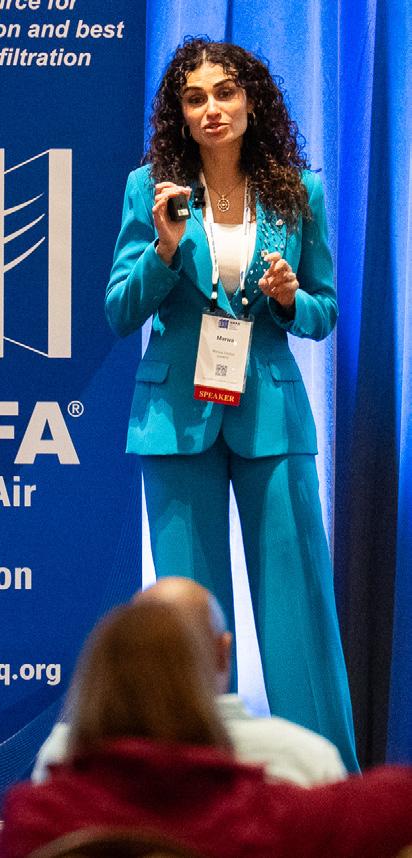
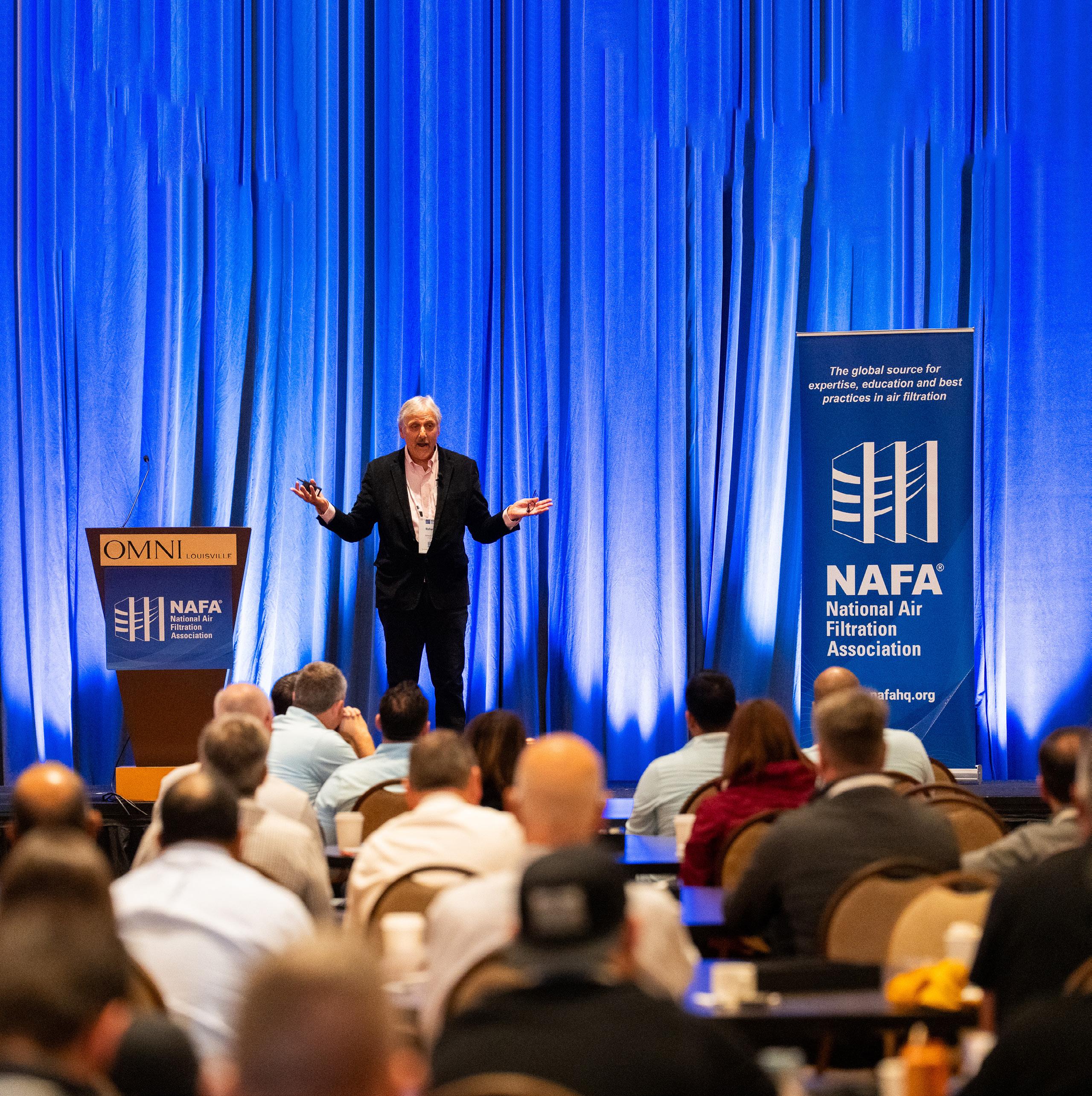
Programming opened Thursday morning with remarks from NAFA leadership. The keynote session, delivered by Dr. Richard Corsi, Dean of Engineering at the University of California, Davis, explored a cost-accessible and DIY air cleaner concept that is protecting, teaching, and empowering communities. His presentation highlighted the real-world impact of accessible filtration solutions and underscored the broader role of the industry in public health.
Following the keynote, sessions focused on key topics shaping the future of air filtration, including an ASHRAE 52.2 update, discussion on HVAC filtration performance and evolving ventilation and filtration standards. Presentations from industry experts and researchers provided practical, data-driven
insights to help attendees better understand current challenges and performance considerations across a range of applications.
NAFA’s commitment to professional development was also reflected in sessions focused on certification and career growth. A dedicated presentation on the NCT II Certification highlighted its role in advancing industry standards and supporting individual expertise within the field.
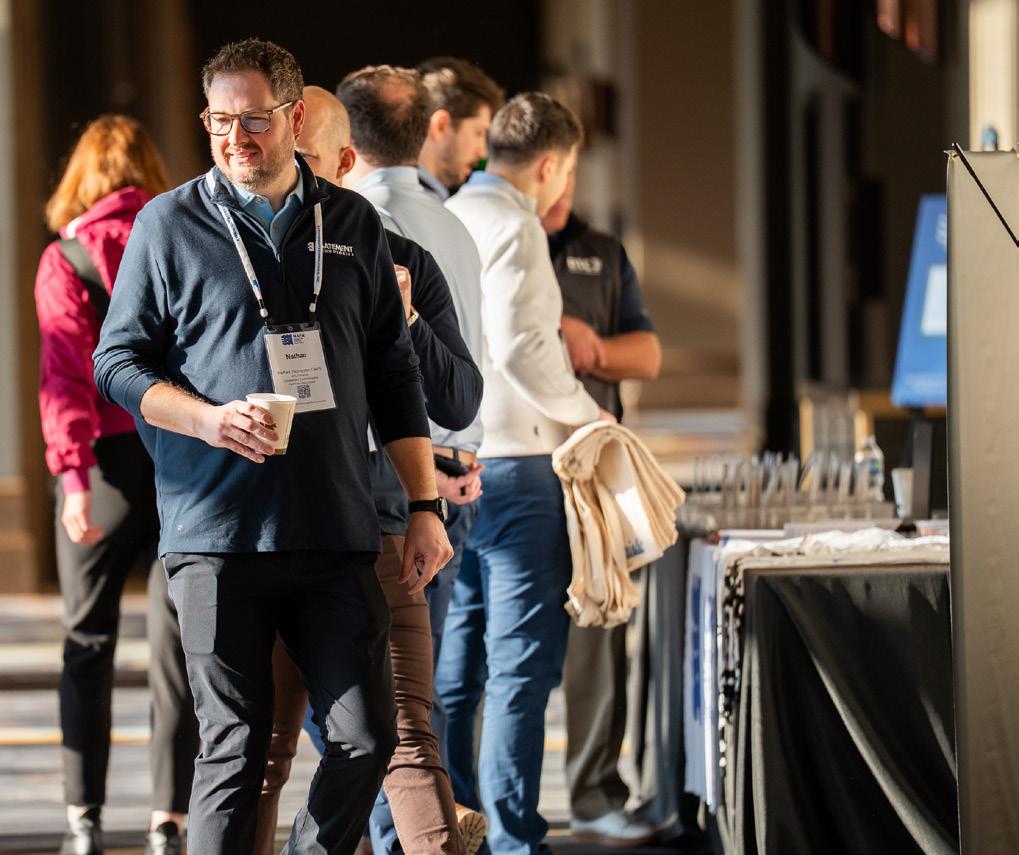
The seminar also balanced technical depth with opportunities for networking and collaboration. Structured networking breaks, sponsor exhibits and the Starting Gate Welcome Reception, sponsored by Mikropor, created space for meaningful connections among attendees.
The second day continued with forward-looking and practical sessions. Topics included competitive strategy in technical industries, advanced approaches to evaluating filtration performance and gas phase filtration. These sessions reinforced the importance of adapting to evolving challenges while maintaining strong technical foundations.
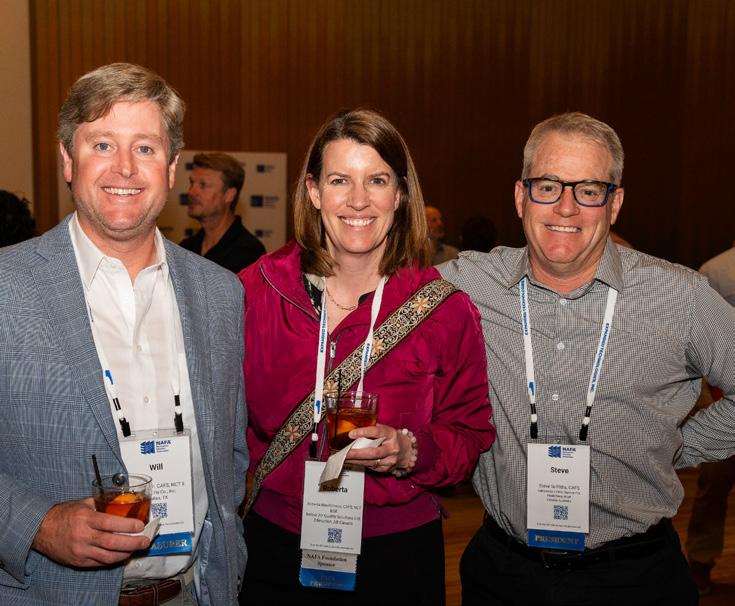
Beyond the educational programming, the 2026 Technical Seminar also marked significant professional achievement within the NAFA community. Fifteen attendees earned their CAFS certification, one earned the NCT I, and four earned their NCT II. These newly certified individuals demonstrated a continued commitment to excellence and advancement in air filtration practices.
As the event came to a close, participants left Louisville with new knowledge, strengthened connections, and a renewed focus on advancing clean air solutions. The record-breaking attendance and high level of engagement helped reinforce the value of the Technical Seminar as a key event for technical learning and industry collaboration.
NAFA plans to continue this momentum at future events like the 2026 Annual Convention in Palm Springs on October 13–15. This event will gather business leaders and owners together to share insights on how to grow and strengthen their business.



Expanded Technologies, Inc. Names New COO

MARIETTA, GA – February 10, 2026 –Expanded Technologies, Inc. (ETI) announces the establishment of a Chief Operating Officer for the company, and the appointment of Richard W. Hughes in this role effective immediately.
Jean-Luc Liverato, Founder and CEO of ETI commented "as we enter our 37th year of operations, the company has grown to a size and complexity that I recognized the need for additional executive leadership that compliments my entrepreneurial manufacturing background. Richard has been providing strategic consulting to the company over the past eighteen months and has brought innovative ideas and processes to refine how we operate and position ETI for even greater scale and a faster rate of growth."
Mr. Hughes has over 40 years of management and leadership experience. He spent 18 years working for several Fortune 500 industrial multinationals rising to the level of Vice President and General Manager of an Aluminum Company of America (ALCOA) division that generated over $S00M in revenues, employing over 800 people at multiple locations. Richard also spent 17 years as a Managing and Operating Partner of a boutique private equity firm based in Atlanta. In addition to light manufacturing, the firm held equity in B to B and B to C businesses.
Upon acceptance of the COO role, Richard commented "I am thrilled to join ETI. Over the past year and a half, I have gained
tremendous respect for the company Jean-Luc has built and consider extraordinary the quality and operational efficiencies his gifted engineering expertise has created. Jean-Luc is also a first-class leader and constantly credits the ETI team with much of the company's success."
Expanded Technologies Inc. produces light gauge expanded metal supplying domestic and international air filter manufacturers with enough raw material to produce over 200M residential and commercial filters a year. The company designs and manufactures its own production lines operating from a 137K square foot facility in Marietta, GA. For more information, contact Jennifer Reyes at jreyes@expatech.com or 770.792.0888

DESOTO, TX – December 30, 2025 –Glasfloss Industries, the oldest American-owned and operated manufacturer of HVAC air filtration products, proudly announces its 90th anniversary.
Since its founding in 1936 in New York City by Horace R. Lange and Theodore J. Tottis, Glasfloss has grown from a small
specialty air filter fabricator into a nationwide leader with five manufacturing facilities across the United States. For nine decades, Glasfloss has remained committed to its mission: delivering dependable and innovative air filtration solutions for industrial, commercial and residential applications.
“Ninety years is a remarkable milestone. Our longevity is a testament to the dedication of our employees, the loyalty of our customers and our unwavering commitment to quality and customer service. As we celebrate this anniversary, we look forward to building on our legacy and shaping the future of air filtration.” –Scott Lange, President
Glasfloss is 100% employee-owned and operated with customer satisfaction our first priority. For more information on Glasfloss and its products, please visit: www.glasfloss.com
Technologies, Inc.
MARIETTA, GA – March, 2026 –Expanded Technologies, Inc. (“ETI” or the “Company”), a leading manufacturer of quality expanded metals for the HVAC/IAQ filtration industry, is pleased to announce the election of John Lally as Chairman of the Board of Directors. Earlier this month, Founder & CEO, Jean-Luc Liverato, announced the appointment of ETI's former Chairman, Richard W. Hughes, to a full-time position as the Company’s new Chief Operating Officer (COO).
To facilitate his new strategic, full-time leadership role as COO, Richard W. Hughes, is stepping down as Chairman of the Board. Jean-Luc Liverato noted that “Richard has served with distinction over the last year, and the Company expresses its gratitude for his valuable service and leadership”.
"As we enter our next phase of growth, I am thrilled to welcome John Lally as our new Chairman," said Mr. Liverato. John’s extensive experience as a Board member/ investor in helping to build different types of enterprises will be invaluable to our Board as we continue to grow our business. I am equally excited that Richard is taking on the full-time role of COO. His intimate knowledge of our vision and proven leadership in operating roles make him the perfect executive to assist me in driving our operations and executing our long-term strategy."
Mr. Hughes' transition to the newly created role of COO marks a significant investment in the company's operational capacity.
"I am honored to take on the role of COO during such an exciting time for the Company," said Mr. Hughes. "I look forward to working closely with Jean-Luc and the entire team to drive efficiency and operational excellence, and I am confident that John will provide exceptional leadership to the Board."
John Lally added, “After serving on the Board over the past year, I am thankful for the trust and confidence that Jean-Luc and the Board have placed in me, and I look forward to working with my fellow Board members to identify and navigate new opportunities and strengthen ETI’s position as a leader in its space."
“The formal Board, established last year, marks a significant milestone in our evolution and positions ETI for strategic expansion,” said Jean-Luc Liverato, Founder and CEO. “I am thrilled to have the distinguished group below as Board members. Their complementary skills, experience, and insights will provide important leadership, guiding our Company's growth, innovation, and expansion into new markets.”
For more information, contact Jennifer Reyes at jreyes@expatech.com or 770.792.0888
Ludwigsburg, Germany – January 6, 2026
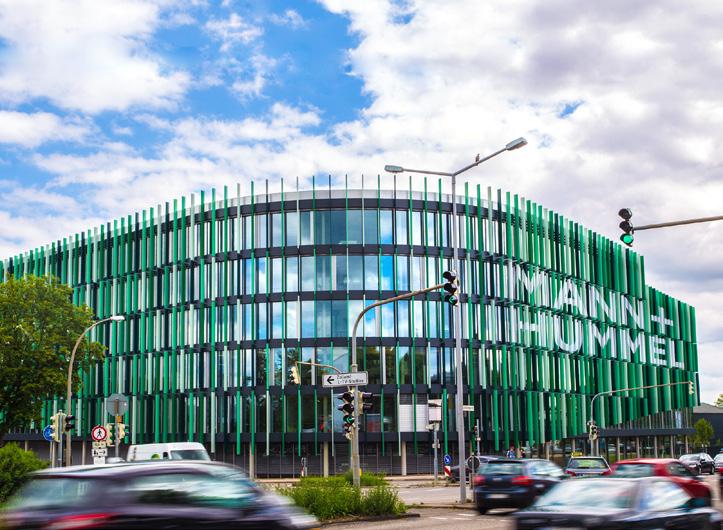
- MANN+HUMMEL celebrates its 85th anniversary today, marking a legacy of resilience and innovation that began in 1941. The company has grown into a global leader in filtration solutions, operating at more than 80 locations worldwide and employing over 21,000 people. “Our mission remains clear: By Separating the useful from the harmful we are delivering solutions for cleaner air, water, mobility and industry,” said Kurk Wilks, CEO of MANN+HUMMEL.
From its origins in automotive filtration, MANN+HUMMEL has expanded into diverse applications, including water treatment, air filtration, cleanroom technologies, digital solutions and more, developing intelligent filtration and separation solutions across its two segments, Transportation and Life Sciences & Environment. With over 250 patents in filtration media and annual production of 75,000 tons of media, the company continues to set industry standards for precision and sustainability.
Looking ahead, MANN+HUMMEL’s strategy focuses on further expanding our leadership as the world’s most customer-centric filtration company, through investments in advanced filtration materials, innovations, digital platforms, and strengthening manufacturing and distribution capabilities across the globe.
“At 85 years young, the focus is on speed, agility, and innovation,” said Thomas Fischer, Chairman of MANN+HUMMEL.
“Our vision is to lead the industry through filter media science and digitalization, delivering solutions that make life cleaner and better for generations to come.
We’re accelerating innovation with “China speed,” building customer-centric agility, and advancing cleaner air, water, mobility, and industry worldwide.”
As global megatrends such as air pollution, water scarcity, and energy efficiency reshape industries, MANN+HUMMEL is positioned to lead through technology, sustainability, and customer-focused solutions for the next 85 years and beyond. For more information, visit https://www.mann-hummel.com

JOHN JACKSON, CAFS Sales Manager NEBRASKA AIR FILTER
Nebraska Air Filter was born as Nebraska Coal Company in 1940. In Iowa, Nebraska Air Filter does business as Air Filter Sales & Services. With a total of four warehouses, Nebraska Air Filter now serves customers from the banks of the Mississippi to the foothills of the Rockies. In addition to stocking high quality filters from industry-leading suppliers, Nebraska Air Filter builds custom size filters, permanent metals, custom-sewn products, and auto rolls. The service division changes air filters in commercial and industrial locations in at least five states.
How did you get your start in the filter industry?
After getting fired from my last corporate job, I decided to find a business to buy. I was agnostic about the specific industry as long as the numbers made sense. I was extremely fortunate to stumble into air filtration. The margins are relatively tight, but the underlying fundamentals are terrific. I bought Nebraska Air Filter in 2014 from John Manhart, who purchased the business in 1966. In 2021, I bought Air Filter Sales & Services with three locations in Iowa.
How do you motivate your employees?
I don’t think I’m much good at motivating people. I attempt to model behavior that makes this an attractive place to work: be ethical, treat everyone with respect, assume good intentions, exercise patience and restraint. If people like their work and the people around them, they tend to stick around and do a good job.
Did you have a business mentor and if so, who is/was it?
No personal mentor, but I read a lot. From that perspective, I’ve had dozens of great leaders to learn from.
What's the best piece of advice anyone ever gave you?
I think Costco’s Core Values provide great guidance for running a business:
a. Take care of customers b. Take care of employees c. Respect suppliers d. Obey the law
What is the most challenging aspect of running a filter company?
Filters are the easy part. Here’s a partial list of things in which I have to feign competence: air filtration technical expertise, manage workers comp claims, negotiate a lease, review commercial insurance packages, hire, retain and manage employees, buy new vehicles, interface with multiple software systems, submit quotes, take phone calls, figure out merchant processing and credit card programs, understand and track financial performance, etc.
What do you think is the biggest challenge the air filtration industry currently faces?
I think AI may provide some administrative efficiencies, but I don’t see significant first mover advantages. We’ll all be using it to some extent. Obviously there’s been a lot of consolidation among suppliers, and some PE-influenced players are experimenting with new distribution models. I expect that will have the most impact on my business.
Do you have any words of wisdom for up and coming filter professionals?
Join NAFA! And try to learn something new every day.
How has your company benefitted from NAFA membership? I entered the industry with zero prior knowledge. I attended my first Technical Seminar just a couple months after joining Nebraska Air Filter and miraculously passed the CAFS test. NAFA continues to be my best technical resource, although I also lean on my suppliers to educate me. I encourage all my sales representatives to pursue the CAFS designation.
By Greg Kihlström | Marketing Technology Transformation Consultant - The Agile Brand,
www.gregkihlstrom.com

Is AI coming for your job, or is it just coming for the parts of your job you enjoy the least? The fear of replacement is understandable given the headlines and even some high-profile layoffs, but it is largely misplaced. Technology rarely subtracts employment in absolute terms, but it almost always changes the nature of the tasks we perform daily. Looking back to past examples, the calculator did not eliminate the mathematician, but instead it simply stopped the mathematician from having to do long division on a chalkboard. This allows them to focus on complex theorems instead. Successful adoption of AI isn't about buying the most expensive software suite or hiring a Chief AI Officer. It is about a fundamental shift in mindset. Success means ceasing to view AI as a competitor to your role and start viewing it as a superpower you can harness to do your job quicker, more easily, and (in many cases) better. A construction worker wearing a robotic lift suit is still a construction worker, but they can lift heavier beams without breaking their back. AI is the digital equivalent. It is there to handle the heavy lifting of data and process so you can focus on the craftsmanship of strategy and customer connection.
To adopt this mindset successfully, you need to focus on four distinct areas where this technology impacts your workflow:
1. Automation: Removing the friction of repetitive tasks.
2. Augmentation: Extending your creative and strategic capabilities.
3. Complementation: Using data to enhance human connection.
4. Efficiency: Achieving scale with a lean team.
The first step in the AI mindset is identifying tasks that require little to no human empathy or strategic thought and handing them over to the machine. We often refer to this low-value, highrepetition work as "sludge." Sludge is the work that keeps you late at the office but adds no distinct value to your company, and it isn’t something your customers are particularly paying attention to, either. It is necessary for the business to function, yet it consumes the energy you and your team need for growth.
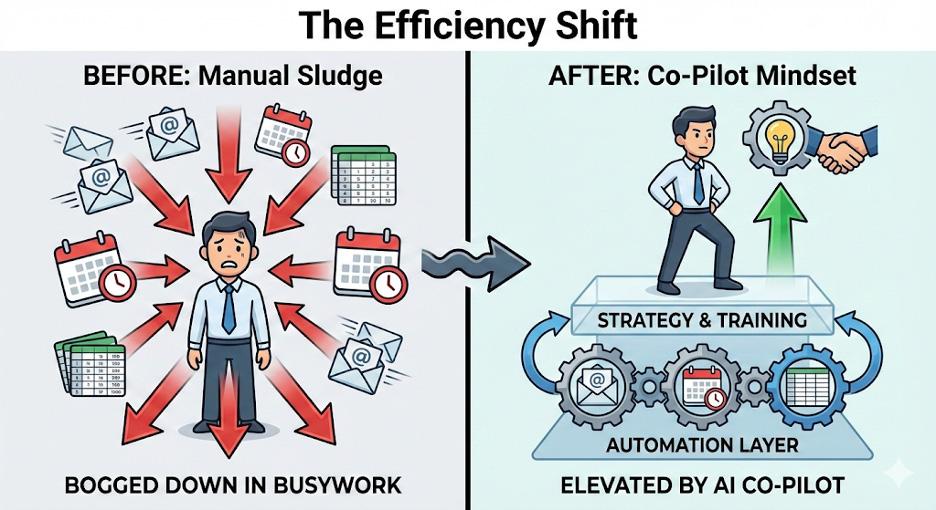
Let’s consider a hypothetical service manager named Bill, who spends about two hours every morning manually sorting through overnight service requests from the website, email, and voicemail. He tags them by urgency, checks the map to see which technician is closest, assigns the ticket, and emails a confirmation to the customer. This is necessary work, but it’s also pure administration.
If Bill adopts an AI mindset, he utilizes an agent to parse the incoming emails and transcripts, check the technicians' live calendars, route the tickets based on geo-location, and draft the replies for approval. Bill now has two extra hours every morning. He can use that time to train his junior technicians or upsell e xisting accounts.
Automation is not about being lazy or shirking responsibilities. It is about protecting your mental energy which is one of the most valuable resources you have. Your brain and the time you have to think and reason about things are limited resources, and if you spend your mental energy on scheduling, you have nothing left for problem-solving, creative ideas, or strategic planning. Small marketing and operations teams should look immediately at these four candidates for automation:
1. Routine scheduling and calendar management: Stop the "what time works for you" email ping-pong.
2. Basic data entry and CRM hygiene: Let the software update the customer record from the email signature.
3. Initial customer inquiry triage: Use bots to separate emergency requests from general inquiries.
4. Monthly reporting and performance dashboards: Automate the data pull so you only have to write the analysis.
Once you stop drowning in all that administrative sludge, your mindset will start to shift from survival mode to meaningful enhancement. This is where AI becomes an augmentative tool designed to make your strategic output better, faster, and sharper.
It does not replace the need for industry expertise or skills specific to your professional discipline, but it significantly upgrades your ability to do your work effectively, as well as the tools you have at your disposal. Think of this level of augmentation as having a junior staffer who has read the entire internet and never sleeps, ready to prep your materials so you can apply the finishing polish.
Imagine a small marketing team of one, let's call her Sarah. Sarah needs to produce a technical white paper explaining new indoor air quality regulations to her company’s commercial clients. She is an expert on the regulations, but she is a slow writer and struggles with blank-page syndrome. If Sarah adopts the co-pilot mindset, she uses an LLM such as Microsoft Copilot to generate a detailed outline based on her key points, draft the introductory paragraphs, verify her regulatory citations against public databases, and suggest four different compelling headlines. Sarah still writes the bulk of the paper and ensures the tone is correct, but she gets to the finish line in half the time with a stronger final product.
This Next-Level Augmentation is about removing the barriers between your idea and execution. For small teams stretched thin across marketing, sales support, and operations, AI provides necessary leverage in four key areas:
1. Brainstorming and ideation sessions: Using the AI as a "sparring partner" to challenge assumptions or generate alternative angles for a campaign.
2. Drafting first passes of technical content or emails: Never starting from a blank screen again.
3. Summarizing complex documents: Quickly digesting lengthy regulatory updates, competitor specs, or long meeting transcriptions to find actionable insights.
4. Analyzing customer sentiment: Scanning hundreds of reviews and feedback forms instantly to detect shifting patterns in customer satisfaction.
The greatest paradox of AI adoption is that utilizing robots for the right tasks actually makes your business feel more human to your customers. When your team is bogged down in repetitive data retrieval and manual processing, their interactions with customers become transactional and rushed. By offloading the robotic tasks to the AI, you give your team the bandwidth to provide genuine, high-touch service where it counts the most.
Consider a scenario where a long-time client calls with a complex, frustration-fueled complaint about a recurring equipment issue. In the old mindset, the representative spends the first five minutes frantically clicking through different screens to find the warranty status, previous service call logs, and equipment history, all while asking the already irritated customer to "please hold." In the co-pilot mindset, the AI has already recognized the incoming number and pulled a unified view of that client’s entire history onto the rep's screen before they even say hello. The rep doesn't have to ask basic context questions. They can immediately say, "I see the history here, and I understand why you are frustrated." The AI provided the context instantly; the human provided the empathy.
The goal of complementation is to use technology to deepen the relationship, ensuring the customer feels known rather than just processed. This approach builds a loyalty loop through four distinct capabilities:
1. Hyper-personalized follow-up: Sending communications that reference specific past purchases or conversations, rather than generic blasts.
2. Predictive service reminders: Notifying a customer that it is time for maintenance before a breakdown occurs based on their specific usage patterns.
3. Instant recall of preferences: Knowing a facility manager prefers text messages over emails for scheduling without having to ask every time.
4. Real-time translation: allowing your support team to communicate fluently with non-native English speaking clients, expanding your service footprint without hiring new staff.
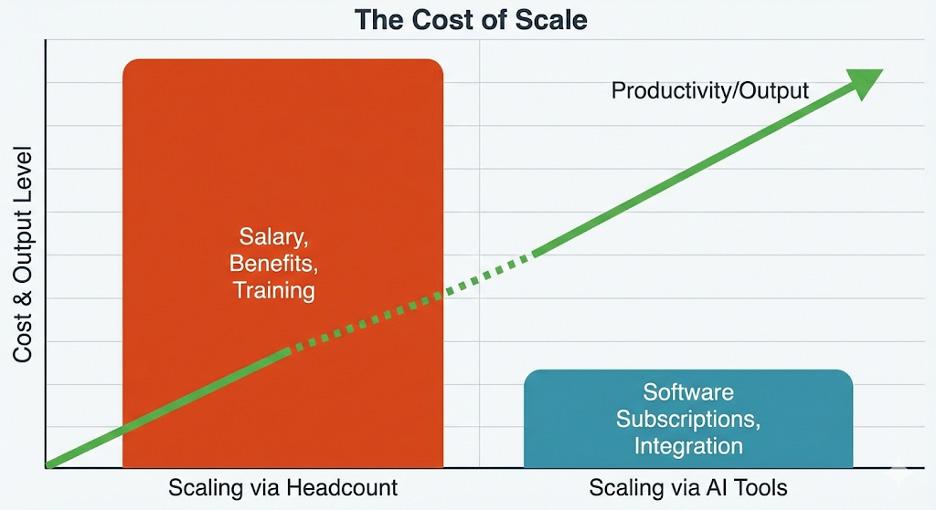
Most companies operating in the technical service and distribution space do not possess massive marketing departments. It is far more likely that you have a "marketing guy" who is also the "sales guy" and occasionally, when the printer breaks, the "IT guy." This resource constraint has historically put small to mid-sized businesses at a disadvantage against national competitors. AI levels this playing field significantly. The mindset shift here is regarding resource allocation. You likely cannot afford to hire four new specialists to handle copywriting, data analysis, scheduling, and graphic design. However, you can subscribe to four AI tools that handle these functions for less than the cost of a monthly coffee budget.
This allows a small business to look, act, and service customers like an enterprise organization. Consider a local distributor competing with a massive national chain. The national chain utilizes a 24/7 call center, ensuring they never miss a lead. The local distributor cannot staff a phone line at 2:00 AM. However, by implementing a conversational AI voice agent, the local player can field after-hours calls, schedule appointments, and answer technical questions intelligently, rather than just taking a voicemail. Suddenly, the local player offers 24/7 availability without the 24/7 payroll.
Adopting this mindset requires looking at your P&L statement differently. You are not spending money on "software"; you are investing in capacity. To compete effectively without burning out your existing team, you should view AI as the primary lever for scaling these four functions:
1. Lead qualification: Engaging web visitors instantly to see if they are a fit before a salesperson engages.
2. Content production: repurposing one webinar into ten blog posts, social updates, and email blasts.
3. After-hours support: Providing answers when your doors are locked.
4. Market research: Monitoring competitor pricing and product changes automatically
While improvements to the tools happen every day, the technology is ready for you to start adopting these steps. The real question is whether your team is ready to let go of the busywork. A good way to start is with small but intentional actions. Consider these four immediate steps:
1. Audit your week: Track your time for five days and circle every task that is repetitive and rule-based.
2. Pick one pilot project: Choose one low-risk process, such as meeting scheduling or FAQ responses, to automate this month.
3. Encourage experimentation: Tell your team it is safe to use these tools and share what they learn.
4. Focus on the outcome: Judge the success of AI not by how "cool" it is, but by whether it improved the customer experience.
I asked at the start of this article if AI is coming for your job or the parts of your job you hate. The answer depends entirely on your mindset. If you insist on holding onto the sorting, the filing, the generic replying, and the manual scheduling, then AI is still a threat. It performs those tasks faster, cheaper, and with fewer errors than you ever will.
However, if you embrace methods to strip away the drudgery, you free yourself to be the strategist, the creative problem solver, the customer relationship builder, and the subject matter expert.
The value of the human worker is moving up the chain. We are no longer paid for our ability to process information; we are paid for our ability to synthesize it and apply it with empathy. The future belongs to those who view AI not as a replacement, but as the ultimate power tool.


Unmatched Protection Against COVID-19 and Influenza: Fiber Bond’s VE3® Technology is a cutting-edge engineered chemistry developed to inactivate virus particles on the filter by over 99.99% in 15 minutes.

www.fiberbond.net/ve3

By Alex Chausovsky | Director of Analytics and Consulting, Bundy Group
The macroeconomic outlook remains mixed as we wrap up the first quarter of 2026, partly due to the conflict raging in the Middle East, and partly due to the contradicting messages that hard data (like Retail Sales, Jobs, Industrial Production, and Capital Investment) and soft data (like Consumer and CEO confidence) are sending right now. The trajectory of the economy moving forward will depend on the duration of the war and how much it affects the global energy market, shipping, and inflation. As we plan for the remainder of 2026, objective assessment is necessary to have realistic expectations for the economy and for growth in the air filtration industry in the months ahead. Planning for mild, single-digit macroeconomic growth this year appears to be the prudent thing to do for now. However, recognition of the fact that we’re in a K-shaped economy, with winning and losing sectors, is equally important.
Consumption is the main driver of the US economy, with Personal Consumption Expenditures comprising about two-thirds of Gross Domestic Product (GDP) every year. An effective way to track consumption, which reflects the consumer’s willingness and ability to spend money, is through a data series called Advance Retail Sales for Retail Trade and Food Services published monthly by the U.S. Census Bureau. As of January 2026, this series alone represented over $8.7 Trillion of economic activity over the past year.
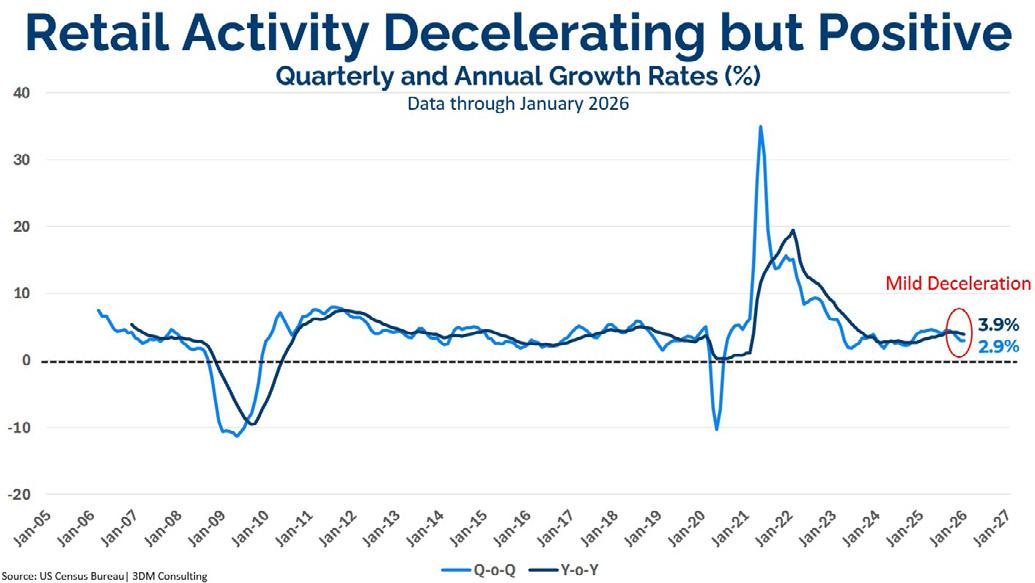
Despite all the policy uncertainty and geopolitical turmoil witnessed in 2025, Retail Sales accelerated last year, peaking at 4.3% annual growth in October. Since then, Retail Sales have slowed nominally but are still up 3.9% year-over-year through January (Fig. 1). This shows that US consumers, despite feeling
1
gloomy about the economy, continue spending their hard-earned money through early 2026, although the bulk of that spending is attributed to high income earners (more on this below).
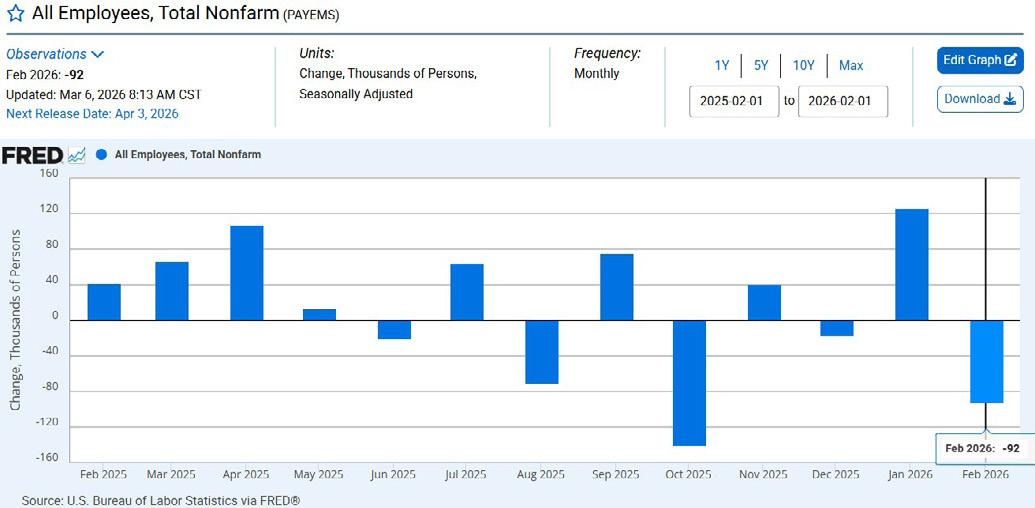
In January, the job market started 2026 on a positive note with the US economy adding 126,000 jobs. However, February’s job numbers stood in stark contrast, with total non-farm payroll employment down by 92,000 (Fig. 2), reversing the previous month’s trend of solid monthly job gains. February’s negativity was driven mainly by large-scale strike action in the healthcare sector and continued loss of federal government jobs, which are down by 330,000 (11%) since reaching a peak in October 2024. Unemployment ticked up slightly to 4.4%, while wages were up 3.8% over the past 12 months, outpacing inflation and helping consumers feel like they can continue to spend money. Objectively, it’s evident that the labor market is noticeably weaker since last April, when “Liberation Day” launched a reciprocal tariff regime against Americas trade partners and companies adopted a wait-and-see mentality regarding their hiring plans.
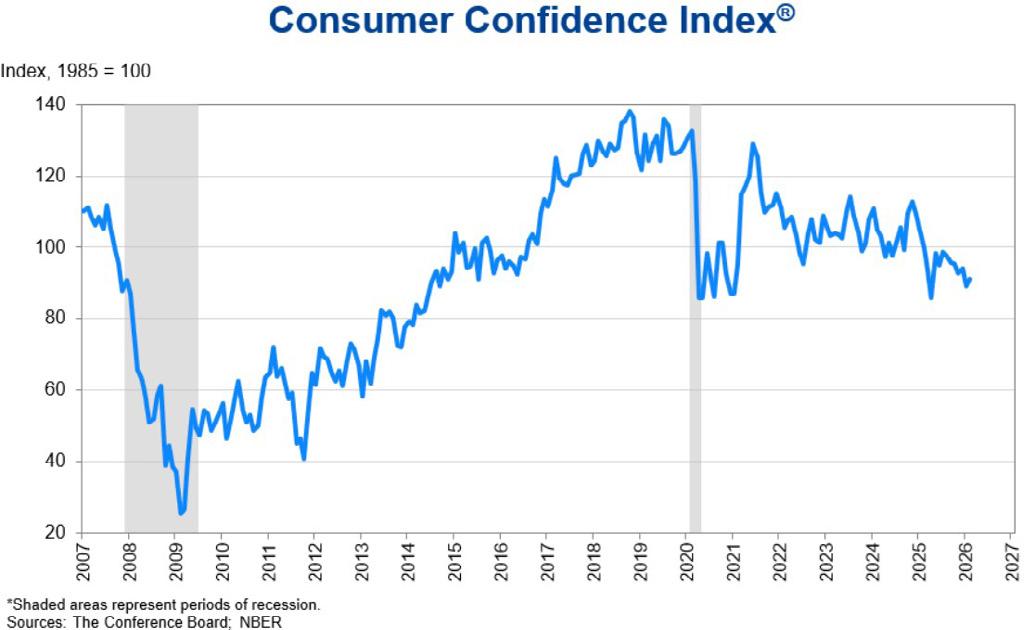
While the latest available “hard” data for consumers sent mixed signals regarding their ability to keep spending, “soft” proprietary data that tracks sentiment and reflects how individuals and businesses think, feel, and talk about the economy was more positive in February. In assessing data series such as US Consumer Confidence and CEO Confidence from the Conference Board, we get a glimpse into the mindset of consumers and businesses alike, including those in the air filtration industry, allowing us to ascertain what their outlook is for the remainder of 2026. Although the Consumer Confidence Index (Fig. 3) increased by 2.2 points in February to 91.2, it remains well below the four-year peak achieved in November 2024 (112.8). Some pessimism was evident in the Present Situation Index, which reflects consumers’ assessment of current business and labor market conditions, which decreased by 1.8 points in February. In contrast, Consumers were notably more optimistic about business conditions six months from now according to the Expectations Index, which rose by 4.8 points to 72.0 according to the latest data.The Measure of CEO Confidence (Fig. 4) is a barometer of the health of the US economy from the perspective of US chief executives and gauges CEOs' expectations about future actions their companies plan to take about capital spending, employment, recruiting, and wages. The

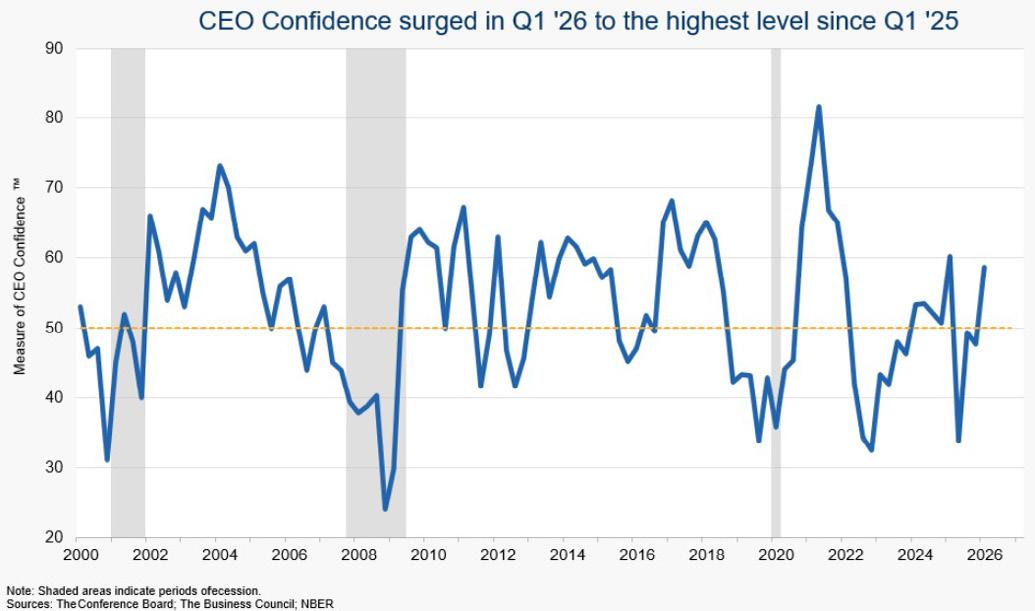
Index, which had declined precipitously since early 2025, surged to 59 in Q1 2026, rising by 11 points from 48 in Q4 2025. A reading above 50 reflects more negative than positive responses. CEOs’ views of general economic conditions improved significantly in Q1 2026, with 39% saying economic conditions were better than six months ago, up from 20% in Q4 2025. This points to a tailwind for the industrial economy and, potentially, for the air filtration industry this year. However, we must remember that the latest confidence readings, for both consumers and CEOs, were all recorded before the Middle East conflict erupted.
US Industrial Production, a benchmark for the volume of industrial activity and capital spending, and a reflection of the B2B economy, is a much better barometer for the air filtration industry than consumption, job gains, or confidence metrics. The industrial production business cycle (assessing rates-of-change on a year-over-year basis) closely matches that of the air filtration industry, with turns in the cycle and transitions from growth to contraction and vice versa happening on a similar timeline.
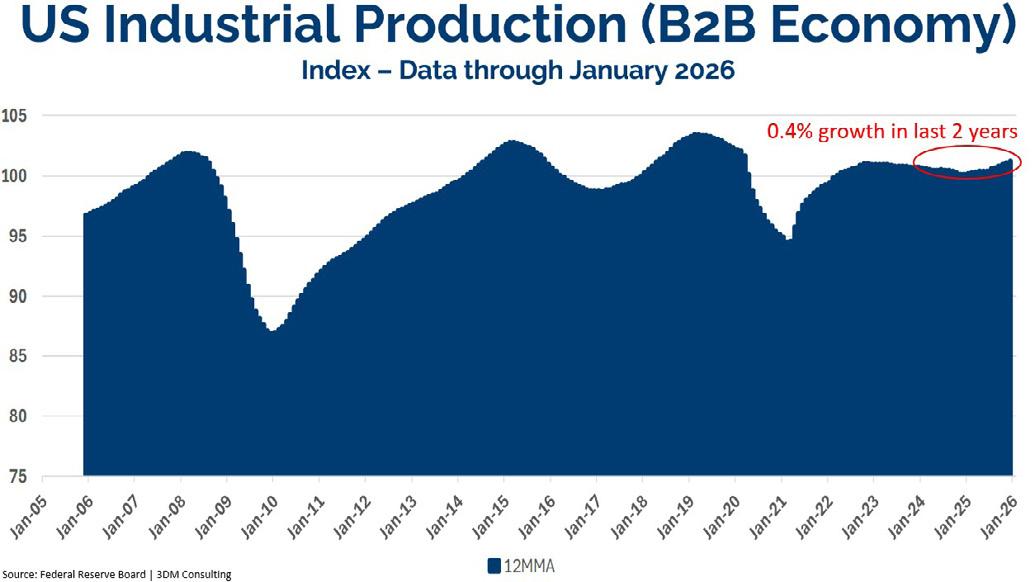
A recent annual revision of US Industrial Production data from the Federal Reserve Board showed that there had been essentially no growth in the industrial economy over the last two years. In fact, comparing the 12-month moving total values from December 2023 to December 2025 yields total growth of just 0.4% during this 24-month timespan (Fig. 5). This is a validation of the notable headwinds the air filtration sector has faced in recent years. In the last six months, however, Industrial Production has been slowly accelerating. Currently, the short term (quarter-over-quarter) growth rate stands at 1.8%, while the longer term (year-over-year) growth rate remains at 1.2%. The cyclical momentum of the series, including the latest input from leading indicators, points to sideways-to-mildly-positive movement as the most likely trajectory over the coming quarters.
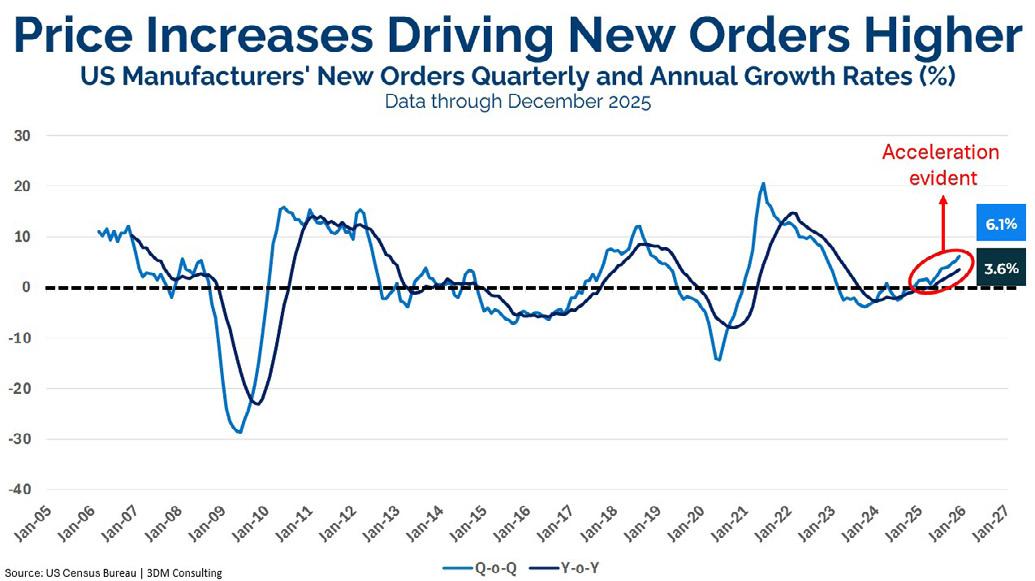
Capital spending data, represented by a series called US Manufacturer’s New Orders, is performing much better. Through December 2025, annual New Orders were up 3.6%. Furthermore, the quarterly growth rate was 6.1%, implying more upside momentum is imminent for the annual growth rate over the next two quarters (Fig. 6). However, as this series is dollar-denominated, whereas Industrial Production is an index, the acceleration in the New Orders data is at least partially reflecting the impact of price increases, and not just organic market growth. In other words, the disparity between the growth rates of the two series in the charts below presents clear evidence of inflationary pressure. As we traverse 2026, and particularly with the inflationary implications of the Middle East war in mind, companies in the air filtration industry must focus on profitable growth, and not just revenue growth at any cost.
A K-shaped economy describes a bifurcated economic landscape, where different segments of the economy perform at vastly
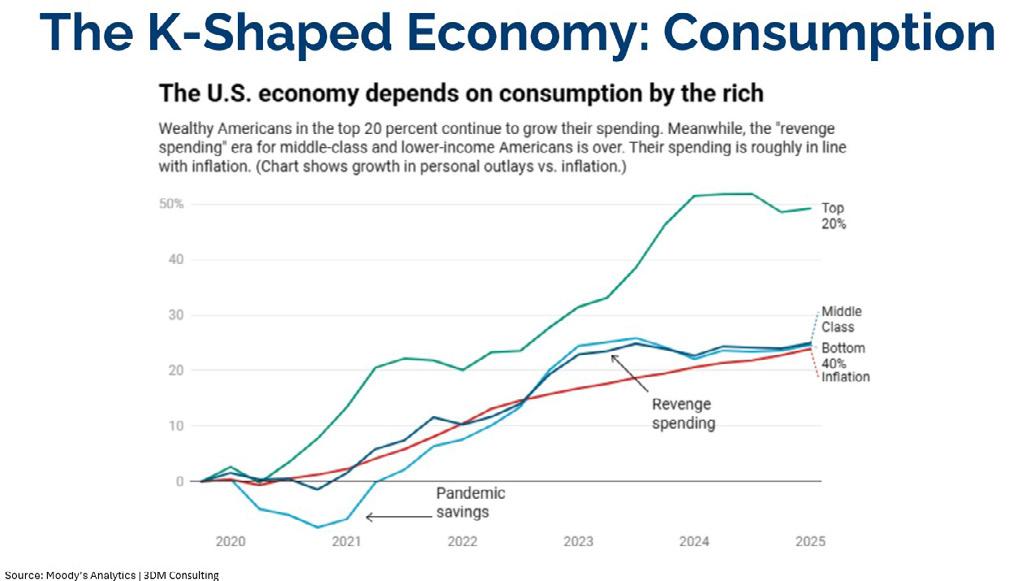
different rates -- like the two diverging lines of the letter 'K'. In 2025, examples of a k-shaped economy were evident in both the retail sales-driven consumption sector, which comprises nearly 70% of GDP, and the capital investment-driven construction sector, which is more directly relevant to companies in the air filtration industry. In the left chart below (Fig. 7) we can see that while overall Retail Sales are growing at a healthy clip through January, it is the top 20% of income earners that are driving growth, while the middle class and bottom 40% of income earners are just keeping up with inflation. In the chart on the right (Fig. 8), the k-shape economy is also evident as data center construction is up by $16B since the start of 2024, while the rest of nonresidential construction is down by more than $55B over the same time frame.
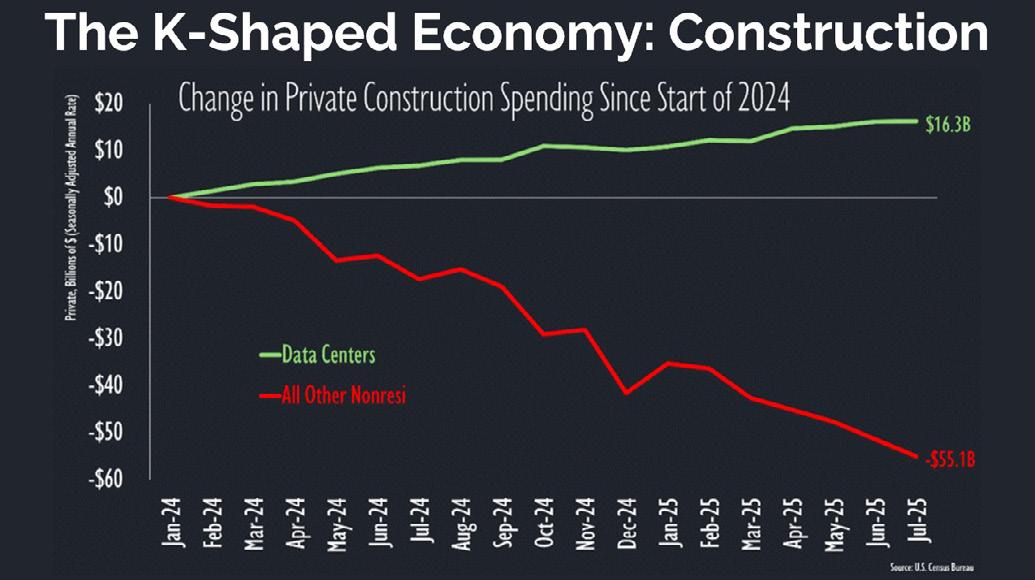
The k-shaped economy highlights an unusually complex period for the air filtration industry. Macro-economic growth appears solid, yet the job market is sluggish, and the unemployment rate has ticked up. Overall consumer spending is still rising, but Americans are less confident. AI-related data center construction is soaring while nonresidential construction and the housing sector are in recession. This conflicting narrative underscores the need for industry players to remain nimble and to pivot to the outperforming sectors of the market, while mitigating the downside pressure and risks associated with the underperforming sectors. A proactive strategic approach, one that requires market share gains and new customer acquisition, is the only certain way to ensure company performance meets targets and objectives in 2026.


The National Air Filtration Association (NAFA) has announced 26 recipients of its Spring 2026 Clean Air Award, a distinguished commendation recognizing facilities that demonstrate excellence in improving indoor air quality through advanced air filtration practices.
Presented twice each year, the Clean Air Award honors building owners and managers who go above and beyond industry standards to create cleaner, healthier, and more sustainable indoor environments. The award is one of the highest recognitions in the air filtration industry, providing an opportunity for NAFA members to celebrate the champions of clean air within their communities.
NAFA’s Executive Director, Emily Bardach, CAE, CNAP, congratulated the award winners, saying: “Clean air plays a critical role in creating healthier, more sustainable environments. The Spring 2026 Clean Air Award winners are raising the bar through thoughtful strategies and advanced filtration solutions. Their work not only improves indoor air quality today but also helps shape a stronger, more forward-looking future for the industry.”
Facilities are nominated by NAFA members and evaluated by the NAFA Clean Air Award Committee. Each nominee must provide detailed documentation of the steps taken to improve the quality of their indoor environment, including the implementation of high-efficiency filtration products, rigorous system maintenance, and adherence to best air filtration practices. Award judges also consider each facility’s ability to enhance indoor air quality (IAQ) while balancing energy efficiency and operating costs—a hallmark of sustainable building management.
Recipients receive a custom-designed award, building signage, and recognition within NAFA’s communications and industry networks. To maintain this distinction, award-winning facilities must continue demonstrating IAQ diligence by submitting annual inspection data and sustaining compliance with NAFA’s Clean Air Award standards. Nominations for the program are accepted year-round, with major recognition cycles held each spring and fall. Beyond honoring facility achievements, the award also strengthens professional relationships between NAFA members, facility managers, and service providers, reinforcing a shared commitment to cleaner, healthier indoor environments.
Alberta Trade Centre, City of Calgary
Calgary, Alberta, Canada
Kyla Jones, BGE Indoor Air Quality Solutions Ltd.
Calgary Public Bldg, City of Calgary Calgary, Alberta, Canada
Kyla Jones, BGE Indoor Air Quality Solutions Ltd.
CCIT, University of Calgary Calgary, Alberta, Canada
Kyla Jones, BGE Indoor Air Quality Solutions Ltd.
Cincinnati Museum Center Cincinnati, OH 45203
Kasey Harpold, NCT II, Filter Services of Indiana, Inc.
DND 17 Wing, Building 25 Winnipeg, Manitoba, Canada
Mike Weber, BGE Indoor Air Quality Solutions Ltd.
Dunsire Konitz RES Inc, 155 Carlton Street Winnipeg, Manitoba, Canada
Mike Weber, BGE Indoor Air Quality Solutions Ltd.
First Tower
Calgary, Alberta, Canada
Thomas Leary, CAFS, Camfil Canada, Inc.
GE HealthCare PDX, Arlington Heights Arlington Heights, IL
Brian Ashcraft, Filter Services, Inc.
Little Caesars Arena Detroit, MI
Jeff Williams, CAFS, Aero Filter, Inc.
McCain Foods Canada
Coaldale, Alberta, Canada
Tim De Groot, CAFS, Camfil Canada, Inc.
Methodist Hospital NE
Live Oak, TX
Nicole Hodina, CAFS, NCT, The Filter Man, LLC
OVC, University of Calgary Calgary, Alberta, Canada
Kyla Jones, BGE Indoor Air Quality Solutions Ltd.
Pembina Trails S.D., Pembina Trails Coll. Winnipeg, Manitoba, Canada
Mike Weber, BGE Indoor Air Quality Solutions Ltd.
Rye City School District Rye, New York
Justin Fiederlein, CAFS, NCT II, Tech Valley Filtration, LLC
Sandman Signature, Edmonton Downtown Hotel Edmonton, Alberta Canada
Norm Welsh, CAFS, LD Filtration
St. Margaret Anglican Church
Vancouver, British Columbia Canada
Bryan Louis, CAFS, BL Technical Consulting Inc.
UBC, Chemistry B - South Vancouver, British Columbia Canada
Ryan Schauble, CAFS, FG Air
UBC, Chemistry C - East
Vancouver, British Columbia Canada
Ryan Schauble, CAFS, FG Air
UBC, Chemistry D - Centre
Vancouver, British Columbia Canada
Ryan Schauble, CAFS, FG Air
UBC, Chemistry E - North
Vancouver, British Columbia Canada
Ryan Schauble, CAFS, FG Air
UBC, Chemistry Physics
Vancouver, British Columbia Canada
Ryan Schauble, CAFS, FG Air
UBC, David Strangway Bldg
Vancouver, British Columbia Canada
Ryan Schauble, CAFS, FG Air
UBC, Food Nutrition Health
Vancouver, British Columbia Canada
Ryan Schauble, CAFS, FG Air
UNO - Allwine Hall
Omaha, NE
Kaleb Betzold, CAFS, The Filter Shop
Watermark Tower
Calgary, Alberta, Canada
Thomas Leary, CAFS, Camfil Canada, Inc.
Werklund Centre
Calgary, Alberta, Canada
Sammy Isawode, CAFS, NCT, BGE Indoor Air Quality Solutions Ltd.

About NAFA
The National Air Filtration Association (NAFA) is a nonprofit trade association whose members include air filter and component manufacturers, sales and service companies, and HVAC and indoor air quality professionals across the United States and in several foreign countries. NAFA is comprised of individuals and companies engaged in the sale, service, and manufacture of the air filtration products.
“It is important to recognize what our customers do in order to provide clean indoor air quality for their patients, personnel, and take care of their equipment.”
Carlos Lemus, CAFS, NCT II Advanced Filtration Concepts, Inc
The National Air Filtration Association (NAFA) Clean Air Award continues to set the standard for excellence in indoor air quality, recognizing facilities that go above and beyond to create healthier, more sustainable environments through advanced filtration practices.
Presented twice each year, the Clean Air Award honors building owners and managers who demonstrate a strong commitment to improving indoor air quality (IAQ). Facilities are nominated by NAFA members and evaluated by the Clean Air Award Committee based on detailed documentation of their filtration strategies, system maintenance practices, and overall approach to IAQ management. Judges also consider how well each facility balances air quality improvements with energy efficiency and operational performance—an increasingly important benchmark in modern building management.
As one of the highest recognitions in the air filtration industry, the Clean Air Award not only celebrates facility achievements but also strengthens collaboration between NAFA members, service providers, and building operators. It reinforces a shared commitment to clean air while elevating awareness of the critical role filtration plays in protecting people, processes, and equipment.
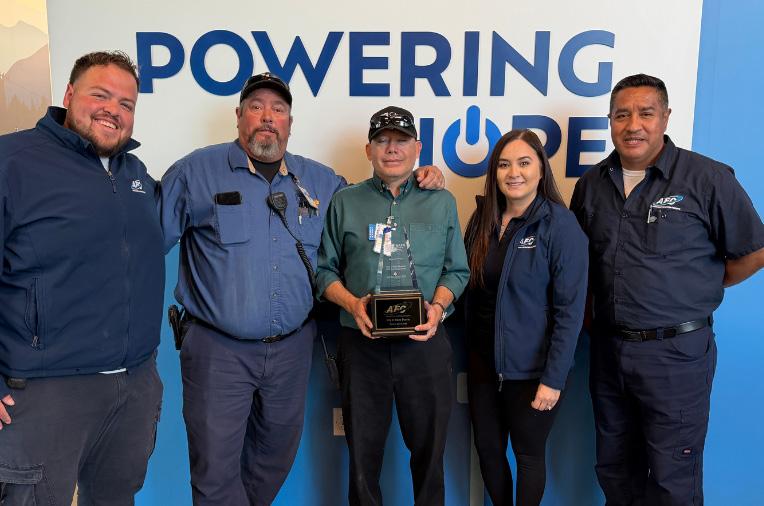
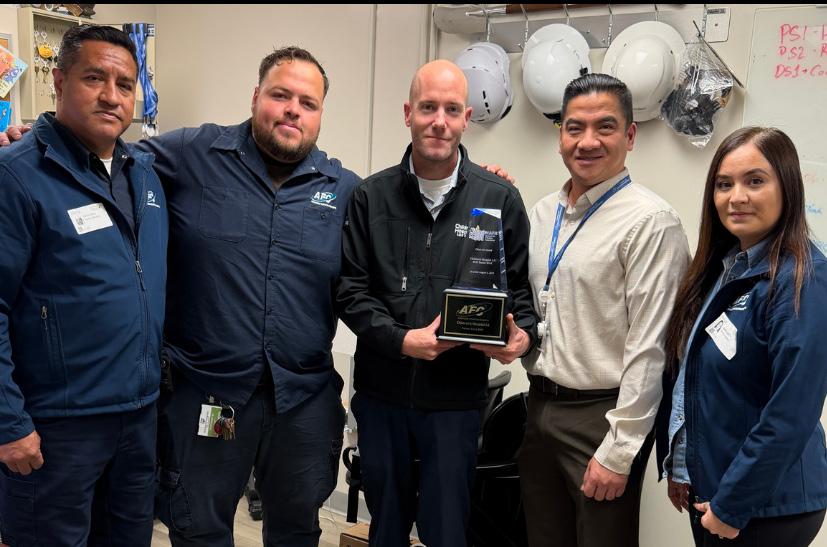
For filtration professionals like Carlos Lemus, CAFS, NCT II of Advanced Filtration Concepts, Inc., the award represents more than recognition—it’s a way to spotlight the work behind maintaining safe indoor environments. In the Fall 2026 Clean Air Awards cycle, Lemus nominated four of his customers, driven by a desire to highlight their dedication to clean air.
“It is important to recognize what our customers do in order to provide clean indoor air quality for their patients, personnel, and take care of their equipment,” Lemus explains. In the market, the award also reflects the strength of the partnership behind the work.
“The Clean Air Award strengthened our customer relationship by opening the conversation on what needs improvement,” Lemus says. “Whether it’s service, air filters, or frequencies that require attention, there is a shared commitment to better our partnership.”

The nomination process itself becomes a valuable tool for strengthening those relationships. By documenting filtration practices and performance, both service providers and facility teams gain a clearer understanding of what is working and where improvements can be made.
“The Clean Air Award strengthened our customer relationship by opening the conversation on what needs improvement,” Lemus says. “Whether it’s service, air filters, or frequencies that require attention, there is a shared commitment to better our partnership.”
Earning a Clean Air Award also signals a deeper level of operational discipline. It reflects not only strong filtration practices but also a long-term commitment to maintaining them.
“From my perspective, earning a Clean Air Award encourages facilities to continue the good work and commitment to indoor air quality,” Lemus notes. “It signals the importance of having a structured preventive maintenance program.”
This emphasis on consistency and accountability is central to the program. Award recipients must continue demonstrating IAQ

Duarte, CA

diligence through ongoing monitoring and annual data submission, ensuring that recognition is not a one-time achievement but a sustained standard of excellence.
Beyond individual facilities, the Clean Air Award plays an important role in shaping industry perception. In a competitive marketplace, awards like this help reframe air filtration as a critical investment rather than a routine expense.
“Being part of NAFA’s standards and programs, like the Clean Air Award, differentiates us by recognizing the importance of air filtration,” Lemus says. “It’s not just another expense, but an investment in many ways.”

Lemus encourages other filtration professionals to take part in the program, emphasizing its impact on both relationships and long-term performance. “Filtration professionals should nominate their customers for the NAFA Clean Air Award because it will keep the continued effort and trust between both customer and service provider,” he says.
As NAFA continues to recognize facilities that prioritize clean air, the Clean Air Award remains a powerful example of what can be achieved through strong partnerships, technical expertise, and a shared commitment to healthier indoor environments.
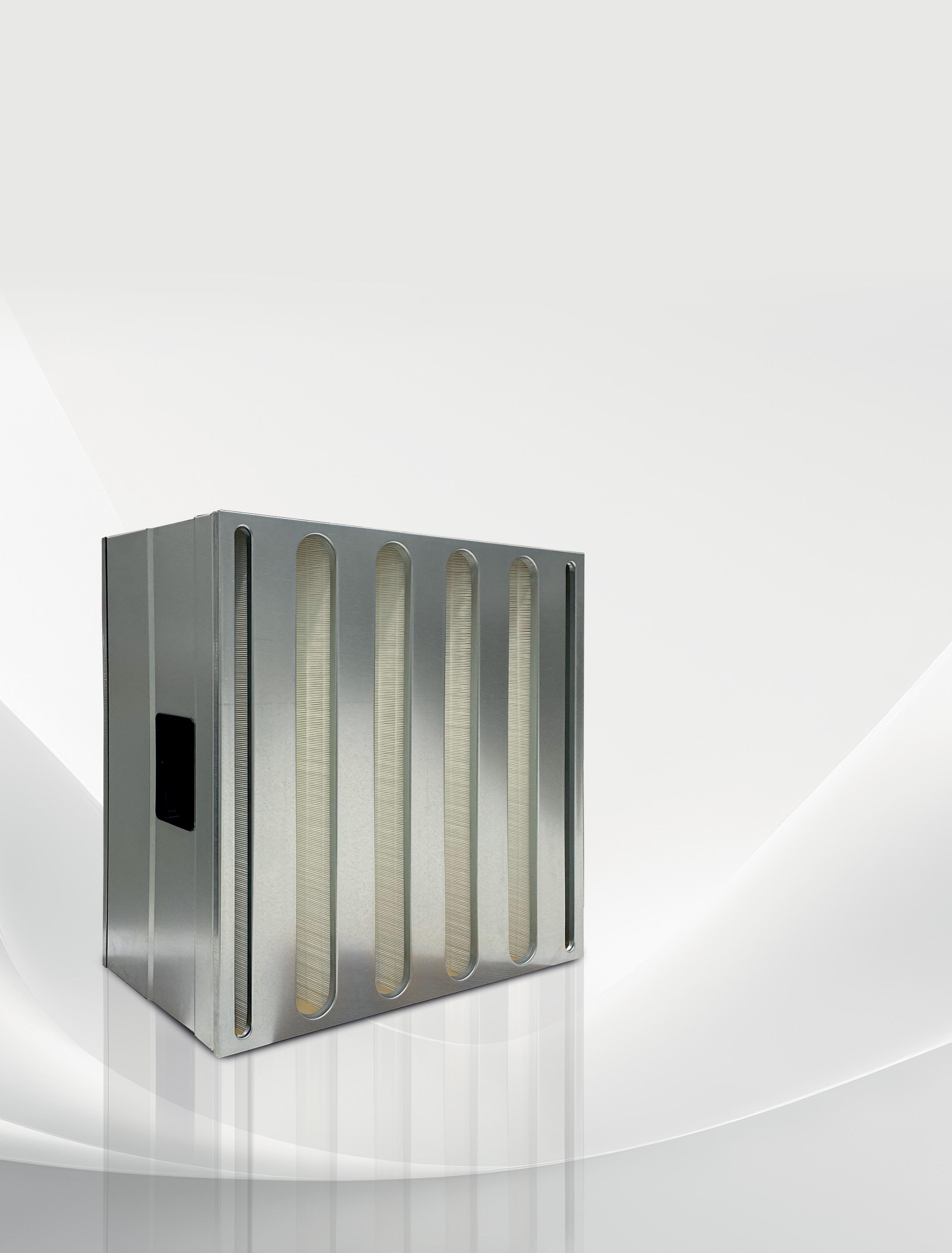
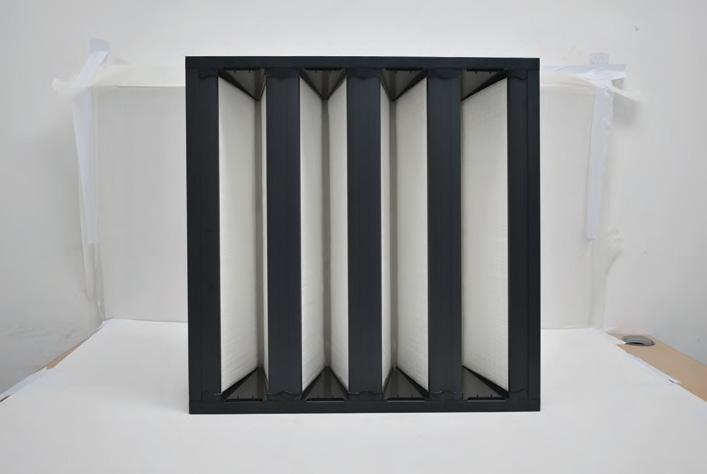
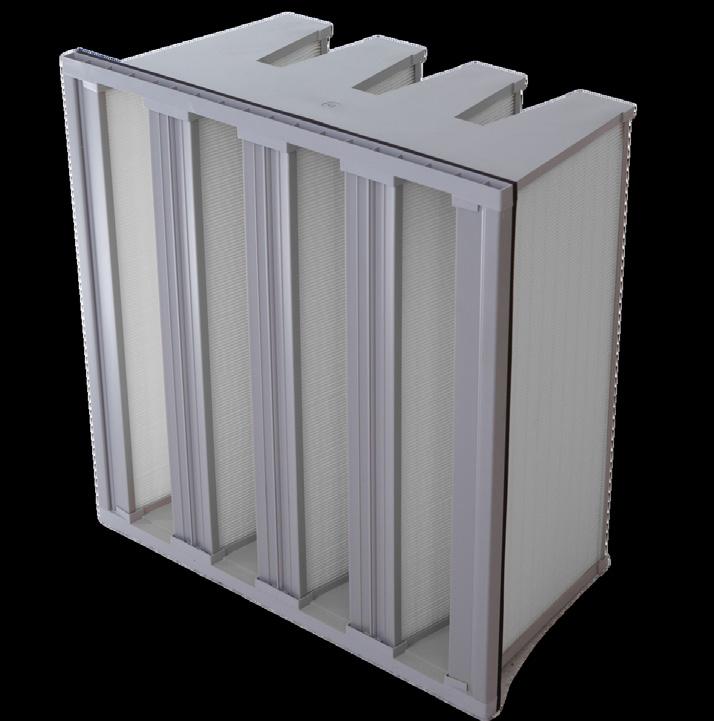
Model: FTVB AM4 M16A AAG
Resistance: 0.29" WG @2000 CFM
DHC: 298 gms @ 1 50" WG

EMILY BARDACH, CAE, CNAP NAFA Executive Director
If you’ve never attended a NAFA conference, you’re missing the full value of membership.
Yes, there are many benefits to being part of NAFA—but they come to life at our meetings. This is where education, industry insight, technical standards, and real-world best practices come together. It’s where you build relationships, exchange ideas, and stay ahead of what’s shaping the air filtration industry.
Not sure which meeting is right for you—or what to expect? Here’s how they fit together.
This past April, NAFA hosted another highly successful Technical Seminar in Louisville, Kentucky. With record attendance and strong sponsor support, the event delivered a focused, hands-on experience. Over two days, attendees participated in technical and applied sessions designed to strengthen knowledge, improve performance, and support day-to-day business operations.
Just as important, it created space to connect—with peers, partners, and friends across the industry.
That momentum carries into the NAFA Annual Convention.
This year’s Convention is built around a simple idea: leading through change. The business environment is shifting—economic uncertainty, emerging technologies like AI, and the ongoing need to drive productivity are forcing leaders to think differently and act decisively.
The program reflects that reality.
You’ll hear an economic forecast to help you plan for what’s ahead, participate in business roundtable discussions with peers facing similar challenges, and gain insight into how AI is beginning to
impact the way companies operate. We’ll also explore strategies to improve productivity and hear directly from business owners in a candid panel discussion on how they are navigating today’s environment.
This meeting is less about technical training and more about perspective, strategy, and decision-making—but it’s not just for the highest level of your organization.
Many companies send rising leaders, top sales performers, and key team members as a reward and an investment in their growth. If you’re newer to the industry, this is one of the best places to build your network, accelerate your learning, and even take the next step by earning a NAFA certification.
And just as important as the content is the experience of being in the room.
There is real value in stepping away from your day-to-day business to engage in meaningful conversations, share challenges, and build relationships. The dialogue, the discussions, and the connections are what make NAFA meetings different— and why so many members return year after year.
If you’ve made it this far, take the next step.
If you haven’t attended a NAFA conference before, this is the one to start with.
And if you’re ready to get more involved, reach out to me directly at ebardach@nafahq.org. I’m happy to provide a first-time attendee discount to make it even easier to join us.
The NAFA community is strong, engaged, and growing. Don’t miss the opportunity to be part of it.





Total Cost of Ownership. Zero Compromise.
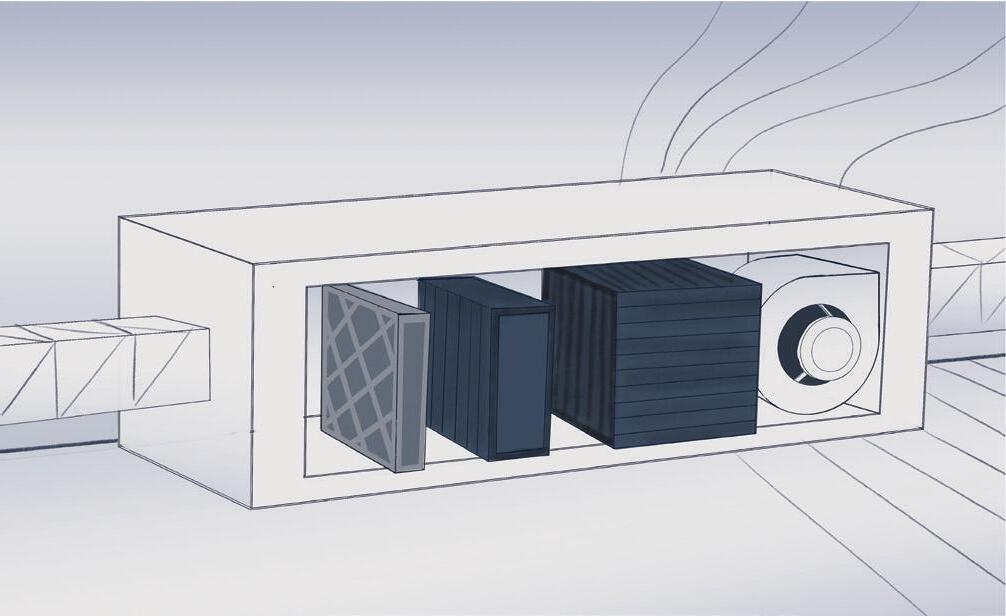
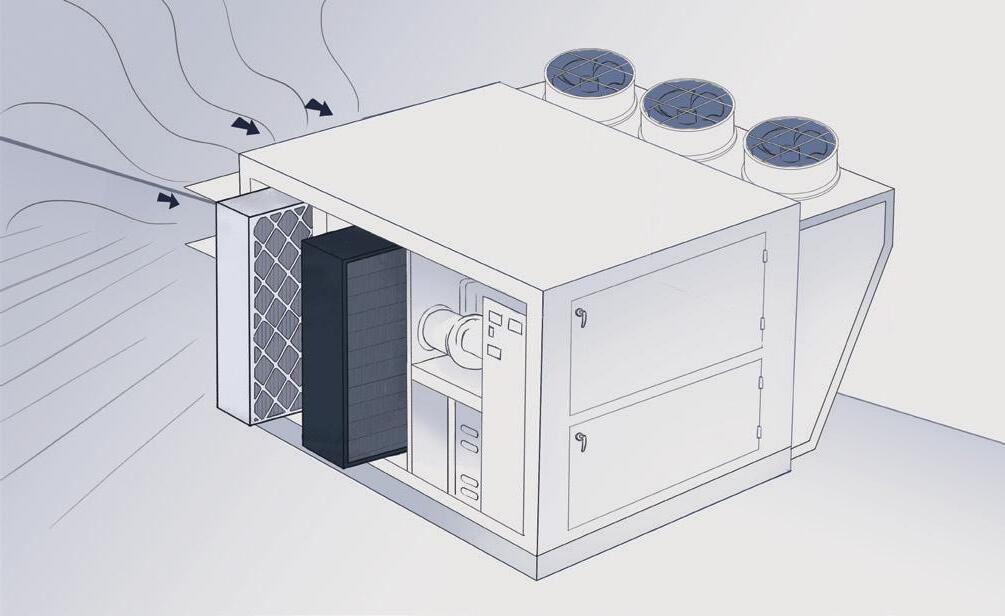
Multi-stage filtration tailored to environment, performance goals, and budget—no tradeo s.

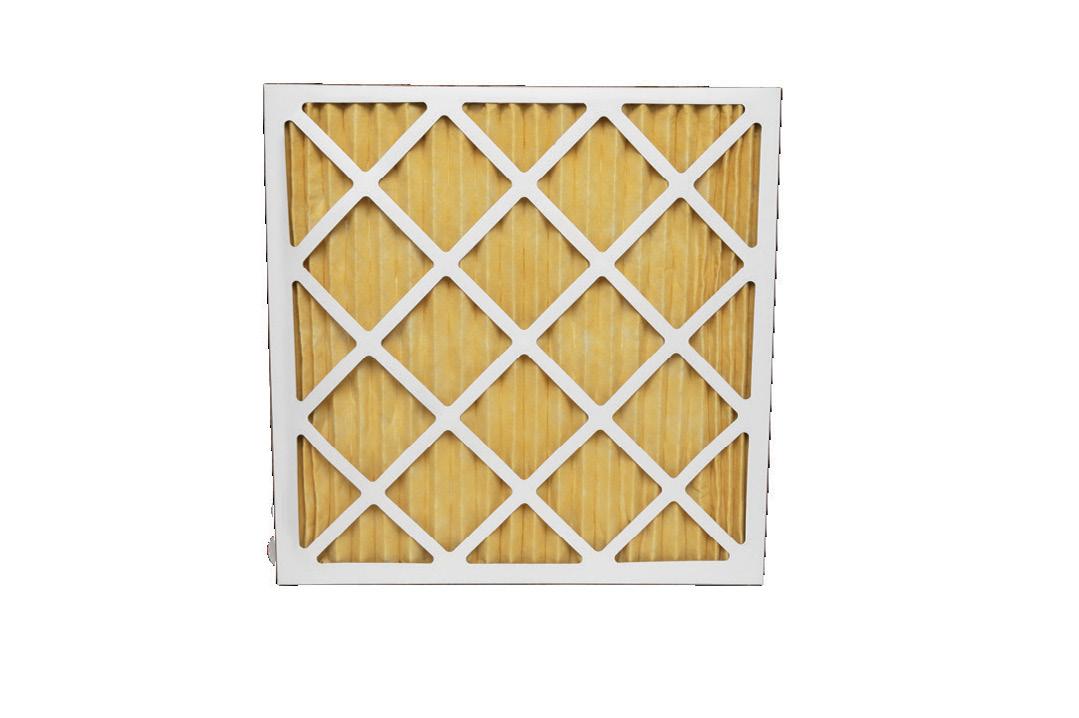
The right filter solution for the right application. Every filtration challenge comes with its own demands—whether it’s extended filter life, maximum energy e ciency, space-saving design, washable media, odor and gas removal, high-purity requirements, or more.
We work with you to design the ideal filtration solution for your environment and application— delivering the right performance, reliability, and maintenance profile, all while lowering your total cost of ownership.
Filter Configuration Examples It starts with understanding your customer’s HVAC system, needs, and environment.
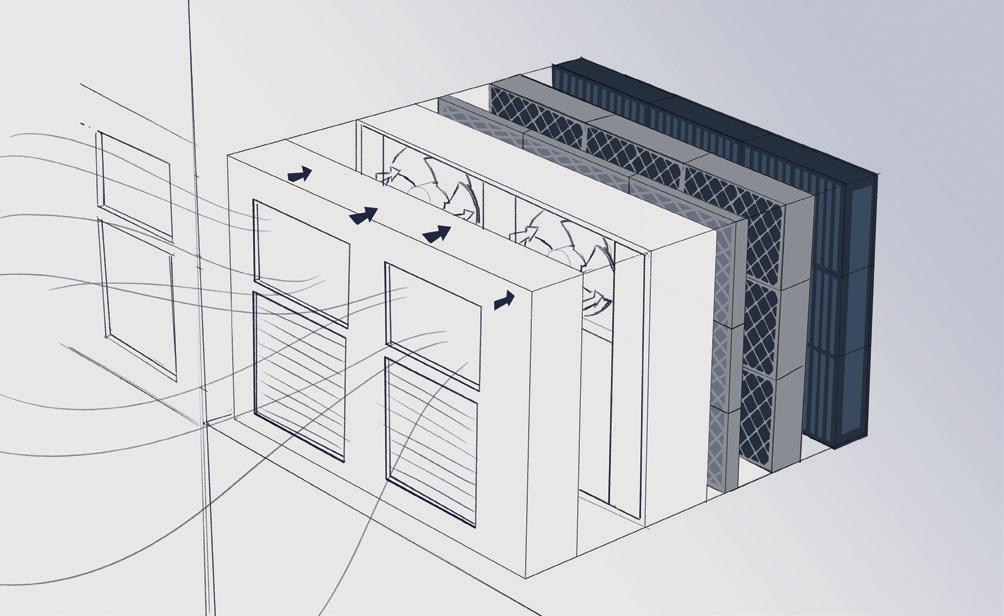
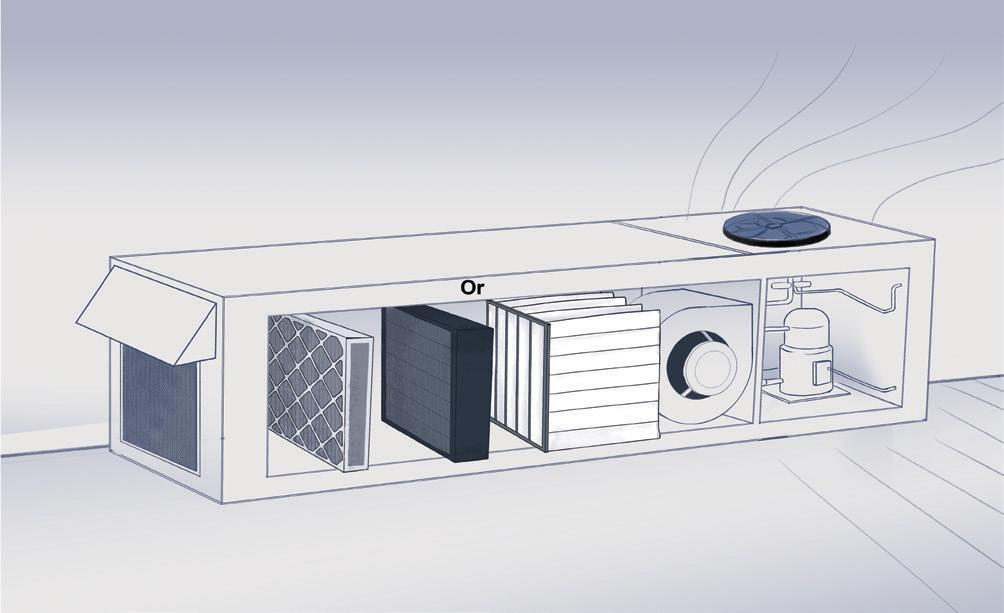
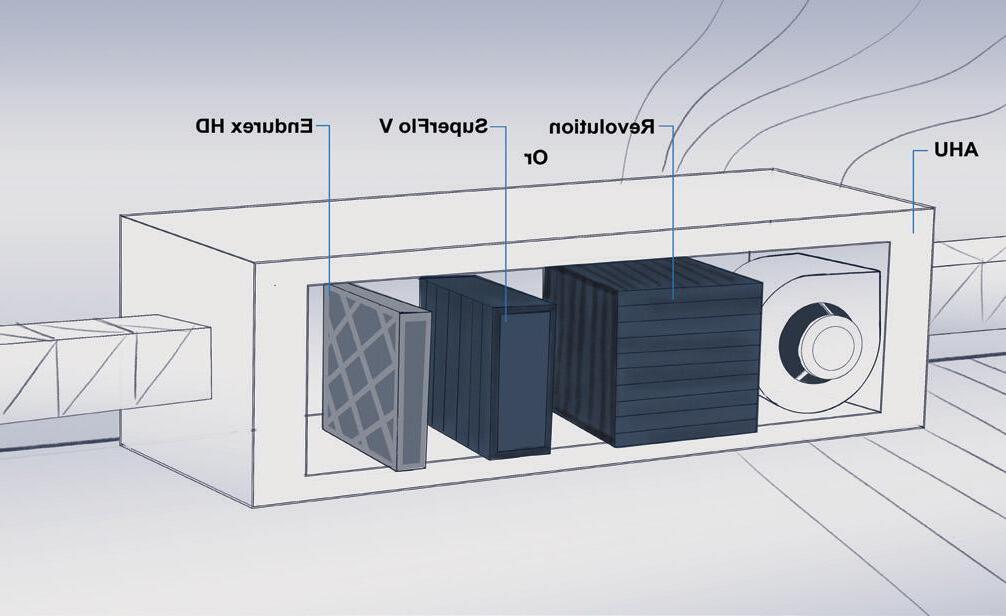
Let’s design the right filtration solution for all your HVAC system challenges.
Contact
12th International Conference on Indoor Air Quality, Ventilation, and Energy Conservation in Buildings (IAQVEC 2026)
May 18 – 22 Los Angeles, California
Building Innovation 2026
May 18 – 20 Tysons Corner, VA
BOMA International Conference & Expo
June 27 – 30 Long Beach, CA
ASHRAE Annual Conference
June 27 - July 1 Austin, TX
NADCA Fall Technical Conference September 10 – 12 Norfolk, VA
AHR Expo Mexico September 29 - October 1 Guadalajara, Mexico
NAFA Annual Convention October 13 – 15 Palm Springs, CA
Greenbuild October 20 – 23 New York, NY
NEBB Annual Conference October 22 – 24 Asheville, NC
SMACNA Annual Convention October 25 – 28 Orlando, FL
RETA Conference October 26 – 30 Orlando, FL
IFMA World Workplace November 18 – 20 Anaheim, CA
HARDI Annual Conference December 7 – 10 San Diego, CA

Maxwell Bergman, CAFS G & B Environmental, Inc.
Jackson Bitz, CAFS LD Filtration
Mike Black, CAFS Filter Services, Inc.
Dean Bonessi, CAFS Kimberly Clark Corporation
Josh Brandl, CAFS The Filter Shop
Dysen Bush, CAFS AAF Flanders
Ashley Chapple, CAFS Koch Filter Corporation
Kyle Craig, CAFS Tex-Air Filters
Cindy Fahey, CAFS AAF Flanders
Jerry Hartley, CAFS FilterBuy, Inc.
John Harvey, CAFS AAF Flanders
Brandon Holland, CAFS Tex-Air Filters
Brian Keller, CAFS Fiber Bond Corporation
Sean Kenny, CAFS, NCT Colorado Air Filter LLC
Jeremy LaMar, CAFS AAF Flanders
Aleksander Miernik, CAFS Filter Services, Inc.
Ricardo Ollivier, CAFS Air Quality de Mexico
Ray Ostman, CAFS, NCT II Carolina Filters, Inc.
Marcus Rose, CAFS Filtech, Inc.
Chris Sabat, CAFS Camfil Canada, Inc.
Jonathan Sanchez, CAFS Rensa Filtration
Bradley Singleton, CAFS, NCT Air Filter Sales & Service (MS)
Eli Stucker, CAFS Blue Heaven Technologies
Sanjai Sudheer, CAFS Excelair Filters / CMS Global
Logan Vaughn, CAFS Filters For Industry, Inc.
Darin Westenskow, CAFS AAF Flanders
Jason Wilson, CAFS Filter Services, Inc.
Alberto Aguirre, NCT The Filter Man, LLC
Cade Budenz, NCT Sheet Metal Workers’ Union
Ricardo Calderon Martinez, NCT VECO, SA de CV
Jordan Canet, NCT Sheet Metal Workers’ Union
Alondra Carrillo, NCT Filtech SA De CV
Lake Collette, NCT Camfil USA, Inc.
Branden Crowley, NCT Sheet Metal Workers’ Union
Vincent Czernik, NCT Sheet Metal Workers’ Union
Joel Decolongon, NCT The University of British Columbia
Aldo Diaz, NCT Filtech SA De CV
Johnny Drum, NCT Camfil USA, Inc.
Preston East, NCT Camfil USA, Inc.
Alexander Ebarb, NCT The Filter Man, LLC
Gerald Ennis, NCT The Filter Man, LLC
Javier Escobar, NCT Filtech SA De CV
Carter Garbacz, NCT Sheet Metal Workers’ Union
Galvin Garcia, NCT Sheet Metal Workers’ Union
Caden Zane Garrett, NCT The Filter Man, LLC
Alex Gomez, NCT American Chiller Service
Donald Harris, NCT Sheet Metal Workers’ Union
David Hernandez, NCT 3rd Degree Celsius LLC
Michael Hinterberger, NCT Golden Properties
Carl Huynh, NCT AAF Flanders
Sean Kenny, CAFS, NCT Colorado Air Filter LLC
Daniel Kobylarz, NCT Sheet Metal Workers’ Union
Rastislav Kolesar, NCT The University of British Columbia
Jared Loftis, NCT Carolina Filters, Inc.
Kenneth Maggiore, NCT Sheet Metal Workers’ Union
Adrian Martinez, NCT Colorado Air Filter LLC
Jason McGhee, CAFS, NCT Colorado Air Filter LLC
Nathaniel Ryan Nelson, NCT The Filter Man, LLC
Demetri Offard, NCT Sheet Metal Workers’ Union
Kevin Pepperell, NCT B. C. Air Filter, Ltd.
TJ Powell, NCT Sheet Metal Workers’ Union
Manuel Reyes Reyes-Alvarez, NCT Only A/C & HVAC System, Inc.
Colby Richardson, CAFS, NCT FilterPro USA LLC
Chanelle Roderick, NCT Colorado Air Filter LLC
Christopher Rogers, NCT The Filter Man, LLC
Angelica Yoselin Rosas Martinez, NCT VECO, SA de CV
Octavio Saldivar-Hernandez, NCT Camfil USA, Inc.
Gustavo Serralde Huertas, NCT VECO, SA de CV
Brandon Smith, CAFS, NCT Air Filter Supply
Riley Stillmunkes, NCT Sheet Metal Workers’ Union
William Swartz, NCT Filter Services of Indiana, Inc.
Anthony Thomas, CAFS, NCT Tex-Air Filters
Denise Torres, NCT Filtech SA De CV
Scott White, NCT Sheet Metal Workers’ Union
Scott Woodin, NCT Sheet Metal Workers’ Union
Kalvin Yord, NCT AAF Flanders
Cecilia Zapien, NCT Filtech SA De CV
NCT II
Ben Dodd, CAFS, NCT II Independent Filter Service P/L
Zachary Harding, NCT II Aero Filter, Inc.
Alex Houser, NCT II Parker HVAC Filtration Division
Dean Kimpton, NCT II Independent Filter Service P/L
Mark Naumchick, NCT II Aero Filter, Inc.
Alexander Shafer, NCT II Blejwas Associates, Inc.