

RAISING HEALTHY HUMANS
Building Lifelong Health From the Start
DR
JENNIFER SMALLWOOD on Foundational Health for Pets
STRONG FROM THE GROUND UP
Indoor Climbing as a Complete Workout


Building Lifelong Health From the Start
JENNIFER SMALLWOOD on Foundational Health for Pets
Indoor Climbing as a Complete Workout

n Safe Mercury Removal (S.M.A.R.T. Certified by I.O.A.M.T.)
n Ozonated water in unit waterlines eliminates biofilm and neutralizes bacteria. Ozone also reduces sensitivity, treats deep cavities and more

n PRF -Your own growth factors accelerate healing
n LANAP® - non-invasive laser gum surgery means less discomfort
n Metal Free Crowns
n Zirconia (non-metal) dental implants
n Sleep Apnea Screening and Treatment
n CT Scanner on site for your convenience
n Digital Impressions eliminate gagging
n Biologic Root canals
ozone




We’re excited to now offer veterinary rehabilitation services for pain management, recovery, and mobility support. Combining traditional veterinary medicine with proven therapies to keep your pet moving comfortably as long as possible.
As a valued member of your family, we believe your pet deserves compassionate and comprehensive medical care. We are the only clinic in Denton County focused on Integrative Veterinary Medicine.



Our expert veterinarians have over 30 years of combined experience in Integrative Veterinary Medicine, proudly serving Lewisville, Flower Mound, Highland Village, as well as Dallas and Collin Counties and the surrounding areas.







HOURS: Mon-Sat: 9am-6pm Sun: Closed Lewisville: 349 North Garden Ridge Boulevard Lewisville, TX 75067 HOURS: Mon-Fri: 9am-6pm Sat-Sun: Closed







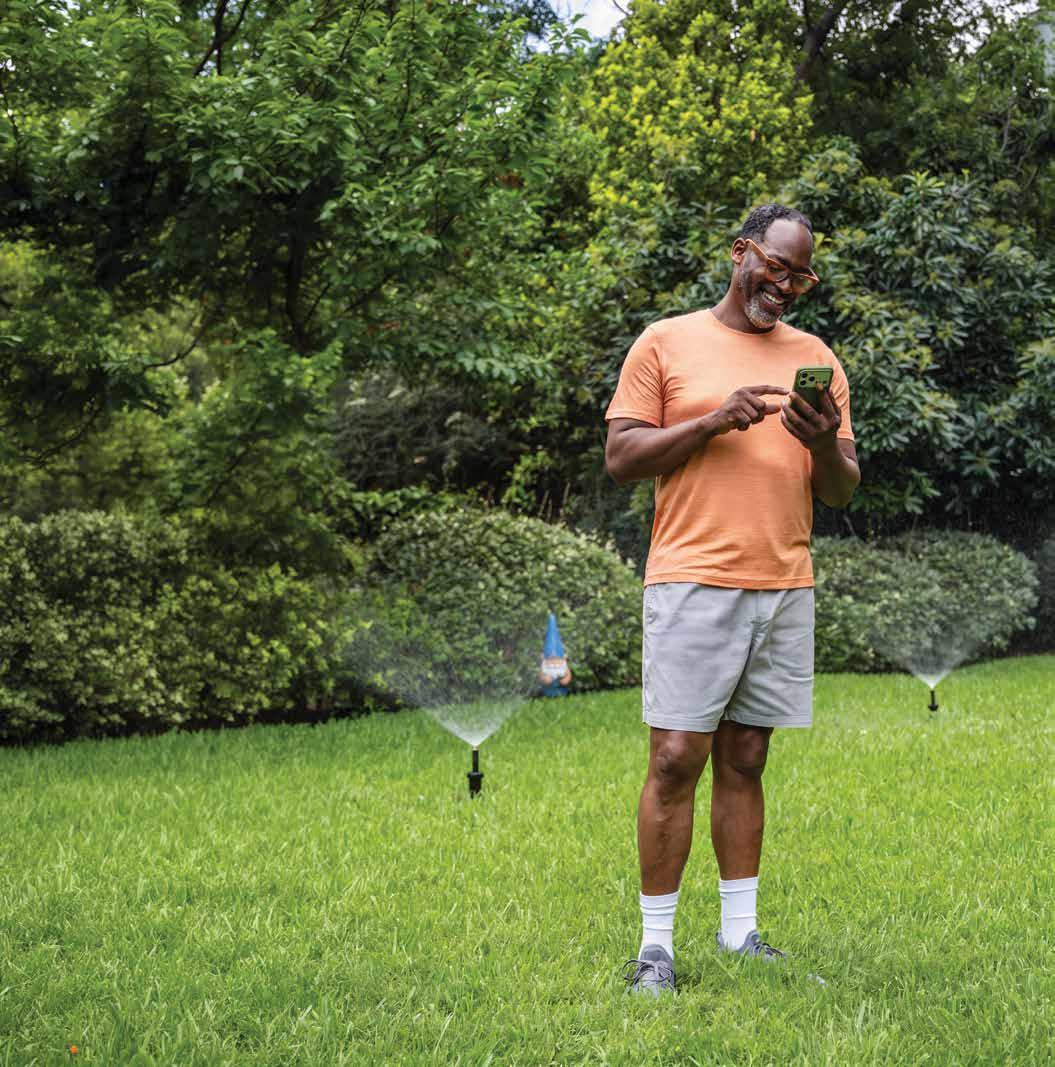
Don’t guess. Sign up for free weekly watering advice. You’ll get a message every Monday telling you exactly how to water for the week. That’s it. A few tweaks and you can save a bunch of water. And next time you’re out in the yard, swing by and say hello.


f there’s one thing August teaches us in North Texas, it’s that everything depends on water.
One week, we’re praying for rain as reservoirs shrink, lawns turn brown and communities implement watering restrictions. The next, torrential downpours bring flash flooding, overflowing creeks and dangerous road conditions. Add weeks of triple-digit temperatures, and we’re reminded that life here is shaped by water, whether there’s too little of it or far too much.
Perhaps there’s a lesson in that.
Water is so foundational to life that we rarely stop to appreciate it until it’s threatened. The same is true of many of God’s greatest gifts.
Our bodies are living testimony to water’s importance. Nearly 60 percent of the human body is water. Our lungs are approximately 83 percent water, our muscles and kidneys nearly 80 percent, and even our brains and hearts are about 73 percent water. God designed our bodies with an essential need for water and an insatiable thirst that reminds us daily of our dependence upon it.
I don’t believe that was by accident. I believe it was part of God’s architectural design.
Throughout our Instruction Manual, the Bible, water becomes far more than something we drink. It becomes one of God’s greatest illustrations of life itself. In Jeremiah 2:13, God grieves that His people have “forsaken Me, the fountain of living waters.” Jesus later declares, “Whoever drinks the water I give them will never thirst” (John 4:14). Finally, the Bible closes with Christ’s invitation to all who are thirsty to freely receive “the water of life.”
Coincidence? I don’t believe so.

Throughout Scripture, water becomes far more than a necessity for physical life. It becomes a powerful symbol of God’s provision. Perhaps our daily need for water is one of God’s gentle reminders that our deepest thirst can only be satisfied by Him.
That message fits beautifully with this month’s focus on foundational health.
Throughout this issue, you’ll discover that true wellness begins with strong foundations. We explore how clean drinking water supports healthier homes and healthier families, why proper hydration is one of the simplest yet most overlooked building blocks of good health, and how foundational health applies not only to people, but to our beloved pets as well. Research continues to affirm that proper hydration is essential for healthy aging, disease prevention, longevity and overall vitality. Sometimes the simplest habits, like drinking enough clean water every day, produce the greatest long-term benefits.
Yet our responsibility doesn’t stop at our front door.
North Texas continues to face significant water challenges, including prolonged drought, extreme heat, flash floods, aging water infrastructure, stormwater runoff and growing concerns about contaminants such as PFAS, often called “forever chemicals.” At the same time, our region is becoming a national leader in innovative water reuse and conservation strategies that make the most of every precious drop. As you’ll read in this month’s issue, these forward-thinking solutions are helping secure a more sustainable water future for generations to come.
These realities remind us that protecting our water isn’t simply an environmental issue. It’s a public health issue, an economic issue and ultimately, a stewardship issue.
At Natural Awakenings, we’ve long believed that healthy living and a healthy planet are inseparable.



Publisher Bernice
Editor Jane Aylward
Design & Production Kim
Web
Features
Distribution Valerie Swearingen Rick Clark Zoe Ronchese


NATIONAL TEAM
CEO Kimberly B. Whittle
National Editor Sandra Yeyati
Editor Brooke Goode
Copy Editor/Proofing Melanie Rankin
Layout Flip180 Media
© 2026 by Natural Awakenings. All rights reserved. Although some parts of this publication may be reproduced and reprinted, we require that prior permission be obtained in writing. Natural Awakenings is a free publication distributed locally and is supported by our advertisers. Please call to find a location near you or if you would like copies placed at your business. We do not necessarily endorse the views expressed in the articles and advertisements, nor are we responsible for the products and services advertised. Check with a healthcare professional regarding the appropriate use of any treatment.

Natural Awakenings is printed on partially recycled and fully recyclable newsprint with black soy ink.




HOW TO ADVERTISE
To advertise with Natural Awakenings or request a media kit, please contact us at 972-992-8815 or email Publisher@NADallas.com. Deadline for ads: the 10th of the month.
EDITORIAL SUBMISSIONS
Email articles, news items and ideas to: Publisher@NADallas.com. Deadline for editorial: the 10th of the month.
CALENDAR SUBMISSIONS
Submit Calendar Events online to: Submit.NADallas.com/DAL/Calendar or fax to 972-478-0339. Deadline for calendar: the 15th of the month.
REGIONAL MARKETS
Advertise your products or services in multiple
markets. Natural Awakenings Publishing Corp is a growing franchised family of locally owned magazines serving communities since 1994. To place your ad in other markets call 972-992-8815.
Natural Awakenings is a free publication distributed locally and is supported by our advertisers. Please call to find a location near you or if you would like copies placed at your business.
nor are
Corrections &
Natural Awakenings Dallas is committed to accuracy. To reach us, contact the Publisher, Bernice Butler at 972-992-8815 or email editor@NADallas. com. Please indicate whether you’re responding to content online or in the magazine.

North Texas successfully moved more than 1 million visitors during the month-long FIFA World Cup 2026 tournament, demonstrating the strength of the region’s coordinated public transportation system and providing a model for future large-scale events.
Working with the North Texas FIFA World Cup Organizing Committee and local, state and federal partners, the North Central Texas Council of Governments (NCTCOG) implemented a transportation plan that efficiently moved fans throughout the region. More than 40,000 spectators traveled by charter bus between CentrePort Station and AT&T Stadium, while expanded Trinity Railway Express service and Dallas Area Rapid Transit light rail helped connect visitors to matches and the FIFA Fan Festival in Dallas.

Texans seeking personalized nutrition guidance now have a new statewide resource. Healthier Texas, a nonprofit dedicated to improving health outcomes, has launched Nutrition Navigation, a virtual nutrition counseling service that connects adults with Registered Dietitians through convenient telehealth appointments.

Officials said the tournament demonstrated the value of a multimodal transportation network that serves both residents and visitors. Regional leaders believe the experience leaves North Texas better prepared to host future international sporting events and other large gatherings. The successful transportation strategy also highlighted the environmental benefits of public transit by reducing traffic congestion and encouraging greater use of rail and shared transportation options during one of the world’s largest sporting events.
For more information, visit NCTCOG.org.
Dallas Water Utilities (DWU) and the City of Dallas Office of Environmental Quality & Sustainability are inviting North Texas homeowners to enter the 32nd Annual Water-Wise Landscape Tour, which celebrates attractive landscapes that conserve water while supporting a healthier environment.
The free competition recognizes yards featuring native and adapted plants, efficient irrigation, rainwater harvesting, reduced turf areas and other sustainable landscaping practices. Entries are due August 21 and must include an online registration form and at least four landscape photos, including one wide-angle view.
Judges will evaluate entries based on landscape design, water-conservation features and overall maintenance. Selected properties will be showcased during the Water-Wise Landscape Tour on October 17, giving homeowners an opportunity to inspire others with practical ideas for creating beautiful, drought-tolerant landscapes.
The annual tour demonstrates that water-wise gardening can reduce outdoor water use, minimize stormwater runoff, support pollinators and enhance curb appeal.
For more information and to enter visit SaveDallasWater.com or call 214-670-3155.
The new fee-for-service program offers individualized support for healthy eating, weight management, digestive health, chronic disease prevention and management, and overall wellness. By providing virtual access to nutrition professionals, the program aims to reduce barriers to care, particularly for Texans living in rural and underserved communities where Registered Dietitians are often difficult to access.
Research continues to demonstrate the powerful role nutrition plays in preventing chronic disease. According to Healthier Texas, more than 90 percent of U.S. counties lack adequate access to Registered Dietitian nutrition professionals. Findings from the CDC’s National Diabetes Prevention Program also show that lifestyle changes resulting in modest weight loss can reduce the risk of developing Type 2 diabetes by as much as 58 percent.
For more information or to schedule an appointment, visit HealthierTexas.org/ StartToday or email nutrition@healthiertexas.org.
The 98th Annual North Texas Fair & Rodeo returns to Denton August 21–30, bringing 10 days of live country music, professional rodeo competition, carnival rides, livestock shows, family activities and classic fair food to the


offering entertainment for all ages. Visitors can enjoy nightly PRCA rodeos, live concerts featuring Texas country artists, kid-friendly attractions, shopping, agricultural exhibits and a variety of contests, including baking, photography and youth art.
Families with young children can also cheer on aspiring cowboys and cowgirls during the popular Mutton Bustin’ competition, while rodeo fans will find action-packed events each evening. Whether attending for the music, midway, rodeo or local traditions, the fair offers something for every generation.
The North Texas Fair & Rodeo is a nonprofit organization dedicated to preserving and promoting Western heritage and values while supporting youth agricultural and educational programs throughout the region.
Location: North Texas Fairgrounds, 2217 N. Carroll Blvd., Denton. For tickets, concert schedules and event information, visit NTFair.com or call 940-387-2632.
Women in North Texas now have access to a new option for supplemental breast imaging with the opening of Quantum Breast Imaging, the first facility in Texas to offer FDA-cleared Quantitative Transmission Imaging (QTI). The Dallas clinic officially opens September 1 at 5220 Spring Valley Road, Suite LL15.
Unlike traditional mammography, QTI uses low-frequency sound waves, speedof-sound biomarkers and artificial intelligence to create a three-dimensional image of breast tissue without ionizing radiation, breast compression or contrast dyes. The technology is intended as a supplemental imaging tool that may be especially beneficial for women with dense breast tissue,

breast implants or those seeking ongoing monitoring without radiation exposure. It is FDA-cleared for breast imaging in women age 18 and older.
According to the company, clinical studies indicate the technology may improve visualization in dense breast tissue while reducing unnecessary callbacks and follow-up procedures. The scan typically takes about 10 to 12 minutes per breast and is designed to provide a comfortable patient experience.
To celebrate the grand opening, women who schedule before September 1 can receive $100 off a scan using promotional code QT600. Appointments will be available Monday through Saturday from 8 a.m. to 1 p.m.
For more information or to schedule an appointment, visit QuantumBreastImaging. com or call 469-333-9022.

As North Texas continues to grow, helping young people understand and protect the natural world has never been more important. The Dallas ISD Environmental Education Center (EEC) in Seagoville is giving students opportunities to experience science where it happens—outdoors.
Located on 500 acres of woodlands, wetlands and prairie, the center serves as an outdoor classroom where students investigate local ecosystems, identify native plants and wildlife, monitor water quality, explore sustainable agriculture and develop a deeper understanding of environmental stewardship through hands-on learning. Programs are aligned with the Texas Essential Knowledge and Skills (TEKS) science curriculum and encourage students to think critically about conservation, biodiversity and responsible resource management.
Throughout the year, students participate in guided field investigations, hike more than four miles of nature trails, conduct laboratory experiments, observe live animals and explore topics ranging from soil health and pollinator habitats to astronomy and fossil discovery. The campus also includes a working barn with livestock, vegetable, herb and flower gardens, an ecology theater, a fossil
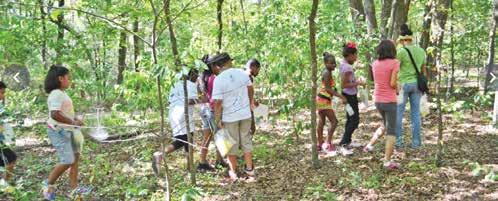
pavilion, nature play areas and an astronomical observatory that bring Earth and space sciences to life.
Beyond student field trips, the Environmental Education Center offers summer science enrichment programs, professional development workshops for educators and volunteer workdays that help maintain native gardens, trails and wildlife habitat. These experiences encourage environmental literacy while building observation, teamwork and problem-solving skills that students can apply both inside and outside the classroom.
Whether identifying aquatic insects in a pond, planting vegetables in the teaching gardens or observing migratory birds along the trails, students gain a firsthand appre-
ciation for the natural systems that sustain North Texas communities. By connecting classroom learning with real-world exploration, the Dallas ISD Environmental Education Center is inspiring the next generation of North Texas environmental stewards to help protect our air and water quality, conserve natural resources and create healthier, more sustainable communities for years to come.
The Environmental Education Center is located at 1600 Bowers Road, Seagoville, TX 75159.
For more information, visit DallasISD.org/ Environmental-Education-Center or call 972-749-6900.

A relaxing day of art, history and discovery is only a train ride away
by Karolina Matthews
Sometimes the healthiest way to recharge isn’t an other errand or weekend project. It’s taking time to learn, reflect and be inspired. Visiting a museum stimulates curiosity, encourages creativity and pro vides a welcome break from the demands of everyday life. Fortu nately, North Texas is home to an impressive collection of museums and cultural attractions, many of which are conveniently accessible by public transportation.

Museum visits offer more than cultural enrichment. Research suggests that engaging with art, history and interactive exhibits can reduce stress, stimulate creativity, encourage mindfulness and foster lifelong learning. Spending a few hours immersed in inspiring surroundings also
provides an opportunity to slow down, disconnect from daily pressures and reconnect with curiosity and wonder.
A perfect place to begin is the Dallas Arts District, the nation’s largest contiguous urban arts district. Visitors can easily spend

an entire morning exploring the Dallas Museum of Art, whose collection includes more than 25,000 works representing cultures from around the world. Just a short walk away, the Crow Museum of Asian Art showcases exceptional collections celebrating Asian history, art and traditions, while the Nasher Sculpture Center features internationally acclaimed sculptures by artists including Pablo Picasso, Alberto Giacometti and Roy Lichtenstein. The district is served by Pearl/ Arts District Station, making it easy to explore on foot.
After soaking in the arts, enjoy lunch at nearby Klyde Warren Park before continuing into Dallas’ historic West End, where beautifully restored brick warehouses now house restaurants, shops and several outstanding museums. History enthusiasts can explore The Sixth Floor Museum at Dealey Plaza or the Dallas Holocaust and Human Rights Museum, while visitors seeking something more interactive can experience the Museum of Illusions.
Those wishing to extend their cultural adventure can head west to Fort Worth’s Cultural District, one of the country’s premier museum destinations. The renowned Kimbell Art Museum and the National Cowgirl Museum and Hall of Fame are both accessible via Trinity Railway Express (TRE) and Trinity Metro connections.
Whether your interests include art, history, architecture or interactive exhibits,

ing a relaxing day away from traffic and parking concerns. Sometimes the journey can be just as enjoyable as the destination, especially when it allows you to simply sit back, unwind and focus on the experiences waiting ahead.
For information about routes, schedules and trip planning, visit DART.org.
Karolina Matthews is health coach and frequent contributor to Natural Awakenings DFW.
Many of North Texas’ premier museums are

easily reached by DART rail and connecting transit services, allowing visitors to skip traffic, parking fees and navigation hassles. Use the GoPass® app to plan your trip, purchase passes and receive real-time travel information before you head out. Whether you’re exploring one museum or making a full day of it, public transit lets you spend more time enjoying the experience and less time behind the wheel.
DART.org | GoPass® app
Dallas Museum of Art
One of the nation’s largest art museums,
featuring more than 25,000 works spanning 5,000 years of history. DallasMuseumofArt. org
Crow Museum of Asian Art
Explore the art, history and cultures of Asia through world-class exhibitions and permanent collections. CrowMuseum.org
Dallas Holocaust and Human Rights Museum
Powerful exhibits encourage visitors to reflect on history while promoting respect, empathy and human rights. DHHRM.org
Museum of Illusions
A fun, interactive experience filled with optical illusions, immersive exhibits and unforgettable photo opportunities for all ages. MOIDallas.com
Kimbell Art Museum (Fort Worth)
Internationally recognized for its exceptional architecture and carefully curated collection of masterpieces from around the world. KimbellArt.org
This is only a small sample of the museums and historic landmarks you can visit in North Texas. You can find more at VisitDallas.com/blog/unique-museums.



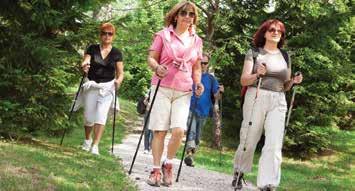
Nordic walking incorporates trekking poles, similar to ski poles, to simultaneously engage both the upper and lower body, providing a comprehensive approach to fitness. A 2013 study in the European Journal of Physical and Rehabilitation Medicine highlighted Nordic walking as an accessible method to support cardiovascular health.
In a 2022 study published by the Canadian Journal of Cardiology, 86 participants with coronary artery disease were randomly assigned to three groups: high-intensity interval training, moderate-to-vigorous-intensity continuous training and Nordic walking. Following a 12-week exercise program and a subsequent 14-week observational period, the Nordic walking group demonstrated the most significant statistical and clinical improvements compared to the other groups in functional capacity, as measured by the distance participants could walk in six minutes.
The six-minute walk test serves as a predictor of cardiovascular events in patients with heart disease. Functional benefits achieved during the exercise program were sustained by the Nordic walking group throughout the end of the observational period. All three exercise programs improved the participants’ quality of life and alleviated depression symptoms. Notably, a 2025 systematic review and meta-analysis of 22 studies involving nearly 1,300 participants concluded that Nordic walking reduces cardiovascular risk factors in individuals over the age of 65.

Recent research published in the journal Addiction revealed that 62 diseases are entirely attributable to alcohol consumption, including mental and behavioral disorders, liver and gastrointestinal diseases, neurological and cardiovascular ailments, maternal and fetal conditions, and intentional and unintentional injuries. The researchers also discovered that alcoholic drinks increase the risk of infectious diseases such as pneumonia and sexually transmitted diseases, injuries from traffic and other accidents, and non-infectious diseases like Type-2 diabetes, pancreatitis and certain cancers.
Although alcohol consumption is strongly associated with numerous health conditions, reducing or abstaining from drinking can successfully reverse many of its negative effects. As people decrease or eliminate alcoholic beverages, they can lower the risk of injuries and improve blood pressure, immune function and brain health within a short time. Early-stage liver changes can often be reversed. While chronic, alcohol-related conditions such as cirrhosis, heart disease and brain damage cannot be reversed, cutting back or cutting out drinking altogether can slow their progression and improve overall health.
The researchers analyzed 56 meta-analysis studies and 21 systemic reviews on alcohol consumption and ischemic heart disease to identify relationships between the volume of alcohol consumption and the risk of health outcomes.

A study published in the journal Science found that a child’s socioeconomic environment exerts the strongest influence on brain development, surpassing factors like IQ, parenting style or health history. The researchers analyzed brain scans from nearly 12,000 9to 10-year-olds, mapping 649 variables across 12 categories. When compared, socioeconomic factors, including family income, home ownership, local poverty rates and access to transportation, accounted for approximately 16 percent of the variability in children’s brain function. Of the top 40 variables linked to brain function, 37 were socioeconomic in nature.
The brain regions most affected by socioeconomic disadvantage were the same areas most susceptible to sleep deprivation and stress, indicating that the brains of children from lower-income households do not reflect diminished cognitive capacity, but rather the consequences of chronic stress and inadequate sleep.
The study also challenges longstanding assumptions regarding IQ and brain structure. When researchers adjusted for socioeconomic status, approximately 70 percent of previously identified brain-IQ associations lost statistical significance, suggesting that earlier studies may have been measuring the impact of circumstance rather than innate intelligence.

The human brain undergoes its most rapid cognitive development before kindergarten, forming connections between nerve cells and a layer of insulation around them so signals travel more efficiently. This development relies on certain nutrients from food sources, including iron, iodine, vitamin D, choline, healthy fats and whole grains. Adolescence presents a second period of accelerated brain change, prompting some scientists to speculate whether improved teenage diets could enhance cognitive abilities. However, studies on this topic have yielded mixed results, possibly caused by poorly designed studies.
A systemic review published by Advances in Nutrition suggests that the dietary habits of children during their earliest years may shape their intelligence well into adolescence. The researchers analyzed 48 controlled trials and 25 long-term studies that tracked the diet and educational performance of individuals over many years, starting
According to the American Cancer Society, colon cancer emerged as the leading cause of cancer-related fatalities among adults under the age of 50 in 2026. Recent findings presented at the 2026 American Society of Clinical Oncology conference suggest that young-onset colorectal cancer may be a biologically unique disease, influenced by modern dietary and environmental factors.
Research conducted by Dr. Ning Jin at The Ohio State University identified 11 cancer-driving gene mutations that are more prevalent in early-onset cancer patients under 50. Her work indicates that ultra-processed diets rich in omega-6 pro-inflammatory fats fuel these genetic changes, making certain cancers much more aggressive. By contrast, omega-3 fatty acids, found in fatty fish, nuts and seeds, are believed to possess protective properties.
A second emerging factor is the diversity of the gut microbiome. Cancer geneticist Dr. Rachel Purcell, from the University of Otago, in New Zealand, identified a toxic strain of Escherichia coli (E. coli) that appears more frequently in young colon cancer tumors. She posits that declining microbial diversity, partially attributed to cleaner modern living and antibiotic overuse, may be weakening the immune system’s ability to combat cancer cells.

with infancy. The analysis revealed that children with poor diets in their first three years of life had lower scores on intelligence tests as teenagers, even after accounting for family income, parental education and other background factors. No single nutrient emerged as a significant influence on cognitive development because the brain’s use of nutrients varies across different developmental stages.

With an annual loss of 264 gigatons, melting ice from the Greenland Ice Sheet has become the primary source of sea level rise, and the rate of melting has been increasing since the 1980s. A study published this year in Communications Earth & Environment reported that ice-marginal lakes (IMLs) are a critical factor accelerating the melting of Greenland’s glaciers.
IMLs are meltwater lakes that form in the hollows left by retreating glaciers. When a glacier flows into one of these lakes, the water lifts the ice’s edge, reducing friction and increasing the likelihood of large ice slabs to break away. Using satellite data, researchers have discovered that glaciers terminating in IMLs move three times faster than those ending on land. This rapid flow delivers more ice to lower, warmer elevations, accelerating the melting process. By incorporating the effects of IMLs into future climate models, scientists can enhance their ability to predict sea-level changes.

A recent study in eLife sheds light on the survival strategies employed by mountain chickadees during the harsh winter months of the Sierra Nevada. These diminutive birds rely heavily on their spatial memory to locate thousands of meticulously hidden seeds, enabling them to endure periods of food scarcity. The researchers found that this cognitive ability not only helps the birds live longer but also influences their mating preferences.
Using smart feeders, scientists observed that female chickadees frequently seek out additional mates with superior spatial memory. Genetic analysis shows that roughly 70 percent of nests contained at least one chick fathered by an outside male. Females demonstrating weaker memory skills were more likely to seek out more intelligent partners. By doing so, they compensated for their own cognitive shortcomings, ensuring that their offspring inherit
During routine maintenance on the R/V Blue Heron, a large research vessel operating in the Great Lakes, a black goo was discovered hidden in the ship’s rudder shaft. Analysis conducted by researchers at the University of Minnesota Duluth revealed that the substance contained previously unidentified microbial species. The rudder shaft had provided a semi-warm, stable and oxygen-free environment for this rare form of single-celled anaerobic archaea to thrive. The researchers theorize that these oxygen-averse organisms may have remained dormant within the rudder’s lubricating oil, awaiting favorable conditions for reproduction.
From the goo, the research team successfully reconstructed 20 genomes. When compared against databases of known organisms, one species appeared to represent an entirely new order of archaea, while another may constitute a new bacterial phylum. Some of the organisms appear to produce methane—a potential resource for biofuel development.

the robust spatial memory needed to thrive in a challenging environment. Males with the most advanced memories fathered the highest number of outside chicks, and their attentive care for their own nest remained unaffected.


by Marlaina Donato
After the wildflower-sweetness of June and the carefree, water-splashed days of July, August is a hot mess—summer’s last chapter that tends to slip between our fingers like saltwater. It is the time of year when the star Sirius ushers in sticky, humid days and Perseid meteor showers give us up to 100 chances an hour to make a good wish. Whether we indulge in a few more weekend getaways at the lake or simply enjoy sitting on a porch swing at sunset, August invites us to set aside home improvement tasks and back-to-school lists to notice the good things in life.

We do not need to have an epic love affair or experience the nightlife of exotic locations to say that we have had a great summer. Sweet cherries, luscious blackberries, jewel-toned plums and big-as-your-fist peaches fill farmers markets, begging us to get out that forgotten family recipe for deep dish cobbler or overfilled turnovers. Blueberry picking with someone we love, going for an ice cream cone after supper or getting to the flea market earlier than usual are all noble, joy-inspired excursions. As crickets sing in the fields and gardens give us more tomatoes and zucchinis than we had anticipated, August offers us a chance to be generous with our surplus, caramelize nectarines with brown sugar, look for constellations and inhale deeply the ozone of a sudden afternoon thunderstorm.
“August rain: the best of the summer gone, and the new fall not yet born. The odd uneven time,” wrote Sylvia Plath, a poet who distilled the truth of late summer and life. Pausing to acknowledge this month’s inevitable bittersweetness can also be an unexpected blessing. Dancing in the present moment while knowing that summer’s lovely song will end is part of living life to the fullest. Reminding ourselves that the season’s contentment is transient enables us to fully taste its final nectarous hours, inspiring the poet in each of us.
Marlaina Donato is the author of several books, as well as a painter, composer and recording artist. Connect at WildflowersAnd WoodSmoke.com.
by Marlaina Donato
A2025 comprehensive analysis of U.S. pediatric data published in JAMA reveals that the health of U.S. children worsened over a 17-year period. From 2011 to 2023, the prevalence of chronic health conditions among U.S. children aged 3 to 17 rose from nearly 40 percent to almost 46 percent. Rates of obesity, sleeping difficulties, limitations in activity, physical complaints, depressive symptoms and loneliness all increased during this study period.
The rise of holistic pediatric health care reflects a shift from solely treating symptoms to a more comprehensive approach that focuses
on treating the “whole child” and building foundational wellness with evidence-based lifestyle choices. Approximately 122.3 million adults and 17.7 percent of children use some form of alternative medicine, including whole-foods nutritional counseling, mindfulness practices, therapeutic bodywork, chiropractic, yoga, acupuncture, homeopathy, supplements and energy modalities. Apps such as Holistic Parenting Hub and Healthy Kids Happy Kids offer clickable resources and community support, enabling parents and caregivers to actively participate in their children’s health journey.
Madiha Saeed, a board-certified integrative family physician in Naperville, Illinois, understands that a child’s potential starts with what is on the plate. “Diet is always first and foremost. In our house, real food is fun food. You name it—everything from chips, cookies, ice cream, donuts, pizza or cereal—we have a healthier option for it,” says Saeed, the author of several books, including The Holistic Rx for Kids: Parenting Healthy Children to Save Our Future.
To prevent health issues like stunted growth, delayed puberty and menstrual irregularities, which can also impact mood, energy and performance, she stresses the importance of calories from nutrient-dense foods, plus extra fortification with supplements. Offering an attractive “rainbow platter” of fresh vegetables and fruits for kids to snack on after school is a great start. These fiber-rich treats promote healthy gut flora, optimizing childhood biological functions.


Saeed considers fiber one of the most important dietary allies for digestive balance, recommending 25 to 30 grams per day for teen girls and 30 to 38 grams for teen boys. She also champions prebiotic fiber powders for smoothies, lentil pasta, creamy chia pudding with berries, fresh guacamole, nuts and seeds.
Saeed explains that bone broth—ideally one cup daily—provides bioavailable minerals and amino acids like L-glutamine, which supports the gut’s mucosal lining, a key factor in reducing systemic inflammation. Healthy fats such as avocados; lean proteins like lean beef, poultry, eggs, sardines in olive oil and canned tuna in water; and nuts like cashews and almonds are essential for growth. Like adults, children’s cellular health requires adequate hydration. Everything in the body— from blood to bones to the brain—is partially made from water, and Saeed notes that adequate hydration can reduce a child’s risk of becoming overweight.
As a busy physician managing work and family, she finds balance by prepping for the week ahead. “On the weekend, plan your meals for the upcoming week so that you can go shopping and have everything you need,” she explains. “I spend one day a week cooking all my veggies, proteins and healthy carbohydrates.”
Teaching young children about good oral hygiene at an early age is essential, but for Claire Stagg, a holistic dentist in Indian Harbour Beach, Florida, understanding the whole picture can affect a child’s foundational well-being. “A holistic pediatric dental physician can contribute a wider lens,” says the author of Smile, It’s All Connected! “We still care deeply about clean teeth, healthy gums, cavities, infections, trauma and all the basics, but the holistic approach asks more questions.”
Stagg believes in the value of early assessment to identify airway patterns that may cause future issues. She states, “Structurally, the mouth can give us important clues. A narrow jaw, crowded teeth, chronic mouth breathing, snoring, restless sleep, dark circles under the eyes, teeth grinding, bedwetting, poor focus or constant fatigue are not little, isolated quirks. They are signs that the child’s body may be working too hard to do something that should be beautifully automatic: breathe.”
She asserts that some seemingly hyperactive children may actually be exhausted due to structural issues, leading to behaviors like fidgeting, meltdowns, loss of focus or being “difficult”. Collaborative care from pedia-
tricians; bodyworkers; ear, nose and throat specialists; and other professionals can sometimes address all factors.
Stagg stresses the importance of real food, hydration and being cautious about “healthy-looking” snacks that may be sticky, acidic or high in sugar. Ultimately, health transcends appearances. “Straight teeth are lovely, but the bigger question is whether the bite, jaws, airway, tongue position, joints, muscles and posture are working together,” she notes.
Approximately 35 million Americans use chiropractic care each year, but the field has evolved to encompass much more than typical adjustments for pain management. “Modern chiropractic care isn’t really about the spine in the way most people picture it. It’s about the nervous system,” states chiropractic physician Tony Ebel, in Crystal Lake, Illinois.
The lead writer and educational guide for PX Docs, Ebel specializes in pediatric care aimed at correcting imbalances in the autonomic nervous system, which affects sleep, digestion, immune response, mood, focus and the ability to calm down. He emphasizes, “In childhood, this matters enormously because these are the years when the nervous system is developing fastest. What matters most in a growing child isn’t whether their spine looks perfectly straight on an X-ray, but how well their spine and nervous system are communicating.”
Ebel notes that pediatricians, therapists and specialists are vital, and chiropractors do not replace them, but instead assist in identifying patterns early and gently guiding the nervous system back to calm, balance and healthy development without drugs. He explains that chiropractic’s traditional concept of subluxation, now understood as neurospinal dysfunction, involves “a pattern of tension, restriction and altered neurosensory input into
the brainstem, often concentrated in the upper neck and transitional support regions that keeps the body locked in that stressed state.” The goal at every stage is a nervous system that can adapt, regulate and grow, providing the child with the healthiest foundation for life’s demands.
Ebel assures that pediatric adjustments are gentle, specific and light. “With infants, we’re often using no more pressure than you’d use to test the ripeness of an avocado—a soft, sustained touch. There’s no twisting, no popping, no force. Babies frequently relax, settle or even fall asleep on the table. Toddlers come running in for their turn. Older kids look forward to it.”
With 2.4 million American youth diagnosed with depression and 11 to 16 percent struggling with anxiety disorders, young people need reliable tools to thrive. Mindfulness, breathwork, yoga, expressive art therapies and other holistic tools offer valuable self-care strategies for kids to self-regulate emotions when they are feeling overwhelmed.
“Adverse childhood experiences and significant life stressors have many long-term effects on the body, especially for children, but creative expression and meaningful connection can have a lasting impact on a child’s developing nervous system,” says Claire Little, a master-level art therapist and licensed associate professional counselor at Northern Light Counseling, in Honesdale, Pennsylvania.
Simple mindfulness practices can be introduced at different ages and incorporated into daily routines. Grounding activities like the “5, 4, 3, 2, 1 technique—naming five things you see, four things you feel, three things you hear, two things you smell and one thing you taste—can be great and practiced almost anywhere,” says Little. Families can also model mindfulness at the dinner table by encouraging kids to think about what their food tastes, smells or feels like, with everyone taking turns sharing their thoughts.
Engaging in creative activities and play helps to unlock the unconscious, and Little attests to the power of art to help kids process life and manage stress. Creating a mindfulness box is a fun way to engage a child’s senses and regulate neural pathways. “Have your child decorate a box large enough to fit several small items—interesting things found around the house or the yard such as flowers, leaves and rocks,” she counsels. “Encourage them to identify what their objects feel like such as weight and texture.”
It is vital to provide children with structure and boundaries without added pressure. “Meet them where they’re at,” Little says, “If a child is expressing an emotion, hear them out. Validate their feelings by listening and demonstrating how you cope with a similar struggle or feeling.”
Marlaina Donato is the author of several books, as well as a painter and composer. Connect at WildflowersAndWoodSmoke.com.

by Natural Awakenings staff
Fresh fruits and vegetables are essential for healthy living, but they are among the most wasted foods. By adopting a few simple strategies, it is possible to extend the freshness of produce, maintaining its flavor and nutritional value, while cutting down on waste and saving money. Here are eco-friendly, practical ways to clean and store fruits and veggies using reusable materials and thoughtful methods.
Certain fruits and vegetables release ethylene, a natural gas that speeds up ripening. High ethylene producers like apples, avocados, bananas, kiwi, peppers and tomatoes should be kept away from ethylene-sensitive produce such as leafy greens, asparagus, herbs, cabbage, mushrooms, broccoli and cucumbers. To find a comprehensive list, visit fns.usda.gov/fs/produce-safety/storage.
Produce not refrigerated at the grocery store can be stored on the kitchen counter or in

the pantry. Keep apples, bananas, citrus, avocado, kiwi, tomatoes, sweet potatoes, potatoes and dry onions at room temperature. Refrigerate berries, grapes, cauliflower, leafy vegetables, sprouts, green onions, mushrooms and peas.
Some fruits and vegetables are climacteric, meaning they continue to ripen after being removed from the plant. Examples include peaches, plums, cantaloupe, bananas, pears and tomatoes. Store these at room temperature until they reach optimal ripeness, then move them to the refrigerator. Non-climacteric fruits like cherries, grapes, oranges and raspberries are best eaten at peak flavor when ripened on the plant.
Moisture and poor airflow are the main culprits for produce spoilage. Many sustainable storage solutions manage condensation and air circulation, preventing fruits and vegetables from becoming limp or moldy. Generally, avoid washing produce until it is ready to be consumed.
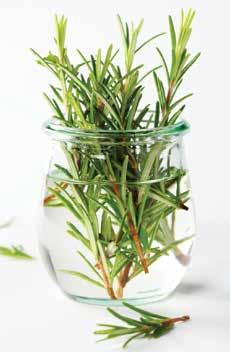
To reduce environmental impact, eliminate plastic entirely. In the refrigerator, replace plastic wrap with reusable beeswax wraps or silicone produce covers to retain moisture for halved avocados, melons or cut lemons. Keep asparagus stems in a little water in a glass jar. Rinse and cut carrots and celery for easy snacking, keeping them submerged in fresh water in a glass jar. To prolong the life of fresh herbs, place them in a glass jar with a bit of water, like a bouquet of flowers. Wrap leafy greens like lettuce, kale and chard in a towel or cloth to manage moisture.
Mesh produce bags that allow airflow prevent moisture buildup. They are ideal for shopping and storing produce in the refrigerator or pantry. Their stretchable fabric makes it easy to see the contents and provides excellent air circulation. They can be washed by hand or machine in cold water, then flat- or line-dried. Hang onions, potatoes and garlic in a mesh bag in the pantry for full ventilation, but keep different items in separate bags to prevent accelerated rotting.
Muslin bags are breathable, allowing ethylene gas to escape. They are recommended for delicate greens like lettuce, spinach, chard, kale, basil or parsley. Use glass containers to store cut fruits and vegetables, keeping them fresh longer and making contents visible, thus reducing forgotten food.
by Maya Whitman
Tapas—small-portion, sharable dishes—are a staple of Spanish culture that can be served hot or cold, vary by region and are the perfect culinary backdrop to spending unhurried, quality time with family and friends. Beyond their culinary appeal, these bite-sized offerings can also support a strong foundation for health. By focusing on whole ingredients, balanced flavors and nutrient-dense combinations, small plates can shift from an occasional indulgence to a mindful, everyday approach to eating.
A collection of small dishes can become a meal itself, offering flavor explosions for memorable entertaining, encouraging guests to sample ethnic inspirations like crispy Indian tofu with tamarind chutney or sautéed Asian shrimp and snow peas. “The beauty of tapas is that you can take
your guests on a trip around the world without ever leaving the table. Nobody feels like they’re eating health food; they just feel like they’re eating really well,” says Julia Chebotar, an award-winning private chef and certified health coach in New York City.
Ideally, small plates can showcase bounty from farmers markets and home gardens. Whether methodically assembled at the table from themed central platters, plated from backyard grills or served up impromptu with basics foraged from the fridge, tapas build healthy foundations, nourish social connection and inspire us to eat lighter while feeling satiated.
Small feasts are best comprised of three or four small dishes served in sequence. Rounds of inspired, mindful eating allow
guests plenty of time to enjoy good company. “With so much variety, there’s genuinely something for everyone,” explains Chebotar. “Everything stays on the table; people graze at their own pace; the conversation flows; and nobody is stuck waiting for the next course.”
Her peak-season favorites are grilled corn cut off the cob with lime, cotija and chili; roasted eggplant finished with pomegranate molasses and fresh mint; and ribbons of raw zucchini tossed with lemon and parmesan. Her breakfast tapas come together in minutes and kick off the day with quality protein such as soft-boiled eggs with olive oil and za’atar, a traditional Middle Eastern herb and spice blend; a small plate of whole-grain toast with almond butter and sliced strawberries; and little bowls of Greek yogurt topped with crunchy walnuts and a drizzle of honey.
Cathy Vogt, a board-certified health counselor and professional whole foods chef in the New York Hudson Valley is a proponent of robust flavors and seasonally available ingredients such as late summer corn incorporated into a tangy relish or juicy tomatoes in a luscious salad. The author of Cultivating Joy in the Kitchen: Plant Forward Recipes & Soulful Nourishment also delights in roasted garden eggplant with


olive oil and fresh garden herbs; grilled summer peaches or sweet melon paired with thinly sliced cured ham; and a bowl of briny olives, marinated artichoke hearts, fresh figs stuffed with blue cheese and colorful roasted peppers.
Her most delicious, small plates include smoked salmon salad served over tart endive leaves and a tangy spread made with roasted beet, walnuts and balsamic vinegar that pairs beautifully with a seedy, crusty bread or sliced sweet peppers and cucumbers. Vogt recommends locally sourced eggs that can be hardboiled or whisked into a simple Spanish tortilla paired with fresh herbs, diced tomato or garden greens. She also champions the endless variety of lentils and legumes, such as her savory spread made with cannellini beans, sundried tomato and an herb-based pesto.
Chebotar points out that tapas can make meal prep for the week easy and enjoyable.
She recommends roasting some vegetables, cooking a grain, making a dip and preparing a protein on Sunday, allowing members of the household to build their own small plates throughout the week. “Healthy eating starts to feel spontaneous and fun, even on a Wednesday night,” she explains, adding that small plate meals are also a great way to get kids excited about healthy eating. “Getting them involved in assembling their own tapas—picking the dip, choosing the veggie, adding the protein—builds curiosity and ownership over what they’re eating.”
Vogt suggests diving deeper for an inspired experience. “If you are interested in exploring traditional tapas, visit a restaurant or tavern that serves traditional tapas. Be curious about experimenting and trying new foods and flavors.”
Maya Whitman is a frequent writer for Natural Awakenings.



YIELD: 16 TO 20 PANCAKES
½ cup fine-ground cornmeal
½ cup whole-wheat pastry flour or gluten-free flour mix
2 tsp baking powder
1 tsp sea salt
½ tsp ground pepper
1 tsp cumin powder
2 ears fresh corn on the cob, peeled and cut off the cob
2 eggs, scrambled
2 Tbsp chives, chopped
2 Tbsp fresh basil, chopped
½ cup water
Olive oil or avocado oil for cooking
Combine the cornmeal, flour, baking powder, salt, pepper and cumin in a mixing bowl and whisk to combine. Fold corn ker- nels, eggs, chives and basil into the flour mixture. Slowly pour water into mixture and stir to combine. Do not over-mix.
Heat a cast iron or heavy-bottomed sauté pan over medium heat. Add 1 tablespoon of oil to the pan. Add more oil as needed during cooking.
Drop 1 tablespoon of mixture into the pan to form a pancake.
Space out pancakes in the pan, allowing each to cook for 3 to 4 minutes on each side until golden brown.
Serve the pancakes hot or at room temperature. These savory bites pair well with a spoonful of tomato salsa or another favorite condiment.
Recipe courtesy of chef Cathy Vogt.

Any amount of Roma or plum tomatoes
A few cloves of garlic, minced
Olive oil for drizzling
Sea salt
Freshly ground pepper
A handful of fresh herbs of choice (basil, parsley, oregano or rosemary)
Wash the tomatoes, pat dry and slice in half lengthwise. Scoop out the seeds gently with fingertips.
Place each tomato cut side up on a sheet pan, sprinkle generously with olive oil, and add the minced garlic, salt and pepper. Top the tomatoes with chopped herbs of choice.
Bake the tomatoes in a 250° to 275° F oven for 3 to 4 hours until they are dried but still chewy.
These are great for tapas or as a topping for salads, vegetables, grains or baked fish. Store them in a covered container in the refrigerator.
Recipe courtesy of chef Cathy Vogt.

YIELD: 4 SERVINGS
2 cups cooked lentils*
2 medium-sized tomatoes, diced
⅔ cup crumbled feta cheese
4 cups chopped parsley
½ cup red onion, finely diced
¼ cup extra virgin olive oil
Juice of half a lemon
2 tsp ground cinnamon
Sea salt and black pepper to taste
Toss all ingredients in a large bowl until evenly combined. Add sea salt and black pepper to taste.
*To cook lentils use a ratio of 1 cup of dry lentils to 3 cups of water or broth. Bring to a boil in a medium-large pot then reduce heat, cover and simmer for 20 to 25 minutes or until tender. Canned lentils are also an option.
Recipe courtesy of Julia Chebotar.


Electronic smoking devices are banned in prohibited areas, including within 15 feet of building entrances.
by Maya Whitman
Filling a glass for a cold drink of water or taking a refreshing shower at the end of the day is routine for most of us, but being savvy about what’s coming out of the faucet is vital for health. From private wells to municipal tap, water quality can vary widely and often contain heavy metals, chlorine byproducts, bacteria and PFAS—per- and polyfluoroalkyl substances, commonly known as “forever chemicals”.
“Clean water is one of the most important foundations of health. The key is not simply purchasing a filter, but selecting a treatment system that is matched to the unique characteristics of your water supply,” says Level 5 Water Quality Specialist Roy M. Speiser, vice president of Clean Water Revival, Inc., in Stuart, Florida. With numerous options on the market, choosing a water filtration system can feel a little daunting, but the next step to cleaner water can be much easier with some understanding of what is in the well.
Experts recommend beginning with a certified lab test or an annual Water Quality Report (also known as a Consumer Confidence Report or CCR) from the local water supplier for details on

levels of contaminants and treatments. Compromised water quality is not usually noticed until an unpleasant taste, odor or discoloration alerts us to problems, but many contaminants are invisible and cannot be detected by sight, smell or taste alone.
After reviewing hundreds of municipal Water Quality Reports, Speiser has identified more than 40 contaminants that are commonly detected in U.S. water supplies. Aside from PFAS, heavy metals and chlorine, he lists the disturbing presence of arsenic, uranium and radioactive elements, pharmaceuticals, microplastics, chemical fluoride and disinfection byproducts. He notes, “While many are present at levels that meet current regulatory standards, questions remain regarding long-term exposure from drinking, cooking, bathing and showering.”
One of the most common misconceptions is that a single filter can remove everything. Sometimes combining multiple filtration systems is recommended. According to Brian Campbell, founder of Water Filter Guru and certified water specialist in Denver, Colorado, “There is no such thing as a one-size-fits-all solution to water treatment. Different water issues require different treatment processes. Buying water treatment equipment without lab data is like shooting in the dark, and you may end up with equipment you don’t need or not get the right equipment for the job.”

Gravity-fed systems include countertop and portable models with charcoal filters that work by positioning the source water higher than the destination, creating the necessary pressure to push the liquid through the filters. These systems do not require a plumbing connection. While effective at improving taste and removing dissolved, organic contaminants, they are less effective at removing inorganic contaminants like lead, fluoride, arsenic and nitrates. Many brands lack third-party certification and fail to meet National Sanitation Foundation/American National Standards Institute (NSF/ANSI) standards. Some people use this type of system as one stage in a multistage water treatment system.
Reverse-osmosis (RO) systems force pressurized tap water through a semi-permeable membrane that removes up to 99 percent of dissolved solids. They are recommended for the removal of contaminants such as chromium-6, perchlorate, uranium and certain PFAS compounds. These systems are considered one of the most highly effective methods of water purification. Countertop models provide broad contaminant reduction without the need for permanent installation.
One disadvantage is that hard water needs to be pre-treated, especially with countertop units, as filtering hard water will cause scale to form on the internal components,
pump and membrane, leading to premature failure. Look for systems that meet NSF/ ANSI standards for specific contaminants that need to be reduced. Not all RO systems perform equally; membrane quality and pre-filtration stages are critical. Systems designed to address chloramine, PFAS and heavy metals provide more comprehensive treatment than entry-level units.
Ultraviolet (UV) disinfection systems are commonly recommended for private well water or water from an untreated spring, which do not typically receive chemical disinfection. These systems provide an additional layer of protection against bacteria, viruses and certain microorganisms. While UV treatment is generally not necessary for most municipally treated water supplies, it may be beneficial for individuals with compromised immune systems or for homes drawing water from higher-risk surface water sources that may contain parasites. UV works only with water that is clear. Because UV light travels in a straight line, any suspended debris, cloudiness or discoloration can physically scatter the rays, allowing microorganisms to pass through unharmed. Using upstream filtration to address turbidity is vital to improve effectiveness.
Maya Whitman is a frequent writer for Natural Awakenings.

by Myra Hedgefield
For more than 20 years, Dr. Aida Meza has cared for patients during some of life’s most critical moments as an emergency medicine physician. While she continues to value the life-saving power of conventional medicine, a deeply personal experience inspired her to broaden her focus toward helping people build resilience before illness reaches a crisis.
That journey led to the creation of Ever Flowing Health, where she and her husband, an Adult-Gerontology Acute Care Nurse Practitioner and the practice’s Clinical Director, provide Therapeutic Plasma Exchange (TPE) as part of a comprehensive, physician-led approach to personalized health.
“My husband developed an autoimmune illness, and together we searched for answers,” Meza says. “We explored both conventional and integrative medicine because we never believed it had to be one or the other.”
She credits TPE as an important part of his recovery while emphasizing that it was only one component of a much larger health transformation that included nutrition, sleep,


movement, stress reduction, and emotional and spiritual well-being.
“I often say TPE gave me my husband back,” she says. “But it wasn’t the only change we made. Health comes from many choices working together over time.”
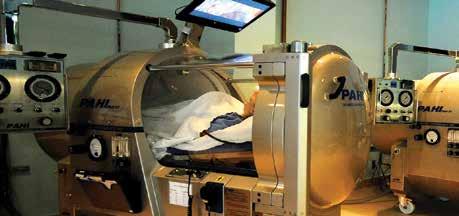
For readers unfamiliar with the procedure, TPE removes the plasma, the liquid portion of blood, while preserving the patient’s own blood cells. During treatment, blood is circulated through a specialized apheresis machine that separates the plasma from the

red blood cells, white blood cells and platelets. The plasma is replaced with albumin, a naturally occurring protein, and the patient’s own blood cells are returned throughout the procedure.
“TPE is often confused with a blood transfusion or dialysis, but it is neither,” Meza explains. “Your own blood cells are returned to you, and albumin, not donor plasma, is used as the replacement fluid.”
TPE has been used in hospitals for decades to treat certain autoimmune, neurological and hematologic disorders. Researchers are also studying its potential role in chronic inflammation, immune dysregulation, cognitive health, environmental medicine and healthy aging. Dr. Meza points to encouraging Alzheimer’s research, including the AMBAR study, while emphasizing the importance of distinguishing established medical uses from promising but still evolving applications.
“I never want to oversell a treatment,” she says. “Patients deserve to know what is established, what is promising and what we are still learning.”
Every patient undergoes a comprehensive medical evaluation before treatment begins. Medical history, medications, laboratory findings, vascular access, treatment goals and potential risks are carefully reviewed to determine whether TPE is an appropriate option. Throughout each procedure, patients remain under continuous physician oversight and are monitored by an experienced clinical team.
Years spent practicing emergency medicine have also shaped Meza’s broader philosophy of care.
“Life can change very quickly,” she says. “That perspective reminds me to appreciate the people I love and to be present. None of us is guaranteed tomorrow.”
Looking ahead, she believes medicine will continue becoming increasingly personalized, with therapies tailored to an individual’s genetics, lifestyle and environmental exposures. Yet she remains convinced that even the most advanced therapies should complement, not replace, the fundamentals of healthy living.
“Patients shouldn’t have to choose between conventional and integrative medicine,” Meza says. “When thoughtfully combined, each can contribute to better outcomes. I believe patients benefit when we bring the best of both together.”
Her vision for Ever Flowing Health extends beyond providing innovative therapies. It is about creating a place where patients feel heard, educated and empowered to make informed decisions about their health.
“If we can help someone feel more like themselves again,” she says, “so they can experience more love, connection, purpose and joy in their lives, then that’s something very meaningful.”
For more information visit EverFlowing Health.com or contact 214-828-7000. See ad, page 13.
by Zak Logan
As more people look for engaging, sustainable ways to stay active, indoor climbing is emerging as a powerful tool for building whole-body fitness. Unlike traditional workouts that isolate muscle groups, climbing walls offer a dynamic, functional experience that engages all muscle groups and develops grip strength, balance, coordination and full-range joint mobility.
Each climb becomes a full-body workout that adapts to the individual, making it ac-
cessible for beginners, while still challenging experienced participants. Climbing also benefits cardiovascular health. A 2021 study in Applied Physiology, Nutrition, and Metabolism shows it improves stamina and oxygen utilization.
Beyond the physical benefits, climbing also strengthens mental and emotional resilience. Climbers are constantly solving problems, navigating routes and learning to move through uncertainty in a safe, supportive environment. This combination of movement


and mindset helps build confidence, focus and persistence—qualities that extend well beyond the wall.
Indoor climbing involves artificial, manmade walls equipped with textured grips and modular holds. Padded mats, harnesses and ropes provide a secure environment. Initially developed for mountaineer training, indoor climbing has become a passionate activity for many, leading to about 800 climbing gyms and 10 million enthusiasts in the United States alone.
Climbing gyms are popular fitness hubs for Gen Z, but people of all ages, including those well into their 70s, enjoy the mental health benefits and camaraderie. Many gyms offer social nights, youth programs and coaching opportunities.
Jared Vagy, a doctor of physical therapy, climbing-injury specialist and associate professor at the University of Southern California, says, “One of the biggest misconceptions is that climbing is only for extreme athletes hanging off cliffs without ropes. Commercial gyms have padded flooring, standardized safety systems, staff training and beginner instruction courses.”
The author of Climb Injury-Free, Vagy notes that most traditional workouts can feel repetitive and predictable, but climbing “changes every move, every angle and every challenge. Your brain is engaged just as much as your muscles. Climbing is essentially problem solving with your body.”
He explains that beginners only need climbing shoes, a harness for rope climbing and a chalk bag to help with grip. “Most climbing gyms rent equipment, so people can try the sport without making a major investment,” he points out.
Marcie Reeder, owner of North Summit Climbing Gym, in Wind Gap, Pennsylvania, says, “Each climb not only is designed to challenge the climber’s strength and techniques, but also provides a puzzle of differently shaped and textured climbing holds that moves from one to the other to get to the top.”
Reeder believes that climbing is popular across generations because it is a fun way to burn calories and build muscle. “In my experience, it doesn’t even feel like working out,” she says. “Many kids tend to love climbing, and I would recommend it to any family seeking ways to get some energy out and spend positive time as a family. We even offer classes for kids starting at age 6.”
Because many stabilizing and helper muscles are used during climbing, Reeder notes that even avid gym goers may feel a workout burn. “Strength in climbing is important, but learning proper climbing techniques over time can make climbing much easier,” she says.
Climbing may seem focused on upper body strength, but as Vagy explains, “Technique matters far more than people realize. A new climber should focus less on muscling through routes and more on movement efficiency, foot placement, pacing and learning how to position their body.” He emphasizes that the safest way to progress is by gradually increasing frequency, intensity and complexity over time.
Good technique reduces unnecessary strain on the fingers, elbows and shoulders. “The biggest mistake I see is people progressing faster than their tissues can adapt,” he explains. “Muscles improve relatively quickly, but tendons and connective tissue adapt much more slowly.”
Reeder asserts that practice is the best way to improve, adding that push-ups and pull-ups at the gym can promote muscle coordination. While climbing promotes flexibility, she cautions, “Stretching before climbing may increase the chance of injury. Static stretching, or stretching where you are holding one position for an extended amount of time, can temporarily decrease the stability of your joints, so make sure to save this for the end of a session.”
Reeder also suggests waiting 24 to 48 hours between sessions to avoid strains or pulls, as well as prioritizing slow, controlled movements over speed. For anyone with diabetes, heart conditions or musculoskeletal issues, she recommends consulting a physician before beginning.
Zak Logan is a freelance writer dedicated to holistic health and getting back to basics.
by Myra Hedgefield
The foundation for a pet’s lifelong health is built long before illness appears. Proper nutrition, healthy gut function, mobility, genetics and emotional well-being all play important roles in helping animals thrive. Increasingly, veterinarians are looking beyond treating disease to understanding the underlying factors that support lifelong wellness. Building that strong foundation can improve resilience, promote healthier aging and, in many cases, help reduce the risk of chronic illness.
That philosophy has guided Dr. Jennifer Smallwood throughout her veterinary career. A Dallas native and Texas A&M College of Veterinary Medicine graduate, Smallwood has spent more than two decades advancing integrative veterinary care. After discovering the benefits of veterinary acupuncture during an internship in Kentucky, she expanded her practice beyond conventional medicine to include Traditional Chinese Veterinary Medicine and other complementary therapies. Today, she leads Integrative Veterinary Wellness in Richardson, where a collaborative team provides personalized care focused on improving both health and quality of life.
While many pet owners recognize holistic veterinary medicine, Smallwood says functional medicine adds another level of personalized care.
“Holistic veterinary medicine focuses on treating the animal as a whole,” she explains. “It emphasizes the connection between the body and emotional well-being while incorporating nutrition, acupuncture, re-

habilitation, spinal manipulation, herbal therapies and regenerative medicine when appropriate.”
“Genetic testing helps identify disease risks much earlier. The information allows us to create targeted treatment strategies based on each patient’s individual risk factors and clinical presentation.”
—Dr. Jennifer Smallwood
Functional medicine takes that whole-body philosophy deeper by evaluating how the body’s systems function at the cellular and biochemical levels. Comprehensive laboratory testing and, when appropriate, genetic screening can identify subtle imbalances and inherited risks before they become more serious problems. The information helps
veterinarians develop customized treatment strategies that support wellness and slow disease progression rather than simply managing symptoms.
One of the greatest advances Smallwood sees is the rapid evolution of genetic testing.
“Genetic testing helps identify disease risks much earlier,” she says. “The information allows us to create targeted treatment strategies based on each patient’s individual risk factors and clinical presentation.”
Early detection is one of the cornerstones of foundational health. Identifying potential concerns before symptoms appear allows veterinarians to create individualized wellness plans that support healthier aging and better long-term outcomes.
For pets with chronic conditions such as allergies, arthritis, digestive disorders or anxiety, Smallwood begins with a comprehensive physical examination, then incorporates the principles of Traditional Chinese Veterinary Medicine and other integrative therapies to develop individualized treatment plans tailored to each patient’s needs.
Looking ahead, she believes continued advances in genetic testing and regenerative medicine will further transform veterinary care by making earlier diagnosis and more personalized treatment increasingly possible.
That commitment to individualized care distinguishes Integrative Veterinary Wellness. The practice brings together veterinarians with advanced training in Traditional

Chinese Veterinary Medicine, acupuncture, rehabilitation, veterinary spinal manipulation and regenerative medicine, working collaboratively to improve comfort, mobility and overall well-being.
“We are truly passionate about improving patient quality of life and helping our patients live their best life,” Smallwood says. “Each veterinarian brings extensive experience and expertise, and we work together to provide a team approach to the health care of our patients.”
As veterinary medicine continues to evolve, one principle remains constant: lasting health begins with a strong foundation. By combining advanced diagnostics with individualized, whole-patient care, functional and integrative veterinary medicine is helping pets enjoy healthier, more active lives for years to come.
For more information visit IntegrativeVeterinaryWellness.com or call 469-250-4023.
Myra Hedgefield is Natural Awakenings DFW staff writer.

by Brendan Cournane
We often hear that maintaining an attitude of gratitude will lessen our stress and make us happier. For many people, this kind of advice lands differently in the middle of hardship. Divorce, career upheaval, grief and the fog of early recovery, for example, are moments when gratitude can feel not just difficult, but impossible. Yet it is precisely in those moments that the practice matters most.
Gratitude is not merely a pleasant sentiment. It is a physiological event. When a person moves beyond mouthing the words and actually feels grateful, the brain responds
in measurable ways. Research shows that genuine gratitude activates the brain region associated with dopamine, the neurotransmitter linked to reward and motivation. It also prompts the release of serotonin, which supports emotional stability, and oxytocin, often called the “love hormone”, which deepens social connection.
Perhaps more importantly, gratitude works against cortisol, which is the body’s primary stress hormone. Cortisol triggers the fight-or-flight response, elevating heart rate and blood pressure and keeping the nervous system in a state of alertness. Con-


sistent, intentional gratitude practice dials that response down, creating space for calm, clarity and resilience.
Psychologists Michael McCullough and Robert Emmons, whose research helped establish gratitude as a serious field of study, have found that grateful people show increased prosocial motivation, demonstrate a greater desire to connect and contribute, and experience lower rates of depression, anxiety and envy. Gratitude also engages the principle of reciprocal inhibition, meaning the brain cannot hold two opposing emotional states at once. When gratitude is genuinely present, resentment and fear are crowded out.
Gratitude has been woven into the spiritual and philosophical frameworks of cultures across millennia, including Jewish, Christian, Muslim, Buddhist, Hindu, Greek and Roman traditions. That such diverse worldviews have independently arrived at the same practice speaks to something fundamental about human nature: the recognition that what we have, and what we have been given, deserves acknowledgment.
Simple to understand does not mean easy to practice. Like any meaningful discipline, gratitude deepens with intention and repetition. Approaching it as three distinct but connected principles can help.
The first and most intuitive dimension of gratitude is appreciation for what we currently have, such as our relationships, health, shelter and opportunity. Research by psychologists Giacomo Bono, Robert Emmons and Michael McCullough adds nuance to this: Gratitude runs deeper when a gift comes through a personal relationship and when it involves genuine sacrifice on the part of the giver. A friend that shares a meal when they them-
selves have very little creates a different kind of gratitude than a routine workplace bonus.
Unexpected generosity also amplifies the effect. When a stranger anonymously pays for someone’s coffee and slips away before being identified, the dopamine response is heightened. It’s a small but real neurological reward for having been seen and cared for without expectation.
The second dimension asks people to hold gratitude for what they once had but no longer do, and for what they hope to receive but have not yet. This may feel counterintuitive, yet memory is a powerful resource. Revisiting positive experiences—whether people, places or seasons of life—activates the hippocampus and amygdala, brain regions that can reduce pain, improve sleep quality, and ease anxiety and depression. The good that was real does not cease to matter simply because it has passed.
Perhaps the most overlooked element of a gratitude practice is the role of grief. Every meaningful achievement carries a cost: the promotion that required time away from family, the award won at the expense of other pursuits, the relationship that ended to make room for something new. Acknowledging that cost, and allowing oneself to grieve it, is not the opposite of gratitude. It is part of it.
When something is lost, grief and gratitude can coexist. The sorrow of losing a person or a chapter of life is balanced by appreciation for the joy, effort and connection that were present. Grief, when honored rather than suppressed, creates the conditions for renewal. It clears space for what comes next.
Gratitude does not require ideal circumstances. It does not demand that life be easy, loss be absent or struggle be resolved. It asks only for a willingness to look at what is present, at what has been, at what the hardest moments have cost and taught. That looking, practiced consistently, changes the brain’s chemistry, softens the nervous system and opens the heart. The science and the wisdom traditions agree that genuine gratitude, felt rather than performed, is among the most powerful tools available for navigating a human life.
Brendan Cournane is a Chicago-based meditation coach and author of Seeking Serenity: Finding Happiness by Embracing Your Present Attitude. Learn more at CoachBrendan.com.

by Laurell Matthews, ND
Burnout has become so common that it is often dismissed as a normal part of modern life, yet chronic stress can affect nearly every system in the body, contributing to fatigue, poor concentration, digestive complaints and emotional exhaustion. According to a 2021 article published in the Annual Review of Psychology, chronic stress has been associated with increased risks of anxiety, depression and cardiovascular disease. Sleep is often disrupted as well, further reducing the body’s ability to recover and restore balance.
Unlike conventional approaches that often focus on a diagnosis, homeopathy looks at how stress uniquely affects an individual. Rather than offering one remedy for burnout, homeopaths select remedies based on a distinctive pattern of physical, mental and emotional symptoms.
“I can’t shut my brain off.” For the person that pushes through long workdays fueled by coffee, becomes irritable and impatient, and lies

awake replaying tomorrow’s to-do list, Nux vomica is a frequently considered remedy.
“Even small tasks feel overwhelming.” When mental fatigue outweighs physical exhaustion and concentration becomes difficult, Kali phosphoricum is often used to support those experiencing nervous exhaustion after prolonged stress.
“I have nothing left to give.” When someone has spent months or years caring for others until emotional reserves are depleted, “Sepia is one of the best remedies for burnout, especially in women with a lot of caretaking responsibilities,” says naturopathic physician and homeopath Dr. Ian Spohn. “I recall treating a woman with five children who wanted to sleep most of the day. Within a month of adding Sepia to her regimen, she had signed up for a gym membership.”
Because homeopathy is individualized, the best remedy depends on the whole person, not simply the label of “burnout”. A 2025 observational study in the Sao Paulo Medical Journal reports that patients receiving homeopathic care found improvements in sleep quality, along with reductions in stress, anxiety and depression over six months.
Burnout affects both mind and body, and recovery rarely happens overnight. By listening to what stress is saying and recognizing the unique response to it, homeopathy offers a personalized approach that can complement restorative sleep, nourishing food, movement and healthy boundaries, helping individuals move beyond simply getting through the day and toward feeling like themselves again.

Underwritten by Grato Health, in operation since 1987, dedicated to advancing health and wellness through natural, holistic solutions that support the body’s ability to heal.


Empowered. Together.
Natural Awakenings is expanding its commitment to natural wellness with the launch of a new Homeopathy department—a dedicated editorial section designed to educate readers about one of the world’s most established approaches to health and healing.
The new department will feature practical, evidence-informed articles explaining homeopathy, how it works, when it may be appropriate and the role it can play alongside a healthy lifestyle. Readers can expect insights from experienced practitioners and trusted resources to help them make informed decisions.
This new addition to the magazine’s editorial lineup is underwritten by Grato Health, an employee-owned company that has been manufacturing and advancing homeopathic and natural wellness products for nearly four decades.
“Homeopathy has helped millions of people around the world, yet many still don’t fully understand what it is or how it is used,” says Mike Evans, CEO of Grato Health. “We saw an opportunity to help change that by supporting education that is balanced, accessible and rooted in experience.”
According to Evans, the company’s efforts extend well beyond their own family of brands. “For years, we have believed that strengthening the homeopathic community benefits everyone,” he explains. “We have invested in education, practitioner resources, manufacturing excellence, advocacy and organizations that help preserve and advance
homeopathy. Our goal has never been simply to grow our brands. It has been to help grow confidence in homeopathy itself. Partnering with Natural Awakenings and its parent company, KnoWEwell, was a natural fit because both organizations share a commitment to empowering people with credible wellness information.”
Kimberly B. Whittle, CEO of KnoWEwell, P.B.C. and Natural Awakenings Publishing Corporation, states, “We are deeply grateful to the entire Grato Health team for their longstanding commitment to the advancement of homeopathy and for recognizing the vital role of trusted health journalism in educating and empowering individuals.”
In celebrating Grato Health’s commitment to KnoWEwell, Whittle notes, “We are honored that this industry leader has chosen to become a KnoWEwell Lifetime Founding Patron Partner and will be launching and cultivating their own communities in our Regenerative Whole Health Hub (the Hub), reflecting a shared commitment to advancing homeopathy and the collaborative movement for WELLthier Living. I am certain that our partnership with Grato Health will demonstrate what is possible when mission-driven organizations collaborate to strengthen an entire field.”

Be sure to visit the new Homeopathy department in this month’s Natural Awakenings on page 33 To learn more, scan the QR Code for an online introduction to home-opathy. Readers are invited to join the Hub for free, save articles for future reference, engage in communities and make meaningful connections with members of like in-terest and vetted practitioners, organizations and brands.
We extend our thanks to Grato Health and their family of products:
Saturday, August 1
Honey and Hive – 10am–12pm. Meet live bees, learn about natural beekeeping and sample locally harvested honey. Fort Worth Botanic Garden, 3220 Botanic Garden Blvd, Fort Worth. 817-4634160. FWBG.org.
Free Vinyasa Yoga in the Park – 9–10am. Outdoor all-level yoga; bring a mat and water. Addison Circle Park, 4970 Addison Circle, Addison. 972-450-2851. VisitAddison.com.
Yoga With Black Swan Yoga – 10–10:45am. Free outdoor yoga suitable for all levels; bring a mat and water. Klyde Warren Park, 2012 Woodall Rodgers Fwy, Dallas. 214-716-4500. KlydeWarrenPark. org.
Art in the Garden Tour – 1:30–2:30pm. Take a guided look at botanical photography and the BRIT Library imaging studio. Fort Worth Botanic Garden, 3220 Botanic Garden Blvd, Fort Worth. 817463-4160. FWBG.org.
Wednesday, August 5
Gentle Yoga – 9–10am. All-level class designed to improve flexibility, mobility and mind-body awareness. Fort Worth Botanic Garden, 3220 Botanic Garden Blvd, Fort Worth. 817-463-4160. FWBG. org.
Free Evening Vinyasa Yoga – 6–7pm. Wind down with an all-level outdoor yoga class in the park. Addison Circle Park, 4970 Addison Circle, Addison. 972450-2851. VisitAddison.com.
Friday, August 7
Hop Into Learning Movie Night –6:45–9:45pm. Members enjoy a family movie under the stars featuring a wildlife-themed adventure. Fort Worth Botanic Garden, 3220 Botanic Garden Blvd, Fort Worth. 817-463-4160. FWBG.org.
Saturday, August 8
August Member Appreciation Day –All day. Members receive 20 percent off purchases at the Garden gift shops. Fort Worth Botanic Garden, 3220 Botanic Garden Blvd, Fort Worth. 817-463-4160. FWBG.org.
Members-Only Quiet Hour Walk –7:30–8:30am. A guided silent walk with gentle movement and sensory mindfulness practices. Fort Worth Botanic Garden, 3220 Botanic Garden Blvd, Fort Worth. 817-463-4160. FWBG.org.
Dog Days – 8am–1pm. Explore the Garden with a leashed canine companion; hydration stations are available. Fort Worth Botanic Garden, 3220 Botanic Garden Blvd, Fort Worth. 817-463-4160. FWBG.org.
Free Vinyasa Yoga in the Park – 9–10am. Outdoor all-level yoga; bring a mat and
water. Addison Circle Park, 4970 Addison Circle, Addison. 972-450-2851. VisitAddison.com.
Yoga With Black Swan Yoga – 10–10:45am. Free outdoor yoga suitable for all levels; bring a mat and water. Klyde Warren Park, 2012 Woodall Rodgers Fwy, Dallas. 214-716-4500. KlydeWarrenPark. org.
Family Night at Marine Park Pool –6:30–8:30pm. Enjoy an after-hours family swim with water play and recreation. Marine Park Pool, 303 NW 20th St, Fort Worth. 817-624-6588. FortWorthTexas. gov/parks.
Bats, Moths and More – 7:30–9pm. Explore nighttime pollinators and local wildlife during a nature education program. Kellis Park, 4651 S Ridge Terrace, Fort Worth. 817-392-5700. FortWorthTexas.gov/parks.
Sunday, August 9
Dog Days – 8am–1pm. Enjoy a dog-friendly morning among the Garden’s summer landscapes. Fort Worth Botanic Garden, 3220 Botanic Garden Blvd, Fort Worth. 817-463-4160. FWBG. org.

Wednesday, August 12
Gentle Yoga – 9–10am. All-level movement and stretching class held inside the Botanical Research Institute. Fort Worth Botanic Garden, 3220 Botanic Garden Blvd, Fort Worth. 817-463-4160. FWBG.org.
Free Evening Vinyasa Yoga – 6–7pm. Wind down with an all-level outdoor yoga class in the park. Addison Circle Park, 4970 Addison Circle, Addison. 972450-2851. VisitAddison.com.
Saturday, August 15
Members-Only Quiet Hour Walk –7:30–8:30am. Begin the weekend with a peaceful guided mindfulness walk. Fort Worth Botanic Garden, 3220 Botanic Garden Blvd, Fort Worth. 817-463-4160. FWBG.org.
Free Vinyasa Yoga in the Park – 9–10am. Outdoor all-level yoga; bring a mat and water. Addison Circle Park, 4970 Addison Circle, Addison. 972-450-2851. VisitAddison.com.
Discover Forest Bathing – 9–10:30am. Learn the restorative Japanese practice of shinrin-yoku through guided nature immersion. Fort Worth Botanic Garden,
3220 Botanic Garden Blvd, Fort Worth. 817-463-4160. FWBG.org.
En Plein Air Watercolor – 9–11am. Capture the Native Texas Boardwalk through guided outdoor watercolor exercises. Fort Worth Botanic Garden, 3220 Botanic Garden Blvd, Fort Worth. 817-4634160. FWBG.org.
Yoga With Black Swan Yoga – 10–10:45am. Free outdoor yoga suitable for all levels; bring a mat and water. Klyde Warren Park, 2012 Woodall Rodgers Fwy, Dallas. 214-716-4500. KlydeWarrenPark. org.

Family Night at Forest Park Pool –6:30–8:30pm. Enjoy an evening family swim and recreation after regular pool hours. Forest Park Pool, 2850 Park Pl, Fort Worth. 817-924-8248. FortWorthTexas.gov/parks.
Wednesday, August 19
Gentle Yoga – 9–10am. Improve flexibility and joint mobility in an accessible, all-level practice. Fort Worth Botanic Garden, 3220 Botanic Garden Blvd, Fort Worth. 817-463-4160. FWBG.org.
Free Evening Vinyasa Yoga – 6–7pm. Wind down with an all-level outdoor yoga class in the park. Addison Circle Park, 4970 Addison Circle, Addison. 972450-2851. VisitAddison.com.
Thursday, August 20
Creative Explorations: Hand-Carved Stamps – 6–8pm. Create plant-inspired stamps in a beginner-friendly botanical art class. Fort Worth Botanic Garden, 3220 Botanic Garden Blvd, Fort Worth. 817-463-4160. FWBG.org.
Saturday, August 22
Members-Only Quiet Hour Walk –7:30–8:30am. Reconnect with the senses during a silent guided walk through the Garden. Fort Worth Botanic Garden, 3220 Botanic Garden Blvd, Fort Worth. 817-463-4160. FWBG.org.

water. Addison Circle Park, 4970 Addison Circle, Addison. 972-450-2851. VisitAddison. com.
Macro Photography – 9–11am. Explore close-up botanical photography inspired by the Sherwin Carlquist exhibit. Fort Worth Botanic Garden, 3220 Botanic Garden Blvd, Fort Worth. 817-463-4160. FWBG.org.

Member Orientation and BRIT Tour –9–11am. Learn about membership benefits and tour the BRIT Herbarium and Library. Fort Worth Botanic Garden, 3220 Botanic Garden Blvd, Fort Worth. 817-463-4160. FWBG.org.
Monday, August 24
BRIT Library Lunchtime Lecture – 12–1pm. A free educational program exploring botanical research and collections. Fort Worth Botanic Garden, 3220 Botanic Garden Blvd, Fort Worth. 817-463-4160. FWBG.org.
Wednesday, August 26
Gentle Yoga – 9–10am. Close the August series with gentle stretching, mobility and mindful movement. Fort Worth Botanic Garden, 3220 Botanic Garden Blvd, Fort Worth. 817-463-4160. FWBG.org.
Free Evening Vinyasa Yoga – 6–7pm. Wind down with an all-level outdoor yoga class in the park. Addison Circle Park, 4970 Addison Circle, Addison. 972-450-2851. VisitAddison. com.
Saturday, August 29
Members-Only Quiet Hour Walk – 7:30–8:30am. A restorative silent walk incorporating simple grounding and movement practices. Fort Worth Botanic Garden, 3220 Botanic Garden Blvd, Fort Worth. 817-4634160. FWBG.org.
Free Vinyasa Yoga in the Park – 9–10am. Outdoor all-level yoga; bring a mat and water. Addison Circle Park, 4970 Addison Circle, Addison. 972-450-2851. VisitAddison. com.

Saturday, August 1
Historic McKinney Farmers Market –8am–12pm. Shop local produce, artisan foods, plants and handcrafted goods. Chestnut Square Heritage Village, 315 S Chestnut St, McKinney. 972-562-8790. ChestnutSquare.org.
Frisco Fresh Market – 8am–4pm. Open-air market with produce, specialty foods, wellness products and local vendors. 9215 John W Elliott Dr, Frisco. 469-516-1285. FriscoFreshMarket.com.
Downtown Denison Farmers Market – 9am–12pm. Seasonal produce, locally made foods and community vendors. Downtown Denison, Denison. 903465-2720. DenisonTX.gov.
Denton Community Market – 9am–1pm. Community market featuring local growers, makers, food and live activities. Denton County Historical Park, 317 W Mulberry St, Denton. 940-2684326. DentonMarket.org.
Gainesville Farmers Market – 9am–1pm. Shop local farmers, makers, food vendors and musicians in downtown Gainesville. Gainesville Farmers Market, 215 W Elm St, Gainesville. 940-6684500. GainesvilleTX.us.
First Saturday Nature Walk – 9–11am. Explore native habitats and seasonal wildlife with an experienced guide. LLELA Nature Preserve, 201 E Jones St, Lewisville. 972-219-3550. LLELA.org.
Sunday, August 2
Frisco Fresh Market – 10am–4pm. Shop farmers, food artisans and locally owned small businesses. 9215 John W Elliott Dr, Frisco. 469-516-1285. FriscoFreshMarket.com.
Friday,
Homeschool and Preschool Day –9am–5pm. Enjoy guided nature walks, outdoor scavenger activities and educational programs. Heard Natural Science Museum, 1 Nature Pl, McKinney. 972-562-5566. HeardMuseum.org.
Saturday, August 8
Historic McKinney Farmers Market –8am–12pm. Shop local produce, artisan foods, plants and handcrafted goods. Chestnut Square Heritage Village, 315 S Chestnut St, McKinney. 972-562-8790. ChestnutSquare.org.
Frisco Fresh Market – 8am–4pm. Open-air market with produce, specialty foods, wellness products and local vendors. 9215 John W Elliott Dr, Frisco. 469-516-1285. FriscoFreshMarket.com.
Downtown Denison Farmers Market – 9am–12pm. Seasonal produce, locally made foods and community vendors. Downtown Denison, Denison. 903465-2720. DenisonTX.gov.
Denton Community Market – 9am–1pm. Community market featuring local growers, makers, food and live activities. Denton County Historical Park,
317 W Mulberry St, Denton. 940-2684326. DentonMarket.org.
Gainesville Farmers Market – 9am–1pm. Shop local farmers, makers, food vendors and musicians in downtown Gainesville. Gainesville Farmers Market, 215 W Elm St, Gainesville. 940-6684500. GainesvilleTX.us.
Sunday, August 9
Frisco Fresh Market – 10am–4pm. Shop farmers, food artisans and locally owned small businesses. 9215 John W Elliott Dr, Frisco. 469-516-1285. FriscoFreshMarket.com.
Wednesday, August 12
Perseids Meteor Shower Viewing Party – 11pm–1am. Watch the Perseid meteor shower from the preserve’s dark-sky setting. LLELA Nature Preserve, 201 E Jones St, Lewisville. 972219-3550. LLELA.org.
Saturday, August 15
Historic McKinney Farmers Market –8am–12pm. Shop local produce, artisan foods, plants and handcrafted goods. Chestnut Square Heritage Village, 315 S Chestnut St, McKinney. 972-562-8790. ChestnutSquare.org.
Frisco Fresh Market – 8am–4pm. Open-air market with produce, specialty foods, wellness products and local vendors. 9215 John W Elliott Dr, Frisco. 469-516-1285. FriscoFreshMarket.com.
Service Saturday: Prairie Creek Cleanup – 8–10am. Volunteer to remove litter and help care for the preserve’s Prairie Creek area. LLELA Nature Preserve, 201 E Jones St, Lewisville. 972-219-3550. LLELA.org.
Downtown Denison Farmers Market – 9am–12pm. Seasonal produce, locally made foods and community vendors. Downtown Denison, Denison. 903465-2720. DenisonTX.gov.
Denton Community Market – 9am–1pm. Community market featuring local growers, makers, food and live activities. Denton County Historical Park, 317 W Mulberry St, Denton. 940-2684326. DentonMarket.org.
Gainesville Farmers Market – 9am–1pm. Shop local farmers, makers, food vendors and musicians in downtown Gainesville. Gainesville Farmers Market, 215 W Elm St, Gainesville. 940-6684500. GainesvilleTX.us.
Sunday, August 16
Frisco Fresh Market – 10am–4pm. Shop farmers, food artisans and locally owned small businesses. 9215 John W Elliott Dr, Frisco. 469-516-1285. FriscoFreshMarket.com.
Saturday, August 22
Historic McKinney Farmers Market –8am–12pm. Shop local produce, artisan foods, plants and handcrafted goods. Chestnut Square Heritage Village, 315
S Chestnut St, McKinney. 972-562-8790. ChestnutSquare.org.
Frisco Fresh Market – 8am–4pm. Openair market with produce, specialty foods, wellness products and local vendors. 9215 John W Elliott Dr, Frisco. 469-516-1285. FriscoFreshMarket.com.
Downtown Denison Farmers Market –9am–12pm. Seasonal produce, locally made foods and community vendors. Downtown Denison, Denison. 903-465-2720. DenisonTX.gov.
Denton Community Market – 9am–1pm. Community market featuring local growers, makers, food and live activities. Denton County Historical Park, 317 W Mulberry St, Denton. 940-268-4326. DentonMarket.org.
Gainesville Farmers Market – 9am–1pm. Shop local farmers, makers, food vendors and musicians in downtown Gainesville. Gainesville Farmers Market, 215 W Elm St, Gainesville. 940-668-4500. GainesvilleTX. us.
Sunday, August 23
Frisco Fresh Market – 10am–4pm. Shop farmers, food artisans and locally owned small businesses. 9215 John W Elliott Dr, Frisco. 469-516-1285. FriscoFreshMarket. com.
Saturday, August 29
Historic McKinney Farmers Market – 8am–12pm. Shop local produce, artisan foods, plants and handcrafted goods. Chestnut Square Heritage Village, 315 S Chestnut St, McKinney. 972-562-8790. ChestnutSquare. org.
Frisco Fresh Market – 8am–4pm. Openair market with produce, specialty foods, wellness products and local vendors. 9215 John W Elliott Dr, Frisco. 469-516-1285. FriscoFreshMarket.com.
Downtown Denison Farmers Market –9am–12pm. Seasonal produce, locally made foods and community vendors. Downtown Denison, Denison. 903-465-2720. DenisonTX.gov.
Denton Community Market – 9am–1pm. Community market featuring local growers, makers, food and live activities. Denton County Historical Park, 317 W Mulberry St, Denton. 940-268-4326. DentonMarket.org.
Gainesville Farmers Market – 9am–1pm. Shop local farmers, makers, food vendors and musicians in downtown Gainesville. Gainesville Farmers Market, 215 W Elm St, Gainesville. 940-668-4500. GainesvilleTX. us.
Night Hike: Bat Chat – 7–9pm. Learn about local bats and search for signs of nighttime wildlife. Registration required. Heard Natural Science Museum, 1 Nature Pl, McKinney. 972-562-5566. HeardMuseum.org.
Sunday, August 30
Frisco Fresh Market – 10am–4pm. Shop farmers, food artisans and locally owned small businesses. 9215 John W Elliott Dr, Frisco. 469-516-1285. FriscoFreshMarket. com.
Connecting you to the leaders in natural healthcare and green living in our community. To find out how you can be included in the Community Resource Guide email NAadvertising@NaturalAwakenings.com to request our media kit.
Nena Watkins, LAc
201 S Madison Ave, Suite 200, Dallas 214-840-3445
OakCliffAcu.com

Offers personalized Chinese medicine focused on whole-person healing through acupuncture, herbal therapy, nutrition and lifestyle guidance. Treats pain, stress, allergies and chronic conditions while restoring balance. With over 20 years of experience, provides compassionate care that supports natural healing, improves energy flow and promotes long-term wellness for body, mind and spirit. See ad, page 11.
14856 Preston Rd #212, Dallas 469-608-5050
109 Industrial St, Denton 940-320-6015
LoveTheKavaBar.com

Discover relaxation and community at The Kava Bars in Dallas and Denton. A serene environment with a variety of kava-based drinks, it's the perfect spot to unwind, connect, and experience the calming effects of kava. Live music, open mic nights, and special events that make every visit unique. Exerience a different kind of Happy Hour.
1033 E 15th St, Plano, 75074 214-892-2273
Plano.Cereset.com
abling it to manage stress more effectively. Cereset sessions jump start the process of re-balancing your brain, and can help issues leading to trouble sleeping, restlessness and anxiety, inability to fo cus or lack of joy. Periodic “tune-ups” provide ongoing support, ensuring long-term brain bal ance.
NEW STAR CHIROPRACTIC & ACUPUNCTURE
Dr. Zhangping Lu, DC, LAc, MD (China) 425 Maplelawn Dr, Ste 101, Plano 75075 972-519-8488
DFWAcupunctureChiropractic.com

Whole-body wellness center providing chiropractic care, spinal decompression, allergy testing, NAET, IMAET, detoxification, weight loss, hormone balancing, wellness programs and more. All-natural healing, no medication, no surgery.
MENTAL HEALTH INTEGRATION
Dr. Erin Kincaid, PhD, BCBC, IMHCS 6525 Horizon Rd Ste 130, Rockwall 972-961-9570
RockwallHeathCounseling.com

Provides integrative mental health counseling combining evidence-based therapy, faith-informed care and holistic lifestyle strategies. Addresses gut-brain connection, stress, trauma and emotional wellness. Supports individuals in restoring balance, building resilience and achieving sustainable whole-person healing through personalized, compassionate care designed to nurture mind, body and spirit in alignment. See ad, page 25.
FOSSIL RIM WILDLIFE CENTER 2299 County Road 2008, Glen Rose 254-897-2960

Fossil Rim Wildlife Center, near Glen Rose, an hour and a half from DFW, is a non-profit conservation center. It’s a haven for endangered species, housing over 1,000 animals from 50 species. Visitors embark on guided or self-guided tours across its 1,800 acres, encountering wildlife up close. Lodging, dining, and educational facilities enhance the experience.
DALLAS COLLEGE
1601 South Lamar, Dallas
214-378-1824
DCCCD.edu

Dallas College has seven campuses, including El Centro, Brookhaven, Mountain View, Eastfield, Richland, Cedar Valley and Northlake. Dallas College serves the region with accredited one and two year certificates, degrees and core credit courses guaranteed to transfer to Texas colleges and universities.
THE HOCKADAY SCHOOL
11600 Welch Road, Dallas 214- 363-6311
Hockaday.org

Established almost 100 years ago, The Hockaday School provides a college preparatory educa-tion for girls; from pre-kindergarten to 12th grade, including Boarding school for grades 8-12. With an approximate enrollment of 1,000 students and a 10:1 student teacher ratio, Hockaday students enjoy a 100% acceptance rate to college.
JESUIT COLLEGE PREPARATORY
SCHOOL OF DALLAS 12345 Inwood Rd, Dallas 972-387-8700
JesuitCP.org

Jesuit College Preparatory School of Dallas is a private Catholic institution for young men under the direction of the Society of Jesus. Located in North Dallas, it provides a student-centered education to approximately 1,000 students, grades 9-12. Our students’ average SAT scores exceed the national average by over 200 points.
PARKER UNIVERSITY
2540 Walnut Hill Ln, Dallas 75229 800-637-8337/214-902-2429
AskAdmissions@parker.edu Parker.edu

More patients want alternative methods of treatment that are healthy, holistic and non-invasive. Earning your degree from Parker University in Functional Nutrition, Strength and Human Performance, Integrative Health can put you in position to help them. Offering top level experience and accredited by the Southern Association of Colleges and Schools, the Council on Chiropractic Education, and the Commission of Massage Therapy Accreditation.
ELYSIUM REIKI & WELLNESS
10670 North Central Expressway Ste 110, Dallas 214-888-2276
Miriam@elysium.spa Elysium.Spa

Feeling overwhelmed by work, family responsibilities, health challenges or life's demands. We help clients experience greater calm, clarity and balance through personalized Reiki energy healing. Certified Reiki Master Miriam provides gentle treatments that promote stress reduction, relaxation and support overall well-being. New client special: three private sessions $155. Group Reiki treatments available from $11 monthly.
ROXANE & CO
Handcrafted Goods 469-216-0389
Info@RoxaneAndCo.com RoxaneAndCo.com

Whether you’re looking for a meaningful gift, a one-of-a-kind keepsake, or something special just for you, our handcrafted collections are designed to make moments more memorable. Thank you for supporting small business and the art of handmade.
BAYLOR SCOTT & WHITE HEALTH CARE SYSTEM
1-800-4BAYLOR BaylorHealth.com/CancerCare

We have a network of comprehensive cancer treatment centers throughout Dallas-Fort Worth, offering full range cancer-related and integrative medical services. Whether you want to learn about types of cancer, screenings, prevention, healthy living or support, Baylor is here for you. We offer the experience, expertise and technology you can trust.
13 Locations in Dallas-Fort Worth Metroplex 888-286-4603 PrimaCare.com

With 13 Urgent Care Centers, PrimaCare serves the medical needs of area families with courtesy, convenience and compassion. Open 7 days a week with extended hours. No appointment necessary. Most insurance accepted. Use our Call Ahead Service and wait where your want. Open: Monday–Friday 8am-8pm, Saturday–Sunday 8am–5pm.
ACN HERBS AND GREEN TEA
LESLIE DUONG
9788 Walnut Street, Suite 108 214-887-8325
LeslieDuong.com

Trained Herbalist, Leslie Duong specializes in traditional herbal remedies and green tea. With over 25 years of experience, she offers personalized herbal consultations, organic herbal medicines, and a wide selection of premium green teas. Committed to natural healing and wellness through high-quality, safe, and effective herbal products. See ad, page 6.
FLOURISH DENTAL BOUTIQUE
Dr. Toni Engram 415 State St #800, Richardson 75082 469-676-2777
Flourish.dental

At Flourish Dental Boutique, we believe the best dentistry is often the least dentistry. We help your body thrive on its own with therapies that enrich and empower its natural healing processes. As a holistic and biological dental practice, we choose safe materials and treatment protocols with special attention to your nutrition and overall wellness.
KOZLOW & ROWELL
Dr. Philip Kozlow
Dr. Josh Rowell
5050 Quorum Dr, Suite 300, Dallas 972-458-2464
DallasDentist.net
We strive to provide healthy, green alternatives for our dental patients by providing digital X-rays, mercury safe restorative options and chemical free dental hygiene products. Committed to total body wellness while avoiding the use of toxic materials, and continuing education to ensure treatments are up to date and effective in a kind and caring environment.
Now I see the secret of making the best person. It is to grow in the open air and to eat and sleep with the earth.
—Walt Whitman
LYNN DENTAL CARE
Dr. D. Brock Lynn
6190 LBJ Freeway #900, Dallas 972-934-1400
LynnDentalCare.com

Practicing dentistry for over 38 years, specializing in periodontics, Dr. Lynn is board-certified and a diplomate of the American Board of Periodontics and Dental implants. He practices dentistry with a holistic approach and is a member of the International Academy of Oral Medicine &Toxicology as well as the American Academy for Oral Systemic Health. See ad, page 2.
HEALTHY HEALING ARTS/HPWWC
Cathy May Lemmon, Ph.D. Hom, LCPH, BA 469-383-8442
Cathy@HPWWC.org
HealthyHealingArts.com

Homeoprophylaxis (HP), a part of Homeopathy, is a major part of Cathy Lemmon’s practice at Healthy Healing Arts. HP has been used worldwide for hundreds of years with a success rate of over 90% to help fight off disease. Lemmon uses an energetic, nontoxic means of promoting immunity in a safe and natural way.
AIKIDO FOR LIFE
Lynn Fabia, Founder Society of Aikido Centers 2080 N. Collins Blvd. Richardson, TX 75080 469 767-5864 lynnfabia@gmail.com

Discover Aikido for Life - peaceful, powerful, and holistic. Increase confidence, awareness, energy, and self-mastery through fluid movement and non-violent self-defense. Learn how to process fear with timeless life concepts for mind, body, and spirit.
DR. CARLOS CHAPA, ND, OMD, L.AC, PH.D 1320 W. Walnut Hill Ln, Irving 18601 LBJ #501, Mesquite 972-444-0660 DrChapa.com

Trained in Asia, graduated from a Korean University, Dr. Chapa holds a Naturopathic Doctorate Degree and a PhD in Eastern Medicine specializing in Neurological issues. A former medic/nurse since 1995, this unique training has given confidence from many Physicians to refer their patients. Dr. Chapa is founder and medical director of AIMC established in 2009.
DALLAS
399 Melrose Dr., Suite A, Richardson 214-368-4132
EHCD.COM

A nationally recognized medical facility specializing in the relationship of health and disease to environmental factors. Thorough investigation is made to determine the cause and correlation of the patent’s disease process to environmental factors. A leader in the field treating mold exposure/sensitivity; oil spill, pesticides and chemical exposure; chemical sensitivities, immune dysregulation and much more.
Dr. Alfred R. Johnson, D.O. 997 Hampshire Lane, Richardson 972-479-0400
JohnsonMedicalAssociates.com

Johnson Medical Associates is a state-of-the-art medical clinic offering comprehensive medical services aimed at finding the cause not just treating the symptoms. Dr. Johnson is a doctor of internal medicine with 35+ years of experience in areas of chronic illness, toxic exposures, allergies and the use of hyperbaric oxygen therapy to address a multitude of conditions. See ad, page 7.
Dr. Monica Jauregui, M.D. IFMCP 945-286-5711
Info@trulyhealthymd.com TrulyHealthyMD.com

Known as “America's Medical Detective,” our functional medicine practice specializes in uncovering root causes of health issues. With advanced diagnostics, personalized plans, and a Health Restoration Membership, we treat conditions like hormone imbalances, Lyme, long COVID, leaky gut, irritable bowel syndrome, Lyme and co-infections, long COVID, mold and other environmental illnesses, autoimmunity. Financing options available.
Dr. Phyllis Gee, MD 4601 Old Shepard Pl, Bldg. 2, Ste. 201, Plano 469-361-4000 WillowbendHealthAndWellness.com

With 30 years of practice, empowerment and whole health are centerpieces of our care. Our goal is finding and treating the root cause of your symptoms to restore your health utilizing regenerative medical practices. We address functional wellness, sexual wellness, weight management. We do functional health testing. Call for appointment.
MIKROB LAWN CARE
13101 Preston Rd, Ste 110 2222, Dallas, 469-436-5323
MikrobLawnCare.com

Provides organic lawn care solutions designed to build healthy soil and resilient landscapes without harmful chemicals. Services include soil testing, compost top-dressing, natural fertilization and seasonal treatments. Focuses on improving soil biology, strengthening root systems and creating greener, safer outdoor spaces that support families, pets and environmentally responsible living practices yearround. See ad, page 20.
DR. JEFFREY GLADDEN, MD
16633 Dallas Pkwy #100, Addison 972-310-8916
GladdenLongevity.com

Board certified in Interventional Cardiology. Dr. Gladden specializes in age management, regenerative medicine, and personalized health optimization. With over 30 years of experience, he offers advanced therapies including stem cell treatments, hormone optimization, and functional medicine. Dedicated to maximizing longevity and healthspan for his patients. Author of 100 is the New 30
When you take a flower in your hand and really look at it, it’s your world for the moment.
—Georgia O’Keeffe

SENERGY MEDICAL GROUP
9901 Valley Ranch Pkwy East, Ste 1009 Irving 972-580-0545
Biomodulator@senergy.us Senergy.us

We are the exclusive distributor of the patented Tennant Biomodulator® PLUS & PRO. These FDA accepted non-invasive devices are designed to offer an affordable, drug free, user-friendly option for the indicated use of symptomatic relief for chronic, severe or intractable pain; and adjunctive treatment in managing post-surgical and post-traumatic pain.
BOIS D'ARC MEAT COMPANY
13849 E. FM 1396, Windom, TX 617-314-1349
BoisDdarcMeatCo.com
Bois D'arc Meat Company provides high-quality, locally-sourced meats. All our cattle, pigs, chickens and turkeys are raised entirely on pasture, are 100% non-GMO and no herbicides, pesticides or chemicals are applied to the land. We offer a variety of cuts and custom butchering services to meet all your needs. Visit us for the finest meats.
ABRAMS ROYAL COMPOUNDING PHARMACY
8220 Abrams Rd, Dallas 214-349-8000
4904 W. Park Blvd, Plano 972-599-7700 ARP-RX.com

Family owned and operated since 1980, with more than 135 years of combined experience. Our pharmacists work to provide proactive solutions to restore health and wellness. We work as trusted partners with physicians and patients to develop targeted treatment plans and customized wellness programs for your unique needs. Pharmacy Compounding. Accreditation Board (PACB) certified. PSY
Nick Ladikos, PharmD info@medopadvisors.com MedOpAdvisors.com

Provides personalized medication and wellness consulting to help align prescriptions, supplements, nutrition and lifestyle for optimal health outcomes. Focuses on reducing conflicts, improving effectiveness and supporting whole-person wellness through integrative, evidence-informed guidance tailored to individual needs and long-term vitality goals. See ad, page 4.
CELEBRATION RESTAURANT
4503 West Lovers Lane, Dallas 214-351-2456
CelebrationRestaurant.com

Food You Can Feel Good About!

Dallas’ ORIGINAL farm-to-table restaurant Fresh • Local • Sustainable
The original farm-to-table restaurant in north Texas, including catering and takeout Market. With a full -service bar, we celebrate years of serving delicious, affordable, locally sourced food. We offer gluten free alternatives, clean water raised salmon and sustainably raised seafood, cage free poultry and 100% grass fed beef. Come in today, order in or take-out. See ad, page 23.

6808 Pastor Bailey Dr, Dallas 214-331-8522
ConcordDallas.tv

Concord Dallas is the church that grows people. Their core values are passion for Christ, passion for people and catalyst for change. Services are Sundays at 8:00am, 10:00am, 12:00pm and online at Streamingfaith.com. Mid-week service is Wednesdays at 7:00pm. Reverend Bryan L. Carter, Senior Pastor.
UNITY CHURCH OF SACHSE
5502 Ben Davis, Sachse 972-984-8946
UnityOfSachse@gmail.com
UnityOfSachse.com

We teach positive psychology based on Spiritual teachings of Jesus. Services are held Sundays at 11:30am. Join us as we share truths and principles to help along your spiritual journey. Each week’s message and all events are posted on our website for your convenience. Spiritual counseling and positive prayer available.
DALLAS WELLNESS AND THERMOGRAPHY CENTER
5220 Spring Valley Rd #LL-40, Dallas ThermographyCenter.com 214-352-8758

All symptoms have an origin story and we get to the root of yours. Using radiation-free technology we can identify your symptom’s origin story and exactly what needs to change internally and how it will remedy your symptoms. We then recommend medical grade natural products to help you heal the root cause easily and organically.
RHEO WELLNES 2455 Ridge Road, Suite 151, Rockwall 972-771-8900
RHEOWellness.com

RHEO Wellness offers a spa-inspired holistic healing environment designed to support the body’s natural ability to restore and thrive. Services include IV therapy, colon hydrotherapy, ozone sauna, massage, body sculpting, thermography, advanced hormone testing, wellness and cancer coaching, and premium supplements. Personalized care supports each client’s unique wellness journey. See ad, page 27.
CRESCENT YOGA STUDIO & ECO-BOUTIQUE
Dawn Harris, RYT500 306 W Ave F, Midlothian 214-817-8597
CrescentYogaStudio.com

Ellis county’s premier yoga studio and eco-boutique offers a variety of weekly classes, specialty workshops, private yoga and reiki sessions as well as natural health and wellness events. Come feel your stress and tensions away. New student intro offer: 2 weeks unlimited Yoga for $20. Empowering a healthy lifestyle.
ROXANE & CO
Yoga Instructor
Roxane Beneduce, RYT200 469- 216-0389
RoxaneAndCo.com

With years of experience in Yoga & Pilates and passion to keep educating others, I offer a personalized approach to help you grow stronger, more confident, and creatively inspired. I believe in making wellness accessible to all with my unique style. Classes as low as $10 with a year membership plan or reg $25/class at Heritage Senior Center in Irving Mon- Fri.








so you can ignore the signs.

