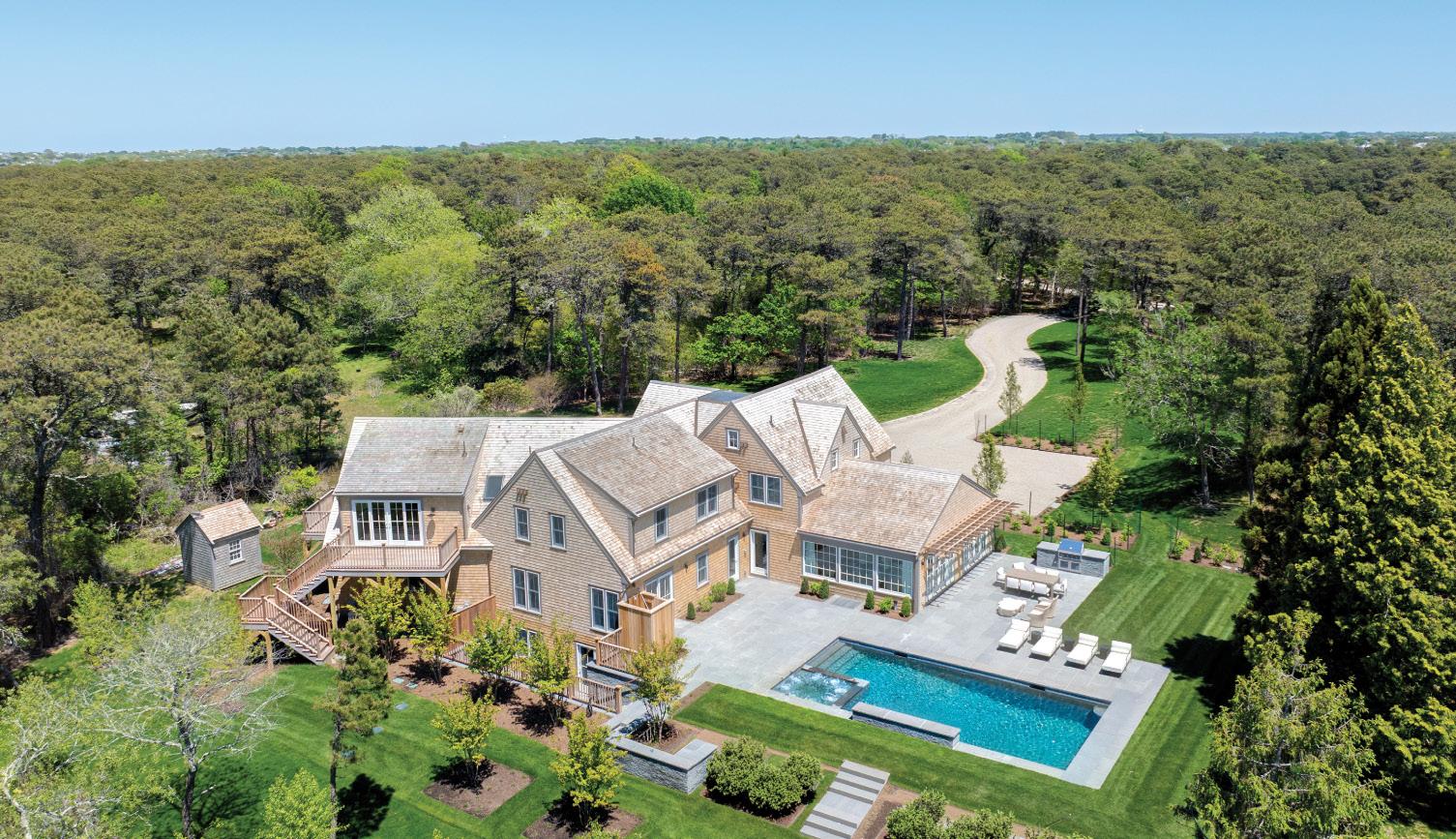
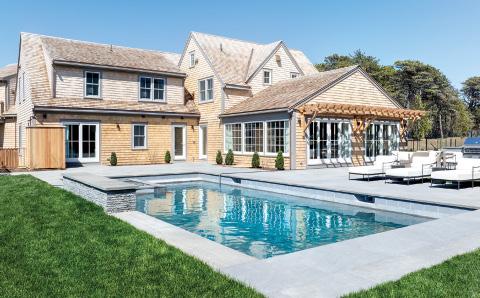
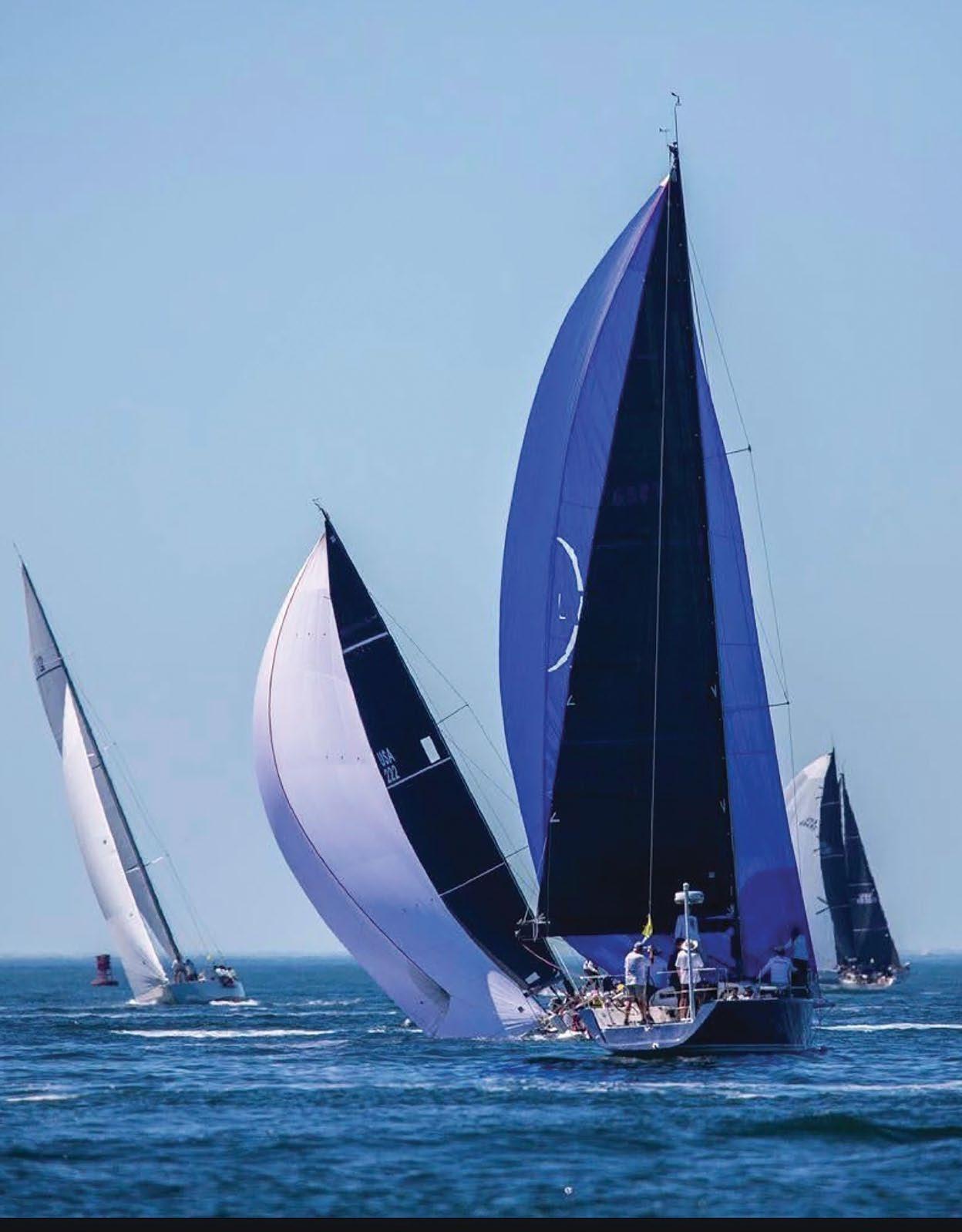
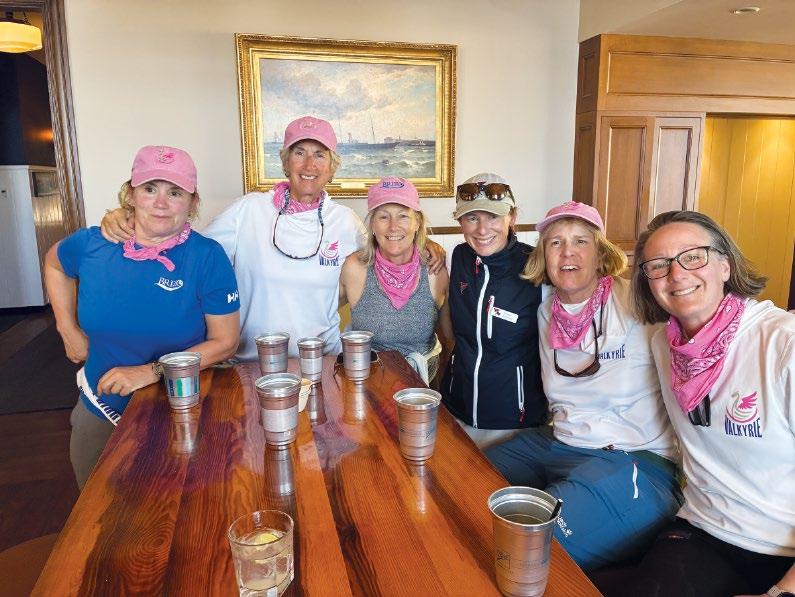
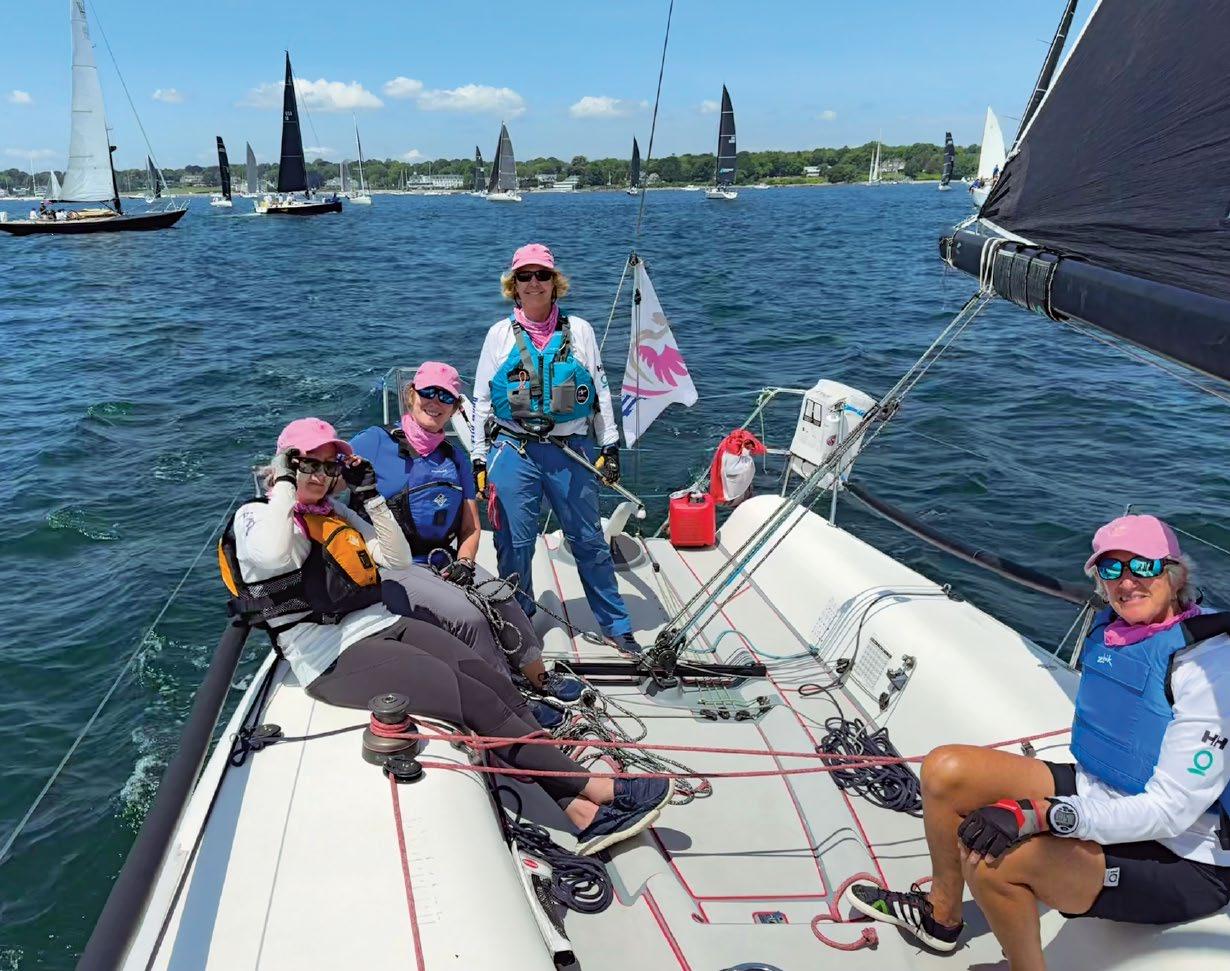
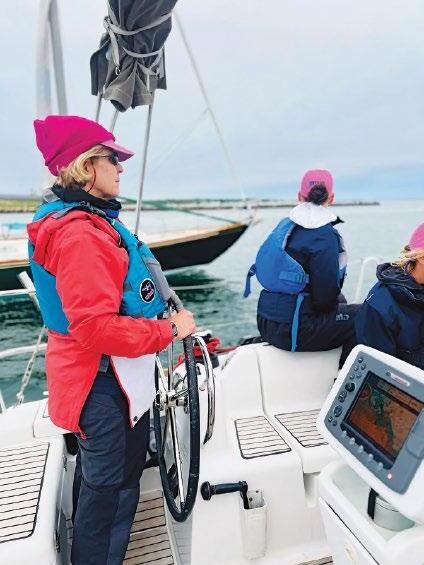
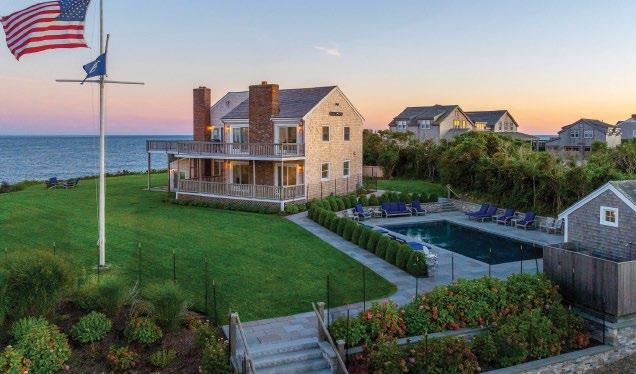
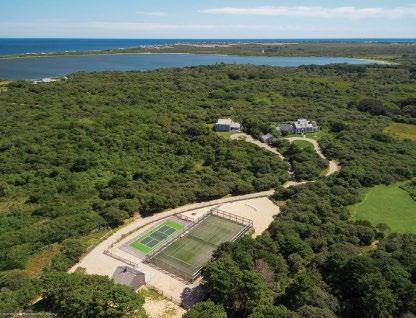
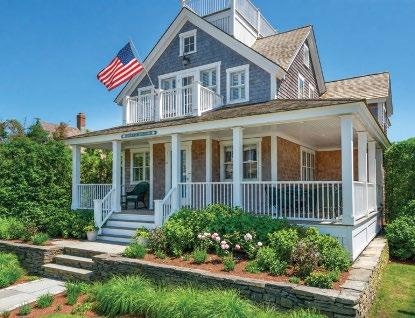
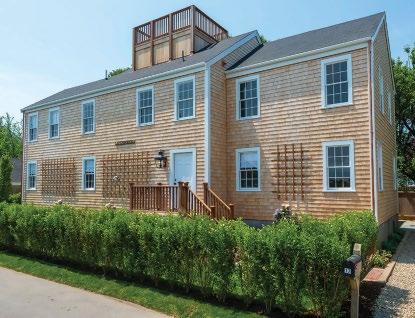
We believe that every home should be on the open market. No hidden listings. Full transparency for buyers, sellers and agents.
Only William Raveis o ers Elite Concierge Services. Everything you need. All under one roof. Home acquired. Mortgage approved. Insurance covered. Utilities connected. Moving logistics booked. Home security set. Wealth management opportunity.
William Raveis. The Highest Standard in Real Estate.
The #1 Independent Family-Owned Real Estate Company in the Northeast, Florida & South Carolina
Highest Honor in Luxury Real Estate
Elite Concierge Services success
Celebrating Top Luxury Brokerage
Chris Raveis, President of Residential Sales, speaks to the highest standard in real estate
Rich Craddock, Builder
LUXURY SUPERYACHT EXPERTS
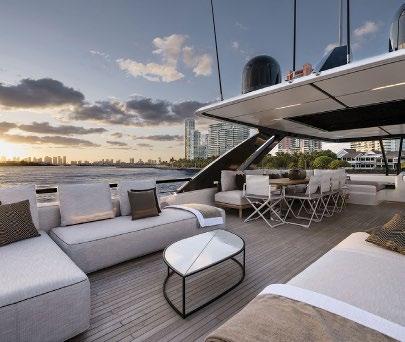
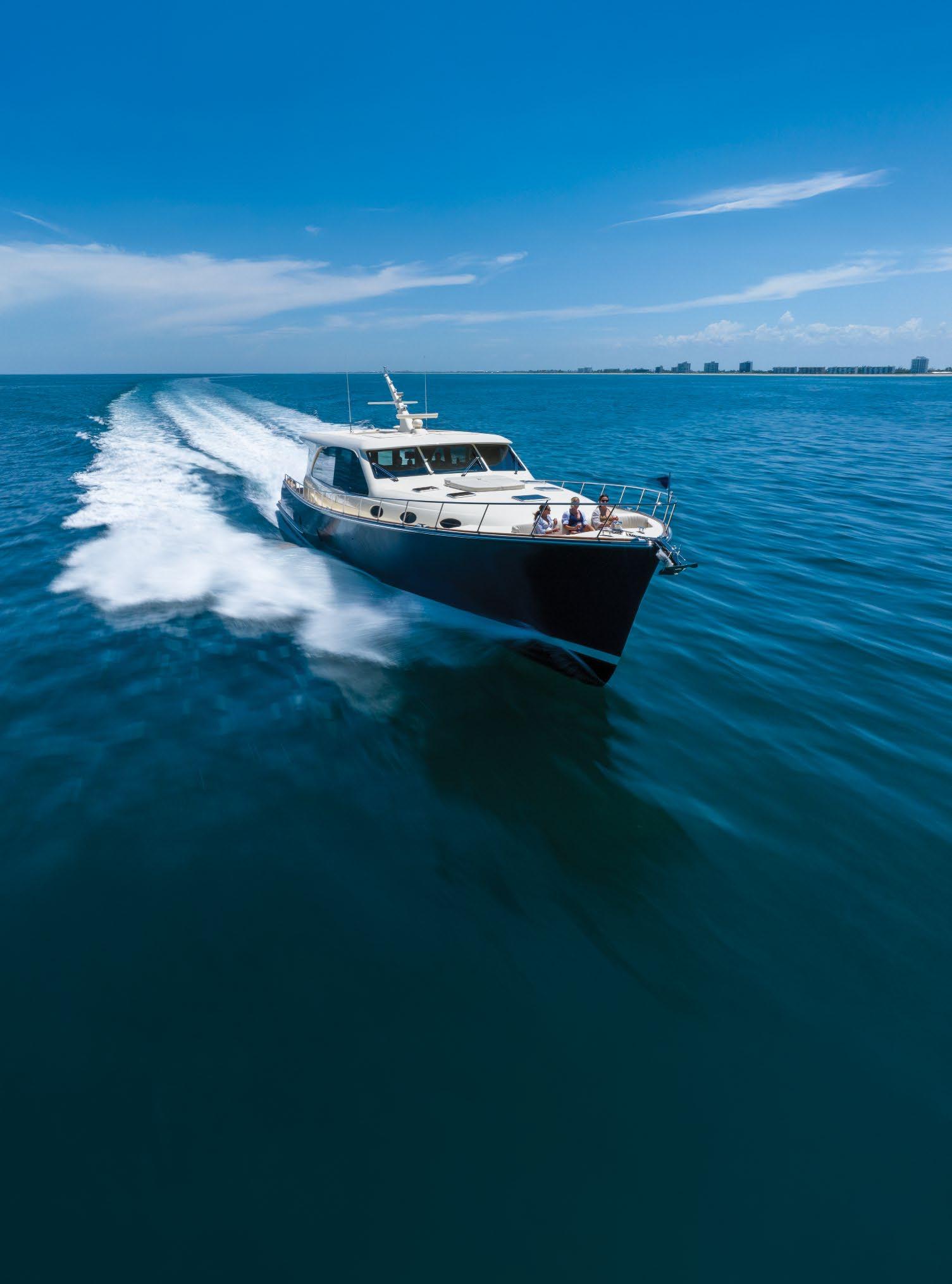
Founded in 1945, Allied Marine is one of the world’s leading yacht brokerage firms. The company serves as the exclusive dealer for new Ferretti Yachts, Pershing, Riva, and Itama, and is an authorized agent for CRN and Custom Line yachts. Allied Marine has helped thousands of yacht buyers and sellers with everything from local yacht sales to international megayacht and superyacht transactions.
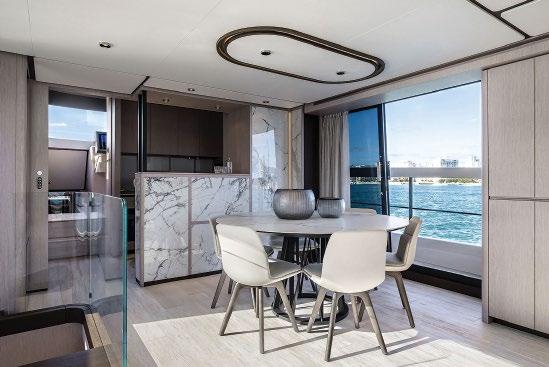
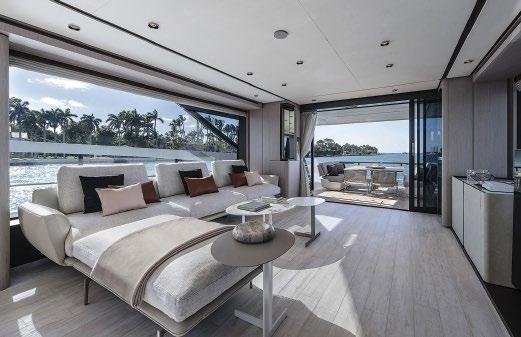
This remarkable flybridge yacht features cutting-edge design and technological innovation, where the stylistic and architectural elements work together in harmony down to the finest detail. The experience on board becomes even more homely thanks to the possibility to chose between two interior design moods: classic or contemporary, designed by the Italian Studio Ideaitalia.
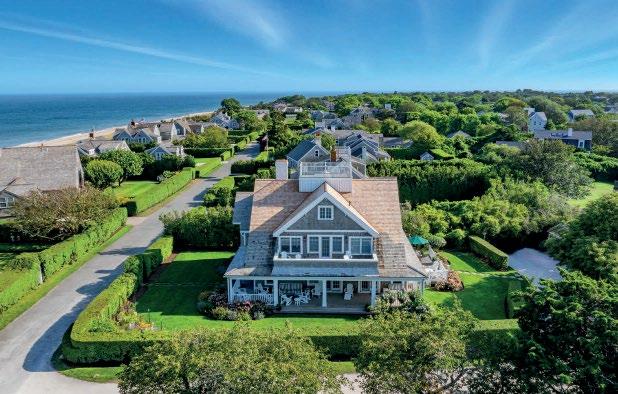
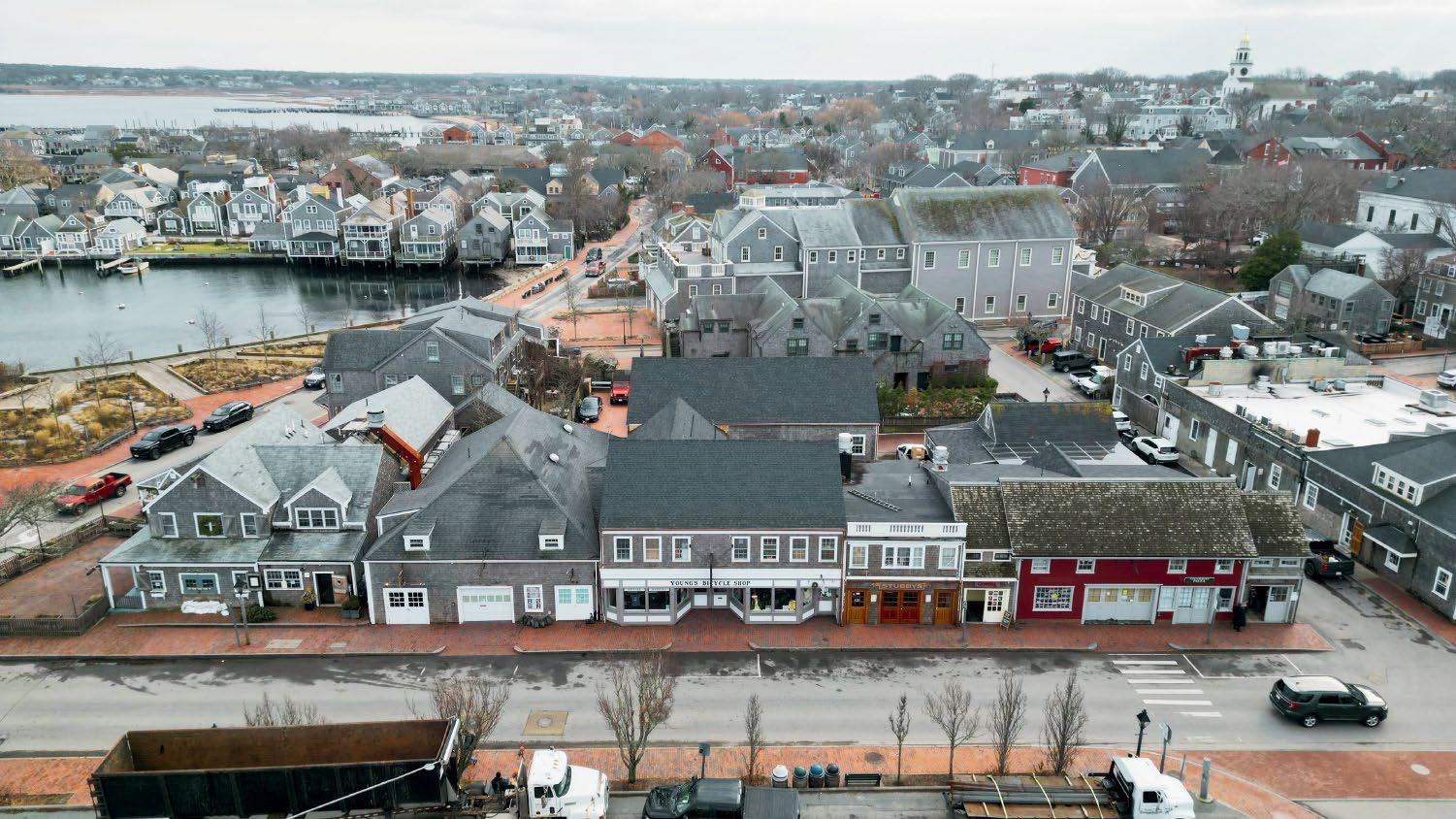
Nantucket Real Estate
For over 30 years, Berkshire Hathaway HomeServices Island Properties Nantucket has represented Nantucket real estate at the highest level guided by refinement, integrity, and deep local expertise
From water-influenced estates with harbor and ocean views to exceptional land and in-town residences, our portfolio reflects the island’s most sought-after opportunities Each client experience is tailored with thoughtful guidance at every step
For those seeking a trusted partner in Nantucket’s luxury market, we deliver insight, access, and results without compromise
Browse
Our vacation rental offerings feature an exceptional selection of the island’s most sought-after homes, professionally overseen to create an elevated experience for both homeowners and guests
Photo: Wendy Mills
Seth Meyers: Live,
Make Your Next Move
Welcome to John’s Island, a cherished haven enjoyed by generations who have discovered the undeniable allure of life by the sea. Indulge in 1,650± tropical acres along miles of pristine beaches of the Atlantic Ocean. From sunrise to sunset, delight in the active and legendary social lifestyle and world-class features. This is truly ocean-to-river living at its finest, where your boat dock and adventures on the river may be mere steps from your backyard, or where you leisurely bike underneath the canopy of oaks along sun-dappled streets, or take early morning walks on the warm sands as the sea gently laps at your feet. Indulge in gorgeous architectural details, tranquil living areas and lush grounds - all a stone’s throw from ocean, river or golf. We invite you to indulge in a life of Florida bliss in John’s Island.
Ba Stone
Bob Gibb Owner/Broker
Jeannette Mahaney Judy Bramson
Kristen Yoshitani
Rachel Hickman Nan Vandervelde
Rennie Gibb
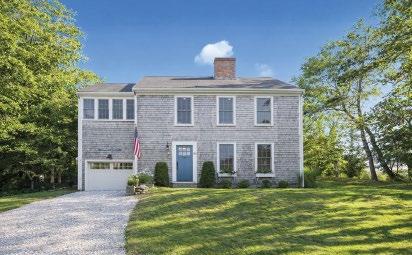
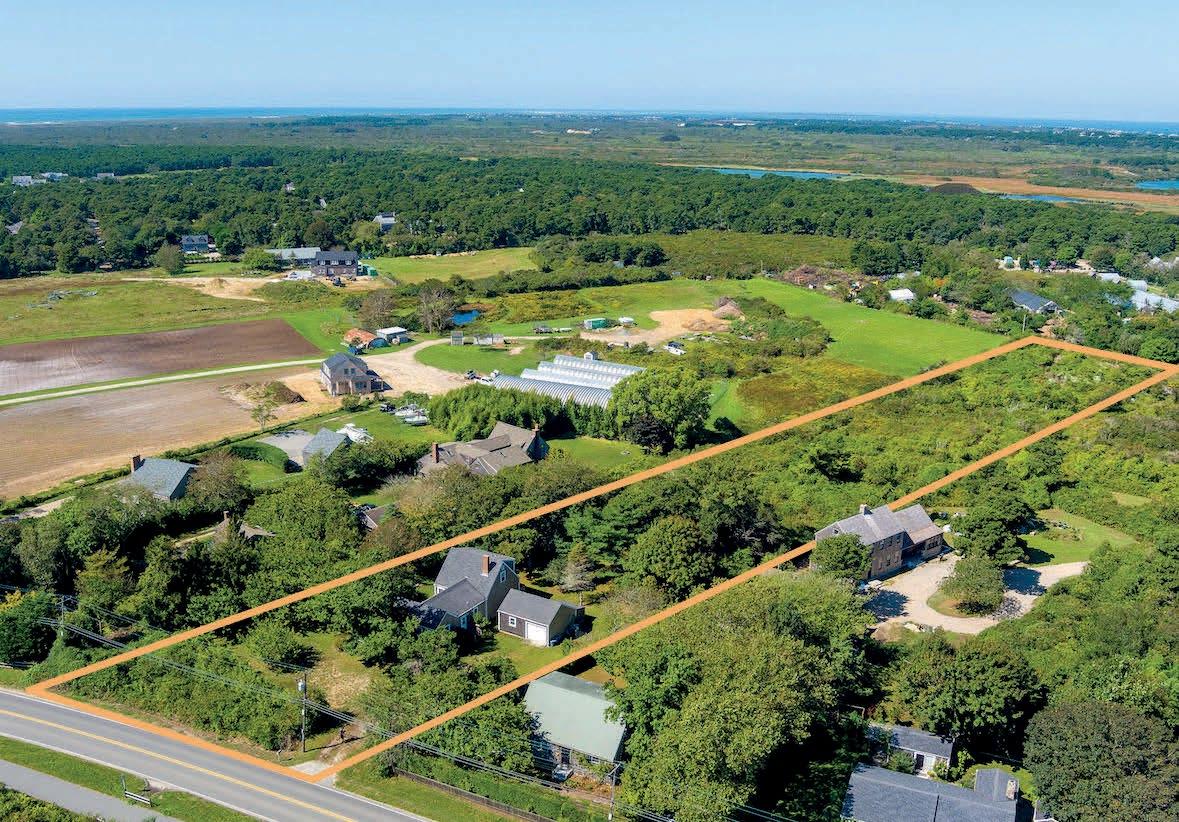
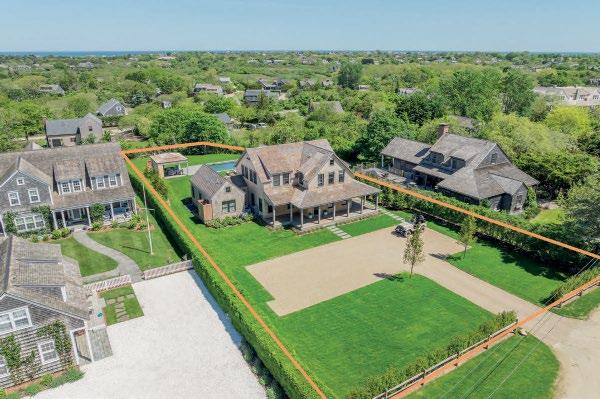
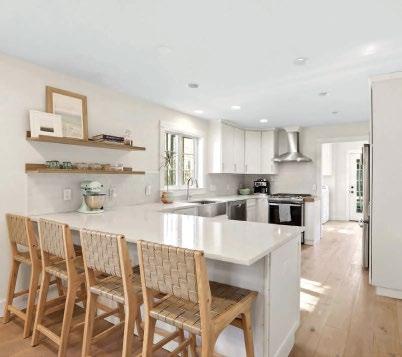
3 NEWTOWN ROAD
$2,350,000
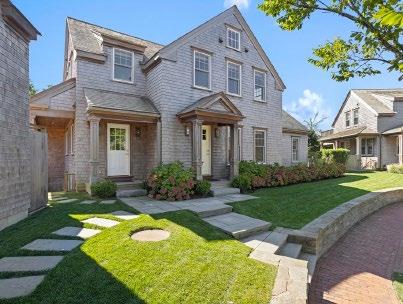
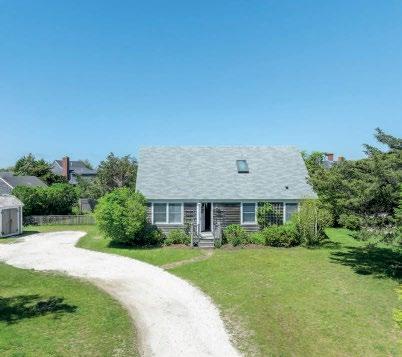
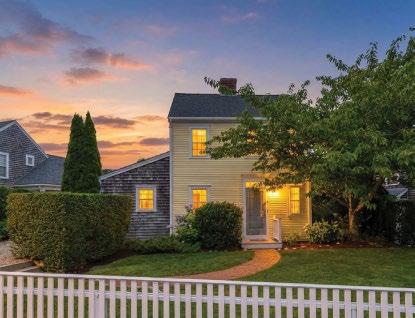
Conveniently located and beautifully renovated four bedroom house with expansion potential
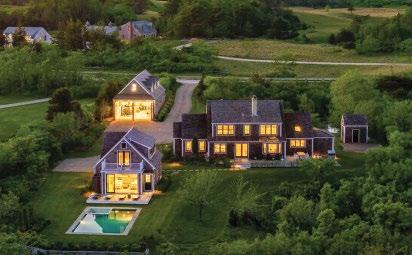
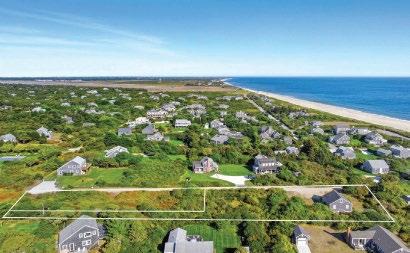
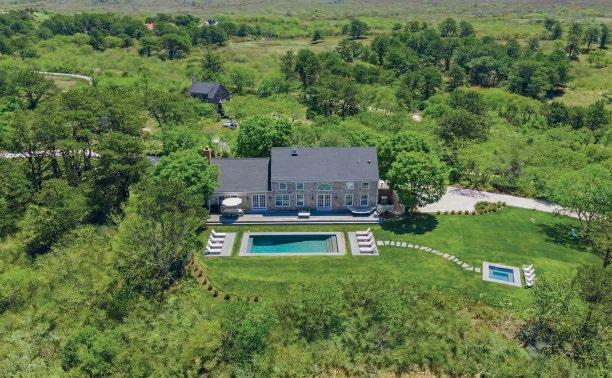
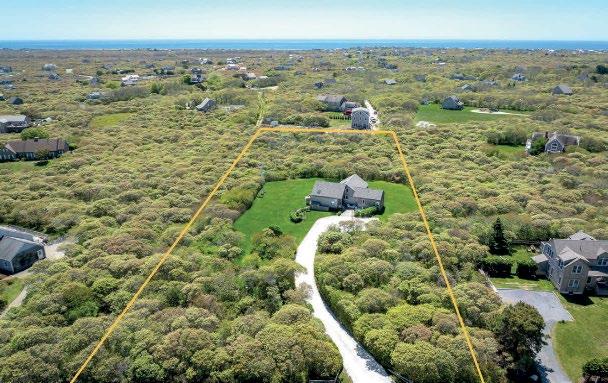
Expansive two and one half acre property with myriad options
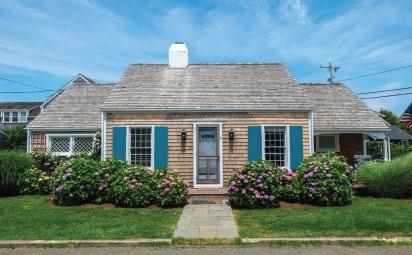
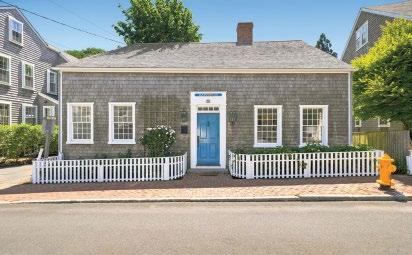
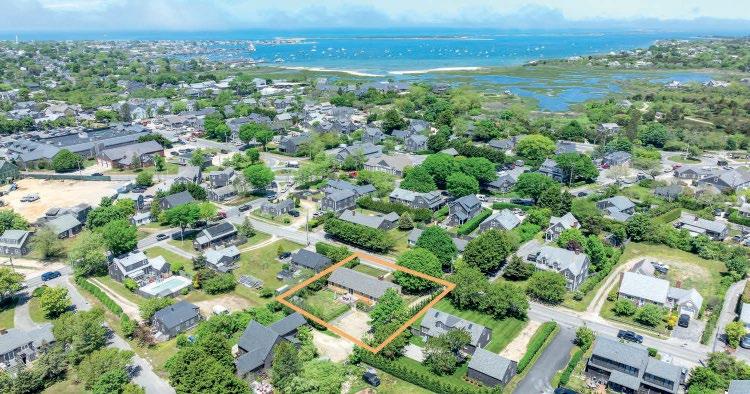
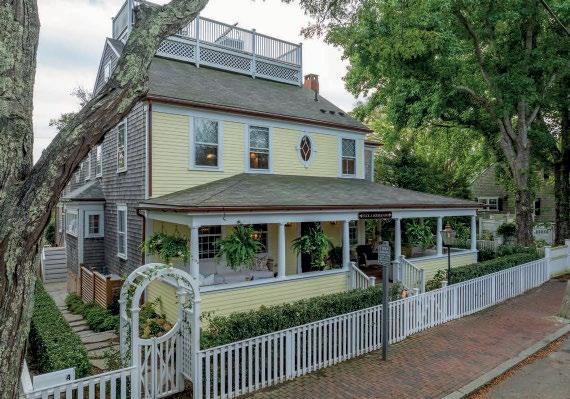
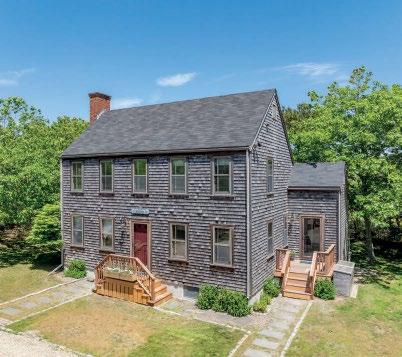
7 & 9 PARK LANE
$2,495,000
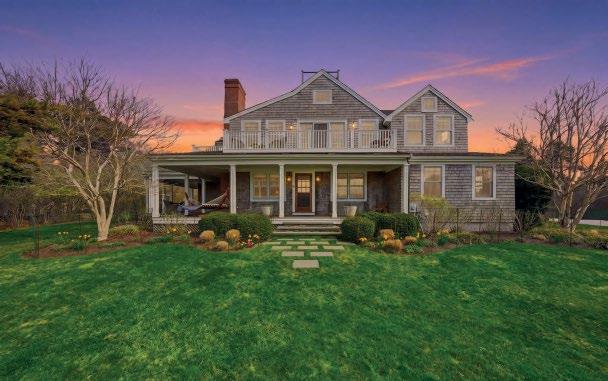
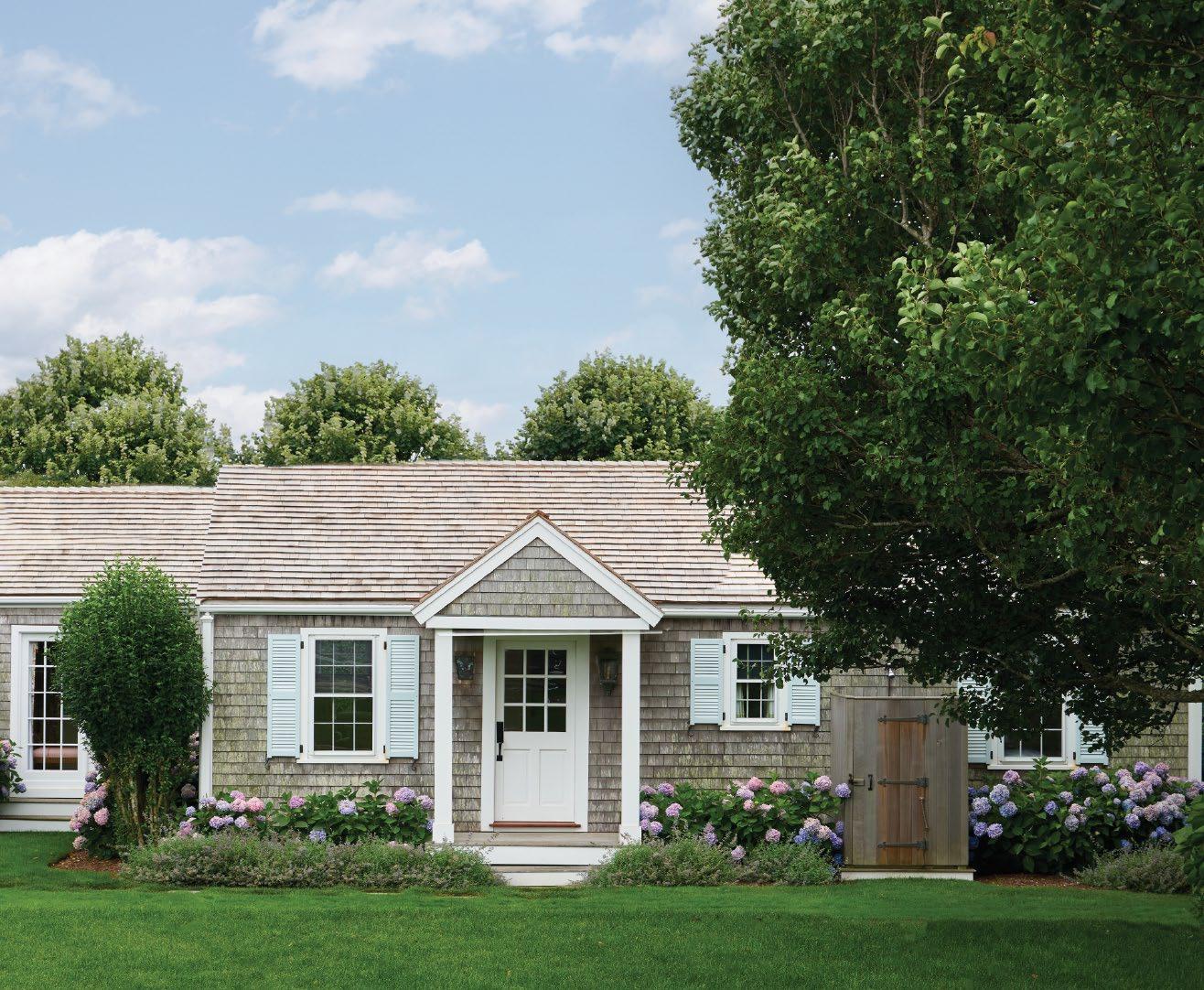
Two darling cottages in the center of ‘Sconset Village
The True Yachtsman’s Powerboat
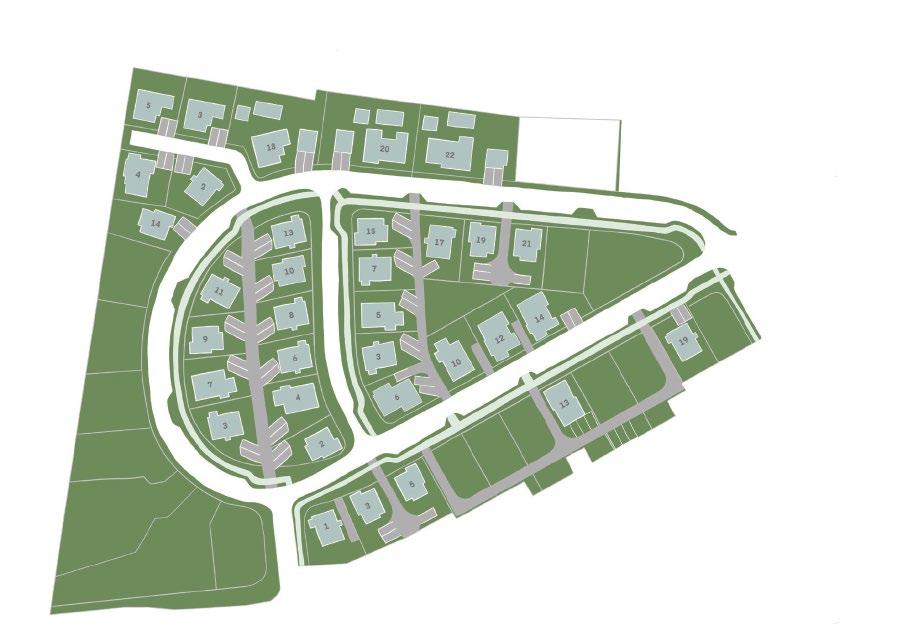
The
Clubhouse
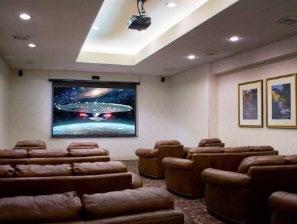
The Landing is a neighborhood retreat designed for residents, offering a resort style atmosphere creating community and connection. Located in the heart of the neighborhood, The Landing raises the mast with island influenced serenity and thoughtfully planned curated spaces for time with family, friends, and community enjoyment. The clubhouse is both a retreat and an extended backyard for gatherings, among residents. Designed and furnished bringing resort style amenities to a cozy neighborhood setting.
900 S. Ocean Boulevard, Manalapan, Florida
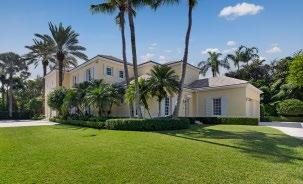
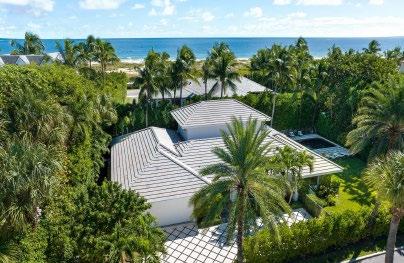
Stunning Ocean-to-Lake estate set on an oversized, premier Manalapan lot with 150+/- feet of direct ocean frontage. This exceptional residence seamlessly captures the essence of what is demanded in a beachfront dream home. Sweeping water views showcased from all principal rooms, expansive waterfront balconies, and spectacular outdoor living areas including an oceanfront loggia overlooking the 64’ swimming pool with spa. The estate features 7 bedrooms, 7 full and 3 half baths, a library, elevator, club room, wine cellar, and an impressive 7-car garage, delivering a rare blend of scale, craftsmanship, and coastal luxury. | EXCLUSIVE
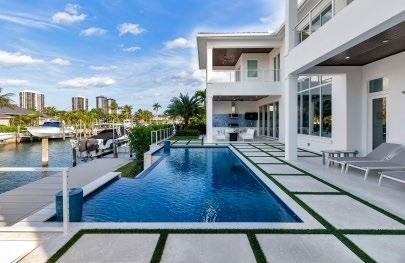
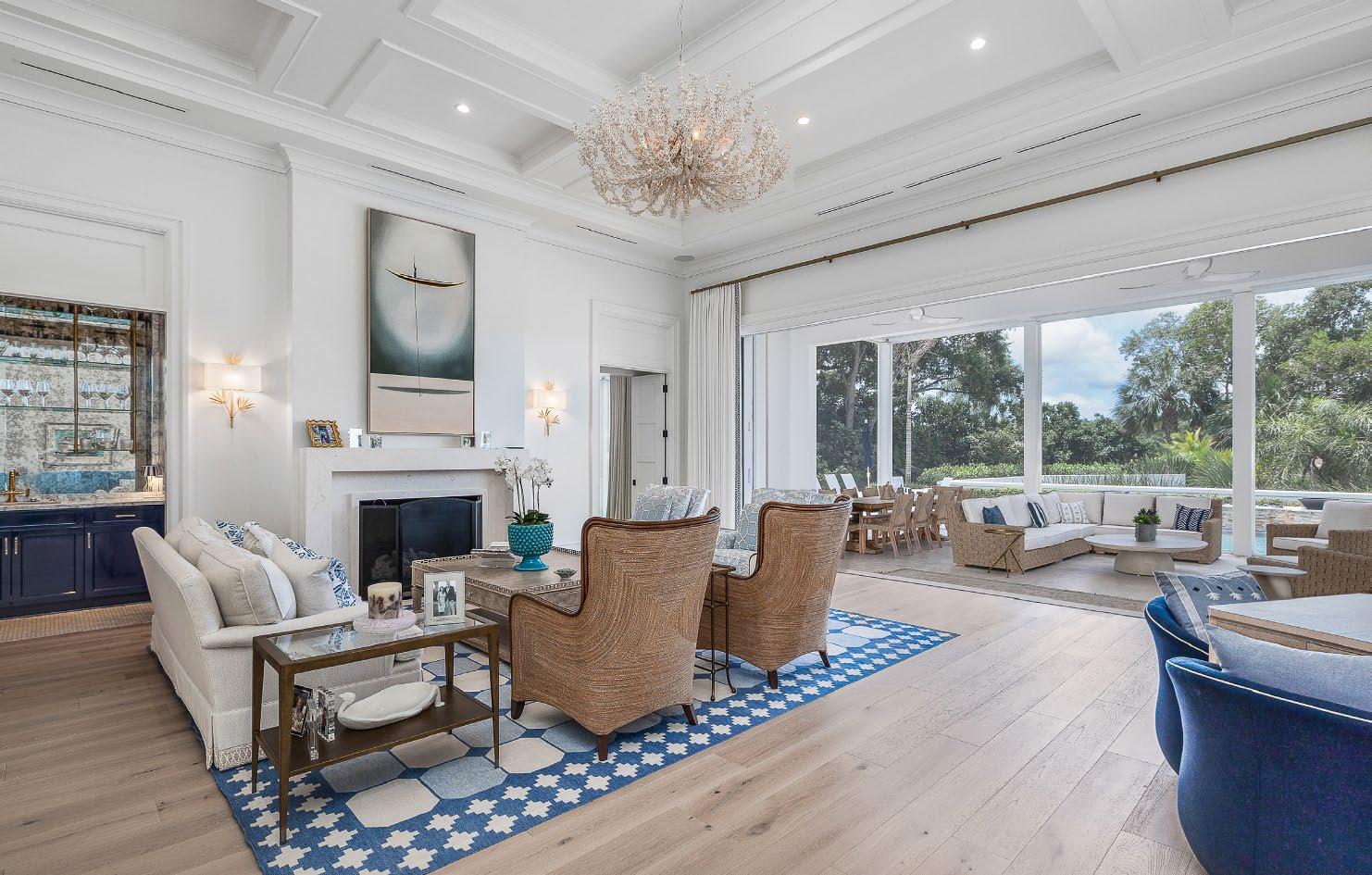
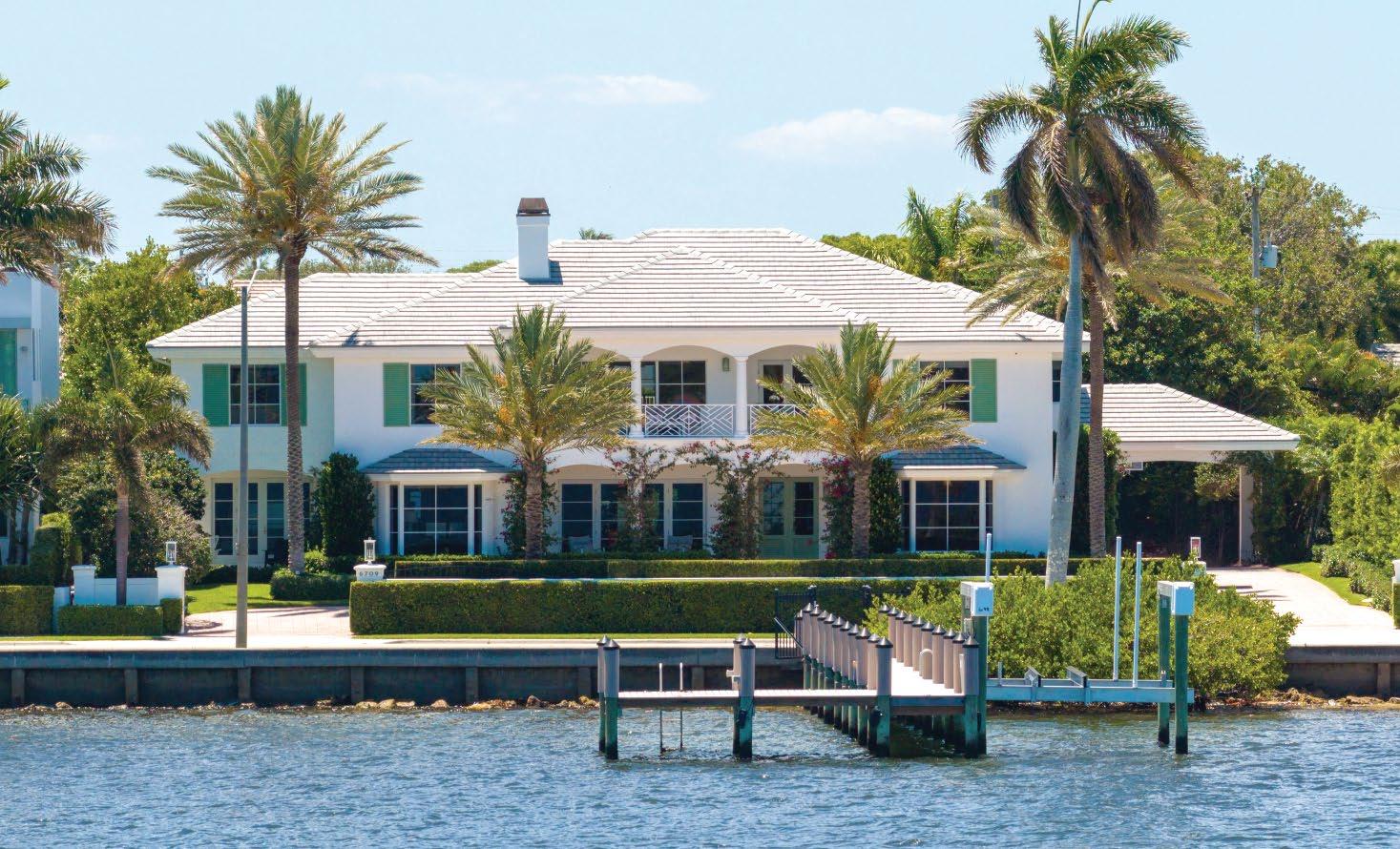
This meticulously renovated waterfront home in the highly sought-after SoSo neighborhood captures panoramic Intracoastal views from a rare 0.45-acre lot with 120 feet of water frontage. Reimagined in 2025 by Caroline Rafferty Interiors, the home offers 6,709 SF of sophisticated living space with a total of 9,535 SF. Designed to maximize light and scale, the home features exceptional volume throughout. The main living area is highlighted by soaring ceilings and expansive windows that flood the space with natural light. A seamless indoor-outdoor flow ensures water views are enjoyed from nearly every room. The 5-bedroom, 5-full and 2-half baths is both elegant and functional. Additional highlights include a private dock with an approximate 20,000-pound boat lift, elevator, and a finished three-car garage.
$19,950,000
CONTRIBUTORS
Meet the talented group of writers and photographers who helped make this issue possible.
N TOP TEN
All the places you need to be and see.
NECESSITIES
Put these items on your summer wish list.
BY THE NUMBERS
A numerical snapshot of Nantucket this season.
Grey Lady Gardens
NBUZZ
All the news, tidbits and scuttlebutt that’s fit to print, courtesy of the Nantucket Current.
NEAT STUFF
Connecting Nantucket and the South Carolina Lowcountry
NEAT STUFF
Advancing housing solutions at Housing Nantucket.
KID’N AROUND
How to keep your kiddos entertained this summer.
NTERIORS
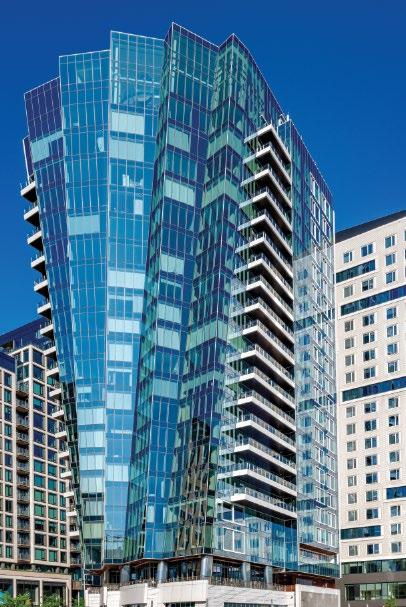
A chance to own at St. Regis Residences, Boston
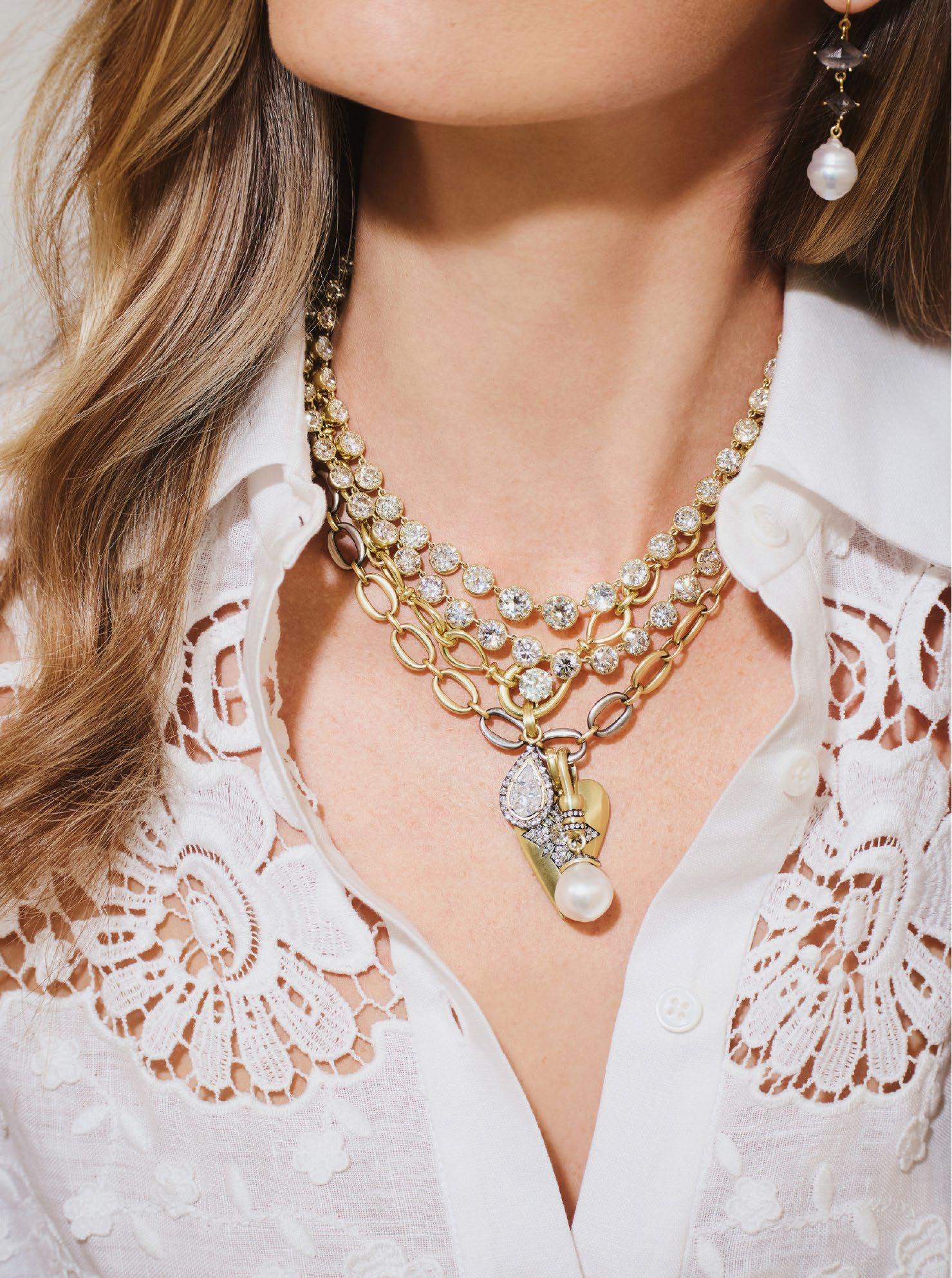
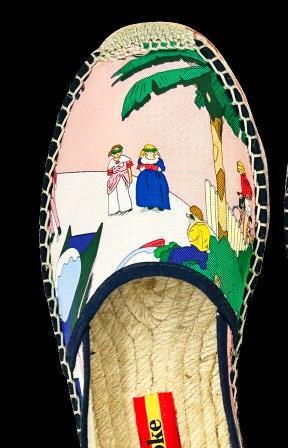
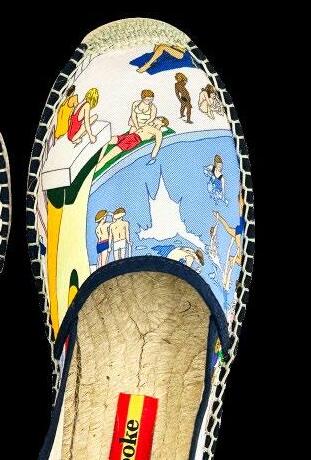
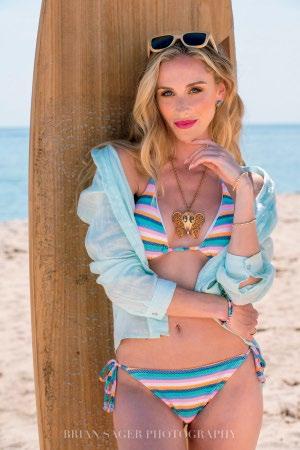
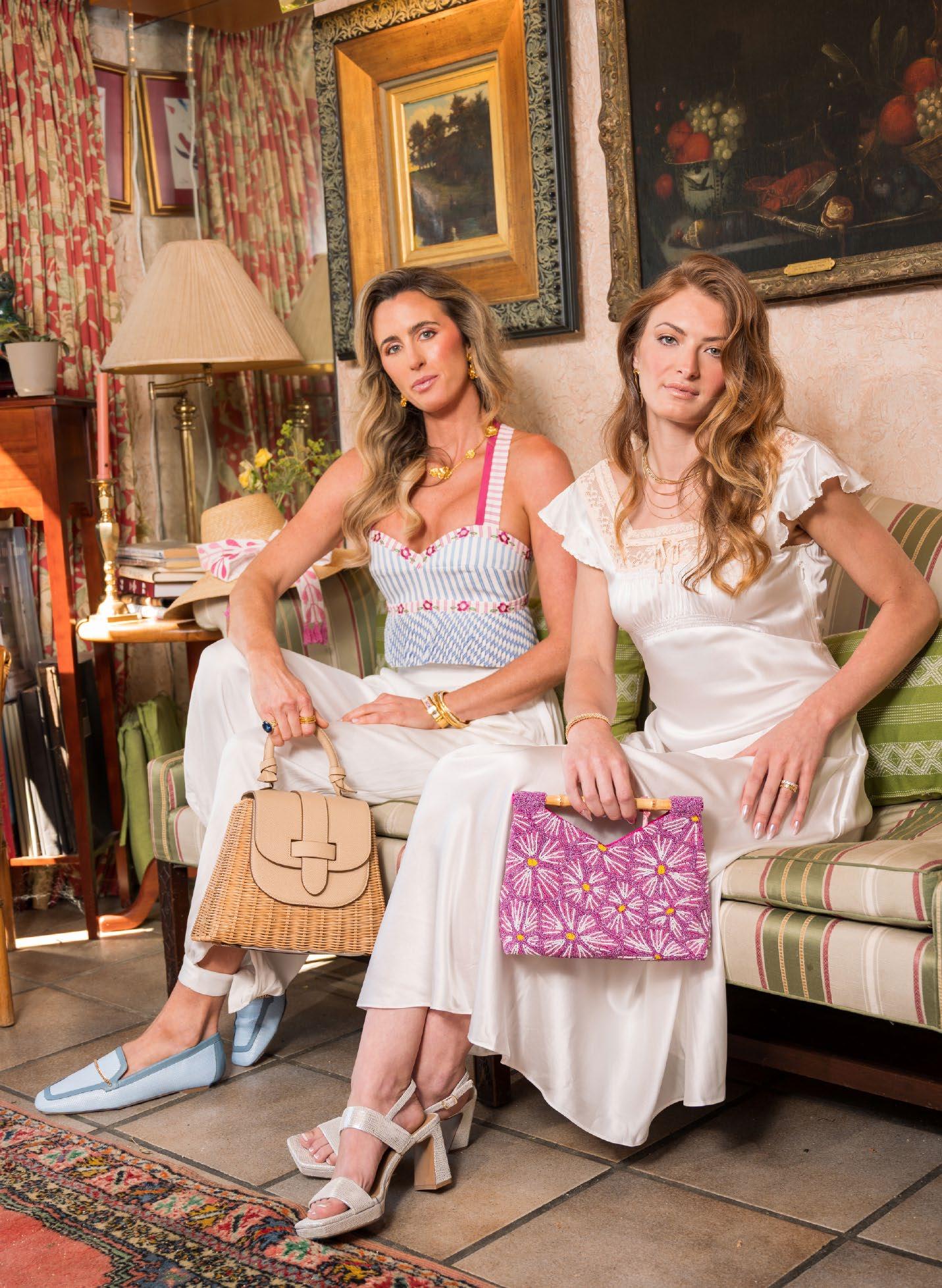
JEWELRY: KATHERINE GROVER SHOES: RESPOKE
FINANCIAL NSIGHTS
NQUIRY
The Lone Star Tick takes the Vineyard. Could we be next?
NDEPTH
Bringing Back the Geschke Lectures
Maiden Voyage: The first all-female crew at Figawi sails to Alaska.
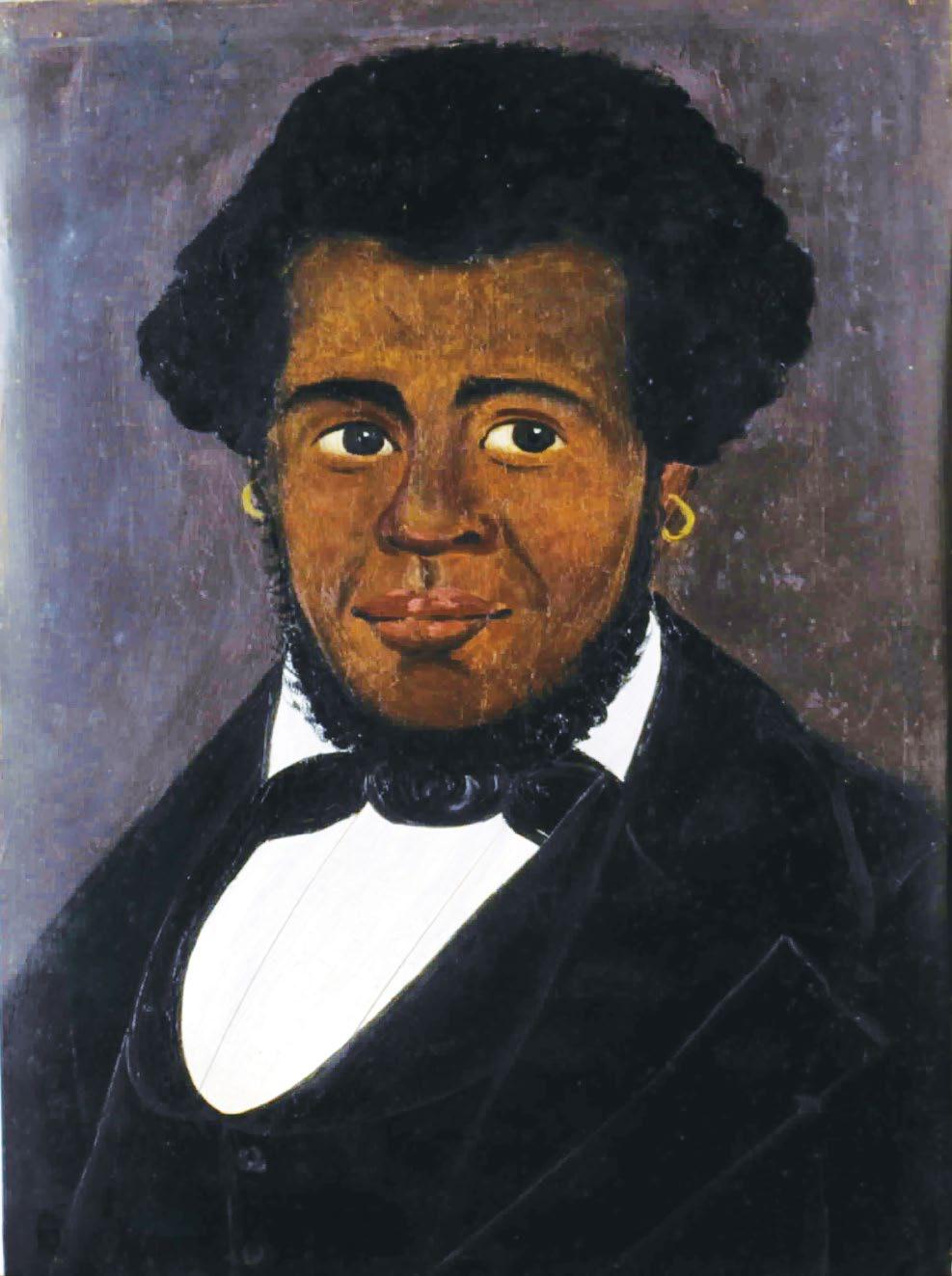
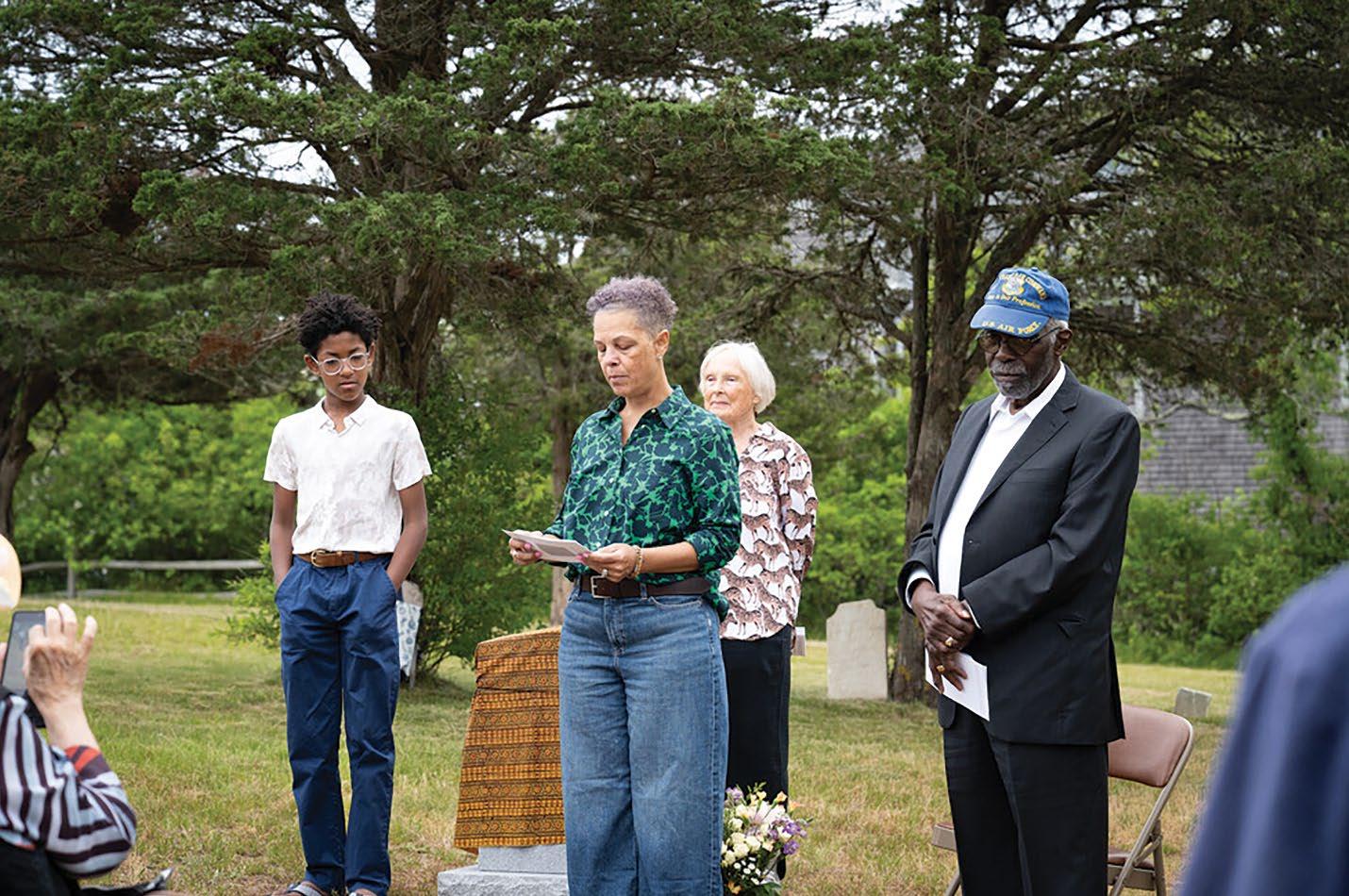
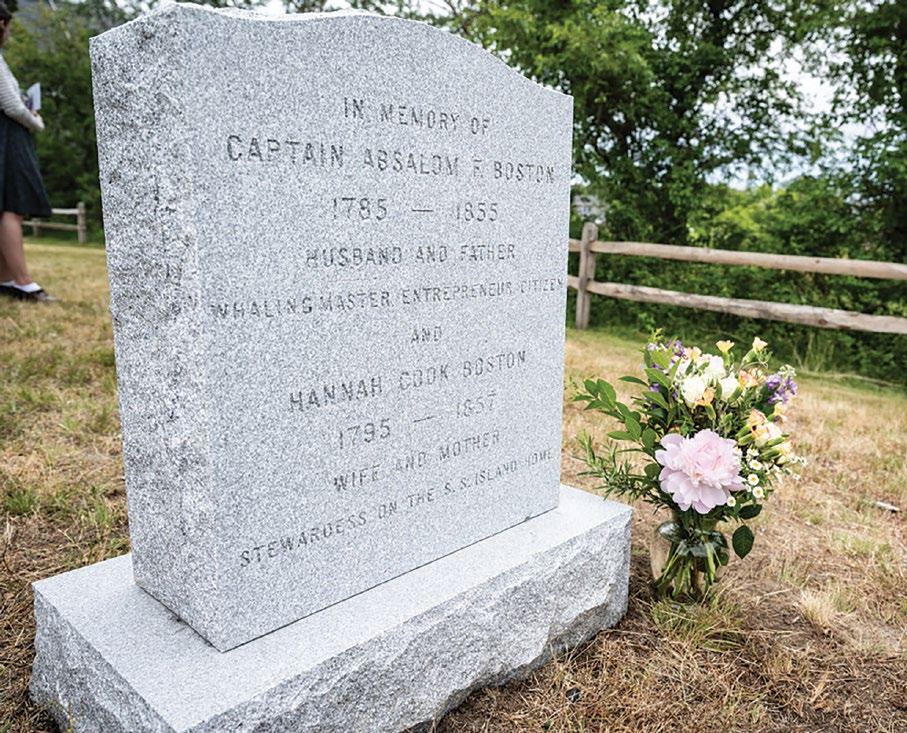
171 years after his death, Whaling Captain Absalom Boston is remembered.
Nantucket's Made-Up Yacht Club
Enter,
Photo by Onne Van Der Wal
NSPIRE
NDESIGN
FOGGY SHEET
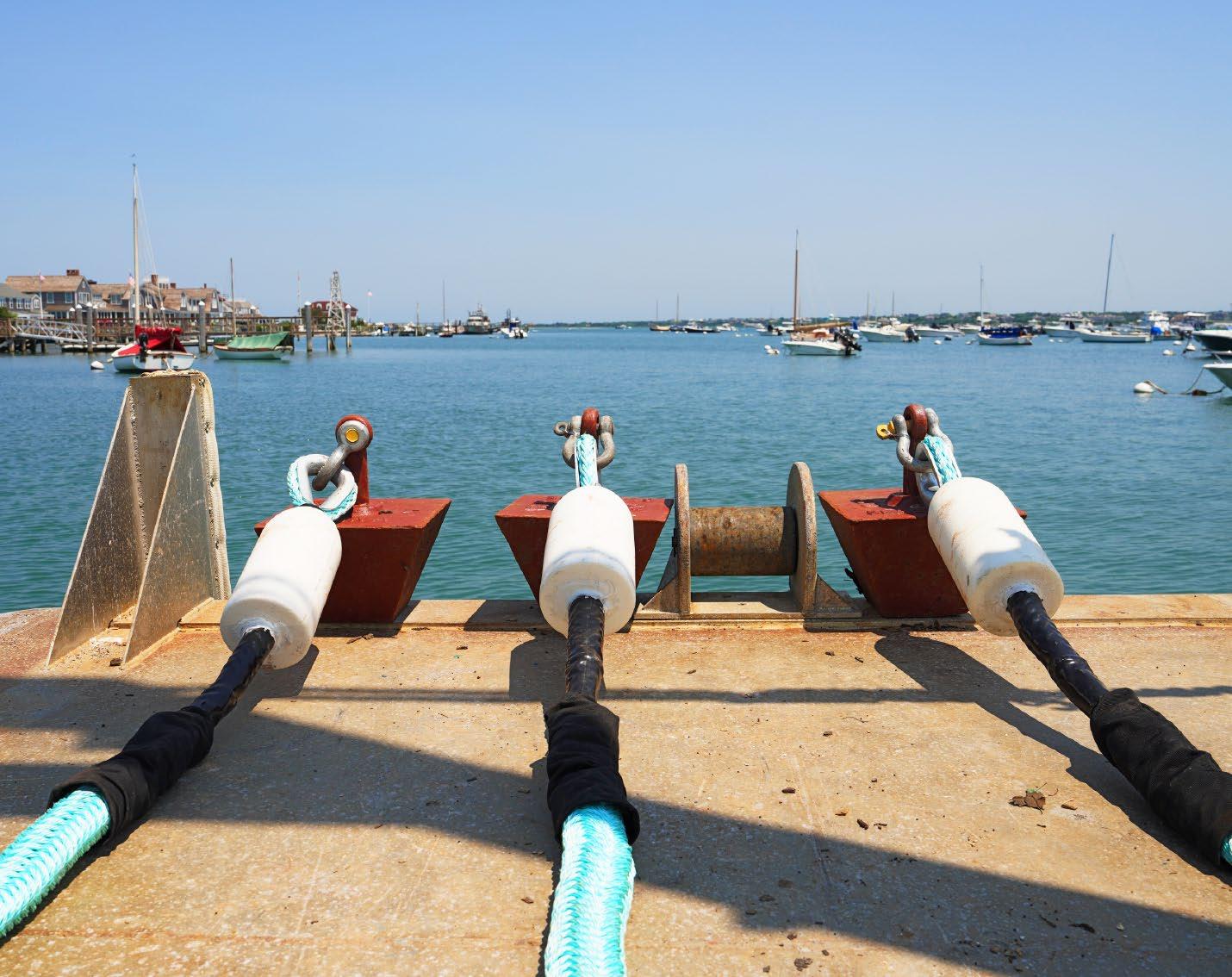
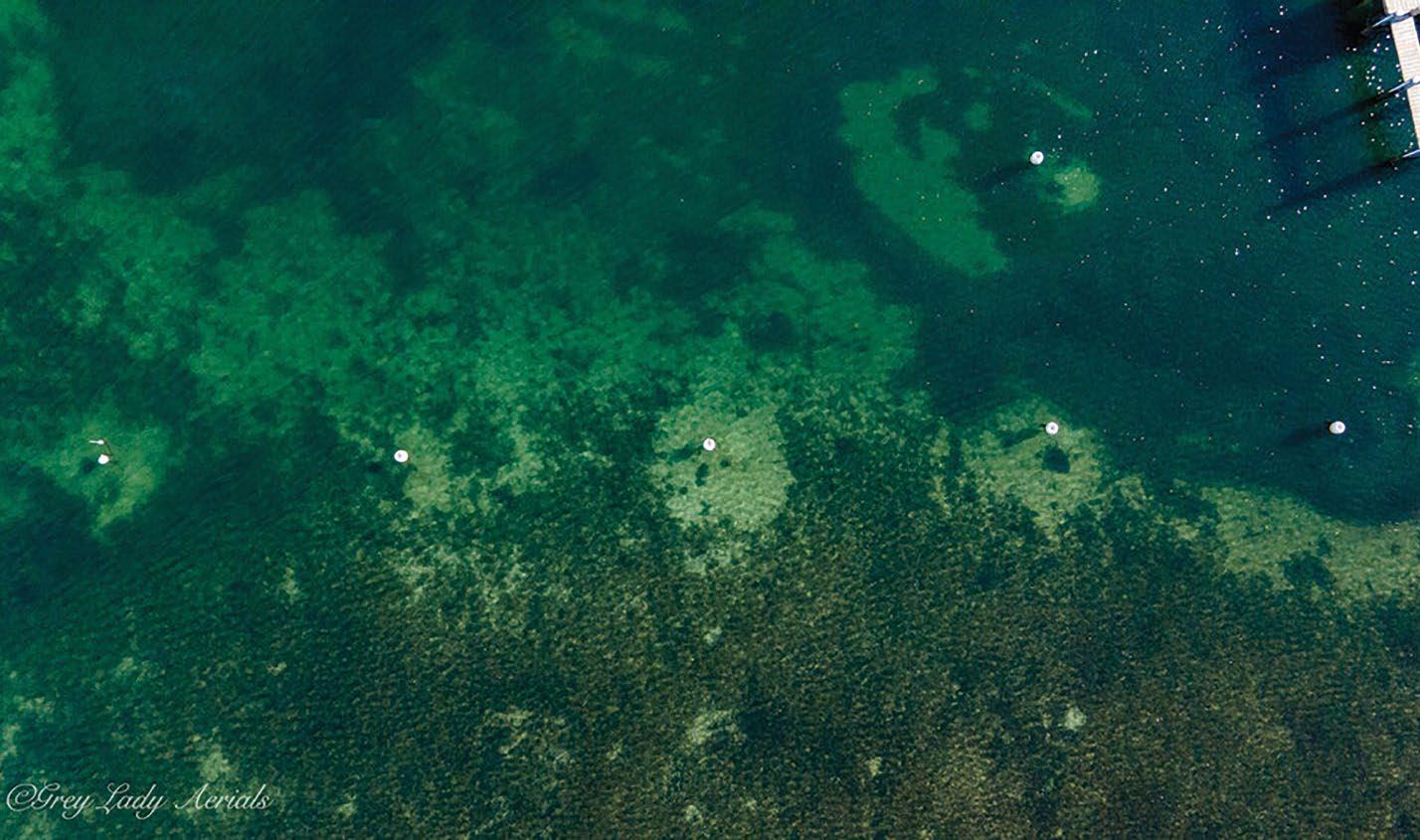
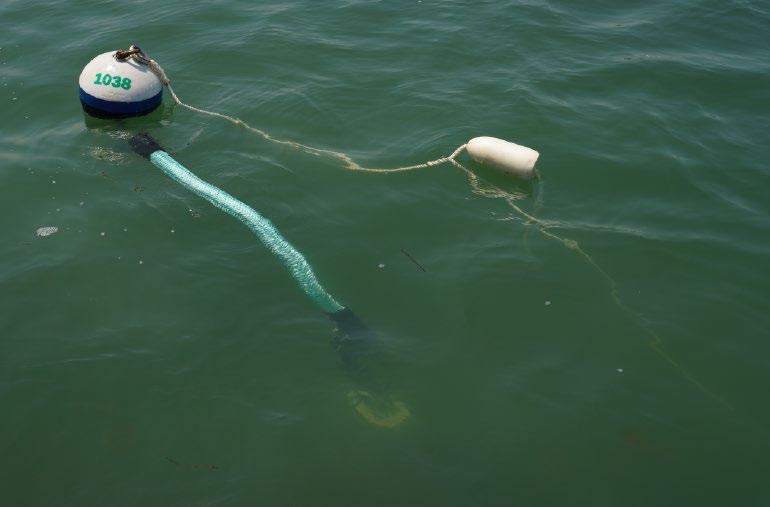
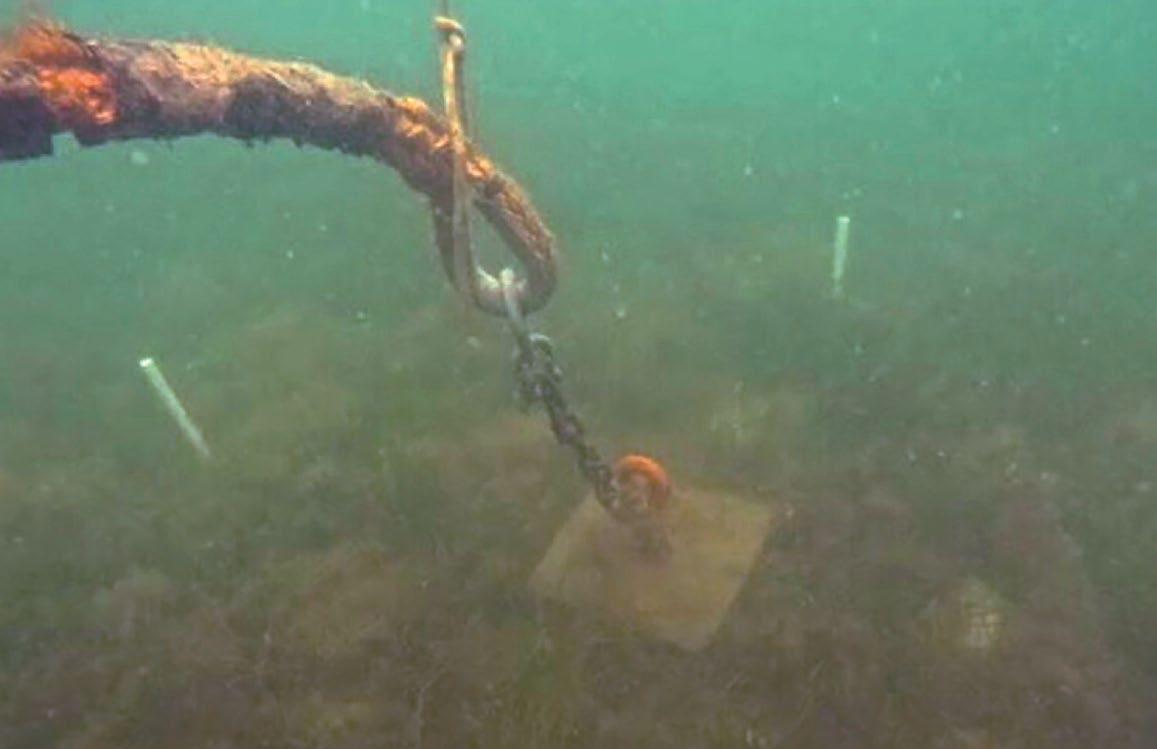
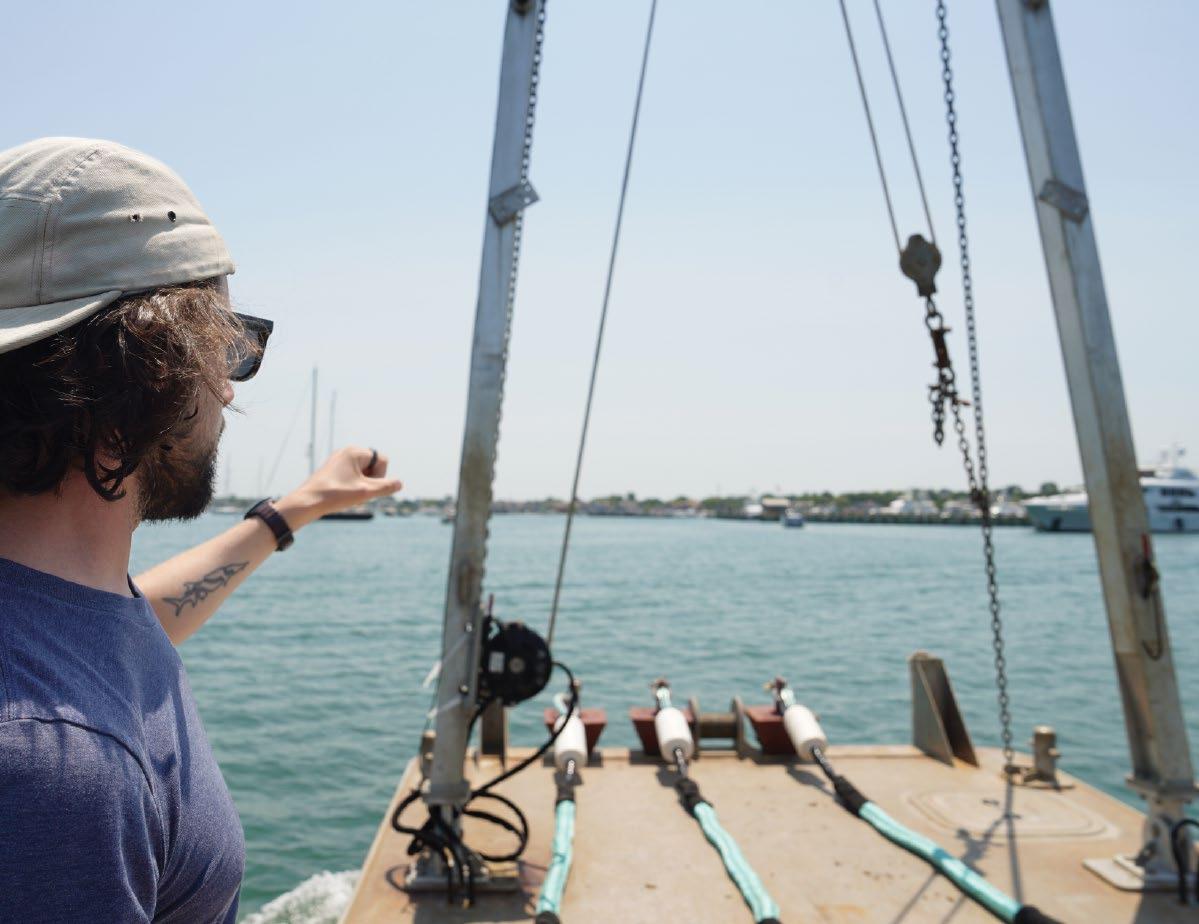
The Land & Water Council’ s new moorings that protect Nantucket’s eelgrass. 150 158 162
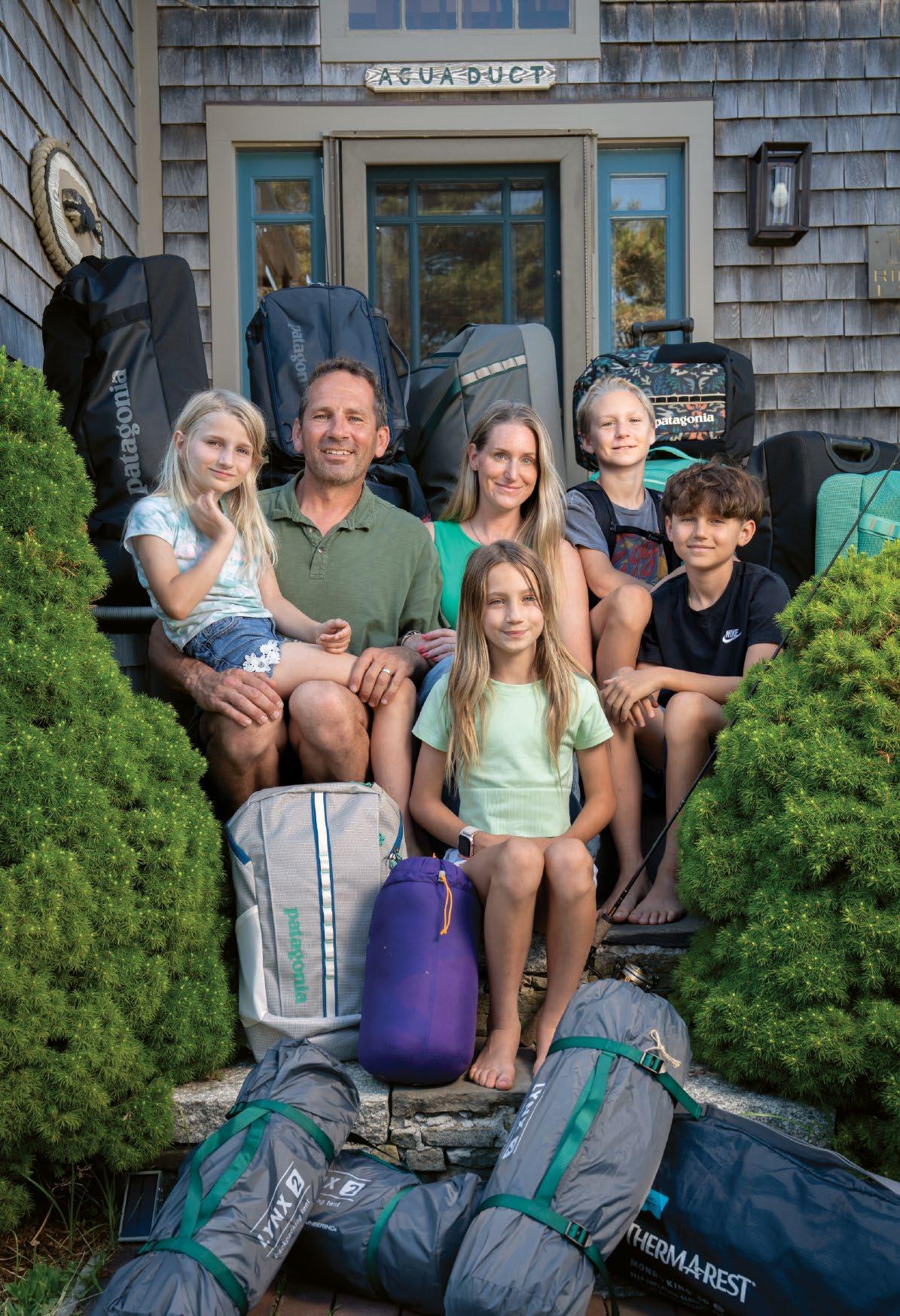
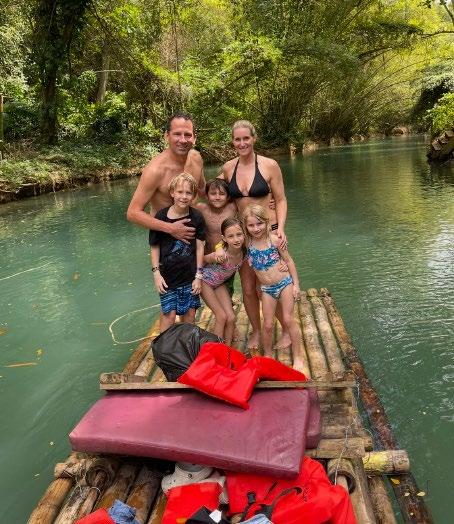
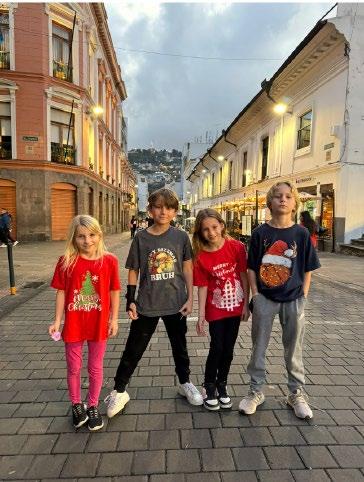
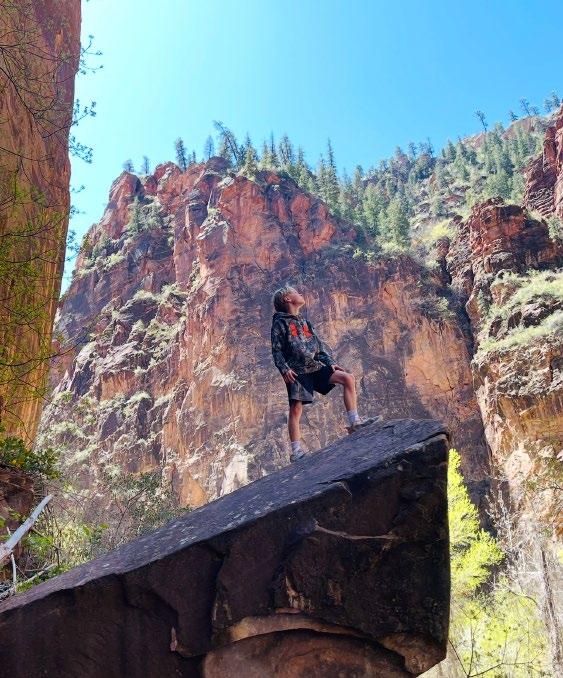
The Gault Family takes the trip of a lifetime.
Beverly Hall becomes Hanna Monaghan.
Make Yourself at Home 168
NVOGUE
Grey Lady Gardens 174
NHA
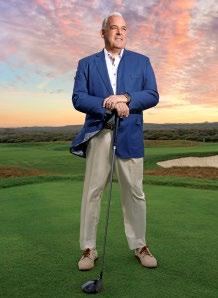
Par for the Course 187
A recap of the island’ s hottest events 192
NUPTIALS
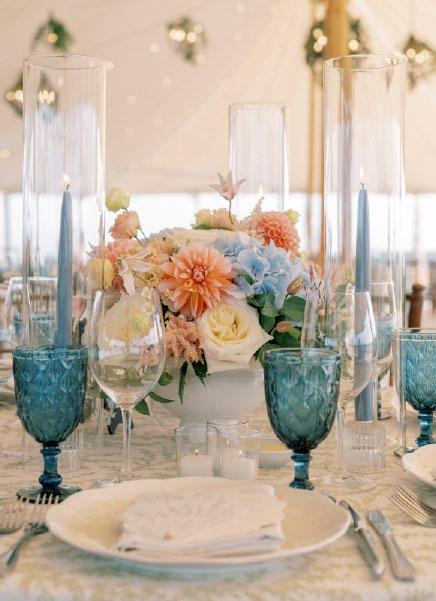
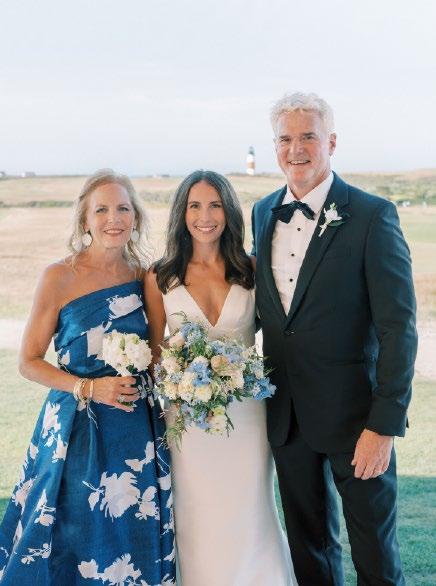
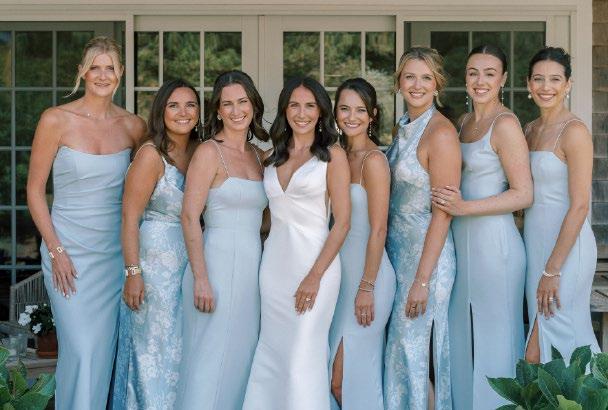
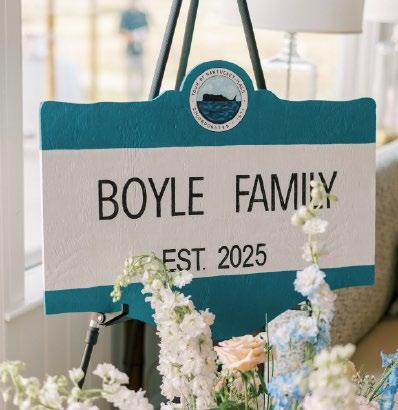
Abigail Terres and Kevin Boyle tie the knot. 198
Photo by Brian Sager
Bruce A. Percelay
EDITORIAL DIRECTOR
Brian Bushard
ART DIRECTOR
Paulette Chevalier
DIRECTOR OF ADVERTISING & PARTNERSHIPS
Emme Duncan
CHIEF PHOTOGRAPHER
Kit Noble
FASHION PHOTOGRAPHER
Brian Sager
ADVERTISING COORDINATOR
Lola Piuggi
NANTUCKET CURRENT
Jason Graziadei, Editor in Chief
David Creed, Deputy Editor
JohnCarl McGrady, News Reporter
CONTRIBUTORS
Darya Afshari Gault
Mary Bergman
Jack Bradner
Jurgita Budaite
Tim Ehrenberg
Petra Hoffmann
Abby Jones
Jen Laskey
Stacey Marcus
Paige Martino
Caroline Mezzalingua
Wendy Rouillard
John Stanielon
PHOTOGRAPHERS
Charity Grace Mofsen
Chris Tran
PUBLISHER N. LLC
CHAIRMAN: Bruce A. Percelay
WHEN IS ENOUGH, ENOUGH?
It’s Time to Target Our Deer Population
t is estimated that ticks have been present on Nantucket for over 40 years. But the severity of the situation has now changed.
While the primary concern over the years has been Lyme disease, a new public health threat has emerged in the form of the lone star tick, which is identifiable by a single white spot on its back. The tick can cause a syndrome called alpha gal, which can impact a bite victim’s ability to process animal proteins from hoofed animals and can literally make people allergic to red meat and dairy on a long-term basis.
Fortunately, Nantucket has relatively few documented cases of alpha gal, which is estimated at approximately 25 positive tests. Martha’s Vineyard, on the other hand, has confirmed over 1,200 positive tests and the number is rising. The delta between the two islands has not been fully explained but could be attributed to rodents that appear on the Vineyard that are not present on Nantucket. Conversely, the explosion of lone star ticks on the Vineyard could simply be a precursor to an emerging problem on Nantucket.
What is known is that the lone star tick uses white-tailed deer as a blood source; however, there is no explanation as to why Nantucket, with its deer population vastly larger than Martha’s Vineyard, has such a dramatically reduced alpha gal concentration. Additionally, to avoid widespread panic, not every person who is bitten by a lone star tick will develop alpha gal syndrome, but again, it is not clear why. While there has been much discussion over the years as to how to solve the overall tick problem— from a genetically modified mouse developed by MIT, to a failed tick vaccine years ago, to increasing the length of the hunting season—there has not been a methodical, aggressive and coordinated program to reduce the deer population on Nantucket.
The simple notion of having sharp shooters eliminate the entire deer population seems like an obvious solution, but given the fact that the state estimates a population of approximately 10,000 deer on the island, the logistics of either processing or transporting what could be 4 million pounds of venison would present enormous and very costly logistical challenges, as well as state regulatory roadblocks. There are, however, private companies that specialize in deer elimination or sterilization, which could be a viable option.
No matter what the source is of the alpha gal problem, Lyme disease remains a problem on the island, as is the environmental damage done by deer to vegetation and the landscape. The time has come for Nantucket to create a commission or establish an independently run organization to coordinate the various tick reduction efforts with the goal of creating a specific plan to dramatically reduce the deer population and to communicate how islanders can reduce their risk of contracting alpha gal syndrome.
Time is not on our side on this matter, and rather than wait for alpha gal to emerge as a potential large-scale threat to Nantucket, the island should act now.
Bruce A. Percelay Publisher
BRUCE A. PERCELAY Publisher
Paige MARTINO
Paige Martino is a rising sophomore at Boston College majoring in communication with minors in journalism and marketing. At BC, she writes about a range of sports games and events for The Heights and serves on the Campus Activities Board, helping plan campus-wide events that foster school spirit and community. Originally from Lynnfield, Massachusetts, she has spent her summers on Nantucket and has come to love the island’s timeless coastal charm, from sunset swims at Steps Beach to afternoons spent shopping along Federal Street. As an editorial intern, she is excited to contribute to N Magazine, learn from the team and help showcase the people, places and traditions that make Nantucket unique.
J ack BRADNER
Jack Bradner is a rising sophomore at Columbia University, pursuing a double major in English and political science. With work experience in Nantucket’s restaurant industry, Bradner has brought his love for the island and journalism to his internship at N Magazine While interning, Bradner has written feature pieces, reported for the Nantucket Current and assumed ad hoc responsibilities throughout the publication process. At Columbia, he edits and writes for the Columbia Political Review and Columbia’s undergraduate magazine, The Blue and White. When not drafting articles, he enjoys composing indie rock songs on his guitar.
Caroline MEZZALINGUA
Caroline Mezzalingua is an editorial intern for N Magazine . A rising junior at the University of Notre Dame, Mezzalingua studies political science, marketing, business and French. She is also a member of both the Glynn Family Honors Program and the Sheedy Family Business Program through the university. With a background rooted in strategy and brand storytelling, Mezzalingua brings a sharp commercial eye to her coverage of art, fashion, hospitality and culture.
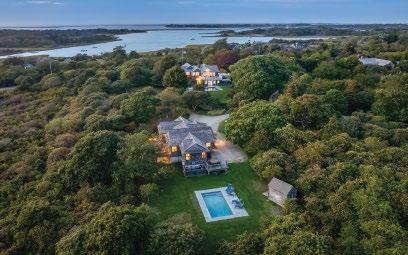
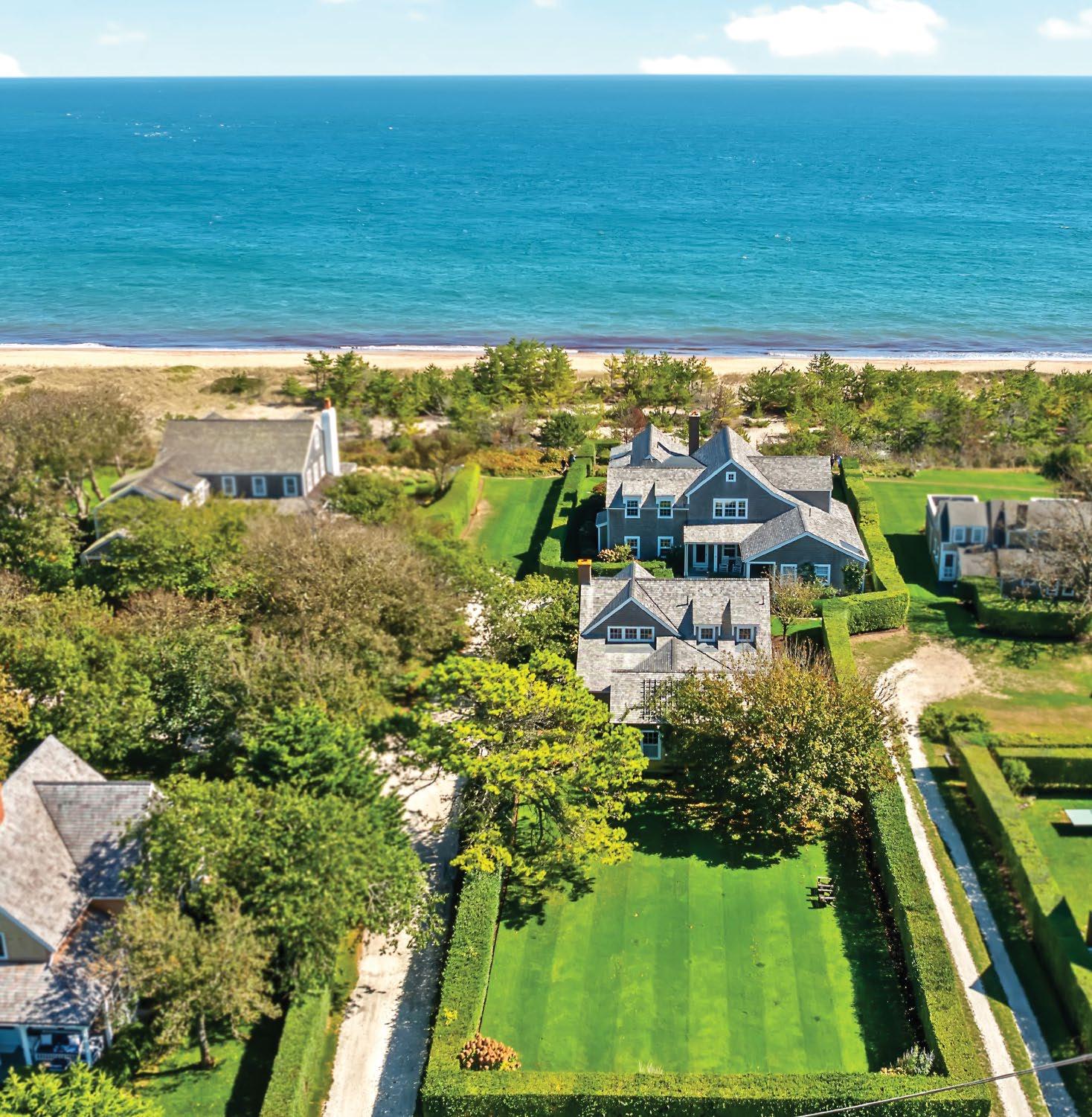
Rare Harborfront Estate in Monomoy
Harborfront in Monomoy | Offered at $34,500,000
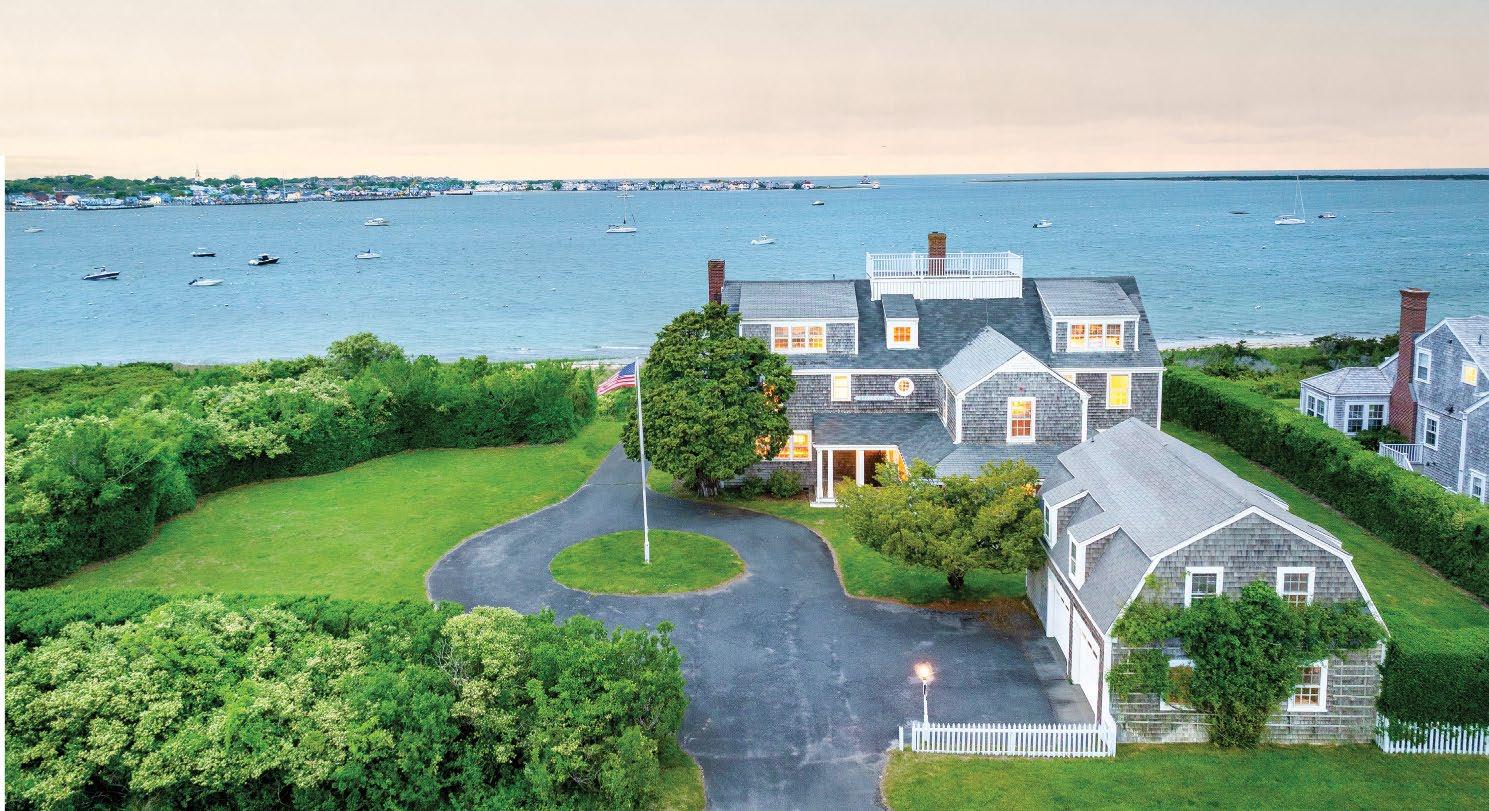
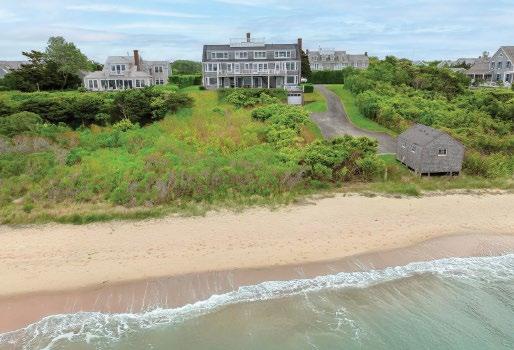
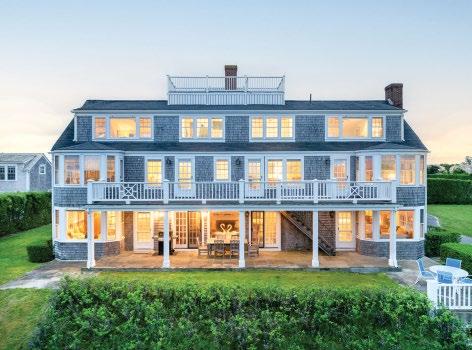
Set on 1.25 acres in Monomoy, 52 Monomoy Road is a rare harborfront estate with sweeping views across Nantucket Harbor to Town, Brant Point, and Coatue. The property offers 10 bedrooms across a seven-bedroom main residence and separate guest accommodations, along with a waterside boathouse, approximately 175 feet of direct waterfront, and a private sandy beach. Distinguished by irreplaceable grandfathered features that could never be replicated today, this is one of Nantucket’s most exceptional waterfront offerings.
1.25 Waterfront Acres 10 BR | 7 Full, 2 Half BA Approx. 175’ Direct Waterfront
Private Sandy Beach
Waterside Boathouse
Guest Accommodations
Rare Grandfathered Features
Events for August 10
8/1
A NANTUCKET NIGHT
The Oldest House Set against the storied backdrop of the Oldest House, A Nantucket Night invites guests to explore the Nantucket Historical Association’s world-class scrimshaw collection, inspired by the organization’s 2026 exhibition Wider World & Scrimshaw, which celebrates the craft of scrimshaw and its farreaching global influences. nha.org
8/1
DRAGONFLY NANTUCKET
Great Harbor Yacht Club
Now in its ninth year, the Dragonfly Nantucket fundraiser gathers the island for an uplifting, elegant evening under the tent at the Great Harbor Yacht Club. Founded by Kate Kling to transform loss into purpose, the event blends heartfelt storytelling, warm community spirit and inspiring momentum to champion mental health on Nantucket. Proceeds directly support Fairwinds. fairwindscenter.org
8/1-2
RAFAEL OSONA’S ANNUAL AMERICANA FINE ART & MARINE SALE
AmericanLegionHall
A centerpiece of Nantucket’s summer art scene, Rafael Osona’s two-day auction dazzles with museum-quality folk art, maritime treasures and 19th-century scrimshaw. The sale showcases expertly curated lots with standout craftsmanship, inviting collectors and those who are simply curious to discover works that tell the story of the sea and American design. rafaelosonaauction.com
7/9-8/22
JIMMY BUFFETT’S ESCAPE TO MARGARITAVILLE
Bennett Hall
Kick off a mini-vacation without leaving the island as the Theatre Workshop of Nantucket brings Jimmy Buffett’s Escape to Margaritaville to life with sun-soaked vibes, big laughs and sing-along favorites. From “Cheeseburger in Paradise” to “Margaritaville,” this romantic comedy is perfect for Parrotheads and anyone craving a feel-good summer night. theatrenantucket.org
8/5
NANTUCKET GARDEN CLUB ANNUAL HOUSE AND GARDEN TOUR
Themed “Promenade on the Point,” the Nantucket Garden Club’s 70th annual House and Garden Tour invites guests to explore a collection of Brant Point’s most picturesque private homes and meticulously curated gardens. This summer tradition features a tour through charming historic and contemporary properties adorned with exquisite floral arrangements. nantucketgardenclub.org
8/6
NANTUCKET PRESERVATION TRUST ANNUAL AUGUST FÊTE
Codfish Park
An annual celebration of Nantucket’s architectural heritage, the Nantucket Preservation Trust’s fête invites you into the charm of Codfish Park, where classic beach cottages open their doors just steps from the Atlantic. The evening flows into an elegant gathering at the Siasconset Casino, where signature cocktails mingle with live music. nantucketpreservation.org
8/8
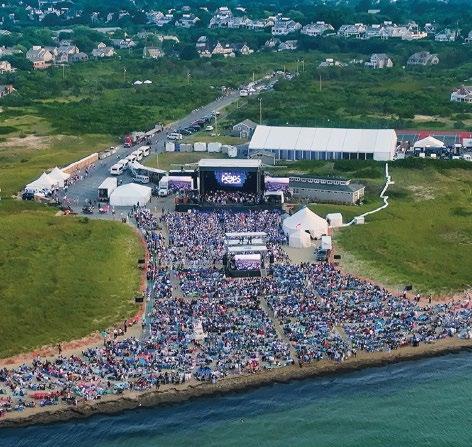
BOSTON POPS ON NANTUCKET
JettiesBeach
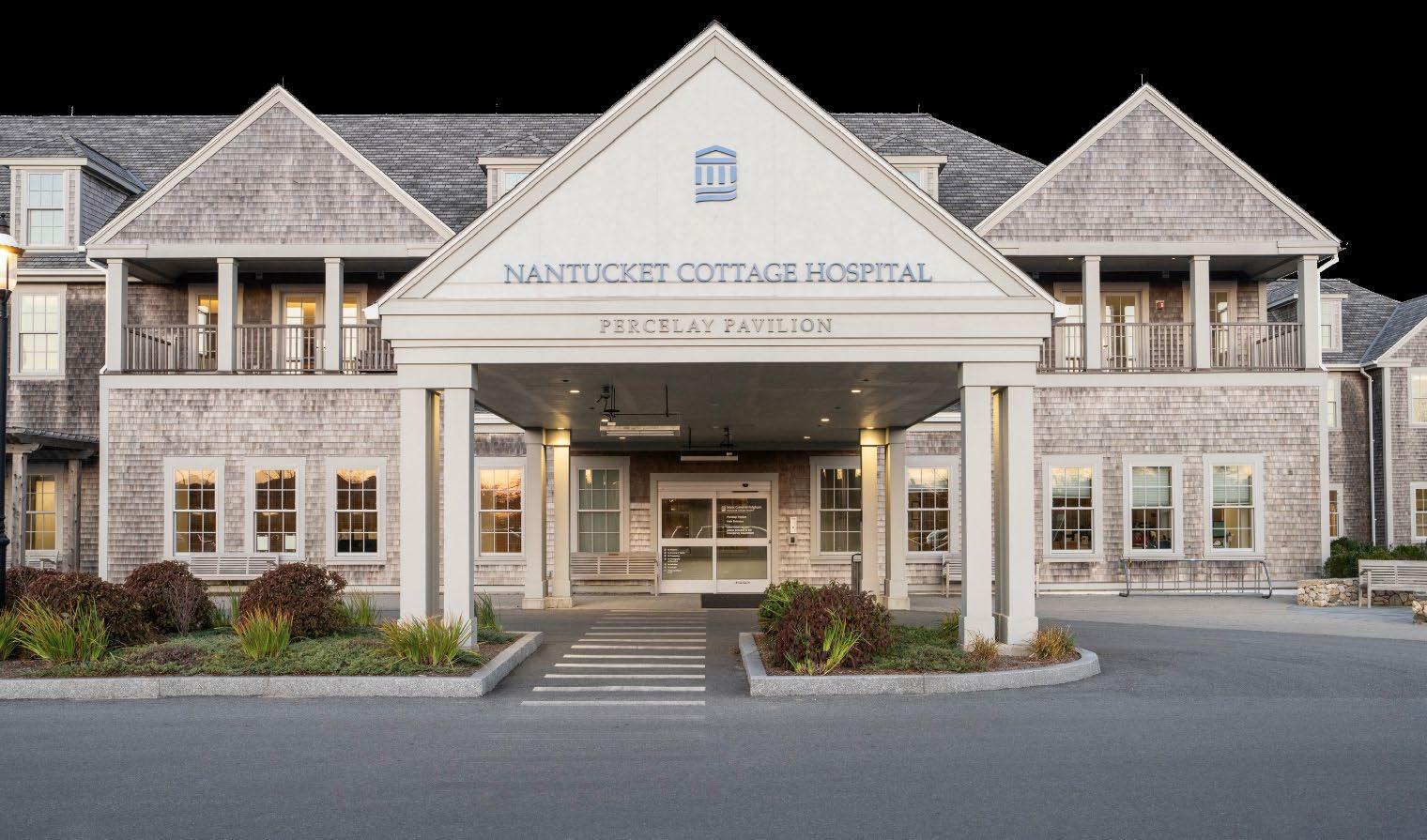
The 29th annual Boston Pops concert lights up Jetties Beach with a spectacular seaside concert perfect for all ages. Yachtley Crew joins the Boston Pops on tour for sing-along yacht rock favorites, orchestral showstoppers and a sunset party that crescendos into a drone show over the night sky. Proceeds support Nantucket Cottage Hospital. nantuckethospital.org
8/15
TIM RUSSERT SUMMER GROOVE
NantucketBoys&GirlsClub
Honoring the legacy of journalist Tim Russert, the Tim Russert Summer Groove transforms the Boys & Girls Club into an elegant summer soirée complete with a lawn cocktail reception, a seated dinner by Island Kitchen, a live auction and dancing under the stars. Proceeds fuel year-round youth programming on the island. nantucketboysandgirlsclub.org
8/16
OPERA HOUSE CUP
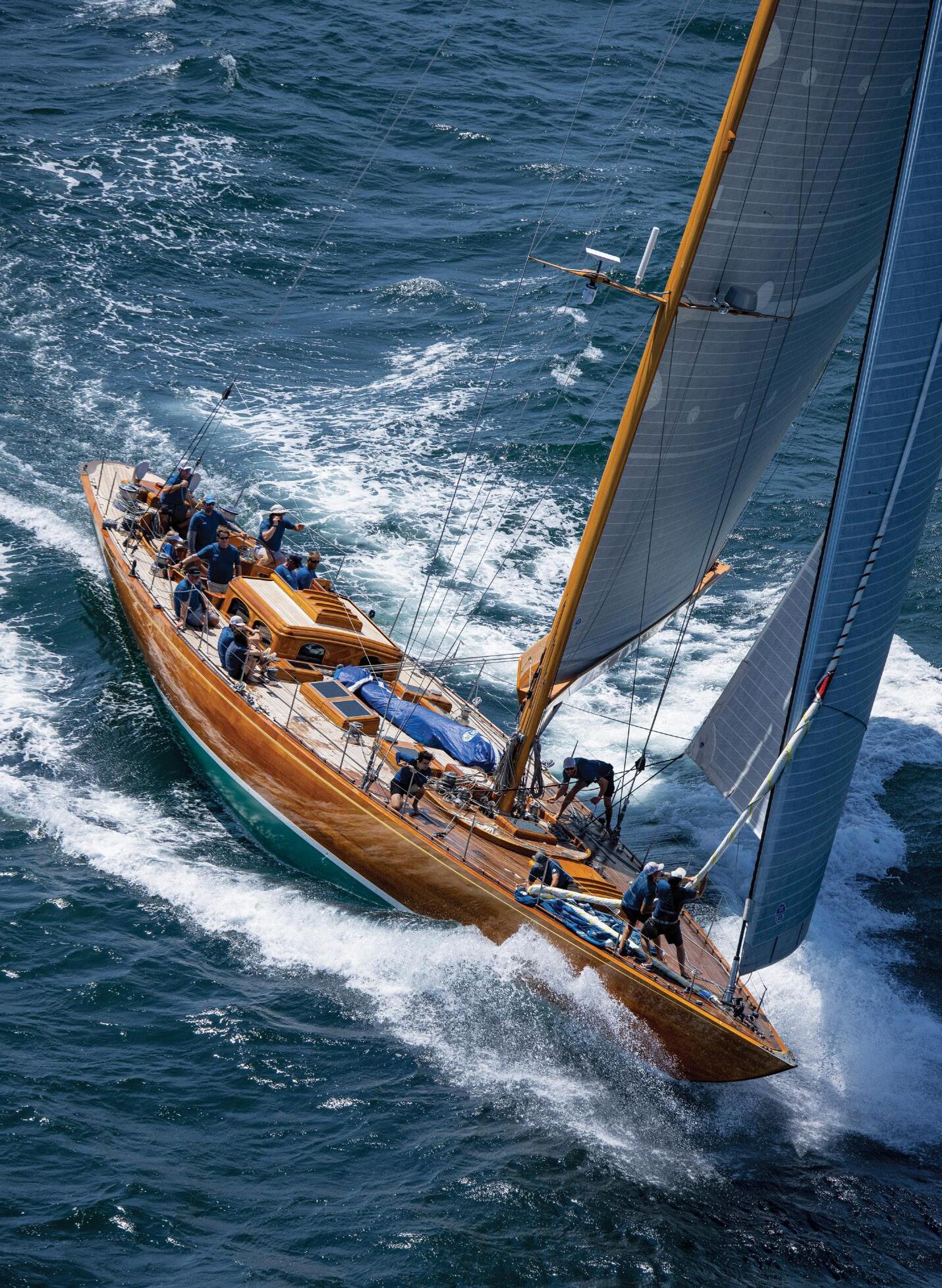
Wrapping up Nantucket Race Week’s schedule of competitive racing, the 54th annual Opera House Cup Regatta takes center stage with a breathtaking fleet on Nantucket Sound. Founded as the East Coast’s first all-wooden classic yacht regatta, the Opera House Cup blends steady sea breezes with iconic island views. New this year: the Lighthouse Trophy, an award for the Invitational Division winner. nantucketraceweek.org
8/21
AUDRA MCDONALD AT THE NANTUCKET PERFORMING
ARTS CENTER
NantucketPerformingArtsCenter Hear Audra McDonald in an intimate evening at the Nantucket Performing Arts Center where a world-class voice meets riveting storytelling. A recordbreaking six-time Tony Award winner and National Medal of Arts honoree, McDonald brings the emotional range that made Carousel, Ragtime and Master Class unforgettable. Stay for the encore. nantucketperformingarts.org
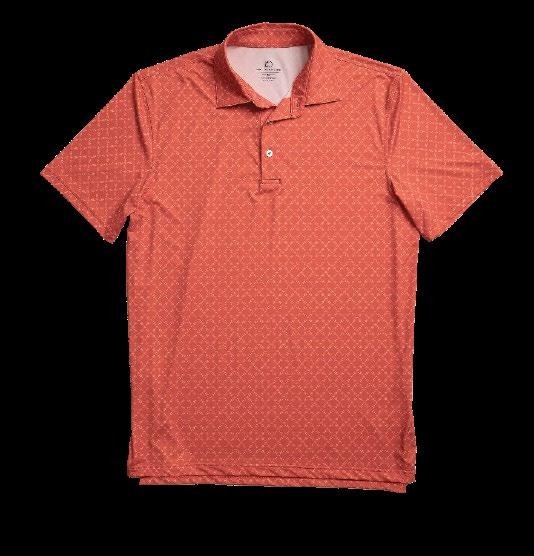
DRIVER LOBSTER PRINT POLO
Ready for long weekends and warm nights, this printed polo delivers stretch for easy movement, UV protection for time in the sun, and wicking performance to help keep you dry. Lightweight and breathable, it’s built to stay comfortable when the heat picks up.
SOUTHERN TIDE • @southerntide • southerntide.com
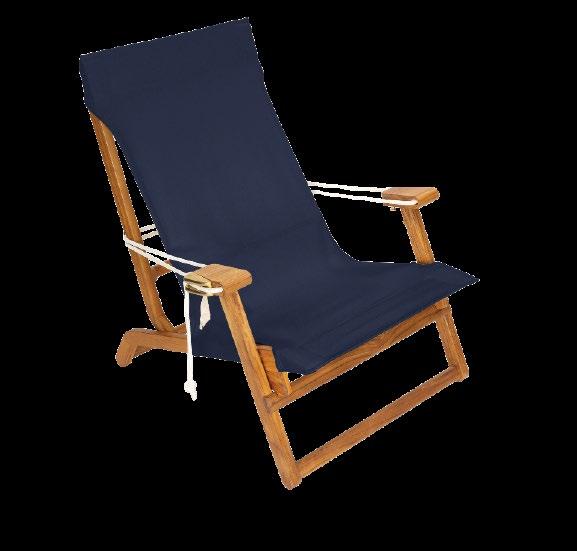
THE SHOREBIRD CHAIR
Unparalleled comfort designed to last decades and turn heads wherever you take it, from beach to sideline to home and everywhere in between. Crafted from FSC-certified Grade-A Teak with a patent-pending custom recline system and replaceable fabric, the Nantucket colorway embodies the quintessential New England sensibility.
SHOREBIRD @shorebird_co shorebird.com
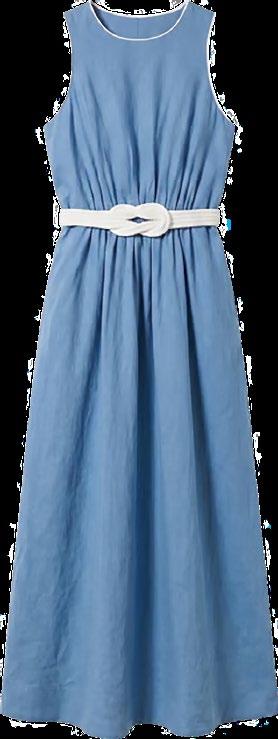
PROVINCIAL BLUE ROPE BELT LEONIE DRESS
Featuring a sleeveless silhouette with contrast trim for a crisp, polished feel, this nautical blue dress from Tuckernuck is made for island living. Finished with a detachable rope belt that cinches the waist, it balances a relaxed, airy skirt for an effortlessly put-together look.
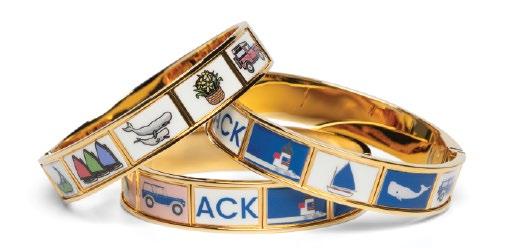
THE CIRCUIT BANGLE
The DuBar Circuit Bangle is designed for self-expression, featuring interchangeable tiles that can be mixed, matched, and collected over time. Choose from designs inspired by Nantucket heritage, coastal living, and equestrian sport to create a piece that is uniquely yours.
DUBAR JEWELRY @dubarjewelry dubar.us
WISH LIST SUMMER
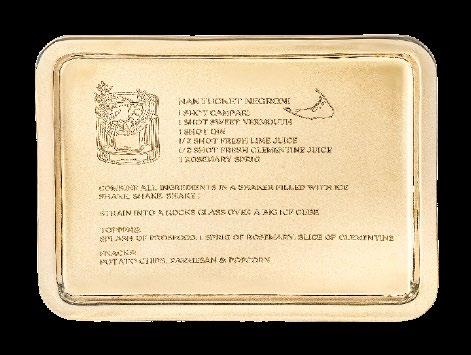
NANTUCKET NEGRONI COCKTAIL TRAY
The Nantucket Negroni Tray is embossed with Lulu’s recipe for the perfect “Sneeky,” her signature summer twist on the classic Negroni crafted for Nantucket, featuring fresh lime juice and rosemary. Complete with playful cocktail illustrations and crafted in brass, it brings a polished yet effortless touch to serving drinks, presenting small bites, or styling your bar.
LULU POWERS @lulupowers lulupowers.com
TUCKERNUCK @tuckernuck tnuck.com
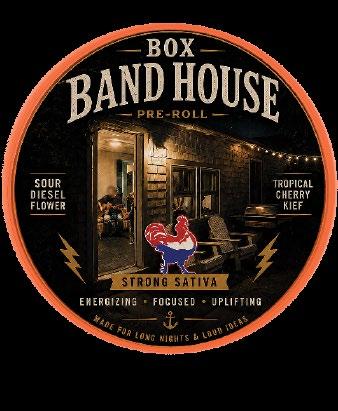
BOX BAND HOUSE INFUSED PRE-ROLLS
Made with a strong Sativa flower and kief, these collaborative pre-rolls from ACK Natural and The Chicken Box are sure to keep you awake for the show. Available in 1G, 2G and 5G packs.
ACK NATURAL @acknatural • acknat.com
80,000 $ $
8,000
Gallons of water shipped from a private donor to Nantucket for the July 4 Water Fight.
Nantucket’s estimated peak summer population, according to the town of Nantucket.
33 Minutes 11 Seconds
742
Confirmed cases of alpha-gal syndrome on Martha’s Vineyard last year, through the spread of lone star ticks.
Owen Holland’s winning time in the Race for Open Space.
0.66
50 Deer per every year-round resident.
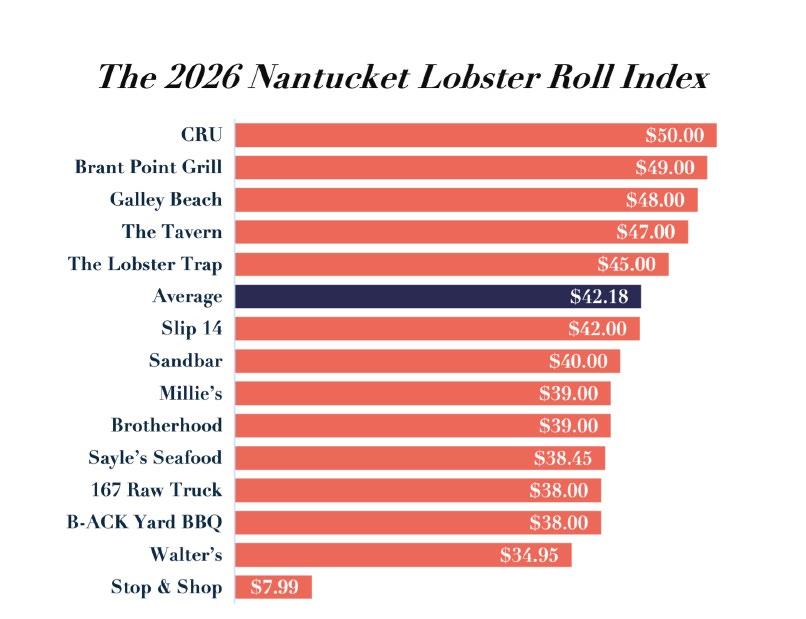
Price of a lobster roll at Cru.
14.70
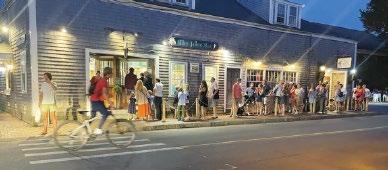
For two scoops on a waffle cone at The Juice Bar.
36
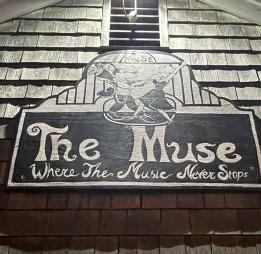
Nationally touring bands playing at The Muse this summer.
1,000
Pounds of deer meat processed to date by the Land Bank at the New Community Food Hub.
380
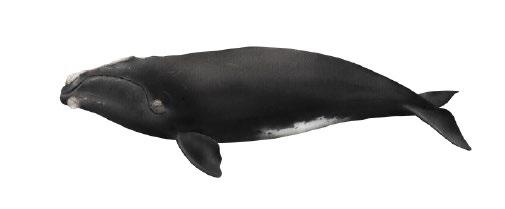
Remaining critically endangered North Atlantic right whales, a slight rebound from 2020.
THE TARTAN
ARMY
INVADES
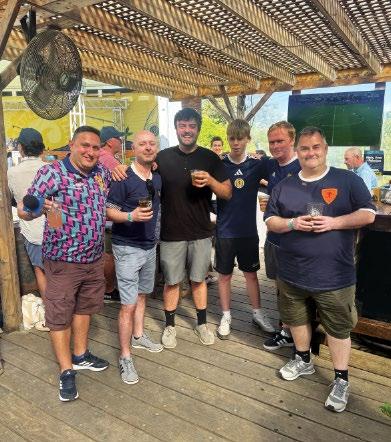
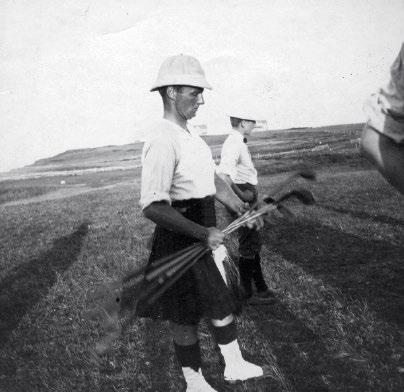
The 2026 FIFA World Cup brought something unexpected to Nantucket this summer: a full-scale Scottish invasion. Scotland’s famously passionate supporters, known worldwide as the Tartan Army, descended on Boston for their national team’s group stage matches at Gillette Stadium in Foxborough, ending a 28-year absence from the World Cup. In June, a contingent of kilted, bagpipe-toting Scots decided to take the ferry over and conquer the island, and the Current tracked them down exactly where you would expect to find them: Cisco Brewers. The scenes of their arrival, along with flags flying and songs echoing across the brewery, became a viral moment for the island.
COMMUNITY FOOD HUB BRINGS LAND
BANK,
FOOD PANTRY AND NOURISH NANTUCKET UNDER ONE ROOF
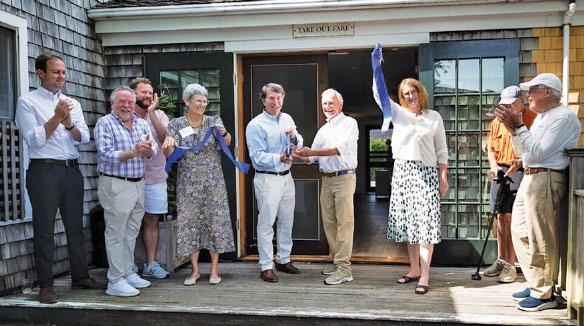
For years, the Nantucket Food Pantry operated out of a rented space downtown that was not only too small to meet the need on the island, but losing its lease for the 2026 season. The pantry now has a new home at the newly opened Community Food Hub on Boynton Lane, a $6.5 million facility jointly acquired by the Nantucket Land Bank and Nourish Nantucket. With the larger space, the Community Food Hub now brings the Food Pantry, Nourish Nantucket’s commercial kitchen and programming operations, and a Land Bank venison-processing facility together under one roof. Over the winter, the venison facility processed more than 60 deer and donated hundreds of pounds of meat to islanders in need, a quietly ingenious solution to two of the island’s biggest issues. One in five Nantucket residents struggle to afford food, and the new hub represents the most serious coordinated effort yet to address that fact.
THE DROUGHT PERSISTS
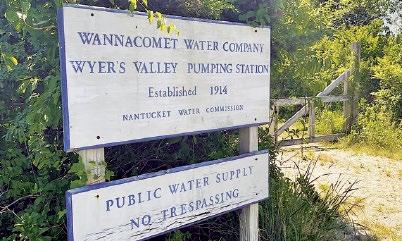
Nantucket remains in a level-two “significant drought,” according to Massachusetts state officials. While drought conditions have improved from “critical” status late last year, town officials are still urging homeowners to limit all non-essential water use outside, restricting irrigation systems of any kind and limiting hose watering to the hours between 5 p.m. and 9 a.m. After an initial warning, homeowners can face a $250 fine for a second offense, and $500 for a third offense. According to the Wannacomet Water Company, Nantucket set a 30-year record for its lowest recorded rainfall last year (20.7 inches), an issue that has compounded with below-average rainfall every year since 2020. Nantucket remains below its average so far this year with just over 21 inches of rainfall recorded as of early July, roughly six inches below its typical total through the end of June.
WWII ROCKETS FOUND ON THE BEACH
In May, Nantucket Conservation Foundation President Cormac Collier was walking the dunes in Tom Nevers when he came across something that had no business being on a beach in 2026: multiple World War II-era rockets eroding out of the sand. The Massachusetts State Police Bomb Squad, working alongside the U.S. Navy’s Explosive Ordnance Disposal Mobile Unit 12 and the Nantucket Fire Department, responded to the scene and conducted a controlled explosion to safely destroy the devices. It was not the first time this has happened. The area at Tom Nevers Field is officially designated the “Nantucket Ordnance Site Munitions Response Site” and is managed by the Army Corps of Engineers. The U.S. government leased the land between 1943 and 1946 as a practice aerial rocket range, one of three such ranges used by Navy pilots training on the island. As the dunes continue to erode, more unexploded remnants from that era keep working their way to the surface, a reminder that Nantucket’s peaceful beaches carry a rather explosive history.
THE TURF WAR IS NOT OVER
In the wake of the months-long debate over a turf field at Nantucket High School, the battle is not over. In June, Nantucket Board of Health Chair Ann Smith and Vice Chair Meredith Lepore—who opposed the proposed $26 million athletic facility renovation at Vito Capizzo Stadium—were both ousted by the Select Board. The proposal became one of the most contentious articles at Annual Town Meeting and on the ballot box, where voters overwhelmingly approved the measure, which includes a controversial artificial turf field to replace the existing football field.
With a pre-testing agreement still not finalized and new Board of Health members now in place, the future of the turf field remains uncertain even after winning at the ballot box. Opponents raised serious concerns that the artificial turf would shed microplastics and PFAS, the so-called forever chemicals, into the surrounding environment and potentially into Nantucket’s sole-source aquifer. The school maintains that the turf it has selected contains no intentionally added PFAS, and has committed to regular testing, but critics argue that no test can account for all possible contamination. After Lepore’s and Smith’s ouster, the fight has claimed another political casualty, with longtime Board of Health member Jim Cooper resigning in protest.
CONNECTING OUR COASTS
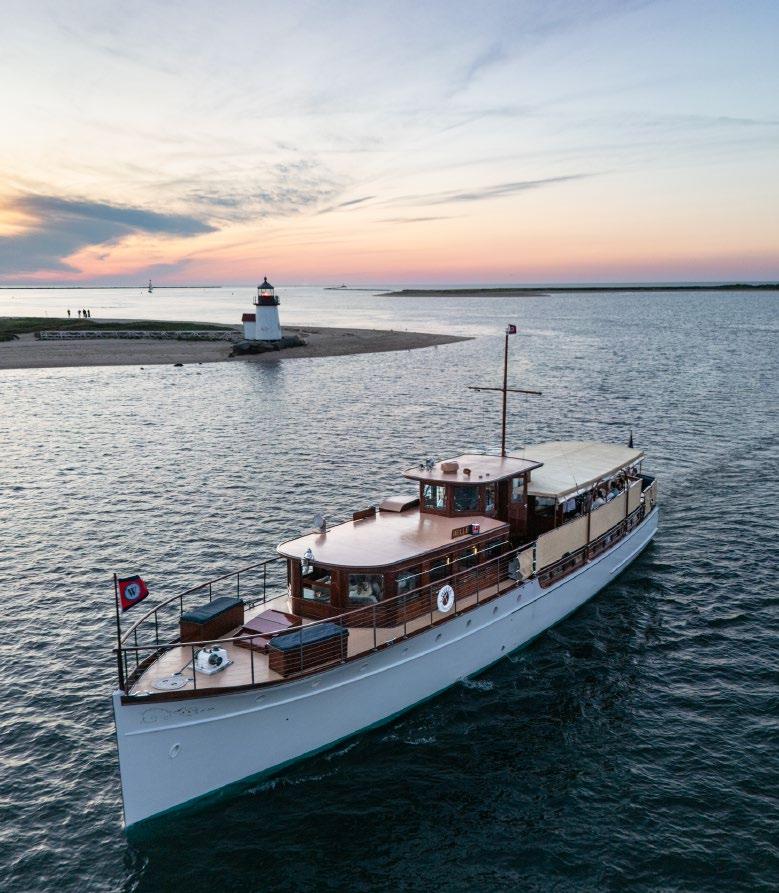
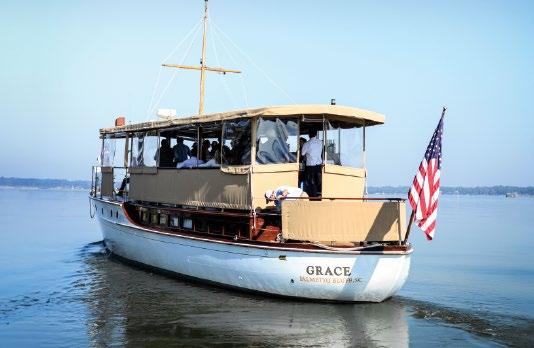
Some 750 nautical miles southsouthwest of Nantucket, the wooden motor yacht Grace might be a familiar sight for anyone who’s sailed on Nantucket Harbor. Grace, a fully restored wooden yacht named in honor of Grace Graham Vanderbilt, has been lauded as the “Belle of the Ball” of Palmetto Bluff, a residential and recreational community in South Carolina’s iconic Lowcountry in the coastal waterways between Charleston and Savannah.
The connection began with Christine Reid, a realtor with Charter One Realty serving Bluffton, Palmetto Bluff, Beaufort, Hilton Head Island and Savannah, with longstanding family ties to Nantucket, who wanted to celebrate the sister ships. She united The Westmoor Club General Manager John Cowden with Leonard, his wife Penny Baldwin Leonard, and Earl McMillen—whose restoration of Grace and Belle through McMillen Yachts brought both wooden motor yachts back to life.
What drew you to Palmetto Bluff?
LEE: A lot of things. The weather, the boating. You could spend your whole life [boating] and not see a fraction of it, and that was a draw for us.
PENNY: We were both really surprised by how quickly we fell in love with Palmetto Bluff. I’m a born-and-raised Californian, and I had never lived anywhere outside of California my entire life. To be in a position to pick up and move across the country was nuts. If you had said to me 20 years ago that someday I’ll be living in South Carolina, I would have said, ‘You’re crazy,’ and yet here we are.
How does Grace fit into the broader lifestyle of Bluffton?
LEE: When we formed the nonprofit, the Grace Club, one of our goals was to introduce Grace to the broader Lowcountry community. If you live in Charleston all the way to Savannah, it’s worth coming here, stopping by, taking a sunset cruise and having dinner at one of the restaurants on Palmetto Bluff.
Taking Grace on the water is like a step back in time. Built with cedar and southern pine planking, it became a prototype for yachts that followed suit. While there were once hundreds of wooden yachts just like Grace along the Eastern Seaboard that connected New England to the Lowcountry through the early- and mid-1900s, only a handful remain.
At The Westmoor Club, her 77-foot sister ship, Belle, also serves as a gateway to a previous era on the water and as a reminder of that connection between Nantucket and Coastal South Carolina. Grace now operates out of Palmetto Bluff, in Bluffton, South Carolina—a community steeped in nautical tradition with endless ties to Nantucket. “Nothing says elegance, uniqueness and timeless beauty more than a century-old wooden motor yacht,” said Grace’s Captain, Lee Leonard.
To explore the Palmetto Bluff / Bluffton and Savannah, contact Christine Reid for an area tour.
For access to Grace at Palmetto Bluff.
PENNY: [Both boats are] beautiful, stately and iconic. You don’t see boats like that very often, and certainly not from that period. Seeing them is captivating.
What surprises first-time visitors to Bluffton?
PENNY: They’re completely captivated by the beauty, the waterways, the amenities and the lifestyle. It’s a very active community. Nobody asks you what you do, they always ask what you like to do—are you a boater, a golfer, a pickleball player? There’s something really delightfully embracing about that notion.
LEE: There must be a reason it’s the fastest growing area in South Carolina and that South Carolina is the fastest growing state in the country.
CHRISTINE: Having called both Nantucket and the South Carolina Lowcountry home for more than 42 years, I am passionate about sharing the unique character of Palmetto Bluff, Bluffton, Beaufort and Savannah. These communities offer a rare blend of natural beauty, coastal heritage, relaxed sophistication and exceptional lifestyle value.
For all wooden boat interests, contact McMillen Yachts
For Belle and The Westmoor Club.
PHOTOGRAPHY
The Westmoor Club’s 1929 wooden motor yacht, Belle, on a sunset cruise.
Courtesy of The Grace Club
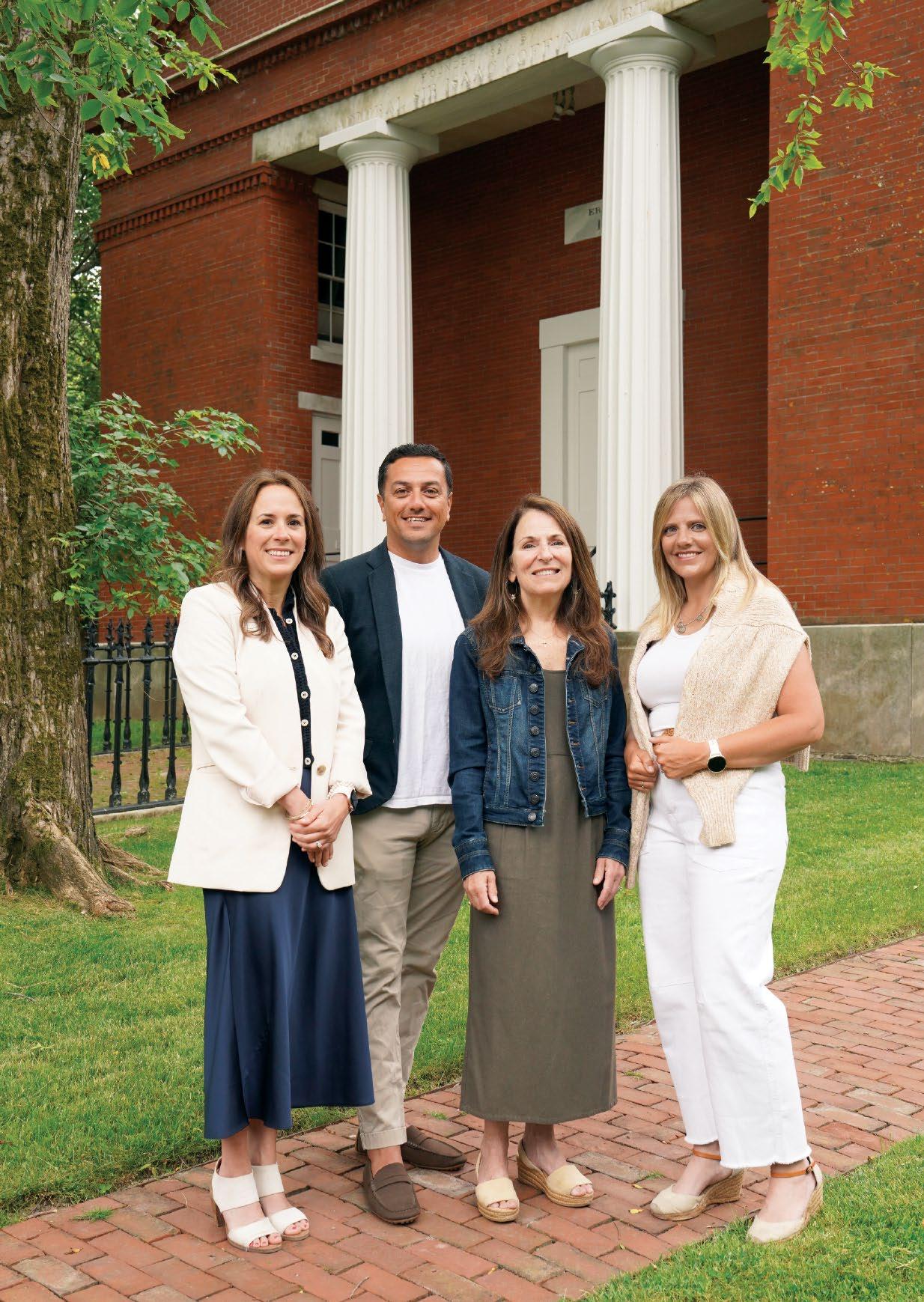
Housing Nantucket Executive Director
Anne Kuszpa and Director of Real Estate Development
Dave Armanetti at the organization’s 75 Old South Road headquarters, where construction will soon begin on three new affordable apartments for yearround residents.
When a Nantucket family needs to earn more than $800,000 annually to purchase a median-priced home, we need all hands on deck, Housing Nantucket Executive Director Anne Kuszpa said. At today's median home price of $3.53 million, homeownership is out of reach not only for low-income households, but for much of the island's middle-income workforce as well. The status quo is no longer sustainable.
contributions.” New construction is a major part of the equation. But it’s not the only solution. More and more, addressing the housing crisis has become a matter of collaborating across a number of organizations to find more creative solutions.
For decades, islanders have donated swaths of land to conservation organizations to preserve Nantucket’s natural environment. But as housing prices and the cost of living continue to soar, Housing Nantucket hopes those landowners will consider future generations of year-round residents when it comes time to sell their homes. “When property owners think about their legacy, housing could be part of the conversation alongside conservation” Kuszpa said.
ADVANCING SOLUTIONS HOUSING
“People care deeply about the island,” Kuszpa said. “This is the number-one issue facing Nantucket. Everybody needs employees for their business to succeed, so across all sectors, housing is something that is a pillar of all of it. We need more quality housing for the economy to continue to function.”
Housing Nantucket, which was founded in 1994, has provided opportunities for affordable rentals and homeownership for everyone from tradespeople to nonprofit employees, teachers and firefighters. They own and manage 64 rental units, along with 13 apartments on behalf of Nantucket Education Trust and the 125 covenant homes that have been created across the island. While Housing Nantucket’s impact continues to grow, the demand for year-round housing continues to outpace the available supply, making housing one of the greatest challenges facing nearly every business, nonprofit and public institution on Nantucket.
As more and more organizations work together to tackle the problem, Housing Nantucket is expanding its initiatives to keep Nantucket’s working year-round community on the island. Last fall, the organization hired Dave Armanetti, who had previously managed the mixed-use redevelopment of the former Glowacki property off Old South Road, as its first ever director of real estate development. A renewed focus is to work even more proactively with local property owners who have a secondary or tertiary dwelling—or even just land—to donate or sell for affordable year-round housing.
“We have to be more entrepreneurial and more creative, because the math is getting more difficult,” Armanetti said. “Costs are going up and interest rates have not come back down as much as people have hoped, and available land is more scarce and expensive than ever, so it’s getting even more difficult to produce housing, even with substantial subsidy
“There’s a huge need, and we’re attempting to respond to all of these segments of the market simultaneously, including both rentals and ownership,” Armanetti added. “It’s really challenging, but we’re bullishly optimistic, given the resources and energy we have, combined with the political will and financial and staffing resources that the town and many of the other local organizations have committed to working in concert to attack the issue. Individual property owners collaborating directly with us in our role as their community development partner can be a really effective tool in our arsenal.”
Whether through a tax-deductible donation, exploring a development partnership, or supporting the mission, every contribution helps create lasting housing opportunities for Nantucket's year-round community. Learn more at HousingNantucket.org.
SCAN TO LEARN MORE
Courtesy of Housing Nantucket
PHOTOGRAPHY BY KIT NOBLE
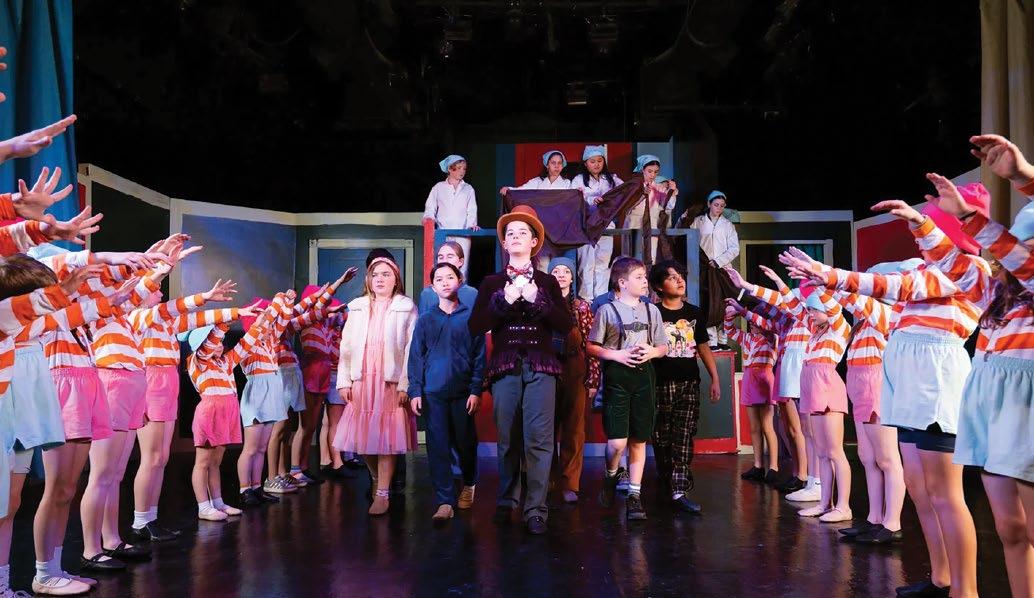
LIGHTS, CAMERA, ACTION: THE NANTUCKET STAGE COMPANY
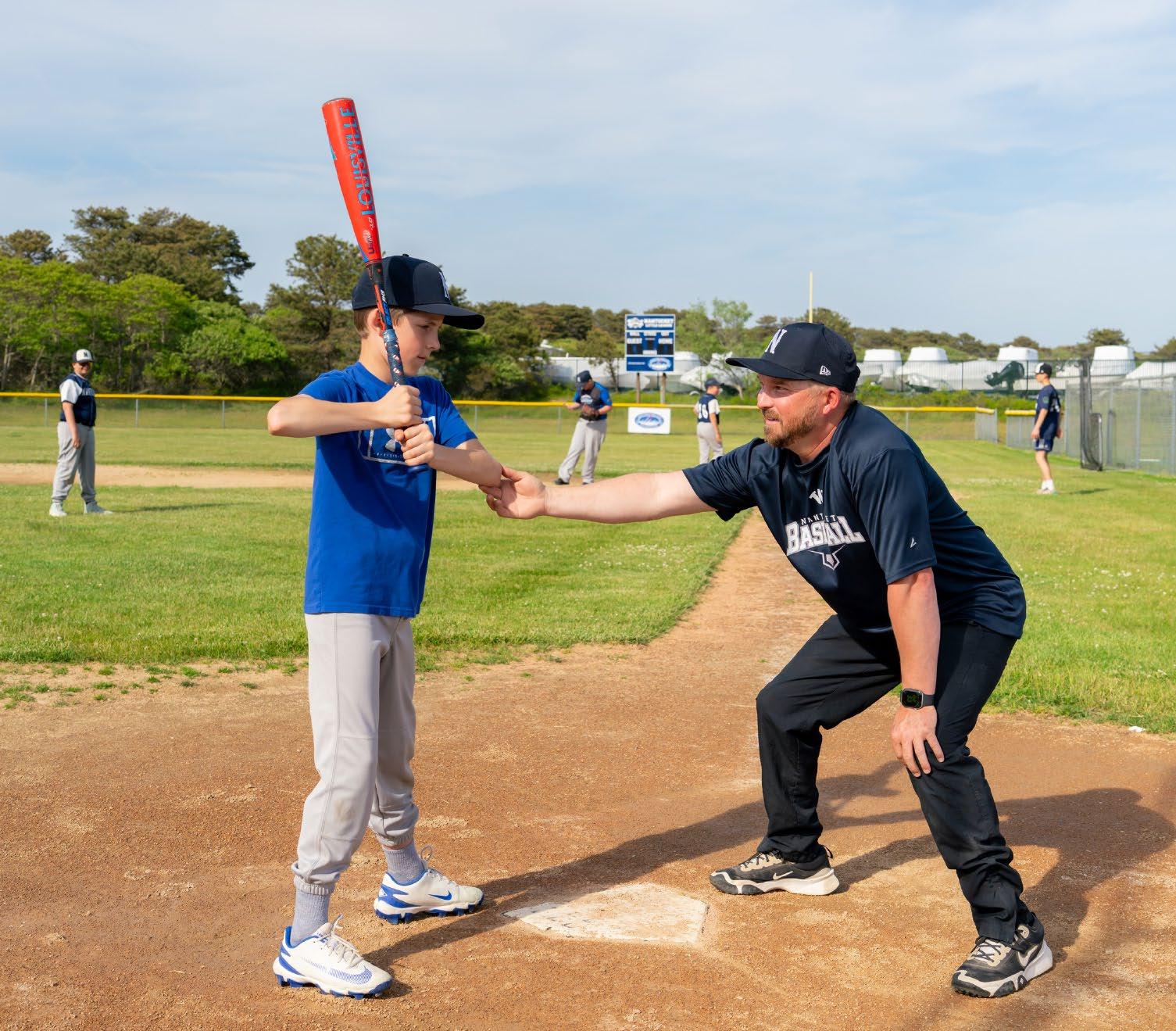
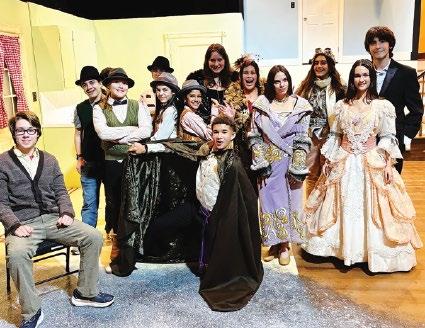
The Nantucket Stage Company, the island’s award-winning youth theater, makes a splash this summer with its second show of the season, Anything Goes: Youth Edition, running August 5-9 at the Mary P. Walker Auditorium. Featuring big tap numbers, classic Cole Porter showstoppers and an extraordinary cast of young performers, this joyful Broadway favorite is perfect for the whole family. Through professional-quality productions, immersive classes and joyful, rigorous training, the NSC helps young people discover their voice, their community and their purpose. Fall registration is also open at the NSC, including Annie Jr. and How to Train Your Dragon. nantucketstagecompany.org
LET CREATIVITY SHINE AT THE ARTISTS ASSOCIATION OF NANTUCKET
This summer, children ages four through 14 are invited to explore a world of color, creativity and imagination at the Artists Association of Nantucket’s Visual Arts Center on Amelia Drive. Through weekly youth camps and classes, young artists can build confidence, creativity, resourcefulness and persistence, while experimenting with drawing, painting, ceramics, crafts and 3D projects. Each week features fresh themes and hands-on activities designed to inspire self-expression, develop artistic skills and foster a love of making art in a welcoming studio environment. Join AAN for a summer filled with creativity, learning and fun. nantucketarts.org
CREATE THIS SUMMER WITH BARNABY’S TOY & ART Barnaby’s is in full swing this summer with over 100 thoughtfully curated art classes for children of all ages. Each class is led by professional educators and artists who inspire creativity while guiding technique in a warm, supportive environment in downtown Nantucket. Whether your child joins a scheduled class or simply drops in to create, Barnaby’s offers a space where imagination comes to life throughout the day. Drop in daily from 1:30 to 3 p.m. for a fun, flexible art experience, or browse Barnaby’s Art Kits and the finest selection of toys on the island and Barnaby’s Art Kits. Barnaby’s also is proud to introduce Barnaby’s Cares, a charitable foundation delivering free art kits to children in hospitals, shelters and medically
On the sunny side of Nantucket’s historic cobblestoned Main Street, Peachtree Kids & Monogram offers a delightful shopping experience for children’s clothing, swimwear, shoes, accessories, jewelry and toys. Their curated collections feature classic and trendy styles for infants and children through size 14. Peachtree proudly supports small, womenowned, sustainable brands, including Joy Street Kids, Nantucket Kids, Timo & Violet, Minnow, The Beaufort Bonnet Company, Oso & Me, ChappyWrap, Bits & Bows, and Nantucket brands Piping Prints and Barnaby Bear, as well as Native water shoes for infants and children through big kid size 6, along with sneakers, dress shoes, sandals, rain boots and their signature “Nantucket” rollneck sweaters and print pajamas. As summer winds down, make Peachtree Kids your destination for back-to-school shopping, and check out their in-store monogram and embroidery studio, where everyday pieces become treasured keepsakes. Open daily, 9 a.m.-8 p.m. peachtreekidsnantucket.com
A SUMMER OF ART AT NISDA
The Nantucket Island School of Design & the Arts offers kinder, youth, teen and family
classes, along with private tutorials in beautiful Wauwinet. Through arts and crafts, folklore and nature study, artists can explore world cultures, Nantucket traditions and the island’s natural environment. Kinder artists can “Sail Around the World” through projects using stamps, paint, papier-mâché, clay, collage, textiles, photography, kites, masks, puppets and costumes. Youth artists can explore painting, mask making and nature drawing, while teens can join the Studio Arts Program, with offerings in clay, photography, painting, textiles and creative wellness. Family fun continues on Fridays with Generations Together, an art-making workshop for all ages. nisda.org, @nisda_art
EXPLORE, DISCOVER AND LEARN WITH THE MARIA MITCHELL ASSOCIATION
Looking for an unforgettable family adventure on Nantucket? Make the Maria Mitchell Association’s Aquarium a must-visit summer destination. Step into a world of discovery where children can get up close with fascinating marine life, meet live animal ambassadors— including everyone’s favorite orange lobster, Clementine—and explore the incredible marine ecosystems that make Nantucket so unique. Through its Feeding Frenzy, Marine Ecology Field Trips, Marine Storytime and Night at the Aquarium, kids can dive into engaging programs that bring the marine world to life. Families can continue the adventure at the Hinchman House Natural Science Museum, the Historic Mitchell House, the Vestal Street Observatory or the Loines Observatory. mariamitchell.org
HANDS-ON HISTORY WITH THE NANTUCKET HISTORICAL ASSOCIATION
Visit the Whaling Museum’s Discovery Center for Hands-On-History, a rotating craft program inspired by the NHA’s featured exhibitions, The Wider World and Scrimshaw. Activities include stamping, watercolors, beading and more. The NHA’s historic sites also offer hands-on crafts to complement site tours on Wednesdays through Fridays. And mark your calendars for the NHA’s third annual Community Day at Children’s Beach on Wednesday, August 5, a family-friendly event of demonstrations and hands-on activities, along with song and dance performances with representatives from the Mashpee Wampanoag community. Learn more about family memberships. Island families enjoy free admission year-round. nha.org
Some Paths Lead Somwhere Different.
A New Moment to Own at
THE ST. REGIS RESIDENCES, BOSTON
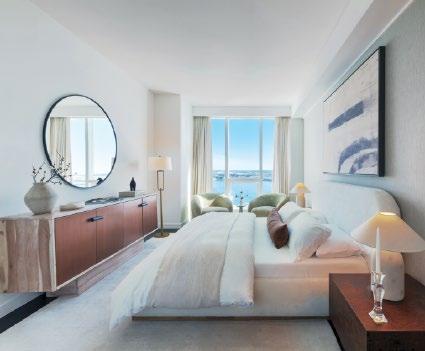
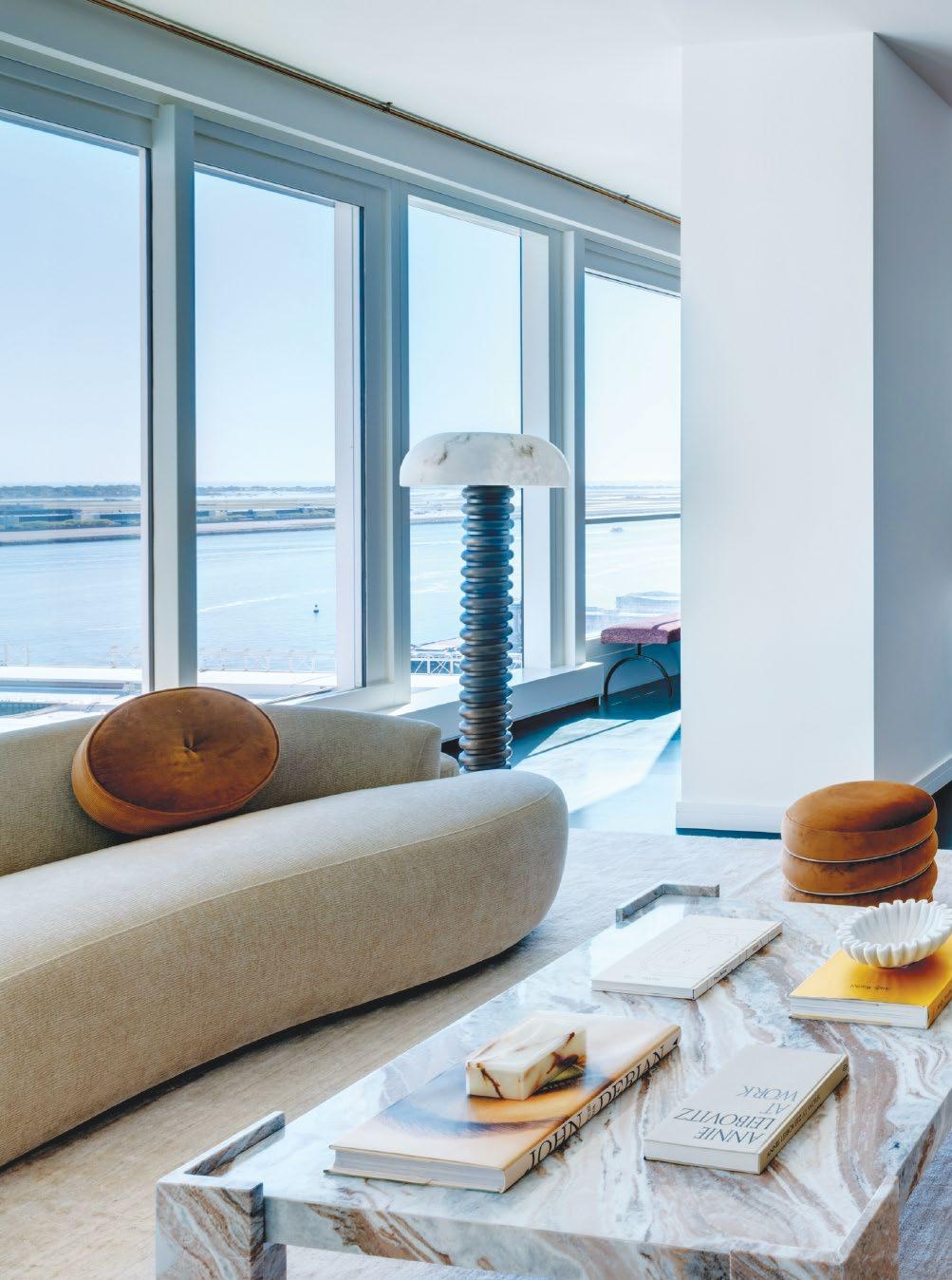
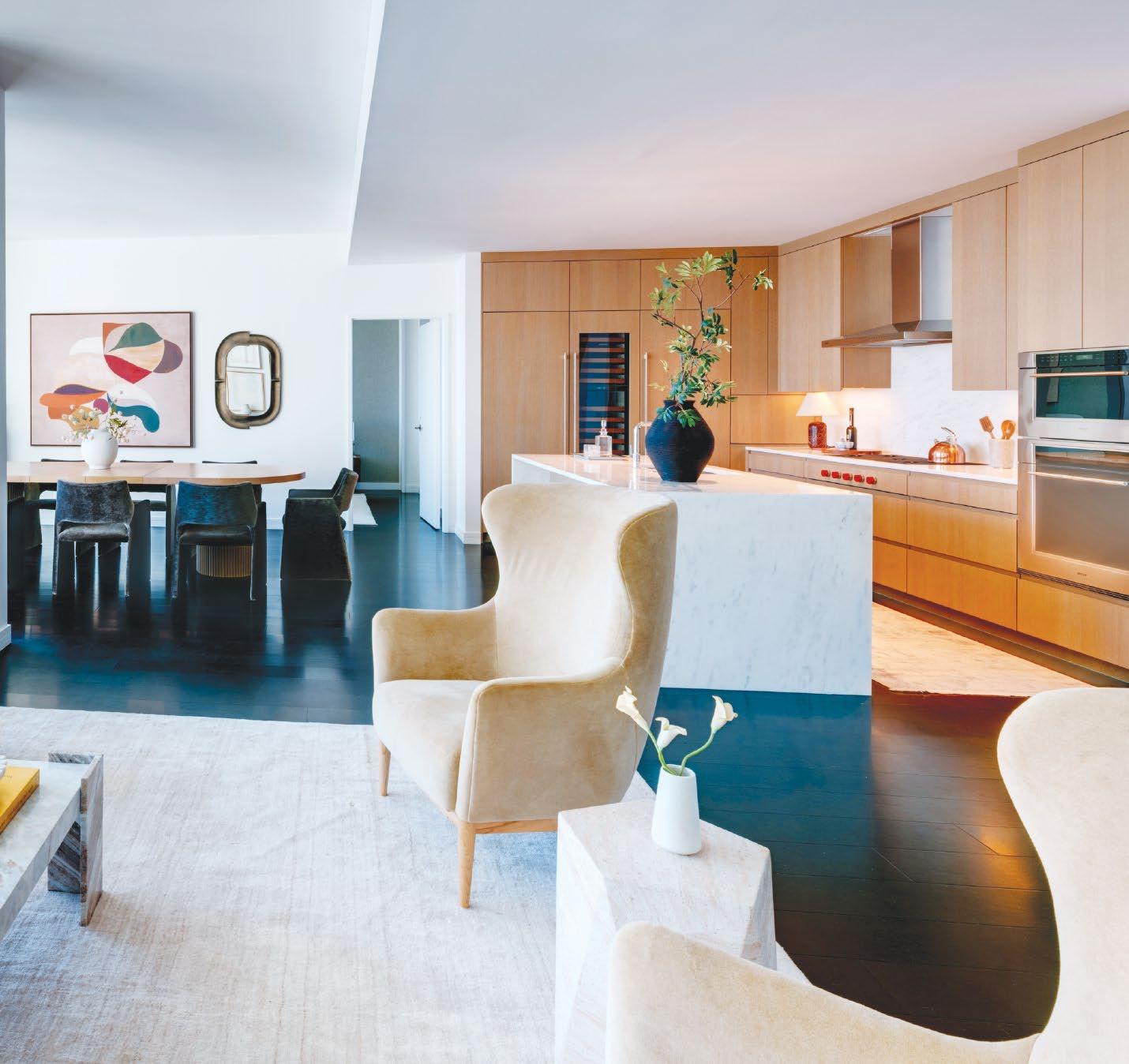
Managed and staffed by world renowned St. Regis brand, this boutique residential building is located directly on the water in the heart of Boston's Seaport neighborhood where culture, dining and entertainment are just steps from your front door. Enjoy a curated lifestyle with 24-hour concierge, valet parking, doorman and a dedicated butler service, as well as the perks and privileges at St. Regis and Marriott properties around the world. Residences include Italian flooring in all living areas and the kitchen, BAMO custom designed cabinets, manufactured in Italy exclusively for the St. Regis Residences, Boston; natural stone backsplash and counter, and Sub-Zero and Wolf appliances. The bathrooms are inspired by a worldclass spa, including heated floors. Residents enjoy an entire 12,000 square-foot floor of amenities including an infinity edge resort indoor/outdoor pool and terrace with a nano folding door to a harbor view patio, sauna, jacuzzi, steam room, spa, library, conference room, fitness center, sports simulator, residential lounge/bar, private wine vaults as well as two resident hotel guest suites. Valet, doorman, butler, 24/7 concierge and in-room dining provided by newly opened SAVR Restaurant.
4
1
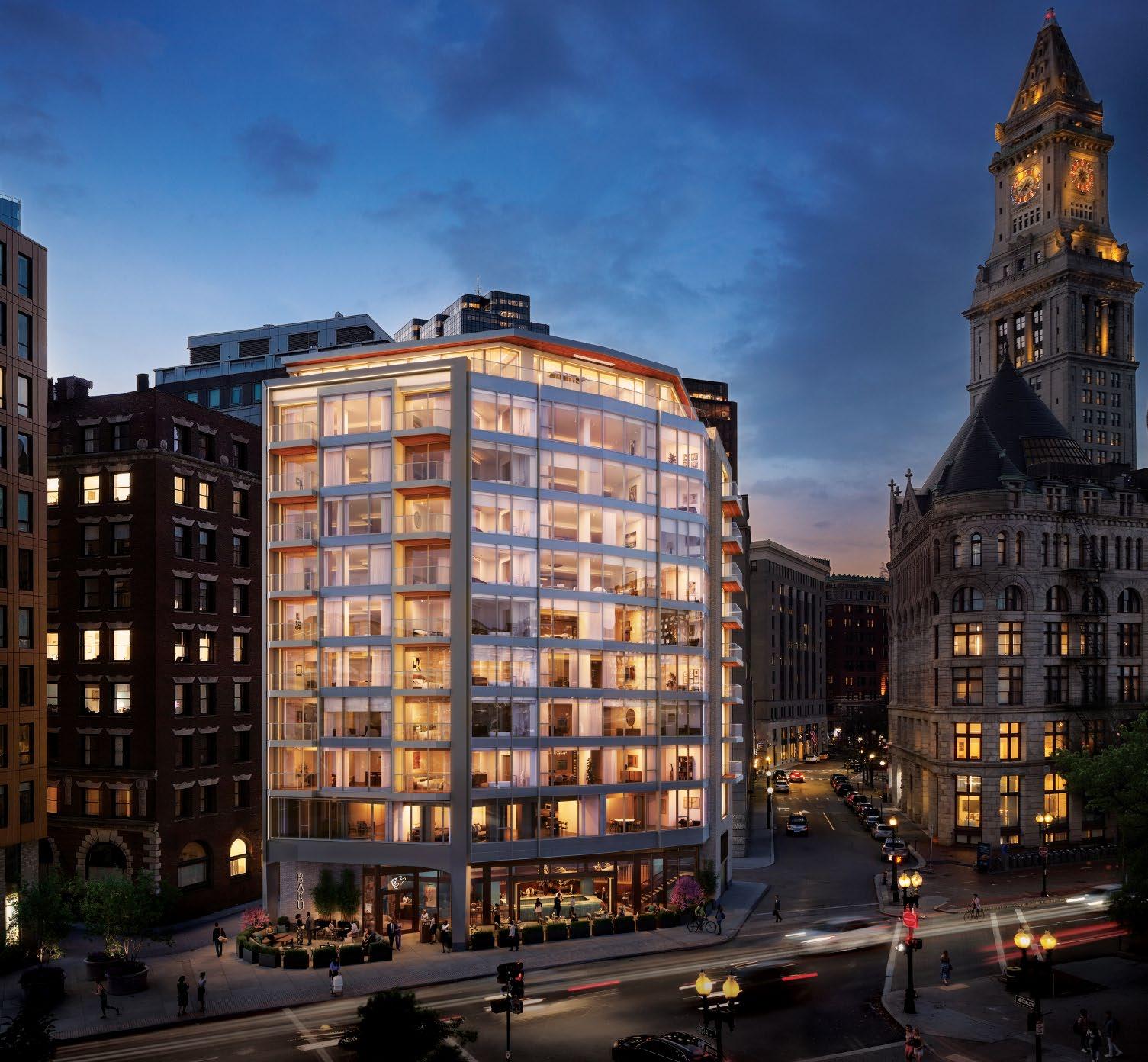
Overlooking Boston Harbor, the design of the twisting sculptural form of the St. Regis Residences, Boston, celebrates the forces of the sea and evokes the billowing sails of ships plying the harbor.
2
Many homes have access to outdoor space overlooking Boston Harbor. Some residences even have the air-lux system, the first sliding window of its kind.
3
The kitchen includes BAMO cabinets, exclusively designed for St. Regis in light oak as well as high gloss white.
2
4
All homes include custom Phillip Jeffries wallcovering in the primary bedroom and entryway foyer.
5
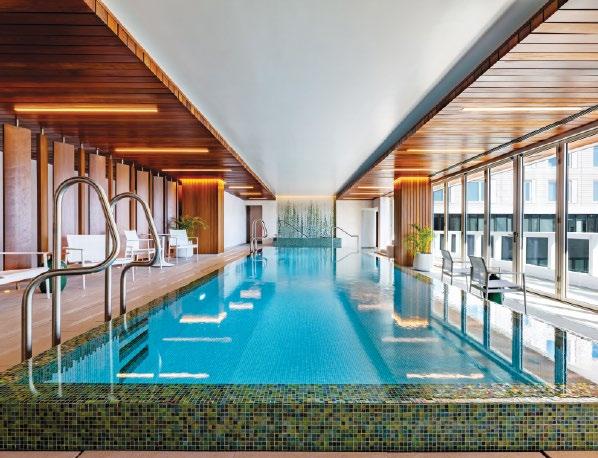
The tranquil pool room is the ideal spot to take a refreshing dip, spend time in the soothing Jacuzzi or unwind in the steam room and sauna. The heated, hand-tiled mosaic pool features a continuous waterfall edge, while the terrace opens up in summer for harborside sunbathing.
SCAN HERE FOR INFO
3
WRITTEN BY TIM EHRENBERG
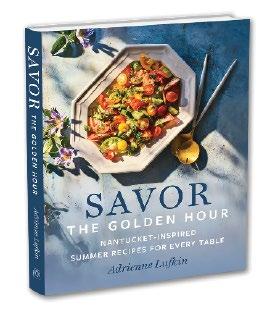
SAVOR THE GOLDEN HOUR: NANTUCKET INSPIRED SUMMER RECIPES FOR EVERY TABLE ADRIENNE LUFKIN
I have admitted it several times in this column, and I have mentioned it in our podcast Books, Beach, & Beyond, but I can’t really cook. I don’t have the patience for it. I can barely boil water. I love gifting cookbooks, though. I think they make the most special hostess gifts at summer soirees. I particularly love them if they are inspired by a place, and since Nantucket is my favorite place in the world, I always celebrate the release of a Nantucket inspired cookbook. Savor the Golden Hour by Adrienne Lufkin captures the essence of the island with over 60 versatile recipes for every table, every course, every palate, and every Nantucket occasion. The beautiful photos will have your mouth watering for the “foggy day” clam chowder, deviled eggs with lobster corn salad, mini crab cakes with chipotle-lime aioli, “grey lady” bouillabaisse, pesto grilled swordfish, and ginger-miso halibut with summer vegetables. Yum! The next time you are in town swing by Mitchell’s or Bookworks and pick up two copies. One for your own cookbook shelf and one as a gift for your next Nantucket party host or hostess.
A portion of each cookbook sold will go toward the organization I AM ALS
Please consider ordering (or pre-ordering) from your year-round local island bookstores, Nantucket Book Partners. Stop into Mitchell’s Book Corner or Nantucket Bookworks or visit us online at nantucketbookpartners.com
SCAN HERE to connect with @TimTalksBooks
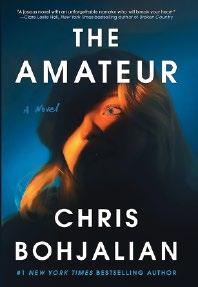
THE AMATEUR CHRIS BOHJALIAN
August 4
Chris Bohjalian is one of my auto-buy authors, meaning whenever he has a new book out, I automatically buy it right away. I first discovered him with his novel Midwives, an Oprah’s Book Club Selection in 1998, and I have read everything he has ever written since.
The Amateur is a gripping literary thriller that Chris says he penned in a frenzy, keeping it secret until he finished. When a young woman, a golf prodigy, accidentally kills a caddy with a stray ball at the country club, the investigation of this freak accident reveals a dark and shocking tale of secret affairs, predatory men, and a teenager on trial. The writing is some of Chris’s best and you will read it just as quickly as he wrote it. Chris has also stated that he wrote the narrator as a female version of himself, giving the book a feeling of autobiographical fiction. One thing is certain, there is nothing amateurish about this new novel.
HYDRANGEA HAPPINESS: PLANTING, PRUNING, AND BLOOMING C.L. FORNARI
Walk around Nantucket in the summer and hydrangeas are everywhere. Large puffs of floral cotton candy punctuate island homes in hues of blue, pink, white and purple. I adore hydrangeas and most of the photos I take in the summer are random photos of them that I come across. Hydrangea Happiness is a book by C.L. Fornari (also known as The Garden Lady). She digs into the many varietals of hydrangeas, tells us where they can successfully grow in different soils and conditions, reports on myths and misinformation, and delivers beautiful photos and fun, catchy poems for a book that is perfect for beginning gardeners or experienced horticulturalists. (Now if only The Garden Lady could help me with the deer who love to eat and mutilate my hydrangeas.) This would make a great gift for that Nantucketer who obsesses over their gardens and the color of their hydrangeas. You can meet C.L. Fornari at Mitchell’s Book Corner on Friday, August 14 at 10:30am to get a signed copy of Hydrangea Happiness.
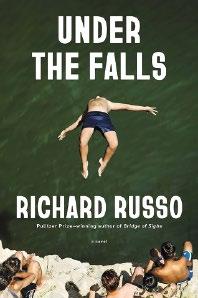
UNDER THE FALLS RICHARD RUSSO
August 11
Richard Russo joined us at the 15th annual Nantucket Book Festival in June. Now the Pulitzer Prize winning author is back on our shelves this month with a new novel, Under the Falls. Richard Russo has quickly become the “king of the small-town story” in my book, and he delivers another perfectly told, intimate saga. The plot follows Tyler Sinclair, a famous musician, as he reluctantly returns to his hometown of Stone Mountain to perform a benefit concert for the community. For one of Russo’s smaller books, it packs a lot into its 250 pages, from confronting the past, to the friends you grew up with--those tight-knit relationships, filled with secrets and betrayals, that only a small town can produce. It’s a characterdriven thriller that I read cover to cover in just one afternoon. Carve out some time this month to go Under the Falls.
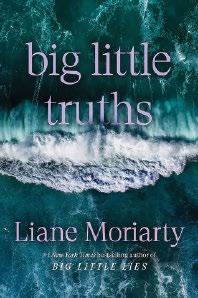
BIG LITTLE TRUTHS LIANE MORIARTY
August 25
One of my most anticipated books of the year is Liane Moriarty’s sequel to Big Little Lies – Big Little Truths! Here we find all our favorite leading ladies back on the page for another gripping and juicy literary soap opera. Madeline, Celeste, Jane, Bonnie and Renata. 10 years have passed since we last met these women and their families. Their children are 15 now and the book’s flap confesses: Little kids, little problems. Big kids, big problems. On the first page of this highly anticipated novel, the high school principal receives a threatening package and the parents are in an uproar. You will cancel all your plans with your own group of friends to start this book immediately on publication day. I don’t want to give anything away, but if you love Liane Moriarty, you’re in for an end of summer treat!
P.S. You can read Big Little Truths as a stand-alone or a sequel. Big Little Truths will be adapted into Season 3 of the Big Little Lies series, with all cast members returning.
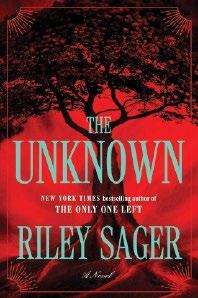
THE UNKNOWN RILEY SAGER
August 4
THE SECRETS WE HIDE KARIN SLAUGHTER
August 11
I love recommending a good mystery in the summer. Nothing makes the pages fly faster than trying to play detective and discover the culprit before the author reveals them. This month I give you two incredible mysteries to keep you in that beach chair long after the sun sets. First up is The Unknown by Riley Sager. The author of Final Girls and The Only One Left introduces us to a movie cast on a remote Vermont island. When the cast and crew become stranded, women start disappearing exactly like the commune of mediums who vanished there a century ago. I loved the spooky deserted island vibes and the dual timeline. Karin Slaughter, whose last name was destined to be a thriller writer, returns with a sequel to We Are All Guilty Here, and second in the North Falls series. In The Secrets We Hide, we reconnect with Sheriff Emily Cliffton as she investigates the murder of an officer’s wife and tries to uncover the truths from the lies in the small town of North Falls. Karin Slaughter is truly one of the best thriller writers out there and never disappoints.
JAMAICAN TRUCKING CUISINE
WRITTEN BY BRIAN BUSHARD
PHOTOGRAPHY BY KIT NOBLE
RECIPE BY PETICEA MURRAY
A TASTE OF JAMAICA AT THE CHICKEN BOX
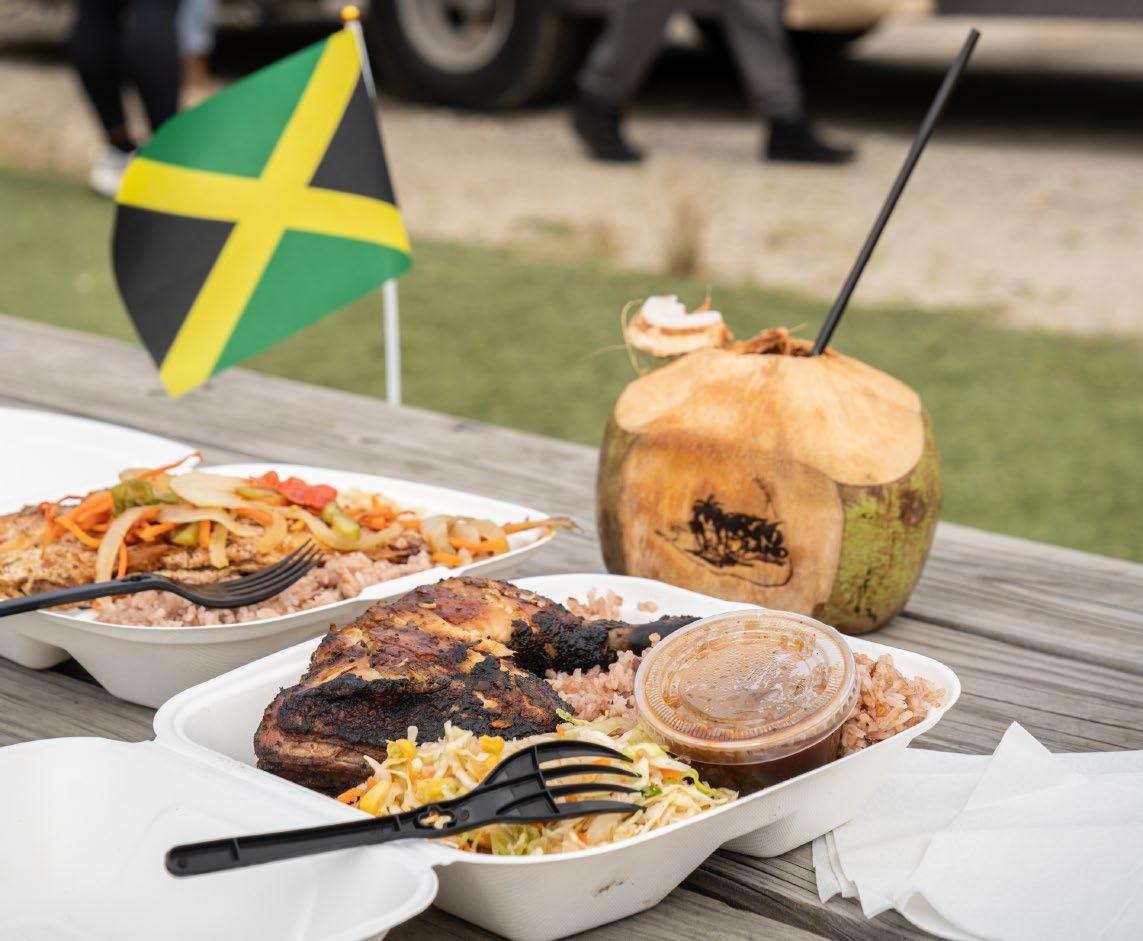
The Chicken Box as a venue is known for its music and bar scene, but during the day there is a completely different vibe. In June, Peticea Murray started bringing her food truck, 876 Island Cuisine, to the Box. By the time the lunch crowd arrives, the truck, which takes its name from Jamaica’s area code, is slammed with customers.
“A lot of the island workforce is built by Jamaicans,” said Murray, who grew up cooking with her grandmother in Montego Bay. “I have a passion for it, but I myself did not have anywhere to buy this authentic Jamaican food [on Nantucket]. I thought I have to have a Jamaican restaurant so my people can have somewhere to have authentic Jamaican food, and not only that, to bring Jamaican culture through food to the Nantucket native people.”
Murray’s truck offers staples like jerk chicken, as well as escovitch fish, rice and peas (red kidney beans are typically used, but the name comes from the local red peas in Jamaica), and coconut water straight out of the coconut. “[My grandmother] taught me all the old recipes, all the good stuff,” she said. “That’s why I cook the way I cook, because it’s coming from generations of authentic flavors.”
JAMAICAN RICE AND PEAS
Yield: 8–10 servings
INGREDIENTS
• 2 cups long-grain rice, washed
• 2 cups cooked red kidney beans (or 1 can, drained and rinsed)
• 1 can (13.5 ounces) coconut milk
• 2 cups water (reserved from cooking beans)
• 3 cloves garlic, minced
• 4 sprigs fresh thyme
• 2 scallions, chopped
• 1 small onion, chopped
INSTRUCTIONS
• In a large pot, combine the kidney beans, coconut milk, bean liquid (or water), onion, garlic, thyme, scallions, salt, black pepper and butter.
• Add the whole Scotch bonnet pepper and bring everything to a gentle boil. Let it simmer for about 10 minutes so the flavors develop.
• Stir in the washed rice and mix well.
CHEF’S TIP
• 1 whole Scotch bonnet pepper (do not cut it open)
• 1 teaspoon salt (or to taste)
• ½ teaspoon black pepper
• 1 tablespoon butter
• Cover the pot with a tight-fitting lid, reduce the heat to low and cook for 20–25 minutes, or until the rice is tender and all the liquid has been absorbed.
• Remove the Scotch bonnet pepper and thyme stems. Fluff the rice gently with a fork before serving.
The key to authentic Jamaican rice and peas is allowing the coconut milk, thyme, scallions, garlic and the Scotch bonnet pepper to simmer together before adding the rice. This creates the rich, flavorful base that makes the dish stand out. Keeping the Scotch bonnet whole adds its signature aroma without making the rice overly spicy. This recipe pairs perfectly with jerk chicken, curry goat, brown stew chicken, oxtail or escovitch fish.
SUMMER’S LAST CALL
WRITTEN BY JEN LASKEY
Four drinks for August
August inspires us to squeeze every last drop out of summer. Whether you’re ticking experiences off your end-ofseason bucket list or practicing the lost art of doing nothing, or a little of both, Nantucket’s drink experts have the perfect pours to help you make the most of summer’s last call—from a Cointreau-based spritz to a Portuguese white blend and a lush bourbon and beach plum cocktail. Let’s all linger in summertime a little longer.
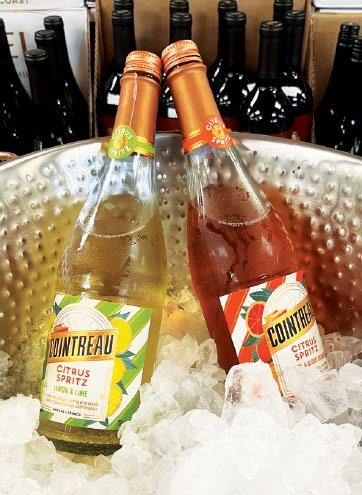
COINTREAU CITRUS SPRITZ
($19.99, 750 ML bottled cocktail at The Islander)
COINTREAU L’UNIQUE ORANGE LIQUEUR
($48.99, 750 ML bottle at The Islander)
Recommended by
ZEINA METRI, co-owner, The Islander
If August has you in the mood for ready-to-serve simplicity, Zeina Metri recommends the Cointreau Citrus Spritz. It’s made with French white wine and natural citrus flavors, and the star ingredient is Cointreau, an orange liqueur distilled in western France that’s often used in margaritas and cosmopolitans. “Cointreau is such a versatile liqueur,” noted Metri. “It’s crafted from a blend of sweet and bitter orange peels and gives cocktails a depth and balance that elevates every other ingredient around it.”
The Cointreau Citrus Spritz comes in two flavors—Orange & Blood Orange and Lemon & Lime. It’s light enough to day-drink with friends on a warm afternoon or to sip while watching those last summer sunsets. With its low alcohol level (10.5% ABV) and resealable screw cap, it’s perfect for a month when all you want to do is chill. Just pour it over ice and voila! “The Cointreau Spritz is bright, refreshing and vibrant without being overly sweet,” said Metri. And if you’d rather make your own, simply pour a splash of Cointreau into something bubbly.
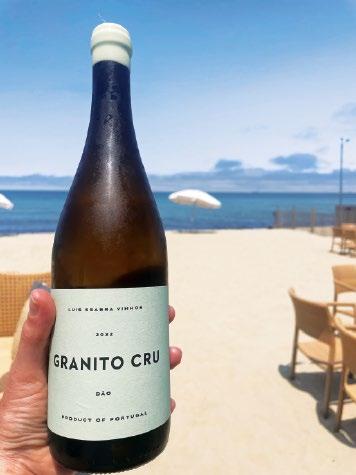
LUÍS SEABRA, GRANITO CRU DÃO BRANCO, BLEND OF ENCRUZADO, BICAL AND CERCIAL, 2022 ($155/bottle at Galley Beach Restaurant)
Recommended by IEVA ALDINS, Wine Director, Galley Beach Restaurant
Every summer has that one unforgettable discovery, and this year it might just be Luís Seabra’s Granito Cru Dão Branco, a white blend of three native Portuguese grapes: encruzado, bical and cerceal. “This wine is sunshine in a glass,” said Ieva Aldins, wine director of Galley Beach Restaurant. “It [has] mouth-watering acidity, voluptuous elegance, minerality and salinity that make it a perfect summer sipper.”
Seabra is one of Portugal’s top winemakers. “He used to make wines for Niepoort Winery but now focuses on his own old-vine and terroirdriven wines,” said Aldins. “His Cru series focuses on sourcing vineyard sites with high mineral content—as the name [Granito] suggests.” Aldins recommends sipping the Granito Cru by the beach and pairing it with shellfish and seafood. “I particularly love it with our crab cake or lobster spring roll, as it has both the body to hold up to these dishes and the acidity to hold up to their richness,” she said.
BEACH PLUM RUSH ($16 at The Fairgrounds)
Recommended by CONRAD MEURICE Bar Manager, The Fairgrounds
The blushy golden-orange color and tart, floral notes from beach plum honey give this cocktail an unmistakably late-summer vibe. The Beach Plum Rush is one of the most popular signature drinks at the new Fairgrounds restaurant, said bar manager Conrad Meurice. “It brings together a traditional Kentucky straight bourbon with some local flavor flair of beach plum,” he said. “We balance out the cocktail with some fresh lemon juice and add Angostura bitters for a crisp citrusy finish with a hint of spice.”
A riff on the Gold Rush, a type of whiskey sour made with honey rather than simple syrup, Meurice’s Beach Plum Rush gets an additional pop of flavor from honey that he infuses with beach plum. You can buy beach plum honey at local specialty food shops, but Meurice says you can also quickly mix up your own by stirring a little beach plum jam into some local honey. Best sipped at The Fairgrounds’ new flower bar, the Beach Plum Rush is a great pairing partner for the restaurant’s beet salad with salmon or shrimp, or the tuna poke bowl.
Makes1serving • Glassware:Rocksglass
INGREDIENTS
• 2 ounces Kentucky straight bourbon
• ¾ ounce lemon juice
• ¾ ounce beach plum honey
• Dash of Angostura bitters
INSTRUCTIONS
• Combine all ingredients, shake with ice and strain into a rocks glass with one large ice cube.
• Garnish with citrus wheel.
Photo by Conrad Meurice
HOW BAGELS SPREAD ACROSS NANTUCKET
WRITTEN BY BRIAN BUSHARD PHOTOGRAPHY BY KIT NOBLE
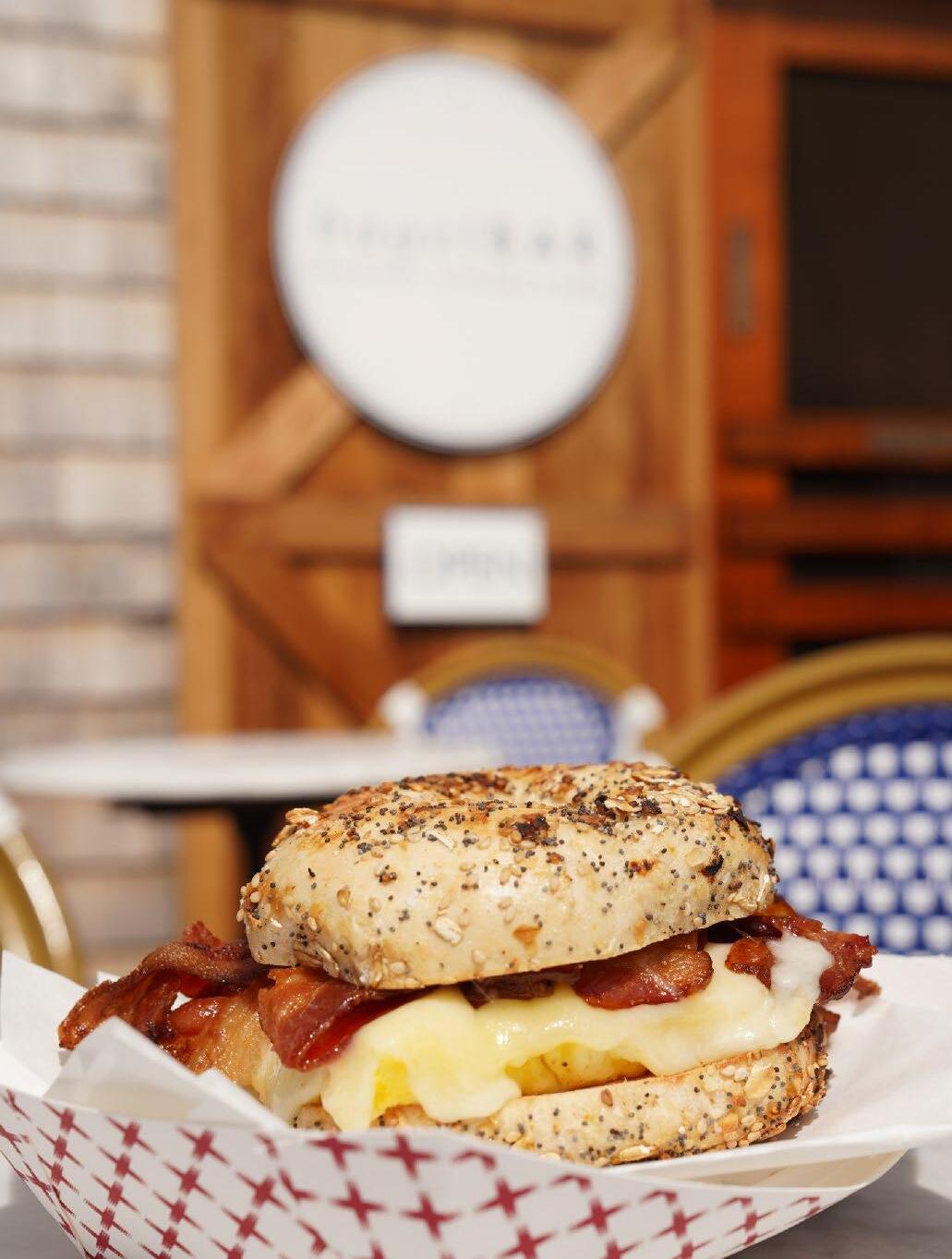
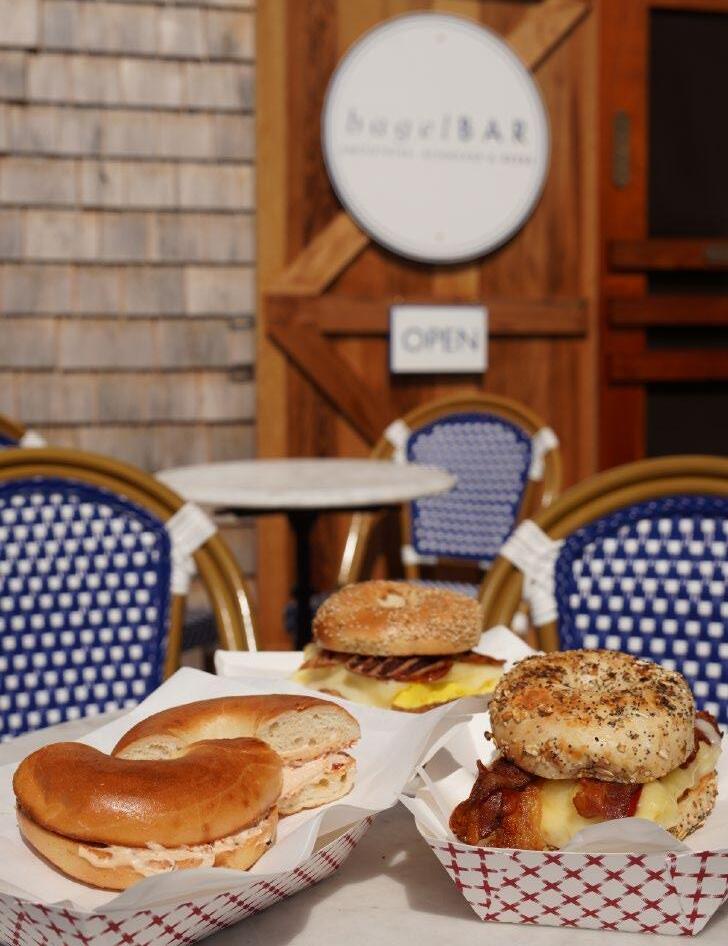
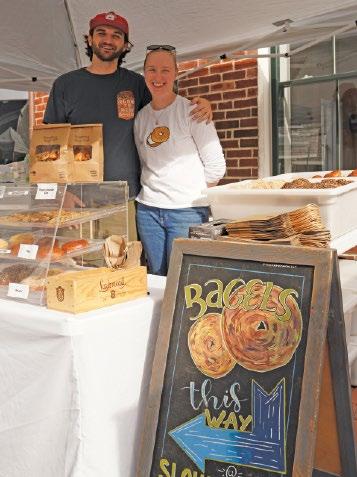
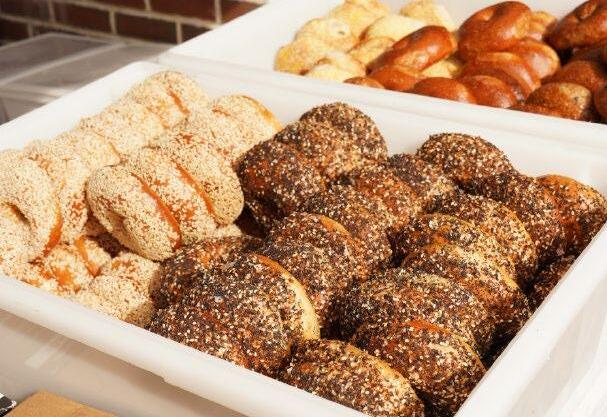
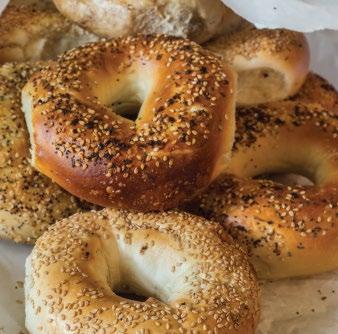
Ataste of New York has arrived on Nantucket. By 10 a.m. on a Saturday, the bagels at Slow to Rise Bakery’s stand at the farmer’s market have all but sold out. Down the street, Bagel Bar (opened in June by the owners of sushi restaurant Bar Yoshi, no less), is peddling freshly baked bagels. Meanwhile, Nantucket coffee conglomerate Roastd is baking bagels at its Airport Gas shop for its four island locations. And on Old South Road, the Meat & Fish Market is baking bagels every single morning.
“It seems there has been a bagel explosion,” Bagel Bar owner Marc Knight said over a brunch of bagel sandwiches and Italian paninis. “This whole idea started a year ago and [Bagel Bar] opened briefly last year. But when we hatched the idea, there wasn’t as much of a bagel scene.” But over the past few years, Nantucket’s breakfast scene has started to look a lot more like something out of Brooklyn.
At the Meat & Fish Market, owner Sean Ready has been baking bagels in house and serving heaping bagel sandwiches since he opened the shop nine years ago. The Meat & Fish Market even introduced a Cisco bagel, made with the brewery’s Whale’s Tale Pale Ale. Meanwhile, the duo of Tucker Puljic and Katrina Newfrock have been running Slow to Rise on Nantucket since 2022, with classics like plain, poppy seed and cinnamon sugar, to a Middle Eastern za’atar spice bagel, an English muffin bagel and an Italian-style
cacio e pepe bagel with ParmigianoReggiano and black peppercorns. This isn’t the first time Nantucket has seen everything bagels everywhere. In the mid-1990s, Nantucket got its first taste of New York bagels, when Big Apple transplant Brad Moore opened Bagel Basin behind the former restaurant 21 Federal. Not one month later, there was a second bagel shop, The Nantucket Bagel Company, which was later purchased by Something Natural. The Gaslight even baked its own bagels for a time for Sunday brunches, serving smoked salmon or bluefish on bagels and tuna tataki or Italian cold-cuts in bagel sandwiches—with mimosas and Bloody Marys. Where Nantucket’s burgeoning bagel scene goes from here is to be seen. But if one thing is true, this is no half-baked idea. “The popularity of bagels has exploded in the last 10 years,” said Chris Dadey, a food and beverage consultant for Roastd. “It’s a little bit of New York culture moving north.”
LOBSTER
ROLL INDEX
WRITTEN BY JACK BRADNER
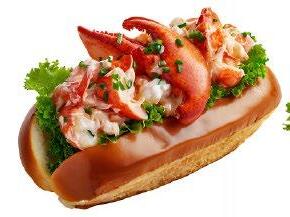
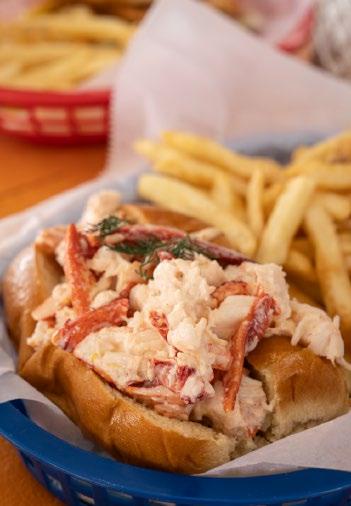
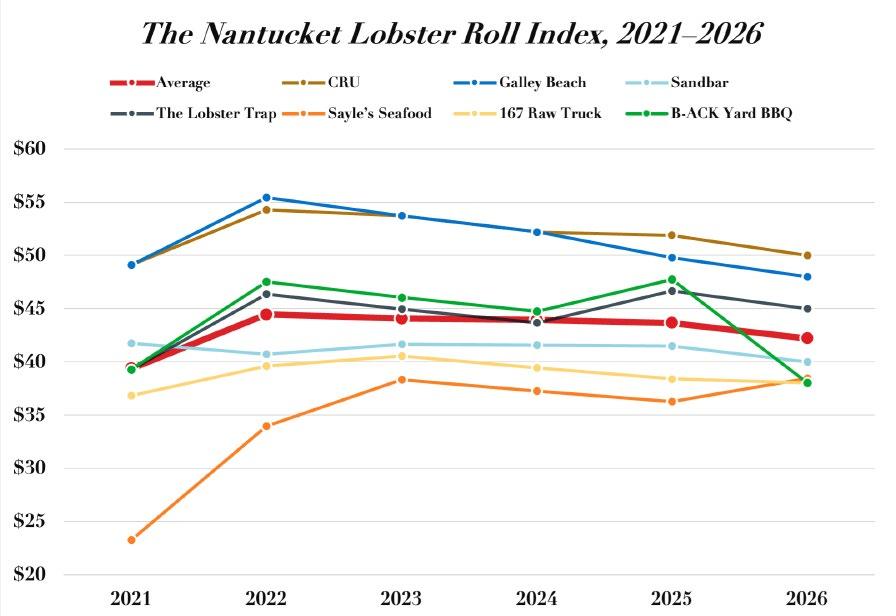
Of the many economic indicators that describe our economy, our very own Lobster Roll Index, otherwise known as the LRI, provides a tasty indication of costs on Nantucket. Surprisingly enough, while inflation on the island seems to be rampant, the LRI suggests stable prices. However, it does not account for how much lobster is actually in a roll from year to year. For those with expensive taste, CRU was the first restaurant to hit the $50 mark, while most others came in around $40-45, with Walter's at the lowest, at $35.
The 2026 Nantucket LRI
INTERVIEW
BY
BRUCE A. PERCELAY
PHOTOGRAPH COURTESY OF DAVID RUBENSTEIN
DAVID RUBENSTEIN INSIDE BASEBALL ON THE ECONOMY
THE CARLYLE GROUP CO-FOUNDER AND NANTUCKET
SUMMER RESIDENT DAVID RUBENSTEIN
David Rubenstein is best known as both the co-founder of the Carlyle Group and as one of the country’s most prolific philanthropists. From major donations to his alma mater Duke University to Johns Hopkins to the Kennedy Center, the University of Chicago and beyond, Rubenstein has also left his mark in Washington D.C. with his donation to help repair the Washington Monument. Rubenstein’s highly regarded Bloomberg television show Peer to Peer Conversations puts him at the forefront of economic and political dialogue in America. He recently purchased the Baltimore Orioles and has been a long-time summer resident of Nantucket.
What is the appeal of Nantucket to you?
RUBENSTEIN: I built a house [on Nantucket] more than a quarter century ago, and for the last quarter century, I’ve spent parts of every summer there. As our children have grown, it’s more complicated to round up older children as they’re adults and get them to all come together for family events, but we still do that as frequently as possible. Nantucket has certain things that I admire—a certain joy in the place, a pride in the culture, a community feeling of coming together and sharing the values of protecting the environment, protecting the beaches, fishing and agriculture that Nantucket does reasonably well. They make it a very happy place. Remember, what is life all about? Thomas Jefferson said, to some extent, that life is about the pursuit of happiness, and when you are on Nantucket, people are happy. I think the principal problem that Nantucket has is that we don’t want everybody to know how happy they’re going to be if they come to Nantucket, because then we have too many people on Nantucket. So we try to tell people it’s not as good as you think and maybe to go somewhere else. But the truth is the pursuit of happiness is maybe best done on Nantucket, and I think Thomas Jefferson, had he been in Nantucket, probably would have wanted to be buried there.
The wealth gap in this country has never been wider. How concerned are you about wealth distribution and its social impact?
RUBENSTEIN: The wealth gap has existed in this country from 1776 on, and in fact it was much worse in 1776 than it is today. The wealth gap in this country today is increasing as measured by certain statistics, but that’s less important than the social mobility factor.
When people believe that when they’re at the bottom of the economic social construct that they can’t rise to the top, that’s dangerous, because people who believe in the American dream have historically thought if they worked hard they could rise to the top.
So now I think increasingly a larger part of our country is not believing they can rise to the top, and ironically, the people that believe in the American dream more than anybody else are immigrants to this country. We have 55 million immigrants to this country. No other country in the world has more than 17 million immigrants. We have that many immigrants because people believe in the American dream. Some were disappointed, but most people are reasonably happy, and very few have left. I am worried about the wealth gap, but I worry about the social mobility gap as well, and I also recognize that capitalism is not a perfect system. Nobody’s ever suggested it was. I do think we could do more to close the wealth gap and the social mobility gap, but I don’t think it’s going to happen overnight.
Then
what is the biggest issue we have to worry about?
RUBENSTEIN: In the United States, I think the biggest issue in my mind is the growing lack of bipartisanship and the lack of willingness to compromise on major issues.
I have hosted a dinner for members of Congress for the last 11 years. Members of Congress like it because they can sit there in a bipartisan way— no press there to bother them—and nobody can see that a Democrat is talking to a Republican. In the public sphere we now live in, you find that Democrats and Republicans are often afraid to socialize or work together to produce compromise, and that’s driven in large part because of money. Money is the mother’s milk of politics, as is often said. It’s true.
Since there are limits on how much money [can be] raised for a campaign, the result is that generally the person who has the most money wins, and
if you raise a lot of money and you lose, you get to keep [the] money for political purposes for the rest of your life. So, people have an incentive to raise a lot of money. You do not raise money by saying, “You know what, I want to go to Washington and be right down the middle. I want to compromise. I want to make sure that both sides are treated fairly and equally.” Nobody says that in the campaign, because that won’t produce any money. You raise money by being on the far left or the far right.
To me, that’s the biggest problem we have, the lack of bipartisanship and the feeling that you have to get 100% of what you want. The result is the country is split down the middle in many ways. It’s not as bad as it was in the Civil War—that was when we fought a war between our two sides— but it’s not good.
Speaking of war, what do you think the lingering impact will be of the incursion in Iran?
RUBENSTEIN: I don’t think it’s going to be a positive for our relationships with our European allies, nor do I think it will be a positive for our relationships with the Gulf Cooperation Council countries. I think in the end, there was going to be a concern that America is maybe unpredictable when it goes to war and is not a reliable ally. As a result of that, I suspect there will be some lingering concerns for some time. Obviously, nobody can predict the future perfectly, and I could be wrong, but I do think that for a while, America’s allies will be less willing
David Rubenstein
to rely on us, and we may get less support from them than we would prefer. I think the countries that are in the middle—the neutral countries in the Middle East—are going to be more wary of relying on the United States for defense or other kinds of support.
The Obama Presidential Center down the street from the Rubenstein Forum in Chicago is a difficult building to explain visually What are your thoughts on it?
RUBENSTEIN:What [former] President Obama is trying to do is unique in two respects. First, it’s the first library built with no papers at all—everything is digitized these days, so there are no presidential papers there. Unlike every other presidential library,
What do you make of the aesthetics of the Obama library?
RUBENSTEIN:The architect [Tod Williams Billie Tsien Architects] is a famous architect, and it’s an architect that has done some things for me as well, so I may be biased. I realize that architectural critics have not fallen in love with it, but I would remind people that when the Eiffel Tower was built, people thought it was the worst monstrosity ever constructed. Many of the greatest buildings ever built are not beloved at the time they are initially started, and the reason is that it takes a long time for people to see that something unusual is really quite creative. Yes, there have been architectural critics, and The New York Times and others have criticized the design of the library, but I think it’s difficult to make a lasting commentary on a new building within a week or two weeks. It takes time. The Eiffel Tower, the Washington Monument, the Lincoln Memorial and the Jefferson Memorial were all heavily criticized when they were opened—all of them.
you don’t have to go to the presidential library to actually do research, you can do it online, or you can just go to the National Archives. Second, what Obama is trying to do is to make it a place for not just presidential scholarship but a place for a neighborhood and for a community to engage. In other words, he has a basketball court, he’s got slides, he’s got a library for children from the public schools in Chicago. He’s got things there that are designed to bring the community together and make it a welcoming place for the community, in addition to talking about what he did as president of the United States. It’s a different format; it’s a different concept. We’ll find out whether it works or not.
Moving to artificial intelligence, there are those who feel AI is a threat to their future and the value of their education, while others believe it will create enormous economic opportunities. What is your broad feeling about AI’s impact on the American worker?
RUBENSTEIN: First, I wish I had been prescient enough to invest in those companies early on, but I was not. Second, at any time new technology comes along, people are always alarmed that they’re going to hurt society and create unemployment. When the industrial revolution started in the mid-1700s in England, people were very worried that all of the new manufacturing techniques were going to produce unemployment, but as we’ve learned through the industrial revolution and [more recent] technologies—radio, television, the internet—when new technologies come along, humans adapt.
Today, I think it’s unclear to say how many new jobs will be created by AI, or whether college students, when they get out of college, will have a job that’s as good as [those available] five or 10 years ago. It’s too early, because we’re still in the beginning of the AI revolution. However, it’s my view that if you go back to the last 1,000 or 2,000 years of
history, when new technologies have come along, it’s generally enhanced humankind and generally made human life better.
How transformative is AI? Is it on the scale of the industrial revolution?
RUBENSTEIN:The industrial revolution started in England, and then it spread to the United States and other parts of the world, but it took 100 years-plus to spread. When the internet came along, it took maybe 15 to 20 years to spread. Now that AI has come along, it takes about a year or so. I think it’s going to have a very significant impact in a shorter period of time than the industrial revolution did, or that television or radio did. Because we adapt to things much more quickly and because we’re in global communication mode, people in Africa, Latin America and Asia are going to be able to have the advantage of AI to some extent. It’s going to have a good impact in the end.
For
quantum because they see it’s going to have a significant impact. The second is fusion. We’ve always been saying fusion is 10 to 20 years down the road, but now in Massachusetts and other places, fusion facilities are being built, and I have invested in some of these companies. Fusion will be a major thing. Third is the residue of CRISPR and things relating to biotech.
What is the biggest challenge to the economy right now?
investors, what is the next big thing?
RUBENSTEIN: I think there are three things. Number one, quantum computing. Quantum computing has always been said to be down the road of 10 to 15 years, but we now have a lot of quantum companies, and even the current Trump administration is investing in
RUBENSTEIN: I think we have a big amount of debt, we have an aging population, we have a divide in the country in terms of political points of view. I also worry about environmental degradation, and I think we haven’t really dealt adequately with the problems of climate change.
Then you have the last challenge, which is this: If you go back through 3,000 years of history, it’s been very rare for a civilization to dominate the world for a very long period of time. Now, things move more quickly
than they did 1,000 years ago. [The United States government] has been the dominant economic, military and geopolitical power for the last 75 to 100 years—a dominant geopolitical, military, cultural and technological power. The idea that we can continue that for another 250 years, I think, is a little bit hard to believe. The population will be very significant going forward. Our population is not growing at a very rapid rate because of the aging population and a lack of immigration. We are not reproducing ourselves. A population reproduces itself when women of childbearing age have 2.1 children, on average. Our number here is 1.6. The only way you can get to 2.1 through replenishment is with immigration, and our immigration has gone down. So, other countries are going to be more significant 50 years from today or 100 years from now because their populations are increasing at much more dramatic rates than ours is.
The United States is still the greatest country in the world. I wouldn’t move to any other place. If I was an immigrant, I would be happy to have moved here, but you can’t say that for another 250 years, there’s a guarantee—if you look at history— that [we] will be as dominant in the world as we are today.
Is China that country?
RUBENSTEIN:I think China has a population issue as well. Because of their one-child policy, they are not going to grow. Their population is going down. India has a younger population, and India could well be a much more significant country globally, militarily and geopolitically than it is today. But we’re talking 50 to 100 years from now. I think the United States is still going to be significant, because it does have a large population [even though] we’re not growing at that significant rate, and we have a lot of technological advantages. As Warren Buffett has often said, nobody’s ever made any money shorting the United States or betting against the United States. But when you’re looking at our next 250-year celebration, it’s hard to believe the United States can stay at the very top to the same extent we had it in the first 250 years. I hope we do. I would love if we did, but I just don’t know that it’s guaranteed based on looking at history.
You acquired the Baltimore Orioles in 2024. What is your biggest surprise in owning a professional baseball team and what is the most fun aspect of owning the team?
RUBENSTEIN: The ability of an owner to affect the team’s play is infinitely more limited than the ability of an owner in virtually any other industry to impact performance of the underlying
investment. Money can help but does not ensure performance to the extent that might be desired. The most enjoyable part of ownership has been reconnecting with friends and relatives from Baltimore whom I had seen much less regularly than I do and can now, and the delight of the fans at some of the ways we have improved the game-day experience.
What makes you most optimistic about our prospects over the next 20 to 30 years?
RUBENSTEIN: We have a highly educated population. We have the leading universities in the world. We have a good political culture. It’s not as good as I would like it to be, but we have the rule of law, and to me, the rule of law is one of the most important things that has worked well for this country. We really believe in law, we believe in the legal system, and I think that’s provided a lot of stability. I also think that we have an entrepreneurial spirit in this country that is really second to none of any significant-size country. Our entrepreneurial spirit, the value we place on education and the great educational institutions we have, I think are going to sustain us well for many, many years in the future. I feel optimistic about all of that, and I feel optimistic that Nantucket will still be a significant place 250 years from now.
We have seen a recent trend of socialists elected to mayoral and Congressional positions. Are you concerned about the trend and what it could mean for the political and economic direction of the country?
RUBENSTEIN: I don’t know if I would call it a trend. A mayor of New York City was elected and three primary proponents of his were elected. The country has resisted socialism for several hundred years. Socialism was started in the 1800s in Europe and traveled to the United States, but never took hold in the United States. Leading up to World War II when we were in the Great Depression, there was pressure to change the economic model of the United States, but that pressure never took hold successfully. When we emerged from World War II, the socialist view as represented by Norman Thomas, who ran for president six times, did not catch on. I think capitalism and the so-called American way of life— which has not had socialism at the core of it—has never caught on in the United States. What you have here is a blip. Remember, about 7% of eligible voters in the New York primary vote in the election—a very small percentage of people. In primaries of municipal elections and city hall elections and mayoral elections, you get a small turnout. I wouldn’t get all that excited about it. Clearly, if everybody in Congress was a socialist, you would have a different country, which isn’t the case and it’s not likely to be the case.
When they're not in Washington D.C., Lois Romano and Kristen Holmes spend their time on Nantucket.
FAMILY
HOUR NEWS
INTERVIEW BY BRIAN BUSHARD
PHOTOGRAPHY BY TONY POWELL
News runs in the family with Lois Romano and Kristen Holmes.
Like mother, like daughter. As a longtime reporter and columnist with The Washington Post, Lois Romano has covered seven presidential races. She has sat down with hundreds of politicians, candidates and journalists. Some of them were invited over for dinner, where they met her young daughter Kristen. Fast-forward to today and Kristen Holmes is now serving as CNN’s senior White House correspondent. Romano and Holmes, who spend their summers on Nantucket, sat down with N Magazine to discuss what’s happening behind the scenes at the White House, the future of journalism and how politics runs in the family.
To an outside observer, either a journalist is in President Trump’s good graces or they’re not. How do you navigate the need to know with the need to be able to interact with the president?
HOLMES: It’s all about doing our job, and that’s the baseline of everything we do when we enter the White House. The truth is that sometimes you don’t know what you’re going to get when you go into the Oval Office or what mood the president will be in, but you have to ask the questions. The job of a White House reporter is holding the administration accountable. The president loves the media. The president is one of the most transparent presidents in terms of bringing reporters in and answering questions on a regular basis. Reporters can also pick up the phone and call him and he’ll answer. He knows that the media is an important part of his job. Our job is to do what we do. There are times when I’ve gone into the Oval Office and he has attacked me but still answered my questions. That’s all you can do when you’re in that kind of position.
There has been a long history in presidential coverage of deference to presidents’ health. Is there an unwritten rule not to dig deep on a president’s health?
HOLMES: When there is something, like the bruise on his hand, that’s something we’ve reported out. It’s interesting because there have been reporters who have tried to figure out what exactly, if anything, is going on with his health. It’s not as though we’re not aggressively asking, but we’re getting the same answers in terms of him talking about the aspirin regimen or the bruising. It is also true that it’s not always going to be the first question because we’re in the middle of a war with Iran. There’s news of the day and he’s a man who makes an incredible amount of news.
With respect to Iran, the president was hoping that the overwhelming show of force would yield a quick outcome, which has not happened. Has he acknowledged that he made a miscalculation?
HOLMES: I don’t think he would acknowledge even to his closest advisors that he made a mistake. However, what has happened in Iran and the way this has unfolded has been a driver for everything he has been doing—when you see him laughing over it, the rhetoric he’s used, yelling at people in the media about stories. It is clear to me from the people I’ve talked to who are close to him, that this obviously went way further than he expected it to. He is incredibly frustrated behind the scenes that it’s not over yet.
There’s not one person in the White House that would tell you that this went the way they had planned it
as well as seeing a change in the market and affordability. The Iran War was obviously a step back to the price of oil. He needs those prices to go down because that’s one of the big things [he] was touting ahead of the Midterms.
The landscape for journalists has changed so fundamentally in recent years, with national publications turning heavily to social media and developing an online presence. Has your approach as reporters changed?
“Sometimes you don’t know what you’re going to get when you go into the Oval Office or what mood the president will be in, but you have to ask the questions.”
– Kristen Holmes
to go. We heard [Trump] saying “two to three weeks,” and we’re months into this. There has been a ceasefire, but there’s no official peace deal. That’s something they’re still negotiating and we saw one week ago the exchange of fire. As far as I can tell, President Trump has no interest in going back to a military posture in Iran. He knows how bad this has been for him politically and he wants to be talking about other stuff,
ROMANO: Pretty dramatically. It’s night and day. I never had the pressures that Kristen has. This 24-hour news cycle is not just breaking news every five seconds; it’s getting it up on every social media platform. I never had those kinds of pressures. You had a couple of news cycles a day, you did the story, you would assume it was accurate and then you would move on. In addition to the 24/7 news cycle and all the social media platforms, you have a lot of people parachuting in that think they’re journalists. It’s incumbent upon younger journalists like Kristen who have to go through all this stuff that they’re getting and make sure it’s accurate. It’s coming at them so fast and in so many different sizes, and there’s a lot of misinformation and disinformation coming from everywhere. Being a journalist today is a very, very hard job.
HOLMES: We’re seeing it across the entire board. We’re seeing this investment in vertical videos and social media. The way that people consume news is changing, and we are all working to keep up with this very fast-paced environment. The news industry has gone through this before. They went through it with the invention of the internet. They have gone through it with the addition of email and cellphones. [Journalism] has continued to change, and it will continue to change. So many platforms, from television to online to streaming—we’re constantly growing. That just means that the product that we’re putting out is going to change, not in the substance but in how it’s consumed and how we package it for a modern-day audience.
How do you combat online misinformation?
HOLMES: It requires an enormous amount of researching and reaching out to as many people as you can to try to get a full picture. Obviously, misinformation or disinformation makes everybody’s job harder, because you have to first run down if [a news tip] is true before you then start to try to confirm it or look into what it is. AI is something that has really added to that. Just an example is that President Trump [recently] posted a photo of the South Lawn with this giant emblem on it, and the first thing we had to do was figure out if this was an AI image or if he had actually done it, and it turns out it was an AI-generated image.
Trump has appeared to have benefitted financially at a time when middle Americans are suffering from the cost of inflation. Is that dichotomy between his earnings and how much people are struggling going to bubble up as an issue for the Midterms?
HOLMES: I don’t. President Trump has always sold himself as a wealthy businessman. He has always sold himself to his constituents as someone who is savvy with money and is successful, essentially telling people to vote for him because he ran a successful business. He says he was already rich and made money because he was good at making money. I don’t think that any money made in his presidency is going to have a huge impact.
“I truly feel that I come into my job from a neutral position, which you have to have.”
– Kristen Holmes
On the other side, what is going to have an impact are the policies, the war and the costs driven up by the war. People will blame the White House as they always do if they cannot afford to live. While we might see President Trump making more money than presidents before him while sitting in the White House, and we may see [Republicans] not voting for him, I think it will be more likely that what they’re voting against is not his increase in wealth but their decrease in their quality of life.
The question is whether your life is better now than it was four years ago. How will that impact the Midterms?
HOLMES:That is going to be a huge issue for Republicans and for the president. Right now, polling shows that people feel as though they’re not in a good place financially and they cannot afford to live. Affordability is the number-one issue. That’s a big reason why President Trump won in 2024, because people were feeling that way under Biden. People are still feeling that way, and if [Republicans] can’t figure out their messaging and how to bring the crisis down, then they’re going to have huge issues when people go to the polls.
Kristen, you had a unique insight into Washington, D.C., growing up. Did you always know that you wanted to get into journalism?
HOLMES: No, but I did always know that I loved news, current events and politics. I like to say that there are people who take longer to figure out what they want to do, and I was definitely one of those people. My mom had this amazing, successful career, and when I was going to college, I just couldn’t decide what I wanted to study. One of the things that I had always loved was politics, political science and national events, and I was really good at speech and debate. My mom had suggested that I marry those two things, so I looked into TV news, which, of course, was not the same kind of thing that she was doing at the time. She had been writing for The Washington Post. I thought, “You know what, why not try it?” Over the
past two decades, I have grown to just think that this is the perfect job for me, and [my mom] was right about it.
As two women in leadership positions in a traditionally male-dominated field, what impact do you hope you have as a mother-daughter tandem in such a high-profile area?
HOLMES: I do think things have significantly changed since my mom was in this field. For her, she really had to fight tooth and nail, in part because she was a woman, for everything that she did. It was rare for women to be as ambitious. There was a lot that was put on her to try to be one of the guys in a field that was traditionally male dominated. One thing that I hope personally to bring to journalism—but also to women my age who want to have careers—is this idea that we should be able to embrace the fact that we are women and that we bring a unique perspective and a different view than other people do.
“
There’s a lot of misinformation and disinformation coming from everywhere. Being a journalist today is a very, very hard job.”
– Lois Romano
ROMANO: The one thing I see more of today, which I think is so healthy, is women helping women. When I was coming up, I didn’t feel like I had that many burdens, but there weren’t that many of us and I was standing on other people’s shoulders. There was a tendency for women not to help each other as much, because they looked at it as a zero-sum game. What I see happening today, which is very heartening, is more of a team spirit. I see women helping other women and wanting their friends and their colleagues to do well. That is a change from 30 to 40 years ago, and it’s a really welcome change.
Do you and your mother disagree on anything politically?
HOLMES: I truly feel that I come into my job from a neutral position, which you have to have. I actively work to see all sides of an issue and tell the news as straightforward as I possibly can. My mom was a journalist for a long time and retired from that industry. She has posted a lot of her opinions online and I don’t always agree with the decision to post your opinions. But that’s where it lands, and I just do my job.
It doesn't take a lot of digging to find criticism of President Trump. What do you find most appealing about your interactions with him?
HOLMES: Every day, I get the opportunity to walk into the White House and potentially get to ask the president a question. I do think that he is the most accessible president in modern history.
Kristen Holmes grew up in a political family, and is now a senior White House correspondent for CNN.
Forty Years. One Island.
Enduring Excellence.
Since 1986, Lee Real Estate has been the name Nantucket trusts. What began as a deep belief in this island - its singular beauty, its resilient community, its enduring appeal - has grown into four decades of unmatched expertise, landmark transactions, and relationships that last long after the closing table.
We don’t just sell Nantucket real estate. We live it. Our agents bring an insiders knowledge to every listing, negotiation, and client conversation. Understanding this island isn’t something you can learn overnight, it’s something you earn over decades.
RENAISSANCE MAN
DR. BOB ARNOT’S LATEST VENTURE: WRITING SYMPHONIES
Dr. Bob Arnot's latest venture has nothing to do with television or medicine.
INTERVIEW BY BRIAN BUSHARD
PHOTOGRAPHY COURTESY OF BOB ARNOT
Doctor, foreign correspondent, bestselling author, humanitarian, pilot, medical entrepreneur, and now composer. After a career as a doctor of internal medicine, a New York Times bestselling author and a foreign correspondent for NBC and CBS, Nantucket summer resident Dr. Bob Arnot’s latest venture has nothing to do with TV or medicine.
When COVID sidelined the world, he took it upon himself to take classes in music theory and composing, assembling a world-class group of professors to master the art of composing music for symphony orchestras. He has since written and released three albums, and recently recorded a fourth to commemorate America’s 250th birthday.
With your background in medicine, and as a bestselling author and TV correspondent, what inspired you to write symphonies?
I spent forever broadcasting, and I’m still on TV, on Inside Edition and Access Hollywood, and I love it. But with the current friction in the media, I found that music was a way of bringing joy to people, and more than anything, of inspiring people more than any other medium.
When Covid came along, I thought I had always wanted to be a composer, and I just didn’t know if I could do it. Ordinarily, you would have to get a PhD someplace, but with the onset of Zoom and online lessons, I put together a team of 12 composition and music theory professors mostly from the New England Conservatory.
I use the Whoop [smart watch] to make sure I have a great night’s sleep and I use what I call “chrono nutrition,” which is having the right nutrients and dinner to get a great night’s sleep. So I dig in and start to compose symphonies. I recorded a couple of times in Prague with a very good orchestra there, and in Vienna with the Vienna Boys Choirs, which is the number-one boys choir worldwide.
Did you ever think you wanted to be a composer?
I’ve always been inspired to write music, I just didn’t know it was even possible. The interesting thing about music is that you can’t kind of read about it. You really need to have live human interaction. I learned all about cadences, progressions, chords, chordal progressions and synthetic scales, and really tried to put together a palette like a painter would. Van Gogh would have new colors that his brother would bring to him on the train so he could paint new stuff. I learned the classical period first—Mozart and Beethoven. I’ve studied a lot of 20th century music, as well. I’m a very big believer that music is meant to bring joy and inspiration to people. Classical music has much more depth, and when you inspire people over longer periods of time, it’s the most magnificent music.
Arnot, who plays trumpet and piano, has composed several symphonies, including his Christmas Symphony, Molokai and an upcoming composition on America's 250th anniversary.
You have indicated that your symphony was inspired by paddleboarding, which may be a first. Can you explain? It absolutely is. [Paddleboarding in Hawaii] is the most terrifying race that I [somehow] keep doing. But you work at it, and the race from Molokai to Oahu is epic. You have these big breaking waves in the middle of the ocean that could be nine or 10 feet, winds that might be 25-30 knots. The Wall Street Journal said that after you’ve done the Iron Man, this is the next big thing.
When I wrote this, I wrote about the actual race experience. It starts out very early in the morning, and you have the birds singing, there’s a little bit of wind, a little wave, and you get up and [the music] builds. You’re off to the start, and it’s optimistic. You’re rolling on the waves, and then the wind comes along and you’re cruising down in a different, more elegant style. Then you get into the middle and everything dies down. There are storms in the distance, and you really do feel this great sense of despair. With every paddle stroke, you say, ‘I’m never going to do this again.’ Then you get to Oahu, and you have these waves that are ricocheting off the island and back out at you, so that there are waves coming from every
direction and it’s hard to balance. Then there's the finish line, and suddenly there’s an enormous blast furnace of wind coming at you, and it’s do or die. It’s one of the most dramatic challenges in life, and so [the music] reflects that. I look for storytelling.
At the same time, public confidence in medicine and journalism has shifted dramatically. How can that trust be restored?
So much of the media has decided that they have to have a political edge, and that they are catering to a particular audience, whether it’s far right or far left. If you say you hate the president, you have a 50/50 chance of alienating somebody. Your judgment ought to be built around having a tremendous depth of knowledge on something. I think there’s a great deal of trust in particular media right now. I read everything—The Economist, The Financial Times, The New York Times, The Wall Street Journal. I read across all these outlets and I watch very little television anymore. The mistake is that people don't trust themselves, and so they feel that they have to have a narrative.
The politicians and some of the media feed people the narrative and it gives them confidence, almost like they’re part of a club, and then they accumulate information that feeds into that narrative. People need to learn to be fiercely independent, to be able to take a large swath of videos or reporting. People have got to develop the courage that they can step outside and they can take a subject and master it.
RFK Jr. has taken an unconventional role as director of Health and Human Services. Has the MAHA movement overtaken conventional wisdom on health and medicine?
The American diet has so many misconceptions. We should look at highly processed food, portion sizes. We have a huge increase in diabetes so the concept is a great idea. But where it got waylaid is
cholera during the Rwandan Genocide, Ebola in Uganda, sleeping sickness in Southern Sudan, malaria in Mozambique and AIDS across the world— looking back at COVID-19, how did the virus compare for you as a journalist?
the idea of digging into vaccines. Parents and conventional doctors were upset by it. Catering to an antivax audience has lost credibility, and there have been a lot of political enemies created by the movement. I’m worried that by [MAHA] being a political movement and not being thoroughly grounded, it has run astray.
As a correspondent, you have covered
I was in Uganda for an Ebola outbreak. A patient had fallen out of bed, a doctor picked him up and he was dead three days later. It is a terribly lethal disease. With COVID, patients were dying in ventilators, but it turned out people were using very high-pressure ventilators. If there’s any lesson in this, it is to take an impartial political view. What I’ve learned is that you have to be able to give people actionable steps that work.
In addition to his work as a medical correspondent, Arnot has reported on foreign affairs, outbreaks and diseases.
Six years after the outbreak, COVID feels like a distant memory. What have we learned from the pandemic? Are we better prepared now for another virus?
If you can improve the air quality, you drastically decrease the risk of spreading disease. The whole idea of closing down at that point probably wasn’t a good idea. In going around looking at this stuff, they take much more lethal diseases and shut the thing down. We could have done a better job at keeping schools and businesses open. There is information architecture with very helpful information that could have been quite helpful and it really just wasn’t used.
After decades of covering disease, conflict and disaster, what still gives you optimism in the world?
I read every article about foreign affairs. My son said, “Dad, all you care about is politics.” The fact is there is revolutionary stuff happening under our noses and nobody is talking about it. We have large-language models, we can gauge how people feel based on hundreds of data pieces you couldn’t conceptualize without a large-language model.
I think people aren’t learning enough about the phenomenal stuff we’re doing in AI and companies like Nvidia. It’s a tremendously optimistic time that is completely obscured by the negative. There is every reason to be optimistic.
A Responsive Nantucket Depends On ALL of Us
When urgent needs arise, this community responds — and so do we.
Through The Nantucket Fund, the Community Foundation rapidly deploys resources to support emergency services and critical initiatives across the island. Your support helps us remain flexible, responsive, and ready to meet both immediate challenges and year-round needs.
Island Kitchen (Covid Response Fund) Photographer: Kit Noble
Understanding the Vineyard’s Tick Crisis
Could Nantucket be next?
WRITTEN BY BRIAN BUSHARD PHOTOGRAPHY BY KIT NOBLE
Martha’s Vineyard has a tick problem. In just a few years, the island has seen an explosion of the lone star tick, a faster and more aggressive arachnid than deer ticks, which have swept the island and carried with them alpha gal syndrome, a tick-borne illness that causes an allergy to meat from hoofed animals and has become the talk of the Vineyard.
Last year, Martha’s Vineyard Hospital reported 742 positive alpha-gal tests, up from just two in 2020. As of June, there have been another 416 positive tests on the Vineyard, according to the most recent available data. Some restaurants on the Vineyard have even changed their menus to appeal to an alpha gal
stricken clientele. While lone star ticks have made their way to Nantucket, they have not taken off here the way they have on the Vineyard—not even close. So why does Martha’s Vineyard have hundreds of cases and Nantucket only 26?
“Nantucket has a tenth as many lone star ticks as Martha’s Vineyard has,” said Tufts University Professor Sam Telford, who has been studying ticks on Nantucket since 1985. “People are getting bitten by lone star ticks on Nantucket and they will get alpha gal. Whether this worsens to the point where [Nantucket] becomes the next Martha’s Vineyard is yet to be certain, but that relies on my hope that the community and the town will do something about it.”
Like the blacklegged deer ticks that have spread across Nantucket—and carry Lyme disease—adult lone star ticks rely primarily on deer as their source of food, called a “blood meal.” Unlike deer ticks, lone star ticks can move quickly and can tolerate hot sand and low grasses, making them a risk not just to ecologists in the field but everyday dog walkers, trail runners and beachgoers.
Lone star ticks are also prolific. A female lone star tick can lay up to 3,500 eggs in a socalled tick bomb, compared to 2,000 from a single deer tick. And they transmit alpha-gal, something not present in blacklegged deer ticks. With an estimated 10,000 deer on Nantucket
then, it may sound surprising that the lone star tick issue hasn’t become catastrophic. Ecologists warn if something isn’t done to mitigate the risk by culling the deer herd, the problem on Nantucket will become much worse.
“Culling the deer would for sure reduce the number of ticks on the island, but you would have to drastically reduce the number of deer on the island,” Nantucket Conservation Foundation ecologist Danielle O’Dell said. “Hunting alone is not making a noticeable difference. To make a noticeable difference, we would have to take drastic measures to bring the population down.”
Last year, hunters on Nantucket killed 1,003 deer in an expanded hunting season—more
Martha's Vineyard reported 742 positive tests of alpha gal syndrome last year, over Nantucket's mere 26.
than 10% of the estimated deer population—topping the previous record harvest of 879 from the previous season. Nantucket also participated in MassWildlife’s Hunters Share the Harvest program over the winter, allowing hunters to donate venison to islanders facing food insecurity through a program coordinated by Nourish Nantucket and the Land Bank, which started processing ground venison at its state-of-the-art deer abattoir late last year. To date, it has processed over 1,000 pounds of deer meat. But to truly address the issue, thousands more deer will need to be killed, Telford said. If the 10,000 figure is correct, then Nantucket has more than 200 deer per square mile (0.66 deer for every year-round resident). Telford estimates Nantucket would need to cut that density to roughly 12-18 deer per square mile to significantly reduce the risk of tickborne illness.
But Martin Feehan, a deer and moose biologist with the Massachusetts Division of Fisheries and Wildlife, argued that culling the herd alone would not be the most effective tool. That’s because the relationship between deer and lone star ticks is not directly related, he said. Lone star ticks rely on rodents as their primary host during their early larval and nymphal stages, while deer become their host during the ticks’ adult stage.
“At the adult stage, they can also be hosted by many domesticated species including cats and dogs,” Feehan said. “It’s important to note that humans can serve as a host for all three life
“If you didn’t have the deer and if people had been doing something about the deer population on Nantucket 40 years ago, then perhaps you would never have seen the lone star ticks.”
– Sam Telford
stages for lone stars. This also means that a large rapid reduction in deer as a possible host for adult ticks would likely lead to significantly increased feeding on humans in the near term as the remaining primary available host.”
Rather than focus solely on deer, Feehan recommends utilizing other management strategies, such as an environmental chemical treatment, as well as strategies targeting rodents. Martha’s Vineyard, unlike Nantucket, has a large population of skunks, on top of rabbits and squirrels.
Patrick Roden-Reynolds, a tick biologist on Martha’s Vineyard, has personally seen a single deer covered with over 100 lone star ticks on the island. Because lone star ticks prefer deer while they’re adults, they therefore rely on deer during their reproductive phase. “The tick control for lone stars needs to start with a balanced deer herd,” he said. “But larvae and nymphs bite all sorts of animals.” And therefore, he said, culling the deer herd cannot be the only answer. “The most effective tick control will likely involve an integrated approach that combines deer reduction with other strategies like host-targeted treatments, vaccines and habitat management.”
Todd Rainwater, a trustee of the Rainwater Charitable Foundation and a Nantucket summer resident, believes the solution is even more simple. His idea: kill all the deer. “They’re non-native,” he said. “We’re doing a good thing by removing the deer because they’re
Heidi Goethert sets mouse traps at the University of Massachusetts Field Station, part of a project to study ticks on Nantucket.
not supposed to be there.”
While it might sound like a drastic measure, there is some precedent for it. Monhegan Island, a five-square-mile fishing outpost with a summer tourism season, had become so inundated with deer and Lyme disease in the mid-90s that residents voted to bring in a sharpshooter to kill off every last deer on the island. Only two cases of Lyme disease have been reported there since, but it is important to note that these areas are vastly smaller than Nantucket.
Another project with similar results was conducted a decade earlier on Great Island, a peninsula in Yarmouth, where a herd of more than 50 deer were wiped out, though deer have since come back to the peninsula. On Staten Island, bucks are given vasectomies to keep their numbers at bay. Whether it’s expanding the hunting season regularly or eradicating the population altogether, Telford argues it’s time for drastic measures. “If you didn’t have the deer and if people had been doing something about the deer population on Nantucket 40 years ago, then perhaps you would never have seen the lone star ticks,” he said. “That’s where the effort should be, to attack the source of their blood meal.”
Still, the proposal of a sharpshooter—and an incinerator to process the deer—would likely become a radioactive political measure. “The idea of incinerating the entire deer [herd] is irresponsible and I doubt MassWildlife would issue any permits unless the venison from the deer was being distributed to the community,” Roden-Reynolds said. “Otherwise, I think an incinerator could be useful for disposing of bones, hides and entrails.”
Living with Alpha Gal
After lone star ticks gained a foothold in the Elizabeth Islands and Barnstable just over 10 years ago, researchers warned it would only be a matter of time before they made their way to Nantucket. Soon after they arrived on the Cape, a lone star tick was spotted on Tuckernuck, likely carried over
by migrating birds. In 2019, the first lone star tick was reported on Nantucket, at Ram Pasture off Madaket Road.
Three years ago, Libby Buck was bitten by a lone star tick. Buck, a conservation science and land steward at the Linda Loring Nature Foundation, spends most of her days outside. Like any other day, she had been wearing long pants and high socks—the recommended attire to fend off ticks. At first, the bite was no surprise. Like any dogwalker, farmer, trail runner or field ecologist on Nantucket, she had gotten used to ticks slipping through the cracks. What was new was the type of tick that got a hold of her.
A few hours passed and Buck noticed her symptoms weren’t the same ones she had experienced any of the other times she had been bitten by a deer tick. Less than half a day later, her agonizing stomachache and nausea wouldn’t subside. She felt like the energy had drained out of her. A test revealed she had contracted alpha-gal syndrome.
“When you find out, it’s a shock, but you do get used to eating a different diet,” Buck said. “I enjoyed eating steak and bacon and all of the meat that I can’t have anymore. Being forced into fish can be hard. I’m used to it now. But the thought of bacon and the smell of bacon is hard.”
Nationwide, more than 110,000 suspected cases of alpha-gal were identified between 2010 and 2022, according to the Centers for Disease Control and Prevention, though the CDC estimates the real number stands closer to 450,000. Alphagal also affects different people differently.
Buck, who developed the disease three years ago, will get a severe multi-day stomach ache, dizziness and fatigue if she comes in contact with red meat. “Even if I order grilled chicken, it’s coming off a grill that they cooked a million burgers on, and that would make me sick,” she said. Buck can still eat dairy products, though that’s not the case with everyone who contracts alpha-gal.
Symptoms range from hives, to eczema, facial and throat swelling, wheezing, nausea, vomiting and in some cases, anaphylaxis. On the other hand, some people who are bitten by a lone star tick will not develop the disease. Others will only develop symptoms months later. The reason why certain people develop alpha-gal and others don’t is not understood. “Eating out is scarier to me now because a lot of people still don’t know about it,” Buck said. “I’ll just say I’m vegan or vegetarian. It’s easier to say that than to explain it.”
The fact is there are conflicting ideas on how to solve the lone star tick issue. Some believe deer are the root of the problem, while others fear eliminating the deer could have unintended consequences for people and pets. The ultimate protection for humans would be the development of a vaccine, but that is years away. In the meantime, the easiest solution is localized spraying and vigilance over pets who can bring ticks into the home. Unfortunately, the lone star tick has been added to the lexicon of things to avoid on Nantucket until a more comprehensive and global solution is found.
Researchers agree any effort to reduce the risk of tick-borne illnesses needs to start with Nantucket’s deer population; but that’s not the only step to reduce the risk.
A Legacy Estate on the Sconset Bluff
Set high on the Sconset Bluff, 37 Sankaty Head Road is a private 6-acre Nantucket estate with sweeping views of the Atlantic Ocean, Sesachacha Pond, and Sankaty Light. The compound includes a 12,000-square-foot main residence, a two-bedroom guest house, and a wraparound pool with fire pit and seating area, all within a setting of extraordinary scale and privacy. Originally built in 2006 and extensively renovated in 2024, this eight-bedroom estate is a rare legacy offering defined by quiet elegance and exceptional finishes. Sconset Waterfront | Offered at $26,850,000
Private Acres 8 BR | 8 Full, 2 Half BA 12,000 SF Main Residence
2-Bedroom Guest House
Wraparound Pool + Fire Pit Ocean, Pond + Lighthouse Views Extensively Renovated in 2024
Ryan Briard President, Nantucket Little League
The $30,000 donation from the Nantucket Golf Club Foundation has made a meaningful difference for Nantucket Little League by improving both the experience and opportunities for young players. The funds allowed us to upgrade the Upper Field scoreboard, giving us two fully operational scoreboards for the first time in over a decade. They will also assist in providing coaching resources, clinics, and special programs that help players develop their skills. Furthermore, annual grants continue to support our All-Star Teams with tournaments, travel, and the ability to grow. Overall, NGCF’s support helps create a stronger, more inclusive program where kids can learn the game, build confidence, and enjoy being a part of a team, league, and community.
43 Nantucket Scholars since 2006
82 Professional Scholarship recipients since 2018
65 institutions of higher education attended Grants to 100+ Island organizations
942 grant requests – 818 grants funded
Largest grant of $1M
Through the generous support of the members of the Nantucket Golf Club and their guests, the Nantucket Golf Club Foundation has raised over $50 million in the last 24 years for the benefit of Nantucket youth.
photo: Sean Davis Photography
GESCHKE BRINGING BACK THE LECTURES
WRITTEN BY BRIAN BUSHARD
PHOTOGRAPHY BY KIT NOBLE
The Atheneum’s Geschke Speaker Series Celebrates 20 years
There is no way to build community more powerfully than by starting an open dialogue, and no institution more equipped to do so than a public library, according to Nan Geschke. She knows that lesson first-hand. When Geschke and her husband—Adobe Systems co-founder Chuck Geschke— moved to Nantucket 33 years ago, they were looking for a new community. Nan, a former librarian, joined the board of the Atheneum, and soon after founded a lecture series that bears her name.
“The Atheneum has this long history of being a forum for enlightened speakers of the day, like Ralph Waldo Emerson, Frederick Douglass, Lucretia Mott and others at the time, but [by 1992], that had fallen off because there was no money to get it started,” Nan said of the years leading up to the first Geschke Series lecture. That first year, she and her husband matched a $500,000 federal grant for the program, and the Geschke Series was born.
For two decades, the series has become the Atheneum’s biggest program of the year, bringing in politicians, journalists, executives, activists and thought leaders from around the globe for empowering and insightful lectures every summer. “The Geschke Series is foundational programming at the core of what we do and who we are,” Atheneum Executive Director Leslie Malcolm said. “The series directly reflects our mission, which, in part, promises to transform lives with resources and experiences that support lifelong learning.”
Nan and Chuck Geschke
So far this year, the Geschke Series has welcomed political theorist and Harvard professor Danielle Allen, as well as Massachusetts Institute of Technology computer science professor Randall Davis and physician and award-winning poet Jeremy Nobel. This August, the Atheneum is bringing in American diplomat Richard Haass for a lecture on foreign politics in the Trump administration, and Princeton University sociology professor Paul Starr for a conversation on the growing distrust of science in medicine. Both talks will be held at the Great Harbor Yacht Club.
Over the years, the series has seen the likes of bestselling author David McCullough, longtime CBS News anchor Katie Couric, late NBC News anchor Tim Russert, CBS’ Lesley Stahl, author and GE CEO Jack Welch and presidential historian Doris Kearns Goodwin. One year, Chuck Geschke even participated in a panel discussion on computer technology in the 21st century. “In the early days, we used to have the talks at the high school, because there was so much interest, and we had very large crowds for these talks because there weren’t talks by every other organization,” Nan said. “They were very well attended.”
“As time went on, almost every organization [on Nantucket] started to bring in speakers, including the Dreamland, the NHA, Maria Mitchell, the golf clubs—you name it, they all had speakers,” she added.
Last year, the Geschke Series took a hiatus for the second time in its history, following a break for COVID-19 in 2020. Nan was approached about the pause by a trustee on the Atheneum board.
“She said, ‘How do you feel about bringing back the Geschke?’” Nan remembered. “I said, ‘Well, I have to get the buy-in from all the board members.’” Over the course of the summer, she met with nearly every trustee of the Atheneum. “They all wanted to bring back the series,” she said.
“It was our mission, going back to the grant that we received [20 years ago] from the National Endowment for the Arts and
“The tradition is a throughline that goes back to our very beginning in 1834, and I would never want to let it go.”
– Leslie Malcolm , Atheneum Executive Director
Humanities,” Nan said. “They thought it was important enough to give us this grant to reinstall the lecture series.” Malcolm agreed. “In my mind, the series never went away,” she said. “COVID and staff changes may have altered the schedule for a brief period, but the tradition is a throughline that goes back to our very beginning in 1834, and I would never want to let it go.”
South African Judge Richard Goldstone
Dr. Rudy Tanzi speaking on Alzheimer’s research in 2015
This August, the Atheneum is bringing in Princeton University Professor Paul Starr and American diplomat Richard Haass.
Maiden Voyage
Figawi’s First All-Female Crew Sets Its Sights On Alaska
WRITTEN BY BRIAN BUSHARD
PHOTOGRAPHY COURTESY OF VICKY WISEMAN
Team Valkyrie sailing in Nantucket Sound.
No engines, no support, no shortcuts. Just 750 miles in the cold waters and tidal rapids off the Pacific Northwest in the legendary R2AK Race to Alaska. For the winner: $10,000. For the runner-up: a set of steak knives. But for Vicky Wiseman, there’s a much more fulfilling reward. Her all-female crew that races regularly in Nantucket Sound will be just the second crew of all women to participate in the race .
“Many times, the men’s expectation is that you’re not going to do as well or be as good, and then they’re surprised and their feelings are hurt if you beat them,” said Wiseman, a lifelong sailor and a clinical psychologist at Roger Williams University. “I’m not going to say that the male ego is fragile but it can be.”
Wiseman’s crew is called Team Valkyrie, taking its name from the female Vikings who she said were treated as equal members of society. Now in her 60s, Wiseman has spent her lifetime on the water, ever since her mother—a retired U.S. Sailing judge—lied about her age to give her lessons as a five-year-old. She has taught at the Nantucket Yacht Club, led a charter sailing company and competed in races from Newport to San Diego (and won over a dozen of them). “I believe that sailing is part of my soul,” she said. “Everything revolves around sailing. I do own two motor boats but they’re only vehicles to get to my sailboats.”
Vicky Wiseman and the crew from Team Valkyrie, the first all-female crew to race in Figawi.
“Many times, the men’s expectation is that you’re not going to do as well or be as good, and then they’re surprised and their feelings are hurt if you beat them.”
– Vicky Wiseman
Wiseman is used to being the only all-female crew on the water. Earlier this summer, she sailed in the New York Yacht Club’s annual regatta. There were 150 boats. Not only did she lead the only all-female crew; she was one of five female skippers. There have been times when the men Wiseman races with asked if she is a man. “It’s shocking,” she said.
In Nantucket Sound, she’s one of the most experienced sailors around. During the 2026 Figawi Regatta—where she skippered the first all-female crew in the race’s history—she led a crowded pack more than halfway from Hyannis to Nantucket. “But there were five people on the boat that weren’t
experienced sailors, so I brought them to steer, which trashed our position,” she said. “But at least they got to steer, and it was a great experience.”
After competing in Figawi, Team Valkyrie is now preparing for the Race to Alaska in 2027. For Wiseman, winning is not always the goal, and it surely is not the be-all-end-all when she heads up to Alaska. “Sailing builds self-esteem for the women to feel like they can sail, and do something that requires strength and knowledge,” she said. “There’s so much that goes into it. You have to understand nature, take in a lot of information.”
While she will take men on board occasionally, she said she is resistant to do so if she doesn’t have to. Some coed races she enters require at least two men and two women per team. For most crews, that plays out as two women joining a group of men. But for Wiseman, it’s the opposite. “It actually changes the whole dynamic on the boat when there are men there,” she said. “When women are together just
with women, it’s a very different vibe. It’s supportive, and the language and communication are different.”
As a psychologist, she has appeared on Good Morning America, has written hundreds of articles on eating disorders, and taught at Yale, Cornell and Brown. But more than anything else in her life, teaching women to sail has become a mission. When she’s on the boat with all women, Wiseman said the communication and spirit among the crew is drastically different from a boatload of men. She compares the difference to research in her field. For starters, research has shown women are more successful at multitasking. “It is surprising that more women don’t [sail] because I think that women would naturally be better at it, at managing that kind of input,” she said.
“There’s no denigrating or nasty language [with the women],” she said. “If someone makes a mistake, we workshop it. Things happen, you fix it, then you talk about it. We always do a debrief. Most of the people on the crew are my best friends. These are people I’ve been friends with for years. There’s a different kind of trust that happens. I trust the ladies are going to have my back.”
Support Local Artists
MEMORIALIZED
WRITTEN BY BRIAN BUSHARD PHOTOGRAPHY BY CHARITY GRACE MOFSEN
171 years after his death, Absalom Boston is remembered
A ABSALOM BOSTON
bsalom Boston died on Nantucket in 1855 and was buried at the Historic Coloured Cemetery. But Boston, the captain of Nantucket’s first all-Black whaling crew who was born and raised on the island, never received a headstone. In June, his name—as well as that of his wife Hannah Cook Boston—was memorialized at the Historic Coloured Cemetery as part of Nantucket’s Juneteenth celebration.
“You would go down to the cemetery and look for him, and you see his family but you don’t see him at all,” said Neville Richen, who regularly portrays Absalom Boston in island performances throughout the year. “I thought, isn’t it rather strange that in the Colored Cemetery there wasn’t a memorial. Here is Absalom Boston, a local figure, and the kids don’t really know him.”
Absalom Boston was part of a diverse whaling industry in the early and mid-1800s, when it was not uncommon for crews to include members of the Wampanoag communities around the Cape and islands, as well as Black and Portuguese sailors from Cape Verde and the Azores. Many of the descendants of those whaleships still live in the area. His uncle, Prince Boston, was the first enslaved person on Nantucket to sue for his freedom in 1773, effectively ending slavery on the island.
Image courtesy of the Nantucket Historical Association
Boston not only captained an all-Black whaling crew on the whaleship Industry—a six month voyage across the Atlantic—he also became an entrepreneur, shopkeeper and an innkeeper when he returned to the island. He helped create the African Meeting House and was active in Nantucket’s abolitionist movement and ran for public office.
While fully renovated, his house still stands at the corner of Pleasant and York streets, and is now owned by the Museum of African American History. It is called the Seneca Boston - Florence Higginbotham House, taking its name in part from Absalom’s father Seneca.
In 1846, he sued Nantucket’s segregated public school to admit his daughter, Phebe. The case made its way to Massachusetts Supreme Judicial Court. Facing mounting pressure, Nantucket desegregated its schools in 1846, and Boston’s daughter was admitted. Hannah Cook Boston, meanwhile, was a pioneer in her own right. Not only did she play a role in school desegregation, but she was the first female steamship stewardess on the S.S. Island Home. “Hannah was a pioneer,” island historian Frances Ruley Karttunen said.
Neville Richen and Frances Karttunen at the ceremony for the memorial of Absalom Boston and Hannah Cook Boston.
By the time of his death in 1855, the island’s whaling industry had collapsed, and it would have been unlikely that his three surviving children would have been able to afford the cost of a memorial stone, Karttunen wrote in her book, Nantucket Places and People. “We’re aware that a lot of people come to the cemetery looking for something they can’t find,” Karttunen said at the ceremony. “Not only did we want to memorialize these two very important people, but we want to give people who come to the cemetery something to find.”
For years, the only memory of Absalom Boston was a small portrait of him at the Whaling Museum. Boston had a beard and a tuxedo, and on his ears a pair of gold hoops. The omission of Absalom and Hannah Cook Boston’s names from the cemetery was righted this June, 171 years after Absalom ’s death. At the Historic Coloured Cemetery, Absalom Boston’s new headstone reads, “Whaling Master. Entrepreneur. Citizen.” Hannah Cook Boston’s epitaph reads: “Wife and Mother. Stewardess on the S.S. Island Home.”
“It was very important, especially for the young people growing up on Nantucket to be more conscious of it,” Richen said. “Not too many people knew about him, and Absalom Boston is now arriving into infamy.” His headstone serves as a fitting tribute to a pioneer who left a mark on Nantucket.
Whaling Captain Absalom Boston's headstone at the Historic Coloured Cemetery.
When million-dollar mega-yachts, Alerions and the occasional J-Class sailboat fill up Nantucket Harbor, some of the most competitive sailing can be found outside the Jetties, on $500 Hobie Cats. The fleet isn’t part of the Nantucket Yacht Club or the Great Harbor Yacht Club, but the Royal Nantucket Yacht Squadron, where the only dues to join are $50 and a 12-pack of beers.
“It’s exactly what sailing and racing should be,” said Jon Beery, a member of the Royal Nantucket Yacht Squadron—the beer league of Nantucket sailing. “I’ve sailed my entire life, and in racing you have two avenues. There are people who are
very hardcore and rules oriented, and this is fundamentally opposite.”
On some Thursday nights, the Royal Nantucket Yacht Squadron has boasted more than 50 members. On some nights, only a handful of members show up to race on two or three 16-foot Hobie Cats—possibly the furthest thing from luxury sailing there is. When they’re out on the water, they’re sailing over 20 knots— fast enough to be considered some of the most competitive racing around, but casual enough for crew members to underhand-toss light beers to each other from a cooler on board.
“We could bump into each other and do $200 worth of damage, versus $200,000 worth of damage [on an Alerion],” said Brian Sager, who co-founded the Yacht Squadron in 2020 with Joe Lloyd. “It started attracting people. We started telling people to come on down to Jetties Beach with a 12-pack of beer. Some people took it seriously and some took it very informally, but it kept growing to the point where we had eight or nine boats racing. People asked what we were doing, and we would say it’s the most exclusive club on Nantucket.”
As the Royal Nantucket Yacht Squadron started to attract more interest from sailors,
The dues for the Royal Nantucket Yacht Squadron are $50 and a 12-pack of beer.
Sager and Lloyd didn’t hesitate to welcome them aboard, as long as those new members brought a 12-pack of beer. With the group growing, its members started assigning titles to each other, all to make the group sound official. Sager—a talented sailor in his own right who has raced on big boats like Outlier and spent a few years coaching the Nantucket High School sailing team with Lloyd—spent a year as the Yacht Squadron’s commodore. His current title is rear admiral, a title without responsibilities.
The club also started giving out parking rights at Jetties Beach to members who pay their $50 dues, but like everything about the group, the parking rights were made up and have never held water in a court of law. “We came up with titles and
a logo, and we made merchandise, which is basically like filing paperwork to become an entity,” Sager said. Before the Yacht Squadron moved its races
outside the Jetties, the fleet would compete off Brant Point. But the Hobie Cats they sailed on were notoriously unwieldy and started to capsize. In one race, Sager said one of the boats smashed another and destroyed one of its two hulls. The crew on the damaged boat limped to shore on their one remaining hull, where they broke apart the damaged hull and attached a new one in a matter of minutes, just in time for the boat to continue racing that same night.
Sometimes the catamarans would capsize inside the harbor channel too close for comfort to the passing ferries. One time, a crew member was “launched like a trebuchet,” Sager said. She climbed back on board and had a beer. “There’s no serious attempt at maintaining the rules, but everybody has to know the rules and know when they’ve fouled,” said Posie Constable, a member of the Yacht Squadron. As Beery puts it, “It’s competitive fun racing but at the same time it’s chill. We enforce the rules but we don’t get angry on the water and if someone does, the person who does get angry is the one who’s in trouble.”
At the end of every season, the Royal Nantucket Yacht Squadron awards one member of the fleet with a brass cannon with a scrimshaw engraving, the group’s equivalent of a trophy. But this trophy is not given to the member with the most victories or the single fastest time. Instead, it’s given to the crew member who recruited the most members over the course of the summer.
Beery, who purchased his Hobie Cat for just $500 with a “hole on the side and a bent mast,” won the trophy several years ago. He couldn’t recall exactly when he won it. The group doesn’t always keep track of when awards were won, and that’s the point. While the racing is competitive, the whole idea is to sit back with your friends while you’re out on the water, crack open a beer and race back to the beach. “We all rally together, no one has deep pockets,” Beery said. “But we do have professional sailors and some of the top racers are out on the water with the RNYS.”
The RNYS has attracted dozens of sailors on some nights.
Brian Sager dressed as Santa, sailing into Cru, where he sat at the bar in a wetsuit.
ENTER, THE NANTUCKET STAGE COMPANY
WRITTEN BY JOHNCARL
Nantucket’s Newest Youth Theater Organization
Nothing gives a student more confidence than appearing on a stage in front of 100 people.
“I feel like I’m a different person when I’m on stage,” said Hadley Cook, who performs with the newest theater on the island, the Nantucket Stage Company. “I feel like when I become a character, I’m more of myself than I really am in the real world. I’m happiest when I am in a production, when I am in a show, when I’m surrounded by other kids that share the same enjoyment for acting and
theater and musicals as I do.”
For many Nantucket Stage Company students, theater is about far more than acting. It’s also a way to make friends and stay busy during Nantucket’s lonely winter months, which can often be extremely isolating for the island’s youth—and they almost never check their phones in rehearsal, either. “They’re happier,” said Jennie Cook, Hadley’s mother. “It’s a long, depressing winter. Laura [Gallagher Byrne] has been able to fill that huge void.”
Photos courtesy of the Nantucket Stage Company
MCGRADY
PHOTOGRAPHY BY KIT NOBLE
Nantucket Stage Company's Board: Grace Hull, Kareem Taha, Laura Gallagher Byrne and Jennie Cook
For decades, Laura Gallagher Byrne has been the face of youth theater on Nantucket. Across a lengthy career with Nantucket Public Schools and the Dreamland Theater, Gallagher Byrne has shaped a generation of young Nantucket actors, many of whom have gone on to become professionals in the field.
But by last year, Gallagher Byrne knew it was time for her next chapter. She wanted to do something no one on Nantucket had truly done before. Enter the Nantucket Stage Company, Gallagher Byrne’s own theater group. “I thought, I’m going to make a change. I’m going to make a difference for the [students],” she said. “I thought, I know so specifically how I want to do this, and in my mind, in my opinion, I know what will serve this community.”
Last April, under red and purple stage lights, a group of students with the Nantucket Stage Company performed the Broadway musical Hadestown. The show was a success, but what was perhaps most notable was that it happened at all. Over the next several months, actors, crew members and parents reiterated the same point: A year ago, this would not have been possible. “I don’t think we would ever have been able to do that,” Gamarley Smith, who played Orpheus in the show, said. “There’s no way.”
What sets the Nantucket Stage Company apart is its professionalism. In one way or another, every actor said the same thing: The Nantucket Stage Company takes youth theater seriously. Hadestown, an adaptation of the Greek myth of Orpheus and Eurydice, exemplifies this shift. A complex, challenging show known for its difficult vocal parts and mature themes, it is not designed for young children, and likely would have never been attempted by other local youth theater companies. If they had tried, they may have had to remove several of the key musical numbers that deal with overtly political and adult messages and perhaps compromise the strikingly tragic ending.
“I feel like I’m a different person when I’m on stage. I feel like when I become a character, I’m more of myself than I really am in the real world.”
–
Hadley Cook
“They knew that they would be working extremely hard, long hours, but those kids want to do that,” said Jennie Cook, who is also a vice president of the Nantucket Stage Company board. “[The kids] didn’t even want to leave rehearsals. They were ready to put all their blood and sweat into this and make it amazing.”
Actors who performed in Hadestown described a unique level of commitment that permeated from the leads all the way down to the ensemble, referring to the process as “professional,” “intense,” “disciplined,” “serious” and “complex.” None of this, they said, would have been possible before the Nantucket Stage Company.
Courtesy of the Nantucket Stage Company
“The whole experience was magical,” Olivia Gillies, who played Eurydice, said. “One of my favorite things, and one of the most important things to me when doing Hadestown, [was] realizing that by the end of that last hour of tech
an honor bestowed on a select group of outstanding student performers. Gallagher Byrne called this one of the highlights of the new stage company.
More than anything, the students who participate in Nantucket Stage Company
“It’s so spectacular, I think, to be with so many like-minded people,” Ronan Murray, who played Hades in Hadestown, said. “Every single one of them is so friendly and so talkative. We sang with strangers, we
week, on that last day, that everybody had put forth every single inch of themselves into the show.”
Gallagher Byrne has also been taking her students to the Junior Theater Festival in Atlanta, a global gathering of young musical theater performers that includes a competitive element. Last year, the Nantucket Stage Company received the Excellence in Acting Award, and two Nantucket students, Tomas Young and Julia Nogueira, were named Junior Theater Festival All-Stars,
productions share a strong sense of community, and many have made powerful, lasting friendships through their work. The Junior Theater Festival allows the actors to expand those connections to other students interested in theater from across the world.
danced with people we have never seen before and may never see again.”
Courtesy of the Nantucket Stage Company
All the Care You Need is Right Here
• Walk-in Urgent Access clinic for non-life-threatening conditions, open daily
• Shortest Emergency Department average wait-time in the state of Massachusetts
• Primary Care providers accepting new patients
• Seasonal Care Coordination for part time residents
• Convenient outpatient services such as Lab, Imaging, Physical Therapy
• Virtual Urgent Care available 24/7
• Sought-after specialists who provide dozens of services such as Orthopedics, Neurology and Cosmetic Dermatology
“Accessing medical care on Nantucket has never been easier for year-round and seasonal residents. We offer patients the best of both worlds: the world-class resources of the Mass General Brigham system, paired with the comfort and familiarity of a small community hospital.”
– Amy Lee, MBA, MBHA, MJ, FACMPE President and Chief Operating Officer, Nantucket Cottage Hospital Top 100 Women-Led Business in Massachusetts
Nantucket Cottage Hospital is a community-supported nonprofit organization.
HIDDEN
THE FILMMAKERS WHO CALL NANTUCKET HOME
While they may not be household names in the true Hollywood sense, Nantucket’s summer population includes powerful producers, screenwriters and editors who are behind the scenes on the movies we all recognize. Indeed, Nantucket has an underground entertainment community that is in effect a hidden Hollywood.
“I got involved in the Nantucket Film Festival before we bought a house on the island,” said Marc Resteghini, a producer with Amazon MGM Studios who executive produced the series Young Sherlock.
“As I started to learn a little bit more about the festival itself, I started to realize there were a lot of people who either lived on the island or vacationed here from the entertainment industry.” Resteghini was named the new chair of the film festival this June.
Photo by Brian Sager
While Nantucket has a reputation for attracting politicians and Wall Street titans, lesser known is the fact that dozens of leaders in the entertainment industry have also found Nantucket as their summer refuge, just not the names you might know.
“It’s like Sergeant Pepper Lonely Heart Club Band,” actor John Shea said. “We see each other but the last thing we want to do is talk about the film business. It’s more of a quiet acknowledgement of a fellow traveler than a fellowship.”
“The Vineyard is where all the actors and the writers go, the creatives,” documentary film producer Annabelle Dunne added. Dunne summers on Nantucket. “I think a lot
“It is a small island, and sometimes when you take away the work component and you say we’re just getting together to get together, then things can happen”
–
Annabelle Dunne
of people that work in Hollywood come here to be with their families, relax and enjoy Nantucket, not to network. But it is a small island, and sometimes when you take away the work component and you say we’re just getting together to
get together, then things can happen.”
The hidden Hollywood they have created is subtle. It’s not Tom Hanks or Meryl Streep walking up Main Street. Instead, it’s people like executive producer James Costa (The Dating Game, Queendom), composer Marco Stagni, producer Lorenzo di Bonaventura (Madame Web, Transformers: The Last Knight), producer John Davis and island philanthropist Wendy Schmidt, who owns a majority stake in the documentary film company Jigsaw Productions.
Writer and producer Army Bernstein (Air Force One, The Hurricane, Spy Game) has spent his summers on Nantucket for decades. So has producer Laura Bickford (Traffic, Duplicity), Jimmy Kimmel Live writer Joelle Boucai, screenwriter Katie Silberman (Booksmart) and producer Donick Cary (AP Bio). Director Jay Craven has filmed half a dozen independent movies on Nantucket, cinematographer Andrzej Bartkowiak and NFF co-founder and line producer Jonathan Burkhart. Gina Kwon, head of television for Searchlight, comes to Nantucket every summer, not necessarily looking for inspiration for her next project but finding it anyway after spending weeks away from Hollywood. Kwon sees a throughline from the abolitionist and
Annabelle Dunne
women’s rights speakers who came to Nantucket in the 1800s and the commitment to storytelling on Nantucket today, whether it’s through powerful movies at the Nantucket Film Festival or any other book, song or movie based on the island.
“You’re just constantly thinking about the business and creativity, and putting everything aside, all that
“I’m dying to do a show that is set on Nantucket”
– Marc Resteghini
matters is excellence in the storytelling,” Kwon said. “It’s easy to get a little caught up in the gears of the industry and feeling a little [like] you’re up and down, and all of that can be depleting. It’s always important to remember that it’s a privilege to work in the industry, and it’s a privilege to be inspired, and even if you’re not the writer or the director, to reconnect with inspiration is really important at every level. It’s why you’re doing these things.”
Marc Resteghini
Gina Kwon
Introducing your children to the world
WRITTEN BY BRIAN BUSHARD
The Gault family takes the trip of a lifetime.
There are family vacations and there are family vacations. Some people take their kids to Disney World, some take their kids to a Caribbean resort. But Dan and Sarah Gault have taken family travel to an entirely different level.
This August, the Gault family will take an 11-month trip of a lifetime from their house on Nantucket to 18 countries on three continents, traveling like vagabonds through Africa, Asia and Australia. Their four school-aged kids will join them for the entire length of the vacation, ditching the comforts of life on Nantucket for an education they would never receive in school.
“On this trip, forget about watching a big screen TV,” Dan said. “We’re talking about things like clean drinking water and having electricity 24 hours a day. Showing them those things gives them perspective. It plants a seed in them for a lifetime.”
The Gaults, by their own admission, are not ordinary travelers. Since their trip will take nearly a year, their four children—in eighth, seventh, fifth and third grade—will be
homeschooled through a math and English curriculum, as well as a healthy dose of reading, journaling and cultural visits to museums and historical sites. Instead of a beach resort vacation, they’ll be in city centers and remote parks, immersing themselves in new cultures and languages.
And since the children are growing—and taking up more space in their house on the island—the entire trip will coincide with a yearlong project to lift their house in Warren’s Landing, making more space for the family of six to spread out. For the time they’re gone, Sarah, a special education teacher at Nantucket Public Schools, will be on sabbatical and set to return for the 2027-2028 school year. Dan, who owns a property management company, handed the reins to his second-in-command for the time being.
“My whole team stepped up to make this possible,” he said. “I was anxious to tell two groups of people— my employees, because I didn’t want them jumping ship, and my clients in the management world, because I didn’t want them to be upset. But they were maybe the most supportive.”
PHOTOGRAPHY BY KIT NOBLE
While they’re gone, their house will be lifted, making more space for the family of six.
At this point, the Gaults are veteran travelers. Dan, whose first job on Nantucket was as a fisherman with Pete Kaizer on the Althea K, spent his first dozen island winters exploring Southeast Asia and South America. When it was all said and done, he had visited 50 countries before the age of 35. His first family trip abroad with the kids was to Panama, where they hunkered down during the COVID-19 pandemic. The kids were 2, 4, 5 and 7.
– Dan Gault “It’s beyond a bucket list for me.”
The Gaults have also traveled as a couple to Nicaragua, El Salvador and Honduras. But, as Sarah said, “We had been on vacation just the two of us, but why not share it with the kids?” So, as a family, they have seen Morocco; spent two weeks in Ecuador, Nicaragua, Costa Rica and Mexico; toured the canyons of the American Southwest in a rented RV; and camped through Maine and Nova Scotia up to Meat Cove at the tip of Cape Breton Island.
The Gaults have already taken their children to several continents, have ridden on camels in Morocco, traveled through the Southwest and tried food they would never find on Nantucket.
Courtesy of Sarah Gault
“We did 10 days in Morocco, and to hear the call to prayer at five in the morning, at first [the kids] were shocked to see somebody in a full burka,” Dan said. “We ate in their homes and stayed with these people and played with their kids. It really broke down a lot of those barriers and gave them a good perspective.”
For this upcoming trip, the Gaults head first to Kenya, followed by Uganda, Rwanda, Burundi and Tanzania, where they’ll take a tour in a converted military vehicle with a group of 13 people. After that, they’re boarding a plane for South Korea. From there, they’ll visit Mongolia, China, Nepal (for a month-long trek), Japan, Fiji, Cambodia, Vietnam, the Philippines, Thailand and Indonesia, where they’ll visit Bali and Komodo Island. And if they have time:
Australia and New Zealand. The idea is to stay deliberately vague on the back end, in case they need to come home.
Planning the 11-month trip has involved a combination of watching old Anthony Bourdain videos and going down internet rabbit holes, including some the kids have undertaken on their own. “They need to be engaged in the planning process, and we’re still working on that, because otherwise, if it does turn a little bit south, as we understand, they can say, ‘This is your trip, we want to go home,’” Dan said.
As far as the countries, places and activities they’re most looking forward to, Dan’s biggest bucket list is a Golden Eagle Festival in Mongolia. Sarah is looking forward to trying insects in Asia and street meat from city
Dan and Sarah Gault are taking their four school-age children on an 11-month trip of a lifetime from Nantucket to 18 countries, traveling like vagabonds through Africa and Asia.
“[During my solo] travels, I always thought it would be amazing to come back and see that again, especially with kids. It plants a seed in them for a lifetime.”
– Dan Gault
vendors. She also has her sights set on Rabbit Island in Japan, an island taken over by rabbits. Eccentric? Maybe. But it’s an education the kids certainly would not have in the schools. “This is a big culinary tour for us,” Dan said. “Our children are getting a little more curious. We’re breaking them out of the chicken nuggets and mac and cheese.”
Starting August 11, they’ll have to leave mac and cheese behind. “There’s no such thing as perfect timing for this trip,” Dan said. “I’ll be 52. I had hoped to do it when I was 50, but the way this lined up, our oldest will be in eighth grade, so we won’t have to pull him out of high school, which is important. [Sarah] has 20 years under her belt teaching, and then we come back with a 10-year plan [before retirement]. It’s beyond a bucket list for me.”
Courtesy of Sarah Gault
The Double Life of BEVERLY HALL
INTERVIEW BY PAIGE MARTINO PHOTOGRAPHY COURTESY OF THE NANTUCKET HISTORICAL ASSOCIATION
Beverly Hall Becomes Hanna Monaghan
Long before Greater Light became one of Nantucket’s most beloved historic houses, it was an aging 18th-century cow barn tucked away on what was then Bull Lane. Where others might have seen a weathered farm building, Quaker sisters Hanna and Gertrude Monaghan envisioned something extraordinary, transforming the humble barn into an exuberant home and art studio layered with salvaged architectural treasures, handcrafted furnishings and original paintings. They called it Greater Light
tucked into the margins. She interviewed people who had known Hanna and spent countless hours researching both the Monaghan sisters and Greater Light itself. Along the way, she began recognizing unexpected parallels between their lives, particularly in their shared devotion to faith and the arts. “The attraction was immediate,” Hall said. “[Hanna] really sparked something within me, so I took it and ran with it.”
A hundred years later, Beverly Hall keeps Hanna Monaghan’s spirit alive, putting on period clothes and performing as Hanna at Greater Light. “My feeling when I walked inside [Greater Light] for the first time was almost visceral,” Hall said. “One day during the process, I just got so immersed I said, ‘That house just needs someone to bring it alive.’ I just said it. I blurted it out. ‘Someone needs to be Hanna.’ The whole group turned around and said, ‘Beverly, why not you?’”
Becoming Hanna meant immersing herself in Hanna’s memoir, filling pages with underlined passages, colorful notes and thoughtful observations
For Hall, art has always been inseparable from spirituality. “I believe in a higher power; I believe in art as being an expression of the divine,” she said. “I think we find our divinity within ourselves, within other people, and within the work of the hands of craftsmen who have made beautiful works of art. What [Hanna] brought into her house was a tapestry, an eclectic tapestry of different fabrics made by hand—each one had a spark of the divine.’
Although Hall considers her theatrical experience limited, recalling her first role as George in Our Town during boarding school, stepping into
Hanna’s shoes felt less like acting than interpretation. Physical resemblance mattered little. Hanna, Hall laughs, was “a feisty, Irish, five-foot-tall ball of energy!”
By the time Hall welcomed visitors into Greater Light, she no longer felt she was portraying Hanna as much as inviting audiences to meet her. “By
being there in the house, acting through her life and interpreting her story, I think the people get the feeling that I don’t have to look like her; I just am,” she said.
For more than a decade, Hall and her husband, David Billings, hauled props and camera equipment
to Greater Light for weekly afternoon performances of the one-woman show Hanna in the Garden. Hall assembled Hanna’s wardrobe from local flea markets and thrift shops, searching for garments that echoed the fashions of her era. Among other props, a peacock chair and a vintage suitcase completed the setting, but it was Hall’s storytelling that transported audiences.
“After they see, hear or feel what I have to say about Hanna, they go home with a feeling of a living person, not just a historical site,” she said, adding: “It is something lively enough, historical enough, and quirky enough in its own way.”
Because Greater Light was a labor of love, filled with Navajo rugs, iron gates and handcrafted heirlooms like a sofa made by the Monaghans’ mother, it became a space defined by both eccentricity and deep spirituality. That same spirit has resonated with Hall since she moved to Nantucket 62 years ago.
“In 1964, I came to a little shack on the creek, and here I am in 2026, still here,” she said. “Only it went from shack to chateau.”
Just as the Monaghans lovingly preserved and transformed Greater Light into a reflection of their artistic vision, Hall has spent decades shaping her own home in Madaket, which she affectionately calls “Greater Light West.”
Over the years, Hall has become so immersed in portraying Hanna Monaghan that the line between performer and subject has begun to blur. “All I have to do is start talking, and I become Hanna,” she said.
Now 85, Hall reflects on the role with a new perspective. “I am now older than Hanna, who died at 82,” she said. “I feel I’ve earned my stripes, so to speak, in embodying her.”
That emotional connection is especially evident in the closing soliloquy Hall wrote for the performance, which still brings tears to her eyes as she imagines Hanna finding peace in knowing her home and legacy would endure. “I nailed it for her; she nailed it for me.”
MOORINGS EELGRASS THAT PROTECT OUR
WRITTEN BY BRIAN BUSHARD
How could a traditional mooring possibly be bad for the environment? The fact is that the moorings that have been deployed for decades have had a deleterious effect on eelgrass in a way that has consequential impacts on Nantucket’s fragile bay scallop population.
PHOTOGRAPHY BY KIT NOBLE
Three new moorings, loaded on the Anderson Stillwater Moorings boat.
The problem with traditional moorings, according to Nantucket Land and Water Council ecologist and waterkeeper RJ Turcotte, is that after months of shifting winds, the boats they secure will pull in all directions, forcing a traditional chain to swipe at the eelgrass below—a process called scouring. The bigger the boat, the worse the damage. An aerial view shows the problem as clear as day: sandy rings around the moorings where eelgrass had been.
“We’re obviously seeing a decline [in eelgrass],” Turcotte said. “It gets worse as you go up the harbor. We’re at a point where every year, the eelgrass is getting thermally stressed and we’re having nutrient inputs causing algal growth that’s competing with the eelgrass. Anything we can do to help them along, we want to do.”
Matt Anderson driving to the mooring field.
Traditional moorings leave scars on the seafloor where eelgrass had been. Courtesy of the Nantucket Land and Water Council.
To that end, the Land and Water Council is introducing new 200-pound pyramid-shaped moorings designed to keep the eelgrass in place. Above the surface, it’s a standard mooring. But unlike the traditional moorings, which are affixed to the seafloor with a mushroom-shaped base and a heavy chain, the new moorings use a system that looks more like a bungee that can contract and relax as the boat it’s securing sways around in the direction of the prevailing wind.
Eelgrass provides a habitat for several species, including bay scallops. It also helps to hold sediment in place, mitigating coastal erosion, and improves water quality by absorbing pollutants. But eelgrass cover in
the harbor has fallen precipitously over the past few decades, reaching 14% in 2024, according to Nantucket Shellfish and Aquatic Resources Manager Tara Riley.
Preserving Nantucket’s eelgrass—and by effect, its scallop
industry—is therefore a priority for fishermen and ecologists. It’s been the subject of numerous initiatives around the harbor, including efforts to reduce nitrogen loading from fertilizer use, which causes algal growth that blocks sunlight from reaching eelgrass on the
The mooring ball is attached to a bungee-like rope that tethers it to the seafloor.
– RJ Turcotte, Nantucket Land and Water Council
harbor floor. Town Meeting has also voted to expand the town sewer to neighborhoods along the harbor, hoping to reduce runoff into the harbor. And nearly 10 years ago, the Land and Water Council undertook another project to transplant eelgrass to an area off Monomoy, which Turcotte likens to underwater gardening.
The Land and Water Council’s pilot project for the new moorings is funded by the Great Harbor Yacht Club. “There are obviously things that are out of our control, like the rising water temperature,” Turcotte said. “There’s not much we can do about that. But anything we can do, including things like this, to make gains and help [the eelgrass] out when it is struggling, we want to do.”
This year, the Land & Water Council is starting with 12 of the new eelgrass-friendly moorings as part of the pilot project. If the project is successful, Turcotte’s goal is to replace every mooring with the new eelgrass-friendly model. At the end of the day, it’s a simple fix. “Scour is physical damage,” he said. “It has a direct link and we can figure it out.” “Every year, the eelgrass is getting thermally stressed and we’re having nutrient inputs causing algal growth that’s competing with the eelgrass.”
Turcotte points to the area off Monomoy where the moorings will be dropped.
MAKE HOME YOURSELF AT
LUCY’S LOCKET GETS POLISHED
WRITTEN BY STACEY MARCUS PHOTOGRAPHY BY JANE BEILES
Interior designer Robin Patton knows a gem when she sees one. She had always envisioned an oceanside property on Nantucket with a view of the ferries, summer yachts and winter trawlers navigating the Sound, so when she found a two-acre parcel with a main house and a small cottage on the Cliff, she jumped on it immediately. But the main house was dilapidated and was a strong contender to be torn down and replaced. The cottage on the site, however, presented an opportunity.
“What truly made me hesitate to tear it down, though, was its history,” Patton said. In a nod to its history, she kept the quarterboard on the cottage, called “Lucy’s Locket” after the previous owner’s daughter. There was something about that name—and the sense of family behind it—that really stuck with her. “It felt deeply personal, almost like a piece of someone’s story still living on the property.”
The renovation was guided by a desire to expand the cottage thoughtfully, without losing its scale or spirit as a cozy summer house—though they added a primary bedroom, bathroom and a den, all designed to feel as though they had always been part of the original structure.
“It’s always easier to knock it down, but it’s great when you find people who want to preserve the history of a building, even if they change it dramatically,” said Lisa Botticelli, a partner at Botticelli + Pohl, who worked on the renovations.
Patton began refreshing the cottage in 2024 and finished in 2025, painting the interiors, adding wood paneling downstairs and shiplap upstairs, and painting the floor white and leaning into a “more colorful palette, drawing inspiration from Nantucket and the surrounding landscape—lots of greens, and sun-washed tones that feel both timeless and rooted in place.”
“The decorating is more Parisian and Swedishinfluenced as if it were a home on the Mediterranean Sea,” she said. Inside Lucy’s Locket are some of Patton’s best memories. “It’s still the same cottage, just renovated and updated,” she said.
Hunger on Nantucket is Real.
The high cost of living poses a challenge to island residents from teachers and nurses to Coast Guard members and service industry workers. Without those who make Nantucket work, the island simply cannot function.
Nourish Nantucket is addressing the hunger crisis on the island by coordinating 14 food agencies along with our new Food Hub. With your support, we can end hunger on Nantucket once and for all.
For further information scan the code, visit nourishnantucket.org, or call Meg Browers at 508-825-6872.
Grey Lady Gardens
PHOTOGRAPHER: BRIAN SAGER
PHOTOGRAPHY ASSISTANCE:
PAIGE MARTINO AND JACK BRADNER
EDITORIAL STYLIST: PETRA HOFFMANN
STYLING ASSISTANT: ABBY JONES
HAIR STYLING: DARYA AFSHARI GAULT OF DARYA SALON + SPA
MAKEUP STYLING: JURGITA BUDAITE OF ISLAND GLOW
MODELS: KATE MONAHAN AND JEWEL CUMMINGS OF MAGGIE INC.
VENUE: MADAKET, BEVERLY HALL AND DAVID BILLINGS
BLAZER: CARTOLINA X CENTRE POINTE
JEANS & BAG: MURRAY’S TOGGERY SHOP
SCARF: VIA COQUINA
JEWELRY: SUSAN
LISTER LOCKE SHOES: RESPOKE
RIGHT
KAFTAN: VIA COQUINA
JEWELRY: SUSAN LISTER LOCKE
LEFT
DRESS: REMY
HEADBAND & SHOES: RESPOKE
EARRINGS, PEARL BANGLE & PEARL NECKLACE: HEIDI WEDDENDORF
HAND BRACELET: DARYA SALON & SPA BAG: MURRAY’S TOGGERY SHOP
LEFT
DRESS: REMY
BAG: MURRAY’S TOGGERY SHOP
EARRINGS, NECKLACES & RIGHT BANGLE: SUSAN
LISTER LOCKE
LEFT BRACELET: KATHERINE GROVER
RIGHT
SHORTS: REMY
TOP: MURRAY’S TOGGERY SHOP
SHELL NECKLACE:
FEDE X DARYA SALON & SPA
JEWELRY: VIA COQUINA
LEFT
TOP & CARDIGAN: SOUTHERN TIDE
PANTS: MURRAY’S
TOGGERY SHOP
EARRINGS & RING: THE VAULT
NECKLACE: FEDE X
DARYA SALON & SPA
BAG: VIA COQUINA
RIGHT
TOP & SKIRT SET:
MURRAY’S TOGGERY SHOP
JEWELRY: THE VAULT
BAG: MURRAY’S TOGGERY SHOP
EARRINGS:
: HEIDI WEDDENDORF
LEFT DRESS: REMY
EARRINGS & BANGLES: THE VAULT
TILE NECKLACE: DUBAR LONG NECKLACE: HEIDI WEDDENDORF
RIGHT
TOP: SOUTHERN TIDE SHORTS: REMY
SUSAN LISTER LOCKE BRACELET
LEFT
TOP & SKIRT: SOUTHERN TIDE
SCARF: VIA COQUINA
JEWELRY: KATHERINE GROVER
RIGHT
TOP: DÔEN
PANTS & SCARF:
MURRAY’S TOGGERY SHOP
SHORT PENDANT NECKLACE: SUSAN LISTER LOCKE
JEWELRY: KATHERINE GROVER
BOOKS, BEACH & BEYOND WITH ELIN HILDERBRAND & TIM TALKS BOOKS
Season 4 of Nantucket’s hit podcast with #1 Bestselling
Author Elin Hilderbrand and Tim Ehrenberg of @TimTalksBooks
Join Elin Hilderbrand, #1 New York Times bestselling author of 30+ titles and the “Queen of the Beach Reads,” and Tim Ehrenberg, Nantucket’s most voracious reader and creator of the popular @TimTalksBooks on Instagram, as they hit the airwaves for Season 4 of the smash podcast produced by N Magazine. With over 2 million episode streams, tune in as our hosts talk with the who’s who of their publishing industry and bring books to life in a brand new way for podcast listeners!
SCAN TO SUBSCRIBE & LISTEN
THANK YOU TO OUR SEASON 4 PREMIER SPONSORS
Ann Patchett
Sunny Hostin
Liane Moriarty Emma Straub Fredrik Backman Ina Garten
Colleen Hoover
Nicole Kidman
Kristin Hannah
Sarah Jessica Parker
Jenna Bush Hager
Kevin Kwan
Taylor Jenkins Reid
John Grisham
Dan Brown
Lily King
Gayle King
Elizabeth Strout
for the Course PAR
Golfing through the years
IMAGES COURTESY OF THE NANTUCKET HISTORICAL ASSOCIATION'S ARCHIVES
A line of caddies practicing their swings at Sankaty in 1941.
A crowd gathers at Sankaty, 1969.
The clubhouse at Sankaty Head Golf Club, 1933.
National champion and Nantucketer Pauline Mackay (left) and the trophies she and her family won.
Starting young at Nantucket Golf Club, 1900s. Hitting the links at Sankaty in 1969.
In the 1910s, it wasn’t uncommon for golfers to wear kilts at Sconset Golf Course, considered the oldest privatelyowned golf course in the country open to the public.
Running through Sconset Golf Course, 1910s.
Actor George Fawcett on the green in Sconset, 1910s.
Sankaty caddies outside the pro shack in the 1940s.
Four women play a round of golf in Sconset, 1911.
A caddie in 1933 at Sankaty Head Golf Club, which has run a caddie camp for decades.
Nantucket golfing style in the 1910s.
A young Oswald Tupancy—whose name lives on at Tupancy Links— golfing at Sankaty in the 1930s.
1905 U.S. Women’s Amateur champion and Nantucketer Pauline Mackay frequented Sconset.
Young caddies at Sankaty Head Golf Club in the 1930s.
Oswald Tupancy and William Chittenden Newman Jr. at the ninth hole of Sankaty Head Golf Club in the 1960s
The clubhouse at Nantucket Golf Course off Cliff Road, 1910s.
“Amlie,” the car driven around Sankaty for the caddie camp, 1940s.
NANTUCKET BOOK FESTIVAL
Featuring a star-studded lineup from all walks of the literary world, the Nantucket Book Festival was a sight to see. From bestselling author Ann Patchett, to TheTodayShow host Jenna Bush Hager, Kin author Tayari Jones and Buckeye author Patrick Ryan, the festival offered free events for every reader, with book talks at the Methodist Church, Dreamland, Nantucket Atheneum and the White Elephant.
NANTUCKET FILM FESTIVAL
The Nantucket Film Festival celebrated its 31st edition this June, honoring Paul Feig with the Visionary Storyteller Tribute, Rashida Jones and Will McCormack with the Special Achievement in Screenwriting Award, and The Five-Star Weekend star Chloë Sevigny with the Compass Rose Award for Career Achievement. Presenting the awards were Emmy-nominated actress Rose Byrne and Academy Award-winning filmmaker Tom McCarthy.
NANTUCKET WELLNESS FESTIVAL
The Nantucket Wellness Festival— the rebranded Yoga Festival— hosted a weekend of wellness classes of all varieties this June at the Dreamland.
Bride: Abigail Terres • Groom: Kevin Boyle • Venue: Sankaty Head Golf Club
Ceremony Venue: St. Mary, Our Lady of the Isle • Photographer: Emily Scannell
Videographer: Harborview Studios • Planner: Maggie Stewart • Band: The Sultans
Hair: Taylor Carter / East West Salon Co. • Makeup: Leah O’Rourke / Leah Louise Beauty
Dessert: Island Kitchen • Florals: Flowers on Chestnut • Paper Suite: RSVP Hingham
Dress and Veil: Kelly Faetanini, Flair Boston • Grooms Tux: Alan David NYC
Bridesmaids Dresses: Amsale • Groomsmen Tuxes: The Black Tux
featured wedding
55 India
Allied Marine, Ferretti Yachts
Artists Association of Nantucket
Atlantic Landscaping
Audrey Sterk Design
Bar Yoshi
BHHS Island Properties
BHS - Whitney McGurk, Liza Pulitzer
Books, Beach & Beyond
Cape Cod 5
Carolyn Thayer Interiors
Centre Pointe, Cartolina
Chip Webster Architecture
Christian Angle Real Estate
Citizens Private Bank
Clarke Brothers Construction
Coldwell Banker - George & Mara Vasvatekis
Community Foundation for Nantucket
Compass - Marybeth Gilmartin-Baugher
Darya Salon
Douglas Elliman
DuBar
Edgeworth
Eittem
Eleish Van Breems
Elms Interior Design
exp
First
Murray's Toggery
Nantucket Cottage
Over the past 20+ years, N Magazine has established itself as Nantucket’s leading luxury lifestyle publication and the most powerful advertising vehicle on the island. Renowned for its compelling content, stunning photography and premium production, each issue is hotly anticipated and becomes a permanent collectible in homes around Nantucket and beyond. Accordingly, N Magazine provides businesses with residual exposure unlike any magazine or newspaper of its kind.
To learn more about the many advertising opportunities available with N Magazine, contact Emme Duncan, Director of Advertising and Partnerships, at emmeduncan@n-magazine.com