Drone footage shows Musk’s AI power plant flouting clean air regulations in Black community
By Evan Simon Floodlight
Elon Musk’s artificial intelligence company is continuing to fuel its data centers with unpermitted gas turbines, according to a Floodlight visual investigation. Thermal drone footage shows xAI is still burning gas at a facility in Southaven, Miss., despite a recent Environmental Protection Agency (EPA) ruling reiterating that doing so requires a state permit in advance.
State regulators in Mississippi maintain that since the turbines are parked
answer questions about the turbines at Musk’s AI facilities and referred to local authorities on permits.
The first and only public hearing on the matter is scheduled for February 17, and the public comment period is still open.
The Trump administration has made AI a priority, but as data centers proliferate across the country, regulators are struggling to keep pace with the industry’s increasing reliance on custom-built power sources and their public health impacts on surrounding communities. And Southaven, where state regulators are at odds with
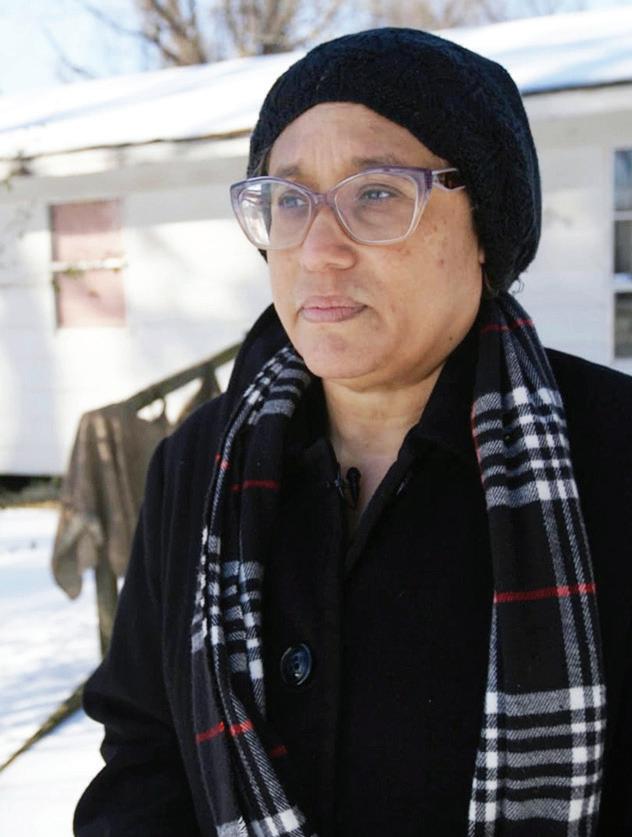
said longtime resident Shannon Samsa. “It’s horrifying to me that we’re allowing this in our community.”
From Memphis to Mississippi
The Southaven turbine cluster is part of xAi’s rapidly growing footprint along the Tennessee-Mississippi border. That expansion began in the spring of 2024 in South Memphis, next to historically Black neighborhoods, with the construction of Colossus 1, which the company touted as the world’s largest AI supercomputer.
The Southern Environmental Law Center released thermal images
average levels of air pollution.
“When you’re talking about these turbines, think of the jet engine,” said Buckheit.
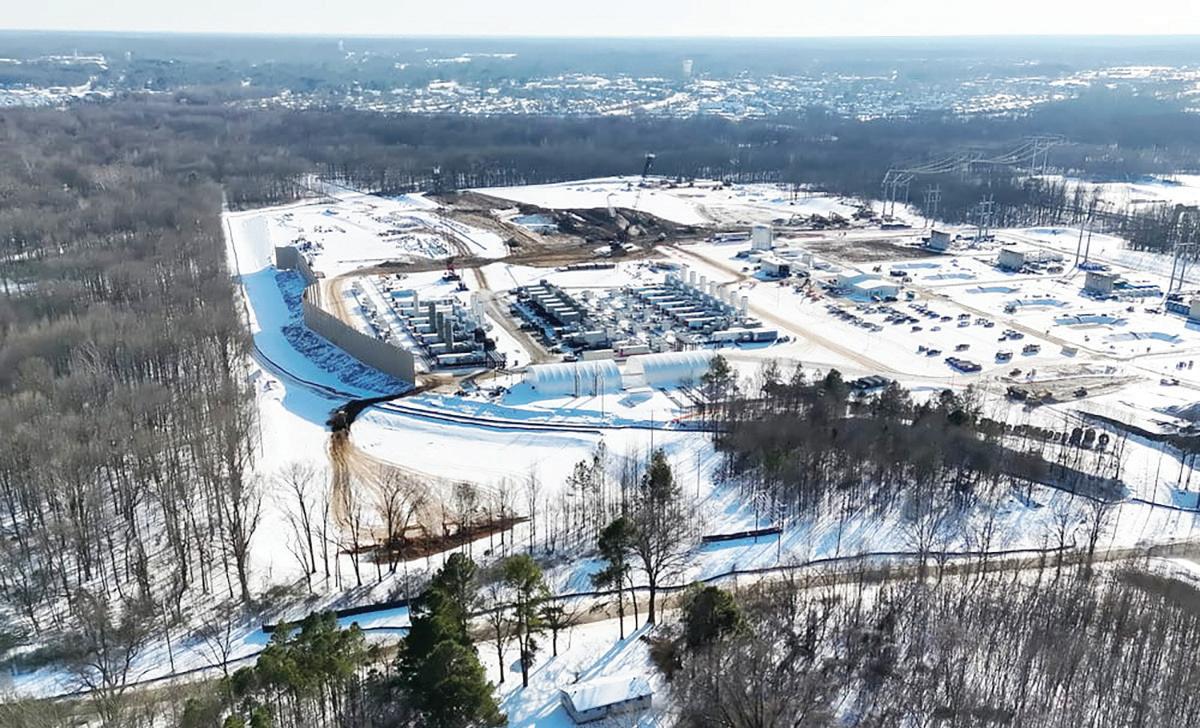
Despite the EPA’s recent directive, Floodlight’s thermal imagery — analyzed by multiple experts — shows 15 unpermitted turbines in operation at Southaven. Public records obtained by Floodlight show 18 of the 27 turbines have been used since November, at least.
“One might easily have expected, since this has been going on for some

on tractor trailers, they don’t require permits. However, the EPA has long required that such pollution sources be permitted under the Clean Air Act.
Any exemption for these machines “could leave these engines subject to no emission standards at all,” the agency wrote in a January final ruling.
However, thermal images captured by Floodlight — and analyzed by multiple experts — show more than a dozen unpermitted turbines still spewing pollutants at the plant nearly two weeks after the EPA’s recent ruling.
“That is a violation of the law,” said Bruce Buckheit, a former EPA air enforcement chief, after reviewing Floodlight’s images and EPA regulations.
xAI, which is seeking permits for dozens more turbines in Southaven, did not respond to multiple requests for comment. The EPA, which under Trump has initiated a record low number of enforcement actions, declined to
federal guidance, is a prime example.
The turbines there help power Grok, the company’s controversial chat bot, and emit harmful pollutants linked to health problems such as asthma, lung cancer and heart attacks.
“The risk of living next to this type of power plant is well documented,” said Shaolei Ren, a UC Riverside associate professor who specializes in the health impacts of data centers. “From the health perspective, we know that this is not good.”
Southaven residents have voiced concerns for months over the noise and pollution emanating from the 114-acre site that is largely hidden from public view — a site xAI is looking to expand.
“For them to be releasing so much pollution in such a populated area, not to mention that there are at least ten schools within a two mile radius of the facility, is really concerning,”
in April revealing that xAi had been operating more than 30 unpermitted gas-powered turbines at that site.
xAI data center cluster would be among biggest in world
“We were hopeful that the health department would step in,” said Patrick Anderson, a senior attorney at the SELC. “That never happened.”
County officials in Tennessee maintained the turbines did not require a permit despite longstanding EPA policy that they do. In July, amid local pushback, the county permitted 15 turbines for use at Colossus 1.
On January 15, the EPA reiterated its decades-old policy that such machines need a permit. By then, xAi had already built a second data center in the area, Colossus 2. To power it, the company parked 27 turbines just across the stateline in Southaven, Miss., a diverse suburb of Memphis with higher than
months, at least [issue a] stop work order,” said Buckheit, who served during the Republican Gerald Ford and George W. Bush administrations. He also said the EPA could refer the case to the Department of Justice.
“But apparently that didn’t happen.”
Playing by a different set of rules
An EPA spokesperson did not answer Floodlight’s questions relating to its enforcement options, instead saying, “EPA does not approve the operation of gas turbines at facilities, that would be the state or local air permitting authority.”
Air permits are traditionally handled by state agencies. However, according to its own website, the EPA is responsible for making sure these agencies comply with federal regulations and
Thermal drone imagery captured by Floodlight shows more than a dozen unpermitted turbines operating at xAI’s gas plant in Southaven, Miss. Right: Standard aerial image of the same site.
Photo: Evan Simon/Flodlight
Guest Commentary by Fred Redmond
One hundred
In 1917, A. Philip Randolph and Chandler Owen launched The Messenger, a pro-labor, anti-war magazine that connected racism to exploitation and demanded justice for Black workers. Two years later, the federal government responded with tactics of targeted censorship—surveillance, harassment and threats of prosecution—and branded a small Black labor magazine “the most dangerous” publication in the country simply for encouraging Black workers to organize.
More than a century later, two highly respected Black journalists—Don Lemon and Georgia Fort—are handcuffed and indicted for filming a protest inside a church. The tools have changed, but the oppressive government playbook has not.
That continuity matters as we mark 100 years since the launch of Negro History Week, founded in February 1926 by Carter G. Woodson. Negro History Week rejected the lie that Black people had no history worth teaching and no role worth remembering. It challenged an education system that erased Black achievement and a public narrative that treated Black people as a problem, not a people. What later became Black History Month grew from that project of memory and resistance. From its earliest days, Black history celebrations were about more than remembrance. They also were acts of resistance, challenging the ongoing use of law, fear and surveillance to silence Black workers and suppress the truth about power in this country.
That pairing matters: The birth of Negro History Week alongside the rise of an apparatus built to monitor and suppress Black labor dissent. The same government that denied Black people their history also treated them as a threat when they spoke collectively as workers. When Black workers asserted their right to organize and be heard, they faced not just employer retaliation, but state repression.
Randolph went on to organize the Brotherhood of Sleeping Car Porters, the first major Black-led union, and was under constant federal surveillance. As Black workers organized in factories, on farms and in service jobs across the country, local police and FBI “Red Squads” and federal counterintelligence programs infiltrated meetings, built massive files, and worked to neutralize leaders who linked racial justice to workplace democracy.
That history provides a framework for understanding what happened in Minnesota this January, when Black journalists Don Lemon and Georgia Fort were arrested after covering a protest inside a church opposing U.S. Immigration and Customs Enforcement activity in the area. The message was unmistakable: documenting dissent can itself be treated as a crime.
At the same time, major media outlets are shrinking their newsrooms and walk-
ing away from race coverage. The Washington Post recently laid off some 300 journalists, including race and ethnicity reporters. In late 2025, NBC News shuttered entire teams dedicated to covering Black, Latino and Asian American, Native Hawaiian and Pacific Islander stories. In Pittsburgh, the 240-year-old Post-Gazette is being shut down by its owners, who responded to a court order requiring them to honor The NewsGuild-CWA (TNG-CWA) journalists’ contract after years of striking. When powerful newsrooms dismantle the very beats created after 2020 to cover racism and inequality, they send a different version of the same message: some truths about power are no longer welcome.
The National Writers Union said the arrests “set a disastrous precedent for press freedom in the United States,” and the National Association of Black Journalists called on the government to “halt all retaliatory posture toward journalists.” SAG-AFTRA has condemned the arrests of Fort and Lemon, a member, and unions like TNG-CWA are warning that union-busting, mass layoffs, and criminal charges against journalists are part of the same effort to make it dangerous for workers to tell the truth.
This Black History Month, the labor movement must be clear: the right to organize and the right to dissent stand or fall together. There is no freedom of association if workers cannot gather, speak and be heard. When Black journalists are criminalized for documenting protest, the real target is the possibility of multiracial worker power. If true worker power and economic dignity are to have a future, it will be because the labor movement continues to refuse that silence.
The AFL-CIO recognizes that the same tactics used to quash Black voices are used to suppress all our voices—on shop floors, in independent media, in the streets, on picket lines and in places of worship. We stand with our union brothers, sisters and siblings in insisting that the First Amendment is a right and a core worker protection, not a luxury.
A century ago, Woodson insisted that Black people had a history worth telling and Randolph told Black workers they deserved more than exploitation. The government tried to silence them. This Black History Month, the question remains the same: Will Black truth tellers be honored or handcuffed?
The labor movement’s answer must be clear. We stand with Black workers and Black journalists in their right to dissent, to document, and to demand a better future.
Fred Redmond, the highest-ranking African American labor official in history, is the secretary-treasurer of the AFL-CIO, the nation’s largest labor federation, representing 64 unions and nearly 15 million workers.

Trump touts success in State of the Union as Black communities reflect on hard year
“They really need to understand that they’re not the administration of just a certain kind of American,” one man says.
By Brandon Tensley Capital B News
President Donald Trump’s State of the Union address opened with an uproar.
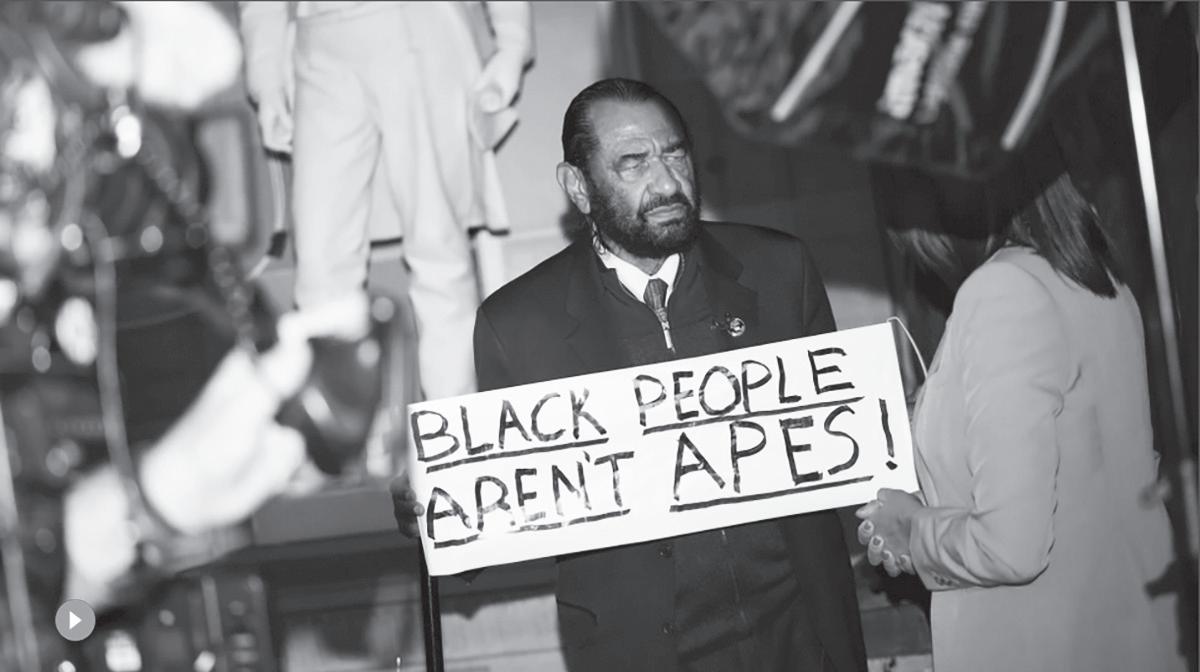
A few minutes into Tuesday’s program, Democratic U.S. Rep. Al Green of Texas was escorted from the chamber for breaking decorum rules after holding up a sign that read, “Black People Aren’t Apes!” It was a rebuke to a racist video that Trump shared on social media earlier this month.
“I wanted the president to see it, and he saw it, and I told him, Black people are not apes, and for him to do what he did was racist, and he knows it.” he told reporters shortly after he was escorted out.
Green was ejected from a joint session of Congress in 2025 for protesting Trump’s speech.
That flashpoint set the tone for a divided evening. Trump touted that his administration has “ended DEI in America,” he called Minnesota’s Somali community “pirates,” and he referred to voting not as a basic right, but as a privilege that must be saved from rampant fraud — evidence for which his own administration has struggled to find.
Several members of the Congressional Black Caucus boycotted the address altogether, condemning what they called Trump’s “utter disrespect for the Black community.”
Throughout the night, Trump highlighted what he framed as a year of achievements, striking optimistic chords on the economy, immigration, health care, and voter protection. Yet for many Black Americans, the story of his return to the White House has unfolded differently, marked less by promise than by concern over how Trump’s policies have shaped their daily lives.
Tony Brown is still sifting through wreckage, trying to make sense of how the swift gutting of the federal workforce has detonated a life that he thought would be secure.
Brown had finally landed what he had spent more than a decade chasing: a federal job, this one as a data scientist at the Center for Substance Abuse Treatment. But then, in February 2025, after he had been in the role for only a couple of months, a letter arrived informing him that he was being cut. The layoff didn’t only cost him a paycheck — it also rattled his sense of worth.
“I’m in the private sector now, but I had to get a therapist even months after I got the new job,” Brown told Capital B. “[U.S. Office of Management and Budget Director Russell Vought] said that the goal was to traumatize the civil servants. I still feel that trauma.”
Trump walked into his address with 6 in 10 Americans disapproving of his performance. This figure lays bare the electoral challenge facing the Republican Party in the midterm
elections this fall, though some Black conservatives continue to support Trump, unfazed by the racist video targeting Barack and Michelle Obama.
Virginia Gov. Abigail Spanberger — the first woman governor of the state — delivered the Democratic Party’s response to Trump’s address, focusing on affordability.
“As I campaigned for governor last year, I traveled to every corner of Virginia, and I heard the same pressing concern everywhere: Costs are too high — in housing, health care, energy, and child care,” she said from Colonial Williamsburg.
“And I know these same conversations are being had all across this country,” she added. “Because since this president took office last year, his reckless trade policies have forced American families to pay more than $1,700 each in tariff costs. Small businesses have suffered. Farmers have suffered — some losing entire markets. Everyday Americans are paying the price.”
As Trump’s second term grinds on, Brown clings to the hope that Trump and his advisers will listen to the concerns of all Americans — and especially those in the most vulnerable communities.
“They really need to understand that they’re not the administration of just a certain kind of American,” Brown said. “They’re making choices that affect everyone.”
Below is a look at some of the defining issues from the past year and their impact on the lives of Black Americans.
Job insecurity
What has happened? The Bureau of Labor Statistics reported this month that U.S. employers added just 181,000 jobs last year — a sharp drop from the 1.46 million positions created in 2024. Similarly, the bureau reported in December that the unemployment rate rose to 4.6% toward the end of last year, which marked a four-year high.
This insecurity has extended to the federal government, where some 300,000 employees were fired or pushed out by the end of 2025. The administration has characterized this overhaul as an opportunity to improve government efficiency and weed out waste. Experts and former workers, however, warn that the cuts have resulted in the loss of expertise that’s essential to the functioning of government services.
What has been the impact on Black Americans? Black unemployment surged to 7.5% in December — the highest since 2021, the peak of the COVID-19 pandemic. Black women have been particularly burdened, with at least 300,000 reported to have left the labor force last year. And while Black Americans make up about 14% of the U.S. population, they account for roughly 18% of federal employees, meaning that the recent
cuts have landed with disproportionate force in these communities.
This fragility keeps Brown on edge, even in his new role. The instability that he once associated with federal government work now feels inescapable.
“Between tariffs and all these other stressors on the economy, the private sector is just as vulnerable as the federal government,” he said. “Companies are still letting people go.”
Immigration crackdown
What has happened? Tensions in the Twin Cities spiraled in January, after a U.S. Immigration and Customs Enforcement officer fatally shot Renée Good in Minneapolis, firing into her car as she tried to leave a standoff during a neighborhood monitoring effort. A few weeks later, federal agents opened fire again: Two U.S. Customs and Border Protection officers killed Alex Pretti during an operation in Minneapolis. The administration has also targeted Black critics who documented the violence in Minneapolis.
What has been the impact on Black Americans? The administration’s immigration crackdown has reignited deep anxieties, especially among Black Americans and other vulnerable groups, about being unfairly singled out and targeted for deportation because of their background.
Michael Duruaku said that the administration’s hard-line rhetoric over the past year has forced blunt discussions among his family about what it means to be Black in the U.S.
This tension has been felt sharply where he lives in a Minneapolis suburb.
“I have an 8-year-old son who is, I think, a little more aware of the world around him,” Duruaku, who’s Nigerian American, told Capital B in January. “He’s asking a lot of questions about how all this impacts us, about why Black people and migrants are being targeted.”
Medicaid restrictions
What has happened? Trump signed the “One Big Beautiful Bill Act” into law last summer. Among other things, it ties eligibility for Medicaid — a government
health care program for low-income people — to strict work requirements or other qualifying activities.
What has been the impact on Black Americans? An estimated 20% of Medicaid enrollees are Black, though Black Americans are 14% of the U.S. population.
Health care experts have warned that imposing work requirements is tantamount to kicking people off the program.
“People are busy, and a monthly administrative burden is enormous,” Michael Linden, a former senior official with the Office of Management and Budget, told Capital B last year. “A lot of people end up not getting Medicaid because they miss a month of filing, or the forms are complicated, or they’re just trying to put food on the table.”
Voting barriers
What has happened? Trump has urged Congress to pass the Safeguard American Voter Eligibility (SAVE) America Act, amplifying his longrunning — but baseless — claims of widespread voter fraud in U.S. elections. The measure would require people to show proof of citizenship when registering to vote and governmentissued identification at the ballot box.
What has been the impact on Black Americans? Advocates have raised serious concerns about the measure, with some branding it “Jim Crow 2.0,” warning that it would redraw the rules of political participation by erecting new barriers that would disproportionately sideline Black voters.
“The SAVE America Act is not about protecting our elections — it’s about disguising voter suppression techniques aimed at disenfranchising Black voters as election security,” Demetria McCain, the director of policy at the NAACP Legal Defense and Educational Fund, said in a Feb. 12 statement.
“It is disingenuous, it is discriminatory, and it is all based on a continuously disproven narrative of voter fraud propagated by an administration concerned not with voter protections but solely with the fear of letting people select their own leaders,” she added.
Democratic U.S. Rep. Al Green of Texas addresses the media after his ejection from the State of the Union address for holding a sign protesting a racist video that President Donald Trump shared on social media.
Photo: AP Video Screengrab
Federal judge extends order protecting refugees in Minnesota from being arrested and deported
By Steve Karnowski and Ed White The Associated Press
MINNEAPOLIS (AP) — A federal judge on Friday extended an order protecting refugees in Minnesota who are lawfully in the U.S. from being arrested and deported, saying a Trump administration policy turns the “American Dream into a dystopian nightmare.”
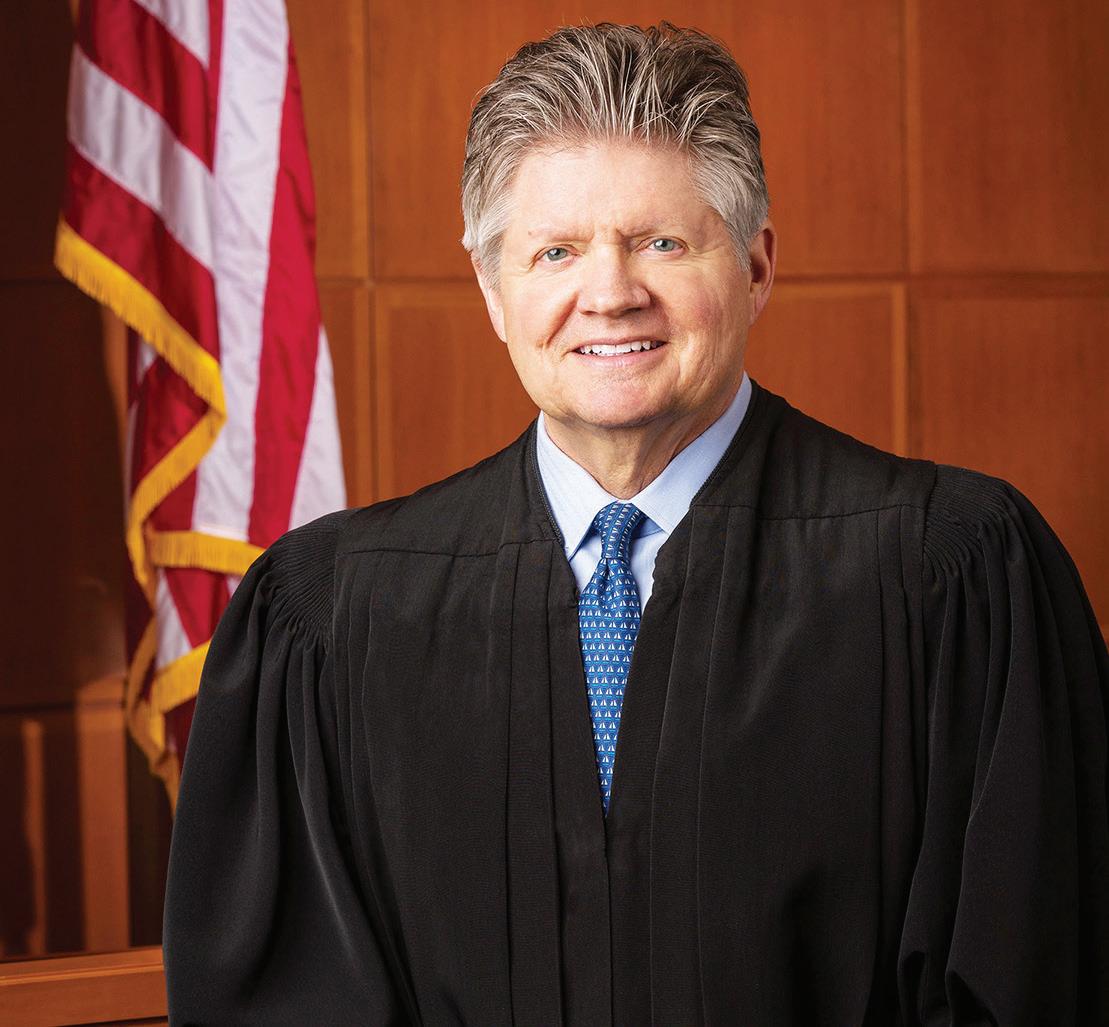
U.S. District Judge John Tunheim granted a motion by advocates for refugees to convert a temporary restraining order that he issued in January into a more permanent preliminary injunction while the case develops further.
The order applies only in Minnesota. But the implications of a new national policy on refugees that the Department of Homeland Security announced Feb. 18 were a major part of the discussion at a hearing held by the judge the next day.
“Minnesota refugees can now live their lives without fear that their own government will snatch them off the street and imprison them far from loved ones,” Kimberly Grano, an attorney with the International Refugee Assistance Project, told The Associated Press.
The Trump administration asserts it has the right to arrest potentially tens of thousands of refugees across the U.S. who entered the country legally but don’t yet have green cards. A new Homeland Security memo interprets immigration law to say that refugees applying for green cards must return to federal custody one
year after they were admitted to the U.S. so that their applications can be reviewed.
The judge, however, expressed disbelief in a 66-page opinion.
“This Court will not allow federal authorities to use a new and erroneous statutory interpretation to terrorize refugees who immigrated to this country under the promise that they would be welcomed and allowed to live in peace, far from the persecution they fled,” Tunheim said.
He said the U.S. decades ago promised refugees fleeing persecution that they could build a new life after rigorous background checks.
“We promised them the hope that one day they could achieve the American Dream,” Tunheim said. “The Government’s new policy breaks that promise — without congressional authorization — and raises serious constitutional concerns. The new policy turns the refugees’ American Dream into a dystopian nightmare.”
Homeland Security and U.S. Citizenship and Immigration Services said in a statement Friday night that the ruling was “yet another lawless and activist order from a federal judge” and that the Trump administration expected to be “vindicated in court.”
“USCIS is committed to rooting out fraud and protecting the public safety and national security interests of the American people by screening and
Justice Department attorney Brantley Mayers said during a court hearing last week that the government should have the right to arrest refugees one year after entering the U.S., but he also indicated that would not always happen.
The judge noted that one refugee in the case, identified as D. Doe, was arrested in January after being told that someone had struck his car.

“He was immediately flown to Texas, where he was interrogated about his refugee status. He was kept in ‘shackles and handcuffs’ for sixteen hours. D. Doe was ultimately released on the streets of Texas, left to find his way back to Minnesota,” Tunheim said.
White reported from Detroit. Associated Press reporter Rebecca Boone in Boise, Idaho, contributed to this story.

U.S. District Judge John Tunheim Photo: Creative Commons License
“generally will take enforcement action” if a state government fails to “take timely and appropriate action.”
xAI “violated the Clean Air Act the first time, and now they’re gonna copy and paste and do it again,” said Anderson. “I maybe had some naive hope that the regulators who are most in the day-to-day business of implementing the Clean Air Act in Mississippi would do the right thing.”
In response to Floodlight’s questions, a spokesperson from the Mississippi Department of Environmental Quality said the EPA’s recent rule leaves permitting decisions to state authorities.
“The turbines currently operating at the Southaven facility are classified as portable/mobile units under state law and therefore remain exempt from air permitting requirements during this temporary period,” they said. “Nothing in the EPA’s January 15 rule altered that determination under Mississippi regulations.”
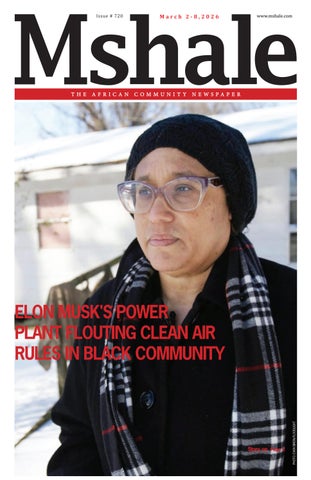
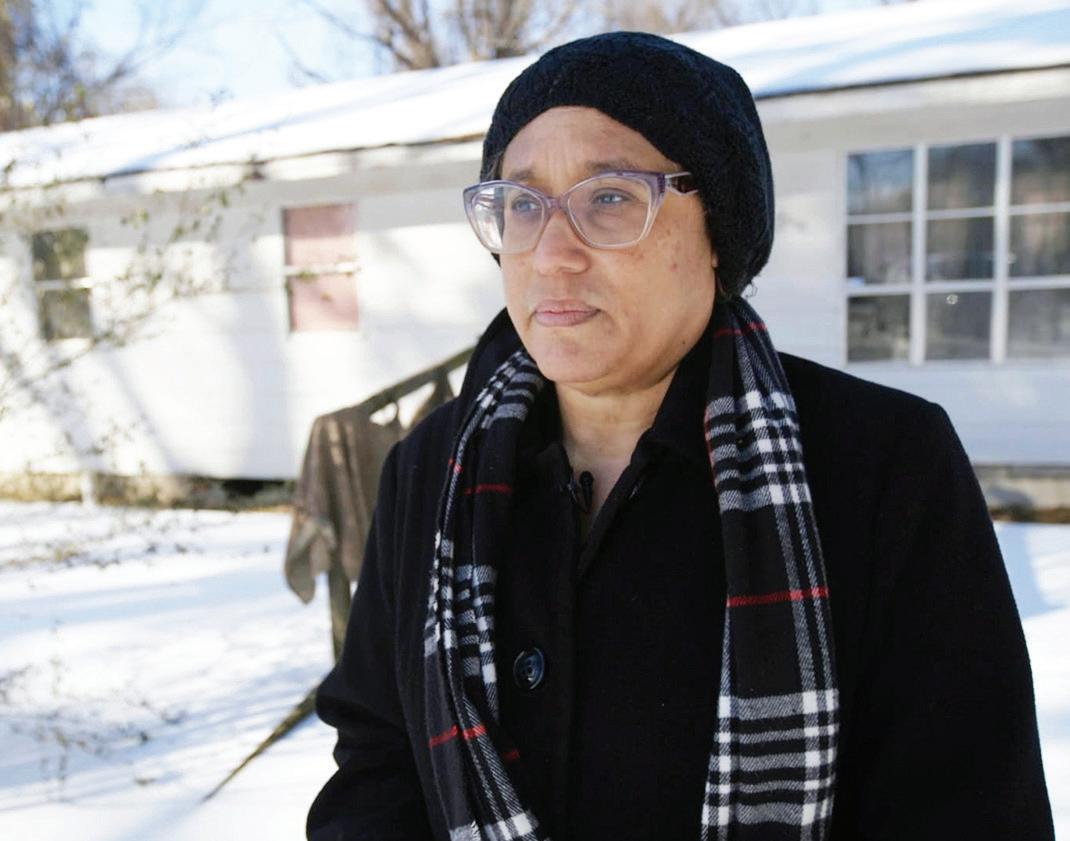
Longtime resident Krystal Polk said she had no idea xAI was coming to Southaven until black fences were set up across the street from her house. The area, she said, was once quiet and serene, with an abundance of wildlife, but is now bombarded by ceaseless noise and pollution.
“I do feel like xAi is playing by a different set of rules,” she said.
An asthmatic, Polk said she was forced to empty out the home that’s been in her family for generations and cancel her plans to retire there out of concerns for her health.
“We are a casualty of the whole data center race,” she said. “I feel that my voice doesn’t matter.”
The spokesperson for the Mississippi Department of Environmental Quality said the agency takes public concern
around emissions, noise and overall quality of life seriously, and though the turbines — in their view — do not require permits, all “applicable air quality standards still apply.”
AI’s increasing thirst for fossil fuels
Despite lofty sustainability goals put forward by industry leaders, data centers across the country are increasingly turning to fossil fuels to power the AI boom by using custom-built power plants like
Roughly 75% of this power comes from natural gas, according to a recent report by CleanView, which tracks clean energy and data center projects.
“Nearly every project we reviewed mentions renewables, hydrogen, or nuclear in its public announcements,” the author wrote, but renewables aren’t scheduled until 2028 or later.
the ones seen in Southaven.
Musk Cont’d from Pg. 2
Musk Cont’d on Pg. 7
An asthmatic, Krystal Polk said she was forced to empty out the home that’s been in her family for generations and cancel her plans to retire there out of concerns for her health after xAI began operating gas powered turbines directly across the street from her property.
Photo: Evan Simon/Floodlight
Krystal Polk’s family home (foreground) sits directly across the street from xAI’s gas plant in Southaven, Miss.. Photo: Evan Simon/Floodlight
And “nuclear is a decade away,” he said.
Now, xAI is seeking to expand in Southaven, applying in January for a permit to operate 41 turbines at the site.
over 1,300 tons of health-harming air pollutants every year, according to xAI’s permit application. That would make it among the largest fossil fuel power plants in the state. The company also purchased property in Southaven for a third data center that, when completed, will make the
“It would be devastating,” said Samsa, the Southaven resident. “No community in their right mind would want something like this in their backyards.”
Samsa, a physician’s assistant, had hoped to raise a family in Southaven, but the presence of xAi’s gas-powered
authorities shut down the plant.
“I don’t want my children to be growing up around such massive amounts of air pollution,” she said. “I don’t want them to have to live in a place where their health and their overall well-being is not considered over economics.”

The facility could emit more than 6 million tons of greenhouse gases and
Colossus cluster — spanning Memphis to Southaven — one of the largest data center complexes in the world.

turbines has made her and her husband reconsider. She has helped collect more than 1,000 signatures for a petition demanding Mississippi
Floodlight is a nonprofit newsroom that investigates the powers stalling climate action.

Shannon Samsa, a physician’s assistant, had hoped to raise a family in Southaven, but the presence of xAi’s gas-powered turbines has made her and her husband reconsider. “I don’t want my children to be growing up around such massive amounts of air pollution,” she said.
Photo: Evan Simon/Floodlight
Spiro secures $50 million from Afreximbank, others to expand Africa battery-swapping network
By Allan Olingo Associated Press
NAIROBI, Kenya (AP) — Financing for electric vehicle transport is ramping up in Africa as confidence rises in the potential for battery swapping, fast charging and other technologies.
Spiro, Africa’s largest electric mobility operator, has secured $50 million in debt financing from African Export-Import Bank, or Afreximbank, U.S.-based climate fintech platform Nithio and the Africa Go Green Fund to expand its battery-swapping network.
The announcement came days after Arc Ride, another e-mobility firm, received a $5 million equity commitment from the International Finance Corp., or IFC, signaling growing institutional confidence
scalable energy network tailored for Africa by Africans,” said Kaushik Burman, CEO of Spiro.
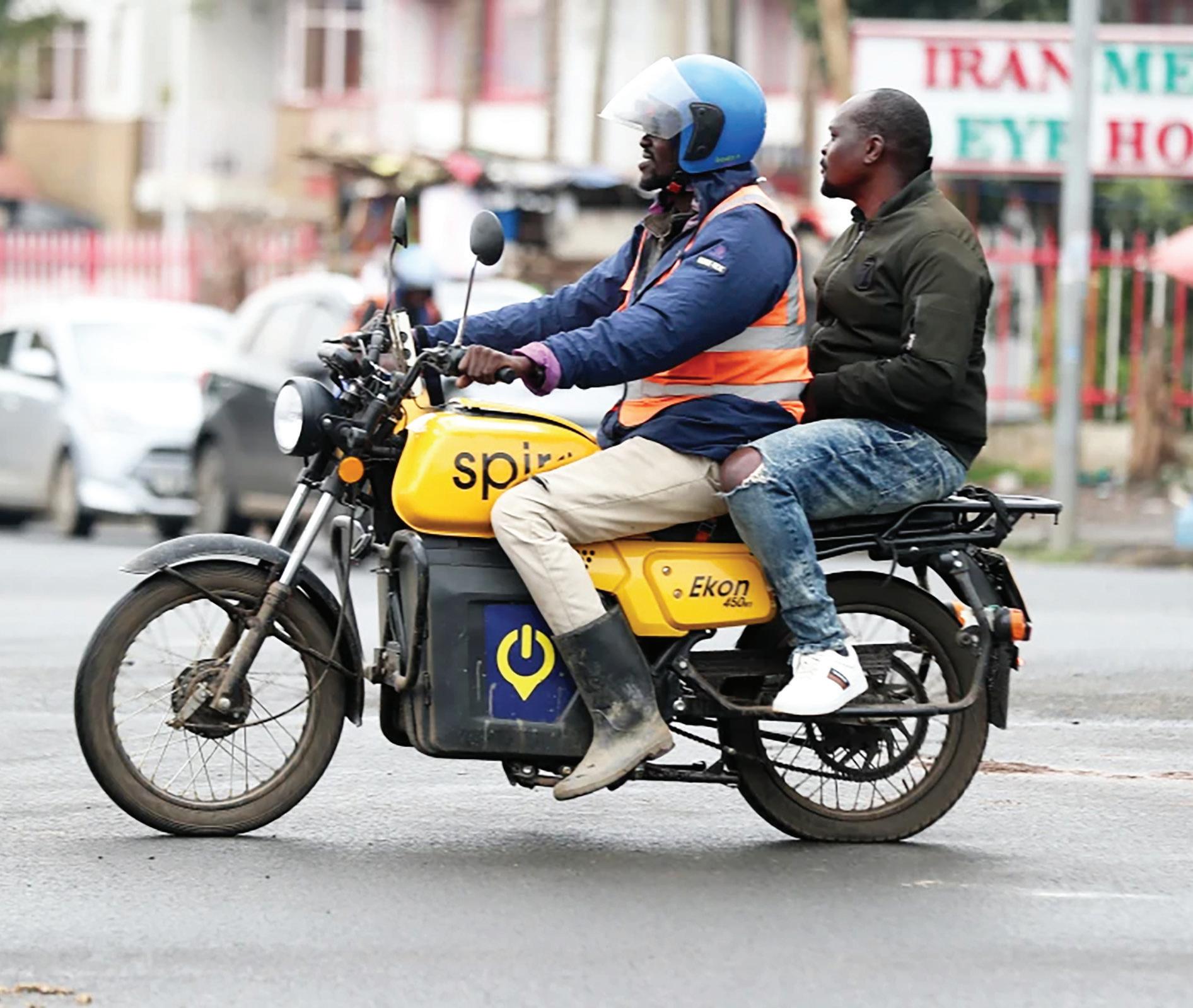
The e-mobility company operates in Kenya, Uganda, Rwanda, Nigeria, Benin and Togo, with trials in Cameroon and Tanzania. It has deployed more than 80,000 electric motorcycles, circulated more than 300,000 batteries, completed 30 million battery swaps, and established more than 2,500 swap stations. Riders have logged more than 1 billion carbon-free kilometers.
“We will use it to deploy energy infrastructure that will contribute meaningfully to a greener future in Africa,” said its founder, Gagan Gupta.
Development financiers see electric mobility as both a climate solution and an industrialization opportunity in Africa.
in Africa’s clean transport sector. Gogo Electric, a Ugandan e-bike startup also raised $1 million last week from ElectriFi, the European Union-funded electrification financing funded by the EDFI management firm.
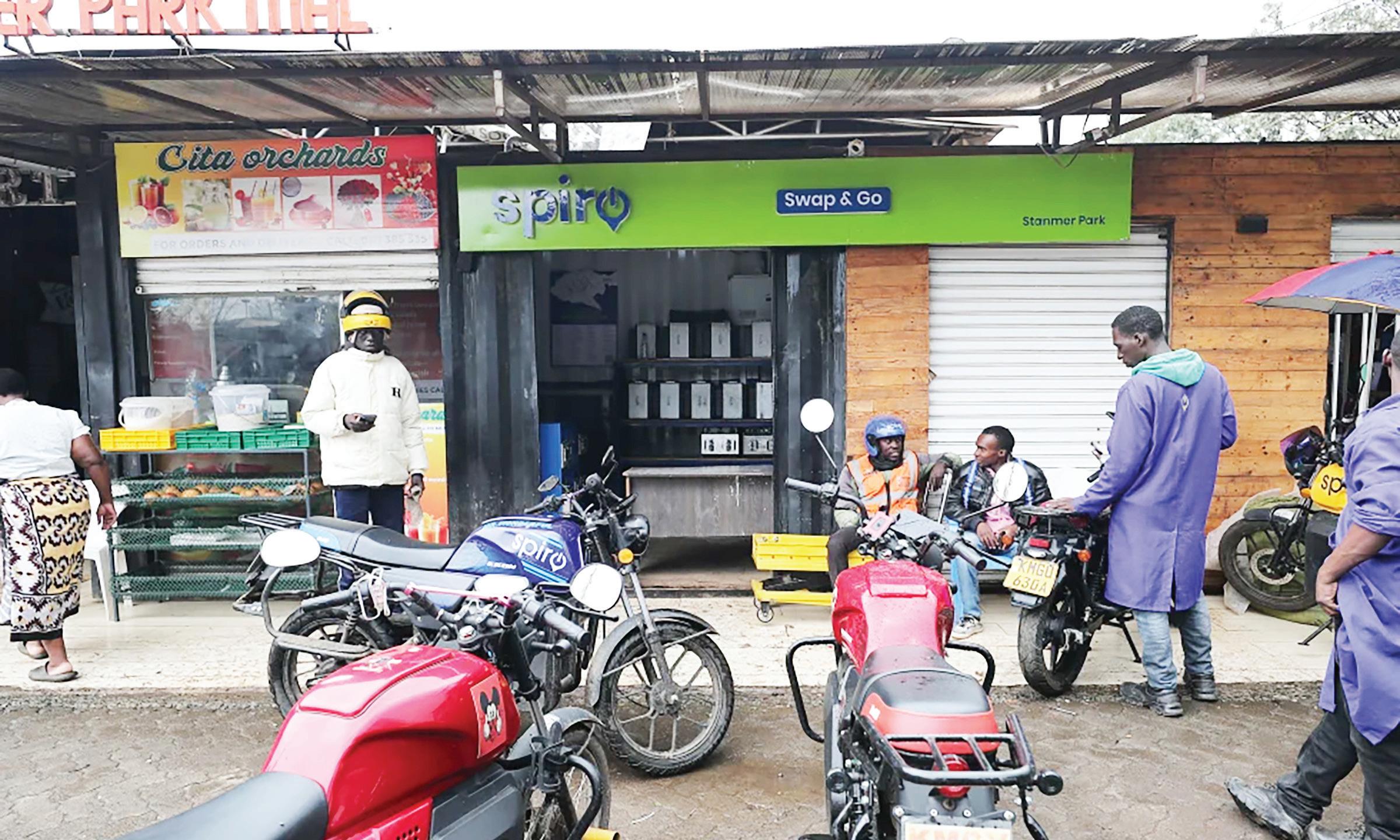
Spiro said that it would use the capital to extend its batteryswapping stations to existing and new markets, while advancing technology including automated battery swaps, fast charging and renewable energy integration.
“This new funding reinforces our vision of building a robust,
“Spiro is one of the largest and fastest-growing players in the Pan-African e-mobility market. We see e-mobility as a critical pillar of Africa’s clean energy transition,” said Raghav Sachdeva, chief investment officer at Nithio.
Laurène Aigrain, managing director of Africa Go Green Fund said that the transaction reflects the funds commitment to backing commercially robust businesses that combine innovation with measurable environmental and social impact.
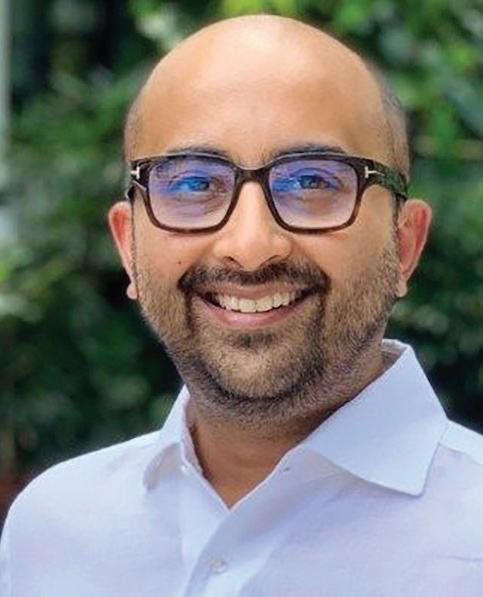
Afreximbank officials framed their backing as central to Africa’s sustainable industrialization.
“Driving Africa’s transition to electric mobility is central to how we view sustainable economic development across the continent,” said Oluranti Doherty, managing director for export development.
Since 2022, Spiro has raised more than $230 million, financing production and assembly facilities across Nigeria, Kenya, Uganda, and Rwanda, a reflection of the broader trend of climatefocused capital flowing into Africa’s e-mobility sector.
Riders swap batteries at an electric Spiro motorcycle charging station in Nairobi, Kenya, Tuesday, Feb. 24, 2026. Photo: Henry Naminde/AP
A man rides an electric Spiro motorcycle in Nairobi, Kenya, Tuesday, Feb. 24, 2026. Photo: Henry Naminde/AP
Kaushik Burman, Spiro CEO. Photo: LinkedIn
Singing protests gain momentum as nonviolent but emotionally stirring rebukes to ICE
'We're going to sing and sing and try to touch the hearts of the ICE agents,' said the Rev. Jacqueline Lewis, senior pastor at Middle Church in New York.
By Fiona Murphy Religion News Service
(RNS) — At Middle Church, a historic congregation in Manhattan’s East Village, hundreds gathered on Thursday evening (Feb. 26) for a two-hour “ICE Out, Sing-In” service, where prospective protesters were trained to “try to touch the hearts” of U.S. Immigration and Customs Enforcement officers as they confront them, said Middle Church’s senior pastor, the Rev. Jacqui Lewis.
The singalong, the second such service held at the church this month, included movement and testimony as well as song and honored one congregant’s husband who was absent because he’d been detained.
Two weeks ago, Middle Church hosted its first sing-in, drawing more than 1,000 people online and in person, with crowds spilling onto the street, according to Lewis.
Thursday’s service began with Middle Church’s Jerriese Johnson Gospel Choir, followed by the Resistance Revival Chorus. The groups trained attendees on
she is not a member, said she views singing as both therapeutic and communal. “I think almost physically, my heart is so open, and physically I feel so much tingling and alive,” Resnick said. “And I love singing anyway, but I think singing songs with meaning, with protest, about important aspects of life — I can’t think of anything that’s more therapeutic.”
“I think we had no idea how much people needed what we had to offer,” Lewis said. “They sang because they needed it. They needed the release. They needed the opportunity to connect with one another. They needed to feel that they were doing something in solidarity with all of those who are suffering and singing.”
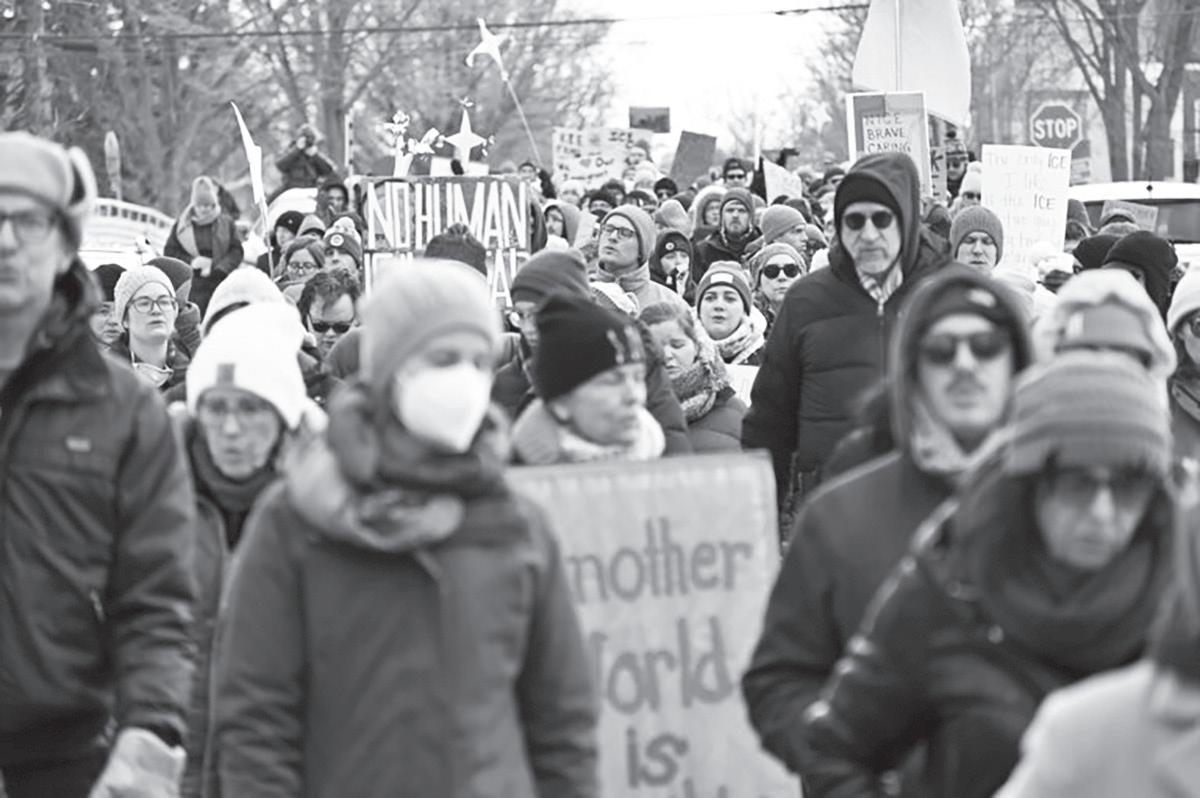
Paola Mendoza, co-founder of the Resistance Revival Chorus, described the group as a small collective of women, trans women and nonbinary people who have performed around the city for the past decade. She said the chorus partnered with Middle Church and Interfaith Alliance to use music to counter what she described as isolation and fear.
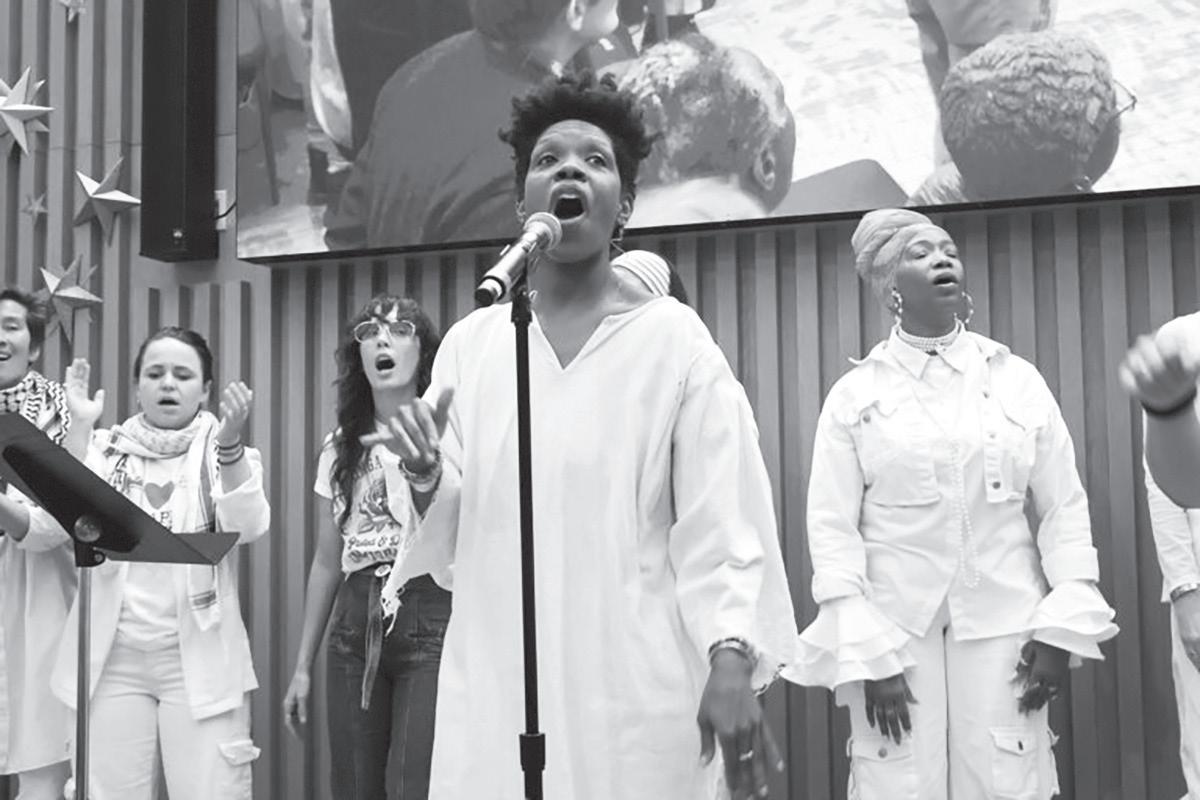
songs originating in the Civil Rights Movement as well as newer music written by activists in Minneapolis. Selections included the chorus of “Ella’s Song,” about civil rights activist Ella Baker, the Christian hymn “This Joy” and “All You Fascists Bound to Lose.”
At one point, the gospel choir led an original song in Spanish with lyrics that said: “You are not alone. Together we create liberation.”
The crowd included community members, churchgoers and activists, many of whom cried throughout the two-hour event. Nina Resnick, who has attended both sing-ins at Middle Church, though
Organized in solidarity with faith groups in Minneapolis by the national network Interfaith Alliance, the events are an outgrowth of the Singing Resistance movement that began six weeks ago as ICE combed the city’s streets for immigrants. The movement gained attention on social media as participants sang outside hotel rooms where ICE agents are staying, leading church choirs and clergy to hold similar sing-ins inside sanctuaries and during marches to protest ICE arrests.
“We’re going to sing while we’re walking. We’re going to sing as we mourn those who have been murdered. I’m so deeply moved by it, and it is a repeated response,” said Lewis, who has led Middle Church for more than a decade.
Lewis said longstanding relationships with clergy and members in Minneapolis, including friends whose church helped launch the sing-ins, inspired her to host a similar event in New York. “We’ve seen our family in Minnesota singing as resistance,” Lewis said. “The singing is memory, the singing is hope, the singing is prayer, the singing is power.”
“We saw what was happening in Minneapolis, and we saw the people singing on the streets, and we were like, ‘This is what we do,’” Mendoza said. “Tonight, we are teaching songs of resistance and protest specifically for this moment.”
Before the Resistance Revival Chorus performed, Matthew Colin Marrero, a member of the congregation and its gospel choir since 2015, told the crowd that his husband has been detained by ICE since the Monday before Thanksgiving.
“I am here to sing and protest against ICE, also in solidarity, because my husband has been detained,” Marrero told RNS.
“Middle Church has been the foundation that I needed, especially when things like this happen to you and your faith can seem to waver,” Marrero said. “We’ll carry you. We’ll hold you in this moment,” he added, referring to the faith community.
Shari Carpenter, a member of Middle Church for 20 years, said she attended the sing-in to find solace during a politically tumultuous time, “because things are pretty terrible right now, and I need to do anything that’s going to make me feel better and make me feel like I’m contributing in some small way to making things better.”
Gloria Tate, a member of the Middle Church congregation, said she came after seeing singing protests on Instagram. “I have been a part of protest
movements here since Black Lives Matter in New York City, but singing has not really been a part of that experience,” Tate said. “So, I was really intrigued by the whole effort.”
Tate said the sing-in stirs strong emotions. “Whenever I hear the choir, the tears are always falling,” Tate said. “It feels like a release for me. In this con-

text of resistance, there’s another element layered on top of that, a collective release. A sense that we’re all in this together and can get through this.”
On Saturday (Feb. 28) at 1 p.m., the social justice organization Hands Off NYC, which made an announcement at the end of the sing-in on Thursday, will host a sing-in at Foley Square in Manhattan as part of a national weekend of action organized by Singing Resistance. The event, held in partnership with Singing Resistance NYC, aims to draw attention to sites of ICE-related violence and to protest detention at facilities, specifically the Dilley Detention Center in Texas.
People participate in a singing vigil that started at San Pablo — St. Paul Lutheran Church, Sunday, Jan. 11, 2026, in Minneapolis.
Photo: Jack Jenkins/RNS
Arin Maya Lawrence, center, co-musical director of the Resistance Revival Chorus, sings with the Resistance Revival Chorus during an “ICE Out, Sing-In” service at Middle Church, Thursday, Feb. 26, 2026, in New York.
Photo: Fiona Murphy/RNS
Rev. Jacqueline J. Lewis
Photo: Courtesy Middle Church
Fela Kuti’s Grammy lifetime achievement award is a major win for African music
LAGOS, Nigeria (AP) — Fela Kuti became the first African to be awarded the Lifetime Achievement Award from the Recording Academy at the Grammys Special Merit Awards.
He was honored posthumously on Saturday, Jan. 31 alongside Chaka Khan, Cher, Carlos Santana and Whitney Houston.
The award underscores the artist’s contribution to music and as the inspiration of one of the most popular contemporary African music genres, Afrobeats. Nigerian music critics welcomed the recognition as a reflection of his enduring influence.
“What the recognition means locally is the inspiration Fela has provided for over 50 years,” Joey Akan, a Nigerian music critic and founder of Afrobeats Intelligence, told The Associated Press.
Fela, a saxophonist and father of Afrobeat — different from Afrobeats — known more popularly by his first name, was born in 1938 in colonial Nigeria. His music career, which spanned decades
between the late 1950s and up to the 1990s across multiple countries, is a signature blend of high-octane horn, jazz, and funk with Yoruba rhythms.
Fela’s fight against government corruption and Western imperialism
To Nigerians, he wore many hats: a pioneering musician, an activist who was a thorn in the side of Nigeria’s successive military rulers, a cultural reference in the fight against Western imperialism, a chain-smoking serial polygamist.
But for the music part, a notable theme in his decades’ worth of work is his protest against Western cultural hegemony, which some critics say the Recording Academy is a part of. He railed against the neocolonial vestiges of British rule in Nigeria and the corrupt postcolonial leadership of his birth country, especially the military governments.
In his 1977 track “Colonial Mentality,” he sang “De ting wey black no good / Na foreign things them dey like /No be so?”
(“The things that are Black are inferior / It is foreign ones they like. Is that not so?”) In a 1989 polemic, “Beasts of No
Nation,” he railed against the United Nations and almost every global leader of the time. “Dem call the place United Nations / Hear oh another animal talk / Wetin united inside United Nations?” (“They call the place United Nations / Hear another nonsense narrative / What is united in the United Nations?”)
He was jailed many times by Nigerian autocratic governments for his criticism, most notably for 20 months by Nigeria’s then-junta leader Muhammadu Buhari in 1984. In 1977, nearly 1,000 soldiers stormed his self-styled Kalakuta Republic, his residence in Lagos, and burned it down. His mother, Fumilayo Ransome-Kuti, a prominent activist, died from injuries sustained in the raid.
“Regardless of the contrast with what Fela represented and what the award represents, I think it is a net positive for African music,” Dolapo Amusat, the founder of WeTalkSound, a Nigerian creative company, told the AP. “And it shows how far Fela’s influence is and how widespread his acclaim is.”
Fela died in 1997 due to complications from AIDS. His legacy helped create one of the most successful periods in Nigerian music, with artists like Burna
Boy and Wizkid often referencing Fela.
In recent years, music from Africa has gained significant recognition at the Recording Academy. In 2024, the academy introduced the Best African music performance category. Burna Boy, Tems, and South Africa’s Tyla have won various awards at the ceremonies since 2020.
Many global artists, including Beyoncé, Mos Def, Nas, and J.Cole have also sampled Fela, with his songs soundtracking many Hollywood productions.

By Ope Adetayo
The Associated Press
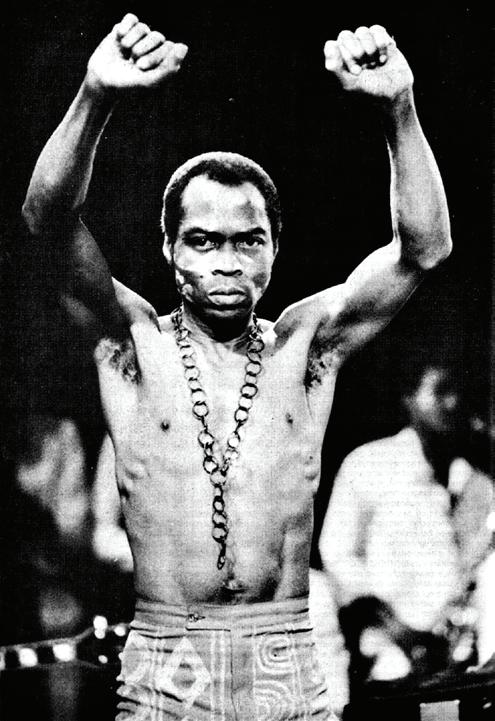
Fela Kuti photographed on stage in 1986. Photo: Creative Commons License