Constructing more than apartments - we’re building a community!
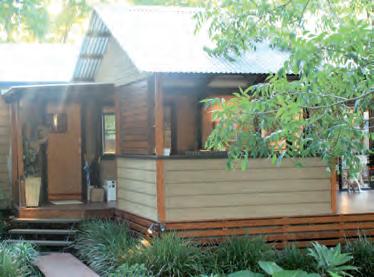
The Village Manly is rising above the breezy streets of Manly and something quietly remarkable is already happening. The foundations of our community are already being laid with future residents making social connections long before construction is complete. Designed for those who want to stay close to everything they love, the Esplanade, and the Cinema, cafe, library, hair salon and more are on your doorstep. Retirement as an upgrade, not a compromise.
Christopher Hall, from The Australian Centre for Grief and Bereavement, describes it as “the moment of impact”.
“People say it’s like a time rupture: a sharp define between life before and after,” he says.
For some, it’s a punch in the gut; for others it’s almost surreal.
Your world as you know it has irrevocably changed.
Those words – from Carrol Baker’s cover story this month – try to encapsulate the moment when a person is told they have a serious illness.
Carrol speaks with several patients who give their very personal accounts of how they coped with this devastating news and ‘life after diagnosis’.
She also taps into the empathetic advice, experience and expertise of those who offer medical, psychological and emotional support at this time and throughout the patient’s unique journey that follows.
It’s not palatable subject matter.
But none of us can escape being touched by serious illness such as cancer
– whether our own health is at risk or that of a loved one.
The experience and consequences are something we must learn to live with.
And it is these ‘mind games’ that we must overcome as much as the positive or negative outcomes of the disease itself.
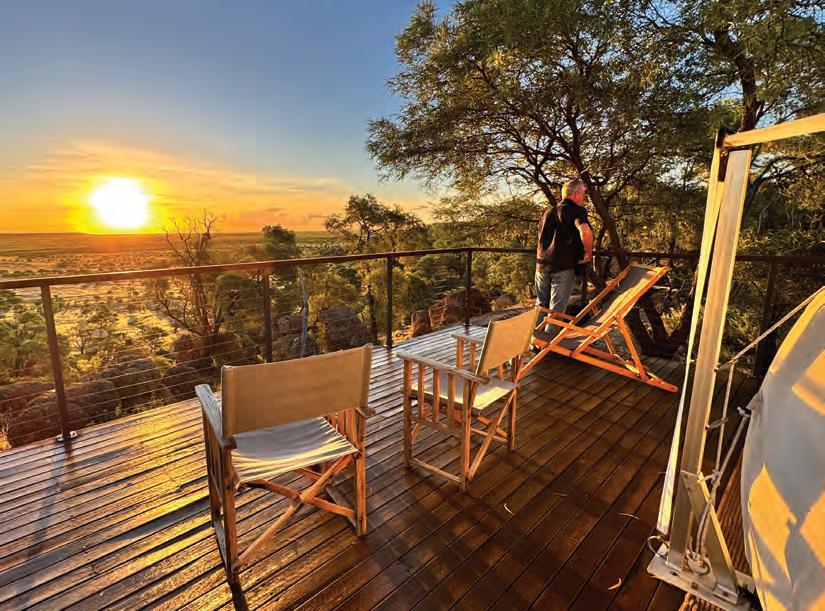
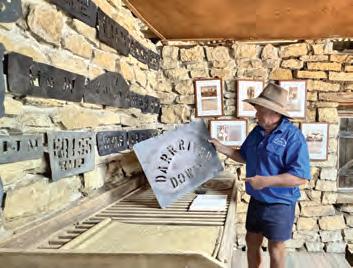
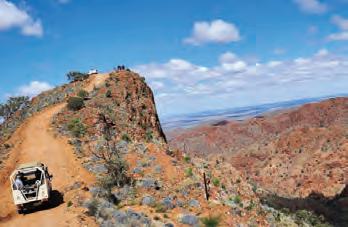
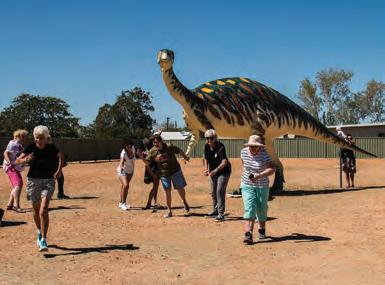
To lighten the mood a little this month, travel writer Kerry Heaney takes a road trip to the Outback to Winton.
The region was hit by severe flooding in January.
But it has bounced back and tourism operators there have well and truly put out the welcome mat for a bumper winter season.
So, from dinosaurs to aviation history and the birthplace of our Waltzing Matilda – our unofficial national anthem, you have plenty of history to add to the warm country hospitality.
As usual, we have plenty of other advice, latest information and humour to brighten your day – from our history buffs, motoring, retirement and technology experts and ‘life’ columnists to What’s Hip, What’s On and what’s new in health and wellbeing.
So, grab a coffee, buckle up and enjoy the read!
Shirley Sinclair Editor
DISTRIBUTION INQUIRIES distribution@yourtimemagazine.com.au or call 0419 746 894.
ADVERTISING INQUIRIES 0438 717 210 or 0413 855 855, sales@yourtimemagazine.com.au
EDITORIAL COPY DEADLINES Third Friday of each month (except Christmas-New Year and Easter) FOR DIGITAL EDITIONS AND MORE yourtimemagazine.com.au
The unfair mind games that can play out with a serious illness diagnosis
CARROL BAKER explores the depths of emotion patients encounter – and what to do about those feelings –with advice from medical professionals and those who have found themselves on similar journeys.
When 62-year-old Angela was diagnosed with breast cancer, she went home, calmly made a cup of tea, fed the dog and started to cook dinner.
“I couldn’t wrap my head around it,” the Sunshine Coast resident says. “It was like an out-of-body experience.”
Being diagnosed with a serious illness can feel like the world has tilted on some kind of crazy axis.
Christopher Hall, from The Australian Centre for Grief and Bereavement, describes it as “the moment of impact”.
“People say it’s like a time rupture: a
sharp define between life before and after,” Mr Hall says.
For some, it’s a punch in the gut; for others it’s almost surreal.
Your world as you know it has irrevocably changed.
Julie Bolton, a counsellor who specialises in supporting those with
cancer, says that when given a painful diagnosis, many people are encouraged to suppress or hold their feelings inside – to be stoic or brave.
“Sometimes we can also feel an expectation from others for us to be positive all the time after a diagnosis, which can be exhausting,” Ms Bolton says.
After a fall, Felicity, 59, from Northern NSW, discovered she had an aggressive and rare type of cancer.
“I just wanted to go into my cave,” she says.
Felicity dulled her pain with alcohol, took to her bed and binged TV series after TV series on Netflix.
Friends struggled to help. Felicity was always angry. She’d scream down the phone.
When someone is diagnosed with a serious or life-limiting illness, experts agree that it is important to acknowledge that all feelings are okay.
The reality is, you might feel shock, fear, rage – or even relief, if you’ve been experiencing symptoms, because now you know what you are dealing with.
Mr Hall says that in the past, there was a “cookie-cutter” approach to grief – a range of emotions you were likely to experience: shock, denial, anger, bargaining, depression and, finally, acceptance.
“The last one (acceptance) is the emotional promised land, but people often die as they live and acceptance isn’t part of that. They may be angry until they take their last breath,” he explains.
Prescribing to the notion that you must suppress feelings isn’t healthy.
Angelique Foran, a clinical psychologist from Supported Minds Psychology, says avoiding acknowledging your emotions may increase stress, anxiety or even physical health issues.
“The aim is to accept your feelings and begin to navigate your health journey with self-compassion,” she says. That may mean trying to find joy doing the things you love. Take a walk in the sunshine. Fuel your body with nutrient-rich foods. Treat yourself with kindness and compassion. Reach out to those who offer comfort.
Many people with a serious illness say that one of the most difficult things to do is sharing the news with loved ones.
Australian Psychological Society CEO Dr Zena Burgess says it’s normal to feel awkward and nervous about having the conversation.
“Choose a private, calm setting and share information clearly and honestly, using straightforward language,” she suggests.
When telling grandkids, Dr Burgess says not to make it a “set-and-forget” announcement, but rather an ongoing conversation.
“Ask children regularly: ‘How are you feeling about the news?’, so they know discussing it is not taboo,” she adds.
Dealing with a diagnosis sooner rather than later can help you prepare.
When you know something is wrong, don’t ignore the warnings.
When Angela was showering, she felt the pea-sized lump in her breast but pushed niggling thoughts aside.
“I was caring for my mum who was seriously unwell and didn’t have time to take on anything else,” she says.
Eight years after being diagnosed with Stage 4 cancer, Angela remains hopeful: “I refuse to let this disease define who I am.”
One of the challenges of serious disease or illness, Mr Hall says, is its power to steal your sense of self.
You need to reclaim your identity beyond being a patient or someone who
is dying, he says. “You are still an auntie, a gardener, an artist, or a friend,” Mr Hall says. “You are more than what is happening to your body.”
There is no denying the fact that none of us are getting out of here alive.
We have a limited time on this Earth, and not one of us really knows when the jig is up.
While we don’t have a say in when we depart, Mr Hall acknowledges we do have input on how we live.
“Death is choiceless, but how you respond to a serious illness is rich in choice,” he says.
In shock news of a bowel cancer diagnosis, Patricia, 62, from Brisbane, was told she had a pear-sized mass.
Doctors were not confident they could remove it. She hugged those she loved as she broke the news, saying she wasn’t giving up without a fight.
“I told the doctor, ‘I want it out. I
“Sometimes we can feel an expectation from others for us to be positive all the time ... which can be exhausting”
have to get through this’,” she says.
Patricia admits she has her teary days, but she remains upbeat to this day – even cracking jokes with the nurses from her hospital bed.
When Sam, 56, from Brisbane, started having headaches and felt out of sorts, doctors told him he was experiencing depression.
He wasn’t convinced. Then came the MRI that delivered a heartwrenching blow to the father of two: Sam had a massive brain tumour that was inoperable.
Over time, friends he thought he could count on faded away; others he wasn’t as close to were knocking on his door.
“It’s often a surprise who supports us during times of crisis and who isn’t available,” Ms Foran notes.
“Some will disappear because of their own unresolved issues.
“Other friendships might fade away because people simply don’t know what to say or do.”
The overwhelming advice is not to be afraid to let friends and family know what you need.
It also can be helpful to join support groups and share with others what you’re going through.
Dr Burgess says seeking professional support can help to make sense of your illness.
“As difficult and painful as it is, there are also opportunities for growth, relationship repair and a new sense of self that can emerge if a person has the support and openness to engage with the diagnosis,” she says.
Sam’s journey came to an end with his family by his side.
Felicity still feels cheated and angry at times, but with support and the passing of time, she has turned the corner.
“I’m feeling more chilled these days,” she says.
She’s crossing items off on her bucket list with wild abandon. A road trip across Europe included a bungie jump in Croatia. A trip to Sydney meant she could see a favourite 1980s rock band. The possibilities are endless. And she is up for every single one of them.
What’s hip
No, not the replacement surgery type of ‘hip’. It’s a selection of on-trend snippets that could include places to dine, travel destinations, where to shop, what to see and visit, as well as what to watch, read and listen to, so you can stay up to date with family, friends and neighbours of all ages.
What to see
What to book
EVEN after 42 years, the Queensland Garden Show continues to blossom. The premier three-day show – from July 10-12 this year – brings gardening enthusiasts, horticultural experts, landscape designers and retailers together in one place. It transforms Nambour Showgrounds into a vibrant showcase of plants, gardening and landscape advice and hands-in-the-soil learning. Each year, more than 25,000 visitors pass through the gates to explore in excess of 360 exhibitors, including 55 major nurseries offering 60,000 plants for sale each day. From garden classics to exotic and hard-to-find varieties and new releases launched at the event, the Queensland Garden Show is the state’s largest collection of plants in one location. It also offers 70-plus free lectures and demonstrations across four stages. Go to qldgardenshow.com.au
The Curated Plate’s full 2026 program has been released, so anyone from epicureans to everyday foodies can secure their tickets for the July 24-August 2 festival. The 2026 program features more than 50 events, from the Sunshine Coast hinterland to coastline. They include long lunches, chef collaborations, farm tours, live cooking demonstrations, producer experiences, familyfriendly events and immersive cultural dining designed to showcase the best of the Coast’s food, farming and hospitality sectors. Among the new events are: the Da Biuso Bus which rolls into Happy Valley, Caloundra, for an intimate Italian degustation; the Bush Harvest Morning Tea celebrating Indigenous and international flavours with paddock-to-plate goodness at Fairhill Gardens; an escape to New Orleans with live jazz and a degustation lunch; and the Trawler to Table stillwater dining with Coastal Cruises Mooloolaba and Mooloolaba Fish Market. Visit thecuratedplate.com.au
What to listen to
COMEDIAN Jean Kittson leads bold new conversations with Australians over 50 – proving life doesn’t slow down, it opens up – in DARE: The Time of Your Life. This is an award-winning podcast series, produced by Australian Seniors, and formerly known as Life’s Booming. The podcast features candid conversations, expert insights and real-life stories that challenge perceptions of ageing and celebrate life’s next chapter. It reframes ageing as a time of growth, curiosity and new beginnings through a series of often humorous conversations with high-profile guests including seven-time world champion surfer Layne Beachley, bestselling author Kathy Lette and celebrity landscape designer Jamie Durie. This seventh season, titled ‘Better With Age’, challenges the outdated notion that life slows down after 50. See seniors.com.au/podcast or Apple Podcasts, Spotify and Google Podcasts.
Back in the day ...
THE release of Toy Story 5 last month gave baby boomers the chance to take the grandkids to the movies for the latest instalment of the quaint film franchise. Some of us sat glued to TV interviews with stars Tim Allen (Buzz Lightyear) and Tom Hanks (Woody), reliving happy memories of being new parents when the original film came out in November 1995. Produced by Pixar Animation Studios for the Walt Disney Company, the films show the adventures/misadventures of toys that come to life when humans aren’t around. The original was the first feature-length film created entirely with CGI (computer-generated imagery). Toy Story 5 tackles how technology impacts imaginative childhood play.
Where to visit
ON JULY 18 and 19, our capital city’s architecture takes centre stage when 93 buildings and spaces, including historic and innovative landmarks, welcome visitors to the 15th annual Brisbane Open House. The free weekend event is the chance to tour a remarkable range of buildings, including City Hall, the new Glasshouse Theatre, Spring Hill Service Reservoirs, Brisbane Airport, Government House, Port of Brisbane, and Roma Street Fire Station. More than 30 are new this year, including a record 16 private homes. Also on offer is the Brisbane Open House photography competition, talks, guided walking tours, meet-the-maker experiences and concerts. See brisbaneopenhouse.com.au
Retiree GARRY REYNOLDS shares his thoughts on the world around us.
THE LOVE OF AN OLD MAN
THERE’S an old Spanish proverb doing the rounds again: “Better to love an old man, who knows what love is, than a lad who flits around like a hummingbird.”
It’s a line that lands with a grin – and a surprising amount of truth.
Somewhere along the road of life, we discover that love isn’t a fireworks display.
It’s not the dizzy rush, the chase or the hummingbird flutter of someone who’s here today and gone by the weekend.
Real love – the kind that steadies you –is built on something quieter and far more precious: experience.
Older men, the proverb suggests, don’t love with guesswork. They’ve lived enough, lost enough and learned enough to understand what truly matters.
They know loyalty is worth more than charm, that consistency outshines charisma, and that desire deepens (it doesn’t fade) when it’s anchored in respect.
A woman once told me that the sexiest thing about her partner wasn’t his shoulders or his smile, but the way he
showed up. Every day. No fuss. No flitting. Just presence: the rarest love language of all.
That’s the kind of intimacy youth can’t always grasp – the comfort of someone who knows how to stay. And that’s really the heart of this proverb. Age isn’t the point: maturity is. Emotional steadiness.
The ability to listen without defensiveness. The courage to apologise. The instinct to protect rather than impress. The wisdom to choose connection over ego.
In a world obsessed with youth, it’s refreshing to remember that attraction isn’t only about smooth skin or fast pulses. It’s about feeling safe. Seen. Valued. It’s the quiet confidence that the person beside you won’t vanish at the first sign of difficulty.
So, perhaps the proverb isn’t about loving an ‘old man’ at all, but about loving someone who has grown into themselves – someone for whom commitment isn’t a cage but a comfort.
That’s because, in the end, love that lasts isn’t loud. It’s loyal. It’s lived in. And like all things shaped by time, it becomes more beautiful the longer it stays.
•
•
•
•
Now making two sided EdgeGuard pocket spring mattresses & solid latex mattresses.
Manufacturing & Sales on the Sunshine Coast for over 40 years. Family owned and operated!
I HAVE always supported various organisations with a monthly donation – not big amounts, but enough to make me feel good about myself.
This month’s column is all about charity: about giving, helping.
Before you read my column, I would like to state clearly that I have no affiliation with The Smith Family.
I am not a member. The charity has not asked me to write this column.
Before I sat down to compose this piece, I rang the organisation to find out how many underprivileged children were currently on their books. The answer was 65,000!
In comparison to many poor societies in the world, we are an affluent country. Just count the coffee shops in your neighbourhood or the nail businesses – all thriving.
And yet we have so many children in need, with many living under the poverty line.
Quite a few years ago, I decided to do something about it and have sponsored children ever since.
It is an easy task. It just takes some money. No personal effort is expected, apart from the occasional message to your sponsor child.
Don’t necessarily expect an answer. Most children hate writing letters. I did, too, when I was a child – so I am not worried about that.
However, I was elated to receive a short note, from the mother of one sponsor child, that my gift enabled her youngster to buy an iPad, which he needed for school.
The people at The Smith Family are very helpful. They remind me of birthdays and help me over the phone if I want to give an extra little gift, such as for Easter or Christmas. It is never cash – only gift cards – and it goes directly to the child.
So, here are the facts: the
contribution for a primary school child is $696 a year. Translated into coffee, it is the equivalent of 139 cups at $5 each.
Your sponsor child does not know who you are, your name or address.
You only know the Christian name of your child. Contact is only through The Smith Family.
Not knowing who your child is can be hilarious at times. I send little notes from time to time to the children I sponsor and take their name as a guide as to what to write about.
Of course, the Australian habit of shortening names can make this tricky. I wrote to a lovely student called Chris about ‘girlie things’. I received a very short note back that he was not at all interested in the latest trend in make-up.
Yes, I get letters from the charity asking for extra help, and that can be annoying, but I ignore those, secure in the knowledge that I do my ‘bit’.
Please don’t regard this as a clarion call to all and thunder to sponsor a child. I am well aware that many of my readers cannot afford to frequent the local coffee shop or have their nails done. But those of us who can, well ...
May all the organisations you support value your donations.
Email mocco.wollert@bigpond.com
an adventure
By Cheryl Lockwood
AS WE slip into the second half of the year, I thought I’d share an update on the statements I quietly made back in January.
I may have mentioned previously that I don’t usually make New Year’s resolutions – at least not in front of witnesses.
If we can have Christmas in July events, why not New Year ones, too?
A few of the promises I made relate to learning a new skill or hobby, which is harder than I thought.
As we age, the brain changes. Of course, the rest of the body does, also. It’s hard to miss the obvious: wrinkles, grey hair and involuntary noises accompanying actions we used to take for granted, such as the getting-out-of-bed groan or the audible sigh that escapes when alighting a car.
Not quite as noticeable is the change going on in the brain. The hippocampus, besides conjuring an image of a hippopotamus in a tent, is also a part of the brain which shrinks as we age, in turn affecting memory.
Some studies show that different parts of the brain, which should communicate with each other, function less efficiently. This may make learning something new more of a challenge than when we were younger.
The brain can help us forget information we
don’t really need and when this connection is affected by ageing, old information floating around in there can interfere with the new knowledge we are trying to cram in. I still say that my brain is too full and stuff is falling out.
With that in mind, I feel better about the way my New Year’s resolutions are panning out.
I have not mastered Swedish yet, despite my daughter-in-law being from Sweden and a willing tutor.
My five-year-old granddaughter also speaks it fluently – proof of the spongelike effect of young brains. My attempts at pronunciation amuse her greatly.
The two-year-old already has more Swedish vocabulary than I have managed to retain. She hasn’t noticed that I sometimes look at her blankly when I’m trying to work out if she’s speaking English or if it’s just that I can’t decipher her toddler babble.
My solid, old piano still does little more than take up space and gather dust in my living room. Even though I learnt to read music back in high school, there seems to
be a communication issue between my brain and my fingers. My aim to learn piano is no closer to becoming a reality.
The online course in watercolour painting is nowhere near complete. I tried switching to sketching, but my pencils don’t work so well when they remain in the cupboard.
The only art I’ve mastered is to turn those take-a-little-time-for-yourself moments into several hours.
Unfortunately, these hours are not spent tackling resolutions, but I am enjoying doing crosswords with leisurely breakfasts that sometimes extend all the way to morning tea.
Research also shows that older people can learn new things as the brain is still capable of adapting and forming new memories as we age. The speed at which we learn or remember things may slow down, but give us a minute and most of us will recall why we walked into a room.
Taking on new tasks can sharpen our cognitive skills and improve memory. That’s ironic when the ability to remember my New Year’s list seems to be half my problem.
The year is not over. There’s still time to approach my self-imposed challenges with a new vigour.
If I’ve just reminded you of your own abandoned resolutions, I both apologise and wish you luck.
Visit lockwoodfreelance.com
Easy, Affordable Pre-loved Homes
Make an appointment to visit Kookaburra Village to view these great value pre-loved homes and have a look at the amazing gardens and facilities on offer.
• Reception and Sales Office on site
• 2 Swimming Pools
• Man Shed
• Dedicated Craft Hall with BBQ area
• Bowling Green and Pool Room
• Modern Community Centre
• Pet Friendly
• Walking distance to Translink Bus for transport to medical centres, shopping centres
The days when ‘the post’ came by horse, coach and train
AUDIENNE BLYTH delivers an in-depth account of pioneering mail services for the early collection of hinterland and coastal towns from Brisbane to Gympie.
Some of us can recall a time when all letters and accounts were handwritten and were vital for communication.
The idea of mail being delivered instantly to mobile phones belonged to science fiction.
With the discovery of gold in Gympie in 1867, there was an urgency for a mail delivery from Brisbane.
A bush track was laid out and, the following year, Cobb & Co coaches began a mail and passenger service.
The Gympie Times advertised the first journey on November 19, 1868: Gympie to Traveston (15 miles), then to Ward’s, later Murray’s (16 miles), to Maroochy –Low’s (10 miles), to Cobb’s Camp (8 miles), to Lander’s (11 miles), to Glasshouse (13.5 miles), to the punt at Caboolture River (13 miles), to Petrie’s (15 miles) and on to Brisbane (16 miles): a total of 117.5 miles (189km).
The journey took two days, with a night stay-over at Maroochy (Yandina), close enough to the halfway mark.
Later on, Cobb’s Camp Hotel at Woombye became the regular overnight stop. The coach service operated until 1879.
The first wet season in 1869 was
hazardous for Cobb & Co. At Woombye, four coach horses were drowned. The coachman narrowly escaped being drowned as well.
The mail for Yandina and One Mile was lost and the mail bag for Gympie was not recovered until the next day.
As the Maroochy River was also flooded, the Gympie coach waited on one
side of the river and the mail was swum across by horseback.
The district’s first post office was established in 1868 on Maroochy River, opposite Dunethin Rock and on the edge of Yandina Cattle Run (and so the name, Yandina Post Office).
A few months later that same year, it was relocated to the Brisbane-to-Gympie
Road at South Maroochy Crossing, taking the name along (later the town of Yandina).
At that time, postage on an ordinary letter was two pence and a postmaster was paid 12 pounds per year: a worthwhile amount when wages were generally five shillings a day.
After Cobb & Co ceased, different combinations of packhorse or horse and buggy delivered the mail.
Receiving offices and post offices were established as the population grew.
They were opened in 1875 at Buderim, in 1878 at Woombye, in 1885 at Rosemount and in 1888 at Petrie’s Creek (Nambour).
Changes in technology influenced communication. In 1891, with the opening of the rail link from Brisbane to Gympie, some rail stations took on post office duties, with mail delivered by train.
In 1908, William Coulson obtained the mail contract to service farms on Maroochy River between Yandina and Maroochydore. It, too, would succumb to progress by road transport.
Audienne Blyth is a member of the Nambour Historical Museum, open 1-4pm Wednesdays to Fridays, and 10am-3pm on Saturdays.
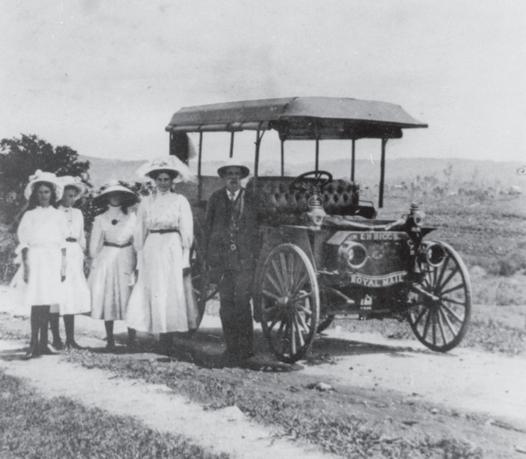
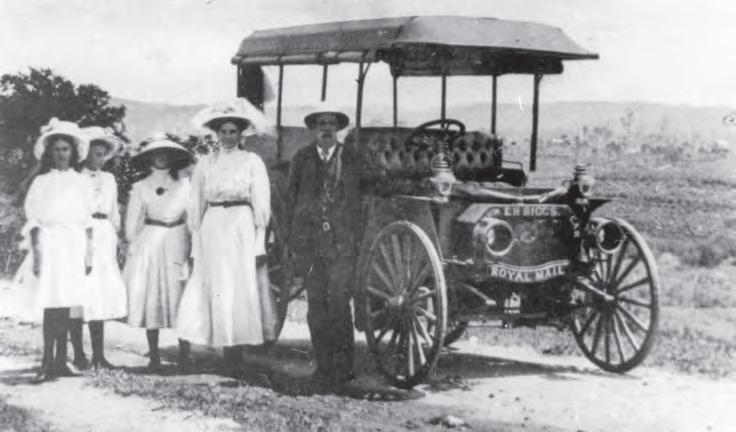
One of the first motorised mail services in Queensland in 1910 was from Nambour to Mapleton. Edmund Biggs’ vehicle was only the second in the district.
Here’s the reasons why movement is medicine
CAITLYN HUTH explains the truth about exercise and how to minimise joint pain for over-55s.
If you’ve been resting to protect your joints, it may be the one thing making things worse.
When your joints ache — whether from arthritis, an old injury or general inflammation — the instinct is to rest and take it easy.
That makes sense. Movement hurts. So, less movement means less pain, right?
In most cases, the opposite is true.
Joints are not self-contained. They depend on the surrounding muscles, tendons and cartilage to function well.
When we stop moving, those supporting structures weaken.
Cartilage, which has limited blood supply, actually receives its nutrients through movement. Rest deprives it of what it needs.
Muscles that support the joint — the knee, hip or shoulder — weaken further, placing even more load on the joint itself.
The result? More pain, more stiffness and less function over time. The condition that rest
was meant to protect gets worse.
Decades of research on osteoarthritis — the most common joint condition in people over 60 — consistently shows that appropriate exercise reduces pain, improves joint function and enhances quality of life. It is now considered a first-line treatment, not an optional extra.
Exercise reduces inflammation, strengthens the muscles that take load off the joint, improves lubrication within the joint and even helps regulate the body’s pain signals over time. While our body is designed to move in many ways, it’s
important to work with its signals. This is where working with a professional makes a real difference.
The goal is to find the movement your joints can tolerate, gradually build strength and mobility around them, and expand what’s possible while minimising flare-ups.
Walking, swimming, gentle resistance work and specific exercises are often excellent starting points, but the goal is to expand the comfort threshold, not shrink to it.
Some discomfort during rehabilitation is expected and safe. Learning to distinguish between discomfort that signals progress and pain that signals harm is a skill — one an exercise physiologist can help you develop.
Movement done well is not the enemy of your joints.
It is one of the most powerful tools for protecting them.
Caitlyn Huth is an exercise physiologist at Full Circle Wellness. Call 5456 1599 or visit fullcirclewellness.com.au
FIT HAPPENS with Tom Law
I CAN tell you that, in all the reading and study I have done on fitness, smiling is seldom mentioned.
So how can smiling improve your health?
Well, let’s start by saying that smiling involves using the muscles of your face. So, that cannot be a bad thing, right?
Face muscles aside, smiling releases cortisol and endorphins that provide many health benefits. Your blood pressure may drop, your endurance may increase, and we are told on a regular basis that pain may be relieved through the chemical process developed in the body due to smiling.
Dropping blood pressure alone is a fantastic thing for most of us, and if this were the only benefit of laughing, it would be great.
But wait, there is more.
Of course, a genuinely smiling person tends to be a positive individual, and the positivity comes from feeling good inside about oneself. A positive outlook
in life is fantastic for your overall physical and mental health.
I wrote something similar some time ago in this column and received good feedback about the benefits of smiling.
Smiling actually improves your outlook, if not your immediate health, and that is something beneficial to help you get through the day.
It is always better to have a good day than a bad one, and the difference on the positive side is better mental health.
The fountain of health is, in most instances, in your court.
Most of us know that we can improve our health and outlook by doing some positive things in our lives. Exercise, be moderate with treats, drink plenty of water, refrain from smoking, and moderate or limit alcohol.
Easy, right?
Tom Law is the author of health and exercise-related books. Visit facebook.com/ tomslawtraining or call 0409 274 502.
Warning: be alert not alarmed
Edin Read offers advice on how to spot a computer scam and what to do next.
Don’t panic: that Microsoft warning on your screen is probably a scam.
Recently, I helped a client who experienced one of the most common computer scams we see today.
It’s a frightening experience when a warning suddenly appears on your screen, claiming that your computer has been infected, hacked or compromised.
For many people, especially when the message looks official, the natural reaction is to panic.
Fortunately, my client did exactly the right thing. Instead of following the instructions on the screen, they contacted Greyology first.
Within a short time, we had identified the problem, removed the scam page, checked the computer for any genuine threats and ensured everything was operating safely again.
The scam began with a simple click on what appeared to be a legitimate article link while browsing online.
These days, scam links can appear almost anywhere – on websites, social media, emails, online advertisements or even search engine results.
They are becoming increasingly sophisticated and can be difficult to distinguish from genuine content.
After clicking the link, a full-screen warning appeared claiming to be from Microsoft. The message stated that the computer had been infected and instructed the user to call a support number immediately.
Loud alarm sounds and spoken messages added to the sense of urgency.
Every attempt to close the warning seemed to trigger another pop-up, making it appear as though the computer had been completely locked.
This type of scam is commonly known as a ‘tech support scam’. While it often looks serious, the goal is not usually to damage the computer immediately. Instead, scammers rely on fear and urgency to convince people to contact them.
If the victim calls the number, the scammer may pretend to be a Microsoft technician or security specialist. They often request remote access to the computer using software such as TeamViewer, AnyDesk or similar remote support tools.
Once connected, they may attempt to steal personal information, access online banking, install malicious software or demand payment for fake repair services.
The good news is that these scams can often be stopped before any damage is done.
If you ever see a warning like this, remember these important steps.
Remain calm. Scammers succeed when people panic and act quickly.
Never call the phone number displayed in the warning message.
Do not allow anyone remote access to your computer unless you have independently verified who they are and trust them completely.
Look for signs that the message may be fake. Poor grammar, unusual colours, alarming language and urgent demands are all common warning signs.
If possible, disconnect from the internet and seek professional advice before taking any action.
Most importantly, contact someone you trust for assistance.
Regular backups are also one of the best protections against scams, hardware failures and accidental data loss. Having a recent backup can significantly reduce
stress and help you recover quickly if something goes wrong.
Unfortunately, online scams are becoming more convincing every year.
Artificial intelligence, professionallooking websites and realistic messages make it easier than ever for criminals to impersonate trusted companies.
That’s why a healthy dose of scepticism is one of the most valuable security tools you can have.
If you ever receive a suspicious warning on your computer, don’t assume the worst. Take a moment, seek advice and remember that legitimate companies such as Microsoft will not suddenly lock your screen and demand that you call a phone number. When in doubt, ask for help.
A quick phone call can often prevent a costly mistake.
Edin Read is founder and chief technician at Greyology Tech Support for Seniors. Visit greyology.com.au
Cult hero isn’t for everyone, but will keep fans happy
BRUCE McMAHON appraises the latest three-door Jimny Suzuki’s upgrades and outlines why it has always attracted a devoted following.
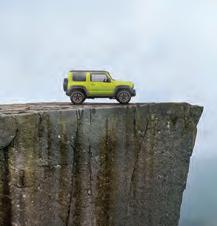
The more things change the more Suzuki’s cute Jimny stays the same. Almost. The squared-off and very compact four-wheel-drive is a handsome and most capable machine – a cult hero to some.
Its heritage stretches back into the 1970s, yet it is this current generation which has broadened its appeal with smart styling and many of today’s motoring’s mod cons.
Prices have risen. There’s now a five-door XL version, automatic transmission options, electric windows and a reversing camera. Yet, the basics remain: a high-riding chassis, excellent approach and departure angles, and two-speed transfer case. There’s still old-school handbrake and four-wheeldrive levers, rather than the push-button engagements found elsewhere.
And while there’s been some improvements to suspension set-ups over the years, it’s still a rigid rear axle with rear drum brakes. Plus, today’s 1.5-litre engine is no fireball, producing
75kW at a high 6000rpm. All this adds up to a small machine, albeit a light one around 1500kg, which can take a bit of shoving around.
With the automatic version around town, this can take fuel consumption through to 10 litres per 100km – past the factory’s overall consumption claim of 6.9litres per 100km (about 75 per cent of Jimnys, three and five-door, are sold with the four-speed automatics).
While the Jimny can sit on a steady 100kmh down a highway, allowing for slow uphill climbs, this is no sports car down the highway, either. The short 2.2m wheelbase means a driver feels the rough stuff from front and rear axles and the 3.6m-long, three-door Jimny can be pushed around by side draughts (it all adds up to a built-in reminder to stop every two hours on a long haul and wondering why Suzuki couldn’t afford the driver a left armrest).
Then, off to the scrub or the sand where the Suzuki Jimny shines, running rings around bigger, more tech-loaded
machines hampered in many conditions by size and weight (it is important to keep unnecessary weight out of the little bloke at all times).
It’s this four-wheel-drive ability, the Jimny’s character plus Suzuki’s reputation for reliability which attracts a devoted following. It’s back-to-basics motoring and offroading and it’s understood this won’t suit everyone in 2026.
This year, the three-door Jimnys had some minor updates and a suite of upgrades for safety and convenience. These include hill-hold and hill-descent controls, autonomous emergency braking, land-departure warnings and adaptive cruise control.
For convenience, there’s now a 7-inch touchscreen for Apple CarPlay and
Android Auto. And there’s a digital road-speed read-out: much appreciated when the analogue speedometer and tachometer figures are dark orange on a black background and hard to read.
Other gripes include the lack of a volume knob for the multimedia touch screen, where swiping for controls can be hit and miss. Yes, there is a manual control on the steering wheel for volume and information outputs, but all these are on the tiny side of small.
So, the latest three-door Suzuki Jimny drives no different to last year’s model, which is to say it has simple, old-school charms which need to be comprehended if not always appreciated.
What’s new is the package of safety considerations and today’s price tag, starting around $39,000.
COINS
• Sovereigns
SILVER COINS
• Australian $200 Gold Coins
Coins
• World proof coins and sets
• Half sovereigns • Commemorative Coins • Gold Coins: mounted, holed or worn • Gold medals and fobs
All other world gold coins
• All Rolex watches (including Oyster, Submariner, Daydate and Datejust)
• All Omega (including Seamaster and Consellation)
• Tudor and Breitling
• Gold chains
• Gold bracelets
• Gold rings
• Bullion bars
• Gold earrings
• Gold necklaces
• Nuggets and alluvial gold
• Mechanical (automatic and wind up)
• Gold and silver pocket watches
• Military pocket watches
g d s
• No quartz / battery watches
Shillings, Six Pences, Three
• Australian - Crowns, Florins, Shillings, Six Pences,Three Pences, 1966 50 cent rounds
• South Africa, USA & Canada
• NZ, Great Britain, Fiji
• New Guinea Shillings
• Misc Silver Coins
• All Other World silver coins
• Worn and broken gold jewellery GOLD JEWELLERY WORLD/AUSTRALIAN COINS
• All world coins
• Collection and accumulation
• Error and mis-strikes
• Proof sets and singles
• Trade tokens
• All Perth Mint and Royal Australian Mint sets
• Rings & brooches
• Watch chains and lockets
• Gold cuff links
• Bracelets and bangles
• Necklaces and all broken jewellery
• Pendants and sovereign cases
broken jewellery
JEWELLERY
JEWELLERY
Sunset Palms Retirement Living is now selling!
Following strong demand and a previously sold-out community, this is your last opportunity to secure a brand-new villa in this vibrant Palmview community on the Sunshine Coast.
Currently under construction, choose from a range of thoughtfully designed two- and three-bedroom, single-storey homes created for easier, low-maintenance living.
Enjoy resort-style facilities, weekly activities, home and garden maintenance, plus access to in-home support services if your needs change. It’s a welcoming community where you’ll feel more connected, more supported, and have more time for the things you love.
Home and garden maintenance
and
Time to start thinking big to remember the small stuff
CHARLIE GRIFFITHS has found his own bizarre strategy to help him recall the everyday things in life that can easily slip his mind.
Ever walked into a room and wondered what the heck you were doing there?
Of course. We all have.
Even as an apprentice, I often found myself staring into the back of the ute, wondering what I came out to get. I’d resolve to backtrack and see if I came up with any inspiration, before the boss caught me wandering around in circles.
Something would always flick the switch and I would backtrack my backtracking and return with my elusive quarry.
Now, similar predicaments prompt the classic “silly old bugger!” – either self-expressed or helpfully offered by witnesses trying to make light of my serious condition.
I don’t know if my meandering memory is getting worse or if I’m more aware of my chronic DOBS (Date of Birth Syndrome).
It’s the minor things – ones that should be easiest to recall – that slip through the cracks first.
It’s my belief that the memory part of my subconscious prioritises the list and focuses only on the important items.
If I had to pack my clothes for a trip away next week, top up the windscreen wiper water in the ute, and check that I have ear plugs in the glovebox, I know which I’ll remember and which will probably go through to the keeper.
All these tasks are important, so I need to make my subconscious agree.
Here’s what I do, when I have multiple tasks to perform, to pretty much guarantee that I remember them all (even if faced with distractions).
First thing is to irrefutably convince my subconscious that I have three tasks
Some of the Fibre Art and Surface Design Group members eco-dyeing leather
BUDERIM CRAFT COTTAGE EXHIBITION
THE Buderim Craft Cottage Fibre Art and Surface Design Group members continue to explore and push the boundaries of fibre to produce vibrant, creative artworks.
Genealogy Sunshine Coast will be holding its Coffee and Chat morning tea on Tuesday, July 21, from 10-11am. So, head along to the rooms, opposite the aquatic centre in Petrie Park Road, Nambour (opposite the aquatic centre), and share your ideas and/or ‘brick walls’ with other members .
Genealogy Sunshine Coast will be celebrating its 150th anniversary in 2028. If you have ideas for the celebrations, let the group know. Members want to make it a fun event and a chance to catch up with old friends.
The group’s rooms are available for people to do their family history research, and are open on Mondays, Tuesdays and Thursdays from 9am to 4pm.
to perform. Three is the number. Not four. Not two. The number is three. Thank you, Monty Python.
I might lock this in by visualising the three of hearts playing card: as huge as a drive-in screen, with the hearts flashing and pulsing in a sinus symphony.
Next, nail the individual tasks.
My suitcase is as big as a road train: crocodile skin clad, bulging with my sartorial wardrobe and my West Coast Eagles scarf flapping defiantly, snared in the top zipper.
The open bonnet of my red ute allows a metre-diameter gyrating fire hose to gush a river of frothing water into the wiper filler, miraculously without spilling a drop.
I’m crawling on the stage at an AC/DC concert, trapped in front of an amp as big as a two-storey house. The only thing that can save the TNT from exploding in my head is the pair of earplugs attempting a jailbreak, wriggling for the safety of the highway to hell. My right hand reaches like a chameleon’s tongue, arresting the potential escapees, stuffing them into my ears and smiling: “Rock’n’roll ain’t noise pollution”.
Add your own inimitable insanity to this strange strategy and never again find yourself at the bakery counter drooling over the sumptuous sweets and thinking: “Where the hell is my bloody wallet?”
Remember, it’s a long way to the shop if you want a sausage roll.
If you find this strategy useful, or just plain good fun, send me a hoy at charliegriffithscoaching.com.
Charlie Griffiths is a certified life coach and Neuro Linguistic Programming practitioner. Visit his website at charliegriffithscoaching.com
These will be on display in their exhibition Curated Colour on show at the Atrium Gallery, 5 Main Street, Buderim, from July 18-26, from 10am-4pm. The exhibition has free admission and parking. Be entertained with artist demonstrations, as well as coffee and cake available on the weekends.
This exhibition will include large 2D and 3D works. The artworks are a culmination of a year’s work where members have explored the concept of colour. These unique results will be on display in the Atrium Gallery during the Coastal Central Open Studios trail.
MARY VALLEY ART FEST
THE Mary Valley Art Festival celebrates its 25th anniversary this year.
Artists have until July 6 to lodge the paperwork for their entries, which must be delivered no later than July 13 for the festival.
The festival is a key event on the calendar for Mary Valley Artslink and is one of Southeast Queensland’s most established regional arts events.
From July 23-26, the Imbil Public Hall will be filled with hundreds of artworks.
President Heinke Butt says the festival continues to attract strong participation, with more than $10,500 in prizemoney and a wide range of categories, including a dedicated youth section. The Best in Show Award is one of the highlights, plus a full program of events, including the awards night on July 24 and Sunday artisan markets.
It has been a big year for Mary Valley Artslink, which opened a purpose-built fine art gallery in Imbil in February. It also launched a 12-month workshop series. The workshops kicked off in May in Imbil, and will offer monthly sessions across a diverse range of artistic disciplines.
Full program details and booking information will be released via the Mary Valley Artslink Facebook page.
BRIDGE FOR THE BRAIN
SUNSHINE Coast Bridge Club is a great place to learn bridge.
The next beginners’ course starts on Monday, July 27. After just six lessons, you’ll be able to play bridge in supervised sessions and enjoy all the benefits of this fascinating and social game.
The clubhouse, at the Elizabeth Daniels Sports Complex on Syd Lingard Drive, Buderim, has plenty of parking. The course cost is $60 and includes the lesson book and morning tea. Visit suncoastbridge.com.au. Email teaching@sunshinecoastbridge.com.au or call Lisa on 0412 196 457.
A HALF-DAY introduction to tai chi will be held on Saturday, July 11, from 1.15-4.15pm, at the Millwell Road Community Centre, Maroochydore. Cost is $35. Participants will experience the first few moves of tai chi and can then join ongoing weekly sessions at multiple locations across the Sunshine Coast. Email seq@taoisttaichi.org or call 1800 108 801.
GREY MEDALLION COURSE
THE Grey Medallion is a free, one-day Royal Life Saving Society course run by trainers and lifesavers from Ithaca Caloundra City Life Saving Club. The course includes learning how to spot a rip, perform CPR, use a defibrillator, understand water familiarisation and supervise children around water, respond to marine stings and carry out dry rescues. This isn’t a swimming course but builds skills and confidence to respond to emergencies.
WHEN: Saturday, August 8, 9am-4pm WHERE: BreakFree Grand Pacific Caloundra, 100 Bulcock Street, Caloundra.
ENROL: Visit caloundracity.org.au or email secretary@caloundracity.org.au
YOUR LOCAL EYE DOCTOR
Associate Professor
Kristopher Rallah-Baker
We need all the cognitive reserve we can muster
KAILAS ROBERTS recommends we have a good, hard think about anything, before resorting to the use of technology and devices as the easy way out.
What will the world look like in 50 years? Amid all the technological advancements, it is not hard to imagine that it will look radically different.
In a much shorter span of time, we have developed electric vehicles which can (theoretically) drive themselves, smartphones that are literally thousands of times more powerful than some of the most advanced home computers in the 1990s, and artificial intelligence entities that threaten the existence of many traditional jobs.
Whether further advancements will result in a techno-utopia or dystopia, society’s increasing reliance on, and addiction to, electronic media is a problem when it comes to the brain.
Outsourcing cognitive function to a device means that we are not exercising our brains in the way they are designed. Although it is a not a medical diagnosis, the term ‘digital dementia’ is often used to describe this degradation of brain function. And there are concerns that the use of
electronic devices might lead to significantly increased rates of clinical dementia later in life.
Given that almost everyone under a certain age engages regularly with technology, this is not a trivial issue. In the short to medium term, we may see reduced attention spans, as well as memory impairment, plus a reduced ability to problem solve (if the answer to a problem is easily available online, why would we bother to think it through?).
Scrolling is the antithesis of sustained attention, with your mind constantly drawn to the next tantalising thing you may see. We are also far less likely to commit something to memory if we don’t pay attention to it, and if we don’t need to because the information is (again) available online. Remember that the brain is a muscle and unless you are regularly using these cognitive skills, they will deteriorate. When it comes to dementia risk, one concern about all the outsourcing of cognitive function is that it will reduce so-called cognitive reserve. This term
effectively denotes your ability to function despite damage to the brain – whether that be due to the accumulation of amyloid and tau in Alzheimer’s disease, reduced blood supply due to vascular problems, or some other pathology.
The higher your reserve, the more can go wrong with your brain before you develop symptoms. We know that higher levels of education, having a job that is or was cognitively challenging, and engaging in leisure pursuits later in life all increase cognitive reserve and are associated with a reduced risk of dementia.
Despite the above concerns, not all research backs up the idea of digital dementia. An analysis of all the data (looking at more than 400,000 people in studies) in 2025 did not show a negative association with the use of technology and later dementia development. Rather, it suggested a possible benefit.
Ted O’BRIENMP
Federal Member for Fairfax
But only people over 50 were included in the research. Perhaps then their brains had had enough time without technology to already have good cognitive reserve.
Also, the study cannot prove that the use of technology caused the benefit, only that it was associated. Maybe those using it were more inclined to do so because of better underlying brain function then.
Until proven otherwise, I think we must assume there is a brain danger of overuse of technology. My advice would be to: think first and have technology augment your thinking, rather than skipping the initial effort: limit screen time; and remember that your brain did not evolve with technology in mind.
Kailas Roberts is a psychogeriatrician and author ofMind Your Brain: The Essential Australian Guide to Dementia, available at bookstores and online. Visit yourbraininmind.com or uqp.com.au
Buying Now
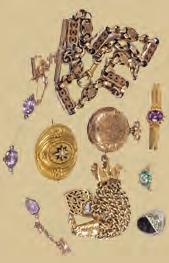
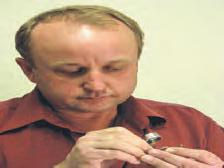
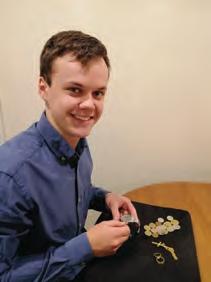
Mike and Nate Cornish will be in the Sunshine Coast for 4 days only, from July 15th to the 18th. We want to buy your unwanted items as listed. Please visit us at one of the venues shown below. These events are often compared to the ‘Antiques Roadshow’ on TV, but without the long queues. Don’t miss this opportunity! If you are unable or have too many items to bring in, and would like a home visit, phone Nate on 0426 820 646 NOW to arrange a time.
Fully Licensed Antique, Numismatic, and Precious Metal Buyers with over 45 years Industry Experience. Security supplied by Security International Limited.
Are you moving or downsizing? Are you worried about security? Unwanted coins? Any jewellery, incl damaged? Do they sit in a drawer or cupboard? Are you no longer collecting? Are the family not interested?
Would
the money be more of use to you?
WEDNESDAY 15TH JULY
Caloundra RSL (Sub Branch Lounge, in the main club) 10:00am – 2:00pm 19 West Terrace,
THURSDAY 16TH JULY
Coolum Surf Club (Conference Room) 10:00am – 12:00pm 1775-1779 David Low Way
North Shore Community Centre (Mount Coolum Room) 1:00pm – 3:00pm 701 David Low Way, Mudjimba FRIDAY 17TH JULY Home Visits 2:00pm – 6:00pm Phone 0426 820 646
Maroochy RSL (Boardroom 3) 10:00am – 2:00pm 105 Memorial Ave, Maroochydore The J Noosa Theatre (The Lorikeet Room) 10:00am – 1:00pm 60 Noosa Drive, Noosa Heads SATURDAY 18TH JULY
Home Visits 1:00pm – 6:00pm Phone 0426 820 646 For a Home Visit For any questions or home visit requests phone Nate 0426 820 646
Diamond
other stones, Brooches, Pendants, Lockets, Bracelets & Bangles, Gold Cuff Links, Necklaces, All Broken
Worn Jewellery.
ther stones, ets & All
Necklaces, Neckla roken
Linkks,
National Pain Week feature
DON’T IGNORE SYMPTOMS OF CHRONIC PAIN
By SHIRLEY SINCLAIR
“TILER’S knees.” “Old netball injury.” “It’s my gout.” “I just had a knee replacement.” “Another migraine.”
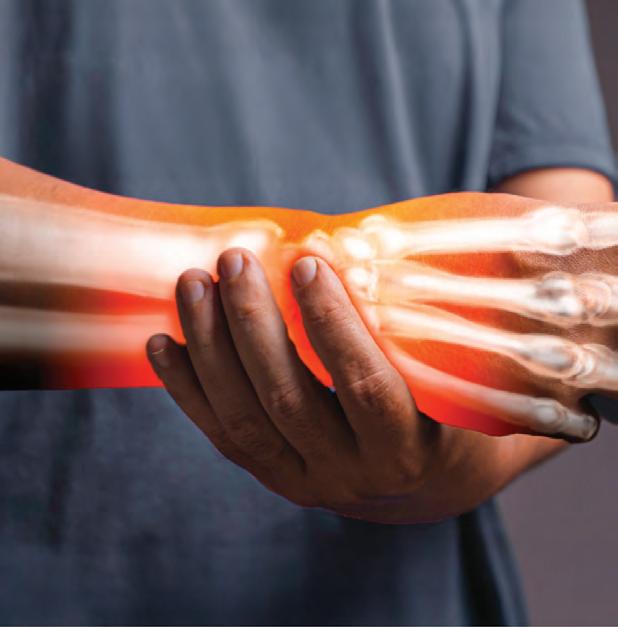
Many people live with chronic pain every day – sometimes all day and night and for extensive periods. Chronic pain is any persistent or recurring pain that lasts for more than three to six months. It can stop us living life to the full or at least curb certain activities. It can make us have to manage the pain by changing our lifestyle and adding allied healthcare appointments to our weekly schedule. It can make us want to dismiss our aches and pains to others or at least
minimise them – especially as we get older.
After all, chronic pain is, to a large extent, “invisible”. We don’t ‘look unwell’ as we soldier on with our lives, battling whatever the chronic pain throws at us.
But as Chronic Pain Australia points out, 3.6 million Australians are living with chronic pain daily. And those individuals know that such pain is not “all in their head” – as some people might tell them.
Chronic Pain Australia, our nation’s peak health body for chronic pain, raises awareness of the problem, advocates for sufferers and aims to ensure each of them has access to compassionate, evidence-
based and equitable care. That’s why the organisation hosts National Pain Week.
National Pain Week is the final week of July each year. This year, it will be held from July 26-31. And each year, the organisation also undertakes the National Pain Survey and Kids In Pain Survey.
After the 2025 National Pain Survey, Chronic Pain Australia chairperson Nicolette Ellis said that the results highlighted the urgent need to make chronic pain a national health priority.
The 2025 National Pain Survey of nearly 5000 people living with chronic pain found that millions of Australians were being robbed of the best years of their lives, their wellbeing and even their hope, as chronic pain “continues to be Australia’s missing national health priority”.
Among the key findings was that chronic pain is taking longer to diagnose: in 2025, 54 per cent of survey respondents reported waiting more than two years for a diagnosis, and 44 per cent waited over three. In 2024, 42 per cent reported waited over 3 years; and in 2023, 41 per cent.
If you need to talk to someone who understands, Painlink is the national free call-back helpline for navigating life with chronic pain. The helpline is available Monday to Friday (8am–1pm AEST).
Call 1300 340 357.
Visit chronicpainaustralia.org.au
CARE AND
CHRONIC pain remains one of the most significant health challenges worldwide.
Whether from a musculoskeletal injury, degenerative conditions, inflammation, nerve damage or post-surgical complications, persistent pain affects physical function, emotional wellbeing, sleep quality and overall quality of life.
While medications can provide temporary symptom relief, many individuals seek approaches that address the underlying physiological processes contributing to pain, rather than simply masking symptoms.
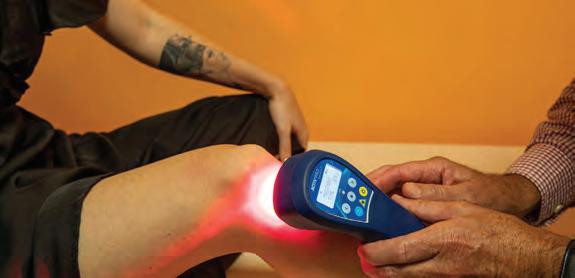
Two non-invasive therapies attracting growing clinical and scientific interest are Photobiomodulation Therapy (PBM) and Pulsed Electromagnetic Field Therapy (PEMF). These technologies work through different mechanisms, yet both aim to support the body’s natural healing processes, reduce inflammation, improve cellular function and promote tissue repair.
PBM, also known as low-level laser therapy or red-light therapy, uses specific wavelengths of red and near-infrared light to stimulate cellular function. Unlike thermal therapies, PBM does not heat tissue. Instead, light energy is absorbed by cellular structures known as mitochondria – the body’s energy-producing organelles.
PEMF uses low-frequency electromagnetic fields to interact with cells and tissues throughout the body.
The human body itself operates through electrical and electromagnetic signalling. Every nerve impulse, muscle contraction and cellular communication process relies on bioelectrical activity.
PEMF aims to support these natural processes through externally applied electromagnetic fields.
Although each therapy can be used independently, there is growing interest in combining PBM and PEMF because they target complementary physiological pathways. As healthcare increasingly shifts toward restorative and regenerative approaches, therapies such as PBM and PEMF are gaining recognition for their ability to support the body’s inherent healing capacity.
While further research continues to refine treatment parameters and identify optimal applications, current evidence suggests these therapies offer meaningful potential in the management of musculoskeletal and neuropathic pain.
For non-invasive, drug-free options, PBM and PEMF are promising additions to modern pain care – helping not only to reduce discomfort, but also to support the biological processes necessary for recovery, resilience and improved quality of life.
Visit attunehealth.com.au for more.
HOW JOHN GOT HIS LIFE BACK – FROM HIP PAIN TO CHAMPIONSHIP GLORY
AT 75, John Chapman thought his days of lawn bowls, bike rides, kayaking and long walks were over.
Crippled by relentless hip pain, even a short stroll left him in agony.
After six months of physiotherapy and painkillers, he was no closer to relief.
The pain not only stole his mobility, it also chipped away at his joy, his social life, and even his mental health.
“I was a shadow of myself,” John recalls. “I missed my mates at bowls and at the club.
“Nothing worked. I felt hopeless.”
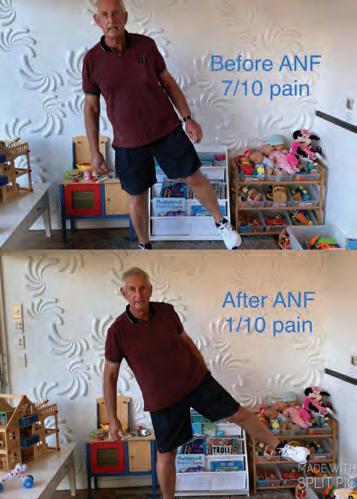
But then a friend suggested Cluzie Clinic and Amino Neuro Frequency (ANF) Therapy.
Desperate for answers, John booked an appointment – and everything changed.
“Within minutes of my very first session, the pain dropped dramatically,” John says.
“It was unbelievable. By the fourth session, the pain was gone completely.”
John didn’t just get back on the green, he won the bowls championship.
His wife jokes that the last session was just to thank Cluzie for “giving her husband back”.
For John, the biggest victory wasn’t just the trophy, but getting his life, health and happiness back.
Cluzie Clinic’s clinical director Claire Dunkley explains: “Most people don’t realise that the body runs on electrical frequencies.
“ANF Therapy helps reset those frequencies at the root cause.
“So, people can finally move out of pain and into vitality.”
Visit cluzie.com or call 0402 762 717.
Enhance your body’s capacity to heal
THE CAREERS GEN Z HAS NEVER HEARD OF
TEENAGERS today wouldn’t believe that people were once paid to wake workers up by tapping on their bedroom windows with long sticks.
AnyBusiness.com.au business marketplace reminds us that professions that once employed thousands of people have disappeared in little more than a generation as technology transformed how people live, work and communicate.
Some of the jobs that have disappeared: Switchboard operator: connected telephone calls manually – replaced by automated phone networks.
Telegraph operator: transmitted and received messages using telegraph equipment – replaced by email and messaging apps.
Telegraph messenger: delivered telegrams by hand – replaced by phones and email. Computer (human): performed mathematical calculations manually –replaced by modern computers.
Encyclopedia salesperson: sold encyclopedias door-to-door – replaced by search engines and online information. Linotype operator: set type for printing presses – now desktop publishing software. Elevator starter: managed lifts in large buildings – replaced by automated systems. Video store clerk: rented out VHS tapes and DVDs – now streaming platforms.
Complementary science-backed technologies that heal the mind, body & soul.
Drug free therapies to assist with a range of condi ons including anxiety, depression, poor sleep, inflamma on, brain fog, chronic fa gue, autoimmune disease, cancer and musculoskeletal and neuropathic pain management.
– HyperBaric Oxygen (HBOT)
– Red and InfraRed Light (PBM)
– Molecular Hydrogen Inhala on
– Ozone Sauna
– Pulsed Electro Magne c Frequency (PEMF)
– Biotuning and Sound Therapy
Peter has 45 years experience as a health prac oner and Lee-Anne has worked in the mental health and trauma
Wellness backed by science –a natural solution for joint pain and inflammation
One-in-seven Australians, or 4.1million people, are living with arthritis – a leading cause of chronic pain and the second-most common cause of disability and early retirement due to ill health, according to Arthritis Australia.
Chronic inflammation can persist for months or even years, causing the body discomfort and debilitating pain.
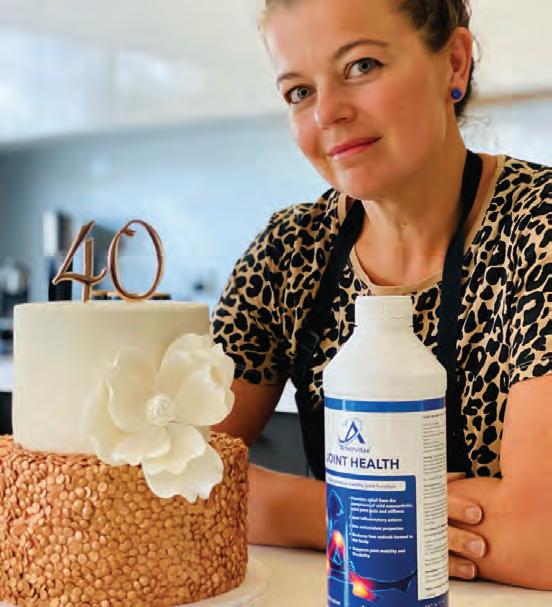
Arborvitae Joint Health helps to provide relief from the symptoms of mild-moderate arthritis, joint pain, inflammation in the joints and body, soreness and stiffness.
Since it was founded in 2014, Arborvitae Health and Wellbeing has used Pycnogenol (a French pine bark extract) as the main ingredient in its range of natural anti-inflammatory and antioxidant supplements. The natural plant extract (Pycnogenol) grows on the coast of south-west France (Landes
de Gascogne) and is used alongside aloe vera, papain enzyme and honey in Arborvitae’s formulation.
‘‘Arborvitae does make a difference, and that has been supported by over 160 clinical trials and 450 scientific publications on its main ingredient Pycnogenol (a French pine bark extract) across a broad range of conditions and Arborvitae’s own clinical study. The customer feedback we receive is extensive and supports our claims,” Brendan Howell, director of Arborvitae Health and Wellbeing, says.
A recent clinical study on Arborvitae Joint Health has shown some exceptional results with pain relief (66% decrease in pain test scores) a 50% increase in walking distance and a 56% decrease in inflammation in blood tests (CRP). This reduction in inflammation/ CRP alone is considered significant.
Jade Hurley – also known as Australia’s ‘King of Country Rock’ – has been a regular user
of Arborvitae Joint Health which he states has enabled him to continue performing on stage.
Hurley, who is now touring and back on stage where he belongs, says Arborvitae has “given me a new life and given me my career back from suffering with pain in my fingers as a result of years of arthritis”.
Supplements are sold via Arborvitae’s website and at more than 2500 chemists and health food shops Australia-wide – including Chemist Warehouse, TerryWhite Chemmart, Blooms The Chemist and many others.
To find out more on the clinical study and Arborvitae’s health supplements, you can visit the website: arborvitae.com.au or call 1300 879 863.
The above information is general in nature. Please contact your GP or other healthcare professional for advice that is specific to your health needs.
Jade Hurley is back on the road after finding relief from excruciating pain caused by arthritis.
Planning with purpose
Understanding Palliative & Endof-Life Care
By SHIRLEY SINCLAIR
THE little things are what matter most in the end.
It’s the photographs that bring back happy memories, the favourite playlist of tunes in the background, the muchloved books, a little pampering and having someone to talk to or hold their hand.
These little things create moments of connection and joy for a patient living with a serious, life-limiting illness that cannot be cured.
These little things provide balance to everything else going on in their life.
And they offer friends and loved ones, who may be feeling helpless, a way to be proactive and contribute something positive.
No one enjoys talking about palliative care and its specific end-oflife phase, but it is an extremely important, specialised area of medicine. The goal of palliative care is to provide relief from physical pain,
anxiety and emotional stress, as well as other symptoms, and offer the best possible quality of life.
It also aims to give practical and emotional support to the patient’s family members and carers at this difficult time in their own lives.
This care may be given in the patient’s home, a hospital or dedicated palliative care unit, a hospice or residential aged care facility.
While the patient’s own doctor, other healthcare and aged care workers and relatives may be part of the individual’s palliative care team, specialised services also are available.
These specialised carers are special people. They have the clinical expertise, emotional intelligence, deep empathy and communication skills for navigating sensitive end-of-life conversations, as well as emotional resilience to offer support to those left behind to deal with their grief and loss.
But never discount the power of the little things in life that we can all do in those final days.
As Palliative Care Queensland’s website says: “Everyone has the right to die painlessly and peacefully.”
Palliative Care Australia is the national peak body for palliative care. For more information, educational materials and a directory of local support services, visit palliativecare.org.au
WHEN CARE CAN’T WAIT FOR THE SYSTEM TO FINALLY CATCH UP
PLANNING ahead matters. But at end of life, practical needs can change faster than services, funding or paperwork can keep up.
Most of us know it is wise to plan ahead for ageing, illness and end-of-life care. We are encouraged to have the conversations, get the paperwork in order, think about where we would want to be cared for and make our wishes known.
All of that matters.
But even with good planning, real life can move quickly.
A person’s needs can change in days. A carer who has been coping can suddenly find themselves exhausted.
Equipment may be needed before a funding pathway is approved.
Transport, meals, cleaning, personal care or a few hours of respite may become urgent while assessments, referrals and services are still being arranged.
This is the gap many people do not see until they are in it.
Support systems do exist, but they each have different purposes, rules, eligibility requirements and timeframes. A person may be known to palliative care, waiting for aged-care
Every Queenslander should have access to high-quality, culturally safe and personcentred palliative and endof-life care, regardless of where they live or who they
support, applying through another pathway or simply unable to access practical help quickly enough.
Meanwhile, life at home still has to work.
Mingary Care helps fill practical, time-sensitive gaps for people who are dying — and the people around them — on the Sunshine Coast and in Gympie.
It does not replace health services, aged care or community palliative care.
Instead, Mingary Care funds and coordinates free, short-term practical support through trusted local providers when help is not available, affordable or fast enough.
When care can’t wait, the right help at the right time can bring comfort, calm and breathing space.
Call 5479 0881 or visit mingarycare.org.au
PROACTIVE PLANNING IS WHAT FULFILS WISHES
MOST of us will face it – a phone call, diagnosis or quiet shift in someone we love.
And suddenly, decisions we never thought about become urgent.
End-of-life care shouldn’t begin in a crisis. It should begin now.
While discussions about illness, dying and death can be difficult, proactive end-of-life planning helps ensure that a person’s values, preferences and wishes are understood and respected.
It can also provide greater confidence and peace of mind for families and loved ones during challenging times.
Palliative Care Queensland is committed to helping Queenslanders navigate these conversations and experiences through practical, community-focused programs.
Navigating the Journey is the face-to-face community training program that builds knowledge, communication skills and confidence to support others through palliative care, end-of-life planning and grief.
By empowering people with the tools to have meaningful conversations and provide compassionate support, Palliative Care
Queensland is helping to strengthen communities and reduce isolation.
The commitment to person-centred care is also reflected in the Ambulance Wish Queensland program, which fulfils meaningful last wishes for people at the end of life.
Whether it is revisiting a special place, spending time by the ocean or simply sharing one final meaningful experience with loved ones, each wish is tailored to what matters most to the individual.
Together, Navigating the Journey and Ambulance Wish Queensland are essential community resources that support Queenslanders through some of life’s most significant moments.
Palliative Care Queensland is grateful for the support of Gleeson Quantity Surveyors and Mingary Care, the foundation sponsors of Ambulance Wish Queensland, and Country to Coast Qld and Noosa Council for their ongoing commitment to community wellbeing and compassionate communities.
Whether care happens at home, in hospital, or through a hospice setting, knowing where to turn, what support is available and how to have the conversations that matter can make all the difference.
Start the conversation today.
Discover support and resources at palliativecareqld.org.au
DYING TO KNOW DAY
SUNSHINE Coast residents are invited to a free Cuppa and Chat morning tea for Dying to Know Day, hosted by Holy Cross Funerals Sunshine Coast: a not-for-profit organisation.
This relaxed community event encourages open conversations about end-of-life planning, grief and supporting families when facing the death of a loved one.
It will be held on Wednesday, August 5, at 10.30am at North Shore Community Centre, Mudjimba.
The event is free and open to all, including carers, family members and anyone interested.
RSVP by email to info@holycrossfunerals.com
Mingary Care provides free, short-term practical support for people who are dying and the people around them on the Sunshine Coast and in Gympie.
When practical help isn’t available, affordable or fast enough, we fund and coordinate support through trusted local providers. This may include practical help at home, equipment, transport, meals, cleaning, respite and meaningful last wishes.
Community-funded. Locally delivered.
to learn more, donate or ask about referral pathways.
Wills & Estates Lawyers
INSIGHT
YOU’VE BEEN APPOINTED AS EXECUTOR: NOW WHAT?
IF YOU have recently lost a loved one and found out you have been appointed as the executor of their will, you might be wondering what’s next.
While it is an honour to carry out their final wishes, the role comes with legal responsibilities. Every estate is different, but the role of an executor generally involves managing the deceased person’s affairs from start to finish.
YOUR LEGAL RESPONSIBILITIES – As executor, you have a legal duty to act in the estate’s best interests. This means settling all debts, taxes and expenses before distributing any assets, while following legal timeframes. If the estate is distributed incorrectly or prematurely, you can be held personally liable. To protect yourself, it is crucial to take a step-by-step approach and seek professional advice early.
THE ESTATE ADMINISTRATION
PROCESS – While no two estates are exactly the same, the process generally follows these steps:
• locate the original will
• secure the assets: for example, ensuring house insurance is current or safeguarding physical valuables
• identify all estate assets (property, bank accounts and investments) and debts
• find out if probate is needed
• notify relevant organisations such as banks, superannuation funds, insurers and government agencies
• pay estate expenses and debts: settle funeral expenses, outstanding debts and final taxes (you can usually request the deceased’s bank to pay funeral invoices directly from their account so you are not out of pocket)
• keep beneficiaries informed throughout
• distribute the remaining assets strictly in accordance with the will.
COMPENSATION AND REIMBURSEMENT – Executors are entitled to be reimbursed for reasonable expenses incurred while administering the estate, such as travel, cleaning or postage. So, always keep your receipts. Because managing an estate takes considerable time and effort, as executor you may be entitled to claim a commission from the estate, depending on its size and complexity.
EXPERT GUIDANCE EVERY STEP OF THE WAY – You do not have to travel this road alone. Seeking professional guidance early ensures everything is handled correctly, smoothly and in full compliance with the law. Ryans Solicitors and Attorneys can guide you through your role, map out the simplest path forward and protect you from personal liability.
WORDS: Johanne Viavattene, Ryans Solicitors and Attorneys. Visit ryansolicitors.com.au
Call 5443 9911 to organise your no-obligation, free consultation. This article is general information only and is not intended as legal advice.
The shortcuts taken in preparing a will can lead to bumpy roads
By DON MACPHERSON
Everyone wants a bargain these days. One way people sometimes try to save money is by doing their own will or using a will kit from a newsagent or off the internet.
We were involved in a District Court case that demonstrates that saving money in this way can end up costing thousands in the end.
A woman decided that she’d do her own will, with a kit she purchased herself. She had four children, one of whom looked after her in her old age.
She did her own will, saying that she left her “house contents and car” to her supportive child, and then spent the rest of her will saying her estranged children deserved nothing.
One of those other children had a lawyer who was smart enough to realise, and argue in court when challenging the will, that she had only dealt with the “house contents” (that is, the furniture) and hadn’t left her home (her “house”) to anyone. She’d left out the word “and”. Even a comma would have done.
That amounts to what’s called a partial intestacy, which meant the house goes to her next of kin: her four children, in equal shares.
While that clearly wasn’t her intention, that’s what the will said when read carefully.
Eventually, we were able to convince the court her intention was clear, if her wording wasn’t, and the judge inserted a comma between the words “house” and “contents” and the intended child received the house after all.
A recent Supreme Court decision similarly clearly demonstrates the fallacy
A FAMILIAR FACE FOR HOME TECHNICAL HELP
WHEN technology goes wrong, the help on offer can sometimes feel just as frustrating.
Long waits on hold on the phone, confusing advice and rushed appointments can leave you with more questions than answers.
Josh O’Connor started Next Door Digital to offer a better alternative.
Recently, he visited Peta at Edgewater Over-50s Village in Bli Bli. She had just changed internet providers and been handed a manual of ‘simple’ instructions for reconfiguring her modem.
She read through it, laughed, and said, “This is all a bit much for me… I know exactly who to call.”
Josh had Peta’s internet back up and running without a hitch.
Peta has been with Next Door Digital since the beginning. When her old
computer couldn’t be updated to Windows 11, Josh helped her move to a new one, transferring all her files, signing her back into email,and restoring every bookmark so it felt just like home from day one.
Josh says that one of his favourite visits was sitting down with Peta and walking her through ChatGPT, showing her how to use it to write letters, identify scam messages and learn a few keyboard shortcuts that have quietly made her dayto-day use that bit easier.
“That’s what I’ve come to love about this work. It’s not just fixing a device and moving on,” he says.
“It’s knowing someone’s setup, understanding what matters to them and being the person they think of when something comes up.”
Call Next Door Digital on 0455 600 173.
of the ‘do-it-yourself’ approach. A wealthy older couple, decided that instead of getting a lawyer to update their old wills, they’d do it themselves with some input from their accountant.
Unfortunately for them and their family, the documents produced weren’t clear, and Supreme Court procee dings took place involving 10 parties: the executors, the children, some family companies and a family trust – all asking the court to decide what in fact the wills actually meant.
A case of ‘penny wise, pound foolish’?
Supreme Court procee dings with 10 parties, involving numerous lawyers and barristers, certainly don’t come cheap.
The will was very cheap. The aftermath tidying it up cost the estate thousands.
The bottom line is: don’t do it yourself. Get expert advice and get it right.
Don Macpherson, from Sunshine Coast Elder Law, has over 30 years’ experience in dealing with wills and estate law, including drafting, challenging, or defending wills. Call 1800 328 952 or visit sunshinecoastelderlaw.com.au
INDUSTRY EXPERT
Less of the two certainties in Life?
We are all going to pass away but is it possible to escape some of the recently announced tax reforms as we depart this world?
My last article addressed the Federal Budget plan of a proposed 30 per cent minimum tax on Discretionary Trusts, and the possible inclusion of Testamentary Discretionary Trusts (‘TDTs’) – that is, trusts within Wills. It seemed an ‘odd’ outcome that TDTs would be bundled in with Discretionary trusts for the proposed new tax treatment for trusts.
30 per cent tax.The exemption will extend beyond existing TDTs and covers future TDTs.
Don Macpherson, from Brisbane Elder Law, has over 30 years’ experience in dealing with wills and estate law, including drafting, challenging, or defending wills. Call 1800 328 952 or visit brisbaneelderlaw.com. au.
The government’s announcement is designed to remove uncertainty surrounding taxation of inheritances and deceased estates.
Trusts within Wills provide a useful mix of flexibility, asset protection (including in Family Law disputes) and tax advantages.
On June 18, 2026, the government provided a very welcome clarification on the treatment of TDTs and confirmed all TDTs will be exempt from the proposed
Although I don’t recommend the drastic step of passing away as part of your tax planning regime, it’s at least comforting to know TDTs will continue to play a central role in estate planning, asset protection and tax-effective wealth transfer strategies for our clients. Watch this space!
HOW TO PROTECT YOUR SLEEP
YOU slept eight hours, so why do you still feel like you’re wading through fog?
The answer lies in two key forces: adenosine and your circadian rhythm. Throughout the day, your brain accumulates adenosine: a by-product of brain activity that builds sleep pressure. Think of it as a fatigue debt that only quality sleep can clear. If sleep is disrupted, that debt carries over, causing brain fog and daytime fatigue.
At night, melatonin – the body’s natural sleep signal –rises alongside adenosine, priming you for deep, restorative sleep. During uninterrupted rest, the brain clears adenosine and processes short-term memories in the hippocampus. So, you wake refreshed and mentally clear.
At night, protect your sleep:
• avoid screens before bed as they suppress melatonin
• limit alcohol, caffeine and sugar, which disrupt REM
• keep a consistent bedtime to support your body clock.
In the morning, reinforce your wake signal:
• get natural sunlight early to reset your body clock
• avoid the snooze button. It restarts melatonin
• if you wake alert, get up rather than drifting back to sleep. If you’re regularly waking unrefreshed, sleep apnoea is an often overlooked cause. CPAP Direct sleep specialists can guide you through testing, diagnosis and treatment. Visit cpapdirect.com.au or your local store.
BREATHE TO MANAGE YOUR MIND
THE mind can feel like it has a will of its own.
It races when we want it to settle, wanders when we need it to focus, and dwells on worries we’d rather let go of. As we get older, that can be unsettling – especially when concentration starts to feel harder to hold onto.
But there’s a simple way to steady it, and it’s something you do every minute of the day: breathe.
Breathing sits in a unique spot. It runs by itself, but the moment you choose to, you can take control.
In that way, breath builds the bridge between mind and body. A calm, steady breath tells the body to relax and the mind follows.
What’s less well known is that different styles of breathing suit different needs.
For anxiety or a racing mind: the long exhale. Breathe in for a count of four, out for a count of six. A longer out-breath tells the body to relax, easing tension and worry.
For focus, box breathing: In for four, hold for four, out for four, hold for four. Used by athletes and even the military, it steadies attention when the mind feels scattered.
For low mood or stress: slow, even breathing. About six gentle breaths a minute, in and out through the nose, helps lift mood and build resilience over time.
For winding down: belly breathing. Rest a hand on your stomach and let it rise and fall slowly. It’s a reliable way to settle before sleep.
These small skills are free, portable and always with you.
At Mind Hubs, these are exactly the kind of practical, everyday tools staff believe in — simple ways to genuinely look after your brain.
Visit mindhubs.com.au
A window of light into the world of healing for those challenged with cancer
A HEARING test with Hear4Good starts with sitting down for a good chat.
Questions cover your general health, medications you are taking, your history of noise exposure and the hearing concerns that brought you to the clinic in the first place. Getting that full picture means everything staff do is relevant to you personally.
Once your background is covered, a gentle look inside your ears is completed, using a small handheld light called an otoscope. This step is to simply check that your ear canals are clear and that your eardrums look healthy before moving into the testing phase.
That phase starts with air-conduction testing, where you sit comfortably wearing headphones and indicate when you hear a series of soft tones at different pitches.
Next is bone-conduction testing, which uses a small device placed gently behind the ear. This allows the audiometrist to understand not just whether there is a hearing difference, but where it is coming from.
Depending on what is discovered, other assessments may include: speech-discrimination testing where recorded words or sentences are played at a comfortable volume and you are asked to repeat them back; and tympanometry, which checks how well your eardrum is moving in response to small changes in air pressure, for valuable information about the health of your middle ear.
Rebekah Ostby is an audiometrist at Hear4Good: a locally owned and independent hearing clinic at Golden Beach and Caloundra. Call 5477 0144 or visit hear4good.com.au
Our focus is on gaining valuable research and a greater understanding of holistic, non-invasive cancer treatments and therapies.
At CanSurvive, we are dedicated to ensuring people challenged by cancer have a greater choice in determining their care and treatment
In doing so, we provide access to:
• Evidence-based research on traditional and complimentary care
• Holistic non-invasive cancer therapies (services)
• Books, Supplements and Events
• Support Groups
• Educational Seminars and Workshops
• Online Shop
• An extensive lending library with mail order service
Detecting the hidden signs of reflux with bulk billed & non-invasive medical imaging technique
Gastroesophageal reflux disease (GORD) is a common condition. Silent reflux affects approximately 40 to 50% of patients who have GORD. It is referred to as ‘silent reflux’ because it does not present with the classic symptoms of reflux such as: heartburn; lump in the throat and regurgitation. Symptoms of silent reflux range from chronic cough, recurrent sore throats, loss of voice, persistent throat clearing, chest pain, choking, wheezing and shortness of breath.
When diagnosis and treatment are delayed, chronic GORD can increase the risk for serious health complications.
In recent years, Sunshine Coast Radiology partnered with Professor Hans Van der Wall and introduced the Gastroesophageal Reflux Test, which is available at its Caloundra clinic.
The first of its kind, this patented nuclear medicine imaging technique precisely identifies reflux fluid contamination throughout the head, throat, and chest.
“Many patients do not present with classic symptoms of GORD but are suffering from typical upper respiratory tract symptoms such as chronic cough, dysphonia and globus. This is due to reflux fluid contaminating the maxillary sinuses, throat, middle ears and laryngopharynx. It may also contaminate the airways and lungs causing asthma-like symptoms, breathing difficulties, chronic
cough and recurrent bronchitis or pneumonia. We frequently see patients with a diagnosis of “atypical asthma”, which often turns out to be GORD with entry of reflux into the airways”, says Professor Van der Wall.
Historically, GORD has been diagnosed using pH monitoring, fluoroscopy, or endoscopy. So how does the Gastroesophageal Reflux Test differ to these tests?
Although PH Monitoring is 50-80% sensitive and 77–100% specific in the presence of heartburn & regurgitation, it is limited to oesophageal disease only, particularly the lower oesophagus.
Endoscopy is effective as an anatomical diagnostic tool but has a poor sensitivity for GORD (less than 30%) and is limited to detecting reflux disease that is severe enough to damage the oesophagus.
Fluoroscopy or Barium Swallow is insensitive and has a high radiation burden and only demonstrates oesophageal disease.
The Gastroesophageal Reflux Test is 90% sensitive and provides an effective, inexpensive, simple, and noninvasive screening tool for reflux and lung aspiration, detecting contamination throughout the maxillary sinuses, throat, middle ears, laryngopharynx, airways and lungs. If you suspect the symptoms you are suffering from correspond with reflux, you might benefit from undergoing a Gastroesophageal Reflux Test. Ask your GP for a referral to Sunshine Coast Radiology at your next visit.
For more information visit: www.scradiology.com.au/reflux-testing
TIME to unlock a new kind of freedom.
Living Gems Moreton Bay is set in a stunning location close to nature, as well as shopping and a medical centre.
This premium landlease, resort-style community for active over-50s is anything other than a traditional retirement village.
Firstly, there are no entry or exit fees, deferred management charges or rigid rules.
There is no stamp duty and, as part of landlease living, your weekly site fee covers council land rates, a resort bus, maintenance and insurance of communal areas and management of the resort community.
Residents also retain 100 per cent of capital gains, setting apart this master-planned community in Burpengary East.
HAVE YOU CONSIDERED
It’s all about giving potential home buyers the freedom to upsize on lifestyle while having financial control and clarity.
As part of its resort-style offering, Living Gems Moreton Bay offers residents stunning facilities to stay active and a social hub to foster connections with friends and neighbours alike. The line-up of facilities includes a $13million Country Club, complete with 25m indoor lap pool, gymnasium, craft room, cinema, covered lawn bowls, a golf simulator, bar and lounge and extensive social and fitness spaces. Designed exclusively for over-50s to stay active, the amenities are right on your doorstep.
Stage 2 has just been released, and Stage 1 is almost sold out.
Visit LivingGems.com.au
MAROOCHYDORE’S Fred Douglas is proving age is no barrier to elite sport, with the 75-year-old set to represent Australia at the World Water Ski Championships in Canada this month.
Fred began water skiing at 18 but did not start competing until he was 65, progressing from national events to multiple international championships.
He and his wife Jeanette relocated from regional Victoria to the Sunshine Coast in 2023 and now train at Oz Ski School in Coolum. Fred has previously represented Australia at world championships in Chile in 2018, France in 2022 and Spain in 2024.
Business Mentoring?
Business Mentors Sunshine Coast exists solely to support small to medium-sized businesses, helping owners navigate challenges and achieve their business goals. If you’d love to use your business experience in a meaningful way and be part of someone’s journey, visit www.businessmentorssc.org.au
RISING above the breezy streets of Manly in Brisbane, the newest community from The Village Retirement Group is still under construction – and moving rapidly.
The first of the eventual six buildings will welcome residents in November. Sales manager Kath Gilhooley has been busy for months, including hosting get-togethers for future residents so they can meet, share a meal and start forming the friendships that will carry them into this next chapter.
“You can see the connections and friendships already forming,” Kath says.
“When they do hit the ground running, they’ll have that confidence with faces they already recognise.”
Many clients grew up in the Bayside – same schools, yacht club and Saturday markets for decades. The shared history is already there: The Village Manly is just giving it somewhere to live.
Kath grew up in the Bayside and has spent 30 years selling independent retirement living in the Southeast. She knows the area and the industry and understands the client base, which includes one in three who’ve already made the downsizing move to a smaller home.
“This isn’t a snap decision for most people,” she says.
“The allure isn’t always offloading a big house. It’s about connection, purpose and knowing the future is in good hands.”
The Village Manly brings plenty of opportunities for residents to stay active and engaged: a café, cinema, bowling green, heated pool, gym, yoga studio, library, hair salon and medical and allied health consultation areas.
Only a few three-bedroom apartments remain, with balconies and bay views.
Visit thevillage.com.au/manly
“Representing your country is the pinnacle, and to do so at my age more so,” Fred says. “It is only your mind which stops you, if you let it.”
Fred says the Aussie team brings a strong camaraderie to the competition.
“Australia has a reputation of being the most fun, and this year the host country Canada has requested that the Aussies have their tent next to them,” he says.
Fred holds the Queensland record for over-70s slalom water skiing and credits his success to consistent training and discipline.
“I exercise twice a day, every day, for
between 15 minutes and 45 minutes in a floor- and weight-based session,” he says.
His training now includes coaching from Rich Habermann and former world champion Emma Sheers at Oz Ski School.
Fred says the move to the Coast has improved his training and lifestyle, allowing more flexibility than when he relied on river conditions and shared crew arrangements in Victoria.
Looking to Canada, he’s focused on performance and encouragement for others: “It is never too late. The desire to be the best I can for my age keeps me going.”
WORDS: Abbey Cannan.
FEWER FEES BUT
SANTA PAWS WALK IN THE PARK
HUNDREDS of Sunshine Coast animal lovers and their dogs are expected to gather at Lake Kawana for Santa Paws Walk in the Park.
The 4 Paws Animal Rescue has introduced this new community walk to its much-loved annual fundraising event.
The family-friendly morning will feature a relaxed 1km walk, market stalls, food trucks, Santa photos, competitions, demonstrations, raffles and community activities. Funds raised will help homeless cats and dogs across the Sunshine Coast.
Organisers are expecting plenty of four-legged participants, with festive costumes and wagging tails set to be a highlight of the day.
WHERE: Lake Kawana, Sportsmans Parade, Bokarina.
WHEN: from 8.30am-12.30pm on Sunday, July 19.
TICKETS: Free. Walk registrations cost $10 per dog. See 4pawsanimalrescue.org.au
CONCOURS D’ELEGANCE
MORE than 100 exceptional vehicles –representing a century of automotive design, performance and craftsmanship – will be showcased in the award-winning Noosa Concours d’Elegance. Alongside a curated collection of rare and historic vehicles, Bentley, BMW, Ferrari, Lamborghini, Maserati, Mercedes-Benz, Land Rover, Porsche and Rolls-Royce will present their latest creations. The program includes food and wine, fashion and music. WHERE: Hastings Street precinct, Noosa.
WHEN: Saturday, July 18, 9.30am-5pm.
TICKETS: Free. Visit noosaconcours.com.au
DOCTORS ORCHESTRA
THE Australian Doctors Orchestra, a registered not-for-profit charity, this month will convene on the Sunshine Coast for a long weekend of music making, culminating in a performance, with all ticket sales profits donated to Bloomhill Cancer Care. Sunshine Coast organiser of the Australian Doctors Orchestra, Dr Emma Secomb, says 75 doctors from all over Australia will meet up for three days of rehearsals for the special performance, conducted by Queensland Symphony Orchestra’s Huw Jones.
WHERE: The Events Centre, 20 Minchinton Street, Caloundra.
WHEN: Sunday, July 26, at 2pm.
TICKETS: from $45, via theeventscentre. com.au/event/australian-doctors-orchestra/
TINY HOME EXPO ARRIVES IN CALOUNDRA
THE tiny home movement continues to gather momentum across Australia.
This month, the Sunshine Coast Tiny Home Expo comes to Caloundra.
To be held at the Caloundra Sharks Club grounds, the expo will showcase a diverse range of tiny homes, cabins, modular homes and innovative housing solutions from some of Australia’s leading builders and suppliers. Whether you’re actively considering downsizing, looking for a more affordable housing option, exploring sustainable living or simply curious about the tiny home lifestyle, the event offers a unique chance to step inside and compare a wide variety of homes in one location.
Visitors will also have access to free educational presentations throughout the
ARTS CENTRE MILESTONE
Caloundra Arts Centre Association is celebrating a major milestone in 2026, marking 50 years of creativity, community, learning and achievement.
The festivities begin with Wondrous Winter Workshops, running from July 6–19 at 5 North Street. This immersive program features 21 hands-on workshops and eight inspiring talks.
Open to the public and catering to participants of all skill levels, the workshops offer creative experiences,
weekend, covering design, construction, off-grid living, land considerations, plus real-life experiences from owners.
WHERE: The Caloundra Sharks Rugby League Club grounds, Gregory Street, Golden Beach.
WHEN: July 10-12. Open Friday, 10am-3pm, and Saturday and Sunday, 9am-5pm.
TICKETS: From $20 adult (no charge for children under-16), via tinyhomesexpo.com.au
including oil painting, floral artistry, fabric printing, custom sneaker design, weaving, ceramics, charcoal drawing, eco-dyeing, printmaking and linocut.
The celebrations continue with a special Open Days weekend on Saturday, July 25 (9am-4pm), and Sunday, July 26 (9am–2pm), when the Caloundra Arts Centre will open its doors. Highlights include a fashion parade, demonstrations across multiple art and craft mediums, and interactive Make and Take activities. Visit caloundraartscentre.org.au
JULY 10TH 11TH 12TH
Heart of the West Road trip
ride with Queensland Helicopters to Darr River Downs Station, established in 1873, where visitors are invited beyond the front gate to experience life on a working sheep and cattle station with an immersive tour by Cam Tindall.
Cam (pictured right) guides visitors through the homestead’s original sandstone buildings, unveiling an extensive personal collection of Outback artefacts.
The stories flowed as freely as the tea. Cam spoke about droughts, floods, picnic races and generations of family history, bringing the landscape to life in a way no museum display ever could.
For travellers seeking authentic Outback experiences, Darr River Downs offers a rare opportunity to gain insight into a way of life few Australians ever see.
Luxury, dinosaurs and big skies: take a fresh look at Outback Qld
KERRY HEANEY puts on her boots and Akubra hat and heads west to be pleasantly surprised by country towns bursting with new experiences.
The road between Longreach and Winton is lined with stories. Some are written in the fossilised footprints of dinosaurs that roamed this landscape more than 95 million years ago.
Others are etched into ancient mesas, vast cattle stations and the lives of the families who continue to thrive in one of Australia’s most remote regions.
Travelling through Outback Queensland, I discovered all three. My journey began with a luxurious stay near Longreach before leading me deeper into station country, where sweeping landscapes, prehistoric discoveries and unforgettable glamping experiences revealed an Outback that is far more diverse than many visitors imagine.
A SOFT LANDING AT MITCHELL GRASS RETREAT – Flying into Longreach, I checked into Mitchell Grass Retreat: a glamping experience that proves the Outback and luxury are not mutually
exclusive. Located just outside town, the retreat offers beautifully appointed, air-conditioned, safari-style tents where floor-to-ceiling views bring the landscape indoors.
As the afternoon light softened across the Mitchell grass plains, I sank into a deep outdoor bath with a glass of wine and a front-row seat to one of the Outback’s greatest performances: sunset.
Evenings here are magical. As the sun sinks below the horizon, the sky erupts into shades of orange and gold before giving way to a blanket of stars.
I popped back into Longreach for dinner at The Italian. Hiding behind the plain-Jane exterior is a surprisingly authentic Italian restaurant with a wine cellar that must be inspected. If you have time, the Qantas Founders Museum and Stockman’s Hall of Fame are worth a visit. INTO STATION COUNTRY AT DARR RIVER DOWNS – The next day, I hitched a
RANGELANDS: LUXURY UNDER WINTON’S BIG SKY – Leaving Longreach behind, I travelled west towards Winton.
The landscape became more dramatic with every kilometre. Flat plains gave way to rugged jump-ups and mesas until Rangelands appeared high above the surrounding countryside like a luxury outpost at the edge of the known world.
Thoughtfully designed glamping accommodation sits comfortably within the landscape with six luxury tents – each with a private ensuite. The views across the working cattle country below are magnificent, and you can almost imagine dinosaurs roaming the land.
Sunrises arrive with soft golden light spilling across the plains. Sunset brings a spectacular colour show, best viewed from your private deck or while enjoying drinks and nibbles at The Mahal: a stylish lounge and dining tent where you’ll enjoy multi-course meals with local flavours and wine pairing from the open bar. Breakfast is served there, too.
It’s hard to leave Rangelands, but I joined a Red Dirt Tour for a fascinating look at the Australian Age of Dinosaurs, which is 24km from Winton. Standing beneath the enormous skeletons in the March of the Titanosaurs exhibition, I finally grasped the scale of the creatures that once roamed this
landscape. The surrounding countryside suddenly looked different. It was no longer just cattle country. It was dinosaur country.
Many of the fossils on display were discovered nearby, transforming the surrounding red earth from picturesque scenery into one of Australia’s most significant dinosaur hunting grounds. The March of the Titanosaurs Exhibition has the footprints of creatures that roamed 95million years ago.
Just a hop down the road in Outback terms, via Bladensburg National Park, Lark Quarry Conservation Park is another day tour from Rangelands. The park is a rare glimpse into a prehistoric drama frozen in time. There, the world’s only known dinosaur stampede trackway preserves the moment a herd of small dinosaurs fled across a muddy floodplain – again, more than 95million years ago.
Winton rewards slow exploration. One afternoon I wandered through the Waltzing Matilda Centre before settling in with a coffee at The Lost Poet (the best coffee in town).
Later, I wandered through the Royal Open Air Theatre, which is one of the last remaining open-air cinemas in Australia. WHY THE OUTBACK NOW? – Outback Queensland surprised me. I expected wide-open spaces and iconic attractions but what I found was something richer: luxury camps perched above ancient landscapes, station families sharing stories shaped by the land, and dinosaurs that still leave their mark on the countryside.
Between Longreach and Winton, the Outback isn’t simply a destination. It’s a journey through time, where every sunset, fossil and station track adds another chapter to a story still being written.
Rangelands’ glamping deck view
WHEN YOU GO:
Mitchell Grass Retreat – luxury safari-style glamping just outside Longreach, combining Outback immersion with king-size beds, private ensuites and unforgettable sunset views. mitchellgrassretreat.com.au
Darr River Downs – a working cattle station near Longreach offering authentic insights into Outback life, pastoral history and the challenges of life on the land. darrriverdowns.com.au
Queensland Helicopters – see the Outback from a completely different perspective with scenic flights showcasing vast station country, waterways and rugged landscapes.
queenslandhelicopters.com.au
Red Dirt Tours – expert local guides reveal the stories, history and hidden corners of Longreach and Winton through immersive, small-group experiences. reddirttours.com.au
Rangelands Outback Camp –an exclusive luxury retreat outside Winton where stylish accommodation, gourmet dining and spectacular scenery create a memorable wilderness escape. rangelandscamp.com
WHERE THE CAVE HOLDS THE STORY
The day begins quietly on the waters of Ha Long Bay, Vietnam.
Limestone peaks rise from the sea in impossible shapes while small boats drift between them, each turn revealing another hidden pocket of coastline.
By evening, the journey changes. Away from the water and behind weathered stone, Dragon Pearl Cave waits.
For generations, caves like this have been part of local folklore: places tied to stories of dragons, mystery and the forces that shaped the landscape itself.
But stepping inside, it’s not only the scale that captures attention. It’s the feeling of entering somewhere that has existed long before roads, cities or passing travellers. This is where Imagine Cruising quietly changes the pace of travel. Rather than
simply passing through, the journey creates space to experience places differently, drawing travellers closer to the stories, traditions and moments that often sit beyond guidebooks.
As the cavern darkens, light begins to move across the rock face. Music rises through the still air and the story unfolds.
The Quest for the Sacred Pearl transforms the cave into something theatrical, yet deeply connected to place. Ancient legends are reimagined through projection, sound and movement, revealing a world where mythology and landscape are impossible to separate.
Then, as the final scene fades, the cave shifts once more. Tables appear beneath towering formations and dinner is served inside the cavern itself. It is a reminder that sometimes the places we remember most are not the ones we planned for, but those that tell a story and make us feel like we’ve stepped inside it.
And that is what Imagine Cruising does so well.
Contact your local Travellers Choice agent at travellerschoice.com.au to book with Imagine Cruising.
OPEN SPACES, GOOD STORIES AND SURPRISES
A journey through Roma, Wallaroo and Carnarvon Gorge is one of those trips that reminds you how good it is to slow down, breathe in country air and discover parts of Australia that are welcoming and untouched.
The Wallaroo Outback Retreat and the Carnarvon Ranges journey begins in Roma with a glimpse into country life.
At the Roma Saleyards – the largest cattle-selling facility in the Southern Hemisphere, selling more than 400,000 cattle each year – retired farmers and graziers generously volunteer their time to welcome guests and show them around, as well as share stories from years spent working the land.
Afterwards, a local guide takes guests through Roma, uncovering how the town has evolved, with visits to hidden treasures including Heroes Avenue, naturally illuminated stained-glass windows, the Biggest Bottle Tree and a relaxed morning tea in the Roma Bush Gardens.
But for many people, Wallaroo Outback Retreat is where the trip really settles into
something special. From the moment you arrive, there’s a sense of leaving the busy world behind.
Surrounded by rugged Outback scenery, Wallaroo lets you enjoy the bush without giving up comfort. This is glamping done properly.
Beautiful safari-style tents, comfortable beds, warm hospitality and evenings spent under enormous country skies create the sort of experience that makes you slow down and enjoy where you are.
Wallaroo is also rich in stories.
Learning about Aboriginal culture and hearing about the connection to this landscape adds another layer to the experience. You’ll also discover ancient cycads: living reminders of a landscape that has remained unchanged for millions of years. Then, the tour continues on to Carnarvon Gorge. One of the highlights is a guided walk to the Moss Garden: cool, green and tucked beneath towering sandstone cliffs. Keep an eye on the water, too, to spot a platypus. Visit cttravel.com.au or call 5391 1648.
AUGUST 2026
Tropical North Queensland (12 Days)
SEPTEMBER 2026
Fraser Island (5 Days)
Wallaroo Outback Retreat (7 Days)
Toowoomba Carnival of Flowers (4 Days)
OCTOBER 2026
Wild Wild West of WA (13 Days)
Fraser Coast & Lady Musgrave Island (5 Days)
NOVEMBER 2026
Tasmania (15 Days)
DECEMBER 2026
O’Reillys (4 Days)
NSW Central Coast & Blue Mountains (11 Days)
MARCH 2027
O’Reillys (4 Days)
Norfolk (8 Days)
World Flower Show Sydney (6 Days)
THE NIGHTINGALE
By Kristin Hannah Historical fiction
Reviewed by Jan
Kent
SET in France in World War I, this novel is intriguing, compelling, moving and disturbing –with emotions changing with each new chapter.
What remains constant throughout is the strong character development of sisters Vianne and Isabelle, enhanced by rich language and description, which can be disturbingly graphic.
Though bonded by blood, the sisters could not be more different. With her quiet country life disrupted by her husband’s enlistment, Vianne is content to spend her days caring for her young daughter and waiting out what she believes will be a short war. The rebellious and troublesome Isabelle, on the other hand, seeks an involvement in the war, in order to make her mark.
With differences in ideals and passions, these strong characters find their own ways to survive the challenges and horrors of Nazi-occupied France.
Even though I loved this book, as an acknowledgment of the courage and power that women can wield when tested in extreme circumstances, one aspect of Kristin Hannah’s style that irked me was the confusing time-switching from 1995 to war-time and back again. I still found the book thoroughly engrossing and enjoyable.
ELIZABETH
THE FIFTH WITNESS
By Michael Connelly Legal thriller
Reviewed by
John Kleinschmidt
MICHAEL Connelly is among the very best of crime writers.
He has had several of his books produced by Netflix in the very successful series The Lincoln Lawyer
Although I have seen the TV series featuring this story, which centres on the murder of wealthy banker Mitchell Bondurant, I decided to read the book anyway, and I am pleased I did.
The TV series is entertaining viewing and the characters are the same but the plot has been changed –I guess to make it more appealing for viewers.
However, the plot is far better in the book, with more detail around the characters and the trial of Lisa Trammell, exploring themes of justice, morals and ethics.
The Lincoln Lawyer TV fans should not be deterred from reading The Fifth Witness as it is a very good read.
THE THINGS WE NEVER SAY by Elizabeth Strout, Modern fiction
Reviewed by Steph Maker, of Annie’s Books on Peregian
Strout’s latest novel
TheThings We Never Say attends to the things that are difficult to discuss.
It deftly covers religion, politics and relationships through a rich cast of characters.
Protagonist Artie Dam is warm and lovable.
Readers will find him a fine companion, despite the difficult times he finds himself in.
Strout has set aside Olive Kitteridge for the moment in this standalone work. It arguably takes a grittier turn than the Olive novels, but it is a rewarding read.
If you’ve found yourself saying, “I’m fine” or “I’m just tired” while wanting to say more, you might just relate to the folks in The Things We Never Say .
MIRIKAI: A PLACE OF PEACE
By Anne Sinclair, Self-published contemporary romance
LEAVING New Zealand for a life in Australia, Louise dreams of exploring the globe and immersing herself in exciting challenges.
It’s the force that drives her adventurous young spirit. Marriage comes swiftly after meeting Ross Green and settling in Perth. She becomes an accomplished businesswoman, founding a teaching facility for computer and internet technology (IT). A twist of fate sees the couple bound for New Guinea, before finally relocating to Sydney.
Louise establishes a second IT operation with hopes of creating an interior design venture when the Greens renovate their new Narrabeen home. To friends and colleagues, the couple’s life appears perfect. But for Louise, that couldn’t be further from the truth.
Ross’s seething physical abuse compounds to a head, brutally turning her world upside down in one fateful night. The fragile line between life and death is closer than she could ever have imagined. Her shocking secret now revealed, Louise learns to accept the devastating consequences of Ross’s actions in the arms of an unexpected gentleman.
Mentoring an impoverished single mother and her son alters their lives completely, but will Louise’s selfless act ever bring her the happiness she so desperately yearns?
“Publicised as ‘contemporary romance’, it is not only that,” Sinclair says. “It is set in a number of locations: NZ, various parts of Australia including Queensland and WA, New Guinea and small snapshots of other places around the world. The themes feature the heroine’s business acumen, domestic violence, mentoring, adoption, sports and, yes, romance runs through the 475 pages of what I consider ‘faction’.”
Mirikai A Place of Peace is available as soft cover and eBook through all the usual online sources such as Amazon Books and Booktopia.
THE HOBART HOTEL
By Mary-Lou
Stephens, Historical fiction Reviewed by Karen Weiber, of Books@Stones, Stones Corner
DECEMBER 1939 sees the grand opening of Australia’s most glamorous hotel, Wrest Point Riviera.
The equally glamorous Sabine Winters, recently arrived in Hobart from the Continent, anticipates a safe port from the storm that rages in Europe.
What she doesn’t expect is to be blackmailed into becoming a spy, torn from the safety of Tasmania and taken to the viper’s nest of intrigue and plots that is South America during the rise of Nazi power.
February 1973 sees the grand opening of Wrest Point Hotel Casino. Jenny Davies anticipates a night surrounded by dizzying decor and thrilling action.
What she doesn’t expect is an invitation to become a Ladybird: one of the casino’s croupiers. But Jenny’s choice to pursue this exclusive career creates a devastating chain of events that could destroy her life as she knows it. Can a mysterious letter and key from a relative Jenny has never heard of be the answer to all of her problems?
A glittering and beautifully crafted novel. The author meticulously researches her home state, and the reader becomes fully immersed in the glamour of high society in Hobart in the 1930s and ’70s This book has it all: romance, mystery, amazing places and a fabulous dual timeline.
With Quizmaster Garry Reynolds
1. Which continent did the first pineapple plants in Australia come from?
2. What wine container was invented in Australia?
3. How many sides are in a hexagon?
4. What is the former name of Kata Tjuta?
5. Who wrote the Harry Potter series?
6. What is the name of the Brazilian currency?
7. Which animated character promoted decimal currency?
8. What is the title of the epic story about Man’s first disobedience?
9. What is a person called who is sent as a diplomatic representative on a special mission or to convey an important message?
10. What is a ‘ghostly double’ of a living person called?
11. In what athletics event did Cathy Freeman win gold in the Sydney Olympics?
12. What film set in Vietnam included Wagner’s Ride of the Valkyries?
13. What is the term for permanent absolute tenure of real estate?
14. What is the term for decaying animal flesh?
15. What was the former name of Sri Lanka?
16. What is the term for the student, especially in the US, who gives the farewell speech at their class graduation?
17. What is the country of origin of ska music?
18. What is the name of Asian bean curd?
19. What is the term for an athletic contest featuring five different events?
20. What was the first horse to win the Melbourne Cup?
15. Ceylon. 16. Valedictorian. 17. Jamaica. 18. Tofu. 19. Pentathlon. 20. Archer (1861). called? win gold in s nure n the uring five rne