



















Halcyon Coves has officially unveiled six stunning new display homes and the Sales & Information Centre. All homes have been thoughtfully designed for over-50s, featuring state-of-the-art fittings with luxury and premier inclusions.
Be among the first to experience the lifestyle that awaits. Private appointments available now.

Call 1800 050 050 or scan the QR code to find out more




It was about a decade ago ... the end of a season and the last time I stepped out on an indoor netball court to play competitively.
If someone with a crystal ball had told me that that might be my final game ever, I not only would have played harder, but I also would have signed up for the next season then and there.
Isn’t it funny how 10 years can pass you by in a blink? You take a season off, then another. And before you know it, you are too old to be chasing 16-year-olds around a court in C-Grade.
I had always been sporty. Not athletic enough for individual glory, but I was dogged in defence and cagey in attack and enjoyed the camaraderie of being in a team.
It was the same on a basketball court. At 155cm, I compensated for lack of height by becoming a three-point specialist and reliable on the fast break for a sneaky lay-up. The MVP trophy I won for the Maroochydore B Grade Women’s Grand Final now lies in a box filled with other family members’ surf lifesaving/football/ Aussie rules/golf accolades above the laundry cupboard.
I had given up basketball a few years earlier than netball after breaking the 5th metatarsal in my left foot. Now, I wish I had kept playing – any sport, really. I miss it.
So, it may be time to take the advice outlined by sport scientist Dr Liz Pressick and the everyday people and experts she interviewed for our cover story this month.
It’s easy for over-55s to get back in the swing of things and play sport. You just have to be motivated – and sensible.
It might mean doing some research on clubs and other exercise activities in your area beforehand, and speaking to your doctor and other health professionals such as your regular physiotherapist on what’s right for you. Taking up squash again after a 40-year absence may not be advisable.
Then, you can either put a call-out to your mates to join in or simply rock up to play and/or volunteer. You will be welcomed with open arms, I’m sure.
Perhaps that person with the crystal ball sees Friday night social barefoot bowls in my future.
I do know that my future has a place at the table at a Noosa Food and Wine Festival event from June 11-14. Turn to the travel pages to meet two of the local personalities who will be serving up outstanding culinary experiences over the four days for guests to savour. Enjoy!
Shirley Sinclair Editor



DISTRIBUTION INQUIRIES distribution@yourtimemagazine.com.au or call 0419 746 894.
PUBLISHER Michelle Austin, 5493 1368. EDITOR Shirley Sinclair, editor@yourtimemagazine.com.au
ADVERTISING INQUIRIES 0438 717 210 or 0413 855 855, sales@yourtimemagazine.com.au FOR DIGITAL EDITIONS AND MORE yourtimemagazine.com.au



connections. At 57, Steph manages previous lumbar spine (low back) and rotator cuff (shoulder muscles) occupational injuries.
These days, she is slower taking off to the ball and has less power with shots above the shoulder, including serving.
Steph says being active helps her stay mobile and play sport safely. Her weekly routine includes Pilates, walking, strength training and physio exercises. With a family history of dementia, she is aware of the preventative health benefits of sport to manage an existing health condition and to maintain a healthy body weight.
Sport scientist and exercise physiologist Dr Liz Pressick examines the state of play for mature adults of all abilities who still want to be part of the action for regular social stimulation and improved fitness levels.
As a lifelong sporty person, I arrive for a social tennis morning. I hear laughter and see friendly competition wrapped up in diverse skills, techniques, tactics and physical function in men and women – some in their 80s.
So, what brings them here, week after week, year after year? What’s their secret to playing sport at ‘their’ age?
Let’s be clear: to these players, age just doesn’t matter.
We know chronological age increases every year.
It’s a done deal and we can’t change it.
When 55 comes and goes, you’ll slow down, have niggles and old injuries, not to mention health conditions and braces to secure joints that have seen better days.
After playing sport, you might ache like crazy later that day, and the next, and the day after that, but the benefits far outweigh all.
While you can’t change chronological age, you can change some things to play sport safely and potentially increase playing longevity, whether a long-term
participant or over-55 newcomer. Examples include modifying technique or equipment when having a game of golf, for example, playing sports with modified rules including wheelchair or walking basketball, and preparing the body to take the field/court and managing recovery.
Steph plays in an over-50s social tennis group. She was encouraged to play sport, starting in primary school, by her sporty parents. Then, Steph moved to the country where she worked, played sports, met her husband and established many social
Steph’s take-home message is: “Play sport because it’s a sneaky way to get exercise and health benefit without thinking about it”.
David played rugby league and baseball when young, sustaining soft tissue injuries.
At 55, he plays baseball while living with dystonia: a neurological Parkinson’slike movement disorder, arthritis and scoliosis (joint and spinal conditions).
He now uses game smarts such as anticipation and body language, plays in less-demanding field positions and has a weekly preparation-and-recovery routine incorporating rest, sleep, RICER (icing), walking, swimming and stretching.
David also finds brain training –

Find-A-Word and Cribbage – aids mentally with on-field decision making and fatigue management.
The fourth-generation baseballer says playing with family and travelling with his wife to masters competitions has been a highlight.
In creating awareness of dystonia, David is emphatic: “Don’t listen to people who say you shouldn’t be playing. Use that as motivation to prove them wrong.”
“Sport is great in older age, especially if you are retired,” he says.
“Stay active. Never give up.”
Cathy has played sports, including swimming, tennis, netball, baseball, karate and surf lifesaving since the age of 6. As a cricketer at almost 55, Cathy aims to play on, enabled by the upsurge in Sunshine Coast women’s veterans cricket.
Like many of us, when younger, Cathy prioritised work and focused on her children’s sport rather than her own, not starting cricket until her mid-40s when her daughter’s team was short a player.
Cathy now jumps at playing opportunities in women’s and mixed teams in winter and summer competitions.
A recent highlight was playing in the same team as her husband and daughter, proudly admitting that both are better cricketers than herself.
Cathy continues to play despite a 2025 cruciate ligament and meniscus (knee stability structures) on-field injury.
She enjoys weekly on-field and nets skills training, game preparation and recovery.
“Find something you enjoy and remember: you’re not playing for sheep stations,” Cathy says.
“Be sensible regarding illness/injury to ensure maximum recovery and longevity.”
Sports physiotherapist Russell Smallwood pulled on the boots for Under-7s rugby league before progressing to representative cricket and both codes of rugby in Queensland’s footy heartland,
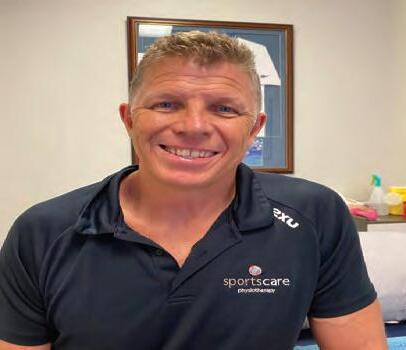
Ipswich, lining up alongside soon-to-be legends including Allan Langer.
At 25, he surprised many by swapping the footy field for a surfboard and snowboard – pursuits he still enjoys today.
For Russell, surfing and snowboarding became more than adrenaline sports: they created balance between work and life.
With more than 40 years’ experience in the physiotherapy field, he has worked with athletes at every level, including members of the Australian Olympic Swim Team, serving as team physiotherapist at the past two Games.
At Caloundra Sportscare, he also treats everyday athletes – particularly those rediscovering competition later in life.
A common issue, he finds, is tendon injuries. These are especially prevalent in post-menopausal women and over-55 athletes embracing sports such as tennis and pickleball.
The problem isn’t usually the sport, it’s enthusiasm.
“People love the social side, so they play several times a week,” Russell explains.
“But tendons can need up to three days to recover.”
Without adequate recovery, irritation
builds and injuries such as tennis elbow develop.
His advice: build strength before building volume. Muscles may adapt in six weeks; tendons often take six-12 months.
Ideally, commit to three-to-six months of progressive strength training before diving fully into a new sport. Then, manage frequency to allow recovery.
Importantly, a sports physiotherapist or exercise physiologist can assess your movement, identify weak links and tailor a strength program specific to your body and your sport. This reduces injury risk, as well as improving performance.
Now 60, Russell maintains fitness through gym work, swimming, running and group-based functional training.
“It’s never too late to start sport,” he says.
“Build strength early, seek expert guidance, respect recovery and think long term so you can keep playing for years to come.”
Scientific research backs up Russell’s advice on strength training benefits for over-55s. Research also tells us that playing sport can promote aspects of social and mental health and improve cognitive (brain) and physical function.
Playing sport can provide companionship, a sense of belonging and purpose, reduce social isolation and connect generations, providing an environment that supports and nurtures over-55s’ wellbeing.
Importantly, because playing sport can increase physical activity levels, it can be a game changer in reducing the risk of lifestyle-related health conditions and chronic disease such as diabetes, heart disease and dementia. This can potentially prolong life and boost hip pockets by reducing medical costs.
All these factors are crucial for over-55s to play sport for as long as desired.
Playing sport and strength training also can support the ability to perform daily activities, including housework and

gardening, enabling independence in the long term.
Keep an eye out for come-and-try days for social, recreational and competitive sports. These are advertised by clubs on websites, social media and/or street signs. Over-55s can observe, sign-up to play or volunteer.
* Dr Elizabeth Pressick is affiliated with Healthy Ageing Research Cluster, University of the Sunshine Coast: unisc.edu.au/about/ structure/schools/school-of-health/ healthy-ageing-research-cluster
SAFELY:
• Sports and exercise physiotherapy: sportscare.com.au
• Exercise physiology: essa.org.au/ Web/Web/Member-locationsearch.aspx
• Healthy Sunshine Coast: sunshinecoast.qld.gov.au/livingand-community/communitysupport/healthy-and-active/ healthy-sunshine-coast
• Healthy and Active Moreton: moretonbay.qld.gov.au/Services/ Sport-Recreation/Healthy-AndActive-Lifestyles/Healthy-ActiveMoreton
• Brisbane City Council’s active and healthy activities: brisbane.qld.gov. au/parks-and-recreation/sportsand-leisure/active-and-healthyactivities#seniors
• Lively50 Plus Sunshine Coast: lively50plus.com.au/index. php?SelectedRegionID=1
• Sports Medicine Australia fact sheets on injuries, equipment, safety: sma.org.au/resources/ sport-fact-sheets/





No, not the replacement surgery type of ‘hip’. It’s a selection of on-trend snippets that could include places to dine, travel destinations, where to shop, what to see and visit, as well as what to watch, read and listen to, so you can stay up to date with family, friends and neighbours of all ages.
IF YOU feel in the mood for a road trip and immersing yourself in farm life for the day, the

Big Rosella Field Days are back on May 2 and 3. The weekend-long homage to the humble rosella is hosted by Petersen’s Farm: a fruit and vegetables grower in the rural township of Woolooga in the Gympie region. The event celebrates the annual harvest of tangy, crimson-coloured rosellas (also known as wild hibiscus), with the Petersen family among Australia’s largest commercial producers of the crop. Now in its second decade, the event blends food, farming, creativity and community in a relaxed country setting. This year’s program includes lively cook-offs between local personalities and chefs, rosella races, live music, farm tours and expanded farmers markets. For more, visit petersensfarm.com.au

HERE’S how to get the grandkids off their screens and help you relive the magic of childhoods spent on the lounge room floor ‘building stuff’. The latest Lego Certified Stores in Southeast Queensland has opened on the ground floor of Sunshine Plaza, Maroochydore, joining others at Dreamworld and Robina on the Gold Coast, and Chermside. The new 216sqm LEGO Store features a custom-built mosaic with a popular Sunshine Coast vista, as well as large brick-built 3D model, in addition to the latest sets, exclusive and hard-to-find products. The interactive play tables offer brick fans of all ages the opportunity to connect, create and explore. It might be just the diversion you need while others in the family browse the boutiques or do the grocery shopping.

IF YOU are guilty of being a Friends fan – right from the beginning when the series first aired in 1994, during the 10 seasons when it was catapulted to one of the most popular sitcoms in TV history, or over the decades of reruns since – you won’t want to miss this. Original X Productions, in partnership with Warner Bros. Discovery Global Experiences and Fever, are bringing The Friends Experience immersive attraction to Uptown Queen Street Mall this month. Fans will be brought one step closer to their favourite characters as they take a look at the making of the show, replica costumes and props, and recreate the most memorable moments from the globally loved show. Featuring a variety of nostalgia-packed, interactive recreated sets including Monica’s kitchen and the fountain, The Friends Experience provides the opportunity to take a trip down memory lane. The show’s famed coffee house Central Perk will be fully recreated – complete with the legendary orange sofa. Visit brisbane.friendstheexperience.com




THE Apollo 13 spacecraft was launched on April 11, 1970, from Florida’s Kennedy Space Center and was to be the third planned Moon landing after the successful missions of Apollo 11 and Apollo 12. But 56 hours into the flight, disaster struck: an oxygen tank exploded in the service module. Tom Hanks (Apollo 13 commander James A. Lovell), Bill Paxton (Astronaut Fred Haise), Kevin Bacon (Astronaut Jack Swigert), Gary Sinise (Astronaut Ken Mattingly) and Ed Harris (Flight Director Gene Kranz) portray the behind-the-scenes drama (much of which played out in real time on TV sets around the world) in the 1995 film directed by Ron Howard. While ‘13’ is unlucky for some, Apollo 13’s mission is considered a ‘successful failure’.

MEL Robbins is a New York Times No.1 bestselling author and award-winning podcast host. With 40 million followers worldwide, she is a trusted expert in personal growth. You still may not recognise the name, but she might be just the person you are looking for. Her Let Them Theory, for example, will forever change the way you think about relationships, control and personal power. If you want to advance your career, motivate others to change, take creative risks, find deeper connections, build better habits, start a new chapter or create more happiness in your life, saying “let them” could be the start of something big. Visit melrobbins.com












Retiree GARRY REYNOLDS shares his thoughts on the world around us.
WINSTON Churchill declared that everybody should have a hobby. It really was a very Churchillian way of saying: “Find something to do before you drive yourself (and everyone around you) mad.”
One of the lesser-known facts about the great statesman is that he was obsessed with the hobby of bricklaying.
During the 1920s and ’30s, at his country home of Chartwell, Churchill joined the local branch of the Amalgamated Union of Building Trade Workers so he could legally lay bricks without being accused of undercutting the professionals.
Imagine the scene: the future wartime leader, mortar on his boots, union card in his pocket, sleeves rolled up, happily stacking bricks while muttering about the correct bond pattern. He built walls, garden terraces, ponds and even a small cottage for his daughter. Visitors would arrive expecting a statesman and instead find him clad in overalls with a trowel in hand.
Bricklaying, he said, gave him “a sense
of creation” – a way to steady his mind when politics became too loud, too bitter or too bleak.
Each brick was a small victory. Each wall was proof that something in the world could be made solid and orderly, even when everything else felt precarious.
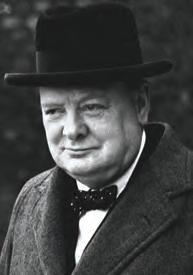
It was also a form of therapy. Churchill battled what he called his ‘black dog’: bouts of depression that stalked him throughout his life. Bricklaying, like painting, was one of the hobbies that helped him keep that dog at bay.
The rhythm, the focus, the physicality all nudged him into what we now call ‘flow’. Flow is that glorious state where you’re so absorbed in what you’re doing that the rest of the world disappears.
No doomscrolling. No remembering that you forgot to defrost the chicken.
If anyone suggested he should be doing something more ‘important’, he ignored them and kept laying bricks. There’s something wonderfully human about that.
If Churchill could find solace in a trowel, surely the rest of us can find joy in quilting, choir practice, bonsai, belly dancing or building a model railway.

•
• Lift Beds
• Hospital grade foam mattresses with anti-pressure comfort layer





Now making two sided EdgeGuard pocket spring mattresses & solid latex mattresses.
Manufacturing & Sales on the Sunshine Coast for over 40 years. Family owned and operated!
SHOWROOM: 5 Pioneer Road, Yandina Qld 4561 | e: sales@themattresscompany.com.au








Osteopathy | Remedial Massage Home care packages DVA & GP Careplans
(07) 5238 4000 www.osteophi.com.au











By Mocco Wollert
PREPARING a meal was not something I learned from my mother.
Until I left Germany for Australia, I lived at home and my mother cooked the daily meals. I had no interest in food – apart from eating it.
It was a rude awakening when I became a wife, house cleaner, washer woman and, of course, cook.
It was bad enough what I concocted for my ‘starving’ husband, but the first time I invited new friends for a meal was a complete disaster.
I had thought of a very simple dish: macaroni cheese. There was not much that could go wrong.
I put the Pyrex bowl with the macaroni and milk mixture in the oven when our guests – thank God, only one couple – arrived.
I could see everybody was hungry but the liquid in my dish in the oven did not thicken. We ended up eating macaroni soup. I was so humiliated.
Another big disaster was our youngest daughter Kim’s birthday cake. It was her first birthday.

Something went wrong in my DNA: I don’t like any of this.
I learned to cook, of course. With the help of recipe books, advice from friends and, yes, the odd cooking show. I had to.
We loved entertaining and that meant dinner parties and lunches.

By Cheryl Lockwood
I thought I would be clever and bought a White Wings packet mix. Nothing could go wrong with it … unless I was involved!
On the day, I presented her with a round disk of cake, about 7cm flat, with one lonely, unadorned candle stuck in the middle.
She was, of course, happy. My friends just laughed.
I tried to learn from cooking shows, but they made it look all so easy. They knew what they were doing and which ingredients to use.
Of course, if their dish, roast, salad or cake did not turn out, they just threw it away and cooked a new one: that one was the version we saw on our TV screens.
Some people are born chefs. Some are not. Most people love preparing food, tossing salads and basting lumps of meat.
It was the time when progressive dinner parties were in vogue. That meant just one dish for each hostess. No problem, except when I foolishly chose to make wonton fortune cookies when it was my turn for dessert.
I threw three lots away as uneatable, but I persevered – and my fortune cookies won high praise. It had taken me all day. I ditched that Chinese cookbook.
I am proud to say that I became quite a good cook.
So, when my daughter came home for boarders’ weekend, I baked – for the first time – her favourite cake: cheesecake. I managed a beautiful American baked cheesecake.
Presenting a slice to her, I waited for delighted cries of surprise.
She took a mouthful, then asked me: “Didn’t Woolies have any Sara Lee cheesecake?”
I just couldn’t win.
May you love cooking and produce magical meals.
Email mocco.wollert@bigpond.com



WHAT does Easter mean to you?
Do you acknowledge the death and resurrection of Jesus or is it just another string of public holidays with extra traffic jams?
Is it arguments over what flavour of hot cross buns you’ll buy? Fruit, fruitless or choc chip?
Maybe you’ve been brave enough to sample the Vegemite, matcha tea or cheesy jalapeño varieties.
For me, it’s got to be the spicy, fruity originals, which bring back memories of Good Friday breakfast when their aroma would fill the kitchen as mum heated a batch in the oven.
Perhaps, it’s all about the chocolate eggs, bunnies and whatever other animals the manufacturers are spruiking.
Many moons ago, my sister and I would make a nest for the Easter Bunny to leave our choccy treats in. This was usually a shoe box filled with shredded paper and placed on our dressing table.
Without fail, we would wake on Easter Sunday to find the magical bunny had delivered the goods.
Mum continued this tradition long after we stopped believing in the sneaky rabbit. Nanna’s hard, sugar eggs lasted for ages, mainly because I preferred chocolate. So, I always left hers until last.
I enjoy organising an egg hunt for my grandchildren. They have health-conscious parents.














So, it’s a mix of mini chocolate eggs and novelty stickers stuffed into plastic eggs.
Most Easter traditions relate to the Christian theme of resurrection and new life. Easter bonnets originated in Europe, as wearing new clothes and hats to church on Easter Sunday was a sign of a new start.
Next thing you know, parents are up to their elbows in paint, glue and tiny, fake chickens in an attempt to create a prize-winning hat for the school bonnet competition.
New York City’s Easter Parade was first held in the 1870s. Participants stroll down the street wearing fine clothes, with special attention paid to colourfully decorated hats. Some people even bring their fashionably attired pets.
Sweden and Finland have Easter witches. They once believed that witches flew away on the day before Good Friday and returned on Easter eve. There were
colourful Easter witches and knock on the doors of friends and family to offer gifts of drawings or paintings in exchange for lollies.
In Bermuda, kites are flown to represent Christ’s ascent to heaven, with the Good Friday Kite Fest always held on the beach.
On the Greek island of Corfu, clay pots are tossed from balconies on Easter Saturday to smash in the street below. Some believe the noise represents the sound of the earthquake which followed Christ’s resurrection. It also symbolises throwing out old possessions to prepare for a new year. Sounds like a good time to avoid a morning walk over there.
Some customs seem to be far removed from the origin of Easter.
In Norway, it has become popular to settle in somewhere cosy and read a crime novel. Apparently, in 1923, a book publisher advertised a new crime novel on the front page of a newspaper. Norwegians must have thought this a good way to relax over the holiday period and a ritual was born.
In Poland, they like a good water fight and no one is really sure why. On Wet Monday, they douse each other with buckets of water. I hope the water is warm.
Make an appointment to visit Kookaburra Village to view these great value pre-loved homes and have a look at the amazing gardens and facilities on offer.
•
•
•
•
•
•
•
•



I’ll stick to indulging in too much chocolate while I ponder that other Easter question of why hollow Easter eggs are more expensive than regular chocolate. Visit lockwoodfreelance.com
















CAITLYN HUTH reminds us that showing up, day after day, to do the work towards good health and rehabilitation is better than ‘going our hardest’ in piecemeal efforts.
Why does consistency beat intensity in rehabilitation and wellness? In the world of health and recovery, it’s not about how hard you go: it’s about how often you show up.
For people managing chronic health conditions or returning to activity after injury or illness, consistency is the key ingredient.
Here’s why consistency matters more than intensity.
Sustainable progress, not setbacks: high-intensity workouts may feel productive, but they often result in excess fatigue, pain flare-ups or even injury – especially for those managing chronic conditions.
A consistent, lower-intensity approach allows the body to gradually adapt and heal (when introducing new exercises and activities, especially). This reduces the risk of burnout and regression and creates a steady path forward.
Habit formation and confidence: regular movement
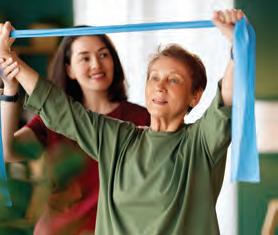
builds confidence and routine.
When exercise becomes part of your weekly rhythm – whether that’s a 15-minute walk or two guided sessions a week, it’s easier to maintain motivation and track progress.
If you’re struggling to stay accountable, find someone who will help you find a routine and pace that suits your body and lifestyle, so you don’t burn out or feel overwhelmed.
Flexibility supports the bigger picture: life can be unpredictable. Illness, fatigue, flare-ups, stress and emotional health all play a role in your ability to move.



A consistent mindset allows for flexibility without guilt. Instead of ‘all or nothing’, you’re supported to adapt your routine to what’s realistic each day. This approach promotes selfmanagement strategies that prioritise long-term wellbeing.
Along the way, you can identify barriers and make adjustments, so movement remains a helpful tool, not a pressure.
Consistency doesn’t mean perfection: it means showing up in a way that honours your health, capacity and goals.
Intensity looks attractive. It makes you believe it is the epitome of health and fitness.
But your body relies on consistency and sustainability –even more so when managing chronic conditions along the way. It’s not the shiny-excitable stuff, but it is absolutely more valuable.
Caitlyn Huth is an exercise physiologist at Full Circle Wellness. Call 5456 1599 or visit fullcirclewellness.com.au
SEDENTARY has one meaning with many examples.
Any prolonged period of inactivity can be called sedentary, and you can be sedentary for long periods of time doing virtually nothing. Okay, I was having a joke, because although being sedentary is not exactly doing nothing, it comes close.
Some examples of occupations that can be sedentary include taxi and truck drivers, office workers and the like. People who watch a lot of television while sitting or lying down are examples of someone being sedentary.
At one time, we thought it to be just adults and the elderly who were sedentary for long periods of time. But now we have a generation of children who game play on computers, not to mention the long periods of screen time many of all ages seem to manage these days.
If you are sedentary for long periods, excluding sleep and necessary daily activities, then you should look at being more active. To put it simply, you
need to move your body for all sorts of reasons.
Your cardiovascular system needs to be working at optimum, and one of the ways we do that is to move the body. Your respiratory system, circulatory and even digestive system benefit from moving more. In fact, the whole body appreciates some form of regular movement.
Modern medical procedures nearly always require the patient to get up and walk as soon as possible. Many of you will remember the practices of the past where patients stayed in the hospital for extended stays. Recovery starts a lot quicker in the modern era.
Remember the importance of movement. If you move regularly, your body will appreciate it.
My latest book Prime Movers, detailing exercise for seniors, is out now. Give me a call if you are keen to purchase a copy.
Tom Law is the author of health and exercise-related books. Visit facebook.com/tomslawtraining or call 0409 274 502.





















































CHARLIE GRIFFITHS had quite an adventurous start to a caravanning trip.
In 2018, we bought a 20-foot caravan for our big adventure, wherever that may take us.
Our temporary base was in Murphys Creek in the Lockyer Valley while we set ourselves up and kitted out the van and ute.
One grey night it happened. Some filthy scumbag stole my toolbox that contained everything we needed – from emergency mechanical repairs to knife sharpening.
I was so enraged that I invented descriptors powerful enough to go where standard obscenities ran out of puff.
My faith in human nature was dented, only to be totally crushed when I later discovered another small, but essential item also had been thieved.
The big day arrived and, complete with improvised tools, we bade farewell to our generous hosts, traversed the now dry creek bed and ascended the precipitous gravel track toward the open highway.
Upon reaching level ground, we were relieved to have passed successfully under the ‘deep’ side of the bridge where the bitumen began.
The euphoria was short-lived. A blood-curdling crunch, followed by a
whiplashing lurch, brought us to a sudden halt. In the mirror, I could see that the caravan had parted company with the ute, tenuously clinging to the safety chains.
Instinctively, I dragged our delinquent home a few more metres to the left, to clear the road for other traffic.
I couldn’t believe I hadn’t attached the yoke securely to the tow ball, and when I checked the damage, I knew exactly what had happened. The dirtbag who nicked my knick-knacks couldn’t resist the chance to score a towbar while on a roll.
After removing the hitch pin, they couldn’t remove the towbar because of a tiny bolt that I had adjusted tight enough to stop the drawbar rattling in its housing.
Happy with the hitch pin as a trophy, they abandoned the heist, which they could have completed if they had had the intelligence to look in the newly acquired toolbox.
More obscenities and cursing ensued until I realised the fortuitousness of tightening that tiny bolt that held onto the van with all its might before letting go and allowing the van to settle on sound, level footing. The vision of hurtling backwards
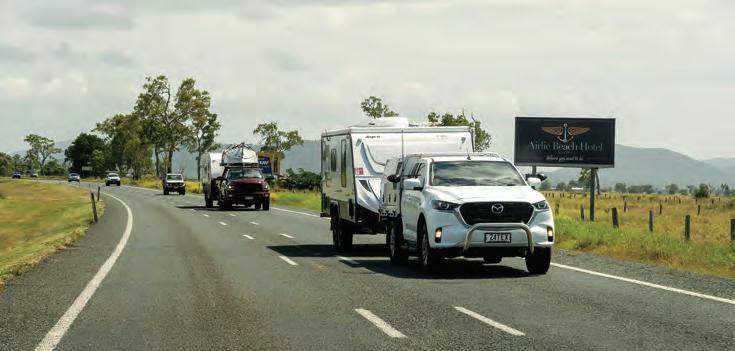
down a steep, winding track and landing, not necessarily wheels down in Murphys Creek, was horrifying.
A scratchy mobile phone service hung in just long enough to call RACQ for assistance. While waiting for our rescuer to arrive, we were pleasantly surprised when every car that passed stopped to check on our welfare, with offers of a ride to drinking water and food.
Mr RACQ arrived and sympathised with us but not surprisingly didn’t have a hitch pin in his box of goodies, nor a trolley jack: the only weapon suitable for lifting the van (and still attached towbar) back onto the ute. Where to now?
Sometimes the truth is weirder than fiction.
Out of the scrub appeared a beat-up old Toyota 4WD from which emerged an equally weathered gentleman of the bush.
Sizing up the situation, he said, “Hmm. Someone pinched your hitch pin.”
He disappeared behind his ute and
reappeared a moment later with: “Here, take mine.”
Protesting was pointless. Old Mate even refused our offer of cold beer, just waving as he re-entered the scrub on his mysterious journey.
Still scratching our heads, a slightly better dressed fellow in a slightly cleaner ute stopped and examined the scene: “Looks like you need a trolley jack.”
Before I could say something funny like, “I don’t suppose you have one in your ute?”, he reached into the tray and produced, you guessed it, a bloody trolley jack. Minutes later, we were back in one piece, travelling safely in a sort of southerly direction.
Conversation was awkward for a while as we digested the afternoon’s events. The consensus was reached that you don’t have to be beautiful to shine beautifully.
Charlie Griffiths is a certified life coach and Neuro Linguistic Programming practitioner. Visit his website at charliegriffithscoaching.com

A whole new life. Over-50s living redefined.
GemLife over-50s lifestyle resorts. Coming soon.

GemLife offers luxury resort-style living with premium lifestyle facilities on your doorstep.
No entry fees, exit fees or stamp duty
Friendly community
Pets welcome
Gated neighbourhood
Extensive premium facilities
Luxury homes
Caravan and boat storage*
Retain your capital gain
Ageing-in-place solutions
Ph: 1800 941 017 *Terms & conditions apply


AUDIENNE BLYTH is still glowing from all the Winter Olympics glory as she looks back on Australia’s first Summer Games and how they lit up the region.
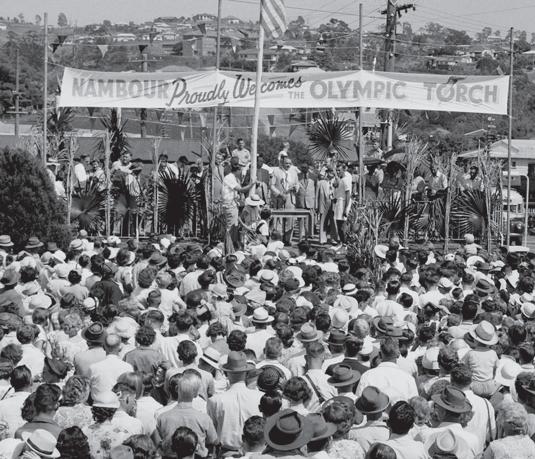
In 1956, great excitement heralded the Olympic Games in Melbourne. The plan was to have the Olympic torch carried by runners the 2000 miles (nearly 3220km) from Cairns to Melbourne.
Local runners, male only, had the opportunity to participate through the Maroochy Shire.
In an interview in 2000 (the Sydney Olympics year), Scott Trevor recalled: “I was a member of the Maroochy Amateur Athletic Club at that time and trained at night at the Nambour Showgrounds so as to qualify to carry the flame.
“I kept in good physical condition by cutting cane on the family farm and running around the headlands, carrying a stick of sugar cane similar in size to the torch that I was to carry. A torch bearer needed to be able to run a mile in under seven minutes.
“In the lead-up to the Olympics, the athletic club held a carnival at the Nambour Showgrounds. I was honoured to run in the one-mile race which included Murray Halborg: the great New Zealand runner who held several world
records in long distance running. On the morning of Thursday, 15 November, a large crowd waited at the Yandina School of Arts for the supporting retinue of army trucks. Jeff Johnston arrived with the torch.
“My torch was ignited, the crowd cheered and I was ready to run the next mile.
“As the runners completed each mile, they were picked up by the support vehicles. Don McNiven carried the torch into Nambour as other runners lined his path into Station Square to arrive at the dais.
“Amid many whistle blasts from the sugar mill and the cane trams, the chairman of the shire, Mr DA Low MLA, welcomed the torch to Nambour just before 9am. Approximately 6000 people watched and cheered. Currie Street, being part of the Bruce Highway, was closed for all traffic during these events in Nambour.
“I have never forgotten that day and all the torch bearers: all members of the Maroochy Athletic Club. Their names
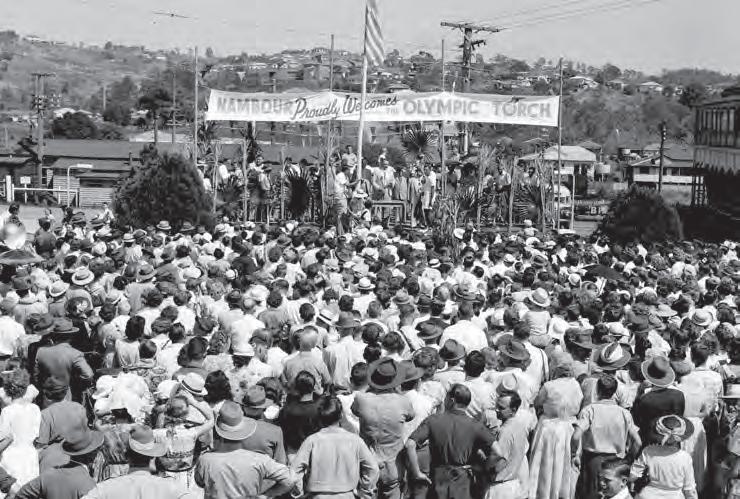
The 1956 Olympic torch reception in Station Square, Nambour. Inset: Scott Trevor and Jeff Johnston exchange the torch in Yandina
were: Peter Venardos, Ron Owen, Ivan Walker, Alan Owen, Ted Thomas, Fred Clark, Jim Clark, Barry Newport, Ian Newport, Monty Williams, Don Craig, Bryan Hartley, Jeff Johnston, David Brandon, Cliff Whiteoak, Gordon Matheson, L Day, Don McNiven, Gary Pearson and myself, Scott Trevor.
“When the torch left Nambour to continue to Brisbane, all the torch bearers were invited to the shire chambers by the chairman for morning tea and to have photos taken. There were congratulations all around.
“We felt a great deal of pride in the

fact that we were connected to such a famous event.
“Although nominated by the community and my children for a place in the torch relay for the Sydney Olympics in 2000, I was not selected.
“It seemed disappointing that a different route was taken through the coastal towns, not the hinterland towns. However, the exciting moments of that momentous day in 1956 remain forever.”
Audienne Blyth is a member of the Nambour Historical Museum, open 1-4pm Wednesdays to Fridays, and 10am-3pm on Saturdays.


COINS
• Sovereigns

• Australian $200 Gold Coins
Coins

• World proof coins and sets


• Half sovereigns • Commemorative Coins • Gold Coins: mounted, holed or worn • Gold medals and fobs


All other world gold coins
• All Rolex watches (including Oyster, Submariner, Daydate and Datejust)
• All Omega (including Seamaster and Consellation)
• Tudor and Breitling



• Mechanical (automatic and wind up)

• Gold and silver pocket watches
• Military pocket watches
• No quartz / battery watches

JEWELLERY WORLD/AUSTRALIAN COINS
• Gold chains
• Gold bracelets • Gold rings • Bullion bars
• Gold earrings
• Gold necklaces
• Nuggets and alluvial gold
• Worn and broken gold jewellery


• All world coins
• Collection and accumulation
• Error and mis-strikes
• Proof sets and singles
• Trade tokens
• All Perth Mint and Royal Australian Mint sets

Shillings, Six Pences, Three
• Australian - Crowns, Florins, Shillings, Six Pences,Three Pences, 1966 50 cent rounds
• South Africa, USA & Canada
• NZ, Great Britain, Fiji
• New Guinea Shillings
g d s SILVER COINS
• Misc Silver Coins
• All Other World silver coins

• Rings & brooches
• Watch chains and lockets
• Gold cuff links
• Bracelets and bangles
• Necklaces and all broken jewellery
• Pendants and sovereign cases
broken jewellery



THIS Easter, the Sunshine Coast is set to come alive with three vibrant heritage events that celebrate culture, community and the stories that shape our region.
From high-energy family fun to deep cultural learning and historical discovery, the program offers something for every generation.
Kicking off the holiday period is the Easter School Holiday Program at Bankfoot House and Landsborough Museum, running from April 8-18.
Families can enjoy an Easter Egg Hunt on Wednesday, April 8, amid the historic grounds of Bankfoot House, where children can explore the lawns and gardens while learning about early pioneer life.
At Landsborough Museum on Friday, April 10, visitors can test their speed at the exhilarating Bungee Run Inflatable Challenge: a free event celebrating the new museum exhibition.
Running alongside these festivities is the Around the Track: A Grassroots to Glory Exhibition, open from April 10 to August 30, at Landsborough Museum.
This engaging showcase dives into the evolution of athletics in the region, featuring stories of local sporting clubs, coaches and competitors who helped build our sporting identity.
On Saturday, April 18, the community is invited to gather at the Bankfoot House Heritage Precinct for the powerful and




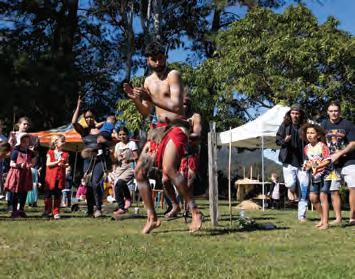
culturally significant First Nations Family Fun Day, run in partnership with GATHAA First Nations Markets.
This free, interactive celebration brings the Kabi Kabi and Jinibara peoples together to share culture, stories, traditional craft, food, workshops and a powerful corroboree featuring dance, didgeridoo and a smoking ceremony.
With market stalls, music, kids’ activities and guided tours of historic Bankfoot House, the day promises to be a rich expression of connection and Country.
Together, these events offer a reminder that heritage is not just history – it is lived, shared and celebrated. This Easter, the Sunshine Coast invites everyone to step into that story.
For event details and bookings, visit heritage.sunshinecoast.qld.gov.au/about/ programs-and-events













•Better than I ever did … Consistently ranked in the Top 2% of Century 21 Agents Worldwide having achieved yet another “Centurion Award” for 2025.
•Looking like a true survivor … through 23 years of Real Estate here on the Sunshine Coast and all the twists and turns that have come with it.
•Feeling like a little kid … as I love what I do and aim to make the experience as seamless (and fun) as possible.
•Picking up the pieces … like buying, selling, culling, packing & moving for you and guiding you through to a whole new lifestyle!




•Yeah, yeah, yeah … I’m still standing, and ready to deliver an outstanding result for you.


BRUCE McMAHON takes a spin around a tiny Queensland town that commemorates the year it was a big deal in motorsports.
The rip-roaring Leyburn Sprints fire up again this August with Queensland’s finest collection of classic race cars and motoring memories on show.
Annual sprints through the streets of the one-pub Darling Downs township were inaugurated to celebrate the anniversary of the 1949 Australian Grand Prix (AGP), held on the outskirts.
Today, Leyburn, about 200km from Brisbane, plays host each August to an eclectic grid of race cars – from Model T Fords to Austin Healeys and Holden Toranas – and the likes of motorsport legend Dick Johnson.
This year marks the 30th anniversary of this relaxed, old-fashioned weekend of mingling with stars and cars.
It’s grassroots motorsport at its best, with the sights and sounds and furies of cars and drivers trying to best times around the kilometre-long, temporary street circuit.
Along with competition cars from across the decades, there’s the Vintage Van Village with yesterday’s stylish caravans and tow vehicles, Show ’n’ Shine competition for all manner of cars, autographs to be collected, a swag of food and drink outlets, plus camping facilities.
Leyburn also boasts a wealth of white man’s history from a gold rush in the 1800s through to the Royal Hotel, built in 1863 and said to be the state’s oldest continuously licenced premises.
In World War II, the nearby airfield was a base for RAAF Liberator bombers and the secretive Z Force: commandos flown to behind-the-lines operations against the Japanese in South-East Asia.
And in August 1949, the now disused airfield was used for the AGP, won by John Crouch in a French Delahaye.
In the 21st century, the Leyburn Sprints weekend, organised by dedicated
EDIN READ points out that patience and a healthy dose of scepticism go a long way when trawling the world wide web.
“Just Google it.” It’s one of those phrases we hear all the time now. Simple enough on the surface, but in reality, it can feel anything but.
You type something in and suddenly you’re faced with pages of results, ads, strange websites and answers that don’t quite make sense.
It’s no wonder many people feel more confused than when they started.
The good news is that Googling properly isn’t about being technical.
It’s about knowing a few simple habits that make the whole process easier and more reliable.
The first thing to understand is that Google works best when you treat it like a conversation, not a code.

locals and enthusiasts, has become a major tourist attraction and is acknowledged as one of the most enjoyable of motorsport weekends in Australia – often over-subscribed with would-be competitors.
Competing cars run as old as a 1924 Amilcar with drivers such as Bribie Island’s 85-year-old Justin McCarthy in his Austin Seven Sports.
Rare open-wheeler race machines line up behind Austin A40s, behind a full-throated AC Cobra, followed by a special Toyota Yaris and a rasping Mazda RX2.
It takes just over 40 seconds for the quickest of the cars to complete the circuit and there are a number of spectator spots around the sixcorner track.
Sprints committee president Tricia Chant says Leyburn is ‘The Little Town That Can’.
“We’ve got something special here: history, horsepower and heart, with a proud community, a pretty little rural town and a grassroots motorsport festival that’s the equal of anything else like it in the country,” Tricia says.
“History features strongly in our story. There’s the history of the 1860s gold rush and covert World War II operations, still evident at various locations, the grand prix history, our own proud history of 29 annual events and not least the histories of some of the older cars contesting the sprints.”
Australian racing champion John Bowe adds: “It’s the best motorsport event I think I’ve been to in my life. If I’d known it was this good, I would have come years ago.”
The 2026 Historic Leyburn Sprints will be held on the weekend of August 15-16. More info is available at leyburnmotorsprints.com.au
You don’t need to type in a string of keywords like a computer programmer. In fact, the opposite works better.
Try asking your question the way you would ask a person.
“How do I reset my iPhone?” or “Why is my internet slow?” will usually get you much better results than something vague like “iPhone problem” or “internet bad”.
If your first search doesn’t quite hit the mark, don’t give up.
This is completely normal.
Even experienced users will try a search, adjust a few words and try again.
Adding a little more detail can make a big difference. Including your device, brand or location often helps narrow things down quickly.
One thing that catches many people out is the first few results at the top of the page. These are often advertisements, even though they can look very convincing.
They’ll usually be marked as ‘Sponsored’ in small text. There’s nothing wrong with them, but they’re not always the best or most relevant answer.
It’s worth scrolling down just a little and looking for familiar, trustworthy sources. Government websites, major news outlets and official company pages are usually a safer bet.
You may also have noticed something new appearing at the top of Google recently called the ‘AI Overview’. This is a short summary generated by artificial intelligence, designed to give you a quick answer without needing to click through to a website.
On the surface, it can be quite helpful. It often reads clearly and pulls together information from different sources.
However, it’s important to treat it as a starting point, not the final answer.
These summaries can sometimes be incorrect, based on outdated information, or missing important details.
They can also sound more confident
than they should. My advice is simple: give it a quick sense check.
Does it actually answer your question? Does it sound reasonable?
And if it matters, such as with money, health or anything important, take a moment to open one of the links underneath and confirm it for yourself. Something else to keep in mind is that not every website you land on is trustworthy. If you see big, dramatic messages such as: “Your computer is infected” or “Call this number immediately”, close the page straight away. These are often designed to scare you into taking action. A good rule of thumb is that genuine websites don’t rush or pressure you.
Google also has a few helpful features built in that are worth using. The ‘People also ask’ section can guide you to related questions you might not have thought of. Images and videos can often explain things more clearly than text, especially for step-by-step instructions. There’s even a microphone button if you’d prefer to speak your question rather than type it. If you’re searching for something specific to Australia, it’s often worth adding ‘Australia’ to the end of your search. This helps filter out overseas results that might not apply to you – particularly for rules, services or pricing.
At its core, Googling well is less about getting the perfect answer instantly, and more about knowing how to look, compare and choose what feels right.
Some patience and a healthy level of scepticism go a long way.
And like anything with technology, confidence comes with practice. The more you use it, the more familiar it becomes. Before long, that phrase “just Google it” might actually start to feel helpful rather than frustrating.
Edin Read is founder and chief technician at Greyology Tech Support for Seniors. Visit greyology.com.au












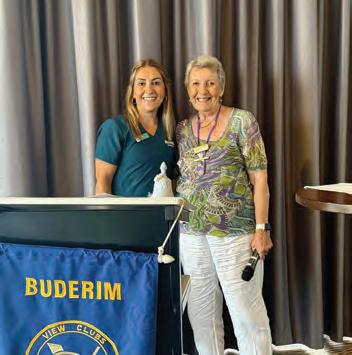
BUDERIM VIEW Club holds its meeting and lunch on the first Wednesday of the month at Buderim Tavern at 11am.
Cost is $30 for lunch, including a guest speaker.
Social events are held on the third Wednesday of the month, at various venues.
RSVP to Gail at gailjullian@gmail.com or call 0414 950 949.
Attendance at club events raises funds for The Smith Family charity.
The charity help with the education of students from disadvantaged families.
Buderim VIEW Club supports eight students in the Learning for Life program.
Visit thesmithfamily.com.au/ view-clubs/find-a-club/qld/buderimview-club
LOOKING to meet other women, enjoy guest speakers, social activities and stay active in your community?

BUDERIM Male Choir is back into full swing for 2026 and members are looking forward to another year of great songs and companionship.
The choir’s theme for this year’s main concerts will be: ‘Songs of the Sea’ and the music committee now has the task of selecting a bracket of popular songs with suitable arrangements.
The newest recruit to the choir is 96-year-old Don Culley.
The respected resident of the Sunshine Coast served two terms as chairman of Maroochy Shire.
“We are very pleased to welcome Don into the choir and it just goes to show that you are never too old to sing,” choir president Barry Leigh says.
The choir is always keen to welcome new members.
No former experience is necessary, nor is a great voice – just a love of music.
Rehearsals are held at the Buderim Men’s Shed every Monday afternoon and anyone is welcome to pop in and have a listen.
Visit buderimmalechoir.org.au

The Older Women’s Network Maroochydore Branch meets on the third Monday of each month at The Avenue Retirement Community at 32 Baden Powell Street, Maroochydore, at 1.30pm. Contact Lee on 0429 831 414. THE Jazz Sessions return with a vibrant night of Gypsy Jazz, presenting Brisbanebased quartet Echoes of Cirque.
A VARIETY of stallholders with a wide selection of different products will be available at the Golden Beach/Caloundra Handmade Market on April 11 from 8am to 1pm.
Entry is free and easy access is available, with no steps.
Outside and inside stalls (airconditioned) will be on site, including food and coffee, with plenty of parking.
Head to Caloundra Indoor Bowling Association at 55 Burke Street, Golden Beach.
Born out of the magic of the Woodford Folk Festival, Echoes of Cirque emerged from the Cirque Hot Club program in 2023, uniting four accomplished musicians with a shared passion for jazz manouche.
Drawing inspiration from the timeless swing of Django Reinhardt and the romance of 1930s Paris, the group blends traditional Gypsy Jazz with a fresh, contemporary edge.
WHERE: The Presynct (upstairs), 15 Ann Street, Nambour.
WHEN: 6:30pm on Thursday, April 16 (doors open at 6pm).
TICKETS: From $20, via oztix.com.au and search for ‘Echoes of Cirque’.
HORIZON Festival – the Sunshine Coast’s premier celebration of people, place and possibility – returns from May 1–10 with 10 days of creativity and unforgettable experiences across the region.
From joyous sunset performances along the coast to tranquil hinterland settings and music energising our urban streets, Horizon Festival marks its 10th year in 2026 with a world-class program of more than 35 unique events.
Among the program highlights is the Opening Night Party on May 1: a free, all-ages celebration at Kings Beach, featuring live music from local artists, family activities, food and drinks, and a high-energy atmosphere celebrating creativity, connection and play.
View the full program at horizonfestival.com.au

A VIBRANT new chapter for the Mary Valley arts community began recently with the much-anticipated opening of Art on Yabba fine art gallery.
Located in the heart of Imbil at the Mary Valley Arts & Cultural Hub, this purpose-built gallery promises to be a long-term cultural asset for artists and art lovers across the region.
The opening marked the unveiling of the gallery’s inaugural exhibition: Unveiled, Members’ Exhibition – a celebration of work by emerging and established artists from the Mary Valley and wider Gympie region.
Art on Yabba is an initiative of Mary Valley Artslink: a not-for-profit community arts organisation dedicated to growing culture and creative opportunity across the valley.
Over recent years, Art on Yabba has evolved from a beloved pop-up space into a purpose-built gallery and arts hub that reflects the community’s artistic ambition.
WHERE: Art on Yabba, 116 Yabba Road, Imbil.
WHEN: Open on Saturdays from 4-6pm, and Thursday to Sunday from 9am-2pm.
TICKETS: Free exhibition. Search for Art on Yabba on Facebook or visit maryvalleyartslink.com.au/art-onyabba-gallery/
GENEALOGY Sunshine Coast will be holding a workshop on Saturday, May 23, teaching basic computer skills.
If you need to update your skills or learn new ones, Genealogy Sunshine Coast can help. Its rooms are in Petrie Park Road, Nambour (opposite the Nambour Aquatic Centre).
Call 5329 2315.

ORCHID SOCIETY’S GOLDEN MILESTONE
GLASSHOUSE Orchid Society is celebrating 50 years and is thrilled to kick off the anniversary with something special: its one-day, inaugural Autumn Show.
For the first time, the society is bringing the celebration to the heart of the Glasshouse Mountains at the Glasshouse Community Hall at 8 Coonowrin Road.
Expect stunning blooms, passionate growers and plants for sale as members mark five decades of loving orchids.
The show will run from 8am-4pm, with free entry.
Visit glasshouseorchids.com.au
ANZAC DAY TEST MATCH
THE Sunshine Coast will host a special Anzac Day tribute this year: an historic Test match featuring the Australia and New Zealand women’s rugby teams. The Wallaroos will clash with the Black Ferns at Sunshine Coast Stadium, Bokarina, on a day of shared reflection and remembrance.
Australia’s rivalry with New Zealand in women’s rugby first began in 1994 for the inaugural Test match between the two nations. Since then, the sides have played each other on 29 occasions, including three matches at a Rugby World Cup.
Rugby Australia chief executive Phil Waugh says the April 25 evening match will be a key moment for the teams. Tickets are on sale via premier. ticketek.com.au/shows/Show. aspx?sh=WALLAROO26
THE Coffee Club Beerwah will be flipping pancakes for a powerful cause on Saturday, April 11, from 8am as the community comes together for Pancakes for Parkinson’s Day.
This relaxed and inclusive community event invites locals to drop by, enjoy a friendly chat, and meet the team behind the Trek Ready Himalayas and The Silverfox Initiative, who are passionate about raising awareness for Parkinson’s disease and mental health.
Throughout the day, attendees will have the opportunity to:
• meet and connect with community advocates
• learn more about the mental health aspects of Parkinson’s disease
• share stories and experiences in a supportive environment.
Make a donation to support Parkinson’s awareness and research or simply head along, enjoy the atmosphere, and say “hello”. No bookings are required.
“Parkinson’s doesn’t just affect movement, it impacts mental health, families and whole communities,” a Trek Ready Himalayas spokesperson says.
“Pancakes for Parkinson’s Day is about breaking down stigma, starting conversations and reminding people they’re not alone.”

Amber Creswell Bell
IN THE run-up to the Pomona Railway Station Gallery’s 25th anniversary and Local Emerging Art Prize, an Emerging Artists Workshop will be held with Amber Creswell Bell.
Recognised for championing and educating emerging and unrepresented artists, Creswell Bell will conduct the workshop at the Pomona Majestic Theatre on April 29. She is an author of books on the arts, a lifestyle writer, a public speaker, an artist mentor and an enthusiastic ‘creative hustler’.
Applications for the gallery’s Emerging Artist prize, to be judged by Noosa Regional Gallery director Michael Brennan and Noosa educator and artist Pam Miller, will open in May. Visit pomonagallery.com.au

At Sunrise Beach Village, every day feels like a holiday just minutes from Noosa’s natural beauty. Come home to resort-style living, a welcoming community, and a team that makes life effortless.

KAILAS ROBERTS tries to unpack an overseas study that points to a relationship between marriage and dementia.
Marriage is, for many, a rite of passage in life. However, it may be that marriage is not the right passage – at least as far as your brain is concerned.
A study published last year suggests unexpected associations between marriage and the development of dementia.
Involving 24,000 participants, this US-based study followed adults aged 50 or older for up to 18 years.
It tracked different dementia types, including Alzheimer’s, Lewy Body and vascular dementia, to test whether marital status was associated with dementia risk.
It compared married participants with those who were widowed, divorced or never married and found that the incidence of dementia was highest among those who were married.
On the surface of things, you would imagine that marriage would protect those who share a marital bond. After all, loneliness is a known risk factor and having a partner should potentially guard against this.
Then, there is having someone else in your life who may encourage you to address health problems (for example,
cardiovascular disease) that you might otherwise neglect and which can increase the rate of dementia.
Other studies have shown that those who are married have better overall health than those who are not (more so for men than women).
At-hand emotional support can also reduce the impact of depression and anxiety which have been linked with poor brain health. Also, there is the sense of purpose that comes with being in a long-term relationship, and this is an important ingredient for health in general and for reducing early mortality.
Of course, many of these benefits only arise if the marriage is functional and there is mutual support, and perhaps this explains some of the findings, but the magnitude of the effects leads me to believe there is more to it than this.
The risk reduction in dementia for divorced individuals was 34 per cent. Those who had never been married had a 40 per cent reduction and even widowed individuals on average had a 27 per cent reduced chance of developing dementia.
Another explanation for the findings is that those who are married are more likely

to visit their doctors – due to the encouragement of their spouse – and therefore more likely to be diagnosed with dementia, consequently inflating the apparent risk. This is known as ascertainment bias: one of the many biases you need to pay attention to when interpreting data.
If it is a true finding, however, one possibility lies in the difference in social networks between married and nonmarried people. Those without a partner may have more need to speak with others on a regular basis and seek out more varied social contact.
We know that socialising is important for the brain – from its ability to buffer against loneliness, but also due to the cognitive ‘workout’ we get talking with others. Conversations are a great way of exercising the brain and the less predictable they are, the harder your brain must work.
This helps develop cognitive reserve:

a protective factor against dementia. If marriage removes the compulsion to socialise with others, and especially if the conversations with your spouse are perennially familiar, this potential for building reserve is missed.
Now, I am not for one moment suggesting this study should encourage you to divorce your partner! It should make us think, however, about the importance of those wider social connections.
We benefit from social variety, and it is perhaps unwise to put all our eggs in the marital basket.
Women tend to do a better job at maintaining these extra-marital friendships, but is equally important that men proactively foster their mateship.
Kailas Roberts is a psychogeriatrician and author ofMind Your Brain: The Essential Australian Guide to Dementia, available at bookstores and online. Visit yourbraininmind.com or uqp.com.au







Let’s give it a Shakedown. Eden’s Parkinson’s program, ‘Shakedown’, is enhancing the lives of those living with Parkinson’s disease.
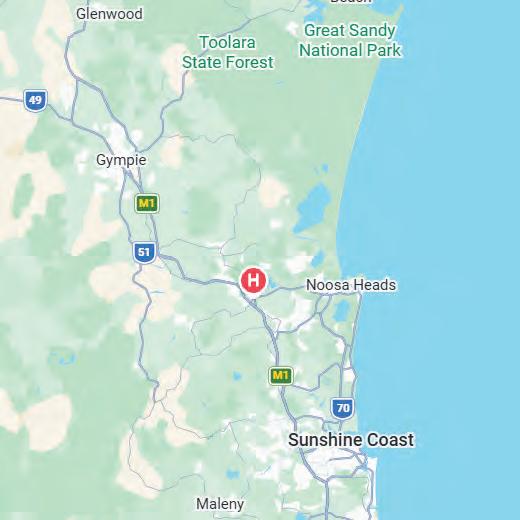
A Multidisciplinary rehabilitation program combining the principles of LSVT Loud (speech) and PD Warrior (movement) concepts in conjunction with individualised education sessions to improve movement, physical function and speech quality and optimise management of symptoms. With the additional availability of roboticassisted, interactive and sensor-based rehabilitation technology, our Shakedown program is enhancing the lives of those living with Parkinson’s disease.
14-16 sessions (includes initial and final assessment)
2-3 hours per session
2-3 days per week (dependent on individual needs)
Available Monday to Thursday (contact us to arrange an appointment)
This program is available through private health insurance (hospital cover), DVA, home care package, NDIS or can be self-funded (contact us for a quote).
Ask your GP or Specialist to refer you to Eden Private Hospital’s Parkinson’s disease program or scan the QR code to access our online referral form.

By Angel Zhong, Professor of Finance, RMIT University
Every few months, someone in the superannuation industry declares that Australians now ‘need’ around A$1 million to retire comfortably. It’s a big, scary number.
But consumer advocates say most people can retire with far less.
Independent estimates suggest something closer to $322,000 is enough for many retirees who own their own home. So who’s right – and what assumptions drive these wildly different targets?
It’s easy to put off thinking about superannuation when retirement is years away.
SAY: two key organisations publish retirement benchmarks in Australia, and they paint very different pictures.
The Association of Superannuation Funds of Australia (ASFA) – the lobby group for the super industry – publishes two lifestyle options in its 2026 Retirement Standard. This was recently updated to reflect a higher cost of living. Modest retirement: covers the basics – a budget car, basic private health insurance, one domestic holiday a year. This costs around $35,503 a year for a single homeowner, and the age pension
(the regular government payment available to eligible retirees aged 67+) covers most of it. You’d only need around $110,000 in super.
Comfortable retirement: includes top-level private health insurance, a newer car, regular dining out and overseas travel. ASFA puts this at around $54,240 a year for a single homeowner, requiring roughly $630,000 in super. For couples, it’s about $77,375 a year, needing around $730,000.
These are significant sums – but well below $1 million.
Then, there’s Super Consumers Australia, an independent consumer group that recommends a substantially lower amount.
Rather than imagining a lifestyle, the consumer group uses actual Australian Bureau of Statistics data on what retirees really spend. Its headline finding: a typical single retiree spending at the middle level out of three options needs just $322,000 in super.
Remember, retirees don’t have work-related expenses and they also enjoy a range of discounts on things such as council rates, electricity and medicines, which can really add up.
Part of the difference is the industry




body, ASFA, has an interest in encouraging people to contribute more to their super. Its ‘comfortable’ standard is higher than most Australians’ standard of living while working.
WHY THE NUMBERS DIFFER: the gap comes down to what each benchmark is measuring.
ASFA describes an aspirational lifestyle. Super Consumers describes what real retirees actually spend.
The age pension does a lot of the heavy lifting either way. At Super Consumers’ medium spending level, about 67% of retirement income comes
from the age pension, and the remainder from your super balance.
But here’s a crucial new factor: the age pension isn’t keeping up with what retirees actually spend money on.
While the pension is indexed to inflation, retirees’ major expenses –insurance, rates, utilities, healthcare and food – have been rising faster than general consumer prices.
That means retirees who rely heavily on the pension are seeing more financial pressure than the headline inflation numbers suggest.
THERE’S A HOUSING CATCH: here’s the crucial fine print: every one of these benchmarks assumes you own your home outright when you retire.
That assumption is becoming shaky. Research shows the share of Australians aged 55-64 still carrying mortgage debt has tripled since 1990, and the average debt for that age group now exceeds $230,000. More than one-in-three millennials expect to retire with a mortgage still running.
The ASFA budgets are built on the assumption of full home ownership. That means they do not include rent, mortgage repayments or major housing costs.
















In













If you’re renting or carrying a mortgage into retirement, the required super balance can rise dramatically.
ASFA estimates renters need $340,000385,000 for a modest lifestyle – more than a homeowner needs for a comfortable one.
Super Consumers Australia presents a similar gap, estimating that a renter requires about $659,000 in superannuation, compared with only $322,000 for a homeowner.
With more people retiring with mortgage debt today than previous generations, both key benchmarks may underestimate housing-related stress for future retirees.
THE GENDER GAP IN RETIREMENT: retirement targets are often discussed as if everyone starts from the same position. They don’t.
Australian women retire with about 25% less super than men.
The gender pay gap (currently around 21%) compounds over a working life into a much larger retirement savings gap.
Women also live longer on average, meaning their money needs to stretch further.
The government began paying super on parental leave in July 2025 – a meaningful step forward. But the gap remains significant.
WHAT THIS MEANS FOR YOU: there’s
no single right number. But ask yourself these questions before chasing any benchmark:
• will you own your home outright?
• do you want to travel or are you a homebody?
• are you planning for one income or two?
The gap between ASFA comfortable and Super Consumers medium is $8497 a year in spending – but nearly $308,000 in required super. That difference is almost entirely lifestyle choice.
For a personalised estimate, the free MoneySmart Retirement Planner is a good starting point, or call the government’s free Financial Information Service on 132 300.
The $1 million figure isn’t evidencebased for most Australians.
But the lower benchmarks all carry the same caveat: they assume you’re a homeowner.
As more people retire with debt or as renters, even those more modest numbers may understate what you actually need.
Disclaimer: This article provides general information only and is not intended as financial advice. The article first appeared in The Conversation on March 23, 2026. Read it in full at theconversation.com/how-much-do-youreally-need-to-retire-its-probably-a-lotless-than-1-million-276375



GRANDPARENTS are bearing the fall-out as couple separations become more complex and high conflict.
That’s according to leading family law experts who warn that the emotional and psychological toll is growing, with grandparents increasingly being cut off from their grandchildren during family breakdowns.
Award-winning family lawyer and domestic violence advocate Joplin Higgins and leading Melbourne barrister Dr Darren Mort say they are seeing a sharp rise in cases where grandparents are unintentionally caught in the middle of disputes, often losing meaningful relationships with children they have helped raise.
“Grandparents are the forgotten victims of separation,” Ms Higgins says.
“They often provide emotional, financial and practical support to families, yet when relationships break down, they can be excluded overnight.”
The issue is becoming increasingly visible as financial pressures, housing affordability and childcare costs lead to more multi-generational involvement in family life.
“In many families today, grandparents are not just occasional

visitors,” Dr Mort says. “They are deeply embedded in children’s lives. When separation occurs, the loss of that connection can be harmful for both children and grandparents.”
Dr Mort and Ms Higgins say they are receiving many questions from grandparents who have been stopped from seeing their grandchildren and the impact is distressing. The pair are urging grandparents to be proactive, strategic and emotionally intelligent in how they navigate family conflict.
While Australian family law recognises the importance of children maintaining meaningful relationships with extended family, Ms Higgins says many grandparents are unaware they can seek orders in certain circumstances.
Dr Mort says early advice can prevent escalation.
More at youtube.com/@ DearDivorceDiary-withDazJop

who needs a basic Will written or updated and kindly includes a gift to Cancer Council Queensland is eligible to use the Free Will Service.




‘I’ll just do my own will – what could go wrong?’
By DON MACPHERSON
EVERY day, people make excuses as to why they don’t need to protect their most valuable assets by having a will.
Often, they decide they’ll do it themselves, with a will kit off the internet or from a newsagency.
Reasons commonly given include:
1. Aren’t wills for rich, old people?
2. I don’t have much to worry about, really.
3. Getting a will is too expensive and time consuming.
4. I’ll be dead anyway, so it’s not my problem.
5. If I talk about it too much, I’ll jinx myself.
6. My family all love each other – they won’t fight about my things.
7. I don’t need a will because my wife/ kids are going to inherit everything anyway. She/they’ll take care of it.
A recent Supreme Court decision demonstrates the fallacy of this approach.
A wealthy, older couple decided that instead of getting a lawyer to update their old wills, they’d do it themselves with some input from their accountant.
Unfortunately for them and their family, the documents produced weren’t clear, and Supreme Court procee dings


took place involving 10 parties: the executors, the children, some family companies and a family trust, all asking the court to decide what the wills actually meant.
A case of ‘penny wise, pound foolish’? Supreme Court procee dings – with 10 parties, involving numerous lawyers and barristers – certainly don’t come cheap. While not having a valid will may mean that assets eventually find their way to next of kin, the pathway without a valid will is longer, more expensive and usually means court involvement –overall a much slower and much more expensive way to achieve the outcome a
straightforward will could secure.
Of course, not having a will means that your intentions are irrelevant, and what you wanted to have happen may not occur.
When people die without a will (called an intestacy), the law sets out a formula that applies to distribute assets in different proportions between next of kin. That may mean a house has to be sold, even if the wife is living there, to satisfy the intestacy formula.
The absence of a will may also open the door to a contested estate.
A simple will prevents unintended consequences occurring.
Straightforward wills are not expensive (usually under $500).
Unless the estate is complex, there is no need for a testamentary trust or other complications to blow out the costs of a will.
In fact, lawyers make much more money when people don’t have a valid will, as the sorting out of people’s estates without one significantly increases the time and expense involved.
Sunshine Coast Elder Law staff are experts in wills, estate disputes and estate management. Call 1800 961 622 or visit sunshinecoastelderlaw.com.au

AUSTRALIA’S shrinking adviser workforce is creating increasing financial insecurity for Australians entering retirement with mortgage debt, limited superannuation and rising cost-of-living pressures.
Adviser numbers have fallen from almost 30,000 in 2019 to just over 15,000 today. And with the average cost of comprehensive advice rising to about $4700 annually, many retirees are being priced out of the support they need during the most financially complex phase of their lives.
Homesafe CEO Dianne Shepherd says the advice gap is emerging at the worst possible time. Older Australians face a growing list of financial challenges: managing superannuation drawdowns and tax strategies; navigating age pension eligibility; rising interest rates increasing mortgages repayments; and integrating home equity into long-term planning.
Professional financial advisers will play a critical role in supporting people navigating these challenges and the growing level of unmet financial advice needs is making it harder for older Australians to plan retirement and execute those plans with confidence. Visit homesafe.com.au


WHILE it is a privilege to be entrusted with a loved one’s legacy, the role of executor is defined by strict legal duties.
These obligations can lead to personal liability if handled incorrectly, making the process feel overwhelming at an already difficult time.
To help you manage the load and protect your interests, here is a checklist for your initial steps:
1. Locate the original will: once found, secure certified copies to confirm your authority with various institutions.
2. Secure the assets: ensure property is locked and valuables are safely stored. Confirm that the home and vehicle insurance policies remain current to protect the estate’s value.
3. Obtain the death certificate: usually arranged through your funeral director, you will need certified copies to provide various institutions.
WHEN technology goes wrong, help often comes in the form of overseas call centres, long wait times or rushed appointments that leave little room for questions.
This impersonal approach can be more frustrating than the original problem it tries to solve.
Next Door Digital aims to offer a refreshing alternative.
Founded by Sunshine Coast local Josh O’Connor, Next Door Digital provides calm, patient, in-home tech support exclusively for over-50s and retirees.
It was established after recognising a clear gap in the market.
While technology is used by everyone, very few support services are designed with older Australians in mind.
Rather than phone queues or scripted answers, Next Door Digital
offers one-on-one assistance in the comfort of your own home.
Help is provided at a relaxed pace, with clear explanations and no unnecessary technical jargon.
The service covers the everyday technology people rely on most, including computers, smartphones, tablets, smart TVs, printers, home WiFi, email issues, photo management, passwords and general device set-up and troubleshooting.
“I started Next Door Digital to provide the kind of tech help I’d want for my own parents – someone local, patient and genuinely supportive, not a call centre,” Josh says.
For over-50s on the Sunshine Coast who want technology support that feels human, personal and reliable, Next Door Digital aims to offer a better way. Call 0455 600 173.
4. Notify the stakeholders: contact the organisations the deceased dealt with, such as banks, insurers and superannuation companies. Once notified, they will often provide a requirements list detailing the specific documents needed to release assets or funds to the estate. What is the Grant of Probate?
A Grant of Probate is a formal document from the Supreme Court confirming a will’s validity and your authority as executor. While the will alone is sometimes sufficient, most institutions, such as banks and super funds, require probate before releasing
assets or funds over a certain value. Start with a free conversation
The path of an executor is rarely a straight line.
Because every estate is unique, Ryans Solicitors and Attorneys offers a complimentary, no-obligation initial appointment, in person or by phone, to discuss your specific situation and help you plot the best path forward.
WORDS: Johanne Viavattene, Ryans Solicitors and Attorneys. Visit ryansolicitors.com.au
Call 5443 9911 to organise your no-obligation consultation. This article is general information only and is not intended as legal advice.
The Queensland Supreme Court recently provided a reminder of the importance of having your Will drawn by lawyers.
The deceased, who was very ‘careful’ about spending money, didn’t see a lawyer but got her long-standing accountant to prepare her Will.
The deceased also held a belief that legal disputes would be expensive and take time to resolve.
Enter the irony …
The deceased died in 2023.
Three years, 10 parties and seven (yes, seven) sets of lawyers later – all arguing over the true interpretation of the Will – the Court made rulings in March this year.
A fundamental principle in estate planning is that a Will can only dispose of assets that the Will-maker owns.
The deceased, by her Will, tried to gift specific properties to various beneficiaries.



The problem was those properties were not owned by the deceased –but held by a trustee of a discretionary family trust.
The issue for the Court was whether those gifts could still take effect.
The Court confirmed that they could not.
Even where a Will-maker has involvement in a trust structure, that does not equate to personal ownership.
The gifts failed as the deceased was attempting to dispose of assets outside her estate.

DIRECTOR, WAKERLEY LEGAL. LEVEL 3, OCEAN CENTRAL, 2 OCEAN STREET, MAROOCHYDORE, 5443 9600, WAKERLEYLEGAL.COM.AU





APRIL brings a welcome shift in pace.
With school holidays, long weekends and cooler nights settling in across Australia, it is the ideal time to plan a getaway or reconnect with family and friends.
Whether you are heading up the coast, flying interstate or escaping for a quiet weekend away, travel should leave you feeling refreshed, not run down.
For those living with sleep apnea, that starts with staying consistent with your CPAP therapy.
It might feel easier to leave your CPAP at home, but even one night without therapy can lead to poor sleep, snoring, headaches and daytime fatigue.
Bringing along your device ensures you stay rested, energised and ready to enjoy your trip.
The good news is that travelling with CPAP is easier than ever.
And, with a little preparation, it can fit seamlessly into your plans.
Many people choose to travel with their everyday device, while others opt for a smaller, more portable model that is easier to pack and carry.
Whichever you choose, keeping your therapy routine consistent will help you wake up energised and ready to make the most of your days away.
If you are flying somewhere, always keep your CPAP in your carry-on.
Most airlines recognise these devices as medical equipment. So, they are not counted as part of your baggage allowance.
For road trips or camping, planning ahead is key.
A reliable power source or compatible battery can ensure your therapy continues uninterrupted, even off the grid.
CPAP Direct staff believe your therapy should support your lifestyle, not limit it.
To get travel ready, visit cpap.com.au or call 1300 133 298.
AN OLDER adult in hospital for a urinary tract infection suddenly becomes fearful, irritable and doesn’t recognise their lifelong spouse.
Their confusion and distress are frightening for loved ones, and hospital staff are concerned.
While this scenario looks like – and is often mistaken as –dementia, what’s unfolding is delirium. Delirium is one of the leading hospital-acquired health complications in Australia.
Southern Cross University, in conjunction with Northern NSW Local Health District, along with the University of Canberra and Canberra Health Services, is leading the development of an innovative, easy-to-use model of care, known as PREDICT: Prevention and Early Delirium Identification Carer Toolkit.
PREDICT is a co-designed model of care that empowers carers and nurses to prevent and respond to early signs of delirium. Early recognition is crucial for better patient

outcomes and can potentially save the Australian healthcare system millions of dollars annually.
The multimedia PREDICT toolkit (web, smartphone or paper-based) will be trialled over the next 12 months in the hospital setting, with adults aged over 65.
Partnering with Northern NSW Local Health District, older adults admitted to medical wards and some surgical wards in the Tweed Valley and Lismore Base hospitals will be invited to engage with PREDICT as part of the clinical trial.
The partnership in the ACT with Canberra Health Services will see older adults admitted to surgical and medical trial wards at Canberra Hospital, North Canberra Hospital and University of Canberra Hospital invited to participate in the trial.
Hospitals in Queensland, in partnership with MetroNorth and Gold Coast Hospital Health Services, will follow in the coming months.
PREDICT is designed to assist and support family members and carers to prevent, identify early and understand delirium.
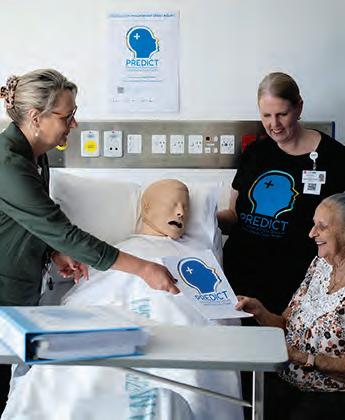
It helps carers communicate changes in a patient’s behaviour to nurses and work as a team to manage delirium in hospital settings.
Southern Cross University’s Professor Christina Aggar is leading the project which has the backing of a $1.34 million, three-year grant from the National Health and Medical Research Council.
The study involves more than 2500 patients in hospitals in NSW, ACT and Queensland as part of the clinical trial.
See the video at youtu.be/0B3SPOm8F6o?si=lb VW6WQAqVSpaEGg and visit linkedin.com/company/ predictdelirium/
OLDER adults who experience frequent disturbing dreams may have a higher risk of developing dementia – particularly men and people in their 60s.
That’s part of the findings from a large international study led by UNSW Sydney’s Centre for Healthy Brain Ageing (CHeBA). The research, involving an international collaboration of scientists from Brazil, China, France, Italy, South Korea and Taiwan and published in Psychiatry and Clinical Neurosciences, analysed data from more than 10,000 adults aged 60 to 89 years who were followed over time.
The study is part of the CHeBA-led COSMIC collaboration (Cohort Studies of Memory in an International Consortium).
Lead author and Research Fellow at CHeBA Dr Darren Lipnicki says the findings build on earlier research but extend it to a much broader and more diverse population.
“Previous studies suggested a link between disturbing dreams and dementia risk, but they were conducted in more limited samples,” Dr Lipnicki says.
“By bringing together data from multiple countries and regions, we were able to test whether this association holds across different cultures and populations.”
Disturbing dreams include nightmares
and ‘bad dreams’. Nightmares are typically intense, distressing dreams that wake the sleeper, often involving threats or danger. However, many distressing dreams do not wake the sleeper. In this study, researchers used the term ‘disturbing dreams’ to cover both types.
About one-in-four participants (24 per cent) reported experiencing disturbing dreams. Over the follow-up period, researchers tracked who developed dementia. They looked at all-cause dementia and Alzheimer’s disease (the most common form of dementia).
After accounting for a wide range of factors – including sleep problems, medications, physical and mental health, cognitive performance and genetic risk –the researchers found:
• adults aged 60–69 who reported disturbing dreams had nearly four-times the risk of developing dementia compared with those who didn’t report such dreams
• among men, having disturbing dreams at least once a week was associated with more than three-times the risk of developing Alzheimer’s disease
• these associations were not seen consistently in older age groups (70+ years).
The team says more work is needed to understand the biological mechanisms behind the association and whether treating disturbing dreams could have any impact on long-term brain health.
AUSTRALIAN researchers have unlocked the possibility of creating smart wound dressings.
These dressings enable real-time monitoring while also being able to deliver healing agents in one simple, scalable platform.
Chronic wounds cause significant burdens on healthcare systems due to the complexities of continuous and changing care required.
Smart wound dressings that monitor infection or deliver healing therapeutics have emerged as a solution, but combining monitoring and healing functions into one dressing has proven complex – until now.
Researchers at RMIT University created a method of embedding tiny, multi-functional nanomaterials, known as carbon dots, into hydrogel dressing that serve the dual functions of monitoring and treating wounds.
Carbon dots are biocompatible carbon-based nanoparticles that can be used to image and sense changes in a wound and combat wound inflammation as therapeutic artificial enzymes (nanozymes).
This new type of smart wound patch will change colour when there is pH

change in the wound caused by infection. The colour change can be easily read out by portable smart devices.
When these infection signals are detected, the system automatically releases therapeutic nanozymes into the wound to promote healing. The release of these therapeutic nanozymes can also be manually triggered by applying gentle pressure to the dressing, allowing clinicians or patients to provide additional treatment if required.
RMIT PhD candidate and study first author Nan Nan says the dual nature of this smart wound patch would support
Chronic pain can impact your sleep, mood, confidence, independence, or enjoyment of everyday life.
Scrambler Therapy (located in Noosa) is a non-invasive neuromodulation treatment used internationally for over 20 years.
It involves gentle electrical signals delivered through small surface electrodes placed on the skin near the painful area.
These signals aim to help the nervous system respond differently to pain over time.
No medication or surgery involved.

Conditions supported include:
• Cancer-related pain
• CRPS
• Neuropathic pain
• Phantom limb pain
• Trigeminal neuralgia
• Diabetic neuropathy
• Post-mastectomy pain
• Brachial plexus neuropathy
• Post-herpetic pain (shingles)
• Low back and sciatic pain
• Chronic pancreatitis pain
• Chemotherapy-induced peripheral neuropathy (CIPN)


THERE’S a new address in Burpengary East as Living Gems Moreton Bay rises along Buckley Road, providing a modern twist on over-50s living.
This coastal lifestyle resort is transforming the local landscape, and sales consultant Jodie Stieper feels a deep, personal connection as she watches it unfold in her own backyard.
Jodie has made Burpengary East her home for more than 20 years. Her family chose the area for its open spaces, rural vibe and mix of calm and convenience, close to beaches, highways, Brisbane airport and vibrant local spots. There, neighbours rally around homegrown shops, festivals and each other, creating a sense of belonging.
From careers in travel, real estate, construction and wildlife protection, Jodie’s journey has been varied, but helping others remains her core drive, guiding residents in
crafting their ideal life at Living Gems Moreton Bay.
With Moreton Bay’s natural beauty, the resort inspires residents with a life of wellness, bonds and options. Everyday essentials such as cafes, stores and clinics are just minutes away, while there’s also walking tracks nearby.
Living Gems Moreton Bay delivers freedom, security and camaraderie for over-50s, with no big-house hassles or steep costs. Its land lease set-up means affordable homes, no stamp duty, no exit fees, and full financial clarity. The gated community boasts 186 low-maintenance homes and premium amenities, anchored by a $13 million Country Club with pool, cinema and tennis courts.
Stage 1 homes are selling now. Visit livinggems.com.au or call 1800 957 981.
WHEN we talk about healthy ageing, diet and exercise usually take centre stage.
But one of the strongest influences is often overlooked: social connection.
Increasingly, the conversation is shifting from lifespan to ‘joyspan’ – not just how long we live, but how much enjoyment, meaning and connection we experience.
Humans are wired for connection.
Over a lifetime, relationships formed through family, work, clubs and community groups shape our identity and sense of purpose.
As we age, those networks can change. Retirement, relocation or the loss of loved ones can quietly reduce everyday social contact.
The health effects of loneliness are well established.
In its 2025 report From Loneliness to Social Connection, the World Health Organization describes social isolation as a serious but under-recognised public health challenge, linked to higher risks of depression, anxiety, cognitive decline, heart disease and early death.
The encouraging news is that people who feel connected are more likely to stay active, manage ongoing health conditions with confidence and seek
ONE of the most effective starting points to downsizing is found in looking back.
Take the time to remember what it was like when you first moved out of the family home.
Remember how you only needed a certain amount of space since you were looking for lifestyle? Remember how location was important, close to restaurants, night spots and the beach?
Remember how you could get by with the minimum of ‘stuff’ and still live and love life?
You didn’t need much. And guess what? Nothing much has changed. You can still choose to live like that.
If you can look past where you’ve come to – the amount of furniture you have acquired, the ornaments you’ve collected, the crockery you’ve treasured – and lay yourself bare, you will find the ideal starting point to downsizing.
Thoughts of “how can we possibly fit all our possessions from our family home into a three bedroom/two-bathroom unit or townhouse?” can be overwhelming. The fact is, you can’t, and there’s every chance you don’t need to. You need to get your mind around that first and once you have, there are many strategies to successfully achieve the downsizing process. Start by being honest with yourself as
you move through the home and see the amount of ‘stuff’ you haven’t used for years.
Begin in the kitchen and be brutally honest about the crockery you possess, the cutlery you store, the bowls, pots and pans you have. How about all those electrical appliances? How long since you’ve used even half of them, really?
Move along to the garage and be astonished by the amount of gear you don’t even take off the shelf anymore. How about all that stuff the kids have asked you to store, which they’re obviously not using.
The bedroom and hallway cupboards will reveal even more regarding how little you need to get by.


help early. Community spaces and shared activities play an important role here. Bringing people together around shared interests, learning and everyday conversation can create routine, purpose and belonging, even without meeting face to face.
These regular moments of connection support not only health, but also joyspan.
Inclusee staff see this in action every day through its Virtual Community Centre, which connects people to explore interests, build skills and enjoy social connection from anywhere.
Because feeling connected helps us live not just longer lives, but joyful ones.
WORDS: Tatia Power, strategic partnerships manager, Inclusee. Call 1800 287 687 or visit inclusee.org.au
Another important thing to look back on is the amount of maintenance that big home has required over the years. The housework is also a major factor. Looking back on all this will motivate you to move forward and downsize.
Finally, make sure you take the time to reflect on the many happy times of years gone by. They are precious memories and you can take them with you when you make this next move. They don’t take up any space.
WORDS: Jodie McDonnell, licensed real estate agent, Century 21 On Duporth. Visit C21onDuporth.com.au


Ready to rightsize the way you live and upsize the joy of life? Make the move to a Living Choice community and swap the chores for choices – your choice of location, choice of activities, and choice of ways to feel young again.








$10,000* LIFESTYLE PACKAGE

















THE ATSA Independent Living Expo at the Brisbane Convention and Exhibition Centre on the May 20-21 is the state’s largest display of assistive technology and daily living aids all under one roof.
Are you looking for the latest in assistive technology for you or a family member? Need a compact power wheelchair or scooter? Looking for daily living aids or mobility devices? Need to update your lift chair, bed or commode? Don’t know what is available to make daily life easier?
This free expo has the solutions to all those challenges and more.
THE Sunshine Coast Hinterland Writers Festival returns for its third year from May 2 to 4 with the theme: ‘A Constellation of Stories’ – a celebration of diverse voices, ideas and imaginations coming together beneath one shared sky.
With the region’s pending Dark Sky status as inspiration, festival artistic director Lea Dodd is collating an inspiring program that invites readers and writing enthusiasts to explore how narratives such as stars gain brilliance when seen in connection with one another. This year’s author line-up is a standout blend of

More than 125 exhibitors will be displaying products and offering services to cover many needs.
Visit expo.atsa.org.au for all the details and to register (receive a free coffee for registering). For any questions, email events@atsa.org.au or call (02) 8006 7357.
literary depth, storytelling warmth and international acclaim.
It includes Uncle Bruce Pascoe, whose groundbreaking Dark Emu reshaped Australia’s understanding of its past. He will headline a gala dinner speaking about his new book, Big Sky. International bestseller Cathy Kelly brings her emotional intelligence and warmth to the hinterland, pairing with beloved Australian author Natasha Lester, known for her immersive historical fiction, at a Devonshire tea overlooking the Glass House Mountains. Head to schwritersfestival.com.au
MARK your calendar and get prepared for Mother’s Day at the upcoming Artisan Fair on May 2 and 3 at the Caloundra Arts Centre.
Soak up the vibrant, relaxed and family-friendly atmosphere as you browse rooms filled with handcrafted pottery, fine art, jewellery, woodwork, fashion, textiles, bags, lace, quilts and handmade cards.
Enjoy live music, food and drink, plants, books, plus a popular cake and produce stall with items ideal for unique gifts.
Every item is handmade by Caloundra Arts Centre Association (CACA) members, and each purchase directly supports these local artists while funding the centre’s ongoing operations and improvements.
The Artisan Fair is open on the Saturday from 9am-4pm, and on the Sunday from 9am-2pm at 5 North Street, Caloundra. Entry and parking are free. While visiting, be sure to explore the on-site artisan gift shop, North Street Made, open daily from 10am–2pm.
In 2026, the CACA proudly celebrates 50 years. It supports 22 arts and crafts group. Free trial sessions are available.
Visit caloundraarts centre.org.au
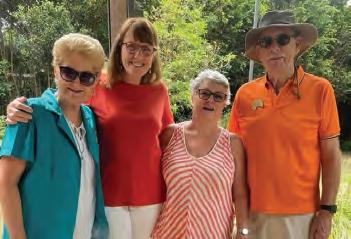
Sunshine Coast Friendship Force invites you to enjoy its Information Afternoon Tea to learn more about this social and travel club.
This is a one-hour session at the Mudjimba Community Hall at 2.30pm on Wednesday, April 29. The afternoon will include presentations by members sharing their experiences as travelling ambassadors and home hosts.
A member will provide an overview of Friendship Force and explain how journeys are allocated to each club, itineraries organised for the week and then actioned by members operating as tour hosts in their own town. You will meet the social activities organiser who strengthens meaningful social connections through regular planned excursions such as monthly dine-outs and picnics.
Search for Friendship Force Sunshine Coast Australia on Facebook or call Jenny on 0448 866 141.

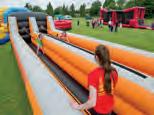
















So, while we’re being entertained by the skills and banter of the PorkStar Live Cooking Battles in the Festival Village, or floating on the Noosa River aboard MV Catalina with a Florcita Tequila in one hand and Latin-inspired canape in the other, these food stars are trying to keep a lid on their own excitement.
“Working with all the chefs –that’s the fun part,” enthuses Italianborn Andrea, who has worked in leading restaurants in Varese, Florence and Milan, and has spent the past 16 years immersed in the Noosa restaurant scene.
“It’s Schoolies for us,” he adds, with a hearty laugh.
“The thing for us is more collaborating with the other chefs – to see what people outside Noosa are doing different to us.
“And working with ‘big’ chefs is always challenging. You are working with top chefs from Australia, like Ben Williamson, who’s got seven restaurants.”
SHIRLEY SINCLAIR chats with two of the personalities of the Noosa Food and Wine Festival for a sneak preview of what guests can expect to indulge in throughout this year’s program.
It’s not just your average epicures counting down the days to the 2026 Noosa Food and Wine Festival, to be held from June 11-14.
Restaurateurs, chefs and winemakers from around Australia and closer to home can’t wait for the line-up of Signature Events, Restaurant Series experiences and the ever-popular Festival Village – all plated up against glorious coastal and hinterland backdrops.
ANDREA RAVEZZANI
“It’s like Schoolies for chefs.”
Andrea Ravezzani, head chef at Park&Cove in Peppers Noosa Resort & Villas, is describing the electric atmosphere on stage and behind the scenes at Noosa Food and Wine Festival (NF&W). Just like annual graduation celebrations for Year 12s on ‘that other coast to the south’, NF&W brings together the crème de la crème of Australian celebrity chefs, restaurateurs and food influencers for one massive, four-day party we’re all invited to.
This is their playground, on the cutting edge of hospitality.

At NF&W’s Le Bistro, La Plage: French Beachside Lunch on Sunday, June 14, Andrea will be working shoulder to shoulder with Ben, the Anyday hospitality group founding director, who is culinary maestro at celebrated Brisbane venues – the Parisian-style bistro The French Exit, Biànca Italian restaurant,












Japanese eatery hôntô, and the SouthEast Asian cuisine of sAme sAme. Joining them will be co-founder and culinary director of the Masonry Group, Ben Cross, who was mentored by acclaimed chefs Janni Kyritsis (MG Garage) and Neil Perry (Rockpool Dining Group), and has worked in kitchens from Byron Bay to New York and Spain. Ben and the Masonry Group have spent the past eight years reshaping Bali’s dining scene, including Bar Vera, and more recently opened MASONRY. Japan: a ski-in, ski-out restaurant in the Niseko Kyo hotel, Hirafu.
Andrea, a Federation of Italian Cooks member, has his own impressive kitchen credentials, including a bronze medal in the Italian Cup culinary competition and silver medal at the Gastronomia Expo regional contest.
His passion and respect for the culinary arts and championing seasonal ingredients have seen him make his mark at other beloved Noosa eateries, including Lindoni’s, Berardo’s and his own Noosa Waterfront Restaurant and Bar (which he sold in the lead-up to the 2025 NF&W).
continued over >




Andrea has a fair bit on his plate for this edition of NF&W, overseeing the smooth workings of the Noosa Main Beach kitchen for Signature Events.
As well as Le Bistro, La Plage: French Beachside Lunch, he will have all hands on deck for the Official Opening Party on the Friday afternoon, June 12, and for The Italian Long Lunch on Saturday, June 13, where he teams up with Guy Grossi –legendary Melbourne chef and owner of Garum Perth and Settimo Brisbane, and master pâtissier Adriano Zumbo.
Andrea takes the lead when he hosts the Restaurant Series’ Park & Cove: Global Pairings lunch on Friday, June 12: billed as “Five Chefs. Five Countries. Five Perfect Pairings”.
He says guests will be taken for a gastronomic tour “around the world”, with each course matched with a wine
that reflects its regional influence.
After a classic Aperol aperitivo on the terrazza, guests will savour five courses, each created by Andrea and four other distinguished chefs:
• Spencer Patrick, of Harrisons in Port Douglas
• Louis Tikaram, of Brisbane’s
Stanley Restaurant
• Telina Menzies, of Hotel Esplanade, and Australian Venue Co executive chef
• Darren Purchese, of Love Studio Kitchen, and The Great Australian Bake Off TV show judge.
And you can be sure each culinary master will be vying to out-do the other with their designated course.
The 2026 NF&W marks Andrea’s 16 years of involvement with the event.
“As per usual, five days and no sleep but, you know …” he chuckles.
NATHAN RAMSAY
It is such a small gesture, but one from the heart.
Every night at his Somedays Pizza restaurant in Noosa Junction, Nathan Ramsay and business partner Shane Newton light a candle in an empty Ochota Barrels wine bottle.
The candle illuminates the space around it – in honour of a man who shone brightly through his passion for winemaking, zest for life and generosity of spirit.
Since Nathan and Shane opened Somedays in January 2022, Ochota Barrels – Taras and Amber Ochota’s Adelaide Hills wine label – has always featured, showcasing their cult-status, minimal-intervention organic wines.

Wine Business Magazine described Taras as “a much-loved member of the Australian and international wine community” and one of the first winemakers, along with Amber, to pursue low-intervention winemaking in Australia.
The Somedays crew never knew him: he passed at the age of 49 in October 2020, after battling an illness for several years.
But their working relationship with Amber and the label soon led to collaborations, trips between Noosa and Adelaide, friendship and a deep respect for the husband she lost nearly six years ago.
Amber will again make the trip north from Basket Range for the Somedays x Ochota Barrels special collaboration dinner – part of the NF&W Restaurant Series – on Saturday night, June 13.
Nathan reveals that instead of the very capable Somedays staff making the usual “250 pizzas for the night”, the festival event promises a generous wood-fired banquet menu, bringing bold flavours and seasonal produce together in a shared feast.
After speaking at an intimate media lunch at Sabrosa Dim Sum House, his other Noosa Junction venue, Nathan tells Your Time: “At Somedays … we are going to do an Italian wood-fired banquet, antipasti and traditional porchetta and

THIS row of townhouses may look familiar, even if you’ve never been to Bath in the City of Somerset, England.
The distinctive Georgian architecture –part of what is called The Circus, for its circular/ring appearance – appears in just about every movie or TV series that requires an outdoor period setting (the commercial and residential properties were actually built between 1754 and 1768).

fish, rather than pizzas. I’ve actually got my hands on a lot of (Amber’s) premium wines which are very small batch –I’m talking a few hundred bottles made each year.
“It’s a really nice opportunity for me as well to try those wines with the guests and Amber.
“It will be a celebration of food, wine and the people that make this industry so special.”
Amber will guide guests through the curated progression of estate wines thoughtfully paired with each course.
Nathan says Gareth and Rainbo Belton – the winemakers behind Amber’s Adelaide Hills ‘neighbour’, Gentle Folk – has become another firm friend, brought about through their working relationship.
The Beltons will bring their estate wine pairings to life through stories behind the scenes at the Sabrosa Dim Sum House x Gentle Folk lunch on Friday, June 12. The NF&W Restaurant Series event aims to elevate the humble dim sum to rock-star status.
Guests can expect 13-courses on the dim sum journey, including Sabrosa diners’ favourites and new taste treats developed specially for the festival.
For remaining festival tickets, head to noosafoodandwine.com.au
The golden hue is from the Bath Stone: a limestone that came from the Combe Down and Bathampton Down mines. Architect John Wood, the Elder, put his stamp on history with the design.
Look for it in Bridgerton on Netflix, Jane Austen-penned films including Persuasion, as well as The Duchess, Vanity Fair and Les Misérables.

THERE’S something special about starting a new year somewhere completely different – not just a change of scenery, but a shift in rhythm, colour and culture.
One particular holiday with Imagine Cruising captures that feeling from the beginning, building towards a celebration of Chinese New Year in Singapore that feels meaningful and remarkable.
The story begins in Tokyo, where tradition and innovation exist side by side.
One moment, you’re surrounded by glowing skyscrapers and neon-lit streets. The next, you’re stepping into the quiet calm of a centuries-old temple.
From there, life slows into the gentle rhythm of the sea aboard Sapphire Princess Days are spent enjoying expansive deck spaces, relaxed dining and evening entertainment, while each new destination brings a different perspective.
In Kagoshima, an active volcano rises

over the landscape, and Okinawa offers a more reflective experience at the Peace Memorial Museum. Further south, Ho Chi Minh City and Chan May reveal Vietnam’s rich history.
Arriving in Singapore, the atmosphere shifts again. Streets glow with red lanterns, markets buzz with anticipation and the air feels charged with possibility.
Chinese New Year is more than a celebration. It’s a time of renewal, connection and hope, observed across many cultures throughout Asia.
During an exclusive Imagine Cruising event, the spirit of the season comes alive through choreographed dances and live musical performances, each telling its own story of heritage and tradition. Outside, lion and dragon dances weave through the city, believed to bring good fortune and ward off negativity as a new year begins.
The experience reaches its peak at Gardens by the Bay (pictured), where light and sound transform the night sky.
Celebrated on February 6 and 7 next year, the Year of the Fire Goat symbolises warmth, creativity and harmony. It’s a fitting theme for a journey that brings people together through shared experiences, new connections and a deeper understanding of the world.
Contact your local Travellers Choice agent to book this Imagine Cruising holiday and celebrate Chinese New Year first-hand. Visit travellerschoice.com.au
RESIDENTS will be familiar with the collection of vintage ex-military aircraft operated by Warplanes Pty Ltd from the Caboolture Airfield for more than 20 years.
Chief pilot Ross Parker, a former RAAF and commercial pilot, flies a 1945 World War II RAAF Wirraway and a powerful 1954 T-28 Trojan from the US Navy in a range of roles including passenger adventure flights, commemorative flypasts for special occasions such as Anzac Day and Queensland country festivals, and aerial displays at air shows.
The Wirraway is known to most Australians as the primary training aircraft for World War II pilots heading off to war. Some Wirraways saw combat as a stop-gap fighter early in the Pacific War.
The aircraft is a real favourite among aviation fans, and warbird enthusiasts from around the world come to fly in the Wirraway as there are now only three airworthy examples left in the country.
The US Navy T-28 Trojan aircraft is a high-performance trainer and groundattack aircraft used by military forces around the world.
Named ‘Miss Stress’ when she arrived in Australia, this aircraft saw 30 years of service at US Naval stations in Texas



before retirement into civilian ownership. Now, her service is of a different kind: thrilling passengers with her manoeuvrability and grace in aerobatics and high-speed flight across the beautiful beaches and landscape of the Sunshine Coast.
Adventure flights enable passengers to step back in time and combine the excitement of military flight from a bygone era with the beauty of the coast and hinterland.
Take-off and landing can be viewed by family and friends from vantage points on the airfield and, after more than 20 years, there’s still a 100 per cent passenger satisfaction rate.
So, if you need a piece of aviation history to be part of your event, or you or your loved ones want to actually fly in a warbird pilot’s seat, then contact Warplanes Pty Ltd to make that booking. Call 0401493 999 or visit warplanes.com.au
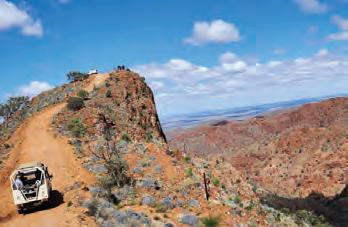
MAY 2026
O’Reillys Rainforest Retreat (4 Days)
Wallaroo Outback Retreat (7 Days)
JUNE 2026
Darling River Run (15 Days)
Red Centre & Top End (18 Days)
JULY 2026
Broome to Darwin (12 Days)
AUGUST 2026
North Queensland Savannah (11 Days)
Tropical North Queensland (12 Days)
SEPTEMBER 2026
Fraser Island (5 days)
Wallaroo Outback Retreat (7 Days)
Toowoomba Carnival of Flowers (4Days)
Spring Gardens & Floriade (11 Days)
OCTOBER 2026
Wild Wild West of WA (13 Days)
Fraser Coast & Lady Musgrave Island (5 Days)

NOVEMBER 2026
Tasmania (15 Days)
DECEMBER 2026
O’Reillys (4 Days)
NSW Central Coast & Blue Mountains (11 Days)

www.cttravel.com.au

SOLDIER’S DAUGHTER
By Fiona McIntosh
Historical fiction
Reviewed by Jan Kent
IT WON’T take the reader long to be immersed in another historical fiction gem from this writer.
If you loved her Champagne War, you’ll find some of the same characters in the sequel to Charlie Nash’s World War I life. Here, you will find him in Scotland with his daughter Violet, establishing his dream of distilling and blending his own whisky.
When this is not realised, with his hopes in tatters, Charlie and young Violet sail to the ends of the earth, Tasmania, to begin again.
Development of the characters in this book can only be described as masterful. Violet has an admirable strength, perseverance and a burgeoning talent for distilling. Then there’s Charlie, drawn back at the end of World War II to the battlefields of France where he had exhibited courage and experienced loss in equal measures.
As we are enmeshed in Violet’s passion to become the first successful woman creating her own brand of whisky, the details of this industry are dealt with in such a way that the reader can almost smell the delicious aromas of her blends.
This is a beautiful and moving book, with a strong, resilient and courageous female main character – always a winner for me.
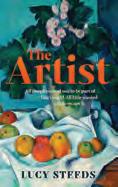

THE ARTIST
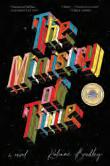
By Kaliene Bradley Science fiction/ romance
Reviewed by
John Kleinschmidt

THIS quirky time travel and romance novel is a debut book for author Kaliene Bradley. The critics are divided on genre, but I feel its strongest element is science fiction.
The Ministry of Time is a near-future government department in the UK that has discovered the secret of time travel.
It has transported five historical figures from the jaws of death hundreds of years ago.
The main character is Commander Graham Gore, expatriated from the year 1847.
Each of the five refugees or expatriates is allocated a minder or ‘bridge’ to assist them to interpret and adapt to modern life: an interesting and engaging exercise.
Gore’s bridge falls in love with him. People from the future try to kill the expatriates and the Ministry turns on itself.
The story makes little sense at times but, overall, is a good (but very different) read.
By Lucy Steeds, Historical fiction
Reviewed by Rebecca Walker, of Annie’s Books on Peregian
SET in rural Provence, France, in 1920, The Artist is a beautifully told story that examines the unusual dynamic of three complex characters, whose lives overlap one sweltering summer.
Aspiring journalist Joseph is invited to the home of reclusive artist Edouard Tartuffe, where he hopes to ‘crack’ this mysterious enigma of the art world. Then enters Ettie – Tartuffe’s niece, who lives in the shadows of her uncle’s overbearing existence.
Through deeply nuanced prose, light is shed
on the inner worlds of Joseph and Ettie, who are wrestling with their own demons.
Exploring themes of control, grief, sacrifice, creation and destruction, ultimately The Artist questions what it means to truly live.
Penned by British author Lucy Steeds, this powerful debut is the kind of book that inspires a sense of contemplative longing that lingers for days after the final page is turned.

YOUR THIRD CHAPTER: HOW TO THRIVE IN YOUR 50S, 60S AND BEYOND AND WORK AS LONG AS YOU CHOOSE
By Robyn Greaves
We are living and working longer and navigating more complexity than ever, yet our ideas about ageing, retirement and late-career work are stuck in the past. Many professionals in their 50s and 60s find themselves quietly sidelined just as their perspective and wisdom are most valuable. Others are jolted by redundancy or burnout, with no guide on what comes next.
This new book, Your Third Chapter (Publish Central $24.95) draws on more than 20 years of experience guiding hundreds of late-career professionals through successful transitions. Author Robyn Greaves shows how this ‘third chapter’ can become the most impactful phase of working life.
Your Third Chapter combines guided explorations and practical tools with The Third Chapter Companion: a private AI-powered thinking space that helps readers explore options and clarify their direction in late-career transition. Readers learn how to:
• challenge outdated assumptions about ageing, career stages and retirement
• make sense of restlessness, misalignment and the feeling of being ‘comfortable but uncomfortable’
• move beyond the advertised job market into portfolio, advisory, fractional and project-based work
• communicate their value with confidence
• rebuild clarity and momentum after disruption
• design work that offers autonomy, flexibility and purpose.
Your Third Chapter reframes the 50s, 60s and beyond not as a winding down, but as a time of clarity, creativity and possibility.
By ML Stedman, Historical fiction
Reviewed by Karen Weiber, of Books@Stones, Stones Corner
SET against the vast and timeless landscape of Western Australia, this is a mesmeric tale from the author of the award-winning bestseller The Light Between Oceans, which has sold five million copies globally.
Western Australia, 1958. Here, for generations, the MacBrides have lived on a remote sheep station: Meredith Downs. A million acres, it’s an ocean of arid land.
One ordinary day, on a lonely road, patriarch Phil MacBride swerves to avoid a kangaroo. In seconds, the lives of his entire
family are shattered. Then, fate comes back for them in a twist of consequences that will cause one of them to lose their life, and another to sacrifice theirs for the sake of an innocent child.
What a fabulous read – an epic story about forgiveness, compassion and hope, and doing the best you can. I became deeply connected to the characters in the book, riding their highs and lows. This will be another bestseller for this talented author and a book I will be keeping on my shelf to revisit in the future.

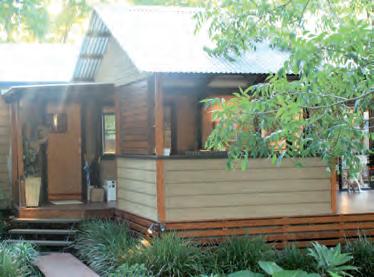


1. What is the main dam in the Snowy Mountains Scheme?
2. Which NSW premier fathered 17 children?
3. Name a capital city in Europe beginning with S.
4. In the animal kingdom, what is a gnu?
5. What is the name for the Maori ceremonial war dance?
6. What is the most abundant gas in the Earth’s atmosphere?
7. What is an Indonesian kris?
8. What is Britain’s longest river?
9. In which Australian capital was Expo 88 held?
10. What is the term for a novel based on the collapse of society?
11. What is the name of the Rogers and Hammerstein’s musical set in World War II?
12. What is a neonate?
13. Of Ionic, Doric, and Corinthian architecture, which has the widest columns?
14. What shape is a tetragon?
15. Who played ‘Mr Big’ in Sex and the City?
16. What is the medical term for bad breath?
17. Who was the suffragette killed after throwing herself under the king’s racehorse?
18. In which US state is the San Andreas Fault?
19. Which singer had the hit Man! I Feel Like a Woman!?
20. What type of insect lives in a formicary?
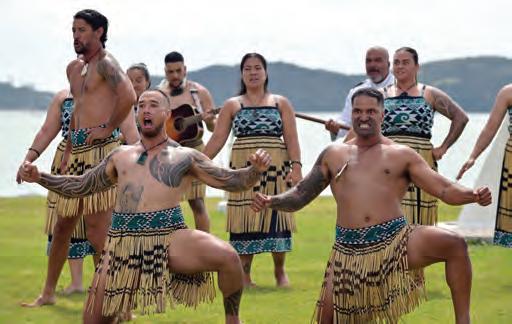

Davison. 18. California. 19. Shania Twain. 20. An ant.

newborn baby (four weeks old or younger). 13. Doric. 14. Quadrilateral or four-sided polygon.
Eucumbene. 2. Sir Henry Parkes. 3. Sofia, Stockholm, Sarajevo, Skopje and San Marino. 4. African antelope, also called wildebeest. 5. The haka. 6. Nitrogen. 7. A traditional dagger. 8. The Severn. 9. Brisbane. 10. Dystopian fiction.




























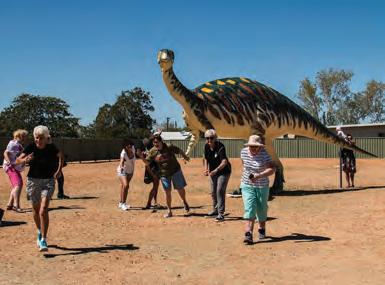


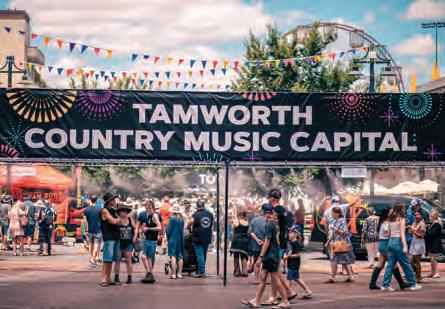


(7)
(8)
Wither (7)
Tableland (7)
Restrained (6)
Bad writing (6)
Ornamental
(4)
Examined (7)