Transforming Homes with Award Winning Expertise



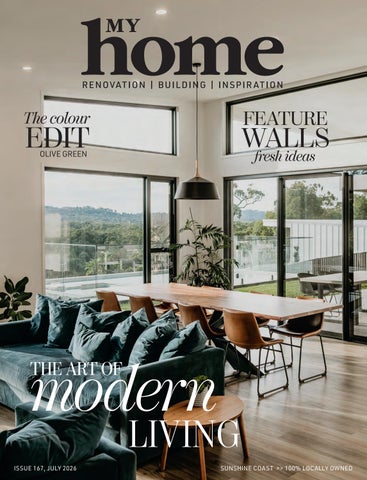

Welcome to the first edition of My Home For years, our magazine focused on renovations, helping homeowners create spaces that suit their way of life. As our region continues to evolve, so too has our vision.
The Sunshine Coast’s building, construction and property sectors are thriving, shaping not only our homes but the communities around them. We saw an opportunity to expand our offering and create a magazine that reflects the full journey of home ownership, whether you’re renovating, building, buying, styling or simply looking for inspiration.
Inside, you’ll find the interior design ideas, advice and practical tips you’ve come to expect, alongside development news, industry insights and stories from across the region.
We hope My Home becomes your trusted source of inspiration and information. Enjoy.
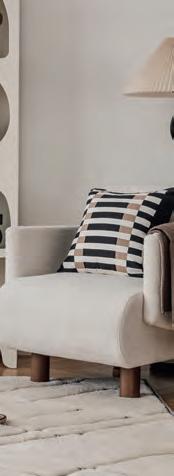
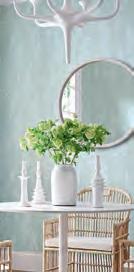
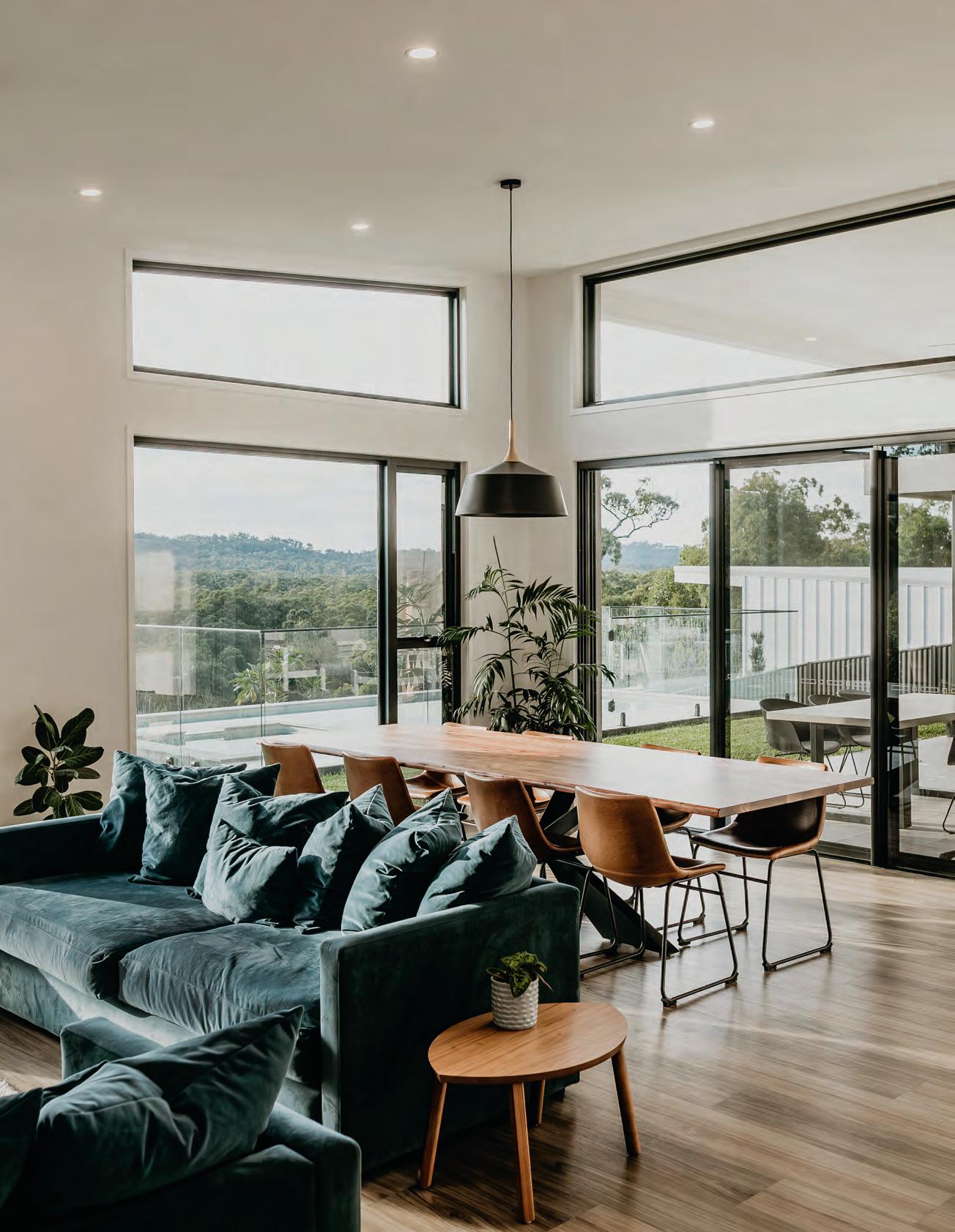
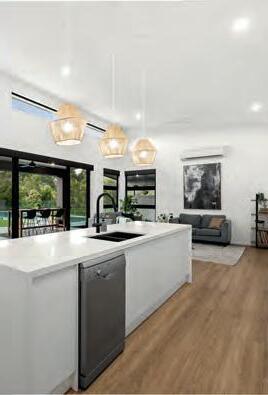
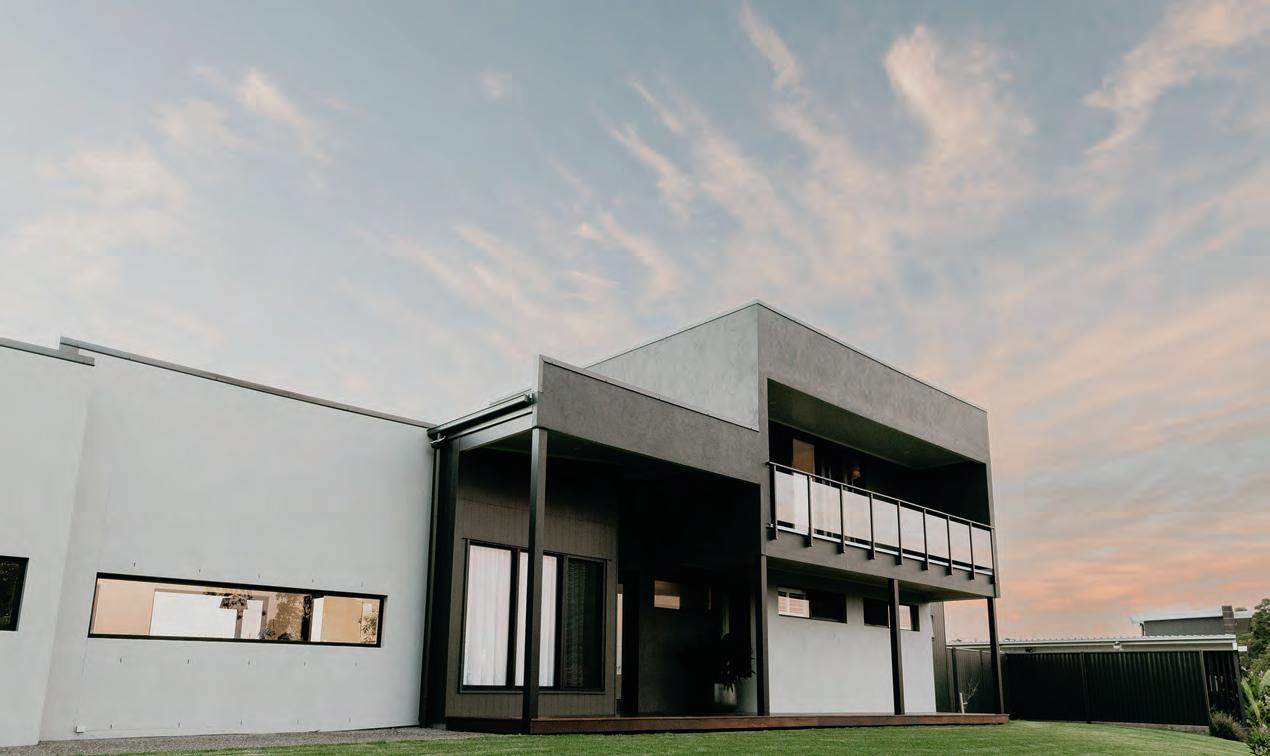
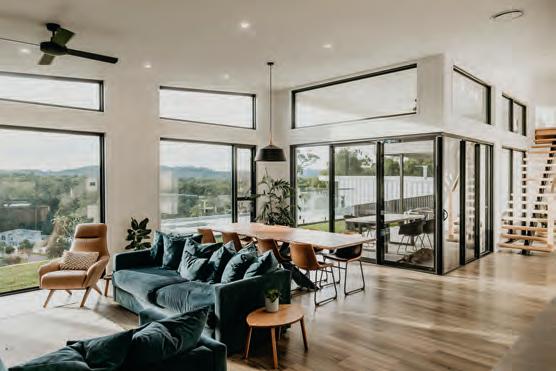
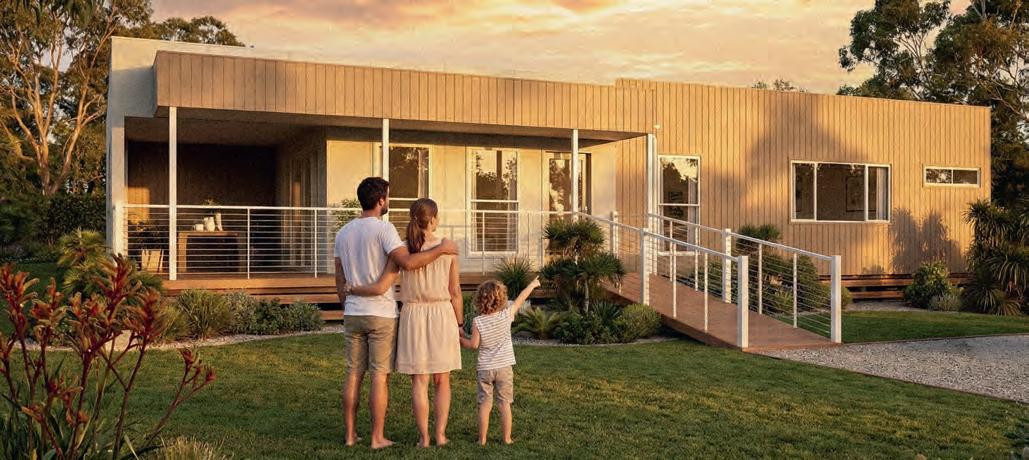
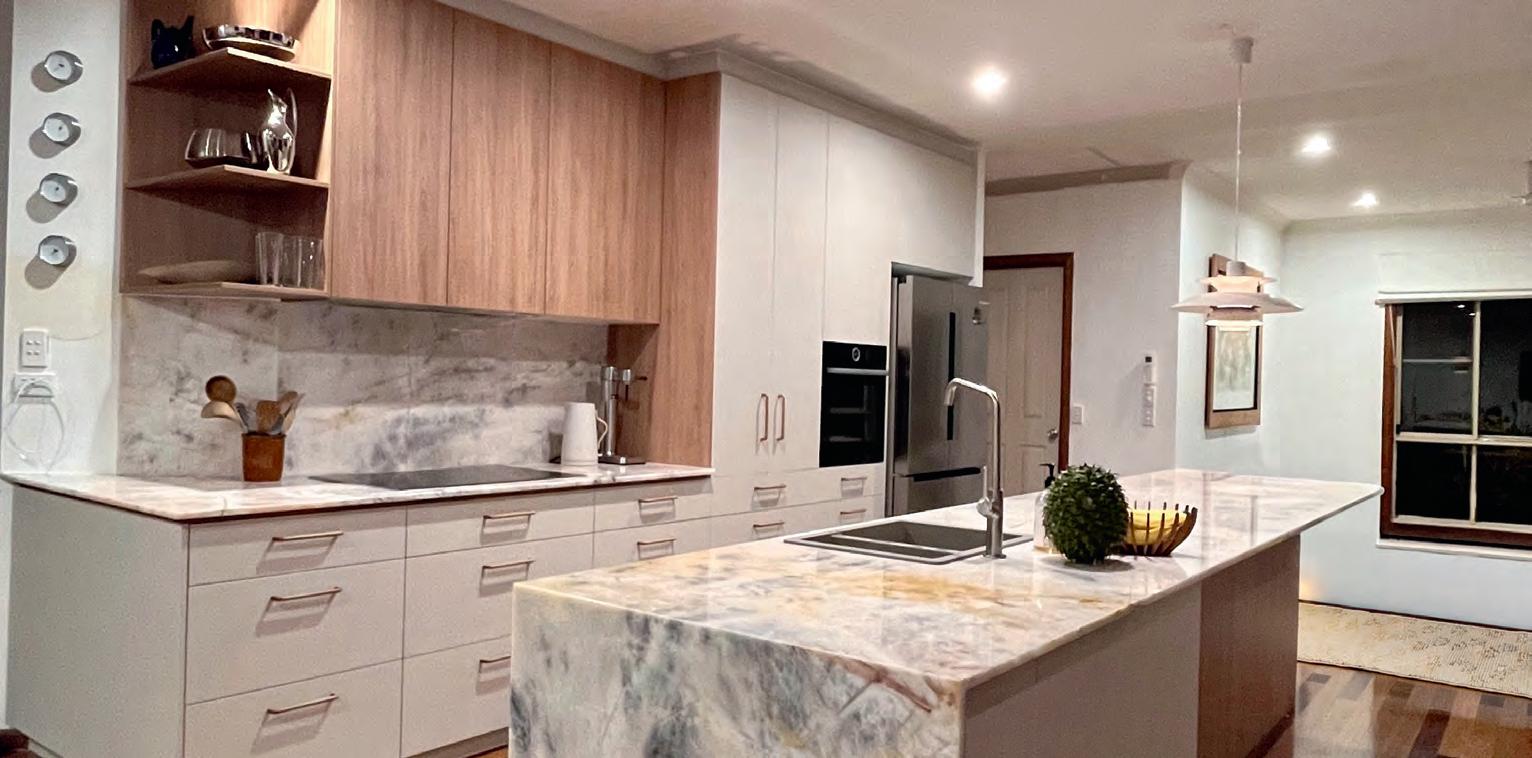
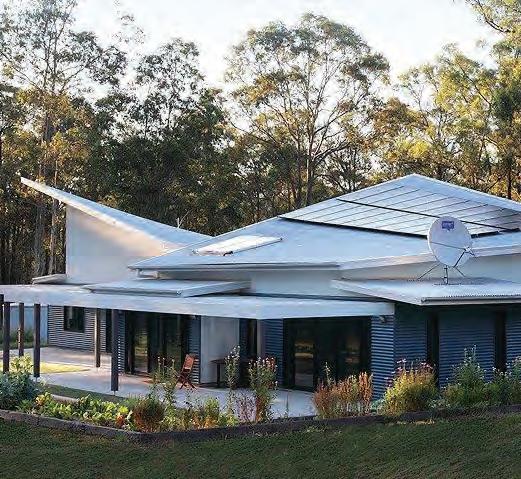
This stunning Palmview home was built by Dwyer Quality Homes. Turn to page six.

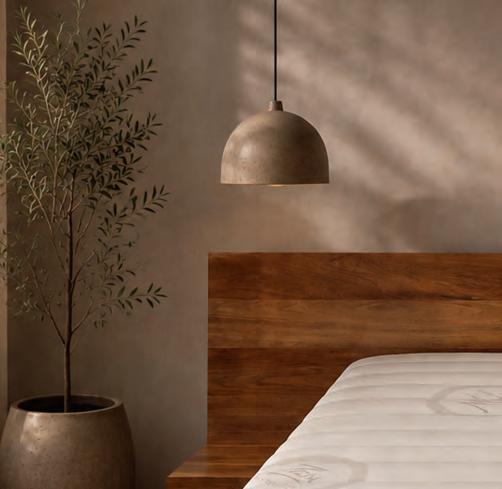









From formal dining rooms and sprawling blocks to flexible layouts and home of fi ces, Dwyer Quality Homes reflects on how Sunshine Coast homes have changed over the past 40 years.



Walk through a Sunshine Coast home built in the 1980s and chances are you’ll fi nd a different floorplan to one that has been designed today.
Built on larger blocks and often featuring formal dining rooms and separate living areas, homes of the era reflected a lifestyle that was quite different to modern times.
During the past four decades, changing lifestyles, smaller lots and higher expectations around comfort and performance have reshaped the way homes are planned and built across the region.
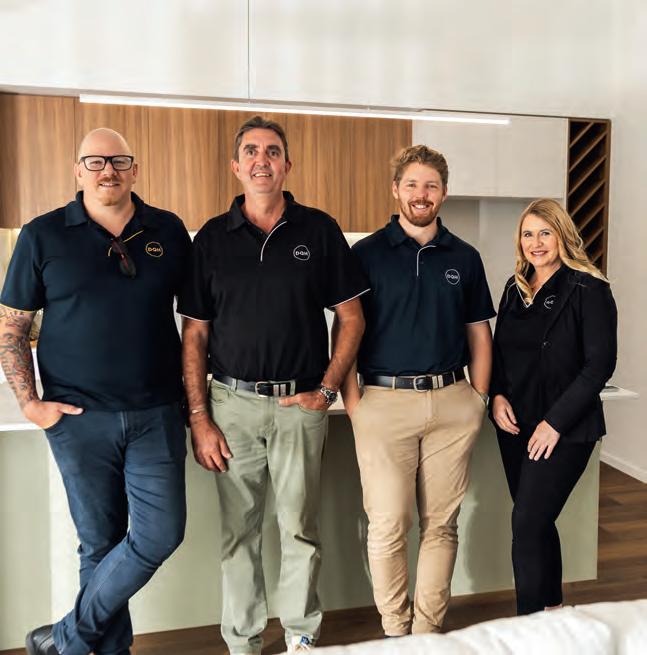
Dwyer Quality Homes managing director Alex Dwyer said one of the biggest changes had been the increasing need to make every square metre work harder.
“Earlier builds were often on wider, more generous blocks, allowing for sprawling singlestorey homes with clearly de fi ned rooms and plenty of separation,” he said.
Today, many blocks are narrower and more constrained, which has prompted a shift towards smarter layouts that
maximise space without sacri fi cing liveability.
Rather than simply making homes smaller, designers are fi nding new ways to create openness, natural light and flexibility within tighter footprints.
The change reflects more than just land availability. It also mirrors how people now use their homes.
The way homeowners approach the building process has also changed.
According to Mr Dwyer, today’s clients are often more informed and have a clearer understanding of how they want their home to function.
“Many are second- or third-time builders who know what they want to do better this time around,” he said.
Rather than focusing solely on floor area or a wishlist of inclusions, many are thinking carefully about how spaces will support their routines, families and future plans.
Where previous generations typically separated living, dining and entertaining areas, modern homeowners often favour spaces that can adapt
throughout the day and over different stages of life.
“Homes are no longer just places to live, they’re places to work, entertain, retreat and grow,” Mr Dwyer said.
Dedicated home offices, quieter breakout spaces and stronger connections between indoor and outdoor areas have become increasingly common requests, particularly as remote and hybrid work arrangements have become part of everyday life.
“Modern homes are now expected to perform better”
That shift reflects a broader change in the role of the home itself. Spaces that were once used primarily for living and entertaining are now expected to support work, study, recreation and downtime, often within the same footprint.
Flexible layouts that can adapt to different life stages are
becoming increasingly important, allowing homes to evolve as families and circumstances change.
The Sunshine Coast climate has also influenced the way homes are designed.
Orientation, airflow and outdoor living spaces are receiving more attention as homeowners look to improve comfort year-round while reducing energy consumption.
Building materials and construction standards have evolved as a result.
Modern homes are now expected to perform better across thermal comfort, durability and energy ef fi ciency than those built decades ago.
Improved insulation, better-performing materials and advances in construction methods have all contributed to that shift.
Mr Dwyer said experience remained important when helping homeowners navigate those decisions.
“Understanding how materials age, how homes respond to the local climate and what truly stands the test of time allows us to guide clients
toward choices that deliver long-term value, not just immediate appeal,” he said.
Another noticeable change has been the growing demand for homes tailored to individual lifestyles rather than standardised designs.
According to Mr Dwyer, the fundamentals of good design remain unchanged despite the industry’s evolution.
“After four decades, the biggest lesson is that experience isn’t about doing
things the way they’ve always been done,” he said.
“It’s about knowing what works, what doesn’t and how to adapt thoughtfully as the industry and lifestyles change.”
While the homes being built today may look different to those constructed 40 years ago, the goal remains much the same: creating spaces that are comfortable, functional and built to last.
Visit dqh.com.au to learn more about their work.

Smaller blocks –Homes are increasingly being designed for narrower and more compact sites.
Flexible spaces – Rooms are expected to serve multiple purposes throughout the day.
Working from home – Dedicated offices and quiet zones are now common design requests.
Better performance – Energy efficiency, insulation and thermal comfort have become priorities.
More personalisation – Homeowners are seeking layouts and finishes tailored to their lifestyle rather than standard designs.
Working with the team from Dwyer has been a great experience. Everyone has been extremely helpful, professional and prompt.
It’s been a fabulous adventure. Thanks so much guys, you’ve been amazing!
NIKI & MICHAEL



“
1. Start small – Introduce olive through cushions, throws or ceramics before committing to larger pieces.
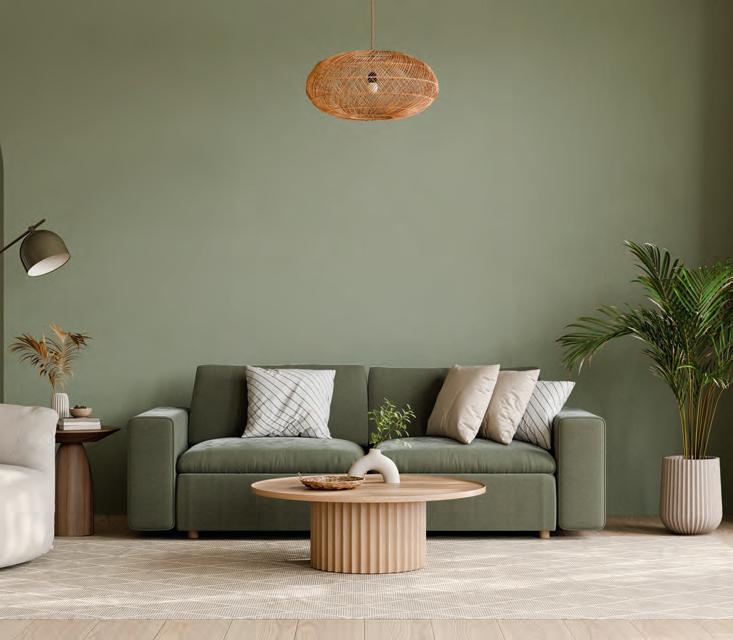
2. Pair with texture – Timber, rattan and linen help soften deeper green tones.
A fresh look at the hues making themselves at home.
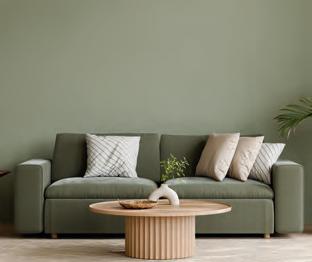
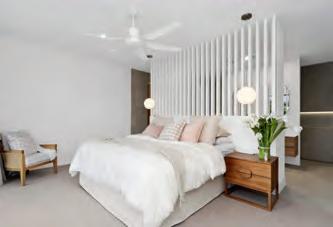
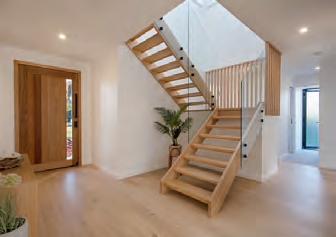
Rich without being overpowering, olive green continues to be a popular addition in Australian homes. It pairs beautifully with timber, natural stone and warm neutrals, making it an easy choice for everything from kitchens to soft furnishings.








Mention this advert from
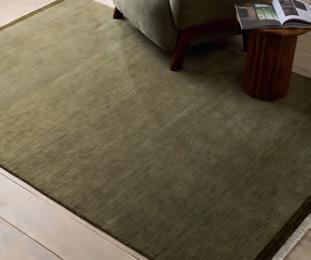
The Whisper tufted fringed olive green wool rug is from Adairs
3. Think beyond the living room – Olive works equally well in bathrooms, bedrooms and outdoor entertaining spaces. shop the look!
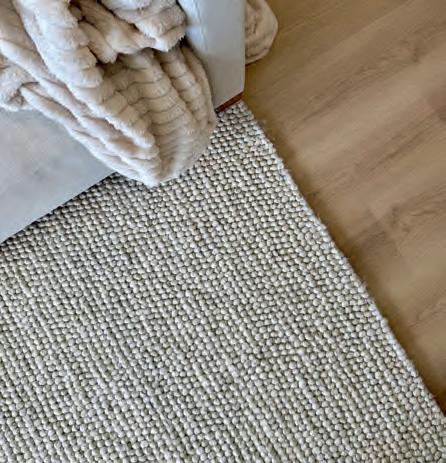











A muted grey-olive-green that pairs well with neutral whites. It is perfect as an accent colour for walls both inside and out.
A sophisticated olive-green hue with soft forest undertones, Verte brings warmth and depth to a space without feeling too heavy. Use it on a feature wall, kitchen cabinetry or in a study, and pair it with natural timber, stone and warm white tones for a relaxed, contemporary look.
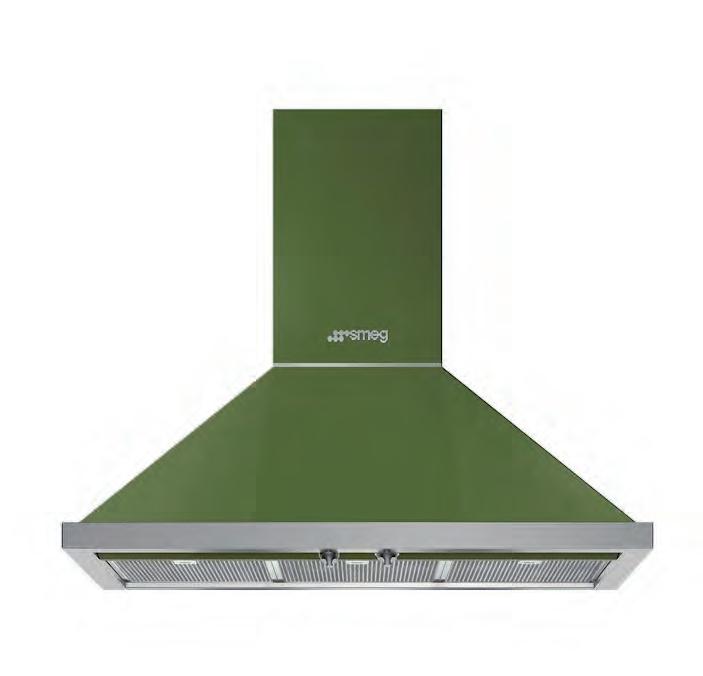
A rich, moody olive green that adds depth and character to both contemporary and classic homes. It works particularly well on feature walls, cabinetry and exterior accents, creating a striking backdrop for timber, stone and greenery.
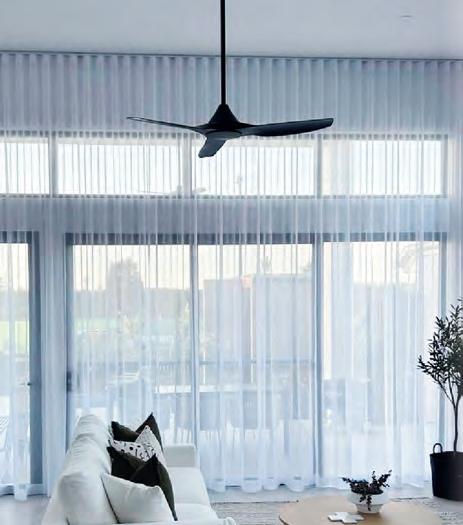
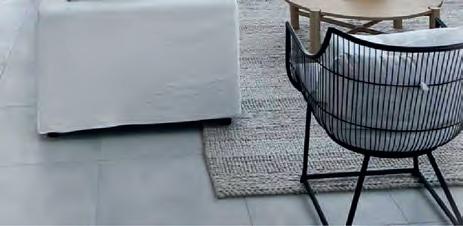

The olive green finish on Smeg’s Portofino rangehood makes a bold statement in the kitchen while still feeling timeless. Pair it with warm white cabinetry, natural timber, stone benchtops and brass accents to create a space that feels both elegant and inviting.
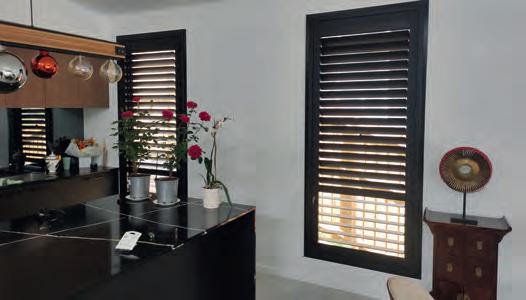
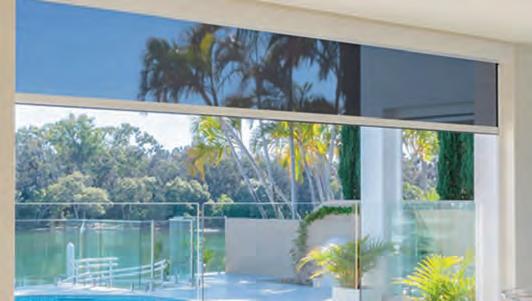
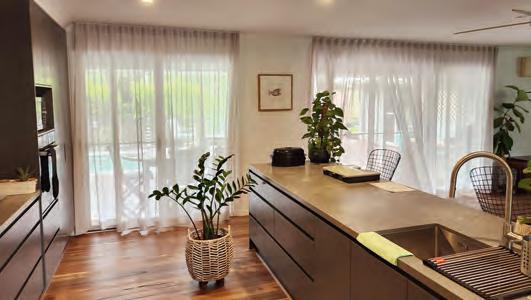
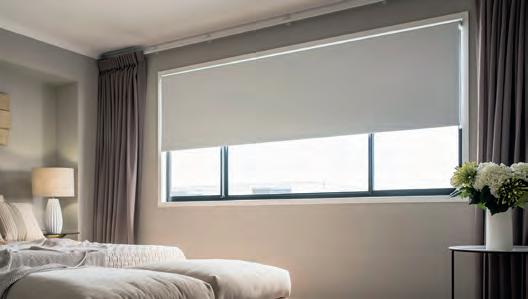
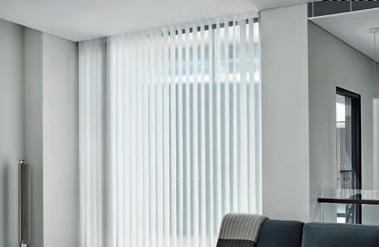
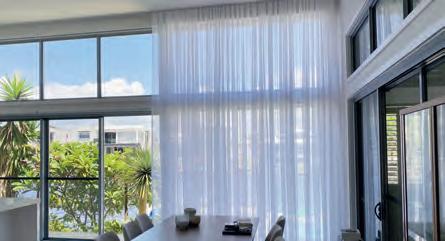
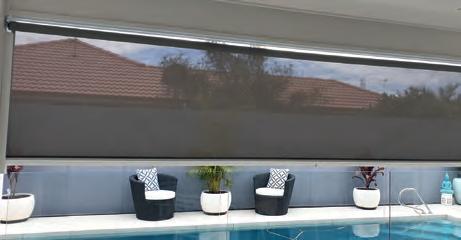
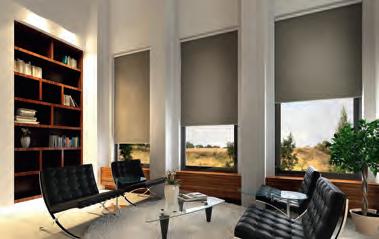
Our interior design team will help you choose the perfect look for your windows. Darren’s Blinds have hundreds of creative ideas for your windows.


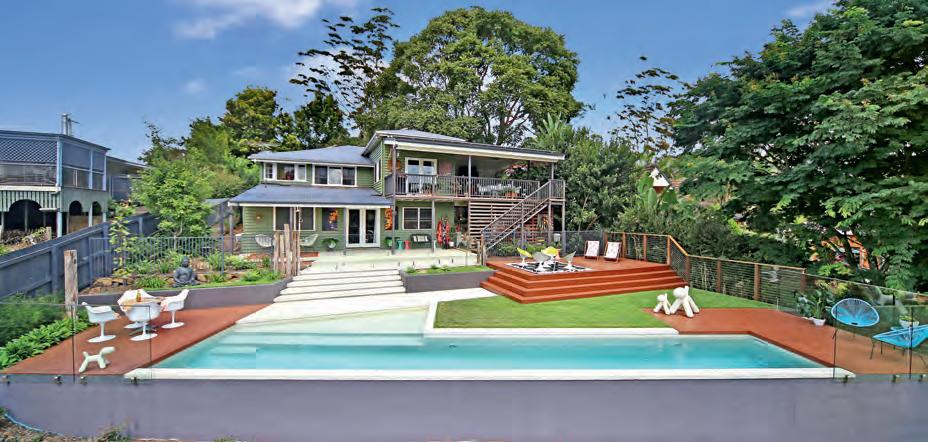

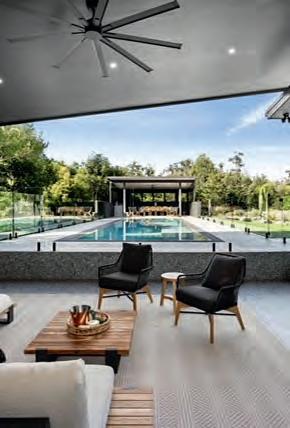
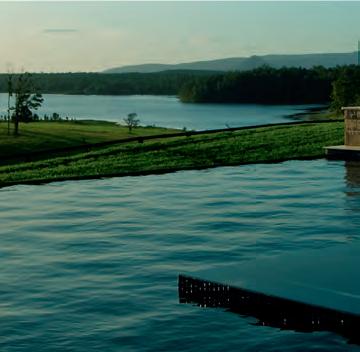
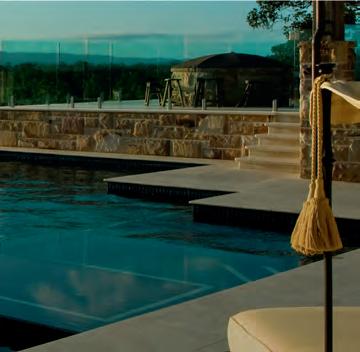
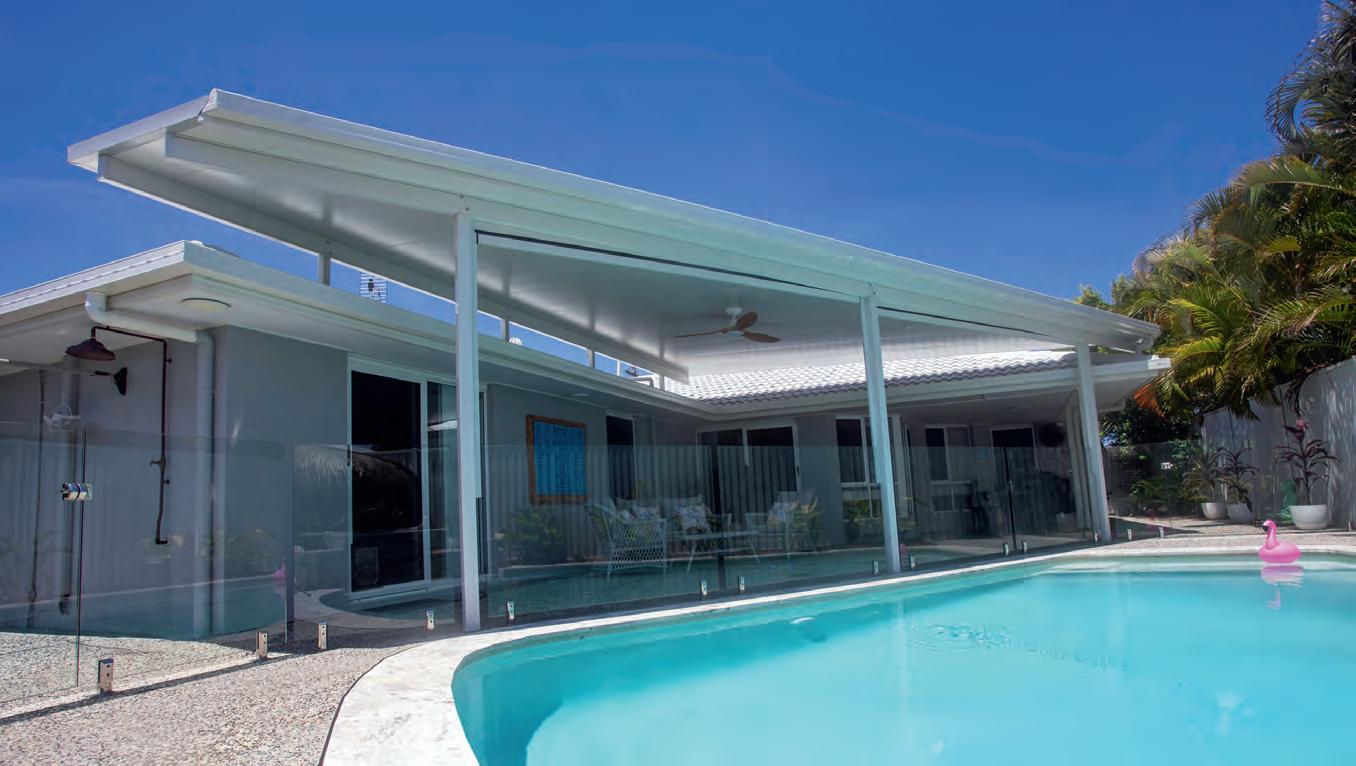
Awell-designed pool area can do far more than enhance the look of your backyard. Thoughtful poolscaping boosts functionality, supports sustainability, increases safety and helps create an outdoor space that feels connected to the surrounding landscape.
As homeowners place greater emphasis on sustainability, eco-smart pool systems and landscaping choices are becoming increasingly popular. Features such as energy-efficient pumps, solar-powered lighting and water-wise planting can reduce ongoing running costs while minimising environmental impact.
Sustainability isn’t just about the pool itself. The surrounding landscape plays an equally important role in creating an outdoor space that works with the local environment.
Plants not only contribute to a pool’s appearance, but they also influence maintenance requirements, biodiversity and water use.
Native plants are often the most practical choice because they are naturally adapted to local conditions. They typically require less water, are more resilient during extreme weather and attract beneficial wildlife, including birds and pollinators.
Some plants can also assist
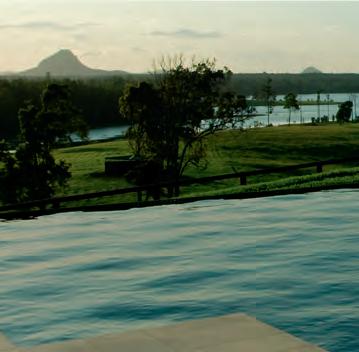
with water quality by absorbing nutrients that might otherwise contribute to algae growth.
Popular options include horsetail, which provides a striking architectural look, pickerel plant with its lavender-blue flowers, and water hyacinth, known for its natural filtering properties.
The result is a landscape that is attractive, low maintenance and better suited to the environment.
Safety should be a key consideration in every pool design, particularly for families with children and older relatives.
Fortunately, modern materials make it possible to create a stylish pool area without compromising on safety. Textured stone, exposed
aggregate finishes and other non-slip surfaces provide grip underfoot while complementing a range of design styles, from coastal and contemporary to naturalistic garden settings.
Many of these products are also durable and locally sourced, helping to reduce maintenance and environmental impact.
Outdoor lighting can dramatically transform a pool area after dark, but it also serves an important practical purpose.
Strategically placed lighting can illuminate steps, pathways and changes in level, making the space safer to navigate at night. Solar-powered and LED lighting options offer an energy-efficient solution while creating ambience around the pool and garden.
Whether integrated into garden beds, pathways or pool surrounds, lighting can enhance both the usability and visual appeal of the space.
Successful poolscaping is about more than selecting attractive materials and plants. The overall layout should encourage movement and create a sense of connection between different outdoor zones.
Areas for swimming, entertaining, relaxing and dining should flow naturally from one to another, much like the rooms within a home. A well-planned layout helps maximise usable space while creating a more comfortable environment.





While floorplans often prioritise open spaces, the reality is that every household needs room for those everyday items.
Before finalising your layout, make a list of everything you need to store in each space. In the kitchen, think beyond crockery and cookware to include small appliances, lunchboxes, water bottles, pet food and bulk
pantry items. In living areas, consider books, toys, technology and charging stations.
DESIGN
The best storage is located where items are used. School bags and shoes belong near the
entry, cleaning supplies should be close to where they’re needed and linen is best stored near bedrooms and bathrooms.
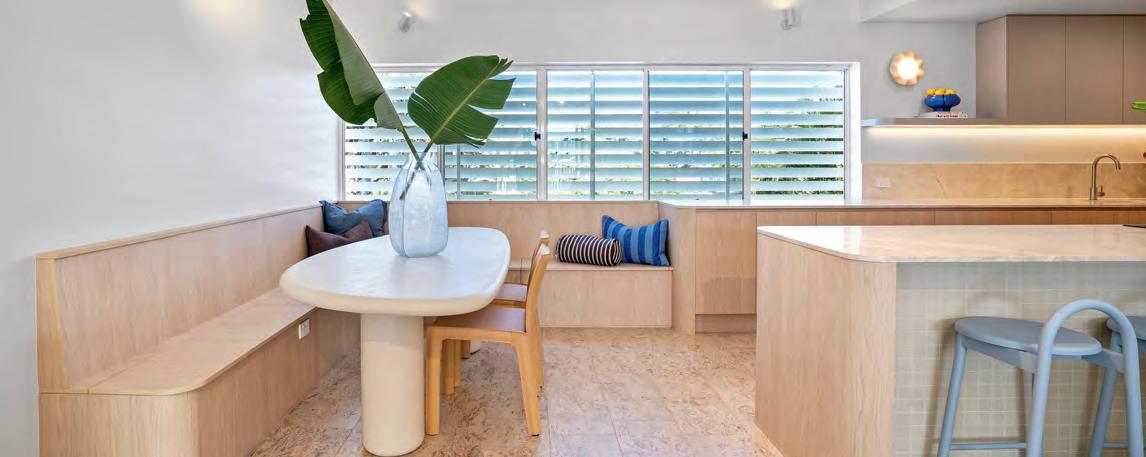
Look for opportunities to incorporate storage into spaces that are often overlooked. Understair cupboards, window seats, hallway joinery, banquette seating and full-height cabinetry can create significant storage opportunities without increasing your home’s footprint.
Where floor space is limited, maximise vertical space. Extending cabinetry to the ceiling creates additional storage for less frequently used items while reducing dust-collecting gaps above cupboards.
Storage needs change over time. A walk-in pantry, mudroom, multi-purpose cupboard or dedicated utility space can adapt as your household evolves, helping your home function better for longer.
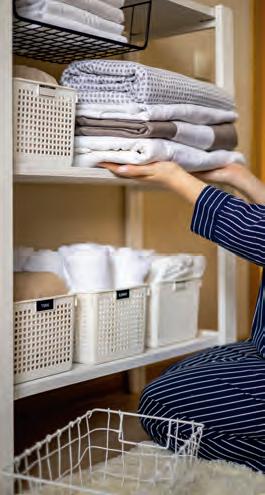
As a guide, aim to include at least one dedicated storage zone on every level of your home, whether that’s a walk-in pantry, linen cupboard, mudroom or built-in hallway cabinetry.
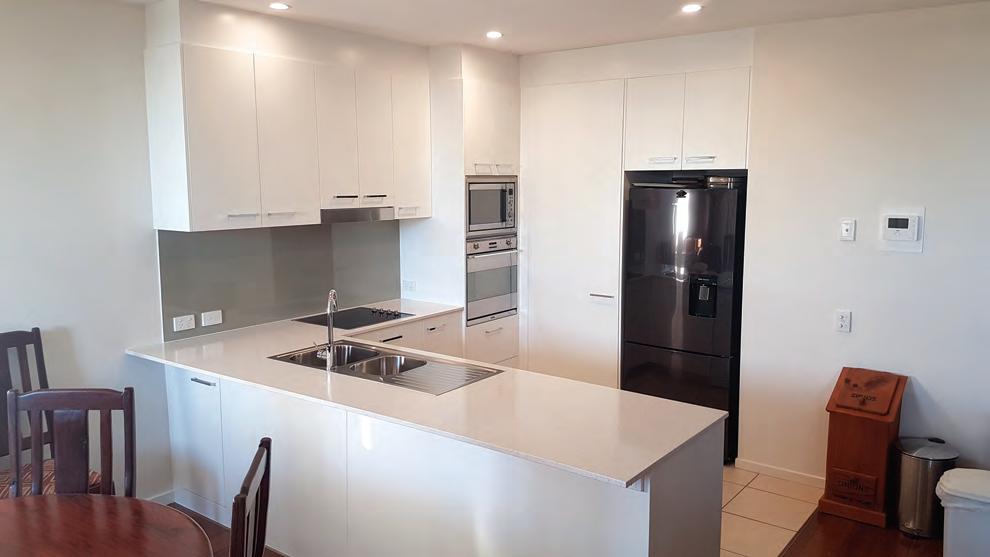
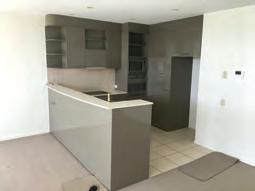

your kitchen with replacement doors, drawer fronts, benchtop and splashback.
cabinetry/layout.
RANGE - of the latest door styles, colours, handles and benchtops. AUSTRALIAN MADE - doors and cabinets plus a 10 year warranty of products and workmanship warranty.
kitchen facelift can save you heaps while giving you a kitchen that looks and feels brand new.
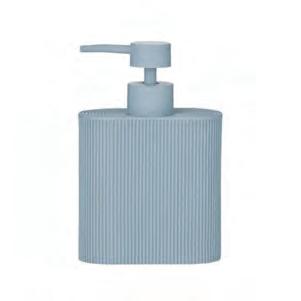
The Sid resin dispenser from House and Garden is both functional and visually appealing, perfect for keeping your space organised and refreshed.
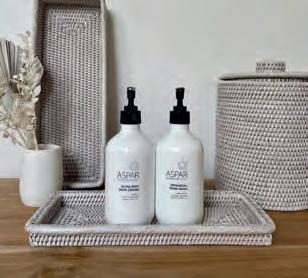
Not sure where to start with your bathroom style? We’ve rounded up three popular design directions, each with its own personality and palette.
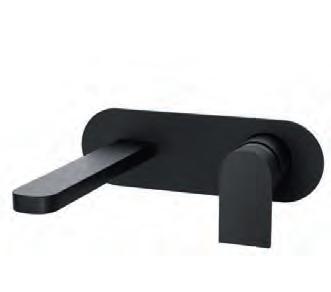
The Ollie in-wall mixer combination kit in matte black features fluid contours and a bold style. It’s from Highgrove Bathrooms
The Minnie
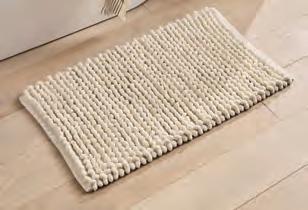
Soft and oversized, the
COASTAL CALM
Light timbers, woven textures, soft whites and pale blues.
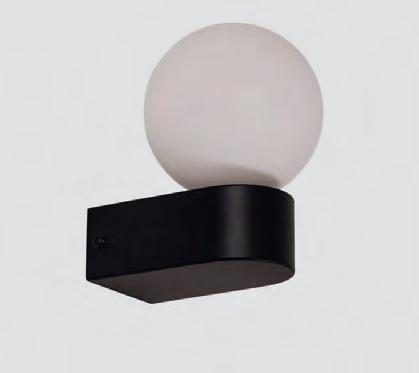
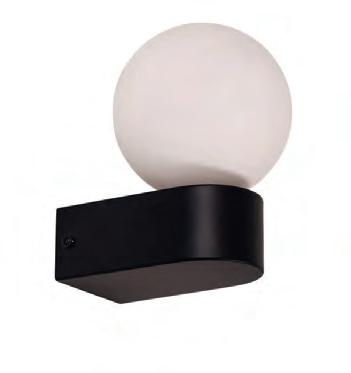
combines a
finish with an opal glass shade, making it an elegant choice for contemporary bathrooms. It’s from Discount Lighting and Fans, Warana.

MODERN MINIMALIST
Matte black accents, streamlined cabinetry and clean lines.

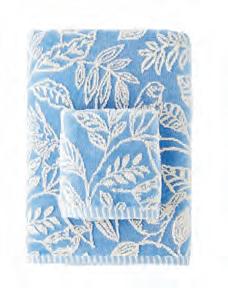
Add a beautiful touch to your space with the Birdsong towel range in blue from Bed Bath N’ Table

A fiddle leaf fig displayed in a rattan or white pot is the perfect addition. This one is from Pillow Talk

The striking Golden Palm II canvas will bring a touch of luxe and nature into your bathroom. It’s from Urban Road
HAMPTONS CLASSIC
Shaker cabinetry, brushed nickel and timeless blue and white details.




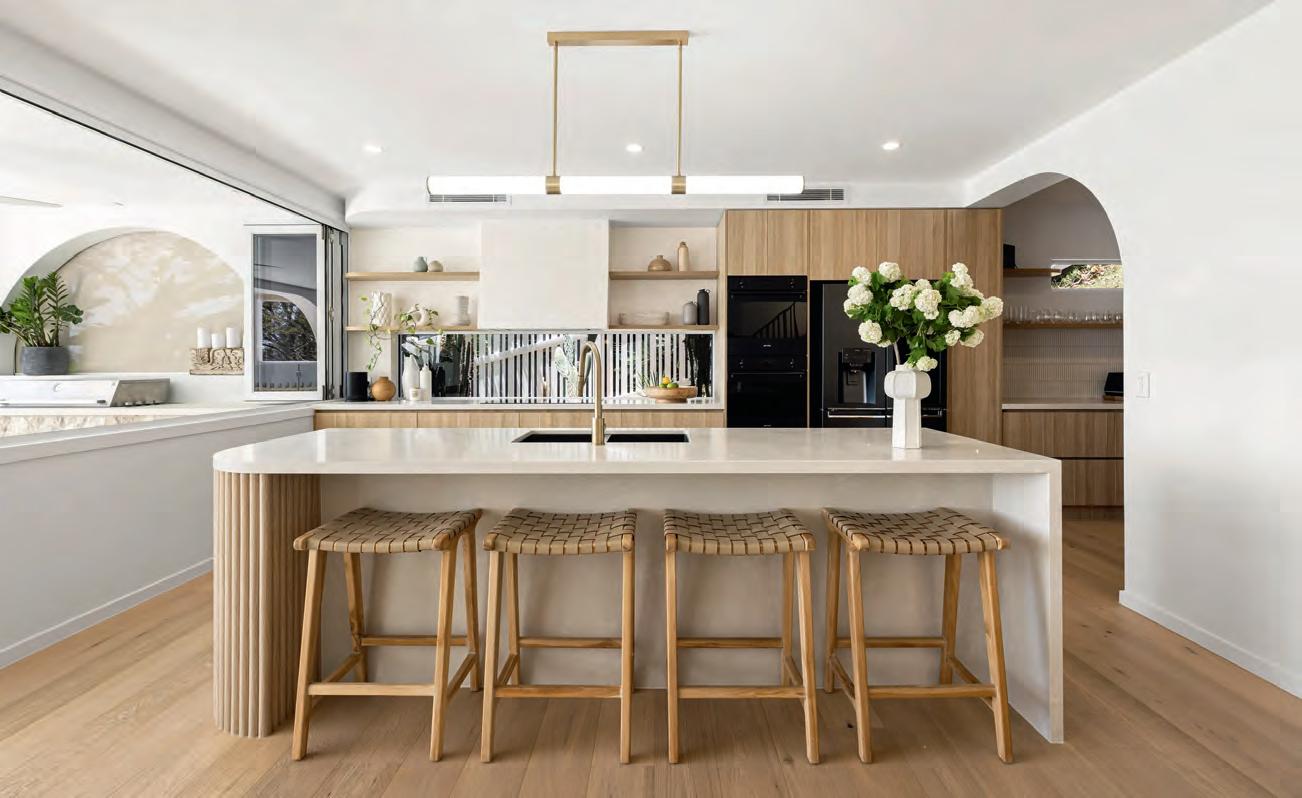
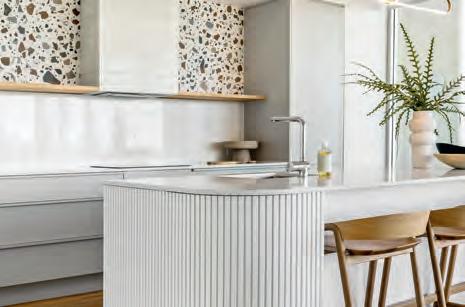
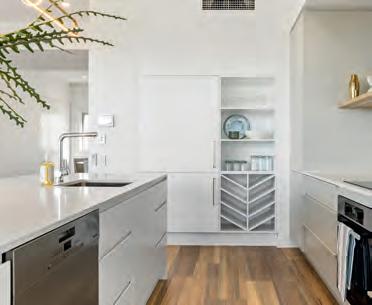
When you choose FORESHORE KITCHENS, you can expect professionalism, attention to detail and customer service that will put a smile on your face. We only work with industry-leading suppliers like Caesarstone, Polytec, Quantum Quartz and more. CABINET MAKERS KITCHEN MANUFACTURERS BESPOKE JOINERY NEW
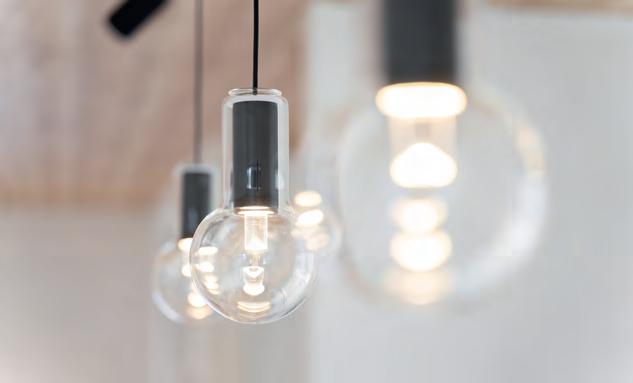
A well-thought-out lighting plan can improve comfort, highlight design features and make everyday spaces more practical.
Relying on a single ceiling light rarely delivers the best result. Combining ambient, task and feature lighting creates flexibility and helps each room adapt to different activities throughout the day.
Lighting works best when considered alongside your floorplan and joinery, rather than as a finishing touch. Early planning allows you to position pendants, wall lights and power points exactly where they’re
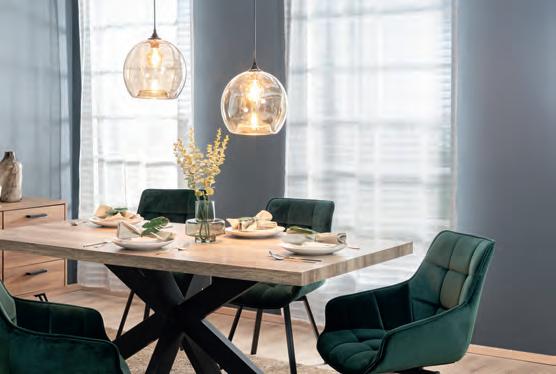
needed. Talk to your builder or electrician during the early stages of your renovation or build about your options.
When planning a renovation, consider how you move through your home rather than treating each room as a separate space. Two-way switching allows the same light to be controlled from different locations, making everyday tasks simpler. In practical terms, this might mean switching bedroom lights on and off from both the doorway and the bedside, controlling hallway lighting from either end, or
adding multiple switching points for open-plan living areas.
CREATE ATMOSPHERE
Dimmers, warm-toned globes and feature lighting can help create a softer, more inviting feel. Consider using lighting to highlight architectural details, artwork or textured finishes.
Thoughtfully placed outdoor lighting can extend the use of decks, patios and pathways while improving safety and strengthening the connection between your indoor and outdoor spaces.



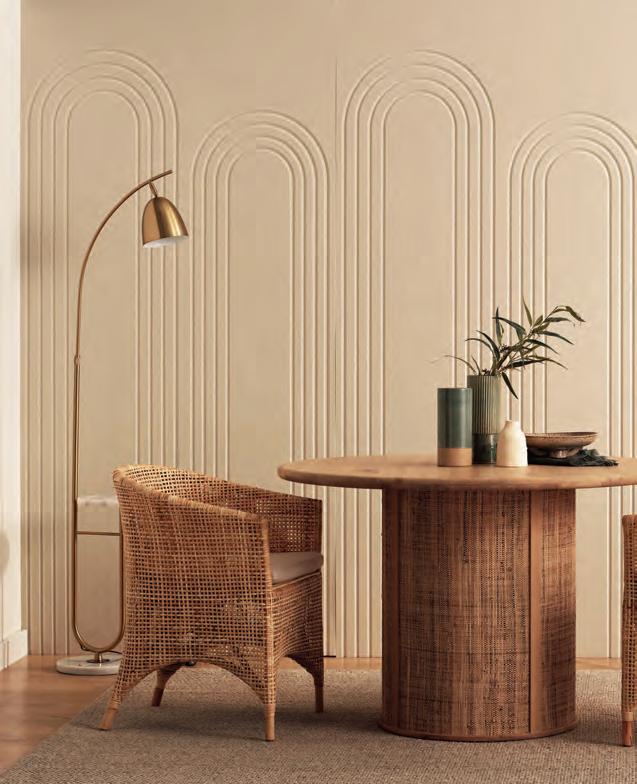
Whether you’re building a new home or renovating an existing one, the walls you choose can have a significant impact on how a space looks, feels and functions.
As Australian interiors move away from stark minimalism, feature walls are evolving beyond paint colours and statement wallpaper. Homeowners and designers are embracing layered finishes, sculptural detailing and textured surfaces that not only add visual interest but also













contribute to comfort and liveability. Open-plan living remains a defining feature of many Australian homes, but expansive connected spaces can sometimes feel visually hard, acoustically lively or difficult to soften. Designers and homeowners are increasingly looking to materiality, mood and liveability to create interiors that feel more intimate, grounded and comfortable day to day. As a result, materials once more commonly used in commercial interiors, including decorative acoustic wall treatments, are now being reimagined for residential spaces.
“While acoustic performance has traditionally been associated more closely with commercial or educational environments, homeowners are becoming increasingly aware of how sound can influence comfort and the overall feel of a space within the home,” says Renee McGinty, general manager marketing, CSR. “Interior trends are moving
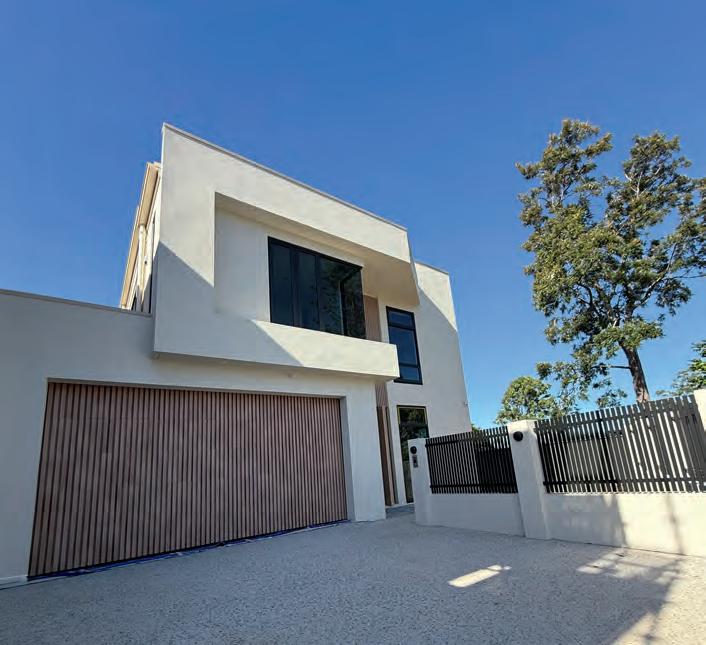
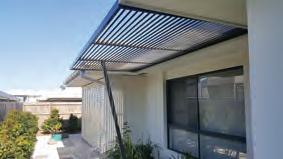
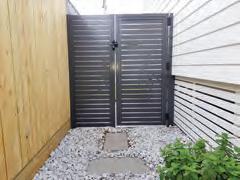
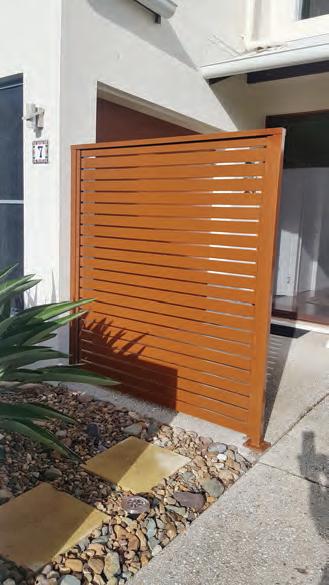
Your go-to for all things garage doors, roller shutters to sliding gates on the Sunshine Coast.



toward homes that feel softer, warmer and more layered. People are looking beyond purely visual styling and thinking more holistically about atmosphere, comfort and how a space makes them feel day to day.
“As part of this shift, walls are becoming a much bigger part of the design conversation. Rather than relying on artwork or furniture alone to create visual interest, designers are increasingly using wall treatments to introduce depth, texture and rhythm to a room, helping shape the overall experience of a space.”
CSR Woven Image is responding to this growing interest with the launch of Soundstyle, its new decorative acoustic wall panelling range designed to help soften sound while elevating the visual feel of a space and contributing to a calmer home environment.
Designed and manufactured in Australia from 100 per cent PET (polyethylene terephthalate),
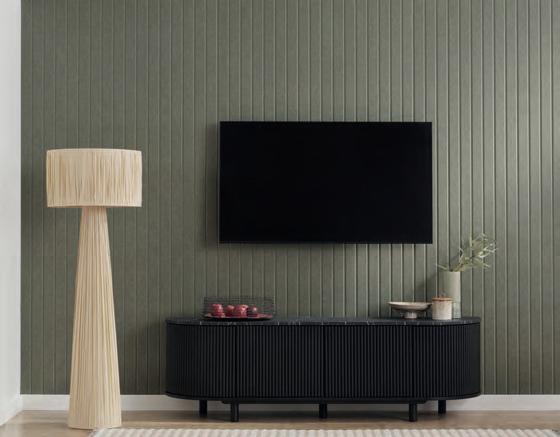
with 60 per cent post-consumer recycled content, Soundstyle is available in three versatile designs – Arches, Lines and Wisp – alongside a palette of eight grounded colourways designed to complement a wide range of interior aesthetics.
Soundstyle is also Sensitive Choice accredited, supporting its positioning as a decorative



acoustic wall treatment designed for more comfortable residential interiors.
“The large-format panels are designed to create visual impact while also helping reduce echo and reverberation within the home, particularly across open living areas, media rooms and home offices where hard surfaces can amplify sound,” Ms McGinty says.
HOW TO USE IT
Lightweight and easy to install, Soundstyle allows homeowners to create architectural wall features without major renovation work.
The move toward softer, tonal-drenched interiors is influencing colour palettes, with warmer, grounded tones continuing to dominate.
The Soundstyle range includes shades such as pearl, cashmere, chiffon, cloud, clay, juniper, storm and obsidian, designed to work across both minimalist and more expressive interiors.
To help homeowners visualise decorative wall treatments within their own spaces, Soundstyle is available through the Style Sourcebook platform, allowing users to create mood boards, alongside a digital visualiser tool that lets them experiment with different panel styles and colourways.
soundstyle.wovenimage.com


Explore the projects shaping the future of our region.
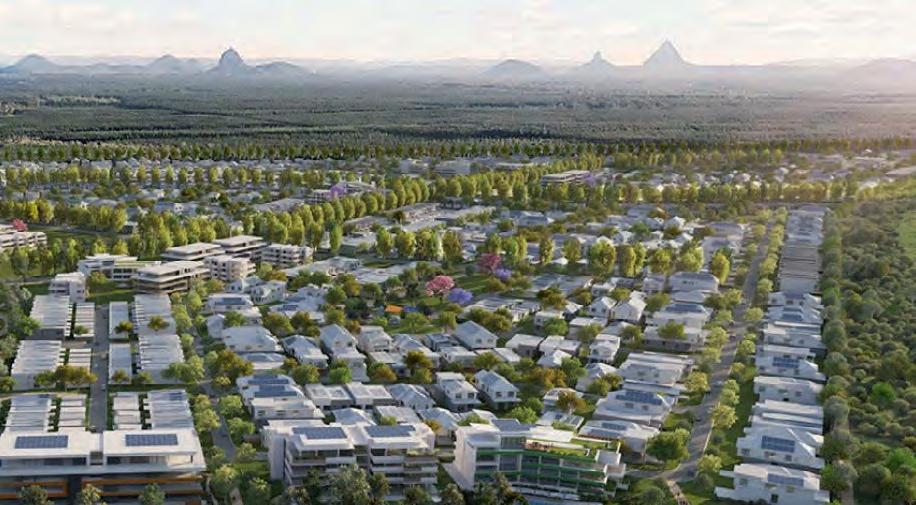
One of the Sunshine Coast’s largest proposed housing developments has taken another step forward, with Stockland’s Aura South community at Caloundra South receiving Commonwealth environmental approval.
Planned for land adjoining the existing Aura community, the project has the potential to deliver up to 12,000 new homes, alongside major infrastructure,
employment opportunities and extensive green space.
While further planning and approval processes remain ahead, the first stages of housing are anticipated later this decade.
The approval, issued under the Environment Protection and Biodiversity Conservation Act 1999, allows the project to progress through its next stages.
Stockland general manager David Laner said the decision
marked an important milestone for the project. “We welcome the approval, which follows substantial environmental studies and conversations with the community that have helped shape Aura South,” he said.
“The approval conditions set by the government strengthen Aura South’s robust environmental protections, ensuring we’re safeguarding the area’s natural values while building for the future.”
More than half of the project is dedicated to green spaces.
“The site is strategically located next to our Aura community, making it a wellconnected, easily serviced and logical place for supporting the significant investment committed by the state government in transport infrastructure, including The Wave heavy rail component and regional road upgrades.”
Aura South includes major investment in infrastructure, the creation of almost 23,000 jobs and an estimated $3.4 billion boost to the economy.
Mr Laner said Stockland would continue working with government and the community as planning progresses.
AURA SOUTH
• Proposed masterplanned community adjoining Aura at Caloundra South.
• Potential to deliver up to 12,000 homes.
• More than half of the site dedicated to environmental and green space.
• Expected to generate almost 23,000 jobs during development and delivery.
• Estimated to contribute $3.4 billion to the regional economy.
• Planned alongside major transport investments, including The Wave heavy rail project and regional road upgrades.
• Environmental approval granted under the Environment Protection and Biodiversity Conservation Act 1999.
• Further planning and approval processes will be required before development proceeds.
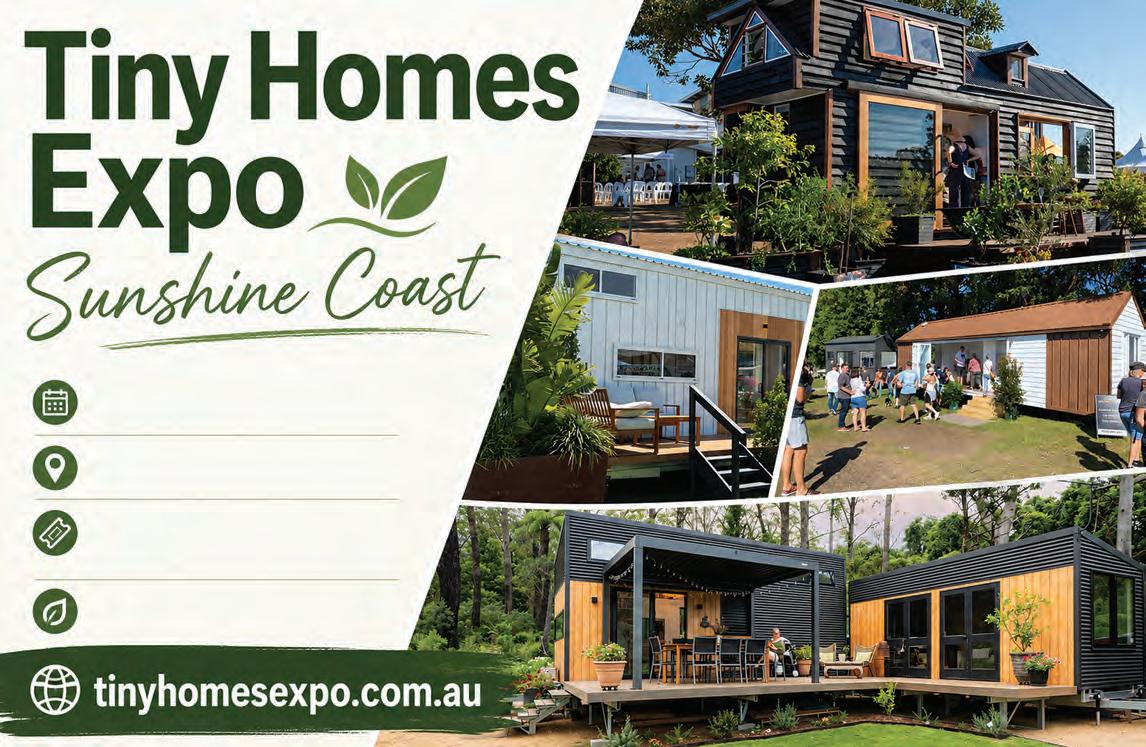
July 10th, 11th & 12th



















Home values are still climbing across the Sunshine Coast, although rising costs, policy uncertainty and affordability concerns are beginning to temper market confidence.
Sunshine Coast property prices continued to rise in the opening months of 2026 but growing economic strain and weakening confidence are starting to cloud the market outlook.
The region’s home values, and most of Queensland’s, continued an upward run through the March quarter, with the median prices rising for houses and units.
Real Estate Institute of Queensland’s (REIQ) data showed the property market continued to move forward, underpinned by tight supply conditions and strong underlying demand, even as rising interest rates, global uncertainty,
tax reforms and weakening consumer sentiment create uncertainty. The Sunshine Coast’s median house price rose 3.2 per cent over the quarter to $1.29 million and was 13.62 per cent higher over 12 months. For units, the median increased 0.57 per cent over the quarter and 12.08 per cent over a year.
The statewide median house price rose 4.21 over the quarter to $990,000 and, for units, the median increased 4.81 per cent over the quarter to $817,500.
REIQ CEO Antonia Mercorella said Queensland’s market had proved resilient but stronger

headwinds were starting to gather.
“Up until the end of March, there were no obvious signs of a slowdown just yet,” she said.
“Price growth has continued right across the board and Queensland is outperforming many other parts of the country but the mood in the market is becoming more cautious.
“We’re seeing more fear and trepidation creep into decision making. People are asking what comes next if they make a move, how much further borrowing costs could rise, and what broader
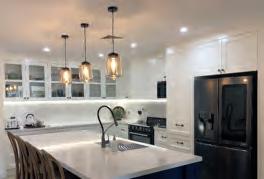
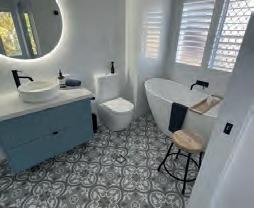
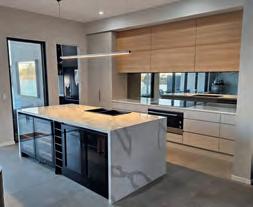
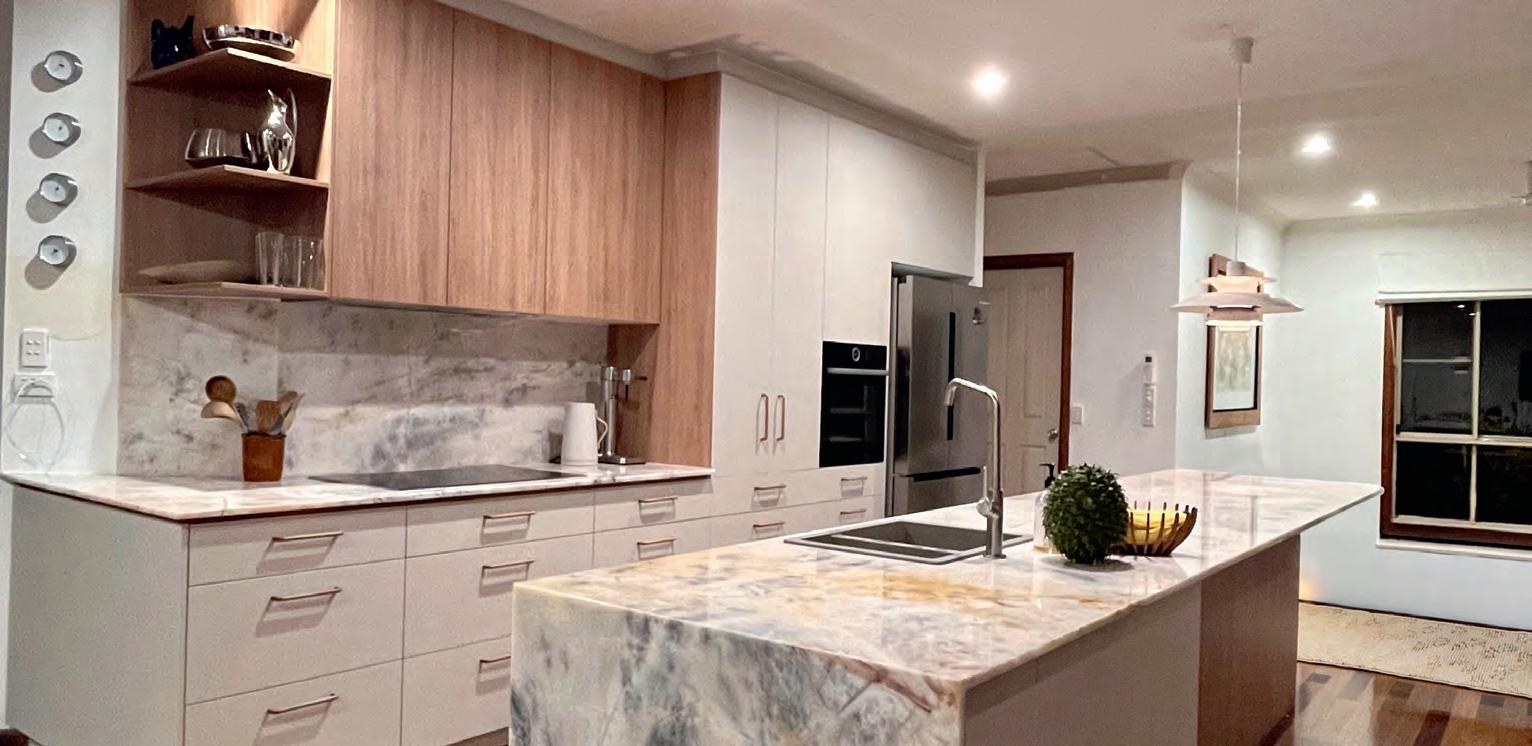
At Coastal Trends, we specialise in beautiful, hassle-free renovations – managing your entire project from start to finish. Whether it’s a stylish kitchen upgrade, a modern bathroom, a laundry refresh, or new floors and walls – we handle it all, so you don’t have to!
• Complete Project Management – Start to Finish • Quality Craftsmanship & Attention to Detail • Kitchens | Bathrooms | Laundries | Floors | Walls Let us bring your vision to life – minus the headaches!
economic pressures might mean for their household budget.
“Meanwhile, existing and prospective investors are still reeling from recent federal budget announcements proposing changes to negative gearing and capital gains tax reforms.
“These material and unexpected taxation changes have created nervousness amongst the investor community and anecdotal feedback is that investor confidence has taken a dent. This is creating a market that is still performing strongly on

paper but is increasingly shaped by caution.” But Ms Mercorella said the fundamentals that have been driving the market remained.
“Listings remain tight, new housing supply is still not where it needs to be, and Queensland’s strong population growth continues to sustain demand,” she said. “The question now is not whether Queensland property has proven to be strong, but how the market will handle the global and local headwinds on the horizon.
“Affordability constraints are deepening, consumer confidence has taken a hit, and that may start to moderate the pace of growth, even if supply pressures continue to place a floor under prices.”
Recent national housing data showed Queensland was making progress but remained off pace in housing delivery.
Under the National Housing Accord, Queensland was expected to contribute around 49,300 homes each year. Based on the performance of 32,900 completed dwellings over the 12 months to December, Queensland was about 33 per cent behind target.
Building approvals in Queensland’s pipeline were running at 3975 dwelling units in trend terms in March (3 per cent below the monthly target of about 4100 dwellings), while elevated construction costs and capacity constraints continue to challenge feasibility. Ms Mercorella said Queensland property continued to absorb shocks better than many expected.
“Queensland has built a reputation for resilience over recent years, but resilience should not be mistaken for invincibility. If governments want to preserve a pathway to home ownership while maintaining a healthy property market, supply has to remain the priority. We need sustained action to boost housing delivery, improve productivity, and make it easier to bring the right mix of homes to market. Pathways to home ownership should be a focus but continued investor activity is also a key priority to ensure the rental population is catered for and rental prices are kept in check.”
For more property news, visit sunshinecoastnews.com.au.
Queensland recorded the strongest growth in home building approvals in the nation over the year to April, despite a slight monthly decline in approvals across Australia.
New figures released by the Australian Bureau of Statistics showed Queensland’s new home approvals increased 24.4 per cent in the three months to April 2026 compared to the same quarter a year earlier.
The result was well ahead of Victoria, which recorded a 13.5 per cent increase, followed by New South Wales and Western Australia (both up nine per cent) and Tasmania (up eight per cent).
South Australia recorded a decline of 1.4 per cent, while the Australian Capital Territory and Northern Territory were also down.
Nationally, building approvals fell 3.4 per cent in April, including a 0.9 per cent decline for detached

houses and a 7.2 per cent decline for multi-units.
However, Housing Industry Association senior economist Tom Devitt said the broader trend remained positive.
“The decline in April did not upset the positive underlying trend, with approvals in the three months to April still 12.1 per cent higher than the same quarter a year earlier, including +9.3 per cent for houses and +16.0 per cent for multi-units,” Mr Devitt said.
“The data continues to reflect the good momentum in Australian home building heading into 2026, supported by elevated population growth, low unemployment and last year’s rate cutting cycle.”
The figures also highlighted continued growth in the
continued over >








renovation sector. The value of alterations and additions approved during the latest three months was 14 per cent higher than the same quarter a year earlier.
Mr Devitt said the trend reflected strong housing demand combined with limited land availability. “The value of alterations and additions approved in the latest three months was also 14 per cent greater than the same quarter a year earlier. This reflects the underlying demand for housing in Australia pitted against land constraints, which is pushing more households into the renovations segment,” he said.
Mr Devitt warned several factors could weigh on housing activity. “Recent headwinds surrounding rising interest rates, Budget announcements and international turmoil are likely to have a more noticeable impact on the data in the second half of the year. “Recent Budget changes will add to market uncertainty and disrupt the momentum that was evident in early this year.”
Queensland’s top real estate professionals and agencies are being called to step into the spotlight, with nominations now open for the Real Estate Institute of Queensland’s (REIQ) 2026 Awards for Excellence.
The annual awards program continues to evolve to better reflect the diversity of Queensland’s real estate industry, with a new category introduced this year in direct response to member feedback.
REIQ CEO Antonia Mercorella said the awards remained the state’s highest professional recognition in real estate and continued to adapt alongside the profession itself.
“This year, we’re delighted to add a new Multi-Office Network of the Year category, recognising real estate agencies that operate as a
unified multi-office network,” she said. “It’s a category our members asked for, and it’s a great example of how the awards continue to evolve alongside the structure and sophistication of Queensland real estate businesses.”
Ms Mercorella said there was even more incentive for members to nominate this year, with a pathway from the outset to national recognition in eligible categories through the Real Estate Institute of Australia’s (REIA) National Awards for Excellence (NAFE).
The REIQ Awards for Excellence span individual and agency categories, with some split into regional and SEQ areas, across residential and commercial sales, property management, buyer’s agency, auctioneering, business broking, multimedia, innovation and community contribution.
Nominations close on Sunday, July 12 with the winners announced at an awards gala in October.
awards.reiq.com
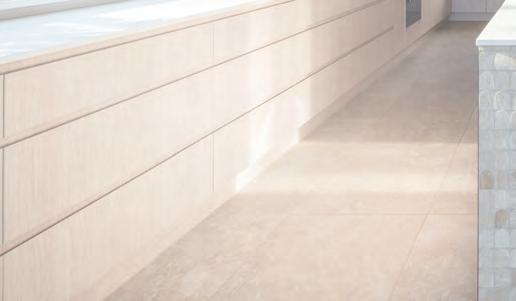
A well l designed d renovation Can n create e the e space, , flow w and d functionality y you’ve e always wanted without t loosing g the e home e you u love.

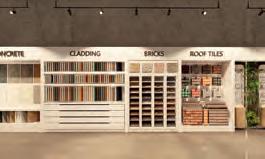
New selection centre planned for Baringa
Anew colour selection and product specification centre designed for builders, developers and homeowners is set to open in Caloundra South next year. ColourWorx Australia has announced plans for the Baringa facility with the project aiming to bring suppliers, clients, designers and builders together under one roof. According to ColourWorx, the facility will combine traditional product displays with digital technology, including virtual reality tools. Selections ranging from flooring and cabinetry to fixtures, colours and finishes are expected to form part of the store.





















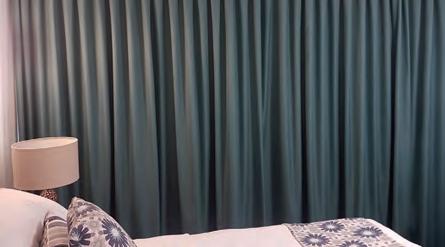
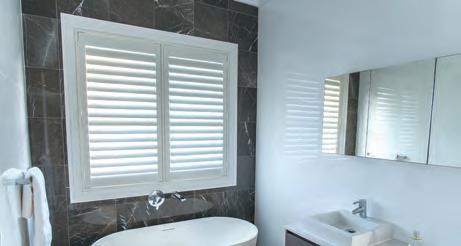
From the time you book your free measure and quote to final installation of your new products, the feedback from our customers consistently demonstrates a level of service that exceeds their expectations.
This is something we are proud of and work hard to maintain.









67 The Esplanade (Cnr First Ave) Maroochydore - Parking at rear
Open 10am - 4pm Tuesday to Friday 10am - 2pm Saturday coaststore.com.au

The overlooked spaces, clever ideas and design details transforming modern homes.
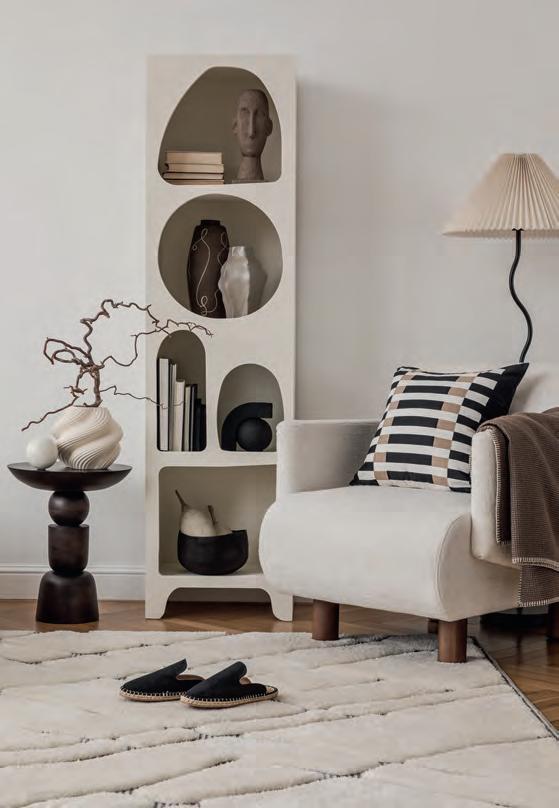
In a world filled with screens, notifications and constant distractions, many homeowners are rediscovering the simple pleasure of a quiet place to sit and read.
WHY WE’RE PAYING ATTENTION
Unlike home offices, media rooms or entertaining areas, reading nooks aren’t designed around productivity or activity. Instead, they create an opportunity to stop. For families, they can also encourage
reading habits and provide children with a quiet place to retreat with a book.
Even in smaller homes, a thoughtfully designed nook can make a room feel more personal and inviting.
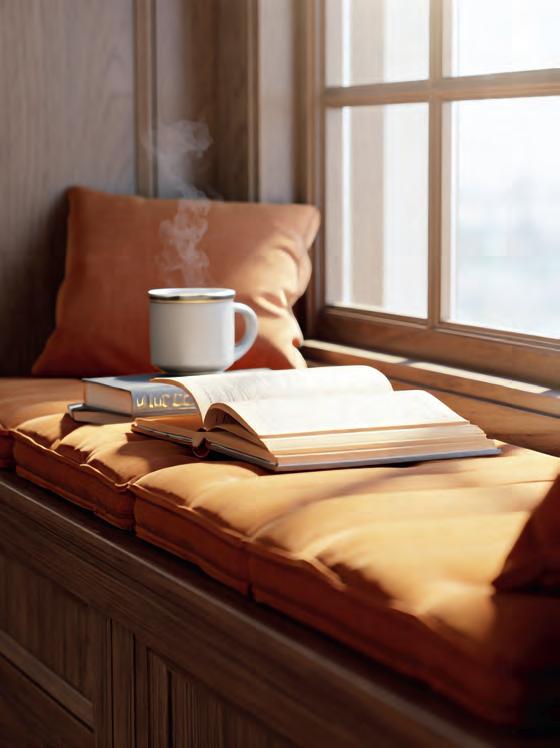
Comfort should always come first. A well-positioned armchair, window seat or built-in bench creates the foundation, while soft furnishings such as cushions and throws help make the space feel welcoming. Good lighting is also important. Natural light is ideal during the day, but wall sconces, floor lamps and adjustable reading lights build a space that can be used at night, and that feels comforting, too. Storage also plays a role. Open shelving, built-in bookcases or even a small side table will help keep favourite books within easy reach.
Window seats remain one of the most popular ways to create a reading nook, particularly when combined with hidden storage underneath. Unused corners can also be transformed with a statement chair and floor lamp, while under-stair voids are a great place to install a more creative built-in solution.
Layering textures through timber, linen and upholstery helps create a sense of warmth and comfort.
Many homeowners focus on appearance without considering comfort and practicality.
A beautiful chair that isn’t comfortable will rarely be used, while inadequate lighting will quickly turn an inviting space into a frustrating one. Positioning also matters. Nooks placed in high-traffic areas are less likely to be used and enjoyed.
• Window seats with hidden storage.
• Wall-mounted reading lights.
• Built-in shelving around doorways.
• Under-stair reading corners.
• A small side table for books and coffee.












STYLING TIP

2 3 4 1
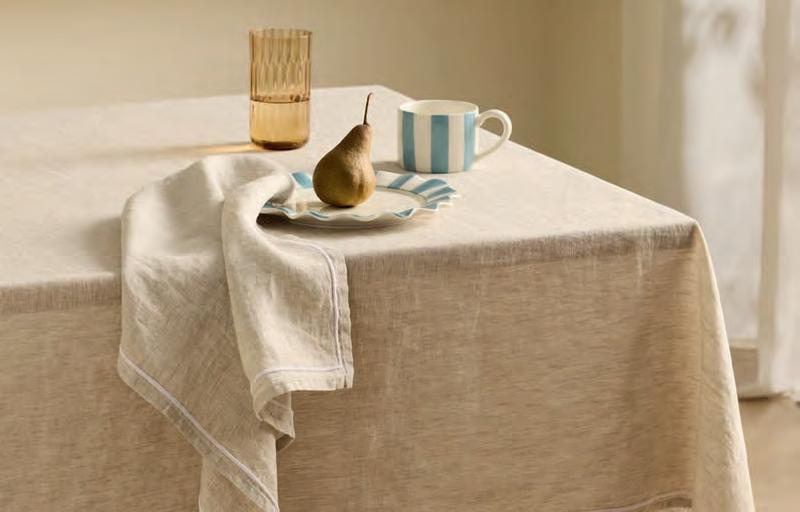
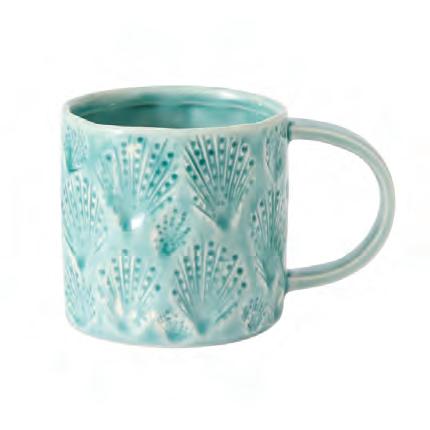
A collection of beautiful mugs or teacups doesn’t need to stay hidden in a cupboard. Displaying favourite pieces on open shelving, a tray or a dedicated tea station can add colour, personality and a lived-in feel to the kitchen, while keeping everyday essentials within easy reach.
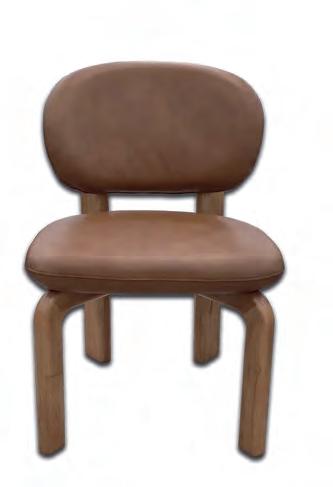
1. Featuring artificial foliage and vibrant fruit, style four or five lemon stems together in a vase of choice, Domayne, Maroochydore Homemaker Centre. 2. The Portico vase in ivory features hand-applied polka dots, visit kasaustralia.com.au for local stockists. 3. The Nautilus light blue mug is crafted from ceramic with a debossed shell-inspired pattern, Coast Store, Cotton Tree. 4.The Chadwick dining chair in tan leather, Global Living Furniture, Maroochydore.



TRANSPARENT FROM DAY ONE
DIRECT ACCESS TO YOUR BUILDER
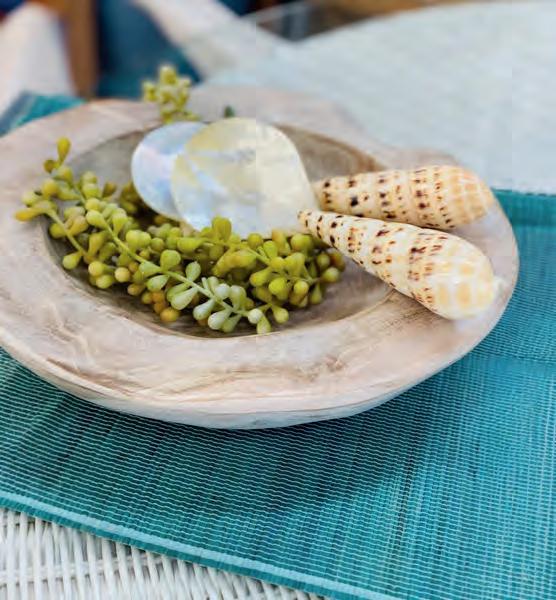














Marlin Spike shell handles and natural shell ends, Coastal Drift Home, K
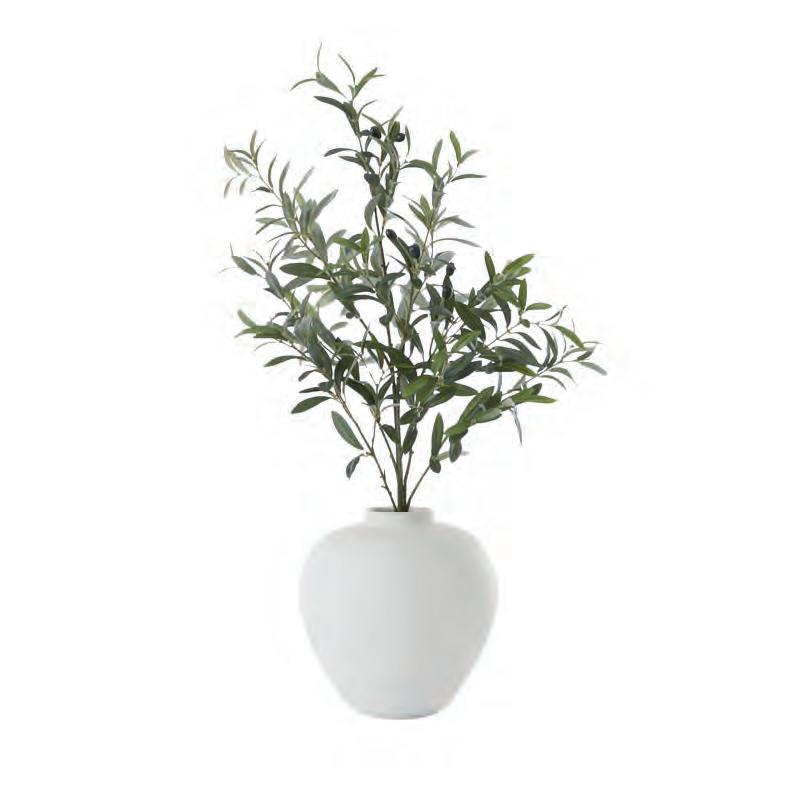
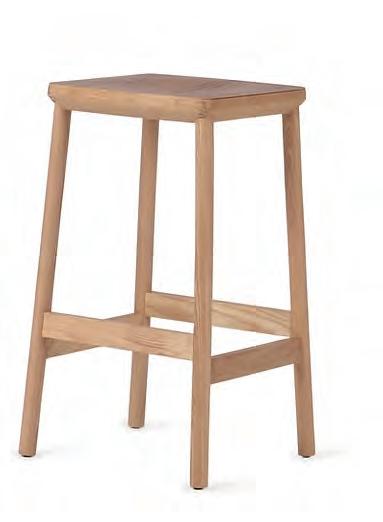
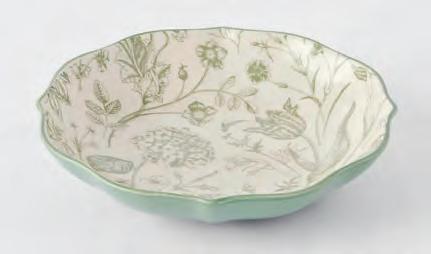
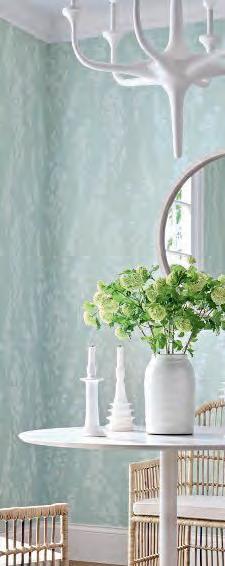
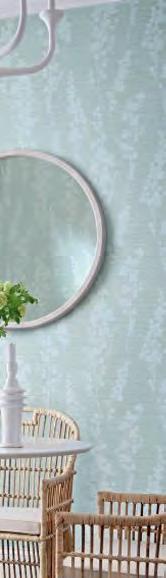
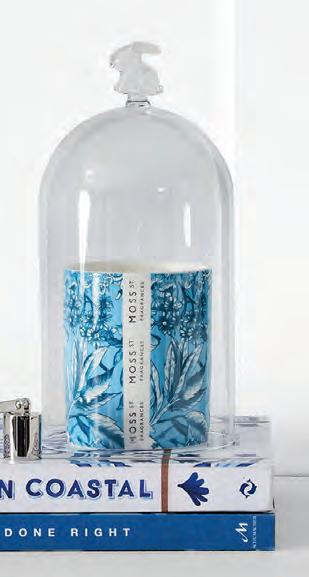
5. Handcrafted salad servers featuring Marlin Spike shell handles and natural shell serving ends, Kawana Shoppingworld. 6. The Lucas kitchen counter barstool is the perfect addition for your kitchen, Sitting Around, Warana. 7. Mix and match the pretty Avingon low bowl, which features a botanical pattern, Bed Bath N’ Table. 8. The Spring Blooms wallpaper features a subtle floral pattern of sprigs and berries, Ivory T Wallpaper Australia, Caboolture. 9. This olive stem vase will bring a touch of greenery to your kitchen or dining space, Adairs. 10. The Burra glass dome is a charming way to showcase your treasures, Provincial Home Living

From balcony herb gardens to edible courtyards, younger Australians are redefining what it means to have a green thumb.
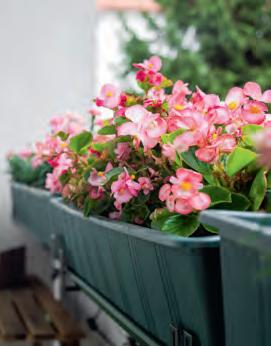
The iconic Aussie backyard may be shrinking, but a new generation is proving you don’t need a quarter-acre block to become a gardener.
Ahead of this year’s Queensland Garden Show, Greenlife Industry QLD chief executive officer Colin Fruk said the traditional idea of gardening was undergoing a major shift.


“Australian homes are increasingly being built on smaller blocks… a trend that appears to be continuing as demand for housing surges,” Mr Fruk said.
“But while backyards may be getting smaller, Australians’ connection to gardening and plants certainly isn’t. Younger Australians are embracing indoor plants, vertical gardens, edible gardening and smaller, more manageable green spaces that better suit modern lifestyles and higher-density living.
“We’re also seeing growing interest in unusual and statement plants, with many younger gardeners treating their homes and balconies as an extension of their personal style.”
Alexander Marques from the family-owned Rumbalara Nursery in Glass House Mountains, who will attend this year’s Queensland Garden Show as an exhibitor, said cost-of-living pressures and the faster pace of life were changing the way Australians viewed their gardens and outdoor spaces.



“From a very early age, I spent my time playing in muddy fields, working on the family farm in Glass House Mountains and selling strawberry and other seedling plants at the Caboolture and Yandina markets on the weekends to people who had bigger gardens and more time to maintain them,” Mr Marques said.
“Mowing the lawn and tending your quarter-acre garden was how most people spent their weekends. After all, having a home with a nice big garden was the Australian dream.
“But these days, life is much busier and as the cost of living continues to escalate, young people are opting for smaller gardens that are more manageable and often also far more curated and productive.
“We’ve seen a noticeable shift towards edible gardening, low-maintenance spaces and ornamental plants that bring colour and personality into smaller homes and apartments.
“The biggest demand we see right now is for productive plants – vegetable seedlings, potted


“The biggest demand we see right now is for productive plants”
fruit and veggie, culinary and therapeutic herbs, edible flowers, mini vegetables – all allowing individuals to be the masters of their own food security and personal health journey in much smaller spaces.
“Plant selection and breeding, together with inventive
container design, are helping people make smaller spaces highly productive.”
Mr Fruk said Greenlife’s recent industry snapshot 202425 reinforced what growers and retail nurseries across the country were already experiencing firsthand.
“The broader greenlife industry now injects around $3.49 billion into the Australian economy, producing more than 2.1 billion plants annually and supporting more than 22,000 jobs,” Mr Fruk said.
“The upcoming Queensland Garden Show provides a fantastic opportunity to showcase the strength and diversity of our industry, with 55 wholesale and retail nurseries sharing their expertise and offering visitors access to more than 60,000 plants a day.
The event also features the nation’s largest gardening speaker program, hands-on workshops and cooking demonstrations, alongside the event’s more than 360 exhibitors showcasing everything people
need to create their ideal green space, from seedlings, tools and garden art through to water features, outdoor products and ride-on equipment.
The 2026 Queensland Garden Show will be held from July 10 to 12 at the Nambour Showgrounds on Coronation Avenue, Nambour, with gates open daily from 8am to 4pm.
qldgardenshow.com.au
Recent research from The Australian Institute found almost four in fi ve Australians aged 18 to 39 are interested in growing their own food, despite many identifying limited space as the biggest barrier. The research also found 45 per cent of Australians already grow some of their own food, with small urban spaces increasingly being transformed into productive gardens.