










Working with the team from Dwyer has been a great experience. Everyone has been extremely helpful, professional and prompt. It’s been a fabulous adventure. Thanks so much guys, you’ve been amazing!
NIKI &
MICHAEL



Working with the team from Dwyer has been a great experience. Everyone has been extremely helpful, professional and prompt. It’s been a fabulous adventure. Thanks so much guys, you’ve been amazing!
NIKI &
MICHAEL

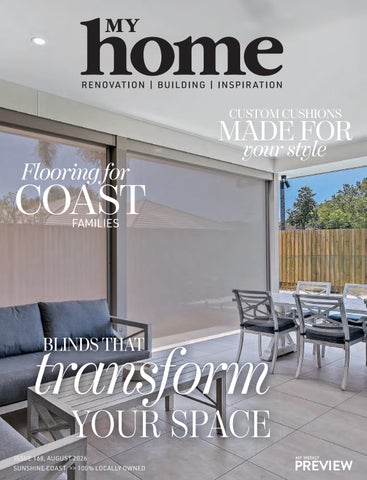
Welcome to the latest issue of My Home. This month, we are embracing colour, comfort and all things design.
In The colour edit, we feature the smooth tones of caramel and how to introduce it throughout the home. From larger finishes to smaller decorative details, caramel brings softness, depth and warmth – perfect for a winter update.
We also explore styling ideas for the home office and living room to help make these everyday spaces feel more functional, comfortable and personal.
And, in our outdoor pages, we explore the art of colour blocking. Learn how contrasting planters and painted surfaces can bring personality to your gardens and outdoor dining areas.









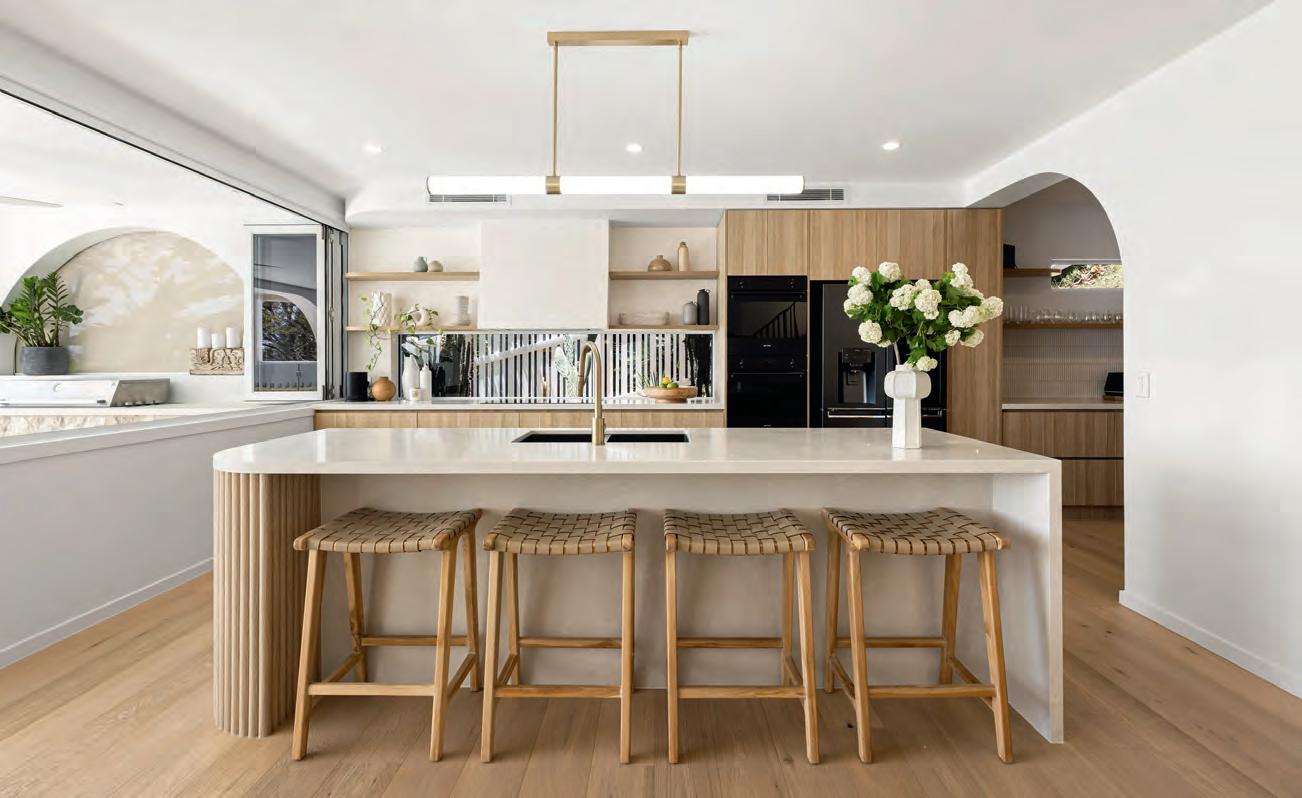
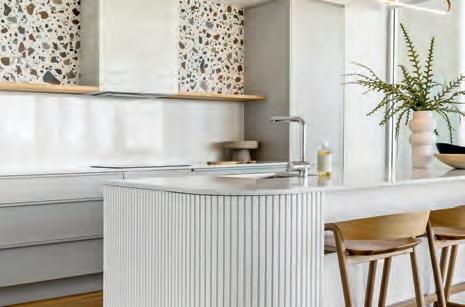
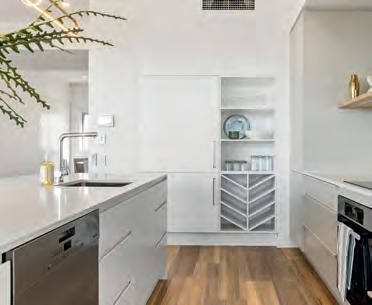
When you choose FORESHORE KITCHENS, you can expect professionalism, attention to detail and customer service that will put a smile on your face. We only work with industry-leading suppliers like Caesarstone, Polytec, Quantum Quartz and more. CABINET MAKERS KITCHEN MANUFACTURERS BESPOKE JOINERY NEW
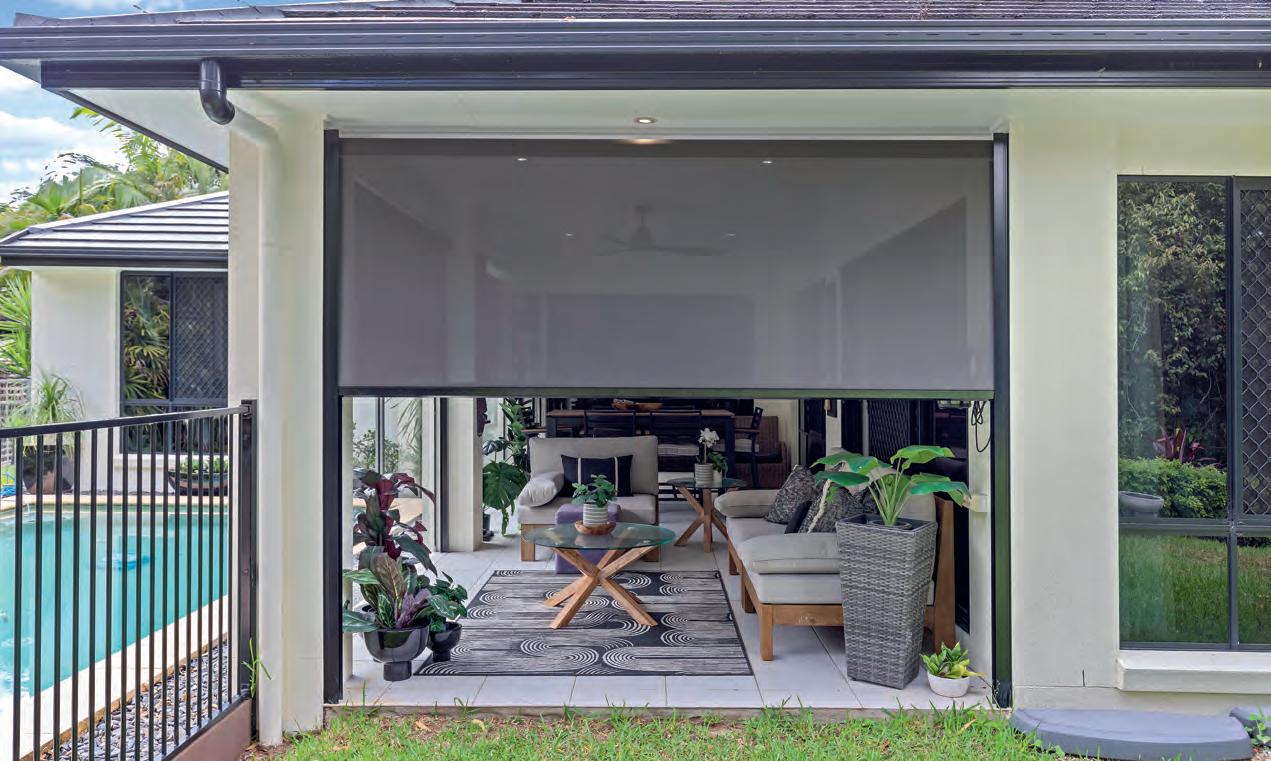
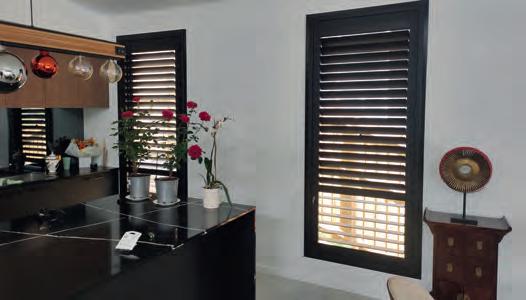
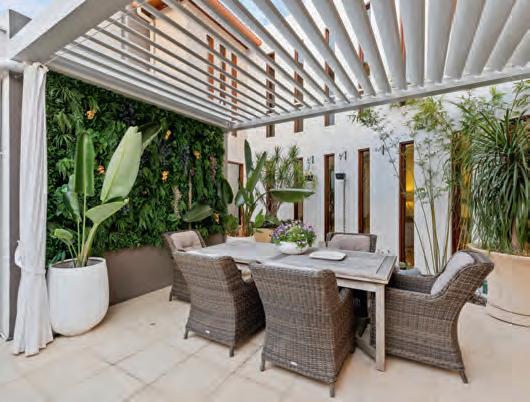
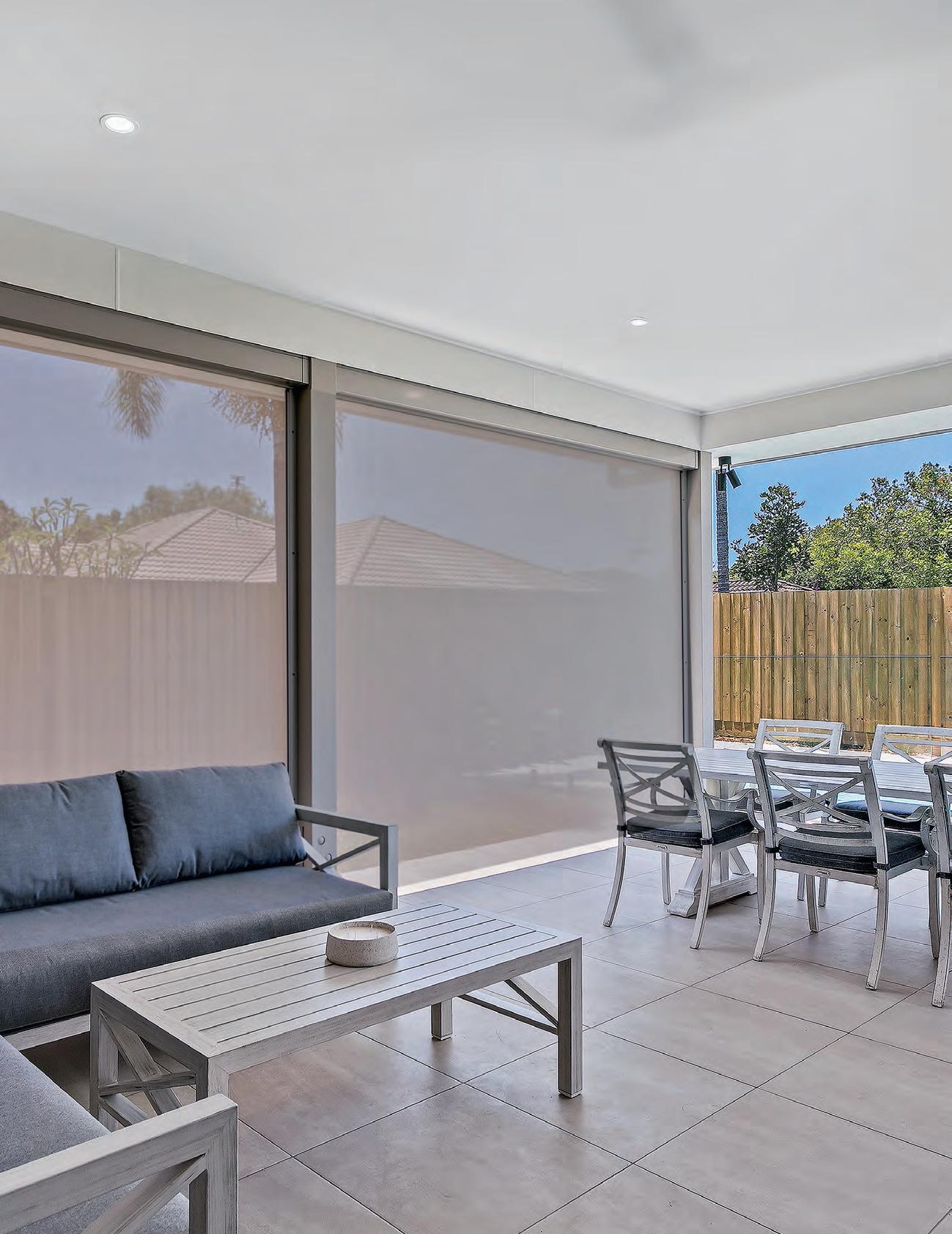
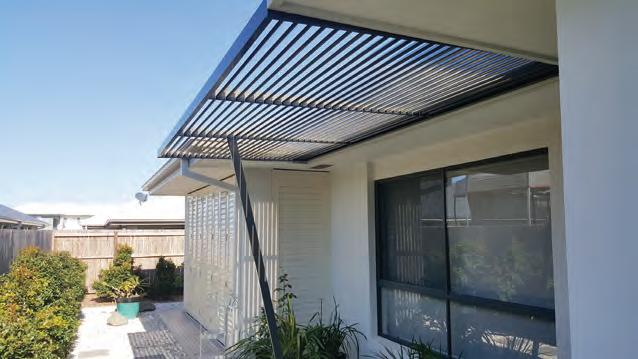
From sun protection and privacy to motorised convenience, the team from Darren’s Blinds Shutters and Curtains explains how the right outdoor blind can turn a patio, deck or alfresco area into a more comfortable extension of the home.
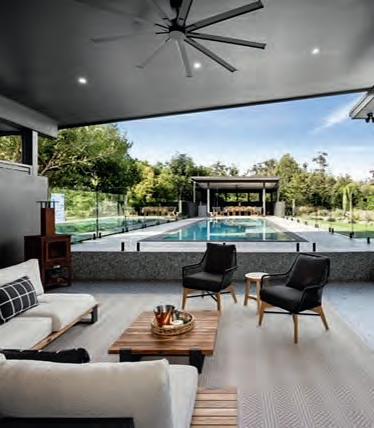
Outdoor living has long been a part of the Sunshine Coast lifestyle, but patios and alfresco areas are now expected to do much more than provide a place to sit outside.
These spaces have become an extension of the home, used for entertaining, dining and relaxing throughout the year. However, without adequate protection from the sun, wind and rain, even a well-designed outdoor area can remain underused.
Outdoor blinds and awnings can help by providing shelter, privacy and better control over light and temperature, while completing the overall look of the home.
Darren’s Blinds Shutters and Curtains owner Darren has worked across Sunshine Coast homes for the past 20 years and knows that outdoor screening has become an increasingly important part of the design process.
The business offers a wide range of options, from automatic and crank-handle awnings to folding-arm systems and custom outdoor blinds designed for windows, patios, balconies and larger entertaining spaces.
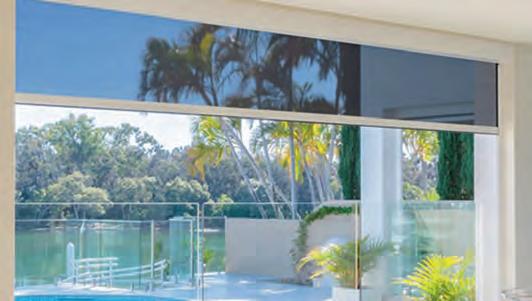
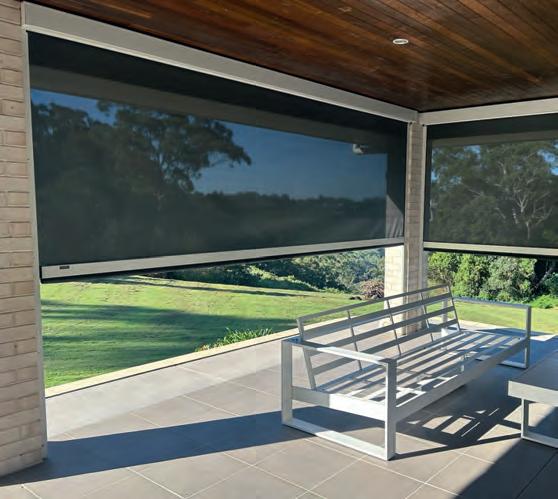
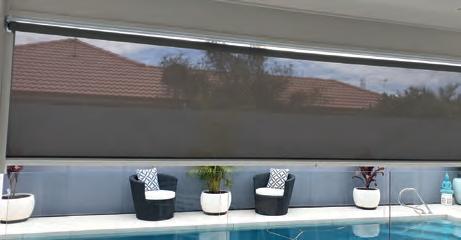
Among its popular products is Zipscreen, a side retention system outdoor blind manufactured locally at Forest Glen.
Unlike a traditional straightdrop blind, the fabric is held securely within side channels as it moves, creating a neat finish and helping the blind remain stable when lowered.
The system can be used to screen windows or enclose patios, decks and alfresco areas, providing protection from the elements without permanently closing the space.
Available in a choice of mesh fabrics or clear PVC, Zipscreen can also be customised in a range of powdercoat colours to complement the home’s exterior,
window frames and existing finishes. “The choice of fabric will depend on what the homeowner wants to achieve,” Darren explains.
“Mesh can help reduce glare and heat while retaining airflow
“Everyone is going motorised with everything these days”
and outward view, while clear PVC provides greater protection from wind and rain.”
The position of the area, exposure to the weather and level of privacy required should all be considered before making a selection, he adds.
Standard Zipscreen systems can span up to 5.8 metres wide and drops of up to four metres, although the final dimensions will
depend on the fabric and configuration selected.
For larger openings, Zipscreen Extreme offers coverage of up to seven metres wide and five metres high without the need for a central support post.
The motorised system features reinforced components, stainless steel hardware and zLock technology, which helps create a secure, wind-resistant seal. The wider span allows large outdoor openings to be screened without interrupting views or breaking up the architecture of the home.
Motorisation is becoming an increasingly popular choice.
“Everyone is going motorised with everything these days, including our curtains and indoor blinds,” Darren says.
Motorised outdoor blinds can be raised or lowered at the touch of a button, removing the need to operate a crank or manually pull the blind into place.
This can be particularly useful
across wide openings, in hard-toreach positions or where several blinds are installed around one outdoor area.
The team at Darren’s uses motors from Australian manufacturer Rollease Acmeda, with systems available to provide straightforward button or hands-free operation.
The technology can make outdoor blinds easier to use regularly. A blind that is difficult or time-consuming to operate can remain unused.
For smaller areas or homeowners who prefer a manual option, Zipscreen is also available with spring or crank operation.
The Zipscreen systems are custom measured and installed by the team to suit each property. Planning blind design early can also allow electrical requirements for motorisation to be considered before walls, ceilings and finishes
are complete.
When selected carefully, outdoor screening can make an alfresco area more comfortable across different seasons while protecting furniture and creating greater privacy.
“Privacy is another growing consideration, particularly as blocks become smaller and homes are built closer together,” Darren says.
“An outdoor blind can help screen a patio or deck from neighbouring properties without the need to construct permanent walls. When lowered, it can create a more private and contained entertaining area, while still allowing the space to be opened when conditions are suitable.”
and Curtains is located at 2/34 Hitech Drive, Kunda Park. Visit darrens.au.
The direction of the sun – Western-facing spaces may need stronger protection from afternoon heat and glare.
Exposure to wind and rain – More exposed areas may require a guided system with secure side channels and suitable fabric. The size of the opening – Standard Zipscreen can cover wide areas, while Zipscreen Extreme is designed for larger spans without centre posts.
How it will be operated – Choose between spring, crank or motorised operation based on the blind’s size, position and frequency of use.
The level of privacy required – Mesh colour and openness can affect views, airflow, light control and how much the area is screened from neighbours.
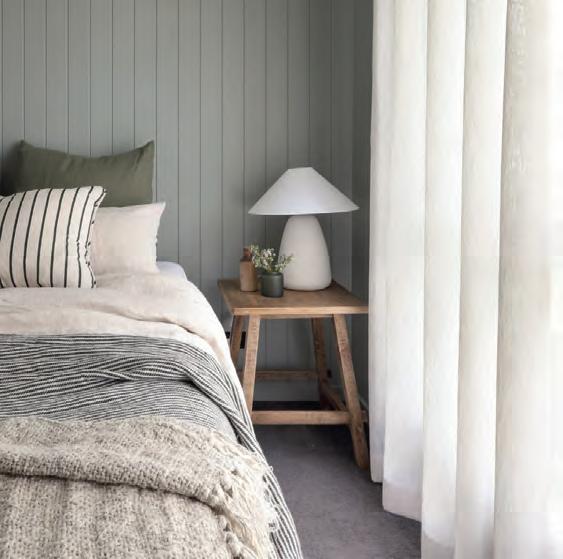
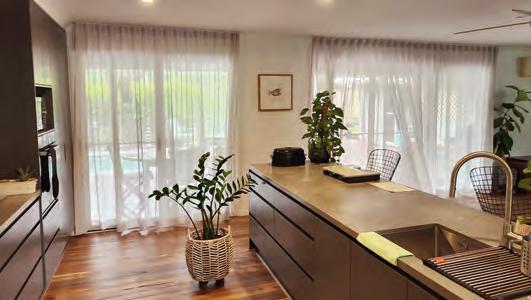
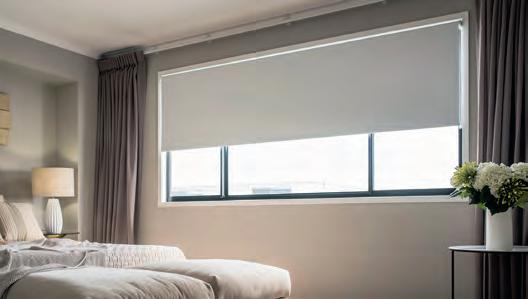
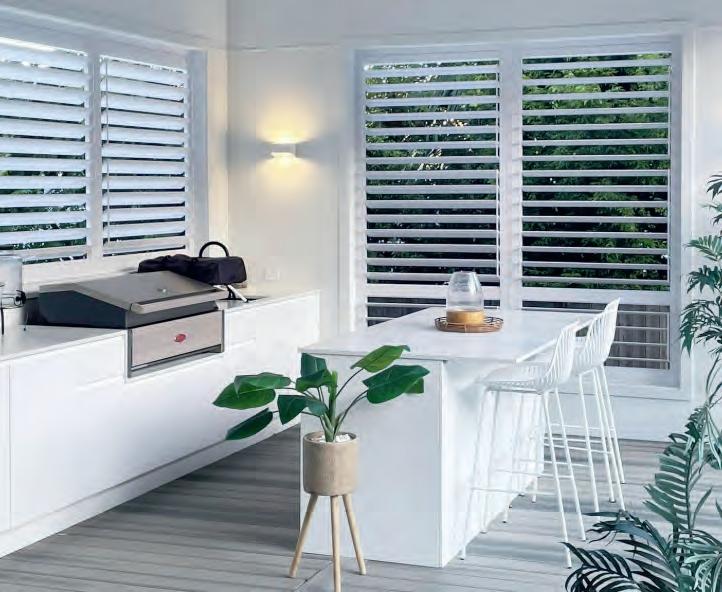
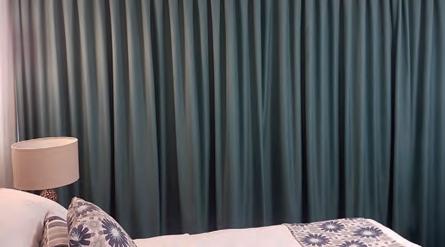
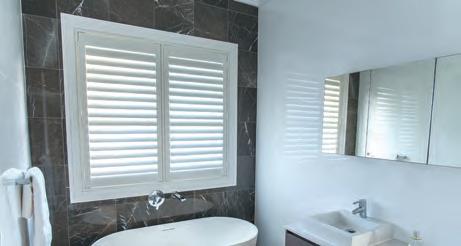
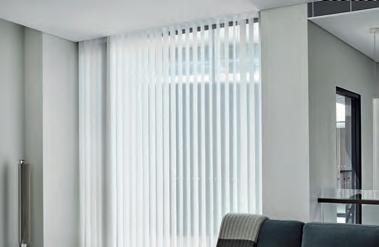
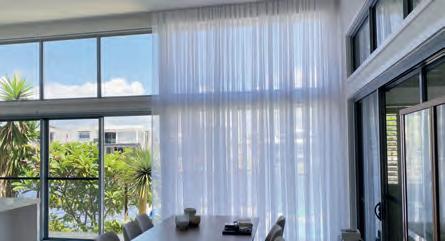
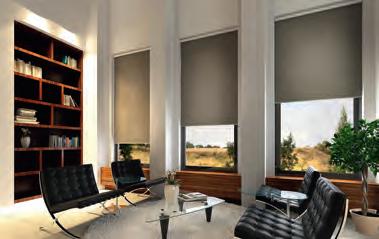
Our interior design team will help you choose the perfect look for your windows. Darren’s Blinds have hundreds of creative ideas for your windows.
Our interior design team will help you choose the perfect look for your windows. Darren’s Blinds have hundreds of creative ideas for your windows.



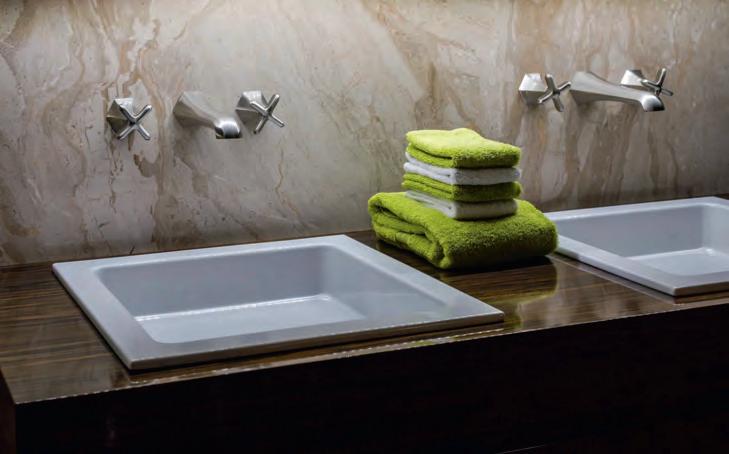
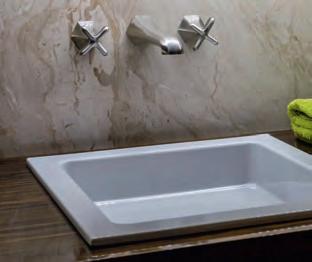
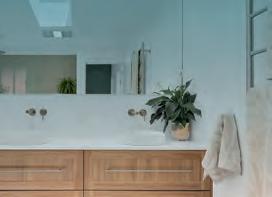
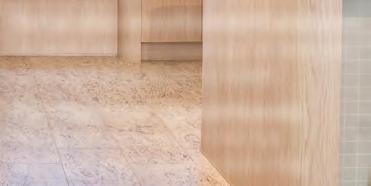
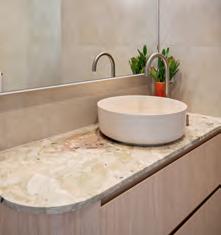
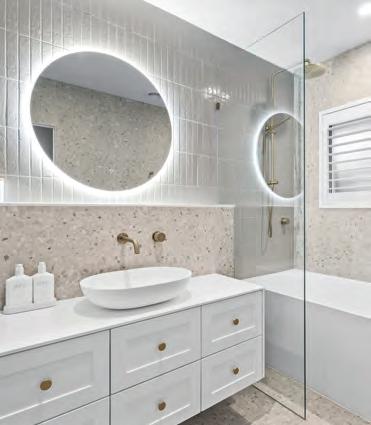
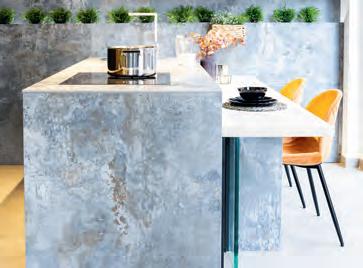
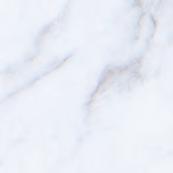
This stone surface (pictured) from Lifetime Stone brings together caramel, biscuit and cream tones to create a warm bathroom palette. Used as a splashback behind the basin, its natural pattern adds interest and works well with neutral cabinetry, brushed metal tapware and warm timber finishes.

An earthy caramel brown that adds warmth without feeling too dark. Use it on a feature wall, cabinetry or statement furniture, paired with creamy whites and natural timber.
A fresh look at the hues making themselves at home.
This inviting, smooth colour brings richness to a neutral palette without making a room feel dark.
1. Layer warm neutrals – Combine caramel with cream and soft white to create depth without introducing too many competing colours.
2. Add natural texture – Stone, timber, linen and woven finishes complement caramel’s earthy warmth.
3. Balance the sweetness – Use touches of black, bronze or deep brown to give a caramel palette definition.
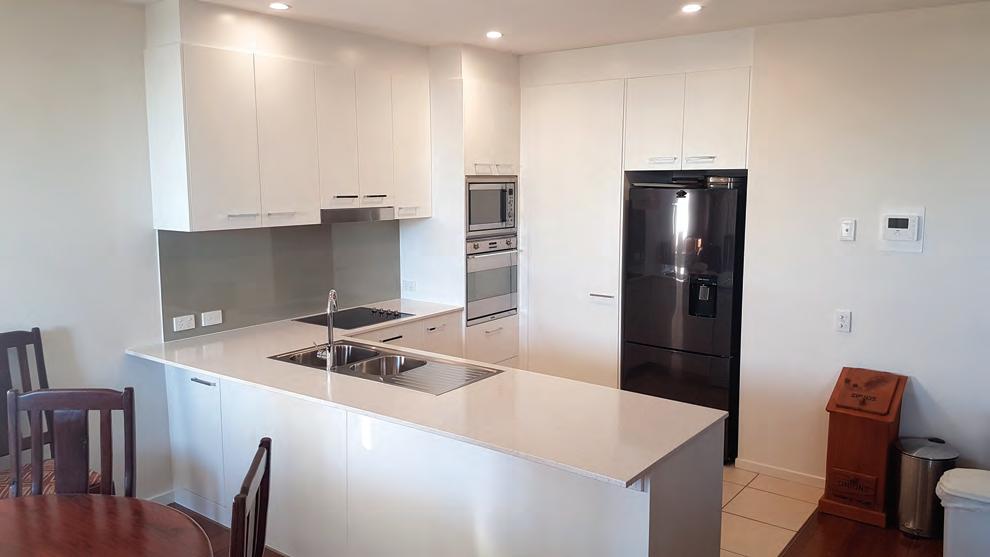
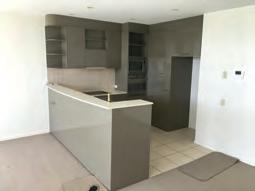

SAVE - on the cost of a new kitchen by keeping existing cabinetry/layout. Transform your kitchen with replacement doors, drawer fronts, benchtop and splashback.
HUGE RANGE - of the latest door styles, colours, handles and benchtops.
AUSTRALIAN MADE - doors and cabinets plus a 10 year warranty of products and workmanship warranty.
A kitchen facelift can save you heaps while giving you a kitchen that looks and feels brand new.

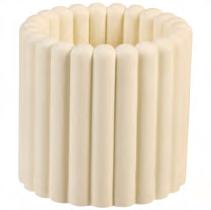
Keep your desk clutter free with the Otto Eclectic Pop pen cup made from resin. It’s from Office Works
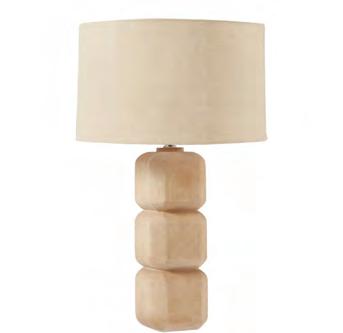
The Huxley table lamp from Domayne features a mango wood cube motif structure with a raw silk drum, bringing elegance into your office space.
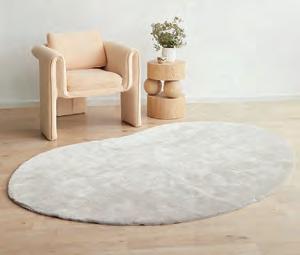
The Jellybean rug in pearl from Choices Flooring is soft yet textured. It will create a practical and stylish point in your office.
Clean lines, concealed storage and a restrained palette create a calm, uncluttered workspace.
Does your home-based work space need a refresh? We share three popular design directions, each with its own personality, palette and finishing touches.
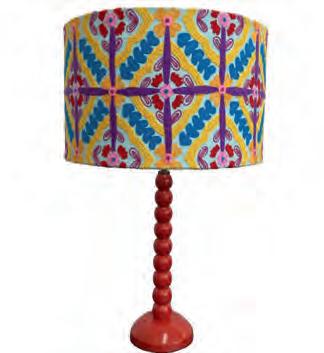
Light and colour collide with the embroidered drum lampshade, Tabriz, from Coast Store, Cotton Tree.
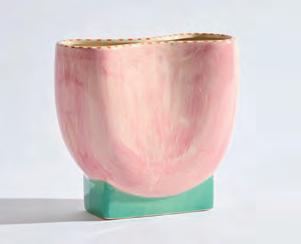
Soft, sculptural and full of charm, the Ipanema wide vase in pink is a versatile statement piece available from Kas Australia
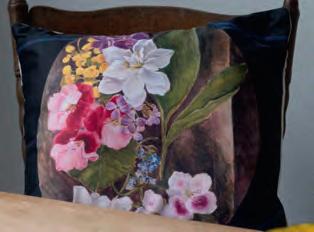
The Flower Study cushion cover is based on a watercolour artwork by Laura Handy circa 1878. It’s available from Coast Store
Pattern, artwork and playful accessories give the office personality while keeping the practical elements organised.

Bring a little charm and function to your shelves with these resin and brassnish songbird bookends from
finish songbird bookends from Early Settler
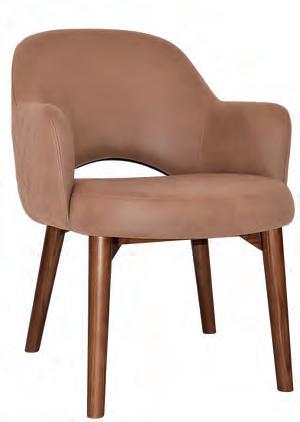
The Albury arm chair is available in a variety of hues with vinyl and fabric upholstery options. It’s from Sitting Around, Warana.
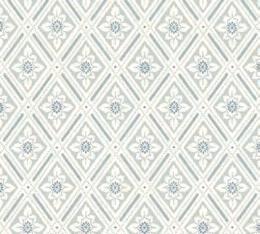
The diamond-patterned Ester wallpaper is gorgeous with its traditional surface print. It’s from Ivory T Wallpaper Australia
Timber furniture, built-in shelving and traditional details bring warmth and a polished, library-inspired feel.

Power points are easy to overlook on a floorplan, but dif ficult and expensive to add once walls, cabinetry and finishes are complete.
Work through each room and list everything that will need power. In the kitchen, this may include the kettle, toaster, coffee machine, air fryer and phone chargers, as well as appliances that stay plugged in permanently. Bedrooms need
more than one outlet beside the bed, particularly when lamps, phones and watches are charged overnight. Living areas may need power for the television, sound system, modem, lamps, gaming equipment and occasional use of the vacuum cleaner.
Power points are only useful when they remain accessible. Mark the intended position of beds, sofas, desks, side tables and entertainment units on the floorplan before deciding where outlets should go.
Some of the most useful outlets are hidden from view. Consider power inside a bathroom vanity for electric toothbrushes and grooming tools, inside a kitchen appliance cupboard, or within a study cabinet for a printer and charging station. An outlet inside the walk-in pantry can also accommodate small appliances without cluttering the main kitchen bench.
Garages, laundries, sheds and outdoor entertaining areas are often forgotten. Think about freezers, workshop tools, battery chargers, garden equipment and cleaning appliances, along with outdoor lighting, televisions or fridges. Also consider where holiday lights, pressure cleaners
and portable appliances may be used, as these are the items that often need long extension cords. Allow for change Technology and household needs will continue to evolve. Rather than relying heavily on built-in USB outlets, which may date, include enough standard power points and ask your electrician about options that will make future upgrades easier.
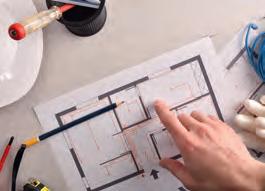
Walk through the floorplan room by room with your electrician. Mark every proposed outlet and check it against furniture placement, cabinetry plans and the appliances you already own.



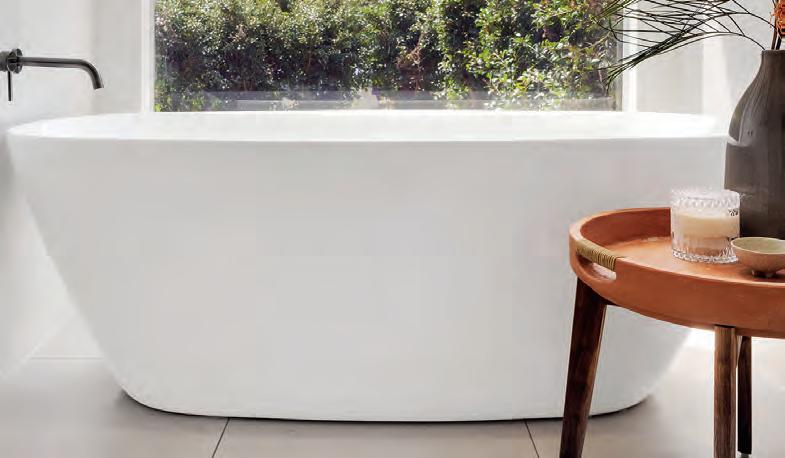
Beautiful bathrooms, expertly managed.
Jenn and Mark Aleo transform your ideas and budget into a stylish, functional space with a seamless renovation experience.




Backed by decades of industry experience and a familywide connection to the trade, the team at Choices Flooring Maroochydore is helping Coast residents find flooring that works for their homes and the way they live.
Flooring forms the backdrop to everyday family life. It needs to handle children racing through hallways, pets moving between indoors and out, spills around the kitchen and the steady traffic that comes with a busy household.
On the Sunshine Coast, there are additional considerations. Sand comes home from the beach, open-plan living areas are often connected to outdoor spaces and the warm weather influences how surfaces feel.
As a result, finding the right flooring is about more than choosing a colour or finish.
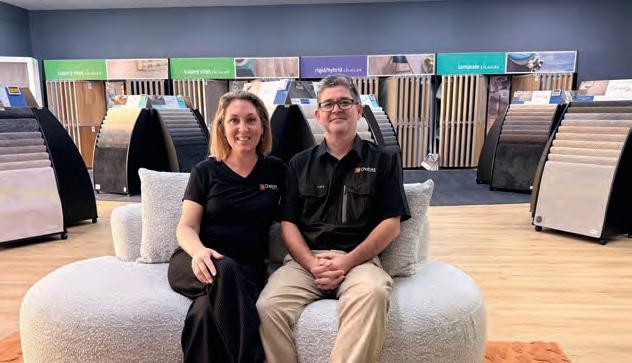
It is a subject the team at the newly opened Choices Flooring Maroochydore understands from both a professional and personal perspective. Located at the Maroochydore Homemaker Centre, the store is owned by Marnie and Maugan, who have lived on the Sunshine Coast for more than 40 years.
“We may be new to this business, but the flooring industry is not new to us,” Marnie says.
Her husband Maugan has spent 30 years working with flooring. He completed his apprenticeship and training in Brisbane and has also taught the trade at TAFE.
“You could say that flooring runs in the family’s blood. So many of Maugan’s extended family work in the industry,” Marnie adds.
Their eldest daughter, Sienna, also works alongside them in the Choices showroom, calling on her own background in commercial flooring and the knowledge and tricks of the trade passed down from her dad.
It really is a point of difference that the local Choices store can offer their customers – they actually know and work in floors.
That combined understanding of flooring, family life and local homes helps the family and their team guide customers towards products suited to individual rooms rather than taking a one-floor-fits-all approach.
Before looking at colours and finishes, homeowners should consider what each area needs to withstand, Marnie says.
Hallways, kitchens and living rooms generally experience heavier foot traffic, while bedrooms need warmth and noise reduction. Households with young children or pets are likely to want scratch- and stainresistant floors.
In many homes, the answer will be a combination of flooring types selected according to how each space is used.
Carpet remains a popular choice for bedrooms, children’s play areas and quieter living spaces.
Modern carpet is available in natural and synthetic fibres, with each offering different benefits.
Wool provides softness, insulation and natural character.
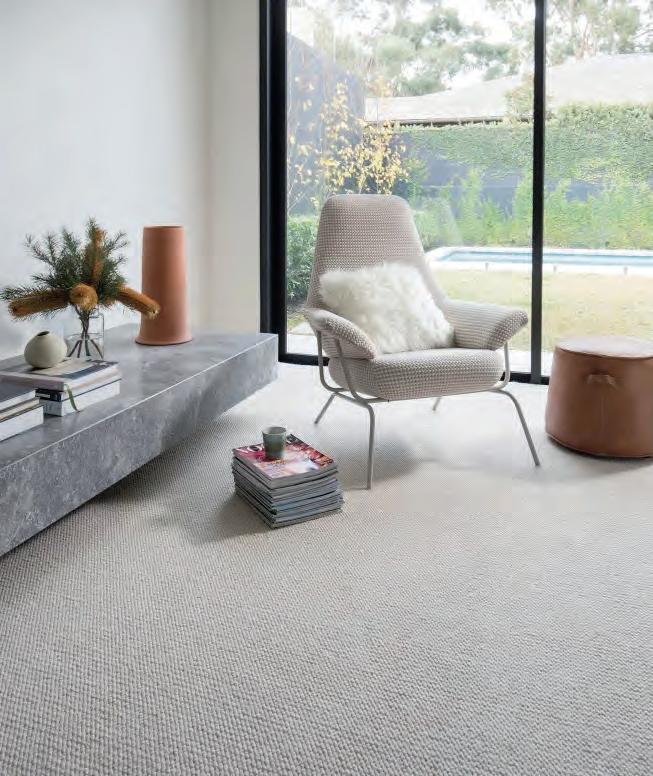
Choices Flooring’s exclusive
Temuka collection uses New Zealand wool in a range of loop-pile carpets designed to be comfortable and hardwearing. Wool is naturally hypoallergenic and helps a room feel warmer in winter and cooler in summer, making it a practical option for bedrooms and living spaces.
“Wool is hypoallergenic and helps a room feel warmer in winter”
For households worried about stains and frequent cleaning, solution-dyed nylon carpet may be better suited. Because the colour runs through the fibre rather than sitting only on the surface, these carpets resist fading and can withstand more robust cleaning.
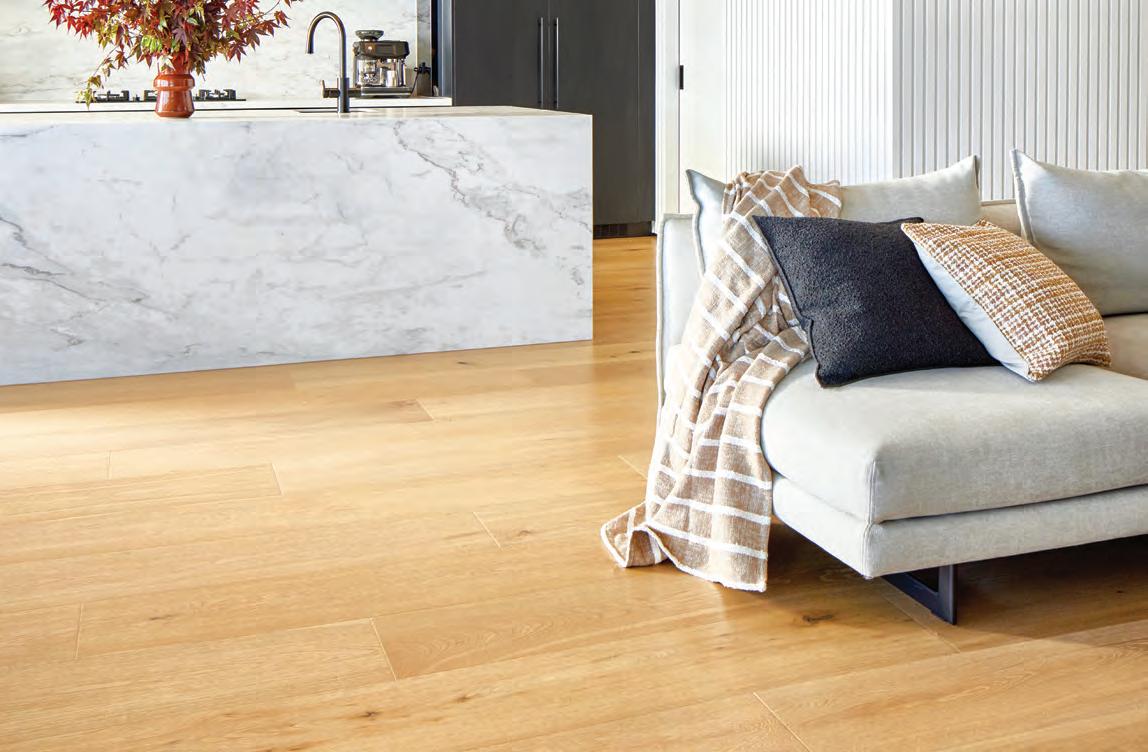
Timber brings a different quality to the family home. Species such as blackbutt, spotted gum and
oak can add warmth and natural variation, complementing the light-filled interiors and relaxed coastal finishes found in many Sunshine Coast homes.
Engineered timber offers a similar natural appearance with a stable layered construction that can be less susceptible to movement caused by changes in temperature and humidity.
A matte or low-sheen finish may also be more forgiving in busy areas than a highly polished surface, which tends to highlight scratches and dust.
For families who like the look of timber but want a lowermaintenance alternative, laminate flooring has changed considerably from earlier versions of the product.
Modern laminate combines detailed timber imagery with durable surface layers and high-density cores, creating a floor that can resist scratches, scuffs and everyday wear.
Ranges such as Plantino include improved edge protection, core materials and surface coatings designed to provide greater resistance to spills and humidity.
As water-resistance levels vary between products, it is
important to check the specifications of the particular range rather than assuming every laminate will perform in the same way.
Hybrid flooring is also a popular choice for open-plan family areas. It combines a rigid core with a timber-look design layer and durable protective surface, offering stability and resistance to scratches, stains and spills.
Choices Flooring’s exclusive Abode Hybrid range has been developed for local conditions and is available in a range of timberinspired designs, from warmer oak tones to contemporary washed finishes. Its dense construction can help absorb impact and sound, while the water-resistant surface suits kitchens, dining areas, living rooms and hallways where spills are likely.
Although hybrid flooring is practical across many parts of the home, it is not intended to replace surfaces specifically designed for bathrooms and laundries.
The size and flow of the home should also shape the final selection.
Using one hard flooring product through connected kitchens, dining rooms and living areas can create a more continuous appearance.
Carpet can then be introduced in bedrooms and media rooms to bring softness and acoustic comfort.
Colours do not need to match exactly, but they should relate to one another.
A warm oak-look floor might be teamed with an oatmeal or taupe carpet, while cooler timber tones can work with soft grey or blue-based carpet.
Viewing samples together, and in the home’s natural light, can help identify undertones that may not be obvious in the showroom.
Visit Choices Flooring Maroochydore at the Maroochydore Homemaker Centre, choicesflooring.com.au.
Who uses the room? Children, pets and frequent visitors may call for greater stain and scratch resistance.
How much traffic does it receive? Hallways and open-plan living areas generally require a more hardwearing surface than bedrooms.
What is likely to be brought inside? Sand, wet feet and outdoor dirt should be considered in homes with strong connections to the beach, garden or pool.
How should the room feel? Carpet adds softness and absorbs sound, while timber, laminate and hybrid can create a more continuous flow through living areas.
How much maintenance is realistic? Consider cleaning, refinishing and spill management before choosing a floor based on appearance alone.
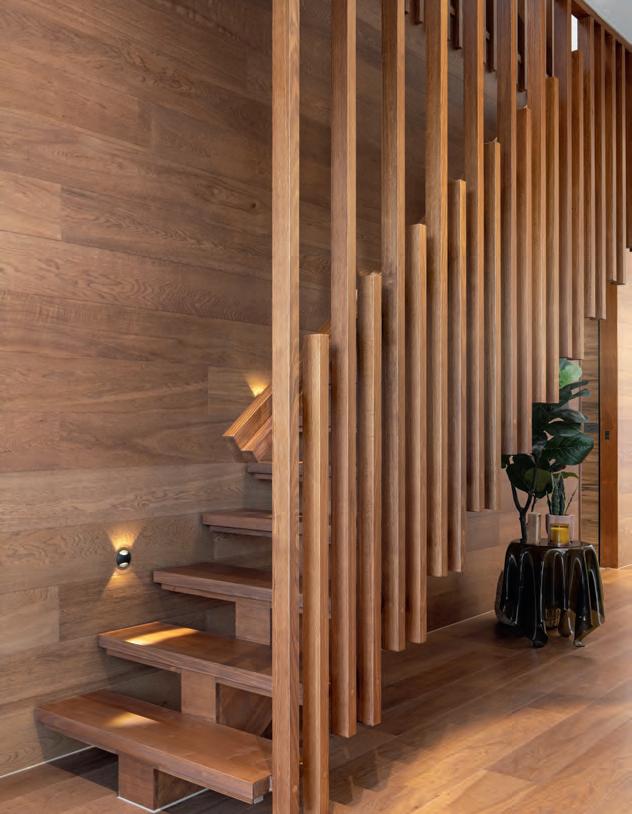

Timber is making its way back into Australian homes, bringing natural warmth and texture to everything from flooring and cabinetry to ceilings, walls and benchtops. Here, David Reid Homes Australia managing director Matt Jackson shares his tips on how the material will perform in everyday life.
After years of sleek surfaces and pared-back interiors, many Australians are turning towards natural finishes that make their homes feel more comfortable and connected to nature.
Timber delivers character that can be difficult to recreate with manufactured materials, but its appeal extends beyond appearance. It acts as a natural
insulator, helping to regulate temperatures throughout the home, and stores carbon, making it an environmentally responsible building material.
Timber is also lightweight and adaptable, with applications ranging from structural framing to flooring, cabinetry and high-end decorative finishes.
Timber benchtops can create a beautiful, premium finish, but kitchens are also among the hardest-working areas.
Heat, moisture, food preparation, cleaning products and constant use can all take their toll on a natural timber surface.
Without proper sealing and ongoing maintenance, timber can stain, swell, crack or deteriorate. Because the material is porous, moisture, bacteria and food residue may also become trapped in deep knife cuts or unsealed cracks when the surface is not cleaned and maintained correctly.
“Many people fall in love with
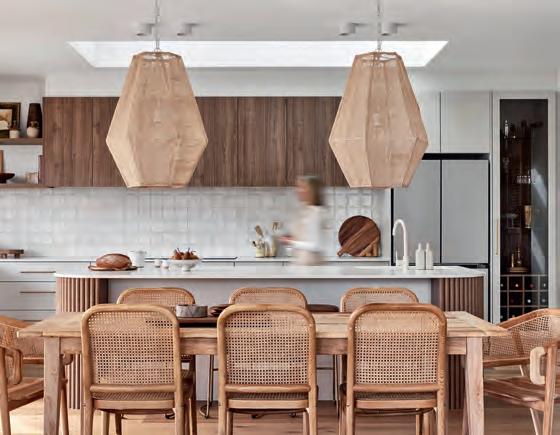
Designers: Alan Schull & Chris Schull for Kitchen Shop Qld
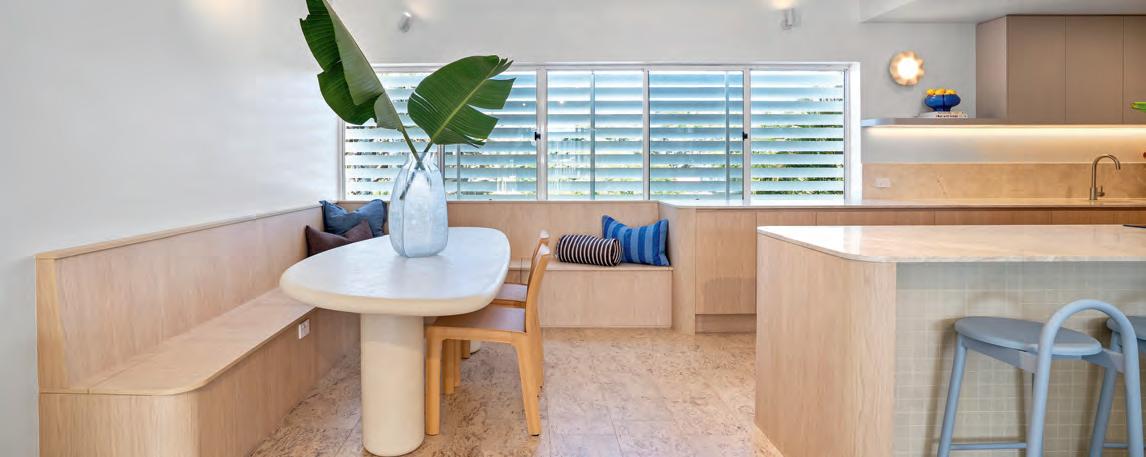

what they see on social media but don’t always understand what those surfaces look like after years of daily use,” Matt says.
Homeowners considering timber benchtops should be realistic about the maintenance involved and prepared to reseal and care for the surface throughout its life.
Moisture remains one of timber’s greatest weaknesses, making bathrooms, laundries and other wet areas particularly challenging.
If timber products are not properly selected, treated and maintained, exposure to water can cause swelling, warping and long-term damage.
The same caution applies to cabinetry and joinery positioned near sinks, dishwashers and other areas where splashes, leaks or humidity are likely. Before introducing timber into a wet area, check that the product is designed for the location and understand the manufacturer’s installation and maintenance requirements.
Solid timber, engineered timber and manufactured wood products can look similar, but they do not necessarily perform in the same way. The right choice will depend on where the material is being installed, how heavily the space will be used and how much maintenance the household is prepared to undertake.
Solid timber offers natural variation and can often be sanded and refinished, while engineered products may provide greater
stability in areas affected by changes in temperature or humidity. Understanding the differences before making a selection can help prevent costly problems later.
As interest in timber interiors grows, so too does the range of products designed to recreate its appearance while offering greater resistance to moisture and everyday wear.
Hybrid flooring has become a popular option because it provides the look of timber while being waterproof and highly resistant to damage. Modern laminate flooring can also achieve a realistic timber appearance, often at a lower price point and with fewer maintenance requirements.
The best material choices consider not only how a home will look when it is completed, but also how it will function five, 10 or even 20 years later.
When used thoughtfully, timber is one of the most attractive, versatile and enduring materials available.
The key is understanding where it will work well and where an alternative product may be a more practical long-term solution. “Choose materials based on how your family actually lives, not just what is trending online,” Matt says. “When timber is used thoughtfully, it can create some of the most beautiful homes imaginable.”
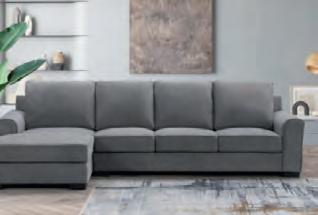
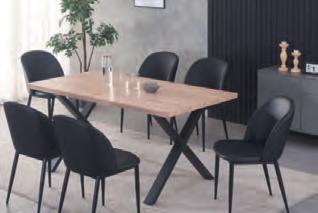
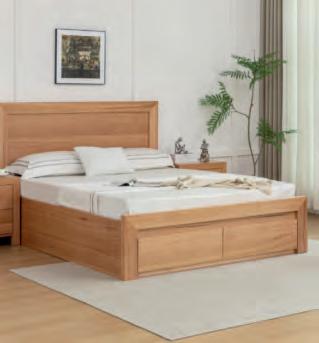

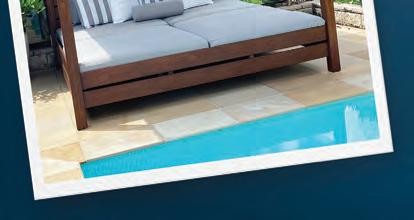
From custom cushions to outdoor furniture, Clark Rubber’s made to order service creates practical, tailored solutions for spaces where standard sizes simply will not do.
The best spaces are not created from one-sizefits-all solutions. They are shaped around the way we live, relax and entertain — whether that is a comfortable window seat, refreshed outdoor setting, custom caravan mattress or the perfect cushion for an awkwardly shaped corner.
At Clark Rubber, their made-to-order service helps customers turn those ideas into practical, beautifully finished pieces designed specifically for their space.
Here are their expert tips.
Creating something custom can feel overwhelming, particularly when there are fabrics, measurements, foam types and
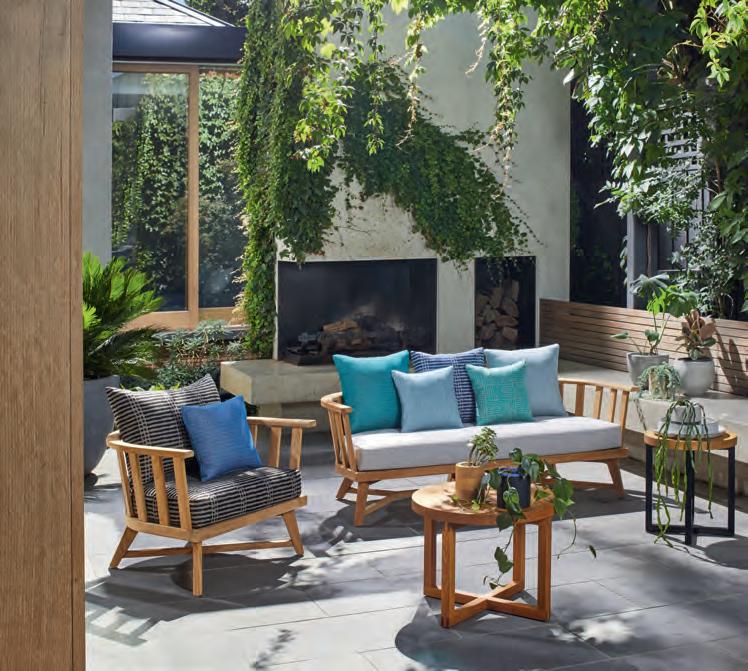
finishing details to consider.
Customers can bring their existing cushions into a participating Clark Rubber store or show the team photos of the space they are looking to transform. From there, they can discuss how the piece will be used, the look they want to achieve and the level of comfort and support required.
Whether you are refreshing a lounge, updating dining chairs, creating an outdoor daybed or fitting out a caravan, campervan or boat, our team will guide you through the process from beginning to end.
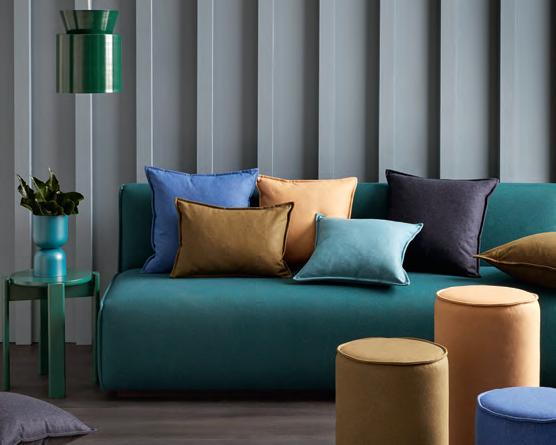
Fabric plays an important role in both the appearance and performance of a custom-made cushion. A fabric that looks beautiful in a formal sitting room may not be the best choice for a busy family lounge, pet-friendly home or outdoor entertaining area.
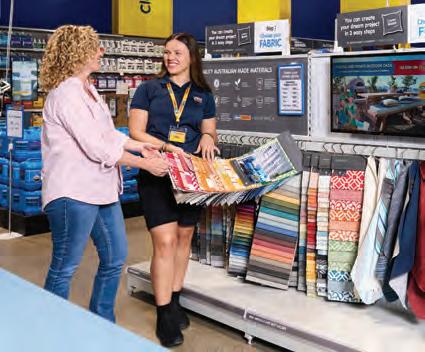
Through Clark Rubber’s partnership with Warwick Fabrics, customers can explore an extensive collection of colours, patterns, textures and contemporary weaves. Warwick offers more than 5000 fabric designs and colours, with options developed for demanding indoor and outdoor environments.
For high-use indoor settings, durability, colourfastness and stain resistance are important considerations.
Families and pet owners may benefit from performance fabrics designed to withstand everyday activity while remaining comfortable and stylish.
Outdoor cushions require additional protection from the elements. The team can help customers identify suitable materials based on where the cushions will be placed, how frequently they will be used and the conditions they are likely to face.
With options ranging from timeless neutrals to bold statement patterns, customers can create something that complements their existing decor or completely redefines their space.
What is inside a cushion matters just as much as the fabric surrounding it.
The right foam should be selected according to the cushion’s purpose.
A decorative back cushion, frequently used dining seat and supportive caravan mattress will each require different levels of density, firmness and resilience.
Clark Rubber has decades of experience working with foam. Our in-store experts can recommend an option suited to the intended application and help create a piece that delivers the right combination of comfort, support and durability.
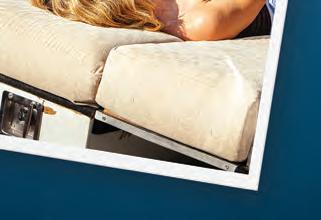
Rather than settling for a standard size or replacing an entire setting, customers can refresh existing furniture with new foam cut to suit their personal requirements.
It is a practical way to extend the life of a much-loved piece while improving its comfort and appearance.
The final details can completely change the character of a cushion.
Straight-edge stitching offers a clean and understated appearance, while topstitching creates a more contemporary look and can provide additional seam strength for frequently used cushions.
Piping can define the cushion’s shape and introduce a complementary or contrasting colour. For a more tailored result, French seams and tailored edging can add structure, sharper corners and a sophisticated finish.
These choices may appear small, but they allow customers to create something that feels genuinely personal.
The team can explain the available options and recommend a finish that complements the selected fabric, cushion shape and overall style.
Clark Rubber’s made-to-order service combines quality
materials, custom-cut foam and specialist guidance in one convenient in-store experience.
The process can be as simple as three steps: choose your fabric, choose your foam and choose your finish.
From revitalising old cushions to creating an entirely new piece, customers have the freedom to select the shape, comfort, colour and finishing details that work for them.
The result is not simply another cushion; it is a considered solution created for a particular space and the people who use it.
Bring your cushion, measurements, inspiration images or ideas into your local participating Clark Rubber store and speak with our team about bringing your made-to-order project to life.
Visit Clark Rubber, Nicklin Way, Bokarina to compare foam, fabric and custom-cut options or visit clarkrubber.com.au.
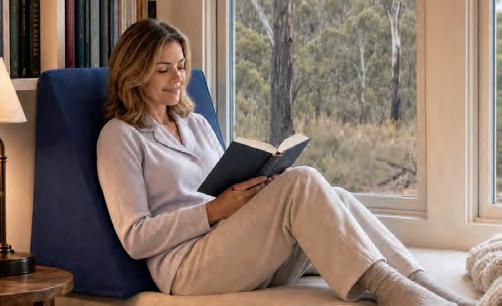
Start with the right spot – An unused corner, window seat or built-in bench can all work well. Check the light, nearby power points and how the space feels at different times of day.
Create comfortable support – A custom foam seat and angled backrest can provide better support than loose cushions alone, particularly for a nook that will be used regularly.
Choose fabric for everyday life – Consider who will use the nook and how often. In family homes, durable, easy-care fabrics are often the most practical choice.
Add the finishing touches – A lamp, small table, throw and basket for books can make the nook more comfortable and easier to use.
Speak with the Clark Rubber team about the foam, fabric and finishing options best suited for your space.











Queensland has again led the states for interstate arrivals, with New South Wales contributing about 60 per cent of its net gain.
The Sunshine Coast has retained its position as the nation’s top regional migration hotspot, attracting 8.8 per cent of Australia’s total net internal migration over the 12 months to March 2026.
New data shows Queensland continues to dominate interstate migration overall, attracting more Aussies from other states than any other jurisdiction. According to the REIQ, New South Wales remains the largest source of our interstate migrants, contributing around 60.3 per cent of the state’s net gain in 2024-25.
REIQ CEO Antonia Mercorella says the sunshine state has proven to be an incredibly strong magnet. “In 2025, Queensland gained 16,528 people from interstate migration, while New South Wales lost 21,465 people.
“The only other state with positive net interstate migration was Western Australia with 10,410, so Queensland comes out on top again.”
Elsewhere, the Fraser Coast ranked third nationally for regional migration, with Townsville and Toowoomba also trending.
The migration trend comes as

New South Wales recorded the worst housing affordability rates in Australia in 2024-25, according to PropTrack’s Housing Affordability Index, which takes into account incomes, mortgage rates and home prices.
Ms Mercorella says Queensland’s popularity brings with it a certain responsibility.
“If we want to keep attracting workers, families and investors, we need to make sure we’re building the homes, communities and infrastructure that support a growing population,” she says.
BY
8.8% – The Sunshine Coast’s share of Australia’s total net internal migration
16,528 – Queensland’s net interstate migration gain in 2025, compared with a loss of 21,465 people from New South Wales.
60.3% – The proportion of Queensland’s 2024-25 net interstate migration gain that came from New South Wales.

















From the time you book your free measure and quote to final installation of your new products, the feedback from our customers consistently demonstrates a level of service that exceeds their expectations.
This is something we are proud of and work hard to maintain.











LIVE PRICING
CUSTOMISABLE DESIGNS TRANSPARENT FROM DAY ONE

DIRECT ACCESS TO YOUR BUILDER
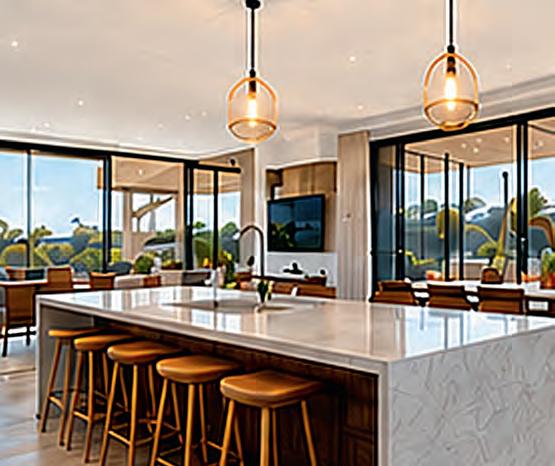




1


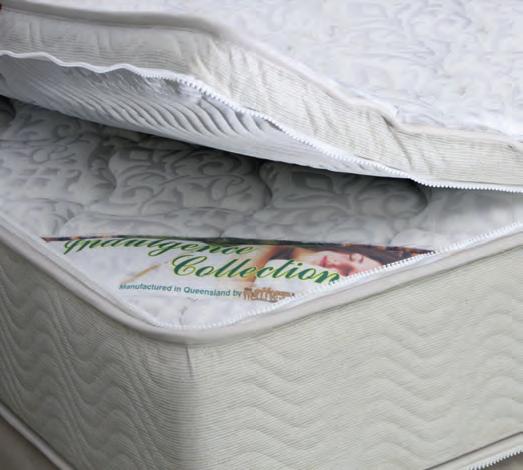
• Double-sided Mattresses with Bases for your home
• Custom Made options for caravans, boats & motorhomes
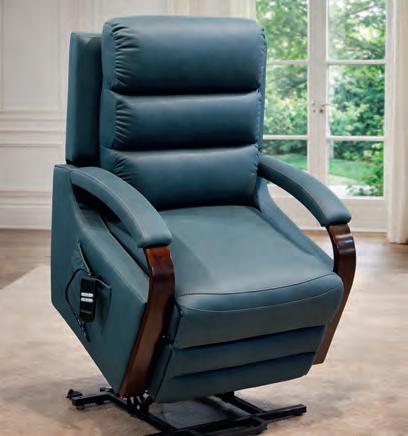
• Adjustable Beds, we are NDIS and Aged Care providers:
● Mattress & Bases
● Lift Beds
● Massage Feature available
● Double sided pocket spring
● Hospital grade foam topped with anti pressure comfort layer
● Double sided latex mattresses available

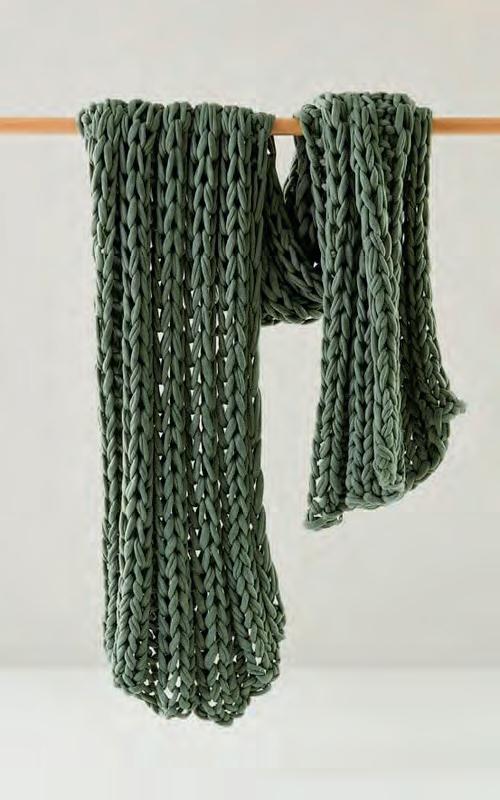
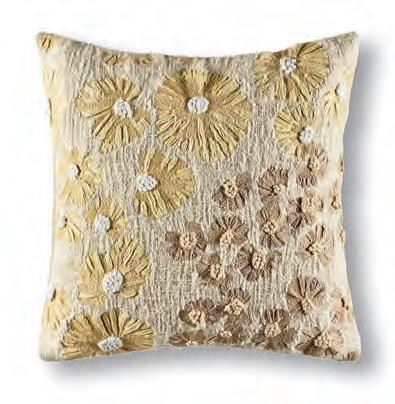
Choose cushions that pick up one or two colours already used in the room, such as tones from a rug, artwork or curtains. Mix sizes and textures to add interest without making the setting feel too matched. 4 5



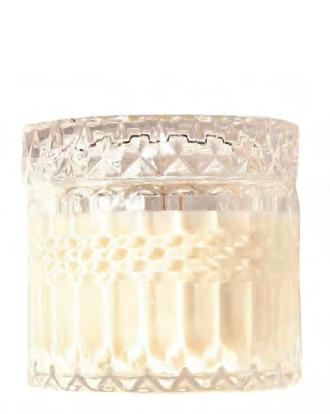
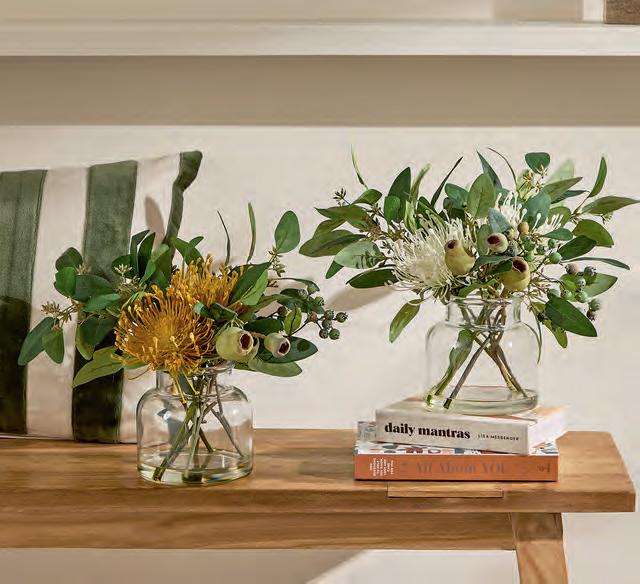
4. We love the classic design of the Newport chunky kit. It’s stylish and practical, Adairs. 5. With a mix of embroidery and luxurious chunky cotton slub, the Miranda cushion is elegant. Visit kasaustralia.com.au for local stockists. 6. Created from resin, this quirky gold snail sculpture brings a fun, unexpected twist to modern interiors. It’s from Coast Store, Cotton Tree. 7. Made from cement, the minimalist Bodhi bookends from Pillow Talk can be used on your bookshelf or coffee table. 8. This vintage crystal candle is available in 13 scents and is handmade on the Sunshine Coast by Blushing Ivy. Visit their pod shop at Whitepepper, Caloundra. 9. The realistic Sugarbush bouquet complete with vase and artificial water is the perfect finishing touch. Available from Pillow Talk
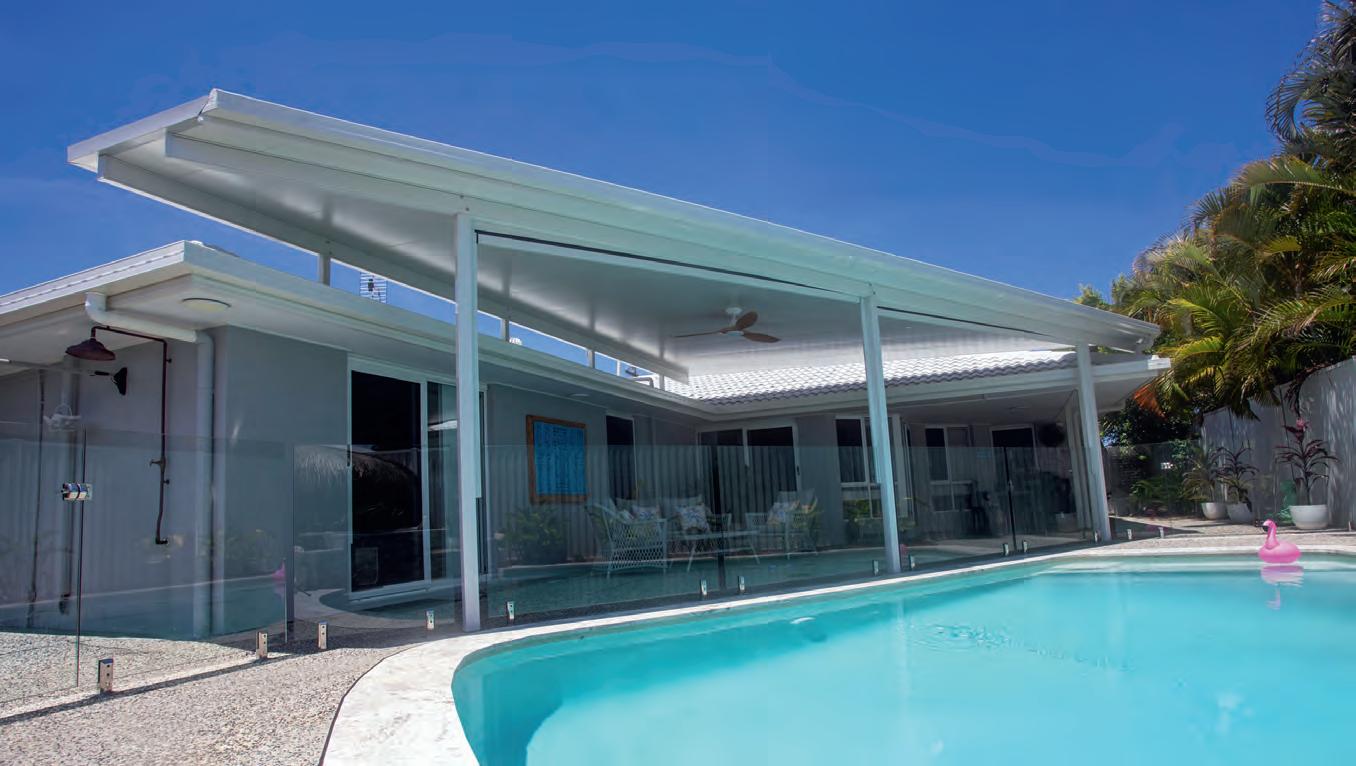
Poolfab Pool + Landscape Creations
managing director Sean Lynch explains how three-dimensional design is changing the way homeowners plan pools. Visit poolfab.com.au.
Choosing a pool involves far more than deciding on its shape and colour. Its position can affect how the backyard flows, how much space remains for entertaining and whether the finished area feels connected to the home.
Lighting, planting, paving and changes in ground level can also influence the final result.
For homeowners trying to understand all those elements from a flat plan, three-dimensional design offers a clearer picture of how the project will come together before excavation of the site begins.
Following an onsite consultation, a customised three-dimensional design can show the pool in relation to the house, backyard and surrounding landscape.
This helps homeowners

assess its scale, placement and overall appearance while there is still time to make changes.
Every design should be tailored to the property and the way the outdoor area will be used. A family wanting room for children to swim may have different priorities from a couple seeking a quiet space for relaxing and entertaining.
The technology becomes particularly useful when a project involves more than the pool itself.
A detailed concept can include hard landscaping such as paving, retaining walls and entertaining areas, as well as planting, screening and lighting.
Creative pool shapes and the strategic placement of greenery can also help make a smaller or challenging backyard feel more spacious.
For more elaborate projects, a digital fly-through allows

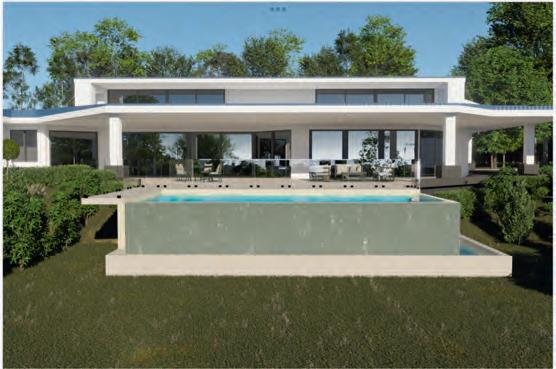
homeowners to move through the proposed outdoor area and view it from several angles.
This can reveal practical issues that may be dif fi cult to identify on a two-dimensional drawing, including narrow access points, awkward circulation around the pool or insuf fi cient room for outdoor furniture.
It also allows homeowners to consider how the pool will be viewed from inside the house, where shade may fall throughout the day and how the space will work when several people are using it.
A successful pool design needs to be visually appealing, practical to use and suited to the household’s lifestyle.
The sounds created by water features and the effect they may have on the atmosphere of the space can also be considered

during planning.
Material and colour selections remain an important part of the process. Physical samples of pool finishes, paving and other materials can be viewed alongside the digital concept, making it easier to understand how individual choices will work together.
While three-dimensional imagery brings the idea to life, its greatest value is the opportunity to refine a project before construction begins.
Adjusting the pool’s location, dimensions or surrounding landscaping during the design stage is simpler than correcting a problem after excavation.
It also encourages homeowners to think about the complete outdoor environment as a whole, rather than treating the pool and landscaping as separate projects.




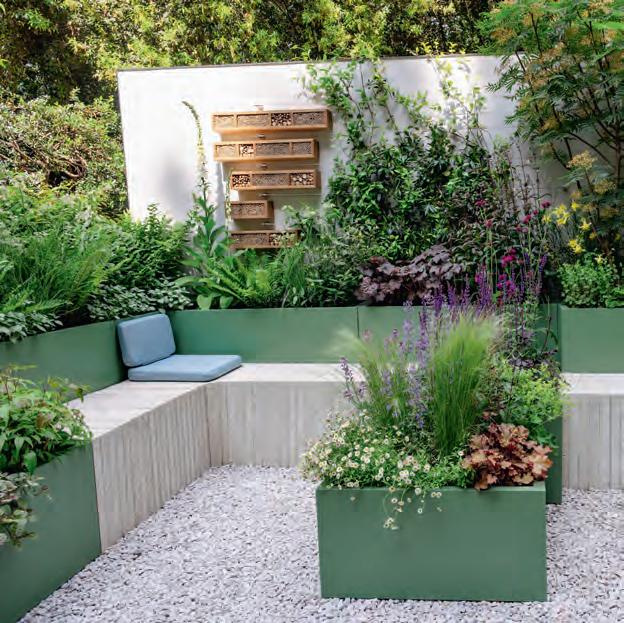
Colour blocking is not just for interiors. Used well, it can define outdoor zones, highlight planting and give a tired wall or entertaining area a styled look.
Colour blocking is the use of large, clearly defined areas of colour to shape a space and create contrast. In the garden, it can be achieved through paint, paving, walls, outdoor furniture or mass planting rather than relying on small accents.
Colour blocking should draw attention to something rather than becoming the only feature.
A painted panel behind a sculptural plant can emphasise its shape, while a contrasting block around outdoor artwork or a wall light creates a clear focal point. Behind a built-in bench, colour can also help define the seating zone. Consider the mature size of nearby plants before deciding where the block will sit. A feature that looks balanced beside a young plant may become hidden once the plant grows.

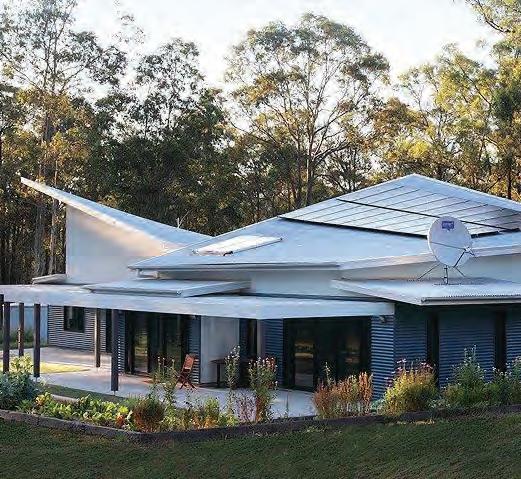
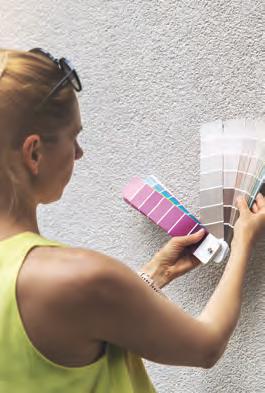
If blocking with painted colour, we recommend painting large sample patches and viewing them at different times of day. Colours can shift considerably between morning shade, afternoon sun and evening light. It is also worth checking the shades against paving, roof colours, outdoor furniture and nearby foliage before painting the entire wall. Avoid judging the colour from a small swatch alone. An exterior shade can feel much stronger across a large surface than it does on a paint card.






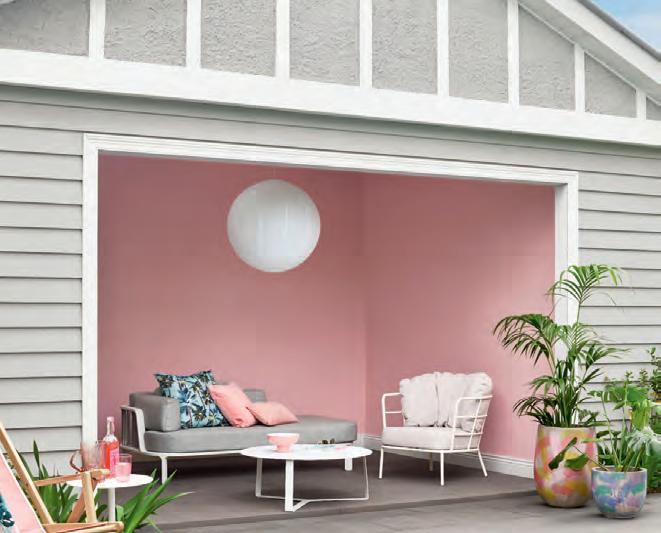
For a major piece, start with a wall, fence or patio area that already forms part of the garden or exterior area. The technique works best on broad, uninterrupted surfaces where the colour can be seen clearly. Before painting, check how much sun the area receives. Strong western light can make bright colours appear more intense, while shaded areas may suit warmer or lighter tones. Also consider the condition of the surface. Cracks, peeling paint or uneven render will become more noticeable once a bold colour is added, so make any repairs before starting. This creation from Dulux, pictured, is the perfect blend of fun and practical design. It features Dulux Pink Dust on the internal wall, Snowy Mountains Half on the trim and Tranquil Retreat on the panel walls.
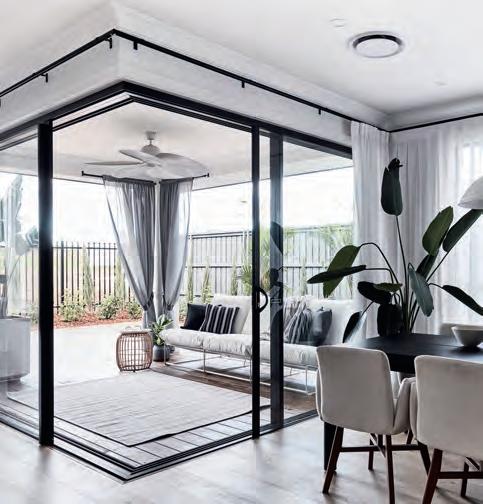
A single-colour outdoor rug can visually separate a dining or lounge area from the rest of the patio. Choose a rug large enough to sit beneath or just in front of the legs of outdoor furniture, or fully under a dining table and chairs. Small rugs can make the area feel disconnected. For a more permanent solution, consider painting a section of concrete or using a contrasting paver to mark the zone. Always check that any paint or coating is designed for outdoor floors and provides suitable slip resistance.


















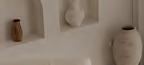


















Colour blocking does not need to rely on paint. Hardscaping and planting can work together to create broad, defined areas of colour across the garden. In this space, pale stone walls and large-format pavers form one continuous neutral block, while the dark timber door, black water feature and shadowed walkway provide contrast. Mass planting then creates a softer block of


green, with ornamental grasses repeated in generous groups rather than scattered individually.
To recreate the look, choose two or three dominant tones and repeat them through your walls, paving, pots and plants. Grouping the same species together will create a stronger visual impact, while limiting the number of hardscape materials will keep the overall scheme feeling calm and connected.
“Hardscaping and planting can work together to create broad, defi ned areas of colour across the garden”
1. Frame an outdoor shower
Paint a vertical panel behind the shower to turn a practical area into a feature.
2. Create a garden backdrop
Use colour behind a row of pots or a raised planter to make greenery stand out.
3. Highlight the house number
A simple block of colour around street numbers or the letterbox can refresh the front entry.
4. Refresh outdoor cabinetry
Paint cupboard doors or a barbecue area in a contrasting shade while keeping the benchtop neutral.
5. Define a children’s zone
Use a washable outdoor colour behind a mud kitchen, play table or chalkboard.