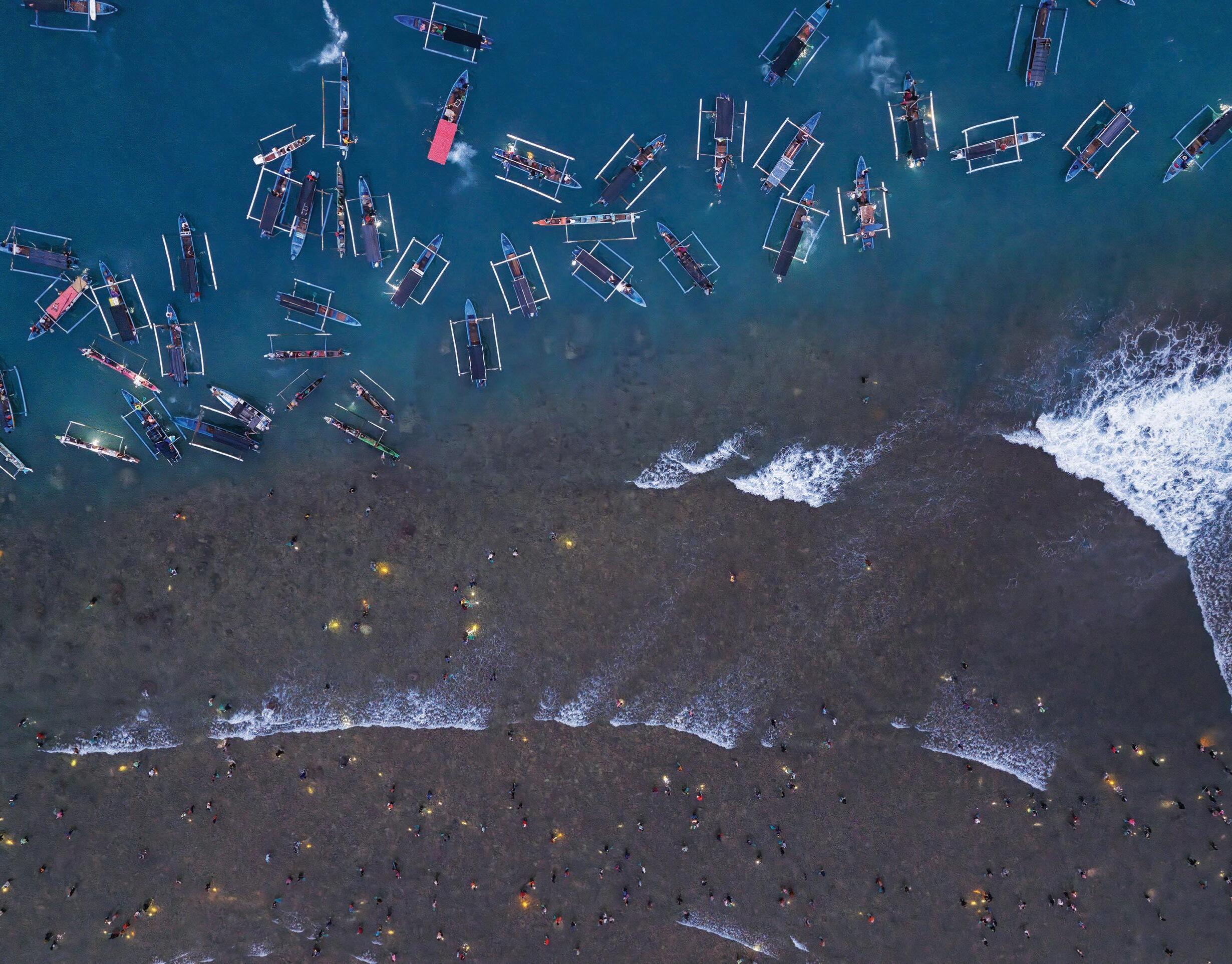
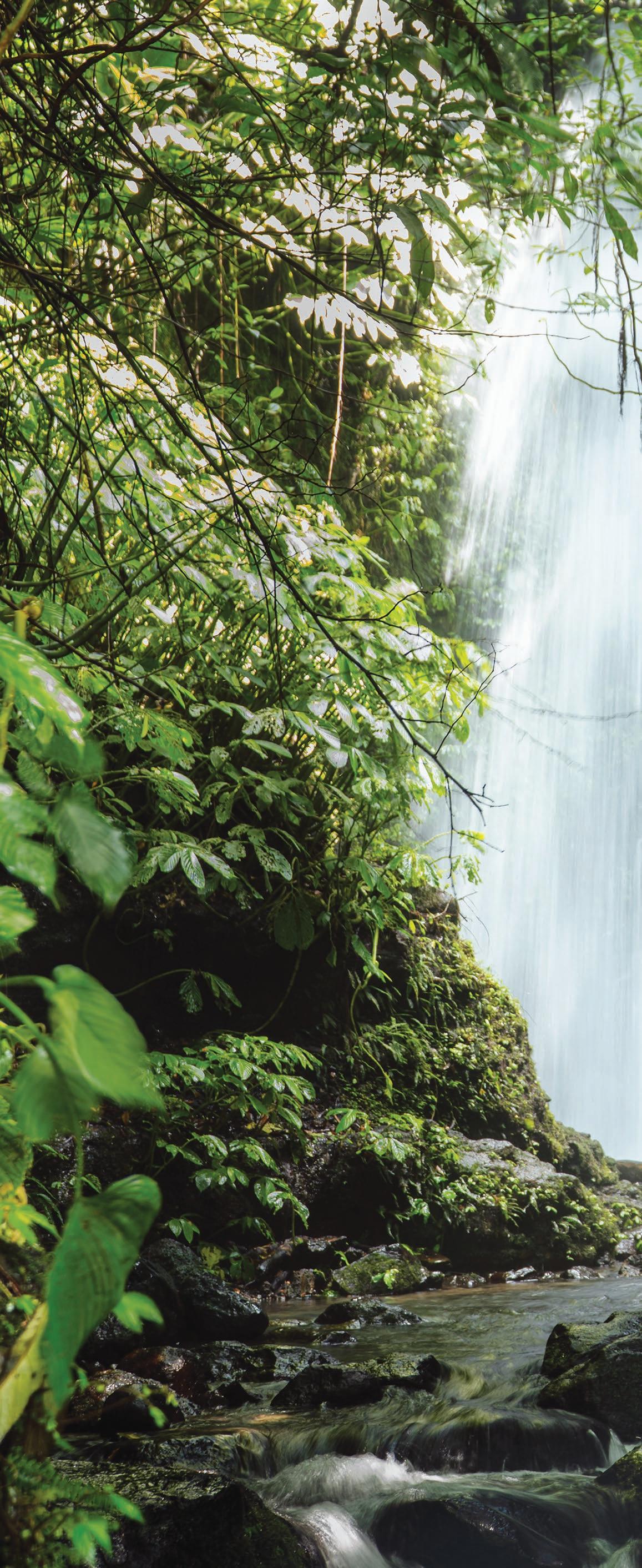
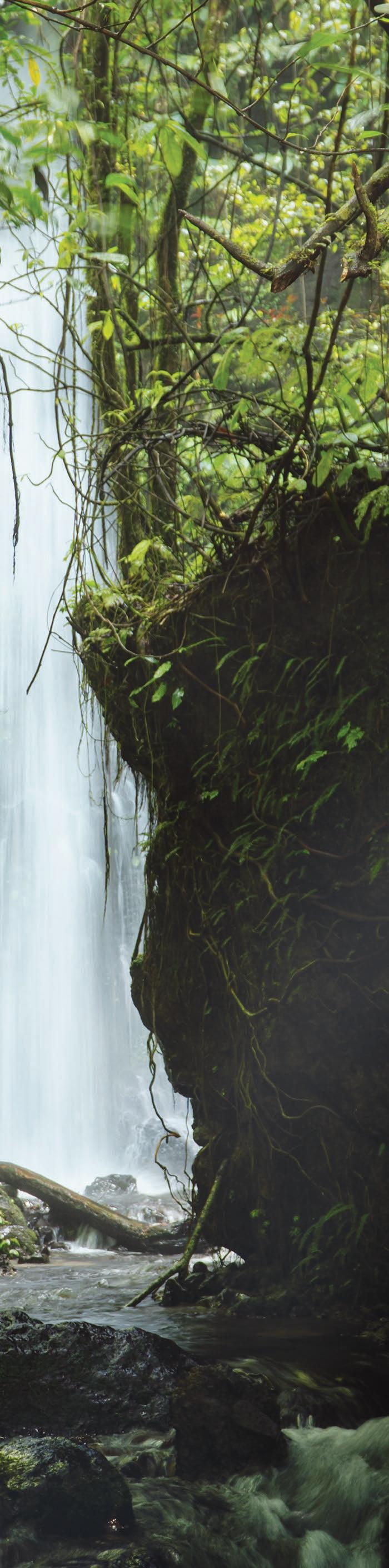
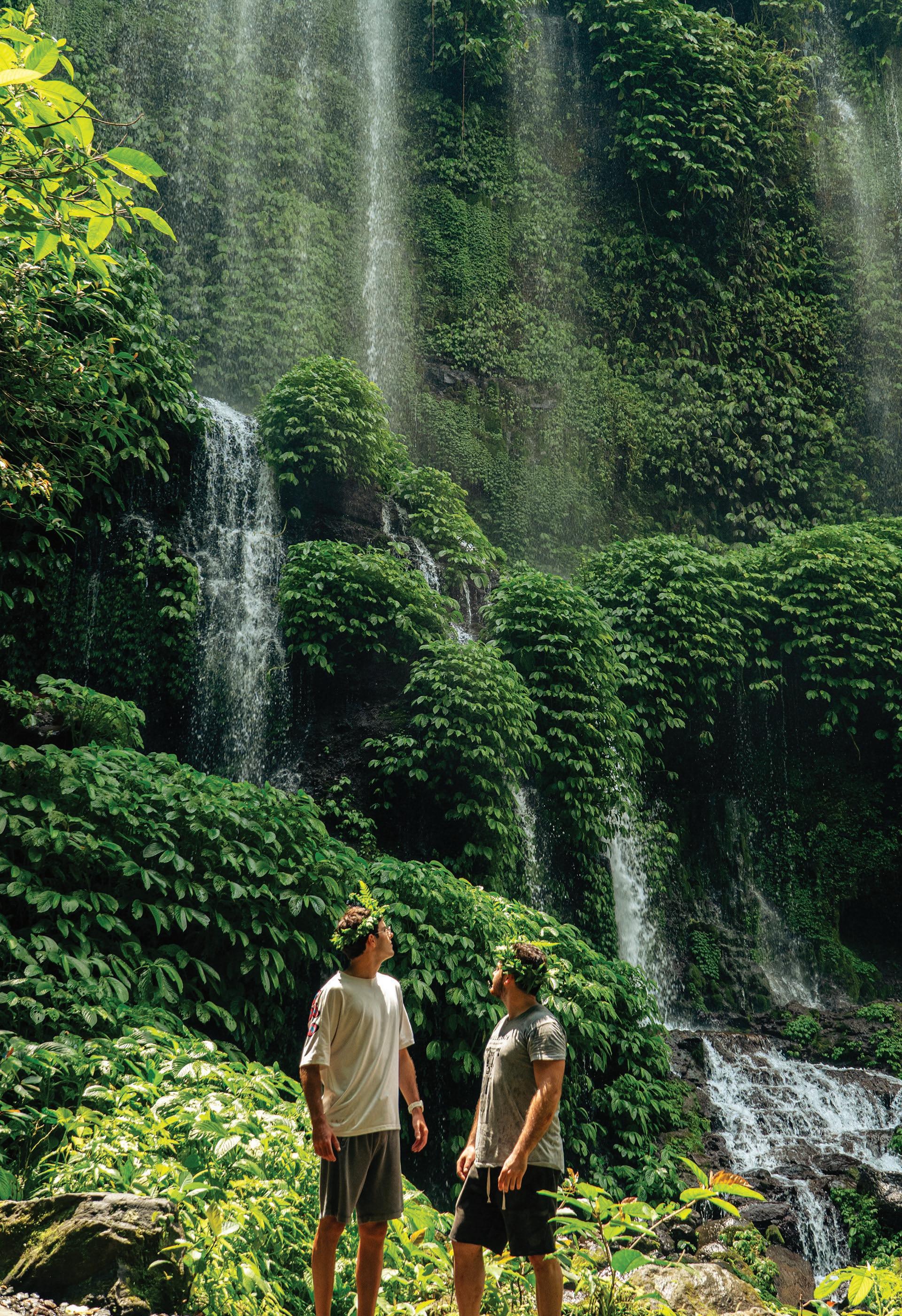
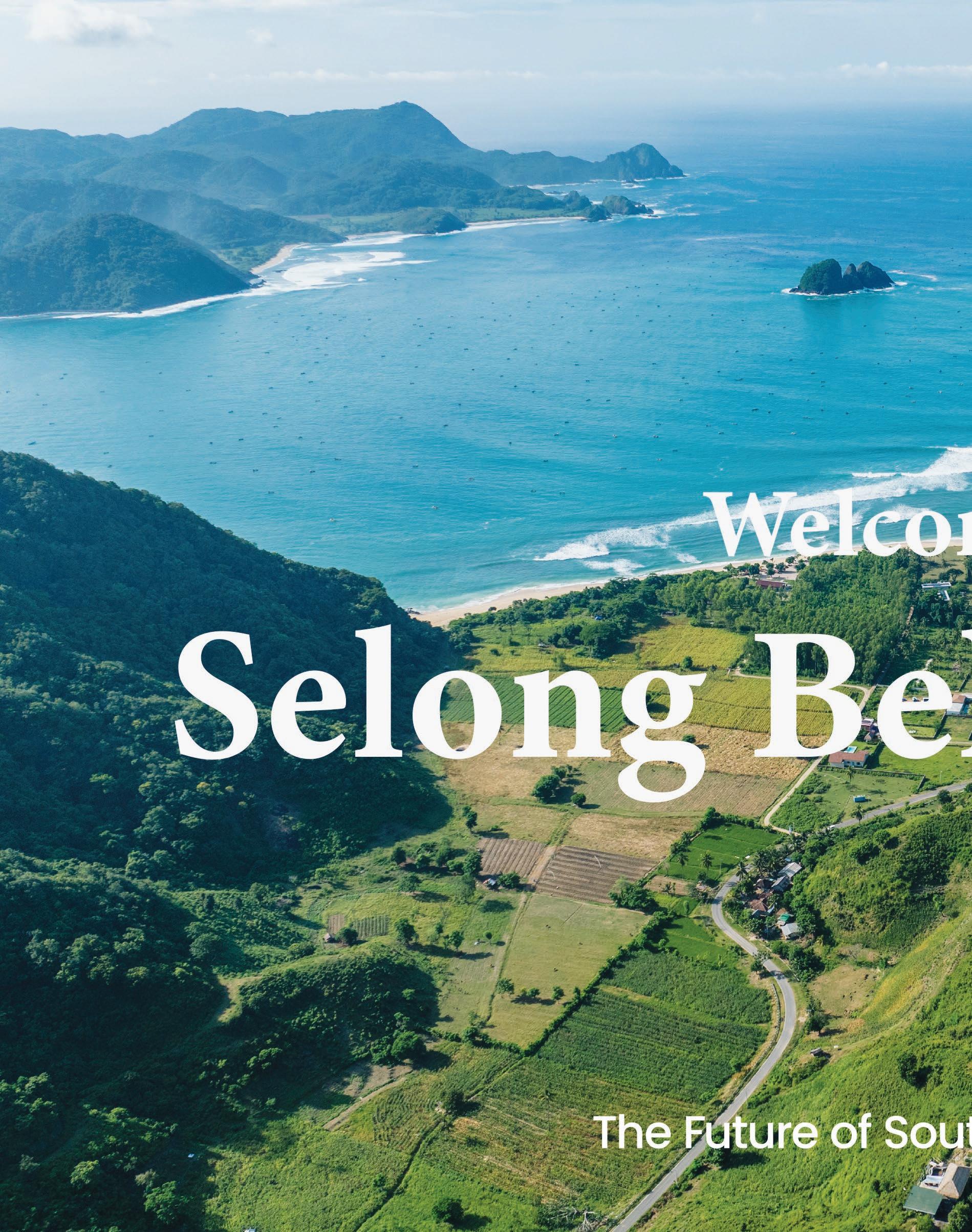
Welcome to another action-packed issue of mylombok, as we expectantly look forward to the summer. The island is still lush and green and nowhere illustrates this more than the amazing Benang Kelambu waterfall. Check it out on a leisurely jungle hike. Also, read about a different, through a lens perspective on Lombok life from photographer Yaron Bindels.
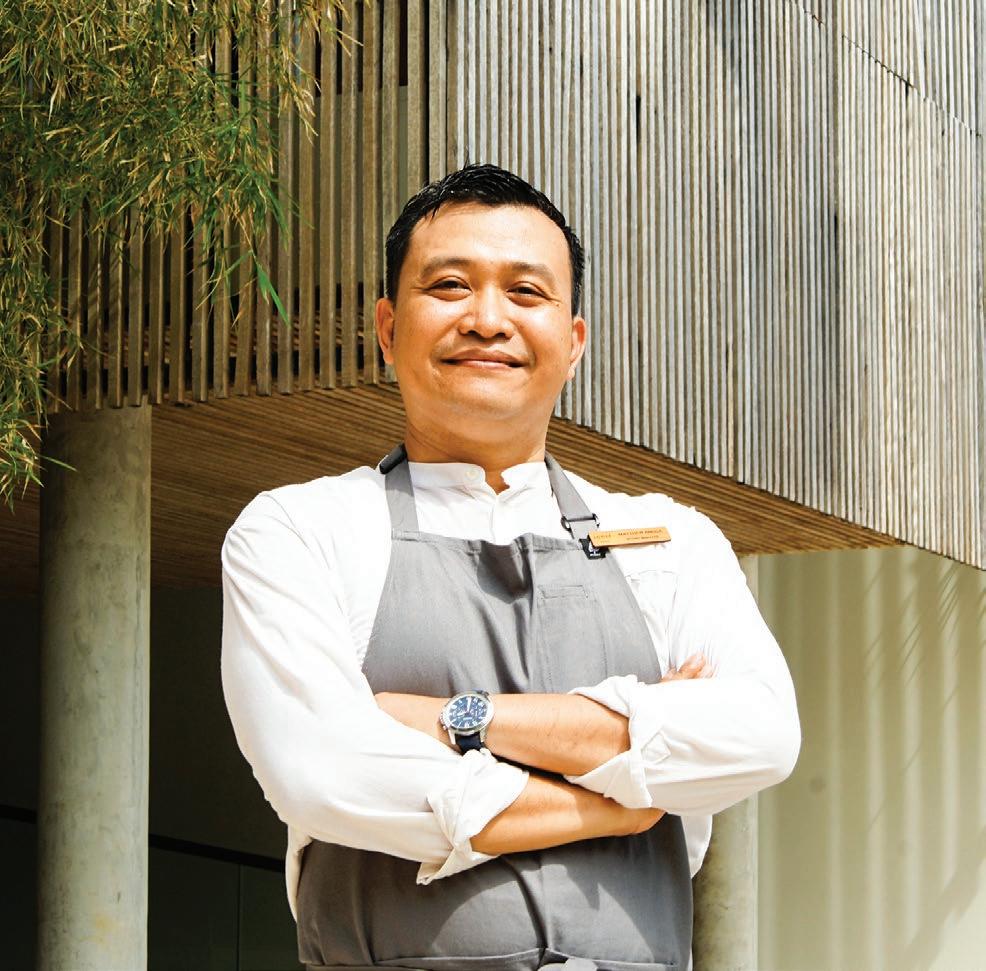
Plan your next Gili island escape at Rose Shell Boutique Villa in Gili Air or the designled resort oasis of Somewhere, Lombok. Try out the unique cuisine and vibe at MOSS restaurant in Kuta. Also in Kuta, we bring you news of the openings of the High Tyyde luxury homewares, new restaurant Uma Blu and Glaze Spa—House of Wellness. We recently sat down with Chef Matthew Angga, from Innit to talk about food, while Daniel stirs it up with more unique beverages.
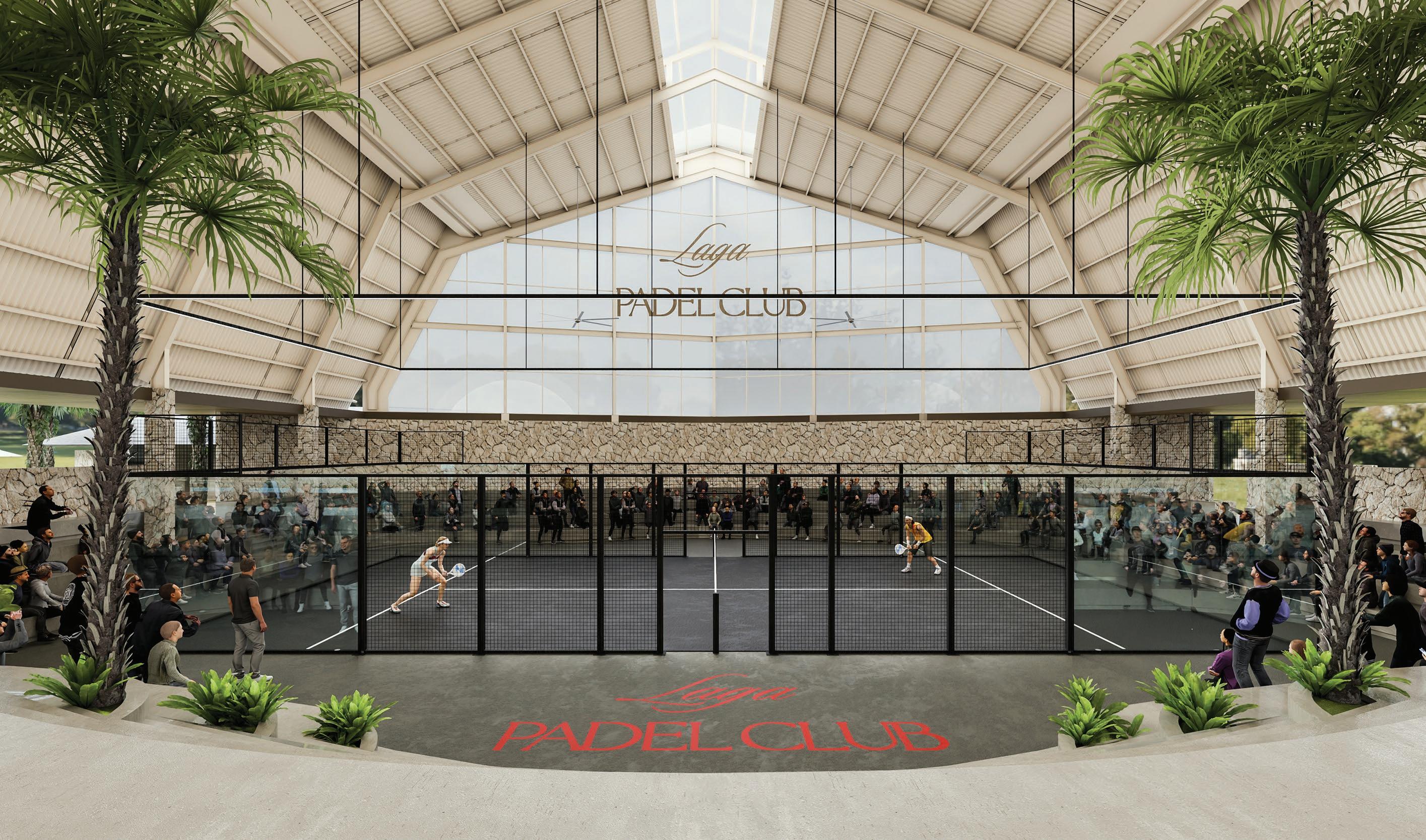
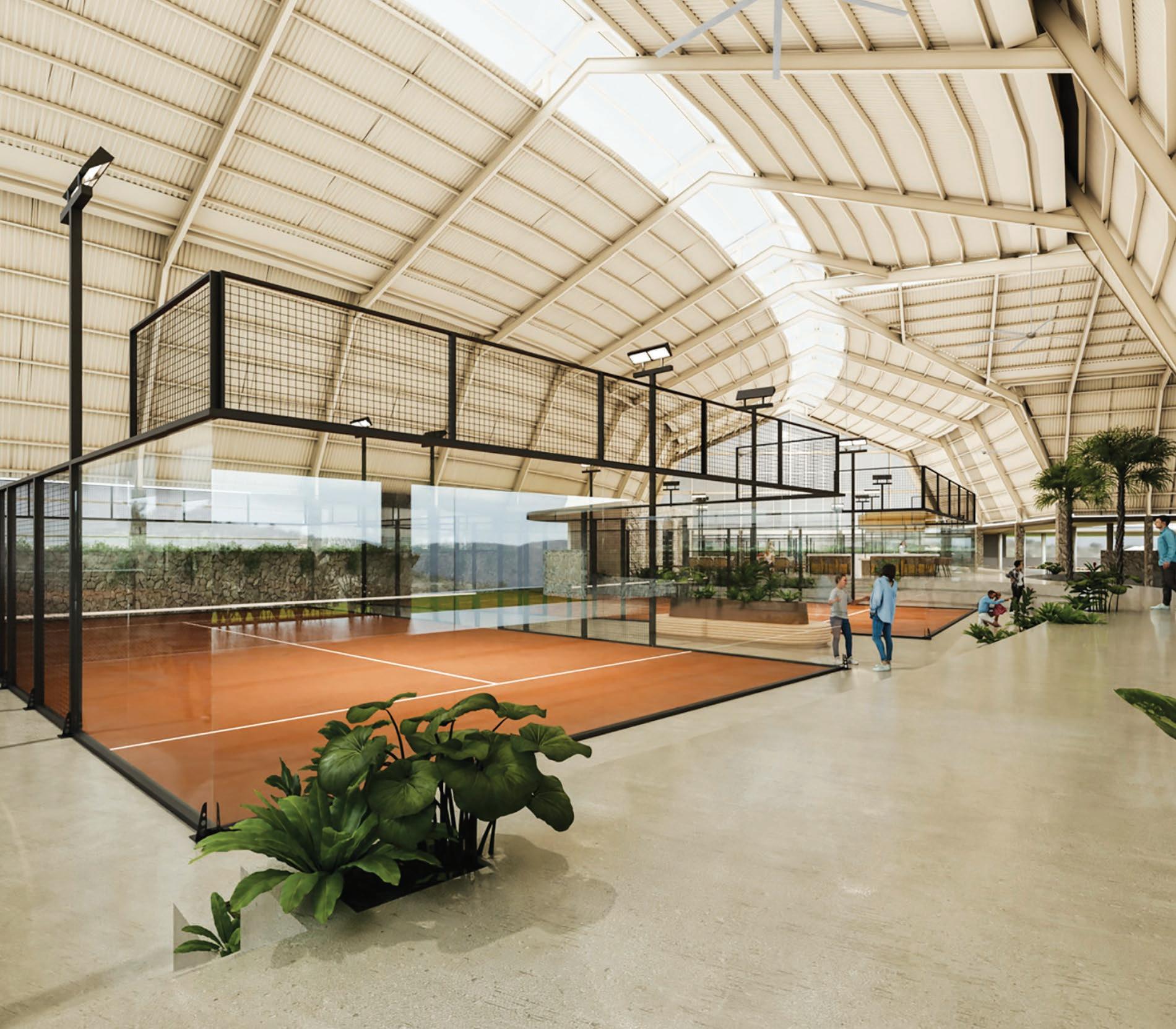
Looking to have fun while keeping fit? We offer a sneak peak at Laga Padel a new dedicated padel and wellness destination coming in early 2027. This issue, we have more insights from Nour Estates to educate budding Lombok property investors, and read all about Buffalo Pond Lombok, which offers swim lessons, water safety education and community programs, as it expanded both its reach and impact to Sumbawa with a dedicated water safety week.
ENQUIRIES
Telephone: +62 (0) 878 9640 3464
E-mail: info@mylombokmag.com
Instagram: @mylombokmag
Facebook: /mylombokmag
Website: www.mylombokmag.com
THE BAD GUY NOTICE
No part of this publication may be reproduced, stored in a retrieval system or transmitted in any form or by any means, electronic, mechanical, photocopying, recording or otherwise, without prior permission of PT Lima Elemen Grafika. The views and opinions expressed in this publication are not necessarily those of the authors and mylombok disclaims any responsibility for any errors, ommissions or complaints arising there from. The publisher will not be held responsible for copyright infringement on images supplied by advertisers and or by contributors.
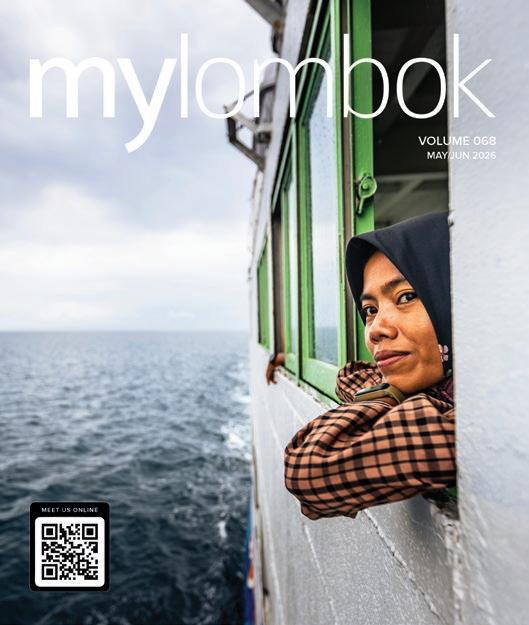
ON THE COVER
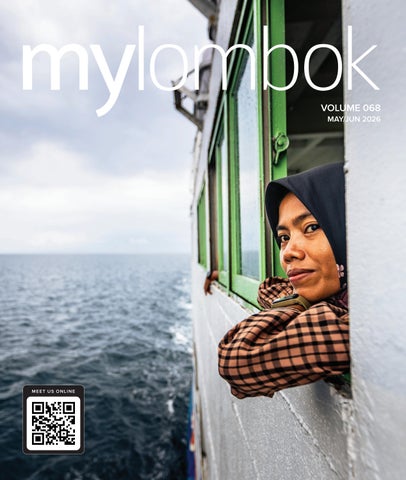
Taken by rasmuskuber.photo
Business
Chef
Chef
Eating
MOSS, Kuta
ESTATE
Luxury
The Rose Shell Boutique Villa
Hotel
Nour
Buying Land or a Villa in Lombok
BENANG KELAMBU
CASCADING WATERS THROUGH A DENSE WALL OF TROPICAL GREENERY
LAGA PADEL CLUB
WHERE COASTAL LIVING MEETS THE FUTURE OF PADEL
YARON BINDELS: ALL YEAR PRODUCTIONS
VISUAL STORYTELLING: KEEPING IT REAL
explore
BENANG KELAMBU
Cascading Waters through a Dense Wall of Tropical Greenery
How do you tear yourself away from Lombok’s wonderful beach life? The only thing to rival the island’s powdery white sands and blue waters is the uncrowded lush green interior. This is the ideal time for chasing waterfalls in Lombok. The hinterland is a verdant emerald green after the downpours of the rainy season.
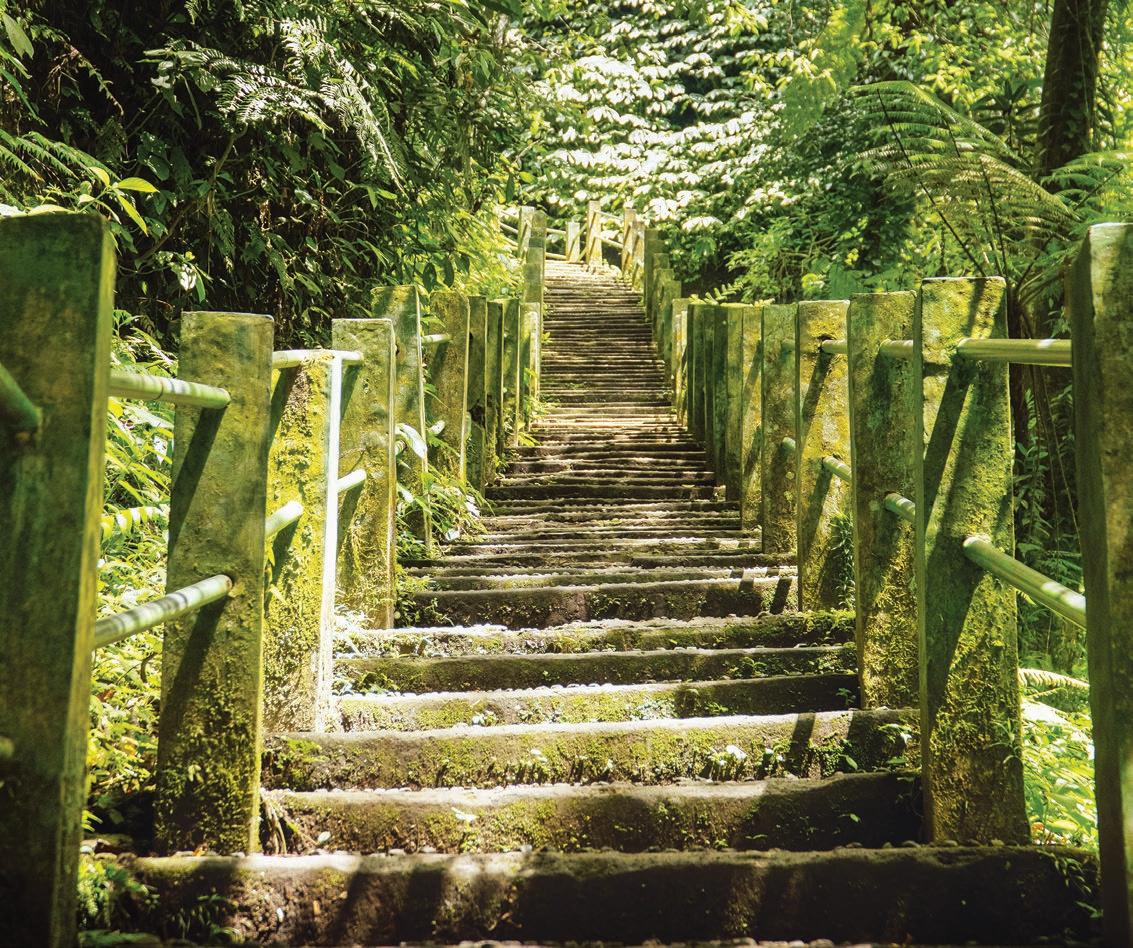
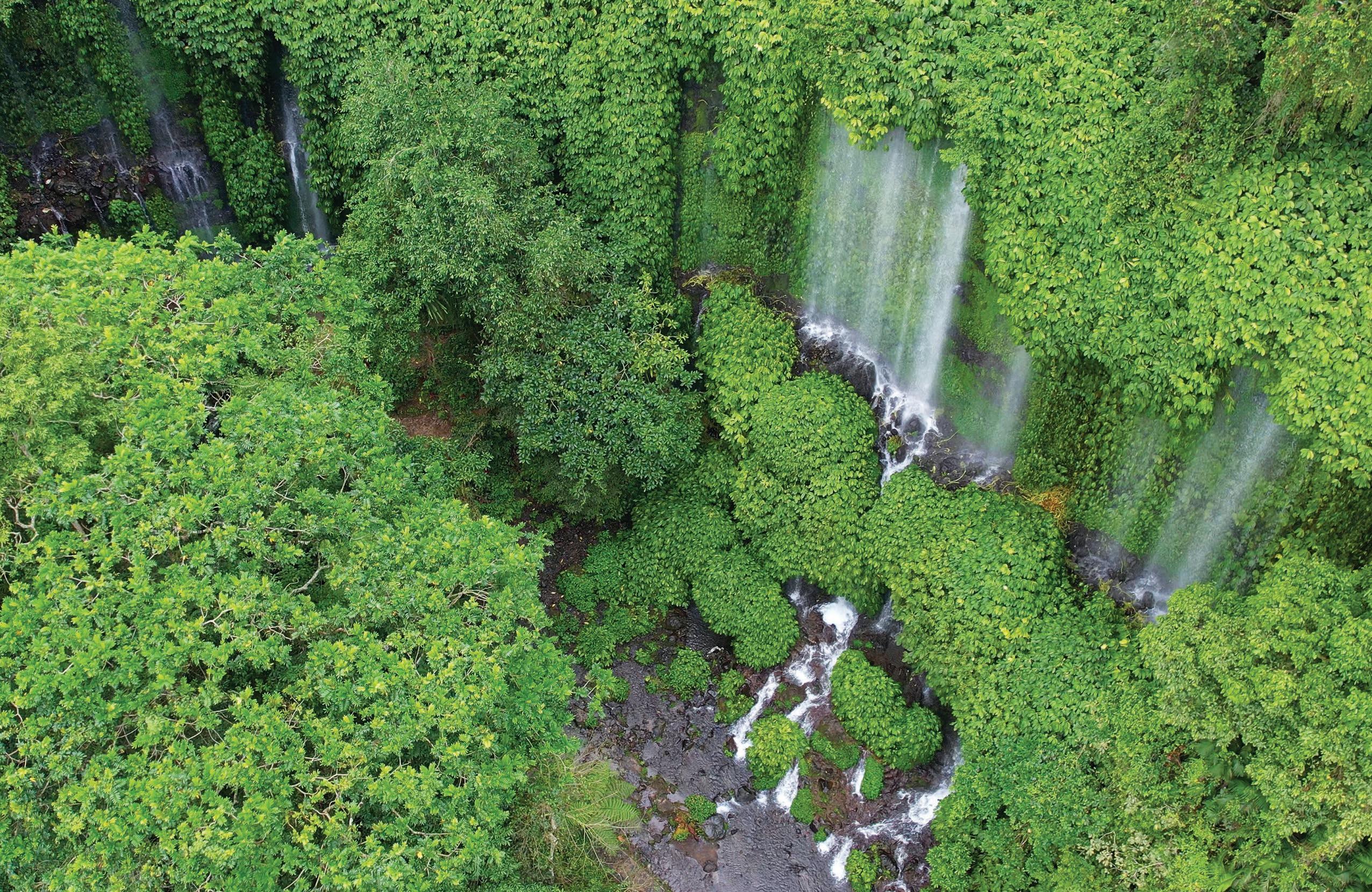
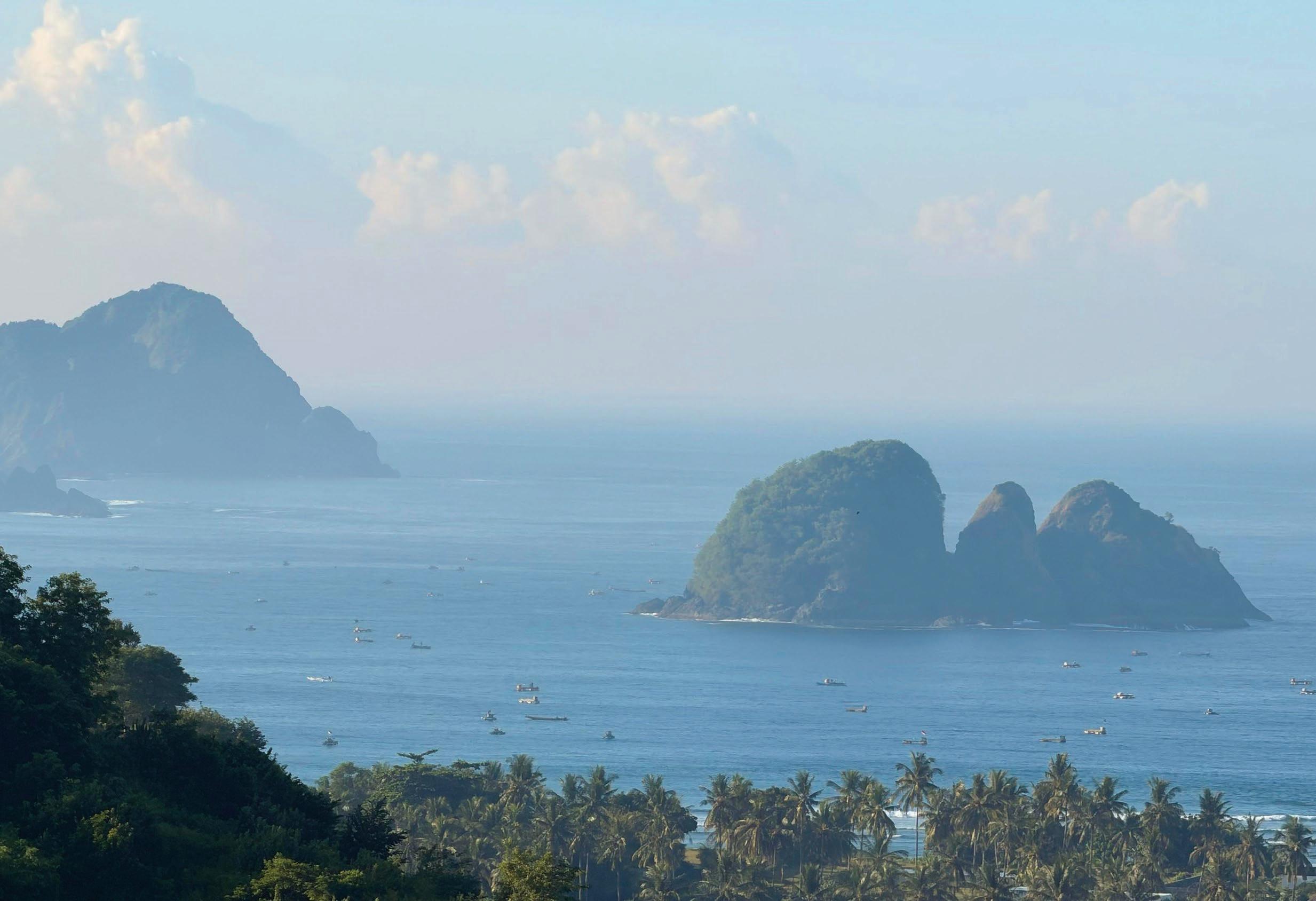
While many head for the cascading waters of Sedang Gile Waterfall, savvy travellers escape the crowds at little known Batukliang District in Central Lombok. Here lies Benang Kelambu, arguably Lombok’s most photogenic waterfall. Water cascades through a deep green curtain of tropical foliage that covers the cliff face, crashing down into a manmade rock pool.
Water cascades through the wall of dense vegetation at three different levels starting from a height of about 40 metres. You can paddle, swim or simply sit on the rocks and watch the action. It is an incessant show of water plunging down into the pool yet has an eery quietness about it you rarely get from waterfalls of this size. This is just one of its many unique features.
The water is crystal clear and flows south directly from Mount Rinjani’s volcanic lake. The water is known to be a cure-all for many ailments.
It is not the only waterfall here. Benang Setokel is the first pitstop en route to Benang Kelambu. This hidden waterfall flows into a pool of icy water from a height of about 20 metres. The pool below is clear but is too shallow for bathing. Still, it’s a photogenic sight that feels like a truly hidden natural treasure. It’s an ideal respite on a hot tropical day surrounded by a canopy of tropical rainforest.
bynarocu
Benang Setokel is only a short, easy hike from the starting point where guided trips are arranged. A guide will take you to both waterfalls along an easy path through banana trees, with birds singing and monkeys scampering into view. It’s a relatively casual 30-minute hike between the two waterfalls.
If you do take up the offer of a local guide, make full use of their expert knowledge. There are a couple of other virtually unknown waterfalls in the area - Kilwun and Sesere, known as the “secret waterfalls.” They are both small but incredibly picturesque and free from crowds even on busy holiday weekends.
The drive to get to Benang Kelambu from Senggigi or Mataram is itself a picturesque journey of about one hour through tiny villages tucked away between rice fields. For the best experience try to avoid weekends which are significantly busier both on the local roads and on the jungle trails to the waterfalls.
bynarocu
LAGA PADEL CLUB
Where Coastal Living Meets the Future of Padel
There are places in the world that immediately slow you down. Where the ocean sets the rhythm of the day, community still matters, and progress is measured not just in scale, but in impact. Lombok is one of those places, and it’s exactly why Laga belongs here.
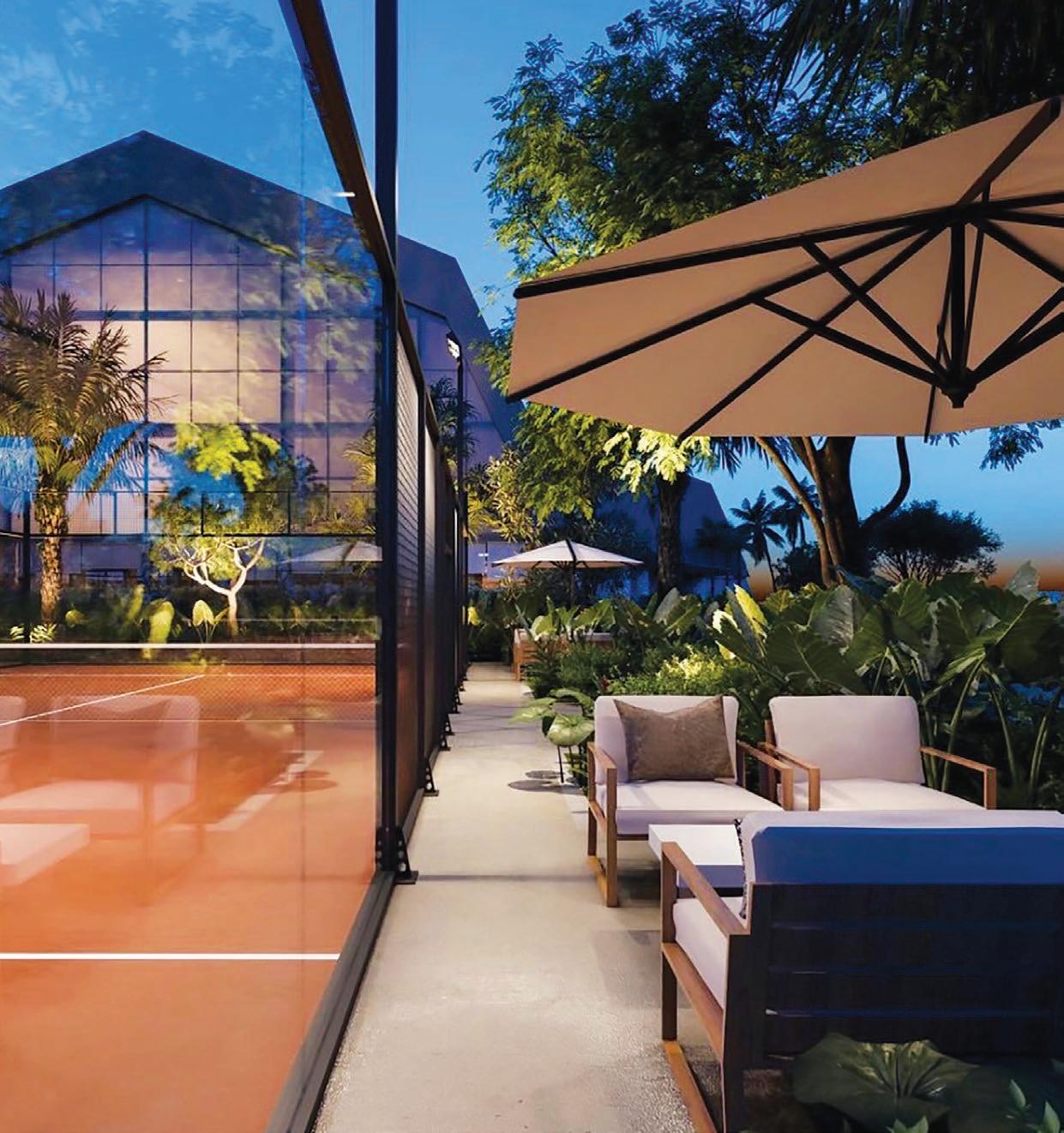
Set on over 12,000 square metres of prime beachfront land on the shores of Kuta Beach, Laga is being created as a design-led padel and wellness destination rooted in quality, community and connection to a place. When it opens in early 2027, Laga will not simply introduce padel to a new level, it will reframe what a sports and lifestyle destination can be in Southeast Asia.
A DESTINATION BUILT AROUND SPORT, LIFESTYLE AND COMMUNITY
At its heart, Laga is about balance: performance and wellbeing, international standards and local culture, energy and ease.
The first phase of the club will feature six state-of-theart padel courts, built to international specifications and designed to deliver an exceptional playing experience for beginners, enthusiasts, and elite players alike. Additional courts and facilities are already planned as part of a longer-term vision.
But Laga is far more than courts.
It has been conceived as a complete lifestyle destination, bringing together:
• Padel for all levels including coaching programmes, social play, junior development and competitive training
• Wellness facilities designed around recovery, movement and balance
• A dedicated crèche allowing families to train, play and spend time together
• Future development including an extended lifestyle offering, designed to position Laga as an international padel and wellness destination
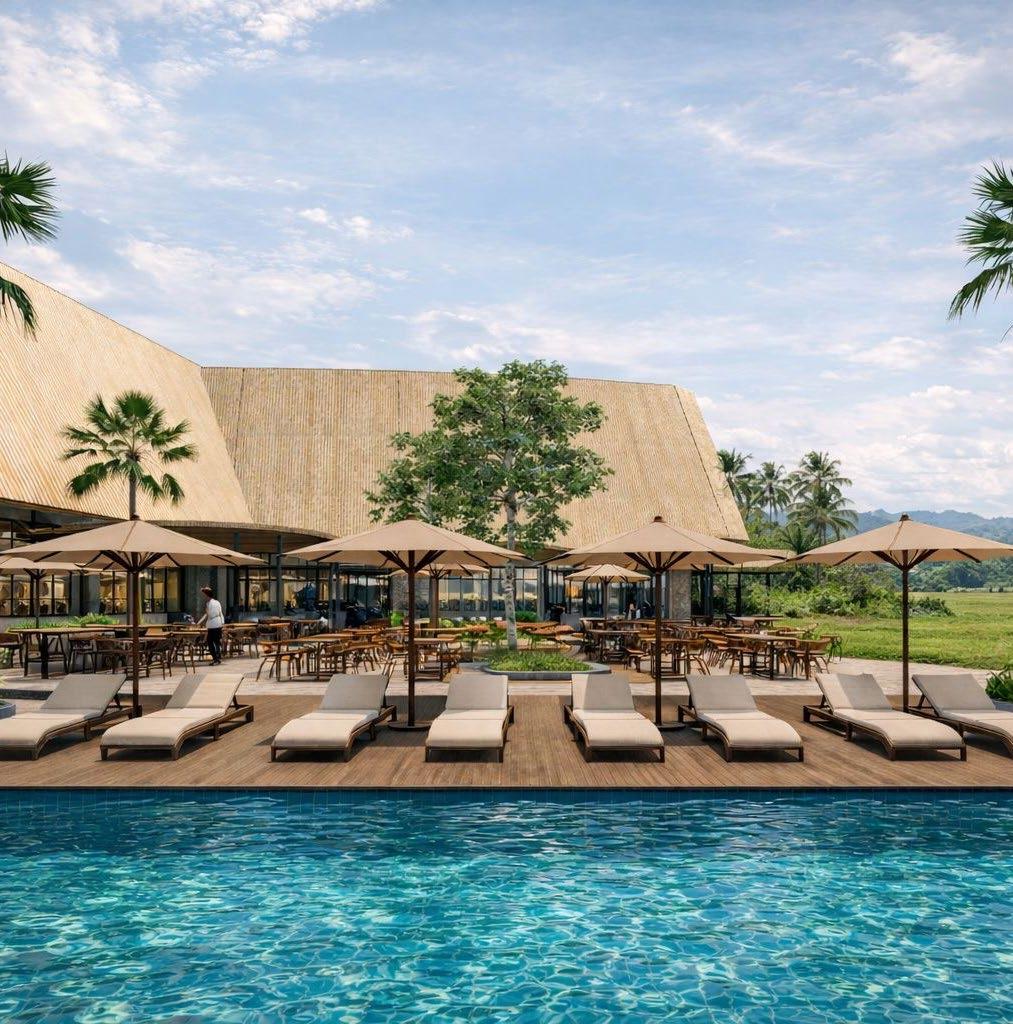
Alongside the club, Laga Living will introduce a limited collection of beachfront residences, allowing guests and owners to stay within the energy of the destination, where mornings begin with matches and days flow between the courts, pool and ocean.
Whether arriving for a long weekend, a training academy or simply to spend time by the sea, Laga is designed to fit naturally into the rhythm of island life.
FROM LONG-TERM VISION TO THE RIGHT MOMENT
The story of Laga begins long before padel arrived in Southeast Asia.
The land was acquired over 18 years ago, before Lombok’s International Airport had opened. From the outset, the vision was long-term, rooted in patience, care, and a belief in Lombok’s future.
Rather than rushing development, the owners waited for the right time, the right concept and the right opportunity.
That opportunity is Laga.
What makes this moment significant is not just the investment, but the intention behind it: to create something thoughtful, sustainable and lasting—a place that contributes to Lombok’s future rather than simply capitalising on it.
CO-FOUNDED BY EXPERIENCE: FRANKIE LANGAN
Laga is co-founded by former GB No.1 padel player and National Junior Coach, Frankie Langan, bringing international expertise into every aspect of the club’s design and programming.
From court specifications to coaching philosophy, Frankie’s involvement ensures Laga meets global standards while remaining welcoming, social and accessible.
AN INTERVIEW WITH FRANKIE LANGAN
What were your first thoughts when you visited Lombok?
“Honestly, it was the energy of the place. Lombok has this calm, grounded feel to it—but there’s also huge potential. It immediately felt like somewhere special. Somewhere that deserved something done properly, not rushed or overcommercialised.”
Why Lombok for a project like Laga?
“Padel is about connection—between people, between sport and lifestyle. Lombok naturally lends itself to that. You have space, nature, community and a growing international audience. It’s not trying to be another Bali, and that’s exactly what makes it right for Laga.
What makes Laga different from other padel clubs around the world?
“Laga isn’t just about building courts and hoping people come. It’s about the full experience—the setting, the coaching, the wellness, the community. You can play padel in a lot of places, but very few combine performance sport with this level of lifestyle and care.”
What excites you most about opening in 2027?
“Seeing locals, families, beginners, and high-level players all sharing the same space. That’s when you know you’ve built something that will last.”
SUSTAINABILITY AT THE CORE
Sustainability at Laga is not a layer. It is foundational.
The project forms part of the wider vision of ATOMA Group, whose founder acquired the land in 2008 with a long-term commitment to responsible development across Southeast Asia.
This approach is reflected in:
• Thoughtful land use and long-term planning
• Employment and training opportunities for local communities
• Investment in infrastructure that benefits the wider area
• Environmental initiatives focused on waste reduction and ocean protection
ATOMA Group is actively involved in sustainability projects across Lombok, including initiatives that address waste management and river pollution before plastics reach the ocean.
Laga exists within this broader ecosystem—designed to contribute, not extract.
LOOKING AHEAD
With construction underway and momentum building, Laga represents a new chapter not just for padel in Lombok, but for how destinations are conceived.
This is a place designed to grow with its community, evolve over time and remain grounded in the values that shaped it. When Laga opens in early 2027, it will offer something more than a club. A place where sport, lifestyle and community come together. And where people return not just to play, but to belong.
Laga. Lombok. Opening early 2027.
lagapadel info@lagapadel.com www.lagapadel.com
The Ripple Effect from Lombok’s Shore
From Lombok to Sumbawa, Buffalo Pond is redefining meaningful impact in paradise.
Buffalo Pond began in Kuta Lombok in 2024, sparked by a simple yet powerful conversation. When founder Andrea McDowall asked a local man if he had learned to swim, his response was disarmingly honest: “No, but I paddled around in my uncle’s buffalo pond.” In that moment, a deeper reality surfaced, revealing a critical gap in water safety education, and giving rise to what would become Buffalo Pond.
In a country surrounded by water, the ability to swim is not just a skill, but a life-saving necessity. According to World Health Organization data (2020), more than 4,500 people lose their lives to drowning each year, that’s around 12 people every day. Due to underreporting in many regions, the true number is likely even higher. It is a quiet crisis, often overlooked, but one that is largely preventable.
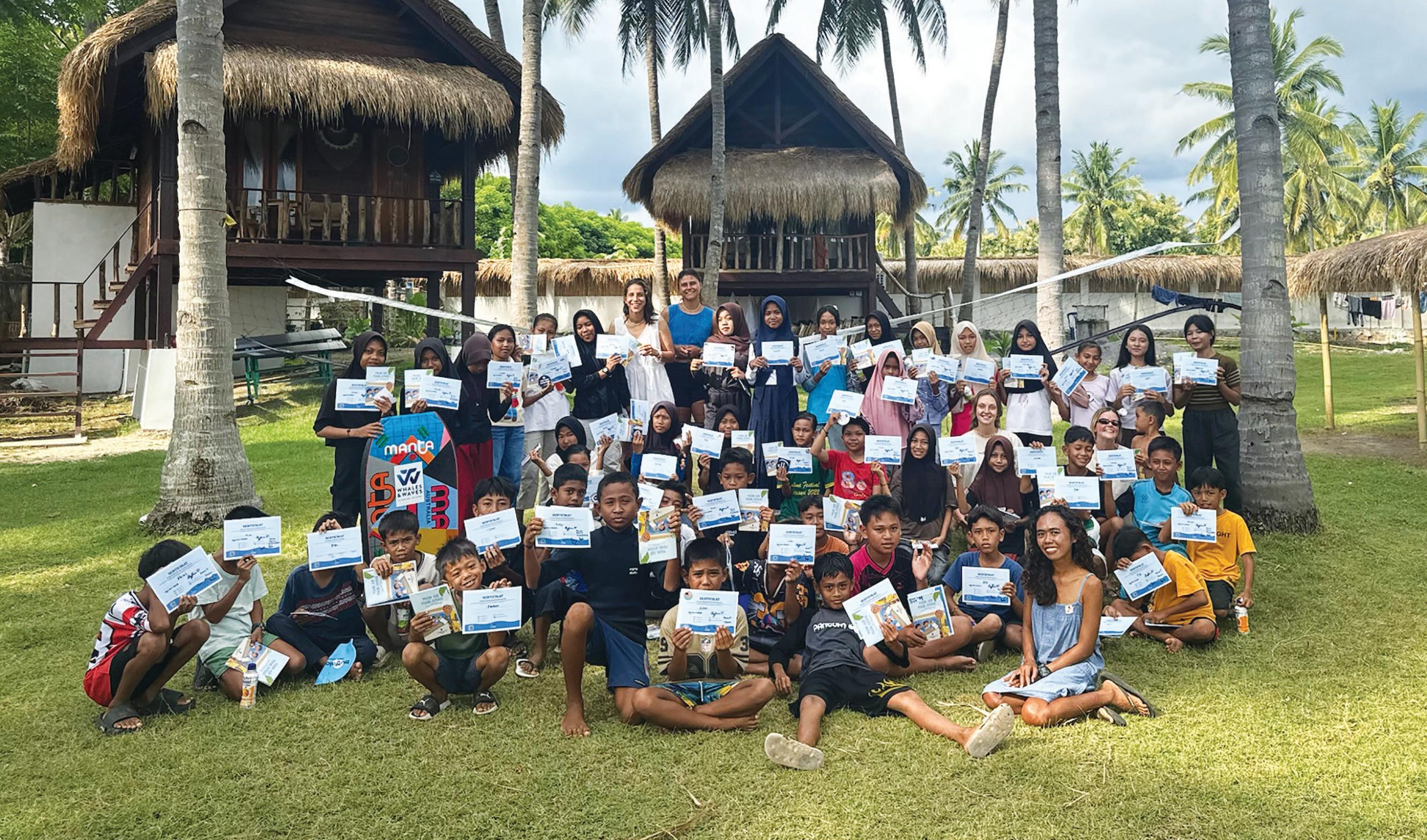
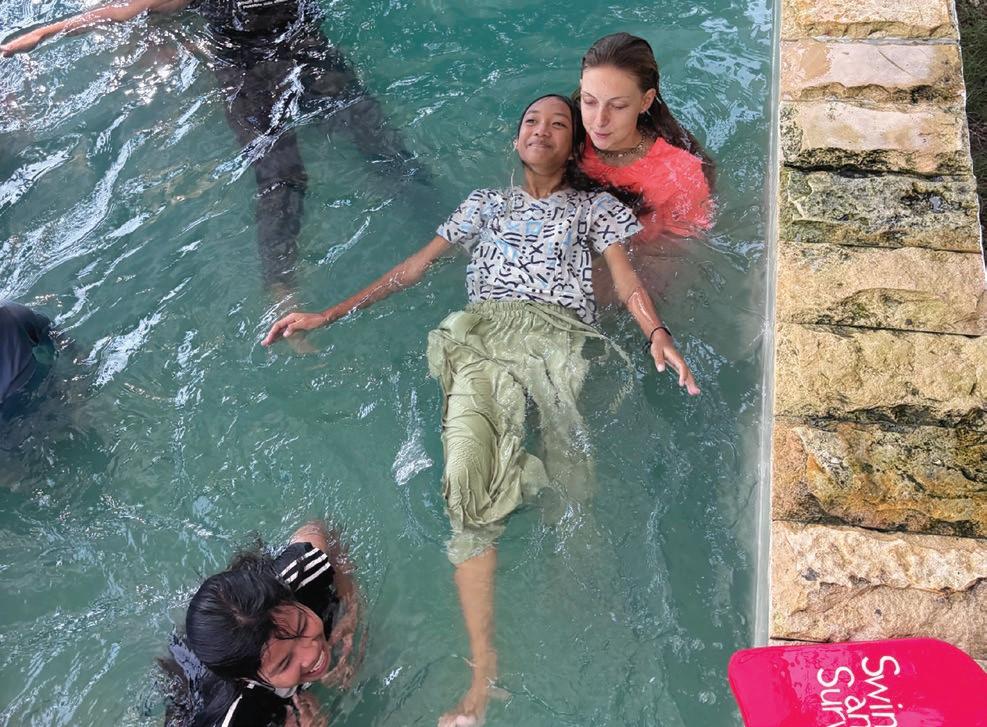
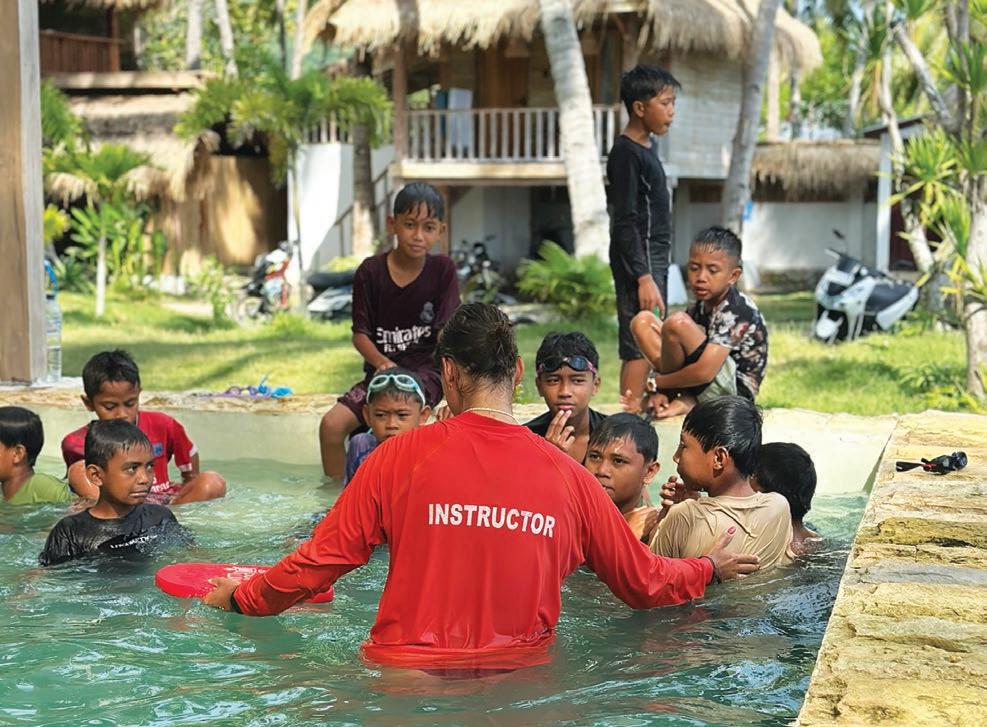
In just two years, Buffalo Pond has evolved from a grassroots initiative into a growing social enterprise, balancing paid lessons with community programs to expand both its reach and impact. Last month, April 2026, that growth extended beyond Lombok, as the team travelled to Sumbawa, arriving in Kertasari to deliver a dedicated water safety week in partnership with Living on Air.
For Bella, community manager at Living on Air and one of the few local women surfing in Sumbawa, the mission is deeply personal. “The ocean feels like freedom to me,” she says. “But here, children are taught to be afraid of it.” In many communities, the ocean is seen as something dangerous rather than something to understand—a perception often shaped by limited access to education.
“There are drownings every single day,” she explains. “Not because people are careless, but because they simply don’t know how to be self-sufficient in the water.” Her vision is simple yet powerful: to shift that relationship entirely and make the ocean a place where people feel welcome again. With a strong foundation now established, this expansion marks a shift from a single-location initiative to a scalable model—one that can reach more communities across Indonesia through lessons, educational resources, and targeted safety programs.
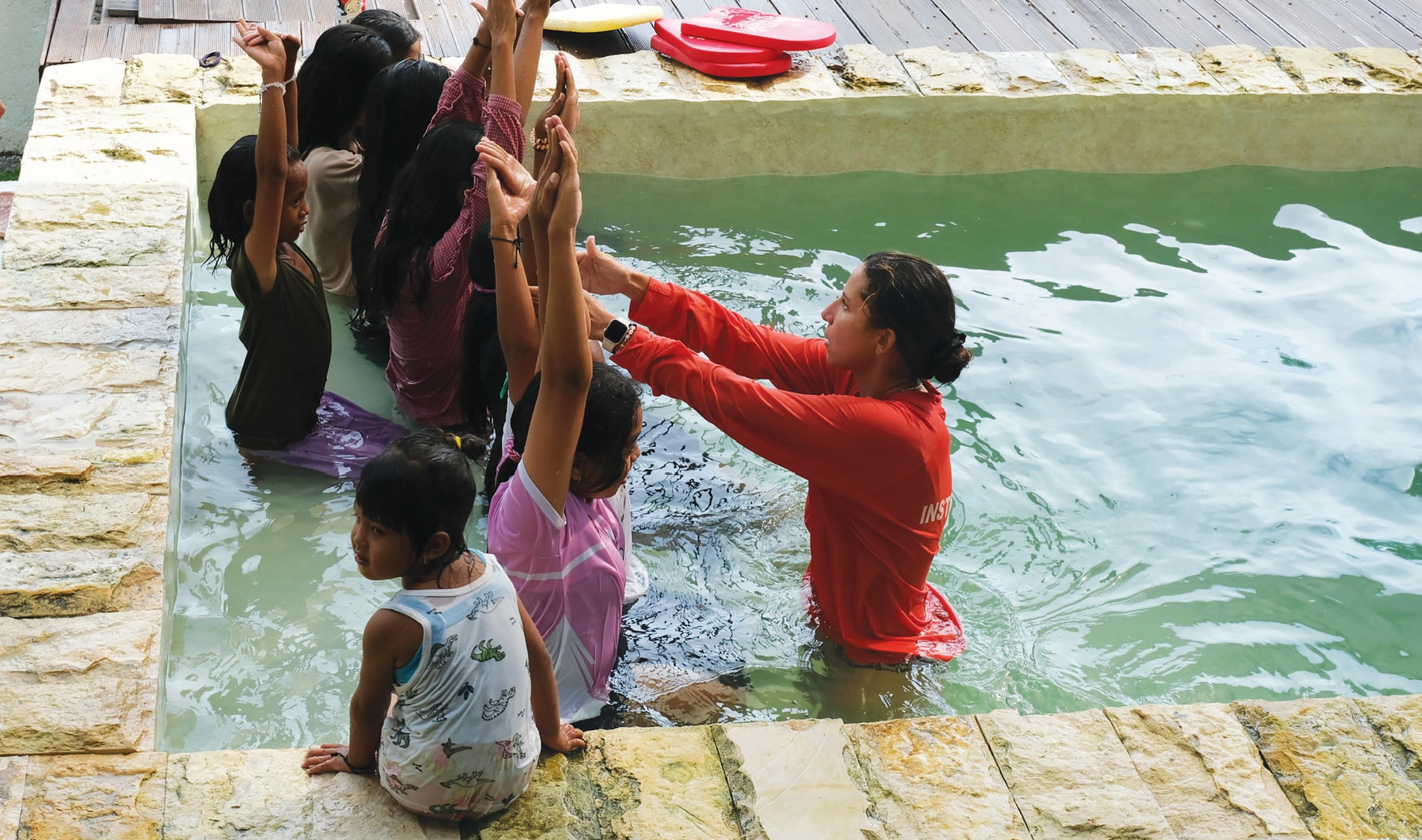
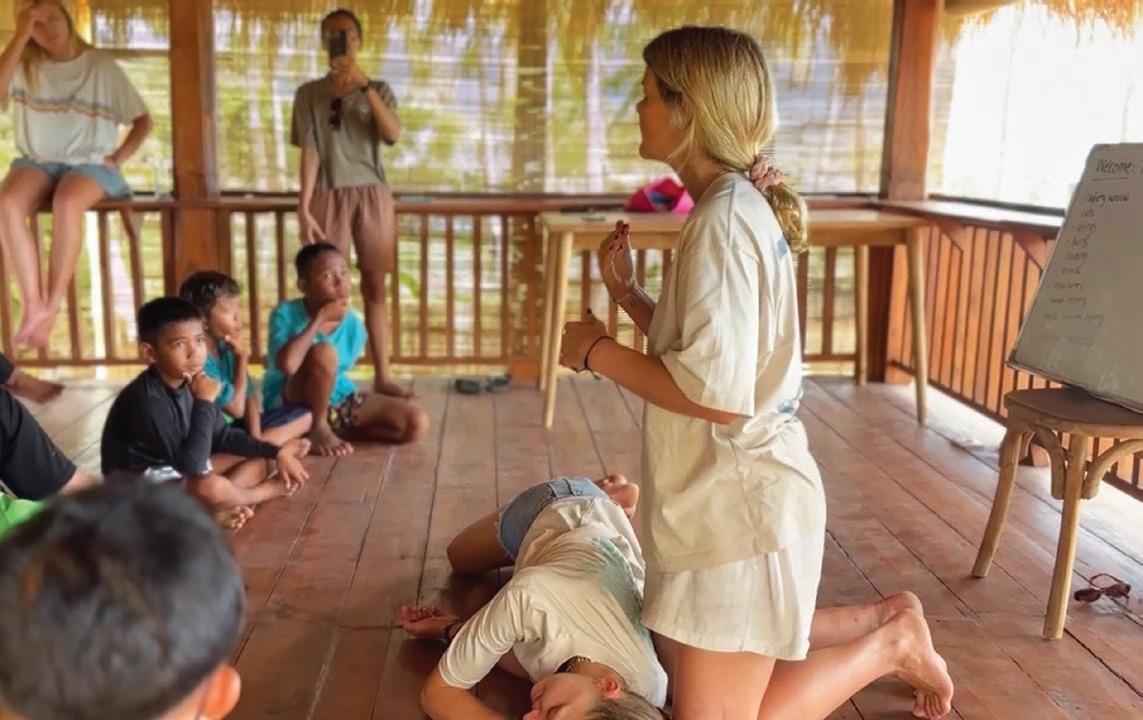
At its core, Buffalo Pond is built on a simple belief: everyone deserves access to water safety education. The Sumbawa program brought this to life through immersive, hands-on sessions combining swim instruction, first aid training, and education.
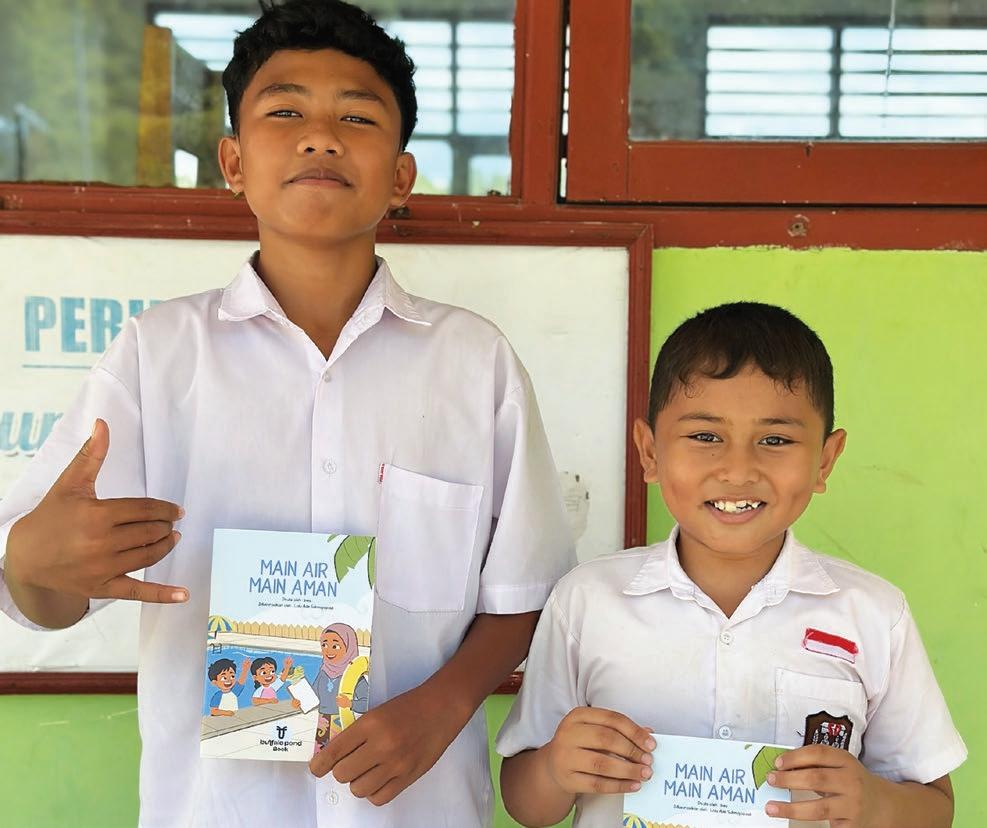
Over the course of the week, more than 50 children participated in structured sessions, many stepping into the water for the first time. What began as hesitation quickly transformed into confidence, as they learned to float, control their breathing, and move safely through the water. Beyond the children’s program, the team focused on building long-term capability within the community. Local teachers were trained in foundational water safety skills, ensuring that knowledge continues well beyond the program itself. First aid and CPR training equipped community members with practical, life-saving skills, while school visits and water safety books extended learning into classrooms and homes. A community networking dinner brought together local businesses and leaders, strengthening partnerships and reinforcing that water safety is a shared responsibility.
LOOKING AHEAD
What makes the Sumbawa initiative particularly meaningful is its focus on sustainability and empowerment. Rather than delivering a one-off program, Buffalo Pond aims to leave a lasting footprint—through trained teachers, educated families, accessible resources, and strong local partnerships.
As a growing social enterprise, Buffalo Pond continues to expand its impact across Indonesia, scaling lessons, developing educational resources, and co-creating community-based programs.
Ultimately, this work is about more than swimming. It is about safety, confidence, awareness, and community, creating a ripple effect of knowledge that extends far beyond a single week. Most importantly, it is about taking meaningful steps toward reducing preventable drownings, one child, one teacher, and one community at a time.
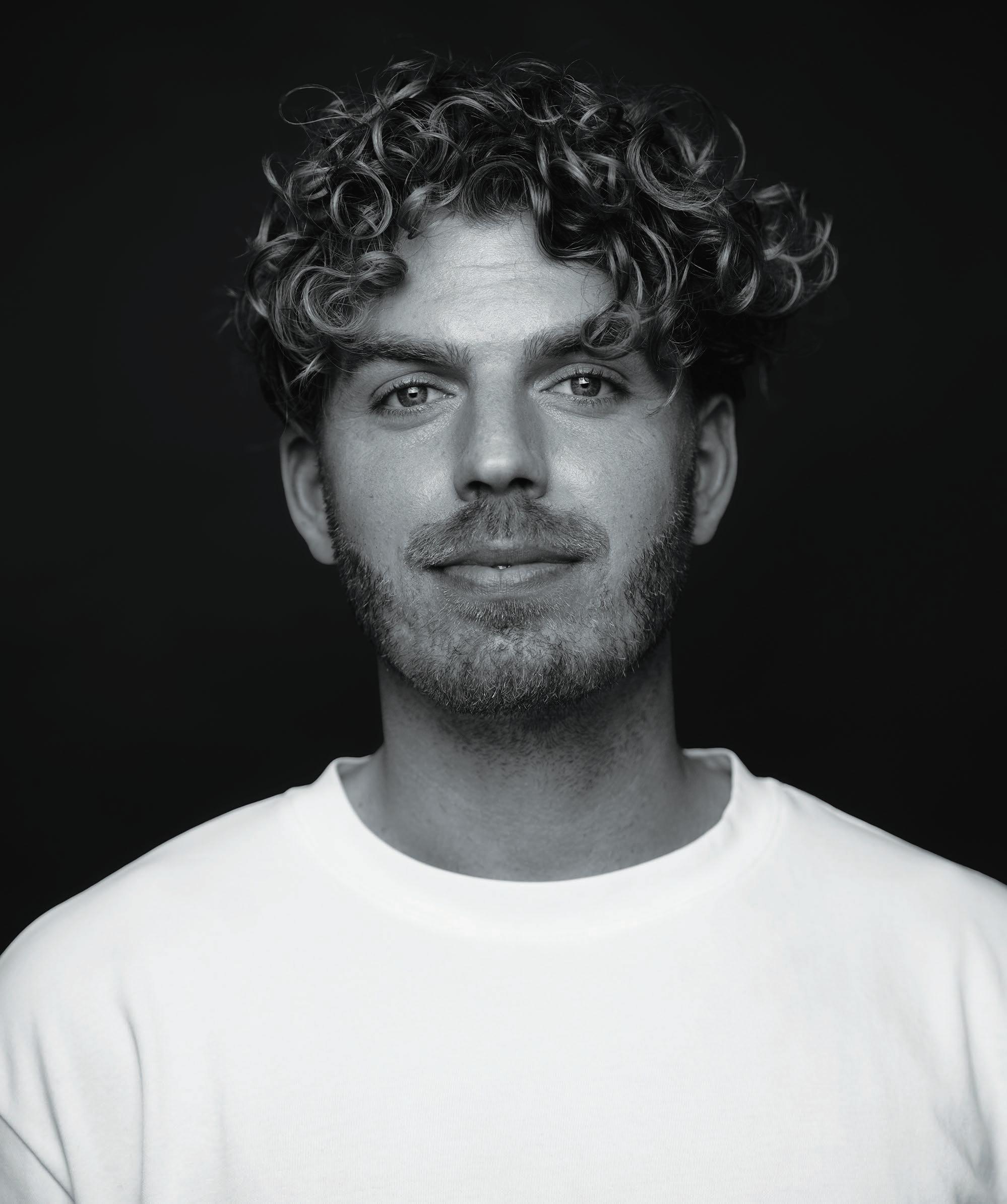
‘I don’t really see myself as a traditional filmmaker. I’m more interested in being inside the moment than controlling it’.
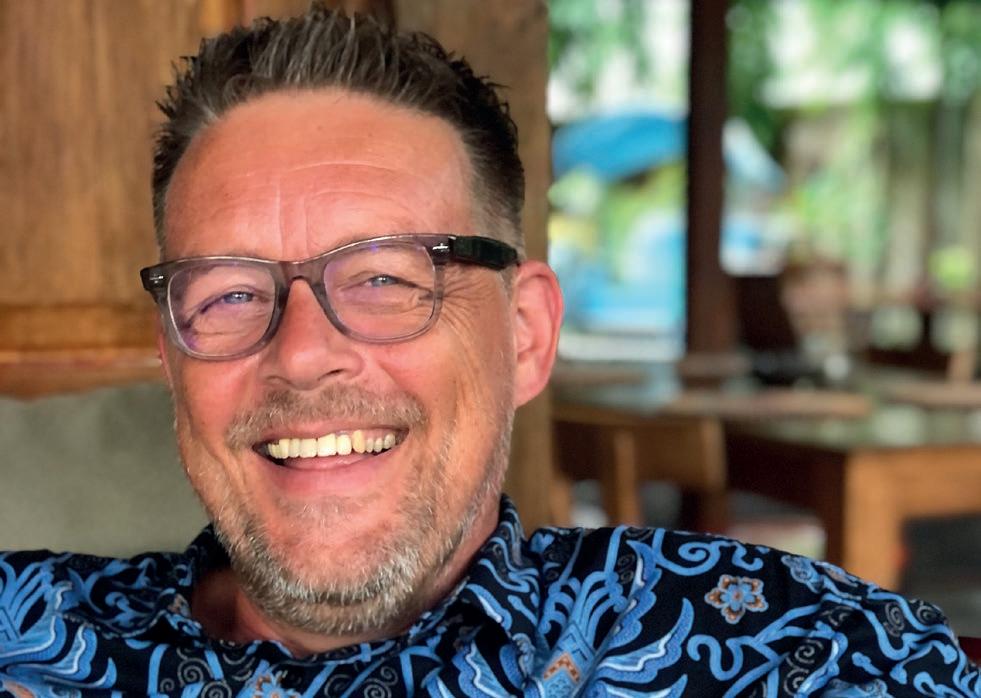
Yaron Bindels, 31, and originally from the Netherlands, is a cinematographer and photographer. He runs his own production company, All Year Productions, and works with clients and communities around the world. He spoke with mylombok about his life in what he describes as visual storytelling.
It started during his time in Bali. Aged 19, he was doing an internship in digital marketing, at a dive centre. To produce content for a campaign, he picked up a GoPro. There was no plan, no expectations, just curiosity. It was as though he’d flipped a switch.
‘Filming, editing, shaping something out of raw moments—it made sense immediately’, he says.
‘It didn’t feel like work—it felt natural. From there, it slowly grew into what I do today’.
And today he shifts his focus between tourism, culture and sport. You’ll usually find him somewhere between the ocean and the mountains, or in other places most people don’t get to see.
‘I’m drawn to extremes’, he says. ‘Not just visually, but emotionally. Adrenaline, silence, chaos—that’s where things get real’.
He had always instinctively been drawn to nature—to wildlife and to worlds that felt untouched.
‘As a child, I’d watch The Lion King repeatedly or get lost in Shark Week on the Discovery Channel. Over time, it evolved into a deeper interest in cultures, traditions and human stories’.
Yaron didn’t follow the traditional film school path. He learned by doing, travelling, experimenting and constantly building and improving.
‘There was no mentor, no system—just trial and error and obsession. I posted work, connected with people and figured it out as I went’.
He admits this approach was a challenge but there were moments that built his confidence.
‘One of the first was when PolarPro reached out to collaborate after seeing my work. That kind of recognition motivates you. From there, I started working with larger international brands—Coca-Cola, Monster Energy and EasyJet. Every collaboration like that feels like a form of trust’.
He also found it challenging to keep up in an industry that moves extremely fast and where trends, algorithms and attention spans are always shifting.
‘You have to be critical of your own work, constantly adapt and improve, while staying true to your vision. You need to invest in better equipment and keep learning new techniques.
‘Another challenge is dealing with the tension between living the moment and capturing it and keeping a balance between being present in real life and being online, because your work depends on both’.
His business name All Year Productions —comes from a personal twist on his nickname, ‘Yar’.
‘It’s like a signature hidden in the name, which makes sense’, he says, ‘because whether I work solo or with a team, it always comes back to a personal approach’.
The ‘team’ depends on the project he happens to be working on.
‘I might use drone operators, editors, musicians or local guides. I keep it flexible, so every project gets exactly what it needs without losing the personal touch’.
Most of his work sits in a space between documentary and high-end commercial, branded content. He explains what that means:
‘I attract clients in the tourism, outdoor and lifestyle sectors, ranging from global brands to more niche, experience-driven companies. They want more than just content and polished visuals; they’re looking for storytelling that creates a connection with their product or destination.
‘My work leans towards documentary-style visual storytelling. It’s more than just creating beautiful images. It goes deeper; it’s about ‘emotion, authenticity, and context. I shoot what’s real... cultural rituals, remote places, human stories. It’s the kind of work where you don’t just watch, you experience; you become part of something much bigger.
‘Being trusted to document cultural traditions is more than just filming. Those experiences stay with you’.
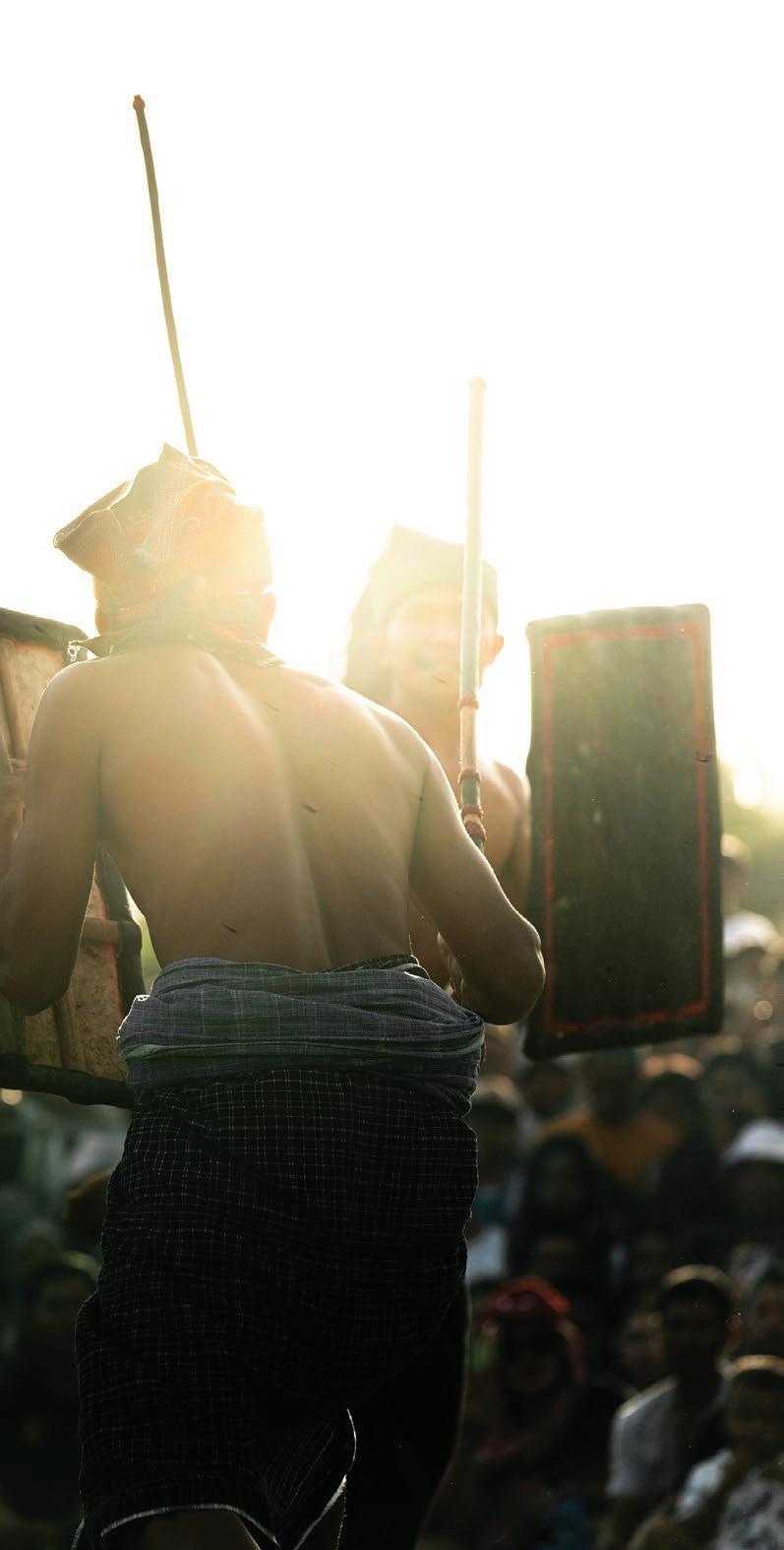
He spoke about a recent project, working with the Marapu people to film the Pasola tradition—a traditional mounted spear-fighting ritual—in Sumba, Indonesia.
‘The film went viral, he says, ‘but more importantly, it proved that raw cultural stories still cut through and that people are still looking for something real. I’m not interested in overproduced stories. I don’t want to polish reality into something it’s not. The imperfections, the unpredictability —that’s where the energy is. That’s where people feel something. And the unpredictability is part of what I enjoy most, too’.
Yaron clearly loves the work he’s chosen to do. And he enjoys living and working from Lombok.
‘The work gives me access to people, places and stories I normally wouldn’t experience. It constantly shifts my perspective and keeps me inspired. Living here—the pace, the people, the culture—has changed the way I work, too. It strips things back and makes me focus on what really matters. It’s a place where you can stay grounded while still being creatively inspired’.
He sums up what he feels his work has to offer: ‘Less noise. More truth. That’s because the strongest stories already exist. You don’t have to create them—you just have to be present enough to find them and capture them’.
yaronbindels
www.allyearproductions.com
HIGH TYYDE SUPPLIES AND SHIPPING
Home Essentials with a Touch of Luxury
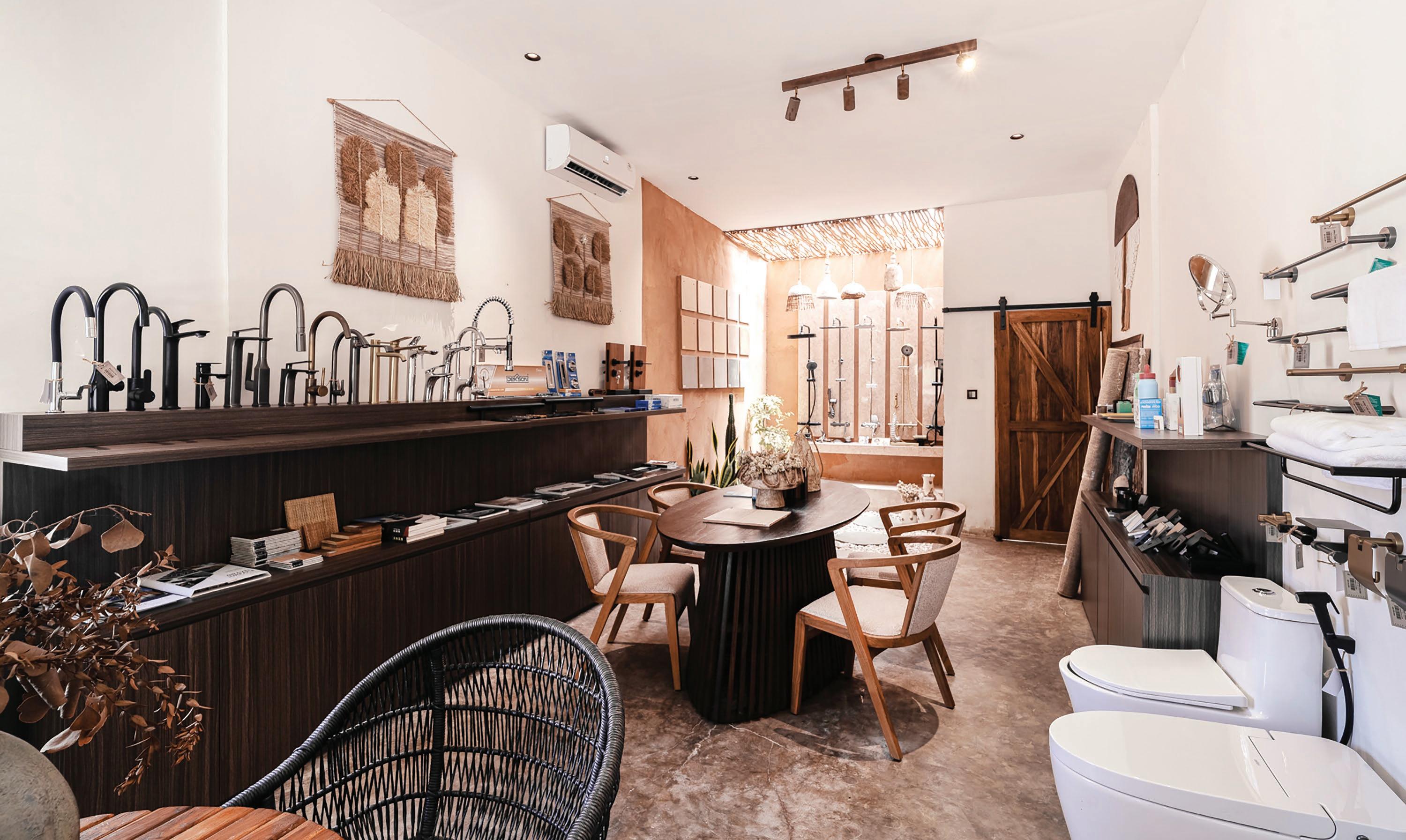
When two people with very different backgrounds came together through work, they developed a friendship that soon gave rise to an idea for a business. Sam and Yuni spoke with mylombok recently about their new venture, High Tyyde Supplies and Shipping which opened in April in Jalan Mawun, Kuta Lombok.
Sam was born in Redditch, near Birmingham and, after high school, served for 5 years in the Royal Navy where he studied telecommunications. After a year teaching windsurfing in Greece, he moved to China, working first in English teaching but then in exports, supplying custom products via e-commerce.
Yuni was born in West Sumbawa and grew up in Central Java, where she studied international communications.
They met and became friends when Sam supplied products for Yuni’s home décor business. ‘This gave us the idea for a shared business’, says Sam. ‘A one-stop shop for all of our clients’.
‘From my experience of working in the construction business’, adds Yuni, ‘I know how difficult it can be to find the materials you need—especially when it comes to custom-made products’.
They saw a huge opportunity and took it, encouraged by the practical research they did and by speaking to expats and asking them what they really needed.
For now, their energy is focused on building strong relationships with customers through their offline presence —a ‘bricks and mortar’ store. The profile they’re aiming for is modern and minimal, with their own unique style and a touch of luxury.
They’ve put together a team, with specialised roles. Sam is focused on investment and business aspects of the partnership.
‘My role is leading the team in terms of interior design and marketing’, says Yuni. ‘I also build relationships with local carpenters and installers. Our Store Manager is Lala and our Sales Assistant is Meta, who works with retail assistants, most of whom are women. We also have graduates and senior designers working with the team’.
High Tyyde is a one-stop shopping solution. The business serves a broad clientele, including property developers, hotel and business owners, private property owners, home builders and renovators and customers who want to upgrade their interior décor.
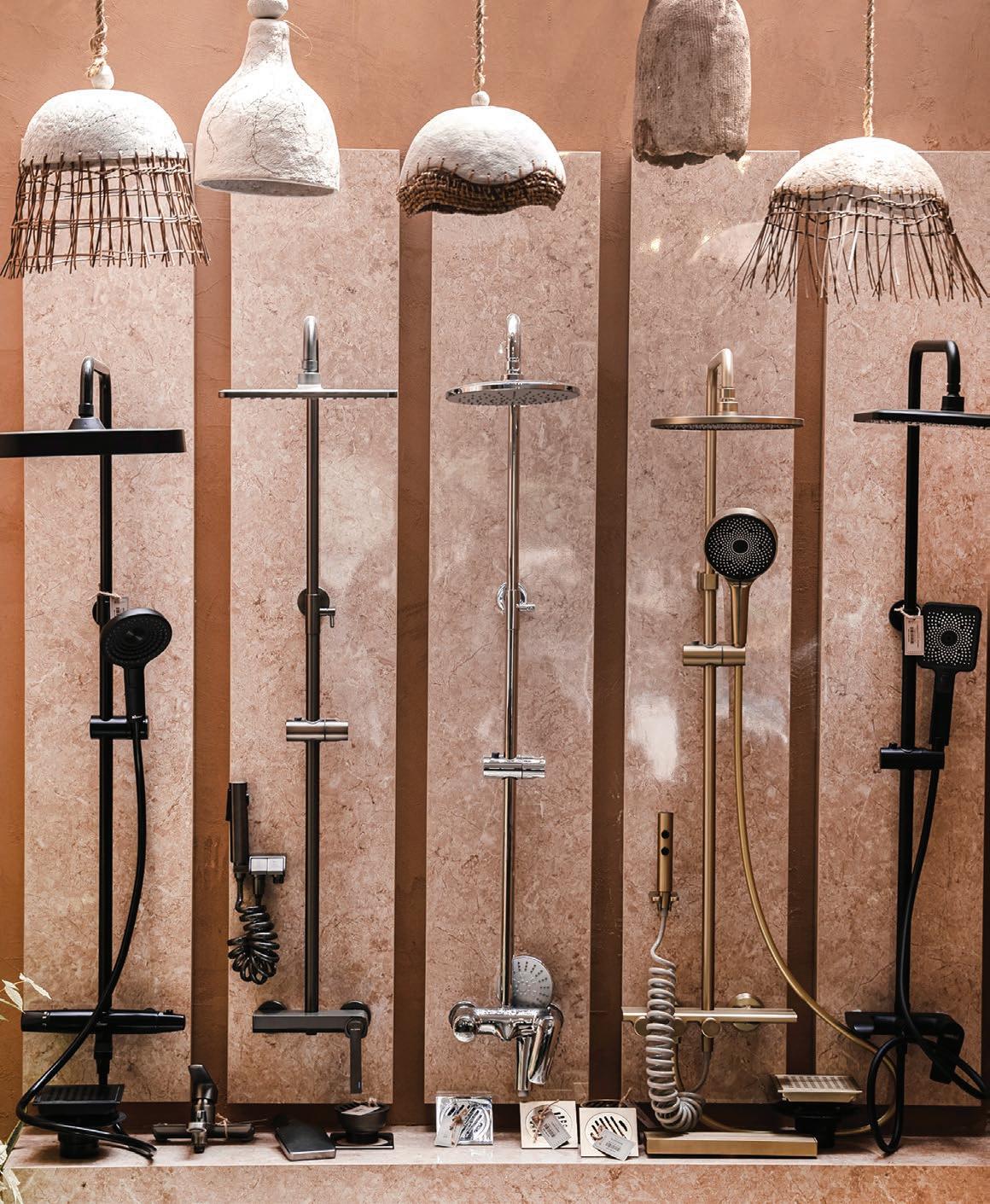
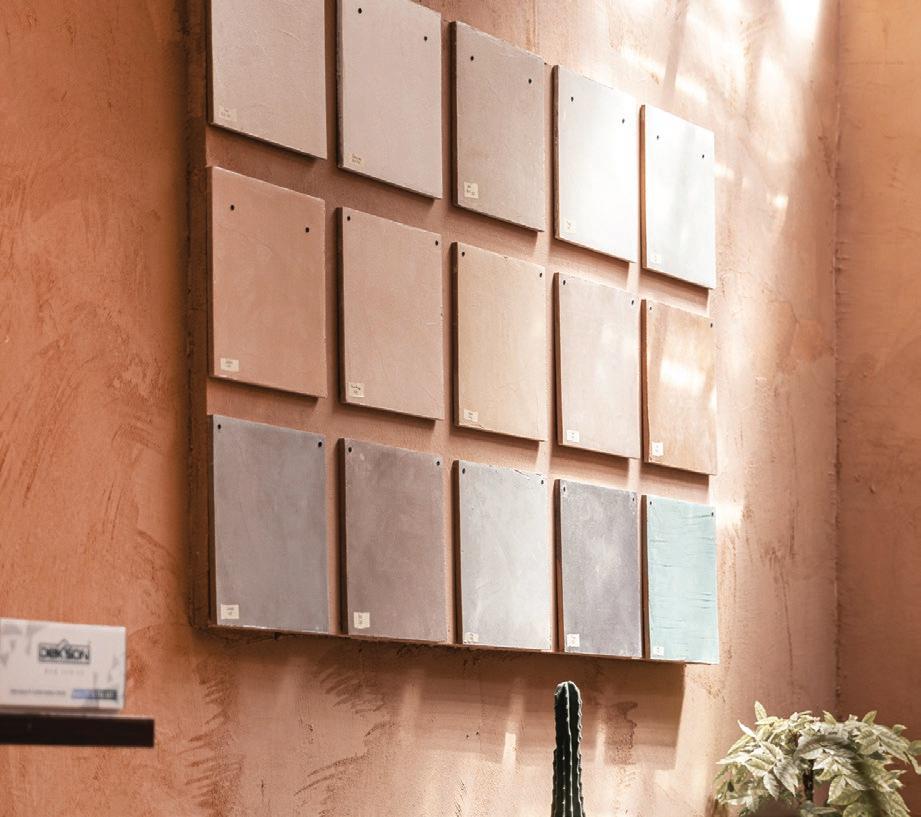
They stock a broad range of products: sanitary ware –showers, taps, water filters and sinks; furniture; display units; micro cement finishes; and flooring. They also offer shipping solutions and interior design services.
They have already considered plans for the future, and hope to increase the number of stores, branching out into Bali and Sumbawa, and Indonesia in general. ‘Online sales will be another option for the future’, says Sam. ‘We’re likely to expand into an online store on a large scale, in collaboration with platforms such as Shopee & Tokopedia’.
They have particularly appreciated the support they’ve received along the way. ‘We’ve had amazing support and encouragement from the expat community in Kuta, and also huge support from our suppliers in China’, Sam tells us.
The partnership with suppliers grew out of Sam’s time in China. ‘I lived there for 6 years, in Jiangmen, a town in the southern province of Guangzhou, where there were only about 15 expats who spoke English. I found a great network of people through drinking in the only ‘western’ bar in the town. We explored some of the hidden corners of Guangzhou and built up a friendship’.
They still have regular contact where they share ideas and ways to build a better business relationship.
Establishing the venture wasn’t without its challenges, though. ‘Accessing human resources and dealing with unpredictable weather were certainly challenges’ says Yuni. ‘And the logistics and delivery times were difficult —especially during periods like Chinese New Year and Ramadan, as they were so close together this year’, says Sam.
Sam and Yuni agree on the essentials for building a successful business: trust, honesty and consistency and making sure they do adequate research, formulate a plan and carry it out.
Overall, they agree it’s been an exciting time. For Sam, the best thing about being involved in the business is seeing people so enthusiastic about taking delivery of products and allowing them to create the homes they want without the restrictions of relying on the local market.
It’s clear they both enjoy living and working in Lombok. ‘There’s a great community of expats and locals’, says Sam. ‘Then there are water sports—surfing, sailing and kitesurfing’. ‘Who wouldn’t love it here?’ says Yuni. ‘It’s a paradise. I have no complaints’.
‘The sense of community we have built with our suppliers and shipping contacts is brilliant’, says Sam. ‘We have full faith in all of our connections to offer the highest quality products and deliver the goods safely’.
‘I love creating something; it makes me feel so happy’, Yuni adds. ‘To have a link with the global market is exciting for me because I have the opportunity to learn more and meet new people with really interesting knowledge. And being a single parent inspires me to go even bigger and better’.
Jl. Mawun, Kuta, Lombok Tengah, NTB 83573
+62 811 4122 666
hightyyde
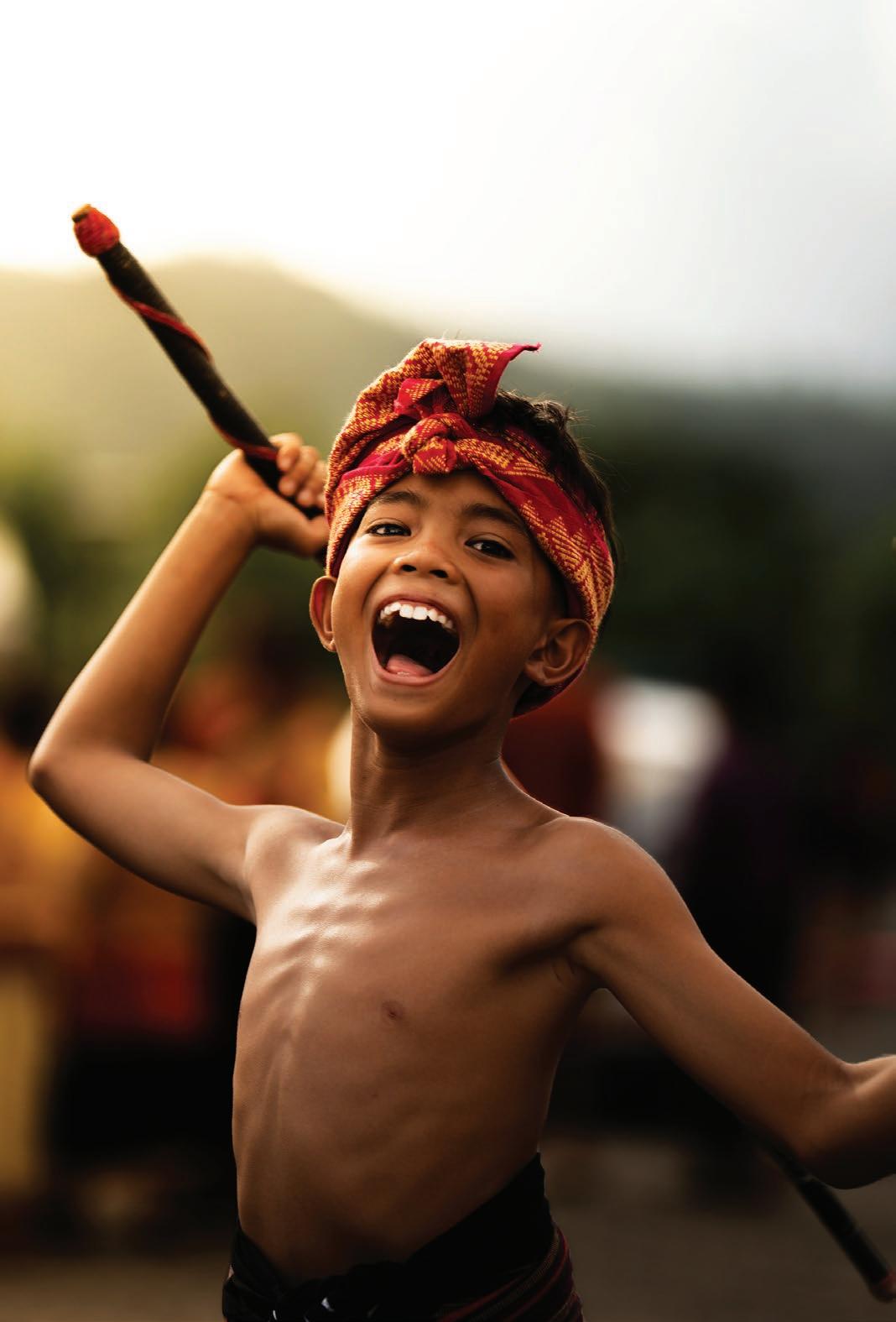
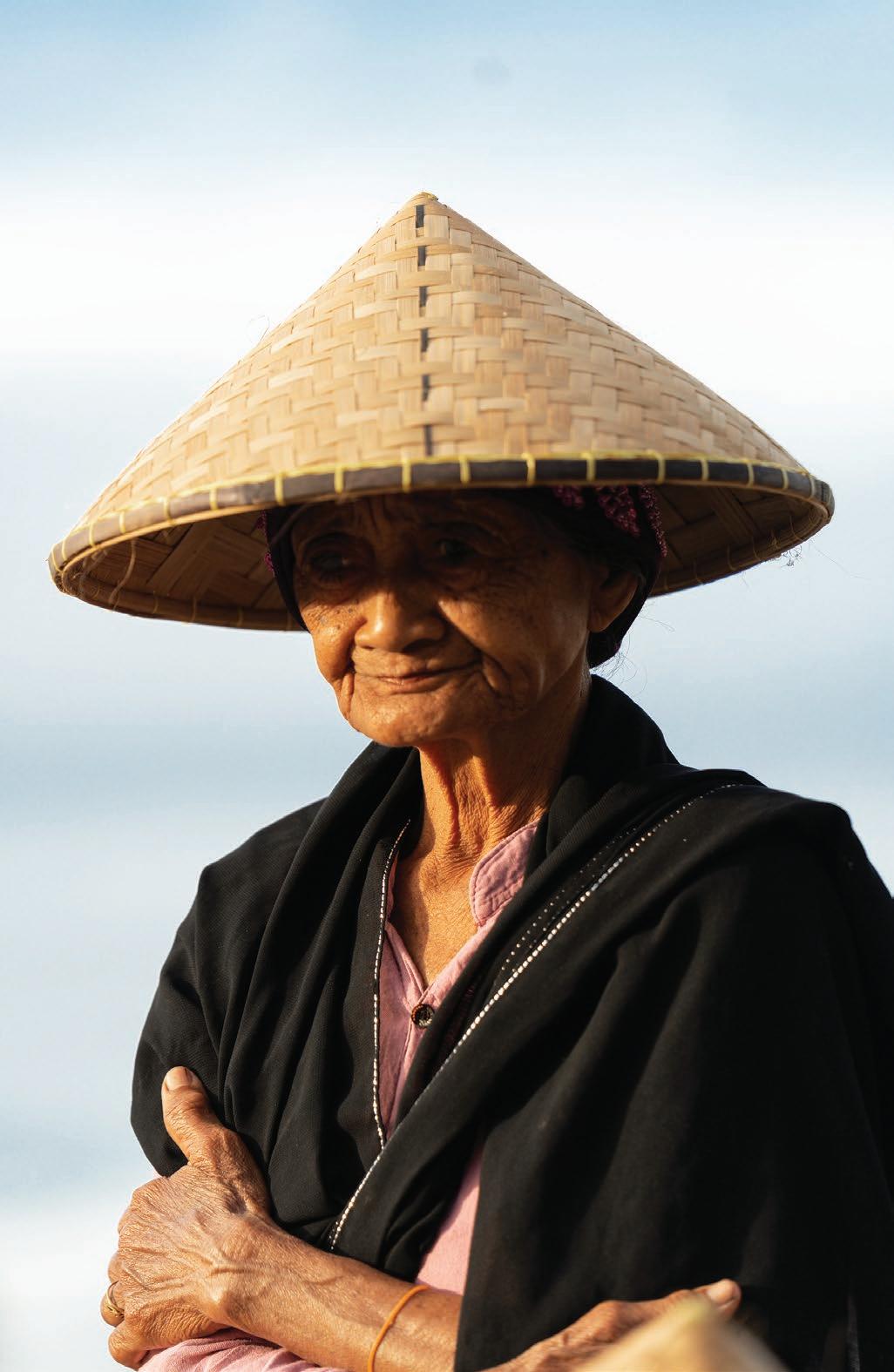
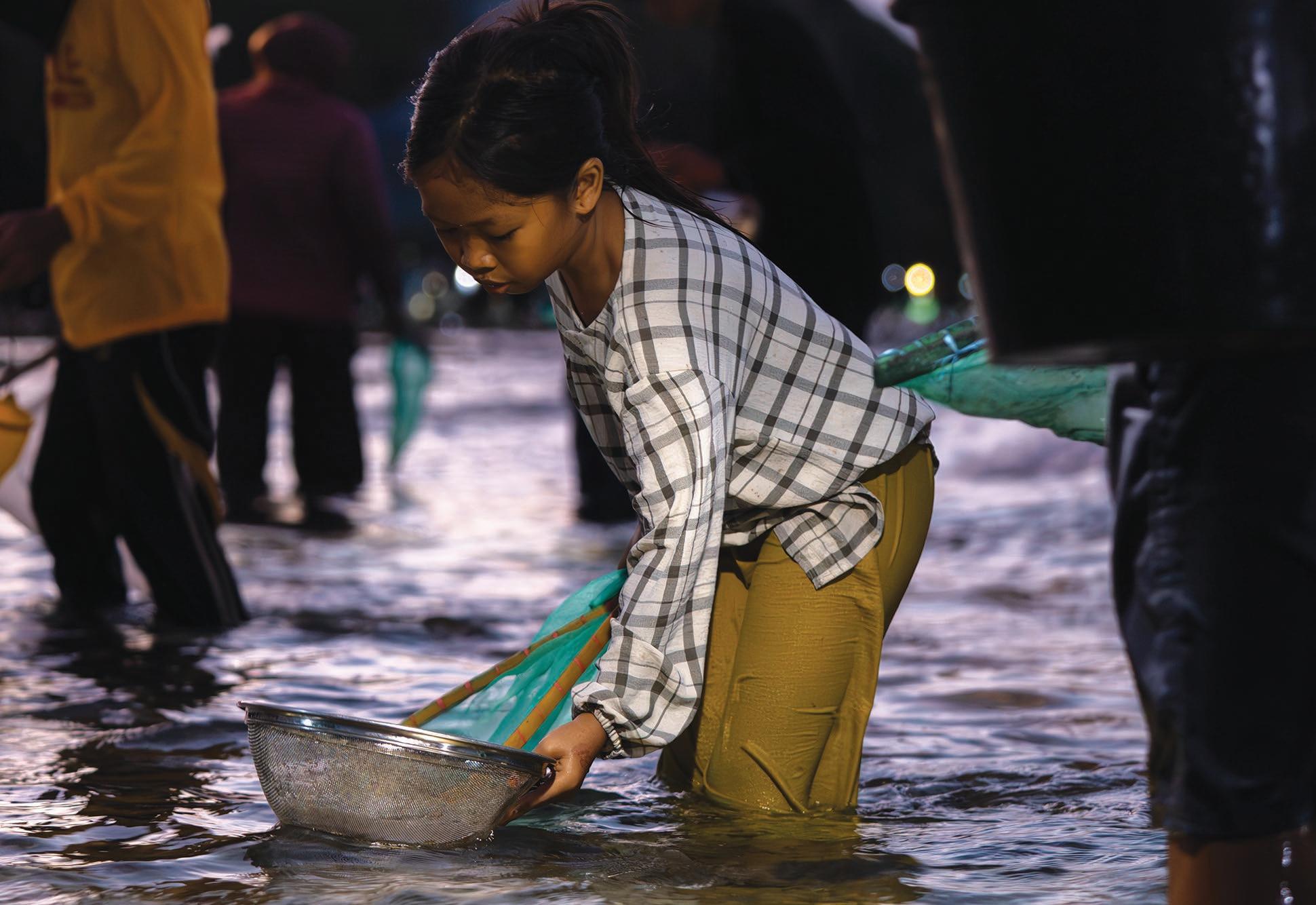
The Faces of Lombok
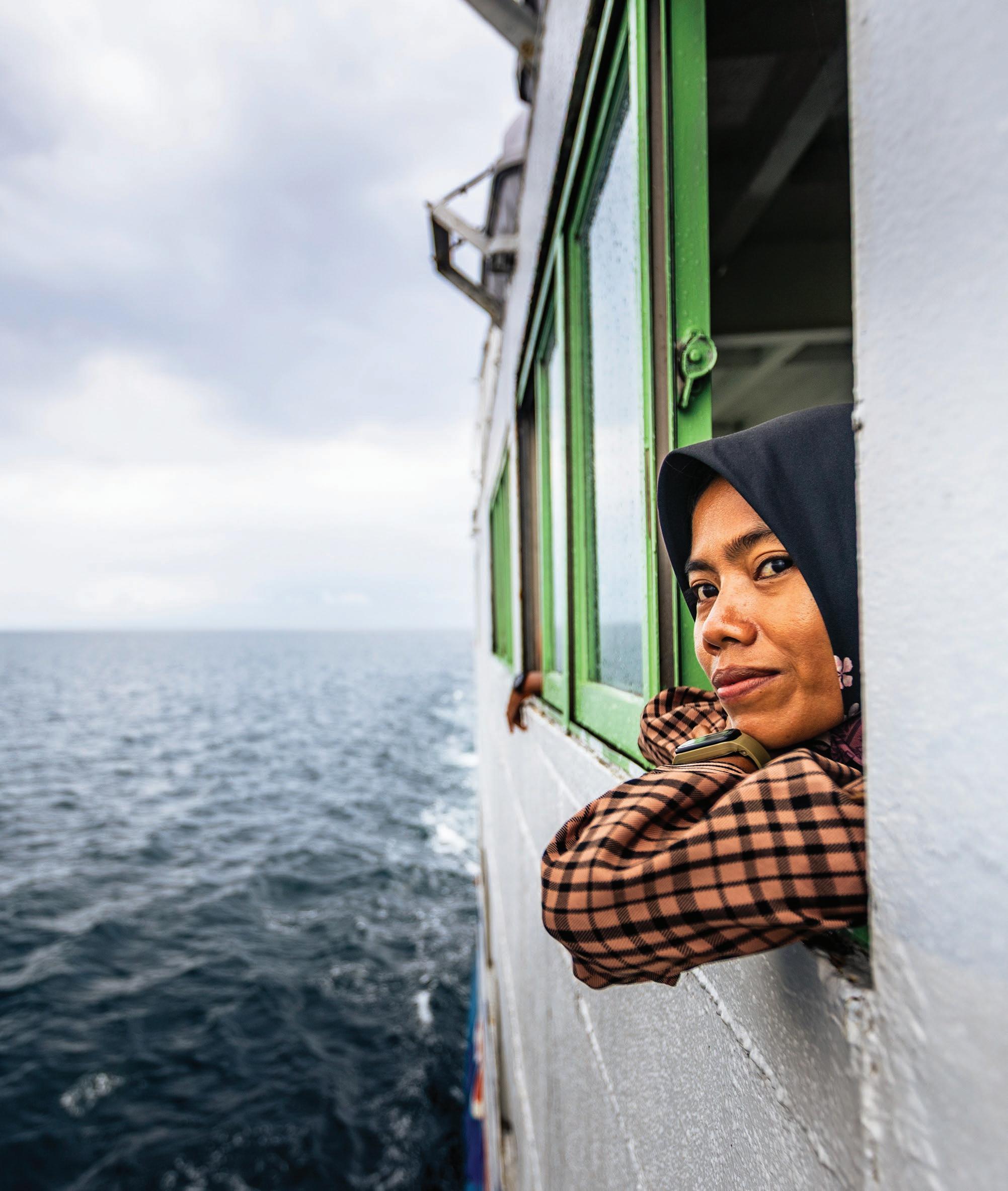
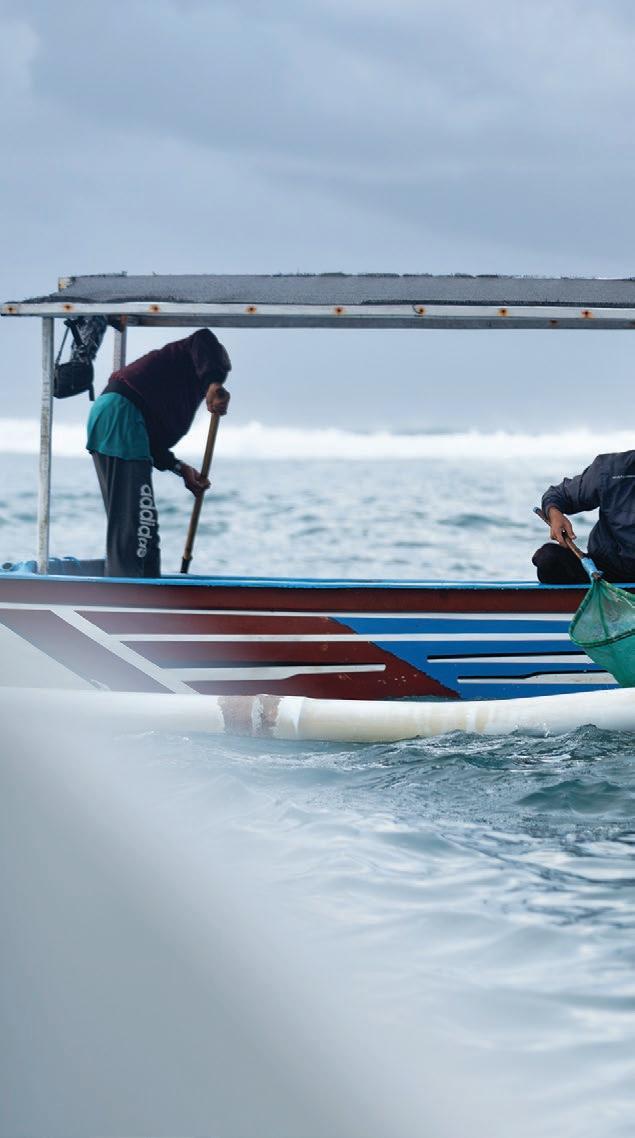
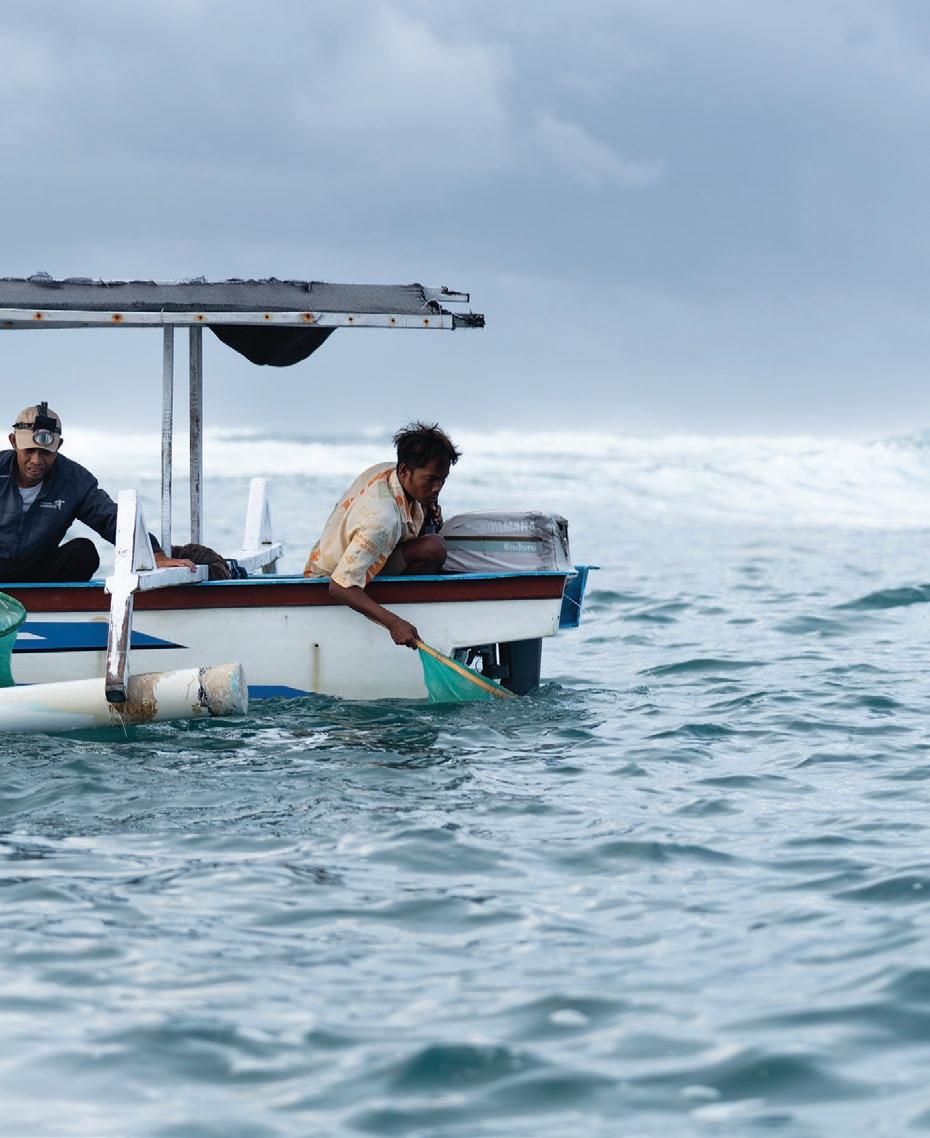
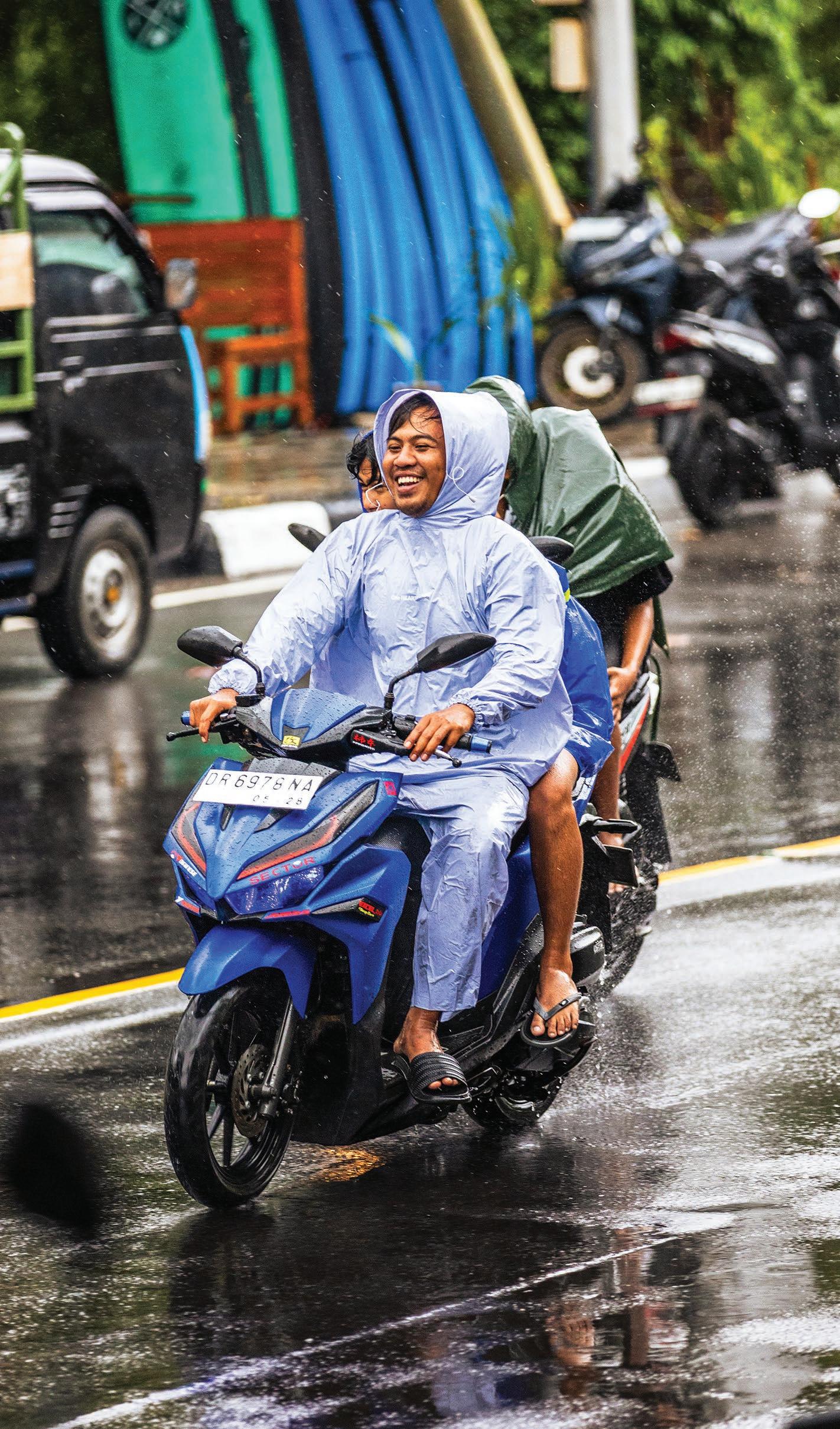
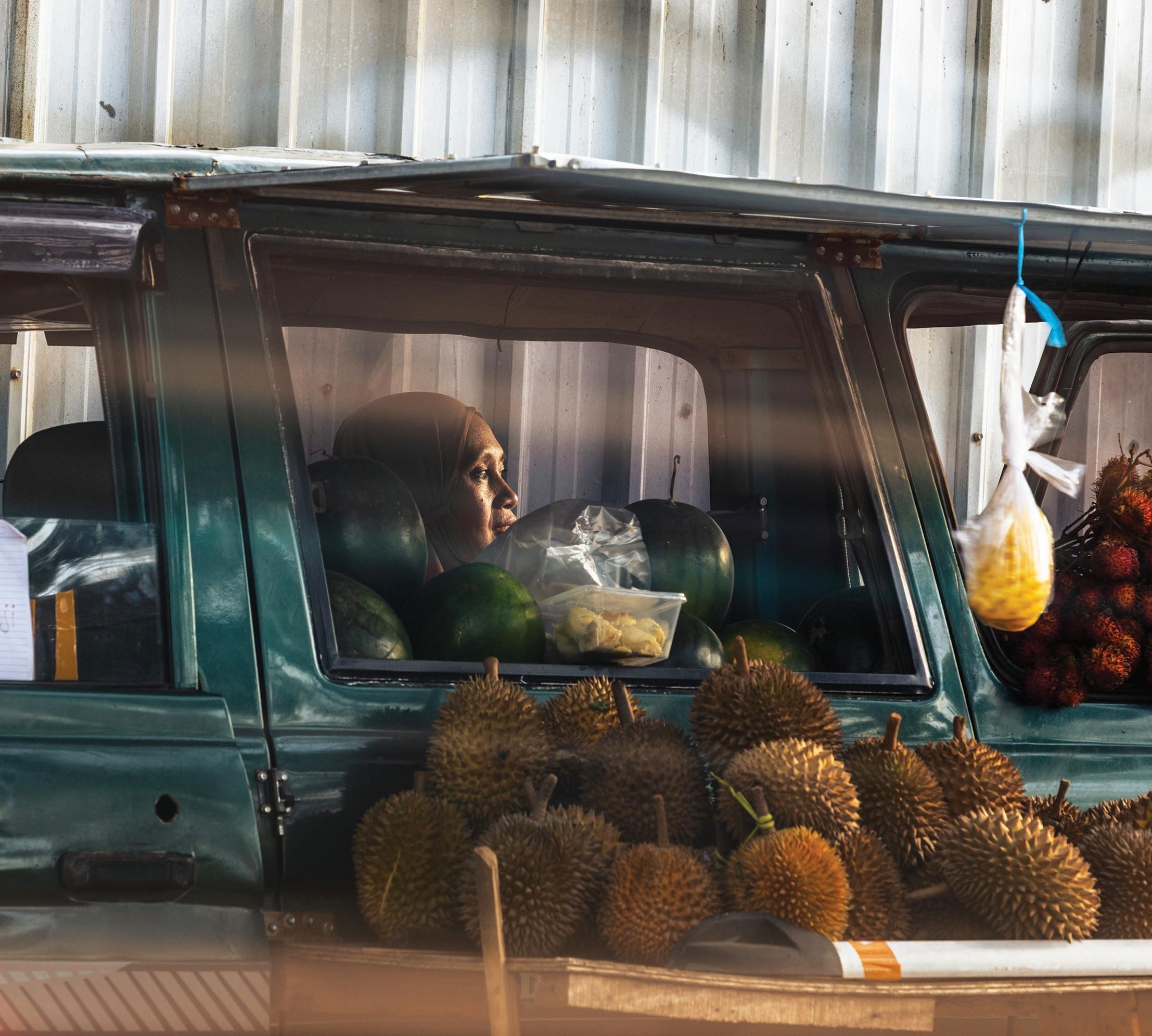
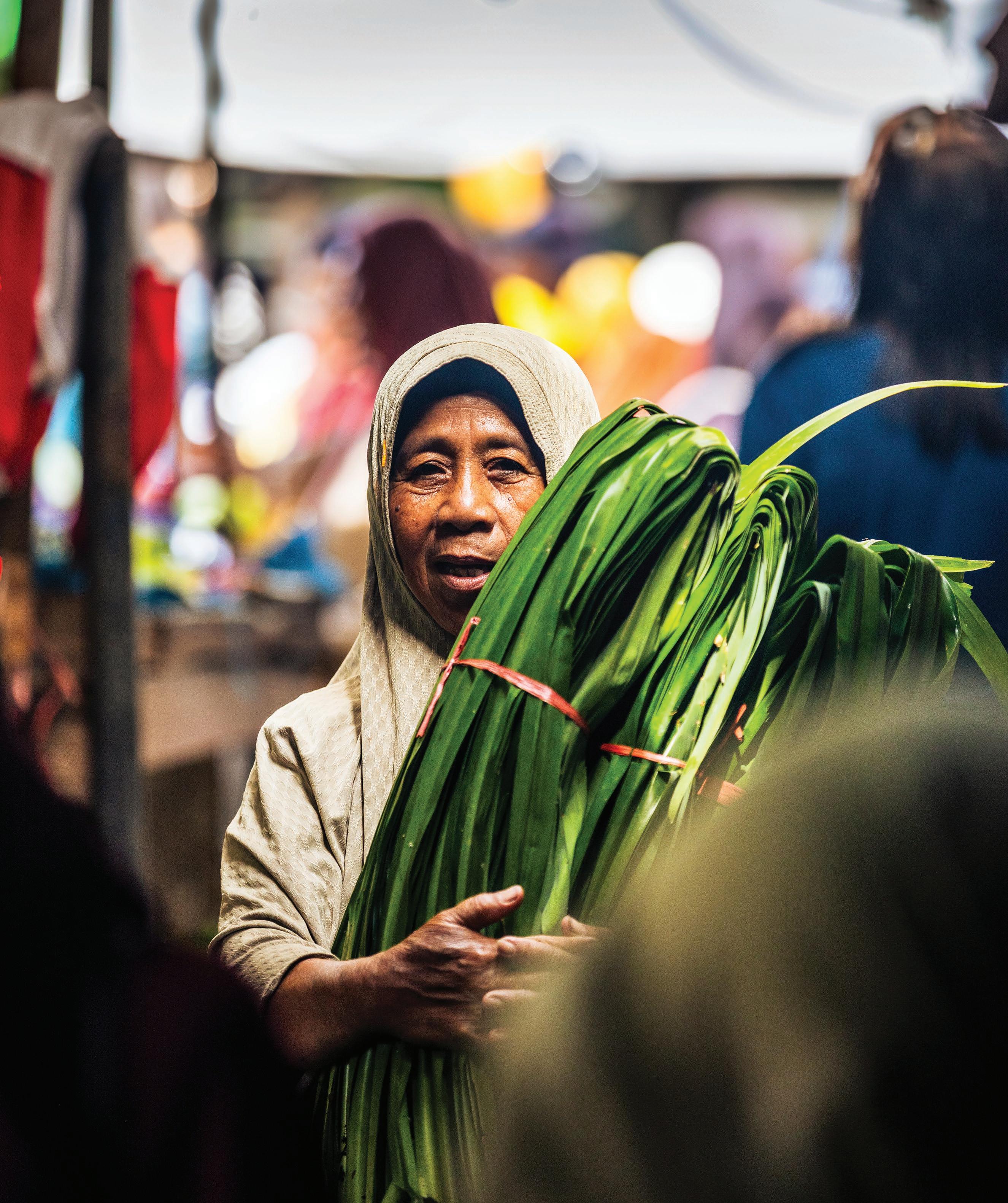
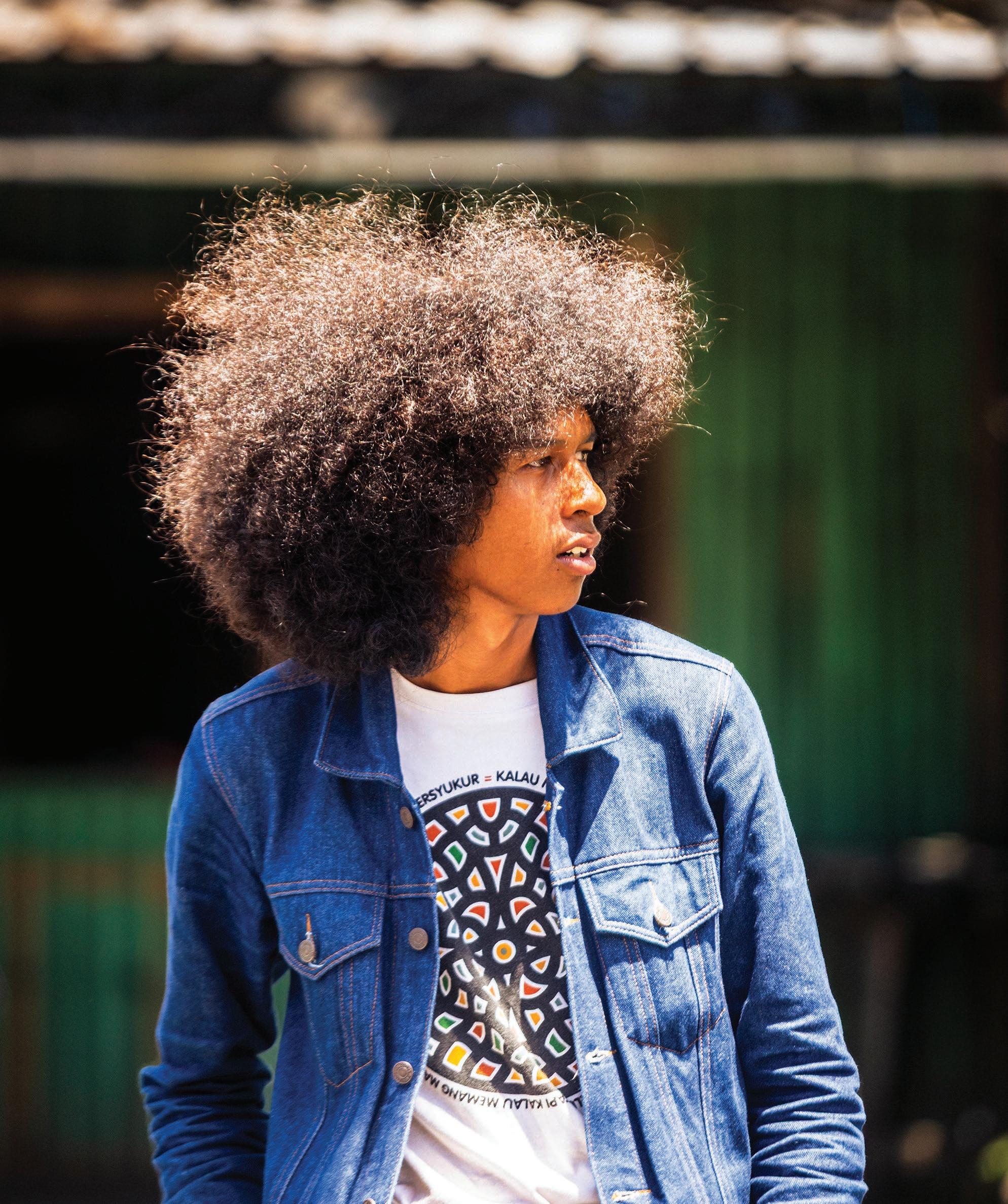
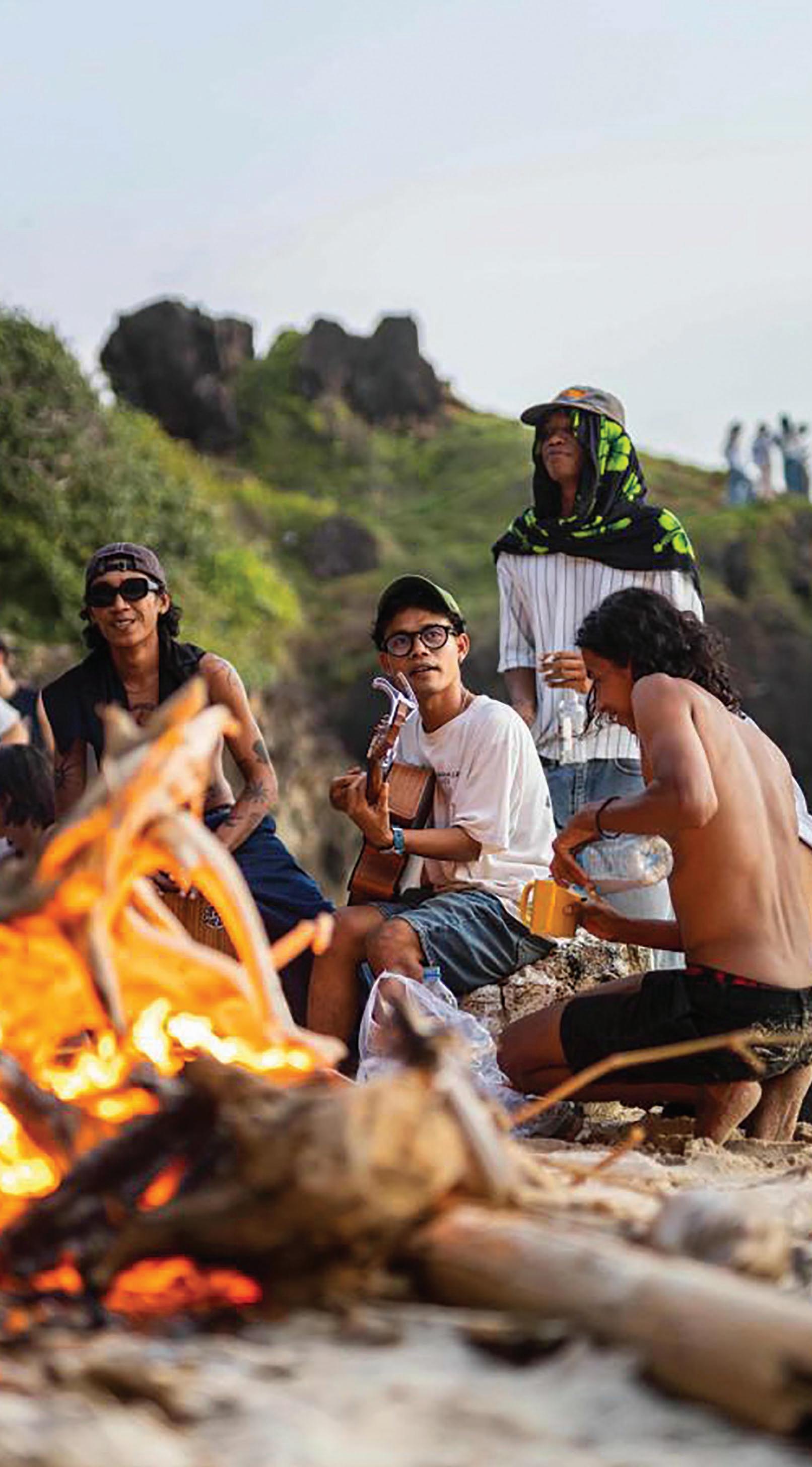
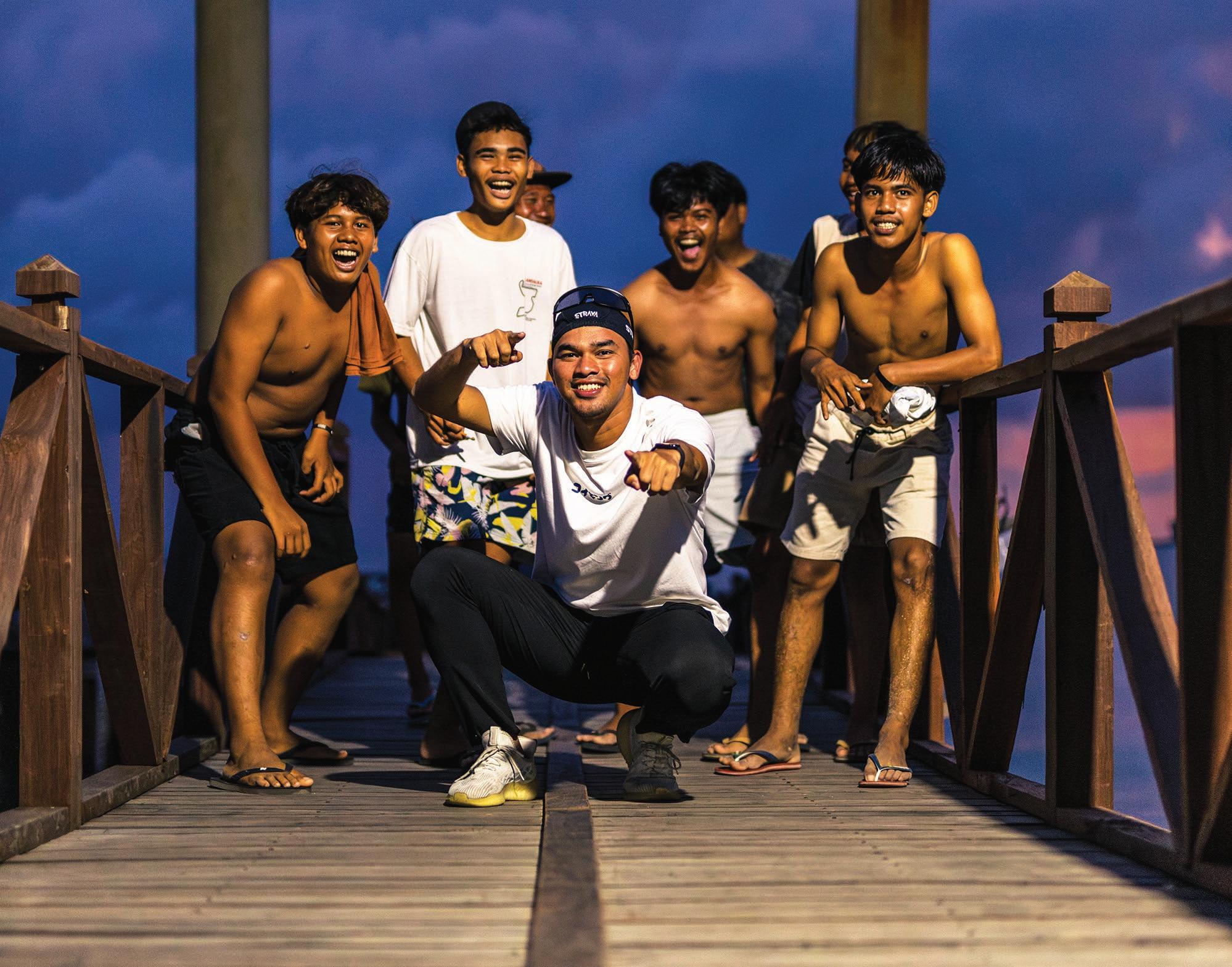
Among the tropical beaches and endless palm fields, the warmth of local Indonesian people shines through their genuine smiles and expressive faces. Every glance, grin, and burst of laughter tells a story. Their emotions speak louder than words, welcoming strangers to their home, sharing moments, and celebrating life’s simplest pleasures. From playful smiles to heartfelt laughter, joy lives naturally in every expression. These faces capture the true spirit of Indonesia: vibrant, joyful, and full of heart.
rasmuskuber.photo
rasmuskuber.photo
rasmuskuber.photo
rasmuskuber.photo
rasmuskuber.photo
rasmuskuber.photo
CHEF MATTHEW, INNIT LOMBOK
THE FOOD-CENTRED EXPERIENCE
MOSS, KUTA
EXQUISITE FOOD PAIRED WITH AN ELECTRIC LATE-NIGHT VIBE
CHEF MATTHEW, INNIT LOMBOK
The Food-Centred Experience
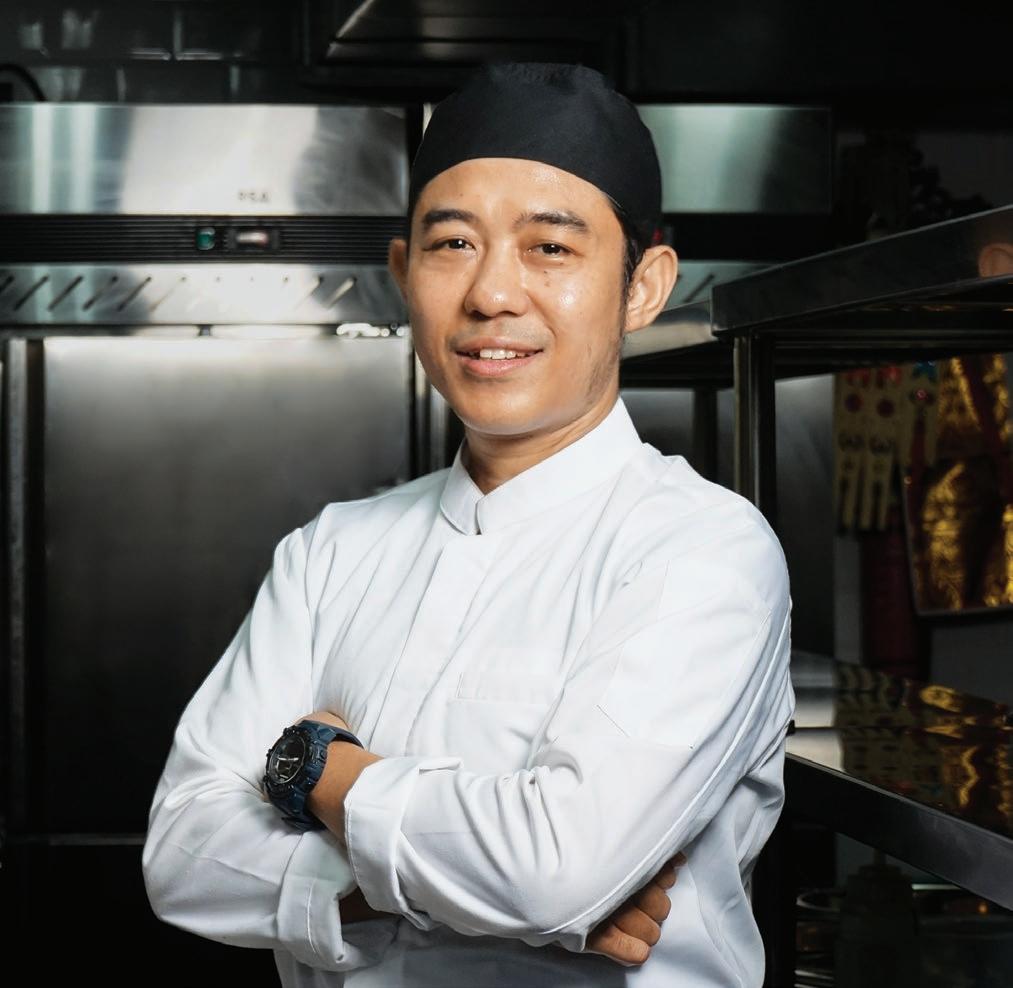
Achieving a totally satifying guest experience is what drives Chef Matthew Angga. Beyond his formal training, he considers every kitchen he’s ever worked in as a classroom. That’s why, as a chef, he believes his determination to learn and improve is the way to contribute most to that experience.
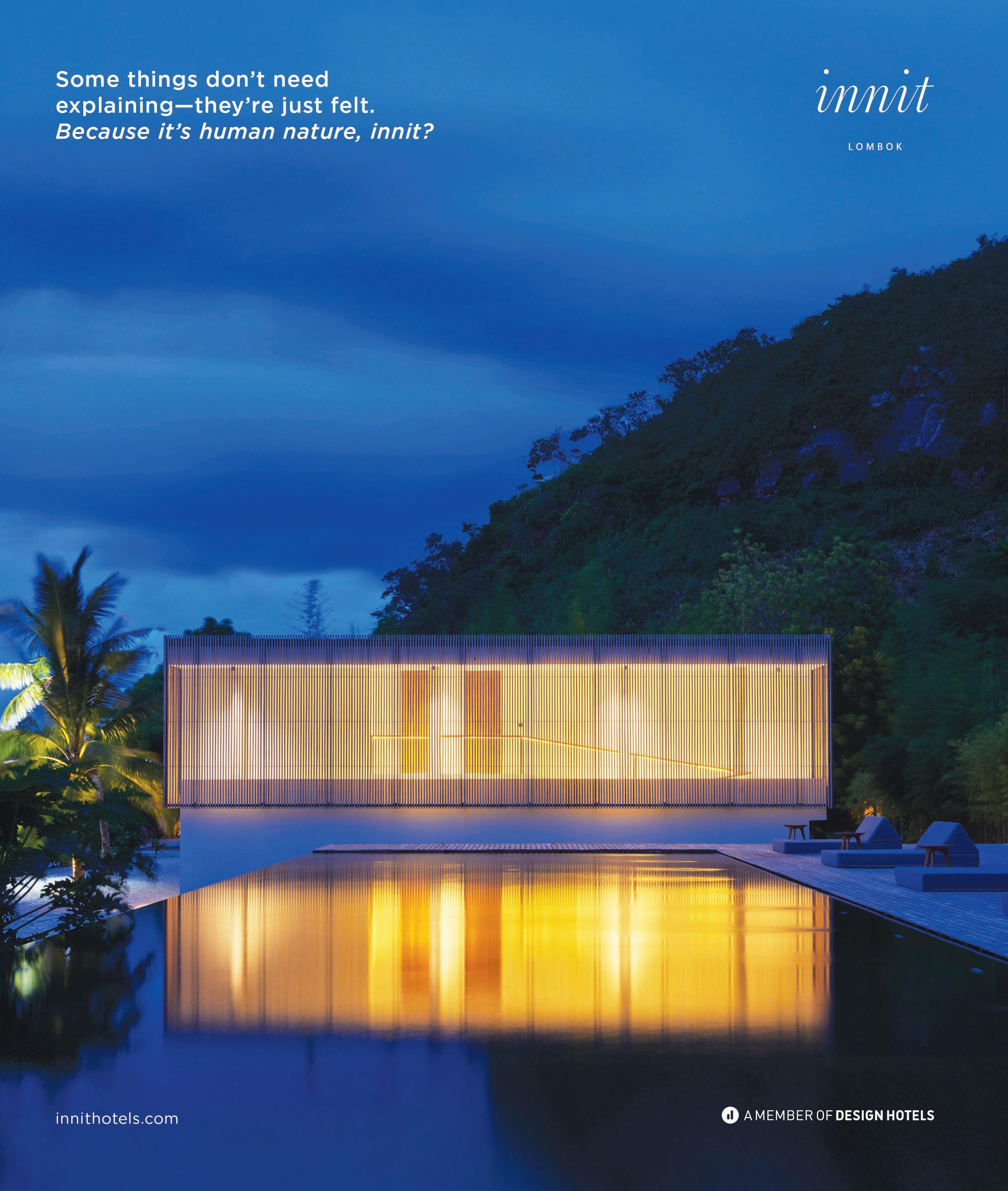
He spoke with mylombok recently about his career so far and his current position in the Anakampung Restaurant at INNIT, situated in Ekas, in Lombok’s southeast.
Could you tell us something about your background and some of the places you have worked?
I trained in the culinary section of a hotel academy in Bandung, West Java; that’s where I learned the foundations of Indonesian and international cuisine.
From 2011–14, I worked at Remy, a fine dining French restaurant on a cruise ship operating out of Port Canaveral, Florida. The concept was guided by Chef Arnaud Lallement, who owned the 3 Michelin star restaurant L’Assiette Champenoise in Tinqueux near Reims, France. Later, I completed a stage (the French equivlent of an internship) at Capa, a 1 Michelin star restaurant, run by Chef Fabrizio Schenardi, at Lake Buena Vista in Orlando, Florida.
Next, I worked with Chef Hugo Saldana, a chef of Mexican origin who trained at the Paul Bocuse Institute. Over the years, I’ve had the opportunity to grow within the hotel and resort industry in Indonesia and abroad, developing a strong understanding of both operations and service excellence.
When and how did your interest in food begin?
My interest in food started quite early. I’ve always been fascinated by how food creates memories and emotions. A meal can instantly make people feel at home, relaxed, and connected. Over time, I developed a passion for flavours, ingredients, and the stories that can be found in every dish.
Was there a particular moment when you decided you would make cooking your career?
I think it was the moment when I realised how powerful food can be in shaping the experience guests have when they visit a restaurant. That was when I knew it would always be part of my career. In hospitality, dining is often one of the most memorable parts of a stay, and being able to contribute to that is something I enjoy.
Tell us about your menu concept at INNIT.
The menu reflects our identity as a peaceful, luxury retreat for a communal dining experience. We focus on rustic, soulful, ‘heritage’ dishes that are always evolving. Everything is made with fresh, high-quality, locally sourced ingredients. Our food is both elegant and comforting. We aim for a balance between international flavours and touches of local inspiration.
How would you describe your style of cooking?
I would describe it as refined yet approachable. I like clean flavours, fresh ingredients and dishes that are prepared thoughtfully without being too complicated. I also enjoy creating food that reflects the destination; that means guests can have a sense of Lombok in what they eat.
Where do you find inspiration for your dishes?
A lot of inspiration comes from Lombok itself—the fresh seafood and local produce, the range of spices and the natural beauty surrounding us. I also get new ideas from my own travels, guest feedback and contemporary dining trends.
Do you have a philosophy of cooking?
My philosophy is to let the ingredients speak for themselves because great food starts with quality ingredients. Careful technique and balance are also important. Simplicity, when done well, can be incredibly powerful.
How do you manage your time between being the general manager and working as a chef?
It definitely requires balance. As General Manager, my main focus is making sure the guest experience is seamless across all aspects of their stay at the resort. On the culinary side, I’m closely involved in concept development, quality control and ensuring the dining experience reflects the INNIT brand.
Which dishes do you most like to cook?
I particularly enjoy seafood dishes because we are surrounded by such incredible fresh produce from the ocean. I also love dishes that highlight local flavours.
What are your favourite ingredients?
Fresh seafood, aromatic herbs, citrus and local spices are among my favourites.
What foods do you really love to eat?
I absolutely love nasi padang. It’s a dish featuring steamed rice, accompanied by a variety of meat, fish and vegetable dishes. For me, it’s one of the most satisfying and comforting foods because of its rich flavours. It has so much variety and character... all in one meal.
Describe a typical day at work.
Every day is different, which is one of the things I enjoy most. My day usually starts with team briefings and operational reviews; then I plan the guests’ experience, which involves service coordination and checking on dining operations and menu quality.
What is most rewarding about your job?
The most rewarding part is creating memorable experiences for our guests. That’s done through thoughtful service, establishing the right atmosphere, and giving them a meal they enjoy. Those moments are incredibly fulfilling.
What is the biggest challenge?
The biggest challenge is maintaining consistency while continuing to innovate and keep the guest experience fresh.
What’s the best cooking-related advice you’ve ever received?
Probably the best advice was ‘Always respect the ingredients and never stop learning’. Every ingredient has its own character and every dish is an opportunity to improve.
Who is your favourite celebrity chef?
My favourite chef is Thomas Keller. I admire his precision and discipline, and his philosophy of maintaining excellence and consistency. His way of turning simple ingredients into something extraordinary is incredibly inspiring.
Do you have any tips for budding chefs?
My advice would be to stay humble, master the fundamentals and keep learning. Technique is important, but passion, discipline and consistency are what really define a successful chef.
And, finally, what do you like most about living on Lombok?
The tranquility and natural beauty are unmatched. Living in Ekas gives me a sense of calm and inspiration that is very special.
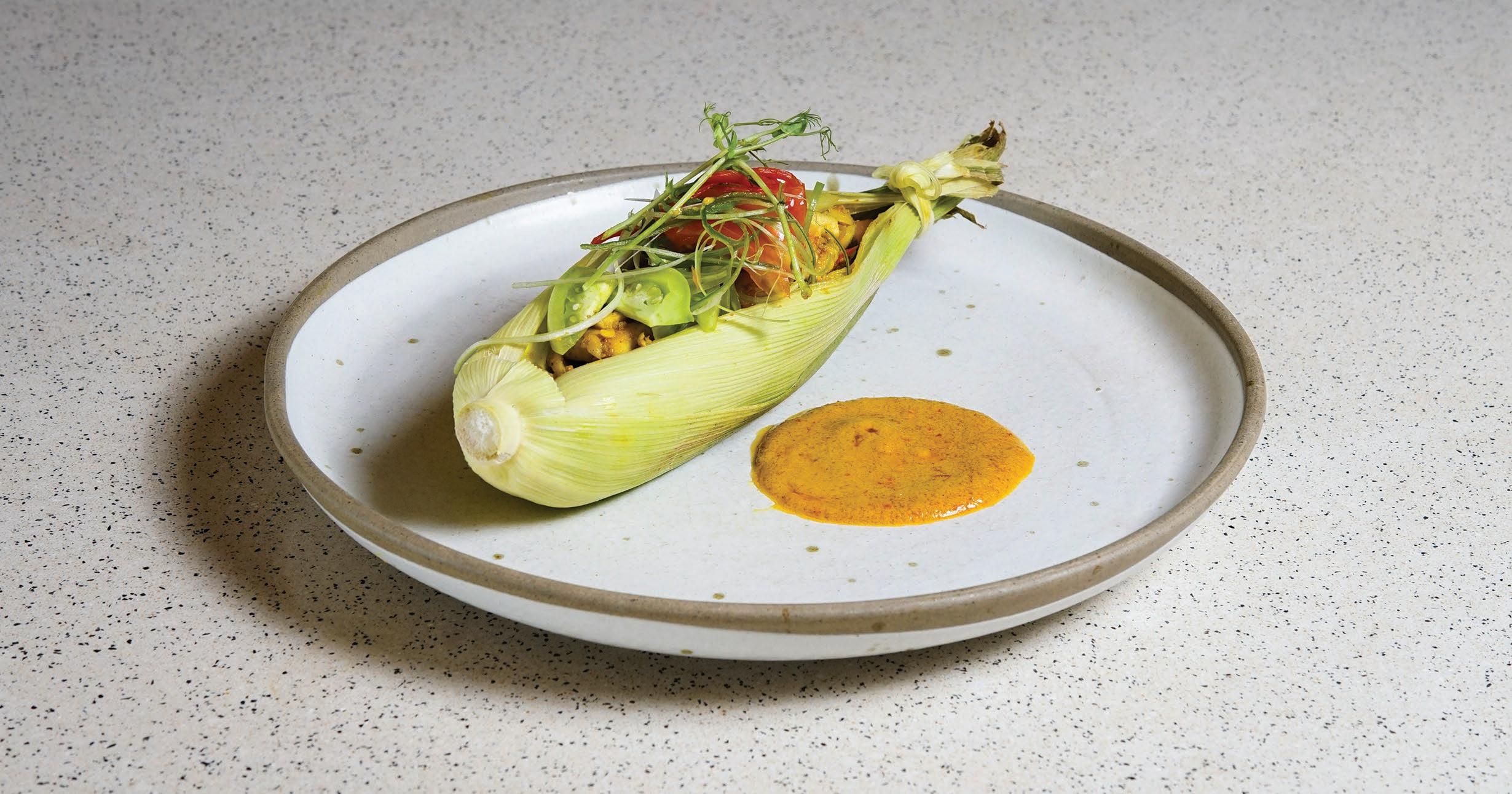
Pepes Ikan
Traditional steamed fish in aromatic yellow spice paste, wrapped in corn husk
Ingredients
• 1 pcs corn husk
• 180 gr local fish fillet (recommended: barramundi)
• 20 gr Bumbu Kuning Paste (shallot, garlic, turmeric, candlenut from basic recipe)
• 5 gr sliced garlic
• 10 gr sliced shallot
• 10 gr bruised lemongrass
• 15 gr green tomato wedges
• 15 gr red tomato wedges
• 2 pcs kaffir lime leaves, chiffonade
• 7 pcs local basil leaves
• 10 gr sliced red curly chili
• 10 gr sliced green curly chili
• 10 ml lime juice
• 8 gr salt
• 3 gr crushed black pepper
Method
1. Prepare the Bumbu Kuning: Sauté all paste ingredients with a little oil, then blend until smooth.
2. Marinate the Fish: Season the fish fillet with salt, black pepper, and lime juice. Set aside for 5 to 10 minutes.
3. Cook the Filling: Sauté sliced shallot, garlic, tomatoes, and chilies until fragrant. Add the fish and one spoon of bumbu kuning paste, then cook gently until well coated. But remember, do not overcook.
4. Wrap the Pepes: Arrange the corn husk and place the fish mixture inside. Top with fresh kemangi leaves, then tie neatly.
5. Prepare the Sauce: In a saucepan, add 1 spoon of bumbu kuning with 50 ml vegetable stock and bring to a boil. Add 10 ml coconut milk, season to taste, and simmer briefly.
6. Steam Roasted: Set up the oven on steamed roast mode at 365°F (185°C) for 5 minutes for a lightly roasted aroma.
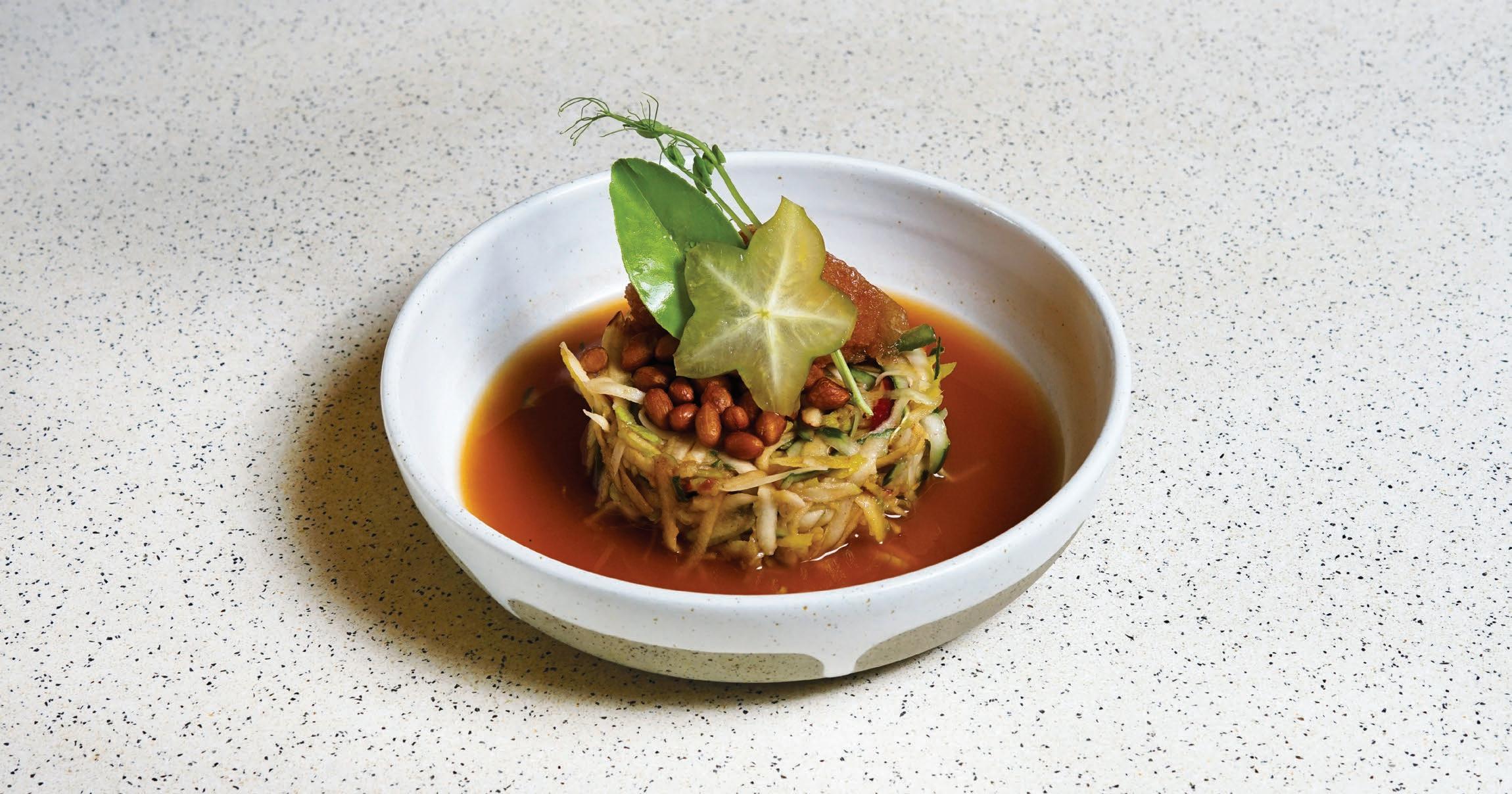
Rujak Serut Flamboyan
Refreshing grated tropical fruit salad with sweet-spicy rujak dressing and granita
Ingredients
• 30 gr star fruit
• 30 gr juice from the apple
• 30 gr red or green apple
• 30 gr ambarella
• 30 gr jicama
• 30 gr cucumber, skin on and seedless
• 30 gr pineapple
• 30 gr unripe mango
Bumbu Rujak Manis
• 10 gr garlic
• 15 gr shallot
• 50 gr palm sugar
• 8 gr salt
• 15 gr dried ebi/terasi
• 20 gr large red chili
• 10 gr bird’s eye chili
• 80 ml tamarind juice
• 5 ml white vinegar
Method
1. Prepare the Rujak Dressing: Using a stone mortar, manually crush garlic, shallot, chilies, ebi, and palm sugar until smooth. Add salt, tamarind juice, and white vinegar, then mix well.
2. Make the Granita: Divide the dressing into two portions. Freeze one half until set, then scrape into granita before serving.
3. Prepare the Fruits: Wash all fruits thoroughly. Grate them manually into fine strips.
4. Mix the Salad: Lightly season the grated fruits with a pinch of salt. Add 50 ml of bumbu rujak manis and toss evenly.
5. Plating: Using a ring mould, arrange and gently press the mixed grated fruits into shape.
6. Finish: Top with fried peanuts and a quenelle of the rujak granita. Garnish with kaffir lime leaves and fresh star fruit slices.
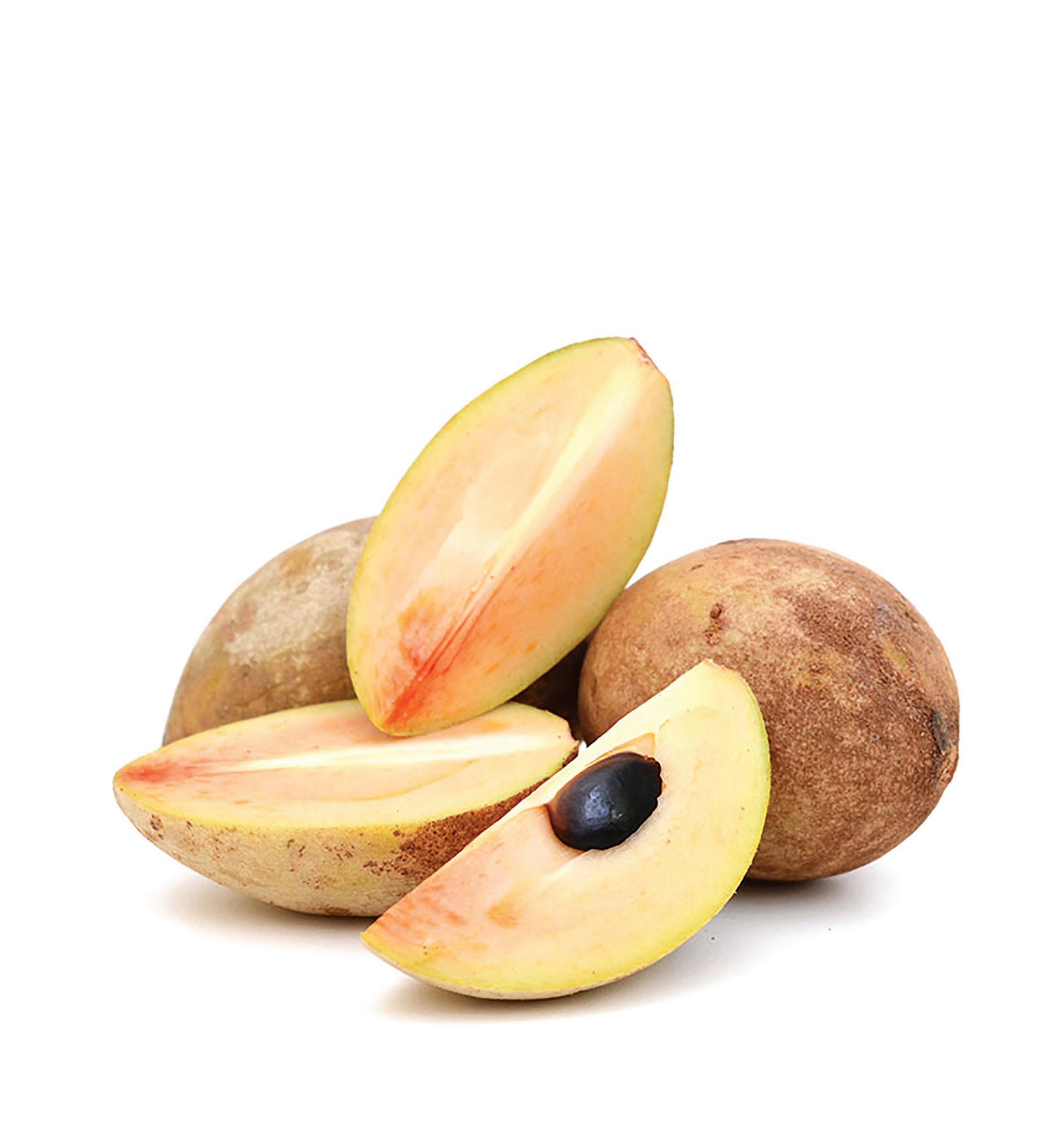
SAPODILLA FRUIT
Freshness and Flavour
The sapodilla (Manilkara zapota) is a popular tropical fruit, native to southern Mexico and Central America but now widely grown across Asia and Southeast Asia, including Indonesia, especially in West Java. Locally, it’s known as sawo. There are several cultivars, mainly distinguished by slight variations in the shape of the fruit, from oval or egg-shaped, to almost cone-like or rounded types. Most fruits are about 5 to 8 cm in length.
The thin skin of the sapodilla is brown and the fruit looks rather like a potato. It’s ready to eat when the flesh inside is soft and brownish in colour. If the flesh is green, it is not ripe and will have high levels of latex and tannins, which make it bitter and astringent. In fact, eating unripe fruit can cause mouth ulcers, an itchy sensation in the throat and breathing difficulties, particularly in children.
The taste of ripe fruit is quite different—sweet and malt or caramel-like—and the juicy flesh has a soft, grainy texture that’s a little like that of a ripe pear.
Inside, there are hard, black seeds that are not edible. They can be dangerous, as they contain toxins and have a barb on the end, which can get stuck in the throat.
Mature, unripe fruit will slowly ripen at room temperature and then can be stored for a few days in the refrigerator.
HOW THE SAPODILLA WAS NAMED SAWO
In Indonesian folklore, sister and brother, Salsa and Woshi, went on a quest to find a medicine to cure the Princess of the kingdom. After many trials and adventures, they found the cure but, on delivering it to the Princess, were transformed into cockroaches and killed. The Princess was saved and, in gratitude, named a fruit (the sapodilla), using the first two letters of their names, SA-WO, so they would be remembered always.
HOW TO USE SAPODILLA
The ripe fruit is usually enjoyed peeled, sliced and eaten raw. It can also be used fresh in milkshakes and smoothies, puréed to make ice cream topping or as an ingredient in pies, cakes and other desserts. It’s a great addition to fruit salads.
Cooked with ginger and lime juice, it is used in syrups, sauces and jam, and even fermented to make a distinctivetasting vinegar.
After washing (to remove latex), the young shoots of the sapodilla tree are sometimes eaten as a vegetable.
THE HEALTH BENEFITS OF SAPODILLA
• The fruit is a high-calorie, high-energy food providing 83 calories (347 kilojoules) per 100 grams
• It’s a good source of dietary fibre (5.3%) and supports digestive health
• It contains A and B-group vitamins and 16% of the daily requirement (DV) of vitamin C, as well as useful amounts of potassium (6% DV), iron (4% DV), magnesium (3% DV) and calcium (2% DV)
• It’s regarded as a way to maintain hydrated skin and healthy hair
• Many believe it to be beneficial in regulating blood pressure
• Sapodilla has antioxidant, anti-inflammatory, antiviral, antibacterial and antiparasitic effects
• The fruit is often used to tackle morning sickness and dizziness in pregnant women and as a tonic for women who have recently given birth
• The flowers are sometimes used in treatments for respiratory disorders, and in products designed to relieve mental stress, anxiety and insomnia
• Other parts of the plant are used in some cultures to treat wounds and infections.
Note:
Obviously, these uses of sapodilla should never replace medical care. People with diabetes should be especially mindful of the fruit’s high sugar content.
TWO DELICIOUS RECIPES
Tropical mocktail
This refreshing drink has no added sugar; the sweetness of the fruit makes it unnecessary.
Blend together:
• 1 ripe, peeled sapodilla fruit, roughly chopped
• 1 small guava, peeled and chopped
• 1 small mango, peeled and chopped
• A squirt of lemon or lime juice.
Add:
• 375 ml of water*
• 4 to 5 ice cubes
Then pulse-blend once more. Pour into glasses and garnish with berries. Serves 2.
* For a much richer drink, replace some, or all, of the water with coconut milk.
Red emperor with spicy salsa
Because red emperor is a white fish with a mild flavour*, it pairs well with a tropical fruit salsa.
Prepare the salsa by mixing together:
• 2 ripe, peeled sapodilla fruit, diced
• Approx. 1 cup of coriander leaves, chopped
• Fresh or dried chilis, according to taste
• 1 tbs of spring onions, chopped
• 2 to 3 tbs lemon or lime juice, according to taste
• A pinch of salt
To prepare the fish:
• Pat the fillets (2) with kitchen paper, until they are almost dry
• Place in a bag with a mixture of fine flour, light breadcrumbs or cornflake crumbs and a pinch of salt
• Shake until fillets are coated
• In a lightly oiled pan, preheated on the stove top, fry the fillets until golden brown.
• Top with salsa and serve immediately, with a green salad. Serves 2.
* Any similar firm white fish will be excellent in this dish.
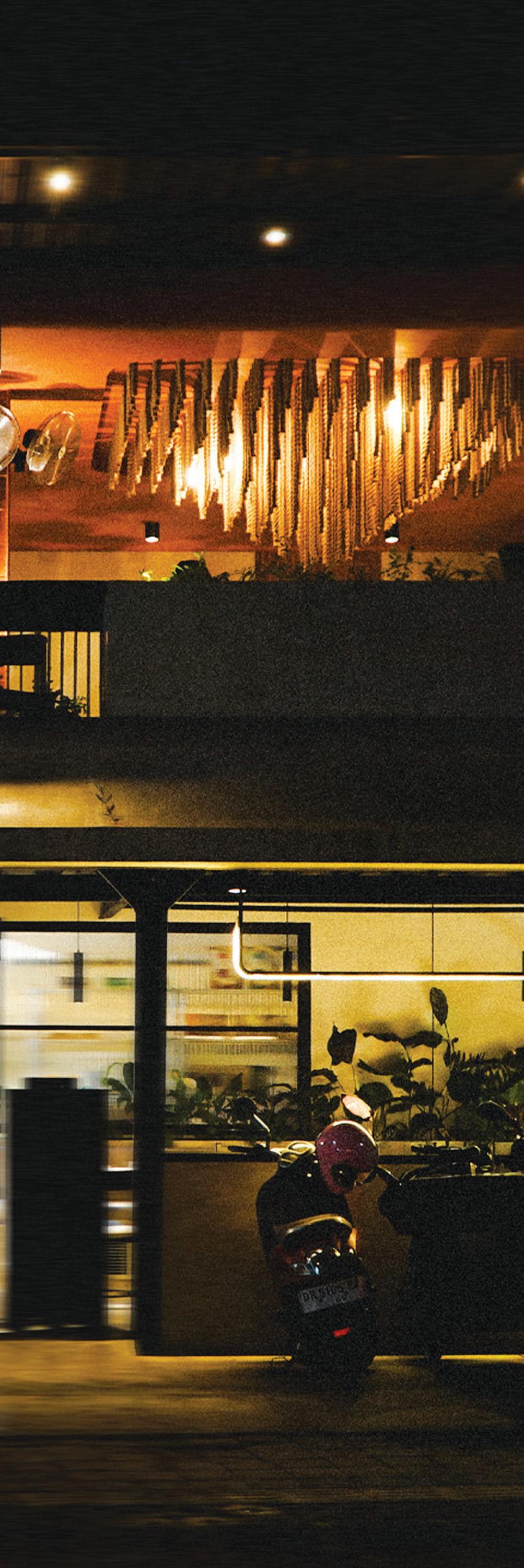
MOSS, KUTA
Exquisite Food Paired with an Electric Late-Night Vibe
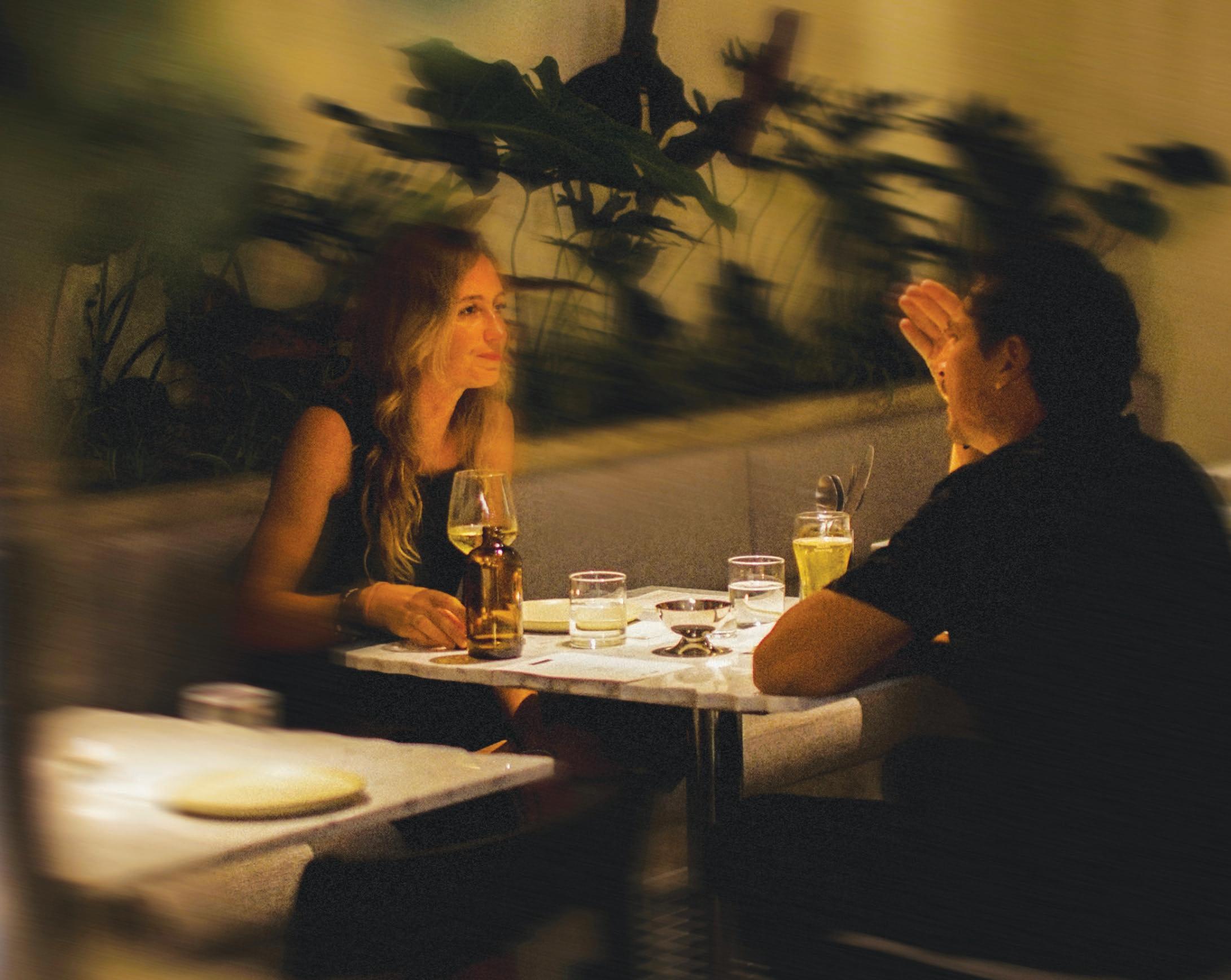
For serious gourmands who cherish new culinary discoveries, mark down MOSS in Kuta as your new foodie hangout. Yet it is so much more than top notch Eurasian inspired cuisine. Welcome to bold flavours, exotic cocktails and stylish late-night vibes. This is a place to indulge the palate while kicking back in a casual, fun atmosphere. In short, this is casual, top-notch dining with no boundaries. There are no rules and no rush.
The MOSS vibe is rooted in the best of the Bali lifestyle dining and entertainment scene. Expect bustling tables, an upbeat playlist and enticing dishes and bites served and shared all around. It’s a lively spot but that doesn’t detract from the focus on upscale cuisine with an inventive twist showcasing a mixing of flavours that’s hard to find anywhere else in town. MOSS is a place for serious foodies who are sure to linger longer for the cocktails and convivial vibe.
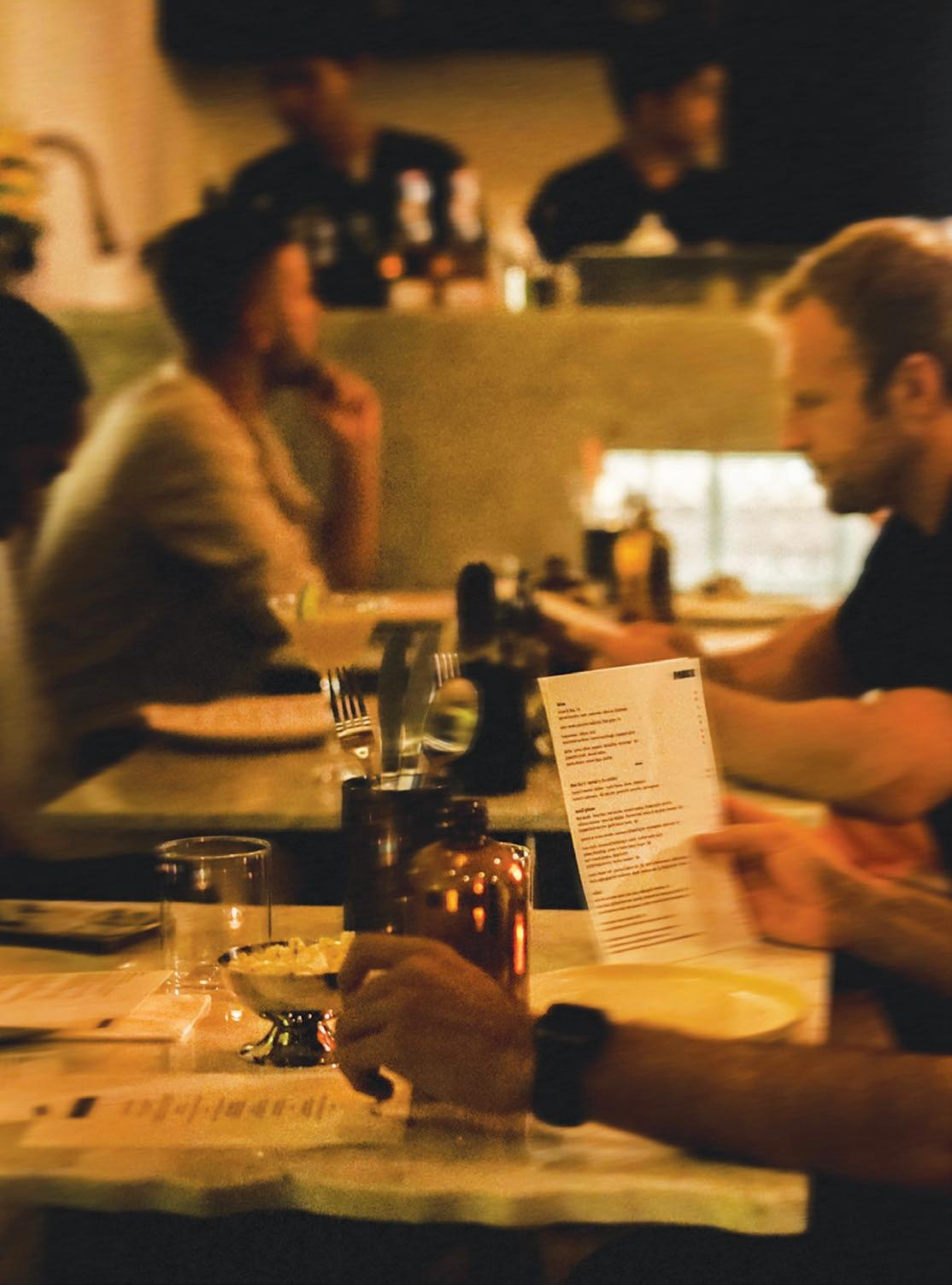
The interior is light, bright and airy with an elegant feel. A timeless design aesthetic with a twist of tropical flair. Spread across two floors, the layout encourages social dining and it is the quality and breadth of eclectic dishes that anchors it.
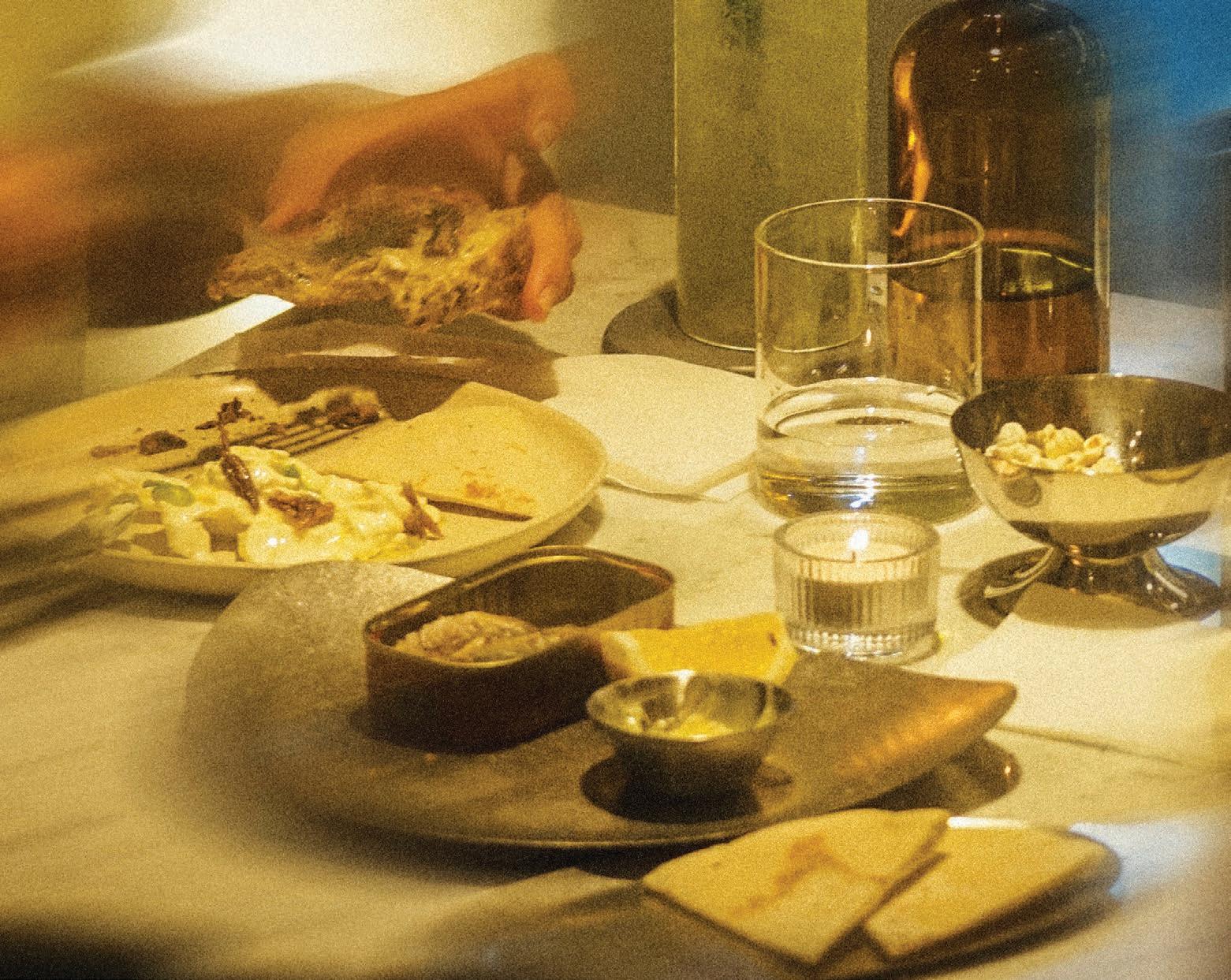
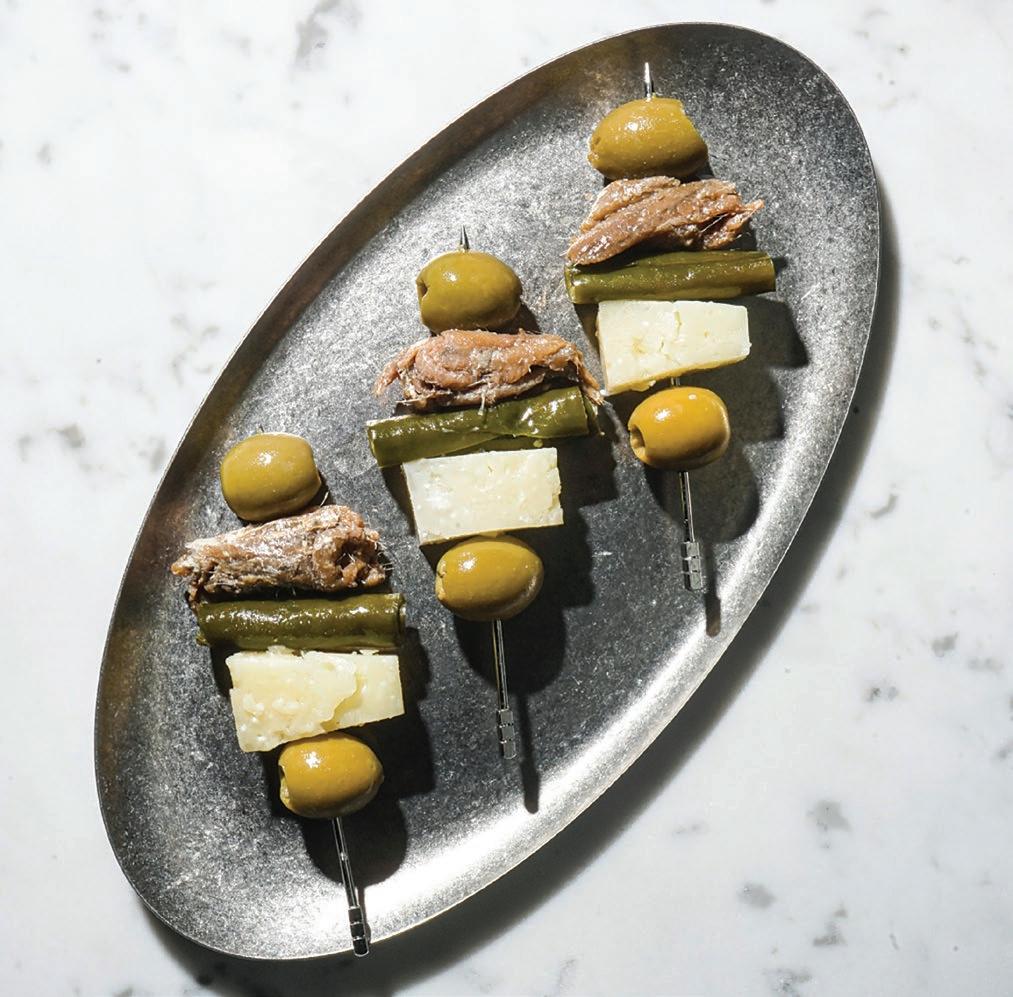
One glance at the menu takes you on a global journey. It begins with bites designed to be shared and savoured. Olives with feta, and spicy-sweet pistachio halloumi, along with Jamón ibérico and proscuito crudo. The small plate selection spans yakitori skewers of sous vide chicken, prawn dumplings, spinach and ricotta ravioli and lobster rolls. All dishes that feel indulgent yet perfectly balanced.
The mains cover all bases, even for that most discerning palate; Nonno’s roasted chicken with confit lemon and olives, carbonara with guanciale and pecorino and the signature black Angus grass-fed tenderloin with Le Relais sauce.
There’s more—much more. MOSS’ sweet endings throw a culinary curveball with unique options like chocolate olive oil cake with whipped cream, Zia’s tiramisu, the perfect sharable dessert. Then there are dessert cocktails like the iced and shaken nutella martini and the amaretto sour.
MOSS’ Mediterranean inspired sharing plates—taking culinary cues from France and Asia—pair seamlessly with MOSS’ cocktail concoctions, expertly crafted by mixologists. They deliver the art, innovation, and science of the perfect libation. This is a food-driven venue but with a palpable social energy. Don’t be surprised if your dinner plans effortlessly transform into an energetic night out where the drinks flow late into the evening. This is the latenight casual-chic vibe that Kuta, Lombok needs.
Jl. Raya Kuta, Kuta, Lombok moss.lombok www.mosslombok.com
STIR IT UP
Stories and recipes from a bar owner in paradise…
Back to Basics
With the world around us in turmoil, ever-changing and sometimes even scary, most of us are craving simplicity or, as the saying goes, “getting back to basics.” Seeking a gentle ease in our lives can be big or small, and it can show up in different ways for each of us. It could be as straightforward as brewing the perfect cup of coffee in the morning to quality time with friends without social media to—on a larger scale—moving to a tropical island in search of a simpler life.
For a tavern owner in paradise, it feels like things have become more complicated behind the bar as well. Of course, nothing as serious as the state of the world, but the demands on craft cocktail establishments are higher than ever if you want to be recognized in the industry. New techniques abound, cocktail ingredients often read like formulas and mixologists are becoming more like executive chefs with a chemistry degree. At the same time, complex techniques and unknown ingredients make it harder for guests to choose a cocktail they might enjoy. Of course, bar owners and staff engage with guests to guide them, and many bars even include cool charts and tables in their menu to help guests navigate the choices, but the trend of unpronounceable tinctures and methods of madness can sometimes seem like smoke and mirrors. Now, don’t get me wrong, I truly respect the ingenuity, care and craft that goes into the amazing and adventurous cocktails made by mixologists around the world yet, at the same time, I often feel the need to “return to basics” behind our own bar.
It’s A Classic
In this spirit, to many of our regulars it won’t come as a surprise that classic, “basic” cocktails are some of my personal favorites. For example, I love an old-school Sazerac or the elegant yet simple Boulevardier or a smart Vieux Carré perfectly chilled. Invented during the 19th and 20th century, these types of cocktails are the foundation for many of today’s mixology creations. That’s when simple formulas originated like “spirit, sweet, citrus”—the basis for today’s Margaritas or Sours—and “spirit, sweet, bitter”— one of the most widely adapted combinations used for Old Fashioneds or Negronis. I love these classics for their simplicity and perfect balance with rarely more than three or four ingredients.
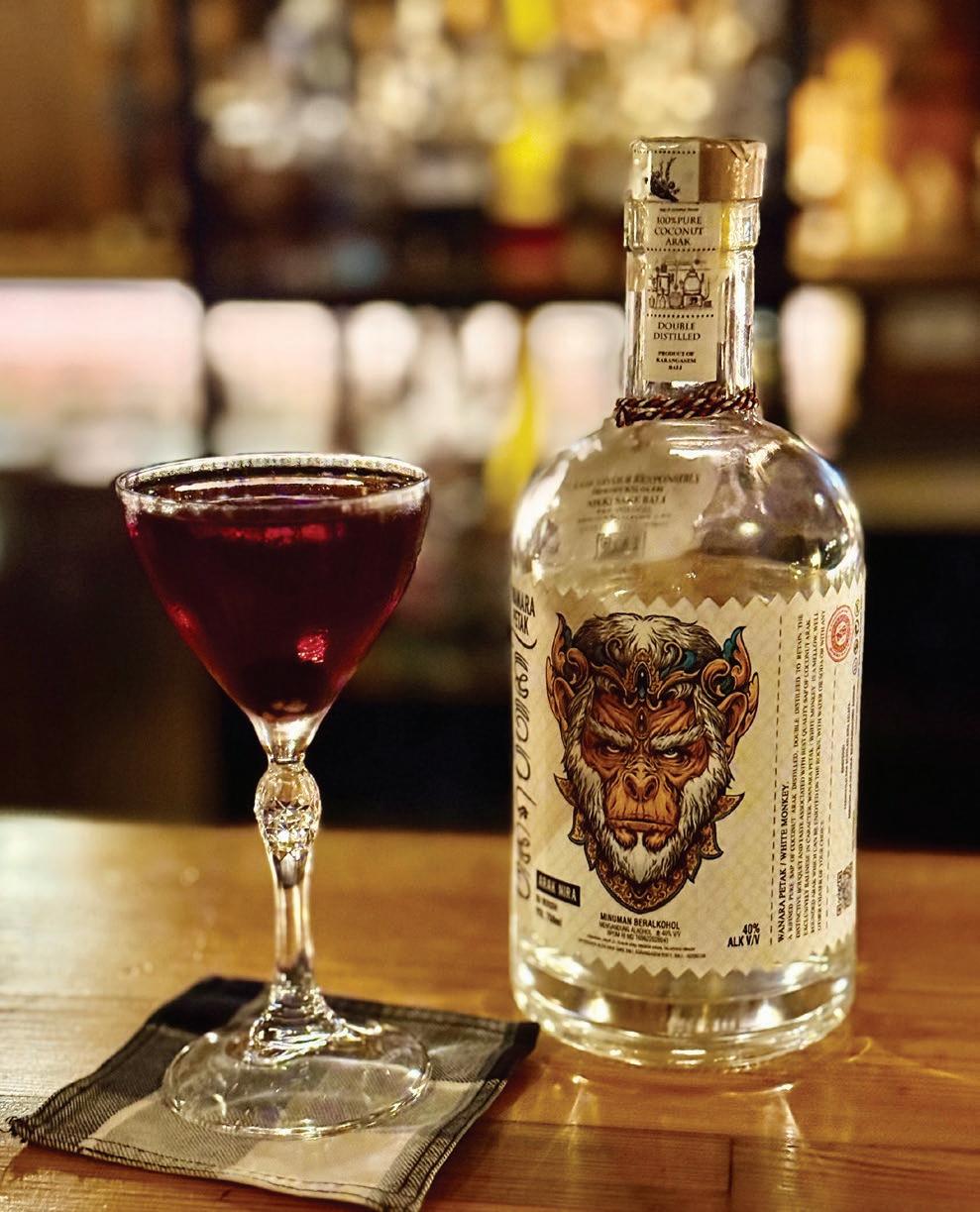
This love of the basics leads me to another passion of mine since moving here: classic Balinese araks and their spirit cousins from different Indonesian islands. Crafted by enthusiastic artisans, they also warmly embrace the idea of simple traditions and ingredients that have existed for countless generations. And today, araks are produced more professionally and safer than ever—and in growing numbers. In fact, as of this writing there are nearly 60 brands of arak produced across the archipelago!
A New Take
So, it’s a natural progression that I’m excited about combining these two simple passions—quality arak and classic cocktails—with a Klub Kembali menu that “arak-ifies” an essential list of time-honored cocktails by swapping out the main spirit with a perfectly paired arak. This gives our guests the familiarity of ordering a recognizable sipper but with the adventure of trying something new because it’s made with a traditional arak. This mash-up of different cultures easily explores how we can learn about each other by sharing our similarities—and by combining our differences into new expressions.
This mix is also a great metaphor for life in paradise with some familiarities that instantly make you feel at home, combined with a healthy dose of adventure we all crave when coming to a place like Lombok. So give it a try next time we welcome you back to Klub Kembali and let’s raise a glass to something we all can toast to—getting back to basics, connecting with new friends and broadening our horizons. Cheers!
Daniel Schwizer is the owner and head mixologist at the Klub Kembali craft cocktail bar in Selong Belanak, Lombok.
Arakified Classics
This month, we’ll share a couple of recipes from our “Arakified Classics” menu. You can taste these (and many others!) on your next visit to the Klub—plus you can also pick up a bottle or two of these araks on your visit (or at the duty free shop if you’re flying out of Bali). It’s a fun thing to try while you’re here—and an even more exciting experience to bring home to share with your friends!
Meres Martinez
1. Fill mixing glass with:
• 1½ oz Wanara Petak Arak
• 1½ oz Martini Rosso
• ¼ oz Luxardo Maraschino Liqueur
• 2 dashes Angostura Bitters
• Ice cubes
2. Stir for 30 seconds
3. Double strain into a chilled Nick & Nora Glass
4. Garnish with Maraschino cherry
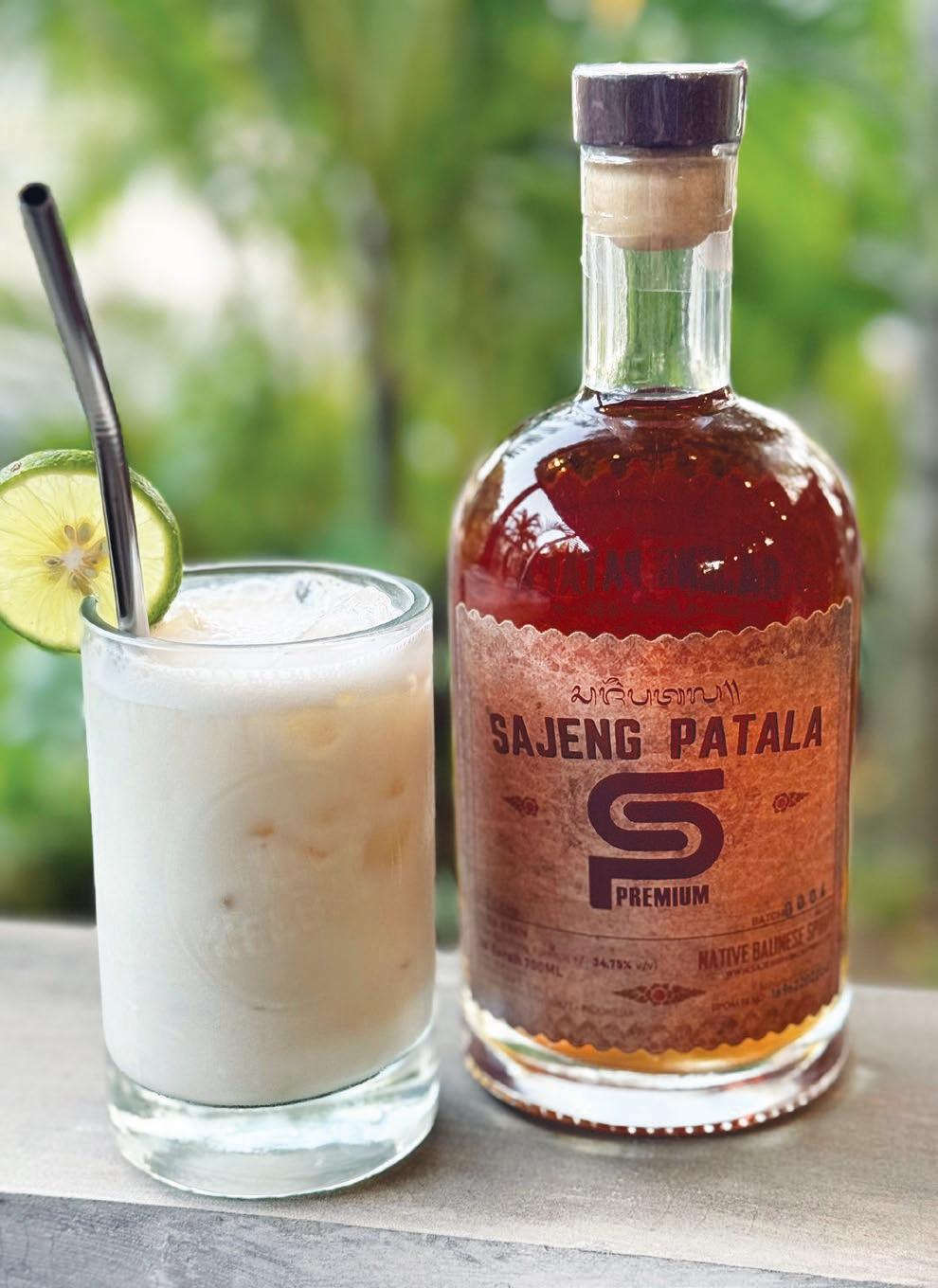
Sajeng Colada
1. Fill shaker with:
• 10 ml simple syrup
• ½ oz lime juice
• 1½ oz pineapple juice
• 2 oz Coconut Cream (Santan)
• 2 oz Sajeng Patala Arak
• Ice cubes
2. Shake vigorously for 15 to 20 seconds
3. Double strain into Highball Glass with ice
4. Garnish with slice of pineapple
THE ROSE SHELL BOUTIQUE VILLA
ARTISTIC GILI AIR LUXURY VILLA HAVEN
SOMEWHERE LOMBOK
A HIDDEN HILLSIDE HIDEAWAY EMBRACING NATURE
BUYING LAND OR A VILLA IN LOMBOK
WHAT TO ACTUALLY LOOK FOR BEFORE YOU BUY
THE ROSE SHELL BOUTIQUE VILLA
Artistic Gili Air Luxury Villa Haven
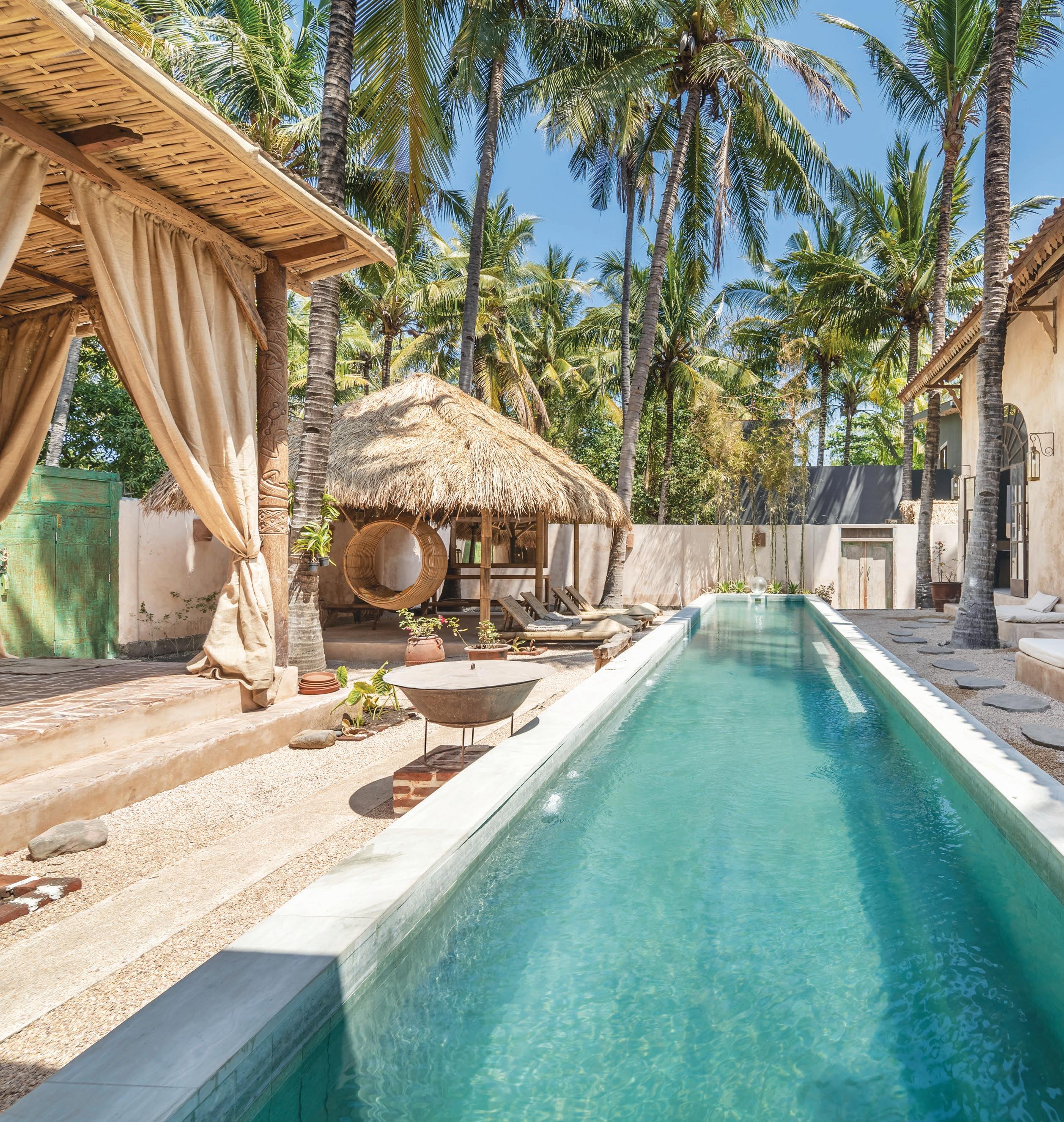
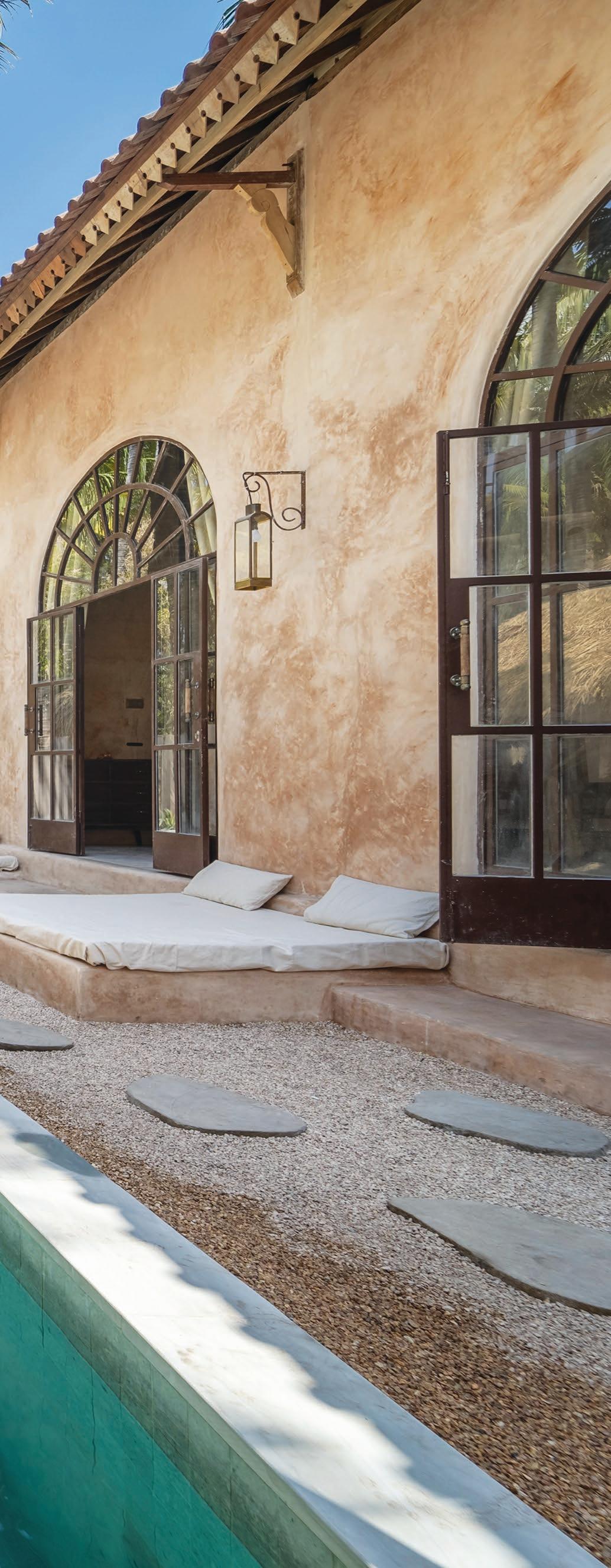
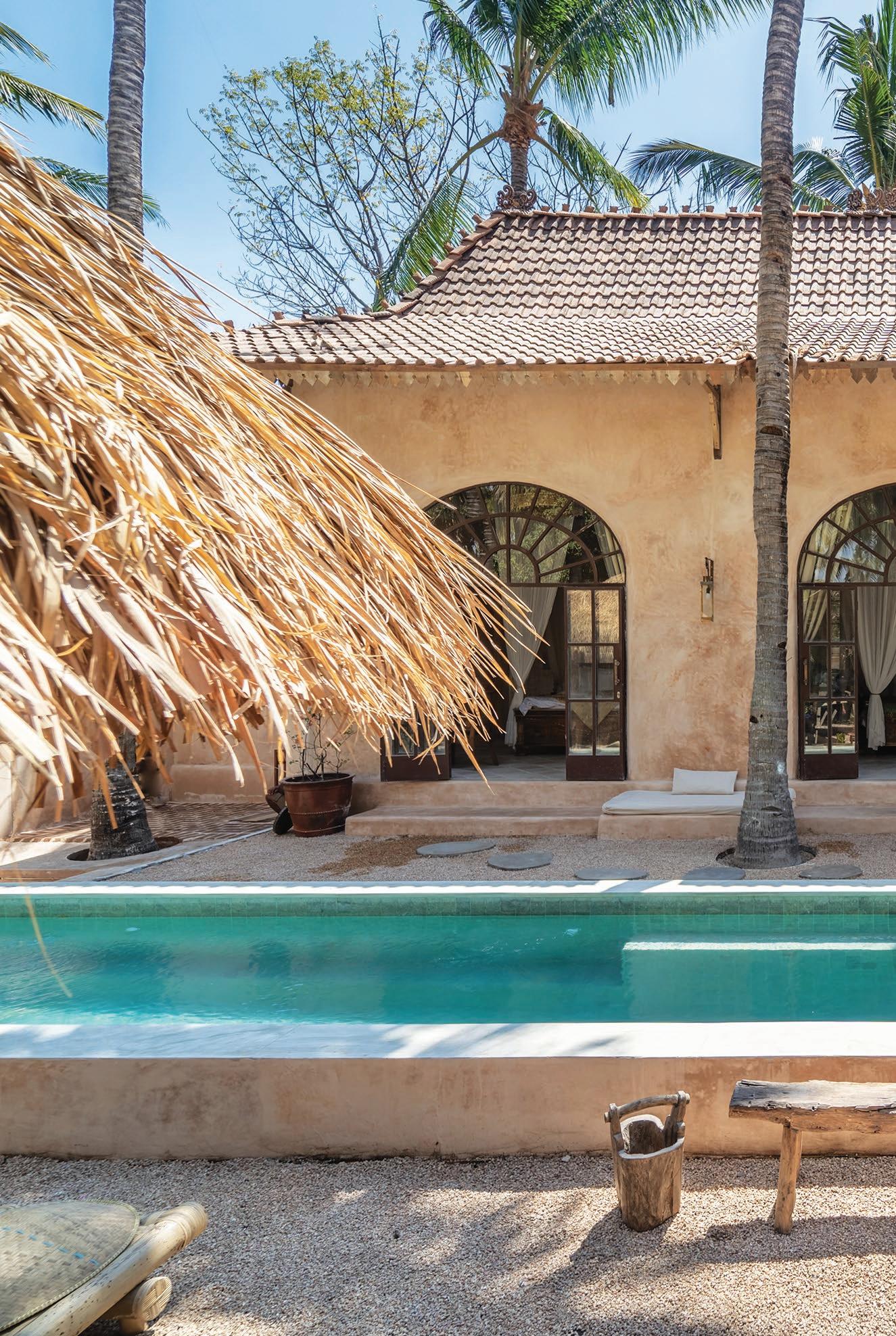
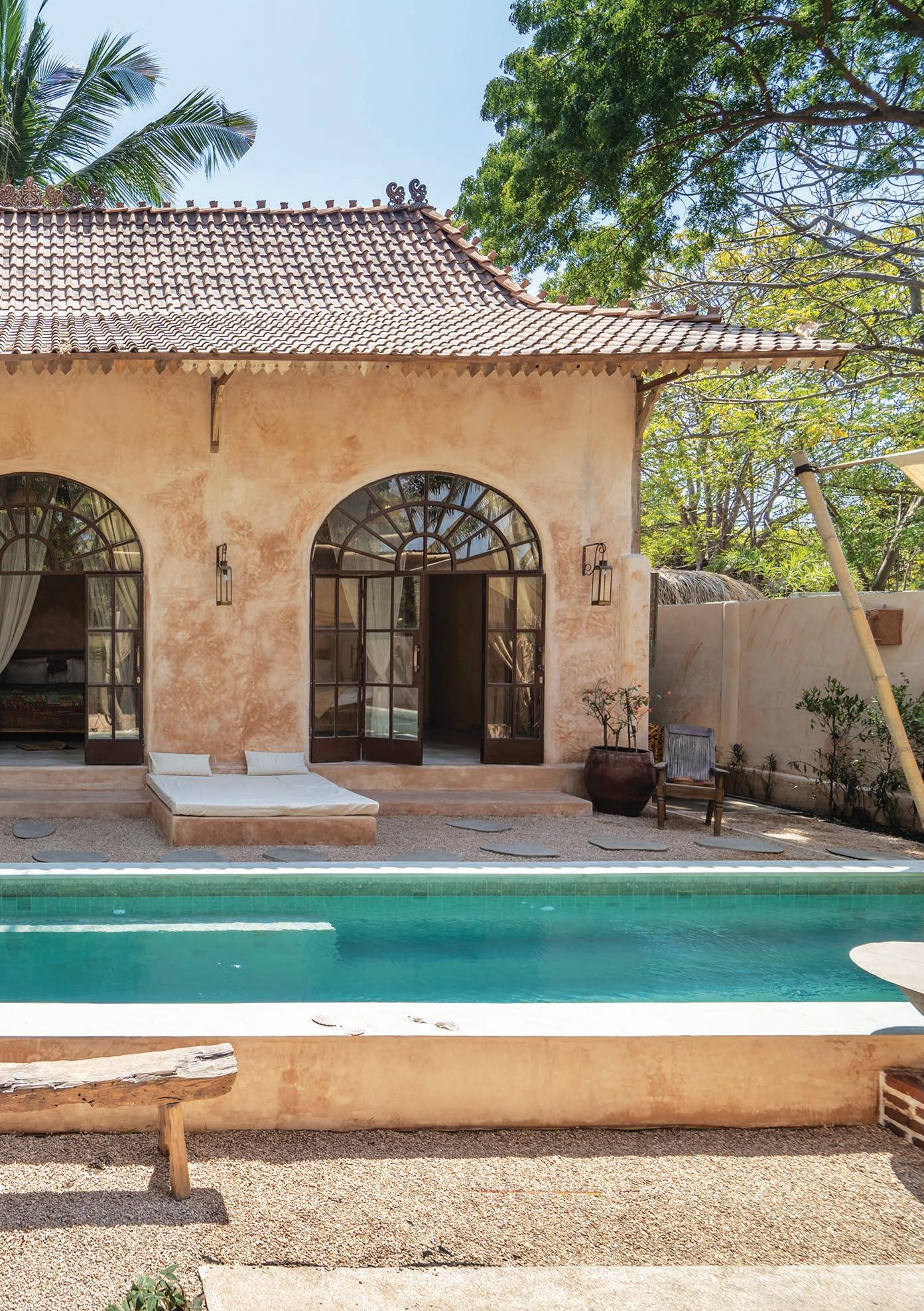
Tucked away in a shady coconut grove, the Rose Shell private boutique villa is the perfect oasis you crave for relaxing family time in Gili Air. Boasting three ensuite bedrooms, it has a unique mix of tropical design with a little touch of rustic Mediterranean style.
There is natural stone, teak and bamboo fixtures throughout giving it a very natural feel. The layout is meticulously designed for indoor-outdoor living with spaces for kicking back or getting active. It houses its own well-equipped gym gazebo for guests who need a daily workout rush, while the standout feature is the sparkling 15-metre lap pool. This is what no-stress island living is all about.
The open plan layout provides numerous spaces to relax, dine and socialise, while the high ceilings and open aspect invite cool breezes inside, as the soft, flowing drapes flutter in the wind. The rustic luxe design template runs throughout the villa’s interiors along with many elaborate touches, such as the plush soft furnishings and sparkling chandeliers that light up the dining area.
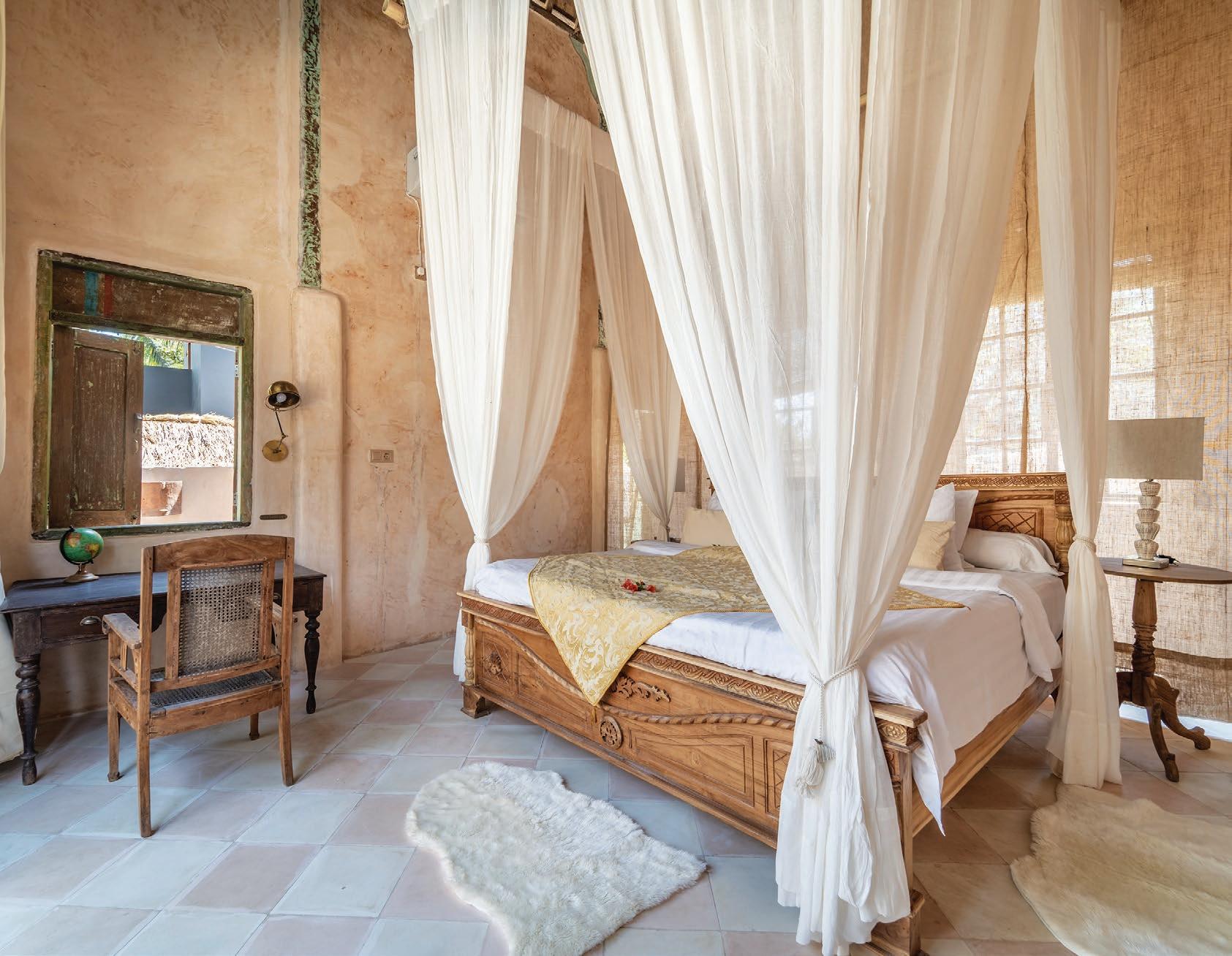
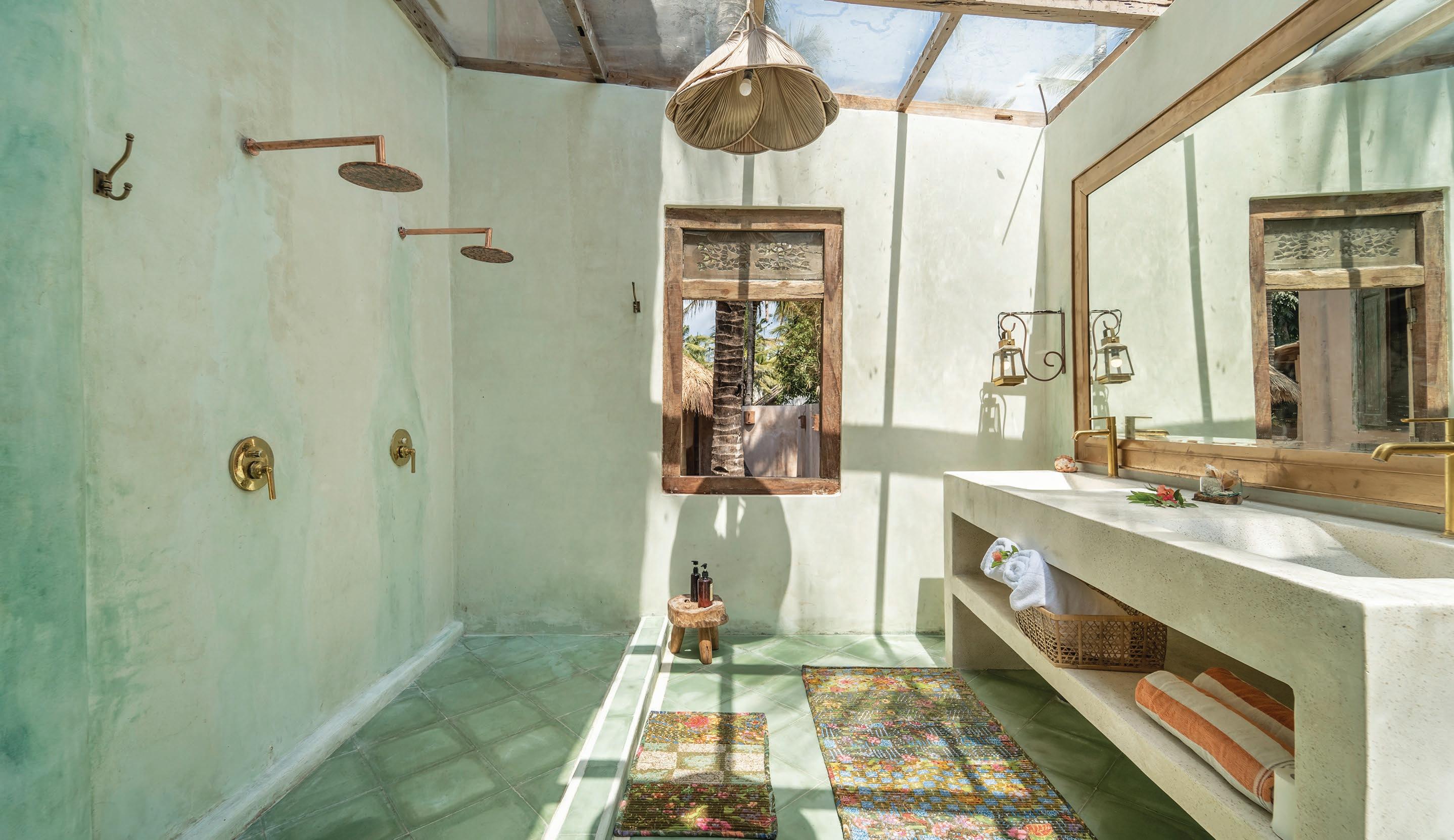
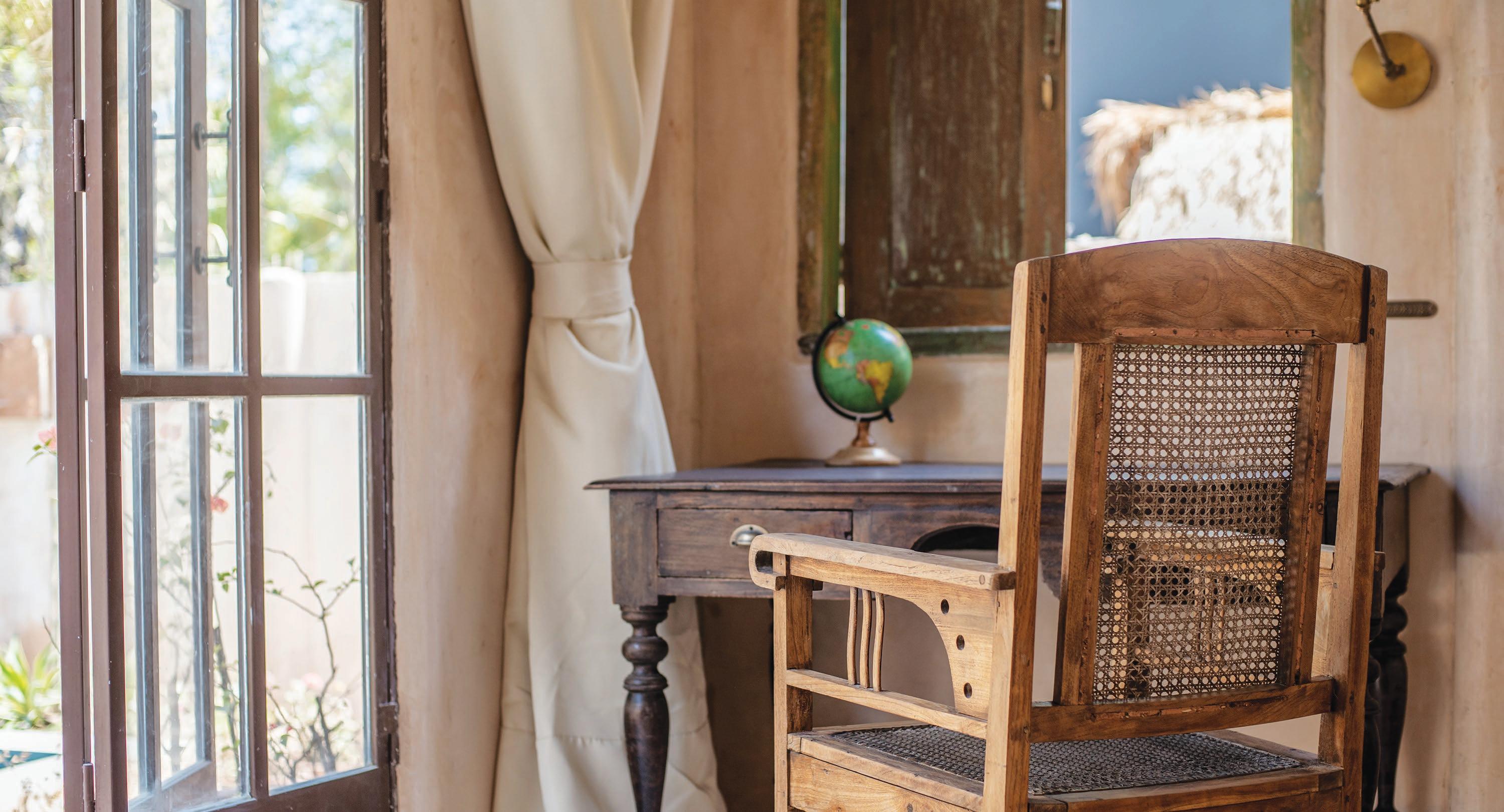
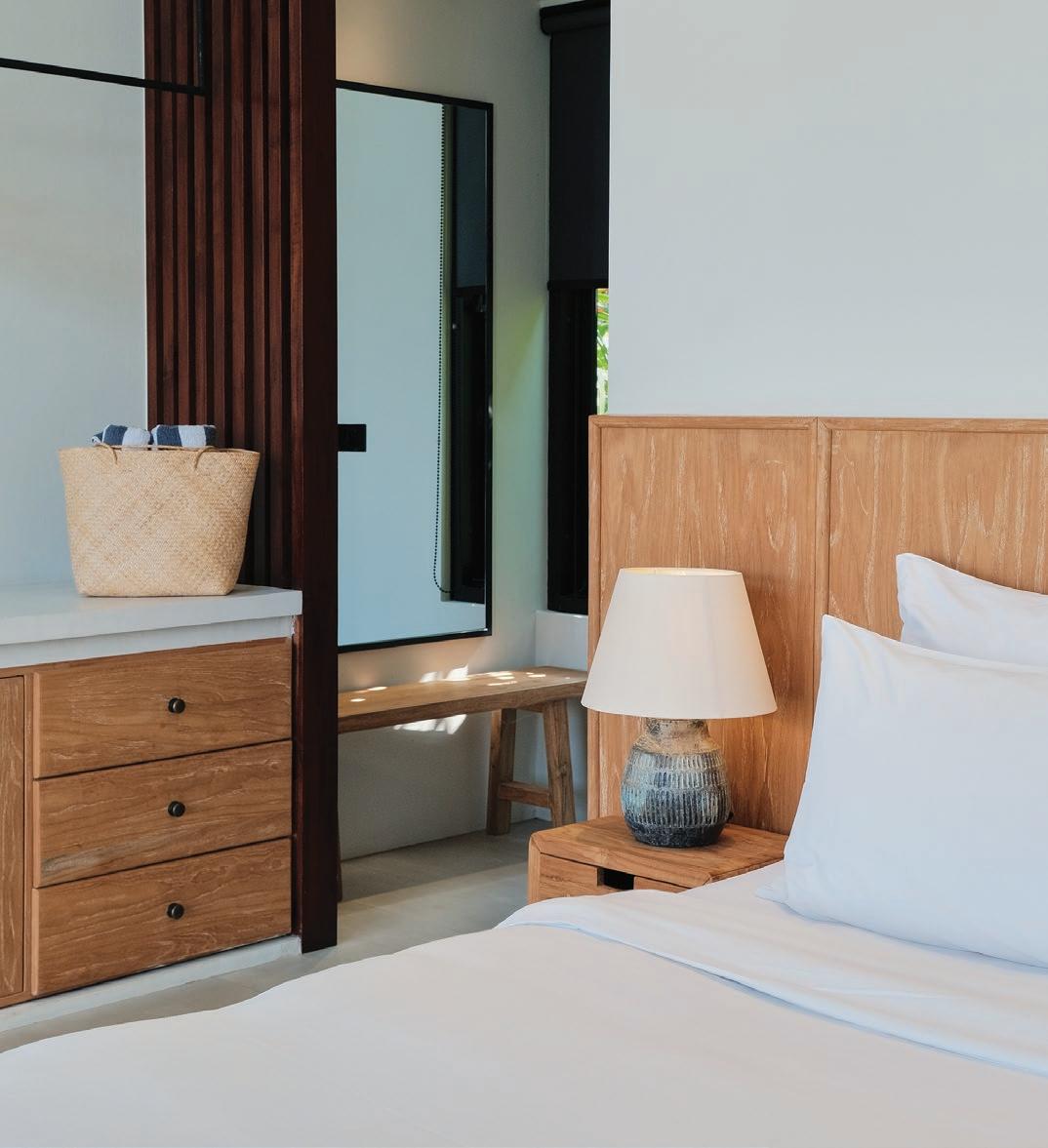
Bedrooms are spacious with elegant teak beds and sumptuous bedding, desk space for work and a private lounging space. The colour palette is very natural in artistic neutral shades. Bathrooms are expansive too. It’s clear that all fixtures, furnishings and wall adornments were meticulously handpicked to create a unique ambience.
The main living/dining space makes up the social hub of the villa, with plush sofa seating and a grand dining table overlooking the pool. The country-style kitchen and breakfast bar is large and fully equipped making it a breeze for evening dinner, daytime snacking or an intimate private pool party. There is also opportunity to enjoy an al fresco poolside barbecue.
Outside on the pool deck, there are several shady nooks to relax and escape the midday heat, or enjoy breakfast by the water’s edge. There is a large alang alang thatched gazebo to relax in as well as pool loungers to top up the tan.
The Rose Shell Boutique Villa has a team of staff for daily housekeeping and can expertly take care of any guest requests. The villa is flanked by high walls offering full privacy in one of Gili Air’s more tranquil areas.
Situated in the centre of the island, Rose Shell Boutique Villa makes it easy to explore everywhere, while enjoying the authentic kampung lifestyle of the most authentic Gili Island. It’s just a short, leisurely bike ride away from the sea to take in the iconic Gili Island ocean sunsets.
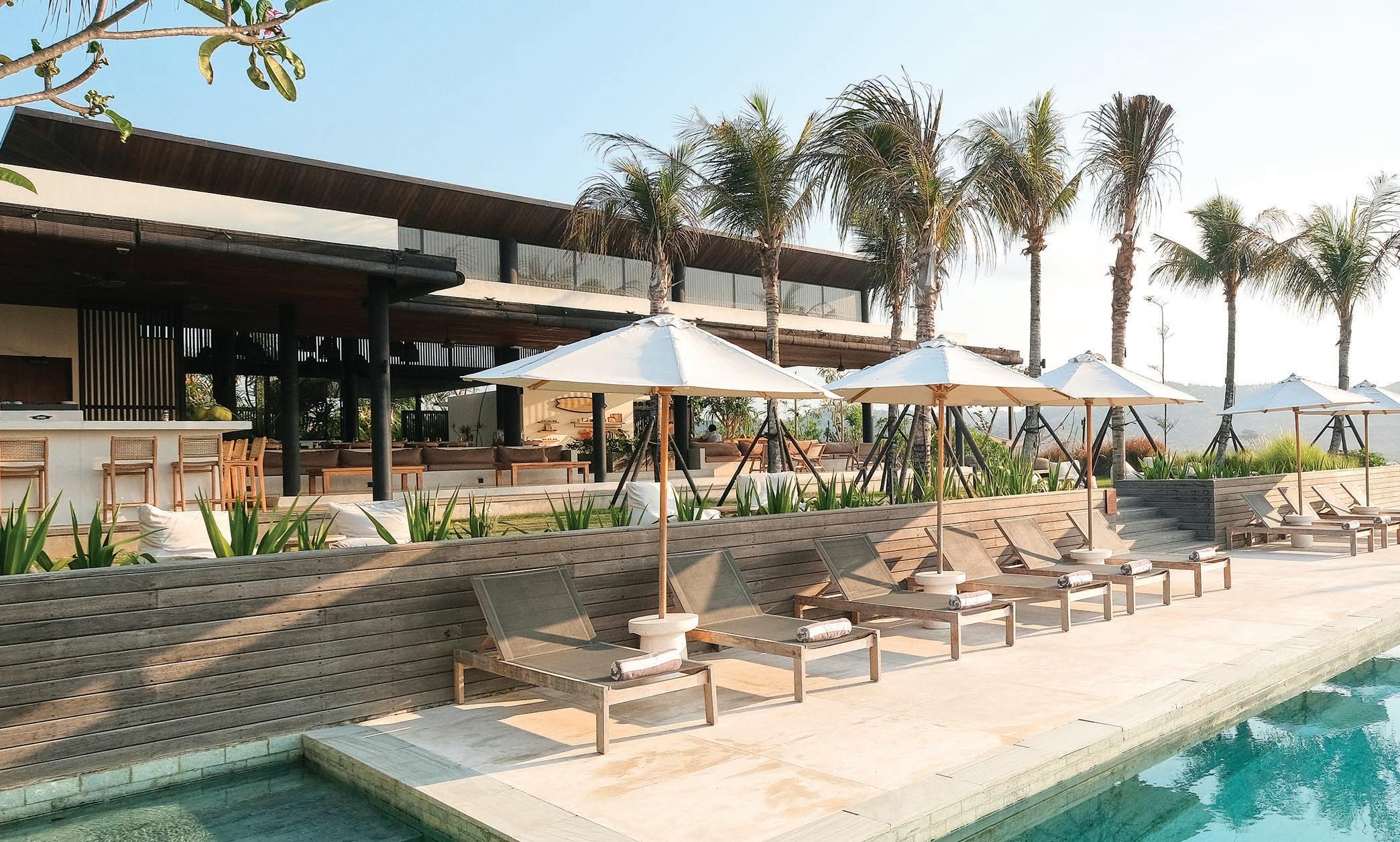
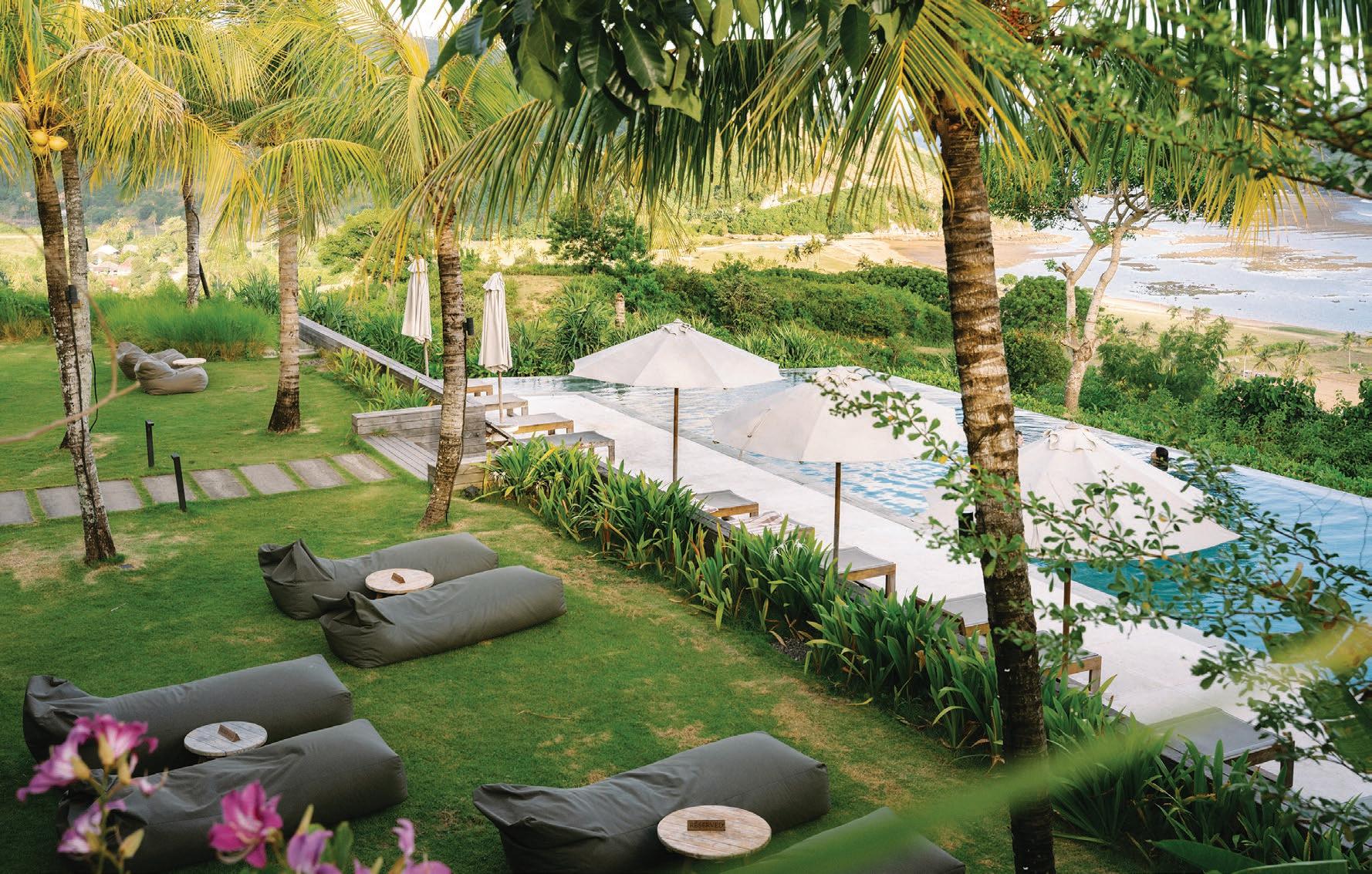
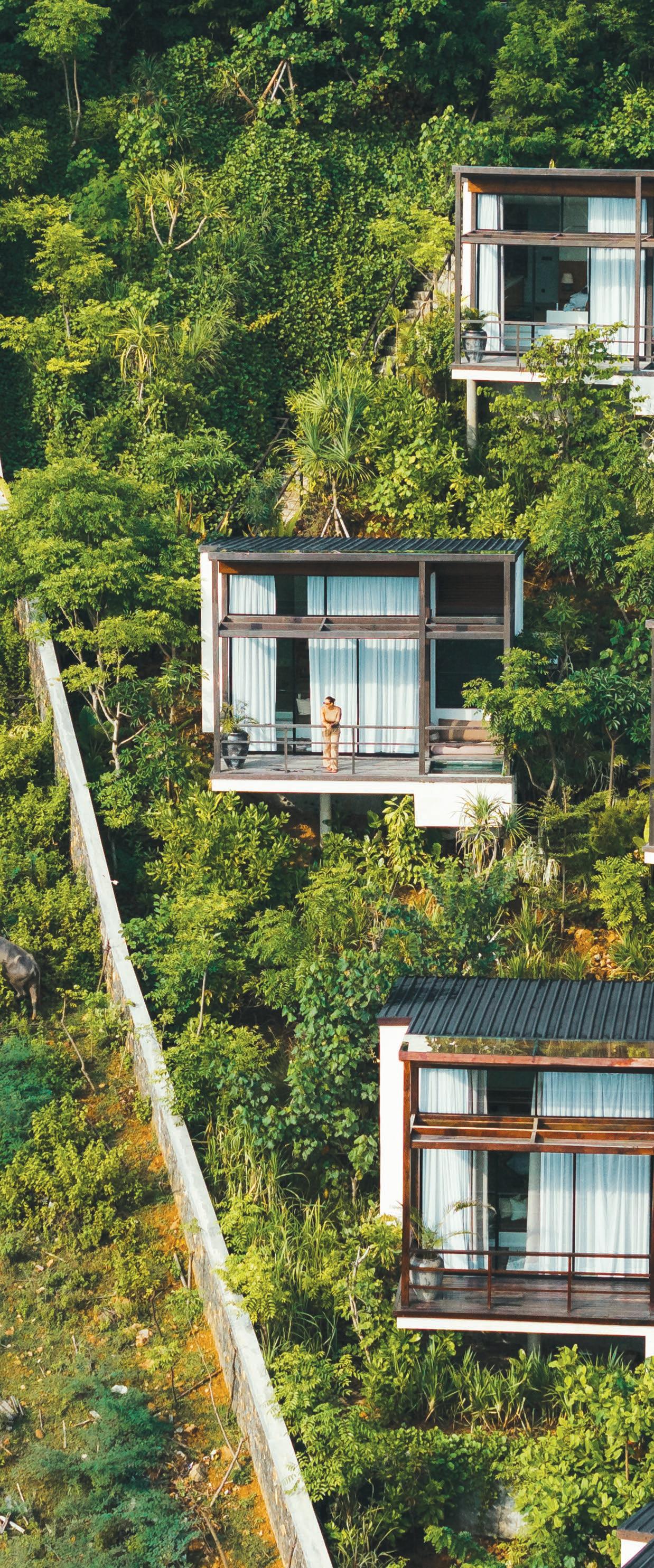
When craving a complete change of scenery for a blissful weekend escape, the only answer is Somewhere new. That’s exactly what you get overlooking the cascading surf just west of Kuta. Somewhere Lombok is tucked away on an undulating hillside giving guests unrivalled privacy alongside priceless ocean vistas.
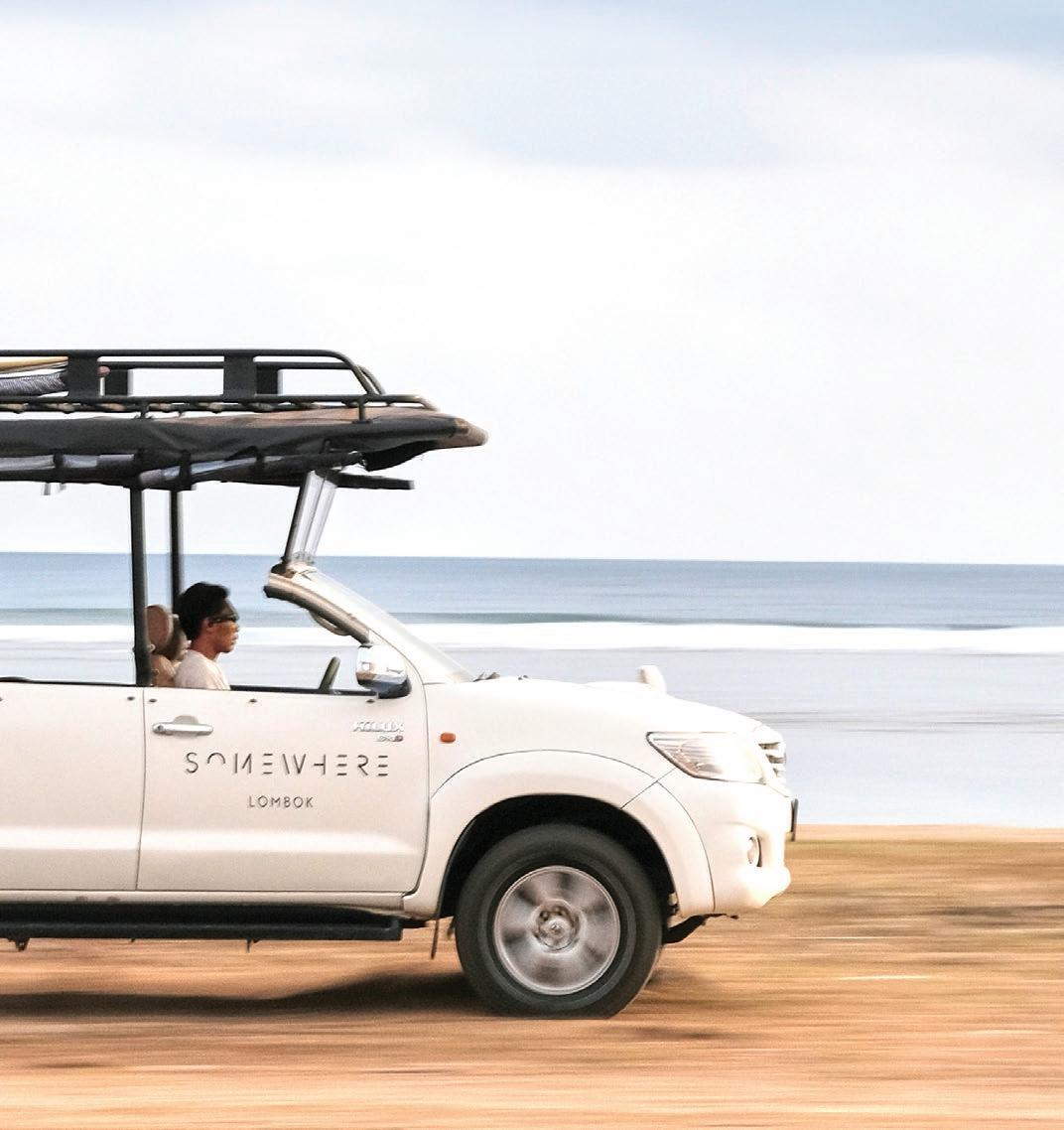
It’s a luxe hideaway deeply imbedded in the natural surroundings, and feels like a secluded rainforest luxury lodge miles from civilization. This is some feat considering it’s just minutes away from the bright lights of Kuta, accessible by the resort’s seamless shuttle service. The best of both worlds indeed.
This is the go-to destination for kicking back and indulging, embracing the natural world and rebalancing your wellbeing. The resort has a single-minded commitment on sustainability, nature and a strong community focus.
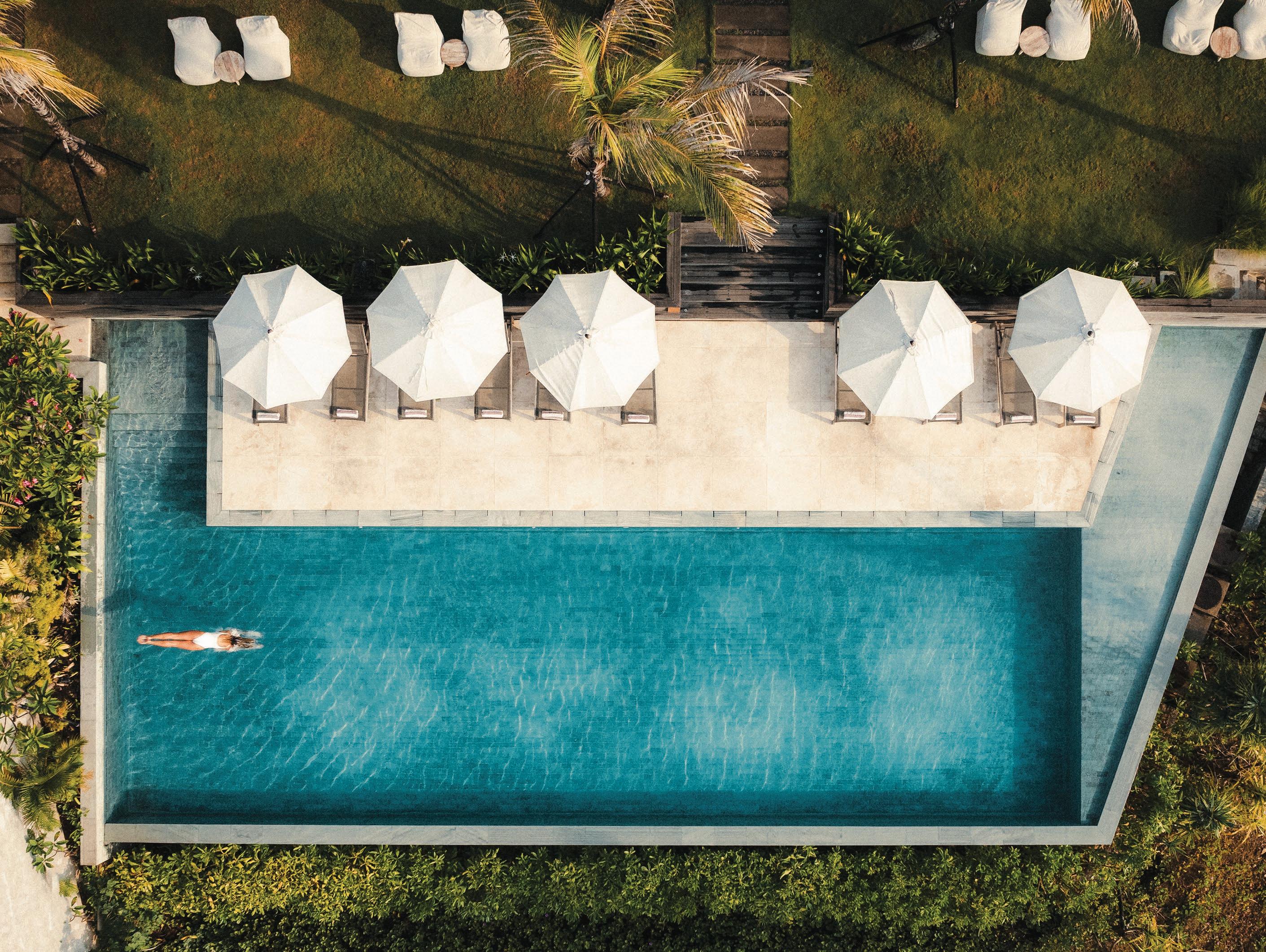
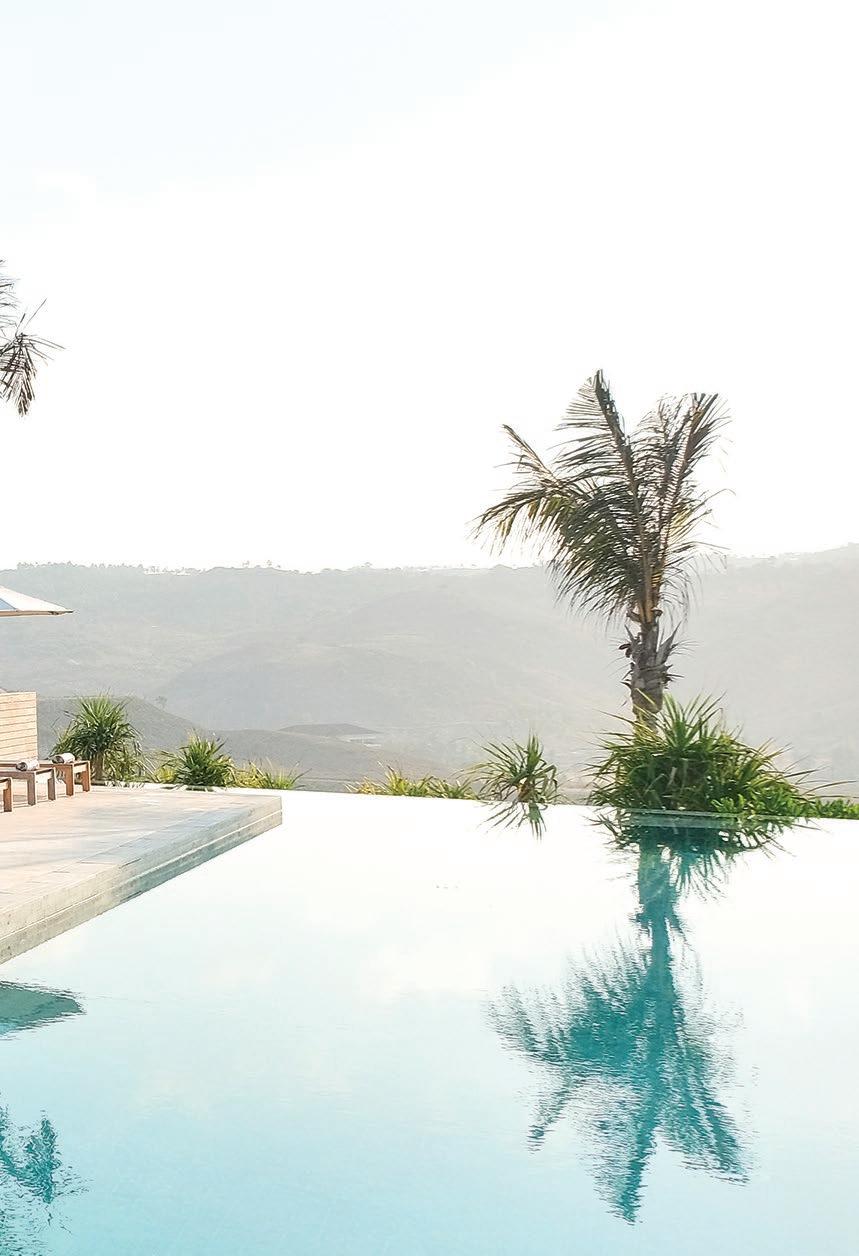
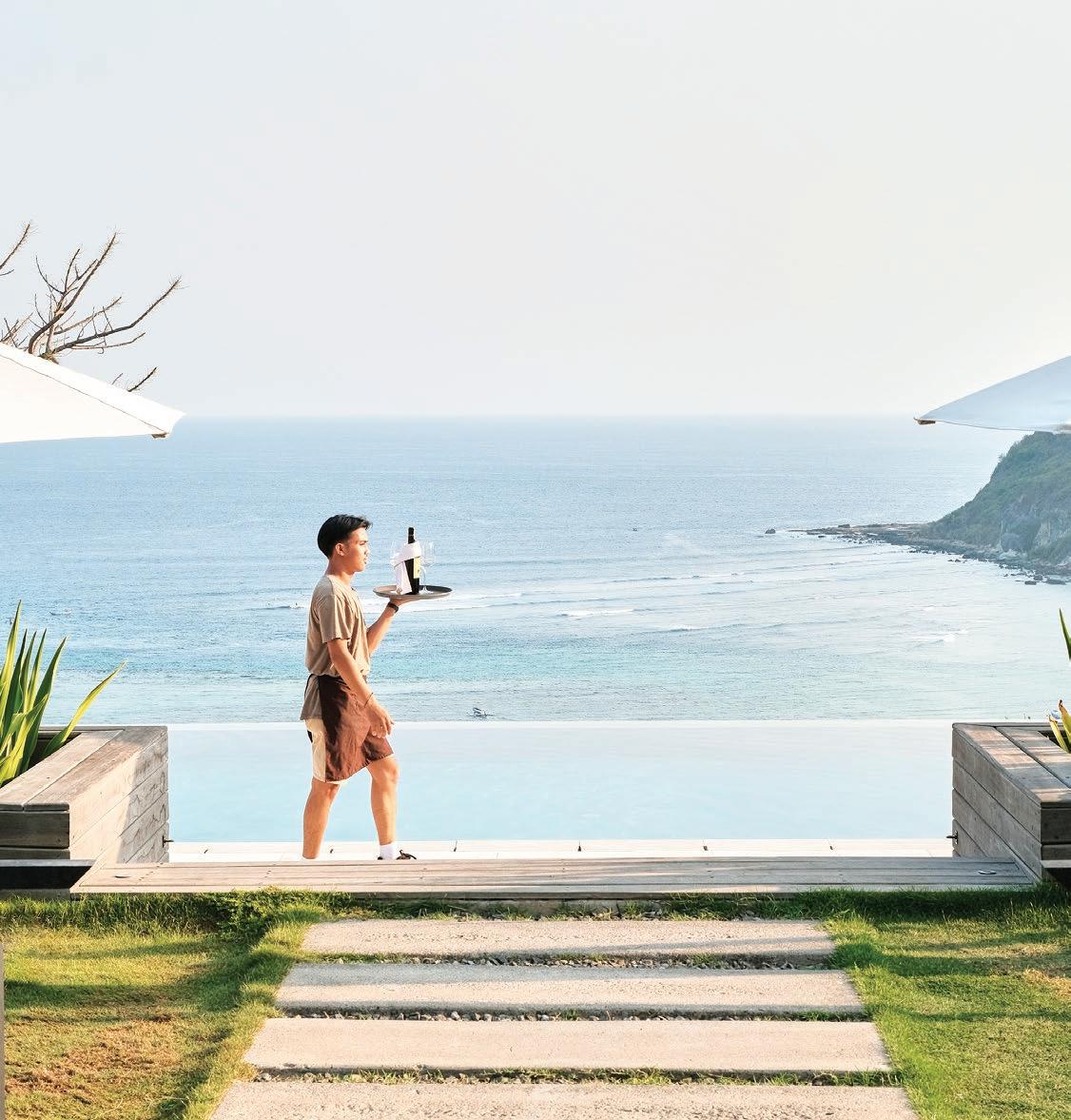
Its mission is commendable but it also has style alongside the substance. It’s one of only two Lombok resorts that are part of the Design Hotels handpicked independent boutique hotel portfolio. Somewhere delivers compelling contrasts. Its secluded yet sociable and perfect for corporate retreats or group getaways. It has a blissfully laid-back pace of life, yet its part of a vibrant community with a beach-chic ambience enveloping the restaurant, bar, lounge and main infinity pool. All of Somewhere’s villas have their own private plunge pool too.
The resort is the brainchild of Hong Kong born sisters Claire and Valia Gontard who returned to their Indonesian roots to create a new hospitality concept in South Lombok. It is one that embraces Indonesia’s culture, nature and heritage, while offering an upscale service experience.
Each of the hillside villas span 52 square metres of luxe interiors and outdoor space. The modern detailing makes use of natural wood, stone and handcrafted fixtures and soft furnishings. Expect custom-made ceramics and handwoven textiles, as well as plush seating and luxury bedding.
The spacious ensuite bathrooms feature a rain shower and the overhanging outdoor verandah affords lush valley views. Villas also offer a safety deposit box and luxury skin care amenities. The elevated, back to nature position of the villas is one of its main attractions, although it’s not recommended for those with limited mobility.
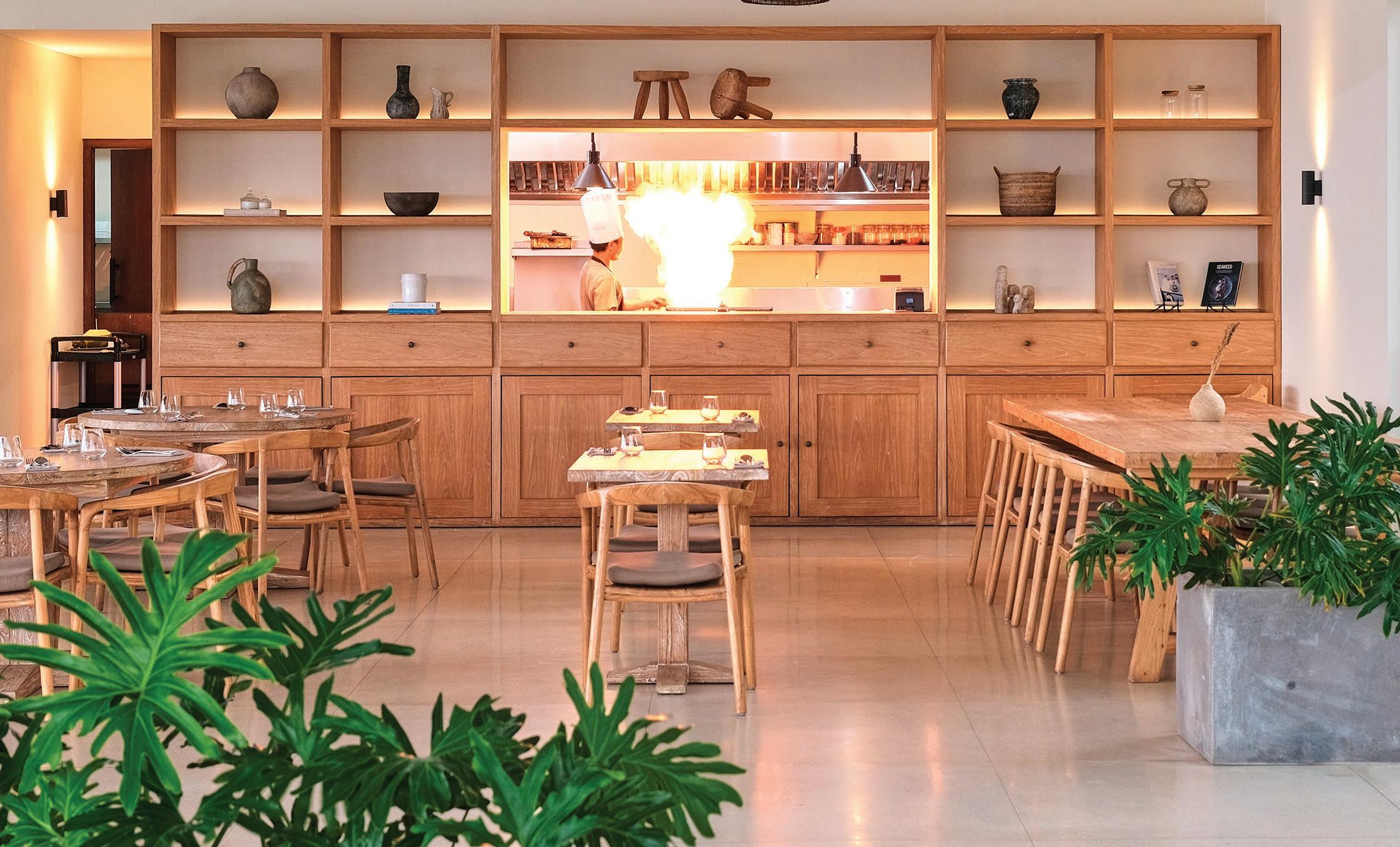
Somewhere Lombok houses a communal resort area comprising tropical gardens, a pool terrace, lounge and restaurant to mingle and socialise. The inventive restaurant menu covers all bases for just about every discerning palate, with sharable small plates and hearty mains including steaks, pasta and more. Do save room for an irresistible sweet ending too, like chocolate truffles and pineapple crumble.
The menu features local staples such as Ayam Taliwang, Sate Rembiga, Jackfruit Rendang and Urap Urap plus other Asian dishes and the eclectic flavours of Europe and the Mediterranean. There are numerous veggie options to choose from as well as freshly grilled seafood, duck and sirloin steak. The restaurant is open to outside guests for lunch and dinner. Private event bookings are accepted for: weddings, birthdays and romantic dinners. In short, there is something at Somewhere to satiate every conceivable palate.
Are Guling, Prabu, Pujut, Lombok Tengah, Nusa Tenggara Barat 83572, Indonesia +62 813 7230 0100 somewherelombok hello@somewherelombok.com www.somewherelombok.com
wibbi_marki
BUYING LAND OR A VILLA IN LOMBOK
What to Actually Look For Before You Buy
Buying property in Lombok is one of those decisions that moves fast once it starts. You see a plot, the price feels right, the location ticks every box, and it's easy to want to move quickly.
But the buyers who consistently get good outcomes here are the ones who slow down just enough to ask the right questions before committing. Not to overcomplicate things, but because a few key checks early on can save a lot of cost and stress later.
Here's what we look at, and what we tell our clients to look at, before recommending anything.
1. START WITH YOUR PURPOSE
Before evaluating a single property, get clear on why you're buying.
A holiday home, a rental investment, a land-banking play, and a development project each have different requirements. The right plot for a boutique villa operation is not the same as the right plot for someone who wants to hold for five years and sell. The right villa for a lifestyle buyer is not the same as the right villa for someone optimising rental yield.
Getting this wrong at the start is the most expensive mistake you can make, because it shapes every decision that follows.
2. LOCATION BEYOND THE VIEW
A view is not a location. A location includes road access, proximity to services, elevation above flood risk, and how the area is developing around the plot.
Before falling for a specific property, ask what the area is going to look like in three to five years. Is there infrastructure already in place, or is development still speculative? Are other projects nearby sold and under construction, or is the area still waiting for its moment?
NOUR ESTATES INSIDER'S INFO
In South Lombok, the areas with the strongest track record are Kuta, Selong Belanak, and the areas between them. Plots in established areas hold their value and are easier to develop or resell. The further from proven infrastructure, the more you're betting on future development, which can pay off but demands patience and a higher risk tolerance.
3. UNDERSTAND WHAT YOU'RE ACTUALLY BUYING
Land is not land. There’s raw land with no services, serviced land with roads and electricity already in place, and fully permitted plots ready to break ground. A villa can be leasehold or freehold, off-plan or completed, with or without a rental history.
Each has a different risk profile, return timeline, and priceto-value equation. Make sure you know which category you're in, and that the asking price reflects it accurately.
4. THE CERTIFICATE AND ZONING QUESTION
Before anything else, confirm the certificate type and the zoning classification.
SHM (Sertifikat Hak Milik ) is the strongest form of title. HGB and leasehold are common in development contexts and carry specific usage conditions. Zoning determines what you can build, residential, commercial, and agricultural classifications each follow different rules and permitting paths.
A plot with the wrong zoning for your intended use creates problems that are expensive to resolve.
5. THE INFRASTRUCTURE REALITY CHECK
This is where buyers are most often surprised.
Water source, electricity connection, septic or sewage, and access road ownership are all separate questions, and not all of them are solved just because a development is actively selling. Ask specifically:
• Is the water source a bore well or a shared system?
• Is PLN electricity already connected?
• Who owns the access road, and is it legally accessible to your plot?
6. BUILD COSTS ARE PART OF THE EQUATION
If you’re buying land to develop, the purchase price is only the beginning.
Site preparation, foundations, build quality, and finishing all vary, and hilly plots can add 15 to 30% to construction costs compared to flat equivalents, due to retaining walls, access, and engineering requirements.
As a general rule, budget a minimum of 10 to 15% above your headline land or villa price to cover legal fees, notary costs, taxes, permits, and drawings. If you're building, do a full cost model before you buy, not after.
7. DUE DILIGENCE IS NOT OPTIONAL
In Indonesia, every plot of land has a history. Not all of it is visible in the listing.
Confirm the land title, the zoning classification, the seller's authority to sell, road access, water rights, and any boundary disputes. This is typically handled by an independent legal team and is one of the most costeffective steps you can take in any transaction.
Think of it as a risk filter. The cost is small relative to what it protects.
8. KNOW YOUR NUMBERS BEFORE YOU COMMIT
If you’re buying for rental income, run the numbers before you fall in love with the property.
That means factoring in construction or purchase price, expected rental rates, and realistic occupancy, property management fees (typically 15 to 30%), maintenance, and utilities. A typical range for well-positioned villas in South Lombok is 60 to 80% occupancy, with gross rental yields of 8 to 12% depending on location, management quality, and the segment.
Use developer projections as a starting point, but verify the assumptions behind them.
9. WHO YOU'RE WORKING WITH
A certified agency (AREBI Member), a registered notary (PPAT), and a civil engineer for land assessment are the three pillars of a clean transaction. If any of these are missing or being rushed past, slow down.
The right team doesn’t just protect you, it makes the process faster. Deals that go wrong almost always involve someone cutting corners at the beginning.
FINAL THOUGHTS
Buying in Lombok can be one of the best decisions you make. The growth is visible, the opportunities for the right buyer are real, and the market has matured enough that good investments are achievable, but they require preparation.
Slow down, ask the questions that matter, and work with people who know the ground.
ABOUT NOUR ESTATES
Buying property in Lombok can feel overwhelming. We’ve been through the process ourselves. We know how exciting it is, and how confusing it can be. It’s often fragmented, the rules aren’t always clear, and there’s no central guide to help you through it all.
That’s where we come in.
At Nour Estates, we bring everything together in one place: property search, investment advice, trusted partners, and local insight, so you don’t have to figure it out alone.
From research to purchase, we’re your on-the-ground guide, helping you understand the market, avoid common mistakes, and make smart investment decisions that feel right.
Lombok is growing fast. Let’s make sure you’re part of it.
Contact us now.
Yasmina for Nour Estates
No pressure. Just honest advice and local insight +62 853 3713 3898 hello@nourestates.com www.nourestates.com
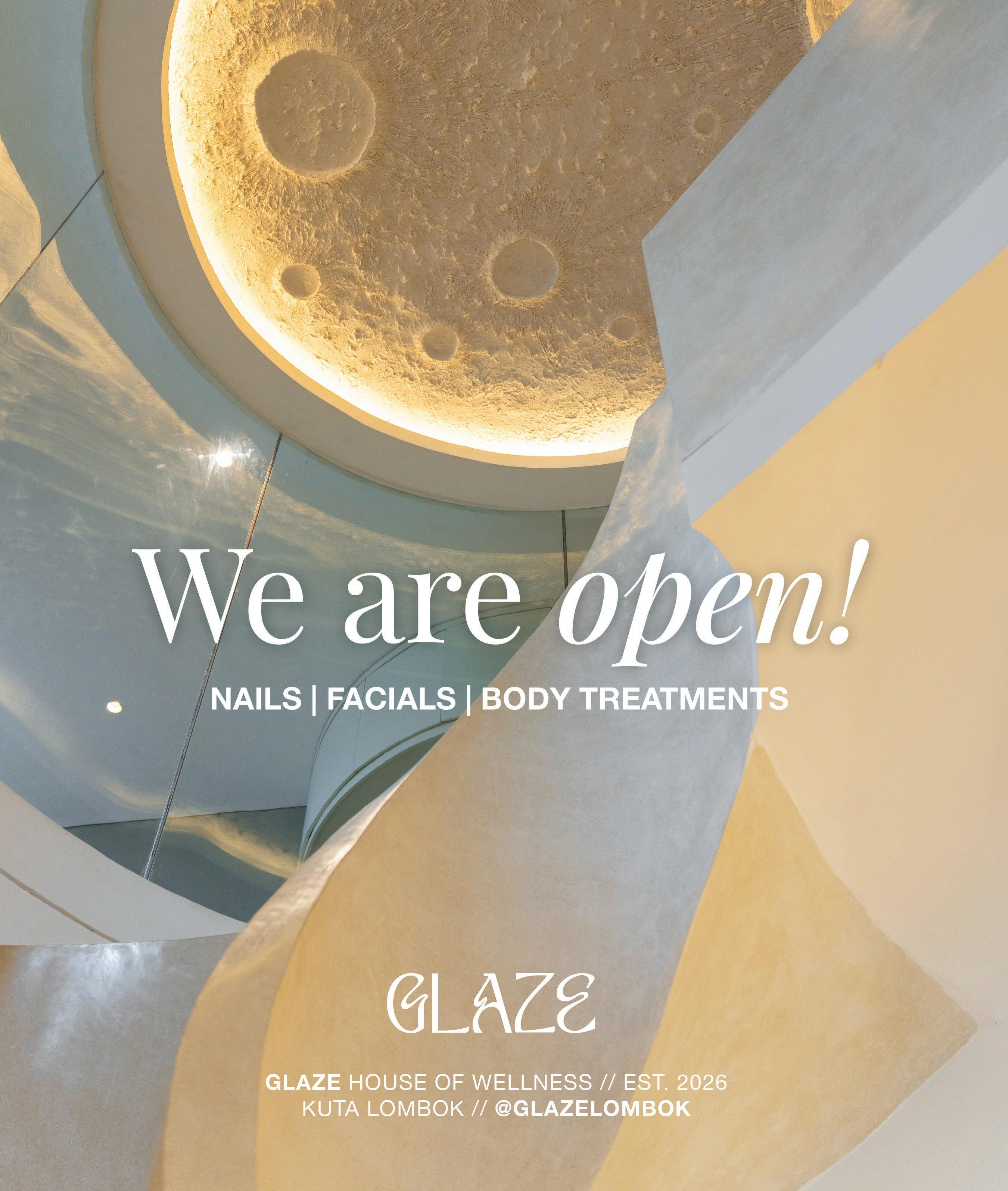
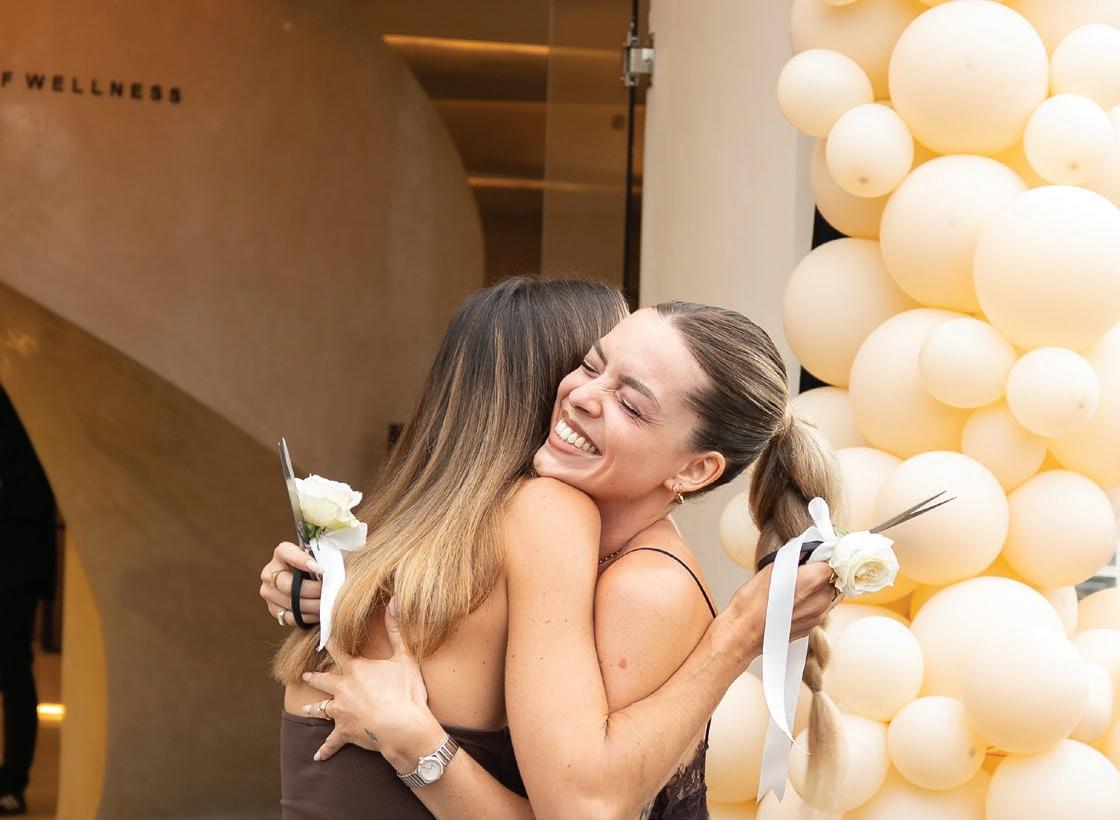
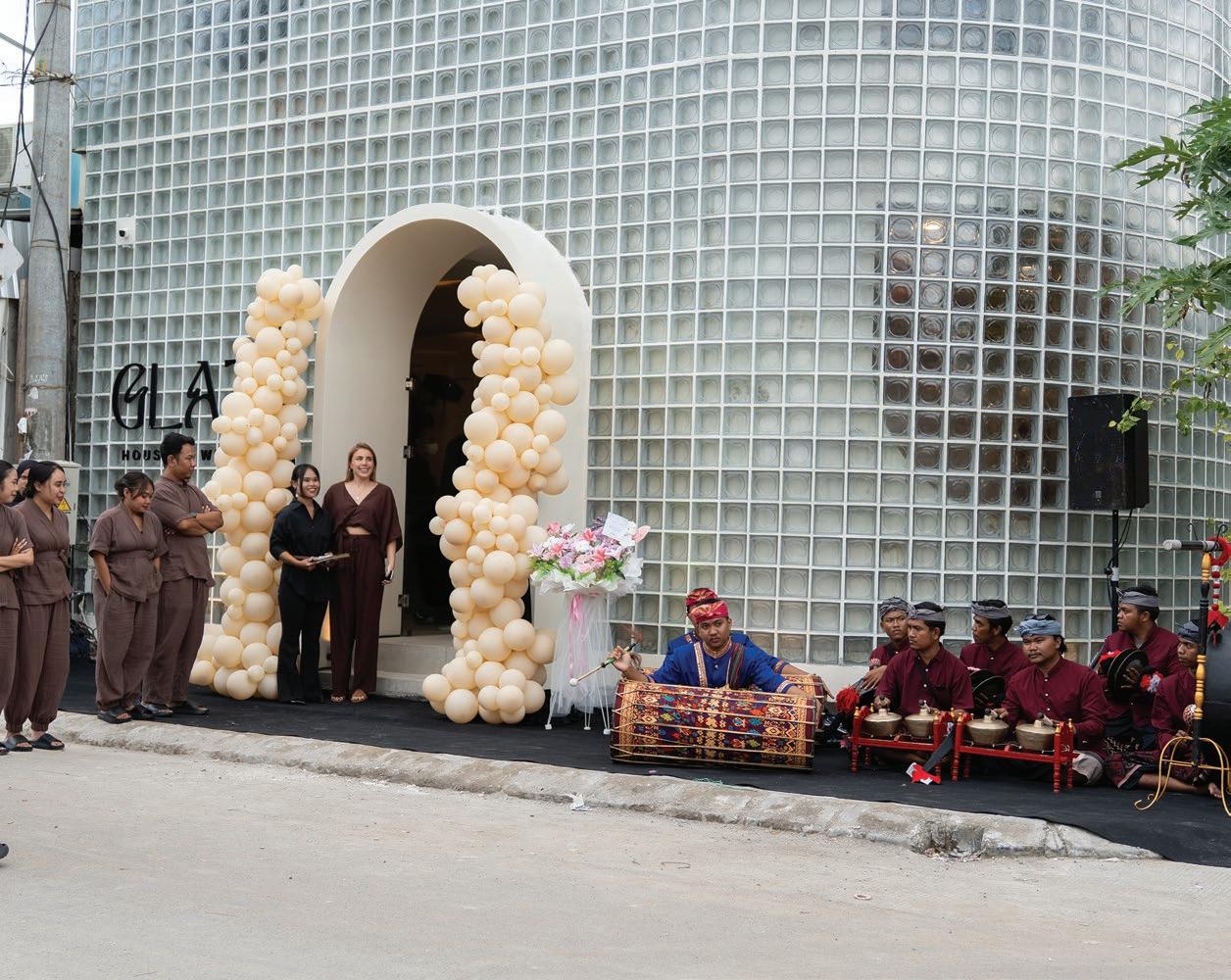
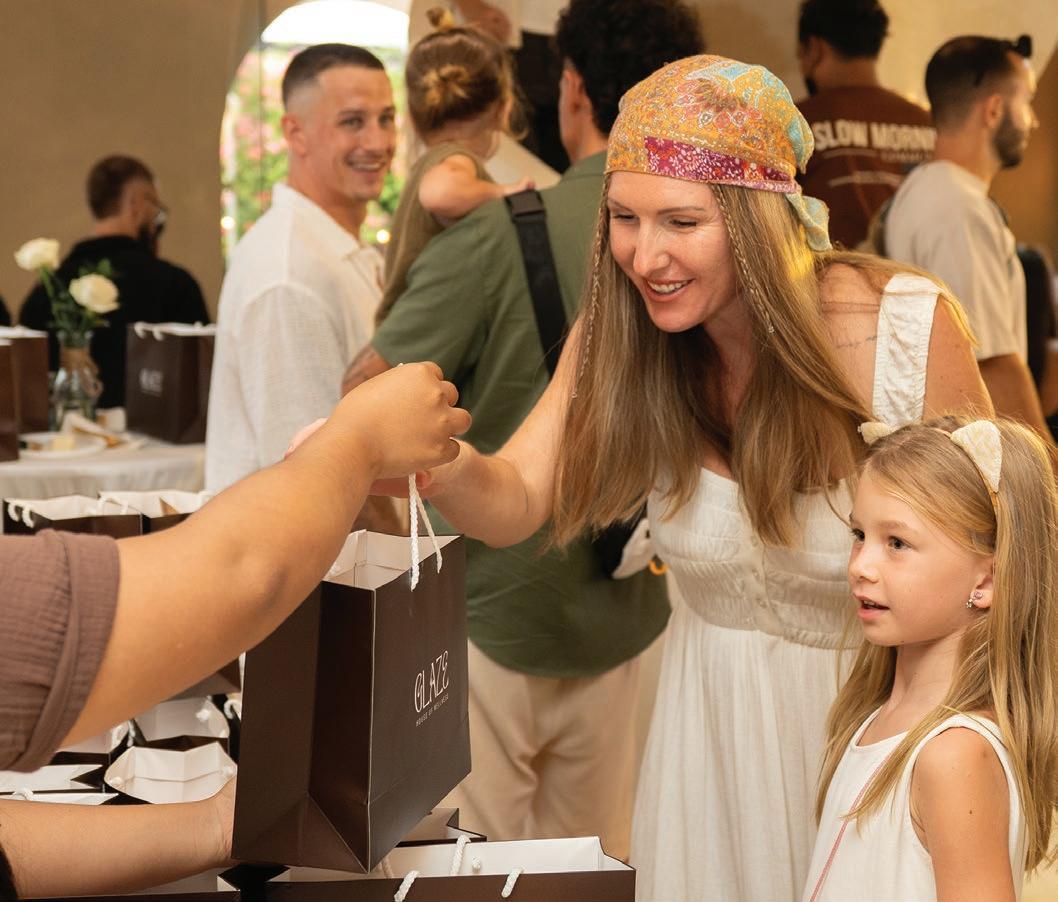
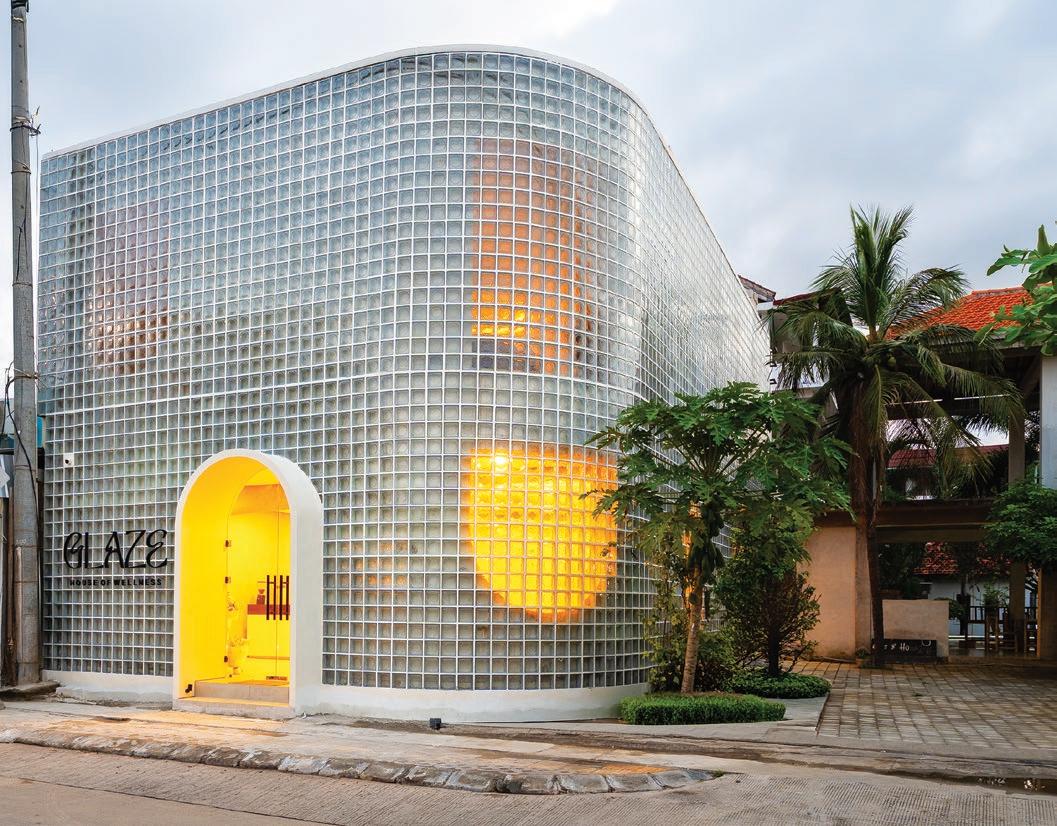
Glaze—House of Wellness, Kuta
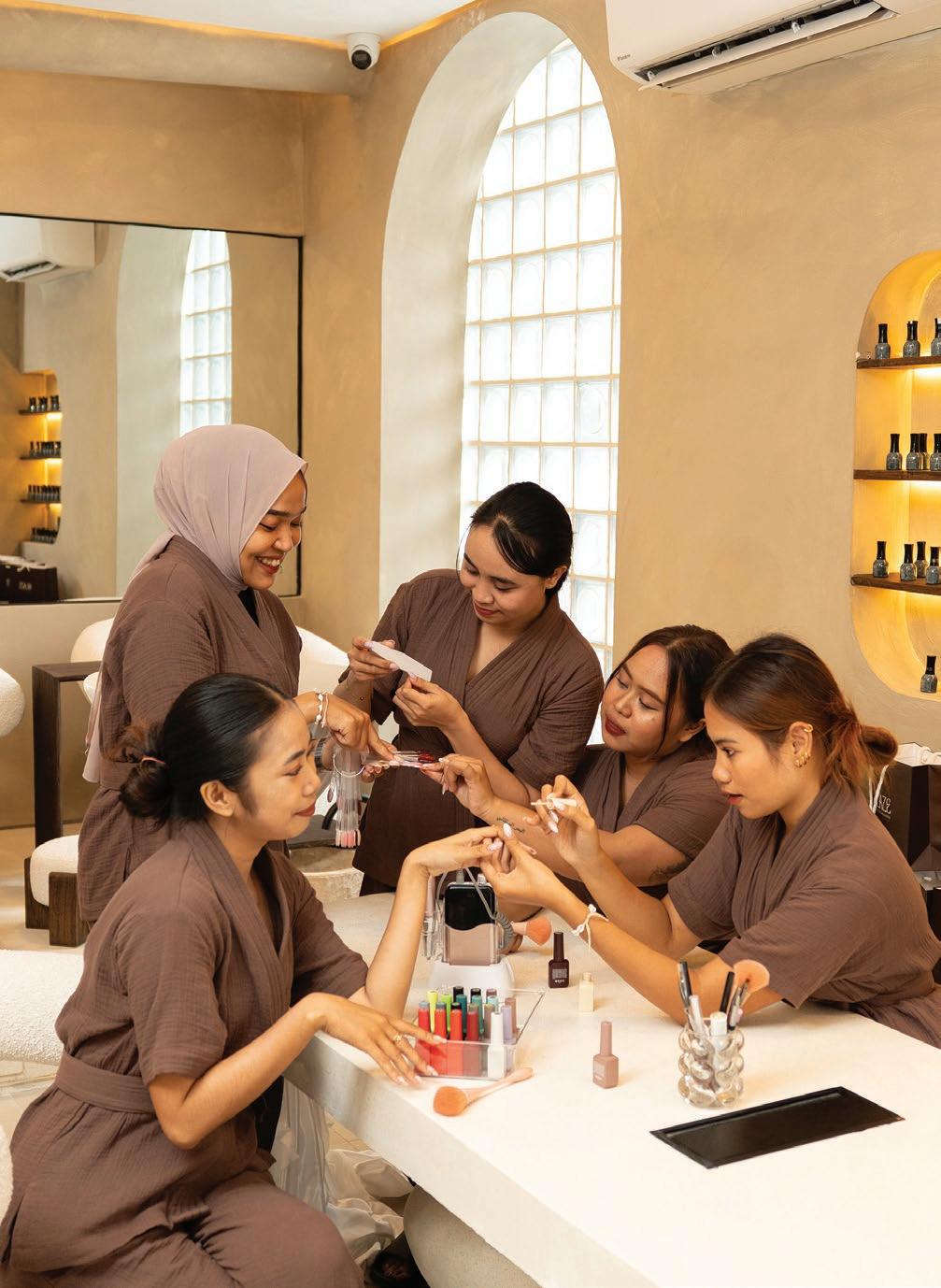
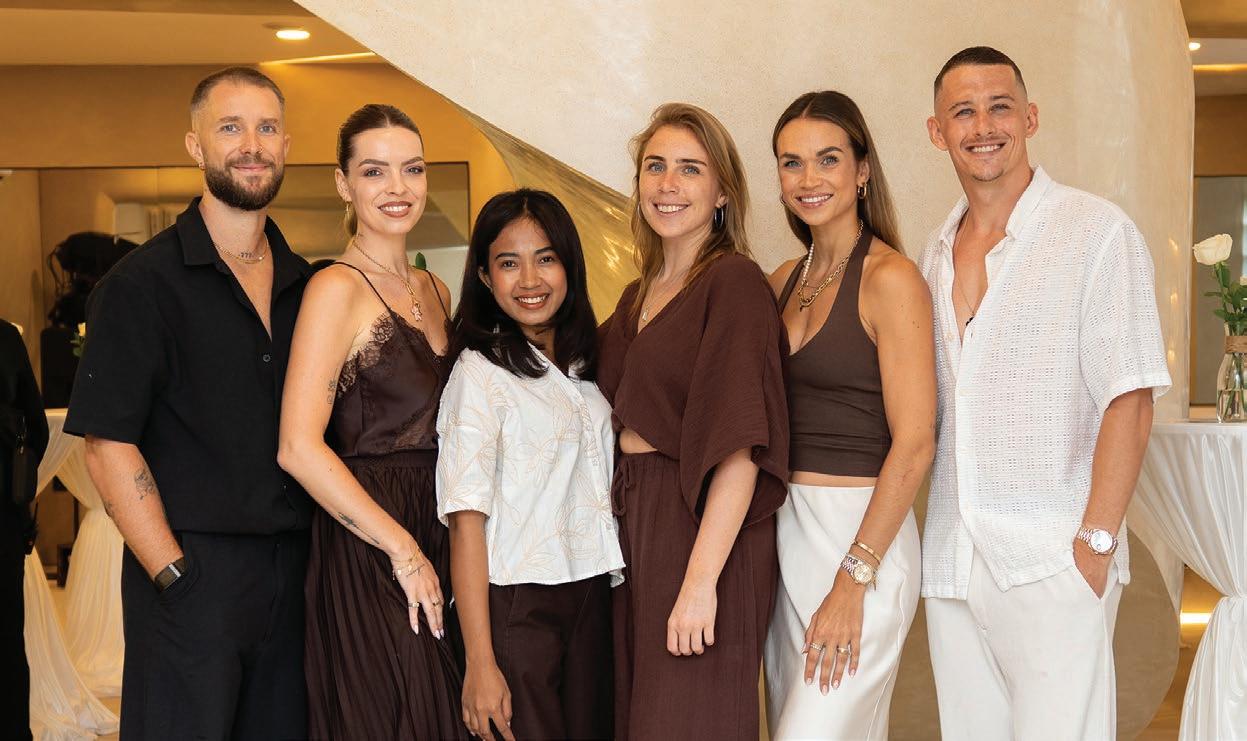
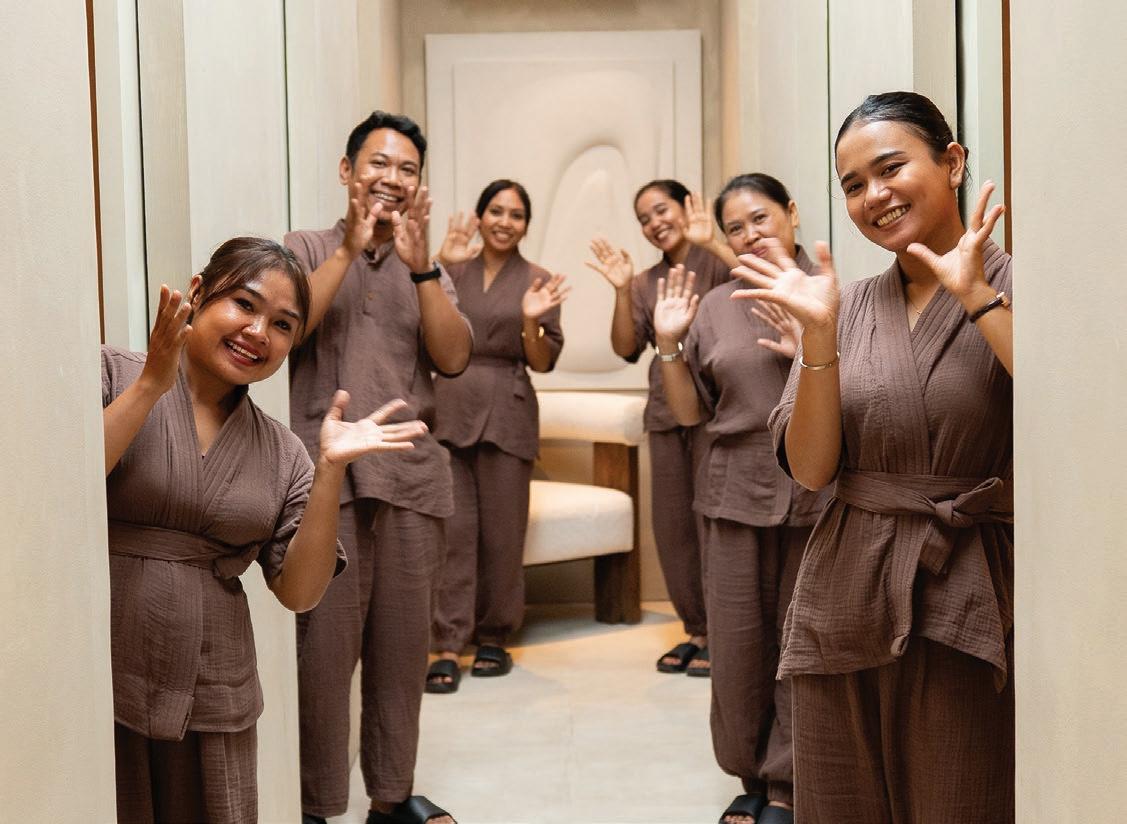
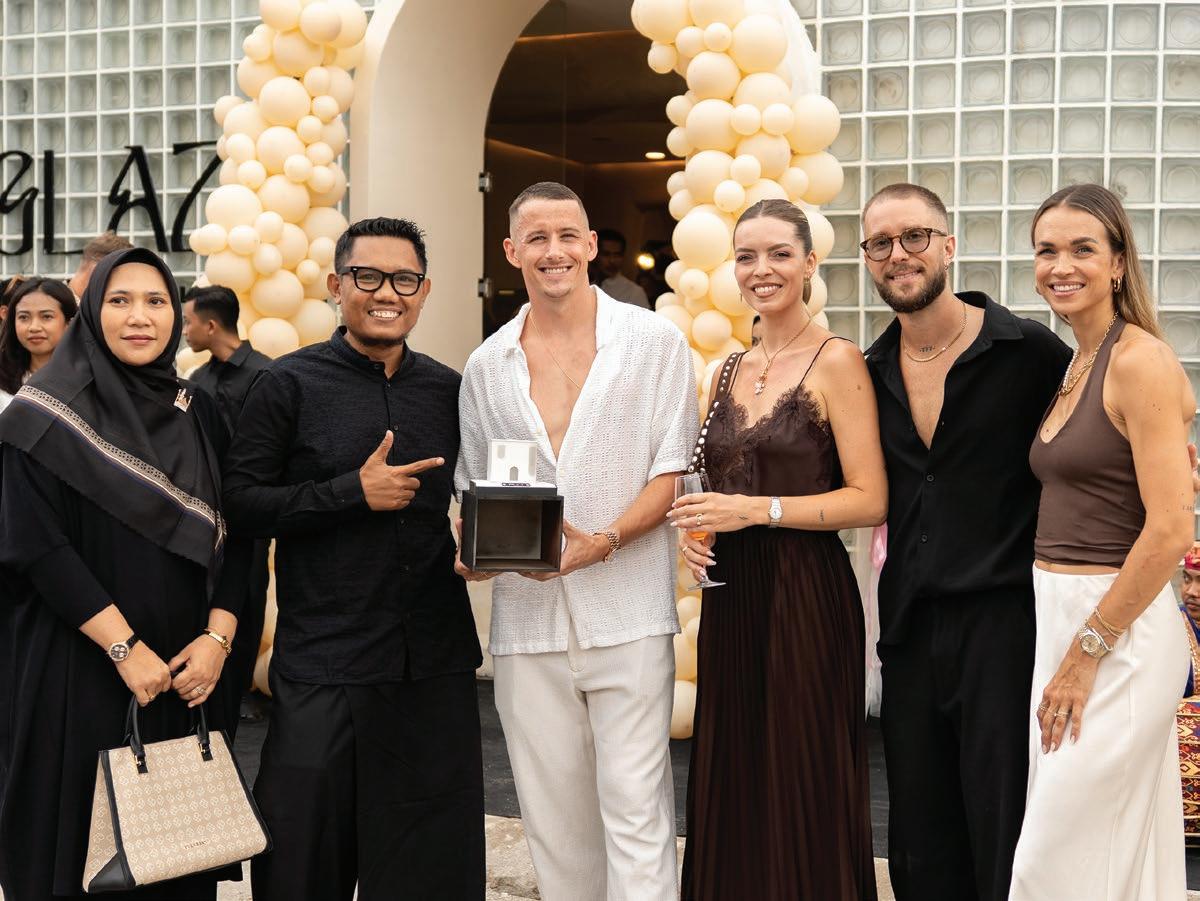
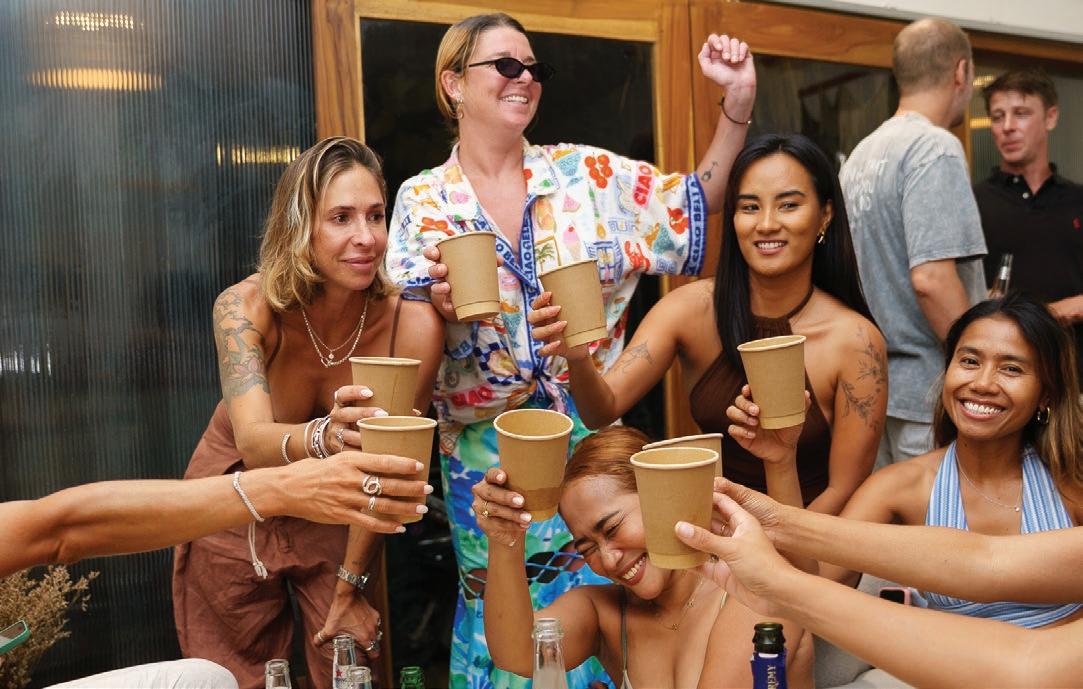
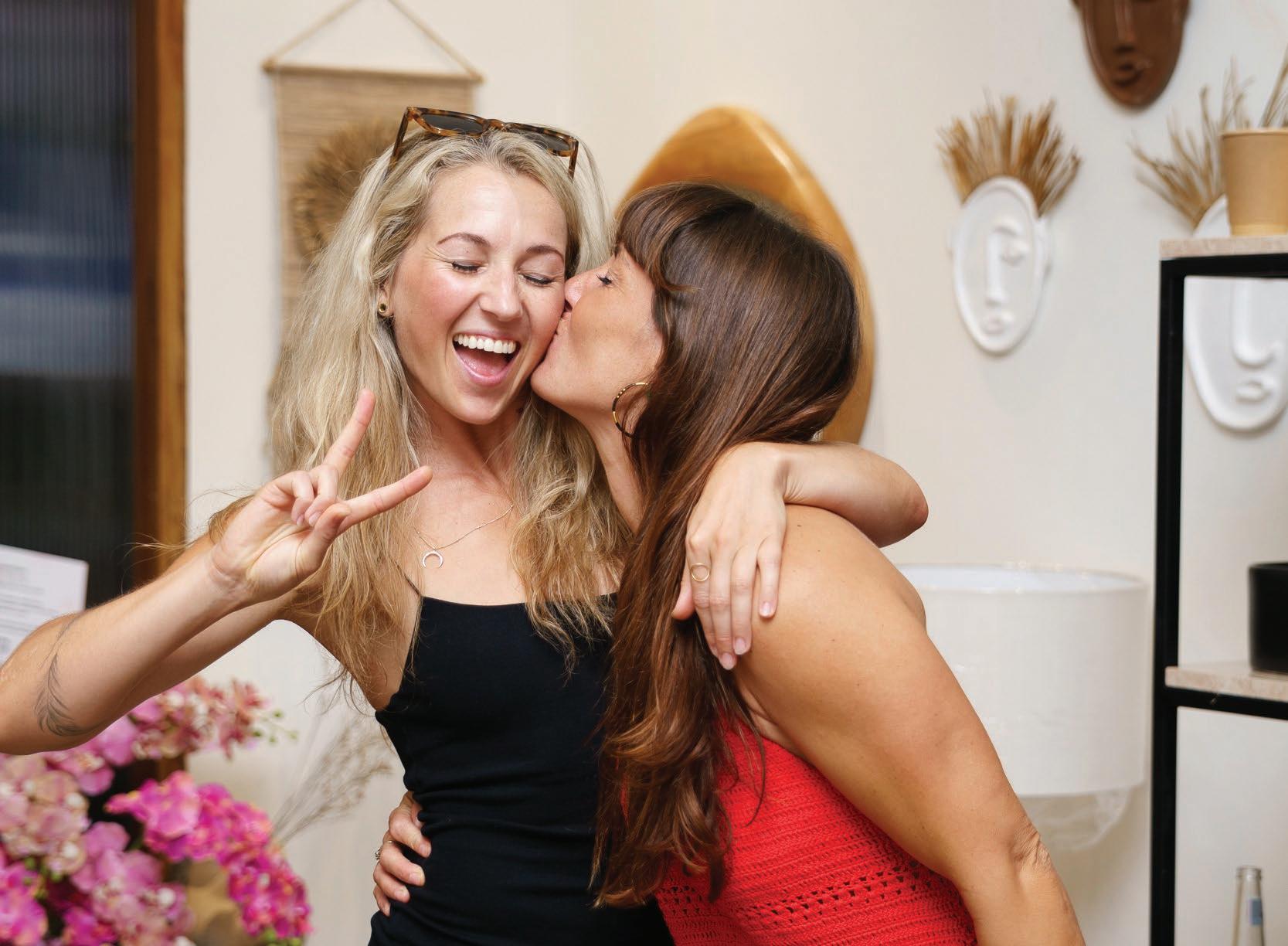
On 14 March, Glaze—House of Wellness unveiled its doors in the vibrant heart of Kuta, introducing a refined sanctuary dedicated to modern selfcare. Designed with intention and elegance, the space brings together a curated menu of facials, nail artistry, and indulgent body treatments—each crafted to elevate everyday rituals into moments of quiet luxury.
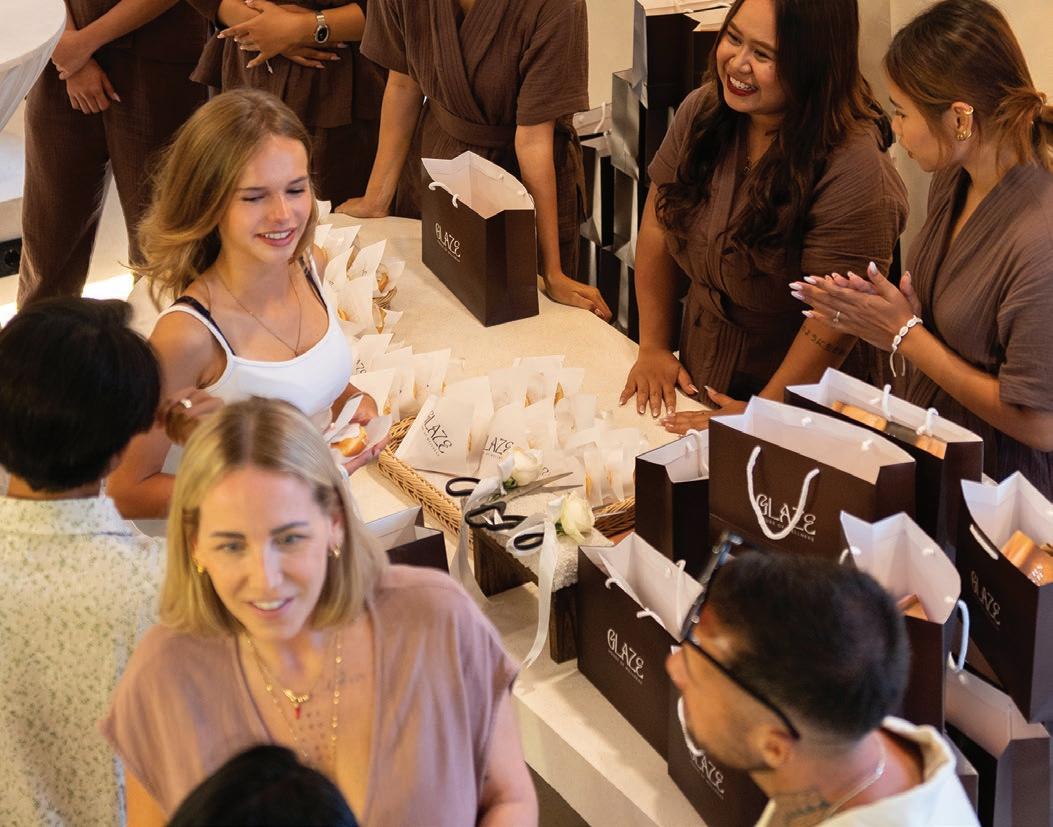
To mark the occasion, guests were welcomed into an intimate opening soirée, where they experienced the ambiance firsthand - an inviting blend of serenity and sophistication that defines Glaze’s approach to wellness.
IG: glazelombok
High Tydde—A New Home Store
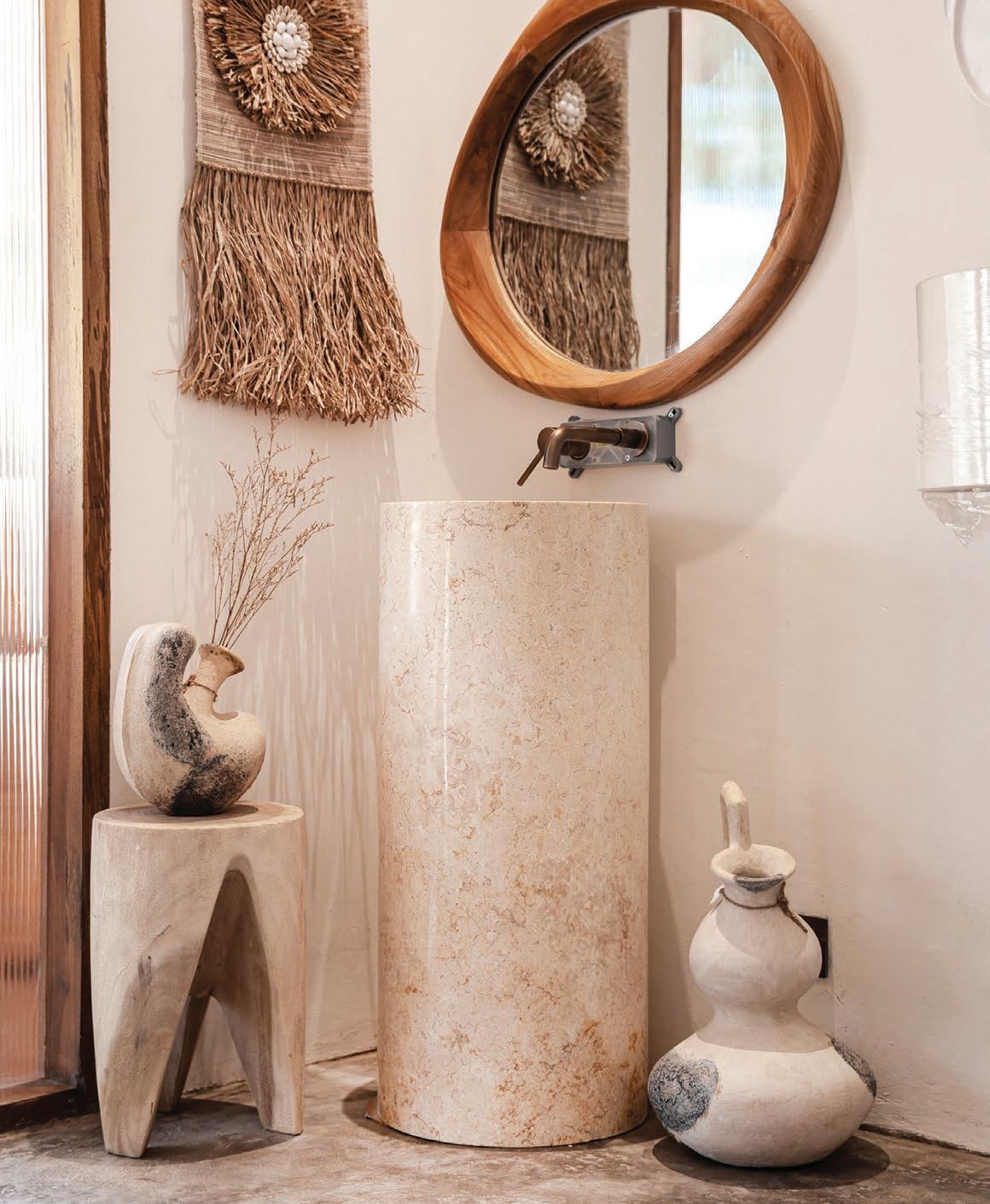
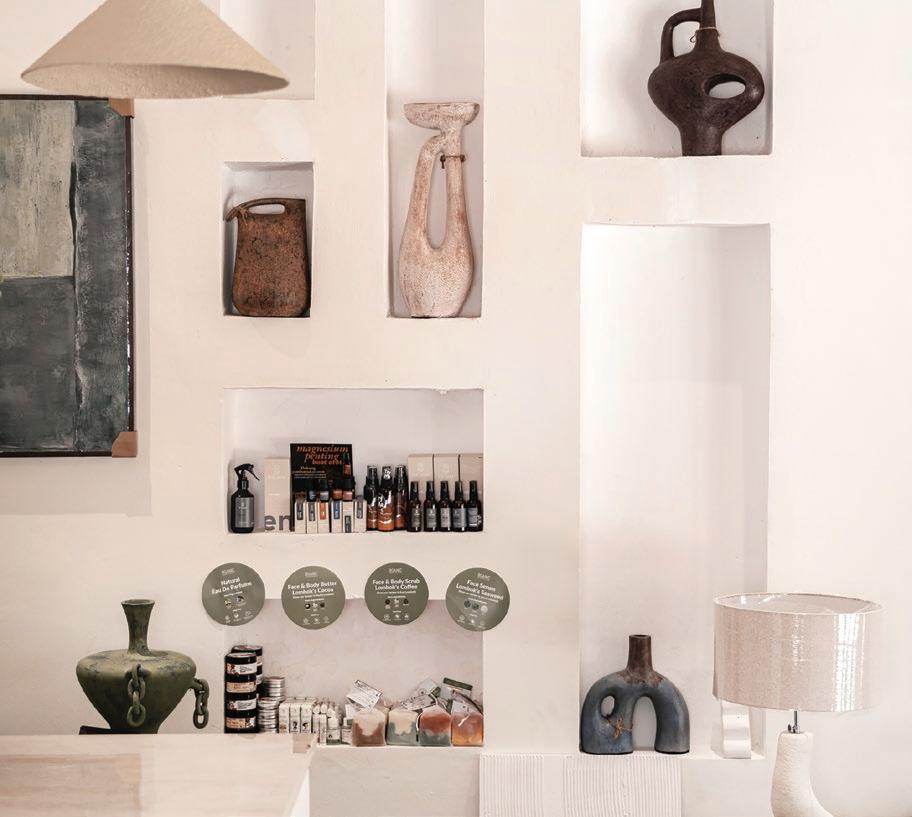
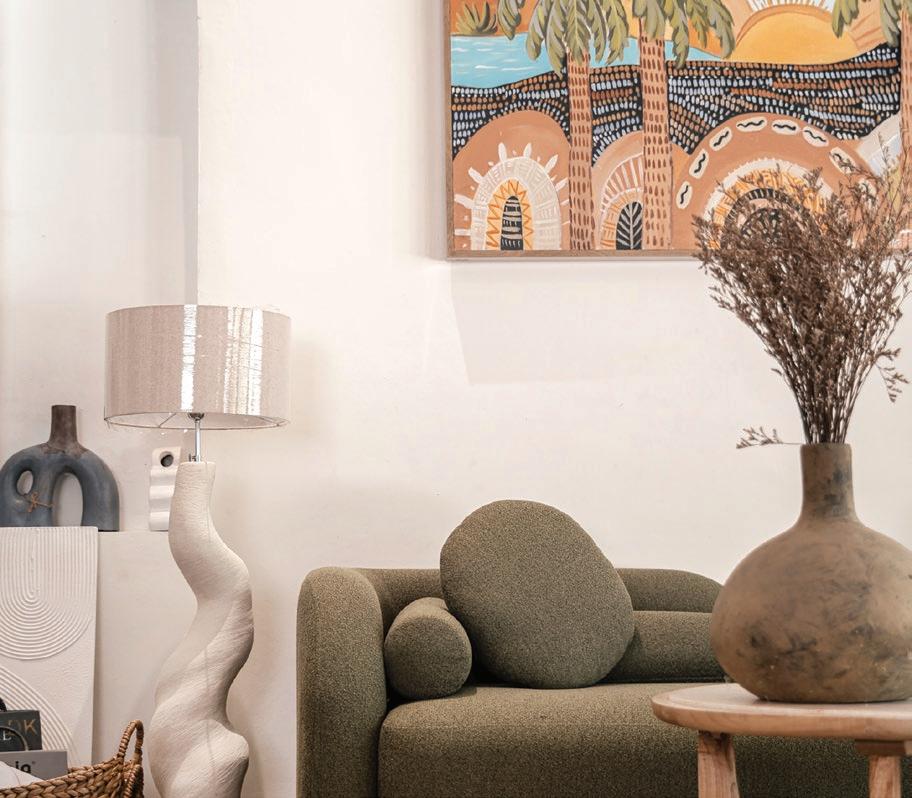
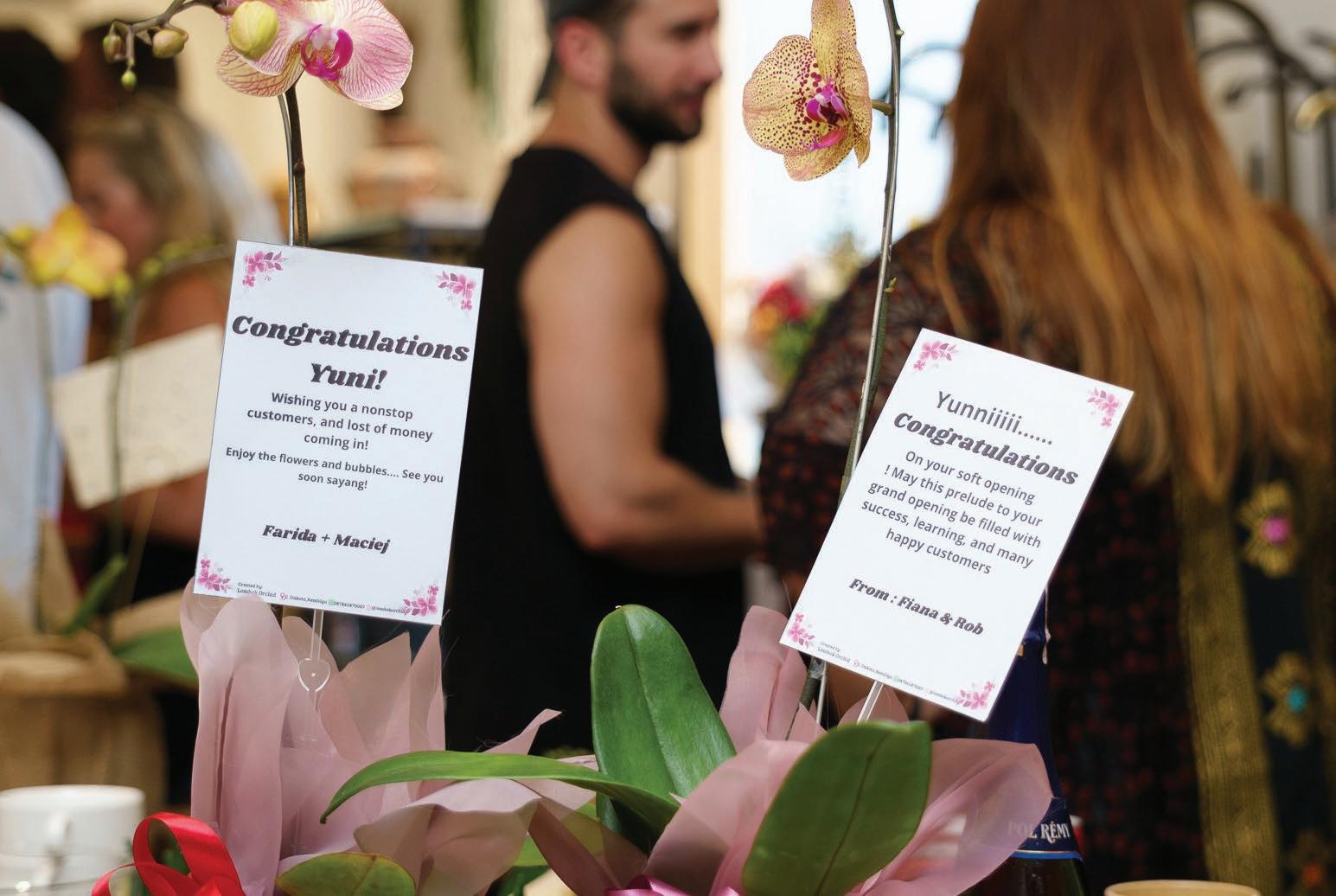
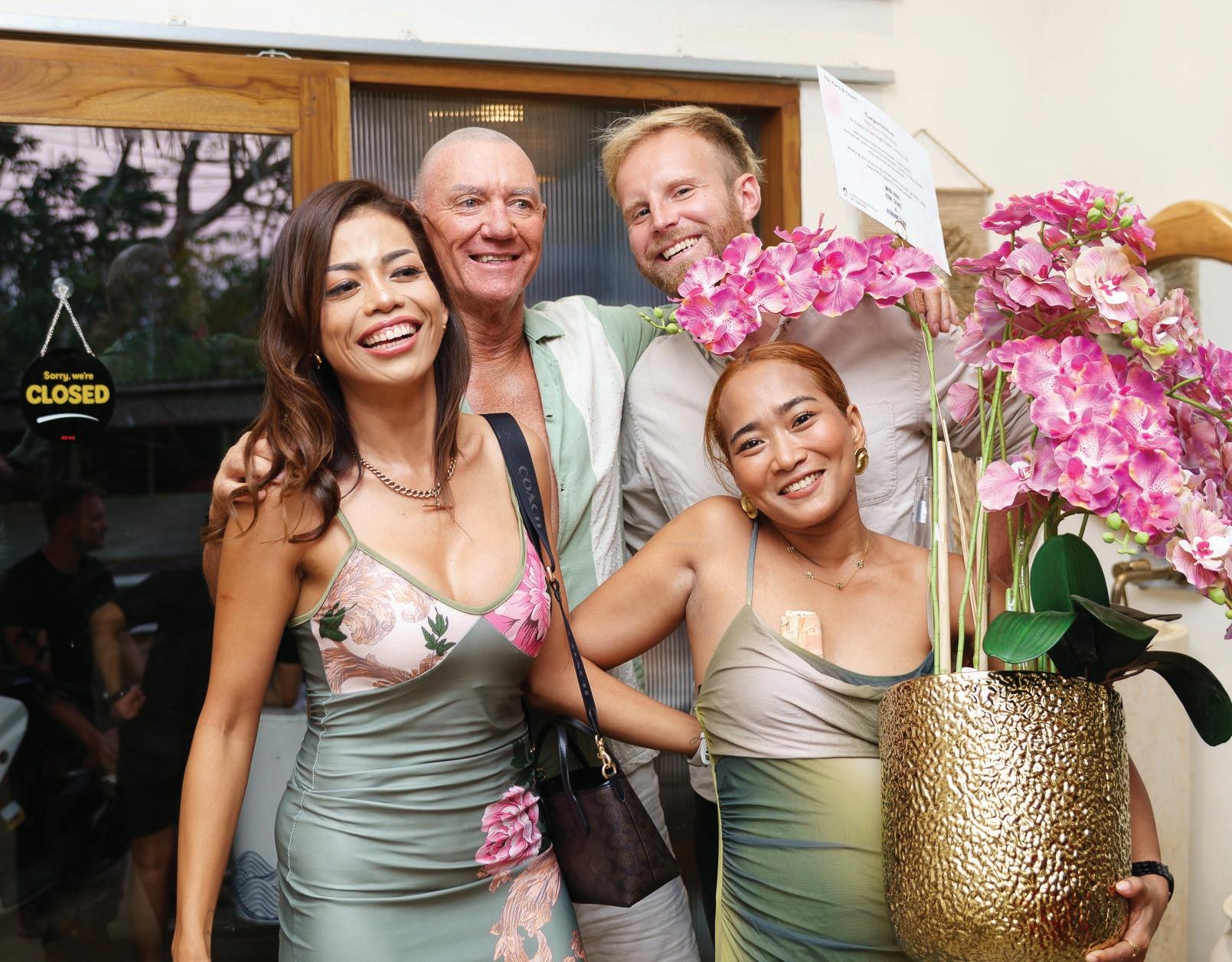
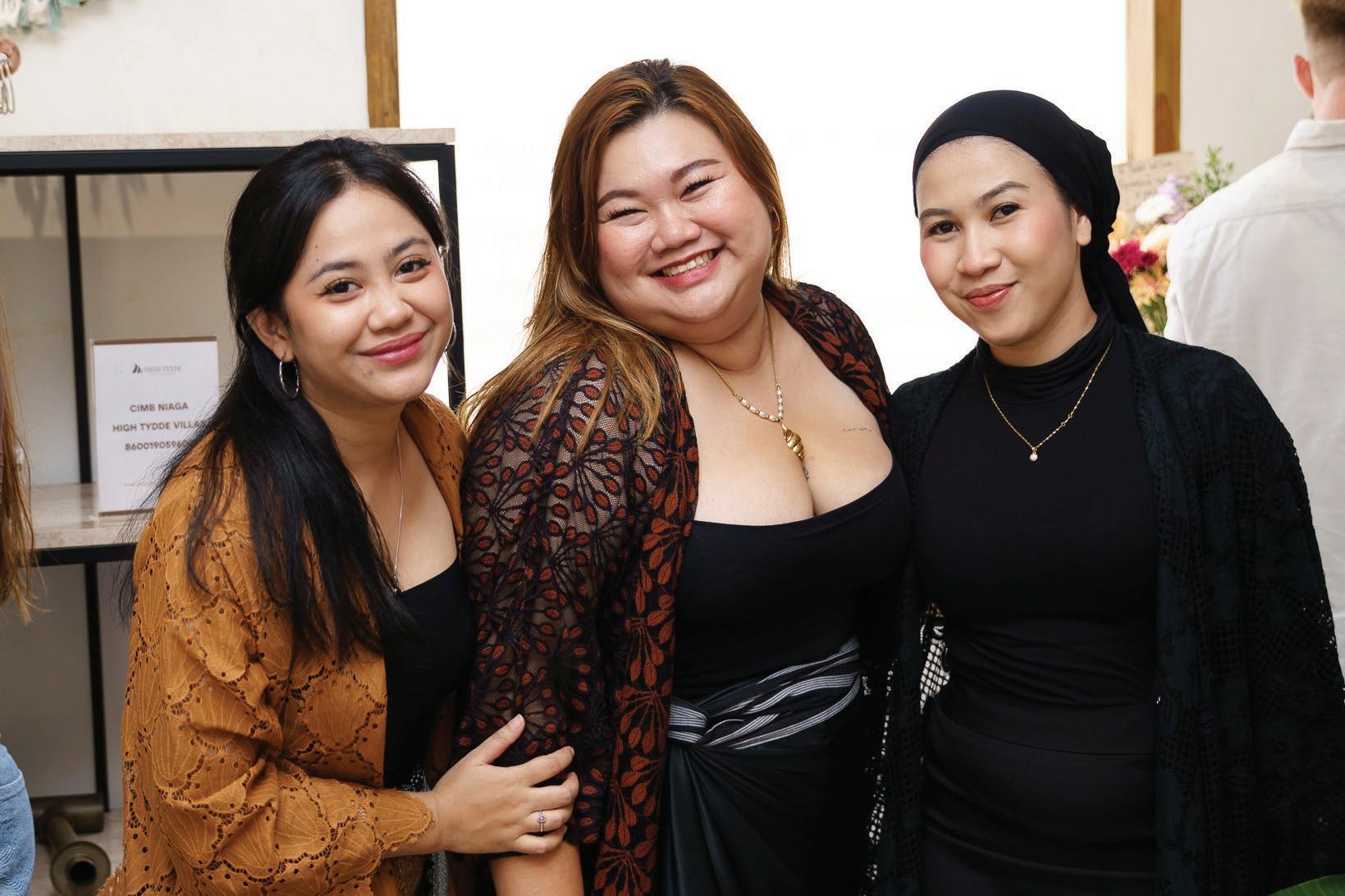
A fresh destination for design lovers has arrived. High Tydde, a new home store devoted to thoughtful living, opens as the go-to address for discovering pieces that turn a house into a home. Conceived as a space of comfort and inspiration, it invites visitors to explore a curated selection of materials, textures, and home accents—each chosen to help bring a personal vision to life with ease and intention.
The doors opened on 17th April with an intimate celebration, where guests gathered to experience the warm, inviting atmosphere firsthand.
IG: hightyyde
Uma Blu Coffee & Brunch, Kuta
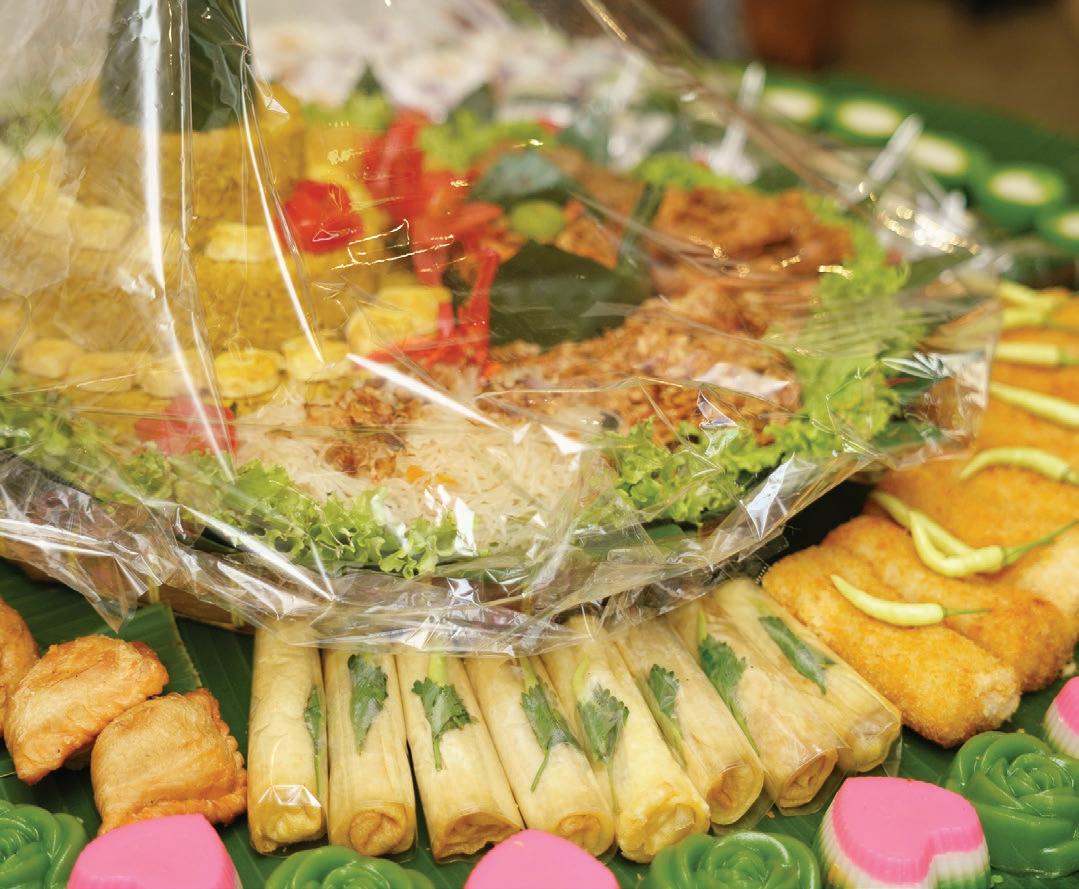
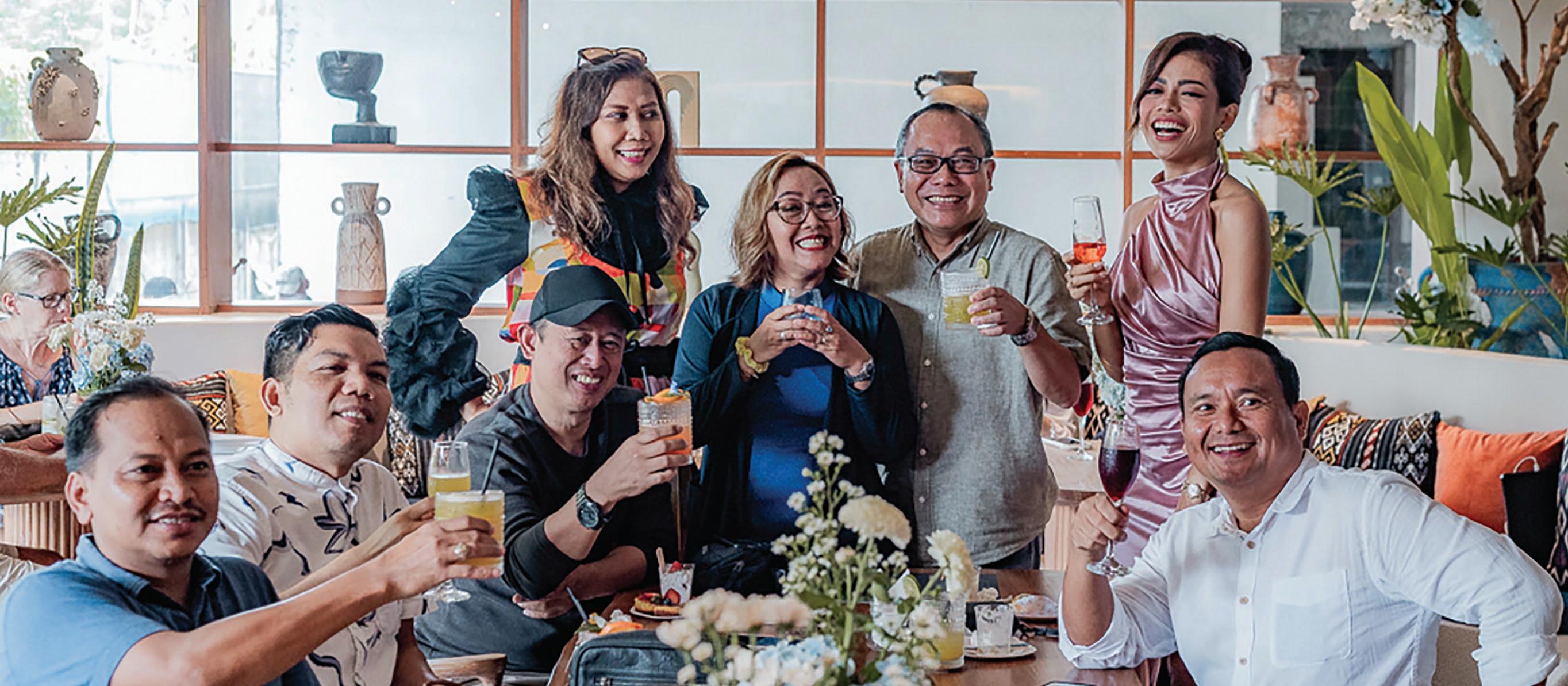
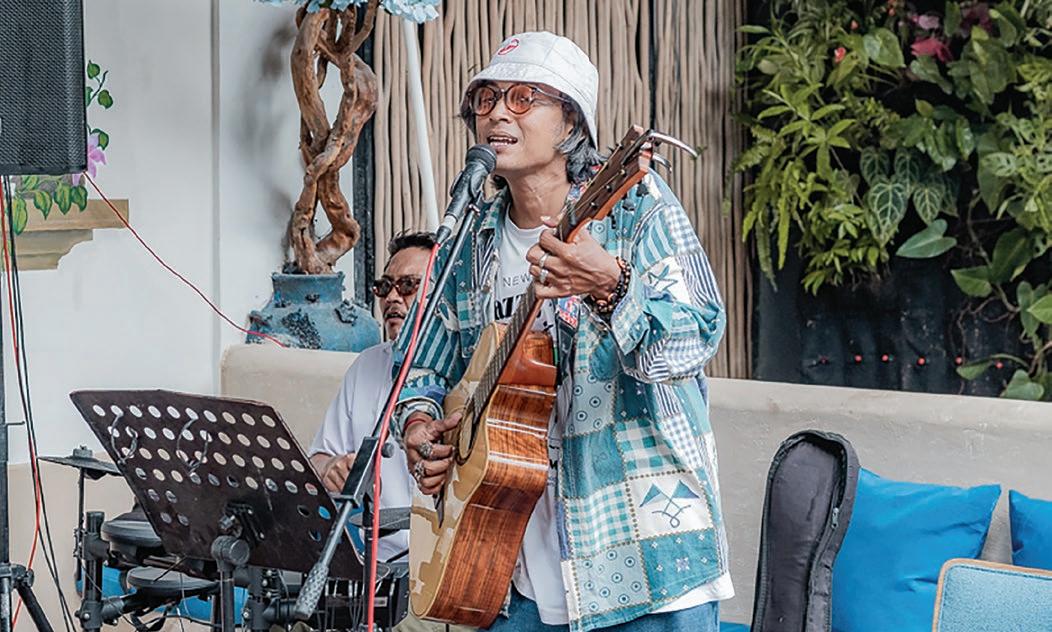
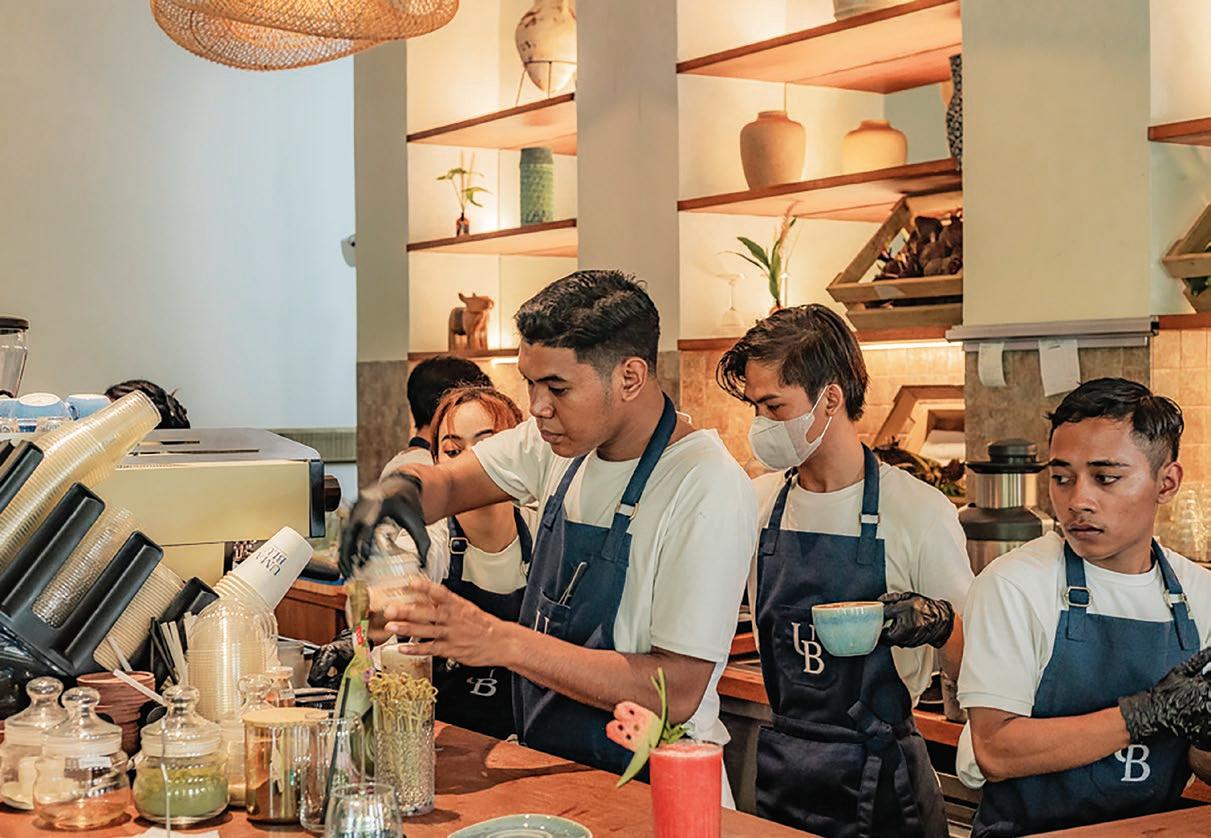
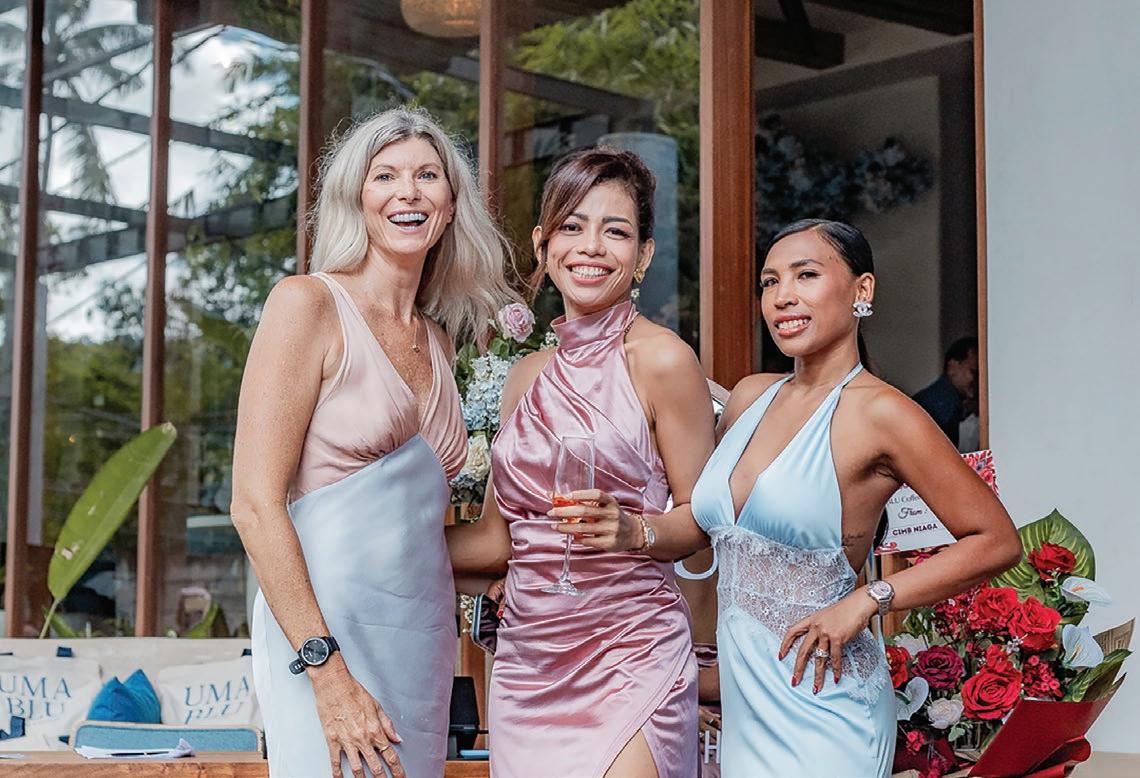
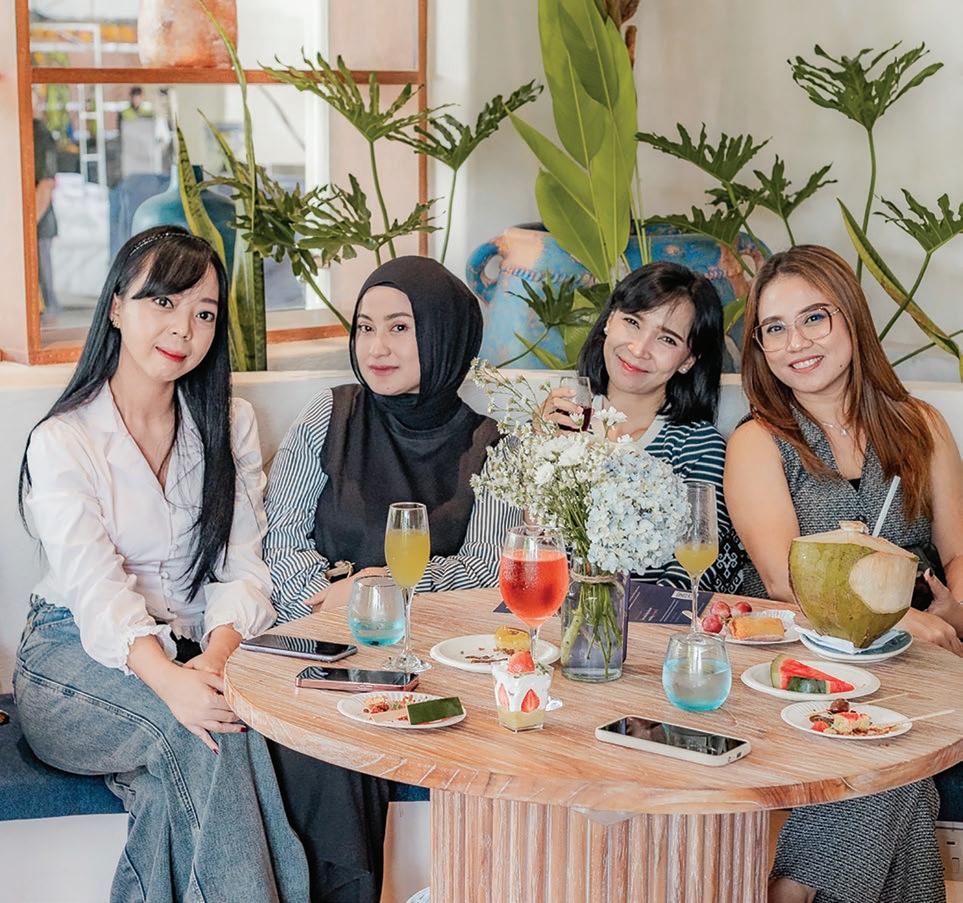
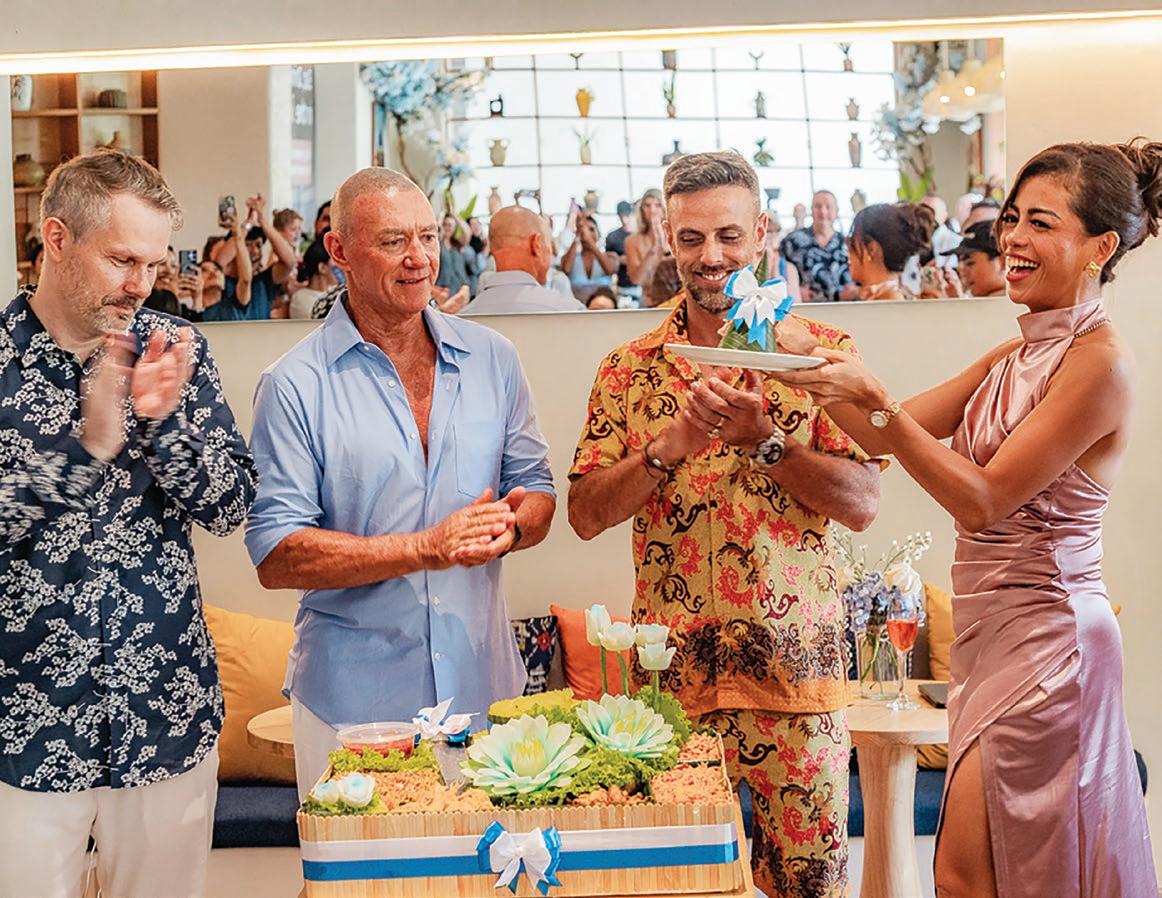
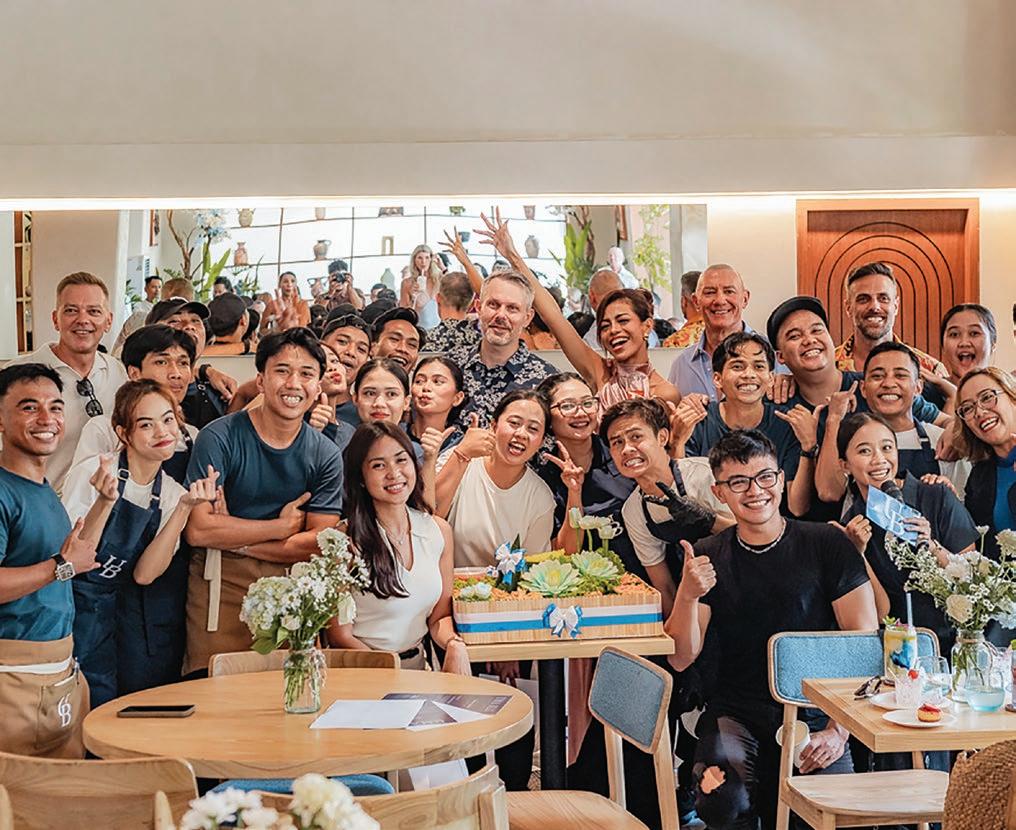
Uma Blu marked its soft opening on 5th April, with an intimate gathering that felt both relaxed and quietly special. Surrounded by the team and a circle of close guests, it was a first glimpse into what Uma Blu is set to become—a space shaped by warmth, intention, and easy connection.
There was good food, plenty of laughter, and smiles all around, setting the tone for what’s to come. More than just a celebration, it was a moment to pause and appreciate the journey so far.
IG: umablulombok
This is Lombok!
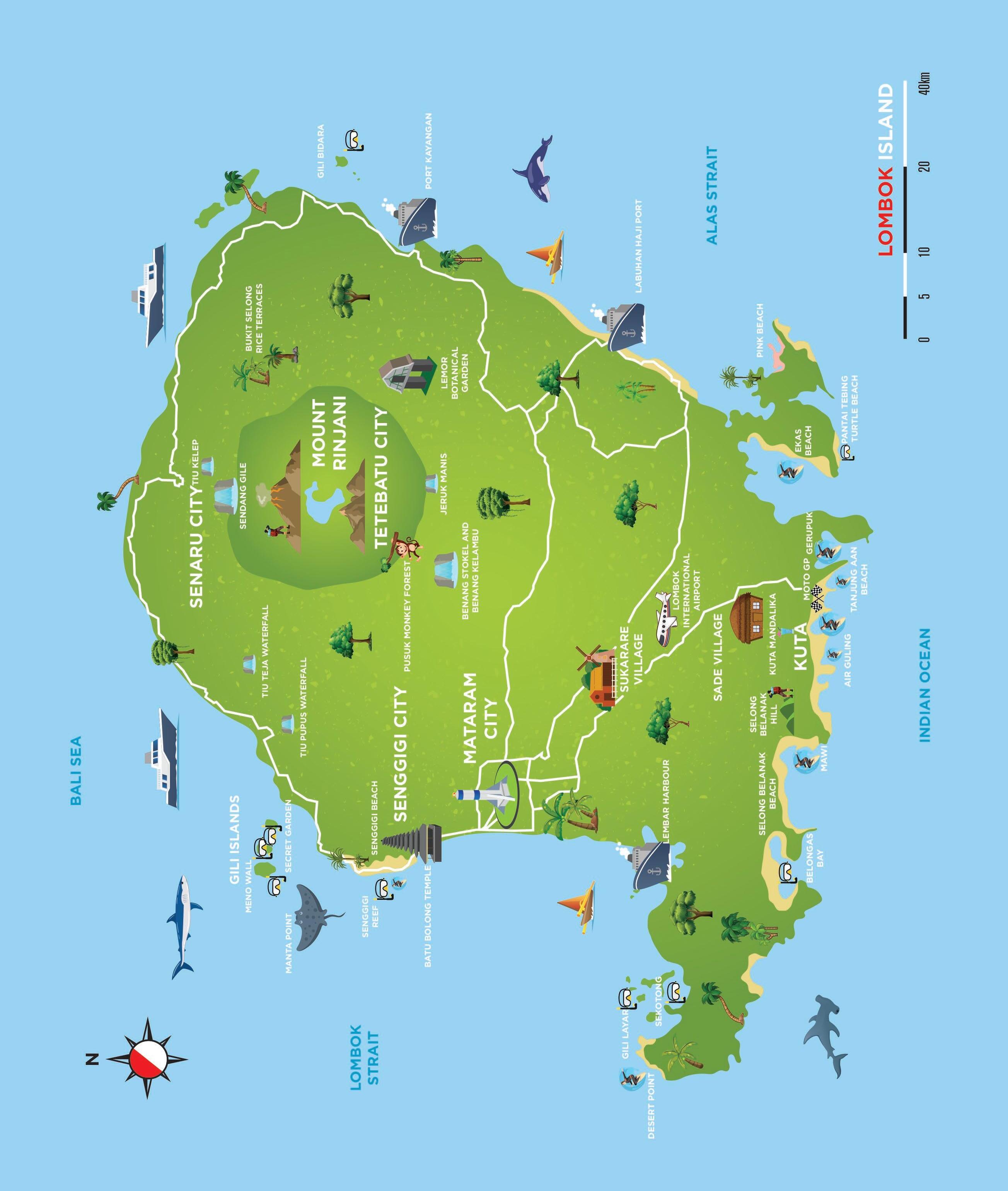
Lombok’s time is here and now, having finally stepped out of Bali’s shadow, showcasing to the world its unique mix of adventure, pristine natural scenery and captivating art and culture. A new airport, international yacht marina and improved roads have made travel to and within Lombok much easier, but it is its untamed natural beauty and traditional charm that captivates. It is an adventure-seeker’s paradise, home to world-class scuba diving, surfing and mountain climbing yet travellers looking for a cosmopolitan beach lifestyle and luxury creature comforts will not be short of options. Experience the best of Lombok with these recommended highlights and hidden gems:
Senggigi and The West Coast Senggigi, just a short drive from the island capital Mataram is Lombok’s premier beach resort, extending along a series of sweeping bays. The main beach strip is fringed by a wide expanse of sand framed nightly by spectacular ocean sunsets. It is a fairly spread out beach town that rarely feels overcrowded yet there is a broad variety of places to stay, eat and socialise. There is a vibrant expat community here with lots of opportunity for sports and leisure, business networking and searching out those hard to find imported goods. Senggigi is the best place to arrange days out and guided trips to other parts of Lombok. The beach road then winds its way north to upmarket Mangsit, dotted with hip boutique hotels and villas among some of west Lombok’s most captivating scenery. In all, the Senggigi area stretches for almost 10 km along the west coast, and away from the main tourist centre, comprises numerous palm fringed beaches dotted with colourful fishing boats.
Gili Islands
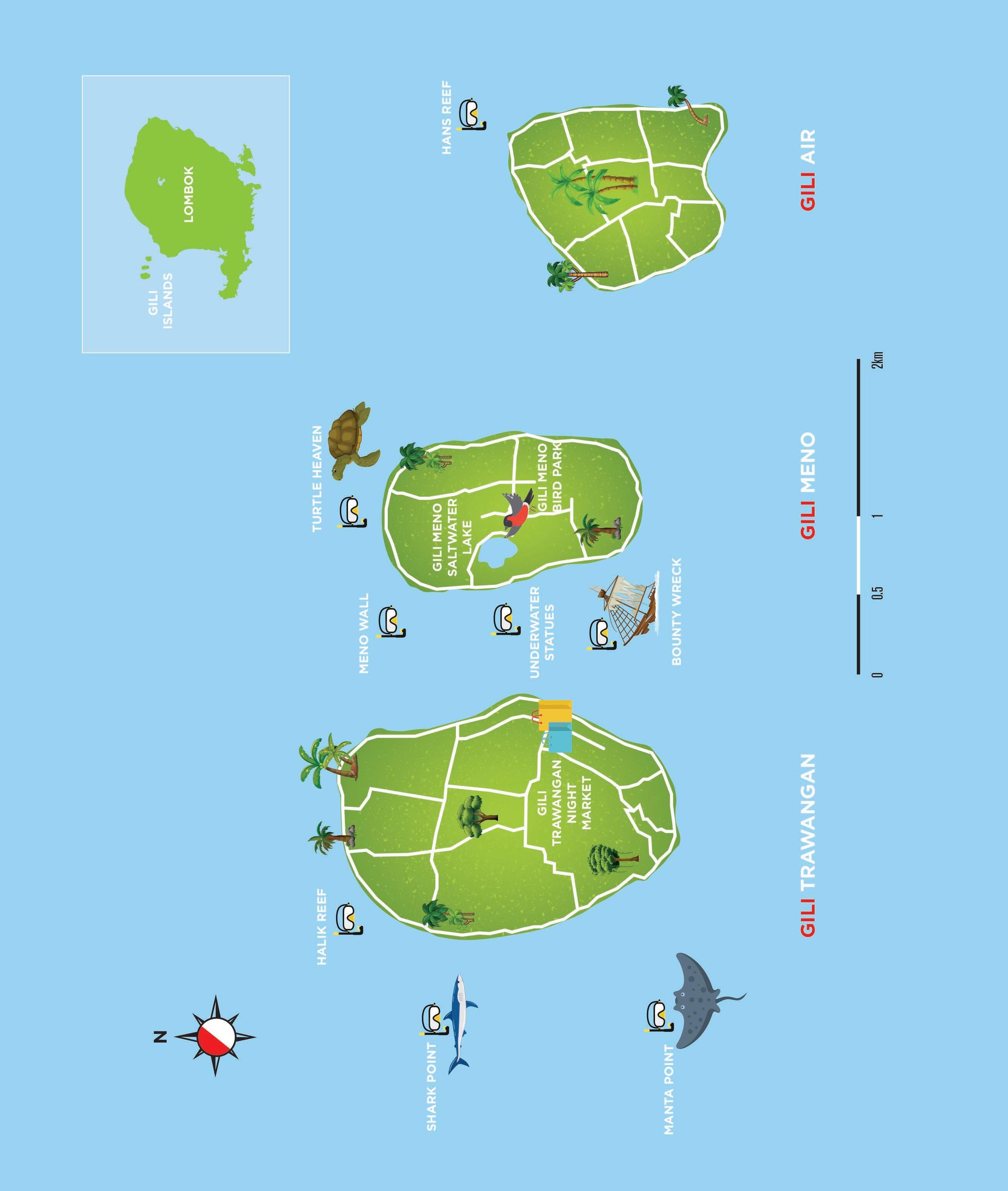
A trio of tiny tropical islands off the northwest coast, known simply as ‘the Gilis’ are the go-to place for laid-back island life and the simple pleasures of sun, sea and superb scuba diving. Each of these three islands has its own distinctive atmosphere; the smallest is Gili Meno, a peaceful tropical island haven with few distractions other than deserted white sand beaches and a couple of chilled out beach bars. Legendary ‘party island’ Gili Trawangan is largest and most cosmopolitan of the Gili Islands with no shortage of swanky boutique villas, diverse dining and plenty of action after dark. Gili Air, located closest to the Lombok mainland, sits somewhere in the middle of these two extremes and has the most authentic local atmosphere. The enduring appeal of the Gili Islands is the refreshing absence of any motorised transport making for a pleasant alternative to Bali’s congested beach resorts. Scuba diving is still the main draw and it is one of Asia’s top spots to learn the basics and get qualified. For landlubbers, there are few better places to get horizontal on a tropical beach and soak up the unique island vibe.
Kuta and South Lombok
Like its namesake in Bali, Kuta Lombok is synonymous with world-class waves but thankfully without the hassle of 24/7 traffic and infuriating beach hawkers. In fact, Lombok’s south coast surf breaks are more than a match for the best in Bali, and savvy surfers are heading here to enjoy miles of uncrowded, adrenaline-fuelled waves. Kuta, invitingly close to Lombok’s new international airport, is the main tourist hub yet remains a fairly tranquil tropical haven favoured by both surfers and adventurous families. It makes for a great base for exploring the rugged southern coastline dotted with numerous breathtaking beaches. Scenic highlights include up-andcoming Tanjung A’an, Gerupak and isolated Ekas Bay.
The Southwest
Lombok’s ruggedly beautiful southwest peninsular is largely unexplored by visitors but is now getting serious recognition with the discovery of superb offshore scuba diving and miles of deserted beaches. The main gateway is Sekotong Bay, located just south of Lombok’s main ferry port Lembar and is the jumping off point for Lombok’s ‘Secret Gilis.’ These small offshore islands feature pristine coral reefs and idyllic tropical beaches for a real castaway experience. Heading south, the coastal road winds its way past tiny fishing communities and secluded bays all the way to the tip of the peninsular where the legendary surf breaks of Bangko Bangko (Desert Point) are found — rated among the best in the world.
Mount Rinjani
For an alternative to surf, scuba and sandy beaches, a trek up the immense Rinjani volcano is hard to beat. At over 3,700 meters, this is Indonesia’s second highest volcano and makes for challenging 3–4 day trek but the views are definitely worth all the effort. The mountain dominates much of north Lombok and the caldera alone covers a mind-boggling 50 square kilometres. Most climbers only go as far as the crater rim which offers vertigo-inducing views down into the volcanic lake but the extra effort to get to the summit will be rewarded with views as far as Java and eastwards across to the island of Sumbawa. If this all sounds too arduous for comfort, the mountain’s foothills offer a wealth of leisurely hiking opportunities. Head to Senaru village for easy-going walks through remote weaving villages and dense jungle to uncover a succession of scenic waterfalls.
THE DIRECTORY
EAT
Senggigi and the West Coast
Asian Tiger
+62 817 399 666
Kayangan
+62 8214 4404 046
Verve Beach Club
+62 878 6451 1311
La Chill
+62 878 9273 4182
NooQ
+62 821 4732 7446
Qerang
+62 821 4732 7446
Quali
+62 821 4732 7446
Salt
+62 8234 0979 003
The Pearl—Jeeva Santai
+62 3706 1971 23
Waroeng—Jeeva Klui
+62 8779 8043 859
Kuta and South Lombok
Amber
+62 853 3875 3290
Ashtari
+62 811 388 4838
Boni Beach
+62 823 3943 0612
Chez Marlin
+62 822 5844 3170
Damonte Gelato
+62 878 3709 7570
Disini
+62 813 3842 4605
Klub Kembali
+62 817 977 7701
LA CABAÑA
+62 859 2158 9690
La Fama
+62 895 0523 6729
Laut Biru
+62 821 4430 3339
Mama Pizza
+62 812 4659 0212
Mango Rooftop
+62 853 3777 0451
Nohi
+62 812 3715 8418
Origin
+62 821 4446 9996
Papi Sapi
+62 823 4217 3719
Pronto Pizza
+62 812 7777 3977
Pullman
+62 370 7525100
Segara Lombok
+62 823 4096 3101
Soiree
+62 851 8315 8089
TAKU
+62 819 1595 0318
Tanah
+62 811 9631 0196
Terra
+62 859 3663 3130
The Breakery
+62 811 381 2124
The Club House
+62 812 2662 9106
The Emporium Collection
+62 813 3283 3047
The Garden Collective
+62 853 3841 0214
The Well
+62 822 6642 5518
Three Sisters +62 823 3943 4472
Tree House
+62 821 4488 8710
Tropik
+62 877 9804 3859
Gili T
Fat Cats
+62 8533 7156 982
Kayu Café
+62 878 6239 1308
La Cala
+62 8177 2852 855
L'Osteria Dell'Isola
+62 8180 5771 375
Pearl Beach Lounge
+62 819 9715 6999
Pearl Sunset Resort
+62 8113 9009 050
Pesona Lounge
+62 8133 8088 963
Regina Pizzeria +62 8776 5066 255
The Banyan Tree +62 8789 8524 709
The Roast House +62 8174 9160 04
Gili Air
Gili Coffee Roasters +62 859 6034 2360
Kopi Susu +62 821 4737 1516
Pachamama Cafe + Cantina +62 821 4649 5915
Papaya Beach Club +62 819 0784 7382
Gili Meno
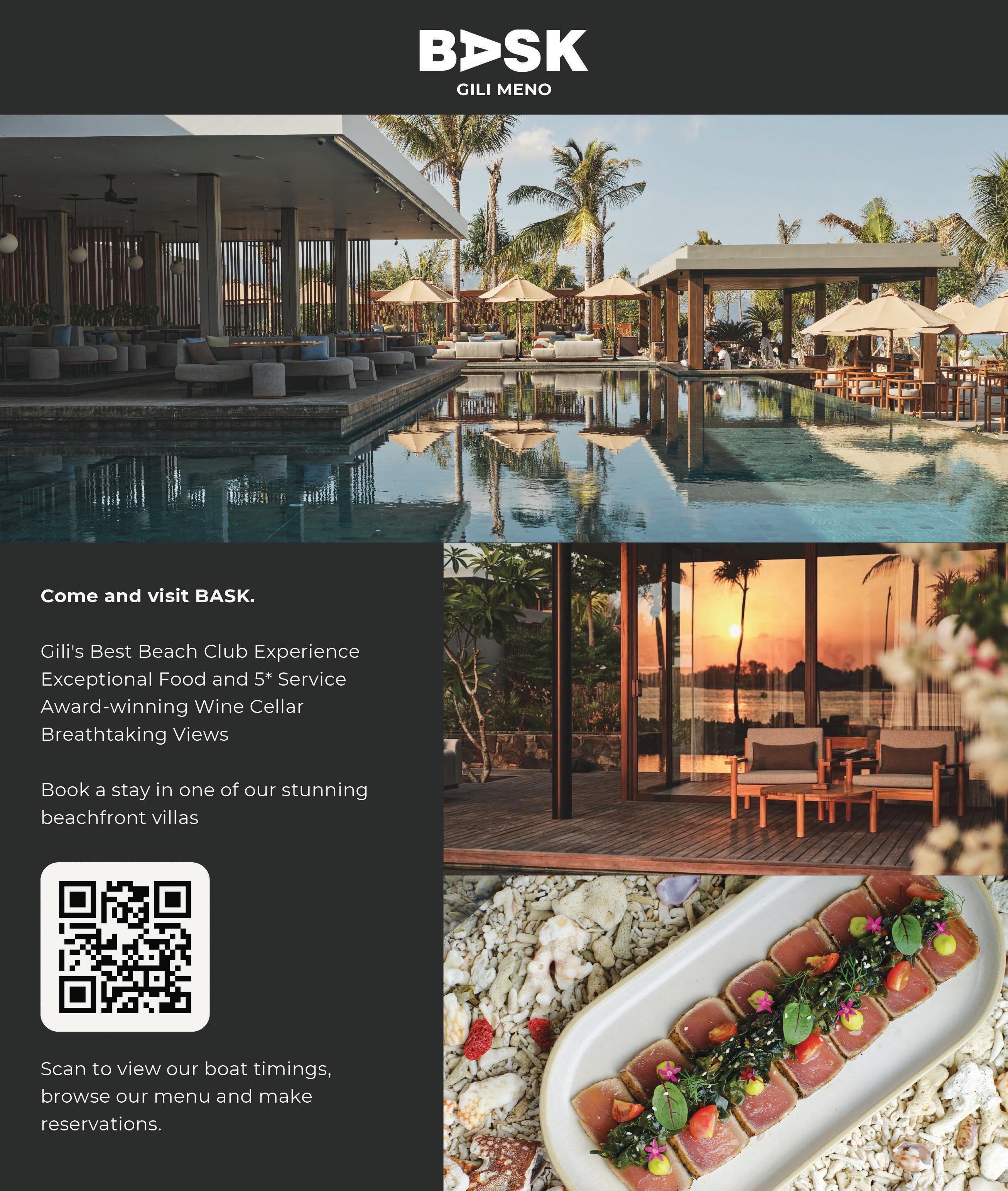
BASK +62 812 3764 7471
PLAY
Spas and Wellness
Senggigi and the West Coast
The Sira +62 370 7525555
Kuta and South Lombok
Ashtari Yoga +62 812 3892 0735
Kensho Spa +62 813 3282 5878
Mana Yoga Retreat +62 853 3862 8659
Moon Lombok +62 823 4028 0029
Gili T
Azure Spa +62 823 3910 4881
YOU SPA +62 821 4456 7093
Retail Kuta and South Coast
Anggrek Lombokensis - florist +62 877 3884 5107
Billie’s +62 877 8422 9426
Nine-Nine +62 823 4027 1064
Health & Leisure / Recreation Senggigi and West Coast
Scuba Froggy +62 878 1633 5000
Kuta and the South Lombok
360 Surf Academy +62 853 3895 5800
Ashtari Cooking Class
+62 811 388 4838
Awan Paper
+62 822 6601 0423
Blue Marlin Dive
+62 823 4098 6987
Nine-Nine
+62 823 4027 1064
Ocean Addicts Lombok
+62 813 5332 5630
Scuba Froggy
+62 878 1633 5000
Gili T
Dive Central
+62 812 29569183
Gili Divers
+62 821 4789 0017
Lutwala Dive
+62 859 5521 6926
Estate
Kuta and South Lombok
7Palms
+62 817 1729 2980
Atrium Lombok
+62 811 3900 7500
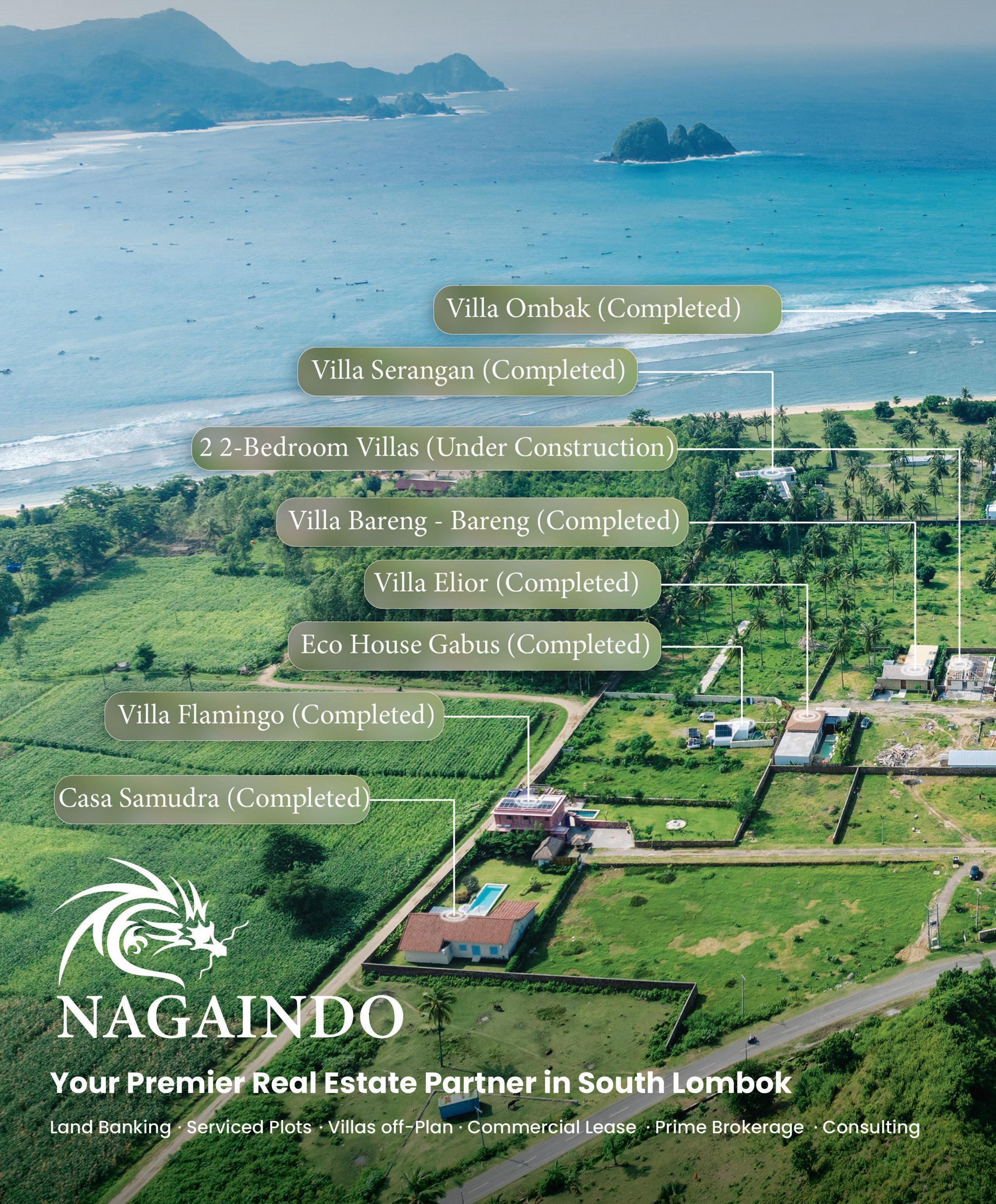
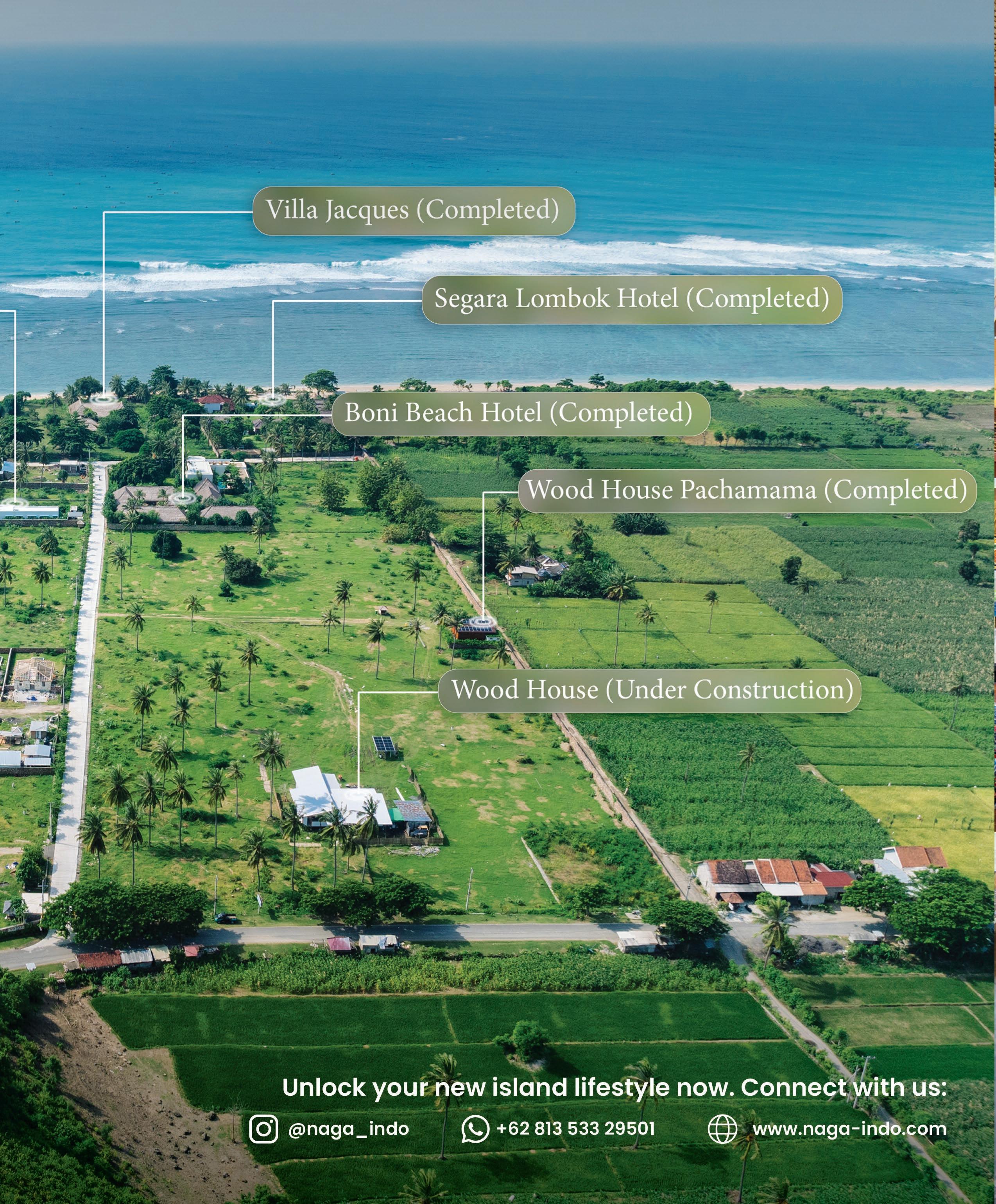
NAGAINDO
+62 813 5332 9501
Nour Estates
+62 853 3713 3898
Seascape +62 813 3820 4672
Gili Islands
Palm View Properties +62 823 4164 7242
STAY
Hotels
Senggigi and West Coast
Jeeva Klui
+62 370 693 035 www.jeevaklui.com
Kebun Villas & Resort
+62 370 692 999 www.kebunresort.com
Living Asia Resort & Spa +62 370 693 519 www.livingasiaresort.com