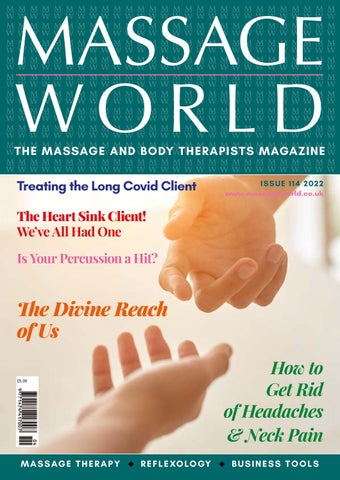
MASSAGE WORLD
M M M W W W M M M W W W M M M W W W M M M W W W M M M W W W M M M W W W M M M W W W M M M W W W M M M WTHE W W M M M W W W
M M M M M M M M M M M M M M M M M M M M M M M M M W W W W W W W W W W W W W W W W W W W W W W W W W M M M M M M M M M M M M M M M M M M M M M M M M M W W W W W W W W W W W W W W W W W W W W W W W W W M M M M M M M M M M M M M M M M M M M M M M M M M W W W W W W W W W W W W W W W W W W W W W W W W W M M M M M M M M M M M M M M M M M M M M M M M M M W W W W W W W W W W W W W W W W W W W W W W W W W M M M M M M M M M M M M M M M M M M M M M M M M M W W W W W W W W W W W W W W W W W W W W W W W W W M M M M M M M M M M M M M M M M M M M M M M M M M W W W W W W W W W W W W W W W W W W W W W W W W W M M M M M M M M M M M M M M M M M M M M M M M M M W W W W W W W W W W W W W W W W W W W W W W W W W M M M M M M M M M M M M M M M M M M M M M M M M M W W W W W W W W W W W W W W W W W W W W W W W W W M M M M M M M M M M M M M M M M M M M M M M M M M W W W W W W AND W W W W W WTHERAPISTS W W W W W W W W W W W W W MASSAGE BODY MAGAZINE M M M M M M M M M M M M M M M M M M M M M M M M M W W W W W W W W W W W W W W W W W W W W W W W W W
Treating the Long Covid Client
I SS U E 1 14 2022 www.massageworld.co.uk
The Heart Sink Client! We’ve All Had One Is Your Percussion a Hit?
The Divine Reach of Us £5.00
How to Get Rid of Headaches & Neck Pain
M A S S AG E T H E R A P Y ◆ R E F L E XO LO GY ◆ B U S I N E S S T O O L S
editorial by Wendy Kavanagh
OR
Wendy Kavanagh
TURES
Earle Abrahamson Pauline Baxter Kate Browne Ruth Duncan Rachel Fairweather EDITOR Madelaine Winzer EDITOR Susan Findlay Wendy Kavanagh FEATURES Pauline Baxter Emma Gilmore FEATURES PaulineBlair Baxter Morgan Jane Langston Kate Browne Katherine Creighton Crook Ruth Earls Duncan James Meghan Mari JamesFairweather Earls Rachel Nana Mensah Rachel Fairweather Susan Findlay Greg Morning SusanGilmore Findlay Emma Giacomo Sandri Susan Harrison Til Luchau Owen Lewis Sarah Jane Tepper Meghan Mari Janet NanaPenny Mensah Ian Tennant Rebecca L Sturgeon Nicole Perez Madelaine Winzer Amanda GiacomoWhite Sandri Mark Woollard Madelaine MadelaineWinzer Winzer Marina Young
GRAPHIC DESIGN Victoria GRAPHIC DESIGN Osborne VictoriaOsborne Osborne PHIC DESIGN Victoria SOCIAL MEDIA Pia Singleton MEDIA MEDIA IA COMMUNICATION C CJ Newbury J Newbury COMMUNICATION
MMUNICATION
C J Newbury
PUBLISHERS NKNK Publishing PUBLISHERS Publishing LISHERS NK Publishing ADVERTISING Please call the Massage ADVERTISING Please call the Massage World office World office ERTISING Please callT 0203 the Massage 185 2049 T 020 2308 World office or Jackie7387 Bristow T 01963 361 753 FOUR QUARTERLY ISSUES T 020 7387 2308
welcome welcome M
illions of people have been staying inside and working from home, highlighting the huge impact our living space has on our lives as we interact editorial by Wendy Kavanagh clients, friends, andwhether familiesitthrough the likes ast yearwith felt like a waiting game, was months of Zoom andinSkype. COVID-19 haswork caused a mass of anxiety spent lockdown unable to due to restrictions or throughout thetoworld, especially massage therapists as caring waiting find out when wefor could rekindle with loved s the colour ofindustry. the leavesand change, oneNew Year ones. Not a lot was in our control, now there withisthe touch is integral to our
L
A
on everyone’s mindsome – what’s next? We in full swing,question it may feel like you have catching uphave to do. been living a week at a time as we wait to see But like anything, an all or nothing attitude to achievewhat goals new guidelines will be set out by the Government. It rarely works out for the best, so go easy oncome yourself and enjoy Massage therapists have had think outside box it work has to remote working. hastoaffected everythingthe from thewhen way we to our relationships the the process. Emma Gilmore talks about different ways you can work from home as a massage and mental health. Therefore, it is more important than ever to find
routine works for you, stay connected ones, eat therapist and what you needa to takethat in consideration when doing to so.loved Some massage In thishave issue, Emma Gilmore isimprove looking Clients with a Trauma history. wellto and exercise.into therapists taken this time theirSupporting websites and social media platforms, while Emma also gives us a great insight into what it was like being the lead Judge at last others have taken this time to expand their knowledge through research and online courses. In thisNational issue, theMassage FHT talksChampionships about alternative approaches support health andexplains wellbeingwhy years in London to while James Earls In thiswhen issue Greg Morling gives some new perspectives on research designs that might truly hands-on therapies are sadly not an option. As bodyworkers, it is our goal to provide the way we use language is important to both our vision and to the way we see people reflectclients the way we work and the wellbeing we hope to foster in out clients, while with the support they need to feel better, so they won’t need to rely on us to feel Kate Browne move. Communication is vital when treating clients and some of them can be difficult. better. explains howbe to used manage by integrating explains theGiacomo ways inSandri which art can to inflammation learn anatomical terms.medicinal herbs
Susan Findlay talks about working with ‘Heart Sink Clients.’ into the massage treatment.
It is an uncertain time so try to stay positive and enjoy the summer!
situations are enjoy unique, and we face a lot ofissue uncertainty challenge going forward. It is IOurhope you the latest of and Massage World and essential to take pleasure in the small things and be grateful for what is good in life. Make good whatever wish accomplish in 2022. sure youluck wrap upwith warm and enjoy readingyou this new issue to of Massage World!
UK: £20 UK Student: £15 RestQUARTERLY of World: £40 ISSUES ISSN 1474-4171 FOUR
R QUARTERLY ISSUES
MADELAINE WINZER Freelance writer @md_laine
£20 UK: £20 UK Student: £15 UK Student: £15 of World: £40 ISSN 1474-4171 Rest of World: ISSN 1474-4171 How to £40 contact us Massage World, The Crypt Centre St Mary Magdalene Church HO W TO CO N TAC Munster Sq, London, NW1 3PL T
ow to contact us
SuiteThe 40, Crypt Network Business Centre sage World, T/F 020 7387Centre 2308 329 Putney Bridge Rd, London ary Magdalene Church E info@massageworld.co.uk SW15 W 2PG www.massageworld.co.uk ster Sq, London, NW1 3PL
US
020 7387 2308 T/FDISCLAIMERS 0203 185 2049 publisher has taken all reasonable measures to nfo@massageworld.co.uk E The info@massageworld.co.uk ensure the accuracy of the information in Massage World W www.massageworld.co.uk www.massageworld.co.uk and cannot accept responsibility for errors in or omissions
from any information given in this or previous editions or for any consequences arising thereof. The Editor may not always DISCLAIMERS AIMERS with has opinions in Massage Worldto but allow The agree publisher takenexpressed all reasonable measures ublisher has taken all reasonable to publication as a mattermeasures interest, nothing printed should be ensure the accuracy of theofinformation in Massage World construed as Policy or an Official Announcement unless stated. e the accuracy of the information in Massage World and cannot accept responsibility for errors in or omissions No part of this publication may be reproduced in any form or annot accept responsibility for given errorsininthis or oromissions from any information previous editions or for by any means whether electronic, mechanical and/or optical ny information given in thisarising or previous editions or for any consequences thereof. The Editor may not always without the express prior written permission of the publisher.
agree with thereof. opinions The expressed Massage World but allow nsequences arising Editorinmay not always publication as ainmatter of interest, printed should with opinions expressed Massage Worldnothing but allow PRINTED BY or an Official Announcement unless construed as Policy ation as a be matter of interest, nothing printed should be stated. No part of this publication may be reproduced in any www.bishops.co.uk ued as Policy or an Official Announcement unless stated. form or by any means whether electronic, mechanical and/ rt of this publication may bethereproduced inwritten any form or or optical without express prior permission of the y means whether electronic, mechanical and/or optical publisher. ut the express prior written permission of the publisher.
PRINTED BY
NTED BYwww.bishops.co.uk w.bishops.co.uk
Download the
Download the Download the Massage World App! Massage World App! Massage World App! Purchase digital copies ofissue each Purchase digital copies ofeach each issue issue Purchase digital copies of
Search for for “Massageworld magazine” Search “Massageworld magazine” Search for “Massageworld magazine”
Follow us on Twitter! Follow us on Follow us onTwitter! Twitter! @massageworlduk
@massageworlduk @massageworlduk
ALTOGETHER NATURAL…A SUPREME MEDIUM FOR MASSAGE & BODYWORK
25% offNATURAL…A our retail prices for all professionals ALTOGETHER SUPREME MEDIUM FOR MASSAGE & BODYWORK and students registered online with us
25% info@songbirdnaturals.co.uk off our retail prices for all professionals | www.songbirdnaturals.co.uk and students registered online with us MW110.indd 3
info@songbirdnaturals.co.uk | www.songbirdnaturals.co.uk
28/10/2020 17:44
contents ◆
F E AT U R E S
issue 114 2022
8
8 Massage Mentor: The Heart Sink Client Within the medical community, a ‘Heart Sink Client’ is a phrase used to describe somebody we find difficult. Susan Findlay talks about challenges with clients during treatment.
12 Is Your Percussion a Hit?
There are a wide range of techniques used in Seated Acupressure Massage. In this article, Pauline Baxter focuses on percussion.
16 Use Your Words to Improve Your Vision
The way in which we use language is important. James Earls highlights the importance of having a clear language and knowing the rationale for the terminology to improve our vision and the way you see people move.
22 Support Clients With a Trauma History In this 3-part series, Emma Gilmore explores the fundamental importance of setting up environments of safety for clients, most especially when working with clients with a trauma past or a challenging back story.
16
34 Rugby and the Importance of Case Histories
Morganne Blair and Katherine Creighton Crook tell us how working with rugby players brought home the importance of case histories, talking to us about how that extends to all their clients.
38 To Err is Human, To Reach Divine
Human expression, imagination, ingenuity and creative thinking have awarded us the title of alpha predator. Owen Lewis explores and examines common movement patterns.
44 How to Get Rid of Headaches & Neck Pain
44 ◆
3 6 32 57
R EG U L A R S Editor’s Welcome News & Views Reviews Course Listings
38
Pain is one of the ways the body expresses that something is wrong. Amanda White looks at the causes of headaches and neck pain, exploring ways that may help prevent them.
12
ISSUE 114 2022
5
news & views
Finalists & Winners in the 2021 FHT Excellence Awards Over the course of a few days which started on the 22 November 2021 the FHT held there annual FHT Excellence Awards but this year with a difference, it was held Online in the modern age of the computer and social media. The FHT Excellence Awards showcases how members, are making a difference to people living in your local community – from helping clients to improve their health and wellbeing, to providing tailored learning and support to students and qualified therapists. After the unprecedented year we have all experienced, and the ongoing pandemic, it has never been more important to recognise the many ways professional therapists can make a real difference to the health and wellbeing of others. Last year they introduced a new category, FHT Green Therapy Business of the Year, and they have continued that award for the second year running. The FHT board also brought in a brand new category for 2021, FHT Inclusive Therapy Business of the Year, for therapy businesses embracing diversity and inclusion, as part of our ongoing commitment to support inclusivity within the industry. Massage World says congratulations to all the Winners finalists.
Beauty Therapist of the Year
Complementary Therapist of the Year
Tutor of the Year
WINNER: GERALDINE FLYNN
WINNER: STEPHANIE QUIGLEY
• Marie Duggan
• Alison Day
HIGHLY COMMENDED: MALMINDER GILL
• Sally Kay
• Nima Shah
Green Therapy Business of the Year WINNER: LUCY STEVENS • Glynis Finnigan
• Basma Gale • Caroline Purvey
• Clare Riddell • Elaine Wilkins
• Alexandra Skanderowicz
Student of the Year
• Angela Vigus
WINNER: SUZANNE JULIAN
• Hannah Lovegrove
NEW: Inclusive Therapy Business of the Year
• Melanie Price
WINNER: ANA BOTT
• Rima Shah
• Hinna Bashir
• Philippa Lee
WINNER: SANDY NEWBIGGING
Local Group Coordinator of the Year WINNER: JACKIE HAMILTON • Alison Brown • Janet Cairnie • Sarah Holmes
• Tracy Butler Simmons • Anya Rae
• Farrah Idris • Beverli Taylor
Find out how to enter for 2022 visit www.fht.org 6
ISSUE 114 2022
Holistic Health is taking place on Sunday 22nd & Monday 23rd May 2022 at the Coventry Building Society Arena (formerly Ricoh Arena) Holistic Health will provide the ultimate trade exhibition experience. Packed with inspiring demonstrations from leading educators, wellloved and upcoming brands and the chance to meet with like-minded professionals from across the industry. You’ll find £1,000s of special offers on products and training from our exhibitors and see the latest developments in complementary therapies. The Holistic Stage provides exhibitor-led talks and demonstrations to visitors throughout the two-day event, covering a range of topics from business tips to the latest treatments. Whether you already offer complementary therapies or are looking to offer products from this lucrative market to your clients, the Holistic Stage will have sessions for you! You do not need to book any Holistic Stage sessions in advance. Simply turn up on the day and take a seat!
Here are some of the industry speakers over the two days:
ELLIE DUNMORE Penny Price Aromatherapy Boost your Immunity with Aromatherapy
HELEN ROBINSON Gentle Release Therapy You can have it all… Wellbeing and beauty in one treatment!
EMMA HOLLY Restore Therapy Clients after C-section: Considerations for the Holistic Therapist
PENNY PRICE Penny Price Aromatherapy Covid-19 – Anti– microbial, viral, bacterial: Harness the Power of Essential Oils for Protection
Book your Entry Tickets online here: www.holistichealthshow.co.uk
uk
World Championship Massage 2022 Next Championship June 18th – 19th 2022 in Copenhagen The World Championship in Massage therapy and bodywork is back in the Beautiful City of Copenhagen in 2022. This event is a fantastic opportunity for Massage Therapists and Bodyworkers to get recognition from their industry peers and find professional inspiration. Massage World magazine has been several times to this event and has always found it a great networking environment both personally and professionally. By participating in the World Championship in Massage the participants will get the opportunity to strengthen and improve their skills. A Diploma will be issued for each participant, enabling the Massage Therapists to brand their business in a new way. This year Slav Marinov who won the Judges Excellence Award at the NMC 2021 held at London Olympia received, an automatic free entry into the World Championship so even if you don’t enter from the UK yourself why not come a support Slav over the 2 days.
classifiedsclassifiedsclassifiedsclassifiedsclassified
Bowtech training with
assifiedsclassifiedsclassifieds Helen Mary Perkins
h s
news & views
Helen with Ossie Rentsch
L Canning, Lincolnshire
Enter Here: worldchampionship-massage.com/ registrationB
www.bowentraining.co.uk
• Develop professional skills • • Boost your business
Places available in Peterborough for 2020 Details 01733 555476 or
ISSUE 114 2022
7
◆
Mas is ch
MASSAGE MENTOR
◆
The Heart Sink Client
s first lov e is danc e, nything to do wit h BY S U SA N F I N D L AY of movem ent. She as a nur se in Ca nada left the p rofession when sh the UK a e s she wa n t e d a deep on with er her clien t s . For ma worked i ny n both What do I mean when h e a lth and I refer to the ‘Heart Sink Client’? Within the medical aching 2 0+ classe we sometimes use this phrase to describe a client we find difficult. community, s a week ng GP re • AdInstead, ferral sthis However, never said overtly or with malice. medical notes, it vice anindthe cheis mes. She t make be u t orialtreatments s on how t tterbeusreferred might to as a challenging case. Despite having tried several o n e l i o n f e a o di s ll her e which le l f re tnominal ord having extensive investigation, the results haveca been or e her to rcompleted a m and one e ai n a assagunresolved. s no idea what to try•next, e and Re Youtrmay have so when their appointment rolls to A d v i m c e e d a ia n d h lp on l So apist. Cu rrently saround,ftyou feel defeated before you even enter theeroom. both hand he is the NLSSM s-on • U and spec p t o d ate inform ialises in ncology ation on C Massage OVID g . S h e orts Mas is the • E x c l u sage 4 2 0a2 2 sive comm nds on unity Zoom erapi8sts I S S U E :1 1 H a n and is th d R sess a c h e
JOIN the JING o and business ngoing suppor
he term can also be associated with clients we find emotionally or physically challenging to work with. Not every client that walks into my clinic is my favourite person, but because I try to approach each case with openness, there is usually a change of heart once I get to know them and understand their history. I try not to be quick to judge, but sometimes I really have to work at it. There are many reasons why treatment results might not be what you would wish. The problem might be coming from both the client and the therapist. It can also be due to a client’s lifestyle, history, for example, a longterm condition that was not treated successfully, or a client’s noncompliance, whether it is homecare or lifestyle changes or not coming in for followup treatments when they should. But it also might be related to the type of soft tissue treatment they’re receiving or lack thereof. In this instance, there might be a mismatch. There is also another possibility - our treatment might lack an integrative approach. We have been using a range of terms to describe what we offer, such as alternative, complementary, CAM, holistic, and now I would like to introduce the word ‘integrative’, as in Integrative Oncology Massage. I recently attended The British Society for Integrative Oncology (BSIO) conference, which attracted over 450 participants from various modalities, all wanting to learn more about offering an integrative approach to treatment that would increase the success rates of cancer treatment.1 “BSIO is the leading professional organisation for integrative oncology in the UK. Our goal is to promote the integration of conventional, psychological, nutritional, lifestyle, and complementary medicine in cancer care.” Integrative approaches are not exclusive to the medical professional. However, it should be part of how we, as manual therapists, work with our clients. I encourage therapists who are in the business of ‘fixing’ people to think outside of the box and adopt a more holistic approach to their treatment.
T
massagementor THE HEART SINK CLIENT
What does this mean in real terms? Case Study 1. The client - David, 54 years of age, is married and has two teenage children. 2. Occupation - He works as a tradesman, where his main job is bricklaying. 3. Medical history - He is being treated for diabetes with metformin and statins. 4. Activities - He does nothing outside of work, as he feels his job keeps him fit. 5. Reason for coming to see you - He requires treatment for discomfort in his right shoulder. His range of movement is poor, and he finds it very difficult to raise his arm above his shoulders. 6. The effect this is having on his life - David wakes up frequently during the night in discomfort. He is unable to do his job without ‘feeling it’ by the end of the day, and he is worried about the financial implications he may experience if he cannot work. 7. Treatment - He currently takes pain medication, which he says does not work. David has also seen a physiotherapist and has been given mobility and strength exercises, which he occasionally does as they cause him pain. He has never had a massage before but has been recommended to you by his friend who had a similar problem that you resolved. He does not understand his role in creating his current condition and accredits it to ‘getting old’.
Here we have a common scenario. As therapists, we must decide how to approach his treatment to ensure it does not physically or emotionally overwhelm him. There are a few things in here that need to be teased out. Although I understand that David is coming to me with shoulder difficulties, which I will address, my priority will be to focus on the underlying issues that got him to this state of health in the first place. The biggest of these is his lifestyle, which is complex and multi-layered. My treatment does not just address the symptoms, such as the pain in his right shoulder. Instead, it takes a holistic approach. This means that I can determine how to support him in making changes using an integrative approach. It is crucial to consider the effect diabetes and treatment are having on his health. His response to treatment could be slower due to the glucose level in the blood and his poorer nutritional uptake, which could be related to the type of food he eats and insulin resistance. Somehow, without sounding like I am lecturing him, I need to clarify how important it is that he addresses his diabetes. Like many clients, David believes that the pills he has been prescribed will do the job of keeping him healthy. However, from experience, I know this is not true. To find out more, you might be interested in reading my blog about my diabetes.2 It can often be beneficial if a client knows you can relate to some of the obstacles that changing a lifestyle demands. After all, it is one of the hardest things for a client to change, so for most of my clients with diabetes, it is a slow and gradual fix. Suggestions include seeing a Functional Medical Practitioner, directing him to some up-to-date literature, referring him to a movement-based therapist, and so on. I would also address his lack of exercise outside of work. This does not mean I would send him off to the gym to attend fitness classes, but I would encourage him to move differently. I would also point out the value of other activities that support what he does in his job. If he can see the benefits of moving better, such as reduced pain, he will likely continue an easy activity such as ISSUE 114 2022
9
massagementor THE HEART SINK CLIENT
walking around the neighbourhood fifteen minutes after a meal. This would improve his uptake of glucose and prevent it from being stored as fat. David’s job is very repetitive in nature. Considering this, I would suggest mobility work and pandiculation exercises to relieve and interrupt the demand of overworked muscles throughout the day.3 These techniques are easy to do and do not take any extra time out of a clients’ day. If you are not familiar with pandiculation, it is essentially a stretch-like movement that helps reset your nervous system. An example is when you wake up in the morning and stretch your arms and legs, reaching away from each other. Inevitably a yawn ensues, which is actually the most important part. This form of stretching can be completed by anyone at any time. It is also proven to help with anxiety, depression, and even Alzheimer’s. As you can see, I have not even started to discuss soft tissue treatment. I think we can offer a lot for clients like David. However, today’s method requires us to take on board an integrated approach. My techniques also follow this pathway by combining mobility, distraction, vibration, compression, effleurage, petrissage, Transverse STR, reactivation, and proprioception techniques like MET. It might sound like a long list of techniques, but I only use a few within any session. Depending on what my listening hand tells me, I often advocate that less is more whilst also believing
I would suggest you exhaust all options first or talk it over with a colleague, mentor, or someone you trust to seek sound advice. I enjoy challenges, but I also understand when to let go.” that targeting an issue from multiple directions is equally important. 4 I will also explain to David why the shoulder might not be the real problem and outline the reasons why treatment needs to take a global approach by looking at all areas and how they’re functioning. This includes asking whether they are in balance, which obviously they are not, and how we can help the client establish a functional movement pattern that gives him ease. I can change the tissue behaviour to a degree, but other therapies, such as movement, nutrition, and counselling, can help support and facilitate change. If your client is not progressing the way you hoped, and you have applied an integrative approach, is it time to refer him on? I would suggest you exhaust all options first or talk it over with a colleague, mentor, or someone you trust to seek sound advice. I enjoy challenges, but I also understand when to let go.
Conclusion
I know I have not mentioned mental well-being until now, but we should recognise that psychological and physical wellness go hand in hand. Mental health can influence the physical, and the physical can
affect mental health. With this in mind, I want to leave you with this: “In all aspects of the human anatomy, safety is expressed by the down regulation and the constraint of defense, when safety occurs, the structures can retune themselves to support health, growth and restoration.” Benjamin Shield, PhD
References 1 "About — British Society For Integrative Oncology". British Society For Integrative Oncology, 2021, 2 "Diabetes One Year On - Susan Findlay". Susan Findlay, 2020, https://www. susanfindlay.co.uk/diabetes-one-yearon/. https://www.bsio.org.uk/about/. 3 Lambat, Yasmin. "What Is Pandiculation And Why Is It Better Than Stretching?". Somasensing.Org, 2019, https://www. somasensing.org/post/what-is-pandiculationand-why-is-it-better-than-stretching. 4 "The Mindful Touch - Susan Findlay". Susan Findlay, 2021, https://www. susanfindlay.co.uk/the-mindful-touch/.
S U S A N F I N D L AY Susan’s first love is dance, sport, anything to do with the joy of movement. She trained as a nurse in Canada but soon left the profession when she came to the UK as she wanted a deeper connection with her clients. For many years she worked in both health and fitness, teaching 20+ classes a week and running GP referral schemes. She wanted to make better use of all her knowledge which led her to retrain as a Sports Massage and Remedial Soft Tissue Therapist. Currently she is the director of NLSSM and specialises in teaching Oncology Massage. She is the author of Sports Massage: Hands on Guide for Therapists and is the Sports Massage feature writer for Massage World. She volunteers her time as a board member of GCMT. You can join her on Massage Mondays for free weekly massage videos www.susanfindlay.co.uk
10
ISSUE 114 2022
“As a result of the advert, on the CThA Members Forum, I have one new holistic massage therapist who has joined the team and is very much appreciated by the clients” Donna Woodcock Massage Therapist
To find out how the CThA helped Donna and hundreds of other members last year just when they needed it, call a member of the CThA team on: 0845 202 2941or visit our website at: www.ctha.com
Professional help when you need it
ning will take plac e at www.kingsmo orc linic .c o.uk able at www.aosm .co.uk
Is Your Percussion A Hit? BY PAU LI N E BA X T E R
The good news is that companies are gradually returning to their offices and so the need for corporate massage is increasing. There are clearly adjustments to the working practices of all companies, as there are for all massage practitioners. By having effective covid-19 protocols in place, and keeping up to date with all Government, Professional Association and Insurance provider guidelines, you are demonstrating your professionalism and care towards all your clients.
utting the Covid-19 regulations to one side for the moment, let’s talk about massage, specifically Seated Acupressure Massage (SAM), also known as On Site Massage, Chair Massage, Seated Massage etc. As you return to regular corporate work after the enforced lockdown breaks, consider how many massages per day you are comfortable and able to complete, taking into account any additional Covid-19 related protocols. Before returning, you should have completed a few ‘practice’ massages. I am
P
12
ISSUE 114 2022
not suggesting that you cannot remember what to do, but am reminding you it is good to reconnect with the individual techniques and your quality of touch. There is also the energetic aspect. It has probably been a while since you did several massages in one day, and just as you cannot expect to run 10km without consequences when you haven’t been running for a while, to complete a full day of SAM when you haven’t been massaging for some time may also have consequences such as injury or exhaustion. The last thing you want to do is compromise your own health!
massagefeature I S YO U R P E R C U S S I O N A H I T ?
Although there are a wide range of techniques used in SAM, I want to focus on percussion. These techniques are usually used at the end of the massage to help energise and ‘wake up’ your client, so they can go back to work feeling refreshed and invigorated. Whilst a number of techniques fall under the umbrella term of percussion (also known as tapotement), consider those more commonly used in SAM, specifically;
u curled fist u hacking/praying hands u cupped hands. Each technique should be carried out in a rhythmic, flowing and empathetic manner.
C U R LE D F I S T
For this technique, the hands are held in loosely clenched fists or ‘soft’ fists. Starting with one curled
fist on each shoulder, use an alternate ‘hacking’ type movement, making contact with the little finger border of the hand. Start from the outer edge of the upper trapezius on each shoulder. Work in towards C7 then down the erector spinae on either side of the spine, then back up to the starting point. Note that as you progress down the back you will need to bend your knees and also turn your elbows out a little so that you can protect your wrists during the movement (see photo). By holding your wrists and hands in a loose fist position, it creates a softer impact on the muscles and allows your hands to ‘rebound’ from the contact in a nice, alternate and even rhythm. If you tense your arms, wrist or hands then the contact becomes harsh and you effectively ‘hit’ your client. Not pleasant for either of you!
H AC K I N G/P R AYI N G H A N D S
There are variations of hacking which use the lateral border of the hands. In this case, the hands are placed together in a technique known as praying hands. Press your palms and fingers together so there are no gaps. Keep the palms together but loosely spread the fingers apart. Use a light ‘chopping/ hacking’ type movement on your client’s back, starting on the outer left, upper trapezius. Work in towards C7 then down the left erector spinae muscles to the sacrum. Jump your hands over the sacrum to the right es band and work up towards C7, then out to the right shoulder. From here, reverse direction along the same route, back to the left shoulder.
CUPPED HANDS
Cup’ your hands, one on top of the other, creating a cushion filled with air. Percuss by making contact with the back of one hand on the muscles of the shoulder/back, thus forcing some air to escape with each move. Follow the same line as with praying hands percussion. WHEN to apply them. For SAM, these techniques are usually used at the end of the massage once your client is sitting upright, and after completion of headwork and stretches. Normally there will be a minimum of two techniques used. Personally I prefer to use three mentioned previously, each one being gradually more specific than the last. We have now discussed the techniques, the pathway and when they are generally applied. Is there anything else to consider? Absolutely. HOW they are applied is essential. Cast your mind back to when you first started to learn how to use/ apply any of the percussion techniques. For many of us, this would have been when training in body massage. I distinctly remember the very first time our class learned how to ‘hack’. Everyone was concentrating so hard we each held our breath and bent over
I distinctly remember the very first time our class learned how to ‘hack’. Everyone was concentrating so hard we each held our breath and bent over the couch with our face a matter of inches from our hands. ISSUE 114 2022
13
massagefeature I S YO U R P E R C U S S I O N A H I T ?
the couch with our face a matter of inches from our hands. Not an efficient way of working and not particularly pleasant for the recipient! Only with tutoring and practice were we all able to become efficient and effective. The two main issues were not breathing and tensing the hands and forearms. This leads to more of a ‘chopping’ action. To the client this then felt as though they were being ‘hit’, which is clearly not the intended outcome. These issues can be apparent when first learning the percussion techniques with SAM. Tensing and holding your breath results in more of a striking impact, rather than the intended refreshing and stimulating percussion.
The two main issues were not breathing and tensing the hands and forearms. This leads to more of a ‘chopping’ action.To the client this then felt as though they were being ‘hit’, which is clearly not the intended outcome.
S U M M A RY
Percussion is a valuable and highly effective part of SAM, provided the techniques are carried out skilfully and with empathy. Usually at the end of the massage, they are likely to be memorable to your client. Just make sure they are memorable for the right reasons!
Stay well and massage safely.
PA U L I N E B A X T E R A 10 year background in Health & Fitness Club Management laid the foundation for Pauline’s venture into the world of complementary therapies. Over 22 years later, that journey has been, and continues to be exciting, rewarding and ever-evolving. Notable events include becoming a tutor for Academy of On Site Massage (AOSM) in 2000, director and owner of AOSM in 2006, a regular contributor to industry magazines since 2010, development and growth of additional On Site Massage training, and a judge at the National Massage Championships in 2018 & 2019. www.aosm.co.uk | 0118 391 4313
14
ISSUE 114 2022
CLAIM BACK
YOUR EVENINGS Practice Management Software that lets you spend more time taking care of your clients • Instant letter writer for emails or letters • Invoice immediately, get paid faster • Super fast note taking (180+ note templates ready-to-go) • Automated appointment reminders and confirmations • Easy-to-manage calendar • Online forms for new client intake
START A FREE TRIAL TODAY! To Get
“Power Diary has saved me at least 4 hours a week in admin time and the Client Portal means I don’t have to take booking phone calls anymore. It’s like having an office assistant!” —Zea Eagle, Practice Owner
50% OFF for 6 Months
From
£
per week (with offer)
Myofascia & Real-Life Movement – Part Four
Use Your Words to Improve Your Vision BY JA M E S E A R LS
It’s been a while since I heard a parent in the park telling their child to ‘use their words’. My impression was that the idea came from the US and although I don’t always agree with every trend that comes ‘across the pond’, I think we can all agree that we should try a little harder to use our words correctly.
16
ISSUE 114 2022
anatomyrefocused MYO FA S C I A & R E A L - L I F E M OV E M E N T - PA R T F O U R
natomy can be difficult to learn and confusing at the best of times but looseness of language does not help us. For example, when I say the word ‘shoulder’, what comes to mind? Is it the curved crest, the joint at the top of the arm, or is it the whole area? We have a similar problem with ‘hip’ – is it a bone, a place, or a joint? The way in which we use language is important. I know it can seem pedantic at times but there are reasons why some things are precisely defined, and it is not just because it helps identify the area. Having a clear language and knowing the rationale for the terminology can improve our vision and the way you see people move. Being able to see movement more clearly can be a very useful tool for any therapist yet so many of us struggle with it. In her wonderfully informative Ted talks, cognitive scientist Lera Borodisky, explores the many benefits gained through clear vocabularies. As an example, the Kuuk Thaayorre people of Australia, do not use our everyday descriptors of left, right, forward, and back. Instead, this Aboriginal tribe uses north, south, east, and west to describe where they are, where they are going, and even where the salt might be on the table – in the north-by-north-west corner, for example. While the language might seem awkward to us, ours seems similarly strange and limited to the Kuuk Thaayorre. Growing up in a culture using such a specific terminology members of the group become highly attuned to the nuances of directionality and have been shown to possess seemingly supernatural navigation skills. But the Kuuk Thaayore are not blessed with magnetic noses, or with iron filings in their blood, their skills come about through repetition and familiarity. We can also develop those skills when describing the anatomy of movement, but the problem has been that most anatomy books do not teach us the correct language skills. It is rare for anatomy books to define the ways in which they use the vocabulary and, because many books are
A
1 Figure 1: As you turn to your right, what happens at your hip? And, what happens with the femur? Which direction do they rotate?
derivative, many authors do not even know when they are and are not using the language correctly. For example, I have an anatomy book on my shelf that tells me the deltoid muscle will abduct the shoulder, it also tells me that the trapezius will elevate the shoulder. The author has used ‘shoulder’ in two quite different meanings, first as reference to the deltoid crossing and affecting the glenohumeral joint. The trapezius does not cross that joint, but it does elevate the area that we commonly refer to as the ‘shoulder’. So, we are left wondering what does the author actually mean when he uses the word? Another issue that hinders our understanding of movement is that most books focus on the anatomy
of the anatomical position and place less emphasis on the anatomy of movement. There is a good reason for that – it is REALLY difficult to portray the complexity of movement in a two dimensional medium. However, we should not let that stop us from at least playing down the basics and providing the language skills. There are a few easy things we can do to help us see movement better and the first is verbal hygiene. Now, I don’t mean we have to extract every profanity from our repertoire, but we should be able to differentiate between a bone and a joint. Have a look at FIGURE 1 and repeat the movement you see there.
ISSUE 114 2022
17
anatomyrefocused
2
MYO FA S C I A & R E A L - L I F E M OV E M E N T - PA R T F O U R
B
A
C
D
Medial rotation at the knee Medial rotation of the tibia
E Medial rotation at the knee Both bones medially rotate but tibia goes further/faster than femur
F Medial rotation at the knee Both bones laterally rotate but femur goes further/faster than tibia
Medial rotation at the knee Lateral rotation of the femur
G Medial rotation at the knee Both bones go in opposite direction
Figure 2 – If we start with the two lower limb bones in neutral (A), we have six options for movement. If they both move in the same direction and at the same real speed (B), there is no relative change or motion at the joint. To create a relative medial rotation at the knee joint, we either medially rotate the tibia (C) or laterally rotate the femur (D). If both bones move medially, we can get the same medial rotation relationship across the joint by the tibia rotating further and/or faster than the femur (E). If both bones rotate laterally but the femur moves further/faster, relative medial rotation is created at the knee (F). If both bones go in opposite directions (G), the relative motion will be defined by the direction in which the distal bone moved. Note that the relationship at the joint is defined by the position of the distal bone in the body, except when referring to the spine, where it is the superior bone that defines the relationship.
18
ISSUE 114 2022
If you did the movement in the same fashion as the pictures, the answers should be opposite to one another. The right femur turns medially but the hip joint laterally rotated. This can be confusing initially but stick with it as the rewards are significant if you struggle through the early stages. The first thing we need to do is realise that the commonly named joints do not really exist. There is no single bone or tissue that you can point to and call it a ‘knee’, an elbow, or a ‘hip’. The name of each joint is describing a relationship between several tissues, usually at least two bones. The ‘knee’ is the accumulation of tibia, femur and patella; the elbow is the humerus and ulna; and the ‘hip’ is the interface between the pelvis and femur. Much confusion has developed because we use the names of joints in everyday language and then it seems easy to transfer the cues and descriptions we use for movement into our written instructions. How many times, for example, has your yoga teacher asked you to ‘turn your knee inward’? That sounds like turn your knee medially - but are these the same thing? What does the teacher actually mean? The anatomical tradition is to name joint motion in the limbs according to the relationship of the distal bone’s movement relative to the proximal. You probably already know that without knowing that you knew it. If you turn your humerus medially, it creates medial rotation at the glenohumeral joint, the same thing applies to the femur and the hip joint. That is because the distal bone is turning further than the proximal bones of the scapula and the pelvis if they are kept still. But what happens if the scapula or the pelvis are moving as well? The anatomy books don’t prepare us for the complexity of real life where things can all be moving in different directions and at different speeds so how do we make sense of it all? The solution is quite simple once you know and appreciate its logic. The first requirement is to sit down and have a cup of tea, breathe, and relax. Take your time with this, you will be glad you did.
anatomyrefocused
3
MYO FA S C I A & R E A L - L I F E M OV E M E N T - PA R T F O U R
'
$
1HXWUDO SRVLWLRQ
%
/DWHUDO URWDWLRQ
&
0HGLDO URWDWLRQ
Figure 3. The cruciate ligaments of the right knee (A) unlock during lateral rotation of the knee (B) and lock during medial rotation (C). There are five possible ways of creating the relative motion of medial rotation at the knee—( fig. 2). It can sometimes be easier to see the vector of force (D) passing through the knee tissue, resulting from movement of the tibia, femur, or both bones in the various combinations. (NB. Please note that figure 2 shows movement of the left knee, figure 3 shows the movement at the right knee)
There are five ways we can create a movement at any joint (fig. 2): 1. The distal bone could be moving and the proximal stays in the same place. 2. The proximal bone could be moving, and the distal bone stays in the same place (for example, your scapula or pelvis could turn toward the humerus or femur in the example above. 3. Both bones could be moving, and if the distal bone moves further then we joint is described as having moved in that direction. 4. Both bones are moving but the proximal bone moves further. 5. Finally, both bones could be moving in opposite directions.
If we look at the example in fig 2, we can see the five ways in which we could create medial rotation of the knee and although this might seem like an exercise in pedantry, each of those movements create the same line of strain through the soft tissues. In the case of the knee joint, this is especially important for the cruciate ligaments which not only protect the knee from anterior-posterior shearing but are also wound up in medial rotation and unwound in lateral rotation (fig. 3). Although we use words to describe the movements, real and relative, it is the line of strain in the tissue that really matter. Look at the oblique line ‘D’ in figure 3 – each of the five movement variations that created medial rotation at the ISSUE 114 2022
19
anatomyrefocused MYO FA S C I A & R E A L - L I F E M OV E M E N T - PA R T F O U R
Real and relative motion of the bones and joints does require some practice, but a little practice gives significant results.
knee all caused the same line of strain in the tissues. The line of strain directly correlates with the joint descriptor of medial rotation. Therefore, anytime I see medial rotation I know exactly which tissues will be strained – for example, the lateral rotators in figure above – but I don’t necessarily know how it happened. To fully understand the tissue relationships, I need to know if the distal bone moved, or the proximal, or if both bones were moving and in which directions. Knowing the five ways to create any movement at a joint (distal bone, proximal bone, both bones moving but distal bone further, both bones moving but proximal bone further, or both bones moving in opposite directions) gives me the possibility of creating new and interesting exercises for my clients. Many clients have problems with glenohumeral abduction for example, but I don’t have to take the humerus up and away from the scapula to create that relationship – there are 4 other was I could get the scapula and the humerus to move. 20
ISSUE 114 2022
Can you work them out for your homework?
Real and relative motion of the bones and joints does require some practice, but a little practice gives significant results. The first and greatest benefit is a visual clarity about movement. Knowing that bones and joints have different vocabularies to describe them really helps to separate out what is happening during movement. Being precise in the use of language, the naming of a bone or the naming of a joint, helps you see the relationships. One of the problems with movement is that so few people know there is a useful vocabulary and that is why there is so much confusion.
JA M E S E A R L S James has been a dedicated manual therapist for almost 30 years. During the last 20 years he has have specialized in myofascial approaches to bodywork and co-authored ‘Fascial Release for Structural Balance’ and ‘Born to Walk’. While teaching myofascial anatomy around the world he encountered many interesting models and became especially interested in the functional movement work of Gary Gray. After being awarded the highly regarded GIFT Fellowship from the Gray Institute he managed to blend my understanding of myofascial anatomy and functional movement into his second book – ‘Born to Walk’ – which has been translated into numerous languages with an updated second edition released in 2020. His work combines my interests in functional, evolutionary and comparative anatomy to explore the ‘truths of movement’. He firmly believes that by understanding normal, everyday movement we are better able to understand the limitations our clients may experience and thereby develop appropriate, fun and individualised movement practices for them.
What we have to offer: - Fully certified training - Ongoing training and development - Great rate of pay - 2 bonus schemes, in addition to regular pay - Fixed shifts - FREE massage per month - Welcoming staff room - CPD over 3 years - Great team atmosphere
We understand that training is the future of our business. Our TMC Training Programme is a growing part of our focus, and every Massage Therapist will undergo both training and live practice before working with us.
- Contracts of employment - Paid holiday and pension - Ergonomically designed treatment rooms built for massage treatments - Initial training to become a specialist in: Deep Tissue, Sports, Classic Swedish and Maternity
Apply through the website if you would like to join our team. Or contact us to find out more. www.massagecompany.co.uk
Apply now
Support Clients With A Trauma History by creating a profoundly safe space, to improve your clinical results – Part 1 BY E M M A G I L M O R E
In this 3-part series I will explore the fundamental importance of setting up environments of safety for our clients, most especially when working with clients with a trauma past or a challenging back story. As therapists we need to have the tools to set up a deep sense of safety, in order to facilitate safe and lasting change for our clients. Once you have acquired the skills to set up and hold a sense of safety, you can do so, even when working with the most challenging, anxious, and overwhelmed clients.
22
ISSUE 114 2022
There are many qualities and considerations to think about before treating clients with a history of trauma. In this 3-part series I will explore the following skills which will support you in your work:
u Being truly present as a therapist u Being resourced as a therapist u Co-regulation to support our client’s nervous system u Holding a safe space to facilitate change u Resourcing clients to facilitate safety and allow for change in their neurophysiology
u Keeping a broad awareness of the physical, emotional, and energetic body
Being truly present
To be truly present as a therapist requires embodied self-awareness. An awareness of what is present for you today, now, in this very moment. And an awareness that whatever is present may change from second to second, depending on what is coming up for us or for our client. Try not to push away or block your own feelings, as this will cause tension, compression, and symptoms within your own body, and whatever is going on in your body will
clientfocused S U P P O R T C L I E N T S W I T H A T R A U M A H I S T O RY – PA R T O N E
affect your client. By allowing sensation and emotions to arise, they will pass through and dissipate more quickly, than if we try to block them. We all have our lives beyond work, and as we all know life throws a curve ball every now and then. By truly acknowledging what is present for us, today, in this moment, we will be better placed to support clients and create safety for them. Are you able to sit quietly, still, in your own space and listen to a story of abuse or neglect, without trying to fix what is going on? Can you remain grounded enough to allow the story to unfold, without interruption? The very nature of overwhelm or trauma is that it draws us into its story. Have you ever noticed that when a client is overwhelmed you feel drawn into their story? Or when you recall a challenging memory or occasion it can feel as though you are not only sucked back into the vortex of the story, but you also feel a whirlwind of physical sensation? There may be a sense of loss of control. By being present & resourced however, we can listen to stories of overwhelm from a quiet, open, nonjudgmental place, from a safe distance,
and without being drawn in. When truly present and resourced, we do not feel the need to shut down difficult stories, we can allow clients to talk at their own pace, and allow them to cry and express whatever they need to express. A commonplace mistake is that if we see vulnerability in others, we desperately want to fix it, but in our need to “fix” we communicate to the other they have done something wrong - we evaluate them. Even though they may not “be” as they want; if we see them as broken, we re-victimise them. So, what makes a good witness, a good listener, a non-evaluative, compassionate human being? Can you sit quietly, and allow the client to express themselves, allowing them to feel safe enough to present their story, without their narrative hurting them or you? Those with trauma histories, do not tend to like to talk about their past, sometimes because they feel their pain might hurt the listener. A client with an abusive past once said to me “Thank you for listening, I have never been brave enough to tell anyone my story as I did not think they would be able to hear it.” We are not here to feel or
absorb pain their pain. Hearing the words “I feel your pain” are not helpful -clients do not wish us to feel their pain. We are there to be good witnesses, we need compassion and respect for other people’s feelings of hurt, pain, anger, despair, or other. Through personal embodiment (see being resourced) we can facilitate safety to enable the expression of even the most difficult cerebral and tissue memories. It is oftentimes when we are hands-on, that our client’s story emerges from the held tissue memory, so holding a safe space is necessary throughout the entire session, from consultation to hands-on treatment, to re-connecting post treatment.
Being resourced as a therapist
A resource is a stepping-stone to safety - it is anything that supports you. Especially useful resources are those which can be readily drawn upon, which is why having an in-built bodily resource “an island of safety” is so helpful, as it is there to be called upon, even in times of chaos. As therapists, we ISSUE 114 2022
23
clientfocused S U P P O R T C L I E N T S W I T H A T R A U M A H I S T O RY – PA R T O N E
need to feel resourced in order to work effectively and to be able to hold safe spaces for our clients during session work. If something overwhelming comes up for our clients, this may be a trigger for us, however if we are resourced, we will be better able to continue to hold a safe space for them. We need to check in with our resource at all times. We can dip in and out of our chosen resource and notice the physical changes that take place. When we are resourced, this gives us the skills to be truly present (see above). Here is an exercise to establish embodied resourcing within yourself.
Islands of safety
Within the intricate landscape of your sensing body, you may notice small areas of abundant health, totally free from pain, discomfort or tension, or as I like to call them, ‘islands of safety’. If you are able to inhabit these areas, you will begin to feel safe in your own body and this will allow you to be truly present. An embodied sense of resource is the ultimate coming home to your body and being able to witness the landscape of
24
ISSUE 114 2022
body sensations. I invite you to explore these islands during a body scan. I invite you to lie down on the floor, taking a moment to get comfortable. As you begin to settle, pause...wait and witness, what do you notice? What does your body feel like? Does your body take up the offer of settling? Simply allow yourself to rest into the support the floor provides…pause… what do you notice? What changes? Allow yourself to feel the contact the back of your head makes with the floor, allow yourself to feel the contact your shoulders make with the floor, continue to slowly scan through the body parts that make contact with the floor, give yourself time to feel and notice a settling. Feel into the weight of your body. If already this feels too much, or you are finding it difficult to have an awareness of your body, an external resource is probably a better method for you to use for now. (See next issue) Once you have felt your head, shoulders, back, hips, thighs, back of legs and ankles against the floor, ask yourself what do you notice, right now? What do you feel? It is common that areas of ill ease will initially draw your attention, areas
of pain, discomfort, areas of tension. Listen to these areas and acknowledge them; then explore a little further… we are looking for areas of health, anywhere at all that lets you know you are ok. These are your ‘islands of safety’. If you find these islands, an area that speaks to you of health, comfort, ease, or wellness, then describe this area to yourself. Descriptors are very helpful to assist you to inhabit this new space. Does this area have a shape? A colour? A texture? Is it familiar? All of these descriptors help with feeling deeper into the sensations within the body. You might end up with a descriptive sentence – such as “my legs feel heavy yet soft and supported by the floor, this lets me know that I am safe.” Take your time to pause, as you explore these potentially new feelings, as you describe these sensations of wellness and health to yourself. As you explore the islands, you may notice that you are actually settling deeper, your breathing may have changed, you may notice that you are actually feeling more comfortable in your own skin, heavier on the floor.
clientfocused S U P P O R T C L I E N T S W I T H A T R A U M A H I S T O RY – PA R T O N E
Now that you have found an “island of safety” in your body you can always use this resource, you can always bring your attention back to your body, at any moment that you feel you need to. At any moment of any day, you can scan your body and find an island of safety. This island may vary day-to-day, hour to hour, as our body is an ever-changing landscape of sensation. Your positive body sensations will continuously change and move, so you may need to reestablish a felt sense of safety at different junctures. On a challenging day, it may be easier to do this with an external resource. Explored in the next issue. Putting the exercise “islands of safety” into practice may look something like this: if I am in clinic and my client has arrived in a whirlwind of stress, busy chatter, detailed explanation about traffic jams and parking, I would listen, but rather than be drawn into the story, I would rest deeply into the support of the chair. I would feel the connection to my bottom, thighs and back. I would feel the connection my feet make with the ground and again really rest into this support. I would do this as well as explore my body for islands of safety. This is done as I listen to the client story.
contracted - our body physiology will react to their body. In anxious people, their bodies are prepared to fight and flee – we therefore don’t gravitate to anxious people. They are not accessible, or co-regulatory, as their body is in a chronic state of defence.
We will explore coregulation in more detail in the coming issues, as well as;
*Co-regulation is a social interaction that helps to regulate physiology and thus optimize bodily resources. Co-regulation is often applied in the context of emotions. The emotions of each individual within a dyad are constantly in flux, depending on the emotions and behaviours of the partner. If emotion co-regulation takes place, the result will be a decrease in overall emotional distress. An example of a working definition of emotion co- is "a bi-directional linkage of oscillating emotional channels between partners, which contributes to emotional stability for both partners".
u Holding a safe space u Resourcing clients to
facilitate safety and allow for change in their neurophysiology
u Keeping a broad
awareness of the physical, emotional, and energetic body
HOLD A SAFE SPACE: Is a NEW 2-day course which enables you to have skills to create a truly safe space, in which a client story can unfold.
Co-regulation*
Shared time together is co-regulatory. Once we are embodied and feeling safe in our own body, we can support others; our clients, family, and friends to co-regulate. We all constantly pick up involuntary queues from each other - in both directions as we evaluate safety. Our mirror-neurons and individual nervous systems reach out for contact and co-regulation. Have you noticed there are super co-regulators in the world? Those who immediately make you feel welcome and safe, this is what we need to strive for. Other people are tight & tense physiologically (high voice, shallow breath), it’s not the content of what they say that may alarm us, it’s how they express themselves. The word content may be great, but if the body is
EMMA GILMORE Emma Gilmore is the founder & director of the School of Bodywork, which she established in 2009. The school offers dynamic online and in-person seminars & workshops. As an advanced bodywork therapist with 27 years’ experience, Emma is fascinated by the delicacy yet resilience of the human condition. Emma specialises in Fascia Informed Bodywork and her interest lies in how our whole lived experience is stored in the physiology of our body. Emma shares her knowledge of how physical, emotional, and mental health are intertwined and how patterns of overwhelm and trauma manifest in our physiology causing pain, discomfort, and pathologies, as well as the potential for its release through Fascia Informed Bodywork. Emma’s passion for the benefits of bodywork are enthusiastically transmitted through her national and international teaching. She was Head Judge at the National Massage Championships 2021, reviews books for Lotus Publishing and writes regularly for Positive Health Online. Follow her and her team on Instagram: @Schoolofbodywork Or on Facebook: @SOB2000 Sign up to the inspirational newsletter: info@schoolofbodywork.com Check out their website: www.schoolofbodywork.com
ISSUE 114 2022
25
◆
NMC DIARY
◆
National Massage Championships 2021 BY E M M A G I L M O R E
W
hat a wonderful 2 days spent in London at The National Massage Championships! I was honoured to have been selected as the head judge and to have spent two brilliant days with my colleagues, some of the best therapists and teachers in the industry. I had the opportunity to witness such skill and diversity of techniques amongst the contestants of the 2021 National Massage Championships as they showcased their work. I also had the opportunity to breakfast, lunch, and supper with colleagues, which was wonderful, and so rare to have this time to connect and re-connect. There was an amazing atmosphere throughout the show, which took place in the beautiful Grand Hall at Olympia Exhibition Centre, with its stunning glass vaulted ceiling - constructed in 1800s. There was a palpable sense of excitement mixed with nerves amongst the 26
ISSUE 114 2022
contestants. As the contestants settled into their treatments, the excitable atmosphere changed dramatically, and the energy shifted to that of connection and concentration. Some contestants had been involved with the industry for decades, others were brand new. Regardless of level of experience, everyone supported each other and cheered their fellows on with integrity in moments of success. There was such a wonderful sense of different aspects of the massage industry coming together under one roof. There were exhibitors from Lotus Publishing, Massage Hub and Songbirdnaturals massage Wax, as well as talks and workshops alongside the competition itself. The essence was an overwhelming sense of community over competition, and although they may be framed as a competition, the National Massage
Championships are also an amazing opportunity to showcase your skillset and get feedback from some of the most experienced teachers in the industry. They are also an opportunity to meet likeminded therapists and build connections. It was great to witness the interplay of showmanship vs connection across the board this year. The therapeutic connection was evident between the competitors and their clients. Connection is at the heart of what we do as bodywork therapists. “How can you judge a massage?” is often a question I get asked when I talk about being a judge. Well, there is so much information available to us at all times. Talks and workshops took place alongside the competition floor, led by many leading authors. We were joined by James Earls who gave an engaging and dynamic talk on his new book Understanding the Human Foot, and Mary Sanderson, author of Soft Tissue Release, delivered an informative, interactive workshop. Rachel Pebworth from School of Bodywork, connected deeply with the audience, as she gave a well-received and honest talk on how to re-ignite your massage practice post-Covid 19. I feel compelled to mention the winners in each category. Having won their section of the competition they now have an opportunity to take their business to the next level. Past winners have gone on to witness amazing success in the business.
judgesdiary N AT I O N A L M A S S AG E C H A M P I O N S H I P S 2 0 2 1
The winners of each category: Spa Wellness • Chomnapat Smith delivered a delicate and heartfelt treatment. Swedish / Deep Tissue • Steven Ochan delivered a wonderful treatment, regularly checking in with his client and demonstrated great technique and posture. The judges wanted to be on the table! A very well-deserved win to a beautiful and humble man – who was wandering the exhibition hall as we announced his win!! Advanced • Steven Ochan again delivered a dynamic yet deeply connected treatment, with a great variety of techniques and responsive hands throughout. This was an incredibly close round where the runners up Christian Sirbu and Ellie Bailey were only a few points behind the deserved winner, Stephen. Eastern • Chia Jung Jao gave a heartfelt and beautiful treatment. Chair Massage • Karen Hastings delivered a dynamic treatment, incorporating bamboo sticks into a more traditional chair massage. Freestyle • Slav Marinov delivered a treatment in which deep experience shone through in his techniques.
The winners of each category went on to the Grand Finale, the “Judges Excellence Award” – where they competed against each other to see who would win the competition for 2021! It was an incredibly close round, and the judges voted for Slav Marinov as the National Massage Champion 2021. A very deserved winner; humble, talented, experienced, and conscientious. He described the NMC as a two day “workshop” and a great opportunity if you want to grow as a massage therapist.
More Fun!
The judges were put up in a beautiful hotel, just a 10-minute walk from the exhibition centre, where we shared drinks in the beautifully lit bar and ate a delicious breakfast together - 3 courses if you wanted! Evenings were an opportunity to chat, connect and to find out what was happening in different corners of the expansive massage industry. It was great to re-connect with judges from 2019 and to meet the new judges. Just walking distance from the hotel were delicious and affordable restaurants where we shared stories, ideas and generally caught up.
The NMC is organised by Carl Newbury of Massage World magazine, Kate Tora from Citylux and Ian Archbold and Laura Tarling from Olympia Beauty entries are now open for 2022 just visit www.olympiabeauty.co.uk/thenmc.
Here are the more obvious things to look out for: Body mechanics – how the therapist holds their own body to prevent injury to themselves, and to maximise impact of their technique without having to work too hard. Soft responsive hands – hands need to be soft, responsive and to always contour the body. When using forearms – a therapist’s hands need to remain relaxed. Responsive touch – whether the therapist is listening to and responding to the client’s body tissues. Connection – whether there is a therapeutic connection between client and therapist. Techniques – we look for a range of techniques (depending on modality entered) with appropriate application onto the client’s body. Responsive – to the client’s needs at all times, evidence of checking in with the client as well as evidence of responsive hands. Draping, pillows & props – whether the client is appropriately draped, and the pillows and bolsters are in the correct position, supporting the client appropriately.
Professionalism – with regard to the set-up of the space as well as the presentation of the bodywork therapist themselves. ISSUE 114 2022
27
◆
BOOK EXTRACT
◆
Introduction to Oncology Massage Part 1
F R O M ' O N CO LOGY M AS SAG E A N I N T EG R AT IV E A P P R OAC H TO CA N C E R CA R E ' BY JA N E T P E N NY & R E B ECCA S T U RG EO N
LE A R N I N G O B J EC T IV E S • An overview of how to use the massage treatment chapters. • Use of heat and cold during oncology massage. • Medications and side effects relevant to massage therapy treatment. Information on safe use of lubricants. • Phases of wound healing and massage considerations. • Side effects of chemotherapy and radiation and massage considerations. • Cancer detection during massage treatment.
28
ISSUE 114 2022
The most important asset the best massage therapists have... is their ability to sense what is right about their clients. Diagnosis-driven manual therapy tends to focus on dysfunction/disorder/ disease. Instead of finding fault, we can also look for optimal function. Consider the typical massage table, it is well padded, wide and often heated; all features designed to encourage relaxation and a feeling of security. The massage therapist, free from the responsibility of diagnosis, has the luxury of being solicitous of the client's comfort. Another luxury often enjoyed by massage therapists is a longer treatment time. Much can happen in an hour, particularly for those who find it difficult to relax. Without science, there must be art. (Hannon, 2011)
bookextract I N T R O D U C T I O N T O O N C O LO GY M A S S AG E T R E ATM E N T S
T R E ATM E N T OV E RV I E W Chapters 6-10 focus on biomedical cancer treatments and the accommodations necessary to offer safe and effective massage therapy. Cancer treatments can be sequential or concurrent, with side effects that overlap. Even with careful intake procedures, it can be challenging to clearly identify the source of a given symptom. Neuropathy, for example, is a common outcome of both chemotherapy and radiation. Cognitive effects such as poor memory can result from "chemo brain" or persistent cancer-related fatigue. A thorough intake will isolate symptoms as far as possible in order to provide the most effective treatment. Working within scope of practice and referring to other integrative practi tioners ensures optimal care for our clients. The treatment sections of the following chapters can be best used when readers use the format below to plan sessions from start to finish and post-treatment.
TA B LE 5 . 1 G U I D E TO I N F O R M AT I O N F O R P L A N N I N G M AS S AG E T H E R A PY S E S S I O N S
Aspects of massage therapy session
Relevant chapters
Therapeutic relationship
Chapter 13: Therapeutic relationship/ The impact of oncology massage on the therapist Chapter 14: Cancer and emotional health
Intake
Chapter 12: Intake Chapter 3: Cancer and metastasis
Assessment
Chapters 6-10: Massage treatments for cancer therapies Chapter 11: The lymphatic system
Treatment
Chapter 1: Introduction, treatment considerations, and oncology massage through the life cycle Chapter 4: Research Chapters 6-10: Massage treatments for cancer therapies Chapter 11: The lymphatic system
Home care/ self-care/ integrative care
Chapter 2: Integrative cancer care Chapters 6-10: Massage treatments for cancer therapies Chapter 13: Therapeutic relationship/ The impact of oncology massage on the therapist Chapter 15: Massage at end of life
CO M P E N SATO RY STRUCTURES As therapists become more knowledgeable about giving massage as preventive treatment and at all stages of healing, we can educate our clients and other health care professionals on how much we have to offer. This includes addressing compensatory structures when direct work is contraindicated or, for any reason, not acceptable to the client. For example, a client who has had surgery within the past week is likely experiencing pain, swelling, some degree of emotional distress, fatigue and a host of other surgical outcomes. In this setting, addressing compen satory structures might include: calming the nervous system (gentle hand and foot massage), reducing muscle tension (e.g. working on tight shoulders from position during surgery or fear), reducing swelling (gentle fluid moving techniques) and helping with post-surgery nausea and vomiting (acupressure points). Maintaining a holistic view of each client allows massage therapists to provide treatment that addresses a broad range of presenting symptoms.
T H E R M OT H E R A PYLC RYOT H E R A PV: T H E U S E O F H E AT A N D CO LD The entire physiological system of a person in cancer treatment is under great stress. In addition, the local effects of cancer treatment render all tissues from blood to bone fragile. Lymphedema risk is elevated for anyone undergoing surgical removal of lymph nodes, radiation and chemotherapy. Radiation causes tissue damage beyond the visible skin changes and extends deep into the body's tissues. ISSUE 114 2022
29
bookextract I N T R O D U C T I O N T O O N C O LO GY M A S S AG E T R E ATM E N T S
Heat and cold have the following effects: • Cold vasoconstricts and can reduce circulation to healing tissues. • Once the cold application is removed, vasodilation occurs. • Heat vasodilates blood vessels. For anyone at risk of developing lymphedema, the use of heat and cold is contraindicated because of fluid fluctuations that may be beyond the capacity of the tissues. The use of heat or cold can contribute to deeply damaging outcomes for the client. Massage therapists are encouraged to use critical thinking and decisionmaking before using any external sources of heat or cold.
P H A R M AC E U T I CA LS
Pharmaceutical pain management and massage therapy Managing pain is an integral part of cancer care. Pharmaceuticals are often the first line of defense against pain; however, they come with a host of unwanted effects that impact massage treatments. These side effect symptoms can also be caused by other aspects of cancer treatment, resulting in lack of clarity as to their cause. For example, confusion could have a wide range of causes, including "chemo brain'', opioid use, pre-existing dementia, cancer-related fatigue and radiation to the brain. Common medications Pharmaceuticals are an integral part of biomedical cancer treatments. Chapter 7 provides an overview of chemotherapy drugs, means of administration and side effects that require massage accommodations. With the goal of understanding client symptoms and their causes, oncology massage therapists need to know the side effects of all of the medications being taken. This is simplified by the use of apps such as epocrates (www.epocrates. com) and the drugs.com (www.drugs.com) medication guides. During cancer treatment, supportive care medications fall into three general categories: premedication, post-medication and as-needed medications (BC Cancer, 2020). An example of premedication is the use of antiemetics started before chemotherapy treatment to manage nausea and vomiting. Postmedication includes the use of drugs used to manage neutropenia. As-needed medications address adverse events that occur in some individuals, e.g., drugs for diarrhea and steroids for myalgia and arthralgia pain management. Your client may be taking medications for other conditions (e.g., diabetes, heart problems) which also need to be factored into the treatment plan. Antibiotics are commonly used prophylactically because of the compromised immunity and infection risk of a person living with and being treated for cancer. Infection can result from surgery, radiation (damage to protective cells in GI tract, open wounds), chemotherapy (reduced immunity therefore increased vulnerability to infection) and immunotherapy (altered immune system). Anticoagulant medications address the increased risk of blood clots from cancer and many of its treatments. Blood thinners are taken to 30
ISSUE 114 2022
dissolve clots such as in cases of deep vein thrombosis (DVT) and pulmonary embolism. They are also used for people at risk for heart attacks and stroke. Antidepressant/anti-anxiety medications may be prescribed since people with cancer can have higher rates of depression and anxiety stemming from psychological, social and contextual factors related to cancer and its treatment (Niedzwiedz et al., 2019). Antidiarrheals may be required for diarrhea. Antiemetics routinely treat nausea and vomiting during cancer treatment. Controlling these unpleasant side effects contributes to improved quality oflife as well as enhanced nutrition and hydration. Bone density medications address osteopenia and osteoporosis. Risk of these conditions increases with cancer treatment as a result of sudden-onset menopause caused by chemotherapy, radiotherapy to the pelvis or surgical removal of the ovaries. Hormone therapies reduce bone density leading to bone thinning. Metastatic or primary cancer of the bone are also contributors to bone fragility. Steroid medications contribute to bone loss. Bone fractures from minimal impact or that occur spontaneously are signs of advanced osteoporosis. Diuretics ('water pills') increase urine output to manage excess fluid in the body. Hematopoietic growth factors are required when low levels of red and white blood cells and platelets are dose-limiting for ongoing chemotherapy and radiation. Myelosuppression is treated with hematopoietic growth factors that support the growth, survival and differentiation of blood cells (Cancer Network, 2020). Timing of the massage treatment may need to accommodate medication effects that include drowsiness and nausea. Steroids (dexamethasone, prednisolone, methylprednisolone and hydrocortisone) administered during cancer treatment have specific goals (e.g., reducing inflammation in the brain, bowel obstruction) and nonspecific indications (managing pain, nausea, and anorexia) (Lossignol, 2016). They can be also be used to reduce the body's immune response after a bone marrow transplant.
From 'Oncology Massage An Integrative Approach To Cancer Care' available at Handspringpublishing.com
LONDON EXCEL LONDON ONLINE 5 APRIL 3-4 APRIL 2022
YOU ARE THE
BEAUTY INDUSTRY Be part of your community in April
#PBLONDON
SCAN TO REGISTER FOR FREE
Social icon
Circle Only use blue and/or white. For more details check out our Brand Guidelines.
@pro_beauty01 Hair: James Earnshaw, Make-up: Meg Lindow, Styling: Zoe Kozlik, Photography: Richard Miles
ProfessionalBeautyUK
@pro_beauty
bookreviews
Massa is chan
Spiral Bound By Karen Kirkness - Integrated Anatomy For Yoga
REVIEW BY SUSAN FINDLAY
JOIN the JING o n and business going profession support grou p to R
a hen she surprisingly easy book to read. I was first d a deep er introduced to Karen via a podcast and most recently a Fascia Hub webinar and was impressed or many with how easy it was to listen to her talk about t h an d technical information, she held my interest throughout. Her week manner of speaking is thoughtful and intelligent which is • Advice a reflected in her book Spiral Bound. nd tutoria mes. S he ls on how o nliforne to diversif s ll herThe tag line after the title ‘integrated anatomy e l yoga’, does f-notcare tea y your pra m a do it justice, I would unequivocally suggest that this book should n d rain a ct o n e to one ses s Advicmodalities. be part of everybody’s learning in all• movement It e s i and help o ons. l Softchallenges our old beliefs about biomechanics and movement, n both han it with a well-researched and holistic understanding ds-on and is threplacing e • Up o da who online sel of our anatomical development. As a massagettherapist t e i n f es in o f-c Paperback, eBook r m a tion on CO integrates remedial techniques into each session, the concepts V ISBN 9781912085033 ID guideli e is thinethis book are part of a greater understanding • Exclusabout the global nes for ma i v e c £38.00 o mmunity Z s on effects we can have on our client’s wholeness. s and Rache oopurchase m s e s s You can this book here i l ofbeJing a portsAt first, I thought the book might be very technical and would dvanced m ons with inspiration www.massagebooks.co.uk but I was completely assage. ge delegated to the role of the reference • Abook w elbecause comitinis g wrong. I actually had trouble putting it down an a easy read and the only reason I was forced to do so was the and inspir
ays
A
necessity to reflect upon the information being discussed. It is however, a book that will require multiple readings, there are many concepts contained within that are new and need time to be appreciated.
ing online c
ommunity .
Jing’s got YOu r £29.99 month back! LY SUBSCRIPTI O N 01273 628 94 2 JINGMASSAG E.COM jingmassa ge.com/cp d/j se
Karen is seemingly a natural teacher (although I believe a good teacher is a skill that is gained with experience), her delivery of her material is well considered, methodical, and easily digestible. She takes a complex and intimidating subject and delivers it in a style that is conversational yet maintains the elements of scholastic presentation.
I liked the books setup, especially the key concepts being listed at the beginning of each chapter followed by Kirkness’s story telling ability to explain each one. I am a visual learner and the use of diagrams, charts and photos is well spaced throughout the book. It is an easy thumbs up for me, a book well worth the investment.
lf-care-th er
32
ISSUE 114 2022
S U S A N F I N D L AY Susan’s first love is dance, sport, anything to do with the joy of movement. She trained as a nurse in Canada but soon left the profession when she came to the UK as she wanted a deeper connection with her clients. For many years she worked in both health and fitness, teaching 20+ classes a week and running GP referral schemes. She wanted to make better use of all her knowledge which led her to retrain as a Sports Massage and Remedial Soft Tissue Therapist. Currently she is the director of NLSSM and specialises in teaching Oncology Massage. She is the author of Sports Massage: Hands on Guide for Therapists and is the Sports Massage feature writer for Massage World. She volunteers her time as a board member of GCMT. You can join her on Massage Mondays for free weekly massage videos www.susanfindlay.co.uk
ing-meth od-online apist-adv anced-cp d-course
massagementor today’s challenges
bookreviews
Understanding the Human Foot: An Illustrated Guide to Form and Function Covid-19 Protocols for Practitioners By James Earls REVIEW BY THE MASSAGE WORLD TEAM
A
muscles that make up the foot, Earls n essential resource for JAMES EARLS, MSc., is a writer, lecturer, teaches anatomy the way he wishes he’d bodyworkers, physical and bodywork practitioner specializing been taught 30 years ago: with a holistic therapists, and sports in functional movement and structural emphasis on interrelated systems, medicine practitioners—a integration. He is the director of Born real-life applications, and approachable, vital guide to understanding the to Move, an education platform teaching easy-to-understand language. anatomy, form, and mechanics of the real-life anatomy for movement and date about all the current policies, procedures. I cannot say this for every PA, but I He shares: human foot. manual therapists, and he is popular do know that those sitting as board members of the GCMT (The General Council Susan’s first love is dance, presenter at conferences and workshops of Massage Therapies) played a significant role in getting information out to all their sport, anything to do with Understanding the Human Foot is around the world. Earls u Full-color illustrations for easy members. the joy of movement. She is the coauthor, a full-color, up-to-date overview with Thomas Myers, of Fascial Release reference and comprehensive I was heartened to see that so many therapists joined in on the conversation, trained as a nurse in Canada of thethe structure function for Structural Balance andwhen Born to Walk. understanding how professionand started talkingofasthe a unified body, and how we got behind our but soon left the profession she foot, writtenassociations, for physical therapists for professional professional with GCMT emerged as a body with influence. It is now cameHe toalso thewrites UK asregularly she wanted a deeper and practitioners looking magazines and journals, and hasmany u the Angovernment overview of bones, ligaments, up tomovement us to support our PA’s in their efforts to petition to the recognise connection with her clients. For to deepen their understanding of collaborated with many authors in the and extrinsic and intrinsic muscles the value of higher education within the profession. years she worked in both health and holistic anatomy. Readers gain production of their titles. a week the footand experience So, what can you do? Thewill good news is, the moreof education fitness, teaching 20+ classes you have the on easier will be forofyou to re-establish yourself. For those therapists and running GP referral schemes. She perspective theitimpacts foot that arethe newinterdependence to the profession, itofisform important have ayour niche, a specialism shape; and that you u How gait impacts the rest of wanted to make better use of all her that placesand you the in acellular position of greater value. Your expert will establish you problems knowledge which led her to retrain as function; processes theskills body—and can cause firmly and increase the need for your services. a Sports Massage and Remedial Soft that determine how our tissue is as high up as the neck and shoulders I want to leave you with thoughts of encouragement; we all know how Tissue Therapist. Currently she is the designed. Most importantly, author important massage is and the thought of a future without it is daunting, both for James Earls demonstrates how the foot u How to assess structural problems director of NLSSM and specialises in our clients and ourselves as professionals. I cannot see massage stopping; whilst teaching Oncology Massage. She is the relates to and interacts with the rest of the foot we may have to improvise and adapt, we will certainly survive. author of Sports Massage: Hands on of the body during movement, laying Guide for Therapists and is the Sports the groundwork for a comprehensive u Corrective exercises Massage feature writer for Massage holistic approach to assessing, World. She volunteers her time as a troubleshooting, and addressing u A footwear guide to choosing the board member of GCMT. References functional and structural best shoe for your “Coronavirus And The Impactfoot On issues. Output In The UK Economy - Office For foot type You can join her on Massage Mondays National Statistics”. Ons.Gov.Uk, 2020, https://www.ons.gov.uk/economy/ Starting with big-picture questions— for free weekly massage videos grossdomesticproductgdp/articles what is a foot, and what is it used for? www.susanfindlay.co.uk coronavirusandtheimpactonoutputintheukeconomy/june2020#:~:text=It%20 ISBN 978 1 913088 26 2 How does it work, both on its own and is%20clear%2C%20that%20the,the%20largest%20recession%20on%20 Paperback as part of a whole?—before zeroing in record.&text=Furthermore%2C%20Quarter%202%202020%20is,downturn%£21.99 on the 26 bones, 33 joints, and many 20of%202008%20to%202009. “Set Up A Business”. GOV.UK, 2020, https://www.gov.uk/set-up-business. Hellicar, Lauren. “Coronavirus: What Support Is Available For Small Businesses And The Simplybusiness.Co.Uk, 2020, www.massagebooks.co.uk https://www.simplybusiness. YouSelf-Employed?”. can purchase these books here co.uk/knowledge/articles/2020/06/coronavirus-support-for-small-business/.
10
Issue 110 2020
r
relevant a I had a cli nd a ent who w to ask our orked in c body a lot clien onstructio while liftin n ( u r s e in la g and car ted to the g upper his main c rying heav ir omplaint w y lo c a li d e a n s s ) t , and s are com upper bac k tightnes may need s and dentify wh extra y his disco a sking them mfort and was prima . In reduced m rily presen o f e v e e ting in his l complete ment m through right shou ly c the usual ld e a r. n d I t r m o ange of m ok ore likely t e shoulde ovement t o r and took e s t s a a r t o h und orough ca ore precis se history e idea of h If you w to get a is day-toponsibilitie oul d ay activitie s. It wasn a s b a out the nd job ’t until he ekend rug mentioned c by match p h l is e r t a e h g a s u t e la w se of his r r e were a◆b cont ◆ ight should le to idSTUDY CASE e ntify the er pain. T: 020 81 85 E : katheri eft-hand s ne ide in scru W : l eytonspo ms, using ep positio his right s n and mo houlder ve the scr ates to a lo u m forward t of powe . This r a nd force b ht shoulde eing place r. Unless h d onto e w anted to g he didn’t) ive up rug K this isn’t e b y xactly an BY M O RGA Over a few action he N N E B L A I R of sessions, c a n s t o u p s Win I TgH aKcAT H E R I N E C R E I G H TO N C R OO K echniques om bination o enj to release f soft the tensio ting toget n in his sh clie her a few o u ld s e t r r e tches to p fello erform aft er his discom deve fort bisoour t h Morganne resident rugby expert. Here she tells us how working with rugby players a t w ork and a and increa ter ruhistories, broughtsehome importance of fcase and we talk about how that extends to gb his rthe a n g e o f moveme all our yclients. eports gre Morg nt. atly reduc e d discomfor to New t and is ab le teams for elite athletes. When I had are more likely to be injured during a ugby is a fast paced, the 2 opportunity gruelling sport, and I match. Forwards also tend to need more011. U to work with Saracens RFC while completing my sport & love it. I grew up in Dubai work on their arms, upper backs and take he remedial massage therapy (SRMT) necks. Backs, on the other hand, run and was lucky enough to diploma, I jumped at the chance. I greater distances during the matches, work at the IRB Rugby 7s tournament gradua t learned so much working with the other and usually require more work on legs there, and found myself hooked from
Rugby & the Importance of Case Histories
R
a young age. Rugby is a big part of the social life at the University of Glasgow, where I studied Physiology and Sports Science. There I learned how the human body is able to adapt and respond to different environments as well as the effects of sport and exercise. Sport and remedial massage therapists are increasingly being called upon to be part of the medical 34
ISSUE 114 2022
professionals in the medical team while coordinating care for the players. One of the lessons I came away with was the importance of a good case history.
Why is a Case History Important in Rugby?
Rugby is unique in that players have very diverse roles on the pitch. Forwards are involved in the scrums and tackles and
and into the feet (for example, relieving symptoms of and preventing plantar fasciitis). When I would work on a player for the first time, I'd need to know not only if they were a forward or back, but also their specific position on the field - where were they in the scrum? If they kicked, which leg did they use? I would also need to know about previous injuries, as they are good indicators of
casestudy
S H O U LD E R A N ATO MY. B U R SA E & M U S C LE S
R U G BY & T H E I M P O R TA N C E O F CA S E H I S T O R I E S
I would also need to know about previous injuries... Without this information, I quickly learned I would not be able to give the most effective treatments.
areas of future vulnerability and can create legacies of mechanical imbalances. Without this information, I quickly learned I would not be able to give the most effective treatments.
Why a Case History Is Important for You
This requirement for a thorough knowledge of the client's history and day-to-day activities extends to every person we see. When a person comes in for a sport and remedial massage, they’re often surprised that we ask information such as previous injuries, surgeries, road traffic accidents, what they do for a job, and if they have young children, to name a few. We ask these questions because they can explain a lot about what we find and aid us as therapists in ensuring each person gets the best we can offer. We have all developed a variety of tensions and imbalances throughout our body as a result of our personal history and day-to-day activities. Often it's that one small detail - the long-term effects of a twisted ankle or poor posture at work, or the demands on our body from a new job, new baby, or new training regime. We understand you want to get on the table and we will do as much hands-on work as possible, but the vital information revealed in the case history helps us to be more targeted and thus do more in less time.
Case Study: Construction Worker/ Rugby Player I had a client who worked in construction (using upper body a lot while lifting and carrying heavy loads), and his main complaint was upper back tightness and pain in his right shoulder. Initially, it was difficult to identify why his discomfort and reduced movement was primarily presenting in his right shoulder. I took him through the usual range of movement tests around the shoulder and took a thorough case history to get a more precise idea of his day-to-day activities and job responsibilities. It wasn't until he mentioned his regular weekend rugby match that we were able to identify the cause of his right shoulder pain. He played blind-side flanker, which means he is on the left-hand side in scrums, using his right shoulder to keep position and move the scrum forward. This translates to a lot of power and force being placed onto his right shoulder. Unless he wanted to give up rugby (which he didn't) this isn't exactly an action he can stop doing. Over a few sessions, using a combination of soft tissue techniques to release the tension in his shoulder and putting together a few stretches to perform after matches/during work, we were able to effectively reduce his discomfort both at work and after rugby matches and increase his range of movement. He now reports greatly reduced discomfort and is able to continue being an effective flanker in the scrum.
In Conclusion
While our case histories may be detailed, they should also be relevant and as massage therapists we need to be mindful not to ask our clients questions that are too personal/not potentially related to their complaint. It is important that we ensure our clients are comfortable with the process, which means some may need extra information regarding the relevance of what we’re asking them. In providing that information, it will help our clients feel completely comfortable with every aspect of their experience and more likely to have the best possible outcome.
If you would like more information about the clinic or the article, you can visit our website at leytonsportsmassage.com, or contact us via email: katherine@leytonsportsmassage. com or phone 020 8185 7364. K AT H E R I N E is an SR MT and the founder of Ley ton Sports Massage. She enjoys solving the puzzles of her clients’ complaints and supporting her fellow therapists in their professional development. M O R GA N N E loves rugby, even travelling to New Zealand for the World Cup in 2011. Upon returning she decided to take her studies into soft tissue work , graduating from NLSSM in 2014.
ISSUE 114 2022
35
Photizo Light Therapy
Bringing natural healing into every home
Non-invasive & simple red light LED treatment for fast natural healing of acute & chronic conditions Ideal for… Acute & chronic wounds Musculoskeletal injuries Pain, soreness and joint stiffness Tissue trauma & bruising Calming and relaxation
£25 off Reader Offer
Discount code: Naturopath-Photizo25
Danetre Health Products Limited
01327 310909 info@danetrehealthproducts.com PhotizoUk PhotizoUk PhotizoUk
www.danetrehealthproducts.com
TRAINING PROFESSIONAL SOFT TISSUE THERAPISTS
INDUSTRY LEADING TRAINING
in MSK pain and injury assessment, treatment and rehabilitation
UPGRADE YOUR QUALIFICATION TO SOFT TISSUE THERAPY DIPLOMA (BTEC LEVEL 5) ENHANCE YOUR SCOPE OF PRACTICE TO ASSESS, TREAT & REHABILITATE PEOPLE WITH PAIN AND INJURY FROM ALL WALKS OF LIFE We offer full Diploma courses, Upgrade courses for level 3 and 4 therapists and a comprehensive programme of CPD courses For more information visit our website on www.thestschool.co.uk or call us on 01395 271610 or email us on info@thestschool.co.uk
More than just a training provider, The School is a supportive community of professionals
To err is human, to reach divine BY O W E N LE W I S
Human expression, imagination, ingenuity and creative thinking have awarded us the title of alpha predator. Central to this is the capacity to reach out, grasp, use tools, cook, paint, and indulge in our innumerable creative pursuits.
38
ISSUE 114 2022
R
eaching is such a significant action that early man, some 64,000 years ago, spent time and valuable resources decorating their caves. If you travel to the Maltravieso caves in Spain, Leang Tedongnge in Indonesia, or Cueva de las Manos in Argentina (see Figure 1) you can see this repeated theme. It seems incredible that these small groups of early humans, separated by vast distances, were unified by this need to create. Equally incredible was the common choice of their first selfportrait: the outline of their hand. While we might not all be painters, the act of reaching out is our profession. Good bodywork in all its guises, is a creative expression underpinned by sound clinical understanding. In this, the second article, we explore and examine common movement patterns. The first of these articles considered the squat, both from an athletic action to the act of simply sitting down. We take a whole-body approach to movement, and considered themes central to Born to Move. Gaining a greater understanding of biomechanics is within our reach, as we grasp new
bodymechanics D I V I N E R E AC H
1
Figure 1. Cueva de las Manos, Argentina
skills through the lens of real-world actions. Exploring any action allows us the scope to improve skills fundamental to our profession. Gathering relevant information helps us to solve some of the multitude of complex problems that is the reality of our clinical lives. From the murmuration of a flock of starlings to the grace of Eliud Kipchoge in full flight, patterns of movements have always fascinated and enthralled me. Patterns of movement often help in our pursuit of the whys of clinical reasoning. Perhaps, as you sit and read, your back is aching, your thorax is twisted to the right, pulled by the irregular tension created by the left torsion of your shoulder girdle. Or as you walk, your right arm does not swing as much as your left arm, which may result in your spine having to work harder to create the rotation necessary for walking. The deceleration of these rotational forces could result in extra work at your knees that grumble and complain at your lazy, silent shoulder. Whilst understanding anatomy remains important, understanding the parts tells us little about the whole. Knowing every bump, landmark and
shape of the scapula fails to inform us of the existence of its playmate: the other scapula! Instead, it is the context – movement – that tells us about the integrated complex story of our whole structure. If you reach for a tin from a high shelf in a supermarket, what should happen? It is a familiar task and one that can be problematic for anyone, whatever their vertical persuasion. Spot the target – the tin, the toy, the ball – and you look up with that
and the head extended by screen time. Yet the need to look up is greater than the restrictions, so the motion comes not from a uniform flowing wave of spinal action, but by the rusty hinge of one spinal segment that creaks and moans due to its overworked life. So you reach out with your right hand (sorry lefties). Your eyes still on the prize, your thorax rotates to the left, creating the subsequent relative cranial torsion to the right. The cranial bones move, not a lot, but enough to feel
Patterns of movement often help in our pursuit of the whys of clinical reasoning. familiar desire. Occipital muscles fire, your head and neck extend. This movement blends seamlessly into the erector spinae, which moves the upper, mid then lower back to extend in a balanced, fluid suppleness of daily performance. All too often, the screen has taken up much of this movement capacity. The occipital muscles can be restricted and short,
(someday the research will catch up and prove this common clinical finding). If you have a friend or colleague, then try this: wrap both your hands around their head to get a feel of the whole of the cranium. Allow the base of your thumbs to be slightly medial to the mastoid processes, so that your thumbs are along the line of the lambdoid sutra. Ask your friend to rotate ISSUE 114 2022
39
bodymechanics D I V I N E R E AC H
2
Figure 2. Arm Anatomy
their head to the left and feel as the right mastoid process moves towards you, and the left away from you. You are feeling the relative tilting of the temporal bones and the associated rotation of the occipital bone. If their head starting position is in a cranial torsion to the right, then asking for more right rotation seems unfair. In this case the moment capacity to the right has already been used up. The result is work elsewhere. Perhaps at the atlanto-axial (AA) joint – a joint so well designed for rotation that it is responsible for around 35 degrees. Or perhaps this extra work trickles on down to the lumbar vertebrae –with only around 2 degrees rotational capacity has a highly likelihood of complaining that ‘it’s not my job’ to rotate. Although the neck is better at rotating than the lumbar vertebrae, if C2 (for example) started in a rotated position, its capacity to further rotate is compromised. Either having to rotate further to get to the same final position or having reached end range (or close to it) both scenarios can be described as non-optimal and need to be screened. Assessing the starting position of someone’s neck is rather like feeling for Frankenstein’s bolts. From the sides, feel for the bump of a 40
ISSUE 114 2022
prominent transverse process (TP). A slightly laterally projecting TP tells us the overall position of that vertebral segment. For example, if the TP of C2 is prominent on the left, this tells us that that segment is translated to the left and rotated to the right, with a slight right tilt. This pattern of rotation, translation and tilt is consistent for C2–C7. For more on these spinal patterns check out Freyett’s laws (more indicators than laws) of spinal mechanics. It’s worth comparing these two aspects: the cranial torsion and the neck. Do they both rotate in the same direction? If so, there is no rotation
us complete our story and discover what’s in that supermarket tin! If your friend reaches out with their right hand, their thorax rotates to the left. The rotation that occurs, initiated from above, cork-screws down sequentially rotating each rib in a flow of unfolding, emerging motion. This is quite different from the often-described block of the whole rib cage moving as one. To add precision to this gratifying story of fluidity let us consider the movement of ribs 2 to 10. If you rotate to the left, the 2nd, then 3rd, 4th, 5th on so on down to the 10th rib, rotates to the left. Each time the rib on the right anteriorly tilts and the rib on the left posteriorly tilts. At the same moment this whole ring (thanks to my teacher, Diane Lee for this concept), which includes the spinal segment above and below the right and left ribs, translates to the right (the opposite direction to the rotation). With 13 joints comprising each ring it seems a good idea to be able to assess if each of these nine rings are doing their job, and not being held behind for another to work harder and grumble more. As your friend rotates to the left, feel along the mid-axillary line (their side). On the right, each rib should translate slightly to the right. But do you feel any ribs translating to the left? You are feeling for a bump on the left as the rib performs its suboptimal movement. This focuses our curious fingers to attend to this ‘area of interest’ as we continue in our search to help the causes of pains, problems
With 13 joints comprising each ring it seems a good idea to be able to assess if each of these nine rings are doing their job… between these two elements when we compare them. Another scenario might be that one rotates to the right and the other to the left. If this is the case they are at odds (or discord) with one another, creating a strained relationship. This sparks our curiosity to discover the whys of human movement. But before you reach for the laptop to visit borntomove.com let
and create more efficient movements. This action of the right hand and arm requires and triggers the whole shoulder girdle to rotate to the left. More precisely, for the right clavicle to tilt anteriorly and the left posteriorly while maintaining their distance from one another, and so not restricting and compressing the sternoclavicular joint. As the right arm is raised the scapula
bodymechanics D I V I N E R E AC H
must go on its merry dance around the ribs, rotating medially, right tilting anteriorly, and left tilting posteriorly. The scapula is a strange bone: large flat and almost opaque when held up to the lights of a dissection room. Whilst being a bone, its fibrous nature gives us the artistic licence to describe everything as being fundamentally the same. However, I’ll leave the ‘is bone really fascia’ question for another time. Its thin nature hides its importance, and no less than 17 muscles have a direct relationship to it. It acts like the sesamoid bone of the patella; a focal point to the swirling currents of forces from every direction (see Figure 2). Conversely the scapula is well positioned to create a block in this river of forces. It can channel additional forces in one direction to carve out a habitual sub-optimal movement pattern. So, at long last our persistent paw closes around the prize. Perhaps nothing more than a tin of tomato soup, but the journey into the biomechanics is perhaps more interesting than the destination. So, as our wrist extensors fire to flex our hand and grasp, we’ll finish this exploration. However, I will add that this is not a typing error, that the
wrist extensors do fire when you flex and grasp. This realisation helps you understand the discomfort linked with conditions such as tennis elbow. It was once thought that flexors flexed and extensors extended, and the anatomy books that line our walls confirm this outdated simplistic bias. As the mechanical age of certainty gives way to the chaotic complexity of the internet age we are more able to question these antiquated notions of simplicity. Grab a cup of tea, tight, in one hand. With the other hand feel the flexors of the wrist fire and contract (simple enough so far). Now feel the extensors on the dorsal side of the forearm as they also fire and contract. So, what’s going on? First the flexors: their job is to flex the fingers and wrist, but did they? As you hold your tea, notice how your wrist is (probably) not flexed while your fingers are flexed. The wrist extensors must work to balance the wrist-flexing element of the flexors while your fingers to flex. Grip repetitively tighter and it is the relatively weaker extensors that lose out in this effort to balance the wrist and finger flexors. This is a simplification of some of the more complex ideas surrounding
3
Figure 3. Forces around the scapula
biotensegrity, a theme we will return to during our workshops. On a daily basis, our clients teach us the complexity of this work. Clinical work is uncertain and non-linear. It comprises a myriad of interactions and associated feedback loops, within the body as well as the psychological, emotional and social factors influencing each individual uniquely and capable of affecting movement. Put me in front of a large crowd and I am more likely to ‘freeze’ than at home talking with my children. This complex system is not a static entirety that will one day be fully understood, it is in continuous flux as is our clinical practice. Your client might have a shoulder pain but a history that includes whiplash from a car accident, tingling down the right arm, lumbar pain, incontinence after giving birth to twins and poor foot biomechanics. What’s the answer? What’s the question? Where do I begin? The answer, we are told, comes from the high priest – research. But research is, all too commonly, singular. Considering back, foot or shoulder pain as separate elements is devoid of the complex, emotional human being seeking our help. It is common that a client has multiple impairments and various sites of pain. Often the singularity of research fails to reflect this clinical experience. Our clinical work has no final form of insight or absolute truth but is a reflection of the living world unfolding towards ever increasing order and complexity. We have tried the concrete rules and certainties of singular, linear cause and effect to the detriment of our clients. Born to Move allows the use of a complex and flexible framework with the individual client and their movement at the centre. A framework that is flexible to the developing needs of client and practitioner. The clinical reality of this framework and its practical value is clearly shown within each individual’s, unique story. While the initial goal of many patients is to stop pain, all the literature from pain science tells us that pain is not a useful clinical goal. Instead, we ISSUE 114 2022
41
bodymechanics D I V I N E R E AC H
use a more meaningful goal, specific to the client. A goal such as better function, efficient movement, increased range of movement, ease of breath, better sleep etc. One example is the true story of the women who discovered that her teeth gave her bunions. Recently she came to my clinic complaining of foot pain and bunions. She had already seen ‘everyone’ or at least many other practitioners and she herself knew all the facts of bunions. She called it ‘My Mastermind subject’. But she, and I, had no context for her discomfort. Her story of foot pain began each morning while she brushed her teeth. Her goal became the ability to brush her teeth correctly. ‘Correctly’ being without the sub-optimal biomechanics, poor alignment and impaired motor control, that I suspected was contributing to her issues. Teeth brushing is a small reaching action that (luckily for us) she performed with her right arm. Ask nicely and the scapula can tell you it’s part in this story. That every time her scapula laterally translated and medially tilted (the brushing action), one thread or fascicle of serratus anterior was held fast onto the 5th rib, holding the rib still and not allowing the needed rotation of normal biomechanics. If we go back to the anatomy books we discover that the iliocostalis also attaches at the 5th rib. The sub-optimal rib position pulled down through iliocostalis to pull onto the ilium, causing it to anteriorly tilt on the right and posteriorly tilt on 42
ISSUE 114 2022
the left. This was consistent with her left inter-pelvic torsion and rotation. This subsequently pushed her right hip into an anterior position, causing a left rotation of the femur and the tibia, and pronated the slightly stiff foot (well wouldn’t you be stiff after all this extra work?) All these forces cascaded into the base of her greater toe. Using our logical framework, we can uncover that it was the suboptimal biomechanics of the scapula that caused the bunions. By changing the mechanics, through manual and movement interventions, we changed the pattern of forces that were so focused on the victim, her toe. Happily, I can report my client now has no foot pain and a beautiful pearly white smile. While this is a unique story, as they all are, it is the framework of logical clinical investigation that is important. The answer to everyone’s bunion pain is not more cavities and rich dentists! Reaching is a richly varied everyday movement: typing, smashing a tennis ball, massaging, opening a door, doing handstands in the playground. The extension of your arm is an expressive act that doesn’t stop at your finger-tips but exudes your desires to give and take. Common and complex, this gives the curious clinician opportunity to explore our complex system. Find the cause (the best place to start) using our rational, logical and client-centred approach. Born to Move enhances and builds your skills; your creative expression underpinned by sound clinically-relevant understanding.
In the next issue, continue to investigate the common to grasp the complex. Let movement become central to improving your fundamental skills and understanding. For more information, online courses, books and your next workshop visit borntomove.com
OWEN LEWIS Owen is a highly experienced and educated clinician. An accomplished teacher of many years he has recently teamed up with James Earls to create Born to Move. Born to Move is a comprehensive set of courses that are not confined to any one doctrine but blends and utilises James and Owen’s varied and extensive understanding of the body in movement. Being taught by Owen is to experience simplicity within the complex. Seeds of knowledge watered by a wealth of clinical relevance. Clinically Owen has gained a distinguished reputation. Grounded in his extensive anatomical and biomechancial understanding he works alongside his clients. Taking a principle based framework that allows the discovery of individually tailored, effective solutions to problems and empower change. His diverse interests in art, anatomy, philosophy and movement to ensure his workshops are a pleasurable part of your training. borntomove.com
HOLISTIC H E A LT H
BRITAIN’S PREMIER COMPLEMENTARY
THERAPY
E XH I B I T I O N 22
nd
& 23 May 2022 rd
Coventry Building Society Arena
GROW YOUR COMPLEMENTARY THERAPY BUSINESS AT HOLISTIC HEALTH THE LATEST TRENDS, LAUNCHES AND INNOVATIONS INSPIRING EDUCATION PROGRAMMES EXCLUSIVE SHOW OFFERS AND DISCOUNTS LEADING BRANDS IN YOUR INDUSTRY TREATMENT TASTER OPPORTUNITIES
TICKETS FOR 2022 ARE AVAILABLE NOW!
HolisticHealthShow.co.uk HolisticHealthShow
GUILD NEWS
HHShowUK
GuildNewsBeauty
How to get rid of
Headaches & Neckpain BY A M A N DA W H IT E
It is estimated that over six million people in the UK suffer from headaches & migraines.
H
eadaches account for millions of visits to the doctor each year and are one of the most common reasons for absence from work. Pain is one of the ways the body expresses that something is wrong. Migraine headaches are vascular-type headache associated with changes in the size of the arteries inside and outside the brain. Drugs only offer temporary pain relief, doing nothing to correct the underlining cause. The migraine tablets tend to include anti-sickness ingredients and painkillers but these are not always affective and are only treating the symptoms and not the cause. However, there are alternatives ways of treating the cause. The SKART technique is used to solve back issues using effective, practical, safe, non-force corrections to the body. SKART is gentler than many other manipulative therapies and there are no gadgets needed. It can be done anywhere. 44
ISSUE 114 2022
We use the muscles as diagnostic tools called Kinesiology to find the exact pain site on the vertebral column and back. We test each vertebra and if one shows weak it indicates it is out of alignment. This can be the cause of pain at that level but also referred pain in other areas of the body. Once we find a vertebra that shows weak, we treat it with a very gentle, nonforce manipulation technique that helps realign the area, thus normally helping to clear the pain. SKART helps remove the doubt, guesswork and the hard work of subjective diagnostics as it works as a biofeedback system. In Chinese medicine the main channels that can be linked to headaches and migraines are the Liver & Gall Bladder channels. See figure 1. The liver stores and regulates the flow of energy & blood throughout the body. It regulates blood volume and the menstrual cycle and ensures the flexibility of ligaments and tendons. If the liver is imbalanced it can lead to breast
distension, menstrual pain, headache, vertigo, dizziness, jaundice, dry skin, stiff joints, and digestion problems, twitchiness of the eyes, and twitchy muscles. The liver influences the rising of energy. If there is too much rising energy it can lead to irritability, anger, a red face, dizziness, tinnitus and headaches. The Gall Bladder in Chinese medicine works with the Liver. The gall bladder stores and excretes bile which is produced by the liver. Imbalance can result in pain in the Gallbladder channel which runs through the neck and over the head. When the liver and Gall bladder are involved, I tend to recommend Milk thistle which can be in herbal tablet or tincture form to them to take as this is a gentle liver detoxifier. I also recommend taking a multi-B vitamin, a general 50mg complex, this helps as the more stressed you are the more B vitamins you use. The less you have in the body and the more you need. This is a water-soluble vitamin so what
pathologyinsight H O W T O G E T R I D O F H E A DAC H E S & N E C K PA I N
For about 18 months I had been feeling quite unwell. I was battling with crippling headaches & migraines, with a swimming head, heavy legs, palpitations, and an aching neck. These symptoms were quite severe before treatment and seriously affected my job and personal life. Results from the SKART treatment began to show after just two weeks and after six weeks I felt totally different. I felt well, my head had ceased to spin, my legs no longer ached, and the headaches and neck pain stopped. It is unbelievable that in such a short time I could be relieved of such pain and discomfort. My sleep improved as well as my moods because I was no longer in pain. The effects are long-lasting, and nine months later there has been no relapse. I was told that my neck had been trapped and my cranial bones were contracted which she treated using a technique called SKART and some acupuncture. I was also put on some vitamins and told to stay away from caffeine. D.A. Hampshire.
your body does not use is excreted in the urine (so do not be surprised if you get yellow urine) A combination of SKART adjustments and nutritional and lifestyle changes can dramatically reduce the frequency and intensity of headaches & Migraines. It is clear that there is a growing problem of neck pain within our society. It is one of the most common symptoms presented to a GP in the UK. Our bodies are balanced mechanisms with the skeleton being the frame that everything is attached to, including muscles, tendons and ligaments. Research has also shown that one of the most underrecognised causes of neck & back pain is due to misalignments. Misalignments of the vertebra in the spinal column puts pressure on nerves, causing shooting pain, headaches, dizziness, leg pains, restless legs, weakness, numbness, tingling and many other issues depending on which nerves are involved. See figure 2.
•
Some headaches can come from the TMJ (temporomandibular joint in the jaw). Which can go into spasm and cause referred pain up to the head.
•
The Cranial bones can sometimes cause headaches if the bones are not correctly aligned and can cause pressure pain, headaches and excess crying in babies.
•
The neck area, especially the atlas and axis vertebra can be out of alignment slightly causing a trapping of the nerve leading to referred upper neck pain and headaches.
•
If there is a neck problem this can lead to Hiatus Hernia. Issues such as nausea and vomiting feelings in migraines can occur as the nerve that supplies the diaphragm is in the neck area and if this is misaligned it weakens the nerve.
•
If the pelvis is misaligned it throws out the rest of the structure right up to the neck area. Signs that this is out of place are groin, hip and leg pain, the leg giving way or weakness, The pain tends to radiate down the outside of the leg.
1
Figure 1: Gall Bladder channel on head and potential pain locations. ISSUE 114 2022
45
pathologyinsight H O W T O G E T R I D O F H E A DAC H E S & N E C K PA I N
2
Other Causes of Migraines & Headaches
1
Migraine headaches can be a feature of PMS with the hormonal fluctuations with a link to the liver as liver energy is higher around menstruation.
2
Migraine headaches can indicate a magnesium deficiency. Many Studies have shown that up to 50% of migraine sufferers during an acute attack have lowered levels of magnesium. Restoring optimal magnesium levels may be helpful in preventing or reducing incidence of migraine attacks. In our common lifestyle of high stress, stimulants, excess sugar and fast foods Magnesium deficiency is more common. Foods rich in magnesium are leafy greens like spinach, kale & chard but also many nuts and seeds such as pumpkin seeds, almonds and cashew nuts. Other foods include, figs, beans and pulses, avocados, bananas, are a few of the sources.
If you want to supplement - Magnesium comes in many forms, the best absorbed forms are magnesium citrate & magnesium malate which is great for those with muscle pain & magnesium glycinate which is gentle on the gut and can help with calming the body. You can also use Epsom salts (which is made of magnesium) in the bath especially with an attack as it works as a relaxing detoxing muscle soak for the neck and body. It is important to be able to support yourself with everyday lifestyle suggestions. There are a wide range of treatments to relieve pain, promote relaxation and restore movement. They include Acupuncture, Acupressure, SKART manipulation, deep breathing, relaxation techniques and massage. Exercise may also be used to increase general fitness or to strengthen muscles which support neck. Be 'back aware’: It may not be heavy work that causes most bouts of neck and head pain. More commonly it is due to uneven, twisted, posture or bad lifting techniques at work or home. I sometimes use Magnet plasters on the back on either side of the spinal area that you have corrected (about 2 inches out from central spine line) to support the correction and help relieve pain. These can stay on in between treatments. They can also be used on other areas of pain. If you are finding your correction is not holding magnets really help. If you are allergic to plaster do not use!
Research 1/VERNON and co-workers, Canadian Memorial Chiropractic College, Toronto, ON, Canada. hvernon@ cmcc.ca, have reviewed (71 references) manual therapy for chronic neck pain. 2/HILL C, University Hospitals Coventry and Warwickshire NHS Trust, Coventry, UK. chill295@doctors. net.uk set out to assess randomized-control trials (RCTs) to ascertain whether yoga is an effective treatme1 3/D'SOUZA and COLLEAGUES, Department of Psychology, Wayne State University, 5057 Woodward Avenue, 7th Floor, Detroit, MI 48202, USA compared the effects of relaxation training and emotional disclosure in people with tension or migraine headaches. 5/ VAN ETTEKOVEN and LUCAS, Centre for Physiotherapy and Manual Therapy, Amstelveen, the Netherlands, have conducted a trial of physiotherapy for tension headache. 6/ALLAIS and colleagues, Women's Headache Centre, Department of Gynae & Obstetrics, Via Ventimiglia 3, I-10126 Turin, Italy, studied non-pharmacological approaches to chronic headaches. 7/HAMMILL and colleagues, Mercy Medical Centre, Cedar Rapids, Iowa USA used a physical therapy regimen to treat muscle contraction headache.
46
ISSUE 114 2022
www.myskart.org-SKART(Structural Kinesiology Acupressure Release Technique) is a cutting-edge new diagnostic and therapeutic technique designed, trialled and used for the efficient management of back, neck, hip and leg pain. The online course teaches safe and simple techniques which, when applied to the body, can identify and treat a spectrum of conditions. SKART is a bespoke online e learning course The SKART training can be done at your own pace anywhere in the world. It is a perfect tool for practitioners to be able to help their clients more. SKART is approved, accredited and endorsed by the International Institute for Complementary Therapists (IICT). And is now, accredited worldwide.
AMANDA WHITE SKART’s founder Amanda White was originally a nurse who developed back problems which lead her to start a journey of discovery. She was drawn to Acupuncture which she learnt in China and in London at the British Acupuncture Association. She also studied and training in many other subjects including advanced Kinesiologist skills, which she found fascinating. SKARTS origins come from advance kinesiology techniques which she then simplified so that they were easier to perform. SKART has been used in combination with acupuncture in her NHS Chronic Pain Clinic which she ran for 18 years. It was here that SKART was developed, researched and used to help thousands of patients. This clinic had over 80 GPs referring patients to it for a wide spectrum of pain-based issues, SKART was fundamental to locate, identify and treat these skeletal and muscular conditions successfully. Want more information and inspiration on anything discussed? www.myskart.org | info@myskart.org
◆
JING LIBRARY
◆
Treating the Long Covid Client: Considerations, Modifications & Suggestions BY S U SA N H A R R I S O N
The start of the pandemic in Europe in 2020 led to huge concerns about the acute impact of SARS-CoV 2 virus and as a result most of Europe implemented lockdowns to reduce the spread of the virus and protect health services from being overwhelmed. However, since then the chronic effects of the virus have caused massive problems for people now suffering from Long Covid. As of 31st October 2021, there were around 1.2 million people in the UK affected by Long Covid (ONS, 2021). So what is Long Covid and how can we treat it?
48
ISSUE 114 2022
jinglibrary LO N G C OV I D
What is Long Covid?
This is when a cluster of symptoms associated with the virus (and not attributable to other factors) persist for more than four weeks after being infected. The typical symptoms associated with Long Covid are shown in Figure 1. Fatigue (56%), shortness of breath (40%), loss of smell (32%) and difficulty concentrating (31%) are the main self-reported symptoms experienced by Long Covid sufferers (ONS, 2021). But why are there so many symptoms associated with Long Covid? Well, it is thought that when the SARS-CoV 2 virus enters into the lungs, it causes the immune system to overreact leading to a cytokine storm. This causes small tears in the air sacs (alveoli) of the lungs, which burst and allow the virus to use our own blood vessels as a tube network to circulate and hang out in different parts of the body. Whichever destinations (organs) the virus arrives at, potentially that will give rise to related symptoms.
LONG COVID SYMPTOMS:
1
u Breathlessness/dyspnoea, chest pain u Ongoing cough, change in voice, ‘lung burn’ u Fatigue and/or post-exertional fatigue u Poor sleep or sleep that isn’t refreshing u Brain fog, cognitive impairment, ‘fuzziness’, memory loss, u Headaches u Orthostatic hypotension, dizziness, light-headedness u Muscle and joint pain u Skin rashes: urticaria, ‘Covid-toe’, skin mottling u Heart issues such as racing heart rate, myocarditis, arrhythmia u Anosmia (loss of smell), parosmia (distorted taste/smell) and ageusia (loss of taste) u Blood coagulopathy, microembolisms, stroke u Gastrointestinal issues, abdominal pain, nausea (Goërtz et al., 2020; Al-Jahdhami, AlNaamani and Al-Mawali, 2021)
For many people, the symptoms do not have a predictable pattern and part of the difficulty and frustration for clients in managing this condition is the variability of the symptoms. What we can see from the range of symptoms is how many of the body’s systems are affected. This means that we need to be really thorough in our consultation to ensure we elicit all relevant information from our clients. ISSUE 114 2022
49
jinglibrary LO N G C OV I D
Factors to Consider in the Consultation Process As many of us work independently, it is important to understand when it is appropriate to treat and when to refer the Long Covid client to a GP or A&E, especially since there is such a broad spectrum of severity and symptoms. If at any time your client complains of new symptoms (Figure 2) such as breathlessness, palpitations loss of sensation/power, chest pain, headache or confusion these are red flags and medical advice is needed (Lawrence, 2021). In addition, if your client is less mobile, there is inflammation as a result of the infection, and your client’s blood is sticky this can increase the risk of Deep Vein Thrombosis (DVT) so again, a referral for urgent medical advice must be sought. Research has shown that the risk of thromboembolic events, for example, stroke, heart attack, DVT or pulmonary embolism is significantly higher in the first seven days after a positive SARSCoV 2 infection result and remains elevated for at least two months post-infection (Ho et al., 2021). So it is important to be aware of this increased risk especially if you are treating clients in that 4-8 weeks post infection period. 50
ISSUE 114 2022
If a client is experiencing fatigue and/or brain fog then one of the first things to consider is splitting the initial appointment into two: a virtual consultation followed by a clinic appointment if appropriate. This way, if the client is fatigued after the consultation, they have time to recover before the clinic appointment, thereby giving you and the client the opportunity to maximise both parts of the appointment! For many clients with Long Covid they may also have underlying co-morbidities that need to be taken into consideration as part of their treatment plan. Using the consultation to find out information about their health status before and post infection could provide some useful indicators. For example, neuropathy of fingers and toes has been experienced by some people with Long Covid. However, if your client was a diabetic pre-Covid or has had chemotherapy then this symptom could also be related to their diabetes or cancer treatment so clarify if they had symptoms beforehand and if these are new or different. Similarly, what were your client’s activity levels before Covid compared to now? Find some clear benchmarks to assess against. Someone who was very active and fit pre-Covid probably wants
to get back to that same state but if they are constantly relapsing they might be frustrated at the lack of consistent progress. Although they might feel deconditioned in comparison to how they were preCovid, their deconditioned could be quite different to someone who was not used to regular exercise pre-Covid. This is where our language and communication with the client is also important as we want to encourage a positive mindset as they try to recover; and for some people the damage caused by the virus may mean they don’t get back to pre-Covid fitness. Therefore, managing expectations can be an important factor in treating the Long Covid client. So, ask probing questions, get some specific benchmarks to measure progress against, evaluate the information from the client to help set realistic goals. Ultimately, we are using the consultation to help us make informed decisions about our treatment for this client and provide some concrete examples of progress being made.
Modifications to treatment
As massage therapists we already have a wealth of experience in treating chronic conditions: ME/CFS, fibromyalgia, myofascial pain syndrome and polymyalgia to name but a few. From these we will have a number of transferable skills that we can utilise with our Long Covid client. As mentioned earlier, the over-reaction of the immune system in response to SARSCoV 2 infection is a possible contributory factor to the symptoms experienced. If we consider the Autonomic Nervous System (ANS), the Sympathetic Nervous System (SNS) is responsible for the ‘flight or fright’ stimulus and the Parasympathetic Nervous System (PNS) the ‘rest and recover’. One of the universally accepted benefits of massage is that it can help people de-stress. This indicates that we have a positive effect on helping the PNS to have more effect on the body than the SNS. This could help with the recovery of some Long Covid symptoms. Massage with moderate pressure has been shown to have a beneficial effect on slowing heart rate and aiding relaxation (Diego et al. 2004) so this is something we could incorporate into treatment.
jinglibrary LO N G C OV I D
References
2 Orthostatic intolerance (when the body does not cope well with a sudden change in position and can cause dizziness or fainting) is another symptom that can cause problems for Long Covid sufferers. In particular, if this is accompanied by a racing heart rate, these indicate a client might have Postural Orthostatic Tachycardia Syndrome (POTS). Modifications during treatment might be to get the client to move legs and arms before getting the client to turn or sit up at the end of treatment. You could start with some isometric contractions for the legs, followed by raising the legs or performing some active stretches for the legs and arms. Once the client is sitting upright, a glass of water to help add some additional fluid into the system might also be of benefit. When suggesting appropriate exercises for the client, managing fatigue levels can be a challenge as it can depend on a variety of factors. As a broad guideline, VanNess (2020) suggests that heart rate should not exceed 15 beats per minute above their average resting heart rate. Fortunately, as many people now wear smart watches, this biometric can be assessed and recorded. Doing too much may not have an immediate effect but it can impact the client one or two days later.
Al-Jahdhami, I., Al-Naamani, K., & Al-Mawali, A. (2021). The Post-acute COVID-19 Syndrome (Long COVID). Oman medical journal, 36(1), e220. https:// doi.org/10.5001/omj.2021.91 Diego, M.D., Field, T., Sanders, C. and HernandezReif M. (2004) Massage Therapy of Moderate and Light Pressure and Vibrator Effects on EEG and Heart Rate. International Journal of Neuroscience, 114:1, 31-44, DOI: 10.1080/00207450490249446 Goërtz, Y.M.J, Van Herck, M., Delbressine, J.M., Vaes, A.W., Meys, R., Machado, F.V.C., Houben-Wilke, S., Burtin, C., Posthuma, R., Franssen, F.M.E. van Loon, N., Hajian, B., Spies, Y., Vijlbrief, H., van ’t Hul, A.J.., Janssen, D.J.A., Spruit , M.A. (2020). Persistent symptoms 3 months after a SARS-CoV-2 infection: the post-COVID-19 syndrome? ERJ Open Research 2020 6: 00542-2020; DOI: 10.1183/23120541.005422020. Ho FK, Man KK, Toshner M, Church C, CelisMorales C, Wong IC, Berry C, Sattar N, Pell JP, Thromboembolic Risk in Hospitalised and Nonhospitalised Covid-19 Patients: A Self- controlled Case Series Analysis of a Nation-wide Cohort, Mayo Clinic Proceedings (2021), doi: https:// doi. org/10.1016/j.mayocp.2021.07.002. Lawrence, D. (2021). Post Acute Covid 19 Advice and Rehabilitation: Long Covid Recovery Guidance. https://www.youtube.com/watch?v=zUFS_SAkovc. Accessed 13th March 2021 ONS (2021) Prevalence of long COVID symptoms and COVID-19 complications. https://www. ons.gov.uk/peoplepopulationandcommunity/ healthandsocialcare/healthandlifeexpectancies/ datasets/prevalenceoflongcovidsymptomsandcovid1 9complications. Accessed 23rd December 2021 VanNess, M. (2020). Diagnosing and treating ME/ CFS. ME/CFS Clinician Coalition USA, July 2020. https://www.dialogues-mecfs.co.uk/films/pacing/. Accessed 22nd March 2021.
Self-care suggestions
Many people report breathlessness as a key symptom of Long Covid so helping the client to retrain any dysfunctional breathing patterns is an important part of their recovery. A simple strategy is to use a ‘rectangle’ cue for breathing, for example depending on client’s capacity you might start with inhaling for 4s and exhaling for 6s. This could be a self-care technique you deliver during your initial online consultation, especially as at the time of writing a new Omicron variant that is easily transmissible is circulating and it is important to minimise the risk of infection. Getting clients to use an activity log where tasks are broken down into really small tasks can help people manage their lives particularly where brain fog and fatigue are causing them difficulties in their day-to-day life. It can also help in identifying any patterns in post-exertional fatigue relapses. Switching off smart phones and tablets for 2 hours before bedtime can improve sleep quality. If they can’t do this then suggest they buy a light filter to use for evening screen time. Encouraging the client to incorporate mindfulness or meditation in their day will help tune into the PNS. These are just a few ideas to help empower the client in their recovery from Long Covid. Typically, most people do recover within 8 weeks but for some people recovery can take 5 months or more. For a small proportion they will have some long-term residual effects from the virus. Hopefully, you have a basic framework to consider how you could help treat these clients.
SUSAN HARRISON Susan is an Advanced, Clinical Massage Therapist who runs her own practice in Woking, Surrey. She is also a teacher and Director of the BTEC Level 6 programme at Jing Advanced Massage Training in Brighton (www. jingmassage.com). For more information on her forthcoming course on Treating Long Covid from a massage therapist's perspective you can keep updated on: Website www.powertouchtherapy.co.uk Facebook: https://www.facebook.com/ PowerTouchTherapy
ISSUE 114 2022
51
JING ADVANCED MASSAGE TRAINING 28/29 Bond Street, Brighton BN1 1RD 01273 628942
www.jingmassage.com
Foundation in advanced 3 day course clinical massage £425 This is a dynamic hands-on, standalone CPD course and also module one of the BTEC 6 professional diploma in advanced clinical and sports massage. You will learn: • Trigger point therapy • Advanced sports stretching • Myofascial release • Eastern techniques including table shiatsu ----------------------------------------------------------------------------------------------------------------------------------TUESDAY 22 - THURSDAY 24 FEBRUARY 2022 IN BRIGHTON ----------------------------------------------------------------------------------------------------------------------------------TUESDAY 3 - THURSDAY 5 MAY 2022 IN BRIGHTON ----------------------------------------------------------------------------------------------------------------------------------TUESDAY 27 - THURSDAY 29 SEPTEMBER 2022 IN BRIGHTON ----------------------------------------------------------------------------------------------------------------------------------TUESDAY 6 - THURSDAY 8 DECEMBER 2022 IN BRIGHTON ----------------------------------------------------------------------------------------------------------------------------------
Illustrated books for physical therapy, anatomy, complementary therapy, health & fitness A body of work for the body that works www.lotuspublishing.co.uk
ISSUE 114 2022
53
Fascia: What it is and why it matters by David Lesondak JUST £21.00
Your primer for understanding what fascia is, its role in the body and implications for practice! List price: £24.95
Books for massage therapists! Fascia in Sport and Movement, 2nd edition
Edited by Robert Schleip & Jan Wilke JUST £57.50
Muscle Testing: A Concise Manual by Earle Abrahamson & Jane Langston JUST £25.50
A handy guide for use in clinic with supporting videos demonstrating all muscle tests included. The text summarises key anatomic facts and figures and gives methods for muscle testing by several techniques. List price: £29.95
51 international contributors deliver a stunning new edition comprising over 600 pages and 350 full colour illustrations. New chapters, new contributors and fully updated research and references mean this continues to be the definitive and essential resource on the subject. List price: £67.50
Fascial Stretch Therapy
TM
Second edition by Ann
Frederick & Chris Frederick JUST£34.00
Everything Moves by Susan
Lowell de Solórzano JUST£34.00
The complexities of the emerging science of biotensegrity can be challenging! Look no further for an accessible evidence-based introduction to the subject, with lots of exercises to demystify the concept. List price: £40:00
This beautiful new edition covers the evolution and practice of a gentle and highly effective therapeutic approach. List price: £40.00
Scars, Adhesions and the Biotensegral Body by Jan Trewartha & Sharon Wheeler JUST £33.00
A highly illustrated book, supported by online videos looking at the effects of scars and adhesions on the body and how massage and manual therapists can work safely and effectively to reduce pain and discomfort and to increase mobility for clients. List price: £39:00
Use code mw15 at checkout for 15% off and free shipping* at handspringpublishing.com *UK only
The leading brand supporting the industry for over 20 years
UK market leading equipment for professional therapists
Affinity has been proudly supporting therapists, educators and members of professional bodies for over 20 years. Designed by therapists and meticulously crafted to ensure both exceptional comfort and reliable service, our products are renowned worldwide for their quality, strength and durability.
To support educators and students, we offer an affiliate discount scheme – contact us for further information.
Affinity Marlin
Affinity Puma Affinity Deluxe
www.affinityequipment.co.uk • therapy-essentials@certikin.co.uk • 01993 777770 SPORTS
SPA
HOLISTIC
SPORTS
BEAUTY
HOLISTIC
Affinity Classic
The only open platform for educational massage videos Visit www.massage-hub.net & claim your 1-month free trial with code MW2022
Low cost education
Videos created by qualified therapists
CPD Certificates
Swedish | Deep Tissue | Sports massage | Stretching | Chair massage | Thai Massage | Lomilomi and more..
56
ISSUE 114 2022
courselistings Assessment Led Bowen
Are you looking for the next step in your career? Do yo want to take your body work to the next level? Get amazing results? See more clients? Have shorter treatment times? Be kinder on your body? If you answer yes to any of these please check out our website to read about the details. Precise Assessment; Targeted Intervention; Outstanding results. “PLEASE DO NOT CONFUSE THIS WITH NORMAL BOWEN TECHNIQUE” Dates: Please check the website
T: 01271812998 / 07788502023 E: phil@handsonclinic.co.uk www.albt.co.uk Born to Move
Our workshops teach you the reality of movement, how it happens, how to assess it, and how to improve it. We will analyse common everyday movements and analyse each of them with interrelated, tensegrity-based anatomy. We will put anatomy into the context of movement and draw on the latest research to give you immediately useable tools to make your treatments tailored to the needs of the client in front of you. On completion of the training, you will have an over-flowing toolbox of techniques but, more importantly, an understanding of movement that allows you to assess and treat your clients’ movement patterns. Each workshop can be taken in any order and participation in all three qualifies you to attend our full Diploma in Functional and Integrative Bodywork. Details: Ruislip 26/27 February & 27 March 2022 Ruislip 11/12 June & 3 July 2022 Move to Integrate – Ruislip 24/25 September & 23 October 2022
www.borntomove.com
Sports Massage Course (Level 3 Diploma) Featured
On successful completion of our Level 3 Sports Massage course, learners will gain the knowledge and understanding needed to plan, provide and evaluate sports massage therapy. Details: Skill level: Beginner CPD hours: 225 hours
breeze.academy/courses/sportsmassage-training-courses/
Light Touch Therapy Training Practitioner training in Painless Spinal Touch Painless Spinal Touch – a gentle yet powerful treatment for backache and musculoskeletal problems.
It realigns the body’s centre of gravity at the lower spine thus eliminating the cause of pain and dis-ease. A pattern of touch points covering the spine, abdomen, head, and shoulders facilitates postural correction and pain relief. An energising treatment for the client, zero strain for the practitioner. Accredited by the federation of holistic therapists (FHT) & The Complementary Therapists Association (CThA) Details: In-person in Devon UK Spinal Touch Module 1- June 16,17,18,19th 2022 Module 2-July 15,16,17th 2022 Painless Spinal Touch online – Contact for details
T: +44(0)1837 840 718 E: susanna.terry1@gmail.com lightouch.co.uk Light Touch Therapy Training Practitioner Training in Bio-Stress Release Bio-Stress Release- is a non-invasive and fast-acting treatment for relieving pain in every single part of the body. Trigger points guide the practitioner to find the ideal positions to bring such relief. Clients often mention this treatment as ‘magic’ as it often removes persistent muscular pain instantly. Courses are accredited by the federation of holistic therapists (FHT) & The Complementary Therapists Association (CThA) Details: In-person Bio-Stress Release Module 1: 22-24 of April 2022 Module 2: 10-12 of June 2022
T: +44(0)1837 840 718 E: susanna.terry1@gmail.com lightouch.co.uk
School of Bodywork
School of Bodywork: Inspiring on-line & in-person courses with the experts WEBINARS • Trauma Series • Fascia Series • The Vagus Nerve • Women’s Health • Pathologies
IN-PERSON WORKSHOPS • Fascia Informed Bodywork • Advanced Bodywork • Scar Tissue Release • Cranial Techniques • Scar Tissue Release • Rebounding • Unwinding
Director School of Bodywork: Training you to be the best in your field.
www.schoolofbodywork.com www.clinicofbodywork.com ISSUE 114 2022
57
return for an overall post-operative improvement. VTCT as a mobile therapist. Approved. For caring, empathetic therapists confident in their ownDetails: ability to provide excellent standards of UKLC aftercare! Must have six months massage training and six months practice. Please check our web site for all the courses we offer - regular Lymphatic Integrated Massage - One Day Attended Course - 12 weekday and weekend options in London, UK and Ireland. CPDmonthly points Encouraging a new approach towards effective lymphatic stimulation. This two-part course of three weeks home study theory and one day practical results in a short powerful therapy application to be integrated into everyday massage. “Thank you so much for excellent training, I thoroughly enjoyed allPractitioner aspects of the course Training and the LIM benefits. You are an in Hawaiian Lomi Lomi inspirational teacher.” Massage Please see more details on our website.
application to be integrated into everyday massage. “Thank you so much for excellent training, I thoroughly enjoyed all aspects of the course and the LIM benefits. You are an inspirational teacher.” Please see more details on our website.
courselistings
www.gatewayworkshops.com
T: 07599 985648 E: info@theuklc.com RockBlades Education www.theuklc.com
Practitioner Training in Hawaiian Lomi Lomi Massage
Instrument Assisted Soft Tissue Mobilisation (IASTM)
FAST TRACK
With Rosalie Samet. Dynamic, spiritually rich and life-changing T:One 07599 985648 module massage of four dates every month for 3 months. Contact to authentic from Hawaii synthesizes ancient withus modern in E: info@theuklc.com book. exceptional 12 Day Practitioner Training of highest UK standard. www.theuklc.com Bursts of concentrated learning over a few months quickly build
Add the RockBlades (IASTM) method to your skillset to enhance your treatments and reduce hand fatigue. A soft tissue remedial therapy which is gentlesmooth on both The ergonomically designed edged RockBlade practitioner and client while still being powerfully effective. Add and Mohawk tools combine with cutting edge education to produce this internationally course Bowen to your existing practice, offering it as anacclaimed alternative to run the UK. new and existingthroughout clients. Training is rigorous but fun with an
Bowen Technique
Intensive, Fast Track and Progressive CPD Workshops. into extraordinary happenings for those options. who are ready to embrace more awareness, for lifeskills, and a energy uniquely spiritual and enriching Blend powerfulzest massage techniques, Huna wisdom Bowen Technique massage experience. and Aloha. Daily massage exchanges, small happy classes. A soft tissue remedial therapy which is gentle on both Accredited by FHT andbeing CThA with 2-day for practitioner and client while still powerfully effective.Assessment Add Datestofor 2022: Bowen your existing practice, offering it as an alternative to Details: Spring new and existing clients. Training is rigorous but fun with an FASTs on TRACK One Module of 4 daysprospectus each – one emphasi your practical Download February 24th – 27th, skills. March 24th – our 27th, April 21st – 24th month over 3 the months. fromevery the website. Join one of many Part 1 courses on offer Summer across the UK. Autumn: Oct 10*– 13, Nov 07–10, Dec 05 – 08
emphasi s on your practical skills. Download our prospectus one alsoone have popular live from the website.We Join of athe manytriple Part 1evening courses onstream offer course with a unique assessment and certification process. across the UK. Details: Dates: Contact us for course dates. Courses available throughout the UK and via Live Stream
July 7th – 10th, August 11th – 14th, September 8th – 11th Details: INTENSIVE Three Modules of 4 days with one day off Contact us for course dates.
London | Bristol | Birmingham | Nottingham | Brighton | Liverpool
T: 01373 461812 E: info@thebowentechnique.com E: Daniel@RockTape.co.uk www.thebowentechnique.com
Nurturing the wisdom, loving power and transformational massage skills that result from the steady progression of learning and development that seamlessly and joyfully unfold over the Prenatal Massage Training seasons. Training with Comfy Spa Training Company enables you to
www.huna-massage.com
Training with Comfy Spa Training Company enables you to specialise in pregnancy massage. Our Post Graduate course will teach you all theRockPods important do’sCupping and don’ts along with practical Education skills of how to deliver a beautifulDry ritualCupping spa treat for mum to be Myofascial and baby bump.The To qualify for cupping training in this unique beautiful RockPods course was our&most popular course course all you need is a and certificate in A&P Free of 2020 2021. Join us to and find massage. out why this modern and belly casting is included with this to course. unique approach cupping is proving so popular. Through
specialise in pregnancy massage. Our Post Graduate course will teach you all the important do’s and don’ts along with practical Dates for 2022: skills of how to deliver a beautiful ritual spa treat for mum to be Spring We training chiropractors over 45 years and have and babyhave bump.been To qualify for training in this uniquefor & beautiful March 6th, 9th –in10th, May 7thwho – 8th, June 4th –that 5th,they July course all 5th you – need is April a certificate A&P and massage. Free graduated many massage therapists recognised belly casting included6th withskills 2nd – 3rd,isAugust –this 7thcourse. needed additional and knowledge to enable them to help
McTimoney College of Chiropractic
Details: more clients. We deliver two programmes providing a Masters in Courses are run throughout the year. Chiropractic. One is suitable for school leavers and is taught during 730508 1T: Day01273 Course with pre-course study £160 + vat
a combination of soft tissue mobilisation and movement Details: you will discover new possibilities for cupping in modern Courses are run manual throughout the year. therapy. 1 Day Course with pre-course study £160 + vat
info@hawaiianmassage.co.uk T:E:01782 285545 or 01782 639777 to change their career. This programme is taught over one weekend www.huna-massage.com E: carol@comfyspatraining.co.uk a month and through summer schools in each year which allows www.comfyspatraining.co.uk
the week and one is specifically designed for mature learners wishing
Dates:
students to continue to work whilst training. Both programmes are registerable qualifications with the General Chiropractic Council. Gladwell School Gladwell School of Massage This is a perfect wayof to Massage upskill, building on your knowledge of Gladwell School of Massage is open to everyone who has an Learn an awesome complete Thai massage Massaging the and anatomy and physiology to learn more routine. about conditions interest in the healing arts, whether you are a or a clinical body, acupressure points and triggerpractitioner points complete with stretches the practical adjustment skills you need to make complete beginner. Our courses include Thai Yoga Massage - the a difference. is a perfect all round massage. Learn this ancient art and add to it latest and most effective table massage techniques, Postural ‘I always wanted to be a chiropractor – I just never knew it would be what you offer your clients. Assessment - muscle testing and rehabilitation, Chair Massage, andthis muchgood!’ more. Expert tuition is provided by Daniel and his
Courses available throughout the UK and via Live Stream T: 01782 285545 or 01782 639777 London | Bristol | Birmingham | Nottingham | Brighton | E: carol@comfyspatraining.co.uk Liverpool www.comfyspatraining.co.uk
E: Daniel@RockTape.co.uk 01206 615464 Gladwell T: School of Massage www.RockTape.co.uk Gladwell School of Massage is open to everyone who has an
evidence informed highly practical and fun course. We also
www.gladwellschoolofmassage.com have a popular evening live stream course with a unique assessment and certification process.
Dates: Courses available throughout the UK and via Live Stream London | Bristol | Birmingham | Nottingham | Brighton | Liverpool
E: Daniel@RockTape.co.uk T: 01206 615464 www.RockTape.co.uk
58
ISSUE 114 2022
between each.
T:PROGRESSIVE 01373 461812 One module of 2 days every month over 6 months. Contact us to T: 01273 730508 E: info@thebowentechnique.com book. E: info@hawaiianmassage.co.uk www.thebowentechnique.com
T: 01206 615464 Prenatalwww.RockTape.co.uk Massage Training
interest in the healing arts, whether you are a practitioner or a complete beginner. Our courses include Thai Yoga Massage - the latest and most effective table massage techniques, Postural RockTape Kinesiology Taping Education Assessment - muscle testing and rehabilitation, Chair Massage, The worlds leading Kinesiology Taping Education from and much more.RockTape Expert tuition is provided by Daniel and his UK will teach you everything you need to know daughter Lila (see at popular the UKtreatment or at tobelow), get the best resultslocations from thisin fantastic and their retreat home in Greece. tool. Join us for one or two days for an rehabilitation MW110.indd
Certification
daughter Lila (see below), at popular locations in theby UKDaniel or at and his daughter The course is fully accredited and taught Details: their Greece. Lilaretreat who home have in over 30 years combined experience as massage
Intakes in January (Manchester and Abingdon)
therapists & run a school for the past 10 years. They have taught a www.gladwellschoolofmassage.com
and September past world massage(Abingdon) champion.
www.mctimoney-college.ac.uk
57
Details: Thai yoga massage course, 4 days, April 1, 2, 23, 24 near Watford, Herts Course repeated in Glastonbury, Somerset May 7, 8, 9, 10
T: 01923 330985 & 079414 70072 E: gladwellmassage108@gmail.com Issue 109 2020 www.gladwellschoolofmassage.com
57
27/07/2020 18
Insurance for Health Professionals and your Businesses A pioneering insurance package specifically designed for you
BALENS
Specialist Insurance Brokers
BALENS HEALTH PROFESSIONALS INSURANCE PACKAGES » Professional, Public and Products Liability Cover » Limit of Liability of £4,000,000 or £6,000,000 » Multi Therapy cover for over 3,500 activities (subject to qualifications)
» Cover for working abroad
Offering you one of the widest Insurance covers available in the UK with competitive premiums to match!
(temporary trips abroad excluding USA and/or Canada)
» Legal Protection Cover » Policies also available in Europe » Policies for Clinics, Training Schools and Business Contents
Telephone: 01684 580771 Web: www.balens.co.uk Email: info@balens.co.uk Balens Ltd is Authorised and Regulated by the Financial Conduct Authority
If you are a member of one of our recognised Associate or Training Schools, you will be entitled to a discounted rate Please call or visit our website for further details and benefits
S U P P O RT I N G C O M P L E M E N T A R Y B E A U T Y S P O R T S T H E R A P Y S I N C E 1 9 6 2
60 years of raising the standards in therapy practice and allowing our members to flourish and be part of a supported community Celebrating
WE ARE MEMBERSHIP
WE ARE INSURANCE
WE ARE A C C R E D I TAT I O N
WE ARE TRAINING
WE ARE E D U C AT I O N
Find out more about membership options: www.fht.org.uk • 023 8062 4350 • info@fht.org.uk
WE ARE COMMUNITY