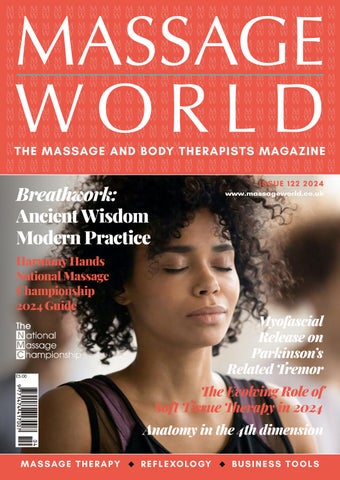
MASSAGE MASSAGE W O R L D WORLD
W W W W W W W W W W W W W W W W W W W W W W W W W W W M M M M M MM M M M M M MM M M M MM M MM MM MMMMMMM MM M MM M MM MMMMMMMMM MM M WW W W W WW WW WW W W WW WW WW W W WW WW W WWWWWWWWWW WW WW WW WWWWWWWWWWW M M M M M M MM M M M M MM M M M M MM M MM MM MMMMMMM MM M M M MM M MM MMMMMMMMM MM M W W W W W W W W W W W W W W W W W W W W W W W W W W W W W W W W W W W W W W W W W W W W W W W W W W W W W W W M M M M M M M M MM MMMMMMM MM M MM M M M M M M M MMMMMMMMM MM M MM M M M M M M M M M M M W W W W W W W W W W W W W W W W W W W W W W W W W W W W W W W W W W W W W W W W W W W W W W W W W W W W W W W M M M M M M M M M M M M M M M M M M M M M M M M M M M M M M W MW MW M WMWMWMWMW MW M M W MW MW M WMWMWMWMW M W M W W WM W M W W WM WM W M W W W W W W W W W W W W W W W W W W W W W W W W W W W M M M M M M M M M M M M M M M M M M M M M M M M M M M M W M M W MW MW M WMWMWMWMW MW M M W MW MW M WMWMWMWMW M W M W W WM W M W W WM WM W M W W W W W W W W W W W W W W W W W W W W W W W W W W W M M M M M M M M M M M M M M M M M M M M M M M M M M M M W W M W W WM W M W W WM WM W M W M M W MW MW M WMWMWMWMW MW M M W MW MW M WMWMWMWMW M W WM WM W MWMWMWMWM WM W WM WM W MWMWMWMWM W M W M W M M MW M W M W M M MW MW M W M W W W W W W W W W W W W W W W W W W W W W W W W W W W W W M M M M M M M M M M M M M M M M M M M M M M M M M M MTHE M W M M M M W M W MTHERAPISTS M MW MW MW M W M W W W WM WM W MWMWMWMAND WM WM W W WM WM W MWMWMWMW MASSAGE BODY MAGAZIN W W W W W W W W W W W W W W W W W W W W W W W W W W W W M M M M M M M M M M M M M M M M M M M M M M M M M M M W M W M M MW M W M W M M MW MW M W M W W WM WM W MWMWMWMWM WM W WM WM W MWMWMWMWM W
WTHE W W MASSAGE W W W W W W AND W W W W W WTHERAPISTS W W W W W W W W W W W W W BODY MAGAZINE M M M M M M M M M M M M M M M M M M M M M M M IMS SU M EM1 1M 9 2M02 W W W W W W W W W W W W W W W W W W W W www.massageworld.co.u W W W W W W W W I S S U E 1 22 2 02 4
Lomi Lomi Hawaiian Touch
Breathwork: Soft Tissue Release Ancient Wisdom The Problems with Modern Practice
www.massageworld.co.uk
Harmony Hands Position Anatomical National Massage Therapists Spotlight Championship 2024 Guide
£5.00
Myofascial Release on Parkinson’s Related Tremor
The Evolving Role of Clinical Cupping
Soft Tissue Therapy in 2024
Does FasciaAnatomy Hold Memories - part 2 in the 4th dimension
MA AS PY LO LO GY GY ◆ B◆U SBI N S ETSOSOTL S M SSSAG AGEE TTHHEER RAA P Y ◆ ◆R ERFELFE LXO E XO U ESSI N OOLS
editorial by Wendy Kavanagh
welcome welcome M M
R TOR RES TURES
EDITOR EDITOR EDITOR FEATURES FEATURES FEATURES
Ruth Duncan Madelaine Winzer Ruth Duncan Earle Abrahamson Earle Abrahamson Earle Abrahamson Sue Burgess Annabelle Apsion SueDuncan Burgess Ruth Ruth Duncan Ruth Duncan James Earls James Earls JamesFairweather Earls Rachel Rachel Fairweather Rachel Fairweather Susan Findlay Andy Harrod Susan Findlay Owen Lewis Owen Lewis OwenLenton Lewis Natalie Sunita Passi NatalieO’Flaherty-Hilder Lenton Colleen Sheree Phelps Colleen O’Flaherty-Hilder Sunita Passi Mary Sanderson Sunita Passi Gina Sanki Sarah Toplis GinaSquire Sanki Claire Madelaine Winzer Claire Squire Madelaine Winzer Madelaine Winzer
Victoria Osborne Pia Singleton GRAPHIC DESIGN Victoria Osborne GRAPHIC DESIGN Victoria Osborne MEDIA MEDIA Pia Singleton DIA SOCIAL C COMMUNICATION SOCIAL MEDIA PiaJ Newbury Singleton UNICATION MEDIA MMUNICATION PUBLISHERS NK Publishing MEDIA COMMUNICATION C J Newbury SHERS ADVERTISING COMMUNICATION C J Newbury Please call LISHERS PUBLISHERS NKJackie Publishing Bristow PUBLISHERS NK Publishing RTISING ADVERTISING Please call 361 753 T 01963 ERTISING ADVERTISING Please call Jackie Bristow Jackie Bristow T 01963 361 753 T 01963 361 753 TT FOUR QUARTERLY ISSUES
GRAPHIC DESIGN HIC DESIGN PHIC DESIGN SOCIAL MEDIA
UK: £20 UK Student: £15 QUARTERLY ISSUES FOUR QUARTERLY R QUARTERLY ISSUES ISSUES FOUR Rest ofQUARTERLY World: £40 ISSUES ISSN 1474-4171 UK Student: UK: £20 UK Student: £15 UK: £20 UK Student: UK Student: £15 Rest of World: £40 ISSN 1474-4171 World: Rest of World: £40 ISSN 1474-4171 of World:
H O W TO CO N TAC T U S E
T S T
he clocks have changed, and we are slowly moving ummer is in fullchanged, swing with events onmoving the agenda he clocks have andlots weof are slowly towards the longer and warmer days. Spring often feels across the industry which is heightened by the Olympics towards the longer and warmer days. Spring often feels like a time to renewal and growth and this edition of taking place in Paris. Individuals are focusing not just on like a time to renewal and growth and this edition of Massage World will certainly help you grow your knowledge holistic health but also on performance whenyour choosing certain Massage certainly helpof you grow knowledge and skills.World Therewill is an abundance thought-provoking articles products and treatments to enhance their performance by that and skills. There is an abundance of thought-provoking articles aiming to inspire and engage your critical thinking skills and 0.1% that may give them an edge. to inspire and engage and offaiming er insight into diff erent waysyour thatcritical we can thinking promote skills health. Ininsight this issue, Duncan encourages you to think about offer intoRuth different ways that we can promote health. your practice, what you offer, what attracts clients to you and Colleen O’Flaherty-Hilder discusses aromatherapy and stress while why theyO’Flaherty-Hilder should choose youdiscusses and keeparomatherapy coming back to you. Whatwhile is Colleen and stress Sue Burges delves into Kinesthetic Optimum Recovery & Enhancement (K.O.R.E) your unique selling point distinguishing you from the other massage therapists in Sue Burges delves into Kinesthetic Optimum Recovery & Enhancement (K.O.R.E) muscle testing. Owen Lewis discusses uncertainty, postural evaluation and the neural/ your area? muscle testing. Owen Lewis discusses uncertainty, postural evaluation and the neural/ dural system while Earle Abrahamson’s article looks at what we consider what matters James Earls shares an Abrahamson’s extract from his book looks Functional Anatomy of Movement dural system while Earle article at what we consider what matters most in Massage Therapy Education. where he shares his thoughts on anatomy in motion. On another note, Marie Tudor most in Massage Therapy Education. explains how a massage therapist can play an important role in identifying signs of James Earls discusses fascia, movement and the important aspect of interdependency skin cancer the client may not notice themselves. James Earls that discusses fascia, movement and the important aspect of interdependency of body systems have our therapist spotlight interview Morsy Over the pastthen fewwe weeks, had the opportunity to meet with someTamer wonderful of body systems then we haveI have our therapist spotlight interview with Tamer Morsy titled ‘Inspired by Change’. Ruth Duncan looks at the fascial system and historical individuals at various showsRuth including Mind Body Spirit and system the Health titled ‘Inspired by Change’. Duncan looks at the fascial andOptimisation historical thinking that itinstores memories. Summit here London, as well as being invited to experience the AXO Method thinking that it stores memories. at Argentum.
For Fornow, now,it’s it’stime timeto to chill chill quite quite literally! literally! I am always interested in what’s trending and curious to see what will stand the test of time so I can’t wait to go to more events this summer and discover what’s happening. Maybe I will see some of you there!
MADELAINE WINZER Freelance writer R U H @madswinz DU UN N CA CAN N RUT TH D Guest Editor Editor Guest
info@massageworld.co.uk
Hcontact OO W N TAC T U S H WTO TOCO CO W www.massageworld.co.uk w us owtoto contact us N TAC T U S E info@massageworld.co.uk E info@massageworld.co.uk W DISCLAIMERS Wwww.massageworld.co.uk www.massageworld.co.uk
The publisher has taken all reasonable measures to ensure the accuracy of the information in Massage World DISCLAIMERS DISCLAIMERS and cannot accept responsibility for errors in or omissions TheThepublisher hashastaken reasonable measures to to publisher takenall measures from any information given in all this reasonable or previous editions or for ensure thethe accuracy of of thethe information in in Massage World ensure accuracy information Massage World any consequences arising thereof. The Editor may not always andand cannot accept responsibility forfor errors in in or oromissions accept responsibility errors omissions agreecannot with opinions expressed in Massage World but allow from anyany information given in this or or previous editions or or forfor from information in this previous editions publication as a mattergiven of interest, nothing printed should be anyany consequences arising thereof. TheThe Editor may notnot always consequences arising thereof. Editor may always construed as Policy or an Official Announcement unless stated. agree withwith opinions expressed in in Massage World butbut allow agree opinions expressed Massage World allow No part of this publication may be reproduced in any form or publication as a ofelectronic, interest, nothing printed should bebe publication asmatter a matter of interest, nothing printed should by any means whether mechanical and/or optical construed as or an Official Announcement unless stated. construed as Policy or an Official Announcement unless stated. without thePolicy express prior written permission of the publisher. No No partpart of this publication may be be reproduced in in anyany form or or of this publication may reproduced form by any means whether electronic, mechanical and/or optical by any means whether electronic, mechanical and/or optical without thethe express prior written permission of of thethe publisher. PRINTED BY without express prior written permission publisher.
Download the Download Download Download the Massage World Massage Massage App!App! Massage World
Purchase digital copies ofissue each issue issue Purchase digital Purchase copies of each Purchase digital digital
Search “Massageworld magazine” Search for for “Massageworld Search for “Massageworld magazine Search for “Massageworld magazine
www.holbrooks.com PRINTED BYBY PRINTED www.bishops.co.uk www.bishops.co.uk
NTED ED BYBY
Followus us on on X! @massageworlduk Twitter! Follow us Follow us onTwitter! Twitter! Follow on Twitter! @massageworlduk @massageworlduk @massageworlduk @massageworlduk ALTOGETHERNATURAL…A NATURAL…ASUPREME SUPREMEMEDIUM MEDIUM FOR FOR MASSAGE & BODYWORK ALTOGETHER BODYWORK
25%off offour ourretail retailprices pricesfor for all all professionals professionals 25% andstudents studentsregistered registeredonline online with with us and info@songbirdnaturals.co.uk | www.songbirdnaturals.co.uk
contents ◆
issue 122 2024
F E AT U R E S
12 The Evolving Role of Soft Tissue Therapy in 2024
Do you know what distinguishes your practice style from the one down the street or in the next town? Ruth Duncan gets you to look at how you market yourself and gives you some pointers to help you market yourself in a way that compliments your unique skills.
22 Anatomy in the 4th dimension Owen Lewis explores different ways of understanding anatomy.
46 Evaluating the Effect of Myofascial Release on Parkinson’s Related Tremor
Parkinson’s disease is the fastest-growing neurological condition in the world. Sheree Phelps explores whether myofascial release would be a suitable therapy for PD Tremor.
46
26 Reflective Practice Doesn’t Have to Be Laborious and Boring!
Sarah Toplis and Julie Barnard share their thoughts on self-reflection as massage therapists, explaining why self-reflection is important, how to put it into practice and best of all, how it can guide you in your personal development.
44
30 Functional Anatomy of Movement A look into James Earl’s book where he suggests that we need a new set of tools and vocabulary for watching and describing anatomy in motion.
22
44 Spa Business III – Focus on the Customer
In the third article of the Spa Business series, Madelaine Winzer talks about customer retention, listening to your customers, the range of offerings you provide and how to have customers who value what you are offering.
◆
3 6 34 58
R EG U L A R S Editor’s Welcome News & Views Reviews Course Listings
30 ISSUE 122 2024
5
news & views Is Biohacking Just a Trend? I attended the Health Optimisation Summit last month where I got the chance to meet some of the leading biohackers in the world while also experiencing some exciting new products in the fitness and wellness space. I was drawn to the power plate products after an engaging speech by Gary Rhodes. It is a product I have noticed in the gym, but I have never explored the wonderful benefits it provides to the body until now. With its whole-body vibration training, it increases the load on the bone leading to an increase in bone mineral density. “Osteoporosis is not a disease, it’s just a deconditioning of the bone. Anything that can be deconditioned can be reconditioned.” – Gary Rhodes It was incredible to hear the things that are simple, yet we think are mind-blowing when they gain popularity. We know that if we don’t exercise, we gradually lose our fitness, we know that if we eat garbage, we will feel like garbage, and if we don’t socialise with like-minded people, we will feel disconnected. It was an event where speakers and exhibitors shared their personal stories and their knowledge in an area of health and wellness that is going to grow exponentially in the next few years. People want to know why one coffee offers more benefits than another, they want to know what supplements they should be taking and why, and they may even want to know how they can biohack their libido.
Get Involved Vigilant Touch: How Massage Therapists Can Aid in the Early Detection of Skin Cancer and potentially save lives. Full article by Founder Marie Tudor will be published in the next issue.
To find out more about the MASCED training and to join SKCIN’s growing army of 11,000 + accredited professionals, visit: www.MASCED.UK
If you are interested in optimising your health, it is an event that you cannot miss. Tickets for the Health Optimisation Summit 2025 can be purchased now at: uk.healthoptimisation.com
Professional Beauty North Join Massage World magazine on September 29th and 30th to kickstart your autumn growth - treatment trends and training to boost your business Discover the latest trends and treatments by exploring our show and interacting with your favourite industry leading brands. Learn and upskill at our free live stages: Trends and Techniques, Business and Digital Skills, Skin and Advanced Treatments, and the Live Demo Stage.
Register for Free Entry here : www.professionalbeauty.co.uk/professional-beauty-north
6
ISSUE 122 2024
Therapist Event Back in our 2nd City Therapy Expo is returning this year to Birmingham, this multi-professional educational event caters to a diverse range of healthcare professionals including physiotherapists, sports therapists, osteopaths, chiropractors, soft tissue therapists, massage therapists, acupuncturists, physical training instructors, sport rehabilitators, exercise rehab instructors and MSK healthcare professionals. Whether you come from a graduate or vocational background, Therapy Expo is your hub for connection within the therapy community, making it the most prominent event in the sector! With a comprehensive two-day conference programme, fully CPD-certified, Therapy Expo offers practical training and hands-on learning on the most pertinent and contemporary topics. Join them at Therapy Expo to engage with thousands of fellow professionals and network with over 100 innovative solution providers, who will showcase their latest products and solutions tailored to meet your practice needs.
Register here: www.therapyexpo.co.uk
THE OVER ALL WINNERS OF THE INTERNATIONAL M ASSAGE ASSOCIATIONS 7 TH WORLD CHA MPIONSHIP IN M ASSAGE , COPENHAGEN 202 4 Gold: Pinyapatch Chanyathunyaroj, USA Silver: Kristina Vitkauskiene, United Kingdom Bronze: Krista Harris, USA
To Enter in 2025 Visit : www.worldchampionship-massage.com
OM Yoga Show is back for 2024 18th,19th, & 20th October, 2024 Alexandra Palace, London The show features more than 200 exhibitor stands, offering a diverse range of yoga and wellness products. From the latest in eco-friendly yoga mats to innovative wellness technology, find everything you need to enhance your yoga practice and overall well-being. Browse through a variety of apparel, accessories, nutritional supplements, and holistic health products. Each stand offers a unique insight into the evolving world of yoga and wellness. Free Yoga Classes Get involved in over 120 free yoga classes, catering to all skill levels. Whether you’re a beginner or a seasoned yogi, the classes provide an opportunity to learn new poses, refine your technique, and connect with fellow yoga enthusiasts. Led by experienced instructors, these classes cover various yoga styles, ensuring there’s something for everyone. It’s a perfect way to experience the physical and mental benefits of yoga firsthand.
Book Tickets here: london.omyogashow.com
classifiedsclassifiedsclassifiedsclassifiedsclassified
Bowtech training with
assifiedsclassifiedsclassifieds Helen Mary Perkins
h s
uk
Helen with Ossie Rentsch
L Canning, Lincolnshire
www.bowentraining.co.uk
• Develop professional skills • • Boost your business
Places available in Peterborough for 2020 Details 01733 555476 or
ISSUE 122 2024
7
Redefining Authentic Assessment in Massage Therapy Education: Bridging the Gap Between “What” and “So What” BY P R O F E S S O R E A R LE A B R A H A M S O N
The massage therapy profession thrives on a dynamic interplay between theoretical knowledge and practical application. Textbooks provide a foundational understanding of anatomy, physiology, and massage techniques. However, the true mark of a competent massage therapist lies in their ability to translate theory into intuitive practice. This article explores the concept of authentic assessment within the context of massage therapy education. It considers the limitations of traditional assessment methods and proposes a shift towards authentic assessment practices. This approach aims to bridge the gap between theoretical knowledge and realworld application, fostering a generation of well-rounded massage therapists prepared for the demands of professional practice. Therapists must confidently navigate the unique needs of each client and deliver safe, effective treatments.
8
ISSUE 122 2024
industryinsight R EDEFIN ING AUTH ENTIC ASSESSM ENT
From Rote Learning to Real-World Skills: The Need for a Paradigm Shift Traditional assessment methods, often relying on written exams and multiple-choice questions, emphasise rote learning of facts. While these methods have a place in assessment, they often fail to capture the essential skills needed for successful professional massage practice. Authentic assessment, on the other hand, focuses on evaluating a student’s ability to apply their knowledge in simulated or real-world scenarios. This approach fosters critical thinking, decision-making skills, and professional conduct – all necessary for a thriving career in massage therapy.
Beyond Technique: Tailoring Assessment Across Massage Modalities The need for authentic assessment is particularly relevant when considering the diverse range of massage modalities. Swedish massage, for example, focusses mainly on relaxation, while sports massage addresses specific injuries and enhancing performance. Authentic assessment shines in this context by allowing educators to tailor assessments to the specific techniques and skills associated with different modalities. However, ethical considerations are paramount when designing authentic assessments. Educators must ensure that assessments: •
•
•
Maintain client safety: Techniques practiced during assessments should be safe and appropriate for simulated or volunteer clients. Respect client privacy and confidentiality: Informed consent and anonymity are crucial for volunteer clients used in performance-based assessments. Adhere to ethical codes of conduct: Assessment scenarios should align with professional massage therapy ethics and not pressure students into potentially harmful or inappropriate practices.
Harnessing Technology to Support Authentic Assessment Technology can be powerful in supporting authentic assessment in massage therapy education. For example: •
Simulation software: Programs can simulate client scenarios, allowing students to practice massage techniques and decision-making within a safe, virtual environment.
•
Video recordings and self-reflection: Students recording their massage practice sessions facilitates self-reflection and assessor feedback on technical skills and client communication.
•
Online case studies and interactive quizzes: Online platforms can offer a variety of case studies and interactive quizzes that test students’ understanding of specific massage modalities and ethical dilemmas.
Developing Well-Rounded Massage Therapists: Moving Beyond the Curriculum Authentic assessment goes beyond just technical skills. It promotes the development of well-rounded massage therapists equipped to navigate the complexities of professional practice. For example: •
Client communication and professional etiquette: Scenarios can assess a student’s ability to conduct client intake discussions, answer questions, and explain therapeutic approaches in a clear and concise manner.
•
Research and critical thinking: Case studies requiring students to analyse research on specific conditions or massage techniques not covered in the curriculum can encourage lifelong learning and a critical approach to practice.
•
Ethical considerations and boundaries: Authentic assessment scenarios can incorporate ethical dilemmas to challenge students to assess situations, identify potential risks, and make ethically sound decisions within the boundaries of professional practice.
Designing Authentic Assessments: A Backward Design Approach While authentic assessment offers numerous benefits, designing effective assessments can be challenging. Wiggins and McTighe’s (2005) Backward Design framework provides a structured approach to creating authentic assessments that ensure a clear connection between learning activities and desired outcomes.
1
Identify Desired Outcomes:
•
What knowledge, skills, and dispositions do you want students to demonstrate by the end of the course or programme?
•
For massage therapy, desired outcomes might include the ability to perform specific massage techniques, communicate effectively with clients, and make sound ethical decisions.
ISSUE 122 2024
9
industryinsight R EDEFIN ING AUTH ENTIC ASSESSM ENT
2
Develop Assessment Evidence:
•
How will you assess whether students have achieved the desired outcomes?
•
Authentic assessment methods like performance-based assessments, case studies, and simulations allow students to showcase their abilities in a realistic context.
3
Plan Learning Activities:
•
What learning activities will prepare students to demonstrate their knowledge and skills on the assessments?
•
Lectures, demonstrations, and practical sessions should be designed to equip students with the necessary knowledge and skills to succeed in the assessments.
Below is an example of using backward design techniques with law and massage therapy students to create an authentic assessment that encourages both groups of students to apply knowledge and rely on one another for information accuracy and dissemination. •
Desired Outcome: Students demonstrate understanding of the legal and ethical boundaries of massage therapy practice.
•
Assessment Evidence: Students collaborate with law students to defend a fit-for-practice case, showcasing their knowledge of massage techniques, contraindications, and ethical considerations. The law students challenge the massage students’ rationale, mimicking a real-world scenario where a therapist might need to defend their practice.
Learning Activities: This scenario can be preceded by: •
In-depth lectures and discussions on legal frameworks, ethical codes of conduct, and massage therapy practice boundaries.
•
Case studies analysing real-world scenarios where ethical dilemmas arise in massage therapy.
•
Role-playing exercises where students practice client communication and setting boundaries.
•
Research assignments on specific conditions and their contraindications for massage therapy.
By applying Backward Design, this assessment not only evaluates legal and ethical understanding but also integrates communication skills, critical thinking, and justification of massage techniques. 10
ISSUE 122 2024
The future of massage therapy education hinges on moving beyond the textbook and embracing authentic assessment. Conclusion: A Collaborative Call to Action “The whole of science is nothing more than a refinement of everyday thinking.” - Albert Einstein Transforming massage therapy education towards authentic assessment practices requires collaboration between educators, administrators, and massage therapy organisations. By rethinking traditional assessment methods and embracing Backward Design principles, we can create assessments that truly reflect the complexities of professional practice. This ongoing journey necessitates: •
Research and development: Developing standardised yet adaptable authentic assessment tools that cater to diverse learning styles and massage modalities.
•
Fostering self-assessment: Encouraging a culture of selfreflection alongside instructor evaluation, empowering students to take ownership of their learning journey.
•
Multidisciplinary collaboration: Exploring partnerships with legal professionals, healthcare providers, and other relevant fields to create enriching and realistic assessment scenarios.
The future of massage therapy education hinges on moving beyond the textbook and embracing authentic assessment. As the title of this article suggests we need to move from the “What” type questions to the “so what” ones. As a cornerstone for developing confident, competent, and ethical therapists, authentic assessment has the potential, through strategic and critical design to impact how theory and practice connect and how therapists learn to adapt, not simply adopt, knowledge within changing contexts. Reference: Wiggins, G. P., & McTighe, J. (2005). Understanding by design. Ascd.
E A R LE A B R A H A M S O N Earle Abrahamson is a Professor in the Scholarship of Teaching and Learning at the University of Hertfordshire, National Teaching Fellow, Principal Fellow of Advance HE and inaugural ISSOTL fellow. He currently chairs the GCMT and is an elected registrant board member on the CNHC. Earle was former chair of the MTI and is an internationally renowned author, therapist, educator, and practitioner.m
Massage is changing!
“As a result of the advert, on the CThA Members Forum, I have one new holistic massage therapist who has joined the team and is very much appreciated by the JOIN the JING ongoing professional mentoring clients” and business support group to RECEIVE: Donna Woodcock Massage Therapist
• Advice and tutorials on how to diversify your practice into offering online self-care team and one to one sessions.
• Advice and help on both hands-on and online self-care client cases. • Up to date information on COVID guidelines for massage therapists. • Exclusive community Zoom sessions with inspirational leaders Meg and Rachel of Jing advanced massage. • A welcoming and inspiring online community.
Jing’s got YOur back! £29.99 monthLY SUBSCRIPTION 01273 628 942 JINGMASSAGE.COM jingmassage.com/cpd/jing-method-onlineself-care-therapist-advanced-cpd-course
To find out how the CThA helped Donna and hundreds of other members last year just when they needed it, call a member of the CThA team on: 0845 202 2941or visit our website at: www.ctha.com
Professional help when you need it
◆
MYO FAS C I A L R E LE AS E ◆
The Evolving Role of Soft Tissue Therapy in 2024 BY R U T H D U N CA N
M
ost people choose to become a therapist because of the flexible nature of the job and the reward from helping others. I just want to encourage you to think about your practice, what you offer, what attracts clients to you and why should they choose you and keep 12
ISSUE 122 2024
coming back to you. I also talk later in the article about ‘whole person health’ and about not seeing massage in isolation but as part of a holistic, whole person approach to wellbeing. Do you know what distinguishes your practice style from the one down the street or in the next town? If you don’t,
it is likely your potential clients don’t know either. They probably won’t understand the different therapies that you offer and even what they are thought to do. What they will rely on is that you make a difference and help them manage their symptoms. It is commonplace on social media
Image by Freepik
To be a successful massage therapist may not mean making a fortune in money, but it certainly does translate into being rich in opportunities to earn enough to make the job worthwhile.
industryinsight T H E E VO LV I N G R O L E O F S O F T T I S S U E T H E R A PY
and websites for a therapist to list their courses and qualifications to promote and market themselves. That’s the easier and most logical option to promote your work. Therapists are often caught in the dilemma of describing everything that they do to attract potential clients, however, this can appear as a ‘jack of all trades and master of none’ approach. I often wonder how many different styles of massage there actually are and what the difference is between them, and more importantly, does that matter? Labelling our different therapies is one thing but to be able to know exactly why and how therapies differ in their mechanism of action (how they work) is an entirely different question and one I’d suggest is very difficult to answer. Like any profession, complementary and integrative health practices go through cycles with trending therapies. Therapies may be reinvented with a new name or revived due to interpretation changes or scientific evidence. However, the bottom line is that touch and movement remain the same. Therapists cannot say that changing the name of a therapy or creating a new one offers a different mechanism of action. If therapists don’t know, neither does the general public. While our profession is diverse and offers something for everyone, this diversity can also be a downfall as therapists differ in their approaches, despite having similar qualifications.For clients seeking resolution, referrals and reputation are more important than a therapist’s qualifications and training.
There are several important to consider when promoting yourself: 1. What is your unique selling point (USP)?
What makes you unique? Differentiate yourself with a special interest, unique skills or experience gained. Promote your specialisation through blogs, testimonials, and local articles. Be cautious about listing too many skills, as it may indicate a lack of niche.
2. Who is your avatar?
Your avatar is the ideal client you want to attract. Consider their needs, age, location, and occupation. Direct your marketing efforts towards attracting this person to your work. This helps you set goals and specifically target your potential audience.
3. Are you promoting you or the school or course you attended?
Whilst training and education are important, promoting therapeutic outcomes and client satisfaction holds greater value. Unfortunately, our professional indemnity insurance tends to dictate marketing especially if it is a branded therapy. While clients may search for specific brands of therapy, it is how you, as a unique therapist, apply those techniques that make you stand out.
4. Be yourself
Often, qualification levels suggest better clinical skills. However, a lower number on your certificate doesn’t make you any less valuable to your clients. Personality and confidence can often be the key factors in building a successful massage and soft tissue therapy practice, so being yourself in your marketing while staying professional, offers value and will gain you clients.
Are massage styles that different? Massage and soft tissue therapy have different definitions. However, there are varying opinions on the difference between the two when searching online. MFR is a soft tissue therapy, but its application differs between schools and even countries. In my own practice, and in our MFR courses, we focus on how to offer therapy rather than what specific techniques do what. For a long time, it has been trendy to blame or praise fascia for everything. In 2015, Tom Myers expressed his frustration with the overuse of the word ‘fascia’. Now, almost ten years later, therapists are starting to value the importance of how they provide therapy rather than
the specific type of therapy. This shift moves from a ‘doing to’ approach to a ‘being with’ approach. While fasciae are important, it is still unclear how fascia-oriented therapies directly affect fascia. Questions also remain about how these therapies differ from massage and other soft tissue therapies. Whole-person health may be the next trend that offers a more comprehensive view of wellness that includes not just physical health, but also mental, emotional, and spiritual well-being. Sound familiar? Gone are the outdated reductionist approaches of assessing and treating muscle or joints or claiming that fascial dysfunction or scar tissue is the issue. Whole-person health is about considering all aspects of a person’s life and recognising that they are interconnected and influence each other. This perspective acknowledges that true health goes beyond simply treating symptoms or addressing individual parts of the body. It encourages individuals to take a proactive approach to their well-being that supports optimal wellness in every area of our lives.
How to support whole-person health as a hands-on therapist in today’s evolving profession? 1. Value what you contribute to helping others and the impact you make.
Know that you make a difference regardless of what level of qualification you have: we all matter.
2. Focus on the needs of your client and discuss your therapy goals.
It’s not what you do, it’s how you do it. Effective communication builds confidence and trust, allowing you to highlight goals and work out how to get there.
3. Maintain a personalised approach keeping the client at the centre of care.
Be you, not your training brand. While some clients search for a specific style of therapy, you are the person that makes that therapy come alive, ISSUE 122 2024
13
industryinsight T H E E VO LV I N G R O L E O F S O F T T I S S U E T H E R A PY
crafting a bespoke therapy approach that has meaning for the client.
4. Work with the entire person and not just a specific area or body part. I often say in MFR that we don’t work specifically with the fascia, but we work with the person owning that fascia. The same follows for any therapy. It is a much more holistic, and modern, approach to look at the whole person instead of a myopic viewpoint of parts and systems.
Whole Person Health
Whole-person health recognises that each person is unique and requires personalised care and a bespoke treatment plan. It emphasises the importance of self-care, stress management, healthy relationships, fulfilling work, and a sense of purpose. Whole-person health is a holistic approach that acknowledges the mindbody connection and the power of integrating various wellness practices. The movement towards wholeperson health is gaining momentum as more individuals and healthcare
professionals recognise the limitations of a purely biomedical model. For the therapist, whole-person health could make their career more rewarding and fulfilling, leading to job satisfaction and personal growth. It could also make it much easier for the public seeking support to find someone that suits their needs, instead of wading through labels and names of therapies that they simply don’t understand. Whole-person health also helps to foster a stronger connection between the therapist and client, improving outcomes and supporting practice-based evidence.
For the therapist, whole-person health could make their career more rewarding and fulfilling, leading to job satisfaction and personal growth...
CONTACT US I believe that our profession is evolving, and it is exciting to see. Where will your practice go in 2024? We would like to help you with your thought process and if you want to learn more about MFR and attend our training courses, visit: www.myofascialrelase.co.uk Phone: 077808 44161 Email: Ruth@Myofascialrelease.co.uk
14
ISSUE 122 2024
ELEVATE YOUR PRACTICE With the Ultimate Health Practice Management Software
EVERYTHING YOUR PRACTICE NEEDS: Scheduling & payments Client waitlist & reminders Online forms & bookings
NEW STARTER PLAN START A
FREE TRIAL!
FROM JUST
£7.50* PER MONTH! *WITH THE 50% OFF DISCOUNT FOR THE FIRST SIX MONTHS.
Progress notes, letters & reports Practice operations manual In-platform telehealth
The Most L ved & Most Secure Practice Management Software
◆
BOOK EXTRACT ◆
Soft Tissue Release The elbow, wrist & hand BY M A RY SA N D E R S O N
Extract from Soft Tissue Release - A Practical Handbook for Physical Therapists
Figure 1. Structure of the elbow
The elbow
The humerus articulates with the radius and ulna to form a hinge at the elbow joint (fig. 1). The proximal ends of the radius and ulna form a pivot joint allowing a rotational movement (supination and pronation). Joint stability at the elbow is predominantly provided by the collateral ligaments and musculature around the elbow. The neck should be considered during treatment of any overuse injury to the elbow. Inflammation of the lateral and medial elbow is related to the muscles that produce wrist movements. Common overuse problems originate 16
ISSUE 122 2024
in faulty techniques, and repetitive gripping and extension of the elbow such as occurs in racquet sports.
can cause pain and tearing, particularly at the musculotendinous junction. Anconeus controls extension movements.
Elbow Flexion
Pronation of the Forearm
Major Muscles: Biceps brachii, brachialis, brachioradialis and pronator teres. Brachialis is the primary elbow flexor and controls the movement during extension. It has the capacity to develop myositis ossificans, so extreme care should be taken following a direct trauma. The biceps brachii is a strong supinator as well as an elbow flexor, and these actions are often performed together. The muscle also contributes to shoulder flexion and stability of the shoulder joint, with its long head being more prone to injury. Brachioradialis as a flexor works strongly when the elbow is midway between pronation and supination.
Major Muscles: Pronator teres, pronator quadratus and brachioradialis. Pronator teres works strongly alongside the flexors during pronation and flexion movements, such as in the grip in horse riding. Pronator quadratus is stronger if the pronation is conducted with elbow extension.
Supination of the Forearm Major Muscles: Biceps brachii, supinator and brachioradialis. Biceps brachii is the strongest
Elbow Extension
Major Muscles: Triceps brachii and anconeus. Triceps is the only muscle on the posterior of the upper arm. Because the triceps works strongly in fast elbow extension movements, it is exercised in any pushing movements, for example dips and push-ups. Punching or throwing can stress the attachments. Actual strains are rare, but faulty technique
Figure 2. Passive STR to the biceps brachii.
massagetechnique SOFT TISSU E R ELEASE
Table 1. Effects of muscle restrictions on elbow movement.
MUSCLE
EFFECTS OF MUSCLE RESTRICTIONS
Biceps brachii
Reduced elbow extension and pronation. Because of the two-joint nature of this muscle, tightness will affect the interaction of shoulder and elbow movement. With the shoulder in extension, elbow extension will be reduced; conversely, with the shoulder flexed, the elbow ROM increases.
Brachialis
As a single-joint muscle, elbow extension will be reduced (regardless of shoulder position).
Supinator
Tightness of the supinator is more likely in conjunction with tightness of the biceps brachii rather than by itself, but it would probably reduce elbow extension and pronation.
Triceps brachii
Limited elbow flexion and some reduction in anterior shoulder elevation. Can be implicated in tennis elbow.
Brachioradialis
Reduced elbow extension.
Anconeus
No known effect.
Pronator teres
Loss of elbow flexion and forearm supination. Due to origin and insertion at the elbow joint and the superior distal radio-ulnar joint, the effect of tightness will depend on the relative positions of these articulations, with reduced supination when the elbow is extended.
muscle in supination. Supinator is exercised most strongly if combined with elbow extension
Elbow – Treatment
With the subject supine and the elbow flexed, gently grasp either side of the belly of the biceps. Extend and pronate to stretch (fig. 2). Treat the whole muscle, paying particular attention to the origins and carefully angling the locks because of the sensitivity of the area. Treat the lateral side and direct the lock under the biceps to work the brachialis. With the shoulder fully flexed beside the subject’s ear, lock into points along the triceps and flex the elbow (fig. 3). Pay close attention to the
Figure 2. Passive STR to the biceps brachii.
tendon attachments. The supinators and pronators in the forearm can be worked effectively by incorporating combination movements of supination or pronation with flexion and extension of the wrist, to separate the muscles of the forearm.
The Wrist and Hand
The wrist and hand contain 28 bones. The wrist is a condyloid joint consisting of the distal radius and three proximal carpal bones (fig. 4). The hand is formed by a range of joints that provide the possibility of dextrous movements such as gripping and grasping. The extrinsic muscles, originating in the forearm provide strength and intrinsic muscles of the hand provide the fine motor movements.
Figure 3. Active STR to the triceps brachii.
As with the ankle, there is a band of connective tissue that supports the many tendons which attach across the wrist joint. The space created underneath the flexor retinaculum is known as the carpal tunnel. The flexor pollicis longus, flexor digitorum profundus and flexor digitorum superficialis, as well as the median nerve, all pass through this tunnel. The posterior retinaculum holds the tendons of the extensor muscles in place.
Wrist Problems
Carpal tunnel syndrome is a result of congestion in the tunnel (see fig. 5). Any repetitive actions involving the flexors, such as gripping, can cause inflammation in the tendons. If numbness and tingling are present then the median nerve is also affected. STR is effective for separating the tendons and the adhesions between them and the retinaculum. Frequently this condition can be successfully corrected by surgery, but the use of STR at an early stage can make an operation unnecessary. Repetitive strain injury (RSI) occurs with overuse, leading to adherence and inflammation of the tendons in the posterior compartment. Activities such as typing or playing the piano repetitively, or racquet sports where the extensors contract eccentrically to brace and control the force during backhand shots, can all cause degrees of RSI. ISSUE 122 2024
17
massagetechnique SOFT TISSU E R ELEASE
Wrist sprains are common in contact sports, and STR is a good form of early treatment to ensure good strength gains. With any wrist problem, a systematic treatment of the whole forearm and hand is necessary. Abduction, adduction, flexion and extension need to be considered. At the wrist, STR can separate adherence between the individual tendons and the retinaculum.
Wrist Extension
Major Muscles: Extensor carpi radialis longus, extensor carpi radialis brevis, extensor carpi ulnaris, extensor digitorum communis, extensor indicis, extensor digiti minimi, extensor pollicis longus and extensor pollicis brevis. Pain located at the lateral elbow is often classified under the umbrella term of ‘tennis elbow’ (‘lateral epicondylitis’). The term refers to an overuse injury, common in racquet sports and manual labour. It leads to chronic inflammation of the common extensor origin (CEO), resulting in fibrous tissue in the tendon, musculotendinous junction, or at the tenoperiosteal junction, which causes pain and a weak grip. In conjunction with PRICE and stretching, STR is an invaluable tool in the management of tennis elbow. A general treatment to the arm and beyond, such as the shoulder and neck, should be conducted
Figure 4. The wrist and hand.
prior to focusing specifically on the adhesive tissue in the forearm.
Wrist Flexion
Major Muscles: Flexor carpi ulnaris, flexor carpi radialis, palmaris longus, flexor digitorum superficialis, flexor digitorum profundus and flexor pollicis longus. Pain located at the medial elbow, where inflammation develops at the common flexor origin (CFO), is generally known as ‘golfer’s elbow’ (‘medial epicondylitis’). It is common in racquet sports and manual labour, and also throwing and weight training. Addressing the whole arm, shoulder and neck with STR is essential as well as focusing on the congestion at the bicipital aponeurosis and elbow flexors. (Fig.6)
Wrist Abduction
Major Muscles: Flexor carpi radialis, extensor carpi radialis longus, extensor carpi radialis brevis, abductor pollicis longus and extensor pollicis brevis (jointly produce wrist abduction [radial deviation]). (Fig.7)
Wrist Adduction
Major Muscles: Flexor carpi ulnaris and extensor carpi ulnaris (work together in wrist adduction [ulnar deviation]), and has sufficient strength for slow movements with minimal resistance.
Wrist – Treatment
With the subject in a supine position, apply STR to the extensors from the wrist to the elbow by locking in and flexing the wrist. Concentrate on locking between the extensor muscles to stretch the fascia
Table 2. Effects of muscle restrictions on wrist and hand movement
MUSCLE
EFFECTS OF MUSCLE RESTRICTIONS
Pronator quadratus and pronator teres
Forearm held in position of increased pronation, with decreased or difficult supination. This is less pronounced with the elbow flexed because of the shortening of pronator teres.
Flexor carpi radialis
Wrist flexion towards radial side.
Flexor carpi ulnaris
Wrist flexion towards ulnar side. An effect of tightness is decreased flexion and wrist abduction
Flexor digitorum superficialis
Flexion contracture of middle phalanges.
Flexor digitorum profundus
Claw deformity, but usually in combination with other muscle issues.
Extensor carpi radialis (brevis and longus)
Decreased flexion and wrist adduction.
Extensor digitorum
Hyperextension deformity of MCJ.
Supinator
Elbow flexion with forearm supination, affecting pronation-supination movement.
Adductor pollicis
Adduction deformity of thumb, having implications for pinch and grasp, with considerable functional impairment.
18
ISSUE 122 2024
massagetechnique SOFT TISSU E R ELEASE
Figure 5. The carpal tunnel is a narrow passageway formed anteriorly at the wrist by the carpal bones and the flexor retinaculum, and serves as the entrance to the palm for several tendons and the median nerve.
where congestion and adherence are often present. If there is any form of ‘tennis elbow’, progress to the CEO and apply an MFR lock as the subject flexes the wrist (see fig. 5.8). Locate points at the back of the wrist, separating the extensor tendons from the retinaculum. Avoid irritating any areas of inflammation, concentrating instead on releasing the congestion around them. Treat the flexors in the same manner, but lock and extend the wrist to release the tension (fig. 9). Applying pressure between the flexor tendons at the wrist will relieve carpal tunnel syndrome; this release may be enhanced by incorporating either abduction or adduction following the wrist flexion.
Figure 6. Anterior arm superficial muscles.
The Hand
The thenar eminence is formed by the flexor pollicis brevis, the abductor pollicis brevis and the opponens pollicis. The hypothenar eminence is formed by the flexor digiti minimi, the abductor digiti minimi and the opponens digiti minimi. The ‘anatomical snuffbox’ is a depression in the dorsum of the first metacarpal, with the extensor pollicis brevis forming its lateral border and the extensor pollicis longus forming its medial border.
Hand Problems Figure 7. Posterior arm superficial muscles.
De Quervain’s syndrome is the name given to tenovaginitis or tenosynovitis affecting the extensor pollicis brevis and the abductor pollicis longus. Heberden’s nodes occur with pain and stiffness in the finger joints in older age with osteoarthritis. STR in the hand is allimportant to maintain mobility and tissue health whilst avoiding the inflamed area.
Finger Flexion
Major Muscles: Flexor digitorum superficialis, flexor digitorum profundus, lumbricals, interossei and flexor digiti minimi brevis.
Finger Extension
Major Muscles: Extensor digitorum communis, extensor digiti minimi, extensor indicis, interossei and lumbricals. Figure 8. Active STR to the common extensor tendon.
Figure 9. Active STR to the common flexor tendon.
ISSUE 122 2024
19
massagetechnique SOFT TISSU E R ELEASE
Thumb Flexion
Major Muscles: Flexor pollicis longus, opponens pollicis and flexor pollicis brevis.
Thumb Extension
Major Muscles: Extensor pollicis longus, extensor pollicis brevis and abductor pollicis longus.
Thumb Abduction
Major Muscles: Abductor pollicis longus and abductor pollicis brevis.
Thumb Adduction
Major Muscle: Adductor pollicis.
Opposing Thumb
Major Muscles: Opponens pollicis and flexor pollicis brevis.
Flexion of Metacarpophalangeal Joints with Simultaneous Extension of Interphalangeal Joints Major Muscles: Lumbricals and interossei.
Finger Abduction
Major Muscles: Dorsal interossei, abductor digiti minimi and abductor pollicis brevis.
Finger Adduction
Major Muscles: Palmar interossei and adductor pollicis.
Opposing Fingers
Major Muscle: Opponens digiti minimi.
Hand – Treatment
Tight hands occur in many sports such as in holding a racket or rock climbing but also at work with the building jobs or less
Figure 5.30. Active STR at the thenar eminence. 20
ISSUE 122 2024
Figure 5.29. Muscles of the hand (palmar view).
heavy but repetitive use of a keyboard or a gaming console! Sprained fingers and thumbs are typical injuries in ball sports and gymnastics. STR will speed up the healing process and recovery. To address the thenar eminence, lock into it and instruct the subject to straighten the thumb in all directions (fig. 5.30). For the hypothenar eminence, lock and straighten the little finger. Treat the extensors over the top of the hand by locking across and in between them and flexing the metacarpals; the finger extensors should be considered in conjunction with the forearm extensors, and the palmar hand together with the wrist flexors.
Soft Tissue Release: A Practical Handbook for Physical Therapists is a complete reference guide for students embarking on clinical practice, therapists from all backgrounds wanting to understand more about pain management, or any individual wishing to harness the power of soft tissue release to treat their own pain.
M A RY SA N D E R S O N Mary is a specialist in soft tissue therapy and has been a senior tutor for the London School of Sports Massage (LSSM) since 1994. She has run her own private practice in St Leonards on Sea, East Sussex, for over 25 years, treating a wide range of clients including elite sports people, musicians and performers. Mary also regularly presents on CPD programmes for manual therapists, personal trainers and coaches.
Anatomy in the 4th Dimension BY O W E N LE W I S
The 4th dimension conjures up the impossible vastness of space, Star Wars, the cosmology of black holes, big bangs and the ethereal music of Richard Strauss (particularly the theme to 2001: A space odyssey). natomists also use dimensions in the naming of structures, the sternocleidomastoid muscle tells us its exact location. As I scribble these words, I am 30 meters above sea level, 0.37811 degrees longitude, 52.59840 degrees latitude. This information places me in three-dimensional space. By telling you it is 3pm on a sunny Thursday in May, I am giving you the dimension of time. Space and time are a coupled relationship that Einstein named
A
22
ISSUE 122 2024
spacetime. So, while the 4th dimension is said to be time it is therefore also space and, critically to us, the relationship of the two is one of movement. Neither space nor time, nor spacetime is a static entity. I struggle with the notion of two distinct, separate concepts, mind, and body. I would prefer, like Einstein’s spacetime, to couple these two words into one unified unbreakable singular concept, bodymind. Just as space time is unified, bodymind or
mindbody is unified by movement. This is one reason why Born to Move places movement as the central concept underpinning our work. We feel that we should learn and study movement first and foremost. Many of us have suffered through traditional anatomical learning that (almost) ignores movement or at least sees it as of secondary importance. The traditional way to learn movement was by anatomising (cutting up) the dead, immobile, inanimate, corpse.
thebodyworker A N AT O MY I N T H E 4T H D I M E N S I O N
Knowledge of oneself is a critical component to clinical reasoning, metacognition, and reflective thinking all of which are necessary for excellence in the clinic and studio. ‘Being a reflective practitioner is essential for the development of clinical expertise’ (Jenson 2007). And it is through movement that we can know ourselves a little better. As bodyworkers it is particularly critical for us to attempt this difficult business of self-knowledge. ‘The soul is the voice of the body’s interests’ George Santayana. Self-help books, psychologists and philosophers have allowed us a better understanding of our minds. I believe, we must also focus on our bodily knowledge if we are truly to understand ourselves. As we shall demonstrate knowledge of our own bodies, and so ourselves, is of particular importance for bodyworkers. Knowledge about the idiosyncrasies of one’s own body enables us to be better at bodywork of all styles. If I have a right rotation and everyone, I assess has a right rotation, then I am learning more about myself, and my biases, and not perceiving an accurate or useful assessment of my client. ‘A great many people think they are thinking when they are merely rearranging their prejudices’ (David Bohm). Can we ever know ourselves, our bodies or the bodies that come for us for help? If our knowledge of the body comes only from the traditions of anatomy, then the answer is - no. Traditional anatomical knowledge comes, almost exclusively, from dissecting cadavers. Using this method to gain knowledge of one’s own body, one’s own anatomy, and therefore oneself, then logically one must become a cadaver and somehow dissect oneself! This pursuit of self-knowledge is not advised! We clearly need an alternative way to gain anatomical knowledge. One alternative is to alter the focus underpinning the gaining of knowledge. When movement is placed at the centre of our knowledge base, rather than the passive cadaver, then one must move to know oneself. To be clear, I am not against the use of the traditional methods of anatomical understanding through dissection. I am merely suggesting an alternative viewpoint.
The alternative is to place movement at the centre of our knowledge of self, and of others. The ideal method is likely a combination of both passive textbook anatomy and movement exploration. At Born to Move we advocate a movement first based education system. To demonstrate this, stretch our hands out in front of you, at eye level. Palms facing down, thumbs abducted so their tips point towards each other. Tilt your head to the left, and notice your right thumb moves up a little. If it does not, it may indicate an upper neck restriction. Tilt your head to the right and your left thumb moves up, this basic biomechanical movement is important knowledge for your clinic accuracy. How often do you tilt your head as you assess the position of a client with your hands? As we have shown, tilting one’s head will affect the accuracy of hand placement and so assessment accuracy. Standing on one side of the couch, or kneeling on one knee, will also create a relative tilt to the head, and so also affect hands on assessment. The important question here surrounds consistency. Ask yourself, do you always tilt your head to the same side? Or kneel with the same knee or assess on the same side of the couch, are you consistent or inconsistent? Noticing your own idiosyncratic tendencies will massively affect your consistency in assessing and so improving your reliability. The frustration with wine tasting is sampling amazing wine, without the opportunity for more and more. This of course is why there are various bottles to buy once your pallet has been wetted. If your pallet has been wetted by these words, then please do visit our
cellar at www.borntomove.com The world-wide success of Born to Move is reflected by the success and prosperity of our students’ clinics and studios. The success of our students can, subsequently, be judged by the improved quality, capacity, efficiency and variability of movement performed by their clients. Using gauges of quality, capacity, efficiency, and variability to judge success has allows us to move away from the ideas of posture. It is now widely agreed that postural correctness is an outdated, vague, and arbitrary goal. There is no definition of good or bad posture, in part, because there is no agreement as to what is good or bad. Ideas of good vs bad posture wraps posture up in morality. Good and bad is a discussion for theologians, not clinicians (See figure 1). It was once thought that posture and pain were related. Today research has caught-up with our common experience. We all know people who slouch and yet have no pain, and people who seem to walk with books balanced on their heads and be in constant pain. Pain science has given us a greater understanding that pain is, if nothing else, more complicated than was initially thought. Pain is not as simple as an expression of tissue damage but a multifactorial response to perceived threat. Within the clinic using pain as a measure of success is highly unreliable. We have known for a long time that chasing pain is like chasing one’s tail, but what is the alternative? The alternative, as proposed by Born to Move, is to use the well-established knowledge of optimal biomechanics,
1
ISSUE 122 2024
23
thebodyworker A N AT O MY I N T H E 4T H D I M E N S I O N
than a passive body lying inert on the couch. It was this, ‘question everything’ approach that led my colleague, James Earls, to develop a method of manual work that incorporates active movement. The extraordinary results speak to engagement of the clients in their process of change. Traditional couch based; passive work was based on hope. A practitioner makes a change to one, or more, tissues and then hopes that the whole system will understand and integrate the change into everyday life. It is testament to our
2
movement, made specific for each individual to accurately measure success based on the quality, capacity, efficiency and variability of a specific meaningful movement for the client (See Figure 2). The realisation that its ‘all connected’ has sold a lot of books from the early acupuncture texts to the creative dissections of Anatomy Trains, to the slings of Andre Vleeming. While useful each fails to help us know exactly where to start. We have been left with protocols and recipes, perfect for the average individual who does not exist. Protocols work for some, but never for everyone, the individual is too complex. ‘Nature is full of genius, full of the divinity; so that not a snowflake escapes its fashioning hand’ (Henry David Thoreau) We are all snowflakes! Why are snowflakes all different? The unique shape of a snowflake reflects the myriad of wind currents that form their shape and their direction. Equally unique are the myriad of forces, experiences and directions that shape our individual lives. The idea that there might be one way of working, one protocol, one method to fit each unique individual is a bizarre concept. Instead of a rigid one-size fits all recipe or protocol we created a framework that is flexible to fit any individual yet simple enough to fit into the clinical spacetime.
3
This is a bespoke, client-centred method of finding, treating and training the cause/s of symptoms. The result of this work, as taught in our Functional Assessment workshops, is a more efficient clinician. Less manual work allows a profound focus to locate and work upon just a few critical structures. The results are meaningful to the client, the effects last longer and the clinician is no longer burnt out but is more durable and energetic. In the 16th Century Copernicus formulated a model of the universe that placed the sun rather than the earth at its centre. This revolutionary idea changed the prevailing perspective that man was at the centre of the universe. (See Figure 3) Our little Copernican revolution places the moving individual at the centre, rather
amazingly intelligent systems that we got such success with a passive method. The Functional Bodywork method allows the whole system to understand the changes as they happen. This adds meaning and comprehension to our client’s experience allowing them to embrace change. We do not teach static, immobile facts but flexible principles to allow an imaginative use of knowledge gained. A high level of scientific rigour ensures excellence to your work. It is hoped that this little article has given you a taste of some of our work and workshops. If you are feeling a little bit drunk on the possibilities of this work, take a moment to find workshops, webinars, books and more at www.borntomove.com
O W E N L E W I S is a highly experienced and educated clinician. An accomplished teacher of many years he has recently teamed up with James Earls to create Born to Move. Born to Move is a comprehensive set of courses that are not confined to any one doctrine but blends and utilises James and Owen’s varied and extensive understanding of the body in movement. Being taught by Owen is to experience simplicity within the complex. Seeds of knowledge watered by a wealth of clinical relevance. Clinically Owen has gained a distinguished reputation. Grounded in his extensive anatomical and biomechancial understanding he works alongside his clients. Taking a principle based framework that allows the discovery of individually tailored, effective solutions to problems and empower change. His diverse interests in art, anatomy, philosophy and movement to ensure his workshops are a pleasurable part of your training. borntomove.com
24
ISSUE 122 2024
Massage Therapist Insurance
From
£3.14
per m
onth*
Prioritise the proper protection for your business, with specialist cover from Protectivity. Salon & Mobile Massage Therapists Covered Public Liability & Professional Indemnity Optional Equipment Cover Optional Legal Expenses Cover
Find out more:
01494 887909 *Based on quotation 05.01.2024
Get a Quote
Reflective Practice Doesn’t Have to Be Laborious & W Boring! BY SA R A H TO P LI S A N D J U LI E BA R N A R D
If you remember in our last article, we talked about how amazing you already are, believing in the incredible skills you have as a holistic massage therapist and how not to try and reinvent yourself but to deepen your existing skills and knowledge. We hope that reading through our latest musings you will see how you can use self-reflection to guide you. In this article we are going to share our thoughts on selfreflection as massage therapists, explaining why selfreflection is important, how to put it into practice and best of all, how it can guide you in your personal development.
26
ISSUE 122 2024
hen we were both training, with the Oxford School of Massage, self-reflection was a key element of our 18-month course. At the time it often felt laborious, time-consuming and we remember thinking is this necessary? Looking back, it was not only necessary but essential in our development as competent and confident massage therapists. These skills have embedded themselves within us, and we use them mostly unconsciously now, in, not only in our clinics and day to day practice, but also in our teaching and personal lives. It no longer feels like hard work but has become second nature and enables a dynamic, developing environment in which we grow. Forever learning, forever deepening our skills and knowledge, not complacent but with openness to allow us to become the best version of ourselves. How often have you finished massaging a client and felt that it didn’t seem to go as well as the last time? Did you just think that you were having a bad day? That you were tired? Maybe that you simply didn’t connect with your client? Or perhaps you just accept that it wasn’t your best and hope it will be better next
goodpractitioner R E F L E C T I V E P R AC T I C E
u If not, why not? Is it
because of knowledge or skill gaps, consultation skills, listening skills etc. u What needs to change and
how can you improve? We can hear you saying…that’s all well and good, but how do we start incorporating it into our daily clinic and our busy lives? We don’t have time to write paragraphs after each client! We know you are busy, we get it, we are too, life has a habit of stealing our time. But we promise you; one thing is certain that if we stop looking at how we can improve, we may start to become a little complacent which may then lead us to feel out of our depth at times, and ultimately our client base will suffer.
Focus on just one thing.
time. Regardless of your thought process, or lack of, we are in no doubt that all the above will be accompanied by feelings of inadequacy, uselessness, feeling a failure, or worse…feelings of apathy. How often do you take time to intentionally analyse specific areas of your treatments. This is where you must be open and honest with yourself. We all know how easy it is to get stuck in a rut, in a comfort zone of what you do and how you do it. The question is though, is your comfort zone serving your clients’ needs, are you supporting them in their journey to feeling better, pain-free and relaxed?
Consider the points below: u Are you remembering your own
self-care? Are you ensuring your own posture is not slipping and starting to create stress within your joints and muscles? u Are you remaining mindful
throughout your massage or are you thinking about your shopping list, or what you need to do later? u Are you meeting your clients’
needs and expectations?
You can start by focusing on just one area with each treatment, for example, for the first week, really focus on being mindful and present with every client. Use your breath to keep you focused, close your eyes, and tune in to the signals your hands are receiving. Imagine that, with every stroke, your client is receiving healing. This will not only feel incredible for your client but energising for you. By the end of the session, your client will feel like they are deeply relaxed, even though you may not have found all the trigger points, or areas of fascial restrictions. That’s something to jot down in your client’s notes for next time. Once you feel ready, tune in to a different aspect of your treatment and you’ll find that you are automatically massaging in that beautifully focused way yet now you’ll have the capacity to, for example, notice the areas of exquisite pain and pay more attention to them. Before long, you will be happily writing down what went well and where you can improve in all your clients’ notes, it will be second nature.
But I don’t need to improve!
But hang on a minute, we hear you cry, I do feel confident in my treatments, I nail it every time! We are pleased to hear that, and we are sure you do because,
as we said before, you are enough. But there is always, yes, always something that you could change, improve, and learn from in every massage you do. We know that that may smart a bit to hear but it’s the truth. It takes practice, time and being completely genuine and honest with yourself. Sometimes you have to dig deep and acknowledge you have gaps in your massage practice, your skills, understanding, techniques and approach. Areas where you could be EVEN BETTER than you are already. It really is ok to not be perfect. How boring the world would be if we were?
You are not on your own - there is always help
Being a massage therapist in your own practice, rather than a clinic or salon setting, can be quite isolating. Selfreflection, in an isolated setting, can sometimes make us over-think, overanalyse and be over-critical. We have seen this happen occasionally; therapists come to us expressing their concerns and they’ve talked themselves into believing that they know nothing and are not good enough anymore (which was the reason we chose the topic of our last article). This can be devastating for the therapist who has given so much time and effort to their training and setting up their practice. All it takes is a bit of guidance, getting them to talk through their treatments with us so that we can identify the cause of their troubles and worry. We are fortunate that our students know they can come to us for a confidential, relaxed chat, a listening ear and some guidance and coaching. Some therapists no longer have that support network once they finish their training, or worse still, there is support but they feel ashamed to ask for help because everyone else in the group chat is saying that they’re doing well. We would question this…. are they all really doing well? We can guarantee that if you take a deep breath, stick your chin out and say, ‘actually guys, I’m not doing so well, I can’t seem to get many clients to re-book’. BOOM! The flood gates will open because your message will signal that it’s a safe place for ISSUE 122 2024
27
goodpractitioner R E F L E C T I V E P R AC T I C E
Continue being authentic to your roots, but never stop watering and feeding them, otherwise they will inevitably wither. Image by Rawpixel on Freekpik
honesty and reflection. Other therapists will start posting similar concerns and oodles of advice to help you. This, my friend, is self-reflection at its best.
You’re almost there
This is exciting, you’ve identified the area which needs improving, either with a specific client, or in general. Now you need to look for a solution. That might be researching and reading because you have realised that you don’t know enough about a particular pathology. It might be training through CPD courses because, although you have done the reading and research, you need help with techniques. Or it might be reaching out to other therapists, those you may work with, or trained with, your local support group and, remember, you should always be able to reach out to the school, college, academy that you trained with. We love hearing from our graduates on how they are doing and offer ongoing support throughout their professional careers, whether that be an informal chat and advice to providing appropriate CPD training options. Remember, it
may also be as simple is going back to your roots, digging out your original training manual and reminding yourself that you’ve got the answers already!
Get the watering can out!
Continue being authentic to your roots, but never stop watering and feeding them, otherwise they will inevitably wither. Strength lies in having an awareness of what will sustain those roots, allow them to grow deeper and support you as you bloom and grow into the beautiful holistic massage therapist the world needs! But keep in mind that some days you will bloom and others you will self-nurture, feed your roots so that your next bloom will be even bigger!
We are not only here for our students and graduates, but for the massage community as a whole. We always love to chat to massage therapists about their work, their learning, their struggles, and their successes. We are learning every single day through teaching, personal practice and talking, and believe us when we say…. we learn the most from our students and our clients! What we are saying is that if you would like an informal chat or advice about your massage practice, please feel free to get in touch with us and we would love to chat with you and be there in helping you get the most out of self-reflection.
If you would like to learn more about our Foundation in Holistic Therapeutic Massage Course or our CPD courses in Holistic Therapeutic and Clinical Massage, please contact us at: enquiries@oxfordschoolofmassage.com
SARAH TOPLIS Sarah Toplis is the Principal at the Oxford School of Massage. JULIE BARNARD Julie has studied a variety of courses in holistic massage, advanced massage, manipulative therapy, Scar Work, Reiki and spent 3 years obtaining a distinction in a degree level qualification in Advanced Clinical and Sports Massage Therapy. She now works at the Oxford School of Massage designing and delivering advanced CPD courses.
28
ISSUE 122 2024
advertorial 3. Supporting Neurodiversity: o
Bowtech Bowen Therapy:
4. Body Realignment: o
Must Learn for all Therapists
I
n the realm of holistic health and alternative medicine, few therapies offer the comprehensive benefits of Bowen Therapy. As a therapist, adding Bowen Therapy to your skill set can revolutionize the way you approach healing and enhance the services you provide to your clients. THE Original Bowen Technique, Bowtech is not just a therapy, but a revolutionary approach that every therapist should consider integrating into their practice. An essential addition to any therapist’s toolbox. The Legacy: Tom Bowen’s Vision Ahead of Its Time Tom Bowen, the pioneer behind Bowtech Bowen Therapy, was a visionary whose methods were well ahead of his time. Although modern science has only recently grasped the critical role of fascia in the last 10-15 years, Tom Bowen understood and harnessed its potential decades ago. His techniques focused on gentle, rolling moves over fascia, muscles, and tendons, stimulating the body’s self-healing mechanisms in profound ways. This Therapy is unique in that we allow 2 minute breaks between move sequences, this allows the body to register where the issues are and initiates self healing. How Bowtech Bowen Therapy Works Bowtech Bowen Therapy is characterized by a series of gentle, precise moves applied over muscles, tendons, and fascia. These moves involve a unique rolling action that creates a vibrational energy, sending neurological signals to the brain. This process stimulates the body’s innate ability to balance and heal itself, often with remarkable and rapid results.
Key Aspects of Bowtech Bowen Therapy: 1. Gentle and Effective: Techniques are applied with minimal force, making it suitable for all age groups and physical conditions. 2. Holistic Approach: Focuses on treating the body as an integrated whole, rather than isolating specific symptoms. 3. Versatile Applications: Effective for a wide range of conditions, from acute injuries to chronic pain and systemic health issues. 4. Gentle on both the client and the Therapist: with 2 minute breaks between move sequences you can treat 2 people at a time Transformative Benefits for Your Practice Integrating Bowtech Bowen Therapy into your practice can enhance your therapeutic repertoire, offering your clients unparalleled benefits: 1. Balancing the Vagus Nerve: o
In today’s high-stress world, the prevalence of imbalances in the Vagus Nerve has soared, leading to chronic states of fight or flight. Bowtech Bowen Therapy can effectively balance this critical nerve, fostering relaxation and improving overall well-being including digestive issues.
2. Addressing TMJ Jaw Issues: o
TMJ (Temporomandibular Joint) dysfunction can manifest in myriad problems throughout the body, from headaches to misalignment. Bowen Therapy offers targeted techniques to alleviate TMJ issues, with ripple effects that enhance whole-body wellness.
With neurodiversity becoming more widely recognized, understanding the connection between TMJ issues and neurodiverse conditions is crucial. Many cranial nerves run through or close by the TMJ. Bowen Therapy can offer significant relief and support for individuals experiencing these challenges.
Proper alignment is foundational to overall health, and Bowtech Bowen Therapy excels in promoting body realignment. By addressing postural imbalances and correcting musculoskeletal dysfunctions, therapists can help clients achieve optimal physical functioning.
5. Holistic Healing: o
Beyond the physical benefits, Bowen Therapy fosters a holistic healing process, facilitating emotional and psychological well-being. This integrative approach resonates deeply with clients seeking comprehensive health and wellness solutions.
Why Choose Bowtech Bowen Therapy? As the Original Bowen Therapy, Bowtech stands out for its adherence to the true principles and techniques established by Tom Bowen. By choosing Bowtech, you are ensuring that you receive authentic and rigorous training, equipping you with the skills to deliver exceptional care. Join the Movement: Become a Bowtech Bowen Therapist Embark on a transformative journey by training in Bowtech Bowen Therapy. Expand your skill set, enhance your practice, and provide your clients with a powerful, holistic therapy that addresses root causes and promotes overall wellbeing. To learn more about training opportunities in Bowtech Bowen Therapy, visit www. bowentraining.co.uk. For those looking to experience the benefits of Bowtech, find a qualified therapist in your area via www. bowenassociation.co.uk. Embrace the future of holistic healing with Bowtech Bowen Therapy and unlock unparalleled benefits for both you and your clients. ISSUE 122 2024
29
Functional Anatomy & Tensegrity BY JA M E S E A R LS
ver the last 20 years, the concept of tensegrity has become popular in movement and manual therapies, and it is an essential element for the visual appreciation of the reality of our movement. I have taught a tensegrity-based model of anatomy (figure 1) around the world for 20 years and have encountered many misunderstandings of anatomy because students are not made aware of the false assumptions within the standard anatomical model (see article in 121 issue of Massage World). As we saw in that earlier article, anatomical position has given us a limited image of the ways in which we move. When combined with traditional, simplified biomechanics, the reductionist teaching of the anatomical model has had a pervasive influence on our perception of human movement. Opening up to the reality of the body as a connected, interrelated, and interdependent entity can challenge some of the basics we thought we knew about the body, but the reality of interconnectedness would not have been a surprise if we started our study from observation of reality. In contrast to the limitations of anatomical position, Gary Gray’s “truth of movement” starting point is the observation of what is happening as someone makes a movement. I like this approach as it is based on no expectations—no rules, no theories, no instructions, no dogmas are applied. Just pure, unbiased observation. The job of a scientist is to listen carefully to nature, not to tell nature how to behave. —Richard P. Feynman, Classic Feynman: All the
O
30
ISSUE 122 2024
If you want to teach people a new way of thinking, don’t bother trying to teach them. Instead, give them a tool, the use of which will lead to new ways of thinking. R. Buckminster Fuller, On the Wisdom and the Purpose of Life
Adventures of a Curious Character Unbiased observation does not mean uninformed—this is not an excuse to throw away every anatomy book or, heaven forbid, to stop reading this article. Unbiased observation, for me, entails first identifying the movement strategy being used and then interpreting it from my understanding of real-life anatomy, and the starting position for that interpretation should be the acceptance of the body’s interrelationships. “It’s all connected” has been a consistent message in movement and manual therapy training for many years, but we have had neither the clarity nor adequate vocabulary to describe and therefore understand what we see. Our language skills for anatomy and the anatomy of movement have generally been those of separation, derived from the assumptions of the anatomical model. The “truth of movement” within a tensegrity structure is that when one part moves, the whole system responds and reacts. Now, we need to map out how and why it reacts in the way it does. Too often, when learning a tensegrity approach to anatomy, one hears the idea that one change of tension could go anywhere through the body. While there are certain ways in which that may be true, it does little to empower us toward
an understanding of how the body really responds during movement. In fact, to say the whole body responds and it could go anywhere is even less empowering for us than the original narrow anatomical model. There is a middle path between these two extremes of the controlled, isolated traditional anatomy and the loose approach of tensegrity. Both extremes have useful elements of truth within them—there are measurable and dissectible units within the body, and they react in the context of the whole. We will benefit from understanding the details of anatomy and the wider contextual view of tensegrity.
The Predictability of Movement
Getting a few principles in place will help build a bigger picture from the jigsaw pieces of anatomy and tensegrity as we progress through the text. We will continually zoom out and in to see the big picture and its detail. But first let’s start with an example of what I mean. Stand up in a comfortable neutral position with your right hand lifted in front of you and keep looking at your right hand as you take it around to the right (figure 2). Go as far as you can and pause at the end
anatomyrefocused W H AT I S F U N C T I O N A L E X E R C I S E ?
of your range of movement. Take note of two things: (1) where your hand is pointing and (2) the changes in your feet. Can you feel that your left foot has pronated from where it started while the right foot has supinated? Well, they should have. If you turned as far as you can comfortably turn to your right, there is a reasonably predictable reaction through your whole body, a reaction that is determined by your anatomy. The reaction should have created not only pronation and supination at your feet but also a medial rotation of your right hip, a lateral rotation at your left hip, and an extension and rotation to the right of your spine. This is not the full list of predictable reactions to this movement,but they will suffice for now as we have much to learn before we can put the whole thing in context. There are two things we can do with the information from the exercise above— analyze why the predicted reactions happened or analyze why they did not. The rest of the book will reveal many of the reasons why our system responds the way it does, and—as therapists—it is also interesting and informative to understand some of the reasons why it might not. Most therapies aim to identify and deal with areas that seem inconsistent with an expected or “normal” reaction during movement. Orthopedic assessments have given physical therapy wonderful tools to isolate areas of interest. Using specific and precise tests, dysfunctional joints and tissues can be diagnosed and the correct intervention
applied. However, these anatomicalposition- based tools go only a certain way toward dealing with the whole body and the way in which the client manages movement passing through their system. As we saw in the exercise above and in figure 2, our whole body responds to the reach of one hand—therefore, we need an understanding of why that happens and what should happen during that movement (and to be able to predict what should happen during any movement). Therapists want to assist their clients and students toward a better relationship with their body by working toward comfortable, easy, appropriate, and full-body responses to movement. We are helping them toward some form of integration with their body.
What is Integration?
Integration is a basic law of life; when we resist it, disintegration is the natural result, both inside and outside of us. Thus, we come to the concept of harmony through integration. — Norman Cousins Once, when I was assisting a structural integration class, a student asked, “What is meant by integration?” The lead teacher didn’t provide a satisfactory answer, but instead was full of equivocations and obfuscations— mostly because integration in terms of anatomy and movement is difficult to define. I have struggled with that question ever since and the best that I can offer is: Integration is the whole body appropriately responding to any movement unless inhibited from doing so. There are a couple of weasel words in there—how much or little response is “appropriate”? And what would “inhibit” the movement? The book, “Functional Anatomy of Movement”, lays out the common, and therefore “appropriate,” reactions to a range of movements. Seeing, understanding, and describing those reactions is a precious skill and is the main focus of this text. Like any skill, it is one that needs practice, and the learning process is helped by the predictability of our movement responses. Unlike
the random tensegrity icosahedron, our anatomy—with its lumps and bumps, grooves, alignments, and even misalignments— still manages to provide some degree of predictability of movement reactions. Hopefully you felt some of that predictability in the exercise above—you turned to the right and your left foot pronated while the right foot supinated. However, your reaction to the simple arm movement might have fallen into the “nonstandard” category.
Why do you think that might be?
There are a few obvious options: Environment: Shoes, clothes, chairs, and workstation can all inhibit movement. Injury history: Current aches and pains and the protective responses learned from previous injuries can all affect your body’s motor control response to help avoid further aggravation. This type of response can last far beyond any actual need for protection as the body trains itself to avoid pain. Beliefs: Unlike the unconscious reactions above, sometimes we consciously avoid certain movements, or we are taught “correct ways” to move. We should investigate where our (and our clients’) movement beliefs come from. Of course, there could be other options, and each reader, each client, or student might present new and novel reasons why their system doesn’t respond in quite the way we might expect. Identifying a client’s movement strategy is a vital part of an assessment and treatment plan. This book will give you the language and therefore the visual skills to identify what is happening—or not—during a movement. Without that clarity, any plan will be handicapped, limited in its potential for success. The exercises and vocabulary in this text are designed to let you see anatomical relationships and their responses during movement and give you a strong guide toward successful treatments.
ISSUE 122 2024
31
anatomyrefocused W H AT I S F U N C T I O N A L E X E R C I S E ?
Movement Hierarchy and Kinetic Chains Trust only movement. Life happens at the level of events, not of words. Trust movement. — Alfred Adler Human movement could be discussed from a variety of angles, each focusing on a different tissue or level of organization. The conscious and unconscious nervous system has significant influence on our movement abilities and restrictions. The nervous system can also direct muscle activity, tuning muscle tone, or adjusting their force output, and would be a suitable topic for many tomes. Our focus here will remain with the skeletal and soft tissue systems, and although we will pay particular attention to the soft tissue, it is the skeletal alignments that really create the predictability of our movement. Knowing each bone’s shape and size and its alignment with its neighbors provides us with a tool to understand how movement passes through the body. It was the skeletal arrangement around your ankle, between the malleoli and the talus, that caused your feet to pronate and supinate as you turned in the exercise above. That arrangement is almost universal from one human to the next because we all share the same vertebrate, mammalian, and primate lineage. The skeleton is not the primary controller of movement—an argument could be made that the nervous system dictates what movements can or cannot be done—but the bones and their joints do form the outer boundaries of how far we can go in any
given movement. For example, we might want to abduct the tibia to increase the valgus angle at the knee, but the ligaments around the knee joint would probably complain, because the arrangement of bones and ligaments at the knee is perfect for flexion and extension and limited in other directions. A key to understanding functional anatomy will be the appreciation of the “movement grooves” and the “movement blocks” through the body’s joints. Some joints, like the knee, will move easily in flexion and extension but resist rotation, while others— like the hip—might relish rotation but have limits in extension. Knowing each joint’s movement tendencies improves our ability to track how movement passes through the body from one area to the next and gives us the power to predict the reaction in tissues far from the initial movement. You experienced that power in the exercise above—you turned to the right and your right foot supinated and your left foot pronated. The predictability of the reaction in the feet is because our joints are not icosahedrons with potential to move in almost any direction— each joint has its particular ranges and limitations. Knowing the body part that is moving and the direction in which it moves is enough to know, more or less, what should happen in the rest of the body. We have common, almost universal, full-body movement patterns. Although individuals vary in how they might walk, run, or throw, the basic strategy for each movement will be similar. Almost everyone will walk and run with a contralateral pattern, almost everyone will extend their spine to throw something. Each movement creates a predictable response in the soft tissues as the movement
Figure 2.3: Turning to the right as your eyes and head follow the path of your right hand causes a repeatable predictable response through the body
is channeled, or directed, through the body in ways that are determined by the movement grooves and blocks of the joints. Everyday and sporting movement patterns reveal how full-body movement relates to the organization of our body and its anatomy. We will see the collaborative fiber directions from one muscle to the next, some of which might form myofascial continuities and many that don’t. What is important is not tissue continuity but continuity of movement control through the body’s sequenced chain of reaction. It is not magic and there is no mystery. It is my intention to demystify the rather vague notion that “it’s all connected” so we can grasp the basics of the interrelationship between movement direction, joint alignments, and soft tissues. We will then put in place the final piece of the puzzle by being clear with how to describe movement and tissue reactions.
JA M E S E A R L S James has been a dedicated manual therapist for almost 30 years. During the last 20 years he has have specialized in myofascial approaches to bodywork and co-authored ‘Fascial Release for Structural Balance’ and ‘Born to Walk’. While teaching myofascial anatomy around the world he encountered many interesting models and became especially interested in the functional movement work of Gary Gray. After being awarded the highly regarded GIFT Fellowship from the Gray Institute he managed to blend my understanding of myofascial anatomy and functional movement into his second book – ‘Born to Walk’ – which has been translated into numerous languages with an updated second edition released in 2020. His work combines my interests in functional, evolutionary and comparative anatomy to explore the ‘truths of movement’. He firmly believes that by understanding normal, everyday movement we are better able to understand the limitations our clients may experience and thereby develop appropriate, fun and individualised movement practices for them.
32
ISSUE 122 2024
18, 19, 20 October 2024
Alexandra Palace LONDON
AMAZING VALUE DAY OUT FROM
ONLY £10!
Further details and to book tickets visit omyogashow.com
◆
ADVANCED CPD ◆
Trigger Happy! The art and science of trigger point therapy in advanced massage Sally, 36, came to me complaining of chronic low back pain and a nagging persistent pain between her shoulderblades. The pain made it difficult to sleep and Sally had seen a chiropractor, osteopath, and received epidural injections. None of these treatments had any lasting results. She told me she felt helpless and resigned to a life of constant pain. John, 40, came into my clinic complaining of a sharp pain in his low back which was worse with movement. The pain had arisen the day before when he had suddenly turned quickly in his chair at work. He was desparate for my help as he was due to play in a big golf tournament that weekend. Christine, 36, complained of a searing pain down her neck and arm which “made her feel sick” and unable to eat due to the pain. Samantha, 23, had suffered from chronic migraine headaches since childhood; since the age of 4 she had been having at least one migraine a week causing her to have time off work and spend countless days in bed.
34
ISSUE 122 2024
Do you know people like those above? Chances are that you do- they are members of your family, neighbours, work colleagues or perhaps you yourself. Maybe as a massage therapist, these people have come into your clinic and your heart has sank at the expectation to “cure”, to move them out of pain – you really want to help but you just don’t know how. Your qualifying course just taught you to be afraid of people in pain, to stay away from herniated discs and mysterious aches. So you just give these clients a general relaxation massage avoiding the area of pain, refer them on to your local osteopath or send them back to their GP for X-rays, MRIs and usuallly no answers. Yet all of the clients at the beginning of this article are real and came into my massage clinic seeking help. Using a combination of trigger point therapy, fascial work and advanced stretching techniques, all of these clients experienced a decrease in their pain after just one treatment and were all 90% or more pain free within 6 weekly treatments. They now all come to me for regular maintenance
sessions and between them have referred approximately 30 more clients. Do I have any special magical powers as a massage therapist? The answer is no; just a knowledge of advanced bodywork techniques – in particular the amazing power of precise trigger point therapy. The good news is that as a bodyworker you can learn to bring all of the above clients out of pain quickly, effectively and permanantly, within 1-6 weekly treatments using trigger point skills.
advancedcpd T R I G G E R P O I N T T H E R A PY
All sound a bit good to be true? Then read on!
Trigger point therapy is a highly effective technique that can be easily incorporated into your existing massage work and will astound you and your clients with the power of the results. As one of our students said “ I don’t know who was more surprised- me or my clients- when they came back the next week reporting dramatic relief from long standing problems” Excitingly, the students who have learned these techniques with us have also reported: u Increased clientele (and therefore
more money!) without the need for formal marketing due to the new effectiveness of their treatments. u Increased confidence in their
ability to treat pain conditions. u Less need to refer clients on to
osteopaths or other professionals. u A renewed
enthusiasm and zest for their work.
Planet Janet! Dr Janet Travell- The Founder Of Trigger Point Techniques “Concerning your professional goals, the basic objective is: BE YOURSELF. Do not compare yourself with anyone else. No two people in the world have the same thumb print, not even identical twins. You are unique” “It’s better to wear out than to rust out,” “Take care of your muscles and they will take care of you.” (favourite sayings of Janet Travell quoted on the memorial website set up by her daughters -www.janettravellmd.com) Thanks to the work of Dr Janet Travell, we have a growing body of evidence that many pain conditions are actually caused by trigger points or small contraction knots in the msucles. Studies suggest that trigger points are a component of up to 93% of the pain seen in pain clinics and the sole cause of such pain as much as 85% of the time. (Gershwin; Fishbain quoted in Travell and Simons: Myofascial Pain and Dysfunction: The trigger point manual Volume 1) Trigger points are known to cause or contribute to low back pain, carpal tunnel symptoms, tennnis elbow, neck pain, migraines, jaw pain, and many kinds of joint pain mistakenly attributed to arthritis. They can cause sinus pain and congestion, nausea, chronic dry cough and are thought to contribute to fibromyalgia. Trigger point theory is really ALL about Janet Travell. Seriously it really is - much of what has been theorized or written about trigger points can be directly traced back to her insights and most of the books that have been written on the subject are condensed or simplified versions of the famous trigger point volumes co-authored with David Simons. As Clair Davis, massage therapist and author of the successful trigger point therapy workbook puts it “Among those who recognize the reality and importance of myofascial pain, Janet Travell is generally recognized
as the leading pioneer in diagnosis and treatment. Few would deny that she single-handedly created this branch of medicine. . . . Her revolutionary concepts about pain have improved the lives of millions of people.” Any brief examination of the life and character of Janet shows clearly that she was a “tour de force”; a woman of determination and will and moreover an excellent physician and healer. Balancing an intensive career with marriage and children in a pre-enlightened era, she is famous for being the first woman ever to hold the post of White House physician and Kennedy described her as a “medical genius”. Authors of the book “Trigger point therapy for myofascial pain” Steven and Donna Finando worked directly with Janet Travell on several occasions in the nineties, declaring the experience to be “the opportunity to observe a master practitioner”: “Watching Dr. Travell treat patients was a joy. She understood what to do, where to touch, how to move, how to feel and she ultimately helped her patients. She understood what was of benefit and hypothesised about why. The concepts and approaches that she utilized simply work; they help change lives and alleviate suffering” As massage therapists we owe a great debt to Janet Travell -as the quote above simpy states – her approaches “simply work” and I have found this true thousands of times over in my bodywork career dealing with chronic musculo-skeletal pain. What exactly is a trigger point? Although the term trigger point has passed into more common usage since the publication of Travell and Simons seminal works in the 80s there is still a surprising amount of mis- information about what trigger points actually are (and aren’t), not to mention the best way to treat them. Let’s start with the universally known classic definition from Travell and Simons themselves –you will be hard pressed to read an article or book on trigger ISSUE 122 2024
35
advancedcpd T R I G G E R P O I N T T H E R A PY
point therapy without encountering the classic soundbite below: According to the “the source”, a trigger point is: “A hyper irritable locus within a taut band of skeletal muscle, located in the muscular tissue and/ or its associated fascia. The spot is painful on compression and can evoke characteristic referred and autonomic phenomena” As this definition tends to make a large percentage of the population glaze over, most of your clients are likely to understand trigger points as “muscle knots” ie: lumps and bumps in their muscles that are responsible for their pain. Although the muscle has definitely not tied itself into a knot, clearly the average massage therapist is well aware that clients will be seeking help for relief from these pesky “muscle knots” . Clearly the knot analogy is a pervasive image and we all instinctively feel the urge to poke around our own bodies when we are in pain to try and find these “hot spots”. So if trigger points are not actually knots what are they? The key points about trigger points as drawn out from this definition are: u They “feel” like knots in muscle but
are in fact small areas of tightly contracted muscle (NOT the same as a whole muscle spasm) u They are usually found within
a taut band of skeletal muscle which can be palpated u If you press on the
trigger point it hurts 36
ISSUE 122 2024
u This is the most exciting point
to therapists- the pain has a characteristic referred pain pattern. This means that the pain from trigger points often causes pain in other parts of the body distant from the trigger point itself. A good example is trigger points in the SCM muscle which can commonly cause headaches or jaw pain. Or trigger points in the piriformis muscle that can cause a pain down the leg commonly confused with sciatica. Or trigger points in the quadratus lumborum that cause pain around the sacrum that can feel like sacro-iliac pain. u There is also a lesser known
mysterious part to the definition– trigger points can also cause “autonomic referred phenomenen”. In other words trigger points can also cause symptoms you would never guess were coming from your muscles- for example ringing in the ears or dizziness can be caused by trigger points in the SCM The concept of referred pain is an important one as it means that the source of the pain can often be in a different location than where the client is feeling their discomfort. This is critical to what we do as massage therapists, as the theory of trigger point therapy suggests that if we are only treating the area of pain we are unlikely to achieve lasting results. It is likely that if the cause is myofascial trigger points and you are only in the area of pain, you will be wrong 75% of the time!
What are the effects of trigger points? Pain The bad boys of the body, trigger points are always up to no good. Travell and Simons go so far as to describe them as the “scourge of mankind”. Many researchers have corroborated the notion that trigger points are responsible for a large percentage of musculo skeletal pain, with some studies suggesting that trigger points are a component of up to 93 percent of the pain seen in pain clinics and the sole cause of such pain as much as 85 % of the time The pain from trigger points can manifest in many different ways – it can feel dragging, stabbing, dull, tingling, burning, superficial or deep in the joint. Trigger points can also known to cause weakness in the affected muscles. Because there is a lack of awareness as to the concept of trigger points, the pain is often misdiagnosed as having a more serious or unknown cause leading to unnecessary medical tests or fear and hopelessness on the part of the client. Compression of nerves and blood vessels As nerves and blood vessels perforate the muscles at many places, the shortening of muscles caused by trigger points can lead to their entrapment with consequences of numbness, tingling (nerves) or oedema (blood vessels). I have had many cases of misdiagnosed carpal tunnel syndrome in my clinic that have been easily resolved through appropriate trigger point treatment of the scalenes or pectoralis minor, both of which can trap the brachial plexus
advancedcpd T R I G G E R P O I N T T H E R A PY
(nerve bundle that runs down the arm) when shortened by trigger points. Restricted movement The taut bands that arise in connection with trigger points lead to shortening of the muscles – this in turn leads to reduced mobility and potentially joint dysfunction Autonomic Effects Autonomic effects can be found both in the area of the trigger point and in the area of referred pain. Autonomic effects include changes to skin temperature, increased sweat secretion, nausea or dizziness. Some other more bizarre cases of autonomic effects cited by Travell and Simons comprise reddening of the eyes, excessive tearing, blurred vision, a droopy eyelid, excessive salivation, persistent nasal secretion and goose bumps. Adhesions and contractures Persistent trigger points in muscles can lead to stiff ropy like cords in the muscle - these are caused by fascial adhesions overlying and fixing the trigger point complex. Layers of connective tissue literally stick to each other causing hard, ropy muscles that feel like they are glued together. These are known as adhesions and severe cases can even develop into a form of contracture, similar to that seen in people with paralysis. Adhesions literally “lock in” trigger points making them more difficult to treat and compounding problems of pain and movement. Contractures also affect the overall functioning of the muscle; the contracture is felt as hard, tight and fibrotic whereas the rest of the muscle becomes weak and atrophied. The great pretenders -Misdiagnosis and myths attributed to trigger points Because most primary health care providers are not specialists in musculo skeletal pain, the pain from trigger points can be a cause of medical misdiagnosis. Travell and Simons name a list of 23 common diagnoses where overlooked trigger points were the cause of symptoms. Looking down the list is similar to leafing through my client notes over the last 20 years – the conditions mentioned are common occurences in
the average massage therapists clinic and can usually be successfully treated through trigger point therapy. Some common examples of misdiagnosis I have encoutered over the last 20 years of clinical practice include:
u Frozen shoulder u Bursitis u Suspected herniated
cervical or lumbar disc u Osteoarthritis u TMJ
Causes of Trigger Points Trigger points are very common and can develop in any of the 200 muscles in the body. No one escapes them -not even children and babies. Trigger points can be caused by a variety of events including accidents, falls, repetitive motions, poor posture, pychological stresses and inadequate diet. How to find and treat Trigger Points For massage therapists the most efficient way to treat trigger points is by direct sustained pressure applied directly to the point for about 8-12 seconds.
Compression of the trigger point should always be followed by stretching of the muscle. In Jing we highly recommend the approach of treating all the muscles around the joint for trigger points – this is a key concept if you really want to successfully get your clients out of pain. So for example to treat low back pain, the therapist looks for trigger points in the erector spinae, quadratus lumborum, gluteus maximus, gluteus medius, hamstrings and psoas. Learning Trigger Points skills to integrate into your massage work Like many bodywork modalities, effective trigger point technique is a subtle blend of art and science. Effective treatment depends on knowing how to accurately locate the muscles involved, confidence in your approach, focussed palpation skills and the opportunity to practice under experienced supervision. There are many great CPD courses out there in trigger point therapy and we would highly recommend you get further training in these great techniques. Upcoming articles in Massage World will also give more practical advice on how to incorporate trigger point therapy for effective results For now- get yourself one of the great books out there on trigger point therapy and get trigger happy! You have nothing to lose and everything to gain!
About Rachel Fairweather and the Jing Institute of Advanced Massage Rachel Fairweather is co-founder and director of the Jing Institute of Advanced Massage. Based In Brighton, London and Edinburgh we run a variety of courses in advanced techniques to help you build the career you desire. Our short CPD courses include excellent hands on learning in a variety of techniques including hot stone fusion, trigger point therapy, myofascial release and stretching. For the first time you are now able to learn these techniques at your own time and pace with our revolutionary online low back pain course aimed at giving qualified bodyworkers the skills they desire. For the therapist who wants to be the best they can possibly be, we offer a BTEC level 6 (degree level) in advanced clinical and sports massage – the highest level of massage training in the UK. Want to find out more? Please contact The JING Institute! Tel: 01273 628942 Email: info@jingmassage.com Website: www.jingmassage.com
ISSUE 122 2024
37
productreview Achedaway Cupper - Smart Cupping Therapy Massager he Achedaway Cupper is a multifunctional dynamic cupping massager, which combines dynamic suction, smart massage and red light therapy in one device. The Double Unit comes with double of everything that a single unit comes with except that the double unit comes with a carrying case.
T
The Achedaway pair has the same functionality as a single unit, the only distinguishing factor being that they are two units inside with a carrying case. The Achedaway Cupper has a great impact on the health and, fitness industry because of its concept. The Achedaway Cupper derives its concept from the Chinese traditional Cupping techniques. It has perfected its dynamic cupping and suction. It has eliminated the use of manual hand pumps that, were previously employed by its traditional cupping predecessors. The Achedaway Cuppers are now being used by massage therapist, chiropractor, coach, athletes and so on. Massage World magazine was very kindly sent the ached away cupper which we used in a clinic setting with one of our subscribers. The therapist was very impressed with the APP function and thought the suction was strong and well targeted and the speed of charging was very fast and also functional. This product is available here.
www.achedaway.com
38
ISSUE 122 2024
productreview
Affinity Powerlift The clue is in the name! s you would expect from UK leading brand Affinity, everything about this 2 section electric couch is powerful and over engineered. Whether it be its exceptional lifting strength, rock solid stability (regularly used in settings where the therapist is on the couch with the client) or generous, comfortable and supporting couch top, the Affinity Powerlift has all the quality fittings and features that have become synonymous with Affinity brand.
A
As well as the above, another part of the Affinity Powerlift’s appeal is the back, and time, saving electric height adjustment (just how great is the level of adjustment) along with the energy saving manual backrest that can be set in any position through the adjustment range rather than pre-defined ratchet settings. All in all, if you are looking for a strong, reliable, comfortable electric couch as a good allrounder for your therapy/treatment centre, then look no further than the Affinity Powerlift.
To celebrate this super couch, until close of play on 31st January 2024 we will be including a FREE Affinity Rolling Stool and Paper Towel Holder with each Affinity Powerlift couch purchased. To take advantage of this offer, simply contact one of our distributors and mention ‘MassageWorld120 offer’.
affinityequipment.co.uk/product/affinity-powerlift/.
Core by Owen Lewis A Science-Backed Approach to Exercising and Understanding Our Central Anatomy
bookreview
ore adopts a holistic yet practical approach to demystifying the core, focusing on both its physical significance to bodily movement and its central role in our overall well-being. While physical therapy and core-exercise regimens tend to emphasize strength building and stable posture, clinician and educator Owen Lewis argues for an approach that is also flexible, fluid, and adaptable. He emphasizes functional training and underlying principles over a static list of exercises, providing the groundwork for tailored, individual training to improve core function. Supplemented throughout with colour photos and a diverse range of models, Core makes it easy to understand the anatomy of this crucial region of the body, as well as key principles for more effective and safe exercises and training regimens.
C
Lewis clearly explains how the core works to manage and transfer the force of movement through the centre of the body, building on principles of biotensegrity (how the tension and compression of different muscles creates a balanced structure that distributes stress and strain). The final chapters of the book provide a range of useful, functional training exercises suitable for lay readers but especially helpful as examples for therapists and trainers to use with clients.
Available at: www.massagebooks.co.uk ISSUE 122 2024
39
◆
R OS E N M E T H O D B O DY W O R K
◆
Working with the emotional as well as physical body for deep relaxation and vitality Part 2 BY A N N A B E LLE A PS I O N
Rosen practitioners use attuned touch to bring awareness to the client and a feeling of self-connection, a connection between what their body is doing and how they are feeling inside/emotionally.
T
he practitioner educates clients to recognise how much they really allow themselves to inhabit their body, and they also bring attention to how the body ‘speaks’ to us. For instance, people may not be aware of the way their own body is expressing and reflecting their inner state for example when we are so tense that we cannot relax and our whole system reflects this. If our rib cage is tightly held, there is often only a little movement. Tight muscles hold the ribs still, so the diaphragm isn’t free to move in the way it can when our body is relaxed. The breath is then usually much shallower and more rapid, which affects the nervous system. As we work on the musculature that affects the rib cage and muscular attachments, as we acknowledge the need for the unconscious to create this protective holding, as the soft touch of the practitioner reminds our body/mind that in this moment we are safe – safe to relax – the body relaxes, and the client also relaxes emotionally. Now the client can feel how differently they experience themselves in this relaxed state, what a ‘free’ breath feels like, and how that impacts the rest of their body. People often say, “I can feel this all the way down my legs, to my feet”. They feel more inner space and they may connect with states that some describe as meditation through the body – feelings of surrender and peace, and connection to an expanded experience of being. Resting inwardly in these states often yields insights and ‘ah- ha’ moments where clients experience profound
40
ISSUE 122 2024
massagetechnique ROSEN METHOD
self-realisation. This may be about something that is important to them, or involve seeing a memory or experience with a new understanding. People who have experienced trauma of different kinds often sense that they hold an imprint (1400) of past frightening experiences in their body. This limits their ability to be free and safe enough to truly relax and feel open to new positive experiences. The ‘kind’ touch of a Rosen practitioner can help a client to start to feel safe in their own body, safe enough to relax, safe enough to feel their feelings without becoming overwhelmed, and safe to receive touch and words that feel nourishing, supportive and true. As clients develop the capacity to feel safe and voice their needs and feelings while being in touch with their own body in a loving way, they can often move into new territory where they (1500) accept the past events, feel respect for themselves and how they managed to survive the ordeal/trauma. They sense recovery, healing and confidence in their own being – as well as the ability to experience greater trust in their environment. Then the fight/flight/freeze response is not required any longer as a daily norm. In the next article I will explain more about the training and benefits of Rosen Method. But for now, let’s just say people take the training either with a view to becoming a practitioner or for their own well-being. The training is experiential, which means you receive the method as you learn. Many massage therapists want to learn more about how emotions are triggered by caring touch, and how to combine therapeutic touch with verbal communication to enhance people’s mental as well as physical well-being. Because the combination of touch and words means that muscle tension softens without force, Rosen Method is gentle on the therapist’s body. And Psychotherapists are often interested to learn how the body activates the unconscious, and how touch can bring a profound inner connection which can complement psychotherapeutic intervention.
Residential course at Earth-Spirit Retreat Centre in Somerset, from July 19 – 26th (with one free day). For a code to book with a £100 discount please email info@rosenmethod.co.uk www.rosenmethod.co.uk Relaxation Awareness Resilience: Rosen Method Bodywork Science and Practice (also available as an ‘e’ book) by Ivy Green Rosen Method Bodywork: Accessing the Unconscious Through Touch by Marion Rosen and Sue Brenner Restorative Embodiment and Resilience by Alan Fogel Body Sense: The Science and Practice of Embodied Self-Awareness by Alan Fogel.
A N N A B E LLE A P S I O N Body Sense:The Science and Annabelle trained in Berkeley, California and in Europe with a range of teachers Practice of Embodied Self-Awareness by Alan Fogel. including founder Marion Rosen. She is the Co-founder of the Rosen Method Training and Therapy Ltd where she works as a senior Rosen Method Bodywork Teacher and Practitioner. Annabelle is also a well-known actress currently working for the last 9 years in the highly-rated BBC show Call the Midwife. www.rosenmethod.co.uk
ISSUE 122 2024
41
Breathwork:
Integrating Ancient Wisdom into Modern Practice BY S U N I TA PAS S I
In today’s rapidly evolving wellness industry, where ancient practices meet modern innovations, breathwork has emerged as one of the most sought-after skills. It offers a transformative approach to healing and well-being, providing therapists with powerful tools to support their clients on their wellness journey. As massage therapists seek to expand their toolkit and enhance their practice, integrating breathwork can open up new avenues for growth and transformation.
T
he Tri-Dosha Academy, a leader in accredited holistic therapy techniques based on the traditional Indian healing system of Ayurveda, offers comprehensive training in breathwork through their Breathwork for Therapists course. With over 18 years of experience in the well-being industry, Tri-Dosha Academy has successfully trained over 2000 therapists, bodyworkers, yoga teachers, salon owners, and spa and salon managers, providing them with the skills and knowledge to excel in their practice. Breathwork, as a transformative therapeutic practice, encompasses a wide range of techniques utilizing intentional breathing exercises to enhance mental, physical, and spiritual well-being. 42
ISSUE 122 2024
Drawing inspiration from both Eastern traditions like yoga and tai chi, as well as Western psychotherapy methods, breathwork offers a holistic approach to self-discovery and inner healing. The practice of breathwork has deep roots in ancient cultures and spiritual traditions. From the yogic tradition of pranayama to the Chinese martial arts system of Qigong, breathwork has been utilized for centuries to promote health, increase vitality, and facilitate spiritual growth. In the Western world, pioneers like Wilhelm Reich and Stanislav Grof contributed to the integration of breathwork into psychology and holistic healing modalities. At the heart of breathwork lies the practice of pranayama, which refers to breath control in yoga. Pranayama consists
of various techniques and exercises that focus on manipulating and regulating the breath to enhance physical, mental, and spiritual well-being. In the Ayurvedic system, pranayama is considered an integral part of holistic health, balancing the flow of prana or life force energy within the body (see fig. above). The Tri-Dosha Academy’s Breathwork for Therapists course provides a comprehensive exploration of pranayama, guiding therapists through the four stages of breathwork: Arambha, Ghata, Parichay, and Nispatti. Through a combination of theory, practice, and hands-on experience, therapists learn how to integrate breathwork into their therapeutic treatments, tailor breathwork plans for individual clients, and create a safe and supportive environment for
mindbodysoul B R E AT H W O R K
Breathwork for Therapists course, therapists can gain the skills and knowledge needed to integrate breathwork into their practice, unlocking its transformative potential for themselves and their clients. As ancient wisdom meets modern innovation, breathwork emerges as a powerful tool for healing, growth, and well-being in the modern world.
personal exploration and transformation. By incorporating breathwork into their practice, therapists can unlock a myriad of benefits for themselves and their clients. From promoting relaxation and stress reduction to enhancing emotional regulation and energy flow, breathwork offers a powerful tool for healing and self-discovery. With the guidance and expertise of Tri-Dosha Academy, therapists can embark on a journey of growth, healing, and transformation, enriching their practice and empowering their clients on their path to well-being. In today’s world, Breathwork represents a valuable addition to the toolkit of massage therapists seeking to enhance their practice and support their clients on their wellness journey. Through the Tri-Dosha Academy’s
SUNITA PASSI Sunita is the founder of Tri-Dosha, is an Ayurvedic practitioner, author, and holistic therapist educator. Her vision is to help anchor a deeper connection to our inner selves and the world around us. Sunita believes that well-being is ours if we unlearn some of the things we’ve been brought up to believe and begin treating ourselves and others with joyful respect. At the heart of everything she does at TriDosha is a foundation based on learning from the natural rhythms of Mother Earth and the universe. For registration: 3 Day Spa Guided Meditation Treatment and Training Tri-Dosha Tri-Dosha Academy Tel: +44 (0) 115 752 2425 Email: info@tri-dosha.co.uk
For more information: 2-Day Breathwork for Therapists CPD course | Tri-Dosha www.tri-dosha.co.uk We have also just re-vitalised our Holistic Consultant opportunity: 1-Day Holistic Clinician | Tri-Dosha Holistic Clinicians | Tri-Dosha Unlock Extra Revenue as a Tri Dosha Holistic Consultant Massage therapists, are you looking for an exciting opportunity to expand your horizons and boost your income while staying true to your passion for natural beauty and wellness? Look no further than becoming a Tri-Dosha Holistic Consultant. Join our growing network today and discover a fulfilling role that complements your massage practice. Tri-Dosha Holistic Consultants play a vital role in distributing our range of products infused with wildcrafted Ayurvedic herbs from India. They serve as professionals, experts, and gatekeepers for individuals seeking the transformative benefits of Ayurveda across the UK. As advisors and educators, they embody the essence of the TriDosha brand. Are you curious about skincare or eager to explore something new? Join our Ayurvedic Wellness Community and connect with likeminded individuals. Develop your self-confidence and become part of a community that makes a real difference in people’s lives. This opportunity empowers you to present yourself with newfound confidence, communicate effectively, and introduce authentic skincare into people’s homes or workplaces. Our comprehensive training program equips you with the skills to showcase your passion, empowering you to bring the wisdom of Ayurveda and genuine beauty to real people. Visit www.tri-dosha.co.uk or email Sunita Passi sunita@tri-dosha.co.uk
ISSUE 122 2024
43
◆
SPA BUSINESS ◆
Focus on the Customer
BY M A D E L A I N E W I N Z E R
Your Business Value Having worked in customer focused businesses for many years, the economic value of your business is in essence the number of customers multiplied by the value you generate from each customer. If you were to sell your business, a key metric to value how much your business is worth is to take your annual customer visit number, and multiply that by the amount of profit, which on average is made from each visit. For example, if you have 10,000 customer visits annually, and the profit from each visit is £50 then your annual sustainable business profits are our £500,000. This would make your business worth many millions of pounds. In this article and the next, we will talk about customer retention, listening to your customers, the range of offerings you 44
ISSUE 122 2024
provide and how to have customers who value what you are offering. This is at the heart of your business value and is not easy to achieve, but we believe that spa and well-being businesses will always be in demand and create a very valuable and worthwhile business for you.
The Customer Relationship In this third article in the series of spa business, we look at the importance of customer retention, and how you can build a long-term sustainable spa business with your customers being loyal and finding something new, thereby wanting to return to a spa where they feel comfortable, relaxed and know what to expect. For your customers, you want them to see a long-term spa relationship where your spa is an important and consistent
part of their life, giving them wellbeing, and a feeling of being safe in a relaxed environment. The spa will always be there for them whatever they’re going through, and there’s a consistent place of rejuvenation, well-being and enjoyment.
Customer Retention Studies on customer retention have shown that after the first and second visits, 40% of customers will return, but if they make it to a third visit, then the likelihood of returning increases to 70%. This is your challenge: your goal is to find what makes your customers return and how to get them to come back for a third visit, then ideally to commit to a longer term spa plan.
businesstools S PA B U S I N E S S
Connected Spa Services From the feedback that we have and from customer trends, we see the spa as a potential hub for well-being. Not just providing the traditional spa offering but having a network of trusted well-being and beauty services connected with your spa. There are three elements which contribute to your well-being, beauty and rejuvenation that include: 1.
Your ‘inner glow’ which comes from mental and spiritual well-being,
2.
Your ‘internal body health’ which comes from nutritional balance, detox, core toning, mobility, and muscle mass.
3.
Your ‘outer body glow’ which comes from skin care and hand and feet treatments, facials and massage.
Inner glow services which you can offer through classes at your spa or as a partner with others, will include the following, although not an extensive list...
◆ Gong therapy - something I have recently experienced and can thoroughly recommend.
◆ Meditation - there are a large range of options and specialisms. ◆ Dance - joyous and expressive movement that provides you with feel-good factor. ◆ Yoga - spiritual practice that connects body and mind We have found that customer feedback questionnaire surveys are useful but must be done in a personalised manner by asking each customer what they thought and their feedback in a personal way. At the end of the session, they feel valued, special and their opinion counts. If it is done by email or by the ubiquitous surveys of ranking from ‘very satisfied’ to ‘unsatisfied’, people tend to resent this and switch off, and it probably reduces the chance that they will return. Talk to your customers, treat them as individuals, work out what they want and what the trends are. You are running a customer focused business, which the customer sees almost as a relationship and friendship.
Internal Body Health includes everything that is on offer to eat or drink at your spa should be healthy and nutritious and not cause sugar spikes. Providing meals in spas is a tricky area as it requires all the considerations of operating a restaurant or catering service. It does, however, help your customers to leave satisfied and see nutrition as part of their well-being. You don’t want your customers to leave the spa and immediately go for a stodgy pub meal with alcohol. Outer Glow services are many and are at the heart of what people go to the spa for. They expect high-quality and top range, facial treatments, massages and hand and feet care packages. Your spa can provide a full menu of care services, using your own staff ideally or bringing in the services and partnering with skin products providers. People are very wary about what is put on their skin, especially their face and the quality and natural elements of these products must be assured. You also need to be very aware of the current massive rise in the use of fillers, Botox, skin tightening, skin sagging remediation procedures and so on. Although spas do not provide such treatments, it is possible that they will do in the future and the treatments provided by the spas must work with and compliment such procedures as people will be increasingly having them.
In summary Retaining customers is up there as one of the key goals of your spa business. Think about providing a full well-being package and range of options and providing as many services as you think sensible and practical for your business. If you cannot or choose not to provide them then think about how to advise your customers where to find them have some trusted partners. Also consider how your treatments work with an interact with other procedures that they may be having and let them leave your spa, each time, feeling satisfied and glowing and see the benefits of holding onto that ethos as people have done throughout the generations since Roman and Greek times. ISSUE 122 2024
45
Evaluating the Effect of Myofascial Release on Parkinson’s Related Tremor BY S H E R E E P H E LPS
In an ever evolving complementary and clinical massage therapy field, we are often presented with systemic conditions, syndromes, and diseases. Knowing how to help these clients who walk through our doors everyday is essential in setting the bar for clinical sports massage therapists in a world of practitioners and medicine. Parkinson’s disease is the fastest growing neurological condition in the world. The main symptom, tremor.
T
here are over 145,000 people live with Parkinson’s Disease (PD) in the UK. About 70-90% of people with PD, experience a tremor at some point in their lives and although there is no cure, medicines, surgical treatment, and other complementary therapies can help treat the symptoms. Tremor is often the first motor symptom of PD and is a direct cause of the reduced levels of dopamine in the brain. The exact science as to why PD occurs is not yet known, however, it is believed that a combination of age, genetic and environmental factors cause the dopamine-producing nerve cells to die. What is the need to find a less medicated, more holistic approach to Parkinson’s Disease? Often people living with PD are administered incorrect treatment. Parkinson’s UK surveyed 2,000 people, and found that 26% were first given a diagnosis other than PD. As a result, almost half of this group (48%) were given treatment for a non-existent condition, with 36% receiving medication and 6% undergoing operations or procedures. Of those receiving unnecessary treatment, more than a third (34%) reported that their health worsened as a result. Oral levodopa, in tablet form, is the initial gold-standard therapy for PD and is still the most effective and widely used therapeutic option in the treatment of this neurodegenerative disorder. However, its use 46
ISSUE 122 2024
eventually results in the development of motor fluctuations and levodopa-induced dyskinesia (LID). Nearly 40% of PD patients develop LID after 4-6 years of levodopa treatment. Enormous progress has been made in the treatment of PD, through advances in experimental therapeutics, with many promising therapies. But all remain medication or operation based. A therapy with more minor side effects is needed for PD. Therapeutic massages are the most commonly used forms of complementary and alternative medicine (CAM), but no systematic review or meta-analysis have focused on the efficacy of massage on PD alone. What was the planned research project? Whilst we all “know” massage can help with things like stress, aid sleep and reduce anxiety, with many previous studies showing this; I wanted to investigate a more neuroscience-based research project, of can massage, specifically myofascial release (MFR), help with PD related tremor. In a world of clinically diagnosed systemic diseases, we as massage therapists must be prepared to further our research in these areas so we can better support national health services. Planned over a 12-week program, 6-week control, 6-week intervention, with a follow up at week sixteen to see if results held, my goal was to produce a teachable MFR protocol, which could reduce or change a PD tremor for the better. Results were not as expected, and surprising all round, but ended up raising more questions for more specific studies linking myofascial massage and PD to be had in the future. Would Myofascial release be a suitable therapy for PD tremor? Because fascia tends to tighten, contract and stiffen in response to different stresses on the body, movement disorders and chronic pain issues could be directly affected by MFR therapy. When the dopamine replacement drugs abate, fascia begins to contract and re-stiffen again, because without the medication, the central nervous systems of
casestudy PA R K I N S O N ’ S R E L AT E D T R E M O R
stress like response. I believe that the contrast between the relaxing MFR treatment and the waking up and getting back to everyday life was too vast, thus making the tremor come back and not remain reduced for a longer period.
Figure 1. Algorithm for the diagnosis and management of Parkinson’s disease. (CT = computed tomography; MRI = magnetic resonance imaging; MAO-B = monoamine oxidase-B; COMT = catechol O-methyltransferase (Rao, 2006.) (Reproduced with permission from the American Academy of Family Physicians AAFP).
people living with PD get stuck in a profound stress response. A study into the effectiveness of Anma (also known as amma) massage therapy in alleviating physical symptoms in outpatients with PD, showed that after a single session, visual analogue scale scores were significantly lower with less muscle stiffness, movement difficulties, pain, and fatigue. Drawing comparisons between Anma massage therapy and myofascial release massage concluded that myofascial release could be a vital holistic approach into mitigating the symptoms of PD-related tremor. Myofascial release is a very relaxing treatment, and effects can be amplified with practicing mindfulness at the same time. Neurobehavioral effects of mindfulness have been recorded for people with PD, so combining a relaxing treatment room, sounds, lighting and a warming treatment couch, seemed to be the winning combination I was hoping for. How were the treatments conducted each week? Each week of the control period, each participant took two questionnaires. This continued for the intervention period. An MFR protocol I developed was used
on each participant, listening to the same piece of music each week for one hour. The use of hot stones to begin with helped warm and soothe the tissues and various MFR techniques were used across the limb, limbs, or side of the body that the PD had affected. As the weeks went on, I quickly realized that the numbers and statistics were not showing the reduction in tremor for which I had hoped. In fact, from the questionnaires that were used, PDQ Exercise and QUEST, (both having permissions granted for use on the project, from Oxford University and The Movement Disorder Society) it was looking like MFR was making PD tremor symptoms only reduce by single digit percentages! We knew that during each treatment the tremor almost completely disappeared and remained reduced straight after, but when the questionnaires were filled in a week later, to see if results held, it showed little to no change at all. PD has over forty symptoms that affect both the central nervous system (CNS) and the parasympathetic nervous system (PSNS). So, whilst having a treatment the PSNS is largely at play, similar to when we are asleep. When the massage finished the balance is tipped and the CNS is more actively in control. For someone living with PD, the CNS is in constant flight or flight, in a profound
The final week of results changed. On week twelve, the final intervention week, my first participant came in and asked to have his own music played. My thoughts were initially that as part of a research project, every variable had to remain the same. But with some thought, if each participant played the music they liked, the same levels of serotonin, happiness and enjoyment, would be had across all participants, therefore not changing the treatment environment exactly. So, as requested, we listened to Bob Dilan. When the treatment finished, his tremor did come back, but in a much less vigorous way than to before the treatment. I had an unexpecting break through! I did not say anything to keep from participants talking and influencing results and for the remaining participants, I asked them all to choose an artist, piece of music or something they personally had a connection to for the duration of their final treatment. Results were the same across the board! My theory is, by keeping the CNS occupied with the personalized music, the contrast between “in treatment PSNS state of body and mind” and “everyday life of the CNS in control” was reduced, therefore not making the tremor come back as much straight away! Studies show that Beta wave control in a PD brain could be a potential therapy. A study by Dr. Mandal explains that research of making a neurofeedback system, whereby the patients with PD can themselves voluntarily control their beta brain activity in their own deep brain, may give them control of their symptoms. Whilst Beta brain activity is when the brain is awake and conscious, Theta and Delta brain wave are when we are meditating or in a deep sleep. So, if we can use MFR therapy to put the “body in a Theta/ Delta ISSUE 122 2024
47
casestudy PA R K I N S O N ’ S R E L AT E D T R E M O R
state,” with the help of the participant using a Beta wave control therapy, such as conscious mindfulness or meditation, could a winning combination be had for a person living with PD, to be in better control of the tremor symptom? More Results! Because all participants were active and participated in one or more hobbies, I focused on various parts of the QUEST questionnaire and PDQ Exercise questionnaire. Results showed that participants had a 64.7% decrease in difficulty when taking part in hobbies! And one month on, results had not risen back to the original score. Another surprising statistic was the effect MFR treatment had on communication. QUEST questionnaire results showed an 18.75% improvement on communication skills of someone living with PD. Normalizing conversation between therapists and clients regarding systemic diseases and conditions is like shift in approach to mental health we have seen since covid. The more we raise awareness and speak about it, people become more comfortable and able to talk about what they go through daily. Whilst the psychological effects of the tremor only decreased by 6.15%, between week 1 and 12 there was a 13.3% decrease in the physical tremor overall. Project limitations Whilst the main limitation for the research project was the number of participants, PD is very individual and larger scale projects would need to be had, to have a more homogeneous group of PD symptoms. In addition, due to the numerous dependant variables that people with PD experience have daily such as sleep interference, mixed stress levels and irregular medication timings, were all contributing factors that would change results on both questionnaires. As all participants played sports and exercised regularly, muscle strains, post-exercise tightness and post-exercise delayed-onset muscle soreness were variables that could change the outcome of this study. Conclusions, future thoughts and ideas This study was to see if MFR as a standalone technique would help decrease 48
ISSUE 122 2024
the symptom of PD-related tremor. Results suggest that using MFR only is too relaxing for a person living with PD and the jump between the CNS being in daily fight-or-flight and the PSNS relaxing during the massage, is too much of a contrast. Owing to the nature of PD and the numerous symptoms that come with the disease, future studies are needed to individualize each symptom per study group and record outcomes using MFR massage therapy. Questions arise to whether using MFR alone for dystonia, a common PD symptom that is heavily medicated, may help reduce rigidity more so than reducing a PD tremor. Another exciting idea, that an individual participant suggested looking into was, “…PD tremor is electrical at 5mHz, could this be added to massage therapy at particular pressure points?” The inclusion of acupressure or acupuncture could be an added technique for a complementary, nonmedicated, therapy for tremor potentially. My main hope for future studies is to combine meditation and MFR massage, for PD clients who have PD related tremor. The use of data collected from an electroencephalograph machine (EEG device) would provide evidence of the participants own control of brain
activity and the effect of MFR massage combined potentially. Subjectively, all participants enjoyed the treatments and felt that the tremor was not as pronounced or was less frequent during and straight after the massage. All reported that they would recommend MFR massage to other people living with PD and that they would come back for future treatments “… to experience the combination of improved PD symptoms, improved posture and flexibility, along with the chance to relax and destress.” The element of individual music in a treatment room shows us how important the treatment environment is to a client. Listening to their individual injury needs, concerns and goals in a consultation is surplus if they do not feel comfortable enough to relax into their treatment with you. Therefore, next time you treat someone with Parkinson’s Disease and realistically every client, consider utilizing music therapy alongside your treatment. Let them choose the music, whether its ACDC or simple spa sounds, observe how it influences their treatment outcomes and watch how they relax into treatment quicker with each session they have with you.
SHEREE PHELPS Sheree Phelps, a former Commonwealth athlete, has 10 years of experience working in sports and clinical massage in Cardiff. Her specialties include working with elite athletes at two Commonwealth Games and various Team GB and Team Wales athletes at her clinic, Podium Therapies. Knowing what it takes to be an athlete herself, Sheree specializes in dry needling & sports taping for her competitive clients and now has an ever-evolving interest in Parkinson’s Disease & myofascial release. If you would like to read my full research project and dissertation, please contact sheree@podumtherapies. co.uk or call me on 07540 864380.
IN CLINICAL TRIALS WITH WINCHESTER UNIVERSITY
95% OF DOGS RESPONDED POSITIVELY
TO CLINICAL CANINE MASSAGE THERAPY* *as published in the ‘Vet Record’ by the British Veterinary Association The Five Principles of Pain
Practitioners’ classification of issues with input from owner. Gait, Posture, Daily Living, Behaviour, Performance. Assessment is made before each treatment.
1 Advanced Palpation
A specialised procedure whereby therapists read and translate muscle / fascia injury / dysfunction using precise palpatory techniques, grip modulation and force control to comfortably assess pain.
2 Body Mapping
A comprehensive standardised anatomical map of primary and secondary areas of muscular injury and fascia dysfunction, used with palpation. Promotes consistency between practitioners.
The Lenton Method®
“This groundbreaking study is set to revolutionise the way we think about clinical canine massage therapy.”
3 Seven Protocols
A unique set of complex, direct myofascial releases utilised to address chronic structural imbalance and presenting pain. Preceded by sports, deep tissue and Swedish massage.
Visit our website to find your local Canine Massage Guild registered therapist trained in these tested techniques.
www.K9MassageGuild.co.uk
Natalie Lenton, founder of the Canine Massage Guild and Canine Massage Therapy Centre, and creator of the Lenton Method®
◆
BUSINESS REVIEW ◆
The AXO Method ARgENTUM BY M A D E L A I N E W I N Z E R
A
s soon as I enter Argentum, the contrast of the striking black and white interiors captures my attention; it is elegant and sophisticated while providing an element of mystery. I am invited to sit down, where I am offered a glass of water and am introduced to a deck of cards that represent Argentum archetypes – unconscious patterns that operate in the mind of every individual. I choose three cards one at a time; explorer, become and innocent. Then I smell the fragrance associated with each archetype and am told to choose the one that is the 50
ISSUE 122 2024
most appealing. I choose explorer, not because I love the adventure, authenticity and opposing ideas of convention that are associated with the word explorer, but more for the seductive nature of the scent that combines spiced amber, bergamot, patchouli, and frankincense. It is then sprayed in the treatment room downstairs to set the intention before the treatment begins. I go into the treatment room to prepare for my massage where I relax with my back on the massage table with a towel covering my body before Guillaume enters.
He begins the treatment with a focus on the abdomen; it feels more intense than a regular massage as he explains what is happening as he integrates different techniques into his practice. He can feel the tension in my body and sense I am not at ease. A plethora of thoughts and feelings were on my mind as life felt like it went from 0-60 in two weeks flat and the paradox of choice was stifling. ‘What do you want?’ ‘Why do you always run away?’’ Just relax.’ And in five minutes time, I was met with the words, “Thank you for trusting me”.
businessreview T H E A XO M E T H O D A R G E N T U M
I was relaxed. My guard was down, willing to let everything flow as it should. I did research the AXO Method before I arrived as I do love massage and it has been a constant help during my athletic life: aiding recovery after athletic performance, preventing injury and as a source of distraction and relaxation. I admire people who develop and explore massage techniques to incorporate new elements and methods to give a more personal and tailored service. The AXO Method is one which develops massage therapy by integrating principles of osteopathic scooping movements, stretching therapy and lymphatic drainage. It was founded by Guillaume himself and is an intense but highly effective massage technique that focuses on harmonizing the hormonal systems of the body. I was a contributor and model for a recently published book entitled ‘Core’ and my research and approach to holistic health is to see the body as an interconnected organism and one where you need to seek the root
cause and connected tissue, muscles and joints. The AXO Method is very much in this vein as it considers the entire body and its systems, focusing on how different parts are interconnected. The goal is to treat the root cause of pain or dysfunction rather than just the symptoms. The AXO Method involves a variety of manual manipulation techniques, including deep tissue massage, osteopathic scooping, myofascial release, joint mobilisation, and muscle energy techniques. These techniques provide vast benefits including a reduction of toxins, muscle and joint stiffness, water retention, cellulite, and adipose tissue. These are used in different combinations as part of a personalised treatment plan which is developed based on an assessment starting at your first session as the practitioner asks about and understands your physical condition and medical history. The approach requires honesty and openness from me for them to devise the best-tailored approach.
I like the idea of optimum physical health accompanied by my archetypal scents. It adds a welcome dimension. A key feature is that throughout the session, my practitioner, Guillaume, adjusts his techniques based on my feedback and response and this makes it more comfortable and effective. He speaks in a soft French accent which combined with the bergamot scent allows me to feel relaxed and open to trust him. He explains his focus on alignment and balance in the session. The method emphasises proper alignment and balance of the musculoskeletal system. This can help prevent future injuries and maintain optimal physical health. It is very much something I am familiar with from my own training and coaching, and I am pleased that he is very aware of its importance. I am a big believer and supporter of holistic health and a holistic approach to healing and improvement. The AXO Method does this by supporting overall well-being by addressing both the physical and emotional aspects of health. This is through some discussion and talking and through the divining of my energy flows which I feel that he is tapping into. As we draw the session to a close of the 75-minute session, I have some wind-down time and a cup of relaxing tea and talk about the AXO Method a little more. I felt the benefits from session immediately, however, like most things the AXO Method is most effective over a course of sessions. In summary, it is well worth a look at the experience of a session as the AXO Method is distinguished by its integrative approach, combining elements from different therapeutic disciplines. It is a comprehensive and more tailored treatment for detoxing and aligning the body administered through an alluring and tuned-in massage. I thoroughly enjoyed it, and it very much aligns with my holistic and connected approach.
argentumapothecary.com ISSUE 122 2024
51
◆
COLLEGE PROFILE ◆
The established and highly experience and qualified team consists of Rosemary, Teresa, Mike, Amanda, Scott, Jennifer and Chloe.
contributed to the integration of Sports and Soft Tissue elements within the programme and diversifying the provision for our students.
Rosemary: Is educated to Masters level and has over 30 years of experience in the tertiary education sector. She is the Head of Curriculum within UHI Moray and the Programme Leader for the BSc (Hons) Integrative Healthcare degree. Rosemary is the original author of the HNC and HND in Complementary Therapies (1998) for the Scottish Qualifications Authority and the originator and devisor of the degree (2015) for the University of the Highlands and Islands. Rosemary has also taught most of the team now delivering on the programme.
Jennifer: Joined the team in 2022 and brings to the team a wealth of over 12 years’ experience within Occupational Health and Integrative Healthcare. Her passion is to deliver excellence and attention to detail in all that she undertakes. Jennifer is the calming influence on the team and a steadfast educator to the students.
Teresa: Is Curriculum Team Leader for Integrative Healthcare and for our Counselling provision with a depth of experience within both sectors and industries. She currently teaches within both departments and especially loves to develop and expand the programmes. As well as her love for both areas, her passion is for academia with a keen interest in research. Mike: Is a lecturer within the BSc (Hons) Integrative Healthcare team with over 10 years’ experience in education. He has been key in the creation and development of the degree bringing it through approval and reapprovals to now deliver the programme to students nationally and internationally. Amanda: Is a lecturer within the BSc (Hons) Integrative Healthcare team who has over 10 years’ experience within education and teaching. She has continually contributed to the development and expansion of the degree programme from the outset having been educated and then progressed to teaching within the original programme of Complementary. Amanda’s passion lies firmly with Reflexology. Scott: Is a lecturer within the BSc (Hons) Integrative Healthcare team with developed experience within the Sports and Soft Tissue industry. He brings to the programme a host of industry-led experience which has 52
ISSUE 122 2024
Chloe: Is the Learning Assistant within the BSc (Hons) Integrative Healthcare team and can turn her hand to anything. She is a social media whizz and utilises her vast array of industry experience to help with team and student organisation, using her skillsets to support and contribute to high standards of delivery across the programme. Background: Since 1998, UHI Moray has been a leader in complementary therapies and integrative healthcare learning. In 2024 we undertook a fourth revamp and reapproval of our BSc (Hons) Integrative Healthcare degree, keeping the degree current and supporting progression into a wider range of fields covering self-employment, sports therapy, NHS and private healthcare. We also gained international approval in 2022, creating wider global access and ensuring that anyone who studies with us can use their qualification in the UK and beyond. Our Courses: Our BSc (Hons) Integrative Healthcare degree is the only one of its kind in Scotland. Developed in consultation with the healthcare sector and industry, this course allows you to develop in-depth knowledge and understanding required to be a critically reflective healthcare practitioner, taking integrative healthcare further into the enhancement of health status. Throughout the degree, there is also an emphasis on the wide range of diverse and complex perspectives of health, particularly social policy, ethics, the law, politics, physiology and sociology.
As you progress through the hybrid degree, learning becomes more selfdirected with years 3 and 4 being fully online, with attendance only required for a two-day induction in each of the years. Two virtual residentials will also take place in years 3 and 4, one per semester each year, allowing you to study from home, at a time that suits you, supported by your tutors. Why study with us: Our international degree is unique to UHI Moray and is taught by qualified and longstanding experienced practitioners who go above and beyond to support you in achieving your goals. Our links with the healthcare sector and industry gives a depth of knowledge in the field and ensures that all we deliver is forward thinking, innovative and futuristic. It allows a diverse range of people with different experiences to join us and study around their work and personal lives. Plus, by allowing you to specialise in areas that interest you, it ensures that no matter which stage you leave the course, you will gain a robust qualification and have the skills and knowledge needed for employment. As an institution, UHI Moray has over 50 years of history and delivers over 300 courses to cater to the needs of our local community, nationally and internationally. We are a different kind of institution for a unique part of Scotland. We are based in the ancient cathedral city of Elgin, a vibrant town with fantastic sport and social facilities and great train and road links to Inverness, Aberdeen and beyond. Discover where learning means more at: https://www.uhi.ac.uk/en/courses/ bsc-hons-integrative-healthcare/ and https://www.moray.uhi.ac.uk/study-withus/subjects/integrative-healthcare/ Contract: Rosemary.mccormack. moray@uhi.ac.uk Head of Curriculum and Programme Leader
Image by Freepik
Harmony Hands The official guide to the 2024 National Massage Championship, London Guide produced by: Guide sponsored by:
MW121 COVER.indd 4
17/04/2024 20:34
The program Join us at The National Massage Championship 2024 and experience a packed schedule of competitive events, workshops, and talks. Here’s the detailed timetable for the two-day event. Throughout the event, attendees can also enjoy free workshops and talks on the Wellbeing Stage. Stay updated with the latest industry news and trends, and network with fellow professionals. Note: The schedule is subject to change. Please check for updates closer to the event date.
We look forward to welcoming you to The National Massage Championship 2024!
Sunday 13 October 8am: Registration open for The NMC 8.50am – 9am: Opening speech by Head Judge
Monday 14 October 8am: Registration open for The NMC Day 2 8.50am: Opening speech by Head Judge
9am – 10am: SPA/Wellness and Freestyle categories (Round 1)
9am -10am Swedish/Deep Tissue and Advanced/Clinical categories (Round 1)
10.30am – 11.30am: SPA/Wellness and Freestyle categories (Round 2)
10.30am – 11.30am: Swedish/Deep Tissue and Advanced/ Clinical categories (Round 2)
12pm – 1pm: Freestyle category (round 3) & Eastern category
11.40am-12.45pm Lunch Break
1.05pm – 1.55pm: Lunch Break
1pm Award Ceremony on Health & Wellbeing Stage
2pm – 2.40/3pm: Chair Massage & Facial category
1.45pm: The National Massage Championship Grand Finale
3.30pm Awards Ceremony on Heath & Wellbeing Stage
3pm Judges Excellence Awards
3.30pm – 4.30pm: Networking
3.30- 4.30pm – Networking event for The National Massage Championship
54
ISSUE 122 2024
Songbird Sponsorships by Andy Harrod Songbird Naturals has been sponsoring the National Massage Championships since its inception in 2018. It has been so good over the years to see how the championships have changed and evolved into something which is now an integral part of the massage calendar. Many therapists have passed through the very well in various categories over the years and seen some top -notch massage practise along the way! Many have moved onto good things and found success in the massage world, around the country and beyond… The National Massage Championships are a great way for therapists to learn, to get exposure and get introduced to new techniques and styles they may not have been exposed to before. It’s exciting and lively and there is always something going on, and it’s great fun! Over the years we have sponsored therapists of all types, some at the top of their game, others wanting the experience. Some years we have sponsored the same therapists that we sponsored before. However, from 2023 we decided that we would only sponsor each therapist once and make sure that as many can benefit from the sponsorship as possible. This year we are sponsoring therapists we haven’t sponsored before, and we wish them the greatest of success in the championships! Each therapist will get their entry fees paid, plus 100.00 of Songbird product each, and the good old Songbird T-shirts to work in as well. They will be practising hard with the Massage Wax or Liquiwax of their choice to give them the best chance of showing their skills to the judges. We wish all the entrants to the 2024 National Massage Championships the best of luck - enjoy the experience and leave with more experience than you came with! The Songbird Team October, 2024
ISSUE 122 2024
55
highly skilled professionals, and I owe my knowledge and my passion for the physical world to them all. Their passion for holistic therapy and dedication to teaching inspired me to pursue excellence in my practice.
Where are your massage clinics/ clients based?
Previous Winner Profile Ionela Dogaru How did you arrive in the massage industry? “If you listen to your body when it whispers, you won’t have to hear it scream.” I have always believed that massage is the most beneficial non-invasive procedure that can alleviate many of our day-to-day ailments. This belief guided me to pursue a career in massage therapy, where I can help others achieve physical and mental well-being.
Where did you first train in massage therapy? My passion for massage therapy started when I was 18, I was in Spain when I got my first diploma, which then followed through when I travelled to Romania and later on the UK, where I have been perfecting my techniques for the last 7 years. I gained my skills through some of the most renowned training schools in the UK, including the School of Natural Therapies, London School of Massage, International Massage Education, and Escape Reality Beauty & Holistic Training Academy.
Who was your first favourite massage tutor? I am immensely grateful to each and every Master and organization who has helped me out during my career, it would be so difficult for me to pick one! But they are all 56
ISSUE 122 2024
My massage clinics and clients are primarily based in London and the surrounding areas. I am proud to be part of a partnership with some of the most prestigious companies. I receive patients in Liverpool Street with Got Your Back London, but I also travel to different locations, from corporate wellness programs to all sorts of events with WorkSpa and many other companies around the UK. I have built a diverse clientele who seek my services for various holistic and therapeutic treatments.
What specialist area of massage and bodywork do you prefer to work with? I have a real passion for holistic therapies and specialize in treatments that address the mind, body, and spirit. My preferred areas include treating anxiety, depression, insomnia, and chronic muscle tension.
Are you trained in the Western medical system or eastern medical system or both? I have received training in both the Western and Eastern medical systems, allowing me to incorporate a comprehensive approach to massage therapy.
Which person or training organisation inspires you in massage and bodywork? The Federation of Holistic Therapists (FHT) inspires me greatly. Their commitment to high standards and continuous professional development aligns perfectly with my values and goals as a therapist.
What is your favourite way to market your practice and yourself? My favourite way to market my practice is through word-of-mouth referrals from satisfied clients and maintaining a strong online presence through social media and my website. I can do this through strong support of affiliates such as the team at “Got your Back London” (https://gotyourbacklondon.com/)
What technology is your preferred choice for marketing? Social media platforms like Instagram and Facebook are my preferred choice for marketing. They allow me to showcase my services, share client testimonials, and engage with a broader audience.
Have you written any articles or books? If so, which and when? I have contributed articles to several wellness blogs and magazines, focusing on the benefits of holistic therapies and self-care practices. However, I have not yet authored a book.
What motivates you to compete in massage competitions? Competing in massage competitions motivates me to continually improve my skills and stay updated with the latest techniques and trends in the industry. Coming 3rd at the UK National Massage Championship 2021 in the Freestyle category and 1st in the Chair Massage category in 2023 has been incredibly rewarding and inspiring. I recently travelled to the World Massage Championship 2024 in Copenhagen hosted by the International Massage Association where I was able to display my full set of abilities. The event allowed me to take pride in showcasing my skills in such a large event and for the ability to network with the many talented professionals from across the globe. I am very grateful for the opportunities granted by these events to allow myself and others within the profession to showcase our abilities to the world.
What advice would you give to a newly qualified massage therapist or to someone thinking of studying massage therapy? My advice to newly qualified massage therapists or those considering studying massage therapy is to follow your passion, continuously learn, and never underestimate the importance of compassion and empathy in your practice. Always strive to treat the mind, body, and spirit of your clients.
Ionela Dogaru Phone: +44 7446 903864 Instagram - @Lotus.holistic.therapies Facebook - Lotus-HolisticTherapies-100053555150447/?_rdr www.gotyourbacklondon.com
Previous Winner Profile Kate Brown How did you arrive in the massage and bodywork industry? I’ll be honest, I can never quite be sure where the idea initially came from! But I was interested in working with people’s health, through complementary and natural medicine, I wasn’t sure how to go about it. I received a lot of massage and complementary therapies growing up, as my mum worked as a reflexologist and Indian head massage therapist. I also suffered from chronic back pain growing up that lasted into my mid-twenties. So I was always trying to find ways to remedy the problem, which led me to explore all sorts of alternative therapies and branches of holistic medicine.
Where did you first train in massage therapy? I was very lucky to train at the Bristol College of Massage and Bodyworks. I didn’t know what a special and fortuitous place it was, but it turned out to offer some of the best tutors and curriculum in the country. I am forever thankful for the foundation they provided me.
Who was your first and favourite massage tutor?
Have you written any articles or books? If so which and when?
Adam Carter and Tim Bartlett, from my remedial and sports massage course in Bristol. They taught me the nuance of touch. Not just “this is the technique and this is how you do it.” But how to pause, sink, listen, follow.
I have not, although myself and a fellow therapist have often talked about creating our own massage guide as a book and course. Maybe one day!
Where are your massage clinics/ clients based?
I think it’s a great way to receive some professional recognition for your work. It’s also a great place to network with fellow therapists and people in your industry. And, it makes you push the boundaries of what you do. It makes you consider your style and what makes your therapy unique. It can be a great tool for both personal and professional development.
I founded and lead both Cotswold Mobile Massage and Cornwall Mobile Massage.
What specialist area of massage and bodywork do you prefer to work with? I love pregnancy massage work. No one deserves a massage more than a pregnant woman! And I love working in a flow state. My signature style is a blend of deep tissue and dynamic flow. Clients often describe it like a dance.
Are you trained in the Western medical system or the Eastern Medical system or both? I have trained in both, although my understanding of Eastern is still quite basic. However, it’s a system I’m intrigued by.
Which person or training organisation inspires you in massage and bodywork? I love watching Rebel Massage on Youtube, she has some fantastic remedial techniques which remain sensitive to the body.
What is your favourite way to market your practise and yourself? Oh gosh, my least favourite thing! Social media as it’s a great way to reach people for free or by spending a relatively small amount of budget.
What motivates you to compete in massage competitions?
What advice would you give to a newly qualified massage therapist or to someone thinking of studying massage therapy? Take your time. Observe and receive as much massage as you can. Note what you like and don’t like. Practice movement therapies like tai chi, qi gong or yoga. This will soften and coordinate your body to move in a more organic fashion. Love what you do. Care about every stroke. Set your boundaries and stick to them. Put good into the world. Let massage be your therapy, as well as your client’s therapy.
Kate Browne info@cotswoldmobilemassage.com www.cotswoldmobilemassage.com Instagram @cotswoldmobilemassage info@cornwallmobilemassage.com www.cornwallmobilemassage.co.uk Instagram @cornwallmobilemassage
What technology is your preferred choice for marketing? Online tools like Google Business, social media, online directories. They seem to work best. But it’s also good to have some physical ads too if possible flyers, business cards etc. ISSUE 122 2024
57
The N ational M assage C hampionship
AT EXCEL LONDON
RECOGNISING PROFESSIONALISM PROFESSIONALISM GLOBALLY RECOGNISING GLOBALLY
13 - 14 OCTOBER 2024, EXCEL LONDON
ENTER
NOW GA IN IN DU ST RY RE CO GN ITI ON
NETWO
ETITION
RK AND
P AL COM N O I T A N
CONNE
CT
OPEN TO ALL QUALIFIED MASSAGE THERAPISTS FROM AROUND THE WORLD
@TheNMCLondon
TheNMCLondon
thenmclondon
M N F R O P E RT S R A E L EX S T RY U D N THE I
ELEVATE
YOUR S K
ILLS
7 COMPETITION CATEGORIES Advanced/Clinical Massage Freestyle Massage Swedish/Deep Tissue Massage Spa/Wellness Massage Facial Massage Eastern Massage Chair Massage
ENTER NOW
professionalbeauty.co.uk/national-massage-championships
Organised By:
Formerly Olympia Beauty Taking place as part of
F F O % 5 1
urses ne Co i l n O l 15” Al OFFER “ e d o t Use c t checkou a
Learn cutting-edge therapy techniques and receive your Diploma as a Certified John Gibbons Bodymaster Method® Practitioner. Your Continued Professional Development (CPD) doesn’t just have to be about box-ticking.
With my Online Bodymaster courses you can really develop your understanding of the body, leading to greater success, happier customers and fewer referrals outside of your business. Take all 10 Online Diploma courses to qualify as a registered Bodymaster Method® Practitioner. These courses are also available Face-To-Face.
Diploma Courses: The Vital Shoulder Complex
The Vital Hip & Groin
Increase your ability to assess and treat shoulder problems with this intensive course, covering both theory and practical.
Gain the knowledge and practical experience to identify, assess and treat dysfunction within the hip joint.
Online Course: £199 F2F (1 Day): £175
Online Course: £149 F2F (1 Day): £175
35 CPD units 7 CPD units
21 CPD units 7 CPD units
Pelvis, Sacroiliac & Lumbar Spine
The Vital Glutes & Psoas
The biomechanics of the sacroiliac joint, pelvis and lumbar spine, and how to assess, treat and rehabilitate dysfunction.
How to recognize and treat pain and dysfunctional patterns that can arise within the gluteal & psoas muscles.
Online Course: £325 F2F (3 Day): £475
Online Course: £149 F2F (1 Day): £175
50 CPD units 21 CPD units
21 CPD units 7 CPD units
The Vital Knee Joint
The Vital Nerves
Develop your knee treatment on this intensive course. Ideal for Osteopaths, Chiropractors and Physiotherapists.
Improve and develop your knowledge of Neurological Testing at this intensive course. Includes free reflex hammer.
Online Course: £149 F2F (1 Day): £175
Online Course: £149 F2F (1 Day): £175
21 CPD units 7 CPD units
21 CPD units 7 CPD units
The Vital Cervical Spine
Muscle Energy Techniques
Gain the knowledge and practical experience to identify, assess and treat dysfunction within the cervical spine.
Identify soft tissue dysfunction and weakness within the musculoskeletal system, and learn powerful techniques to restore function.
Online Course: £149 F2F (1 Day): £175
Online Course: £149 F2F (1 Day): £175
21 CPD units 7 CPD units
21 CPD units 7 CPD units
Advanced Soft Tissue Techniques
Kinesiology Taping for the Athlete
Learn the advanced techniques that can be used easily and safely in both sporting and non-sporting contexts.
Top sports teams use these techniques to improve the performance of their athletes. Ideal for treating back and neck pain too.
Online Course: £299 F2F (2 Day): £325
Online Course: £149 F2F (1 Day): £175
55 CPD units 14 CPD units
21 CPD units 7 CPD units
Non-diploma Courses: These Bodymaster Courses do not count towards your Diploma, but offer fantastic skills training, CPD units and excellent value.
Acupuncture & Dry Needling Techniques for Sport Injuries
Spinal Manipulation & Mobilisation Masterclass Covering spinal assessments, manipulation and mobilisation techniques Online Course: £199 F2F (1 Day): £199
21 CPD units 7 CPD units
Advanced Spinal Manipulation
Taught by Bernard Nolan, this course is for sports therapists, physiotherapists, osteopaths and chiropractors.
Learn advanced techniques for the cervical thoracic junction, thoracic & lumbar spine, plus techniques for the sacroiliac and peripheral joints.
F2F only (4 Day):
F2F only (1 Day):
£599
60 CPD units
Thoracic Spine & Ribs: Advanced Mobilisation & Manipulation
£199 7 CPD units
Functional Anatomy
Advanced thoracic spine and ribs course for physiotherapists, sports therapists, chiropractors, osteopaths, and health pros.
A must for any therapist or student in sports therapy, osteopathy, physiotherapy, chiropractic, yoga, pilates and personal training.
Online only:
Online only:
£149
21 CPD units
£149
21 CPD units
All courses are fully accredited with STO and insured by BGI
Take the Bodymaster Method home with my bestselling books... Available unsigned from Amazon. For a signed copy order from johngibbonsbodymaster.co.uk
Vital Shoulder Complex The
An Illustrated Guide to Assessment, Treatment, and Rehabilitation
JOHN GIBBONS
www.johngibbonsbodymaster.co.uk Tel: 07850 176600 Email: john@johngibbonsbodymaster.co.uk
REGISTER TO ATTEND
NORTH MANCHESTER CENTRAL 29-30 SEPTEMBER 2024
KICK-START YOUR
AUTUMN GROWTH THE TRENDS, TREATMENTS AND TRAINING TO BOOST YOUR BUSINESS PROFESSIONALBEAUTY.CO.UK/NORTH
@pro_beauty
ProfessionalBeautyUK
@professionalbeauty.uk
Principles not protocols www.borntomove.com
FUNCTIONAL ASSESSMENT 4-day workshop 21-22 Sep. + 26-27 Oct. 2024 Cambs. UK
Considering the most important 10 minutes of EVERY consultation
with
Owen Lewis Author of Core
Practical hands-on, hands first skills to advance your clinical reasoning Bringing FUNCTIONAL MOVEMENT to bodywork Move away from symptom-chasing and a static postural model towards an accurate and predictive system for assessing functional movement Understand real-life biomechanical principles so you can assess any movement, for any body This tensegrity-based approach can be adapted to your own therapeutic modality
Assess the whole. Find the cause. Predict the outcome.
ISSUE 122 2024
63
Affinity couches will make you want to treat all day, and ensure your clients come back for more. A bold statement but all Affinity couches have evolved from our understanding of what you, as therapists, want and equally as important, the feel they should give your client.
UK market leading equipment for professional therapists
With over 23 years of research and development, Affinity offers a superb range of massage therapy equipment, used in all manner of locations for Introductory offer! - www.couchrolls.uk all types of treatments. With comfort and wellbeing of both client and therapist our prime consideration, have- LIMITED pioneered TIME many innovative 10% off all we orders OFFER ideas for close work and posture support as we know that a comfortable therapist will always give a better treatment and a comfortable client is Superior Quality, Protection and Hygiene wi more likely to re-book! couchrolls From home salon to commercial spa or treatment/therapy centre, Salons, there isand More ! Perfect for Clinics, an Affinity for every location and budget. ! Designed for Medical, Beauty, and Fitness
Industries Contact us for information on our Affiliate Student/Educators Scheme, Durable, and Easy to Use ! Reliable, Discount list of distributors or to book a product viewing at!our West Oxfordshire HQ.a Clean and Sanitary Essential for Maintaining Environment ! Ensuring Safety and Cleanliness Every Day ! Soft, Strong, and Highly Absorbent ! Protect Your Clients and Staff with the best at an
At Couchrolls UK, we understand that the foundation a successful business in the wellness and healthcare industry lies in providing exceptional comfort and hygiene Affinityour Classic Affinitycouch Pumarolls and Affinity Sienna your clients. Affinity We are Marlin proud to introduce range of hygienic premium massage oils, specific designed to meet the needs of small businesses.
www.affinityequipment.co.uk 777770 • therapy-essentials@certikin.co.uk • 01993 Our massage oils, whether you prefer the Almond, Grapeseed or Neutral oil (fragrance and colour free) you will SPORTS
SPA
HOLISTIC
SPORTS
BEAUTY
HOLISTIC
A British company supporting British businesses
be disappointed in the qualityand value for money.
We are also proud to support local industries by sourcing our products from British manufacturers. This not o guarantees superior quality but also contributes to the local economy, ensuring that your business make positive impact both locally and globally.
Introductory offer! - www.couchrolls.uk 10% off all orders - LIMITED TIME OFFER
64
At Couchrolls UK, we understand that the foundation of a successful business in the wellness and healthcare industry lies in providing exceptional comfort and hygiene to your clients. We are proud to introduce our range of hygienic couch rolls and premium massage oils, specifically designed to meet the needs of small businesses.
Here are couchrolls uk, we understand the key consumables that you need to keep your business running and client satisfaction, session after session. That’s why we focus on what matters to you to make sure that you are fully stocked with the key items to get on with your busy day.
Our massage oils, whether you prefer the Almond, Grapeseed or Neutral oil (fragrance and colour free) you will not be disappointed in the qualityand value for money. We are also proud to support local industries by sourcing our products from British manufacturers. This not only guarantees superior quality but also contributes to the local economy, ensuring that your business makes a positive impact both locally and globally.
Visit us at www.couchrolls.uk or email our friendly team at info@couchrolls.uk
ISSUE 122 2024
Superior Quality, Here are couchrolls uk, we understand the key Protection and Hygiene consumables that you need to keep your business and client satisfaction, session withrunning couchrolls after session. That’s why we focus on what matters to you to make sure that you are fully • Perfect foritems Clinics, stocked with the key to get on with your busy day. Salons, and More Visit us at www.couchrolls.uk or email our friendly team at info@couchrolls.uk • Designed for Medical, Beauty, and Fitness Industries • Reliable, Durable, and Easy to Use • Essential for Maintaining a Clean and Sanitary Environment • Ensuring Safety and Cleanliness Every Day • Soft, Strong, and Highly Absorbent • Protect Your Clients and Staff with the best at an affordable price