In the spirit of reconciliation, we acknowledge and pay respects to the traditional owners of the lands and waters of the Murrumbidgee region, the Wiradjuri, Nari Nari, Wemba Wemba, Perepa Perepa, Yorta Yorta, Ngunnawal, Ngarigo, Bangerang and Yitha Yitha Nations. We pay our deep respect to Elders past, present and future.
We also recognise the many members of multicultural communities and the individuals who support them in their work who participated in this process, the generous sharing of their insights and experiences with us will help to progress towards a more equitable health system and better health and wellbeing for people from culturally diverse backgrounds across the Murrumbidgee region.
About this report
This snapshot draws on a Multicultural Health Needs Assessment (HNA) completed by Beacon Strategies for Murrumbidgee Primary Health Network (MPHN) in 2026. It involved many face-to-face conversations with multicultural communities in our region, interviews with health and social service providers, and analysis of data and evidence about the health and service needs of multicultural communities.
This snapshot is intended to share the findings with community members, local organisations, HNA consultation participants, and primary health care services in our region.
Why we’re focused on the health needs of multicultural communities
MPHN is committed to improving health outcomes and equity of access to primary health care services for all communities living in our region.
The Murrumbidgee region is home to people from many diverse cultural, language and migration backgrounds. This includes people and families who have recently settled in Australia, are residing on temporary arrangements and long-established communities.
People from multicultural backgrounds often face additional barriers in getting the right health care at the right time, which can impact on their overall health and wellbeing outcomes.
These barriers can be because of:
Practical factors
Such as the availability of services, transport and costs
Personal and cultural factors
How people from diverse cultural backgrounds understand health and the role of health services
System factors
Including how responsive and welcoming health services are to the needs of multicultural patients (e.g. language, communication, workforce skills)
Multicultural community profile
Overall, the Murrumbidgee region is less culturally diverse than many other parts of Australia. However, this hides important local differences.
Around one in ten people in the region were born overseas, and more than 140 different countries of birth are represented. Cultural diversity is particularly concentrated in some local government areas, especially Griffith, Wagga Wagga, Leeton and Carrathool.
People come to live in the Murrumbidgee region through different pathways, which shapes their experiences, beliefs and health needs, including:
Refugees and humanitarian entrants, often arriving with complex health needs relating to disrupted health care, settlement challenges and trauma
Skilled migrants, usually in stable employment but not always connected to local health or community supports
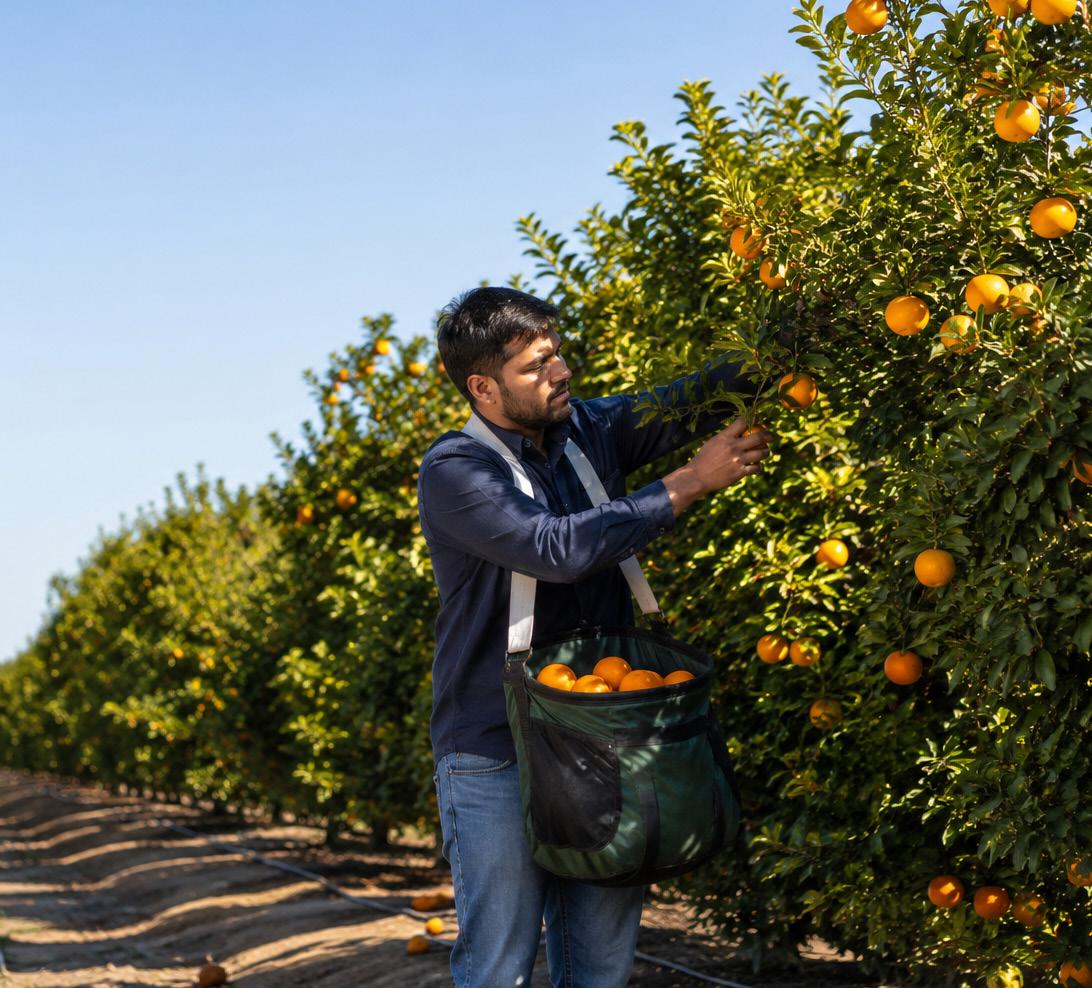
Seasonal and temporary workers, particularly in agriculture
International students and other temporary visa holders, who may face affordability barriers and uncertainty about what services they are eligible for
Established multicultural communities, who may have strong family and community networks but still face language barriers, discrimination and other access issues.
While most people who were born overseas arrived in Australia more than five years ago, some areas have higher numbers of recently arrived migrants. Recent arrival often means being less familiar with the health system and needing more support to understand and navigate health care.
1 in 5
people living in Griffith were born overseas from a non-English speaking country, which is the highest rate of all communities in our region
25,472
people born overseas live in the Murrumbidgee region (2021 estimate)
1 in 10
people living in the Murrumbidgee region were born overseas, with most of those from a non-English speaking country
6 countries make up half of all those born overseas in our region — India, England, New Zealand, Philippines, Italy and China
30.8% of people who were born overseas in a non-English speaking country arrived within the last five years
1.3% of people living in the region report speaking limited English
For full data and sources see our full report at mphn.org.au/publications/murrumbidgee-multicultural-health-needs-assessment
Edward River
Murray River
Berrigan
Federation
Greater Hume Shire
Lockhart Wagga Wagga
Snowy Valleys
Cootamundra -Gundagai Regional
Hilltops
Junee
Coolamon
Temora
Bland
Lachlan (part)
Carrathool
Hay
Murrumbidgee
Gri th
Leeton Narrandera
Health experiences of our multicultural community
“...it’s confusing. [There is] that element of language that might not translate. Different terms mean different things. They have medical, legal implications for who [can] do what, who [can] write what report. But for the [multicultural] clients, it’s confusing because it’s just a whole lot of barriers that they don’t understand.”
Bringing together data, service provider insights and community voices identified a range of challenges that multicultural communities currently face in navigating the health care system, as well as several promising examples of what’s working well.
Navigating the health system can be complex, particularly for people unfamiliar with how it works
Many community members are still developing an understanding of how the Australian health system operates, including when to see a GP, how referrals work and what services are available. This can lead to delayed care or reliance on emergency departments. Practical support to book appointments, complete paperwork and attend follow up care is not always available, meaning many people rely on informal networks for guidance.
Language and communication play a central role in enabling safe and effective care
Language is a key facilitator influencing access to health care. Interpreter services are not always consistently available or suited to community needs, and some services rely on patients to arrange their own support. Written information can also be difficult to access due to literacy levels or format, making it harder for people to fully understand their care and make informed decisions.
Culturally responsive care supports stronger engagement and better experiences
Cultural beliefs and past experiences shape how people understand and experience health care and interact with services. Where care is not well aligned to individual differences, it can affect engagement and understanding. Some community members described experiences where they did not feel fully understood or respected.
Cost and financial clarity influence decisions about seeking care
Out-of-pocket costs for appointments, medications and specialist services can be difficult for many people to manage and may delay access to care. There is also some uncertainty about what is covered by Medicare or private insurance, which can lead to unexpected costs. People on temporary visas or without full entitlements may face additional financial constraints that influence when and how they seek care.
Service availability varies across the region, with distance and transport making it harder to access to care
Access to health care differs across the region, with a wider range of services available in larger centres such as Wagga Wagga. In smaller towns, options may be more limited, with longer wait times and fewer after-hours services. Specialist care may not be available locally, requiring some people to travel to access the support they need. Public transport options can be limited and the cost and time required to travel to appointments significant. In some cases, long and complex journeys can add to the burden of managing health needs.
Coordination across services, continuity and system capacity shape how care is experienced
Health and community services are crucial to address the needs of the multicultural community but do not always operate in a well-connected or coordinated way. This makes it harder for people to move between services and understand their care pathway. Workforce pressure, reliance on key individuals and limited data on community needs can also affect how services are planned and delivered.
Multicultural networks, trusted individuals and culturally connected services are key strengths of the community
Strong community connections are a critical enabler of positive experiences of access to health care services. Trusted individuals, including GPs, community workers, leaders and volunteers, help people understand the system and connect with the care they need. Community organisations, bilingual workers and peer networks provide culturally appropriate support and are highly valued across the region.
“We work hand-in-glove. She lets me know when she has new women who’ve arrived herself, she knows screening well enough that she’s able to talk to them about screening, book them in and then accompany them and hold their hand throughout the whole process, which is extraordinary. It’s that tailored approach, from someone locally who knows the community [and what] is required.”
Identified health needs of multicultural communities
Based on the experiences described above, we identified eight health needs and service needs that highlight the main opportunities to address access barriers and improve health outcomes for multicultural communities in our region:
Language and communication support:
Clear and effective communication between multicultural communities and services, including access to interpreters, bilingual workers and information in different languages and easy-to-understand formats.
Health literacy and system navigation:
Support for people to better understand the health system, including how to access services and when and where to seek care.
Culturally responsive care:
Health care that is respectful of cultural differences and builds trust, supports continuity of care and responds to people’s broader health and wellbeing needs.
Targeted support for people with higher needs:
Additional support for people facing greater barriers, including those on temporary or uncertain visas, humanitarian entrants and others with complex needs.
Availability and affordability of local services:
Improved access to affordable local services, including after-hours care, particularly in areas where services are limited.
Community-led approaches:
Support for community-led initiatives that enable people to support their own health and wellbeing through peer networks, shared experiences and cultural knowledge.
Community engagement and partnerships:
Stronger partnerships between MPHN, health services, communities and other sectors to improve how services are designed, delivered and evaluated.
Addressing discrimination, racism and exclusion:
Efforts to reduce the impact of discrimination, racism and exclusion on the health and wellbeing of multicultural communities.
Identified priorities
Making primary health care in our region more culturally responsive and accessible will help to improve the health and wellbeing for multicultural communities, and address inequities in access and outcomes experienced by these communities
Identified priorities for MPHN to progress in future include:
Improving collection and use of data relating to ethnicity and cultural background for better insight into how well services are reaching and responding to the needs of multicultural communities
Strengthening cultural capability, language and communication among clinicians and administrative staff within health services
Improving the cultural responsiveness of primary health care services (e.g. general practices) and PHN-funded services
Increasing the health literacy of multicultural communities, particularly around health education and how to navigate the health system
Exploring opportunities for more community-led or peer led responses
Engaging with key multicultural agencies and community representatives across the region to plan and design local health services together