Multicultural
Health Needs Assessment
MURRUMBIDGEE
Acknowledgements
In the spirit of reconciliation, we acknowledge and pay respects to the traditional owners of the lands and waters of the Murrumbidgee region, the Wiradjuri, Nari Nari, Wemba Wemba, Perepa Perepa, Yorta Yorta, Ngunnawal, Ngarigo, Bangerang and Yitha Yitha Nations. We pay our deep respect to Elders past, present and future.
We also recognise the many members of multicultural communities and the individuals who support them in their work who participated in this process, the generous sharing of their insights and experiences with us will help to progress towards a more equitable health system and better health and wellbeing for people from culturally diverse backgrounds across the Murrumbidgee region.
Executive summary
In response to the growing diversity of the Murrumbidgee region and the Australian Government’s investment in primary healthcare access for multicultural communities through the Multicultural Access Program, Murrumbidgee Primary Health Network (MPHN) engaged Beacon Strategies to develop a Murrumbidgee Multicultural Health Needs Assessment (HNA) in 2025-26.
The purpose was to identify the health needs, barriers and enablers for multicultural communities to access safe, affordable and accessible primary healthcare, and to develop a set of recommendations to inform future commissioning by MPHN.
The HNA involved a structured and phased approach comprising analysis of relevant policy, evidence and population health data, engagement with 21 health and social service providers through interviews and surveys, engagement with 166 multicultural community members through focus groups, workshops, a community survey and in-service polls, and a validation workshop with MPHN staff to prioritise needs and potential solutions.

“The HNA captured insights from local data, service providers, multicultural community members and MPHN staff to identify health needs, access barriers and commissioning priorities.”
“Improving primary health care access for multicultural communities requires coordinated, culturally responsive services that reduce barriers and help people connect with the right care.”
Introduction
Rationale and context of the project
Strengthening primary health care access for culturally and linguistically diverse communities
In the 2023-24 Budget, the Australian Government invested additional funding through Primary Health Networks (PHNs) across Australia through the Multicultural Access Program to support primary healthcare access for multicultural communities. This time-limited funding could be used by PHNs to:
• commission services to support primary health care access by people from multicultural backgrounds where there are limited or no services available in the local community through addressing service gaps in the PHN region
• identify and support services for people from multicultural backgrounds where it is demonstrated that there are challenges and barriers to accessing and navigating primary care services
• promote coordination between services at a local level and support local service providers in having the skills and systems to provide effective care that integrates with a patient’s usual primary care provider.
PHNs were expected to prioritise activities that were based on community needs and service issues relating to primary health care access for multicultural communities in their respective region, as identified through a health needs assessment.
Health needs assessments in the PHN environment
Primary Health Networks (PHNs) have been established by the Australian Government to increase the efficiency and effectiveness of primary health care services, particularly for people at risk of poorer health outcomes, and improve coordination of health care.
Conducting health needs assessments (HNAs) is a core activity of PHNs to identify and understand service gaps, key issues, set regional priorities and inform PHN activities.1
The Department of Health’s PHN Needs Assessment Policy Guide2 describes a HNA as a systematic and evidence-based process involving:
• population health planning and analysis of the health needs of the PHN region
• reviewing and identifying market factors and drivers of health services in the PHN region
• analysing relevant local and national health data
• identifying service gaps or market failures
• stakeholder and community consultation and market analysis
• determining priorities for the PHN to address through commissioning.
PHNs are required to develop and periodically refresh comprehensive needs assessments, as well as undertake targeted assessments for specific population groups to ensure commissioning decisions are responsive to local contexts. In this way, HNAs enable PHNs to direct limited resources toward areas of greatest need, improve access and equity, and demonstrate accountability to the Department of Health and Aged Care for outcomes achieved through commissioning and system-shaping activities.
Assessing and responding to the health needs of multicultural communities in the Murrumbidgee region
Murrumbidgee Primary Health Network (MPHN) is one of 31 Primary Health Networks (PHNs) established across Australia to support the primary healthcare sector and improve health outcomes, particularly for people at risk of poorer health outcomes.
MPHN covers a large and diverse regional area in south-west New South Wales, spanning more than 120,000 square kilometres and encompassing a mix of regional centres, smaller towns and rural communities.
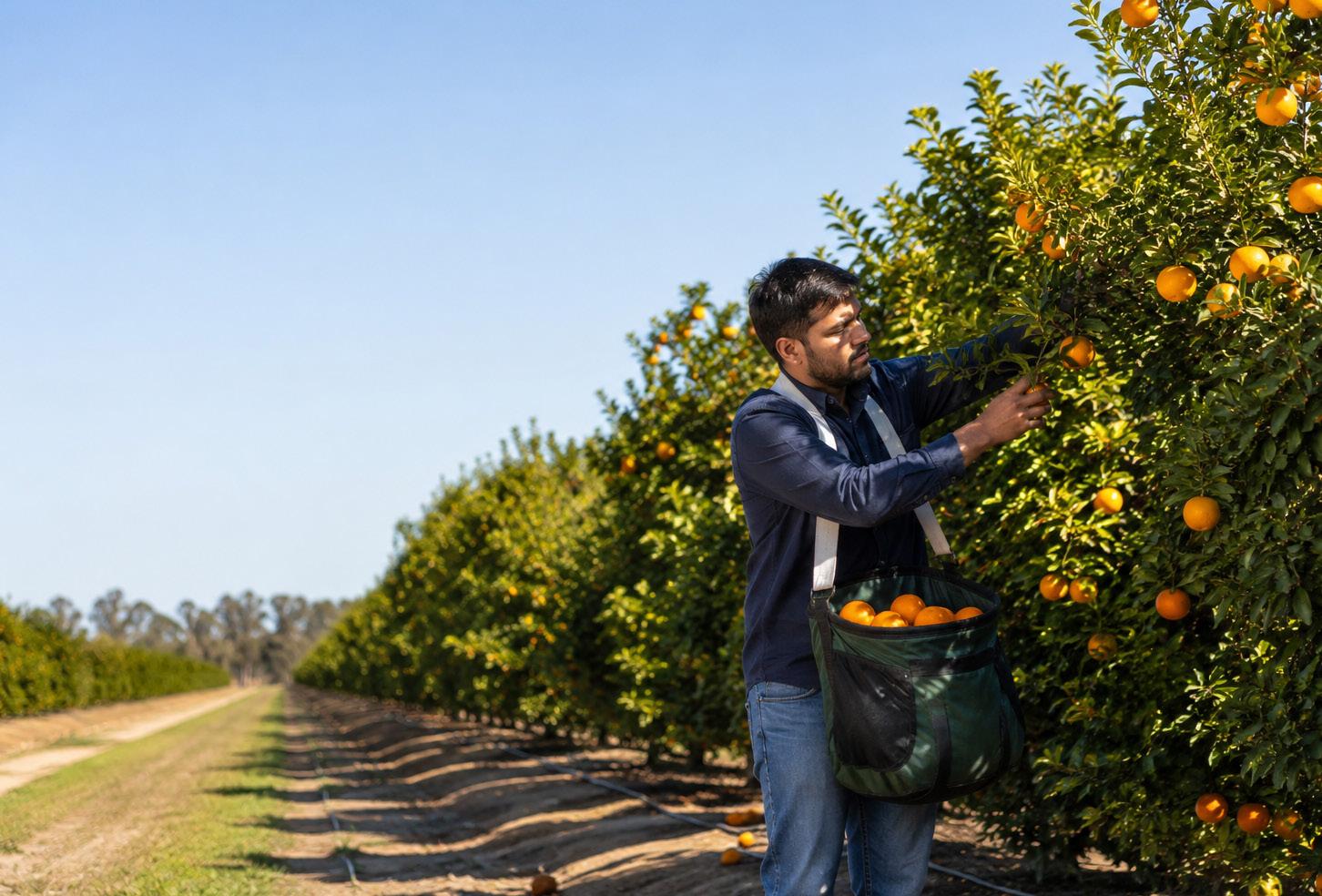
The Murrumbidgee region is home to a diverse and growing multicultural population, driven by refugee settlement, skilled migration, seasonal and agricultural labour, and international education. Almost 1 in 5 people in the region were born outside of Australia, and certain LGAs have seen considerable growth in people from culturally diverse backgrounds in recent years.
The demographics, geography and service distribution across the region create a unique context for understanding and addressing the health needs of multicultural communities, requiring tailored, place-based approaches that reflect both population diversity and local system capacity.
1 Department of Health (2025). Primary Health Network Program Logic. Available at: https://www.health.gov.au/sites/default/files/2025-03/primary-health-networks-phn-program-logic.pdf
2 PHN Program Needs Assessment Policy Guide 2021. Canberra: Australian Government Department Of Health; 2021. Available at: https://www.health.gov.au/resources/publications/primary-health-networks-phns-needs-assessment-policyguide?language=en
Purpose of the project
MPHN engaged Beacon Strategies in November 2025 to develop a Murrumbidgee Multicultural Health Needs Assessment (HNA) (‘the project’).
The purpose of the project was to identify the health needs, barriers and enablers for multicultural communities to access safe, affordable and accessible primary healthcare across the Murrumbidgee region. The project involved a structured process that aimed to achieve the following objectives:
• source, collate and analyse relevant data, evidence and insights to compile a comprehensive understanding of the current needs of and opportunities for multicultural communities within and across the Murrumbidgee region
• determine the relative priorities and possible solutions that best respond to the identified needs of the region aligned to the PHN commissioning and capacity-building context and remit
• develop a set of recommendations, supported by credible evidence and implementation guidance, that guides Murrumbidgee PHN in future activities that contribute to more accessible and appropriate primary healthcare across the region.
This report provides a comprehensive summary of the findings and recommendations of the HNA process back to MPHN to consider and inform next steps. The recommendations are expected to contribute to the following long-term outcomes:
• improved access to culturally safe primary healthcare services
• enhanced health outcomes and experiences for multicultural communities
• reduced health inequities across the region
• sustainable partnerships and workforce development initiatives

“The project provides an evidenceinformed foundation for improving culturally safe and accessible primary healthcare across the Murrumbidgee.”
Community experiences and insights
Insights from multicultural community members were gathered through focus groups and workshops (93 participants), a community survey (25 respondents) and an in-service poll (28 respondents).
Participants included members of the Yazidi, Afghan, Burmese, Nepali, Hazara, South Sudanese and other communities, with representation from both Wagga Wagga and smaller regional towns including Young. The findings below draw on all three engagement methods.

Issues and barriers
“Community
members described language and interpreter access, health system navigation, cost and bill shock, service availability, wait times, transport and experiences of racism as the most significant health issues and barriers to access.”
Language barriers and inadequate interpreter access were the most consistently raised issues across all community groups
Language and communication barriers were identified as the most significant issue across all community engagement activities. Key challenges raised included:
• difficulty booking appointments by phone in English
• no interpreter available at dental, optometry and other specialist appointments
• interpreters leaving mid-appointment, providing inaccurate translations, or being judgmental toward patients
• misidentification of language. Yazidi is not the same as Arabic or Kurdish, yet participants described being repeatedly assigned inappropriate interpreters
• services requiring patients to bring their own interpreters or rely on family members including children, creating risks around accuracy, clinical safety and privacy. This also has a negative impact on young people as they can be taken out of school to support their family’s translation needs.
One participant described having to bring their child to appointments to translate, then getting in trouble with the school for the absence showing how language barriers create compounding disadvantage.
Written communication presented additional challenges:
• many participants have low literacy in both English and their own language, making even translated materials ineffective
• the Yazidi dialect has no written form
• pictorial resources, multilingual signage and visual wayfinding are largely absent from health environments
• SMS is preferred over phone calls as text messages can be translated at home at the person’s own pace.
Many community members have limited familiarity with Australia’s health system and available services
Community members described significant gaps in understanding of how the health system works, including:
• when to see a GP versus attending an emergency department
• how to make and manage appointments
• what is covered by Medicare or insurance
• specific services including Nurse on Call, Urgent Care Clinics and My Health Record, which were largely unknown across multiple groups.
Different cultural understandings of health and help-seeking contributed to delayed presentations and inappropriate ED use, with confusion about triage and why people who arrived after them were seen first was raised across multiple groups.
Continuity of care was a significant concern:
• participants described needing to repeat their medical history with each new provider
• test and scan results were often not received or followed up.
Navigation support, help with paperwork, appointment booking and follow-up was consistently identified as a key unmet need.
Cost, bill shock and visa-related exclusions create significant financial barriers to care
Cost was among the most commonly reflected barriers. Out-of-pocket costs were described as prohibitive, with participants describing:
• waiting for surgery they cannot afford while being unable to work
• having teeth extracted to avoid more expensive dental surgery
• being unable to fill prescriptions.
Bill shock was a specific and frequently raised concern, with participants described not being told in advance what they would be charged, including a $2,500 bill following perinatal bleeding and discovering medications were not covered by PBS only at the point of purchase. Community members described needing a trusted service that could explain in advance what is and is not covered.
Visa-related exclusions from Medicare were experienced as particularly unjust, with people on 482 visas and PALM scheme arrangements describing being turned away or required to pay out of pocket for care they believed they were entitled to.
Long wait times, limited after-hours care and service shortages are consistently experienced across the region
Shortages of services were consistently identified, particularly for GP appointments, specialist care, dental services and after-hours care:
• GP wait times were described as so long that participants felt better by the time the appointment came around
• specialist wait times for gynaecology and surgery were described as exceeding one year
• participants described travelling to Sydney or Canberra for specialist care not available locally
• with no GP services available on weekends or evenings, emergency department presentations were often the only option
• survey respondents noted the particular impact of lack of after-hours options on working parents who cannot attend weekday appointments.
Griffith, Young and smaller regional towns were described as particularly under-serviced, with participants in Young described a single pharmacy open for one hour on Sundays, changing each week, and only one ambulance locally.
“Transport barriers can turn distance into a major access issue, particularly for multicultural communities outside Wagga Wagga who already have fewer local service options.”
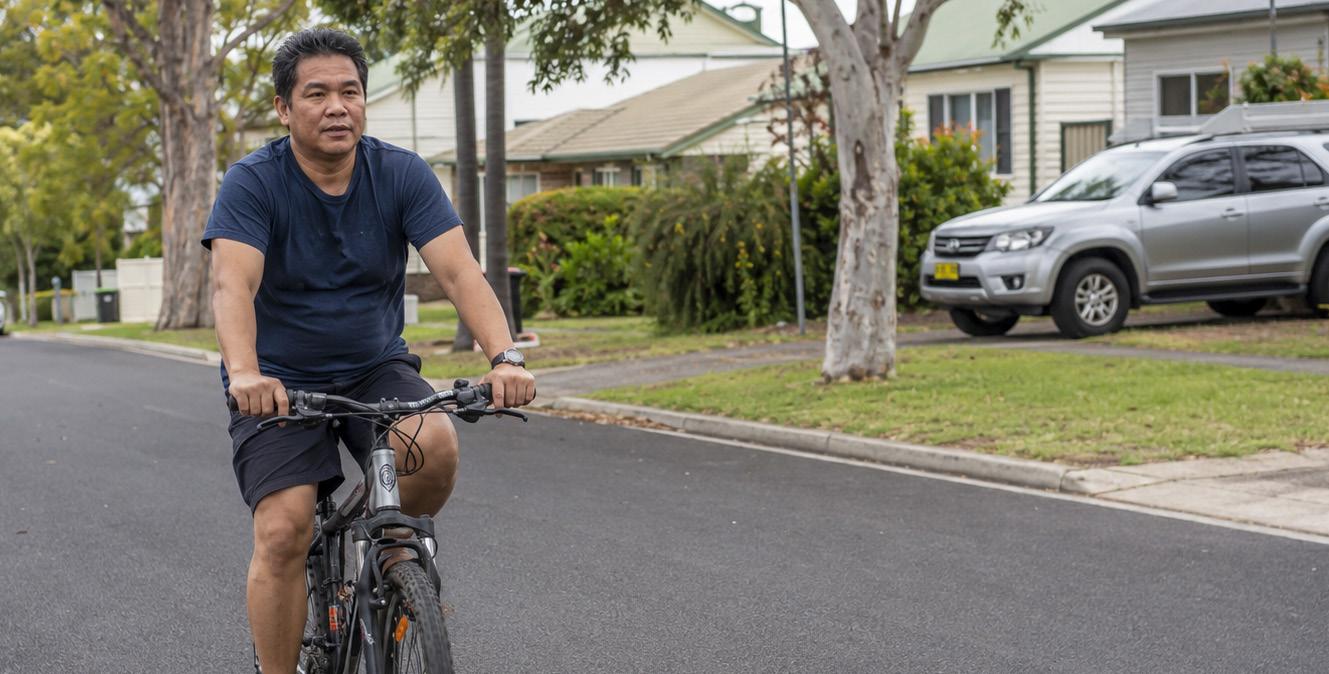
Transport barriers compound geographic disadvantage for communities outside Wagga Wagga
Transport was consistently raised as a barrier:
• public transport is infrequent and expensive
• many families cannot afford multiple cars
• state border issues present an additional barrier, with participants describing difficulties relocating from Victoria including vaccination schedules not recognised across state borders.
One participant described a 5am pickup for a 1pm appointment in Canberra, being dropped at a shopping centre that was not yet open, with a broken leg, for a 12-hour return trip, capturing the practical difficulty but potential exacerbation of health conditions in how transport arrangements are organised.
Experiences of dismissiveness and racism deter engagement with health services
Participants described experiences of dismissiveness, impatience and racism from some health providers:
• providers speaking slowly and loudly rather than adapting communication
• GPs being grumpy about accents
• feeling judged when trying to explain symptoms.
Health services calling from unknown numbers were experienced by some community members as threatening, deterring engagement.
Increased street-based racism following the Bondi attack was raised by Yazidi women participants, reflecting the broader impact of geopolitical events on the everyday experiences of multicultural communities in the region.
Despite these experiences, the majority of survey respondents felt respected by health staff always or most of the time, and several in-service poll respondents described generally positive experiences.
Enablers and strengths
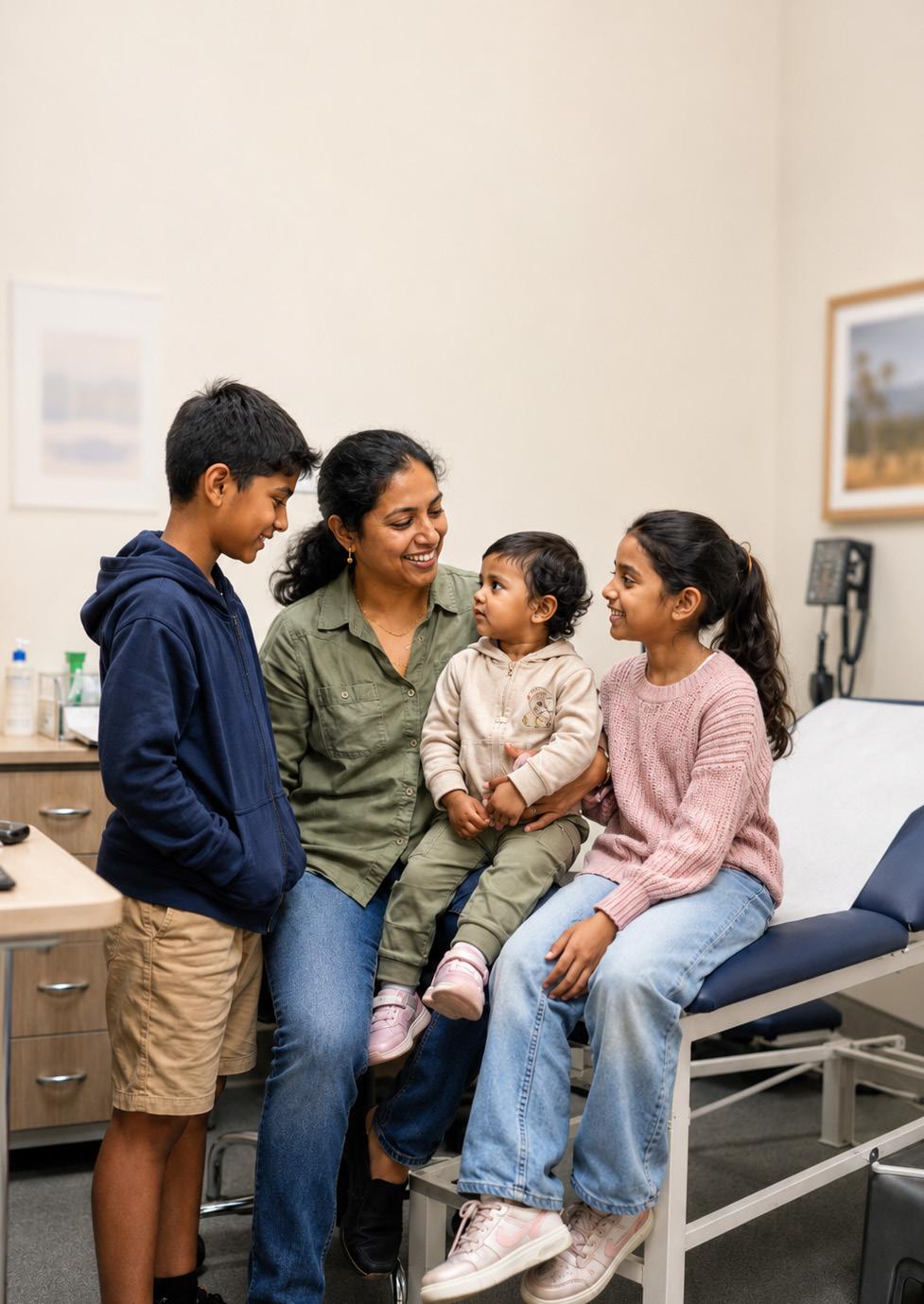
“Community members expressed genuine appreciation for services and staff that make the effort to engage. Trusted relationships, clear information, bilingual workers, community networks and accessible digital tools were consistently identified as key enablers to access and outcomes.”
Community members express genuine gratitude for services and staff that make the effort to engage
Despite the barriers described above, community members expressed genuine appreciation for the care they receive when it is accessible and responsive. The majority of community members across surveys and workshops felt respected by health staff always or most of the time, with several in-service poll respondents described generally positive experiences. Community members were particularly appreciative of:
• health staff who take the time to listen and explain
• services that make the effort to book interpreters and communicate in accessible ways
• the welcoming and warm reception many described receiving in the Murrumbidgee region compared to larger cities.
This sentiment reflects a broader finding that where services are accessible, culturally responsive and staffed by people who care, community members report positive and valued experiences.
Community networks, trusted individuals and clear information are the most powerful enablers of access
Community members were clear about what makes a difference:
• clear information in plain language and in their own language through trusted channels was consistently identified as making a significant difference
• family, friends and community leaders were consistently identified as critical sources of support and navigation
• bilingual workers and health workers who understand their culture were highly valued
• online booking was raised as a positive and accessible tool, with many preferring digital ways to engage
• community organisations including the Multicultural Council of Wagga Wagga and the Refugee Health Clinic, as well as trusted GPs and individual staff members, were described as transformative
The role of Little Wings in supporting a family to attend repeated specialist appointments at Westmead Children’s Hospital was cited as an example of the kind of practical, sustained support that makes a real difference.
Community members reflected that proactive outreach, responsive communication and sustained community presence made it easier to engage with services and feel safe doing so.
Stakeholder insights
The findings presented in this section are drawn from interviews and survey responses with 21 health and social service providers across the Murrumbidgee region. The sub-sections below explore findings in relation to:
• types of multicultural communities in the region and the service landscape
• identified health issues and barriers
• enablers and strengths that improve access and health outcomes.
Multicultural communities and the service landscape
“Stakeholders described a diverse multicultural population arriving through several distinct pathways including refugees, skilled migrants, seasonal workers, international students and established community members. Visa status, length of time in the region and access to settlement support shapes the level of need and connection to care.”
Multicultural communities vary by length of time in the region, visa status and language and cultural background
Stakeholders described the Murrumbidgee as an agricultural and settlement region that attracts a diverse multicultural population through several distinct pathways. Below is a summary of the different groups stakeholders described:
Refugees
Refugees were a key group identified and typically welcomed through Red Cross and connected to settlement support services such as Multicultural Council of Wagga Wagga. This group was described as often arriving with:
• complex health needs linked to trauma
• displacement and interrupted care
• limited health literacy and sometimes general literacy
• limited financial resources.
The Yazidi community was specifically highlighted as a group with significant need where many members have experienced extreme trauma and have a very different conceptual framework for health, with only one word in Yazidi for “doctor” and no equivalent terms for psychologist or social worker. Stakeholders noted that while some members of the Yazidi community were managing well, many were in need of additional support.
Skilled migrants
Skilled migrants may arrive through employer-sponsored schemes and specific visa pathways, supported by organisations such as RDA Riverina and Centacare’s Settlement, Engagement and Transition Support (SETS) program in Griffith. Other skilled migrants move to the region independently for work or to join existing language-speaking communities, and may or may not be connected to settlement support depending on their visa status and awareness of available services. This group was generally seen as less vulnerable by stakeholders due to more consistent employment and stable residency, however some flagged that as there are comparatively less services focused on skilled migrants they may miss out on support that others may receive.
Unskilled and internal migrants
Another cohort was described as people who move to the region to join friends and family who are settled and employed in the region or to join established language-speaking communities. Stakeholders reflected that there are limited data or systems that capture this group’s presence in the Murrumbidgee or to support them to access services. Stakeholders reflected that family members of those working in the region can face additional barriers to accessing healthcare, particularly if they don’t work and face risk of isolation due to language and transport barriers.
Seasonal and PALM scheme workers
PALM scheme workers are seen as one of the most vulnerable groups in the region. Key features of this cohort include:
• predominantly from Pacific Islander communities, working in agricultural settings
• limited financial resources and extremely limited access to Medicare and entitlements, with insurance limited to work-related matters only
• poorly regulated and often isolated, with high-risk health needs including infectious diseases and high-risk pregnancies
• orientation to the health system is nominally the responsibility of employers or government schemes but was described as quick, inconsistent and largely unpredictable
• many do not feel safe to engage with healthcare for fear of needing to pay too much or losing their employment
• many disengaging due to poor working conditions, further deterring interaction with the health system, with one stakeholder estimating over 1,000 disengaged seasonal workers with no support and no access to healthcare.
Private companies also bring in seasonal workers from other countries under similar working conditions. Backpackers on temporary visas were another cohort mentioned as a seasonal worker, coming to the region for short-term or casual work with limited engagement with the healthcare system due to lack of awareness and affordability barriers.
International students
International students were raised as another vulnerable group that face barriers including:
• language difficulties and social isolation
• family pressure to academically succeed and stay engaged in university
• limited Medicare access and affordability barriers where universities provide some orientation and insurance support but to ensure meaningful access and engagement.
Established multicultural communities
Stakeholders described established communities as those who have been in the region for multiple years. Generally, those who have been here longer have:
• permanent visas that enable access to Medicare and entitlements
• stronger support networks through family and kin networks, friends and memberships to cultural groups and associations, which can afford higher health literacy.
Stakeholders noted that people from the same language and cultural background tend to gravitate towards each other, forming community groups and associations that provide mutual support. Specific cultural communities mentioned by stakeholders across the region included Yazidi, Afghan/ Hazara, Burmese, South Sudanese, Filipino, Chinese/Mandarin speaking, Indian, Italian, Pacific Islander, Palestinian/Middle Eastern, Tibetan, Lebanese, Iraqi, Kurdish, Bhutanese, Taiwanese/East Asian, Iranian/Persian, Egyptian/Coptic Christian and Armenian communities, among others.
Service landscape spans health, social and community organisations and is mainly concentrated in Wagga Wagga
Wagga Wagga was consistently described as the regional centre with the broadest range of services, while Griffith, Leeton, Young and smaller towns have considerably fewer options. Griffith in particular was described as having very limited services relative to the size and diversity of its multicultural population, with decisions about services and funding seen as being made predominantly in Wagga Wagga.
The service landscape was described as including a wide range of organisations across health, social services, community, government and industry, including GPs, MLHD services including allied health professionals, community mental health, multicultural councils, cultural agencies, cultural associations, local councils, libraries, universities and agricultural and other employers. While many play important roles both formally and informally, stakeholders noted that coordination between them is inconsistent and community members often need to navigate multiple services without clear guidance or support.

“Service access is uneven across the region, with multicultural communities often navigating a fragmented system centred around Wagga Wagga.”
Health issues and barriers

“Stakeholders described health literacy, language and communication, cultural responsiveness, service availability and affordability, transport and systemic pressures around workforce and data collection as major issues facing multicultural communities in the Murrumbidgee.”
Health literacy and system navigation are influenced by pathway into Australia and different cultural understandings of healthcare
Getting connected to appropriate healthcare was identified as a key challenge for multicultural communities, with different groups facing distinct experiences depending on how they arrived in the region and their awareness of available services. Those who arrive through informal channels, or who become disengaged after initial settlement support, often miss out on orientation entirely and are left to navigate the system independently.
Stakeholders described a range of common ways community members first connect with healthcare:
• GPs were described as the most common first point of contact when something is wrong
• emergency department presentations were also identified as very common, which stakeholders noted may reflect cultural familiarity with presenting to a hospital rather than the Australian model of GP-led preventative care
• community organisations, cultural associations, libraries, neighbourhood houses and multicultural centres often act as a trusted informal first step before formal health engagement
• other entry points include Medicare Mental Health Centres, phone lines, council programs and community outreach and events.
Low health literacy was identified across all community groups, with particular impact on newly arrived communities who have had no prior experience with Australia’s health system. Stakeholders reflect that community members had challenges around understanding general perceptions of health, wellbeing and help-seeking, including the concept that one should only present when something is seriously wrong, contribute to delayed presentations.
Navigation support was identified as a critical gap, with many community members needing practical assistance with referrals paperwork, appointment booking, understanding the steps involved in accessing care and following up on referrals.
Language and communication most significant issue and barrier identified to accessing and engaging in healthcare
Language was identified as the single most significant barrier to healthcare access across stakeholder interviews. The Translating and Interpreting Service (TIS) was frequently cited as inadequate due to:
• poor availability and connectivity issues
• limited coverage of certain dialects including Yazidi/Kurmanji and Filipino dialects
• interpreters sometimes leaving mid-appointment when patients arrive late.
Many services were described as not accessing interpreters correctly, and some specialists were reported to require patients to bring their own interpreters, a practice multiple stakeholders associate with privacy, accuracy and clinical safety risks and placing unfair burden on patients and their family.
Written communication also presents a challenge. Stakeholders mentioned that multicultural community members with low literacy in English and their own language were particularly hard to reach, for example those that can’t read and write. Additionally, Yazidi dialect has no written form, and Kurdish Kurmanji is rarely read by community members, making even translated written materials ineffective. Stakeholders described a lack of pictorial resources, multilingual signage and visual wayfinding in health service environments as a consistent gap.
Cultural responsiveness is a key determinant in how people seek help and engage in treatments
Stakeholders described a health system that frequently fails to account for cultural difference in how care is delivered. Cultural beliefs and expectations influence:
• how people understand health and when they seek care
• how they describe symptoms and what treatment options they consider.
Stakeholders reflected that while there are efforts to integrate cultural responsiveness, there is a need to deliver this more consistently, including improving:
• triaging and clinical processes to incorporate a multicultural lens, as presentations are sometimes missed or misunderstood
• offering gender preference options, recognising that in some cultural contexts women/men will only see same gender doctors, and ensuring male interpreters are not used in sensitive situations such as domestic violence disclosures
• accounting for kin dynamics and how community confidentiality concerns shape help-seeking behaviour within tight-knit communities
• trauma-informed practice that supports the pervasive experience of trauma, accounts for symptoms that are difficult to diagnose, and addresses reluctance to seek help and lack of language to describe psychological distress
• understanding and responding to concern amongst people on unstable or temporary visas that seeking healthcare could jeopardise their residency status and deter help-seeking.
Discrimination was raised as a barrier both for community members accessing services and for culturally diverse staff working within them. One stakeholder noted that if they did not feel safe as a worker of colour, they could not promise other people they were safe. Below-the-line comments from management were also cited as a concern.
Service availability, affordability and capacity gaps described as key issues that can disproportionately impact multicultural communities
Stakeholders consistently described shortages of services across the region, particularly in Griffith, Young, Leeton and smaller rural towns. One stakeholder reflected that health services and particularly specialist services in general in rural areas is lacking let alone for someone who doesn’t speak English and has limited financial resources.
Affordability was a major barrier across multiple cohorts. Very few specialists in the region bulk bill, and out-of-pocket costs for specialist appointments, dental care, allied health and medications were described as prohibitive. Hidden costs associated with Medicare, including what people are expected to pay and when, were also identified as a source of confusion and deterrence. Medicare access gaps were particularly acute for PALM scheme workers, people seeking asylum, international students and others on temporary visas.
Specific service gaps identified by stakeholders included:
• psychiatric and complex mental health support beyond what STAARTS counselling can provide for people with trauma histories requiring medication and more intensive intervention
• gynaecological, women’s health and perinatal mental health services, with pregnant women including those presenting with infectious diseases identified as a particularly vulnerable group
• outpatient dietitian services
• bilingual workers and peer workers across the service system particularly in navigator roles and GPs who speak community languages
• a multicultural centre or community hub in Griffith
• expanded refugee health clinic capacity
• legal support for people navigating visa and entitlement issues
• mobile services and outreach vans to reach geographically isolated communities
• women’s support services for isolated women with limited English
• men’s health services and sexual health awareness and services particularly for PALM scheme workers and newly arrived communities
• more robust case-work support for people after initial settlement and orientation
• social prescribing approaches to connect people with non-clinical community supports.
Transport a major barrier with insufficient efforts to build capacity to reach services
Transport was identified as a major barrier, particularly for communities outside Wagga Wagga. Public transport is infrequent and expensive, many families cannot afford multiple cars, and the geographic spread of the region means that people in smaller towns are often hours away from specialist services.
Practical support and outreach transport were raised a solution, with one stakeholder noting the need to teach community members how to drive, budget for a car and catch a bus as a precondition for accessing health services.
Workforce pressures, data and coordination described as systematic barriers that impact multicultural communities
Staff with language skills or cultural knowledge become overloaded and are often the informal point of contact for communities well beyond their formal role. One stakeholder described a senior clinician who accrued 256 days of time in lieu. When culturally capable staff leave, there are rarely replacements, and succession planning was raised by multiple stakeholders as an area of concern. The loss of key individuals, particularly those with language skills, cultural knowledge or established community relationships, can significantly disrupt service continuity and community trust.
Poor data collection of language, cultural background and health needs was also identified as a systemic barrier to both individual care and service planning, with stakeholders mentioning:
• census data is relied upon but has limitations as country of birth and language spoken at home provide only a partial picture of cultural background, and fear of government affects census participation
• lack of understanding around groups and population sizes leads to poor service planning,
• inconsistent data entry across medical software systems limits the ability to identify and target hard-to-reach community members, particularly for GPs
• limited evidence on what health interventions work, and services rely on case studies and frontline reports rather than robust data
• lack of data sharing creates barriers to cross-referral and collaboration between services, with many organisations working in relative isolation and limited shared awareness of what other services are available and for whom which negatively impacts patient journey and coordination.
Enablers and strengths
“Stakeholders described trusted individuals and relationships, bilingual and multicultural workers, community networks and culturally responsive approaches as key strengths and enablers to better health outcomes for multicultural communities.”
Trusted individuals and relationships are the most powerful enabler of healthcare access for multicultural communities
Trusted individuals were consistently identified as the most important enabler of access. Examples cited by stakeholders included:
• specific GPs known for going beyond the standard consultation to explain systems, follow up and accommodate different communication needs and described as transformative for their patients
• a librarian who accompanies community members to medical appointments and books services on their behalf due to her Arabic language skills, cited as an example of the difference a single trusted individual can make.
Stakeholders noted that building and sustaining these relationships takes time and consistent effort, and that the loss of key individuals has a disproportionate impact on communities.
Bilingual and multicultural workers make a positive difference even outside formal clinical roles
Bilingual and multicultural workers were described as critical to enabling access, building trust and supporting navigation even where they do not hold formal clinical roles:
• workers who share a language or cultural background with community members were seen as essential to connecting people with care
• demand for these workers far exceeds current supply
• their informal interpreting and navigation roles often go well beyond their job descriptions.
Stakeholders saw significant opportunity to formalise and expand these roles across the region.
Community organisations and community-led networks are key enablers of health and wellbeing
Community organisations including Multicultural Council of Wagga Wagga, the Refugee Health Clinic, Red Cross and various cultural associations were recognised as vital connectors between communities and the formal health system:
• volunteers within these organisations were seen as particularly valuable
• these organisations are often doing significant work with limited resourcing
• cross-sector collaboration between these organisations and health services was identified as a key enabler where it exists
• stakeholders called for more structured and sustained partnership arrangements to build on what is already working.
Community hubs, social groups and peer networks, including women’s groups, multicultural connection groups, informal WhatsApp groups and community events, were also identified as creating spaces where community members feel safe, supported and informed:
• these community-led responses complement formal health services in ways that formal services alone cannot replicate
• stakeholders identified significant potential to resource and formalise these approaches.
Stakeholders also mentioned the importance of connecting health initiatives with entities like schools, businesses and industry partners as a way to reach more people and have a more sustained impact.
Identified health and service needs
Several themes emerged consistently from desktop analysis, population health data, stakeholder interviews and community engagement, leading to the identification of eight key health and service needs. Below is a summary of the eight needs, presented with their key issues and potential solutions.
Table 1: Identified health and service needs
Need Description Issues
1. Increase language and communication support Effective communication between multicultural communities and local services, particularly through interpreting services, bilingual workers and translated resources.
• Language barriers impacting service provision and health outcomes
• TIS interpreter limitations including availability, usability and quality
• Reliance on family members as informal interpreters
• Burden on bilingual staff
• Lack of translated resources, signage and wayfinding
• Poor data collection of language and cultural needs
Potential solutions
• Increase targeted engagement with community groups and settlement support services
• Establish multicultural health liaison workers and community resource centres
• Implement quality improvement approaches to embed health literacy
• Improve workforce awareness of available services and referral pathways
• Ensure systematic recording of preferred language, interpreter requirements and cultural needs
• Improve availability and quality of interpreting and translating services
2. Strengthen health literacy Improved health literacy of multicultural communities to support navigation of the health system, awareness of available services, and when and how to seek care.
• Limited awareness of available services and how and why to access them
• Different cultural concepts around health and help-seeking
• Orientation to health system dependent on settlement experience
• Inappropriate ED presentations
• Limited awareness of specific health services
• Low digital literacy
• Increase targeted engagement with community groups and settlement support services
• Establish multicultural health liaison workers and community resource centres
• Implement quality improvement approaches to embed health literacy
• Improve workforce awareness of available services and referral pathways
3. Consistent culturally responsive care
4. Targeted supports for people with higher levels of vulnerability
Culturally responsive primary healthcare services that build trust and safety, promote continuity of care, address individuals’ holistic health and wellbeing needs.
• Mistrust and fear deterring access
• Time required for trust and relationship building
• Gender preferences, kin dynamics and cultural nuances not considered
• Mainstream patientcentred model not aligned with all cultures
• Poor data collection of cultural needs
• Provide cultural capability training for clinical and administrative staff
• Support quality improvement to enhance patient journey
• Improve data collection practices
• Support providers to improve service information
• Ensure culturally responsive commissioning
• Develop cultural diversity of primary healthcare workforce
5. Availability and affordability of local services, especially in the ‘after hours’
Additional and targeted support beyond mainstream services for people experiencing higher levels of vulnerability, including people on temporary or unstable visas and people on humanitarian visas with complex pre-settlement experiences.
• PALM scheme and seasonal workers facing access barriers
• People seeking asylum ineligible for many services
• Backpackers and international students avoiding the health system
• Service eligibility gaps for temporary visa holders
• Complex trauma among humanitarian entrants
• Compounding health needs post-arrival
Increased availability and affordability of primary health services to address wider system issues across the Murrumbidgee region that disproportionately impact multicultural communities.
• Shortages of GPs, specialists, dental and bilingual staff
• Uneven geographic distribution of services Transport barriers for isolated communities
• Financial barriers and unclear payment information
• Limited after-hours services
• Lower utilisation of PHN-funded services by multicultural communities
• Ensure local refugee health services align with evidence-based models
• Develop clear pathways for people requiring complex support
• Increase awareness of service eligibility for temporary visa holders
• Advocate for resources for seasonal and vulnerable visa arrangements
• Improve data collection on vulnerable population access
• Improve data collection to determine funding based on system gaps
• Commission mobile clinics, outreach and transport assistance
• Explore funding models to increase availability and affordability
• Establish service coordinator and navigation roles
• Support health services to communicate fees clearly
6. Communityled responses Strengthen community led approaches that enable multicultural communities to support their own wellbeing, including peer support and trusted networks that share lived experience, cultural knowledge and mutual support.
7. Community engagement and partnerships Strengthened partnerships and engagement between MPHN, health services, multicultural communities and other sectors to improve reach, codesign, governance and evaluation of health services.
• Cultural associations under-resourced despite significant role
• Peer workers identified as a key unmet need
• Strong informal networks not formally supported
• Community-led responses not systematically resourced
• Social isolation limiting access to informal support
• Health services not proactively reaching multicultural communities
• Limited coordination between services and volunteers
• Multicultural communities want genuine involvement in decisions
• Employer and crosssector networks underutilised
• Known gaps in population health data for multicultural communities
• Build community capacity and develop model for formalising community roles
• Partner with and resource cultural associations
• Support and sustain existing community-led responses
• Pilot a place-based community-led approach
• Establish community engagement and governance mechanisms
• Support multi-industry collaboration networks
• Create opportunities for health professionals to engage with community groups
• Close the loop with communities and maintain ongoing engagement
8. Address discrimination, racism & exclusion Prevention of adverse impacts on the health and wellbeing of multicultural communities through wholeof-community and systemic interventions that address discrimination, racism and exclusion.
• Discrimination experienced in service settings
• Frustration and dismissiveness from service providers
• Racism reluctantly cited as barrier to health and wellbeing
• Systemic and institutional racism creating inequities
• Increased experiences of racism and community tension linked to geopolitical events and uncertainty
• Support primary prevention approaches including connection and cohesion initiatives
• Strengthen antidiscrimination and antiracism frameworks in health services
• Uplift cultural capability within healthcare services and systems
• Contribute to research on cumulative effects of racism
“Improving cultural responsiveness in primary health care is core PHN business, requiring systemwide action across commissioning, partnerships, language access, workforce capability, data and service coordination.”
Recommendations
PHNs play an important role in improving cultural responsiveness of primary health care services for multicultural communities
PHNs were established with health equity embedded in one of their two overarching objectives — to improve the efficiency and effectiveness of primary health care services, particularly for populations at risk of poor health outcomes. In recent years, working towards this objective has increasingly focused on multicultural communities as a priority population for all PHNs.
The most relevant strategic document for PHNs in this context is the PHN Multicultural Health Framework. It positions culturally responsive health care as requiring system-wide action by PHNs, and outlines provides clear expectations for PHNs through:
• embedding cultural responsiveness across commissioning and system design
• meaningful partnership with multicultural communities
• improving access through language and communication support, particularly effective use of interpreters, translated and accessible information, and supportive communication across languages and literacy levels
• building cultural capability of the health workforce
• strengthening data, evidence and accountability
• system coordination and integration.
There are six recommendations presented below, these have been developed through validation of the needs and potential solutions that emerged through the HNA process, as well as consideration of the wider context, PHN remit and implementation feasibility.
The recommendations include establishing and/or commissioning of new activities that will likely require additional resourcing, as well as opportunities to improve existing activities to better respond to the needs identified through the process. Recommendations include:
1 Develop guidance and support primary care services and commissioned providers to improve collection and use of data relating to ethnicity/cultural background
2 Plan and undertake workforce development activities for clinicians and administrative staff to strengthen cultural capability, particularly around language/communication
3 Plan and undertake quality improvement activities for commissioned services and primary care services to strengthen cultural responsiveness
4 Partner with (or commission) multicultural agencies to develop a health literacy program of activities focused on navigating the health system, ideally in collaboration with MLHD
5 Explore opportunities to co-design community-led /peer-led responses to improving health and wellbeing of multicultural communities, with focus on formalising/supporting existing work of communities
6 Ensure engagement and participation of key multicultural agencies and community representatives across PHN and wider system governance and networks

“Six recommendations identify practical opportunities to strengthen existing activities and guide future investment in multicultural health access.”
Recommendation 1: Develop guidance and support primary care services and commissioned providers to improve collection and use of data relating to ethnicity/cultural background
Potential actions:
• engage with providers to build understanding of current data collection arrangements, identify gaps and scope requirements
• develop clear and consistent guidance on what cultural and language data to collect, including country of birth, language spoken at home, English proficiency, interpreter requirements and gender preference for provider
• develop materials to support providers to collect data sensitively and consistently across different medical software systems
• support GPs to use language and cultural data to identify hard-to-reach groups and recall patients who may be overdue for care
• build internal processes for routine analysis of reach and health trends across multicultural communities, including by language group and LGA
• integrate insights into commissioning, contract management and quality improvement discussions
• triangulate routine data with community feedback, service evaluation and needs assessments to build a more complete picture over time and strengthen evaluation of whether activities are reaching the communities they are designed to serve.
Recommendation 2: Plan and undertake workforce development activities for clinicians and administrative staff to strengthen cultural capability, particularly around language/communication
Potential actions:
• identify core capability areas needed within the local service system, particularly around cultural safety, trauma-informed practice, interpreter use, gender and kin dynamics, and working with communities with low English proficiency
• undertake a scan of existing workforce development activities and/or resources that can be leveraged, particularly those developed through credible national multicultural health agencies
• provide cultural capability training for clinical and administrative staff, with a focus on key language groups, cultural needs and building trust over time
• develop practical guidance and resources to support staff to communicate effectively with multicultural patients, including how to engage patients, provide written information for patients to take home and share with family, and support booking and wayfinding in multiple languages
• provide training and guidance on correct and consistent use of the Translating and Interpreting Service, including setting clear expectations for commissioned providers
• support workforce planning and development activities that increase the cultural diversity of the primary healthcare workforce over time, including attraction and retention of bilingual health professionals and development of multicultural liaison and navigator roles
• explore low-cost knowledge sharing mechanisms such as communities of practice and peer learning between services to build capability sustainably over time
• explore opportunities for on-demand advice and support for providers working with multicultural patients with complex needs
• consider alignment with Royal Australian College of General Practitioners quality standards around cultural safety as a framework to guide quality improvement activities in general practice.
Recommendation 3: Plan and undertake quality improvement activities for commissioned services and primary care services to strengthen cultural responsiveness
Potential actions:
• develop and/or adopt a documented ‘model’ of quality improvement for multicultural health in primary care services — this should outline relevant guidance and tools for primary care services to understand cultural safety as a quality issue and embed cultural responsiveness in dayto-day practice — ideally this should take a ‘patient journey’ approach that seeks to improve interactions and processes right across the journey, including:
• referral pathways and coordination with multicultural groups and settlement services
• service eligibility for individuals on temporary visas
• booking and administrative processes
• clinical consultations
• holistic assessment, care planning and continuity of care
• family and carer inclusive support
• follow-up, particularly provision of written information, recall and reminders
• data collection and information management
• undertake targeted quality improvement activities with primary care and PHN-commissioned services using the ‘toolkit’ as a reference and offering information/coaching/advice as required
• support providers to improve the accessibility and cultural appropriateness of service information and environments, including translated materials, visual and multilingual resources, wayfinding and building on existing examples from other PHNs such as South Western Sydney PHN3
• explore opportunities to recognise and build on examples of proactive and culturally sensitive approaches already in place across the region, including outreach models and culturallyspecific engagement approaches
• ensure culturally responsive practice is reflected in commissioning specifications and contract management expectations for commissioned providers
• consider how continuity of care for multicultural patients can be better supported, including through improved records transfer, follow-up processes and care planning.
3 Multilingual children: language development and when to refer guide: https://swsphn.com.au/news/multilingual-languagedevelopment-in-children-for-early-support/
Recommendation
4: Partner with (or commission) multicultural agencies to develop a health literacy program of activities focused on navigating the health system, ideally in collaboration with MLHD
Potential actions:
• identify and partner with or commission multicultural community agencies with existing relationships and cultural knowledge to lead the design and delivery of health literacy activities
• work with partner agencies and MLHD to develop program content focused on navigating the health system, including how to access GPs, specialists, after-hours care, Medicare entitlements and available local services
• ensure program content and materials are available in relevant community languages and in accessible formats, including visual and digital options
• explore opportunities to deliver activities through trusted community settings including multicultural councils, cultural associations, libraries and community hubs
• collaborate with MLHD to ensure alignment and avoid duplication across primary and secondary care health literacy activities
• establish mechanisms to evaluate reach and impact and refine the program over time based on community feedback.
Recommendation
5: Explore opportunities to co-design community-led /peer-led responses to improving health and wellbeing of multicultural communities, with focus on formalising/supporting existing work of communities
Potential actions:
• build community capacity by providing training and support to community leaders and members to take on formalised roles in community-driven responses, including peer support, interpreting, health literacy and navigation, and develop a clear model and pathway for formalising these roles within the health system
• partner with and resource cultural associations and community organisations to develop and deliver programs, building on existing models such as peer support programs — for example the Yazidi Peer Support program currently being delivered through STAARTS as part of a suicide prevention activity
• support upskilling of community members as translators and cultural liaisons to complement formal interpreter services
• support and sustain existing community-led responses by providing resourcing, system knowledge and advice to formalise locally-driven approaches that are already working
• pilot a place-based community-led approach in one area of the region to test and learn before scaling — with a focus on where multicultural population is high and service gaps are greatest, such as Griffith
• explore how a place-based approach can be applied more broadly across PHN work to achieve deeper impact in specific communities over time.
Recommendation 6: Ensure engagement and participation of key multicultural agencies and community representatives across PHN and wider system governance and networks
Potential actions:
• establish effective community engagement and governance mechanisms that ensure meaningful representation of multicultural community leaders and workers in advisory, codesign and commissioning processes
• support multi-industry collaboration networks and events across health, industry, schools and social services that enable holistic partnerships, including supporting employers to connect new arrivals to services and multicultural networks
• create opportunities for health professionals to engage meaningfully with multicultural community groups including religious groups, schools, community associations, libraries and support groups
• close the loop with communities and stakeholders who participated in this needs assessment process and maintain ongoing engagement to build genuine and sustained partnerships over time
• ensure place-based representation in decision-making, recognising that decisions about services and funding are predominantly made in Wagga Wagga and that communities in Griffith and other areas should have genuine input into planning and investment that affects them.
“Sustained, place-based engagement is needed to ensure multicultural communities help shape the services, partnerships and funding decisions that affect them.”
Appendix A: Evidence base and policy environment
This section provides a foundation for understanding the broader context of multicultural health equity, the national and state policy landscape, and what culturally responsive and equitable healthcare looks like by drawing on published evidence, policy documents and a scan of activities being delivered by other PHNs.
Multicultural communities are a priority population for progress towards health equity
Australia enjoys a rich cultural diversity, with approximately 28% of people born overseas and 23% speaking a language other than English at home. This diversity brings strengths, but it also presents significant challenges in achieving health equity.
People from multicultural backgrounds often face language barriers, lower health literacy, and difficulties navigating an unfamiliar health system, which put them at higher risk of receiving poorer quality care and experiencing worse health outcomes than other Australians.4
Some multicultural communities have a higher prevalence of chronic conditions (for example, higher rates of diabetes and cardiovascular disease in certain migrant groups) and lower utilisation of health services.
These patterns underscore why multicultural communities are widely recognised as a priority population for health equity efforts in Australia — where health equity can be defined as ensuring everyone has a fair and just opportunity to attain their full health potential. This comes from addressing avoidable and systematic differences in health service access and health outcomes that are observed within and across populations.5
Common inequities and barriers experienced by multicultural communities relate to language, health literacy and accessibility
A scan of the formal evidence base relating to the health of multicultural communities in Australia consistently identifies a set of factors that contribute to health inequities and unmet health needs for these communities, including: 6 7
• Language and communication barriers: Limited English proficiency makes it difficult to engage with services, understand health information, and be active in decision-making. Inadequate access to professional interpreters and translated materials exacerbates this issue.
• Lower health literacy: Knowledge gaps about health issues, services, and patients’ rights are more common when people come from different health systems or have limited education, impacting their ability to navigate care.
4 Australian Institute of Health and Welfare (AIHW). Culturally and linguistically diverse Australians. Available at: https://www.aihw.gov.au/reports-data/population-groups/cald-australians/overview
5 Haigh, F., El-Haddad, N., Barr, M., Jopson, W. (2025). Health Equity Frameworks in Australia: A Scoping Review. Sydney, UNSW
6 Khatri, R.B., Assefa, Y. Access to health services among culturally and linguistically diverse populations in the Australian universal health care system: issues and challenges. BMC Public Health 22, 880 (2022). https://doi.org/10.1186/s12889-022-13256-z
7 World Wellness Group (2024). Factsheet: Multicultural population health needs – what do we know? Available at: https://worldwellnessgroup.org.au/wp-content/uploads/2024/06/multicultural-health-needs-factsheet.pdf
• Difficulties navigating the health system: Unfamiliarity with how to access primary care, specialist services, or preventive health programs leads to delayed care and under-utilisation of services. Complex referral processes and a lack of culturally appropriate service information can deter timely care-seeking.
• Social and economic challenges: Recently arrived migrants and refugees may face unemployment or financial hardship, unstable housing, and limited transport options, which in turn hinder their access to healthcare. Social isolation (especially for women at home or older migrants) further limits awareness of services and support.
• Cultural barriers and trust: Experiences of stigma, racism or discrimination within healthcare settings can discourage communities from seeking care. Cultural differences in health beliefs and a lack of culturally safe practices or multicultural staff can lead to miscommunication and lower quality care. Many refugees also carry the legacy of trauma and torture, affecting their mental health and how they interact with services.
• Visa and eligibility issues: Certain migrant groups (e.g. asylum seekers, temporary visa holders and seasonal workers) have restricted access to Medicare or fear jeopardising visa status by using services, resulting in unmet health needs.
A specific subset of the multicultural population is people from a refugee background, who often have unique and complex experiences of displacement, trauma and settlement that contributes to increased risk of a range of adverse health outcomes, such as: 8
• psychological disorders
• physical injury and/or disability resulting from torture or conflict
• infectious diseases
• under-immunisation
• inadequate nutrition
• undiagnosed or poorly managed chronic conditions
• poor dental health
• growth and development issues in children.
These factors often intersect. For example, a newly arrived refugee with limited English, low health literacy, and trauma experiences faces multiple concurrent barriers.
The outcome of these unmet needs can often be seen in data, such as how people use and experience services, and when and how they present to the health system. However, there are also gaps in knowledge about the health needs of multicultural communities, which arise from differences in how people view their health and access health services, as well as variability in how cultural identity and status is recorded in health service interactions.
8 Urbis (2019). Review of the NSW Refugee Health Plan: Evidence Review. Available at: https://www.health.nsw.gov.au/multicultural/Documents/evidence-review.pdf
Culturally responsive and equitable health services are associated with engagement with multicultural communities, cultural capability within the health workforce, responsive services and accountability
Based on the available evidence base, there are several common factors or ‘enablers’ of culturally responsive health services and systems for multicultural communities, including:6 9 10
• Community engagement and co-design: Working in partnership with multicultural communities to ensure services align with cultural needs and preferences, and build community trust.
• Culturally competent and diverse workforce: Building knowledge and professional development for all staff, recruiting and supporting bilingual/bicultural workers (e.g. education, liaison, navigation), and increasing diversity in the health workforce.
• Accessible language services: Ensuring availability and use of professional interpreters, and translating health information using language and visuals to support understanding.
• Support for health literacy development: Offering culturally tailored health literacy and community education about health and navigating the health system.
• Integrated services: Linking health services with social services, settlement, practical assistance and community support, and assisting people to navigate systems.
• Data collection and accountability: Ensuring consistent collection of data on patients’ ethnicity, language and country of birth to provide visibility over access, gaps and utilisation.
• Supportive policy, leadership and funding: Commitment to prioritising health equity for multicultural communities in policies, standards, decisions and resource allocation.
Despite this evidence about what’s effective, inequities and gaps in health outcomes and service accessibility for multicultural communities remain. Policies and services have not systematically addressed the needs of multicultural communities, particularly relating to persistent language barriers, inadequate cultural capability of health services and workforces, and limited responsiveness of models of care for people from multicultural communities. This is often worsened by other intersecting service- or system-level barriers that impact on the quality and personcentredness of care for all individuals, such as rurality, workforce gaps, funding constraints and system fragmentation.
9 Social Policy Group & Migrant and Refugee Health Partnership (2025). Towards Better CALD Health Data: A National Opportunity. Available at: https://culturaldiversityhealth.org.au/
10 World Wellness Group (2023). Think Piece 1: PHN Needs assessments. Available at: https://worldwellnessgroup.org.au/wp-content/uploads/2023/09/230614-Think-Piece-1-HNA-WWG-Commissioned-by-DoHACApproved-by-DoHAC-for-Public-Circulation-on-1-Aug-23-FINAL.pdf
National policy settings provide a strong foundation for culturally responsive and equitable health care
While there is no standalone national policy or strategy document for improving the health of multicultural communities in Australia, multicultural communities (or people from multicultural backgrounds) are consistently identified as priority population groups in several important policy documents, including:
• National Preventive Health Strategy 2021–2030
• Australia’s Primary Health Care 10 Year Plan 2022-2032
• National Suicide Prevention Strategy
• National Strategic Framework for Rural and Remote Health.
The recently released National Strategic Framework for Chronic Conditions 2026-2035 identifies that people born in many overseas countries experience higher rates of common chronic conditions and report poorer health outcomes than the Australian-born population — this is particularly the case for those with low proficiency in spoken English and those settling in Australia on humanitarian visas. It identifies challenges and barriers that increase the risk of receiving poorer quality health care and resulting in worse health outcomes as:
• stigma, racism and discrimination
• language barriers
• lower health literacy
• difficulties navigating the health system
• economic challenges
• social isolation
• lack of culturally responsive support
• impacts of torture and trauma.
“National policy recognises multicultural communities as a priority population and provides a strong foundation for more culturally responsive, equitable health care.”
Appendix B: Project approach
The project approach involved planning, sourcing and analysing relevant data and information from multiple sources to compile a comprehensive understanding of the current needs of and opportunities for multicultural communities within and across the Murrumbidgee region. This approach was delivered through a structured project involving five stages:
1. Project establishment: establishing project management and governance arrangements to guide the successful delivery of the project
2. Desktop analysis: defining key concepts, describing the strategic and policy environment, and highlighting what is already known
3. Gathering insights: engaging with community members and service providers to understand their perspectives of local barriers, enablers and needs
4. Triangulation and prioritisation: developing a set of needs statements with supporting evidence and potential opportunities, then validating and prioritising each need based on relevant criteria
5. Reporting and recommendations: developing a comprehensive report of findings and recommendations for MPHN to guide future capacity-building, coordination and commissioning.
Each of these phases is described in more detail below.
Phase 1: Project establishment
In consultation with key MPHN personnel, a project plan and project schedule were developed and agreed with MPHN to guide delivery across each subsequent phase. A project steering group was established with representation from relevant MPHN staff, meeting at key milestones throughout the project to guide the approach, consider findings and provide feedback on deliverables.
Phase 2: Desktop analysis
The desktop analysis phase involved a review and thematic analysis of relevant publicly available materials and MPHN-held data and documents. This analysis aimed to define key concepts, describe the population of interest, map the strategic and policy environment, and highlight what is already known about the health needs of multicultural communities in the region.
Key materials reviewed and analysed included:
• relevant national, state and regional policy and strategy documents
• example of needs assessments and relevant activities delivered by other PHNs
• MPHN needs assessment reports and frameworks
• published evidence reviews, submissions and research articles relating to multicultural health
• publicly available population health datasets (e.g. ABS Census data; Social Health Atlas of Australia, Public Health Information Development Unit at Torres University)
• datasets held or managed by MPHN (e.g. Lumos; Primary Mental Health Care Minimum Data Set).
Phase 3: Gathering insights
The approach to gathering insights involved two streams of engagement: engagement with health and social service providers, and direct engagement with multicultural community members.
Identification and recruitment
Service providers were identified through direct outreach by the project team to key health and social service organisations known to work with multicultural communities across the region, supplemented by referrals through MPHN networks and participating organisations. Community members were recruited through brokered partnerships with local multicultural community organisations and groups, with promotion through MPHN’s existing networks and direct outreach to community groups.
Service provider engagement
A total of 21 service providers contributed input through a combination of 1:1 interviews (n=15) and an online survey (n=6).
Interviews were conducted via Microsoft Teams of approximately 30 minutes duration. The online survey was hosted in Microsoft Forms and administered over a four-week period. Both methods followed a consistent question set covering:
• Health needs: What health issues faced by multicultural communities do you see as the highest priority to address? Why?
• At risk groups: Are there particular groups within multicultural communities who you see as being more vulnerable or facing greater health challenges? Why?
• Barriers to access: What barriers or challenges do people from multicultural backgrounds encounter when accessing services to meet their health needs?
• Strengths: Are there particular strengths or things that are working well to support multicultural communities to access health care in this region?
• Opportunities: What opportunities do you see to improve access (easier to connect to and use) and appropriateness (better fit the needs of) of health services to better meet the needs of multicultural communities?
Community engagement
A total of 166 community members participated across in-person focus groups and workshops, a community survey and in-service polls using a platform called Snapforms. Focus groups and workshops were facilitated in partnership with local multicultural community organisations, reaching 93 participants.
A community survey captured responses from a further 24 participants, and an in-service poll reached 28 participants.
Engagement activities used different formats depending on the method. Focus groups and workshops used a facilitated discussion format organised around three themes: availability and navigation, accessibility, and appropriateness. The community survey and in-service poll used a more structured question set covering:
• Service availability: What services do you and your family most need right now, and where do you usually go for healthcare?
• Barriers and challenges: What makes it hard for you to use health services?
• Strengths and enablers: What helps you access healthcare?
• Opportunities: What would make health services better for you and your community?
No identifying personal information, including names, was recorded across any engagement activity to protect the privacy of community participants.
Phase 4: Triangulation and validation
Following analysis of findings from each discrete data collection component, the project team undertook a triangulation process to synthesise findings into a set of health and service needs statements.
Each needs statement was structured consistently, comprising a statement of the need, supporting evidence drawn from stakeholder consultation, community engagement and the policy and evidence base, and a set of possible solutions.
The triangulated needs statements were then presented to a validation workshop held in March 2026 with MPHN staff and relevant stakeholders. For each needs statement, participants were asked to consider two key questions:
1. To what extent do you agree with the need statement and evidence presented, considering its impact, alignment to PHN priorities, current system response, and practicality of addressing it at a regional level?
2. Which of the potential solutions should be a relatively higher priority, and how might they work in practice?
The findings from the validation workshop were incorporated into the final needs statements and recommendations outlined in this report.
Phase 5: Reporting and recommendations
Upon completion of prior phases, the project team developed this report to compile the findings of the HNA and present recommendations to MPHN to guide future commissioning, capacity-building and coordination activities.
Figure 1: Program logic model for Murrumbidgee
Program goal: More accessible and culturally appropriate primary healthcare for multicultural communities across the Murrumbidgee region.
Inputs Activities
PHN funding through Primary Care Access grant from Dept of Health
Beacon Strategies project team
Partnerships with multicultural groups, organisations, and service providers
Access to existing datasets (ABS, AIHW, PHIDU, Multicultural NSW), local knowledge, and publicly available reports
Quality, governance and risk management, including steering committee oversight
PHN Multicultural Health Framework and relevant PHN guidance
Establish project governance and stakeholder engagement plan
Conduct desktop research and analysis of existing data and literature
Engage multicultural community representatives and service providers through conversations, interviews and surveys
Collate and synthesise quantitative and qualitative data findings
Prioritise needs and potential solutions with steering committee
Develop recommendations aligned to PHN Multicultural Health Framework
Prepare internal report for MPHN and external-facing summary report
Short term outcomes
Positive experience of participation in consultation and engagement activities by community representatives, local groups and relevant organisations
Increased understanding of health needs, barriers, and enablers for multicultural communities
Strengthened relationships between MPHN and multicultural stakeholders
Evidence base to inform MPHN’s commissioning decisions
Improved strategic direction and operational clarity for MPHN to execute within available resourcing
Assumptions
• Multicultural communities and service providers are willing and able to participate in engagement activities within the available timeframe
• Stakeholder engagement will progress within agreed timelines
• Data collected is representative and sufficient to inform recommendations
• MPHN has capacity and resources to act on recommendations at a regional level
• Cultural safety principles are consistently applied throughout engagement and reporting
Outputs
Raw notes/transcripts of consultation activities
Data visualisations
Draft Health Needs Assessment (HNA) report
Prioritised list of identified needs and solutions
Final HNA report with recommendations
Public-facing report summary for broader dissemination
Long term outcomes
Improved access to culturally safe primary healthcare services
Enhanced health outcomes and experiences for multicultural communities
Reduced health inequities across the region
Sustainable partnerships and workforce development initiatives
External factors
• Funding guidelines
• Broader health system reforms (e.g., Strengthening Medicare)
• Availability of multicultural workforce and interpreter services
• Socioeconomic conditions and migration trends in the region
• Priorities and initiatives of MPHN and Murrumbidgee LHD
• Policy priorities at state and national levels
Appendix C: Population health and service utilisation data
This section presents an analysis of available population health and service utilisation data to describe the multicultural population of the Murrumbidgee region, factors influencing their access to care, and patterns of service use relative to the broader population.
Current datasets and definitions are unlikely to fully and consistently capture multicultural communities
Current population-level data has significant limitations relating to how multicultural individuals and communities are defined and recorded. Indicators of cultural diversity are often defined poorly, inconsistently collected, or not routinely reported. In particular, ‘country of birth’ and ‘language spoken’ data are poorly captured across primary care and PHN-funded services. While linked data is beginning to address some of these issues by combining multiple sources and offering a more holistic view of demographics and service use, substantial gaps remain.
Further, multicultural health outcomes are influenced by environmental, economic, genetic and sociocultural factors -many of which are not captured well in existing systems. As a result, available data provides only a partial picture of the health needs and lived experiences of multicultural communities.
Another challenge is the absence of a single, agreed definition of how to identify multicultural populations through data. Commonly suggested indicators include:
• Country of birth: identifying individuals born in countries where English is not the primary language.
• Language used at home: capturing individuals who primarily speak a language other than English.
• English proficiency: covering individuals who speak English “not well” or “not at all.”
Relying on a single indicator risks oversimplifying a highly heterogeneous group, whereas combining multiple indicators allows for a more accurate and meaningful representation of the multicultural population. As such, a combination of these criteria has been used, where the data allows.
Other limitations of datasets included in this analysis:
• breakdown of other demographic factors (e.g. age, gender, housing), health status and health service utilisation is not routinely provided by country of birth and disaggregated by geography — meaning comparison is generally only available at a national/statewide level.

“Available data provides only a partial picture of multicultural health needs and service use..”
The region’s population is less culturally diverse than other regions in Australia, with relatively fewer people born overseas and who primarily speak a language other than English
Data from the most recent Australian Census of Population and Housing from 2021 shows that an estimated 25,472 people residing in the region were born overseas. Of the overall population, 3.2% (7,914 people) were born overseas in English-speaking countries and 7.1% (17,558 people) were born in a predominantly non-English-speaking country. 81.9% of residents were born in Australia.
There were a further 8.0% of individuals recorded in the Census whose country of birth was ‘Not stated’, so it is reasonable to presume that these numbers and rates are an under-estimate of the full multicultural population in the region.
Comparison with other PHN regions shows that the MPHN population has a relatively low proportion of individuals from multicultural communities relative to elsewhere in Australia. Murrumbidgee PHN region ranks 24th out of 31 PHNs based on the rate of persons born overseas in a non-English speaking country.
Figure 2: Comparison of rate of people born in non-English speaking countries by PHN, 2021
Western Sydney
South Western Sydney
North Western Sydney
Central and Eastern Sydney
Northern Sydney
Eastern Melbourne
South Eastern Melbourne
Australian Capital Territory Perth South Adelaide Brisbane South Perth North Northern Territory
Nepean Blue Mountains Gold Coast
Brisbane North
South Eastern NSW
Tasmania
Darling Downs and West Moreton
Northern Queensland
Western Victoria Murray Country WA Murrumbidgee Gippsland
Central Queensland, Wide Bay, Sunshine Coast
Hunter New England and Central Cost North Coast
Country SA
Western Queensland
“The Murrumbidgee region is less culturally diverse overall, but local multicultural health needs remain important.“

Census data also indicates a similar proportion of residents (7.6%, 18,780 people) speak a main language other than English at home, and an even smaller but important cohort of the region’s population (1.3%; 3,222 people) report spoken-English difficulties — most commonly among speakers of Mandarin, Gujarati and Kurdish.
Although the MPHN region performs comparatively well on English proficiency indicators, it is important to recognise that this alone does not determine a person’s ability to navigate the health system. Factors such as literacy skills, health literacy, familiarity with the health system, and the clarity and relevance of health information all influence whether individuals can understand and act on health advice.
Settlement data shows that approximately 3,032 individuals permanently settled in the MPHN region in the five-year period 2016 to 2021. This was comparable to the previous five-year period of 2011 to 2016. Over half (53.6%) of permanent migrants were under a skilled stream visa, with 26.2% settled under a humanitarian program visa and 20.2% under a family stream visa.
There are regional differences in cultural diversity with several LGAs having relatively more people born overseas, with particularly high levels of cultural diversity observed in Griffith
There are considerable differences in cultural diversity within the wider Murrumbidgee PHN region, when comparing rates of people born overseas across the 21 Local Government Areas (LGAs) that form the region. These differences are seen in the table below, which shows that:
• By absolute size of population, the number of people born in non-English-speaking countries is highest in Wagga Wagga and Griffith, with the remaining sample distributed right across the region in the ‘00s of people.
• By relative rate (i.e. proportion of people born overseas), there are pockets of considerably higher cultural diversity, particularly Griffith with 19.2% of the population born overseas in a non-English speaking country, then Carrathool (10.8%), Wagga Wagga (8.5%) and Leeton (8.2%). Several different LGAs in Snowy Valleys, Federation and Berrigan report higher rates of people born overseas in English-speaking countries.
Table
The highest proportion of permanent migrants entering Australia on either a humanitarian, family or skilled visa over the period 2000 to 2021 as a proportion of the LGA’s total population were:
1. Griffith (7.5%)
2. Wagga Wagga (6.9%)
3. Leeton (3.7%)
4. Carrathool (3.7%)
Across the region, Griffith stands out as the only LGA where the proportion of residents both born in a non-English-speaking country and reporting spoken-English difficulties (4.8%) is higher than the NSW average (4.5%).
The distribution of country of birth for people born overseas significant diversity itself in terms of language, ethnicity and culture
Of the population residing in the Murrumbidgee PHN region in 2021, there were a total of 143 countries recorded as the country of birth for people born overseas.
The table below shows the top 15 countries of birth reported by individuals residing in LGAs within the Murrumbidgee PHN region in the 2021 Census, with the highest proportion of people born overseas being born in India (14.4%), England (13.6%) and New Zealand (8.7%).

“Griffith’s profile shows that multicultural health needs are not evenly distributed across the region, with local communities reflecting diverse countries of birth, languages and cultural backgrounds.”
Table 3:
It is also reasonable to assume that these numbers and trends have shifted considerably during the period since the 2021 Census, given migration patterns since the COVID-19 pandemic, and a more accurate representation of cultural diversity in the region will require updating through the 2026 Census results in future.
While most people born overseas arrived in Australia more than five years ago, there are some LGAs with more recently arrived migrants.
Understanding timing of arrival in Australia provides important insight to inform health planning as recent migrants and longer-settled communities often require different types of support.
Most of the approximately 5,400 people born overseas in a predominantly non-English speaking country and residing in the MPHN region arrived in Australia more than five years ago. Approximately 30.8% arrived in Australia in the last five years of the 2021 Census, as shown in the table below. There is also considerable variation in these rates between LGAs. For example, the LGAs of Carrathool, Lachlan (part) and Junee have higher rates of recently arrived migrants than elsewhere in the region. The absolute number of recent migrants is much higher in Wagga Wagga and Griffith due to the overall size of the population in these regions.
Table 4: Breakdown of people born overseas in non-English speaking countries by timing of arrival, 2021
Note: Coolamon and Lockhart were excluded due to data suppression. The MPHN region subtotal percentage is weighted by the number of residents born overseas in non-English speaking countries in each included LGA
“Migration and settlement experiences shape health needs over time, with early health advantages often declining as barriers to care, chronic conditions and social pressures accumulate.”

While timing of arrival and settlement in Australia is a known factor influencing health needs, it can be complex and even paradoxical relationship. For example, the ‘healthy migrant effect’ describes the observation where migrants commonly arrive in Australia with better health and fewer chronic conditions than those who were born in Australia, despite often facing social and cultural barriers to healthcare (e.g. limited English proficiency, unfamiliarity with Australian health system, limited social supports, lower economic status).11
While the effect is not consistent for all settlement experiences, it is generally because migrants are a ‘selected’ group, often younger and subject to various eligibility criteria and health screening requirements.
However, this observed advantage in health outcomes often reverses over time. Those who have lived in Australia for longer period often experience deterioration in their health status over time, with onset of chronic or long-term conditions, particularly if English proficiency remains limited.
11 Huang, G., Guo, F., Cheng, Z. et al (2023). Nativity in the healthy migrant effect: Evidence from Australia. SSM – Population Health, 23, 101457. https://doi.org/10.1016/j.ssmph.2023.101457
Patient data collected by local general practices appears to be problematic in accurately identifying the ethnicity of patients
Data shared with MPHN via the PenCS extraction tool covers over 90% of general practices in the region and shows that recording of country of birth is incomplete and inconsistent. The proportion of patients recorded as born overseas ranged from 0.7% to 3.1% across practices with an overall average of around 1.1%. This is substantially lower than the estimated 10.3% of the Murrumbidgee PHN resident population born overseas.
Given the universal nature of general practice this discrepancy is more likely to reflect underidentification and incomplete recording of country of birth than reduced access to general practice by people born overseas. The high proportion of missing data supports this interpretation. Around 32,000 of the approximately 82,000 patients in the dataset (38.8%) had country of birth recorded as unknown.
This is a significant data quality issue. It limits the ability to accurately understand service utilisation and health needs among multicultural populations in the region.

“Incomplete cultural background data limits our ability to understand who is accessing care and where multicultural communities may be under-identified.”
Lumos is a linked data asset that collects and links data from participating NSW general practices and data held by NSW Health. It enables a perspective on how a subset of the patient population who have linked data records move through the health system, and MPHN is able to extract analytics for its regional population.
The dataset currently includes only around half of GP practices in the Murrumbidgee PHN region. As country of birth is not consistently recorded in GP systems, the analysis relies on data linkage, further reducing the usable sample. The final dataset includes approximately 51,000 patients who have any ‘Country of birth’ (including Australia) recorded – this is estimated to cover ~27% of the region’s active GP patient cohort.
Additionally, the dataset likely underrepresents younger people, who tend to be healthier and less frequent users of primary care, and recent migrants. As a result, the level of need amongst multicultural communities may have limited visibility in the Lumos dataset. However, it does provide indicative comparison between patient cohorts based on country of birth for health outcomes and service utilisation.
The next few sub-sections present findings draw from aggregated data extracted from Lumos by MPHN on behalf of our project team.
While GP attendance and prescribed medications are similar for patients regardless of country of birth, people born overseas have higher use of low-acuity emergency care
Lumos data allows for comparison in the rate of service utilisation by type of health service, including average number of GP attendances, average number of prescribed medications, and whether an individual had attended an emergency department (ED) including triage category — where a triage category of 4 or 5 reflects a relatively low or non-urgent presentation for emergency care.
The data shows generally comparable trends in service utilisation for patients born overseas compared with those born in Australia across most indicators.
The notable exception to the pattern of service use among overseas-born patients is engagement with emergency care for lower acuity health issues.
Figure 2: Service utilisation by type of service and country of birth recorded for Lumos linked patient records
As shown above, almost 10% more patients born overseas had presented to a hospital ED for a category 4 or 5 presentation compared with the Australian-born patients. Many presented multiple times during the period. This pattern highlights a likely significant variation in health-seeking behaviour amongst multicultural communities which may be driven by barriers to accessible, timely primary care, limited awareness in navigating the health system for non-emergency issues, limited after-hours options, and/or affordability barriers relating to cost of accessing privately billed primary care services — rather than the most clinically appropriate option for the type of presentation.
Varying patterns in health outcomes are observed for people born overseas, which may be due to health status, diagnosis or demographic factors
Lumos data also highlights patterns in the prevalence of certain chronic conditions for patients based on country of birth and whether a diagnosis was recorded in their GP patient data record.
For example, patients born overseas show higher recorded rates of type 1 and type 2 diabetes, heart disease, chronic kidney disease and osteoarthritis. Conversely, Australian-born patients are more likely to have a diagnosed mental health condition.
Figure 3: Recorded health conditions by type and country of birth recorded for Lumos linked patient records
Demographic differences may help explain part of this divergence. Overseas-born patients (52.3 years) are, on average, almost a decade older than their Australian-born counterparts (42.6 years), yet both groups use general practice services at similar levels.
The difference may also be due to how people present to health services which may influence any diagnosis they ‘receive’. It may also be due to differences in health status, with the observed difference being due to people born overseas having worse health outcomes that shows up in these common chronic conditions.
For the limited subset of Lumos data records relating to mortality (i.e. where a patient has died within the period), the data shows that patients born overseas live approximately five years less (76.6 years at mortality) than their Australian-born counterparts (81.8 years at mortality). While interpreting with caution, this could be due to a disparity in life expectancy that highlights significant inequity in health outcomes for multicultural communities in the region.
Not born in Australia Born in Australia
(type 1 or 2)
The Primary Mental Health Care Minimum Data Set (PMHC-MDS) is a dataset collected by PHNs to support commissioning of PHN-funded primary mental health services, and enable monitoring and reporting on quality of service delivery.
The next few sub-section presents findings draw from aggregated data extracted from PMHCMDS using the ‘country of birth’ flag for clients.
Reach and utilisation of PHN-funded services for people born outside Australia is lower than anticipated
Overseas-born residents appear to be using MPHN-funded primary mental health services at lower rates than the broader population. Program participants with a country of birth recorded as not Australia represent approximately 1.7-1.9% of all episodes of care commenced in 2023-24 and 202425, and only 3–4% of people accessing these services. This is considerably lower than the wider population rate of people born overseas residing in the MPHN region of approximately 11%.
The level of program participants with no country of birth recorded (i.e. ‘Unknown’) was 2.5-4.3%, which may comprise additional people born overseas due to data capture issues.
Of the 25,472 people born overseas and residing in the MPHN region, this equates to a rate of program participants of approximately 46.3 per 10,000 population, compared to 157.3 for people born in Australia, which is almost 3.4 times the rate of service utilisation.
The chart below illustrates this pattern across 2023–24 and 2024–25.
While the total number of people accessing services increased over the two years, the proportion of users born overseas remained largely unchanged, suggesting a persistent gap in reach or accessibility for multicultural communities for PHN-commissioned primary mental health services.
Figure 4: Country of birth recorded for PMHC-MDS program participants (clients)
Further, overseas-born MPHN-funded program participants have a relatively lower average number of service contacts per episode of care for certain service types.
Figure 5: Service utilisation for PMHC-MDS program participants by country of birth comparison
“Lower use of PHNfunded primary mental health services by overseas-born residents suggests a persistent gap in service reach, accessibility or data capture for multicultural communities.”
Appendix D: Engagement methods summary
Stakeholder engagement
A total of 21 health and social service providers contributed input through interviews and an online survey.
Both methods followed a consistent question set:
• Please describe the type of organisation you work for and how you work with multicultural communities
• Which area(s) of the Murrumbidgee region do you primarily work in?
• What multicultural communities do you mostly work with?
• What health issues faced by multicultural communities do you see as the highest priority to address?
• Are there particular groups within multicultural communities you see as facing greater health challenges than others?
• What barriers or challenges do people from multicultural backgrounds encounter when accessing services?
• Are there particular strengths or things that are working well to support multicultural communities to access healthcare?
• What opportunities do you see to improve access and appropriateness of health services for multicultural communities?
• Anything else you would like to share, or anyone you would recommend we speak to?

“Engagement with 21 providers explored multicultural health priorities, access barriers, service strengths and opportunities for improvement.”
Community engagement
A total of 166 multicultural community members participated across three methods. Focus groups and workshops were facilitated in partnership with local multicultural community organisations, reaching 93 participants.
A community survey captured responses from a further 24 participants. The survey used a primarily quantitative format with closed questions and multiple choice responses to capture demographic information, health status, service use patterns, barriers and enablers. Key questions included:
• What health services do you or your family need most right now?
• In the last 12 months, have you needed to see a health service? Was it easy or hard to get the care you needed?
• Where do you usually go for healthcare?
• What makes it hard for you to use health services?
• Have you ever avoided seeing a doctor or health service? If yes, why?
• What helps you to access healthcare?
• Do you feel respected by health staff? Do health staff explain things in a way you understand?
• What would make health services better for you and your community?
• Where do you get health information now? How would you like to receive health information?
• Is there anything else you would like to tell us about healthcare in your area?
An in-service poll reached a further 28 participants within existing service settings, using three openended questions:
• What makes it difficult for you or your family to get healthcare?
• What helps you or your family get healthcare more easily?
• What would make your healthcare experience better?
No identifying personal information including names was recorded across any engagement activity to protect the privacy of participants.
Appendix E: Triangulated health and service needs in detail
Issue 1: Increase language and communication support
Statement of need: Effective communication between multicultural communities and local services, particularly through interpreting services, bilingual workers and translated resources.
Evidence of need:
Stakeholder consultation
Language most highlighted barrier impacting service provision and health outcomes, particularly those with low literacy in both English and own language
TIS interpreter service limitations including translator availability across languages and dialects, usability, connectivity and quality
Providers often rely on patients to arrange their own translators, creating risks around accuracy, clinical safety and privacy
Bilingual staff carry informal interpreting burden on top of their core duties
Translated health resources, websites and physical signage/ wayfinding are rarely available
Community engagement
Language and communication most highlighted issue in one poll, related to lack of interpreters and bilingual workers
Language and communication generally not considered in the physical environments of health services (e.g. signage)
Interpreter availability a significant barrier, particularly for the Yazidi dialect
Common frustration reported with family members not being permitted to interpret, even when patients’ preference
Preference for SMS over phone calls as text messages can be translated at home at the person’s own pace
Policy and evidence base
Only 1.3% of MPHN population have spoken English language difficulties, but significantly higher in Griffith (4.8%)
Ability to understand and use health information is influenced by mix of factors — literacy skills in English & preferred language, health literacy, and quality/ relevance of information/ messaging
Recording of preferred language and cultural needs is commonly poor in data collection by primary care and PHN-funded service
Language and communication barriers are well-known drivers of delayed access, low health literacy and poorer health outcomes
Limited interpreter access leads to reliance on informal methods, increasing risks to safety, confidentiality and quality
Improving communication requires system-level and service-level change — interpreter access, workforce development, and better data
Potential solutions:
• Increase availability of bilingual health professionals, interpreters and navigator/liaison roles and include these within future workforce planning
• Support upskilling of primary healthcare professionals to communicate and engage effectively with multicultural patients, including written and visual aids and exploring emerging technology solutions to support real-time translation
• Support development and provision of relevant health information and resources in languages other than English, including signage and wayfinding
• Ensure more accurate and systematic recording of preferred language, interpreter requirements and other cultural needs in health service data collection
• Improve availability and quality of interpreting and translating services for local primary care services, including addressing funding gaps.
Issue 2: Strengthen health literacy
Statement of need: Improved health literacy of multicultural communities to support navigation of the health system, awareness of available services, and when and how to seek care.
Evidence of need:
Stakeholder consultation
Lack of awareness of services that are available and how to access
Different cultures have different concepts around health and help seeking, leading to inappropriate presentations at emergency departments (EDs)
Orientation to health service system highly dependant on arrival/settlement experience, with differences between refugees, skilled migrants and other more vulnerable groups
More education and awareness needed in communities around issues affecting wellbeing especially women’s health, infectious diseases, mental health, nutrition, community transport
Potential solutions:
Community engagement
Clear information identified as biggest enabler to accessing health care
Coordinated health orientation identified as extremely helpful for learning about local services
Social media and internet websites identified as main sources of where multicultural communities access health information currently
A considerable number (~12%) identified not knowing where to get health information from
Inappropriate use of ED with community members describing limited knowledge about when it’s appropriate
Low awareness of key services and resources including My Health Record, Urgent Care Clinics, Nurse on Call, provider referrals and interpreter booking processes
Policy and evidence base
Health literacy defined broadly as ability of a person to access, understand, appraise and apply information and take action for their health and wellbeing
Low health and digital literacy identified as significant barriers to equitable healthcare access — particularly increasingly digital and complex systems
Local needs and state/national policy all identify need for greater health literacy among multicultural communities
Health literacy and cultural perspectives on health and illness affect the physical and/ or mental health outcomes of multicultural communities
While information may exist, it is often not shared or known by multicultural communities
• Increase targeted engagement with community groups, settlement support services and multicultural agencies to create more awareness of key health services and resources, including through seasonal health campaigns and joint messaging with MLHD on when and how to access care
• Establish and resource more multicultural health liaison workers and community resource centres to provide dedicated support for community members to ask questions and better navigate their care journey
• Implement quality improvement approaches to embed health literacy within local health services through evidence-based models and frameworks
• Improve workforce ability to support health literacy of multicultural communities including increasing workforce awareness of available services and appropriate referral pathways.
Issue 3: Consistent culturally responsive care
Statement of need: Consistent culturally responsive and holistic support for multicultural communities in primary healthcare services.
Evidence of need:
Stakeholder consultation Community engagement
Mistrust, reluctance and fear of services/systems can deter access, particularly those with unstable visas or experiences of trauma and discrimination
Trust and relationship building requires time to explain, listen and navigate different understandings of health concepts
Cultural responsiveness in practice requires consideration of offering gender preference options, understanding kin relationship dynamics, and awareness of cultural and language nuances
Poor data collection of language and cultural needs and lack of consistent community engagement in healthcare services is a barrier to equipping healthcare professionals to be more culturally responsive
Potential solutions:
Appointment booking and administrative processes can be difficult, requiring phone calls to book/confirm appointments. Preference for SMS to enable translation at home
Collectivist cultural values mean care is often best delivered through existing relationships rather than individual patient-professional interactions
Short and rushed appointments limit the ability of multicultural patients to understand, consider and engage
Negative experiences of health care workers not listening to understand their patients’ views, experiences and needs
Health services calling from unknown numbers experienced as threatening by some community members
Lack of continuity of care requiring community to repeat/retell medical history, not receiving information, and difficulty transferring records between GPs with one participant waiting three years for a result
Policy and evidence base
Cultural beliefs and expectations influence how people access health services, how symptoms are described, how treatment options are considered
Mainstream model of ‘patientcentred’ care based on individual responsibility may not align with other cultures
Lack of culturally responsive care reduces engagement with health services Access to culturally responsive care creates cultural safety, trust, engagement and effectiveness
Research suggests multicultural healthcare consumers often experience professional communication styles as patronising, overly technical and lacking effective engagement strategies for people with little English
National and state policy explicitly position culturally responsive care as a system-wide responsibility across commissioning, workforce capability and service delivery
• Provide cultural capability training for clinical and administrative staff in primary healthcare services, with a focus on key language groups and cultural needs
• Support quality improvement in health services to enhance patient journey including appointment booking, use of technology, and follow-up communication
• Improve data collection practices across MPHN, commissioned providers and general practice to better capture language, cultural needs and community insights
• Support health service providers to improve the information they publish about their services including eligibility, costs and how to access care, ensuring resources are developed with and validated by multicultural communities
• Ensure culturally responsive commissioning of PHN-funded services through collaboration with multicultural communities, targeted funding or prioritisation in the commissioning processes, and inclusion of culturally responsive components such as service navigation, health literacy and outreach programs
• Develop cultural diversity of primary healthcare workforce through future workforce planning, attraction and development activities.
Issue 4: Additional supports for people with higher levels of vulnerability
Statement of need: Additional and targeted support beyond mainstream services for people experiencing higher levels of vulnerability, including people on temporary or unstable visas and people on humanitarian visas with complex pre-settlement experiences.
Evidence of need:
Stakeholder consultation
PALM scheme and seasonal workers noted as key group with high prevalence of infectious disease, high acute presentations, limited access to affordable care and support, and circumstances preventing help-seeking
People seeking asylum face inequities with many ineligible for public services/benefits and significant financial barriers
Backpackers and international students identified as other groups likely to avoid the healthcare system due to unstable residency status and/or limited financial means
Service eligibility gaps or limited awareness among health services of what temporary visa holders are eligible for (for example Medicare coverage of high risk pregnancies)
Complex trauma among humanitarian entrants, including members of the Yazidi community, were noted as carrying significant trauma that requires tailored, trauma-informed support when accessing health services
Potential solutions:
Community engagement Policy and evidence base
People experiencing cumulative disadvantage face higher barriers to healthcare and poorer health outcomes - including economic disadvantage, difficulty helpseeking, language and cultural challenges, low health literacy
While people on humanitarian visas are well supported when they first arrive, the experience of transitioning to other nonrefugee specific services can create challenges and vulnerability
Refugees often arrive with complex health needs linked to trauma, displacement, interrupted care and adverse pre-settlement experiences
Health needs compound after arrival due to housing insecurity, discrimination, social isolation and economic stress
People on more vulnerable/ tenuous visa arrangements may delay or avoid accessing mainstream health care
Targeted models of care for refugee health required to address complexity
Recent Inquiry identified adverse health impacts of modern slavery and exploitation arising in pacific labour scheme
• Ensure local refugee health services are designed and delivered in line with leading national evidencebased models and frameworks, including expanding refugee health services to support better transitions into mainstream primary care
• Develop clear pathways and escalation processes for people requiring complex and intensive support beyond mainstream primary care
• Increase awareness among health providers of service eligibility for temporary visa holders, including Medicare coverage and other available benefits
• Advocate for resources and standards relating to health service access for individuals arriving in the region through seasonal worker and other vulnerable arrangements
• Improve data collection to better understand who among vulnerable populations is accessing services and identify gaps in reach.
Issue 5: Availability and affordability of local services, especially in the ‘after hours’
Statement of need: Increased availability and affordability of primary health services to address wider system issues across the Murrumbidgee region that disproportionately impact multicultural communities.
Evidence of need:
Stakeholder consultation
Shortages across the service system particularly specialist services, GPs, dental, bilingual staff and culturally responsive workers, navigators and multicultural centres
Services need to be more evenly geographically distributed to meet needs, particularly outside Wagga where multicultural communities are more represented, including a community centre in Griffith
Transport is a major barrier geographically and socially isolated people face increased access challenges and health risks
Lack of affordable services and unclear payment information is a major barrier to access, particularly those from multicultural background have limited financial resources
Potential solutions:
Community engagement
A lack of local health services consistently identified, with many needing to travel long distances to access care, and long waits to see GPs / dentists / specialists
Limited primary care services open on weekends or in the after-hours period leading to ED attendances
Wait times and cost of services identified as primary barriers to accessing health services
Lowering cost, shorter waits, longer operating hours identified as improvements to make health services easier to access
State border issues raised as a specific barrier, with people relocating from Victoria faced no initial health checks and different vaccination schedules not recognised across state borders
Policy and evidence base
Availability of services across the region isn’t matched to where multicultural communities are located (particularly Griffith/ Leeton)
Local needs describe a range of system issues/gaps that impact all communities, but unevenly affect multicultural communities
Affordability of services (including GPs, allied health, dental and specialists) linked to lower incomes, insecure employment and low health literacy
Direct and indirect costs associated with accessing care lead individuals to delay or avoid seeking care
Certain sub-groups have lower financial resources, particularly refugees and recent migrants (< 5 years)
Reach/utilisation of PHN-funded services for people born outside Australia is lower despite likely having comparable or higher need, indicating inequities
• Improve collection and use of data to determine funding for services based on identified system gaps, waitlists and population need
• Commission more mobile clinics, outreach services and transport assistance to reach geographically isolated multicultural communities in smaller towns
• Explore funding and operating models to increase availability and affordability of services, particularly after-hours and specialist access in local communities
• Establish dedicated service coordinator and navigation roles to support multicultural community members to plan care, access services and understand costs
• Support local health services to provide clearer communication of fees and billing options in plain language and translated formats to reduce uncertainty and fear of unexpected costs.
Issue 6: Community-led responses
Statement of need: Strengthened community led approaches that enable multicultural communities to support their own wellbeing, including peer support and trusted networks that share lived experience, cultural knowledge and mutual support
Evidence of need:
Stakeholder consultation
Community networks and cultural groups are a key enabler of healthcare access, helping people understand and navigate available services
Cultural associations are mainly volunteer-led but play a significant yet underresourced role in disseminating health information, providing translation support, and collaborating with services
Peer workers identified as a key need, particularly in navigator roles working alongside health services to provide holistic, culturally informed support
Potential solutions:
Community engagement Policy and evidence base
Family or friends’ and ‘community leaders and groups’ were most common response to ‘what helps you most to access health care?’
Critical role of friends, family and community members identified especially those who have recently arrived –supporting health literacy, system orientation and access to culturally appropriate care
High preference for multicultural communities to receive health information through faceto-face information sessions delivered in language
Social isolation and limited informal support networks are key factors that reduce access to care and worsen health outcomes for migrants
Community-led and culturallyled responses identified as priority opportunities to improve engagement and health outcomes beyond what formal services alone can achieve
Evidence of other PHN regions supporting communities to design and deliver community-based initiatives to strengthen health literacy, service navigation and management of health conditions
• Build community capacity by providing training and support to community leaders and members to take on formalised roles in community-driven responses, including peer support, interpreting, health literacy and navigation. This includes developing a clear model and pathway for formalising community roles within the health system
• Partner with and resource cultural associations and community organisations to develop and deliver programs, building on existing models such as peer support programs
• Support and sustain existing community-led responses by providing resourcing, system knowledge and advice to formalise locally-driven approaches that are already working
• Pilot a place-based community-led approach in one area of the region to test and learn before scaling across the PHN.
Issue 7: Strengthen community engagement and partnerships
Statement of need: Strengthened partnerships and engagement between MPHN, health services, multicultural communities and other sectors to improve reach, co-design, governance and evaluation of health services.
Evidence of need:
Stakeholder consultation
Proactive community engagement allows health services to understand community needs and reach people who would not otherwise self-present
Stronger coordination between services and volunteers is needed to enable cross-referrals, health literacy building and holistic care
Employers are well-placed to support migrants to access the health system and multicultural networks
Lived experience representation in networks and consortiums helps to support inclusive decisionmaking and wider engagement and reach
Rural place-based representation in decision-making identified as a gap, with services and funding decisions seen as predominantly made in Wagga Wagga
Community cohesion and strong networks across schools, industry, services and councils identified as an important way to amplify service impact and health outcomes
Community engagement
Community leaders, community groups, friends and families are highly valued resources for multicultural communities, providing supports in providing information, support and advice around health literacy and system navigation
Multicultural communities want to be genuinely consulted and involved in decisions about health services that affect them
Community members expressed genuine appreciation for services and staff that make the effort to engage, with gratitude noted as a common sentiment across engagement activities
Policy and evidence base
Evidence suggests health services designed without meaningful input from multicultural communities are less likely to reflect needs, have poorer engagement and outcomes
National/state policy emphases need for meaningful community engagement, co-design and representation in culturally responsive health systems for multicultural communities
Engagement with multicultural communities is critical due to the need to fill in known gaps in population health and service utilisation data
Examples from other regions suggest involving multicultural community leaders in governance and advisory, co-design and commissioning activities improves trust and engagement
Potential solutions:
• Establish effective community engagement and governance mechanisms for MPHN and local health services, ensuring meaningful representation of multicultural community leaders and workers in advisory, co-design and commissioning processes
• Support multi-industry collaboration networks and events with health, industry schools, and social services that enable holistic partnerships, including supporting employers to connect new arrivals to services and multicultural networks
• Create opportunities for health professionals to engage meaningfully with multicultural community groups such as religious groups, schools, community associations and centres, libraries, support groups
• Close the loop with communities and stakeholders who participated in this needs assessment process and maintain ongoing engagement to build genuine and sustained partnerships.
Issue 8: Address discrimination, racism & exclusion
Statement of need: Prevention of adverse impacts on the health and wellbeing of multicultural communities through whole-of-community and systemic interventions that address discrimination, racism and exclusion.
Evidence of need:
Stakeholder consultation
Discrimination and lack of cultural understanding in service settings are experienced by multicultural communities (as both consumers and staff)
Multicultural patients met with frustration, impatience or dismissiveness by service providers
Potential solutions:
Community engagement Policy and evidence base
Racism and discrimination reluctantly cited by local multicultural communities as one barrier to health and wellbeing
Examples of experiences include judgement or discrimination in health care settings, as well as street-based interactions with the broader community
Increased experiences of street-based racism and abuse reported since the Bondi attack, including from local community members
Racism and discrimination identified as determinants of health, contributing to inequitable service access, poorer mental health, increased chronic disease risk and reduced life expectancy
Stigma, discrimination and exclusion create barriers to access often seen in delayed care, lower engagement and exacerbation of conditions over time
Systemic or institutional racism exists through policies and practices that favour majority groups and result in inequities
• Support primary prevention approaches to reduce exposure to racial discrimination within local communities and settings, including connection and cohesion initiatives
• Strengthen regulatory, compliance and quality frameworks within health and social services to embed anti-discrimination and anti-racism standards and practices
• Uplift cultural capability within healthcare services and systems, complementing solutions identified in Issue 3
• Contribute to and commission research and evidence to better understand the cumulative effects of racism on multicultural communities, including patient and workforce experience in local health settings.
Appendix F: Community Survey — Summary of Responses
Note on survey limitations
The community survey was completed by 25 participants, all located in Wagga Wagga (postcode 2650). The sample is not representative of the full multicultural population across the Murrumbidgee region and may underrepresent communities in Griffith, Leeton, Young and smaller regional towns. The high proportion of respondents reporting strong English proficiency may reflect self-selection bias, as the survey was administered online. Survey findings should be considered alongside qualitative insights from community workshops and the in-service poll.
Accessing healthcare
When asked whether they had needed to see a health service in the last 12 months and whether it was easy or hard to get the care they needed:
Barriers to accessing health services
Respondents selected all barriers that applied to them. Long waiting times and cost were the most commonly identified barriers.
What helps people access healthcare
Respondents selected all enablers that applied to them. Clear information and support from family and friends were the most commonly identified enablers. Enabler
Experience of care
Despite the barriers identified, the majority of respondents reported positive experiences with health staff.
What would improve health services
Respondents selected up to three improvements. Lower cost and shorter waiting times were identified as the highest priorities.
Where respondents currently get health information