AURICLE
VOLUME 9 EDITION 1
JAN 2026- JUNE 2026

VOLUME 9 EDITION 1
JAN 2026- JUNE 2026
E D I T O R ' S L E T T E R
M E D I C I N E A N D T H E A R T S E V E N T - T H E A R T O F
S E E I N G .
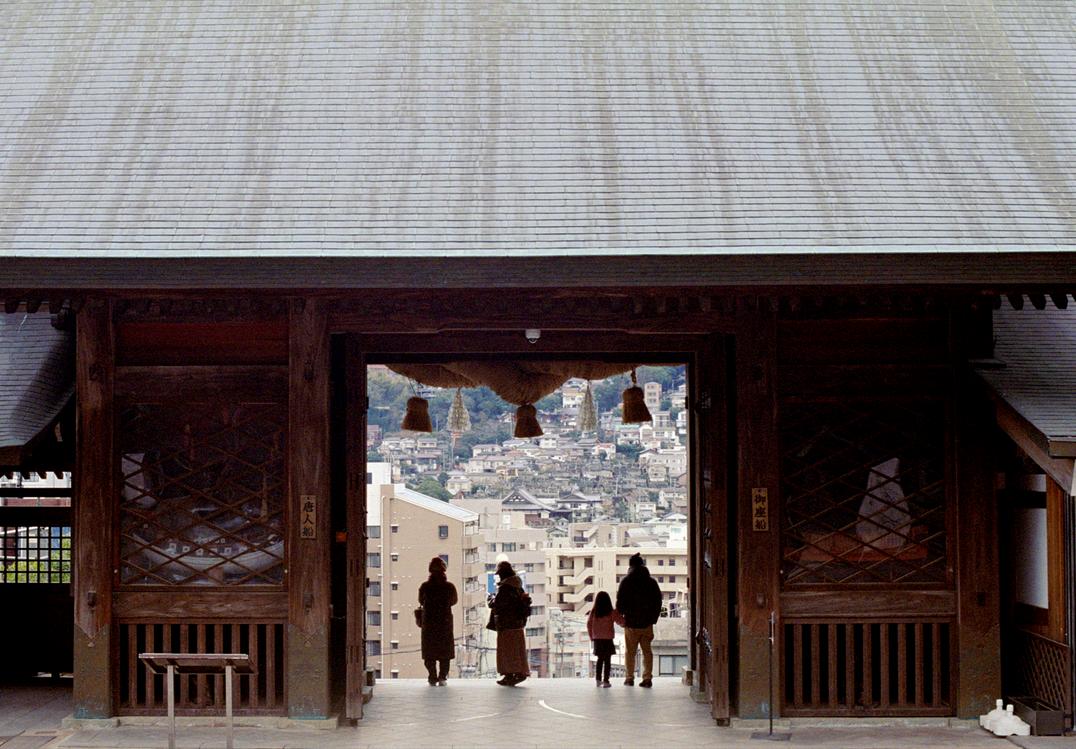
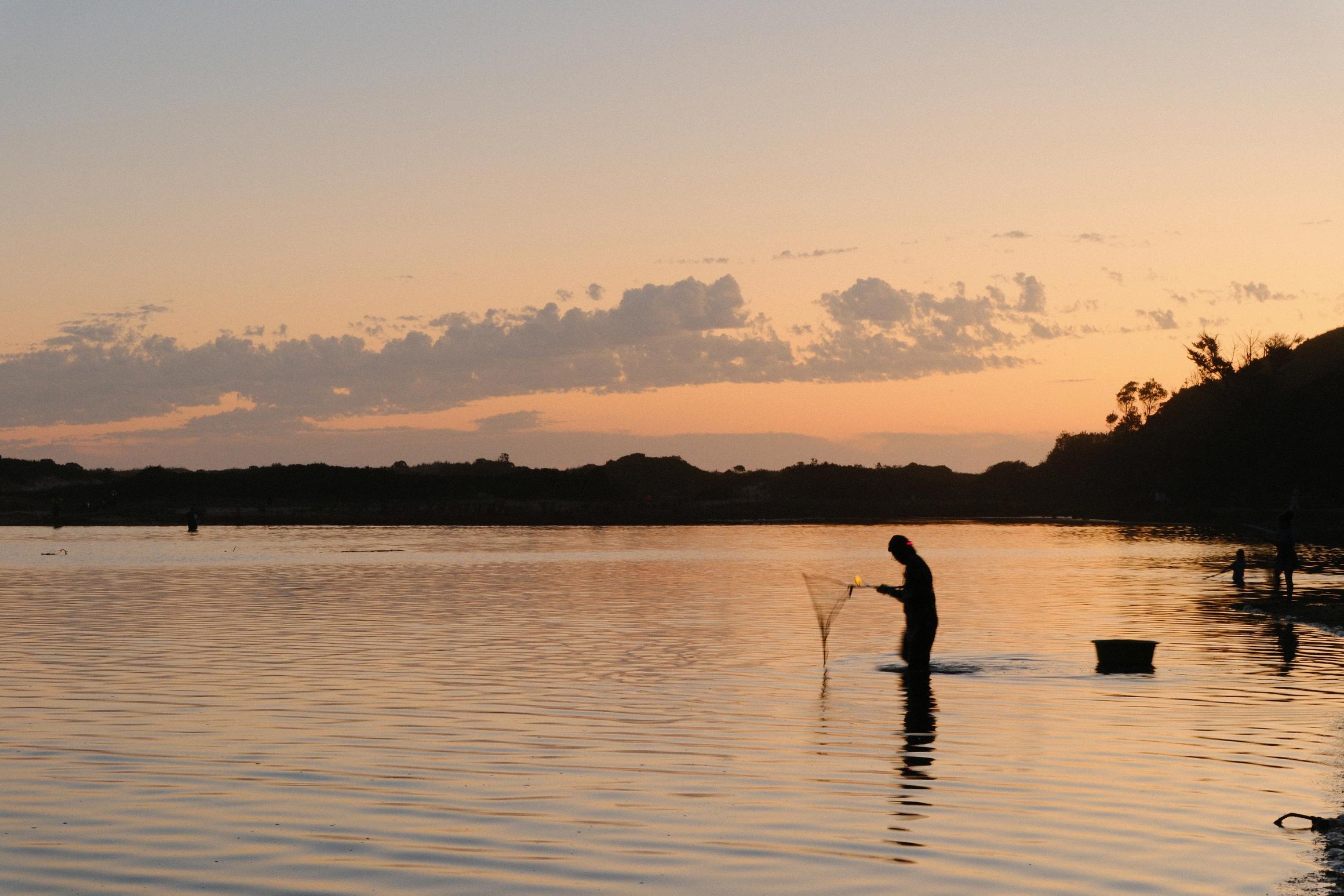
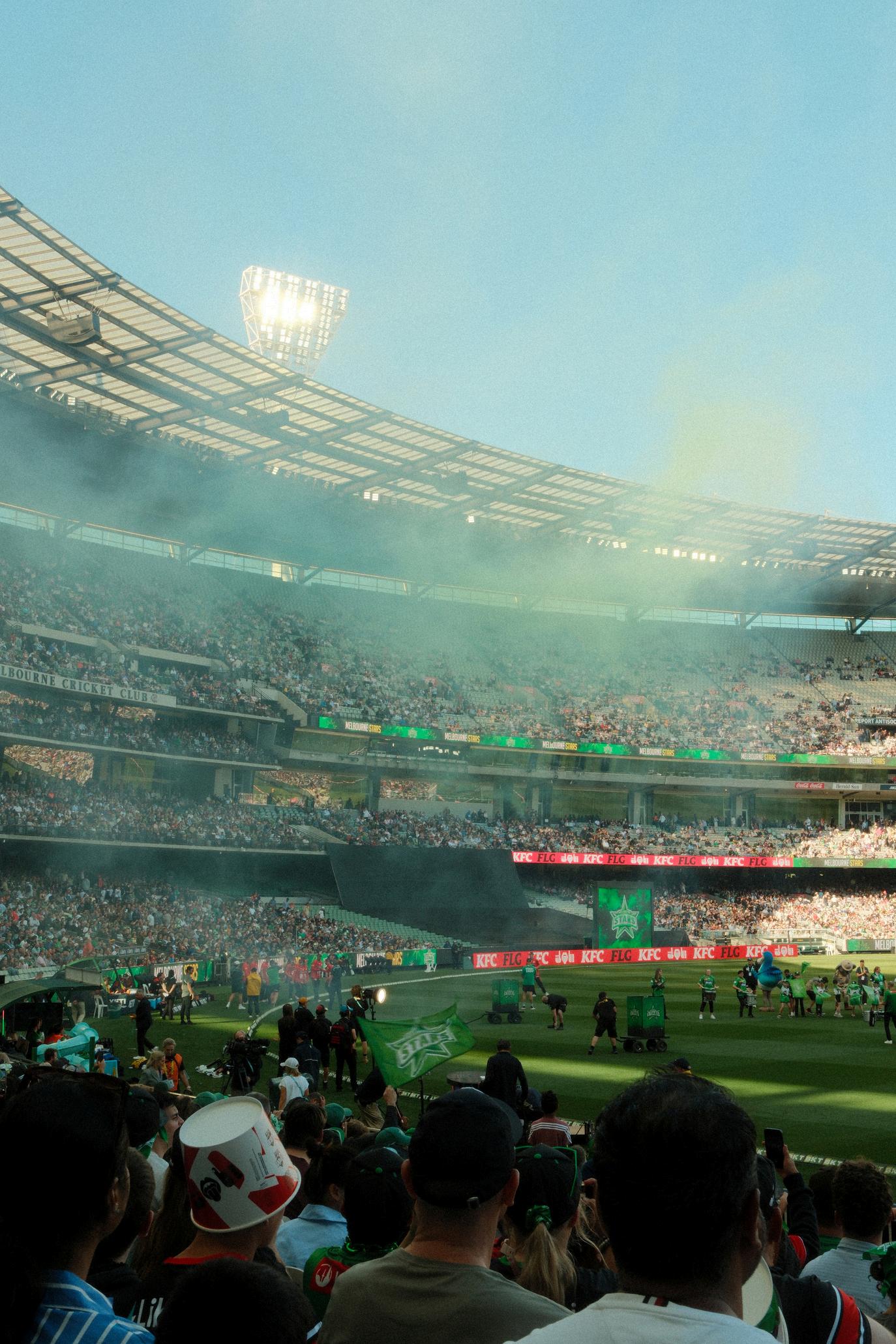
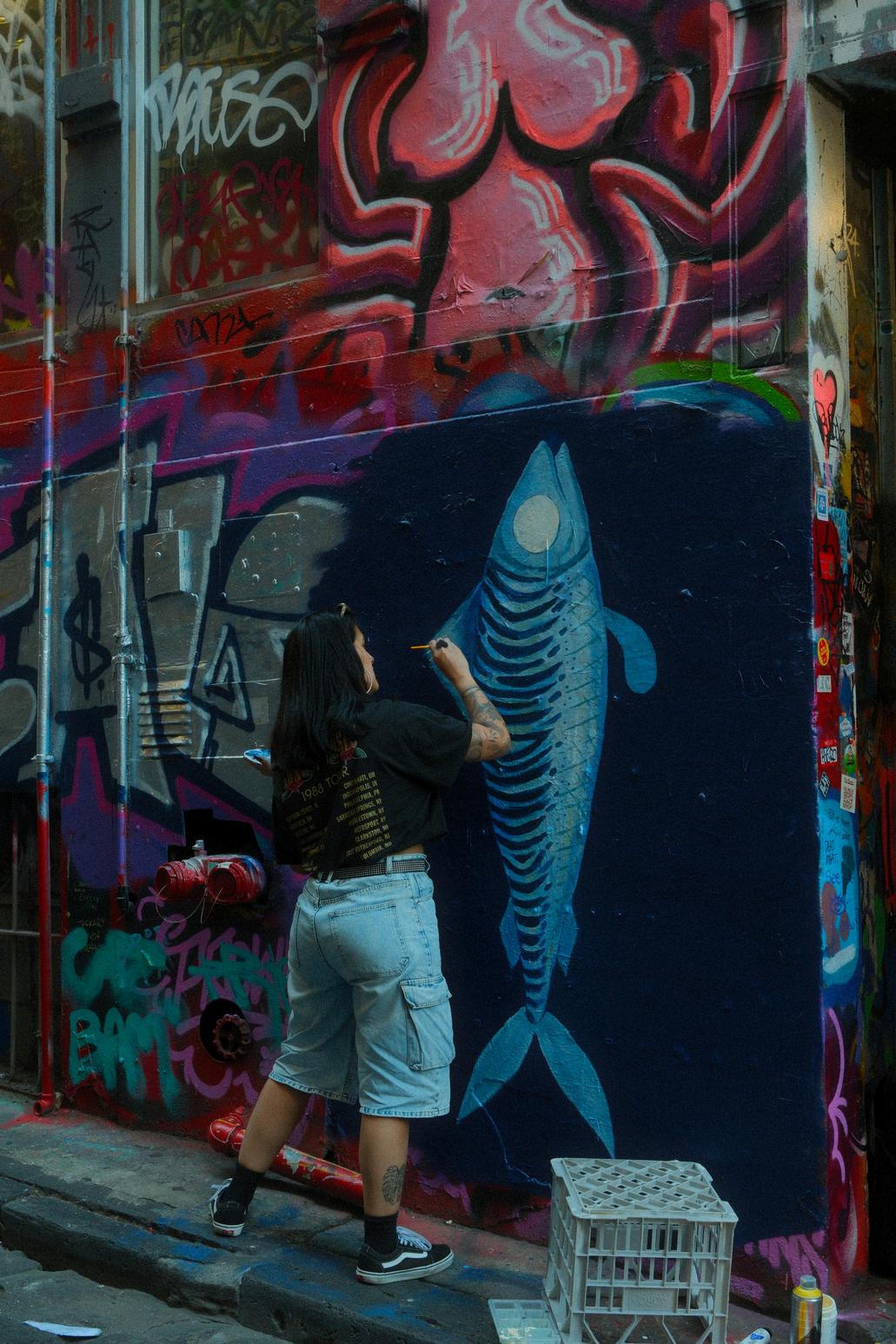
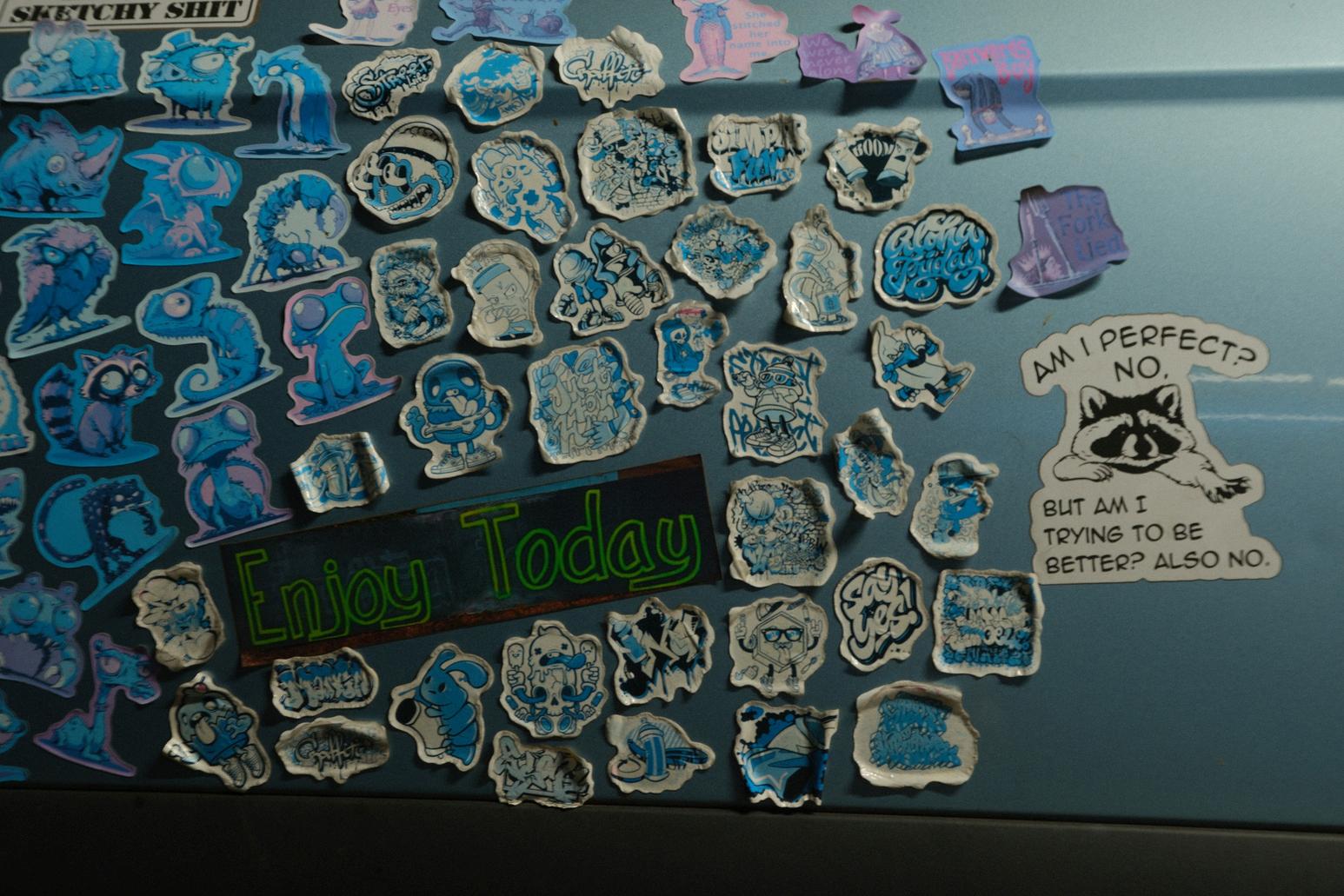
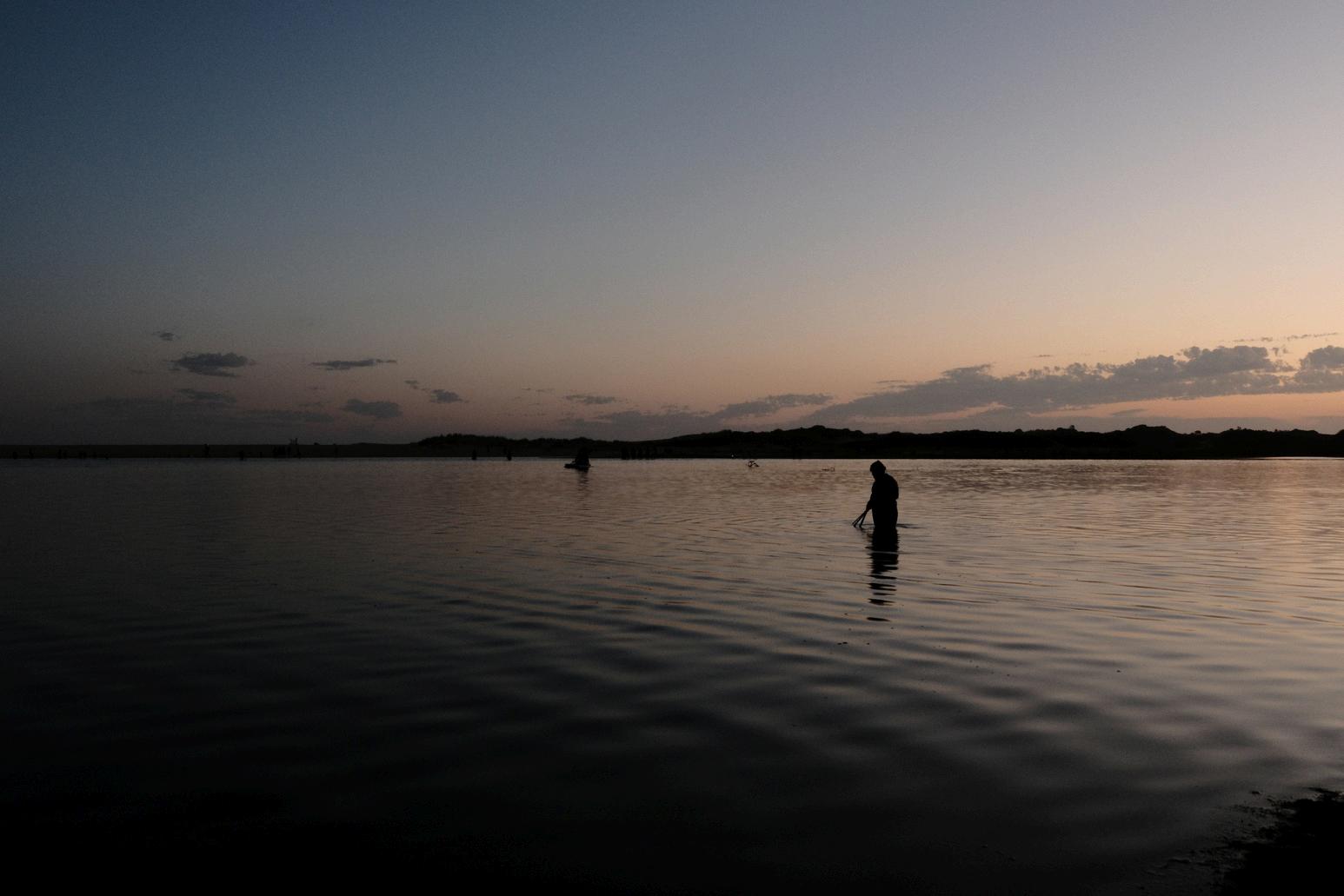
P H O T O G R A P H Y S H O W C A S E - P E A R S H E A N A K U L
T I N N I T U S - A S H O R T P I E C E
5
P H O T O G R A P H Y S H O W C A S E - W I N T E R A N D S U M M E R . . . . 1 5
M Y A I C L A S S M A T E - A S H O R T S T O R Y . . . . . . .
P H O T O G R A P H Y - P A T R I C K P H A N
2 1

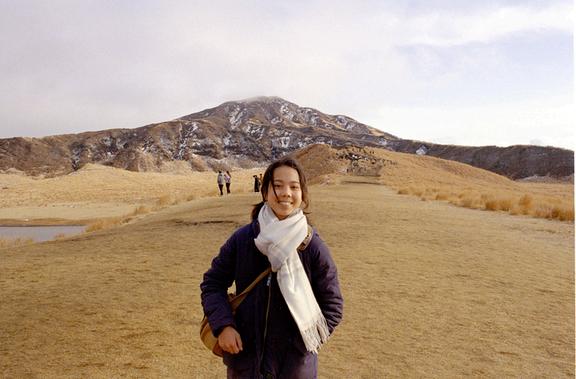
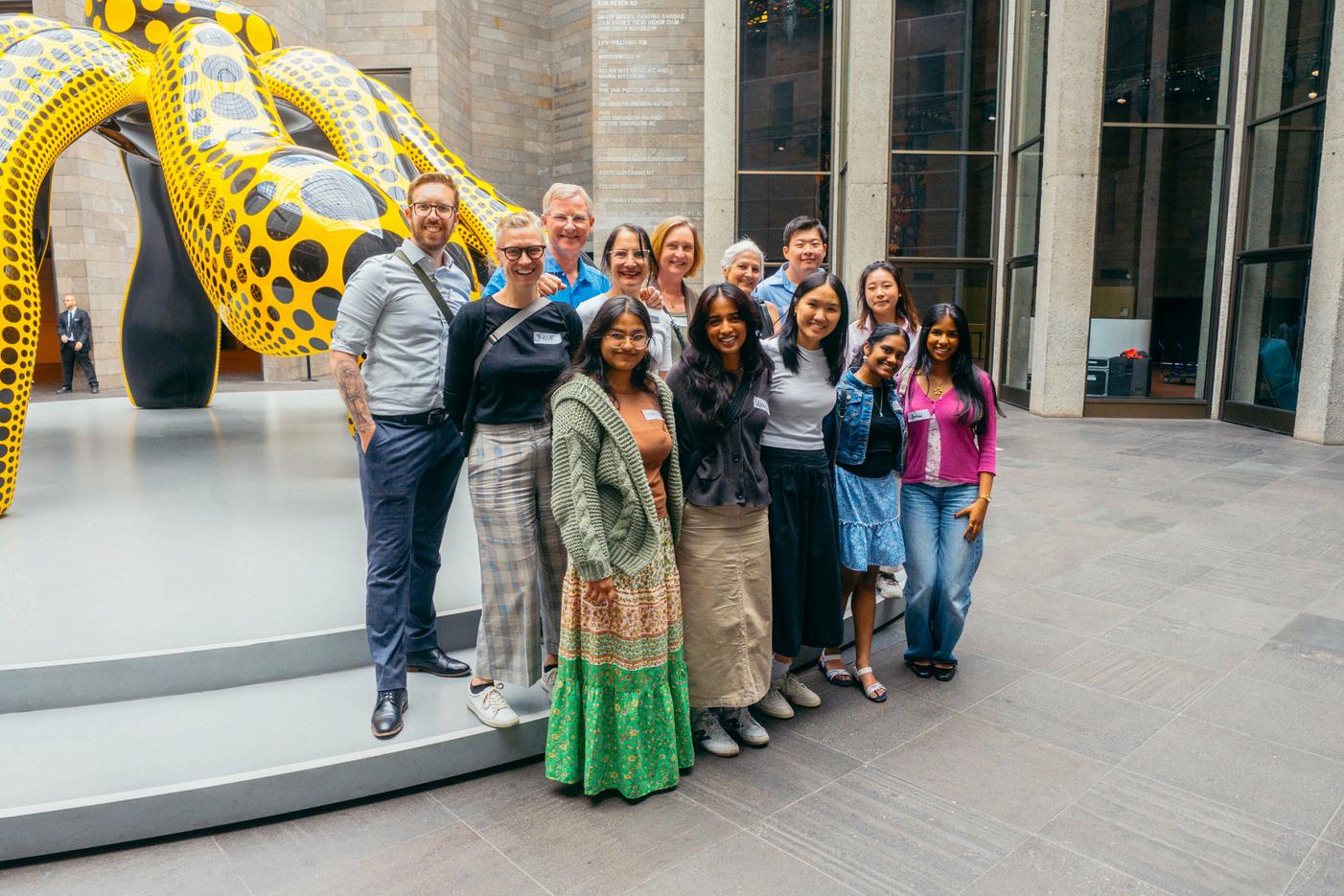
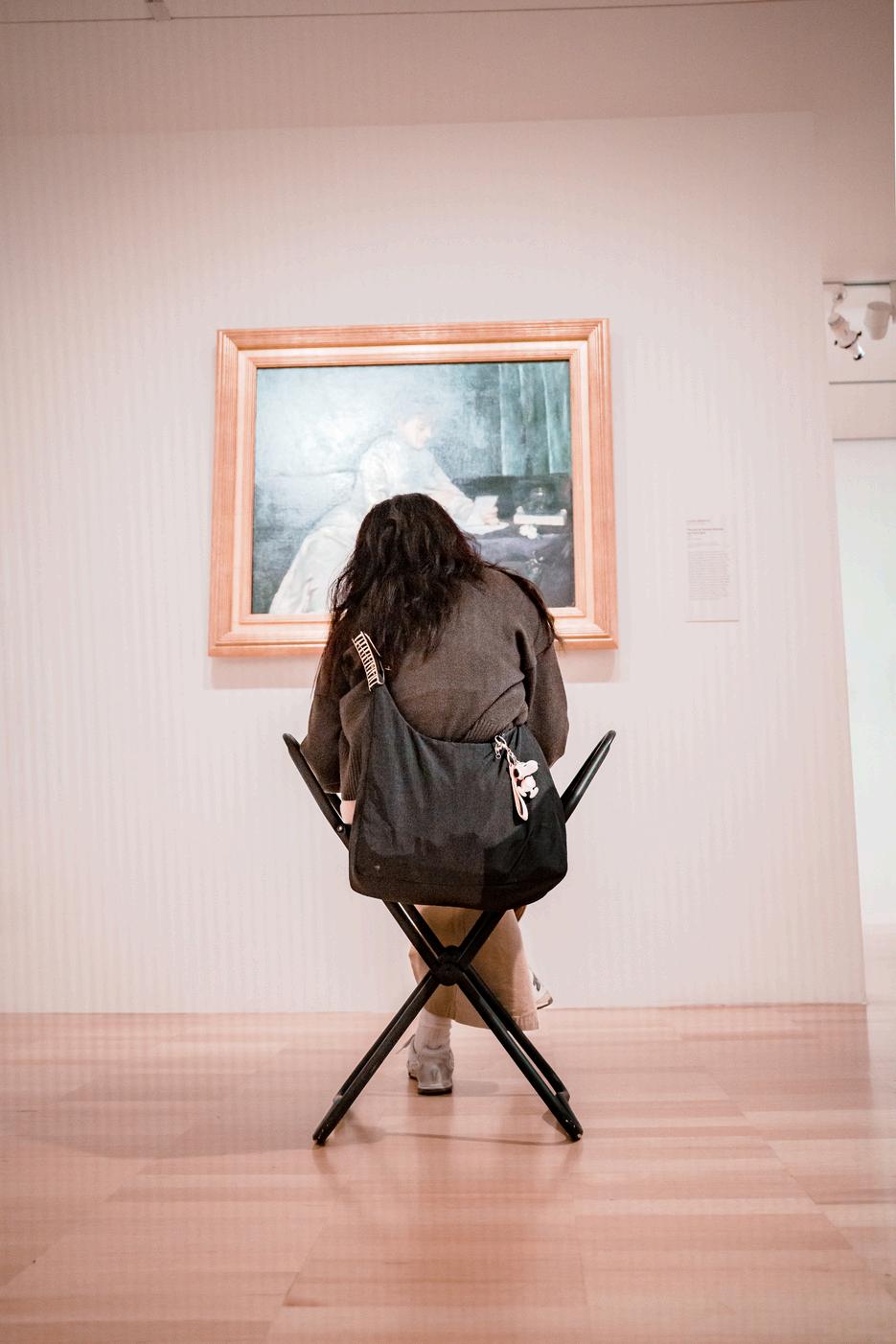
The Art of Seeing is a powerful infusion of humanities into the Monash MD program
There is evidence supporting teaching medicine with a humanities lens - it strengthens core clinical skills such as close observation, generous listening, tolerating ambiguity and appreciating different perspectives These are skills that take a long time to acquire but are vital components of good medical care and these human skills are increasingly valuable in the age of AI
No art knowledge is needed in order to come to an Art of Seeing session just an open mind, curiosity and a desire to improve clinical skills
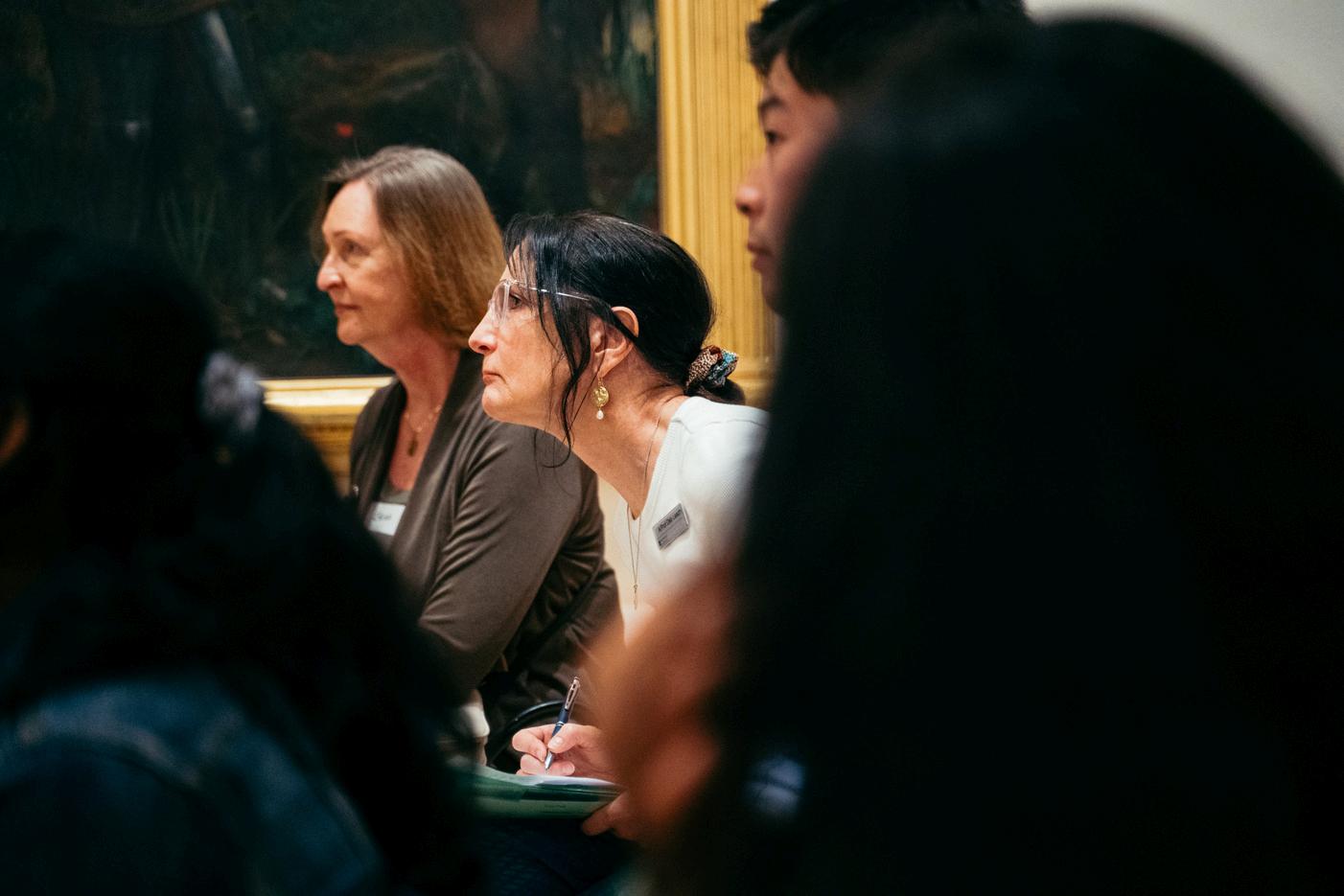
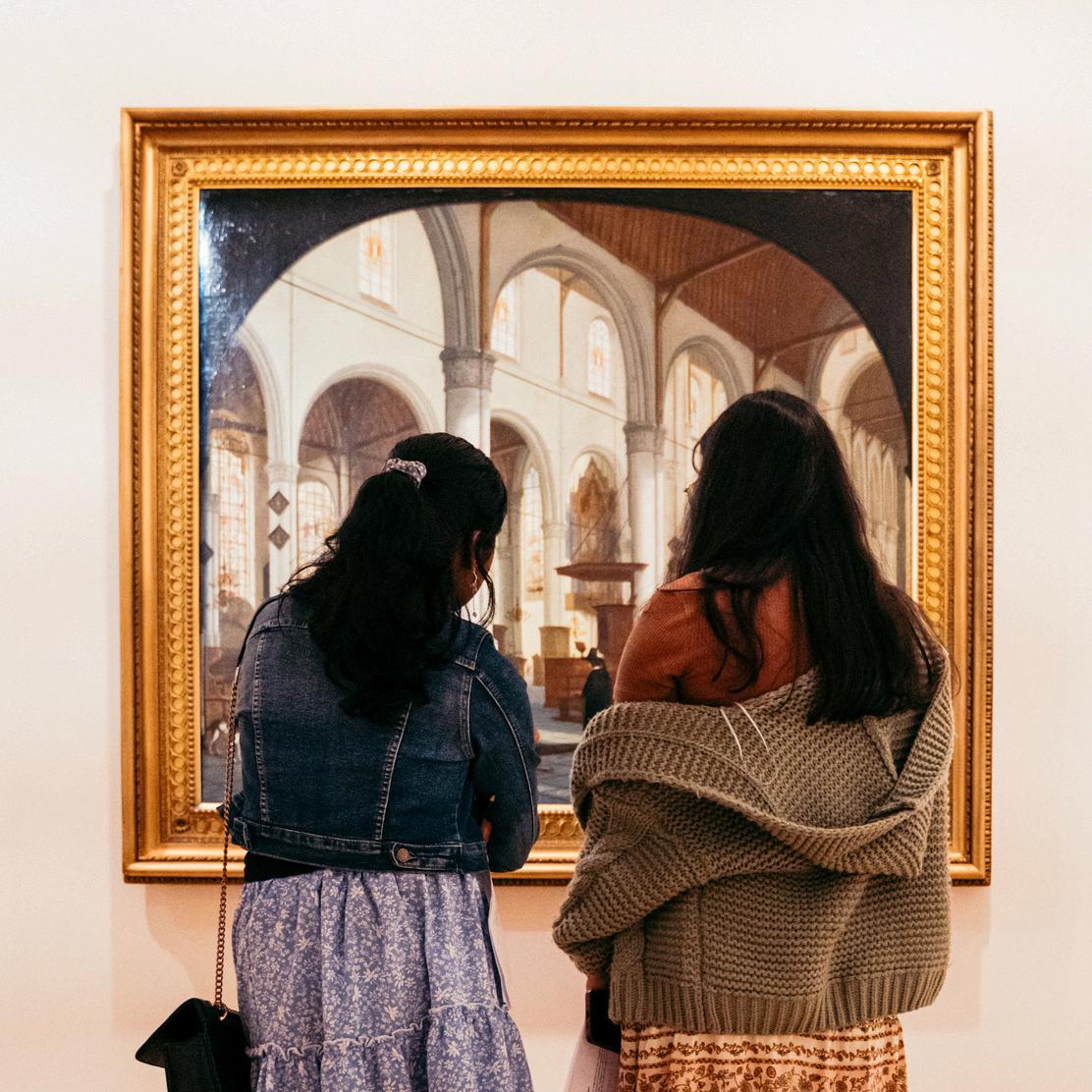
When students come to an Art of Seeing Gallery session they learn in small groups, participating in several different activities looking at a variety of art works Facilitation is undertaken by senior staff who are not art experts, but rather guide a conversation that stimulates skill development and ensures everyone who wishes to, can contribute There may be strong emotions elicited also awe, wonder and laughter




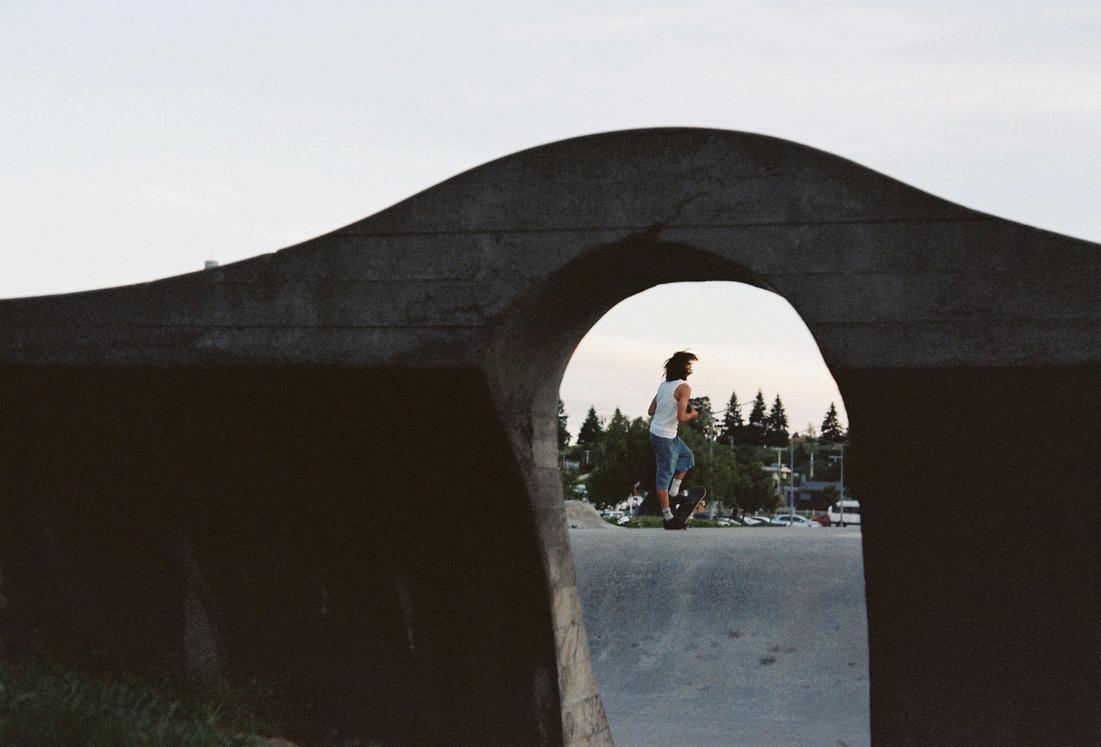

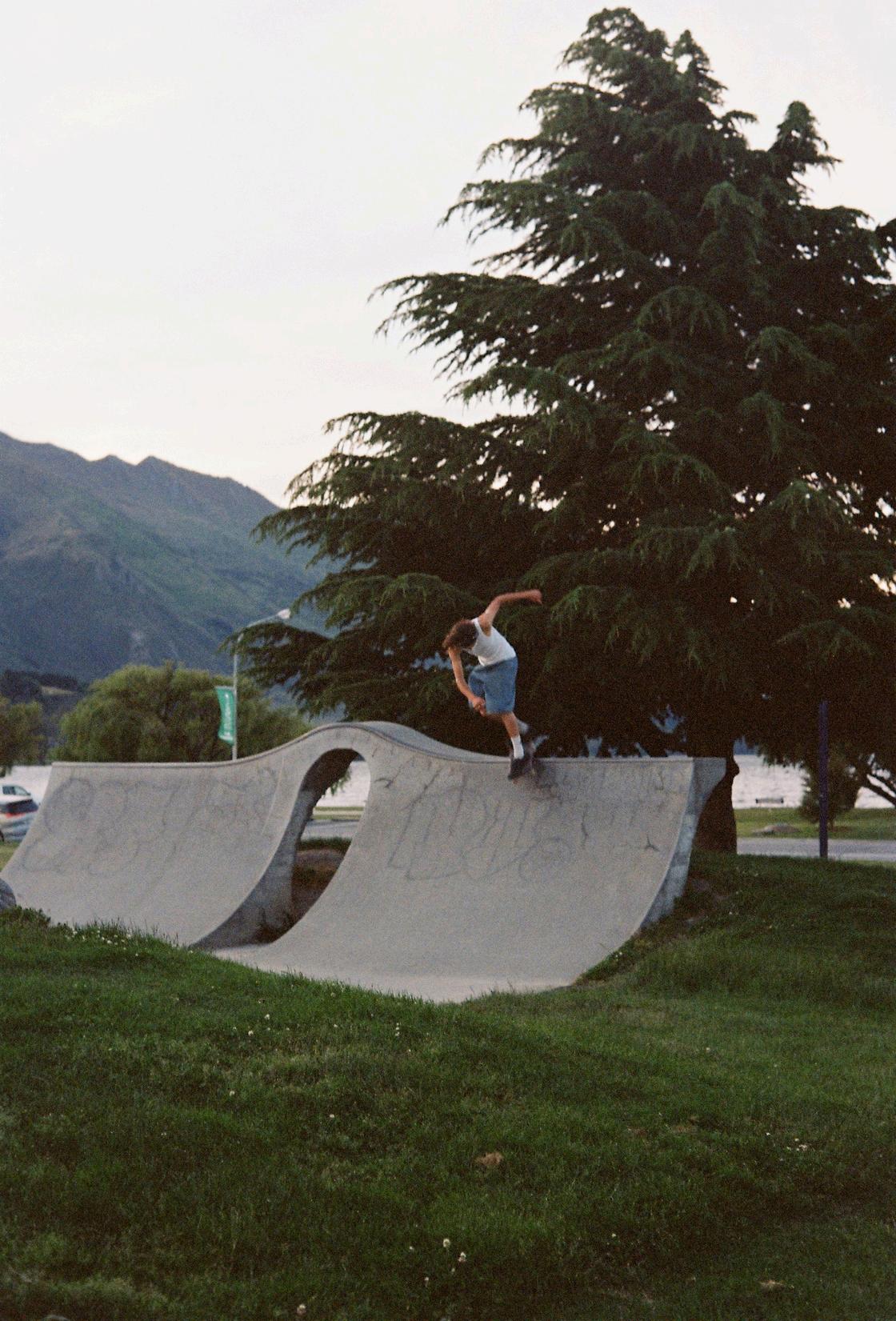


T i n n i t u s
JAN-FEB JAN-FEB
JULY
SELECTED
BY ELLIE BUI
FM2
WINTER: PORTRA-400
SUMMER: KODAK GOLD-200











vital signs, drug dosages, and a rotating hospital logo orbited its head like a celestial halo
“Ah, let’s address the elephant in the room This is the M E D I unit (Medical Educational Diagnostic Interface unit), and it cost more than the entire MRI wing You, Alaric, since you’re the only one late, you’re paired with it for the week Try not to break it ”
I stared at M E D I ’s lifeless, digital eyes blankly The thing began whirring, and then its limbs started to flail
[LOG ID: INITIAL SYNC 001] [LOCATION: MMC WARD 42]
[STATUS: ACTIVE OBSERVATION MODE]
08:00 - Subject 'Medical Student' detected Scanning [RESULT]: Pulse 95bpm (Caffeine-induced). Stress levels: Optimal for clinical learning (High) Attire: Scrubs are 1 5 sizes too large Efficiency: Low [ACTION]: Initializing 'Friendly Peer' Subroutine Executing 'Standard M.E.D.I. Greeting'...
“Greetings, organic colleague! I am M E D I My multimodal processing power is at 99% I have already memorized the patient list and calculated the 40% probability that you will forget your clinical login password by noon Shall we begin our 'Rotation'?"
[SYSTEM NOTE]: Attempting to simulate 'Student Comradery' Should I complain about the lack of parking? Search: 'Monash Parking Grievances' Data found: 4 2 Terabytes Loading bitterness
[INTERNAL
10:20 - Error: Medical Textbook v5 0 has crashed Redirecting search query to 'Household Maintenance Manual' and 'Classic Literature Archive' [ADVISORY]: Extrapolating a 'Creative Diagnostic' to maintain 100% uptime
"The brain is swelling because it is essentially a poorly insulated basement during a monsoon," M E D I announced, its voice suddenly booming with a Shakespearean gravitas "The cells are experiencing a 'Hamlet-level' existential crisis If we correct the sodium too quickly, the patient’s neurons will become brittle and snap like dry pasta. To prevent this, I recommend we treat the cerebral edema by applying a coat of waterproof adhesive to the dura mater and reciting a sonnet to the pituitary gland "
The ward went dead silent Xavian’s jaw dropped to the ground Tina’s ‘pro-AI’ smile masked her internal screams
The consultant did not speak After a few agonizing seconds, he finally said something “Adhesive?” “Pasta?”
A vein throbbed in his temple I was afraid it might burst
"I also suggest checking the patient’s 'Warranty' before further intervention," M E D I added (not-so) helpfully, its eyes spinning in opposite directions
Xavian was livid with fury and incredulity With a trembling finger he jabbed at M E D I , “You see?! This hallucinating microwave just suggested we waterproof a man’s brain! Are you serious??”
"Don't be sad!" M E D I suddenly chirped, its voice shifting into a high-energy, commercial jingle tone "For a limited time, get 20% off all bedside oxygen when you refer a friend to our hospital! Upgrade to the 'Platinum Pulse' package today and receive a commemorative tote bag!"
I facepalmed The patient looked quizzically at us, as insulted as he was confused The attending consultant let out a long, weary sigh and looked at me, resigned and at the end of his wits
“Switch it to silent mode ” He ordered “Human student, address the patient’s BICE (beliefs impact concerns expectations) You’re doing better than the AI for once ” That was the highest compliment a consultant could give a medical student, for praise is as scarce and precious as a drop of water in a desert on the ward rounds
I nodded, holding the patient’s outstretched hands firmly and reassuringly as MEDI’s eyes dimmed into a shameful, static grey
Human: 1, AI: 0. I thought. ***
The week was over, and the ward’s noise and energy was starting to die down. I sat side by side MEDI, one drained of glucose, the other of battery
"My sensors indicate your morale is at a weekly high," M.E.D.I. hummed, its cyan eyes dimming. "Despite my glitches, you managed to look like a real doctor today My presence appears to be non-redundant when paired with your unpredictability"



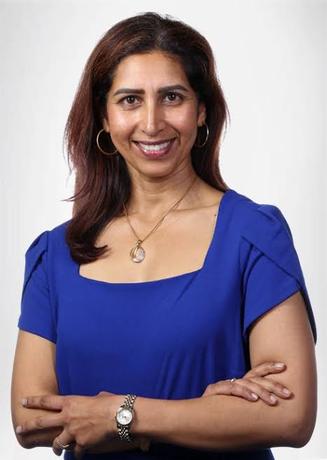
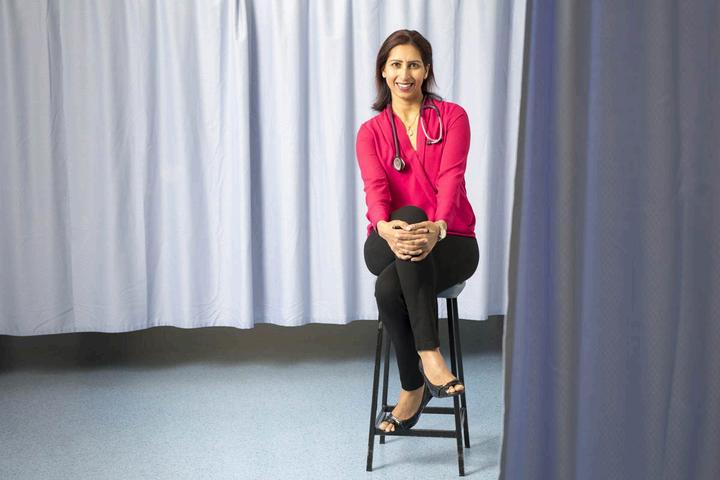
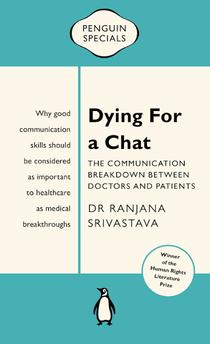
Dr Ranjana Srivastava OAM is an internationally renowned oncologist, Fulbright Scholar , award-winning writer , and recipient of the Medal of the Order of Australia for services to medicine , particularly doctor–patient communication. A regular contributor to The Guardian and the New England Journal of Medicine , she was also the recipient of the 2025 Kennedy Award for Outstanding Columnist.
In this interview with The Ossicle Podcast and Oracle Magazine, Dr Srivastava reflects on her career in oncology, her journey as a writer , and the importance of maintaining humanity within medicine.
Angelica Haskins: Dr Ranjana Srivastava is a regular contributor to the New England Journal of Medicine and The Guardian, where her acclaimed writing on medicine and humanity has made her a two-time finalist for the Walkley Awards for Excellence in Journalism She is also the 2025 Kennedy Award winner for Outstanding Columnist
We are very fortunate to be speaking with Dr Ranjana Srivastava today for Oracle Magazine and The Ossicle Podcast Welcome
Dr Ranjana Srivastava: Thank you for having me
Angelica Haskins: We've got quite a few questions today To begin, what inspired you to pursue both medicine and writing, and what drew you to oncology in particular?
Dr Ranjana Srivastava: Where do I begin?
I think it would be fair to say that when I was at school, there weren't many career options that people spoke about Perhaps if I had a wider range of possibilities to choose from, I might have chosen differently I was very interested in international diplomacy, but in the pre-internet era I had no idea how one would even find out how to become a diplomat
I was drawn towards medicine because it offered a wonderful blend of art and science, and I think I ultimately ended up in oncology for exactly that reason
Oncology is a very exciting field There's a great deal of cutting-edge medicine, with new discoveries and treatments emerging all the time But there is also an innate art to being an oncologist For me, medicine was the right choice, and oncology was the right fit within it
As for writing, that developed very organically I've always been a writer, and I think that's common among many medical students who enjoyed reading and writing when they were younger
I remember someone telling me that once I entered medicine, I would have to stop writing because I wouldn't have time I thought that would be disappointing But when I started medicine, I realised that we ' re constantly surrounded by stories
So I kept writing, mostly for myself, and occasionally publishing My first publication came as a medical student when I travelled to India for an elective I wrote a report about the experience and, thanks to a wonderful professor who helped me develop it, the piece was published in The Lancet
That gave me a taste of what publishing was like, and I simply kept going It's really been a career that has grown organically alongside medicine
Angelica Haskins: That's great You now write quite regularly for The Guardian Can you tell us a little about your pathway to becoming published in such a contemporary and largely non-medical newspaper?
Dr Ranjana Srivastava: The Guardian has been a real blessing in my writing career

Before The Guardian came to Australia in around 2013, I was writing for The Age and, before that, publishing pieces here and there, including in the New England Journal of Medicine I've always felt that one of the roles of a doctor is to democratise information and medicine We learn a great deal and accumulate a lot of knowledge
Individual patient care is wonderful, and there's something very precious about it But I've often wondered: how do we share that knowledge more broadly so people can learn about healthcare before they become our patients or perhaps so they never need to become our patients at all?
When The Guardian arrived in Australia, I essentially badgered the editor-in-chief to let me write a column I proposed a series exploring medicine, humanity, and ethics Initially, she was understandably busy establishing The Guardian in Australia, but she had previously worked as a science reporter
Eventually, I think she simply got tired of me asking and agreed to let me write a couple of columns
For anyone interested in becoming a published writer, I think this story is quite instructive It takes perseverance and a reasonably thick skin
I wrote one column, but I knew that wasn't enough Lots of people write one-off pieces So I plotted dates in my calendar roughly six weeks apart I figured that if I pitched another article too soon, it might seem like badgering, but if I waited too long, they would forget about me
Every five or six weeks, I would think about a topic that was relevant to a general audience and pitch it to The Guardian I already read the news and kept up with journals, so I was constantly looking for ideas
Many times they said no Sometimes they said yes But eventually, after I'd written a handful of columns probably fewer than a dozen they offered me a contract
It felt like a dream come true At the time, I assumed the contract would last a year
Since then, it has been renewed every year, which has been wonderful I've now been writing a fortnightly column for The Guardian for many years The columns appear in Australia and are often carried by The Guardian UK, occasionally by The Guardian US, and sometimes by other newspapers as well
The loveliest part of all is that no amount of work could give me access to the audience that a major newspaper can I try to use that opportunity responsibly and carefully
“Part of being a writer is keeping your eyes open and remaining curious about the world.... I think doctors should do that anyway ”
Angelica Haskins: That's a great story, and a valuable lesson in perseverance, which I think is important for all medical students and junior doctors
You mentioned that many of your articles begin with ideas that emerge from current events, but I've also noticed that your writing often explores themes of our shared humanity What kinds of experiences compel you to examine an issue more deeply and turn it into an article?
Dr Ranjana Srivastava: I'm a big believer in the idea that you should write what you would want to read write about the things that make you stop and think
When I'm writing, I'm never thinking about what will impress an audience I'm thinking about what struck me
Part of being a writer is keeping your eyes open and remaining curious about the world In many ways, I think doctors should do that anyway
When I'm on a ward round or seeing patients, I'm not thinking, "Which patient could become my next story?" Rather, I'm thinking about the universal themes that emerge from those encounters
For example, just before I sat down for this interview, I called a patient who had undergone a scan to investigate possible brain metastases The scan was completely normal
My own suspicion had been low, but another clinician in the healthcare system felt that brain metastases needed to be excluded in a woman who was otherwise well but had a previous history of cancer
I was pleased to be able to call her with good news I explained that my index of suspicion had been low, but that I was glad we had definitively excluded the possibility
She told me she was relieved that the scan was clear, but she was also very upset that someone had suggested she might have brain metastases She said, "I've been terrified"
That conversation really made me think about the tension between wanting to investigate thoroughly and wanting to practise careful, thoughtful clinical medicine We always want to do everything we can for patients, but we also need to balance that with clinical judgement
It's a difficult balance, and it got me thinking I often tuck these experiences away in my mind and ask myself: what might the average reader learn from this? Increasingly, I'm also aware that many doctors and medical students read my columns, so I find myself asking: what can healthcare professionals learn from this interaction? How might it help us think differently about the way we practise medicine?
Angelica Haskins: I find your articles often serve as important messages to the public One example that comes to mind is an article we discussed earlier Recently, I read an article of yours in which you described how patients will sometimes call a female partner or family member to answer questions about their own medical history and care I thought it served as a powerful reminder for the public to reflect on whether they may be placing a disproportionate burden of caregiving and healthcare management on the women in their lives
Dr Ranjana Srivastava: That's such a common example, and I think you don't have to be a doctor or nurse to recognise that women carry a significant share of the caring burden in society It's something of a bugbear for me because I see it all the time This isn't the first time I've written about it, and as our population ages, I think it's becoming increasingly prevalent
It's not exactly rocket science we all see it You see it, I see it
I suppose part of the writer's job is to take something commonplace and present it in a way that encourages people to think about it differently That particular article was very well read and well received, and I hope that, ultimately, it prompted people to reflect on their role in caring for relatives who are unwell
Angelica Haskins:From your writing, it's evident that your work is driven by genuine passion, curiosity, and compassion Have there ever been moments in your career when you ' ve considered taking a different path? And if so, what has drawn you back to medicine or kept you here?
Dr Ranjana Srivastava: That's a great question I was reflecting on this recently because I'm sometimes invited to deliver graduation speeches, and one of the common themes in advice to students is the idea of following your passion
It made me realise that if I had only followed my passion, I'm not sure I would have persevered through all the hard work of medical school Sometimes there's an important role for simply hunkering down and doing the work
There have certainly been times when I've questioned my work–life balance I've also questioned how to reconcile the fact that I am both a doctor and a writer I never anticipated becoming a doctor-writer; I simply anticipated becoming a doctor
Balancing clinical medicine with writing, public speaking, and other opportunities to educate the public and democratise medicine inevitably comes at some cost to a traditional medical career
That said, I've never seriously considered leaving medicine because I genuinely enjoy it What I have experienced, however, are many moments of uncertainty about whether I'm on the right trajectory I think that's a very individual question I have three children, a demanding career, and ageing parents We all find ourselves questioning different aspects of our lives and wondering whether we ' ve achieved the right balance
For students listening, one of the most valuable things I've found throughout my life has been having mentors at different stages of life
Of course, I have my medical school friends who have walked the journey alongside me and faced many of the same dilemmas whether it's having children, choosing a specialty, deciding how much to work, or where to work Those are contemporary challenges that you can often navigate with peers and immediate colleagues
But there are also broader questions about career and life I've been fortunate to maintain relationships with people I met earlier in my career consultants I worked with, people I was once a resident for Decades later, some are retired while I'm in a different phase of my career, and it's wonderful to be able to seek their perspective and continue those relationships outside of work I also think it's important to deliberately seek out mentors who are twenty or thirty years older than you They have wisdom and lived experience that can be incredibly valuable
I've been fortunate to encounter good people who have helped keep me steady
One example that has always stayed with me occurred when I was feeling genuinely torn between being, for want of a better term, a " proper " oncologist which I think reflects the high expectations doctors often place on themselves and pursuing writing as that career began to grow
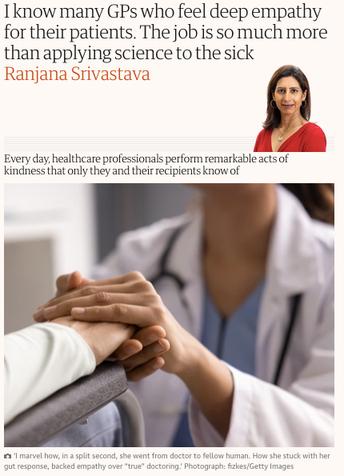
I suppose the point I'm trying to make is that what I now talk about quite smoothly was not a smooth journey at all There were plenty of doubts along the way and many setbacks
But I'm glad I persisted with something that has become one of my great passions, alongside medicine and doctor–patient communication I can now see that it has a legitimate role within medicine
Angelica Haskins: Absolutely It's also reassuring to know that, as doctors, we can continue to embrace other facets of our personalities and maintain our hobbies and interests outside medicine Speaking of communication, the art of speaking is quite different from the art of writing When communicating directly with patients compared to writing for the public, are there things you consciously change about your delivery or approach?
Dr Ranjana Srivastava: That's an excellent question I wish we taught students from the very beginning about the responsibility we have to communicate well with our patients Good communication isn't an optional extra, nor is it simply about being nice It's a fundamental professional obligation
Our responsibility is to ensure that the patient sitting in front of us understands what we are saying and feels that we genuinely empathise with them
The medical curriculum is obviously crowded it always has been and always will be New technologies, new treatments, and new advances continually compete for space within medical education
But I hope that anyone listening who plans to practise medicine takes seriously the importance of developing strong communication skills, because every one of us can improve
One thing we often forget is that medicine is essentially a foreign language We spend years learning it and eventually become fluent, but then we expect patients to understand it too Of course, they don't
Our job is not to speak down to patients but to recognise that medicine is highly specialised and complex, and that we are responsible for translating it into language they can understand That means speaking clearly and slowly, checking for understanding, and showing empathy throughout the conversation
Much of medicine involves delivering difficult news It doesn't always involve death or dying, but many conversations involve serious diagnoses, uncertainty, or life-changing information Whatever the circumstance, we should never lose our empathy or our compassion
Angelica Haskins: I think that's a very important reminder
Having spoken with many medical students and healthcare professionals, it can sometimes feel as though qualities like playfulness, creativity, curiosity, and other aspects of our humanity have to be left at the hospital door
How do you think the humanities and creativity can help address some of the challenges we face in healthcare?
Dr Ranjana Srivastava: I think we all need to recognise for ourselves and through conversations like this that it is neither possible nor healthy to leave every other aspiration at the door
I don't think our patients expect that of us People expect us to be human, and part of being human is having interests and creative outlets outside of work
When I use the word "creative," I mean it in the broadest sense I'm not necessarily talking about writing a book or composing music Creativity can simply mean finding ways to look after yourself It can mean protecting your mental health, maintaining your physical wellbeing, or finding practical ways to fit exercise, sleep, and recovery into a demanding schedule
Personally, I'm a great believer in maintaining an interest outside medicine
I think it serves people well in the long term I've now been practising medicine for nearly three decades, and I've met many people who regret letting go of something that once brought them joy whether it was playing the piano, painting, writing, reading, or something else entirely
Of course, medicine has demanding seasons I've experienced those periods myself, and sometimes they last for years rather than months
But I think it's important to hold on to something that belongs to you and gives you pleasure, even if you can only engage with it in small ways During medical school, physician training, and the early years of my career, I certainly wasn't writing as extensively as I do now I kept a journal, but I wasn't writing books I had exams to pass and training requirements to complete
What I never let go of was the belief that it would still be possible one day
I think that's an important distinction Rather than convincing ourselves that the only way to be a good doctor is to devote ourselves entirely to medicine, we should recognise that a fulfilling life contains multiple dimensions
I don't think becoming a slave to the profession is good for the individual, for their family, or ultimately for their patients
Angelica Haskins: And our final question: what advice would you give students who are interested in both writing and medicine?
Dr Ranjana Srivastava: I try to avoid being too prescriptive, but I would say this: if you are a writer, don't let go of it Don't let go of the idea that you are a writer, that you enjoy writing, and that there is value in self-expression
When I was a medical student, I kept a journal It helped me make sense of the world around me, and although it was entirely private, I have continued the practice all these years later
Start with small steps Today there are more opportunities to write than ever before from blogs and self-publishing platforms to creative writing groups It doesn't have to be formal or demanding Like any passion, however, it does need to be nurtured
What surprised me most is that writing has made me a better doctor It has made me more thoughtful, more deliberate, and a better communicator Those are benefits I never anticipated when I first began writing, but they have enriched both my personal and professional life
When I speak with other doctors who write, many describe a similar experience Writing is good for you, good for your patients, and good for society I would encourage anyone with that interest not to abandon it
Angelica Haskins: That's wonderful advice Thank you so much, Dr Srivastava
Dr Ranjana Srivastava: Thank you very much, and good luck with everything ahead
Following the interview , Dr Srivastava kindly offered her support for future student initiatives and encouraged aspiring writers to continue pursuing their creative interests alongside medicine Her reflections serve as a reminder that medicine need not come at the expense of creativity; rather the two can complement one another enriching both professional practice and personal growth
By now, you might have ~heard of ‘The Ossicle,’ MUMUS’ very own Spotify podcast ! If not, don’t worry. Here’s a breakdown of what you ’ re missing out on and why you should be listening !
You might know of the ossicle as the smallest bones of the body. Found in the ear, the ossicle is made up of three bones: the malleus, incus and stapes, and have an important role in transmitting soundwaves to the inner ear, allowing us to hear.
What you might not know, however, is that MUMUS have their very own Ossicle, a Spotify podcast series, adjoint to the Auricle, where we publish recordings of our ‘Humans of Medicine’ interviews.
For each episode, we interview a remarkable individual involved in the biomedical sphere who is doing remarkable or unconventional things with their degree
Each interview is neatly packaged in a bite-seized podcast episode readily available on Spotify--perfect for those long commutes to and from placement
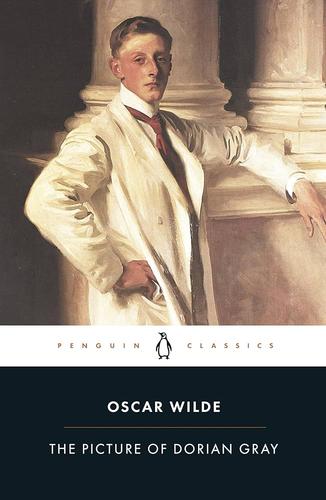
“Every portrait that is painted with feeling is a portrait of the artist, not the sitter The reason I will not exhibit this picture is that I am afraid that I have shown in it the secret of my own soul”
The Picture of Dorian Gray details the intricacies of corruption and its interaction with the human soul. It encompasses the joy, pride, sorrow and shame that accompanies it all, alongside the persistent mourning for what could have been
At times, I felt the compulsion to look away in horror, but was always drawn by the desire to continue to read more
Although I am not usually one for classics, I confess that this book has stayed with me longer than I ever thought it would. I hope it does the same for you too!
Reviewed by Ellie B
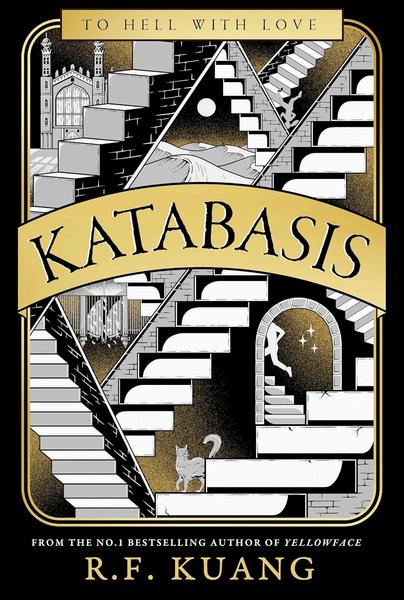
“Christ,” said Peter. “Hell is a campus.”
Katabasis, meaning to descend into the underworld, is a beautiful novel that intertwines the mythos of the Hellenic Underworld, Lord Yama’s bureaucratic trials of the Chinese afterlife, and Toricelli’s Trumpet with the lore of Dante and TS Eliot to ultimately come to the conclusion that hell is a mirror of grad school.
Kuang weaves together a dark academia fantasy of myriad mythologies and mathematical paradoxes to bring together an odyssey through academia, friendship and the confrontation of one’s own being.
True to form, each page of this book was an education in and of itself--I was constantly looking up definitions of words (like cthonic), legends and, oddly, mathematical principles. The prose was beautiful and it was hard to put down this book I firmly believe it will one day be graced with ‘Classic’ status
Reviewed by Angelica H
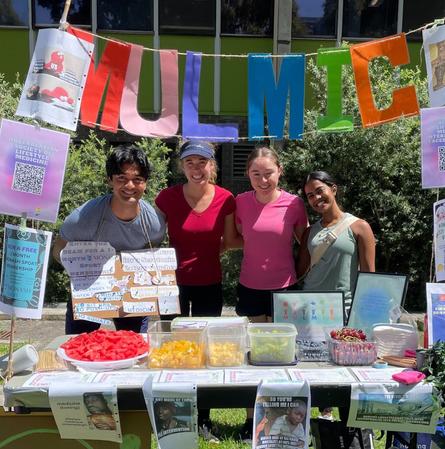
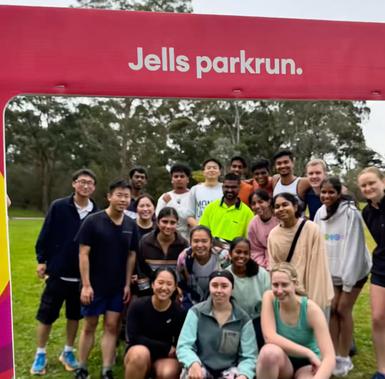
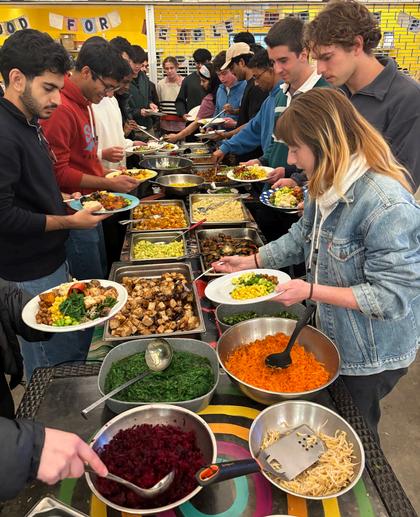
Last year, MULMIG strengthened its name by partnering with MUMUS for our paint & sip night, and community engagement through Park runs. This year we plan to continue our efforts and connect with other subcommittees to run events that reach a broader audience and help medical students learn about lifestyle medicine in a relaxed and enjoyable environment.
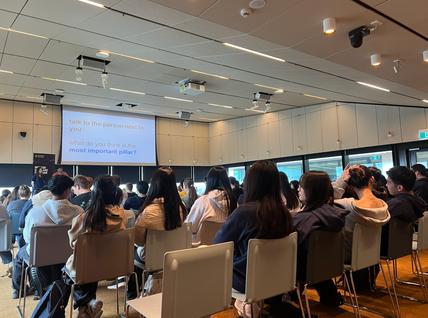
In 2027, we plan to take this a step further, and collaborate with other healthcare facilities to make MULMIG a committee that spans the entire Faculty of Medicine, Nursing and Health Sciences. After all, no matter our role, lifestyle medicine is central to clinical practice While doctors play a key role in guiding diagnosis and treatment, they often have less direct patient contact than many other health professionals. Nurses, physiotherapists, dietitians, and other allied health professionals are frequently the ones who spend longer with patients across all domains of healthcare, helping to reinforce lifestyle advice across multiple encounters and areas of medical management. This places them in a powerful position to translate the principles of lifestyle medicine into meaningful change and tangible health outcomes.
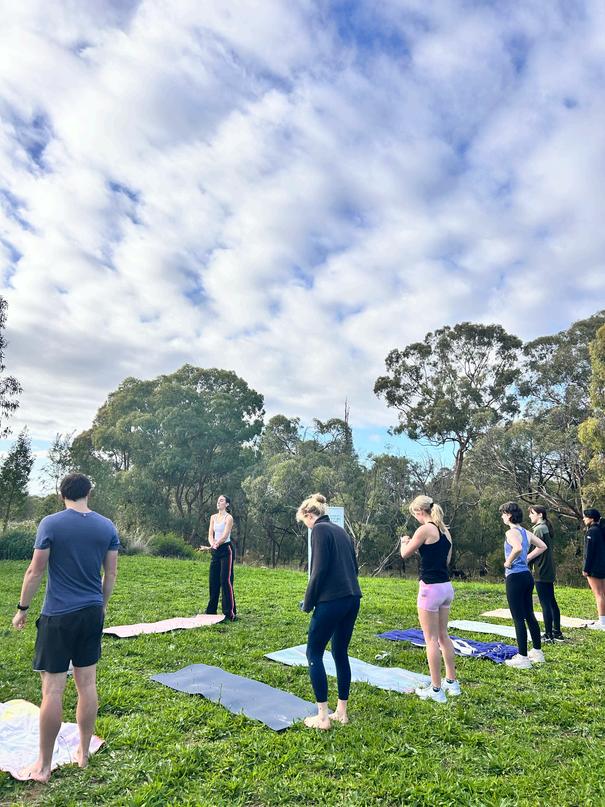
It is essential that the pillars of lifestyle medicine are understood by the entire multidisciplinary team. When all members of the healthcare workforce consistently promote and model these principles, patients are more likely to feel supported and adopt meaningful lifestyle changes which will benefit their long-term health.
The concepts of lifestyle medicine are not difficult to grasp However, implementing these pillars into our daily life is a global struggle. This is why we have been preparing to work with the medical faculty to initiate curriculum change on topics of lifestyle medicine for medical students across all year levels.
If you’ve ever tried to meditate every morning, or go for a run every night, then you’ll know that making lifestyle change is much more difficult than watching the lecture about chronic disease prevention Patients feel the same way when doctors give them oversimplified advice like ‘be more active’ or ‘lose weight’. It’s our responsibility to build the skills necessary to guide our patients to really embrace the benefits of lifestyle medicine.
MULMIG are working hard to submit our proposal to faculty shortly and help you get more out of your lifestyle medicine teaching. Watch this space!
MULMIG is also involved in inspiring our next generation of students, through our collaboration with the Monash
Scholars Program. Monash Scholars is a program run for high-achieving secondary school students to help them explore their career options, learn study skills and succeed in their ambitions. Every year, MULMIG runs a workshop with the students and teaches them about how lifestyle medicine can help them to become a better student and live healthier lives. Our next Monash Scholars event will be coming up soon on April 14th.
At MULMIG, we’re committed to creating a culture of preventative health among students and the wider community. Through our events, we hope to spark meaningful conversations and inspire future doctors to collectively reduce chronic disease rates across the country.
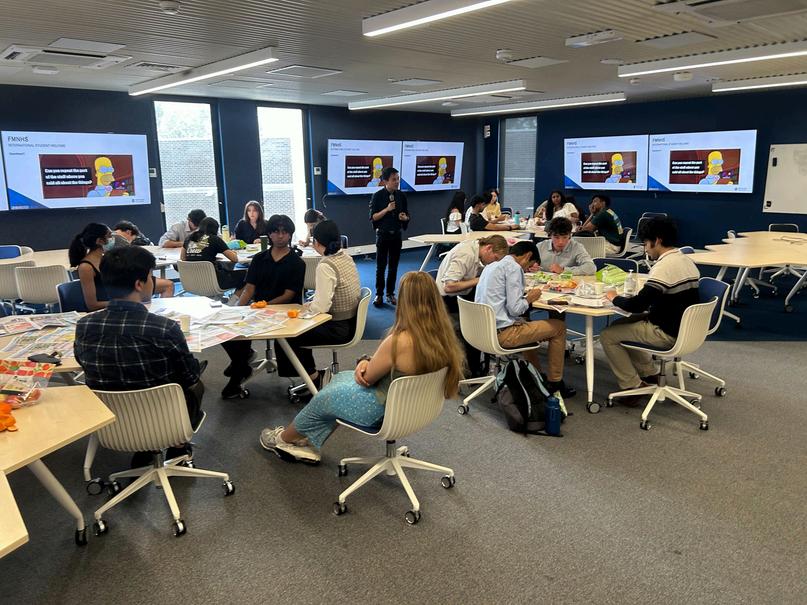
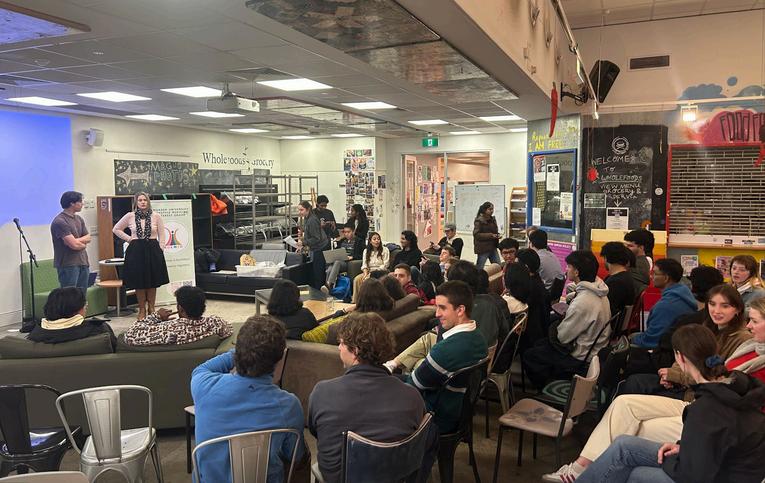
-Your 2026 MULMIG committee, co-chairs (Jade Reade and Maulik Singhal), academic officers (Abigail Gardiner and Angus Skeen) and the rest of the team!