Parent's Handbook: Preparing Your Child for Boarding School
Sending your child to a boarding school is a significant milestone for every family While it opens doors to quality education, independence, and holistic development, the transition can be emotional for both parents and children Proper preparation can make this journey smoother, helping your child settle into their new environment with confidence.
This parent's handbook offers practical tips to prepare your child emotionally, academically, and practically before they begin their boarding school experience
1. Talk About Boarding School Early
The transition becomes much easier when children know what to expect. Start discussing boarding school several months before admission rather than waiting until the last moment
Explain:
● Why you chose a boarding school
● The opportunities they will experience
● Daily routines and hostel life
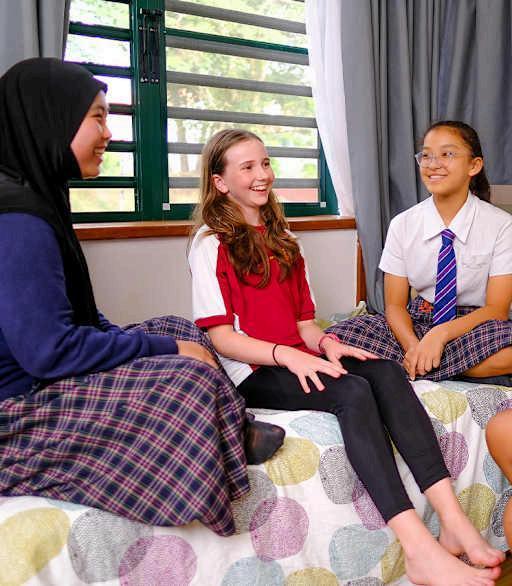
● New friendships they will build
● Activities beyond academics
Encourage your child to ask questions and express any concerns Honest conversations help reduce anxiety and build excitement
2. Build Emotional Readiness
4
Leaving home for the first time can feel overwhelming Emotional preparation is just as important as academic readiness
Parents can help by:
● Encouraging independent decision-making
● Teaching problem-solving skills
● Discussing homesickness openly
● Practicing short stays away from home
● Building confidence through positive reinforcement
Let your child know that feeling nervous is completely normal and that adjusting takes time
3. Encourage Independence
Boarding schools expect students to manage many daily responsibilities independently.
Before joining, teach your child how to:
● Organize their belongings
● Keep their room tidy
● Fold clothes
● Make their bed
● Manage personal hygiene
● Follow a daily routine
● Wake up without constant reminders
Developing these habits beforehand makes the transition much smoother
4. Visit the Campus Together
If possible, visit the school before the academic session begins
During your visit:
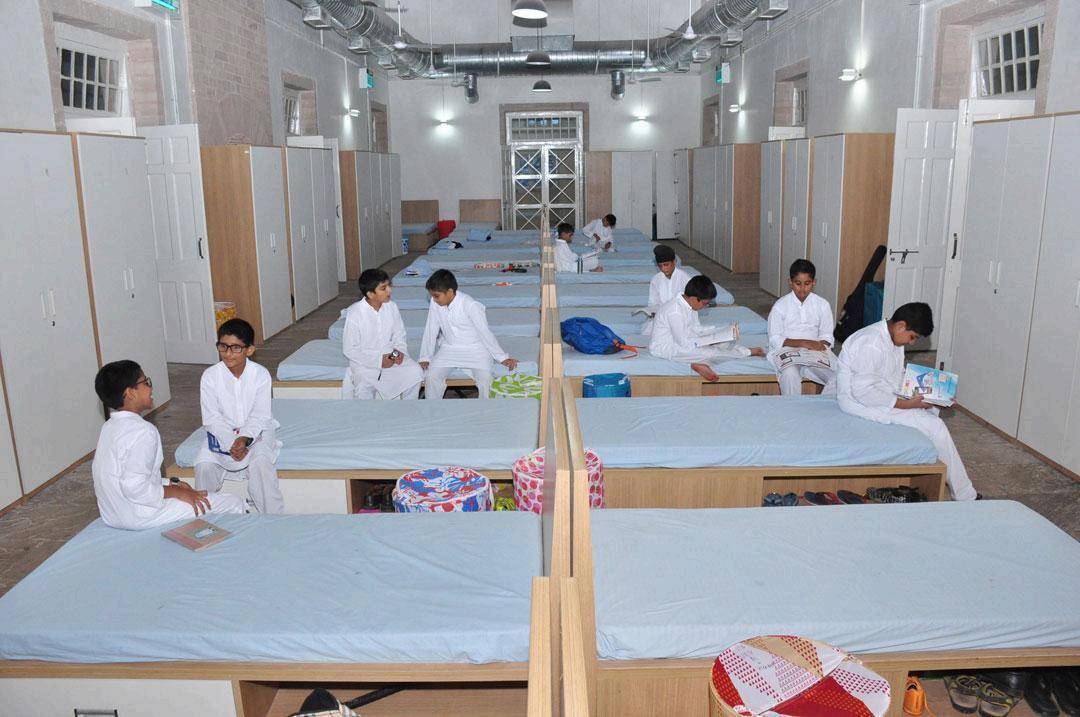
● Tour the hostel
● Explore classrooms
● Visit sports facilities
● Meet teachers and hostel wardens
● Understand the dining arrangements
● Familiarize your child with the campus
Seeing the environment firsthand helps reduce uncertainty and creates excitement.
5. Prepare Academically
Although boarding schools provide strong academic support, students feel more confident when they begin with a solid foundation
Help your child by:
● Revising previous class concepts
● Encouraging regular reading
● Improving English communication
● Developing good study habits
● Introducing time management techniques
Academic preparation reduces stress during the first few weeks of school
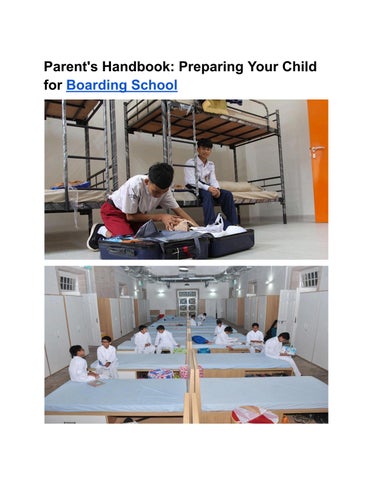
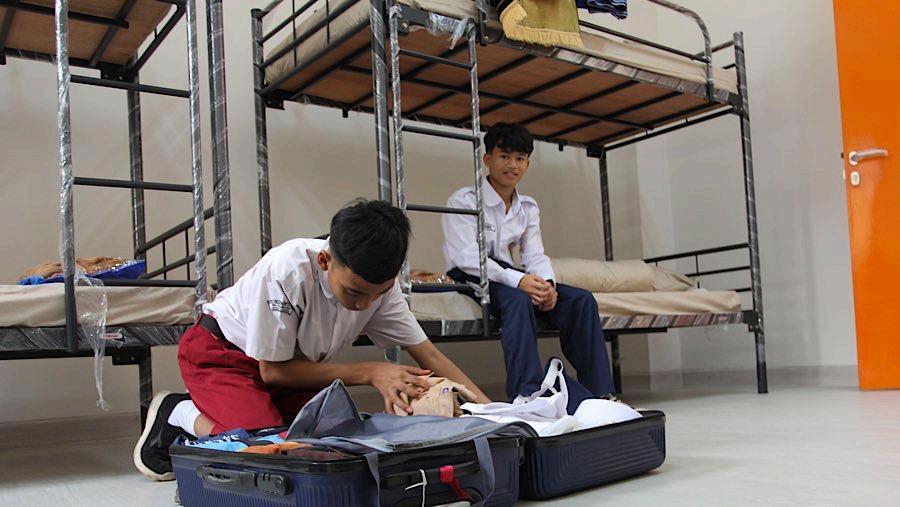
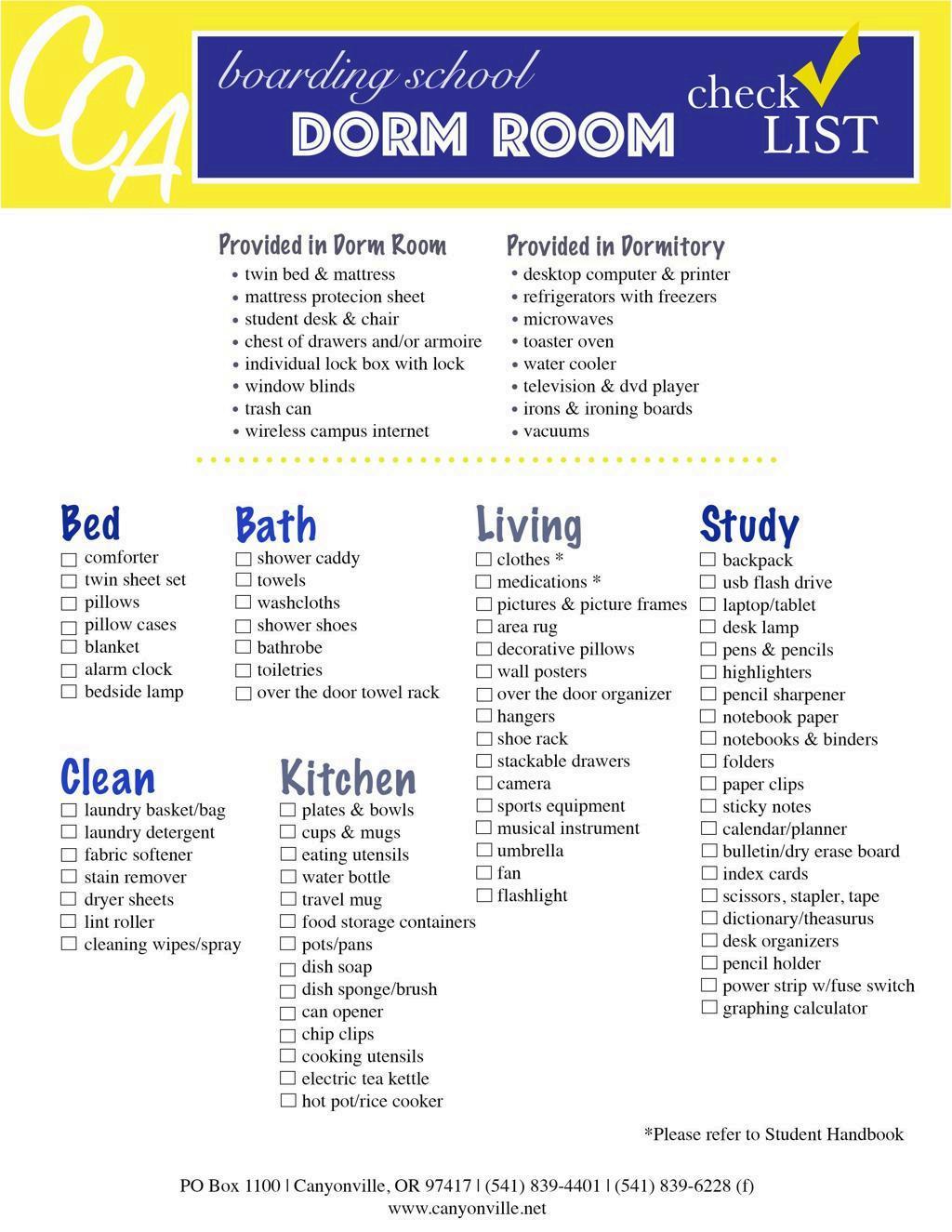
6. Pack Smart, Not Excessively
Packing wisely helps your child stay organized
Essential items include:
● School uniforms
● Casual clothing
● Comfortable shoes
● Toiletries
● Bed linens (if required)
● Stationery
● Water bottle
● Laundry bag
● Personal medications
● Family photographs
Avoid overpacking Too many belongings can make organization difficult
Label every item clearly to minimize the chances of losing personal belongings.
7. Teach Financial Responsibility
Many boarding schools provide students with pocket money or allow limited spending
Teach your child:
● Basic budgeting
● Responsible spending
● Saving money
● Keeping track of expenses
● Avoiding unnecessary purchases
These skills promote financial independence from an early age
8. Discuss Communication Expectations
One of the biggest concerns for parents is staying connected
Before school begins, discuss:
● Phone call schedules
● Video call timings
● Email communication
● School communication policies
● Emergency contact procedures
Avoid calling too frequently during the initial adjustment period, as excessive contact can sometimes increase homesickness
9. Encourage Participation in Activities
Boarding schools offer a wide range of extracurricular opportunities
Encourage your child to participate in:
● Sports
● Music
● Dance
● Drama
● Debate
● Art
● Clubs
● Community service
● Leadership programs
Participation helps children make friends, discover new talents, and develop confidence beyond the classroom
10. Prepare Yourself as a Parent
Sending a child away is often harder for parents than for children
Remember:
● Trust the school's support system
● Avoid showing excessive anxiety during drop-off.
● Stay positive during conversations
● Encourage independence instead of solving every problem immediately
● Celebrate your child's achievements and growth.
Children often mirror their parents' emotions A calm and confident attitude helps them adapt more easily.
Common Challenges During the First Few Weeks
Most students experience an adjustment period that may include:
● Homesickness
● Difficulty making friends
● Adapting to routines
● Managing time independently
● Missing family celebrations
These challenges are usually temporary. Boarding schools have experienced teachers, counselors, and hostel staff who help students settle into their new environment
Parents should remain patient and supportive during this phase
Final Thoughts
Preparing your child for boarding school goes far beyond buying uniforms and packing suitcases It involves building emotional resilience, encouraging independence, developing practical life skills, and creating a positive mindset about this exciting new chapter
Every child adjusts at their own pace, and with the right preparation, the transition can become a rewarding experience that shapes their confidence, character, and future success