Boarding School vs. Day School: A Comprehensive Comparison
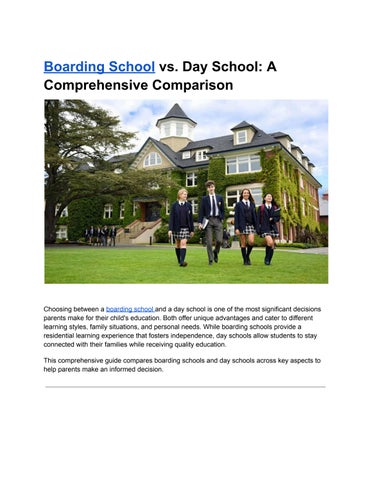
Choosing between a boarding school and a day school is one of the most significant decisions parents make for their child's education. Both offer unique advantages and cater to different learning styles, family situations, and personal needs While boarding schools provide a residential learning experience that fosters independence, day schools allow students to stay connected with their families while receiving quality education.
This comprehensive guide compares boarding schools and day schools across key aspects to help parents make an informed decision.
Understanding the Difference
What is a Boarding School?
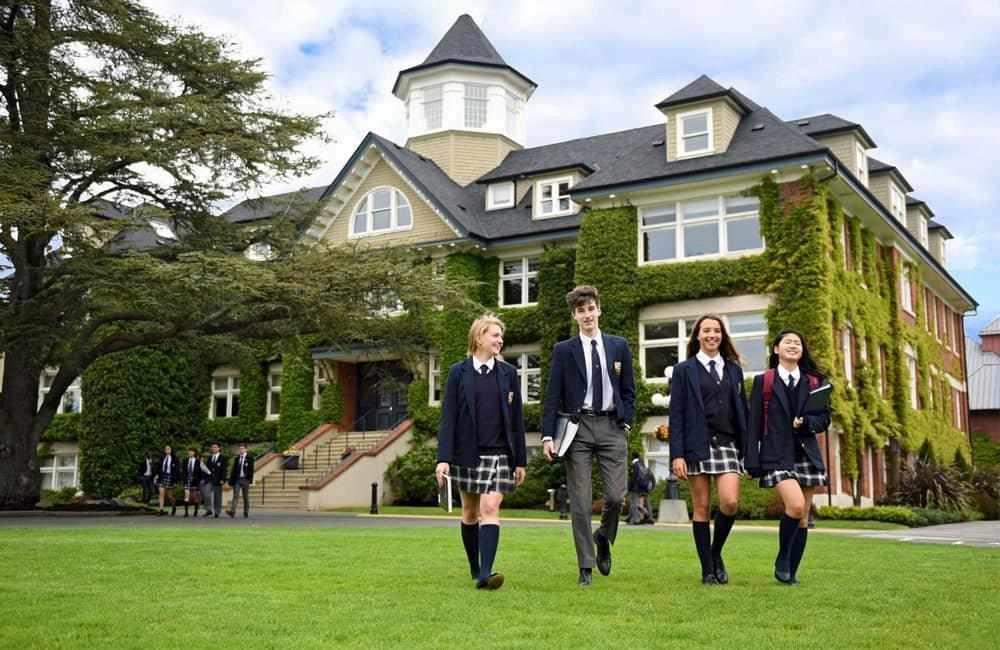
A boarding school is an educational institution where students live on campus during the academic year. They study, participate in extracurricular activities, and reside in school-managed hostels under the supervision of teachers and wardens
What is a Day School?
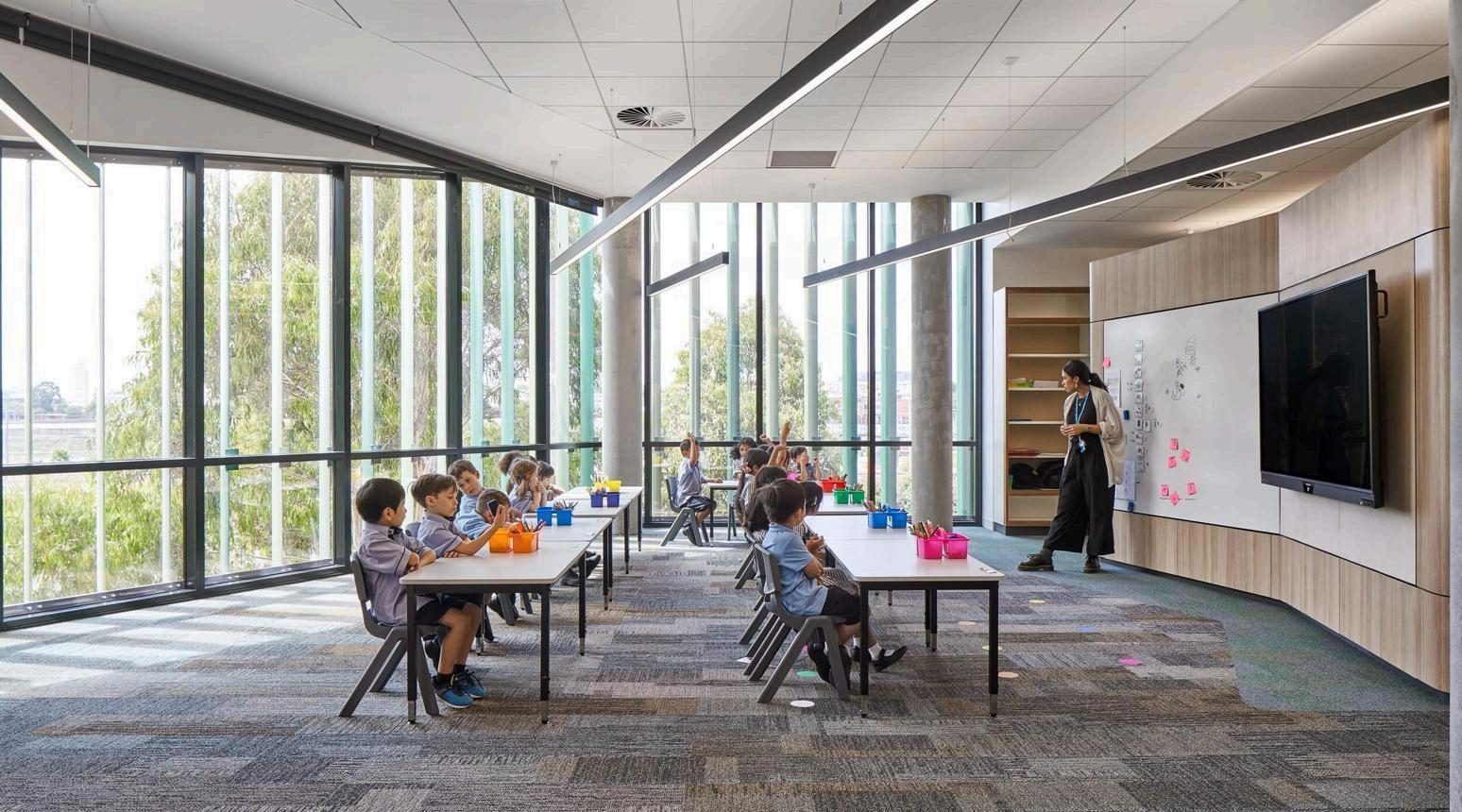
A day school is a traditional educational institution where students attend classes during the day and return home after school hours Parents remain actively involved in their child's daily routine and upbringing.
Quick Comparison Table
Feature
Boarding School Day School
Living Arrangement Students live on campus Students return home daily
Discipline Highly Structured Depends on Family Routine
Time Management Excellent Development Parent Guided
Social Exposure Diverse Student Community Local Community
Academic Environment
Boarding School
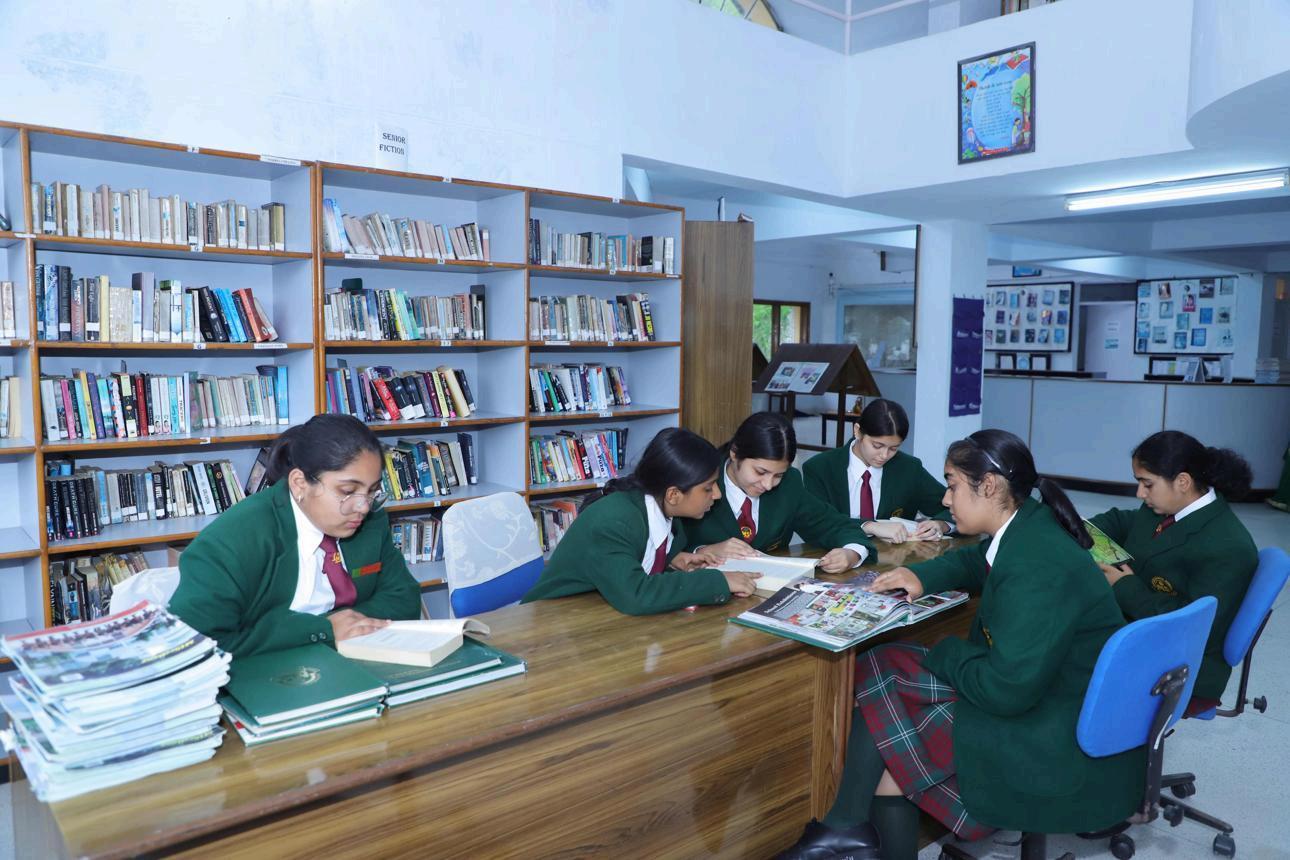
Boarding schools provide an immersive academic environment where learning extends beyond classroom hours. Students benefit from:
● Evening supervised study sessions
● Easy access to teachers
● Collaborative learning with peers
● Structured study schedules
● Minimal distractions
This environment often encourages consistency and academic discipline
Day School
Day schools also provide quality education but students continue their learning at home.
Advantages include:
● Family support after school
● Flexible study schedule
● Comfortable home environment
● Personalized parental guidance
Students who are self-motivated often perform equally well in day schools.
Personal Development
Boarding School
Living away from home encourages students to become independent
Students learn:
● Self-discipline
● Responsibility
● Decision-making
● Leadership
● Time management
● Problem-solving
These life skills often prepare students well for university and future careers
Day School
Day school students continue receiving daily guidance from parents
They benefit from:
● Emotional support
● Family bonding
● Cultural traditions
● Personalized care
● Strong parent-child relationships
Children who thrive on family interaction often feel more secure in a day school environment
Social Life
Boarding school students live with classmates from different regions, cultures, and backgrounds
Benefits include:
● Strong friendships
● Better teamwork
● Cultural understanding
● Improved communication skills
● Lifelong networks
Day school students maintain close relationships with:
● Family
● Neighborhood friends
● Local community
● School classmates
Both environments offer valuable social experiences but in different ways
Extracurricular Activities
Both types of schools encourage holistic development
Boarding Schools Usually Offer
● Multiple sports
● Swimming
● Horse riding (in some schools)
● Adventure camps
● Debate clubs
● Leadership programs
● Music and dance
● Robotics
● Community service
Students have more time to participate because they live on campus.
Day Schools Usually Offer
● Sports
● Dance
● Art
● Music
● School clubs
● Competitions
● Annual events
However, participation may depend on commuting schedules and family commitments
Family Connection
Boarding School
Students interact with parents during:
● Holidays
● Scheduled visits
● Video calls
● Parent meetings
While this develops independence, some younger children may initially experience homesickness.
Day School
Students spend every evening with family
Benefits include:
● Daily emotional support
● Active parental involvement
● Family celebrations
● Better monitoring of daily activities
Discipline and Routine
Boarding schools are known for their structured routines
A typical day includes:
● Morning exercise
● Regular classes
● Sports
● Evening study
● Recreational activities
● Fixed bedtime
Day schools provide flexibility, but maintaining routines often depends on parental supervision
Cost Comparison
Boarding schools generally have higher fees because they include:
● Tuition
● Accommodation
● Meals
● Laundry
● Medical care
● Hostel facilities
● Residential supervision
Day schools usually involve lower costs since students live at home
Families should compare the overall value rather than focusing only on tuition fees.
Which Students Thrive in Boarding Schools?
Boarding schools are often a good fit for students who:
● Enjoy independence
● Adapt well to new environments
● Want extensive extracurricular opportunities
● Need a structured routine
● Aspire to leadership roles
● Are preparing for competitive academic goals
Which Students Thrive in Day Schools?
Day schools are often ideal for students who:
● Prefer living with family
● Need daily parental guidance
● Have strong local support systems
● Participate in community activities
● Prefer flexible schedules
Questions Parents Should Ask
Before choosing either option, consider:
● What learning environment suits my child best?
● Is my child emotionally ready for residential life?
● How important is daily family interaction?
● What extracurricular opportunities are available?
● Does the school align with our educational goals and values?
● What level of independence does my child currently have?
Final Thoughts
There is no universal "best" choice between boarding school and day school The right decision depends on your child's personality, academic goals, emotional readiness, and your family's circumstances.
A boarding school can provide an immersive environment that promotes independence, discipline, and leadership, while a day school offers the comfort of home, strong family involvement, and a balanced daily routine