What to Check Before Buying a Second-Hand BMW Engine
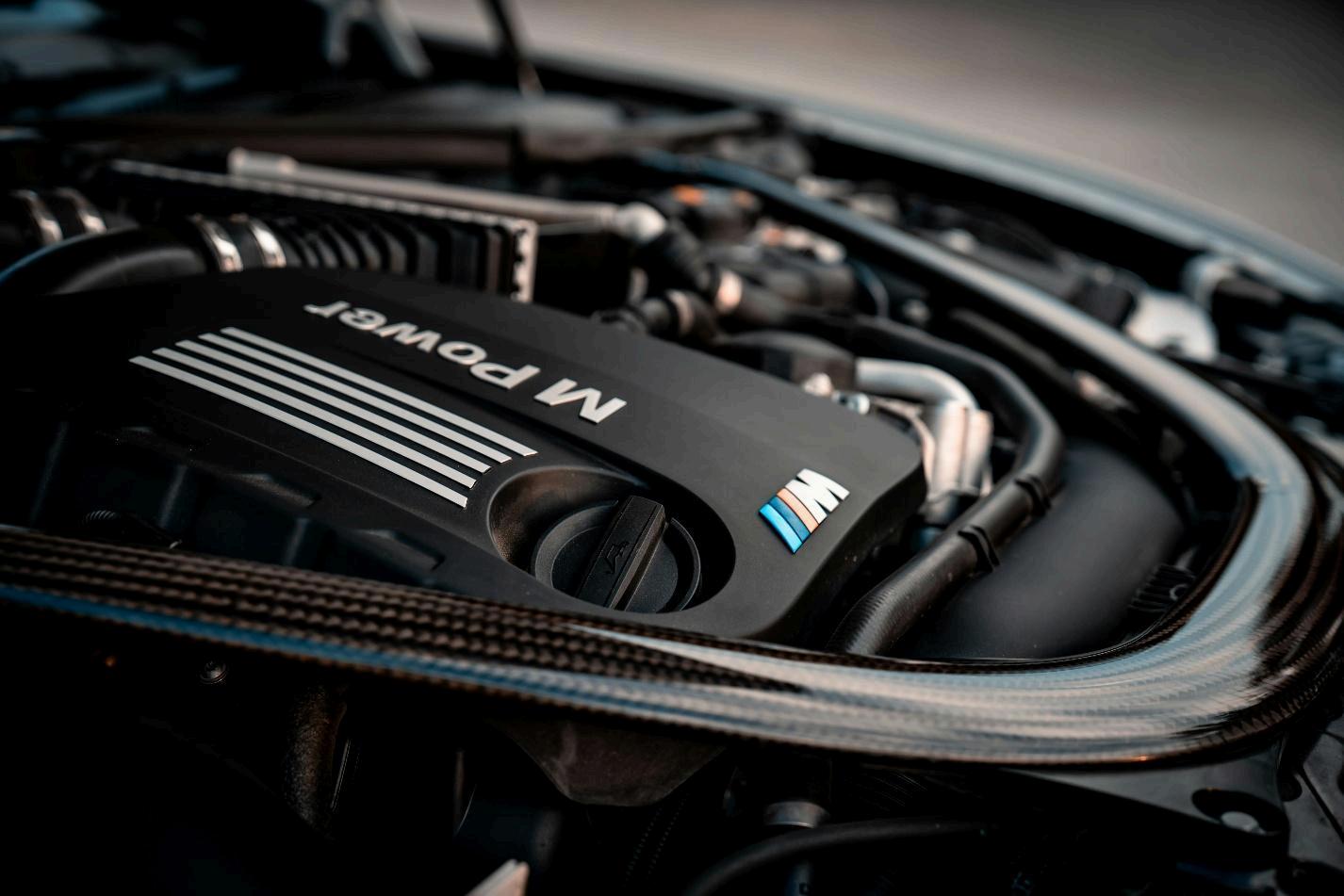
Photo by Michael Lock on Unsplash
A used BMW engine is one of the most cost-effective ways to get a car back on the road after a major failure, or to build a project car without starting from scratch The savings over a new unit can be substantial But the difference between a good purchase and a costly mistake comes down to what you know before you hand over any money
This guide covers everything worth checking when considering second-hand BMW engines for sale in the UK, from the basic questions to ask any supplier, to the specific things worth inspecting before an engine goes anywhere near your car.
Why the Source Matters More Than the Price
The price of a used BMW engine tells you very little on its own. A cheap engine from an unknown source with no history is a gamble. A slightly more expensive engine from a reputable BMW breakers yard, with documented donor mileage, a clear history, and a warranty, is a sensible purchase.
The market for second-hand BMW engines in the UK ranges from well-run specialist dismantlers who process cars properly and test what they sell, to private listings where the seller knows very little about the engine's history The gap in quality between these two ends of the market is significant
Before anything else, establish who you're buying from. How long have they been trading? Do they specialise in BMW, or do they sell parts for everything? Can they tell you which specific car the engine came from and what mileage it covered? Is there a warranty, and what does it actually cover? These questions filter out the majority of risky purchases before you even look at the engine itself
The most important question to ask first: Which car did this engine come from, and what mileage did it cover? Any reputable supplier of used BMW engines should be able to answer this immediately. If they can't, or the answer is vague, treat that as a significant warning sign.
Checking the Engine Before You Buy
If you're buying in person, or if the supplier offers a video inspection, here's what to look at carefully.
External condition
Start with a general visual A used BMW engine that's been stored properly and came from a well-maintained car will look different from one that's been sitting in a damp yard for two years Heavy surface rust on the block, cracked plastic covers, broken brackets, and missing ancillaries are all things to note, not necessarily dealbreakers, but factors that affect the overall value
Look specifically at the condition of the oil filler cap and the underside of the cap itself. Thick, mayonnaise-like deposits here indicate water contamination, a sign of a previous head gasket failure or coolant ingress This is a clear reason to walk away from any used BMW engine
Oil condition
If the engine has oil in it, check the dipstick Clean oil is a good sign Very dark, gritty oil suggests extended service intervals Oil that looks milky or pale suggests water contamination On a used engine from a BMW breaker, the oil may have been drained Ask whether this is the case and why
Coolant condition
Check the coolant if it's present. BMW coolant should be blue-green and relatively clear. Brown, rusty, or oily coolant suggests either neglect or a more serious issue. Oil in the coolant, visible as a sheen on the surface, is a serious warning sign pointing to head gasket failure.
Physical damage
Inspect the block, the sump, and the cylinder head for cracks, impact damage, or signs of repair Cracks in the block are generally terminal A previously repaired crack, poorly sealed, is equally problematic Look carefully at the area around the oil cooler, on N47 and N57 diesel engines in particular This is a known weak point, and oil cooler seal failures can cause coolant and oil to mix
Timing chain and ancillary components
If you're buying a used N47 or N57 diesel engine, ask specifically whether the timing chain has been replaced The N47's chain sits at the rear of the engine and is a known failure point on higher-mileage cars An engine from a car where the chain failed is obviously not what you want, but the chain could have been replaced, and the engine still would have been in excellent condition. Establish this before purchasing.
Ask what ancillary components are included Alternator, power steering pump, air conditioning compressor, starter motor, these add value to a used BMW engine purchase and save cost and complexity at the fitting stage An engine stripped of all ancillaries is worth less than one that's complete
What to Check How to Check It
Dipstick and oil condition
Coolant condition
Block and sump
Timing chain (N47/N57)
Ancillary components
Donor car mileage
Warranty terms
Pull and inspect
It Tells You
Mayonnaise deposits = coolant contamination. Walk away
Dark/gritty = neglect. Milky = water contamination.
Check the reservoir if present Brown/oily = neglect or head gasket issue.
Visual for cracks or damage
Ask the supplier directly
Confirm what's included
Ask for documented evidence
Cracks are terminal. Previous repairs need explanation.
Chain history on diesels is critical to establish.
Complete engines are a better value and easier to fit.
Low mileage from a maintained car is the ideal.
Confirm in writing before buying 30 days minimum. No warranty = significant risk.
Questions to Ask the Seller
If you're buying in person or online, these are the questions worth asking before committing to any second-hand BMW engine purchase:
● Which car did this engine come from? Make, model, year, and engine code should all be readily available from a reputable supplier
● What mileage did the donor car cover? Ideally, is this supported by any documentation, MOT history, service records, or V5?
● Why was the car broken? Accident damage is fine. An engine-related failure in the donor car is a different matter entirely.
● Has the timing chain been replaced on diesel engines? Particularly relevant for N47 and N57 units.
● What ancillaries are included? Alternator, starter, turbo, ancillary belt system, confirm what comes with the engine.
● Has the engine been tested or inspected before listing? A reputable supplier will have a process for this
● What does the warranty cover and for how long? Thirty days is the standard from a good supplier Understand the terms before buying
● Is the engine code correct for my car? BMW uses similar-looking engines with different specifications Confirm the exact engine code matches your application
Understanding BMW Engine Codes
BMW engine codes matter more than most people realise Two cars that look identical, same model, same year, same fuel type, can have different engines depending on the market they were built for, the power output specified, or the production date
The engine code is stamped on the block itself and should also be visible on the car's service documents or V5. Common BMW diesel engine codes include N47 (2.0-litre four-cylinder, 2007–2014), B47 (2.0-litre four-cylinder, 2014 onwards), N57 (3.0-litre six-cylinder diesel), and B57 (its replacement). Common petrol codes include N20, N55, B48, and B58.
When searching for a BMW engine for sale, always search by engine code rather than just model and year, and preferably by VIN code. It's the only reliable way to ensure you're getting the right unit.
New vs Used BMW Engine — When Does Each Make Sense?
A new BMW engine from a main dealer is always the most expensive option, and for most cars outside warranty, it's difficult to justify the cost. A quality used BMW engine from a reputable breaker, with documented mileage and a warranty, is the sensible alternative for the vast majority of repairs.
Reconditioned or remanufactured engines sit between the two A properly remanufactured engine, rebuilt to specification with new bearings, seals, and critical components, can offer a middle ground of price and confidence. The quality varies enormously depending on who did the work, so it's worth establishing exactly what was reconditioned and to what standard.
For most BMW owners dealing with an engine failure outside of warranty, a high-quality used BMW engine from a specialist breaker is the most cost-effective way to get the car reliably back on the road
One final point on warranties: a 30-day warranty is the minimum you should accept from any supplier of second-hand BMW engines This should cover the engine being fit for purpose and matching the description given Read the terms carefully, understand what it covers, what it excludes, and how to make a claim if needed A supplier who is reluctant to offer or discuss warranty terms is worth treating with caution
Where to Source a Used BMW Engine in the UK
The best place to buy a second-hand BMW engine is from a specialist BMW breakers yard, an operation that works exclusively or primarily with BMW vehicles, documents the donor cars it processes, and inspects and warrants the parts it sells
A specialist knows the difference between an N47 and a B47, understands which engines have known issues at certain mileages, and can advise on what to look for in the specific unit you're considering A general breaker's yard, a private eBay seller, or an auction listing doesn't offer this
When comparing used BMW engines for sale, look beyond the headline price. Consider the documented mileage, what ancillaries are included, the supplier's track record and reviews, and the warranty terms. These factors determine the actual value of a purchase far more than the price alone