SMARTracker TM 2 Advanced Eye Tracking: A More Efficient Approach with a Positive Patient Experience
THE RIGHT TECHNOLOGY
If visual field tests can be performed in the clinic more efficiently, considering the “human factors” like patient anxiety, not only would the overall patient experience improve, but the tests themselves will be more reliable.
Visual field tests are a must-have for detecting injuries and eye diseases such as glaucoma.
While these tests have become quite sophisticated over the years, they also have common issues. SMARTrackerTM 2 eye tracking and neighborhood cluster testing, when used in combination with VR technology, increases clinical efficiency and provides a better patient experience.
In fact, the two are intertwined. A faster, more efficient test (that still achieves correct diagnosis) will help with a better patient experience, as will a better testing milieu. When patients have an improved experience, there is less anxiety and fatigue, which in turn cuts down on issues such as false positives and wandering attention.
To understand this synergistic effect, it helps to have a fresh understanding of the limits of current visual field testing technology.
Overcoming Limitations of Legacy Visual Field Tests
Today’s visual field tests have been developed over a period of decades. Like any test that has evolved over time, it has grown more accurate and reliable—but legacy systems can remain limited by the technologies available during development.
Take, for example, the most commonly used visual field test in the United States currently. Automated perimetry tests require patients to place their heads in a chinrest within the machine and maintain their gaze on a central fixation point. A series of white light stimuli, varying in intensity, are projected, which patients signal detection of by pressing a button. It’s a revolutionary advancement over manual perimetry tests. The next generation of testing will build off of legacy technologies while overcoming limitations that remain.
Most eye care professionals are cognizant of the challenges present with legacy tests:
1. The equipment is expensive and can be difficult to repair / quickly replace in case of a breakdown.
2. Tests must be completed in a dark room, which can make already anxious patients even more uncomfortable.
3. Setup can be cumbersome, then patients have to sit still in an awkward position throughout the length of the test.
4. Patients must maintain a constant gaze at a fixed location for several minutes at a time. If a patient loses fixation, the reliability of the test can be compromised1.
5. Stimuli are presented at random as single, independent test points. Thus, many stimuli are needed to detect any defects, making the test a longer process. Patient fatigue can lead to a decline in sensitivity2.
6. False positives can occur (signaling a stimulus when none has been presented), if a patient is anxious about missing targets.
7. Transfer of information from the machine to Electronic Medical Records (EMR), documents, databases or spreadsheets may require additional tools or steps
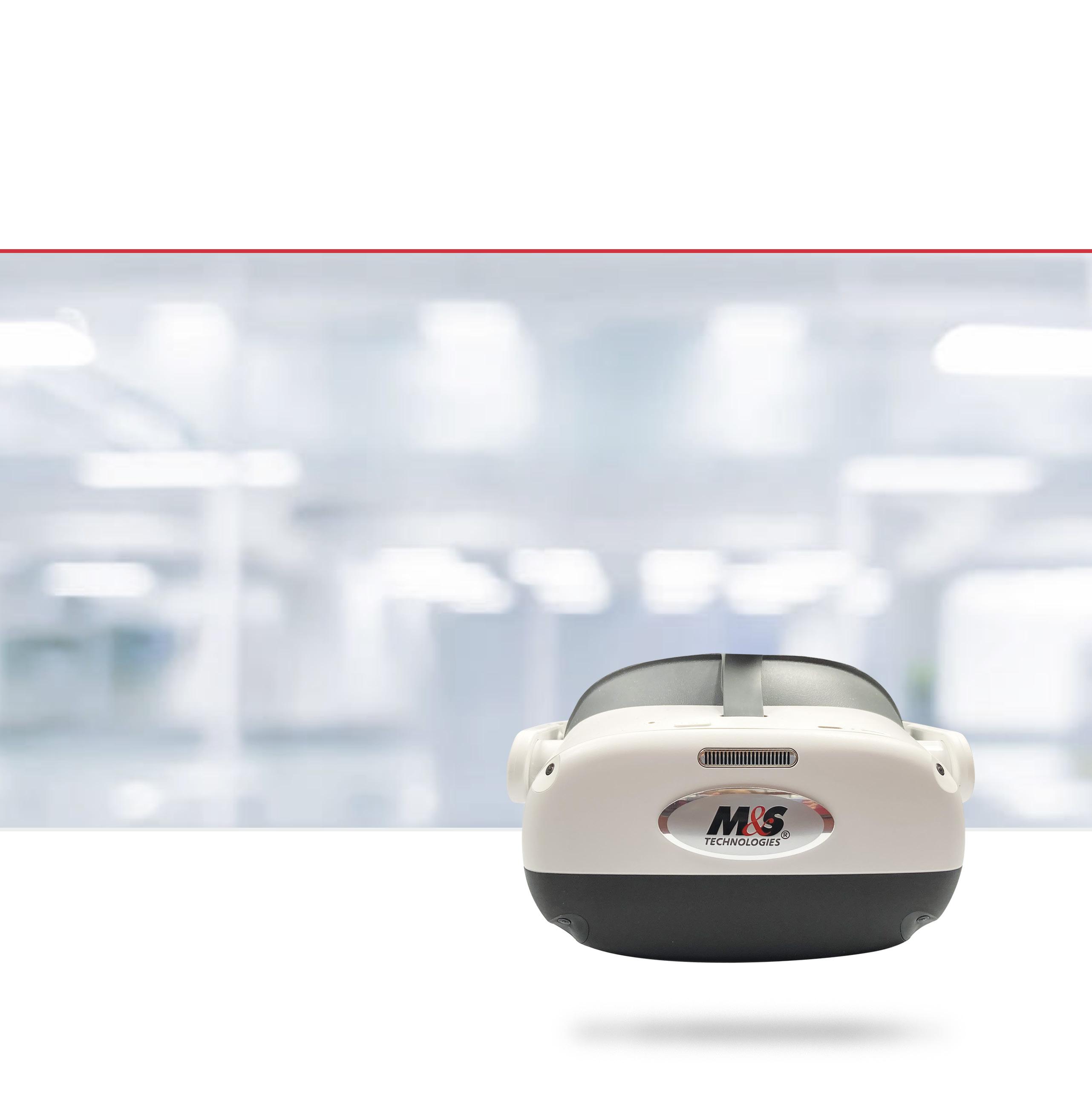
Some of these issues are inherent in any test. (For example, some portion of patients will be anxious no matter what, some portion of test results will be false positives, etc.) This is why it is so important to consider new technologies such as the M&S Smart System VR Headset. Visual field testing technology that is easy-to-use, comfortable and allows for rapid tests while providing accurate results will overcome the challenges present in legacy solutions.
Increasing Testing Accuracy with SMARTrackerTM 2
For accurate results, it is imperative that patients maintain fixation; if their gaze wanders, they could potentially miss targets that they would otherwise see, leading to false positives. While most testing equipment on the market has a fixation point, this does not address the problem unless the test adjusts accordingly.
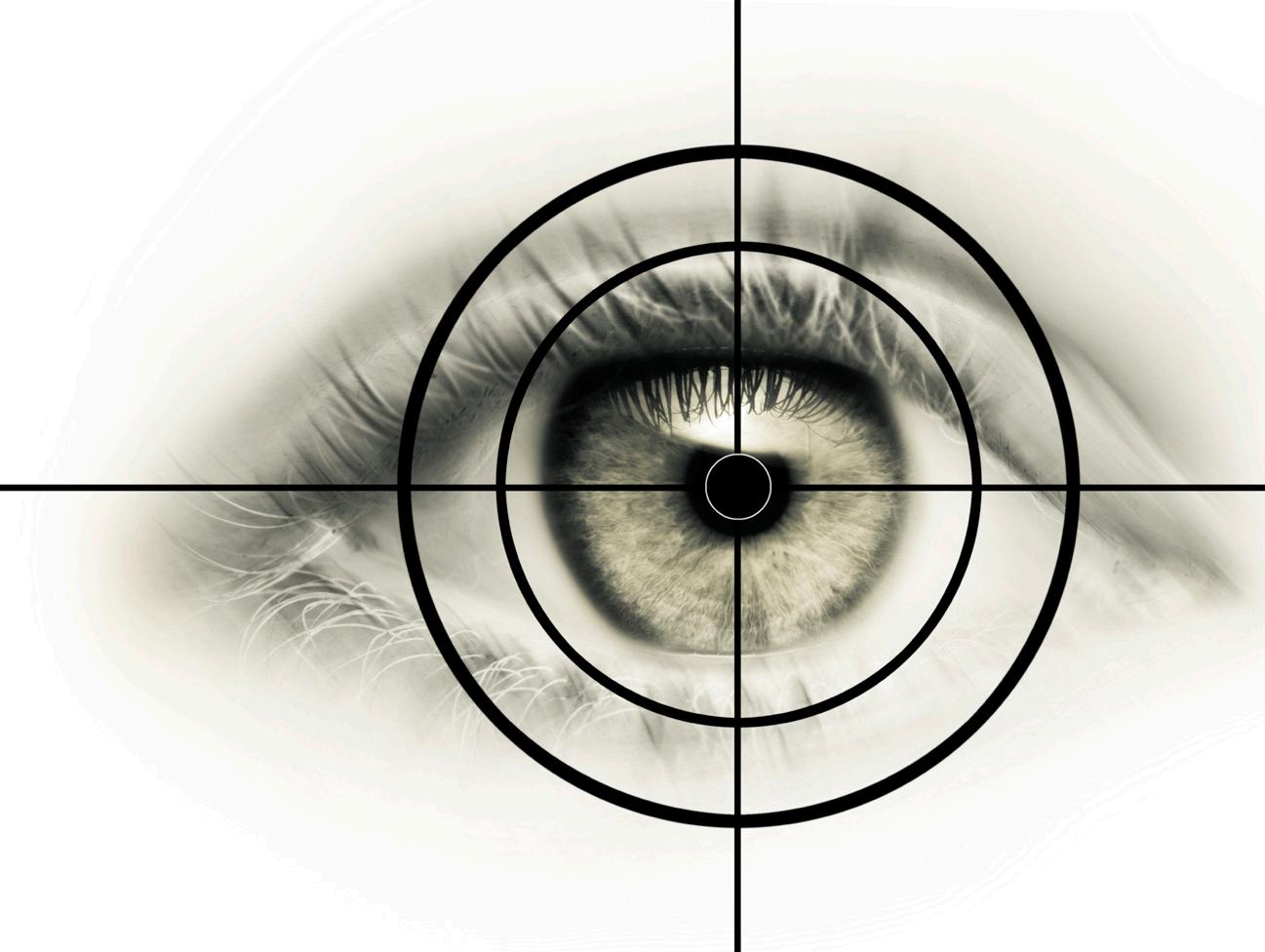
This is where SMARTracker TM 2 becomes necessary. If eye gaze can be accurately tracked, testing can be paused whenever the patient loses fixation and continued whenever fixation is regained. This way, no portions of the test are missed simply because patients become bored, or experience eye fatigue. The final results of the test thus better reflect true performance.
Innovative Frequency Doubling Technology Transforms Visual Field Loss Detection
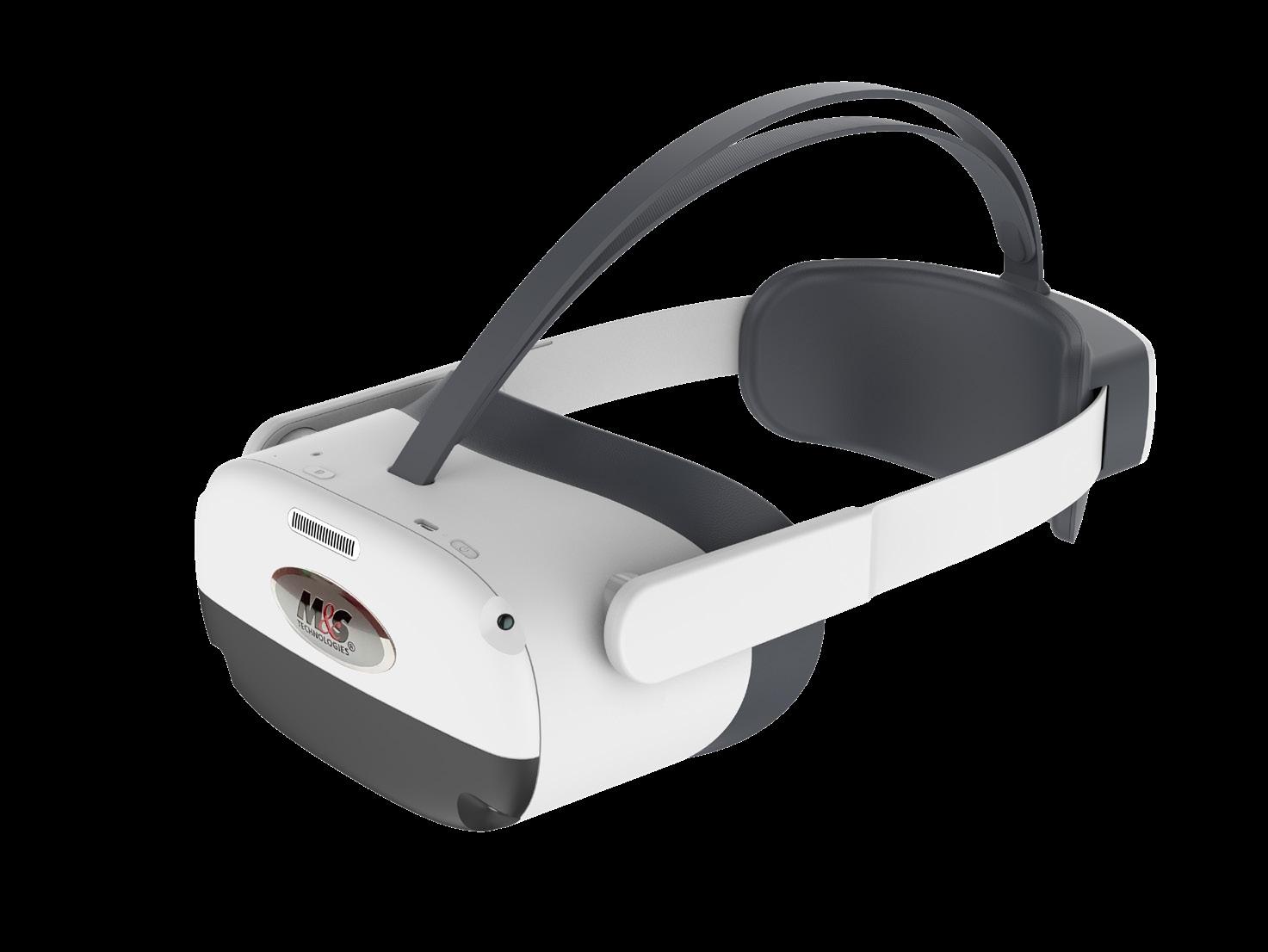
The Smart System® VR Headset, with its innovative frequency doubling technology, fundamentally removes inefficiencies inherent in legacy testing methods for ocular and neurological disorders. This improves the accuracy and speed of diagnosis and eliminates patient discomfort, making it a valuable addition to any practice.
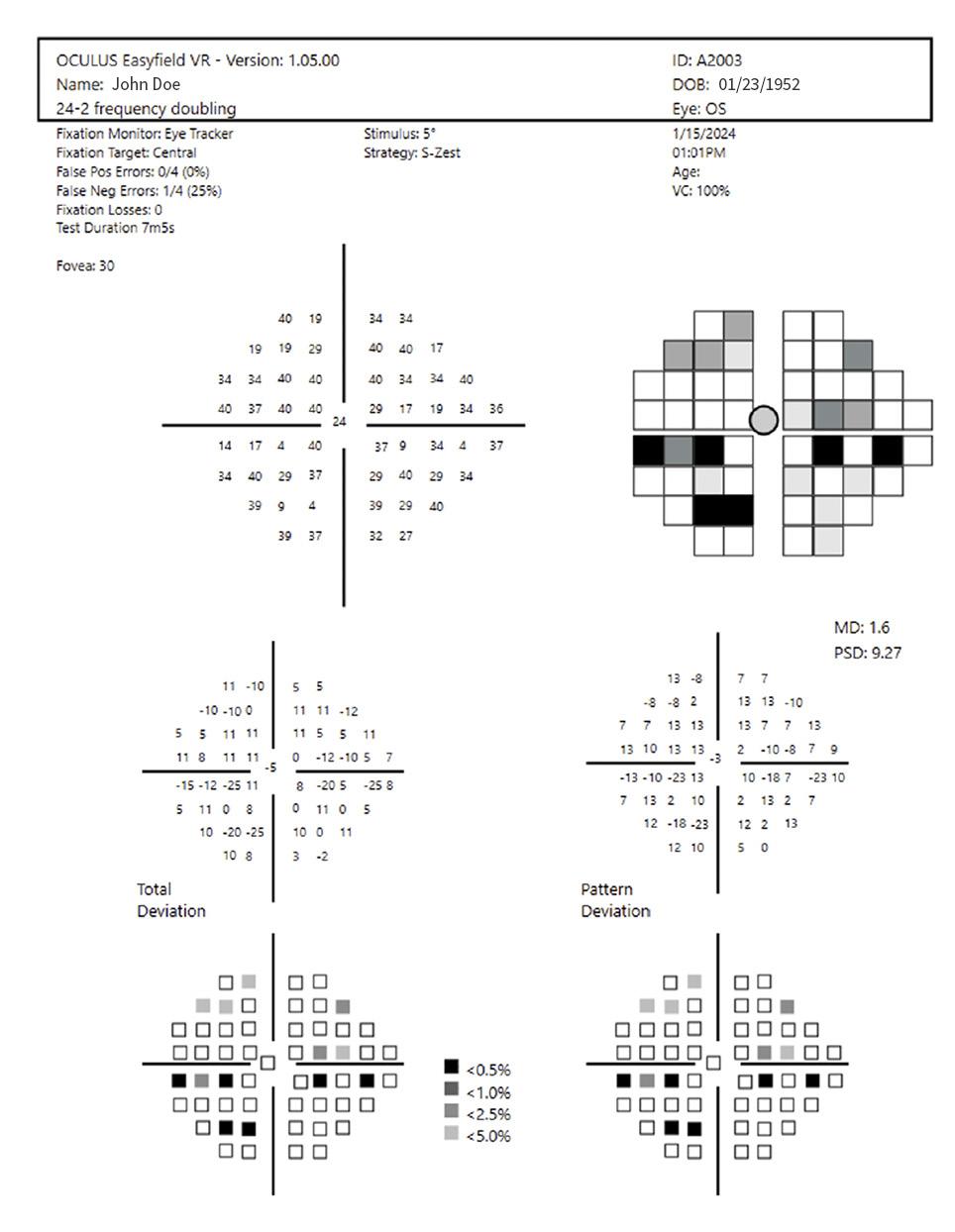
The frequency doubling technology, the latest feature of the Smart System VR Headset, provides fast and effective early detection of visual field loss, a capability impossible with conventional procedures. Its high temporal frequency flicker rate with high sensitivity reduces the number of presentations needed to accurately determine the location and shape of the area of visual loss, demonstrating its specificity to early glaucomatous defects.
The Human Factor: Controlling Patient Comfort and Anxiety
Again, visual field tests are impacted by any number of reliability issues. An anxious patient eager to “do well” on the test might trigger too many false positives for the results to accurately depict an impairment, for example. Or a stressed patient might get distracted and lose fixation, or simply miss test stimuli even when presented in their “good” visual field.
This is the human factor in any testing environment. Patients’ comfort levels, their understanding of instructions, and their level of fatigue all impact the length of a test and the reliability of the results. There is a limit to what can be done “in test” to control for these 5
This does not imply that nothing can be done to improve patient comfort. Consider how each of these might contribute to a patient’s overall experience with a test:
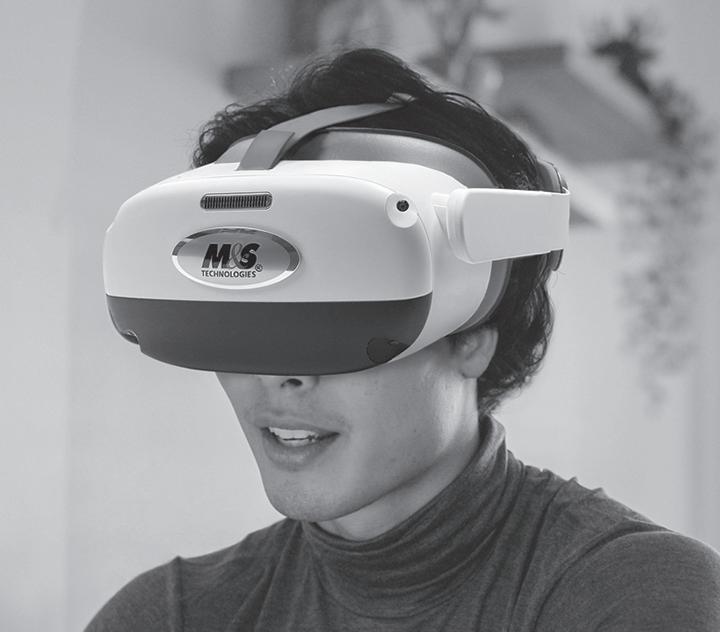
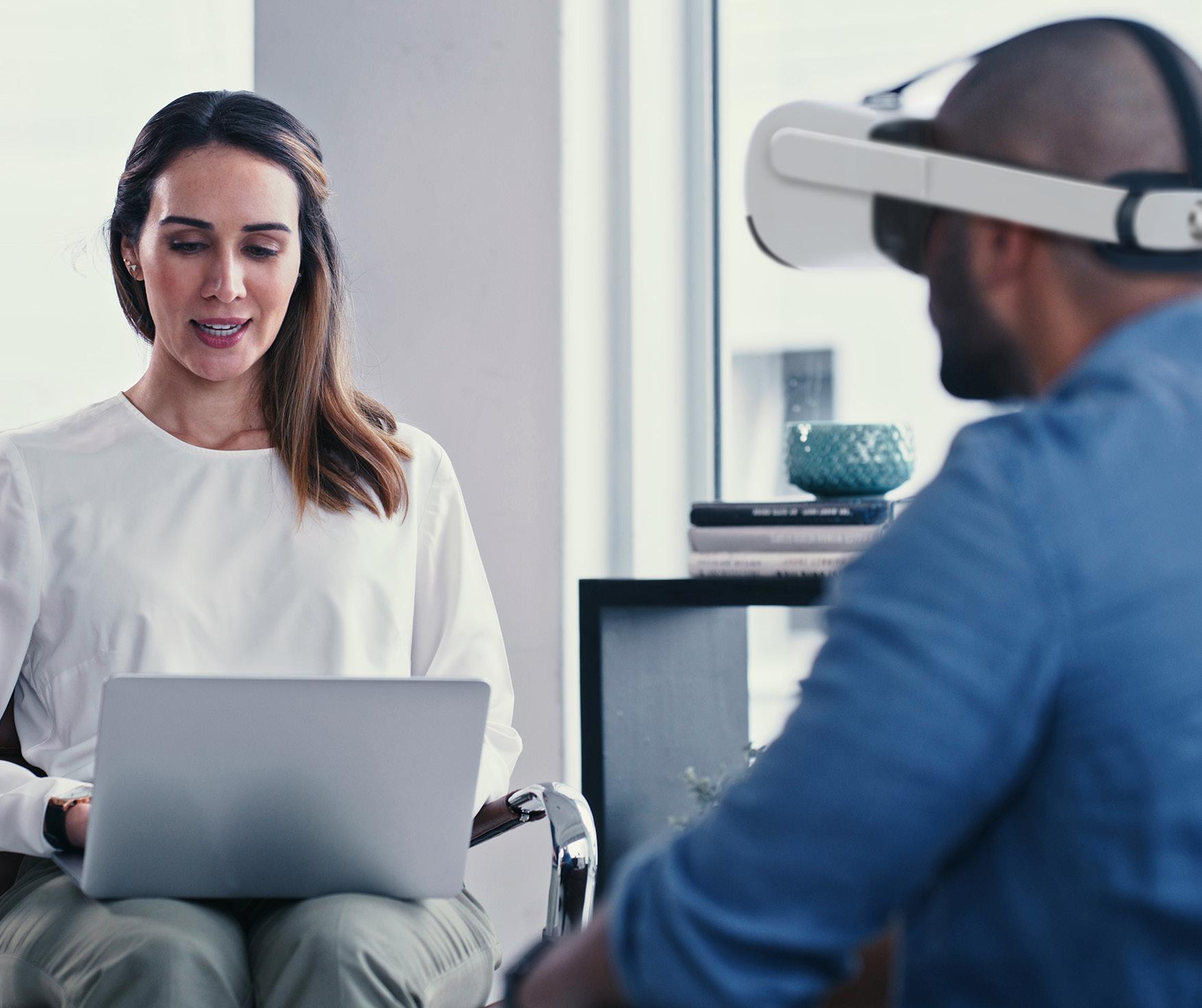
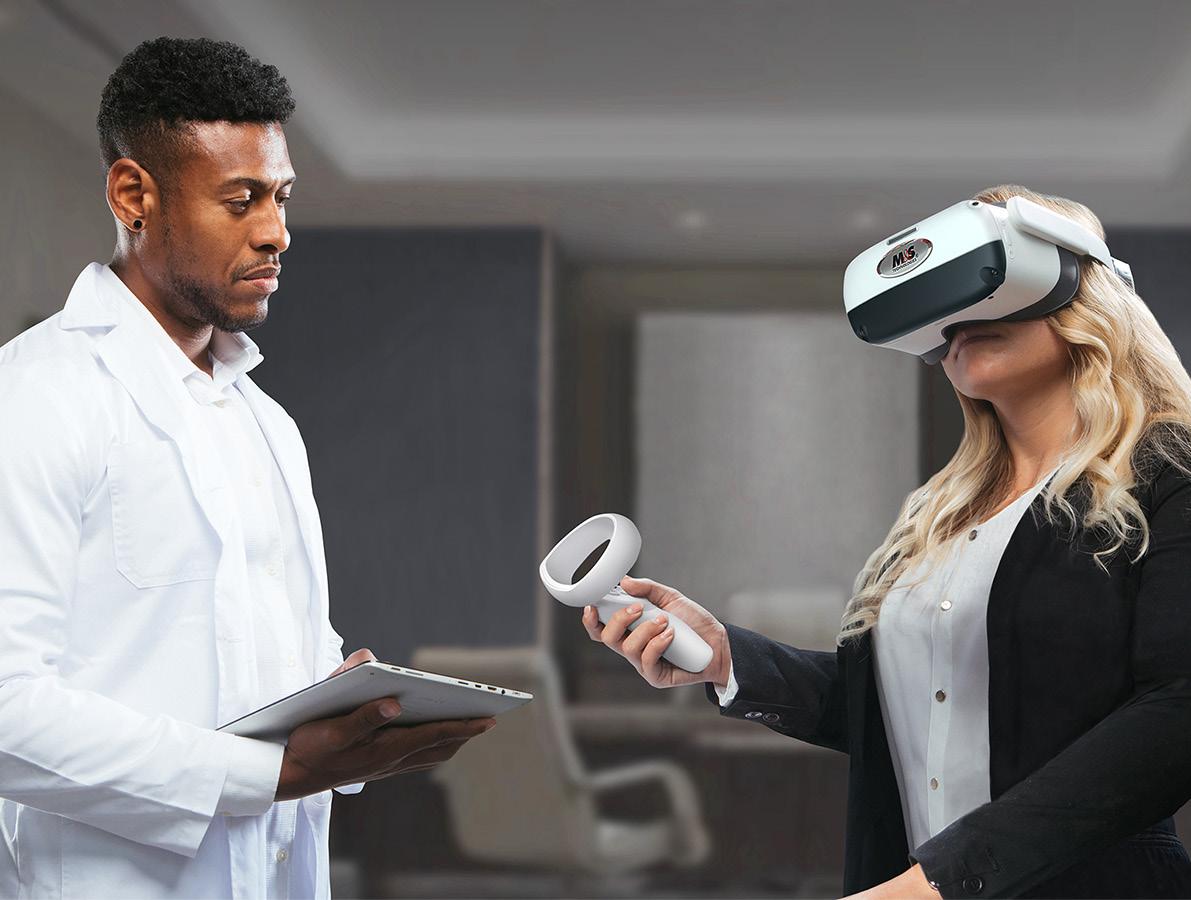
Patients don’t have to use a large, intimidating device or hold still for long periods of time.
The technology used for testing is familiar from other virtual reality contexts.
Patients receive verbal instructions through the headset to eliminate confusion.
The test can occur in a well-lit room, inside or outside of an eye clinic.
The test is completed in a short amount of time.
Test results can be easily transmitted to other locations or data storage systems.
There is a synergistic effect here. When testing is done comfortably, in a well-lit room with a familiar machine, patients will be less anxious. Lower anxiety means they are less likely to lose concentration or emit false positives. Not only does this improve test reliability, but it also reduces the time needed for the test. That efficiency means tests conclude more quickly, leading to even less anxiety.
5
See, for example, Heijl, A., Patella, V.M., and Bengtsson, B. (2021). The Field Analyzer Primer Fifth Edition: Excellent Perimetry. Dublin, CA: Carl Zeiss Meditec, Inc. pp. 67-77.
New Technologies Are Making This Happen
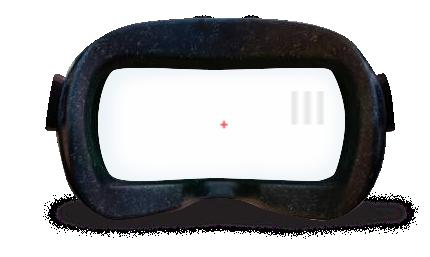
The idea that patients could have a better, more familiar testing experience was one of the main factors driving the development of the Smart System® VR Headset. Initially, virtual reality (VR) visual tests were copies of testing procedures carried out with more traditional devices. Having the headset itself provided a number of early advantages, however. The headset is both more comfortable and more familiar to many users from other contexts, such as museum displays, real-estate virtual tours, and gaming. The device is portable and user-friendly, and its operation is much more intuitive.
But these headsets also afford opportunities to bring new kinds of testing to clinical environments— in other words, visual field tests do not have to be replicas of traditional tests. They can more easily accommodate innovations such as SMARTrackerTM 2 and neighborhood cluster testing for fast and efficient diagnosis. And as testing develops, these headsets can much more easily accommodate new testing procedures. In short, new technologies are making huge strides possible in clinical efficiency and patient experience — clinicians simply have to be willing to embrace the development.
to automated visual field testing dramatically improved clinical patient flow and standardization of procedures. The Smart System® VR Headset provides further enhancements and creates the possibility of a single device being able to perform a wide variety of test procedures.”
Chris A. Johnson, Ph.D. Professor, Department of Ophthalmology and Visual Sciences Director, Visual Field Reading Center University of Iowa