

Ready for a Challenge? Introducing GHIN® Challenges, a New MSGA Member Benefit.
Score posting season is officially here across the country. In Montana, our active season began April 1—and we’ve already seen a little bit of everything: a few glorious spring days mixed in with some classic frost delays to kick off 2026.
One of the things I grapple with—both personally and in my role at the Montana State Golf Association—is balancing the desire for competition while still promoting golf for its recreational, social, and health benefits. At the end of the day, I’ll stand by my belief that one of the most unique aspects of golf— compared to other sports—is the ability to compete equitably with players of different skill levels. We’ll save the sandbagging conversation for another day—but in my mind, equitable competition requires honor, and a legitimate handicap depends on that same principle.
Like most of you, I have gone through ebbs and flows of good play, less good play and everything in between. I have expected too much, been pleasantly surprised and have eventually settled with managing expectations based on frequency of play and the ability I have at the moment. Many of you became members through some sort of competitive avenue. Be it playing in a local league, entering a tournament or playing in an MSGA Championship. Regardless of how often you’re competing, it’s difficult to throttle
down the itch to compete for some. Whether it’s a match with your usual group, a little side game with family, or even just chasing a number in your head can completely change your mindset.
But every now and then, it’s nice to have something new—something that gives your everyday golf a little extra purpose without turning it into a full-blown event. That’s where GHIN® Challenges comes in, now available in the GHIN app as part of your MSGA membership.
At its core, this is simple: we partner with courses around the state, set a window of time—usually a month—your normal rounds at that course become part of a virtual competition. No sign-ups weeks in advance. No adjusting your schedule. No added logistics. You just play.
Post your score like you always do, and the app will prompt you to join the Challenge. From there, you’re on the leaderboard. After


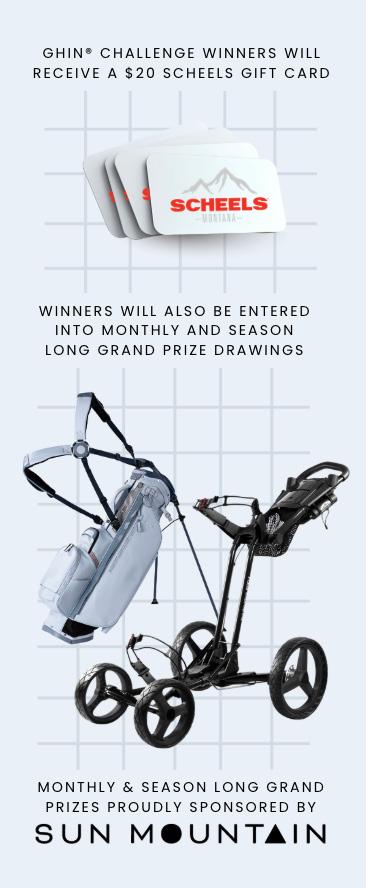
your third 18-hole round, you’ll officially be ranked, and your best three scores during the Challenge period are what count.
And here’s the part I really like—it’s all based on your Net Score. So whether you’re a scratch player or grinding your way down from an index of 22, you’ve got a real shot to compete. It’s your game, relative to your ability, stacked up against everyone else doing the same thing.
To jump in, you’ll need to:
• Be an active MSGA member Join or Renew Here
• Have an established Handicap Index®
• Use the GHIN® app (or post via kiosk/ online where available)
• Play at least three (3) 18-hole rounds during the Challenge period
That’s it. No extra barriers.
We talk a lot about “growing the game” or “engagement,” and sometimes that can feel a little abstract. This is the opposite of that. This is practical. It’s tangible. It’s something you can feel the next time you’re standing on the first tee.
Maybe it’s the difference between calling it a day after 14 holes or finishing all 18 because “this one counts.” Maybe it’s deciding to play a course you haven’t been to in a few years because it’s hosting a Challenge. Or maybe it’s just checking the leaderboard to see how your round stacks up relative to others of differing ability levels.
We know not everyone is eligible—or has the time or desire—to compete in multi-day events. This is exactly where the value of MSGA membership shows up in a real way. Your Handicap Index® isn’t just a number you carry around—it’s what makes this kind of
competition possible. It creates a level playing field and opens the door for everyone to be part of it, track your progress and have something fun to add into your favorite recreation – golf!
You can only be in one Challenge at a time, so choose accordingly. And yes, we’ll be running multiple Challenges throughout the season at different courses across the state, with some great prizes for those who rise to the top thanks to our partners at Scheels & Sun Mountain.
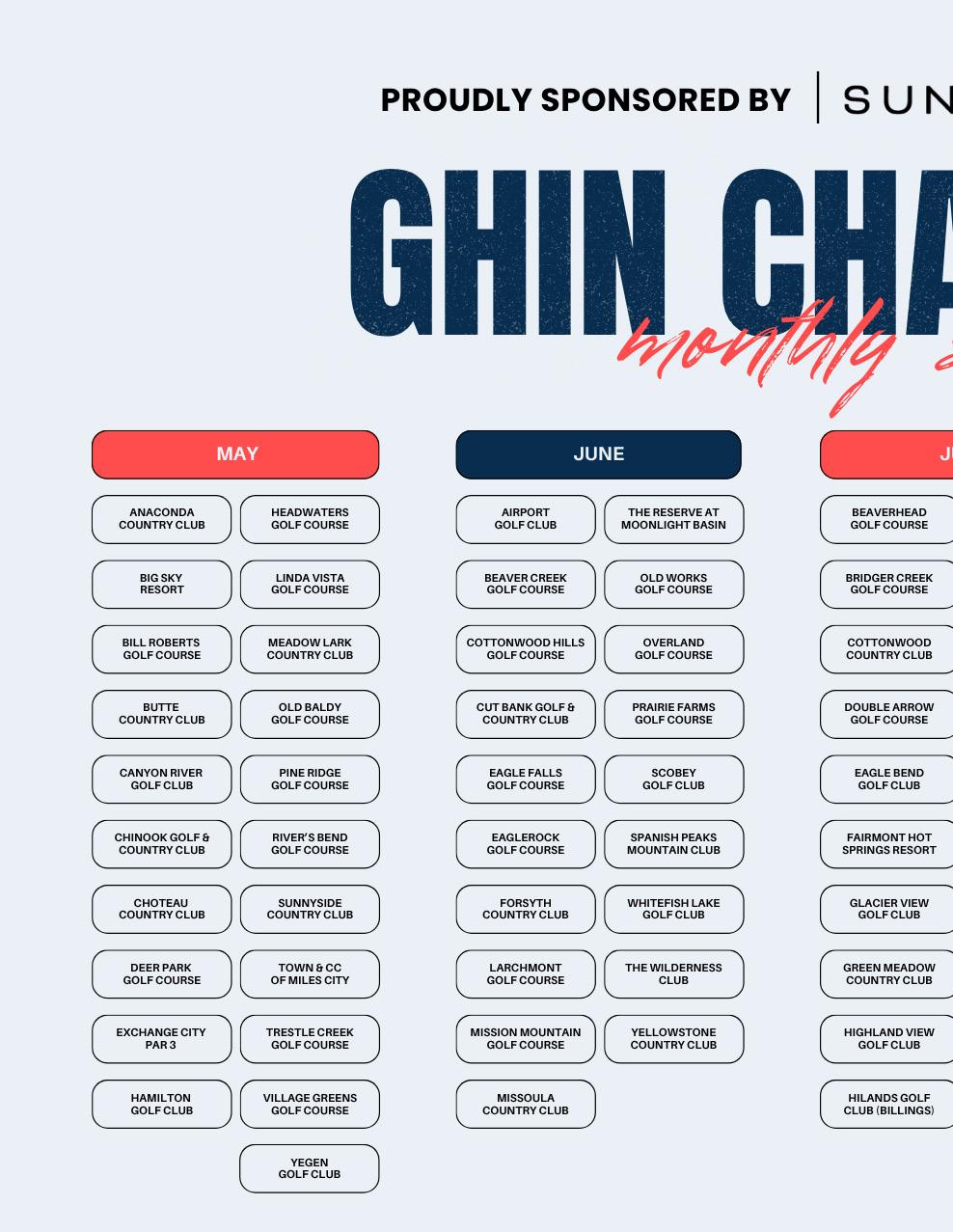
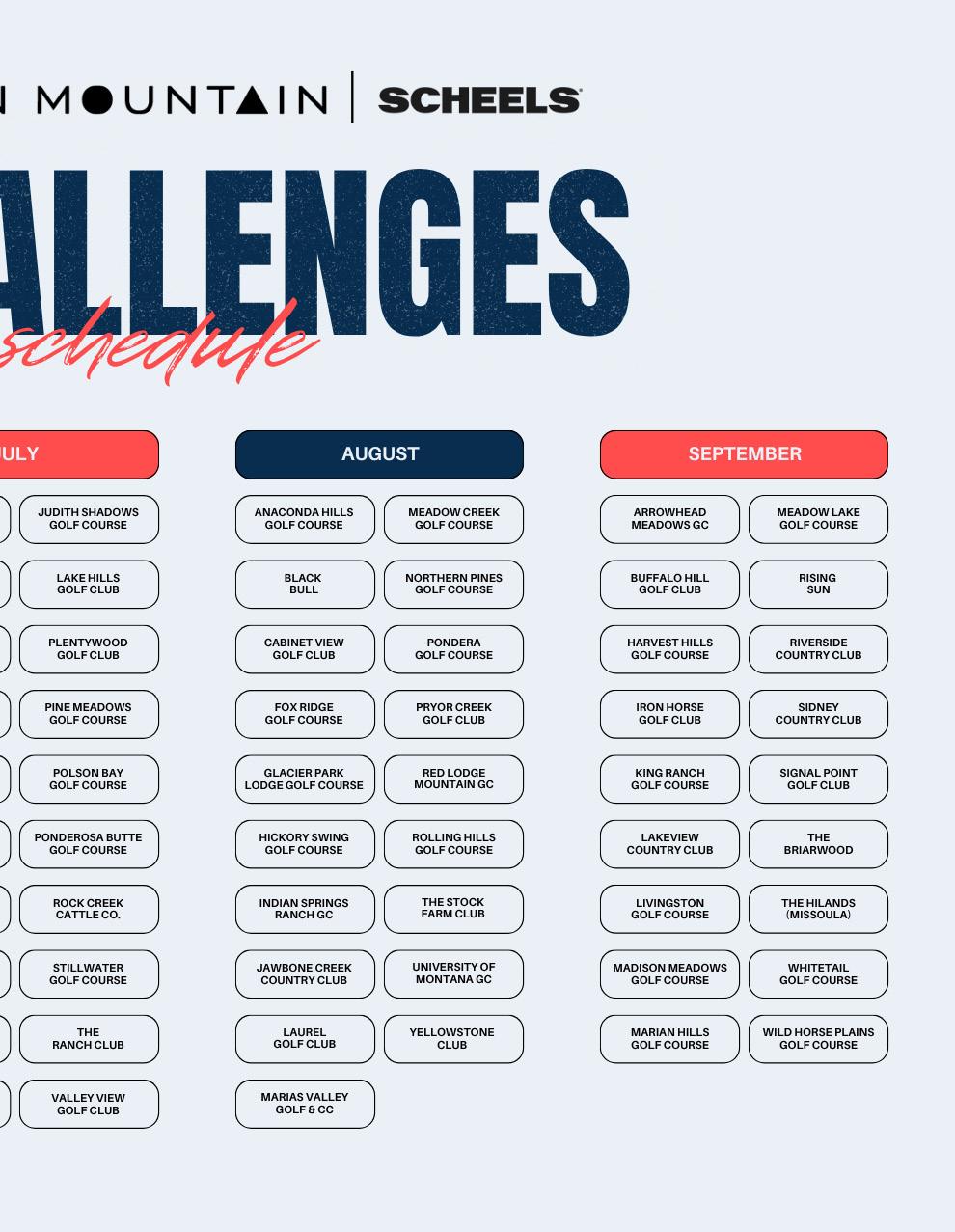
We have 21 courses participating in May to kick off the summer. Each Challenge winner will receive a gift card from Scheels and be entered into both a monthly and year-end grand prize drawing, thanks to our partners at Scheels and Sun Mountain.
But honestly, the prizes aren’t really the point—they’re just a little added boost as a thank you for playing.
The purpose is giving your regular golf a little more energy. A little more connection. A little more reason to post the score, play the next round, and see where it takes you.
So keep an eye on our website and social channels and the latest issue of 406GOLF for upcoming Challenges in your area. When one pops up, jump in.
You might find yourself just a little more locked in on that five-footer than you expected.
And that’s a good thing.
If you have questions or technical difficulties with the GHIN® App, email support@ msgagolf.org

BOARD OF DIRECTORS - OFFICERS
PRESIDENT................................................... Peter Benson
VICE PRESIDENT.................................. Ron Ramsbacher
TREASURER....................................................... Bill Dunn
PAST PRESIDENT......................................... Mary Bryson
EXEC COMMITTEE......................................Joe Rossman
BOARD OF DIRECTORS
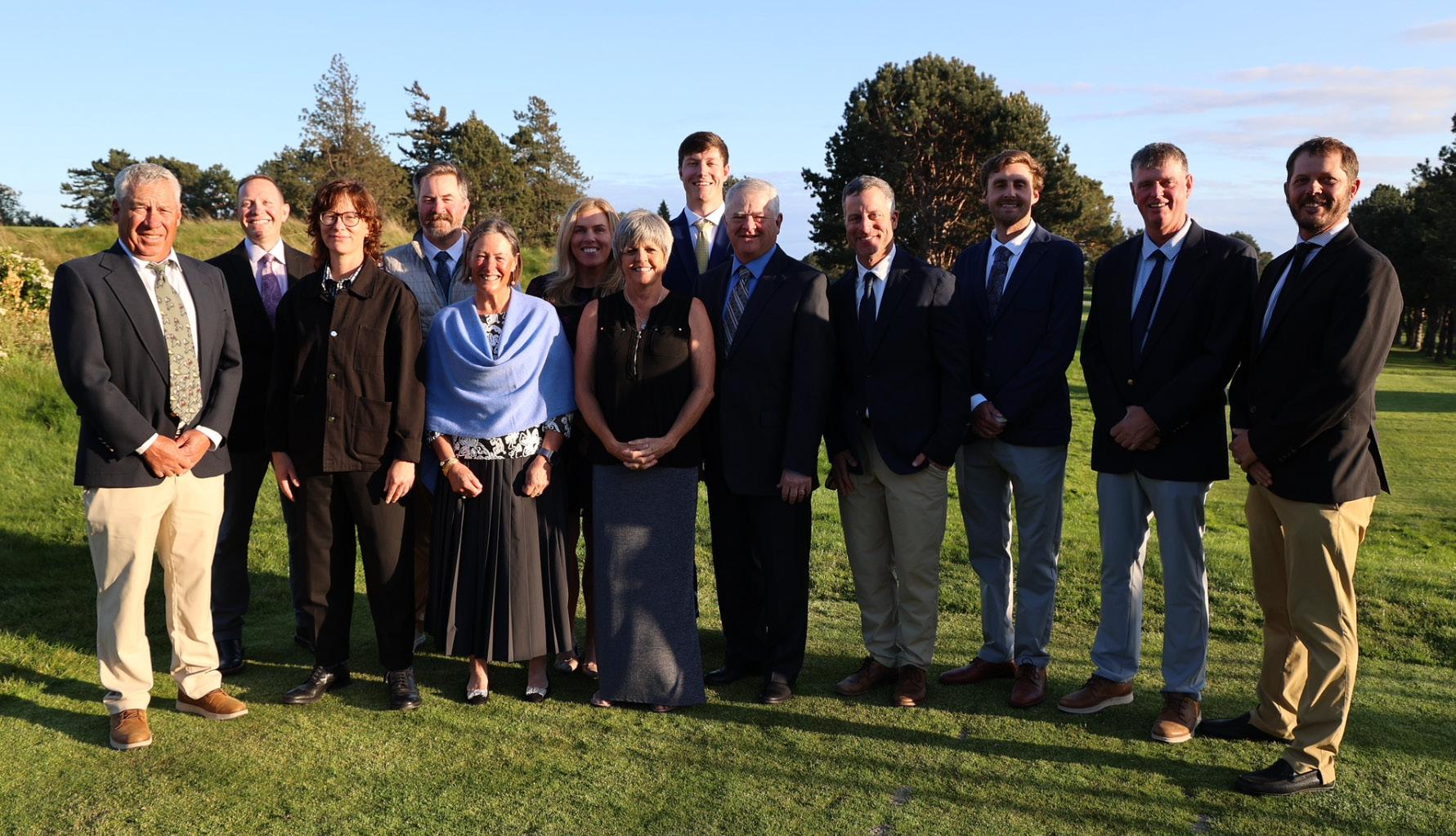
Ross Bartell, Peter Benson, Carla Berg, Marshall Bettendorf, Mary Bryson, Brandon Davidson, Bill Dunn, Cheri Ellis, Lisa Forsberg, Marcia Hafner, Susan Haskins, Jeri Heard, Katy Peterson, Ron Ramsbacher, Joe Rossman, Rod Stirling
MSGA STAFF
Executive Director......................................... Nick Dietzen
Tournament & Player Dev. Director.............. Tim Bakker
Membership Operations Director............... Emily Hulsey
Member Services Manager.............................. Ian Hulsey
Marketing and Branding Director................... Katie Fagg
Communications Manager.............................. Ty Sparing
Partnerships & Business Development...... Nick Dietzen
Nick Dietzen.............................. 1 (800) 628-3752, ext. 6
406GOLF STAFF
Editor in Chief............................................... Nick Dietzen
Senior Writer..................................................... Ty Sparing
Graphic Designer................................................Katie Fagg
Contributing Writer.........................................Tim Bakker
Contributing Writer......................................Shanda Imlay
Contributing Writer.................................Melissa Dickson
Contributing Writer..........................................Peter Grass
Contributing Writer..................................Michael Trostel
Contributing Writer......................................Ross Niewola

Montana State Golf Association P.O. Box 4306 Helena, MT 59604
1 (800) 628-3752
www.msgagolf.org


BY TY SPARING MSGA COMMUNICATIONS MANAGER
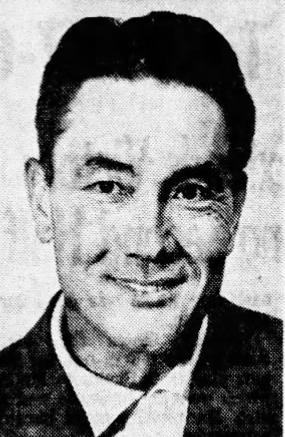
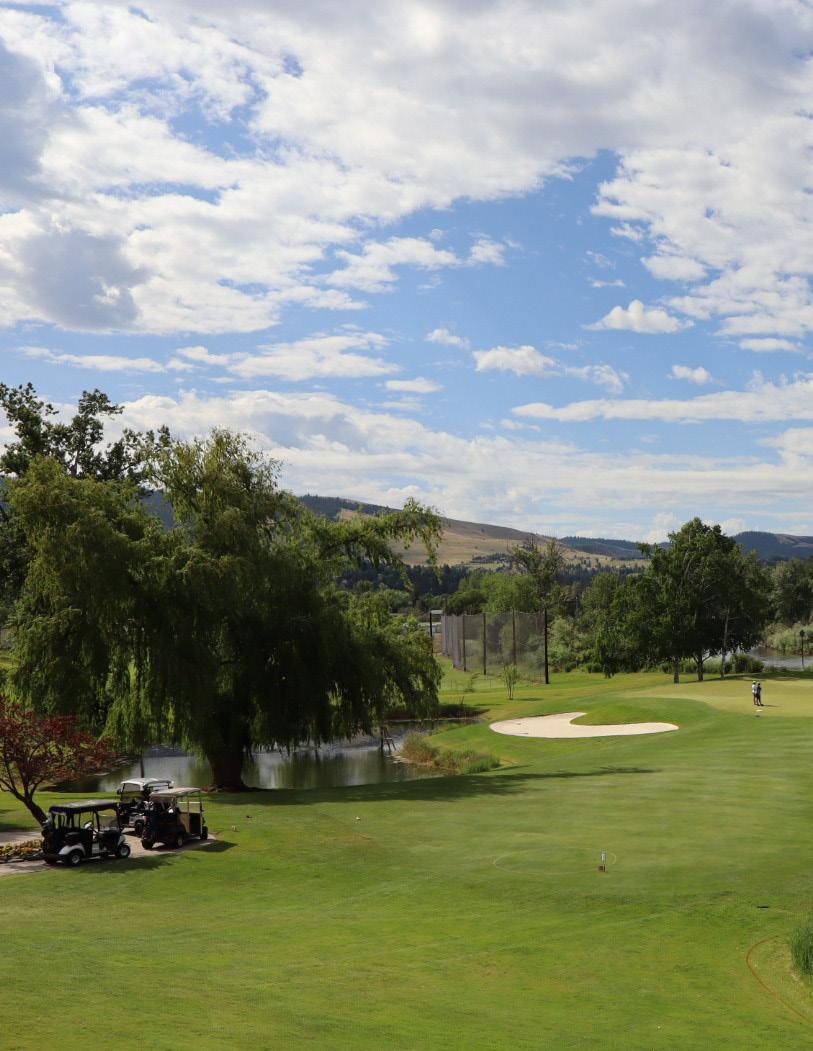
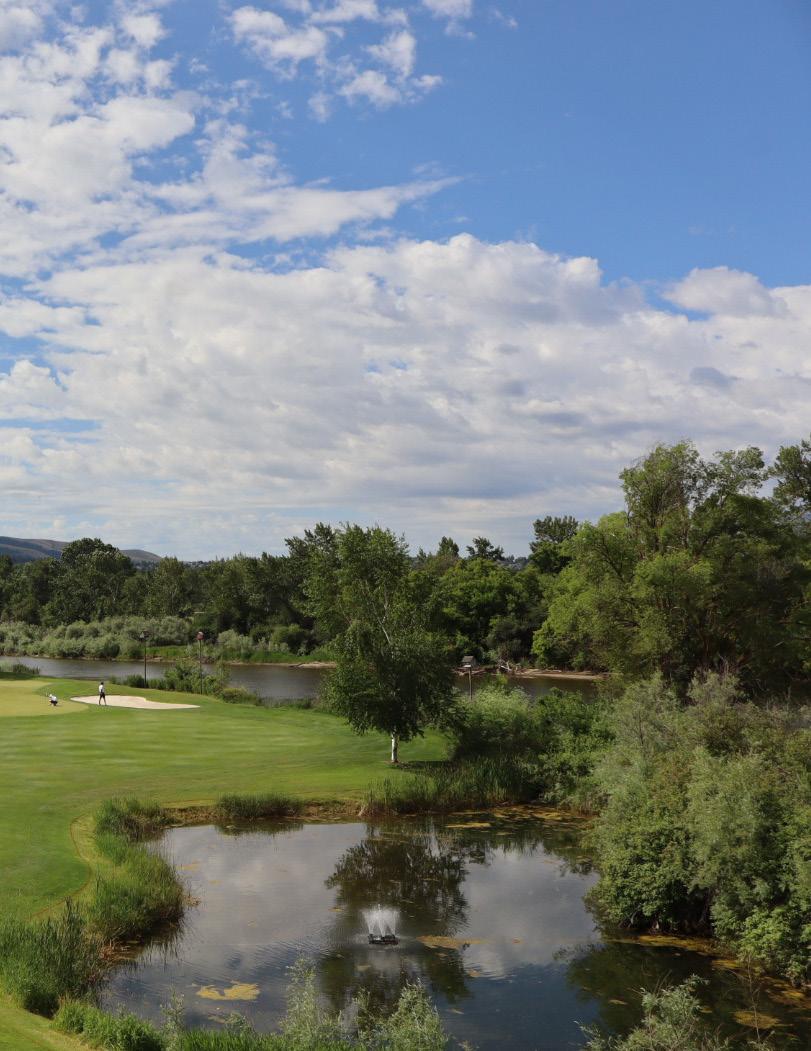
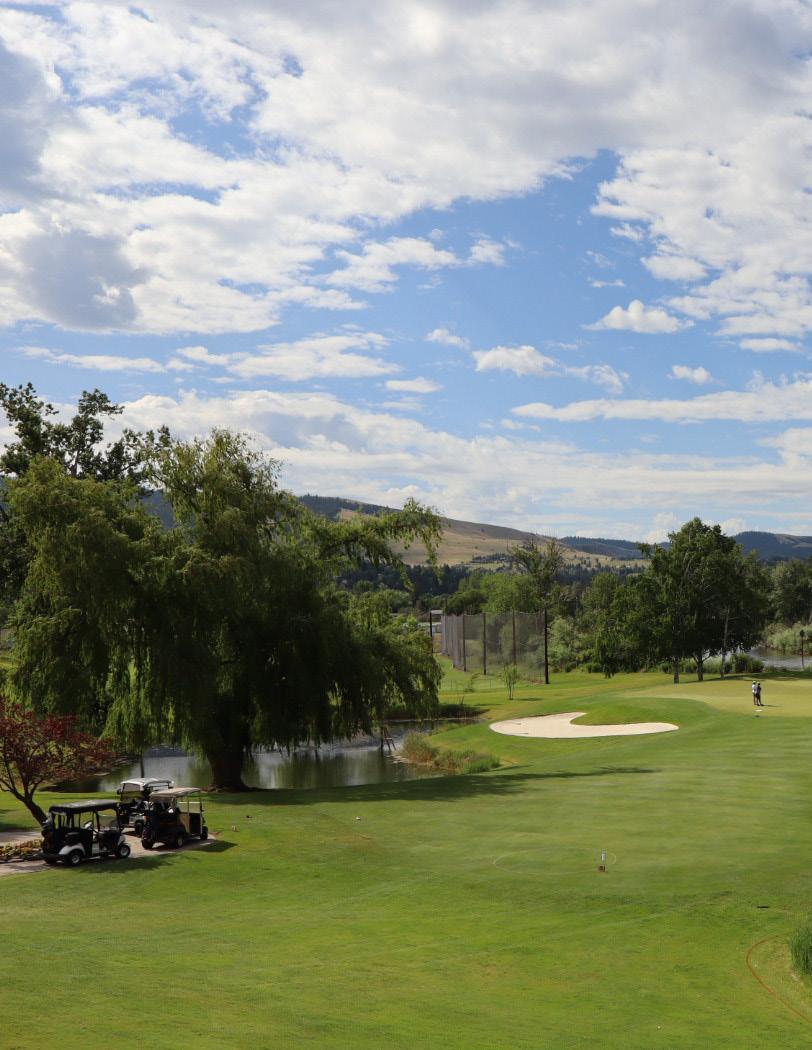
Lake Hills Golf Course in Billings was conceived in 1956 when the legendary Utah golfer, George Schneiter Sr., drove up from his home in Salt Lake and spent the summer in the Magic City drawing up plans for an 18-hole layout and adjoining clubhouse, of which he
would take on the role of President.
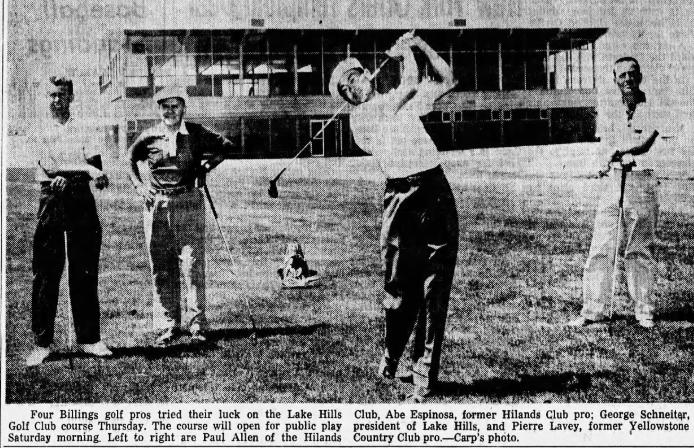
By August of that next summer, despite not being quite finished, Schneiter announced that the front nine holes of the municipal course were opened for play. “If it wasn’t for the large demand by local golfers,” he told a reporter from the Billings Gazette, “we wouldn’t have opened the course until later this month.”
Longtime Hilands pro and MSGA Hall of Famer, Paul Allen, remarked at the time that “[Lake Hills] looks awfully nice. By next spring this should be one of the prettiest courses in Montana.”
Not only did he have nice words for the course, but for the likeable Schneiter too, a future PGA Hall of Famer who Allen played against and got to know over the years at some of the professional events throughout the region. “You have to pay tribute to George for his faith in the city of Billings,” Allen said, “This course is an asset to Billings and George is an asset golf wise. Any community would be glad to have him as one of its residents.”
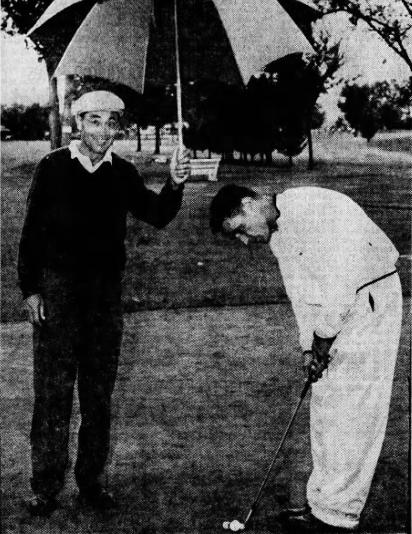
It would’ve been hard not to be impressed by Schneiter’s career up until that point, both as a player and as a golf administrator. Once called the “‘Mr. Golf’ of the intermountain states,” he played on the PGA tour from 1944-1950 and once defeated Sam Snead in the Match Play quarterfinals of the 1944 PGA Championship, along with competing at high level events like the Masters and U.S. Open. Among other tournament victories that Schneiter accumulated were three Utah Open titles (1936, 1941, 1942), two Rocky Mountain Open Championships (1940, 1943), and
one title each at the Colorado Open (1934), Northern California Open (1954), and Montana Open (1954).
Despite all those golfing accolades, Schneiter is perhaps best remembered for his contributions to the world of golf administration. Starting out as a caddie at age five at the Ogden Golf & Country Club which was across the street from where he grew up, Schneiter was a Head Professional there by age 18. At age 22 he helped organize the Rocky Mountain PGA Section which he served as President of for a decade. In 1942 at age 31 Schneiter took the Head Professional job at the Salt Lake Country Club along with joining the PGA Tour a couple years later.
Although still playing elite golf against the likes of Ben Hogan and Sam Snead, Schneiter was nevertheless recruited by the PGA brass to take over the role of PGA Tournament Bureau Manager, a role that lasted for three years and
came to define his career in golf. Working in a role that is equivalent to today’s PGA Tour Commissioner, Schneiter had a large task in helping organize the struggling tour but through his efforts he helped set the stage for the coming renaissance a decade later when the likes of Arnold Palmer, Gary Player and Jack Nicklaus ushered in the modern celebrity era of touring golf.
Among a slew of other administrative accomplishments, as detailed in his 2017 PGA Hall of Fame induction, Schneiter “crafted the PGA Tournament format, a pairings formula that is still used today,” along with “developing the early points system for determining the U.S. Ryder Cup Team, along with a Tour Players’ Guide and a sponsor’s guide.” Although it was only three years in which he held the role of Tournament Bureau Manager, Schneiter’s reign proved to be something of a pivot point in the evolution of PGA Tournament Golf
which became more streamlined and singular within the broader golf industry.
By 1956 Schneiter was well acquainted with Montana, eventually coming to own a ranch near Billings along with regularly playing in the Montana Open which was held at Hilands Golf Club in those days. Designing a course was a suitable side-quest for a man no doubt looking at the second half of his career in golf and wondering where else he could make his mark.
One of his first orders of business at Lake Hills was to hire his son, George (Jerry) Schneiter Jr., as the first Head Golf Professional. George Jr. was a chip of the old block, emulating his father’s career in many ways as a player and administrator and notably recorded 32 holes-in-one during his life. (A whole separate article could be written about the Schneiter family that includes not just the two Georges, but also cousins, grandkids and siblings that all left a mark on the game of golf).
George Sr. continued playing golf at a high level, winning regional events while at the same time managing his Lake Hills course in Billings. Although he seemed destined to age into a wise old golfer doling out advice to the younger generations and lending a hand to local golf associations and leagues, sadly that was not to be.
In 1964, George and his wife Beatrice were on their way to Lake Hills, on a drive up from Salt Lake that they’d done dozens of times. It was in the middle of a rainstorm when their car collided with another vehicle on the highway, killing everybody involved.
Schneiter’s death sent a shockwave through the golfing world. It didn’t seem fair that such a well-liked and hard working individual could suffer such a fate, as friend and fellow tournament golfer Dutch Harrison lamented shortly after, “George worked so hard and was just getting to enjoy the good things,” he said, “He did a lot of things for people he didn’t get credit for. He always was nice. He always had time for people. He was one of the fellows that got the PGA organized.”
George Ferguson, a Utah sportswriter of the era concurred with Harrison’s assessment of Schneiter, “He loved to play golf,” Ferguson wrote, “He loved the associations in golf…He was habitually cheerful. Even on his worst golf days, his reaction was never more than undertones of disgust.”
The Lake Hills Golf Course was passed down to George Jr., who not only operated as President of the course, but also spent years on the PGA Tour and Senior Tour. Lake Hills has gone on to become one of Montana’s most popular courses and the site of many championship events, including this years Montana State Junior Championships and one of the sites for the State Senior Tournament.
While George Sr. left this earth too soon, his impact was felt for generations and he was eventually recognized in 2017 by the PGA to be Hall of Fame worthy. As his grandson Steve remarked at the time of the induction, “My grandfather pointed the way for us all to find our niche in golf. He was a visionary in all respects.”

BY TY SPARING MSGA COMMUNICATIONS MANAGER
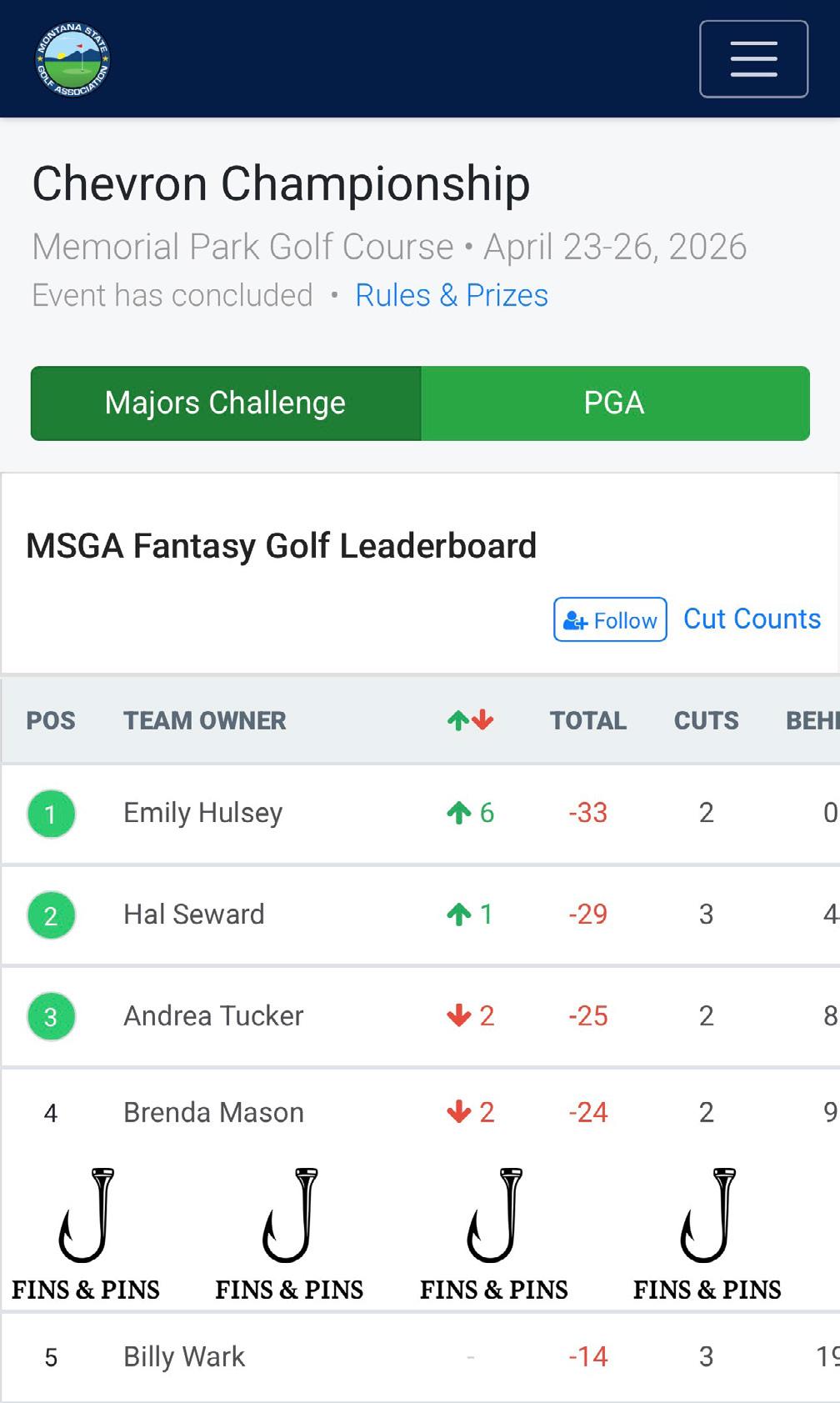
Well, the MSGA is officially 4-0 against the field to start the season after Emily Hulsey won yet again with the recent LPGA Chevron Championship. What non-MSGA staff member will finally claim the top spot?
Emily, the MSGA’s Membership Operations Director, added another fantasy victory to add to her growing collection with a final cumulative score of -33, four strokes ahead of second place. That makes two official wins this season for Emily, and she even won our closed staff fantasy event before the season started. With another prize coming from our official sponsor, soon enough she will own everything in the Fins and Pins collection!
In second place out of Philipsburg was Hal Seward at -29, and in third place was Helena’s Andrea Tucker at -25.
Our next MSGA Fantasy Golf event will be the PGA Championship, held May 14-17. We’ll see you there!
For more information on how to sign up for MSGA Fantasy Golf, click here.

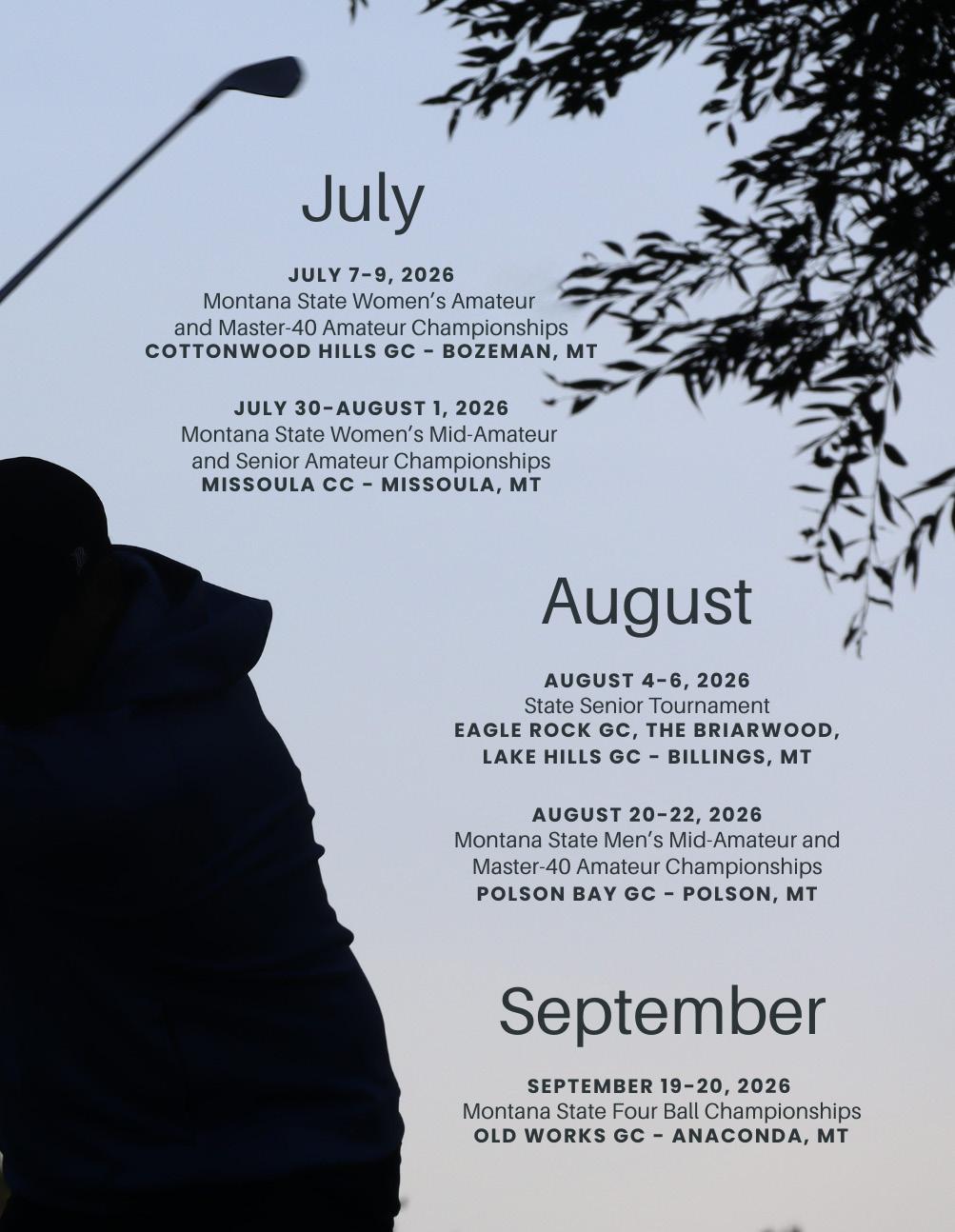
We are excited to continue growing our women’s opportunities in Montana. In 2025, we split our State Women’s Amateur Championships which included four different championships into two separate events. Many of our players have the opportunity to participate in both events over the course of the summer. We are thrilled for our Championships in Bozeman and Missoula this year.
Event: Montana State Women’s Amateur and Master-40 Amateur Championships
Location: Cottonwood Hills Golf Course
Date: July 8-10, 2026
Join Montana’s best female golfers in Bozeman at the 109th State Women’s Amateur Championship. The Women’s Amateur is open to all ages. Many of our top high school and collegiate ladies compete for the chance to put their name on the trophy.
Tee times for players occur daily in the morning from 1 & 10 tees, to help players beat the mid-summer sun. Course set up includes playing from 5900 yards, which is similar to the white tees at Cottonwood Hills Golf Club.
A Bobcat has won three of the last five championships, with a Grizzly claiming the other two. Who will step into Bozeman and walk away with the championship in 2026? One of our up and coming high school players or possibly one of our other great college players from across Montana. Either way it will be a great championship in Bozeman.
Master-40 Amateur Championship
New in 2025 was the Master 40 Championship. This added opportunity allows anyone
over the age of 40 to participate in Bozeman alongside the State Women’s Amateur Championship. The course set up will be closer to 5400 yards. The Master 40 is a great opportunity for anyone who is new to competitive golf and looking to meet new players from around Montana.
Hotel discounts are available for those traveling to Bozeman from the Home2Suites at Four Corners.
Event: Montana State Women’s Mid-Amateur and Senior Amateur Championships
Location: Missoula Country Club
Date: July 30-August 1st
The beautiful Missoula Country Club hosts the Montana State Mid-Amateur and Senior
Amateur Championships in late July. New this year, we will begin on Thursday and Friday with 9:00 am shotgun starts. On Thursday, our social begins directly after the round as players will be able to cool off indoors with drinks, appetizers, and fun games. Friday night concludes with our banquet and Hall of Fame induction. Saturday play begins at 8:00 a.m. using tee times from the 1st and 10th tees. Our 2026 champions will be crowned early Saturday afternoon.
The Mid-Amateur joined the Montana championship rotation in 2019, and in 2026 will follow the USGA and allow players 25 years and up to compete. Players will compete from 5600-5800 yards. We look forward to welcoming some of our past champions into the field this year.
The State Women’s Senior Amateur Championship began in 1990 and is for any one 55 years or older. Course set up will be from 5400 yards daily. New this year, we will recognize
great daily Net scores in addition to players' three day championship totals.
Over the past six years three titles each have gone to Jo Smith and Deb Porcarelli. This year Deb will make her way from Great Falls to Jo’s home course of Missoula Country Club.
The women’s Super Senior Amateur Championship began three years ago and has gone through some changes, but has settled on a three day championship for players 65 years and older. This year the Super Senior Amateur Championships will play a shorter golf course thanks to new tees being built at MCC. Daily yardage is expected to play around 5200 yards.
Thanks to our partnership with Erck Hotels, a rate of $209 per night is available to participants at the Homewood Suites in Missoula.
This field is limited to 96 players in the combined championships, get your registration in soon. We look forward to seeing everyone in Missoula!

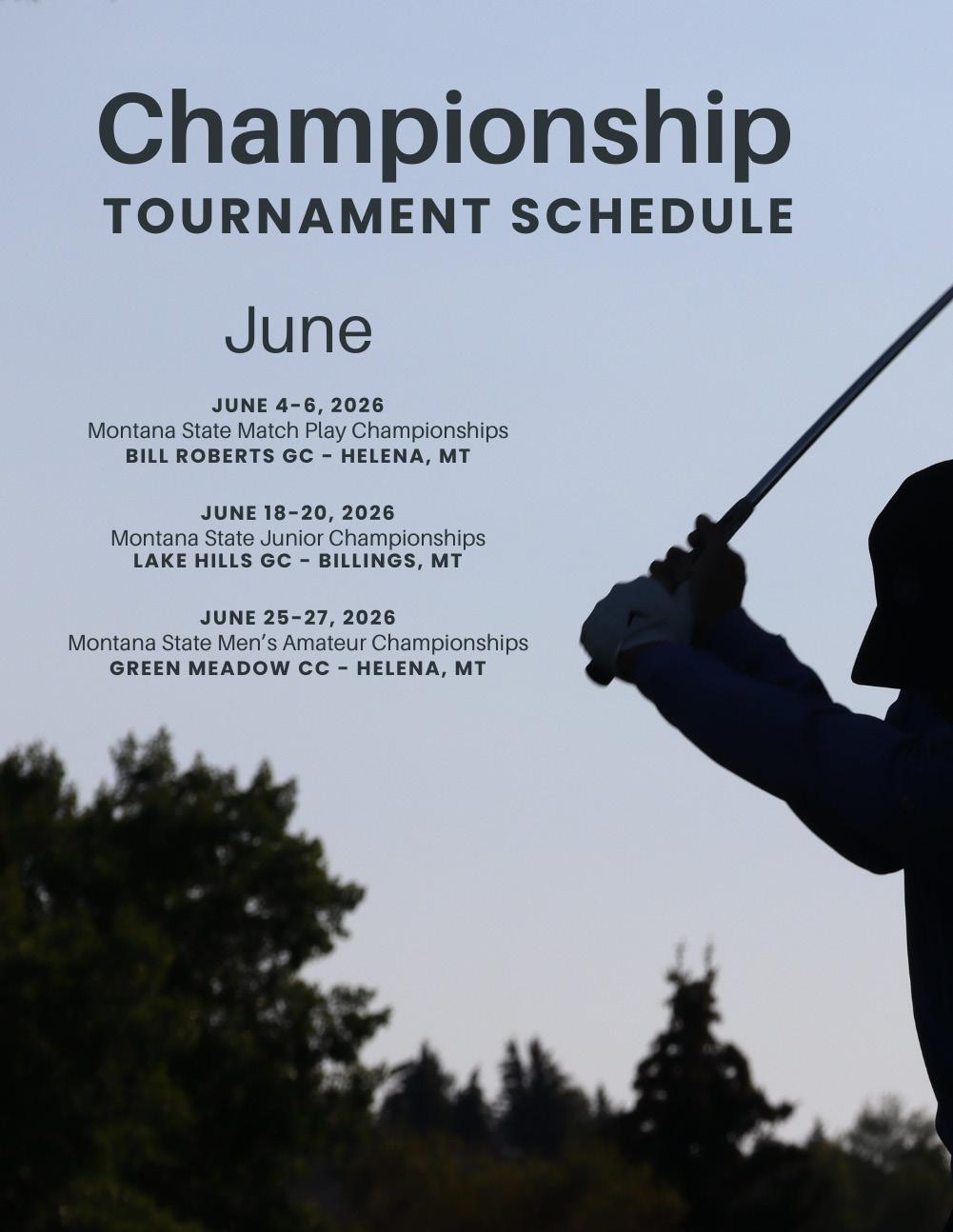
2026 Montana State Men’s Amateur & Sr. Amateur Championships (June 25-27)
Registration closes on May 15th for the State Men’s and Senior Amateur Championships at Green Meadow Country Club. Reminder, all registrations are listed as “Pending” until May 16th. We will update all handicaps and fill the field with the lowest Handicap players.
Montana State Senior Tournament (August 4-6)
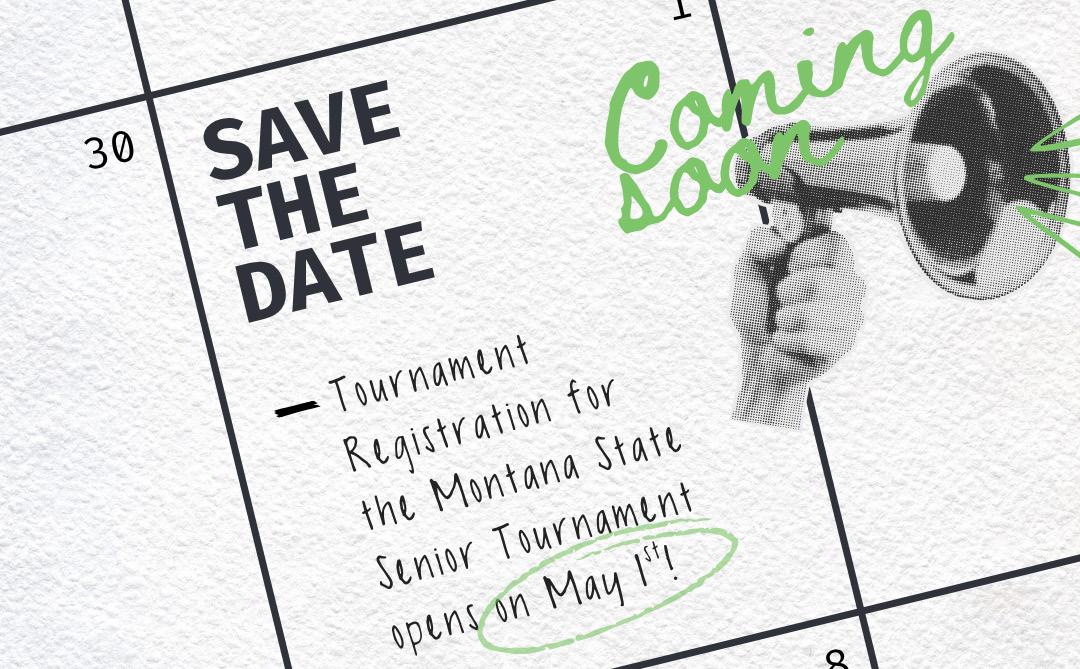
Registration is now open for the 2026 State Senior Tournament in Billings, held August 4-6. Players will compete at Eaglerock, Lake Hills and The Briarwood golf courses and enjoy a great banquet dinner at The Northern. Entry
fee for the event is $300 for 18 holes at each golf course with cart, tee prize, daily prize opportunities, and banquet.
Montana State Match Play Championships (June 4-6)
Thank you to Bill Roberts Golf Course for once again hosting the State Match Play Championship in 2026. We currently still have space for approximately 30 players for our qualifying round to earn their position in the Match Play brackets.
Montana State Junior Championship Qualifiers (Multiple Dates)
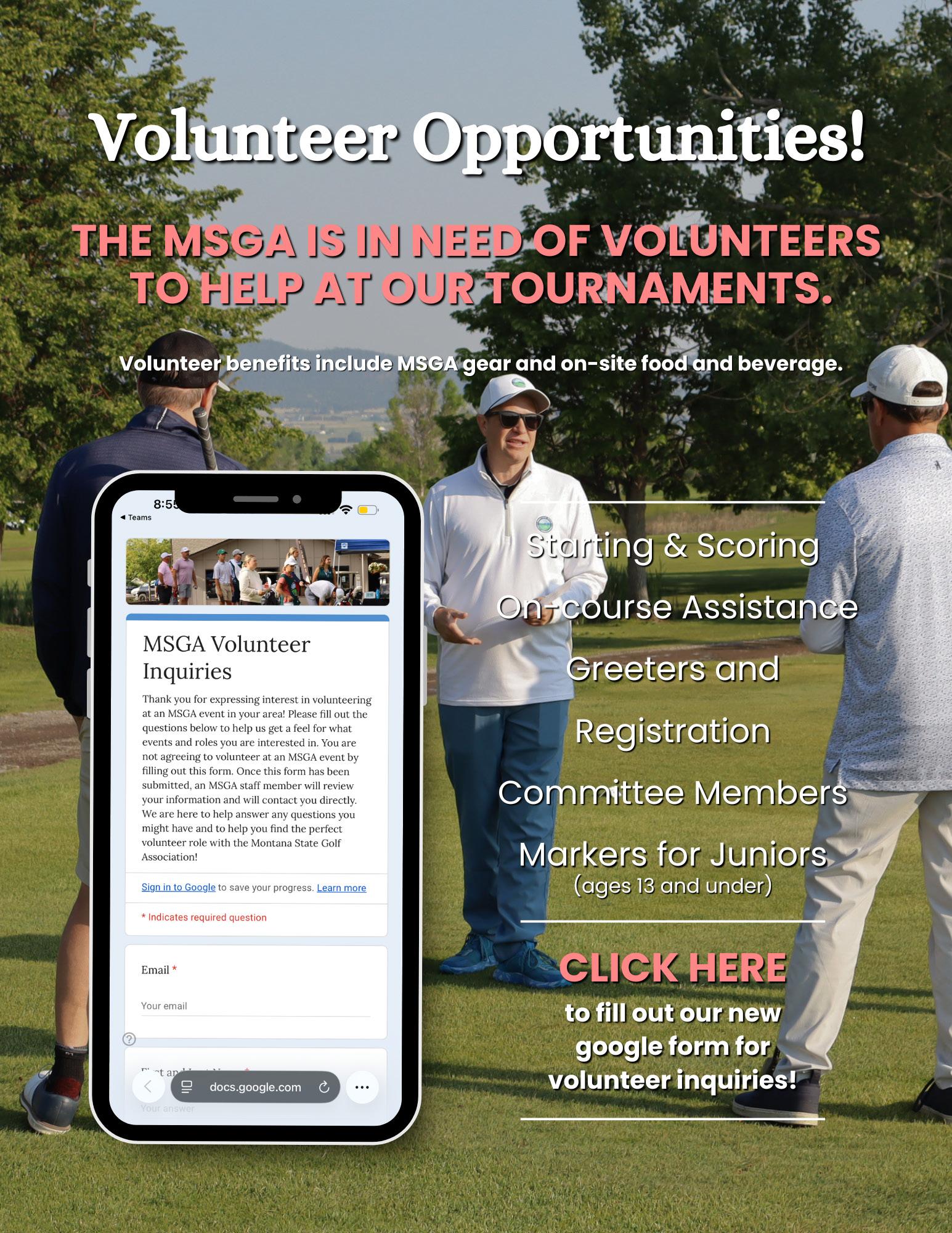
Our first Junior Qualifier at Mission Mountain Golf Course in Ronan is quickly approaching. Registration closes May 6th for the Mission Mountain GC, May 18th for Marias Valley GCC, and Cottonwood Hills GC Qualifiers, and on May 22nd for Lake Hills GC and Sidney CC. Get registered today for your opportunity to play in the 60th Montana State Junior Championship!
BY NICK DIETZEN MSGA EXECUTIVE DIRECTOR
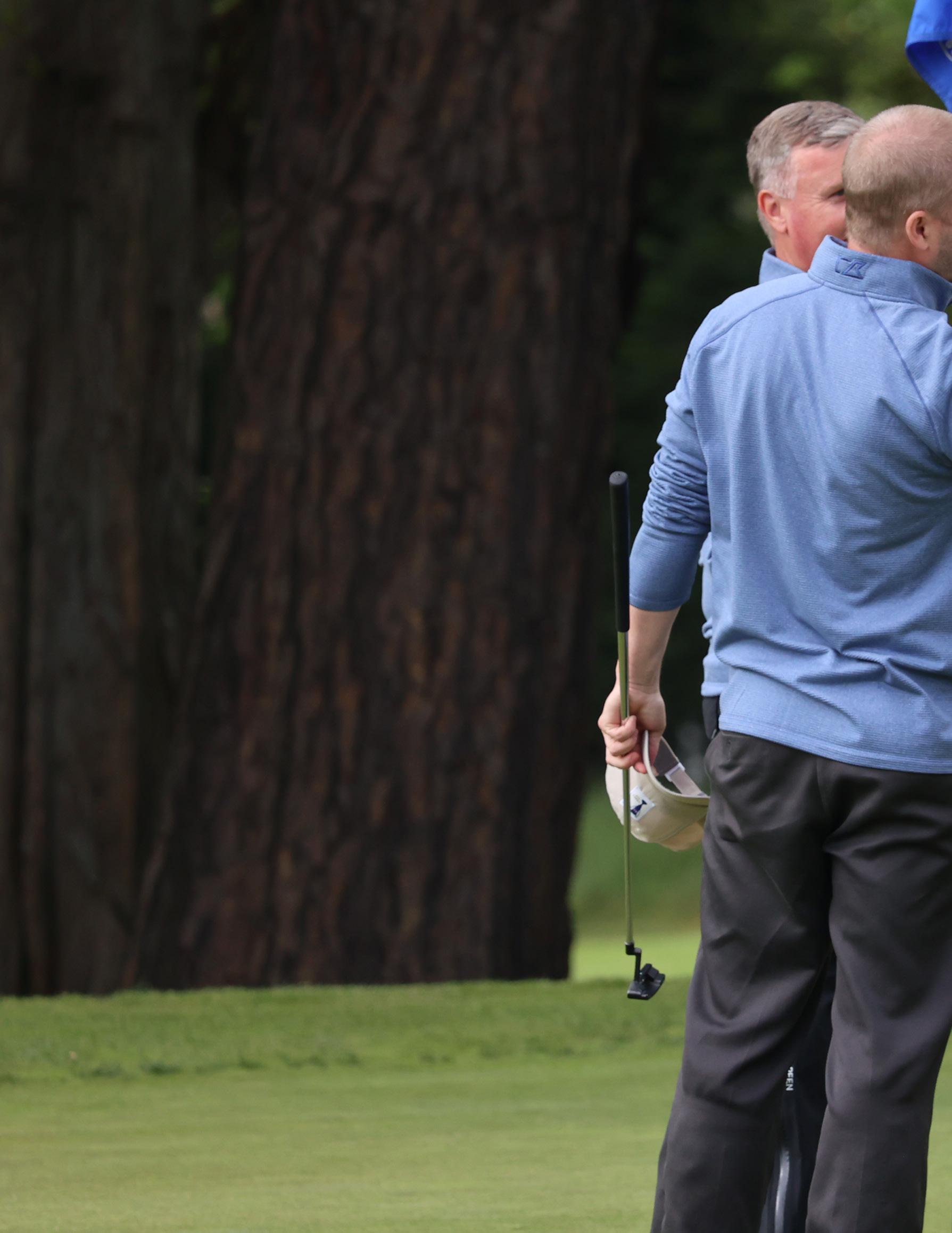
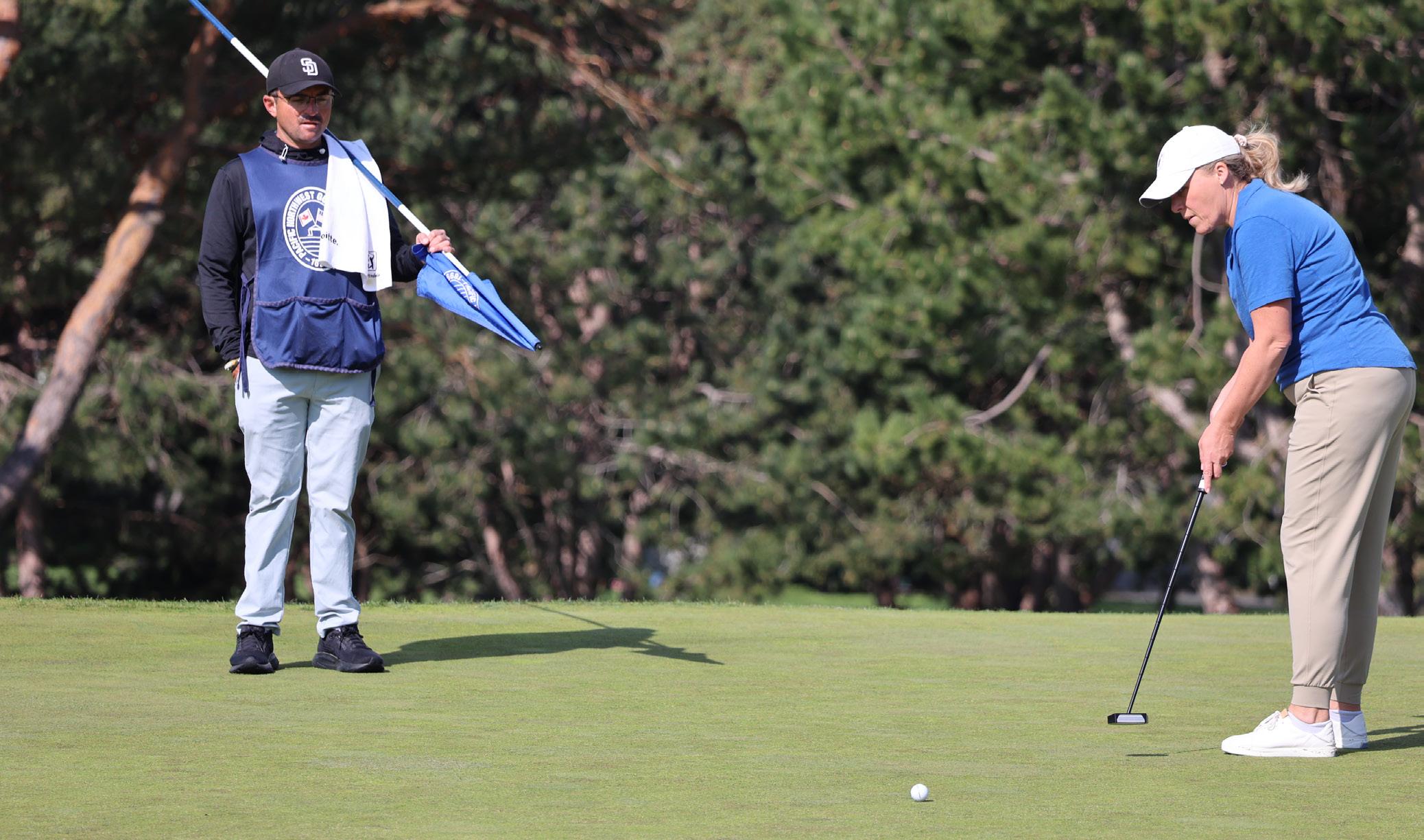
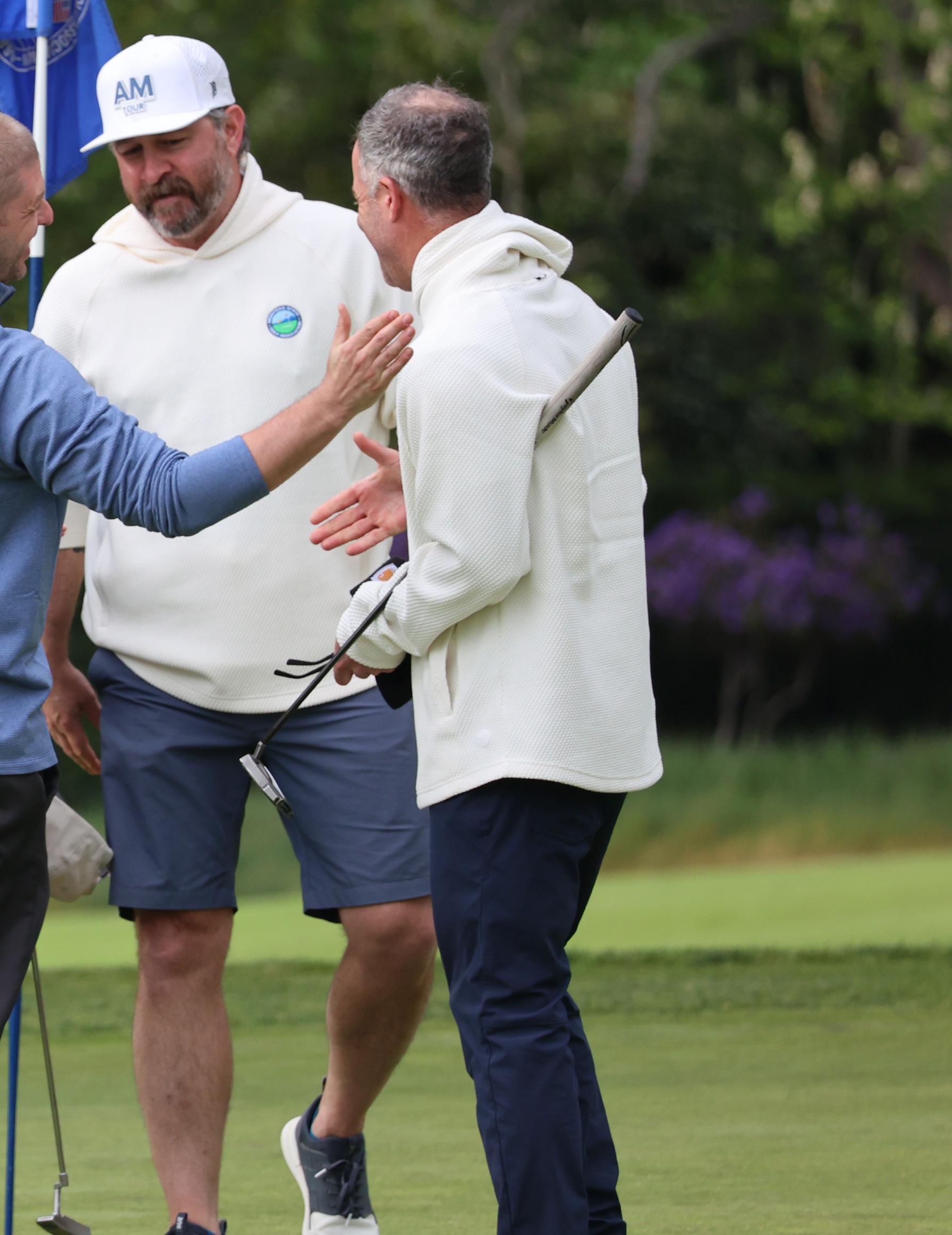
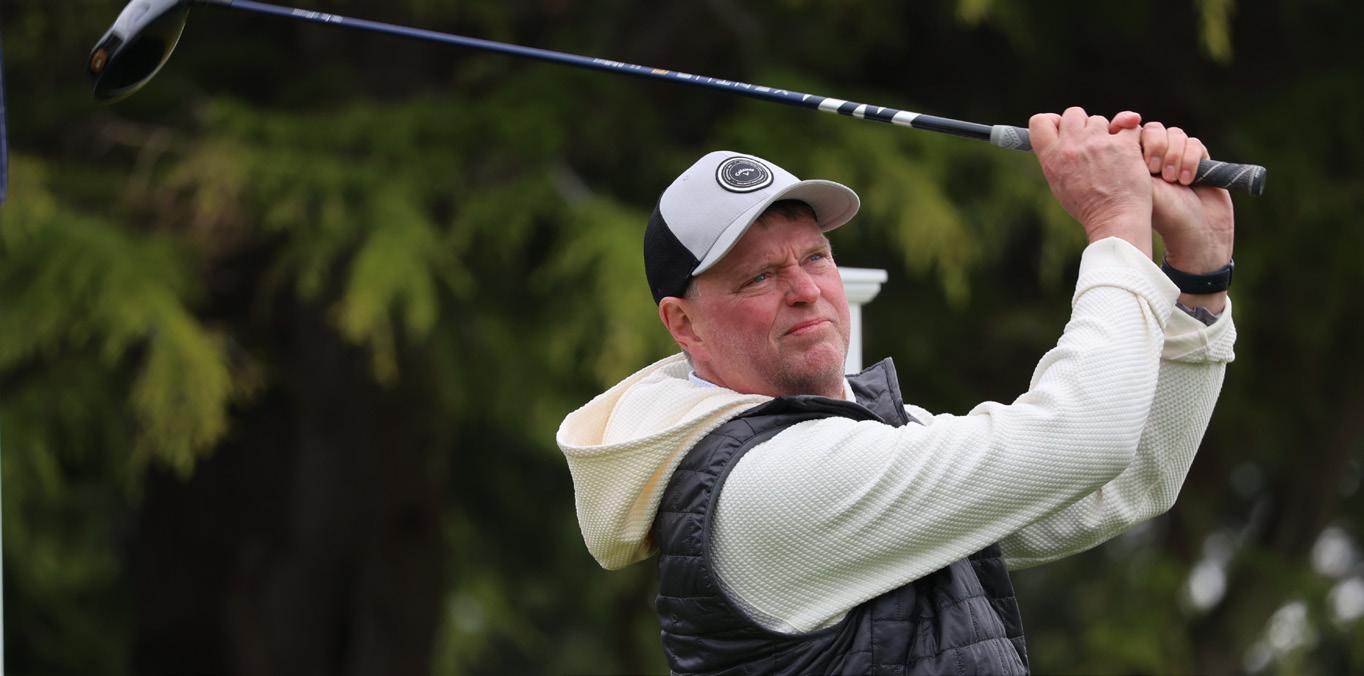
The 19th Pacific Northwest Golf Association (PNGA) Lamey Cup saw Team British Columbia win on home soil for the fourth time with an expanded field of six teams that included Team Montana and Team PNGA/Alaska for the first time.
Hosted April 27-29 at historic Victoria (B.C.) Golf Club. Team BC Golf claimed 15.5 points in the match play event with Ryder Cup style format
of Four-Ball, Foursomes and Singles Match Play over three rounds across two days.
Each team had 10-players from the six associations under the PNGA umbrella – Oregon Golf Association, British Columbia Golf, Idaho Golf Association, Montana State Golf Association, Alaska Golf Association, and Washington Golf.
Victoria Golf Club is one of the six founding clubs of the Pacific Northwest Golf Association, which was founded in 1899. The club previously
hosted the PNGA Lamey Cup in 2007.
British Columbia Golf, was captained by BC Golf President Shauna Wilton. Team WA Golf was second with 12.5 points; Team OGA third with 12 points; Team IGA fourth with 11.5 points; Team MSGA fifth with 6 points; and Team PNGA sixth with 2.5 points.
BC Golf held a one-point lead over WA Golf after the first day’s play, which consisted of Four-Ball and Foursomes matches. In singles matches, BC Golf won 7.5
points to hold the lead.
The annual Ryder Cup-style team competition is held on a rotating basis throughout the region, with this year’s event being held in British Columbia and hosted by British Columbia Golf.
With the recent addition of the Alaska Golf Association and Montana State Golf Association as member associations of the PNGA, the format for the PNGA Lamey Cup was adjusted to accommodate six teams rather than the four teams who competed in the 18 previous years of this event.
Team Montana picked up 6 total points across three rounds with 1.5 points in the Four-Ball round with 0.5 points in the Foursomes (alternate shot) round and capturing 4 points in the individual singles matches.
Bill Dunn (Missoula) and Jerry Pearsall (Billings) won their Four-Ball match 8&7 in decisive fashion and Payton Taylor and Sean Ramsbacher (both of Missoula) picked up a halve in their match. Nicholas Balcken (Helena) and Chris Haas (Bozeman) picked up a halve in their Foursomes match. Day two saw a strong performance with three wins: Nicholas Balcken (Helena) won 2up, Taylor won 5&4 and Deb Porcarelli (Great Falls) won 5&3. Pearsall and Haas each halved their matches to round out scoring for the event.
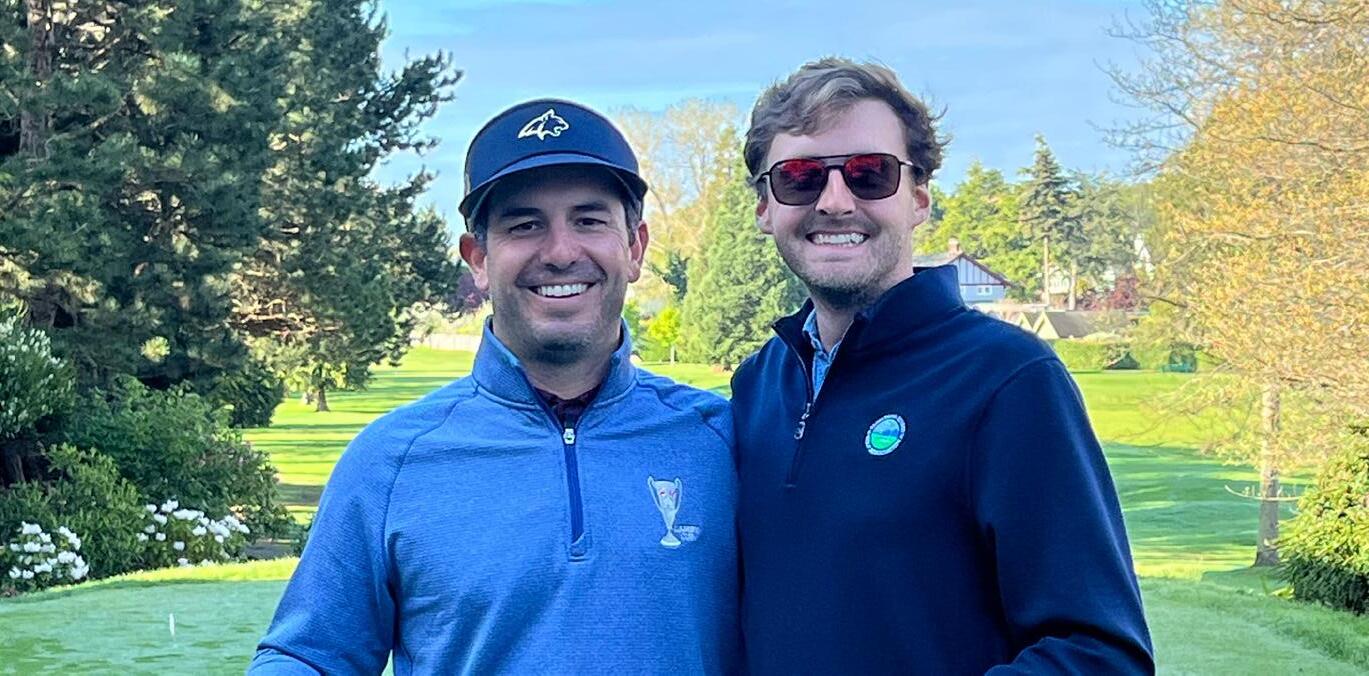
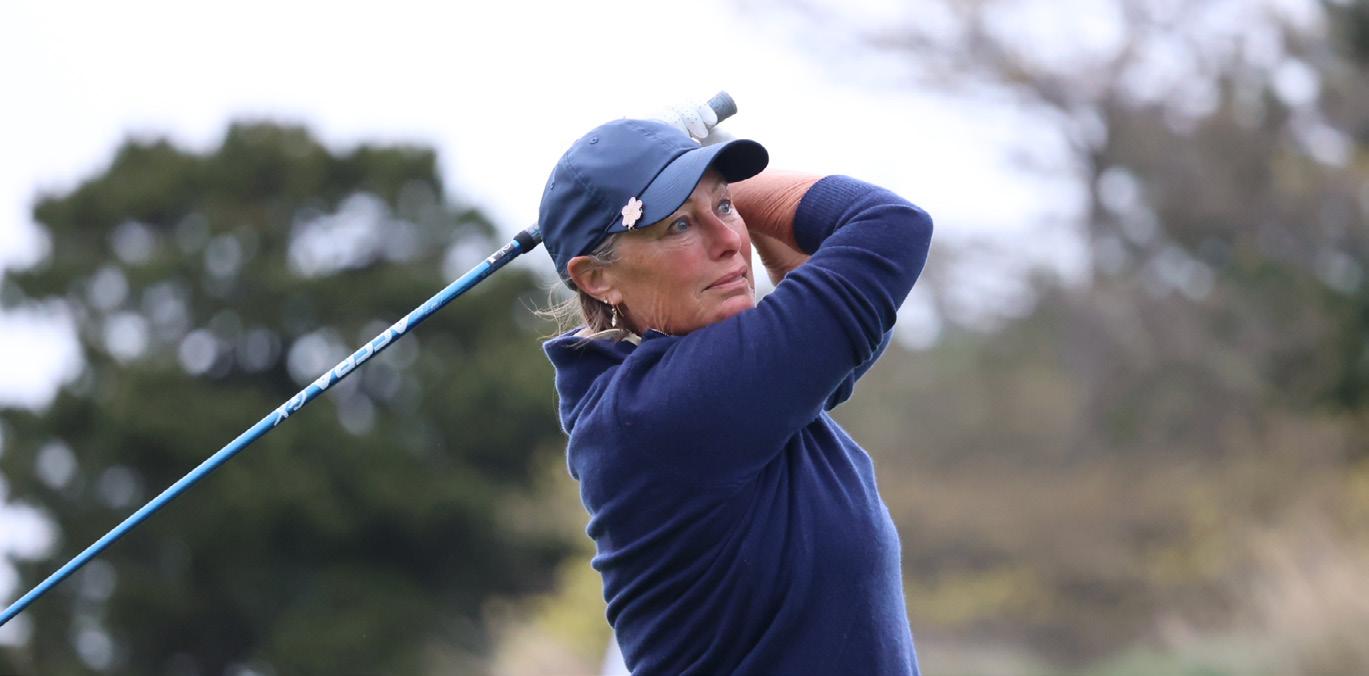
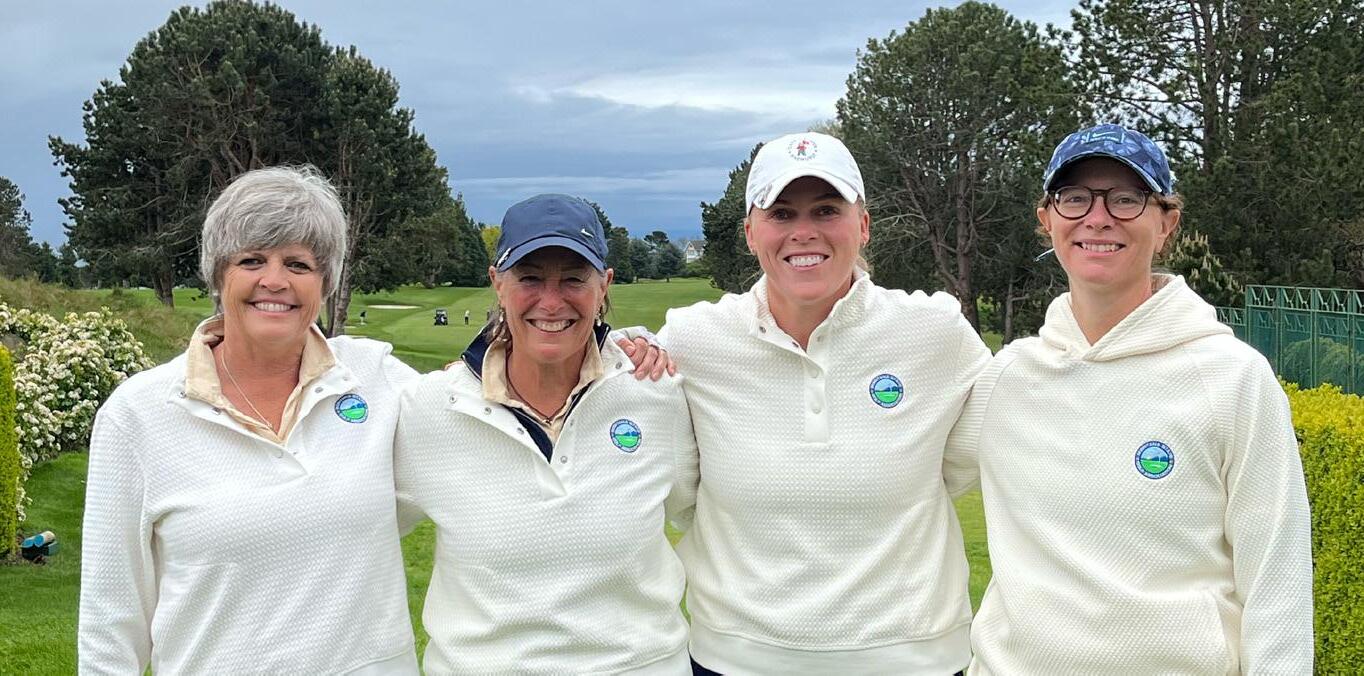
Montana had its own inaugural team, and Alaska was represented through a newly created PNGA team, the roster of which consisted of four Alaska players, with the remainder of its roster being filled first by the host association and then from other remaining associations based on player accomplishments in the previous year including Bozeman’s Joey Lovell. Current PNGA President, Michael Cook of Victoria captained the PNGA Team with Alaska Golf Association President Jeff Ranf (Montana native) on hand with the Alaska contingent.
Each of the six associations selected a 10-person team, consisting of six men and four women. The representation
includes two mid-amateur men of 25 years of age or older, two men of 40 years or older (Master-40 category), two senior men of 55 years or older, two mid-amateur women of 25 years or older and two senior women of 50 years or older.
Current MSGA Vice President Ron Ramsbacher captained Team Montana. Kevin Chang was captain for WA Golf; Travis Schoen captained the Oregon Golf Association team; Abby Black captained the Idaho Golf Association team.
Click here for a complete roster of players who competed in this year’s Lamey Cup.
The event is held on a rotating basis by Association,
with next year’s event scheduled to be held in Idaho.
The PNGA Lamey Cup was created in 2006 by past PNGA President Dr. Jack Lamey as a way of continuing the camaraderie and partnership of the region’s member associations under the PNGA umbrella. With Dr. Lamey’s passing in December 2019, the event and its perpetual trophy have been named after him.
The two-day competition includes both men’s and women’s scores used to determine the team result; it is the only known event of its kind in the U.S.
• Results
• Photos
• Complete Information


1. Who introduced you to golf?
My start began with a kid I carpooled with to high school. I wasn’t allowed to play contact sports anymore and I thought golf was for sissies. But JP finally talked me into playing. I was terrible and that’s why I loved it. There was nowhere to go but up.
2. Who influenced you most in your golf life?
Arnold Palmer. I attended a junior golf academy of his and I had the chance to hit balls with him. He talked to me about golf and what it meant to him. He gave me swing advice and encouragement to keep working at it. I still am Mr. Palmer.
3. What brought you to the MSGA? As a new board member, what MSGA projects are you most excited about??
Golf has blessed me professionally and personally. This is my opportunity to give back. My hope is that I honor the game with my contributions. I’m excited about the rise of our junior program and look to be involved in helping to moving that forward.
4. What is your favorite course in Montana and why?
Laurel Golf Club. That was my first
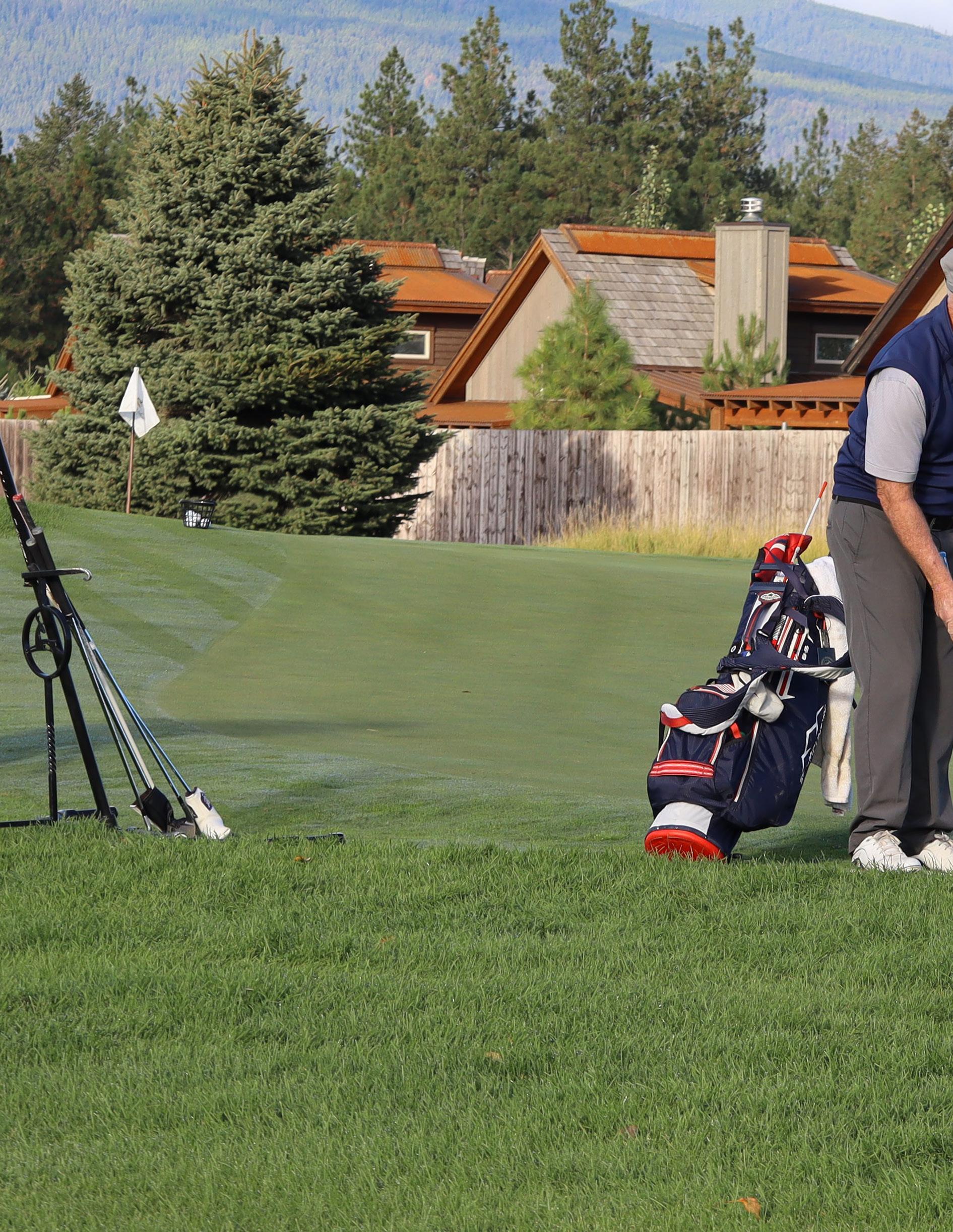
18-hole course in MT (my course in Ennis is 9 holes) and the first round of the post COVID Mid-Am. Laurel is a challenging and beautiful course.
5. What is a dream golf course you’d like to play once?
Just in case anyone has a connection I’ll name a few; Pine Valley Golf Club, Cypress Point Club, and Oakmont Country Club.
6.What is your dream foursome (living or dead)? Why would you choose them?
Jack Nicklaus, Dwight D. Eisenhower, my grandfather Pepa, and me. My grandfather doesn’t play golf, but he gave me the world. No explanation needed for Mr. Nicklaus or President Eisenhower.
7. What’s your most memorable moment on a golf course?
As a PGA Tournament Director I had the privilege of hosting Jack Nicklaus and Kevin Costner plus a 1,000 VIP’s for the opening ceremony of Walnut Cove Golf Course outside Asheville NC. The club was hosting a tournament and no one had officially played the course. That was a first in tour history and quite a day for me personally and professionally.
8. If you could change one thing about the game of golf what would it be?
I wouldn’t change a thing. I believe the essence of golf is not about a score, it’s about how you handle the good or the bad moments.
Play it as it lies. Make yourself proud.
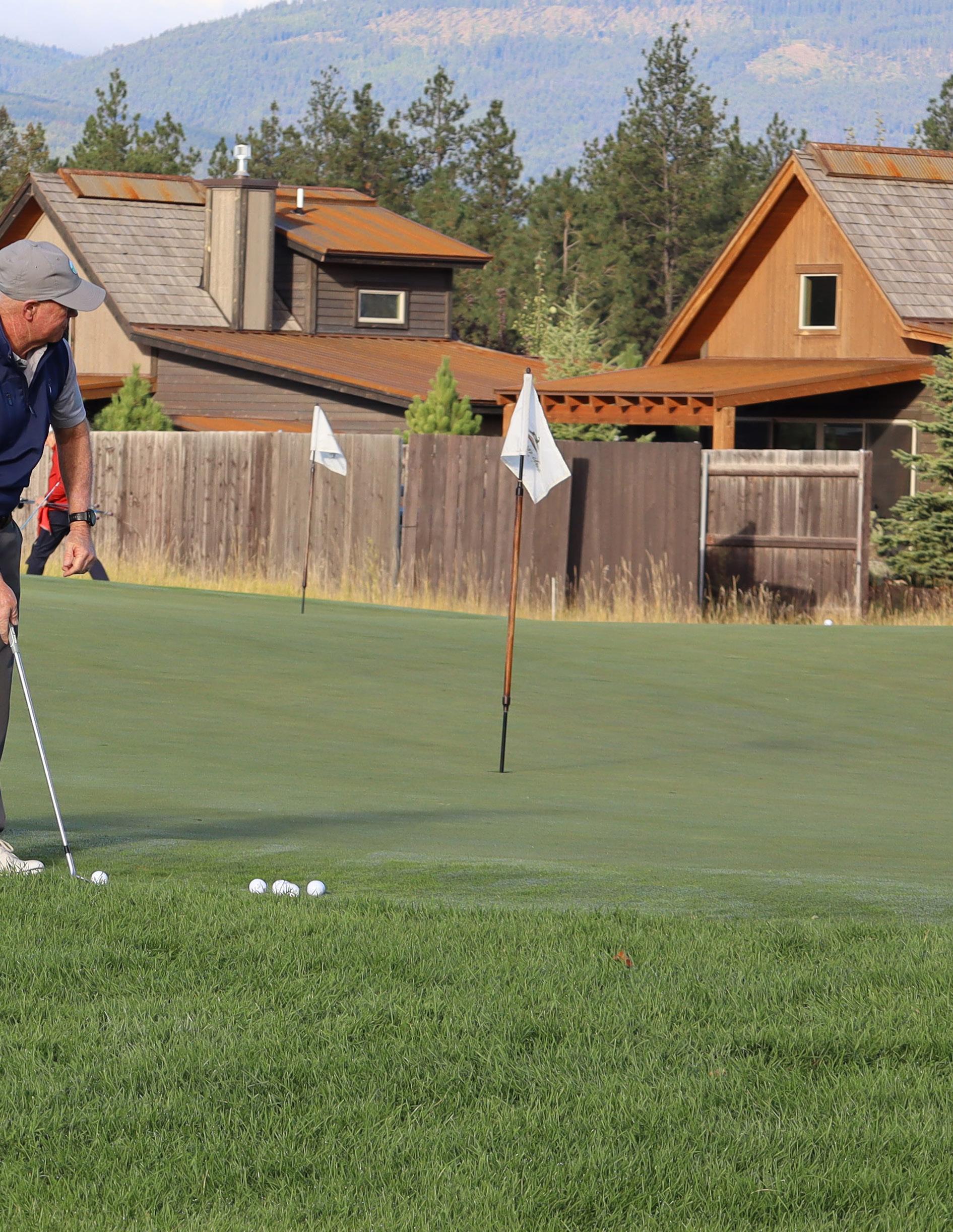
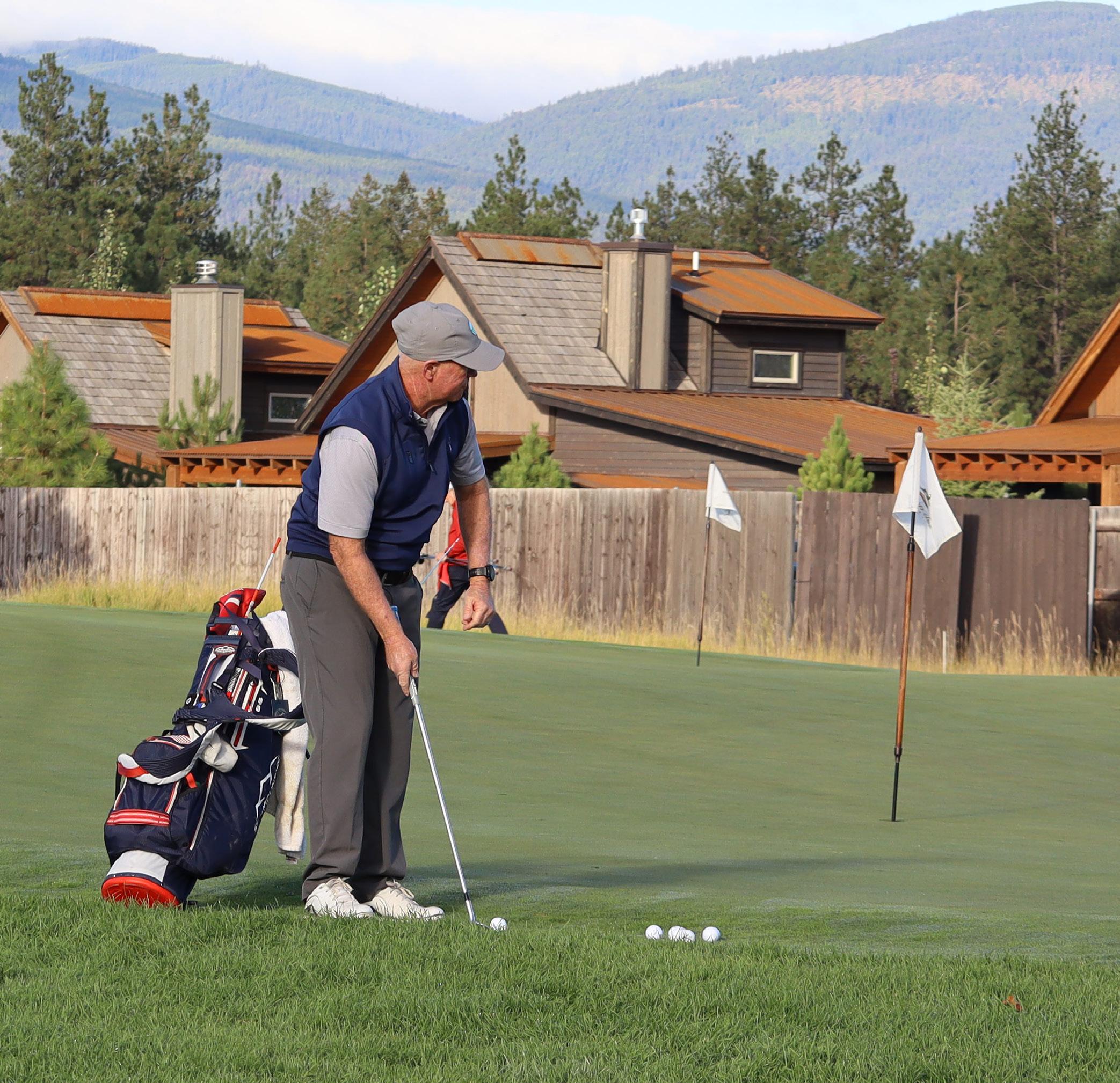
9. What advice would you give to beginner golfers?
Golf is a journey not a sprint. You will eventually find the sweet spot.
Bonus: Lay up or go for it?
That would totally depend on the situation but most likely I’d be laying up.


BY MELISSA DICKSON
MSGA P.J. BOATWRIGHT INTERN
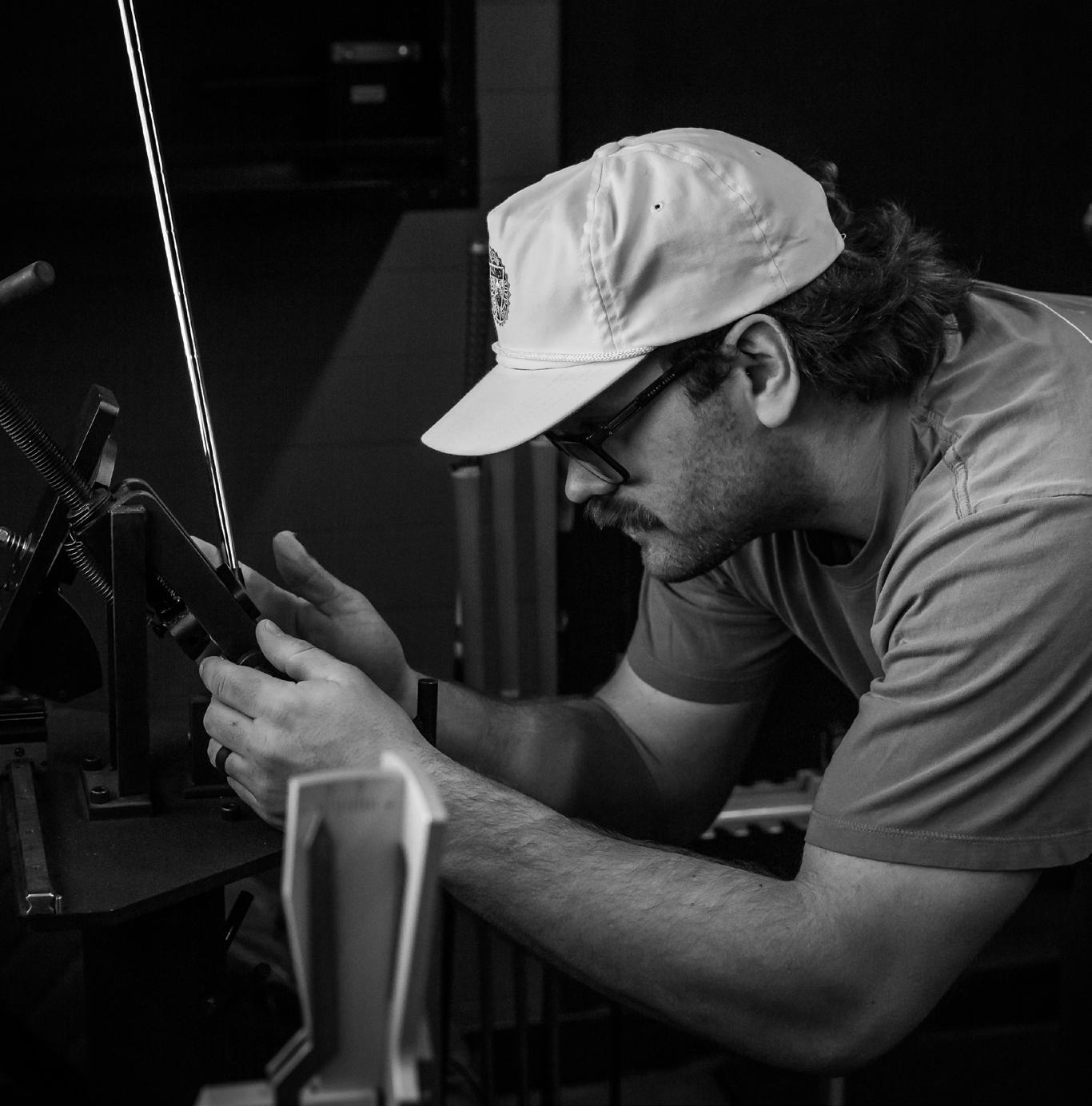
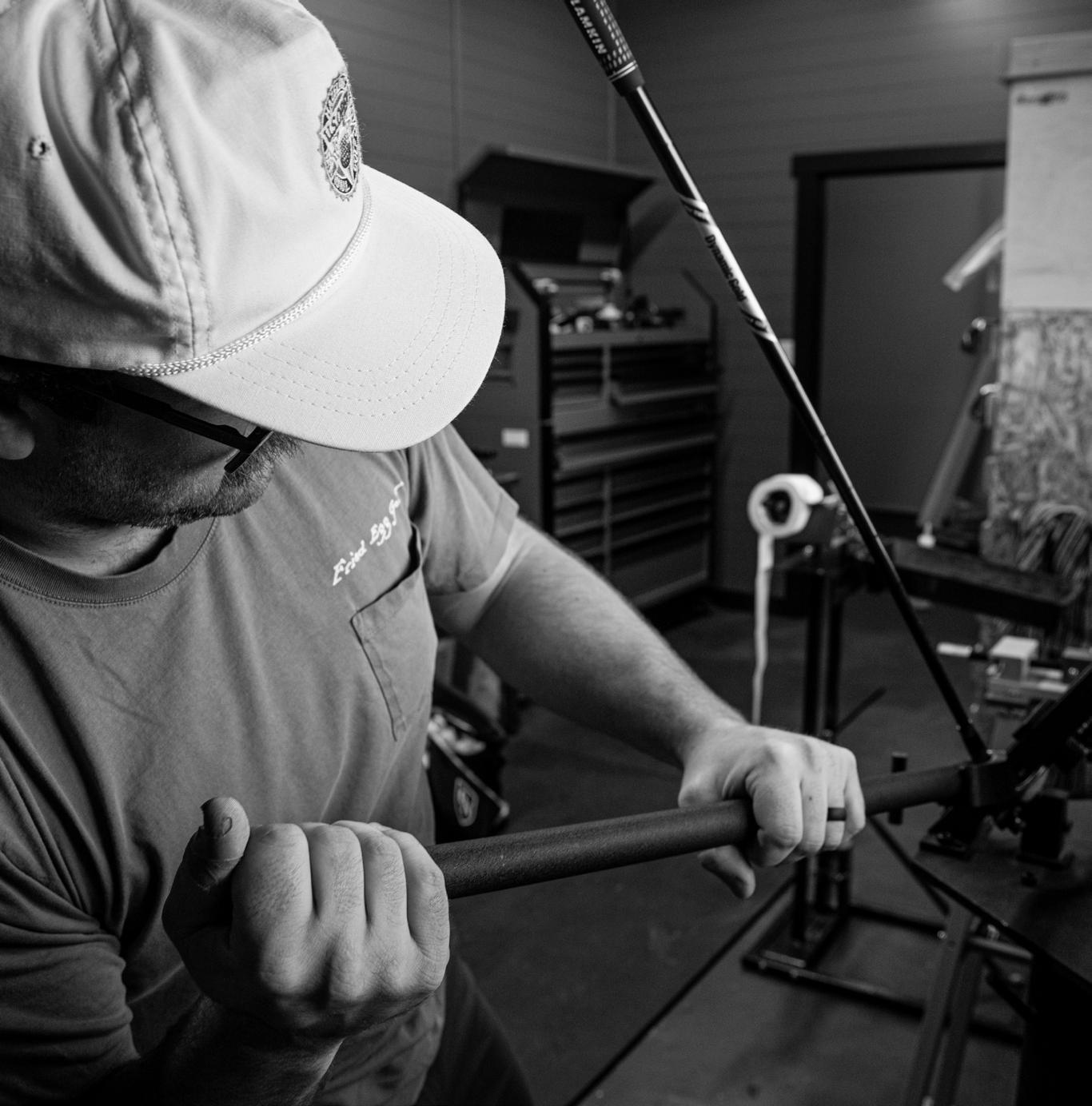
Not every accountant living in a world of spreadsheets and numbers decides to leave the desk job behind at the ripe age of 30 to start a golf shop specializing in custom club fitting, but Johnny Robideaux just did.
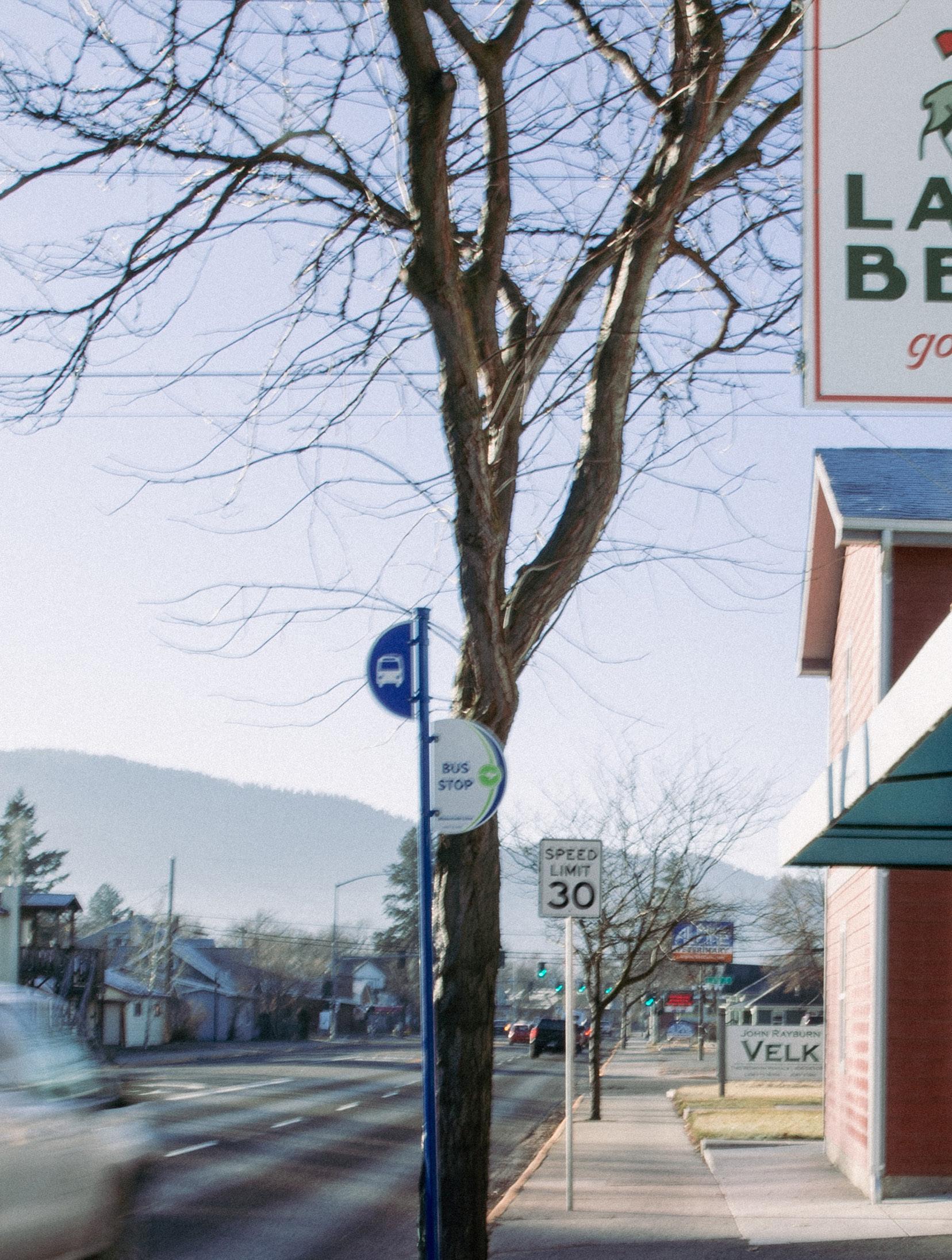
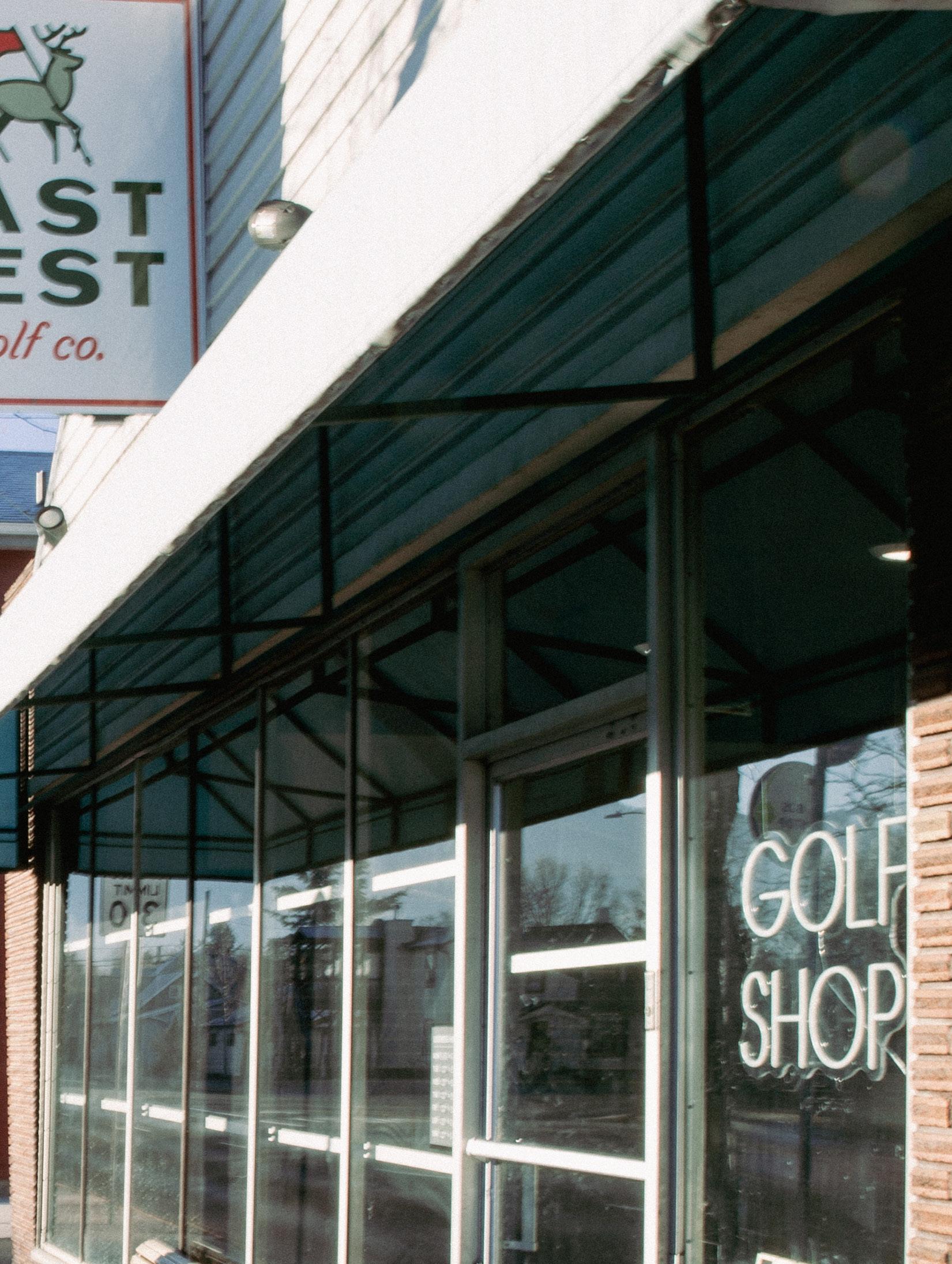
We spoke to Robideaux on his journey to the quaint Missoula location where Last Best Golf Co. sits tucked in the corner of South Third Street and Orange Street right outside of downtown.
From what was just a side hustle in the garage after work, became the first business venture for Robideaux after almost three years leveling up his craft in his free time, starting with a homemade wooden vice, to now partnering with brands like Cobra, Srixon and Cleveland, to name a few.
“I wanted really badly to work in golf again,” said Robideaux on the decision to take the leap. “I worked at a golf store in college and it was the most fun I’ve ever had working in my entire life.”
Robideaux co-owns the
shop with Geoff McEvers, a longtime friend of his who wanted in on the business when the location became available. McEvers stuck by Robideaux’s side through learning how to club build in the early garage days, and eventually learned how to do it himself. When the two combined to join forces, a star was born.
Where McEvers has a separate full-time job, Robideaux has cleared his calendar for the near future to turn to growing the business. And though he said the experience he has in accounting is something he wouldn’t trade for anything, it is completely different work. “I’m moving a lot more, I’m working with my hands, and it allows me to be much more creative versus when I was a CPA,” he said.
A wandering passerby stopping in can expect to enter a golfer’s getaway, where rows of swag and golf accessories line both shelves at the entrance, and not hard to miss is the shining beacon that is the golf simulator, which Robideaux says is “hilariously
large for this space,” accompanied by a plush sitting area to enjoy with some friends. Off the side is where the fitting magic happens, with everything a golfer and their equipment needs whether you’re a newbie or seasoned player.
As for custom club fitting, it’s a craft that reaps small, but mighty results. Inconsistency and poor shots often come from compensating for poor equipment, but the goal, Robidaux says, is to fit someone to be as free from those compensations as they humanly can. “When you do that, the strike gets better. They get more consistent. You trust the equipment under pressure, so you can just flat out enjoy playing a lot more.”
Robideaux explained how rewarding it feels in helping people not just find their passion in the game, but how his work can actually help them improve in ways they didn’t know possible, other than assuming a flat-out investment in a new set of clubs.
“It’s not going out and buying brand new clubs. A
lot of times it’s adjusting the current set of clubs they have,” Robideaux said. “I get text messages like ‘Holy cow, this changed everything. Thank you so much,’ it makes me very proud of what we’re doing in here.”
The business sustains a very supportive effort toward youth golf leagues, with junior discounts initiated storewide for those under 18, and an active presence in youth programs in general. A lot of golfers Robideaux says he knows personally, often say they wish they had started way before they did. Noting that it’s important to encourage individuals to start as early as possible so they can play into adulthood, given the nature of a sport that spans generations.
Among the slew of golf accessories carried in the store is one of Robideaux’s own customer’s wife’s hand-crocheted golf club covers that she designs and crafts herself, called Little Stitch MT, adding a local charm to the inventory he carries, while benefitting another small business.
“I enjoy coming in here every day because we’re building something. It gets a little bit better and better every day. It’s so much fun,” Robideaux said.
To learn more about Last Best Golf Co. visit their website: https://www.lastbestgolfco.com/

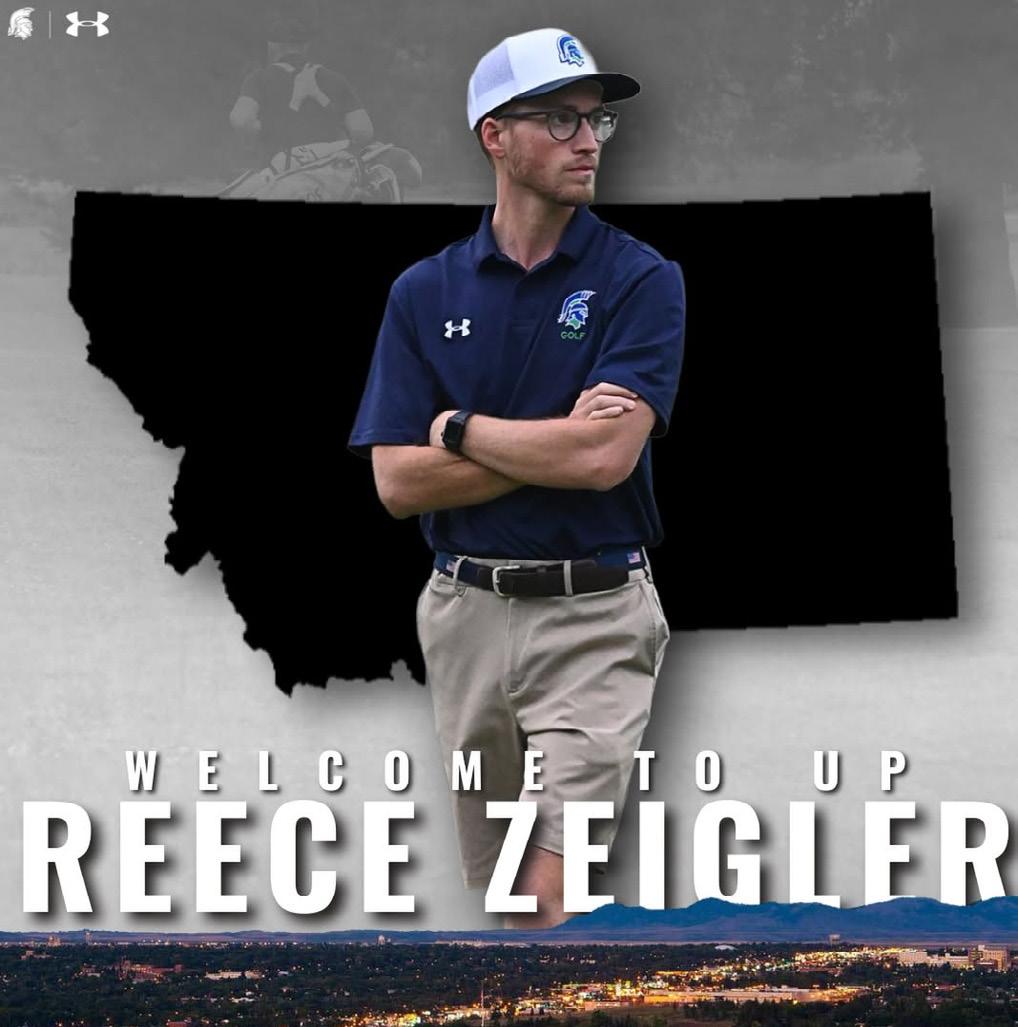
Earlier this year the University of Providence hired Reece Zeigler as the new Head Coach of the Argos golf program. Hailing from smalltown Bucyrus, Ohio, Zeigler was introduced to golf at an early age by his great grandfather Anthony and uncle Dave and continued to compete throughout middle and high school before eventually signing on to play collegiate golf for Hiram College in his home state.
After four years of college golf in which Zeigler was team captain for two seasons, he graduated in 2024 and promptly relocated to California for a spell where he helped coach the Nipomo High School golf team. Shortly after in April of 2025 his wife was relocated to Great Falls due to her service in the Air Force, and Zeigler quickly got acquainted with the local golf scene. “After moving to Great Falls,” he said, “I began working at the city-owned golf courses, which helped me get connected with the local golf community.”
After learning about the coaching opportunity from a coworker Zeigler put his name in the mix and “from there,” he says, “things came together quickly, and I stepped into the coaching role in August of 2025, which brings me to where I am today.”
Coming into his first season as the new Argos coach, he has understood the dual project of developing not just quality golfers, but quality students as well. As Zeigler tells us, “I want to build a competitive program while also developing our student-athletes as people. I want to create an environment where our players can grow their games, compete at a high level, and represent the university the right way.” Like all competitors Zeigler is looking to maintain consistency with the program and eventually “compete for conference championships.”
He took over from MSGA Hall of Famer, Spencer Williams, who departed the program
after serving seven years as the Argos Head Coach. Although new to Montana, Zeigler noticed quickly that “Montana has a strong golf culture,” and tells us that he’s “excited to be part of the Montana golf community and look forward to building relationships within the state.”
Rounding into his second season with the program, the youthful coach Zeigler has positive momentum on his side, with a competitive team of golfers and some quality results to look back on this fall. No doubt everyone in the Electric City, one of our state’s most influential golf towns, will be rooting him on.
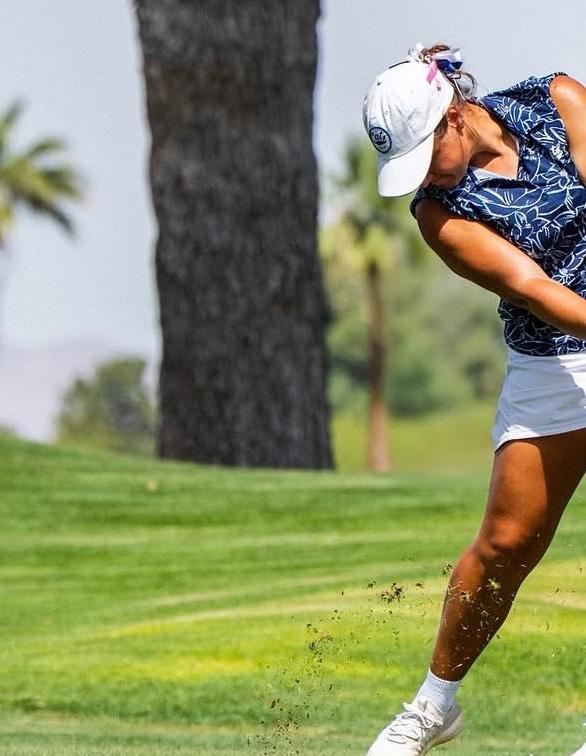
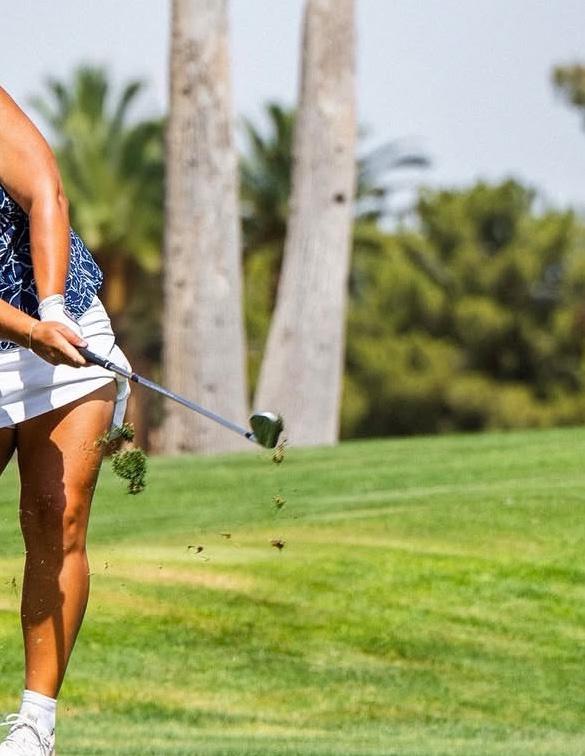
For the second year in a row the Big Sky Conference Women’s Champion is a Montana State Bobcat. In her first year with the program after transferring over from Tulsa, the junior Norah Seidl battled it out over three rounds and eventually won in a playoff over Northern Arizona’s conference player of the
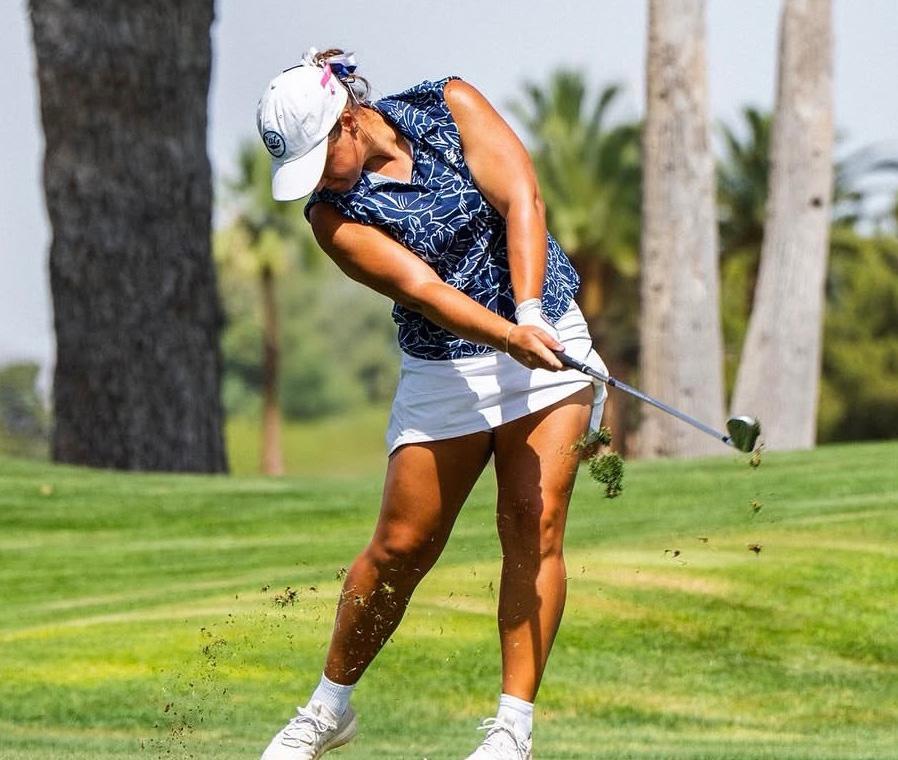
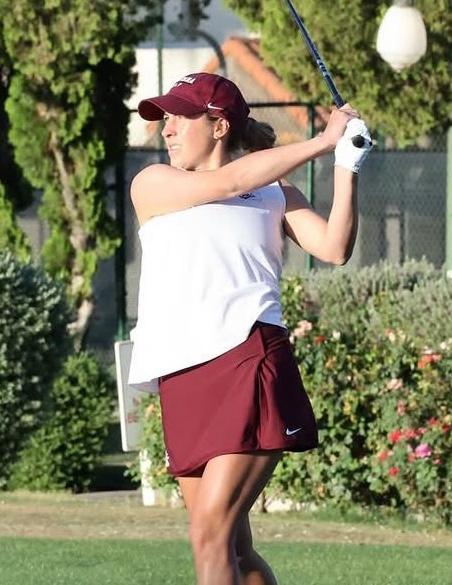
year, Lizzie Neale. Seidl joins last years titlist, Maddie Montoya, along with program legends Jen McGregor (1995) and Paige Crawford (2013), as the only conference champions in school history.
Held April 20-22 at the Wigwam Golf Resort in Litchfield, Arizona, the best golfers in the Big Sky Conference had three rounds of competition to determine this years’ titlist.
Led by Seidl’s -3 (68) that was highlighted by an eagle on the par-five fifth hole, as a team the Bobcats started off with a strong first round, finishing the day at even par (284) just two strokes off Northern Arizona’s first place score. Joining Seidl that first day in the top ten were teammates Eva Heinz in sixth place at -1 (70) and Lauren Greeny who finished the first round in tenth place with a score of even par.
Despite the auspicious start, the Bobcats struggled a bit in the second round, finishing with a cumulative score of +15 (299) which put them effectively out of reach of the top spot and thirteen strokes behind second place Northern Colorado. Nevertheless, Seidl maintained her individual positioning atop the leaderboard with a score of +2 (73) which put her in third place going into day three, well within striking distance of the top spot.
Coming into the third round just three strokes out of first place, Seidl knew it would take a big effort to overcome some quality competitors and she produced just that. She saved her lowest score for when she needed it most, finishing up the third round at -4 (67) which was punctuated by five birdies to just one bogey. Lizzie Neale meanwhile played fantastic that third day as well finishing at -6 (65), including three birdies over the last four holes. However, it wasn’t quite enough for the conference player of the year as her and Seidl would have to settle things in a playoff.
Seidl managed to overcome Neale in that first playoff hole and shortly after got swarmed by her teammates who were ready to celebrate the new conference champion.
As a team the Bobcats got back to form in the third round and even came close to snagging that second round spot away from Northern Colorado but couldn’t quite make up the difference. For the second year in a row the program finished in third place with a final score of +15 (867).
Following Seidl was two-time Montana State Women’s Amateur champion (2024, 2025), Lauren Greeny, who finished in a tie for tenth place at +4 (217). For Greeny that wraps up a stellar Bobcat career in which she accumulated four tournament victories, several All-Conference selections, and rearranged a litany of program records.
After dropping a few spots after a second round at +5 (77), the Big Sky Conference record holder for lowest individual round, Eva Heinz, regrouped in the third round to post a score at even par, which vaulted her back up into a tie for 12th place.
Fellow All-Conference golfer Ashleigh Wilson joined her teammates in the top half of the field with a 27th place finish at +12 (225).
The University of Montana meanwhile finished in 9th place as a team with a final cumulative score of +65 (917). The Griz had a harder time finding consistency and despite some strong performances throughout the three rounds, they weren’t quite able to climb the leaderboards like they had hoped going into the tournament.
Freshman Katie Lewis led the way for the Grizzlies as she finished in a tie for 25th place at +11 (224). It was perhaps a sign of things to come for Lewis, a product of Frenchtown and one of the most decorated Montana High School golfers of all time.
Northern Arizona took home the team title with a cumulative score of -5 (847), preventing Sacramento State from winning their fourth consecutive championship.
For full results of the Big Sky Conference Women’s Championship, click here


"I was playing in a playoff when my compet itor pulled her drive into a red‑staked penal ty area along the left side of the fairway. The group found the ball sitting just inside the tall grass and, eager to keep the playoff moving, the player announced she would take lateral relief.
She paced off two club lengths from the point where the ball last crossed into the pen alty area and made her drop — or at least she thought she did. As she prepared to hit the next shot, her opponent approached and said quietly, “Are you sure that’s your relief area? I think you dropped from where the ball ended up, not where it entered.” A rules official was called. After reviewing the flight and entry point, it became clear: She had taken relief from the wrong reference point… and the ball was sitting outside the correct relief area. Suddenly, what seemed like a routine drop had turned into a serious moment with the playoff on the line.
So my question is, when a player accidental ly drops in the wrong relief area—or uses the wrong reference point—what is the correct procedure? Is the player penalized, and must the drop be redone?
And if the player has already played the ball from the wrong place, how severe is the penalty depending on the format?" Jan P.
Again a very interesting question with a lot of layers!
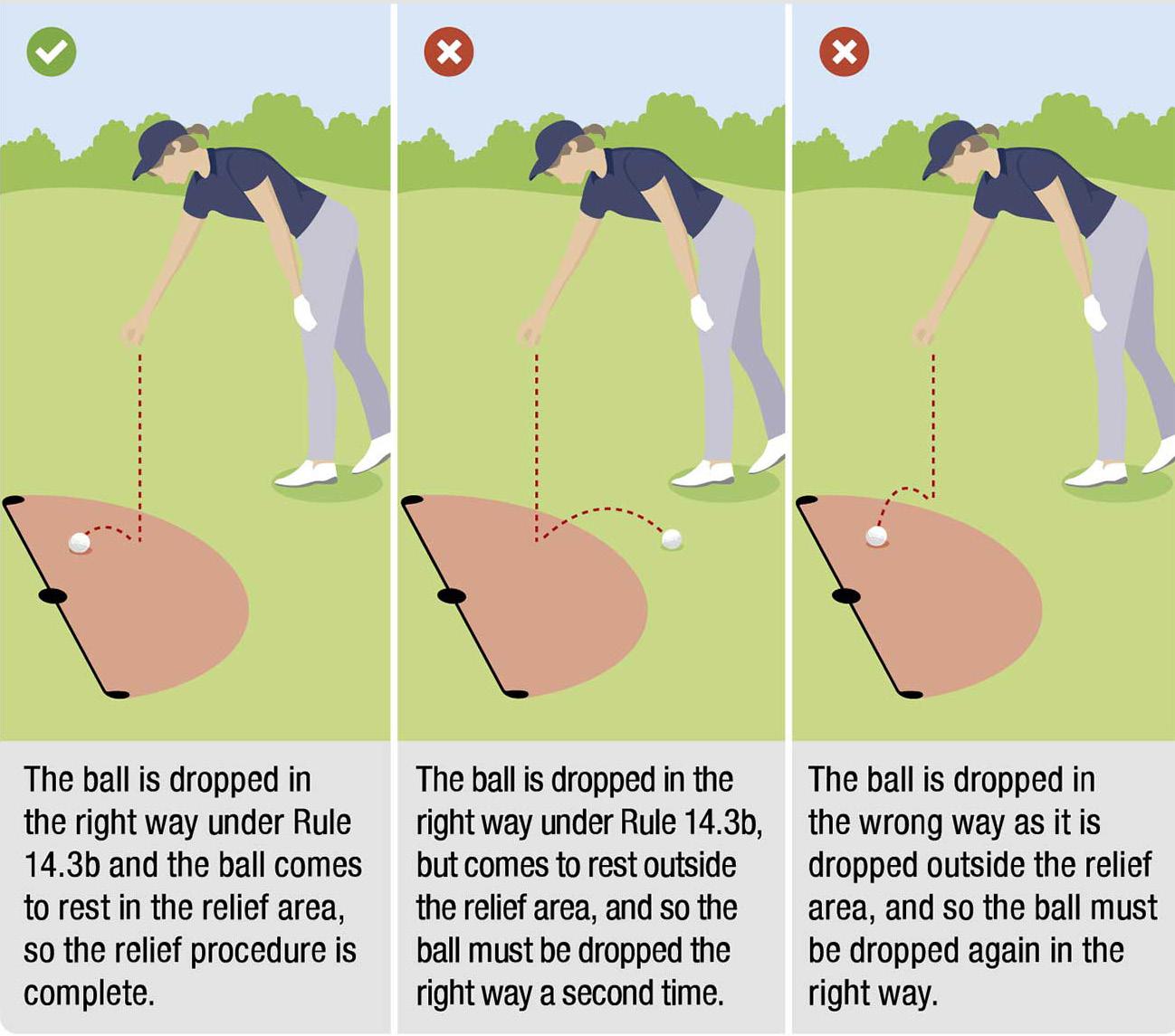
What exactly is a relief area? Think of the relief area as your designated “safe zone” on the golf course. It’s a specific area defined by the Rules where you are allowed to drop your golf ball after taking relief from a particular situation.
The key thing to remember is that this isn't a random spot you pick. The relief area's size and location are determined by a precise procedure based on three things:
• The Reference Point: The starting point for your measurement.
• The Size of the Area: Either one or two club-lengths.
• The Limitations: Rules about where the relief area can and cannot be (for example, no nearer the hole).
You’ll use a relief area when you get either free relief (no penalty) or penalty relief. Free relief is granted for interference from things like cart paths, sprinkler heads, or temporary water. Penalty relief is what you take for an unplayable lie or if your ball is in a penalty area.
Next step is to look at Rule 17 Penalty Areas specifically 17.12d(3) Lateral Relief
(3) Lateral Relief (Only for Red Penalty Area). When the ball last crossed the edge of a red penalty area, the player may drop the original ball or another ball in this lateral relief area (see Rule 14.3):
• Reference Point: The estimated point where the original ball last crossed the edge of the red penalty area.
• Size of Relief Area Measured from Reference Point: Two club-lengths, but with these limits:
• Limits on Location of Relief Area: Must not be nearer the hole than the reference point, and may be in any area of the course except the same penalty area.
Finally, we will look at Rule 14.5a Player May Correct Mistake Before Ball is Played.
When a player has substituted another ball for the original ball when not allowed under the Rules or the player’s ball in play was replaced, dropped or placed (1) in a wrong way, (2) in a wrong place or (3) by using a procedure that did not apply:
The player may correct the mistake without penalty. But this is allowed only before the ball is played.
Answer: Since the ball was sitting outside the correct relief area and the player had not played the ball she is allowed to proceed by dropping the ball in the correct relief area with no penalty.
Applying Rule 14.5a the player can correct the mistake without penalty as long as she did not make a stroke.
The player must drop again under Rule 14.5b(2) When
Ball was Put in Play Under Rule that Applied but ball was Dropped or Placed in Wrong Place.
In correcting this mistake, the player must go on to take relief under the same Rule but may use any relief option under that Rule that applies to their situation.
To answer the other part of the question if the player had played the ball from the wrong place we would refer to Rule 14.7a Playing from Wrong Place which is the General Penalty.
Which in the Definitions is Loss of Hole in Match Play or Two Penalty Strokes in Stroke Play.
How to proceed we would look at Rule 14.7b(1) Player Must Decide Whether to Play Out Hole with Ball Played from Wrong Place or to Correct the Mistake by Playing from Right Place.
What a player does next depends on whether it was a serious breach – that is, whether the player could have gained a significant advantage by playing from a wrong place:
• Not a Serious Breach: The player must play out the hole with the ball played from a wrong place, without correcting the mistake.
• Serious Breach: The player must correct the mistake by playing out the hole with a ball played from
a right place under the Rules. If the player does not correct the mistake before making a stroke to begin another hole or, for the final hole of the round, before returning their scorecard, the player is disqualified.
One final note the question says “the player paced off two club - lengths”.
Here is my friendly remind-
er - under the Rules of Golf in the Definitions: Club-Lengths.
A club-length is a unit of measurement used in defining the player’s teeing area on each hole and in determining the size of the player’s relief area when taking relief under a Rule.
For the purpose of measuring these areas, the length of the entire club is used, starting at the toe of the club and end-
ing at the butt end of the grip. But any attachment to the end of the grip is not part of the club-length.
You are not required to use a club in measurement of the relief area but I highly suggest making it a routine to use your longest club to determine the size of the relief area just so there is no questions.

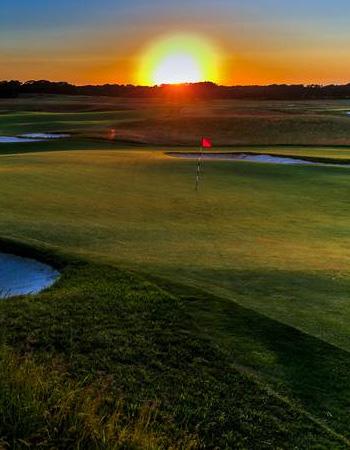
British Isles.
But make no mistake –while these clubs all have rich histories, they are still vital to the game today. The architects’ vision and creativity in adapting their design philosophies to America’s varied terrain resulted in some of
the best courses in the world, which were built to stand the test of time. They demand every type of shot, require thoughtful course management and inspire the player in ways large and small.
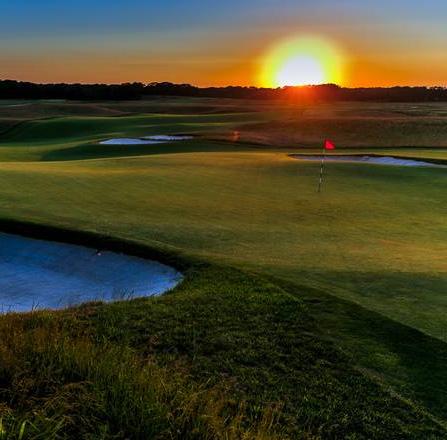
Despite dramatic advances in equipment and technology
since the time they were built, these cathedrals of the game remain as relevant as ever. They provide the ultimate test for the best players in the world, and are iconic symbols of America’s significant contributions to the game.

BY TY SPARING MSGA COMMUNICATIONS MANAGER
NASA’s recent Artemis II mission was in the news recently, as four brave astronauts went further into outer space than any other previous humans in history and became the first in fifty years to slingshot around the moon and back. While this recent lunar adventure no doubt conjures up deep existential questions in many people around the globe regarding the cosmos and the meaning of humanity in the face of a never-ending sea of stars and darkness, forgive me if my question is a tad more trivial: What would it be like to play golf on the moon?
Well, somebody actually has played golf on the moon, in fact it was the very first sport introduced to our celestial neighbor. It happened 55 years ago in 1971 during the Apollo 14 moon mission when Alan Shepard, the fifth person to walk on the moon, brought out a custom-made six-iron and hit two shots. While the first ball got shanked into a crater, the second was a little cleaner and according to Shepard at the time, it went “miles and miles and miles.”
Shortly after the historic golf shots, his colleague and fellow moonwalker, Edgar Mitchell, threw an impromptu “javelin,” which was a pole taken from a solar wind experiment.
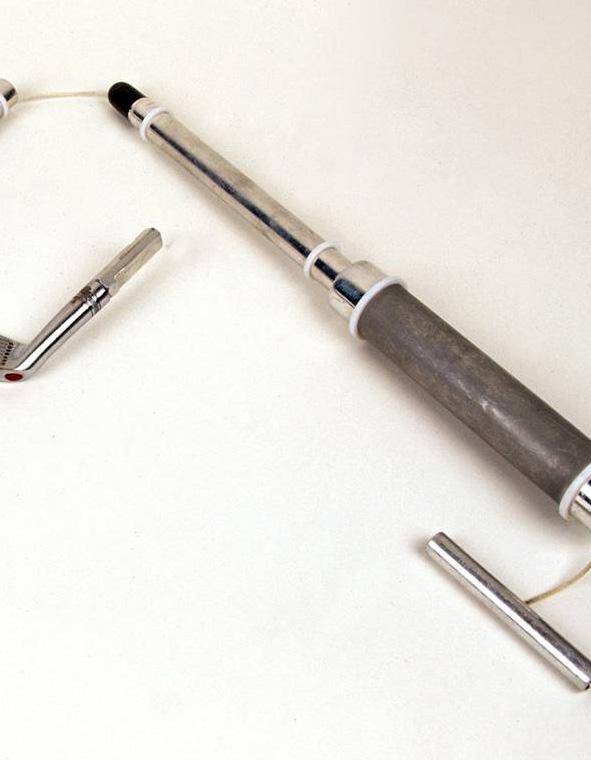
Shepard, who was a regular at the links, got the idea a year earlier while training at Houston’s NASA headquarters when the comedian Bob Hope came by for a tour of the facilities. Hope, an avid golfer himself, famously walked around with a golf club in his hands and would often use it as a prop during his comedy sets. The visit planted an idea in Shepard’s mind and before too long he recruited Jack Harden, a golf pro in Houston, who set about helping the astronaut create a club that was suitable for space conditions. The result was a Wilson Staff Dyna-Power 6-iron head attached to a collapsible
tool that was similar to those used for scooping lunar rock samples. During his 21-day quarantine before the mission, Shepard would put on the spacesuit and take practice shots out of a sand bunker near where he was staying.
Shepard took the off-beat idea to NASA mission leaders, who were naturally skeptical at first. NASA was at a point where they couldn’t make any mistakes with an Apollo mission. With an expensive $25 billion budget, and the failed Apollo 13 mission lingering in the minds of everybody in the United States, the administration needed to prove that they were still capable of putting people on the moon effectively. Despite the initial hesitation a compromise was reached, as Shepard promised not to try the golf shots until the very end of his stay on the moon when all other objectives were completed.
Once the astronauts made the near 230,000mile trip, Shepard and Mitchell spent 33 hours on the moon with nine of those hours outside walking around. It was on the second day after a four-and-a-half-hour moonwalk that Shepard finally pulled out the modified six-iron and prepared to play the first sport the moon has ever seen. Given the limitations of his stiff and clunky spacesuit, Shepard had to hit his shots with one hand. When Shepard was selected as one of the original “Mercury Seven” astronauts in 1959, little did he know he’d be wielding a golf club on the moon someday.
“Houston,” he radioed back to Earth, “you might recognize what I have in my hand as the handle for the contingency sample return. It just so happens to have a genuine six iron on the bottom of it. In my left hand, I have a little white pellet that’s familiar to millions of Americans…I’m going to try a little sand-trap shot here.”
Shepard proceeded with his first swing which missed the ball completely. The dreaded whiff.
Edgar Mitchell proved that even on the moon golfing buddies will give you grief when he joked “you got more dirt than ball that time,” to which Shepard let out a disappointed sigh that millions of golfers around the earth can sympathize with. “Got more dirt than ball,” Shepard responded sheepishly, “here we go again.”
The second attempt connected but shanked into a nearby crater, to which capsule communicator Fred Haise, who was still on Earth watching, commented “That looked like a slice to me Al.”
With the whole world watching and his two colleagues giving him a hard time, a determined Shepard concentrated on his next and final shot and told himself “Here we go. Straight as a die. One more.”
He connected better on the last shot and as he watched the little white ball float off, he said, “Miles and miles and miles.” Shortly after, Mitchell threw his makeshift javelin which landed near Shepard’s first shanked ball. Both the javelin and the two golf balls remain on the moon to this day.
Despite his comments of it going miles and miles, Shepard later estimated the shot to have gone about 200 yards. Later evidence from NASA’s Lunar Reconnaissance Orbiter (a spacecraft launched in 2009) showed that the ball only
traveled 40 yards. A classic exaggerated golf story. Nevertheless, it was a good effort by Shepard to drag his club all that way to the most remote course a human has ever played on.
Shortly after the mission and back on Earth, the man who inspired Shepard’s endeavour, Bob Hope, was playing in a celebrity foursome with Vice President Spiro Agnew, Willie Mays, and PGA Pro Doug Sanders. At the event Agnew famously hit three people in two tee shot attempts on the first hole before scuttling away in his cart embarrassed. Bob Hope later wise-cracked to the nation’s second in command, “When Alan Shepard played golf on the moon, I felt they finally found a place safe enough for you to play.”
The mission ended up successful and Shepard, who died in 1998, went on to be remembered not only for his distinguished astronaut background, but also forever known as the first golfer on the moon. Interestingly enough, when he got back home he expected at least a little public backlash but Shepard rarely had to respond to the “frivolous nature” of his golfing quest on the moon, as it was overshadowed by the revelation shortly after the mission that the javelin throwing Edgar Mitchell had conducted unauthorized ESP experiments on the trip back to Earth. The club itself was eventually donated to the USGA Golf Museum in New Jersey, where it still resides to this day.
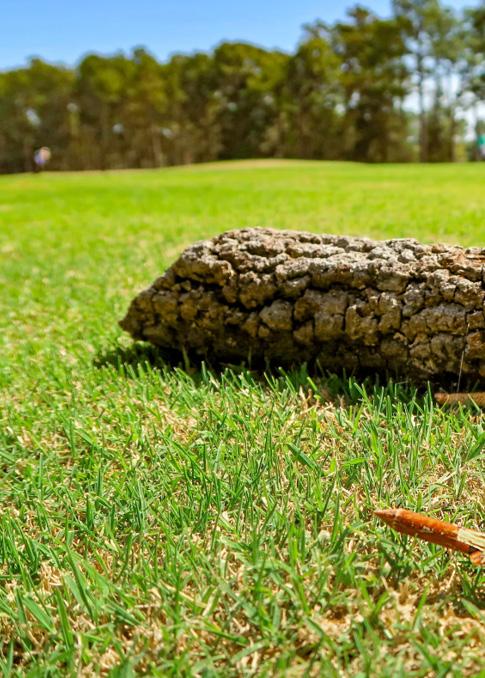
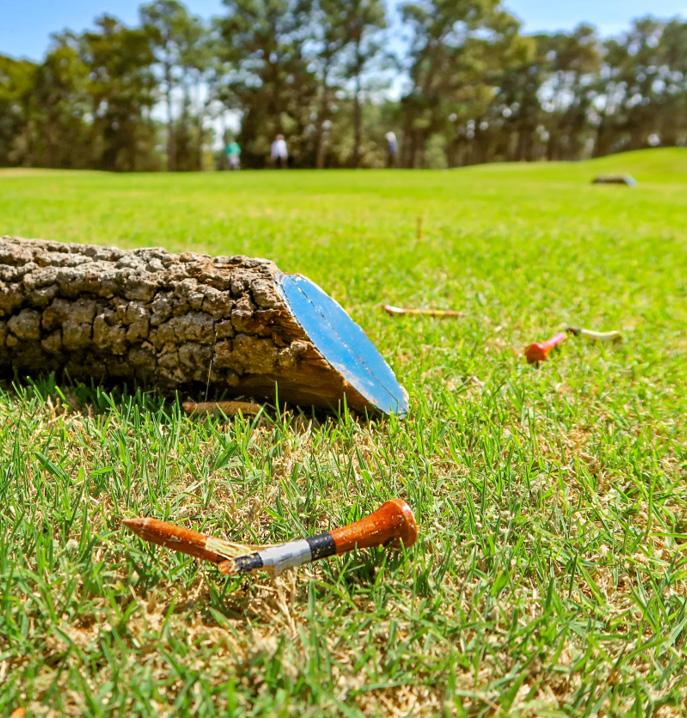
readily available, you can look for a garbage can or drop the fragments into your pocket or golf cart until you find a good place to dispose of them. If nothing else, it’s better to throw broken tees into the
rough instead of leaving them on the tee surface because rough mowers will not be as affected by the debris. Cleaning up our tee debris helps protect equipment, makes course setup more efficient
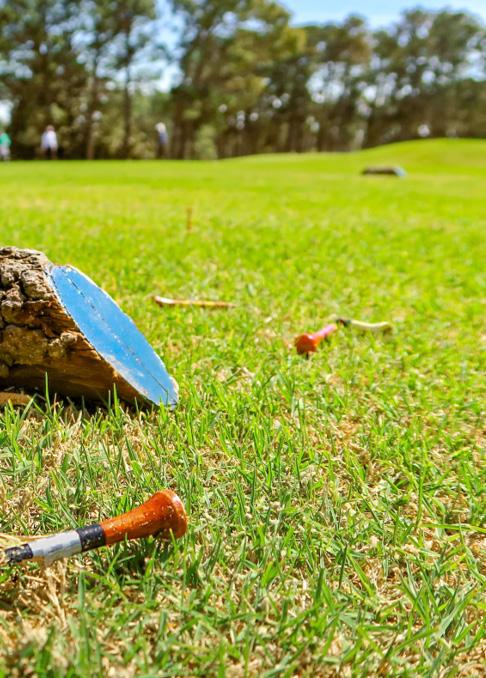
for the maintenance staff, and preserves the quality of the turf. It is a simple courtesy that benefits everyone who enjoys the course.