No Safe Place to Heal
How Drone Warfare and Widespread Attacks Are Devastating Healthcare in Ukraine


How Drone Warfare and Widespread Attacks Are Devastating Healthcare in Ukraine
Since the full-scale escalation of the war in Ukraine in February 2022, the human cost has been immense and continues to rise. According to the United Nations Human Rights Monitoring Mission (HRMMU), nearly 15,000 civilians have been killed and more than 40,000 injured in Ukraine as a direct result of the Russian invasion.1 Civilian casualty figures rose by 30% in 2025 compared to 2024 and by 70% compared to 2023,2 reflecting an intensification of hostilities and a growing disregard by Russian forces for the distinction between military and civilians. Displacement has also reached staggering levels: by the end of 2025, more than 5.8 million people left Ukraine as refugees,3 while an estimated 3.7 million people were internally displaced as of the end of October 2025.4 As of spring 2026, Russian forces occupy approximately 19% of
≈15,000 civilians have been killed

40,000+ injured in Ukraine as a direct result the Russian invasion
Ukraine’s territory.5 Although this report does not examine demographic impacts, UN estimates indicate that Ukraine’s population has declined by around 10 million people since 2022,6 including significant losses and displacement among working-age adults, particularly young men, with likely long-term consequences for the country’s demographic structure and recovery capacity.
MSF teams have directly witnessed and responded to the consequences of these attacks on civilians. In hospitals supported by MSF, medical teams have treated patients injured by artillery, missile strikes, and increasingly by drone attacks in urban and semi-urban settings. MSF witnessed more than a dozen such attacks carried out with a range of weapons. The pattern of injuries has shifted: where wounds were once
predominantly caused by artillery shelling, drone strikes now account for a growing share of trauma cases, producing multiple victims with multiple wounds and fractures, higher infection rates and increased rates of sepsis. In some facilities, masscasualty incidents7 required hospitals to activate emergency triage protocols multiple times within the same week.
Beyond direct traumatic injuries, the disruption of healthcare systems has generated a growing burden of non-surgical medical emergencies: the indirect victims of war. This disruption is reflected in a survey MSF conducted among 187 civilians in near-frontline regions on their access to healthcare: before the escalation, 72% of respondents reported being able to access healthcare ‘always’ or ‘most of the time’. Since
+30% civilian casualties 2025 vs2024 (+70% vs 2023)
5.8M refugees; 3.7M internally displaced
the escalation, that figure has collapsed to just 35% while those accessing care ‘rarely’ or ‘never’ have risen from 7% to 35%. Interrupted treatment and delayed access to care lead to sharply increased morbidity and mortality from acute and chronic non-communicable diseases, most critically cardiovascular conditions, where delays in intervention are often fatal. Those who do reach a health facility are frequently met with depleted or insufficiently specialised staff.
The war has also taken a severe and direct toll on healthcare infrastructure and personnel. Between April 2022 and December 2025, MSF counted more than 20 attacks on MSF-supported medical facilities and facilities MSF worked closely with. Eight hospitals where MSF worked had to be evacuated, four of which were completely destroyed, and seven ambulance bases had to be abandoned. One MSF staff member and one MSF partner staff member were targeted and wounded; two MSF offices were damaged or destroyed. In East and South Ukraine, MSF has lost access to over 80 villages it supported across six regions with primary healthcare mobile clinics.
The rules of war continue to be flaunted. Many of these attacks on medical personnel and healthcare structures – protected under international humanitarian law – may amount to war crimes under the Geneva Conventions.
Repeated Russian attacks on energy infrastructure have compounded the civilian suffering. Strikes on power generation and distribution systems have severely disrupted hospital functioning and deprived communities of heating, electricity and running water. With temperatures dropping as low as -25°C during the winter of 2025-2026, the consequences for the most vulnerable have been severe. Through the winter, MSF teams heard almost daily of elderly people who died alone in their apartments, trapped and unreachable. The scale and timing of these attacks have imposed widespread suffering on civilian populations, and may amount to collective punishment, illegal under international law.8
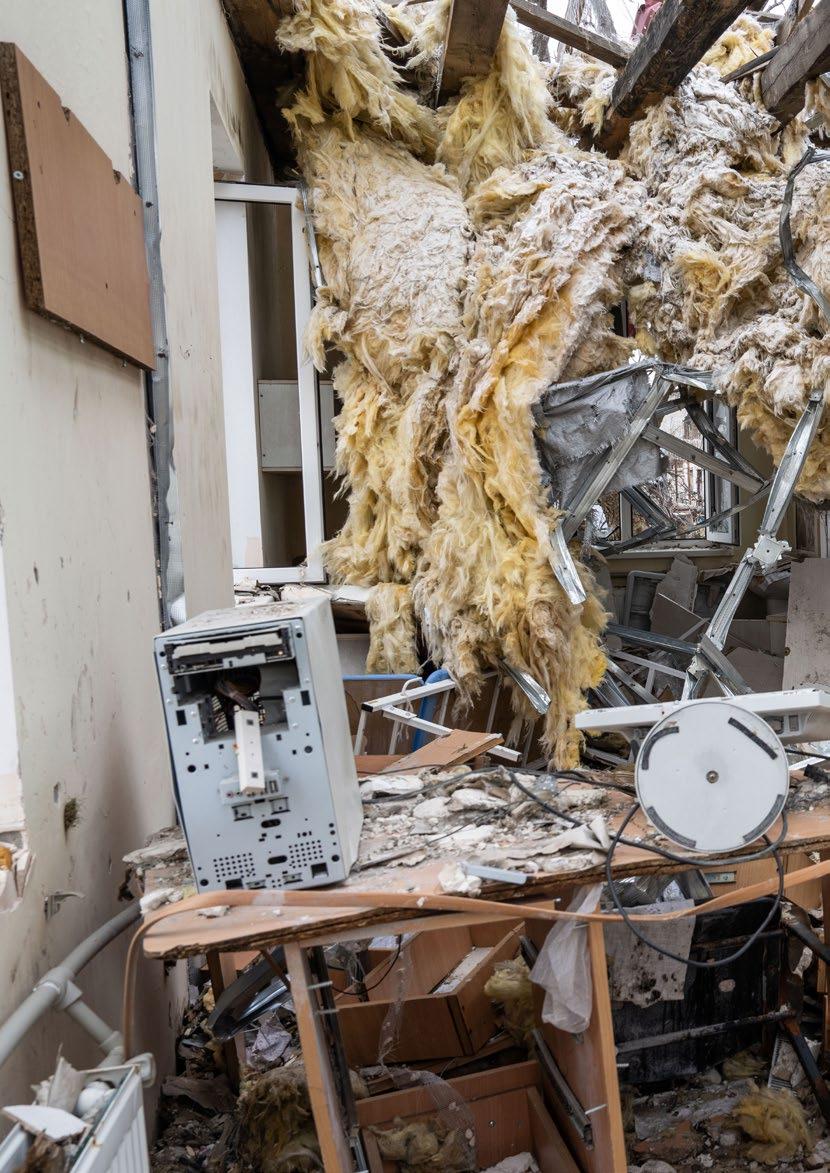
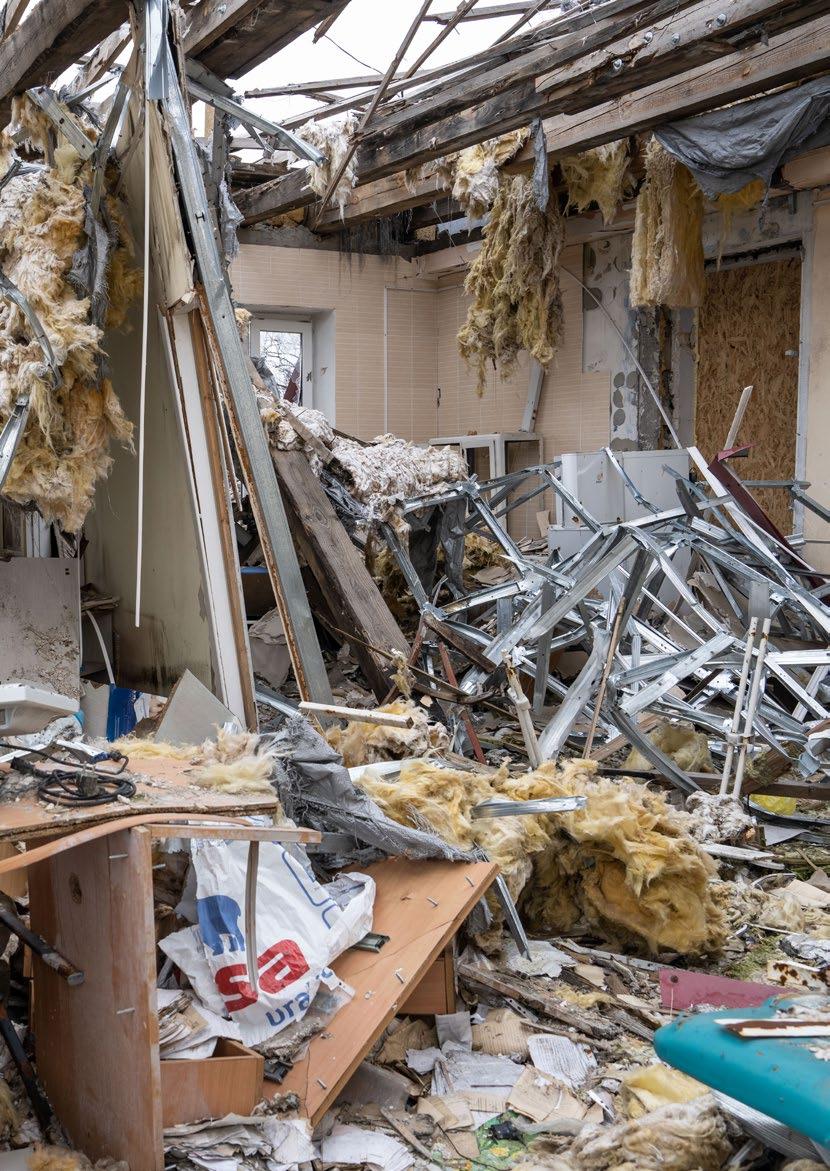
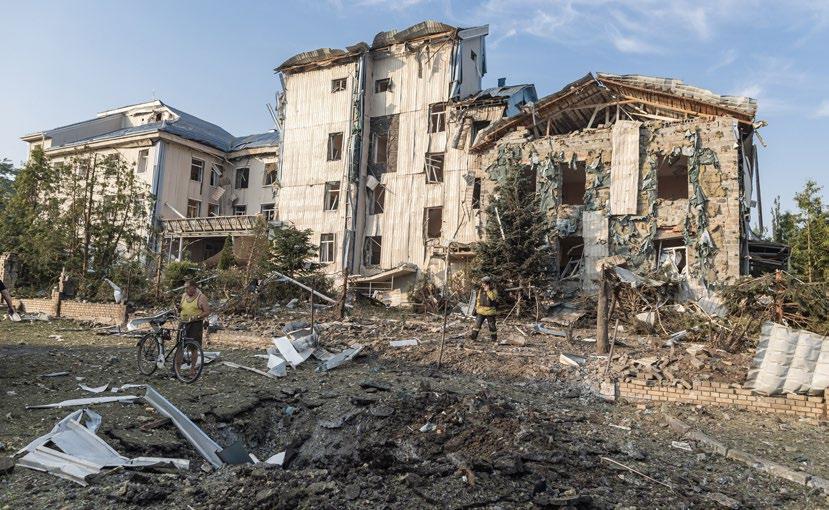
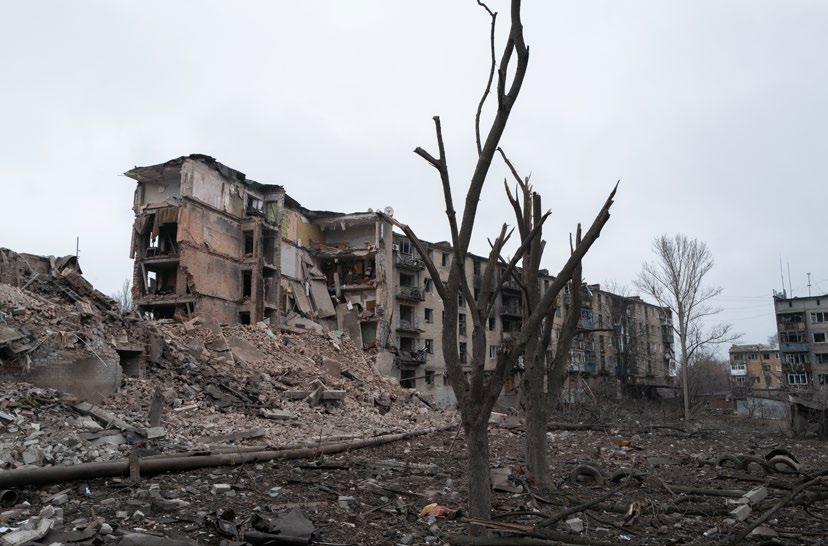
The frontline, as it shifts and advances, leaves devastation in its wake. Entire neighbourhoods are reduced to rubble, and medical facilities are left in ruins, gutted buildings, shattered wards and clinics turned to ash.
This report examines, through MSF medical data as well as testimonies from MSF medical staff and patients, the impact of the war on civilians and healthcare personnel and the destruction of medical infrastructure. It documents the gradual loss of access to entire areas, leaving people cut off from care. It also gives voice to our patients — the war’s silent victims — those not counted among the dead from bombardments or shrapnel, but who suffer and die from diseases worsened by the chilling effects of war or left untreated because care was simply no longer available.
This year marks ten years since the adoption of United Nations Security Council Resolution 2286 , 9 which unequivocally reiterates the protection of humanitarian and medical personnel, patients and healthcare infrastructure in armed conflict. A decade later, the persistent and violent attacks on hospitals and the disruption of essential medical services underscore the failure to uphold these commitments. The protection of healthcare is not optional: it is a legal and moral obligation. All parties to a conflict must ensure that medical facilities, staff and patients are safeguarded, and that access to care is preserved. Respecting medical neutrality is not only a matter of compliance with international humanitarian law; it is a matter of humanity.
Every day in Ukraine, civilians are killed. Hospitals, schools, markets, residential buildings, public buses and train stations have all been struck. Russian forces show no mercy for civilians.
This report focuses on attacks on healthcare witnessed by MSF staff in Ukraine where MSF operates medical and mental health programmes.
The medical data presented were collected by MSF teams using standardised protocols across all MSF programmes.
Quantitative medical data is complemented by a survey on access to healthcare conducted with 187 civilians across Mykolaiv, Dnipro, Kherson and Zaporizhzhia regions and with 30 interviews with MSF staff and patients, providing qualitative insights to illustrate the suffering and patterns of violence described. The testimonies cited in this report were collected with the interviewees’ informed consent, and they were informed that their accounts would be made public. For the safety of interviewees and the medical and humanitarian facilities concerned, the majority of testimonies are anonymous and have been shortened to avoid recognition.
For three years, MSF has been requesting access to regions of Ukraine under Russian occupation without success. As a result, MSF is unable to provide direct medical assistance and cannot independently assess the impact of the war on civilians and health systems in these locations.
MSF moved to a full emergency response mode in Ukraine in February 2022, initially developing medical evacuation trains, then moving into ambulance services, hospital support and primary healthcare. In 2024 and 2025, in near-frontline areas of the regions of Dnipropetrovsk, Donetsk, Kharkiv, Kherson, Mykolaiv, Sumy and Zaporizhzhia, MSF teams provided medical support along a frontline stretching approximately 1,000 km.
12,904
ER admissions (2025)
10,722
ambulance referrals — 60%war-related
In 2023, MSF worked alongside hospital teams in Kurakhove, Kostiantynivka and Selydove in the Donetsk region, providing emergency and trauma care. As hostilities escalated, MSF was forced to suspend these activities and relocate to safer areas. Both hospitals MSF had supported in Selydove and Kostiantynivka have since been destroyed, in 2024 and 2025 respectively. Prior to its destruction, the Selydove hospital was heavily damaged by missile strikes while an MSF team was still present. The city of Selydove is now under Russian occupation. Throughout 2024, MSF maintained a presence in hospitals in Pokrovsk and Kramatorsk, though persistent insecurity repeatedly forced suspensions of activities. The hospital in Pokrovsk was later destroyed, and at the time of publication the city is now largely under Russian occupation.
As the front line moved westward, so did MSF’s operations. From late 2024 into 2025, MSF progressively shifted its support into the Dnipropetrovsk region, working in hospitals in Pokrovske (October 2024 – October 2025), Shakhtarske (late 2024 – present), Pavlohrad (January 2025 – present) and Synelnykove (February 2026 – present). The hospital in Pokrovske was destroyed in December 2025. In southern Ukraine, as of spring 2026, MSF medical teams are present in a hospital in Kherson city and in Ochakiv.
370k+
mobile-clinic consults (2022–25)
795
early-rehab patients (2025)
In 2025, in all hospitals supported by MSF, 12,904 patients were admitted to the emergency department, 1,053 surgeries were performed or assisted, and 552 patients were admitted to the Intensive Care Unit (ICU).
Near the front lines in the east and south, MSF ambulance teams evacuate patients from overburdened facilities and transport them to hospitals in safer areas. As of spring 2026, MSF operates six ambulance bases (compared to eight in 2025) located in Dnipro, Pavlohrad and Synelnykove (Dnipropetrovsk region); Barvinkove (Kharkiv region); Zaporizhzhia city (Zaporizhzhia region); and Mykolaiv city (Mykolaiv region).
In 2025, MSF ambulances referred 10,722 patients, 60 percent of whom had war-related injuries.
Between 2022 and 2025, MSF teams provided more than 370,000 outpatient consultations through mobile clinics serving shelters and communities with limited or no access to health care (primary healthcare including sexual and reproductive care and mental health). Mobile teams also screen for tuberculosis and treat chronic diseases such as hypertension and diabetes, mainly among elderly and vulnerable patients.
In Cherkasy, MSF runs an early rehabilitation project for war-wounded patients, providing physiotherapy, psychological support, nursing care and infection prevention and control measures to address the complex needs of warwounded patients early in their recovery process. In 2025, MSF provided comprehensive early rehabilitation care to 795 patients. A mobile team also supports other hospitals in Ukraine to develop their own early rehabilitation model of care – as of spring 2026 this team has supported hospitals in Odesa, Dnipro, Zaporizhzhia and Poltava.
In Vinnytsia, MSF operates a dedicated mental health centre offering specialised psychotherapeutic services for people experiencing war-related PTSD, providing techniques to reduce symptoms, improve coping skills and decrease the consequences of traumatic stress.
MSF provides medical donations, including kits, equipment and medicines, to hospitals facing shortages and offers training for health care staff on acute rehabilitation for war-wounded patients, psychiatric care, mass casualty response and mental health. Between early 2023 and January 2024, training was provided for nearly 3,000 medical professionals across four regions.
“We live about 20 kilometres from the front line. We hear explosions almost every day. Regularly, our house shakes from the blasts. Because of this constant threat, I suffer from panic attacks. Living here is incredibly difficult and frightening. Last winter [2025], for three months, I slept fully dressed because I was afraid I might need to run at any moment. Now the situation is deteriorating again, and the fear has returned.”
– A 55-year-old MSF patient from Svitla Dacha (Mykolaiv region).
Civilians in Ukraine have been directly affected by hostilities and exposed to repeated attacks on populated areas, with little distinction made between military objectives and civilian life by Russian forces. The increased use of drones in populated areas has resulted in injuries to civilians engaged in daily activities — such as shopping, commuting or queuing for humanitarian assistance — far from active combat positions.
MSF teams have directly witnessed and responded to the consequences of these attacks on civilians and have reported cases involving elderly patients, children and healthcare workers among the wounded. In hospitals supported by MSF, injuries commonly observed include complex blast trauma, shrapnel wounds, burns, traumatic amputations and polytrauma requiring surgical intervention and intensive care. In some facilities, mass casualty incidents (an event in which the number and severity of injured or ill people exceeds the immediate capacity of available medical resources to provide standard care) have required hospitals to activate emergency triage protocols multiple times within the same week.
Data from hospitals supported by MSF in 2024 and 2025 show that, although MSF supports mostly city hospitals designed to focus on nonwar-related conditions, a significant number of patients with war-related trauma continue to be recorded especially during mass casualty incidents. This reflects the reality that, as the war intensifies and frontline facilities are destroyed or become inaccessible, civilians with war wounds are increasingly turning to urban hospitals that are not fully prepared or equipped to handle them, placing additional strain on already overstretched staff and resources.
Snapshot from a vast frontline – Medical response to war-wounded patients (2024-2025):
Note: MSF does not collect data on combatant status including during mass casualty incidents; however, the figures overwhelmingly reflect civilians treated, as most military casualties are cared for in military hospitals.
East Ukraine hospitals:
• Between June and August 2024, the MSF team in a hospital in Pokrovsk responded to five mass-casualty incidents, providing care to 78 patients
• Between October 2024 and September 2025, MSF supported the emergency department, intensive care unit and operating theatre of Pokrovske Hospital (Dnipropetrovsk region). During that period, 177 war-wounded patients were treated in the emergency department.
• At a hospital in Pavlohrad, approximately 70 kilometres from the frontline and away from active hostilities, MSF teams have treated more than 90 war-wounded patients in the emergency department since January 2025.
• MSF teams responded to at least eight mass-casualty incidents, involving over 70 victims, in three other hospitals in the East.
South Ukraine hospitals:
In both hospitals supported by MSF in Kherson city and in Mykolaiv region, MSF provided care to 128 war-injured civilians, including 45 patients in mass casualty incidents.
MSF ambulance programme:
In 2024, MSF responded to five mass casualty incidents, reaching 77 people in total. Teams transported civilians injured by strikes in Pokrovsk in January and Selydove in February. The most significant operation of the year came in August, when MSF supported evacuation trains out of Pokrovsk as the city came under sustained attack. 44 people were assisted over 16 days. Teams also responded to a further strike in Pokrovsk later that same month, and to an incident in Sumy, in the northeast of Ukraine, in November. In 2025, MSF ambulance teams responded to three major mass casualty incidents in Kryvyi Rih (April 2025) and Pavlohrad (in November and December 2025) assisting more than a dozen injured.
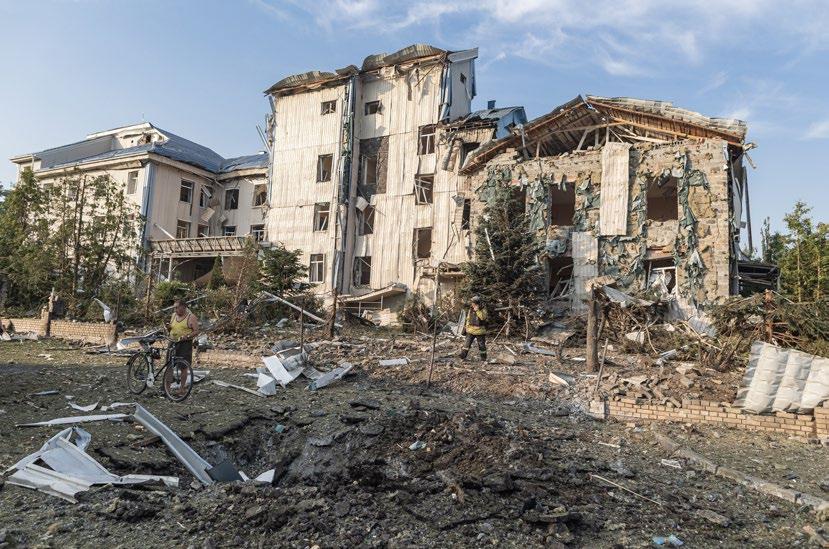
This testimony describes what happens in the emergency department of a hospital following a mass casualty incident.
“There was a time when 12 seriously wounded patients were brought in at once. We had to triage, sorting them into groups based on who could realistically be helped. Those who we knew could not be saved were given painkillers for end of life, simply because we didn’t have the resources to do more. Patients in need of emergency care were prioritised. Some of the less severely wounded waited for up to ten hours to get treatment. We stopped their bleeding, and then they sat or lay there while the teams tended to others. People laid wherever there was space: in the wards, in the corridors. We couldn’t do more than that, and this is the reality of this war.” – A 49-year-old traumatologist working in an MSF supported hospital.
Below is a summary of the attacks MSF has publicly reported on since the end of 2024 and 2025, following the provision of care to injured civilians.
On 17 November 2024, a densely populated area in Sumy city was bombed. According to authorities, 84 people were wounded, including 11 children. 11 fatalities were reported, among them two children: a 9-year-old boy and a 14-year-old girl. MSF emergency ambulance teams provided medical assistance to injured residents.10
On 8 January 2025, 13 people were reported killed and 120 injured, including a 13-year-old child, in a missile attack on Zaporizhzhia. After this attack, MSF made a medical donation to support one of the hospitals that received the wounded.11
On 7 March 2025 , the city of Dobropillia, Donetsk region, faced a massive attack, which killed 11 people and injured at least 50. MSF referred the injured from the local hospital to Dnipro for further treatment.12
On 24 June 2025, a Russian attack on Dnipro resulted in 15 deaths and more than 170 injuries. Residential areas and civilian infrastructure came under fire. MSF treated a train passenger who was injured.13
On 23 August 2025, 18 people were travelling to work on public transport in the morning when they came under drone fire in the Dnipropetrovsk region. An MSF medical team, together with staff from the Ministry of Health, provided medical care to 6 injured people at the local hospital.14
On 9 September 2025 , MSF referred four patients wounded during a Russian strike on Yarova village, Donetsk region. The patients had serious injuries and were taken from the hospital in Sloviansk to Dnipro. They had been queuing for their pensions when the attack happened, which killed 25 people.15
On 29 September 2025, MSF teams were treating patients in the intensive care unit of the hospital in Pokrovske, near the frontline in Dnipropetrovsk region, when the building shook from explosions. Eight wounded people arrived with shrapnel injuries, limb trauma and traumatic brain injuries.16
On 24 October 2025, following widespread and indiscriminate shelling by Russian forces on Kherson city, MSF doctors received seven patients with blast and shrapnel injuries at the hospital we support. Among the wounded were two girls, aged 15 and 17, with concussion. We stabilised and referred them to a specialised facility.17
On 4 November 2025, Russian military forces carried out strikes on Synelnykivskyi district, Dnipropetrovsk region, hitting civilian infrastructure and private homes. MSF supports a hospital close to the frontline in this area, where wounded patients were brought.18
The stories shared by our patients and medical staff offer a window into the devastating impact of this war on civilian life, particularly for the most vulnerable. Their experiences reflect those of thousands more people still trapped in embattled areas of southern and eastern Ukraine, and it is their voices that MSF seeks to amplify.
This is an excerpt from the story of an MSF patient, a 64-year-old woman from Kherson city, who was displaced to Mykolaiv in 2024 after being injured in a Russian attack on Kherson’s central market in December 2024.
“On 24 December 2024, I was wounded by artillery shelling by the Russian army from the left bank of the river. I was at the central market with my granddaughter. One shell fell just a few metres from me. I saw many dead bodies, the lifeless bodies of people I knew, my neighbours, lying injured on the asphalt, their skin burning. Our survival is a miracle. I was injured in the abdomen and hospitalised. I had to undergo surgery. But immediately after my operation, the hospital itself came under shelling. It was like a horror movie. After this attack, the doctors told me that I could be transferred to a hospital in Mykolaiv. I agreed, and I was transferred by ambulance. Since then, I have been living in Mykolaiv. My family is still in Kherson. I want the war to end. My children are scared, and their children are scared. This morning, my daughter texted me to say that drones were flying over their house again. They will not come to live with me in Mykolaiv as they are afraid to leave their apartment behind. People in Kherson want the war to end. We want the shelling to stop. We want to return home.” – A 64-year-old woman displaced from Kherson city.
The two stories below were collected at a hub for internally displaced people in the city of Dnipro that MSF supports with mobile clinics. In February 2026, the hub was sheltering 270 people who fled areas either under active hostilities or already occupied by Russian forces.
This is the story of a 70-year-old woman from Soledar in Donetsk region. Soledar was occupied by Russian forces in January 2023 after intense fighting. In 2022 she decided to flee Soledar and tells her harrowing experience, including life in basement shelters and the loss of her son and killing of neighbours.
“In May 2022, I spent most of my time in the basement of our apartment building in Soledar. When shells started hitting even the basement, it became very frightening. Those with their own transport left, but we were dependent on volunteers to evacuate us. In the last two weeks before being evacuated, we had received our last humanitarian food delivery, and water came from emergency services. But after that, they could not bring more because the roads were destroyed. Some of the men dug a toilet in the basement. We were told not to leave because of the attacks and debris. Medical staff were gone; hospitals were destroyed. Two people from our basement died. One young man went up to the fifth floor to make a call. Just after stepping down, a shell fragment struck his neck, and he bled to death. One woman was injured in the knee by a fragment while trying to boil water on the street and bled through the night with no one to help her. My son, who was an ambulance driver, went missing while fetching water with a friend. We never found out what happened to him. Many young men went missing during that time, especially those working as ambulance drivers. I ended up being evacuated by volunteers in August. If I had stayed one or two more days, I might not have survived. Today, the loss and uncertainty over the fate of my son still weigh heavily on me.” – 70-year-old, woman, MSF patient.
A 61-year-old woman displaced from Siverskodonetsk (Luhansk region), now occupied by Russian forces, described the final weeks before fleeing the city in 2022, when constant bombardment, destruction of homes and lack of basic supplies left her family trapped in a basement without food or electricity:
“The month we spent there before leaving felt like hell. Shells and rockets were exploding constantly. Our house was bombed while we were there, and we hid in the basement. There was no electricity. We had some grain, but we could not cook it. If you lit a fire outside, it would be seen and targeted. We were hungry. There was no bread at all. I will never forget that when I arrived in Dnipro and went to a supermarket I went straight to the bread section and kept taking loaf after loaf. My husband asked why I was taking so much. I just wanted to eat bread. Even now, when I remember, I cry. It is terrifying not to have food.” –61-year-old, woman, MSF patient.
In the chaos of war, countless individuals are forced to make incredibly difficult choices, drawing on reserves of strength they never knew they had. The following account, shared by an MSF Health Promotion officer, offers a glimpse into the harrowing reality faced by civilians caught in the crossfire, ordinary people, in the twilight of their lives, suddenly thrust into extraordinary circumstances with nothing but each other to rely on. This testimony was collected at a transit centre for displaced persons in Pavlohrad in the Dnipropetrovsk region that MSF has supported with mobile teams since 2025. The region has increasingly become a critical transit hub for those fleeing frontline areas, with shelters that have become severely overcrowded.
“There is one story that has stayed with me, something that really struck me. I met a couple in the transit centre, a husband and wife, around 60 years old. The man was lying on a bench when we arrived. It turned out he was having symptoms of a stroke, and we had to evacuate him to a hospital by ambulance. When I spoke to his wife, she told me they had evacuated their village on foot. At one point, her husband became so unwell that she had to carry him on her shoulders. Drones were flying over their heads as they fled. She told me she still does not understand how they were spared, or how she found the strength to carry him that far.” – MSF Health Promotion officer.
The widespread use of drones in eastern Ukraine is not only transforming the battlefield, but also changing the nature of the wounds doctors must treat. An MSF surgeon working near the front line describes increasingly complex injuries and the growing risk of patients dying from infection after surviving initial trauma.
“In 2022 and 2023, in hospitals supported by MSF, we would observe that most injuries were caused by artillery shelling. Today, most are caused by drones. The wounds caused by drones are typically multiple, small and blackened at the edges. The skin is often dark from burns. At the end of January 2026, I treated a young man who was driving with his father and brother. A drone hit their car on the passenger side. His father died instantly. Both sons had multiple injuries, including penetrating chest and abdominal wounds and open fractures. One of them survived the initial surgery, but he remains at high risk of dying from sepsis because it is almost impossible to fully clean all wounds. This is because drone injuries are caused by multiple fragments penetrating the body in different directions, creating deep and irregular wound tracks that are extremely difficult to access and debride completely. With such wounds, you cannot properly debride them because you would remove too much tissue. But if you leave them, they will get infected. As a result, infection rates have risen significantly. The first battle is against bleeding. If the patient survives that, the second battle is against infection. And many lose that second fight. The shrapnel inside these drones varies. They are often improvised, filled with pellets or other available metal fragments, which is why injury patterns differ. The result, however, is always the same: widespread, devastating trauma. If a drone hits the upper body directly, survival is unlikely. And when it does not hit directly, if it is denotated against a tree, the ground, or a pole, the shrapnel spreads and reaches vital organs. It maximises harm. This is what modern warfare looks like now. We have definitely noticed more upper-body injuries compared to 2023. When a drone approaches, people instinctively raise their arms to protect their head, which leads to severe trauma to their arms and hands. The explosions disperse shrapnel at high speed across the entire body, arms, legs, torso and head, often producing multiple critical injuries at once. I treated a patient with an amputated right leg, an open fracture of the left leg, an open fracture of the right arm, shrapnel in the left arm, and multiple wounds to the chest, abdomen and head. Five surgeons operated simultaneously for around six hours.” – A 30-year-old surgeon and medical activity manager for MSF programmes in hospitals in the East.
+51% multiple fractures (2024 > 2025)
300k+
new disabilities since Feb 2022 (total>3M) 3 multiple amputations tripled
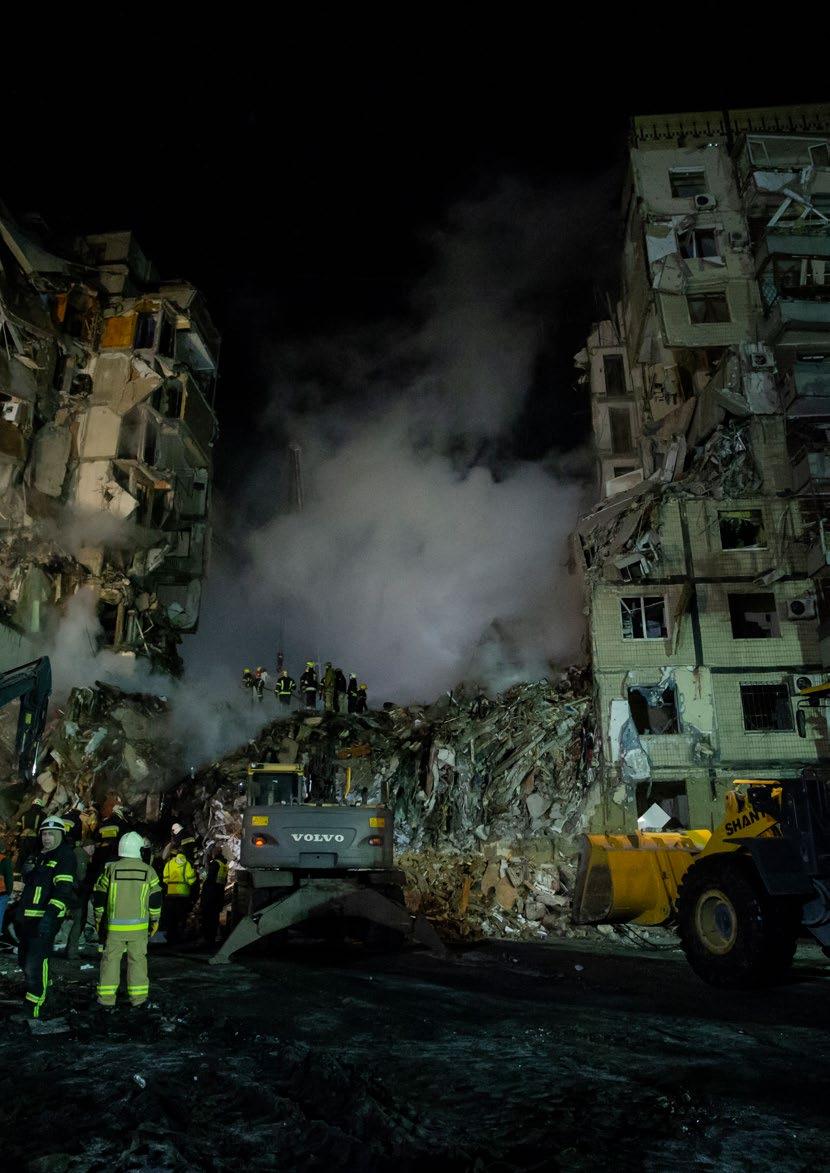
Since the escalation of the war, there has been a dramatic increase in the number of people with long-term injuries requiring complex care in Ukraine. According to Ukraine’s Ministry of Social Policy, the number of people with disabilities has increased by at least 300,000 since February 2022, bringing the total to over 3 million, a figure that continues to rise.19 The increased demand for early rehabilitation services has put extra strain on the country’s healthcare system. In response, MSF launched an early rehabilitation programme for war-wounded at a hospital in Cherkasy, in central Ukraine, in March 2023, with an implementation team sharing experience with hospitals in other regions. The project integrates physiotherapy, psychological support, nursing care and infection prevention and control measures to address the complex needs of warwounded patients early in their recovery process. In this project, MSF treated 755 patients in 2023 and 2024. From one year to the next, there was a 10 percent increase in the number of patients requiring post-operative care for leg amputations. In 2025, comprehensive early rehabilitation care was provided to 795

patients . The main types of injuries treated within the project included: soft tissue injuries, fractures and multiple fractures and limb amputations. Some of our patients were civilians injured while performing routine daily activities – often in their own yards or travelling by car –after being exposed to short range drone attacks or ballistic shelling of residential areas. These incidents frequently resulted in multiple severe injuries. These figures reflect observations from a single hospital among dozens across the country treating similar war-related injuries.
The injury trends recorded by MSF’s early rehabilitation teams between 2024 and 2025 indicate a significant escalation in wound severity, reflecting shifts in the types of weapons deployed, becoming more lethal and more harmful, and in how they are used. Multiple fractures rose by 51%, representing the largest absolute increase, and lower limb amputations showed a moderate increase of 14%. Multiple amputations tripled, and finger amputations increased sharply, resulting in an increasing number of patients living with longterm disabilities.
Since the start of the large-scale invasion in 2022, 233 healthcare workers and patients have lost their lives in attacks on healthcare – including medical facilities and ambulances, and 930 others have been injured, according to the United Nations World Health Organization.20
“We got used to working under such hostilities. There is constant background anxiety. Nobody’s panicking, but everyone is tense.” – A 27-year-old MSF nurse working in an MSFsupported hospital in the East of Ukraine.
Not only civilians are targeted but also medical workers.
Frontline medical workers are essential to sustaining life in conflict zones, yet in Ukraine, they have increasingly become direct and indirect victims of warfare. Attacks on healthcare personnel — whether while travelling to provide care, responding to emergencies, or operating within hospitals and health centres — pose a grave threat not only to individual staff but also to the communities that rely on them. In this context, the protections guaranteed by the Geneva Conventions — designed to safeguard medics, wounded soldiers and civilians — are systematically ignored. The fundamental principle of international humanitarian law — the protection of medical personnel and those in need of care — has been effectively erased, leaving both caregivers and patients exposed to deliberate attacks and extreme risk.
These attacks take multiple forms: some target medical workers directly, as in the cases of Andrii Rebrov, director of the Primary Health Care Centre (PHCC) in Lyman, Donetsk region, and Valentyna Kolomatska, a nurse supported by MSF. On 29 September 2025, while travelling by car to deliver medication from one Primary Health Care Centre to another, they were both injured as their vehicle was struck by a First-Person View (FPV) drone, a small, agile unmanned aerial vehicle capable of carrying explosives and guided by its operator, which means the operator can see their target with great precision. Andrii Rebrov had a leg amputated as a result of this attack.
FPV real-time user-controlled drones are increasingly used in conflict zones for precision strikes. Under international humanitarian law, deliberately attacking medical personnel or vehicles clearly marked for healthcare purposes constitutes a serious violation and may amount to a war crime. Even when the drone does not intentionally target healthcare workers, the use of explosive drones in civilianpopulated areas without taking adequate precautions can still breach the principles of distinction and proportionality, placing medical personnel and patients at severe risk.
MSF has been supporting the Lyman PHCC and community since 2023, providing essential healthcare to the local population despite the ongoing threats posed by the war.
“My car was a white Duster, clearly marked with a medical red cross. But the red cross did not protect me. On 29 September 2025, at around 9 a.m., Valentyna and I drove to the healthcare centre where 18 patients were waiting for us to receive medicines. The clinic staff weren’t there because their families had evacuated. We did not have the medicine we needed, so we decided to go to the central outpatient clinic (located 1.5-2 km away) to load the medicines, then return and distribute them. I remember telling patients, “Give us 20-30 minutes and we will be back.” I was driving while keeping watch over the topleft sector for drones, and Valentyna, next to me, was monitoring the top-right sector. At first, we didn’t see anything. But in the last fraction of a second, I saw something flying straight into the car’s hood. The drone struck right in front of my eyes, causing a powerful explosion. We likely lost consciousness for a few seconds, as both Valentyna and I were later found to have damaged eardrums. Smoke and a strong burning smell filled the car. I used the handbrake, opened the door, and my only thought was how to get out of the car because I was afraid there might be another attack if there was another drone nearby. I fell out of the car and thought I would get up and run, but when I looked at my leg, it looked like it had been put through a meat grinder. My trouser leg was torn, and bone fragments were sticking out. I crawled away from the car. Valentyna also came out of the car; she had concussion. Two soldiers from the Ukrainian military who passed nearby and who witnessed the attack ran over and applied tourniquets to my leg and saved my life. I was taken to the village of Raihorodok, transferred to an ambulance, and then sent to a hospital in Sloviansk where I had my first surgery. A day later, MSF transported me to a hospital in Dnipro. That moment showed me just how precise and deliberate these attacks can be. This horror must end; it is destroying people and entire communities.” – Andrii Rebrov, director of the Primary Health Care Centre in Lyman.
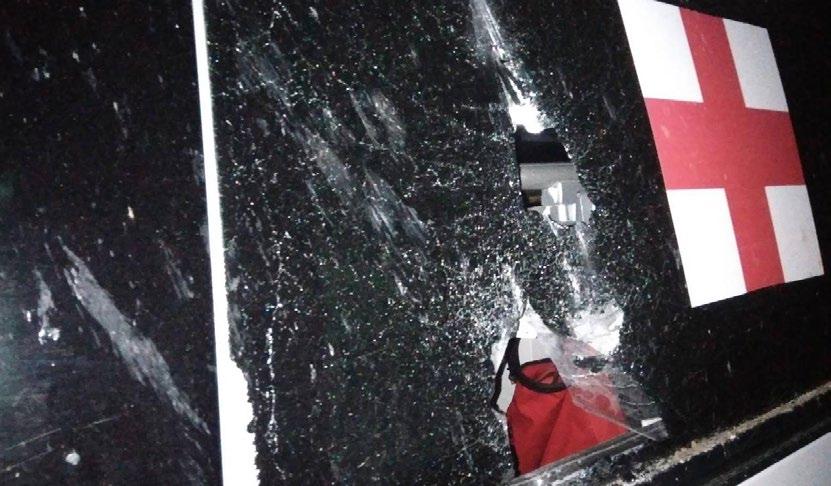
“When the drone hit, we both lost consciousness. When I came back to my senses, the scene was very grim. I started calling out to Andrii, and the first thing he said was: “Valia, I don’t think I still have a leg, because I tried to press the gas pedal and couldn’t.” The first thing I did was put a tourniquet on Andrii and drag him to a slightly safer spot behind the car so he wouldn’t be lying on the road. I called the ambulance service, but they said they couldn’t come to Lyman, only to Raihorodok. Fortunately, two Ukrainian soldiers who witnessed the attack from nearby helped us and they applied a better tourniquet. I suffered from thermal burns. They have healed, but it took a very long time; they were painful and horrible. Even now, I have periodic headaches and reduced hearing in one ear. At first, I couldn’t even eat properly, everything was clicking in my ear, and I couldn’t talk. My hearing has improved a little, but it’s still affected.”
– Valentyna
Kolomatska, nurse supported by MSF.
This story highlights the deliberate and extreme dangers faced by healthcare workers on the front line. In this context, medical personnel and civilians are not accidental casualties; they are intentionally endangered.
On the road to Donetsk region, MSF has observed some military and civilian ambulances equipped with drone detection systems. That such equipment has become a necessity for medical transport is deeply troubling. Although not addressed in this report which focuses on attacks on civilians, anecdotal evidence and discussions with civilian medical staff suggest a high casualty rate among military medical personnel, including doctors and paramedics, who appear to be increasingly targeted. This in turn places additional pressure on the recruitment and availability of medical staff within the civilian health system.
The “double-tap” practice
Another particularly alarming expression of this threat to civilians is the double-tap attack, in which a second strike deliberately targets first responders and bystanders arriving at the scene of an initial attack. The logic is calculated: the first strike draws rescuers in, and the second strike, often launched within minutes, targets the response itself. The interval between the two strikes is often short enough to trap first responders on site, but long enough for them to have gathered around the wounded. The effect is to turn the act of helping into a lethal risk, compounding casualties and — by design or consequence — deterring future response. For medical teams, the implications are profound: the decision to approach a strike site cannot be made on medical grounds alone but must weigh the likelihood of a follow-up attack. This forces a life-or-death calculation on people whose entire purpose is to reach the wounded as quickly as possible, and it has an undeniable chilling effect on emergency response in affected areas.
The following testimony is from a 27-year-old MSF nurse anaesthesiologist working at hospitals in Sumy (northeast) and Pavlohrad (east). From treating patients with neglected chronic illnesses to responding to mass casualty incidents, she describes working under constant aerial threat, the fear of double-tap attacks, and the psychological toll of knowing that hospitals, ambulances and residential buildings can be struck at any moment.
“Last autumn, drones struck the compound of the hospital in Sumy, where I work. We rushed to the shelter because we feared a double-tap attack, which had happened in Sumy before. Then, injured people began arriving at the hospital, and we had to come out to treat them. Drone warfare is part of daily life in Sumy. At the end of January 2026, a drone struck an apartment in a residential building. I treated a father injured in that attack. He told me that when the strike happened, he rushed out of the building with his children. Another drone struck the building again at the same spot as before.” – A 27-year-old MSF nurse.
More recently, an MSF surgeon and medical activity manager recalls a double-tap attack on 1 February 2026 on a bus transporting civilian miners near Ternivka (70 km from the eastern frontline), in the Pavlohrad district of Dnipropetrovsk Oblast. The bus, carrying workers home from their shift at a coal mine, was struck by Russian drones.
“From what we understand, there was an initial strike, followed shortly by a second. Around 12 people were killed at the scene. When the injured arrived at the hospital, we immediately began triage. In total, we received 16 patients. Nine of them were classified as red cases — meaning they required immediate, life-saving intervention. That proportion is extremely high. In most mass-casualty incidents, red cases usually represent about 15 to 20 percent of the total. Here, more than half were red. One of my patients explained that after the first explosion, he rushed to help his colleagues. Then the second attack happened, and he was hit. Fortunately, he did not have major life-threatening injuries, but he sustained facial trauma, including injury to the eye. Compared to many others that day, he was lucky. That incident illustrates what we are seeing more and more in Ukraine: an unusually high proportion of critical patients amongst whom you have to choose who to care for first, who will survive, and who will die.” – A 30-year-old surgeon and medical activity manager for MSF hospital programmes in East Ukraine.
For MSF, 2024 was marked by a strike on its office in Pokrovsk, in the Donetsk region, on 5 April. At approximately 3:15 a.m., the building — serving as an office, pharmacy, and logistical hub for equipment and vehicles, and clearly marked with the MSF logo — was hit by a missile and completely destroyed.21 People were injured, including an MSF staff member who sustained a contusion and skull injury, and a 14-year-old boy.22 Had the attack occurred during the day, when staff were regularly present and activities were underway, many more people — including MSF staff — could have been injured or killed. As a result of the attack, MSF was forced to temporarily suspend its medical humanitarian activities in the Donetsk region, where it had been present since 2015, maintaining only support for emergency care and ambulance referral services.
A year and a half later, on 9 December 2025, the MSF office and staff residence in Sloviansk (Donestk region) were damaged during a major aerial attack on the city by Russian forces.23 A blast occurred just meters from the MSF staff house, seriously damaging the building, two MSF vehicles and an ambulance belonging to our partner organisation, Cadus. Fortunately, our colleagues were already in a shelter, and no one was injured. MSF’s neighbours included a family with children, a beekeeper, the MSF cook’s home and several staff houses of other NGOs. The bomb struck a civilian area, and whether the attack was deliberate or indiscriminate, it is a stark reminder that neither MSF nor Ukrainian civilians are being protected.
Following the attack, MSF was forced to leave this guesthouse and has since limited its movements to Sloviansk due to security concerns and at the time of publication is only operating an ambulance service to this town for the referral of critical patients. MSF had worked in Sloviansk since November 2022, supporting both emergency and planned medical referrals for patients and running mobile clinics in the town and in surrounding villages.
Four years of war, repeated displacement and chronic exposure to insecurity have created a prolonged psychological emergency for people in Ukraine. For populations living in frontline and near-frontline areas, stress is not episodic but continuous, shaped by daily exposure to shelling, drone attacks, airraid alerts, electricity cuts, telephone network outages and even uncertainty about survival. This sustained level of threat has profoundly affected mental health and is closely intertwined with changes in health-seeking behaviour and physical health outcomes.
MSF mental health teams report that psychological distress is now pervasive among patients. Anxiety, trauma- and stress-related disorders and depression dominate clinical presentations, often co-existing with chronic medical conditions and contributing to their deterioration.
“People worry about the past, the present and the future. Almost no one here is untouched by the war. Some have acute reactions, while others close themselves off completely. In group sessions, we see people who have lost hope entirely, which is a serious warning sign.”
– A 38-year-old MSF psychologist working with patients from Mykolaiv and Kherson regions.
In 2025, in southern Ukraine, MSF teams conducted 981 new mental health consultations, with the majority of patients diagnosed with anxiety (70%) and trauma- or stress-related disorders (22%). In the eastern project, MSF provided 1,313 new consultations, with primary diagnoses including anxiety (412 cases), trauma- and stress-related disorders (488 cases), and depression (150 cases).
Data from the eastern project also indicate that internally displaced persons (IDPs) are more likely to seek mental health care than the host population, reflecting the compounded impact of displacement, exposure to violence, loss of relatives, housing, belongings, income, social networks and disruption of healthcare continuity.
However, MSF teams emphasise that these figures likely underestimate the true scale of psychological suffering. Many people do not actively seek mental health care due to stigma, lack of awareness, or competing survival priorities, while others are unable to access services due to insecurity or mobility constraints.
The deliberate targeting of health facilities and their associated infrastructure has been an evident feature of Russia’s military strategy. Along the frontline in eastern and southern Ukraine, MSF has repeatedly witnessed the destruction or severe damage of functional hospitals, ambulances and ambulance bases, and primary healthcare facilities. This reality is reflected in the World Health Organization (WHO) reporting on attacks against healthcare. 24 In 2022, the WHO documented 1,373 attacks on healthcare, impacting medical workers, patients, medical facilities, medical transport and medical supplies — an exceptionally high number corresponding to the first year of the full-scale invasion, marked by widespread hostilities, extensive use of heavy weapons and rapid territorial advances that exposed healthcare infrastructure across large areas of the country.
While the annual number of reported attacks decreased due to slower territorial advances after 2022, it has since steadily increased again, indicating a persistent and intensifying threat to healthcare. In 2023, the WHO reported 370 attacks, rising to 488 in 2024 and 580 in 2025. This represents a 32% increase between 2023 and 2024, followed by an additional 19% rise between 2024 and 2025. If the initial spike in 2022 reflects the scale and intensity of the early phase of the war, the renewed upward trend in later years suggests that attacks on healthcare have become a sustained feature of the war rather than an episodic consequence of largescale offensives. More than three-quarters of WHO-verified attacks on the health system targeted healthcare facilities, while nearly a quarter involved medical transport, including ambulances 25
According to the Ukrainian Ministry of Health, Russia has damaged or destroyed over 2,500 medical facilities between February 2022 and November 2025, including 327 facilities completely destroyed.26
In March 2023, MSF published a first account of the destruction of healthcare it witnessed between April 2022 and December 2022.27 The online page “Between enemy lines” described attacks on hospitals supported by MSF, including strikes with cluster munitions—prohibited weapons under the 2008 Convention on Cluster Munitions, which Russia has refused to sign — and the presence of anti-personnel landmines inside functioning healthcare facilities previously under Russian occupation. Since then, MSF has continued to witness direct attacks on medical structures, as well as bombardments near hospital compounds, resulting in repeated damage to vital healthcare infrastructure.
Below is an account of over 20 attacks on MSFsupported medical facilities and facilities MSF worked closely with between April 2022 and December 2025.
On 4 April 2022 , an MSF medical team in Mykolaiv oncology hospital witnessed a bombing by Russian forces that could be consistent with the use of cluster munitions. Both the oncology hospital and the nearby paediatric hospital were attacked.28
On 15 June 2022, MSF reported a direct attack on Apostolove hospital , while the hospital was regularly functioning and supported by MSF staff. This resulted in a suspension of medical activities until the area was decontaminated and confirmed safe, effectively denying patients access to medical care in an emergency.29
Following the 2022 Ukraine counter-offensive, MSF was able to reach numerous medical facilities located in former Russian-occupied areas in both Kherson and Donetsk regions. MSF medical teams discovered that the facilities had been looted, while medical vehicles, including ambulances, had been destroyed. Inside two of these facilities, they saw weapons and explosives.30
MSF witnessed three separate instances of the presence of anti-personnel landmines inside functioning hospital compounds – on 8, 11, and 15 October 2022. These medical facilities were in areas previously under Russian occupation in Kherson, Donetsk, and Izyum regions.31
On 26 May 2023 , a Russian missile struck a medical facility in Dnipro , killing two people and injuring an estimated 23, including two children. MSF responded by providing psychological first aid and medical supplies for the hospital.32
On 1 st August 2023 , an MSF-supported hospital in Kherson was shelled by Russian forces, resulting in a Ministry of Health doctor being killed.33 The operating theatre suffered a direct hit. On 4 August, the hospital was shelled for the second time, which resulted in the destruction of the morgue.34
On 5 October 2023 , an MSF-supported hospital in Beryslav , Kherson region, was hit in an attack by Russian forces. The top two floors of the hospital were destroyed, and two medical staff were injured. The hospital had to temporarily cease all medical activities, before partially resuming services.35
On 13 November 2023 , a hospital in Kherson region where MSF medical teams work was attacked with artillery. Four people were injured, including two medical staff.36
On 20 November 2023 , a hospital in Selydove , Donetsk region, where an MSF team was working, came under fire. The hospital and two MSF ambulances were damaged, with the shockwaves from the blast shattering the windows.37
On 13 February 2024, Russian forces struck the MSF-supported hospital in Kherson city, forcing our surgical team to seek shelter in the bunker, and damaging the outpatient clinic.38
On 14 February 2024 , another strike damaged parts of the MSF-supported hospital in Selydove, Donestk region, killing 3 people and wounding 6. Patients were still being treated there, prompting the evacuation of dozens of patients to other medical facilities. As of today, the hospital is no longer functional. In 24 hours, two hospitals in Selydove and Kherson were shelled by the Russian military.39
On 14 March 2024 , a hospital in Trostianets, Sumy region , which MSF had supported in 2023, was shelled. This resulted in damage to multiple departments and medical equipment.40
On 8 July 2024 , during a massive wave of bombings by the Russian military across Ukraine, the largest diagnostic and treatment facility for children in Ukraine, in Kyiv, was hit. Two adults were killed, and more than 50 were wounded, including 8 children who were
in the hospital. At the beginning of the fullscale war, MSF doctors assisted medical staff in surgical wards in the hospitals and provided training for physical therapists. After the attack, we donated medical supplies to the hospital.41
On 6 September 2024 , the last civilian hospital in Pokrovsk, in the Donetsk region, supported by MSF, had to close all activities and relocate due to insecurity42
On 25 October 2024, during a massive attack on a residential area in Dnipro, one of the largest hospitals in Ukraine was struck. MSF has been working with this hospital since 2022, regularly referring critically ill and injured patients by ambulance. At least 21 people were injured, and 5 people, including a child, were killed.43
On 7 November 2024 , a hospital in Zaporizhzhia treating patients with cancer was struck amid intense bombardment. 8 healthcare staff were injured. The hospital was forced to evacuate 17 patients to other facilities. Since the escalation in 2022, MSF has been referring critically ill patients from this hospital to other facilities for specialised care.44
On 10 December 2024 , eight people were killed and another 22 injured in the shelling of Zaporizhzhia city. A clinic was destroyed, with patients and staff injured The day before, MSF was due to refer two patients to this clinic.45
On 1 March 2025 , Russian forces struck a hospital in Kharkiv city . The roof and wards were damaged, and four patients were injured. Reportedly, more than 50 patients had to be evacuated. MSF had been working with this hospital since August 2023, transferring stabilised patients from surgery, ICU, and therapy to hospitals with greater capacity in central and western Ukraine.46
On 14 March 2025, the hospital in Zolochiv, Kharkiv region, was attacked. According to authorities, patients were not physically injured, but a medical staff member suffered severe emotional distress. MSF was supporting the hospital with medical donations.47
On 1 July 2025, Russian forces shelled an MSFsupported hospital in Kherson city Three artillery shells landed directly in the hospital compound, damaging two departments and directly hitting another. Eight people were wounded, including patients and hospital staff.48
On 29 July 2025, during an attack by Russian forces on Kamianske, Dnipropetrovsk region, multi-specialty hospital No. 9 was damaged. Three people, including a pregnant woman, were reportedly killed, and more than 10 were injured. MSF worked closely with this hospital, referring patients by ambulance for surgical care and rehabilitation.49
On 4 September 2025 , the regional hospital in Kostiantynivka, Donetsk region, was forced to close after months of bombardment on and around the hospital. MSF supported this hospital from April 2022 until June 2023, before the advance of the frontline simply made it too dangerous for us to operate.50
On 17 September 2025 , after repeated bombardments on and around the hospital, Mezhova hospital in Dnipropetrovsk region was forced to cease operations, leaving the people remaining in the area without access to medical care. An MSF mobile clinic had worked in this hospital for 6 months, until March 2025.51
In 2025, repeated attacks attributed to Russian forces on medical warehouses in Kyiv and Dnipro further disrupted access to medicines and medical supplies in Ukraine.52 A strike on a major pharmaceutical warehouse in Dnipro on 25 November53 significantly affected the reception and distribution of medicines, including for MSF activities, underscoring the vulnerability of local supply chains and the growing reliance on international procurement systems.
Testimonies of medical staff who have witnessed some of these attacks.
In December 2024, a hospital in Kherson city supported by MSF came under attack in the early hours of the morning. An MSF clinical officer present during the strike described the incident and its impact on staff and patients:
“I consider it the safest hospital where we can work in the city, and yet it has still been attacked. It happened at around five in the morning. After warnings of weapon launches were detected, we were instructed to move to the basement shelter with all medical workers and patients. We had barely reached the shelter when we heard a loud explosion. There was panic and chaos, but we managed to calm people down. We stayed in the shelter until around 10 or 11 a.m. When we left the shelter, we saw that the hospital had been damaged, and the windows were shattered. No one was injured, but most patients who were able to walk did not want to spend the night there.” – A 28-year-old MSF clinical officer supporting a hospital in Kherson.
The following account comes from a 49-year-old Ministry of Health traumatologist, who worked closely with MSF teams at hospitals in Kurakhove (Donetsk region) and Pokrovske (Dnipropetrovsk region). His experience reflects the impact of missile strikes on healthcare personnel and facilities, as well as the extraordinary measures staff took to continue providing care under extreme conditions. Kurakhove is now in Russian-controlled territory.
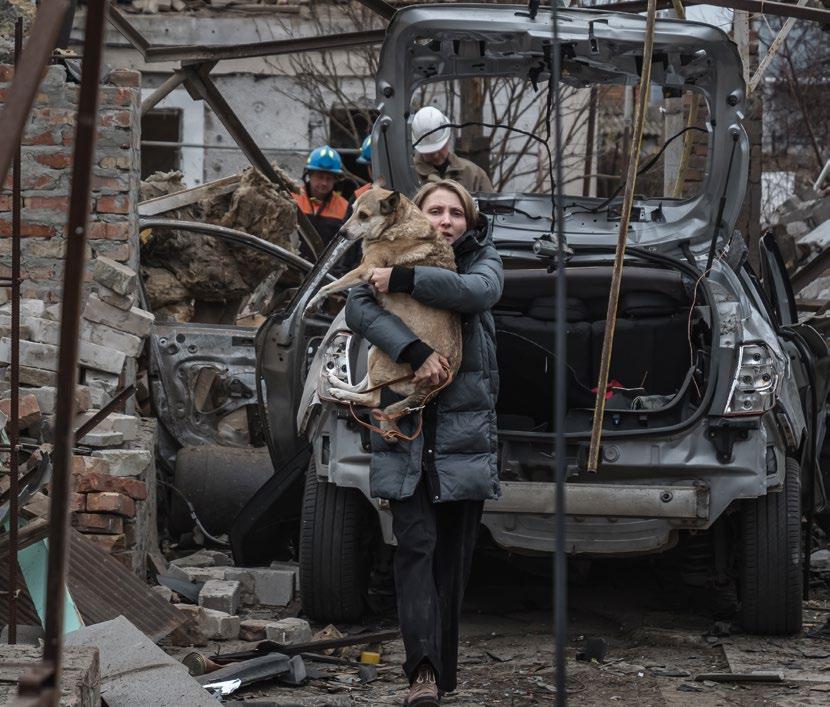
“Since January 2024, Kurakhove was bombed mercilessly. I left early February (2025), after three missiles struck 50 metres from the hospital, where I lived for many months with my wife. Debris flew everywhere; windows and frames shattered. My wife and I were slightly injured and had concussion, as did some of the patients, but thankfully, no one died. After that attack, the hospital began considering evacuation. At first, we stayed there because it was too dangerous to walk the streets. We clung to the hope that the hospital itself would not be targeted. But eventually, we decided to leave for the village of Pokrovske, 82 kilometres away from Kurakhove in the Dnipropetrovsk region. The village was about 30 km from the front line toward Zaporizhzhia. I thought we would be safe there, but I was mistaken. In December 2025, five bombs struck the hospital there as well. It was completely destroyed along with all the separate buildings on the hospital grounds. The hospital in Pokrovske no longer exists.” – A 49-year-old traumatologist, partner of MSF.
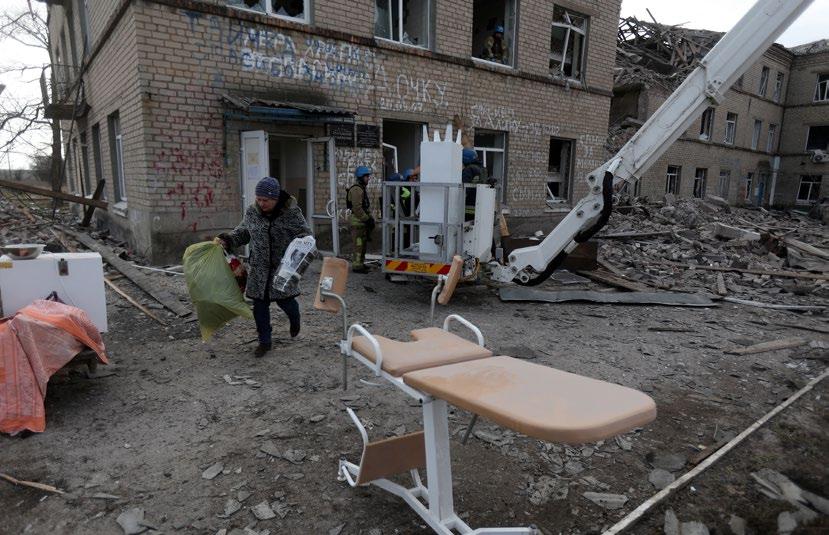
Since 2022, escalating hostilities have forced MSF to withdraw from eight hospitals close to the frontline in the Donetsk, Kharkiv, Dnipropetrovsk and Kherson regions (Kostiantynivka, Selydove, Kherson and Kurakhove in 2023, Izium, Pokrovsk and Kramatorsk in 2024 and Pokrovske in 2025) particularly due to the increased use of guided aerial bombs and drones. MSF continued to support some facilities with donations until they were no longer functional.
Four of these hospitals (in Kostiantynivka, Selydove, Pokrovsk, Pokrovske) have now been completely destroyed by Russian attacks. Local communities in these areas have been ordered to evacuate further away from the frontline due to the deteriorating security situation and the advancing frontline. But in some areas, people choose to stay in their homes. All essential services, including emergency rescue, police, ambulance services, postal services and shops, are no longer operational in these areas. As of spring 2026, Selydove remains occupied by Russian forces, and Pokrovsk has been largely reduced to a ghost-town with massive destruction.
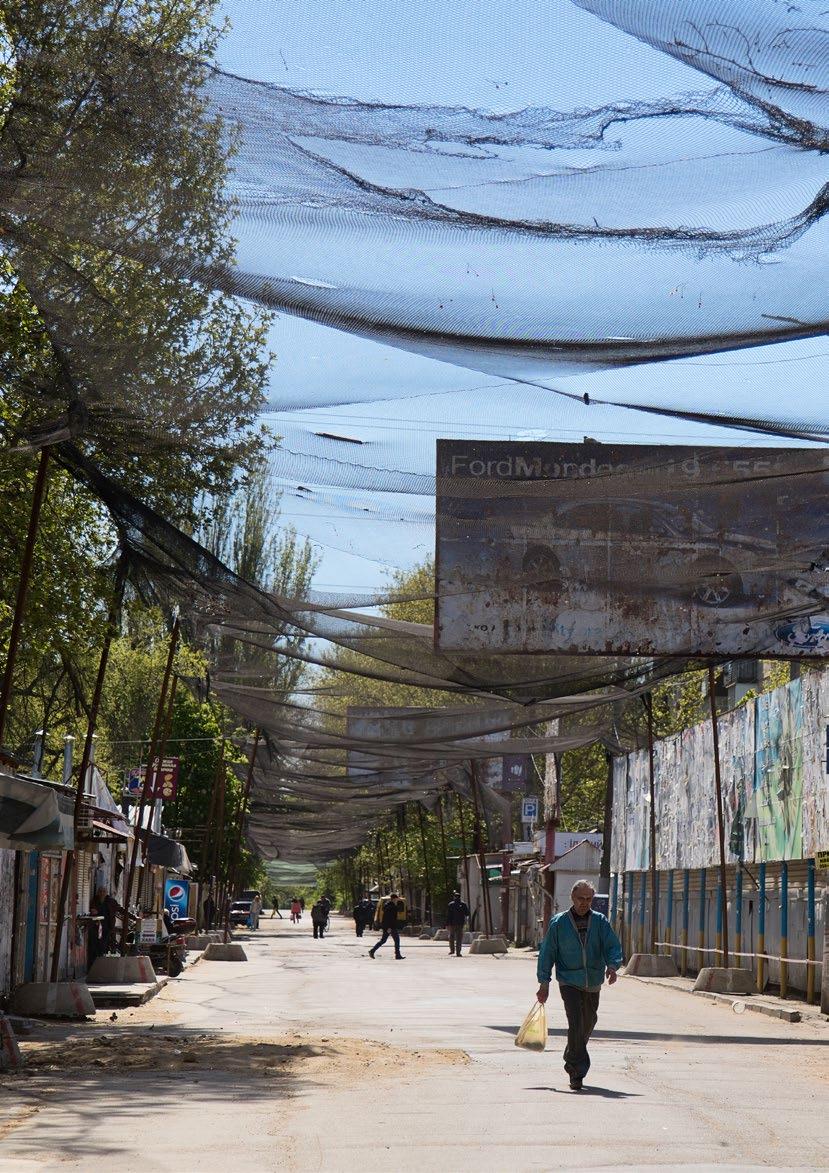
Since 2025, two of the hospitals MSF has been supporting in Shakhtarske (Dnipropetrovsk region) and in Kherson city have been increasingly difficult to reach. Shakhtarske hospital, located 40 kilometres from the frontline, was inaccessible to MSF medical teams between early February 2026 and March 2026. Drone strikes along the route from Pavlohrad to Shakhtarske made the road perilous, and although the Ukrainian authorities installed anti-drone nets along parts of the stretch and MSF resumed work in the hospital, the journey remains dangerous.
As the city continues to come under fire, a Ministry of Health doctor from this hospital shared the following account, capturing the reality of a facility that may be forced to relocate or become hard to reach, and how its staff have had to adapt to relentless attacks on energy infrastructure, even as they fear being cut off from the outside world entirely.
“The destruction of healthcare facilities moves in parallel with the frontline. Many of our patients come to the hospital from areas such as Mezhova, Petropavlivka and villages near Pokrovsk, that are not in our catchment area. They come because we are the only hospital left. Mezhova hospital was destroyed in August 2025. Petropavlivka hospital was attacked twice within one or two months. Will we be next? We fear a disruption in medication supplies. Until recently, a humanitarian organisation delivered drugs to us. But the road between Pavlohrad and Shakhtarske has been shelled so now we must travel to Pavlohrad ourselves to collect medicines, exposing our staff to risk. As access decreases, assistance decreases. We feel increasingly isolated. We are preparing for the possibility that we may have to relocate. We do not know if we will be able to stay. And if we are forced to leave, we do not know whether we will ever be able to come back.” – A doctor working at Shakhtarske hospital.
Similarly, an MSF staff member in southern Ukraine working in a hospital in Kherson described how escalating drone attacks in Kherson have severely restricted access to healthcare, forcing the suspension of primary healthcare mobile clinics and creating a constant, life-threatening environment.
“Until mid-last year [2025], in addition to our work at the hospital, we operated mobile clinics at two primary healthcare facilities in Kherson. But as insecurity escalated, largely due to the increase in drone attacks, we were forced to progressively reduce and ultimately suspend these movements. The growing use of First-Person View drones and drones capable of dropping grenades has made even short travel routes unpredictable and dangerous. As a result, alongside our presence in the hospital, we now support patients with primary healthcare services in Kherson remotely via phone. Even the polyclinic located in the compound of the hospital is considered off-limits because of the threat of drone strikes. When I am on a two-week rotation at the hospital, I do not leave the premises at all. Movement outside poses an unacceptable level of risk. We have also limited movement inside the hospital, especially to higher floors, to reduce exposure and reach the shelter quickly if needed. Hospitals have been attacked before; we know it could happen again. There are anti-drone nets around parts of the hospital, anti-blast film on the windows, and sandbags on the ground floor. Some walls are reinforced with extra concrete. We do everything we can to mitigate the risks.” – A 32-year-old MSF clinical officer working in a Kherson hospital supported by MSF.
At the time of publication, the Russian tactic of dropping anti-personnel mines on roads in and around Kherson has drastically increased and is an almost daily occurrence. MSF reduces exposure to this risk as much as possible by only taking the road once every two weeks, meaning the team must work, eat and sleep in the hospital building until the end of their 2-week rotation. Run-flat tyres and close analysis of whether the road has been de-mined on team-rotation days also contribute to reducing this risk.
MSF has also been forced to suspend mobile primary healthcare activities in multiple locations for the same reasons. Even in areas in the south where the frontline remains relatively static, insecurity has expanded. Long-range drones have made roads, open spaces, and health facilities unsafe, exposing patients and medical staff.
In the East, access to 55 of 85 villages supported since 2022 has been lost in 4 regions, with an additional 17 locations lost in January 2026, of which 15 are in the Donetsk region, effectively resulting in a loss of physical access to that region, although ambulances still seize windows of opportunity to refer critical patients from hospitals in the area. The team has been developing models of remote consultations for areas where it is no longer safe for MSF primary health teams to visit; an MSF-trained community volunteer takes vital signs and assists with patient interaction, while consultations are carried out via video call with an MSF doctor, or a phone call if internet bandwith is low. While this approach reduces exposure for MSF staff, significant risks persist for medical staff who continue to provide care close to the frontline.
In the South, 25 of 62 villages are no longer accessible to MSF mobile clinics (17 in 2024, 8 more in 2025), including 22 in the Kherson area and 3 in the Mykolaiv area, situated between 9 and 36 km from the southern frontline. At least 13 healthcare structures, mostly Feldsher Midwife stations54 or ambulatory facilities in these villages, have been damaged or destroyed, and only 5 were
rebuilt recently. Alarmingly, 22 of these villages do not even have feldsher visits, leaving residents with essentially no access to healthcare . While the majority of attacks on healthcare structures in eastern and southern Ukraine, where MSF works, have been carried out by Russian forces, some facilities were also damaged in the course of military operations by Ukrainian forces attempting to regain territorial control during the 2022 counteroffensive to retake Kherson, which was then under Russian occupation. In the intense fighting that accompanied that campaign, damage to medical infrastructure appears in many instances to have resulted from crossfire and the sustained use of heavy artillery by both sides, rather than from deliberate targeting. In the battle for territory, civilians and the facilities serving them were caught in the middle.
The deteriorating security situation has also directly affected MSF’s ambulance operations. Since 2023, MSF has had to withdraw from seven ambulance bases due to insecurity: Kostiantynivka (2023), Selydove (2024), Rodynske (2024), Pokrovsk (2024), Mezhova (2025), Pokrovske (2025) and Sloviansk (2026). Alternative bases are selected instead, trying always to be as close as possible to the hospitals that frequently need referral of critical patients. At the time of publication, six ambulance bases remain operational, compared to eight in 2025.
MSF’s ambulance service plays a critical role in supporting Ukraine’s overstretched healthcare system near the frontline. By transferring patients from overburdened hospitals to facilities with greater capacity in central and western Ukraine, MSF helps relieve pressure on hospitals operating at or beyond their limits. MSF medical teams operating in eastern Ukraine face constant threats while transporting patients, particularly from aerial attacks. The following testimony from an MSF ambulance doctor illustrates the risks posed by drone strikes on ambulances, and the precautions teams must take to ensure patient safety.
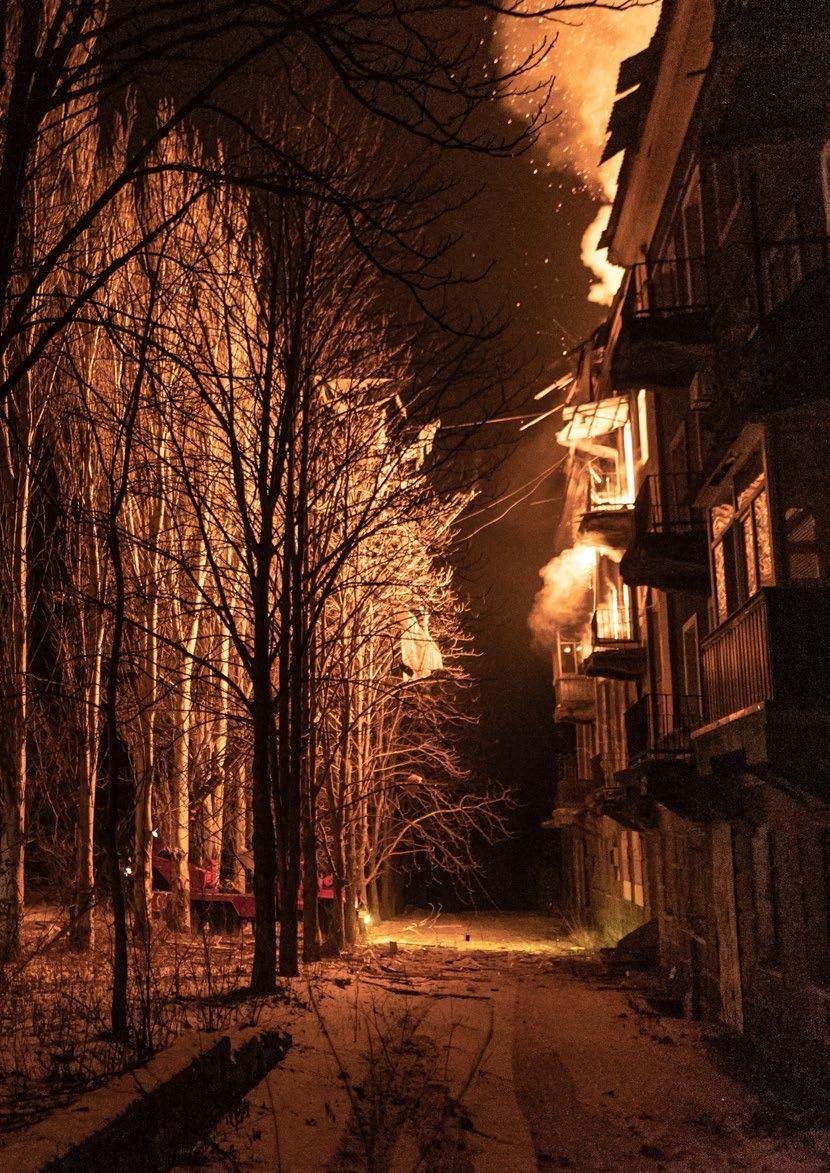
“Two months ago, we were transferring a patient by ambulance from a hospital in the Donetsk region to Pavlohrad hospital. During the journey, we heard the sound of a drone, so we sought cover with the ambulance under a tree. We know this road has been targeted by First-Person View drones before, and we were frightened. This made us lose time during the transfer. Fortunately, it did not affect the patient. But sometimes we have to take longer detours when we know certain roads are at risk. This can add up to an hour and a half to the journey to reach the hospital.” – An MSF ambulance doctor.
Near the frontline, insecurity has become a decisive factor in shaping staffing levels in healthcare facilities. Those who remain describe extreme levels of physical and psychological exhaustion. MSF staff report that many healthcare professionals working close to the frontline are deeply fatigued, fearful of attacks, and struggling to sustain services under constant stress. Several MSF staff members themselves are internally displaced, originate from areas under occupation, or come from locations very close to active hostilities, compounding the emotional toll of their professional responsibilities and personal histories. The war did not begin in 2022 but in 2014, marking more than a decade of living and working under threat. As one MSF emergency department doctor puts it: “I don’t remember what it’s like to work in peacetime.”
Despite this exhaustion, many describe a parallel process: the gradual normalisation of danger. Many describe having adapted to constant danger in order to continue providing care. Air raid sirens, drone threats and the risk of attack have become part of the daily routine. As several put it simply: “If not us, then who?” This sense of duty sustains services that might otherwise collapse, but it comes at a profound personal cost. The testimony below illustrates the experiences of a clinical officer who continues to provide care under extreme conditions, highlighting the immense pressures, resource constraints, and personal sacrifices faced by medical teams in frontline areas.
“I am not afraid to come to the hospital or to work. I am not afraid of losing a leg. What I fear more is not having enough food, resources, or hands to help and treat people. Everyone is afraid. Our eyes may be afraid, but our hands keep working. Who, if not us? Many doctors and nurses have left this Hospital because of the war. Human resource shortages affect all hospitals close to the frontline. We have enough medication, but not enough medical professionals to administer it. Young professionals, especially those with children, have left. Frontline medics save soldiers’ lives. But we have our own frontline... the civilian one.” – A 51-year-old MSF clinical officer working at a hospital supported by MSF in southern Mykolaiv region.
In one hospital in Kherson city supported by MSF, a comparison of staffing levels before the fullscale invasion and at present shows a profound erosion of the healthcare workforce. The number of doctors declined from 79 to 27, a reduction of approximately 66%. Nursing staff decreased from 195 to 80, a 59% reduction, while technical personnel decreased from 142 to 71, a 50% reduction. These reductions occurred despite an increase in hospital bed capacity from 220 to 270, reflecting sustained or rising demand for inpatient care.
“Before, I used to work every day except Sunday. But then the situation changed. We saw more and more gaps in the nursing staff, so I started working in shifts to allow the hospital nurses to have days off. Without support, some nurses were working 24-hour shifts and taking 24 hours off. With me there, they can work a full day and take two or three days off. I support the medical staff whenever and wherever needed. I work in the emergency department and in the operating theatre when there is no OT nurse. I wear multiple hats. At night, in the inpatient department, there are sometimes only one doctor, one nurse and one nurse aide caring for 30 to 50 patients. That’s not okay, but we do what we can.” – A 32-year-old MSF clinical officer working at a hospital in Kherson supported by MSF.
In some facilities, key positions have remained vacant for years. The hospital in Ochakiv supported by MSF has been trying unsuccessfully to recruit an emergency department doctor for more than two years.
Across MSF-supported hospitals, staff shortages are particularly acute in emergency nursing, anaesthesiology, surgical care — including operating theatre teams and infection-related procedures — and orthopaedic traumatology for both emergency and inpatient settings.
The result is a widening gap between what hospitals are expected to provide and what they are realistically able to deliver. Remaining staff carry overwhelming workloads, with fewer colleagues to share night shifts, emergency calls or complex cases. Rest is rare. Delays in diagnosis and treatment are becoming more common, and the risks of medical errors and burnout continue to grow. The direct threat to life and safety result in displacement and emigration and contribute to the decline in healthcare workforce, with frontline regions bearing the brunt. Countrywide, staffing pressures have also been affected by the conscription of male healthcare workers into the Ukrainian armed forces.
“You can’t imagine how severe the doctor shortage is across Ukraine right now. As the front line drew closer to Pokrovske in 2024, the number of wounded civilians began to rise. I was the only traumatologist, and there was only one anaesthesiologist. We simply couldn’t work around the clock. We asked MSF for help, and in the summer of 2024, they responded. A team of surgeons and anaesthesiologists arrived to support us, which was incredibly helpful and allowed us to save many, many civilian lives.” – A 49-year-old traumatologist, partner of MSF.
This local picture reflects a broader national trend. Between 2021 and 2024, the total number of registered doctors in Ukraine fell from 143,887 to 127,675, a loss of more than 16,000 physicians, or approximately 11.3%.55 From MSF’s direct experience, the reductions are more intense in areas closer to frontlines.
Healthcare workers themselves are acutely aware of the limits of what they can sustain. One senior healthcare worker in Kherson described the situation as follows:
“The real issue we face is the human resources gap. We currently have an entire department without a doctor. We have 50% fewer medical personnel than before the war, and we are missing many specialists. People are afraid to come and work in Kherson, even though we would need at least 30% more staff than we currently have. The situation is very difficult, and now more than ever, we need additional support. ”– A MOH doctor working at a hospital supported by MSF in Kherson city.
MSF is unable to assess access to healthcare in Russian-occupied territories, as the organisation has been prevented from operating there. As a result, the humanitarian and medical needs of populations living under occupation remain largely undocumented and difficult to independently evaluate.
“If someone has the flu, fever or diabetes, we treat ourselves. Neighbours treat neighbours, and we help each other.” – A 59-year-old patient of MSF from Svitla Dacha (Mykolaiv oblast).
The collapse of the healthcare workforce in frontline areas is not only affecting access to hospitals and ambulances, but also leaving entire villages in frontline regions without access to primary healthcare services. In many villages, Feldsher-Midwife stations have become the only remaining point of contact with the health system. But these facilities were never intended to operate alone. Without referral pathways to doctors to allow diagnosis, access to reimbursed medication and referrals to specialists if needed, feldshers and nurses cannot manage chronic diseases, renew prescriptions, or escalate care. Screenings for HIV, tuberculosis, diabetes, hypertension and cancer also dramatically reduce. Pharmacies also shut down due to insecurity, and access to medication becomes a challenge, especially for patients living with chronic conditions. The interaction of insecurity, cost, lack of transport and absence of specialists makes care unreachable and creates a multi-layered access crisis.
“There is no public transport here… Renting a car to reach the nearest hospital costs half a monthly pension. And even if you get to a bigger city, you don’t know which hospital to go to.” – A 55-year-old MSF patient and volunteer from Svitla Dacha (Mykolaiv region).
For many patients, especially elderly people, those with chronic illnesses, and people with limited mobility, the journey to a clinic or hospital is physically impossible, financially prohibitive, or lifethreatening. The risk of drone strikes or shelling while travelling forces patients to delay care until their condition becomes critical. Healthcare workers face the same risks, further reducing service availability.
78% went without neededmedication 92% no uninterrupted electricity 87% no longer attend check-ups 85% food access difficult
An MSF healthcare worker described how prolonged insecurity and fear of shelling are causing patients, particularly older people, to delay seeking care, resulting in more severe medical complications:
“Most patients are older and suffer from stress, trauma, or depression, which affects their physical health. We see more strokes, heart attacks, and severe complications than before the war. People come late, because they are afraid to be hit on the way.” – A 51 year–old MSF clinical officer working at a hospital supported by MSF in southern Mykolaiv.
In practice, these barriers create de facto medical isolation, even in sites located 30–50 km from the frontline. In many locations that MSF can no longer reach, no alternative healthcare providers remain. MSF mobile clinics were often the only source of medical consultations, repeat prescriptions and referrals. Their suspension leaves patients entirely without care. The result is predictable: patients with hypertension, diabetes, asthma or heart disease deteriorate until their conditions become acute emergencies.
Healthcare access in war-affected Ukraine: Survey findings
Before the escalation, 72% of respondents could access healthcare always or most of the time. Since the escalation, that figure has collapsed to just 35% — while those accessing care rarely or never has risen from 7% to 35%.
In February and March 2026, MSF teams conducted a survey of 187 civilians across Dnipropetrovsk, Kherson, Mykolaiv and Zaporizhzhia regions, documenting a dramatic collapse in healthcare access in these near-frontline areas since the February 2022 escalation of the war. Respondents were identified through MSF mobile clinic consultations and included both MSF patients and individuals who had not previously received MSF care. The majority of respondents were interviewed in person; however, a proportion was reached by telephone, as the insecurity in their villages now prevents MSF teams from accessing them directly.
The survey captured a population that is overwhelmingly older, female and vulnerable. The majority of respondents (58%) were aged 65 and over, with a further 33% aged between 45 and 64. Women made up over three-quarters of respondents (77%), reflecting broader demographic trends in populations living in frontline areas. Over a third of respondents (35%) were caring for a dependent, most commonly an elderly person (47 responses) or a child (20 responses). A significant proportion (36%) reported living with a disability or longterm health condition. Nearly half of respondents (45%) were internally displaced, having fled their homes due to the war.
On access to healthcare before the 2022 escalation, 72% of respondents reported being able to access healthcare always or most of the time. Since February 2022, that figure has more than halved to 35%, while the proportion who can rarely or never access care has risen from 7% to 35%, a fivefold increase. Nearly three quarters of respondents (73%) now wait longer than before to seek care when ill, and 40% say they only seek medical attention once their condition has visibly worsened. The primary barriers to care are financial: the cost of medication, transport, and consultations are the three most commonly cited reasons for delaying treatment, followed by security concerns such as shelling and drone activity. Mental health is also a significant barrier: 31 respondents cited depression or lack of motivation as a reason for not seeking care, reflecting the deep psychological toll of prolonged war, displacement and loss on people’s capacity to manage their own health.
Access to medication has broken down to a comparable degree. Over three quarters of respondents (78%) reported at least one occasion since the 2022 escalation when they could not obtain medication they needed: 63% for less than a month, and 16% for more than a month. When treatment is interrupted, people cope largely through informal means: self-medicating from pharmacies without a prescription (37%), rationing existing supplies by taking medication less often (25%) or stopping treatment altogether (11%). Routine and preventive care has also collapsed: 87% of respondents no longer attend check-ups as regularly as before the war, and 32% have either lost their medical records or lost access to their family doctor. The near-total collapse in preventive care is especially significant given the age profile of this population: for older adults managing chronic conditions such as hypertension or diabetes, routine check-ups are not optional maintenance but an essential mechanism for avoiding acute crises. Their absence means warning signs go undetected, medication doses go unreviewed and conditions that were previously managed deteriorate silently.
Healthcare access does not exist in isolation, and the survey data captures a population living under severe and compounding material hardship. Access to basic utilities — electricity, heating, water, and food — has been drastically curtailed, and this directly undermines both health-seeking behaviour and recovery. Almost all respondents (92%) do not have uninterrupted electricity supply. Heating is insufficient for 65% of respondents and entirely absent for a further 2%, placing older adults and those with chronic illness at heightened risk during winter months. Water access is inadequate for 61% and unavailable for 4%. Food insecurity is perhaps the most pervasive pressure: 71% of respondents find food access difficult and a further 14% describe it as very difficult, leaving just 15% able to meet their nutritional needs with relative ease. Malnutrition and inadequate caloric intake weaken immune function, impair recovery, and worsen the management of conditions such as diabetes and cardiovascular disease. These are not background conditions; they are active drivers of deteriorating health outcomes.
A 71-year-old MSF patient from Mykolaiv region explained how damaged infrastructure and lack of basic services affect both health and dignity:
“It is cold here, there is no heating, and people cannot wash themselves properly. Because of this, some people are even embarrassed to come to doctors for consultations, because they have to undress and feel ashamed.” – 71-year-old patient from Mykolaiv region.
The health consequences are stark. Among those who experienced delays or interruptions in care, 86% reported that their symptoms had worsened as a result, most commonly through uncontrolled hypertension, worsening pain and breathing difficulties. When asked to assess their overall health since the war escalation, 90% of respondents said it had deteriorated. These findings reflect not an isolated or temporary disruption, but a sustained and compounding humanitarian health crisis; one that demands urgent, coordinated action to restore access to care, medication and continuity of treatment for conflict-affected civilians.
86% of respondents reported that their symptoms worsened following interruptions or delays in care. 90% said their overall health has deteriorated since the war escalation.
Across MSF’s operational areas, at least four barriers consistently emerge:
· Workforce attrition triggers system-wide collapse: because financing, diagnostics and referrals depend on doctors, their departure instantly disrupts the system and potentially disables it.
· Geographic isolation becomes absolute without transport: pharmacies and even functioning hospitals become inaccessible when roads are unsafe, transport is unavailable or travel is unaffordable
· Insecurity transforms routine care into a high-risk activity: patients and health workers face the threat of attack simply by moving. This suppresses care-seeking and reduces service provision.
· The absence of alternatives creates medical deserts: where MSF mobile clinics were the only provider, their suspension leaves entire communities without any care at all.
Together, these failures create a situation in which access to healthcare is not merely limited: it is structurally impossible for many communities.
“If I could say one thing to the international community or the Ukrainian government, it would be this: people in villages like ours are not living, we are surviving. No one thinks about places like this. People feel abandoned. Nobody cares about us. The only thing we still receive regularly is free bread. Before, there were humanitarian food kits, and sometimes churches brought aid. From the first day of the war, we have lived in extremely difficult conditions. There is no work here, and this life is slowly destroying us.” - A 55-year-old patient of MSF from Svitla Dacha (Mykolaiv region).
The widespread disruption of healthcare services and the loss of access described above have had a direct and measurable impact on patients’ health. While casualties from shelling and direct violence are visible and documented, a parallel and less visible crisis is unfolding among people whose health is deteriorating because care is delayed, interrupted, or entirely unavailable.
Across MSF mobile clinics and supported hospitals, the majority of patients seeking care are elderly people living with non-communicable diseases (NCDs), including hypertension, ischaemic heart disease, diabetes, and chronic respiratory conditions.
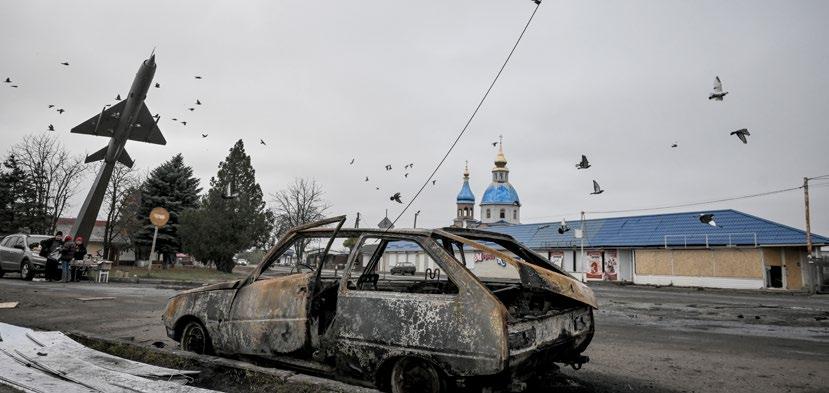
In 2025, MSF conducted:
· 18,231 primary healthcare consultations in southern Ukraine, of which 78% were related to NCDs , across approximately 40 villages and IDP shelters in Kherson and Mykolaiv oblasts.
· In eastern Ukraine, 31,023 primary healthcare consultations were conducted in the same year in 57 sites, with 77.2% of patients presenting with NCDs , predominantly among elderly populations.
These figures reflect the demographic reality of near-frontline villages. People who remain are often older, chronically ill, and socially isolated. Many are unable or unwilling to leave due to financial constraints, attachment to their homes, fear of displacement, lack of alternative accommodation, or responsibility for dependents. Although these villages may be located up to 50 kilometres from the frontline, the insecurity, destruction or abandonment of services, and lack of transport create conditions similar to those found in active combat zones.
MSF medical teams consistently observe that patients arrive for care only once their condition has significantly worsened. Interruptions in treatment for hypertension, diabetes, asthma, and cardiovascular disease—combined with lack of diagnostics, medication stock-outs, and the inability to attend regular follow-up—have transformed manageable chronic conditions into acute and life-threatening medical emergencies.
MSF protocols aim to provide stable patients with non-communicable diseases with three months of medication to reduce the risks associated with access interruptions. However, in December 2025, 96.2% of MSF patients with NCDs in Kherson and Mykolaiv oblasts were not eligible for three-month treatment due to instability of their condition, recent treatment interruptions or concerns regarding follow-up. This reflects the broader breakdown of continuity of care.
In eastern Ukraine, where access is frequently lost due to frontline movement, MSF has adopted a different approach, providing longer medication supplies, when possible, combined with remote consultations — medical or psychological support conducted by telephone when physical access is no longer possible. This strategy acknowledges the high likelihood that patients may have no access to medications or healthcare for extended periods.
The patients treated by MSF in the Kherson hospital ICU reflect this toll directly: with an average age of 66–67, many arrive already carrying the burden of chronic illness, and a striking proportion — 42% in 2024 and 36% in 2025 — are admitted in acute NCD crisis, meaning conditions that were once managed have become life-threatening. This pattern of chronic turning critical, seen across 330 patients in 2024 and 281 in 2025, is a measurable consequence of broken access to routine care. The same trend is visible in the emergency department: while overall patient numbers rose by just 2% between 2024 and 2025, NCD-related visits surged by 52.5%, from 836 to 1,275 cases.
Specific emergencies increased sharply:
· Cardiovascular emergencies increased from 617 to 825 cases (+33.7%).
· Diabetic emergencies rose from 130 to 185 cases (+42.3%), consistent with disrupted access to insulin, oral medication and monitoring.
· The most dramatic increases were observed in asthma and chronic obstructive pulmonary disease exacerbations, which more than doubled from 70 to 164 cases (+134%), and
· Epilepsy-related emergencies, which rose from 19 to 101 cases (+432%). These sharp increases are consistent with prolonged interruptions in maintenance therapy, delayed care-seeking, and heightened psychological stress.
Similar patterns are observed in other MSFsupported hospitals in eastern Ukraine. In Pavlohrad in Dnipropetrovsk region located 68 km from the frontline, supported by MSFs since January 2025, cardiovascular emergencies accounted for: 53% of all ED admissions in November 2025; 38% in December 2025.
At a hospital MSF supports in southern Mykolaiv region, inpatient admissions for exacerbated cardiovascular diseases increased by 116% between 2022 and 2025 (407 à 879 admissions) despite a declining population. This trend further highlights the growing difficulties in accessing healthcare and the impact of sustained stress on cardiovascular health.
The deterioration in health outcomes cannot be explained solely by medical factors. Living conditions have worsened significantly due to the war, with frequent electricity cuts, reduced heating, limited access to clean water, and damaged housing. These factors increase vulnerability to respiratory infections and exacerbate chronic illnesses, particularly among elderly and low-mobility individuals.
MSF data from Kherson hospital show a 55.7% increase in lower respiratory tract infections presenting to the emergency department between 2024 and 2025 (158 à 246 cases), while overall patient numbers remained stable. This disproportionate increase suggests that patients are arriving in more severe condition due to prolonged exposure to cold, damp housing with inadequate heating.
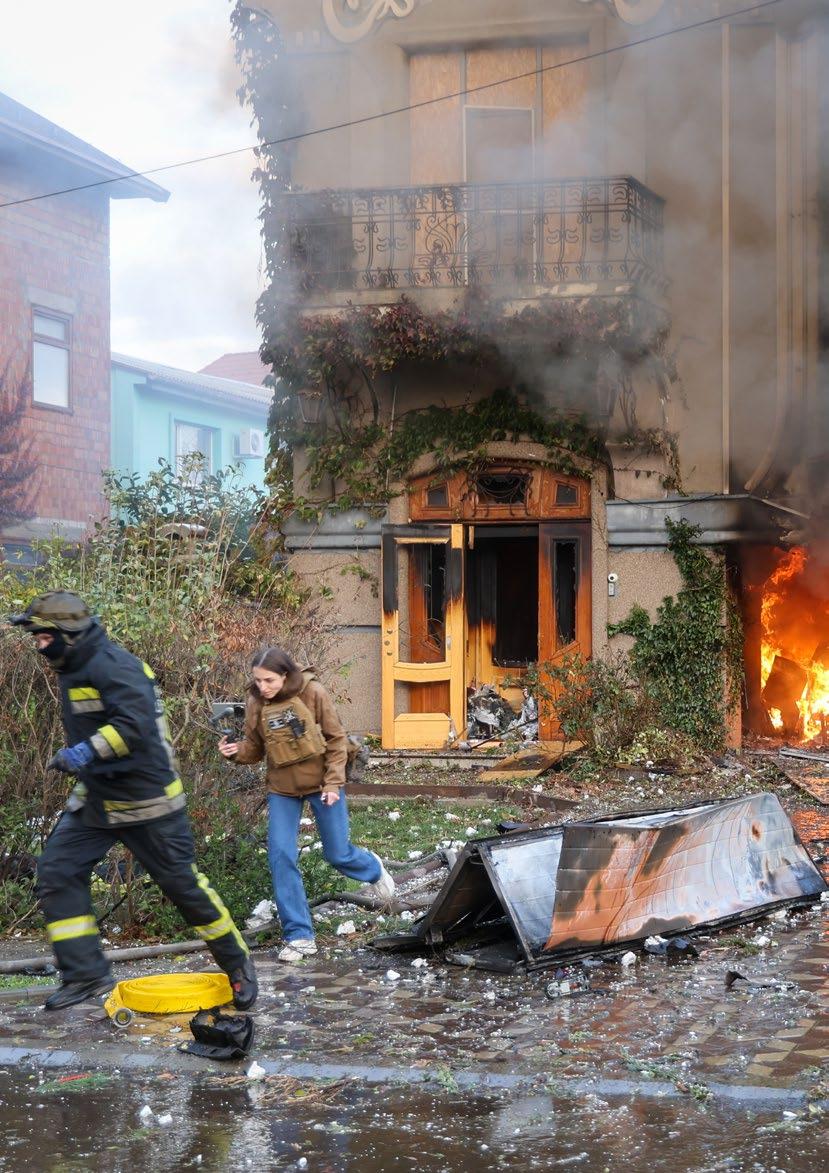
As one healthcare worker explained:
“In the ED, I mostly see patients with complications from non-communicable diseases, like hypertension and diabetes. Constant shelling and the lack of electricity, heating and water increase stress, turning chronic issues into acute ones. More young people are also struggling with diabetes because access to care is limited. They eat poorly or skip meals to cope with the ongoing stress, and they are often sleep-deprived. Out of fear of being exposed to drones, many no longer go to doctors and try to self-medicate or administer injections at home, often incorrectly, which can lead to infections or inflammation. Most patients now arrive by ambulance, and many no longer have family doctors, so they cannot get proper referrals for care. What surprises me most is the rise in thyroid problems here in Kherson—we usually don’t see this in coastal cities where iodine levels are normally sufficient. Chronic stress, along with poor nutrition and lack of sleep, seems to be affecting thyroid function in patients.” – A 32-year–old MSF clinical officer working at a hospital in Kherson supported by MSF.
A 61-year-old woman displaced from the Luhansk region described fleeing to Dnipro in 2022, the deterioration of her health after displacement, and her dependence on humanitarian medical support.
“We arrived in Dnipro on May 22, 2022. When I arrived, I honestly did not want to live. Even now, remembering it is painful. At home, my blood sugar was around 7. After we arrived here, because of stress, it would rise to 23. I developed serious problems with my leg. Gangrene set in, and they had to amputate one of my toes. They managed to save the leg, but I don’t know what will happen in the future. My blood pressure also rose sharply. Before the war, I hardly ever went to doctors. I managed minor issues myself. But after the fullscale invasion and displacement, it felt like I became a different person—so many illnesses appeared because of stress. MSF visits us often, and we are very grateful. They provide medicines we simply cannot afford—treatment for blood pressure, diabetes, and other conditions. Without this support, I would only be able to buy the most essential drugs.” – A 61-year-old patient of MSF.
The escalation of violence has fundamentally increased risks for humanitarian operations and healthcare delivery, rendering areas that were previously accessible unsafe. In 2022 and 2023, MSF medical programmes could operate as close as 15-20 km from the frontline, roughly the range of artillery. Today, reaching people even within a 50 km radius has become increasingly difficult with the expansion of drone warfare, and the generalised lack of efforts to protect civilians, humanitarian and healthcare workers, or medical facilities.
As described above, MSF staff and premises have not been spared by the violence, with two MSF offices damaged or destroyed by aerial strikes, and one occurrence of an MSF partner and a nurse supported by MSF targeted and wounded by a drone strike while travelling in an identified vehicle. MSF also witnessed over 20 attacks on MSF-supported medical facilities between April 2022 and December 2025.
Working in frontline regions results in an almost daily dilemma for MSF as for other health and humanitarian actors: choosing between exposing its staff to increased risks of attacks or taking the decision to suspend activities in highly insecure areas and leave patients behind. Since 2022, escalating hostilities have forced MSF to withdraw from nine hospitals close to the frontline and to suspend mobile clinics for primary healthcare in more than 80 villages.
Faced with this reality, MSF has had to adapt its operational model so it can respond to support requests made by the heads of medical facilities to relieve overstretched public health staff and to maintain access to healthcare for the population living in frontline regions.
Ukraine’s 2026 health budget, announced in December 2025, has increased by 38.8 billion hryvnia (approximately €768 million), expanding access to free check-ups, broadening the Affordable Medicines Program (AMP), 56 and raising doctors’ salaries. This follows a September 2025 decree increasing the pay of medical staff working in active hostility zones and areas of potential risk, 57 a formal recognition by the state of the extraordinary conditions its health workforce is operating under, and an institutional effort to retain and attract staff where they are needed most.
Nevertheless, desperate staffing shortages persist in near-frontline regions. Across Mykolaiv, Dnipro, Kherson and Zaporizhzhia regions, MSF currently supports the health system with additional ambulances and additional health workers in hospitals, including specialists such as emergency doctors and anaesthesiologists, and deploys mobile clinic teams providing primary healthcare services in remote villages and shelters hosting displaced families with limited or no access to healthcare.
MSF has adopted a two-week rotation system for its staff working in hospitals close to the front line and for the ambulance teams. During these two weeks, staff work full-time and are provided with shared accommodation and meals; in some cases, due to security constraints and limited movement, they sleep at the hospital or in ambulance bases that have been adapted to ensure as the greatest possible protection from explosions. This arrangement allows MSF staff to reduce the number of movements they undertake and therefore their exposure to risk of attack, and
means they do not have to relocate their families closer to hostilities or incur additional housing and living costs. At the same time, it enables them to continue supporting other areas facing staff shortages during the remaining two weeks.
In addition to this rotation system, as well as accommodation and transport support, MSF also offers mental health support to its staff. These measures, informed by MSF’s operational experience, demonstrate practical ways to strengthen the health system by reducing staff pressure, and ensure continued access to care for populations affected by war.
Across its areas of intervention in the East and South, MSF conducts regular access to healthcare assessments in oblasts (regions), hromadas (districts), villages and sites where MSF is already working, in collaboration with health authorities, community leaders and other humanitarian actors. This is to constantly enable MSF’s mobile teams to adapt their locations and planning and ensure the areas most affected by the lack of doctors and pharmacies are supported.
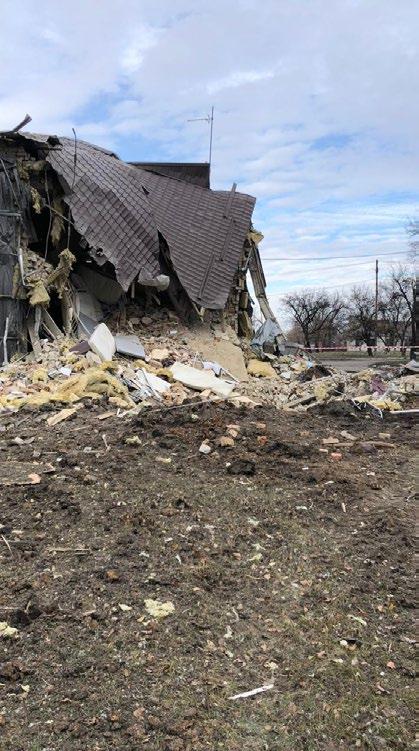
Our mobile clinics’ teams have been operating with a multidisciplinary approach, typically involving four professionals: a medical doctor, a nurse or a clinical officer (feldsher), a psychologist, and a health promotion specialist. Progressively integrating clinical officers in mobile clinics has proven effective in increasing support to patients in cases of high demand, as feldshers can independently issue prescriptions to patients for continuation of chronic therapy and provide consultations in case of follow-up visits. In addition, the presence of psychologists is essential to address the acute mental health needs and distress affecting populations residing in frontline areas. Finally, mobile clinics have also allowed to tuberculosis screening to be restarted in remote areas in collaboration with the Ministry of Health.
The mobile clinic approach, which is also used by several other NGOs, allows MSF to support more villages and displacement sites and reestablish free access to healthcare for isolated patients affected by the lack of doctors, pharmacies and public transport, especially elderly people, people with low mobility and people who do not have the means to pay for transport, consultations or medicines:
“The visits of doctors are very useful as they provide not only medical consultations but also free medications. People who attend the mobile clinics feel better. Because of the war, I have serious sleep problems. I wake up several times a night. I can’t tell whether what I hear is a motorcycle or a drone flying. Everyone’s nerves are out of order. Even domestic and street animals are scared and hide. We are angrier, more irritable, on edge. During the occupation, there were no medical staff in the village and no medical support at all. After the occupation, doctors came for a while, then for about six months there were none again. This situation has been constantly unstable.” – A 71-year-old patient of MSF from Mykolaiv region.
In addition, MSF has started implementing longer-duration prescriptions for patients with stable chronic conditions such as diabetes. Stable patients are provided with a 3-month prescription supply, which allows them to cope better with the cost of medicines and the lack of accessible pharmacies, especially in the most remote villages. It also means their supply of medication is not immediately interrupted when their villages become inaccessible to MSF.
As security deteriorated further in 2025, regular mobile clinic movements became impossible in many areas. In response, MSF introduced remote consultations as a last resort adaptation.
Remote consultations should not be a replacement for in-person care, nor are they a comprehensive telemedicine system. They consist of video or phone calls and messaging-based consultations provided by doctors, adapted to the connectivity available in each village. Their primary purpose is to ensure a minimum level of continuity of care for patients whom MSF already knows, particularly those living with non-communicable diseases.
These consultations rely heavily on local healthcare workers who have remained in villages, most often feldshers and nurses, who assist with basic measurements such as blood pressure or blood glucose and help facilitate communication with MSF doctors. When possible, MSF provides essential medicines and equipment, such as blood
pressure monitors, to support this process. MSF also facilitates training and mentoring at village level for nurses and feldshers on Psychological First Aid (PFA), first aid/stopping bleeding and non-communicable diseases.
Since the launch of the remote consultation program in September 2025, and as of May 2026, MSF has conducted more than 1500 remote consultations across three regions in eastern Ukraine, Dnipropetrovsk, Donetsk and Kharkiv, as well as more than 500 consultations in the Kherson region. At the time of publication, MSF had also recently begun providing remote consultations for vulnerable and bed-bound patients in Kherson city.
While remote consultations help maintain continuity of care, they have clear limitations. Complex cases, or conditions requiring physical examination, imaging or specialist input cannot be adequately addressed. In such cases, MSF attempts to refer patients to hospitals. However, insecurity, transport costs and patients’ poor health often make referrals impossible.
Medication delivery poses an additional challenge. To ensure patients continue treatment, MSF relies on flexible, often high-risk arrangements, including short access visits, delivery via nearby villages, postal services and support from local volunteers. These ad hoc solutions underscore the fragility of care provision in areas affected by ongoing hostilities. As one MSF staff member explained, “Remote consultations allow us to prevent complete abandonment, but they also reflect the reality that access to care has become the exception rather than the norm.”
The number of war-wounded patients with trauma injuries has dramatically increased since 2022. This influx has overwhelmed the capacity of health facilities to respond to the rehabilitation needs of patients due to a shortage of physiotherapists,58 and a lack of expertise in managing rehabilitation for complex war-related traumas in hospitals.
The Ministry of Health is putting significant efforts into growing the rehabilitation services in Ukraine, but an area that could be further developed is in acute rehabilitation, starting much
sooner after the surgical operation. With the main activity based in Cherkasy, MSF has also been sending a mobile team to train public hospital staff in Odesa, Dnipro, Zaporizhzhia and Poltava, in collaboration with the Ministry of Health, and will continue to promulgate this approach in other hospitals in the future. The objective is to provide training to hospital health workers on acute rehabilitation as it must be provided as soon as possible after surgery to war-wounded patients. Delayed start of rehabilitation can cause delayed recovery, increased length of hospital stays, increased risk of complications such as muscle atrophy, joint stiffness, contractures, persistent pain and loss of functionality.
MSF’s rehabilitation model of care is based on a multidisciplinary approach providing early assessment of needs and severity classification to prioritise cases, physiotherapy, psychological support, nursing care and infection prevention and control measures to address the complex needs of war-wounded patients early in their recovery process. The model also makes the best use of available resources in hospitals to support this approach, by shifting some rehabilitation tasks to physiotherapists, assistants and nurses.
· Secondary healthcare: Support for frontline health workers in hospitals and ambulances (0–50 km from the front line) can be adapted. MSF lessons learned show that two-week rotations, provision of safe housing and mental health support can make a difference in terms of supporting staff, and improving recruitment, retention, well-being and safety. In addition, facilitating the deployment of foreign health workers can help relieve exhausted Ukrainian staff. Finally, the capacity of hospitals to provide acute rehabilitation care for trauma-wounded patients can be expanded through training of health workers, adoption of a multidisciplinary approach and taskshifting. This is perhaps best focused on hospitals where the circumstances mean it is safe for the patient to stay for at least several days or a week after the surgery to allow time for the early rehabilitation to have beneficial effects.
· Primary healthcare: To address human resource shortages and the limited mobility of elderly and vulnerable patients, doctors need more support (fuel, medicines) to conduct mobile visits in rural areas. Responsibilities could also be shifted to feldshers and nurses remaining in rural/ frontline areas, including testing, treatment for chronic conditions, psychological first aid and facilitating remote consultations. Prescription durations can be extended to 3 or up to 6 months for stable patients with chronic conditions ensuring minimum continuity of treatment when access is suspended, and mobile pharmacies or pharmacy postal solutions are essential to ensure access to medicines for hard-to-reach and isolated populations.
• Halt attacks on civilians, civilian infrastructure, humanitarian actors, and healthcare workers and facilities.
• Comply with and implement International Humanitarian Law as well as United Nations Security Council Resolution 2286.
• Consistently and publicly condemn attacks against civilians, civilian infrastructure, humanitarian workers, healthcare workers and facilities.
• Promote and support independent, impartial and systematic investigations into attacks against civilians and healthcare personnel and institutions, and other violations of International Humanitarian Law, including through the UN Security Council, extending retrospectively to cover the duration of the war.
UN Resolution 2286 must be fully respected and implemented; normalisation of attacks on healthcare must stop.
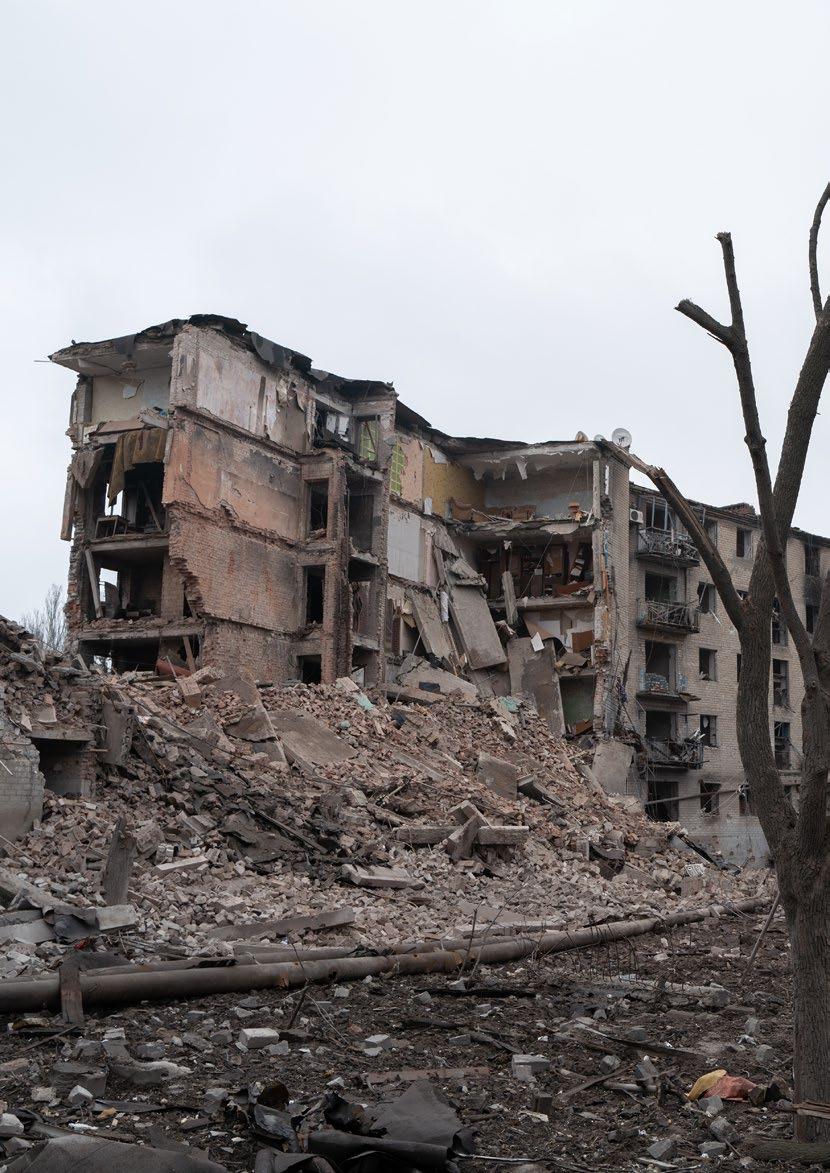
1 Russian authorities have reported that in 2025 attacks by Ukrainian armed forces killed 253 civilians and injured 1,872 in the Russian Federation. Due to lack of access to the Russian Federation and limited publicly available information, HRMMU has not been able to verify these numbers. 2025 deadliest year for civilians in Ukraine since 2022, UN human rights monitors find | UN Human Rights Monitoring Mission in Ukraine
2 2025 deadliest year for civilians in Ukraine since 2022, UN human rights monitors find | United Nations in Ukraine
3 Document - EUROPE SITUATIONS: DATA AND TRENDS - ARRIVALS AND DISPLACED POPULATIONS - OCTOBER 2025
4 IOM_UKR_Internal Displacement Report_GPS R21_October_2025_1.pdf
5 DeepStateMAP | Map of the war in Ukraine
6 Ukraine’s population has fallen by 10 million since Russia’s invasion, UN says | Reuters
7 A mass casualty incident is an event in which the number of casualties exceeds the immediate response capacity of local emergency medical services. Mass casualty incidents require the activation of additional resources and the implementation of triage protocols to prioritise treatment based on the severity of injuries.
8 Article 33 of the Fourth Geneva Convention (1949), Customary international humanitarian law ICRC Rule 103 (2005).
9 Resolution 2286 (2016) /
10 MSF Ukraine on X: «On 7 November, a cancer hospital in #Zaporizhzhia, southeast Ukraine, was struck amid intense bombardment. 8 healthcare staff were injured, 2 critically according to the regional administration. The hospital was also forced to evacuate 17 patients to other facilities. https://t.co/53136GxjM4» / X
11 MSF Ukraine on X: «Following missile attack on Zaporizhzhia on 8 January, 13 people have been reported killed and 120 others injured, including a 13-year-old child. https://t.co/X4aQD27gdV» / X
12 MSF Ukraine on X: «Dobropillia, Donetsk region, Ukraine, faced massive attack, which killed 11 people and injured at least 50. MSF referred injured from the local hospital to Dnipro for further treatment. “Even the hospital corridors were filled with patients,” says Serhii Tkachenko, MSF feldsher. https://t.co/7SX1HAUKyZ» / X
13 MSF Ukraine on X: «Russian military attack today on Dnipro resulted in 15 people dead and more than 170 injured. Residential areas and civilian infrastructure came under fire. MSF treated a train passenger who were injured. https://t.co/Hho1Qa3sqg» / X
14 MSF Ukraine on X: «On 23 August, 18 people were travelling to work on public transport in the morning when they came under drone fire in the Dnipropetrovsk region. MSF medical team, together with staff from the Ministry of Health, provided medical care to 6 injured people at the local hospital. https://t.co/NfzmpqAcKW» / X
15 MSF Ukraine on X: «MSF referred four patients, wounded during the Russian forces strike on Yarova village, Donetsk region. The patients had serious injuries and were taken from the hospital in Sloviansk to Dnipro. They had been waiting for their pensions when the attack happened, killing 25 people. https://t.co/zLJvibyHnp» / X
16 MSF Ukraine on X: «In Pokrovske, near the frontline in Dnopropetrovsk region, on 29 September MSF teams were treating patients in the intensive care unit when the building shook from the explosions. Eight wounded people arrived with shrapnel injuries, limb trauma, and traumatic brain injuries. https://t.co/cxl2NlvVfv» / X
17 MSF Ukraine on X: «“We heard loud explosions, the hospital windows were shaking — it was clear a powerful blast wave had hit,” says Olha Severyn, an MSF anaesthesiologist. “Among the wounded were two girls, aged 15 and 17, with concussions. We stabilised and referred them to a specialised facility” https://t.co/7HaBQysNUi» / X
18 MSF Ukraine on X: «During the night of 4 November, Russian military forces carried out strikes on Synelnykivskyi district, Dnipropetrovsk region, hitting civilian infrastructure and private homes. MSF supports a hospital close to the frontline in this area, where wounded patients were brought. https://t.co/3ZE9QQ9BME» / X
19 https://www.ukrinform.ua/rubric-society/3763345-v-ukraini-nalicuetsa-3-miljoni-ludej-z-invalidnistu-zolnovic.html?fbclid=IwAR10hQsNP_ wKrm3BgQBJHmsChSlRirnvSMHxw5gnkpiwERS71xYrQT0Yaxg
20 Frappes sur la maternité de Kherson : les attaques contre le système de santé ukrainien s’intensifient à l’entrée dans le quatrième hiver de l’invasion totale
21 Ukraine: MSF condemns missile attack on its office in Pokrovsk | Doctors Without Borders - USA
22 Ukraine: MSF condemns missile attack on its office in Pokrovsk | Doctors Without Borders - USA
23 Russian airstrikes damage MSF staff house and vehicles in Ukraine | Doctors Without Borders - USA
24 See WHO Surveillance system for attacks on healthcare : SSA Home | Index
25 https://www.who.int/europe/fr/news/item/05-12-2025-kherson-maternity-ward-struck-as-attacks-on-ukraine-s-health-care-escalate-andthe-fourth-winter-of-full-scale-invasion-sets-in?utm_source=chatgpt.com
26 Russia damages or destroys over 2,500 medical facilities in Ukraine
27 Between Enemy Lines
28 MSF Ukraine on X: «On 4 April, our four-person @MSF team visited #Mykolaiv to meet with city and regional health authorities. At around 15.30, as we entered the city’s oncology hospital, which has been treating the wounded since the beginning of the war, the area around the hospital came under fire» / X
29 Between Enemy Lines
30 Ibid.
31 Ibid.
32 MSF Ukraine on X: «A Russian missile struck a medical facility in #Dnipro #Ukraine, during which two people died and an estimated 23 people were injured, including two children. @MSF is responding to the mental and social needs of patients affected. #Dnipro #Ukraine https://t.co/ eqAajXGl3i» / X
33 MSF Ukraine on X: «Today a hospital we are supporting in Kherson was shelled, resulting in a Ministry of Health doctor being killed. The operating theatre suffered a direct hit. #WarInUkraine https://t.co/OKOeGrT7wD» / X
34 MSF Ukraine on X: «#Kherson hospital, which @MSF supports, was shelled twice in 72 hours. The second attack happened today. The hospital morgue was destroyed, the staff and patients were not injured. https://t.co/1P1ZawGdvp» / X
35 MSF Ukraine on X: «The hospital in #Beryslav in the #Kherson region of Ukraine was hit yesterday in attack by Russian forces. 2 top floors of the hospital have been completely destroyed and 2 medical staff were injured. The hospital has had to cease all medical activities. #WarInUkraine https://t.co/ZLv2qz3RcV» / X
36 MSF Ukraine on X: «On Monday 13 November, a hospital in Kherson region where @MSF works in partnership with @MoH_Ukraine was attacked with artillery. Four people were injured, including two medical staff, one of who is in serious condition. https://t.co/3wnixNWNLC» / X
37 MSF Ukraine on X: «“At around 11:30pm, we began hearing explosions. Initially, they seemed distant, but gradually they approached,” said Artem Tretiakov, an ambulance driver with MSF, who was at the hospital in #Selydove in #Ukraine when it was hit with missiles on 20 Nov. https://t.co/sN6e0fTGa4» / X
38 MSF Ukraine on X: «Strikes on a hospital in Kherson city on Feb 13, forced the #MSF surgical team to seek shelter in the bunker, and damaged the outpatient clinic. https://t.co/pJKc7pYTkS» / X
39 MSF Ukraine on X: «The Russian military continues to attack medical infrastructure in #Ukraine. In the last 24 hours, 2 hospitals, in Donetsk region and Kherson, came under fire. https://t.co/IdbWgp1Nld» / X
40 MSF Ukraine on X: «The City Central Hospital in Trostianets, Sumy region, in the northeast of Ukraine, was shelled on March 14th, resulting in damage to departments, patient beds, monitoring machines, and other medical equipment. #WarInUkraine https://t.co/0H5aiBUssp» / X
41 MSF Ukraine on X: «The largest diagnostic and treatment facility for children in #Ukraine was hit. The children’s dialysis department was particularly damaged. Two adults were killed, and there are 16 wounded, including 7 children, according to the Ministry of Internal Affairs of Ukraine. https://t.co/e8s8iMB3qi» / X
42 Ukraine: Last civilian hospital in Pokrovsk forced to evacuate all staff | Doctors Without Borders - USA
43 MSF Ukraine on X: «On 25 October, a residential area in the eastern Ukrainian city of #Dnipro came under attack. At least 21 people were injured, and five people, including a child, lost their lives. https://t.co/0Gh0CRD2gi» / X
44 MSF Ukraine on X: «On 7 November, a cancer hospital in #Zaporizhzhia, southeast Ukraine, was struck amid intense bombardment. 8 healthcare staff were injured, 2 critically according to the regional administration. The hospital was also forced to evacuate 17 patients to other facilities. https://t.co/53136GxjM4» / X
45 MSF Ukraine on X: «Eight people were killed and another 22 injured in the shelling of #Zaporizhzhia, Ukraine on 10 December. A clinic was destroyed, with patients and staff injured. https://t.co/qu3YuP6eXz» / X
46 MSF Ukraine on X: «In the early hours of 1 March, Russian forces struck a hospital in Kharkiv city. The roof and wards were damaged, and four patients were injured. Reportedly, more than 50 patients had to be evacuated. https://t.co/bi0OQWaulH» / X
47 MSF Ukraine on X: «Last night the hospital in Zolochiv, Kharkiv region, Ukraine was attacked. According to authorities, patients were not physically injured, a medical staff member suffered severe emotional distress. https://t.co/0d4OpzjknW» / X
48 MSF Ukraine on X: «On 1 July beginning at 10.20pm, Russian forces shelled an MSF-supported hospital in Kherson city, Ukraine. Four shells landed extremely close to the hospital, and one hit a hospital building directly. https://t.co/eRuRifsHdc» / X
49 MSF Ukraine on X: «During an attack by Russian forces on Kamianske, Dnipropetrovsk region, on 29 July, multi-specialty hospital No. 9 was damaged. Three people, including a pregnant woman, were reportedly killed and more than 10 injured. The blast caused part of the hospital to collapse. https://t.co/nBPSPcmPPH» / X
50 MSF Ukraine on X: «The regional hospital in Kostiantynivka, Donetsk region, has been forced to close, after months of bombardments on and around the hospital. This marks a significant loss in access to healthcare for people living in the region. https://t.co/wOnY1tkTVy» / X
51 MSF Ukraine on X: «Mezhova, Dnipropetrovsk region, faces daily strikes as the frontline moves deeper into Ukraine. After repeated bombardments, the hospital was forced to cease operations, leaving those unable to flee without access to medical care. https://t.co/MEYiY22QCI» / X
52 The Russian Federation destroyed the warehouse of a large distributor of medicines in Kyiv - Ekonomichna Pravda; Optima-Pharm — Destruction of a warehouse and losses of about $100 million in Kyiv / NV
53 The Russians destroyed the warehouse with medicines again - Ekonomichna Pravda
54 A medical position in many northern and eastern European and Eurasian countries, a feldsher is a type of medical practitioner or clinical officer, with higher skills than a nurse, but not qualified as a doctor.
55 €€€€€ N-17 €€€€ €€€ €€€€€€€ €€€€€ €€ 2024 €€€.xlsx
56 On Amendments to the Resolutions of the Cabinet of Ministers of Ukraine No. 28 of January 13, 2023 and No. 1503 of December 24, 2024 | Cabinet of Ministers of Ukraine; Ukraine Increases Health Budget to 258.6 Billion UAH in 2026
57 On Amendments to the Resolutions of the Cabinet of Ministers of Ukraine No. 28 of January 13, 2023 and No. 1503 of December 24, 2024 | Cabinet of Ministers of Ukraine
58 World Physiotherapy association report