families who received distributions of relief items 548,400 mental health consultations
690,800 cholera vaccine doses given
220,000 consultations for diabetes
615,200 admissions of malnourished children to outpatient feeding centres
213,700 severely malnourished children admitted to inpatient feeding centres
405,000 births assisted, including caesarean sections
148,900 people treated for cholera
82,800 people treated for sexual violence
39,400 people on HIV antiretroviral treatment under direct MSF care
10,500 people with advanced HIV under direct MSF care
Médecins Sans Frontières is an independent, international medical humanitarian organisation that delivers emergency aid to people affected by armed conflict, epidemics, healthcare exclusion and natural or man-made disasters.
We are doctors, nurses, logistics experts, administrators, epidemiologists, laboratory technicians, mental health professionals and many others who work in accordance with MSF’s guiding principles of independence, impartiality and neutrality.
Médecins Sans Frontières Australia acknowledges the Gadigal of the Eora nation, the traditional owners of the land on which our office is located. We recognise their ongoing custodianship of land, waters and culture. We pay our respects to Elders past and present.
Whakataukī
Nāu te rourou, nāku te rourou, ka ora ai te iwi –With your basket and my basket, the people will thrive.
This whakataukī encompasses the idea that when people work together and combine resources, we can all flourish. With thanks to Deborah Harding and Tracey Poutama for their guidance.
Connect with us
Australia
Call 1300 136 061
Email office@sydney.msf.org
New Zealand
Call 0508 633 324
Email contact.us@nz.msf.org
msf.org.au or msf.org.nz facebook.com/MSFANZ @msf_anz
Foreword
In 2025, the work of Médecins Sans Frontières was shaped by a single, sustaining idea: hope. Not hope as wishful thinking, but as a practical conviction that care matters, that suffering can be eased, and that even in the most difficult circumstances, compassion and humanity endure.
As this report illustrates, the generosity of our supporters in Australia and New Zealand is remarkable. That support is what enabled us to put hope into action: sending 95 staff on 132 assignments in 27 countries, helping to fund MSF emergency operations around the world, and advocating at home for greater public engagement in the crises we work in.
Those crises brought immense human suffering. Across the year, the humanitarian landscape presented deep and troubling challenges. Ongoing conflict, displacement, and insecurity continued to affect civilians in Gaza, Sudan, Haiti, and many other places.
In Gaza, Israel’s campaign of ruthless violence and monthslong blockade made an already desperate humanitarian crisis worse. Tens of thousands of people were killed, and families faced severe disruption to daily life and access to essential services. Malnutrition and shortages of water and medical supplies placed an extraordinary burden on communities and health workers.
In Sudan, where more than 12 million people were displaced from their homes, escalating violence and the collapse of health services made access to care increasingly difficult, even as MSF teams continued to reach people in need.
Attacks on healthcare remained a defining concern in 2025. The World Health Organization reported 1,348 attacks on medical facilities during the year, resulting in 1,981 deaths, underscoring the growing risks faced by patients, health workers, and humanitarian teams.
Ten years on from the attack on MSF’s trauma centre in Kunduz, Afghanistan, the worst in our movement’s history, these figures are shocking and profoundly disappointing. They are a stark reminder that protecting healthcare is not optional – it is essential to preserving life and dignity in conflict settings. And it is an obligation binding on all parties to a conflict, a fact we have had to call out again and again, and will continue to do.
2025 was also a year of determined action. MSF teams continued to deliver emergency consultations, treat malnutrition, support maternal and child health, and respond to disease outbreaks and displacement across multiple settings. In Sudan, for example, teams provided more than 1.4 million outpatient consultations and treated 9,520 malaria patients.
In Gaza, MSF’s care included providing therapeutic feeding and clean water, with teams distributing 1.9 million litres of water per day in August alone. These efforts reflect the steady, often unseen work that sustains communities under immense pressure, including in places far from the world’s attention but just as much in need.
The year also highlighted the importance of speaking out. MSF continued to bear witness to the realities faced by patients and communities, insisting that medical action and honest testimony belong together. Creative advocacy initiatives widened the scope of that testimony, giving space to stories, identities, and experiences too often excluded from public attention, as shown so powerfully in the Meeras Pavilion and its celebration of Rohingya culture. This aspect of the work is not separate from our medical mission; it strengthens it by insisting on the humanity of those most affected by crisis.
Strategically, 2025 was a significant year for MSF Australia. The organisation invested substantial effort in developing its next strategic direction, with clear attention to how MSF can remain effective in the current environment. The Strategic Plan 2026–2031 acknowledges the volatility of the humanitarian landscape, while setting a clear and ambitious direction for MSF Australia – a belief that we can make a positive difference within the MSF movement and in its work around the world. That process recognised the need to strengthen regional coordination, expand operational support, and deepen the organisation’s contribution across the AsiaPacific region.
A key part of that direction is the growing emphasis on integrating one of our largest professional groups – nurses and midwives –into MSF’s leadership fabric. This includes the locally hired staff who make up the majority of these roles across our projects. Fully recognising and valuing their contributions is essential to strengthening quality of care, reinforcing operational resilience, and building a movement that is more representative and effective.
It also reflects a deeper understanding that the expertise required to deliver excellent care already exists within the communities MSF serves, and that our responsibility is to support and elevate that expertise accordingly.
The year saw important progress in Asia-Pacific engagement, including the work towards establishing a new presence in Malaysia to support regional coordination, recruitment, learning, and development. This reflects a long-term commitment to enhancing MSF’s reach and relevance in a region that is central to the organisation’s future.
Throughout all of this, the strength of MSF Australia was evident in the commitment of its people. Staff, association members, and supporters contributed time, skill, energy and resources to help the organisation respond to urgent needs and plan responsibly for what lies ahead. Their efforts sustained both the everyday work and the larger strategic ambitions that will guide us through the years to come.
Together, these achievements show what MSF Australia can do when it is backed by such a strong community of supporters in Australia and New Zealand.
Katrina Penney President
Moises Saman/Magnum Photos
Medical highlights
The Sydney-based Medical Unit brings together multinational expertise in women’s health, paediatrics and neonatal care, nursing, and sexual violence care. With advisors based in Australia, France, Kenya, Germany and the UK, the team collaborates closely to provide technical, strategic and operational support to projects managed by MSF’s Operational Centre Paris (OCP) across Africa, the Middle East, Asia and the Caribbean.
Throughout 2025, the Medical Unit supported emergency responses, long-term healthcare programs and specialist projects in some of the world’s most challenging humanitarian settings. Advisors worked directly with project teams, country coordination staff and headquarters departments to strengthen quality of care, support evidence-based medical practice and improve health outcomes for women, children and survivors of violence.
Women’s health
The women’s health portfolio continued to focus on maternal and newborn care, sexual and reproductive health, cervical cancer, fistula care and sexual violence care. In 2025, OCP recorded its highest level of women’s health activity since consolidated data collection began in 2006, reflecting the continued expansion and integration of sexual and reproductive healthcare services across both regular programs and emergency responses.
More than 218,000 antenatal consultations, 54,000 postnatal consultations and nearly 90,000 contraception consultations were provided during the year. Over 53,000 births took place in supported projects, while sexual violence care services continued to expand, with more than 30,000 survivors receiving comprehensive medical care. These figures highlight the growing accessibility of women’s health services across a wide range of operational contexts.
One of the most significant achievements of 2025 was the continued expansion of safe abortion care. Most procedures were provided during the first trimester of pregnancy, demonstrating the effectiveness of efforts to improve early access to care. This progress reflects sustained commitment from project teams and operational support structures to ensure access to essential reproductive healthcare, even in highly constrained environments.
The year also highlighted the importance of addressing the nutritional needs of pregnant and breastfeeding women and girls. Systematic screening introduced across multiple projects identified substantial levels of malnutrition among women and girls attending antenatal and postnatal services, particularly in settings affected by conflict, displacement and food insecurity. These findings reinforced the need for stronger integration of nutrition screening and support within maternal healthcare services.
Maternal mortality remained an area of concern in several projects, particularly in contexts managing large numbers of complicated pregnancies and referrals. The women’s health team continued to support efforts aimed at improving quality of care, strengthening clinical governance and promoting respectful maternity care, recognising that access to services alone is insufficient without safe and high-quality care.
Despite continued growth in activities, important structural challenges remain. These include strengthening specialist human resources, ensuring adequate representation of women’s health expertise in decision-making structures, and addressing barriers that limit access to contraception and reproductive healthcare in some contexts. These priorities will continue to shape the unit’s strategic direction in the coming years.
Children’s health
Children continued to represent the majority of patients receiving care in our projects throughout 2025. They accounted for 69 per cent of all hospitalised patients and 63 per cent of outpatient consultations, highlighting the central role of paediatric care across MSF programs.
The paediatric and neonatal advisor teams provided technical support to a wide range of projects responding to armed conflict, disease outbreaks, malnutrition, displacement and gaps in access to essential healthcare services. Humanitarian crises continued to drive paediatric morbidity in many operational contexts, with increasing needs linked to food insecurity, population movements and weakened health systems, as well as outbreaks of measles, cholera, meningitis and diphtheria. Neonatal care remained a key priority. Admissions to neonatal units rose from 10,730 in 2024 to 12,434 in 2025. This reflects both growing needs and improved identification and referral of vulnerable newborns. Neonatal sepsis, birth asphyxia, and complications related to prematurity and low birth weight remained the leading causes of admission.
Throughout the year, advisors supported projects in strengthening inpatient and outpatient paediatric care, improving the management of severe acute malnutrition and neonatal complications, and reinforcing emergency responses in high-burden settings. Support was provided through field visits, remote technical assistance, training initiatives and quality improvement activities aimed at strengthening the capacity of healthcare workers and improving outcomes for critically ill children and newborns.
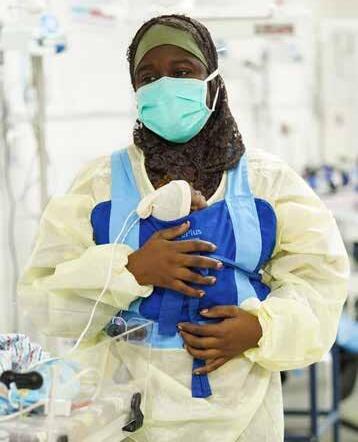
While the overall inpatient paediatric mortality rate remained stable at 4.2 per cent, reducing preventable deaths among children and newborns remains a major priority. In 2026, the team will continue to focus on improving quality of care, particularly neonatal outcomes, through the promotion of highimpact practices such as kangaroo mother care, zero separation, and breastfeeding support, while further strengthening specialised paediatric care and data quality across projects.
Improving safety and quality of care
Strengthening quality of care remained a key priority for the Sydney Medical Unit throughout 2025. Advisors supported projects through field visits, remote technical assistance and operational guidance, with a focus on safe, timely, effective and patient-centred care.
Work continued to strengthen nursing practices, improve clinical governance and support the implementation of quality improvement initiatives across multiple projects. The team also contributed to guideline development, operational research and training activities aimed at improving care delivery in challenging humanitarian settings.
Through its integrated approach to women’s health, paediatrics and sexual violence care, the Sydney Medical Unit continued to support MSF teams in delivering highquality medical care to some of the world’s most vulnerable populations.
Our funding relies largely on individual donations. This helps ensure our operational independence and flexibility to respond at a moment’s notice to the most urgent crises, including those which are underreported or neglected.
In 2025, 73.3 per cent of our financial resources were invested directly in advancing our social mission, supporting humanitarian programs and awareness-raising initiatives.
Income
We also continued to strengthen the foundations that enable this independence and responsiveness: investing in our governance, technology and systems to enhance efficiency, transparency and accountability. These deliberate investments position us to sustain and grow our impact over the long term, ensuring we can do more for the communities we serve for many years to come, while sharing our progress clearly with our supporters.
^ Examples include pro-bono donations and membership
The 2025 income of MSF Australia and MSF New Zealand totalled $141.0 million. Of this, $134.2 million was generated from fundraising activities. This is a 9.9 per cent increase on 2024 fundraising income and represents continued generous support from the Australian and New Zealand public. Around 137,000 Australians and New Zealanders participated in the Field Partner program in 2025, contributing on a monthly basis, and another 61,000 provided occasional gifts.
Finance
Our investment policy within Australia and New Zealand remained consistent with previous years. Short-term deposits were used to maximise interest, minimise risk, and ensure flexibility and accessibility of funds when required.
Spending by region
MSF Australia and MSF New Zealand spending on our medical humanitarian programs in 2025 was distributed across the following regions.
Please access our full financial statements for 2025 at our website.
AU and NZ consolidated: msf.org.au/document/ 2025-financial-report
Thank you to all the Australian and New Zealand professionals who worked operationally with MSF in 2025. This includes 82 Australians and 13 New Zealanders who went on assignment in 2024 and 2025.
Natasha Allan
James Aridas
Hana Badando
Audrey Badaoui
Patrick Baffoun
Pearl Bailey
Leanne Baldwin
Irma Bilgrami
Paul Blackery
Susan Bucknell
Philip Burke
Lucy Butler
Justine Cain
Matthew Calissi
Kathrine Charlton
Esther Choi
Prem Chopra
Grant Clark
Caroline Clarke
Peter Clausen
Prue Coakley
Shelley Cook
Matthew Cooper
Louisa Cormack
Lindsay Croghan
Madeleine Crowe
Frederick Cutts
Katie Dabbs
Thienminh Dinh
Malaika El Amrani
Nicola Fabok
Catherine Flanigan
Josephine Goodyer
Abbie Hamilton
Shelley Harris-Studdart
Tasnim Hasan
Ian Hayes
Shanti Hegde
Thomas Hing
Michael Hoey
Rhianon Hutcheson
Indu Kapoor
Alec Kelly
Leahanne King
Gregory Le Pape
Annie Lee
Anne Lickliter
Rachel Lister
Pippa Lukin
Paul Maclure
Claire Manera
Adam Mangal
Isabella Mayes
Gabriel Mayorga
Garzón
Neil McNulty
Benjamin Meates
Simone Michel
Rodney Miller
Alison Moebus
Brian Moller
Scott Murcko
Allen Murphy
Khairil Musa
Amy Neilson
Susan Neuhaus
Bradley Ogden
Chiho Otani
Ralien Palmer
Tara Pollock
Steven Purbrick
Narelle Raiss
David Rawson
Gerald Riordan
Miho Saito
Kiera Sargeant
Caterina SchneiderKing
Helmut Schoengen
Lisa Searle
Christian Seufert
Ben Shearman
Mok Shuang
Rebecca Smith
Tracy Spencer
Adriana Talotta
Samuel Templeman
Naomi Thomson
Louise Timbs
Kaylene Tomkins
Ivo Juliao Valente Dias
Suzel Wiegert
Noni Winkler
Emily Young
Kristi Young
Aidan Yuen
This list comprises only staff recruited by MSF Australia who gave consent for their name to be printed. We also wish to recognise other Australians and New Zealanders who have contributed to MSF programs worldwide but are not listed here because they joined the organisation directly overseas.
Project countries where staff engaged by MSF Australia worked on assignment in 2025:
Afghanistan
Bangladesh
Central African Republic
Chad
Democratic Republic of Congo
Ethiopia
Haiti
India
Iraq
Jamaica
Kazakhstan
Kenya
Kiribati
Lebanon
Libya
Malawi
Mozambique
Myanmar
Nigeria
Pakistan
Palestine
Papua New Guinea
South Sudan
Sudan
Syria
Uganda
Yemen
95 PROFESSIONALS FROM AUSTRALIA & NEW ZEALAND ON 132 ASSIGNMENTS IN 2025
27 COUNTRIES WORKED IN CONTRIBUTING TO A GLOBAL WORKFORCE OF
49,770 FULL-TIME EQUIVALENT STAFF
44,130 FULL-TIME EQUIVALENT PROJECT STAFF: 39,943 LOCALLY HIRED STAFF • 4,187 INTERNATIONALLY MOBILE STAFF * Paramedical includes all health professionals who are not doctors.
Where you helped
In 2025, MSF ran medical humanitarian projects in more than 70 countries. Our donors in Australia and New Zealand supported work in 27 of those countries.
Funded by Australian and/or New Zealand donors Funded by other MSF offices
Top supported countries by AU and NZ project staff
Support in action
This section looks at some of what MSF’s people achieved together in 2025, highlighting countries that received significant funding contributions from Australian and New Zealand supporters and contexts where MSF projects brought targeted approaches to address local health challenges: Bangladesh, Democratic Republic of Congo, Kiribati, Lebanon, Mauritania, Pakistan, Palestine, South Sudan, Sudan and Yemen.
We also cover our emergency fund, creative advocacy, disaster response, and forgotten and neglected emergencies. And we share perspectives on MSF’s impact and value from patients, staff and supporters.
Regions where MSF ran projects in 2025
Cities, towns or villages where MSF ran projects in 2025 The maps and place names used do not reflect any position by MSF on their legal status. All funding figures are in Australian Dollars.
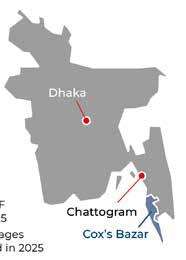
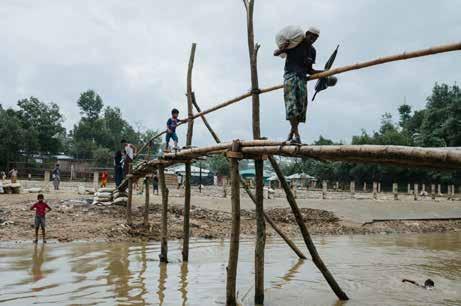
In Cox’s Bazar, Bangladesh, home to the world’s largest refugee camp complex, MSF runs several facilities providing care to Rohingya refugees and host communities.
In 2025, MSF delivered emergency care, sexual and reproductive health services, mental health support and treatment for victims of gender-based violence and noncommunicable diseases through three hospitals, two healthcare centres and a specialised clinic. Our teams also treated patients for acute watery diarrhoea, respiratory infections, dengue fever and measles. The security situation remained volatile in and around the camps, due in part to the conflict over the border in Myanmar, which led to further arrivals of refugees. Despite growing needs, the humanitarian response was constrained by a decrease in international funding.
During the year, MSF launched a large-scale hepatitis C ‘test and treat’ campaign to address concerningly high levels of the disease in the camps. We established three specialised treatment centres within our existing facilities, filling a critical gap in care.
We also tackled another major public health concern in Cox’s Bazar: water, sanitation and hygiene conditions. We focused on improving water infrastructure, quality monitoring, outbreak prevention, and hygiene promotion. In 2025, the camps experienced the highest cholera surge since 2017, while scabies prevalence remained high.
An MSF report found that 58 per cent of Rohingya refugees feel unsafe in camps, while 56 per cent struggle to access essential healthcare. Only 37 per cent were aware of ongoing global discussions about their future, leaving them with little agency or clarity regarding their long-term prospects. These figures underscore that while 84 per cent dread returning to Myanmar without their safety assured, staying in the camps offers them no dignity or control over their lives.
In response to climate-sensitive health threats, MSF launched a dengue intervention in Chattogram city. Meanwhile, in March, we handed over our project in Kamrangirchar, in Dhaka, to local authorities. For 15 years, we had run a range of services for factory workers and victims and survivors of sexual violence.
Democratic Republic of Congo
MSF FIRST WORKED: 1977
ANZ FUNDING:
$4.96 MILLION
TOTAL FUNDING:
$254.5 MILLION
ANZ STAFF: 1
TOTAL STAFF: 2,884
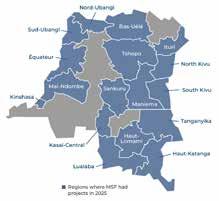
As violence escalated in eastern Democratic Republic of Congo (DRC) in 2025, MSF increased activities to respond to people’s growing medical and humanitarian needs.
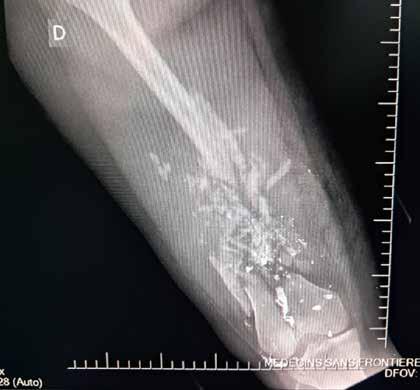
Teams scaled up operations in North and South Kivu, where clashes between government forces, the M23 armed group, and allies intensified. As M23 took control of major areas, including Goma and Bukavu, MSF delivered emergency care in multiple locations, including Mweso, Masisi, Walikale, Rutshuru, Minova, Uvira, Fizi and Bunyakiri. Services focused on treating gunshot and shrapnel wounds, conducting emergency surgeries, and providing psychological support. Thousands of survivors of sexual violence received medical and mental health care. Health systems in these areas were largely non-functional due to destroyed facilities and disrupted supply chains.
Patients often arrived in critical condition after days of travel. Medical staff operated under constant threat; several MSFsupported facilities were attacked, and three staff members were killed.
MSF also expanded emergency interventions in Ituri province, where intercommunal violence intensified. Attacks targeted civilians, displacement camps and healthcare sites. In Bunia, MSF increased capacity at Salama clinic to treat a surge in trauma cases, including gunshot wounds and open fractures. Teams continued supporting hospitals in Angumu and Drodro, along with local health centres, providing general care, maternal and paediatric services, and treatment for malaria and respiratory infections. Additional support was deployed in Adii and Zapay following large refugee arrivals from South Sudan and the Central African Republic.
In Maniema, MSF increased services for conflict-affected populations while completing the handover of its long-running Salamabila project to local authorities.
Over seven years, this project reduced maternal mortality and delivered integrated care, including treatment of injuries, malnutrition, malaria, and comprehensive support for survivors of sexual violence.
MSF also led multiple responses to epidemics nationwide. Teams carried out vaccination campaigns and treatment for measles across several provinces. In response to a major cholera outbreak – one of the worst in a decade – MSF deployed emergency teams to multiple regions, providing care and mass vaccination. Additional responses included mpox treatment in South Kivu, Kinshasa and South Ubangi; malaria control in Fizi; Ebola response in Kasaï; and typhoid control in Sankuru.
MSF maintained regular health programs across DRC, supporting community health workers and health facilities with general and specialised care, surgery, malnutrition treatment, reproductive health services, malaria control, and mental health support. In Kinshasa, MSF continued HIV care at Kabinda hospital and five health centres, including adherence support through youth programs.
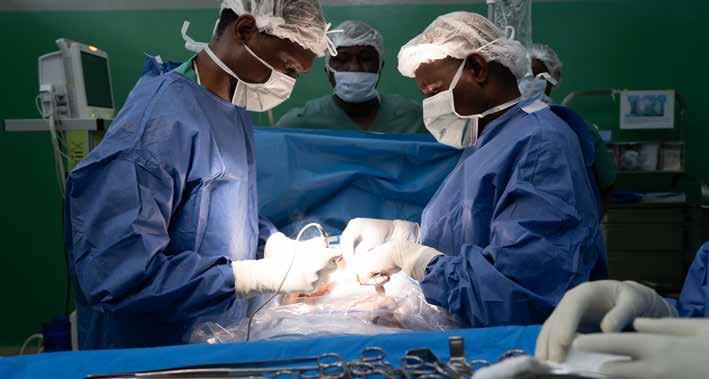
Surgeons at the Rutshuru General Reference Hospital in DRC’s North Kivu province cauterise the wound of a young gunshot victim.
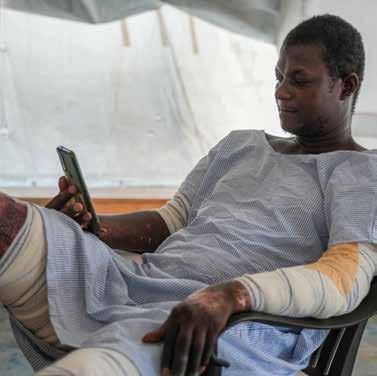
Emmanuel Délicieux on a video call with his family, 19 March 2025. Since he was admitted to the burns unit at the MSF hospital in Tabarre in September 2024, security conditions have kept his family from visiting him.
Emmanuel Délicieux still remembers the heat and the noise. He and his two fellow motorcycle taxi drivers, Jordan and Stanley, approached a leaking fuel tanker in Miragoâne, southwest Haiti, on 14 September 2024. “We just wanted to get some gas,” Stanley says. Then the tanker exploded.
“I rolled on the ground to put out the flames. It seemed to last forever. The pain was unbearable,” Emmanuel recalls. “I saw other men running, their bodies blackened, screaming. I knew right away that I was badly burned.”
The blast killed more than 15 people and injured dozens. Emmanuel survived, but with severe burns that set him on a long and uncertain path to treatment.
In a country where specialised burn care is limited, he was taken from one facility to another in a single day. “My neighbour took us to Sainte Thérèse Hospital. But they couldn’t do anything. Then we went to Beraccat Hospital… but it wasn’t enough.” After multiple stops, he was finally airlifted to the MSF hospital in Tabarre, the only facility in Haiti equipped to treat major burns.
All three men spent months in the hospital recovering – and isolated, as violence and road blockades prevented their families from visiting.
“When I arrived, I couldn’t even move an arm. Today, I can walk again,” Emmanuel says. “I received treatment, medication, grafts, physiotherapy and psychological support.”
Kiribati
MSF FIRST WORKED: 2022
ANZ FUNDING:
$1.4 MILLION
TOTAL FUNDING:
$3.5 MILLION
ANZ STAFF: 10
TOTAL STAFF: 24
In Kiribati, MSF continues to strengthen care for pregnant women and people living with chronic conditions in close collaboration with the Ministry of Health and Medical Services.
Drought, saltwater intrusion and sea level rise have reduced the availability of fresh water and nutritious foods in Kiribati, a remote island nation in the central Pacific Ocean.
This has contributed to a range of health issues, including undernutrition among women and children, obesity, and noncommunicable diseases, such as gestational diabetes and pregnancy-related hypertension, placing more pressure on an overstretched public health system.
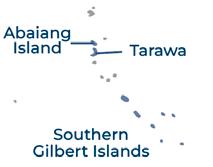
In 2025, MSF conducted health screenings across villages on Abaiang island and Eita, South Tarawa.
MSF also trained community volunteers to identify early signs of malnutrition and monitor children aged six to 59 months for undernutrition and diarrhoeal diseases. MSF refers those found at risk to health centres.
In addition, we trained community volunteers to use tools, such as the CRADLE Vital Signs Alert system, to detect early signs of hypertension, and carry out blood sugar tests for diabetes. In clinics, we worked to improve early detection of gestational diabetes by offering oral glucose tolerance tests, thereby ensuring safer pregnancies. Together with clinic nurses and community volunteers, we built stronger local capacity to identify at-risk women, reducing costly emergency referrals to the capital. Our water and sanitation team tested wells in Abaiang for salinity and coliform bacteria (which are not harmful themselves, but suggest the presence of harmful pathogens when found in water systems).
The results showed that nearly all were contaminated with coliforms and 19 per cent were over safe salinity threshold levels for people with hypertension. We integrated these findings, along with GPS data, into a multilayered interactive geographic information system map that we developed with the Ministry of Health and Medical Services.
This tool is being used by MSF’s water and sanitation team to guide well rehabilitation and improve rainwater harvesting methods.
MSF continues to provide midwifery support and training at Tungaru Central hospital. Meanwhile, we concluded our support to pharmacy services at the hospital, which included improving supply, waste and regulatory processes, in October.
The Neilson Foundation was established in 2007 by Kerr Neilson and his daughters Paris and Beau.
“At its heart, the Foundation exists to support organisations that strengthen social cohesion – those working to ensure that people, regardless of their circumstances, have a place in the fabric of society. Over the years, this ambition has taken many forms, from improving access to the arts, to supporting refugees, young people in crisis, and those facing extreme disadvantage. MSF is, for us, a natural expression of that instinct.
“Sitting comfortably in our favourite chair, reading or watching a screen, sipping on something soothing, it would be easy to forget the suffering that many people face. The sheer volume of news coverage and the magnitude of the transgressions –war crimes, unprovoked aggression and unspeakable cruelty –seems to have dulled our senses. It is almost as though the screen is playing out some sort of video game in which casualties are just the outcome of a game, just visual theatre.
“This is the world we now live in. And yet there are those who go out daily and present themselves to danger – seemingly with scant regard for their own discomfort, or even at times, their safety and survival. Whatever their motivation – and for once we can be sure it is not the money – it is difficult not to regard these sacrifices as proof that a sliver of humanity verges on the superhuman. Many of us prefer the comforts of home, but at least we can try to make a small contribution to alleviate pain and suffering and pay homage to those who bring their humanity where it is needed most. That is why we support MSF.”
The Neilson Foundation Sydney
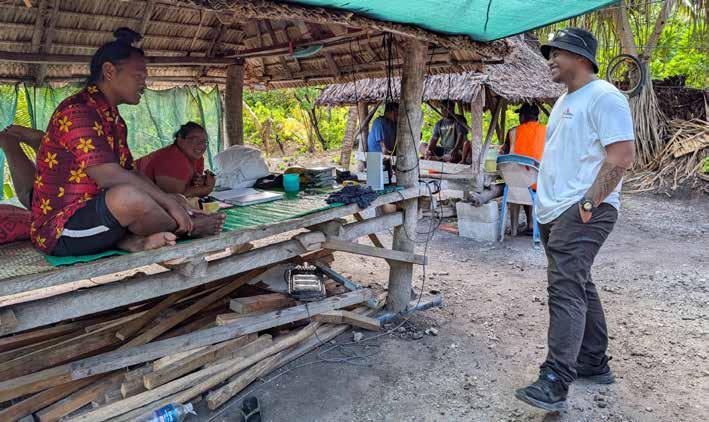
In Abaiang, local Chef Teteki Karotu (left) and MSF water and sanitation supervisor Mila Tirikai (right) discuss water testing and its importance for potable drinking water, 31 January 2025.
Lebanon
MSF FIRST WORKED: 1976
ANZ FUNDING:
$1.1 MILLION
TOTAL FUNDING:
$43.8 MILLION
ANZ STAFF: 5
TOTAL STAFF: 433
MSF teams in Lebanon support communities facing barriers to healthcare, including refugees, displaced families, and migrant workers.
Most people who had been displaced by the Israel-Hezbollah conflict managed to return to their areas of origin, but not necessarily to their homes. Despite the November 2024 ceasefire agreement, Israeli attacks on the country continued in 2025, preventing people’s recovery and taking a further toll on their mental health.
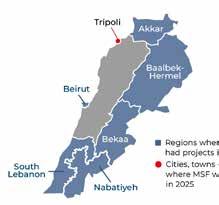
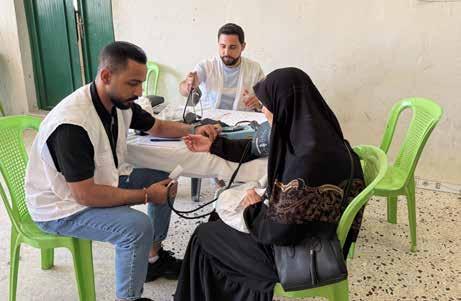
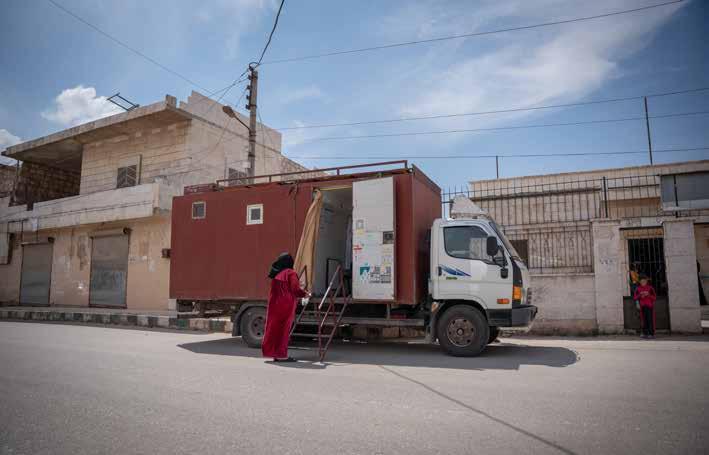
In war-affected areas, civilian infrastructure, including healthcare facilities, was severely damaged or destroyed. We sent mobile clinics to conduct general and mental health consultations for people struggling to access medical services in Nabatiyeh, South, Bekaa and Baalbek-Hermel governorates. We also rehabilitated three health centres in South governorate to restore care for returnees and displaced people who otherwise would have gone without.
While some Syrian refugees who had been living in Lebanon returned to Syria, there were several new influxes of people during 2025, seeking refuge from violence and fears of persecution back home.
To respond to the immediate health needs of refugees arriving over the northern and northeastern borders, we ran mobile clinics in BaalbekHermel and Akkar governorates.
In Tripoli, a city in North governorate experiencing severe economic hardship, we maintained our support to a network of healthcare centres, which included donating medicines and providing technical and financial support. Our clinics in Hermel and Arsal in Baalbek-Hermel, and Burj Hammoud and Burj Al-Barajneh in the suburbs of Beirut, offered comprehensive health services to communities who are otherwise excluded from care, such as Palestinian and Syrian refugees, and migrant workers from sub-Saharan Africa and southeast Asia. Issues such as the high cost of medical care, a lack of local facilities and uncertain legal status can prevent them from accessing services. At the end of the year, we closed our Burj Al-Barajneh clinic, where we had been working for more than a decade, as part of our strategy to move towards supporting public health facilities providing similar services to the community.
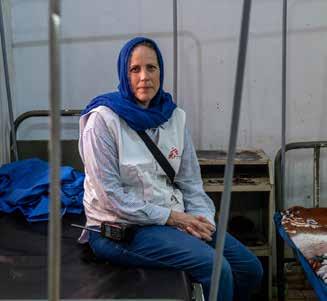
Sue Bucknell, from Australia, was MSF’s operational deputy head of mission for West Darfur, Sudan, in 2025, her 13th assignment with MSF.
“I enjoy working with MSF because, even in complex environments, its principle is simple: provide free, quality healthcare to those who need it most. This is my first time working in Sudan, and I enjoy the challenge of learning a new culture while addressing crucial needs.
“Over the year I’ve spent here, what stands out most is the resilience of Sudanese MSF and Ministry of Health staff, who continue to provide care to their communities throughout the conflict, doing everything they can with the resources available.
“Sudan is facing one of the world’s worst humanitarian crises. According to the United Nations, more than 12 million people have been displaced: 10 million within Sudan and over 4 million in neighboring countries. Health services have collapsed, with hospitals looted, damaged or abandoned, leaving millions without access to care.
“In West Darfur, where the majority of the population is Muslim, it is customary for women to cover their hair. MSF international staff have adopted this simple practice as a sign of respect. I choose to cover my head because it shows our respect for local customs.
“In West Darfur, this simple gesture helps build trust with the community and demonstrates that MSF is considerate to the culture in which we work.”
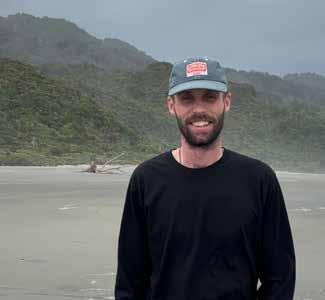
Ben Meates, from New Zealand, was a project coordinator in Libya in 2024 and 2025, his first assignment with MSF.
“Being able to switch off the mental images of what I’ve seen is tough. You see some pretty hectic stuff and you’re working with communities at their worst.
“Staying grounded and remembering that we have any ability to support people in their most complicated states reminds me of the privilege I have to be able to work in the places I have, and a reminder of the privilege I have to be able to return home to New Zealand.
“What’s really hard is knowing how unaware people in New Zealand and Australia are. It makes coming home difficult. You realise how deep the injustice runs. When you come back, it’s not often well understood … that those things are actually happening there.
“I urge people to think about what they can do to help, such as looking into how they could help refugee communities in their towns, even if it is just making people feel welcome.”
Mauritania
MSF FIRST WORKED: 1992
ANZ FUNDING:
$7.36 MILLION
TOTAL FUNDING:
$9 MILLION
ANZ STAFF: 0
TOTAL STAFF: 67
In 2025, MSF scaled up medical and humanitarian assistance for Malian refugees and people on the move through Mauritania.
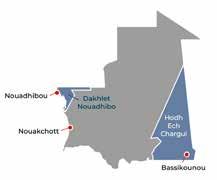
Our teams provided care to refugees, asylum seekers and migrants attempting to make the perilous Atlantic crossing from the Mauritanian coast, and to Malians seeking safety in the southeastern region of Hodh Ech Chargui.
In Nouadhibou, MSF offered medical and psychological assistance to migrants on intercepted boats heading towards the Canary Islands. While the Spanish authorities reported a drop in the number of arrivals from Mauritania during the year, in part due to increased maritime surveillance and stricter enforcement by Mauritanian authorities, many people continued to attempt the sea route, leaving from other West African countries to reduce the risk of interception. Some patients reported being aboard up to 15 days with no water, and fearful of drowning because they did not know how to swim. Others witnessed people dying during their boat journeys, and saw bodies being thrown into the sea.
In Nouadhibou, our teams also ran outpatient activities, including mental health support and referrals for social services, for people transiting Mauritania on their way north to Europe.
In southeastern Mauritania, there were repeated influxes of refugees from Mali seeking respite from the extreme violence in their country. They often arrived in a state of exhaustion, traumatised by their experiences, and settled in villages and informal camps without adequate services. Our teams worked in these areas, providing general and specialised healthcare for victims of violence.
We gradually added other services during the year, including mental health and social support, and a community network to identify and refer victims of violence. We switched from running a system of mobile clinics to supporting healthcare facilities in Douenkara, Fassala, Aghor and Tinagwitine, with general and paediatric healthcare, reproductive and sexual health consultations, vaccinations, treatment for severe acute malnutrition, and specialist referrals to Bassikounou and Neima hospitals. These services were also open to Mauritanian patients.
Pakistan
MSF FIRST WORKED: 1986
ANZ FUNDING:
$5.9 MILLION
TOTAL FUNDING:
$25.8 MILLION
ANZ STAFF: 3
TOTAL STAFF: 1,018
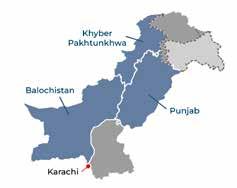
MSF delivered essential medical care in Pakistan in 2025, treating neglected tropical diseases and tuberculosis, expanding medical programs for mothers and children, and responding to severe flooding.
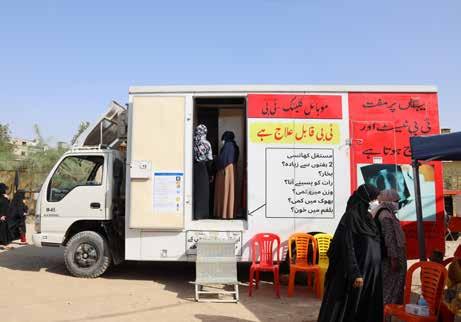
In 2025, MSF opened a paediatric tuberculosis (TB) program in a rural health centre in Keamari district in Karachi, Sindh province, with the aim of testing and diagnosing children early and making it easier for people in remote areas to receive care. In July, we extended treatment for cutaneous leishmaniasis, a parasitic infection that causes skin lesions, which MSF has been treating in Pakistan since 2008, to patients at Dogra hospital in Khyber Pakhtunkhwa province. We also improved access to maternal and child healthcare by starting a neonatal care program in Dogra hospital.
Devastating floods triggered by heavy monsoon rains struck the country again in 2025. In response, MSF supported a government health facility in Buner in Khyber Pakhtunkhwa, by offering general healthcare consultations, psychosocial support and health promotion activities.
In Punjab province’s Multan and Muzaffargarh districts, we distributed essential relief items, and our mobile teams conducted general healthcare consultations in Multan.
In Balochistan, a province with alarmingly high maternal death rates, we continue to run vital reproductive and neonatal health services in Kuchlak, Chaman and Dera Murad Jamali. In Balochistan, MSF’s services continue to be a lifeline for marginalised communities, including Afghan refugees living in fear of deportation and with underserved needs.
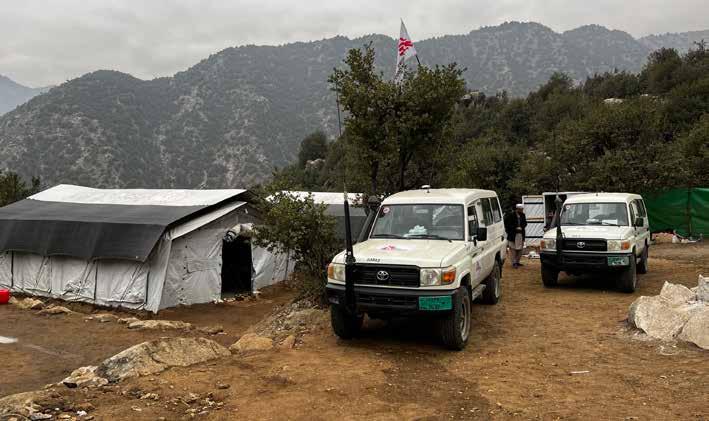
In Gujranwala, Punjab, we are improving care for patients with drug-resistant and/or multidrugresistant TB at our dedicated site. There, we provide screenings, diagnosis, and treatment, as well as encourage early diagnosis through outreach and health promotion. After being displaced from their homes by conflict over a decade ago, people have been returning to Tirah valley in northwest Khyber Pakhtunkhwa. An MSF team has been running a clinic for communities in Tirah since 2022, offering general and emergency healthcare, services for mothers and children, as well as referrals.
MSF FIRST WORKED: 1988
ANZ FUNDING:
$6.48 MILLION
TOTAL FUNDING:
$215.55 MILLION
ANZ STAFF: 28
TOTAL STAFF: 1,436
Gaza
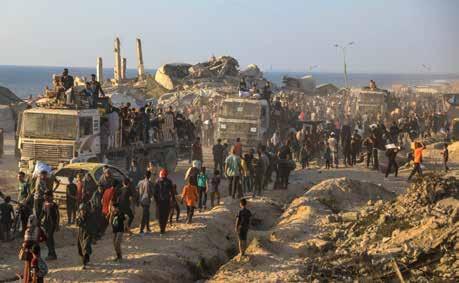
In 2025, Israel’s ruthless military campaign and months of blockade created catastrophic humanitarian conditions in Gaza, leading to famine in some areas by August and widespread destruction of civilian infrastructure and the health system. Mass displacement drove people into increasingly confined areas, and MSF teams responded to repeated mass-casualty incidents, particularly in southern Gaza.
MSF-supported emergency departments treated large numbers of patients with gunshot wounds, blast injuries, and crush trauma, many sustained at or near militarised food distribution sites run by the Gaza Humanitarian Foundation. Clinics were also overwhelmed with children suffering from moderate and severe malnutrition until a ceasefire took effect on 10 October. Following a major offensive by Israeli forces on Gaza City in late August, MSF relocated teams and suspended activities there by the end of September. After the October ceasefire, teams returned to northern Gaza, resuming paediatric care, burns treatment, physiotherapy and general healthcare.
MSF also helped rehabilitate damaged hospital facilities and established new medical points in areas where health infrastructure had been destroyed.
Throughout the year, MSF expanded services to meet growing needs. By December, teams were supporting six hospitals and seven healthcare centres, as well as operating two field hospitals, two clinics and an inpatient feeding centre. Activities included trauma surgery, wound care, physiotherapy, maternal and neonatal services, and malnutrition treatment. MSF also scaled up water and sanitation interventions, providing clean water to hundreds of thousands of people.
In spite of the ceasefire, the flow of humanitarian aid into Gaza remained critically inadequate and Israel continued to block essential items, such as shelter materials and socalled dual use items, exacerbating the dire winter living conditions. MSF repeatedly called for unhindered aid access, medical evacuations, and a sustained ceasefire.
Six MSF staff were killed in airstrikes or targeted attacks in 2025, bringing the total to 15 killed since October 2023. Requests for an independent investigation into these incidents remained unanswered.
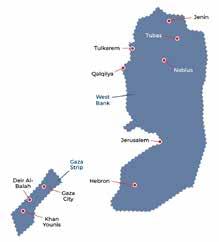
In the West Bank, MSF expanded activities in response to increased violence, displacement, and restricted access to healthcare. Military operations and settler violence intensified in 2025, particularly in the north, where tens of thousands of people were displaced and refugee camps were raided and depopulated.
MSF deployed mobile clinics to provide general healthcare to displaced populations, especially in Jenin and Tulkarem, and distributed hygiene kits, food parcels and clean water. In Hebron, Nablus, Qalqilya and Tubas, teams delivered primary healthcare and mental health services through both mobile and fixed clinics.
Mental health support became a critical component of MSF’s response, addressing rising levels of anxiety, trauma, and hopelessness linked to the ongoing violence, demolitions and displacement. MSF also trained Palestinian Red Crescent Society volunteers and supported local healthcare facilities with supplies, including water and fuel.
MSF’s registration beyond 2025
MSF faced increasing operational constraints due to new Israeli requirements for NGO registration, including demands for sensitive personal data on Palestinian staff. MSF complied with most requirements, but we refused to share personal details of staff without safeguards.
With registration expiring on 31 December, MSF was unable to continue sending supplies or international staff into Palestine, but our Palestinian teams remained committed to providing assistance for as long as possible.
SUPPORTER PROFILE:
Partnering for global impact
Canva is the world’s leading all-in-one platform for visual communication and collaboration.
“Canva’s relationship with MSF has grown over a few years now, and it’s become one of the partnerships we value most when supporting crisis response. When we started looking at where Canva could have the most meaningful impact, MSF was impossible to overlook. Their ability to respond quickly across so many different crises, in so many different parts of the world, covering so many diverse needs is truly a superpower.
“What’s kept us coming back is the character of the organisation. MSF’s teams work in some of the most challenging environments imaginable to get urgent care to people who have no other options. That’s not just operationally impressive, it says something about the people who choose to do that work and the values that drive them. They show up regardless of how difficult or dangerous the conditions are, and they stay long after the attention has moved on.
“That commitment resonates with us because Canva was built on the belief that a successful company should also be a force for good. Giving isn’t something we bolt on at the end of a financial year. It’s woven into how we work. We promote MSF within our team as a recommended nonprofit to support, match employee donations, and feature MSF’s work in internal communications, so that when crises hit, our people give, and we amplify those donations.
“We’re proud of the relationship we’ve built with MSF, and we’d genuinely encourage other companies to consider supporting them. When it comes to delivering help directly to people who need it most, there are few organisations that compare.”
Leigh McLeod Global Social Impact Lead, Canva
South Sudan
MSF FIRST WORKED: 1983
ANZ FUNDING:
$9.2 MILLION
TOTAL FUNDING:
$203.12 MILLION
ANZ STAFF: 12
TOTAL STAFF: 3,418
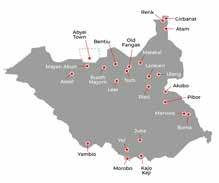
In 2025, South Sudan remained the focus of one of MSF’s largest operations, with needs driven by conflict, displacement, disease outbreaks, and a fragile health system weakened by declining international funding. Rising violence and insecurity significantly limited access to care and disrupted services, and attacks on healthcare intensified. There were nine incidents recorded affecting MSF staff and facilities in multiple locations. These included the looting and destruction of our hospital in Ulang, which forced MSF’s withdrawal from the hospital and 13 community-based health facilities in the county, and the bombing of our hospital in Old Fangak, prompting relocation of activities to Toch.
A staff abduction in Central Equatoria state caused suspension of activities in Yei River and Morobo, while airstrikes near MSF’s hospital in Lankien led to evacuation of some staff. These incidents further reduced the already scarce access to medical services.
The country’s worst recorded cholera outbreak continued throughout the year, affecting all MSF projects. In response, MSF established cholera treatment centres in key hotspots including Akobo, Bentiu, Rubkona, Malakal, Ulang and Juba. Teams provided treatment, medical supplies and staff training, supported oral vaccination campaigns in displacement settings, strengthened surveillance, and improved water and sanitation systems. The rapid spread of cholera was driven by displacement, limited surge capacity and poor infrastructure. Malaria remained the country’s leading cause of illness and death. MSF implemented seasonal chemoprevention for children under five in high-risk areas such as Twic and Aweil, and supported facilities with drugs, supplies and staff training. Following flooding in areas including Bentiu, Leer and Old Fangak, teams treated increasing numbers of patients with malaria, alongside waterborne diseases.
A spike in hepatitis E in Aweil prompted targeted interventions, including medical care, water chlorination, and rehabilitation of wells and pumps.
The influx of more than one million refugees and returnees from Sudan since the start of the civil war in 2023 placed additional strain on health services, particularly in Upper Nile and Abyei. In Renk, we expanded operations, running mobile clinics in informal settlements and supporting water supply systems. Teams treated people with a wide range of conditions, including trauma, obstetric complications and mental health needs, and supported Renk civil hospital with staffing, infrastructure, and patient care services.
MSF also prioritised sustainable access to healthcare by progressively integrating services into Ministry of Health facilities. In Bentiu, healthcare services were transferred to the state hospital, while in Malakal, activities shifted to the teaching hospital, alongside upgrades to surgical capacity and continued specialist support. Towards the end of 2025, we opened a new project in Upper Nile. Adopting an agile approach to support multiple health facilities along the Sobat River, we started delivering urgently needed medical care to people affected by displacement and conflict.
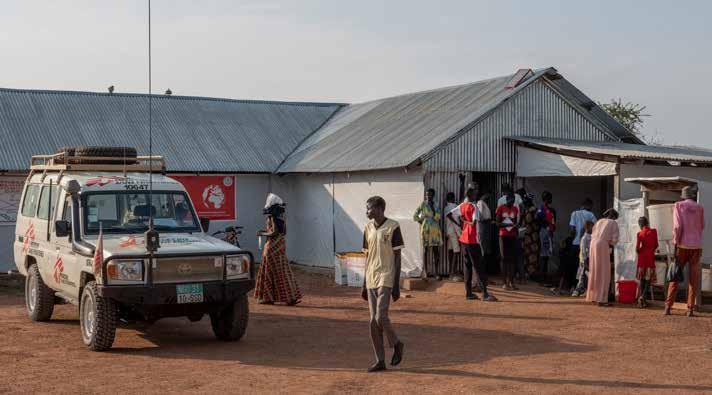
People gather outside the MSFsupported health facility in Gom Koi, Twic County, as the morning clinic begins, 21 November 2025. With formal health services almost nonexistent outside a few isolated points, Gom Koi has become a critical lifeline for both host communities and internally displaced people. MSF teams provide outpatient care, treatment for malaria and respiratory infections, maternal health services, and first-line support for patients wounded or destabilised by ongoing violence.
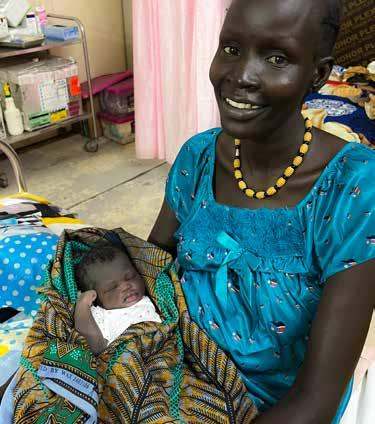
Nyakuola Nguot Gang, 40 years old, lives with her extended family in Old Fangak, a remote town in Jonglei state, South Sudan, where a deadly hepatitis E outbreak spread through contaminated water from late 2023. A mother of six, Nyakuola caught hepatitis E when she was pregnant with her youngest child in 2024.
“The announcement of vaccination was explained in the whole area,” Nyakuola says. “People came to us here to campaign and to give us information about each vaccination and against which diseases, why it was important to get vaccinated.”
Nyakuula had received her first dose of the multi-dose hepatitis E vaccine which gave her some protection, but not the maximum.
“Because of the presence of MSF, I was treated. If it wasn’t for MSF, I wouldn’t be here today. I was almost losing my life,” she says.
During Nyakuola’s pregnancy she also contracted malaria several times. Despite these serious health setbacks, she gave birth to a healthy daughter in MSF’s care on New Year’s Day 2025. As a gesture of gratitude, Nykuola asked MSF’s maternity team to name her daughter. They chose the name Nyamuch, meaning ‘gift’ in Nuer. “All of my babies have been born at MSF hospital, and I am always very grateful.”
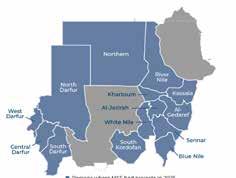
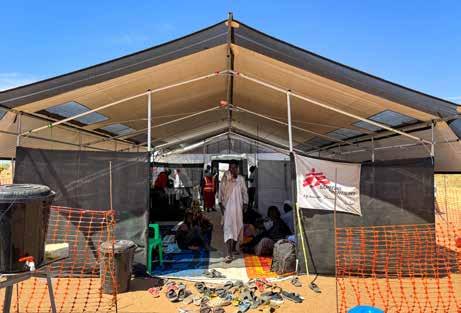
Throughout 2025, MSF worked across Sudan to deliver lifesaving assistance to people exposed to atrocities and confronting critical shortages of water, food and medical care due to conflict.
Despite attacks on our facilities and severe access restrictions, we maintained a wide range of medical services for communities affected by the ongoing war between the Sudanese Armed Forces (SAF) and the Rapid Support Forces (RSF).
The humanitarian situation remained catastrophic. While the warring parties bear primary responsibility, limited aid delivery and global inaction on civilian protection and humanitarian access compounded people’s suffering. Some bureaucratic barriers eased, including cross-border access to Darfur via Chad, but major constraints persisted.
Securing visas and travel permits in eastern Sudan was often impossible, and crossline movements were frequently delayed or blocked. In North Darfur, the RSF siege forced MSF to halt activities in Zamzam camp, cutting off care for people already facing famine conditions.
Cholera and other disease outbreaks
We responded to one of Sudan’s worst cholera outbreaks in recent years. MSF teams, often working with partners, established and expanded cholera treatment centres and oral rehydration points, distributed safe drinking water, and provided essential medical and logistical supplies. Infection prevention and sanitation measures were reinforced in health facilities and with affected communities.
A major measles outbreak infected people across Darfur, driven by gaps in routine and emergency vaccination. MSF expanded isolation and treatment capacity, conducted vaccination campaigns, and supported cold chain systems to improve vaccine delivery. Many children admitted for measles treatment were also severely malnourished, significantly increasing their risk of complications. Across multiple regions, MSF also treated patients for malaria, dengue, diphtheria and whooping cough, while strengthening immunisation efforts and outbreak surveillance systems.
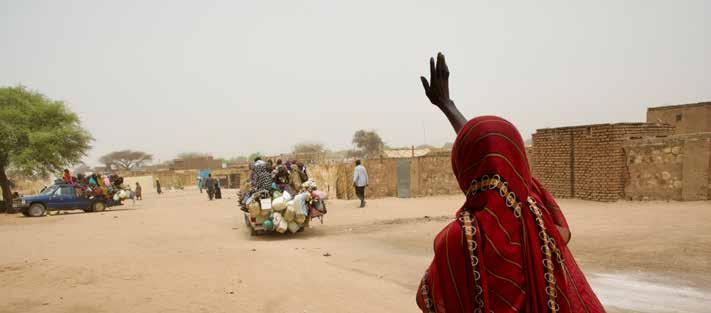
Opposite: A woman waves goodbye to relatives leaving for Chad, in Tawila, North Darfur, 26 April 2025.
Right: MSF set up a healthcare post in Tawila Umda to stabilise newly arrived people and refer the most serious cases, such as the wounded or those requiring surgery, by ambulance to Tawila Hospital.
Widespread attacks against civilians and healthcare
Civilians and healthcare services were repeatedly targeted. Hospitals, markets, residential areas and aid convoys came under fire, and MSF teams treated mass casualties in facilities in Khartoum, Nyala, Tawila and other locations.
In January, an MSF ambulance was shot at in North Darfur while transporting a woman in labour, killing a caregiver. In Zalingei hospital, where MSF was working, armed incursions in August and November resulted in the injury and death of Ministry of Health staff.
In 2025, North Darfur and the Kordofans saw extreme violence and mass killings, as the SAF and RSF waged battle for control.
In North Darfur, all MSF activities in Zamzam camp were halted in February due to escalating attacks. Following the RSF assault on the camp in April, we provided emergency and surgical care in the nearby town of Tawila. As people continued to flee the violence in and around El-Fasher and seek refuge in Tawila, we scaled up our response, distributing food and water, expanding healthcare services, and setting up a 250-bed hospital.
According to the UN, at least 6,000 people were killed in three days during the RSF’s capture of El-Fasher. In the weeks that followed, MSF assessed the displacement situation in various locations across Darfur and tried to locate and help survivors. We also offered comprehensive care to hundreds of victims and survivors of sexual violence.
At the end of the year, following increased security risks, we had to withdraw from Kornoi, Um Baru and Tina, where we had been running medical and humanitarian services.
In South Kordofan, MSF delivered medical care and essential relief items to displaced communities in five camps in the Nuba Mountains. However, access restrictions and administrative delays repeatedly limited our ability to reach populations in urgent need in both North and South Kordofan.
In Khartoum state, MSF resumed activities in Bashair and Turkish hospitals in May after months of suspension due to insecurity. As hundreds of thousands of people began returning to the capital in the second half of the year, many found destroyed homes and collapsed services, increasing pressure on already fragile health facilities.
Healthcare for mothers and children
Access to maternal healthcare remained severely limited. Ongoing conflict, a shortage of functioning facilities and high transport costs meant many pregnant women arrived late to care, often with lifethreatening complications.
MSF strengthened antenatal, delivery and inpatient services in Nyala, Tawila and Zalingei, while improving referral systems for emergency obstetric care. Nutritional support was integrated into maternal and child health services to address widespread malnutrition.
Across MSF-supported facilities, teams treated large numbers of malnourished children. In Damazin, Blue Nile state, MSF operated a malnutrition ward designed for 36 beds but regularly expanded capacity to up to 170 beds during peak periods. Demand remained consistently high throughout the year, reflecting the scale of the crisis.
MSF FIRST WORKED: 1986
ANZ FUNDING:
$5.7 MILLION
TOTAL FUNDING: $158 MILLION
ANZ STAFF: 5
TOTAL STAFF: 1,822
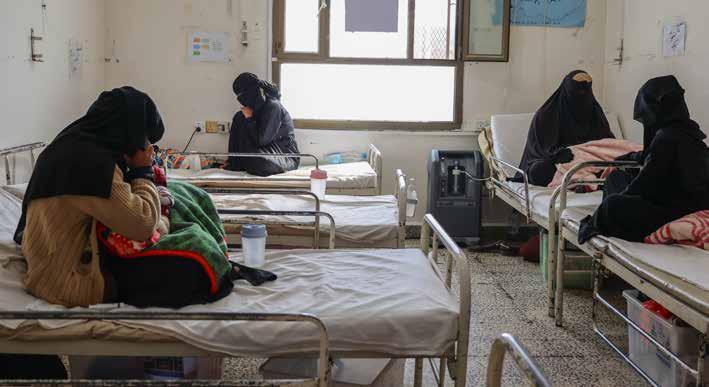
MSF continued to deliver lifesaving care in Yemen in 2025 amid worsening conflict, economic decline, and sharp reductions in international funding.
Health system capacity deteriorated as facilities closed or scaled back, leaving millions without access to essential services such as maternal care, vaccinations, surgery and chronic disease treatment. Remaining facilities were overstretched and faced acute shortages of staff and medicines. Access constraints, particularly in northern areas, further limited the scale of humanitarian response and increased pressure on MSFsupported services.
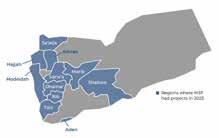
MSF operated 12 hospitals and 9 health facilities across 11 governorates, providing emergency care, maternal and paediatric services, nutritional support and specialised surgery. Our teams also supported emergency responses to an outbreak of acute watery diarrhoea and treated people injured in airstrikes in Yemen during regional military escalations linked to the Gaza–Israel war.
Health facilities were increasingly overwhelmed by the numbers of malnourished children, as soaring prices and suspensions and reductions in food assistance programs limited the availability of nutritious food for families.
MSF facilities reported significant increases in child malnutrition cases, linked to gaps in healthcare and vaccination coverage.
MSF expanded inpatient capacity at Al-Salam from 30 to 81 beds and maintained treatment for moderate acute malnutrition. Our team also operates a 103-bed inpatient therapeutic feeding centre in Ad-Dahi.
In Haydan hospital, Sa’ada governorate, the number of children we treated for severe acute malnutrition in the inpatient therapeutic feeding centre increased significantly during the third quarter, reflecting growing needs and the reduced availability of treatment for malnutrition due to aid cuts.
Maternal and child healthcare remained central to MSF’s work in Yemen. Services included antenatal and postnatal care, deliveries, caesarean sections, and inpatient and outpatient paediatric care. MSF supported maternity, neonatal and paediatric wards in Hajjah and Amran, and expanded maternity capacity to 54 beds in Mocha, Taiz governorate, where we also worked in the inpatient paediatric department of the hospital, in collaboration with the Ministry of Health, operating a 72-bed specialised healthcare facility.
In Hodeidah and Ibb, teams delivered specialist maternal and neonatal care and expanded services for rural communities.
MSF scaled up its response to a surge in acute watery diarrhoea from April. In Abs hospital, a diarrhoea treatment centre (DTC) was opened and expanded from 50 to 75 beds, alongside a 20-bed centre in Al-Qanawes and a treatment unit in Al-Zuhra district. Seven oral rehydration points were established at community level. In Amran, a DTC at Al-Salam hospital was expanded from 30 to 80 beds, supported by three additional rehydration points and community outreach for case identification and referral. MSF also supported a 150-bed DTC in Ibb and strengthened emergency and isolation capacity in Taiz.
During the year, MSF handed over several long-running projects to local health authorities, including in Shabwa, Taiz and Marib, providing medical supplies and short-term operational support to help maintain continuity of care.
“We were just there and did whatever – we had the opportunity, and we just did it.”
For New Zealanders Graham and Sheila, their support for MSF comes from a recognition of the challenges of working far from home in a setting with limited resources. The couple spent a decade in the Solomon Islands, from 1987 to 1996, while Graham was a medic employed with the Solomon Islands government through the UK Overseas Development Administration, and Sheila worked independently. It’s an experience they recall fondly. “Quite often, you don’t get the opportunity,” Graham says. “We felt fortunate to have such an opportunity, and we were just getting on with the job.”
Sheila’s work, carried out through the Catholic Church network, focused on women’s development. “Women’s development is the key to just about everything,” Sheila says. “If women are empowered, that knowledge gets passed on – to their daughters and to the rest of the village.” Working alongside local Solomon Island women, she was part of the team helping to introduce changes that were new to many communities. The women were hungry for courses addressing their own needs and the needs their families, she says.
Despite the challenges – remote travel, limited communications, and clinical constraints – Graham insists it never felt exceptional at the time. “When you’re in the middle of those situations, you don’t think that. It becomes ordinary.”
That perspective shapes how they see MSF today. Coming from medical backgrounds, their experience informs a deep respect for MSF’s work. “The thing about MSF that always impressed us was that you’re going where other people just don’t go,” Graham says. “You know it’s going to be hard, but you go anyway.”
For Graham and Sheila, that’s the key. “Despite the risks involved, MSF staff go to places where many others cannot or will not go. That’s exceptional.”
They have supported MSF for over a decade, alongside other humanitarian organisations, but their admiration remains anchored in that same idea. “That’s what stands out to us,” Graham says.
Emergency Fund
In 2025, thanks to individual supporters, MSF Australia and MSF New Zealand were able to raise over $6 million to provide assistance for emergencies in Afghanistan, Central African Republic, Chad, the Democratic Republic of Congo, Haiti, Kenya, Lebanon, Palestine, Philippines, South Sudan, Sudan, Syria, and Yemen.
MSF’s Emergency Fund provides critical, immediate resources when emergencies occur around the world, even those that don’t reach the headlines. It enables MSF teams to respond promptly so that precious time is not lost before the medical humanitarian response can begin.
These emergencies include a range of crises, from natural disasters to large-scale accidents or fast-spreading epidemics in a broad range of geographic and community contexts – an earthquake in Afghanistan, a typhoon in the Philippines, measles outbreaks in Central African Republic and Yemen, conflict in numerous locations, and more.
MSF maintains a pool of medical and logistics staff on standby, ready to be deployed to these emergencies at short notice. MSF supply centres around the world are also ready to dispatch prepackaged kits within hours. The initial emergency teams conduct independent evaluations, which then inform and trigger larger responses and funding appeals, as required by each emergency.
While some catastrophic emergencies capture the world’s attention and are widely covered in the global news media, many are not. The scope of news reporting is rarely equal to the level of medical humanitarian need. In the 24/7 news cycle, public attention often moves on quickly, while vast needs remain.
MSF’s Emergency Fund allows supporters to help in emergencies by committing their financial support in advance. This enables MSF to respond quickly, based on where and when the needs are greatest.
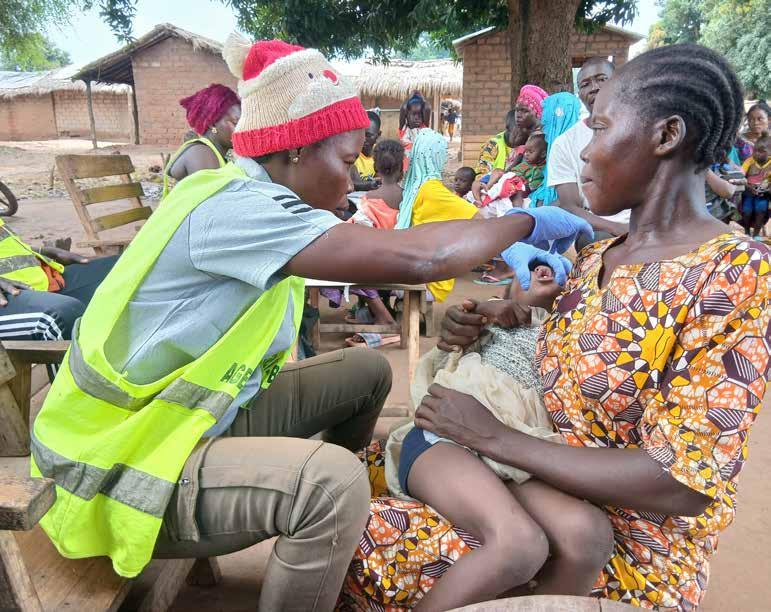
Right Top: In the Central African Republic, marked by recurring crises, a fragile health system, and frequent epidemics, MSF’s mobile emergency team EURECA (after its French name Équipe d’Urgence en République Centrafricaine) is at the heart of the response to health and humanitarian emergencies, capable of responding rapidly. During a EURECA intervention in Kabo in October 2025, children were given measles and meningitis vaccinations in response to local outbreaks.
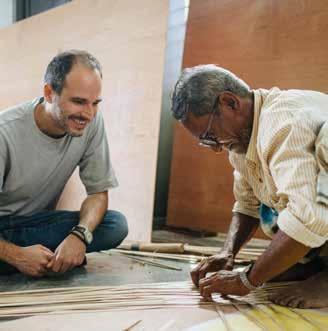
“My father had some skill in weaving, so I tried to learn from him. He used to work on commission pieces. I wanted to carry that on. Without art, we are not fully Rohingya. When water falls on a taro leaf, we hope it leaves a mark. This is our mark – especially for when we return.”
Nurul Islam
Rohingya artist from Myanmar, living in Kutupalong refugee camp in Bangladesh
Rohingya weaver Nurul Islam (right) with then-MSF international president
In 2025, the importance of témoignage – bearing witness and speaking out – remained central to MSF’s work. The number and intensity of global crises generated widespread attention and, at times, a feeling of overload. While pursuing consistent, principled advocacy through formal channels, we saw a groundswell of grassroots action from staff and association members across Australia and New Zealand, who took to their streets and electorates to raise their voices under the MSF banner, speaking up in solidarity with affected communities and, seeing the scale of suffering in Gaza, demanding an end to genocide.
At the same time, there was a growing recognition that traditional advocacy around humanitarian issues in general – reports, statements, policy briefs – often struggled to sustain public engagement or shift entrenched narratives. This challenge set the direction for an exploration of alternative approaches.
Creative advocacy as strategic response
In this environment, creative advocacy emerged as a key activity of 2025. The focus would be to build a global advocacy movement with the Rohingya, the majority-Muslim ethnic group from Myanmar who have faced severe discrimination and statelessness.
Rather than relying solely on institutional voices, the approach seeks to co-design art, storytelling and partnership to open new ways of engaging audiences. It treats creative practice not as an addon, but as the method for advocacy itself.
Right:
Christos
The model rests on three principles: creative practice as method; deep partnerships built on solidarity between communities and allies; and advocacy through ‘storywork’ that challenges deficit discourse rooted in pain and negativity. Success is measured not only in outputs, but in ‘ripples’: shifts in relationships, narratives, cultural confidence and long-term change.
A case study in impact
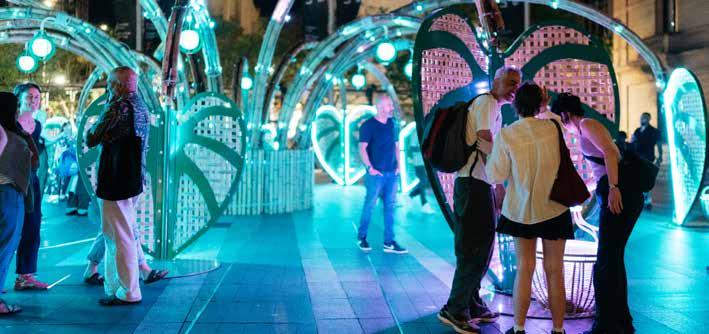
The Meeras Pavilion on the Sydney harbourfront became a showcase for this approach. Held over 10 days in September and October 2025, the pavilion was the culmination of four years of collaboration between Rohingya communities, artists, and organisations across Australia, Malaysia, and Bangladesh. The project began in 2022, with small workshops where participants shared stories of identity, loss, and belonging. From these conversations emerged the taro leaf – a symbol reflecting the Rohingya experience of displacement from their homeland and denial of permanence. Around this symbol, the large pavilion took shape as a handcrafted bamboo structure in historic central Sydney, designed as a living, shared space.
More than 35,000 visitors passed through the pavilion, encountering music, poetry, photography, and performance created by over 150 contributors across five countries. Volunteers welcomed visitors into conversations, and all were able to participate rather than simply observe. The project generated more than 20 million online engagements. The taro leaf symbol appeared in student movements, public demonstrations, and even international diplomatic forums.
Shared ownership
What made Meeras distinctive was not just its scale, but its method. With Rohingya participants shaping both content and direction, the project became a genuine collaboration. The result was advocacy grounded in shared ownership rather than representation, and a space that felt notably free of hierarchy. The impacts were concrete and profound. Publicly, the project increased the visibility of the Rohingya crisis and shifted how that story is framed, moving towards positive expressions of culture and identity. Within the community, it strengthened relationships, built confidence and leadership, and fostered a sense of ownership. It was the largest ever grassroots advocacy moment of its kind for the Rohingya community. For many participants, the creative process itself was as significant as the final installation.
An expanded toolkit
MSF Australia played a vital role in making Meeras happen. As a legacy, we now have an international exhibition toolkit to support other partnerships with Rohingya voices and advocate for one of the most excluded communities. This ensures the project’s impact extends beyond Sydney, creating moments of connection, understanding, and deeper empathy globally.
Meeras stands as a marker of where humanitarian advocacy is heading. It didn’t replace traditional approaches but expanded the set of advocacy tools – showing that influence can be built not only through statements and policy, but through spaces that people enter, shape, and carry forward. In a year defined by both urgency and uncertainty, this shift proved timely and necessary.
Disaster response
“Some people have now suffered three times – through conflict, displacement and the
earthquake.
And now, again, they must relocate. There is a lot of anxiety for them. But there is limited space to discuss these worries.”
Ko Hein* a mental health counsellor working with MSF following the March 2025 earthquake in Myanmar
In 2025, MSF provided medical aid and relief following several rapid-onset emergencies caused by natural hazards.
While most of MSF’s work during the year took place in contexts of conflict and medical crisis, we also assisted communities affected by natural hazards. Some of these occurred in places where MSF was already present. The immediate aftermath of an emergency demands a rapid response, and MSF’s nearby presence and global network of staff and supplies means we can often be there quickly.
Disasters can affect the lives of tens of thousands of people, disrupting their access to clean water, healthcare services, and transport in mere moments. Some events, such as floods and tsunamis, cause more deaths than injuries, while others, such as earthquakes, injure large numbers of people, as buildings and other infrastructure collapse.
When a 7.7-magnitude earthquake struck Myanmar in March 2025, our teams, already working in the country, mobilised quickly to reach affected areas in Sagaing, Mandalay, Naypyidaw and southern Shan State to assess initial needs.
Before the earthquake, Naypyidaw, Myanmar’s capital, was home to major medical institutions, but structural damage from the earthquake prevented these large, specialised facilities from operating at full capacity. In Mandalay, makeshift shelters of plastic sheeting housed people whose homes had been destroyed, many of whom lacked access to safe water and sanitation. Hospitals remained only partially functional and were often inadequately protected from the elements.
MSF provided basic health consultations and psychological first aid to those affected, and distributed hygiene kits, in cooperation with local civil society organisations. Our logistics teams restored water and sanitation facilities and set up latrines in monasteries where displaced families had sought refuge.
In Kaylar village in southern Shan State, the water supply system was already deteriorating when the earthquake struck. In response, MSF supported the construction of a 4.5-kilometre pipeline, the drilling of a 190-metre-deep borehole as a clean water source, the installation of a water pumping station, and the connection of pipelines to a water purification system, helping to prevent waterborne diseases and strengthen community health.
In eastern Afghanistan, a 6.0-magnitude earthquake in August killed 2,200 people and injured more than 3,000 across four provinces. MSF responded by donating medical supplies to key hospitals and providing trauma care. Activities were expanded to include outpatient consultations, vaccinations, antenatal and postnatal care, health promotion sessions, and individual mental health consultations.
By mid-September, teams had established a 24hour basic healthcare clinic and health post in Patan camp in Kunar province. From mid-October, a mobile clinic team began visiting displaced people living in Ari Gamba camp in Shomash village.
Teams also provided individual counselling and group psychosocial support sessions, which had almost 250 participants per week.
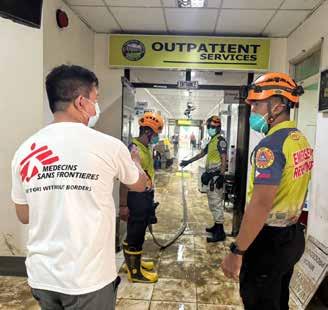
When Typhoon Kalmaegi (locally known as Tino) ravaged at least eight regions across the Philippines in November 2025, MSF teams were on the ground quickly in Cebu province delivering emergency response services. In Danao, we collaborated with the Bureau of Fire Protection and other local stakeholders to clean critical areas of Cebu Provincial Hospital, which had been severely affected by flooding and mud, helping to restore safe and functional conditions for medical care.
We also supported the Philippine Department of Health by restoring functionality in two health centres through deep cleaning operations and donated medical supplies to several other facilities.
In Talisay, MSF launched a mobile clinic providing essential medical and mental health services to affected communities. We also distributed relief items to affected people in Danao and Compostela.
Across these and other disaster responses in 2025, MSF adapted its approach – from trauma care and mental health support to restoring water systems and healthcare infrastructure – to meet the specific needs of each context.
Forgotten and neglected crises
“People are being forced to make impossible choices, between buying food, medicine, or water. Without immediate investment and political will, thousands will continue to face preventable suffering.”
Barbara Hessel MSF
head of programs in northeast Syria, November 2025
Right: June 2025: “There is just not enough water for everyone,” Fatima says. “I must wait 10 days to get three jerrycans, while I need seven jerrycans a day.” Fatima arrived in Adré transit camp, Chad, in August 2023 from Morney, in West Darfur, Sudan, with her two children and her father. Since April 2023, MSF teams working in eastern Chad have been under pressure to provide clean water to respond to the enormous and ever-growing needs.
Beyond much of the world’s attention, many humanitarian crises continued to affect millions of people.
Forgotten and neglected crises in 2025 revealed a consistent pattern: shrinking humanitarian funding, fragile or collapsing health systems, and growing barriers to care for the most vulnerable. Across varied contexts – conflict zones, displacement settings and climate-affected regions – people were increasingly cut off from even basic medical services.
As public health systems weakened or collapsed, humanitarian organisations were not stepping into new territory so much as trying to hold the line – filling gaps left behind as clinics closed, staff disappeared and entire regions lost access to basic care. These are some of the areas where MSF continued to deliver in 2025.
Afghanistan, where MSF first worked in 1980, exemplifies the compounding effects of political restrictions, funding cuts and sudden shocks. The closure of hundreds of health facilities pushed already overstretched hospitals beyond capacity. Women and children were especially affected, with delayed care, low vaccination coverage and severe access barriers linked to restrictions on women’s movement and access to healthcare. Measles outbreaks surged amid low vaccination coverage.
An August earthquake in Kunar province killed more than 2,200 people and injured thousands more. MSF provided medical care, vaccinations, maternal support, mental health services, and water and sanitation.
Long-term programs continued to focus on child survival, nutrition and tuberculosis care.
In Burkina Faso, where MSF first worked in 1995, insecurity and dwindling international aid left entire regions under blockade with little or no assistance. Our teams witnessed how some critical medical services were reduced or completely terminated following the withdrawal of international aid. We maintained projects in seven regions, delivering a range of medical activities, including general, paediatric, maternal and mental health care, as well as screening and treatment for malaria and malnutrition.
Efforts to strengthen local capacity, including midwife training and health infrastructure improvements, made clear the need for sustained investment. We launched emergency responses to assist people displaced by insecurity in the east and northeast, and we supported routine vaccination campaigns, particularly against measles and polio.
In Central African Republic, where MSF first worked in 1997, one of the world’s most under-resourced health systems continued to rely heavily on humanitarian support.
With only half of health facilities functional and vast rural areas cut off by insecurity, impassable roads and high transport costs, MSF played a crucial role in delivering essential care in the capital Bangui and in remote regions. Malaria and low vaccination coverage drove high child mortality.
MSF scaled up access to malaria diagnosis and treatment, as well as support for routine vaccination programs in all the health facilities where we worked, not only increasing the number of vaccinations administered, but also providing a constant supply of medical equipment and training Ministry of Health staff on vaccination.
Chad, where MSF has worked since 1981, faced a convergence of displacement, epidemics and food insecurity. The arrival of more than a million people fleeing Sudan added immense pressure to already fragile services.
The country’s low vaccination rates drove epidemics in places where people have difficulties reaching healthcare.
Cuts in international aid further reduced the fragile health system’s ability to meet people’s needs. In response, MSF ran a range of activities, maintaining support to hospitals, general healthcare centres and community-based health systems, and sending teams to assist in emergencies, deliver lifesaving care and reinforce local capacity in some of the most isolated communities.
In Haiti, where MSF first worked in 1991, escalating armed violence transformed urban areas into inaccessible conflict zones. With much of Port-au-Prince controlled by armed groups, healthcare access collapsed as facilities closed or were attacked.
Widespread violence, including the use of explosive drones, left more than 8,000 people dead and displaced more than 1.4 million. Hospitals closed due to insecurity, and civilians faced daily risk of crossfire. MSF scaled up trauma care, burns treatment and services for survivors of sexual violence, while continuing maternal health support.
However, insecurity repeatedly forced suspensions and closures, illustrating how violence can directly dismantle healthcare delivery.
In Iraq, where MSF first worked in 2003, our teams worked in West Mosul, Ninewa governorate, and in the capital, Baghdad, providing essential services in a health system still recovering from decades of conflict and instability. Activities focused on maternal care, paediatrics and tuberculosis treatment, alongside mental health services to address the psychological impact of years of violence and displacement.
In Baghdad, MSF strengthened the national tuberculosis response through staff training, improved treatment protocols, reliable medication supply, and targeted screening. At Al-Amal and Al-Uboor maternity clinics, MSF focused on maternal and reproductive healthcare. After years of providing care, we handed over these maternity clinics to local health authorities.
In Syria, where MSF first worked in 2009, needs remained vast. During 2025, we scaled up our operations, delivering care in 10 hospitals and 21 clinics and general healthcare centres, and running mobile clinics across 12 of the 14 governorates to reach communities devastated by 14 years of conflict.
Ongoing displacement, sporadic violence and destroyed infrastructure left millions dependent on humanitarian aid. Services ranged from trauma response to chronic disease management, alongside water and sanitation interventions in camps and damaged urban areas.
We are grateful to all the donors who have made MSF’s work possible. And we are honoured to recognise those who have chosen to leave a lasting legacy through their bequests. Their generosity will continue to support our work and make sure we can provide medical care to our patients today, tomorrow and always.
Estate of Colin Abbott
Estate of June Melvina Abbott
Estate of Percy Allan
Estate of Alfonsus Jacobus Baars
Estate of Trevor Lindsay Bail
Estate of Louise Marian Baird
Estate of Margo Elizabeth Bartley
Estate of Sophia Stella Bastas
Estate of Richard Michael Beck
Estate of Dorothy Mary Blackburn
Estate of Diana Blair
Estate of Annette Booth
Estate of Gillian (Jill) Ruth Clare Brame
Estate of Cynthea Mary Brodribb
Estate of Maxine Burgess
Estate of Penelope Byrne
Estate of Patricia Phaik Thau Bytheway
Estate of Maurice Edmond Cahill
Estate of Gillian Carter
Estate of Beryl Ruth Challenger
Estate of Robert John Chapman
Estate of Lynette Chellew
Estate of Sheila Clapson
Estate of Lorraine May Clarke
Estate of Adrian Francis Cooper
Estate of Patricia Janette (Jan) Crawford
Estate of Russell Wootton Danby
Estate of Patricia Florence Davies
Estate of Gladys May Dean
Estate of George Reginald Doe
Estate of Mary Anne Dooley
Estate of Dennis Ralph Dorney
Estate of Margaret Ann Edgley
Estate of Daphne Edwards
Estate of Mary Patricia Eggleston
The Esdale Foundation
Estate of Jenifer Joy Ewans
Estate of Anne Frances (Frankie) Frees
Estate of Irene Gabriele
Estate of Phillip Goldwyn
Estate of John Attilio Grafitti
Estate of Patricia Margaret Hardman
Estate of Beatrice Erwine Head
Estate of Lee Lee Heah
Estate of David Hendy-Pooley
Estate of Luba Danuta Hilbrink
Estate of BJ & EA Hildreth
Estate of Jennifer Mayo Hoare
Estate of Vivien Mary Hollow
Estate of Stanley Holman
Estate of June Elizabeth Howard
Estate of Philip Ingamells
Estate of Anthony Rolla Gifford Jennings
Estate of Mrs Fay Pamela Jones
Estate of Graham Leslie Kemp
Estate of Michael Patrick Kennedy
Estate of David Clifton Keyes
Estate of David Fowke Knights
Estate of Christina Krieg
S.T.A.F. - Louis Philippe Herve Labonne Bequest
Judith Ann Lahey Charitable Trust
Kathy Landsman Fund
Estate of Barbara Lenore Leach
Estate of Gabrielle Leeds
Estate of Ole Leiding
Estate of George Keith Lesselyoung
Estate of Margaret Isobel Llewelyn
Estate of Michael Lozinski
Estate of Lorraine Rosemary MacCool
Estate of Mary Anne Constance Maling
Estate of Paola Marmini Murgia
Estate of Rosamond Margaret Mason
Estate of Janet McCredie
Estate of Maureen (Adee) Mazal Moses
Estate of Harold Trevor Mower
Estate of Janet Neeve
Estate of Ray Osborne
Estate of Elisabeth Mary Oxer
Estate of J E (Banjo) Patterson
Estate of Marjorie Sybil Pinder
Estate of Patricia Helen Porigneaux
Estate of Gail (Gabrielle) Susan Prentice
Estate of Evelyn May Prokop
Estate of Pamela Anne Purton
Estate of Betty Dawn Radcliffe
Estate of Marjorie Jean Reed
Estate of Pamela Mary Robinson
Estate of Kenneth Mansfield Saxby
Estate of Dr Susanne Schmitt
Estate of Dr Bryan Lee William Seymour reflecting the shared wishes of both Bryan and his late wife Clarice
Estate of Robin Peter Simson
Estate of Peppa Sindar
Estate of John Charles Sloan
Estate of Diane (Diana) Elizabeth Smith
Estate of Patricia Smith
Estate of Camilla Anne Sobb-Ah Kin
Krishna Somers Charitable Trust
Estate of Rosemary Gay Stewart
Estate of John Craig Stott
Estate of Winifred Isabel Prior Stott
Estate of Robin James Stracklan
Estate of John Alfred Talent
Estate of Pauline Joan Tanaskovic
Estate of Jean Mary Taylor
Estate of Rosalyn Ruth Taylor
Benny Therp-Olesen Memorial Fund
Estate of Kevin Francis Tighe
Estate of Sylvia Gwenllian Tracey
Estate of Rosslyn Margaret Trembath
Estate of Christopher Rodney Tyler
Estate of Susan Lily Venn
Estate of Mathilda Adriana Vervoort
Estate of Lorraine Joan Waters
Estate of Don Siribha Sathyndra Weerakody
Estate of Beverley Lorraine Weynton
Loeky Wiersma Charitable Fund
Estate of Patricia Joan Wilkinson
Estate of Jacqueline Frances Woodland
Estate of Catherine Wren
Estate of Margaret Elizabeth Wright
Estate of Brenda Joy Wyatt
Estate of Iris Y
We would also like to thank our bequest donors who would prefer to remain anonymous, and those supporters who have told us they have left a gift to MSF in their Will.
Thank you for standing in solidarity with patients around the world. We are so grateful for your support, which makes it possible for MSF to deliver immediate and longer-term medical humanitarian care to people in crisis.
MSF strives to maintain a high level of private income, which is essential for us to operate independently and to respond effectively to the most urgent needs.
Whether you’ve been a supporter for 12 months or over the last 30 years, we can’t thank you enough for being a part of our global movement.