
ontents C
7. Childhood in Ashes - Gabriella De Haan ‘28
8. Wish - Emilio Mora ‘28
11. A Crown of Fools - Audrey Hwu ‘27
12. Der Listige Kobold - Maya Welle ‘28
17. Still Happy - Carlos Caldera ‘26
23. Hatred is Like Clay - Kimberly Lampidis ‘28
25. Ache - Julia Chaves ‘27
26. Where I’m From - Kayla Carey ‘25
28. A Gentle Push - Julia Cardoso ‘29
31. The Unknown - Nicolas De Niro ‘27
35. Low Powermode - Reed Gettler ‘25
40. The First Morning of The Rest of My Life - Kirsten Hug ‘29
49. The Future Unfolds - Alexander Zelenov ‘27
POETRY SHORT STORY
19. Harvest of the Damned - Maya Welle ‘28
36. Pollo Para Todos - Kirsten Hug ‘29
42. Echoes from Childhood - Kirsten Hug ‘29
46. Persepolis: A Mirror Image - Tamara Santoyo ‘26
ZIP-ODES
32. 33139 - Yasmina Schinnerer ‘29
32. 33156 - Carolina Aizemberg ‘29
32. 33175 - Angelina Carrero ‘28
32. 33143 - Sofia Restrepo Arbelaez ‘28
Cover - Billie - Dorianne Monteagudo ’29 (based on a photo by Henry Hwu, used with permission)
5. Anxiety - Dorianne Monteagudo ‘29
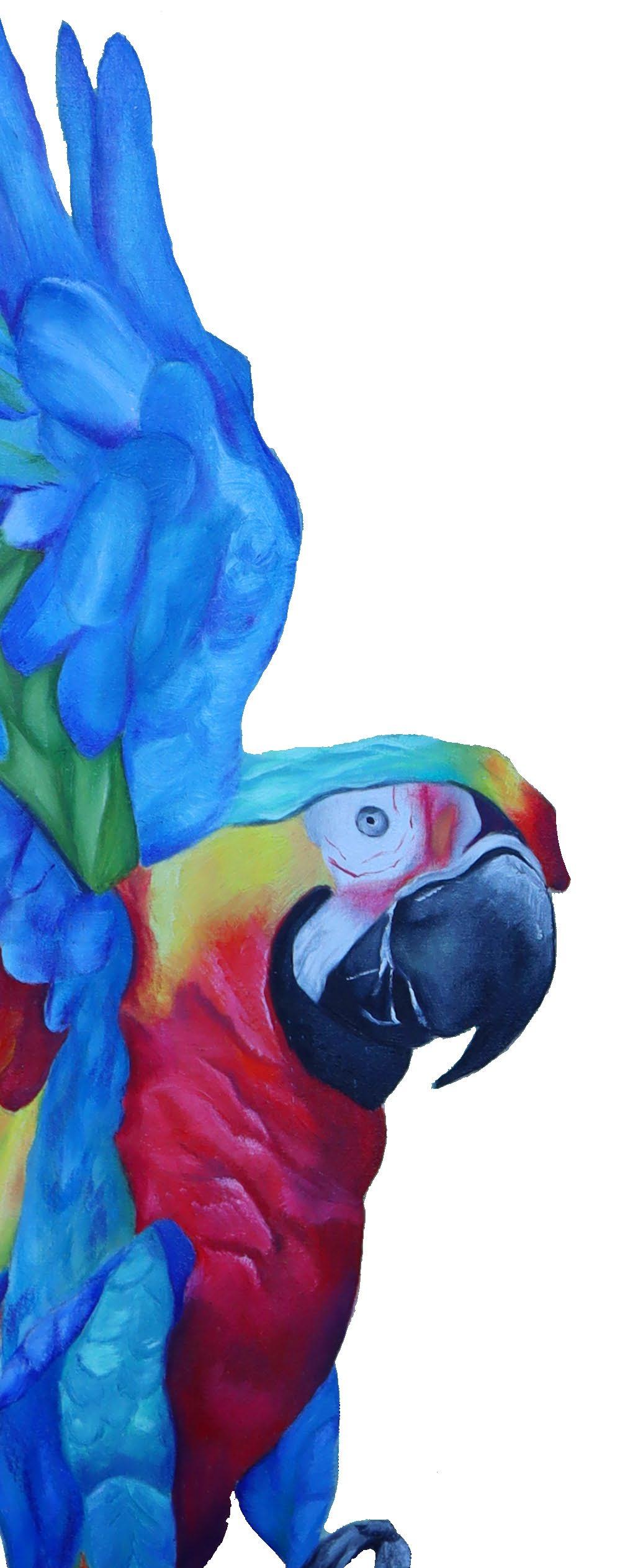
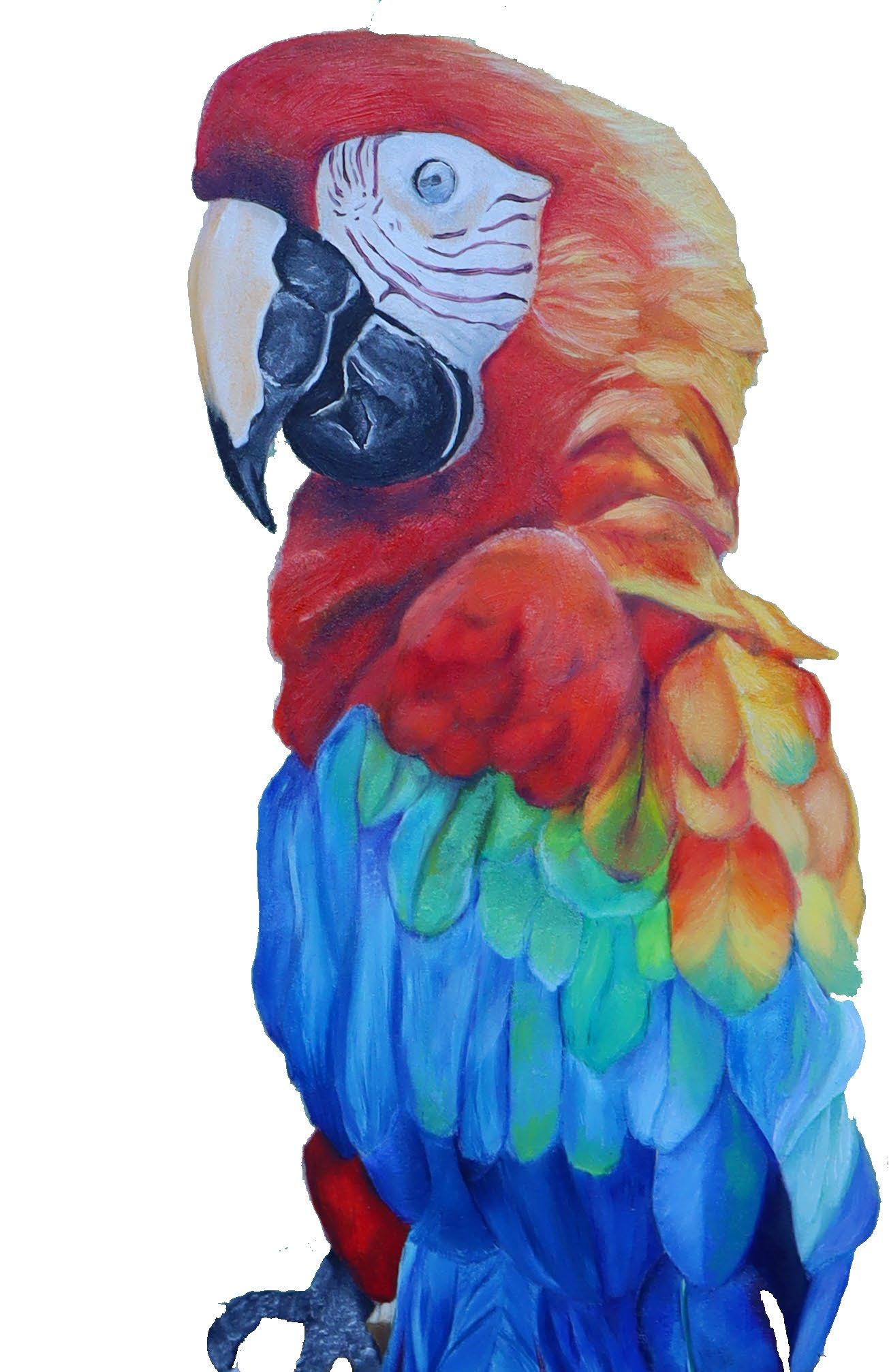
9. Birds - Julia Bianchi ‘25
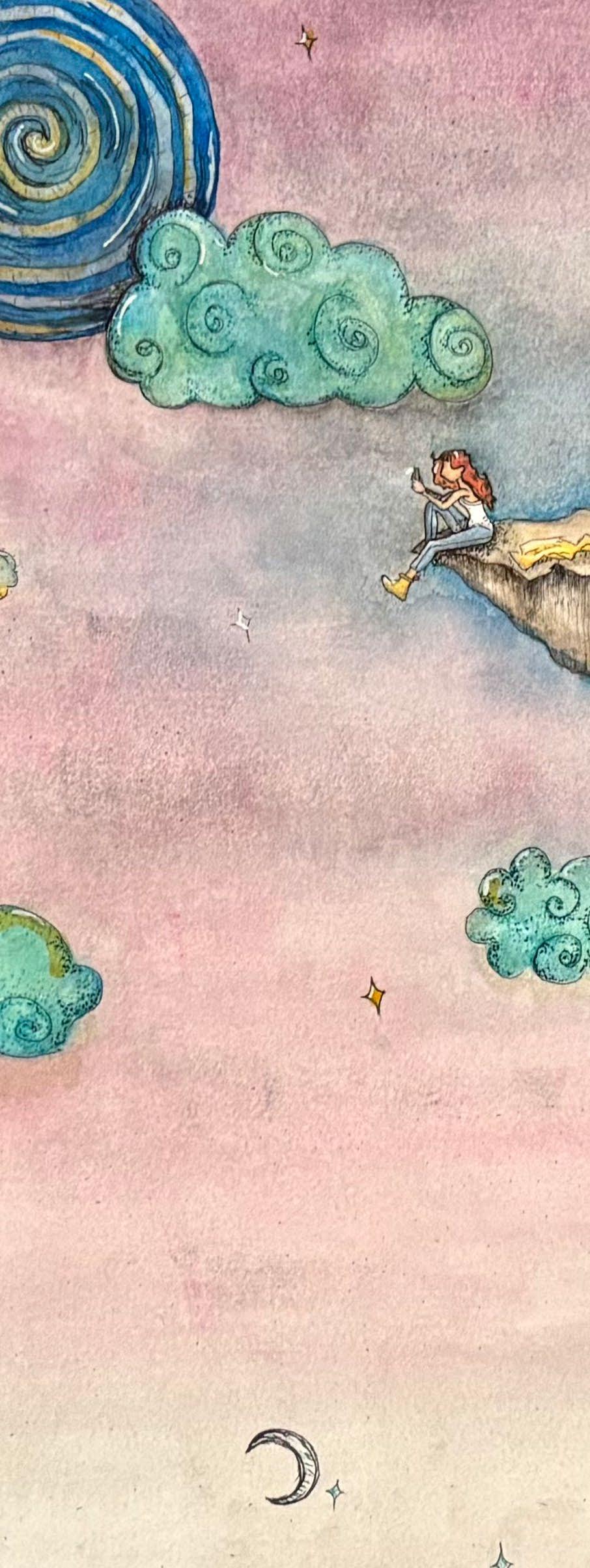
12. Cliffside Reverie - Emma Zabalo ‘27
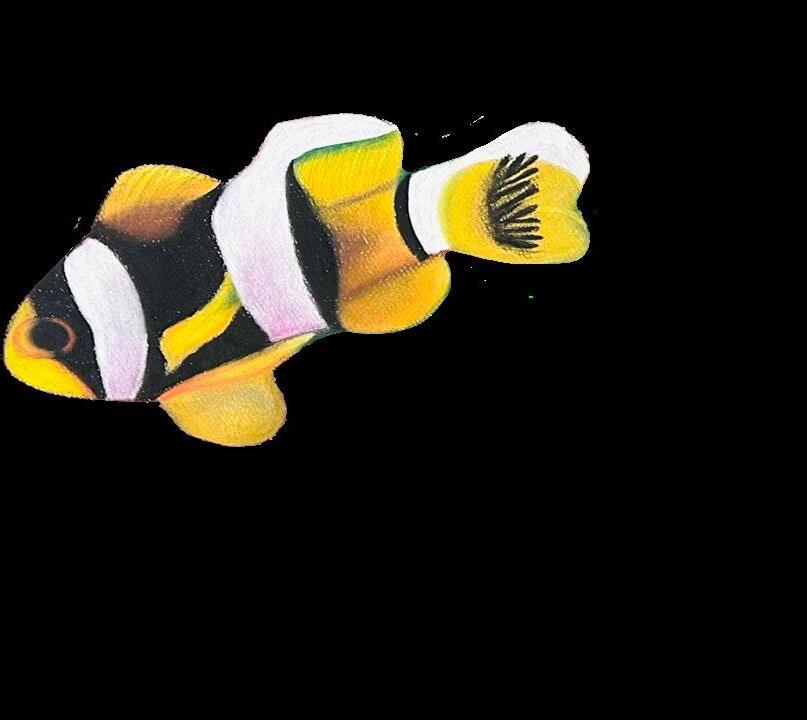
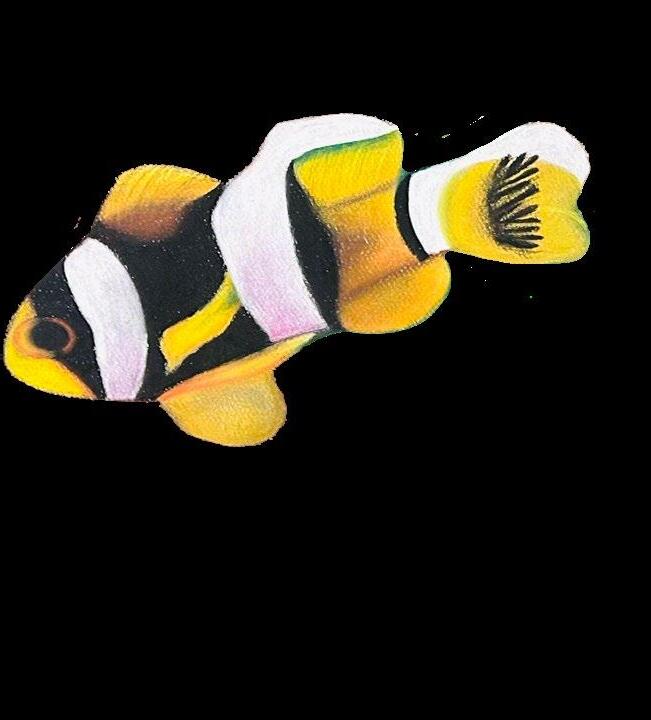
16. Beneath the Waves - Maya Welle ‘28
24. Future - Naisha Cheruku ‘27
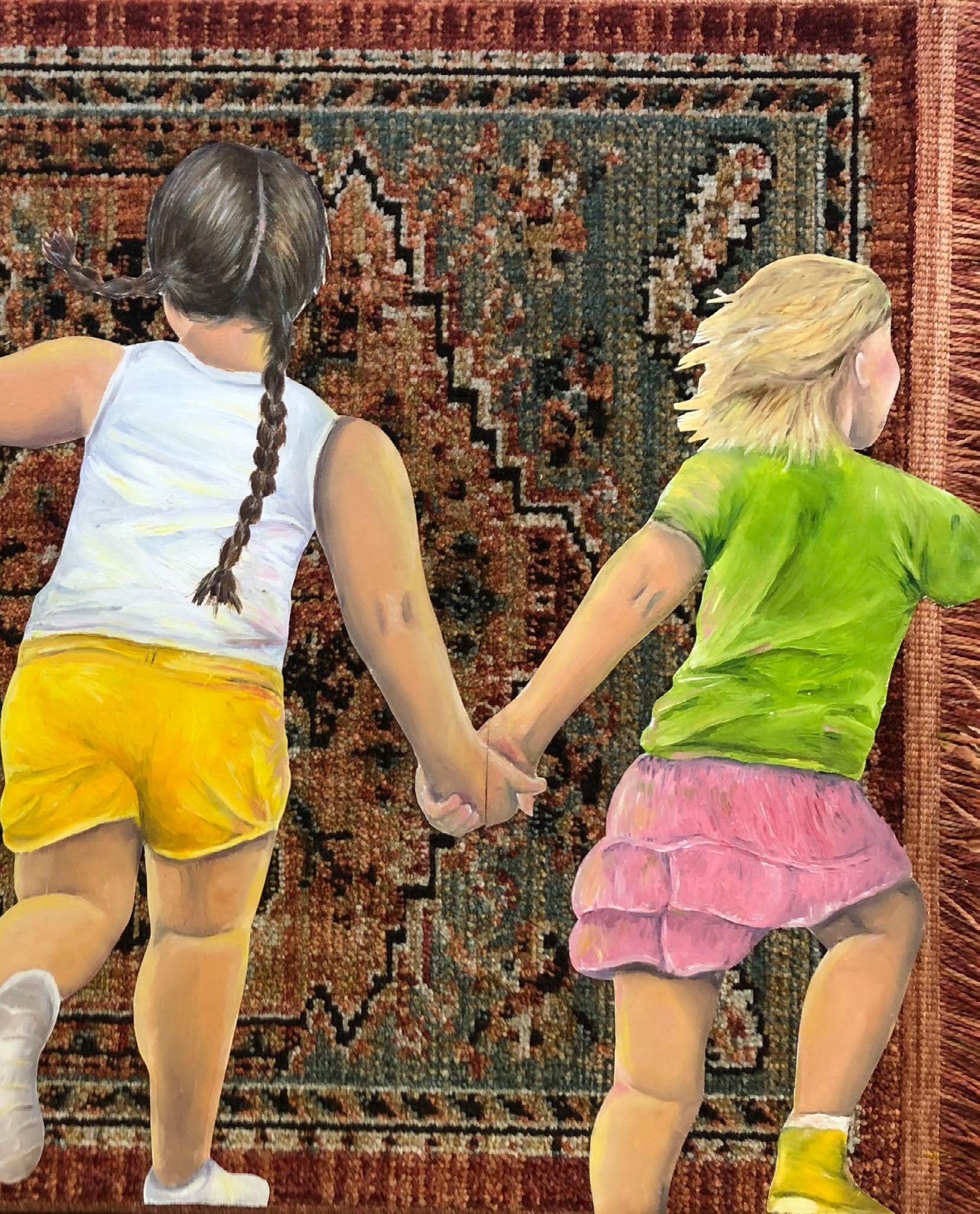
37. Sisters - Livia Gross ‘25
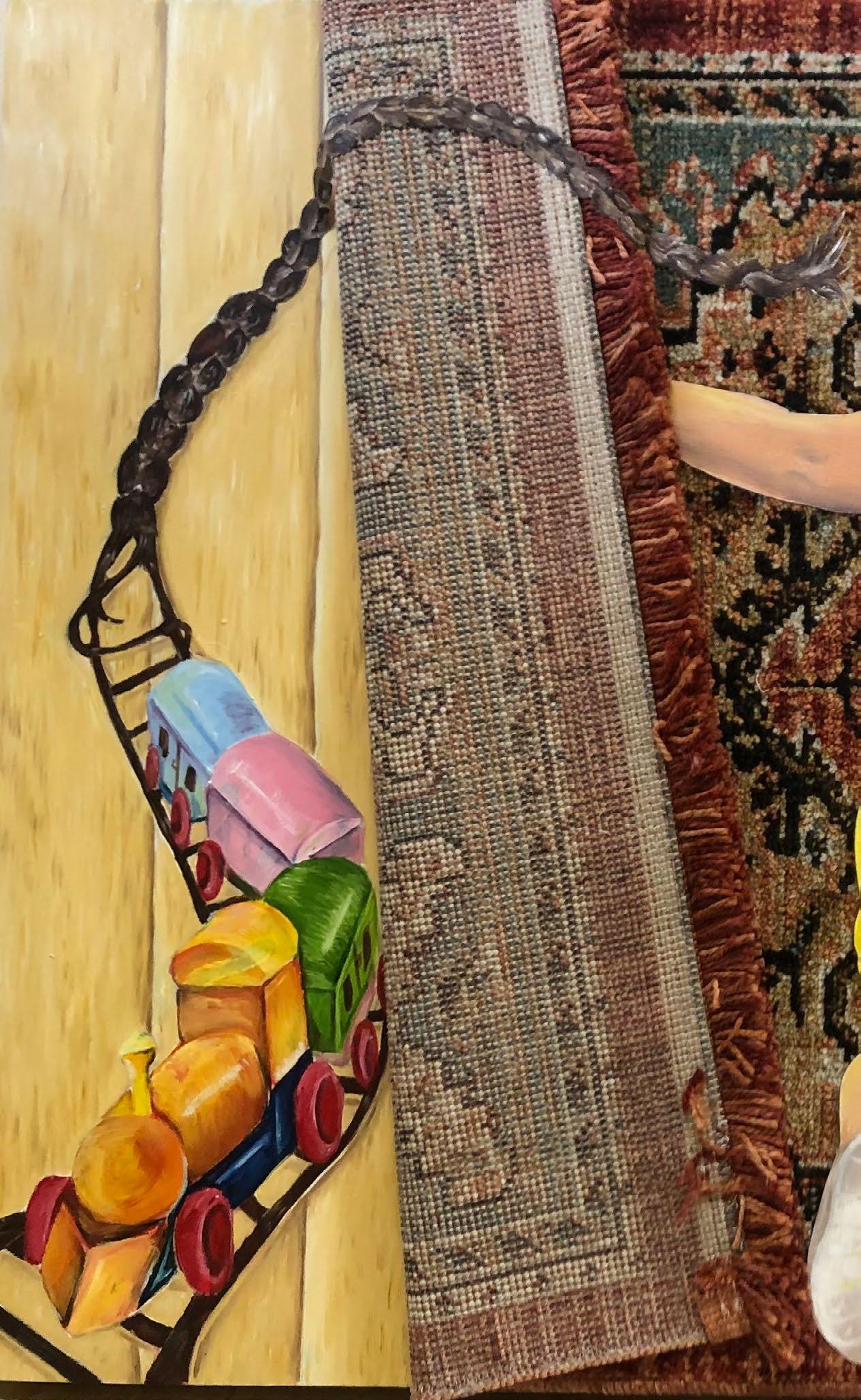
43. Ties that Fray - Olivia Bueno ‘25
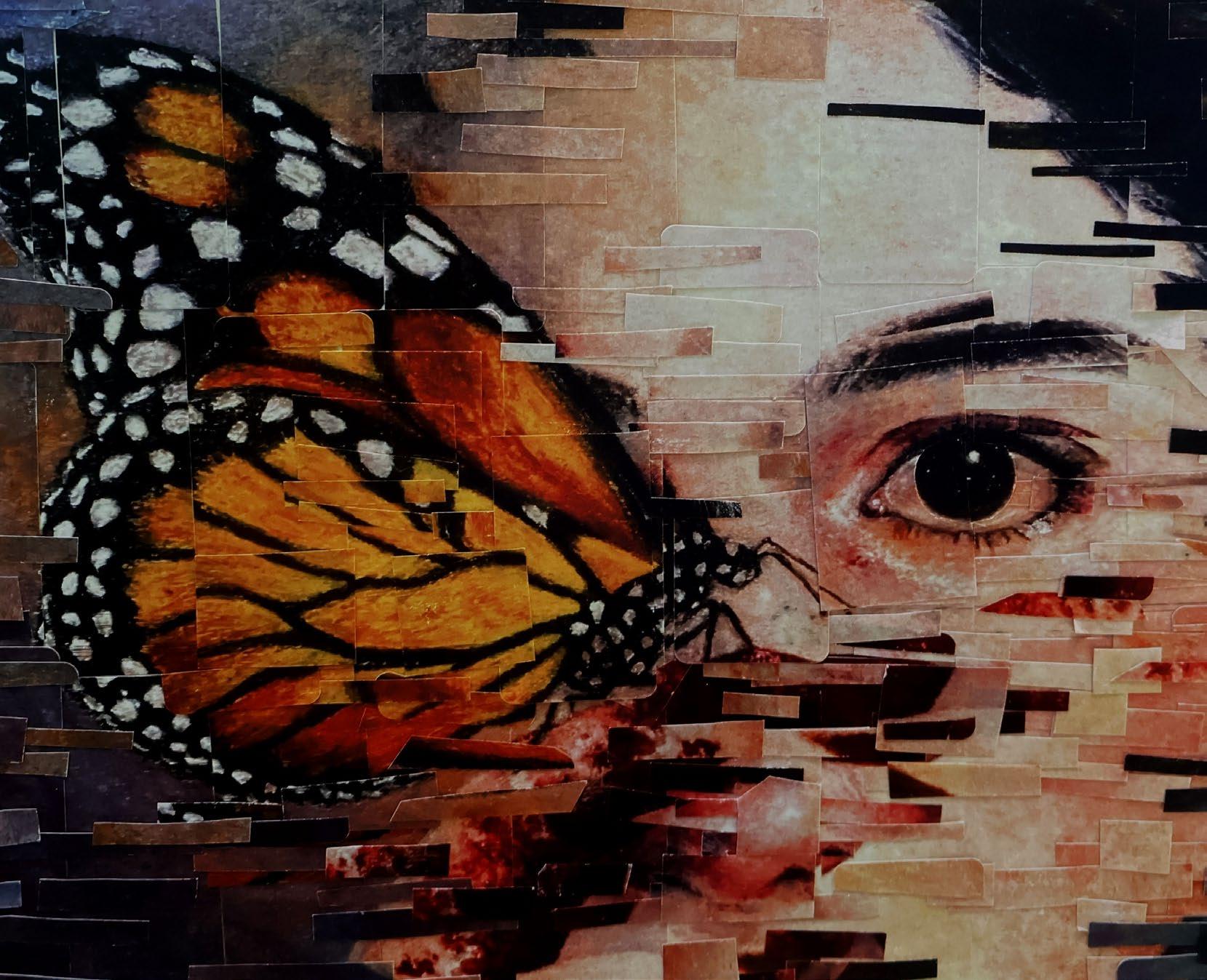
46. Señora Presidenta - Tamara Santoyo ‘26
50. A Monarcas Fate - Tamara Santoyo ‘26
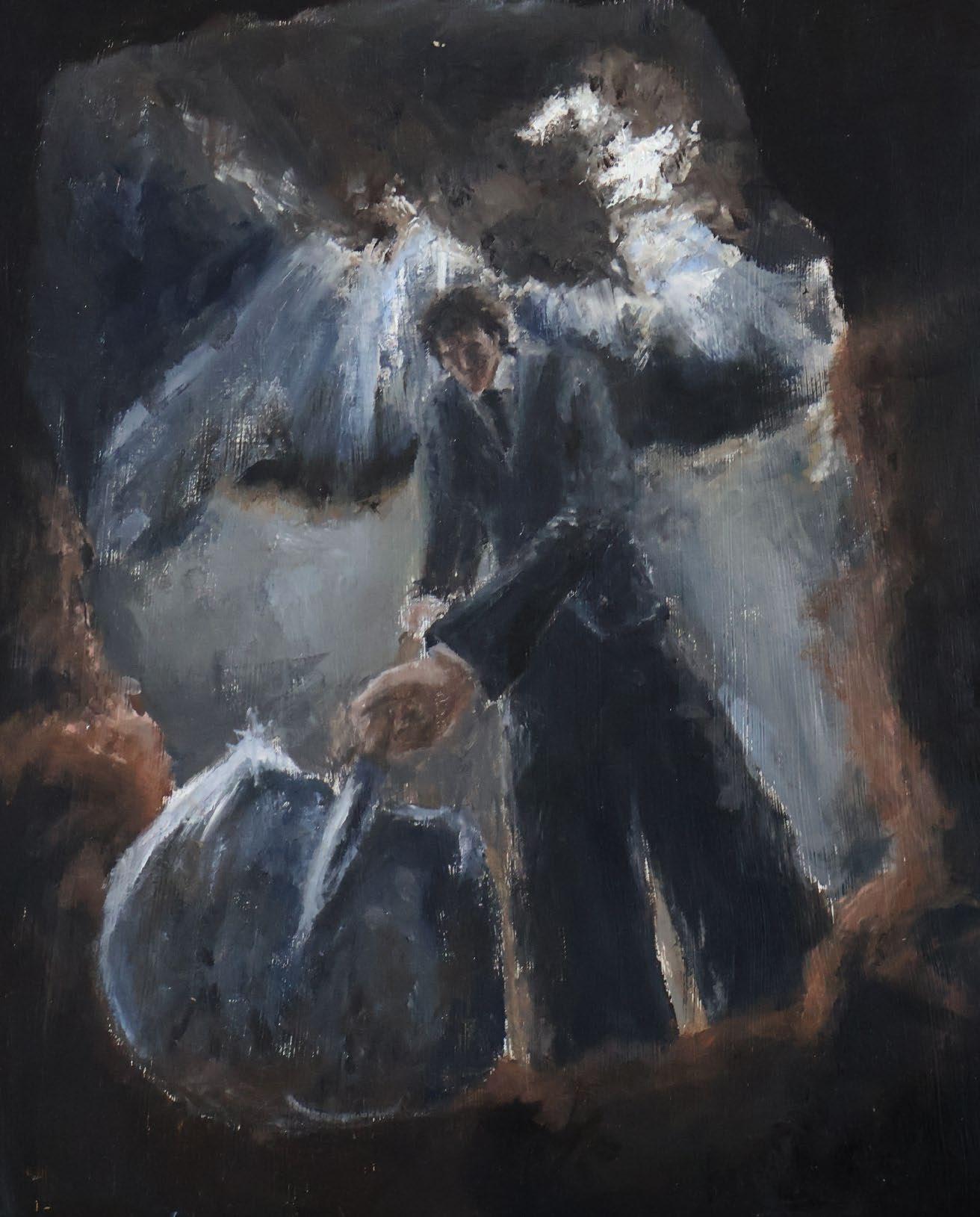
52. Shovel - Joaquin Sandaal ‘26
2D ART SCULPTURE
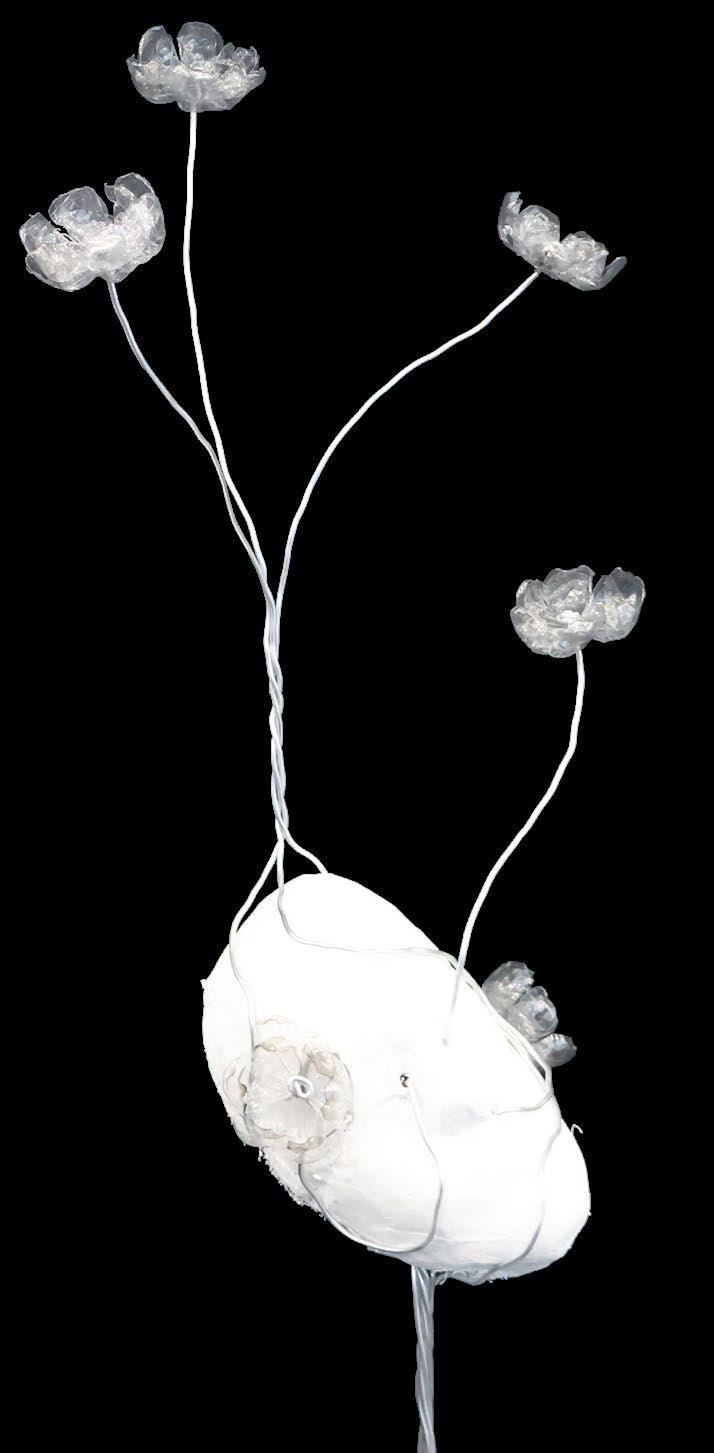
3. Flowers - Jaime Dikinson ‘25
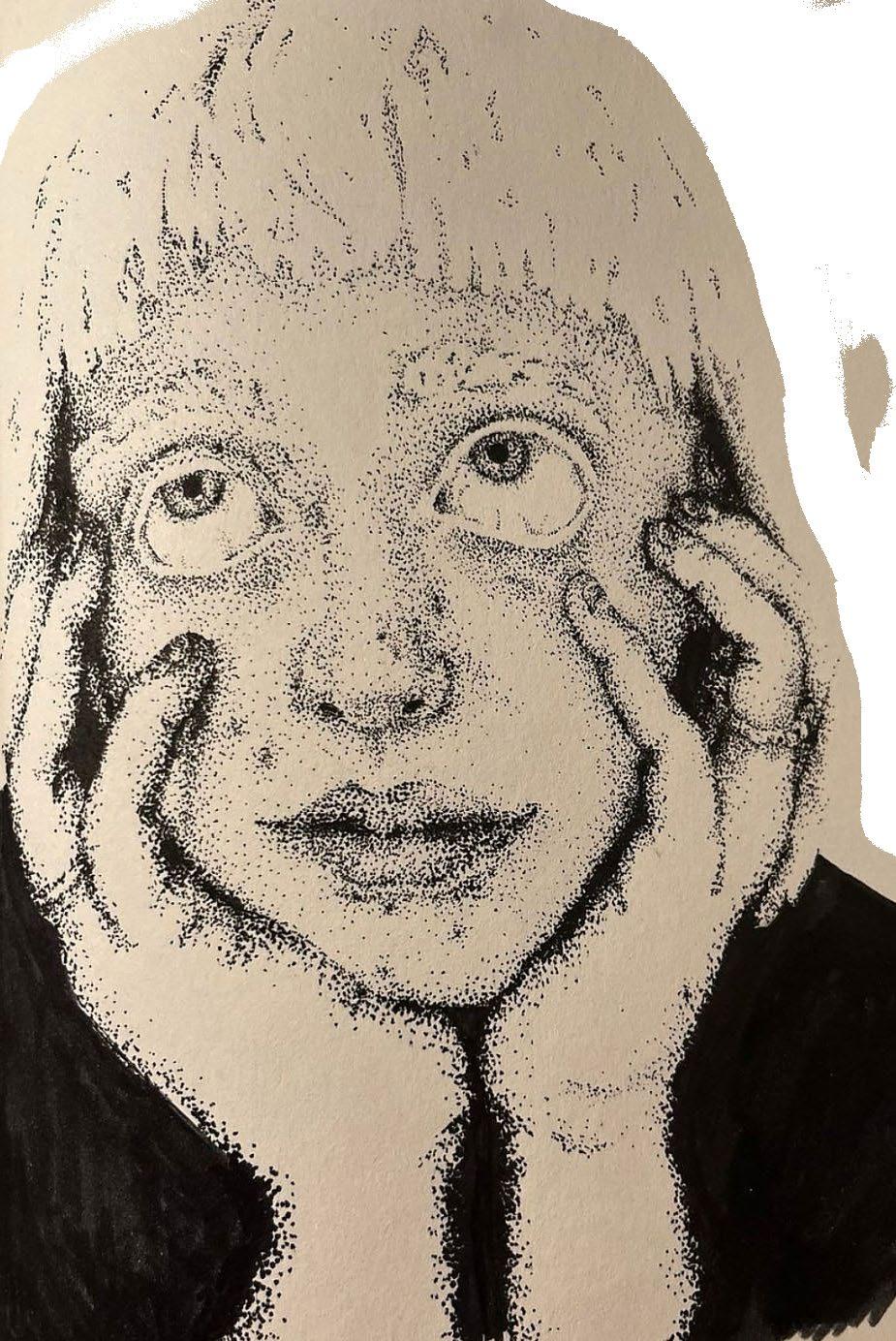
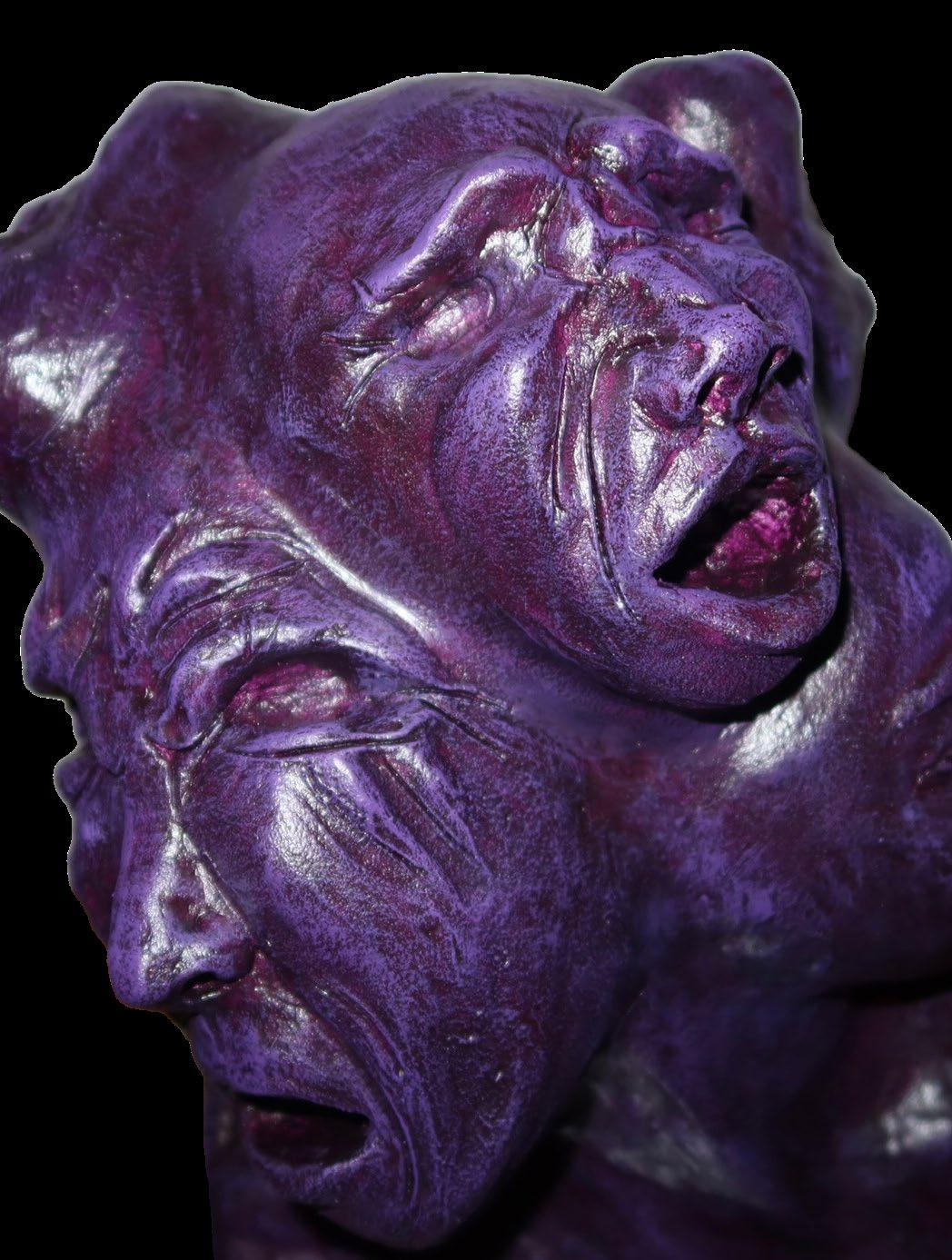
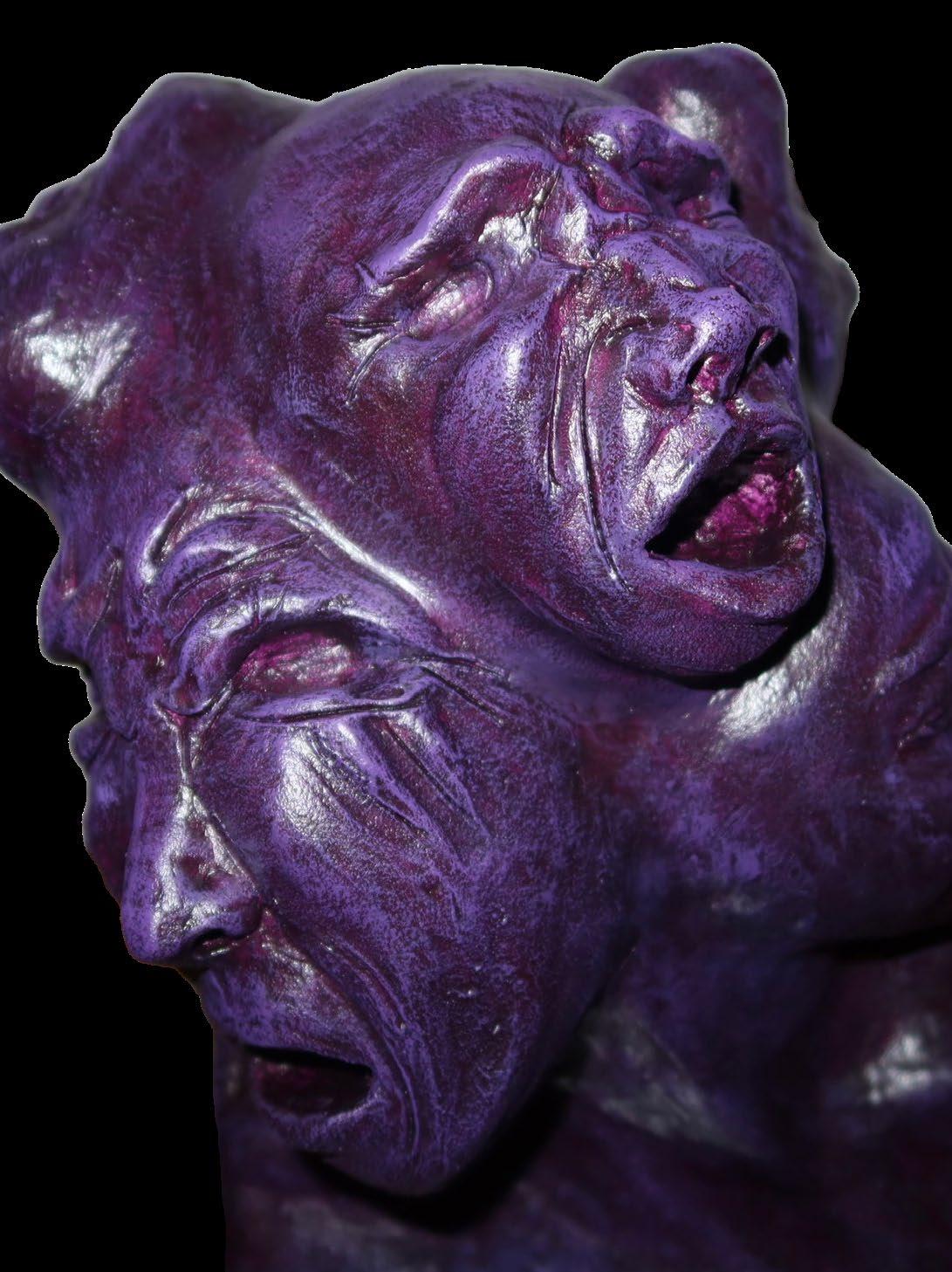
10. Faces - Sofia Acosta ‘25
PHOTOGRAPHY
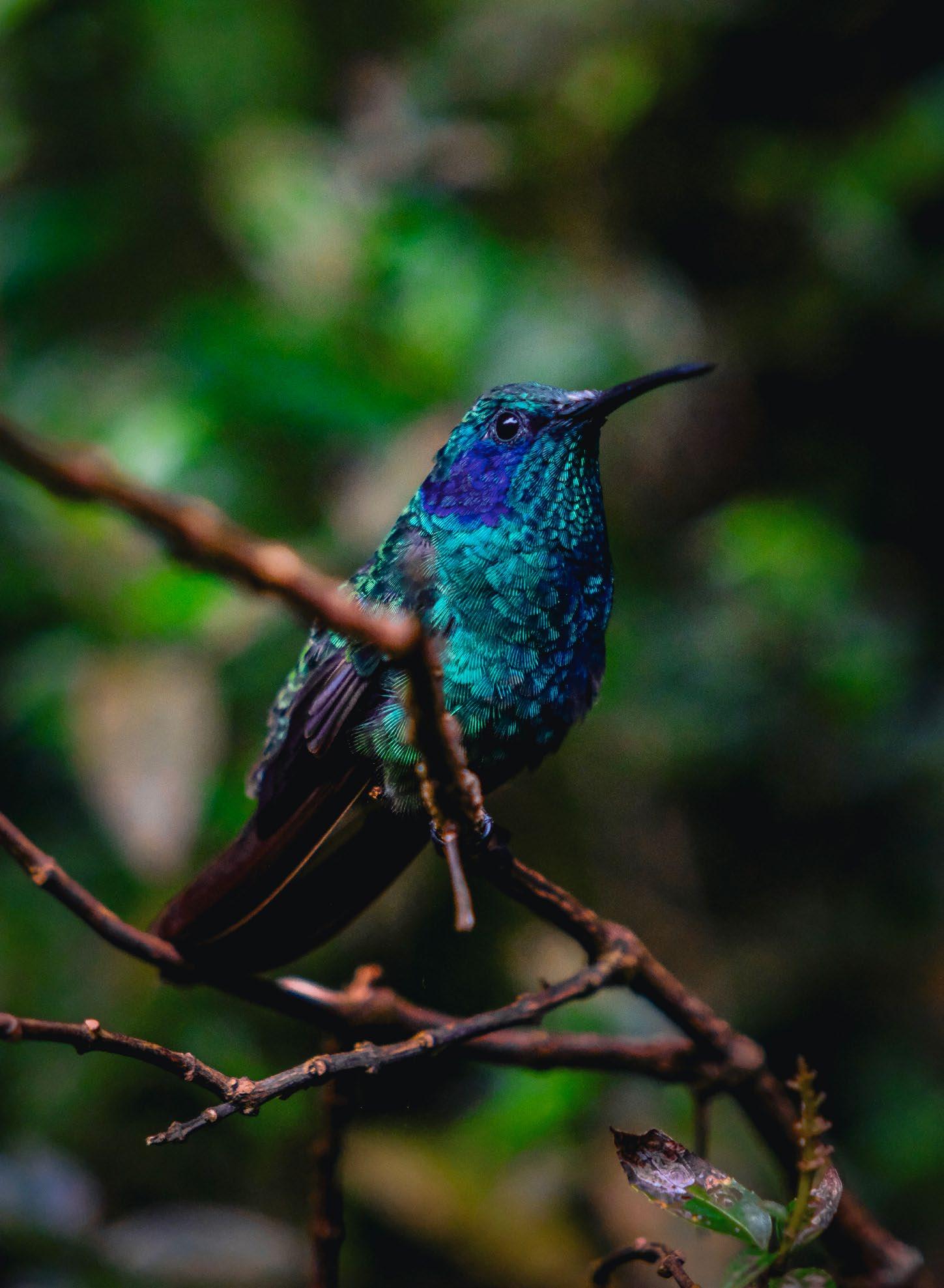
1. Hypnotic Hummingbird - Kayaan Ghaffar ‘28
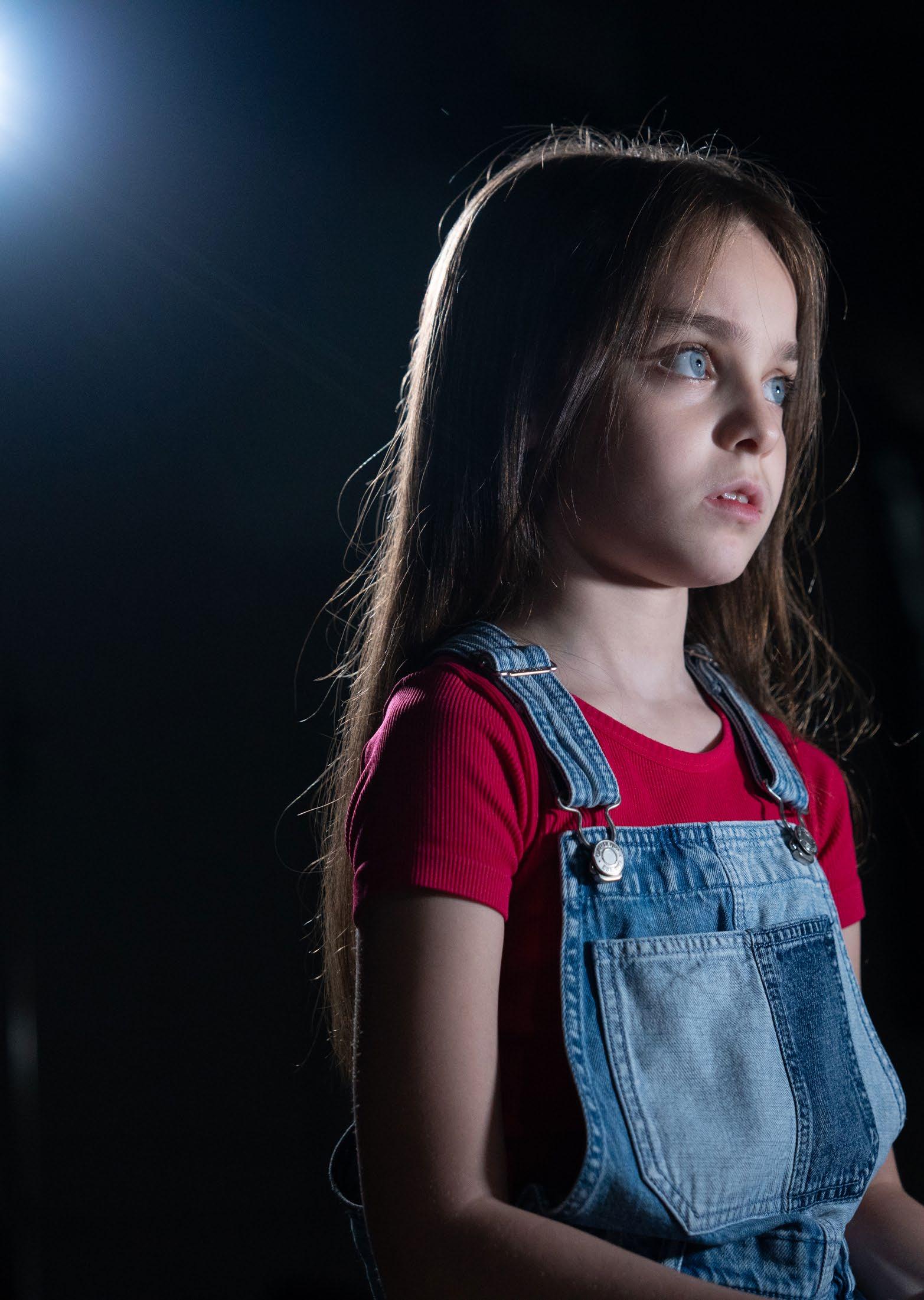
6. The Frightening - Sydney Wider ‘27
18. A Whisper of Light - Susana Sahagun ‘28
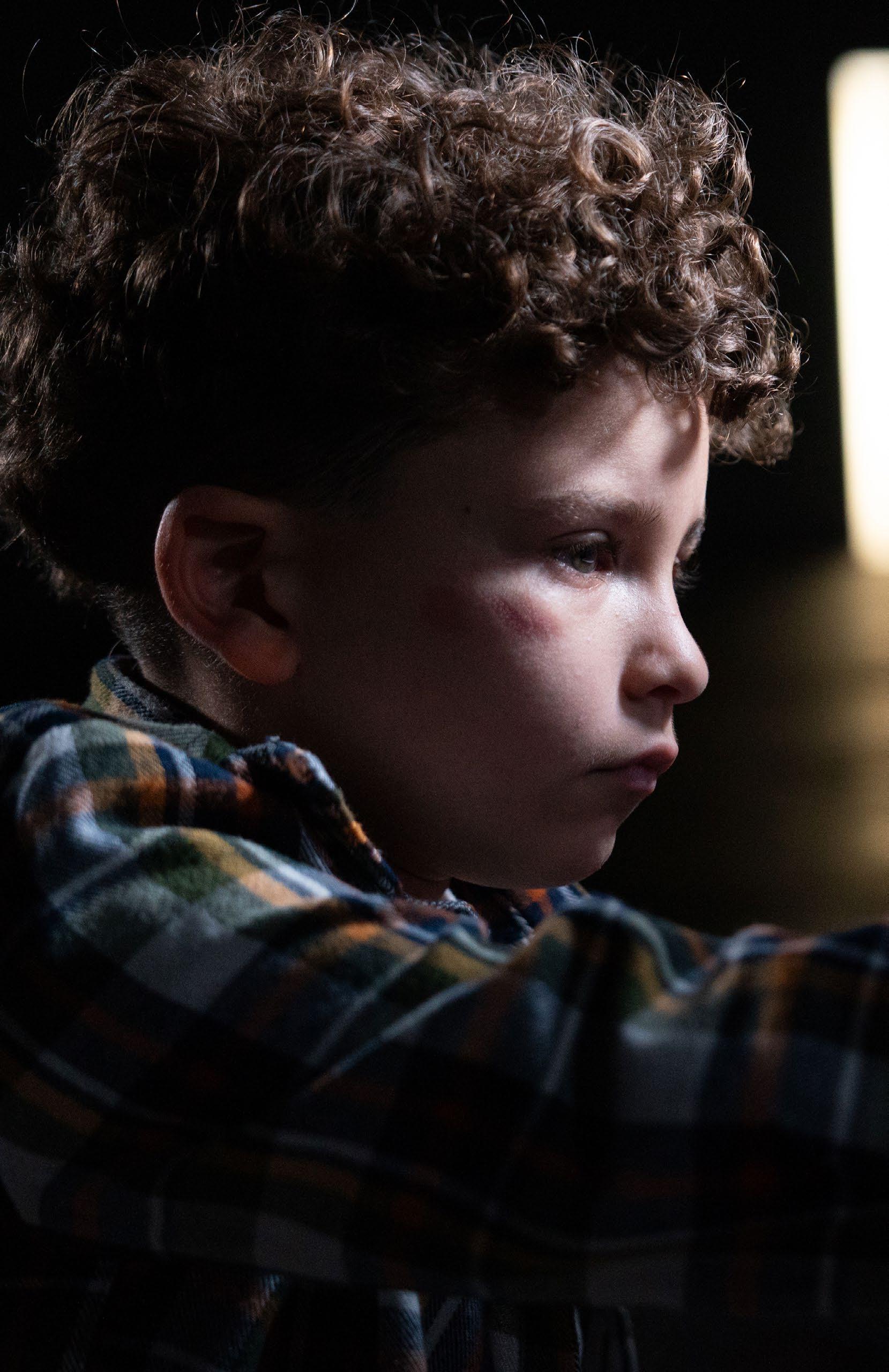
22. Wounded to the Soul - Sydney Wider ‘27
27. A World yet to Explore - Susana Sahagun ‘28
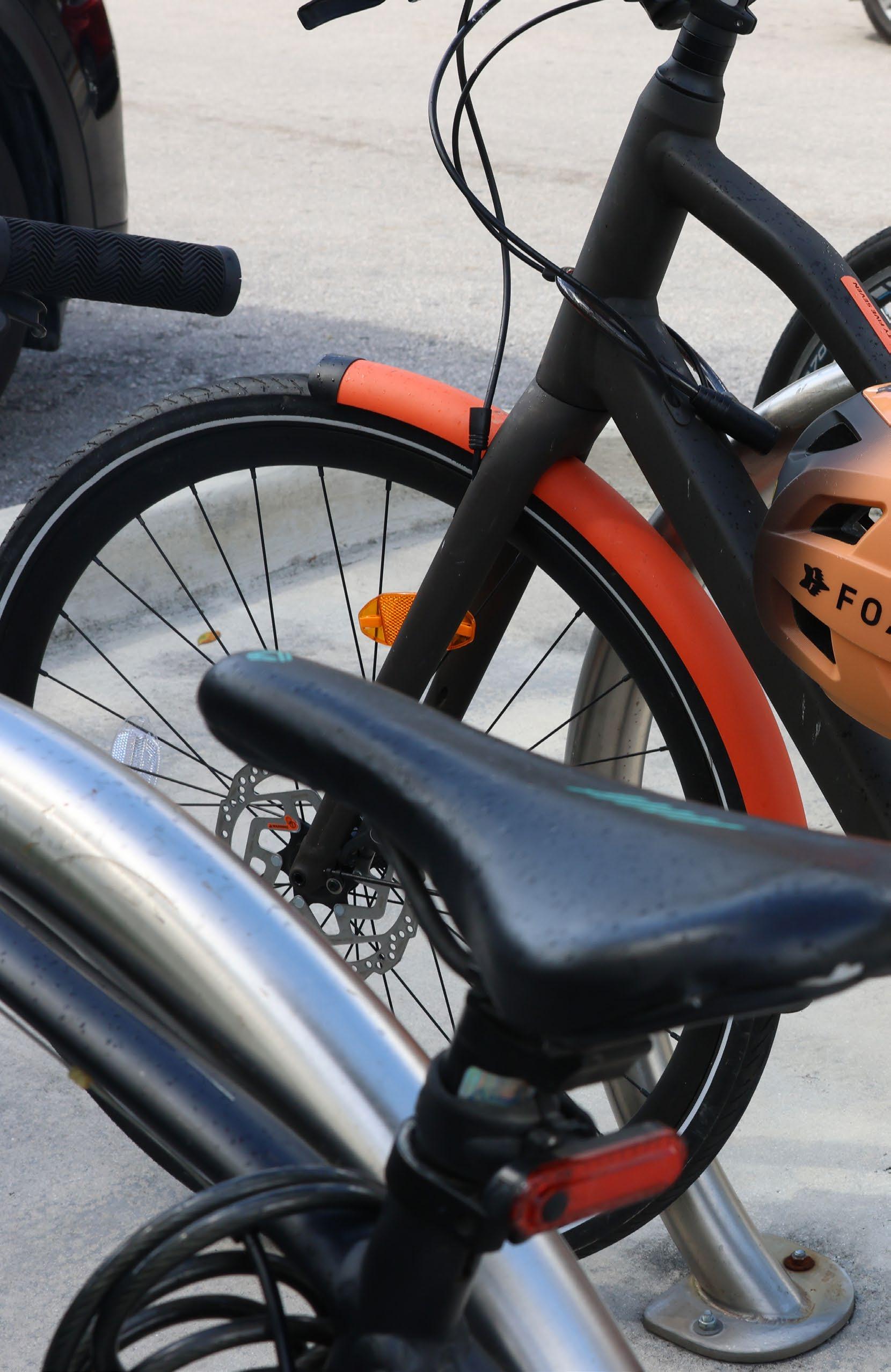
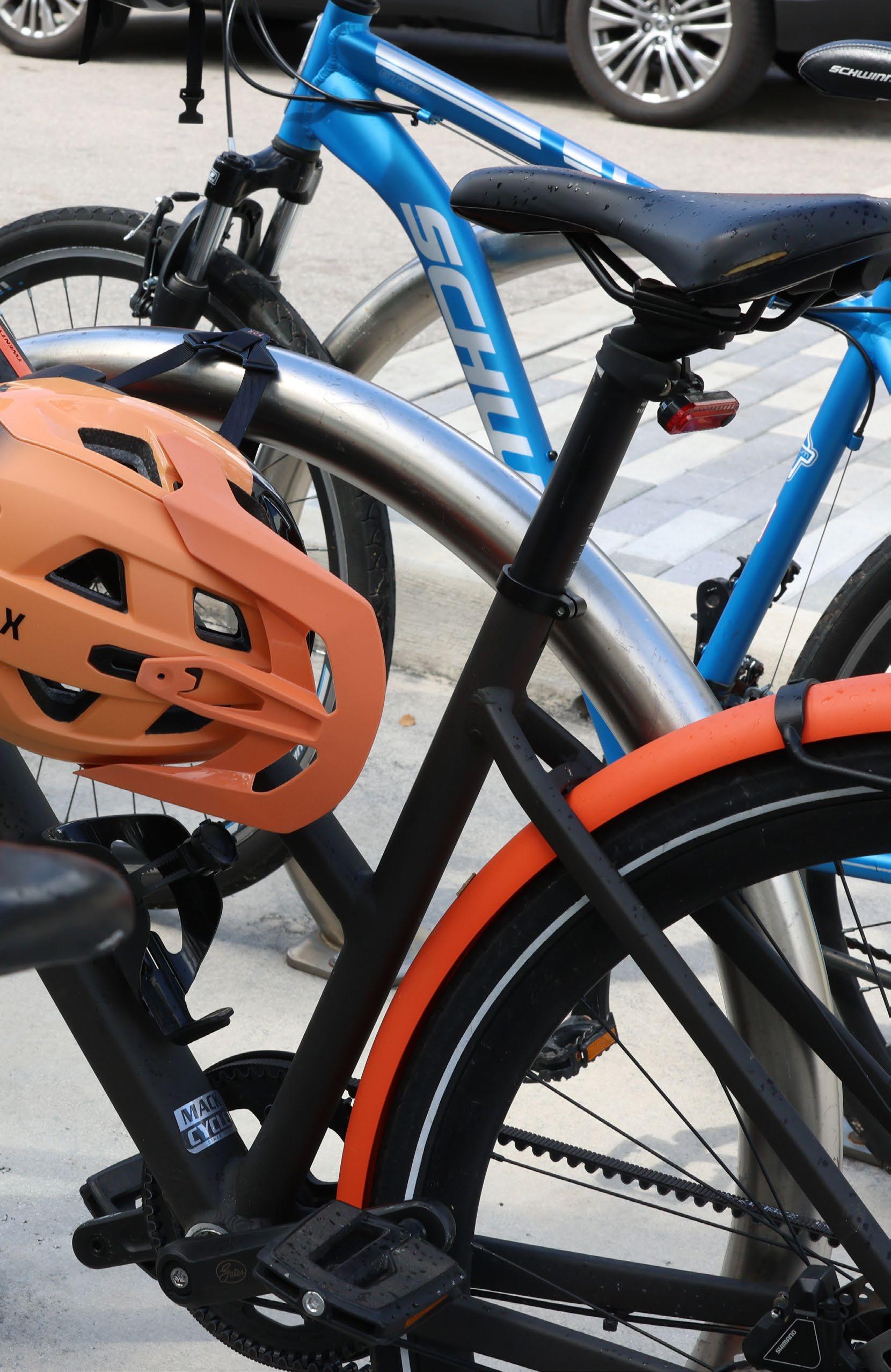
29. Colorful Rides - Kayaan Ghaffar ‘28
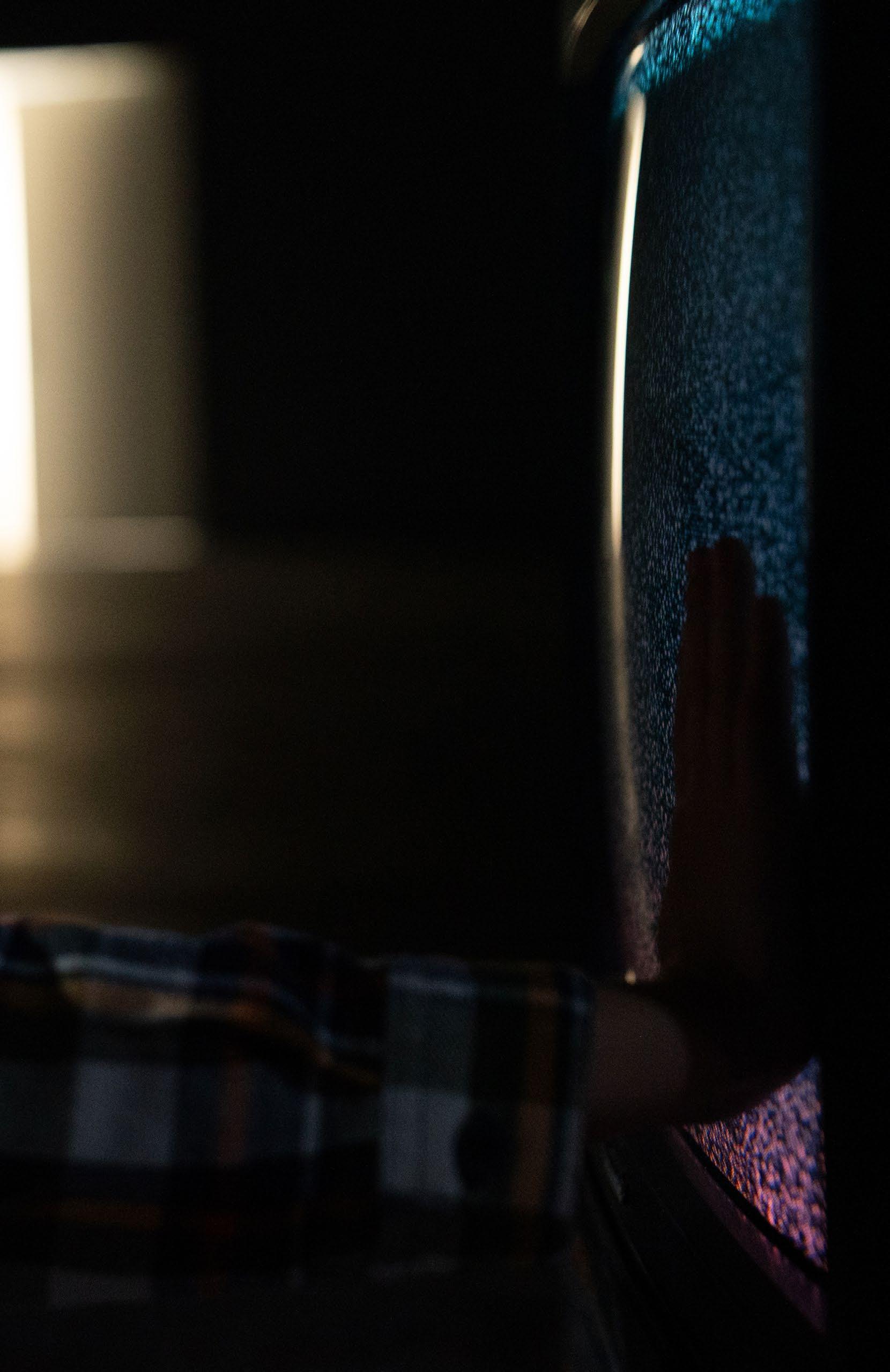
30. Glued to the Screen - Sydney Wider ‘27
33. Living on the Edge - Susana Sahagun ‘28
34. An Empathetic Connection - Sydney Wider ‘27
41. Help - Sydney Wider ‘27
48. The Seat No One Takes - Susana Sahagun ‘28
Editor’s Note
Kirsten Hug
As we move through life, we grow accustomed to ourselves and the world around us. Introspection asks us to pause and look inward, to examine our thoughts, emotions and experiences, honestly. In doing so, we encounter not only beauty, but truth and complexity. It is within this reflection where understanding and personal growth start to take shape.
We create art as a way to express ourselves; to make sense of our world or what lives inside us. Through writing and visuals, we translate thoughts and emotions into something tangible, something that can be shared. As you turn the page, you are invited to do more than just simply observe, and instead to bring your own memories, experiences, emotions, and questions with you. In engaging with the introspection of others, connections form between the maker and the reader, and between the story and self, reminding us that our inner worlds are deeply shared, and that no one is ever alone.
Dorianne Monteagudo
Sydney Wider
Childhood IN ASHES
One night, it was all gone
A place I once called home
All my childhood burnt I left it, but didn’t say goodbye
The backyard I used to play in
The kitchen I took my first steps in
The bedroom I played with my toys in
The home I thought I would see again
But now it’s gone, burned to the ground
No walls, no roof, no place to the memories
Just smoke where bedtime stories slept
Ashes where I onced called home
Gabriella De Haan
I wish I were a bird, Cruising high in the sky, With all the freedom and no worry.
I wish I were a tiger, Fearless and bold, Reliant on itself.
I wish I were an elephant, So wise and loyal, Always remaining calm.
Ultimately, I wish for a lot of things, Yet the thing I wish the most for, Is for me to accept myself for who I am.
Emilio Mora
Julia Bianchi
Mais au fond, je lutte pour ne pas céder.
Les pensées dans ma tête résonnent,
Non pas pour éblouir, ni pour aveugler, Mais pour tenir debout. Pour me calmer,
Chaque mouvement, comme un refuge, mes pensées se changent en nuages,
Mais je me relève avec un cœur serein, Car quand je danse, je trouve la paix, Comme une étoile qui ne s’éteint jamais.
Celles que personne ne voit vraiment,

A CROWN

Fools OF
Audrey Hwu
I gaze upon the starved faces of my people
The search is unequal
For I don’t have the answers
They seek
My face and body stiff and bleak
People shout and others whine
I lock the doors
Leave them behind
In my tower of blank faces
Servants run through the halls
None to acknowledge
None to call
All wishing for my downfall
But I am king and no one can say worse
But they curse
And they curse
And they curse
Stiff as time can tell
My wife who served me well
Now beacons at my feet pleading
For my defeat
The whispers in the halls
The walls
They shudder in fear as I pass
While others, pleased, hold up a glass.
For I am not a king
But a fool
A jester
Whose greed began to fester
To an incurable amount
Wishing for my flame to run out
But I will live on for I know I am better
They send letters
Of hate
And threat filled gold
Which I take happily, truth be told
For I wear a crown of fools
Now I look back and realize I was a tool
For thinking I could be better than the jester
Which stumbled as he walked
Drinking himself silly
When all he could do was squawk.
dancing never to fall
Tamara Santoyo
KOBOLDDer Listige
Maya Welle
Emma Zabalo
Es war einmal, in einem fernen Land, drei Brüder wanderten mit Gold in ihren Händen.
Ein kleiner Kobold, flink und klug, sah die Brüder und sprach: “Ihr seid nicht klug!” “Warum tragt ihr das schwere Gold?” “Kommt mit mir, ich zeige euch mehr!”
“Ein Brunnen tief im dunklen Wald “Verdoppelt euer Gold – es wird nicht alt!” “Kommt, ich zeig’ euch, wie es geht, “Neuer Reichtum wie nie zuvor.”
Der älteste war etwas klüger und die anderen zwei folgten ihrem Bruder. Der Kobold führte sie zum Wald, wo der Brunnen war, so tief und alt.
“Nur einer nach dem anderen ist erlaubt!”, sagte der Kobold, “Nun wirf dein Gold hinein!” “Wartet und seht was für ein Wunder passiert, das Gold wird verdoppelt, der Reichtum floriert.”
Der Jüngste war als erster dran, ohne zu warten, warf sein Gold hinein mit Hoffnung und Erwarten. Als er sein vermehrtes Gold greifen wollte, gab Ihm der Kobold einen Stoß, in den Brunnen er rollte. Das Gold in einen Sack gestopft, stahl der Kobold alles, was er wollte.
Der Zweite Bruder, besorgt, fragte dann: “Wo ist mein Bruder?” “Was hat er getan?”
Der Kobold antwortete, “Er sprang in den Brunnen, um sein Gold zu holen.” “Jetzt bist du an der Reihe, um dein Gold zu vermehren.”
Der Zweite Bruder sprang hinein und fand nichts mehr, kein Gold, nur Dunkelheit – so leer.
Der Kobold lachte, doch sagte er kein Wort.
Der Älteste fragte: “Wo sind Sie nur?” “Wo sind meine Brüder?” “Sag mir wo?” “Sie sind in den Brunnen gesprungen, um Ihren Schatz zu heben.” “Jetzt bist du dran, um das gleiche zu erleben.”
Der Älteste sprang, mit Gold in der Hand, doch fand er nur Dunkelheit und Sand.
Seine Brüder waren da, ganz ohne Gold. Der Kobold lachte leise – und ging, ohne ein Wort.
Once upon a time, in a land far away, three brothers walked with gold in their hands.
A little kobold, quick and bright, saw them coming and said, “That’s not right! Why carry gold so heavy and bold? Come with me!”
“A well so deep in the darkened wood will double your gold, as it should. Come with me — I’ll show you how. Riches await you, right here, right now.”
The eldest brother was a bit wise, but the other two were taken by surprise. The kobold led them through the trees, to the dark well, deep as the seas.
“Only one can go at a time,” said the kobold, “Now throw in the gold! Wait and see what magic is done — your riches will double, one by one.”
The youngest went first, without delay, tossed the gold in and thought it would stay. But just as he bent to grab it all, The kobold pushed him and he took a fall. Stuffing a sack with gold, The sneaky kobold stole it cold.
The second brother, worried and scared, asked, “Where is he? What’s going on there?”
The kobold said “He jumped in to get the treasure below. Now it’s your turn, to make your gold grow!”
The second jumped without a thought but found no gold — just darkness he caught. The kobold laughed, but said not a word.
The eldest brother asked, “Where are they now? What happened to my brothers? Tell me how.” “They jumped in to get the gold so bright. Now you must jump to see the light.”
The eldest jumped, with gold in his hand, but found no riches — just dark sand. His brothers were there, with no gold to hold. The kobold laughed quietly, walking away bold.
Maya Welle
still


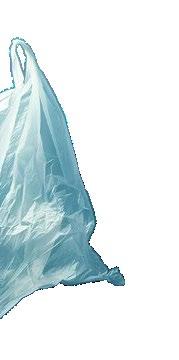
happy?
Swimming slow, In ocean blue
Sad about all his crew
They went to look for their food
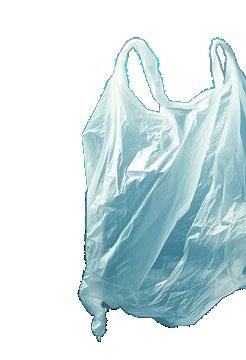
Plastic bags came swimming through An ocean full of human truth
They are creatures just like us Imagine us, being so lost It looks like jelly, soft and white
With no remorse they choose to bite It gets stuck like tangled string They can’t breathe or do anything
They sink down, like fallen snow
Because of trash, that we let go The ocean was clean and wide But now there is trash to hide
For us the water is full of joy and peace
While there is no peace underneath We play and smile at the beach
But the animals can’t even breathe
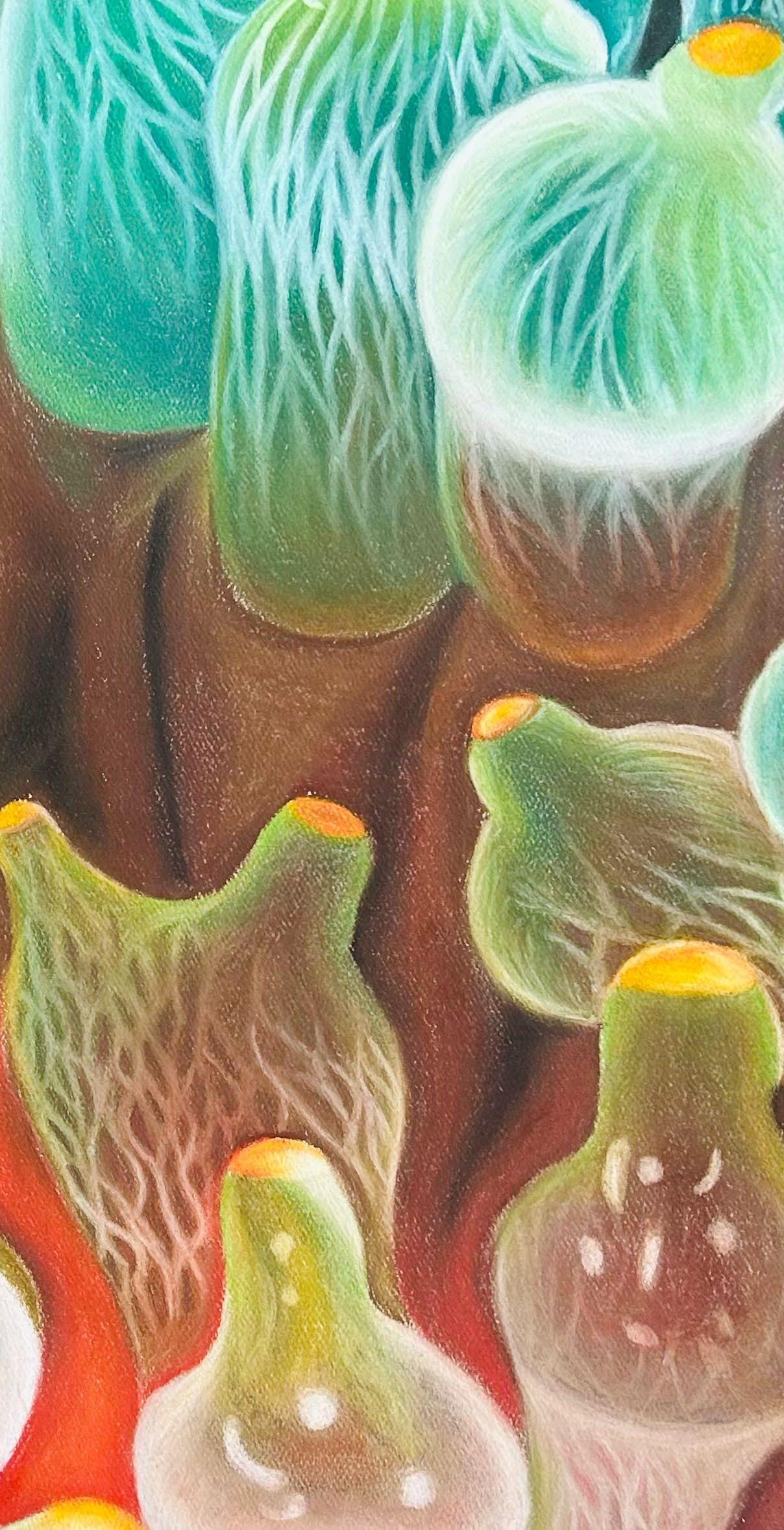
Carlos Caldera
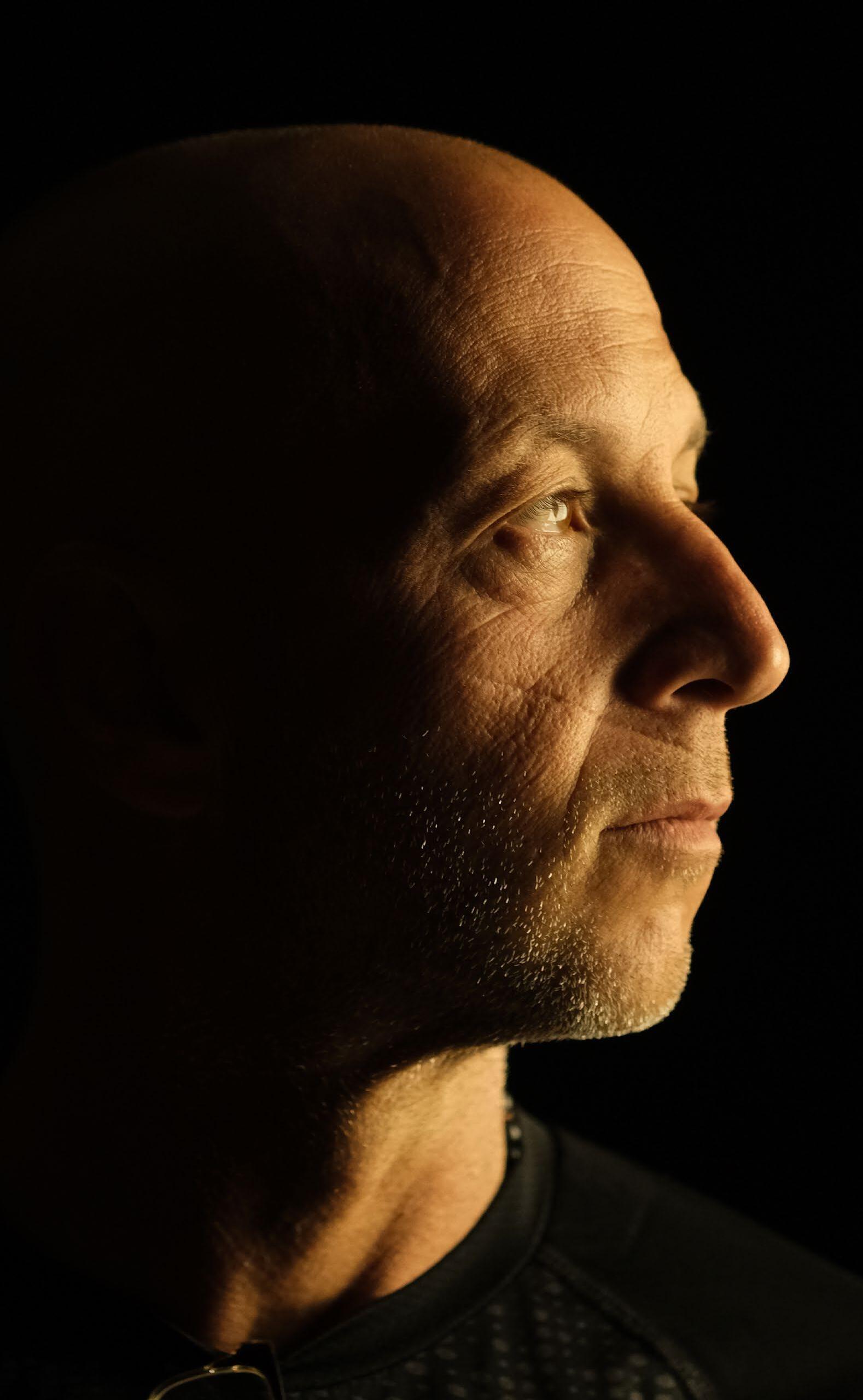
Susana Sahagun
DAMNED the of Harvest
The morning mist was dense, covering Perseus’ face and the fields which surrounded him. A glowing, vibrating sensation came from the fruit embedded in the leaves, engulfed with wild colors and strange shapes. He didn’t dare touch them, no one ever did. No one who wanted to live did.
He continued with his daily ritual; pick, polish, place, pick, polish, place. The other thousand farmers did the same, a lifeless pool of slaves with imaginary chains at their necks. No birds chirped, no sound other than pain overtook the Kingdom of Silphium.
Suddenly, three loud bell chimes rang throughout the city, vibrating the floor and alarming the farmers. Someone had failed their task, and a head would soon fall. Perseus could only grit his teeth and continue his work.
To keep himself entertained he remembered the stories his father used to tell him as a little boy of the magical world that Silphium once was. The Silphiums lived in harmony, flying through the sky and vanishing in the blink of an eye. This was before the Euclids, before King Erebus turned life into a punishment. Now Perseus, forced because of his Euclid bloodline to serve Erebus. To forever be chained to the chaos that erupted so many years ago, where his people destroyed everything that once was. King Erebus avenging his descendants with eternal misery.
But a chance, a flash of hope glimmered in his future as he pictured the once utopia. Unexpectedly, he saw a bruised fruit near his foot hidden under rot. The temptation was too great, he touched the fruit, and for five seconds he vanished. The power surged through his veins, he couldn’t resist it, and ate the fruit whole..
Maya Welle
For two minutes straight he was invisible. The sensation was like no other and as soon as it stopped he wanted to devour the whole field for infinite power. Some farmers gave him dirty looks but he knew that they were just jealous, jealous to not know what it is to be free. He knew that he would have to try once more that night, feel that power again. But it can’t just be two minutes, it needs to be forever. Perseus continued his work but eyed one spot in particular in the distance, the altar. It was guarded and was right in front of King Erebus’ throne. That altar was the king's most prized possession, and Perseus was determined to get his hands on it.
The moon was strong that night, putting a spotlight on the crime that was about to take place. Perseus crept up to the King's plantation, right past the night guard who was fast asleep, partially drunk from stolen juice. There, in front of his own two eyes was the sacred altar, where the most forbidden fruits were kept. While his heart was pounding in his chest he climbed the altar, reached for the red delight, and took a bite. The whole world exploded in his mind. His feet began to levitate and he was headed towards the stars. For the first time in his life he could fly. Ecstasy wasn’t good enough to describe his pleasure.
And then, as if a rope was tied to his foot, he fell.
Fell into the dark throne room, where evil itself was kept. In pain from the fall all he could do was stare at the glowing fruit in his hand, not concerned with his surroundings. Perseus was completely hypnotized by its beauty, until evil took its course.
The illumination stopped and mold attacked the fruit, cobwebs began to form around it with spiders crawling onto his hands. As if years passed of rotting and decay, all that remained was the pit.
Mortified, he threw the pit into the darkness, but it never hit the ground.
While finally realizing the severity of his situation Perseus approached the darkness where he thought the pit went and scanned the floor with his hands since his eyes failed him. He came across something which felt like a pit but when he picked it up, he was met with a skeleton bone. He screamed for help as he clawed at the walls for a way to the top, a way to escape. But the wailing of the lost boy stopped, silenced with a blow on the head. His head was bleeding profusely and the last thing he saw out of his blurry vision was King Erebus smiling, a cold, viscous smile. No one heard him scream, and if they did, they wouldn’t help.
The following morning three chimes could be heard in the town square.
“
...he couldn't resist it, and ate the fruit whole.”
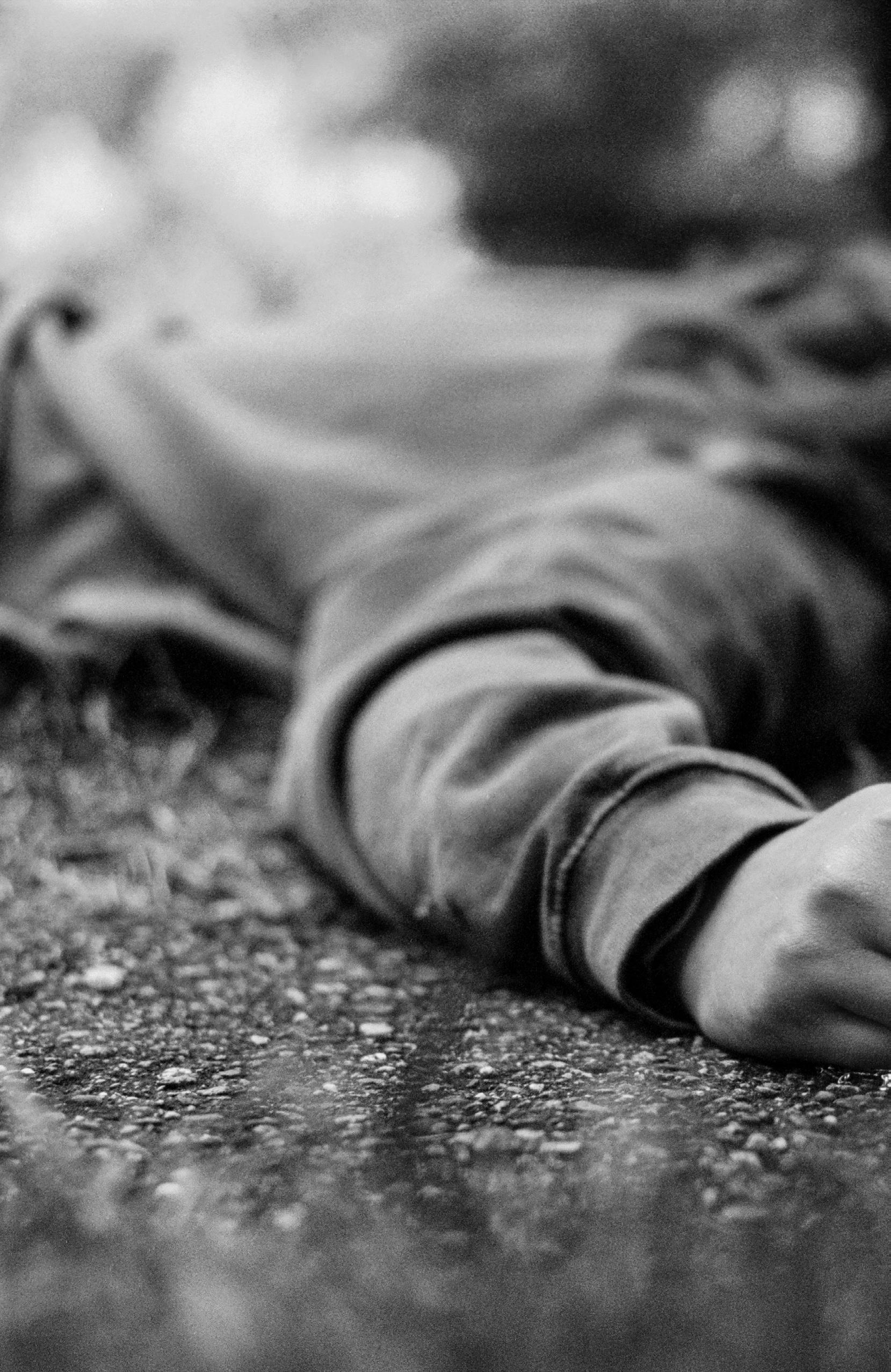
Sydney Wider
Silence can be dehumanizing like lips sewn together. Rejection can slam like a meteorite crushing dreams that could’ve touched the stars.
Hatred is like pouring gasoline on an already dancing blaze.
But silence can also be loud. So smile in the face of silence. Rejection, too, can be a lighthouse guiding one safely on the path they are meant to walk. So follow the lighthouse. And hatred loses its potency when the one who receives it molds it into something beautiful.
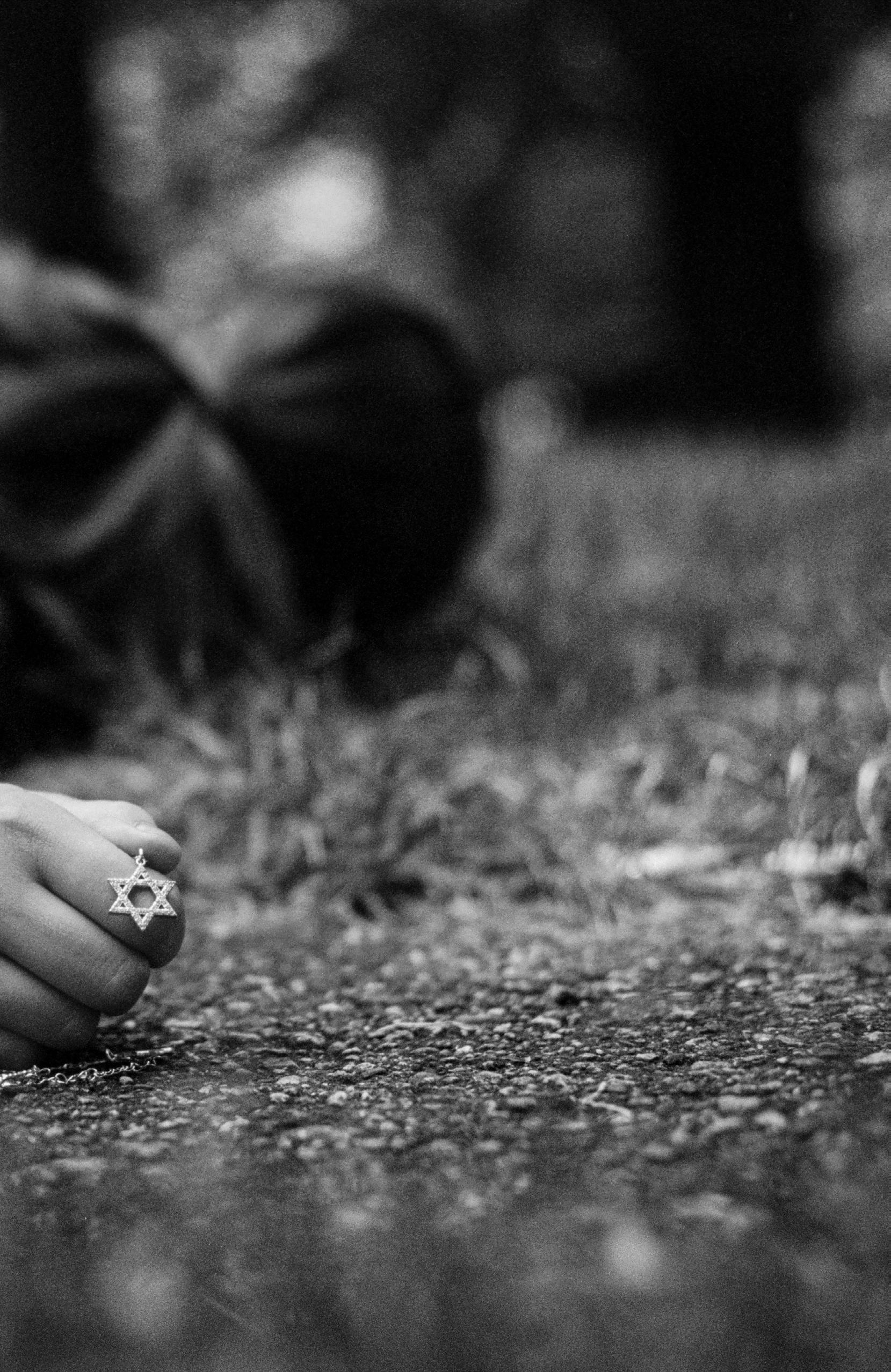
Hatred is Like Clay
Kimberly Lampidis
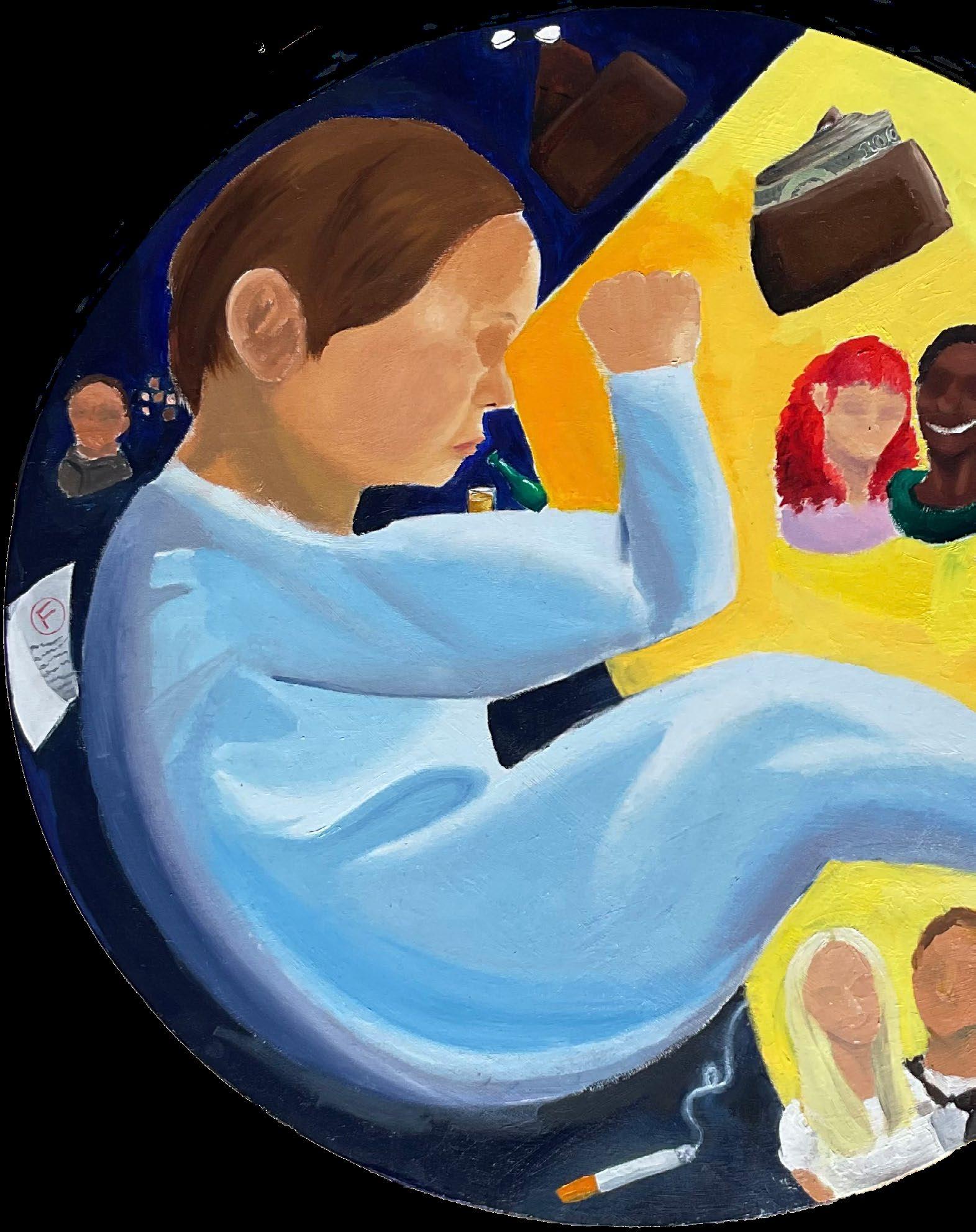
Naisha Cheruku Naisha Cheruku
ACHE
I bleed and devour, still I am not full.
I am the selfish beast who gorges on unattainable ambitions, with failure stuck on my teeth. Blessed from fortune and opportunity, but nothing of worth.
I wear my shame like skin–tender, bitter, raw. And scrape through my own flesh, seeking a purpose from blood. My hands cover cuts that never stop bleeding. Desperation claws for greatness; it slips as adequacy. My lungs tighten and choke knowing that I will never amount to anything higher. How can a body feel so empty and full of rot? I’ll drown in mediocrity. Exhausting this mortal body isn’t enough to satisfy my hunger. Even my suffering is not bloody enough. I ache to be more. (I ache to feel full).
Julia Chaves
Where I’m From
I am from cookbooks, from Maggi Seasoning and Callaloo. I am from the calm, comforting, cooking.
The spices that taste like my culture. I am from the palm trees, hibiscus, sorrel, the coconut trees, and sunflowers, whose petals are as bright as the morning sunrise.
I am from warm cornbread in the oven and caring personalities, from Andrea and Glennon and Urusula.
I am from the laughter and competitiveness playing domino. From “hard work pays off” and “when we reach the bridge we’ll cross it.” I am from “God will always be there for you.”
I’m from Miami and the Carey and Webb family, Ackee and salt fish and porridge. From the garden my grandparents’ created, a vast forest, my childhood playground.
Now my serene home. A place where I could walk around a million times spotting new plants my grandmother placed while I wasn’t there.
The blooming blossoms of the mango trees, and the jiggly jelly coconuts my grandpa cut for my family.
I am from the tree filled with pictures and branches of my life extending and growing as I get older.
Sydney Wider
Kayla Carey

Susana Sahagun
A
Gentle PUSH
“Dont let go okay?”
“Not until you’re ready” I got on my bike determined that today was the day. My dad had just taken off the training wheels.
“Ready?”
My heart pounded as my feet pedaled. The trees went by quickly as my bike picked up speed. A wave of confidence rushed over me.
“You can let go now!”
No response. My heart sank. I looked back while keeping balance. I saw my dad in the distance, waving at me. Did I just do that by myself? There I was – a six-year-old me riding alone, for the very first time.
Julia Cardoso
Kayaan Ghaffar
Sydney Wider
the unknown
I don’t have answers, not today, Just thoughts that come, then drift away. A song stuck in my head at night, A random text, a hallway light.
The world keeps moving, so do I, Some questions pass, I don’t ask why. It’s not too deep, it’s just the way We make it through one more day.
Nicholas De Niro
Zip Odes
33175
Angelina Carrero
Weekend farmers’ markets
Canals and iguanas
33139
Sunny, vibrant, iconic
Art deco dreams
Brine
Vibrant
Waking up to Isla’s croquetas and café,
Relaxing in the morning sun
Neon palms sway as salt skin days lead into night’s pulsating rhythms
33156
Carolina Aizemberg
Heartwarming vivid community
Fiery hot sunlight
Inviting
Peacocks crossing through the streets
A refuge away from the city
33143
Sofia Restrepo Arbelaez
Unpredictable weather, diverse nationalities, busy streets. That’s exactly what Miami is. Everything perfectly coexists
Yasmina Schinnerer
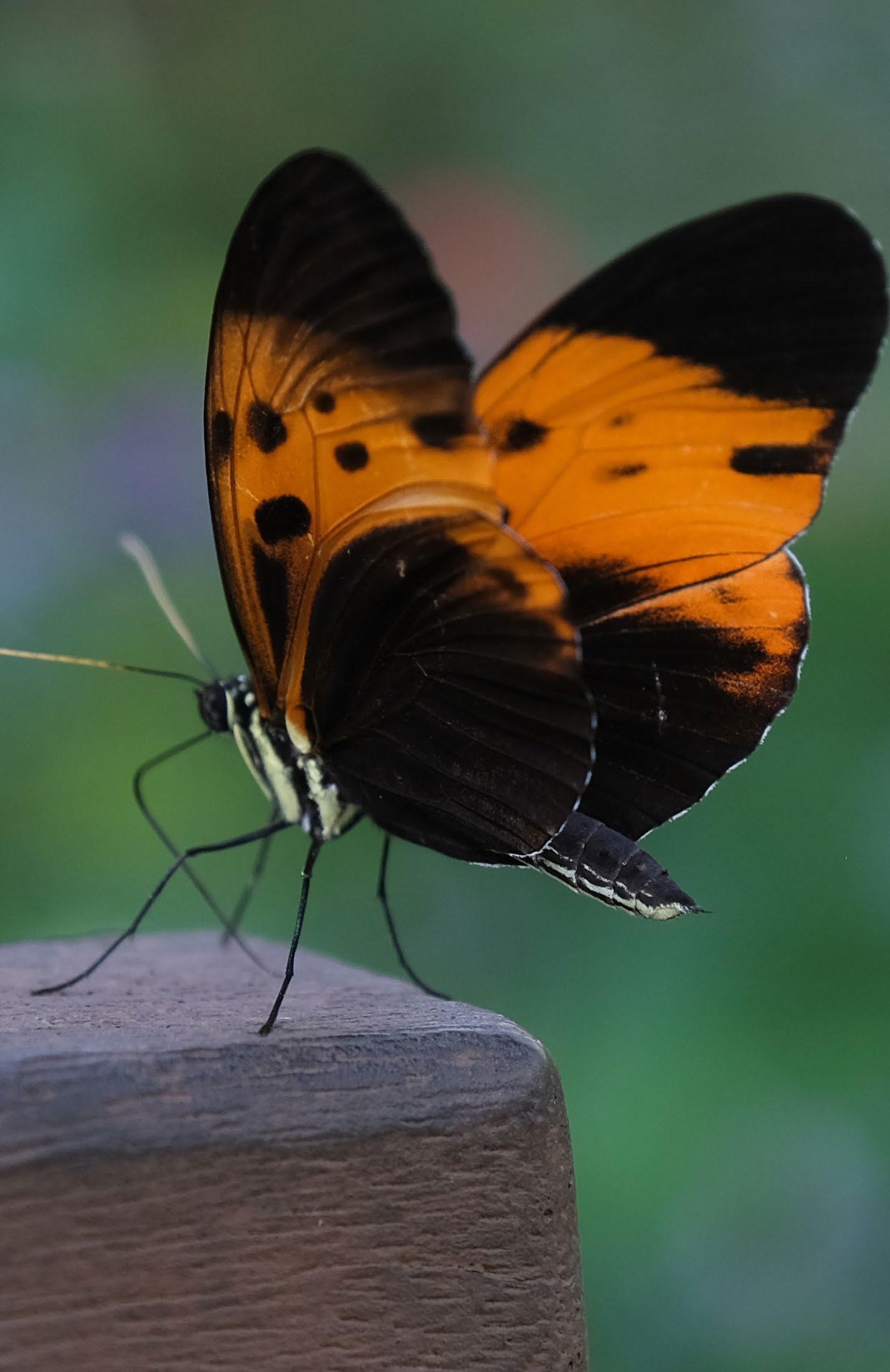
Susana Sahagun
low
POWERMODE
Reed Gettler
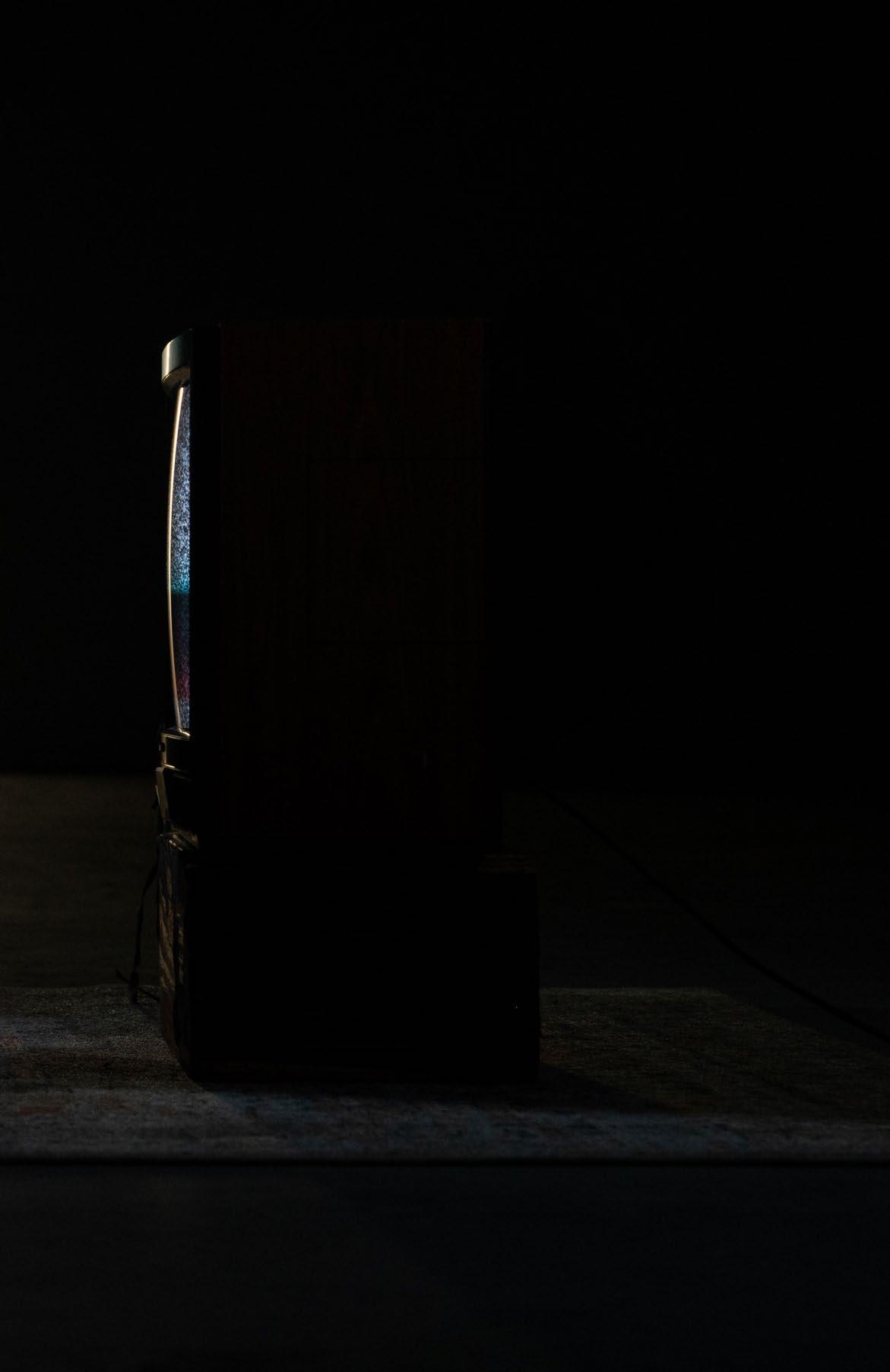
Warm peachy sunsets
Calming my turbulent mind
The hum of the world, distant, unreal Technology has made me blind
The sky melts in colors too soft to hold
Yet I chase pixels, what a story to be told Lost in the glow of artificial light
I forget the stars that once burned bright
Waves crashing and the wind carrying near But sounds and screens drown my ears
The sunset fades but I’m already blind The screen has taken my life
POLLO PARA TODOS
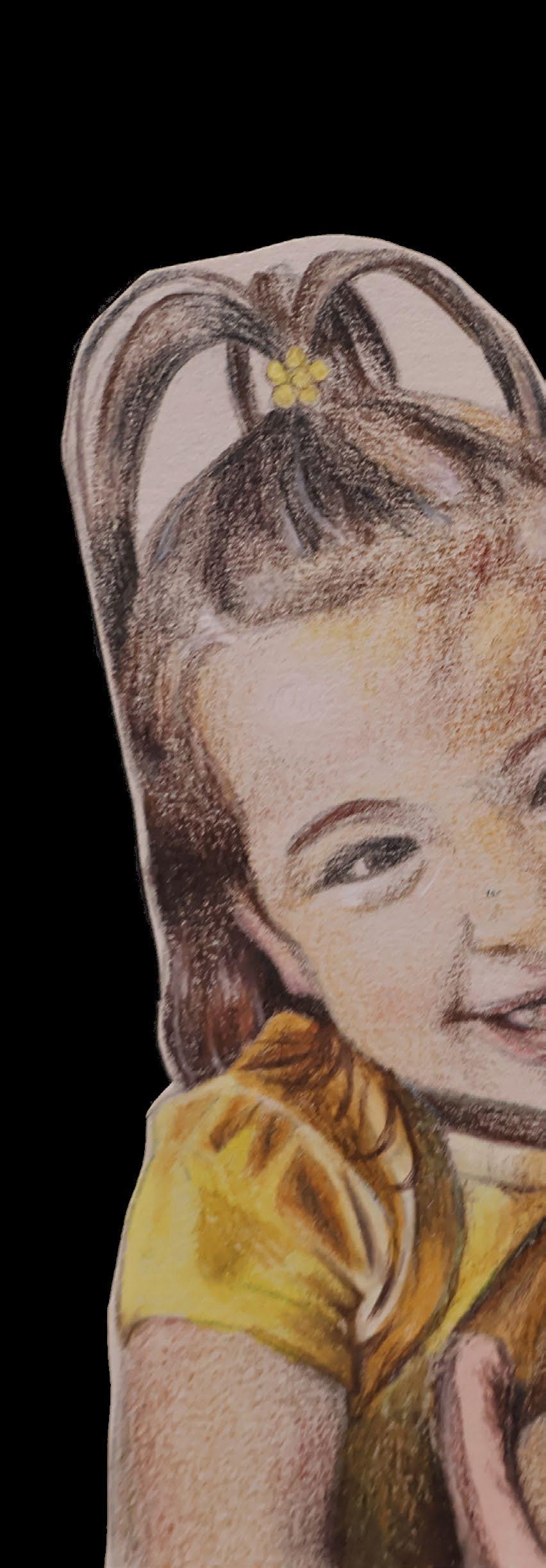
Kirsten Hug
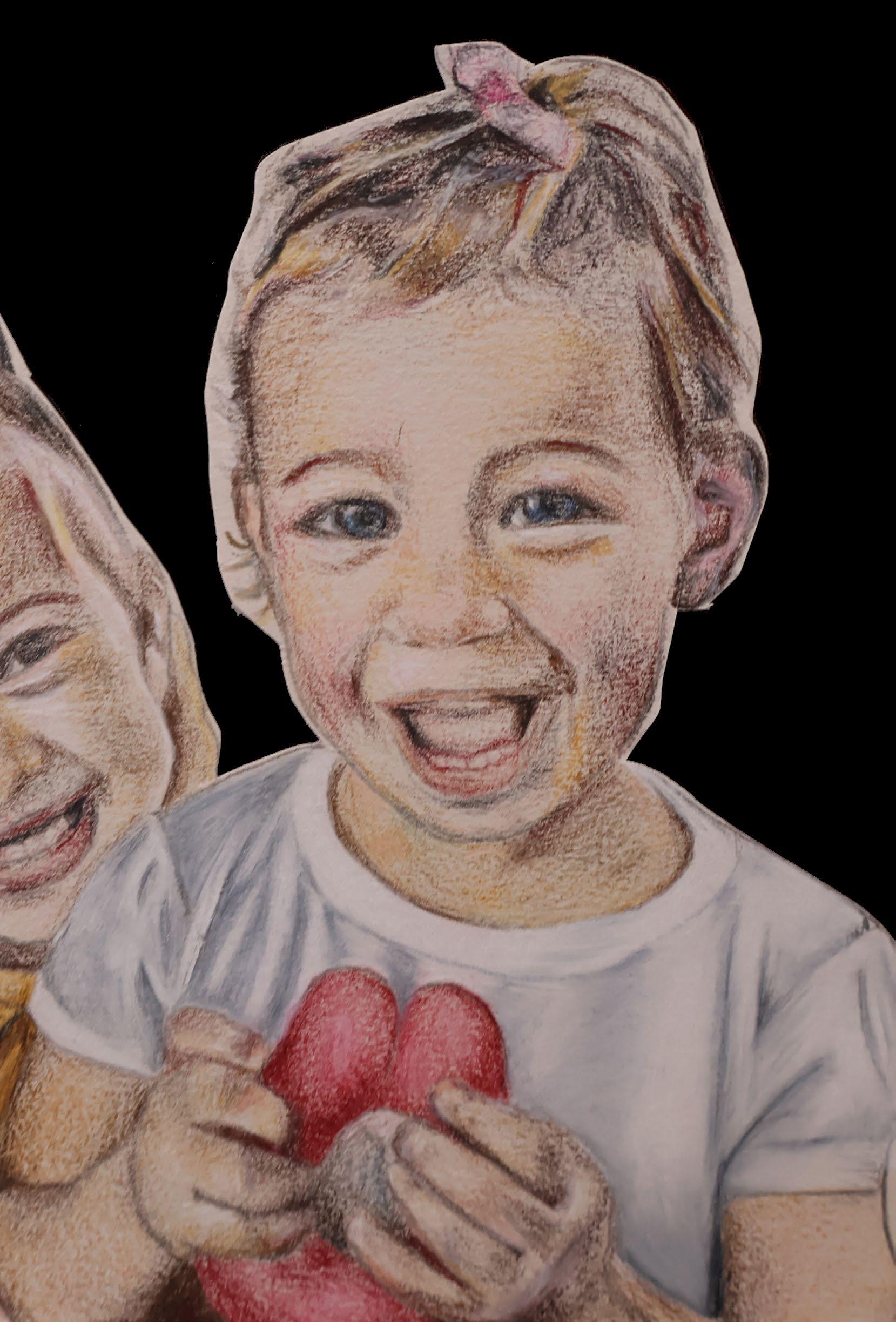
LiviaGross
Iwas born bright canary yellow, painted with a smiling chicken, gleaming bold letters on my side; “Pollo Para Todos.” Chicken for everyone.
I was a promise, a “meal on wheels,” they called me. Diego named me with pride, his wife laughed the first time she saw me.
“You’ll feed the entire city,” she said, as she kissed my hood. And I did just that.
For 15 years I was alive with sizzling oil, garlic, and cumin. Families leaned on me as they tore into golden, warm empanadas, as they watched fútbol on my tiny television.
Nurses found warmth in my chicken soup, during their midnight shifts, where nothing else was open. Children in the summer would come and press their little noses against the window, as they begged for gelato, as their mothers looked for money, and the sun scorched up in the sky. Diego would hand over food as if it was a prized treasure.
But alas the city changed.
Now customers chase new, sleek silver trucks with glowing menus and neon signs. Their music thunders, their sauces sold separately. My paint peels. My engine rumbles. My oven shuts down. I am ignored.
Diego tries to smile, but I feel his sorrow more than anyone, in every turn of my key, every toss of the fries, at night when he counts the few dollars in the register, when his fingers brush the photo of his wife.
Every night he kisses it. She’s been gone for three years, yet it feels like just yesterday when she was putting the empanadas in the oven, as she chatted with a customer about her mothers recipes.
Tonight, Diego whispered, “One last ride.”
I carried him through the city one last time. Past the church where he would hand out chicken tamales on Christmas. Past the park where he would give starved teens free food, because they had empty kitchens. Past the abuela’s home where they would squeeze Diego’s cheeks and talk in broken English to the single moms about the latest gossip. Each corner carried ghosts and I bore them all deep in my heart of steel.
At the pier, Diego unwrapped a burrito, the last of the night.
The burrito tore as he ate, guacamole dripping, beans and chicken spilling, but the smell was alive the same as ever, cilantro, lime with a dash of love, you could only get from someone who truly cared.
Then a boy appeared, hoodie tight, hunger written across his face.
“Are you selling?” he askedDiego gave him the final two burritos. The boy bit in, eyes wide in amazement, a smile shooting across his face.
“This is the best burrito I have ever had, better than any restaurant!”
For one moment I felt full again, full of life, laughter and endless possibilities.
But stars burn out, people get old, trucks rust.
When the boy left, Diego climbed back inside. He smiled, tears in his eyes, “Lo hiciste bien, mi amigo,” he said as he kissed my steering wheel, you did good my friend.
I wanted to wail, to shout that there was still heart left in me, even if no one else saw it. But all I could do was turn on my engine as I rattled and wheezed my way to the yard of silence.
The gates yawned open, like a grave. The smell of rust was prominent everywhere. My engine shook, not from age but from fear.
Diego parked. His hand lingered on the wheel, heavy with memories. I think he was listening to all the laughter he had, all the joy I brought, and the ghosts of every meal I ever served.
But slowly, he turned me off. My lights dimmed. My engine off. My heartbeat ceased. Darkness.
But memory does not rust. I live in the nurse’s soup, the boy’s burritos, and in the warmth I once brought to so many people.
Yo soy Pollo Para Todos.
I am gone.
But I still feed everyone.
The first of the rest of my life
morning
6:00 am. Tel Aviv. October 7th.
Nobody had decided what kind of day it would be.
I was somnolent when I heard the sirens.
I moved quickly – not running, just knowing
The shelter was colder than the hallway,
smelling like metal and dust.
My phone lit up – one notification, five, then a flood.
Names I hadn’t seen in years,
“Are you safe?”
“I heard the news.”
The walls shook, like a warning from the sky.
Although I couldn’t see it I felt it, deep in my ribs
The kind of feeling that changes your understanding of the world.
Kirsten Hug
Sydney Wider
CHILDHOOD of ECHOES
Kirsten Hug
Olivia Bueno
Childhood once poured through me like sunlight, and now its warmth has quietly escaped me. I was built to hold them. Metal bones, wooden benches, sand that clung to tiny toes. I was the squeak of swings, the scorching feeling of slides under the summer sun, the hollow echo of laughter that bounced across my monkey bars.
The first ones came in tiny shoes, unsure hands gripping my rails, sticky fingers from mango and strawberry popsicles, hair mussed from running. I held them all. I watched their small triumphs; climbing higher than they thought they could, jumping from slides and trusting the wind to catch them, whispering secrets under my benches.
To them, I was their world.
The summers were my favorite. I remember the siblings who argued over the singular red swing until one shoved the other into the woodchips, only to laugh and pull her back up again. I remember the boy who loved the sandbox more than anything else, building castles, no tide could wash away. I remember the girl who spun on the merry-go-round until her laughter tumbled over itself, dizzy and content, until she collapsed onto the grass with her friends laughing around her. There were scraped knees and bruised elbows. Superhero bandages worn like medals of honor. Every sound, every handprint, every footprint pressed into me, molded into my wood and sand, metal and air. I was alive with them.
I remember the first time a kid climbed to the tippity top of the slide and hesitated, trembling then jumped down, giggling at each spin. I remember the first secret whispered under a bench, the first tiny betrayal of a friend, the first small victory that made them puff their chest up like the world belonged to them. I can still recall the pies, made from mud sold from my small stand. Each summer, I held new children, and each fall I watched some leave for middle school, some left for homes far away, to cities I could not name. And every year I waited for the next ones, the next hands, the next laughs.
And then the quiet began. At first, just in the late afternoons. A child stayed inside to finish homework. Another picked up a videogame instead of running to the sea-saw. I heard the hum of televisions, the click of controllers, the tap-tap of thumbs on screens, instead of reaching for my bars. My swings creaked under nobody, slides gleamed but offered no thrill, and the sandbox froze with footprints that would never be replaced.
The laughter thinned, my metal rattled, empty. I waited. They didn’t come. I tried to hold on. I remembered their games, their shouts of victory, tears of frustration, their small fears. Insignificant to adults, the world to their little brains. I remembered the first crush, the secrets whispered under my
slides. I remember the way they held their friends’ hands on the monkey bars, the way they could run to my swings from their parents’ cars after school. I remembered it all and I ached.
And then the last one left. Not far, not forever, but to something brighter, louder, faster than me. She stopped swinging, stopped sliding, stopped running. She carried her bright laughter inside, into the glowing screen her eyes couldn’t leave. I felt the emptiness. My swings hung still. My slides reflected the sunlight, yet offered no joy. The sandbox held shadows of footprints, yet no feet pressed new ones into the sand. Childhood had walked away.
I waited. And I remembered. Every day I remember her hands, clutching my rails, her scraped knees, covered in princess bandaids, her upsidedown sunglasses and off-centred ponytails swishing back and forth as she jumped from bar to bar. She laughed with her friends under the hot metal slides, whispering about boys, playing with their dolls, and eating lucky charms. The thrill in her eyes as she dared something new. Every joy, every disaster, every little success, every whisper, was a small part of me. But they won’t come back. Not really. Their legs will grow taller than my swings. Their hands will stop reaching for my bars. They will trade scraped knees for deadlines, mud pies for resumes, secrets under benches, for conversations in boardrooms. Replace jumping without looking, to waiting for permission. They will go from selling mud pies, to selling medications on the phone. The world will ask them to be older, and they will listen.
As children, confidence poured through them. They believed they could be astronauts, presidents, inventors, heroes. They believed they could fly if they just pumped their legs high enough.
But then the world will teach them about gravity. It will teach them about failure, comparison, and expectations. It will hand them mirrors and tell them they aren’t enough. It will hand them clocks and tell them they are running out of time.
And they will listen.
They will forget the smell of cut grass in June. Forget the sting of a fall that ended in laughter, instead of embarrassment. Forget how fearless they once were, when the only risk was landing in sand. They will forget how they used to laugh, how boldly they used to dream, and how easily they used to believe in themselves.
But I will remember who they were before the world told them who to be. And I will stay here, swinging still, sand waiting, resting on quiet metal, holding the fearless versions of themselves. Childhood once poured through me like sunlight, and now its warmth has quietly escaped me.
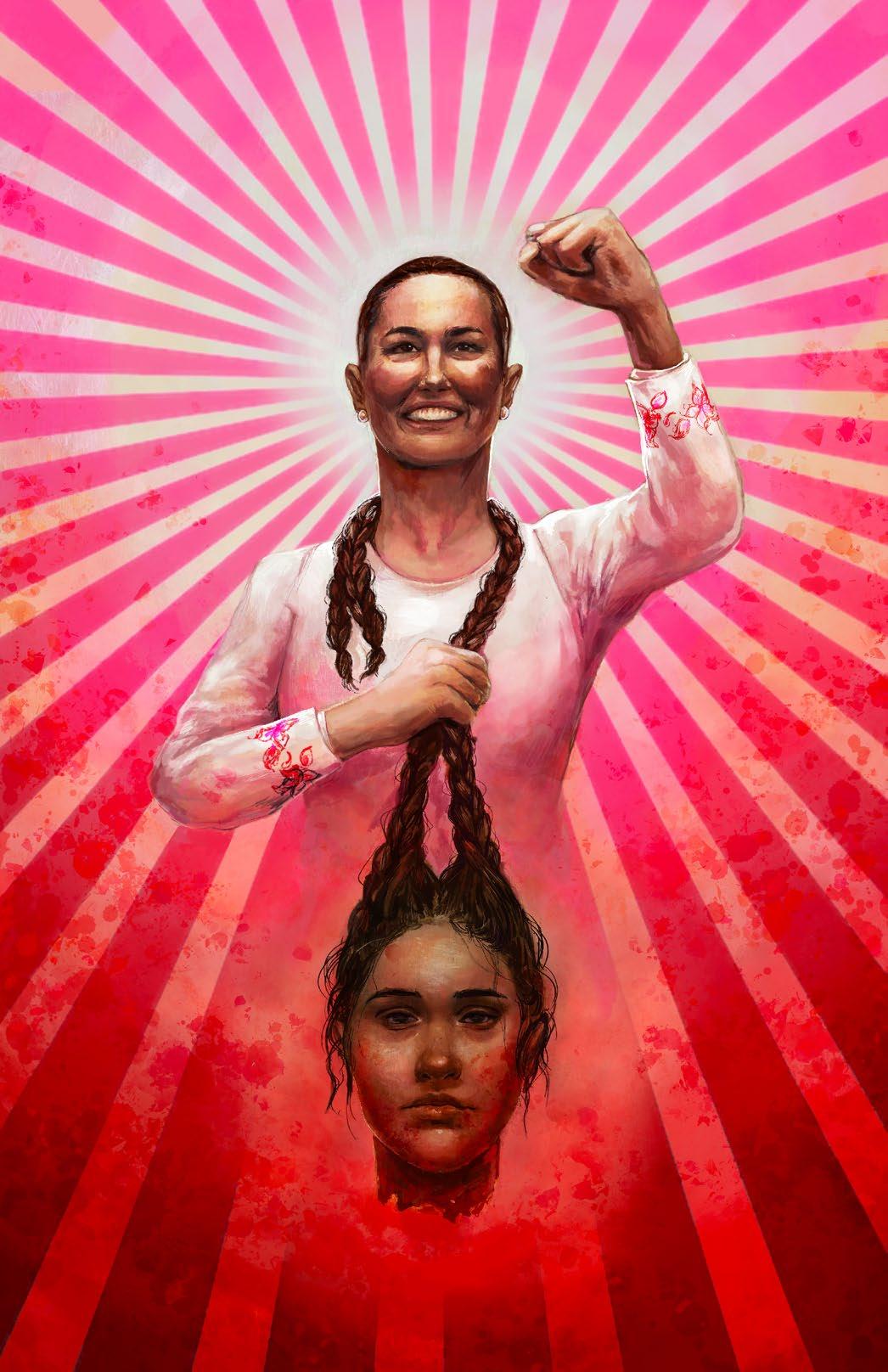
PERSEPOLIS:
A MIRROR IMAGE
I read Persepolis when I was nine. While those who placed this graphic novel on the banned-book list would argue that it robbed my innocence, I’d say it was long gone before I ever plucked the book off my mother’s shelf.
After exhausting my school library’s collection, finding what seemed to be a tween graphic novel felt like striking gold. It looked like another coming-of-age tale where romance and friendship prevailed through social awkwardness – a hopeful fantasy keeping my head in the clouds. Alas, Persepolis was no Babysitters Club, Dork Diaries, or Smile. It wasn’t the
Tamara Santoyo
reprieve from reality I was looking for. Persepolis was a mirror; its pages a skewed reflection of my world, but still unmistakably mine. It was a blunt reminder bringing me plummeting back down to Earth.
The Iranian Revolution’s brutality didn’t faze me. I did not know war like Marjane Satrapi did, but I knew oppression. I knew violence. And, I knew fear.
I was a nine-year-old Mexican girl who couldn’t leave the house without a man for fear of being kidnapped and raped, who saw guns pointed at people during red lights, who heard whispers discussing the latest missing journalists or politicians, and who was desperately trying to keep my mouth shut about it.
My parents told me I was an opinionated young lady, but their pride at my outspoken nature was laced with concern. Saying the wrong things around the wrong people could paint a target on our backs; it was an unspoken fact they couldn’t shield me from. The threat of violence held a tight grip around all our necks; its pressure on my vocal cords was impossible to ignore. So, I grew silent. My opinions were kept under lock and key. Filled with the knowledge that the adults were hiding a world of horrors, I shoved my nose into books, dreaming of a simpler life. But the pages I flipped through reopened Pandora’s box.
I shouldn’t have understood what I was reading; I shouldn’t have found camaraderie in it.
But I did.
And I found something else in it too– a solution to the suffocating silence I was forced into.
The drawings in my books weren’t just visual guides; they were a language. Art is quiet and discreet in a way words could never hope to be; Persepolis’s illustrative cover disguised a critique of an oppressive regime as a simple young adult novel. Because art is often taken at face value, its messages can hide in plain sight, visible only to those who know how to listen. That, I realized, was where its –and thus my– power lay.
This realization sparked action; my mindless sketches turned into comics sharing whatever terror I’d overheard that day through harmless pictures. While teachers glossed over my “doodling” without blinking an eye, other students were intrigued. They inevitably asked to see them, I obliged and watched as their eyes filled with recognition. Mexican children aren’t privy to innocence. When seeing my comics, they didn’t see drawings; they saw the elephant in the room. Sometimes this sparked conversations, sometimes it didn’t. But the quiet relief in their eyes, knowing someone else saw it too, was enough. I found a way to speak in silence.
Eventually, I left Mexico’s violence in my past – but I took the influence Persepolis had on me into the present.
In America, I no longer censor myself; yet, art remains my silent voice. My works critique Mexico unapologetically, but only those in the know will get it. Although Satrapi didn’t intend for young children to read her work, she made it with the hope that people like me would finally see themselves represented. Her novel may have meant nothing to some people, but it meant everything to me. Through my work, I hope to pass on that note, to show some other little girl how to find power in the quiet.
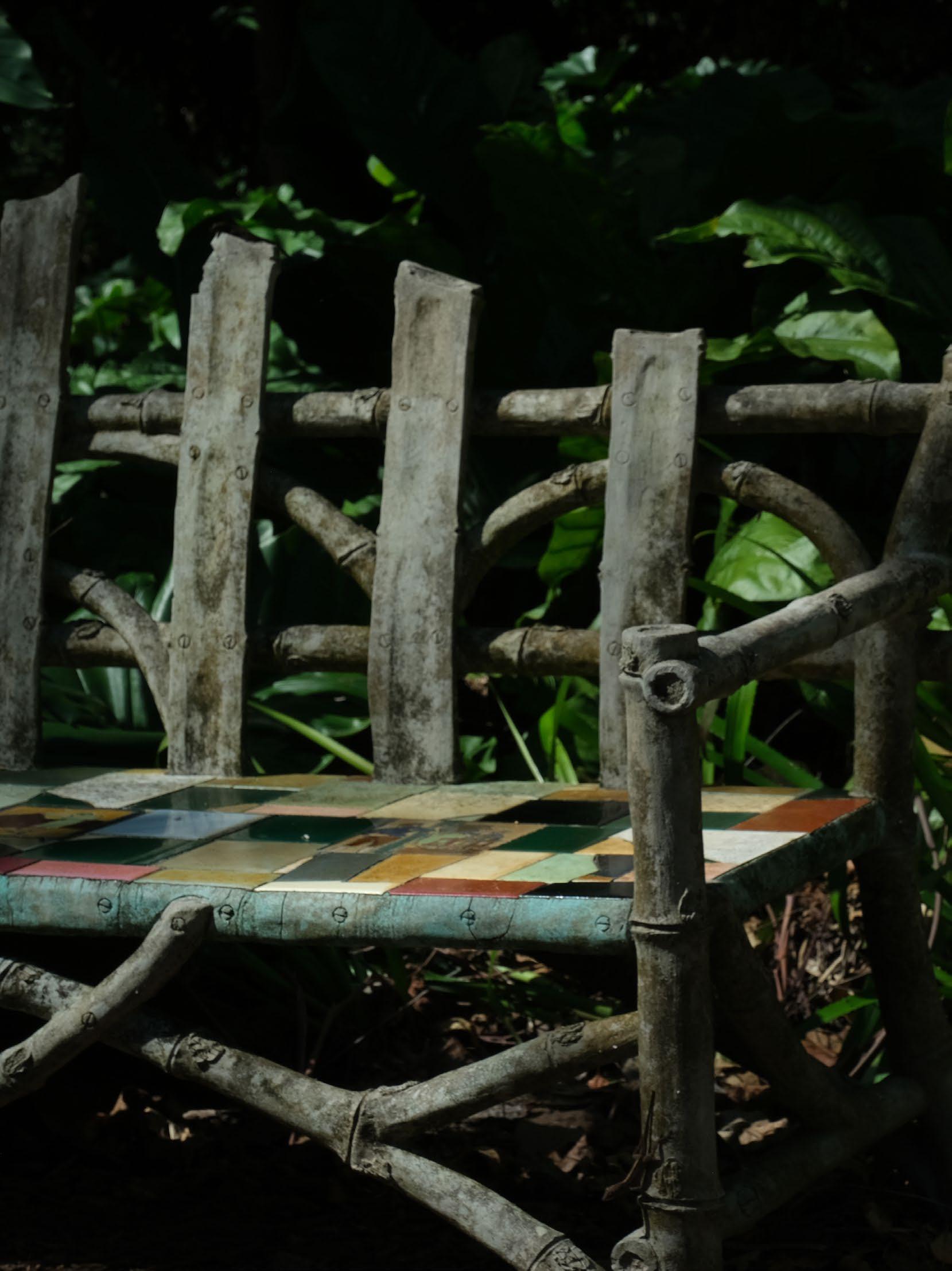
Susana Sahagun
The future
Umfolds
The future hums in circuits bright, A whispered dream, a pulse of light. Cities rise with silent grace, Sky-bound towers, a cleaner space.
Oceans healed from careless hands, Forests dance on thriving lands. Children breathe a gentler air, Their laughter proof that we still care.
The sun fuels more than fields and flame, Winds and tides now play the game. No smoke, no ash, no poisoned stream— Just power drawn from nature’s dream.
But still we stand at paths unknown, With choices carved in flesh and stone. Do we build or do we burn?
Do we forget or do we learn?
The future waits with open eyes, Not promised yet—but we may rise.
To hold it firm, we must begin
To shape the world we all live in.
Alexander Zelenov
COLOPHON
The 2025 edition of the Reflections Literary Magazine was printed by Executive Printers of Florida in Miami, FL, with a press run of 200 copies. Designers created the magazine using Adobe Creative Suite on iMac computers. Fonts included BROOKLYN BBROOKLYN BOLD ITALIC, BROOKLYN SEMIBOLDBROOKLYN NORMAL, Modernline, and Helvetica Light, and Helvetica Neue Bold. The 4-color process cover is printed on 80# Dull, with a gloss aqueous coating. The magazine consisted of 48 pages, printed in 4-color process on 80# Dull Text. Reflections features additional online content through our companion website gulliver.life/reflectionslitmag, which is student created, managed, and produced. All submissions are reviewed, selected, and edited by the Reflections Literary & Arts Magazine editorial board. All literary and artistic work featured in Reflections is created by Gulliver students.
Tamara Santoyo

STAFF
EDITOR-IN-CHIEF
Valentina Mouhaffel ‘26
CONTRIBUTING EDITOR
Kirsten Hug ‘28
LAYOUT DESIGNERS
Annabelle Rivas-Vasquez ‘29
Megan Markus ‘28
Daira Perez ‘28
Valentina Velez Garcia Granados ‘28
Susana Sahagun ‘28
Sadie Scheiner ‘27
Daniela Solorzano ‘27
Samantha Alonso ‘27
Sasha Bailine ‘27
Stella Cardoso ‘27
ADVISER
Monica Rodriguez
EDITORIAL POLICY
As the official literary and art magazine of Gulliver Preparatory School, Reflections provides a forum showcasing the wide creative scope of the student body. Works are solicited directly from students, as well as through art and creative writing classes. All students are welcome to submit entries. Submissions are carefully reviewed by the magazine’s editorial board, made up of students enrolled in the Print Media Production and Journalism, Design and Multimedia courses, within the Digital Mass Media Signature Program.
gulliver.life/refelctionslitmag
Pacemaker Award, National Scholastic Press Association
Silver Crown Award, Columbia Scholastic Press Association
Sunshine Standout Award, Florida Scholastic Press Association
REALM Superior Rating, National Council of Teachers of English
NSPA All American, CSPA Gold Medalist -*All Columbian Honors, FSPA All Florida Ranking
: FSPA, NSPA, CSPA,
Joaquin Sandaal