SUMMER 2026

SUMMER 2026
Summer is when gardens are truly lived in. By this point in the season, planting has softened and filled out, outdoor spaces become part of everyday life, and the connection between house and garden feels at its strongest.
This edition of The MR Edit explores how gardens evolve during the height of the season, from outdoor kitchens and dining spaces to layered planting, water features and summer lighting designed for long evenings outdoors.
At MRLandscapes, we believe the most successful gardens are those that feel effortless to use. Spaces that adapt naturally throughout the day, support the way people live, and continue to evolve beautifully over time.
This issue reflects that approach - balancing practical design thinking with the quieter details that shape outdoor living during summer.
We hope it offers inspiration for the season ahead.
Gemma Charles Editor, The MR Edit Associate Director, MRLandscapes
Website: mrlandscapes.co.uk Email us: info@mrlandscapes.co.uk Call us: 02080 872334

www.facebook.com/mrlandscapes.co.uk
Editorial & Production Credits

www.instagram.com/mrlandscapesuk
Editor: Gemma Charles Creative Direction: MRLandscapes Graphic Design: Richard Shiner Photography: MRLandscapes & contributors
Image Credits
All images unless stated © MRLandscapes. Front Cover iStock: Antonina Vincent Page 3 Top Right Aleks Ozols Middle Right iStock: Sudarat Paneechart Bottom Right iStock: Onurdongel. Pages 4 & 5 All images: Nigel R Glasgow. Page 6 Top Middle Aleks Ozols. Other images MRLandscapes Page 7 iStock: y-studio. Page 8 Main Image iStock: Sudarat Paneechart Page 9 Top Right iStock: BasieB Page 10 & 11 All images MRLandscapes. Page 12 & 13 All images Aleks Ozols. Page 14 Main Image: Nigel R Glasgow Page 15 Top Right iStock: Antoninapotapenko Bottom Left: Grillo Outdoor Kitchens. Page 16 Middle Left iStock: kzenon Bottom Left iStock: Maryviolet Bottom Right iStock: Jevtic Page 17 Top Right iStock: OzCameraman Middle Left iStock: Vladdeep Bottom Right iStock: Mkovalevskaya. Page 18 Main Image iStock: RossHelen Bottom Left iStock: KatarzynaBialasiewicz Page 19 Bottom Right iStock: onurdongel. Page 20 Main Image iStock: Antoninapotapenko Page 21 Top Left iStock: Explora_2005 Top Right iStock: Heidi Patricola. Page 22 Main Image iStock: 5PH Page 23 Top Right iStock: Wirestock Middle Left iStock: beekeepx Middle Right iStock: chandlerphoto Bottom Left iStock: welcomia Bottom Right iStock: mtreasure. Back Cover Nigel R Glasgow
Page 4
Features Project
A garden designed for summer living, connection and effortless outdoor flow.
Design Notes
Designing gardens for movement, rhythm and everyday living.
Plant Spotlight
Hydrangea and the richness of summer planting.
Material Focus
Warm stone, natural textures and timeless material palettes.
Chelsea Flower Show
The standout ideas, planting inspiration and design details we’re bringing home from this year’s show.
Feature Conversation
Oscar Marsland-Roberts on timeless garden design, structure and modern outdoor living.
Outdoor Kitchens
Creating spaces that bring together cooking, dining and relaxed outdoor living.
The Summer Protection Edit
Simple seasonal care to keep your garden looking its best throughout summer.
Effortless Summer Living
How thoughtful design creates outdoor spaces that feel relaxed, welcoming and made to be enjoyed.
Water in the Garden
Movement, reflection and calm within the landscape.
The Summer Pour
A seasonal drink for long evenings outdoors.
Autumn Preview
A first look at the colours, textures and ideas shaping next season.autumn planting.
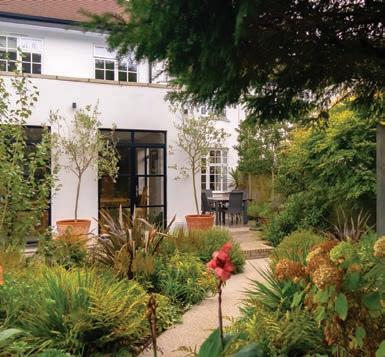
Outdoor living, designed for connection
Spaces that flow naturally between house, garden and everyday life.
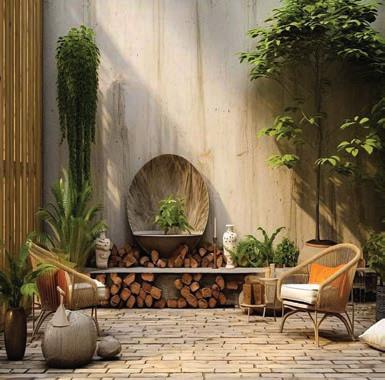
Warm materials and relaxed structure
Natural textures, refined detailing and spaces designed to be lived in.
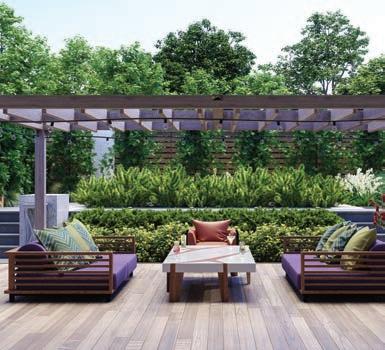
Layered planting and summer texture
A softer, more immersive approach to seasonal garden design.
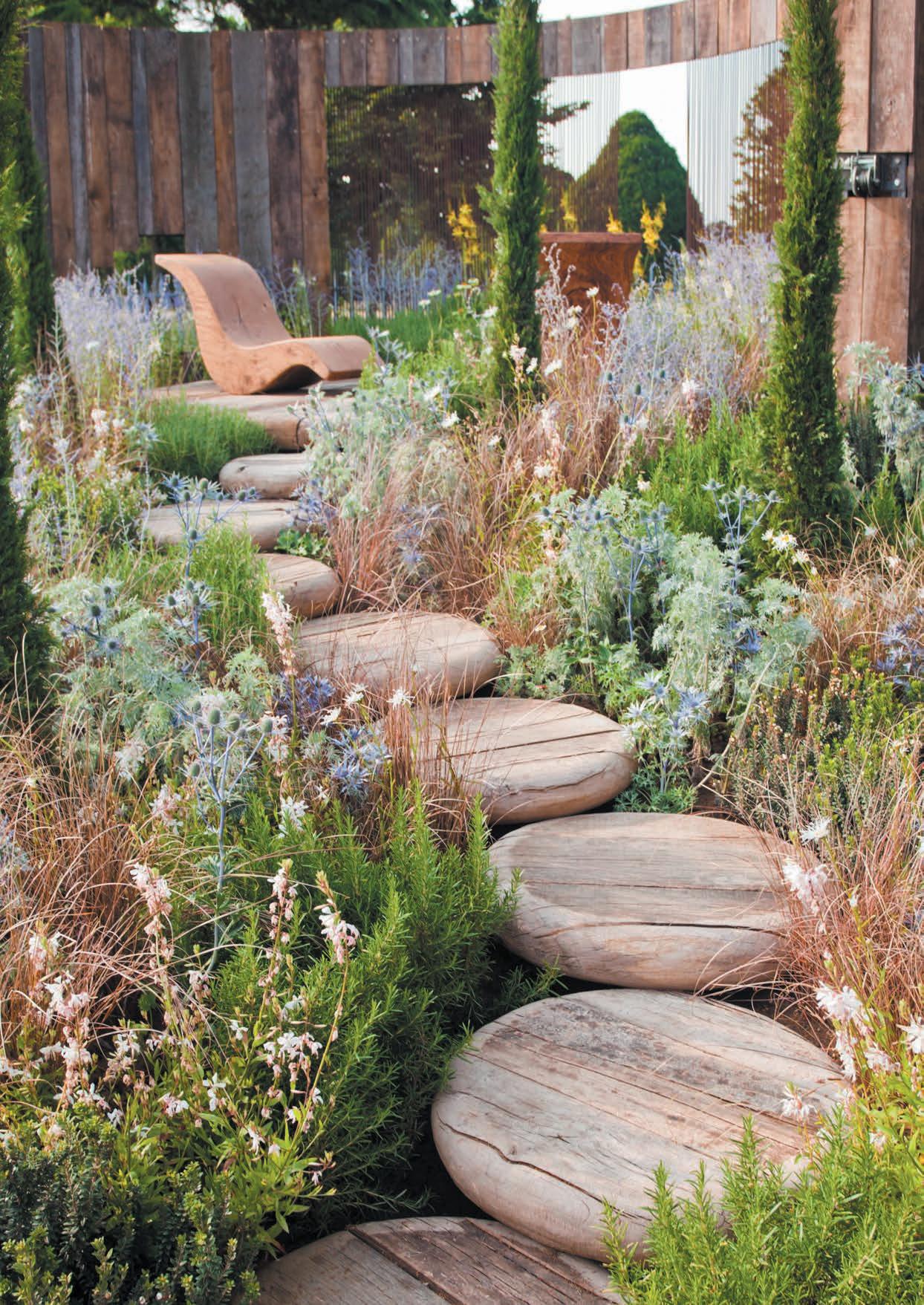
Some gardens reveal themselves slowly.
As summer settles in, this space becomes increasingly immersive, planting softens and expands, movement flows more naturally through the garden, and outdoor living becomes part of everyday life.
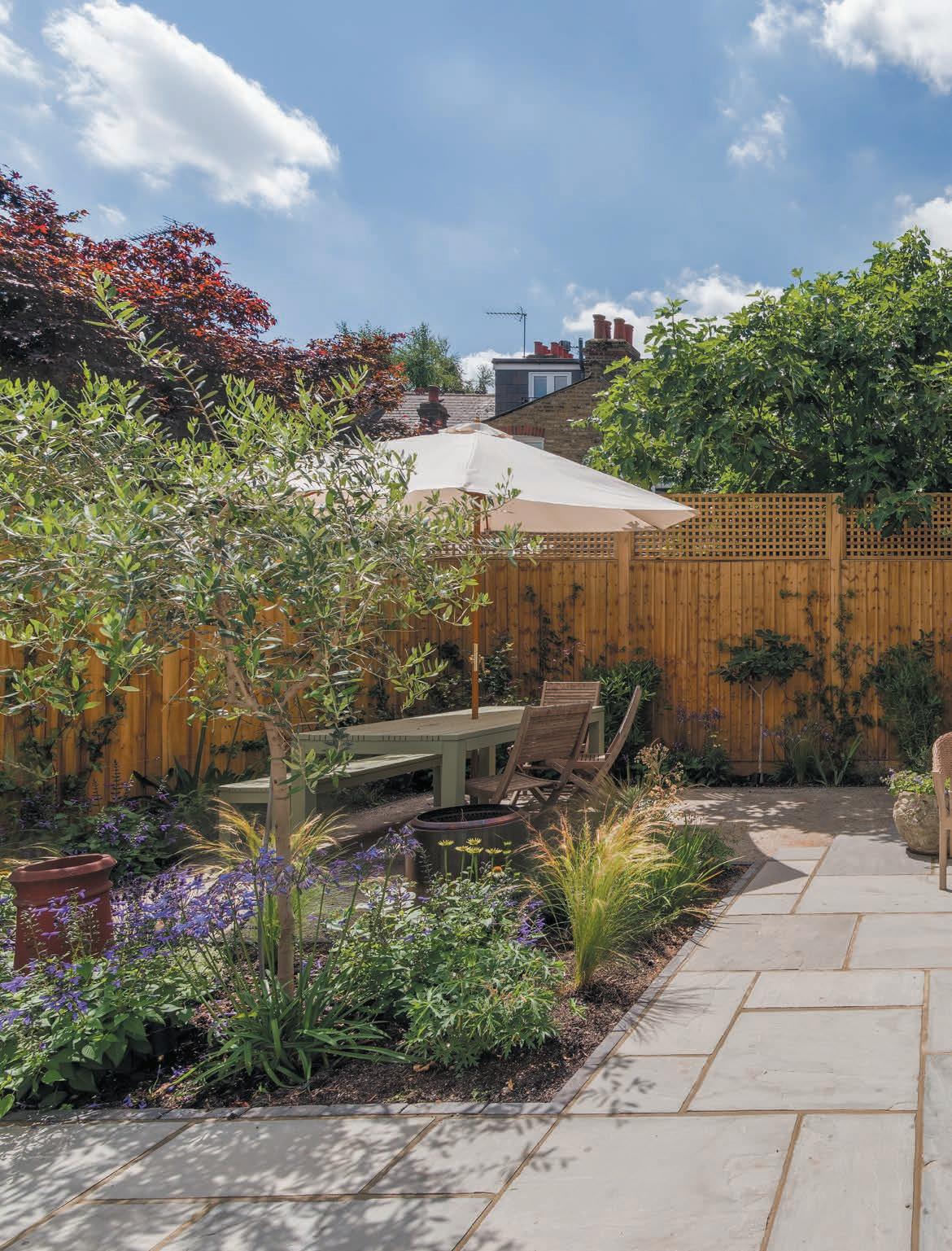
It is a garden shaped not around a single moment, but around the rhythm of how the space is lived in throughout the season.
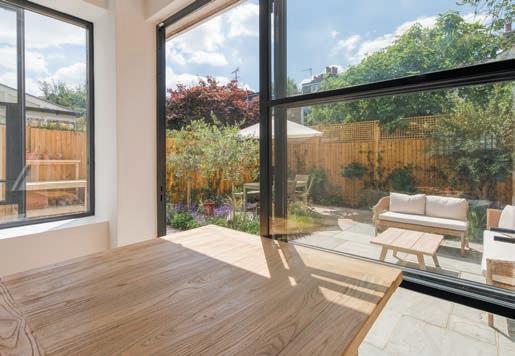
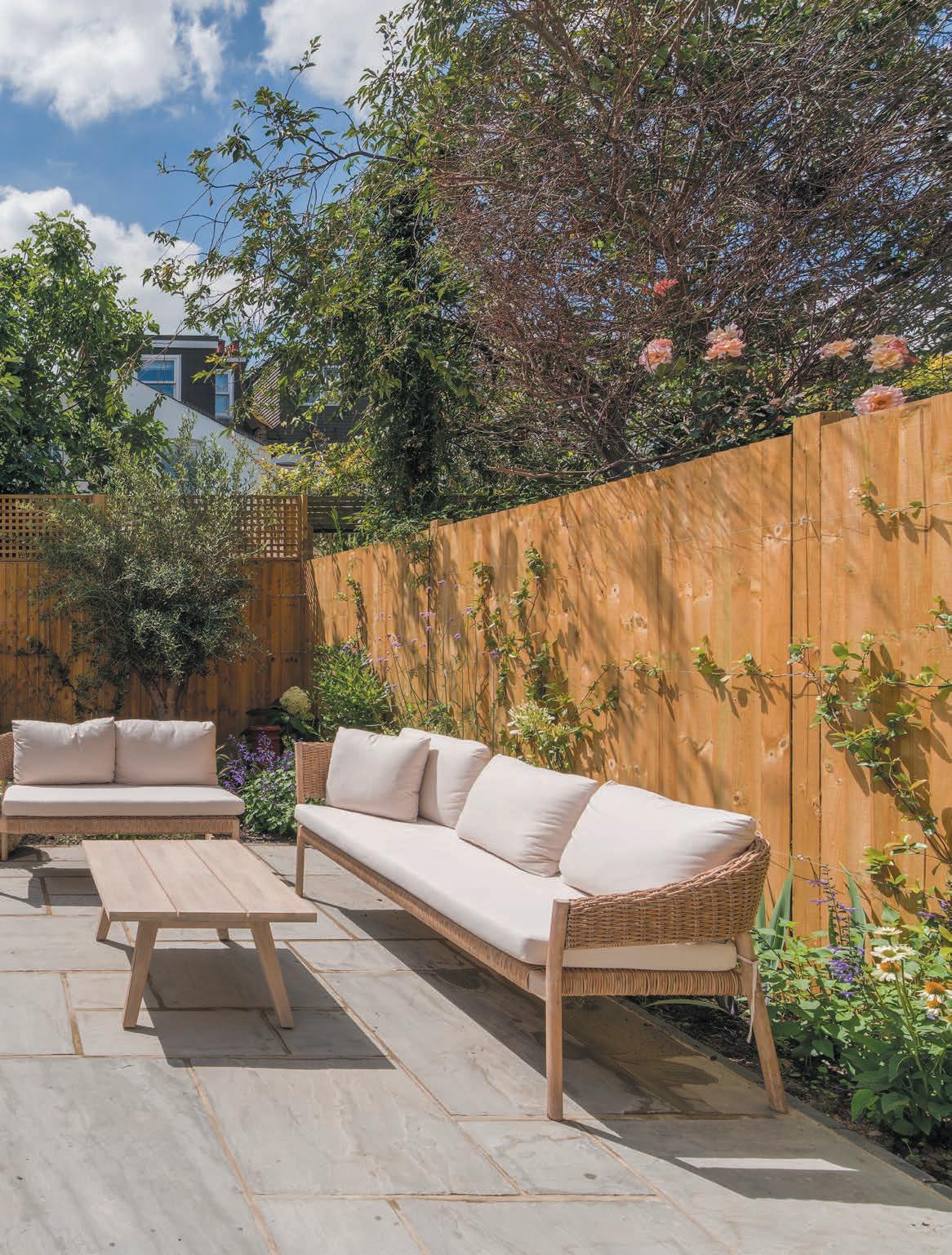
The layout is intentionally calm and balanced. Defined zones create structure, while softened planting edges introduce movement and a sense of ease. As the season progresses, the garden becomes more immersive, evolving naturally without ever feeling overdesigned.
Views are carefully framed to draw the eye through the space, while subtle level changes and pathways create a gentle rhythm as you move through the garden.
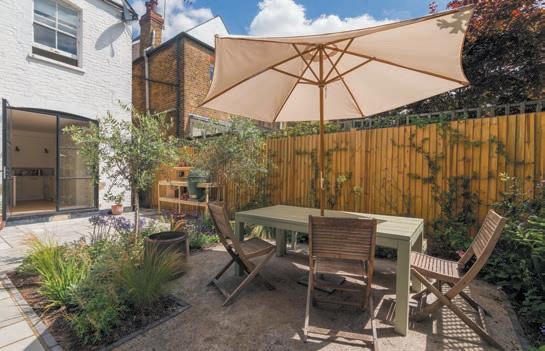
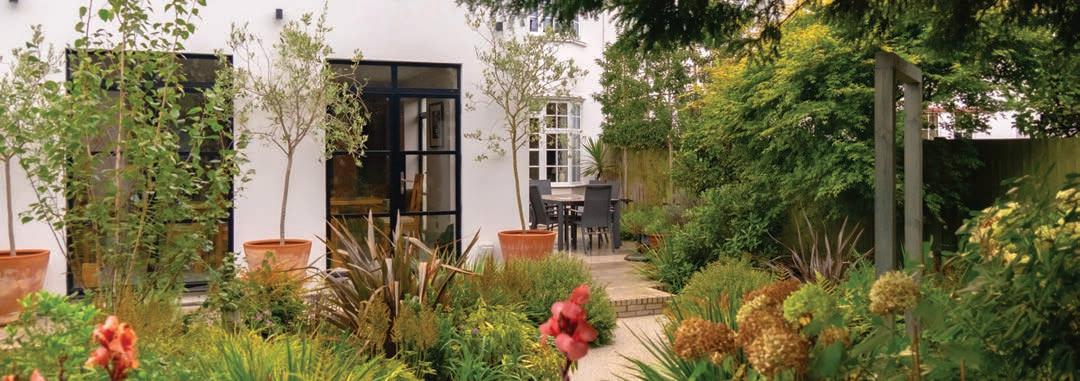
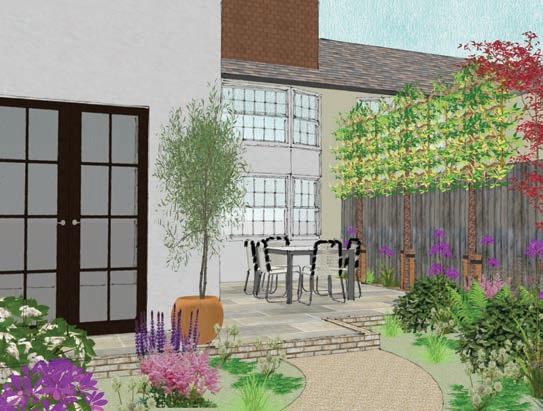
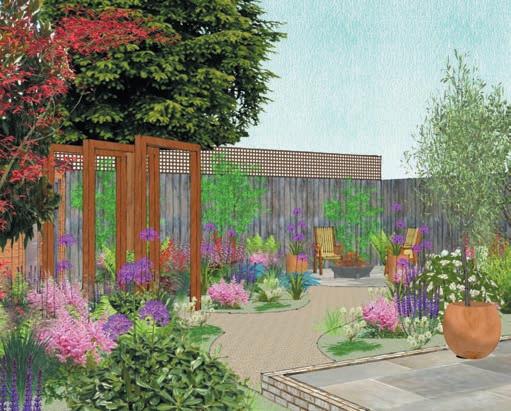
At MRLandscapes, layouts are carefully considered to create rhythm, flow and moments of pause throughout the garden.
The most successful gardens are rarely defined by a single feature.
Instead, it is the layering of planting, materials and detail that creates atmosphere and a sense of place. Throughout the summer months, textures soften, borders become more immersive and the garden begins to take on a character of its own.
Designed to evolve with the seasons, this garden demonstrates how thoughtful planting can transform a space from something simply viewed into something truly experienced.
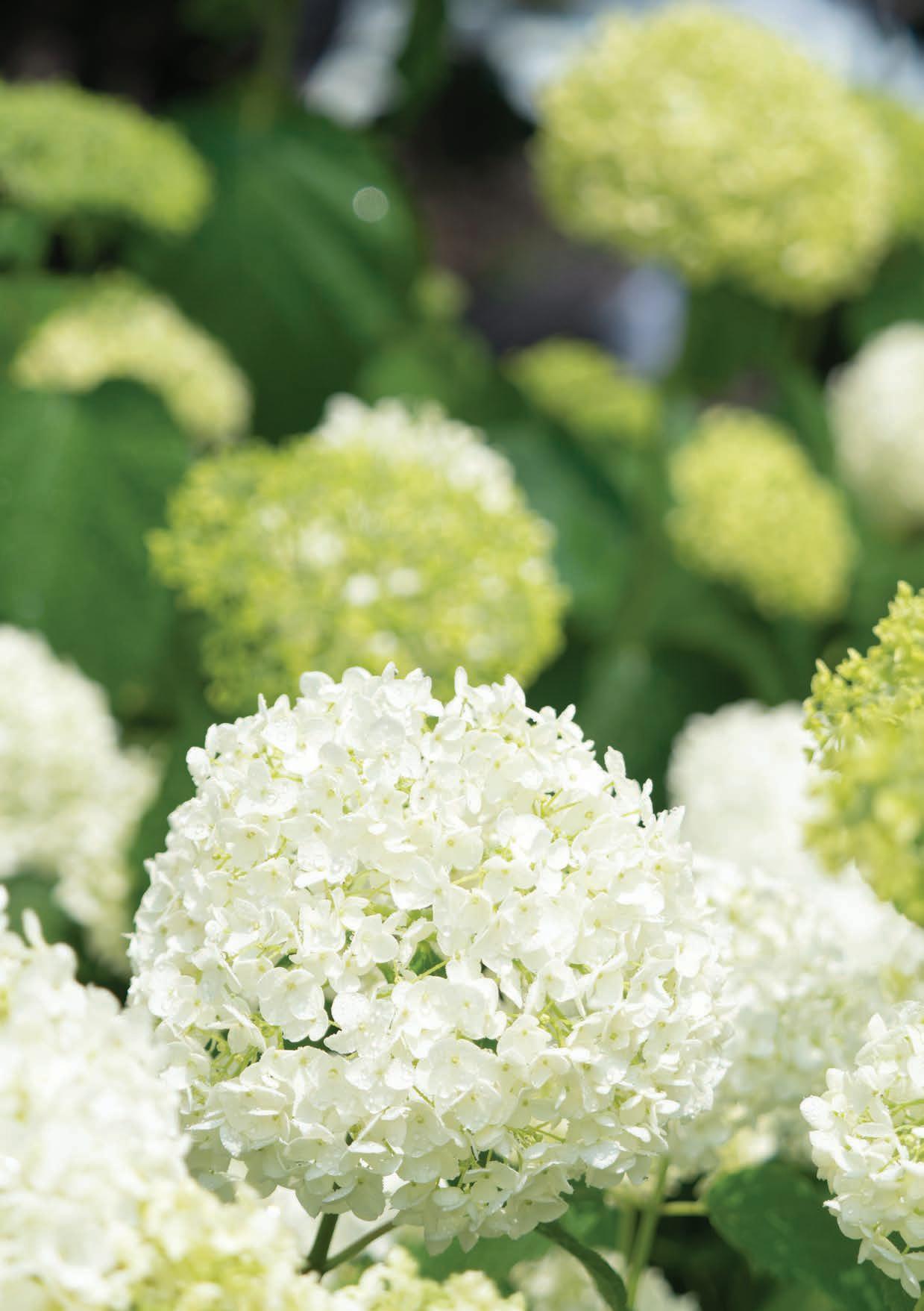
Few plants define the summer garden quite like hydrangea. Full, generous blooms bring volume and softness, creating a sense of abundance that carries through the season.
Their changing tones, from soft whites to deep blues and warm pinks, add depth and variation to the planting palette.
Beyond their visual impact, they play an important structural role, anchoring borders and softening transitions between spaces.
Rich, expressive and long-lasting, hydrangeas are a defining feature of summer planting.
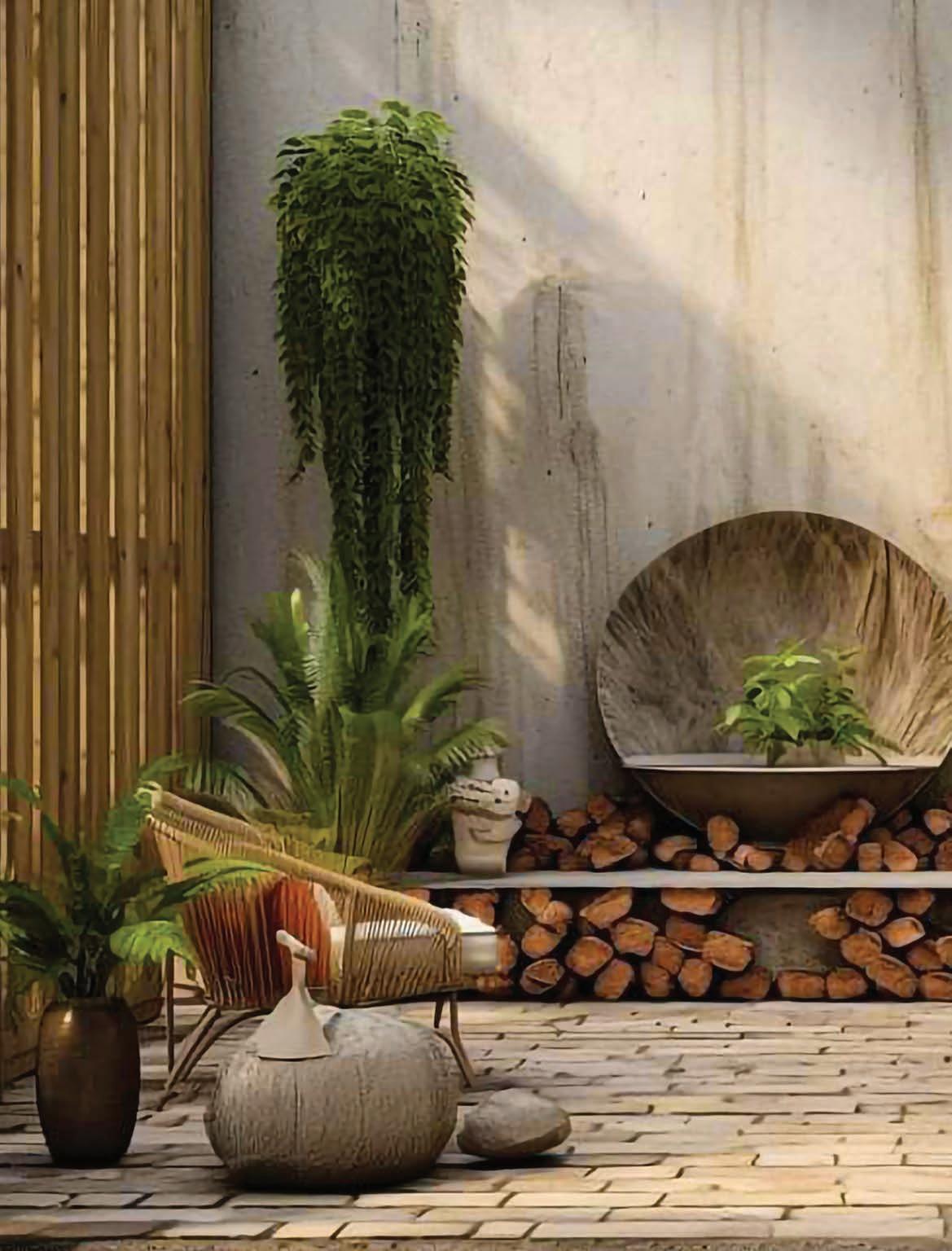
Summer calls for materials that feel warm, grounded and durable.
Natural stone, timber and textured finishes create a palette that sits comfortably within the landscape, softening the transition between built and planted elements.
As light intensifies, these materials take on new depth, warming in tone and developing character over time.
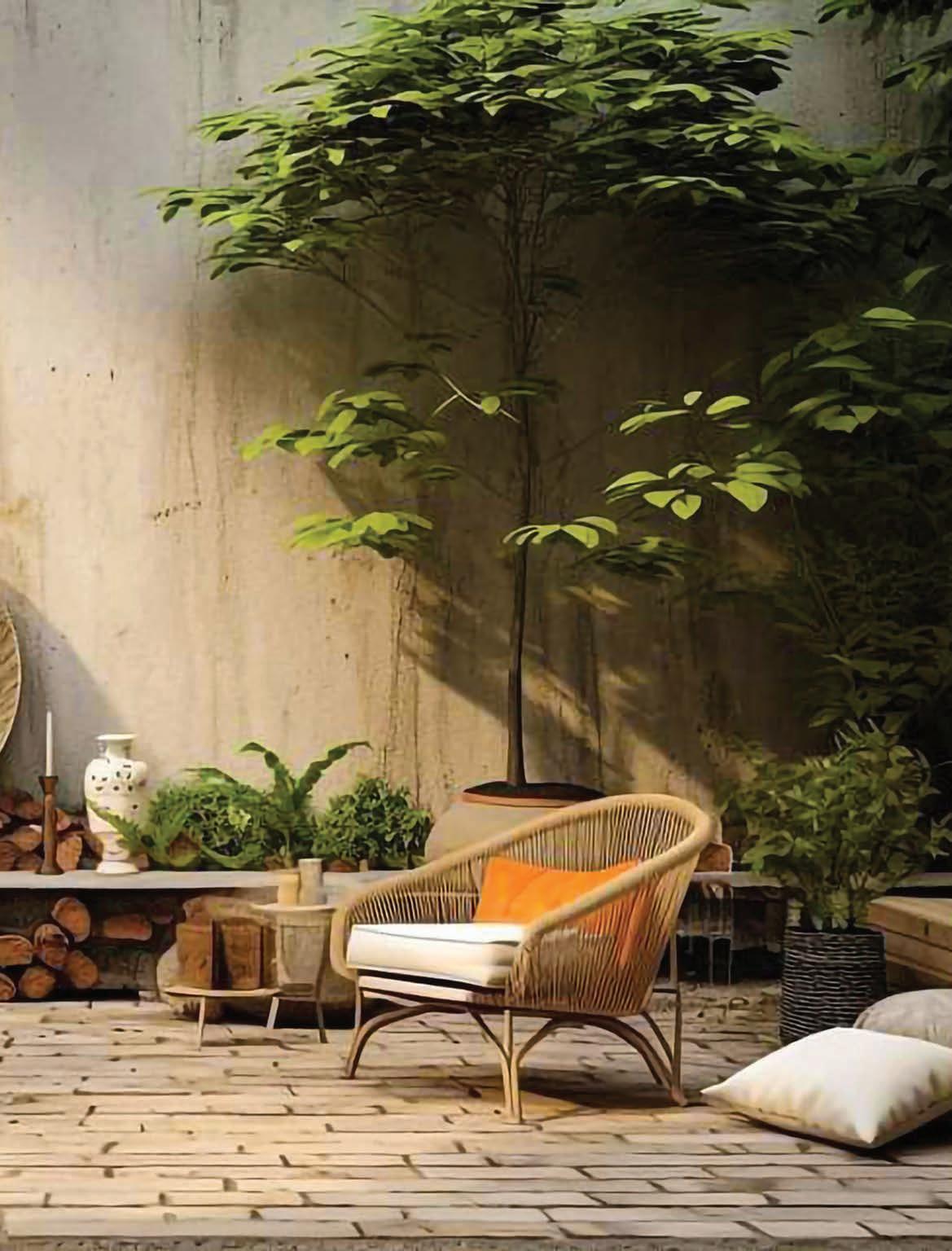
The most successful gardens are built on a careful balance of materials.
Natural stone, warm timber and textured finishes each play a different role, creating contrast while allowing the landscape to feel calm and cohesive. Rather than competing for attention, these elements work together to provide a timeless backdrop that planting can soften and enrich throughout the seasons.
As light changes across the day, subtle textures come to life, adding warmth, depth and character. It’s this considered layering of materials that gives a garden its lasting sense of quality and quiet elegance..
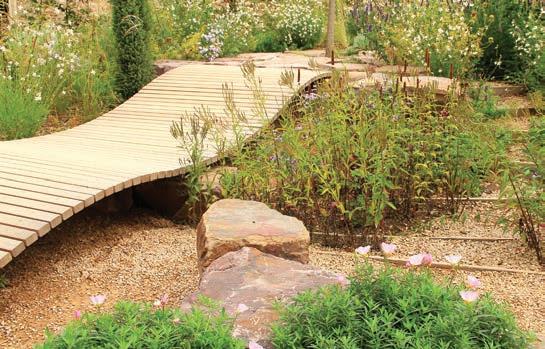
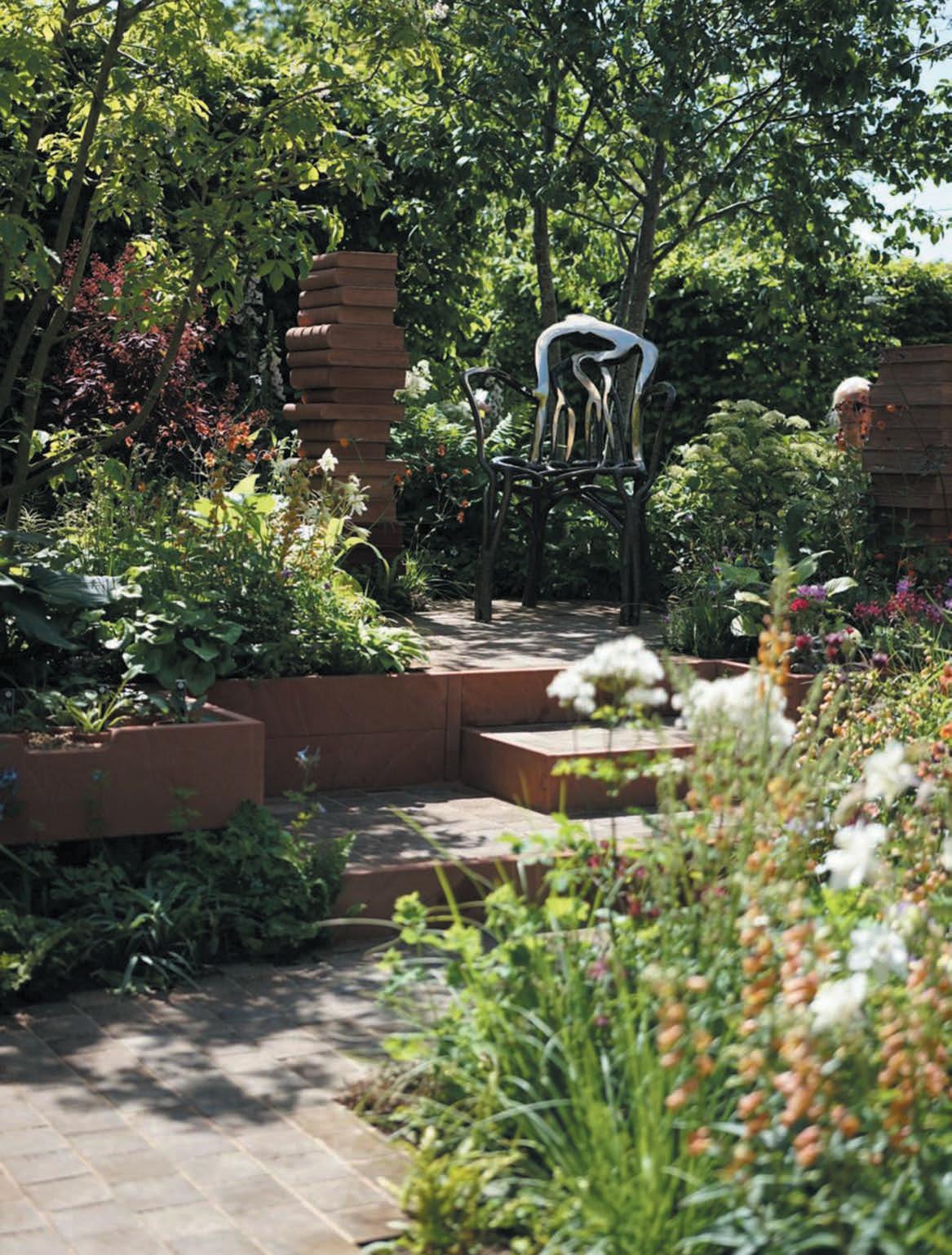
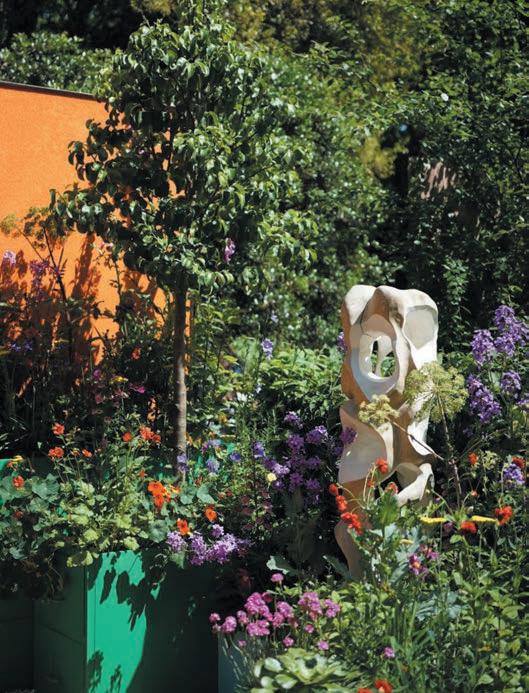
Beyond the show gardens, it is often the smaller details that leave the biggest impression — beautifully layered planting, thoughtful material choices and spaces designed to be experienced rather than simply admired. Here are four themes that stood out to us this year.
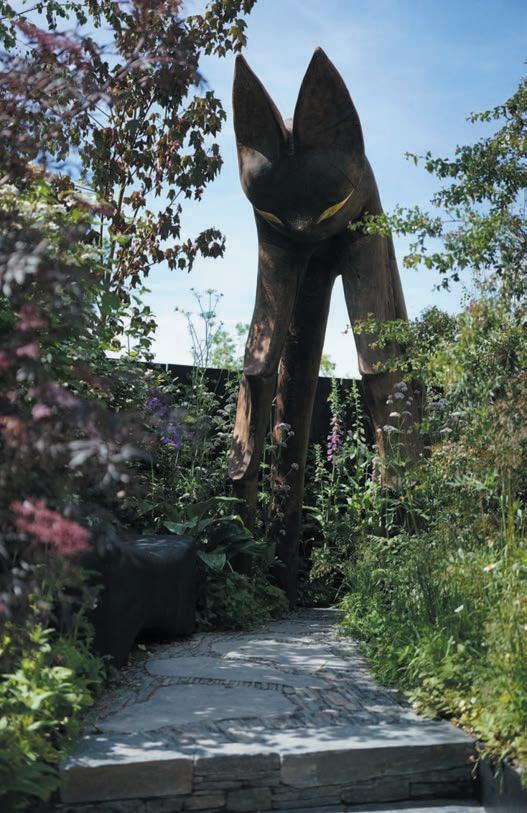
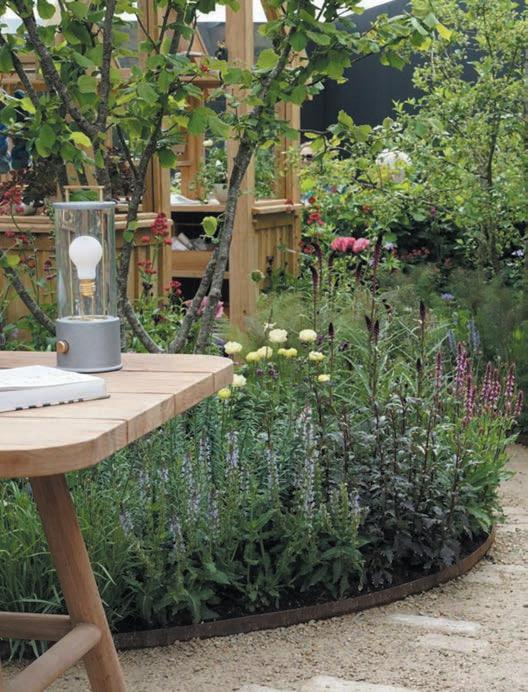
Naturalistic planting continues to dominate, with designers embracing texture, movement and seasonality. The most memorable gardens felt immersive and alive, allowing planting to take centre stage rather than simply supporting the design.
From hand-finished brickwork and bespoke metalwork to carefully detailed pathways and water features, Chelsea once again demonstrated that exceptional gardens are often defined by the quality of their detailing.
Sculpture featured throughout the show, creating moments of surprise, personality and storytelling. When thoughtfully integrated, art can become a powerful focal point within the garden.
Perhaps the strongest message of all was that gardens are increasingly being designed around how people live. Places to gather, pause, reflect and reconnect with nature were at the heart of many of this year’s most successful designs.
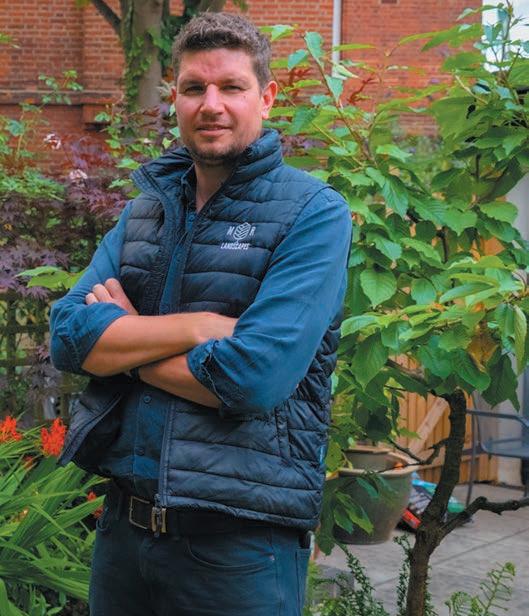
At the centre of every MRLandscapes project is a belief that gardens should do more than simply look beautiful — they should shape the way people live.
Founded by Oscar Marsland-Roberts, the West London studio has become known for creating outdoor spaces that combine strong architectural structure with softer, naturalistic planting. Gardens designed not around trends, but around longevity, atmosphere and daily life.
From contemporary family gardens to refined urban retreats, Oscar’s work focuses on creating spaces that feel calm, intuitive and deeply connected to the home itself.
In this issue, we speak with Oscar about the evolution of outdoor living, what defines luxury today, and why the most successful gardens are the ones that continue to improve with time.
How has the role of the garden changed in recent years?
“People live in their gardens far more intentionally now. Clients aren’t just asking for something attractive to look at — they want spaces that genuinely improve day-today life.
The garden has become an extension of the home emotionally as much as physically. It’s where families spend time together, where people switch off after work, entertain friends, or simply reconnect with nature in a city environment.
I think people value that sense of calm and escape far more than they used to.”
What makes a garden feel timeless?
“Strong structure is always the starting point. The proportions, layout and flow of a garden need to feel right long before you think about individual planting choices.
Planting naturally evolves over time, and that’s part of the beauty of it, but the framework beneath it has to feel balanced and effortless for years to come.
The gardens that age best are usually the ones that feel the least forced.”
What defines luxury in garden design today?
“Real luxury now is simplicity and ease. It’s a garden that feels calm, uncluttered and incredibly well resolved.
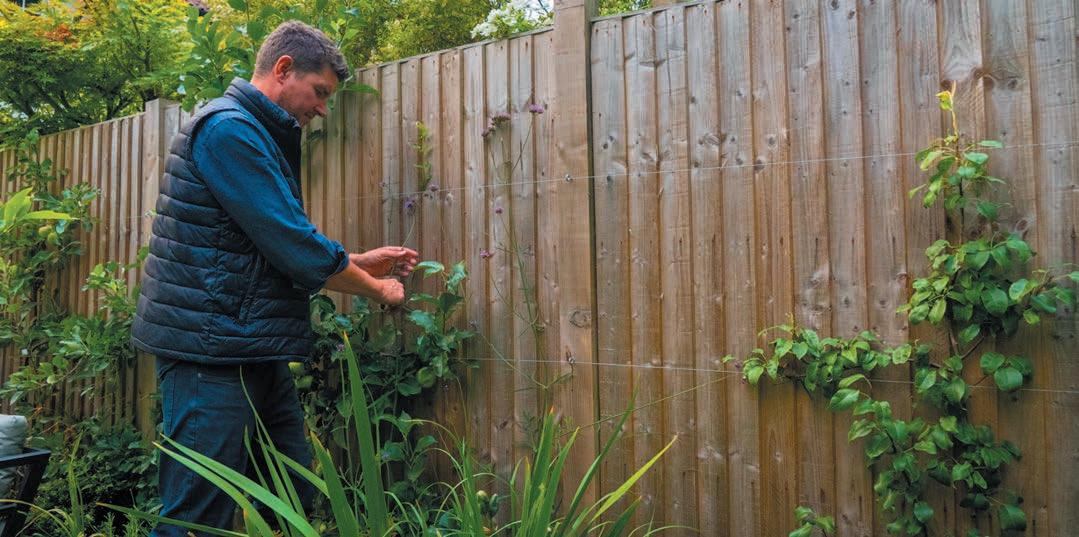
Materials that age beautifully. Spaces that work intuitively. Planting that softens the environment rather than overwhelming it.
The most luxurious gardens rarely shout for attention — they just feel good to spend time in.”
What role does planting play in your work?
“Planting is what gives a garden emotion. The architectural elements create structure, but planting is what introduces softness, movement and seasonality. It changes the atmosphere completely.
I’m always interested in creating gardens that feel immersive and natural without becoming chaotic. There needs to be a balance between restraint and softness.”
What do you want people to feel when they walk into one of your gardens?
“Calm, first and foremost. I want a garden to feel intuitive — somewhere people immediately relax into without really thinking about why.
The best outdoor spaces slow people down a little. They create a sense of separation from the pace of everyday life.”
“The best gardens are the ones that continue to improve with time — spaces that become more natural, more comfortable and more connected to the people living in them year after year.”
Oscar Marsland-Roberts
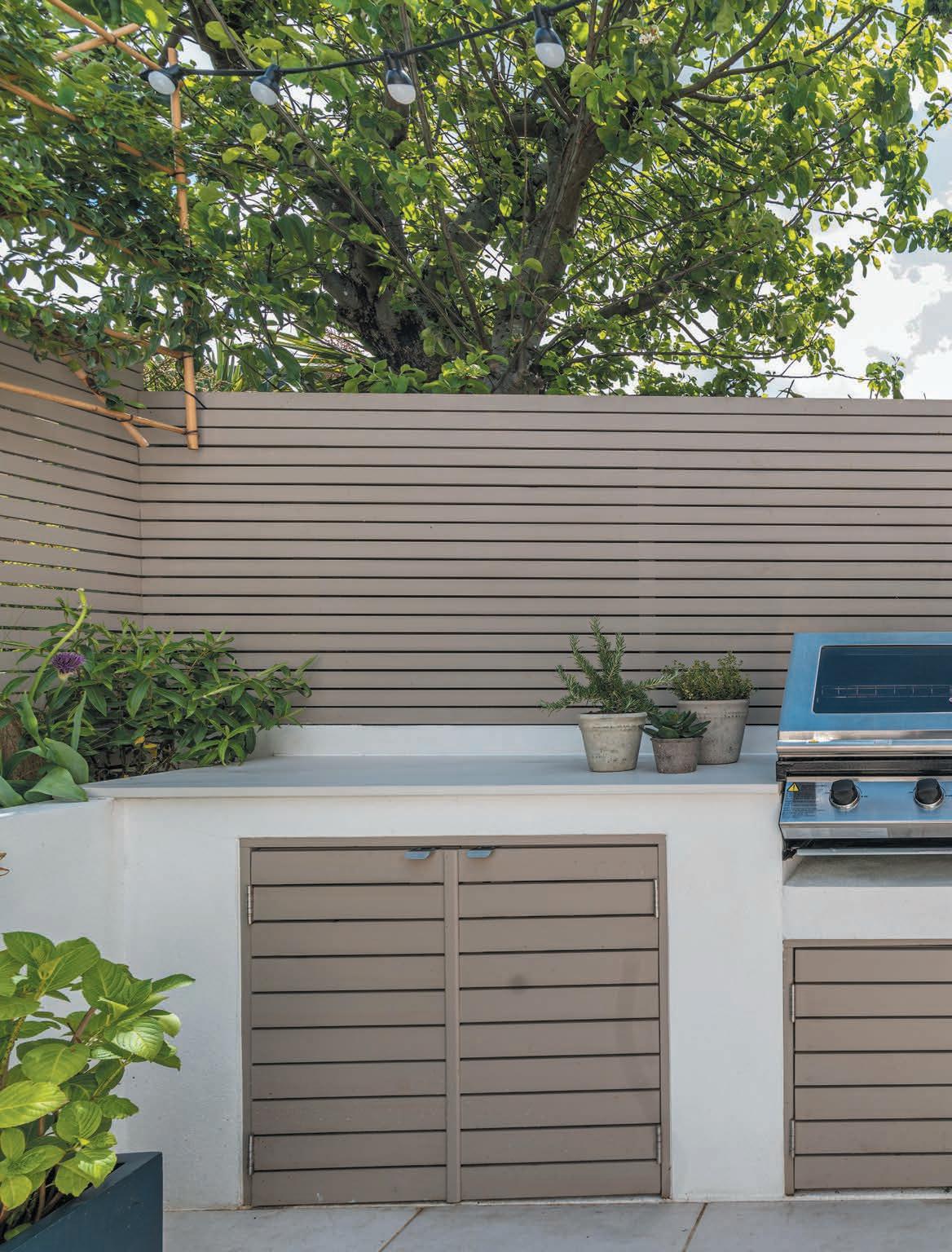
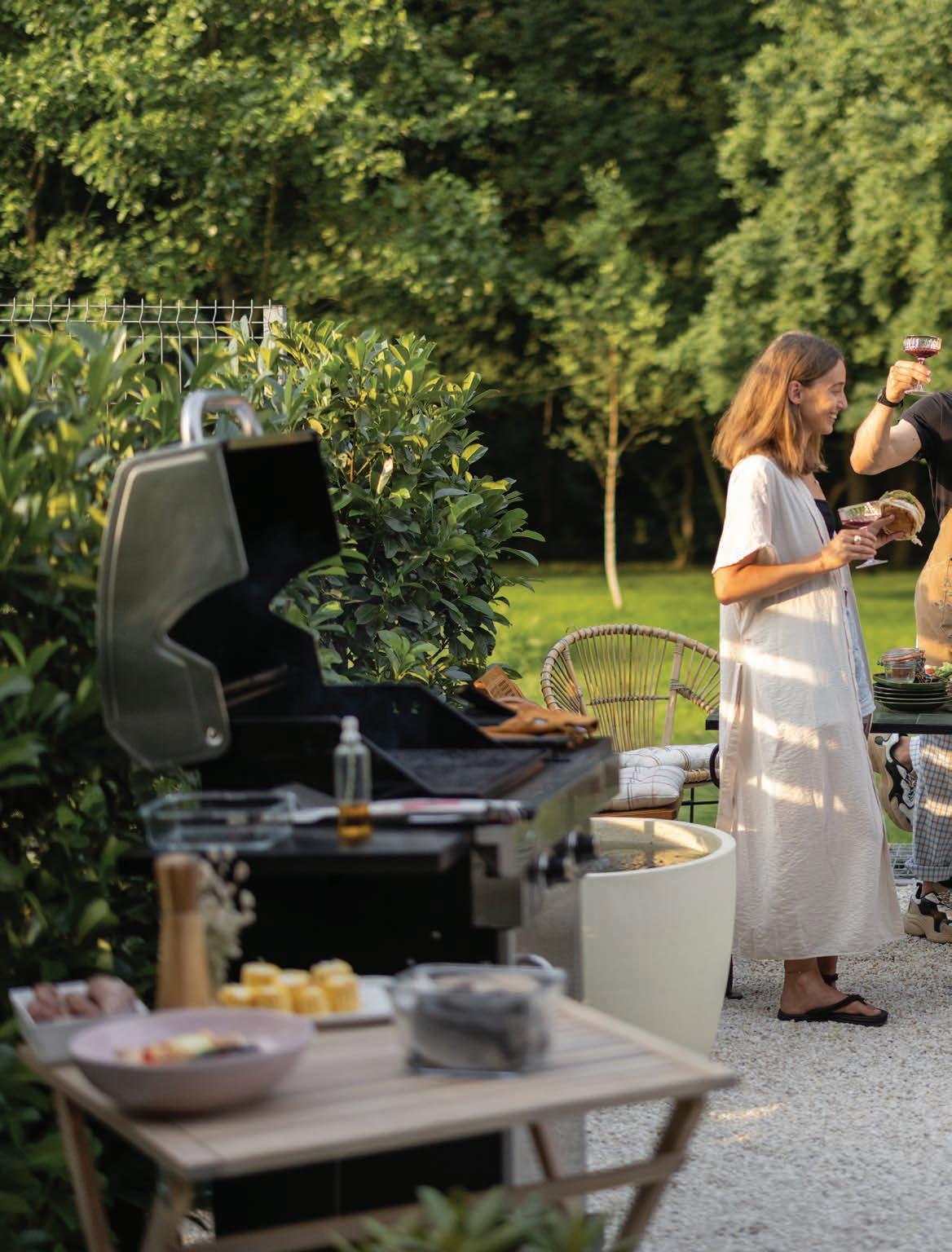
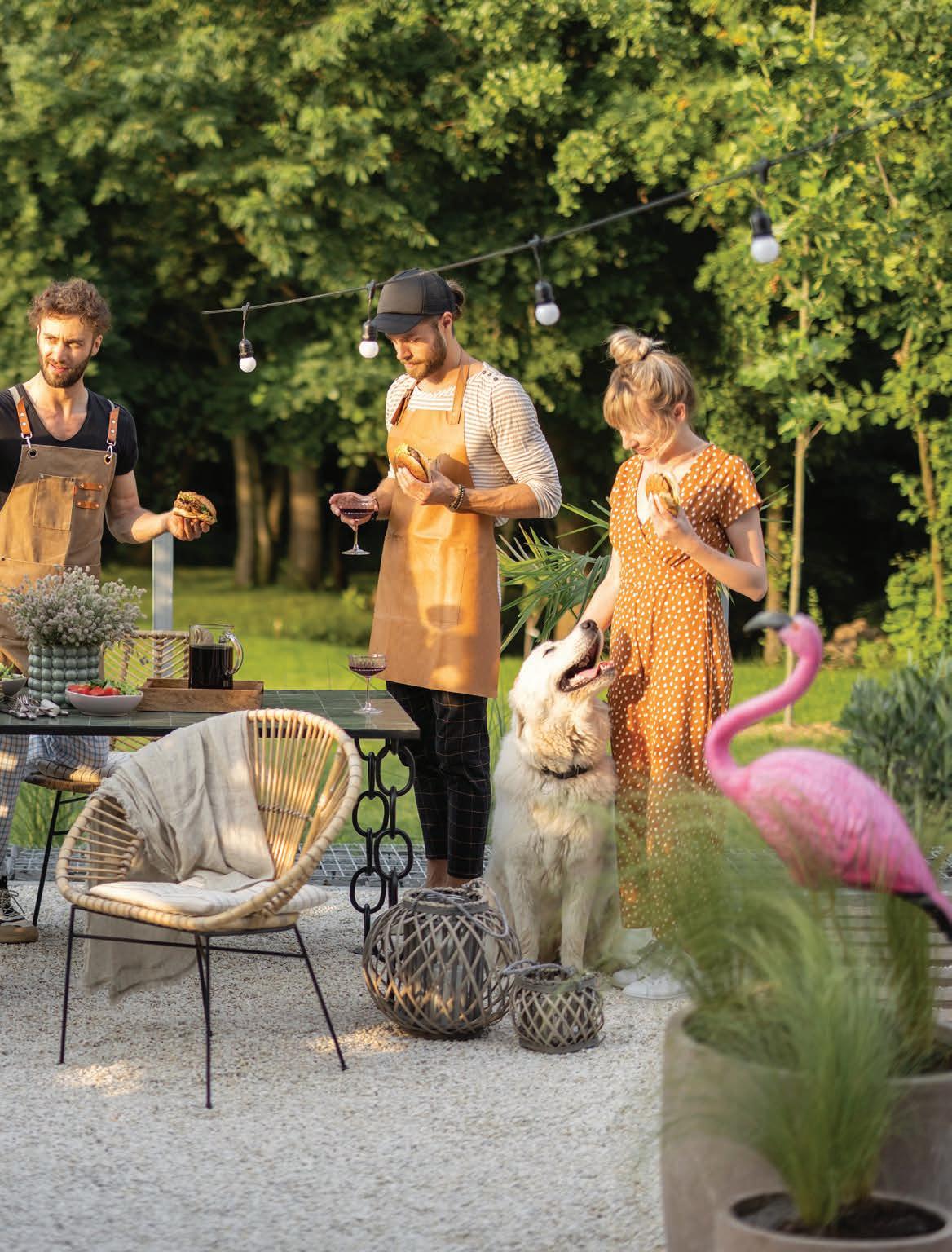
The outdoor kitchen has become one of the defining features of contemporary garden design. Integrated within the wider landscape, it creates a natural connection between cooking, dining and outdoor livingencouraging gardens to be enjoyed from morning coffee through to long summer evenings.
Thoughtfully positioned and carefully detailed, these spaces become a seamless extension of the home, balancing practicality with understated design.
The most successful outdoor kitchens feel fully integrated into the landscape, complementing the architecture rather than competing with it.
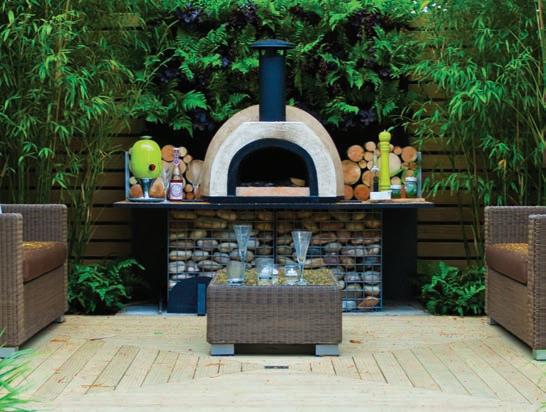
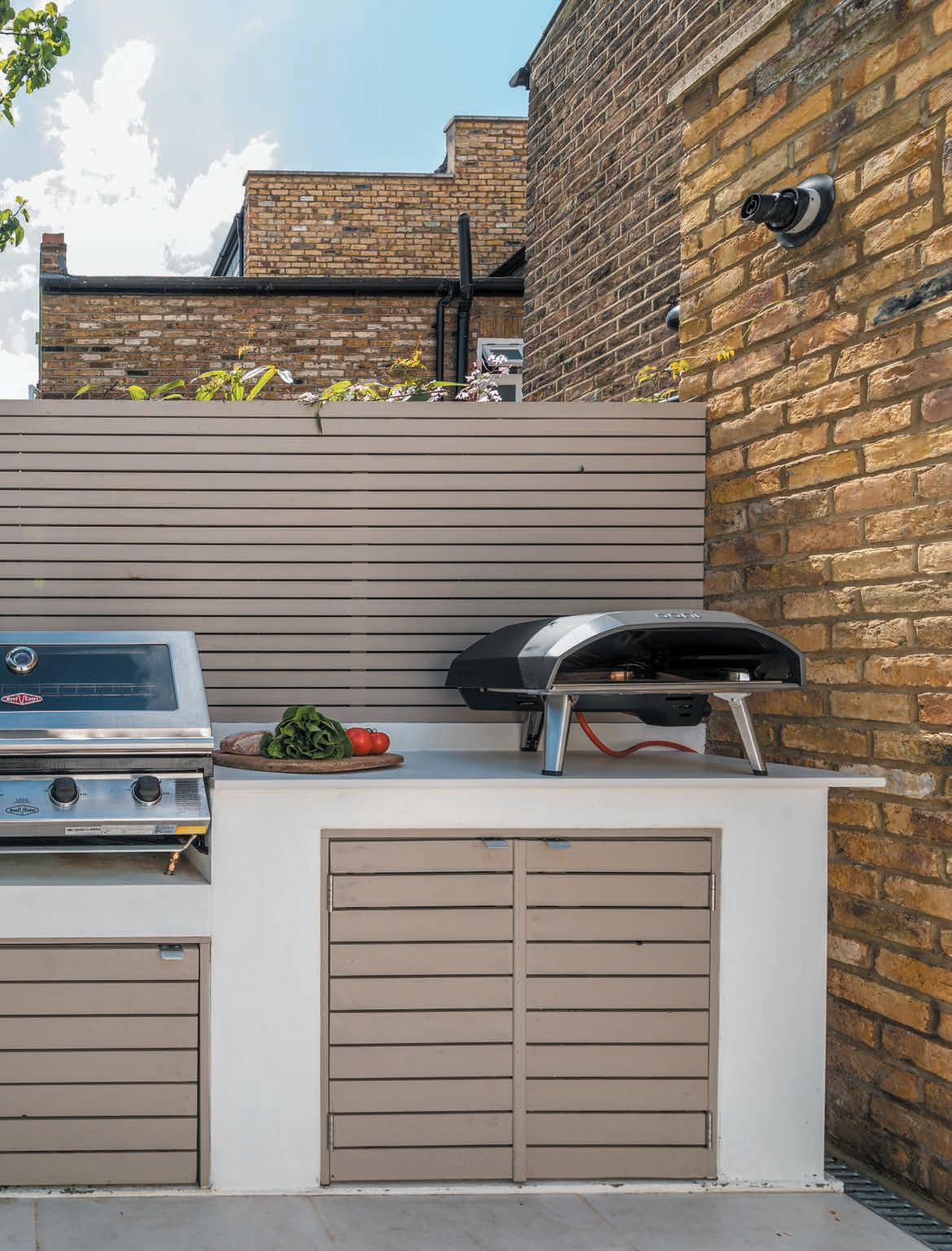
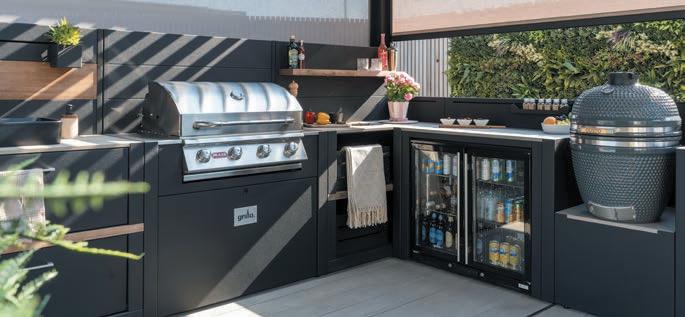
Whether entertaining guests or enjoying everyday family life, thoughtful design creates spaces that naturally encourage people to slow down, gather and spend more time outdoors.
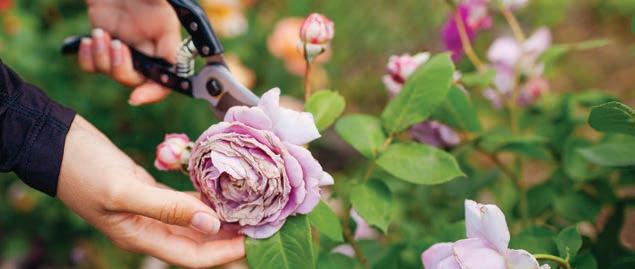
Regular deadheading encourages continued flowering throughout the season while maintaining a cleaner, more balanced appearance across planting schemes.
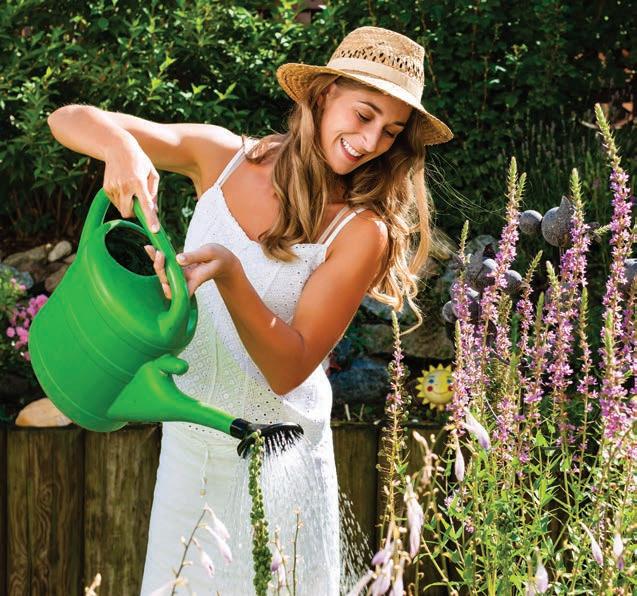
Consistent irrigation is essential during warmer periods, helping planting remain healthy and resilient as temperatures rise. Early morning or evening watering also helps reduce moisture loss during the hottest parts of the day.
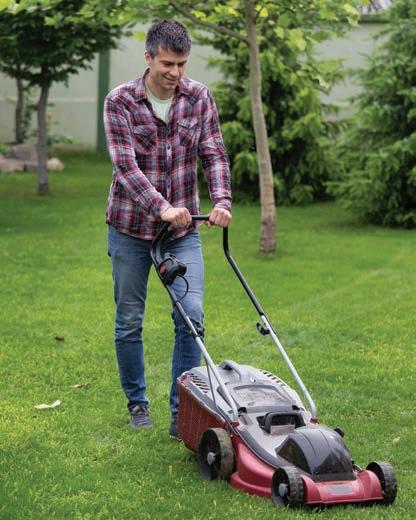
Lawns should be cut little and often during summer, avoiding overly short cuts which can place unnecessary stress on the grass during warmer weather.
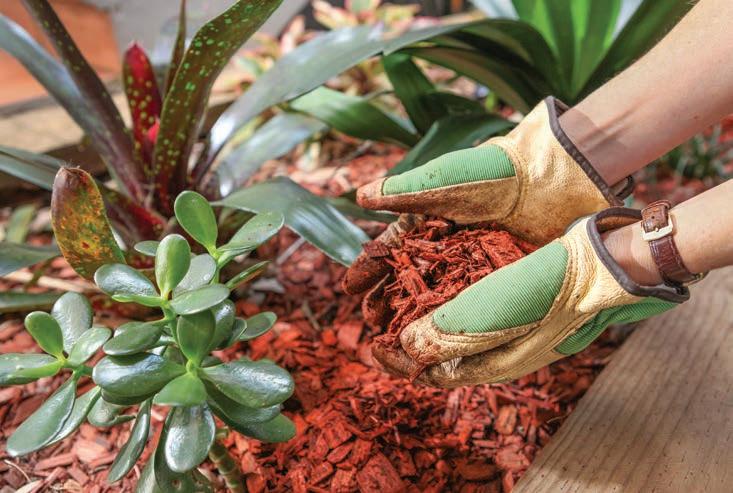
Improving soil moisture retention becomes increasingly important through summer. Organic mulches help regulate temperature while supporting healthier root systems beneath the surface. 4
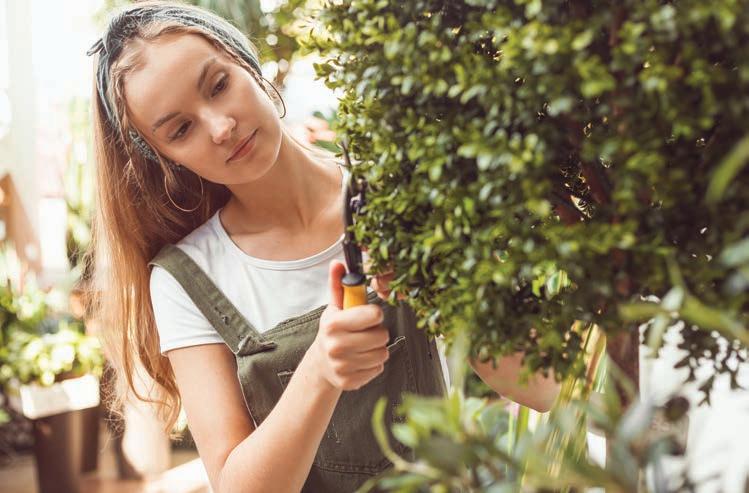
Pergolas, structured planting and carefully positioned trees all help create relief from direct sun, improving comfort throughout the garden during hotter periods. 6
Ongoing, lighttouch maintenance allows the garden to remain balanced and visually calm throughout the season, preventing spaces from becoming overgrown or unmanaged. 5
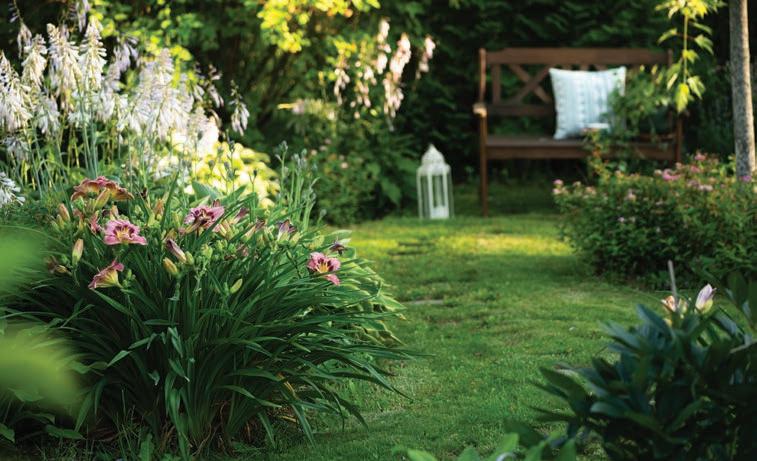
The beauty of summer lies in slowing down.
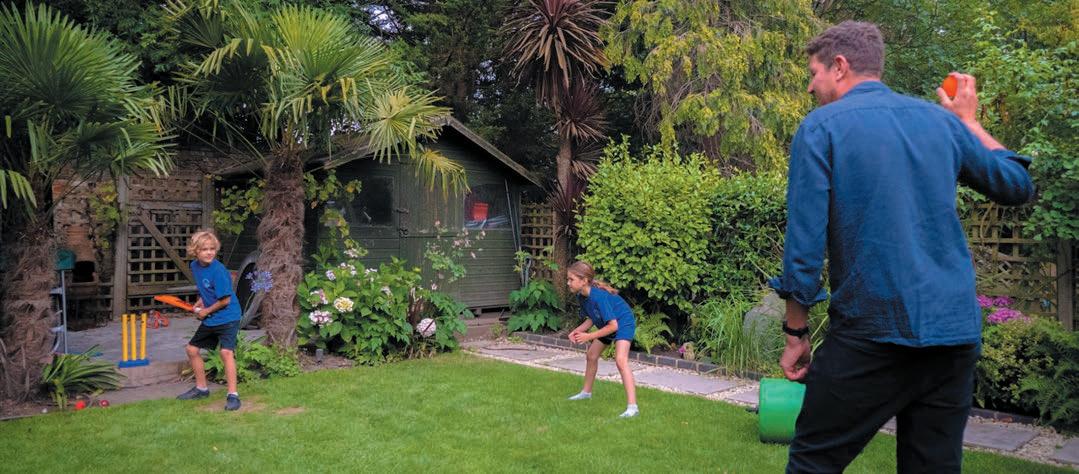
Whether it’s a quiet morning coffee on the terrace, lunch beneath the pergola or an evening spent outdoors with family and friends, the most memorable gardens are those that encourage us to pause, connect and enjoy the season.
Simple details, thoughtful design and relaxed outdoor spaces create gardens that feel every bit as welcoming as the home itself.
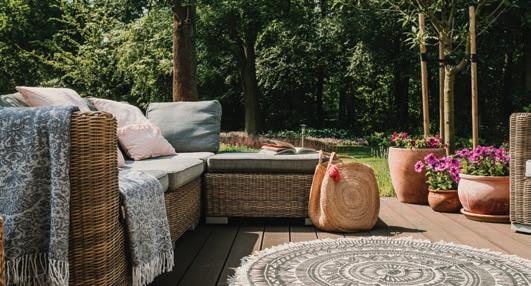
Lighting, seating and layout all contribute to spaces that transition naturally from daytime use into long summer evenings outdoors.
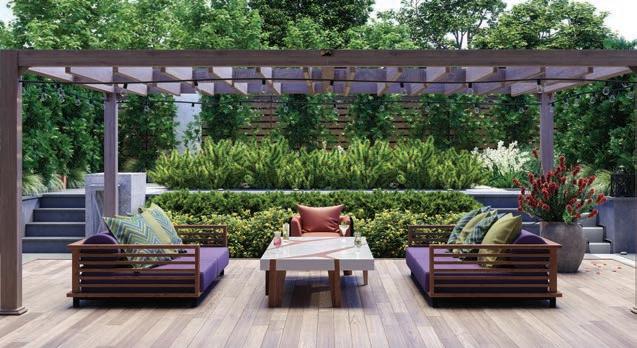
Materials That Last Stone surfaces, timber finishes and integrated detailing create spaces that feel refined while remaining durable enough for everyday use.
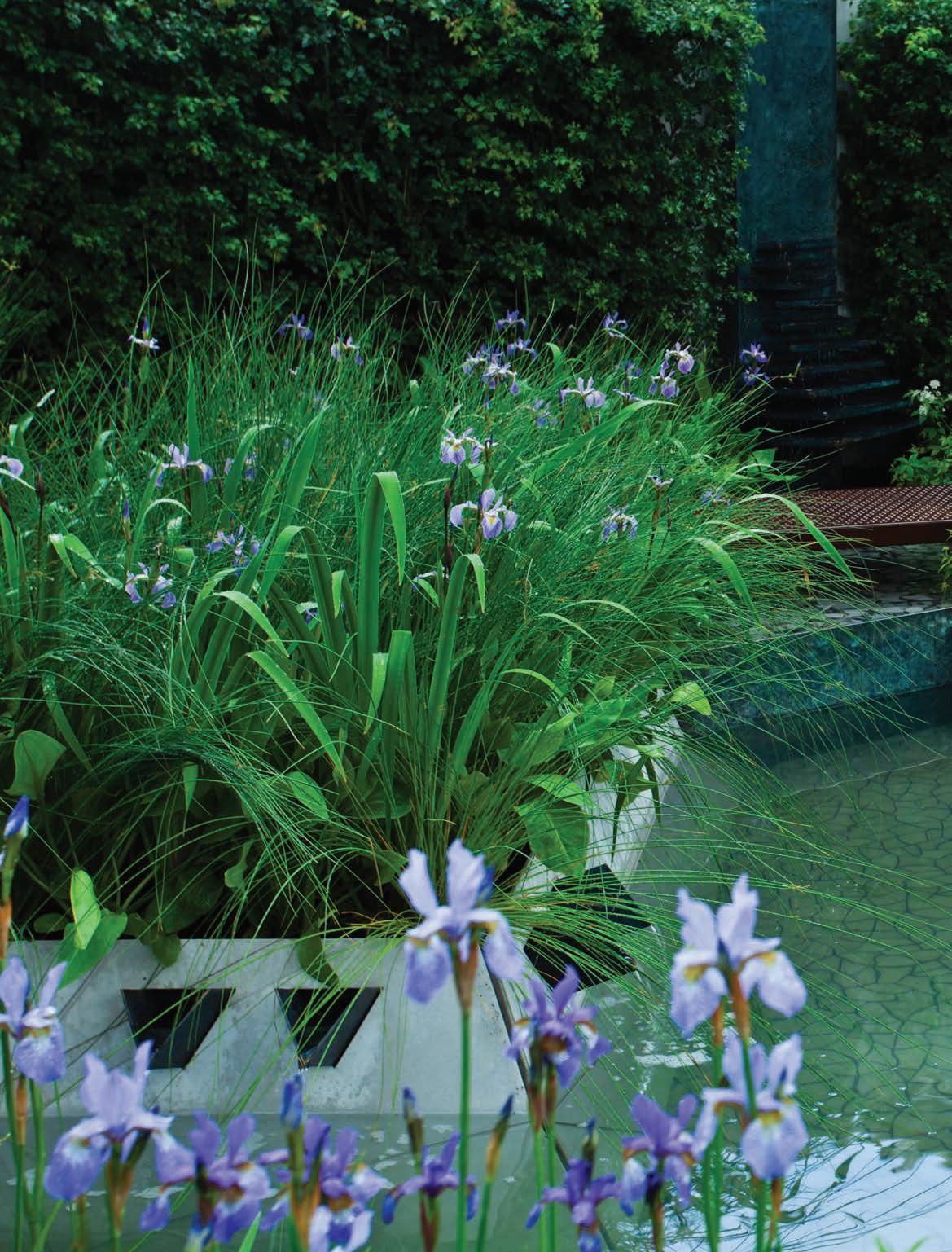
Water introduces movement, reflection and calm.
In summer, its presence becomes more pronounced, softening the space, cooling the atmosphere, and adding a sensory layer that enhances the experience of the garden.
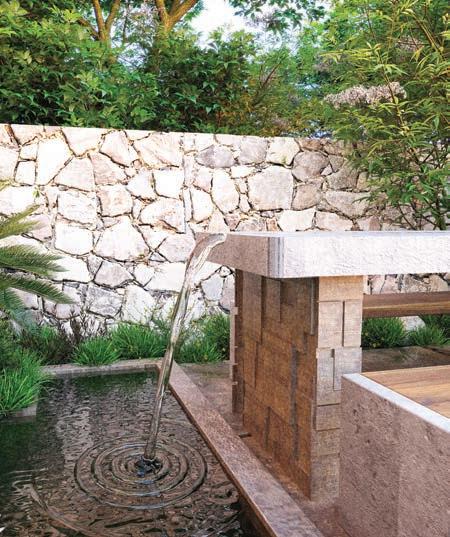
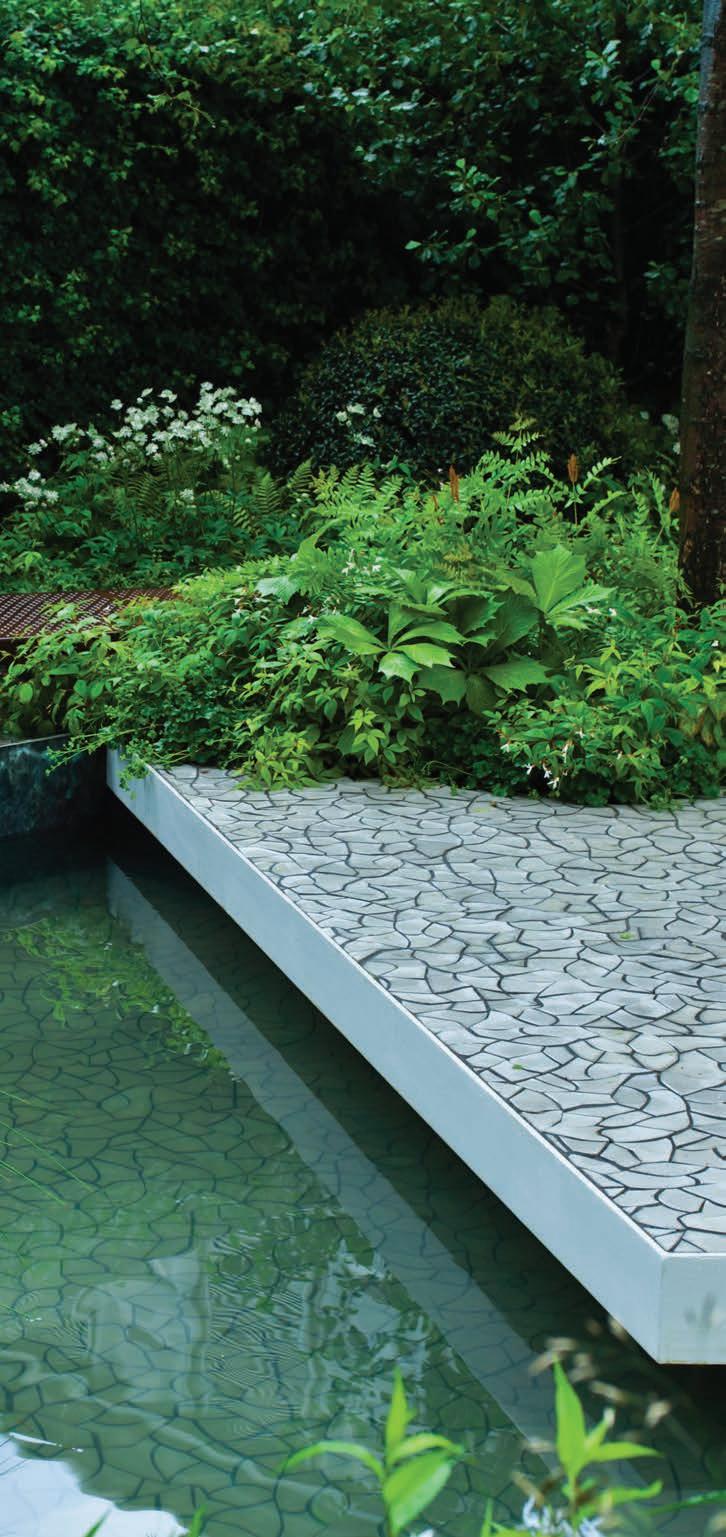
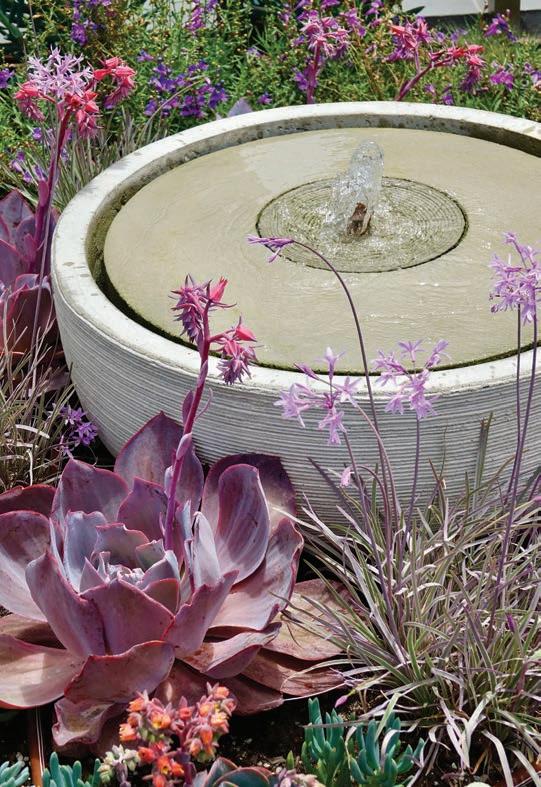
Water features should feel integrated within the landscape rather than decorative additions. Natural stone, darker reflective surfaces and softened planting edges all help create a calmer, more grounded atmosphere.
“Water introduces a quieter layer to the garden - softening sound, reflecting light and bringing movement into the landscape.”
The most successful water features introduce atmosphere without overwhelming the space. Whether still or gently moving, water creates rhythm, reflection and a stronger sensory connection within the garden.
Long afternoons, warm evenings and time spent outdoors call for something simple, refreshing and effortlessly elegant.
The Lillet Negroni offers a lighter interpretation of the classic aperitif, balancing delicate floral notes with gentle citrus and a subtle bitterness. Perfect served before dinner or enjoyed as the sun begins to set, it’s a cocktail that captures the relaxed pace of summer entertaining.
Whether shared with friends or enjoyed as a quiet moment at the end of the day, it’s the perfect accompaniment to a beautifully designed outdoor space.
Lillet Blanc 25ml
Campari 25 ml
London Dry Gin 25 ml
Fresh Orange Peel 1 twist

Instructions
Chill Your Glass
Fill a glass with ice and put it to one side to chill.
Combine Ingredients
Fill a separate mixing glass with fresh, solid ice cubes. Pour in 25 ml gin, 25 ml Lillet Blanc, and 25 ml of your chosen bitter liqueur.
Stir for dilution 30 seconds.Using a long bar spoon, stir the mixture smoothly for about 20 to 30 seconds. You are looking for the mixing glass to feel cold and frost up slightly on the outside.
Strain and garnish
Empty the ice out of your serving glass and refill it with fresh ice (ideally one large clear ice cube if you have it). Strain the cocktail into the glass. Express the orange peel over the top to release the oils, wipe it around the rim, and drop it in.
As summer reaches its fullest expression, the garden begins to shift once again.
Planting becomes deeper and more textured, light softens, and structure gradually returns to focus. Our Autumn edition will explore the transition between seasons — from architectural planting and richer material palettes to spaces designed for slower, more reflective outdoor living.
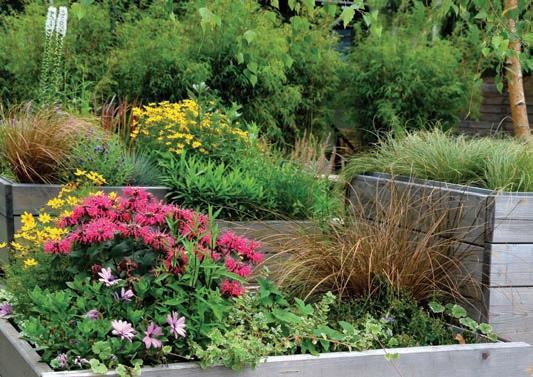
Deeper tones and seasonal richness throughout the landscape.
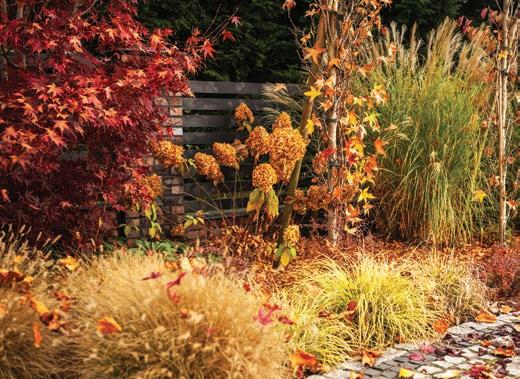
Preparing
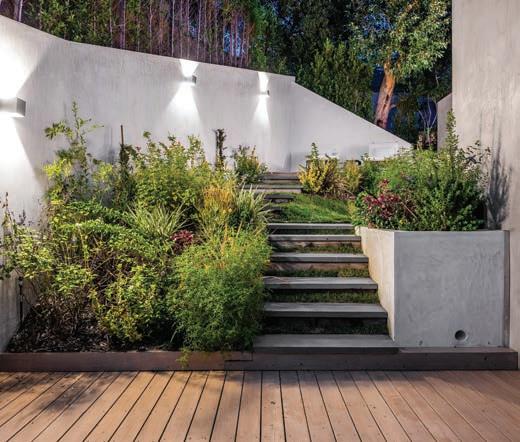
Architectural Planting
Stronger forms, layered texture and the return of structure.
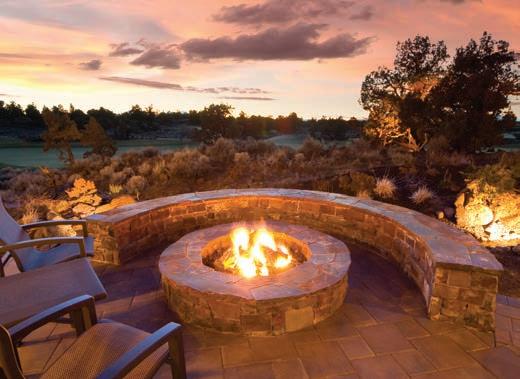
Extending the use of the garden into cooler evenings.
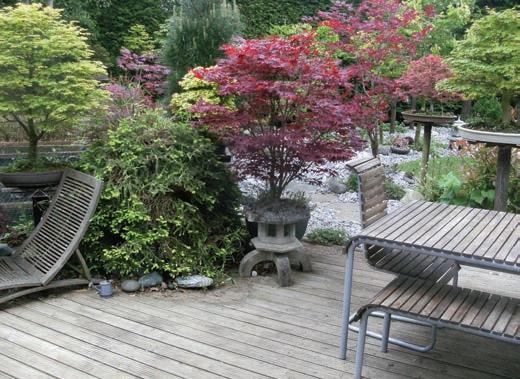
Weathered textures, timber and warm stone palettes.