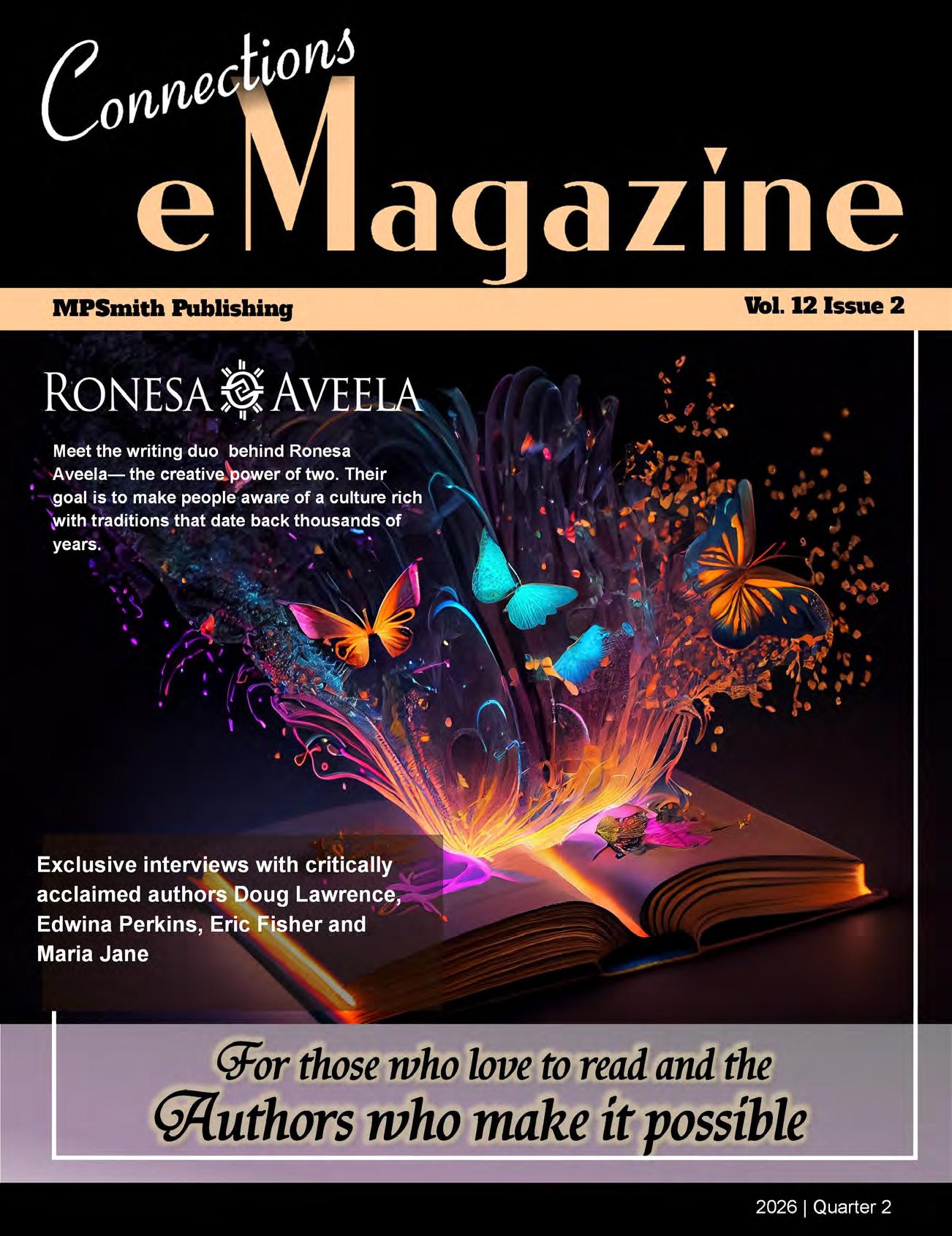
The Purpose of this publication is to connect readers and bloggers with authors. This is a FREE eMagazine that is produced quarterly. April showers bring May flowers, sunshine, and the joy of planting a garden. For me, the warm weather also brings happiness, renewed energy, and the promise of endless summer possibilities. In this edition, we celebrate that sense of hope and sunshine with exciting new releases, captivating short stories, and engaging author interviews. I hope you’ll take a few moments to discover something fresh, entertaining, and inspiring.
“We should read to give our souls a chance to luxuriate.” – Henry Miller
While you’re here, don’t forget to subscribe. You’ll receive an automatic email with a link to each new edition. Just click the box below and fill out the form. Be sure to include all required information. Don’t worry, your information will never be shared or sold.

Ronesa Aveela — The Creative Power of two. Two authors, one goal celebrating a culture rich with traditions that date back thousands of years to the ancient Thracians who inhabited parts of Greece, Turkey, and Bulgaria, and other Slavic nations. (Page 6)
…
In this issue Eric Fisher (Pg 30), Edwina Perkins (Pg 50), Doug Lawrence (Pg 84), and Maria Jane (Pg 104)

“I love the solitude of reading. I love the deep dive into someone else’s story, the delicious ache of a last page.”
– Naomi Shihab Nye

Reviews
Author Tips and Tricks
• First Chapters—The Empress by Val Tobin
• A Picture is Worth a 1000 Words — Melanie P Smith
• Illustrated Idioms by Susan Faw
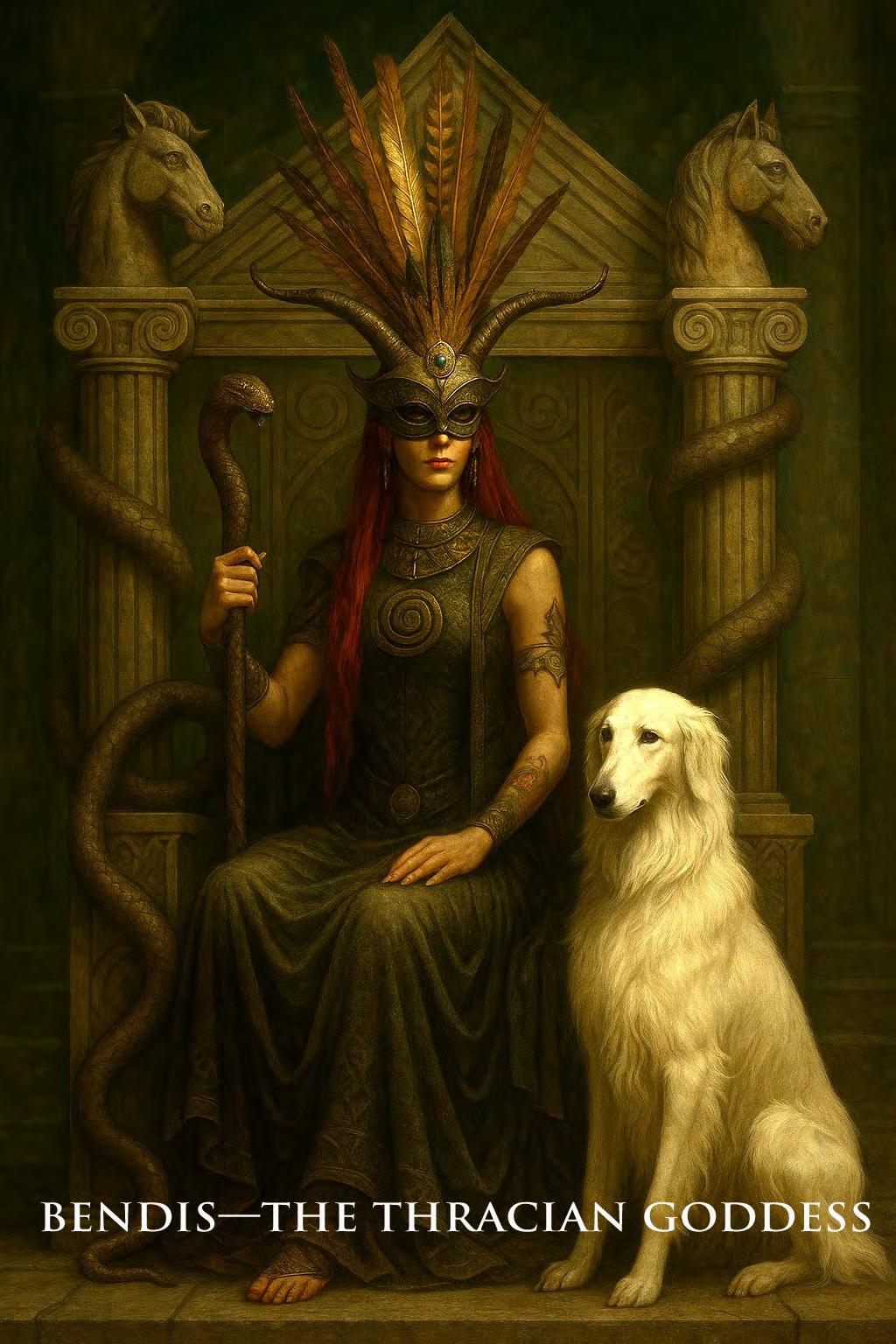
• Samodivi—Witches of Darkness or Thracian Goddessess? by Ronesa Aveela
• The Mouse Family that Live by the Brambles by Gez Robinson
• Short Stories — Photographic Memory by Tom Benson
• 77 1/2 Herbs — Bearberry by Ronesa Aveela
•

PUBLISHER MPSmith Publishing
EDITOR –IN– CHIEF
Melanie P. Smith
https://melaniepsmith.com
CONTENT EDITOR
Sylva Fae
https://www.facebook.com/SylvaFae
COPY EDITOR
LaPriel Dye
https://dyenamicsediting.com
SOCIAL MEDIA COORDINATOR
Emalee Jensen
CONTENT MANAGER
Lyssa Medana https://alwaysanotherchapter.co.uk
REVIEWS..
Sassy Reads — https://sassyreviews.data.blog/category/book-reviews/ Bookshub159 https://bookshub159.wordpress.com/
Author Anthony Avina’s Blog https://authoranthonyavina.com/category/reviews
Reader’s Choice https://passionduniya.wordpress.com/category/education/book-reviews/
PARTNERS
Creative Edge Publicity https://www.creative-edge.services
MPSmith Publishing and Connections eMagazine does not endorse any information contained in the articles or advertisements throughout this magazine. All contents are Copyright © by the individual authors and used with their permission. All rights reserved.

Aspire Book Covers
Dye-Namics Editing
Sally Pointer
A.L Jensen
Alan R. Warren
Melanie P. Smith
Erik D’Souza
E.A. Darl
Ben Leman
Tom Benson
Jenna Greene
Pat Daily




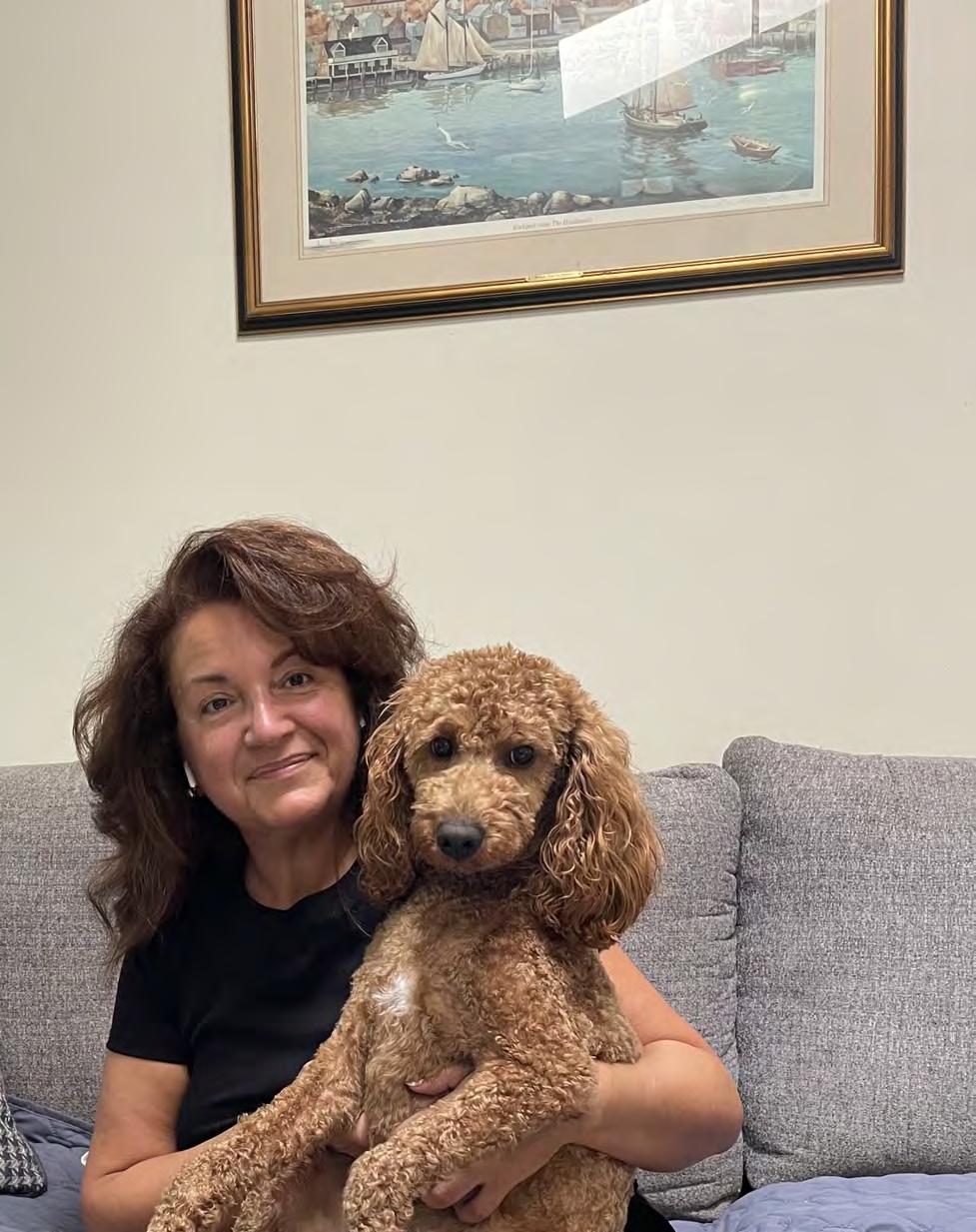

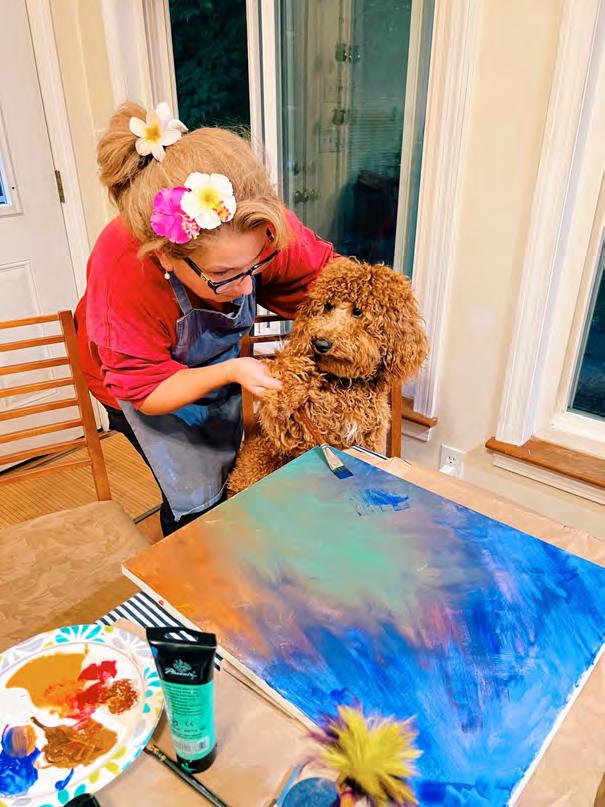
Ronesa is the pen name of two authors: Nelly and Rebecca. It’s a creative partnership built on shared storytelling.
Nelly brings the heart of Bulgarian folklore to our work. She was raised in Bulgaria, surrounded by stories of Samodivi, Kikimora, Zmey, Lamia, and Baba Yaga, traditions that deeply shaped her imagination. She’s also an artist, and her original paintings and illustrations are woven into many of our books.
Rebecca, based in New England, brings a background in writing and editing, along with a lifelong interest in mythology that began with Athena.
When we met, what started as a simple collaboration quickly grew into something more. Together, we created Ronesa as “the creative power of two.” Our goal is to share the richness of Bulgarian folklore and the deeper traditions of the ancient Thracians, bringing these stories to a wider audience.
Ronesa is a true collaboration. How do you each contribute to the writing process, and where do your roles naturally intersect or differ?
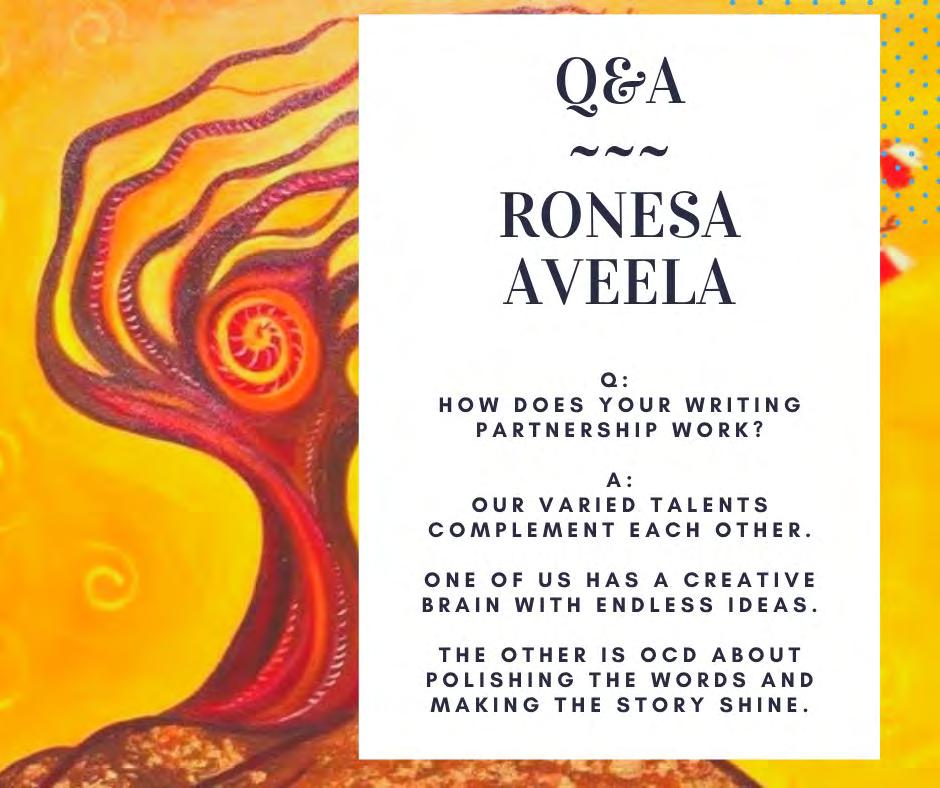
Our collaboration is very much a balance of strengths. Nelly is the source of our stories. She brings the cultural knowledge, the folklore, and the initial creative spark. Her background and personal experiences shape the heart of what we write, and her artwork adds another layer to the storytelling.
Rebecca focuses on shaping that raw story into its final form. With a background in writing and editing, she develops the structure, refines the language, and helps bring clarity and flow to the narrative.
That said, there isn’t a strict line between us. Ideas move back and forth, and we both contribute to the creative process at every stage. Over time, we’ve found a rhythm where our roles naturally complement each other.
In the end, everything is blended into one voice. That’s what makes Ronesa feel like a single storyteller rather than two separate ones.


What project are you currently working on?
For someone new to your books, how would you describe it in one sentence?
To date our storytelling has focused mainly on children’s and middle-grade tales. Added to that, we have numerous nonfiction books about Bulgarian culture and folklore. We’ve recently branched out into adult fiction under the pen name R.N. Aveela. Our current project is a six-book urban fantasy romance series: The Cursed Ring.
To sum it up in one sentence, we’d say: A dark urban fantasy series where ancient Thracian and Slavic magic, fated love, and deadly secrets collide beneath the surface of the modern world.
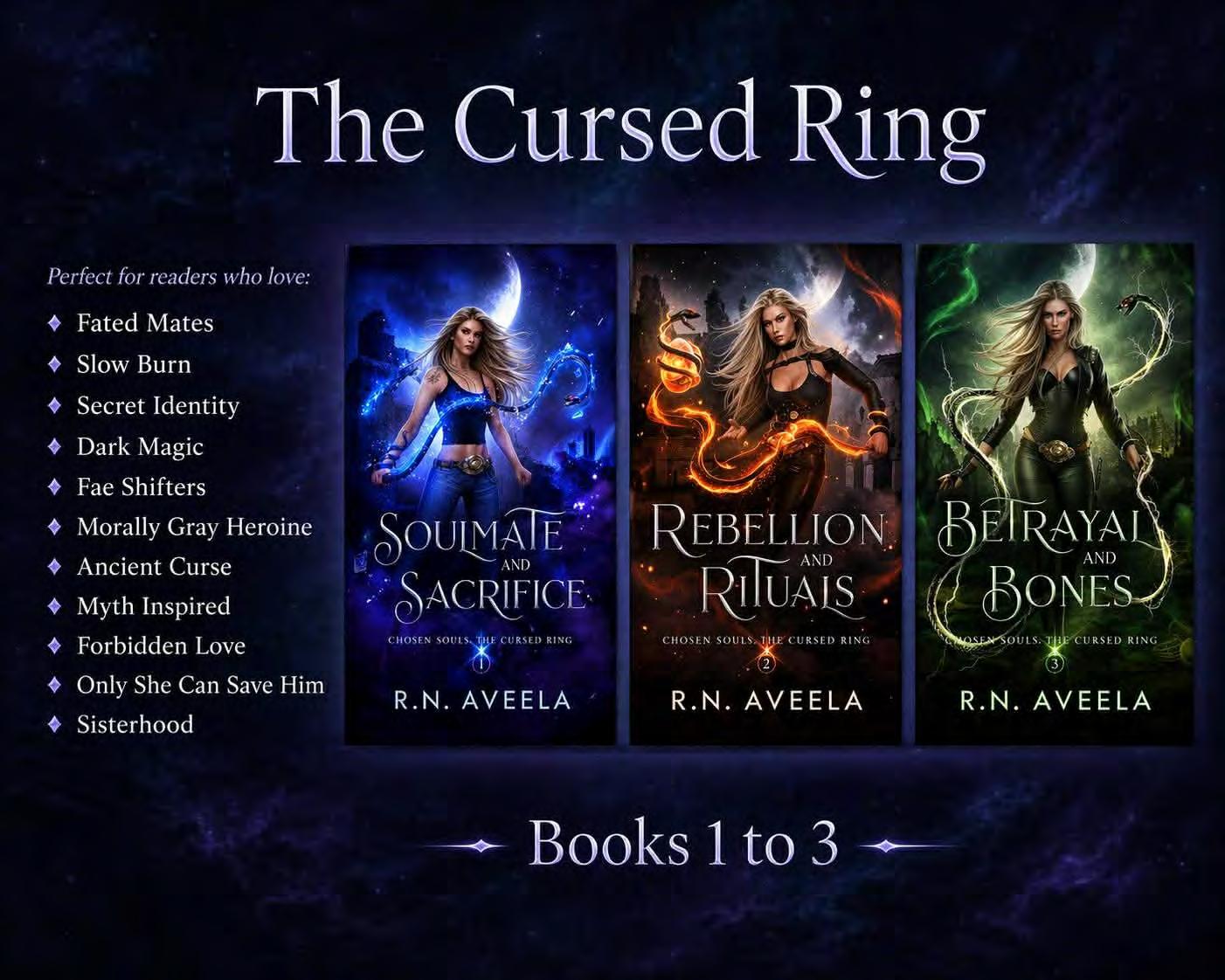
What makes The Cursed Ring series different from other urban fantasy or paranormal romance stories?
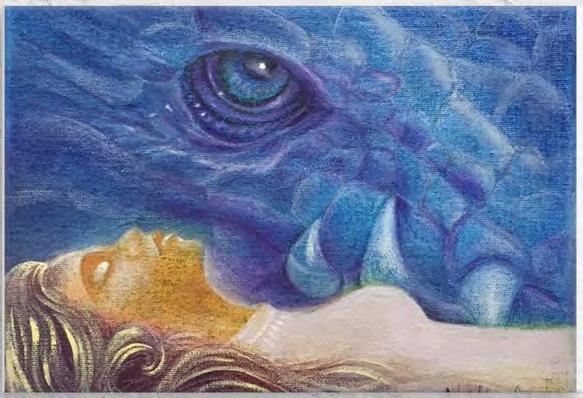
Most urban fantasy draws from familiar The Cursed Ring dives into the known world of Thracian and Slavic legends, where ancient curses, dangerous spirits, and forgotten rituals still linger beneath the modern world.


What role does art and visual design play in building your story world?
Art and visual design play an important role in building our stories because many of the scenes, characters, and emotions first appear visually in my imagination. I often see the world in my head almost like a film before I write it, and I naturally begin sketching, drawing, or painting parts of it.
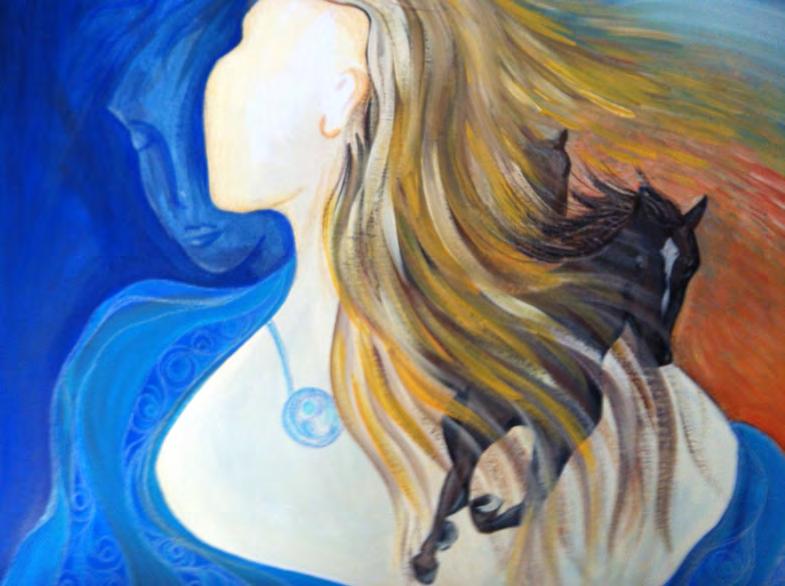
The artwork helps bring the atmosphere of the stories to life—the mood, the mythology, the symbols, and the emotional tone. It also allows readers to step more deeply into the world of our books and experience the folklore and legends in a more immersive way.
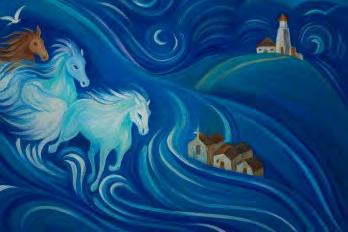
Nelly, your artwork is becoming part of the world readers experience alongside the books. What inspires your paintings and visual style?
My artwork is deeply inspired by my heritage, childhood memories, folklore, mythology, and the atmosphere of old stories that stayed with me growing up. Many of my paintings begin as images I see in my imagination while writing: fragments from old tales and rituals, mysterious figures, forests, old villages, candlelight, the sea, or emotions that are difficult to describe with words alone.
Growing up surrounded by Bulgarian traditions, legends, and stories left a lasting impression on me, and those memories naturally find their way into both my art and storytelling. I am especially drawn to the mood and symbolism found in Eastern European
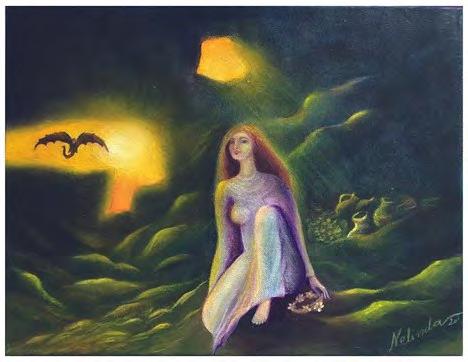

folklore, and through my paintings, I try to capture a sense of mystery, nostalgia, beauty, and timeless magic that allows readers to step more deeply into the world behind the books.

What’s the most surprising piece of folklore you’ve discovered while researching your stories?
I’ll talk a bit about the recent research for The Cursed Ring series.
One of the most surprising parts of my research was discovering how many famous legends and historical figures connect back to Eastern Europe and the lands of ancient Thrace and Bulgaria. I was fascinated to learn about the traditions surrounding Orpheus and the belief that he was born in the Rhodope Mountains of Bulgaria, which revealed a much deeper Thracian connection to the myth than many people realize.
I was also intrigued by the darker historical folklore surrounding Dracula and the voyage of the Demeter to Varna on the Black Sea before its doomed journey in Dracula. Those connections between history, myth, the sea, and supernatural storytelling created an atmosphere that strongly influenced parts of The Cursed Ring.
The more I researched, the more I realized that Eastern European folklore is filled with layered stories where history, spirituality, mystery, and the supernatural often blend together in fascinating ways.
Your books return often to the Samodivi, not just as folklore, but as something more intimate and lived-in. What draws you to them, and how have they shaped your connection to your heritage?
I grew up in Bulgaria surrounded by traditions that were never fully explained, only practiced. My parents and grandparents carried these rituals with quiet certainty, which made them feel both real and mysterious at the same time.
In particular, my grandmother shaped that experience. She was a gifted storyteller and a healer. I spent much of my childhood with her, and she always had another story waiting. The ones that stayed with me most were about the Samodivi.
They were never presented to me as distant fairy-tale figures. They felt close, like something that belonged to the forests just beyond where we lived. Beautiful, dangerous, and deeply respected. Even now, there are villages where people speak of them with caution, where certain places are avoided, and where unexplained tragedies are still whispered about in connection to them.
That sense of belief—of something lingering between myth and reality—is what I try to capture in our books. Writing about the Samodivi isn’t just about retelling folklore; it’s about preserving a way of seeing the world that has been passed down quietly through generations.

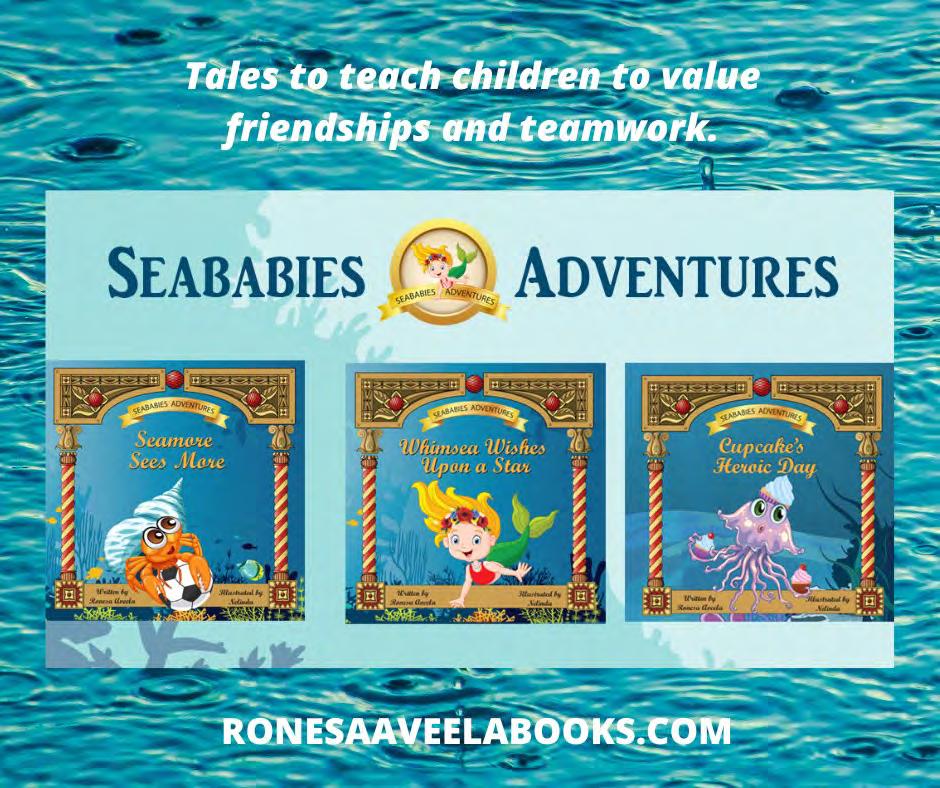
You’ve spoken about both your childhood curiosity around the Samodivi and the deeper meaning they hold in your work. What do they represent to you today?
I think that curiosity is something very human. We’re always looking beyond what we can see, trying to understand what lies just out of reach. That’s where beliefs and folklore come from. They help us explore the unknown and give shape to things we don’t fully understand.

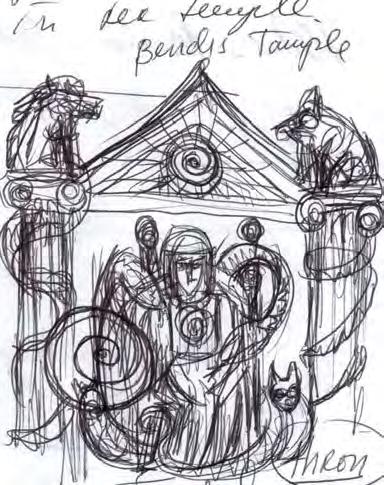
For me, the Samodivi are more than just mythical beings. Some see them as dark, dangerous spirits, but I view them as something much older, almost like Thracian goddesses, connected to Bendis, the goddess of nature and the hunt. They embody both beauty and danger, but also the power and mystery of the natural world.
Their return each year around March 25, when spring begins, feels symbolic, like a reawakening of the earth itself. Whether or not they truly exist in a physical sense isn’t as important as what they represent: our respect for nature, our fear of the unknown, and our need to believe that there’s something more beyond what we can explain.
What new venture have you launched recently, and what inspired it?
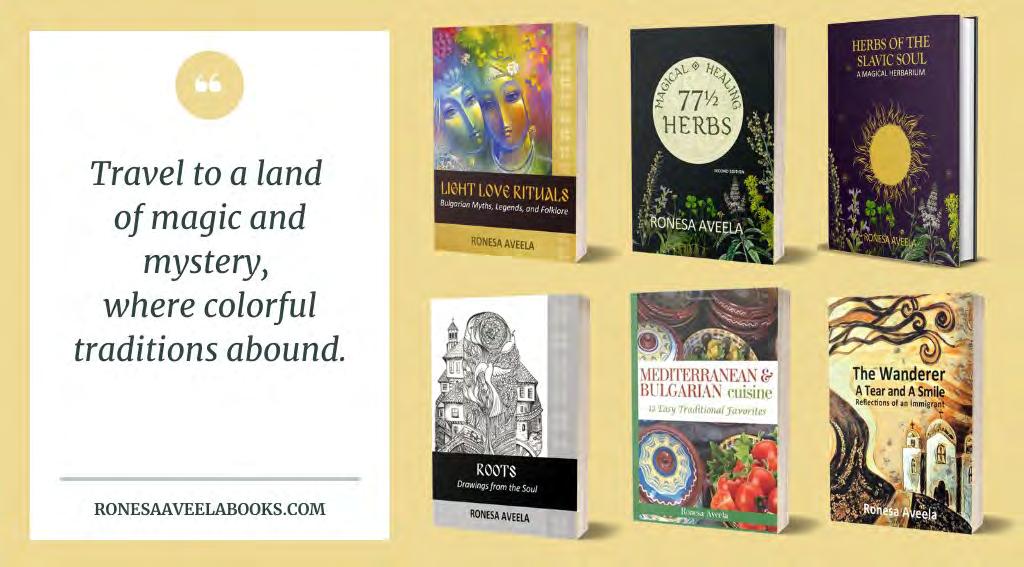
We recently launched our online shop, Ronesa Aveela Books, https:// ronesaaveelabooks.com/, as a dedicated space for our work beyond traditional publishing. We wanted something more personal, a place where our stories, folklore, and creative vision could exist together without limitations.
It also gives us the opportunity to connect more directly with our readers, share our books at better prices, and support collaborations with artists, especially from Eastern Europe. More than just a store, it’s a space that reflects the world behind our writing.
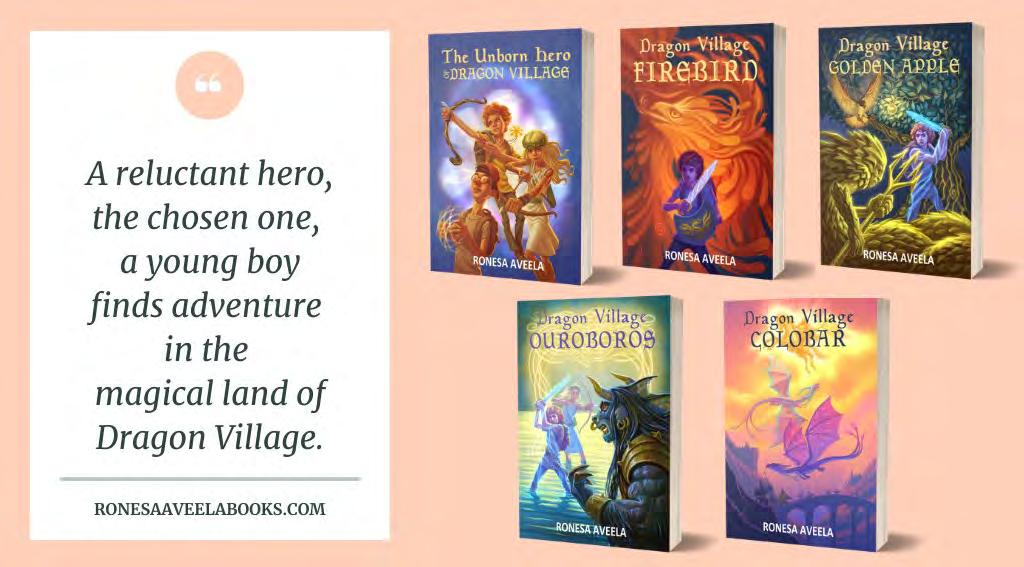
What can visitors expect to discover when they explore your shop?
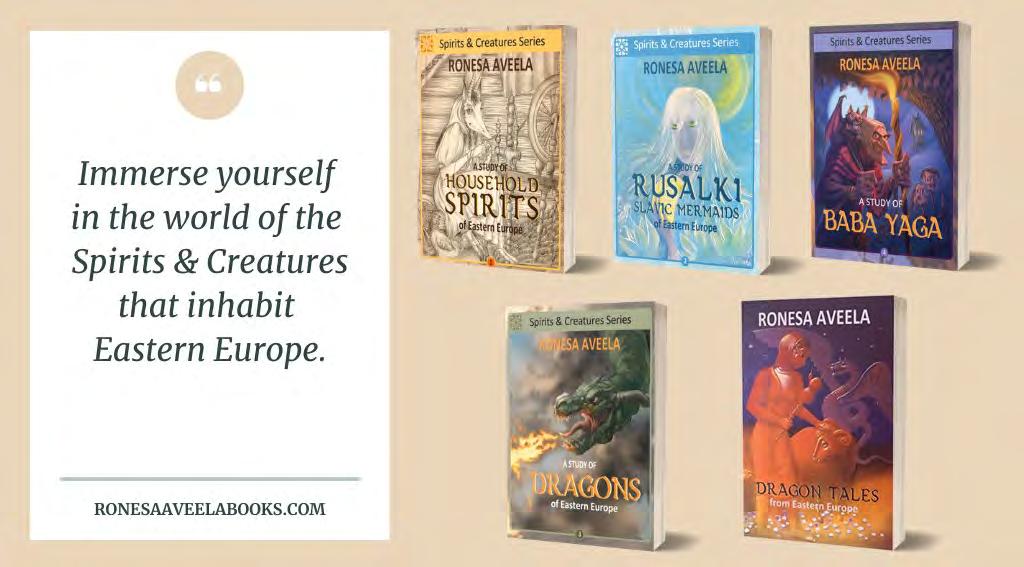
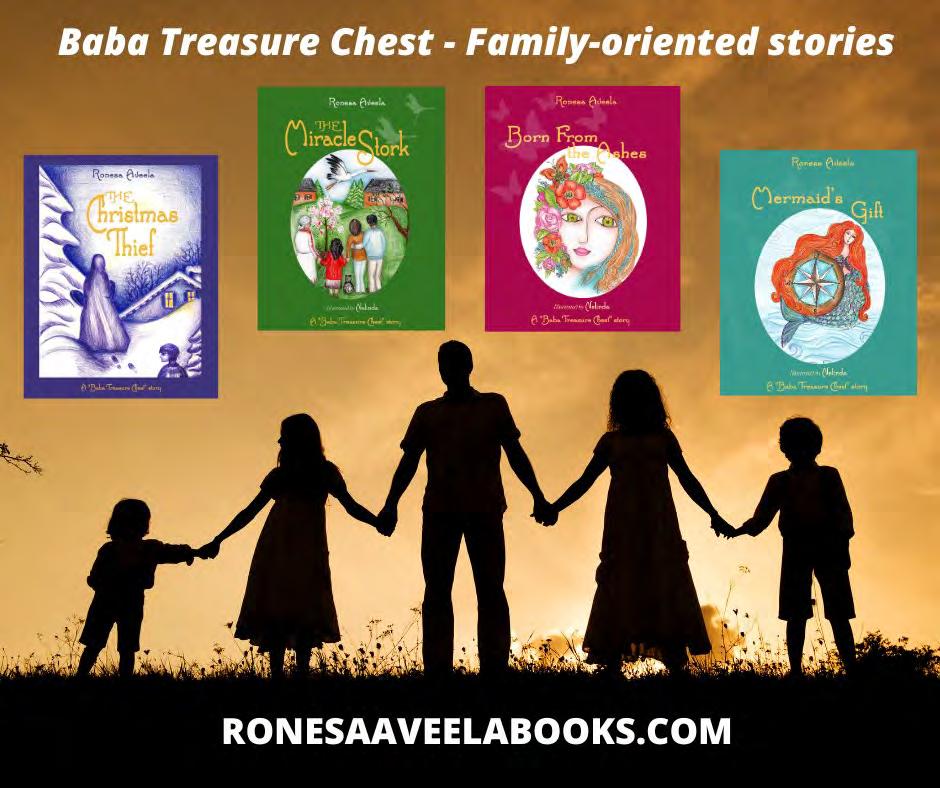
Visitors will find more than just our books. The shop includes mythology-inspired gifts, original artwork by Nelly, and collaborations with other artists whose work reflects the same folkloric roots that inspire our stories.
Beyond that, we’re building a growing collection of articles and features that explore folklore, traditions, and legendary creatures. The goal is to create an experience where readers can step further into the cultural and mythological world that shapes everything we write.
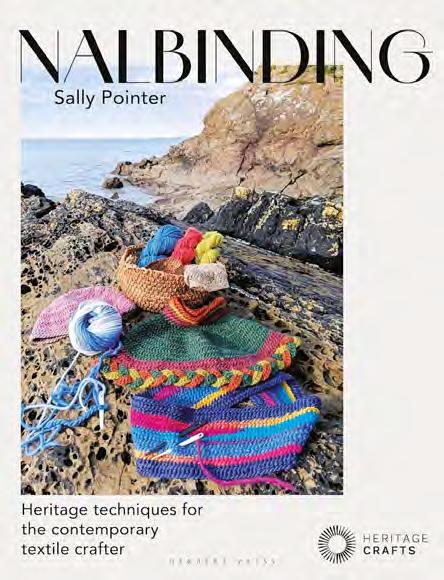
https://geni.us/Nalbinding
Connect with Author —
www.sallypointer.com

YouTube — youtube.com/c/sallypointer Instagram @sallypointerheritage
Sally Pointer is an award winning experimental archaeologist and heritage educator who specialises in tracing craft techniques from their earliest origins to the present day. She teaches in person, and also via her books, online courses and YouTube videos. When not teaching, she is often to be found hedgebothering and is an honorary associate research fellow in the Department of Archaeology at Exeter University.
Put down your knitting and pick up something new – and old – with these 20 projects teaching needle-looped stitches from across the millennia.
Nalbinding – loop-manipulated textiles that use just a single needle – can be traced as far back as the Mesolithic period and is still popular in Scandinavia. The results of the various techniques can resemble wool knitting or be worked as an open mesh akin to netting; it can be dense and warm or light and airy; and can use thick woollen yarns or be worked in thin, smooth plant fibres.


https://aspirebookcovers.com/
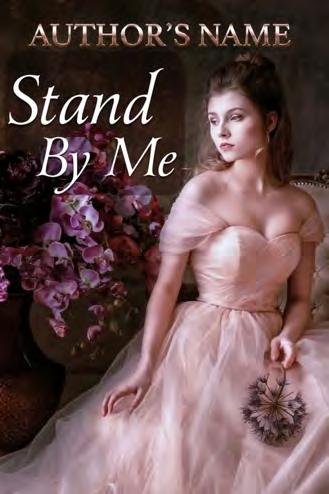
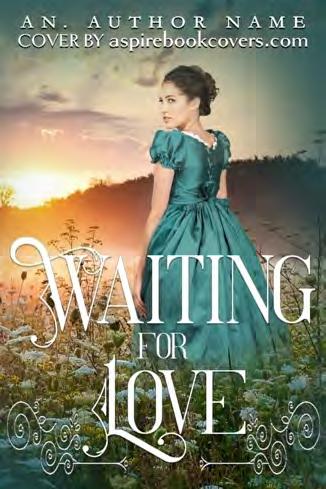

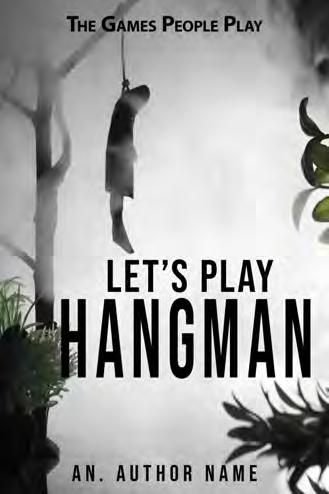
Aspire Book Covers is a website that offers inspirational book covers and formatting services at affordable prices. The website, located at aspirebookcovers.com, is run by Sharon Brownlie, who warmly welcomes authors to her site. Whether you have finished your book or are in the final stages, Aspire Book Covers provides customized covers to meet your specific requirements. Prices for pre-made covers are listed on the website, and keep a lookout because occasionally, some covers may be on sale!
For custom book covers, Sharon Brownlie will work closely with you to ensure that your book's cover design reflects your vision accurately. She will collaborate with you closely, engaging in discussions about your book description and understanding your requirements.


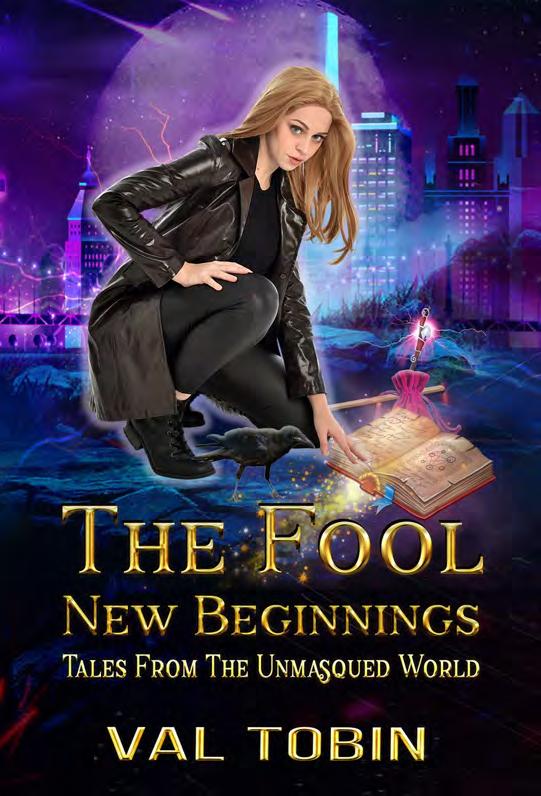

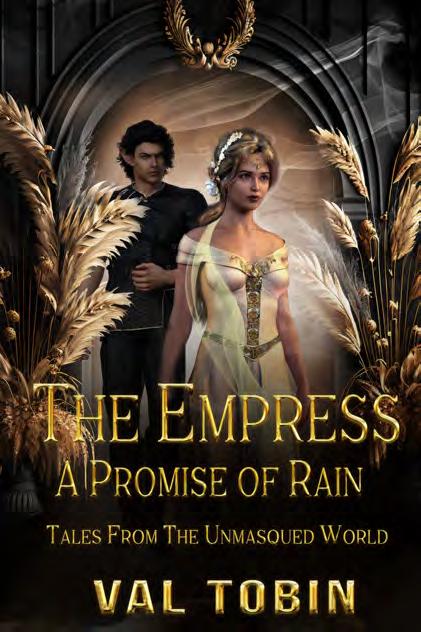
In the run‑up to the release of Book Five in Val Tobin’s Tales from the Unmasqued World series, we’re offering an excerpt from Book Four, The Empress: A Promise of Rain. As a special treat, readers of Connections eMagazine will also get a link to download Book One, The Fool: New Beginnings, for free.
Long-term readers of Connections might remember The Fool as 2022’s Reader’s Choice gold-medal winner. It won not only first in its category (sci-fi/fantasy) but also first overall.
Each story in the series is inspired by a different card from the tarot’s major arcana. The Fool begins a fool’s journey for a variety of characters. If you love stories with supernatural beings coming out of the closet, cross‑species (humans, vampires, lycans) found families, mythic figures reimagined in a modern world, inter‑realm politics and fragile alliances, and protagonists caught between worlds, then this is the series for you.
The Empress focuses primarily on Dakota Lawson and her life in the faerie realm:
When dhampir Dakota Lawson is swept into the glittering yet perilous world of the fae, she discovers that becoming a prince’s bride means far more than donning a crown it means navigating ancient politics, dangerous secrets, and a destiny she never asked for. Torn between the life she lost and the power she’s expected to wield, Dakota must confront the truth about love, loyalty, and the price of survival in a realm where beauty hides brutality and every choice reshapes the balance between worlds. The Empress: A Promise of Rain delivers a lush, emotionally charged journey of magic, betrayal, and the fierce resilience of a woman determined to claim her own fate.
Grab your FREE copy of The Fool
at the end of the chapter

The Empress: A Promise of Rain
by Val Tobin
https://books2read.com/theempresspromise
Here’s a sneak peek at the opening chapter of The Empress: A Promise of Rain:

A faerie servant girl bustled around Dakota Lawson, adjusting the bridal gown and veil the young dhampir woman wore. To the untrained eye, she appeared human, and in Autumnland, species identification pins weren’t required. On the Earth plane, she’d worn the pin identifying her as a half-vampire. But the faerie didn’t need to see a pin. Everyone in the kingdom knew who and what her mistress was.
“You’re beautiful, my lady,” the servant girl, three years younger than Dakota’s nineteen, said with a warm smile.
“Thank you, Lysandra.” Dakota returned the smile with one of her own, though hers held more tentativeness than warmth. Even after a year-long engagement, she still found it difficult to believe that she and faerie prince Culain Shiels would wed. She called up his handsome face in her mind’s eye. Using visions of his sandy-blond hair and emerald eyes, she anchored herself to reality and strove to forget the man she’d once loved and had foolishly expected to marry. Someday, she’d look back on the relationship
with fondness. Her scribbles of Mrs. Dakota Davis and Mr. and Mrs. Josh Davis in notebooks that would turn to dust over the years would finally elicit nostalgia rather than pain. Would it take decades to heal? Centuries? Either way, Josh, as a human, would be dead, and she and her prince would continue living out their long lives hopefully happily. Because I love Culain.
She honestly did. But loving him, marrying him, came with a price that made her heart ache to pay it. It would also, however, bring her closer to her ultimate goal: revenge. When she held power—genuine power she could wield as a ruler of the fae—she’d ensure those who’d robbed her of her previous life paid.
Breath held, she turned and faced the mirror. Her golden hair cascaded down her back in loose curls, and her skin was pale and flawless. She wore a stunning emerald gown made from the finest silk and adorned with intricate lace and sparkling jewels. It’d surprised her to learn they expected her to wear green, a color that symbolized fertility, life, and abundance. No virgin white for the fae—though they’d demanded she remain a virgin until her wedding. Symbols of fertility, growth, and prosperity meant more to them than those of chastity for the woman who’d become their queen.
The breath escaped in a rush. She skimmed her fingers over the pearl necklace nestled against her throat with hesitant fingertips: seven large pearls centered within a string of tiny ones. She’d resisted when Culain presented her with the bauble and asked her to wear it at the wedding.
“Pearls represent tears,” she’d said. “They’re for funerals.”
She didn’t consider herself superstitious, but her mother had raised her on this belief. They’d attended enough funerals for her to internalize that pearls meant grief.
“You’re among the faeries now, my darling,” he’d replied. “For us, they symbolize love and represent Aphrodite.”
With a blush, he’d added that they also symbolized purity and innocence, so they hadn’t excluded the virginity piece of the transaction.
She’d accepted the necklace as well as the myrtle wreath another symbol of love, fertility, and chastity for her hair, to which Lysandra had attached a lacy white veil.
At her servant’s insistence, they applied minimal makeup. The maid had the right of it. A touch of blush on the bride’s cheeks, a hint of gloss on her lips, and one press with the eyelash curler made her look fresh and dewy. Anything else would’ve overpowered her delicate features.
Dakota turned to the faerie girl, who fussed with the wedding dress’s bustle. Her voice shook with nerves as she said, “You’ve done an amazing job.”
Lysandra smiled and curtsied. “’Twas my pleasure, Your Highness.”
A knock at the door sent the servant girl scurrying to open it. Muffled voices floated in from the hallway, and then Lysandra replied, “Two minutes.”
She shut the door without another word, so the guards must’ve simply wanted to fetch the bride for the ceremony.
Heart fluttering, Dakota stepped forward, only to pause and scan the room. “My shoes. Where are my shoes?”
“Don’t fret, my lady. I know exactly where they are.” The maid rushed around the bed and bent down. “Right here, by the vanity.”
When she stood up again, she held low-heeled emerald sandals adorned with bright white flowers and pearls to match Dakota’s necklace and wreath.
Lysandra carried the shoes to her mistress and helped her put them on. She then handed her long, emerald gloves. The soft, cool silk against Dakota’s skin triggered a sensation that her human half felt intensely. A vampire would’ve noticed the touch but wouldn’t have appreciated the texture. Softness, for them, was but a memory.
“Perfect, Your Highness,” the faerie girl said as she stepped back to admire the view. “If you’re ready, they’re waiting for you in the garden.”
Lysandra picked up a bouquet from the table in the sitting area. She carried it to her mistress, who buried her nose in lavender, roses, and carnations in varying shades of purple and white. A white ribbon tied everything together, but a fall of eucalyptus leaves obscured most of it. Dakota sucked in another breath and slowly released it. She savored the floral scents that were, again, more noticeable to her human side—as were the nerves she experienced at the prospect of her upcoming nuptials. The butterflies flitting in her stomach settled after another deep inhale, and she smiled, this time with genuine warmth.
Culain.
Her pulse pounded. Tonight, they’d have their wedding night. Their first time together as husband and wife. Her first time ever. That thought had her stomach fluttering again but with excitement rather than fear. She’d yearned to make love with Culain for so long, but the fae court was positively medieval in its customs and traditions. Not even Culain dared break them, and faerie society afforded men far more leniency in the sex-before-marriage arena. Why, he behaved more prudishly than she did, but she questioned how much of that was an act. Sometimes, she wondered if he’d slept with someone else before they’d
met, but she never asked him. She was positive he’d remained faithful to her once she’d entered his life, not only because custom demanded it but because he truly wanted to.
This’ll be one hell of a wedding night. Her smile, this time, was mischievous. Lysandra led Dakota from the room and handed her off to two official guards dressed in their finest livery of reds and golds. They each carried a spear, point up, that was taller than all of them. Dakota, at five-foot-ten, towered over most humans, including many men, but among the fae, she was of average height for a woman. The men were even taller than that. Culain hit six-one.
The guards walked her through halls decked out in ribbons and finery. The entire palace was decorated for the royal wedding, and it’d taken three weeks to get everything just right. She hadn’t had to do any of the work herself, and part of her regretted it. They’d at least allowed her to make some of the decisions that affected her personally, such as choosing her wedding gown’s style, if not the color. “They” meant Culain’s family, since Dakota’s family had no part to play in the wedding. King Killian had banned her father from the faerie realm, and her mother wanted nothing more to do with her. She had no one else on her side. Culain’s brother, Colin, would escort her down the aisle and give her away.
Give me away. An ironic term, considering they bought me from my mother. She’d never learned how much cash her mother had received in the transaction.
The guards’ bootsteps echoed down the deserted hallway, drowning out the muted patter of Dakota’s sandals. The empty corridors seemed eerie. Though typically bustling with activity, the halls had emptied as the minutes to the ceremony ticked down, the guests gathering in the massive garden. Those working behind the scenes also left the bedchambers’ corridors, relocating to the kitchens, gardens, and banquet hall. Even outside the palace, those without an invitation or who weren’t members of the well-to-do gathered to celebrate. A fair was set up on the fields beyond the castle’s drawbridge, and the celebrations would carry on for the entire week.
The archway leading into the garden loomed ahead, and Dakota’s steps involuntarily slowed. In consideration of her vampire half, the gardens and the paths that led to them had extra shade created with plants, trees, and strategically placed umbrellas and canopies. The half-vampire in her shunned direct sunlight, but her human half could tolerate it. Sunlight didn’t burn her, but it prickled any exposed skin uncomfortably.
One guard gently placed a hand on her elbow, and she allowed him to guide her outside into the courtyard and onto the path that led to the ceremony. Bushes obscured the seating area, but rustling and soft murmurs betrayed the presence of the crowd awaiting her.
She didn’t know her three bridesmaids well, but a young fae woman who’d befriended Dakota was her maid of honor. Alina Lawrimore smiled encouragement. She looked beautiful in the cream, strapless maid-of-honor dress the two friends had selected. Her bouquet of
dried lavender, baby’s breath flowers, and eucalyptus, their stems wrapped in burlap with lace detail, added color. Each bridesmaid wore a similar dress and carried a smaller, though similarly adorned, bouquet. Three groomsmen and Culain’s best man paired up with the women. The men wore traditional fae garb with doublets and breeches rather than tuxedos, and each carried a ceremonial sword at his side.
A rustling in the leaves beside Dakota pulled her attention off the flowers. A hand touched her arm, and she stared into green eyes so like Culain’s they startled her. But it wasn’t her betrothed; it was his brother, here to walk her down the aisle.
Give me away.
Colin’s lips quirked up. “You’re not nervous, are you?”
The amusement in his voice placated her. He always found the humor in every situation. Culain was always so serious, but Colin made her laugh despite herself and her circumstances.
“As a long-tailed cat in a room full of rocking chairs.” She grinned. “But I feel much better now you’re here. How’s Culain?” Was he as nervous and excited as she was? A temptation to peek around the foliage and get a glimpse of him overcame her. But she didn’t want anyone to see her until she rounded the corner and walked to join him, so she suppressed the urge.
“He’s happy.” Colin’s expression smoothed to almost serious. “I’ve never seen him so happy.” He looked her up and down. “When he sees you, he’ll be delirious.”
Embarrassingly, she blushed, a drawback of her dhampir physiology. A true vampire didn’t have the ability.
She dipped her head, acknowledging the compliment. “Thank you.”
“After today, you’ll be like a sister to me.” He smiled again. “Which means I can tease you the way I do Culain.”
She stifled a laugh. “I don’t think so. You wouldn’t be that merciless.”
“Perhaps not. Perhaps sister isn’t quite right.” He winked as he offered her his arm, and she slipped her hand through the crook, wondering what that last remark meant.
The guard stepped from behind the bushes onto the pathway, the signal to start the ceremony. A row of musicians blanketed the garden with acoustic music. It had a sweet but moving melody and sounded Celtic, but she knew such tunes originated from the fae to the Celts. She let the melodies from lutes, violins, cellos, and a harp wash over her.
The bridesmaids and groomsmen went next.
Salton Hoxworth, the best man, sidled up to Alina, who took the arm the swarthy faerie from Southern Realm offered her.
Alina whispered, “I’m off,” and the pair vanished around the corner.
Colin waited a few seconds before he stepped forward, Dakota matching his pace. His solidity kept any panic at bay. He really would make a wonderful brother-in-law. The Shiels boys men would also make outstanding leaders, and Culain, one day, would be king. That, she reminded herself, was why, in the end, she’d agreed to be sold into marriage like a slave.
Order Book Four, The Empress: A Promise of Rain, via a variety of retailers through the following link: https://books2read.com/theempresspromise

Val Tobin writes fiction in a variety of genres and searches the world over for the perfect butter tart. Her home is in Newmarket, Ontario, where she enjoys writing, reading, and talking about writing and reading.
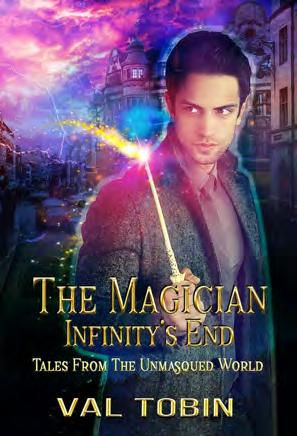
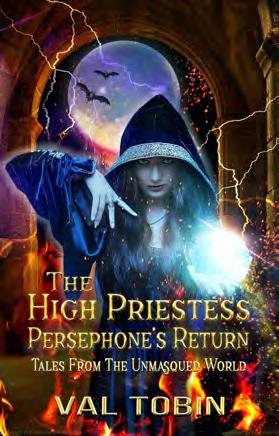
As promised, download your copy of Book One, The Fool: New Beginnings, for free here: https://dl.bookfunnel.com/pdf9f24rzq


A.L. Jensen
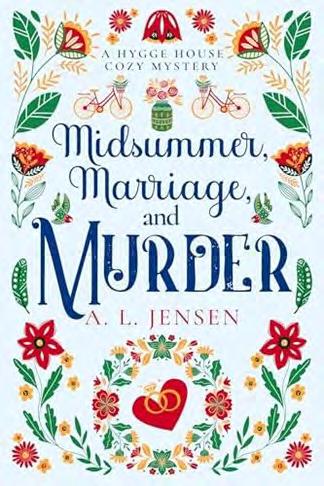

and cozy!
“Hygge and a cozy mystery is a fitting combination. I enjoyed the Scandinavian touches, the main characters’ friendship, the setting, and more.”
Escape to the charming small town of Lakewood in this delightful Scandinavian-inspired cozy mystery!
Minna Halonen and her business partner Christie Andersson are planning the wedding of the season, not only for Grace and jack, but also to highlight their fledgling events business at Hygge House in the charming town of Lakewood.
Minna and Christie plan an intimate rehearsal dinner followed by a Midsummer bonfire, and a garden wedding overlooking the serene lake, complete with Nordic fare and a live band. There's only one hitch. At the last minute, Jack's favourite uncle, Rick Alcott sends his regrets in a cryptic message but soon has a change of heart. When Uncle Rick doesn't arrive for the rehearsal dinner, and then skips the wedding, Jack is heartbroken.
Minna's vision of the perfect Hygge House wedding is shattered when she finds Uncle Rick's body slumped in a Muskoka chair. Did he die of natural causes? Or did he have a legitimate reason for not wanting to attend the wedding one that led to his untimely death?
Midsummer, Marriage, and Murder is the second book in the delightful Hygge House Cozy Mystery series where murder meets Nordic comfort in a rustic northern town.

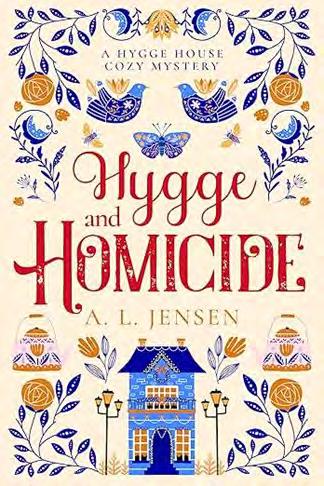

Escape to the charming small town of Lakewood in this delightful Scandinavian-inspired cozy mystery!
When talented interior designer Minna Halonen returns to her idyllic northern hometown after decades away, she's ready for a fresh start. Recently divorced and with her daughter grown, Minna eagerly takes over Nordic Cozy, her mother Elsi's beloved home décor shop, embracing the hygge lifestyle and peaceful natural surroundings she'd forgotten she missed.
Partnering with her lifelong friend Christie, a creative event planner with an eye for detail, Minna pours her heart into transforming an old lakeside property into Hygge House a cozy retreat for workshops, gatherings, and the perfect blend of Scandinavian comfort and woodland charm.
But on Grand Opening morning, Minna's dreams of a tranquil new beginning crumble when she discovers a dead body on her doorstep! With whispers spreading through Lakewood's tight-knit community and business grinding to a halt, Minna must channel her designer's eye for detail into amateur sleuthing
https://bit.ly/HyggeHomicide
A.L. Jensen is an awardwinning author and certified book coach. An empty nester, she lives with her husband Michael on a serene lake in Northern Ontario. When she's not writing and sipping chai lattes at her local coffeeshop, you'll find her reading in her gazebo, or walking nearby trails with her mini Goldendoodle Emmy, while dreaming of her next travel adventure. She is inspired by her Finnish heritage and the northern landscape she calls home. A.L. Jensen is the pen name of Author and Book Coach, Liisa Kovala and more information can be found about her at: Home | Liisa Book Coach
Can this middle-aged entrepreneur catch a killer and restore harmony to her picturesque hometown? Or will Minna's second chance at happiness be cut tragically short?
Hygge and Homicide is the first book in the delightful Hygge House Cozy Mystery series where murder meets Scandinavian comfort in a rustic northern town.

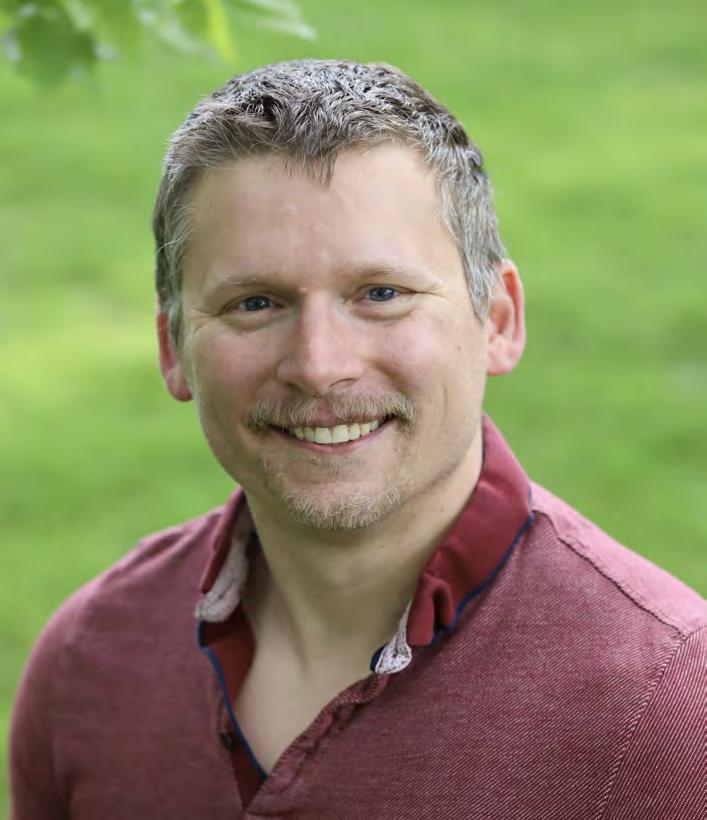
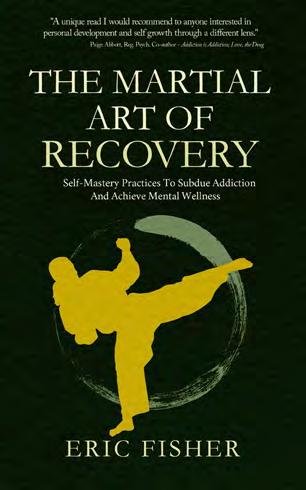
Canadian transplant. Southern US born. Eric Fisher is a Canadian Certified Counsellor residing in Calgary, Alberta, Canada. Originally from Tennessee, he has over 15 years of experience working outpatient and inpatient treatment settings in the US and Canada. He has two books published at this time: The Martial Art of Recovery: Self-Mastery Practices to Subdue Addiction and Achieve Mental Wellness, and Buried Alive: Four Ways to Free Yourself from the Dirt.
Eric is a master practitioner of Accelerated Resolution Therapy (ART) and is also trained in Eye Movement Desensitization and Reprocessing (EMDR), both of which are evidence-based treatments for trauma. Eric's private practice, Recovery Arts Counselling, serves individuals, couples, and families both locally and remotely. He also serves as an associate for local clinics in the surrounding area. In the past, Eric has supervised master's-level graduate students and counsellors early in their careers. He has won multiple awards for screenwriting: "The Departure" - official finalist in biographical/ historical genre - 2014 Beverly Hills Screenplay Contest. "Only 16 Miles" - Finalist - 2014 Horror Screenplay Contest. Universal Escapade (Finalist - Top 25) - WeScreenplay International Screenplay Competition. "Hipster Z" (co-written) - best feature screenplay - 2017 Action On Film International Film Festival. "Hipster Z" - Best horror/comedy Screenplay - 2017 International Horror Hotel Film Fest.

Additionally, Eric has a black belt in two martial arts styles: American Kenpo and Wadō-ryū. One interesting thing about Eric is that he had the opportunity to be an intern with the FBI twice. Eric enjoys hiking and riding his bike outdoors, music concerts, tasting new food dishes, travelling near and far, and meeting people
Tell us your latest news.
I recently finished the rough draft of my upcoming book that’s based on my experiences as a therapist. My learnings and pitfalls in the mental wellness field.
Can you tell us a little about yourself?
Hi there, my name is Eric. I’m a counselling therapist who has been working in the mental wellness field for over 15 years. My main specialties are addiction and trauma, although I work with folks who are experiencing relationship issues, grief, depression, anxiety, workplace challenges, and other concerns. I’m originally southern bred, being from Tennessee in the States. I’ve resided in Calgary, AB, Canada since 2014 consecutively. I’ve lived in three countries for over a year (US by a long shot, New Zealand for about 15 months, and Canada). I enjoy riding my bicycle in the local parks and hiking on paths near and far. I’m also into watching films, travelling, trying out new food dishes, and at this time I’m learning the Spanish language.

How much of the book is realistic?
All of the book is realistic. Everything that happened in the documentary interview sections of the book with the three men are taken from actual video recordings.
Are you a multi-genre author or a single-genre author? How did you decide what type of book you would write?
Right now, I’d consider myself a single-genre author as my last two books have been self-help oriented. Writing nonfiction seems like a more broad spectrum that could incorporate many subgenres. My last two books have had nonfiction elements since I bring in true stories from my life. I aim to write a type of book if the idea sticks in my head for longer than short-term. I’m not sure what the expiration date is for when the book goes from a potential theoretical idea to something I can work on for a long duration. It’s more like a feeling that shows me I can work on this material for a while without losing focus and motivation. I work in the mental wellness field so writing books with a focus on self-help strategies came natural. I brought in martial arts material in my first book since I have a background in the same from both my pre-teen and teenage years. The material has to speak to me as something practical and inspirational for what I’ve written so far.
Do you have a favorite genre, or is one type of book easier for you to write than others, and why?
At this time, I focus mainly on writing in the self-help genre. I would say that writing in the selfhelp genre has been a favorite since the material does come natural for me. I speak with people on almost a daily basis about the topics I write about when it comes to mental wellness.

When did you start writing? Did an event or person prompt you to take that leap?
I’ve been writing ever since I was a young child. The words came out in different mediums, whether that be with poems, short stories, comic books written and drawn with a pencil, and film screenplays. My first film screenplay was written when I was a teenager at around 15-16 years old. I cringe when looking back at the script quality. As time marched on, I was able to hone my screenwriting craft and become more finely-tuned with the format, dialogue, action lines, storylines, and so on. I can’t think of a particular event or person that prompted me to take the leap into writing.
How / where do you find the plots you write about?
I haven’t written a book where there was a particular plot as I haven’t delved into fiction or primarily a non-fiction narrative. When I’ve written screenplays, I often will start at the beginning and then plan out the major beats until the climax and resolution at the end. The plot points in a screenplay will often change as revisions come into play. I have found plots through listening to voice recordings of the main character acting as the protaganist in a true story, researched material from a patron who has comissioned me to write a feature screenplay, and previous experiences of mine that I turn into plot points that are edited for dramatic effect.
Mark Twain said “Write what you know.” Tell us about your writing process. Are you a plotter or a pantser? Do you plot, plan, and conduct hours of research; or, do you just sit down and write whatever comes to mind based on your personal history and knowledge?
A challenging question to answer since I often will research for the self-help books I’ve written as there are usually referenced sources. I can also be a panster and write whatever comes to mind from my personal experiences personally and professionally in the field of mental wellness. I think that both approaches have their place for me in the grand scheme of writing.
Is there a message in your novel that you want readers to grasp?
In my most recent book, Buried Alive: Four Ways to Free Yourself from the Dirt, my hope is that readers will take away the importance of balance in their lives in multiple areas, such as planning, self-care, vulnerability, comparisons, and openmindedness. Living on the extremes does not give a person the most fulfilling life. A person doesn’t experience the other side and come to a place of moderation where both sides are taken into account.
books have influenced your life the most?
I would have to say that Viktor Frankl’s book Man’s Search for Meaning, Bessel van der Kolk’s The Body Keeps the Score, Gabor Maté’s When the Body Says No, and the book of James in the Bible’s New Testament.
Do you have a mentor that helped or encouraged you to follow your dream of writing?
My mom is probably the person that has encouraged me the most to follow writing pursuits. She has always been a cheerleader who believed in my abilities when there were times I didn’t believe in them wholly myself.
At this time, I’m considering my first book that is not in the self-help genre. The project would be considered by the masses to be historical fiction. The book will be based on a previous screenplay, which means I have a blueprint of the storyline. I would need to flesh out the storyline, characters, dialogue, and additional elements.

What kind of music do you enjoy?
What kind of movies do you prefer?
Do you have a favorite author?
Is there one person past or present you would like to meet and why?
I would like to meet Gabor Maté. He is a present time fellow I’d enjoy meeting due to us being in the same field of mental wellness. Gabor possesses such a wealth of knowledge when it comes to trauma and addiction, which I frequently support people with in my private practice and other positions with my work. Dr. Gabor Maté brings a humble approach to his advocacy work for mental health and addiction, which I truly honor. I have read one of his books and would like to read more in the near future.
Music - rock, alternative, electronic, some metal, techno, and movie soundtracks that are classical in genre. I can also go for classic 90s country if I’m a very special mood. For movies, I’d say sci-fi, action, comedy, action & adventure, mystery, and dramas depending on the storyline. I do enjoy the fictional Bourne series from Robert Ludlum. I’ve read the first book in the series and part of the second one. The Bourne Identity is exceptional. For non-fiction, I’d have to say that Gabor Maté would be my favorite author. The way he interweaves personal experience with scholarly information is top notch.
“Insightful and Memorable...A Must-Read!
What a compelling and engaging story and guide. The author did a remarkable job of finding the perfect balance between telling his father’s story and relating it to the lessons life has to offer.”
- Anthony Avina

Through the immersive and daunting story of the near-fatal accident, the author shows how challenging circumstances can shed light on strategies for dealing with life's challenges. Through an intense story about survival and recovery, you'll gain practical suggestions that will help you find increased awareness, fortitude, and direction.
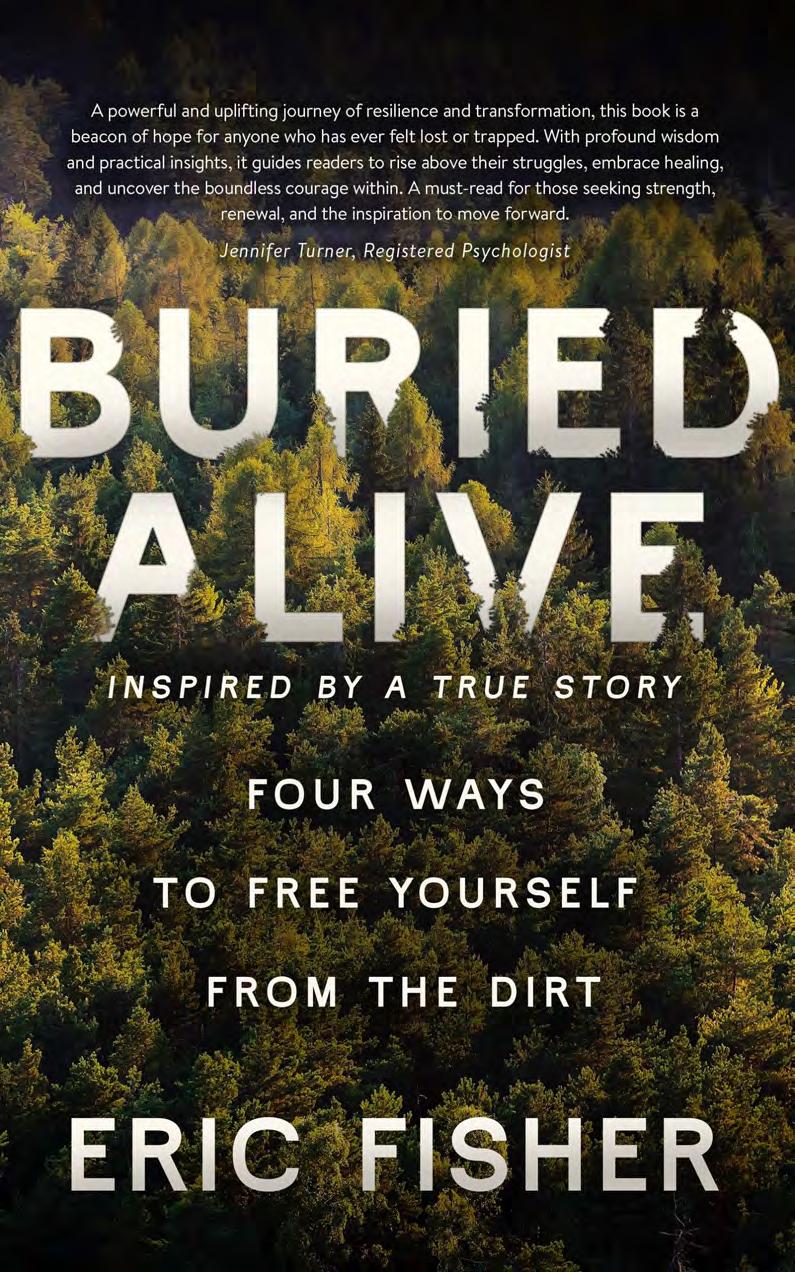
https://geni.us/BuriedAlive
Each chapter applies the self-help content to the true story being told in a documentary fashion. For each self-help component, practical strategies and techniques are given to the reader. The concluding chapter integrates all the content with practical, real-life scenarios.
Can you share a sample of your current work with us?
This portion comes from the preface of Buried Alive. “If I had to summarize this book, I’d say it’s about rediscovering self-identity. Far too many of us are buried alive beneath our regrets, shame, guilt, trauma, addiction, pain, suffering, grief, and general disconnection from ourselves. This book aims to decipher the messages and learn how to arise from the dirt. Through this process, we can unearth ourselves in an authentic, realistic, and unrefined way.
We may not even know we have buried ourselves. Denial, minimizing, rationalizing, or outright avoidance may create obstacles in our path that hide the true extent of our submersion. We are crawling in the dark, attempting to flip on the light switch. The lighthouse in our soul seems distant. There is a way back to the light. We can chart a course to reach the lighthouse, illuminating the truth from its origin point close to shore. What we may lack are the details.”
Pick one of your characters and share some of their backstory that didn’t make it into the novel.
I haven’t written a novel with characters yet so I cannot comment on this question from a fictional standpoint. That being said, one of the main characters in Buried Alive, Jerry Ledbetter, doesn’t have much backstory. Yet, he is the main force that allows the near-fatal incident in the story to turn out the way it does.
Do you have any advice for other writers?
There will be days where writing comes easy and days where the writing is like trudging through a dark forest blindfolded and you’re hitting every tree on the path. Don’t forget to cultivate the relationships around you in a balance with the writing. One thing I once heard on a podcast makes sense to me: When a writer publishes their material, then whatever that is released is now in the hands of the reader. They make the content their own. The book is no longer ours. The book belongs to them and what they get from the book based on their experiences, personality, hopes, dreams, and failures.
Whoa, we are getting deep now! I’d say the following: “He Loved and Was Loved.” Without love nothing else stands possible. Relationships. Passions like writing. Working with others in the mental wellness field. There are different types of love as the Greeks have shown us. For those I work with professionally, I do my best to give unconditional, positive regard. A love for one human to another for simply being on the mortal journey. With my spouse, there would be different kinds of love. I would hope that people would look at my life and see that I loved them in my own way to the best of my ability. Without love, I’m not sure what the motivation would be for many activities I participate in.

Other than writing do you have any hobbies?
Yes, I enjoy travelling to different locales when I am able. I enjoy hiking on trails down south of the border in places like Montana or in my own backyard in Western Canada. Last year two friends and I hiked in Saskatchewan at the Grasslands National Park. I caught the music concert bug in my early years and enjoy attending them. I mostly go to rock or alternative shows. I enjoy watching films at the cinema.
If money was no issue, would you prefer a cozy beach bungalow or a rustic cabin overlooking a mountain lake?
This is a tough one to crack! I’d have to say a rustic cabin overlooking a mountain lake. The placid water, wind blowing through the trees, wildlife, and the serenity that comes from being out in nature would be attractive. You ask me on a different day and I might say the beach. Who knows!
Can you share something personal with your readers? Do you have any holiday traditions?
I don’t have any holiday traditions aside from the dinners during Thanksgiving and Christmas. Nowadays, I might even miss one of those dinners as far as getting together with extended family. Something I tell people that usually sparks their interest is how I’ve interned with the FBI on two separate occasions. My first internship was in Tennessee and my second was at headquarters in Washington D.C. Both experiences were amazing.
Do you have anything specific that you want to say to your readers?
Thank you for taking the time to travel on the journey with me through the written word. I hope the material inspires, brings up perspectives you haven’t considered, connects emotionally, and elevates you to a higher plane with whatever you are experiencing in life.

One final question...Do you have a blog/ website? If so, what is it? Do you have a social media platform where your fans can go to interact with you and follow your progress?
Yes. Here’s the web address: https://www.recoveryartscounselling.com/
Yes, for social media: Instagram - @ericfisherwriter @recoveryartscounselling
Facebook - Recovery Arts Counselling
The Charles Manson Story
An investigative account of one of the darkest times of the 1960’s by best-selling True Crime Novelist and radio personality, Alan R. Warren
https://geni.us/PeaceLoveMurder
Alan R. Warren is a Canadian bestselling true crime author, producer, and lead host of the internationally syndicated radio show and podcast House of Mystery.
A respected authority in true crime nonfiction, Warren has authored 38 books covering serial killers, cults, human trafficking, history, and memoir. His work is published by major true crime publishers including RJ Parker/Vronksy Publishing (Canada) and WildBlue Press (USA). He has been a contributor to True Case Files Magazine since 2013 and continues to write for Serial Killer Magazine
Alan R. Warren is frequently sought out by media outlets for expert commentary on true crime cases, serial killers, cult behavior, and criminal psychology.
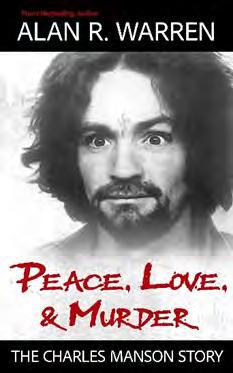



In the late 1960s, America’s promise of peace, love, and freedom collided with a nightmare that would forever change the nation. At the center of it was Charles Manson failed musician, self-styled guru, and one of the most infamous figures in criminal history. Peace, Love, and Murder: The Charles Manson Story goes beyond the familiar headlines to reveal untold details about Manson, his followers, and the culture that allowed him to thrive. Alan R. Warren explores how the chaos and counterculture of San Francisco and Los Angeles in the 1960s created the perfect storm for Manson’s rise.
Through meticulous research and vivid storytelling, Warren also shines a light on the lives of Manson’s “Family.” Each member’s background is explored, showing how personal struggles, vulnerabilities, and the allure of belonging drew them into Manson’s orbit and into history’s most shocking crimes.
This is more than a true crime story. It’s the unsettling account of how an era built on dreams of love and freedom gave rise to murder and madness.
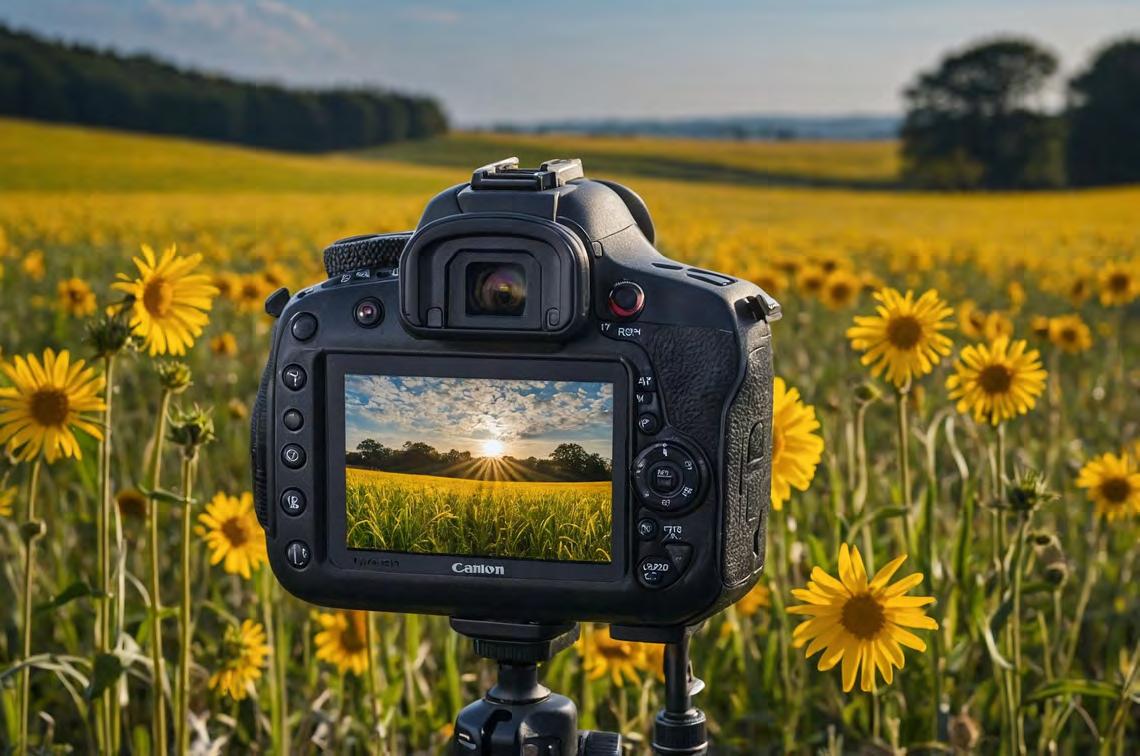

We had some great entries for our last challenge. If you didn’t get a chance to read them, you should take a minute to check them out. Congratulations to our top winners for getting the most reader votes on their submission. You can read the winning story as well as the other entries here
https://view.publitas.com/mpsmith-publishing/ connections-emagazine-1st-quarter-2026/page/48-49
1st Place No More Obstacles Tom Benson
2nd Place The Legend of Hunters Pond
Sylva Fae
3rd Place Treasure Hunting
Melanie P. Smith
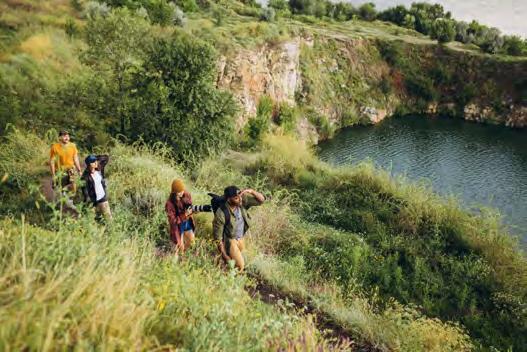


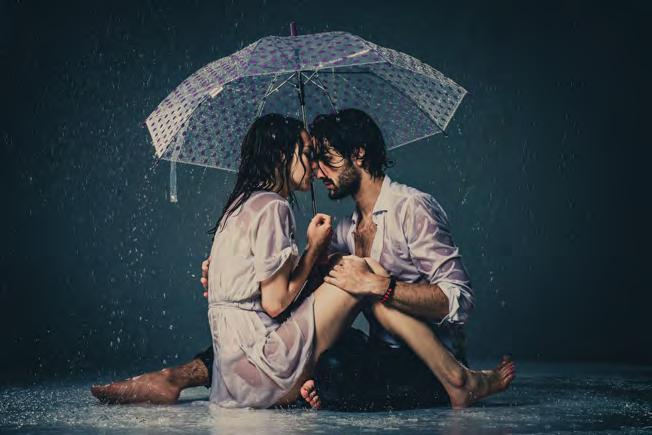
Everyone has heard the saying A Picture is Worth 1000 Words. Well, this is where we put that saying to the test. In each edition, we post an image and ask authors to tell a story in approximately 1000 words. Each story is unique, compelling and interesting. It just goes to show, while the picture might be worth a thousand words those words can be as diverse as the authors writing them
Keep reading to discover new authors and their stories based on the picture provided. And be sure to visit our Facebook page to vote for your favorite.
https://www.facebook.com/ConnectionsEMagazine

By
The rain started just after midnight. Emma knew she should stay inside, get some sleep, and find a way to forget the past. Instead, she darted into the night and tried to outrun the stifling claustrophobia she always felt when she spent time inside her home the one she shared with Lucas.
Barefoot, soaked to the bone, and emotionally exhausted, Emma sat alone on the edge of the dock. She should go back inside; she should get some sleep and spend her weekend searching for a new place to live. Instead, she stared aimlessly across the water, clutching the note she swore she’d never read again. The city lights shimmered in the distance, but she didn’t notice. All she saw were shadows, a watery landscape blurred by the rain and her tears.All she felt was the pain of a heartache that would never heal.All she could hear was the storm raging around her and echoes of the words that shattered her life exactly one year ago today:
If I stay, they’ll destroy you too. You have to forget me.
She hadn’t seen Lucas since the night he disappeared. She hadn’t heard a word after the betrayal. He abandoned her, knowing she didn’t have anyone else. She was alone in the world and feared she always would be.
The police finally stopped calling, stopped asking questions, stopped demanding answers she didn’t have.
Now, here she was drifting aimlessly. She knew she should listen; she should forget Lucas and try to move on. But how? She loved him with her whole heart. She thought they were soulmates, two strangers that fate brought together then tore apart. She didn’t know how to go on without him. She wasn’t sure she wanted to.
Suddenly, she heard the crack of a twig and the rustle of trees before footsteps sounded on the edge of the dock and she knew. She sensed him before she saw him a familiar presence moving through the rain like a ghost she had tried to forget. Lucas was back. But was it real, or another fantasy that would fade away like all the others? She didn’t want to hope, but she couldn’t stop the flutter in her stomach or the flip of her heart as the dark figure came closer.
When he stepped beneath the umbrella and lowered himself in front of her, neither of them spoke. They simply stared at each other. Minutes felt like hours and still, they remained silent, the weight of unfinished love hanging between them.
Finally, soaked and shaking Emma looked away. “You shouldn’t be here,” she whispered.
“They know where you are,” Lucas replied. “They know everything, and if I don’t get you out tonight, you won’t live to see the morning.”
The words should have terrified her. Instead, they ignited something far more dangerous hope.
Thunder crashed around them, but neither one moved. With a heavy sigh, Lucas confessed the truth. “The senator’s death wasn’t an accident. His son killed him and framed me for his death. There’s evidence, too much evidence. Enough a jury won’t see doubt, they’ll assume guilt. My life is over; my only option is to run to disappear and start over. Jonah is going to get away with murder. The world will think it was me. He needs a scapegoat and he needs me out of the way. I thought I could prove he was responsible and reclaim my life, but he knows people, powerful people the kind of men that erase lives.And now, they’ve connected you to me. They’re trying to use you as leverage in a war neither of us ever saw coming. I thought if I left, it would protect you but the people hunting me have now turned their sights on you.”
“Why?” Emma frowned. She didn’t understand any of this. “Why you? Why me?”
“Because they can,” Lucas shrugged. “Jonah has always hated me. I don’t know if he’s jealous of my success, angry that I took something he wanted when the merger went through and DynaLife chose me over him, or maybe he’s just evil, sadistic, and spoiled. I don’t know, Emma. I guess he’s killing two birds with one stone. He’s a sociopath that won’t stop until he ruins me and now, he’s determined to destroy you, too.”
The storm worsened, rain poured down even harder, and thunder crashed around them as old wounds reopened and buried feelings resurfaced. Every touch carried history. Every glance carried regret. They were two broken people caught between love and survival, clinging to each other while the storm exploded around them and the world they had known blew apart.
“What do we need to do?” Emma whispered. She was terrified. Terrified of what her future held. Terrified Lucas would leave her again. Terrified they’d never be free of this threat.”
“I found a guy,” Lucas explained. “He’s forged documents. He created new identities, a new start a new chance at life.”
“But what about my job?” Emma panicked. “What about your company?”
“We have to leave it all behind,” Lucas admitted. “We have to start over. I know we can do it. Together, we can do anything. I just need you to say yes. I need you to agree. Let me save you from this. I’m sorry, I am so sorry, but you can’t stay here. It’s not safe.”
Headlights flashed on the side of the house, and they both froze in fear then relaxed when the vehicle continued down the deserted roadway.
Lucas tightened his grip around her waist. “Emma,” he said softly, forehead resting against hers, “if you come with me now, there’s no going back. But if you stay I don’t know how else to say this, if you stay you will die. You’ll be used as a pawn in Jonah’s evil plan. I can’t protect you here. Nobody can protect you here. But if you need me to walk away, I will. I’ll hate it, but I’ll go. But you have to promise me you will leave, too. You’ll disappear and never return.”
The wind intensified and the rain fell like a curtain over the world they were about to leave behind. Emma swallowed hard and focused on Lucas. “Do you love me?”
“More than anything,” he said without hesitation.
“Enough to promise forever?” she pushed. “I won’t survive if you leave me again.”
“I’m all yours,” Lucas promised. “From now on, if we run, we run together.”
Emma hesitated as memories flooded her mind. Memories of the past year, then snippits of their life together before all of this started. Finally, she made her decision, stood, and held out her hand.
Lucas took it, climbed to his feet, then pulled her into his arms.
Emma sank into the embrace and kissed him softly, then took a step back. “Alright then, let’s go. It’s time to start our life on the lamb. Do I get a cool bad girl name like Viper or Queen Hatchet. Oh, I know, how about something darker like Jet or Onyx.”
They were laughing as they disappeared into the shadows. Both felt a little lighter in spite of the danger. They were together again and together, they could survive anything.



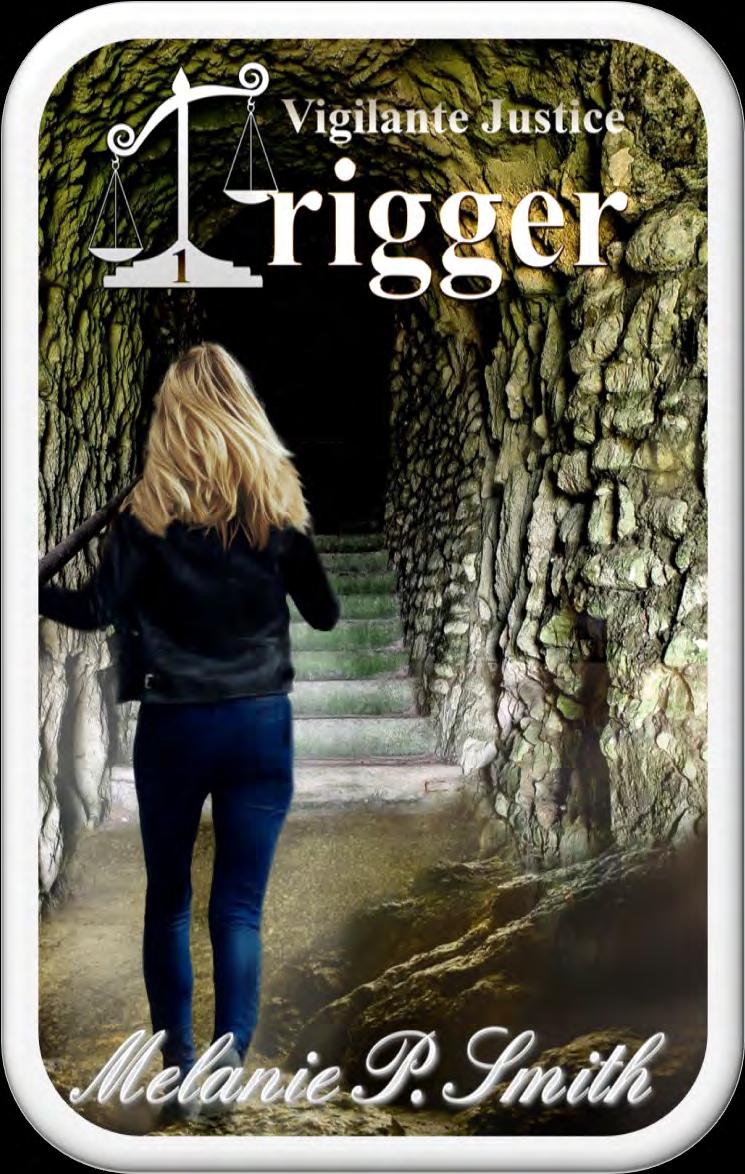
https://books2read.com/Trigger1

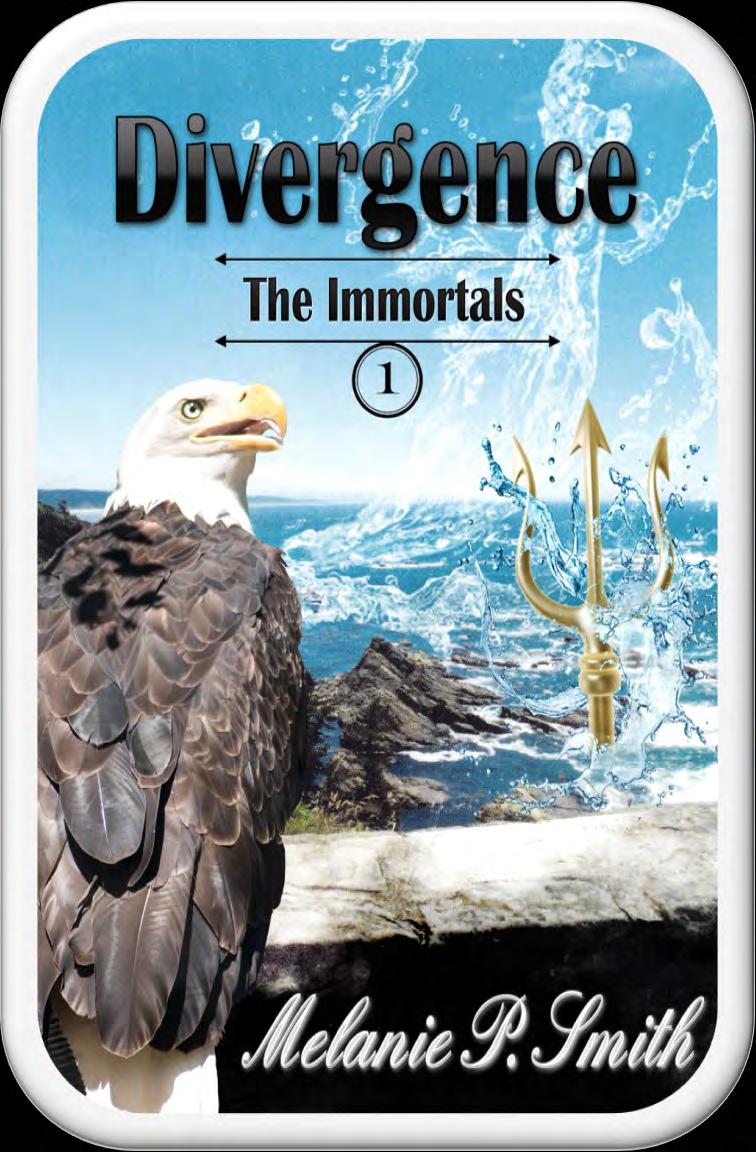
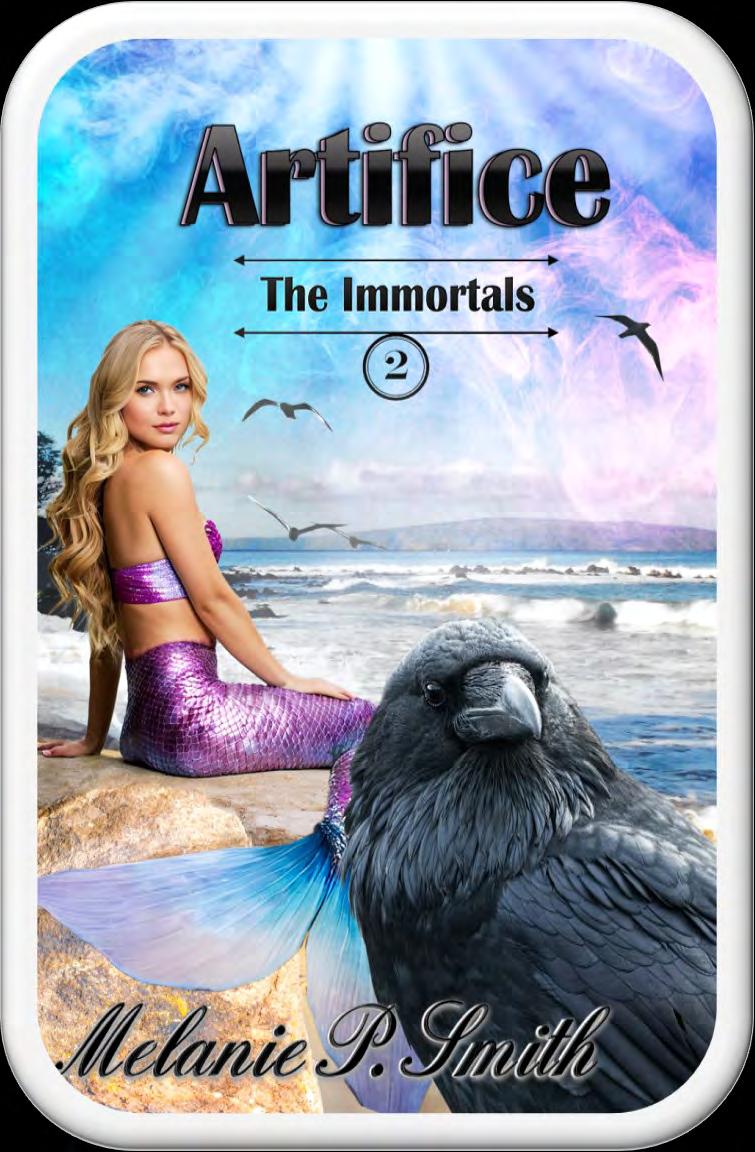
When I created my author website at the launch of my authorial career, I was lost as to what to blog about. It is a common problem for authors who are starting out. Most of us feel that no one wants to listen to us talk about or dogs or our families or look at pretty cat pictures. So instead of blogging about what people flock to every day, I decided to write short, quick stories that illustrated something that I had long been fascinated with, the odd words and phrases that make up English idiom.
I bought a copy of The American Heritage® Dictionary of Idioms by Christine Ammer. With that primer in place, I was ready to bring to life the idioms that we so often use but rarely understand their sources.
Can you guess the idiom in the story?
The Staging of a Storm
Dust. Thick billowing clouds of it. Tumbled swirling clouds of dust, stretching horizon to horizon. Enough to choke on. Enough to clog the air. Enough to blacken the sky. Enough to stop a train.
Stop a train? Yes, that’s what I said.
It was in my first year as a conductor’s apprentice, that we ran into the storm. The Western Pacific Railway‘s inaugural run from Sacramento to Promontory Summit, Utah, was scheduled to coincide with the hammering of the last spike in 1869.
Our shiny new train was loaded with dignitaries and high society investors for her maiden run, all shelling out a large amount of coin to travel on the latest, swiftest train in existence. Why, my train could make a full 70 to 80 miles per hour on the salt flats, fully stoked and the throttle wide open!
Tickets sold out months in advance. The mayor gave a speech of all things, complete with a ribbon cutting ceremony and the traditional bottle of champagne broken against the hull as though it was a boat being launched. He acted as though the train was his invention, the launch was that important to his constituents.
The fastest run ever, it was to be. One for the records, they said, and all that. They even scheduled the departure so that the train rolled into the midst of the last spike ceremony with only moments to spare, like a queen arriving fashionably late to honor the royal court with her presence.
It was not to be the anticipated run of legend. We did make the news on that particular day, but not for what we set out to do.
The shiny new steam engine pulled away from the station, chug, chug, chugging away to the cheers of the crowd. Passengers hung out the windows waving to friends and family, then ducked back inside to avoid mussed hair and tousled cravats.
The train ran like a dream, the engine settling into a controlled chugging that effortlessly ate up the miles. Beyond the edge of town, at the engineer’s signal, I opened the engine’s doors and shoveled as much coal as the open maw could hold into the fuel chamber then closed her up, latching the door with a clang.
I could not have been more thrilled as I climbed up into the engineer’s lookout, to watch monotonous landscape out the open windows. I could not take it all in. The country side blurred as it whipped by.
We had two stops to make along the way, one to pick up even more VIP passengers and the second to rendezvous with a stagecoach delivery by Wells Fargo. The mail was increasingly being sent by train, but the stage coaches still delivered the mail to the waiting trains from the sorting post offices.
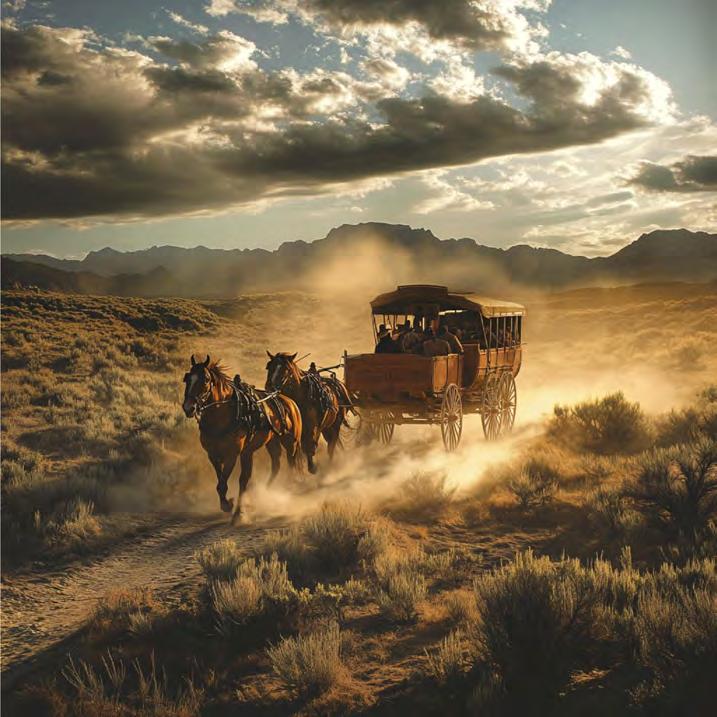
About two hours outside of Promontory Summit, it began. At first, it was only a haze on the horizon of the high desert floor. The heat from the ground shimmered with the view, making it difficult to tell what transpired in the distance.
As we drew closer the engineer swore softly under his breath. “Well look at that,” he said, pointing at the horizon.
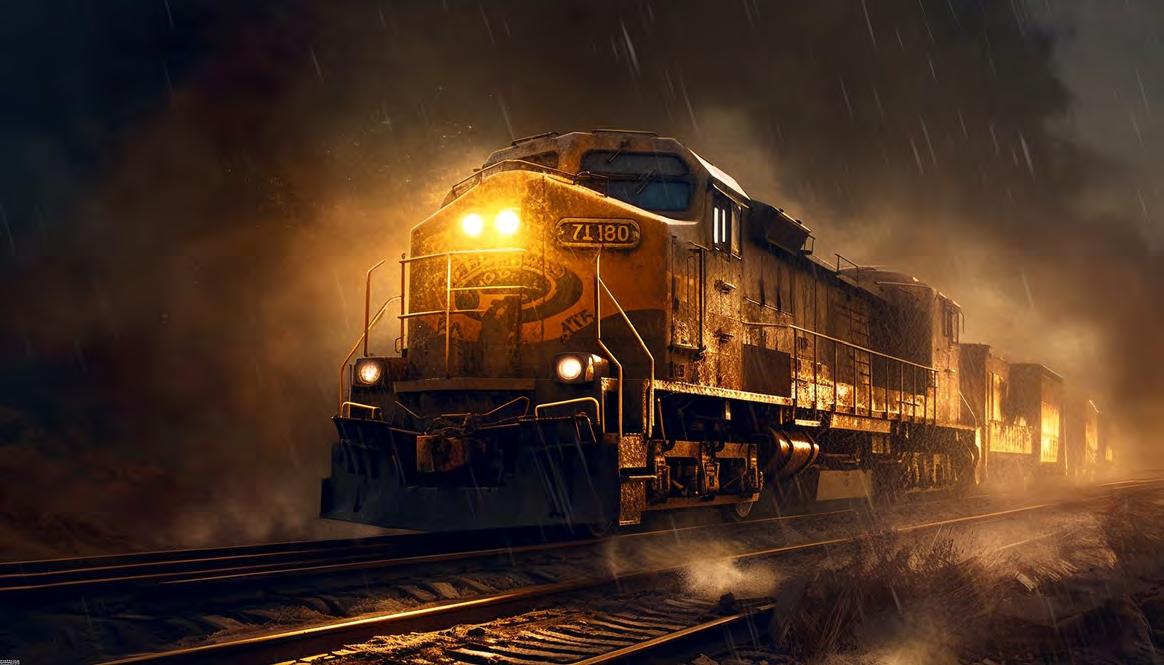
I pulled out the binoculars we had stashed in the engine for spying out trouble on the ground. The view sprang forward, tossing me directly into the turbulence. The roiling, twisting clouds appeared to consume everything in their path. Between us and them, I could barely make out the waiting stagecoaches. We would reach them just before the clouds did.
Ten coaches awaited our rapidly approaching train. As the train squealed to a halt at the crude station, I saw the coach drivers hit the ground running. Not a moment to waste, they loaded the mail into the secured carriage hold, then racing back to their coaches hightailed it out-of-town ahead of the racing storm.
Passengers pulled their windows shut with a snap at the sight of the dust storm enveloping the train. Pelting, stinging sand struck the train like a thousand tiny hammers, peppering the train and clogging the air intakes. The great engine sputtered and gasped, searching for air that was not filled with grit. Sand piled up against the train, great drifts of it against the wheels even as the engine got underway.
About a mile down the track, the train lurched to a halt. A four-foot-high sand drift completely covered the tracks. As the dust storm moved off and the air cleared, figures emerged from the settling clouds of dust-masked men, carrying a gun in each hand. My heart lodged in my throat.
All along the train, doors snapped open and passengers leapt out, not caring what lay below. They hit the ground running, anxious to put as much distance as they could, between them and the bandana banded train robbers.
English Idiom: Hit the ground running.
“Seize an opportunity; begin at full speed...The origin of this term is disputed. It may come from troops dropped into a combat zone, from stowaways jumping off a freight train as it nears the station, or from Pony Express riders avoiding delay when they changed mounts.”
Source: The American Heritage® Dictionary of Idioms by Christine Ammer. Copyright © 2003, 1997 by The Christine Ammer 1992 Trust. Published by Houghton Mifflin Harcourt Publishing Company. All rights reserved.
If you want to read more of Susan Faw’s Illustrated Idioms, the series is available here: https://geni.us/Idioms
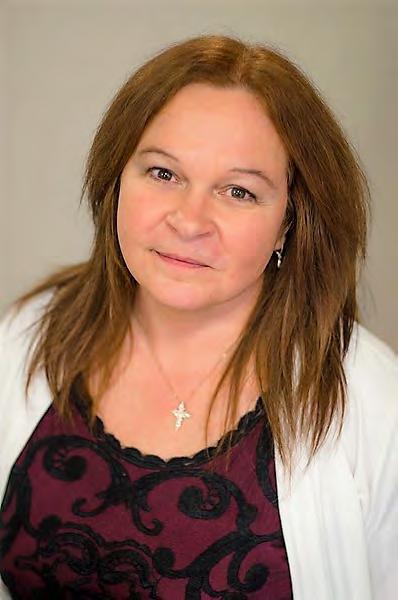


Book nerd and fantasy aficionado, Susan is an award-winning author who also doubles as masked crusader for the fantastical world. Championing mythical rights, she quells uprisings and battles infidels who would slay the lifeblood of her pen. It’s all in a day’s work, for this whirlwind writer.
Winner of the Dante Rossetti Grand Prize for Best Young Adult Fiction of 2016 (Seer of Souls, Chanticleer Reviews) she is actively crafting stories that sing in your memory. Welcome to the quest!

You can find Susan at https://susanfawbooks.com/ on twitter @susandfaw or on Facebook at www.facebook.com/SusanFaw
The Second Installment of the acclaimed mystery series continues by author
Erik D’Souza
In the mood for an idyllic escape? Death on the Rocks will transport you right to the sunshine coast, where a community theatre event finds its members dying, and only senior citizen sleuth Suzanne must use her experience and intuition to follow the all too human twists to the real killer, before the company runs out of understudies.
Every amateur detective secretly believes they are smarter than the police. Suzanne Rickson doesn't think that. She has faith in Sergeant Bridges' assessment that the director of their seniors’ theatre troupe, the beloved Wilbur Ghostkeeper, most likely slipped and perished on the rocky shoreline of the Salish Sea.
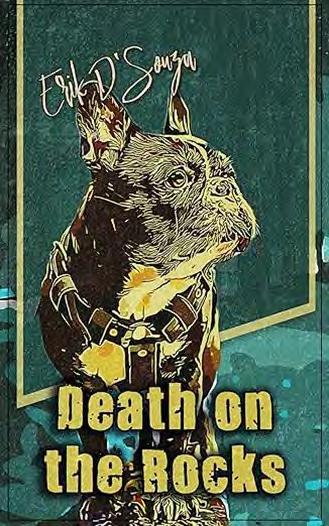
But Suzanne quickly regrets her naïveté after Wilbur’s widow is violently robbed and assaulted.
Is it too late to investigate the likelihood that whoever attacked the widow may have murdered her husband? Suzanne reluctantly accepts the truth that, yes, she is brighter than the police, and without her, a killer would go free.

https://geni.us/DeathontheRocks
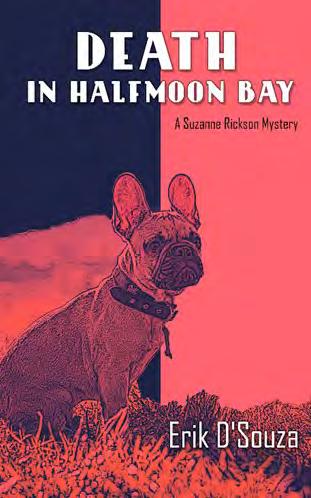
Death in Halfmoon Bay is the first novel in the Suzanne Rickson Mystery series. A twisted act of love, relentless politics, and multiple poisonings pit neighbor against neighbor in what was once a serene West Coast retirement community. Suzanne is more than a clever and resourceful sleuth; she is a doting grandmother and devoted Christian who often seeks advice from her cherished priest, Father O’Brian.
The story unfolds when a friend and neighbor, Adeline, is poisoned and dies, prompting a police investigation. Suzanne is confident that her nemesis, Regina Snow, is the culprit behind the murder of the HOA treasurer.
When a rumor re-surfaces that her husband, Charles Rickson, was having an affair with the deceased, Suzanne realizes that everyone, including the police, considers her the prime suspect. As evidence piles up against her, Suzanne finds herself in a precarious situation, needing to prove her own innocence.
The novel weaves together elements of rivalry, jealousy, and relentless politics, creating a tantalizing whodunit that keeps readers guessing until the very end. Interestingly, the characters of Suzanne and her husband, Charles Rickson, are inspired by the author’s actual parents, and the book’s premise mirrors a real-life dust-up his parents had with their HOA president.

Erik D’Souza is a mystery author, publisher, and professional speaker. He writes the Suzanne Rickson Mystery Series, which follows a shrewd senior sleuth through traditional whodunits set along the Sunshine Coast of British Columbia, Canada. Erik also serves as Marketing Manager for Crime Writers of Canada and is president of the Tri-City Wordsmiths. In addition, he curates and hosts Writers in Our Midst, a well-loved reading series at the Port Moody Public Library.
He makes his home in Vancouver, Canada, where he lives with his wife, their two teenage sons, and a rowdy dog. More information can be found about Erik at: erikdsouza.com



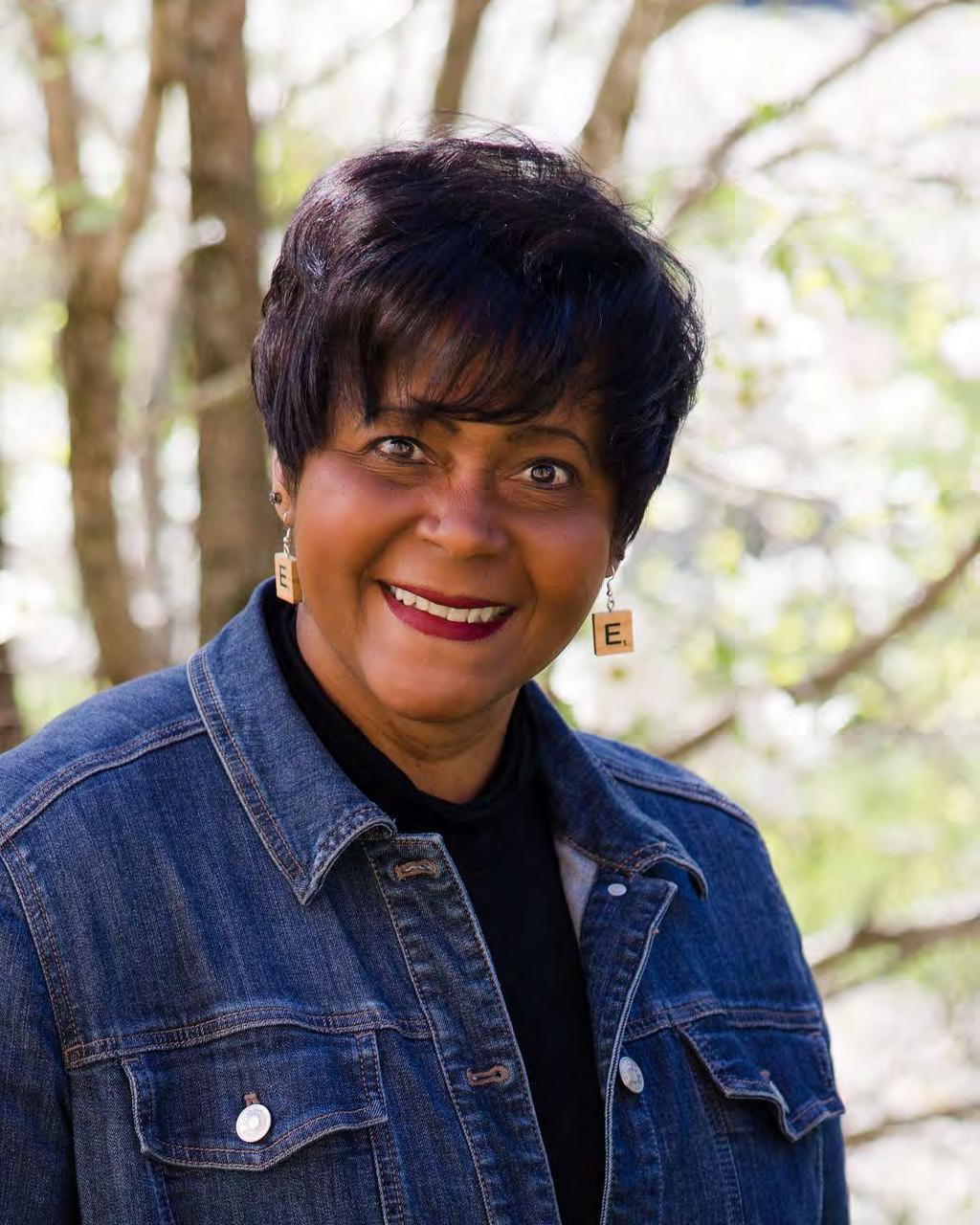
Edwina Perkins serves as Co-Director of the Blue Ridge Mountains Christian Writers Conference, where she also coordinates Mentoring Moments and manages Sensitivity Between the Lines. As Managing Editor for Harambee Press, an imprint of End Game Press, she champions diverse voices in Christian publishing.
A long-term member of Word Weavers International, Edwina now serves on its advisory board alongside her role on the Evangelical Christian Publishing Association (ECPA) advisory board, where she previously served as Emerging Leader Coordinator.
An award-winning writer and experienced educator, Edwina works as a speaker, freelance editor, mentor, and authenticity consultant. She teaches at conferences throughout the year, advocating for honest, inclusive storytelling in Christian fiction. Her work has been published in numerous magazines https://www.edwinaperkins.com/
Can you tell us a little about yourself?
I grew up in a small town in North Carolina, and that has impacted me in the way I tell stories.
In the eighth grade, I decided to write a book. I still have all three hundred plus handwritten pages. My English teacher even let me write my book report about the book I was writing. The summer of my eight-grade year, I became a ferocious reader. There wasn't a lot to do in a small town, so I spent my summers at the library.
I'm also the fifth generation of quilters on my mother's side. When my kids showed no interest in learning the craft, I told them about our family's quilting history. All four of them made a quilt. They refused to let the legacy of quilt making end with them. I knew that might encourage our daughter to quilt, but our three sons also made quilts. We’ll see what happens with my grandchildren.
My hometown was so small that when David and I got engaged, I told him the newspaper might print an entire page announcing it. We didn't get a full page, but we did get a half page.

Are you a multi-genre author or a single-genre author? What types of books do you write?
I love fiction, and I love fiction that makes me think. Long after I finish a book, I still want to sit with it. The characters, their relationships, their struggles and their victories or losses. I knew I wanted to write books like that. Books that draw people together and give them something worth talking about.
Sometimes hard truths land better in fiction than they ever could in nonfiction. I don't want to offer my readers a watered-down version of truth. I want to introduce them to challenging topics and leave them thinking long after the last page.
My work is rooted in the belief that stories have the power to restore people, relationships, and communities. I ask myself who needs to feel like they belong, and what truth needs to be told with more honesty and care.
The Colors of Home came out of those questions. Every story I plan to write will come from that same place. I want writers from marginalized communities to walk into a bookstore and see themselves on the shelf.
Do you have a favorite genre? Or, is one type of book easier for you to write than others, and why? Do you find it hard to balance them?
Fiction, without question. When I sit down to write a novel, I see the story. It plays out in my head like a movie, and my job is to transcribe what I'm watching. The characters show me who they are. The scenes unfold. I just have to keep up.
There's also something about what fiction can do that other forms can't. I can take a reader somewhere they've never been, put them inside a life that looks nothing like their own, and by the end they recognize something of themselves in it.
Nonfiction has its place in other parts of my work. But fiction is where I come alive.
Interview by Melanie P. Smith
How or where do you find the plots you write about?
I love thinking through three questions. What if. Why. And how.
I'm a watcher. I pay attention to people and file things away without always knowing why.
Then one day my characters show up. For me, character comes before plot. I have to know who someone is first. Once a character becomes real to me, what happens to them starts to reveal itself. I follow the characters. They lead me to the story.
I just keep my three questions close as I write.

Mark Twain said “Write what you know.” Tell us about your writing process. Are you a plotter or a pantser? Do you plot, plan, and conduct hours of research; or, do you just sit down and write whatever comes to mind based on your personal history and knowledge?
Mark Twain was onto something, but I would say write what you know and research the rest. What you know adds depth and richness. What you research adds truth and understanding. It's about emotional truth and facts working together.
Don't make assumptions about another person because of their ethnicity or culture. In The Colors of Home, there's a moment where Destiny's teacher assumes Ebony works in the kitchen when she stops by to drop off school supplies.
It's a quiet scene that hits hard precisely because it's so familiar to far too many people. Writing what you know also means being honest about those moments. Not softening them. And remember to research what you don’t know.
My process starts with creativity. I let it flow first. Like I said, I see the story like a movie playing across a screen, and I write what I see. If I plot too rigidly before I begin, I risk writing toward an outline instead of following the character. And following the character is everything. The movie in my head is my outline.
Once creativity slows, I go back and highlight what needs to be researched. Research grounds the story. It just doesn't lead it.
And then there's what you know about yourself. Like I said earlier, I grew up in a small town in North Carolina. My brother and I were among the first to attend an integrated school in the late sixties. I never quite felt like I belonged, and for a long time I didn't fully understand why. I was told I was too White to be Black and too Black to be White. I don't have a Southern accent. Some of my features made people question where I was from. Many of my peers made sure I knew I didn't fit neatly into either world.
That experience never left me.
The Colors of Home grew out of some of those experiences. The question of belonging, of what it costs to never quite fit, and of what it means to finally find what home really means. I didn't have to research those things. I lived them. And I believe that's why the story feels true. Because much of it is.
What books have influenced your life the most?
The Bible
If You Will Ask by Oswald Chambers Unleash the Writer Within by Cecil Murphey Today is Going to a Good Day by Dr. Michelle Bwngston

When did you start writing? Did an event or person prompt you to take that leap?
I started writing in the fourth grade.
I was home sick, nagging my dad about being bored. He looked at me and said, "Write a poem." I asked him why. He said, "Maybe you won't be so bored."
I wrote poetry all the way through college. But it wasn't until about fifteen years ago that I started taking my writing seriously. I was writing manuscripts with ethnic characters, stories I believed in, and I kept hearing the same thing: there wasn't a market for what I was writing.
That caused me to step back. I needed to understand how publishing worked, where the gaps were, who was making decisions and why. It was frustrating. But it was also clarifying.
What I found was that some people saw the need for diversity, but the market hadn't caught up yet. That changed everything, and I knew I need to take a roll in helping to change that.
Is there a message in your novel that you want readers to grasp?
Ebony's journey is about belonging, and sometimes belonging is a quiet decision to stop leaving.
She wrestles with doubt and anger and the kind of questions that don't have clean answers. And for the reader who has never quite seen themselves in Christian fiction, I want this book to be a mirror. Not just representation for its own sake, but a story that says you belong in this genre and conversation. This story was written for you. Never doubt if you’re not enough and if you don’t belong. You were always enough. And you do belong.
Tell us your latest news: So much is happening all at once!
I'm launching Harambee Creative Consulting. I want to bring together my work as an editor, ghostwriter, sensitivity consultant, mentor, and coach. It's been a long time coming, and it feels like everything I've done in this industry has been leading to it.
And I've started work on the sequel to The Colors of Home.
The Seasons of Home continues with the people and relationships you meet in the first book, along with a few new characters. I go deeper into honest relationships, doubt, and questions about hidden truths. If The Colors of Home is about finding where you belong, The Seasons of Home is about what it costs to stay there.
Other than writing do you have any hobbies?
Do you have anything specific that you want to say to your readers?
Thank you for trusting me to tell this story. I would say, this story isn't for everyone. It's messy. It's hard. But if you're the person who needs it, if you're barely holding on, and if you're surviving impossible things, then this story is for you. And I hope it helps you feel a little less alone and it reminds you that survival counts. I hope it tells you to keep going, because you matter.
Diamond dot art. If you're not familiar, think of painting with tiny sparkling rhinestones. You place them one by one onto a coded canvas until the full image comes to life. I gravitate toward images of books and outdoor scenes. It's detailed, quiet work, and creates the kind of stillness I need.

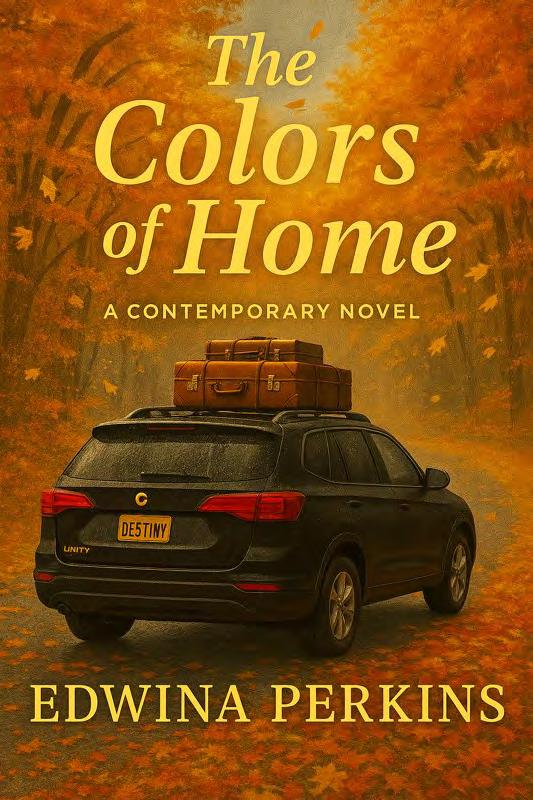

The Colors of Home invites you to journey alongside a family navigating lives that didn't unfold the way they expected and situations they never would have chosen. Sound familiar? That's because this is real life beautifully messy and achingly authentic.
The characters are richly drawn, and you'll find yourself turning pages late into the night, eager to discover how each one faces the obstacles before them. If you're trying to live well in a world that can be complicated and unpredictable, this book is for you. It's a story that reminds us we're not alone in the mess, and that grace meets us right where we are.
~Margot Starbuck Author of Small Things With Great Love
Home isn’t a place. It’s a reckoning.
After her husband’s death from leukemia, Ebony McMullen loads her three children into an overstuffed Suburban and drives fifteen hours from Colorado to North Carolina back to the small town her husband once fled.
She’s out of money. Out of options. And forced to live in a house owned by the father-in-law who never wanted her.
Home is everything she feared it would be.
Her oldest son, Owen, is angry and restless after legal trouble in Colorado. Scotty is desperate to belong on the high school football team. Destiny, bright and tender with Down syndrome, sees beauty everywhere even where others see difference.
But in Home, difference is noticed.
A diner waitress asks, “What are you?”
A teacher assumes Ebony belongs in the kitchen.
A rival father hurls a racial slur across a football field.
And when someone humiliates Destiny in a cruel act meant to send a message, the family begins to unravel.
Meanwhile, Ebony discovers that the town’s roots run deeper and darker than she imagined. Long-buried secrets about Shane McMullen, her rigid father-in-law, threaten to fracture what little foundation they’ve built. And as old wounds surface and new betrayals emerge, Ebony must decide: Will she keep surviving?
Or will she fight for a home worth staying in?
The Colors of Home is a powerful story of grief, race, redemption, and the courage it takes to rebuild a family in a place that may not want them.
Because sometimes home isn’t where you’re welcomed. It’s where you choose to belong.

How much of the book is realistic?
The setting is rooted in North Carolina where I grew up. The small town feel sometimes embraces you and closes in on you at the same time. I didn't have to imagine that world, because I lived it.
I understood the experience of not quite fitting in like Ebony and her family did. I was told in subtle and not so subtle ways that I was too much of one thing and not enough of another. In some faith communities, I wasn’t sure I was welcomed there. At one point in college, I remember crying out to God and asking, “Where do I fit in?"
The assumptions people make based on someone's ethnicity or culture were real to me. I didn't invent the moment where Destiny's teacher assumes Ebony works in the kitchen. That kind of thing happens. It happened. Writing it honestly was the point.
But the most realistic thing in the book isn't any single detail. It's the feeling underneath all of it. The longing to belong, and the exhaustion of performing your way into spaces that should have welcomed you freely. And the quiet, hardwon decision to stop leaving and call something home.
Do you have a favorite author?
I have too many to pick just one! But at the top of my list are Fredrik Backman, Sarah Addison Allen, and Blake Pierce. They write in completely different genres, and I love them for different reasons. What they have in common is simple, they write books I cannot put down and keep me up at night with their stories.
Do you have a mentor that helped or encouraged you to follow your dream of writing.
Cecil Murphey. Without question.
When I first connected with Cec through email, I had no idea who he was in the writing industry. As I learned more about him and his accomplishments, my respect for him only deepened. But what I didn't know yet was how much he was about to stretch me.
His first critique came with a warning. He wrote, "Edwina, I don't want you to be discouraged by what you see below." There was more red ink on that page than black. I closed my computer, walked away, and cried. A lot.
The next day I opened it back up and tried to implement everything he suggested. I sent it back. It came back just as marked up as before. Maybe worse. That became our rhythm for a while. I'd send. He'd critique. I'd cry.
And then I'd send again.
Until one day he sent it back and wrote, "You've found your voice. Good job."
I wanted to frame that email.
The first time I met him in person, after all those emails and all those red-ink-covered pages, he looked at me and said, "So you're the one who wouldn't give up."
I wore those words like a badge.
In one of his books that I had him autograph, he wrote, "From your biggest fan, Cec." He never stopped believing in me, encouraging me, or praying for me.
The Colors of Home is dedicated to three people. He is the first. The dedication reads, "To Cec, my biggest fan."
I'm working on the sequel, Seasons of Home. I'll go deeper with the characters, introduce a few new ones, and really dig into how much we're willing to fight for a place where we truly belong.
I’m really excited to launch Harambee Creative Consulting. I’ll offer editing, authenticity consulting, and coaching for writers who are trying to find and trust their own voice. I am passionate about working with writers to help them hone their craft.

Can you share a sample of your current work with us?
I would be honored to.
Chapter 4
Owen slammed his shoulder into his younger brother as he folded his six-foot-three frame into the second row of the truck. Two grieving siblings pressed together, neither willing to give ground.
"Why do I have to sit in the back?" My oldest asked, his green eyes flashing against copper-colored skin.
I rubbed my aching temples and unclenched my teeth. "Because I said so."
Scotty tugged his cap low, the brim hiding his eyes but not the sniffles he failed to control. Same build as Owen, same high cheekbones, but with his father's fair complexion and my dark brown eyes. Years of football had carved muscle into his legs and shoulders. Both boys were tall. Both lean. Both hurting.
I readjusted my mirrors and watched Owen lean close and whisper something to his brother.
"That's not nice to call people baby when they're not," Destiny said. "Right, Mama?"
Scotty turned away from Owen. "Just leave me alone."

I finished angling my rearview and spun around. "Stop, Owen. We've got a long drive ahead of us, and I don't need you or anyone else making it harder than it has to be."
I exhaled as my threat was met with silence. The early morning slipped behind us as we passed the "Sold" sign staked into the front yard. Colorado faded in the rearview mirror as we headed East toward North Carolina, toward a life none of us had chosen.
The truck carried my three children and what little remained of our lives. No room for thirteen-year-old Destiny's swing set. No room for sixteen-year-old Scotty's dirt bike. And no room for the half-rebuilt '66 Mustang engine my eighteen-year-old had poured years into rebuilding with his father.
Michael should have been driving.
My husband of nineteen years, buried at Memorial Gardens.
I glanced in the rearview mirror. Owen's scowl stared back at me.
"You're in the back because all of you insisted we bring the TV instead of shipping it with the moving truck," I said. "The front seat is the safest place for the flat screen."
"Should've sold it and shipped the engine instead," Owen muttered.
"No one cares about your stupid motor," Scotty said.
I slammed on the brakes.
Seatbelts snapped tight. Bodies lurched forward. Beside me, the fifty-five-inch HD plasma wrapped in quilts didn't move an inch.
I twisted in my seat. "Enough!" My voice was low and sharp. "I have no problem letting the neighbors watch me rearrange this truck again just to put you," my eyes locked on Owen," in the very back with the luggage."
"A lot of good that'll do when you need me to drive."
"I never said I needed your help."
He's right, though. Fifteen hours to Missouri is more than I can manage alone. Michael would've had us on the road by four. Calm. Efficient. Smiling.
"Okay. Truce, Owen." I couldn't afford to push him further. His father had known how to reach him. And his father was gone.
Destiny whimpered, pressing her stuffed ladybug, Lady B, against her face. The only one of my children with my dark complexion. She'd refused to let me braid her hair that morning and wore two wavy ponytails down her back. Change rattled her. It rattled me, too.
Scotty lifted his cap and met my eyes, red-rimmed and apologetic. "Sorry, Mom."
Always the first to apologize. Even when he wasn't at fault.
Owen huffed, turned toward the window, shoved earbuds in, and slid down in his seat. Communication over.
Destiny reached for Scotty's arm. "Don't cry, Bobo."
"I'm okay, Desi." He pulled away.
She smiled anyway and turned back to the window. Brokenness didn't linger long in her world.
The neighborhood disappeared behind us, replaced by thoughts of Michael. Wasn't till death do us part supposed to mean old age? Empty nests. Grandchildren. Weren't we supposed to grow old together?
Michael Scott McMullen had proposed six months before my twenty-first birthday. We had married six months later.
"Best birthday gift ever," he'd said on our wedding night. "And the girl of my dreams all rolled into one."
Gold flecks danced in his green eyes, the same eyes he passed to our oldest son.
"Let's grow old together, Mr. McMullen," I'd whispered.
"I promise, Mrs. McMullen."
So much for promises.
Old age wasn't supposed to look like this. A forty-three-year-old widow gripping the steering wheel of an overpacked truck. I wiped my cheeks, turned on the radio, and prayed the signal would last past the city limits. Prayed God would prepare me for small-town North Carolina and for a father-in-law who'd never forgiven me for existing.
When the kids fell asleep, relief washed over me. I turned the volume down and breathed. No fighting. No tears. No guilt.
I glanced back at Owen. Stubble shadowed his jaw beneath high cheekbones. His father's curls fell to his shoulders. Even asleep, his face carried anger and grief. Black Tshirt and jeans, his wardrobe since Michael's death. His armor.
Owen leaned against the window while Scotty slept on, his snores steady. Destiny rested her head on his shoulder.
As obedient as one son was defiant. I fought the urge to compare them.
Destiny sucked her thumb, a habit she never outgrew. At four-foot-nine, she looked younger than thirteen. The doctors said she likely wouldn't grow much taller.
Michael had wanted a third child.
"A little princess," he said, hands resting on my belly. "Just like her mother."
"Or a third prince."
He laughed. "No. This one's a girl."
"Do you have a name, know-it-all?" "Destiny."

"There's something special about her."
She arrived during a February storm. Michael raced through a blizzard to get us to the hospital. Moments after her birth, the room fell quiet.
"Michael?" I called.
His back was to me as nurses rushed past. Our baby's cries were small and weak against the noise of the room.
Despite the pain, I pushed myself upright. "Michael what's wrong?"
He turned, concern filling his eyes. "Our daughter was diagnosed with Down syndrome."
"Mama."
Destiny's reflection caught mine in the rearview mirror as she signed hungry. She rarely signed with anyone but me anymore. I reached into the cooler beside me for a granola bar and held it up.
She shook her head.
I traded the granola bar for a small bag of yogurt-covered raisins.
She giggled.
"Thank you," Destiny said when I slipped the snack to her.
"You're welcome, Princess."
I checked my watch. Less than two hours into the drive. I hoped the raisins would buy us time.
"I'll take the granola bar," Scotty said, leaning forward.
"Are you buckled?"
"Yeah, just not the shoulder belt." He yawned. "It's too tight."
I fished the granola bar from the cooler and handed it back. Scotty finished it in two bites and reached for another snack.
"Should I be looking for a place to eat?" I asked.
He shrugged and chewed.
The radio signal broke into static, the growing distance between us and what used to be home. Scotty was still leaning forward when he glanced at me one too many times.
"What is it?" I asked.
"Why'd you make him come?"
"I didn't force Owen. You of all people know he couldn't stay in Greenwood."
The judge's words echoed. Maybe it's best to relocate your family, Mrs. McMullen.
"He hates you for leaving our Dad there."
There. The cemetery.
I tightened my grip on the wheel.
"What about you? Do you hate me?"
Scotty was quiet as thunder rolled in the distance. "No, I don't, Mom."
My shoulders eased.
"But I don't understand."
Neither do I.
I ripped open a bag of pretzels and stuffed a handful into my dry mouth. A single tear still managed to escape as we drove past an open field. Wind kicked dirt into a small spiral before it settled again. The sky darkened as the rumble of thunder followed us East.
Pick one of your characters and share some of their backstory that didn’t make it into the novel.
Scotty’s back story is one of woundedness, because nobody worried about Scotty. That was the problem.
Owen was loud in his grief and emotional striking out, and Destiny needed the kind of tending that never really stopped. So, Scotty learned early to be the one who was fine. He was fifteen when the story started, and he had already spent years being fine.
What people saw was a quiet kid with his nose in a book. What they didn't see was the books were the only place nobody needed anything from him. In a story, he could just be a reader who was anonymous and safe.
By the end, his frustration starts leaking out in small ways. Not anger exactly, but more like a boy who has been patient for a very long time and is finally running out of it.
He just wanted someone to see him.
What do you want written on your headstone and why?
She never gave up on God's call to speak truth with grace.Communicating with truth is hard. Even in fiction. God has given me so many opportunities to speak about the need for diversity in publishing, and not everyone is ready to hear it. But that has never stopped me. I keep championing writers in marginalized communities, and keep speaking truth, not with a hammer, but with grace and love.
I believe that’s what God’s called me to do. And I don't intend to stop.
Is there one person past or present you would like to meet and why?
My birth mother, Janice.
I knew her, but I didn't really know her. She lived a very unhappy life, and I wondered why. I want to know what broke her, and why she was so sad all the time.
She died when I was fourteen. I’m convinced she died of a broken heart. I don't ever remember her telling me she loved me.
I just want to know if she did.
Do you have any advice for other writers?
Commit not to quit. Writing is a marathon, not a sprint. You are pouring yourself onto a page and trusting that someone, somewhere, needs exactly what you have to say. That takes courage. And courage isn't the absence of doubt, it's deciding to show up anyway.
Find your people. Writing can be a lonely road, and you were never meant to walk it alone. Writing partners, critique groups, and writing conferences are all places where you can find your people.
Can you share something personal with your readers?
I believed in Santa Claus longer than most kids do. Looking back, I think it was because I believed in the spirit of Christmas. I loved the idea someone who wanted to make every child happy. I hadn't quite worked out the logistics.
When I was around five, my dad came home from work and gave my brother and me teddy bears for no reason at all. I still have mine. Not to reveal my age, but she's almost sixty years old
Do you have any holiday traditions?
When my husband and I shared our first Christmas together, he mentioned that his family always had Chinese food on Christmas Eve. I thought it was such a fun tradition that we kept it. Years later his mom revealed the real reason she knew she'd be doing a lot of cooking on Christmas Day and didn't want to cook the night before. Practical and perfect just like she was. We carried it on with our children, and now it's passed to another generation. Our son and his family do the same thing with our grandchildren. We’ll see if they pass the tradition on.

What kind of music do you enjoy?
Music by Josh Groban, Celine Dion, and Jordan Payne are some of my favorite musicians. I like a blend of classical, pop, and adult contemporary.

What kind of movies do you prefer?
I'm drawn to stories about overcoming. Characters who face impossible odds and find their way through. Redemption is also important to me. I don’t need happy endings, but I don’t want tragic ones either. But sometimes they need to be tragic in order to feel real.
I have a soft spot for animation, too. Finding Nemo wrecked me because it’s about a father crossing an entire ocean to save his son. I embarrass my kids because I cry every time I see it.
If money was no issue, would you prefer a cozy beach bungalow or a rustic cabin overlooking a mountain lake?
Give me a rustic cabin every time. The coolness of the mountains, the sound of birds in the trees—and a lake? What isn’t to love. And besides, my husband is a fly fisherman, and I would know where he disappeared to.

One final question...Do you have a blog/website? If so, what is it?
Do you have a social media platform where your fans can go to interact with you and follow your progress?
https://www.edwinaperkins.com/
https://www.instagram.com/edwinaperkins/ Personal https://www.facebook.com/edwina.perkins.3/ Author page https://www.facebook.com/profile.php?id=61581949774839
https://x.com/edwinaperkins?lang=en
https://www.tiktok.com/@edwina_perkins
https://www.linkedin.com/in/edwina-perkins-78197138/
https://ronesaaveela.com/blog
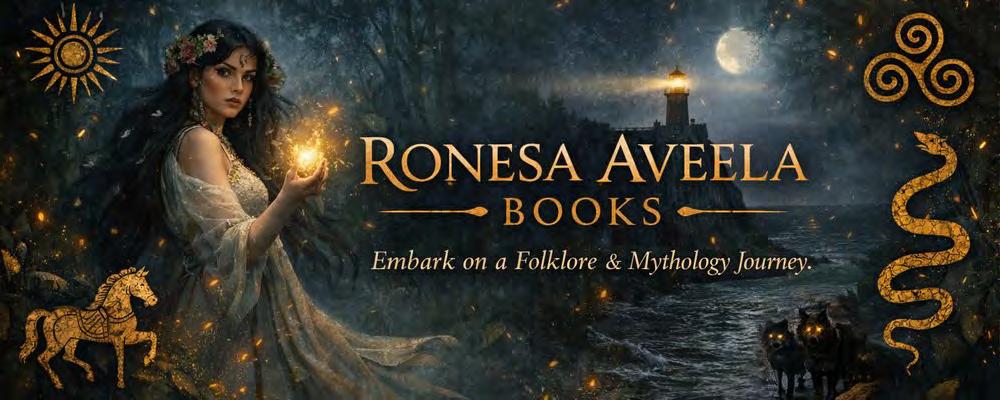
Samodivi - Witches of Darkness or Thracian Goddesses?
Veelas, Wilis, Yuda, Samovili, Vili. These are a few names of nymphs of Slavic folklore, each group a little different from the Bulgarian Samodivi. Are they real or merely myths that have survived throughout the centuries? Who are these creatures? Where did they come from? And why do people fear them so much they are willing to leave their homes and move to another village or town?
You may be familiar with some of these nymphs already. The beauty and enchantment of Veelas has been portrayed in the Harry Potter series, and Wilis in the ballet “Giselle” dance men to their death. But who are the Samodivi? Where did they come from?
Let’s start with their name. Samo (alone) and diva (wild), so “Wild alone” or “Wildalone.” What exactly does that imply? First off, although diva describes them as wild creatures, the word also comes from divine. In fact, it has been said the Samodivi were daughters of the Thracian goddess Bendis. What samo signifies is they shun interaction with people. When humans come across a Samodiva, the nymph may harm them or befriend them, depending on her mood.
Being the daughters of Bendis (often associated with Artemis, the Greek goddess who was a protectress of nature), Samodivi have a special connection with nature and have the power to heal using herbs, and so their role is to protect the forests and its inhabitants. They are a symbol of the coming spring, the awakening of nature. Each year on Blagovets, March 25, they return from their secret winter village in Zmeykovo (Dragon Village) to the human world and go back to their own world in late fall.
These nymphs are renowned for their beauty, power, and magical seductive voices. Described as blonde women with long, curly hair, they are enchanting mythological creatures who have been portrayed for centuries in Bulgarian folklore in fairy tales, poems, and legends passed from one generation to another. Numerous legends about them are still alive, and people in Bulgaria claim to still see them in forests and near water bodies.
Most often their eyes are bright and light blue (although sometimes green). People with blue eyes have long been attributed with being able to connect to the spiritual world and cast the “evil eye” to harm others. Samodivi wear white robes made out of moon beams along with a green, golden, or rainbow-colored belt. A wreath of wild flowers adorns their heads and it, along with their clothing, is a source of healing and magical power. The Samodivi carefully guard their clothing so men cannot steal them. Sometimes they are careless when they bathe, and a man captures her source of power, forcing the Samodiva to live with the man and have his children, until she finds the stolen garment and escapes.
On occasion, Samodivi choose to associate with humans. They befriend women who have been kind to them and teach these women how to use nature to heal. A Samodiva may also willingly marry a man and have his children. Those offspring become legendary heroes.
Then why are people afraid of Samodivi?
One reason is because Samodivi love to perform the horo circle dance under the moon in forest glades. Better yet they prefer it if the dancing is accompanied by the music of the kaval, or shepherd’s pipe. In many tales, they seduce and kidnap a shepherd to play for them.
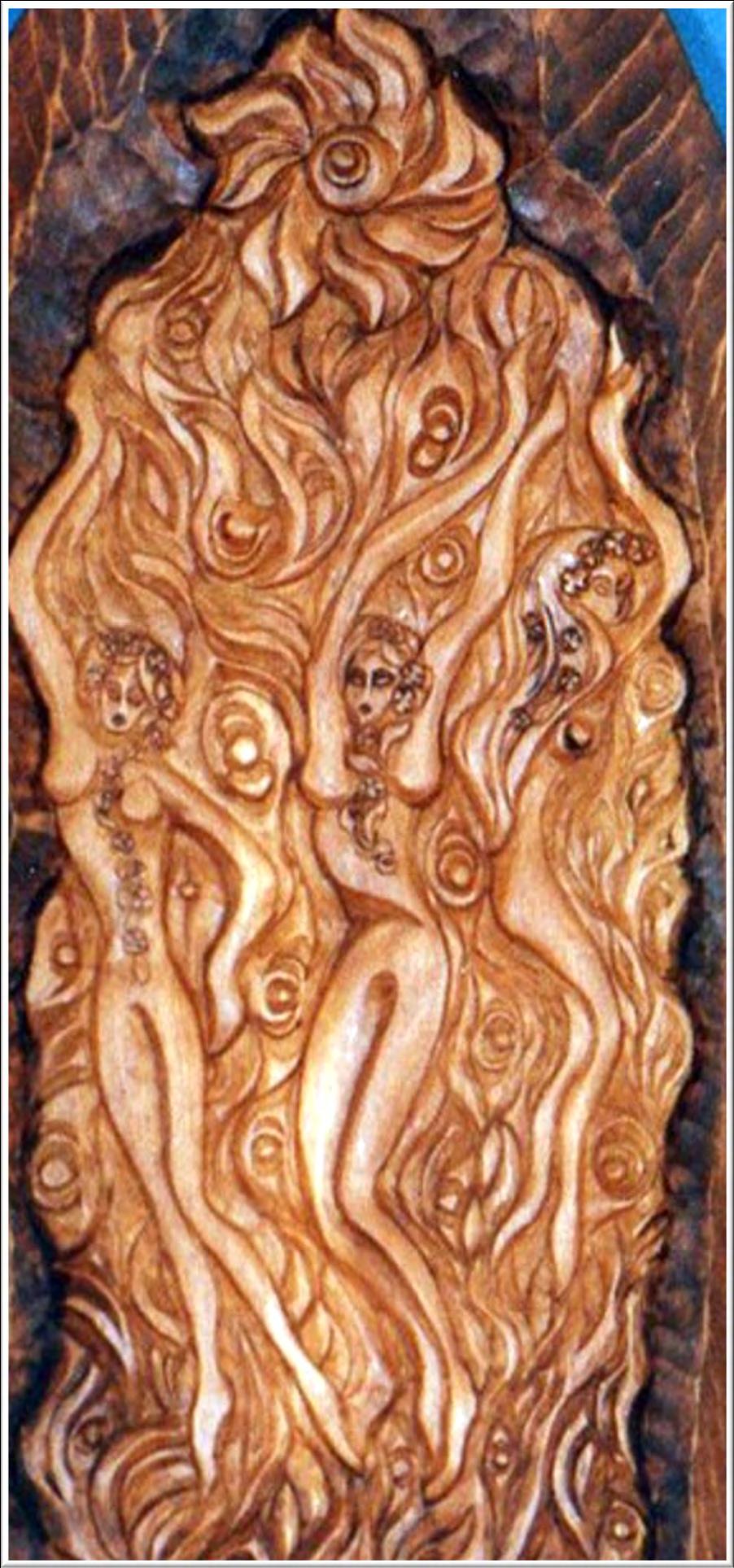

In some ways, Samodivi are similar to the “Dames Blanches” (White Ladies), Fées from French mythology and folklore who also live near caves and caverns. La Dame d’Apringy from Normandy is one well-known Dame who forced humans to dance with her before she allowed them to pass through a ravine she lurked by. Anyone refusing to participate was thrown into the thistles, while those who danced were unharmed.
In a similar fashion, Samodivi entice people who disturb their dance to join in with them until dawn breaks. Humans are unable to keep up with the wild, fast pace of the Samodivi, and die from exhaustion. According to some tales, the Samodivi take the fallen person’s eyes and heart. People in remote villages still believe that trespassing on a Samodiva’s special places will cause them harm, even blindness.
Samodivi cause havoc in other ways as well. In remote villages, people pay respect to them and are afraid of these creatures who can seduce men with their beautiful songs. In Bulgaria, small villages have been deserted, locals afraid of the powers of the nymphs. Stories circulate about a man who was found dead in the woods, murdered and left naked. The common belief is that this was done by Samodivi. People see flashes of white among the trees and claim they are the Samodivi.
In another story, the mysterious disappearance of men has often been attributed to them being captured by Samodivi. A story tells of a village where five men disappeared. Two were eventually found, but they had no recollection of what happened.
Samodivi and their world are portrayed in Mystical Emona: Soul’s Journey as close as possible to the way legends describe them. The excerpt below will help you envision them as they dance beneath a full moon.
A soft, slow music drifted toward him as he neared the cheshma. Several women held hands and danced in a circle around the ancient walnut tree, a blue light glowing at its base. Wreaths of flowers crowned their unbound hair, their locks gliding over their shoulders. Their long white robes fluttered like lustrous moths under the shimmering moon.
At the edge of the glade, a shadowy image, playing a long flute-like instrument, cast out eerie notes. They hung over the darkness like a delicate silk net, enfolding the women within its threads. The longer Stefan listened, the more the sound hypnotized him.
The tempo of the music quickened, and the women kept pace with it. Their feet danced through the dewy grass, while their bodies, bathed in silver and gold rays of moonlight, twirled closer together, narrowing the circle around the tree. Their dance became wild and erratic, their voices louder, filling the night with a chilling sound.
A final shrill note reverberated through the air. The women released hands, raised them to the sky, and began whirling in a frenzied torrent. The belts around their robes loosened and slid to the ground. As the note faded, the women lowered their hands. Their robes, too, slipped off and drifted away, leaving nothing on their gleaming bodies but the magical light of the moon. Stefan’s sharp intake of breath caught in his throat at their loveliness. Unable to tear his eyes from them, he envisioned the scene captured on canvas.
Then, the flutist played a soft melody. The women lifted their faces to the moon and sang strange words. Stefan listened in awe to the splendor of their voices, as their bodies, like exotic flowers gliding back and forth in the breeze, swayed to the rhythm of the trees. Their words encircled him, as if the women themselves surrounded him. He glanced around, but the night revealed nobody except the dancing women before him.
The existence of Samodivi (Wildalone) has not been proven and may never be. Sightings of them may simply represent fear and respect of the unknown and of nature. When we don’t understand something, we call it magic, witchcraft, or evil, but in reality, it’s an issue we don’t want to face.
Ronesa Aveela is “the creative power of two.” Two authors that is. Nelly, the main force behind the work, the creative genius, was born in Bulgaria and moved to the US in the 1990s. She grew up with stories of wild Samodivi, Kikimora, the dragons Zmey and Lamia, Baba Yaga, and much more .

Rebecca, her writing partner, was born and raised in the New England area. She has a background in writing and editing, as well as having a love of all things from different cultures. She’s learned so much about Bulgarian culture, folklore, and rituals, and writes to share that knowledge with others.

You can connect with the duo via their website: https://ronesaaveela.com/
In a world where the bees were weaponized and the cure was buried, sometimes the sweetest victories come from the simplest truths. But some secrets, once revealed, can never be hidden again.
The sickness that nearly killed them might be cured. But the consequences of surviv-

Four teenagers. One killer bee sting. A ticking clock to find a cure that shouldn't exist.
https://geni.us/SoothingSilence
Forged in Blood Book One

Set on Cowal Peninsula in southwest Scotland in the 17th century, Between the Tines follows the family of Clan Lamont as they are drawn into a brutal confrontation with Clan Campbell, whose relentless ambition leaves a trail of fear and devastation in its wake. As Arran Lamont fights alongside his brothers and lifelong friends, Lain and Sean, in the war-torn regions around them, he is tested by betrayal, loss, and the steady destruction of everything his clan has built.
Even in the darkest moments, the heart of the Lamont family beats strongly through the women who hold the community together— Allie, Ariel, Lady Mary, and Isabel—offering charity, stability, and spiritual strength when hope is hardest to find. Their resilience becomes a cornerstone of the clan’s will to survive.
From Highland games to clandestine raids, from feasts to fogshrouded battlefields, Arran’s transformational journey is one of loyalty, courage, and a love that quietly grows stronger through the turmoil. But as the Campbells tighten their grip and the land burns around them, Arran and Lain are forced to rethink their fight. What begins as open warfare shifts into rescue missions, covert strategies, and the fragile beginnings of a daring plan for their people’s future.
Haunted by the horrors he’s witnessed and bound by duty to those who remain, Arran faces an impossible choice: continue a war that may consume them all…or lead his people toward a new beginning across the ocean, where survival may come at the cost of everything he knows.
Ben Leman is a businessman, rancher, and fourth generation Texan. His craving for adventure has taken him on extended trips to remote parts of Alaska, elk hunting in mountain wildernesses, flying as a licensed pilot, and on travels all over the world. Of Scottish decent, Ben has spent years studying the clashes between Highland clans, and particularly, the content of this story. His quest to understand their complexities has taken him to many of the locations in Scotland mentioned in his debut novel, Between the Tines
Ben began his successful business career when he co-founded an equipment manufacturing company in 1997 in his mother’s garage. As CEO, he led the company through tremendous growth and exited the industry after sixteen years before spending ten years in public service. He returned to the private sector afterwards, where he founded a second successful manufacturing business. Ben and his wife live on their family ranch along with their four children in central Texas. Visit him at BenLemanAuthor.com and follow along on LinkedIn, Instagram, X (Formerly Twitter), and Facebook

by Sylva Fae
Photography by Gez Robinson
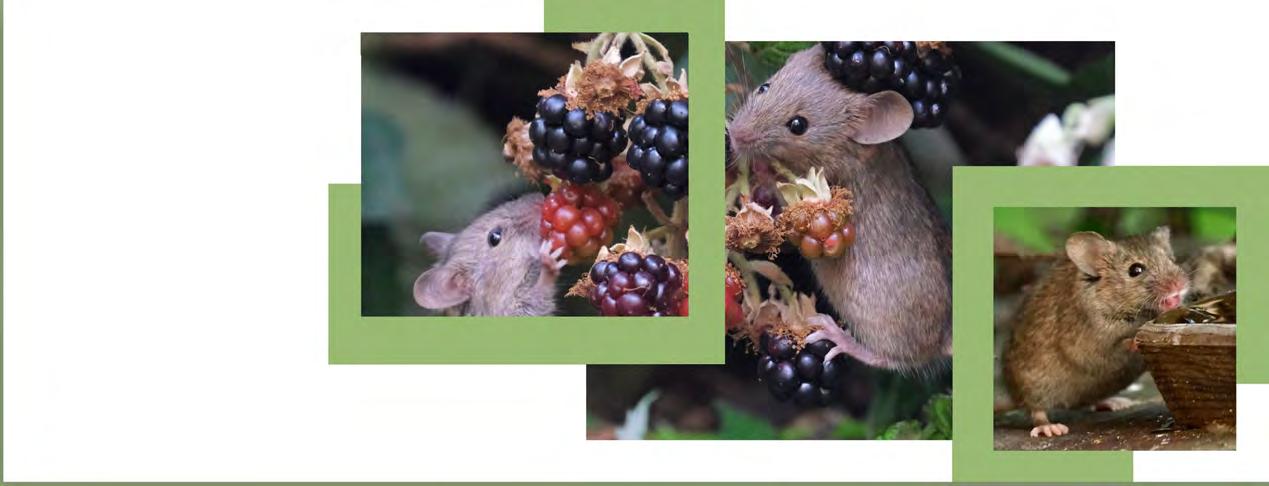
Gez Robinson is a talented wildlife photographer from Yorkshire, England. For the last few years, I’ve been following the story of a family of mice, that live in an area of the garden dedicated to wildlife. It has been fascinating to watch the trust that has built up between the mice and Gez, as he patiently sits behind the camera. The photos are stunning, and show what characters wild mice are, whether it be their quirky antics in their natural environment, or their curiosity as they interact with the props left by Gez for the mice to explore.
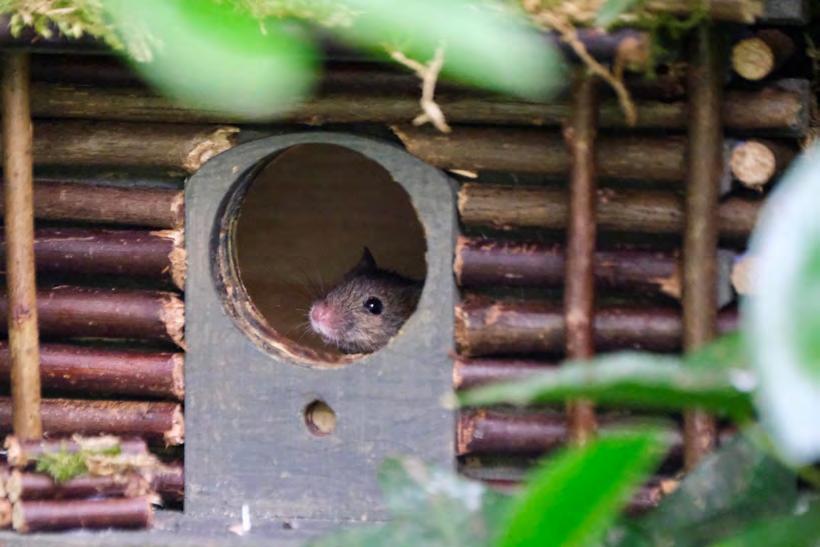
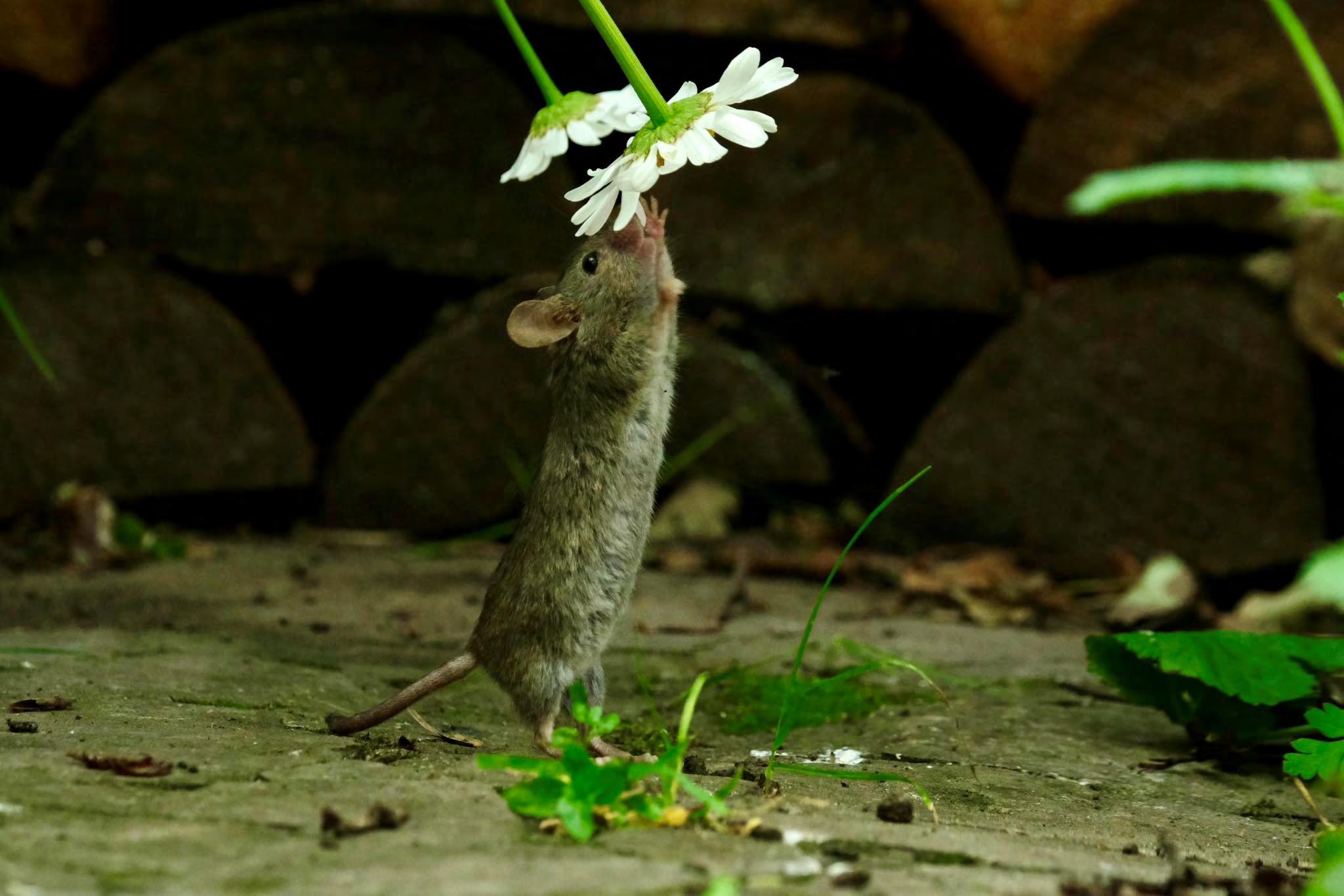
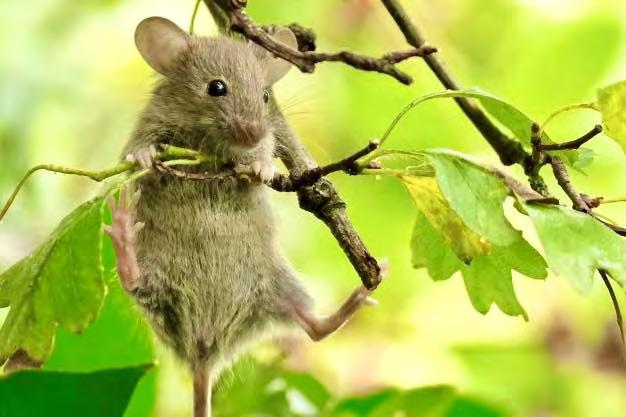
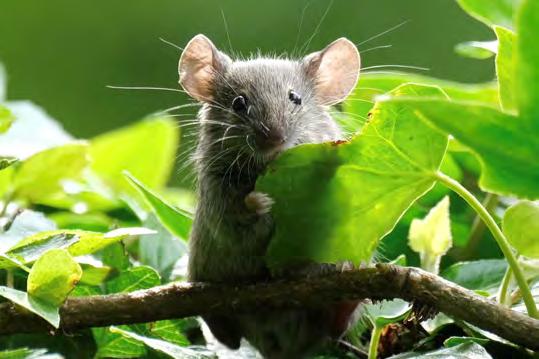
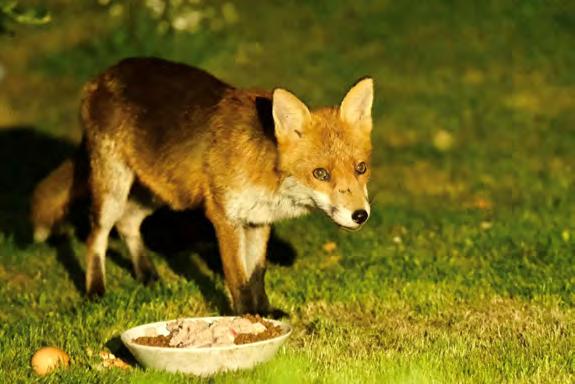
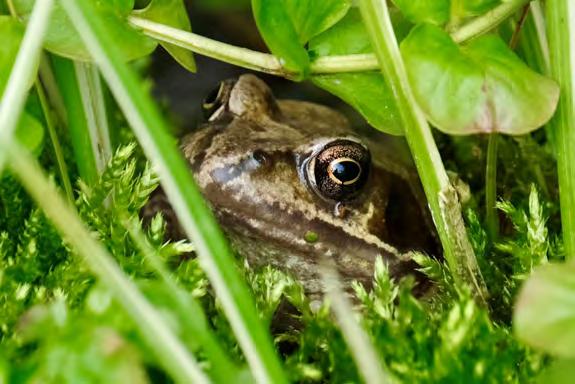
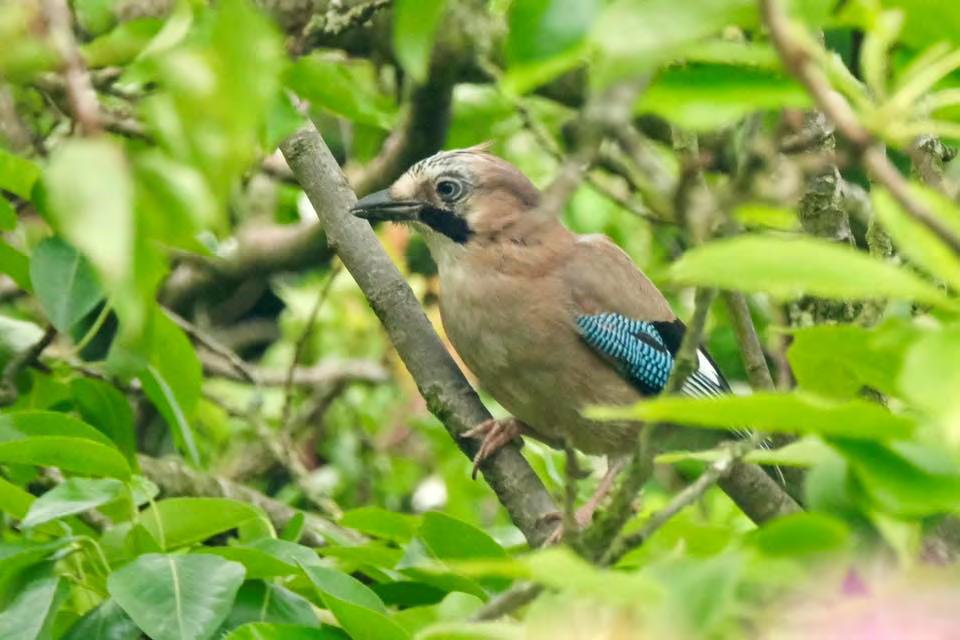
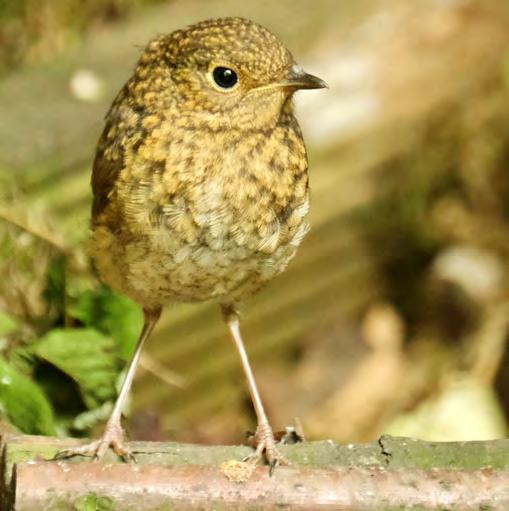
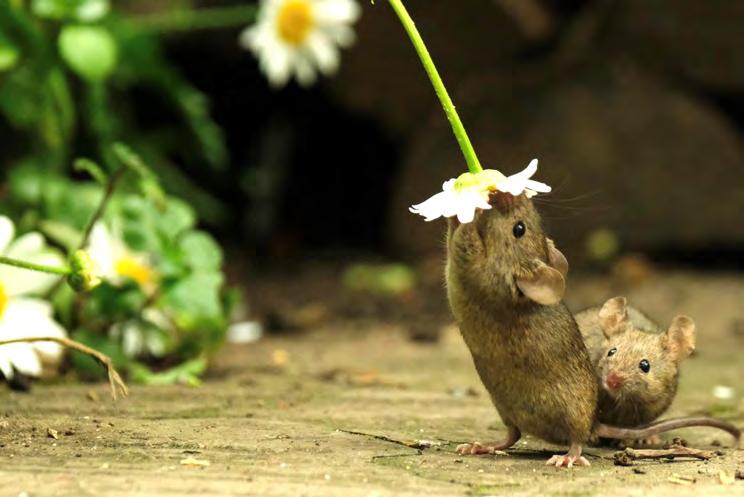
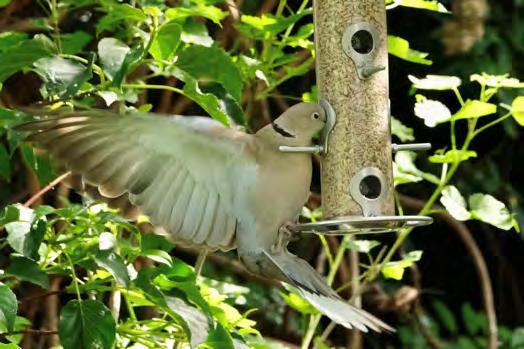
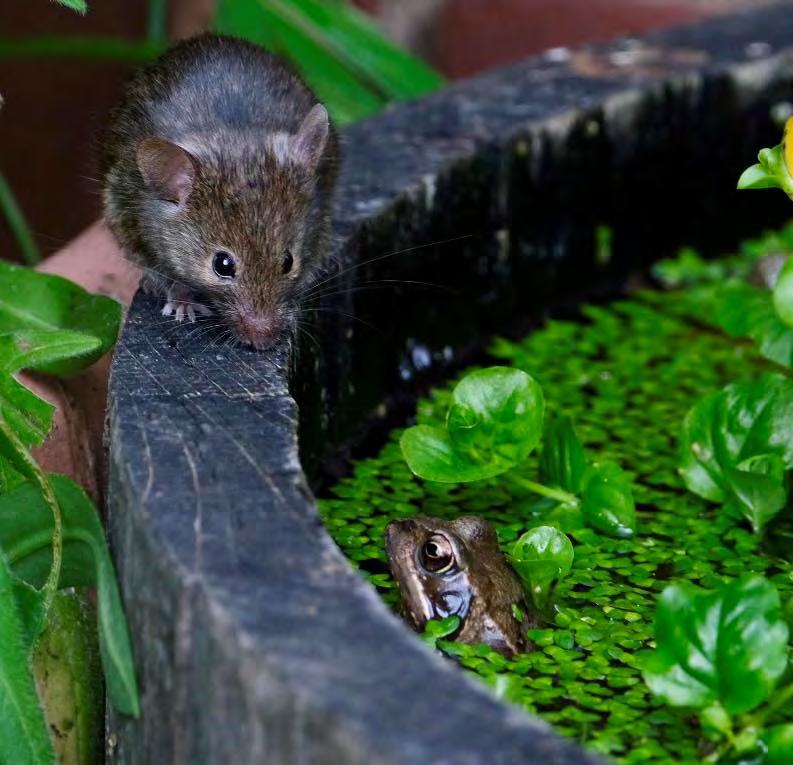
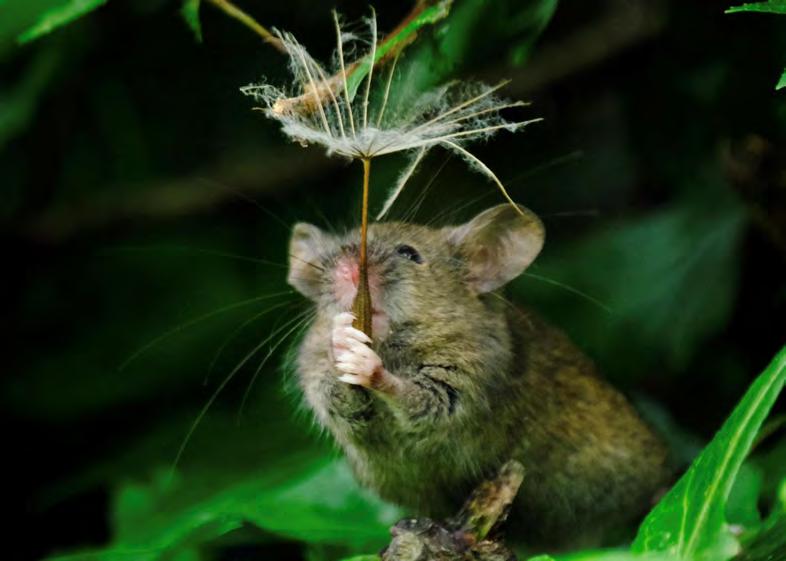
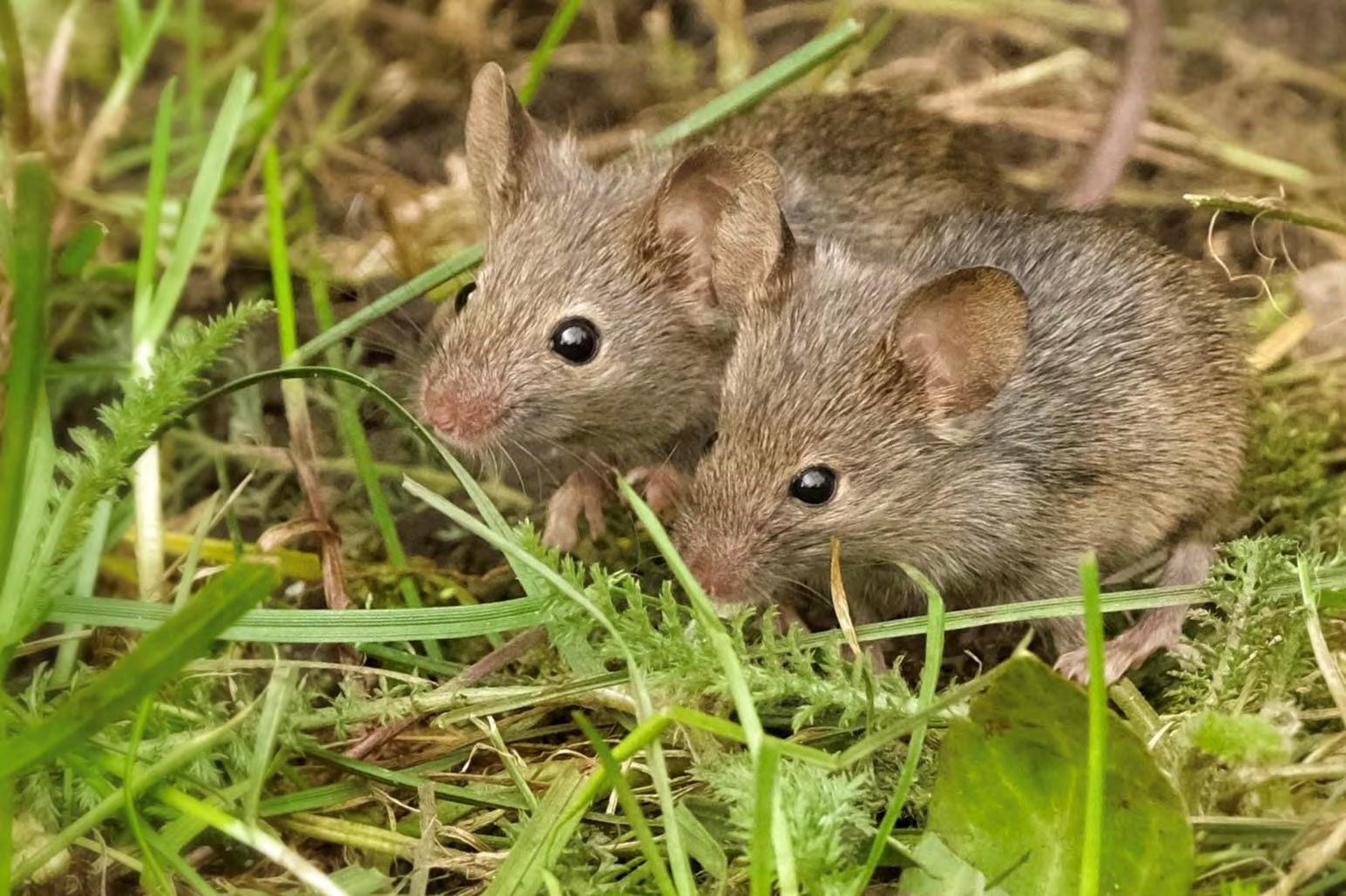
Gez has been a wildlife photographer for around fifteen years, and has a passion for wildlife. During the first pandemic lockdown, craving his photography fix, he started taking photos of the birds and other wildlife in his garden.
“…and that’s when I spotted a little mouse on the old decking. It was looking at a blackberry on the blackberry bush and just stood there whilst I took photos of it. My passion with the mouse family was born.”
Since the early successes of the Mouse Family That Live by the Brambles facebook page, Gez has published a book of the same name and set up other social media accounts.
https://www.facebook.com/bramblemouse
https://www.gezrobinsonphotography.co.uk/
Instagram: gez_robinson_photography
TikTok: @mousefamilybythebrambles
Copyright @ Gez Robinson for all photos featured in this article.

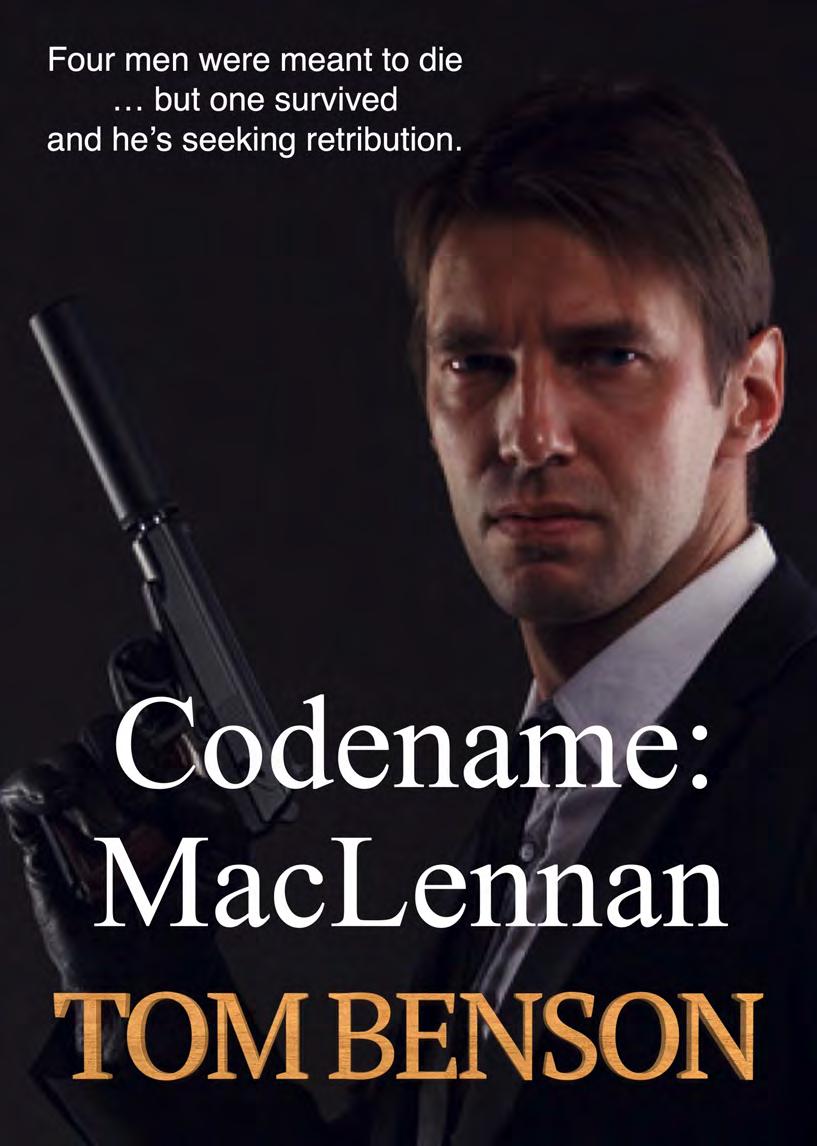
https://geni.us/MacLennan
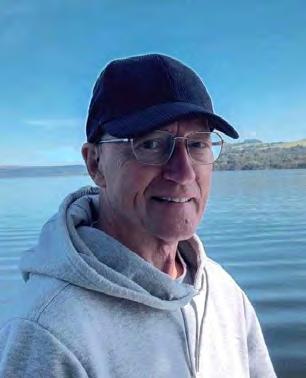
http://
www.tombensonauthor.com
Four elite British soldiers were sent on a covert mission, and someone intended that they didn’t return. Three of the team were killed in an ambush, but one man survived.
Victor had seen active service several times, often putting his life on the line for his country. His next mission, however, was unofficial and personal. He didn’t have many clues, but he’d be seeking answers and intended to avenge the deaths of his comrades. Everyone involved with the cowardly attack would pay the price, however long it took to find them.
Support materialised from known and previously unknown sources, and though less daunting, retribution would still be a challenge.



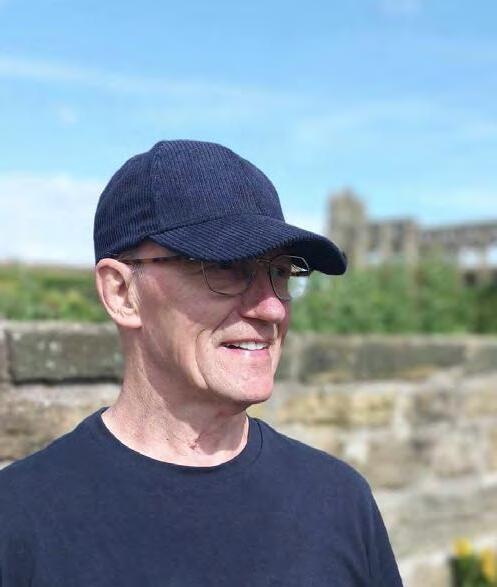
By
West Berlin before reunification. He saw active service in Northern Ireland and the first Gulf War.Acareer in retail management followed and lasted 25 years. Since 2007 Tom has published novels, anthologies and poetry. https://tombensonauthor.com/
Jason’s eyes narrowed as he peered through the smoke at the remains of the armoured truck. His four UN comrades were now corpses in the Kenbito dust. Both his dad and Uncle Jacko had pleaded with him not to volunteer for service in their nativeAfrica, but he had longed to visit the place since childhood.
The thirty-year-old wondered if he’d survive the tour to marry his girlfriend and have a family. Still supporting his weight on one arm, Jason glanced down at the diminutive old woman beneath him. He’d pushed her into the dusty alleyway and protected her from the falling debris.
The big Londoner’s ears slowly started to hear a muffled sound, following the explosion. He stared at the burning remains of the truck and felt grateful, but vulnerable.
The muzzle of a rifle appeared around the corner of the building. Jason got to his feet and assisted the old woman. His eyes widened as a young terrorist in a red and white football shirt and combats appeared.
The stranger said, “Hello, Jason, mate.” He shook his head. “Still bleedin’ goody-two-shoes, I see.”
Calvin,” Jason gasped. “How did you end up here?”
“Yeah, it’s a long way from Bethnal Green, mate.” Calvin grinned. “I came out ‘ere to be a mercenary, and make some cash.” He shook his head slowly.
“So, you’ll take anybody’s side as long as you get paid?”
“Yeah. I wasn’t surprised to see you here today.” He spat at Jason’s feet. “Jason Ambrose, the self-appointed sheriff of Year-Ten.” He laughed aloud. “You’ve never changed, except now you’ve got a little blue helmet and a new cause.”
“If you want to carry a weapon, why didn’t you join the army?” “Are you kidding me, mate? You and those UN buddies of yours were the inspiration for blowin’ up the truck, but you weren’t in it ‘cos you’re still helpin’ losers, an’ little ole’ ladies.” He glanced at the old woman as she stumbled and leaned on Jason.
“So, now you shoot me like a bloody dog in the dirt?”
“Bye-bye, Jason.” Calvin raised hisAK47 to his shoulder.
Jason’s weapon had fired before he was conscious of squeezing the trigger. The short burst of two rounds hit Calvin in the chest, and the noise was camouflaged by the constant shooting and ululating of the terrorists around the area.
Calvin fired a single shot as he went down. He dropped to his knees, staring at Jason in disbelief. He dropped the Kalashnikov and fell face forward onto the dust; an unknown, unwanted mercenary.
Jason stood transfixed, looking at the old classmate he’d just killed. He was unaware of the woman anxiously tugging at his jacket. She was holding out his blue UN helmet.
* * *
It had been three hours earlier when the local United Nations Headquarters had received a frantic call from the elder of Kenbito, a township forty miles away. The man said he’d received word of an attack by rebels, and he feared for his people.
Sergeant JasonAmbrose, a Royal Fusilier on attachment from the British Army, volunteered to lead the mobile patrol. He’d served in Iraq andAfghanistan, so he was no stranger to the fear and turmoil created by insurgents. Four other European soldiers who knew Jason were quick to respond.
Oscar, fromAntwerp, had joked with Jason as they climbed into the armoured truck. “At least you and I will blend in with the locals, Jason.”
Karl, one of the three white soldiers, grinned and waved a forefinger at Oscar. They’d all been laughing as they boarded the truck. Every member of the crew hated racism, so joking about it had become the squad’s banter.
Now, after the explosion, the sole survivor was Jason.Accompanied by the slightly built Kenbito woman, Jason kept his rifle at the ready as they moved between ramshackle buildings.
There was a blood-curdling scream, and Jason’s nostrils twitched when he sensed the aroma of freshly cooked meat. The acrid stench of burning rubber carried on the breeze.
“No,” he murmured.
The old woman looked up at the Londoner with sorrowful eyes and slowly nodded. She might not understand his language, but she understood his tone and recognised the smells of a ‘flaming necklace’ .
The odd couple walked on in silence for another ten minutes until they reached the outskirts of the township. The horror of the rebels’ summary executions was reviled by every nationality, and it was difficult to bring the perpetrators to justice.
The woman stopped and pointed at a tiny house fifty metres to the left. It was made of chunks of corrugated aluminium and plastic sheeting.
Jason looked from the house to the woman to see her repeatedly point to the dwelling, and back to herself. With pride, she nodded and smiled, showing her few remaining teeth.
“Your house, old mother?” Jason said, and smiled down at her, pointing and nodding his understanding.
She nodded vigorously before starting to lead the way. Her mouth was covered with one of Jason’s large hands as she was pulled back sharply into a doorway. She dropped her tattered canvas bag of belongings, but Jason dragged it back with his foot.
Agroup of three rebels appeared and were approaching the woman’s house, but had not seen Jason or the woman. The insurgents stopped, kicked in the fragile door, and threw in a grenade. The fuse lasted five seconds, and the building lasted three seconds longer.
Jason found himself once again looking at a cloud of dust settling on destruction. His mind drifted back to his colleagues. If he hadn’t left the truck to help the old woman, he would be dead too. He also thought of Calvin. Childhood bully turned adult terrorist.
Tears streamed down the woman’s face, and her frail body trembled.
The big soldier pulled her close to comfort her. He looked at her and thought of relatives he’d never known. His father and Uncle Jacko were originally fromAfrica, but they never told stories of their childhood. Jason asked many times, but it wasn’t discussed.
The pair stood silently in the shadow of the doorway for half an hour. They watched the armed men lay waste to many houses. Jason’s objective was survival, and this defenceless woman was going with him when he moved on. He’d get her to the refugee centre.
* * *
The night came fast, like a black curtain which shut off all light.After a while, the moon flickered through sporadic, drifting clouds.
Jason tapped the woman’s shoulder. When she looked up, he pointed to himself and her before pointing out towards the wilderness. He used two fingers to signify walking.
She nodded in understanding. Jason reached down to lift her baggage an old canvas holdall which contained her remaining worldly possessions. The woman waved her hands over it rapidly.
Jason said, “I can carry it.” He gestured to lift the bag.
The woman opened the bag and removed a small, tattered photograph.After kissing the print, she smiled and secured it in the pocket of her dress. She pointed at Jason’s head.
He reached up and grinned. “Well done, old mother.” He unclipped the chinstrap.
The woman took the distinctive blue helmet and packed it in her bag. When the worn strap was tied, she stood, arms outstretched, trembling with the weight of the bag.
“We’re actually communicating.” Jason accepted the bag, slung it over his left shoulder, and they walked slowly into the night together.
* * *
After an hour of steady progress, they stopped at a rocky outcrop.
“We’ll rest and drink.” Jason pulled out his green plastic water bottle and unscrewed the cap. He offered the bottle to the woman.
She accepted, lifted it to her face, screwed up her nose, and handed it back.
“It’s steritabs,” Jason said, accepting the bottle. “We sterilise our water.” He put the plastic bottle to his lips, sipped some water, and raised his eyebrows.
The woman took the bottle, sniffed it again, wrinkled her nose, and took a sip. She licked her lips.
Jason nodded.
The woman took a long drink.
Jason accepted the bottle and took another sip before securing the canister to his belt. “Jason,” the soldier said, and pointed to himself. He pointed to her and inclined his head. She screwed up her face and backed away.
Jason pointed to his chest again. “Jason.”
The woman’s tired eyes lit up, and her teeth showed briefly.
“Jackson!” she exclaimed.
“Jaso ” he started to correct her.
“Jackson!” she cried again, triumphantly, interrupting him.
“J yeah, Jackson,” he murmured, capitulating. “I do have an Uncle Jacko.” He accepted his new temporary name and pointed at the woman again.
“Myr’yam,” she responded in her Kenbito dialect.
“Miriam?” Jason queried.
“Myr’yam!” she repeated indignantly.
“Miriam,” Jason said. “And that’s as close as I can get.”
“Miriam,” Myr’yam repeated softly, and smiled.
“First names already,” Jason said, displaying a trace of his usual humour.
Jason saw Myr’yam wince as she moved her left arm.
She used her right hand to touch a dark patch on the left sleeve of her dress.
“Let me look.” Jason moved towards her.
She backed away.
“It’s okay,” Jason whispered, and leaned forward to gently roll up her sleeve.An inspection by moonlight confirmed Calvin’s stray bullet had found a target.
“Fortunately, Miriam,” Jason said. “It’s gone straight through, but I must clean and dress the wound.”
Ten minutes later, Myr’yam was smiling, and looking from her freshly bandaged arm to Jason.
Pursing her lips, she nodded at him slowly.
From his small pack, Jason removed and swallowed two painkillers unnecessarily, with a sip of water. He offered two tablets and the water to Myr’yam. She swallowed the tablets without hesitation and sipped the water.
“Good girl,” Jason whispered.
He set a bearing on his lightweight compass, knowing if they went north, they’d reach the main road. His plan was to avoid using the road except as a rough guide.
They were out in the open when a droning noise and a flashing red light in the sky caught Jason’s attention. He watched the direction of travel and checked his compass. His lips curled with satisfaction. There was a tug at his sleeve, and he looked down at Myr’yam.
She was standing head back, sniffing the air. Her eyes opened wider, and she looked around. She pointed to a nearby acacia tree and pulled on Jason’s sleeve.
He looked at her, confused.
“Jackson.” She squinted and beckoned with her good arm before running to the tree.
Jason followed her, but was more confused than previously.
At the tree, the fragile-looking woman stopped and turned to her companion.
“Myr’yam ... Jackson!” She pointed up into the branches.
Jason looked around at the moonlit grasslands. He placed his broad back against the tree, bent forward a little, and cupped his open hands onto his right thigh.
Myr’yam hit his open palms with her left foot, his shoulder with her right foot, and climbed into the tree like a monkey.
Jason had another look around before he passed up Myr’yam’s bag. He slung his rifle on his shoulder before climbing.As he climbed, the woman moved farther up. He followed until they were within the foliage on a strong branch.
Adistinctive bovine scent carried in the air, and Jason stared into the night. He touched Myr’yam’s arm and grinned as he pointed at an approaching lone wildebeest.
She shook her head slowly, grinning, pointing farther out.
Jason narrowed his eyes. Gradually, like wraiths in the mist, two columns of golden-coloured feline bodies appeared, moving stealthily through the long grass. Four went to the left, and three to the right.
The wildebeest’s head raised, its nostrils twitched, and it started to run. It was a life-saving effort, but the large animal only managed one hundred metres. It was pulled to the ground, and
once off its feet, it took less than thirty seconds before the struggle was over. The lionesses who’d performed the kill were already feeding when two male lions strolled past the base of the tree.
The alpha male stopped, sniffed the air, appeared to look directly at the people in the tree, and moved on to feast.
Jason could almost taste the strong feline scent and looked at Myr’yam, his eyes giving witness to his anxiety. He raised his weapon to aim.
Myr’yam placed a reassuring hand on the rifle and shook her head. She rubbed her belly and pointed toward the feeding pride of lions.
When Jason turned to Myr’yam again, she’d closed her eyes.
Jason had an uneasy night. He felt deep guilt about Calvin’s death, but his thoughts turned to his survival as he listened and watched the natural order of the wilderness. His eyes became accustomed to the semi-darkness, and as if magnetised, he watched the lions feeding.
The massive beasts squabbled occasionally as they ate, and it gave Jason the incentive he needed to stay awake and let his companion rest. When the lions wandered a short distance from their prey, they were replaced by hyenas and jackals. There was a pecking order, and it was observed in daylight or darkness.
The sun crept over the horizon, highlightingAfrica’s wild, natural beauty. Less than three hundred metres away from the acacia tree, the pride of lions lay stretched out, resting after their meal. During the night, the wildebeest had been reduced to a carcass, which had chunks of meat attached to the bones.
An early shift of vultures and smaller birds cleaned the bones. Jason wondered when it would be safe to continue their journey. He was tired, but pleased the woman had slept. He would allow her to wake up naturally.
Myr’yam awoke. She put a forefinger to her lips and motioned walking, using two fingers, as Jason had done the previous evening.
Jason nodded, but pointed anxiously at the lions.
Myr’yam smiled. She touched her belly and placed her palms together before resting her head on them.
Jason nodded once again, and they got to the ground to set off again. The soldier led the way, but for the first fifteen minutes constantly glanced over his shoulder. Myr’yam continued with the slow, steady pace associated with her people.
Three hours after they left the safety of the tree, a Hercules cargo plane passed low overhead with landing gear down.
“We’re nearly there, Miriam.” Jason glanced over his shoulder.
Myr’yam was lying on the ground five metres behind him; her eyes closed.
Jason dashed back and knelt beside her. He looked around before placing his weapon on the ground. “Miriam,” he whispered close to her ear. “Not far now.” He noticed that she was clutching the tattered photo she cherished in her right hand.
Jason took the small print from her hand. He recognised Myr’yam as a teenager, standing between two boys who could have been her brothers; both holding Kalashnikov rifles. Jason’s pulse raced as he stared at the photo. He’d seen it before. Before turning it over, he knew what it said on the back.
The big man carried Myr’yam for five miles in the morning heat. They were two miles from the remote UN base when a patrol vehicle approached. Jason was dehydrated and exhausted. Hanging over one shoulder were Myr’yam’s possessions, and over the other was his rifle. Cradled in his arms like a small child was the unconscious woman.
“Use me for the transfusion,” Jason told the doctor minutes later. “When she’s fully recovered, I’m taking her home with me to visit her brothers in England.”
“Her brothers?” the doctor said.
“Nelson, and JacksonAmbrose.” Jason nodded.
The End
Acollection of 12 short stories which cover a variety of genre. They are twist-in-the-tale, and will have a special appeal to those with a keen sense of justice.
https://bit.ly/4bsGuYq
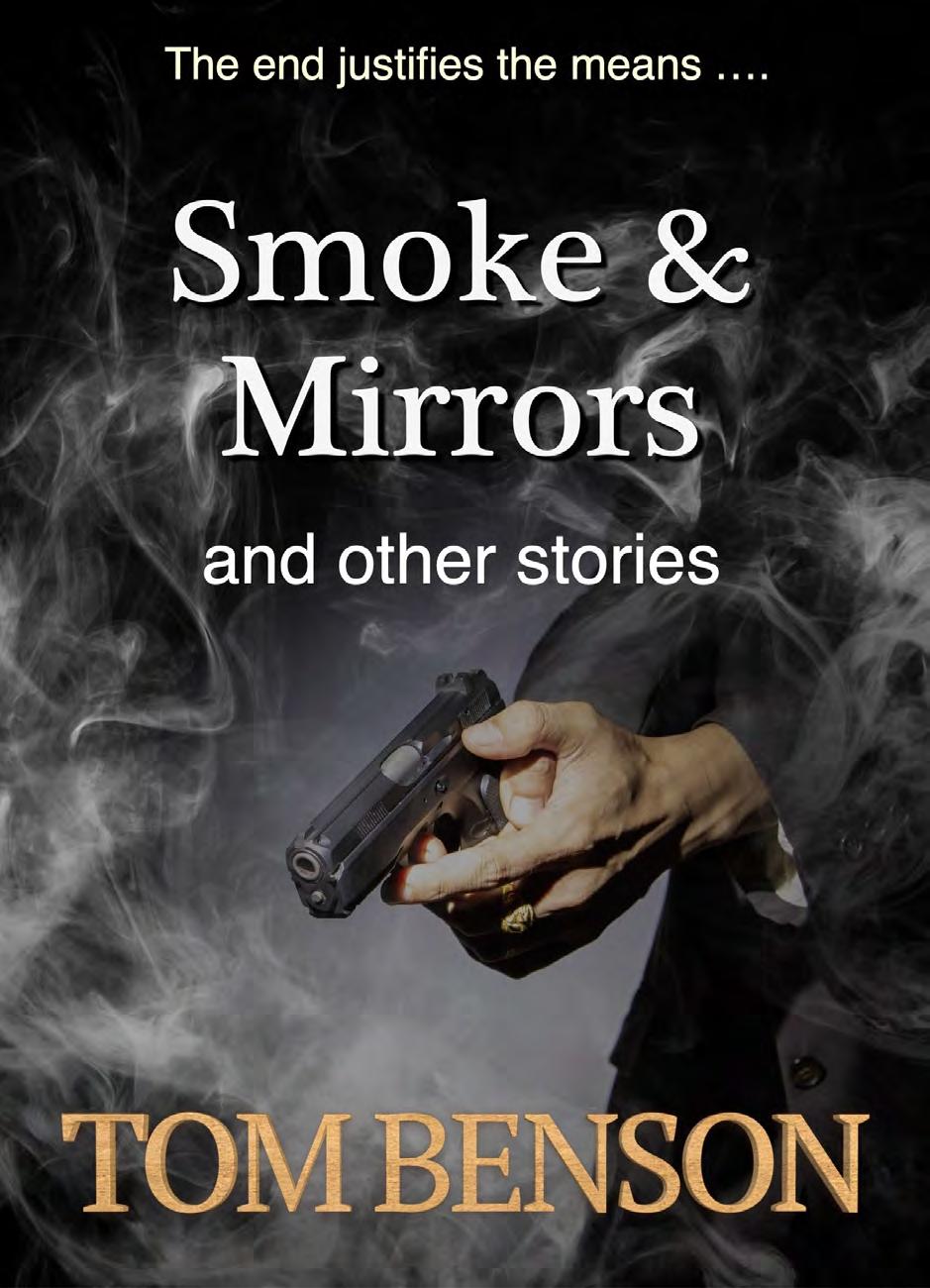


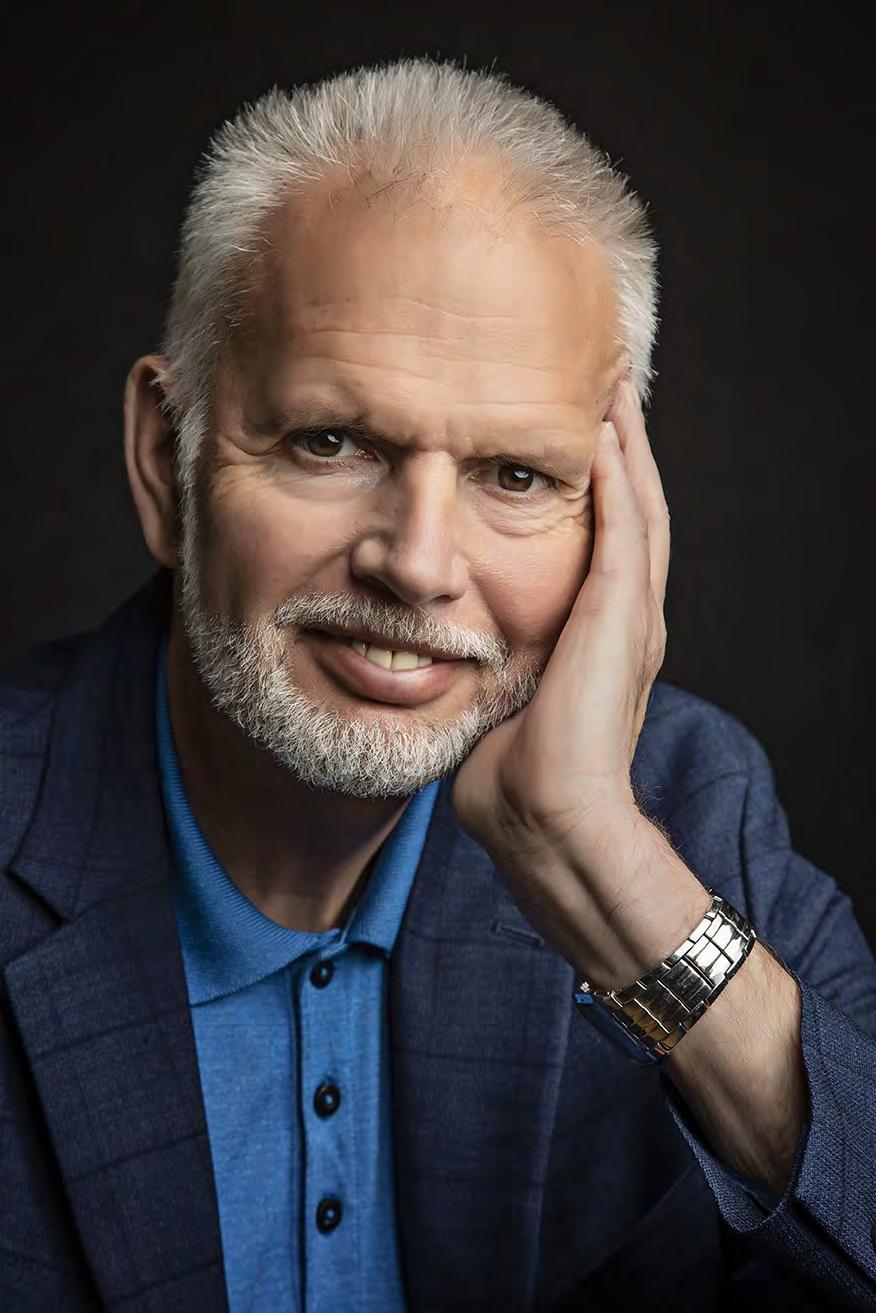


Can you tell us a little about yourself?
Doug Lawrence is the founder of TalentC® and Co-founder of the International Mentoring Community (IMC). Doug has achieved the highest level of Mentoring certification – The Certificate of Practice - Journey Mentor (IMC). Currently, he alone holds this certification.
Serving as a Staff Sargent in the Royal Canadian Mounted Police (RCMP) for 25 years, Doug retired in 1999. He is a volunteer mentor with the Sir Richard Branson Entrepreneur Program in the Caribbean and with the American Corporate Partners in the United States working with military personnel in their transition from military life to civilian life.
Doug through research has determined that there is a role for mentoring as a support for those struggling with Post Traumatic Stress Disorder (PTSD). His experience in law enforcement coupled with working with people suffering from PTSD has afforded him a unique view of mentoring and mental health. In addition, Doug’s mentoring practice utilizes Effective Mentoring Processes, his system to help people on their mental health healing journey.
Doug works with people who are struggling with their healing journey. Doug lost his wife, Debra to cancer in 2021 and has since devoted his life to helping others with their healing journey.

Doug began his Mentoring Practice in 2009. He is an international speaker, mentor and international best selling author: “The Gift of Mentoring” (2014), “You Are Not Alone” (2022), and has launched “The Silent Pandemic in April 2024. He has appeared in over 200 podcasts either as a guest or host to share his message about mentoring, mental health and grief.
: https://talentc.ca/
Are you a multi-genre author or a single-genre author? How did you decide what types of book you would write?
Do you have a favorite, or is one type of book easier for you to write than others, and why?
I find that staying in these two lanes are the most fulfilling for me as I am helping others which is important to me. With where I have been going and what inspires me the grief and bereavement provides me with the opportunity to help others and to make a difference.

When did you start writing? Did an event or person prompt you to take that leap?
I started writing in 2014. A troopmate of mine took daily inspirational messages that he sent to his children into a book. I had accumulated a large number of blog articles and it was he who suggested that I merge all this content into a book – hence the birth of “The Gift of Mentoring”.
How / where do you find the plots you write about?
The majority of the content for the books I have written come from my lived experiences.
Mark Twain said, “Write what you know.” Tell us about your writing process. Are you a plotter or a panster? Do you plot, plan, and conduct hours of research; or do you just sit down and write whatever comes to mind based on your personal history and knowledge?
I need to have a plan or I am easily distracted. I do a lot of research so that there is substance to the book. Content does come from my lived experiences.
Tell us your latest news
I have started to think about my next book.

Is there a message in your novel that you want readers to grasp?
The main message is that it is okay to reach out and ask for help. You don’t need to be on your grief journey alone.
How much of the book is realistic?
I would say that 70% of the book is realistic.
What books have influenced your life the most?
Ken Blanchard’s books inspire me a lot. He writes a lot of leadership books and there is always a story to be had from his books.
Do you have a mentor that helped or encouraged you to follow your dream of writing?
I would say that at this stage I did not have a mentor in the truest sense but I was inspired by Blanchard to write.
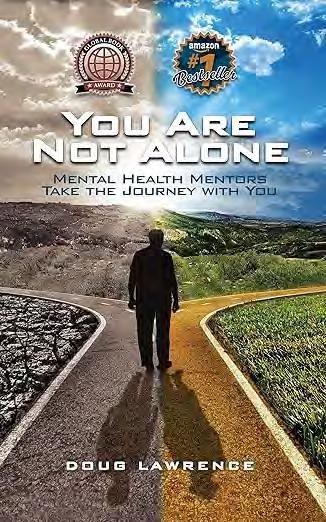
“You Are Not Alone” came from suggestions/recommendations that I write a book that speaks to how mentoring can bring value to the support structure for mental health. After a rather extensive review of the literature that is out there, I found that there was literature that looked at mentoring and mental health from an academic perspective but not from a practice perspective. That needed to change.
Writing this book provided me with the opportunity to confront some of my demons and to also better understand why I had behaved the way that I did. I realized that I had Post Traumatic Stress Disorder (PTSD) and that I had not treated it properly. I had relied on my spouse and two children to provide the support that I needed and yet they had their own trauma in dealing with my behaviour. This book will give you a glimpse into my own story which will help you understand the value that mentoring could have brought me.

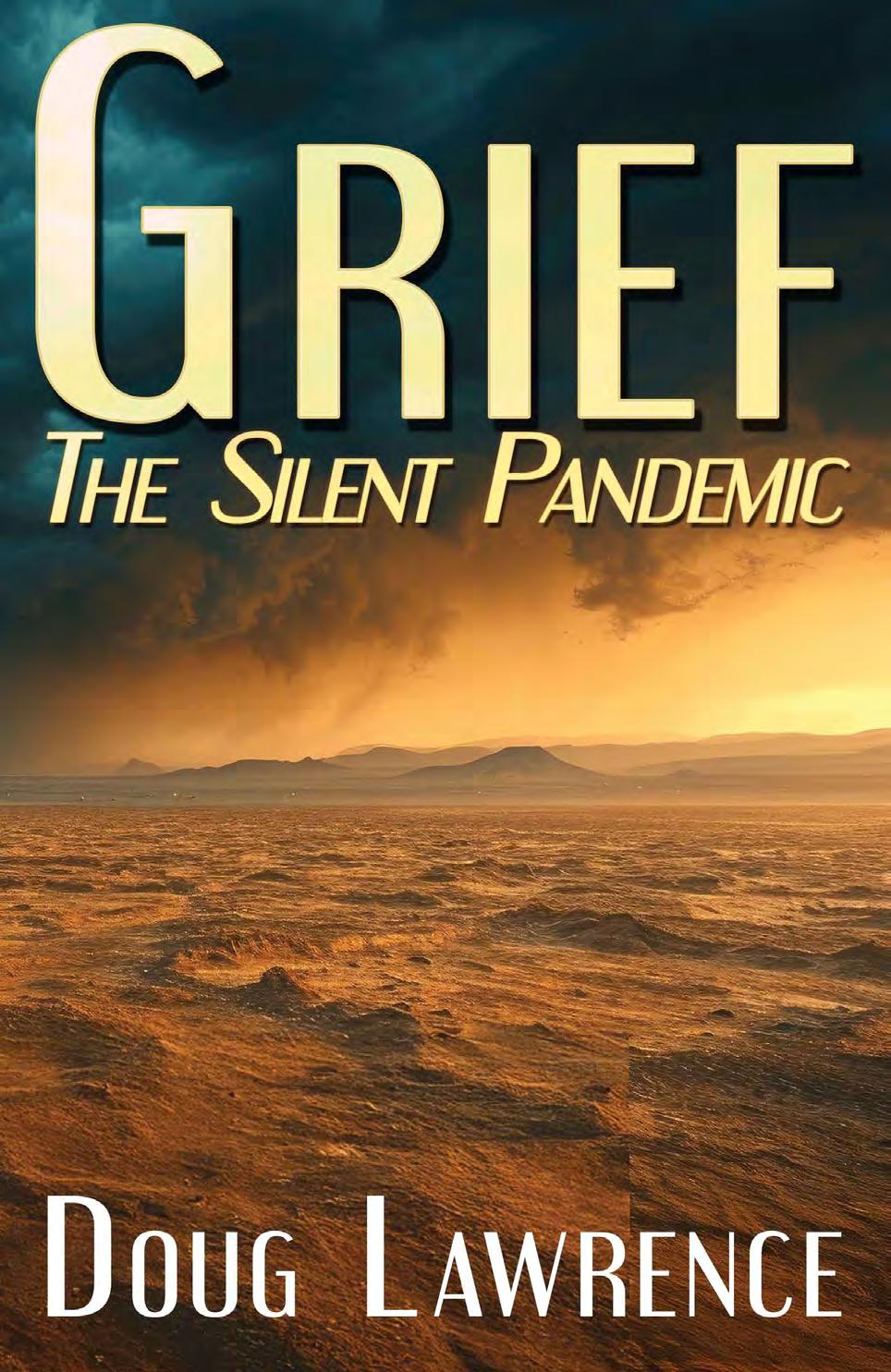

A sincere embrace in the midst of pain.
Clear, direct and empathetic. Ideal for those who don't know how to go on after a loss, or how to support someone who is suffering. Doug Lawrence gives no prescriptions, but plenty of truth and comfort. A book that embraces without judgment.
Doug Lawrence’s Grief: The Silent Pandemic hits hard but feels like a warm hug. He opens up about loss with real talk, mixing his own story with advice that actually makes sense. The writing’s down-toearth, heartfelt, and easy to connect with. It’s like a friend guiding you through grief, showing you it’s okay to hurt and how to find hope. Perfect for anyone dealing with loss or wanting to help someone who is. Highly recommended.
Grief is a profound and universal experience, a natural response to the loss of someone or something deeply cherished. Yet, for many, the journey through grief is made even more difficult by a lack of personal understanding and a society rife with misconceptions about what it means to grieve. This widespread misunderstanding has contributed to a mental health pandemic, leaving countless individuals feeling isolated, overwhelmed, and without the tools to heal.
In Grief the Silent Pandemic, Doug Lawrence offers a guiding light in the darkness of loss. Drawing from decades of experience as a grief mentor and the deeply personal pain of losing his beloved wife, Lawrence provides a compassionate and insightful exploration of the grieving process. With raw honesty and profound empathy, he delves into the complexities of grief, shedding light on the emotional, psychological, and societal challenges it presents.
Through heartfelt storytelling, practical advice, and actionable solutions, Lawrence empowers readers to navigate their own grief journeys. He challenges the stigma and misinformation surrounding grief, offering a roadmap to healing that is rooted in understanding, connection, and hope.
Whether you are seeking solace in your own time of loss or looking to support someone you care about, this book is a beacon of hope that reminds us all: healing is possible, and brighter days lie ahead.
What are your current projects?
I am working on creating the profile for a grief mentor. There is a need for grief mentors; and I hope to develop that profile and put it into practice.

Can you share a sample of your current work with us?
Before I delve into the main content of this chapter, I want to share a personal experience of dealing with grief in the workplace. It’s a memory that has been etched indelibly into the depths of my psyche the horrific moment when a promising young man, a close friend of mine, tragically ended his own life. His parents, consuming alcohol to great lengths, overlooked their son’s extraordinary achievement of being chosen for the community adult hockey team. It was a moment of success that should have been celebrated, recognized, and appreciated. Instead, it was met with indifference and the hollow echo of their inebriation. When he came home, brimming with excitement and anticipation of the praise he longed for, he found no one waiting to share his joy, no one to bask in his triumphant moment. His joy wilted in the cold silence of his parents’ oblivion, leaving him with a sharp sense of loneliness and despair.
What followed was a gut-wrenching grief I could barely comprehend. He took his own life. To make matters even more unbearable, as one of two police officers in this small community, I was required to investigate his suicide.

The stark reality of my friend’s tragic end and the obligation to delve deeper into his death was a double blow, causing an irreparable tear in the fabric of my emotional well-being. I felt the world’s weight on my shoulders, a crushing pressure that was almost unbearable. As part of the investigation, I was required to transport his body to the closest morgue, in the back of the police vehicle, some eight hours away by gravel road in minus 40-degree weather. I was fortunate to have Debra, who was then my soon-to-be wife, travel with me. My boss didn’t want me to go alone and was reluctant to leave the community. Debra drew the short straw and was volunteered to go with me on the long trip. On a positive note, this gave Debra the chance to see inside the life of a police officer’s wife and what we had to deal with together. Debra was able to deal with the experience with minimal trauma and was a person I could talk with and share what I was feeling as we travelled to and from our home community. I tried to shield her from the majority of the trauma as I didn’t want to scare her away. As I said to my parents many times, she was “a keeper” and I intended to have a long life with her.
On a grander scale, I found the geographical isolation only compounded my despair. Sometimes, I shifted my despair to Debra. Dealing with my behavior changes forced us to come together so we could attempt to handle the trauma together. Under most circumstances before Debra, I had no one to confide in. I couldn’t share the trauma I was experiencing or debrief after each experience.
Further, there were no professional services to deal with grief at work. In these moments of desperate loneliness, I found false solace in the biting burn of scotch whiskey, using it to buffer the unimaginable trauma that had engulfed my life. I was convinced that the scotch was a better solution than death by suicide. Debra deserved more than that.
The grief that consumed me at the loss of my young friend was not an isolated event but a distressingly common occurrence I faced repeatedly throughout my tenure in law enforcement. Ill-prepared for the emotional onslaught that our profession demanded, we were left to grapple with our demons with little to no support.
Do you have any advice for other writers?
Schedule time and stick to it. Story telling is important.
Do you have anything specific that you want to say to your readers?
Be true to yourself.
Is there one person, past or present, you would like to meet and why?
Either of the Obamas
What do you want written on your headstone and why?
“Believed in people before they believed in themselves.” This speaks to me and embodies what I believe.
Other than writing do you have any hobbies?
Writing and mentoring
Can you share something personal with your readers? Do you have any holiday traditions? What kind of music do you enjoy? What kind of movies do you prefer? Do you have a favorite author?
Family is important to me. At Christmas we always go to the Memory Tree at one of the cemeteries to hang Christmas ornaments in memory of family members who have passed.
If money was no issue would you prefer a cozy beach bungalow or a rustic cabin overlooking a mountain lake?
I would take the cozy beach bungalow.

One final question...Do you have a blog/website? If so, what is it? Do you have a social media platform where your fans can go to interact with you and follow your progress?
DOUG LAWRENCE SOCIAL MEDIA LINKS
Facebook: https://www.facebook.com/doug.lawrence.1610/
LinkedIn: www.linkedin.com/in/douglawrence-mentor
Twitter: @DougLawrenceJM
YouTube: https://www.youtube.com/channel/UCE4YC1GkfHrQtFYgYrf8baQ
Website: https://www.talentc.ca
Shadowpaw Press in Regina, Saskatchewan, is thrilled to announce the release of Broken Realm by award-winning Alberta author Jenna Greene, a gripping young adult romantasy about two young people who must save their fractured world by surviving brutal divine trials that test the limits of their love and faith.
A book launch will be held for attendees of the Wordbridge Writers’ Conference in Lethbridge, Alberta (which Jenna helped found) on Saturday, April 18; a second launch, open to the public, will be held at Lethbridge’s Analog Books on Thursday, May 7, from 6:30 to 8:30 p.m.
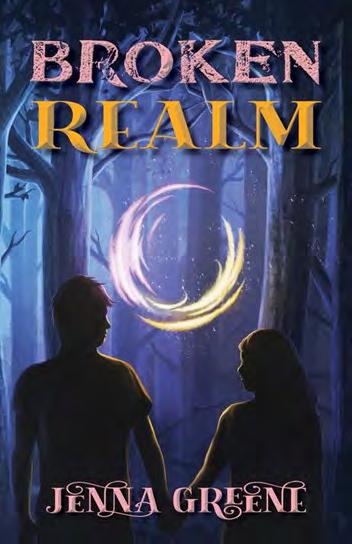

“There is nothing more delightful than seeing a story come to life,” says Greene. “Thanks to Shadowpaw Press, Keely and Briggs' tale is being sent out into the world.”
“I’m excited to be publishing this exciting and heartwarming young adult romantasy,” says Edward Willett, publisher of Shadowpaw Press.
“While Shadowpaw Press publishes books in many different genres, young adult fantasy has always been close to my heart as an author, reader, and publisher. I look forward to readers discovering this wonderful tale.”
The book is available in both trade paperback and ebook formats everywhere.
https://geni.us/BrokenRealm
Jenna Greene has been writing since before she could hold a pencil, building stories with her She-Ra: Princess of Power action figures and My Little Pony toys in her basement or on long car rides. Once she could pen a tale, she composed poetry and short stories, finding that she was best at writing novels. Her first fantasy story (Imagine) came to her when she was in her first year of university, and she drafted it between essays, midterms, and reading assignments. Once finished university, with a B.A. in English as well as a B.Ed, she began her career as a teacher and also found time to return to her writing. Her Reborn Marks series won the 2019 Moonbeam Children’s Book Award (Gold), and other accolades. Her middlegrade novel An Owl Without a Name is a CBC recommended book, as well as a TD summer book club pick. It has been used as One School/One Book around Alberta. In 2021, her first picture book, Winston, the Well-Dressed Wombat, was released. You can find Jenna online at jennagreene.ca.
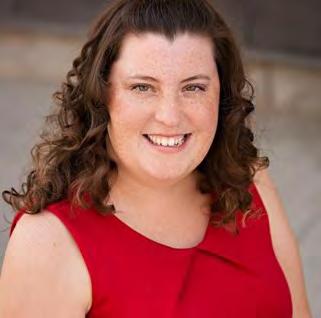
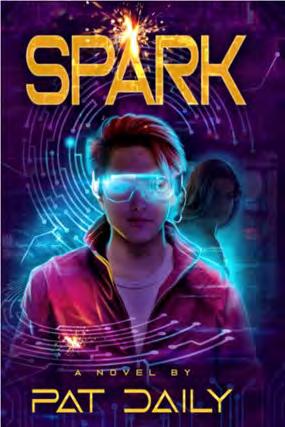

Book One of the Spark Chronicles Series
In his mother’s last letter, she wrote, “Find me. Save me.” And Will Kwan had heard those words before. He’d heard them in a video game. Solar Prime Augmented Reality Park, or SPARK, is a theme park for gamers: a sprawling virtual reality complex with quests and games that appeal to all ages. But beneath the surface, SPARK harbors many a secret. When sixteen-year-old Will has to escape the foster system, SPARK is his destination. “Find me. Save me.” What had his mother meant? At SPARK, he runs headlong into the force of nature known as Feral Daughter, another runaway who has chosen to make SPARK her home and her life. As their friendship grows, Will begins to walk a path that will unveil not only the secrets of SPARK, but also a whole new perception of his world. So when terrorists threaten his new home and new friend, Will cannot stand idly by. Can Will finally get his closure? Or will SPARK be destroyed, along with the new life he has built?
Pat Daily is a polymath, serial entrepreneur, gamer, and the author of the Spark Chronicles, a near-future science fiction series. Pat began his professional career as an engineer and Air Force test pilot. After leaving the military, Pat worked at NASA’s Johnson Space Center on both the Space Shuttle and International Space Station programs before launching his first company. He has worked globally as a human performance and safety consultant.
When not writing or bringing new airplane designs to life, Pat can be found gaming. He is a fan of role-playing games – particularly open worlds with engaging storylines where actions have consequences. Pat and his wife live in Houston.
Website: https://thepatdaily.com
Facebook: https://www.facebook.com/patdailyauthor
Instagram: https://www.instagram.com/patdailypics/
X: @patdailyauthor

by Ben Leman
Review by — Sassy Reads https:// sassyreviews.data.blog/2026/02/09/ between-the-tines/
The story features Arran Lamont, a young Highland warrior raised for battle and burdened by the expectations of his clan. As battles mount and alliances fracture, Arran learns that courage and strength alone are not enough; command requires foresight, humility, and a willingness to bear responsibility for the lives of others.
The battle scenes are vivid, tense, etc, capturing not only the chaos of combat but also the strategic decisions that shape victory and loss. Yet the novel’s most haunting moments often occur away from the battlefield when Arran and his companions witness the devastation inflicted on innocent civilians.
The supporting cast, particularly the leaders and warriors of allied clans, enriches the narrative. Clan loyalties feel lived-in, and the political tensions driving the conflict are clearly conveyed.
Arran’s ultimate dilemma, whether to die preserving tradition or lead his people toward an uncertain future, gives the story a powerful emotional resonance. Fans of historical fiction, particularly those drawn to Scottish history and clan culture, will enjoy every bit of this novel.
"If you don ’t like to read, you haven ’t found the right book."
– J.K. Rowling
by Dwayne Brenna
Dwayne Brenna’s The Laundryman is set in the unforgiving landscape of Canada’s North-West Territories in the late 19th century. The story follows Surgeon Virgil Montgomery and the brooding Corporal Belvedere of the North-West Mounted Police as they investigate the murder of a Chinese laundryman in the town of Prince Albert. The victim is treated with indifference by many of the townsfolk. This gives the novel a moral weight beyond the central mystery: the murder becomes not just a crime to be solved, but a lens through which the reader sees the deep injustices embedded in frontier society.
The journey to Prince Albert feels bleak, setting the tone for a story in which survival itself is never guaranteed. The environment is not just a backdrop, it actively shapes the characters’ choices and tempers their humanity.
The partnership between Montgomery and Belvedere is another compelling element. Their dynamic creates tension throughout the investigation, raising questions about justice, authority, and complicity.
This is not a fast, plot-driven thriller; it is a slow-burn mystery that prioritizes atmosphere, character, and historical texture. Readers who enjoy richly detailed historical fiction with moral complexity will find much to admire here.
Reviewed by Readers Choice: https://passionduniya.wordpress.com/2026/02/09/the-laundryman/
and Homicide by A.L. Jensen
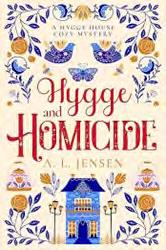
Review by — Sassy Reads https:// sassyreviews.data.blog/2026/02/09/ hygge-and-homicide/ : 5/5
The story follows Minna, a recently divorced interior designer who returns to her hometown of Lakewood in Northern Ontario to help run her mother’s Nordic lifestyle shop. From the very first chapter, the setting shines: forest trails, lakeside views, cozy storefronts, and a tight-knit community where everyone knows everyone. Jensen excels at grounding the reader in this world, making Lakewood feel like a place you could step into and might never want to leave.
What truly sets this novel apart is its embrace of Nordic culture and the concept of hygge. From Finnish terms of endearment to Scandinavian design, food, and traditions, these details are seamlessly woven into the narrative.
Minna is a relatable and engaging protagonist. She is thoughtful, slightly anxious, and quietly observant. Her relationships with her mother, her best friend Christie, and her daughter Sofia add emotional richness and authenticity.
As the plot unfolds, the calm, comforting rhythm of small-town life is disrupted by darker undercurrents. The mystery develops at a steady pace, with enough intrigue to keep readers turning pages until the last page. Go ahead with this book without any second thoughts.
"The man who does not read good books is no better than the man who can ’t."
by A.M. Mawhiney
This is a story about four teenagers: Grace, Drew, Ollie, and Dottie who come together as part of a debate team and form an unlikely bond. Each of them carries personal wounds: family pressures, displacement, trauma, neurodivergence, and the quiet ache of not belonging. Their debates about climate change, responsibility, and survival mirror the deeper emotional rifts in their own lives. The novel’s near-future setting, shaped by environmental instability and “fugitive rifts” in the land makes it a great read.
The teenagers feel real. They are flawed, defensive, passionate, and vulnerable in ways that ring true. Dottie, in particular, stands out as a compelling portrayal of a highly intelligent but socially anxious teen, while Grace’s struggle between ambition and loyalty adds emotional weight to the story. Drew’s bravado masking deeper family dysfunction, and Ollie’s quiet wisdom shaped by displacement and loss, round out a cast that feels authentically human.
The environmental elements are woven into the characters’ lives and conversations in a way that feels organic. The debate scenes are especially engaging, offering a smart way to explore differing perspectives on climate change, profit, and responsibility without flattening the complexity of the issues.
Fugitive Rifts is well worth your time. I had a great time reading this book. I strongly recommend it to my fellow readers.
Review by Sassy Reads
https://sassyreviews.data.blog/2026/02/16/fugitive-rifts/
Rating:5/5
This was a compelling and gripping blend of sci-fi and fantasy. The concept of a society that has achieved great strides towards peace and a near-utopian existence was fascinating to see come to life, as it not only showed what could happen if people came together collectively to build a better future, but exemplified the need for vigilance as the universe often demands balance and brings challenges and struggles to seemingly peaceful moments. The world-building in this novel was next-level, allowing the story to shine.
The perfect balance of dynamic character development and detailed mythology being brought to life was the reason this novel worked so well. The connection between Saki and their twin, Ali, was a great relationship to see brought to life on the page, and the emotional connection Saki formed with creatures like Moona and Chiyo made the reader connect to these protagonists greatly. The evolution of how the characters gained and used their abilities, and their connection to the universe as a whole, is the hook that kept readers invested in this incredible story.
The Verdict
Entertaining, harrowing, and an inviting story, author A-M Mawhiney’s “Spelldrifts” is a must-read sci-fi and fantasy novel. The sheer epic nature of the narrative, in terms of scope and the larger-than-life threats that bring these characters together in the face of unparalleled odds, elevates the shocking twists and turns and compelling finale, keeping readers on the edge of their seats, eager for more from this incredible author.
Review by Anthony Avina
https://authoranthonyavina.com/2026/03/29/spelldrifts-by-a-m-mawhiney-review/
Beginningby Jason Kristopher
Set decades after a catastrophic Z-Day, the novel immerses readers in a fractured world where humanity struggles to survive against evolving zombie-like threats. From the very first pages, the story establishes a haunting tone through the mysterious awakening of a man with a forgotten identity, immediately drawing readers into a narrative filled with secrets, memory, and impending danger.
The narrative shifts between military operations, scientific research, and political intrigue across various bunkers and locations, creating a rich and layered world. The high-stakes missions such as the terrifying descent into a bunker overrun with monstrous Driebachs are written with cinematic tension, while the scientific subplot exploring a potential cure adds intellectual depth and moral complexity.
This novel raises important questions about power, humanity, and the cost of survival in a broken world. Kristopher’s detailed world-building and ability to balance intense action with deeper philosophical concerns make this book a must read for fans of dystopian fiction.
Review by — Bookshub159
https://bookshub159.wordpress.com/2026/03/29/beginning/
by Humphrey Hawksley
The novel follows Rake Ozenna, an Alaska National Guard officer returning to his remote home island with his fiancée, trauma surgeon Carrie Walker. What begins as a desperate medical emergency involving a pregnant teenage girl quickly escalates into something far more alarming when Russian helicopters suddenly appear over American territory.
Hawksley paints the Diomede Islands as both breathtaking and unforgiving, where weather, geography, and isolation shape every aspect of life. The cultural background of the Eskimo community, Rake’s personal history, and Carrie’s determined medical ethics add emotional depth to the story. Their relationship feels authentic, and their contrasting backgrounds: Rake’s rugged upbringing and Carrie’s global medical career provide compelling character dynamics as the crisis unfolds.
As the narrative expands beyond the island to political leaders and diplomats in Washington, the stakes grow dramatically. Hawksley skillfully weaves together personal drama and global politics, suggesting how a small humanitarian event could trigger a much larger international confrontation.
Review by Sassy Reads https://sassyreviews.data.blog/2026/03/08/man-on-ice/
"A book is a gift you can open again and again."
– Garrison Keillor
This was a fast-paced yet profound read. Anyone seeking encouragement or change will instantly benefit from this self-help book. The straightforward yet impactful advice and guidance the author provides will tap into that inner goddess that the author talks about and provide insight into a more balanced and meaningful life. Many of the steps the author talks about are simple tasks that can be delved into in everyday moments, alleviate stress, and care for ourselves both in body and mind. The moments include grounding oneself by using our hands or feet to touch the bare Earth, drinking pure water, or immersing oneself in pure water. Yet other moments take readers on a more cosmic and spiritual movement, connecting to one’s higher self to organize and create healthy boundaries that remove life’s stresses from our daily lives.
Quick, powerful, and impactful author Glenda Benevides’s “Own the Goddess Within” is a must-read self-help book. The heartfelt delivery of each passage and the theme of connecting our inner power or “goddess” is a sentiment and calling that will reach many readers
Review by Anthony Avina https://authoranthonyavina.com/2024/11/04/own-the-goddess-within-by-glendabenevides-review/
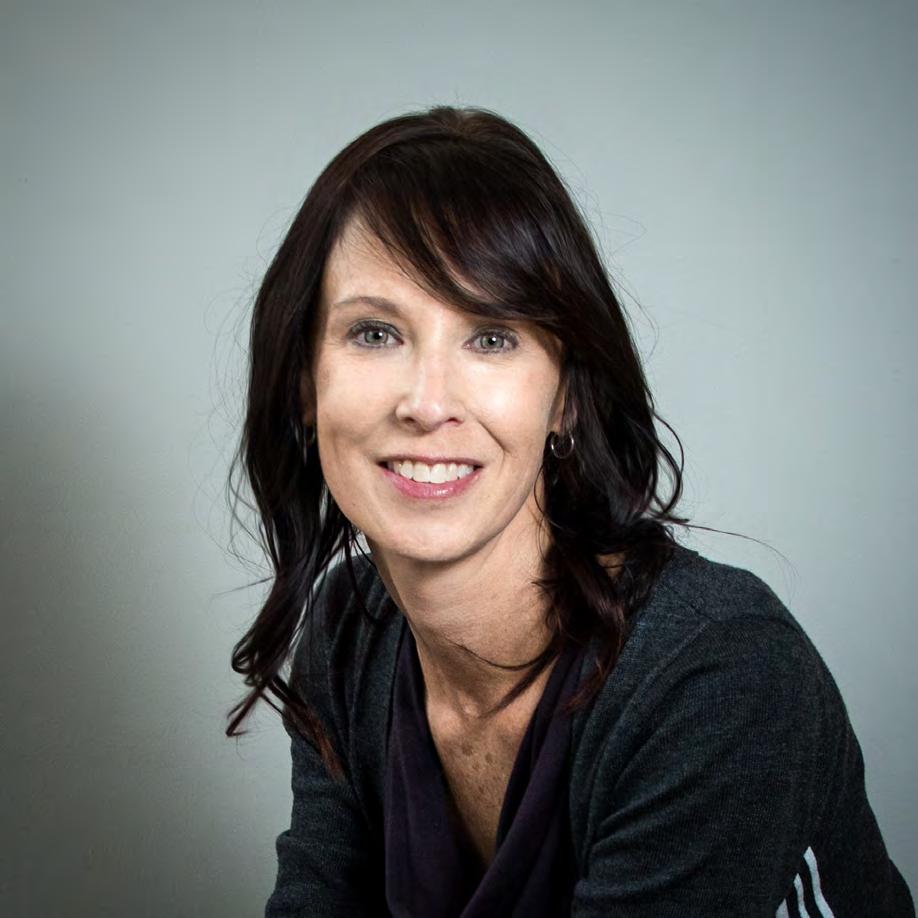
Interview by
Melanie P. Smith

Can you tell us a little about yourself?
I live in Colorado and my passions are writing, running, and hiking. My little pup follows me on the trails and the cat sits by me at my desk. I’m a vampire fan but also an avid romance reader.
Are you a multi-genre author or a single-genre author? How did you decide what types of book you would write?
I’m a multi-genre author that writes under the pen names Tricia Copeland and Maria Jane. My two favorite genres are YA fantasy and clean-ish romance, so that’s what I write.
https://www.mariajaneromance.com/


“A sweet take on what’s important when it comes to finding the perfect kind of love.”
- Christina Benjamin, author of the bestselling The Boyfriend Series
One driven woman. Five passionate paths to the perfect love.
Chloe refuses to compromise when it comes to romance and success. Powering through her sophomore-level college business classes, she’s done with the effort of distance-dating her highschool sweetheart. But when he proposes just as she hits it off with a hunky basketball player, she worries following her heart could send her bright future to the bench.
As Chloe graduates to become a rising star in the fashion industry, love knocks another four times. But while each potential suitor eventually pops the question, only she knows her ultimate happy ending.
Whose arms will embrace Chloe when she chooses her forever man?
Perfect is a standalone in the Perfect romance series. If you like tender moments and lighthearted banter, then you’ll adore Maria Jane’s choose your perfectly-ever-after tale.
Read Perfect to pick your ideal walk down the aisle today!
Romance author Maria Jane believes in the power of love. She sees that love may look messy and take a winding path, but there is magic in the journey. Her books are filled with fun moments, sweet gestures, surprising turns, and characters searching for their happily-ever-after. Craving your next HEA and/or HFN read? Find all of Maria’s Perfect romances, formerly writing as Tricia Copeland, and dive into a fun love story today at mariajaneromance.com.
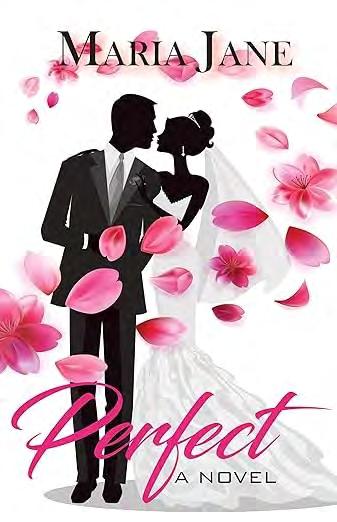
https://geni.us/Perfect1
Do you have a favorite, or is one type of book easier for you to write than others, and why?
Fantasy is easier to write for me but more demanding emotionally because the characters morph in and out of peril. When I write romance I feel more pressure to be creative whereas my fantasy seems original as is.

When did you start writing? Did an event or person prompt you to take that leap?
I began my author career after writing a fictionalized story of my experience with anorexia. With one hundred and sixty thousands words in a manuscript, and urgings from friends and family, I hired an editor and published my first novel in 2015. With twenty-two additional titles published since then, you could say I might be obsessed with storytelling.
How / where do you find the plots you write about?
My books are mainly character driven. Ideas start with a character and grow from there. What are their challenges? What are their goals? What world and challenges highlight or displays the character attributes I want to focus on?
Tell us your latest news.
In June 2026 I’m releasing the fifth book in the Perfect romance series penned by Maria Jane, Perfect Secrets.
Perfect Secrets, Perfect Series Book 5
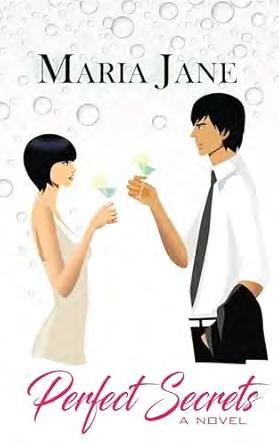
Mark Twain said “Write what you know.” Tell us about your writing process. Are you a plotter or a panster? Do you plot, plan, and conduct hours of research; or, do you just sit down and write whatever comes to mind based on your personal history and knowledge?
I fall somewhere between being a plotter and panster. I usually create plot points for my book as a plot chart or a three act, Save the Cat, style plot point document. After creating the major plot points and deciding how I want the book to end, I start writing and create the scenes that get me from one plot point to the next.
https://geni.us/PerfectSecrets
What are your current projects?
I’m currently working on the sixth book in the Perfect romance series tentatively titled My, Not-soPerfect, Cop.

Is there a message in your novel that you want readers to grasp?
One of the messages in Perfect Secrets is that we’re all a little broken and that’s okay.
How much of the book is realistic?
I held my breath when I sent Perfect Secrets to my beta readers. I was concerned that the couple couldn’t realistically come back from the upheaval they’d experienced. But I got great feedback and plowed ahead with my happily-ever-after.
Do you have a mentor that helped or encouraged you to follow your dream of writing?
My friend and first editor helped me shape my first books and encouraged me to self-publish.
What books have influenced your life the most?
I love reading. The first novel I read more than once was Gone with the Wind. Scarlet’s story of determination and grit really resounded with me. Mary Stewart’s The Crystal Cave following Merlin’s early life sparked my interest in fantasy and the hero’s journey.
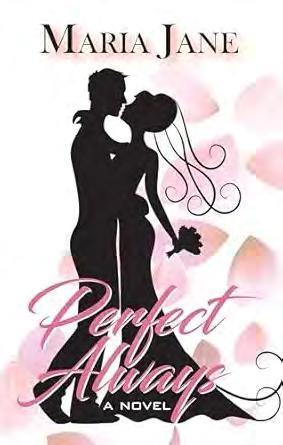
A girl aiming for a successful big city career. But what if her heart belongs to a small-town rancher?
Chloe dreams of leaving her tiny hometown behind and landing a job in an exhilarating metropolitan city. Toughing out her sophomore-level college business classes, she’s frustrated with the challenges of long-distance-dating her high school sweetheart, Adam. A chance encounter with Isaac, a hunky big-city-bred basketball player, leaves her confused and when Adam lays out a plan to move into his family’s ranch estate she worries her goals may be trampled underfoot.
Realizing following her passion means leaving Adam, she makes a clean break. Isaac waits in the wings and with Chloe’s growing affection for him, he wins her heart. But a school abroad program, San Francisco internship, and his drive for a professional basketball career complicate their relationship.
Can she find happiness in a big city with an on-the-rise basketball star or does her heart lie somewhere else?
https://geni.us/PerfectAlways
Can you share a sample of your current work with us?
Here’s the back cover blurb for my upcoming release, Perfect Secrets…

Lawyers assume their clients don’t tell them everything.
Elle Moore assumes she’ll never escape her past.
Desperate for a fresh start, Elle jumps at the chance to work for Watson Clarke, a prestigious law firm offering a near-free path through law school. It’s everything she’s ever wanted.
There’s one complication: Tanner Clarke, the firm’s magnetic young heir.
Elle’s mother has spent years warning her daughter about lawyers, and her own ex proved those warnings right. Tanner should be the last man she lets close but resisting him is harder than passing the bar on the first try. Tanner? He’s trying to find his footing in the shadow of his late father, but the moment Tanner meets the elusive Elle, he’s pulled into her orbit.
Their connection grows fast and bright until Elle meets Tanner’s mother.
Accusations fly. Old wounds split open. Suddenly, Elle is tumbling through a flood of hidden ties and painful truths, each one cracking the fragile trust between them.
Tanner reels as everything he thought he knew comes into question.
What did Elle know? Did she ever really love him?
Pick one of your characters and share some of their backstory that didn’t make it into the novel.
Elle, the main character in Perfect Secrets, not surprisingly from the title, has lots of backstory. She used to go by Ella and she used to be the life of the party. We first meet Elle, or Ella, in the first book of the series, Perfect, when she brings her whole friend group pre-night-out cocktails. This lead-theparty persona is long gone in Perfect Secrets but she’s trying to get back to a lighter version of herself.
Do you have any advice for other writers?
My advice for writers is to do what you love and pick great people to help.
She’s definitely attracted to his type and he seems as close to perfect as a guy could get. Only problem, she’d sworn off dating hot, muscled, athletic types for good.
Wronged by a string of jocks, Bree creates a hard rule: no dating athletes. Further, she enacts a list of other guidelines to protect a fragile heart. As per the rules, coffee meetups don’t count as dates, lunch doesn’t count as a date, there will be no physical displays of affection until after a real date, and no sex until he commits to an exclusive relationship.
Enter Nate. Tall and muscular with deep blue eyes and dark hair, he’s the perfect clone for the guys that hurt her before. If it walks like a duck, it’s a duck, right?
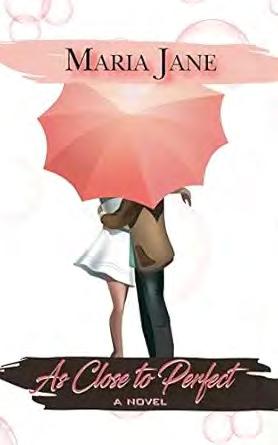
Enter Steven. She could not have ordered a more perfect person. Okay, so he is muscular, but not too tall. He’s also focused on his career. Definitely the mature man she’s been looking for.
When Bree allows herself to give in to her feelings, sparks fly. They’re happier than could be imagined. But being a couple is about more than just the two of them. Family, religion, location, and money all factor in.
Can they meet in the middle?
https://geni.us/ClosetoPerfect
Do you have anything specific that you want to say to your readers?
I love creating characters and worlds for them to shine in. Each character has a different story and creates their own way to steal the spotlight. I hope to show that our uniqueness and vulnerability is what make us special and unique, but also connects us.

Is there one person past or present you would like to meet and why?
I would love to meet Emily Henry. Her book A Million Junes is one of my all time favorites and it would be beyond magical to meet the creator of that story.
What do you want written on your headstone and why?
I would love for my family and friends to write: Loving mom, wife, and friend. My relationships with my family and friends are the most important thing in the world to me. I hope that I’ve loved and supported as much as I feel loved and supported by my family and friends.
Other than writing do you have any hobbies?
I love being outside. I love running and hiking and even gardening, a little, sort of.
Can you share something personal with your readers? Do you have any holiday traditions? What kind of music do you enjoy? What kind of movies do you prefer? Do you have a favorite author?
My favorite authors are Stephenie Meyer, L.J. Smith, Emily Henry, Abby Jimenez, J.R.R. Tolkien, Margaret Mitchell, Cassandra Claire, when do I stop? I love everything fantasy and romance.
If money was no issue would you prefer a cozy beach bungalow or a rustic cabin overlooking a mountain lake?

That’s a hard one. I love the mountains and the beach. Do I get running water in the rustic cabin? If so, then the mountains, but if not, I’ll take the beach.
Their rules are simple. He'll keep his nose out of her personal life and help further her career. She won't tell the board what he did.
Declan Jordan crosses a line a massive line and he'll probably lose his job if Mira files a complaint. When your boss majorly screws up, even if it leads to the thing you've been looking for your whole life, why wouldn't you take advantage? Even if that means spending time with a man impossible to work with.
Mira Vasquez pricks Declan's every nerve. When she was his student, her quick tongue and incessant questioning annoyed him to his wit's end, but he had to hire her. She ranked top of her class and is bilingual. Now, he's her boss. That's a position he never wanted to be in.
Seeing her every day drives him wild because he can't know her like he wants. Then, when he delves too deep, she turns the tables, leaving him in an even more precarious position. Further, there's little chance she'll ever see beyond his one misstep.
To convince her he's not that person, he'll have to break the pact he made with her, and she could end his career with one swift keystroke.
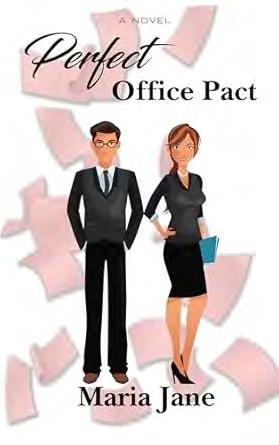
https://geni.us/PerfectOfficePact
One final question...Do you have a blog/website? If so, what is it? Do you have a social media platform where your fans can go to interact with you and follow your progress?
You can find and follow me with these links.
https://www.mariajaneromance.com
https://www.facebook.com/TriciaCopelandAuthor/
https://www.instagram.com/authortriciacopeland/ https://x.com/TriciaC_Author
https://www.tiktok.com/@triciacopelandauthor
https://www.pinterest.com/triciacopelanda/
https://www.youtube.com/channel/UCBHpvjj9L3od2SLTS4zJTjA
https://amazon.com/author/mariajaneromancebooks
https://www.bookbub.com/authors/maria-jane
https://www.goodreads.com/author/show/22375622.Maria_Jane
https://lp.constantcontactpages.com/su/oUJIZ4N/mariajaneromance

By Ronesa Aveela
Venture into the magical, healing world of herbs and embrace the power of nature. This article is taken from the book 77 ½ Magical Healing Herbs, which is an introduction to herbs found in a special Midsummer’s wreath. This is an especially enchanting time of year. Among the Bulgarians, the day is called Eniovden. You may think herbs are only for spicing up food and healing the body and mind, but they have other uses, as well. This unique herbal book is an essential guide for tapping into the power of herbs. It highlights centuries of lore and historical facts about healing and magical uses of herbs from Slavic and other traditions.
Please see the medical and magical disclaimers before you try any of the recipes from the book.
Arctostaphylos uva-ursi
Description: This branching shrub creeps over the ground on a single root to a height of 2 to 12 inches (5 to 30 cm). Shiny, leathery evergreen leaves about 1 inch (2.5 cm) long
alternate on the flexible stems that can grow to a length of 5 to 6 feet (1.5 to 1.8 meters). They have a spatula-like appearance and are dark green on top and a lighter green on the underside. As they age, the twigs turn from pale green to reddish-brown, and the leaves gain a purple hue in autumn. The leaves fall after one to three years. Pale-pink or white bellshaped flowers bloom in three to fifteen drooping clusters at the end of the stem. They produce glossy bright-red dry berries with a mealy pulp and contain one to five seeds.
History and Traditions: The genus name comes from the Greek arctos for “bear” and staphyle for “bunch of grapes,” because its fruits are a favorite food for bears, or as some say, it’s fit only for bears to eat. The specific name comes from the Latin, meaning the same thing: uva for grape and ursus for bear. And, in case you didn’t understand either of those names, the common name, to be consistent but slightly different, is called “bearberry.” Another common name, kinnikinnick, veers from this definition. It’s an Algonquin word that means “smoking mixture,” referring to the fact that the dried leaves and bark were smoked. The plants have had a long use in homeopathic medicine. The roots were made into a tea to treat persistent coughs and slow excessive menstrual bleeding. Medicines from the stems prevented miscarriages and sped up recovery after childbirth. Bladder and kidney infections were treated with a drink from the leaves.
Habitat and Distribution: The plant is found in northern latitudes, circumpolar regions worldwide. As you progress southward, you’ll find them in higher altitudes. It grows in dry, rocky meadows, mountains, and forests.
Growth: Shrub. The plant flowers from May to June. It prefers colder climates and tolerates sun and dry soils.
Harvesting: All parts of the plant are used, but only the dried leaves are applicable to medicine. Collect leaves in September and October from indigenous plants only, selecting whole green ones without stains. Gather them in the morning when the weather is clear and the dew has dried. Dry outside on a sunny day in half-shade, so the leaves retain their color better. You can also dry them indoors if there’s no sun. In a dry room, place the leaves in a single layer, not touching, on a tray 3 to 4 feet (1 meter) above the ground for warm air to circulate around them. Turn them while they’re drying. A room temperature of 70 to 100°F (21 to 37°C) is ideal. Store dried leaves in wooden or tin boxes in a dry place.
Medical Use: In modern medicine, the allantoin found in bearberry is an ingredient in creams for wounds, herpes simplex, and vaginal infections. The herb is a folk remedy for bladder and kidney problems. It neutralizes the acidity of urine and stimulates urinary flow, which can significantly reduce water retention to help decrease body weight. It’s also used for diarrhea, gingivitis, diabetes, and melanoderma.
Rituals and Magical Use: Bearberry helps a person connect with the animal kingdom, especially someone who works with bear energy. It silences the mind during meditation, so the meditator can hear the divine and his higher self. It helps a person align with his inner
strength and connect with ancestral knowledge. Shamans use the herb to perform shapeshifting magic. The herb is also added to purple mojo bags to increase psychic powers, made into an infusion to wash talismans, crumbled and put into shoes to take a person to his or her true love, and smoked to increase gifts of vision and prophesy, purify ritual areas, and send prayers heavenward.
Other Use: The herb is an ingredient in smoking tobaccos and anti-aging skincare products. Tannin in the leaves is used as a tanning agent, and a yellow dye is made from the plant. Bearberry grows wild but can be cultivated as an ornamental plant. Its deep roots make it beneficial for erosion control on slopes.
Other Names: Kinnikinnick, uva-ursi, red bearberry, bear’s-grape, bear’s billberry, Yukon holly. In older books it is called Arbutus uva-ursi, but that plant differs somewhat from this variety.
Aromatic: The leaves are practically odorless, but they have a bitter taste. The raw fruit is bittersweet, but becomes a bit sweeter when boiled and dried.
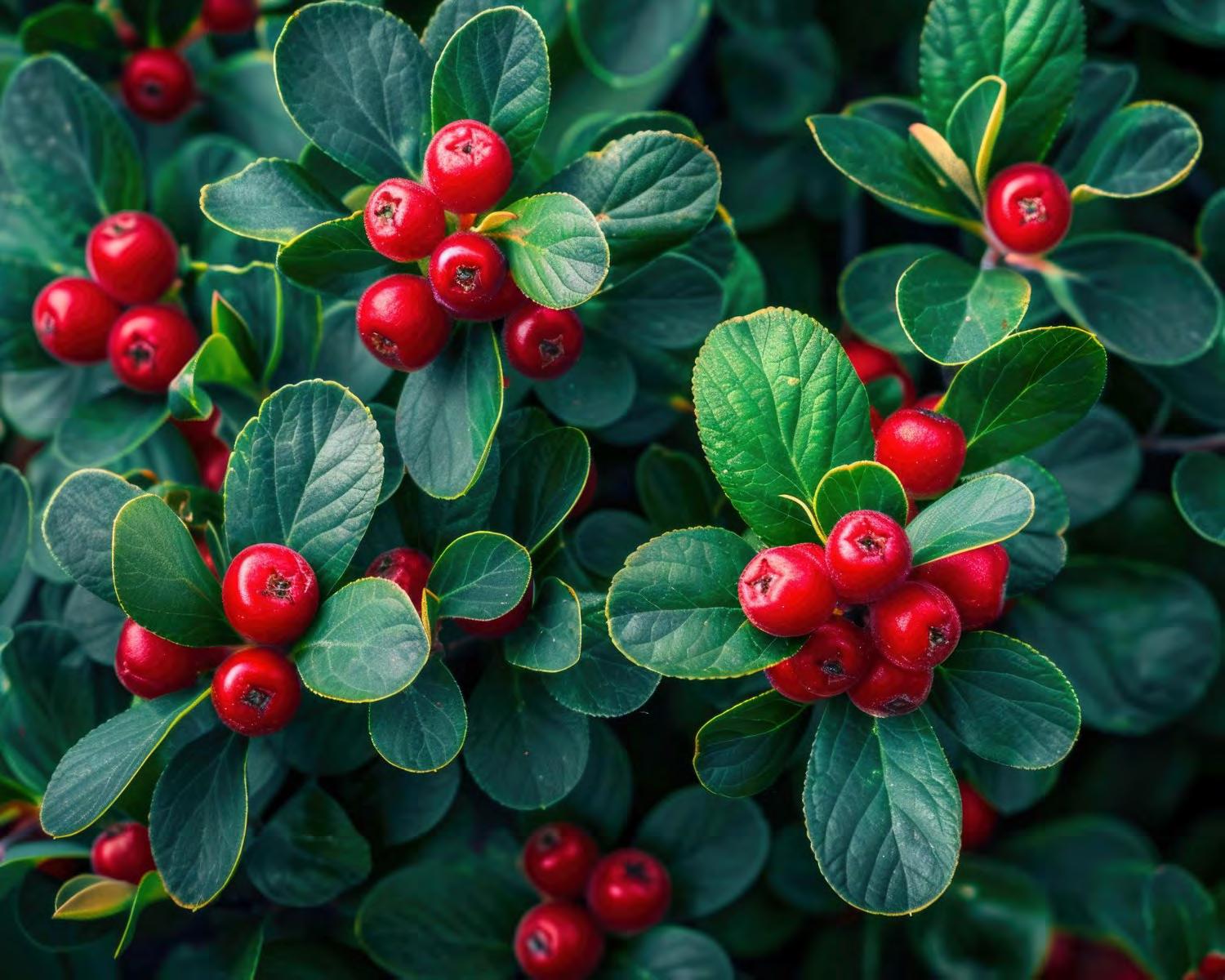
CAUTION: The herb may be toxic if consumed in high doses and may cause nausea and dizziness. Pregnant and lactating women should not use. Always consult a medical professional before using.
Bearberry extract contains antioxidants that will help even out skin tone and keep skin healthy. It’s an ingredient in skin-care products aiding in a brighter complexion. It helps eliminate age spots, acne scars, freckles, and melanoderma. Additionally, it reduces facial wrinkles and fine lines and soothes irritated skin (Dunne).

AW. “Bearberry.” Updated March 13, 1998. https://hort.purdue.edu/newcrop/HerbHunters/ bearberry.html. From Sievers, A.F. 1930. The Herb Hunters Guide. Misc. Publ. No. 77. USDA, Washington DC.
Botanical.com. “Bearberry.” https://botanical.com/botanical/mgmh/b/bearbe22.html. Dunne, Elizabeth. “Bearberry Extract: The Secret to Brighter, Younger-Looking Skin.” May 31, 2020. https://mayerlingskincare.com/2020/05/bearberry-extract-the-secret-to-brighter-youngerlooking-skin/.
Gruben, Michelle. “Magickal properties of Bearberry.” June 16, 2017. https://www.groveandgrotto.com/ blogs/articles/magickal-properties-of-bearberry.
Paraskevova, Magdalena. “Мечо грозде.” [Bearberry.] March 24, 2010, updated on January 7, 2021. https://medpedia.framar.bg/ботаника/мечо-грозде. Spengler, Teo. “Learn About The History Of Bearberries.” November 8, 2018. https:// blog.gardeningknowhow.com/tbt/history-of-bearberries/.
Herbs are powerful, but they can also be dangerous.
MEDICAL LIABILITY DISCLAIMER: The information in this article, in the book and on our website is not intended to be medical advice, nor does it claim that the herbs listed are safe or effective to use in the manners described. It is not meant to diagnose, prevent, treat, or cure any disease. It is merely a brief summary of various herbal folk remedies and how they have been used in the past and may still be used today. With the exception of a few personal recipes, we have not tried any of these remedies and cannot verify their effectiveness or safety.
MAGICAL DISCLAIMER: Magical ingredients and spells are for entertainment only. We have not tried any of these remedies, nor do we make any claims as to their effectiveness or safety.
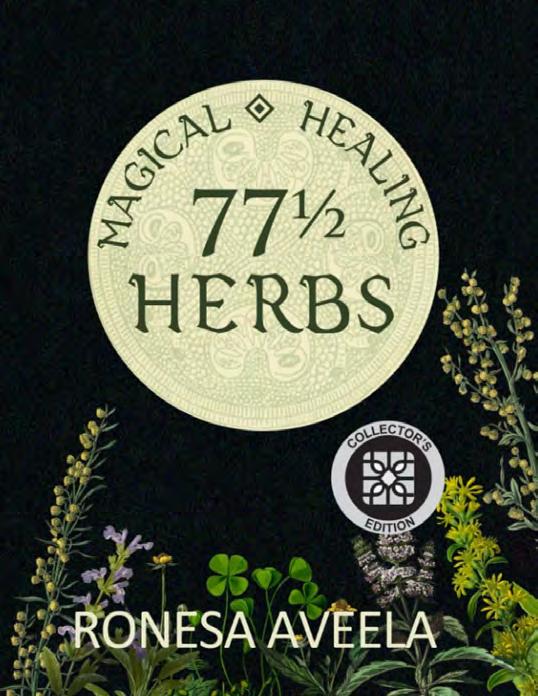
77 and a Half Herbs?
The wheels in your mind have probably been turning as you think, “77½ herbs is an odd number.” And you’re right. But it’s a special, magical number, referring to herbs gathered on Eniovden, June 24, when Bulgarians celebrate Midsummer’s Day. If you want to find out the secret of the half herb, you’ll have to read the book.
https://www.kickstarter.com/projects/ronesa-aveela/77-1-2-magical-healing-herbsthe-secret-power-of-herbs
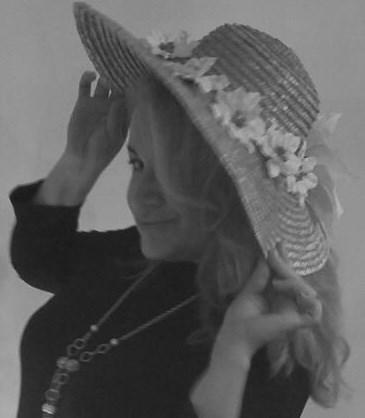

Ronesa Aveela is “the creative power of two.” Two authors that is. The main force behind the work, the creative genius, was born in Bulgaria and moved to the US in the 1990s. She grew up with stories of wild Samodivi, Kikimora, the dragons Zmey and Lamia, Baba Yaga, and much more. Her writing partner was born and raised in the New England area. She has a background in writing and editing, as well as having a love of all things from different cultures. She’s learned so much about Bulgarian culture, folklore, and rituals, and writes to share that knowledge with others.
Our greatest weakness lies in giving up. The most certain way to succeedisalwaystotry just one more time.
– Francis of Assisi
Thomas A. Edison
The web is a wonderful tool. There’s instant access to a wealth of knowledge on any topic - including Self-Publishing. Here are a few examples to help authors along the way.
Choosing an illustration style for a children’s book is not just choosing what looks cute. Cute might help, depending on the book, but the style is doing a lot more than decorating the pages. It’s shaping how the story feels before a child hears a single sentence. https://kindlepreneur.com/childrens-book-illustration-styles/
We all know how important a book’s title and cover are for grabbing a reader’s attention. They’re what make someone stop scrolling or pick up a book from the shelf. But here’s the thing: very few readers make a buying decision based on those two elements alone. https://kindlepreneur.com/back-book-cover-blurb/
TikTok is one of those platforms authors either get excited about or immediately want to close and pretend never happened. On one hand, BookTok has helped sell a lot of books. You can find readers talking about fantasy, romance, thrillers, horror, cozy mysteries, spicy books, sad books, books that emotionally ruined them, books with dragons, books with morally questionable men in cloaks basically every reader niche you can imagine is in there somewhere. On the other hand, it’s still TikTok.. https://kindlepreneur.com/tiktok
Fantasy prompts are easy to collect and weirdly easy to misuse. I say that because fantasy is one of those genres where a single idea can immediately start getting bigger than you planned. You pick a prompt about a cursed forest, and five minutes later you’re trying to figure out the history of the kingdom, the rules of the magic system, the political structure of the elves, whether dragons exist, and why nobody in this world has apparently invented plumbing yet.
https://kindlepreneur.com/fantasy-writing-prompts/