
Pennsylvania
THE GREEN HORNET STRIKES AGAIN
As Wellboro’s Comic Con brings superheroes to town, we recover the lost story of the super hero and the high sChool kid who changed comics and the town forever
By Josh Allen



Local Care You Trust, Without the Wait
Access trusted primary care from Guthrie right in your community, without the long wait. With shorter wait times and convenient locations, it’s easier to stay connected to the providers who know you best.
Schedule an appointment with a Guthrie primary care provider by scanning the QR code on your smartphone, visiting Guthrie.org/PrimaryCare or calling 866-GUTHRIE (866-488-4743).

7 Last Great Place By
Lilace Mellin Guignard
Journey to the top (of the mountain).
Gayle Morrow
As the dragon flies.
24 Lycoming County Motorhead
By Don Everett Smith, Jr.
The races are gone but not forgotten.
26 Nessmuking About By
Lilace Mellin Guignard
Row your boat in the Finger Lakes.
30 Back of the Mountain By
Linda Stager
The green hero(n).
The Green Hornet Strikes Again
By Josh Allen
As Wellboro’s Comic Con brings superheroes to town, we recover the lost story of the super hero and the high school kid who changed comics and the town forever.
Ambassadors at Bright Raven Farm sweeten the summer. 22 Mother Earth By
courtesy Lou
The Butterfly Effect
By Paula Piatt
Wishing on monarchs in Liberty.
By Karey Solomon
Cover photo
Prevost. This page (top) Clancy Prevost courtesy Nessmuk , 1955; (middle) Tagged Monarch by Teri Messmer; (bottom) Brent Welch courtesy Bright Raven Farm.
Liberty book Shop
1 East Park St., Avis, PA 17721 •
Follow Me on Facebook!
Used, Rare and Out-of-Print Books. Your source for unusual books on any subject. Browse our in-stock selection of over 40,000 hardcover books and paperbacks.
HOURS:
Thursday 10am -
mountainhomemag.com
E ditors & P ublish E rs
Teresa Banik Capuzzo
Michael Capuzzo
A ssoci A t E E ditor & P ublish E r
Lilace Mellin Guignard
A rt d ir E ctor
Wade Spencer
M A n A ging E ditor
Gayle Morrow
s A l E s r EP r E s E nt A tiv E
Teresa Banik Capuzzo
c ircul A tion d ir E ctor






Michael Banik
A ccounting
Amy Packard
c ov E r d E sign
Wade Spencer
c ontributing W rit E rs
Josh Allen, Paula Piatt
Don E. Smith, Jr., Karey Solomon
c ontributing P hotogr AP h E rs
Paul Bugenhagen, Teri Messmer, Don Everett Smith, Jr., Jack Smith, Linda Stager
d istribution t EAM
Dawn Litzelman, Grapevine Distribution, Shea Maier, Linda Roller
t h E b EA gl E Nano
Cosmo (1996-2014) • Yogi (2004-2018)
ABOUT US: Mountain Home is the award-winning regional magazine of PA and NY with more than 100,000 readers. The magazine has been published monthly, since 2005, by Beagle Media, LLC, 39 Water Street, Wellsboro, Pennsylvania, 16901, online at mountainhomemag.com or at issuu.com/mountainhome. Copyright © 2026 Beagle Media, LLC. All rights reserved. E-mail story ideas to editorial@ mountainhomemag.com, or call (570) 724-3838.
TO ADVERTISE: E-mail info@mountainhomemag.com, or call us at (570) 724-3838.
AWARDS: Mountain Home has won over 100 international and statewide journalism awards from the International Regional Magazine Association and the Pennsylvania NewsMedia Association for excellence in writing, photography, and design.
DISTRIBUTION: Mountain Home is available “Free as the Wind” at hundreds of locations in Tioga, Potter, Bradford, Lycoming, Union, and Clinton counties in PA and Steuben, Chemung, Schuyler, Yates, Seneca, Tioga, and Ontario counties in NY.
SUBSCRIPTIONS: For a one-year subscription (12 issues), send $24.95, payable to Beagle Media LLC, 39 Water Street, Wellsboro, PA 16901 or visit mountainhomemag.com..



THE TOPof the MOUNTAINS SWEEPSTAKES
presented by and


Your favorite magazine and radio station are teaming up to give away thousands of dollars in prizes for the best the Twin Tiers has to offer. The grand drawing is Saturday Sept. 12 at the Deane Center in Wellsboro. The prizes:

FINGER LAKES ESCAPE
In WatkIns Glen
Grand PrIze
Dinner for two on the seneca leGacy, at Seneca harbor Park Pier. a night at the Harbor Hotel on Seneca Lake, 16 n. frankLin St.
sHoPPInG sPree go wiLD at Famous brands
Dinner for two at seneca lodGe 412 n. frankLin St.


HIGHLAND FLING
In Wellsboro
Grand PrIze
a night at the hiStoric Penn Wells hoteL, 62 Main St. a tour for two on tony’s trolley, boarD at the Penn weLLS hoteL.
Dinner for two at the steak House, 29 Main St. and tHere’s more:
Lunch at becks bIstro, 104 Main St. ice creaM at tHe maIn street creamery, 17 Main St.
gift carD gooD for the arcadIa tHeatre, caFé 1905, or the Penn Wells Hotel reStaurant.


No purchase necessary. Just visit mountainhome.substack.com/welcome, enter your email for a free subscription to Mountain Home online, and you’re entered. Already subscribed? You’re already entered! Scan this QR code for instructions on how to refer an unlimited number of friends to sign up and multiply your chances to win.




Last Great Place

Journey to the Top (of the Mountain)
By Lilace Mellin Guignard
As a faithful reader of Mountain Home, you’ve been introduced to many of the wonders of the Twin Tiers and Finger Lakes through our stories and advertisers. Each month we hear from people who have designed outings around them. Now thanks to the Top of the Mountain Sweepstakes you have the chance to win either the Finger Lakes Escape in Watkins Glen or the Highland Fling in Wellsboro. And all you have to do is subscribe for free to mountainhome.substack.com (paid subscriptions will also count). Every subscriber you refer through our Substack will earn you an additional entry!
Every season has its own magic in the Pennsylvania Grand Canyon. Whether it’s tubing or paddling on the Pine Creek, walking among the changing leaves, taking in the laurel as it makes the hills blush, or enjoying our cozy restaurants and fireplaces after snowshoeing, an overnight in Wellsboro is a restorative getaway. The Highland Fling package features a night at the historic Penn Wells Hotel right on Main Street, where the old-world charm makes you feel instantly at home. Two fireplaces and an outdoor courtyard for food and drinks makes the Penn Wells a great spot yearround. You will also get a tour for two on
the famous Tony’s Trolley, boarding right outside the hotel doors. A delicious dinner for two awaits you at the Steak House where great food and service are family traditions continued by Christina and Geoff Coffee. After lunch at Beck’s Bistro, grab a scoop of something sweet at the Main Street Creamery. A gift card can be used toward a movie at the historic Arcadia Theatre, snack or beverage break at Café 1905, or a dinner at the Penn Wells Hotel restaurant.
Our Finger Lakes Escape is equally charming. A night at the luxurious Harbor Hotel right on Seneca Lake will give you time to leisurely explore many businesses we’ve highlighted in our pages. The hotel is right by the Seneca Harbor Park Pier, where you will board the Seneca Legacy for a cruise up Seneca Lake with dinner for two. Learn about the past, present, and future of the area while getting a different view. In warm weather, kayak rentals are also available at the pier. Go wild shopping at Famous Brands downtown with the included gift card. The hotel is a short walk from the Watkins Glen State Park where the gorge and waterfalls (and many steps) will leave you breathless. Near the south entrance of the park sits the Seneca Lodge, a rustic Adirondack-style resort, which also has its
own craft brewery and where you will enjoy dinner for two. Since 1948, it has been a landmark for vacationers, sportsmen, and racing enthusiasts.
We are grateful to these businesses for providing these prizes worth thousands of dollars so that we can thank YOU, our readers. The whole thing wraps up with a grand drawing on Saturday, September 12, at the Deane Center for the Performing Arts right here in Wellsboro. But you need to subscribe by midnight September 10. You can refer as many friends as you want, and each referral will garner you one additional entry into the sweepstakes. Almost all of our articles have a “refer a friend” button on them, and you can even refer right from the bottom of our emailed articles. See the official rules on our homepage or visit mountainhome.substack.com/p/totmsweeps-rules for full details.
When you join Mountain Home’s digital porch, you will get the best local stories, community updates, and sweepstakes news delivered straight to your inbox. Don’t miss out on this fun. Head over, type in your email, and let us get ready to celebrate together this September!

Courtesy Harbor Hotel
Courtesy Penn Wells Hotel
THE GREEN HORNET STRIKES AGAIN

As Wellboro’s Comic Con brings superheroes to town, we recover the lost story of the super hero and the high sChool kid who changed comics and the town forever
By Josh Allen
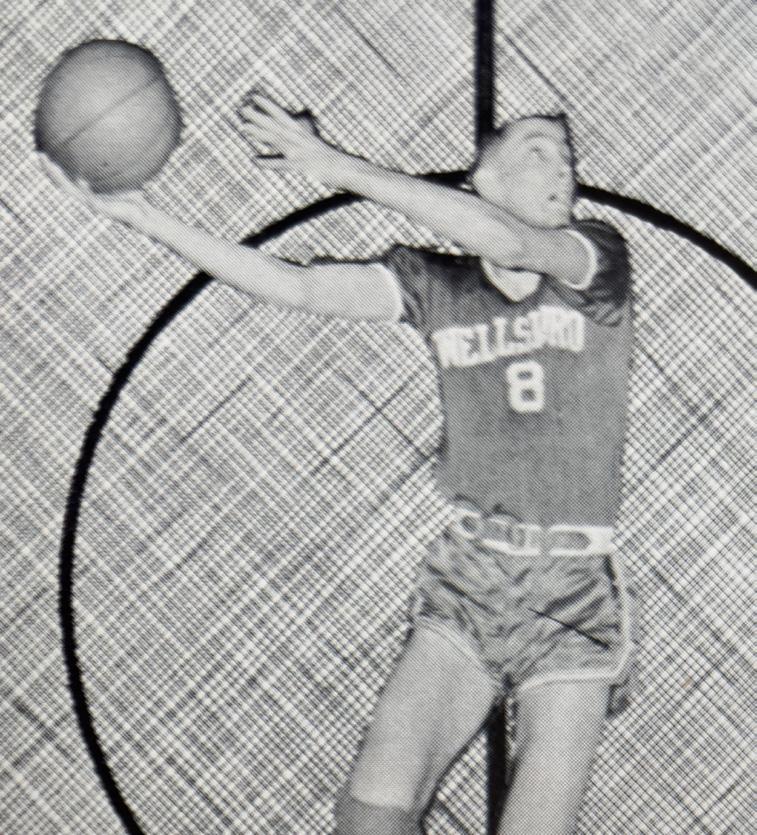
Imagine it’s the winter of 1954-55 at Wellsboro High School. In the gymnasium. An overflow crowd is watching in near silence as, on the court, players move to line up for a free throw. The player wearing Number 8, the team’s star 6’ 5” cen ter, is lying on the floor. On a breakaway pass from a teammate, he was dribbling down court for an easy basket when he was slammed from behind, knocked down, and fouled hard.
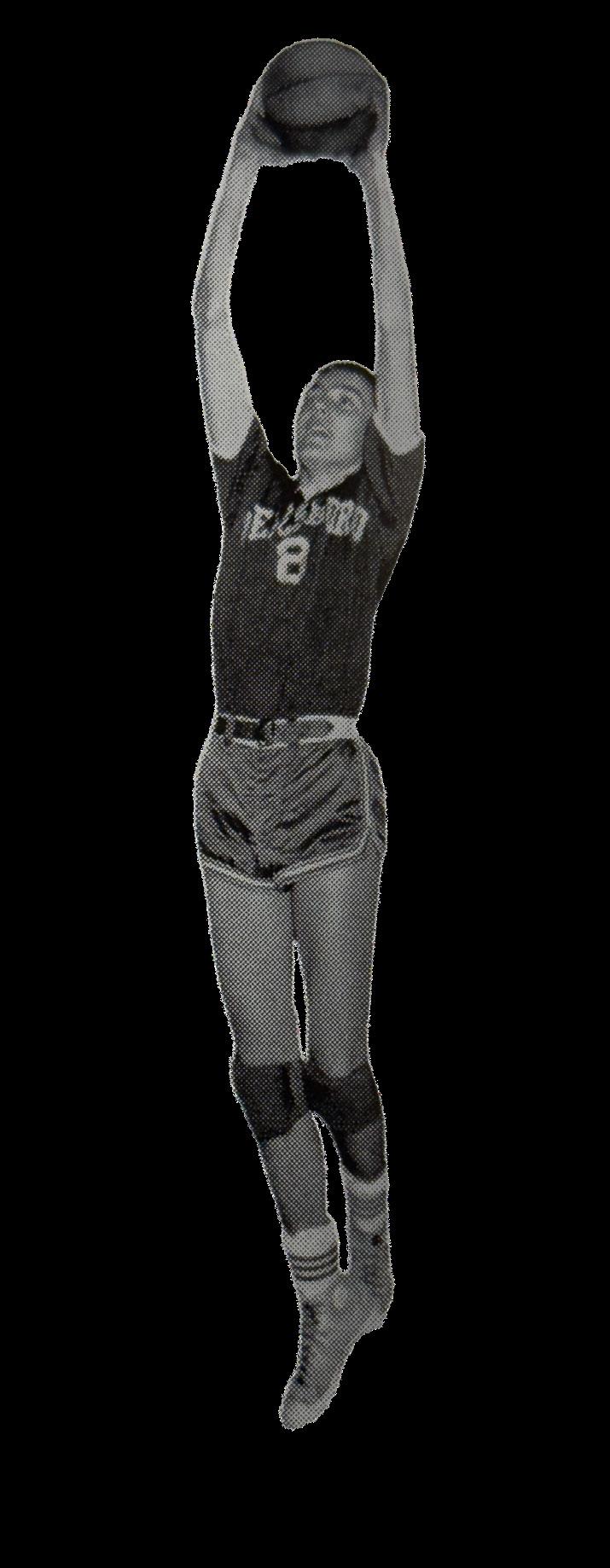


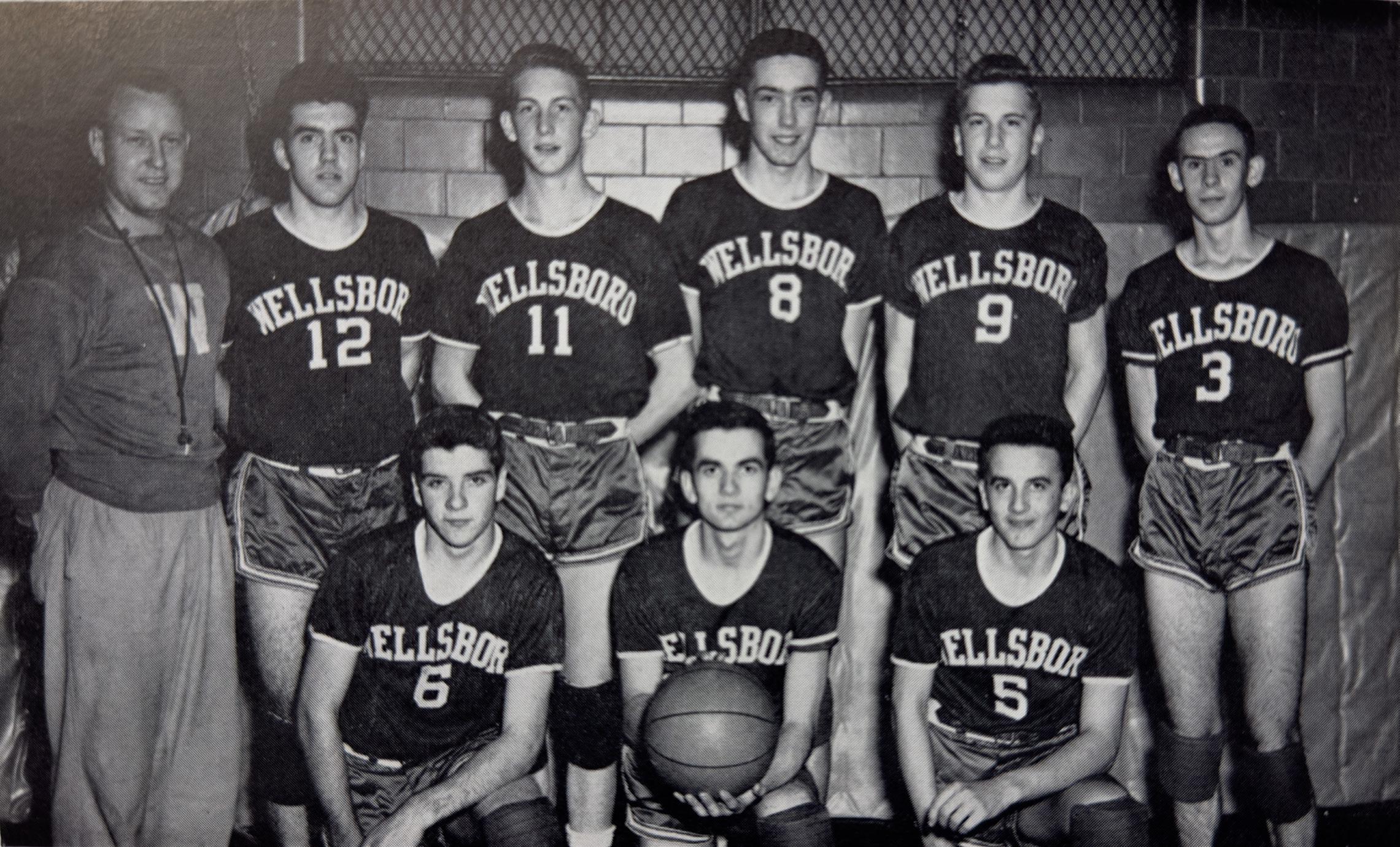
When at Wellsboro High School, Clancy (back row #8) was one of the star players on the varsity basketball team 1954-55. Super Shooter
(2) Courtesy Nessmuk, 1954
A teammate helps Number 8 up to his feet. The crowd cheers and claps.
The tall center is a confident, fun-loving player. He hobbles to the free throw line and nods to the referee. He’s fine. He’s gonna play. He’ll take the shot. The referee tosses him the ball.
Wellsboro has a narrow lead, and it doesn’t feel like a secure victory, but rather like holding something delicate and fragile in shaking hands, a glass filled to the brim. They can’t afford to spill a single drop.
Number 8 dribbles twice. He looks to the basket. Looks to his coach. Looks to his teammates. Looks to the crowd. Looks to the girls in the crowd. One of them waves at him. He smiles, lines the shot, and throws the ball.
“Way to go, Clancy!” the coach shouts as the crowd erupts. Clancy Prevost makes both shots, the game continues, and Wellsboro’s basketball team goes on to secure
its first victory as the Wellsboro Hornets. Which, according to Clancy’s brother, Lou, is a part of local hidden history. He says, “You know, my brother was the one who named them the Wellsboro Hornets.”
But the Wellsboro Hornets who have played an estimated 10,000 basketball, baseball, football, soccer, and other games these last seventy years weren’t named for the common insect, according to Lou, a Wellsboroan who moved back to his hometown after a long career as a Philadelphia hotelier and now serves on the borough council. They were named for a superhero, the Green Hornet.
In Wellsboro High School’s 1955 yearbook, The Nessmuk, the basketball team is referred to as “Wellsboro’s Green Hornets.” The year prior, they’re just called the Wellsboro Varsity Basketball Team. This would line up with what Lou says Clancy told him—that during his junior year the task was brought to
the students to select a name and mascot for their sports teams. According to Lou, Clancy had suggested the Hornets, and, due to his and fellow students’ admiration for the old radio show and comic book superhero, The Green Hornet, Clancy’s suggestion won the vote.
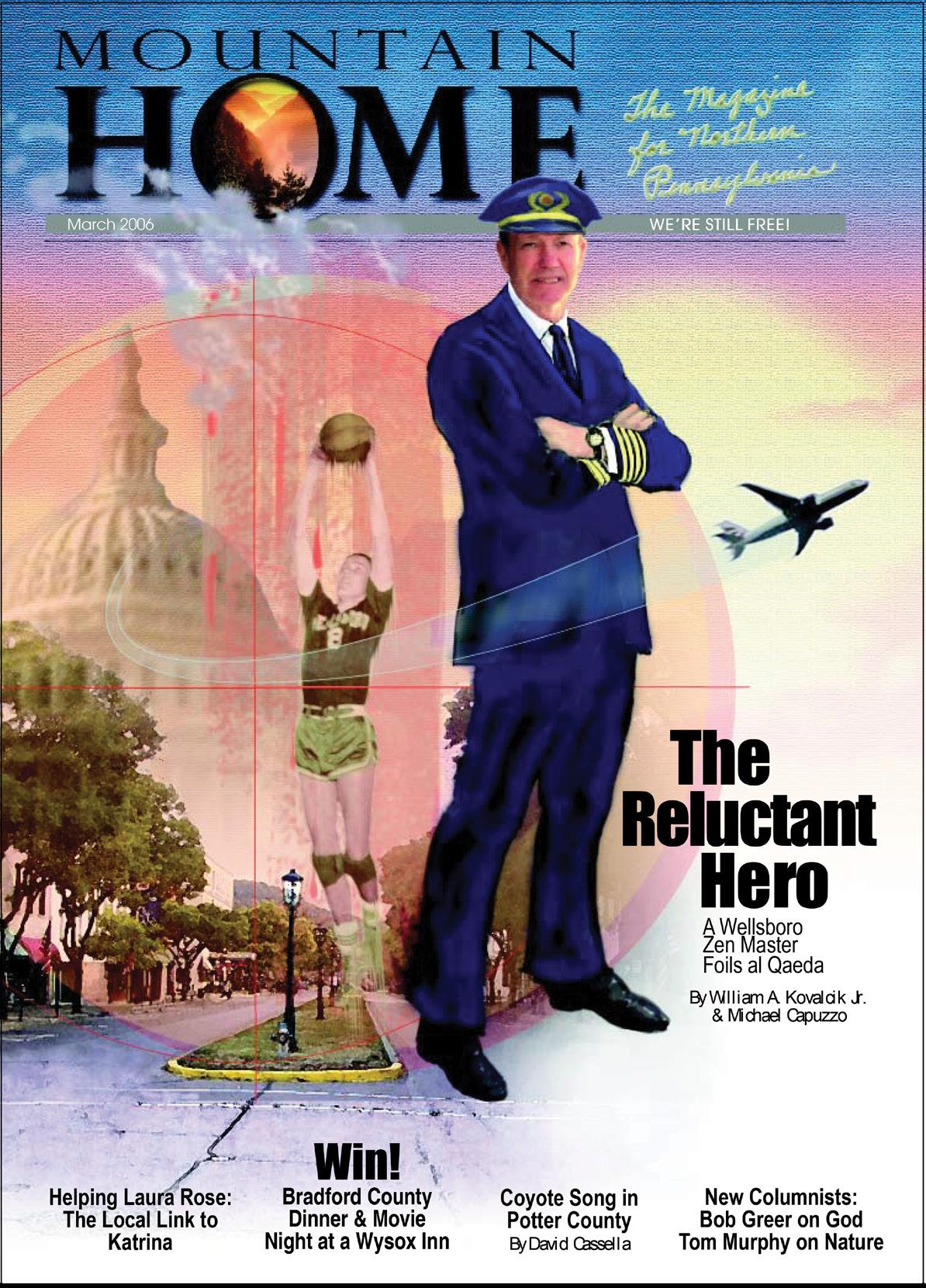
We’ve written a lot at Mountain Home about local legend Clancy Prevost. The U.S. Navy and Northwest Airlines jumbo-jet pilot became an American hero when he helped the FBI catch al-Qaeda’s so-called “19th hijacker” before he could implement his alleged intention: fly into the White House on September 11, 2001.
But now in August, as Julian and Anja Stam of Wellsboro’s Pop’s Culture Shoppe bring nationally known comic book artists, writers, and a horde of superheroes to town for the fifth annual Wellsboro Comic Con, we couldn’t resist resurrecting the lost tale
Hornet continued from page 8
Hornet
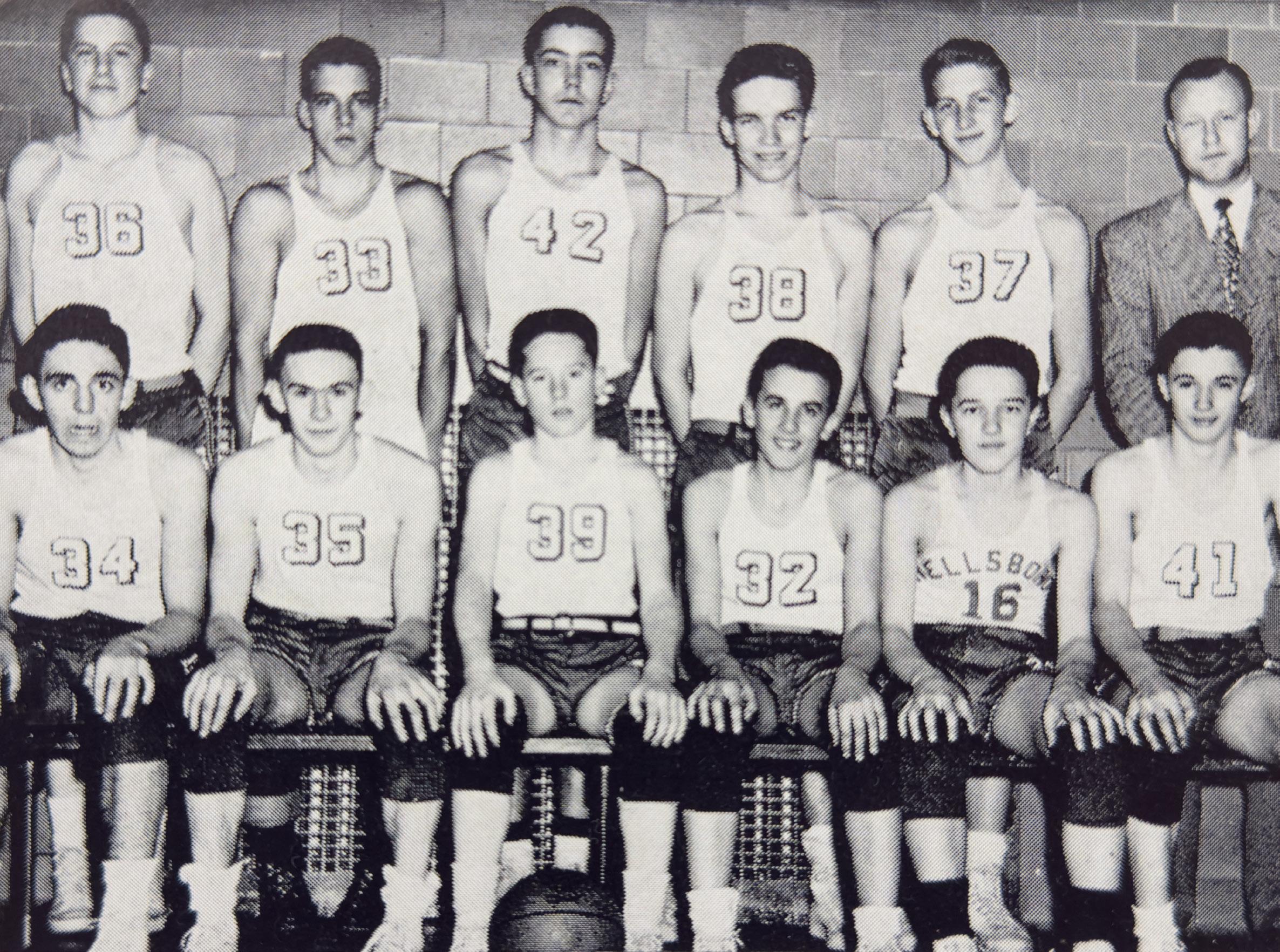
Clancy #42 proved himself when on the Wellsboro junior varsity team in 1953, following in his brother John’s footsteps.
Courtesy Nessmuk, 1953













By Qui Nguyen
Hornet continued from page 10
of how the Green Hornet captured Wellsboro’s imagination in the 1950s and changed comic books forever.
The Green Hornet was the alter ego of Britt Reid, a wealthy newspaper publisher who fights crime disguised as a vigilante. With his billionaire-by-day-crimefighter-by-night persona, weaponized car the Black Beauty, and Hornet’s Sting ultrasonic weapon, he helped lay the foundation that characters like Batman and Iron Man built upon later. But in our quest for a comic book hero, we discovered a twin tale— the real-life Navy pilot, reluctant hero, crime-preventing Clancy Prevost and the fictional, vigilante superhero, crime-fighting Britt Reid.
Real Life Green Hornet
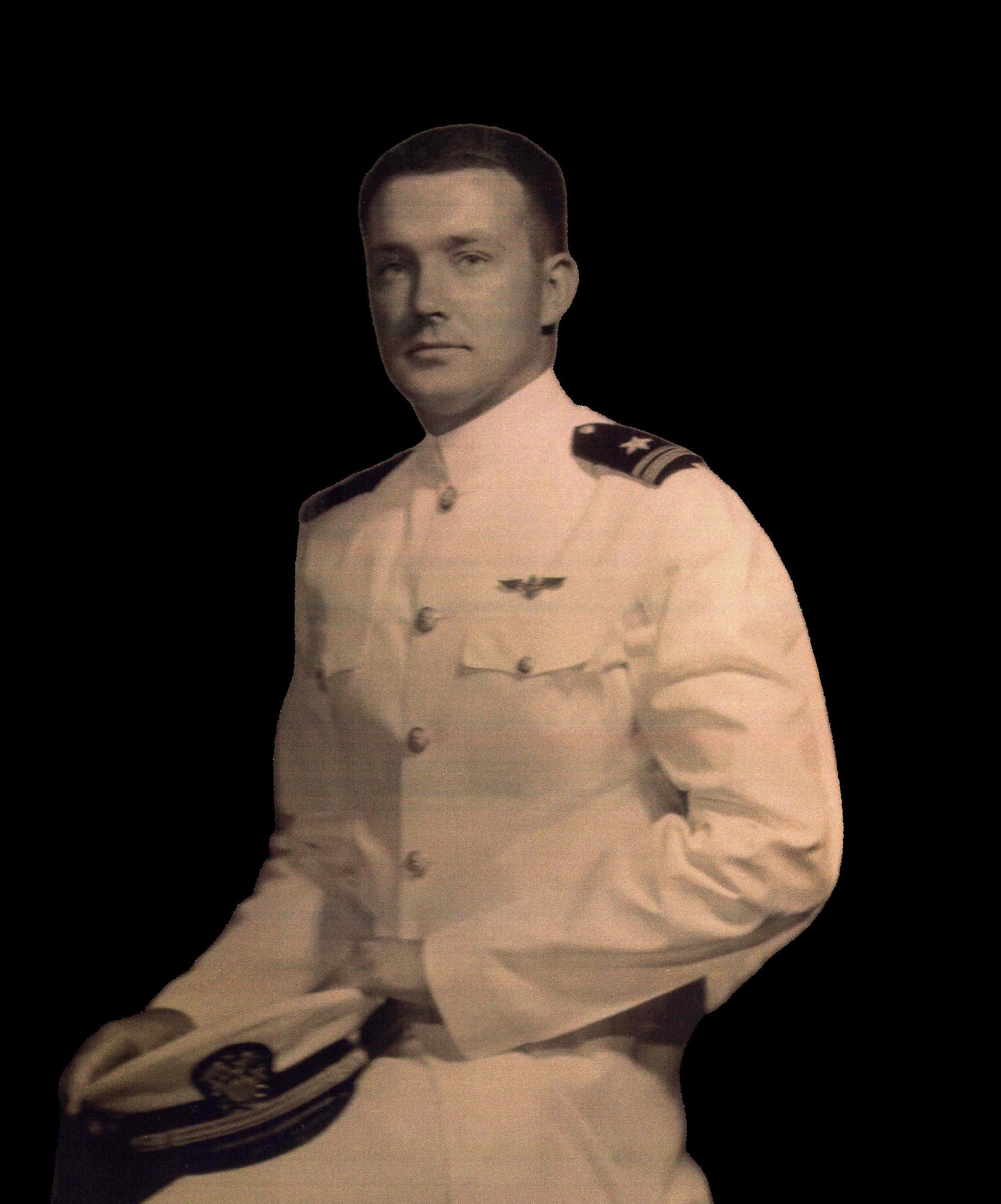
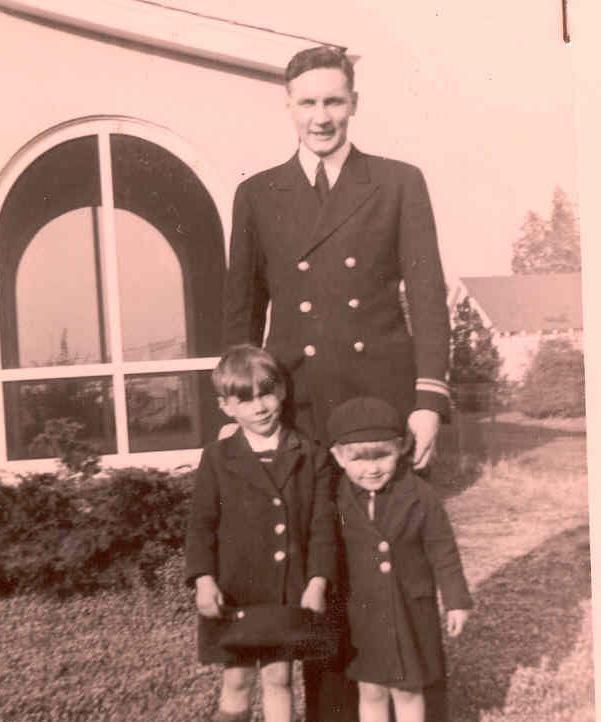
Clancy Prevost was born on October 2, 1937, in Pittston, Pennsylvania, and was named after his grandfather Clarence Worrell Prevost. When Clancy was ten, he and his family moved to Wellsboro, where he was raised by his parents, Dr. John Prevost and Julianne Cawley Prevost, alongside his siblings: John, the aforementioned Lou, Jim, and Sally.
A Formal Feeling
Clancy (right) with his brother John and father, Dr. John V. Prevost, in Annapolis 1940.
Clancy was a bit of a troublemaker. Lou recalls that one time during his own younger years, he got ahold of some cherry bombs. He threw them into the courthouse, causing the janitor to have a panic attack in response to the noise. When Judge Webb called Lou’s father, saying his son had disrupted the courthouse in such a manner, Doc said, “Clancy’s in Philadelphia.”
Lou shared all kinds of stories just like that one, each featuring his brother. He talked for an hour or so, laughing the whole time. More specifics could be shared, but Lou asked to keep some details within the interview.
When asked whether it was fun to reminisce or painful to remember his brother, Lou admits “Clancy was my mother’s favorite,” but says he’s happy to remember him. That it makes him smile, laugh, and feel nostalgic. It seems clear how Clancy continues to inspire his brother today and how his misadventures continue to entertain.
One funny example comes from Lou’s personal book, Grandpa’s Stories
Clancy was babysitting his younger brother, and in his own words, Lou recounts, “Clancy played centerfield in baseball. One summer afternoon after a rainstorm at Packer Field ball diamond, he and his friends decided to dry out the infield by pouring gasoline on the dirt and burning it.” Lou laughs but didn’t slow his storytelling because he hadn’t even gotten to the memorable part yet. Clancy and his friends had forgotten the gas can in the middle of the huge fire on the field. Realizing that they would lose the $5 deposit they had paid for the can, Clancy volunteered to sprint through the fire and kick it out of the field. They watched as the gas can flew out, and soon after Clancy came running, having caught on fire. He jumped on a bicycle and rode to his dad’s office, where everyone who saw him started screaming as a flaming Clancy rushed by. Thankfully, he was quickly attended to, though he had to be wrapped in bandages for a week. When it was finally time to remove them and they took the last of the bandages off his face, he jumped and shouted, “Boo!” shocking everyone in the room. Their dad started yelling at him, but Lou says that really everyone was happy and relieved that Clancy had no scars and could still see.
Courtesy Lou Prevost
Maybe not the best babysitter.
Clancy was “a bit competitive” and, alongside his older brother, John, a great athlete. He really looked up to John, Lou says, and they walked somewhat similar life paths. They both attended Mercersburg Academy, like their father, and they both served in the Navy, also like their father. Clancy dropped out of law school to join the Navy and flew hurricane hunter planes. He was honorably discharged with the rank of lieutenant and continued his career as a civilian pilot for Northwest Airlines. John served as a Navy pilot on the USS Oriskany. Sadly, he died in 1960 on a training mission in the Philippines. Clancy described the loss of his brother as something he felt every day.
Though he didn’t let it interrupt his distinguished flying career as a Northwest Airlines pilot of DC-10s and 747s, Clancy was a recovering alcoholic and member of Alcoholics Anonymous. He didn’t like people trying to control him or others, and he often positioned himself against authority. Though he valued independence, he benefitted from attending AA meetings, and strongly believed in giving people second chances. He stayed sober for the final sixteen years of his life. During that time, he gave many speeches at AA conventions, gaining a far-reaching reputation and helping a lot of people get better by hearing his story. Lou says he was a great speaker, and that he often had an impact on people that could inspire them to change for the better. One person even told Lou that his brother was, “an icon for every alcoholic in America.”
In 1993, Clancy’s twenty-five year flying career came to an end after he was diagnosed with a brain tumor. Even after making a full recovery, he was unable to pilot for Northwest Airlines, but they asked him to continue working as a flight instructor. It was while working in this capacity that Clancy’s suspicions led to the federal custody of Zacarias Moussaoui, a man who, following the terrorist attacks on September 11, 2001, admitted to having ties to alQaeda and pleaded guilty to multiple charges related to conspiracy to commit terrorism and plans to use weapons of mass destruction. Clancy’s intuition prevented unknown amounts of damage and loss of life, as Moussaoui never enacted what he planned to do. But the US government awarded Clancy $5 million for alerting federal officials to Moussaoui. (Read “Clancy Prevost: The Reluctant Hero,” March 2006)
Though Clancy might protest the framing, both he and Britt made a difference by the lives they led. Lou says that when people called his brother a hero, Clancy would respond by quoting F. Scott Fitzgerald: “Show me a hero and I’ll write you a tragedy.” Clancy wouldn’t mention his heroics. His obituary in December 2010 reads, “The Airline Pilots Association International and the United States Department of State, both recognized Prevost for his heroism.”
Fictional Green Hornet
The year before Clancy was born, the Green Hornet made his debut as the protagonist of Detroit WXYZ’s radio drama of the same name. It was broadcast from 1936-1952, with a small break. Created by George Trendle and Fran Striker, the series follows Britt Reid and Kato, his valet, as they use their combined skills and positions to fight crime. Like many heroes, the Green Hornet has a secret identity—and a day job. When he’s not fighting crime as a masked vigilante, Britt Reid works as the owner and publisher of the Daily





















Hornet continued from page 13
When another health system tried to force her into a treatment plan, Tricia got a second opinion from UPMC Hillman Cancer Center—one of the region’s only NCI-Designated Comprehensive Cancer Centers Here, she found access to cutting-edge clinical trials, groundbreaking treatments, and world-renowned cancer experts. Discover the power of hope at UPMCHillman.com/SecondOpinion.
Sentinel. The earliest radio broadcasts were aired live; regular recordings weren’t made until 1939. One of the earliest recordings available is from May 5, 1938. Following its iconic theme song, “Flight of the Bumblebee,” with the sound of a buzzing bee added in, it begins with the narrator establishing the premise:
The Green Hornet is a copyrighted feature of fictitious characters and events in which the principal character is Britt Reid, manager of the Sentinel newspaper. Only Kato, his faithful Japanese valet, knows the dual role the young millionaire plays to strike at lawbreakers within the law who cannot be reached through the court. Though innocent of major crimes, the Green Hornet is hunted by everyone. The cry of both police and underworld is, ‘Dead or alive, get the Green Hornet!’
Since its original debut, the character’s popularity and success has spawned many iterations and stories. In 1940, Universal Pictures released a black-and-white thirteen-chapter movie serial, The Green Hornet, and at the end of that year, the first comic book series based on the character emerged. Following that, a television series, more comics, and more movies were made.
In addition to the character’s success, the franchise introduced Bruce Lee to American audiences as he played Kato in the ABC action television series.
The character endures in popularity today, and collectors continue to seek out some of the oldest memorabilia from myriad media. Because he’s been reimagined so many times, many versions of
TRICIA S. | BREAST CANCER PATIENT
the character exist. Some of those versions share interesting similarities with Clancy.
The specific adaptation which bears the strongest resemblance to Clancy is likely found in The Green Hornet Year One series published by Dynamite. Issue 1 reimagines the Green Hornet’s origin story. In this incarnation, a young Britt Reid is the star of his high school track team, and his father, Dan Reid Jr., is an important figure in his local community, owning and operating the Daily Sentinel Clancy was the star of the basketball team his junior year, and his father was a well-respected doctor. (Lou says, “My father delivered almost 1,200 babies…Everybody knew him.”) Both Britt and Clancy faced some pressure to follow in their fathers’ footsteps. Britt’s dad stressed to him the importance of a sharp mind if he was ever going to inherit the Daily Sentinel. Clancy’s dad pulled him from Wellsboro High School his senior year to attend Mercersburg Academy and encouraged Clancy to become a doctor. At one point, they both chose their own paths. Britt left for a season to travel the world, and Clancy dropped out of school to join the Navy.
Both Britt and Clancy had to pivot their life direction. Soon after returning from his trips abroad, Britt’s father died of a stroke. This led him to take over his father’s business and work toward his father’s goal of using the newspaper to investigate and topple organized crime. Frustrated with feeling limited to make a real difference, a suggestion from Kato encourages him to strike from the shadows. Thus, he trains in martial arts, dons his masked vigilante persona, and the Green Hornet is born. A hero is made.





























Wade Spencer
(2)
Courtesy Wikimedia Commons
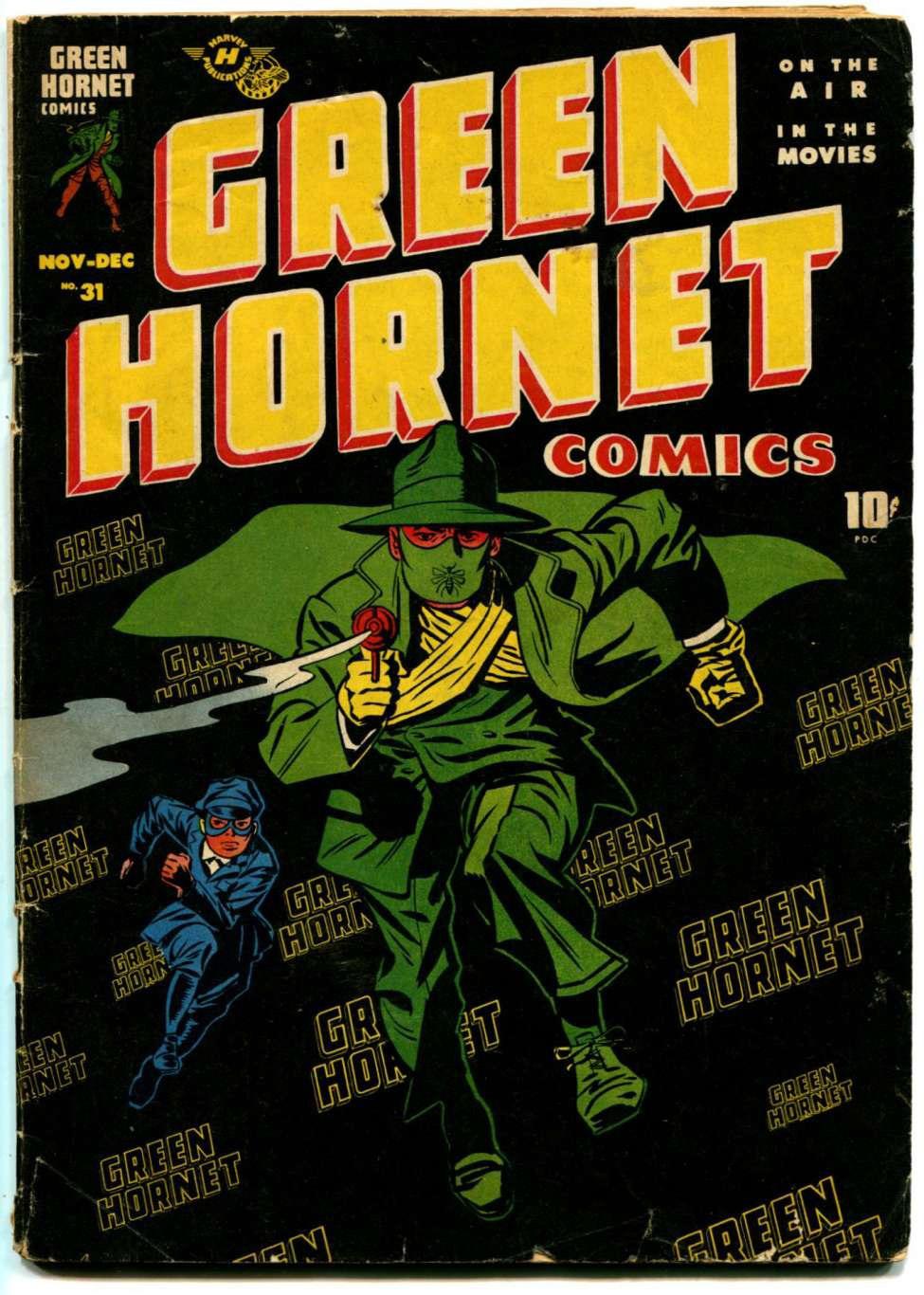
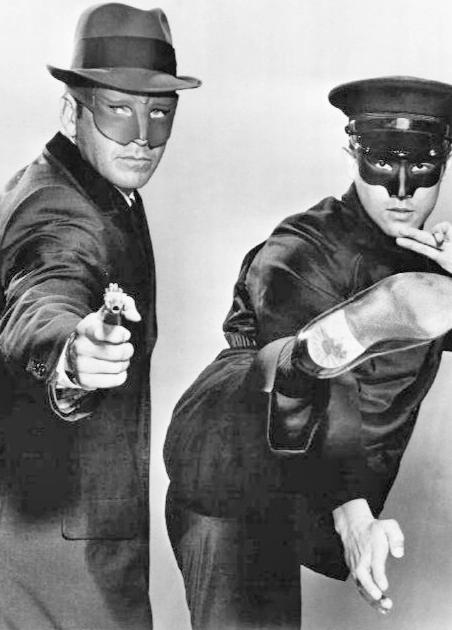
The Green Hornet as depicted on the cover of Issue #31 (left) and (above) portrayed by Van Williams in the 1966-67 television series. Bruce Lee portrayed his chauffer and sidekick, Kato, which first introduced him to American audiences.
The Buzz Never Gets Old
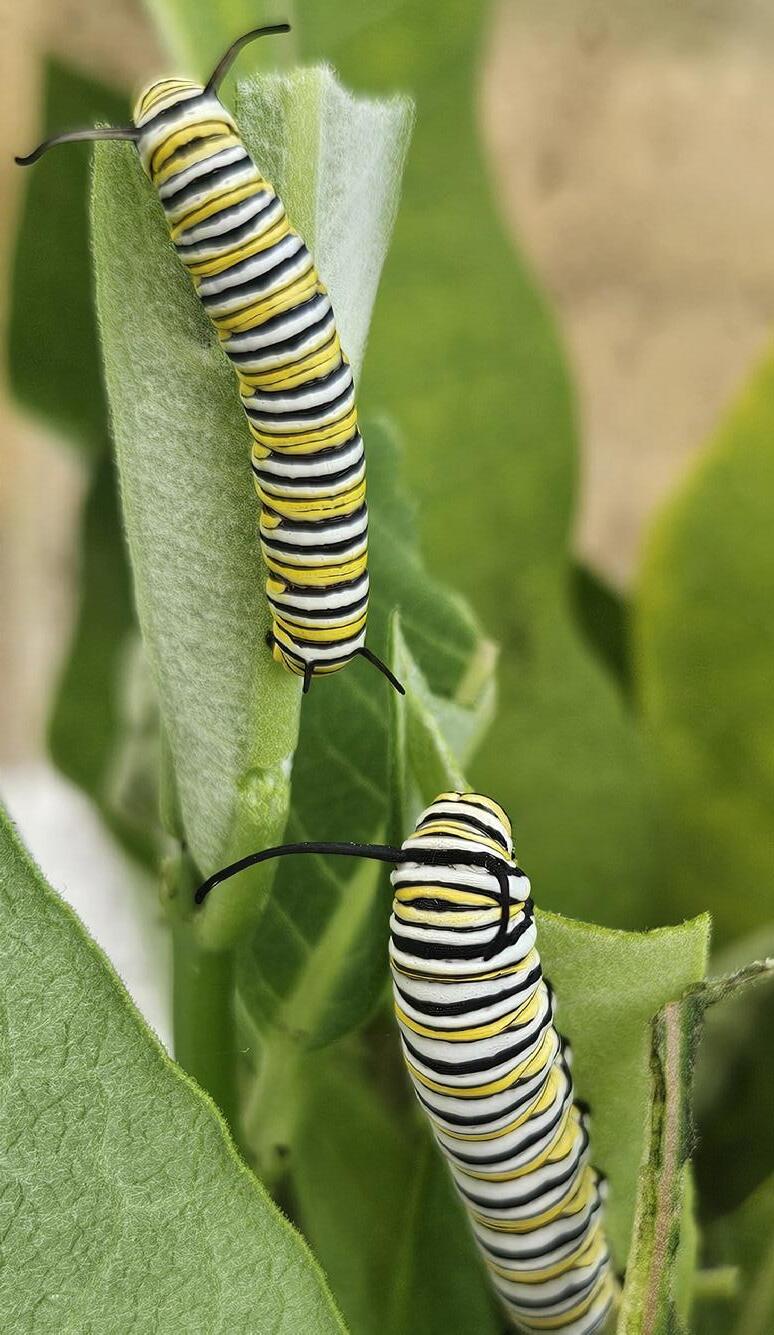
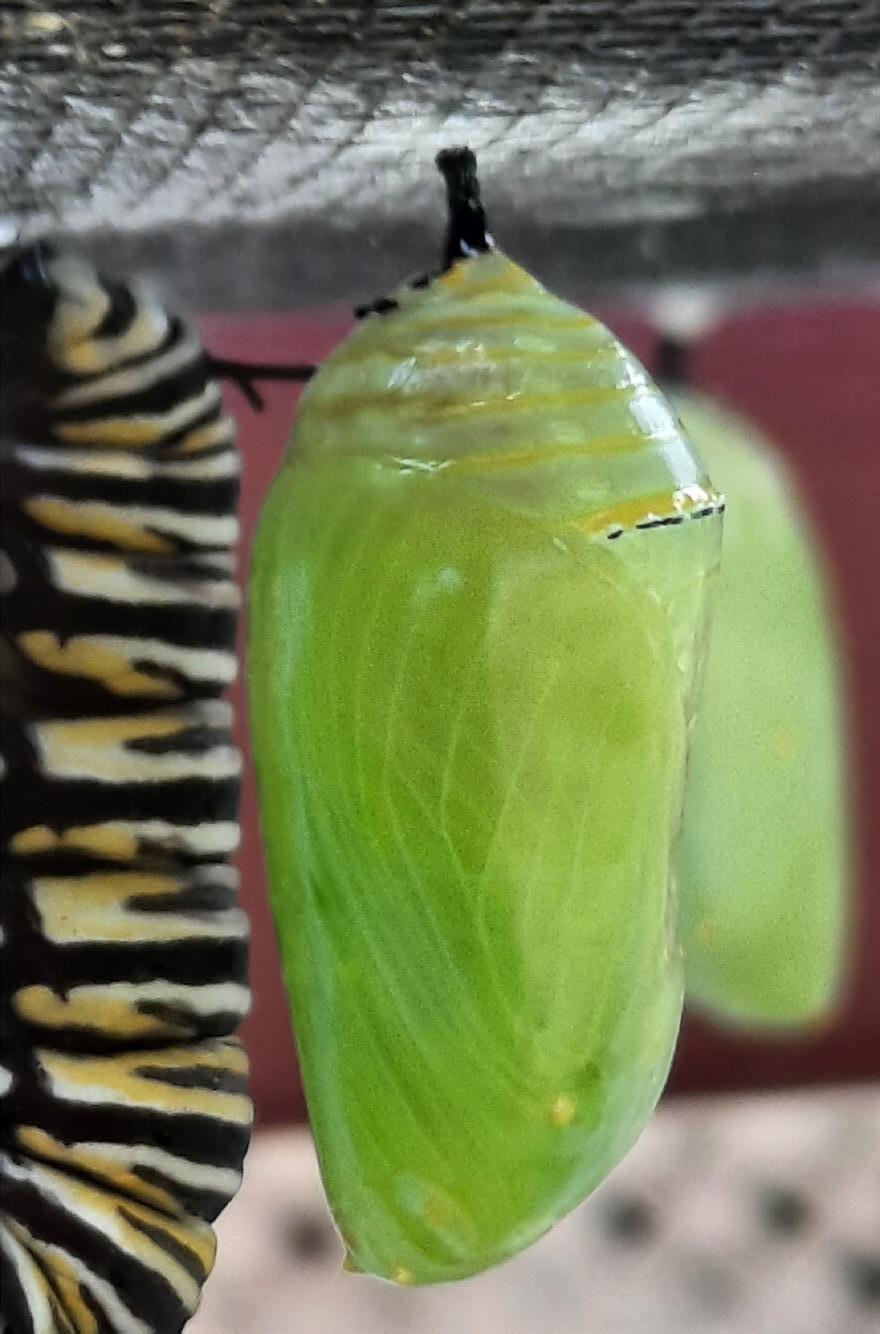
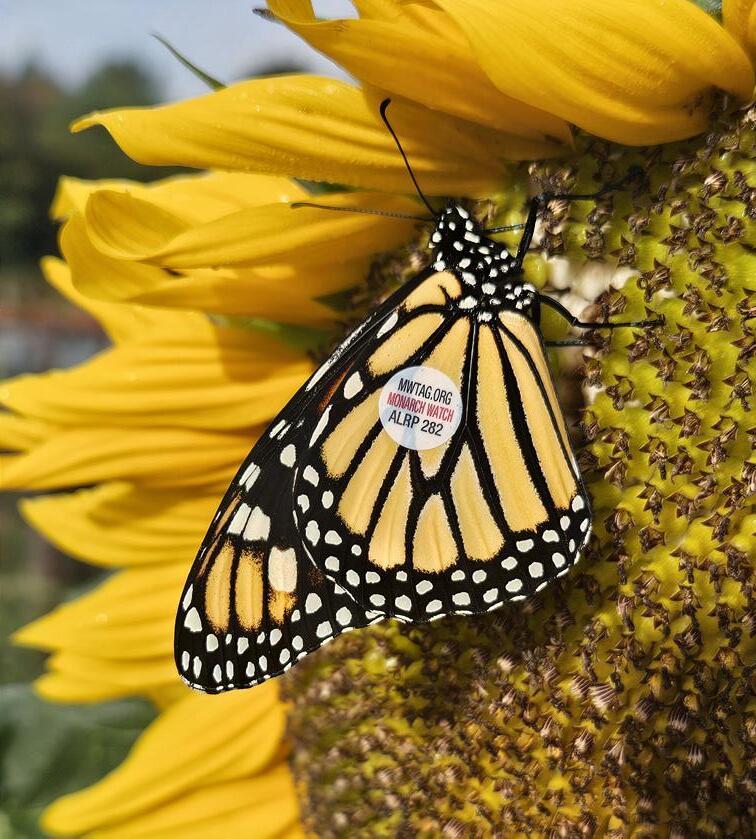
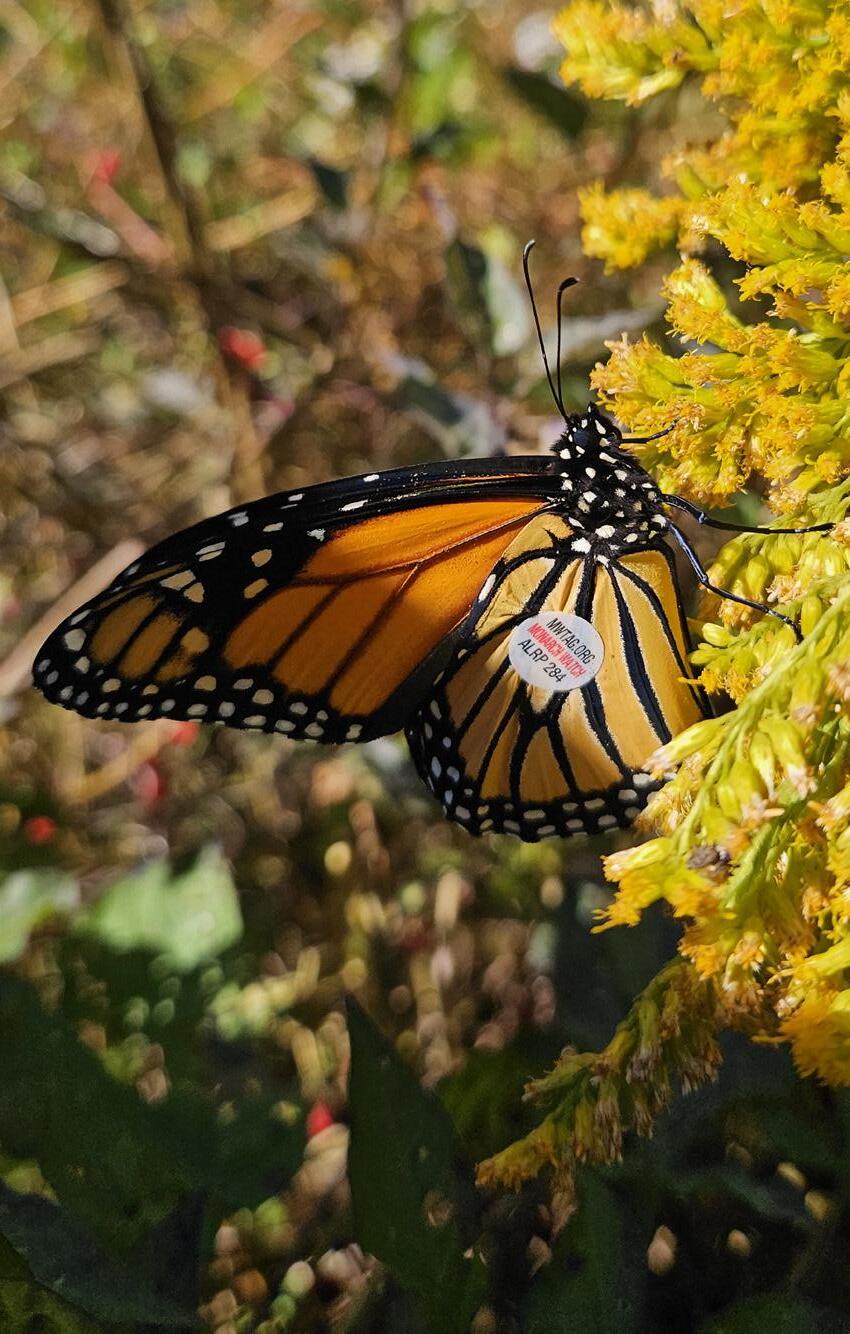
Teri Messmer gathers the eggs on her milkweed and keeps them safe as they hatch into caterpillars and pupate (center) before turning into adult butterflies of the super generation that she tags before they journey south.
The Butterfly Effect Wishing on Monarchs in Liberty
By Paula Piatt
every summer day in the milkweed
i look for her the monarch on vacation -by Teri Messmer
She’ll never know, for sure, if Amelia got to Mexico. Or Lola. Or Sherry. Or the dozens of others released with a tiny tag and a lot of hope. They leave Teri Messmer’s Liberty homestead to begin a 3,000-mile journey, fraught with wind, weather, and predators, only to arrive to find a shrinking habitat.
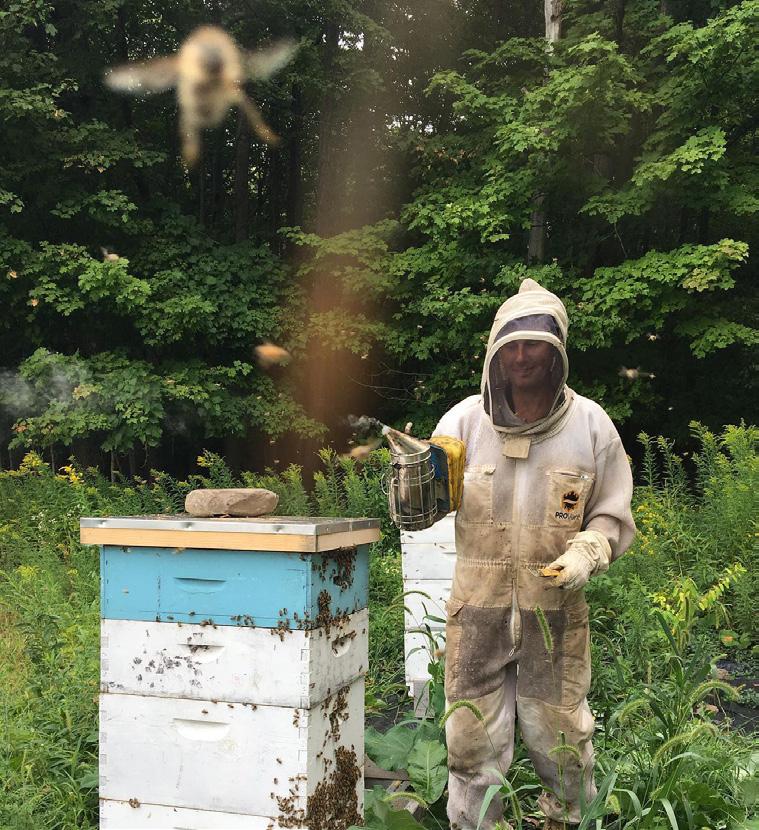
But monarch butterflies are nothing if not resilient. And Teri is determined to give them their best chance. A beekeeper, she’s always enjoyed nature but really hadn’t given much thought to butterflies. She knew, though, that her mother liked them.
“When my mom passed, we would
always see a yellow butterfly, which was a swallowtail, I’m sure,” she remembers. “We always had that connection, but I never really explored it, and I never knew that you could rescue them until a friend told me he and his wife were raising monarchs. When I found out, I started going out and collecting eggs.”
Gathering the eggs from her milkweed patch, she protected them until they hatched into caterpillars and then gave them a safe place to pupate or form a chrysalis. That first year, she released forty-nine back to the milkweed—the only plant the caterpillars will feed on. Teri then found Monarch Watch, an education, conservation, and research program based at the University of Kansas that focuses on the iconic orange and black Lepidoptera, its habitat, and its migration. Monarch Watch also supports a citizen science tagging program that gathers vital research information.
The monarch lifecycle is complicated. According to Monarch Watch, the overwintering butterflies begin what is best described as a relay race starting in Mexico in March. The eight or nine-month-old mon-
archs get as far as Texas before producing the year’s first generation. Those butterflies grab the baton and move farther north, bringing the second and third generations to our backyards. These monarchs are short-lived (typically two to five weeks) and produce the fourth “super” generation; they’re a little bit bigger and won’t reproduce until the following year when they return to Texas from those wintering grounds in Mexico.
It’s this super generation that Teri begins tagging after the August 15 Monarch Watch deadline. She’s not an entomologist—she retired in 2017 from her job as cafeteria manager for the Father Judge High School in Philadelphia, a Catholic all-boys school—but she tagged four her first year and five in 2024. Last year, getting the hang of things, she sent fifteen winging their way south with the tiny tags. It’s a delicate process.
“When the butterfly ecloses (or comes of out its chrysalis), the wings are wet, so it takes a few hours before you can release it. They’re pumping fluid into the veins of their wings and drying them and they’re not able to fly,” she explains. “They will walk all
(3)
Teri Messmer
Happy Landing
over you—on your hands and up your arms.” That’s when she adds a tiny Monarch Watch sticker. “They’re very lightweight and they have just the right amount of adhesive so it will stay on the butterfly, but it doesn’t impede their flying at all.”
It’s a good thing. There’s no relay team for the two-month flight of these super monarchs, which takes them south, hugging the coast of Texas, into the Transvolcanic Mountains of central Mexico. Millions are welcomed as they tuck themselves in to the oyamel fir forests where cool, but not cold, temperature keeps them in a state known as reproductive diapause through the winter. Mexico has a special relationship with the monarch. Believing them to be divine messengers, they are deeply revered as sacred beings that carry the souls of ancestors visiting from the afterlife. In pre-Hispanic times, the butterflies were seen as messengers carrying the wishes and dreams of the people to Xochiquetzal, the Aztec goddess of beauty, love, fertility, and the arts.
Teri’s monarchs carry wishes and dreams, too.
“From my very first butterfly, I decided to name them from A to Z. My best friend, she’s a spiritual person, was having a birthday and her middle name’s Amelia. I took a picture when the caterpillar went into chrysalis and I sent her a text,” Teri says, relaying the lore of monarchs and Xochiquetzal. Now Teri’s barn is filled with named chrysalises waiting to take flight with the hopes and dreams of dozens of friends.
“I put (the chrysalis) onto a little clip, put it in the barn, and I put their name on it and the date,” she says. She’ll record a video as the butterfly emerges and share it with the monarch’s namesake. “I really like the connection of nature, people, and spirit.”
Always hopeful, Teri has ordered fifty stickers this year, and is visiting the milkweed patch daily, gathering eggs and raising and releasing some of the early butterflies while eagerly awaiting the deadline to begin tagging the super generation and sending another round of dreams to Mexico.
That they arrive is her dream. Each year, Monarch Watch works with Mexican guides in the butterfly sanctuaries to gather tags from dead butterflies that won’t make the trip north. It builds a database which volunteers can then search for their tags; Teri’s never found one of her numbers. The ratio of untagged to tagged butterflies is high, with only 21,000 tags retrieved since 1993, that from the millions that migrate each year—very long odds. She’s not deterred, however and she still encourages her friends to “wish upon that butterfly.” She gives everyone the opportunity, just as she did for her first release for her best friend.
“I said to her, ‘You have a week before this monarch, Amelia, ecloses and is going to take your wishes directly to the heavens. You have seven days to think about it; make it good,’” says Teri who, seven days later, videoed the butterfly leaving her hand. “A year and a half later, that wish came true.”
Amelia must have arrived after all.
Paula Piatt lives in the Northern Tier of Pennsylvania with her husband and two Labrador retrievers, where they hunt and enjoy the outdoors. An award-winning writer and member of the Dog Writers Association of America, she is an active member of the Pennsylvania Outdoor Writers Association.



































Everybody’s Ravin’!
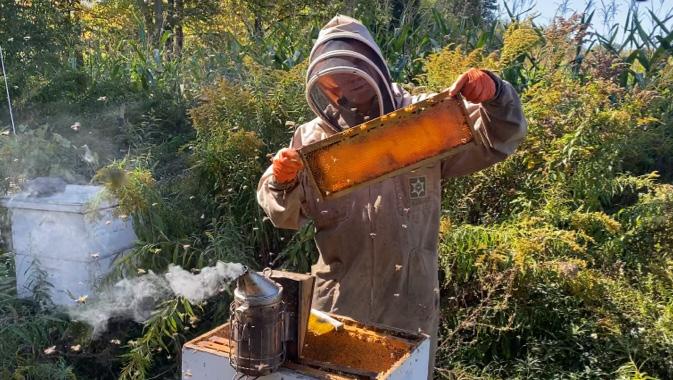
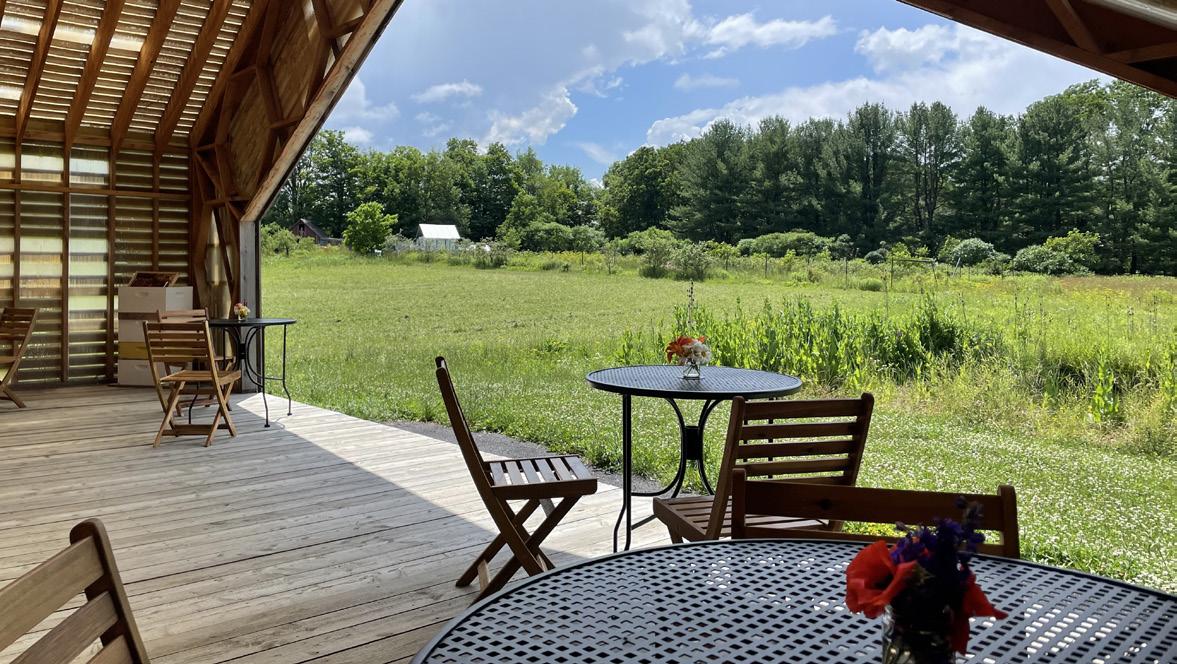
At the farm, (clockwise from top left) Brent Welch gets bee-bombed, back porch of the Honeybee Embassy, Brent and Teresa Vanek in their store, and the front of the Honeybee Embassy.

Honey, Honey, How You Thrill Me
Ambassadors at Bright Raven Farm Sweeten the Summer
By Karey Solomon
“No bee puns, please,” Brent Welch asks. “They’re too easy.”
(Also, he’s heard almost all of them.) Brent and his wife, Teresa Vanek, own Bright Raven Farm (4061 Swamp College Road in Jacksonville) where they manage 130 hives and fifty-plus acres of land being returned to natural habitat. Their openair farm store, a spacious pavilion built in 2019, is known as the Honeybee Embassy.
Here, from May to September, open Thursday through Sunday, 11 a.m. to 5 p.m., they offer handcrafted products, honey-based sodas, tea, chocolate truffles made with honey, and about a dozen varieties of mostly local honey, created by their winged families.
Honey, like fine wine, turns out to also be a product of terroir, which is the combination of climate, ecology, agriculture, and human intervention. What the bees can produce, and the nuances of flavors, varies each year as the weather does. Timing honey extractions through the productive season means obtaining honeys flavored with spring flowers, basswood blossoms,
Japanese knotweed—a favorite with many customers—asters, goldenrod, and sometimes buckwheat. Their raw honey is coldprocessed (unheated) and unfiltered. At the store they also support indigenous growers with coffee-blossom honey from Guatemala and Oaxaca honey from Mexico.
“Each year there’s a different mix of flowers depending on the weather,” says Megan Alexander who works in the retail shop and explains honey to walk-in tasters. “The bees are the creators. Sometimes we figure out afterwards what the bees did. They always make delicious honey.”
“It takes two million flower visits to make one pound of honey,” Brent says. “That’s 55,000 miles of flying. It’s ridiculous the amount of work they do.”
While the bees gather nectar, one of his and Teresa’s jobs is keeping tabs on the health of each hive, so the bees can do their thing. Some of this is informed observation. Are the bees healthy? Bringing in a lot of pollen? They might have to suit up in a bee suit and veil to investigate what’s happening in their hives.
“One important thing—it’s a dynamic system,” he says. The bees’ cycles of life and work depend on soil health and the vitality of the worker bees. In turn, he and Teresa support them using natural, organic, timetested means. Like all agricultural workers, bees’ productivity depends on the weather, which can vary significantly from one year to the next. And unlike domesticated animals, they make their own decisions about where they’re going and what they collect. There might be buckwheat growing nearby, but, if it’s a good basswood year, they might choose to collect basswood pollen instead.
“It’s fun to look at plants through the bees,” Brent says.
In college—they both attended Cornell—Brent and Teresa studied ethnobotany, learning how people, particularly those in indigenous cultures, use plants for food and herbal medicine. They lived in the Andes in Bolivia for two years with the Quechua and Aymara people, whose agricultural traditions are entwined with a deep reverence for Pachamama, the Earthmother goddess.


















They returned here in 2000, with a side trip to British Columbia, knowing they wanted a land-based lifestyle. “We started farming and learned as we went,” Brent says.
For several years, having named their land Red Tail Farm, they grew heirloom vegetables, close to forty different ones, and had a few bee hives, adding a few more each year. But in 2016, during a devastating drought when it was hard to grow as many vegetables, they had an epiphany when they saw how the honey they brought to farmer’s markets found a truly appreciative audience. Circumstances encouraged them to pivot away from vegetable farming to concentrate on bees.
“While in British Columbia, we learned about the importance of ravens in indigenous myths,” Teresa says. “And ravens were moving back into the Finger Lakes.” A change of name came with the change in their farm’s direction. And Bright Raven also proved a more memorable name.
They currently have twenty-five hives on their home farm, the rest spread among six nearby bee yards. At farmer’s markets, they’ve seen their customers increasingly in-
trigued by the varieties of honey and the idea of pairing different varietals with foods. For instance, many were surprised and delighted by flavors of their almost-clear black locust honey, prized throughout Europe and particularly nice for sweetening tea.
Both Teresa and Brent appreciate fine tea—“He’s more knowledgeable,” Teresa says—and they sell a dozen imported black and green loose-leaf teas as well as nine varieties of herbal teas online and at the Honeybee Embassy. While visiting, it’s possible to order a pot of tea or a single serving and enjoy it on the pavilion’s shady porch, looking out at their wild acres while being serenaded with birdsong.
Not to leave out chocolate lovers, Japanese knotweed honey is good in hot chocolate; a house-made honey blend called Cacao Kapow includes habanero pepper, cinnamon, and cocoa for a Mayan take on the beverage. Brent came up with this, while Teresa uses her own take on this ancient flavor mix for one of the varieties of chocolate truffles she makes for the store. Minus the chocolate, “hot honey” (honey infused with hot peppers) and pizza are a winning combination, Brent says. And when bees feast on
the blossoms of staghorn sumac, the honey takes on a fruity, mango-flavored quality.
While customers at the store are offered honey tastings, those interested in the beekeeper’s perspective can book a more indepth honey tasting, mostly Thursdays and Fridays by appointment for up to a dozen people. This combination talk and tasting— Teresa and Brent take turns giving it—lasts about an hour and is generally given on the back porch.
Not surprisingly, Bright Raven Farm packs honey in special small jars for wedding favors and corporate gifts. Find out more at brightravenfarm.com or call (607) 2094038. They also ship tea and honey to all fifty states. But (forgive me, Brent) bee-ing there is a particular treat.
Karey Solomon is the author of a poetry chapbook, Voices Like the Sound of Water, a book on frugal living (now out of print), and more than thirty-six needlework books. Her work has also appeared in several fiction and nonfiction anthologies.






welcome to NEW YORK









As the Dragon Flies
By Gayle Morrow
My horse and I were on a neighborhood ramble one really hot afternoon—he was eating grass, and I was in charge of the lead line. It had been several days without rain, and his favorite potholes were dry, so we decided to go through the old strippings to the big water hole—a pit that has, over the years since the mining stopped, morphed into something pond-like. I don’t know how deep it is, and I haven’t swum in it, but Smoke likes to get his toes wet at the shore while he’s enjoying a long slurp. This day, the surface was alive with little blue dragonflies. Flitting, I guess, is maybe the best verb to describe their movement. And magical. There must be something there for them to eat, which means the water is supporting insect life, which means…I’m not sure, but I believe it’s a good thing.
According to the pictures in my National Audubon Society Field Guide to North American Insects and Spiders, these particular dragonflies could be Doubleday’s bluets or Circumpolar bluets (what fun names, right?) or might actually be Short-stalked damselflies. Damselflies and dragonflies both belong to the Odonata order of insects.
The two are similar—both with those crinkley, gossamer wings, big eyes, and spectacular flying maneuvers. Dragonflies usually have stockier bodies, while damselflies typically have stick-like bodies. There are other similarities and differences, but unless you convince one to land on you and hold still, it’s kind of hard to do a close inspection.
I have had the experience, though, of having a dragonfly hover, Harrier-like, at eye level (compound for them, just two for me), and could see—yup—that’s big, that’s a dragonfly.
It’s very cool when they do that.
Both dragonflies and damselflies have four wings. They can fly in six different directions—up, down, forward, backward, side-to-side. Dragonflies at rest usually hold their wings open, perpendicular to their bodies. Most damselflies hold their wings close and parallel to their bodies at rest. Both are carnivorous predators.
Another day, closer to evening but still warm, Smoke and I were in a nearby yard—again, he was eating grass and I was minding the lead line. I saw one dragonfly, then another, and another, and then a swirl of them, almost choreographed, circling
each other, moving in unison. I’d never seen anything like it.
What do you call a group of dragonflies flying around and around? Surely not a flock.
Nope. Some suggestions I saw: a flight, a shimmer, a skimmer, a cluster, a swarm, a cloud, a dopping, and a sparkle. I like that last one. A less fanciful name, although one probably more descriptive of what was happening with this particular gathering of insects, is a “low altitude static storm.” It’s basically just a bunch of bugs getting together to eat other bugs.
Still magical. Especially when those other bugs are mosquitos.
Dragonflies and damselflies like water. The fourth sentence in the Wikipedia listing for dragonflies says “Loss of wetland habitat threatens dragonfly populations around the world.” You could probably substitute the name of just about any living thing for dragonfly, and the statement would hold true. Around the world.

















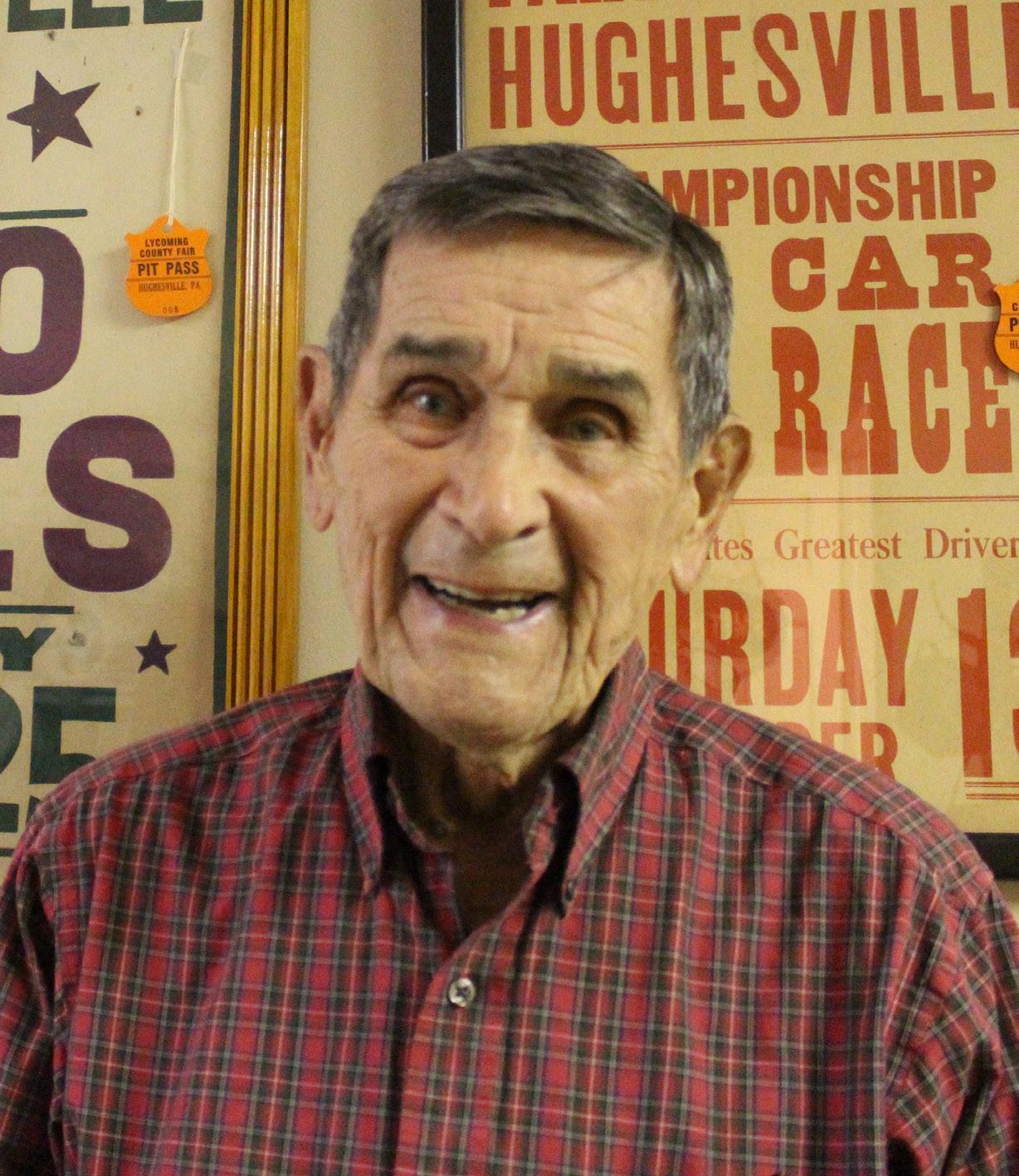
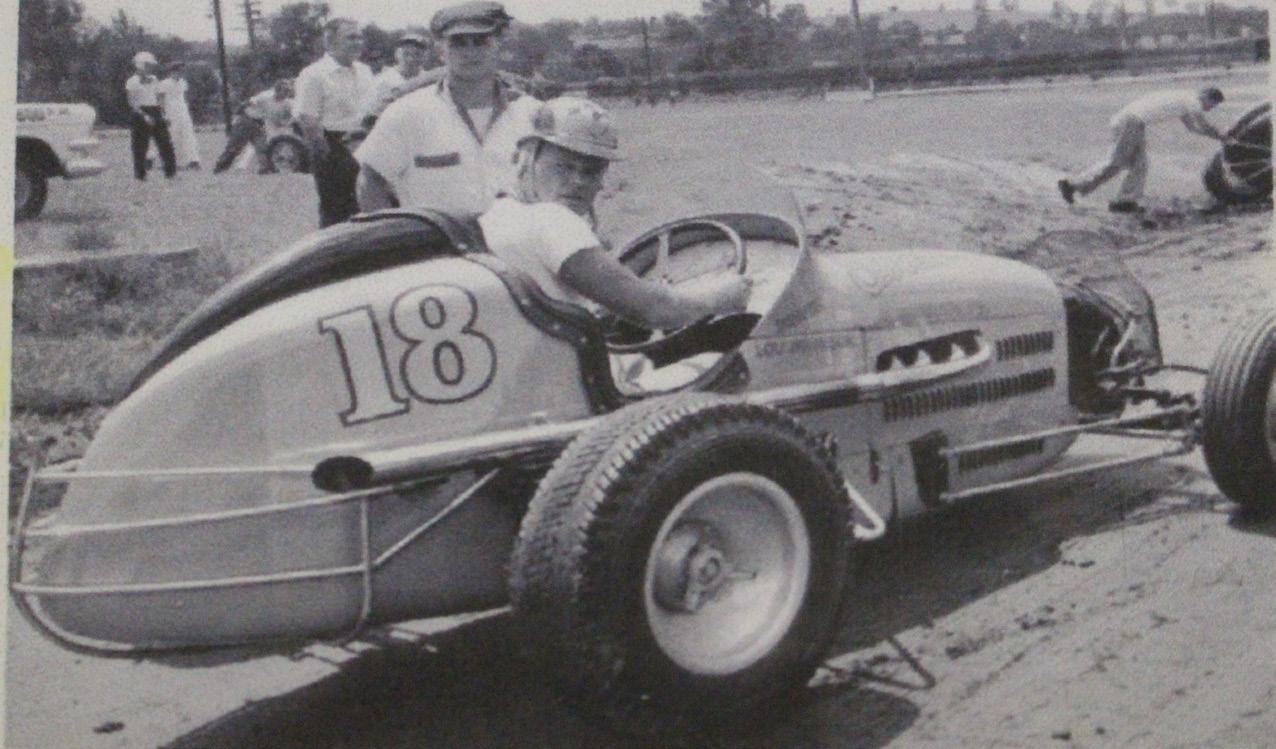
Jack Smith (left) remembers the good old days of auto racing at the Lycoming County Fair in Hughesville, back when tube cars took off in the racing scene. Racing Time
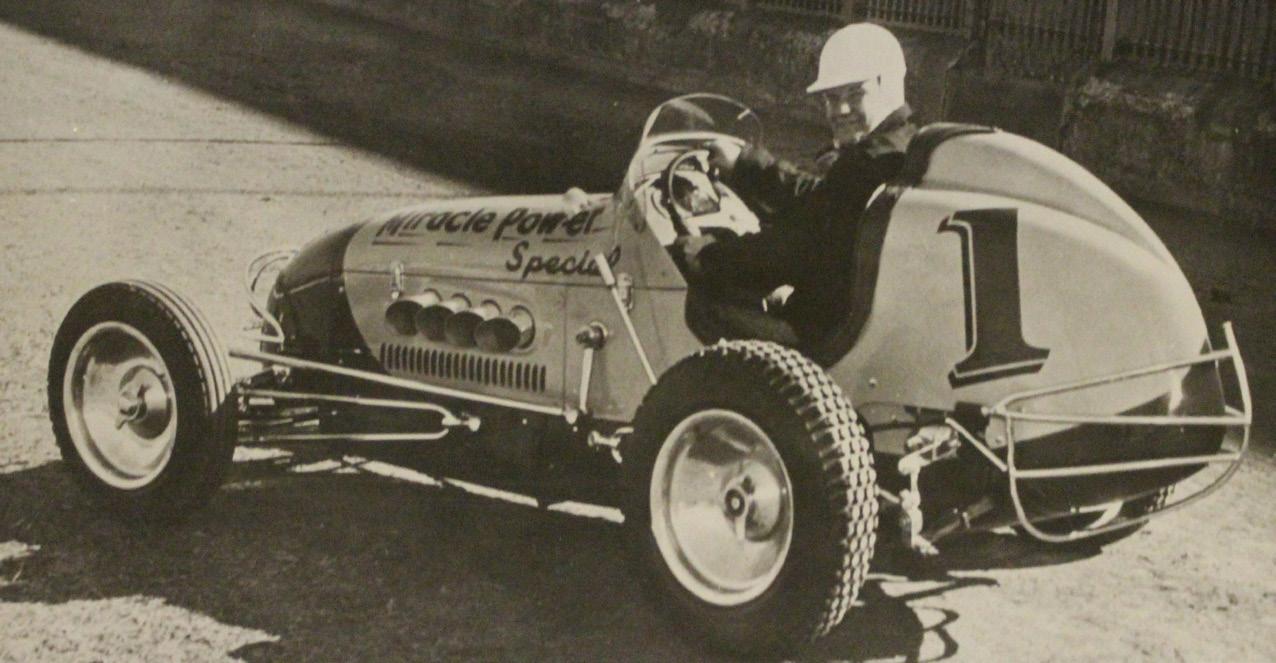
Lycoming County Motorhead
The Races Are Gone but Not Forgotten
By Don Everett Smith, Jr.
From chariots to Formula 1, what is it about racing that people love? Decades ago, racing enthusiasts cheered as cars thundered around the Lycoming County fairgrounds track in Hughesville. Close to ninety years ago, one of those screams of excitement came from a fiveyear-old named Jack Smith.
“I don’t care about football or baseball or what have you. I mean, I’ll watch it on occasion with the family,” he says. “My sports outlet is auto racing.”
Jack (no relation to this writer) is one of those sports spectators who went from being a passive viewer to a full-fledged participant.
“I think we [the racing team he worked with] were up to Wellsville, New York, and we had a fast time in the qualifying. We won our heat to get you into the feature, and we won the feature, and we got eighty dollars,” Jack says with a laugh.
His first race, though, was in 1939 at that Hughesville race track. He loved it as a five-year-old, and “I’m never going to quit loving it,” he says.
Like county fairs all over the country, the Lycoming County fair’s origins were agriculture in nature. A “farmer’s club” had been formed, according to LycomingFair. net, and in 1870 “held its first exhibition in which area people could exhibit their livestock, grains, fruits, vegetables, canned goods, and handicrafts.” This took place at the southern end of the borough of Hughesville.
Eventually the club became known as the Lycoming County Fair Association. In 1930, the members bought fifty acres of land which became the fairgrounds today.
Jack says his whole family was involved with the fair and the fairgrounds.
“My dad was on the board prior to me, and did a lot of labor maintaining buildings and that type of thing,” he recalls.
His dad exhibited poultry at the fair.
“My first job was driving a wheelbarrow and cleaning chicken coops when the fair was over, and cleaning out the manure,” Jack says with a laugh.
His mother served as the “poultry superintendent” for twenty-seven years and
it was her job to find qualified persons to judge the competition.
At the same time this was happening, the fairgrounds began to feature car racing. These early races were sanctioned by the AAA—the American Automobile Association. Many of the biggest names in American auto racing appeared at Hughesville in those days, including Ted Horn, Tommy Hinnershitz, Jimmy Bryan, Johnny Parsons, Lee Wallard, and Joey Chitwood.
And Jack remembers seeing drivers Ted Horn and Joey Chitwood race.
“Ted Horn—he was very, very popular and a very capable [driver],” Jack says. “The other driver was a protégé of Ted Horn and his name was Tommy Hinnershitz.”
According to the Eastern Motorsports Press Association, Tommy Hinnershitz, from Oley, Pennsylvania, was “one of the most-exciting, most-popular and mostsuccessful Sprint Car drivers of all-time… he was a farmer by occupation but he raced because it was fun, he could make a little money doing so and he was very good at it.”
The type of car they used was made by
(2) Jack Smith
Don Everett Smith, Jr.
Hiram Hillegass, a car designer who built the “tube car.” It was “made it out of chromoly tubing,” Jack says, and “was more aerodynamic.” The tubing was hollow but strong; Hillegass used techniques developed in World War II’s aircraft/defense industry.
One of the other drivers Jack remembers was one he regarded as a peer. Bobby Grim, born in 1924, was a championship driver. In 1959, he was named Rookie of the Year for the Indianapolis 500.
“Bobby Grim…was a good friend of mine,” Jack says. Bobby invited him to races where Jack served as part of the crew. “Anytime I was in Indianapolis, if I flew through Indianapolis, I would call and Bob or his wife, Betty, would come pick me up and take me to their house, so it was even better and fun.”
In fact, thanks to Bobby, Jack served on two pit crews at the Indianapolis 500—in 1969 and in 1970.
“I helped change engines and I would [do a] quick change the gears in the rear of the car,” he says.
And, thanks to his job with the Muncy-based Sprout Waldron (The company, now part of Andritz, a biofuel company, manufactured pellets for animal feed from ground vegetable matter.), Jack was able to travel and pursue his race car hobby, though, he says, “Bear in mind, I had to take a month off from Sproul Waldron.”
But, good things end, and eventually racing at the Lycoming Fair had to end, too.
“[Officials] had strung this wire between two telephone posts,” he says. This acted as the guard rail for the track but cars would get caught in the wire and damaged.
The neighbors near the dirt track were not happy.
“The houses on Broadway and Second Street were within a yard length of the track. There was so damn much dust, everybody raised hell about it,” Jack says. “Plus, the dirt just made it difficult, especially when drivers had the open cockpit.”
This contributed to the end of car racing in Lycoming County, right after the end of World War II.
“It just couldn’t go on anymore,” Jack says.
Jack’s days of working on the pit crew have passed, but he is still very busy. He has been married to his wife, Dorothy, for over fifty years. They have one son and daughter-in-law and two granddaughters who live nearby.
When not working or spending time in the racing world, he loves to do woodwork—cabinets, tables, and shelves.
He’s also involved with the preservation of the Lycoming County fairgrounds.
“Well, I was on the board for a number of years and then I was president for about five of that tenure,” he says.
Though the echoes of car racing are gone from the eastern end of Lycoming, they still live in Jack’s heart and he still keeps his involvement with the fair.
“And I’m still doing things for the fair, and I refuse to take money for it,” he says at the ripe old age of ninety-one.
Don Everett Smith Jr. is an author and journalist who writes history, true crime, horror, and pulp. He lives with his wife, Laura, and cats in Lycoming County.









Nessmuking About
Row Your Boat in the Finger Lakes
By Lilace Mellin Guignard
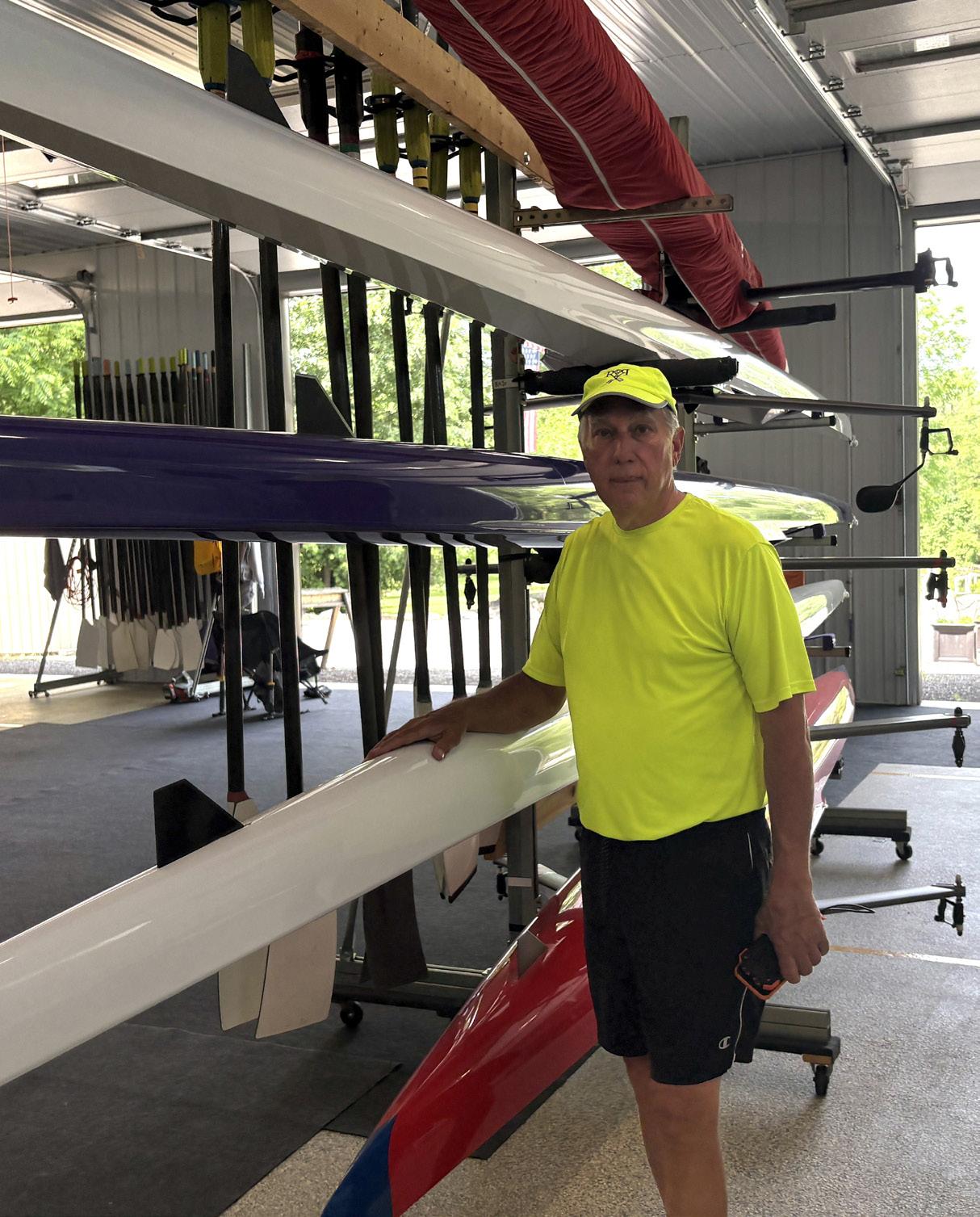
When I think I have the rhythm, the sequence of moves, I try to relax my arms like I’d heard Coach tell his varsity rowing team during practice. Then I forget to keep pressing the oar left into the oar ring, and my form (if you can call it that) falls apart. I watch the pink t-shirt in front of me and listen to Coach’s voice through the megaphone, now aimed at me: “Sit tall. Don’t lean back.”
When I pull forward with my feet, which are strapped in, the girl behind me says, “Sit like you are showing your necklace to someone.” My shoulders go back, my chest goes out. There’s lots to think about. Breathe when the coxswain says breathe. Push when she says push. Don’t put the blade in the water till pink does. Then drop hands when bending my legs, getting ready to push off again.
The rhythm returns. My eyes bore a hole between pink’s shoulder blades. I’m aware of the other seven William Smith rowers and coxswain like I’m aware of my appendages. Closest I’ve ever come to feeling this in tune with others was racing tandem canoes. Now I’m
borg-melded with these young women, all between eighteen and twenty-two. It feels like I’ve dropped at least a decade.
Then Coach has us pick up the pace. The coxswain in the stern yells our times. The sixtydegree April air glides across my skin like the rowing eight glides across the water. This is why people say rowing is addictive.
“You’re doing it, Lilace,” Coach says. “There we go!”
While researching a story for the September issue about the William Smith College rowing team, I found myself in the fourth seat of the school’s varsity eight, not by accident but by luck. The luck was that their coach is Paul Bugenhagen, and when I asked if I could get in a boat, he took me very seriously. I expected that they’d pull out a single or double when we got back to the boat house and set me in the canal. When he asked the eight to stop and had a rower switch places with me, I worried the students, who were in the middle of their racing schedule and starting exams that weekend, would be annoyed that their practice would take longer. But they cheered
“Baller practice,” one young woman called when we reached the dock at the Hellstrom Boathouse just outside Geneva on the CayugaSeneca Canal. The rowers joked that if I wanted to get another degree, they’d love to have me on the team. I asked Paul where regular people can go to learn to row. Because having finally taken the step at fifty-eight to try something I’d always wanted to do, I wasn’t going to stop. Surely in the Finger Lakes, there had to be something. (No way I’m going back to school.)
“I think there are some places in Rochester,” Paul said.
That’s how I found myself talking to Tim Giarrusso (above right) in the Rochester Community Inclusive Rowing boathouse on Black Creek. Their site (rochestercomunityinclusiverowing.org) and philosophy had come up in a search: “Making rowing inclusive + accessible changes lives.” When I’d reached out via the online form, Tim called within minutes. “What type of experience are you looking for?” he asked.
After I told him about my only time rowing, he explained that what RCIR offers is scull-
Lilace
Mellin Guignard
Paul Bugenhagen
ing, in which each rower has two oars (whereas in the eight we’d each had one). Looking around at all the boats in the clean and bright facility, I had to wonder who paid for all of this. Especially since RCIR makes it clear that “No one pays and no one gets paid.”
When he and Dennis Fronheiser co-founded the nonprofit in 2011, they started fundraising by promoting it as “the first inclusive, adaptive, ADA compliant sculling center in the country.” They focused on removing the financial stigma and reaching populations that can benefit in a multitude of ways from the activity. In 2019 the building was up, and they were collecting a stable of adaptive boats that are wider and flatter, with pontoons on the side that act like training wheels. They now own about twenty and are debt free, funded completely by private donors.
Much of what they do grew out of taking veterans on the water and hearing how much it helped with PTSD. Cancer patients and survivors, as well as amputees and folks with other special needs, are among those they help. Having their own space where they can curate a noncompetitive and supportive environment is important. “The vibe is different here,” Tim says.
Their approach to teaching is focusing on the hands because that’s where the oars connect the person with the water. The connection with water is key in that, as the book The Blue Mind documents and Tim believes, it lowers cortisol and stress hormones while increasing feel-good hormones. Certainly, the movement is meditative. No matter who they are working with, they get them on the water within an hour.
Soon I’m out on the creek in a single scull with Tim in his boat behind me. The most confusing thing for me about rowing is that we face backward. Tim acts like my coxswain, teaching me to steer and turn, and watching out for hazards. Soon we reach the wider Genesee River. I am setting my own pace, working on technique, and listening to Tim’s voice. The noise in my head shuts off.
We come in early due to a nasty-looking rain cloud and distant thunder. After we wipe down and store everything, Tim tells me how he got into this. His daughter had wanted to row in ninth grade, so he took sculling lessons with her. The ways that deepened their relationship is one reason anyone under eighteen must have a parent with them, and involved. No volunteer is ever alone with a teenager.
One boy was rowing at his school, and his coach came to Tim asking if he’d work with the kid to get him rowing straight. This eighth grader had been born missing his leg below the knee. His mother watched from the dock the very first day as her son started rowing in a straight line. “She asked me, ‘What did you do?’ and I said I told him not to move his head.” Tim shakes his over the way people see that someone is different and after that stop really seeing them. The young man still rows. Now in high school, he’s competing in states.
Tim, whose background is in organizational behavior and adult learning theory, says RCIR defines adaptive very broadly. “To us it means we will adapt to you with whatever you come with.” His approach is as accomodating as water. “However people show up is where we’re going to start.” And then, because I’m not just a writer on a story but also a new student, he asks, “How do you feel now versus when you showed up?”
The answer: Relaxed and happy. Both to have been rowing on the water again, and to know that there are people like Tim and the RCIR volunteers creating opportunities to share this version of nirvana with as many people as possible.
412 N. Franklin St. • Watkins Glen, NY 14891 Open Mon-Sat 9am-8pm • Sun 10am-8pm
412 N. Franklin St. • Watkins Glen, NY 14891 Open
*Subject to change based on NYS regulations. www.famousbrandsoutlet.com 607-535-4952
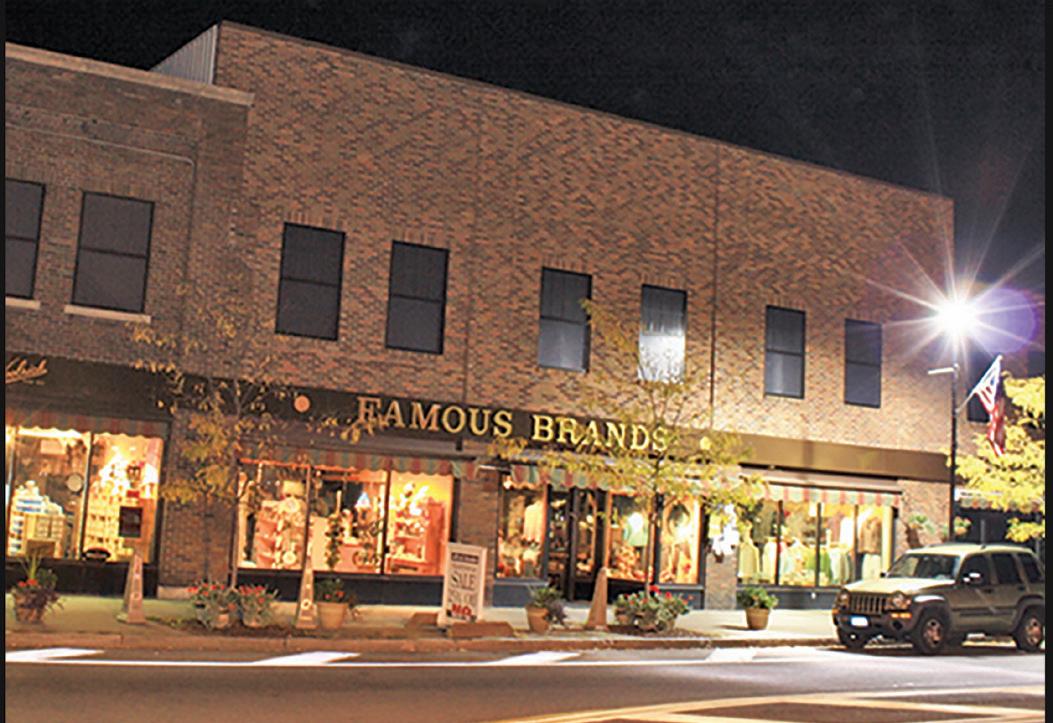
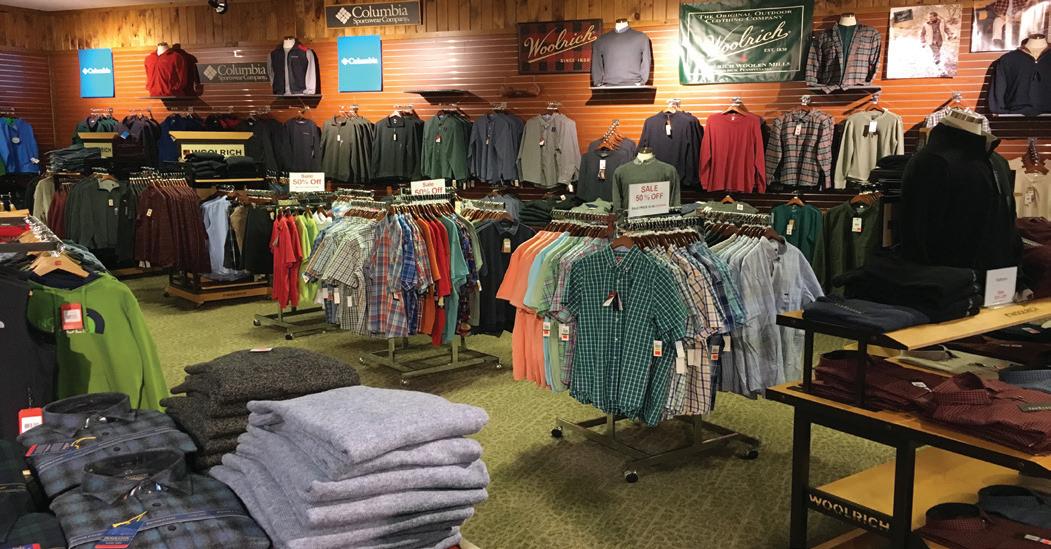
Famous Brands began in 1983, offering “famous brand” clothing and footwear at below retail prices. Since that humble beginning in a tiny storefront, we have grown to 30,000 sq. ft. covering 3 floors and half a city block, becoming a destination store for millions of visitors and locals alike.

Famous Brands began in 1983, offering “famous brand” clothing and footwear at below retail prices. Since that humble beginning in a tiny storefront, we have grown to 30,000 sq. ft. covering 3 floors and half a
welcome to POTTER COUNTY




Everyday Hero Clancy

MOSSY EDGE WATERSCAPES LLC
Kevin Fishburn - Water Feature Specialist (570) 439-4840


Decorative Ponds, Water Gardens, Fountains, Pondless Waterfalls
Every August since 2022, the owners of Pop’s Culture Shoppe, Julian and Anja Stam, have organized, hosted, and sponsored the Wellsboro Comic Con, which celebrates heroes from all types of fiction. People dress up in cosplay of their favorite characters, artists and writers meet up to share their work, and thousands of fans meet together to celebrate their favorite stories and characters from novels, comic books, and all sorts of fandoms. This year the fun happens on Saturday, August 8.

5660 US Rt. 6, Potter County, PA 814-435-2652 | lumbermuseum.org OPEN YEAR-ROUND! www.theCarpentersShopInc.com
2228 SR 49 West Ulysses, PA • (814) 848-7448
Stop in and visit us today!
• Custom Moldings to match your project (radius moldings availble)
• Stair Construction including balusters and handrails
• Cabinetry (custom kitchen, vanity, and more
• Custom Doors
• Solid Wood Tops to match your decor
• Log Siding and Clapboard Siding
• Hardwood Lumber for sale
I wish blessings for you from our Lord and Savior throughout the year!
When he began organizing the first Comic Con, Julian didn’t know about the Green Hornet/Wellsboro Hornets connection, but he is interested in learning more about it. Even before his personal hobby of collecting comic books and comic memorabilia became his business, Julian was always fascinated by stories. He used to work as a preservation librarian. When asked which qualities he thought certain characters possess that cause their stories to be retold and endure, he says, “What makes a character for me is them being relatable. Having human weaknesses, but still overcoming obstacles.”
Clancy embodied many of those qualities. He had a relatable sense of humor demonstrated by his high school hijinks. Many can probably imagine a younger version of themselves in the stories Lou told about his brother. Clancy struggled too, battling alcoholism, navigating the loss of his brother, John, and exploring love and connection. In the end, the reluctant hero overcame many challenges: after four previous marriages finding the love of his life, Sheilah Young Prevost; preventing a terrorist from causing harm; and living sober for his last sixteen years as an inspiration for recovering alcoholics across America.
Julian says he is especially captivated by moments when characters have to make difficult choices. He is intrigued by how characters weigh options, like whether the ends justify the means, or how should one balance rules, obligations, and expectations versus what needs to be done in a difficult moment, moments when reluctant heroes and other characters have to consider the greater good against their individual good and their individual needs. Whether on a personal level or on a broader scale, when faced with a tough choice, it’s compelling to hear how characters respond to the question: “What will you do?”
Clancy was someone who would do what was necessary. In sharing his memories, Lou likes best the stories of his brother that show Clancy’s joyful and playful nature. Whether intentionally or not, Clancy—his memory and the stories of his antics, his life—encourages living like that, and to remember that laughing and sharing stories are some of the greatest treasures to cherish.
That’s how we know Clancy would have loved the Wellsboro Comic Con.

Live Edge Slabs available in various species and sizes


Joshua Allen teaches English language arts for middle school and high school students in Galeton. Writing and poetry are his favorite pursued interests, but when not writing, he enjoys listening to music, hiking new trails, and playing board games—like the ones you can find at Pop's Culture Shoppe and the Wellsboro Comic Con.
Hornet

























































BACK OF THE MOUNTAIN

The Green Hero(n)
By Linda Stager
Icaught a green heron catching a bluegill for dinner one summer day at Hills Creek State Park. The green heron is one of my favorite birds. At just seventeen inches tall, this stealthy bird comes dressed in superhero garb: rusty-red and greenish-blue-grey feathers with bright yellow legs, eyes, and bill. Although it doesn’t wear a cape, it does have lightning-fast reflexes and pinpoint accuracy—just like my favorite superhero. Let’s just say, here’s one hero who catches dinner instead of villains.