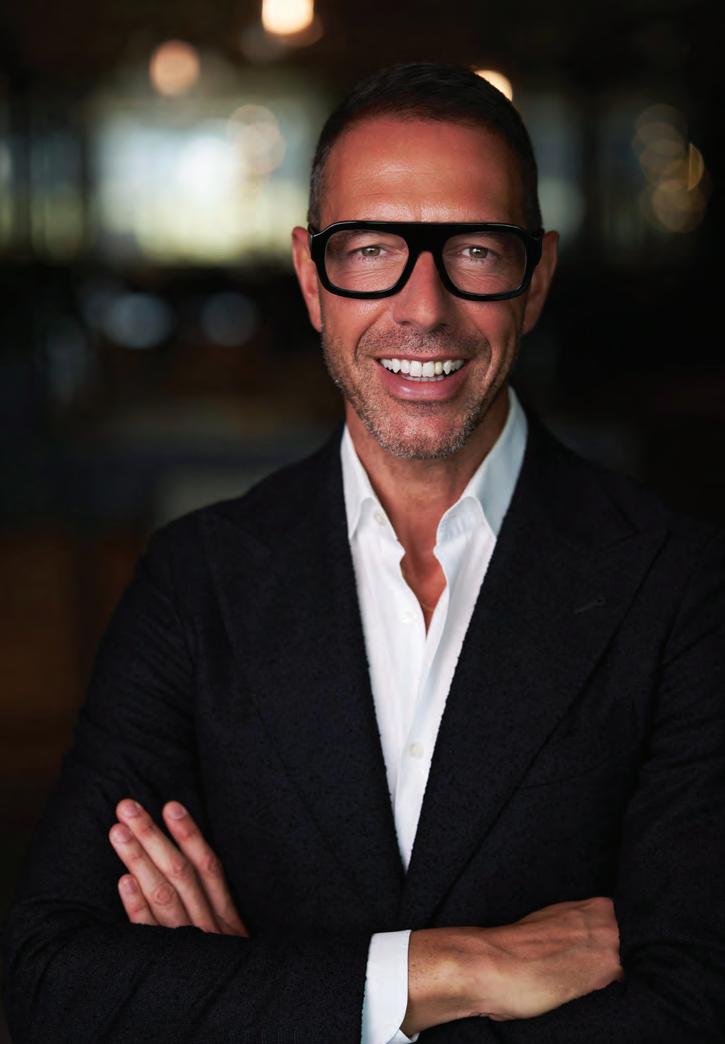
Lindsay Judge, Maryanne Peacock, Mark Mathew, Radwa Asker, Rob Chilton, Vaarunya Bhalla
HEAD OFFICE
Media One Tower, Dubai Media City, PO Box 2331, Dubai, UAE, Tel: (+971) 4 4273000, Fax: (+971) 4 4282261, E-mail: motivate@motivate.ae
DUBAI MEDIA CITY SD 2-94, 2nd Floor, Building 2, Dubai, UAE, Tel: (+971) 4 390 3550, Fax: (+971) 4 390 4845
ABU DHABI PO Box 43072, UAE, Tel: (+971) 2 677 2005, Fax: (+971) 2 677 0124, E-mail: motivate-adh@motivate.ae
SAUDI ARABIA Regus Offices No. 455 - 456, 4th Floor, Hamad Tower, King Fahad Road, Al Olaya, Riyadh, Kingdom of Saudi Arabia, Tel: (+966) 11 834 3595 / (+966) 11 834 3596, E-mail: motivate@motivate.ae LONDON Acre House, 11/15 William Road, London NW1 3ER, UK, E-mail: motivateuk@motivate.ae
EDITOR’S LETTER
Go Get ’em
The recent launch of the “Dubaiit” initiative by His Highness Sheikh Mohammed bin Rashid Al Maktoum, Ruler of Dubai, has really stuck with me. This whole idea of creating a new verb out of the work ethic of the city to build “something extraordinary with excellence in record time” perfectly encapsulates the ethos of the metropolis, and I would argue, the nation.
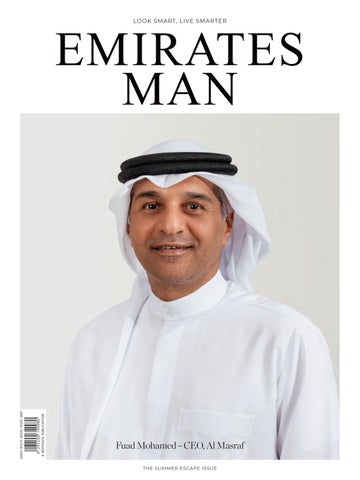
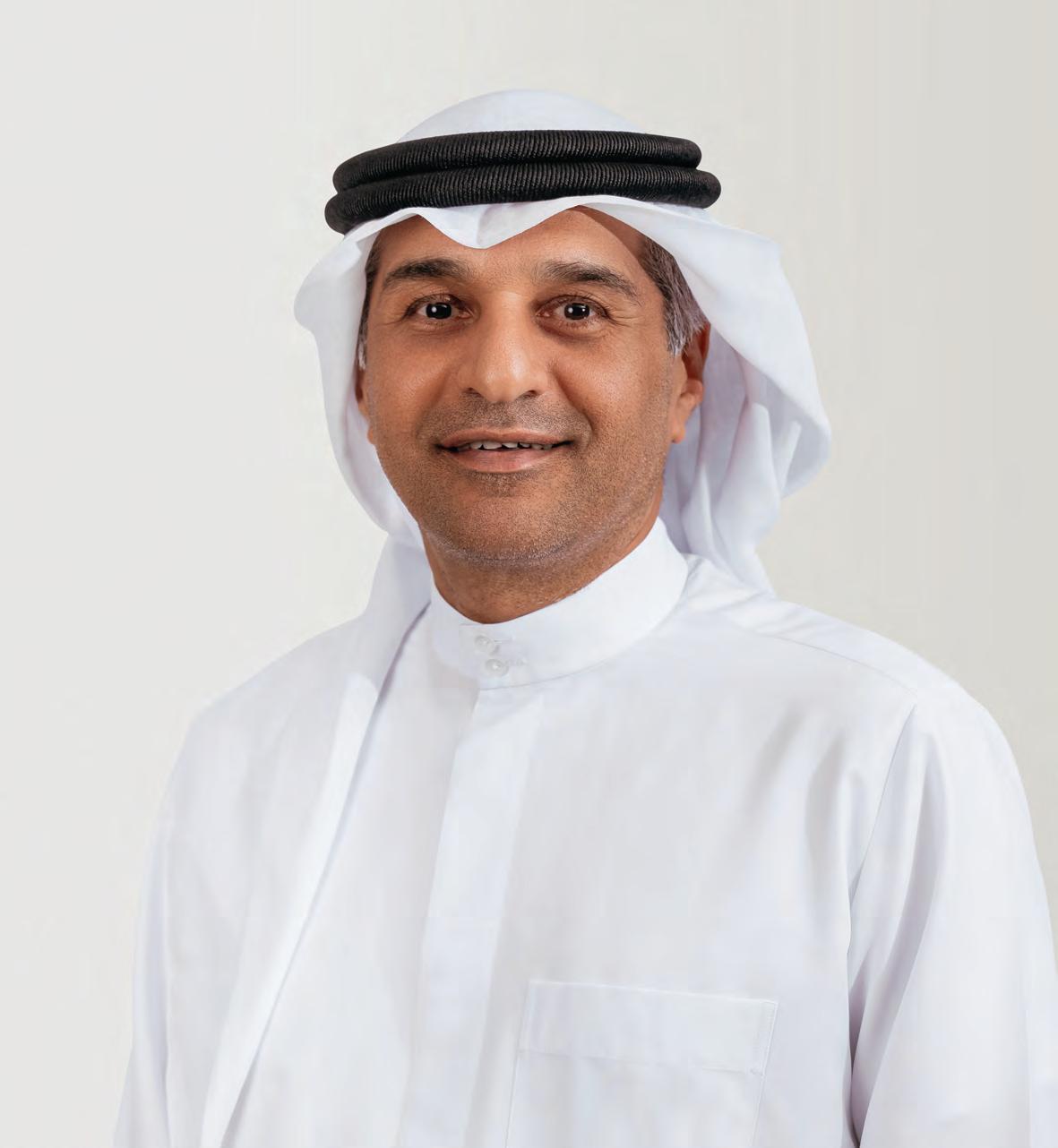
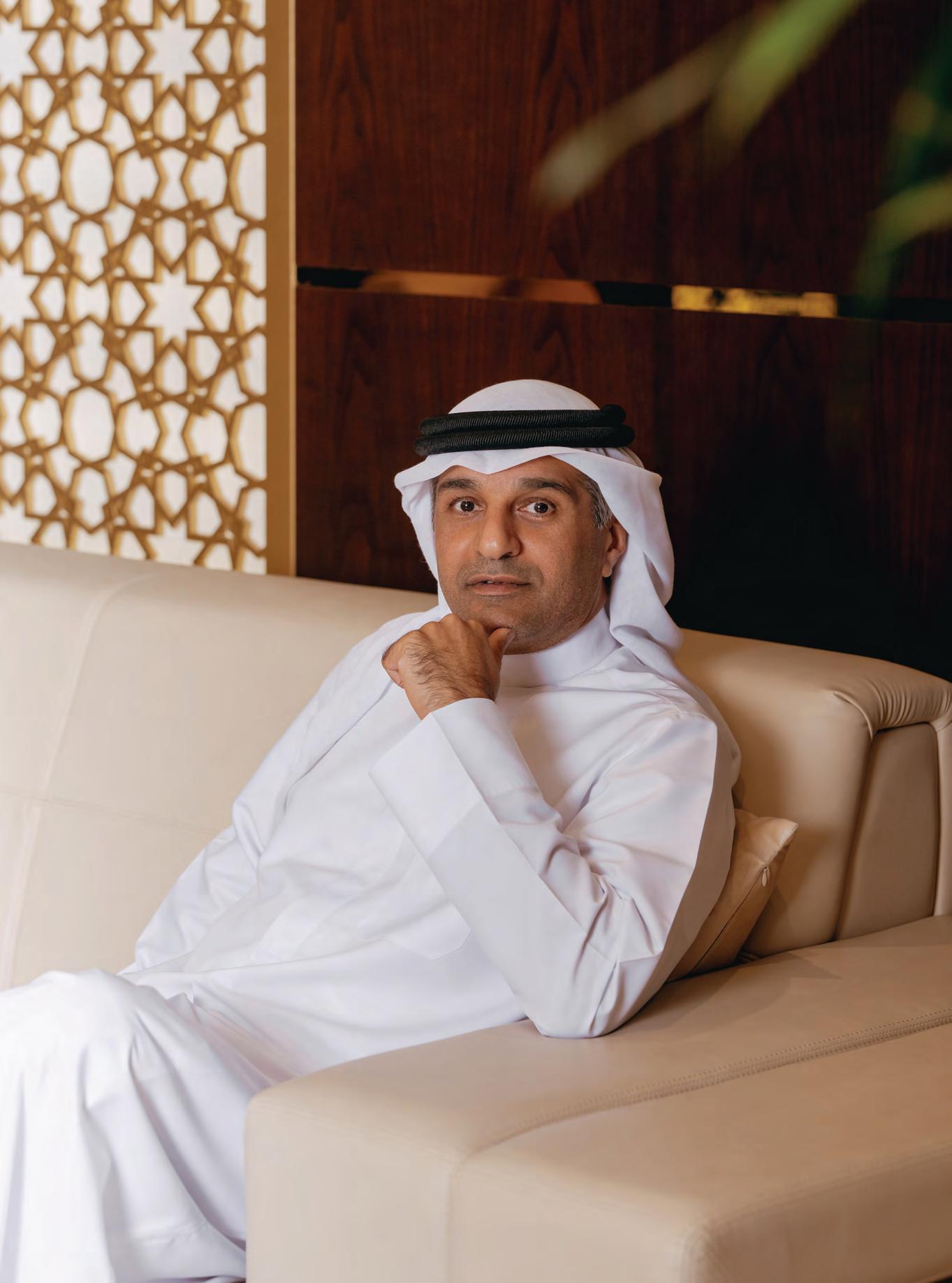
It certainly embodies this issue of Emirates Man and our cover star, the UAEborn Fuad Mohamed, Chief Executive Officer of Al Masraf. In Architect of Change (page 20) he talks about his tenure at the prestigious company as it celebrates its 50-year Golden Jubilee. But he also dives into the success behind his impressive career, which spans more than 25 years across some of the UAE's most prominent financial institutions, including Emirates Islamic and Emirates NBD Egypt banks.
Other great rapid-fire features in this issue of men succeeding in the UAE include A Cut Above (page 40) that highlights Hemant Karamchandani, who for the past 20 years has built an impressive jewellery empire in Dubai. Then there are Mitia Muravev and Peter
Bondarenko, who came together to create an innovative new way for people to see themselves in the feature Personal Perspective (page 70). While Mattheos Georgiou – Head of Operations for One&Only, SIRO, and Rare Finds, uses the pages of Emirates Man in Room to Think (page 66) to reflect on his 30 years in the hotel business during a time of flux in the industry.
Each and every page in this issue is focused on this goal of striving to meet the highest standards, no matter the field or the passion. The UAE has proven over and over again that it is a place where the pursuit of excellence is always the baseline.
Enjoy the issue.
jessica.michault@motivate.ae
WORK IN PROGRESS?
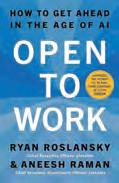
In Open to Work Ryan Roslansky, the CEO of LinkedIn, and Aneesh Raman, LinkedIn’s Chief Economic Opportunity Officer, have written the career manual the AI moment actually deserves. Sharp, practical, and refreshingly free of panic.
THE WORLD ACCORDING TO KHALED
Named after his son, rooted in faith, and stacked with arguably the most covetable guest list in hip-hop right now – Drake, Jay-Z, Burna Boy, Tems, among them – Aalam of God is DJ Khaled doing what he does better than anyone. Making the moment feel like a movement –and one that you can move to.
A MAN AND HIS DOG
Ridley Scott, approaching 90 and apparently unbothered by the concept of slowing down, turns his gaze to the end of civilisation – again. In TheDog Stars, Jacob Elordi and Josh Brolin navigate a post-pandemic world stripped of its niceties and most of its population. Brutal, visceral, and it has a dog. This film looks to be the perfect night out with the boys.
Monitor
CONTENTS
p.08
Monitor News
p.10
The Boys Toys
p.12
Well Groomed
p.14
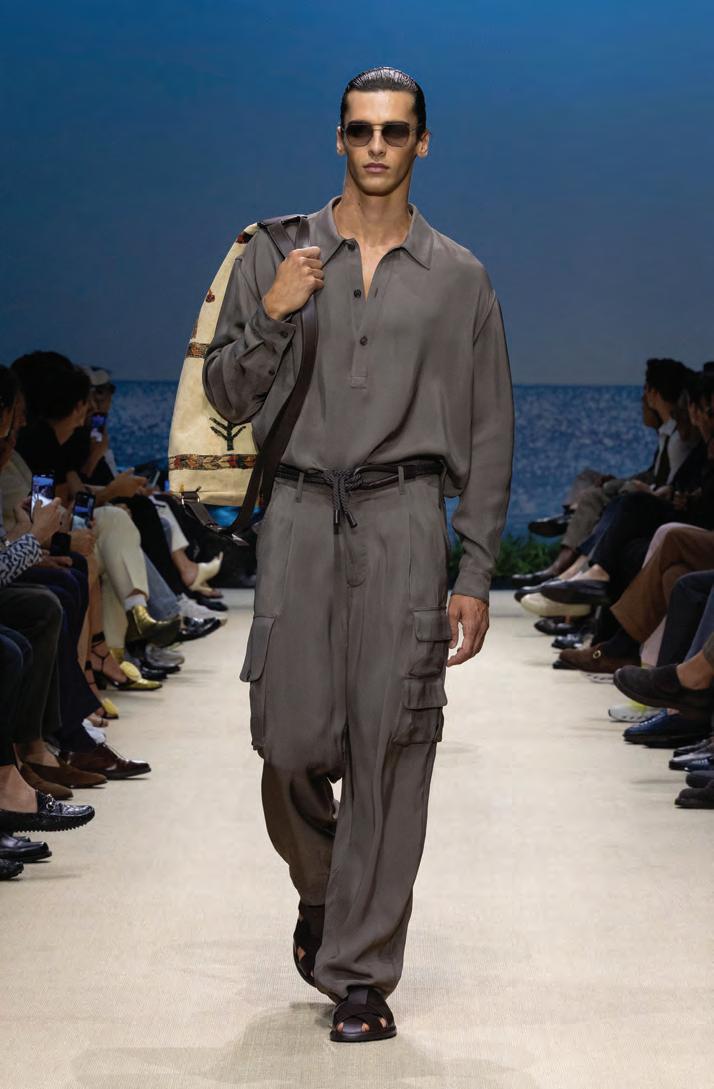
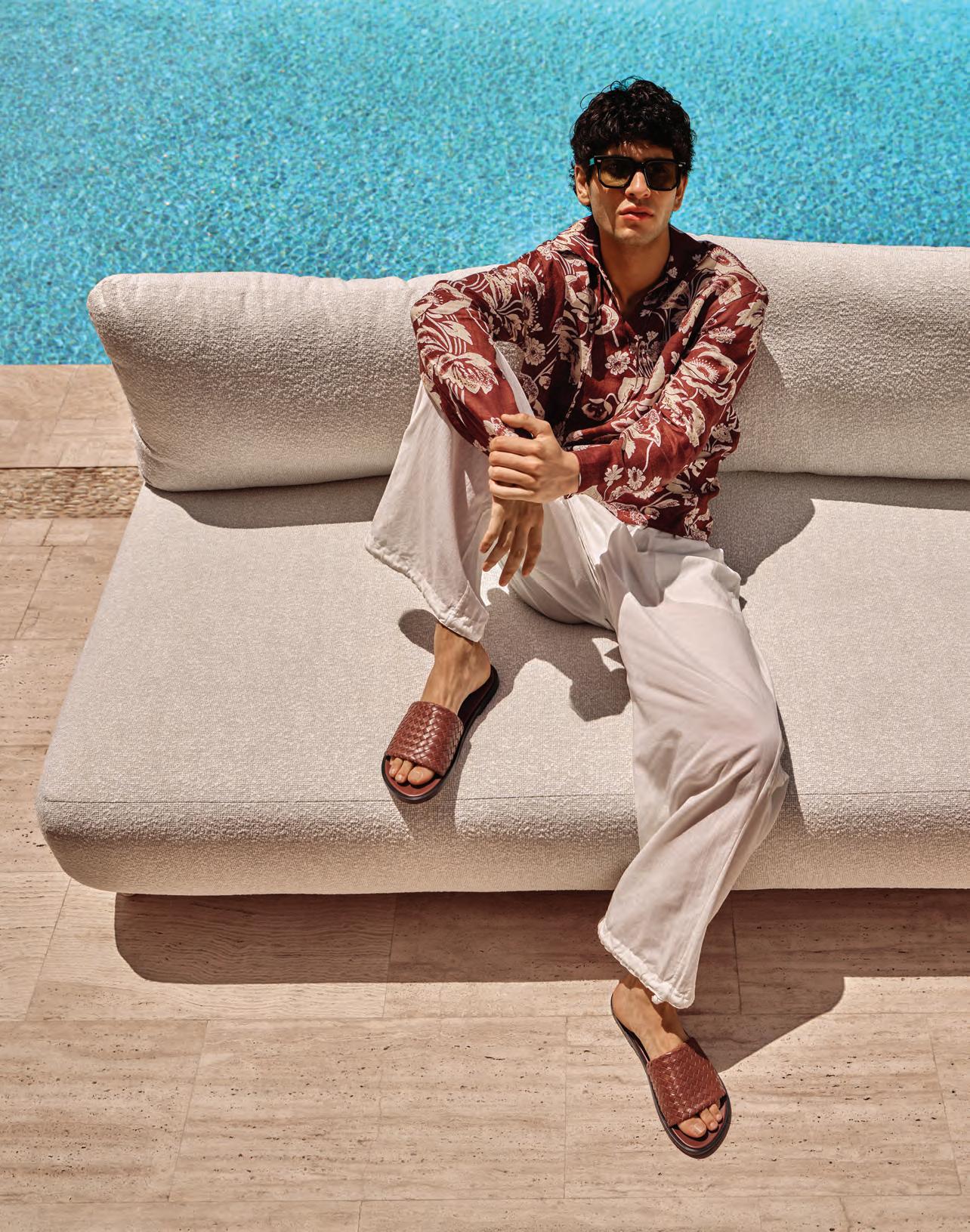
Ease In – Lightweight tailoring and relaxed silhouettes for effortless transitions from the city to the coast
p.16
In the Club – From the clubhouse to the running club, an edit of highperformance essentials to keep you ahead of the active curve
p.18
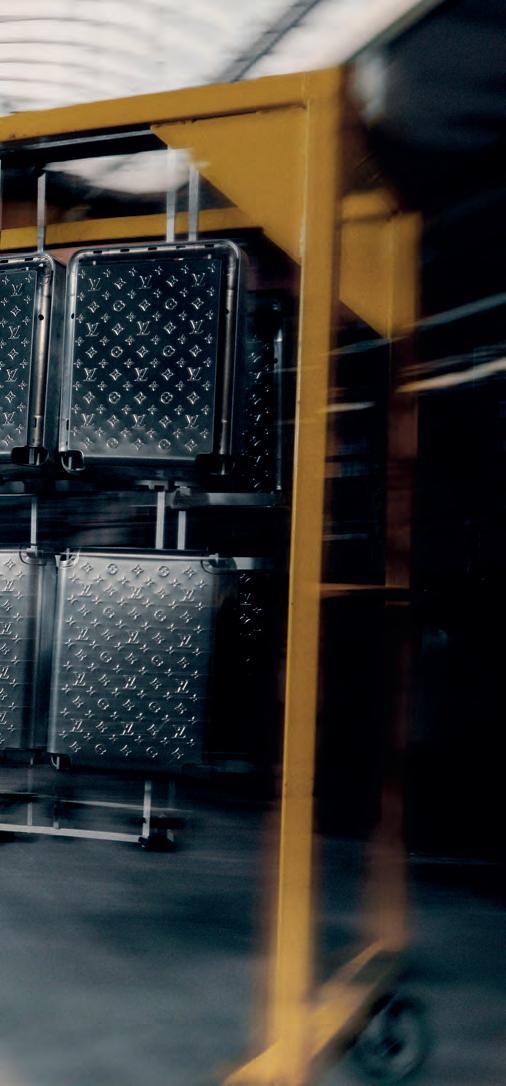
Engineered for Flight –Industrial designer Marc Newson, one of the most celebrated creators of his generation, on the making of Louis
Vuitton’s first rivet-free aluminium suitcase
p.20
Architect of Change –As Al Masraf celebrates its Golden Jubilee, Chief Executive Officer Fuad Mohamed discusses leadership, innovation, and guiding one of the UAE’s most established financial institutions into its next chapter
p.24
Easy Living – Ounass offers men clothing designed to make them feel comfortable
p.34
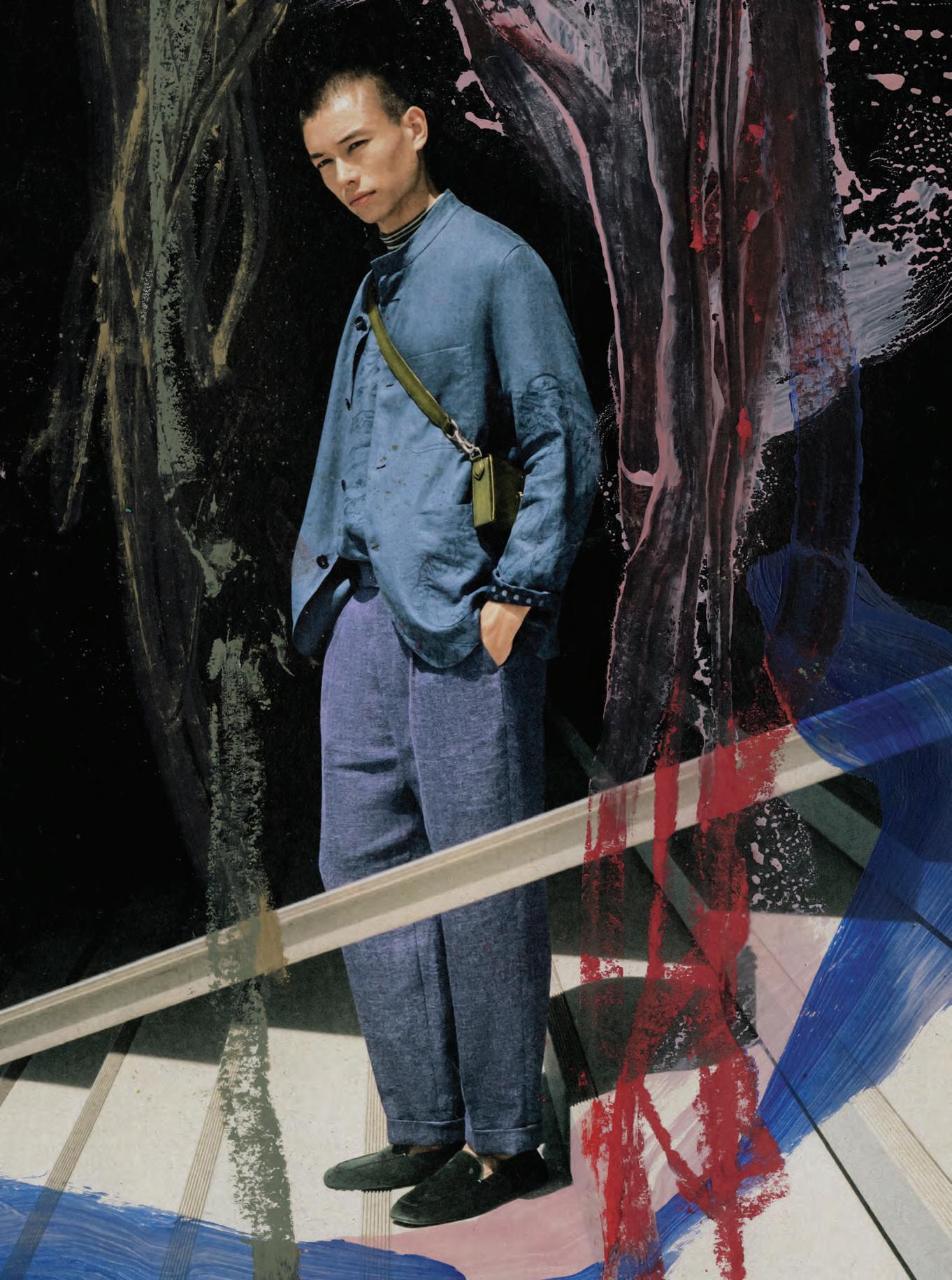
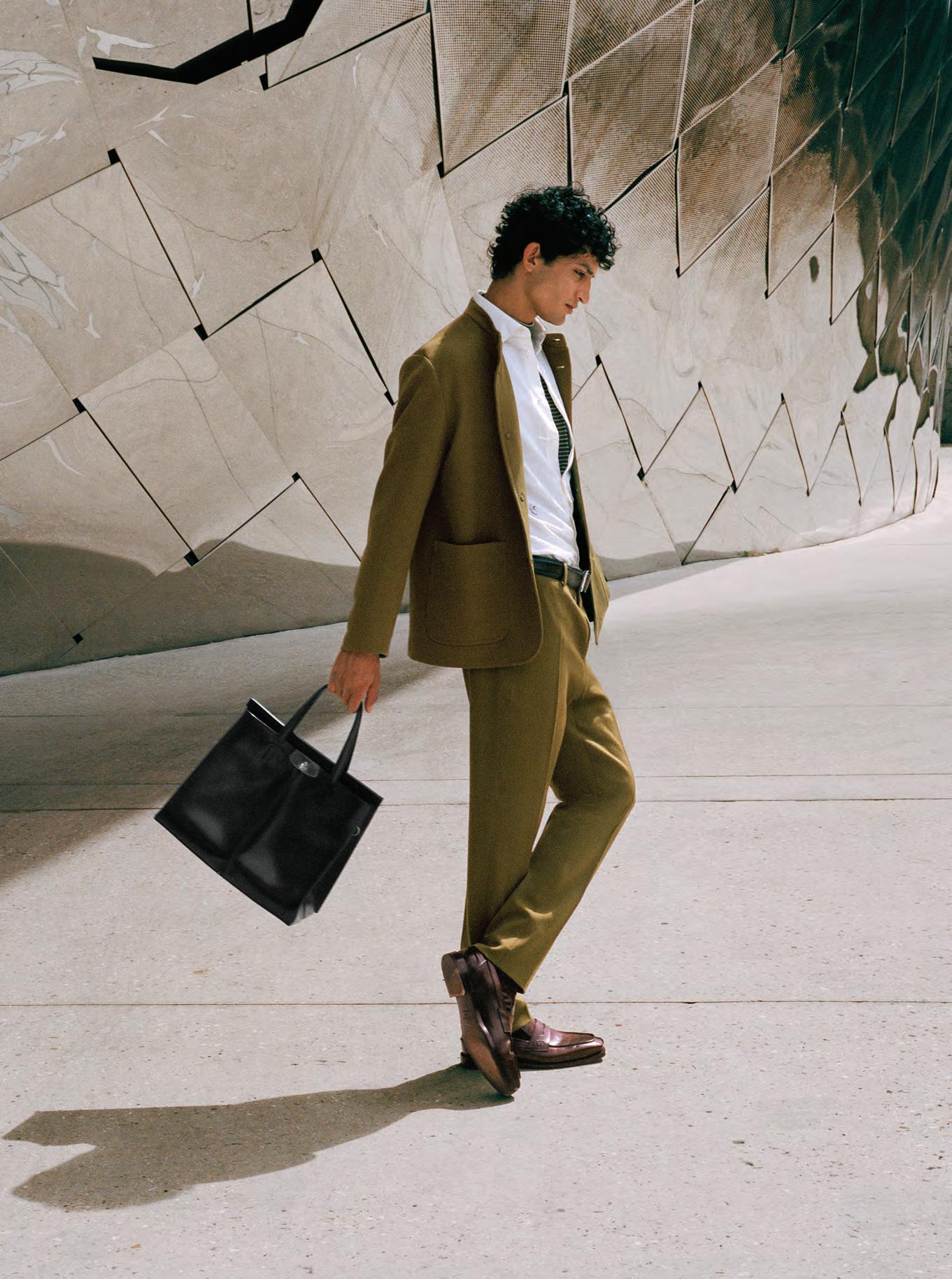
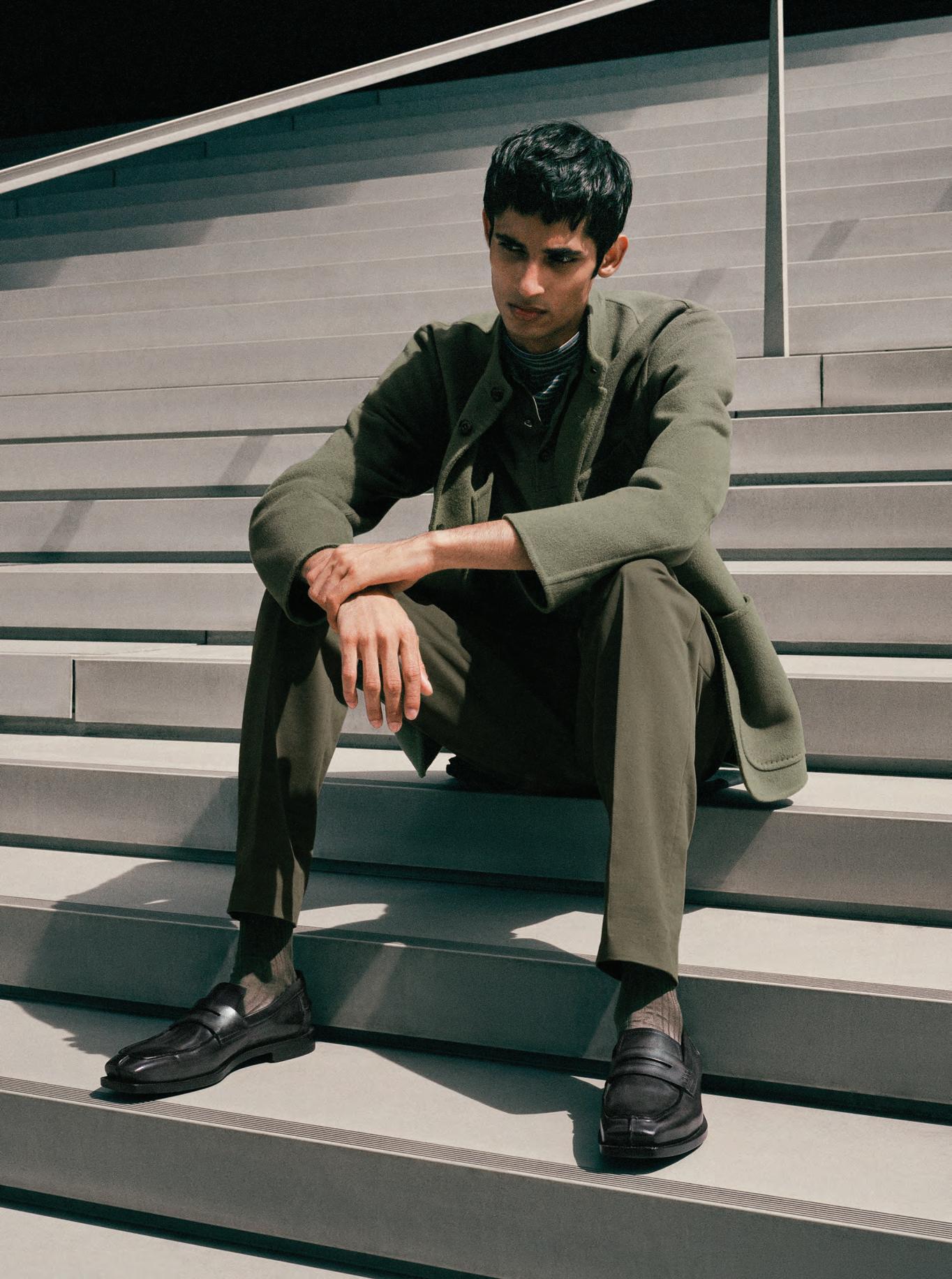
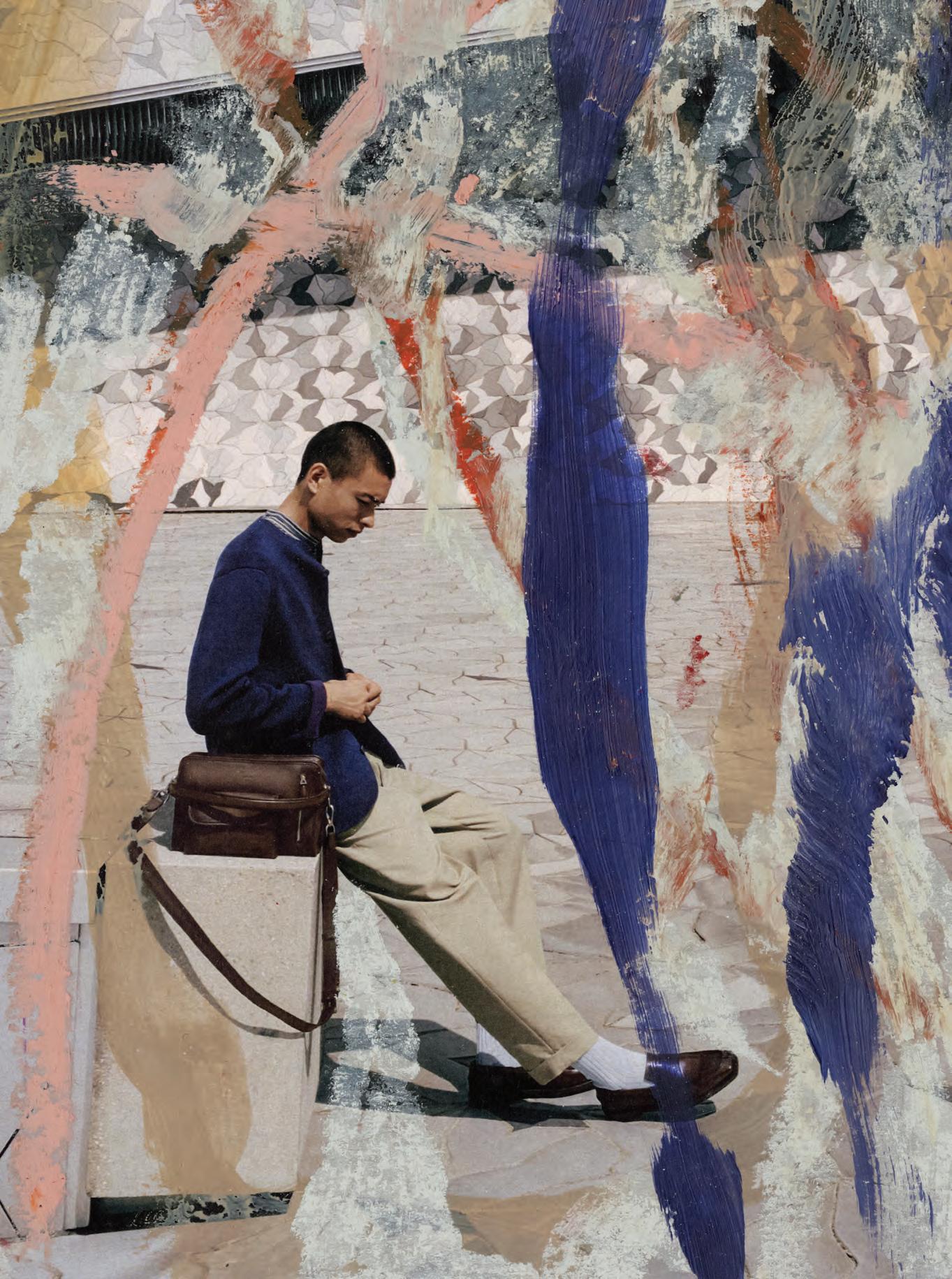
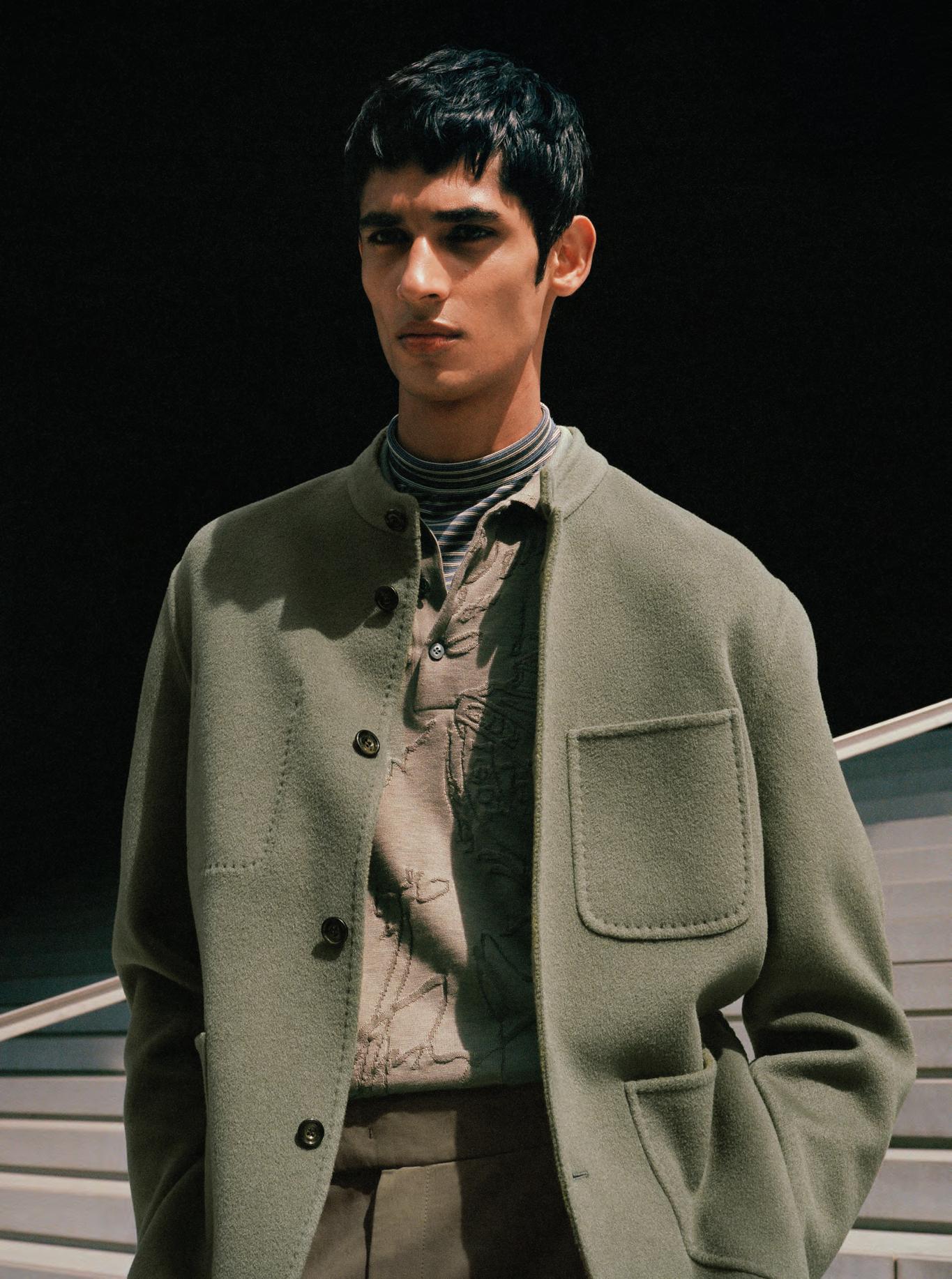
Rooted in Style –Berluti revisits its iconic
Forestière in lighter fabrics for warmer weather, transforming this journeyman jacket into a year-round essential
p.40
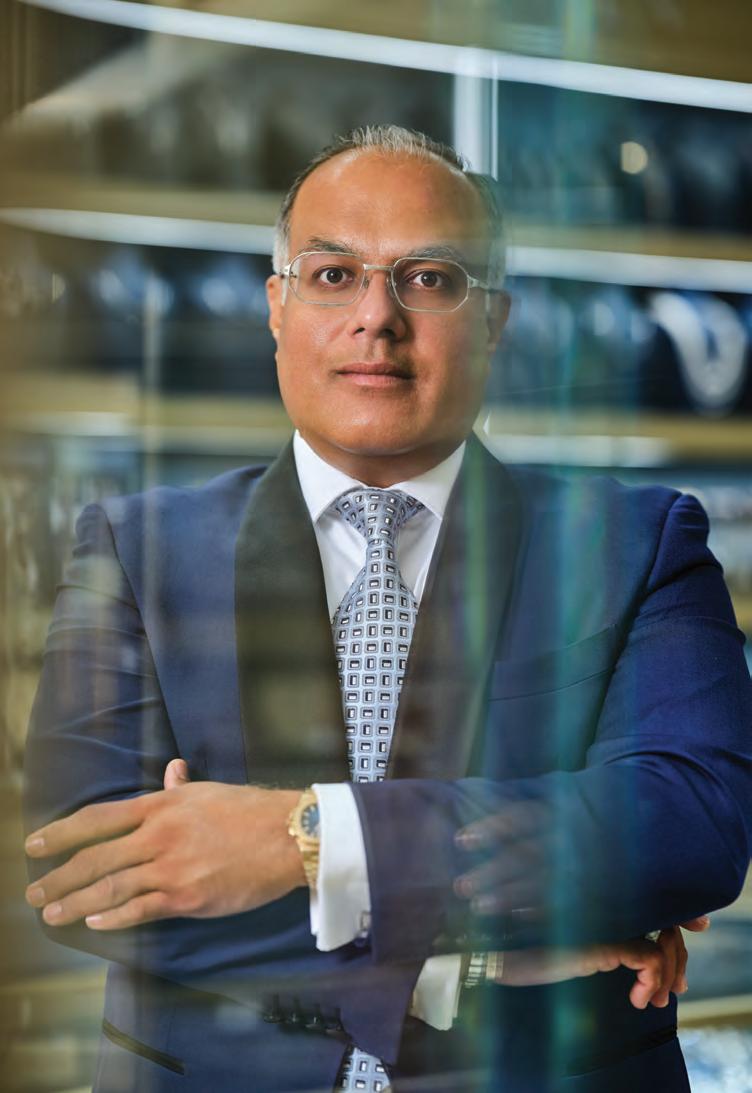
A Cut Above – Hemant Karamchandani’s
encyclopaedic knowledge of his clients has helped him build an impressive jewellery empire in Dubai
p.42
A Year of Icons – The most compelling timepieces from Watches & Wonders 2026
Lifestyle
p.58
Behind the Mask –Cricketer Robin Uthappa opens up about why men don’t ask for help
p.62
The Business of Better Skin – General Manager of Sisley Orient Antoine Bonvin discusses the rise of men’s skincare
p.64
Something to Smile About – Dr Edoardo Felici’s work at APA Aesthetics Dubai on how dentistry
has become part of today’s luxury wellness landscape
p.66
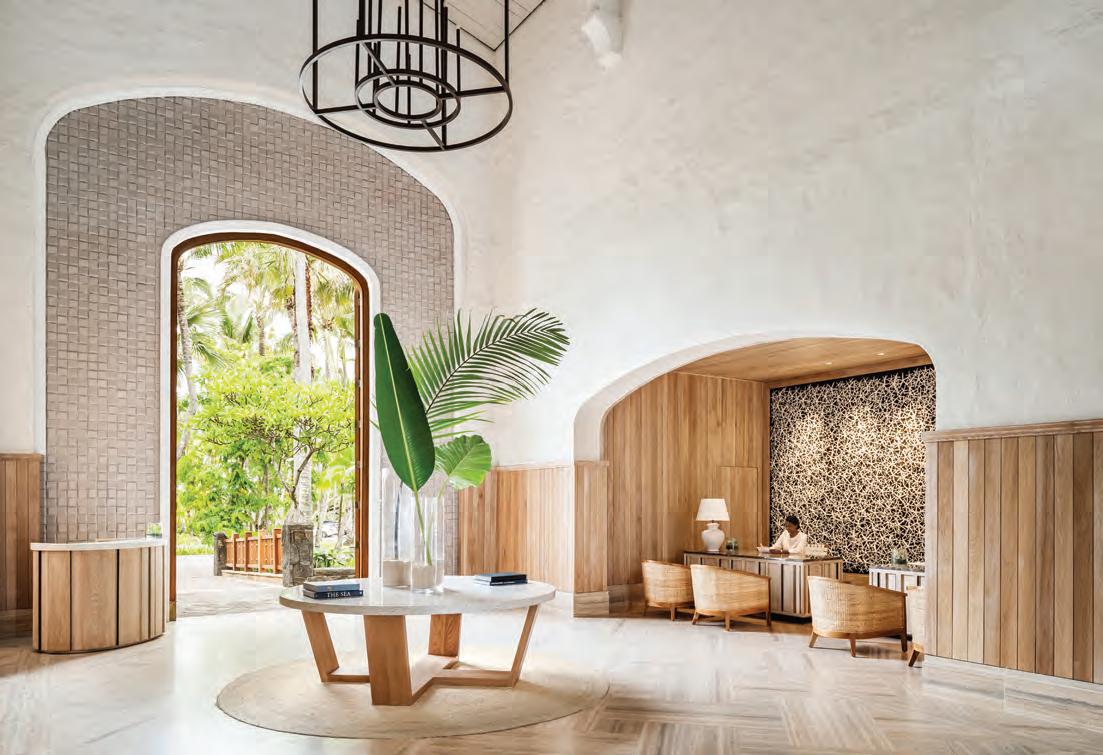
Room to Think –Head of Operations for One&Only, SIRO, and Rare Finds Mattheos Georgiou reveals his insider trick that tells you if a hotel is good or bad
p.70
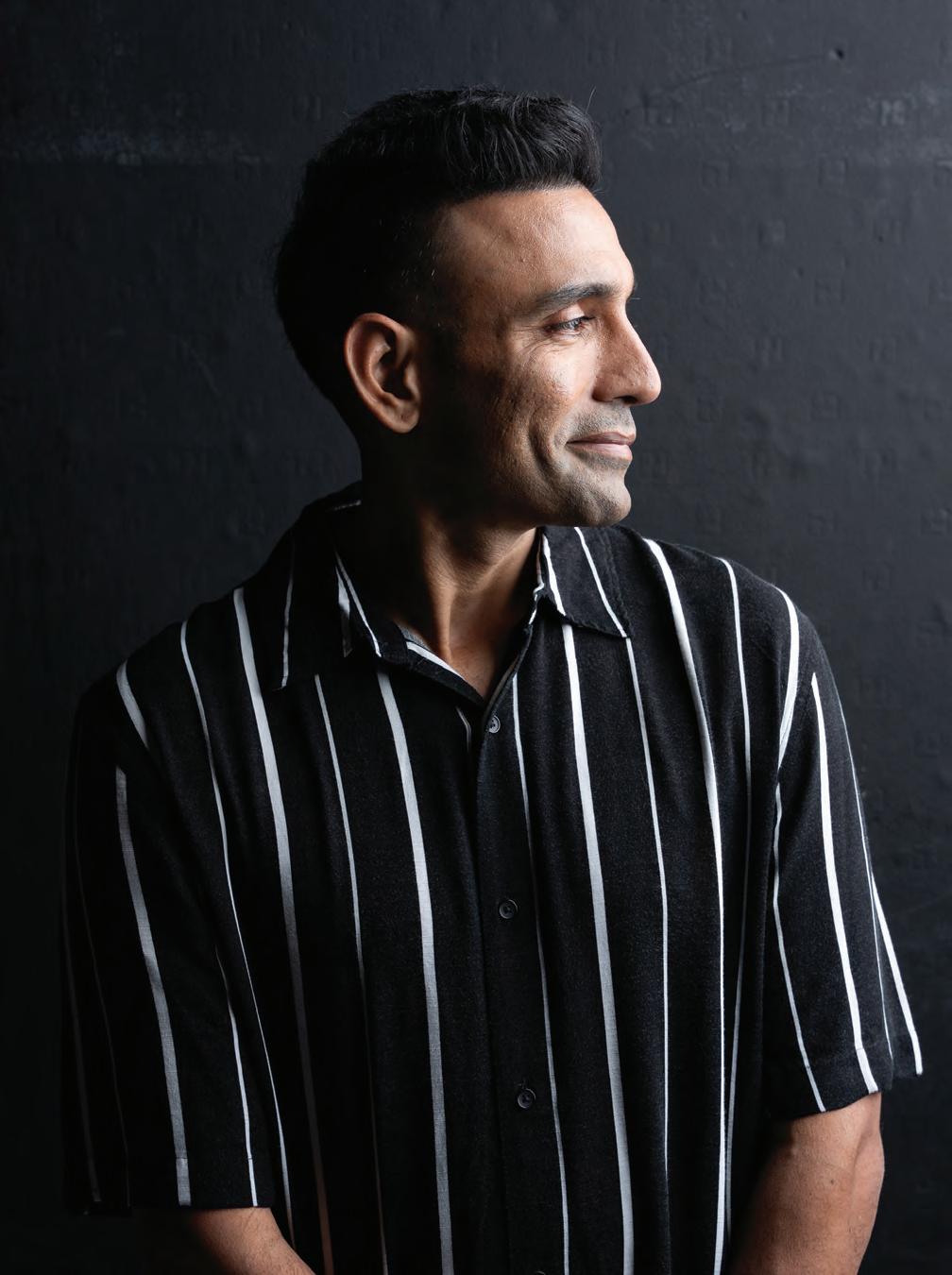
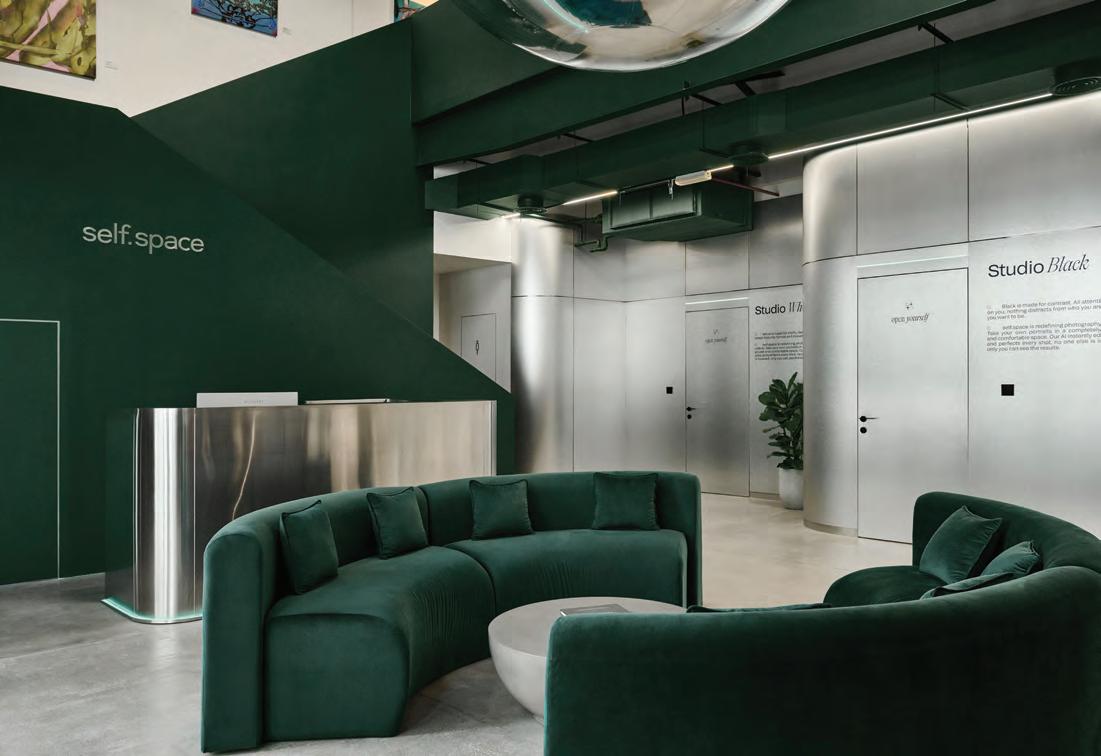
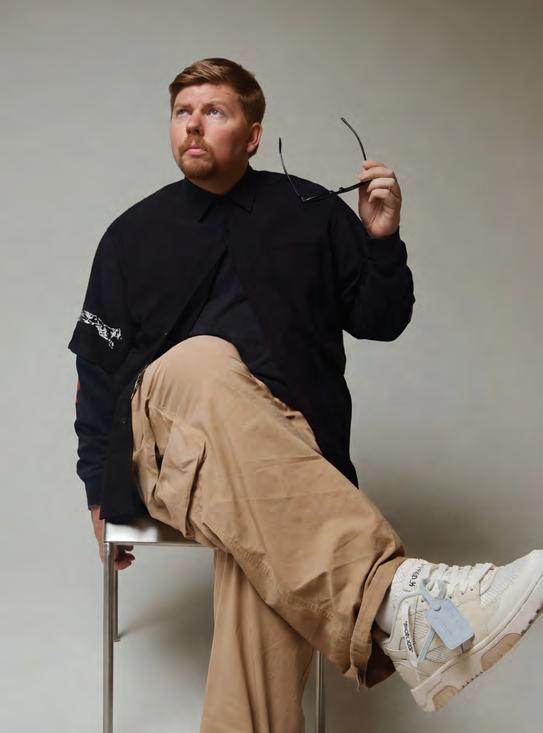
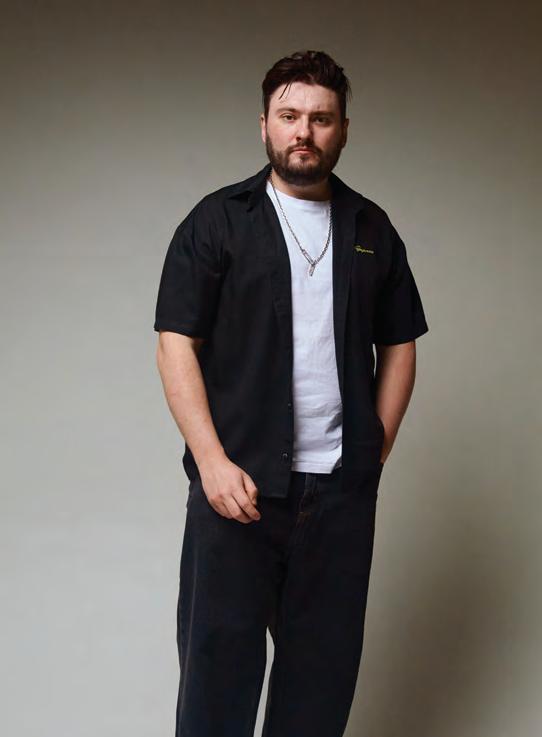
Personal Perspective – the partners behind self.space, Mitia Muravev and Peter Bondarenko, are reshaping the portrait experience
p.46
Pared Back Power –Bvlgari’s executive director of product creation, reflects on the evolution of his vision
p.50
Simply The Best –At this year’s Watches & Wonders, men were spoilt for choice when it came to statement-making timepieces
p.56
Moments That Matter – Baume & Mercier
CEO Michael Guenoun reflects on why ‘meaning’ matters so much to today’s collectors timepieces
p.72
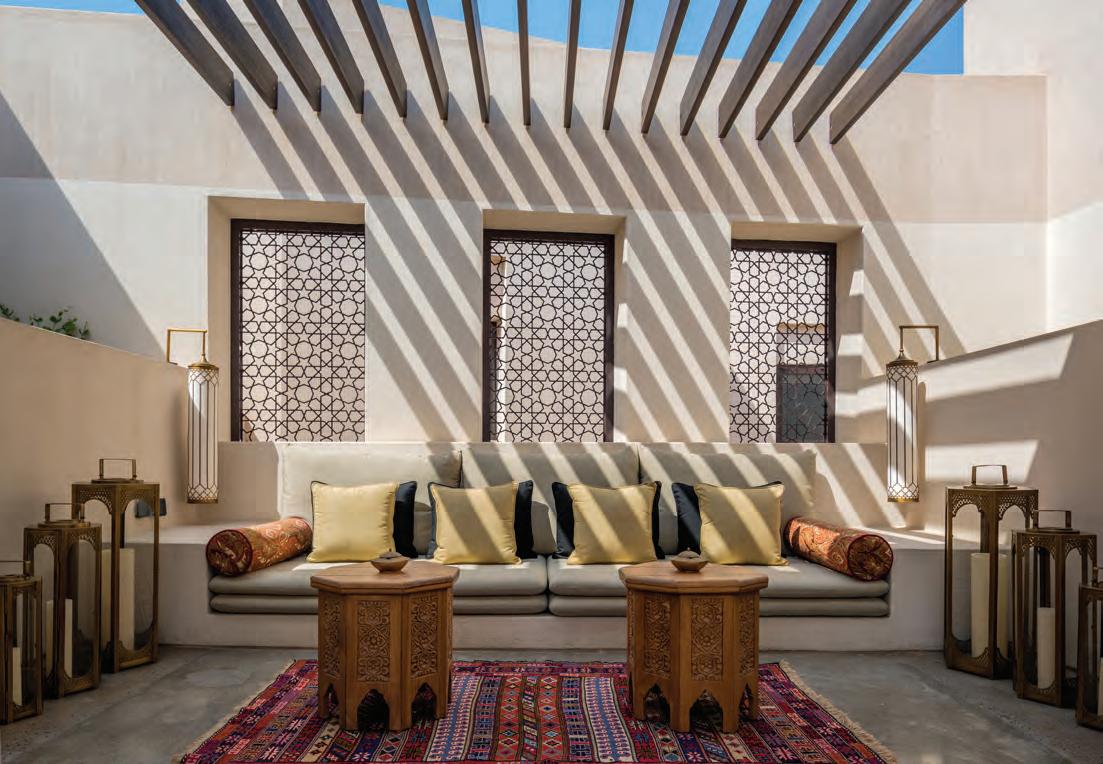
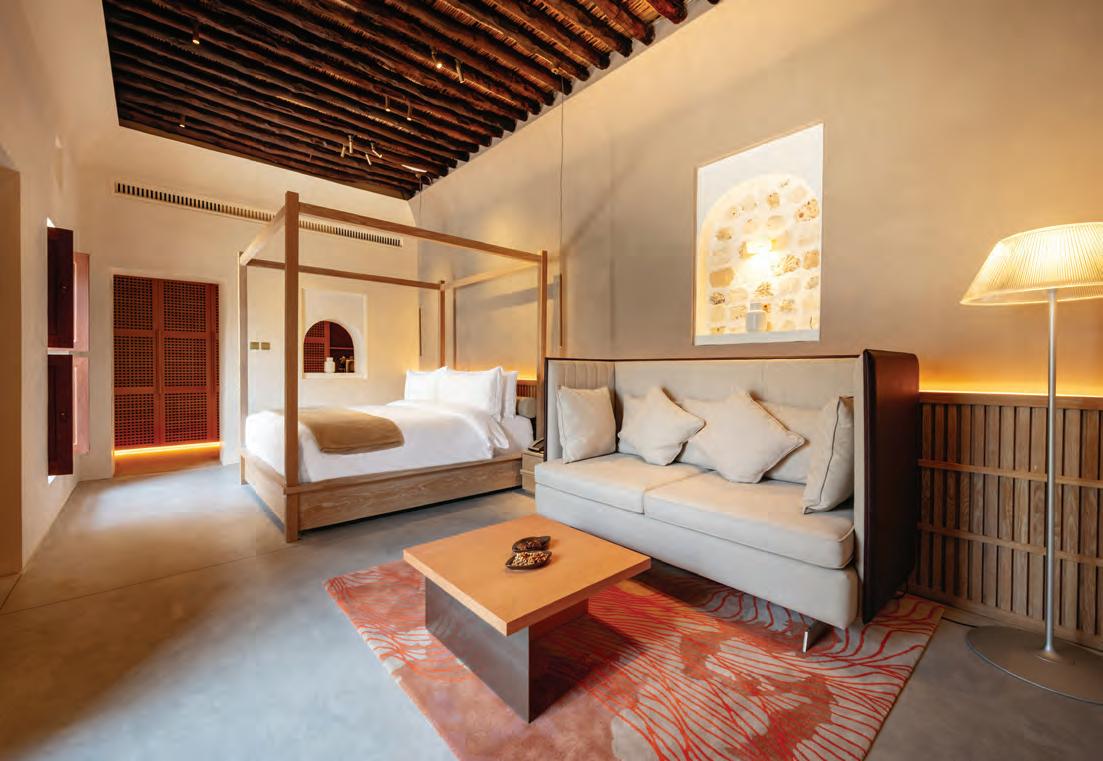
Lost in Time – Check out of modern life and enjoy a uniquely historical stay at Chedi Al Bait Sharjah
p.74
The London Hotels Hotlist – A round up of the places to stay this summer in Britain’s bustling capital
p.78
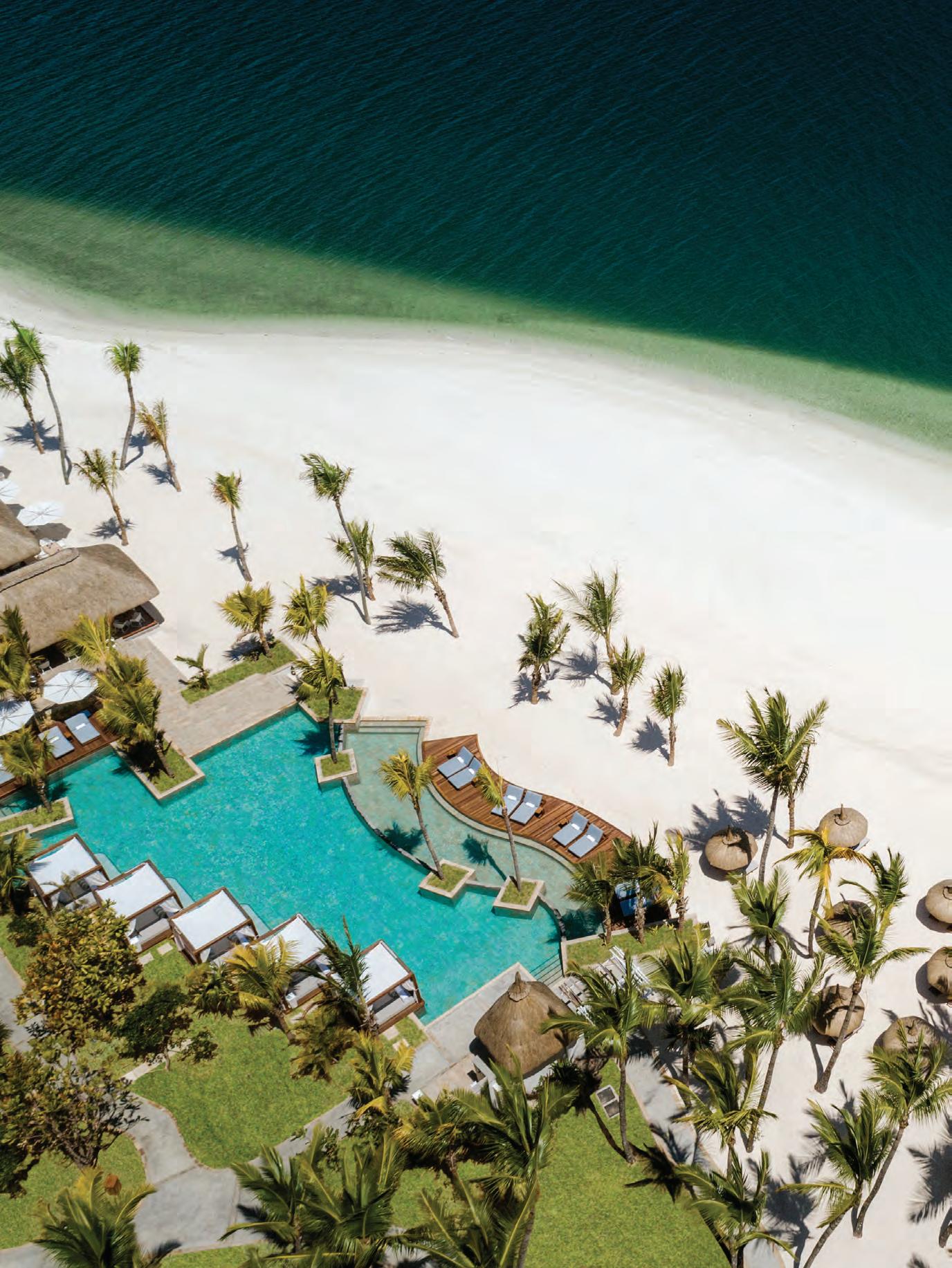
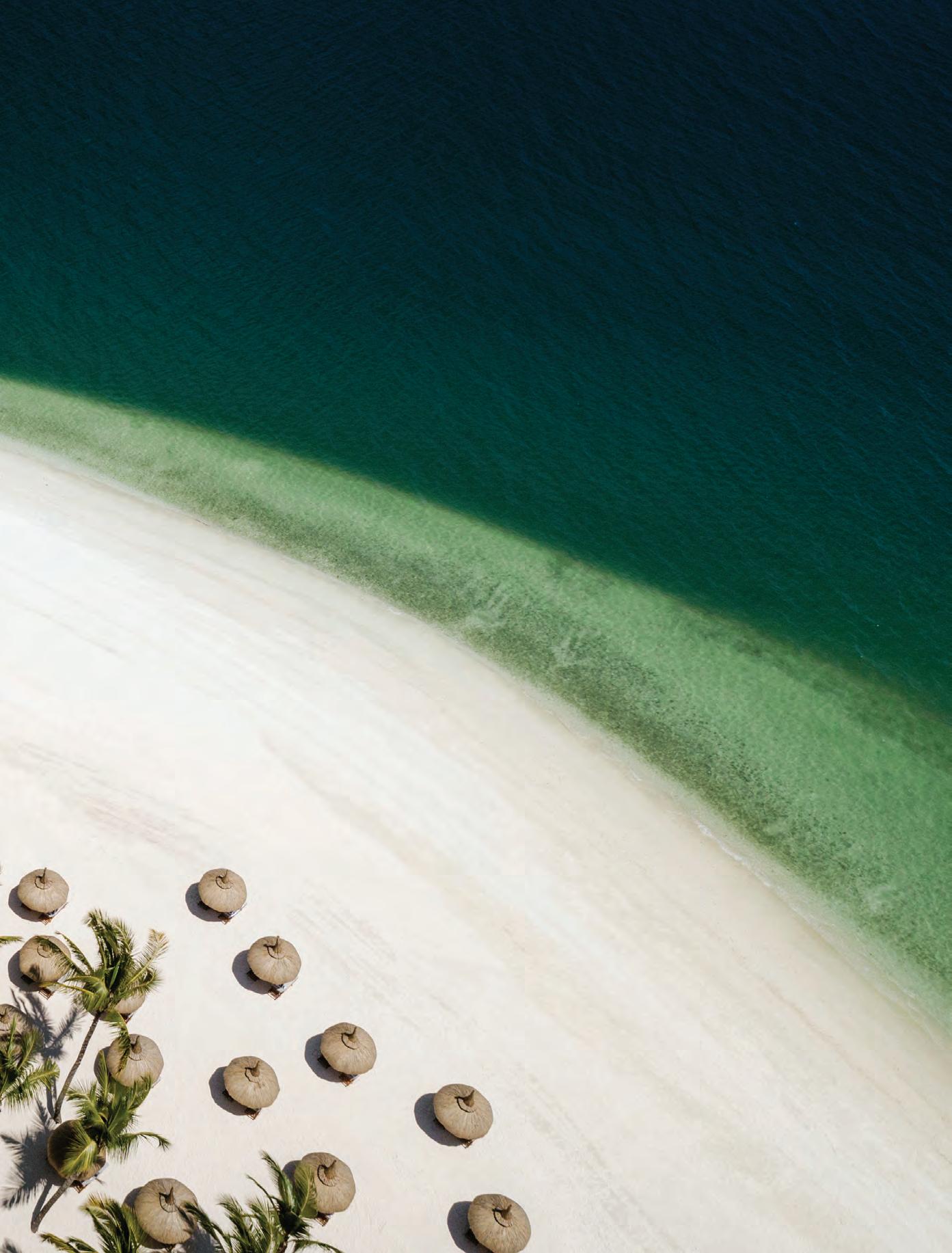
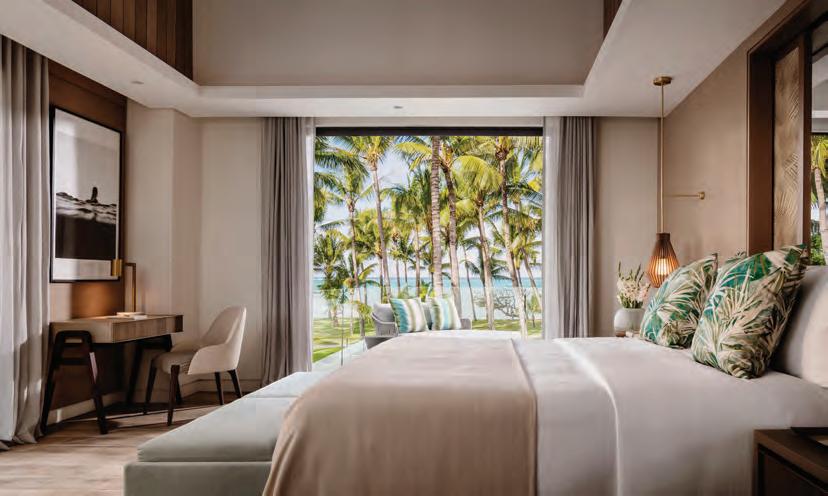
Pack Up Your Troubles – A burnt-out family travels to Mauritius to rest, reconnect, and make precious memories together
The Modern Voyager
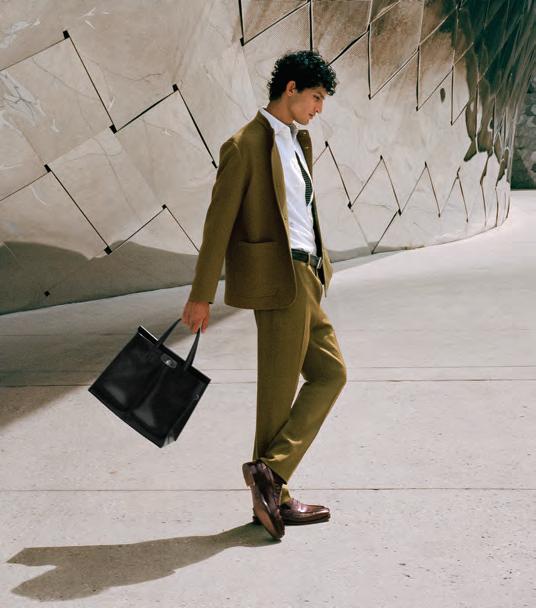
Navigating the season with artisanal textures and a palette of refined neutrals
THE ELEVATED EXPLORER
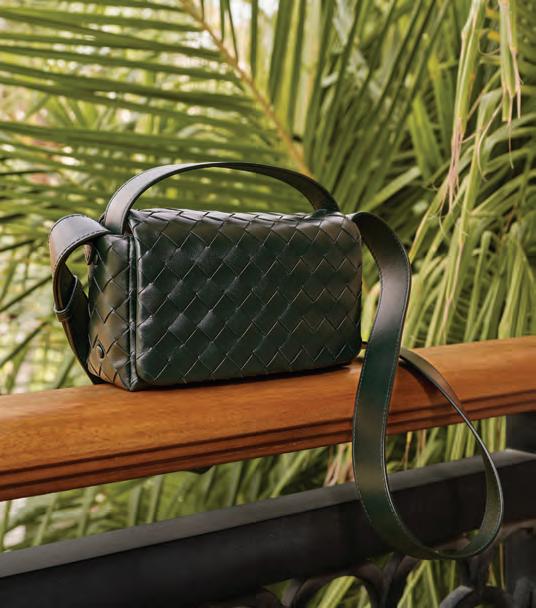
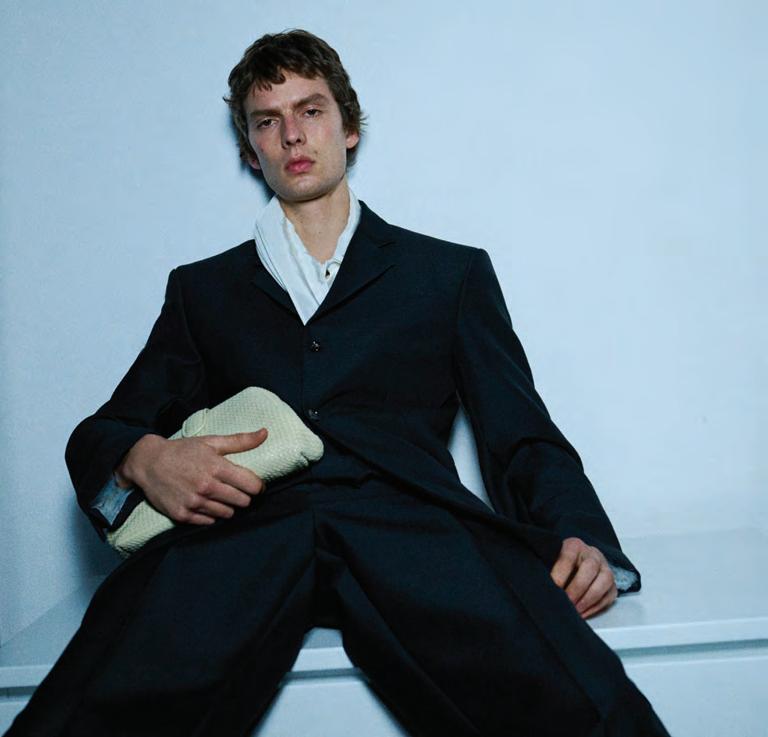
Set against the refined backdrop of Bodrum Marina in Turkey, Bottega Veneta reopens its seasonal resort boutique with a sophisticated coastal-inspired design. The space introduces creative director Louis Trotter’s AW26 collection, featuring elevated leather goods, accessories, footwear and ready-to-wear pieces. The lineup reinforces the house’s understated luxury aesthetic within one of Turkey’s most exclusive summer destinations.
THREE TO OWN
THE HERO BUYS
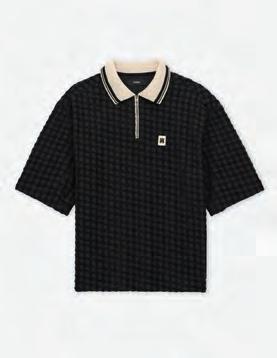
Ma Quad Zip Toweling Polo Dhs2,590 Amiri
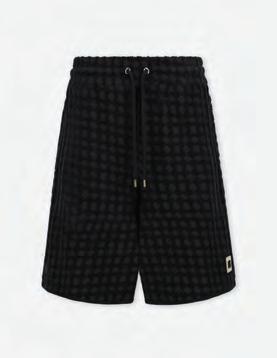
Ma Quad Zip Toweling Shorts Dhs2,350 Amiri
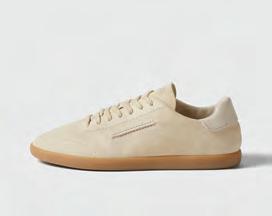
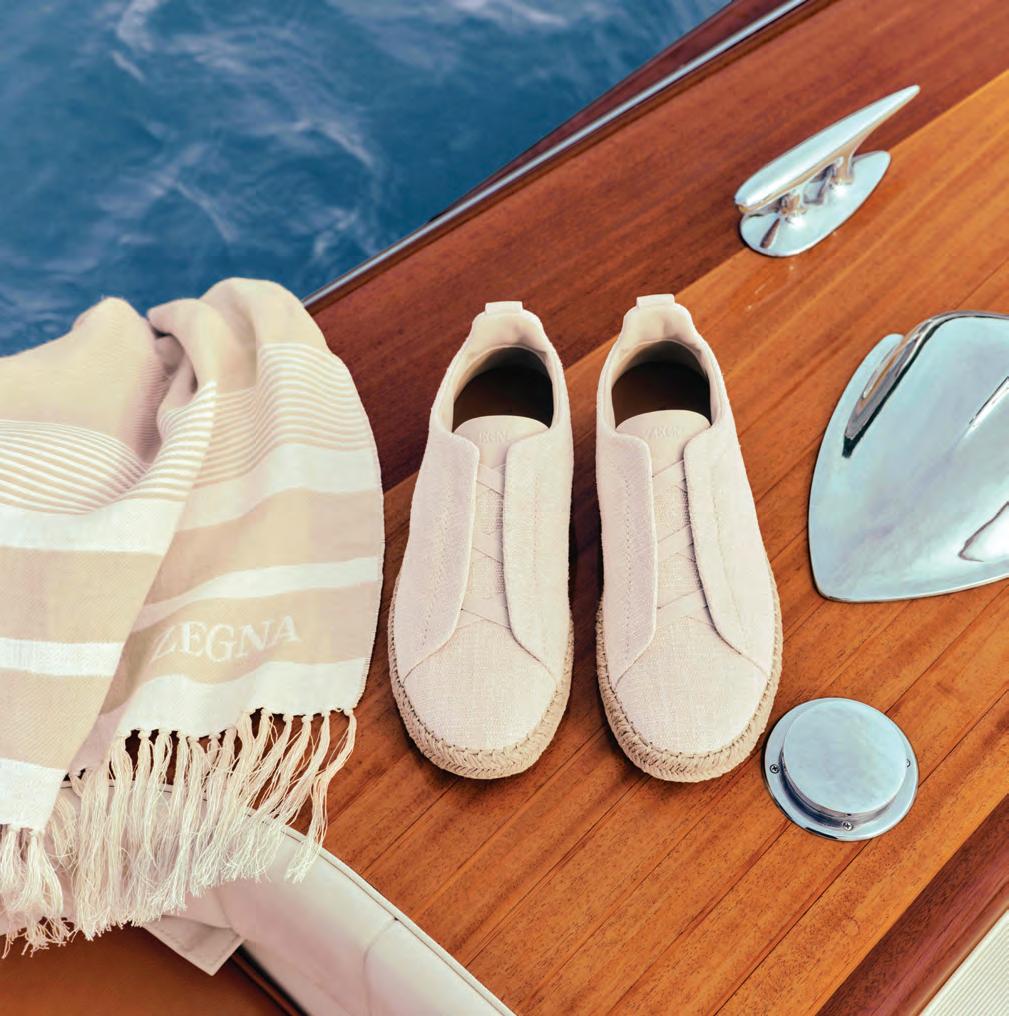
White 232 Suede Sneakers Dhs4,700 Zegna
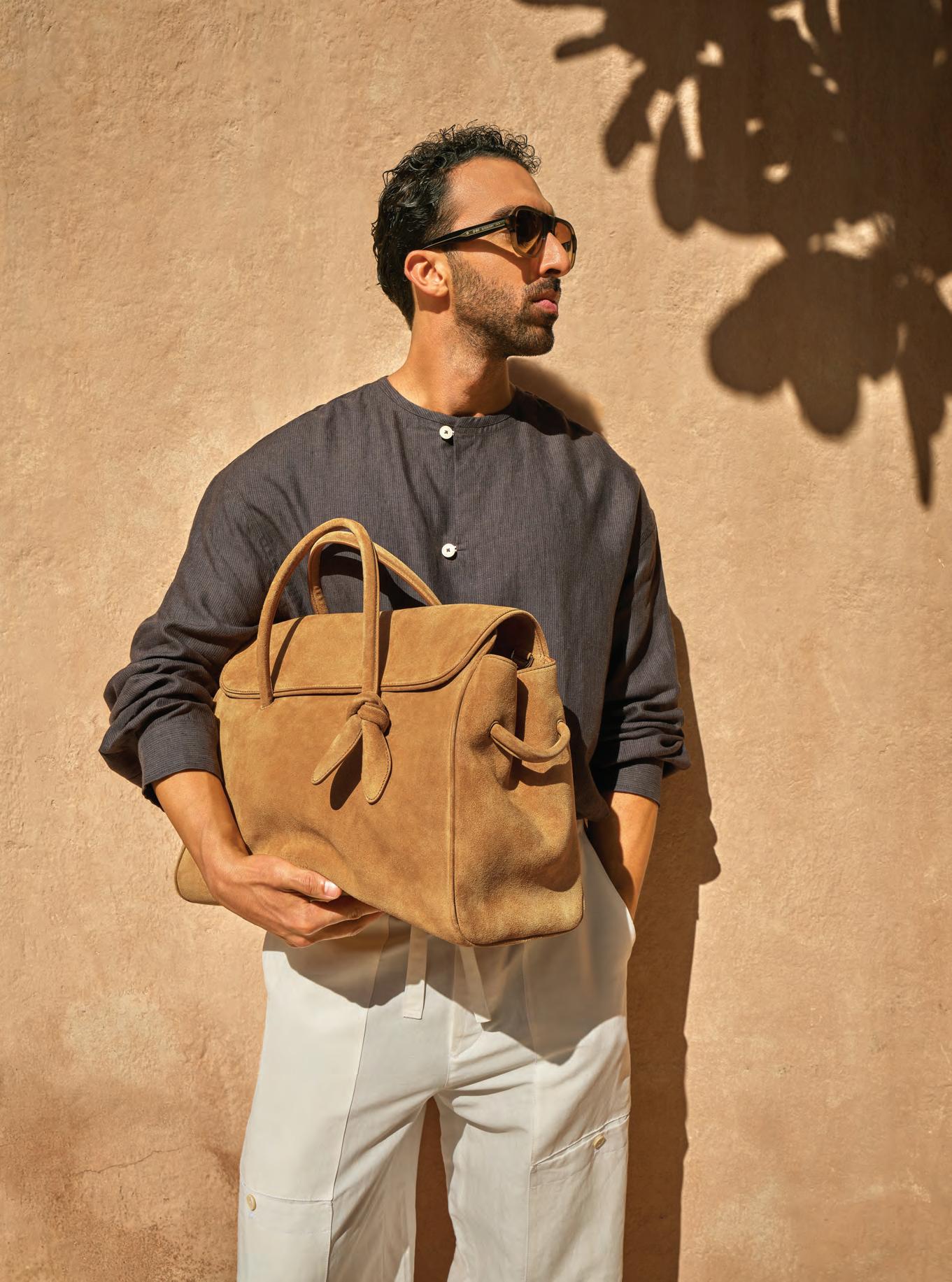
Backpack in Suede & Leather Dhs16,900 Brunello Cucinelli
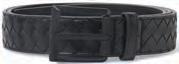
Solo Belt in Intrecciato Leather Dhs2,900 Bottega Veneta
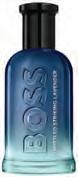
Bottled Striking Lavender Eau de Parfum Dhs495 Hugo Boss
WORDS: RADWA ASKAR
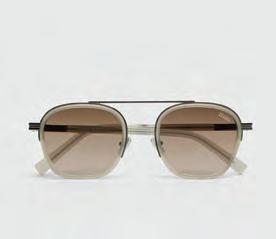
Grey Orizzonte Acetate Sunglasses Dhs1,805 Zegna
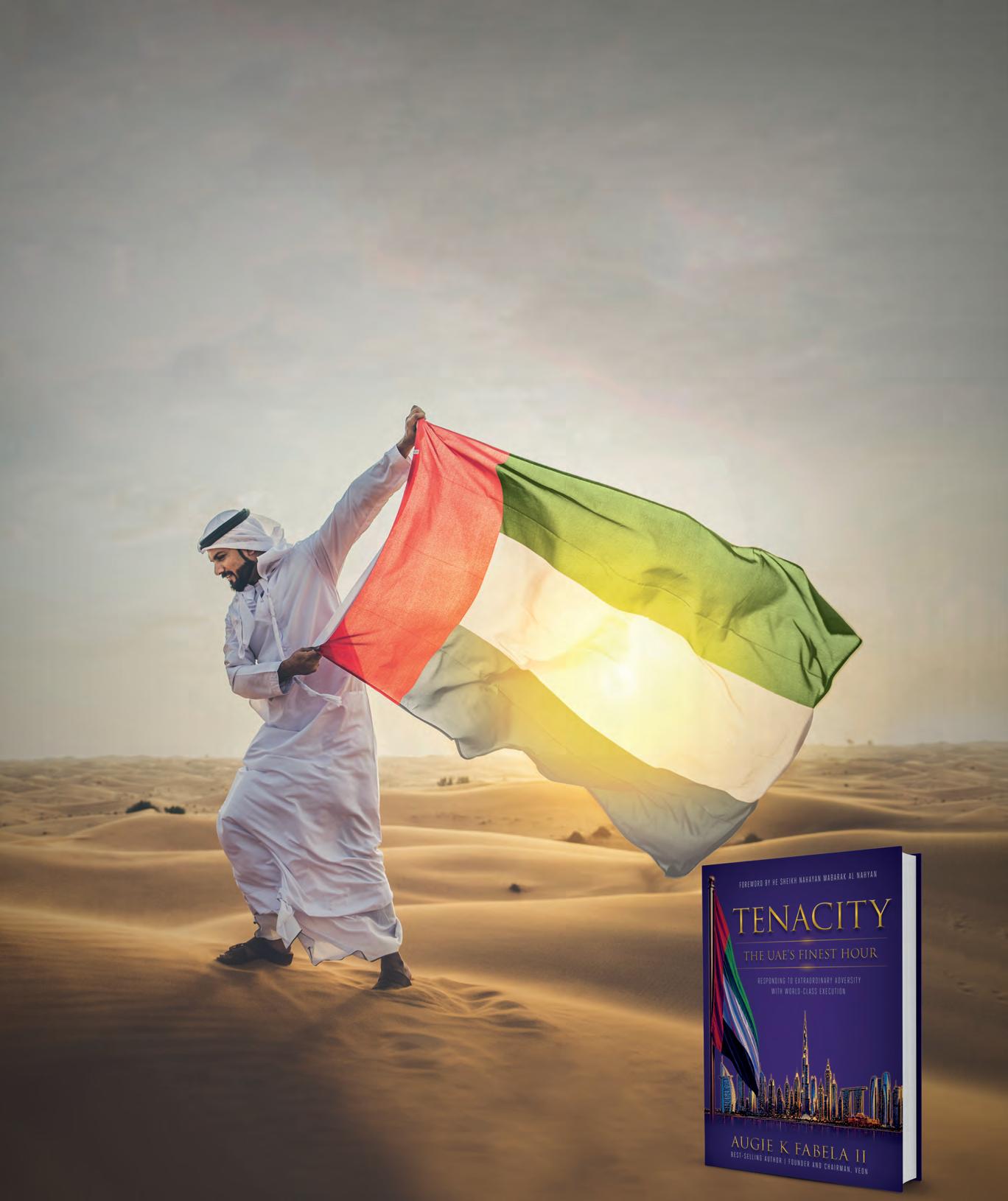
UNDER UNPRECEDENTED
ATTACKS
, THE UAE
STOOD
READY. THIS IS THE STORY OF THE FIRST 31 DAYS
“Augie Fabela writes not as a distant commentator, but as a firsthand participant—one who chose to stay and stand in solidarity with the UAE. His unique perspective, as an eyewitness to a defining moment, captures our nation’s strength, vision, and tenacity.”
HIS EXCELLENCY SHEIKH NAHAYAN MABARAK AL NAHYAN
MINISTER
OF TOLERANCE AND COEXISTENCE, UNITED ARAB EMIRATES
TRAVEL SKITTLE SET
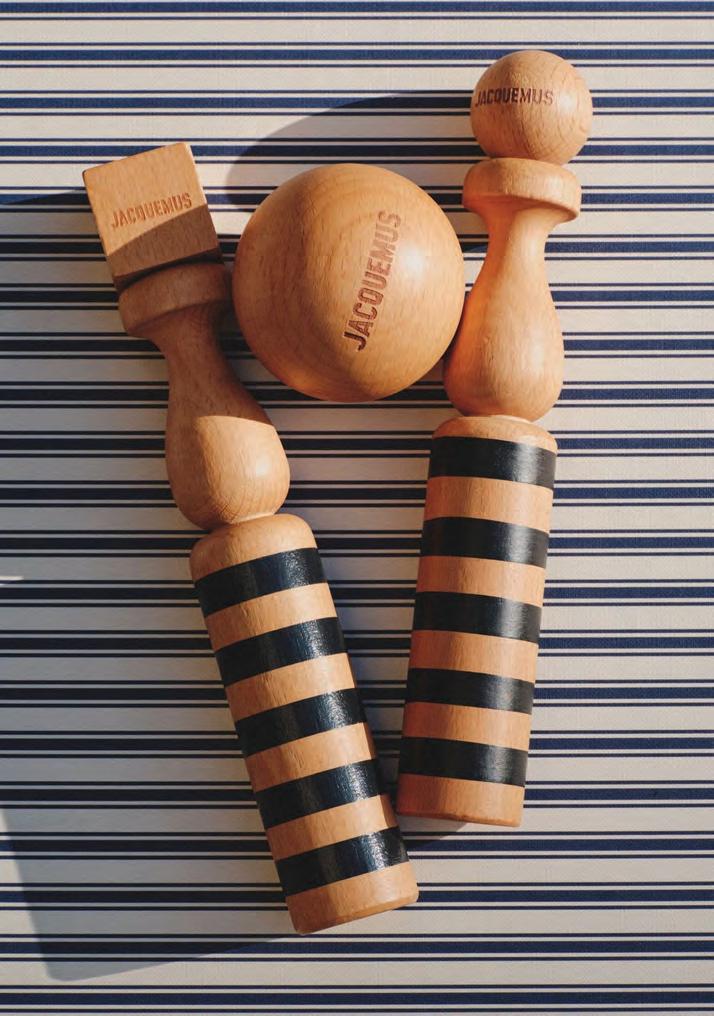
For playful pursuits, Simon Porte Jacquemus brings his signature whimsical charm to the garden path. This limited-edition skittle set, meticulously carved from solid beechwood and housed in a supple cowhide leather carrier, is a collector’s piece designed for sundrenched afternoons. It is leisure, elevated to an art form, and a quintessential companion for the summer traveller. Dhs1,560 Jacquemus
HEADPHONE (A)
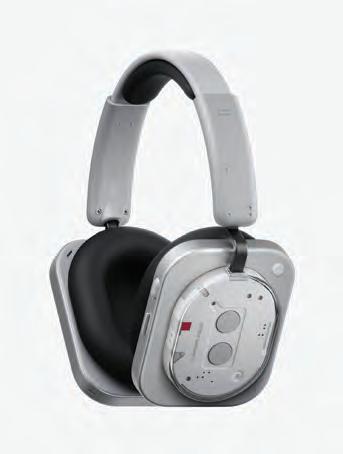
The Headphone (a) from under-the-radar tech brand Nothing distils personal audio down to its most essential, transparent form. Designed for the audiophile who values a minimalist silhouette as much as a crisp soundstage, it is the perfect companion for the daily commute or quiet moments of inspiration. Expect clean lines with uncompromising acoustics. Dhs599 Nothing
THE BOYS TOYS
The latest objects and gadgets for inspiration and recreation
WORDS: CAMILLE MACAWILI
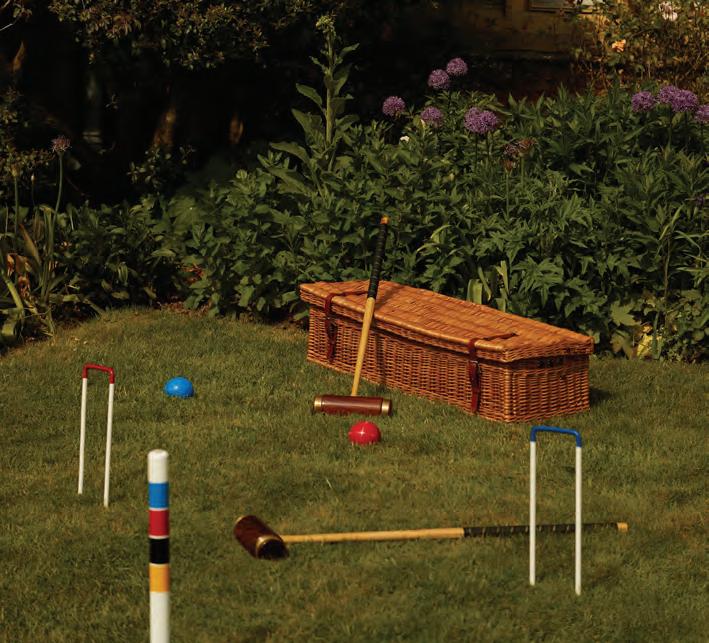
WICKER CROQUET SET
Hand-finished in their Essex workshop, this Hurlingham Club-standard set is presented in a bespoke English willow basket with bridle hide straps. Comprising brass-banded mallets and cast-iron hoops, it is an heirloom-quality investment for the sporting traditionalist. Geoffrey Parker available at ABASK
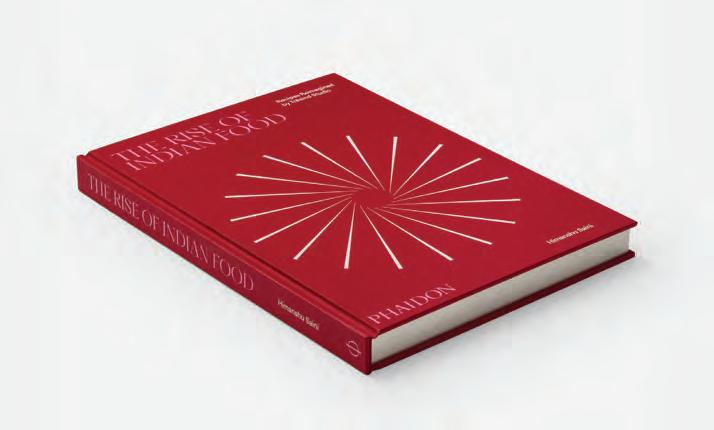
THE RISE OF INDIAN FOOD: RECIPES REIMAGINED BY TRÈSIND STUDIO
Chef Himanshu Saini – the visionary behind Dubai’s three-Michelin-starred Trèsind Studio – presents a definitive monograph on the evolution of Indian gastronomy.
From the arid Thar Desert to the Himalayan peaks, Saini’s reimagined recipes are a masterclass in heritage and innovation. With forewords by chefs Massimo Bottura and Manish Mehrotra, this is an essential volume for the serious collector and the dedicated epicurean alike. Dhs223 Phaidon
THE ESSENTIALS SEAFOOD TOOLS
Cleverly disguised as an elegant coffeetable volume, this Printworks kit unfolds to reveal the essentials for any seafood lover. Crafted from high-grade stainless steel with a minimalist aesthetic, it houses the requisite oyster knife, shell cracker, and utensils for the discerning host. It is functionality, artfully concealed for modern spaces. Dhs281 Printworks
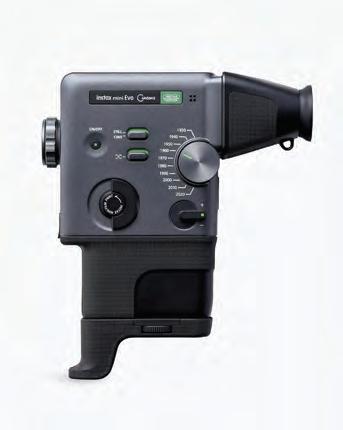
INSTAX MINI EVO CINEMA CAMERA
The Instax Mini Evo Cinema is a hybrid marvel, allowing the modern storyteller to capture 15-second cinematic vignettes and translate them into tangible, printed memories. Its tactile “Eras Dial” and analogue-inspired design offer a nostalgic yet sophisticated way to document one’s travels in both physical and digital form. Dhs1,699 Fujifilm
COMPILED BY: CAMILLE MACAWILI
WELL GROOMED
All your warm-weather grooming essentials, whether you’re roughing it up outdoors or having a self-care staycation
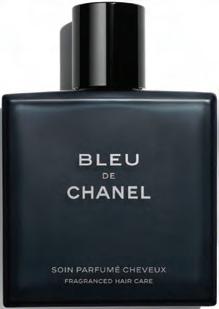
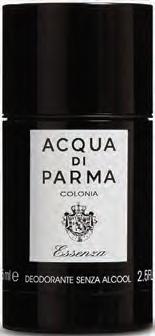
From top left: 7 Elixir Eau de Parfum 100ml Dhs1,135 Loewe; LED Hair Growth Hat PRO Dhs1,105 Solaris Laboratories NY available at Ounass; Shea Butter Foot Balm 150ml Dhs160 L’Occitane; Bleu De Chanel Hair Care Fragrance 90ml Dhs425 Chanel; Ultra Facial Meltdown Recovery Cream 50ml Dhs169 Kiehl’s; Soothing After Sun Lotion 150ml Dhs160 Clarins; UV Filters SPF 45 Serum 60ml Dhs90 The Ordinary; Broad Spectrum SPF 50 Sunscreen Face Cream 50ml Dhs190 Clinique; Colonia Essenza Deodorant Stick Dhs218 Acqua di Parma
COMPILED BY CAMILLE MACAWILI
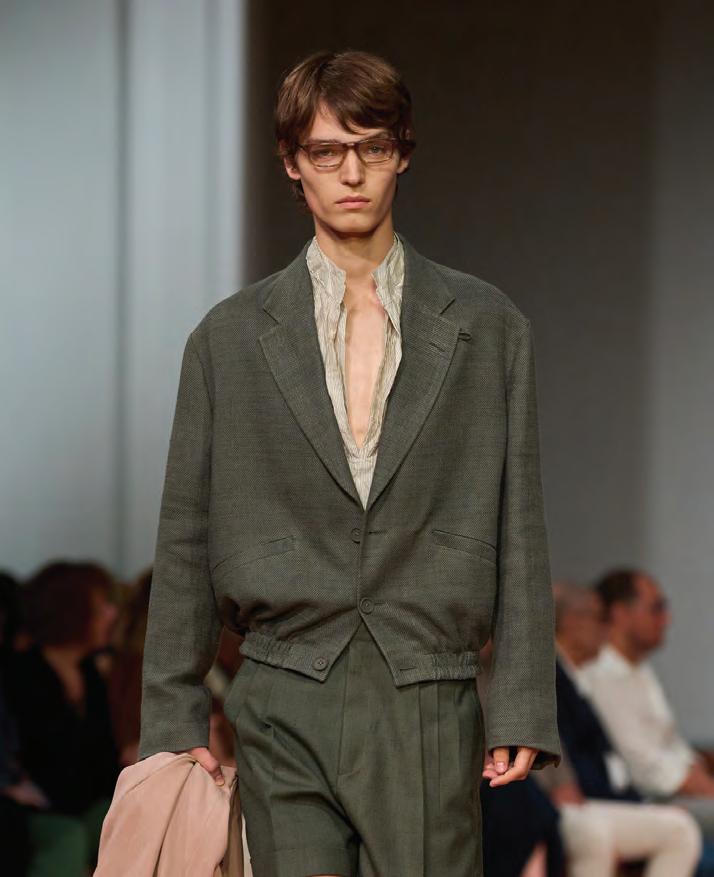
EASE IN
Lightweight tailoring and relaxed silhouettes for effortless transitions from the city to the coast
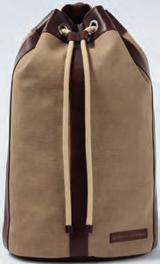
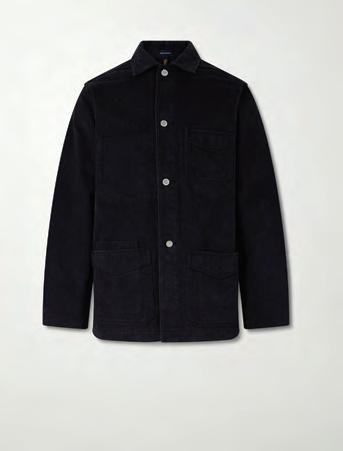
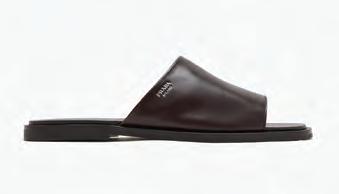
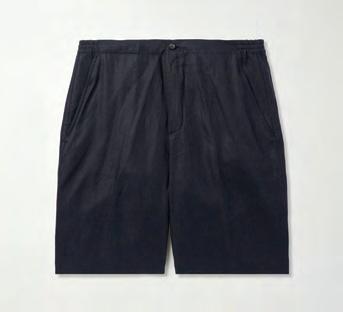
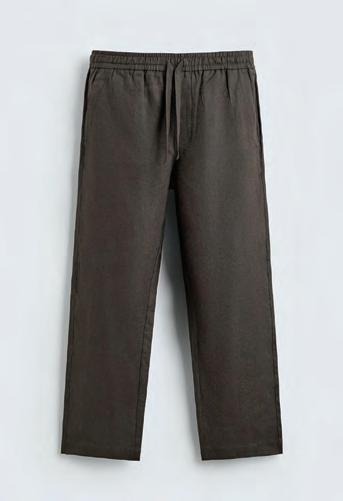
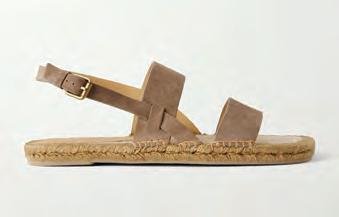
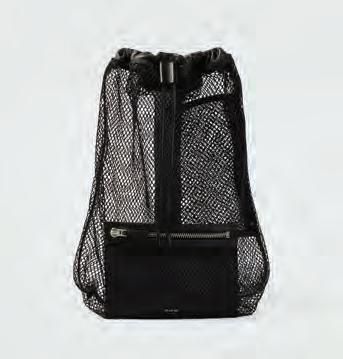
Below: Canvas Backpack Dhs18,052 Brunello Cucinelli available at Mytheresa; Denim Chore Jacket Dhs2,286 Drake’s available at Mr. Porter; Leather Sandals Dhs3,750 Prada available at Level Shoes; Linen Shorts Dhs3,156 Loro Piana
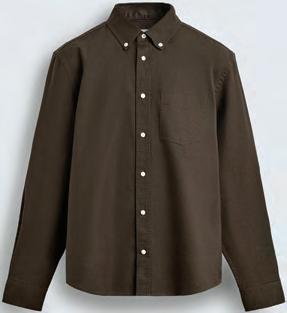
Left from top: Oxford Shirt
Dhs189 Zara; Vivienne Logo Baseball Cap Dhs2,307 Celine; Linen Trousers
Dhs299 Zara; Ken Suede Sandals
Dhs744 Castañer; Right from top: Square-Frame Sunglasses Dhs2,087
Bottega Veneta; Leather-Trimmed Backpack Dhs6,593 Tom Ford available at Mytheresa
COMPILED BY CAMILLE
MACAWILI
IN THE CLUB
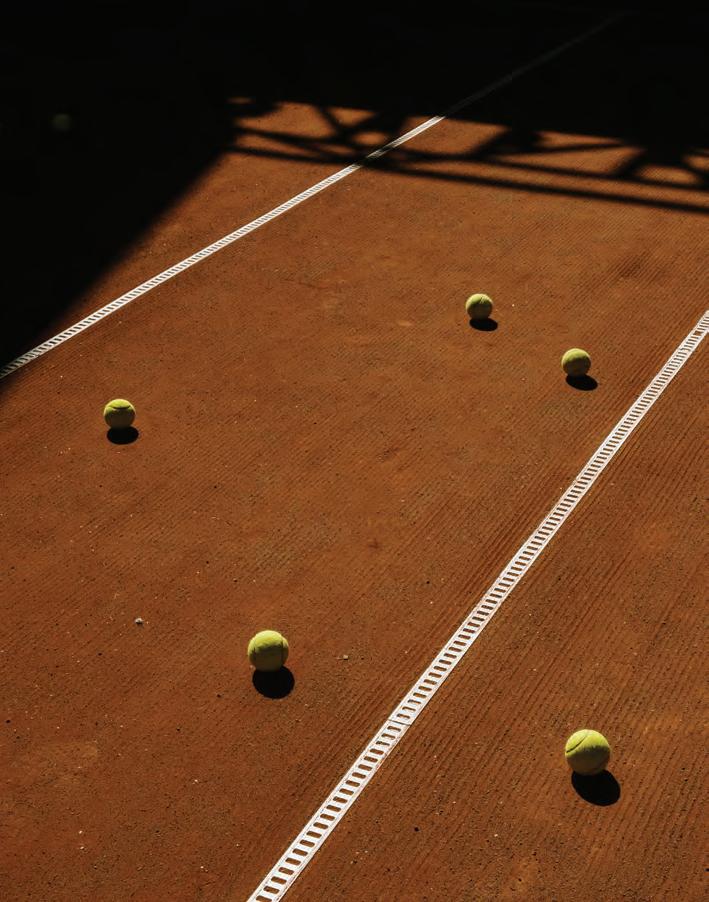
From the clubhouse to the running club, an edit of high-performance essentials to keep you ahead of the active curve
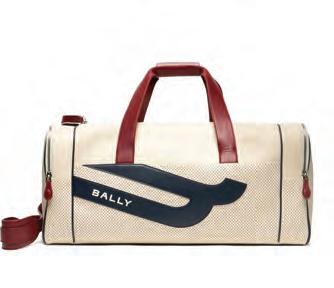
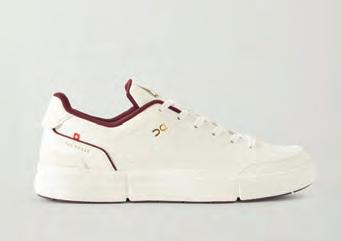
Right from top: Tennis Collection Leather Duffle Bag Dhs5,282 Bally available at Farfetch; The Roger Centre Court Mesh Tennis Sneakers Dhs794 ON x Roger Federer
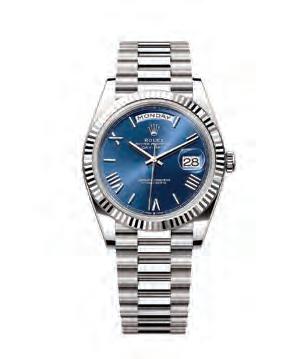
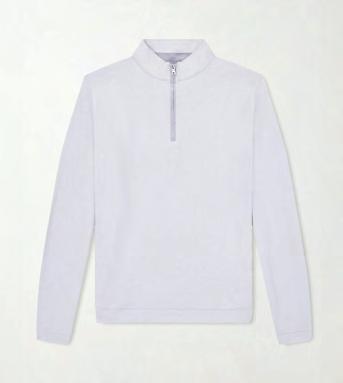
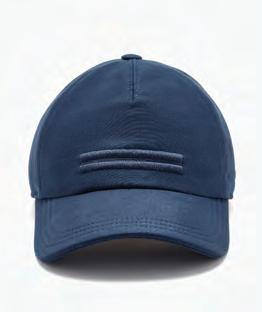
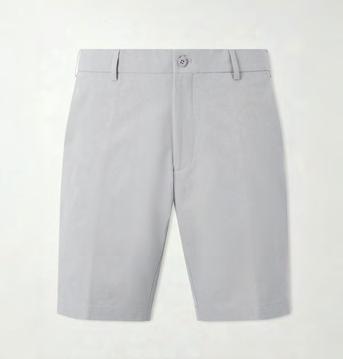
Left from top: Day-Date 40 Watch Dhs206,800 Rolex; Albatross Piqué Half-Zip Sweater Dhs670 Peter Millar; Baseball Cap Dhs2,100 Zegna available at Level Shoes; Surge SlimFit Straight-Leg Tech-Jersey Golf Shorts Dhs447 Peter Millar
Engineered for Flight
Industrial designer Marc Newson, one of the most celebrated creators of his generation, on the making of Louis Vuitton’s first rivet‑free aluminium suitcase
WORDS: AMINATH IFASA
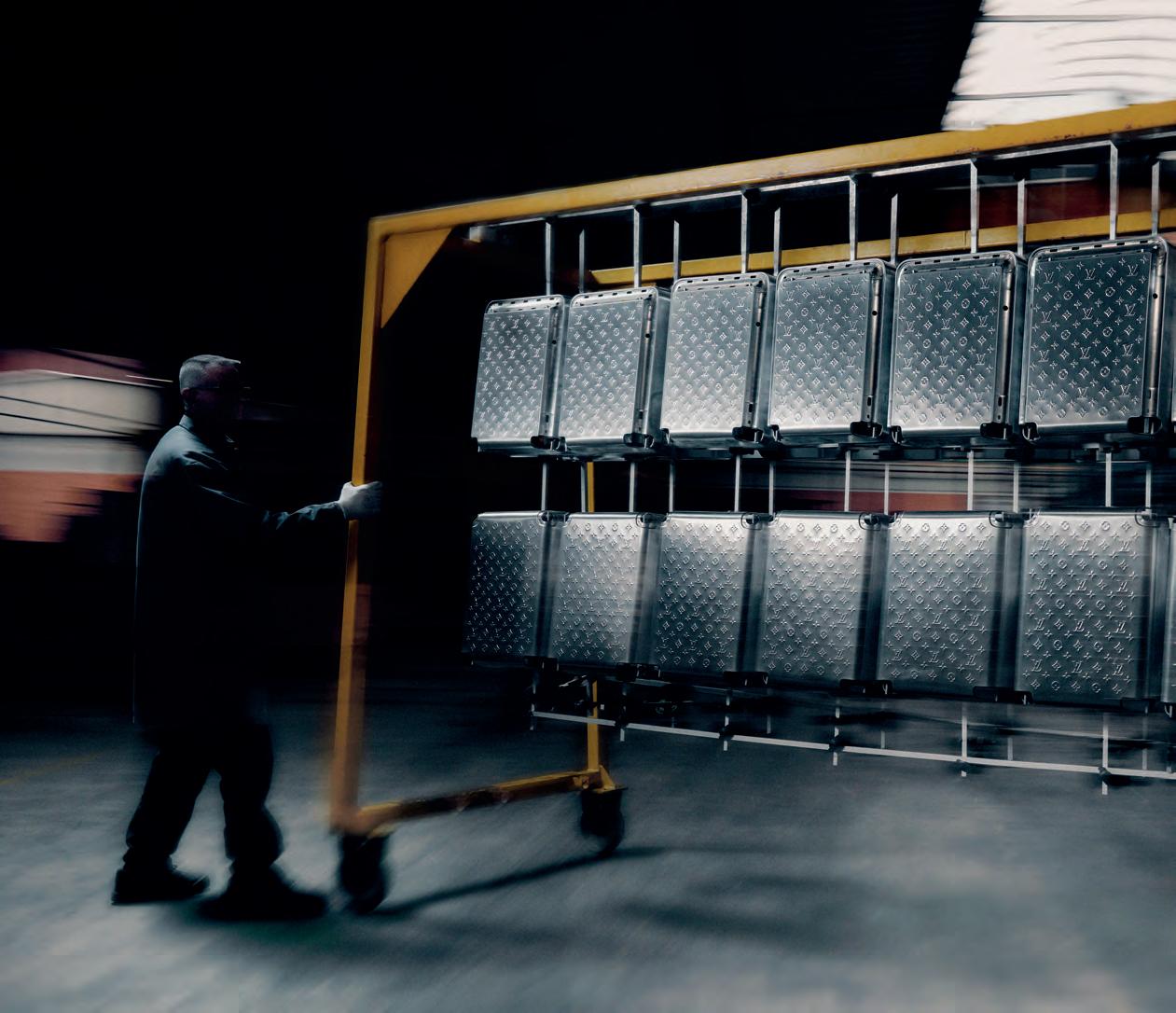
It is not often that a suitcase invites the same engineering precision as an aircraft fuselage. Yet the Horizon Aluminium, designed by Marc Newson for Louis Vuitton, has been subjected precisely to that standard. Described as the most celebrated industrial designer of his generation, Newson has spent a decade in collaboration with the French house. The latest result of that ongoing dialogue is a piece of luggage that treats functionality as a form of elegance. For Newson, the starting point was the gap in the market.
“I was seeking out the perfect synergy,” he explains, “innate strength, durability and purity of form, but without the infuriating ‘tombstone’ that exists inside all other products.” That ‘tombstone’ he mentions is the obstructive interior cavity found in
“THE SEAMLESS INTEGRATION OF THE EMBOSSING, WHICH STARTED AS AN EXERCISE IN BRANDING, SERENDIPITOUSLY AND INTUITIVELY BECAME EVIDENT AS A PROFOUND STRUCTURAL CHARACTERISTIC”
conventional suitcases, which he removed entirely. In its place, a completely flat, open internal surface was engineered. The inten tion, the industrial designer notes, was “an inviting, rational device to enhance what ever journey you may be on.”
Newson says that aluminium was selected as the material of choice for this project for its durability, lightweight, corrosion‑resistance and aesthetic coher ence. The Horizon Aluminium is the first rivet‑free aluminium suitcase ever pro duced, this was achieved through the use of single‑piece 3D‑moulded shells and con cealed hinges that sit flush within the inte rior. “We decided there was no other choice but aluminium,” Newson says. “The ability to choose a very specific alloy to satisfy the multifarious requirements was essential.”
Perhaps the most unexpected engineer ing solution of this piece lies in the LV onogram. Rather than being applied as a surface decoration, the motif is embossed directly into the shell, where it serves a structural purpose. “The seamless integra tion of the embossing, which started as an xercise in branding, serendipitously and intuitively became evident as a profound structural characteristic,” Newson recalls. That iteration of this design required years, Newson notes. The concealed hinge mechanism, often compared to the pre cision of a fine watch movement, went hrough many versions. “The functionality was largely driven by the dimensionality of the product,” Newson says, “with a key point of focus being creating something within the smallest envelope; one that re mained robust.” The final hinge is described y Newson as “a true aerospace piece of engineering.”
The industrial designer considers him self a litmus test for such objects. As a con stant traveller, he required the suitcase to ork sustainably on every level. “Ultimately, we wanted the complexity of the product to be integrated, revealing something rational, effortless and elegant,” Newson explains as he talks about the impression of the suitcase on its user. No novelty is sought through it, neither is a spectacle intended. What remains is described by the designer as “a timeless, alluring, deeply functional and innately sustainable product that can stand the test of time.”
Ten years into his collaboration with Louis Vuitton – beginning with the bio morphic rucksack in 2014 and extending hrough trunks, fragrance bottles and the wider Horizon family – a creative short hand has developed within Newson. “It has oven to be an inspiring platform upon which to explore differing iterations and outcomes,” he says. “May it continue.”
ARCHITECT OF CHANGE
As Al Masraf celebrates its Golden Jubilee, Chief Executive Officer Fuad Mohamed discusses leadership, innovation, and guiding one of the UAE’s most established financial institutions into its next chapter
WORDS: LINDSAY JUDGE
As the UAE’s banking sector enters a new era defined by digital transformation, economic diversification, and evolving customer expectations, leaders capable of balancing innovation with institutional heritage have become increasingly valuable. UAE-born Fuad Mohamed, Chief Executive Officer of Al Masraf, is among those helping shape that future.
With a career spanning more than 25 years across some of the UAE’s most prominent financial institutions, today, Mohamed finds himself at the helm of one of the country’s most established banks
at a particularly significant moment in its history. As Al Masraf celebrates its Golden Jubilee, he is overseeing a strategic transformation to position the institution for the next 50 years while preserving the foundations that have defined it over the last five decades.
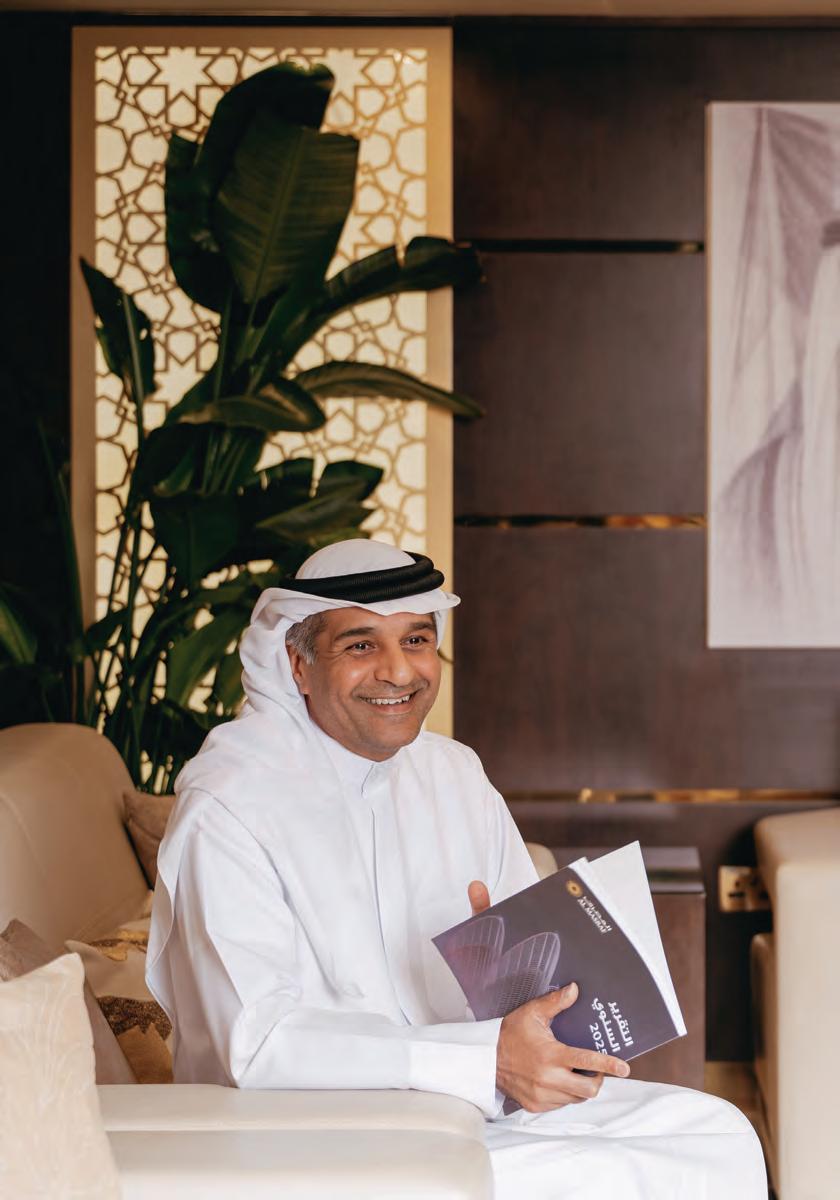
“What attracted me to Al Masraf was the opportunity to lead an institution with a remarkable legacy and a meaningful role in the UAE’s banking sector,” Mohamed explains. “I saw the opportunity to help shape its next chapter by combining that strong heritage with a progressive vision for the future.” That ability to look at
legacy and future opportunities in parallel has become a hallmark of Mohamed’s leadership. Throughout his career, he has built a reputation for driving transformation, streamlining operations and implementing digital solutions that create measurable business value. Prior to joining Al Masraf, he held senior leadership positions at Emirates Islamic and Emirates NBD Egypt, where he led major operational and technological initiatives that enhanced customer engagement, improved efficiency, and strengthened organisational resilience.
His credentials reflect an unusually broad perspective. Holding degrees in both
law and information systems, alongside executive education from Harvard, INSEAD, and Oxford’s Saïd Business School, Mohamed brings a multidisciplinary approach to leadership that combines governance, technology, and strategy. “My background has taught me that successful leadership requires balancing people, technology, governance and strategy,” he says. “Together, they have shaped a leadership style that is collaborative, accountable and focused on creating sustainable value.”
Those qualities have become increasingly important as financial institutions navigate a period of unprecedented change. While technology has transformed banking, Mohamed remains firmly convinced that innovation is only valuable when it serves a larger purpose. Having launched one of the UAE’s first online trading platforms and led the development of one of the country’s earliest IPO integration platforms, he has long been recognised as a pioneer in digital banking. “Successful digital transformation is never just about technology,” he explains. “It is about improving clients’ outcomes, simplifying processes and empowering employees.”
At Al Masraf, that philosophy has translated into a strategy built around customer experience, operational excellence and innovation. Under Mohamed’s leadership, the bank is investing heavily in digital capabilities while strengthening the relationship-driven culture that has long distinguished it in the market. It is an approach that reflects his belief that technology and human connection are, in fact, complementary to each other. “Technology should strengthen relationships, not replace them,” he says.
The challenge is particularly relevant for Al Masraf, an institution whose history is closely tied to the economic development of the UAE and its founding partners. Established to promote joint economic ventures between the UAE, Libya, and Algeria, the bank has built a strong reputation in corporate banking, trade finance and international business. Mohamed’s vision is not to compete on scale alone but to deepen the areas where the bank already possesses distinctive strengths. Under his
“SUCCESSFUL DIGITAL TRANSFORMATION IS NEVER JUST ABOUT TECHNOLOGY. IT IS ABOUT IMPROVING CLIENTS’ OUTCOMES, SIMPLIFYING PROCESSES AND EMPOWERING EMPLOYEES”
leadership, Al Masraf has sharpened its focus on corporate banking relationships, trade finance expertise, and international connectivity, leveraging a correspondent banking network spanning 90 countries.
“We are not trying to be everything to everyone,” he explains. “We are a focused, relationship-driven institution and, in today’s environment, that is actually a competitive advantage.”
Beyond commercial performance, Mohamed sees banking as having a wider responsibility in the UAE’s broader economic landscape. He frequently speaks about aligning Al Masraf’s ambitions with the country’s economic priorities, particularly in innovation, entrepreneurship, and sustainable growth. In practice, this means supporting businesses as they scale, improving financial accessibility,
and building capabilities that contribute to long-term economic development. “By empowering businesses, supporting innovation, and investing in future-ready banking capabilities, we are helping to create opportunities that align with our brand promise of Empowering Future Legacies for our clients and communities”, he says. That sense of responsibility extends to leadership itself. Throughout his career,
“WHETHER THROUGH SUPPORTING CLIENTS, DEVELOPING TALENT, OR HELPING INSTITUTIONS GROW, I AM DRIVEN BY THE BELIEF THAT LEADERSHIP IS ABOUT LEAVING THINGS STRONGER THAN YOU FOUND THEM”
Mohamed has been recognised for building high-performing teams and mentoring future leaders. He believes the success of any institution ultimately depends on its people, a conviction reinforced by his experience chairing the Digital Committee for the Union Banking Federation. “It teaches the importance of collaboration,” he says of industry leadership. “Many of the opportunities and challenges facing the industry are shared. Working across institutions provides broader perspectives and reinforces the value of collective progress.”
As Al Masraf marks its 50th anniversary, the bank is also unveiling a refreshed brand identity that reflects its evolution while remaining rooted in its founding values. For Mohamed, the initiative is not about reinvention for its own sake but about creating a clearer expression of the institution’s purpose. “The rebrand is both a celebration of the last 50 years and a statement of intent for the next 50,” he shares. “It reinforces who we are while giving us a stronger platform to communicate where we are going.”
While banking continues to evolve at a rapid pace, Mohamed’s focus remains consistent: creating long-term value, empowering people, and ensuring institutions emerge stronger than before. “What motivates me most is the opportunity to create lasting impact,” he states. “Whether through supporting clients, developing talent, or helping institutions grow, I am driven by the belief that leadership is about leaving things stronger than you found them.” As Al Masraf enters its next chapter, that commitment to sustainable progress may prove to be one of the bank’s greatest assets.
Elio Mule Sandals, Bottega Veneta
This resort season Ounass is offering men clothing designed to make them feel comfortable in their own skin
PHOTOGRAPHER: PROD ANTZOULIS
CREATIVE DIRECTOR: KATIE SMITH
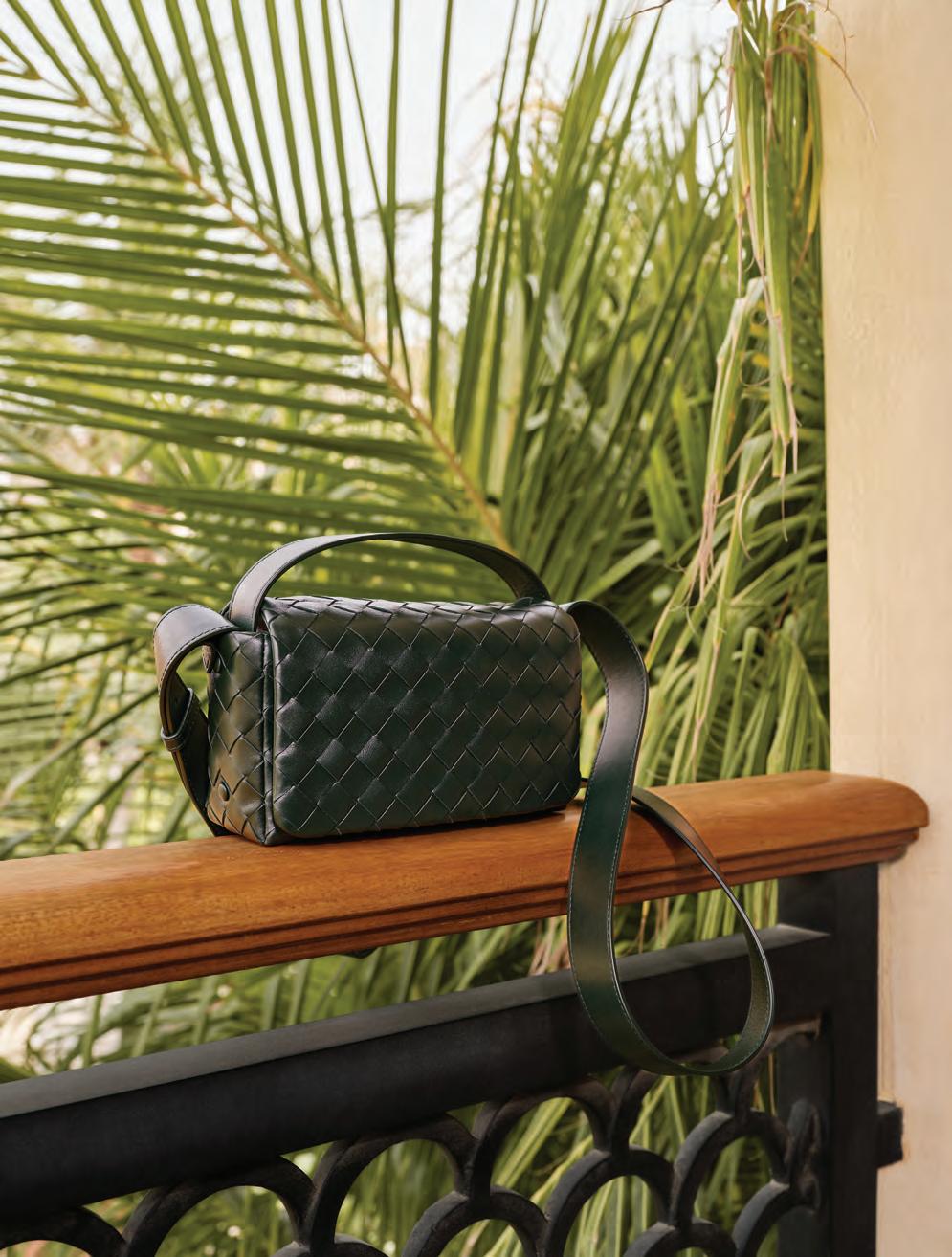
Veneto Flap Messenger Bag, Bottega Veneta
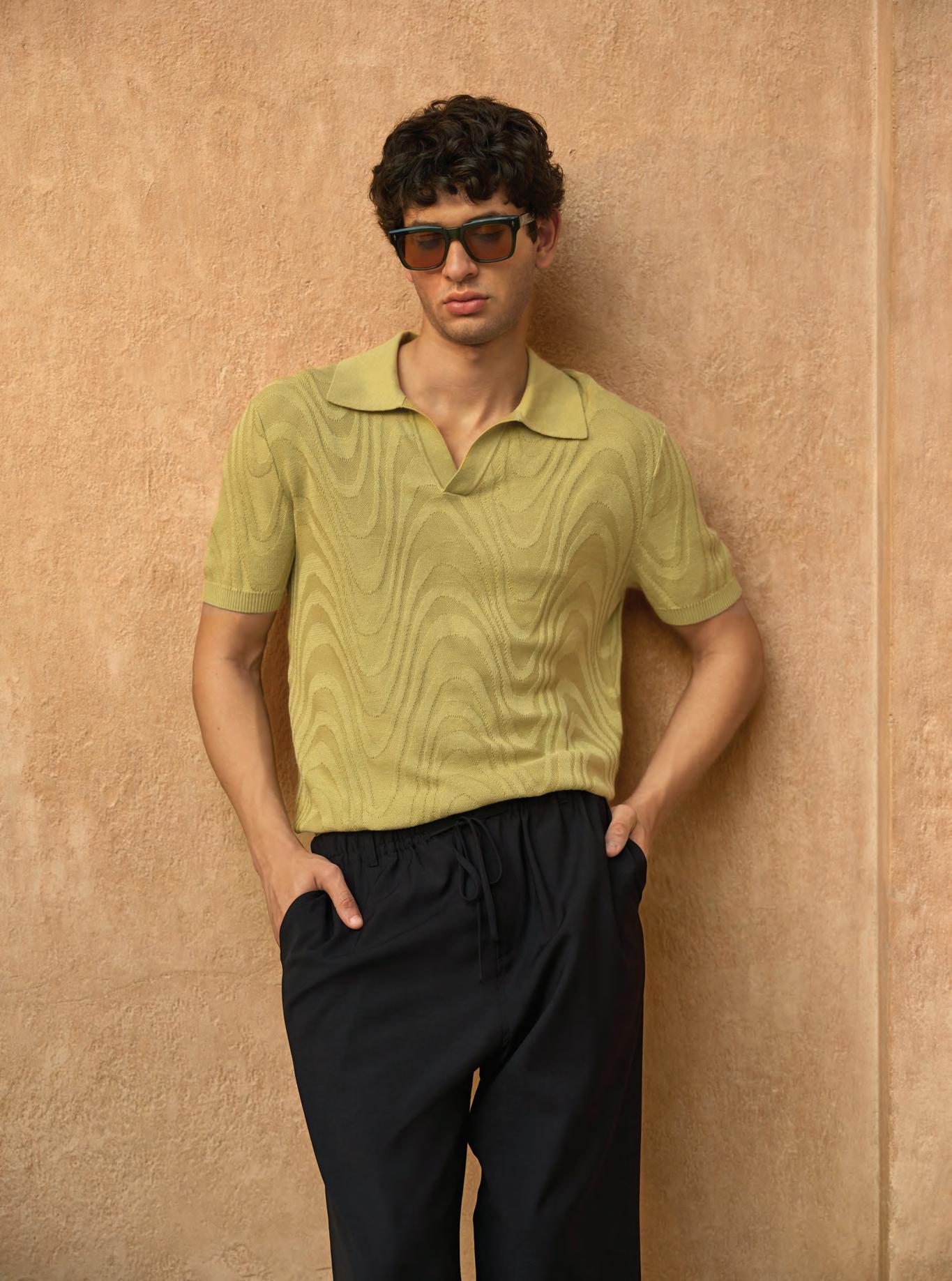
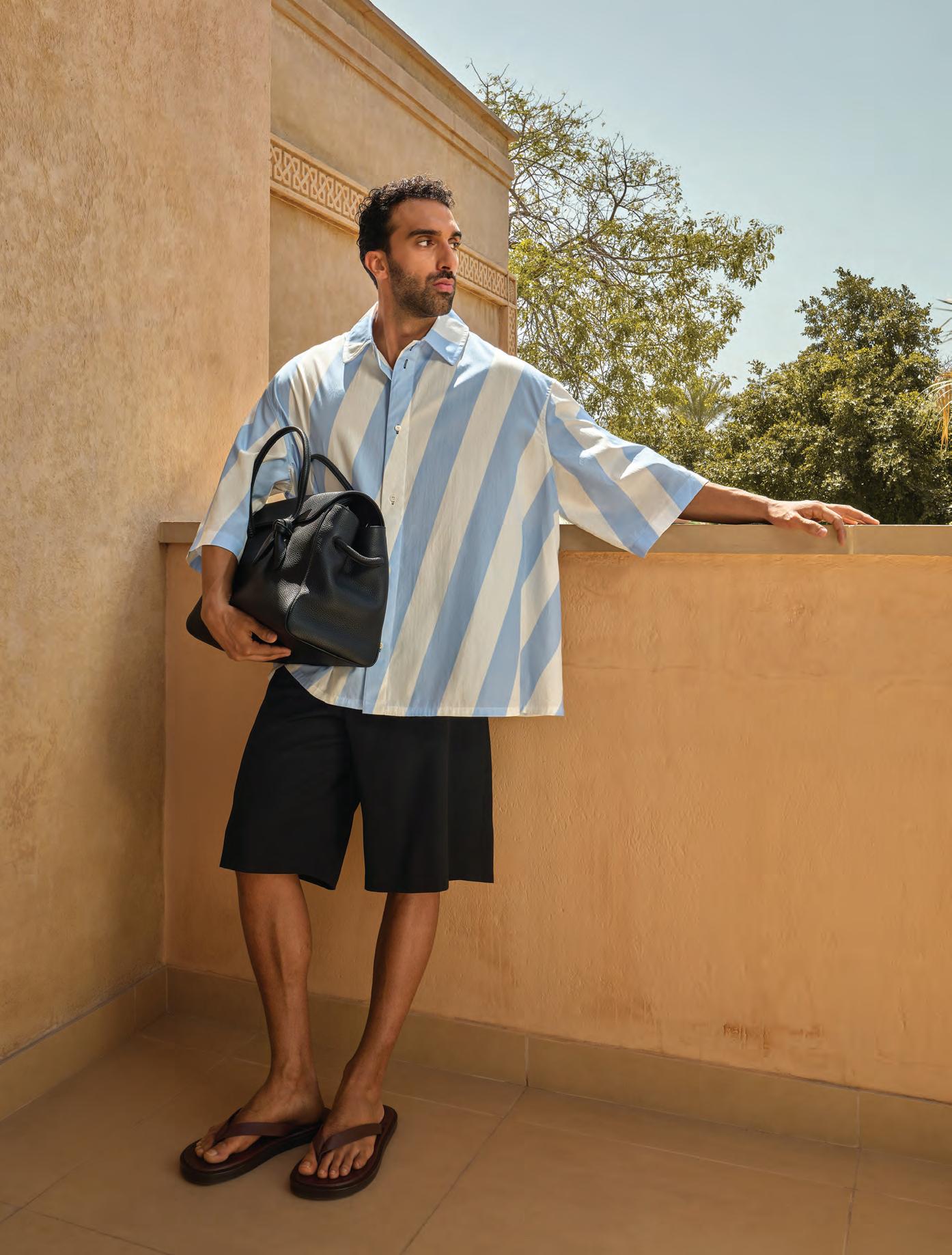
Rino Polo Shirt, Frescobol Carioca
Le Cabas Turismo
Tote Bag, Jacquemus
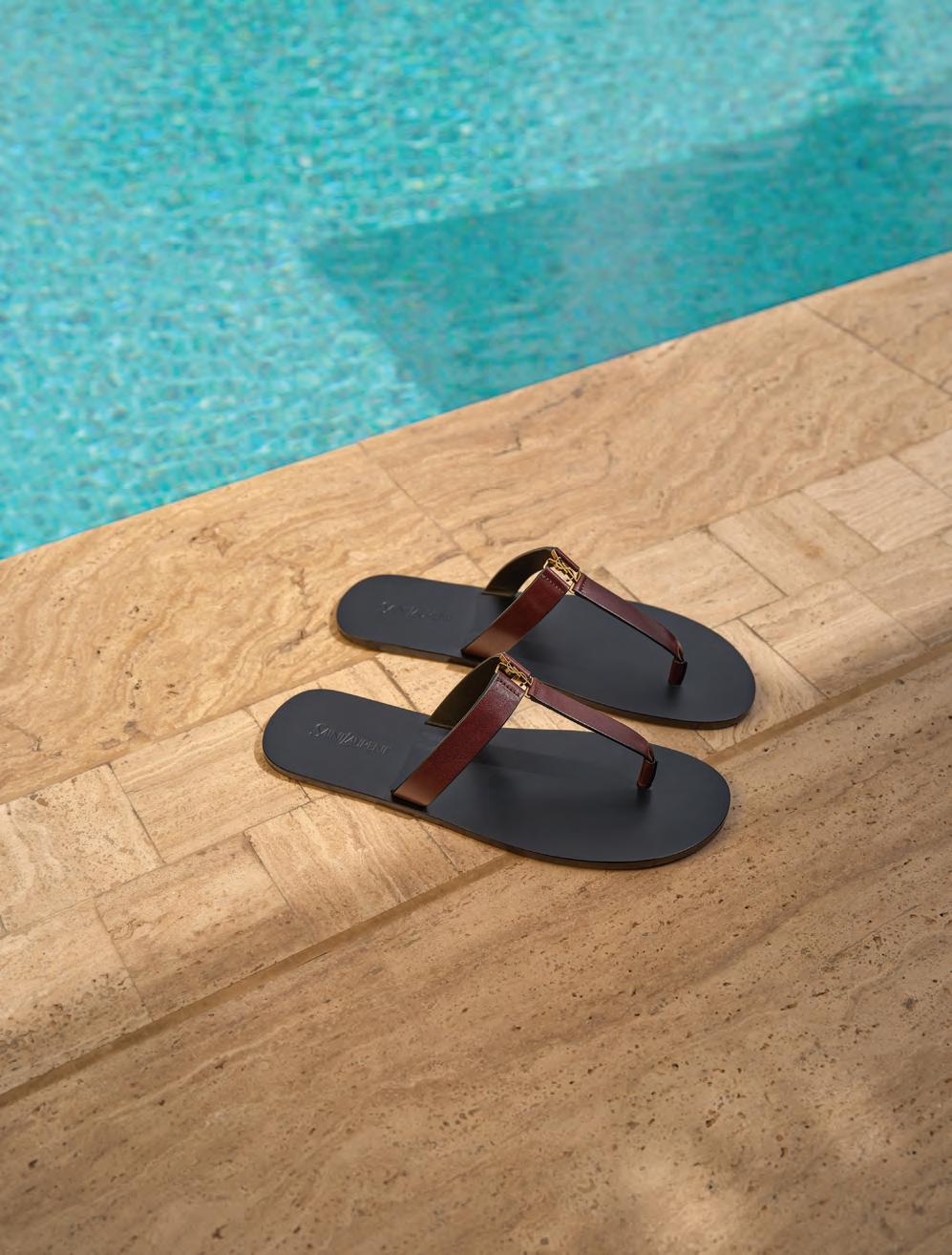
Babylone Slide Sandals, Saint Laurent
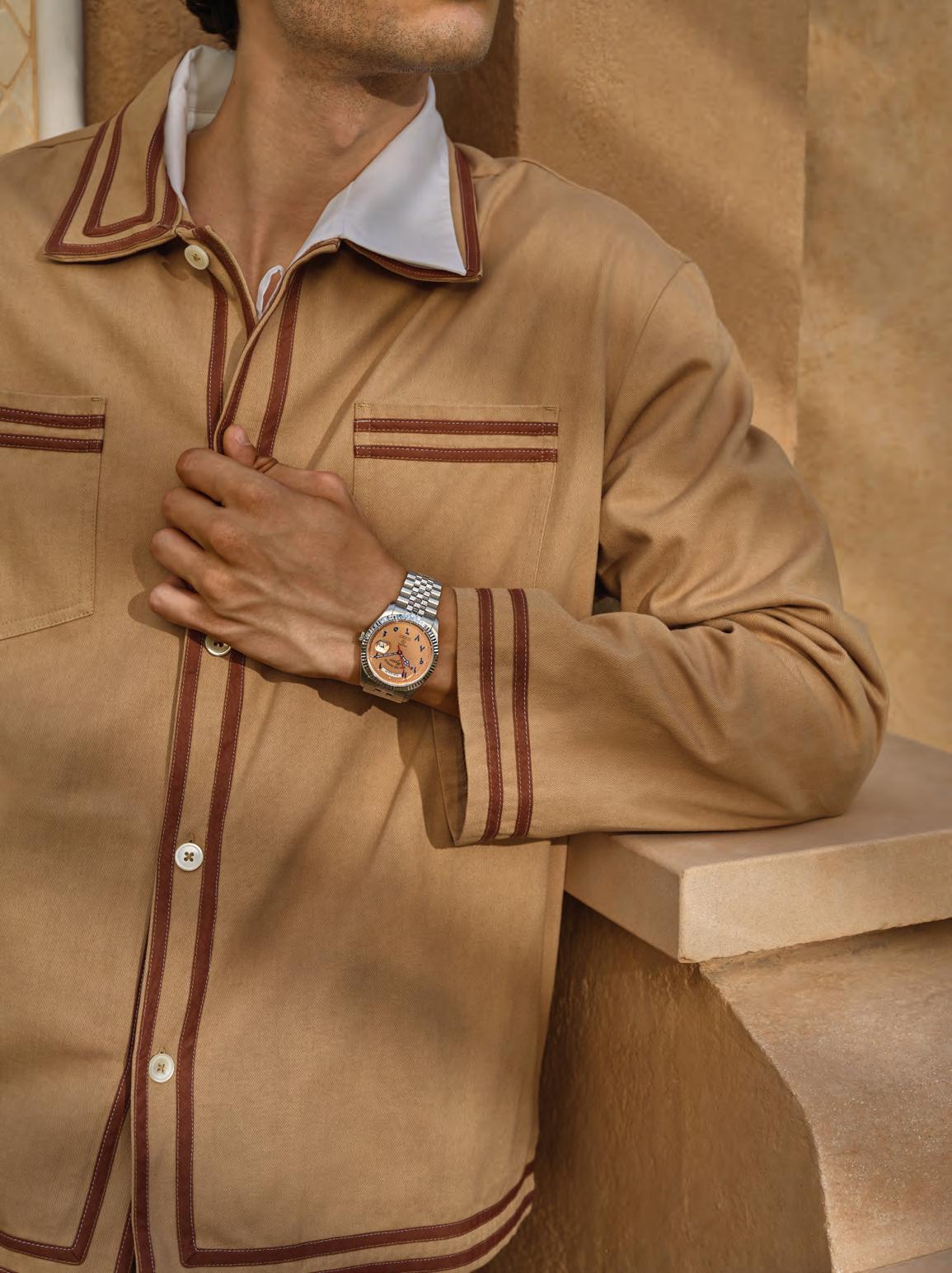
Canteen Overshirt, Bode; Middle East Exclusive The Classics Automatic Watch, West End Watch Co.
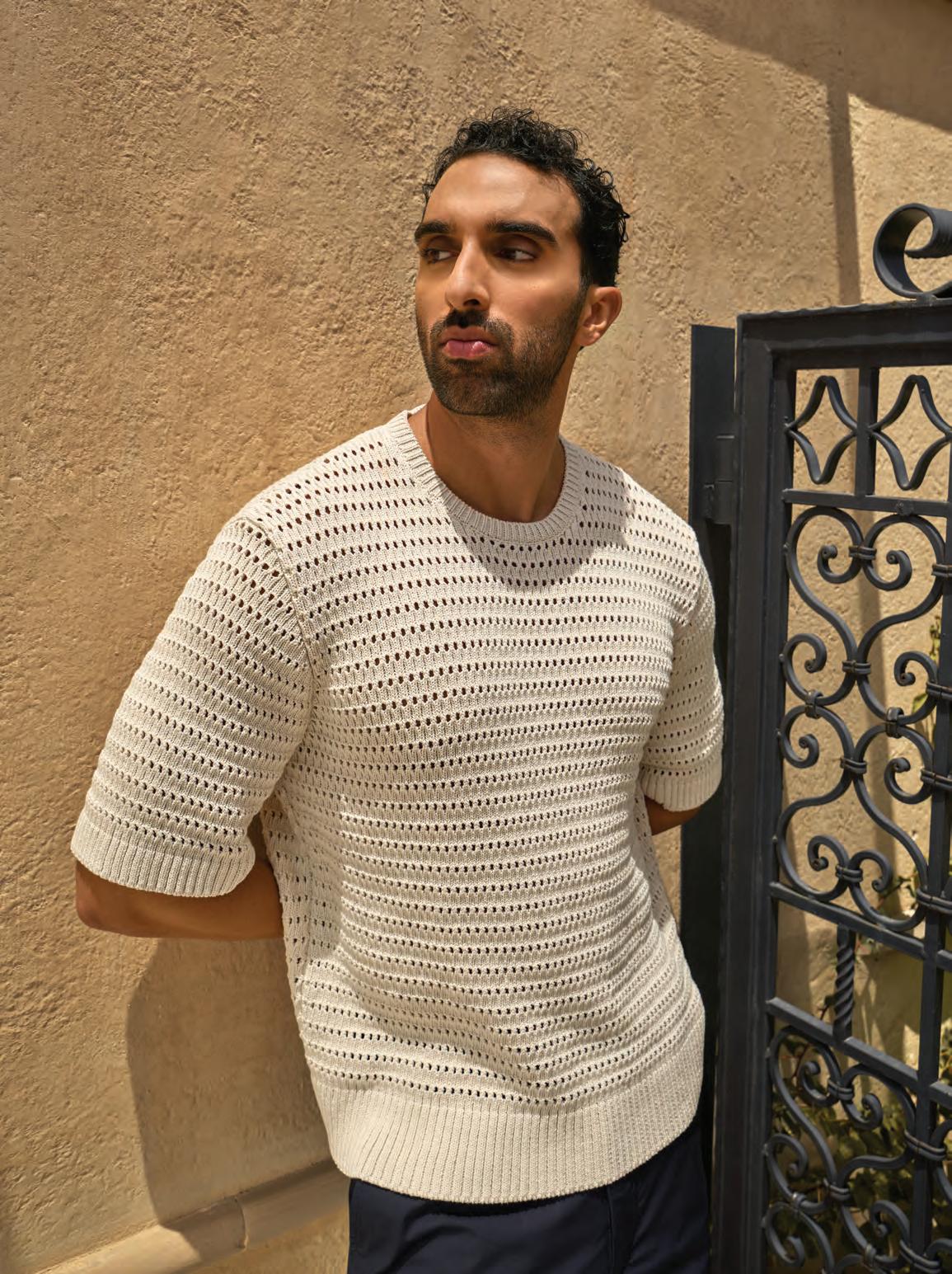
Net Stitch T‑shirt, Retori
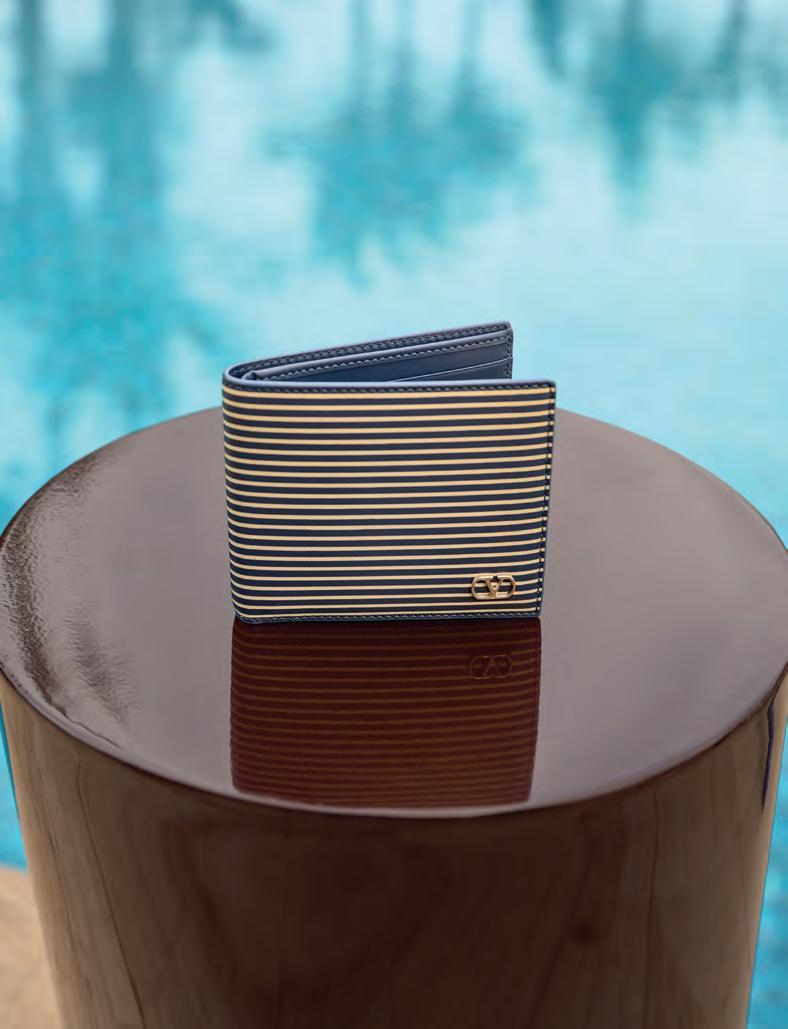
VLogo Wallet, Valentino Garavani
La Chemise Triangle, Jacquemus
IN STYLE
BERLUTI REVISITS ITS ICONIC FORESTIÈRE IN LIGHTER FABRICS FOR WARMER WEATHER, TRANSFORMING THIS JOURNEYMAN JACKET INTO A YEAR-ROUND ESSENTIAL
A Cut Above
Hemant Karamchandani’s encyclopaedic knowledge of his clients’ tastes, buying history and personal lives has helped him build an impressive jewellery empire in Dubai
WORDS: ROB CHILTON
PHOTOGRAPHY: ŽIGA MIHEL CI C
“I AM VERY TRANSPARENT WITH MY CUSTOMERS. I SIMPLIFY THINGS AND EDUCATE THEM ABOUT THE FOUR CS – COLOUR, CUT, CLARITY AND CARAT”
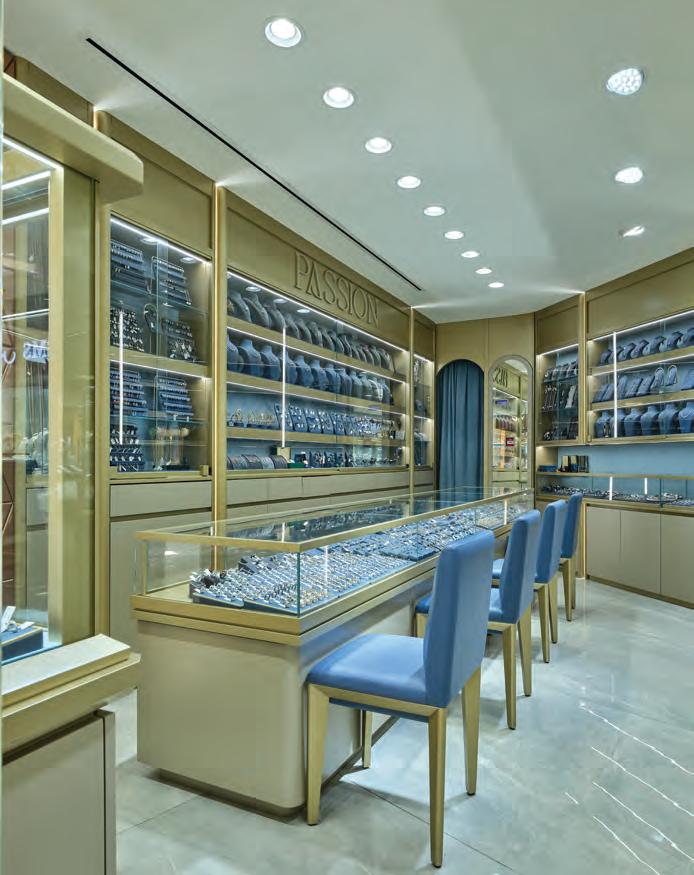
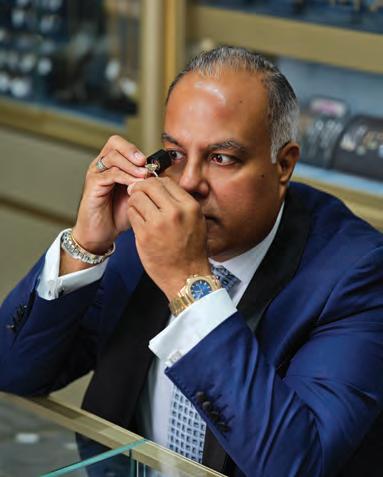
Hemant Karamchandani has a cupboard in his jewellery shop in Dubai’s Gold & Diamond Park crammed with ledgers. These tattered old books contain thousands of business cards belonging to clients who have visited his store – Passion Jewellers – over the last 20 years.
“My job is about meeting the customer and understanding what they want – that’s something I really enjoy,” he smiles. “Last week for example, I met a guy from the Isle of Man and we talked about the place, it was fascinating. I told him that in 20 years I’d never met anybody from the Isle of Man.”
“We talk about jewellery, but also other things: what’s been happening, how’s work, how’s the family, have they travelled recently. Some of my appointments start at midday and finish at 5pm. Customers become friends, and then they become family.” Sales can happen fast. “Dubai is a very impulse buying market,” says Karamchandani. “Often customers see something priced at $100,000 and buy it within 10 minutes. Dubai has a very good reputation with tourists. They have high expectations for service, speed and variety.” Unlike customers spending $100,000 on a whim however, most of Karamchandani’s clients have budgets, which require skill and experience to navigate. “I can’t just ask the customer straight away what their budget is, it’s very rude. You have to do it softly.” One customer that requires a gentle approach more than most is a man buying an engagement ring. “Most guys walk in and say they don’t know anything about diamonds,” he explains. “When he tells me his budget and we start talking, that makes it very easy for me. I try to give him maximum value for money in terms of size, colour and clarity.” Some unscrupulous jewellers might be tempted to exploit a customer’s lack of knowledge. “That’s never been our mentality,” says Karamchandani. “I am very transparent with my customers. I simplify things and educate them about the four Cs – colour, cut, clarity and carat. We then take them through the technical aspects of how the diamond has been cut and polished, and its symmetry. Within 20 minutes, they understand.”
Karamchandani is perfectly placed to lend his expertise to the debate about
whether a couple buying an engagement ring together takes away the romance of the proposal. “I’d say about 60 per cent of men come on their own to buy an engagement ring,” he says. “Men these days do very good research and ask their girlfriend’s friends what design she wants. Sometimes they bring one of her rings to check her size. Only a few guys come back to change the ring design after the proposal. If a couple comes to the store together it’s because the guy wants to see how the ring looks on her hand, he wants to get the right ring for her taste and the correct fit. Some men are really not sure about what to buy and don’t want to risk it, so they prefer to come with their partner.”
CREATIVE PATH
Karamchandani, 46, arrived in Dubai from Mumbai in 2002 and joined the family manufacturing business in the Gold Souk. “At that time, everyone in India was going abroad to study computer programming but I didn’t want to pursue tech as a career. I wanted to travel overseas and do something
more creative.” After observing his father at work and learning how Dubai’s business infrastructure works, he set up Passion Jewellers in Gold & Diamond Park in 2007. Back then there were just over 30 stores, now there are about 60.
Karamchandani’s team of 10 CAD designers and 65 goldsmiths work on bespoke designs, pieces inspired by major jewellery brands, or sentimental pieces that recreate a family heirloom. “When we started in 2007 the technology wasn’t available,” he says. “Computer design came along in 2010. Now we do 3D printing and make a model of a piece of jewellery in wax so customers can see its intricate visuals.” Also on the production line are diamond setters, polishers, quality control experts and diamond graders, totalling a workforce of around 200 people.
Karamchandani enjoys working with his designers and describes the style philosophy of his store as “traditional and timeless but also adapting to new trends.”
He and his British wife Sabrina often play mystery shoppers and visit high-end jewellery boutiques in Dubai Mall for ideas. “We
look at the jewellery of course, but we also watch how they serve the customer, how the boutique designed, the lighting, the chairs, everything,” he explains.
Having curated an inventory of 10,000 diamonds, Karamchandani is able to offer huge variety to customers. He rejects about 30 per cent of the diamonds he receives from manufacturers in India if they don’t meet his standards. Should a customer request a lab grown diamond, Karamchandani gladly sources it for them. He’s noticed lab diamonds are popular with people getting married a second time and remembers one wealthy Australian client who spent $80,000 on an engagement ring for his first wife but when he remarried he spent $9,000 on the ring. He adds, “When wealthy customers travel to Europe they take replicas of their jewellery made with lab diamonds for safety.”
The Mumbai-born jeweller says his customer base is 50/50 male and female.
Karamchandani – who wears an impressive stack of bangles made from silver and his birthstones, aquamarine and garnet – believes men today are getting more and more adventurous with the jewellery they wear. “I noticed a shift around 2010 when men became more experimental,” he says. “A lot of big brands are making unisex pieces now.” One male customer in his 60s, Karamchandani remembers, bought a fivecarat diamond pinky ring for Dhs650,000. The next time the man visited the shop, Karamchandani noticed the ring was missing but he was now wearing a Richard Mille watch. “He told me he traded his ring for the watch!” he laughs. “Getting to know people and hearing their stories is what I love about coming to work every day.”
A YEAR OF ICONS
THE MOST COMPELLING TIMEPIECES FROM WATCHES & WONDERS 2026
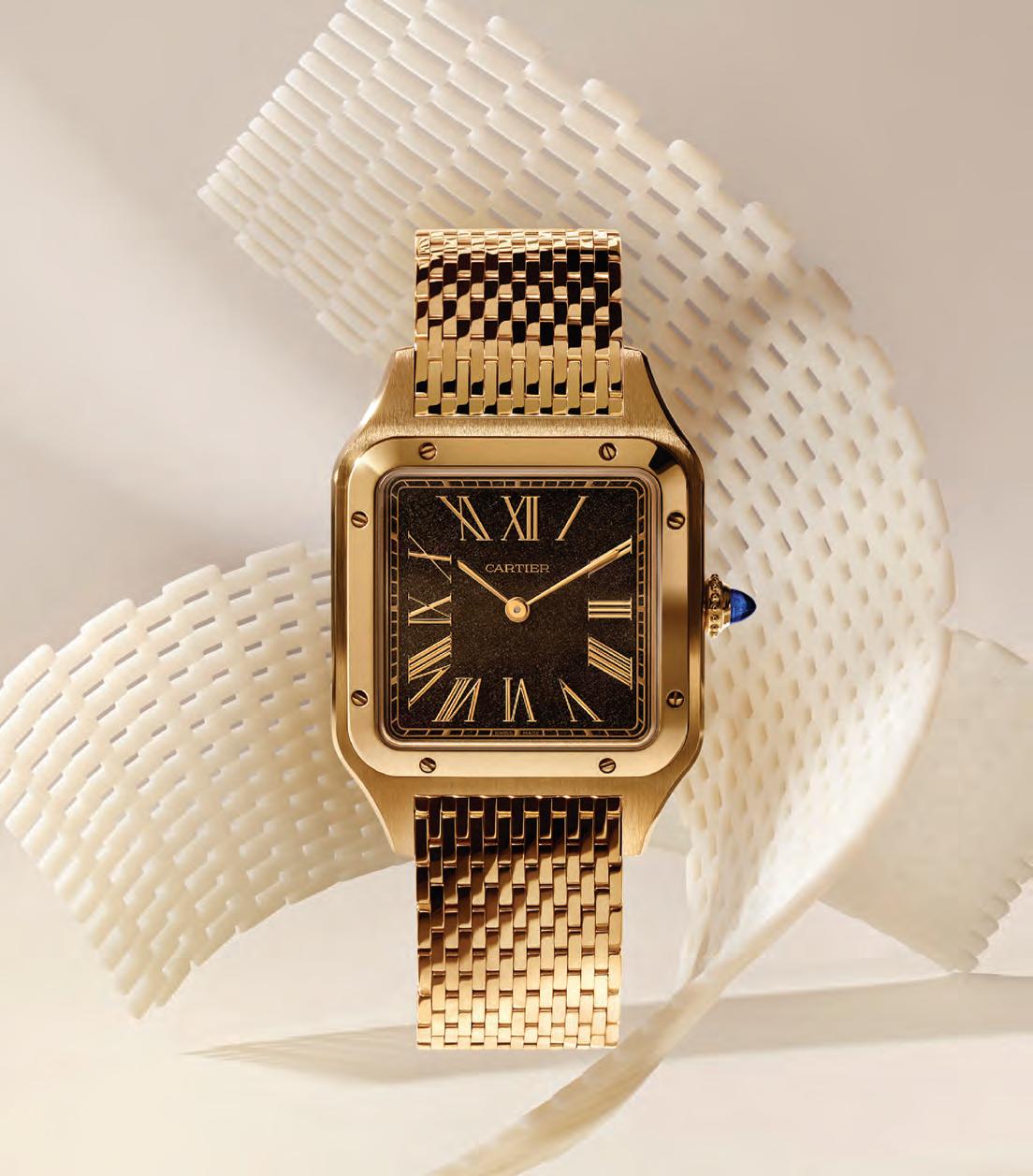
Cartier Santos-Dumont Yellow Gold with Obsidian Dial
WORDS: VAARUNYA BHALLA
There are few crafts where innovation and heritage can coexist as naturally as they do in horology. Mechanical ingenuity is inseparable from history, culture, and a deep-rooted commitment to artistry.
At this year’s Watches & Wonders in Geneva, that balance felt more evident than ever as 2026 is a year of anniversaries and these milestones lend the fair a sense of occasion. As the maisons revisit and refine the icons that have shaped their identity, their approach seems measured and restrained; evolution rather than reinvention.
Across the event, several themes emerge: the continued pursuit of miniaturisation, the architectural appeal of open-worked dials, and a renewed fascination with stone. Alongside these, some awe-inspiring technical innovations remind the world why this craft continues to captivate. The sheer breadth of inventiveness makes any edit a challenge. What follows is a considered selection of some of the most compelling and covetable timepieces unveiled this year.
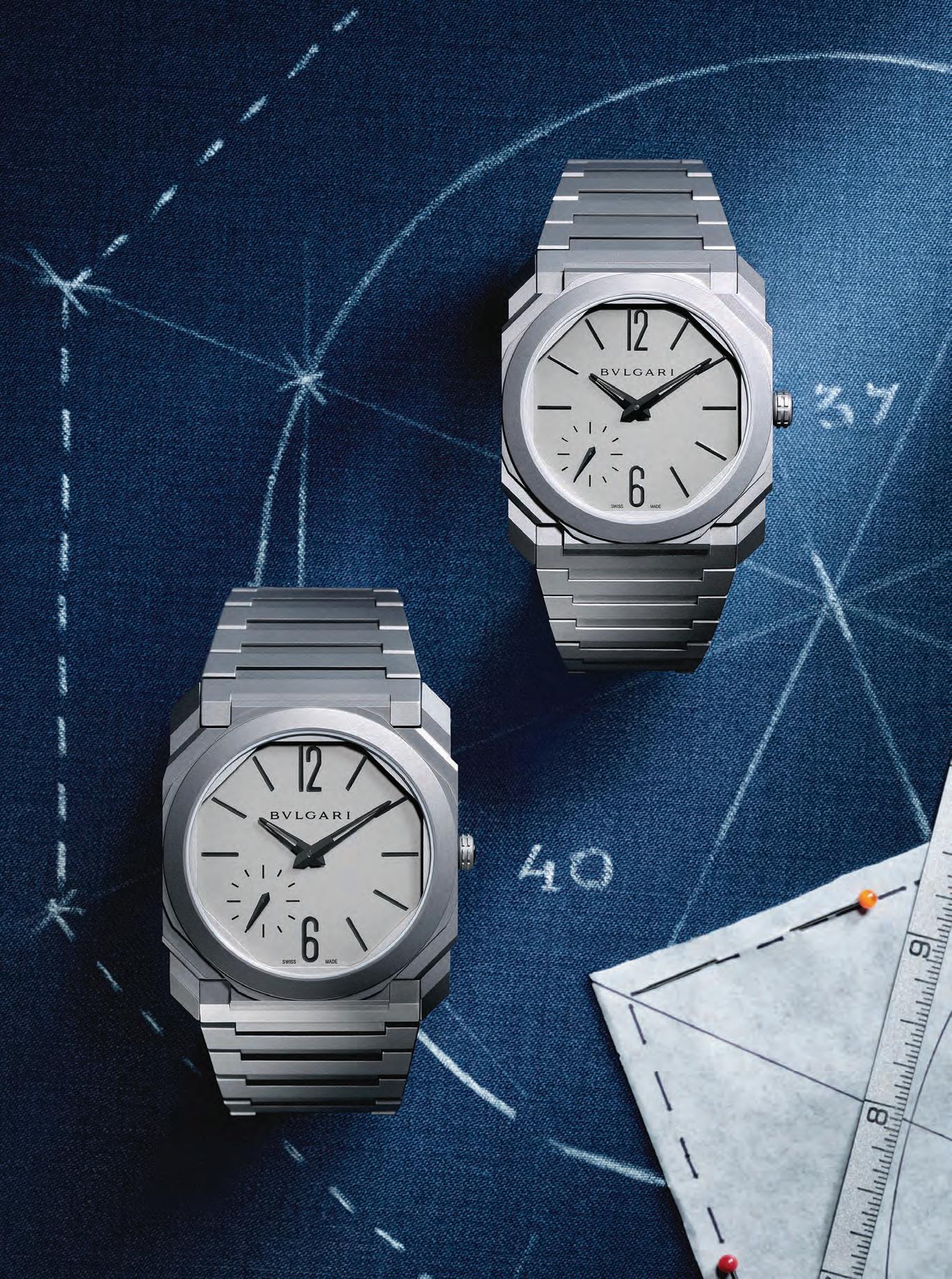
BVLGARI OCTO FINISSIMO 37
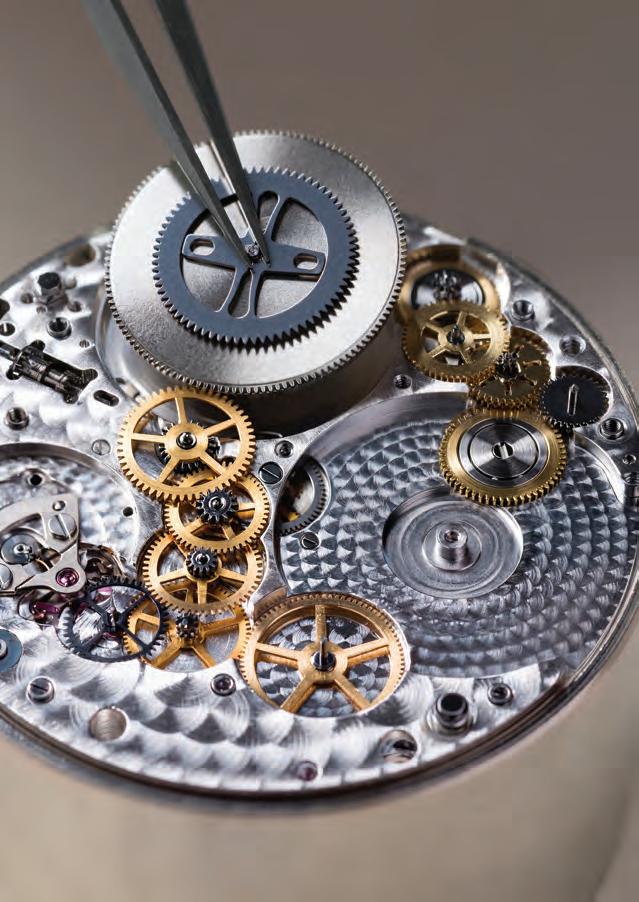
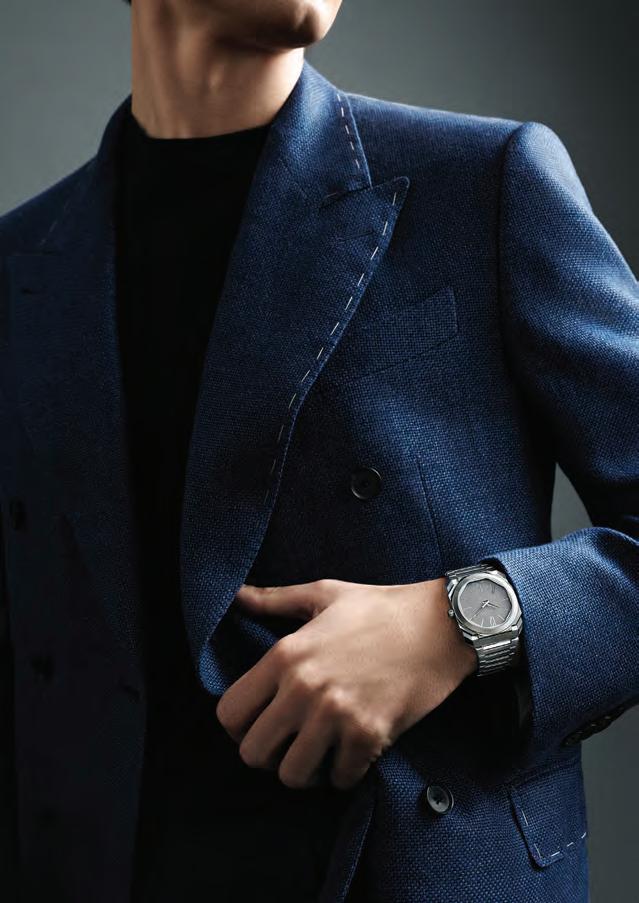
Bvlgari introduces a much-anticipated smaller, 37mm, edition of its modern classic, the Octo Finissimo. With a brand new movement and even a reworked bracelet, this refines one of contemporary watchmaking’s most distinctive (and successful) forms into a much more versatile case size. Achieving this presented the maison with immense technical challenges, but it was well worth it as the new models offer genuinely noticeable improvements. The yellow gold reference with the brushed dial and monochrome details is an absolute stunner; a natural evolution of Bvlgari’s uber-impressive Octo Finissimo collection.
CARTIER SANTOS-DUMONT YELLOW GOLD WITH OBSIDIAN DIAL
The iconic Santos-Dumont LM returns with a reinvented fine mesh, multi-link bracelet that brings so much élan and presence. The most impressive of the three new offerings is a yellow gold model with a striking obsidian dial (a wafer-thin sliver of polished volcanic stone). There are also references with silvered
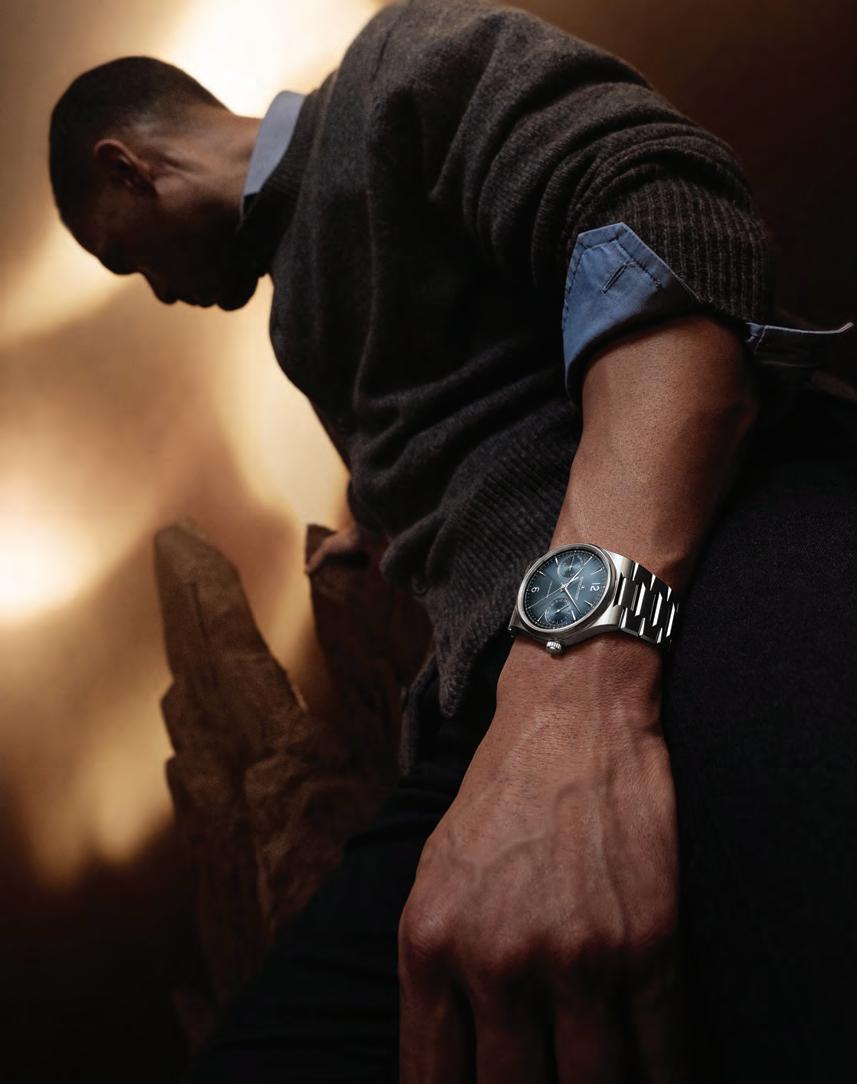
Jaeger-LeCoultre Master Control Chronomètre Date Power Reserve
dials, in platinum and yellow gold. With this new bracelet, the Santos-Dumont takes on a more fluid, contemporary character without losing any of its signature sophistication.
HERMÈS H08 SQUELETTE
The cushion-shaped case of the H08 has become one of the maison’s most recognisable modern design successes. It has seen different colour, materials, even a complication (a mono-pusher chronograph) in recent years. Now, in this Squelette, Hermès retains the 39mm case construction of the original, but renders it in black DLC-treated sandblasted titanium with a ceramic bezel. The openworked dial reveals the new H1978 skeleton movement which is lightweight, architectural, and beats at 4Hz precision, offering a 60-hour power reserve.
JAEGER-LECOULTRE MASTER CONTROL CHRONOMÈTRE DATE POWER RESERVE
One of the most compelling launches at the fair is the new Master Control Chronomètre, an ultra-thin integrated bracelet sports watch family from Jaeger-LeCoultre. The ‘watchmaker of watchmakers’ presents three restrained yet confident models: a Time/ Date, a Date/Power Reserve, and a Perpetual Calendar, available in either steel or pink gold. For us, the standout is the Date/Power Reserve, distinguished by its beautifully judged proportions and quiet sophistication. The 39mm case frames two circular sub-dials at 3 and 9 o’clock, displaying the date and power reserve respectively. Powered by the new Calibre 738, it is a considered study in proportion, surface, and precision.
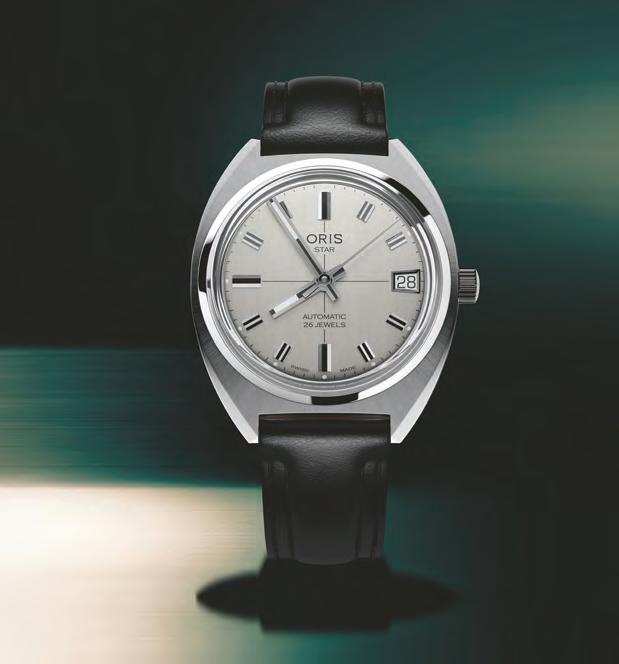
ORIS STAR
In the annals of Swiss watchmaking, the Oris Star marked a significant milestone when it was released in 1966, not only for Oris but also for most other brands in the industry. This year Oris is releasing a very faithful reissue of that timepiece to mark 60 years since its era-defining introduction. Looking up the history of the Swiss Watch Statute is fascinating but even those unfamiliar with the story will appreciate the charm of this 35mm steel case with its barrel silhouette, silver dial and plexiglass crystal, all of which capture perfectly the understated charm of mid-century watchmaking.
To mark its 30th anniversary, Parmigiani Fleurier unveils the TONDA PF Chronographe Mystérieux, a complication hidden away in plain sight. At first glance, it appears as a pure three-hand Tonda PF, with a wonder-
ful barleycorn guilloché dial in mineral blue, a 40mm steel case, and a platinum bezel. There are no visible chronograph sub-dials or conventional cues. Yet a discreet pusher at 7.30 transforms everything, activating a concealed mechanical choreography beneath the dial. It is a piece that impresses as much for its refinement as for its audacious technical imagination. Easily one of our favourites from the fair and a masterclass in horological inventiveness.
PATEK PHILIPPE NAUTILUS 50TH ANNIVERSARY 38MM PLATINUM LIMITED EDITION
Half a century on, the Gérald Genta-designed classic remains one of the most coveted sports watches in the world. To mark the anniversary of its signature rounded octagonal case, Patek Philippe has introduced a series of pared-back, time-only references. Of these, the elegant 38mm in platinum (a limited edition of 2,000) is our favourite. Its
refreshingly uncluttered dial, combined with the ultra-thin Calibre 240 and a discreet anniversary inscription on the rotor, makes it a compelling proposition for collectors.
ROLEX OYSTER PERPETUAL COSMOGRAPH DAYTONA IN ROLESIUM
Rolex is celebrating 100 years of the iconic Oyster case and as expected, it has unveiled a suite of considered, cautious iterations around this theme. While attention may naturally gravitate towards the colourful dial of the Oyster Perpetual 36 (Jubilee Edition) or the return of the Yacht-Master II, it’s the Oyster Perpetual Cosmograph Daytona that’s the showstopper for us. Rendered in Rolesium (steel and platinum), it features a white grand feu enamel dial made up of four parts and an anthracite grey bezel, giving this offcatalogue piece a distinctly refined presence. More interestingly, this is a watch defined by meticulous material execution and technical
Tudor Monarch
finesse to the degree that perhaps only a behemoth like Rolex can undertake. It is a selfassured expression of the crown’s enduring commitment to precision and savoir-faire.
TUDOR MONARCH
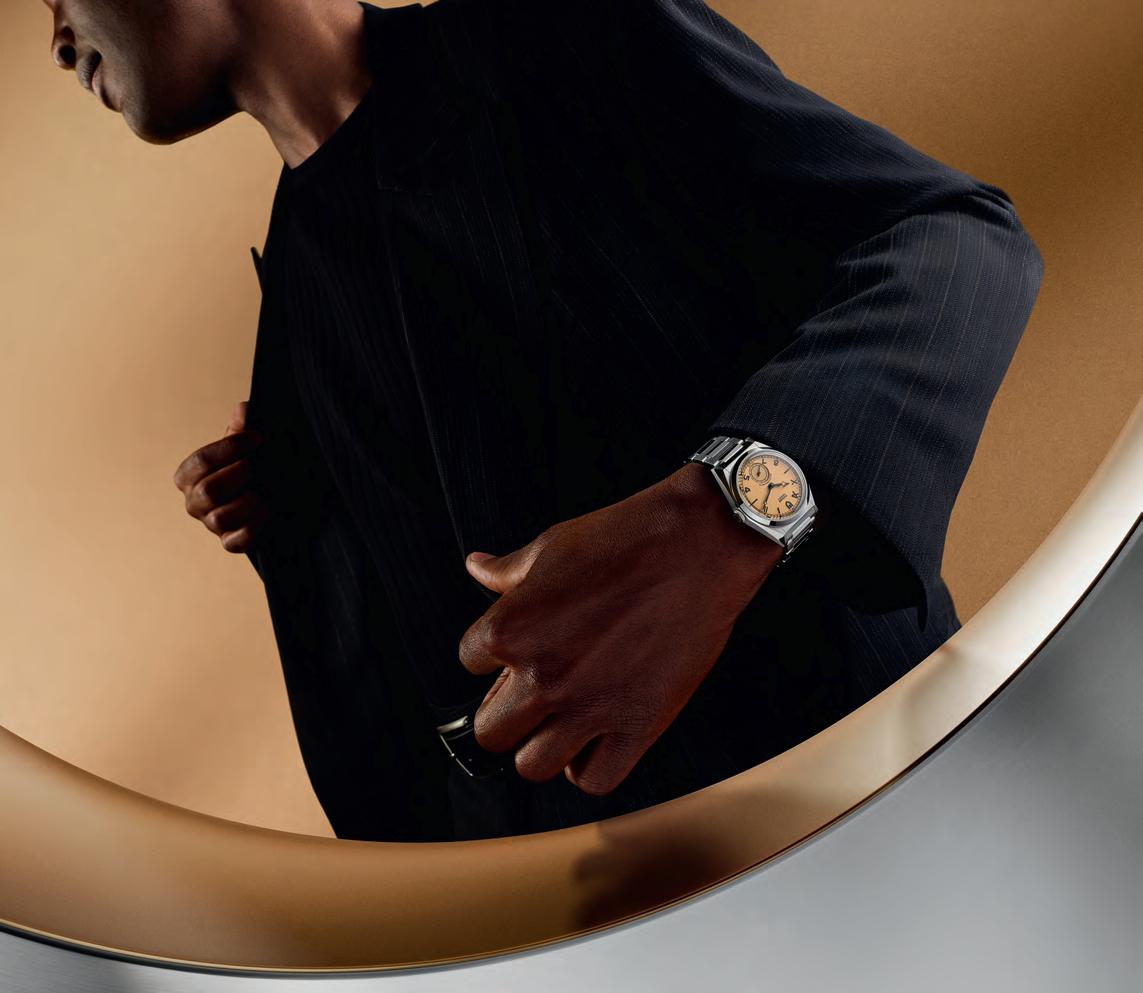
To mark 100 years of Tudor, the vintage-in spired Monarch brings an unexpected edge. Its angular 39mm case and finely faceted in tegrated bracelet frame a vertically brushed, papyrus-toned dial with applied Roman and Arabic numerals. Beneath the surface is a METAS Master Chronometer certification, underscoring the brand’s pursuit of technical excellence and manufacturing rigour.
VACHERON CONSTANTIN OVERSEAS ULTRA-THIN 2500V
Thinness has long been one of watchmak ing’s most demanding pursuits, challenging the industry since its earliest days. The Vach eron Constantin Overseas Ultra-Thin 2500V builds on more than a century of the mai son’s own expertise in this field, culminating in the thinnest Overseas ever created. At just 7.35mm, it houses an in-house self-winding movement developed over seven years, deliv ering an impressive 80-hour power reserve. Rendered in platinum, with a warm salmon dial, this reference is limited to 255 individu ally numbered pieces, available exclusively through Vacheron Constantin boutiques.
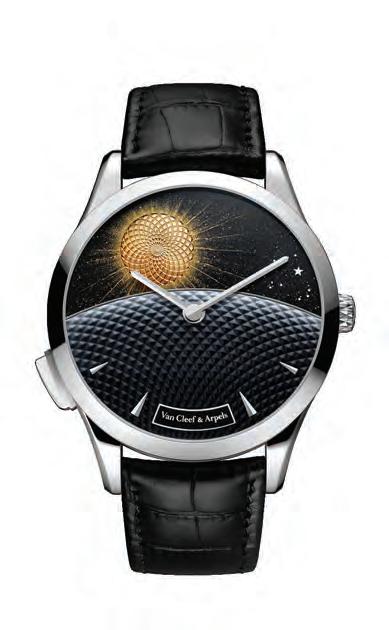
VAN CLEEF & ARPELS MIDNIGHT JOUR NUIT PHASE DE LUNE
For over a century, Van Cleef & Arpels has approached time not as something to be measured, but as something to be experienced, often through the lens of the cosmos. That fascination finds new expression in the Midnight Jour Nuit Phase de Lune, a Poetic Complication that reflects the maison’s enduring dialogue with the night sky. The watch brings together two overlapping indications: the signature Jour/Nuit display and a moonphase complication. black Murano aventurine glass and shimmering bronze specks evoke a starlit sky punctuated by a golden guilloché sun and a mother-of-pearl moon. The impressive mechanical complications are in service to the romance and storytelling of this gorgeous piece and the narrative extends even to the stunningly decorated reverse side of the watch.
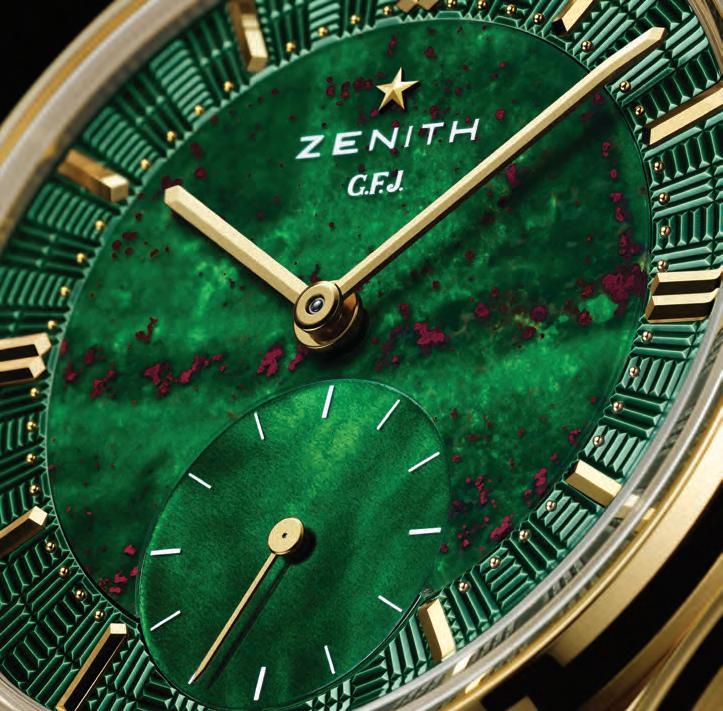
ZENITH BLOODSTONE G.F.J. LIMITED EDITION
This year, Zenith introduces two new models into its award-winning G.F.J. line, the collection that revived one of the brand’s most important historic movements, Calibre 135. Of the two models, the yellow gold ‘Bloodstone’, a limited edition of 161 pieces, stands out. Defined by a striking natural jasper bloodstone dial (of which no two examples can be identical) and an oversized mother-of-pearl sub-dial at 6 o’clock, this 39.5mm watch balances texture with thoughtful detail. Its patterned, guilloché outer ring also subtly pays tribute to the brick façade of Zenith’s manufacture in Le Locle.
Zenith Bloodstone
G.F.J. Limited Edition
Oris Star
Van Cleef & Arpels Midnight
Jour Nuit Phase de Lune
PARED BACK POWER
Fabrizio Buonamassa
Stigliani, Bvlgari’s acclaimed executive director of product creation, reflects on watch design, creative process, and the evolution of his vision
WORDS: VAARUNYA BHALLA
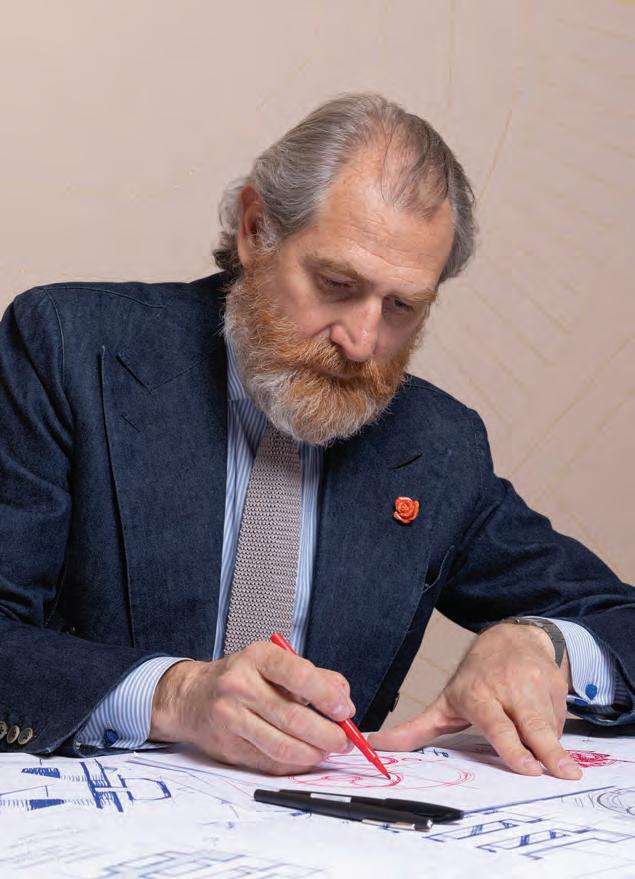
It has been a few months since the 2026 edition of Watches and Wonders concluded. At that time, amid the frenzy of launches, meetings, interviews and the relentless schedules that follow the world’s largest horological showcase, securing uninterrupted time with Fabrizio Buonamassa Stigliani, Bvlgari’s executive director of product creation, feels optimistic at best. Yet when we finally speak, the conversation is anything but hurried. Over the course of a freewheeling discussion, the man who has helped reshape Bvlgari’s standing in modern watchmaking reveals himself to be thoughtful, philosophical and intensely design-minded.
Buonamassa Stigliani occupies an interesting position. Over the past two decades, he has helped transform Bvlgari from a maison admired primarily for its jewellery into one of contemporary horology’s most confident and technically ambitious voices. The record-breaking success of the Bvlgari Octo Finissimo has played no small part in that evolution, but in speaking with him, it quickly becomes clear that his interests extend far beyond thinness, mechanics or world records. “I love objects,” he says at one point, almost casually. It is perhaps the simplest possible distillation of a philosophy that draws as much from architecture, furniture and Italian industrial design as it does from the codes of traditional watchmaking.
Buonamassa Stigliani identifies first and foremost as an industrial designer. In his career, he has designed, among other things, motorcycles, cars, jewellery, sunglasses, and watches. He sketches constantly, but not loosely or impressionistically. His drawings are well-formed from the outset; he can see the mechanics and components of the object in detail, allowing him to render them on paper. When asked whether the maison’s pursuit of ever-greater technical performance makes it harder to preserve beauty in design, Buonamassa Stigliani gently rejects the premise altogether. To him, the two cannot be separated.
What follows is less an explanation than a philosophy of design itself. It is one shaped as much by Italian industrial culture, which he regards with respect, as by traditional watchmaking. An object that privileges beauty without function, he argues, belongs to the realm of art. One that functions perfectly but lacks emotional resonance is merely engineering. True design exists somewhere in between: where utility, ergonomics and aesthetics are resolved into a single coherent idea. In Italy, he explains, there exists a longstanding understanding of design as art applied to industry – a philosophy where beauty and utility are expected to coexist rather than compete.
It is an outlook that helps explain why Bvlgari approaches watchmaking differently from many of its contemporaries. Buonamassa Stigliani repeatedly
Buonamassa Stigliani
returns to the notion that constraints themselves should shape aesthetics. The challenge of ultra-thin watchmaking, for example, is not simply a technical one. The limitation becomes the design language. The engineering informs the beauty.
At one point, he references the exposed engine of a classic Ferrari F40 as an example of engineering elevated through emotion and visual drama. Even the screws, he suggests, deserve consideration beyond pure utility. “Mechanics has its own aesthetics,” he says.
“If an object is just beautiful but doesn’t work, it is a piece of art. If it works, but it’s not built, then it is merely a piece of engineering. So industrial design has to combine these two different worlds, for something to be the most beautiful object that also has to work in a proper way.” A perfect example of an area in which the company has been very successful in combining beauty and precision is the Octo Finissimo. Bvlgari has just unveiled a new 37mm interpretation of the timepiece, a release that generated considerable acclaim during Watches and Wonders. Since 2014, when the maison first released the Octo Finissimo Tourbillon, setting a record for the thinnest-ever tourbillon at just 5mm, they have gone on to amass a string of world records in mechanical advancements. The Octo Finissimo feels less like a singular product line and more like a manifesto; the collection has become synonymous with ultra-thin
watchmaking, repeatedly setting new benchmarks while reshaping perceptions of what contemporary luxury sports watches could look (and feel) like.
Thinness was never an end in itself. The challenge was to create a watch that remained entirely usable despite its complexity. Something technically radical that still felt intuitive in everyday life. “The user experience is very important,” Buonamassa Stigliani says. “You have to be able to read the time. You have to be able to wear the watch.” That philosophy extends far beyond the movement itself. Buonamassa Stigliani speaks with equal attention about the ergonomics of a bracelet, the tactility of a clasp and the physical ease with which a watch integrates into daily life. In his view, these details should exist at the same level as the technical mechanical achievements, not beneath it. Ideally, the engineering disappears seamlessly into the experience of wearing the object.
For Buonamassa Stigliani, the impact of the Bvlgari Octo Finissimo extends far beyond the records it accumulated. What interests him more is how the project permanently altered Bvlgari’s internal philosophy around watchmaking itself. Ultra-thin horology, he explains, demanded an entirely different way of thinking. “It’s like a Formula One car,” he explains. “Each component has to add something to achieve the result.” In a space where fractions of a millimetre become consequential, unnecessary gestures quickly reveal themselves. Decorative elements without purpose begin to feel incompatible with the object altogether.
What emerged was not simply a thinner watch, but a more disciplined design language. “There is a watch business unit before the Octo and a watch business unit after the Octo Finissimo,” he reflects. The shift was cultural as much as technical. Initially introduced through highly limited complicated pieces, the collection eventually evolved into serially produced ultra-thin automatic watches. This was a move that fundamentally changed perceptions of Bvlgari within contemporary watchmaking circles. It helped prove that such engineering could exist at scale within the maison’s own manufacturing ecosystem.
Buonamassa Stigliani still speaks about those developments with a degree of disbelief, particularly when discussing the evolution of Bvlgari’s movements. Advances like the Piccolissimo Calibre BVF 100, he suggests, emerged through years of accumulated experimentation around miniaturisation, efficiency and spatial problem-solving. “Honestly,” he admits at one point, “it was something that we were not able to imagine ten years ago.”
Despite Bvlgari’s increasingly formidable standing within Swiss watchmaking, Buonamassa Stigliani
“IF AN OBJECT IS JUST BEAUTIFUL BUT DOESN’T WORK, IT IS A PIECE OF ART. IF IT WORKS, BUT IT’S NOT BUILT, THEN IT IS MERELY A PIECE OF ENGINEERING. SO INDUSTRIAL DESIGN HAS TO COMBINE THESE TWO DIFFERENT WORLDS, FOR SOMETHING TO BE THE MOST BEAUTIFUL OBJECT THAT ALSO HAS TO WORK IN A PROPER WAY.”
Fabrizio
repeatedly returns to Italy as the emotional centre of his creative vocabulary. He talks not in abstractions, but through places, colours and sensations: the blues of Capri, Mediterranean light, the greens of Sardinia, the warmth embedded within Italian visual culture. It becomes clear that his understanding of luxury differs subtly from the colder expressions of perfection sometimes associated with haute horology. Precision matters deeply, but so too does emotion. Objects must feel alive. They must possess personality, sensuality and a certain ease.
That sensibility increasingly defines Bvlgari’s watchmaking identity. Rather than attempting to emulate Swiss restraint, the maison has leaned further into its Roman perspectives of expressive geometry, jewellery-inflected design language and a more tactile understanding of elegance.
Buonamassa Stigliani returns repeatedly to the idea of reduction. Removing what feels unnecessary. Allowing quality,
material and proportion to speak more quietly for themselves. It is difficult not to recognise the parallel with his watches. Even the most technically ambitious examples of Bvlgari’s modern output retain a sense of discipline beneath their expressiveness. That confidence comes from clarity. His perspective perhaps also reflects a broader Italian design sensibility, where beauty rarely exists in isolation from usability or everyday life. When asked what still excites him after years of record-breaking achievements and industry acclaim, Buonamassa Stigliani’s answer is revealing. He speaks less about technical milestones than about reinterpretation. His challenge, he says, is to continue finding new ways of expressing Bvlgari’s identity without losing the essence of the brand itself. He talks animatedly about imagining the evolution of the Bvlgari Octo Finissimo over the next decade, of revisiting icons like Serpenti through unexpected perspectives, and of
combining aesthetic codes in ways that still feel unmistakably Bvlgari. He references pieces like the Monete paired with Milanese mesh bracelets, combinations that introduced unfamiliar elements while somehow remaining entirely coherent within the maison’s visual language.
“I love these kinds of things,” he says. “Putting together different aesthetics. They talk about the brand in a different way.”
Perhaps that is ultimately what defines Buonamassa Stigliani’s approach to design. Neither reinvention for its own sake, nor reverence toward heritage as something static, but a constant process of refinement and evolution. Under his direction, Bvlgari’s watch division has become more technically accomplished for sure but it has also developed a deeply confident point of view; one rooted in Italian industrial culture, emotional clarity and the belief that beauty and function are at their most powerful when they become inseparable.
SIMPLY THE BEST
At this year’s Watches & Wonders men were spoilt for choice when it came to statement-making timepieces
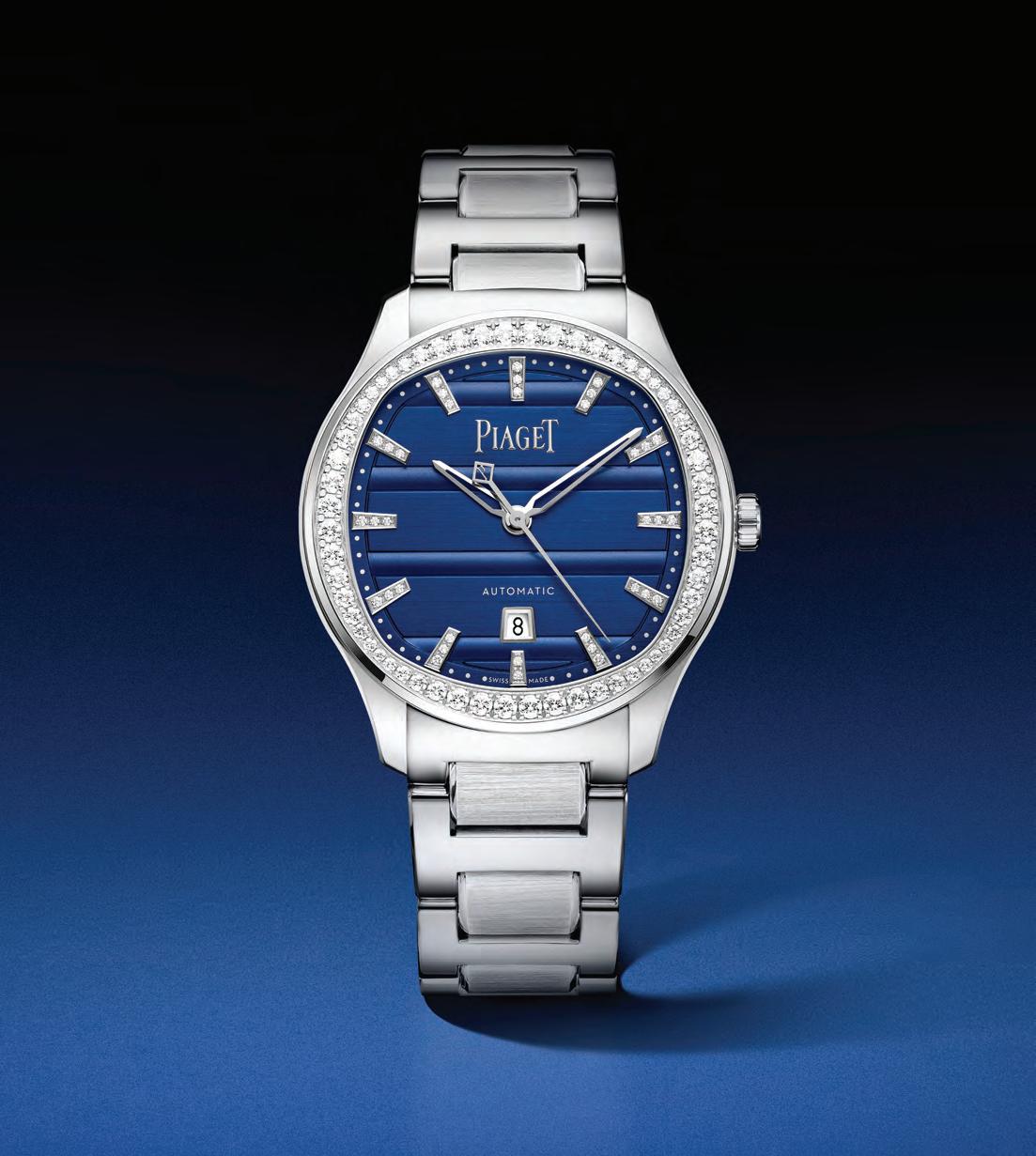
PIAGET –POLO SIGNATURE
True Blue
There is something so satisfying about a maison that understands its own DNA so completely it can build an entire collection moment around a single decorative groove. Those rippled horizontal striations – gadroons, in Piaget’s vocabulary – have been the house’s secret weapon since 1979, and at Watches & Wonders this year the Polo Signature collection got a full wardrobe refresh around them. Deep blue dials now run across the range, with a sodalite-dialled Polo 79 making a stone-cold case for the allure of mineral glamour. Effortless, considered, and evergreen in its attitude – this is Piaget doing exactly what the brand does best.
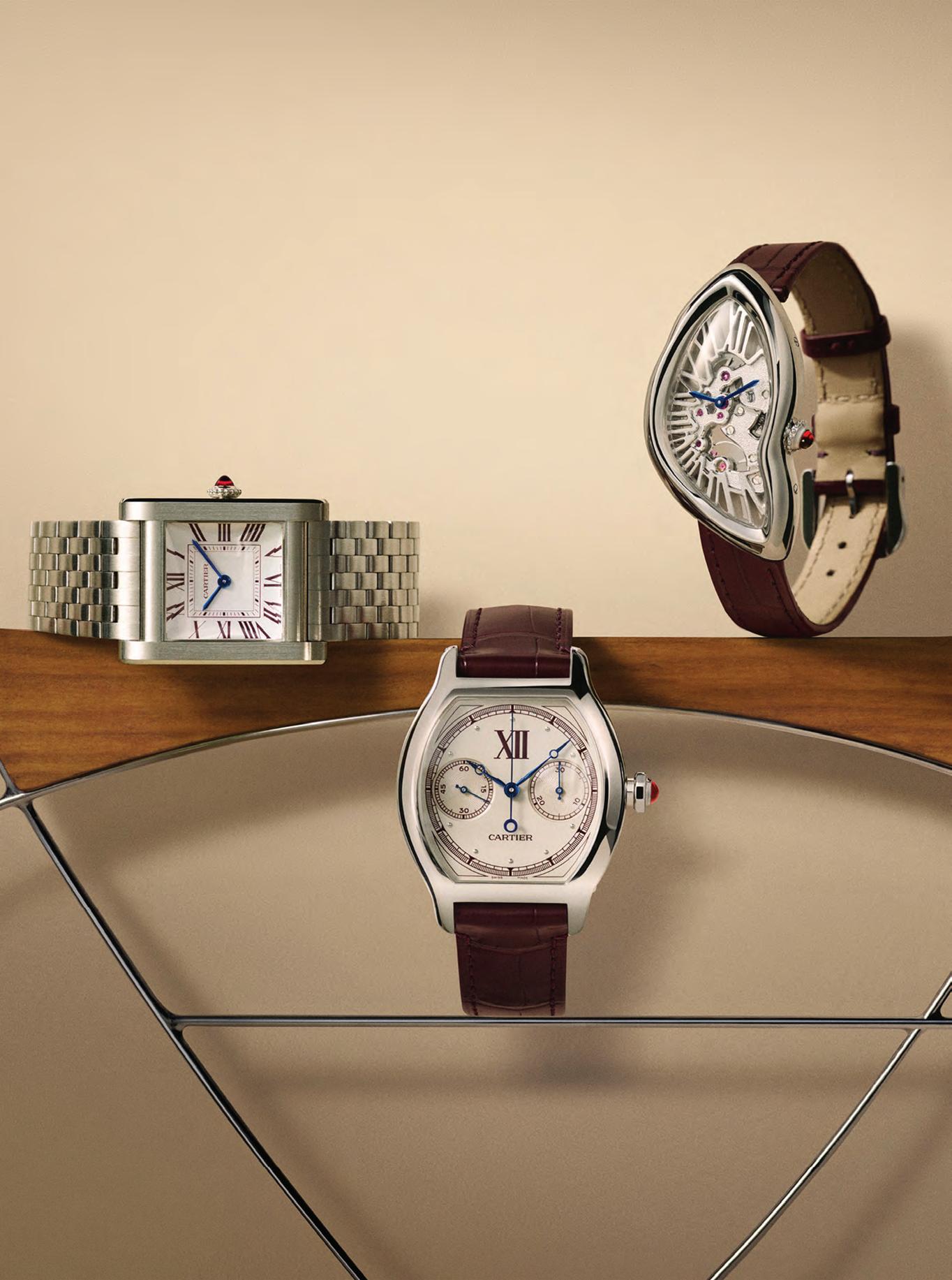
CARTIER – CARTIER PRIVÉ – LA COLLECTION
Treat Yourself
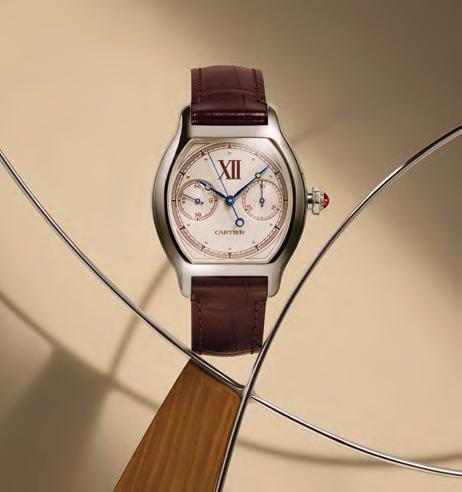
A decade in, and Cartier Privé still knows exactly how to make a collector’s pulse race. For its tenth opus, the Maison didn’t just revisit one of its archival shapes – it brought back three. The Tank Normale, Tortue Chronographe Monopoussoir and Crash Squelette arrive together in platinum, bound by a thread of deep burgundy that runs through each piece like a shared secret. The Crash, in particular, is something else entirely – its movement hand-hammered into submission, wildly skeletal, limited to just 150 pieces. This isn’t nostalgia. This is Cartier reminding everyone, very quietly and very confidently, who invented the game.
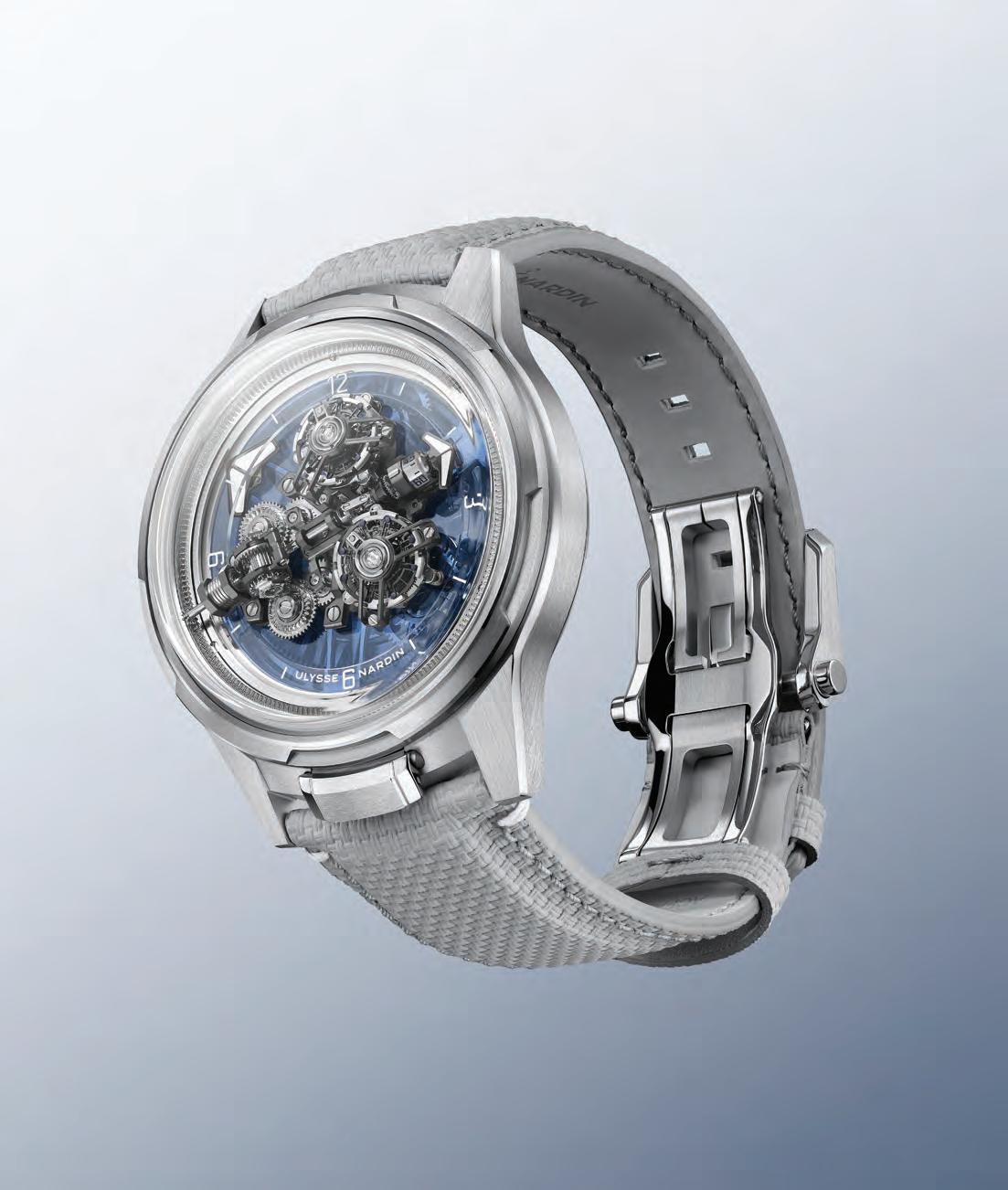
Get Your Freak On
Twenty-five years after the original Freak turned watchmaking on its head, Ulysse Nardin arrives at Watches & Wonders with something that makes even that landmark moment feel like a warm-up act. The Super Freak houses the world’s first automatic double tourbillon – two inclined, counter-rotating cages floating on a flying carousel, averaging their rates through the world’s smallest differential. A newly patented gimbal system, borrowed from aerospace navigation, makes a seconds display possible for the very first time in a Freak. All 511 components assembled by a single watchmaker, over 60 hours. Fifty pieces exist. This is watchmaking as an extreme sport – and we are here for it.
ULYSSE NARDIN – SUPER FREAK
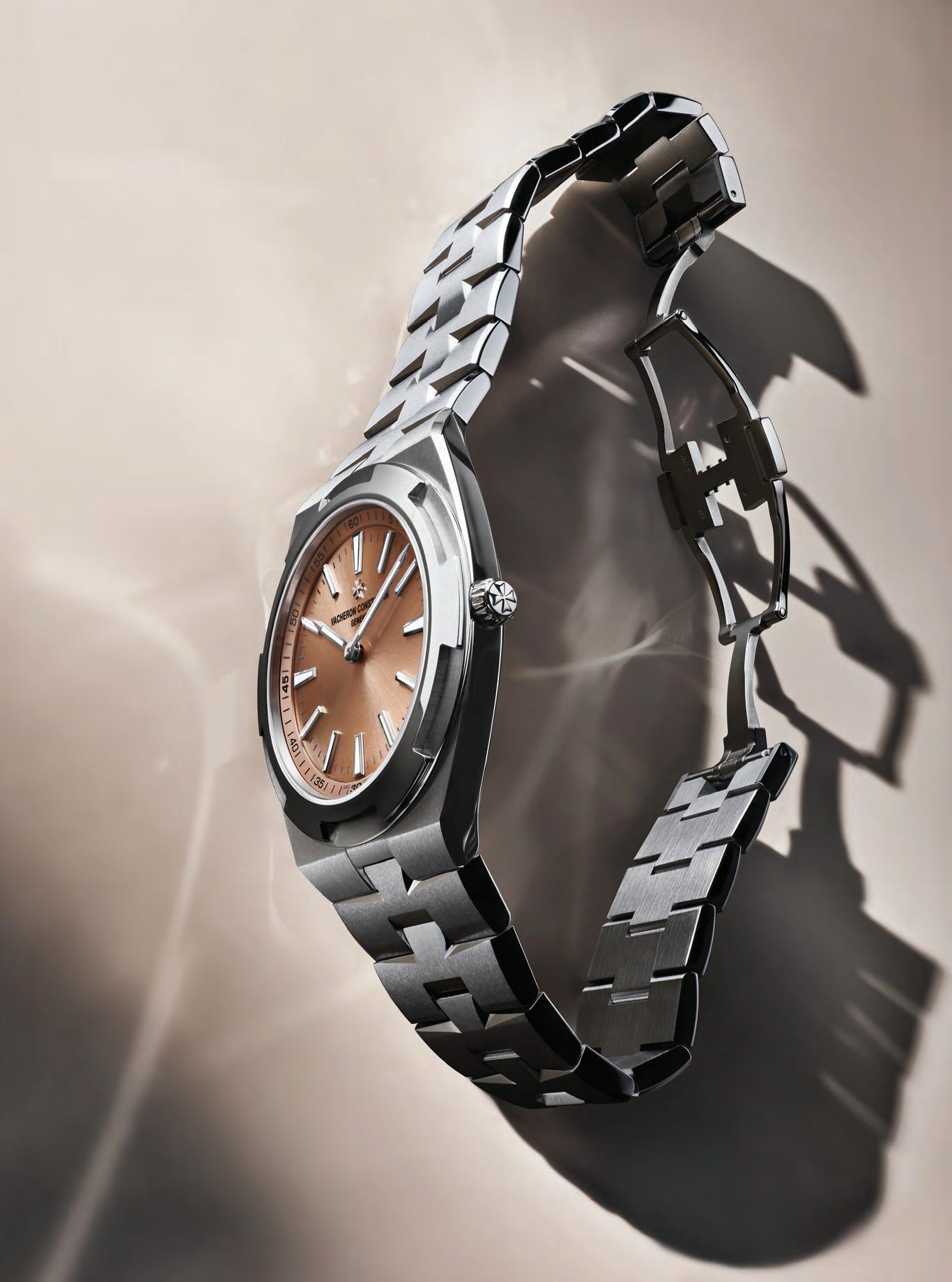
VACHERON CONSTANTIN
– CALIBRE 2550 OVERSEAS
AUTOMATIQUE ULTRA-THIN
Slender Strength
Seven years of R&D for 0.05mm. That’s the kind of obsessive, borderline unreasonable commitment that separates the truly great maisons from everyone else. Vacheron Constantin’s new Overseas Ultra-Thin arrives powered by an in-house movement measuring just 2.4mm thick – a whisper thinner than the legendary calibre it succeeds, which launched back in 1968. The full watch sits at 7.35mm, all in a proprietary platinum hardened to resist scratching at nearly three times the standard. The salmon dial, a colour the maison has loved since the 1940s, gives it warmth without softness. Limited to 255 pieces. This is watchmaking as quiet, iron-willed perfection – and it shows.
Shine Bright
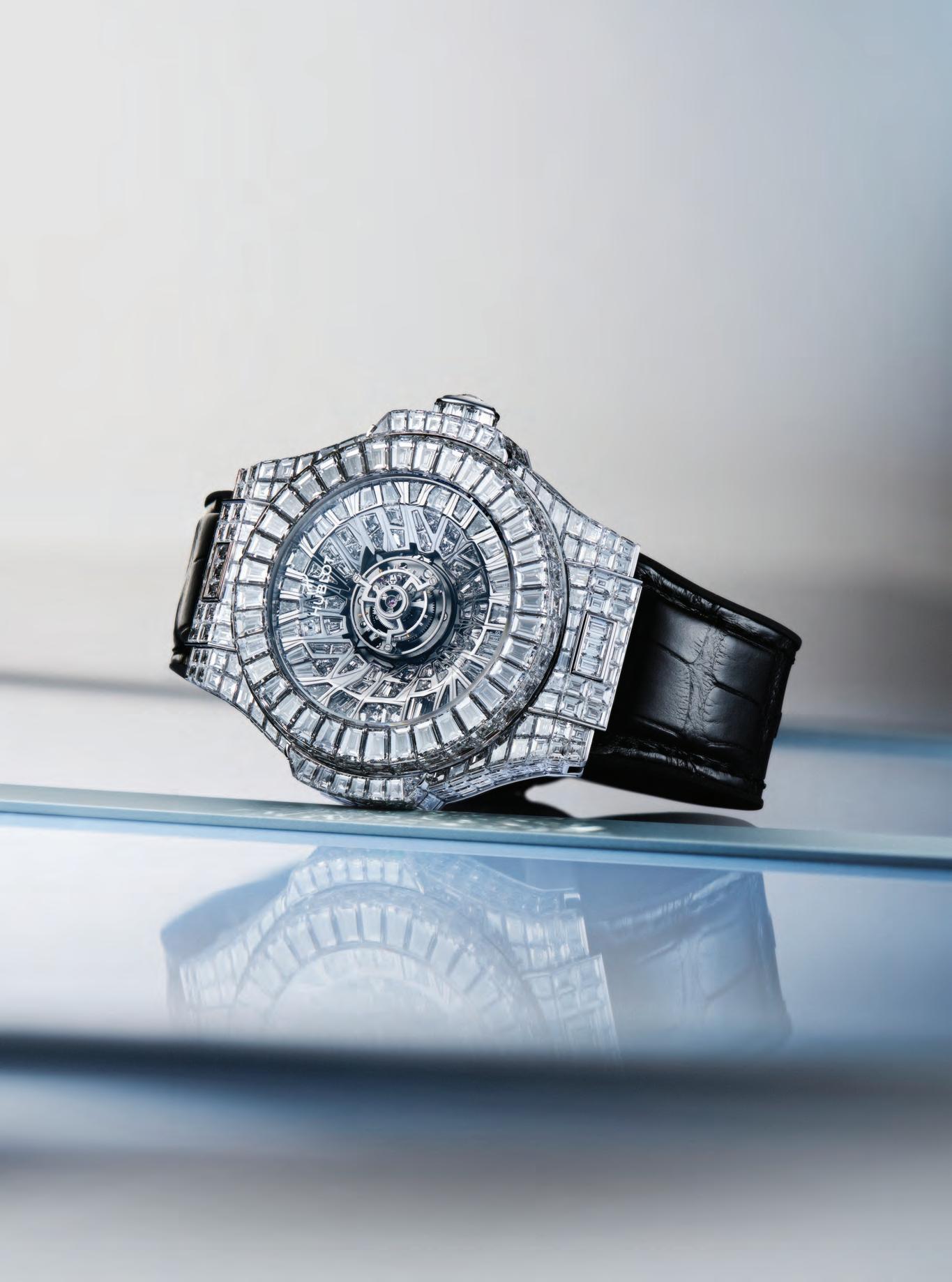
A million dollars. Five hundred diamonds. And one flying tourbillon suspended in mid-air at the centre of it all. As any watch connoisseur knows, Hublot doesn’t do subtle, and with the Big Bang Impact One Million, it isn’t trying to. But what makes this watch more than just an extravagant jewellery exercise is the genuine technical audacity underneath – baguettes and fancy-cut diamonds spiralling outward in a three-dimensional vortex that took hundreds of hours to set correctly, wrapped around a hand-wound movement with a five-day power reserve. At 45mm in white gold, this watch is a wrist statement that announces itself from across the room. Bold, unapologetic, and utterly Hublot.
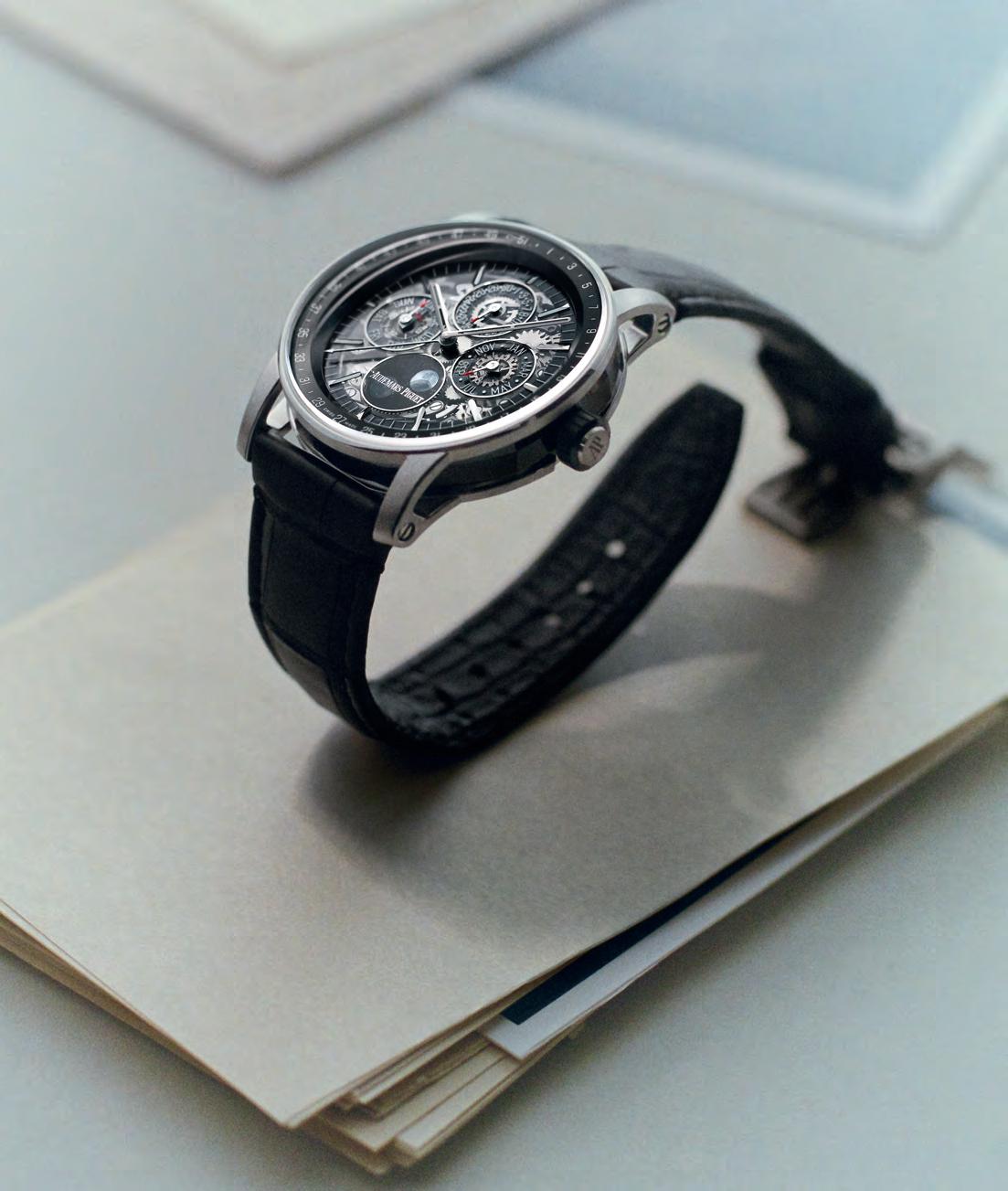
Leave it to Audemars Piguet to make transparency the ultimate flex. The Swiss maison arrived at Watches & Wonders with Calibre 7139, a self-winding perpetual calendar that strips away every unnecessary layer to put its mechanical wizardry on full display. With over 30 hours of hand-finishing poured into each piece, this isn’t engineering – it’s obsession. Two 41mm references carry the new movement. But we were wowed by the white gold and black ceramic Code 11.59. Bridging the gap between visibility and legibility, it wears its sapphire dial like a confession – and honestly, at this level of craft, why would you hide a thing?
Moments That Matter
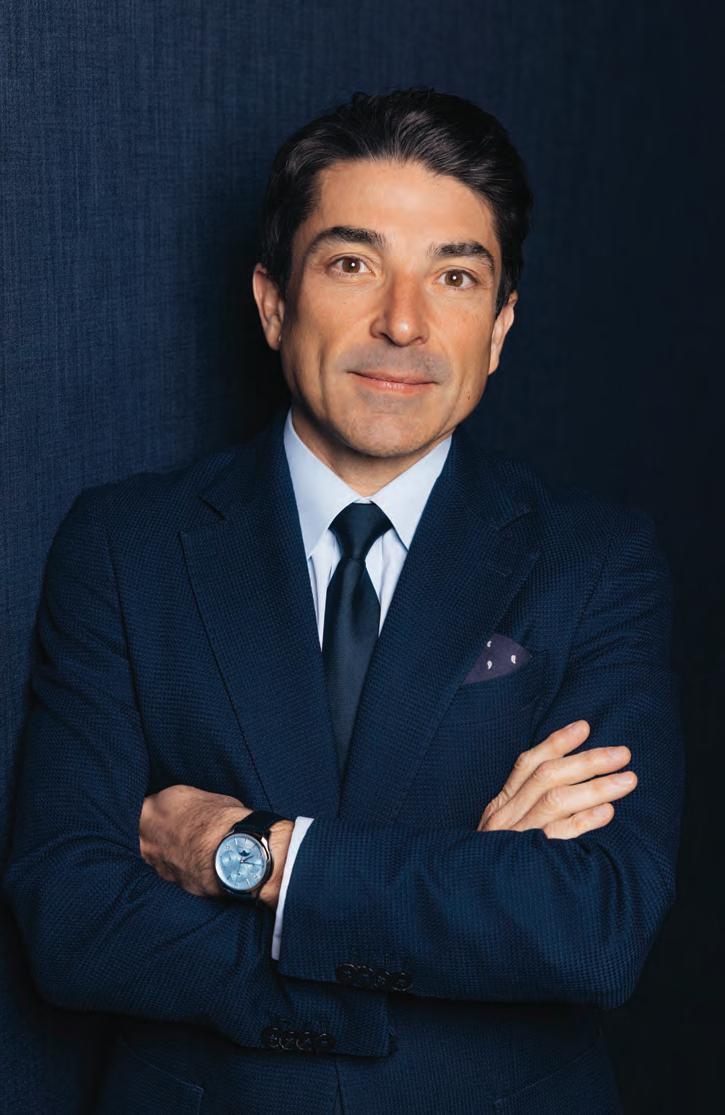
Under the stewardship of CEO Michael Guenoun, Swiss watchmaker Baume & Mercier is positioning itself as the brand that celebrates meaningful moments in people’s lives and marks important milestones. Here, he reflects on authenticity, endurance, and why ‘meaning’ matters so much to today’s well-informed and emotionally attuned collectors
WORDS: VAARUNYA BHALLA
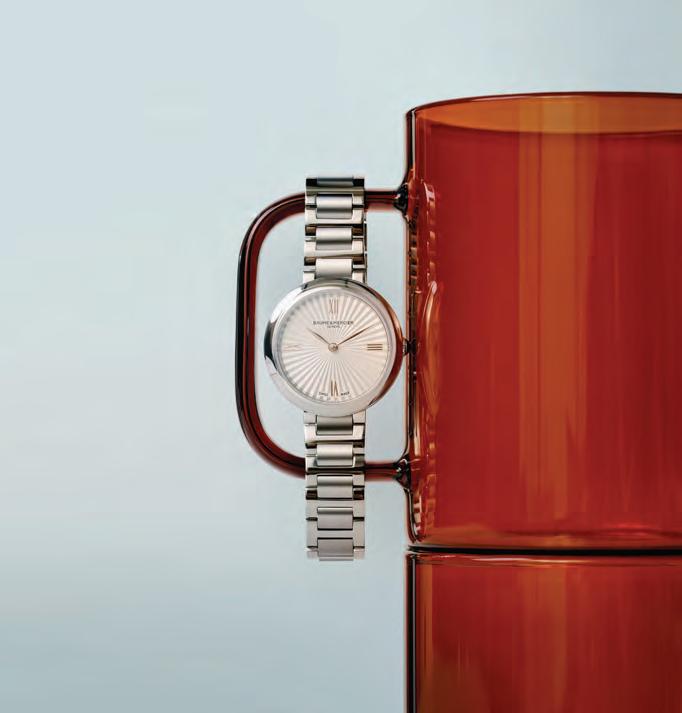
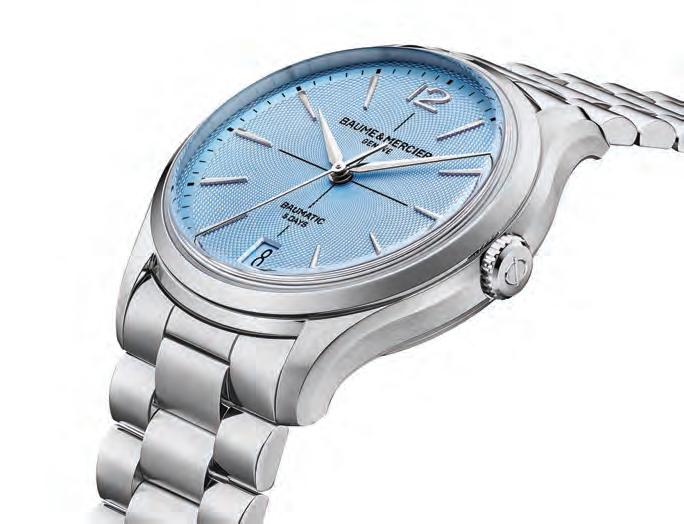
You recently unveiled several new creations at Watches & Wonders 2026. Could you share a few insights into these novelties, and tell us which one you feel best represents the essence of Baume & Mercier? We were proud to unveil novelties that are both modern and rooted in our heritage. This included the new Joia de Baume & Mercier collection, entirely dedicated to women and inspired by an iconic model from the 1980s. We also expanded the Riviera line with new Riviera 73, combining a refined, elegant look with design cues from the original 1973 model. Finaly, if I had to highlight one piece that best represents Baume & Mercier, it would be the new Clifton 10870. It perfectly illustrates our watchmaking expertise, featuring our manufacture Baumatic movement while embracing a modern touch through its distinctive ice blue dial.
For many collectors, Baume & Mercier has historically been a gateway into serious Swiss watchmaking. Is that still the ambition. Or are you redefining what the brand stands for? Are there challenges to this ‘accessible luxury’ positioning today? At Baume & Mercier, we are proud to have nearly 200 years of heritage and remain deeply committed to honoring the values of our founders. We have always been a Maison of celebration – our timepieces are chosen to mark life’s defining milestones. For many, we represent their first fine Swiss mechanical watch. This role carries responsibility, and we embrace it with sincerity, preserving true quality within our timepieces. Having led TimeVallée, you’ve observed how clients behave across multiple maisons. What misconceptions do brands often have about today’s watch buyer? People often underestimate how informed and emotionally driven today’s clients are. They are not simply purchasing a product; they are investing in meaning, craftsmanship, and long-term value. The modern watch buyer seeks authenticity and
Michael Guenoun
coherence – they quickly recognize when a brand’s narrative does not align with its actions. At Baume & Mercier, our enduring connection with clients is rooted in celebration and genuine authenticity. That emotional dimension makes all the difference. When you look at Baume & Mercier’s 196year history, what part of its DNA feels most underexploited today? If I look at our history, what strikes me is the remarkable consistency of our values. Since 1830, our motto “Accept only perfection, only manufacture watches of the highest quality” has guided every creation. This pursuit of excellence naturally evolved into a distinctive balance between horology and design, shaped by the 1918 encounter between William Baume and Paul Mercier. Another powerful chapter is our pioneering role in women’s watchmaking since the 1920s – a field where our legitimacy is profound, and one we intend to further elevate in the years to come. Baume & Mercier occupies a very interesting space between accessibility and high horology. How do you maintain mechanical credibility while staying true to a philosophy of attainable elegance? Mechanical credibility comes from substance. Our Baumatic manufacture movement, with a 5-day power reserve and an 8-year warranty, is a perfect illustration of our standards and long-term vision. It powers several models within the Riviera collection and the entire Clifton line, reflecting our commitment to performance and reliability. Our motto – “Accept only perfection” – is not a slogan; it is a daily commitment to quality, precision, and reliability. We ensure that attainable elegance never means compromising on technical excellence at Baume & Mercier.
The Middle East has a strong appetite for distinctive yet wearable luxury. How important is this region in Baume & Mercier’s growth ambitions over the next five years? The Middle East is a key region for our future growth. Clients here combine deep horological knowledge with a strong sensitivity to heritage, craftsmanship, and distinctive design, values that resonate perfectly with Baume & Mercier. Our authentic Swiss patrimony, sense of celebration, and refined yet distinctive aesthetic align naturally with this region. We see significant potential not only in distribution, but also in building long-term emotional connections with a new generation of collectors. Lastly, what can watch enthusiasts look forward to from Baume and Mercier over the coming year? In the year ahead, you can expect us to enhance what has defined Baume & Mercier for nearly two centuries: celebrating meaningful moments through watches of uncompromising quality. We will continue to build on our heritage, further develop our Baumatic movement and reinforce our presence in women’s watchmaking with a renewed and ambitious offering. Above all, we will continue to draw inspiration from our archives while bringing contemporary relevance – ensuring each new creation carries both meaning and modernity.
The conversation around mental health has never been louder, but for men, silence still feels safer. Robin Uthappa, World Cup winner, former cricketer, now founder of TRUE, opens up about the year he stopped looking in the mirror and why men don’t ask for help
WORDS: AMINATH IFASA
BEHIND THE MASK
“IT’S VERY EASY TO BE LONELY AND IT’S EVEN EASIER TO BE TRICKED INTO THINKING YOU’RE NOT, BECAUSE YOU’RE ON YOUR PHONE OBSERVING OTHER PEOPLE, WHICH MAKES YOU FEEL EVEN LESS”
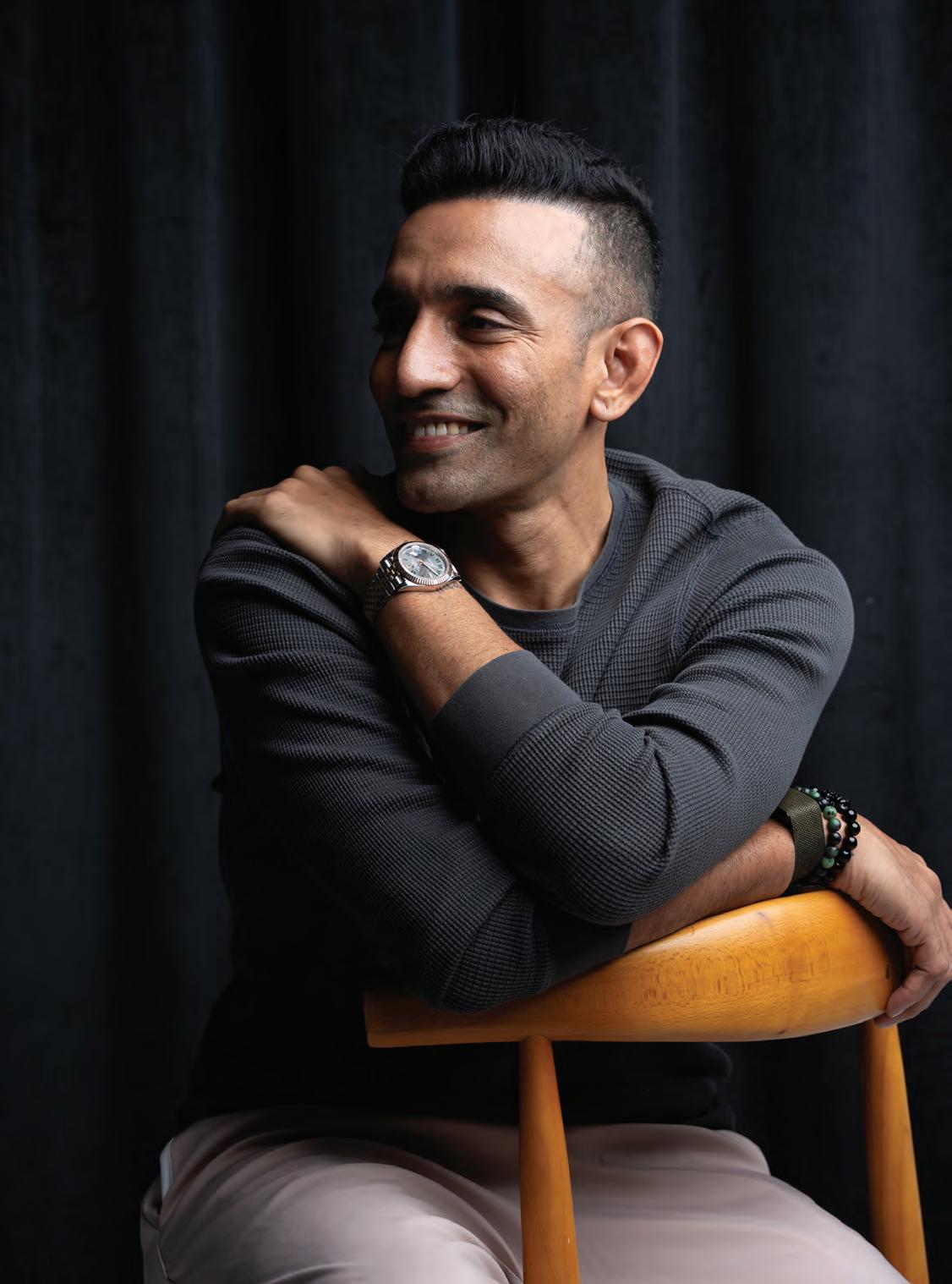
How often do you get to sit across from an international sportsman who has felt the eyes of millions watching him, only for him to talk about hitting rock bottom? I went into my conversation with Robin Uthappa not knowing what to expect. Mental health is something we have been hearing about time and again, so I wondered whether there was anything left that had not already been said. But Uthappa had plenty of thoughts, including admitting that there was a point in his life when he could not look at himself in the mirror for an entire year.
Globally we have reached an uncomfortable point in the conversation around mental health, where the very volume of the discourse threatens to hollow it out. Open any social media platform or podcast feed and you will find trauma timelines and burnout confessions packaged into ten-episode arcs with branded merchandise to match. Mental health has become content, and content has a half-life. We have become so accustomed to hearing the words that we no longer feel the weight of them. A desensitisation is taking hold, where vulnerability is now performative and begins to look like just another aesthetic applied over real pain. Then someone like Uthappa opens his mouth and the performance stops.
Uthappa was never supposed to be this kind of storyteller. He was the batsman who was applauded every time he entered the field, the T20 World Cup winner of 2007, a man whose face belonged on billboards. Clinical depression began for him in 2009, followed by a first urge to do himself harm that same year. Then came 2011, which he describes as a year so dark that he stopped looking at his own face entirely. “I was so ashamed of who I had become,” he shares.
Even in the UAE, where Uthappa now lives with his family, a 2022 study published in Middle East Current Psychiatry found that negative attitudes towards mental health correlated with traditional family values, with men showing significantly higher levels of such adherence than women. The study noted that mental health issues remain stigmatised in the UAE, contributing to resistance in seeking professional help. Male expatriates, especially those from South Asian backgrounds, reported higher levels of emotional suppression and were far less likely to access counselling services than their female counterparts.
Uthappa understands this loneliness directly. “It’s very easy to be lonely,” he admits, “and it’s even easier to be tricked into thinking you’re not, because you’re on your phone observing other people, which makes you feel even less.” Men have very few options when it comes to finding a safe space to speak about what they are feeling, partly because they often lack the language to articulate it and partly because the act of speaking feels like a surrender of power. “When you’re vulnerable with someone, you’re actually giving your power away to somebody else,” explains Uthappa. Men have been raised on a diet of hardness: don’t cry, get up, take the punch on your chin. That approach works well enough on a cricket field, but it leaves something missing in the quiet hours of the night.
This is where TRUE, the coaching movement Uthappa launched, enters the picture. TRUE includes programmes designed specifically for men who have never been taught to process emotion. The Amber Bond programme, which Uthappa plans to pilot in late 2026, is a fourto-five-day intensive coaching immersion that helps men address their inner child, unprocessed grief, and the shame attached to feeling at all. It uses NLP techniques and somatic breathing practices to help men change the meaning of experiences that have disempowered them. Uthappa himself underwent similar coaching as a twenty-year-
old, and he credits it with helping him reframe limiting beliefs. “I remember joking to my wife during lockdown that once I finished playing cricket, maybe we should do this together,” he recalls. “She laughed. But here we are.” Uthappa waited years before speaking publicly about his mental health struggles, timing his first disclosure after winning the orange cap in the 2014 Indian Premier League when the spotlight was brightest. He knew that if someone like him could admit to severe depression, it might open a door for other men. Since then, he has watched the conversation evolve. The stigma has loosened, but he is under no illusion that it has disappeared. “Boys are born through the divine feminine, and they exist in the divine feminine till they hit puberty,” he says. “But somewhere along the way, we are introduced to masculinity in a very hard masculine way.” The result is a generation of men who can perform under pressure but cannot name what they feel when the pressure lifts. They cannot ask for help because asking has been coded as failure.
The TRUE Freedom Project extends this thinking to adolescents, covering topics that traditional schools ignore, from etiquette and communication to networking and personal finance. “No one teaches us what colours go well with our skin tone, how to dress for confidence, how to speak under duress, how to network without performing,” he explains. He is also working on an emotionally sentient AI called Nova OS, designed for men who cannot bring themselves to speak to another human being. “A lot of people are talking to ChatGPT right now,” he says, “but there’s no emotional sentience to it. What we’re trying to build listens from different perspectives and responds with empathy.”
For Uthappa, the turning point came in 2011 when he was close to ending his life and heard a voice in his head say stop, not now. That “not now” made him curious enough to pick up a pen and start writing about himself. He realised that everything he had written were his worldly achievements, which left him with an uncomfortable question; “Who am I beyond that?” That question became the first thread of TRUE. Answering it took him two years of setting values based on his own morality, becoming the kind of husband, father, and friend he wanted to be. “I wanted to be able to look in the mirror and say that I love this guy and have immense respect for him,” he shares.
Uthappa has stood in roaring stadiums and held trophies above his head, yet he admits he once could not stand his own reflection. He spent years hiding how he really felt and pretending everything was fine, and he only started to recover when he got curious about who he might be beyond his achievements. When one man stops pretending and starts being honest, others who hear his story might wonder whether they can do the same.
“I WANTED TO BE ABLE TO LOOK IN THE MIRROR AND SAY THAT I LOVE THIS GUY AND HAVE IMMENSE RESPECT FOR HIM”
WORDS: LINDSAY JUDGE
Antoine Bonvin, General Manager of Sisley Orient, discusses evolving grooming trends, regional growth and the rise of men’s skincare
Arriving in the Middle East from France over 25 years ago, Antoine Bonvin never expected it to be a long-term destination, but more than two decades later, the region has become his home and the centre of his career, leading him to his current role as General Manager of Sisley Orient. After two years working in Kuwait in the early 2000s, Bonvin relocated to Dubai, arriving at a moment when the city was beginning to define itself on the world stage. At the start of his career, Bonvin went in deliberately varied directions. From fashion and events with Elite Model to roles in FMCG, he moved across industries before finding his place within luxury beauty at Sisley Orient.
Founded in 1976, Sisley Paris has long positioned itself as a pioneer of phytocosmetology, combining plant-based science with high-performance formulations. Still family-owned, the brand operates with a level of independence that sets it apart within the luxury landscape. “There’s a very entrepreneurial approach at Sisley,” Bonvin explains. “You’re given a lot of autonomy to manage your business, both strategically and operationally. It’s not about short-term decisions, but about building something sustainable for the brand and for the consumer.”
Today, that long-term vision is evident in Sisley’s growing presence across the Middle East. Operating from Dubai, the UAE functions as a central hub, with a regional warehouse supporting distribution across the GCC. The brand’s footprint spans ecommerce, high-end retail and spa partnerships, with the latter in locations including W Dubai – The Palm and W Hotel West Bay in Doha. Within this landscape, one area in particular is reshaping the beauty conversation: men’s skincare. What was once a marginal category is now emerging as a key driver of growth, particularly in the Middle East. Bonvin has witnessed this shift firsthand. “The change has been quite significant. In the past, men’s routines were very basic. Today, it’s much more structured.”
There are many reasons behind the evolution. A younger demographic, increased disposable income, and the influence of social media have contributed to more informed and engaged male consumers. At the same time, societal changes, including
“THE CHANGE HAS BEEN QUITE SIGNIFICANT. IN THE PAST, MEN’S ROUTINES WERE VERY BASIC. TODAY, IT’S MUCH MORE STRUCTURED”
a growing focus on wellness and self-care, have redefined attitudes towards grooming. “Men are more aware, more educated, and more open to skincare,” he says, “purchasing behaviour has also evolved, with a significant portion of transactions now taking place online, which for men can be much more convenient.”
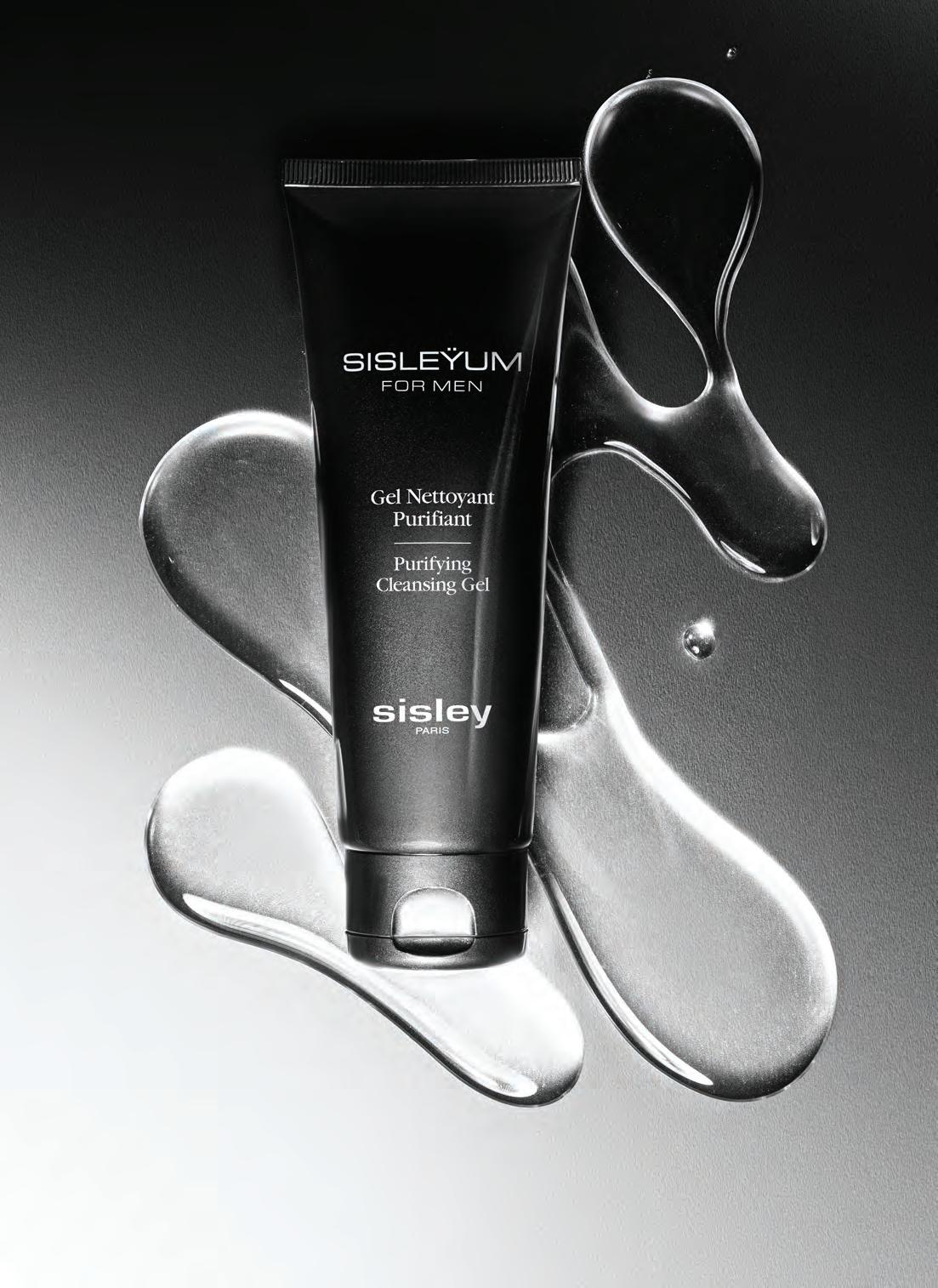
For Sisley, this growth is a welcome challenge. While many of the brand’s products are inherently unisex, addressing the specific needs of male skin requires a more targeted approach. “Male skin is different; it’s thicker, produces more sebum and is more prone to irritation,” Bonvin explains. “We have our own laboratory, and our research is based on phytocosmetology, using plant extracts. For men, we’ve developed specific active ingredients to address those needs.” This philosophy is embodied in Sisleÿum, the brand’s latest dedicated men’s range, which distils skincare into a streamlined three-step routine. Designed around efficiency and performance, the collection reflects a shift towards simplicity, without compromising on efficacy. Central to its formulation is Phyt’active of Kinkeliba, a plant-derived ingredient developed through extensive research to deliver soothing and antioxidant benefits.
Despite these innovations, Bonvin is clear that the foundation of any routine remains straightforward. “At the very minimum, cleansing and moisturising. That’s
essential.” The emphasis, he suggests, should be on consistency, particularly for those new to skincare. “Over time, these habits become part of daily life.” This shift is also evident among younger consumers, who are engaging with skincare earlier than previous generations. Environmental factors in the region, from heat and dust to air conditioning, further reinforce the importance of maintaining healthy skin. At the same time, categories such as haircare are gaining traction, particularly products focused on scalp health and hair loss, available in Sisley’s Hair Rituel range. Looking ahead, Bonvin remains pragmatic about the market environment. While long-term growth remains strong, short-term strategies are being adjusted to reflect changing dynamics. Digital channels are receiving increased focus, while physical retail is evolving towards more service-led experiences.
Sisley’s core values remain focused on authenticity. Partnerships are carefully selected, and marketing remains understated. “We prefer to build long-term relationships rather than short-term visibility,” Bonvin explains. This philosophy extends across every aspect of the business, from product development to customer experience. For a brand that has built its reputation on its research and formulation, this measured approach is key. “It’s not about packaging or trends, it’s about what’s inside the product and how it performs.” In the region today, this focus feels particularly relevant. And for Bonvin, it is this balance, between heritage and evolution, that makes the brand so successful in the market.
Antoine Bonvin
“MY VISION IS TO GIVE THE PATIENT A BETTER VERSION OF THEMSELVES WHILE KEEPING THEM AUTHENTIC”
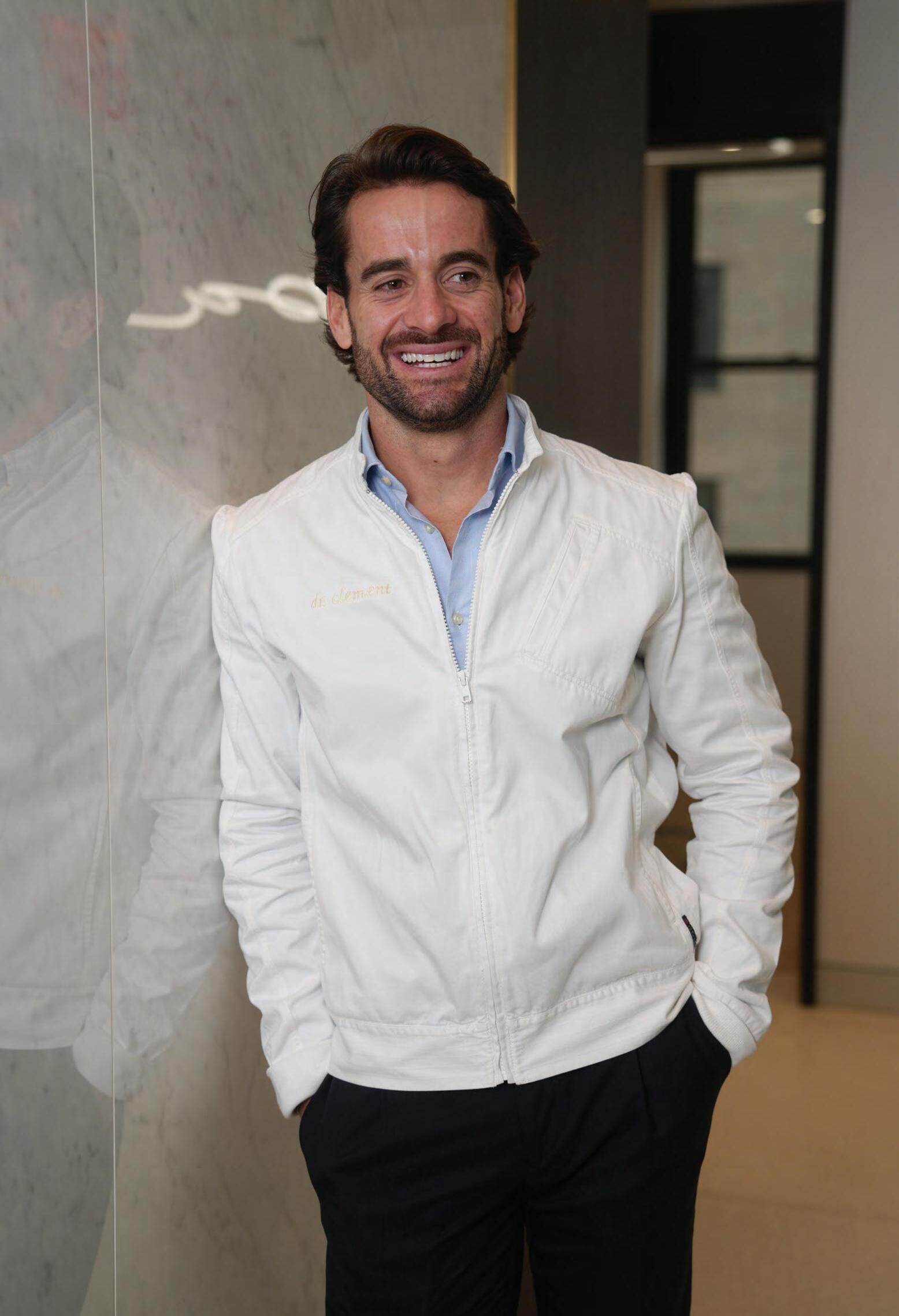
Something to Smile About
Cosmetic dentistry is no longer about hyper-polished perfection. Through Dr Edoardo Felici’s work at APA Aesthetics Dubai, the modern smile emerges as a subtle marker of well-being, refinement, precision craftsmanship and considered self-investment. Here, the conversation extends beyond veneers, revealing how oral health, lifestyle, and understated enhancement have become part of today’s wider luxury wellness landscape
of dentistry,” Dr Felici says. “I consider him a friend now, and the fact that he trusts me enough to co-helm the Dubai clinic was the biggest milestone of my career.” Working sideby-side with a mentor he once only followed on Instagram became both a validation and a turning point, cementing his place as a vanguard of the global aesthetic scene.
WORDS: CAMILLE MACAWILI
Let’s be honest, many of us have been historically haunted by dental appointments’ harsh clinical lighting and the cold clang of surgical steel. The mental experience might be akin to doing an oil change: a necessary yet daunting maintenance task to be done, which is why the idea of dentistry as a luxury wellness service takes some getting used to.
A polished smile has long been part of the modern beauty toolkit, but in 2026, the priorities in cosmetic dentistry are shifting toward discreet treatments that subtly enhance while supporting long-term oral health. In Dubai, one of the names that consistently surfaces in this space is Dr Edoardo Felici. Known for his tailored, hand-crafted approach to dental restoration, Felici has built an impressive portfolio of smiles that are undetectable as “work” – all delivered with the Apa Aesthetics’ signature attention to luxury and dentistry excellence on a scale wherein a global clientele plans their year around.
Dentistry was never just a career path for Dr Felici; it runs deep in the family. “My father and my older brother are dentists,” he explains. “I grew up already knowing this was my direction.” The relationship with his father was the foundation – one built on a shared passion for the craft that made following in his footsteps feel like a natural evolution.
After 15 years of visiting Dubai, Dr Felici decided to base himself in the city full-time three years ago. It was a move facilitated by his relationship with the industry’s most towering figure: Dr Michael Apa. “For me, he was the Cristiano Ronaldo
Dr Felici’s signature style is often described as undetectable, a philosophy he arrived at by moving away from the “Hollywood smile” trends of the past. “I grew up thinking that good work was what could be replicated perfectly. Then I was influenced by the cosmetic ‘Hollywood’ look. But now, my vision is to give the patient a better version of themselves while keeping them authentic,” he says. “The goal is that people shouldn’t be able to see the dentistry work done.”
Interestingly, Dr Felici finds that the challenges of his craft shift significantly between genders. While female patients often arrive with clear references and a shared language of beauty, men are often a blank slate. He notes with a smile, “Men are often here because their wife or partner convinced them, but they are also more trusting because they don’t always know what they want.” For the male patient, the bar for subtlety is even higher. The goal isn’t just a nice smile, “they want to show they are taking care of themselves, to show their wealth and their health,” he adds. Success here lies in the fractional details: the exact level of whiteness, the sharpness of an angle, or the translucency of a tooth. One degree too symmetrical, and the smile loses its authenticity. It is a level of discernment Dr Felici applies to his own aesthetic; he is as well-composed as the smiles he creates. There is a refined, quiet confidence in his approach – that polished Italian charm – that bridges the gap between the surgical and the social, making the patient feel they are in the hands of a true tastemaker, an artistic mastermind who understands the architecture of excellence in every form. Transparency is transforming patient understanding in this regard. Advances in digital dentistry are changing
how treatments are planned and explained. Rendered high-resolution scans map out your current smile and allow clinicians to show patients an accurate picture of their oral health – where tooth wear, developing issues, and hygiene concerns exist – alongside projected results before work begins. This private screening and consultation allow patients to see the details for themselves, which often changes how they engage with their own dental health. For Dr Felici, this is an important part of his process to achieve highly personalised and precise outcomes. “We might not speak the same language, but along with my team and our in-house master ceramists, we use these tools to bridge that gap,” he notes, emphasising that it’s a collaborative process that empowers patients to understand their oral health intuitively and take
genuine ownership. While veneers stand out, the state-of-the-art clinic offers a range of first-class dental care and same-day cosmetic and orthodontic services, including teeth whitening, hygiene and polish, smile makeovers, and dental implants. For Dr Felici, APA is not an exclusive club for celebrities seeking veneers – and it’s not purely a cosmetic studio.
“There is a common misconception that we only treat celebrities,” he notes. “While we are known for aesthetic transformations, the foundation of everything we do is rooted in general health – from cavities to root canals. To reach that level of perfection in aesthetics, you must first have your health sorted.” The result is a practice that treats everyday patients and complex cases alike – always with health first, aesthetics second.
Ultimately, Dr Felici views oral health as a mirror of how a person lives. He has observed a clear correlation between a patient’s lifestyle and the longevity of their dental work. “A healthy lifestyle affects everything. If you are active and disciplined with your diet, your body responds better,” he explains. This “circle of self-care” means that patients who manage stress, sleep well, and eat intentionally are less likely to face dental emergencies. In his view, the mouth is the clearest reflection of how you treat the rest of your body.
After a decade in the chair, Dr Felici is still challenging himself every day. For his next chapter, the focus shifts toward cultivating the wider dental community through mentorship, with a definitive eye toward scaling the APA brand’s international growth.
“WHILE WE ARE KNOWN FOR AESTHETIC TRANSFORMATIONS, THE FOUNDATION OF EVERYTHING WE DO IS ROOTED IN GENERAL HEALTH –FROM CAVITIES TO ROOT CANALS”
ROOM TO THINK
Mattheos Georgiou – Head of Operations for One&Only, SIRO, and Rare Finds – reflects on 30 years in the hotel business, explains how the Iran conflict has affected staff morale, and reveals his insider trick that tells you if a hotel is good or bad
WORDS: ROB CHILTON
Left page: One&Only The Palm; This page: SIRO One Za’abeel
Mattheos Georgiou has been doing a lot of reflecting lately. Recently promoted to Head of Operations for One&Only, SIRO, and Rare Finds around the world, Georgiou has chalked up 30 years in the industry. A Greek national born and raised in Germany, the charming hotelier started as a bellman in an airport hotel in Germany aged 18.
“I think that experience was very valuable, it kept me on my toes,” he says with a smile. “I deal with so many people every day from journalists to politicians to maids. I like to listen and observe body language. The moment someone walks up to me, I know how to act, what to say, what not to say, and how to read the room.” Georgiou,
48, has had to rely on his people skills more than ever in recent months. Along with the rest of the hospitality industry, Georgiou and his colleagues working in UAE hotels and at Kerzner HQ – parent company of the One&Only, SIRO, Rare Finds and Atlantis brands – have been rocked by the Iran conflict. “The situation has affected them undeniably,” he says of hotel staff at One&Only Royal Mirage, One&Only The Palm, One&Only One Za’abeel and Bab Al Shams. “They’re worried about safety and job security.” Soon after the conflict began on 28 February, Kerzner’s leadership recognised the need to communicate regularly with their team and set up town hall meetings where staff could air their concerns and ask questions of both hotel managers and executives.
“We want them to feel comfortable and reassured,” says Georgiou. “As leaders, we need to be present in the front row.”
Fifty per cent of the Kerzner portfolio, which includes 14 One&Only resorts, sits outside the UAE, a fact that Georgiou believes has benefited the company’s central office in Dubai. “In the US and Europe, the conflict appears at number three or four on the news feed,” he explains. “For the resorts outside of Dubai it was business as usual. We had to show up for those resorts and I think that helped us stay sane. We focused on the job, kept ourselves busy and almost forgot about the crisis here.”
TAKE A BREATH
Declining tourism numbers across Dubai have, of course, been deeply concerning for the hotel and restaurant industries but Georgiou has tried to find a positive. “In the hotel business we’re always running, running, running. The conflict gave us an opportunity to take a breath and recalibrate,
Mattheos Georgiou
One&Only One Za’abeel
to see what is working and what is not working.” The conflict reminded Georgiou of his time spent working in Japan when an accident at Fukushima Daiichi Nuclear Power Plant in 2011 caused huge disruption and worry. “When you get humbled by what’s happening in the world it can make you readjust your priorities in life,” he explains. “This is my job, this is my work and, yes, I want the CEO title but not at the cost of my wellbeing or my family or my values. I have really appreciated the time to reflect on what is important.”
And for Georgiou, what is important is people. Since his beginnings as a teenage bellman, Georgiou has thrived on interacting with guests. “I’m not working directly in a hotel anymore but I love that I can dive
into it whenever I want,” he says. “Whenever I get that craving, I’ll go and work out of a hotel lobby, get the smell of croissants in the morning, and watch guests checking in and checking out.”
In his 30-year career, Georgiou has always aimed to instil authenticity in the teams who serve hotel guests. “I believe high-end travellers value authentic service more than professional service,” he says. “For example, if a waiter serves my coffee with heart, I don’t mind if it’s served from the wrong side. For me, showing pride and sincerity is more important than etiquette. You can have the best addresses on your CV but that doesn’t matter if you can’t convince me that you have the right attitude. Hospitality is unique – it’s a beautiful business.”
BUSINESS CLASS
Mattheos Georgiou travels for work 10 days per month and has picked up good habits along the way
• “For a three-day trip I bring a Loewe weekend bag and a Rimowa carry-on case. I have one compartment with shoes, underwear, socks and gym wear. The other side has two suits and two shirts so that gives me three different outfits on a three-day business trip.”
• “For a short flight I prefer to travel in a suit – my favourite is by Giorgio Armani. To pack it, I close the jacket and fold it into three pieces; the trousers I fold in half. The moment I check in to the hotel I give my suits and shirts to the hotel for pressing. Clothes should come back in 30 minutes. The laundry is a good sign of whether a hotel is on top of its game.”
• “For formal shoes, I like Santoni and Magnanni. Loro Piana loafers are good to travel with because you can put them together in one shoe bag and they don’t take up much space.”
• “For grooming, I use the serum and SPF 50 by Bioderma. If I’m on a long flight I use their face cleanser and it feels like I’ve taken a shower.”
• “I pack my own food for flights: whole fruits, carrots, 50g of walnuts, and dark chocolate. I bring turmeric powder and mix it with hot water. I arrive at the other end feeling sharp and ready to go.”
“I BELIEVE HIGH-END TRAVELLERS VALUE AUTHENTIC SERVICE MORE THAN PROFESSIONAL SERVICE. FOR EXAMPLE, IF A WAITER SERVES MY COFFEE WITH HEART, I DON’T MIND IF IT’S SERVED FROM THE WRONG SIDE. FOR ME, SHOWING PRIDE AND SINCERITY IS MORE IMPORTANT THAN ETIQUETTE”
Personal Perspective
The longtime creative partners behind self.space, Mitia Muravev and Peter Bondarenko, are reshaping the portrait experience and building a global brand rooted in privacy, ease, and human connection
WORDS: CAMILLE MACAWILI
On a Tuesday afternoon, Mitia Muravev and Peter Bondarenko join a Zoom call from different corners of the globe. There is a casual ease to our conversation, far removed from the stiff formality often associated with high-stakes entrepreneurship. Despite the distance and the digital interface, their shared energy is clear – a partnership built on a decade of navigating the creative industries together.
The conversation naturally turns to a specific, involuntary tension that often takes hold the moment a camera is pointed our way. Most men recognise the feeling: a slight stiffening of the shoulders, an over-
thinking of the hands, and a sudden awareness of being watched. We live in an era of hyper-visibility, yet capturing a version of ourselves that feels genuine remains an elusive task – self.space was designed to solve for that exact moment.
Based in Dubai, the studio operates as a sanctuary for the image. The experience is centred on a private room where the clinical coldness of a traditional set is replaced by soft, tactile textures and a warm, ambient glow. Much of this inviting atmosphere is realised by Bleek Bureau, the multidisciplinary design studio whose vision for the décor and aesthetic defines the look and feel of self.space, which feels more like a private
lounge than a production space. Inside, guests find a full-length mirror, a concealed camera, and a remote held in their own hand. By removing the photographer and the audience, the studio allows the person in front of the lens to dictate the pace.
The founders bring a deep history of visual storytelling to this concept. Before establishing themselves in the Middle East, the duo led a production agency creating campaigns for global brands including Nike, Google, and Apple Music. Their careers were built on the mechanics of the perfect shot, yet they found that the most compelling portraits occurred when the subject felt entirely unobserved. Their move
“WHAT WE’RE DOING IS HELPING PEOPLE FEEL CONFIDENT. IT IS AS IF WE ARE SIMPLY ANOTHER PHOTOGRAPHER IN THE INDUSTRY”
to Dubai in 2021 became a period of quiet observation. Rather than launching immediately, Muravev and Bondarenko spent three years learning the nuances of the region and building relationships within the community. “If we had opened in our first year, it would have been a failure,” Muravev explains. “We had to understand how the region works. In Dubai, it takes time. People have to know you and trust you before you talk about business.”
This emphasis on trust became the foundation of the studio’s architecture and the team’s hospitality-led approach. The staff operates with a discreet, welcoming presence, ensuring the studio experience is seamless. In a market where privacy is a primary luxury, the founders integrated sophisticated security into the hospitality experience. Guests receive a private OTP via WhatsApp to access their digital galleries, ensuring the technical side of the business remains as discreet as the physical space.
“When a man feels relaxed, he tends to love his image,” Bondarenko observes. This insight is particularly relevant now, as image culture has become increasingly polished. Inside the studio, the first few frames usually carry the typical caution people
bring to a camera. As the session continues and the music takes over, that posture eventually softens. The resulting images reflect a sense of comfort that is difficult to replicate in a traditional setting.
The founders view this approach as a way to complement the existing industry, acting as an additional tool for self-expression. “We will never say that we are replacing the photographers,” Muravev explains. “What we’re doing is helping people feel confident. It is as if we are simply another photographer in the industry.” This focus on the emotional outcome eventually changed how they spoke about the brand. They moved away from highlighting the software and began focusing on the details that foster confidence. While the studio operates through sophisticated technology, including an AI retouching system that re-
“DUBAI IS A BEAUTIFUL PLACE TO MEET AND TEST YOUR IDEAS WITH PEOPLE FROM ALL AROUND THE WORLD”
fines images without dramatically altering the subject’s character, the emotional experience remains the priority.
This equilibrium between high-level systems and human intuition is a direct reflection of the founders’ own collaborative dynamic. The business relies on a clear division of expertise: Bondarenko oversees the engineering and AI development, while Muravev leads the hospitality and brand direction. By leaning into their different strengths, they are able to serve a diverse audience, from professionals updating their headshots to families documenting multiple generations together.
While the founders have global ambitions, they view the UAE as the essential starting point for their vision. “Dubai is a beautiful place to meet and test your ideas with people from all around the world,” Muravev says. There is a clear sense of pride in being a company born in the Emirates, using the region’s standards of hospitality as a blueprint for international expansion.
Ultimately, the success of the space lies in its understanding of a simple human need. In a world that is constantly asking us to perform, the greatest luxury is the freedom to simply show up as ourselves.
Peter Bondarenko Mitia Muravev
Lost in Time
Check out of modern life and enjoy a uniquely historical stay at the labyrinthine Chedi Al Bait Sharjah
WORDS: ROB CHILTON
There are certain types of photographs that feature on the cover of tourist guidebooks or luxury travel coffee table books. You know the kind of thing: a solitary tree standing in dappled shade; a rustic old chair set against a vibrant turquoise wall of peeling plaster; or perhaps a vase sitting on a shelf surrounded by interesting shadows. Evoking a sense of stillness and silence, these photos beckon the reader to open the book and gently enter a distant world.
Well, these kinds of images can be found everywhere at Chedi Al Bait Sharjah. A
travel photographer’s dream, this wonderfully tranquil hotel, which is just 35 minutes north of downtown Dubai, is filled with truly photogenic scenes. Numerous alleys lead to courtyards and staircases that make a guest feel they are trapped (pleasantly so) in a mind-bending Escherian picture. Thankfully, the hotel has resisted the urge to fill its nooks and crannies with unnecessary clutter, instead choosing to let the spaces breathe, creating a tableaux that transport guests back in time. Relying on ancient architectural knowhow, the Chedi has rough walls made of coral and stone
that repel summer heat while creating cooling, breezy tunnels.
Turn a corner into yet another shady footpath and you’ll be met with a snapshot of charming Emirati heritage that feels as if it’s been untouched for decades. Indeed, the building possesses genuine history that has been protected with the help of UNESCO. Constructed around 100 years ago, Chedi Al Bait Sharjah is in fact seven houses that have been restored and tastefully converted into 65 hotel rooms and suites.
Al Bait translates to “the home’” in Arabic and the Chedi is a former residence that once belonged to Ibrahim Al Midfa, an influential figurehead in Sharjah’s cultural and intellectual history. The hotel’s peaceful library echoes those elements, making for a lovely way to spend some time, flicking through books on the story of the UAE, playing a board game, or browsing local artefacts.
A majlis originally designed for Al Midfa and his fellow thinkers to congregate and discuss the topics of the day is now intended as a quiet space for today’s remote working guests – how times have changed. Look up and admire the hotel’s wind tower, underneath which sits The Cafe and its delicious platter of afternoon tea. Follow the discreet direction arrows on the walls
Above: Majlis; Right page (from top): A heritage suite bedroom; The Chedi Al Bait pool
and head to the pool, another shady haven with dreamy sunbeds that shuts guests off from the outside world entirely. The spa, similarly, is a secluded spot that offers relaxing treatments such as Thai reflexology – not that you’ll need much help to relax at the Chedi. I had the pleasure of checking into a Heritage Grand Room, a space that
creates a sense of authentic Emirati culture through muted colours, dark wood, majlisstyle seating, rugs, wall tapestries, cushions and brass finishings. Dinner was enjoyed at Nomani, a Japanese and Korean fusion restaurant in a beautiful sunken courtyard that is home to the aforementioned wind tower. Served in a heavy clay pot, the mushroom
donabe with rice, four types of mushroom, chives and seaweed butter was stunning.
In recent years, Sharjah has cemented its reputation as an important heritage hub in the UAE with the help of a major PR push to inform and educate the public of its impressive cultural portfolio. Chedi Al Bait Sharjah lies in the Heart of Sharjah, a district that contains Sharjah Heritage Museum, Sharjah Museum of Islamic Civilisation, Sharjah Fort, Sharjah Art Museum, and the pretty waterfront Corniche.
For hotel guests, an easy gateway to Sharjah’s arts and culture scene is Souq Al Arsah, a traditional bazaar almost 200 years old that is attached to the Chedi. Thought to be the oldest traditional marketplace in the UAE, Souq Al Arsah is packed with around 40 boutiques selling all sorts of treasures such as tapestries, coins, perfumes, carpets, coffee pots, jewellery, and clothing, not tacky souvenirs. Look out for the few stores selling old landline telephones and typewriters – explaining these now ancient relics to young children should raise a smile among their parents. A stroll around Souq Al Arsah is typical of what Chedi Al Bait Sharjah gives guests: a beguiling journey back to an era almost forgotten but tantalisingly still within reach.
THE LONDON HOTELS HOTLIST
Emirates Man has rounded up the places to stay this summer in Britain’s bustling capital
WORDS: MARYANNE PEACOCK
London’s hotel scene has always been competitive, but right now it feels sharper, more considered, and far more interesting t han it has in years. There’s a noticeable shift away from overly formal, slightly tired luxury towards something that feels more residential, more designled, and ultimately more in tune with how people actually want to travel.
The best hotels in London right now aren’t just places to sleep, they’re places you want to spend time in, whether that’s lingering over breakfast, working from a corner table, or coming back early because the room is simply too good to leave. If you’re planning a trip (or even just quietly updating your wish list), these are the ones that feel genuinely worth knowing about.
THE CADOGAN, A BELMOND HOTEL
If there’s one hotel that manages to strike that very difficult balance between heritage and relevance, it’s The Cadogan. Set just off Sloane Street, it has all the hallmarks of a classic London stay, but without any of the stiffness that can sometimes come with it, and the result is a hotel that feels quietly confident rather than overly showy. The rooms are understated but luxurious, the
service is exactly what you would expect from Belmond, and the location makes it ideal for a very specific kind of London trip centred around good shopping, long lunches, and a slightly slower pace. belmond.com
MANDARIN ORIENTAL HYDE PARK
There are very few hotels in London that feel as consistently polished as Mandarin Oriental Hyde Park, and its recent evolution has only made it more appealing. It’s one of those rare properties that works equally well for a first-time visitor and someone who knows London inside out, largely because everything is done properly, without ever feeling overdone, and the views across Hyde Park remain some of the best in the city. mandarinoriental.com
NUMBER SIXTEEN, FIRMDALE HOTELS
Firmdale Hotels have always had a loyal following, and Number Sixteen is one of those places that perfectly explains why. Tucked away in South Kensington, it feels far more like staying in a beautifully designed townhouse than a hotel, which is exactly the appeal, while the interiors strike that balance between playful and polished that Firmdale does so well. firmdalehotels.com
The Emory, Penthouse by Rigby & Rigby
THE EMORY
One of London’s most talked-about recent openings, The Emory feels like a confident step forward for modern luxury in the city, with an all-suite concept that is unapologetically geared towards a global, high-networth audience. It’s sleek, architectural and deliberately different from the city’s more traditional hotels, which is exactly why it stands out. the-emory.co.uk
RAFFLES LONDON AT THE OWO
Raffles at The OWO is one of those hotels that manages to feel both historic and completely new at the same time, which is no small achievement given the building’s past. It’s grand, yes, but it’s also surprisingly dynamic, with multiple dining concepts and spaces that give it a sense of movement rather than formality, making it as much a destination as it is a place to stay. raffles.com
THE PENINSULA LONDON
The Peninsula’s long-awaited London opening has finally landed, and it delivers exactly what you would expect – highly polished, exceptionally well executed, and entirely focused on service. It sits firmly in that ultra-luxury category, but what makes it interesting is how seamlessly it integrates into London, rather than feeling like an imported concept. peninsula.com
1 HOTEL MAYFAIR
Bringing a very different energy to the London hotel landscape, 1 Hotel Mayfair leans heavily into sustainability and design, without compromising on comfort or atmosphere. It feels modern, relaxed and quietly cool, attracting a guest who is as interested in wellness and materials as they are in location, which makes it a refreshing contrast to more traditional luxury stays. 1hotels.com
THE OTHER HOUSE (SOUTH KENSINGTON)
Sitting somewhere between a hotel and a private members’ residence, The Other House offers a more flexible, residential approach to staying in London, which feels particularly relevant right now. It’s design-led, spacious and ideal for longer stays or families, but still has enough of a hotel feel to make it seamless rather than complicated. otherhouse.com
CLARIDGE’S
Claridge’s doesn’t need reinventing, but what it has done exceptionally well is evolve without losing what makes it iconic, and there’s a renewed energy to it at the moment that makes it feel as relevant as ever. It’s still classic London, just with a slightly more modern rhythm running through it. claridges.co.uk
THE TWENTY TWO
The Twenty Two has very quickly become one of the most talked-about hotels in London, largely because it understands exactly what its audience wants. It feels private, slightly exclusive, and just the right amount of buzzy, with a members’ club energy that carries through the entire experience. thetwentytwo.com
THE NOMAD LONDON
Still one of the most visually striking hotels in the city, The NoMad has managed to maintain its momentum well beyond opening hype, with a theatrical, design-led approach that feels bold but never forced, making it one of the more exciting places to stay in central London. thenomadhotel.com
Left page (from top): Claridge’s, The Peninsula London, The Emory; This page (from top): The NoMad London; The Other House (South Kensington)
PACK UP YOUR TROUBLES
It’s not just corporate high-flyers who feel burnout – families feel it too, especially in Dubai. Rob Chilton took his fatigued family to Mauritius to rest, reconnect, and make precious memories together
It’s 7.15 am on a Monday. The school run starts in 15 minutes and the house is in crisis mode. I forgot to do the Kibsons grocery order, which means that we have paltry snacks for the children and that lunch will be pasta with pesto that is dangerously close to its expiry date. As my wife rushes out the door for an important day at work, clutching a coffee but not her car keys, we hurriedly call our goodbyes and snatch a kiss before I bundle my daughters into the car.
The dog hasn’t been walked. The hastily applied glue on our eldest daughter’s school project – a rabbit’s burrow made out of cardboard – hasn’t dried yet. My daughters haven’t brushed their hair, they are irritable and tired. I am irritable and tired. Even the car feels irritable and tired. I’m anxious about a stack of urgent work that must be done this morning between school drop-off and pick-up. I turn on the ignition and hear the dreaded ding-a-ling sound that tells me the car is out of petrol. I hang my head and sigh.
Like any big city, life in Dubai can be draining, especially if you have young children and hectic jobs. School runs, broken sleep, pressurised work projects, traffic jams, after-school clubs, play dates, life admin, and the uncanny way in which appointments and deadlines collide precisely when you’re at your breaking point –
modern life can leave parents feeling overwhelmed, mentally numb, and physically exhausted. Finding five minutes to check in with your partner or enjoying the simple luxury of having a cup of tea while staring out the window feels impossible. Weekends offer brief respite but there is seemingly always a child’s noisy birthday party to attend on a Saturday morning.
It’s not only parents who get burnt out, children do, too, and that means the whole family becomes fractious. Rather than leisurely, free-wheeling conversations that spark joy, a family often ends up engaging in meaningless snippets of disjointed dialogue, typified by parents yelling reminders to each other from different rooms about tasks to do in the coming day. Family burnout is real, and it can be damaging. The scientific journal Clinical Psychological Science states that burnt-out parents feel emotionally detached from their children, resulting in a loss of pleasure in parenting which is inevitably noticed by their children.
TAKE OFF
They say travel broadens the mind. Well, it could be said that travel also calms the mind. Escaping the grind for a holiday is an excellent remedy for family burnout. Taking a trip together invites family members to enjoy shared experiences, eat new
foods, and learn about different cultures. For children, it’s commonly believed that travel builds their confidence, sharpens their problem-solving skills, increases their resilience, and boosts their curiosity in the world around them. A relaxing holiday – such as in a resort that offers both comfort and chances to explore – is a valuable opportunity for a family to reconnect as a unit.
One such loc ation that’s ideal for a family to recharge its collective battery is One&Only Le Saint Géran in Mauritius, which celebrated its 50th birthday last year. Set on a peaceful lagoon in the Indian Ocean off the south-east coast of Africa, the resort is a six-and-a-half-hour flight from Dubai. Since 1975, it has accrued its own character and feels charmingly lived-in. Lush, tropical greenery and tranquil water features – home to a trio of talkative ducks – immediately trigger pleasure sensors in the brain.
A three-minute bike ride from the main resort are 52 private homes by One&Only that opened in 2025. Beautifully designed by a Mauritian architect to retain a connection to the island, the contemporary villas have their own pool, BBQ area, garden, outdoor shower, upstairs terrace and wellequipped kitchen. Guests can disconnect from modern life and live at their own pace or pop into the resort with its restaurants, beach bars, gym, Guerlain spa and stunning beaches before retreating home again.
Left page: One&Only Le Saint Géran reception; This page (from top): Private villa master bedroom, pool, and Guerlain Spa reception
Staying at One&Only Le Saint Géran feels like staying at someone’s home, which is largely thanks to the staff who offer an authentic Mauritian welcome from dawn to dusk. Guests might be wearing a Cartier watch, Hermès sandals and a Zimmermann dress but they don’t receive red carpet formality, just a friendly smile and a cheery greeting from the heart.
Furthermore, there’s a strong sense that staff here understand how families operate on holiday. Children’s menus were presented immediately after sitting down and orders were quickly taken to prevent “hangry” kids losing their cool. One switched-on waiter at Riva, the resort’s beautiful Italian beachfront restaurant, suggested he bring a mini pizza right away for the kids to snack on before dinner in order to buy my wife and me precious time to enjoy our sundowners and prolong our evening. Bartenders delighted in mixing rainbow fruit juice cocktails with a wedge of fruit perched on the rim of the glass to make our children feel special. High
fives and big smiles were plentiful and as warm as the Mauritian breeze.
At the One&Only Le Saint Géran we feel truly looked after by the staff. They anticipated our every move – but crucially without ever hovering – enabled us to focus on each other and create moments of genuine connection. Riding our bikes together around the resort’s quiet pathways, playing Uno at a beach bar in our sandy swimwear,
collecting coral on the shoreline, feasting on leisurely breakfasts with mountains of Mauritius mango, taking a kayak trip through t he mangroves, splashing in the gentle waves, and sharing each other’s ice creams – these will become treasured family memories to be reminisced over for years to come. Like a sports team that takes a mid-season winter break, we returned to Dubai with renewed energy and an invigorating sense of togetherness, ready for the school run on Monday morning with a full tank of petrol.
SMOOTH SAILING
When is an espadrille more than an espadrille? When Zegna gets its hands on them. This season its Triple Stitch style, in reversed suede leather or creamy linen, charts a chic new course when it comes to summer footwear – one that looks stylish on both the open ocean and strolling down a seaside promenade.
Connect with the world’s most
captivated audience on Emirates
FEATURED CHANNELS:
Move beyond conventional advertising with ‘Discover UAE’ — an exclusive platform designed to position your brand in front of millions of affluent travellers each month. Showcase your business to a wide audience through Emirates’ inflight classified channels.