WELCOME TO THE EXPERIENCE ERA
Shaping a new chapter of purposeful, intentional and resilient travel that deepens the human experience




















Shaping a new chapter of purposeful, intentional and resilient travel that deepens the human experience
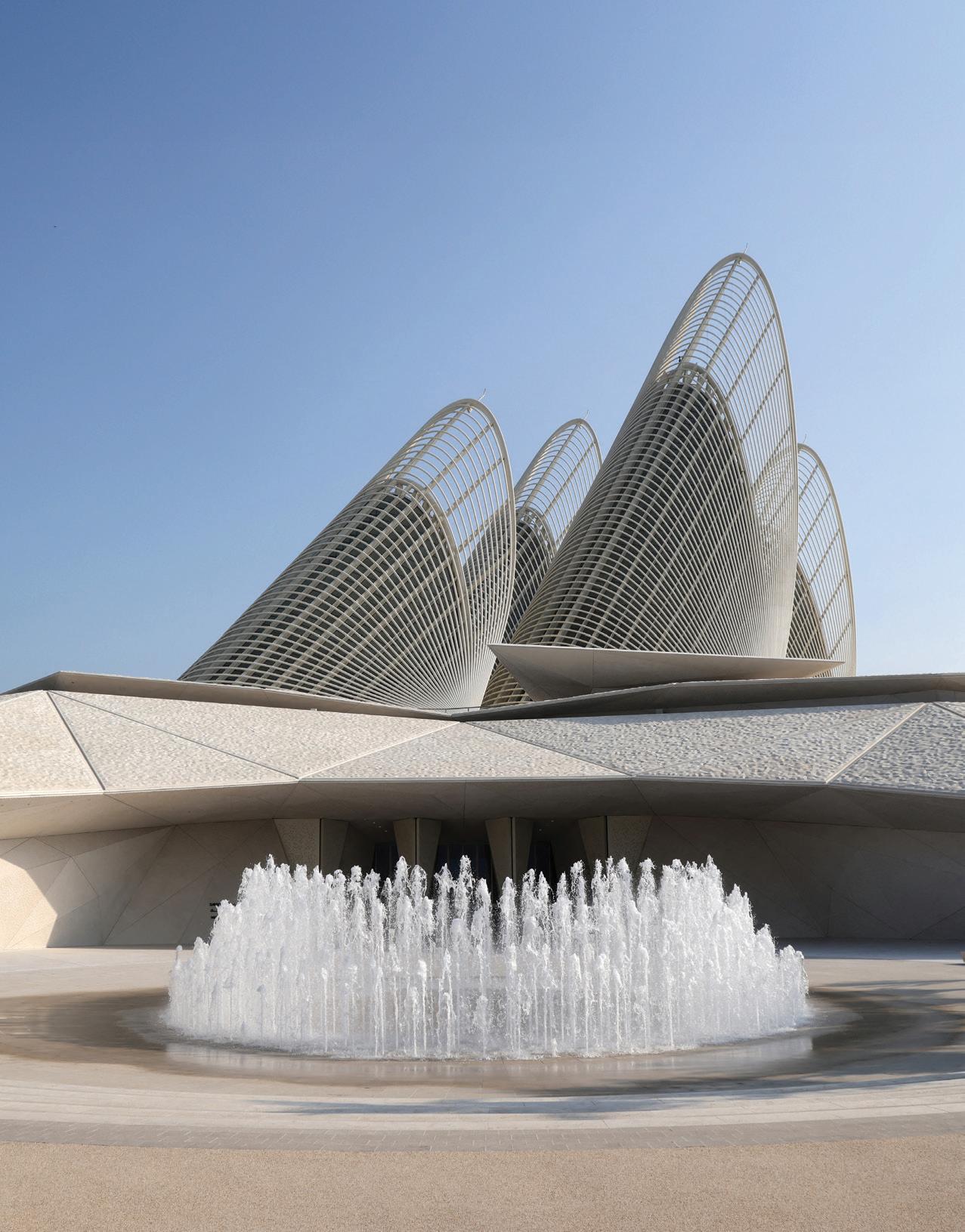
The region is undergoing a profound structural re-engineering. We are moving rapidly past the era of the superlative – where success was measured merely by the height of our towers, the breadth of our runways, or the sheer volume of arrivals. Today, the Middle East is pioneering a far more significant movement: the Experience Decade, where travel is defined by intentionality, cultural depth, and human connection.
As major regional investments mature and a narrow technology window opens, our focus has shifted to building destinations that are deeply rooted in purpose; that are designed to make visitors feel more connected and more alive, while simultaneously planting the seeds for long-term resilience.
At its core, this new blueprint is about shifting away from rigid, attraction-ticking itineraries toward experiences that carry genuine personal meaning. Travellers from high-value global markets are no longer passive observers; they seek authentic engagement with place and community. This demands a complete reimagining of journey design, placing the human experience at the absolute centre of our visitor architecture, from arrival to departure. Whether it is converting the region's substantial MICE pipeline into extended leisure stays, or capturing the immense passion of sports fans across the GCC to inspire repeat visitation, we are learning to turn transient transactions into enduring advocacy.
Technology, when deployed responsibly, serves as the invisible engine supporting
Innovation is now being used to deepen, rather than replace, realworld connection
this human-centric shift. Rather than acting as a superficial barrier, sophisticated data frameworks and emerging agentic AI systems allow us to move from reactive services to anticipatory experience design. By using data thoughtfully, we can remove friction and let travellers focus on the experience. We're seeing immersive augmented reality in storytelling, that breathes life into ancient historical sites like AlUla and Diriyah. Smart VR previews are shortening decision cycles for international event planners. Technology in all of its forms is making our travels easier and richer. As a whole, innovation is being used to deepen, rather than replace, real-world connection.
Crucially, this experiential evolution is what provides our industry with durable economic and environmental resilience. Because the Middle East’s most significant giga-projects are being built from the ground up, we possess a unique structural advantage: social impact, regenerative resource management, and renewable energy can be built in from the start, rather than retrofitted as an afterthought. True sustainability is moving from a public relations narrative to a core operational standard, heavily scrutinised by corporate travel procurement functions aligned with strict ESG criteria.
From key destinations climbing smart city lists, to the massive tourism contributions to GDP seen across Saudi, the UAE, Oman, and Qatar, the region is proving that commercial viability and responsible stewardship are codependent. Real resilience is measured not by short-term growth, but by what endures when the construction cranes are gone. It is found in a local guide building a sustainable livelihood, a coastal community gaining an independent economy, or a stadium serving its city for decades. By holding ourselves to this standard, we are ensuring that the Middle East does not just build for the present, but also creates an intentional, vibrant, and considered future built to last.
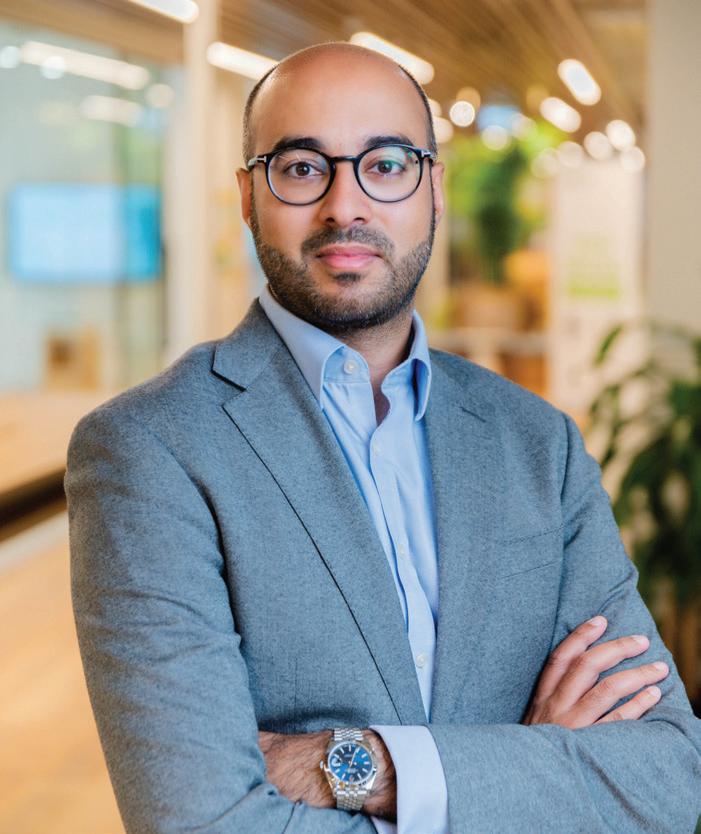
Hassan Malik Partner, and Sports and Tourism Leader, at Deloitte Middle East

BUSINESS TRAVELLER MIDDLE EAST IS JOINTLY PUBLISHED BY MOTIVATE MEDIA GROUP AND BUSINESS TRAVELLER MEDIA LTD
MOTIVATE MEDIA GROUP
EDITOR-IN-CHIEF OBAID HUMAID AL TAYER
MANAGING PARTNER AND GROUP EDITOR IAN FAIRSERVICE
CHIEF COMMERCIAL OFFICER ANTHONY MILNE
GROUP CONTENT DIRECTOR THOMAS WOODGATE
EDITOR YI-HWA B. HANNA
ART DIRECTOR CLARKWIN N. CRUZ



CONTRIBUTORS
REZVAN MAANI, SALMA LEA AFIF, YASMIN KAYALI SABRA, DANIEL GRIBBIN
GENERAL MANAGER – PRODUCTION
S SUNIL KUMAR
PRODUCTION MANAGER BINU PURANDARAN
ASSISTANT PRODUCTION MANAGER
VENITA PINTO
GROUP SALES MANAGER CHAITALI KHIMJI
SENIOR PARTNERSHIPS MANAGER MURALI NARAYANAN






HEAD OFFICE: MEDIA ONE TOWER, DUBAI MEDIA CITY, PO BOX 2331, DUBAI, UAE; TEL: +971 4 427 3000; FAX: +971 4 428 2266; E-MAIL: BTME@MOTIVATE.AE
DUBAI MEDIA CITY: SD 2-94, 2ND FLOOR, BUILDING 2, DUBAI, UAE; TEL: +971 4 390 3550; FAX +971 4 390 4845
ABU DHABI: PO BOX 43072, ABU DHABI, UAE; TEL: +971 2 677 2005; FAX: +971 2 657 3401; EMAIL: MOTIVATE-ADH@MOTIVATE.AE
SAUDI ARABIA: REGUS OFFICES NO. 455 - 456, 4TH FLOOR, HAMAD TOWER, KING FAHAD ROAD, AL OLAYA, RIYADH, KSA;TEL: +966 11 834 3595 / +966 11 834 3596; EMAIL: MOTIVATE@MOTIVATE.AE
LONDON: MOTIVATE PUBLISHING LTD, ACRE HOUSE, 11/15 WILLIAM ROAD, LONDON, NW1 3ER, UK; E-MAIL: MOTIVATEUK@MOTIVATE.AE


BUSINESS TRAVELLER MEDIA LTD.
INK, BLACKBURN HOUSE, BLACKBURN ROAD, LONDON, NW6 1RZ
The amount that the travel and tourism sector is projected to contribute to the global economy in 2026, accounting for 9.9% of global GDP.
The number of jobs expected to be supported by the travel and tourism industry by 2034 –accounting for more than 11% of the world’s economy.
The record-breaking number of overnight international visitors Dubai welcomed in 2025.
Global travel demand continues to surge in 2026, with overall air passenger traffic growing between 3.8% and 5.8% year-onyear. International bookings are outpacing domestic growth, pushing global load factors to record highs of 82%.
11% of global international tourist arrivals (which reached 1.52 billion in 2025) captured by the MENA (Middle East and North Africa) region. This translates to roughly 165 million arrivals, with about 100 million in the Middle East, and 65 million in North Africa. This was roughly 39% above pre-pandemic (2019) numbers.
The record-breaking number of visitors Abu Dhabi welcomed in 2025, a milestone surge supported by a 10% growth in international guests, accompanied by an 81% average hotel occupancy rate.
The record-breaking number of domestic and international visitors Saudi Arabia welcomed in 2025. Of this total, approximately 30 million were international inbound tourists. These figures reflect a 5% annual increase from 2024.
The travel and hospitality AI market will reach around US$8.35 billion by 2030, growing at a compound annual growth rate (CAGR) of 15.2% from 2024 to 2030.
5.1
The record number of international visitors Qatar welcomed in 2025, representing a 3.7% increase from the previous year, primarily driven by the country’s expanded year-round events calendar and booming MICE calendar.
8 million to 30 million
The rise in Umrah visitors that Saudi Arabia hopes to target by 2030, while doubling the country’s UNESCO-registered archaeological sites from 4 to 8.
In 2025, Kuwait International Airport handled a total of 14.93 million passengers, recording 7.295 million arrivals and 7.64 million departures.
In 2025, Lebanon experienced a major rebound in tourism, with visitor arrivals reaching approx 3.2 to 3.5 million over the year. This reflected a more than 44% year-on-year increase in incoming visitors, driven by a surge in European travellers and returning Lebanese expatriates.
Bahrain’s tourism sector surged in 2025, recording an 11% increase in visitor growth compared to 2024, ranking third in the Middle East. Tourism now accounts for 7% of the kingdom’s total GDP.
Saudi Arabia remained the primary source of visitors to Bahrain, accounting for approximately 68% of total arrivals (about 9.7 million) to the neighbouring GCC country.
Egypt shattered all previous tourism records in 2025, welcoming a historic 19 million international visitors. This phenomenal performance represents a 21% increase over 2024 and significantly outpaced the global average growth rate of 5% as well.
Oman’s tourism sector achieved record-breaking performance in 2025, welcoming 3.9 million visitors and generating a total economic output of RO 2.28 billion ($5.92 billion).
Jordan’s tourism sector recorded 6.475 million total visitors and generated $7.2 billion in revenue during the first 11 months of 2025 – representing a 7% year-onyear increase, driven by a 14.7% surge in tourist arrivals, particularly from Europe, Asia, and the Americas.
Morocco swept past its previous tourism records in 2025, welcoming 19.8 million international visitors. This 14% year-overyear growth generated over $13 billion in tourism revenue, officially securing Morocco’s position as the most-visited destination in Africa.



The GCC’s travel and tourism infrastructure investments are maturing, its most important source markets are shifting – and a narrow technology window is open, rewarding those who move with clarity and confidence.
By Rezvan Ma’ani
In uncertain times, the general instinct is often to consolidate: to protect what is working, defer what is not yet proven, and wait for the fog to clear. The instinct is an understandable one, but it can cost destinations dearly. The GCC is entering a moment where the physical product, the visitor demand, and the enabling technology are converging in ways that will not repeat. The destinations that recognise this—and invest with conviction—will define the region’s tourism landscape for the decade ahead. Here are five areas where sector leadership must invest to take advantage of this opportunity.
1 Turn the attraction pipeline into a competitive edge
The GCC has spent years building worldclass cultural infrastructure. The next challenge and the greater opportunity lie in making it work as hard as it deserves to. Museums, cultural districts, immersive entertainment venues: the product is open,
and it is arriving at exactly the right moment. Travellers from India, China, and high-value Western markets are moving decisively away from itinerary-based sightseeing toward experiences defined by cultural depth and personal meaning. This is a structural shift, not a temporary preference, and the GCC’s new cultural infrastructure is exceptionally wellpositioned to meet it. Destinations that activate confidently now, while others are still finding their footing, will convert years of patient capital investment into a positioning advantage that compounds over time.
2 Build the data infrastructure that makes personalisation real
The destination that earns the next decade of visitor loyalty will not simply be the one with the best attractions; it will be the one that made every visitor feel like the experience was designed for them. Tailoring experiences to broad nationality or spend-tier segments is increasingly
becoming standard practice. The meaningful differentiation now happens at the level of the individual. Every touchpoint in the visitor journey (such as dwell time at a cultural site, dining choices, in-destination search behavior) generates a signal. Joined across the ecosystem under appropriate consent and governance frameworks, those signals become something genuinely powerful: a real-time, continuously updated picture of each visitor that allows experience design to move from reactive to anticipatory. The technical infrastructure to achieve this is well within reach. The harder and more important work is creating the ecosystem alignment –the shared incentives and governance structures – that brings operators and visitors into genuine participation.
3 Redesign the journey for the visitors who are actually coming Indian and Chinese travellers will define the region’s growth story for the next ten years, and both cohorts are looking for something that most GCC destinations have not yet fully designed for.
Digital fluency, one-click convenience, and hyper-personalised recommendations are baseline expectations in both markets, not differentiators. More importantly, both cohorts are shifting away from retail-heavy,

The visitor who feels truly understood does not merely return. They become the destination’s most credible advocates.
attraction-ticking itineraries toward cultural depth, authentic engagement with place, and experiences that carry personal meaning. Addressing this through a marketing campaign alone will not be sufficient. It requires genuine journey design: rethinking the visitor architecture from arrival to departure with these travellers at the centre. The destinations that do this thoughtfully will not simply attract more visitors from these markets; they will attract visitors with higher spend, longer stays, and stronger likelihood of return.
4Invest in agentic AI before the window closes
AI systems that will reshape visitor experience are developing faster than most destination managers currently anticipate, and the advantage will go to those who lay the groundwork now. The most effective version of AI in destination management will be largely invisible. Not a prominent interface, not a chatbot the visitor must navigate, but a destination where things simply work:
where the experience feels considered and where needs are anticipated before they are expressed. More and more travellers are already open to AI assistance for planning and in-trip support. Agentic systems capable of managing the full visitor arc—from pre-trip itinerary building through realtime in-destination adjustments to post-visit re-engagement—are maturing quickly. The governance frameworks and data architecture required to deploy them responsibly take time to build. Destinations that invest in that foundation today will hold a structural advantage when these capabilities reach maturity. The ones that wait will find it genuinely difficult to close the gap.
5 Convert the MICE pipeline into leisure stays
MICE delegates represent one of the region’s most valuable and most underdeveloped leisure conversion opportunities.
Business travellers from high-growth Asian markets, particularly India and China, demonstrate a strong propensity to extend business trips for leisure. Converting that intent into action requires deliberate design: helping delegates understand what the destination offers beyond the conference venue, reducing the friction involved in extending a stay, and working with event organisers to integrate destination experiences into the program from the outset rather than as an afterthought. Leisure currently accounts for around a third of total visitors to Abu Dhabi. The MICE pipeline alone has the potential to move that figure materially. The pathway to doing so is clearer than for almost any other growth lever available.
What is most compelling about these five areas is that they do not function independently; they reinforce each other. The attraction pipeline creates the product worth experiencing. Data infrastructure and source market journey design ensure that visitors are served well while they are there. Leisure conversion and agentic AI extend the relationship and build the conditions for advocacy and return. Destinations that approach all five as a connected system (rather than separate workstreams competing for budget and attention) are building something more durable than a strong season. They are building a structural advantage in how they understand, serve, and retain visitors over time. In a region with ambitions as significant as those across the GCC, that is precisely the kind of investment that scales.
The technology and innovation re-engineering the next phase of growth in Saudi Arabia and the Middle East
By Salma Lea Afif
The global travel, hospitality, and tourism ecosystem is being rewired by a powerful combination of technologies. What started as isolated pilot chatbots in call centres, keyless room entry, and sensor-based energy management has now evolved into end-to-end, data-driven experiences that reshape how guests discover, book, travel, and stay.
As a director at Deloitte working on innovation and technology for the past five years in the region, I have seen this shift move from slideware to large-scale implementation. Hospitality leaders are no longer asking whether to adopt AI and IoT; they are asking how fast they can scale and how to orchestrate these technologies across properties, brands, and destinations.
For the Kingdom of Saudi Arabia (KSA), this inflection point aligns directly with Vision 2030. Massive investment in smart cities and giga-projects, an ambitious tourism agenda, and a national push on AI and digital infrastructure are positioning the kingdom as an emerging hub for technology-enabled tourism and urban experiences in the Middle East.


AI is becoming the invisible engine of modern travel and hospitality. Recommendation engines, dynamic pricing algorithms, and AIenhanced booking journeys are now embedded across leading hotel groups, airlines, and online intermediaries.
A global market study estimates the Travel & Hospitality AI market will reach around US$8.35 billion by 2030, growing at a compound annual growth rate (CAGR) of 15.2% from 2024 to 2030. Behind that forecast lies a structural change: an increasing share of decisions that once depended on static rules or manual judgment are now supported or made by algorithms.
The most visible impact is personalisation. AI systems use loyalty data, browsing behaviour, and contextual signals to tailor destination and

property recommendations; dynamic offers and packages; and on-property experiences such as room settings and F&B suggestions.
One concrete example is Hyatt’s collaboration with Amazon Web Services (AWS). Hyatt uses AIenabled booking engines to analyse customer data and recommend specific hotels and add-ons in real time, aligning offers with individual preferences. For guests, this is experienced as a brand that “knows” them; for operators, it drives conversion and ancillary revenue.
In client engagements, the most successful organisations treat personalisation as a cross-functional capability rather than a marketing feature. They connect data from loyalty programmes, operations, and digital channels, and allow AI models to learn continuously from guest behaviour instead of relying on static segmentation or one-off campaigns.
AI-driven customer service and engagement
AI-enabled chatbots and virtual concierges now handle a significant proportion of guest interactions before, during, and after a stay. In call centres, AI supports human agents by proposing responses, prioritising tickets, and routing complex cases. Meanwhile, AI-powered guest communication platforms resolve reservation inquiries, FAQs, upsell offers, and review responses at scale, reducing pressure on front-line teams.
Beyond text channels, voice assistants integrated into rooms or apps handle natural-language requests from extra towels to late checkout, feeding data back into guest profiles. This creates a closed loop in which every interaction trains the system to serve the guest better next time.
Deloitte research indicates that these capabilities are now strategic priorities: 81% of hoteliers report that increasing employee productivity is a key focus, and 49% list integrating AI-powered solutions among their top technology initiatives. In other words, AI is being deployed not only to improve the guest experience, but also to address structural labour and productivity challenges.
The operational impact of AI is equally important. In terms of dynamic pricing and revenue management, hotels and airlines use AI-based models to adjust prices based on demand patterns, events, competitor behaviour, and willingness-to-pay signals, improving yield and load factors. Within demand forecasting, AI improves forecasting for occupancy, F&B demand, and ancillary services, informing staffing, procurement, and inventory decisions. When it comes to workforce optimisation, AI supports scheduling, task allocation, and performance analytics, helping organisations match staffing levels to real needs.
From what I see in practice, the critical challenge is no longer access to AI tools –vendors are plentiful – but it is now integration and governance: consolidating fragmented data landscapes; ensuring that AI decisions align with brand strategy and ethical guidelines; and embedding human oversight for high-impact decisions such as pricing, customer treatment, or security.
Connected guest experiences
If AI is the “brain” of the new hospitality model, IoT and smart infrastructure are the senses
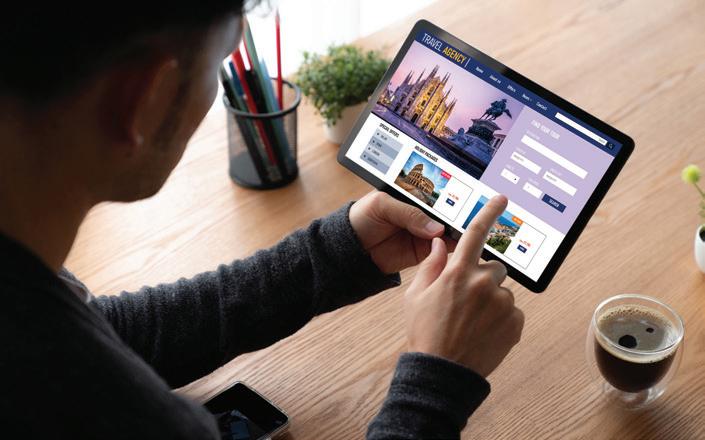
and nerves. In hotels, IoT has evolved from isolated gadgets into the backbone of connected experiences. Smart rooms allow guests to control lighting, temperature, blinds, and entertainment from their phones or voice assistants, with preferences stored and re-applied across stays. Digital keys, wearables, and location-aware services enable frictionless check-in, wayfinding, and on-property navigation, particularly in large resorts and integrated destinations.
When these IoT capabilities are combined with AI, the value multiplies. Data from hundreds or thousands of sensors feeds models that can anticipate needs, tailor settings, and trigger proactive interventions; for example, dispatching staff when occupancy in a specific area breaches a threshold, or adjusting HVAC systems based on predicted patterns rather than fixed schedules.
IoT-enabled smart infrastructure is transforming the economics of travel and hospitality assets.
Sensors in HVAC systems, elevators, kitchen equipment, and water networks enable predictive maintenance, allowing teams to intervene before breakdowns: EHL Hospitality Insights notes that AI and IoT allow hotels to move from reactive to predictive maintenance, reducing downtime and improving the guest environment. Meanwhile, IoT-based energy management systems adjust heating, cooling, and lighting in real time based on occupancy and external conditions, cutting waste when rooms or spaces are unused. In transportation, IoT supports real-time monitoring of vehicles and infrastructure, improving routing, asset utilisation, and safety.
An analysis discussed by Ecobnb, based on Research and Markets data, suggests that annual IoT spending in travel and hospitality will reach US$28 billion within three years, up from about US$10 billion in the pre-pandemic period. That nearly-threefold increase reflects a clear business case: more efficient assets, fewer outages, lower energy costs, and more agile operations.
At destination scale, IoT and smart city technologies enable visitor flow management through anonymised mobility data and sensors in public spaces; smart mobility, including connected public transport, curb management, and parking guidance; and environmental monitoring, the tracking of tracking air and water quality, biodiversity, and resource consumption critical for sustainable and regenerative tourism models. The real opportunity arises when these data streams are fed into shared data platforms, supporting integrated decision-making across hotels, transport providers, attractions, and city authorities.

AI and IoT provide intelligence and connectivity – immersive reality (AR, VR, and mixed reality) adds a new experiential layer on top of physical assets. For Saudi Arabia and the wider Middle East, where many destinations are being designed or re-imagined from the ground up, immersive technologies offer a powerful way to differentiate, and several use-case clusters are emerging.
Pre-trip inspiration and risk-free exploration
For both leisure and business travellers, immersive content is increasingly used at the planning stage. Virtual site visits allow corporate travel and event planners to “walk through” meeting venues, hotels, and even entire districts in VR before committing budgets. This reduces uncertainty, shortens decision cycles, and supports more informed RFPs.
Immersive destination previews enable travellers to experience key attractions or conference venues in advance, building confidence especially important for new markets where familiarity is low.
In the context of KSA’s emerging destinations, virtual exploration can help reposition perceptions and showcase infrastructure, connectivity, and safety to global business
audiences long before they arrive on the ground.
This is particularly valuable in the current environment, where immersive previews can build confidence among international corporate planners and event organisers considering the region for major conferences and business events.
In-stay augmentation and storytelling
On-site, augmented reality (AR) is already being used to layer digital information and storytelling onto physical spaces. Heritage destinations such as Diriyah and AlUla can use AR to reconstruct historical scenes, overlay translations, or surface curated narratives tailored to different visitor profiles. Hotels and venues can provide AR-based wayfinding, real-time event information, or contextual services (such as pointing a device at a meeting room to access AV settings, catering options, or room-service integrations).
For business travellers with limited time, these tools make it easier to navigate unfamiliar environments, discover relevant experiences, and connect with local culture beyond the confines of a meeting room.
Hybrid events and extended reach Immersive reality is also blurring the boundary between physical and virtual participation. Hybrid conferences and exhibitions increasingly use extended-reality spaces where
remote participants can interact with content, exhibitors, and each other in more engaging ways than traditional webcast formats.
For international events hosted in Saudi Arabia, immersive participation can extend reach beyond in-person attendees, allowing organisations to engage broader internal or client audiences.
Looking ahead, combining immersive environments with AI-based personalisation and IoT data from physical venues opens the door to truly blended experiences where in-person and remote participants share a coherent, data-rich environment.
The strategic question for destinations and operators is not whether immersive reality will be part of the travel landscape, but how to integrate it thoughtfully so that it enhances, rather than replaces, authentic human and place-based experiences.
From isolated tools to connected ecosystems: Integrated platforms and orchestration
The next competitive frontier is not deploying AI, IoT, or immersive tools in isolation, but orchestrating them within coherent technology and data ecosystems.
Leading destinations and operators are building platform-style architectures that consolidate data across the travel ecosystem and
How are leading tourism destinations, hotels, and other travel operators using integrated platforms with cuttingedge technology?
• Data from hotels, airlines, airports, public transport, and city services is consolidated in shared environments (with robust access controls and governance).
• AI models forecast demand, optimise flows, orchestrate resources, and personalise experiences for different segments.
• External partners global brands, local startups, and ecosystem players access services and data via APIs to co-create new offerings.
In practical terms, this might look like a destination management platform that:
• Adjusts city transport and staffing in anticipation of a large event or cruise arrival
• Provides local hotels with early visibility of projected visitor volumes, origin markets, and stay patterns
• Recommends personalised itineraries and activities to visitors, while respecting capacity, sustainability, and cultural constraints


use AI to optimise operations, forecast demand, and deliver personalised visitor experiences. In practical terms, this might look like a destination management platform that adjusts city transport and staffing in anticipation of a large event or cruise arrival; provides local hotels with early visibility of projected visitor volumes, origin markets, and stay patterns; and/or recommends personalised itineraries and activities to visitors, while respecting capacity, sustainability, and cultural constraints. Immersive channels then become an additional interface into this ecosystem, not a disconnected novelty.
As much as clients can be impressed by technology, trust can collapse if data is not handled properly. Research on Riyadh’s smart city transformation highlights the importance of strict data protection regulations, encryption, and regular security audits to protect personal data and the integrity of information used in smart city initiatives. The same principles apply in tourism and hospitality, wherein there must be clear consent and transparency about how guest and visitor data are used, and governance frameworks that define who can access what data, and for which purposes – and systems must feature strong technical controls (encryption, access management, monitoring).
From what I observe in the market, organisations increasingly see digital trust as a differentiator: guests, citisens, and partners are more likely to engage deeply with digital services when they believe their data is handled responsibly.

Vision 2030: Tourism and digital foundations
Vision 2030 provides a clear strategic framework for Saudi Arabia’s transformation into a diversified, innovation-driven economy, with tourism as a central pillar. This transformation is supported by massive investments in digital infrastructure and e-government capabilities, which serve as the necessary foundation
Key KSA Vision 2030 targets:
• Tourism and heritage: To increase annual Umrah visitors from 8 million to 30 million by 2030, while doubling UNESCO-registered archaeological sites from 4 to 8. This is coupled with investments in museums, cultural venues, and the development of heritage sites for international appeal.
• Digital infrastructure: To expand high-speed broadband coverage to over 90% of homes in densely populated cities and 66% in other urban zones, and improving e-government services with the ambition of joining the top 5 countries in the UN E-Government Index.
• Economic diversification: To increase private-sector contribution to GDP from 40% to 65%, raising non-oil exports from 16% to 50% of non-oil GDP, and developing new engines in tourism, renewables, logistics, and the digital economy.
for integrating and scaling next-generation technologies like AI, IoT, and immersive reality across the tourism sector.
Smart destination ambitions
Ambition is backed by scale. Several figures highlight the magnitude of change underway:
• Large Vision 2030 urban and tourism developments, including entertainment and smart-city initiatives, are collectively valued at around US$1.8 trillion.
• Saudi Arabia’s smart cities market is expected to grow from US$6.72 billion in 2024 to US$18.74 billion by 2030, implying a CAGR of around 18.6%.
• The Kingdom plans to invest over US$135 billion in AI by 2030, aiming to become a global leader in this technology. The digital economy is projected to contribute around US$30 billion annually to GDP by 2025. These investments are not abstract. They are being translated into a portfolio of destinations and city-scale programmes that combine hospitality, culture, entertainment, and technology. Saudi Arabia’s innovation narrative rests on multiple projects and initiatives, rather than a single flagship:
• Qiddiya Entertainment City


Located west of Riyadh, Qiddiya covers approximately 334 sq km, including a Six Flags theme park (the largest in the Middle East), other entertainment parks, and sports and cultural venues. Qiddiya is expected to contribute around SAR 17 billion (about US$4.5 billion) per year to GDP and create

around 52,000 jobs. Its design emphasises smart infrastructure and digitally orchestrated experiences, with technology integrated into operations, ticketing, and guest journeys.
• Red Sea and related regenerative tourism destinations
The Red Sea developments aim to set new benchmarks for regenerative tourism, combining high-end hospitality with smart building systems, advanced environmental monitoring, and renewable energy. Digital platforms and IoT solutions support resource management and curated guest experiences, aligned with strict sustainability objectives.
• Diriyah and AlUla
These heritage destinations blend the preservation of cultural assets with smart visitor management and digital storytelling. Technology, including AR/VR and advanced interpretation systems, helps bring history to life while managing flows and protecting sensitive sites.
Alongside specific destinations, major cities are undergoing smart-city transformations:
• Vision 2030 includes plans to turn Riyadh, Jeddah, Dammam, Mecca, and Medina into fully integrated smart cities, supported by enhanced digital services and infrastructure.
• Riyadh’s progress is already visible: it climbed to 5th place among G20 capitals in the IMD Smart City Index, outperforming cities such as Tokyo, Rome, Paris, and Beijing. Together, these movements demonstrate that Saudi Arabia’s positioning as an innovation
hub is grounded in a portfolio approach: multiple destinations and cities advancing on digital, sustainability, and experience dimensions in parallel.
A catalyst for growth
AI, IoT, immersive reality, and smart infrastructure are fundamentally changing how people travel, where they choose to go, and which brands and destinations they trust. In travel and hospitality, competitiveness is increasingly defined by the ability to harness data for personalisation, operational excellence, and sustainability – all while maintaining a strong human core.
Saudi Arabia is aligning this technological shift with a clear national strategy. Vision 2030, significant investments in smart cities and AI, and a growing portfolio of tourism destinations such as Qiddiya, the Red Sea developments, Diriyah, and AlUla are positioning the Kingdom as an emerging regional innovation hub for technology-enabled tourism.
The cancellation or reshaping of any individual project does not change the structural trajectory. What matters is the system: the combination of capital, policy, infrastructure, human capabilities, and the willingness to experiment and learn.
We notice this ability to observe, learn and react in a very systematic way, specifically with Regional dynamics and geopolitical volatility, these are real considerations for international investors and operators. The Kingdom’s strategic positioning – anchored in Vision 2030’s economic diversification, substantial investments in security and digital infrastructure, and a portfolio of world-class destinations – makes it increasingly attractive precisely because of its resilience and forwardlooking approach. Technology-enabled tourism serves as a stabilising economic force, creating jobs, diversifying revenue streams, and strengthening the Kingdom’s position as a preferred hub for international business and leisure travel in the Middle East. For operators and investors, the question is not whether to engage with the region, but how to position themselves to capture the opportunity as these transformations accelerate.
Looking ahead, further waves of innovation – digital twins of destinations, more immersive digital layers, autonomous mobility at scale – will likely blur the boundaries between physical and digital journeys even more.
For policymakers, operators, and investors, the question is how to convert this moment into durable advantage: building ecosystems that are not only smart and seamless, but also trusted, sustainable, and genuinely enriching for residents, visitors, and the wider economy.






Across the Gulf, a new generation of travel experiences is being built on community, sustainability, and meaning. For the business traveller, this is no longer just an ethical preference, it is rapidly becoming the destination itself.
By Yasmin Kayali Sabra
For years, the story of Gulf tourism was written in superlatives: Tallest. Fastest. Most ambitious. It was known as a region that built world-class destinations at a pace that left the rest of the world watching in something between admiration and disbelief. That chapter was extraordinary, and yet it was only the opening act.
Across the GCC, a quieter but equally consequential transformation is now underway – one that is embedding social impact, community ownership, and regenerative thinking into the very foundations of how destinations are built. This is not a pivot driven by public relations; it’s a strategic recalibration, informed by a growing body of evidence that
the destinations which endure (commercially, reputationally, and socially) are those that create lasting value for the communities and ecosystems at their core.
The question now reshaping destination strategies from Riyadh to Muscat is no longer simply “How many visitors can we attract?” – it has become: “What kind of place are we building and for whom?” The Gulf is not merely keeping pace with this global shift in travel values – in several critical respects, it is setting the standard.
Tourism as a platform for social transformation
Every major GCC vision document places tourism at the centre of long-term economic
diversification. But the more consequential framing is developmental, not economic.
Saudi Arabia’s Vision 2030, the UAE Tourism Strategy 2031, Qatar National Vision 2030, and Oman Vision 2040 are collectively attempting something more ambitious than revenue diversification. They are deploying tourism as a platform for social transformation, using the visitor economy to create employment, enable entrepreneurship, expand opportunity for women and youth, preserve cultural heritage, and support environmental restoration at national scale.
Tourism is one of the few economic levers capable of simultaneously generating GDP, strengthening national identity and delivering measurable community benefit. When those outcomes are designed in rather than hoped for, the results compound. Employment in heritage tourism builds skills that transfer to the broader economy. Conservation investments attract premium travellers whose spend supports local suppliers. Cultural programming strengthens civic pride in
ways that make destinations more livable for residents and more compelling for visitors. There is a structural advantage embedded in the GCC’s development context that deserves greater recognition in global tourism discourse. Because the region’s most significant destinations are being designed from the ground up, sustainability and social impact can be architected in from inception, not retrofitted after the fact, nor offset through carbon credits, and not reported as an afterthought in an annual ESG disclosure. That is a fundamentally different starting position from legacy destinations in Europe or Asia, and it is one the region is increasingly leveraging with sophistication.
The most instructive proof of concept in the region is AlUla. Home to Hegra, Saudi Arabia’s first UNESCO World Heritage Site, AlUla is not simply a tourism development; it is an exercise in community co-design at extraordinary scale. The Royal Commission for AlUla has made conservation and local empowerment the structural logic of the project, not a CSR addendum to it. Residents are the principal authors of the visitor experience: guides who carry the oral history of the Nabataean landscape, artisans reviving traditional crafts that connect visitors to civilisations stretching back two millennia, and entrepreneurs whose SMEs are systematically supported rather than displaced by international hospitality brands. This is what genuine stakeholder value creation looks like in a tourism context. Not a pledge or a brochure, but a business model in which community benefit and commercial
performance are structurally aligned rather than in tension.
Red Sea Global has taken a similarly rigorous approach. The developer of The Red Sea and AMAALA projects has operationalised the principle that tourism should leave destinations measurably better than it found them, translating that commitment into binding requirements across renewable energy integration, marine biodiversity protection, vocational training, and preferential local procurement. The result is a development framework that the broader industry should be benchmarking against. Luxury and responsibility, here, are not competing priorities – they are the same proposition.
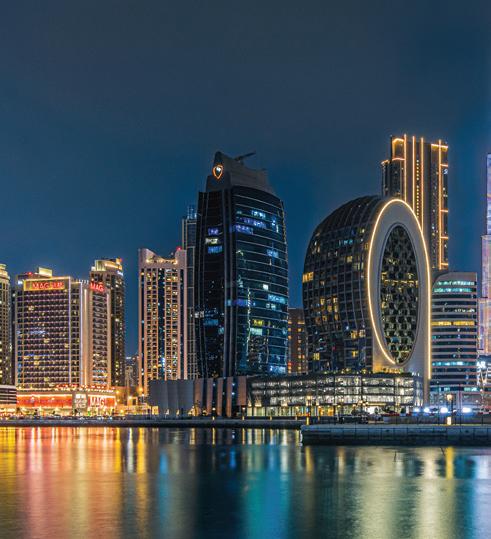
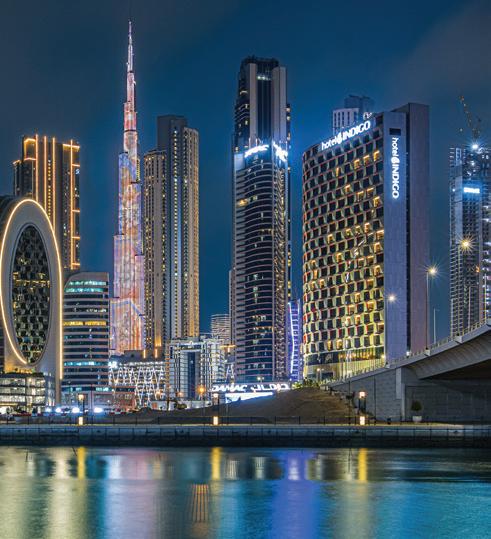
The UAE’s strategic evolution from luxury transit hub to purpose destination is visible across its emirates, each pursuing a distinct but complementary approach. Ras Al Khaimah has built one of the region’s most credible sustainable tourism models, with investment in desert conservation, mountain ecotourism, and coastal protection producing a destination in which nature-based experiences directly fund environmental stewardship while generating local employment. The strategic insight is transferable: restraint, applied with clarity and conviction, is itself a premium product. Market differentiation does not always require scale.
The destinations which endure are those that create lasting value for the communities and ecosystems
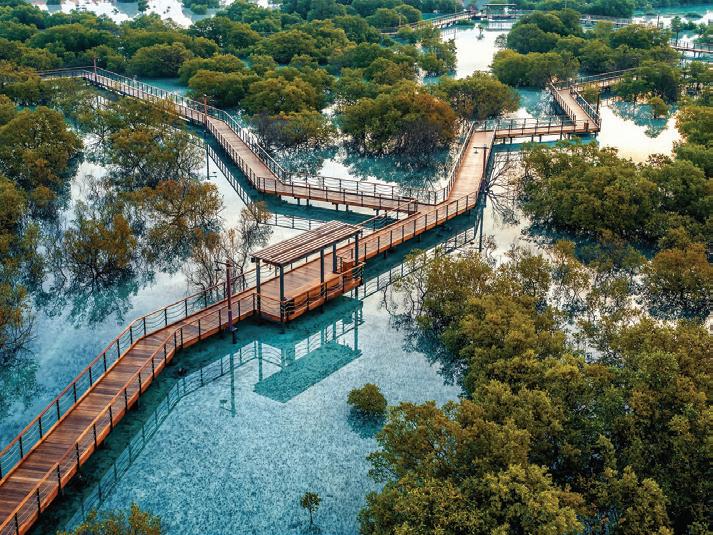
Abu Dhabi’s Jubail Mangrove Park illustrates a complementary principle: impact is most durable when it is experienced rather than communicated. Integrating environmental education, conservation, and community engagement into a single visitor experience produces outcomes that neither a classroom nor a brochure can replicate. Across the wider UAE, the growth of agritourism and farmto-table hospitality is generating meaningful economic linkages between the visitor economy and domestic food systems, building supply chain resilience while delivering the kind of authentic, locally-rooted experience that defines the premium segment.
Oman has practiced what much of the region is now learning. OMRAN Group has long prioritised Omani talent development, local artisan networks, and cultural asset protection in a model that deliberately favours quality per visitor over volume. The economic logic is wellestablished: When communities hold genuine
stakeholder interest in a destination’s success, they invest in its quality and longevity in ways that no management contract can replicate. Destinations built with communities consistently outperform destinations built for visitors on satisfaction metrics, on repeat visitation, and on long-term economic resilience.
Qatar and the multiplier effect of sports tourism
Qatar’s post-2022 trajectory offers one of the most instructive case studies in impactled destination strategy in the region. The FIFA World Cup accelerated infrastructure development at a pace and scale that would have taken decades to deliver organically. The more significant achievement, however, is what Qatar has built on that foundation: a destination identity anchored in community ownership, cultural depth, and human development.
Msheireb Downtown’s sustainable urban regeneration programme, Qatar Museums’ internationally significant cultural collections, and Qatar Foundation’s integration of tourism within ecosystems of education and research represent a coherent theory of destination value – one in which the visitor experience is designed to enrich rather than merely entertain. The Lusail Stadium now hosts community leagues and school events alongside international fixtures: a small but symbolically important demonstration that the infrastructure of mega-events can be made to serve host cities across decades, not just across a tournament.
Sports tourism, more broadly, is among the highest-leverage platforms available for social
value creation across the GCC. The Abu Dhabi Grand Prix, the Saudi Cup, and major football events generate outcomes that extend well beyond visitor nights and broadcast revenue: talent pipelines, youth engagement, community pride, and year-round destination activity. For corporate travel decision-makers, this convergence carries direct strategic relevance. Incentive travel and client entertainment built around major events now carry a reputational dimension that leadership teams and ESG functions increasingly scrutinise. The destination choice has become a values statement and the GCC is well-positioned to make that case.
Hassan Malik, Tourism & Sports Leader, Deloitte Middle East said that tourism and sport have become somewhat intertwined and reinforcing in the Middle East. The passion that fans have for sport, and the opportunity that the region is capturing in terms of mega sporting events, results in significant fan attraction to the region. The focus by these destinations on enhanced and unique experiences leads to repeat tourism, both as fans and as travellers.
One of the most consequential structural shifts in the corporate travel space is the convergence of ESG strategy and travel procurement. For much of the past decade, these functions operated in separate silos; sustainability teams filed their annual disclosures while travel managers optimised on cost and connectivity. That separation is dissolving, and it is dissolving with speed in
the GCC, where the region simultaneously hosts major international business travel and serves as a live laboratory for purpose-led destination development.
Global corporations with significant regional operations are increasingly mandating that travel spend meets ESG procurement criteria. Hotels are evaluated on LEED certification and community employment commitments. Event venues are assessed on local supply chain ratios. Destination cities are scored on social license as much as on logistics. The GCC, historically competitive on infrastructure and cost, is now competing on character and the evidence from markets where purpose-led destinations have matured suggests that character is a durable source of competitive advantage.
The risk of purpose-washing warrants direct acknowledgement. As social impact becomes a differentiator, the gap between narrative and outcome can widen without rigorous measurement frameworks. The destinations that will sustain credibility are those that can demonstrate verifiable results: employment data, community consultation records, independently verified conservation outcomes. Decision-makers today apply the same scrutiny to an impact claim that they apply to a financial projection. The standard of evidence needs to match.
The most useful measure of a destination’s social impact is deceptively simple: who benefits, and for how long? A destination that generates extraordinary visitor experiences while concentrating economic value in global hospitality brands and imported talent has not solved the equation. A destination that builds genuine, lasting opportunity for the communities at its core and can demonstrate it has.
The GCC’s travel renaissance will ultimately be judged not by the height of its towers or the breadth of its runways, but by what endures when the construction cranes are gone – by whether the guide in AlUla has built a livelihood, not merely taken a job. By whether the community on Oman’s coast has gained a sustainable economy, not merely a boutique hotel on its doorstep. By whether the stadium in Lusail genuinely belongs to the city that hosts it.





The resources, the intent, and the institutional architecture to deliver on that ambition are present across the region. What is required now is the discipline to hold the standard, to measure what matters, to report with transparency, and to resist the temptation to allow the story to outpace the substance. Purpose is no longer the afterword to the Gulf’s travel story. It is, at last, the opening line – and the world is watching closely enough to hold the region to it.

The Middle East’s travel and tourism sector is entering a defining era, marked by both immediate challenges and unprecedented opportunities. While recent regional conflicts have introduced a layer of shortterm uncertainty, the past decade has showcased the sector’s remarkable resilience and ambition. Dubai’s transformation into a global tourism hub is evident in international visitor numbers more than doubling from approximately 7.3 million in 2010 to 16.7 million in 2019, followed by a strong postpandemic recovery that saw 14.9 million visitors in 2022, signalling a rapid rebound and renewed confidence in the region’s appeal. Similarly, Saudi Arabia’s Vision 2030 exemplifies how the region is reimagining its economic future, with tourism at the heart of diversification strategies.
Despite geopolitical complexities, the outlook for travel and tourism across the Middle East remains robust. Governments and industry leaders are making significant investments in infrastructure, hospitality, and cultural attractions, positioning the region as a magnet for international travellers and business events. This momentum is driven by a clear recognition: moving beyond oil and gas dependency is not just a policy goal, but a commercial necessity for long-term prosperity. According to the World Travel & Tourism Council (WTTC), the Middle East’s travel and tourism sector is expected to grow at an average annual rate of 3.5% over the next decade, outpacing the projected growth of the wider Middle East economy.
By Daniel Gribbin
In this context, sustainability is rapidly moving up the agenda, not only as a regulatory or reputational concern, but as a core business imperative. As the sector continues to expand, the challenge for business leaders is to ensure that growth is both profitable and responsible, balancing immediate returns with longterm value creation. Amid rapid development and increasing environmental and social considerations, sustainable tourism presents a strategic opportunity to build resilient, future-ready destinations that support the region’s broader ambitions.
“Sustainability is fundamental to any tourism sector. It means protecting a country’s natural beauty, so it continues to attract visitors; caring for local cultures and traditions, so they remain a distinct and unique experience; and ensuring economic returns are shared with local communities, so the rewards from tourism activities improve the lives of those who support them. Balancing tourism growth and tourism sustainability is imperative for long term success,” says Laura Jepson, Partner, Monitor Deloitte.
Tourism remains one of the world’s most dynamic sectors, with international arrivals reaching 1.5 billion globally in 2025 – a 4% rise from 2024 and a nearcomplete recovery from the pandemic. That is fuelled by rising disposable incomes, a growing global middle class, and increased connectivity. However, the nature of travel is evolving: sustainability is no longer a niche concern, but a mainstream expectation.
Travellers and industry leaders are increasingly seeking out experiences and business models that prioritise environmental protection and positive social impact. According to Booking.com’s 2025 research, 53% of global travellers are aiming to make more sustainable choices, and 43% are willing to pay more for environmentally-friendly options. In parallel, corporate travel is under greater scrutiny as companies set ambitious targets to reduce their carbon footprint, particularly Scope 3 emissions, which include business travel. A Deloitte study found that a growing number of companies have set or are considering targets to reduce business travel emissions, with many adopting stricter travel policies and favoring lower-carbon alternatives. This shift is reshaping expectations for the travel sector, with sustainability now a key criterion in corporate procurement and partnership decisions.
The Middle East stands out as a vital crossroads for international travel, accounting for 5% of global arrivals and 14% of global international transit traffic. While the regional conflict has triggered significant and immediate impacts on travel activity both within the Middle East and beyond, resulting in losses of at least US$600 million per day in international visitor spending, the region has demonstrated remarkable resilience. Historically, it has recovered swiftly after periods of instability, often rebounding faster than other regions after crises such as the COVID-19 pandemic. This resilience provides a strong foundation for scaling sustainable tourism initiatives, which can drive further stability and prosperity across the region. Through embracing sustainable practices, the Middle East can accelerate economic recovery by attracting investment, meeting the growing demand for responsible travel, reducing operational costs, and enhancing its reputation as a forward-looking destination. In doing so, the region not only responds to immediate challenges but also creates a robust platform for long-term growth and competitiveness.
particular, Saudi Arabia has driven regional growth contributing $178 billion to the GDP – 46% of the Middle East’s Travel & Tourism economy. In 2025, the sector grew 7.4%, nearly double the global rate, with visitor spending up 8.2% and business travel rising over 55%. Other countries also exhibited strong growth in 2025 such as the UAE at $68.5 billion GDP, and Jordan and Oman both growing by 5.5%, highlighting continued momentum. This sustained expansion underscores the Middle East’s emergence as a dynamic and influential hub in the global travel and tourism landscape, while also highlighting the need to address the challenges posed by mega projects and structural realities whilst pushing for effective implementation of existing regulations and initiatives.
Mega-projects and practical realities

As a global tourism destination that is rapidly expanding, the Middle East is consistently exceeding the global growth rate. The increase in international visitor spending by 5.2%, compared to a global rise of 3.2%, demonstrates robust demand and increasing globalisation. Supporting 7.1 million jobs, the region’s Travel & Tourism sector contributed $385.8 billion to the GDP in 2025, underlining its economic importance. In
Zooming into the region, mega-projects across the Middle East such as Red Sea Global, Diriyah Gate, Qiddiya, AlUla, and events such as the FIFA World Cup and the AFC Asia Cup are reshaping tourism into a strategic pillar of economic diversification and longterm resilience. These projects are fostering ecosystems that combine luxury tourism, cultural preservation, entertainment and smart infrastructure that go beyond the conventional hospitality image. However, there is a corresponding need for the sector to align with sustainability and net-zero ambitions. Many of these very mega-projects are thus designed with the need for renewable energy integration, resource efficiency and lowimpact mobility systems at the heart. Concepts such as car-free urban design, circular water use, and biodiversity conservation are increasingly embedded at the planning stage, signalling a transition from incremental sustainability to systemic transformation. In this context, mega-projects act as experimental platforms for future-ready tourism models, showcasing how tourism infrastructure can harmonise economic growth with environmental stewardship and cultural continuity. Their greenfield nature provides a structural advantage allowing sustainability and technology, and are designed to be embedded from inception rather than retrofitted. This contrasts with mature destinations, where lower embedded carbon is offset by the complexity and cost of transformation. Due to its unique environment and developments, the Middle East’s tourism sector faces significant structural challenges as the ever-changing effects of climate change have led to high water dependency accompanied by energy-intensive desalination. The MENA region
is the most water-stressed area globally, with GCC countries among the most severely impacted. The reliance on desalination to address this challenge further complicates the situation. Desalination, which accounts for a large portion of the world’s capacity, consumes significant energy, creating an ‘energy-water nexus’ where increased water demand drives higher energy use. The electricity demand for both cooling and desalination is projected to rise substantially, with approximately 40% of the increase in electricity demand by 2035 attributed to these two sectors.
Equally critical for cooling and transportation is energy-intensive infrastructure as extreme heat necessitates extensive cooling, with HVAC systems in hotels consuming up to 60% of total energy. Tourism-related transportation also increases energy consumption and emissions significantly. Finally, the region’s reliance on aviation connectivity represents a fundamental structural characteristic. Although the Middle East acts as a global transit hub attracting millions of visitors, the aviation industry is a major emitter contributing to 2.5% of the world’s carbon emissions. Given this dependence, the sector is thus vulnerable to geopolitical instability, as regional conflicts may disrupt travel and impact overall tourism growth. Through its robust regulations, guidelines and initiatives, the Middle East is rapidly integrating sustainability into its tourism sector. For instance, Saudi Arabia is implementing comprehensive regulatory frameworks and guidelines regarding environmental preservation and sustainable development for coastal tourism, hotels, and events. Additionally, the UAE’s National Tourism Charter and Dubai’s Sustainable Tourism initiative are mandating eco-friendly practices that align with green building codes and net-zero ambitions. Across the GCC, there’s also a growing importance on sustainability disclosure with national visions incorporating net-zero ambitions (Saudi Arabia aims for net-zero by 2060, UAE by 2050, Oman by 2050) often embedding renewable energy into mega-projects. Ultimately, these efforts signify a strategic shift to ensure that regional tourism is aligned with the best global practices that are centered around environmental stewardship, social responsibility, and long-term economic viability.
Challenges and implementation
From infrastructure and luxury development to governance and innovation, the region must navigate critical trade-offs to ensure long-term success.
Rapid infrastructure buildout vs. emissions targets: Further infrastructure development is needed. Construction already contributes to nearly 40% of global CO2 emissions placing immediate pressure on net zero ambitions. While projects like NEOM aim to achieve carbon neutrality by 2030, the sheer
scale of construction for “The Line” is estimated to generate substantial CO2 emissions. Tourismrelated aviation also significantly adds to global CO2 emissions, posing a critical trade-off between balancing rapid development and decarbonisation. This misalignment requires rethinking on how infrastructures are designed, built, and operated from the outset. Luxury vs. decarbonisation: The Middle East is increasingly positioning itself as a hub for luxury travel, with a focus on high-end resorts, unique experiences, and exclusive destinations. However, with this comes the need for resource intensification, leading to a higher environmental footprint. Large resorts require substantial water for landscaping and pools, often relying on energy-intensive desalination, while cooling requires high energy consumption. Delivering premium experiences without compromising environmental integrity will require a fundamental redesign of what luxury means in a resource-constrained world. Speed vs. governance: Mega-projects such as Red Sea Global, NEOM, and Qiddiya are being developed rapidly, driven by national visions like Saudi Vision 2030. While the fundamentals of sustainability and resilience principles are being integrated, rapid execution can strain the maturity and enforcement of these frameworks. Although it’s a challenge, ensuring robust governance structures, transparency in reporting, and effective compliance at all levels is crucial. Innovation vs. practicality: The Middle East is an experimental platform for cuttingedge sustainable technologies, including 100% renewable energy grids and smart city infrastructure: Red Sea Global aims to operate on solely renewable energy, and NEOM plans zeroliquid discharge and vertical farming. Although great in theory, practical implementation presents obstacles such as high upfront costs, scalability issues, and the need for a skilled workforce. Transitioning from innovative pilots to widespread cost-effective solutions requires significant investment and overcoming technical and economic barriers. The next phase will depend on the region’s ability to convert experimentation into scalable, cost-effective models.
The Middle East’s tourism sector stands at a pivotal crossroads, and the choices businesses make now will shape the region’s trajectory for decades to come. Those who lead with agility and ambition will not only capture new growth opportunities but also set the standard for responsible tourism worldwide. By turning today’s challenges into catalysts for innovation and partnership, business leaders can secure long-term value, resilience, and a positive legacy for both their organisations and the wider region.
As the Middle East’s tourism sector continues its rapid expansion, businesses are uniquely positioned to drive meaningful progress on sustainability and resilience by scaling up innovative solutions and setting new industry benchmarks.
Greener growth: Sustainable infrastructure and low-carbon travel
The adoption of digital design tools, data-driven construction management, and advanced materials is enabling the development of high-performance, resource-efficient tourism infrastructure. Leading projects are integrating smart building systems, real-time energy monitoring, and circular construction principles to minimise emissions and optimize resource use from the outset. In aviation, the transition towards sustainable aviation fuel (SAF) is accelerating, supported by national policies such as the UAE’s General Policy for Sustainable Aviation Fuel. Regional carriers are piloting SAF and exploring electric and hybrid propulsion, reflecting the Middle East’s ambition to become a leading SAF hub and signalling a broader shift towards decarbonised travel.
What this means for businesses: Early investment in smart, low-carbon infrastructure reduces operational costs and regulatory risks, while positioning businesses as preferred partners for global investors and eco-conscious travelers.
Redefining luxury: Intelligent hospitality and resource optimisation
Luxury hospitality operators are leveraging technology to deliver exceptional guest experiences while advancing sustainability goals. The integration of AI-powered energy management, precision water stewardship systems, and closed-loop waste solutions is transforming hotel operations, reducing environmental impact without compromising comfort or exclusivity. Data analytics are also being used to personalise guest services and optimise resource allocation, aligning operational efficiency with evolving expectations for responsible luxury.
What this means for businesses: Redefining luxury through sustainability and technology enables businesses to capture a growing market of high-value, environmentally conscious guests, differentiate their brand, and future-proof their assets.
Raising the bar: Digital transformation and scalable sustainability
The deployment of advanced digital solutions, such as sustainability data platforms, AI-driven analytics, and blockchain-enabled supply chain transparency, is increasingly strengthening governance and accountability across business value chains in the Middle East.
According to Deloitte’s 2025 C-Suite Sustainability Report, 82% of companies in the region are leveraging AI to advance their sustainability goals, slightly ahead of global averages. By investing in workforce upskilling and forging partnerships with technology providers, the tourism sector can harness these innovations to move beyond pilot initiatives and establish itself as a leader in scalable, tech-enabled sustainable practices.
What this means for businesses: Proactive investment in technological innovation ensures compliance and transparency, drives operational excellence, builds stakeholder trust, and positions businesses to secure new partnerships, funding, and a competitive edge as trusted leaders in the evolving tourism landscape.
Amplifying impact: Advocacy and ecosystem collaboration Driving sustainable transformation in tourism requires coordinated action across the entire ecosystem. Businesses can play a pivotal role by engaging in industry alliances, collaborating with government bodies, and participating in multi-stakeholder platforms to shape policy, set shared standards, and accelerate the adoption of best practices. What this means for businesses: Active advocacy and collaboration not only amplify the impact of sustainability initiatives but also help create a level playing field, unlock access to funding and incentives, and position businesses as leaders in shaping the future of tourism in the region.



























































































































































































































































For a century, Deloitte has been a trusted partner in the Middle East, working alongside governments, businesses and communities to build institutions, advance industries and drive sustainable progress. As we mark 100 years, we honor a legacy of resilient growth and impact, reaffirming our commitment to shaping a more prosperous future together. Visit Deloitte.com to know more. A century of progress, together.